
This week’s Pandora Report covers the WHO’s workforce reductions, the Trump administration’s full backing of the lab leak SARS-CoV-2 origin theory, yet more troubles at HHS, and more.
Science, Service, and Strategy: How One Soldier Is Shaping the Future of Biodefense
The Schar School recently published a feature on Biodefense MS alumnus MAJ Geoffrey Mattoon: “For Army Major Geoffrey Mattoon, the path to and through higher education wasn’t a straight line; it was a deliberate decision shaped by years of military service, a background in science, and a desire to meet the rising challenges of national security in a tense world.”
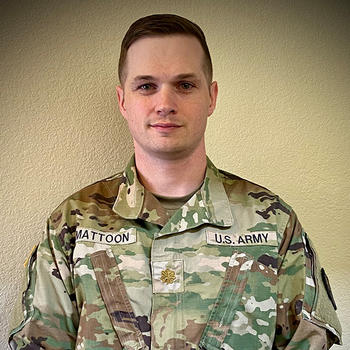
Read more about MAJ Mattoon’s career and time at GMU here.
WHO Shrinking Geneva HQ Divisions
As part of WHO’s reorganization, it has been announced that the organization will shrink its program divisions even more than previously thought, from ten down to four. The revamped structure will include health systems as a key pillar, while disease control departments and preventative health teams (including health promotion and environment, climate, and health) all falling under one division-Health Promotion, Disease Prevention & Control. The other divisions will be Business Operations and Compliance and Health Emergency Preparedness & Response. It remains unclear how many staff members at WHO headquarters will be cut.
Trump Administration Updates
Administration Backs Lab Leak SARS-CoV-2 Origin Theory
The administration has now set covid.gov and covidtests.gov, websites which once provided information about the COVID-19 pandemic and access to at-home test kits, to redirect to a White House webpage dedicated to the lab leak origin theory of SARS-CoV-2. This theory remains unsupported by direct evidence and has split the Intelligence Community, with three agencies supporting it (two with low confidence and one with moderate confidence). The White House has begun describing it as a “confirmable truth” despite these unresolved issues.
Angela Rasmussen, a virologist at the University of Saskatchewan in Canada, said of the new page and its five bulleted claims “Every one of the five pieces of evidence supporting the lab leak hypothesis … is factually incorrect, embellished, or presented in a misleading way…But making evidence-based arguments in good faith about the pandemic’s origin is not the purpose of this document. This is pure propaganda, intended to justify the systematic devastation of the federal government, particularly programs devoted to public health and biomedical research.”
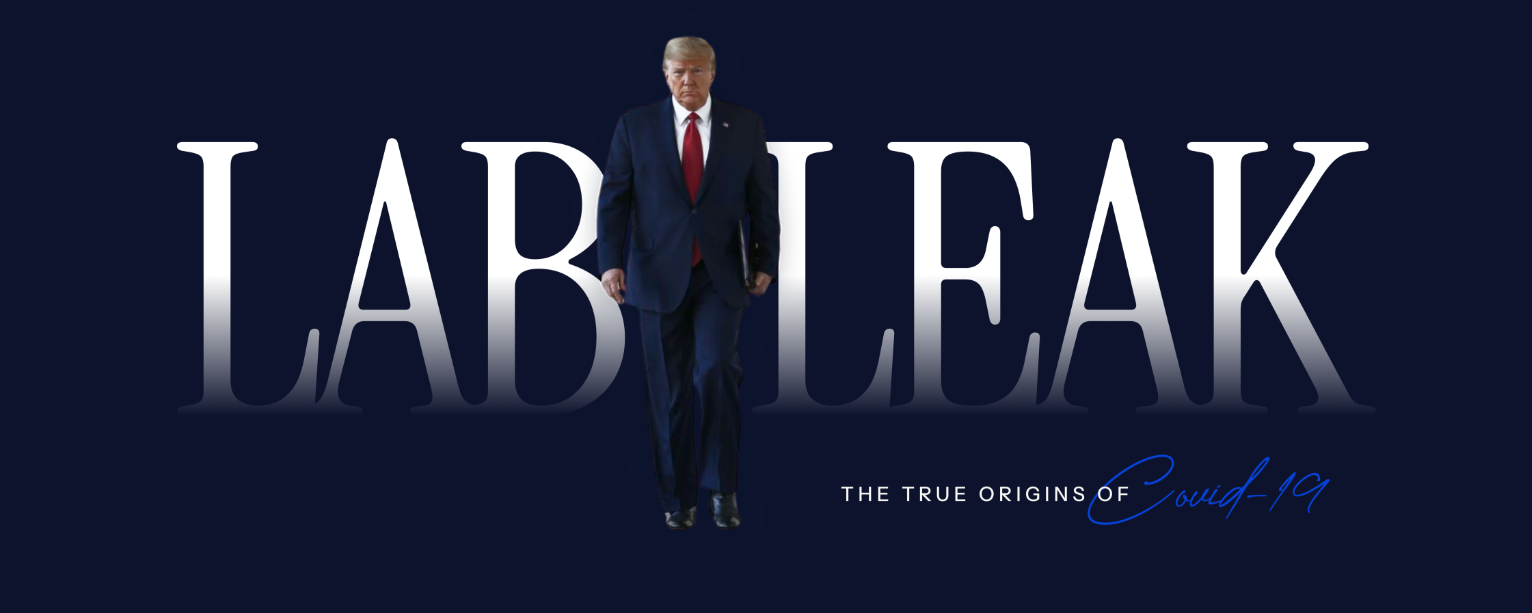
Congressional Republicans have long since backed this theory, relying heavily on everything from discredited translations of documents from the Wuhan Institute of Virology and heavy politicization of mitigation measures and figures like Anthony Fauci, the former NIAID director, who is singled out on the White House’s new webpage. The site also states “Public health officials often mislead the American people through conflicting messaging, knee-jerk reactions, and a lack of transparency,” providing unusual commentary about a federal public health response that was launched under President Trump.
DOGE Has Access to 19 HHS Systems
According to a court filing, the Department of Government Efficiency (DOGE) has access to 19 different sensitive information systems and databases within HHS. The filing was submitted as part of the discovery process of a lawsuit filed by the American Federation of Labor and the Congress of Industrial Organizations against the federal government. HHS did not disclose DOGE access to nine of these systems. The systems include PHI and are at CMS, NIH, Office of the Secretary, CDC, ACF, and HRSA.
In related news, FDA databases that physicians, public health experts, and others in healthcare and allied health fields depend on for drug safety and manufacturing information are being neglected because of DOGE-directed layoffs. This creates dangerous blind spots with providers left without access to basic information about the drugs they are prescribing. Affected databases include FDA-Approved Drugs, the National Drug Code Directory, and the Drug Registration and Listing Database.
CDC Reviewing Vaccine Guidelines
The Advisory Committee on Immunization Practices, a CDC advisory panel, met last week to discuss potential changes to immunization recommendations. This meeting was previously postponed following RFK Jr.’s confirmation in February. Changes are being considered for vaccines for COVID-19, RSV, HPV, and other infectious diseases. Proposed changes include limiting COVID-19 vaccine recommendations to only for adults over 65 and those with certain health conditions and reducing the number of recommended doses for HPV vaccines.
FDA Allegedly Preparing Plans to End Routine Food Safety Inspections, Claims to Pursue Artificial Dye Ban
Multiple federal health officials have told the media that the FDA is currently preparing plans to end most of its food safety inspections, with this work being outsourced to state and local authorities instead. The plans may need congressional approval before they can be enacted. An FDA spokesperson said in a statement, “The claim that the FDA is suspending routine food safety inspections is false. FDA is actively working to ensure continuity of operations during the reorganization period and remains committed to ensuring critical programs and inspections continue.”
The FDA already delegates some less risky inspections through contracts with 43 states and Puerto Rico, and it is thought some higher risk inspections would remain the responsibility of FDA under these plans. It is unclear what would happen to states and territories that do not have such contracts to conduct food inspections if these plans are enacted. The FDA milk quality testing program was suspended this week following massive jobs cuts across the agency, which have also caused staffing issues in the Office of Inspections and Investigations, including reducing the number of surveillance inspections.
The revelation of these alleged plans was followed later this week by an announcement from Secretary Kennedy and FDA Commissioner Makary that FDA will work to remove some artificial dyes from the US food supply (Kennedy also claimed “sugar is poison” during a press conference about this). Eight dyes are being targeted, including Blue No. 1 and No. 2, Citrus Red No. 2, Green No. 3, Orange B, Red No. 40, and Yellow No. 5 and No. 6. However, it remains unclear how Kennedy and the FDA commissioner plan to accomplish this. Thus far, Kennedy has only said that he spoke with major food manufacturers and that they reached an “understanding”.
Limited research does suggest that some people may be more sensitive to certain dyes and additives than others. However, no research suggests this is the case for every person, or even most people. Furthermore, requiring natural dyes in food manufacturing is expected to add up to 10% to manufacturing costs while potentially harming supply chains, a tough bite to chew in a country where food costs have risen nearly 24% between 2020 and 2024. These estimated impacts will be especially detrimental in food deserts, where the most vulnerable populations already struggle to access nutritious, affordable, and culturally appropriate food. This is all assuming that HHS somehow compels food manufacturers to adopt natural dyes across the board too, something that is unlikely to be done voluntarily.
Commissioner Makary also claimed during this press conference that requirements for using natural dyes in place of artificial ones is standard practice in Europe and Canada. This is demonstrably false. In fact, seven of the eight dyes listed by Makary are allowed in Canada and under EFSA regulations. Many European countries and Canada require disclosure of artificial dyes and other additives on food packaging labels, with the EFSA using a system of assigned digit codes on labels for different additives, which has not gone without its share of criticism. Meanwhile, the US requires these ingredients and all others to be named fully on food labels, typically requiring use of chemical names in doing so. Fear-based arguments about food dyes in the US and other food systems often depend very heavily on ignorance of food labeling standards and inaccurate assumptions about the US food system and its strict labeling regulations, as is clearly demonstrated in this case.
Hollow “understandings” reached with food corporation executives and non-factual claims about food labeling standards around the world will not help Americans. Further research on the health impacts of artificial dyes is warranted, though it is difficult to see how that will happen now that the administration has taken an axe to federal research programs. The much more acute threat to the US food system, however, is the dismantling of the guardrails and safety mechanisms that many have come to take for granted in this country. The US has enjoyed one of the safest food systems in the world thanks to the tireless work of inspectors and countless others at organizations like the FDA and USDA. This system and the practical, evidence-based leadership that built it are no more.
Further Reading:
- “In the Middle of a Hepatitis Outbreak, US Shutters the One Atlanta-Based CDC Lab That Could Help,” Chiara Eisner, NPR
- “What Science Says About Artificial Food Dyes Amid RFK Jr.’s Push to Ban Them,” Teddy Amenabar and Rachel Roubein, The Washington Post
- “No New Autism Registry, HHS Says, Walking Back NIH Director’s Claim,” O. Rose Broderick, STAT
- “Count the Dead by the Millions,” Tim Dickinson, Rolling Stone
- “Exclusive: a Nature Analysis Signals the Beginnings of a US Science Brain Drain,” Laurie Udesky and Jack Leeming, Nature
- “National Science Foundation Cancels Research Grants Related to Misinformation and Disinformation,” Sarah Scire, NiemanLab
- “The Cost of Defunding Harvard,” Atul Gawande, The New Yorker
- “Beyond Ivy League, RFK Jr.’s NIH Slashed Science Funding Across States That Backed Trump,” Rae Ellen Bichell and Rachana Pradhan, KFF Health News
- “In Ireland, a Global Hub for the Pharma Industry, Trump Tariffs Are a Source of Deep Worry,” Andrew Joseph, STAT
- “An ‘Americas First’ Foreign Policy Includes Global Health,” Bollyky et al., The Lancet Regional Health – Americas
Minnesota Legislators Propose Bill Classifying mRNA Vaccines as WMDs
Republican members of the Minnesota House of Representatives have introduced a bill that would classify mRNA vaccines as weapons of mass destruction as well as criminalize their manufacture, distribution, and possession. The bill, which its authors are calling the “mRNA Bioweapons Prohibition Act,” states that it would require state and local officials to enforce the ban, which extends to “any product that uses or contains messenger ribonucleic acid (mRNA) technology.” State Rep. Walter Hudson, one of the bill’s authors, says the bill “would need significant amendment to become law,” further stating it is a “bold opening position” in an effort to “provoke productive conversation about these issue” and to eventually “arrive at a reasonable legislative response.”
Further Reading:
- “mRNA COVID Vaccines Saved Lives and Won a Novel – What’s Next for the Technology?” Eli Dolgin and Heidi Ledford, Nature
Study Finds Measles Likely to Become Endemic in the US
Amid the largest US measles outbreak since 2000, a new simulation model published in JAMA this week predicts that measles may become endemic in the US once again within 25 years in the absence of a 5% higher MMR vaccination rate. Furthermore, it predicts a further 10% decline in MMR vaccination could cause 11.1 million measles cases in that length of time. A summary of the model and its implications is available here from CIDRAP.
Further Reading:
- “CDC Scraps Plan to Help Texas Schools Curb Measles Over Layoffs, Employee Says,” Alexander Tin, CBS News

“Dead Sheep Tell No Tales: Aum Shinrikyo’s Alleged Sarin Tests in Australia Never Happened”
Biodefense PhD candidate Chris Quillen recently published a new article titled “Dead Sheep Tell No Tales: Aum Shinrikyo’s Alleged Sarin Tests in Australia Never Happened” in the journal Studies in Conflict and Terrorism. The article refutes the Australian Federal Police’s claim that Aum Shinrikyo tested sarin nerve agent in Australia killing 29 sheep by examining the circumstantial evidence offered at the time and updating it with new information. While this story has been repeated continuously over the last three decades by numerous researchers, the evidence for these tests is so weak that Quillen argues it is time to stop claiming these tests happened. According to this new research, Aum Shinrikyo did not produce or test sarin in Australia or in any country besides their native Japan. Instead, the personnel, chemicals, and equipment present at the Aum-owned property were more consistent with their exploration and mining of uranium in a brief and ill-fated attempt to develop nuclear weapons. The existence of this myth has warped both the threat perceptions around terrorist capabilities with chemical and, to a lesser extent, biological weapons and the government reactions to this threat. The continued perpetuation of this myth only serves to reinforce these negative trends. While Aum members have been found guilty of numerous crimes, sarin testing on sheep in Australia is not one of them.
“Choking, Shaking, Foaming at the Mouth: Syrians Recount Gas Attack”
Carlotta Gall and Saad Alnassife recount several weeks spent in the suburbs of Damascus with a team of reporters from The New York Times in this piece. The team interviewed survivors of chemical weapons attacks perpetrated by the Assad regime, as well as CW and war crimes investigators in the country.
“2025 Next Generation for Biosecurity Challenge: How Do You Define Bioweapons?”
Lauren Maynor discusses the BWC, the evolving biothreat landscape, and the Next Generation for Biosecurity Competition in this piece for NTI, writing in part “Fifty years ago, the Biological Weapons Convention (BWC) was established to effectively prohibit the development, production, acquisition, transfer, stockpiling, and use of biological and toxin weapons. The biothreat landscape has significantly changed since the BWC was signed with today’s scientists able to leverage artificial intelligence and other advanced capabilities to engineer biological systems, increasing concerns about dual use risks. In the Ninth Annual Next Generation for Biosecurity Competition, NTI | bio and competition co-sponsors ask participants to examine this ever-evolving threat landscape and consider if it changes the definition of biological weapons.”
“Toolkit on Effective CBRN Planning and Response for Policymakers and CBRN Managers”
From UNICRI: “Chemical, biological, radiological and nuclear (CBRN) incidents pose a significant threat to global safety and security. These events can result in devastating human, environmental, and economic consequences, while also undermining public trust and social stability. Effectively managing CBRN risks requires a coordinated and strategic approach—one that goes beyond immediate response to include long-term planning, capacity building, and interagency collaboration.”
“To address this need, UNICRI has developed the Toolkit on Effective CBRN Planning and Response for Policymakers and CBRN Managers. The publication is designed to support decision-makers—such as policymakers, emergency management officials, and CBRN managers—by providing practical, step-by-step guidance to strengthen national strategies for both planning and responding to CBRN incidents.”
“Accelerating the Use of Pathogen Genomics and Metagenomics in Public Health”
From NASEM: “Advances in genome sequencing technologies, like next-generation sequencing, provide powerful tools that have vastly improved the detection and classification of pathogens and disease outbreaks and support data-driven public health responses. In July 2024, the National Academies Forum on Microbial Threats hosted a public workshop to explore opportunities to advance the use of pathogen genomics and metagenomics data in the U.S. public health system. Speakers considered the application of these technologies to monitoring disease, characterization of emerging pathogens, rapid public health response to outbreaks, and biomedical research.”
“This Proceedings of a Workshop highlights the presentations and discussions that occurred at the workshop.”
“Cyber-Biosecurity Challenges in Next-Generation Sequencing: A Comprehensive Analysis of Emerging Threat Vectors”
From Anjum et al.: Next-generation sequencing (NGS) has transformed genomic research and healthcare by enabling the rapid and cost-effective sequencing of DNA and RNA, surpassing traditional techniques such as Sanger sequencing. This technological leap has had a profound impact on fields including biomedical research, personalised medicine, cancer genomics, agriculture, and forensic sciences. With its widespread adoption, NGS has made genomic information more accessible, facilitating the sequencing of millions of genomes. However, the growing reliance on NGS has also brought significant challenges related to cyber-biosecurity, particularly the protection of genomic data against cyber threats such as unauthorised access, data breaches, and exploitation. Genomic data is inherently sensitive, and vulnerabilities in NGS technologies, software, data-sharing practices, and open-access databases expose it to risks concerning data confidentiality, integrity, and privacy. While NGS data plays an indispensable role across numerous sectors, research addressing the cyber-biosecurity of these technologies remains fragmented. Most existing studies focus narrowly on specific areas, such as microbial sequencing or system architecture, and fail to provide a holistic perspective on the security challenges that span the entire NGS workflow. Additionally, the lack of interdisciplinary collaboration between the biotechnology and cybersecurity communities further exacerbates these gaps. This paper seeks to bridge these gaps by thoroughly examining cyber-biosecurity threats throughout the NGS workflow. It introduces a tailored taxonomy specifically designed for NGS, aimed at increasing stakeholder awareness of potential vulnerabilities and threats. Key insights include identifying vulnerabilities at various stages of the NGS process—from data generation to analysis and storage—and categorising these threats systematically. The study highlights critical gaps in current research, underscoring the need for interdisciplinary collaboration between experts in biotechnology and cybersecurity. It calls for focused efforts to mitigate risks associated with unauthorised access, data misuse, and exploitation. Failure to address these vulnerabilities could result in severe consequences, such as breaches of medical confidentiality, ethical concerns, and the potential for misuse in malicious applications like genetic warfare or bioterrorism. By providing a comprehensive analysis, this paper advocates for intensified research efforts and collaborative strategies to protect genomic data and ensure its ethical and secure use.”
🎧 What We’re Listening To
Public Health on Call, Ep. 884, Why Biosafety Standards Vary Around The World
“News about HKU5, a new bat coronavirus with the ability to spread to humans, was met with concerns in the scientific community—mostly because of how the research was done. In this episode: Johns Hopkins virologist Andy Pekosz talks about the different levels of biosecurity in laboratories where scientists study some of the world’s most dangerous viruses, how these standards vary worldwide, and what that could mean for studying future viruses with pandemic potential.”
Listen here.
The Interconnect, Unlocking Biotech’s Potential
“In this episode of The Interconnect, Stanford University Professor of Bioengineering Drew Endy and CFR Senior Fellow for Global Health Luciana Borio discuss the future of U.S. biomanufacturing and how biotechnology innovations—including bioluminescent plants and next-gen vaccines—are becoming more a part of daily life.”
Listen here.
Biosecurity: Changing the Game, Ep. 3, The 100 Days Mission
“In this edition of Biosecurity: Changing the Game, Dr. Dinah Nasike and her guests discuss the 100 Days Mission – an ambitious initiative developed after the Covid-19 pandemic meant to ensure that vaccines, diagnostics and treatments are developed, produced and distributed within 100 days of a major disease outbreak.”
Listen here.
NEW: Discover the Pathogen Data Network
“Pathogens like the flu and Salmonella require global surveillance and research for effective public health responses. While FAIR and equitable data access is crucial, challenges include scattered data, diverse data types, and a lack of sharing frameworks. The Pathogen Data Network (PDN) addresses these issues by creating a global consortium and linked data ecosystem for infectious disease research and public health. Coordinated by the SIB Swiss Institute of Bioinformatics with 12 international partners, PDN aims to cover genomics, transcriptomics, proteins, and more, funded by NIH NIAID BRC (U24AI183840).”
This overview and demo event will take place on April 29, 09:00 – 10:00 GMT-4. Learn more and register here.
NEW: Building Resilience: Enhancing Biosafety, Biosecurity, and Pandemic Preparedness
From Brookings: “The world just lived through the COVID-19 pandemic, with more than 7 million reported direct deaths globally, more than 775 million reported cases, more than 14 million indirect excess deaths, and likely millions more unreported deaths. At the same time, bird flu is currently spreading widely among birds and cattle herds in the U.S., increasing the likelihood for another potential pandemic. Despite the devastating effects of pandemics on people and economies around the world, most countries, including the U.S., seem ill-prepared for another pandemic, whether caused by a natural spillover, by a lab accident, or intentional misuse.”
“On April 30, the Center on Regulation and Markets will hold a public event to examine how we can become more resilient against biological threats by enhancing biosafety, biosecurity, and pandemic preparedness.”
“Viewers can join the conversation and ask questions in advance by emailing events@brookings.edu and on X @BrookingsEcon using the hashtag #BuildingResilience.”
This event will take place on April 30, 2-5:15 pm EDT. RSVP here.
NEW: Region 3 RESPTCs Special Pathogens Workshop
“Join the Region 3 Regional Emerging Special Pathogen Treatment Centers (RESPTCs) for a free, full-day, hands-on training focused on caring for patients with high-consequence infectious diseases.”
“Open to all experience levels—this workshop is geared toward Pennsylvanians but welcomes participants from across Region 3: D.C., Delaware, Maryland, Pennsylvania, Virginia, and West Virginia.”
This workshop will take place on May 7 from 7:30 am through 3 pm at the Greater Philadelphia Expo Center. Learn more and register here.
What Everyone Should Know About Bird Flu (H5N1)
From NASEM: “It’s been a little over a year since H5N1 avian influenza or “bird flu” was first detected in U.S. dairy cows, and many questions remain about the highly pathogenic virus.”
“In response, the National Academies’ Health and Medicine Division and Division on Earth and Life Studies are holding a special edition “Healthy Exchange” webinar series addressing the topic. The first webinar in the series, “What Everyone Should Know About Bird Flu (H5N1),” will take place on April 29, 2025. Subject matter experts will provide general information about the virus and explain how we got here, who’s at risk, and what’s at stake. ”
Learn more and register here.
NACCHO Preparedness Summit-Pathway to Recovery in the Aftermath of Disasters
From NACCHO: “The Preparedness Summit is the place for you to reenergize while gaining the knowledge, resources, and relationships necessary to prepare for and respond to public health emergencies. Join more than 2,500 attendees—who work in all levels of the government (federal, state, and local), emergency management, volunteer organizations, healthcare coalitions, and academia—to share best practices, build partnerships, advance your skillset, and take away innovative solutions and practical strategies to address the vulnerabilities in our country’s health security system.”
This year’s summit will take place April 29-May 2 in San Antonio. Learn more and register here.
Astrobiodefense: Biological Threats and the Next Frontier
From the Bipartisan Commission on Biodefense: “This Commission meeting, Astrobiodefense: Biological Threats and the Next Frontier, will be held on May 8, 2025. The focus of this meeting will be to provide the Bipartisan Commission on Biodefense with a better understanding of how to strengthen international astrobiodefense and planetary protection efforts through: (1) current government astrobiodefense efforts; (2) new scientific and technological advances for astrobiodefense; and (3) collaborative efforts and public-private partnerships to improve astrobiodefense. More information will be provided as the event date approaches.”
This event will take place on May 8 from 10 am-3:40 pm ET in Washington, DC. Register here.
Assessing Research Security Efforts in Higher Education, A Workshop
“The National Academies of Sciences, Engineering, and Medicine cordially invites you to attend a workshop to consider potential measures of effectiveness and performance, and the data needed, to assess research security and protection efforts in higher education by a range of Federal agencies.”
“The workshop will be held on Thursday, May 22, 2025 from 9:00 AM to 4:00 PM U.S. Eastern and Friday, May 23, 2025 from 9:00 AM to 1:30 PM U.S. Eastern at the National Academy of Sciences Building, 2101 Constitution Avenue, NW, Washington, DC 20418. A remote participation option is available.”
Learn more and register here.
International Pandemic Sciences Conference
“Representatives from academia, industry, civil society and policy are invited to gather in Oxford, UK, and online from 30 June – 1 July 2025 for the International Pandemic Sciences Conference 2025.”
“This year’s conference theme, Getting Ahead of the Curve, will explore how we can work together to predict, identify and control epidemic and pandemic threats globally. ”
“Over two days of plenary, parallel and networking sessions, stakeholders from different sectors and communities will have the opportunity to share ideas, experiences and strategies on prediction, early detection and control of pandemic threats. ”
“The International Pandemic Sciences Conference 2025 is hosted by the Pandemic Sciences Institute at the University of Oxford.”
Learn more, register, and submit abstracts here.
SBA.4 International Synthetic Biology and Biosecurity Conference in Africa
From SynBio Africa: “The SBA 4.0 conference will serve as a platform for fostering connections among industry, academia, community groups, and policymakers. It will showcase innovative applications of synthetic biology and AI, and highlight ongoing efforts in biomathematics, biomanufacturing, one-health, biosafety and biosecurity. It will also facilitate networking and information exchange. Key focus areas include tackling agriculture, health, environmental management, and industry challenges. In Africa, synthetic biology is poised to drive the national development agenda by promoting a sustainable bioeconomy, supporting health and agricultural systems, and aiding environmental conservation and restoration. This event will provide a vital opportunity for stakeholders to discuss and strategize the integration of synthetic biology innovations, address policy, legal frameworks, and communicate the benefits of the technology.”
This conference will take place July 23-25 in Kigali. Learn more and register here.
CTD-SPECTRE 2nd Annual Symposium
“The CTD-SPECTRE Symposium on Tropical and Emerging Infectious Diseases for Clinicians and Translational Scientists 2025 offers a unique opportunity to connect with global experts, gain cutting-edge insights, and collaborate with peers dedicated to infectious disease research and treatment.”
“Taking place September 16 -19, 2025, at the historic Grand Galvez in Galveston, TX, this immersive symposium will unite clinicians, translational investigators, and trainees to explore the latest breakthroughs in tropical and emerging infectious diseases.”
Learn more and register here.
NTI|bio Hiring Program Associate/Program Officer, Global Biological Policy and Programs
“NTI – a global security organization driving systemic solutions to nuclear, biological, and emerging technology threats imperiling humanity – is seeking a Program Associate/Program Officer (title to be determined based on candidate experience) to join the Global Biological Policy and Programs (NTI | bio) team.”
“This position reports to the Vice President, or other senior manager, of the NTI | bio team. This is a full-time hybrid position, working a minimum of three days per week in our Washington, DC office.”
“NTI | bio is focused on reducing catastrophic biological risks, and we are working toward this goal by strengthening biotechnology governance; bolstering biosecurity in countries around the world; strengthening international capabilities to uphold the norm against bioweapon development and use; driving progress in global health security; and building the biosecurity field.”
Learn more and apply here.
Call for Experts: Health-Security Interface Technical Advisory Group (HSI-TAG)
From WHO: “The World Health Organization (WHO) is seeking experts to serve as members of the Health-Security Interface Technical Advisory Group (HSI-TAG). This “Call for experts” provides information about the advisory group, the expert profiles being sought, the process to express interest, and the process of selection.”
The deadline to express interest is May 5.
 The Pandora Report