Pandora Report 1.16.2025

Welcome to this week’s Pandora Report! This issue features an overhaul of U.S. global health leadership under the new “America First Global Health Strategy”; the U.S. withdrawal from the Science and Technology Center in Ukraine and its implications for WMD nonproliferation; and groundbreaking research on a nasal spray bird flu vaccine showing protection in ferrets.   

US Withdraws from Nonproliferation Center in Ukraine 

By Gregory Koblentz, Editor in Chief of the Pandora Report; Director, Biodefense Graduate Program at George Mason University. 

Among the 66 international organizations, the Trump Administration has announced its intent to withdrawfrom the Science and Technology Center in Ukraine (STCU), an internationally funded organization based in Kyiv dedicated to preventing the proliferation of nuclear, biological, and chemical weapons. The organization, founded in 1993, creates education, training, and mentorship programs to promote international best practices to mitigate chemical, biological, radiological, and nuclear threats through civilian science and technology partnerships. STCU has been the subject of relentless, unfounded allegations by Russia that it has supported the development of biological weapons in Ukraine. As Biodefense Program Director, Gregory Koblentz has described in a talkat NTI, this false narrative was a key component of Russia’s disinformation campaign to justify its illegal and unjustified invasion of Ukraine in 2022. Needless to say, Russian state media is ecstaticabout this decision by the Trump Administration. Professor Koblentz, Biodefense PhD student Ryan Houser, and Kings College professor Filippa Lentzos co-authored an articlein 2023 about Ukraine’s legitimate efforts to strengthen its biosafety and biosecurity and the importance of international assistance from the United States, STCU, and others, to help Ukraine achieve this objective. The Global Partnership Against the Spread of WMD sponsors a WMD Counter Disinfo project (co-lead by Dr. Lentzos) that provides more information about Russian disinformation related to biological weapons (and other weapons of mass destruction) and how to counter this disinformation. 

Further Reading: 

America First, Again: The Biggest Shake-Up in US Global Health Leadership in Decades 

By Carmen Shaw, Co-Managing Editor of the Pandora Report 

Called the America First Global Health Strategy, the program aims to strengthen U.S. geopolitical and economic leverage in developing countries – particularly across Africa – while reducing reliance on non-government organizations (NGOs) that previously delivered aid through USAID. To date, Secretary of State Marco Rubio has signed 14 bilateral health agreements with African countries, focusing on areas such as HIV/AIDS, malaria, tuberculosis, and maternal health. Some of the deals are tied to specific political commitments, including Nigeria’s pledge to protect Christians from persecution. Negotiations with copper-rich Zambia are also ongoing, but have reportedly been stalled amid U.S. officials’ complaints about limited mining access for American firms. Public details remain scarce in these deals, though available agreements include language promoting U.S. commercial engagement – for example, Cote D’Ivoire’s MOU highlights “expanded opportunities for US companies”, while one with Rwanda says it “helps further American commercial interest in Rwanda and Africa more broadly.” In November, the Telegraph reported on leaked documents suggesting the Trump administration was also seeking long-term digital access to partner nations’ health information systems – potentially for up to 25 years – as a condition of receiving U.S. assistance.  

Further Reading: 

Nasal Spray Vaccine Shows Promise Against Bird Flu in Ferrets 

By Margeaux Malone, Pandora Report Associate Editor 

In a study published on January 13 in Nature Communications, a nasal spray vaccine has demonstrated effective protection against H5N1 and H7N9 bird flu in laboratory ferrets, offering a new potential vaccine platform for influenza pandemic preparedness as avian influenza continues spreading across wildlife and livestock populations.  

Researchers at the Access to Advanced Health Institute vaccinated ferrets with either the experimental intranasal RNA vaccine or a traditional intramuscular injection, then challenged both groups alongside unvaccinated controls with a high dose of virus delivered directly into their nasal passages. Ferrets vaccinated against H7N9 remained free of clinical signs throughout while the unvaccinated controls developed fever and illness. The virus was no longer detectable in the nasal passages of vaccinated animals by day 5 post-infection. The results against H5N1 were even more remarkable. All six ferrets that received the nasal spray vaccine survived and without ever developing symptoms, while all unvaccinated ferrets died within one week and the older injectable H5N1 vaccine group had one fatality on day 9. 

Traditional flu shots only generate immunity in the bloodstream; however, the nasal spray generates comparable blood antibody levels to injectable vaccines as well as protective defenses directly in the respiratory tract where flu infections begin. The vaccine uses self-amplifying RNA technology, similar to COVID-19 mRNA vaccines, and produces specialized IgA antibodies in the lungs along with resident immune cells that remain stationed in lung tissue. 

In addition to its efficacy, the intranasal influenza vaccine could also offer practical advantages for pandemic preparedness. Manufacturers would be able to stockpile stable components and then quickly produce new RNA vaccines to target emerging viral strains, bypassing the months-long process of growing viruses in chicken eggs. After freeze-drying, the vaccine remains stable for at least two years without ultra-cold storage, eliminating the need for ultra-cold freezers which complicated the roll out of COVID-19 vaccines. In 2024, the FDA approved self-administration of FluMist, a vaccine for influenza virus subtypes A and B, to allow administration without a health care provider. This precedent could allow for future approval and distribution of a needle-free, at-home vaccination for bird flu in the event of a pandemic. 

While human clinical trials are still needed, this platform could represent a significant advance in pandemic response capabilities. 

Experts Urge USDA to Reconsider Vaccination Strategy 

Veterinary scientists Ellen P. Carlin and Gwendolen Reyes-Illg published a compelling opinion piece in STAT News this week, criticizing the USDA’s current approach to the ongoing avian influenza pandemic and urging for nation-wide poultry vaccination.  

Since 2022, nearly 185 million birds have been lost as a result of the H5N1 avian influenza outbreak. Most birds were preemptively killed when housed near infected flocks, following the current USDA policy focused on elimination of birds on affected farms and increased biosecurity to prevent reinfection. Carlin and Reyes-Illg argue this “depopulate and repeat” approach is failing, especially as bird flu becomes endemic in wild birds and evidence suggests possible airborne transmission. In addition to the animal welfare concerns of this mass culling strategy, the economic impact has been significant. Nearly $2 billion of tax-payer money has been spent on response, primarily in compensation to farmers for animal losses from depopulation and consumer spending on eggs rose $14.5 billion in one year alone.  

Unfortunately, the primary obstacle to widespread vaccination is diplomatic rather than scientific. The USDA has already licensed at least eight effective vaccines developed with federal funding, and successful vaccination of ducks in France reduced outbreak sizes up to 99%. However, there is concern some trading partners might restrict imports from countries with vaccinated flocks, fearing spread of infection from asymptomatic birds. Carlin and Reyes-Illg propose coupling vaccination with robust diagnostic surveillance to provide confidence that exported poultry remain disease-free, an approach supported by the World Organization for Animal Health. They emphasize that trade agreements can be renegotiated, noting, “It’s happening every day for tariffs; why not for chickens?”  

Further Reading: 

In Other News 

Pandemic Preparedness and One Health  

Biosafety, Biosecurity, & Biotech Regulation  

NEW: Managing Borders during Global Public Health Emergencies; Lessons learned from COVID-19 – A Public Lecture 

From Asia Centre for Health Security: “The unprecedented use of international travel measures (ITMs) during the COVID-19 pandemic became a challenging and, eventually, controversial policy issue.  Evidence from the pandemic shows that these measures can play an important role in slowing or reducing the introduction and onward spread of pathogens like SARS-CoV-2.  At the same time, the largely uncoordinated, varied and frequently changing way in which ITMs were used during the pandemic led to suboptimal public health outcomes. The measures also caused widespread secondary impacts that were costly, inequitable, and societally divisive. 

The complexity of whether, when and how to apply different types of ITMs means that the evidence-base continues to evolve on best practices. As future pandemic events are likely to involve a fast-moving novel pathogen, spreading in a highly globalised world, public health responses will again need to make decisions about mitigating travel-related risks in real time. 

Drawing on more than five years of research on ITMs and pandemic events by the Pandemics and Borders Project, this lecture will review the current evidence on their use and the key lessons from the COVID-19 pandemic. This will be followed by a panel discussion about experiences in the Southeast Asian region and then audience Q&A.” 

This event will take place virtually on Thursday, January 22 from 10:00-11:30 AM (GMT+8, Singapore Time). Learn more and RSVP here

NEW: Global Biorisk Index for AI-Powered Biodesign Tools – A Webinar 

From Asia Centre for Health Security: “Artificial intelligence-enabled biological design tools (AI-BDTs) transform life sciences with the potential to accelerate discovery and lower technical barriers to achieve impact. These advances promise major innovation gains with outcomes relevant to public health. However, they also introduce novel pathways for misuse, amplification of biological risks, and challenges for global governance. 

This presentation will introduce the RAND CLTR* AI-BDT Global Risk Index, an evidence-based framework to assess the biological capabilities and potential misuse of AI-BDTs. The talk will describe the analytic approach, key findings, and insights. We will also discuss implications for policy, responsible innovation, and international coordination in order to ensure AI-BDTs remain safe, secure, and beneficial.” 

This event will take place virtually on Thursday, January 22 from 5:00-6:00 PM (GMT+8, Singapore Time). Learn more and RSVP here. 

NEW: mRNA: A Key to National Security – A Hybrid Summit 

From the Council on Strategic Risks: “Through an engaging set of presentations and panel discussions, this symposium will: 

  • Discuss the most pressing risks to national security from infectious diseases 
  • Educate participants on the fundamentals of mRNA medicine 
  • Explain mRNA medicines’ essential role in military readiness and national defense, and  
  • Examine the national security risks if adversarial nations advance their mRNA capabilities while the United States reduces investment in this strategic technology.” 

This event will be hybrid – online and in-person at the Johns Hopkins Bloomberg Center on Thursday, January 22 from 1:00-4:00 PM ET. Learn more and RSVP here.  

NEW: Genomic Surveillance & Pathogen Data Sharing: A New Era for Scientific Diplomacy – A Virtual Fireside Chat 

From Harvard’s Belfer Center: “Join us for a virtual fireside chat on emerging technology, scientific advancement, and global policy, featuring Belfer Center Fellow Dr. Syra Madad and Dr. Kristian Andersen, Director of Infectious Disease Genomics at the Scripps Research Translational Institute.” 

This event will take place virtually on Thursday, January 22 at 4:00-5:00 PM ET. Learn more and RSVP here

NEW: CBRNe Convergence Canada 2026

CBRNe World is hosting its fourth CBRNe Convergence Canada event this year in Toronto! This event will focus on a range of topical issues, including responding to potential CBRN incidents in the High North, response to terrorist attacks at major sporting events, and presentations on Canadian response capabilities, and the largest CBRN/Hazmat exhibition in Canada.

This event will take place April 13-15 at the Double Tree by Hilton Hotel, Toronto Downtown. Learn more here, and stay tuned for forthcoming information about CBRNe Convergence this November in Knoxville, TN!

Nexus Series: AIxBio: Workshop 2 – Strategies for Responding to Exponential AI and Biotechnology Growth  

From AI for SynBio: “Background: The ever-increasing acceleration of agentic artificial intelligence (AI) and biological design tools has transformed the technological landscape, enabling tremendous benefits and potential misuse that could massively impact national security and public health. Mitigating this risk will require collaboration across Government, Industry, and Academia with both technical and policy focus. Significant effort has already been made to raise awareness of this challenge, but additional discussion is necessary to maintain pace with the speed of evolving technology. The second workshop in this series will build upon insights from our first workshop and take place over two days.” 

This event will take place in Washington DC on March 4-5, 2026. Learn more and RSVP here 

International Conference CBRNe Research & Innovation  

From CBRNE: “The last 40 years have demonstrated that both military and civilian populations could be exposed to highly hazardous CBRNE agents following conflicts, natural outbreaks and disasters, industrial incidents or terrorist attacks. Worldwide, researchers, responders and industrial capacities have been commited to provide adapted response to these challenges. The CBRNE Research & Innovation Conference includes workshops and demonstrations of innovative materials, technologies and procedures, according to the following themes: Detection (identification), Protection (decontamination, medical countermeasures), and risk & crisis management.  

This event will take place in Arcachon, France from May 19 – 21, 2026. Learn more and RSVP here

GHS 2026

From GHS: “We’re excited to officially announce that the 4th Global Health Security Conference (GHS2026) will be held in Kuala Lumpur on the 9 – 12 June, 2026!”

“Building on the incredible momentum of GHS2024 in Sydney, we look forward to bringing together the global health security community once again – this time in one of Southeast Asia’s most vibrant and dynamic cities.”

“Registration and Call for Abstracts are now live!”

Learn more, submit abstracts, and register here.
NEW: OPCW Senior Science Policy Officer (Biochemistry) (P-4) – Job Opening 

From OPCW: “The Office of Strategy and Policy develops the Technical Secretariat’s strategic planning and provides policy advice to the Director-General and senior management. The strategy and policy formulation and implementation relate to a range of cross-cutting topics, including incidents of chemical weapons use, engagement with chemical industry, chemical security, counterterrorism, and science and technology. 

The Senior Science Policy Officer will focus on monitoring advances in science and technology relevant to the Chemical Weapons Convention, with particular emphasis on fields at the convergence of chemistry and biology. The incumbent of this post will keep pace with developments, analyse and understand their implications for implementation of the Chemical Weapons Convention, and communicate this information to a range of internal and external stakeholders.” 

The deadline to apply is January 30. Learn more and submit your application here

NEW: Cyberbiosecurity Workshop Has Opened Its Call for Papers 

The IEEE Cyberbiosecurity Workshop has opened its Call for Papers for the Cyberbiosecurity Workshop. They invite researchers, practitioners, policymakers, and industry leader to submit original work addressing the growing security challenges at the intersection of cybersecurity, biotechnology, agriculture, medicine, AI, and the bioeconomy. Topics include (but are not limited to) biological infrastructure security, AI safety in biotechnology, DNA synthesis and screening, neurotechnology security, agricultural cyberbiosecurity, data protection and privacy, regulatory frameworks, and real-world case studies.  

Paper submissions are due January 30, 2026, and accepted papers will be published in the IEEE Computer Society Press proceedings. Learn more and submit here.  

NEW: One Health Commission Board of Directors – Call for Applications 

From OHC: “The One Health Commission (OHC) is pleased to announce an open call for board members to join our governing body. As we implement our new constitution and bylaws, we are seeking distinguished experts who embody collaborative, multi- and transdisciplinary approaches for addressing shared health challenges across human, animal, environmental, and plant health domains.” 

The deadline to submit applications is February 15. Learn more and submit your application here

NEW: ICGEB Fellowships for Scientists in Biosecurity  

From the International Centre for Genetic Engineering and Biotechnology: “With the co-funding of the Norwegian Agency for Development Cooperation through the United Nations Office for Disarmament Affairs (UNODA), BWC ISU, the ICGEB offers early-career scientists from OECD/DAC countries a fellowship at ICGEB laboratories in Italy, India, South Africa and at the ICGEB Regional Research Centre in China, to receive hands on training in life sciences and detection and response to biological threats.” 

The closing date for applications is March 31, 23:59 CET. Learn more and apply here

Pandora Report 1.9.2025

Welcome to this week’s Pandora Report! Happy New Year! 🎉  This issue highlights breakthroughs in global health, including HIV and malaria milestones, ongoing challenges from U.S. foreign aid cuts, and cutting-edge developments in AI, biotechnology, and pandemic preparedness.  

Biodefense Doctoral Student Selected for Prestigious Biosecurity Fellowship 

Kimberly Ma, a Biodefense PhD student at the Schar School of Policy and Government at George Mason University, has been selected for the 2026 class of the Emerging Leaders in Biosecurity Initiative (ELBI) fellowship. The ELBI Fellowship, offered by the Center for Health Security at the Johns Hopkins Bloomberg School of Public Health, is the most distinguished fellowship available to rising members of the biosecurity profession.  

Kimmy is a Policy Advisor at the U.S. National Security Commission on Emerging Biotechnology (NSCEB), where she leads the biosecurity workstream and co-leads the infrastructure workstream. Her work consists primarily of supporting NSCEB Commissioners in developing policy recommendations, legislative proposals, and external engagements with stakeholders and experts. Kimmy, who is in her fourth year in the Biodefense PhD program, said, “My time in George Mason’s Biodefense program as a PhD student has been a huge force in sharpening my mind when it comes to biosecurity and biodefense matters. I have no doubt that it has played a major factor in my professional success and selection into the ELBI cohort for this coming year. I look forward to building on my time at GMU this coming year through both my continued BIOD studies and ELBI engagements!”  

During the ELBI fellowship, participants will participate in biosecurity workshops, networking events, and research symposiums, both in Washington DC and abroad. Kimmy is the ninth Biodefense student or alum to be selected as an ELBI Fellow.

Global Health at a Crossroads: Turbulence and Transformation in 2025  

By Carmen Shaw, Co-Managing Editor of the Pandora Report  

Happy New Year! As we step into 2026, it’s worth taking a moment to reflect on 2025 – a year marked by deep challenges but also meaningful progress in global health.  

Several major changes left the global health system on shaky grounds. Severe U.S. foreign aid cuts, the dissolution of USAID, and shifting priorities among major donors – including France, Germany, and the United Kingdom – left considerable gaps in disease-focused programs worldwide.  

And yet, 2025 also delivered historic milestones as well. The Maldives eliminated mother-to-child transmission of HIV, syphilis, and hepatitis B, while Brazil was validated by WHO for reducing vertical HIV transmission, becoming the largest country in the Americas to reach this achievement. SurinameTimor-Leste, and Georgia were all certified as malaria-free, joining a growing cohort of now 47 countries and one territory. Meanwhile, new HIV-prevention drugs are emerging: the drug known as Lenacapavir was approved in the U.S. after clinical trials showed it to be nearly 100% effective in HIV prevention in women and 96% effective in men. In November, the U.S. Department of State and the Global Fund delivered the first of 4 million doses to low- and middle-income countries, with Eswatini and Zambia receiving initial allocations.  

At the same time, the U.S. global health engagements continue to shift. Under its new, “America First” strategy, the Trump administration has signed bilateral health agreements with at least nine African nations – including Kenya, Nigeria, and Rwanda – emphasizing “mutual benefit,” conditionality, and reduced financial assistance. The approach has raised concerns, as some of those that have signed deals either have been affected by U.S. aid cuts or have agreements to accept and host third-country deportees.  

These policy changes abroad come as scientific and public health sectors experience added pressures at home. A new report from Yale’s Center for Infectious Disease Modeling and Analysis (CIDMA) warns that cancelling federal funding for mRNA vaccine research could carry devastating consequences, estimating more than $75 billion in annual economic losses and over 49,000 preventable deaths each year. “mRNA vaccine platforms represent an extraordinary convergence of clinical promise and societal value,” said Alison Galvani, director of CIDMA.  

Food safety experts are also sounding the alarm: recent federal cuts could degrade U.S. food safety leaving more people vulnerable to foodborne illness. These changes include a reduced number of pathogens now monitored by surveillance programs, brain drain of CDC and FDA staff, and cuts to administrative and inspection capacity. This has led to a historic low in inspections of foreign food facilities and U.S. imports, raising the likelihood of the occurrence of preventable outbreaks.   

As infectious-disease experts look toward 2026, many are watching the potential threats posed by avian influenza (H5N1), mpox, HIV, and measles as viruses that could affect human lives in new ways. While the public health landscape continues to evolve, it remains essential that we work together coherently toward a well-functioning system and society that protects everyone – advancing scientific breakthroughs as we navigate unprecedented political headwinds.  

Further Reading: 

Avian Influenza Updates: Catching Up After the Holiday Break 

By Margeaux Malone, Pandora Report Associate Editor 

Highly pathogenic avian influenza (HPAI) showed no signs of slowing during the holiday season. In late December, confirmed outbreaks of bird flu struck five additional US states, affecting more than 128,000 birds. The largest single loss occurred at a broiler farm in Maryland, where over 96,000 birds were affected. Additional outbreaks hit Arkansas, Kansas, Nebraska, and New York. In December 2025, 80 U.S. flocks confirmed detections of bird flu, with more than one million birds affected across 26 commercial and 54 backyard flocks. 

New Spillover Event in Wisconsin Dairy Cattle 

On December 14, USDA confirmed detection of HPAI in a Wisconsin dairy herd, representing a new spillover event from wildlife into cattle. Whole-genome sequencing revealed that the virus is H5N1 clade 2.3.4.4b genotype D1.1, a strain implicated in spillover events in two dairy herds in Nevada and Arizona in early 2025. The recently detected Wisconsin case is considered separate from those previous spillovers and, thus far, no additional infected herds have been identified in connection with this event. Of note, the D1.1 genotype is distinct from the B3.13 genotype that has affected most US dairy herds since bird flu infection in cattle was first detected in the Texas Panhandle in late 2023. 

Global Wildlife Crisis 

Unfortunately, the avian influenza outbreak extends far beyond farms and commercial animals. The European Food Safety Authority reported exceptionally high HPAI activity in wild birds during Europe’s 2025 autumn migration. Detections quadrupled from 2024, reaching the highest levels since 2016. The resulting wildlife mortality in many bird species and as a result of spillover events in mammals have caused unprecedented biodiversity loss globally. For instance, in the subantarctic islands of South Georgia, southern elephant seals have lost nearly 50% of breeding females since 2023, and albatross colonies in the Falkland Islands experienced recurrent outbreaks and marked declines in breeding birds. The World Organization for Animal Health has stressed that continued spillover of bird flu into mammals also raises One Health concerns with potential consequences for companion animals, agricultural species, and human health as the outbreaks continue.  

Growing Concerns for Human Health in 2026 

Virologists have expressed heightened concerns about avian influenza’s trajectory in the coming year. While human cases remain rare in the United States, with only 71 confirmed human cases resulting in two deaths, experts warn that the virus’s widespread circulation in migratory birds, farm animals, and many mammalian species increases the risk of dangerous mutations from genome reassortment. Every new infected host represents another opportunity for the virus to evolve as their segmented genome allows different strains to mix and produce new hybrid viruses when they infect the same cell. The central fear continues to be the risk of sustained human-to-human transmission, which fortunately hasn’t yet occurred; however, experts are concerned about surveillance gaps in the US. Monitoring varies dramatically between states and data sharing has become inconsistent and harder to interpret, raising the risk that early warning signs could be missed.  

Meanwhile, seasonal human influenza cases have skyrocketed, with more than 25% of tests positive for influenza as of late December, almost double last year’s rate at this time. Hospitalization rates are three times higher than the 2023-2024 season and have already surpassed last season’s peak, which wasn’t reached until February. The surge is driven by subclade K, a variant that emerged after this year’s flu vaccine was designed, making the shot less effective than usual and providing only 30-40% protection against hospitalization in adults. The combination of widespread avian influenza circulation in animals and a severe season of established human flu strains with reduced vaccine effectiveness raises troubling questions: if our healthcare systems are already strained by a poorly matched seasonal flu vaccine, what would happen if H5N1 suddenly gained the ability to spread between humans? 

Fortunately, progress is still being made toward a bird flu vaccine in humans. Moderna announced in mid-December that it received over $54 million in funding from the Coalition for Epidemic Preparedness Innovations (CEPI), a public-private partnership working to develop vaccines for pandemic preparedness, to take its H5 avian influenza mRNA vaccine candidate into Phase 3 clinical trials. The Biden administration had previously awarded the pharmaceutical and biotechnology company over $700 million in government contracts for avian influenza vaccine research; however, these contracts were canceled by the Department of Health and Human Services earlier this year under Secretary Robert F. Kennedy Jr. and the new administration who have been critical of mRNA vaccine technology. In exchange for the funding from CEPI, Moderna has agreed to allocate 20% of vaccine production for low- and middle-income countries at affordable prices if the vaccine is approved and an avian influenza pandemic materializes.  

Further Reading: 

In Other News 

Chemical and Biological Weapons History 

AI, Biotechnology & Future Biosecurity Risks  

WMD, Fentanyl, and Public Health Misinformation 

Nexus Series: AIxBio: Workshop 2 – Strategies for Responding to Exponential AI and Biotechnology Growth  

From AI for SynBio: “Background: The ever-increasing acceleration of agentic artificial intelligence (AI) and biological design tools has transformed the technological landscape, enabling tremendous benefits and potential misuse that could massively impact national security and public health. Mitigating this risk will require collaboration across Government, Industry, and Academia with both technical and policy focus. Significant effort has already been made to raise awareness of this challenge, but additional discussion is necessary to maintain pace with the speed of evolving technology. The second workshop in this series will build upon insights from our first workshop and take place over two days.” 

This event will take place in Washington, DC on March 10-11, 2026. Learn more and RSVP here 

International Conference CBRNe Research & Innovation  

From CBRNE: “The last 40 years have demonstrated that both military and civilian populations could be exposed to highly hazardous CBRNE agents following conflicts, natural outbreaks and disasters, industrial incidents or terrorist attacks. Worldwide, researchers, responders and industrial capacities have been commited to provide adapted response to these challenges. The CBRNE Research & Innovation Conference includes workshops and demonstrations of innovative materials, technologies and procedures, according to the following themes: Detection (identification), Protection (decontamination, medical countermeasures), and risk & crisis management.  

This event will take place in Arcachon, France from May 19 – 21, 2026. Learn more and RSVP here

GHS 2026

From GHS: “We’re excited to officially announce that the 4th Global Health Security Conference (GHS2026) will be held in Kuala Lumpur on the 9 – 12 June, 2026!”

“Building on the incredible momentum of GHS2024 in Sydney, we look forward to bringing together the global health security community once again – this time in one of Southeast Asia’s most vibrant and dynamic cities.”

“Registration and Call for Abstracts are now live!”

Learn more, submit abstracts, and register here.

African Atomic Voices Network (AAVN) 

From AAVN: “The African Atomic Voices Network (AAVN) is a collaborative, career-development community for young professionals, students, and researchers from Africa (aged 18–35) who are working in, or passionate about, nuclear issues and related global security challenges such as artificial intelligence, emerging technologies, and chemical & biological security. The Network empowers African young professionals to shape global conversations and ensures that Africa’s voice is amplified in nuclear and broader global security discourse.” 

Learn more and join the network here. 

CNS Young Women in Nonproliferation Initiative 

From the initiative: “Established in 2018, the CNS Young Women in Nonproliferation Initiative aims to encourage undergraduate women to consider careers in WMD nonproliferation, arms control, and disarmament. As part of this initiative, we offer a mentorship program that enables undergraduate women to work directly with leading experts in their areas of professional interest.” 

Learn more and join the network here.   

Cyberbiosecurity Quarterly Call for Papers

“We are pleased to announce the launch of Cyberbiosecurity Quarterly, a new academic and trade journal dedicated to the intersection of cybersecurity and the bioeconomy. Published by Kansas State University’s New Prairie Press and sponsored by the Bioeconomy Information Sharing and Analysis Center (BIO-ISAC), this quarterly journal will serve as an important resource for professionals, researchers, and policymakers working to safeguard digital and physical biological infrastructures. Cyberbiosecurity is an emerging discipline that addresses the protection of biomanufacturing, biomedical research, synthetic biology, digital agriculture, and other life sciences sectors from digital threats. This journal will explore topics at the nexus of cybersecurity, digital biosecurity, and the bioeconomy, including but not limited to:

  • Best practices for network configuration and management in biomedical environments (ingress/egress protection, segmentation, isolation, access control, traffic protection, etc.)
  • Cybersecurity Vendor Management and Assessment
  • Cyber and Digital Biosecurity Education for the Bioeconomy’s Workforce
  • The Quality-Cybersecurity Tension in Practice and Techniques for Mitigation
  • Threat Intelligence for Cyber-Physical Biological Systems
  • Regulatory and Policy Perspectives on Cyberbiosecurity
  • Incident Response and Risk Mitigation in Biomanufacturing
  • AI and Machine Learning in Digital and Cyber Biosecurity”

Learn more and submit your papers here.

Pandora Report 12.19.2025

This week’s Pandora Report provides updates on the BIOSECURE Act, FDA’s recent actions regarding COVID-19 vaccines, and more. The Pandora Report will be going on break and will return on January 9, 2026. Happy holidays!

Congress Passes BIOSECURE Act Embedded in FY 2026 NDAA

The BIOSECURE Act, first introduced during the 188th Congress, has now been passed by Congress after it was included in the FY 2026 National Defense Authorization Act, which was signed into law by President Trump on December 18. The act failed to pass during the last Congress, in part because of concerns about a lack of due process for companies targeted by its provisions. While some parts have changed, the core of the legislation remains the same: It prevents US executive agencies from contracting with or funding companies that are considered “biological companies of concern.”

Unlike its predecessor, this reconciled version does not rely on a blacklist of Chinese life sciences firms, but instead delegates this task to the Office of Management and Budget while also referencing the Section 1260H list from the Department of Defense. The ban on cooperation with certain Chinese entities also includes federal contracts with pharmaceutical companies that use services or products from these entities. This is concerning as many pharmaceutical companies conduct early clinical trials in China to save time and money on the clinical trial process. Between approximately 70 and 80% of US pharmaceutical companies directly collaborate with Chinese firms.

Further Reading:

FDA Allegedly Moves to Add Black Box, Expands COVID-19 Vaccine Inquiry

According to CNN, discussions have taken place internally at the FDA about possibly adding a black box warning to COVID-19 vaccines. These warnings (officially called boxed warnings) are the strictest warning FDA can require from a drug manufacturer as they are designed to alert providers and patients to serious, life-threatening, or permanently disabling risks associated with a drug’s use in the case of an adverse reaction. The FDA previously announced in June of this year that it will require updated warnings about myocarditis and pericarditis in labeling of mRNA COVID-19 vaccines. FDA Commissioner Marty Makary denied his agency is considering requiring the boxed warning for COVID-19 vaccines.

This comes on the heels of reports FDA has expanded its investigation of deaths involving COVID-19 vaccines to include adults as well as children. The initial inquiry was announced in September and focused only on children, seemingly spurred by Secretary Kennedy’s claims that these vaccines are deadly and dangerous, contrary to scientific consensus. In November, Vinay Prasad, the agency’s top vaccine regulator, informed staff that the organization had linked 10 children’s deaths to the vaccines, despite offering no evidence in the memo to support his claims. Experts have, in response, highlighted that COVID-19 itself has killed at least 1.2 million people in the US, more than 2,000 of whom where children.

Further Reading:

US Global Aid Changes and Challenges Continue

It was recently announced that Uganda will receive up to $1.7 billion in US funding for its health sector over the next five years, making the country the latest in a group that reached similar deals under the Trump administration’s “America First Global Health Strategy.” The funds will primarily support health programs focused on HIV/AIDS, TB, malaria, maternal and child health, and polio. Uganda’s government will increase its own health expenditure by $500 million to “gradually assume greater financial responsibility over the course of the framework.”

Rwanda and Kenya recently announced similar deals. However, a Kenyan court has suspended implementation of the country’s $2.5 billion deal with the US over data privacy concerns. The interim ruling bars Kenyan authorities from taking steps to enact the deal “insofar as it provides for or facilitates the transfer, sharing or dissemination of medical, epidemiological or sensitive personal health data.” Kenyan Health Minister Aden Duale has said that the government will comply with the ruling, but that it will challenge it.

Further Reading:

“Protecting Children from Biological Weapons in Armed Conflict”

From UNICEF: “Biological threats are no longer theoretical. Accelerating advances in synthetic biology, genomics, automation, and artificial intelligence (AI) are reshaping the landscape of risk, creating new pathways for the development, modification, and use of biological agents in armed conflict. In this emerging security environment, children — already the most vulnerable in any crisis — would pay the highest price.”

“This UNICEF working paper examines how emerging biotechnologies may be weaponized in future conflicts, how these threats intersect with cyber and information operations, and why children may be deliberately targeted for strategic or psychological effect. Drawing on foresight scenarios and legal-policy analysis, it identifies critical gaps in global biosecurity, including attribution challenges, weak verification mechanisms, and insufficient child-centered preparedness frameworks.”

“Children’s physiology, dependency, and limited access to life-saving services place them at disproportionate risk in any biological incident. In conflict-affected settings, where health systems are degraded and humanitarian access is constrained, these dangers are multiplied. A deliberate biological attack would not only devastate young lives — it would undermine community stability, disrupt recovery for generations, and violate the most fundamental principles of international humanitarian and human rights law.”

“This working paper delivers a clear message to the international community: existing biosecurity and disarmament architectures — national, regional, and multilateral — are not yet configured to protect children from the evolving risks of biological weapons.  It calls for immediate action across the multilateral system:

  • Integrate child-specific risks into biosecurity assessments, early-warning systems, and preparedness frameworks.
  • Strengthen global governance under the Biological Weapons Convention and related UN mandates.
  • Build rapid-response capacities that prioritize children’s health, protection, and continuity of care.”

Protecting children from biological weapons is not a technical aspiration:  it is a moral and legal imperative. The international community must act now to ensure that no child becomes a casualty of tomorrow’s biological conflicts.”

Read here.

“Monitoring Approaches to Support BWC Compliance”

This report from VERTIC and KCL discusses three possible approaches to monitoring compliance with the BWC (the BWC Confidence-Building Measures, the Verification Experts Group, and emerging technologies), and “…identifies a number of recommendations for BWC States Parties: supporting the CBM process; practicing and normalizing consultation and clarification; seeking greater understanding of confidence and uncertainties in verification; and discussing practical aspects of different verification measures; practicing verification in the field via exercises.”

“AIxBio = Big Promise + New Risks”

Kaitlyn Gibbons for NTI: “Artificial intelligence (AI) is transforming the life sciences and public health: accelerating drug discovery, vaccine development, and outbreak detection. But with rapidly advancing capabilities comes unprecedented risks — these same tools could be misused to design dangerous pathogens.”

“NTI’s tabletop exercise at the Munich Security Conference this past February explored risks and opportunities at the convergence of AI and the life sciences. The scenario: a fictional extremist group uses AI-enabled tools to engineer a novel virus that triggers a global pandemic, resulting in more than 850 million cases and 60 million deaths.”

“The takeaway: the scenario represents a plausible near-term risk that technical experts and counterterrorism professionals find deeply concerning. It’s a risk that the world isn’t ready for.”

Read more here.

“Where Lab-Made DNA is Created — and Barely Policed”

Shayna Korol recaps the launch of the Global DNA Synthesis Map by the International Biosecurity and Biosafety Initiative for Science in this article for Vox: “The map reveals that only 10 percent of synthetic DNA providers currently screen for DNA sequences of concern, meaning that companies could be sending out the makings of a dangerous pathogen. That’s a tremendous biosecurity gap. More than 700 companies provide synthetic nucleic acids, the building blocks of genetic material, and benchtop DNA synthesis devices, which allow scientists to synthesize custom DNA sequences in their own labs rather than ordering it from a commercial provider. More than 500 of those companies need to screen orders to guarantee compliance with local regulations.”

Nexus Series: AIxBio: Workshop 2 – Strategies for Responding to Exponential AI and Biotechnology Growth  

From AI for SynBio: “Background: The ever-increasing acceleration of agentic artificial intelligence (AI) and biological design tools has transformed the technological landscape, enabling tremendous benefits and potential misuse that could massively impact national security and public health. Mitigating this risk will require collaboration across Government, Industry, and Academia with both technical and policy focus. Significant effort has already been made to raise awareness of this challenge, but additional discussion is necessary to maintain pace with the speed of evolving technology. The second workshop in this series will build upon insights from our first workshop and take place over two days.” 

This event will take place in Washington DC on March 10-11, 2026. Learn more and RSVP here 

International Conference CBRNe Research & Innovation  

From CBRNE: “The last 40 years have demonstrated that both military and civilian populations could be exposed to highly hazardous CBRNE agents following conflicts, natural outbreaks and disasters, industrial incidents or terrorist attacks. Worldwide, researchers, responders and industrial capacities have been commited to provide adapted response to these challenges. The CBRNE Research & Innovation Conference includes workshops and demonstrations of innovative materials, technologies and procedures, according to the following themes: Detection (identification), Protection (decontamination, medical countermeasures), and risk & crisis management.  

This event will take place in Arcachon, France from May 19 – 21, 2026. Learn more and RSVP here

GHS 2026

From GHS: “We’re excited to officially announce that the 4th Global Health Security Conference (GHS2026) will be held in Kuala Lumpur on the 9 – 12 June, 2026!”

“Building on the incredible momentum of GHS2024 in Sydney, we look forward to bringing together the global health security community once again – this time in one of Southeast Asia’s most vibrant and dynamic cities.”

“Registration and Call for Abstracts are now live!”

Learn more, submit abstracts, and register here.

African Atomic Voices Network (AAVN) 

From AAVN: “The African Atomic Voices Network (AAVN) is a collaborative, career-development community for young professionals, students, and researchers from Africa (aged 18–35) who are working in, or passionate about, nuclear issues and related global security challenges such as artificial intelligence, emerging technologies, and chemical & biological security. The Network empowers African young professionals to shape global conversations and ensures that Africa’s voice is amplified in nuclear and broader global security discourse.” 

Learn more and join the network here. 

CNS Young Women in Nonproliferation Initiative 

From the initiative: “Established in 2018, the CNS Young Women in Nonproliferation Initiative aims to encourage undergraduate women to consider careers in WMD nonproliferation, arms control, and disarmament. As part of this initiative, we offer a mentorship program that enables undergraduate women to work directly with leading experts in their areas of professional interest.” 

Learn more and join the network here.   

Cyberbiosecurity Quarterly Call for Papers

“We are pleased to announce the launch of Cyberbiosecurity Quarterly, a new academic and trade journal dedicated to the intersection of cybersecurity and the bioeconomy. Published by Kansas State University’s New Prairie Press and sponsored by the Bioeconomy Information Sharing and Analysis Center (BIO-ISAC), this quarterly journal will serve as an important resource for professionals, researchers, and policymakers working to safeguard digital and physical biological infrastructures. Cyberbiosecurity is an emerging discipline that addresses the protection of biomanufacturing, biomedical research, synthetic biology, digital agriculture, and other life sciences sectors from digital threats. This journal will explore topics at the nexus of cybersecurity, digital biosecurity, and the bioeconomy, including but not limited to:

  • Best practices for network configuration and management in biomedical environments (ingress/egress protection, segmentation, isolation, access control, traffic protection, etc.)
  • Cybersecurity Vendor Management and Assessment
  • Cyber and Digital Biosecurity Education for the Bioeconomy’s Workforce
  • The Quality-Cybersecurity Tension in Practice and Techniques for Mitigation
  • Threat Intelligence for Cyber-Physical Biological Systems
  • Regulatory and Policy Perspectives on Cyberbiosecurity
  • Incident Response and Risk Mitigation in Biomanufacturing
  • AI and Machine Learning in Digital and Cyber Biosecurity”

Learn more and submit your papers here.

Call for Presenters: International Bio Recovery Summit

The American Bio Recovery Association (ABRA) has opened its Call for Presenters for the 2026 International Bio Recovery Summit, taking place March 16-18 in Aberdeen, Maryland. As the industry’s leading event, the summit brings together bio-recovery professionals to address emerging challenges, regulatory updates, new technologies, and evolving safety standards in the field. ABRA invites experts to submit proposals aligned with conference objectives – including discussions on industry guidelines, insurance claims, hazardous substances, and business practices.

Learn more and submit your presentation by December 31 here.

64th ISODARCO Course

From ISODARCO: “In recent years, the global security landscape has become increasingly volatile, shaped by a convergence of geopolitical tensions, technological advancements, and evolving nuclear doctrines. The post-Cold War order that once provided a measure of predictability in global security has eroded. Conflicts such as the wars in Ukraine and Gaza, rising tensions in the Indo-Pacific, and strategic competition between major powers have reshaped alliances and strategic postures.”

“At the same time, disruptive technologies including artificial intelligence, quantum computing, hypersonic missiles, and cyber threats – are adding new layers of complexity to both nuclear and conventional deterrence dynamics. These technologies are not only distorting the information landscape but also compressing decision-making timelines and complicating signaling mechanisms, increasing the risk of miscalculation.”

“Effectively managing nuclear escalation risks in this environment will require a combination of innovative diplomacy, technological safeguards, and renewed dialogue mechanisms to rebuild trust, reduce misperceptions, and stabilize strategic relations.”

“The ISODARCO 2026 Winter Course presents an invaluable opportunity for students and experts to discuss and examine these dynamics in depth and explore approaches to re-establishing strategic stability and reducing nuclear dangers in a volatile world.”

This course will take place January 11-18, 2026, in Andalo. Learn more and apply here.

Pandora Report 12.12.2025

Welcome to this week’s Pandora Report! ❄️  This issue highlights emerging global biosecurity and public health risks, including the latest developments in synthetic biology with the launch of IBBIS’ Global DNA Synthesis Map, the spread of avian influenza from vampire bats in Peru, and ongoing chemical weapons accountability in Syria and the U.K.  

From DNA Synthesis to Vaccines: Tracking Biosecurity and Public Health Risk Worldwide 

By Carmen Shaw, Co-Managing Editor of the Pandora Report 

Figure 1. IBBIS launched the Global DNA Synthesis Map at the BWC Working Group event at the UN in Geneva on Tuesdaay, December 9, 2025 (Credit: Pixabay) 

The International Biosecurity and Biosafety Initiative for Science (IBBIS) launched the Global DNA Synthesis Map on Tuesday, December 9 at the BWC Working Group event at the United Nations Office in Geneva. The map provides the first publicly available global overview of DNA synthesis providers, screening practices, regulatory frameworks and distribution channels, including third-party vendor networks. Data from over 1,000 companies across 81 countries reveal the world’s approaches to DNA synthesis, offering a critical evidence base for diplomats, policymakers, biosecurity professionals, and industry to inform decision-making, strengthen risk-mitigation strategies, and advance responsible innovation. 

Explore the map here.

Further Reading

Chemical & Biological Weapons Governance  

GMU’s Biodefense Director on Syria’s Unresolved Chemical Weapons Legacy  

In a December 9 article for the Bulletin of the Atomic Scientists, Gregory Koblentz – Associate Professor and Director of the Biodefense Graduate Program at George Mason University warns that significant elements of Syria’s former chemical weapons (CWs) program remain unaccounted for more than a year after the fall of the Assad regime. Drawing on findings from the Organization for the Prohibition of Chemical Weapons (OPCW), Koblentz documents evidence of undeclared stockpiles, missing munitions, and unresolved discrepancies in Syria’s CW declarations. He highlights the persistent risk that residual chemical agents could fall into the hands of insurgent groups or be rediscovered amid ongoing instability. Koblentz argues that the United States and its allies must act urgently to accelerate inspections and complete destruction efforts in coordination with the OPCW, emphasizing that fully dismantling Syria’s chemical weapons is essential for regional stability and global chemical nonproliferation. Read more of the article here.  

International Law & Accountability 

A new working paper by Elisabeth Hoffberger-Pippan examines the role of national and international courts in enforcing prohibitions under the Biological Weapons Convention (BWC) and Chemical Weapons Convention (CWC). While both treaties provide formal mechanisms for accountability, these processes are often limited by political considerations, especially in times of geopolitical instability. Hoffberger-Pippan notes that the number of court cases addressing chemical and biological weapons (CBWs) has increased, but procedural restrictions in both national and international jurisdictions continue to impede effective enforcement of these prohibitions. The working paper is available for download here.  

Building on these legal frameworks, international efforts to strengthen the BWC are ongoing this week in Geneva, as state parties review the final report of the BWC Working Group. Daily updates from the meetings are being provided by the website, CBW Events, offering timely insights into negotiations, areas of agreement, and remaining points of contention among state parties. A consolidated collection of Richard Guthrie’s reporting on the BWC meetings is available online:  https://www.cbw-events.org.uk/bwc-rep.html 

Further Reading

The U.K.: The Dawn Sturgess Inquiry and Chemical Weapons Accountability  

In the United Kingdom, the Dawn Sturgess Inquiry, launched in 2021 by the Home Secretary, continues to examine the circumstances surrounding the poisoning of Sturgess by a Russian nerve agent, Novichok, exposure near Salisbury in 2018. The death has been linked to the attempted assassination of former Russian intelligence officer Sergei Skripal. In a recent BBC News report, some are concluding that Russian President Vladimir Putin was “morally responsible” for Sturgess’s death, who was unknowingly exposed after handling a discarded perfume bottle containing the toxic nerve agent. While Moscow continues to deny involvement, the case has become a focal point in discussions over state responsibility and response, attribution, and the enforcement of prohibitions on chemical weapons.  

The U.S.: Intelligence Transparency on the Origins of COVID-19  

Parallel debates over transparency and attribution are unfolding in the U.S. as well. For years, many were interested to see what U.S. spy agencies really know about COVID-19’s origins, whether it was a natural spillover event or a so-called “lab leak.”  According to U.S. Right to Know, a provision included in the proposed National Defense Authorization Act (NDAA) for FY2026 would require the Director of National Intelligence, in coordination with federal intelligence agencies, to review and work to declassify information related to the origins of the COVID-19 pandemic. The bill – which is set for votes in the House and Senate this week – mandates greater intelligence about coronavirus research in Chinese labs, including what is known about risky “gain-of-function” research at the Wuhan Institute of Virology (WIV), and Chinese government control over early pandemic information.  

Further Reading

From Birds to Bats: Avian Flu Spreads Its Wings 

By Margeaux Malone, Pandora Report Associate Editor 

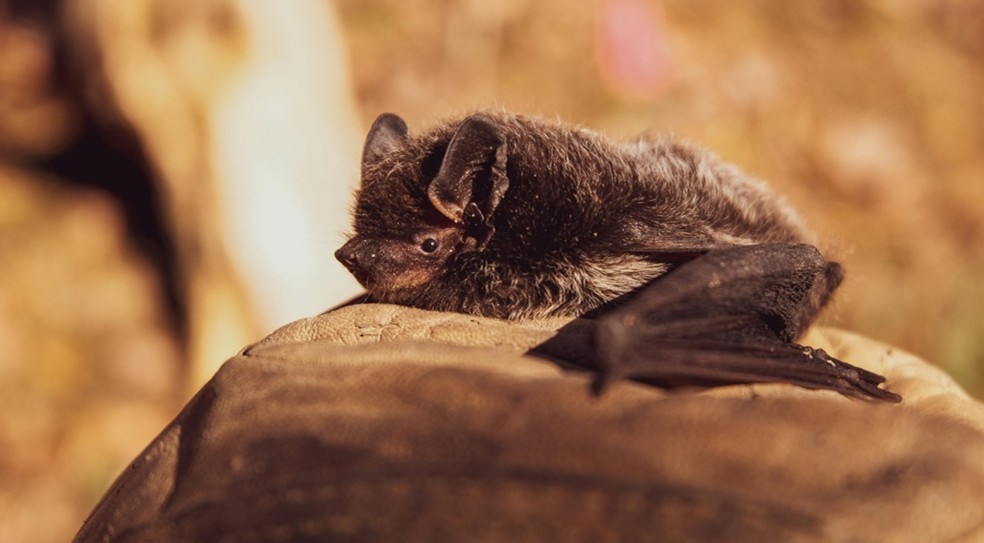
The bird flu outbreak has expanded to include a new mammalian host. Vampire bats along Peru’s coast have tested positive for H5N1 antibodies, marking the first time these blood-feeding mammals have been confirmed as susceptible to the virus. 

In a new preprint study published on bioRxiv in nearly November, researchers revealed that over a dozen common vampire bats living along Peru’s Pacific coast carried antibodies against H5N1, indicating previous exposure to the avian influenza strain battering birds, livestock, and a variety of mammalian species around the globe. The bats likely contracted the virus while feeding on infected marine animals during a massive 2022-2023 outbreak that killed more than 560,000 seabirds and 10,000 sea lions in Peru alone. 

Wildlife veterinarian I-Ting Tu from the University of Glasgow led the research effort, collecting samples from hundreds of vampire bats across coastal and inland regions. The team discovered that coastal bats fed on a surprisingly diverse array of marine wildlife, including sea lions, pelicans, cormorants, and penguins, all potential sources of H5N1 exposure. These findings raise concerns that bats may serve as a bridge between marine and terrestrial mammals. Bats live in dense colonies where viruses can easily spread, thus they could potentially become a permanent reservoir for H5N1 more readily than other mammals. Bats are already notorious for harboring a plethora of zoonotic viruses including rabies virus and many coronaviruses. Some Peruvian vampire bats feed on both marine animals and livestock, creating potential pathways for the virus to spread into agricultural settings, evolve further, and potentially adapt to mammals including humans. 

Fortunately, researchers say it’s not yet time to panic. Only about 8% of individuals in any colony showed antibodies, suggesting H5N1 hasn’t established efficient bat-to-bat transmission. It is unclear why the infection has spread poorly among bats, as they appear to have the necessary receptors in their lungs for H5N1 to cling to. There doesn’t seem to be a real physiological barrier, and it may be that the virus is simply not yet optimized to sustain a chain of infection in bats. This means bats are unlikely to become a permanent viral reservoir, at least for now; however, repeated spillover between marine mammals, livestock, and bats could create a pathway for the virus to acquire new traits, establish itself in new hosts, and potentially become more deadly or contagious. Researchers stress the need for continued surveillance, particularly at sites where bats interact with both marine wildlife and domestic animals. 

Further Reading

Vaccines Under Scrutiny: Domestic Policy Changes and Global Gaps  

ACIP Vaccine Rollback Sparks Safety Concern in the U.S. 

From Health Policy Watch: “A U.S. vaccine advisory panel, the Advisory Committee on Immunization Practices (ACIP), has voted to eliminate a 30-year recommendation that all newborns in the U.S. receive the hepatitis B (Hep B) vaccine at birth, stating the shot is no longer necessary for babies born to mothers who test negative for the virus. Instead, ACIP recommends delaying the first dose to no earlier than two months and consulting with a doctor.”  

Medical experts have raised concerns about the decision. Organizations like the American Academy of Pediatrics argue that the decision lacks sufficient implementation research to ensure safety. Without further research, there is a risk that Hep B could still be transmitted from asymptomatic mothers to newborns at birth. “We should do the studies first to determine if fewer doses are actually effective,” said Dr Judith Shlay, a family medicine specialist. The recommendation must now be approved by Jim O’Neil, the acting director of the CDC.  

Further Reading:

Global Polio Eradication Faces Funding Shortfalls  

Meanwhile, on the global stage, the Global Polio Eradication Initiative (GPEI) has received $1.9 billion in pledges from international donors to advance polio eradication. Contributions came from a diverse group of donors and countries, including $1.2 billion from the Gates Foundation, $140 million from the Mohamed bin Zayed Foundation for Humanity, and $450 million from Rotary International. Despite these commitments, a significant funding gap of approximately $440 million remains for GPEI’s 2022-2029 Strategy, following reductions in foreign aid from high-income countries.  

This private-public partnership (PPP) aims to eradicate polio worldwide by 2029, using the funds to vaccinate 370 million children against polio each year while strengthening regional health systems. However, the outlook is uncertain: the U.K., Germany, and other countries have scaled back plans for development assistance and health funding for 2026, and U.S. support for polio efforts remains unclear. As a result, GPEI anticipates cutting its budget by 30% next year due to the global retreat in foreign aid.  

Further Reading:

In Other News  

US Science Governance 

NEW: International Conference CBRNe Research & Innovation  

From CBRNE: “The last 40 years have demonstrated that both military and civilian populations could be exposed to highly hazardous CBRNE agents following conflicts, natural outbreaks and disasters, industrial incidents or terrorist attacks. Worldwide, researchers, responders and industrial capacities have been commited to provide adapted response to these challenges. The CBRNE Research & Innovation Conference includes workshops and demonstrations of innovative materials, technologies and procedures, according to the following themes: Detection (identification), Protection (decontamination, medical countermeasures), and risk & crisis management.  

This event will take place in Arcachon, France from May 19 – 21, 2026. Learn more and RSVP here

NIH and its Partners to Co-Host a Second Regional Listening Session on Efforts to Modernize and Strengthen Biosafety Oversight 

From ABSA International: “The NIH, the Carolinas Biosafety Safety Association, and the Southeastern Biological Safety Association will be co-hosting a virtual listening session to obtain input from stakeholders on NIH’s recently announced initiative to modernize and strengthen biosafety oversight.” 

This event will take place virtually on December 17 from 1:00 – 3:00 PM ET. Learn more and register here. 

Nexus Series: AIxBio: Workshop 2 – Strategies for Responding to Exponential AI and Biotechnology Growth  

From AI for SynBio: “Background: The ever-increasing acceleration of agentic artificial intelligence (AI) and biological design tools has transformed the technological landscape, enabling tremendous benefits and potential misuse that could massively impact national security and public health. Mitigating this risk will require collaboration across Government, Industry, and Academia with both technical and policy focus. Significant effort has already been made to raise awareness of this challenge, but additional discussion is necessary to maintain pace with the speed of evolving technology. The second workshop in this series will build upon insights from our first workshop and take place over two days.” 

This event will take place in Washington DC on March 10-11, 2026. Learn more and RSVP here 

GHS 2026

From GHS: “We’re excited to officially announce that the 4th Global Health Security Conference (GHS2026) will be held in Kuala Lumpur on the 9 – 12 June, 2026!”

“Building on the incredible momentum of GHS2024 in Sydney, we look forward to bringing together the global health security community once again – this time in one of Southeast Asia’s most vibrant and dynamic cities.”

“Registration and Call for Abstracts are now live!”

Learn more, submit abstracts, and register here.

African Atomic Voices Network (AAVN) 

From AAVN: “The African Atomic Voices Network (AAVN) is a collaborative, career-development community for young professionals, students, and researchers from Africa (aged 18–35) who are working in, or passionate about, nuclear issues and related global security challenges such as artificial intelligence, emerging technologies, and chemical & biological security. The Network empowers African young professionals to shape global conversations and ensures that Africa’s voice is amplified in nuclear and broader global security discourse.” 

Learn more and join the network here. 

CNS Young Women in Nonproliferation Initiative 

From the initiative: “Established in 2018, the CNS Young Women in Nonproliferation Initiative aims to encourage undergraduate women to consider careers in WMD nonproliferation, arms control, and disarmament. As part of this initiative, we offer a mentorship program that enables undergraduate women to work directly with leading experts in their areas of professional interest.” 

Learn more and join the network here.   

Cyberbiosecurity Quarterly Call for Papers

“We are pleased to announce the launch of Cyberbiosecurity Quarterly, a new academic and trade journal dedicated to the intersection of cybersecurity and the bioeconomy. Published by Kansas State University’s New Prairie Press and sponsored by the Bioeconomy Information Sharing and Analysis Center (BIO-ISAC), this quarterly journal will serve as an important resource for professionals, researchers, and policymakers working to safeguard digital and physical biological infrastructures. Cyberbiosecurity is an emerging discipline that addresses the protection of biomanufacturing, biomedical research, synthetic biology, digital agriculture, and other life sciences sectors from digital threats. This journal will explore topics at the nexus of cybersecurity, digital biosecurity, and the bioeconomy, including but not limited to:

  • Best practices for network configuration and management in biomedical environments (ingress/egress protection, segmentation, isolation, access control, traffic protection, etc.)
  • Cybersecurity Vendor Management and Assessment
  • Cyber and Digital Biosecurity Education for the Bioeconomy’s Workforce
  • The Quality-Cybersecurity Tension in Practice and Techniques for Mitigation
  • Threat Intelligence for Cyber-Physical Biological Systems
  • Regulatory and Policy Perspectives on Cyberbiosecurity
  • Incident Response and Risk Mitigation in Biomanufacturing
  • AI and Machine Learning in Digital and Cyber Biosecurity”

Learn more and submit your papers here.

Call for Presenters: International Bio Recovery Summit

The American Bio Recovery Association (ABRA) has opened its Call for Presenters for the 2026 International Bio Recovery Summit, taking place March 16-18 in Aberdeen, Maryland. As the industry’s leading event, the summit brings together bio-recovery professionals to address emerging challenges, regulatory updates, new technologies, and evolving safety standards in the field. ABRA invites experts to submit proposals aligned with conference objectives – including discussions on industry guidelines, insurance claims, hazardous substances, and business practices.

Learn more and submit your presentation by December 31 here.

64th ISODARCO Course

From ISODARCO: “In recent years, the global security landscape has become increasingly volatile, shaped by a convergence of geopolitical tensions, technological advancements, and evolving nuclear doctrines. The post-Cold War order that once provided a measure of predictability in global security has eroded. Conflicts such as the wars in Ukraine and Gaza, rising tensions in the Indo-Pacific, and strategic competition between major powers have reshaped alliances and strategic postures.”

“At the same time, disruptive technologies including artificial intelligence, quantum computing, hypersonic missiles, and cyber threats – are adding new layers of complexity to both nuclear and conventional deterrence dynamics. These technologies are not only distorting the information landscape but also compressing decision-making timelines and complicating signaling mechanisms, increasing the risk of miscalculation.”

“Effectively managing nuclear escalation risks in this environment will require a combination of innovative diplomacy, technological safeguards, and renewed dialogue mechanisms to rebuild trust, reduce misperceptions, and stabilize strategic relations.”

“The ISODARCO 2026 Winter Course presents an invaluable opportunity for students and experts to discuss and examine these dynamics in depth and explore approaches to re-establishing strategic stability and reducing nuclear dangers in a volatile world.”

This course will take place January 11-18, 2026, in Andalo. Learn more and apply here.

Pandora Report 12.6.2025

Welcome to this week’s Pandora Report! ❄️ This issue features a deep dive into U.S. biodefense vulnerabilities, the latest developments in Avian Influenza, emerging biosecurity risks from synthetic biology, and global public health and chemical weapons updates.  

U.S. Biodefense on the Brink: Political Interference and Budget Cuts Put Americans at Risk 

By Carmen Shaw, Co-Managing Editor of the Pandora Report 

A series of alarming developments across the U.S. biodefense complex show that political interference and institutional downsizing are creating vulnerable gaps in emergency response and readiness that could imperil Americans during the next major biological emergency. On November 23, Dr. Ralph Abraham, Louisiana’s Surgeon General, who’s also a vocal supporter of HHS Secretary RFK Jr., and a known vaccine skeptic, was appointed Principal Deputy Director at the CDC. Abraham has publicly questioned the safety of COVID-19 vaccines, opposed routine immunization for hepatitis B at birth, and supported discredited theories linking Tylenol use in pregnancy to autism.  

This trend of politicization is compounded by troubling shifts in agency guidance. Under Secretary RFK Jr.’s leadership, the CDC revised its longstanding position that vaccines do not cause autism, adding an asterisk to its guidance suggesting that evidence debunking the vaccine-autism link is “not evidence-based.” This shift contradicts decades of rigorous research demonstrating no causal link between vaccines and autism and was pushed through despite numerous objections from scientific organizations. The Autism Science Foundation and the American Medical Association condemned the change, calling it appalling and warning of its dangerous consequences.  

The FDA is also experiencing internal turmoil. A 3,000-word memo circulated by vaccine division director, Dr. Vinay Prasad, claimed that COVID-19 vaccines had killed at least 10 children. The findings have not been published in a peer-reviewed medical journal, and experts reviewing the memo note that it misuses information from VAERS, an unverified reporting system in which anyone – including patients, caregivers, and clinicians – can submit reports of adverse events related to vaccines. VAERS itself warns that its reports may contain inaccurate, incomplete, or unverifiable information.  Experts contend that the memo misrepresents the data and reflects an ideologically driven approach that undermines both public confidence and the FDA’s regulatory authority.  

“This memo conveys a very troubling mixture of misrepresentation and lies,” said Dr. Peter Marks, former FDA vaccine chief who was ousted by HHS Secretary RFK Jr. earlier this year. “The climate within the agency is incredibly toxic right now.” 

Structural cuts to U.S. science and public health agencies further threaten national preparedness for biological events. The second Trump administration’s budget reductions have began to eliminate essential biodefense programs, resulting in billions of dollars in lost funding, the elimination of tens of thousands of positions, and the dismantling of surveillance and R&D programs across key agencies such as the NIH, CDC, USAID, FDA, ASPR, NSF, and FEMA. Some of these agencies operate within HHS: the CDC leads domestic and global disease surveillance and emergency response, the NIH supports basic and applied biomedical research, the FDA regulates vaccines and medicines, the ASPR coordinates public health emergency responses, and separately, the NSF funds foundational biology research essential for understanding biological threats.  

The HHS reorganization has resulted in staffing that is slated to decline from 82,000 to 62,000 full-time employees, with significant cuts at the CDC, NIH, and the FDA, alongside a 35% reduction in contracts. BARDA, a key agency for developing medical countermeasures for emerging infectious diseases, was merged with ARPA-H, and hundreds of leases for research and operational facilities were terminated. By May of this year, NSF cancelled over 1,500 active research grants and laid off 25-50% of its workforce. In response, sixteen states, led by New York, sued the Trump administration to block NSF funding cuts. 

The Department of Government Efficiency (DOGE), launched by Elon Musk, reported that the administration terminated 563 leases worth $262 million for facilities used by federal agencies, including NIH and CDC. Experts warn that these cuts not only limit immediate operational capacity but could also create long-term gaps in institutional knowledge and disrupt the talent pipeline, hindering the overall effectiveness and efficiency of these agencies.  

Federal funding cuts are also destabilizing state and local health efforts. Many rely on federal pass-through funding, and without these, face staff layoffs, clinic closures, and halted preparedness programs. In March, HHS announced plans to reclaim $11.4 billion in COVID-19 response funding, raising alarms among public health officials. Although states like California are attempting their own countermeasures via a currently debated $23 billion bond initiative to restore R&D cuts, the ability of state and local governments to fully offset these federal gaps is limited, undermining U.S. biological readiness writ large.   

“Let’s be clear—when the next pandemic from an infectious agent breaks, if this budget passes, we will be largely unprepared, and needless deaths will happen,” Dr. Mary Pittman, former president and CEO of the Public Health Institute, said in a release from the American Public Health Association. “The CDC will be late detecting, tracking, and responding to it, and the states will not have the resources to do it at the state level. Time to action is everything in an outbreak of disease.” 

Further Reading:  

Washington State Reports First H5N5 Human Death 

By Margeaux Malone, Pandora Report Associate Editor 

Washington State health officials confirmed the first U.S. human death from H5N5 bird flu in late November, marking a significant development in the ongoing international avian influenza outbreak. However, unlike the H5N1 virus that has caused 70 human infections and one death in the United States since 2024, this fatality was caused by H5N5, a different strain of avian influenza that had previously never been known to infect humans. There is limited information about the patient in Washington at this time. They were identified as an older adult with underlying health conditions who kept backyard poultry with exposure to wild birds. 

Health experts stress this isn’t cause for panic. There is as of yet no evidence that H5N5 poses greater pandemic risk than H5N1 or causes more severe disease. Monitoring of close contacts revealed no additional infections and no signs of person-to-person transmission. Although this was the first case of H5N5 infection in a human, experts state that exposure to H5 viruses and subsequent infections are still likely to be H5N1 as this strain is circulating much more prevalently in bird populations.   

For people with backyard chickens, experts recommend keeping domestic birds separated from wild birds, wearing dedicated outdoor clothing and protective gear when cleaning coops, and thoroughly washing hands after handling poultry or eggs to minimize risk of exposure.  

Too Hot to Handle: Research Identifies Temperature Resistance in Bird Flu Viruses 

Recent research published in Science indicates that avian influenza may pose a unique danger compared to human flu viruses: bird flu viruses can replicate at temperatures higher than typical human fevers, potentially overcoming one of our key defense mechanisms. 

Researchers at the universities of Cambridge and Glasgow showed that a gene called PB1 plays a key role in viral temperature sensitivity. Human flu viruses typically thrive in the upper respiratory tract where temperatures are around 33C rather than in the lungs and lower airways where the temperature is closer to 37C. Fevers, one of the human body’s self-defense mechanisms, raise our body temperature to 38-41C, and even just a 2C increase can turn lethal human flu infections into mild disease. However, avian influenza viruses thrive in hotter environments as they often infect the gut in natural bird hosts where temperatures can reach as high as 40-42C. The research showed that virus strains containing avian-like PB1 genes can withstand high temperatures and cause severe disease in mice with simulated fevers that would ordinarily be sufficient to curb replication of temperature-sensitive flu viruses. This suggests that human infection with temperature-resistant flu viruses will cause more severe disease despite our defense mechanisms. Even more worryingly, human and bird flu viruses can swap genes when co-infecting the same host, as happened during the deadly 1957 and 1968 pandemics. These findings could have significant implications for clinical decision-making on when and how to use medications to control fever in suspected avian influenza cases and could also help explain why some influenza outbreaks cause more severe disease.  

Although the public health risk from avian influenza remains low, with no sustained human-to-human transmission observed, public health experts stress that getting a seasonal flu shot is more important than ever. While the vaccine may not protect against bird flu infection directly, it reduces the chance of simultaneous infections that could enable dangerous viral mixing and swapping of temperature-resistance genes between human and avian influenza viruses.  

Further Reading:

“Regulatory Gaps in Benchtop Nucleic Acid Synthesis Create Biosecurity Vulnerabilities” 

Lena Kroepke, a current Biodefense Master’s student at George Mason University, warns that rapid advances in benchtop nucleic acid synthesis and AI-enabled biological design are outpacing existing oversight, leaving the U.S. with widening biosecurity vulnerabilities. Her new article outlines how decentralized benchtop printers, increasingly capable of producing longer DNA sequences, combined with AI tools that can engineer novel or de novo pathogens, bypass traditional sequence-based screening systems and undermine voluntary industry standards. Despite this rising risk, federal regulation remains fragmented: the Biden administration’s 2024 Framework for Nucleic Acid Synthesis Screening was left in limbo after being placed under review by President Donald Trump’s May 2025 “Improving Safety and Security of Biological Research” Executive Order, and Congress has failed to advance legislation mandating universal screening or device security. As a result, most safeguards are still voluntary, export controls are inconsistently enforced, and no binding national or international standards exist for device certification, customer screening, or tracking printed sequences. Kroepke argues that without urgent, mandatory, and transparent regulatory updates—paired with stronger BWC-level engagement—the proliferation of benchtop synthesis technology could significantly elevate global biosecurity threats. Read more here

“Strategies to Improve Detection of Novel Pandemic Pathogens” 

From RAND Corporation: “This research report provides insight into the tradeoffs inherent to the cost, design, and detection performance of three promising pathogen-agnostic biosurveillance strategies, referred to as Syndromic, Wearable, and Environmental. The Syndromic and Wearable strategies are initiated by a signal from symptomatic or physiological sensors, while the Environmental strategy runs continuously and is intensified responsively based on external intelligence from event-based surveillance. First, we parameterize this model to emulate the detection of wildtype SARS-CoV-2. Then, we explore how changes in pathogen characteristics and technology performance change key detection and cost measures.  Heir modeling indicates that environmental sampling (e.g., wastewater, air, surfaces) detects outbreaks fastest, followed by wearable strategy. Syndromic surveillance underperforms in detection relative to the two other strategies, especially when outbreaks stem from new or unusual pathogens.” Read more here

China Releases White Paper on Arms Control in New Era

In November 2025, China released a new white paper on arms control, disarmament, and nonproliferation, as well as its position on security governance in fields such as outer space, cyberspace, and artificial intelligence (AI). In the document, Beijing reaffirms that it remains committed to international frameworks banning weapons of mass destruction, explicitly including biological – and not only nuclear or conventional – threats. According to the white paper, China “resolutely opposes the proliferation of bioweapons, their means of delivery, and all related technologies,” and reaffirms it adherence to the Biological Weapons Convention (BWC). The government states it continues to strengthen domestic biosecurity institutions and export-control regimes over dual-use biological items, and advocates for a negotiated protocol to enhance the BWC’s verification mechanisms – recognizing the existing non-proliferation frameworks must evolve alongside developments in biotechnology. Read more here 

Further Reading: 

In Other News  

Changing HIV/AIDS Landscape  

On December 1, we want to commemorate World AIDS Day 2025! #WorldAIDSDay  

Global Infectious Disease  

Chemical Weapons: Global Developments and Investigations 

NEW: Integrating Biosafety & Biosecurity into Funding Decisions 

Form NTI: Funders play a key role in shaping how life science research is conducted. This webinar will introduce a new framework—developed collaboratively by a diverse group of internationally recognized experts—to help funders identify proposals that may require additional biosafety or biosecurity review and to support appropriate risk-mitigation efforts.” 

This event will take place virtually on December 11 from 10:00 – 11:00 AM ET. Learn more and RSVP here 

NEW: Africa’s Children’s Hospitals at a Breaking Point – Virtual Event 

From Brown University: A landmark, first-of-its-kind study published last month in PLOS Global Public Health delivers a stark reality check: children’s hospitals in Africa are stretched, strained, and often cannot meet patients’ needs. The Children’s Hospitals in Africa Mapping Project (CHAMP) study aimed to evaluate hospital facilities, infrastructure, equipment, supplies, services, staffing, and readiness to care for children amid public health emergencies through surveys, which 20 hospitals from 15 countries completed from 2018 to 2019. The study found that “most hospitals were ill-prepared to manage a major disaster or infectious disease outbreak.” The CHAMP study is a wake up call to health leaders and decision makers. Among the CHAMP study’s takeaways: 

This event will take place virtually on December 12 at 12:00 PM ET. Learn more and RSVP here

NEW: NIH and its Partners to Co-Host a Second Regional Listening Session on Efforts to Modernize and Strengthen Biosafety Oversight 

From ABSA International: “The NIH, the Carolinas Biosafety Safety Association, and the Southeastern Biological Safety Association will be co-hosting a virtual listening session to obtain input from stakeholders on NIH’s recently announced initiative to modernize and strengthen biosafety oversight.” 

This event will take place virtually on December 17 from 1:00 – 3:00 PM ET. Learn more and register here. 

NEW: Nexus Series: AIxBio: Workshop 2 – Strategies for Responding to Exponential AI and Biotechnology Growth  

From AI for SynBio: “Background: The ever-increasing acceleration of agentic artificial intelligence (AI) and biological design tools has transformed the technological landscape, enabling tremendous benefits and potential misuse that could massively impact national security and public health. Mitigating this risk will require collaboration across Government, Industry, and Academia with both technical and policy focus. Significant effort has already been made to raise awareness of this challenge, but additional discussion is necessary to maintain pace with the speed of evolving technology. The second workshop in this series will build upon insights from our first workshop and take place over two days.” 

This event will take place in Washington DC on March 10-11, 2026. Learn more and RSVP here 

GHS 2026

From GHS: “We’re excited to officially announce that the 4th Global Health Security Conference (GHS2026) will be held in Kuala Lumpur on the 9 – 12 June, 2026!”

“Building on the incredible momentum of GHS2024 in Sydney, we look forward to bringing together the global health security community once again – this time in one of Southeast Asia’s most vibrant and dynamic cities.”

“Registration and Call for Abstracts are now live!”

Learn more, submit abstracts, and register here.

African Atomic Voices Network (AAVN) 

From AAVN: “The African Atomic Voices Network (AAVN) is a collaborative, career-development community for young professionals, students, and researchers from Africa (aged 18–35) who are working in, or passionate about, nuclear issues and related global security challenges such as artificial intelligence, emerging technologies, and chemical & biological security. The Network empowers African young professionals to shape global conversations and ensures that Africa’s voice is amplified in nuclear and broader global security discourse.” 

Learn more and join the network here. 

CNS Young Women in Nonproliferation Initiative 

From the initiative: “Established in 2018, the CNS Young Women in Nonproliferation Initiative aims to encourage undergraduate women to consider careers in WMD nonproliferation, arms control, and disarmament. As part of this initiative, we offer a mentorship program that enables undergraduate women to work directly with leading experts in their areas of professional interest.” 

Learn more and join the network here.   

Cyberbiosecurity Quarterly Call for Papers

“We are pleased to announce the launch of Cyberbiosecurity Quarterly, a new academic and trade journal dedicated to the intersection of cybersecurity and the bioeconomy. Published by Kansas State University’s New Prairie Press and sponsored by the Bioeconomy Information Sharing and Analysis Center (BIO-ISAC), this quarterly journal will serve as an important resource for professionals, researchers, and policymakers working to safeguard digital and physical biological infrastructures. Cyberbiosecurity is an emerging discipline that addresses the protection of biomanufacturing, biomedical research, synthetic biology, digital agriculture, and other life sciences sectors from digital threats. This journal will explore topics at the nexus of cybersecurity, digital biosecurity, and the bioeconomy, including but not limited to:

  • Best practices for network configuration and management in biomedical environments (ingress/egress protection, segmentation, isolation, access control, traffic protection, etc.)
  • Cybersecurity Vendor Management and Assessment
  • Cyber and Digital Biosecurity Education for the Bioeconomy’s Workforce
  • The Quality-Cybersecurity Tension in Practice and Techniques for Mitigation
  • Threat Intelligence for Cyber-Physical Biological Systems
  • Regulatory and Policy Perspectives on Cyberbiosecurity
  • Incident Response and Risk Mitigation in Biomanufacturing
  • AI and Machine Learning in Digital and Cyber Biosecurity”

Learn more and submit your papers here.

Call for Presenters: International Bio Recovery Summit

The American Bio Recovery Association (ABRA) has opened its Call for Presenters for the 2026 International Bio Recovery Summit, taking place March 16-18 in Aberdeen, Maryland. As the industry’s leading event, the summit brings together bio-recovery professionals to address emerging challenges, regulatory updates, new technologies, and evolving safety standards in the field. ABRA invites experts to submit proposals aligned with conference objectives – including discussions on industry guidelines, insurance claims, hazardous substances, and business practices.

Learn more and submit your presentation by December 31 here.

64th ISODARCO Course

From ISODARCO: “In recent years, the global security landscape has become increasingly volatile, shaped by a convergence of geopolitical tensions, technological advancements, and evolving nuclear doctrines. The post-Cold War order that once provided a measure of predictability in global security has eroded. Conflicts such as the wars in Ukraine and Gaza, rising tensions in the Indo-Pacific, and strategic competition between major powers have reshaped alliances and strategic postures.”

“At the same time, disruptive technologies including artificial intelligence, quantum computing, hypersonic missiles, and cyber threats – are adding new layers of complexity to both nuclear and conventional deterrence dynamics. These technologies are not only distorting the information landscape but also compressing decision-making timelines and complicating signaling mechanisms, increasing the risk of miscalculation.”

“Effectively managing nuclear escalation risks in this environment will require a combination of innovative diplomacy, technological safeguards, and renewed dialogue mechanisms to rebuild trust, reduce misperceptions, and stabilize strategic relations.”

“The ISODARCO 2026 Winter Course presents an invaluable opportunity for students and experts to discuss and examine these dynamics in depth and explore approaches to re-establishing strategic stability and reducing nuclear dangers in a volatile world.”

This course will take place January 11-18, 2026, in Andalo. Learn more and apply here.

Pandora Report 11.21.2025

Welcome to this week’s Pandora Report! 🍂 This issue features declining U.S. vaccination rates and early signs of a challenging flu season to the first human case of H5N5 avian influenza in Washington. We also cover international efforts to strengthen nucleic acid synthesis screening, debates over U.S. pandemic preparedness strategies, and insights from a new review of a state-level bioweapons programs in Russia and Iraq. 

Important Note: The Pandora Report will be on break next week for Thanksgiving – wishing all our readers a happy and safe holiday ahead! 🍁🦃  

Trust in U.S. Vaccines Falters as Measles and Flu Threaten a Harsh Winter Ahead 

By Carmen Shaw, Co-Managing Editor of the Pandora Report 

Figure 1. Public health at risk: Declining vaccine confidence and rising measles and flu cases leave communities vulnerable. (Credit: Pexels) 

A series of developments this week suggests that the U.S. immunization landscape may be rapidly destabilizing. The CDC quietly revised its Autism and Vaccines webpage, softening language that previously stated that there is no link between vaccines and autism – despite decades of high-quality research debunking such claims. The shift has alarmed experts, who say it reflects what happens when politics hijack public health, further undermining trust in the agency. Others warn that any ambiguity on settled science risks renewed outbreaks of vaccine-preventable diseases in society. For many, the concern is not merely the change in wording but the broader signal it sends: federal health guidance is becoming less reliable and consistent at a moment when clarity is desperately needed.  

 
This confusion is reflected in divergent vaccination behavior across the nation. Only 23% of U.S. adults have received this season’s COVID-19 vaccine, a dramatic drop from early pandemic levels (in early 2022, 75% of Americans had received at least one dose of the initial vaccine). The vaccination rates for flu, measles, and tetanus are also declining. Uptake varies sharply by region: the highest COVID-19 vaccination rates are found in the Northeast, including D.C., Vermont, Massachusetts, and Minnesota, while the lowest rates are observed in Alabama, Louisiana, and Mississippi. Public health researchers worry that vaccination rates may decline further, particularly among younger adults and Hispanic and Black Americans, who have lower vaccination rates, further exposing them to serious complications such as long COVID. These ongoing mixed messages from federal leadership and new access barriers in some Republican-led states are creating a fragmented and unpredictable vaccination environment. Although COVID may no longer dominate headlines as it once did, it still claimed more than 31,000 U.S. lives last year.  

The consequences of declining trust in vaccines are already visible. A measles strain that ignited a major outbreak in the Southwest has now spread across the country, leading to 1,753 confirmed cases as of November 18 – more than six times the total reported in 2024, according to the CDC. Nearly all infections (92%) occur among people who are either unvaccinated or of unknown vaccination status. If transmission isn’t controlled soon, the United States is on track to lose its measles elimination status, mirror Canada’s recent loss of the designation just some days ago. Health officials frame the current moment bluntly: pockets of low vaccination are creating openings for opportunistic diseases Americans once assumed were gone.  

These vulnerabilities are emerging just as the U.S. faces the prospect of a challenging flu season ahead. A mutated influenza strain, subclade K, is already driving early surges in the UK and Canada. U.S. scientists warn that this winter could bring a second consecutive severe flu season – last winter saw the highest rates of flu hospitalization in nearly 15 years, with at least 280 children dying from influenza, the highest pediatric death toll recorded since 2004. Now, with the new variant circulating, vaccination rates down, and holiday travel approaching, experts warn that a grim repeat is likely.  

“The signs are, it could be a big season,” says Richard Webby, who studies the flu at St. Jude Children’s Research Hospital in Memphis. “The flu season might have a little bit of a punch to it this year.” 

A new Pew Research Center poll adds another layer: while most Americans still believe childhood vaccines work in preventing serious illnesses, confidence among Republican voters continues to erode. As trust fractures along political lines, the nation’s ability to maintain stable immunization coverage becomes increasingly fragile.  

Further Reading:  

Spotlight: Improving Pandemic Readiness with Michael Osterholm and GMU’s Gregory Koblentz – A Podcast 

re we ready for the next pandemic? In Improving Pandemic Readiness, David Ramadan and guest co-host Gregory Koblentz, Director of GMU’s Biodefense Graduate Program, sit down alongside renowned epidemiologist Michael Osterholm, Director of CIDRAP and author of The Big One: How We Must Prepare for Future Deadly Pandemics. They discuss lessons learned from the COVID-19 response, including challenges with vaccine distribution and lockdown measures, and explore how young people can combat the pervasive spread of misinformation and disinformation. 

Listen to the podcast here. 

First Human Case of H5N5 Confirmed in Washington 

By Margeaux Malone, Pandora Report Associate Editor 

On November 14, Washington state health officials confirmed the first human case of H5N5 avian influenza in the United States, also marking the country’s first human bird flu case since February. The patient, reportedly an older adult with underlying health conditions, remains hospitalized after developing severe symptoms including high fever, confusion, and respiratory distress in early November. This represents the first known human infection with the H5N5 strain, distinct from the H5N1 strain that has affected thousands of cattle and poultry operations in recent months.  

Investigators believe the patient was exposed through a mixed backyard flock of domestic poultry that had contact with wild birds. Health officials are monitoring close contacts but have identified no additional cases and do not believe there is yet increased risk to the public. Human-to-human transmission of avian flu has never been documented in the United States; however, the CDC continues to urge anyone who works with or may come into contact with potentially infected domestic or wild animals to take precautions including wearing appropriate personal protective equipment and reporting sick or dead birds to the appropriate authorities as soon as possible. Although the majority of the confirmed U.S. human H5N1 cases have been mild, one Louisiana man died in January following infection with bird flu. 

ProPublica Investigation Questions USDA’s Approach to Farm Outbreaks 

A recently published ProPublica investigation has raised questions about the U.S. Department of Agriculture’s (USDA) response strategy to bird flu, including the agency’s decision not to investigate potential airborne spread and its reluctance to authorize poultry vaccines despite calls from public health experts and the egg industry. The investigation examined a devastating bird flu outbreak last winter that began at a single Ohio facility and then spread to nearby farms, ultimately affecting over 20 million hens across 83 farms. Using genetic analysis, weather data, and wind simulations, ProPublica found that wind may be a plausible explanation for how the bird flu virus spreads between farms, as those downwind from the initial outbreak site were approximately 20 times more likely to develop infections.  

The USDA has not investigated airborne transmission in this outbreak, garnering criticism from public health experts and industry leaders who argue that the current focus on wild birds and biosecurity alone has been insufficient to control the disease in light of the continuing bird flu outbreaks across the country. The investigation highlights that other countries have taken different approaches after documenting airborne spread through contaminated dust and feathers. For instance, France implemented poultry vaccination programs in 2023 following research showing the virus could travel on aerosols, leading to a near-total reduction in duck farm cases. 

As the outbreak surges on into the fall migration season, public health experts and egg industry representatives urge the USDA to authorize poultry vaccines against avian influenza in the United States as well. Following a study showing the efficacy of poultry vaccines published in 2023, the USDA licensed a chicken vaccine against avian influenza developed by Zoetis in early 2025, raising hopes that nationwide vaccination programs may soon follow. However, U.S. vaccination efforts in poultry continue to face significant opposition from the chicken meat industry, which has been far less affected by bird flu but holds greater sway over the industry as a whole. These producers warn that vaccinating even egg-laying hens could trigger import bans from international trading partners. After France began its vaccination program, the United States paused all poultry imports from the European Union, citing worries that vaccines could mask infections by preventing symptomatic illness in birds. U.S. Agriculture Secretary Brooke Rollins has stated that vaccine deployment is “at least a year or more away,” given concerns about “repercussions that we don’t fully understand.”  

While the USDA appears to be committed to improving poultry farm biosecurity, pledging up to $500 million for farm audits and inspections, some experts told ProPublica they believe government leaders are stalling, hoping the virus will fizzle out on its own, just as it did a decade ago during the 2014-2015 H5N2 outbreak. Unfortunately, with 83 confirmed infected flocks in the last 30 days, more than double the number this time last year, the outbreak does not look like it will be slowing down any time soon.  

Further Reading: 

Nucleic Acid Synthesis Screening in Singapore 

The Biodefense Graduate Program was out in force at a workshop held by the Engineering Biology Research Consortium (EBRC) in Singapore on November 4-5, 2025 to develop international best practices for screening sequences and customers to strengthen biosecurity. The goal of the workshop, one in a series being held by EBRC, is to build international consensus on best practices for the nucleic acid synthesis industry, focusing particularly on customer and sequence screening methods, and establish an informal global consortium of stakeholders representing industry, government, academia, and non-profit sector to advance the adoption and implementation of robust screening methods. Biodefense Program Director Dr. Gregory D. Koblentz, who is a member of EBRC’s Security Working Group, served as the discussant on a panel regarding the challenges and opportunities for achieving universal, aligned nucleic acid screening policy and practices. Dr. Koblentz highlighted weaknesses in both multilateral and national approaches to nucleic acid synthesis screening and advocated for a minilateral approach that would start with a small group of countries, companies, and other stakeholders who would establish rigorous screening standards and then work with other countries and companies to incentivize wider adoption of the standard. Two alumni from the Biodefense program also participated in the workshop. Henry Kim, Biodefense PhD ’20, who is currently a research fellow at the Institute for National Security Strategy, discussed South Korea’s interest in nucleic acid screening as a biosecurity tool.  Andy Morgan, Biodefense Certificate ‘24, who is the Senior Policy Advisor for Biotechnology Policy & Regulation at the Ministry of Business, Innovation and Employment in New Zealand, discussed draft legislation on biotechnology innovation and regulation that would include nucleic acid synthesis screening. 

Debating the U.S. Pandemic Preparedness Playbook: Risks, Reality, and Rebuttals 

Two sharply contrasting perspectives on pandemic preparedness dominated discourse last week. In City Journal, NIH Director Jay Bhattacharya and his Principal Deputy Director Matthew J. Memoli published an essay, arguing that the U.S. should create a dramatically revised “pandemic preparedness playbook.” They described it as a three-step agenda:  

  1. Catalog every existing pathogen by sending scientists to remote areas around the world. 
  1. Evaluate the risk of each pathogen infecting humans by testing its ability to penetrate human cells – a step they characterize as potentially involving genetic modification in a practice now called dangerous gain-of-function research (dGOF).  
  1. Develop and stockpile countermeasures such as vaccines and therapeutics in advance of future spillover events.  

Bhattacharya and Memoli portray this approach as inherently risky and suggest that past U.S. preparedness investments failed or even contributed to the COVID-19 pandemic.  

In response, Jeremy Faust, writing for Inside Medicine, published a rebuttal, criticizing the essay for misrepresenting both the scientific record and the purpose of U.S. preparedness programs. Faust – citing virologist Angela Rasmussen and others – counters that decades of NIH-funded coronavirus and mRNA research made the rapid development of COVID-19 vaccines possible and saved millions of lives. He notes that wildlife surveillance and lab characterization are standard, tightly overseen scientific practices, not reckless attempts to “create” threats. They also emphasize that the weight of peer-reviewed evidence supports a zoonotic origin of SARS-CoV-2 linked to wildlife trade at the Huanan Wholesale Seafood Market in Wuhan – not laboratory work – and warns that abandoning scientific consensus for ideological narratives would leave the U.S. less, not more, prepared for the next pandemic.   

Further Reading: 

New Review Article: How States Build Bioweapons: Lessons from Russia and Iraq 

In a new review, Amy E. Smithson examines how political leadership, institutional culture, and strategic doctrine shaped the Soviet/Russian and Iraqi illicit bioweapons programs. It analyzes each program’s motivations, organizational structure, scientific capacity, biosafety practices, and operational visibility – highlighting how these sociopolitical factors influenced agent selection, R&D, and military planning. By contrasting the two cases, the study draws lessons on how such contextual signals can help analysts better detect clandestine bioweapons efforts and anticipate proliferation risks.  

In Other News  

US and Global Health Policy, Funding Cuts and Governance  

Global Infectious Disease Outbreaks  

Biosecurity, Biothreats, Militarization, and Biological Risks  

How Can the Biological Weapons Convention Address the Dual-Use Challenges of AI-Driven Biodesign Tools?  

From UNIDIR: “In collaboration with the Biological Weapons Convention Implementation Support Unit (BWC-ISU) at the United Nations Office for Disarmament Affairs (UNODA), UNIDIR is organizing a series of online technical briefs on emerging technologies and the BWC. The upcoming session will focus on artificial intelligence (AI) enabled tools for molecular design and biological engineering – areas advancing at a rapid pace. It will examine their current capabilities, potential dual-use risks, evolving international policy responses, and implications for strengthening the BWC. The session will include a conversation-style expert panel, followed by an interactive question-and-answer segment with the audience.” 

This event will take place online on November 26, 2025. Learn more and RSVP here

Cyberbiosecurity: Emerging Risks and Opportunities for the Biological Weapons Convention 

From UNIDIR: This session is organized as part of UNIDIR’s “Science and Technology Watchtower” project, aimed at identifying science and technology (S&T) developments and analysing their risks and opportunities for disarmament and international security. It will feature a short presentation of the main findings of UNIDIR’s new paper Cyberbiosecurity: A Matter of International Peace and Security?. The session will then feature a conversation-style panel with experts to explore the implications of cyberbiosecurity for bioscience governance, verification, and national implementation of the BWC, followed by a question-and-answer session with the audience.” 

This event will take place online on December 4, 2025. Learn more and RSVP here. 

GHS 2026

From GHS: “We’re excited to officially announce that the 4th Global Health Security Conference (GHS2026) will be held in Kuala Lumpur on the 9 – 12 June, 2026!”

“Building on the incredible momentum of GHS2024 in Sydney, we look forward to bringing together the global health security community once again – this time in one of Southeast Asia’s most vibrant and dynamic cities.”

“Registration and Call for Abstracts are now live!”

Learn more, submit abstracts, and register here.

NEW: Call for Experts: Forum on Medical and Public Health Preparedness for Disasters and Emergencies 

From NASEM: “The National Academies is seeking suggestions for experts to be considered to fill 5 to 7 open seats on the Forum on Medical and Public Health Preparedness for Disasters and Emergencies. The forum fosters in-depth discussion and collaboration to examine barriers, identify research, explore innovative operational and policy solutions, and inspire action among diverse stakeholders in support of sustaining and advancing national health readiness and security. Additionally, staff are identifying potential speakers, participants, and other contributors for upcoming forum activities.” 

Submit your nominations by December 8 here. 

NEW: African Atomic Voices Network (AAVN) 

From AAVN: “The African Atomic Voices Network (AAVN) is a collaborative, career-development community for young professionals, students, and researchers from Africa (aged 18–35) who are working in, or passionate about, nuclear issues and related global security challenges such as artificial intelligence, emerging technologies, and chemical & biological security. The Network empowers African young professionals to shape global conversations and ensures that Africa’s voice is amplified in nuclear and broader global security discourse.” 

Learn more and join the network here. 

NEW: CNS Young Women in Nonproliferation Initiative 

From the initiative: “Established in 2018, the CNS Young Women in Nonproliferation Initiative aims to encourage undergraduate women to consider careers in WMD nonproliferation, arms control, and disarmament. As part of this initiative, we offer a mentorship program that enables undergraduate women to work directly with leading experts in their areas of professional interest.” 

Learn more and join the network here.   

Cyberbiosecurity Quarterly Call for Papers

“We are pleased to announce the launch of Cyberbiosecurity Quarterly, a new academic and trade journal dedicated to the intersection of cybersecurity and the bioeconomy. Published by Kansas State University’s New Prairie Press and sponsored by the Bioeconomy Information Sharing and Analysis Center (BIO-ISAC), this quarterly journal will serve as an important resource for professionals, researchers, and policymakers working to safeguard digital and physical biological infrastructures. Cyberbiosecurity is an emerging discipline that addresses the protection of biomanufacturing, biomedical research, synthetic biology, digital agriculture, and other life sciences sectors from digital threats. This journal will explore topics at the nexus of cybersecurity, digital biosecurity, and the bioeconomy, including but not limited to:

  • Best practices for network configuration and management in biomedical environments (ingress/egress protection, segmentation, isolation, access control, traffic protection, etc.)
  • Cybersecurity Vendor Management and Assessment
  • Cyber and Digital Biosecurity Education for the Bioeconomy’s Workforce
  • The Quality-Cybersecurity Tension in Practice and Techniques for Mitigation
  • Threat Intelligence for Cyber-Physical Biological Systems
  • Regulatory and Policy Perspectives on Cyberbiosecurity
  • Incident Response and Risk Mitigation in Biomanufacturing
  • AI and Machine Learning in Digital and Cyber Biosecurity”

Learn more and submit your papers here.

Harvard LEAD Fellowship for Promoting Women in Global Health

From Harvard’s Global Health Institute: “To equip and empower more leaders in global health, the Harvard Global Health Institute, in collaboration with the Department of Global Health and Population at Harvard T.H. Chan School of Public Health, offers a transformational 1-year fellowship specifically designed to promote leadership skills in individuals in low- and middle-income countries who will, in turn, mentor future female leaders in global health. Candidates should be currently based/working in a LMIC, and plan to return there after their fellowship.

The fellowship experience provides global health leaders time to reflect, recalibrate, and explore uncharted territories. To date, fellows have come from 18 different countries, with representation from Africa, Asia, Eastern Europe, and South America. Their areas of focus have ranged from HIV/AIDS and healthcare to health policy at the highest levels of government. Past fellows’ areas of expertise span disciplines including research, advocacy, administration, and policy.”

Learn more and submit your application by November 30 here.

Call for Presenters: International Bio Recovery Summit

The American Bio Recovery Association (ABRA) has opened its Call for Presenters for the 2026 International Bio Recovery Summit, taking place March 16-18 in Aberdeen, Maryland. As the industry’s leading event, the summit brings together bio-recovery professionals to address emerging challenges, regulatory updates, new technologies, and evolving safety standards in the field. ABRA invites experts to submit proposals aligned with conference objectives – including discussions on industry guidelines, insurance claims, hazardous substances, and business practices.

Learn more and submit your presentation by December 31 here.

64th ISODARCO Course

From ISODARCO: “In recent years, the global security landscape has become increasingly volatile, shaped by a convergence of geopolitical tensions, technological advancements, and evolving nuclear doctrines. The post-Cold War order that once provided a measure of predictability in global security has eroded. Conflicts such as the wars in Ukraine and Gaza, rising tensions in the Indo-Pacific, and strategic competition between major powers have reshaped alliances and strategic postures.”

“At the same time, disruptive technologies including artificial intelligence, quantum computing, hypersonic missiles, and cyber threats – are adding new layers of complexity to both nuclear and conventional deterrence dynamics. These technologies are not only distorting the information landscape but also compressing decision-making timelines and complicating signaling mechanisms, increasing the risk of miscalculation.”

“Effectively managing nuclear escalation risks in this environment will require a combination of innovative diplomacy, technological safeguards, and renewed dialogue mechanisms to rebuild trust, reduce misperceptions, and stabilize strategic relations.”

“The ISODARCO 2026 Winter Course presents an invaluable opportunity for students and experts to discuss and examine these dynamics in depth and explore approaches to re-establishing strategic stability and reducing nuclear dangers in a volatile world.”

This course will take place January 11-18, 2026, in Andalo. Learn more and apply here.

Pandora Report 11.14.2025

Welcome to this week’s Pandora Report! 🍂 This issue features developments in vaccine safety and regulatory instability in the U.S., including continued leadership upheavals at the FDA and NIH and the potential public health consequences of weakening vaccination mandates. It also covers global health topics, from avian influenza outbreaks to emerging biosecurity and biosafety initiatives. 

The Vaccine Safety Net is Fraying – and Communities Will Pay the Price 

By Carmen Shaw, Co-Managing Editor of the Pandora Report 

Figure 1. Preparing a vaccine dose – an essential tool in protecting communities as health agencies confront rising mis- and disinformation and shifting immunization policies. (Credit: Pexels)

Regulatory stability in the U.S. faces major shocks this week. StatNews reported that two senior FDA officials – Vinay Prasad and Tracy Beth Høeg – are quietly reshaping vaccine regulation by introducing new policies. These changes include stricter approval requirements and a narrower focus on high-risk populations for COVID-19 vaccines, raising alarms about transparency, the erosion of established norms, and potential negative impacts on public health. The turbulence continues with the abrupt replacement of the director of the NIH’s National Institute of Environmental Health Sciences (NIEHS). Kyle Walsh, PhD, a neuroepidemiologist and close ally of Vice President JD Vance, was appointed as the new director. NIH employees noted that Walsh was not selected through the standard selection process for filling a vacant position.  

At the FDA, deeper turmoil unfolded as Dr. George Tidmarsh, head of the agency’s drug center, resigned last Sunday following the launch of an HHS investigation into “serious concerns” about his personal conduct. His departure came as a drugmaker connected to Tidmarsh filed a lawsuit alleging that he made “false and defamatory statements” during his tenure at the FDA. Tidmarsh’s ousting marks the latest in a string of chaotic leadership changes at the FDA, which have been impaired for months by firings, departures, and controversial decisions on vaccines, fluoride and other issues.  

Against this backdrop, experts are working to preserve public trust in vaccines amid mounting disinformation. Michael Osterholm, an epidemiologist at the University of Minnesota, and his team at the Center for Infectious Disease Research and Policy (CIDRAP) launched the Vaccine Integrity Project (VIP) in April – an initiative designed to provide clear, science-based information on vaccine safety and efficacy in order to fill gaps left by weakened advisory bodies such as ACIP.  

Meanwhile, in Florida, Surgeon General Joseph Ladapo has announced plans to end nearly half a century of childhood vaccination mandates. Physicians warn that removing these requirements could trigger a resurgence of diseases like measles, hepatitis, meningitis, and pneumonia – disease historically kept at bay because mandates reliably boost vaccination rates. Yet many critics, including doctors, say they are afraid to publicly oppose the policy despite the well-documented evidence that mandates protect communities by increasing vaccine uptake – and in turn, strengthening the overall health and resilience of communities.  

The consequences of retreating from immunization are already visible at the regional level. Canada officially lost its measles elimination status, meaning the entire Americas region has now lost the designation due to sustained transmission. The cause is clear: “We’re seeing transmission of the measles virus in communities, essentially, that are under-vaccinated. So measles is a very contagious virus, and when it gets into a community where there’s a low vaccine rate, then we see really quick spread of that virus,” says Dr. Janice Fitzgerald, Newfoundland and Labrador’s Chief Medical Officer of Health.  

Further Reading:  

Bird Flu Outbreak Intensifies Across Two Continents  

By Margeaux Malone, Pandora Report Associate Editor 

Outbreaks of avian influenza H5N1 continue to emerge across the United States as migratory birds carry the bird flu virus south for winter. In the past 30 days alone, the U.S. Department of Agriculture’s Animal and Plant Health Inspection Service (APHIS) has reported bird flu cases in over 60 commercial and backyard poultry flocks. Indiana has become a hotspot, with Lagrange County recording six major detections since late October. Most recently, three commercial farms were affected, including facilities housing 8,400 ducks, 8,300 ducks, and 18,300 egg-laying chickens. Michigan and Minnesota have also experienced increases activity, with additional cases reported on both coasts in California, Oregon, and Virginia.   

Compounding the crisis is a scaled-back federal response. Wendy Puryear, a virologist at Tufts University acknowledged that the U.S. is not in a great position to monitor the ongoing outbreaks as much of the infrastructure to do so has been shut down or hampered by the current administration. Collaboration between researchers and federal health agencies has diminished significantly due to restrictions on communication and staffing cuts within the government. Funding cuts have also forced many to halt H5N1 studies. Even prior to the government shutdown, which further exacerbated the situation, data from federally-run labs processing genetic sequencing data from infected animals was already notably slow. Experts warn this reduced surveillance leaves the country vulnerable, particularly as farm worker testing remains inadequate despite their high-risk exposure.  

Europe is experiencing an equally severe surge, with 688 wild bird outbreaks documented this season compared to just 189 last year. Currently, 15 of 27 EU countries have recorded farm outbreaks so far this season. Germany has been hit hardest, recording 66 outbreaks between October 1 and November 5, with over 400 cases in wild birds, particularly cranes. The outbreak has prompted sweeping protective measures across the continent including confinement of poultry indoors to protect them from wild birds. Ireland implemented a nationwide housing order on November 5 after its first outbreak in three years, joining France, Britain, the Netherlands, and Belgium, all of which imposed similar lockdown measures over the past month.  

Further Reading

Special Collection: How Scandals Shape Responsible Research and Innovation 

Figure 2. The Journal of Responsible Innovation has launched a series of articles focused on how scandals shape Responsible Research and Innovation (RRI). Learn more here. 

The Journal of Responsible Innovation is releasing a new series of articles examining how scientific scandals reshape norms, governance, and public expectations of research. Drawing on historical and contemporary cases from both the Global North and South, the collection explores the relationship between scandals and Responsible Research and Innovation (RRI) through three interlinked perspectives: systemically (how scandals expose the gaps between legal frameworks and knowledge production), culturally (how scandals challenge perceptions of legitimacy and ethics), and epistemically (how scandals reveal hidden power structures and vested interests). Together, these pieces argue that scandals are not only moments of wrongdoing, but also opportunities for learning, reform, and strengthening RRI.  

Guest Editors: Joy Y. Zhang, Kathleen Yogel, and Sonia Ben Ouagrham-Gormley.  

MIHCLE: A New Standard for High-Containment Lab Safety and Transparency 

Researchers have proposed a new reporting standard called MIHCLE (Minimum Information about a High Containment Laboratory Experiment) to improve transparency and safety in work with high-risk pathogens. While it’s especially designed for BSL‑4 labs, MIHCLE could also apply to BSL‑3 research, helping standardize how experiments are documented under maximum containment conditions. This framework aims to strengthen biosafety and biosecurity by making high-risk experiments more traceable and accountable. 

Biosecurity Knowledge Day 2025: Anticipating Biorisks and Building Preparedness  

Figure 3. Introducing a new Dual-Use Infographic launched by the Biosecurity Office at the International Biosecurity Symposium 2025. It provides a practical, step-by-step guide to the phases of dual-use risk assessment cycle. 

On last Thursday, November 6, the International Biosecurity Symposium 2025 brought together an inspiring community of biosafety and biosecurity professionals to discuss emerging biorisk topics in the life sciences. Highlights included Johanna Sweere’s presentation on #mirrorlife, exploring how we can anticipate and govern risks from novel biotechnologies before they emerge. 

Participants also engaged with the new dual-use infographic developed by the Biosecurity Office, a practical tool for assessing and mitigating dual-use risks (see here: link). Afternoon workshops offered hands-on experiences, from tabletop exercises testing organizational preparedness, to sessions on knowledge security dilemmas led by experts from TUDelft and the National Contact Point for Knowledge Security. Attendees also explored integrating security into Safe & Sustainable-by-Design (or #SSbD) and tackled biosecurity challenges in an interactive escape room. Learn more here

NEW: How Can the Biological Weapons Convention Address the Dual-Use Challenges of AI-Driven Biodesign Tools?  

From UNIDIR: “In collaboration with the Biological Weapons Convention Implementation Support Unit (BWC-ISU) at the United Nations Office for Disarmament Affairs (UNODA), UNIDIR is organizing a series of online technical briefs on emerging technologies and the BWC. The upcoming session will focus on artificial intelligence (AI) enabled tools for molecular design and biological engineering – areas advancing at a rapid pace. It will examine their current capabilities, potential dual-use risks, evolving international policy responses, and implications for strengthening the BWC. The session will include a conversation-style expert panel, followed by an interactive question-and-answer segment with the audience.” 

This event will take place online on November 26, 2025. Learn more and RSVP here

 NEW: Cyberbiosecurity: Emerging Risks and Opportunities for the Biological Weapons Convention 

From UNIDIR: This session is organized as part of UNIDIR’s “Science and Technology Watchtower” project, aimed at identifying science and technology (S&T) developments and analysing their risks and opportunities for disarmament and international security. It will feature a short presentation of the main findings of UNIDIR’s new paper Cyberbiosecurity: A Matter of International Peace and Security?. The session will then feature a conversation-style panel with experts to explore the implications of cyberbiosecurity for bioscience governance, verification, and national implementation of the BWC, followed by a question-and-answer session with the audience.” 

This event will take place online on December 4, 2025. Learn more and RSVP here. 

GHS 2026

From GHS: “We’re excited to officially announce that the 4th Global Health Security Conference (GHS2026) will be held in Kuala Lumpur on the 9 – 12 June, 2026!”

“Building on the incredible momentum of GHS2024 in Sydney, we look forward to bringing together the global health security community once again – this time in one of Southeast Asia’s most vibrant and dynamic cities.”

“Registration and Call for Abstracts are now live!”

Learn more, submit abstracts, and register here.

The Human Biosafety Health Foundation – A New Hub for Biosafety in the Mediterranean

From the Human Biosafety Health Foundation: “The Human Biosafety Health Foundation has been established to promote research, training, and international cooperation in the fields of biosafety, public health, and health resilience. The Foundation aims to serve as a Mediterranean hub for the development of shared and innovative strategies in response to global challenges related to conventional and non-conventional biological threats, climate change, and health emergencies. The Scientific Committee is composed of medical officers and biosafety experts in high biocontainment transport from the Italian Air Force, ensuring a highly qualified, interdisciplinary, and operationally secure approach. By bringing together academic expertise, institutions, and civil society, the Foundation seeks to build an integrated network for health security, based on knowledge, prevention, and prediction.”

Learn more and get involved here.

Cyberbiosecurity Quarterly Call for Papers

“We are pleased to announce the launch of Cyberbiosecurity Quarterly, a new academic and trade journal dedicated to the intersection of cybersecurity and the bioeconomy. Published by Kansas State University’s New Prairie Press and sponsored by the Bioeconomy Information Sharing and Analysis Center (BIO-ISAC), this quarterly journal will serve as an important resource for professionals, researchers, and policymakers working to safeguard digital and physical biological infrastructures. Cyberbiosecurity is an emerging discipline that addresses the protection of biomanufacturing, biomedical research, synthetic biology, digital agriculture, and other life sciences sectors from digital threats. This journal will explore topics at the nexus of cybersecurity, digital biosecurity, and the bioeconomy, including but not limited to:

  • Best practices for network configuration and management in biomedical environments (ingress/egress protection, segmentation, isolation, access control, traffic protection, etc.)
  • Cybersecurity Vendor Management and Assessment
  • Cyber and Digital Biosecurity Education for the Bioeconomy’s Workforce
  • The Quality-Cybersecurity Tension in Practice and Techniques for Mitigation
  • Threat Intelligence for Cyber-Physical Biological Systems
  • Regulatory and Policy Perspectives on Cyberbiosecurity
  • Incident Response and Risk Mitigation in Biomanufacturing
  • AI and Machine Learning in Digital and Cyber Biosecurity”

Learn more and submit your papers here.

Harvard LEAD Fellowship for Promoting Women in Global Health

From Harvard’s Global Health Institute: “To equip and empower more leaders in global health, the Harvard Global Health Institute, in collaboration with the Department of Global Health and Population at Harvard T.H. Chan School of Public Health, offers a transformational 1-year fellowship specifically designed to promote leadership skills in individuals in low- and middle-income countries who will, in turn, mentor future female leaders in global health. Candidates should be currently based/working in a LMIC, and plan to return there after their fellowship.

The fellowship experience provides global health leaders time to reflect, recalibrate, and explore uncharted territories. To date, fellows have come from 18 different countries, with representation from Africa, Asia, Eastern Europe, and South America. Their areas of focus have ranged from HIV/AIDS and healthcare to health policy at the highest levels of government. Past fellows’ areas of expertise span disciplines including research, advocacy, administration, and policy.”

Learn more and submit your application by November 30 here.

Call for Presenters: International Bio Recovery Summit

The American Bio Recovery Association (ABRA) has opened its Call for Presenters for the 2026 International Bio Recovery Summit, taking place March 16-18 in Aberdeen, Maryland. As the industry’s leading event, the summit brings together bio-recovery professionals to address emerging challenges, regulatory updates, new technologies, and evolving safety standards in the field. ABRA invites experts to submit proposals aligned with conference objectives – including discussions on industry guidelines, insurance claims, hazardous substances, and business practices.

Learn more and submit your presentation by December 31 here.

64th ISODARCO Course

From ISODARCO: “In recent years, the global security landscape has become increasingly volatile, shaped by a convergence of geopolitical tensions, technological advancements, and evolving nuclear doctrines. The post-Cold War order that once provided a measure of predictability in global security has eroded. Conflicts such as the wars in Ukraine and Gaza, rising tensions in the Indo-Pacific, and strategic competition between major powers have reshaped alliances and strategic postures.”

“At the same time, disruptive technologies including artificial intelligence, quantum computing, hypersonic missiles, and cyber threats – are adding new layers of complexity to both nuclear and conventional deterrence dynamics. These technologies are not only distorting the information landscape but also compressing decision-making timelines and complicating signaling mechanisms, increasing the risk of miscalculation.”

“Effectively managing nuclear escalation risks in this environment will require a combination of innovative diplomacy, technological safeguards, and renewed dialogue mechanisms to rebuild trust, reduce misperceptions, and stabilize strategic relations.”

“The ISODARCO 2026 Winter Course presents an invaluable opportunity for students and experts to discuss and examine these dynamics in depth and explore approaches to re-establishing strategic stability and reducing nuclear dangers in a volatile world.”

This course will take place January 11-18, 2026, in Andalo. Learn more and apply here.

Pandora Report 11.7.2025

Welcome to this week’s Pandora Report! 🍂 This issue features new emerging pathogens and persistent vulnerabilities in the nation’s health system as scientists identify a new bat coronavirus in Brazil, CEPI scales up global partnerships to create the world’s largest Nipah vaccine reserve, and the U.S. biotech sector faces post-pandemic stagnation. We also cover new findings on silent avian influenza infections, and a global initiative redefining DNA screening standards for biosecurity.

Progress and Peril: New Viruses and Old Weaknesses in Global Health Preparedness

By Carmen Shaw, Co-Managing Editor of the Pandora Report

Figure 1. Bats in Latin America, such as Pteronotus parnellii, are key reservoirs for a new coronavirus, underscoring the importance of continued wildlife surveillance in pandemic prevention (Credit: Pexels)

Even as the world moves further away from the height of the COVID-19 pandemic, the global health landscape continues to reveal both progress and peril in the fight against emerging pathogens.

This week, scientists identified a new coronavirus in wild Brazilian bats carrying a key genetic feature also found in SARS-CoV-2, the pathogen responsible for COVID-19 and MERS. The virus, named BRZ batCoV, was detected in Pteronotus parnellii – a small insect-eating bat common across Latin America. Researchers collected samples from the states of Maranhão and São Paulo, and while there’s no evidence that BRZ batCoV can infect humans, its discovery underscores the importance of sustained wildlife surveillance to track and mitigate spillover risks.

At the same time, global health organizations are racing to strengthen defenses against another deadly zoonotic threat: Nipah virus. The Coalition for Epidemic Preparedness (CEPI) has partnered with the Serum Institute of India and the University of Oxford to manufacture ChAdOx1 NipahB vaccines for Phase II trials to create the world’s largest Nipah vaccine reserve – up to 100,000 investigational doses ready for emergency deployment. The collaboration aims to ensure rapid response capacity during future outbreaks, a model that could reshape how the world preemptively prepares for viral threats.

Yet while scientists work to prevent the next pandemic, the private biotech sector is grappling with waning momentum of interest. Moderna – once a pandemic-era powerhouse – has seen its market value plummet by more than 90% since 2021. Following declining COVID-19 vaccine sales and falsehoods touted by anti-vaxxers, the company faces deep layoffs and federal contract cancellations. In May, HHS Secretary RFK Jr. terminated $766 million in contracts intended for bird flu preparedness, amplifying concerns about political interference and declining investment in public health countermeasures.

Meanwhile, a new survey by Emergent BioSolutions revealed sobering perceptions among U.S. policy leaders: 65% believe a biological attack on U.S. soil is becoming more likely – and easier to execute – than a nuclear strike, while 45% say the country remains unprepared to respond. Experts like Khahlil A. Louisy highlight that the pandemic exposed major weaknesses in the nation’s health system, warning that decades of underfunding, disinformation, and gaps in local- and state-level infrastructure have left the U.S. “still unprepared for the next pandemic.” As climate change reshapes disease ecology and mis- and disinformation undermines science-based policymaking, the cracks in the U.S. biodefense system continue to widen.

Taken together, these developments highlight a troubling paradox: the world continues to make scientific strides against emerging pathogens, yet political instability, funding shortfalls, and public mistrust threaten to erode the very systems meant to protect us.

Further Reading:

Flying Under the Radar: New Research Challenges Assumptions about Bird Flu

By: Margeaux Malone, Pandora Report Associate Editor

A scoping review by U.S. Centers for Disease Control and Prevention (CDC) researchers published in JAMA Network Open last week has shown that asymptomatic human infections with highly pathogenic avian influenza A (H5N1) virus have occurred. Additionally, the research indicates person-to-person transmission may be possible in certain environments, challenging previous assumptions about the clinical presentation and transmission patterns of this pathogen.

CDC researchers identified 18 cases of asymptomatic H5N1 infection from reports published through August 25, 2025. These cases include two with both molecular and serologic confirmation and 16 with molecular confirmation alone. While asymptomatic infections represent a small fraction of the more than 1,000 human H5N1 infections reported globally since 1997, their documentation has significant implications for public health surveillance and risk assessment.

The two fully confirmed asymptomatic cases occurred in adults in Pakistan (2007) and Vietnam (2011), both identified through household contact investigations of H5N1 patients. The Pakistani case patient had no documented exposure to infected poultry and is believed to have acquired infection through human-to-human transmission from symptomatic household members. The patient in Vietnam lived in the same household as a symptomatic confirmed H5N1 patient, but both handled and slaughtered virus-infected chickens before their infections were confirmed. Neither patient reported using personal protective equipment during exposure to symptomatic, confirmed cases within their household or, in the case of the patient in Vietnam, infected poultry.

Among the 16 molecularly confirmed cases, 11 were identified through enhanced surveillance programs targeting individuals with occupational exposure to infected poultry in Bangladesh, Spain, and the United Kingdom. The remaining five cases, including the only two cases in children, were detected through household contact investigations in Vietnam and Cambodia.

In an accompanying commentary, Rick Bright, PhD, of Bright Global Health, and Nicole Lurie, MD, MSPH, of the Coalition for Epidemic Preparedness Innovations (CEPI) and Harvard Medical School, emphasized the substantial implications of this review and highlighted critical deficiencies in current surveillance systems. Since March 2024, the ongoing H5N1 clade 2.3.4.4b outbreak in U.S. dairy cattle has affected over 800 herds across at least 16 states, with 70 confirmed human cases and one death reported as of mid-2025. The findings of this review directly challenge the notion that there has been no human-to-human transmission related to these events.

Bright and Lurie stressed the need to strengthen, not curb, H5N1 surveillance reporting, noting, “the persistence of influenza A(H5N1) in wild birds, its ongoing adaptation in mammals, and its repeated incursions into human populations make it clear that the threat does not subside when immediate headlines fade.” Surveillance systems designed primarily for symptomatic case detection are insufficient for pathogens with pandemic potential. They argued that if asymptomatic infections occur undetected, transmission chains can progress unrecognized, providing opportunities for viral adaptation before an emerging pandemic is identified.

This research underscores the need for prospective surveillance studies incorporating serial molecular and serologic testing of high-risk populations, including farm workers, veterinarians, and household contacts of confirmed cases, regardless of symptom status. Furthermore, enhanced surveillance systems using a One Health approach integrating animal, human, and environmental data are essential for early detection and containment of a potential avian influenza pandemic threat.

Further Reading:

New Initiative: The Sequence Biosecurity Risk Consortium (SBRC)

Figure 2. Homepage of the Sequence Biosecurity Risk Consortium (SBRC), a new initiative to define and manage biological “sequences of concern.”

A new international partnership is advancing the frontiers of sequence-level biosecurity. The Sequence Biosecurity Risk Consortium (SBRC), founded in 2024, brings together DNA synthesis providers, screening tool developers, policymakers, and scientific experts to establish clear, science-based standards for identifying and managing biological “sequences of concern.”

By maintaining a standardized Biosecurity Flag Rubric and a large Test Sets Collection of labeled genetic sequences, the SBRC aims to harmonize risk assessments and strengthen oversight across the biotech ecosystem. Through a community-driven consensus process, the consortium defines which genetic sequences pose clear risks, which are low-risk, and where uncertainties remain – reducing confusion and regulatory risk for responsible providers. The SBRC’s work addresses a long-standing challenge: while some sequences, such as toxin genes, clearly warrant scrutiny, many others occupy a gray area where risk assessment is subjective. The consortium’s standards and test materials help align screening practices across the bioeconomy, bridging gaps between science, policy, and industry.

Learn more, access resources, or get involved at sbrc.bio or by contacting moderators@sbrc.bio.

Nexus Series: AI x Bio: Workshop 1

From AI for SynBio: “Agentic AI and Biological Design Tools reduce the required expertise for new biotech developments enabling new benefits and novel harms. To guard against these harms, technical and policy solutions leveraging these AI and biotech advances should be deployed proactively to help red-team and safeguard against misuse in an exponentially changing landscape. This workshop series will shape the safeguards necessary to prevent harm and empower the community with technical and policy resources for the changing threat landscape. The workshop seeks participation from academia, non-profits, industry, and government.”

This event will take place on November 13. Register here.

GHS 2026

From GHS: “We’re excited to officially announce that the 4th Global Health Security Conference (GHS2026) will be held in Kuala Lumpur on the 9 – 12 June, 2026!”

“Building on the incredible momentum of GHS2024 in Sydney, we look forward to bringing together the global health security community once again – this time in one of Southeast Asia’s most vibrant and dynamic cities.”

“Registration and Call for Abstracts are now live!”

Learn more, submit abstracts, and register here.

NEW: Global South Fellowship Programme: Biosecurity

From CEPI: The Global South Fellowship Programme (GSFP) at CEPI, in its second round, is offering a fifth fellowship to actively participate in Global Pandemic Preparedness, Prevention and Response (PPPR) forums while locally/nationally/regionally championing the vision for the development of vaccines in 100 days and preparation for a world free from pandemics.

The fellowship duration will be up to maximum 1 year (fixed term) and will commence most likely in January 2026. Throughout this duration, the selected fellow will remain in their country of residence/employment. The Fellow shall conduct all of their work for CEPI remotely from their normal working location. The fellow will be subject to a successful contractual agreement between CEPI and their current employer (the Host Institution), and the Host Institution agreeing to second the Fellow to CEPI for the period of the Fellowship. Please refer to the following sections on more detailed information on scope and ways of working. The fellowship is a full-time position. However, if a full-time commitment is not possible for you, please flag this in your application and we would be happy to discuss.” Learn more and submit your application by November 16 here.

NEW: Call for Presenters: International Bio Recovery Summit

The American Bio Recovery Association (ABRA) has opened its Call for Presenters for the 2026 International Bio Recovery Summit, taking place March 16-18 in Aberdeen, Maryland. As the industry’s leading event, the summit brings together bio-recovery professionals to address emerging challenges, regulatory updates, new technologies, and evolving safety standards in the field. ABRA invites experts to submit proposals aligned with conference objectives – including discussions on industry guidelines, insurance claims, hazardous substances, and business practices.

Learn more and submit your presentation by December 31 here.

The Human Biosafety Health Foundation – A New Hub for Biosafety in the Mediterranean

From the Human Biosafety Health Foundation: “The Human Biosafety Health Foundation has been established to promote research, training, and international cooperation in the fields of biosafety, public health, and health resilience. The Foundation aims to serve as a Mediterranean hub for the development of shared and innovative strategies in response to global challenges related to conventional and non-conventional biological threats, climate change, and health emergencies. The Scientific Committee is composed of medical officers and biosafety experts in high biocontainment transport from the Italian Air Force, ensuring a highly qualified, interdisciplinary, and operationally secure approach. By bringing together academic expertise, institutions, and civil society, the Foundation seeks to build an integrated network for health security, based on knowledge, prevention, and prediction.”

Learn more and get involved here.

Cyberbiosecurity Quarterly Call for Papers

“We are pleased to announce the launch of Cyberbiosecurity Quarterly, a new academic and trade journal dedicated to the intersection of cybersecurity and the bioeconomy. Published by Kansas State University’s New Prairie Press and sponsored by the Bioeconomy Information Sharing and Analysis Center (BIO-ISAC), this quarterly journal will serve as an important resource for professionals, researchers, and policymakers working to safeguard digital and physical biological infrastructures. Cyberbiosecurity is an emerging discipline that addresses the protection of biomanufacturing, biomedical research, synthetic biology, digital agriculture, and other life sciences sectors from digital threats. This journal will explore topics at the nexus of cybersecurity, digital biosecurity, and the bioeconomy, including but not limited to:

  • Best practices for network configuration and management in biomedical environments (ingress/egress protection, segmentation, isolation, access control, traffic protection, etc.)
  • Cybersecurity Vendor Management and Assessment
  • Cyber and Digital Biosecurity Education for the Bioeconomy’s Workforce
  • The Quality-Cybersecurity Tension in Practice and Techniques for Mitigation
  • Threat Intelligence for Cyber-Physical Biological Systems
  • Regulatory and Policy Perspectives on Cyberbiosecurity
  • Incident Response and Risk Mitigation in Biomanufacturing
  • AI and Machine Learning in Digital and Cyber Biosecurity”

Learn more and submit your papers here.

Harvard LEAD Fellowship for Promoting Women in Global Health

From Harvard’s Global Health Institute: “To equip and empower more leaders in global health, the Harvard Global Health Institute, in collaboration with the Department of Global Health and Population at Harvard T.H. Chan School of Public Health, offers a transformational 1-year fellowship specifically designed to promote leadership skills in individuals in low- and middle-income countries who will, in turn, mentor future female leaders in global health. Candidates should be currently based/working in a LMIC, and plan to return there after their fellowship.

The fellowship experience provides global health leaders time to reflect, recalibrate, and explore uncharted territories. To date, fellows have come from 18 different countries, with representation from Africa, Asia, Eastern Europe, and South America. Their areas of focus have ranged from HIV/AIDS and healthcare to health policy at the highest levels of government. Past fellows’ areas of expertise span disciplines including research, advocacy, administration, and policy.”

Learn more and submit your application by November 30 here.

64th ISODARCO Course

From ISODARCO: “In recent years, the global security landscape has become increasingly volatile, shaped by a convergence of geopolitical tensions, technological advancements, and evolving nuclear doctrines. The post-Cold War order that once provided a measure of predictability in global security has eroded. Conflicts such as the wars in Ukraine and Gaza, rising tensions in the Indo-Pacific, and strategic competition between major powers have reshaped alliances and strategic postures.”

“At the same time, disruptive technologies including artificial intelligence, quantum computing, hypersonic missiles, and cyber threats – are adding new layers of complexity to both nuclear and conventional deterrence dynamics. These technologies are not only distorting the information landscape but also compressing decision-making timelines and complicating signaling mechanisms, increasing the risk of miscalculation.”

“Effectively managing nuclear escalation risks in this environment will require a combination of innovative diplomacy, technological safeguards, and renewed dialogue mechanisms to rebuild trust, reduce misperceptions, and stabilize strategic relations.”

“The ISODARCO 2026 Winter Course presents an invaluable opportunity for students and experts to discuss and examine these dynamics in depth and explore approaches to re-establishing strategic stability and reducing nuclear dangers in a volatile world.”

This course will take place January 11-18, 2026, in Andalo. Learn more and apply here.

Pandora Report 10.31.2025

Welcome to this week’s Pandora Report! Happy Halloween! 🎃 This issue uncovers the real horrors haunting U.S. public health: anti-science bills eroding trust and slashed PhD admissions threatening the next generation of scientists; explores rising biosecurity and chemical threats, from U.S. biotech gaps to Kazakhstan’s global oversight initiatives; and tracks Europe’s early bird flu wave, BWC verification innovations, and must-read pandemic preparedness insights. We also spotlight upcoming events, fellowships, and calls for papers shaping the future of global health security.  

🎃 The Scariest Story This Halloween: How American Public Health is Falling Apart 😱

By Carmen Shaw, Co-Managing Editor of the Pandora Report

This Halloween, the real horrors haunting the U.S. research and public health ecosystem aren’t ghouls or ghosts – they’re policy decisions and administrative chaos. From statehouses pushing anti-science laws to universities slashing PhD admissions amid federal funding cuts, America’s public health system faces a frightening test of endurance.

An AP investigation revealed that more than 420 anti-science bills have been introduced across many U.S. statehouses this year – targeting long-standing protections like vaccines, milk safety, and fluoride. Many of these efforts have been coordinated by allies of the HHS Secretary Robert F. Kennedy Jr. and Trump administration officials, aiming to reshape laws and minds nationwide.

Experts warn that the very programs under attack have saved millions of lives: vaccination programs have prevented an estimated 154 million deaths since 1974, while fluoridation and pasteurization have dramatically reduced cavities and foodborne illness. Yet, in a political climate increasingly hostile to science, facts are losing their footing against the rapid onslaught of misinformation, disinformation and populist rhetoric.

The damage is showing. According to new poll from Axios/Ipsos, public trust in federal health agencies is plummeting. Confidence in the CDC has fallen to 54%, down from 66% in December 2024, while trust in the FDA  dropped to 52% from 60%. Support for childhood vaccinations has also slipped, with just 74% of Americans now agreeing that parents should follow the CDC’s recommended schedules – down from 81% in March 2025.

Figure 1. If you think this is scary, imagine a zombie apocalypse. Back in 2011, the CDC published a graphic novel called Preparedness 101: Zombie Pandemic to teach Americans about outbreak preparedness. In the story, CDC experts rapidly detect a pathogen that turns people into zombie, coordinate emergency operations, sequence the virus in labs, and roll out mass vaccination campaigns.

These numbers mirror the rough year the CDC has had under the Trump-Kennedy administration. Following months of upheaval, the agency has lost roughly a third of its workforce through firings, resignations, or administrative leave. Many of those caught in the purge led chronic disease programs, measured health and nutrition across the U.S., or provided mental health support for employees after the August shooting at CDC headquarters. Additionally, the fates of more than 600 workers continues to hang in the balance now that a federal judge has temporarily blocked their terminations.

The administration tied the firings to the shutdown, while other officials had offered a piteous “system glitch” as the cause for the termination notices that were sent and later rescinded, but few buy that explanation. “It seemed like intentional chaos for the sake of chaos so that nobody knew what was going on,” said one CDC employee, speaking anonymously out of fear of retribution.

Some observers believe the administration’s moves are retaliatory. “What they want to do is humiliate the CDC in the same way that they felt humiliated by it during COVID,” said Dr. Nirav Shah, who resigned in February as the CDC’s principal deputy director. The fallout has already frozen key operations: the agency’s ACIP (Advisory Committee on Immunization Practices) has indefinitely postponed its October meeting, potentially leaving the U.S. without a mechanism to update routine vaccination recommendations for 2026 and jeopardizing the pipeline for new vaccines.

The crisis extends beyond federal agencies. As Nature reports, universities nationwide are slashing PhD admissions by up to 75%, with some halting recruitment entirely. The cuts follow sweeping freezes on federal science funding, and now the administration is asking all US universities to support its priorities, really, ideological directives, including a ban on diversity programs, in exchange for better access to future federal research grants.

Experts warn this coercive use of funding power could result in a “lost generation” of scientists. Graduate students perform much of the hands-on research that drives biomedical and biodefense innovation – and without them, labs go quiet. “If this persists for a number of years,” economist Donna Ginther told Nature, “The scientific workforce will shrink,” and with it, America’s capacity for discovery.

Further Reading:

🧪Biosecurity Nightmares: Biotech, Dual-Use Risks, and Chemical Threats 👻

Preparing for a Biotech-Powered Future in the U.S.

As biotechnology advances at an unprecedented rate, so do the risks – and the stakes – for national security. The U.S. is moving to ensure its defense and security apparatus can keep pace, especially as China makes significant gains in both civilian and military biotechnology applications. House lawmakers recently passed an amendment to the fiscal 2026 National Defense Authorization Act (NDAA) requiring the Secretary of Defense to establish training programs for Pentagon personnel on biotechnology and its convergence with emerging technologies like AI and quantum computing. Led by Rep. Chrissy Houlahan (D-PA) and informed by findings from the National Security Commission on Emerging Biotechnology (NSCEB), the initiative aims to equip U.S. defense personnel to understand, evaluate, and respond to developments in biotech across research, risk assessment, testing and evaluation, and operational deployment.

The private sector is also stepping up in the bio-domain. Valthos Inc., a New York-based biodefense startup company received $30 million in funding to develop AI-driven software to detect emerging bioweapon threats and refine medical countermeasure designs. The company’s work comes at a critical time: U.S. biotechnology funding has dropped to its lowest levels in more than a decade, even as AI advancements increase both the potential and the risks of biotech misuse. Companies like Valthos are now on the frontline of preventing biotech innovations from being weaponized.

Global Moves Toward Biosecurity Oversight in Kazakhstan

Internationally, Kazakhstan continues to push the frontiers of global biosecurity. In 2020, during the COVID-19 pandemic, President Kassym-Jomart Tokayev advanced the establishment an International Agency for Biosafety (IABS) to strengthen oversight under the Biological and Toxin Weapons Convention (BTWC). Five years later, Kazakhstan held a seminar in Almaty to mark the BTWC’s 50th anniversary and explore ways to reinforce the treaty. Developed in consultation with states and experts, the draft final report outlines mechanisms for international cooperation, review of scientific and technological developments, while considering the creation of a working group to address verification and compliance. This initiative also navigates potential overlaps with existing organizations such as WHO, WOAH, and FAO. Looking forward, Kazakhstan may transform IABS into a “testbed” for technical studies, enabling scientists and civil society to develop models that inform Geneva negotiations while remaining flexible in the face of emerging biological threats.

Chemical Weapons Remain a Global Threat

The shadow of chemical weapons continues to loom over global security. France has issued a new arrest warrant for ousted Syrian president Bashar al-Assad over deadly chemical attacks in Adra, Douma, and Eastern Ghouta in August 2013, which reportedly killed or injured nearly 1,500 people. This marks France’s third arrest warrant for Assad, who is now living in Russia following his ousting in December 2024. Charges include complicity in crimes against humanity and war crimes, and a separate warrant issued for Talal Makhlouf, a former Syrian Republican Guard commander.

African Civil Society Acts Against Chemical Weapons

Meanwhile, African civil society is taking historic steps to address chemical weapons concerns closer to home. At the 85th Session of the African Commission on Human and Peoples’ Rights in Banjul, the NGO Forum passed a resolution addressing chemical weapons use in Sudan’s Khartoum, Al-Jazirah, Sennar, and Darfur states. The measure calls on Sudan to fully cooperate with the Organization for the Prohibition of Chemical Weapons, allowing independent investigations into the reported attacks. While Sudan, a party to the Chemical Weapons Convention (CWC), has previously denied using such weapons, the Forum found the government’s assurances insufficient, citing inadequate transparency and enforcement measures. Adoption of the resolution represents a milestone for African human rights advocacy in holding Sudan accountable and could influence both regional and international mechanisms for monitoring chemical weapons use.

Further Reading:

Europe Implements Emergency Measures Amid Growing Bird Flu Threat 

By: Margeaux Malone, Pandora Report Associate Editor

A concerning wave of H5N1 highly pathogenic avian influenza is sweeping across Europe, prompting urgent biosecurity measures and large-scale culling operations as authorities work to prevent viral spread. Bird flu has already triggered 56 outbreaks across ten European countries and Britain since August, marking the earliest widespread seasonal occurrence in at least a decade, although the total number of outbreaks still remains lower than in 2022 when the bird flu crisis hit its peak.  

Poland, the EU’s top poultry producer, along with Spain and Germany have been hit especially hard. German authorities recently announced the country has culled more than 400,000 poultry with detections across 30 farms housing chickens, ducks, geese, and turkeys. Experts noted the current outbreak resembles Germany’s devastating 2021 bird flu wave, which forced the country to cull over 2 million birds.  

In response to the mounting crisis, preventive action is being implemented across the EU and the United Kingdom. Great Britain and Northern Ireland are implementing an Avian Influenza Prevention Zone on November 1st, requiring all flock owners to follow strict biosecurity protocols. While birds can still go outdoors, keepers must ensure wild birds cannot access their food or water, and mandatory cleaning and disinfection rules must be followed. 

As migration season continues, veterinary and human health authorities across Europe remain on high alert, recognizing that vigilance and biosecurity compliance are critical to preventing further escalation of this agricultural and public health challenge. 

Meanwhile, the United States faces readiness challenges as migratory birds continue to drive up avian flu cases across the country, with infections detected in 62 commercial and backyard flocks across 17 states in the last month, affecting nearly 6.6 million birds. Public health officials warn that federal response has been hampered by staff cuts at both the Centers for Disease Control and Prevention (CDC) and Department of Agriculture (USDA), along with the government shutdown, which has suspended critical activities like weekly calls among animal health laboratories. The shutdown is also preventing USDA participation in a key meeting of top animal health experts next week. Concerns have been intensifying in public health circles since the administration gutted the White House Office of Pandemic Preparedness this summer and pulled funding for an mRNA vaccine for bird flu in humans. Despite a $1 billion comprehensive strategy to fight bird flu announced by the administration in February, which focused primarily on biosecurity audits and financial relief for impacted farmers, experts warn that shrinking resources and information blackouts are making it increasingly difficult to make evidence-based decisions about how to respond to this pandemic-potential threat. 

Further Reading: 

GMU Biodefense Alumni Tackles BWC Verification with Open-Source Intelligence (OSINT)  

Dr. Yong-Bee Lim, a GMU PhD Biodefense alumni and Associate Director, Global Risk at the Federation of American Scientists (FAS), recently co-authored a paper exploring how open-source intelligence (OSINT) could bolster verification of the Biological Weapons Convention (BWC).

OSINT, a type of intelligence-gathering discipline, involves information collection, analysis, and methods application, offers a “layered” approach to help fact-check, investigate suspicious activities, and examine areas of concern or interest. While the BWC established critical norms against the development of biological weapons, it continues to face deep challenges – especially in verification, interstate friction and distrust, and issues with intentional treaty violation. The authors argue that OSINT, which has already proven effective in tracking other weapons of mass destruction, could now help strengthen the BWC’s architecture and support international norms as biological data continues to proliferate.

Read the article commentary: The BWC at 50: Exploring OSINT Opportunities and Challenges in the BWC Ecosystem

Learn more about Dr. Yong-Bee Lim and his work: FAS bio page

Book Review – The Big One: How We Must Prepare for Future Deadly Pandemics

By: Shreya Rajkumar, MS Biodefense student at GMU’s Schar School of Policy and Government

“The Big One” is the stuff of nightmares, a pandemic more deadly, transmissible, and long-lasting than COVID-19, and precisely what Michael Osterholm and Mark Olshaker address in their aptly named book, The Big One: How We Must Prepare for Future Deadly Pandemics. This book is not the first to dissect US preparedness for a pandemic or offer suggestions for improvements, nor it is the first to warn the public about the ramifications of a devastating “Disease X.” However, The Big One brings a much-needed dose of humility and reality that cuts through the noise surrounding current discussions about pandemics and public health.

Combining Osterholm’s decades of public health experience with Olshaker’s storytelling and analytic writing, The Big One is a comprehensive review of US pandemic preparedness and response. The authors succeed in making the book accessible to those without a background in public health and infectious disease yet still relevant to practitioners in those fields. Whether discussing basic science, disease transmission, public health mandates, vaccines, risk communication, biosurveillance, or politics, Osterholm’s strong voice carefully explains public health concepts, addresses the failures of the past, and recommends improvements for the future.

There are many public health actions that Osterholm criticizes in The Big One, of which the most consequential may be the public health establishment’s reluctance to admit its mistakes. As the former state epidemiologist for the Minnesota Department of Health and consultant to a variety of national and international public health agencies, Osterholm is a prominent member of this establishment and concedes several instances where he was wrong and had to re-evaluate his arguments. By doing this, he reaffirms his dedication to the scientific method, accepting new data, and speaking uncomfortable truths. Osterholm holds prominent public health organizations accountable for their reluctance to do the same during the earlier days of the COVID-19 pandemic. Examples include when public health officials continued supporting contact tracing even when it was shown that asymptomatic transmission severely complicated those efforts, and when public health organizations persisted in stating that the virus was spread through droplets despite scientific evidence demonstrating aerosol-based transmission.

At the same time, The Big One pushes back against anti-science rhetoric and encourages increased funding for innovative public health programs. Vaccines and respirators are two such areas the book argues in favor of. Specifically, the authors call for a funding schedule like that of the Department of Defense, where technologies receive investments prior to the point of need, and new products are continuously funded and developed. After all, “The Big One” will be poised to take millions of lives, so these costs will be worth it.

One of the clever ways The Big One cuts through the noise of debates on pandemic preparedness and response is the use of fiction. Framed as a tabletop simulation, each chapter of The Big One feeds into an overarching plot where the world responds to a novel coronavirus outbreak. Fiction has an ability to grab the attention of the public that is hard to match. Consider Richard Preston’s The Cobra Event, which captivated then-President Bill Clinton and resulted in his administration’s efforts to counter bioterrorism. The scenarios presented in The Big One could have a similar effect as Osterholm and Olshaker expertly illustrate concepts that the chapters dive into, making it easier for the reader to imagine the public health factors that the authors analyze.

In the more technical parts of the chapters, a combination of humility and reality form the basis for Osterholm’s recommendations. As early as the prologue, the authors state, “Indeed, it [humility] is an acknowledgement of reality.” This “acknowledgement” and its role as the foundation for future improvements is something that other public health experts echo in their work. Former CDC director Tom Friedman’s newest book, Formula for Better Health: How to Save Millions of Lives-Including Your Own, impresses upon the reader the formula: “See, Believe, Create.” According to Frieden, managing public health crises begins with identifying an issue and believing it exists and can be fixed, before taking action to create solutions. Some of the issues Osterholm addresses and proposes solutions for include misinformation (which could be combatted by an independent third-party validation bureau) and lengthy school closures (which could be shortened and enacted only during periods of high disease transmission, inspired by the logic behind declaring “snow days”).

I must admit to some shortfalls in The Big One. The early chapters first touch upon basic science, disease transmission, non-pharmaceutical interventions, and vaccines before pivoting to address communication, disease reporting, and politics. This sequence implies the order of priorities in responding to a pandemic, and we see this play out in the book’s tabletop simulation, to the detriment of the fictional government. Because they neglect to combat misinformation in favor of focusing on vaccine development, the administration struggles to play catch-up in the wake of rampant disinformation in the media. I would have preferred to see communication, surveillance, and politics be addressed concurrently to the progression from pathogen identification to vaccine development to show an increased importance on those concepts. For a book that communicates so well, it is ironic that it waits until its second half to properly address the topic of communication.

Another criticism regards the fictional president’s actions and their consequences. In the scenario, the president listens to scientists and employs honest, empathetic communication in the style of World War II-era leaders like Franklin D. Roosevelt and Winston Churchill. However, in the epilogue section, it is revealed that the president’s efforts could not save their re-election campaign. It would be hypocritical for a book rooted in humility and accepting reality to present a scenario where perfect decisions result in perfect endings. However, in a world where political leaders have a vested interest in being re-elected, one must wonder how helpful this example is in convincing officials to champion science and adopt empathetic honest communication. Perhaps this dose of reality is too strong.

Despite these flaws, The Big One remains a refreshing read. In the context of biodefense and health security, the succinct nature of the book allows the authors to address an exhaustive list of factors in pandemic preparedness and response, and to propose many tailored future steps. Any of these ideas, such as the improper use of mathematical modeling, could be an interesting topic of study on their own. The willingness to hold public health agencies accountable and the discussion around politics in public health are also valuable aspects of the book.

When “The Big One” inevitably hits, we will either find ourselves in the role of the fictional officials who lament the lack of proactive pandemic preparedness programs, or we will be in a situation where we have built upon the lessons from COVID to enact a more effective response. As Osterholm and Olshaker state at the end of The Big One, “we have seen what’s coming. The choice of how we prepare for and face it is up to us.” Indeed, this is one last humble act of the book, for we have not only “seen what’s coming” in this book, but also “how to prepare for and face it.” The only question left is whether we will act on what we have learned.

NEW: Bridging Perspectives in COVID’s Wake: Science Policy, and Public Trust in Crisis Response

From AEI: “As we move beyond the acute phase of the COVID-19 pandemic, we need to thoughtfully examine the health outcomes and policy decisions that shaped our collective response to the crisis. Structured around Stephen Macedo and Frances Lee’s In COVID’s Wake: How Our Politics Failed Us, this flagship event will feature a fireside chat with the authors and panel discussions examining how scientific evidence, policy implementation, and public communication intersected during the pandemic. These conversations aim to build mutual understanding among leading public health, science, and policy experts and identify lessons that can strengthen our response to future challenges.

This event is part of a broader collaboration between Johns Hopkins University faculty and American Enterprise Institute scholars.”

This event will be from 2:00 – 5:45 PM ET in Baltimore, MD on Thursday, November 6. Register here.

DC Biosecurity Happy Hour at Blackfinn DC!

This will be an informal event for biosecurity enthusiasts and professionals in DC to get to know each other outside of email and Zoom calls and talk about new ideas in this space.

The next event will be from 5:30 – 7:30 PM ET in Washington, DC, on Monday, November 3. Register here.

Nexus Series: AI x Bio: Workshop 1

From AI for SynBio: “Agentic AI and Biological Design Tools reduce the required expertise for new biotech developments enabling new benefits and novel harms. To guard against these harms, technical and policy solutions leveraging these AI and biotech advances should be deployed proactively to help red-team and safeguard against misuse in an exponentially changing landscape. This workshop series will shape the safeguards necessary to prevent harm and empower the community with technical and policy resources for the changing threat landscape. The workshop seeks participation from academia, non-profits, industry, and government.”

This event will take place on November 13. Register here.

GHS 2026

From GHS: “We’re excited to officially announce that the 4th Global Health Security Conference (GHS2026) will be held in Kuala Lumpur on the 9 – 12 June, 2026!”

“Building on the incredible momentum of GHS2024 in Sydney, we look forward to bringing together the global health security community once again – this time in one of Southeast Asia’s most vibrant and dynamic cities.”

“Registration and Call for Abstracts are now live!”

Learn more, submit abstracts, and register here.

The Human Biosafety Health Foundation – A New Hub for Biosafety in the Mediterranean

From the Human Biosafety Health Foundation: “The Human Biosafety Health Foundation has been established to promote research, training, and international cooperation in the fields of biosafety, public health, and health resilience. The Foundation aims to serve as a Mediterranean hub for the development of shared and innovative strategies in response to global challenges related to conventional and non-conventional biological threats, climate change, and health emergencies. The Scientific Committee is composed of medical officers and biosafety experts in high biocontainment transport from the Italian Air Force, ensuring a highly qualified, interdisciplinary, and operationally secure approach. By bringing together academic expertise, institutions, and civil society, the Foundation seeks to build an integrated network for health security, based on knowledge, prevention, and prediction.”

Learn more and get involved here.

Cyberbiosecurity Quarterly Call for Papers

“We are pleased to announce the launch of Cyberbiosecurity Quarterly, a new academic and trade journal dedicated to the intersection of cybersecurity and the bioeconomy. Published by Kansas State University’s New Prairie Press and sponsored by the Bioeconomy Information Sharing and Analysis Center (BIO-ISAC), this quarterly journal will serve as an important resource for professionals, researchers, and policymakers working to safeguard digital and physical biological infrastructures. Cyberbiosecurity is an emerging discipline that addresses the protection of biomanufacturing, biomedical research, synthetic biology, digital agriculture, and other life sciences sectors from digital threats. This journal will explore topics at the nexus of cybersecurity, digital biosecurity, and the bioeconomy, including but not limited to:

  • Best practices for network configuration and management in biomedical environments (ingress/egress protection, segmentation, isolation, access control, traffic protection, etc.)
  • Cybersecurity Vendor Management and Assessment
  • Cyber and Digital Biosecurity Education for the Bioeconomy’s Workforce
  • The Quality-Cybersecurity Tension in Practice and Techniques for Mitigation
  • Threat Intelligence for Cyber-Physical Biological Systems
  • Regulatory and Policy Perspectives on Cyberbiosecurity
  • Incident Response and Risk Mitigation in Biomanufacturing
  • AI and Machine Learning in Digital and Cyber Biosecurity”

Learn more and submit your papers here.

AIxBio Research Fellowship

From ERA: “ERA, in partnership with the Cambridge Biosecurity Hub, is now accepting applications for our AIxBio Fellowship – an eight-week, fully-funded research programme focused on addressing biosecurity risks amplified by advances in frontier AI. Running from 25th January to 22nd March, 2026 in Cambridge, UK, this fellowship offers researchers the opportunity to design and execute concrete research projects at the AIxBiosecurity interface.”

Learn more and submit your application by November 5 here.

Harvard LEAD Fellowship for Promoting Women in Global Health

From Harvard’s Global Health Institute: “To equip and empower more leaders in global health, the Harvard Global Health Institute, in collaboration with the Department of Global Health and Population at Harvard T.H. Chan School of Public Health, offers a transformational 1-year fellowship specifically designed to promote leadership skills in individuals in low- and middle-income countries who will, in turn, mentor future female leaders in global health. Candidates should be currently based/working in a LMIC, and plan to return there after their fellowship.

The fellowship experience provides global health leaders time to reflect, recalibrate, and explore uncharted territories. To date, fellows have come from 18 different countries, with representation from Africa, Asia, Eastern Europe, and South America. Their areas of focus have ranged from HIV/AIDS and healthcare to health policy at the highest levels of government. Past fellows’ areas of expertise span disciplines including research, advocacy, administration, and policy.”

Learn more and submit your application by November 30 here.

64th ISODARCO Course

From ISODARCO: “In recent years, the global security landscape has become increasingly volatile, shaped by a convergence of geopolitical tensions, technological advancements, and evolving nuclear doctrines. The post-Cold War order that once provided a measure of predictability in global security has eroded. Conflicts such as the wars in Ukraine and Gaza, rising tensions in the Indo-Pacific, and strategic competition between major powers have reshaped alliances and strategic postures.”

“At the same time, disruptive technologies including artificial intelligence, quantum computing, hypersonic missiles, and cyber threats – are adding new layers of complexity to both nuclear and conventional deterrence dynamics. These technologies are not only distorting the information landscape but also compressing decision-making timelines and complicating signaling mechanisms, increasing the risk of miscalculation.”

“Effectively managing nuclear escalation risks in this environment will require a combination of innovative diplomacy, technological safeguards, and renewed dialogue mechanisms to rebuild trust, reduce misperceptions, and stabilize strategic relations.”

“The ISODARCO 2026 Winter Course presents an invaluable opportunity for students and experts to discuss and examine these dynamics in depth and explore approaches to re-establishing strategic stability and reducing nuclear dangers in a volatile world.”

This course will take place January 11-18, 2026, in Andalo. Learn more and apply here.

Pandora Report 10.24.2025

Welcome to this week’s Pandora Report! 🍂 This issue unprecedented workforce disruptions at the CDC, as mass layoffs and leadership changes raises questions about ‘America’s first’ public health readiness; a deeper dive into the global fallout of U.S. foreign health aid cuts; and a look at the new biotech and AI race, where China’s rapid rise and fragile U.S. supply chains expose risks for both national security and innovation.

Thinking About Graduate Study in Biodefense?

The Schar School of Policy and Government has several upcoming recruitment events, including one for prospective PhD students:

🔗 See all upcoming events here.

☕ Plus: Regional coffee chats with faculty and admissions staff across Maryland, Virginia, and DC. Learn more here.

💡 Tuition Benefit: Master’s and certificate students living in Maryland and DC quality for in-state tuition rates. Learn more and register here.

CDC in Crisis: Mass Layoffs, Leadership Turmoil, and Vaccine Controversy

By Carmen Shaw, Co-Managing Editor

Wired said it best: “A Quarter of the CDC Is Gone.”

Following multiple rounds of mass firings, partial reversals, and several terminations still pending legal review, the union representing the employees at the U.S. Centers for Disease Control and Prevention (CDC) estimates that roughly 3,000 of its 13,000 staff received RIF (reduction-in-force) notices this year. Many of these affected worked on chronic disease prevention, nutrition and health initiatives, or handled state requests to investigate overdose and drowning deaths. Others were mental health professionals who supported staff after the August shooting at CDC headquarters in Atlanta.

Officials warn that these layoffs have left the CDC dangerously unprepared to protect Americans’ health and safety. “The CDC cannot protect all of us in the U.S. if they continue to have staff and resource cuts,” said Debra Houry, the former Chief Medical Officer.

The leadership turmoil doesn’t end there. In recent weeks, former acting CDC Director, Richard Besser, called the cuts “absolutely heartbreaking” and criticized current acting Director Jim O’Neill’s proposal to split the measles, mumps, and rubella (MMR) vaccine into three separate shots – despite O’Neill’s lack of public health or scientific training. The proposal has raised alarms from health experts, who warn that dividing the vaccine into multiple doses would increase the number of health care visits needed; reduce access to the vaccines; and lower overall vaccination rates.

Current CDC employees also missed IDWeek, the nation’s largest infectious disease conference – amid a recent uptick in measles and whooping cough cases across the U.S. During the conference, the New England Journal of Medicine  (NEJM) and the Centers of Infectious Disease Research and Policy (CIDRAP) announced a new collaboration to fill gaps in federal public health communication. Together, they plan to publish “public health alerts” in the coming month, serving as an alternative to CDC’s paused Morbidity and Mortality Weekly Report (MMWR) – often referred to as “the voice of the CDC.”

Broader Impacts Across Health and Security Agencies in the U.S.

The CDC is not the only federal agency reeling from disruptions. The Centers for Medicare and Medicaid Services (CMS) has faced furloughs and staffing cuts – just days before the start of open enrollment. CMS later confirmed that workers would return on Oct. 27, noting that the agency would cover user operation fees as the federal government shutdown enters its fourth week.

Meanwhile, the National Nuclear Security Administration (NNSA) – responsible for overseeing the U.S. nuclear stockpile – furloughed 1,400 employees on Monday as part of the ongoing shutdown, with fewer than 400 remaining  to safeguard the stockpile. Earlier this year, the Trump administration also fired hundreds of NNSA employees, before reversing the decision following criticism of jeopardizing national security.

Further Reading:

The Fallout of U.S. Aid Cuts: Threats to Global Health

Global health leaders are sounding the alarm over a fractured aid system and declining U.S. support. At the World Health Summit in Berlin last week, executives from major institutions – including the Global Fund, Gavi, and the World Health Organization (WHO) – called to addressed the financial crisis facing global health as the abrupt withdrawal of U.S. aid under the Trump administration exposed structural problems that officials acknowledged had existed for years.

Between 2024 and 2025, global development assistance for health fell 21%, driven primarily by a 67% drop in U.S. funding – over $9 billion – according to the Institute for Health Metrics and Evaluation. Health Policy Watch notes: “Tens of millions of lives, particularly among children under five and people in the world’s poorest countries, are threatened by the cuts.”

Therefore, ongoing RIFs in the U.S. now unfortunately also include reductions-in-funding. This reflects a shift in foreign aid priorities, exemplified by the State Department’s America First Global Health Strategy. While the strategy promotes bold U.S. leadership, observers warn that it overlooks the realities faced by communities on the ground. Disregarding the needs of low- and middle-income countries (LMICs) risks worsening the very problems the strategy aims to solve.

The Swift American Exit Threatens Communities Worldwide – from Somalia to the DRC

The consequences of U.S. aid cuts to LMICs are already being felt. For years, funding from the U.S. Agency for International Development (USAID) sustained hundreds of community health clinics, food programs, and maternal health initiatives worldwide. When the Trump administration dismantled the agency and slashed foreign aid, much of this support abruptly ended – including programs run by Save the Children and the International Medical Corps.

U.S. humanitarian aid to Somalia, for example, has plummeted – from an average of $450 million per year over the past decade to just $128 million in 2025, crippling programs that once provided fortified food and basic healthcare services. The impact is devastating: in Baidoa, a city in southern Somalia, emergency feeding centers are overwhelmed with malnourished children suffering from preventable diseases like measles, diphtheria, cholera, and whooping cough. Save the Children had to close some emergency centers and other countries, including the UK, Germany, and the Netherlands, have also reduced contributions.

Global initiatives are also affected. The Global Polio Eradication Initiative (GPEI), a coalition to eradicate polio including the World Health Organization (WHO) and the Gates Foundation, will see a 30% budget reduction in 2026 and a $1.7bn funding gap through 2029, largely due to the U.S. withdrawal from WHO. To copy, GPEI plans to prioritize surveillance, vaccination in high-risk areas, and adopt strategies such as fractional dosing, which stretches limited vaccine supplies while protecting children from infection.

These funding shortfalls exacerbate ongoing health crises. In Democratic Republic of Congo (DRC), one of the worst cholera outbreaks in a decade is rapidly spreading, with 20 of 26 provinces affected. Since mid-October, more than 58,000 suspected cases and over 1,700 deaths have been reported. Doctors Without Borders warns that the country’s healthcare system is ill-equipped to contain the outbreak amid shortages of medical supplies and vaccines.

Further Reading:

The New Biotech Race: How Supply Chain Fragility and China’s Rise Threaten U.S. Health Security

From life-saving medicines to AI, U.S. leadership in critical technologies and supply chains is under pressure. The pandemic revealed how fragile global supply chains for essential drugs had become – and how quickly technological dependencies can turn into security risks. Now, these vulnerabilities are deepening, spanning from the factory to the cloud.

China is rapidly becoming a global biotech powerhouse. Over the past five years, Chinese companies producing cancer and gene therapy drugs have more than doubled licensing agreements for their intellectual property, while they’ve also invested heavily in raw material production and advanced manufacturing capacity. In contrast, the U.S. still lacks a coordinated national biotechnology strategy. Federal research funding in the U.S. has also stagnated, regulatory systems remain fragmented burdened with barriers to slow the translation of discoveries from lab to market, and private investors remain cautious to fund cutting-edge research in the face of political and economic uncertainty. As Todd Young writes in Foreign Affairs, failure for the U.S. to act decisively could mean ceding control over the technologies that define global health, economic power, and national and international security in the decades ahead.  

The consequences of this drift are already visible. Nearly 700 medicines approved in the U.S., including antibiotics and generics for heart disease, seizures, and HIV, rely on at least one chemical solely sourced from China. A new module on the USP Medicine Supply Map highlights vulnerabilities in the U.S. upstream pharmaceutical supply chains. They highlighted three key findings:

  1. Most key starting materials (KSMs) used to synthesize active pharmaceutical ingredients (APIs) are extremely concentration, with 58% sole-sourced from a single country.
  2. There are sourcing clusters in China and India, with China supplying 41% of KSMs used in US-approved APIs and India 16%.
  3. Many APIs rely on one country for key ingredients.

From USP:  “To strengthen American medicine supply chain, we should incentivize diverse manufacturing through onshoring and friend-shoring and modernize procurement practices to prioritize reliability and resilience alongside cost.”

Further Reading:

Avian Influenza Updates

By Margeaux Malone, Pandora Report Associate Editor

PAHO Reports Continued Spread of Bird Flu Across the Americas

Last week, the Pan American Health Organization (PAHO) released its latest epidemiological update on highly pathogenic avian influenza A subtype H5N1 (HPAI), documenting the ongoing expansion of the virus across the Americas. Since 2022, 19 countries and territories in the Americas Region have reported 5,063 outbreaks of HPAI to the World Organization for Animal Health (WOAH), with 115 additional outbreaks recorded since PAHO’s last update published May 2025.

Between 2022 and October 2025, 76 human infections and two deaths caused by HPAI were reported across five countries in the Americas (United States, Canada, Chile, Mexico, and Ecuador). On October 2, Mexico confirmed its second human H5 infection this year (the neuraminidase of the strain has yet to be identified). A 23-year-old female with no history of seasonal influenza vaccination or recent travel developed symptoms including fever, runny nose, and difficulty swallowing which progressed to hemoptysis (coughing up blood) and chest pains requiring hospitalization. Subsequent RT-PCR testing of the patient’s respiratory samples confirmed infection with influenza type A (H5). The patient was treated with oseltamivir (Tamiflu) and discharged on October 11. Environmental investigation revealed influenza A(H5)-positive samples from poultry and pigeons found in her apartment building’s courtyard. Fortunately, this patient recovered; however, globally, the cumulative fatality rate of H5N1 since 2003 remains alarmingly high at 48%, with 475 deaths among 990 cases across 25 countries.

The PAHO report also noted the continued unprecedented jump of avian influenza from birds to mammalian species. In the United States alone, 1,080 dairy herds across 18 states have been affected since March 2024, with 27 additional herds identified since May. The Canadian Food Inspection Agency has reported 20 detections in wild mammals in Canada this year. PAHO emphasized the concerning increase in HPAI detection in both terrestrial and marine mammals worldwide, including companion and production animals, and the need for heightened surveillance and implementation of biosecurity measures to reduce virus spread. This week, USDA’s Animal and Plant Health Inspection Service (APHIS) reported dozens of new detections in wild waterfowl across multiple states, including mallards in New Hampshire, black vultures in four states, and various species in Minnesota, Montana, and Oregon. The ease with which the virus transmits from wild birds to domestic flocks underscores ongoing surveillance challenges.

Although avian influenza outbreaks primarily affect animals, the virus still poses ongoing risks to public health. PAHO urges continued intersectoral collaboration between Member States to strengthen human-animal surveillance and improve infection prevention and control in health and agricultural settings.

Further Reading:

NEW: The Role of the Media in Investigating the Origin of the COVID-19 Pandemic

From Brookings: Free media institutions are essential for informing the public and serving as a check on those in power — uncovering corruption and other malfeasance through investigative reporting, and elevating transparency in our governing processes. The media was perhaps even more important when the COVID-19 pandemic started in 2020, as it played a key role in disseminating public health information and shaping public perception.

On October 27, the Brookings Center on Regulation and Markets will hold an event to examine the role of the media in investigating the origin of the SARS-CoV-2 virus and draw important lessons for journalistic investigations of future crises to ensure independence and accountability in reporting. This event is part of a CRM workstream on biosafety regulation and pandemic prevention, which also included a recent event on “Building resilience: Enhancing biosafety, biosecurity, and pandemic preparedness.”

This event will take place from 1:30 – 3:15 PM EDT on October 27 in Washinton, DC, and virtually. Learn more and register here.

NEW: DC Biosecurity Happy Hour at Blackfinn DC!

This will be an informal event for biosecurity enthusiasts and professionals in DC to get to know each other outside of email and Zoom calls and talk about new ideas in this space.

The next event will be from 5:30 – 7:30 PM ET in Washington, DC, on Monday, November 3. Register here.

2025 Scowcroft Institute Pandemic Policy Summit, “Bridging the Gaps: Resilient Supply Chains in the Age of Pandemics.”

From the Scowcroft Institute of International Affairs: “This summit will convene scholars, policymakers, emergency managers, international partners, and industry leaders to examine the vulnerabilities exposed by recent global health emergencies and explore innovative policy solutions to strengthen domestic and global supply chain resilience. Together, we will identify strategies to ensure the reliable flow of critical goods and services in the face of future pandemics and public health crises.”

The summit will take place on October 27-28 in College Station, TX. Learn more and register here.

Exploring Applications of AI in Genomics and Precision Health: A Workshop

From NASEM: “The National Academies’ Roundtable on Genomics and Precision Health will host a hybrid public workshop on October 28 to explore current and potential future applications for AI in genomics and precision health along the continuum from translational research to clinical applications. The workshop will:

  • Explore the current implementation of AI in genomics and precision health (e.g., variant interpretation, data integration, patient and participant identification, return of results, treatment selection).
  • Discuss potential benefits and challenges of future AI applications (e.g., data harmonization and security, workforce, and usefulness for all).
  • Consider evaluations for and impact of the accuracy of, and bias inherent to, AI technologies in genomics-related research and clinical care.
  • Examine lessons learned from applications of AI in other fields that may be transferable to genomics and precision health throughout the translational research process.”

This workshop will take place 8:30am-5:00pm ET on October 28. Register here.

Global Conference on Biological Threat Reduction

From the World Organisation for Animal Health: “In October 2025, WOAH is hosting its third Global Conference, with the goal of galvanising advocacy efforts to manage the rising risk of biological threats from across the world.”

“The Global Conference on Biological Threat Reduction – which will take place in Geneva on 28-30 October 2025 – will bring together top minds in the fields of
health-security, emerging technologies, and biothreat reduction policies, from the public and private sectors – to focus on the latest strategies, challenges and innovations in combating biological threats to our interconnected ecosystems.”

“The Conference will bring together approximately 400 participants from different sectors, including animal health, law enforcement and security, public health, international and regional organisations, investment and development partners, private sector and industry representatives, research, academia and regulatory authorities, youth organisations.”

“Attendees will engage in thought-provoking discussions and innovative technical presentations aimed at strengthening prevention, preparedness and response capabilities across the world.”

“The event will be guided by a narrative that traces WOAH’s commitment to biological threat reduction and the increasingly relevant role it plays at the health-security interface. Against the backdrop of an uncertain future, WOAH believes that synergies between sectors can drive positive change – making the world a safer and healthier place. ”

Learn more and register here.

AI-Accelerated Biological Risk: Delving into Asia’s Challenges and Emerging Solutions

From Singapore AI Safety Hub: “As AI-enabled biodesign accelerates, so do the questions around responsible development, risk mitigation, and international cooperation. This 90-minute virtual roundtable brings together experts from AI safety, biosecurity research and policy to explore:

🔬 What are the most urgent AI-bio risks we face today—and which ones aren’t getting enough attention?

🌏 How does Asia’s unique regulatory and research landscape shape these challenges and opportunities?

🛡️ What solutions and interventions show the most promise for responsible governance?

🚀 What practical steps should researchers, policymakers, and practitioners prioritize in the next 12 months?

This panel will explore the convergence of AI and biosecurity—unpacking Asia’s unique challenges, emerging solutions, and the pathways toward responsible governance. From urgent risk assessment to practical next steps for researchers and policymakers, this is a conversation you won’t want to miss.”

This virtual roundtable will take place from 9:00 AM-10:30 AM EDT on Thursday, October 30. Register here.

Nexus Series: AI x Bio: Workshop 1

From AI for SynBio: “Agentic AI and Biological Design Tools reduce the required expertise for new biotech developments enabling new benefits and novel harms. To guard against these harms, technical and policy solutions leveraging these AI and biotech advances should be deployed proactively to help red-team and safeguard against misuse in an exponentially changing landscape. This workshop series will shape the safeguards necessary to prevent harm and empower the community with technical and policy resources for the changing threat landscape. The workshop seeks participation from academia, non-profits, industry, and government.”

This event will take place on November 13. Register here.

GHS 2026

From GHS: “We’re excited to officially announce that the 4th Global Health Security Conference (GHS2026) will be held in Kuala Lumpur on the 9 – 12 June, 2026!”

“Building on the incredible momentum of GHS2024 in Sydney, we look forward to bringing together the global health security community once again – this time in one of Southeast Asia’s most vibrant and dynamic cities.”

“Registration and Call for Abstracts are now live!”

Learn more, submit abstracts, and register here.

The Human Biosafety Health Foundation – A New Hub for Biosafety in the Mediterranean

From the Human Biosafety Health Foundation: “The Human Biosafety Health Foundation has been established to promote research, training, and international cooperation in the fields of biosafety, public health, and health resilience. The Foundation aims to serve as a Mediterranean hub for the development of shared and innovative strategies in response to global challenges related to conventional and non-conventional biological threats, climate change, and health emergencies. The Scientific Committee is composed of medical officers and biosafety experts in high biocontainment transport from the Italian Air Force, ensuring a highly qualified, interdisciplinary, and operationally secure approach. By bringing together academic expertise, institutions, and civil society, the Foundation seeks to build an integrated network for health security, based on knowledge, prevention, and prediction.”

Learn more and get involved here.

Notice of Funding Opportunity (NOFO) – Addressing Agricultural Biorisk Evidence Base Gaps with Applied Research

“There is a global recognition that the current evidence base to inform laboratory and on-farm biological risk management has gaps, and that applied agricultural biosafety and biosecurity policies are not always based on evidence. This notice of funding will support the design and implementation of applied agricultural biorisk research to address evidence gaps in working with high-consequence veterinary and agricultural pathogens as identified during the RAV3N Biorisk and Biosafety Gap Assessment Workshop or similar gap analysis like the WOAH working group agent specific biorisk gap analysis. ERGP is seeking proposals that address one or more key focus area components listed below. Each proposal will go through an internal ERGP and external expert review. Successful proposals should address at least one of the key focus areas and at least one component under that area.”

Learn more and submit your proposal by October 31 here.

Cyberbiosecurity Quarterly Call for Papers

“We are pleased to announce the launch of Cyberbiosecurity Quarterly, a new academic and trade journal dedicated to the intersection of cybersecurity and the bioeconomy. Published by Kansas State University’s New Prairie Press and sponsored by the Bioeconomy Information Sharing and Analysis Center (BIO-ISAC), this quarterly journal will serve as an important resource for professionals, researchers, and policymakers working to safeguard digital and physical biological infrastructures. Cyberbiosecurity is an emerging discipline that addresses the protection of biomanufacturing, biomedical research, synthetic biology, digital agriculture, and other life sciences sectors from digital threats. This journal will explore topics at the nexus of cybersecurity, digital biosecurity, and the bioeconomy, including but not limited to:

  • Best practices for network configuration and management in biomedical environments (ingress/egress protection, segmentation, isolation, access control, traffic protection, etc.)
  • Cybersecurity Vendor Management and Assessment
  • Cyber and Digital Biosecurity Education for the Bioeconomy’s Workforce
  • The Quality-Cybersecurity Tension in Practice and Techniques for Mitigation
  • Threat Intelligence for Cyber-Physical Biological Systems
  • Regulatory and Policy Perspectives on Cyberbiosecurity
  • Incident Response and Risk Mitigation in Biomanufacturing
  • AI and Machine Learning in Digital and Cyber Biosecurity”

Learn more and submit your papers here.

Applied Biosafety Call for Papers

“The Editors of Applied Biosafety are pleased to announce a forthcoming Special Issue focused on the myriad of topics associated with global biosafety management. This special issue will showcase examples of innovative approaches, creative solutions, and best practices developed and used around the world for managing risks associated with the handling, use, and storage of infectious biological agents, toxins, and potentially infectious materials in research and clinical settings.”

Learn more and submit by November 1 here.

AIxBio Research Fellowship

From ERA: “ERA, in partnership with the Cambridge Biosecurity Hub, is now accepting applications for our AIxBio Fellowship – an eight-week, fully-funded research programme focused on addressing biosecurity risks amplified by advances in frontier AI. Running from 25th January to 22nd March, 2026 in Cambridge, UK, this fellowship offers researchers the opportunity to design and execute concrete research projects at the AIxBiosecurity interface.”

Learn more and submit your application by November 5 here.

Harvard LEAD Fellowship for Promoting Women in Global Health

From Harvard’s Global Health Institute: “To equip and empower more leaders in global health, the Harvard Global Health Institute, in collaboration with the Department of Global Health and Population at Harvard T.H. Chan School of Public Health, offers a transformational 1-year fellowship specifically designed to promote leadership skills in individuals in low- and middle-income countries who will, in turn, mentor future female leaders in global health. Candidates should be currently based/working in a LMIC, and plan to return there after their fellowship.

The fellowship experience provides global health leaders time to reflect, recalibrate, and explore uncharted territories. To date, fellows have come from 18 different countries, with representation from Africa, Asia, Eastern Europe, and South America. Their areas of focus have ranged from HIV/AIDS and healthcare to health policy at the highest levels of government. Past fellows’ areas of expertise span disciplines including research, advocacy, administration, and policy.”

Learn more and submit your application by November 30 here.

64th ISODARCO Course

From ISODARCO: “In recent years, the global security landscape has become increasingly volatile, shaped by a convergence of geopolitical tensions, technological advancements, and evolving nuclear doctrines. The post-Cold War order that once provided a measure of predictability in global security has eroded. Conflicts such as the wars in Ukraine and Gaza, rising tensions in the Indo-Pacific, and strategic competition between major powers have reshaped alliances and strategic postures.”

“At the same time, disruptive technologies including artificial intelligence, quantum computing, hypersonic missiles, and cyber threats – are adding new layers of complexity to both nuclear and conventional deterrence dynamics. These technologies are not only distorting the information landscape but also compressing decision-making timelines and complicating signaling mechanisms, increasing the risk of miscalculation.”

“Effectively managing nuclear escalation risks in this environment will require a combination of innovative diplomacy, technological safeguards, and renewed dialogue mechanisms to rebuild trust, reduce misperceptions, and stabilize strategic relations.”

“The ISODARCO 2026 Winter Course presents an invaluable opportunity for students and experts to discuss and examine these dynamics in depth and explore approaches to re-establishing strategic stability and reducing nuclear dangers in a volatile world.”

This course will take place January 11-18, 2026, in Andalo. Learn more and apply here.