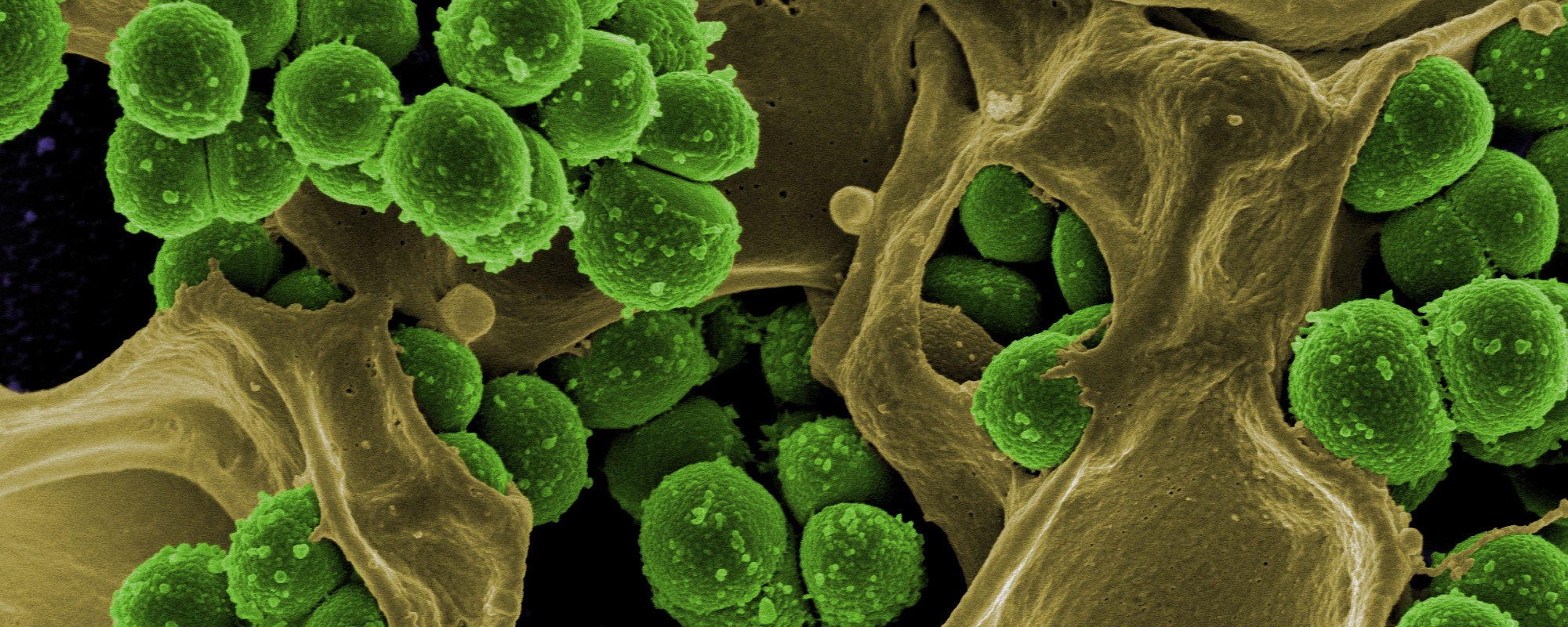
On October 16th, 2001, an unsuspecting staffer in the office of Senate Majority Leader Thomas Daschle opened a letter from US Army biodefense scientist Bruce Ivins packed with Bacillus anthracis spores. The anthrax-causing agent aerosolized, immediately exposing 28 Senate staffers to the deadly agent. Senator Daschle recalled the events of the anthrax attacks in a recent discussion with Biodefense students at the Schar School of Policy and Government at George Mason University. Daschle reminisced on his sense of powerlessness as he rushed to his office in the Hart Senate Building. He also recalled the chaos in the immediate aftermath of the attack. First responders and federal investigators were overwhelmingly unprepared for a biological attack, evident by the fact that exposed staffers were cleared to leave the office building and return home without undergoing decontamination of any kind. The following day federal investigators requested that the staffers bring their anthrax-laden clothes back to work to be surrendered to the investigation. That nobody in the Hart building died in the aftermath of the attack is a feat that Senator Daschle attributes to the meticulous supervision and leadership of Dr. Greg Martin, who oversaw medical care of those exposed in the Hart building. Continue reading “The ABCs of Death: Anthrax, Bruce Ivins, and Congress”→
Happy Friday! We’ve got a lot of biodefense news to start the month of March off right, so buckle up.
Sen. Tom Daschle Takes to the Classroom to Discuss the Future of Biodefense
If you missed our event with Sen. Daschle, you can get a recap here- “Oftentimes, we are reactive instead of proactive, but you all are being proactive,” said Tom Daschle, in praising Schar School and George Mason University students for studying biosecurity. Daschle opened his remarks by recalling the horror and the uncoordinated response to an anthrax attack in his Capitol Hill office a month after 9/11. Daschle, then Senate Majority Leader, and his staff received letters laced with deadly anthrax spores. More than two dozen individuals in his office tested positive for the disease. There were no deaths. Schar School students asked questions on a variety of biodefense related topics including the anthrax attack on Congress, never-before-seen diseases, and what governments can do to defend citizens against future biowarfare. Daschle spoke passionately about the importance of biosecurity breaches, stressing the urgency to take meaningful steps towards stronger biodefense policies. ‘You all are the leaders that we will turn to when this [biological threat] happens, and it will happen in your lifetime. When it happens, we are going to need you’.”
Human Error in High-Biocontainment Labs and Concern Over the Quiet U.S. Decision to Fund Dangerous Experiments
Exposures to infectious diseases in BSL-3 and BSL-4 environments can be pretty scary…but they do happen. Concern has always extended beyond the safety of the laboratory worker, but also that a pathogen of pandemic potential could be released. “Human error is the main cause of potential exposures of lab workers to pathogens. Statistical data from two sources show that human error was the cause of, according to my research, 67 percent and 79.3 percent of incidents leading to potential exposures in BSL3 labs. These percentages come from analysis of years of incident data from the Federal Select Agent Program (FSAP) and from the National Institutes of Health (NIH). Three of the seven FSAP incident categories involve skill-based errors: 1) needle sticks and other through the skin exposures from sharp objects, 2) dropped containers or spills/splashes of liquids containing pathogens, and 3) bites or scratches from infected animals. Some skill errors, such as spills and needle sticks could be reduced with simple fixes.” Review of the human errors and if they are singular events or process failures gives insight into how possible these events are and how we can go about avoiding them. While this article focuses on a small portion of pathogen research, it provides a very comprehensive and detailed account for many of us who are not familiar with working in these environments. In another aspect of lab safety and experiment concern..more attention has been raised regarding the GoF research. Dr. March Lipsitch and Dr. Tom Inglesby recently wrote regarding the implications of this research and the quiet green-lighting that occurred for two projects recently. “Apparently, the government has decided the research should now move ahead. In the past year, the U.S. government quietly greenlighted funding for two groups of researchers, one in the United States and the other in the Netherlands, to conduct transmission-enhancing experiments on the bird flu virus as they were originally proposed before the moratorium. Amazingly, despite the potential public-health consequences of such work, neither the approval nor the deliberations or judgments that supported it were announced publicly. The government confirmed them only when a reporter learned about them through non-official channels. This lack of transparency is unacceptable. Making decisions to approve potentially dangerous research in secret betrays the government’s responsibility to inform and involve the public when approving endeavors, whether scientific or otherwise, that could put health and lives at risk. We are two of the hundreds of researchers, medical and public-health professionals, and others who publicly opposed these experiments when they were first announced. In response to these concerns, the government issued a framework in 2017 for special review of ‘enhanced’ pathogens that could become capable of causing a pandemic. Under that framework, reviewers must consider the purported benefits and the potential risks and, before approving the work, determine ‘that the potential risks as compared to the potential benefits to society are justified’.”
Global Biosecurity Journal
A new biosecurity journal has been started and it’s providing a great source of information and even better – it is open access! “The journal Global Biosecurity is a peer-reviewed, open access electronic journal for cross-disciplinary research in all aspects of human or animal epidemics, pandemics, biosecurity, bioterrorism and CBRN, including prevention, governance, detection, mitigation and response. We publish work on risk analysis, outbreak investigation, epidemiology, modelling, bioinformatics, phylogenetics, surveillance, intelligence, strategic foresight, forecasting, ‘One Health’, policy, governance, law, law enforcement, defense, ethics and first responder preparedness. We have a focus on rapid reports of epidemics of concern.”
New FDA Strategy to Improve Food Safety
The FDA has just unveiled a new approach to detecting unsafe foods that were imported. “… ‘the U.S. imports about 15 percent of its overall food supply from more than 200 countries or territories representing about 125,000 international food facilities and farms,”’ according to an announcement this afternoon from FDA Commissioner Scott Gottlieb and Frank Yiannas, the agency’s deputy commissioner for food policy and response. ‘Over the past 15 years alone, we’ve seen a trend of rising imported foods. Other countries now supply about 32 percent of the fresh vegetables, 55 percent of the fresh fruit and 94 percent of the seafood that Americans enjoy’.” In response to these challenges the FDA announced a new approach that integrates technological advances to help provide better FDA food safety oversight. “‘Our new strategy is designed to meet four important goals: preventing food safety problems in the foreign supply chain prior to entry into the U.S.; effectively detecting and refusing entry of unsafe foods at U.S. borders; responding quickly when the FDA learns of unsafe imported foods; and measuring our progress to ensure that our imported food safety program remains effective and efficient,’ Gottlieb and Yiannas said.”
Flying with Dangerous Pathogens on Commercial Flights- A Great Way to Be Fined $20,000
Are you planning to travel with dangerous pathogens on your next vacation? Let’s take a step back because that may not be the best decision. “Gang Li of Guelph, Ontario, was convicted on Feb. 20 in the Ontario Court of Justice of violating Canada’s Health of Animals Act and the associated Health of Animals Regulations. He was ordered to pay fines totaling $20,000. The Canadian Food Inspection Agency (CFIA) brought the legal action against Li. According to court documents, Li arrived at the Lester B. Pearson International Airport in Mississauga, Ontario, on Jan.24, 2017. The Canadian Border Services Agency (CBSA) intercepted Li’s flight and found he was transporting seven undeclared test tubes of an unknown substance in his checked baggage, which he did not declare upon arrival. Laboratory testing later confirmed the items included the following viruses; Peste des Petits Ruminants, Newcastle disease, Duck Adenovirus 1, and Parainfluenza Virus 5.” Sure, this may be the beginning of an apocalyptic plague movie…or we can make it a great learning experience to encourage smarter decisions when it comes transporting pathogens. Also, props to CFIA and CBSA for catching this potentially devastating action!
US Government and Multilateral Health Engagement
The Kaiser Family Foundation just released this report on 5 key facts regarding how the US government participates in health engagement. “Global health donors, such as the U.S., provide funding and other support primarily through two types of channels: bilateral (i.e., country-to-country) and/or multilateral (i.e., multi-country, pooled support often directed through an international organization). Donors make different choices about the distribution of their global health support between these two mechanisms, and these choices may change over time due to political, technical, or other considerations. While the U.S. has decidedly been a bilateral donor to global health (channeling 81% of current global health assistance bilaterally), it has helped to found, and serves as a key donor to, several major multilateral health organizations. These include some of the first international health organizations, such as the Pan American Health Organization (PAHO) in 1902 and the World Health Organization (WHO) in 1948, and newer partnerships, such as Gavi, the Vaccine Alliance (Gavi) in 2000 and the Global Fund to Fight AIDS, Tuberculosis and Malaria (Global Fund) in 2002. These multilateral organizations have contributed significantly to improvements in global health and, in some cases, serve as key components of the U.S. global health response. This response includes financing, governance, oversight, and technical assistance.”
Why Were Scientists Silent Over Gene-Edited Babies?
When news hit that babies had been born with CRISPR gene edits, the world was shocked. After the initial surprise faded and several researchers admitted they knew of the work by Dr. He Jiankui, many are asking why more people didn’t come forward to raise a red flag. “Scholars who have spoken publicly about their discussions with He described feeling unease. They have defended their silence by pointing to uncertainty over He’s intentions (or reassurance that he had been dissuaded), a sense of obligation to preserve confidentiality and, perhaps most consistently, the absence of a global oversight body. Others who have not come forward probably had similar rationales. But He’s experiments put human health at risk; anyone with enough knowledge and concern could have posted to blogs or reached out to their deans, the US National Institutes of Health or relevant scientific societies, such as the Association for Responsible Research and Innovation in Genome Editing (see page 440). Unfortunately, I think that few highly established scientists would have recognized an obligation to speak up. I am convinced that this silence is a symptom of a broader scientific cultural crisis: a growing divide between the values upheld by the scientific community and the mission of science itself.”
Image source: The Guardian
WHO Calls for More Funds to Fight Ebola
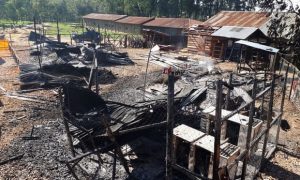
The situation is increasingly dire in the DRC as the Ebola outbreak continues but MSF has had to suspend activities after an attack. “In a statement, MSF said the attack began at 10 pm on Feb 24 when unidentified assailants began throwing rocks at the 70-bed MSF-managed treatment center, which has admitted 602 patients, including 49 confirmed cases, since December. Then the group set parts of the structure on fire, which destroyed medical wards and equipment. The brother of a patient died while trying to escape, though the exact circumstances of his death are still unclear, the group said. Six patients with suspected Ebola and four with confirmed infections were transferred to other facilities, and all treatment center staff were evacuated.” Worse yet, on Wednesday, it was reported that another attack took place at the Butembo Ebola treatment center. “Today Doctors Without Borders (MSF) said an Ebola treatment center (ETC) in Butembo in the Democratic Republic of the Congo (DRC) was attacked, and reports on social media suggested the building had been set on fire. ‘Tonight another deplorable attack on an Ebola treatment facility has taken place, this time in the city of Butembo,” said Hugues Robert, MSF emergency desk manager, in a news release. “This follows the attack last week on another MSF Ebola treatment center in nearby Katwa. This attack has not only put the lives of Ebola patients and their families in danger, but also those of MSF and Ministry of Health staff’.” The arson attack devastated MSF response efforts and makes future work extremely challenging. In response to this situation, funding has become an increasingly tenuous topic of conversation. While many point to the reported “Pandemic Fund” created by the World Bank, Laurie Garrett has called out that they promised $1 billion but only raised $320 while providing zero funds until the virus crosses borders. The WHO is asking for more funding to help support outbreak response efforts. “Dr Tedros said the situation was unprecedented. ‘There has never been an Ebola outbreak in these conditions, with such a highly mobile population and with many gaps in the health system. The security context is another major concern. I am deeply saddened by reports that a health facility run by Médecins Sans Frontières in Katwa was attacked on Sunday night,’ he said. He added that, despite the setbacks, major gains in the fight against the disease had been made. ‘But the outbreak is not over and we urgently need additional funding to see it through,’ Dr Tedros added. WHO has asked for $148 million (£112m) to fund the response until July but so far just under $10m has been pledged’.”
Tech Platforms and Anti-Vaxxers
As measles continues to spread and the role of anti-vaccine movements becomes increasingly under the spotlight, many have also looked to tech platforms and social media. “The ongoing and increasingly contentious debate about whether technology companies have a responsibility to moderate harmful content takes on a new dimension when faced with such an urgent domestic and international public health emergency. The question we should ask in this case is: Do technology companies have the responsibility to moderate their content when there is a public health risk involved? This month, several large technology companies have implicitly, and correctly, answered yes. All the companies in question should embrace this affirmative response and explore two possible methods to address this misinformation on their platforms. The Guardian unleashed a furor of activity around vaccines with an investigation into how anti-vaxer content is ranked and spread online. The Guardian found that neutral searches of the word “vaccine” by a new user with no friends or likes yielded overwhelmingly anti-vaccine content, unsupported by science, on both Facebook and YouTube.”
State Reporting Laws and Infection Prevention Efforts
GMU Biodefense doctoral student and infection preventionist Saskia Popescu discusses the implications of HAI reporting efforts and how these laws may negatively impact the hospital programs working to reducing healthcare-associated infections. “In the face of this problem, many states have implemented mandatory HAI reporting laws. Unfortunately, these laws can negatively impact the individuals conducting the surveillance and reporting: the infection prevention and control programs. For many of us in infection prevention, the mandated reporting for Medicare reimbursement through the Center for Medicare and Medicaid Services is time consuming and can account for 5 hours of our work day. Now, adding in the required state reporting increases the work load. Although most states have mandated reporting requirements, the association between state laws and HAI rates have been mixed, and few states have addressed the overall burden these laws place on the infection preventionists.”
Special Feature – Progress in High-Level Isolation for Care of Patients with High-Consequence Infectious Diseases
The Health Security journal has a special issue on managing patients with diseases like Ebola and the healthcare preparedness approach. “In April 2018, NETEC, in conjunction with the Johns Hopkins Center for Health Security and the National Institute of Allergy and Infectious Diseases (NIAID), hosted the International Workshop on High-Level Isolation in Washington, DC. The workshop convened experts from around the world to discuss ongoing and future efforts related to treating patients with high-consequence infectious diseases in high-level isolation settings. Participants represented high-level isolation units from 11 countries, including all 10 RESPTCs, and presentations and discussions addressed high-level isolation criteria and principles, high-level isolation unit operations and design, clinical care and research considerations for patients with high-consequence infectious diseases, and international collaboration between high-level isolation units. This meeting illustrated the considerable progress made in the wake of the West Africa Ebola epidemic, but the myriad of remaining challenges also underscored the need for continued investment and research in this field.”
Stories You May Have Missed:
MERS Transmission in Saudi Hospital – “Nine healthcare workers are among the 39 MERS-CoV patients identified in a hospital-based outbreak of the virus in Wadi ad-Dawasir, Saudi Arabia, and according to the World Health Organization’s (WHO) technical lead, and the outbreak features both human-to-human transmission patterns and spread from animals.”
Views from Funeral Directors Managing Disasters– “During Hurricane Katrina, Vigil and 100 colleagues traveled around Baton Rouge placing bodies in 22 refrigerated trucks and ferrying them to a temporary morgue “the size of a football field,” according to a contemporaneous New York Times report, where they helped perform nearly a thousand autopsies. DMORT teams also play an important role in one of the most intensely political parts of the federal government’s response to a natural disaster: the body count. Although DMORT does not decide which deaths are caused by disasters and which just happened concurrently, their assistance frees up local officials who are responsible for answering those questions. The Trump administration infamously undercounted the number of dead after Hurricane Maria —placing the number at just 64 for months, while follow-up assessments pegged it at 1,000 to more than 5,000—but without DMORT, that botched response could have been much worse.”
Summer Workshop on Pandemics, Bioterrorism, and Global Health Security: From Anthrax to Zika
Are you registered for our summer workshop on all things health security? From July 15-18, we’ll be hosting an engaging and informative workshop on everything from bioterrorism to global health security and what it’s like working in a BSL-4 lab with some of the deadliest diseases. Register before May 1st and get an early-bird discount. You can also get a discount by registering as a large group, returning as a student, or registering with your GMU email.
Replacing BioWatch
The questionable efficacy of BioWatch hasn’t exactly been a quiet conversation and many have suggested doing away with the system all together. The Trump administration though, is pushing to replace it with BioDetection 21, which will apparently be deployed across the United States in the form of 9,000 devices by 2025. A report though has put the real capabilities of this new system into question. “The report also showed that four trigger devices failed in testing last year to detect tiny, unclumped anthrax spores — the type that experts say a skilled terrorist or state-sponsored biowarfare program might produce.Moreover, the triggers correctly detected small particles of viral material — simulating smallpox or other deadly viruses that could be weaponized — in just eight of 168 attempts, a success rate of less than 5%. Trigger devices have ‘clear limitations … for detection of smaller particles and some biological threat categories,’ the report said.The Times obtained a copy of the report, which was produced by the Johns Hopkins University Applied Physics Laboratory. The findings were consistent with Homeland Security’s earlier evaluations of triggers, according to current and former federal scientists.” In a nutshell, this means that an already questionable system would be replaced by one even less beneficial.
China’s Biotech Development – the Role of U.S. and Other Foreign Engagement
You can now read the latest report by Gryphon Scientific and Rhodium Group, prepared for the U.S.-China Economic and Security Review Commission. “The U.S.-China Economic and Security Review Commission released a report entitled China’s Biotechnology Development: The Role of U.S. and Other Foreign Engagement, prepared for the Commission by Gryphon Scientific and Rhodium Group. The report examines the development of China’s biotechnology industry and the role foreign trade, investment, and other linkages—particularly with the United States—have played in its evolution.”
Nowhere to Hide: The Logic of CW Use in Syria
Over the course of the Syrian civil war, there have been 336 chemical weapons attacks, of which 98% were attributed to the Assad regime and 90% occurring after the “red line” incident. “It is clear that the Syrian military has consistently prioritized striking population centers over rebel positions on the frontlines, even in the face of defeat on the ground. Indeed, the Syrian regime’s persistent and widespread use of chemical weapons is best understood as part of its overall war strategy of collective punishment of populations in opposition-held areas. Chemical weapons are an integral component of its arsenal of indiscriminate violence, alongside sieges and high-explosive weapons such as ‘barrel bombs.’ We show that the Assad regime did not merely ‘get away’ with its use of these banned weapons, but succeeded in using them for strategic ends. More than two-thirds of Syria’s population are internally or externally displaced, and opposition-held communities have been buckling and surrendering under the cumulative weight – and eventually the mere threat – of violence, including the use of chemical weapons.”
Using CRISPR for Disease Detection
Gene editing tools have been marked with great potential but also concern for misuse, and a new article discusses the potential for use as a diagnostic tool in infectious diseases. “Researchers in Nigeria are trying out a new diagnostic test based on the gene-editing tool CRISPR. The test relies on CRISPR’s ability to hunt down genetic snippets ― in this case, RNA from the Lassa virus ― that it has been programmed to find. If the approach is successful, it could help to catch a wide range of viral infections early so that treatments can be more effective and health workers can curb the spread of infection.” Estimates put the reduction of Lassa fever deaths as high as 60% if a user-friendly test could be utilized. Since infectious disease diagnostics can be costly and have significant requirements with expertise/resources, there are many outbreaks and places that have limited chances to utilize them. “The CRISPR tests offer the tantalizing possibility of diagnosing infections as accurately as conventional methods, and almost as simply as an at-home pregnancy test. And because CRISPR is engineered to target specific genetic sequences, researchers hope to develop a tool based on the technology that can be fine-tuned to identify, within a week, whatever viral strain is circulating. ‘This is a very exciting direction for the CRISPR field to go in,’ says Jennifer Doudna, a biochemist at the University of California, Berkeley, who is developing some of these tools.”
How Nigeria’s CDC Is Preventing the Next Pandemic
As leader of the Nigeria Centre for Disease Control (NCDC), Dr. Chikwe Ihekweazu works to combat disease and build critical public health infrastructure within the country. “Ever since the Ebola crisis of 2014–16 — from which Nigeria was largely spared — global-health leaders have been fretting about the possibility of an epidemic exploding in Lagos and spreading to London, New York, Mumbai or Beijing. Many argue that the best hope of mitigating such a catastrophe will come from the capacity of African nations to catch outbreaks early and stem their spread. Ihekweazu had written about this necessity long before it was in vogue — but he never imagined leading the effort himself. Yet just two years after his appointment, he has more than doubled the size of the NCDC staff, set up a network of molecular-biology labs across the country and become the steward of multimillion-dollar grants intended to diffuse the threat that an epidemic in Nigeria poses for the rest of the world. On his watch, the nascent agency has battled about a dozen outbreaks, which have infected more than 70,000 people (see ‘Keeping tabs’). ‘We are building the ship while we are sailing,’ Ihekweazu says. Now he has another two years to transform the NCDC into an organization that will operate successfully long after he’s gone.” Dr. Ihekweazu is making considerable strides in fighting disease in Nigeria through the now independent agency, which allows him to have better control over reporting and hiring processes. “Ihekweazu takes heart in seeing Africans such as WHO director-general Tedros Adhanom Ghebreyesus step onto the global stage. Sipping on a cheap beer during a quiet moment one night, Ihekweazu says he could imagine working at a multinational health agency when his appointment at the NCDC ends in 2020. ‘As Africans, we need to be stronger participants in the organizations leading the responses to challenges concentrated in our part of the world,’ he says.”
USAID-funded Prepared & Response Project Event
Don’t miss this March 21st event at the National Press Club in Washington, D.C. “Over the past four and a half years, the USAID-funded Preparedness & Response project has worked across 16 countries to spread the vision of a multisectoral One Health approach — where human, animal, and environmental health assets join forces — becoming the standard way to prevent, detect, and respond to emerging pandemic threats. As the project approaches the end of its tenure, please join us as we bring together the One Health community of practice to share key learning, demonstrate successful approaches to country ownership, and discuss the future of multisectoral coordination for preparedness and response.”
Australia Works to Change Up Their Dual-Use Research Control
“A review of Australian export laws has pushed back against the government’s effort to tighten controls on technologies and research that might have dual military and non-military uses. Australian researchers, who were concerned that sweeping controls would restrict collaborative research, have welcomed the findings. Existing laws require academics working on ‘dual use’ research to apply for a Department of Defence permit before they communicate the work to anyone outside of Australia. But the department wanted those laws, introduced in 2012 and amended in 2015, strengthened to reflect changes in national security risk since then.” Australia isn’t the only country considering controls on international research collaboration, as many have encouraged the government to work with other universities, industries, and agencies to reduce the impact on trade/research, but also limit uncertainty.
WMD Detector Selector
If you’ve been looking for a catalogue of the latest detection and diagnostic technologies for CBRN, check out the WMD Detector Selector. “In order to capture the usefulness of each technology, four scenarios of use were devised: Field/Man portable; Mobile laboratory/Field laboratory; Diagnostic laboratory/Point of care; and High sensitivity, high throughput analytical laboratory. The four scenarios are designed to summarize the entire spectrum of detector and diagnostic utilization. Employing this approach, the Global CBRN Detector Market Survey can more accurately describe the usefulness of each system based on its specific characteristics.” Once you’ve reviewed the four scenarios, you can check out the fact sheet and contact the manufacturer for more info.
Stories You May Have Missed:
Outpatient Infection Control – Managing Microbial Transmission – “Outpatient clinics are not traditionally focused on infection control initiatives. Despite 990 million physician office visits and 125.7 million hospital outpatient visits each year in the United States, these clinics are often overlooked when it comes to controlling the transmission of harmful pathogens. Until recently, acute and long-term care facilities have been viewed as common sources for microbial transmission. Fortunately, focus has slowly been moving to outpatient clinics and the importance of infection prevention measures for patient and health care provider safety. A new study, published in the American Journal of Infection Control, sought to evaluate outpatient clinic microbial transmission and a disinfecting spray’s role in reducing the spread of germs.”
Summer Workshop on Pandemics, Bioterrorism, and Health Security
We’re excited to announce that the Summer Workshop is now open for registration! From July 15-18, you can participate in 3.5 days filled with topics ranging from vaccine development to bioterrorism response, cyber biosecurity, global health security, biosecurity implications of CRISPR and GoF research, and so much more! Even better, if you register before May 1st, you can get the early-bird discount. We also have discounts available for returning attendees, large groups, and GMU affiliates. This is a great opportunity to learn from the top minds in the field – we hope to see you there!
Talking Biodefense with Senator Daschle
Next week GMU Schar School of Policy and Government at George Mason University will be hosting an informal discussion about key issues in biodefense with former Senator Thomas Daschle, founder of the Daschle Group and a Panel Member on the Blue Ribbon Study Panel on Biodefense. The event will be held on February 19 but is open only to Schar/GMU faculty, students, and alum. If you haven’t registered, feel free to email biodefense@gmu.edu with your GMU account for a registration link.
GMU Biodefense Student Named ELBI Fellow
For a fourth year, Schar Biodefense has a graduate student selected for the Johns Hopkins Health Security Emerging Leaders in Biosecurity (ELBI) program. Congrats to biodefense doctoral student Justin Hurt on being selected for this prestigious fellowship! In addition to his part-time studies, he is an active duty officer in the United States Army, specializing in chemical, biological, radiological, and nuclear (CBRN) matters and is currently detailed to the Federal Bureau of Investigation as a Defense Liaison in the Weapons of Mass Destruction Directorate (WMDD), where he advises the Assistant Director and WMDD staff on interagency operations and capabilities and assists in policy development. His recent experience includes positions as a section leader for the Defense Threat Reduction Agency’s CBRN/WMD Military Advsory Team program, the Army’s WMD programs manager and capabilities development coordinator with the Manuever Support Center of Excellence at Fort Leonard Wood, and as a CBRN Technical Escort Response Detachment Commander, as well as command of both chemical and infantry organizations. Justin also originated and leads the Intergancy Counter-WMD Training and Education Working Group, a collaborative inter-departmental organization dedicated to sharing WMD-related training programs and opportunities throughout the government service. His primary research interests lie in improving public-private sector education and cooperation in mitigating international spread of pandemic disease and improving biosafety procedures and training in the expanding number of pathogenic organism research facilities around the world. On being selected, Justin noted that “ELBI represents an annual cohort of future thinkers, advisors, and policy makers in biodefense that come from a wide variety of unique backgrounds and skills that bring together new viewpoints and knowledge applied to tackling some of the nation’s biggest emerging challenges, such as the illicit use of new biotechnologies or the threats to a growing bioeconomy. To be able to participate with such a highly qualified group of developing leaders in this nascent field is really humbling and I will endeavor to contribute and learn as much as I can along the way. I believe the education and perspectives I have gained from studying in George Mason University’s Biodefense Program and the interactions I have beeen fortunate enough to have had during the past two years with the Schar School have prepared me well for contributing in a significant way to the EBLI Fellowship. GMU’s Biodefense students are likewise an incredibly diverse, motivated, and highly intelligent group of future scholars and I’m proud to be able to represent them as a group and the outstanding faculty and staff of the Schar School in this opportunity, and I want to thank my professors, fellow students, and the school’s staff in supporting not only my educational development but also my desire to broaden – and I know that participating in the ELBI program will be a fantastic adjunct to my challenging and rewarding studies at GMU.” Dr. Gregory Koblentz, GMU biodefense graduate program director stated that “Justin is an outstanding student who combines a wealth of practical experience with a passion for biodefense policy. I know Justin will make an important contribution to the Center for Health Security’s objective of building a network of professionals working at the nexus of health, science, and security. This is the fourth year in a row that a student from the Schar School’s Biodefense Program has been selected to participate in the ELBI program. I am gratified to see that the excellence of our students and their unique ability to bridge the gap between science and policy is recognized and valued by the biosecurity community.”
Gain of Function H5N1 Research Resumes
GoF research involving H5N1 is set to resume…without review comments as the review panel has kept mum. “HHS cannot make the panel’s reviews public because they contain proprietary and grant competition information” – regarding the two labs approved to run such experiments. “The outcome may not satisfy scientists who believe certain studies that aim to make pathogens more potent or more likely to spread in mammals are so risky they should be limited or even banned. Some are upset because the government’s review will not be made public. ‘After a deliberative process that cost $1 million for [a consultant’s] external study and consumed countless weeks and months of time for many scientists, we are now being asked to trust a completely opaque process where the outcome is to permit the continuation of dangerous experiments,’ says Harvard University epidemiologist Marc Lipsitch.” One of the experiments- “Kawaoka’s grant is the same one on H5N1 that was paused in 2014. It includes identifying mutations in H5N1 that allow it to be transmitted by respiratory droplets in ferrets. He shared a list of reporting requirements that appear to reflect the new HHS review criteria. For example, he must immediately notify NIAID if he identifies an H5N1 strain that is both able to spread via respiratory droplets in ferrets and is highly pathogenic, or if he develops an EPPP that is resistant to antiviral drugs. Under the HHS framework, his grant now specifies reporting timelines and who he must notify at the NIAID and his university.” Overall, many are concerned regarding the lack of transparency surrounding the decision to approve such research, especially with the amount of work that has gone into collaborative and informative discussions to help guide policy.
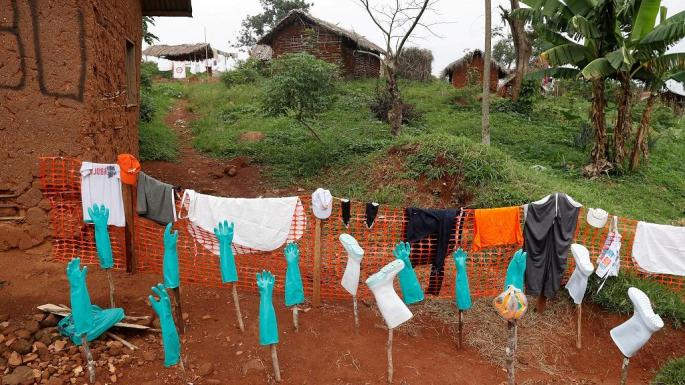
Ebola Outbreak Updates & Hot Zone Drama On Wednesday, four more cases of Ebola were identified in the DRC and close-calls have prompted testing in Uganda. “A family’s transport of a Ugandan man who died on Feb 8 in the DRC’s outbreak region across the border and back into Uganda sparked intensive contact tracing, location of the body, and sample testing, according to a statement yesterday from the World Health Organization (WHO) African regional office. The 46-year-old man was a construction worker who had been living and working the DRC for the past 8 years. He was first admitted to the hospital in Bunia, one of the towns in Ituri province that has reported Ebola cases, in November 2018 with symptoms that included chest pain and a sometimes-bloody cough. After learning of the incident, Uganda’s health ministry—with support from the WHO—intercepted the man’s relatives and the vehicle with the dead body in it before they reached their village in Tororo district. A ministry burial team and surveillance officer took oral swabs, conducted a verbal autopsy, and made plans to conduct a safe and dignified burial.” If you’re still not getting enough Ebola conversations in your life, watch out for the latest National Geographic series – The Hot Zone. Adapted from the book by Richard Preston, this prime-time drama will likely provide the eagle-eyed biodefense nerd some good scientifically inaccurate depictions of the disease and response measures.
Safeguarding the Bioeconomy Event
The NextGen Global Health Security Network & GMU Biodefense Discussion Group are hosting an event with guest speaker FBI Supervisory Special Agent Edward You. This event will be held on February 21st at 7:30pm in Arlington, and is exclusive to current Schar students and faculty. Seating is limited and to reserve your spot (RSVP is required), please contact jmarroq2@gmu.edu or staylo30@gmu.edu
Fighting Tuberculosis in the Wake of Hurricane Maria
GMU Biodefense doctoral student Saskia Popescu discusses the challenges of continuing TB control in the wake of a natural disaster. “Responders from the US Centers for Disease Control and Prevention (CDC)’s Division of Global Migration and Quarantine, Puerto Rico Department of Health, and the CDC’s Division of Tuberculosis Elimination have provided insight into their experiences following Hurricane Maria via notes from the field published in a January CDC Morbidity and Mortality Weekly Report.The authors emphasized several unique facts that challenged public health efforts in Puerto Rico. For example, less than a week after the hurricane, 84% of hospitals there had no electrical power or fuel for generators, and within the span of 2 weeks there had been 2 declarations of major disasters due to Hurricane Maria and Hurricane Irma, which passed 57 miles north.
Prior to the storms, the Puerto Rico Department of Health Tuberculosis Control Program (PRTB) worked to prepare at its six regional clinics. The department “provided all patients receiving treatment for active TB with a 1-month supply of anti-TB medications before the hurricane and encouraged patients to tell health officers at shelters about their diagnosis if they had to be relocated from their homes.” Furthermore, the Puerto Rico Health Department worked to educate and inform shelters of the potential risk for tuberculosis transmission. They also provided guidance for screening procedures that extended beyond tuberculosis. ”
The True Burden of Resistant Infections
We’ve been basing the burden of resistant infections in the U.S. on data that might not be accurate anymore. “For several years now, the most frequently cited number has been 23,000 deaths a year, a figure put forward by the US Centers for Disease Control and Prevention (CDC) in a 2013 report on the most dangerous antibiotic-resistant pathogens. The CDC calculated that number—and the estimate of more than 2 million illnesses a year caused by antibiotic-resistant bacteria—using data from the National Healthcare Safety Network, the Emerging Infections Program, the National Antimicrobial Resistance Monitoring System, the National Center for Health Statistics, and hospital surveys.” For many of us in infection prevention, this number has always seemed smaller than what we really saw on the hospital units. The CDC is working though, to update this as it’s likely these are quite conservative numbers. “Michael Bell, MD, deputy director of the Division of Healthcare Quality Promotion at the CDC, agrees. He contrasts death data with birth data, which is based on an event that generally happens in a controlled setting, with people present to record it. ‘Death data is very different,’ he said. ‘We don’t have that degree of control about understanding when someone dies, how they die, where they die, and with whom they die.’ There are other challenges in estimating US deaths from drug-resistant infections, including a lack of universal reporting of antibiotic-resistant pathogens and the absence of ICD-10 codes—the alpha-numeric codes used by physicians, health insurers, and public health agencies—that specifically denote diagnoses of multidrug-resistant infections, which are the most severe and life-threatening forms of bacterial infection.”
Zika As An Occupational Hazard for Laboratory Biomedical Research Workers
GMU Biodefense doctoral alum Chris Brown is addressing the risk that Zika poses for laboratory workers. In a letter to the editor, he and Jill Shugart describe “several reports of laboratory and biomedical research workers having been potentially exposed to Zika virus, including as a result of sharps injuries. Also emphasizes the importance of implementing appropriate controls, including proper PPE and worker training, to prevent future Zika exposures.”
Stories You May Have Missed:
FDA Takes New Steps to Secure Drug Supply Chain– “A key element of the U.S. Food and Drug Administration’s mission is focused on helping to ensure that all products we regulate, including drugs available to consumers, are safe and of high quality. This means working to ensure greater accountability in our nation’s drug supply chain. As part of these efforts, today, the agency is launching a new pilot project in which participants representing the drug supply chain (e.g., manufacturers, repackagers and other stakeholders) can pilot the use of innovative and emerging approaches for enhanced tracing and verification of prescription drugs in the U.S. to ensure suspect and illegitimate products do not enter the supply chain. Eligible entities may apply to participate in the program. The pilot will inform the development of the enhanced electronic, interoperable track-and-trace system for industry set to go into effect in 2023 as part of the Drug Supply Chain Security Act. This new program will pilot technologies that may become part of our enhanced expectations for reliable track-and-trace systems. The new system will be aimed at reducing diversion of drugs distributed domestically and will help keep counterfeit drugs from entering the supply chain, and ultimately, reaching patients.”
Happy Friday and welcome to our weekly biodefense round-up! This is our favorite time of year as we get to provide some great summaries of ASM Biothreats 2019 from our student reporters.
ASM Biothreats 2019
We’re excited to present our student coverage from the ASM Biothreats conference. This was an engaging few days with lots of discussion surrounding high consequence pathogen research, biotechnology, and the threat of infectious disease. From converging technologies and biorisks to global perspectives on biodefense, we’ve got coverage of some great panels and sessions with the world’s top biodefense experts. Check out the landing page here, which provides insight into our student reporters and links to their individual summaries of the events.
Ebola in the DRC – Time to Sound the Alert?
Is it time to sound the global alarm for the DRC Ebola outbreak? As two more cases were reported and cases have reached nearly 800, many wonder if the outbreak should be declared a Public Health Emergency of International Concern (PHEIC). This outbreak has been particularly challenging – from an election to armed conflict and mass displacement, it has challenged response efforts in new ways. A new article in The Lancet discusses this very issue, noting that “The legal criteria for a PHEIC have been met. The International Health Regulations (2005) (IHR) empower the WHO Director-General to declare a PHEIC. A PHEIC is an extraordinary event with public health risk to other countries that requires a coordinated international response. IHR criteria include public health impact, novelty and scale, and movement of persons. The WHO Director-General must also consider health risks, potential international spread, and EC guidance, among other factors.The report of the EC in October, 2018, expressed concern about armed conflict and new cases without known links, but advised against a PHEIC ‘at this time’. Unlike past statements, the EC did not say ‘the conditions for a PHEIC have not been met’. The DRC epidemic meets PHEIC criteria and has for some time. The IHR empower a PHEIC for ‘potential’ cross-border transmission, without waiting until international spread has occurred. The Ebola epidemic in DRC is unfolding amid regional conflict, as attacks on medical staff coincide with subsequent spikes in cases. As the authors emphasize, the WHO and its partners must work together and with others to ensure success, as international solutions to these events are only becoming more challenging and complicated. “We must plan for a future in which political violence and instability become the new abnormal.” You can also see photos from the frontline of this outbreak here.
Removing Non-medical Obstacles in the Pursuit of Global Health Security
Speaking of strengthening global health security…GMU biodefense alumni Dr. Jennifer Osetek discussed this very issue in her doctoral dissertation. Jen received her Bachelor of Arts from Drew University in 2003. She has been a commissioned officer in the Coast Guard Reserve since 2007, teaches with Penn State University, and works as a CBRNE analyst with the Coast Guard. She received her Master of Homeland Security in Public Health Preparedness from the Pennsylvania State University in 2008. Her dissertation focused on the very real issue of non-medical obstacles – While traditional public health responses are typically focused on pharmaceutical interventions, historically there have been outside obstacles that have a major influence on the success or failure of a response. Despite their importance, these impediments are typically studied retroactively instead of being a major component of pre-planning and execution considerations. This dissertation proposed a new framework introducing four major classes of Non-Medical Obstacles (NMOs): security, logistics, communications, and social/cultural issues. When the impact of these NMOs are better understood and incorporated into future public health responses, it will be possible to provide more effective and efficient care to populations in need.
U.S. Experiment Aims to Created Gene-Edited Human Embryos
Despite the scrutiny over He announcing he had used CRISPR to edit the DNA of human babies, a scientist in New York is working to create gene-edited human embryos. “In contrast, Dieter Egli, a developmental biologist at Columbia University, says he is conducting his experiments ‘for research purposes.’ He wants to determine whether CRISPR can safely repair mutations in human embryos to prevent genetic diseases from being passed down for generations. So far, Egli has stopped any modified embryos from developing beyond one day so he can study them. Egli hopes doctors will someday be able edit embryonic human DNA to prevent many congenital illnesses, such as Tay-Sachs disease, cystic fibrosis and Huntington’s disease. In the lab, Egli is trying to fix one of the genetic defects that cause retinitis pigmentosa, an inherited form of blindness. If it works, the hope is that the approach could help blind people carrying the mutation have genetically related children whose vision is normal.”
Antimicrobial Resistance – A Neglected Biodefense Focus
It’s easy to think that biodefense is about defending against bioterrorism or the next pandemic…or even some laboratory accident..mostly because it is all these things but also so much more. Antimicrobial resistance isn’t a flashy topic and it certainly isn’t getting its own apocalyptic outbreak movie anytime soon (hint for Hollywood, this is the topic we’re missing) but it’s been a largely growing microbial threat since antibiotics were first discovered. Pew Charitable Trusts has been working hard to combat AMR and recently discussed the role it has in U.S. biodefense efforts. “Antibiotic-resistant bacteria are not only a threat to public health in the United States, but also to national security. The federal government has recognized that antibiotic-resistant pathogens complicate soldiers’ wounds, exacerbate casualties associated with both natural and manmade emergencies, and can be weaponized by our nation’s enemies. Consequently, the first U.S. National Biodefense Strategy, released last year, highlights the need to reduce the emergence and spread of such superbugs both domestically and internationally, and accelerate the development of new drugs, diagnostic tests, and vaccines. Rick Bright, director of the Biomedical Advanced Research and Development Authority(BARDA)—part of the Department of Health and Human Services’ Office of the Assistant Secretary for Preparedness and Response—is among those leading the strategy’s implementation.”
One Health-Social Sciences Initiative (OHSS) Webinar in Spanish – El enfoque de “Una Salud”
The One Health Social Sciences (OH-SS) Initiative is hosting a free webinar series to feature inspirational speakers addressing the role of the social sciences in advancing animal, human, and environmental health systems. We are pleased to offer a webinar to our Spanish-speaking colleagues working to promote One Health and social science concepts in research, practice, and policy in Latin America. El Enfoque de “Una Salud” en Latinoamérica: Perú y México, A focus on “One Health” in Latin America: Peru and Mexico, will be held on Tuesday, Feb 26, 2019, from 10:00 AM – 11:00 AM EST (UTC-5). The Webinar is free to attend but you must RSVP.
Stories You May Have Missed:
Letter Pushes for Congressional Action to Stimulate Antibiotic Development – “A coalition of drug makers, infectious disease experts, and public health advocates yesterday called on US lawmakers to pass measures that could “jumpstart” the development of critically needed antibiotics. In a letter sent to lawmakers in the Senate and the House of Representatives, stakeholders from large and small pharmaceutical companies and organizations including the Infectious Diseases Society of America, the Pew Charitable Trusts, and Trust for America’s Health asked Congress to ‘swiftly enact a package of incentives that would sustainably reinvigorate the pipeline of antibiotics while ensuring patient access and appropriate stewardship’.”
Concerns for Resistant Flu Medications – “Microbial resistance is not reserved solely for bacteria and antibiotics; the truth is that viruses are wholly capable of mutating to become resistant against medications. Consider HIV—the virus has the ability to mutate and continue viral production in the presence of the antiretroviral drugs that are used to kill it. The same concerns exist for influenza viruses, which already mutate quite rapidly. In late January, investigators published findings that a new influenza antiviral drug may not be as effective as originally anticipated. Marketed as a competitor for existing medications Tamiflu (oseltamivir) and Relenza (zanamivir), this new medication is called Xofluza (baloxavir marboxil) and is recommended for flu treatment. Although Xofluza doesn’t prevent the flu like the vaccine, if taken within 48 hours of becoming sick with symptoms, such antiviral drugs can help lessen the symptoms and shorten the duration of sickness. The driving point of Xofluza is that it is offered as a single dose while Tamiflu requires twice daily doses for 5 days.”
We’re the source for all things health security and the annual ASM Biothreats conference is no different. GMU’s biodefense program was fortunate to send several students to attend the 2019 ASM Biothreats conference in which topics ranged from diagnostics to technology as a source for biothreats. Held in Arlington, Virginia on January 29-31, this was an exciting event highlighting the importance of conversations surrounding high consequence pathogen research, biological threat reduction, and product development and policy. Our student attendees have reported back on some of the enlightening and captivating sessions during the biothreat event. Below you’ll find several commentaries from each student who attended:
Nicolas Bertini -Nicolas is currently pursuing an M.S. in Biodefense degree at George Mason University and hold an undergraduate degree in Government and International Politics with a double minor in Intelligence Analysis and Conflict Analysis and Resolution from George Mason University as well. He expects to graduate in the Fall of 2019 and plans to pursue a career in biodefense and biosecurity. He aims to identify new vulnerabilities in the national security apparatus while utilizing science and policy to propose creative and effective solutions that will strengthen the nation’s detection, mitigation, and response capabilities. At ASM, Nick attended a session on the different international perspectives on biodefense, noting that “One unique item that stood out is the recognition of the use of the internet to acquire materials that could be used to generate a biological threat. The United Kingdom is focused on modernizing their biodefense strategies to tackle future challenges by addressing the rising importance of new technologies and emphasizing fluid cooperation with international partners.” Nick also attended a session on WHO research and development roadmaps, which ” focused on the research and development roadmaps that the WHO has implemented and managed to initiate a targeted research campaign for the early delivery of vaccines, therapeutics, and diagnostics of Crimean Congo Hemorrhagic Fever (CCHF) and Nipah Virus.”
Georgia Ray – Georgia is a first-year master’s student in George Mason University’s Biodefense program. She studied microbiology and bacteriophage physiology at The Evergreen State College, and has done research with the Effective Altruism Foundation and the Future of Humanity Institute. She is interested in policy, synthetic biology, and averting global catastrophic biological risks. Georgia provides us with a recap of the keynote speakers and their talks on the biodefense landscape and historical lessons from Ebola. “Kadlec also talked about the 2018 National Biodefense Strategy. He likes that it’s deliberate and detailed, and includes risks from emerging technology. Often, bold strategies of its ilk are not tied to reality – for instance, to budgets or the skill levels.” Next, Georgia provides us with a recap of a panel on converging technologies and emerging risks, which also included GMU Biodefense graduate program director Dr. Gregory Koblentz. “Koblentz discussed his work on Editing Biosecurity, a multidisciplinary study on gene editing technology and biosecurity issues. He criticized reliance on “agent-specific” models – security measures that ban specific agents, like smallpox or Clostridium botulinum. In the age of genetic engineering, those boundaries fall apart – what does this system do with a disease that is a genetic combination of smallpox and an unlisted agent? Or a normally-harmless E. coli with an inserted plasmid that codes for botulinum toxin?”
Katelyn Smith – Katelyn Smith graduated from Virginia Tech in May 2018 with a Bachelors of Science in Biological Sciences and a Minor in Psychology. Now, Katelyn is a second semester Masters Student in the Biodefense program at George Mason, planning to graduate in May 2020. Her academic and research interests include pathogenic bacteriology and epidemiology. She hopes to one day to work in the field, studying biological agents and diseases and their potential roles in bioterrorism. Katelyn attended an informative session on R&D – from detection to diagnosis to vaccines, focusing on “research projects and product development from all over the United States pertaining to detection, diagnosis, and/or vaccines. Each of the six speakers, ranging from engineer to scientist, brought something unique and different to the table, from a dog’s nose, to immunoassays, to accelerated vaccines.” Next, Katelyn discusses the section of biological agents in the field, involving discussions on the latest bio-detection efforts, as well as historical practices. “Mediated by Dr. Kenneth B. Yeh, a senior science advisor at MRIGlobal, the panel of members were able to comment and answer questions, speaking about previous experiences of their own, as well as some of the research that they do.To start off the session, the panelists discussed a comparison of Real-Time qPCR and Sequencing, the roles they have played overtime in the biological field, as well as changes in the biodefense field in the last few decades. More than 20 years ago, two major platforms were yielded in the Department of Defense: a real-time PCR system and a current generation diagnostic system.”
Justin Hurt – Justin Hurt is a student in GMU’s Biodefense PhD program, and is currently preparing for his comprehensive exams and dissertation proposal work. In addition to his part-time studies, he is an active duty officer in the United States Army, specializing in chemical, biological, radiological, and nuclear (CBRN) matters and is currently detailed to the Federal Bureau of Investigation as a Defense Liaison in the Weapons of Mass Destruction Directorate (WMDD), where he advises the Assistant Director and WMDD staff on interagency operations and capabilities and assists in policy development. Justin attended the Clade X panel at ASM– “A pandemic tabletop exercise hosted by JHU’s Center for Health Security on 15 May 2018, Clade X sought to identify important national policy issues and preparedness challenges that could be solved with sufficient political will and attention. Built on a fictional scenario based on epidemiological principles and challenges identified and unresolved in response to past outbreaks, key takeaways from Clade X were intended to inform senior leaders and decision makers at high levels in the government on how to deal with the potential for future pandemic events.”
Two keynote speakers kicked off the 2019 ASM Biothreats meeting with some words about horrific diseases, and how health security learns from experience. Robert Kadlec and Anne Schuchat led this informative and engaging keynote event.
Robert Kadlec is a guru of the US Biodefense landscape. He was the main author on the Pandemic and All-Health Preparedness Act. He directed Biodefense efforts at the White House, first as the biodefense director of the Homeland Security Council, and then as the Special Assistant for Biodefense Policy to George W. Bush. Now, he’s the Assistant Secretary for Preparedness and Response at the US Department of HHS.
During the keynote speech of the 2019 ASM Biothreats conference, he talked about the 2014 Ebola pandemic, one of the worst outbreaks of one of the most lethal diseases seen in recent memory. As he saw it, this outbreak proved that two changes to the US disease response system were needed:
The response to Ebola and other high-consequence infectious diseases in the US is in a fragile state. While funding may run out, Ebola, obviously, will not. Kadlec also talked about the 2018 National Biodefense Strategy. He likes that it’s deliberate and detailed, and includes risks from emerging technology. Often, bold strategies of its ilk are not tied to reality – for instance, to budgets or the skill levels. That’s what Kadlec is working on. For U.S. biodefense efforts, HHS is most involved, but so is the DoD as well as others, including local governments and communities. Right now, ASPR (Kadlec’s office) is fleshing out the National Biodefense Strategy, starting with assessment and data-gathering methods. The B-PLAT, a policy exploration tool put together by PNNL, will explain this as it happens. Note that the plan is intended to be a living document, with refinements every year. As it develops, the office will seek feedback feedback from public groups, including from ASPR’s existing connections. Continue reading “ASM Biothreats – Keynote”→
Synthetic biology, emerging technology, DIYbio, CRISPR-cas9, and other genetic modification tools – whatever you want to call this category, it’s coming in waves and it’s posing big problems to biodefense experts and regulators. An expert panel convened at the 2019 ASM Biothreats conference to discuss what it means.
Panelists:
Jessica Dymond, senior research scientist at Johns Hopkins University Applied Physics Laboratory
Matthew Walsh, associate staff at MIT’s Lincoln Laboratory
Aditya Kunjapur, principle investigator of the Kunjapur Labat the University of Delaware and biocontainment expert
Peter Carr, senior scientist at MIT’s Synthetic Biology Center (moderating)
Dymond kicked off the panel by discussing distributed technology. These technologies pose special risks – they can be developed or owned by individuals or small groups, and do not come from a small number of controllable sources. We’ve seen national security grapple with this genre in the past: the proliferation of amateur radio, then cyber capacities, then drones. Biology is another step in this progression – it is, arguably, just worse than the others.
Recent red-teaming efforts have suggested that virus acquisition is doable through legal and black market sources. Constraints like tacit knowledge and funding are barriers, but not insurmountable ones.
So how do we govern this? Lessons from cybersecurity suggest the following:
Biodefense is an international undertaking. The successful implementation of biodefense strategies demands cooperation from global partners. This session, moderated by the National Defense University’s Dr. Gerald Epstein, analyzed different perspectives on biodefense issues ranging from policies to practices.
First to present was Sarah Telford from the British Embassy in Washington. Telford presented the United Kingdom’s newly published UK Biological Security Strategy. The document was designed to be a transparent and accessible plan for the public to obtain and understand. Telford highlighted that more than 13 government departments collaborated on the drafting of the document. The main focus of the document aims towards improving coordination and capabilities. One unique item that stood out is the recognition of the use of the internet to acquire materials that could be used to generate a biological threat. The United Kingdom is focused on modernizing their biodefense strategies to tackle future challenges by addressing the rising importance of new technologies and emphasizing fluid cooperation with international partners. Telford finished her presentation by illustrating the need for further cooperation on the global scale in order to keep the UK and its partner nations safe. Continue reading “International Perspectives on Biodefense Strategies”→
The World Health Organization (WHO) is constantly attempting to address public health threats before they become major local, regional, and global issues. This session focused on the research and development roadmaps that the WHO has implemented and managed to initiate a targeted research campaign for the early delivery of vaccines, therapeutics, and diagnostics of Crimean Congo Hemorrhagic Fever (CCHF) and Nipah Virus. Moderated by Tim Brooks of Public Health England, the session was geared toward educating the audience on the research and development frameworks that the WHO has in place in order to address the potential major public health threats of the near to midterm future.
Marie-Pierre Prezios, the head of the R&D roadmap program at WHO, started the session off with a general overview of what the WHO’s goals are for implementing these research blueprints. Prezios laid out the strategic priorities of her program by stating that the goals of the WHO are to “keep the world safe, improve health, and serve the vulnerable.” According to Prezios, the framework is designed to improve coordination, map the key stakeholders, and clearly identify products in the drug development pipeline. If these steps are completed, then the research and development process should be accelerated—specifically for priority pathogens and diseases. The roadmaps are generated using two key steps. First, a Baseline Situation Analysis (BSA) is conducted to identify gaps in knowledge and survey the current public health landscape. Second, a diverse technical taskforce is assembled and comes to a consensus regarding the results of the BSA. After a consensus is made, the technical taskforce drafts the research and development roadmaps. Finally, Prezios highlights the success of the roadmap by sharing that in May 2018 there was an outbreak of Nipah Virus in Kerala, India and a successful response was initiated within the first 24 hours. Furthermore, researchers and developers were able to provide the field with monoclonal antibodies within a week, stemming the number of cases and allowing the community to address the public health concerns and to recover from the outbreak. Continue reading “The WHO Research and Development Roadmaps”→




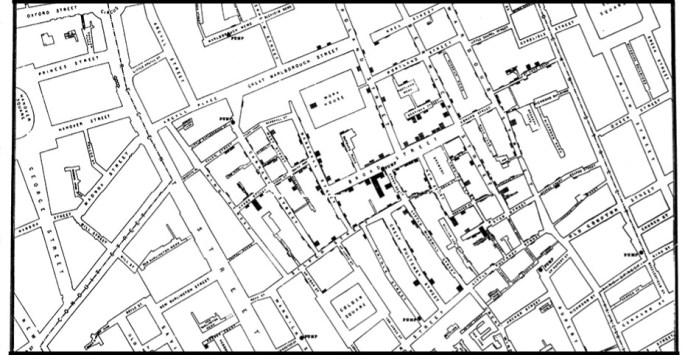
 GMU Biodefense Student Named ELBI Fellow
 Ebola Outbreak Updates & Hot Zone Drama

 Nicolas Bertini -Nicolas is currently pursuing an M.S. in Biodefense degree at George Mason University and hold an undergraduate degree in Government and International Politics with a double minor in Intelligence Analysis and Conflict Analysis and Resolution from George Mason University as well. He expects to graduate in the Fall of 2019 and plans to pursue a career in biodefense and biosecurity. He aims to identify new vulnerabilities in the national security apparatus while utilizing science and policy to propose creative and effective solutions that will strengthen the nation’s detection, mitigation, and response capabilities. At ASM,
  Georgia Ray – Georgia is a first-year master’s student in George Mason University’s Biodefense program. She studied microbiology and bacteriophage physiology at The Evergreen State College, and has done research with the Effective Altruism Foundation and the Future of Humanity Institute. She is interested in policy, synthetic biology, and averting global catastrophic biological risks. Georgia provides us with a
  Katelyn Smith – Katelyn Smith graduated from Virginia Tech in May 2018 with a Bachelors of Science in Biological Sciences and a Minor in Psychology. Now, Katelyn is a second semester Masters Student in the Biodefense program at George Mason, planning to graduate in May 2020. Her academic and research interests include pathogenic bacteriology and epidemiology. She hopes to one day to work in the field, studying biological agents and diseases and their potential roles in bioterrorism.
  The Pandora Report