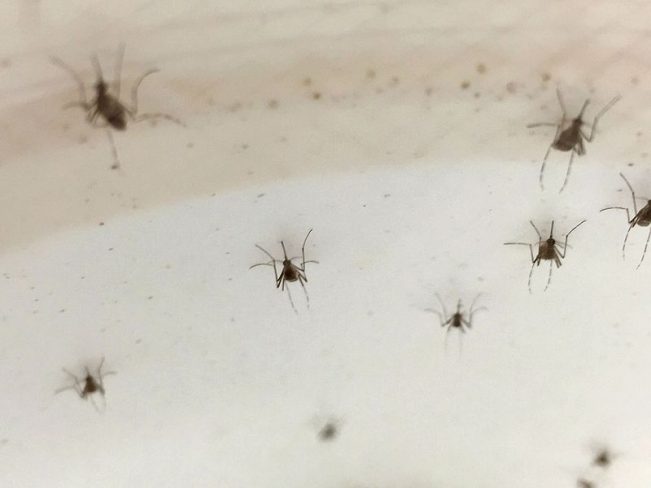
Week in DC: Events 6.27-7.1.2016

Monday, June 27, 2016
Leaders Speak: National Security Advisors– National Committee on U.S.-China Relations
Time: 5:30-7pm
Location: Omni Shoreham Hotel2500 Calvert St NW, Washington, DC 20008, USA (map)
Every morning, the national security advisor briefs the president of the United States on the world’s most pressing security threats, from ISIS to the Zika virus. Our collective security is increasingly reliant upon cooperation between the United States and China, whether it is minimizing the risk of conflict in the South China Sea, dealing with North Korea’s nuclear weapons program, or responding to climate change. Join us for a program on these issues and more, featuring former National Security Advisors Stephen J. HadleyRobert “Bud” McFarlane, and Richard V. Allen in conversation with National Committee President Steve Orlins.

Tuesday, June 28, 2016
Trading Up: A Critical Perspective On Jobs, Governance & Security In U.S. Trade Policy– Institute for Policy Studies
Time: 9am-5pm
Location: nstitute for Policy Studies815 16th St. NW Washington, DC United States (map)
We are delighted to invite you to“Trading Up: A Critical Perspective on Jobs, Governance & Security in U.S. Trade Policy,”  A program that includes continental breakfast, lunch and an evening reception. U.S.  trade policy is at a crossroads. With progress at the WTO seemingly halted, the global business community has turned to alternative strategies, including the Trans-Pacific Partnership (TPP). The Administration continues to work to advance the TPP this year, but its unpopularity with all remaining presidential candidates and their primary voters has made that goal tenuous. We encourage you to R.S.V.P. as soon as possible, as space is limited for this free event. Check out the Trading Up conference agenda in full.

Expand Social Security Now– Economic Policy Institute
Time: 11am-12:20pm
Location: Economic Policy Institute1225 Eye Street, N.W. Washington, DC (map)
Suite 600 Wellstone Room
Join Social Security Works at the Economic Policy Institute for a panel on expanding Social Security. As seen in the New York Times, Social Security expansion is part of a strong and growing movement in America and will play a crucial role in the 2016 election. This movement has allowed defenders of Social Security to shift the conversation and have a serious discussion about how we can expand Social Security to solve the retirement security crisis. On June 28, 2016, we will be joined by author Steven Hill to talk about his new book Expand Social Security Now! How to Ensure Americans Get the Retirement They Deserve, as well as Nancy Altman, co-author of Social Security Works! Why Social Security Isn’t Going Broke and How Expanding It Will Help Us All. The panel will be moderated by the President and CEO of the Center for Global Policy Solutions and author of Plan for a New Future: The Impact of Social Security Reform on People of ColorMaya Rockeymoore, and joined by EPI President Lawrence Mishel. This panel will explore Social Security expansion and discuss how we can continue to make expansion the only option for lawmakers. Continue reading “Week in DC: Events 6.27-7.1.2016”

Pandora Report 6.24.2016

Welcome back to your weekly biodefense roundup! To start things off on a light note and since it’s official summer, enjoy this satirical piece on the existence of public pools. In truth, public pools are a mixture of fun and risk for waterborne diarrheal diseases, so remember to stay safe. The NIH has given the green light for CRISPR-Cas9 clinical trials for cell therapies related to cancer treatment. Japan is currently on alert for a possible North Korean ballistic missile launch. Lastly, even though the outbreak appears over, many are discussing the aftermath of Ebola and if it’s really behind us

Tales from the Front Lines of Disease Detective Cases
Foreign Policy‘s Laurie Garrett discusses epidemic fighters, especially the work of Ali Khan, and his quest to speak the truth about epidemics. Khan’s work as an EIS officer and former Director of the Office of Public Health Preparedness and Response (PHPR) has given him a wealth of knowledge from being in the trenches of global outbreaks. Khan’s new book, The Next Pandemic: On the Front Lines Against Humankind’s Gravest Dangers, discusses his experiences from the Amerithrax attacks to the debate on smallpox sample destruction. “Khan writes, the most vital problem-solving exercise has little to do with science, and everything to do with social customs. In 2015, Khan was involved in an out-of-control moment in the Ebola epidemic of Sierra Leone. Long after neighboring Liberia had its outbreak down to a handful of cases, the military-run campaign in Sierra Leone was losing the support of the people by imposing mass quarantines, shutting down entire regions of the country for long periods. Out of the discontent over loss of business, food, and trade arose false leaders claiming witchcraft practiced by the foreigners and magic were spreading the Ebola — not intangible things few could comprehend, like ‘viruses.'” The blend of public health preparedness and front-line outbreak response gives Khan a unique and appreciated perspective into the world of global health security.

Why Hasn’t Disease Wiped Out the Human Race?
University of Pittsburgh’s infectious disease physician, Amesh Adalja, discusses why an infectious disease event with the magnitude of the Andromeda Strain is a bit more unlikely than people realize. He notes that an “apocalyptic pathogen” needs to be in the right place at the right time – more specifically, a combination of having no existing treatment or vaccine and high transmissibility prior to the start of symptoms. “The three infectious diseases most likely to be considered extinction-level threats in the world today—influenza, HIV, and Ebola—don’t meet these two requirements. Influenza, for instance, despite its well-established ability to kill on a large scale, its contagiousness, and its unrivaled ability to shift and drift away from our vaccines, is still what I would call a ‘known unknown.’ While there are many mysteries about how new flu strains emerge, from at least the time of Hippocrates, humans have been attuned to its risk.” Adalja notes that beyond these three (I’ll call them the Big Three), all the other infectious diseases out there fall short of meeting the global extinction sweet spot. Perhaps one of the most crucial lessons to take away from Adalja’s comments isn’t that we should ignore or diminish the impact of infectious diseases, but that institutional failure and infrastructure instability can often do more damage during an outbreak than the disease. With the growing concern related to antibiotic resistance Dr. Adalja notes that “to me, antibiotic resistance represents the most pressing challenge in the realm of infectious disease and, if it is not overcome, we face the very real prospect of being dragged back to the pre-penicillin era in which even routine surgery was a gamble.”

Iceland, Horses, and Hendra
GMU Biodefense MS student, Greg Mercer, can’t even go on vacation without thinking about global health security, but lucky for us, that means we get to learn about Icelandic horses and Hendra! Fueling our fascination with all things related to One Health and spillover, Greg discusses the exportation of Icelandic horses (look at them, wouldn’t you want one?) but also that importation of horses is banned in Iceland. Even an Icelandic horse that was sent abroad for a short period of time can’t return home. Greg notes that its been this way for a hundreds of years and while the import rules maintain purebred status, the ban also protects against disease. “Iceland has few natural horse diseases, and the breeder I spoke to said that Icelandic horses are frequently unvaccinated, which would be very unusual in the rest of the world. When they’re exported, they have to be treated as if they don’t have any immune protection. The import ban prevents foreign diseases from entering the country (via other horses, anyway).” Check out Greg’s Icelandic experience and why horse diseases struck a cord during his travels.

Incorporating More One Health Into the Global Health Security Diet
Some may say we need more cowbell, but in the world of global health security, we need more One Health. The One Health Commission and the One Health Initiative are teaming up to help create and promote a global education plan that will focus on the “unifying interconnected health of humans, animals, and the environment that sustains all life on earth.” A recent paper looks to accumulate interested parties and help drive the project forward. The drive behind this partnership is to capture the younger generations and lay a strong foundation of One Health education and support. “The overall intent of the concept paper is to raise awareness about the urgent need for the development  and to explore the concept further through a small pre-project proposal conference (possibly off and/or on-line) with a view to fleshing out a strong plan to fund the envisioned global learning program.” The group is currently organizing the pre-project proposal conference, but in the mean time, if you’ve already got some great ideas or are interested in participating in spreading the One Health message, check out their website here.

Zika Weekly Updates
Inovio Pharmaceuticals announced on 6/20 that it received FDA clearance for the phase 1 clinical trials for its Zika vaccine. Clinical trials are set to begin by the end of this year for the DNA-based vaccine. A new study finds that the Zika epidemic can be fielded by climate variations on multiple timescales.  Researchers utilized a novel timescale-decomposition methodology and found that “the increasingly probable 2016-2017 La Nina suggests that ZIKV response strategies adapted for a drought context in Brazil may need to be revised to accommodate the likely return of heavy rainfall.” The CDC has also recently issued guidance for travelers visiting friends in areas with ongoing transmission of Chikungunya, Dengue, or Zika. The NIH is launching a large study in efforts to answer questions about Zika virus and pregnancy. Hoping to enroll 10,000 pregnant girls and women (ages 15 and older) in their  first trimesters, the study will look to long-term impacts on babies and the role that previous dengue infections play in birth defect frequency. You can find the recently published article regarding the history of a newly emerging arbovirus here, which summarizes “the history of Zika virus from its first detection to its current worldwide distribution.” In the early hours of Thursday morning, the House passed the $1.1 billion Zika funding bill. The White House threatened to veto the bill though. “The threat from deputy White House with press secretary Eric Schultz came as the Senate prepared for a vote next week, likely Tuesday, even though there’s no guarantee that the Senate can round up the 60 votes necessary to break a filibuster as Democrats call the bill partisan and inadequate.” Several studies have pointed to the linkage between earlier dengue infection and worsened Zika infections, however there is also a potential for a certain antibody against dengue being a target for a vaccine. The CDC has confirmed, as of June 22nd, there have been 820 cases within the U.S. and DC.

One Step Closer to the Zombie Apocalypse 
Researchers from the University of Washington recently reported that several hundred genes actually increase in expression after death. Scientists found that “the transcriptional abundance of some 500 genes was significantly changed after death in healthy zebrafish and in healthy mice. While gene expression overall declined after death, the expression of some genes increased shortly after death and others increased 24 hours or 48 hours later. These genes, the researchers note, were commonly involved in stress, immunity, inflammation, apoptosis, and cancer.” It’s believed that this post-mortem gene expression is a result of residual energy and this may happen in humans as well. This new discovery leaves many asking about the definition of death if a person’s genes are still active for up to 48 hours after they die.

Listeria Troubles Dozens of Schools  large-epi-curve-6-2-2016
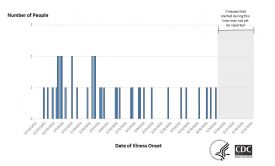
Pre-prepared sandwiches are being recalled across 38 school districts as a result of a possible Listeria contamination. “The potentially contaminated food was produced at a facility where the U.S. Food and Drug Administration found Listeria monocytogenes ‘on multiple food contact surfaces where the products were produced on several different occasions’ during routine FDA environmental sampling, according to the recall notice.” While students have been let out on summer break, the concern is that Listeria can take 70 days for symptoms to appear. This latest food safety issue comes after Molly & Drew recalled some of its beer bread mix due to concerns over E. coli contamination.  E. coli outbreaks been plaguing the news lately as a result of the General Mills flour outbreak that sickened 38 people across 20 states.

Stories You May Have Missed:

  • CRISPR vs. Flaviviruses – researchers at the Washington University School of Medicine have found a “single-gene pathway that is vital for viruses like Zika to spread infection between cells”. Even better, the team found that when they shut down a gene in this pathway, flaviviruses aren’t able to leave the infected cell and thus replicate. Using CRISPR technology to selectively shut down a single gene in the pathway, they were able to shut down flavivirus infection without negatively affecting the cells.
  • DRC Declares Yellow Fever Outbreak– The DRC Heath Minister recently declared a localized epidemic of yellow fever after reporting 67 cases. 58 of these cases were considered imported as they were from Angola, where the outbreak has grown beyond 3,100 cases and 345 fatalities. The outbreak has crept across Angola, Uganda, and now the DRA as a result of vaccine shortages.
  • MER-CoV Outbreak in Riyadh Hospital –  the WHO released information regarding the outbreak that begin with a woman whose illness wasn’t detected until after her stay in a surgery ward. Her hospitalization exposed 49 healthcare workers and all but 2 of the 22 MERS cases reported in Saudi Arabia (June 16-18) are related to this outbreak.

 

Iceland, Horses, and Hendra: Greg thinks about infectious disease when he’s supposed to be on vacation

By Greg Mercer

I recently visited Iceland, which in addition to being naturally beautiful and having weird day/night cycles thanks to its latitude, is something of an ecological paradise with an excellent renewable energy record. I was surprised to learn about their horses and the restrictions placed upon them, partially for the prevention of disease.

The Icelandic horse is notable for being fairly small (pony-sized, but don’t call it a pony), adaptable, hardy, and having 5 types of gaits, a detail which is basically meaningless to me but is apparently of great significance to horse dressage enthusiasts. My companions and I stopped at a stable, where one of the breeders told us about the breed, its history, and its unique international commerce status. I haven’t met too many horses but these ones seemed pretty nice.

Icelandic horses are popular around the world, and are frequently exported to foreign buyers for work or show. Imports of horses to Iceland, however, are banned. Once they leave, they can’t go back home, and horses born outside the country aren’t allowed in. Allegedly, this has been the case for about a thousand years. It’s hard to pin down a start date for that, but the policy is in effect today. There are two reasons for this: Icelandic horses are prized for being purebred and having a heritage that dates back to Viking settlers. They’re the only breed of horse in Iceland, so maintaining these traits is easy. Presumably the 80,000 horses in the country are enough to avoid a population bottleneck (I must reiterate that I am no horse expert).

But the import ban also guards against disease. Iceland has few natural horse diseases, and the breeder I spoke to said that Icelandic horses are frequently unvaccinated, which would be very unusual in the rest of the world. When they’re exported, they have to be treated as if they don’t have any immune protection. The import ban prevents foreign diseases from entering the country (via other horses, anyway).

Horse vaccines are big business. Throughout the rest of the world, horse owners can vaccinate their horses against West Nile Virus, Influenza, Potomac Horse Fever, Rabies, and other diseases. It makes a lot of sense: horses represent a major investment. For a horse owner, the cost of vaccination could be a fraction of the financial loss from a fatal horse disease. Plus, people tend to like their horses, and want to keep them from getting sick.

Even if you aren’t a horse dressage enthusiast or otherwise equine-inclined, horse diseases are no joke. Consider Hendra virus: Named for the suburb of Brisbane, Australia, where it was first isolated, Hendra is a Henipavirus, in the same family as Nipah virus. It’s found in Australia, Southeast Asia, India, and Madagascar. It can be transmitted from horses to humans via exposure to a horse’s bodily fluids, tissues, or excretions, and can prove fatal in both humans and horses. It’s likely that horses are exposed to the virus from the urine of flying foxes, a type of large bat. The details of the fatal Brisbane outbreak are detailed in David Quammen’s excellent book, Spillover.

This is all to say that Icelandic horses have a unique situation. As long as no new equine diseases enter the country, it’s more or less a closed system. The Icelandic Food and Veterinary Authority takes this equilibrium very seriously, offering warnings about foreign disease and guidelines for preventing infection.

Pandora Report 6.10.2016

Summer temperatures are soaring (Arizona hit 115F last week, so I guess it’s time to start baking cookies on the dashboard again- just make sure not to use General Mills flour!) and we’ve got your weekly biodefense cool down. Check out this global outbreak monitor, where you can keep an eye on all your favorite cases. The DoD is currently conducting market research to identify vaccine developers for medical countermeasure manufacturing. They’re looking for “advanced manufacturing platforms which are adaptable to incorporating known antigens for use as a prophylaxis countermeasure against weaponizable biological agents.” Before we venture down the biodefense rabbit hole, the Pandora Report will be on hiatus next week (June 17th), but don’t fear- we’ll return the week of June 24th!

Infectious Disease Threat Management
Are emerging infectious disease outbreaks an anomaly or are these events the new norm? Dr. Daniel M. Gerstein points to a 2014 study on the global rise of these outbreaks, which point to the growing threat of zoonotic disease spillover. Gerstein discusses the common trend of failure to predict such events but also the poor response in medical countermeasures and diagnostics. Between West Nile Virus, Ebola, H1N1, and now Zika, we’ve had ample time to get both preparedness and response right. “A recent commentary by Ronald A. Klain — a former White House Ebola response coordinator — should be required reading on the United States’ lack of preparedness for responding to the Zika virus. In it, Klain provided both a dire assessment of Congress’ uncertain funding support for the current response, and made longer-term recommendations for improving our rapid response to infectious disease outbreaks. Yet while these recommendations are spot on, including calls for a dedicated organization with specialized capability to respond to disease outbreaks, more must be done to ensure adequate preparedness against emerging infectious disease in the future.” U.S. preparedness measures utilize epidemiology and biosurveillance, however these are both passive methods that rely on reactive measures, rather than proactive. “This reactive approach to emerging infectious disease should be augmented with an anticipatory model that accounts for the dramatic changes occurring through globalization, greater interactions between human and zoonotic populations, and changes to the environment and climate patterns.” He points to the need for predictive analytical tools and modeling to better focus research and development efforts in order to control and prevent such events. Gerstein acknowledges the long-term and challenging realities of such efforts though, pointing to the need for private sector contributions and strategies to focus on anticipating infectious disease threats.

CDC Biosafety Failures – “Like a Disaster Movie” 
The stories of biosafety failures in U.S. labs working with select agents is enough to send chills through even the toughest of pathologists. Reporters recently gained access to records from the CDC regarding the 2009 events in which safety mechanisms in a CDC biosafety level 4 lab failed. “The gasket seal around the exit door to the changing room deflated to the point that the scientists could see light coming in. And as they held that door shut and started an emergency chemical deluge, things got even worse.” Records include emails that hoped to avoid federal lab regulatory reporting. While these reports are shocking to biosafety experts like Richard Ebright from Rutgers University, CDC officials claim there was no risk from the equipment failures. The release of these records draws further attention to the failures but also the CDC response and challenges in even getting the records released under the Freedom of Information Act. You can read more of the records released to USAToday here and here.

Back to the Future in Global Health Security? 
People frequently think back to the days of the Black Death as a reminder of the progress we’ve made in disease defense. Are we really in a better position though? Globalization, growing populations, rising global temperatures, urbanization, and easy international travel all make it possible for diseases to jump around in a matter of hours. WHO Director-General Margaret Chan noted that “For infectious diseases, you cannot trust the past when planning for the future. What we are seeing is a dramatic resurgence of the threat from emerging and reemerging infectious diseases. The world is not prepared to cope.” The lessons from Ebola, H1N1, and even Zika haven’t truly sunken in yet and there are more outbreaks on the horizon. “International mechanisms must be established to coordinate the upstream research and development (R&D) of new medical tools to respond to priority pathogens and the downstream testing, manufacturing, and delivery of those tools as part of the larger humanitarian response to an ongoing outbreak.” Researchers have suggested four lessons from our past to encourage technological innovation to better prevent and respond to health crises – ensure adequate and sustainable long-term investment, coordinate R&D around a roadmap of priority goals, engage and energize a network of geographically distributed multi-sector partners, and remember that sustainability depends on adequate systems and equitable access. Establishing an environment of coordination and sustainability will be vital to move from a reactive to a proactive practice of global health security.

DoD Biosafety Report
GMU Biodefense MS student, Stevie Kiesel discusses the report the DoD Inspector General published regarding the biosafety and biosecurity failures within DoD labs that work with biological select agents and toxins (BSAT). Stevie’s deep dive into this report addresses the systematic failures that led to such events. Inconsistent internal or external technical or scientific peer reviews and even inspection standards led to not only missing inspections, but also duplicative ones. “Some inspectors failed to review specific vulnerability assessments for their assigned labs to ensure that shortcomings identified during previous inspections had been mitigated.  In some cases, these vulnerability assessments were not reviewed because they had never been conducted, or had not been conducted annually as required.”

Immune System Education and the Realities of the Antibiotic Resistance
Autoimmune diseases and antibiotic resistance have risen in the past half-century…but what does this really mean? The human microbiome (your body’s own community of microbes that help run your immune system) is now being considered as a potential puzzle piece for the increase in autoimmune issues. Have these microbiome communities changed so largely that our entire society is being impacted? “To test this possibility, some years ago, a team of scientists began following 33 newborns who were genetically at risk of developing Type 1 diabetes, a condition in which the immune system destroys the insulin-producing cells of the pancreas. After three years, four of the children developed the condition. The scientists had periodically sampled the children’s microbes, and when they looked back at this record, they discovered that the microbiome of children who developed the disease changed in predictable ways nearly a year before the disease appeared. Diversity declined and inflammatory microbes bloomed. It was as if a gradually maturing ecosystem had been struck by a blight and overgrown by weeds.” Coupled with several other studies, there is a growing thought that toughening the immune system early in life can alter our response later in life or that the kind of microbiome you have will determine your response to viral infections. So what happens if our immune systems begin to fail us and antibiotics are a thing of the past? That’s a pretty devastating notion and it’s right before the weekend, so let’s scale it back to just consider a world without antibiotics – would you still shake hands or take an international flight? Physiologist Kevin Fong notes “If we are to avoid a return to the pre-antibiotic landscape with all its excess mortality we must be bold. To squander the advantage we have so recently gained against microorganisms in the fight for life would be unthinkable.”

The Race Against Zika Screen Shot 2016-06-09 at 1.40.13 PM
The debate regarding the 2016 Rio Olympics took a turn this week as the WHO stated it will look again at the Zika risk during the games.  150 international experts penned an open letter to the WHO regarding their “irresponsible” actions and that the organization was rejecting calls to move or postpone the games due to it’s official partnership with the International Olympic Committee. What are the actual risks? Will the Rio Olympics put the rest of the world at risk for Zika? Here is an interesting infographic and article on that exact question. Bringing thousands of people from different countries together is definitely a gold medal strategy for spreading infectious disease. The ECDC has posted their epidemiological data here, as well as their risk assessment. A new study looks at sexual transmission and the persistence of Zika virus in semen, finding that RNA can persist in semen for 62 days. Researchers found a case of a woman with Zika virus presenting 44 days after the onset of symptoms in her partner, which “corresponds to a sexual transmission occurring between 34 and 41 days after the index case.” This announcement comes after there were no previously reported secondary cases more than 19 days after the onset of signs in a man. Concerns regarding congenital eye issues in babies without microcephaly were also raised after a case was identified. As of June 8th, the CDC has reported 691 travel-associated cases within the U.S.

Stories You May Have Missed:

  • CRISPR’s Gene-Editing Skills on RNA – researchers have now established a method for targeting and cutting RNA. “The new cutting tool should help researchers better understand RNA’s role in cells and diseases, and some believe it could one day be useful in treatments for illnesses from Huntington’s to heart disease.” The process involves using CRISPR to create “blades”. Given the concerns around CRISPR and dual-use technologies of concern, researchers are pointing out that there are far less ethical concerns regarding manipulation of RNA.
  • Legionnaires’ On the Rise – sadly this isn’t the name of a new historical action flick, but rather a public health concern that has the CDC looking into water system integrity. Cases of Legionnaires’ disease have quadrupled since 2000. The CDC has stated that the reason for such a stark increase is most likely due to aging building water systems, an aging population, and better surveillance/reporting systems.
  • Ebola Stability Under Hospital and Environmental Conditions – a new study looks at the role of fomites in EVD transmission, especially in healthcare settings. “To assess the potential contribution of fomites to human infections with EBOV, we tested EBOV stability in human blood spotted onto Sierra Leonean banknotes and in syringe needles under hospital and environmental conditions.” Researchers found that the virus survived more than 30 days in blood in syringes, despite hot/humid conditions, and six days on paper money under experimental conditions.


DoD Biosafety Failures

By Stevie Kiesel

On April 29, 2016, the Department of Defense Office of Inspector General (OIG) published “Evaluation of DoD Biological Safety and Security Implementation” (Report No. DODIG-2016-078).  This report had two objectives: (1) examine the application of biosafety and biosecurity policy and guidance across DoD laboratories that work with biological select agents and toxins (BSAT) and (2) evaluate biological safety and security oversight, compliance with applicable policy, and actions on recommendations from previous assessments. Although this review was initiated six months before the highly publicized Dugway Proving Ground anthrax inactivation incident, such biosafety and biosecurity lapses have made this report all the more relevant today.  The OIG ultimately found four areas of deficiency in federal BSAT labs, with potentially grave consequences for public health and safety.

First, DoD did not maintain biosafety and biosecurity program management, oversight, and inspections of BSAT labs in accordance with the applicable governing documents. Because of this lack of standardization (which had been noted in previous reviews), the military Services conducted laboratory inspections based on Service-level guidance and procedures that was not standardized, and went beyond being tailored to suit individual Services’ needs. In some cases, inspection procedures even varied within a Service. Specifically, the inspection procedures varied because of (1) a lack of standardized training, (2) a lack of the requisite professional experience and/or expertise among inspection team members, and (3) failure to track inspection findings and ensure long-term implementation of recommendations. These deficiencies occurred because there is no single DoD entity that can track and correct deficiencies and implement standardization procedures. Therefore, the OIG recommended that the Deputy Secretary of Defense appoints an Executive Agent for Biosafety and Biosecurity, who would conduct standardized oversight and inspections, track and follow up on inspection results, improve training, and ensure that members of the inspection teams are adequately qualified.

Second, the BSAT labs did not consistently undergo internal or external technical or scientific peer reviews, which are essential for proper oversight. Although DoD guidance required the formation of institutional-level Biological Safety Committees (which must meet at least quarterly), implementation of this requirement varies widely among the many BSAT labs. Current guidance does not contain a requirement for a similar committee on biosecurity, nor does the guidance require reporting or tracking of incidents related to physical security or personnel reliability. There is also no mechanism currently in place for incorporating lessons learned. The OIG recommended two courses of action to mitigate these shortcomings: (1) the Executive Agent should implement an external technical and scientific peer review process that addresses both biosafety and biosecurity issues, and (2) the Under Secretary of Defense for Acquisitions, Technology, and Logistics (USD [AT&L]) should issue guidance that requires all DoD BSAT labs to implement such a peer review process. Continue reading “DoD Biosafety Failures”

Week in DC: Events 6.6-6.10.2016

Monday, June 6th, 2016
Sustaining NATO’s Strength And Deterrence– Atlantic Council
Time: 9am-12:45pm
Location: Kempinski Hotel Cathedral SquareUniversiteto g. 14, Vilnius 01122, Lithuania (map)
The discussions will feature a keynote address by Ben Hodges, Commanding General of US Army Europe, and opening remarks by Lithuania’s Minister of National Defense, Juozas Olekas.
The conference will convene key regional and US officials, military leaders, and senior experts for a high-level discussion on the strategic issues facing NATO’s eastern flank, one month before its seminal 2016 Warsaw Summit.
The Baltic region has become a potential flashpoint between NATO and Russia. Russia has ratcheted up tensions in the region through large-scale military exercises, dramatic air and sea encounters, and the development of a potent anti-access/area denial (A2/AD) network. Establishing new approaches and strategies to sustain NATO’s strength and presence in the region will be a key priority for the Alliance. This conference will contribute directly to the discussions in the Alliance as it prepares for its Warsaw Summit.
If you have any questions or wish to RSVP, please contact Monika Korolioviene at the Ministry of National Defense of Lithuania at Monika.Korolioviene@kam.lt. We hope that you will be able to join us for this important event. Thank you very much, and we look forward to hearing from you soon. On Twitter? Follow @ACScowcroft and @Lithuanian_MoD and use #FutureNATO to join the conversation!

Global Nuclear Challenges And Solutions For The Next U.S. President– Arms Control Association
Time: 9am-2:30pm
Location: Carnegie Endowment for International Peace1779 Massachusetts Ave NW, Washington, DC 20036 (map)
Root Room
On June 6, shortly after President Barack Obama’s historic visit to Hiroshima, we will host our 2016 Annual Meeting featuring keynote remarks from President Obama’s Deputy National Security Advisor Ben Rhodes and Hiroshima atomic bomb survivor and 2015 “Arms Control Person of the Year” award winner Setsuko Thurlow.

Tuesday, June 7th, 2016
Climate, Air Pollution, And Public Health—Revisiting The Energy Innovation Agenda– Carnegie Endowment for International Peace
Time: 9-11:45am
Location: Carnegie Endowment for International Peace1779 Massachusetts Ave NW, Washington, DC 20036, USA (map)
The nexus between air quality and climate change is of growing importance, as developing countries grapple with intensifying air pollution. Some believe that local air pollution—an environmental challenge that is more visible and immediately harmful to public health than longer-term climate change—may in fact drive policy and technology that can ultimately both improve air quality and work to mitigate climate change. Yet the impression of mutual gains may be illusory or at least incomplete—there is no guarantee that action on air quality will bring about coherent climate policymaking, nor vice-versa. Continue reading “Week in DC: Events 6.6-6.10.2016”

Pandora Report: 6.3.2016

Which country do you think is the biggest consumer of antibiotics? You’ll be shocked to see the results in this infographic. The organization, No More Epidemics, has also created an infographic on pathogens and poverty, depicting the “general trajectory of infectious disease outbreaks from outbreak to epidemic, showing the potential power of interventions to interrupt the course of progression.” You may want to rethink baking this weekend as the CDC is currently working to control an E. coli outbreak related to General Mills flour. Before we start our adventure down the biodefense rabbit hole, check out this experiment showing just how far sneezes really spread (brace yourself for a “violent explosion of saliva and mucus”).

The Importance of a Resilient Health System
Sure, this may seem like a pretty obvious concept but it’s something we still struggle with. The 2014 Ebola outbreak proved it and Zika virus is just adding some salt with a side of lime juice to the wound. Between climate change, spillover, and antibiotic resistance, the need for a resilient and robust public health system has never been more dire. “The point is that resilience in the health sector is not static but rather an ongoing and evolving state of affairs. Well-performing health systems provide sustained, equitable access to essential services for all without financial hardship. They are better able to bounce back when adversity strikes; are prepared to detect and respond to emerging disease threats; are able to adapt to adverse conditions; address a wide range of health challenges; and offer innovative solutions by leveraging diverse skills and views.” USAID is working to help fix holes in the existing system through their initiatives like Fighting Ebola: A Grand Challenge for Development and the newer Combating Zika and Future Threats Grand Challenge. The world is moving at a rapid pace and with innovation and globalization, the potential for a pandemic is only a flight away. Now is the time to strengthen our public health system.

NSABB Select Agent & Gain of Function Progress
A few weeks back we discussed the National Science Advisory Board for Biosecurity’s (NSABB)’s meetings regarding Gain-of-Function (GoF) work and their risk assessment with subsequent recommendations for evaluation and oversight of proposed GoF research. Six meetings and two workshops later, NSABB approved the final proposal. The May 24th, 2016 version is similar to the earlier draft however, specific examples of “studies of concern” were provided. Seasonal flu GoF studies are not considered concerning and NSABB did modify its definition of GoF Research of Concern. “The report has new wording that is apparently aimed at critics who have argued that the HHS should not review studies it funds, because that would represent a conflict of interest. The report says the HHS review ‘should be structured to avoid real or apparent conflicts of interest,’ but doesn’t specify how that can be done.” While implementation will be challenging and require immediate initiation, it’s believed that agencies won’t have trouble adapting to the new policy. You can also check out Gryphon Scientific’s final analysis on the risks and benefits of GoF research. Enjoy Chapter 11 regarding the loss of trust in science -GMU Biodefense MS student Julia Homestead helped write it!

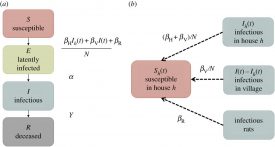
Ancient Plague Epidemiology F2.large
Get your Indiana Jones hat ready, we’re going back in time to look at bioarcheology and the Eyam plague outbreak of 1665-1666. Researchers used a stochastic compartmental model and Bayesian analytical models to study this outbreak that started in September 1665 in the Derbyshire village of Eyam. Updated data from parish records allowed scientists to study this specific outbreak in a more in-depth manner, leading to the discovery that both rodent-to-human and human-to-human transmission played an important role in the spread of the disease. “We also found that the force of infection was stronger for infectious individuals living in the same household compared with the rest of the village. Poverty significantly increased the risk of disease, whereas adulthood decreased the risk. These results on the Eyam outbreak contribute to the current debate on the relative importance of plague transmission routes.”

Health on the G7 Summit Agenda
Last week, international officials met for the G7 Summit and during this gathering the topic of infectious diseases and control methods came to the table. “At the G7 Ise-Shima Summit, leaders will consider issues including strengthening the response to public health emergencies, by taking into account the lessons learned from previous outbreaks, such as Ebola. In addition, they will discuss ensuring the provision of lifelong healthcare services, from maternal, newborn and child health, through to non-communicable diseases and aging, in the pursuit of universal health coverage (UHC)”. Ebola, Zika virus, and Yellow Fever are all hot topics (see what I did there…) of concern. Improving investment in pandemic response was a vital part of the G7, as well as endorsement of the Global Health Security Agenda. Hopefully, with more international awareness and investment, the practice of putting out infectious disease fires will be a thing of the past.

Zika Weekly Roundup
The WHO has released their latest global response report on the Zika virus outbreak. The report gives an overview regarding the Strategic Response Framework and Joint Operations Plan as well as current funding gaps for “critical activities until the end of June 2016, as well as the approach to setting a new strategy from July 2016 onwards.” You can also find a scoping review of the Zika literature here. 233 studies were compiled with findings that “several knowledge gaps were identified by this review with respect to ZIKV epidemiology, the importance of potential non-human primates and other hosts in the transmission cycle, the burden of disease in humans, and complications related to human infection with ZIKV.” A woman in New Jersey has given birth to a baby girl with microcephaly, making her the second Zika-related microcephaly case in the U.S. Entomologists and medical experts are participating in a Zika Symposium and you can check out some of the presentations here. President Obama commented on the need for Zika funding during his speech in Elkhart, IN, this week, noting that “we need more who are willing to work with us to lower health care costs, give us the funding we need to fight public health challenges like Zika and the opioid epidemic — Joe Donnelly is working on that diligently.” Researchers are looking at the risk factors for eye abnormalities in congenital Zika infections and scientists are now raising concern over transmission related to oral sex. Lastly, as of June 1st, 2016, the CDC has reported 618 travel-associated cases in the U.S. 

Stories You May Have Missed:

  • First Locally-Acquired Chikungunya Case in Texas–  The Texas Department of State Health Services has confirmed the first case of local transmission. ” A Cameron County resident got sick with the illness in November 2015 and was diagnosed with a lab test in January 2016. The case, however, was not reported to the local health department until last month. The investigation performed by the Cameron County Department of Health and Human Services determined the patient had not traveled, and the case was confirmed last week by testing at the US Centers for Disease Control and Prevention.”
  • Edge of the Antibiotic Abyss – There’s been a lot of talk about antibiotic resistance and the impending dangers if we don’t act soon. Here’s an overview of the concerns and recent case that is causing so much worry. While it may not get the media attention of Zika virus, this is a very real issue and recent estimates indicate that we’re teetering on the edge of the antibiotic abyss.
  • India’s HIV Blood Transfusion Transmission Reality– The National AIDS Control Organization has released their report following a petition by activist Chetan Kothari, revealing that at least 2,234 Indians have contracted HIV while receiving blood transfusions. Scarier yet, these cases occurred in the past 17 months. Kothari has pushed for investigations, citing that while it is mandatory for hospitals to screen donors, the cost of the test and limited availability of testing facilities (Mumbai has only three private hospitals with HIV testing facilities) makes this a growing threat to anyone requiring blood transfusions. India currently has around 2.09 million people living with HIV/AIDS.
  • The European Centre for Disease Prevention and Control – The ECDC has updated its rapid risk assessment for the current yellow fever outbreak that is impacting Angola, DRC, and Uganda. “In the EU/EEA, the risk of yellow fever virus being introduced is limited to unvaccinated viraemic travellers coming from areas with active local transmission.”