
Welcome to this week’s Pandora Report! 🍂 This issue features new emerging pathogens and persistent vulnerabilities in the nation’s health system as scientists identify a new bat coronavirus in Brazil, CEPI scales up global partnerships to create the world’s largest Nipah vaccine reserve, and the U.S. biotech sector faces post-pandemic stagnation. We also cover new findings on silent avian influenza infections, and a global initiative redefining DNA screening standards for biosecurity.
Progress and Peril: New Viruses and Old Weaknesses in Global Health Preparedness
By Carmen Shaw, Co-Managing Editor of the Pandora Report
Even as the world moves further away from the height of the COVID-19 pandemic, the global health landscape continues to reveal both progress and peril in the fight against emerging pathogens.
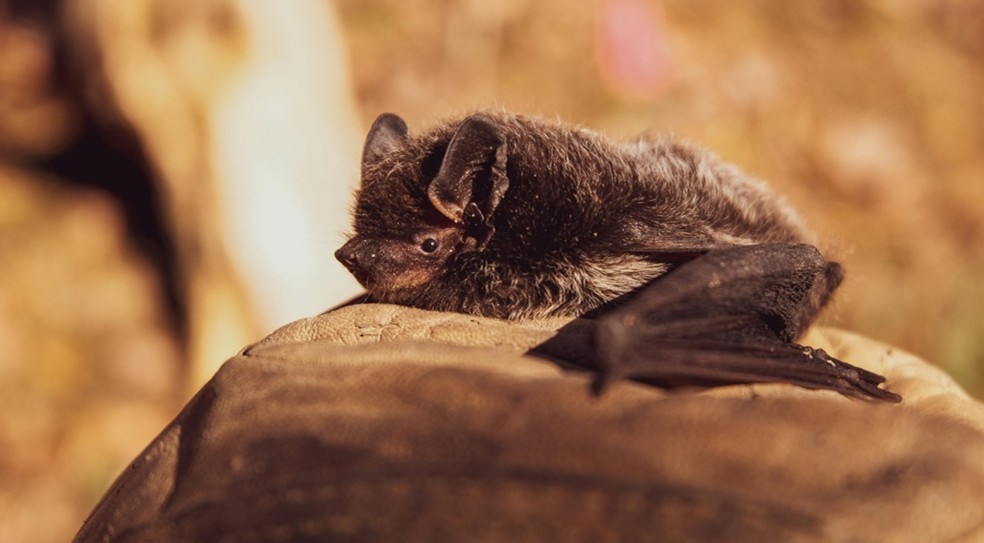
This week, scientists identified a new coronavirus in wild Brazilian bats carrying a key genetic feature also found in SARS-CoV-2, the pathogen responsible for COVID-19 and MERS. The virus, named BRZ batCoV, was detected in Pteronotus parnellii – a small insect-eating bat common across Latin America. Researchers collected samples from the states of Maranhão and São Paulo, and while there’s no evidence that BRZ batCoV can infect humans, its discovery underscores the importance of sustained wildlife surveillance to track and mitigate spillover risks.
At the same time, global health organizations are racing to strengthen defenses against another deadly zoonotic threat: Nipah virus. The Coalition for Epidemic Preparedness (CEPI) has partnered with the Serum Institute of India and the University of Oxford to manufacture ChAdOx1 NipahB vaccines for Phase II trials to create the world’s largest Nipah vaccine reserve – up to 100,000 investigational doses ready for emergency deployment. The collaboration aims to ensure rapid response capacity during future outbreaks, a model that could reshape how the world preemptively prepares for viral threats.
Yet while scientists work to prevent the next pandemic, the private biotech sector is grappling with waning momentum of interest. Moderna – once a pandemic-era powerhouse – has seen its market value plummet by more than 90% since 2021. Following declining COVID-19 vaccine sales and falsehoods touted by anti-vaxxers, the company faces deep layoffs and federal contract cancellations. In May, HHS Secretary RFK Jr. terminated $766 million in contracts intended for bird flu preparedness, amplifying concerns about political interference and declining investment in public health countermeasures.
Meanwhile, a new survey by Emergent BioSolutions revealed sobering perceptions among U.S. policy leaders: 65% believe a biological attack on U.S. soil is becoming more likely – and easier to execute – than a nuclear strike, while 45% say the country remains unprepared to respond. Experts like Khahlil A. Louisy highlight that the pandemic exposed major weaknesses in the nation’s health system, warning that decades of underfunding, disinformation, and gaps in local- and state-level infrastructure have left the U.S. “still unprepared for the next pandemic.” As climate change reshapes disease ecology and mis- and disinformation undermines science-based policymaking, the cracks in the U.S. biodefense system continue to widen.
Taken together, these developments highlight a troubling paradox: the world continues to make scientific strides against emerging pathogens, yet political instability, funding shortfalls, and public mistrust threaten to erode the very systems meant to protect us.
Further Reading:
- “Climate inaction ‘costing millions of lives’ each year,” Lilia Sebouai, The Telegraph
- “How a surge in ancient plagues 5000 years ago shaped humanity,” Laura Spinney, NewScientist
- “How North Korea’s “Zero Covid” Plan Backfired — Katrin Katz,” Bush Center
- “‘Change course now’: humanity has missed 1.5C climate target, says UN head,” Jonathan Watts and Wajã Xipai, The Guardian
- “Bill Gates calls for climate fight to shift focus from curbing emissions to reducing human suffering,” Jennifer McDermott, AP News
- “WHO’s 2025 Global Report Shows Progress, Gaps in Fight Against Neglected Diseases,” Dev Discourse
- “International air travel—especially packed flights—fueled flu, COVID-19 spread during pandemic, researchers say,” Mary Van Beusekom, CIDRAP
- “A divergent betacoronavirus with a functional furin cleavage site in South American bats,” Takada et all., BioRXiv
Flying Under the Radar: New Research Challenges Assumptions about Bird Flu
By: Margeaux Malone, Pandora Report Associate Editor
A scoping review by U.S. Centers for Disease Control and Prevention (CDC) researchers published in JAMA Network Open last week has shown that asymptomatic human infections with highly pathogenic avian influenza A (H5N1) virus have occurred. Additionally, the research indicates person-to-person transmission may be possible in certain environments, challenging previous assumptions about the clinical presentation and transmission patterns of this pathogen.
CDC researchers identified 18 cases of asymptomatic H5N1 infection from reports published through August 25, 2025. These cases include two with both molecular and serologic confirmation and 16 with molecular confirmation alone. While asymptomatic infections represent a small fraction of the more than 1,000 human H5N1 infections reported globally since 1997, their documentation has significant implications for public health surveillance and risk assessment.
The two fully confirmed asymptomatic cases occurred in adults in Pakistan (2007) and Vietnam (2011), both identified through household contact investigations of H5N1 patients. The Pakistani case patient had no documented exposure to infected poultry and is believed to have acquired infection through human-to-human transmission from symptomatic household members. The patient in Vietnam lived in the same household as a symptomatic confirmed H5N1 patient, but both handled and slaughtered virus-infected chickens before their infections were confirmed. Neither patient reported using personal protective equipment during exposure to symptomatic, confirmed cases within their household or, in the case of the patient in Vietnam, infected poultry.
Among the 16 molecularly confirmed cases, 11 were identified through enhanced surveillance programs targeting individuals with occupational exposure to infected poultry in Bangladesh, Spain, and the United Kingdom. The remaining five cases, including the only two cases in children, were detected through household contact investigations in Vietnam and Cambodia.
In an accompanying commentary, Rick Bright, PhD, of Bright Global Health, and Nicole Lurie, MD, MSPH, of the Coalition for Epidemic Preparedness Innovations (CEPI) and Harvard Medical School, emphasized the substantial implications of this review and highlighted critical deficiencies in current surveillance systems. Since March 2024, the ongoing H5N1 clade 2.3.4.4b outbreak in U.S. dairy cattle has affected over 800 herds across at least 16 states, with 70 confirmed human cases and one death reported as of mid-2025. The findings of this review directly challenge the notion that there has been no human-to-human transmission related to these events.
Bright and Lurie stressed the need to strengthen, not curb, H5N1 surveillance reporting, noting, “the persistence of influenza A(H5N1) in wild birds, its ongoing adaptation in mammals, and its repeated incursions into human populations make it clear that the threat does not subside when immediate headlines fade.” Surveillance systems designed primarily for symptomatic case detection are insufficient for pathogens with pandemic potential. They argued that if asymptomatic infections occur undetected, transmission chains can progress unrecognized, providing opportunities for viral adaptation before an emerging pandemic is identified.
This research underscores the need for prospective surveillance studies incorporating serial molecular and serologic testing of high-risk populations, including farm workers, veterinarians, and household contacts of confirmed cases, regardless of symptom status. Furthermore, enhanced surveillance systems using a One Health approach integrating animal, human, and environmental data are essential for early detection and containment of a potential avian influenza pandemic threat.
Further Reading:
- “Turkey Farmers Brace for Uptick in HPAI,” Bernt Nelson, American Farm Bureau Federation
- “Avian flu detected in house mice in Washington state,” Stephanie Soucheray, CIDRAP
- “Mandatory bird housing imposed in England as bird flu spreads,” Reuters
- “Japan confirms third bird flu outbreak of season,” The Japan Times
New Initiative: The Sequence Biosecurity Risk Consortium (SBRC)
Figure 2. Homepage of the Sequence Biosecurity Risk Consortium (SBRC), a new initiative to define and manage biological “sequences of concern.”
A new international partnership is advancing the frontiers of sequence-level biosecurity. The Sequence Biosecurity Risk Consortium (SBRC), founded in 2024, brings together DNA synthesis providers, screening tool developers, policymakers, and scientific experts to establish clear, science-based standards for identifying and managing biological “sequences of concern.”
By maintaining a standardized Biosecurity Flag Rubric and a large Test Sets Collection of labeled genetic sequences, the SBRC aims to harmonize risk assessments and strengthen oversight across the biotech ecosystem. Through a community-driven consensus process, the consortium defines which genetic sequences pose clear risks, which are low-risk, and where uncertainties remain – reducing confusion and regulatory risk for responsible providers. The SBRC’s work addresses a long-standing challenge: while some sequences, such as toxin genes, clearly warrant scrutiny, many others occupy a gray area where risk assessment is subjective. The consortium’s standards and test materials help align screening practices across the bioeconomy, bridging gaps between science, policy, and industry.
Learn more, access resources, or get involved at sbrc.bio or by contacting moderators@sbrc.bio.
Nexus Series: AI x Bio: Workshop 1
From AI for SynBio: “Agentic AI and Biological Design Tools reduce the required expertise for new biotech developments enabling new benefits and novel harms. To guard against these harms, technical and policy solutions leveraging these AI and biotech advances should be deployed proactively to help red-team and safeguard against misuse in an exponentially changing landscape. This workshop series will shape the safeguards necessary to prevent harm and empower the community with technical and policy resources for the changing threat landscape. The workshop seeks participation from academia, non-profits, industry, and government.”
This event will take place on November 13. Register here.
GHS 2026
From GHS: “We’re excited to officially announce that the 4th Global Health Security Conference (GHS2026) will be held in Kuala Lumpur on the 9 – 12 June, 2026!”
“Building on the incredible momentum of GHS2024 in Sydney, we look forward to bringing together the global health security community once again – this time in one of Southeast Asia’s most vibrant and dynamic cities.”
“Registration and Call for Abstracts are now live!”
Learn more, submit abstracts, and register here.

NEW: Global South Fellowship Programme: Biosecurity
From CEPI: The Global South Fellowship Programme (GSFP) at CEPI, in its second round, is offering a fifth fellowship to actively participate in Global Pandemic Preparedness, Prevention and Response (PPPR) forums while locally/nationally/regionally championing the vision for the development of vaccines in 100 days and preparation for a world free from pandemics.
The fellowship duration will be up to maximum 1 year (fixed term) and will commence most likely in January 2026. Throughout this duration, the selected fellow will remain in their country of residence/employment. The Fellow shall conduct all of their work for CEPI remotely from their normal working location. The fellow will be subject to a successful contractual agreement between CEPI and their current employer (the Host Institution), and the Host Institution agreeing to second the Fellow to CEPI for the period of the Fellowship. Please refer to the following sections on more detailed information on scope and ways of working. The fellowship is a full-time position. However, if a full-time commitment is not possible for you, please flag this in your application and we would be happy to discuss.” Learn more and submit your application by November 16 here.
NEW: Call for Presenters: International Bio Recovery Summit
The American Bio Recovery Association (ABRA) has opened its Call for Presenters for the 2026 International Bio Recovery Summit, taking place March 16-18 in Aberdeen, Maryland. As the industry’s leading event, the summit brings together bio-recovery professionals to address emerging challenges, regulatory updates, new technologies, and evolving safety standards in the field. ABRA invites experts to submit proposals aligned with conference objectives – including discussions on industry guidelines, insurance claims, hazardous substances, and business practices.
Learn more and submit your presentation by December 31 here.
The Human Biosafety Health Foundation – A New Hub for Biosafety in the Mediterranean
From the Human Biosafety Health Foundation: “The Human Biosafety Health Foundation has been established to promote research, training, and international cooperation in the fields of biosafety, public health, and health resilience. The Foundation aims to serve as a Mediterranean hub for the development of shared and innovative strategies in response to global challenges related to conventional and non-conventional biological threats, climate change, and health emergencies. The Scientific Committee is composed of medical officers and biosafety experts in high biocontainment transport from the Italian Air Force, ensuring a highly qualified, interdisciplinary, and operationally secure approach. By bringing together academic expertise, institutions, and civil society, the Foundation seeks to build an integrated network for health security, based on knowledge, prevention, and prediction.”
Learn more and get involved here.
Cyberbiosecurity Quarterly Call for Papers
“We are pleased to announce the launch of Cyberbiosecurity Quarterly, a new academic and trade journal dedicated to the intersection of cybersecurity and the bioeconomy. Published by Kansas State University’s New Prairie Press and sponsored by the Bioeconomy Information Sharing and Analysis Center (BIO-ISAC), this quarterly journal will serve as an important resource for professionals, researchers, and policymakers working to safeguard digital and physical biological infrastructures. Cyberbiosecurity is an emerging discipline that addresses the protection of biomanufacturing, biomedical research, synthetic biology, digital agriculture, and other life sciences sectors from digital threats. This journal will explore topics at the nexus of cybersecurity, digital biosecurity, and the bioeconomy, including but not limited to:
- Best practices for network configuration and management in biomedical environments (ingress/egress protection, segmentation, isolation, access control, traffic protection, etc.)
- Cybersecurity Vendor Management and Assessment
- Cyber and Digital Biosecurity Education for the Bioeconomy’s Workforce
- The Quality-Cybersecurity Tension in Practice and Techniques for Mitigation
- Threat Intelligence for Cyber-Physical Biological Systems
- Regulatory and Policy Perspectives on Cyberbiosecurity
- Incident Response and Risk Mitigation in Biomanufacturing
- AI and Machine Learning in Digital and Cyber Biosecurity”
Learn more and submit your papers here.
Harvard LEAD Fellowship for Promoting Women in Global Health
From Harvard’s Global Health Institute: “To equip and empower more leaders in global health, the Harvard Global Health Institute, in collaboration with the Department of Global Health and Population at Harvard T.H. Chan School of Public Health, offers a transformational 1-year fellowship specifically designed to promote leadership skills in individuals in low- and middle-income countries who will, in turn, mentor future female leaders in global health. Candidates should be currently based/working in a LMIC, and plan to return there after their fellowship.
The fellowship experience provides global health leaders time to reflect, recalibrate, and explore uncharted territories. To date, fellows have come from 18 different countries, with representation from Africa, Asia, Eastern Europe, and South America. Their areas of focus have ranged from HIV/AIDS and healthcare to health policy at the highest levels of government. Past fellows’ areas of expertise span disciplines including research, advocacy, administration, and policy.”
Learn more and submit your application by November 30 here.
64th ISODARCO Course
From ISODARCO: “In recent years, the global security landscape has become increasingly volatile, shaped by a convergence of geopolitical tensions, technological advancements, and evolving nuclear doctrines. The post-Cold War order that once provided a measure of predictability in global security has eroded. Conflicts such as the wars in Ukraine and Gaza, rising tensions in the Indo-Pacific, and strategic competition between major powers have reshaped alliances and strategic postures.”
“At the same time, disruptive technologies including artificial intelligence, quantum computing, hypersonic missiles, and cyber threats – are adding new layers of complexity to both nuclear and conventional deterrence dynamics. These technologies are not only distorting the information landscape but also compressing decision-making timelines and complicating signaling mechanisms, increasing the risk of miscalculation.”
“Effectively managing nuclear escalation risks in this environment will require a combination of innovative diplomacy, technological safeguards, and renewed dialogue mechanisms to rebuild trust, reduce misperceptions, and stabilize strategic relations.”
“The ISODARCO 2026 Winter Course presents an invaluable opportunity for students and experts to discuss and examine these dynamics in depth and explore approaches to re-establishing strategic stability and reducing nuclear dangers in a volatile world.”
This course will take place January 11-18, 2026, in Andalo. Learn more and apply here.
 The Pandora Report