
Welcome to this week’s Pandora Report! This issue highlights emerging concerns about biological toxins, the continued spread of H5N1 across the Americas, new research and vaccine efforts to combat avian influenza, and upcoming opportunities in biodefense and global health security.
Thinking about Getting a Master’s in Biodefense?
The George Mason University Schar School of Policy and Government will host upcoming Master’s in Biodefense information sessions:
Sound the Tocsin: A Summary of the Bipartisan Commission on Biodefense’s “Pick Your Poison: The Enduring Threat of Biological Toxins” at the Atlantic Council
By Alex Kyabarongo and Lena Kroepke, MS Biodefense
Alex Kyabarongo is a second-year MS Biodefense student from Uganda with special interests in global health security policy and biothreat reduction programs.
Lena Kroepke is a recent MS Biodefense program graduate from Germany with a background in peace and conflict research.
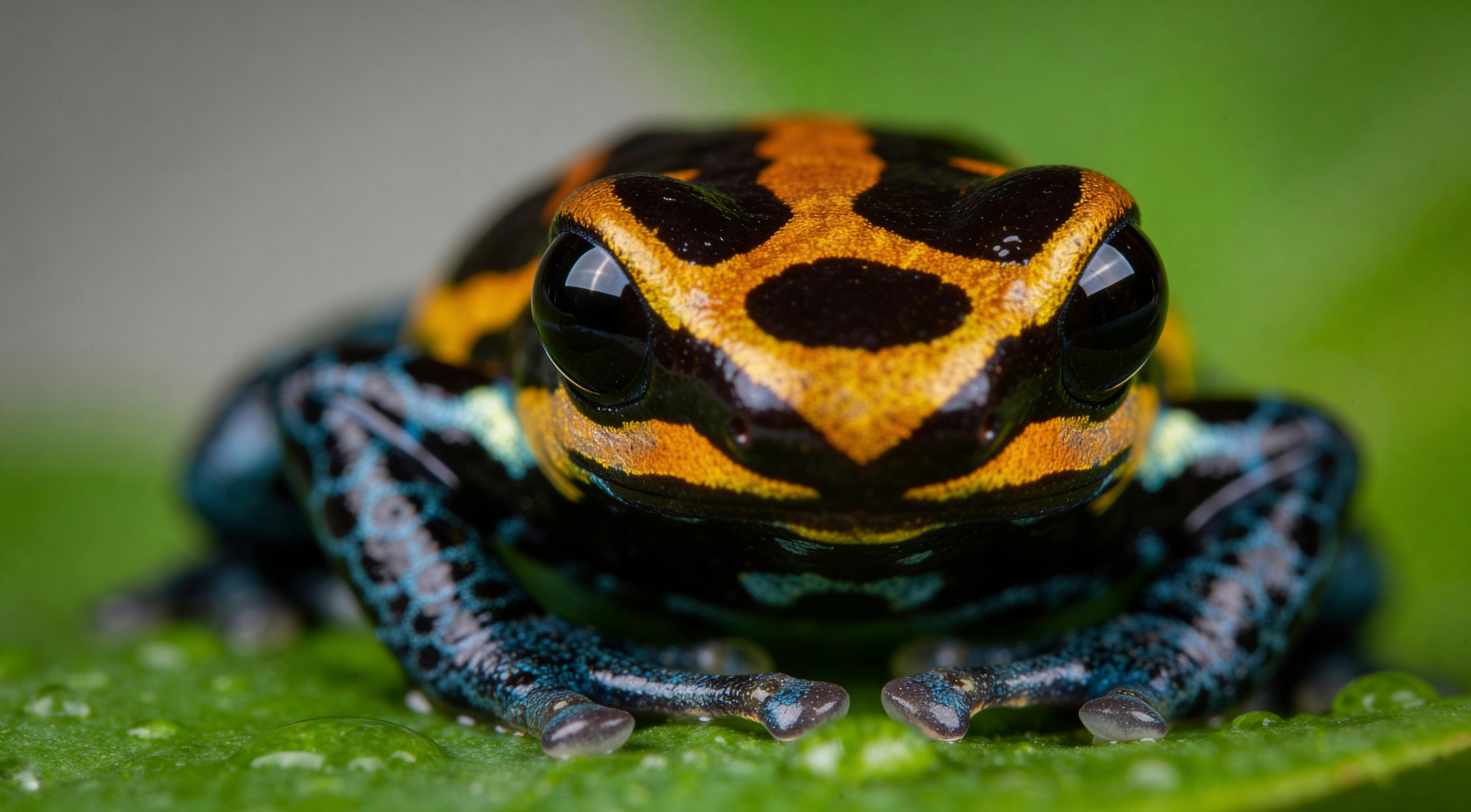
On Thursday, February 26, the Bipartisan Commission on Biodefense at the Atlantic Council hosted the event “Pick Your Poison: The Enduring Threat of Biological Toxins,” mapping the threat of biological toxins and their implications for future biological attacks. Recent accusations by several European countries that the death of Russian opposition leader Alexei Navalny was caused by a toxin derived from poison dart frogs, paired with rapid advancements in the science and technology (S&T) sector, highlight the threat that biological toxins can pose in the hands of malicious actors. Over the course of three panels, subject matter experts discussed the evolving challenges surrounding the spectrum, use, availability, detection, and attribution of dangerous toxins.
The meeting was opened by former U.S. Senator Tom Daschle, who provided a brief overview of the dangers posed by toxins, reflecting on his personal experience during the 2001 anthrax attacks, in which he was a target. Senator Daschle emphasized that the threat extends beyond the envelope to food supply chains and water systems. He cautioned about the convergence of artificial intelligence (AI) and biological design tools, noting how this combination could accelerate the design of novel toxins. He further highlighted the risks posed by dual-use research of concern, which raises difficult questions about transparency and creates challenges for attribution.
In this report, we will focus on the discussion of the first panel, which was titled “Nature to Nefarious” and focused on different types of toxin threats, such as “foodborne exposure, state-sponsored assassination, terrorism, synthetic production, and warfare.” The featured experts included Dr. Gregory D. Koblentz, Director of the Graduate Biodefense Program at George Mason University; Fanny Ewann, CBRNE Specialized Officer for INTERPOL; and Dr. James Giordano, Director of the Center for Disruptive Technologies and Future Warfare at the National Defense University. For more information, a full recording of the event is available on YouTube.
The panel began with individual presentations by each expert and was followed by a Q&A session that allowed members of the commission to pose follow-up inquiries. As the first presenter, Koblentz started by outlining the technical difficulties in producing toxins in large quantities, therefore arguing that they are better suited for individual attacks rather than large-scale strikes. However, when used against high-profile targets or specific groups, toxins can act as a form of political signaling, thereby demonstrating effectiveness despite their limited range. Consequently, Koblentz argued that toxins can be used as “tools of mass coercion” rather than “weapons of mass destruction”. He also maintained that the rise in authoritarianism across the globe and the rapid advancements in S&T could not only lead to an increase in the demand for biological toxins but also a growth in supply.
Koblentz, moreover, outlined current international regulations on biological toxins. He emphasized that while the Chemical Weapons Convention (CWC) and Biological Weapons Convention (BWC), as well as the 1925 Geneva Protocol, prohibit the malicious use and weaponization of toxins, significant gaps persist in the treaties’ verification capabilities and the international community’s condemnation of such actions. In that regard, Koblentz criticized Russia’s evasion of noteworthy investigation and political consequences for allegations of past poisonings (such as the 2020 Novichok attack on Navalny) and the pursuit of an illegal government-run program to weaponize biological toxins. According to Koblentz, the willingness to use toxins paired with the capabilities to produce them renders Russia the greatest threat in terms of potential toxin attacks, followed by China, Iran, and North Korea in that order.
Fanny Ewann from INTERPOL was the second panel speaker. Ewann reiterated that the threat of toxin use has been persistent and is increasing around the world. The primary threat is their use by non-state actors, including terrorist groups, individuals in homicide cases, and, more recently, actors involved in animal poisoning as a form of agroterrorism, which is currently on the rise. Ewann elaborated on several recent cases involving toxins, including last year’s potential bioterror plot in India, the ricin poisoning case in Germany in 2018, the mushroom poisoning case in Australia, and the strychnine poisoning of dogs in Spain. This evolution in the biothreat landscape has prompted INTERPOL to reassess its list of bioagents and toxins of concern for both animal and human populations, expanding the list from four to sixteen biological threats.
Lastly, Giordano added to the discussion by elaborating on the specific characteristics that render toxins challenging to detect, attribute, and defend against. He argued that current technological advancements facilitate and increase the affordable production of toxins and that such developments allow for the creation of novel toxins that display increased stability and potency while evading detection. Additionally, Giordano maintained that the dual-use nature of toxin research allows malicious actors to access samples and the necessary infrastructure to weaponize toxins covertly. His presentation emphasized that a range of actors (e.g., state, non-state, and “do-it-yourself” communities) possess the capabilities to utilize highly potent toxins to effectively target individuals or create fear in society through random targeting. Giordano’s arguments therefore aligned with his fellow presenters as he defined toxins as “weapons of maximum disruption.”
During the Q&A section of the panel, the main topics were the influence of AI on the weaponization of toxins and what could be done at the international level to address the threat posed by toxins. Giordano described how AI could not only be used to predict social patterns and behaviors, thereby facilitating targeting, but also enable the production of more deadly toxins that can incapacitate at lower doses than are required for detection. In response to questions from commissioners about steps that could be taken to counter this threat, the panelists called for the introduction of systems that address vulnerabilities in the food supply chain and water systems, improved inter-agency information-sharing on both the domestic and international levels, establishment of a transnational laboratory network for toxin detection, an accountability framework that facilitates attribution of malicious toxin use, and heightened penalization for the misuse of biotoxins.
Bird Flu Spreads through the Americas
By Margeaux Malone, Pandora Report Associate Editor
Highly pathogenic avian influenza (H5N1) bird flu continues to wreak havoc across the globe. In the United States (U.S.), the USDA confirmed at least 20 H5N1 outbreaks at commercial poultry facilities in recent weeks, with over 11.5 million birds affected across 67 flocks in the past 30 days alone. Among the hardest hit were facilities in North Carolina (3.2 million birds) and Wisconsin (1.2 million birds). Additionally, two live bird markets in Florida and New York reported outbreaks affecting 870 birds. Wild birds have also been heavily impacted, with around 60 detections reported in the past week across states including Colorado and Ohio.
In South America, Argentina has seen a resurgence in bird flu detections, the first since being deemed disease free in September 2025, including nearly 20,000 birds in a flock of breeding stock in Lobos and a laying hen flock in Alejo Ledesma. The virus has also been detected in wild and backyard birds across Colombia, Brazil, and Uruguay, often in animals located near wetlands where interaction with wild birds increases transmission risk.
UK Turkey Vaccine Trials Underway
In response to the escalating crisis, the United Kingdom (UK) launched targeted bird flu vaccine trials in turkeys on March 5 in England. Annual outbreaks cost the UK government and industry up to £174 million, making the search for effective preventative tools increasingly urgent. Turkeys were selected due to their high susceptibility to the virus and the rapid mortality rates seen during outbreaks.
The 24-week trials will assess vaccine efficacy in real field conditions and will help inform final recommendations of the UK HPAI vaccination taskforce. France has already credited nationwide duck vaccination, introduced in 2023, with curbing its outbreaks, and similar trials are underway in the Netherlands and the United States despite ongoing concerns that vaccination could jeopardize exports and trade.
CRISPR Takes on H5N1
Beyond vaccines, innovative research and new approaches to combat HPAI continue to emerge. In February 2026, US biotech firm Seek Labs was awarded a $2 million USDA grant to develop a CRISPR-based therapeutic designed to remain effective even as the virus mutates. Unlike traditional treatments that target specific strains, their proprietary “programmable therapeutic platform” uses AI-driven genomic surveillance to continuously analyze viral changes and then identify and disrupt stable regions of the virus’s genome. The project is being conducted in collaboration with the Canadian Food Inspection Agency.
Further Reading:
- “First Cases of Highly Pathogenic Avian Influenza in Northern Elephant Seals Confirmed in California,” University of California, Davis
- “Monk seals get bird flu vaccine as California responds to outbreak,” Savannah Harriman-Pote, Hawaiʻi Public Radio
- “Bird flu vaccine trials ‘momentous’ for farmers,” Alex Dunlop, BBC
- “FFAR Funds Research to Mitigate Airborne Transmission of Avian Flu,” Foundation for Food & Agriculture Research
- “‘We’ve seen this before’: Bird flu again hits Wisconsin poultry farms,” Hope Kirwan, Wisconsin Public Radio
IN OTHER NEWS
Public Health and Disease Surveillance
- “Dynamics of natural selection preceding human viral epidemics and pandemics,” Jennifer L. Havens, Sergei L. Kosakovsky Pond, Jordan D. Zehr, Jonathan E. Pekar, Edyth Parker, Michael Worobey, Kristian G. Andersen, and Joel O. Wertheim, Cell Press
- “Scientists Get a Glimpse of How New Pandemics Are Made,” Carl Zimmer, NYTimes
- “US measles total approaches 1,300 infections,” Jim Wappes, CIDRAP
- “Large drugmakers are developing fewer antibiotics, analysis finds,” Ed Silverman, StatNews
Biosecurity Governance, Oversight and Risk Mitigation
- “Cost–benefit analysis for synthetic nucleic acid screening in the European Union,” Sana Zakaria, Gabriella Franchi, Matt Sharkey, Adam Urwick, Manpreet Bhangal, and Richard Bruns, RAND
- “Have an Idea on How to Modernize and Strengthen the Oversight of Biosafety? Let us Know!” NIH
CBRN Policy and National Security
- “Start Planning Now to Secure CBRN Materials in Iran,” Richard Cupitt, Christina McAllister, and Barbara Slavin, Stimson
- “Stockpiles, Countermeasures, and Deterrence: A Blueprint to Fix America’s Biodefense Gap,” Greg Burel, RealClear Defense
- “AI-Ready Biodata Is America’s Next Strategic Infrastructure,” Michelle Holko, John Wilbanks, and Sam Howell, War on the Rocks
- “The Nucleic Acid Observatory is now SecureBio Detection,” Jeff Kaufman, SecureBio
Science Policy, Funding and Research Infrastructure
- “China pledges billion-dollar spending boost for science,” Xiaoying You, Nature
- “White House stalls release of approved US science budgets,” Max Kozlov, Alexandra Witze, and Dan Garisto, Nature
- “Trump administration’s embattled FDA vaccine chief is leaving for the second time,” Matthew Perrone, APNews

NEW: Global Health Security Agenda (GHSA) Lessons Observed Webinar (GLOW)
From GHSA: “Please join the GHSA Antimicrobial Resistance Action Package (APP-1) for a GHSA Lessons Observed Webinar (GLOW) to learn more about Sweden’s cross-border, collaborative approaches across the Nordic and Baltic regions to address the growing threat of antimicrobial resistance (AMR). This GLOW event is open to anyone interested in learning more about lessons observed in effective partnerships to address AMR and other threats to global health security. Please share the attached invitation across your national and technical networks.”
This event will be held on Thursday, March 19 at 7:00 AM EDT | 12:00 PM CET. Learn more and register here.
Prioritizing Biological Risks: The Case for AMR
From Effective Altruism Austria: “Biological threats represent some of the most pressing global risks of our time, yet they remain significantly under-prioritized compared to their potential impact. In this talk, participants will learn 1) What biosecurity encompasses and why it should be a priority within the EA community; 2) How antimicrobial resistance (AMR) fits into the broader biosecurity landscape and why it deserves special attention; and 3) Why AMR represents a “silent pandemic” with massive intervention opportunities when analyzed through EA frameworks of importance, neglectedness, and tractability, plus how it connects with other cause areas like global health and development.”
This event will be held virtually on Tuesday, March 24, 1:30 – 3:00 PM ET. Learn more and register here.
CBRNe Convergence Canada 2026
CBRNe World is hosting its fourth CBRNe Convergence Canada event this year in Toronto! This event will focus on a range of topical issues, including responding to potential CBRN incidents in the High North, response to terrorist attacks at major sporting events, and presentations on Canadian response capabilities, and the largest CBRN/Hazmat exhibition in Canada.
This event will take place April 13-15 at the Double Tree by Hilton Hotel, Toronto Downtown. Learn more here, and stay tuned for forthcoming information about CBRNe Convergence this November in Knoxville, TN!
International Conference CBRNe Research & Innovation
From CBRNE: “The last 40 years have demonstrated that both military and civilian populations could be exposed to highly hazardous CBRNE agents following conflicts, natural outbreaks and disasters, industrial incidents or terrorist attacks. Worldwide, researchers, responders and industrial capacities have been commited to provide adapted response to these challenges. The CBRNE Research & Innovation Conference includes workshops and demonstrations of innovative materials, technologies and procedures, according to the following themes: Detection (identification), Protection (decontamination, medical countermeasures), and risk & crisis management.
This event will take place in Arcachon, France, from May 19 – 21, 2026. Learn more and RSVP here.
GHS 2026
From GHS: “We’re excited to officially announce that the 4th Global Health Security Conference (GHS2026) will be held in Kuala Lumpur on the 9 – 12 June, 2026!”
“Building on the incredible momentum of GHS2024 in Sydney, we look forward to bringing together the global health security community once again – this time in one of Southeast Asia’s most vibrant and dynamic cities.”
“Registration and Call for Abstracts are now live!”
Learn more, submit abstracts, and register here.

NEW: Bio-Responsibility Future Leaders Programme from the Indian Institute of Science
From the Centre for Society and Policy: “The Bio-responsibility Future Leaders Programme (BFLP) is a year-long, part-time training programme focused on building the future leaders to promote safe, secure and responsible research and innovation in life sciences in India. The programme is run by the Centre for Society and Policy, Indian Institute of Science, Bengaluru. The programme will strive to create national capacity at the intersection of life sciences, security, and policy by training and supporting emerging leaders through interactive workshops, seminars, and high-level policy roundtable discussions.”
The application to apply is March 22. Learn more and submit your application here.
Institute for Science and International Security Hosts Two-Day Course on Nuclear Non-Proliferation at George Mason University!
From ISIS: “The Institute for Science and International Security, a non-partisan NGO based in Washington D.C., focused on the non-proliferation of nuclear weapons, is bringing its free technical course on nuclear weapons and their proliferation to the GMU. David Albright and Sarah Burkhard will provide a solid foundation of the scientific and technical aspects of nuclear weapons, including the key facets of developing nuclear weapons, including fissile material production – uranium enrichment, plutonium production and separation – and nuclear weaponization and delivery. It will include how we have learned about secret nuclear weapons programs in Iran, Pakistan, North Korea, South Africa, and other countries.
The course will be taught in two half-day sessions, March 31st and April 6th, at George Mason University, Van Metre Hall, Fairfax Drive, Arlington, VA. Attendees will receive a certificate of attendance. The course is free, but registration is required by sending an email with your full name and affiliation to bitaraf@isis-online.org.”
Deputy Director for Scientific and Regulatory Compliance – Job Opening
From the Virginia Division of Consolidated Laboratory Services: “DCLS is seeking an experienced laboratory leader to serve as Deputy Director for Scientific and Regulatory Compliance. This Deputy Director position will report directly to the Laboratory Director and will work collaboratively with the senior leadership team to promote the role of Virginia’s state laboratory and our mission of promoting a healthier, safer world through quality laboratory service.”
Learn more and submit your application here.
ICGEB Fellowships for Scientists in Biosecurity
From the International Centre for Genetic Engineering and Biotechnology: “With the co-funding of the Norwegian Agency for Development Cooperation through the United Nations Office for Disarmament Affairs (UNODA), BWC ISU, the ICGEB offers early-career scientists from OECD/DAC countries a fellowship at ICGEB laboratories in Italy, India, South Africa and at the ICGEB Regional Research Centre in China, to receive hands on training in life sciences and detection and response to biological threats.”
The closing date for applications is March 31, 23:59 CET. Learn more and apply here.
9th World One Health Congress – Calls for Abstracts
From Global One Health Community: “The One Health Congress invites abstracts, session concept notes, and workshop proposals addressing innovative research, policy, and practice across human-animal-plant-environment interfaces. Submissions are welcomed under the following themes: 1) Climate change, environment, and ecosystems health; 2) Biodiversity, wildlife, and pathogen interfaces; 3) Food systems, agriculture, and plant health; 4) Pathogens, microbiome, and intervention strategies; 5) Antimicrobial resistance (AMR); 6) Data, technology and innovative analytics; 7) Knowledge, education and communities; 8) Governance, policy and legal frameworks, 9) One Health implementation and financing; 10) Preparedness, resilience and economic evaluation; 11) Biosecurity, biosafety and global health security; 12) The critical role of the private sector in One Health policy.
Learn more and submit here.
 The Pandora Report