Pandora Report 9.26.2025

Welcome to this week’s Pandora Report! This issue features federal undercutting on U.S. science funding and the risk of a brain drain, the U.S. “America First” global health strategy and its implications for international aid, the narrowing of COVID-19 vaccine guidance and state-level responses, the escalating Ebola outbreak in the Democratic Republic of the Congo, and a breakthrough in biotechnology with the first AI-designed viruses capable of targeting E. coli.

Thinking About Graduate Study in Biodefense?

The Schar School of Policy and Government has several upcoming recruitment events:

For Prospective MS Students:

For Prospective PhD Students:

🔗 See all upcoming events here.

☕ Plus: Regional coffee chats with faculty and admissions staff across Maryland, Virginia, and DC. Learn more here.

💡 Tuition Benefit: Master’s and certificate students living in Maryland and DC quality for in-state tuition rates. Learn more and register here.

From Classroom to Commission: Mason Biodefense Students Shaping Biotechnology Policy

By Jay Bickell

Jay Bickell is pursuing a MS in Biodefense at George Mason University and works as a Staff Scientist at MRIGlobal supporting biorisk management programs.

Earlier this year, the National Security Commission on Emerging Biotechnology (NSCEB) released its final report, Charting the Future of Biotechnology. What emerged was not a victory lap or a reassurance, but both an inspiring reminder of the promise of biotechnology and a stark warning about what is at stake in the biotechnology innovation race. The report’s executive summary wastes no time, bluntly stating that “countries that win the innovation race tend to win actual wars, too.” From the outset, the message is clear: the U.S. cannot afford complacency in biotechnology.

Given the breadth of issues at play, the Commission relied on expertise from many different disciplines. Among those involved were George Mason University Biodefense students and alumni, who contributed their expertise and academic training to the practical work of shaping U.S. biotechnology policy.

This article explores the origins of the commission, the key findings of its report, and the role of GMU biodefense students and alumni who served as policy advisors and fellows.

The Commission

The NSCEB was established by Congress in 2022 as an independent legislative advisory body, created in response to the rapid pace of emerging biotechnology and its profound implications for both the U.S. bioeconomy and national security. Its establishment was a bicameral decision, reflecting bipartisan concern, and its commissioners brought a wide range of expertise from across science, industry, defense, and policy.

The Commission had an ambitious charge to provide Congress with an assessment of biotechnology’s role in national security and to recommend concrete steps for harnessing its benefits while mitigating risks. Modeled in part on the National Security Commission on Artificial Intelligence, the NSCEB conducted an extensive two-year study, gathering insights from more than 1,800 professionals worldwide. Beyond analysis, its task was also pragmatic in nature, to ensure recommendations were actionable and capable of being translated into policy. The NSCEB will continue turning those recommendations into bills before the commission winds down in December 2026.

The Report

The final report, Charting the Future of Biotechnology, begins with a sobering vision of a not-so-distant future where the U.S. fails to keep pace in biotechnology innovation and with it, risks losing both economic and military advantages. Over the course of nearly 400 pages the report delivers 49 specific and concrete recommendations ranging from establishing a National Biotechnology Coordination Office (NBCO) in the Executive Office of the President, to providing workforce training. Ultimately every recommendation culminates in the main recommendation that “the U.S. government should dedicate a minimum of $15 billion over the next five years to unleash more private capital into our national biotechnology sector.”

Behind the Report: GMU Students and Alumni  

Behind the report’s recommendations lies the work of 63 commission staff as well as countless other participants. Notably, among them were several students and alumni from George Mason University’s Biodefense (BIOD) program, who brought their expertise to an effort that will shape U.S. biotechnology policy for years to come.

Aishwarya Sriraman is a third-year PhD student in the BIOD program and served as a research and policy fellow supporting Commissioners in developing the report. Her work focused on recognizing how education and workforce development will build tomorrow’s biotechnology workforce. Drawing on her technical background in biochemistry and biotechnology, she helped connect the policymaking process to the realities facing biotechnology and biosecurity professionals. Aishwarya hopes “that professionals get excited by the potential of emerging biotechnology (the science and its potential impact) while also recognizing their roles and responsibilities in ensuring its success.”

Olivia Parker, joined the commission as a policy advisor in August of 2024, shortly after earning her Master of Science in Biodefense in May 2024. She credits the multidisciplinary nature of the Biodefense program as preparing her for this role. According to Olivia, “One of the things I’ve appreciated most about working on the Commission staff has been learning from my colleagues. The folks on staff come from a broad range of professional worlds, and it’s been really illuminating to see the different perspectives they bring while contributing my own.”

Kimberly Ma is a third-year PhD student in the BIOD program and is a policy advisor with the commission where she is co-leading the infrastructure workstream and closely supporting the biosecurity workstream. When it comes to thinking about policy she credits both time in Georgetown’s MS Biohazardous Threat Agents & Emerging Infectious Diseases program and GMU’s Biodefense program with complementing her hands-on career experience in U.S. government biotechnology spaces. Kimberly commented that, “Even for someone trained in molecular biology and biosecurity, I think I had not truly internalized or experienced how vast the bioeconomy is. During my time at the Commission, the breadth of folks who have shown interest in our work, provided us their expertise and anecdotes, reposted our press releases on social media, or showed up to our launch event absolutely blew my mind. I feel a sense of awe, as well as increased obligation to ensure that promoting and protecting biotech are national priorities for our country.

Looking Forward

The contributions of these Biodefense students and graduates are not just a testament to their training, they are a reminder that the future of biotechnology and biosecurity leadership is already taking shape. Their experiences reflect the heart of the Commission’s work: recognizing both the opportunities and risks that lie ahead and preparing the next generation to meet them.

Though the report is sobering in its assessment, the example set by these students and alumni offers reason for optimism. They show that the next wave of scientists and policy experts are already stepping into roles of national importance. Opportunity and risk both loom large, but as their work illustrates, the direction biotechnology takes will depend on the choices and the commitments we make today.

Science Under Siege: Federal Cuts and the Risk of a U.S. Brain Drain

From Nature: “Months into President Trump’s second term, science and scientists are under attack as never before in the United States. The administration is forcing devastating cuts to previously stable US research investments, dismantling federal science agencies and programmes, ousting independent scientific officials and blatantly disregarding evidence on issues that affect us all, including vaccines, air pollution, and fossil fuels.”

Both early-career and seasoned specialists have been left bewildered and, in many cases, unemployed by these aggressive actions. Experts warn that the U.S. risks losing scientific expertise across multiple fields – a phenomenon many are calling a “brain drain” – with recovery potentially taking decades. “There will be lasting damage, and it will likely take multiple political administration to get over and to rebuild what has been lost,” said Jennifer Jones, Director of the Center for Science and Diplomacy at the Union of Concerned Scientists.  

Scientists, however, are pushing back. Some are filing lawsuits to reinstate grants, others are compiling budgetary records to help in lawsuits, and many are speaking out against the administration’s actions, often at the risk of their own careers. Groups like Stand Up for Science, a non-profit dedicated to countering harmful policy and funding changes to science under the current administration, are working to spotlight these issues and support scientific integrity. These efforts have led to some victories, for example, with judicial decisions reinstating hundreds of terminated projects at the NIH, or the restoration of $500 million in UCLA and other University of California school research grants.

Further Reading:

America First Global Health: Cuts, Conditions, and Questions Ahead

This week, the State Department unveiled its “America First Global Health Strategy,” a policy framework emphasizing U.S. priorities in global health. Just days before, the House advanced its FY26 Labor-HHS appropriations bill, proposing severe cuts to CDC funding, eliminating certain prevention programs, and drastically scaling back USAID’s role in global health initiatives. Under the new strategy, the U.S. plans to shift from global health aid to fostering self-reliance in partner countries, requiring them to co-invest in health programs and meet “performance benchmarks” before additional U.S. foreign health assistance is released. According to the document, the administration aims to finalize multi-year bilateral agreements with recipient nations by April 2026, aiming to reduce “the culture of dependency.” Taken together, these moves reflect a broader shift in U.S. health policy toward prioritizing domestic interests over multilateral cooperation. In a related development, President Trump also called for a global ban on bioweapons at the UN, proposing the use of artificial intelligence (AI) to verify compliance with the Biological Weapons Convention (BWC). While presented as a high-tech initiative to strengthen the BWC, the plan’s limited details leave open questions about how effectively it will be implemented and whether it can gain broad international support.

Further Reading:

ACIP Narrows COVID-19 Vaccine Guidance, Prompting State and Expert Divergence

Last Friday, the CDC’s Advisory Committee on Immunization Practices (ACIP) voted to narrow its COVID-19 vaccine recommendations, reserving a routine recommendation for adults 65 and older while shifting younger groups to “shared clinical decision-making” through consultation with providers. While the vaccine remains available to anyone over six months, this change could reduce ease of access compared to prior years and has raised concerns about sowing doubt among the public. As former acting CDC director Richard Besser noted, “What this process over these two days did was it instilled doubt in a lot of people who didn’t have doubt. And it’s going to lead people who were trying to do the right thing for their families, for their children, to make wrong decisions.” Meanwhile, ACIP voted to postpone a decision on whether to delay the first hepatitis B vaccine dose for newborns, temporarily maintaining the current recommendation. In response to federal uncertainty, several states and medical societies, including the American Academy of Pediatrics (AAP), which had long worked in concert with the CDC, are breaking with federal recommendations and issuing their own vaccine guidance, citing a lack of confidence and trust in federal leadership.

Further Reading:

DRC Faces Escalating Ebola Outbreak Amid Reduced Global Aid

The Ebola outbreak in Kasaï province continues to escalate, with the latest reports indicating 47 confirmed cases and 25 deaths, according to the World Health Organization (WHO), with a probably 10 additional cases and deaths. Vaccination campaigns are ongoing, with an initial shipment of 400 doses of Ervebo (rVSV-ZEBOV) being deployed to Bulape and another 360 doses arriving in Tshikapa. The WHO has launched an appeal for US$21million to support the DRC’s governmental response. While the DRC has learned from previous outbreaks and in many ways is now better prepared to respond, experts warn cuts to global aid spending risk constraining response efforts. “Viruses do not respect political decisions or borders. Disengaging in global leadership and slashing funding to countries like the DRC will have serious consequences,” said Ms. Kate Phillips-Barrasso, Mercy Corps Vice President of Global Policy and Advocacy.

During previous Ebola outbreaks, the U.S. provided critical support through USAID, funding laboratories, vaccines, treatments, personal protective equipment (PPE), and community awareness programs. Since cuts to these programs, stockpiles of drugs and PPE have not been consistently maintained, and key prevention initiatives – like clean water and hygiene campaigns – have been scaled back. Shortages of PPE and difficulties distributing information, vaccines and treatments to remote areas, however, long predate recent funding cuts. While some analysts have speculated that China could fill the gap left by U.S. aid reductions, its capacity and willingness to do so remain limited. Beijing seems to emphasize a “trade, not aid” model, prioritizing trade over large-scale development assistance and intervening only in countries of immediate strategic interest. Humanitarian organizations stress that maintaining robust international support, rather than piecemeal substitutes, is critical to containing Ebola and supporting the DRC’s health system.

Further Reading:

AI Creates Functional Bacteriophages Targeting E. coli

Scientists at Stanford University and the Arc Institute have created the first ever viruses designed by artificial intelligence (AI), capable of infecting and killing E. coli bacteria. The work, described in a preprint paper, used AI models called Evo 1 and Evo 2, which were pre-trained on over two million phage genomes. These models were developed to generate DNA, RNA, and protein sequences. The AI models were given a template virus called ΦX174 to start with, which was simple and safe. The AI models were trained to create similar viruses aimed at infecting E. coli, especially resistant strains. From thousands of AI-generated genome sequences, the researchers identified 302 viable bacteriophages, of which roughly 16 phages showed host specificity for E. coli and could successfully infect the bacteria. “This study provides a compelling case study of what is possible today and sets the stage for more-ambitious applications in the future,” says Peter Koo, a computational biologist at Cold Spring Harbor Laboratory in Laurel Hollow, New York. “It provides a spotlight for an interesting application domain,” he adds.

Further Reading:

Avian Influenza Updates and More

By Margeaux Malone, Pandora Report Associate Editor

September Signals Start of H5N1 Resurgence Worldwide

Just as wildlife experts predicted, highly pathogenic avian influenza (HPAI) H5N1 is surging internationally as fall bird migration kicks into high gear. Europe has already logged 263 commercial poultry outbreaks of bird flu so far in 2025. Hungary leads the tally with 105 outbreaks, followed by Poland (85) and Italy (21). On Monday, Poland reported two new detections resulting in the death of nearly 4,000 birds. An outbreak in Spain earlier this month was particularly devastating, wiping out over 761,000 laying hens in a single facility in Castile and Leon.

Meanwhile, the U.S. continues to see a steady resurgence as well. Multiple Mid-West states continue to fight outbreaks in commercial turkey flocks, with over half a million cases confirmed by the USDA across the Dakotas and Minnesota since the start of September. Iowa also confirmed the presence of HPAI in Canada geese, mallards, and red-tailed hawks this week following reports of dead birds in Dubuque.

With migration season just beginning, case numbers are expected to continue. The question isn’t whether H5N1 will spread further, it’s whether current containment efforts can keep pace with nature’s own distribution network.

Further Reading:

New World Screwworm Inches Closer to U.S. Border

The New World screwworm (NWS) outbreak in Central America took a concerning turn this week as Mexico confirmed its northernmost case yet, only 69 miles from the Texas border. A young cow in Sabinas Hidalgo, Nuevo Leon, tested positive for the flesh-eating parasite, marking a significant geographic leap from the previous detection in Veracruz in July, some 370 miles south of the U.S. border. The location is especially worrying as Sabinas Hidalgo sits along the major highway from Monterrey, Nuevo Leon’s capital and largest city, to Laredo, Texas, one of the world’s busiest commercial corridors.

The U.S. response has been swift but costly for bilateral relations. USDA continues the suspension on all imports of Mexican cattle, bison, and horses while the NWS outbreak is handled, a move that could cost Mexico’s ranching industry up to $400 million if maintained through the year. In response to the new detection near the border, Agriculture Secretary Brooke Rollins stated that Washington will take “decisive measures to protect our borders, even in the absence of cooperation.” Nearly 8,000 traps across Texas, Arizona, and New Mexico have screened over 13,000 samples without detecting screwworm flies stateside. The USDA has also allocated $100 million for enhanced sterile-fly production and advanced detection tools.

With over 500 active cases across Mexico’s southern states and the parasite’s ability to infect any warm-blooded animal, this outbreak represents a significant agricultural security challenge that will require sustained binational cooperation.

Typologies of Terrorist Organizations: Conceptual Lenses and Counterterrorism Measures

This forthcoming book was authored by Mahmut Cengiz, Mitchel P. Roth, and Huseyin Cinoglu. Cengiz is an associate professor in the Schar School of Policy and Government and a research faculty member with Mason’s Terrorism, Transnational Crime and Corruption Center who teaches courses in the Biodefense Graduate Program: “Explore the complex landscape of global terrorism with Typologies of Terrorist Organizations: Conceptual Lenses and Counterterrorism Measures. This essential volume provides a comprehensive examination of hundreds of terrorist groups and employs a detailed framework of typological classifications—religious, left-wing/revolutionary, ethnonationalist, anarchist, right-wing, ecoterrorism, state terrorism, cyberterrorism, and narcoterrorism—to analyze each group in depth, focusing on their ideologies, key actors, methods, and underlying motives.”

“What sets this book apart is its multidimensional approach, using conceptual lenses to delve into the causes of terrorist actions, the motivations driving these groups, and their strategies. This approach not only aids in combating terrorism but also enhances understanding of the broader context in which these groups operate. It provides insights into their organizational structures, tactics, weaponry, victim profiles, target types, funding sources, and networks, painting a comprehensive picture of the evolving nature of terrorism.”

“Additionally, Typologies of Terrorist Organizations offers a critical review of domestic and global counterterrorism strategies, examining how these strategies have evolved to address emerging threats. Each chapter provides a detailed perspective on counterterrorism efforts, making this book a valuable resource for understanding both the development of terrorist tactics and the responses designed to counter them.”

“Ideal for scholars, policymakers, and security professionals, this book is not only crucial for those engaged in counterterrorism but also for anyone seeking to understand the broader contextual dynamics of global terrorism. Its combination of theoretical depth and practical analysis makes it a significant contribution to the field of counterterrorism studies and an indispensable guide for navigating contemporary security challenges.”

“Upward and Onward: 2025 Preparedness Summit”

Read about Biodefense PhD student Kimmy Ma’s experience at the  the National Association of County and City Health Officials’ (NACCHO) 2025 Preparedness Summit in this article from the Pandora Report. In it, Ma writes in part, “It will by no means be a simple or easy road, but I believe my public health preparedness colleagues’ adamant desire and mindset to serve their constituents is what brings them back to their work and keep attending Prep Summit, year after year. It seems like, deep down, they never truly give up on their belief that there is a way to reach the light at the end of the tunnel and serve their communities in the process.”

“Physical Approaches to Civilian Biodefense: Identifying Potential Preparedness Measures for Challenging Biological Threats”

From the RAND Corporation: “This research project was initiated in response to emerging evidence on three possible biological threat scenarios that could have catastrophic effects on the United States: a fast scenario involving a rapidly spreading outbreak of a lethal human-to-human-transmissible pathogen, a silent scenario involving a pathogen that infects much of the population before infected people display visible symptoms, and a saturating scenario involving a pathogen that replicates and persists in the environment. Although these three broad scenario categories have been discussed elsewhere, the goal of this report is to better define the possibilities and limits of physical approaches to civilian biodefense against these scenarios. In this report, we offer initial frameworks for thinking about how the United States could achieve resilience against these scenarios (as well as any less severe versions), and we recommend actions that governments and civil society can take to work toward resilience. This work is not precise or conclusive; it can and should be verified and analyzed in a more detailed and expanded manner to support more-precise recommendations. This report is intended primarily for policymakers and technical staff, as well as philanthropists, who work on pandemic preparedness and catastrophic threat mitigation.”

Personal Protective Equipment for Influenza A (H5N1) in High-Risk Farm Settings: A Workshop

From NASEM: “A planning committee of the National Academies of Sciences, Engineering, and Medicine will organize a virtual public workshop to examine personal protective equipment (PPE) needs and best practices to protect workers in high-risk U.S. farm settings and control Influenza A (H5N1) transmission between livestock and humans. This workshop will provide the opportunity to exchange knowledge and ideas among interested and impacted parties–including technical experts, policy makers, livestock industry leaders and farm owners, and PPE users in farm settings (e.g., farmworkers, veterinarians).”

These workshops will take place 10 am-4:30pm ET on September 29-30. Register here.

Mirror Image Biology: Pushing the Envelope in Designing Biological Systems – A Workshop

From NASEM: “Most biological molecules are chiral entities where their mirror images have different structures and functional characteristics. Scientists have begun synthesizing left-handed DNA and RNA and creating proteins that can write left-handed nucleic acids. This, and other related research, is described as “mirror biology” and includes research toward creating mirror-image self-replicating living systems. The National Academies will host a foundational workshop on mirror biology, focusing on the state of the science, trends in research and development, risks and benefits of this research, and considerations relating for future governance of relevant enabling technologies.”

This event will take place virtually, September 29-30. Register here.

Doing More with Less: Practical Biosafety on a Budget

“Led by Azelia Labs biosafety experts, Katerina Semenyuk, PhD, RBP (ABSA) and Sarah Ziegler, PhD, RPB, CBSP (ABSA) this webinar will provide a comprehensive guide to maintaining a robust biosafety program in resource-constrained environments. We will address the unique challenges that arise when faced with limited funding or leadership hesitation to invest in safety protocols.”

“This session will focus on practical, actionable strategies to overcome these obstacles. Topics will include how to prioritize essential safety measures when budgets are tight, creative solutions for providing adequate personal protective equipment (PPE), and innovative approaches to maintaining equipment and facilities without costly upgrades. We will also discuss methods for effectively communicating the value of biosafety to leadership to secure the necessary support for your program.”

This online event will take place on October 2, 12-1 pm EDT. Register here.

Feeding Resilience: Risk and Readiness in Food Security

From CSR: “This event will convene a multidisciplinary group interested in food security, agriculture, climate, security, and development in-person at KSU and virtually for other US and international audiences. Throughout the day, attendees will have opportunities to network and engage with expert speakers on food and water security challenges, agricultural trade and innovation, workforce development, and the way forward in today’s global policymaking environment. The event is part of CCS’s Feeding Resilience program, which has analyzed and developed policy recommendations on food, climate, and security risks for the United States and is now deepening analysis and policy engagements for European and global audiences.”

This event will take place 8:30am-2:35pm CDT in Manhattan, KS, on October 7. Register here.

EMBRACE 2025 – Scientific Pathways to Biotoxin Preparedness Online Event

From CMINE: “Join us at the forefront of chemical and biological security for EMBRACE 2025 – a key event dedicated to cutting-edge research on biotoxins and human biomarkers of intoxication. This international symposium will spotlight ground-breaking scientific work and host the inauguration of EMBRACE’s Biotoxin Task Force.”

“What to Expect:

A unique opportunity to shape the scientific landscape of biotoxin threat preparedness and learn more about the EU EMBRACE project and the Biotoxin Task Force

A platform for showcasing innovation in biotoxin detection and response

Networking with global experts in biological forensics and toxicology”

This event will take place on October 15, 0900-1700 CEST. Register here.

Exploring Applications of AI in Genomics and Precision Health: A Workshop

From NASEM: “The National Academies’ Roundtable on Genomics and Precision Health will host a hybrid public workshop on October 28 to explore current and potential future applications for AI in genomics and precision health along the continuum from translational research to clinical applications. The workshop will:

  • Explore the current implementation of AI in genomics and precision health (e.g., variant interpretation, data integration, patient and participant identification, return of results, treatment selection).
  • Discuss potential benefits and challenges of future AI applications (e.g., data harmonization and security, workforce, and usefulness for all).
  • Consider evaluations for and impact of the accuracy of, and bias inherent to, AI technologies in genomics-related research and clinical care.
  • Examine lessons learned from applications of AI in other fields that may be transferable to genomics and precision health throughout the translational research process.”

This workshop will take place 8:30am-5:00pm ET on October 28. Register here.

Global Conference on Biological Threat Reduction

From the World Organisation for Animal Health: “In October 2025, WOAH is hosting its third Global Conference, with the goal of galvanising advocacy efforts to manage the rising risk of biological threats from across the world.”

“The Global Conference on Biological Threat Reduction – which will take place in Geneva on 28-30 October 2025 – will bring together top minds in the fields of
health-security, emerging technologies, and biothreat reduction policies, from the public and private sectors – to focus on the latest strategies, challenges and innovations in combating biological threats to our interconnected ecosystems.”

“The Conference will bring together approximately 400 participants from different sectors, including animal health, law enforcement and security, public health, international and regional organisations, investment and development partners, private sector and industry representatives, research, academia and regulatory authorities, youth organisations.”

“Attendees will engage in thought-provoking discussions and innovative technical presentations aimed at strengthening prevention, preparedness and response capabilities across the world.”

“The event will be guided by a narrative that traces WOAH’s commitment to biological threat reduction and the increasingly relevant role it plays at the health-security interface. Against the backdrop of an uncertain future, WOAH believes that synergies between sectors can drive positive change – making the world a safer and healthier place. ”

Learn more and register here.

GHS 2026

From GHS: “We’re excited to officially announce that the 4th Global Health Security Conference (GHS2026) will be held in Kuala Lumpur on the 9 – 12 June, 2026!”

“Building on the incredible momentum of GHS2024 in Sydney, we look forward to bringing together the global health security community once again – this time in one of Southeast Asia’s most vibrant and dynamic cities.”

“Registration and Call for Abstracts are now live!”

Learn more, submit abstracts, and register here.
NEW: Emerging Leaders in Biosecurity (ELBI) Fellowship

“The Emerging Leaders in Biosecurity (ELBI) Fellowship inspires and connects the next generation of biosecurity leaders and innovators. Launched in 2012, ELBI is a highly competitive, part-time program that provides an opportunity for talented graduate students and professionals to deepen their expertise, expand their network, and build their leadership skills through a series of events coordinated by the Johns Hopkins Center for Health Security. The fellowship boasts over 300 alumni with backgrounds in government, national security, private industry, science, law, public health, medicine, global health, journalism, the social sciences, and academia.”

Learn more and submit your application by October 12 here.

NEW: AI & National Security Convergence Fellowship

In this context, the Converging Risks Lab (CRL), an institute of the Council on Strategic Risks (CSR), is partnering with the Future of Life Institute (FLI) on the “AGI and National Security Convergence Project,” a new initiative endeavoring to arm decision-makers with the understanding and capabilities required to future-proof national security against the potential perils of AGI while maximizing its promise. This partnership combines CRL’s experience in training and engaging national security leaders on convergence topics through experiential learning methods with FLI’s commitment to educating policymakers on the national security implications of developing AGI.”

Learn more and submit your application by October 13 here.

NEW: Council on Foreign Relations Internships

In an ever-changing world, CFR’s work as a leading nonpartisan resource for information and ideas about foreign policy is more important than ever. At CFR, interns participate in one of the foremost paid internship programs in the foreign policy arena. They do work that matters alongside smart and dedicated staff in a diverse and inclusive environment. Interns are paid a competitive hourly wage while gaining valuable experience through exposure to leading foreign policy experts. They are also offered professional development training as a foundation for future work in the field of foreign policy and international affairs. Internship opportunities are offered through the Blavatnik Internship Program and Robina Franklin Williams Internship Program.

Learn more and submit your application by October 13 here.

NEW: Scoville Peace Fellowship

“The fellowship ensures a pipeline of the brightest, most dedicated, and diverse next-generation experts into leading think tanks and advocacy groups in order to inspire creative new approaches to the pervasive challenges to peace and security. Its goal is to bridge the gap between academia and the professional world by providing an entree for mission-driven grads eager to learn about and contribute to public-interest organizations. The fellowship was established to honor longtime nuclear arms control activist Dr. Herbert (Pete) Scoville, Jr., a Ph.D. in physical chemistry and dedicated public servant, who encouraged young people to become involved in arms control and national security.”

Learn more and submit your application by October 20 here.

NEW: Notice of Funding Opportunity (NOFO) – Addressing Agricultural Biorisk Evidence Base Gaps with Applied Research

“There is a global recognition that the current evidence base to inform laboratory and on-farm biological risk management has gaps, and that applied agricultural biosafety and biosecurity policies are not always based on evidence. This notice of funding will support the design and implementation of applied agricultural biorisk research to address evidence gaps in working with high-consequence veterinary and agricultural pathogens as identified during the RAV3N Biorisk and Biosafety Gap Assessment Workshop or similar gap analysis like the WOAH working group agent specific biorisk gap analysis. ERGP is seeking proposals that address one or more key focus area components listed below. Each proposal will go through an internal ERGP and external expert review. Successful proposals should address at least one of the key focus areas and at least one component under that area.”

Learn more and submit your proposal by October 31 here.

NEW: Cyberbiosecurity Quarterly Call for Papers

“We are pleased to announce the launch of Cyberbiosecurity Quarterly, a new academic and trade journal dedicated to the intersection of cybersecurity and the bioeconomy. Published by Kansas State University’s New Prairie Press and sponsored by the Bioeconomy Information Sharing and Analysis Center (BIO-ISAC), this quarterly journal will serve as an important resource for professionals, researchers, and policymakers working to safeguard digital and physical biological infrastructures. Cyberbiosecurity is an emerging discipline that addresses the protection of biomanufacturing, biomedical research, synthetic biology, digital agriculture, and other life sciences sectors from digital threats. This journal will explore topics at the nexus of cybersecurity, digital biosecurity, and the bioeconomy, including but not limited to:

  • Best practices for network configuration and management in biomedical environments (ingress/egress protection, segmentation, isolation, access control, traffic protection, etc.)
  • Cybersecurity Vendor Management and Assessment
  • Cyber and Digital Biosecurity Education for the Bioeconomy’s Workforce
  • The Quality-Cybersecurity Tension in Practice and Techniques for Mitigation
  • Threat Intelligence for Cyber-Physical Biological Systems
  • Regulatory and Policy Perspectives on Cyberbiosecurity
  • Incident Response and Risk Mitigation in Biomanufacturing
  • AI and Machine Learning in Digital and Cyber Biosecurity”

Learn more and submit your papers here.

Applied Biosafety Call for Papers

“The Editors of Applied Biosafety are pleased to announce a forthcoming Special Issue focused on the myriad of topics associated with global biosafety management. This special issue will showcase examples of innovative approaches, creative solutions, and best practices developed and used around the world for managing risks associated with the handling, use, and storage of infectious biological agents, toxins, and potentially infectious materials in research and clinical settings.”

Learn more and submit by November 1 here.

64th ISODARCO Course

From ISODARCO: “In recent years, the global security landscape has become increasingly volatile, shaped by a convergence of geopolitical tensions, technological advancements, and evolving nuclear doctrines. The post-Cold War order that once provided a measure of predictability in global security has eroded. Conflicts such as the wars in Ukraine and Gaza, rising tensions in the Indo-Pacific, and strategic competition between major powers have reshaped alliances and strategic postures.”

“At the same time, disruptive technologies including artificial intelligence, quantum computing, hypersonic missiles, and cyber threats – are adding new layers of complexity to both nuclear and conventional deterrence dynamics. These technologies are not only distorting the information landscape but also compressing decision-making timelines and complicating signaling mechanisms, increasing the risk of miscalculation.”

“Effectively managing nuclear escalation risks in this environment will require a combination of innovative diplomacy, technological safeguards, and renewed dialogue mechanisms to rebuild trust, reduce misperceptions, and stabilize strategic relations.”

“The ISODARCO 2026 Winter Course presents an invaluable opportunity for students and experts to discuss and examine these dynamics in depth and explore approaches to re-establishing strategic stability and reducing nuclear dangers in a volatile world.”

This course will take place January 11-18, 2026, in Andalo. Learn more and apply here.

Upward and Onward: 2025 Preparedness Summit

Kimberly (Kimmy) Ma is a PhD student in the Biodefense Graduate Program at George Mason’s Schar School of Policy and Government and serves as a Policy Advisor with the National Security Commission on Emerging Biotechnology.

Earlier this year, in April, I had the opportunity to attend the National Association of County and City Health Officials’ (NACCHO) 2025 Preparedness Summit. While in past years, it was consistently held in Atlanta, Georgia, in recent years it has begun to move around the country. This year, it was held in San Antonio, Texas – and for those interested, next year, it will be closer to George Mason territory, up in Baltimore, Maryland from April 13-16, 2026.

First held in 2007, NACCHO’s Preparedness Summit, also known as ‘Prep Summit,’ is an annual national conference for all professionals with equities in public health preparedness, be it from healthcare, public health, or emergency management. It has grown steadily over the years and remains a premier space for these professionals to meet, network, present research findings, and grow from each other’s experiences and lessons learned.

I myself first attended the Preparedness Summit in 2022. At the time, I was working in public health, for the Association of State and Territorial Health Officials (ASTHO), which can be considered a ‘sister’ organization to NACCHO and is regularly represented on the organizing committee. As most people may recall, the COVID-19 pandemic was still very much an ongoing crisis during the spring of 2022, and you could feel it in every single attendee that year. Attendees were still masked and closely following policies to mitigate the spread of the virus; staff from state and local public health agencies were at the end of their ropes trying to work with what resources they had; healthcare professionals were all sleep-deprived from working practically 24/7; federal employees were countering waves of mis/disinformation and verbal batterings from the public, et cetera, et cetera. In the following years, as I continued to attend for work (2023) and school (2024), I continued to also hear and palpably feel the dismay emanating from my public health colleagues.

And yet, with everything still happening in the world, this year finally felt like something had changed – perhaps, just slightly, in a more hopeful direction.

The theme of this year’s Prep Summit was “Pathways to Recovery in the Aftermath of Disasters.” Through my time at the summit, I noticed three additional sub-themes.

The first was highlighted by Dr. Tom Frieden in his remarks for one of the summit’s plenary sessions. Dr. Frieden, who is a former CDC director and also former commissioner for the New York City department of health, first vocalized his understanding that public health is facing hard times. He acknowledged that what is currently happening, be it to preparedness, public health, or public service, is not normal. And yet, he said, public health has overcome challenges before and will continue to overcome them now. Most importantly, Dr. Frieden called out public health preparedness as a “science.” He was referring to not just the field’s constant endeavor to employ evidence-based practices, which was also clear from each and every one of the sessions I attended, but also because the field always “want to be better today than yesterday.” I was particularly struck by this comment on a personal level.

Public health preparedness in the United States has always had to learn on its feet. It was abruptly brought into the spotlight by the 2001 anthrax attacks and given a national security imperative. The workforce covers a large and complex mission set, with a variety of backgrounds and cultures that have learned to work together every day with a common mission. The field has, by necessity, applied any lessons learned from each exercise and incident as quickly as it could, even when it has felt that it did not have the resources or hands that it needs.

The second theme has to do with an area that needs some extra love and care in order to recover: the bonds and trust that we have with each other. As Dr. Frieden stated plainly, “the one thing you cannot surge is trust.” He emphasized that you can only build trust by delivering on things that matter to people and letting them feel that they are heard.

This applies to everything from public health agencies’ relationships with their constituents to public health’s relationship to its emergency management and law enforcement partners to staff’s relationships with each other.

I know that public health instinctively has known this principle for years, although it has come back into focus even more acutely during the past several years as communities across the globe faced COVID-19, Mpox, RSV, and other outbreaks all at once. And from both my past work and my conversations at the summit with public health preparedness staff from everywhere from Florida to Pennsylvania to Nevada, I have heard how community-level engagements, including productive disagreements, continue to drive preparedness efforts across the country every day.

And finally, remarks by Dr. Eric McNulty from Harvard’s National Preparedness Leadership Initiative hit the nail on the head for the third theme. Dr. McNulty stated that, in past crises, not just COVID-19, “it was not just communities that needed to heal, but also all of us.”

I could not agree more. As I listened to sessions, spoke with the research poster presenters, and reconnected with my old colleagues, I felt like I heard some unspoken subtext: recovery is not just for public health’s constituents, but also for public health itself. This feels even more necessary and true given the recent attack at CDC headquarters in Atlanta, as it may often feel like the discourse in national level news pits a monolithic public against the public health workforce. Shootings like that one most likely exacerbate the feeling that the public health mission is basically Sisyphus’s rock, and I personally hope that as a nation, we can ensure that public health workers are empowered and sufficiently protected. In parallel, I also strongly believe that in the face of this adversity, we will still see public health’s superpower come into play.

This field is filled with individuals who are driven by an unshakeable commitment to their communities and their nation, regardless of the environment. It stems, often, from them being members of those communities themselves – with the same schools, the same grocery stores, the same favorite restaurants and public parks. It is a combination of their professional expertise with their personal humanity that pushes this field forward.

Furthermore, for all of the fear and negativity, I have met plenty of Americans with gratitude for public health’s work each day. I hope that the public health workforce of today, and current students who will join the workforce of tomorrow, will not forget this as they move through their journeys to recovery. Our country very much needs what public health provides; the field must continue to find ways to heal together and thrive in the future.

It will by no means be a simple or easy road, but I believe my public health preparedness colleagues’ adamant desire and mindset to serve their constituents is what brings them back to their work and keep attending Prep Summit, year after year. It seems like, deep down, they never truly give up on their belief that there is a way to reach the light at the end of the tunnel and serve their communities in the process.

I also would like to thank GMU’s Biodefense program for the opportunity to attend the summit again. I always treasure the chance to reconnect with my old colleagues and be in-person for programming that warmly highlights public health’s humanity while also calling on the workforce to think about how it can continue moving forward.

Disclaimer: This article reflects the views of the author alone and does not reflect the view or positions of any organization with which she may be affiliated.

Pandora Report 9.19.2025

Welcome to this week’s Pandora Report! This issue features sweeping changes in U.S. vaccine policy and the state-level battles they’ve sparked, major shakeups across the intelligence community and pharmaceutical supply chains, and new developments at the intersection of AI, biosecurity, and biotechnology risks. From public health politics to national security and emerging technologies, here’s what you need to know.

Thinking About Graduate Study in Biodefense?

The Schar School of Policy and Government has several upcoming recruitment events:

For Prospective MS Students:

For Prospective PhD Students:

🔗 See all upcoming events here.

☕ Plus: Regional coffee chats with faculty and admissions staff across Maryland, Virginia, and DC. Learn more here.

💡 Tuition Benefit: Master’s and certificate students living in Maryland and DC quality for in-state tuition rates. Learn more and register here.

State Pushback and Federal Tensions Over Vaccine Policy

Recent federal changes to vaccine policy under HHS Secretary Robert F. Kennedy Jr. have prompted a strong state-level reaction: blue and swing states including Colorado, Maryland, Minnesota, New Jersey, New York, Pennsylvania, and others are moving to preserve vaccine access through legislation, bills, executive orders, and regional collaborations that can issue independent recommendations and expand pharmacy-based administration of vaccines regardless of federal guidance. State lawmakers and medical experts warn, however, that these piecemeal measures may not fully mitigate the harm of an expected federal rollback of vaccine access across different age groups, leaving tens of millions – including Medicare enrollees, military members and veterans, and people on employer plans – exposed to higher out-of-pocket costs and potential loss of coverage.

Conversely, some red states, like Florida, are taking a more restrictive approach to vaccines. Florida Surgeon General Joseph Ladapo has called for mRNA COVID-19 vaccines to be “not available to anyone,” clarifying that other vaccines would remain accessible to Floridians but singling out mRNA shots as unsafe in his view. This news comes amid waning public confidence in federal vaccine policy: a recent Reuters/Ipsos poll found that only one in four Americans believe recent vaccine policy changes are grounded in scientific evidence, with the majority expressing skepticism and concerns about the politicization of public health decisions. “Infectious diseases do not respect political boundaries,” said Pennsylvania Democratic state Rep. Arvind Venkat. “We’re talking about contagious illnesses. What you do affects me and what I do affects you.”

On Wednesday, former CDC Director Susan Monarez testified before the Senate Committee on Health, Education, Labor and Pensions that she was fired for resisting Secretary Kennedy’s demands to pre-approve vaccine recommendations for the public and fire career scientists. “Even under pressure, I could not replace evidence with ideology,” says Monarez. Just days before a high-stakes meeting this week, HHS and CDC announced five new members to the Advisory Committee on Immunization Practices (ACIP), with votes expected on recommendations for vaccines for COVID-19, hepatitis B, measles, mumps, rubella and varicella (MMRV), and respiratory syncytial virus.

In a perplexing conclusion to the otherwise tense meeting on Thursday, the panel seemed to contradict itself when voting on the MMRV recommendation: the members voted 8 to 3, with one abstention, in favor of recommending that children under 4 receive MMR and varicella vaccines separately rather than the combined MMRV shot. However, on a follow-up vote regarding whether this decision should apply to coverage under the nation’s Vaccines for Children (VFC) program, the panel backpedaled, issuing eight no votes, one yes vote, and three abstentions, citing confusion over how to reconcile coverage with the updated recommendations. Analysts at Citi noted that while the decision may impact parental choice and Merck’s vaccine specifically, overall vaccination rates for the four diseases “are likely to remain stable.”

These deliberations occur against a broader backdrop of declining childhood vaccination rates across the U.S. A six-month NBC News investigation, in collaboration with Stanford University, found that since 2019, 77% of counties and jurisdictions in the U.S. have reported notable declines in core childhood vaccines–including MMR, polio, whooping cough and diphtheria shots–with some countries seeing drops of more than 40 percentage points. Rising exemption rates for school children further exacerbate the problem: among states tracking MMR vaccine data, 67% of counties now fall below the 95% herd immunity threshold needed to protect outbreaks. “As childhood vaccination rates fall, we’ll see more diseases like measles,” Dr. Sean O’Leary of the American Academy of Pediatrics said.

Further Reading:

From Intelligence to Supply Chains: Evolving National Security Challenges

The Office of the Director of National Intelligence (ODNI) is reportedly considering reductions to the National Counterintelligence and Security Center (NCSC) and the National Counterterrorism Center (NCTC), key hubs for coordinating the U.S. government’s counterintelligence activities against espionage campaigns. These changes come as part of a broader restructuring across several federal agencies and the intelligence community, including CISA, the FBINSACIA, and other agencies. A previous reorganization already reduced NCSC leadership from six senior directors and assistant directors to a single acting director, according to one former senior official, and further cuts are expected. In the meantime, the White House has nominated George Wesley Street to serve as the next director of the center.

National security concerns extend into the pharmaceutical sector. The Trump administration is reportedly weighing several restrictions on medicines sourced from China, including experimental treatments, amid warnings from prominent investors and corporate executives with close ties to the White House that such measures could help crackdown against what they view as an existential threat by China to U.S. biotechnology. A draft of the executive orders under consideration would prioritize domestic production of key medicine, including antibiotics and acetaminophen, and offer tax credits to companies relocating manufacturing to the U.S. The policy debates highlight concerns that America’s reliance on China for essential medicines represents a national security vulnerability, especially as major pharmaceutical companies like Pfizer and AstraZeneca have invested heavily in Chinese experimental drug markets.

Further Reading:

AI, Biosecurity, and the Fragile Line Between Promise and Peril

OpenAI is collaborating with the U.S. Center for AI Standards and Innovation (CAISI) and the UK’s AI Standards Institute (AISI) to strengthen safeguards in AI systems, particularly in domains with national security relevance such as cyber and chemical-biological risk domains. The partnership focuses on joint red-teaming of safeguards against biological misuse, end-to-end product testing for security issues, and rapid feedback loops to address vulnerabilities. Since July, OpenAI and CAISI have worked to identify potential security vulnerabilities in agentic systems, such as OpenAI’s ChatGPT Agent, while the UK AISI began red-teaming safeguards against biological misuse in May–ongoing collaboration to continuously improve the effectiveness of OpenAI’s safety stack.

In parallel, Boston University has recently developed an AI tool to enhance surveillance of disease outbreaks across the globe. This project known as the Biothreats Emergence, Analysis and Communications Network (BEACON), launched in April, combines algorithmic analysis and expert oversight to track emerging diseases in the U.S. and abroad. “Our main goal is to reduce the time between the reporting of a disease and its response,” said Nahid Bhadelia, an infectious disease physician who served in the Biden administration’s COVID response team. “You want a potential alarm bell.” In just three months, BEACON has flagged about 420 outbreaks and mapped 134 pathogens affecting humans, animals and other species, with active users spanning 162 countries, including the World Health Organization (WHO) and the International Criminal Police Organization (INTERPOL).

At the same time, scientists are revisiting older fears about biotechnology’s risks. In the late 2024, a team of Nobel-winning biologists and experts warned of the dangers of creating “mirror life” – synthetic organisms built from molecules with the opposite handedness of all known biology. Such organisms could theoretically infect cells while remaining potentially invisible to immune defenses, posing catastrophic ecological risks. Though purely hypothetical today, the idea dates to Louis Pasteur’s 19th-century discovery of molecular asymmetry, underscoring the long history of anxieties over humanity accidentally unleashing forces beyond its control.

Further Reading:

Avian Influenza Updates

By Margeaux Malone, Pandora Report Associate Editor

Early Birds: H5N1 Gets a Head Start on Migration Season

This week saw a flurry of new H5N1 bird flu developments across the country in both wild bird populations and agricultural settings, potentially signaling a rise in virus spread as the fall migration season takes flight.

In Maryland, Charles County health officials reported that several dead vultures found near La Plata tested presumptively positive for highly pathogenic avian influenza on September 12th. While confirmatory results are pending, the detection underscores H5N1’s continued circulation in wild bird populations, particularly among scavenging species like vultures. The public is urged not to handle sick or dead birds and report any encounters to the USDA Animal Plant and Health Inspection Service.

Meanwhile, Nebraska announced its first confirmed H5N1 detection in dairy cattle. USDA officials identified the virus in a central Nebraska herd through pre-movement milk sampling, a testament to the value of proactive surveillance measures. Genetic analysis confirmed the strain matches the B3.13 genotype seen in circulating in dairy operations in other U.S. states, including California.

Minnesota also saw its disease-free status end this week following confirmation of H5N1 in a Redwood County turkey flock that saw increased bird mortality over the weekend. This marks the state’s first detection since April 23rd, just weeks after officials declared Minnesota free from the disease on August 25th.

These new detections come shortly after outbreaks in North and South Dakota last month that have already claimed nearly 200,000 birds. South Dakota state veterinarian Beth Thompson said South Dakota is at the “leading edge” of this season’s bird flu infections with 134,900 turkeys killed across three facilities to contain the spread. North Dakota reported 60,300 turkey deaths in response to outbreaks there.

With fall migration season set to intensify over the coming weeks and months, the recent wave of detections highlights the importance of ongoing surveillance across both wild bird populations and agricultural settings. Effective coordination between state agriculture departments and federal agencies will prove increasingly vital as the virus capitalizes on seasonal bird movements to spread across the country to new flocks and farms.

Further Reading:

“Saving Lives, Spending Less: The Global Investment Case for Noncommunicable Diseases”

From WHO: “Saving lives, spending less: the global investment case for noncommunicable diseases outlines why urgent investment in cost-effective interventions for NCDs is essential for health and sustainable development. Drawing on the World Health Organization’s package of NCD best buys, the report demonstrates how these evidence-based measures can help countries reduce premature deaths, strengthen health systems, and advance progress towards the Sustainable Development Goals. It provides policymakers, donors, advocates, and partners with a clear economic and social rationale for scaling up implementation of proven solutions. By framing NCD prevention and control as both a health and development priority, the report offers a roadmap for action that delivers benefits across populations, economies, and generations. The evidence is clear: investing in WHO’s best buys is not only possible—it is imperative. The time to act is now.”

NEW: Personal Protective Equipment for Influenza A (H5N1) in High-Risk Farm Settings: A Workshop

From NASEM: “A planning committee of the National Academies of Sciences, Engineering, and Medicine will organize a virtual public workshop to examine personal protective equipment (PPE) needs and best practices to protect workers in high-risk U.S. farm settings and control Influenza A (H5N1) transmission between livestock and humans. This workshop will provide the opportunity to exchange knowledge and ideas among interested and impacted parties–including technical experts, policy makers, livestock industry leaders and farm owners, and PPE users in farm settings (e.g., farmworkers, veterinarians).”

These workshops will take place 10 am-4:30pm ET on September 29-30. Register here.

NEW: Feeding Resilience: Risk and Readiness in Food Security

From CSR: “This event will convene a multidisciplinary group interested in food security, agriculture, climate, security, and development in-person at KSU and virtually for other US and international audiences. Throughout the day, attendees will have opportunities to network and engage with expert speakers on food and water security challenges, agricultural trade and innovation, workforce development, and the way forward in today’s global policymaking environment. The event is part of CCS’s Feeding Resilience program, which has analyzed and developed policy recommendations on food, climate, and security risks for the United States and is now deepening analysis and policy engagements for European and global audiences.”

This event will take place 8:30am-2:35pm CDT in Manhattan, KS, on October 7. Register here.

NEW: Exploring Applications of AI in Genomics and Precision Health: A Workshop

From NASEM: “The National Academies’ Roundtable on Genomics and Precision Health will host a hybrid public workshop on October 28 to explore current and potential future applications for AI in genomics and precision health along the continuum from translational research to clinical applications. The workshop will:

  • Explore the current implementation of AI in genomics and precision health (e.g., variant interpretation, data integration, patient and participant identification, return of results, treatment selection).
  • Discuss potential benefits and challenges of future AI applications (e.g., data harmonization and security, workforce, and usefulness for all).
  • Consider evaluations for and impact of the accuracy of, and bias inherent to, AI technologies in genomics-related research and clinical care.
  • Examine lessons learned from applications of AI in other fields that may be transferable to genomics and precision health throughout the translational research process.”

This workshop will take place 8:30am-5:00pm ET on October 28. Register here.

Mirror Image Biology: Pushing the Envelope in Designing Biological Systems – A Workshop

From NASEM: “Most biological molecules are chiral entities where their mirror images have different structures and functional characteristics. Scientists have begun synthesizing left-handed DNA and RNA and creating proteins that can write left-handed nucleic acids. This, and other related research, is described as “mirror biology” and includes research toward creating mirror-image self-replicating living systems. The National Academies will host a foundational workshop on mirror biology, focusing on the state of the science, trends in research and development, risks and benefits of this research, and considerations relating for future governance of relevant enabling technologies.”

This event will take place virtually, September 29-30. Register here.

Doing More with Less: Practical Biosafety on a Budget

“Led by Azelia Labs biosafety experts, Katerina Semenyuk, PhD, RBP (ABSA) and Sarah Ziegler, PhD, RPB, CBSP (ABSA) this webinar will provide a comprehensive guide to maintaining a robust biosafety program in resource-constrained environments. We will address the unique challenges that arise when faced with limited funding or leadership hesitation to invest in safety protocols.”

“This session will focus on practical, actionable strategies to overcome these obstacles. Topics will include how to prioritize essential safety measures when budgets are tight, creative solutions for providing adequate personal protective equipment (PPE), and innovative approaches to maintaining equipment and facilities without costly upgrades. We will also discuss methods for effectively communicating the value of biosafety to leadership to secure the necessary support for your program.”

This online event will take place on October 2, 12-1 pm EDT. Register here.

EMBRACE 2025 – Scientific Pathways to Biotoxin Preparedness Online Event

From CMINE: “Join us at the forefront of chemical and biological security for EMBRACE 2025 – a key event dedicated to cutting-edge research on biotoxins and human biomarkers of intoxication. This international symposium will spotlight ground-breaking scientific work and host the inauguration of EMBRACE’s Biotoxin Task Force.”

“What to Expect:

A unique opportunity to shape the scientific landscape of biotoxin threat preparedness and learn more about the EU EMBRACE project and the Biotoxin Task Force

A platform for showcasing innovation in biotoxin detection and response

Networking with global experts in biological forensics and toxicology”

This event will take place on October 15, 0900-1700 CEST. Register here.

Global Conference on Biological Threat Reduction

From the World Organisation for Animal Health: “In October 2025, WOAH is hosting its third Global Conference, with the goal of galvanising advocacy efforts to manage the rising risk of biological threats from across the world.”

“The Global Conference on Biological Threat Reduction – which will take place in Geneva on 28-30 October 2025 – will bring together top minds in the fields of
health-security, emerging technologies, and biothreat reduction policies, from the public and private sectors – to focus on the latest strategies, challenges and innovations in combating biological threats to our interconnected ecosystems.”

“The Conference will bring together approximately 400 participants from different sectors, including animal health, law enforcement and security, public health, international and regional organisations, investment and development partners, private sector and industry representatives, research, academia and regulatory authorities, youth organisations.”

“Attendees will engage in thought-provoking discussions and innovative technical presentations aimed at strengthening prevention, preparedness and response capabilities across the world.”

“The event will be guided by a narrative that traces WOAH’s commitment to biological threat reduction and the increasingly relevant role it plays at the health-security interface. Against the backdrop of an uncertain future, WOAH believes that synergies between sectors can drive positive change – making the world a safer and healthier place. ”

Learn more and register here.

GHS 2026

From GHS: “We’re excited to officially announce that the 4th Global Health Security Conference (GHS2026) will be held in Kuala Lumpur on the 9 – 12 June, 2026!”

“Building on the incredible momentum of GHS2024 in Sydney, we look forward to bringing together the global health security community once again – this time in one of Southeast Asia’s most vibrant and dynamic cities.”

“Registration and Call for Abstracts are now live!”

Learn more, submit abstracts, and register here.

Applied Biosafety Call for Papers

“The Editors of Applied Biosafety are pleased to announce a forthcoming Special Issue focused on the myriad of topics associated with global biosafety management. This special issue will showcase examples of innovative approaches, creative solutions, and best practices developed and used around the world for managing risks associated with the handling, use, and storage of infectious biological agents, toxins, and potentially infectious materials in research and clinical settings.”

Learn more and submit by November 1 here.

64th ISODARCO Course

From ISODARCO: “In recent years, the global security landscape has become increasingly volatile, shaped by a convergence of geopolitical tensions, technological advancements, and evolving nuclear doctrines. The post-Cold War order that once provided a measure of predictability in global security has eroded. Conflicts such as the wars in Ukraine and Gaza, rising tensions in the Indo-Pacific, and strategic competition between major powers have reshaped alliances and strategic postures.”

“At the same time, disruptive technologies including artificial intelligence, quantum computing, hypersonic missiles, and cyber threats – are adding new layers of complexity to both nuclear and conventional deterrence dynamics. These technologies are not only distorting the information landscape but also compressing decision-making timelines and complicating signaling mechanisms, increasing the risk of miscalculation.”

“Effectively managing nuclear escalation risks in this environment will require a combination of innovative diplomacy, technological safeguards, and renewed dialogue mechanisms to rebuild trust, reduce misperceptions, and stabilize strategic relations.”

“The ISODARCO 2026 Winter Course presents an invaluable opportunity for students and experts to discuss and examine these dynamics in depth and explore approaches to re-establishing strategic stability and reducing nuclear dangers in a volatile world.”

This course will take place January 11-18, 2026, in Andalo. Learn more and apply here.

Pandora Report 9.12.2025

Welcome to this week’s Pandora Report! This issue features coverage of the Ebola outbreak in the Democratic Republic of Congo, updates on COVID-19 and long COVID, fallout from recent CDC leadership changes, highlights from new science communication books, and GMU alumni making an impact in public health and national security. Carmen Shaw, a first-year Biodefense PhD student also joined the Pandora Report this week as a co-managing editor. She will oversee the weekly newsletter.

Ebola in the DRC

Last week, Congo’s health authorities declared a new Ebola outbreak in Kasaï province, reporting 28 suspected cases and 15 deaths, including four health workers. WHO has confirmed this as the country’s 16th outbreak of Ebola since 1976, with a case fatality rate of roughly ≈54%. The index case – a 34-year-old pregnant woman admitted to the hospital last month – has died from multiple organ failure. In response, WHO has dispatched teams to strengthen surveillance, treatment and infection control. Yet local leaders warn that critical gaps remain. “The main challenges we face involve the lack of personnel and the shortage of personal protective equipment,” said Dr. Amitié Bukidi, head of the Mweka health zone. “Beyond that, our hospitals need to be supplied with medicines and special equipment capable of addressing this epidemic.”

Further Reading:

COVID-19 Trends, Vaccine Scrutiny, and Transparency Gaps in Response

COVID-19 activity in the U.S. continues to show signs of peaking, but the impact remains uneven. The CDC’s COVID-19 surveillance data reports that test positivity for SARS-CoV-2 has dipped to 10.8% from last week’s 11.6%, yet emergency visits rose slightly from 1.5% to 1.6% and remain elevated among children ages 0 – 4 and 5 – 17 years. Against this backdrop, the FDA Commissioner Marty Makary announced an “intense investigation” into anecdotal reports of childhood deaths following COVID-19 vaccination. While no causal link has been established and current evidence does not indicate major safety risks, the probe reflects heightened scrutiny of vaccine safety at a time when public confidence remains fragile.

Attention is shifting toward the global prevalence of long COVID, which the WHO defines as a “post-COVID-19 condition” involving lingering symptoms weeks or months after infection with COVID-19. A new global meta-analysis published in Open Forum Infectious Diseases found that many teens and adolescents reported long COVID, though most symptoms resolve within three months. In their analysis, the three strongest risk factors were being unvaccinated, infections from pre-Omicron variants, and female sex. The most frequently identified lingering symptoms were memory problems and muscle weakness. “Less than 30% of adolescents reporting symptoms who tested positive reported their symptoms persisted for three or more months,” the authors concluded.

Beyond the clinical challenges of COVID-19, concerns are mounting over U.S. transparency in infectious disease reporting and tracking. HHS has indefinitely suspended a CDC project that would have launched a real-time, user-friendly platform with case counts for 127 notifiable diseases, expert interpretation, and expanded surveillance data. Envisioned as a one-stop hub – akin to a “National Weather Service for public health” – the site was designed to centralize state-level reporting and eventually integrate emergency departments, mortality, and wastewater data. Its suspension follows leadership turmoil, including the recent firing of CDC Director Susan Monarez and the resignation of senior staff like Jennifer Layden [DK1] who led the agency’s Office of Public Health Data, Science, and Technology. “We lost a lot of staff, and we couldn’t re-hire,” Layden said, noting that the ability to be effective had become increasingly difficult. Scientists involved voiced frustration that after major gains in data integration and strategy, political interference and staffing cuts are eroding progress, leaving the U.S. less transparent and less prepared for future health threats.

Further Reading:

Avian Influenza Updates

By Margeaux Malone, Pandora Report Associate Editor

Global Leaders Convene in Brazil to Address Escalating Bird Flu Threat

Approximately 500 experts from across the poultry industry, public health, science, and policy sectors met this week in Foz do Iguaçu, Brazil, for a global multisectoral dialogue on high pathogenicity avian influenza (HPAI). Organized by the Food and Agriculture Organization of the United Nations (FAO) in partnership with Brazil’s Ministry of Agriculture and Livestock, this landmark meeting aimed to coordinate international defense against the rapidly spreading highly pathogenic avian influenza (HPAI) H5N1 virus. Since 2020, HPAI has devastated poultry flocks globally and spread to 83 mammal species, including dairy cattle and wildlife. With far-reaching impacts on biodiversity, international trade, and global food security, the current avian influenza panzootic has prompted urgent calls for coordinated action.

The three-day summit focused on developing effective prevention and control strategies, building on the Global Strategy for the Prevention and Control of HPAI published by FAO in collaboration with the World Organization for Animal Health (WOAH) earlier this year. Key priorities included promoting early warning systems, vaccination strategies and biosecurity measures, with an emphasis on supporting vulnerable low-income countries and informal backyard poultry systems where surveillance and biosecurity remain challenging. Additionally, the summit focused on strengthening multisectoral coordination through a comprehensive One Health approach and sharing innovative and field-ready solutions for diagnostics, surveillance, and outbreak response. FAO Deputy Director-General Beth Bechdol stressed that “no single country or sector can tackle this threat in isolation, and failure is not an option. Practical, science-based collaboration like this is essential to protect our agrifood systems, livelihoods, and public health.”

The event marked the first time that government and scientific leaders were joined by private sector representatives in this type of global dialogue, allowing stakeholders to better understand industry challenges and also acknowledge the ongoing efforts and solutions being implemented by producers to combat the threat posed by H5N1.  

Udderly Concerning: CDC Warns Raw Milk Could Carry H5N1 Risk

A new CDC report has concluded that the risk of potentially contracting H5N1 via ingestion of contaminated foods like raw milk and unpasteurized dairy products remains “low but theoretically possible”.

The CDC’s conclusion stemmed from analysis of scientific and medical literature demonstrating that influenza A may infect mammals through non-respiratory routes, including studies demonstrating that seasonal and novel flu viruses can spread to the GI tract of infected ferrets, reports of severe H5N1 infections in dogs and cats that consumed contaminated raw food or milk, and laboratory studies showing influenza A viruses can multiply in human GI tissues.

While it is unknown if avian influenza viruses can be transmitted to people through consumption of raw dairy products from infected cows, the agency emphasized that the possibility remains theoretically viable. Given that HPAI H5N1 has been found in commercially sold raw milk, CDC recommends avoiding the consumption of raw milk and unpasteurized dairy products, noting that pasteurization effectively inactivates influenza viruses. Officials also urge proper cooking of poultry, eggs, and beef to appropriate internal temperatures.

Further Reading:

Policy & Public Health Leadership

The turmoil at the CDC continues to reverberate. Last Thursday, Secretary Robert F. Kennedy Jr. appeared before the Senate Finance Committee in a hearing that quickly turned contentious. Lawmakers from both parties pressed him on his decision to fire CDC Director Susan Monarez, appoint vocal vaccine skeptics to the advisory panel that guides immunization policy, and narrow access to updated COVID-19 vaccines. At several points, Secretary Kennedy contradicted established evidence – from vaccine safety and effectiveness to estimates of how many lives COVID-19 vaccines have saved.

Despite Secretary Kennedy’s assurances to lawmakers that “anyone” could get a COVID-19 vaccine, many Americans have reported difficulty accessing updated shots due to patchy pharmacy supply, shifting eligibility rules, and state-level confusion. Doctors, pharmacists, and local health officials are scrambling to adapt while the Advisory Committee on Immunization Practices prepares to meet on September 18 to set national guidance. In the meantime, this confusion has left vulnerable populations at risk, pending clearer guidance.

In the days following the hearing, the fallout was swift. Several members of Secretary Kennedy’s own family, including Joseph P. Kennedy III and Kerry Kennedy, publicly called for his resignation, warning that his leadership poses a direct threat to Americans’ health and wellbeing. Their criticism added to bipartisan concern in Congress and growing unease among state and local officials tasked with implementing vaccine policy. Looking ahead, the spotlight will turn back to the CDC on September 17, when former director Susan Monarez is set to testify before a Senate panel about her dismissal and the wave of high-profile resignations that followed.

Further Reading:

George Mason University Alumni Spotlight

Scott Wollek, MPA ’12 and adjunct professor in the Biodefense Graduate Program at the Schar School of Policy and Government has been named the new Director of the Maryland Hospital Preparedness Program (HPP) at the Maryland Hospital Association (MHA).

Scott, a recognized expert in public health and healthcare emergency preparedness and health security,  brings policy experience from leading a health emergency preparedness portfolio at the National Academies of Sciences, Engineering and Medicine, including collaborations with ASPR, NIH, DHS and SLTT health departments and private/non-profit healthcare systems, as well practical, operational experience in emergency response and capacity building from service with American Red Cross Disaster Services in the National Capital Region to his new role.

Now in its third decade, the HPP program provides regional collaboration statewide for health care system readiness. In Maryland the program is implemented through partnership between the Maryland Department of Health and MHA. HPP supports four regional healthcare coalitions across Maryland, bringing together hospitals, EMS, emergency management, and local health departments to strengthen and build capacity for response to disasters and large-scale emergencies.

Craig Wiener, PhD ‘16 in Biodefense (Concentration in International Security) at the Schar School of Policy and Government has been appointed as a Nonresident Fellow in Science and Technology Policy and Research Security at Rice University’s Baker Institute for Public Policy.

The Baker Institute is consistently ranked among the world’s top university-based think tanks, known for its nonpartisan, policy-relevant research on global and domestic challenges—from energy, trade, and diplomacy to science, technology, and security.

Wiener said, “In this capacity, I look forward to contributing to the Institute’s Science & Technology Policy Program, with a special focus on safeguarding research integrity and driving forward-thinking policy at the nexus of science, technology, and national security. This new role is complementary to my principal responsibilities as a Technical Fellow at MITRE, advising the U.S. Government, the Department of Defense, and the Intelligence Community on cybersecurity, CBRN defense, and national-level threat analysis. I will continue as a Fellow at George Mason University’s National Security Institute, at the Antonin Scalia Law School, where I engage on security issues with a nexus to U.S. national security law, defense and intelligence.”

“At the Baker Institute, I aim to help shape policy-relevant research that reinforces U.S. leadership in secure science and technology innovation, addresses the strategic dimensions of emerging technologies, and supports evidence-based decision-making.”

“I am grateful for this opportunity—and excited to collaborate with the renowned team at the Science & Technology Policy Program, alongside the broader community at Rice University and beyond.”

How to Be an Ambassador for Science: The Scientist as Public Intellectual by James L. Olds

How to be a Science Ambassador by James L. Olds explores what it means for scientists to step beyond the lab and act as public intellectuals. Drawing on decades of experience in Washington, D.C., and abroad, Olds offers practical guidance on navigating the science-policy ecosystem, engaging in diplomacy and managing crises. He emphasizes the importance of building coalitions, forging trust across political divides, and learning how to advocate effectively for science with leaders and the public. Designed as a “how-to” guide, the book provides students and professionals alike with tools to strengthen their science communication skills and embrace leadership roles in the broader public arena.

The Big One: How We Must Prepare for Future Deadly Pandemics by Michael T. Osterholm and Mark Olshaker

In The Big One, Michael T. Osterholm and Mark Olshaker warn that while COVID-19 was devastating, it was not the catastrophic pandemic experts fear most. Drawing on history, they analyze how societies have confronted past pandemics, evaluate the global response to COVID-19, and project scenarios for future outbreaks. The book underscores that the world already has many of the tools needed to prepare – from rapid vaccine platforms to stronger public health systems – but political will and sustained investment remain lacking. Framed as both a cautionary tale and a practical guide, The Big One argues that readiness today is the only way to prevent disaster tomorrow.

CTD–SPECTRE Symposium, “Tropical and Emerging Infectious Diseases for Clinicians and Translational Scientists” 

“The CTD-SPECTRE Symposium on Tropical and Emerging Infectious Diseases for Clinicians and Translational Scientists 2025 offers a unique opportunity to connect with global experts, gain cutting-edge insights, and collaborate with peers dedicated to infectious disease research and treatment.”

“Taking place September 16 -19, 2025, at the historic Grand Galvez in Galveston, TX, this immersive symposium will unite clinicians, translational investigators, and trainees to explore the latest breakthroughs in tropical and emerging infectious diseases.”

“Hosted by the Division of Infectious Diseases at UTMB, Center for Tropical Diseases (CTD) and Special Pathogens Excellence in Clinical Treatment, Readiness, & Education (SPECTRE) Program.”

Learn more and register here.

Mirror Image Biology: Pushing the Envelope in Designing Biological Systems – A Workshop

From NASEM: “Most biological molecules are chiral entities where their mirror images have different structures and functional characteristics. Scientists have begun synthesizing left-handed DNA and RNA and creating proteins that can write left-handed nucleic acids. This, and other related research, is described as “mirror biology” and includes research toward creating mirror-image self-replicating living systems. The National Academies will host a foundational workshop on mirror biology, focusing on the state of the science, trends in research and development, risks and benefits of this research, and considerations relating for future governance of relevant enabling technologies.”

This event will take place virtually, September 29-30. Register here.

Doing More with Less: Practical Biosafety on a Budget

“Led by Azelia Labs biosafety experts, Katerina Semenyuk, PhD, RBP (ABSA) and Sarah Ziegler, PhD, RPB, CBSP (ABSA) this webinar will provide a comprehensive guide to maintaining a robust biosafety program in resource-constrained environments. We will address the unique challenges that arise when faced with limited funding or leadership hesitation to invest in safety protocols.”

“This session will focus on practical, actionable strategies to overcome these obstacles. Topics will include how to prioritize essential safety measures when budgets are tight, creative solutions for providing adequate personal protective equipment (PPE), and innovative approaches to maintaining equipment and facilities without costly upgrades. We will also discuss methods for effectively communicating the value of biosafety to leadership to secure the necessary support for your program.”

This online event will take place on October 2, 12-1 pm EDT. Register here.

EMBRACE 2025 – Scientific Pathways to Biotoxin Preparedness Online Event

From CMINE: “Join us at the forefront of chemical and biological security for EMBRACE 2025 – a key event dedicated to cutting-edge research on biotoxins and human biomarkers of intoxication. This international symposium will spotlight ground-breaking scientific work and host the inauguration of EMBRACE’s Biotoxin Task Force.”

“What to Expect:

A unique opportunity to shape the scientific landscape of biotoxin threat preparedness and learn more about the EU EMBRACE project and the Biotoxin Task Force

A platform for showcasing innovation in biotoxin detection and response

Networking with global experts in biological forensics and toxicology”

This event will take place on October 15, 0900-1700 CEST. Register here.

Global Conference on Biological Threat Reduction

From the World Organisation for Animal Health: “In October 2025, WOAH is hosting its third Global Conference, with the goal of galvanising advocacy efforts to manage the rising risk of biological threats from across the world.”

“The Global Conference on Biological Threat Reduction – which will take place in Geneva on 28-30 October 2025 – will bring together top minds in the fields of
health-security, emerging technologies, and biothreat reduction policies, from the public and private sectors – to focus on the latest strategies, challenges and innovations in combating biological threats to our interconnected ecosystems.”

“The Conference will bring together approximately 400 participants from different sectors, including animal health, law enforcement and security, public health, international and regional organisations, investment and development partners, private sector and industry representatives, research, academia and regulatory authorities, youth organisations.”

“Attendees will engage in thought-provoking discussions and innovative technical presentations aimed at strengthening prevention, preparedness and response capabilities across the world.”

“The event will be guided by a narrative that traces WOAH’s commitment to biological threat reduction and the increasingly relevant role it plays at the health-security interface. Against the backdrop of an uncertain future, WOAH believes that synergies between sectors can drive positive change – making the world a safer and healthier place. ”

Learn more and register here.

GHS 2026

From GHS: “We’re excited to officially announce that the 4th Global Health Security Conference (GHS2026) will be held in Kuala Lumpur on the 9 – 12 June, 2026!”

“Building on the incredible momentum of GHS2024 in Sydney, we look forward to bringing together the global health security community once again – this time in one of Southeast Asia’s most vibrant and dynamic cities.”

“Registration and Call for Abstracts are now live!”

Learn more, submit abstracts, and register here.

Applied Biosafety Call for Papers

“The Editors of Applied Biosafety are pleased to announce a forthcoming Special Issue focused on the myriad of topics associated with global biosafety management. This special issue will showcase examples of innovative approaches, creative solutions, and best practices developed and used around the world for managing risks associated with the handling, use, and storage of infectious biological agents, toxins, and potentially infectious materials in research and clinical settings.”

Learn more and submit by November 1 here.

64th ISODARCO Course

From ISODARCO: “In recent years, the global security landscape has become increasingly volatile, shaped by a convergence of geopolitical tensions, technological advancements, and evolving nuclear doctrines. The post-Cold War order that once provided a measure of predictability in global security has eroded. Conflicts such as the wars in Ukraine and Gaza, rising tensions in the Indo-Pacific, and strategic competition between major powers have reshaped alliances and strategic postures.”

“At the same time, disruptive technologies including artificial intelligence, quantum computing, hypersonic missiles, and cyber threats – are adding new layers of complexity to both nuclear and conventional deterrence dynamics. These technologies are not only distorting the information landscape but also compressing decision-making timelines and complicating signaling mechanisms, increasing the risk of miscalculation.”

“Effectively managing nuclear escalation risks in this environment will require a combination of innovative diplomacy, technological safeguards, and renewed dialogue mechanisms to rebuild trust, reduce misperceptions, and stabilize strategic relations.”

“The ISODARCO 2026 Winter Course presents an invaluable opportunity for students and experts to discuss and examine these dynamics in depth and explore approaches to re-establishing strategic stability and reducing nuclear dangers in a volatile world.”

This course will take place January 11-18, 2026, in Andalo. Learn more and apply here.

Pandora Report 9.5.2025

This week’s Pandora Report covers the Ebola outbreak in the DRC, updates on the administration, H5N1, and more.

DRC Declares Ebola Virus Disease Outbreak

Officials in the Democratic Republic of the Congo (DRC) have declared an outbreak of Ebola virus disease in Kasai Province. As of September 4, 28 suspected cases and 15 deaths have been reported. Africa CDC reports that the index case is a 34-year-old pregnant woman who was admitted to the hospital in August with high fever and repeated vomiting, among other symptoms. The cases and deaths have been identified across the Bulape and Mweka health zones. Four cases were in healthcare workers. Furthermore, laboratory testing has confirmed the outbreak is of the Zaire strain. Kasai province last reported an EVD outbreak in 2008, while the DRC last reported an outbreak in 2022 in Équateur province.

Further Reading:

HHS Updates

Calls for Kennedy to Resign Continue

Following CDC’s chaotic saga last month, Secretary Kennedy is facing even more calls from politicians, former and current health officials, and professional organizations to step down. A letter signed by over 1,000 former and current HHS staff this week formally called for Kennedy’s resignation from HHS, building on a previous letter written following the shooting at CDC early last month. The latest letter cites Kennedy’s role in the firing of Susan Monarez, the subsequent resignations of several top CDC officials, the appointment of “ideologues who pose as scientific experts and manipulate data to fit predetermined conclusions,” and more. The letter came amid similar calls from Senate Democrats and yet more professional organizations for the secretary’s resignation. Kennedy also faced similar calls during a particularly explosive hearing before the Senate Finance Committee on Thursday.

Further Reading:

Kennedy Set to Nominate New ACIP Members Amid Vaccine Clashes

With COVID-19 activity continuing to rise and more Americans uncertain if they will be able to receive updated COVID-19 immunizations this fall, Secretary Kennedy is set to appoint seven more members to the Advisory Committee on Immunization Practices (ACIP). Among those on the list are a cardiologist, neurologist, and geneticist who have previously been critical of vaccines or mandates. The views of the four others are not clear as of yet.

Yvonne Maldonado, a pediatrician at Stanford University who served on the panel until Kennedy fired everyone on it in June, told The New York Times, “At first blush, none of these potential candidates appear to have vaccine expertise…It seems that there is a theme of ‘mainstream’ Covid policy denial. Covid is not the only disease we are dealing with now, and we should move on to dealing with the overall vaccine disease prevention landscape.”

In related news, the governors of California, Oregon, and Washington announced this week that they are forming the West Coast Health Alliance to provide unified recommendations to “ensure residents remain protected by science, not politics,” in response to upheaval at CDC. The trio warned that there will be serious ramifications if CDC becomes “a political tool that increasingly peddles ideology instead of science.”

Further Reading:

Avian Influenza Updates

By Margeaux Malone, Pandora Report Associate Editor

AI Tool Shows Promise for H5N1 Detection in Emergency Departments

University of Maryland researchers have developed an artificial intelligence tool that could greatly enhance H5N1 surveillance by identifying high-risk patients who slip through the cracks during routine emergency department visits. In the study recently published in Clinical Infectious Diseases, the team used GPT-4 Turbo to analyze over 13,000 emergency department visits from patients presenting with respiratory symptoms or conjunctivitis in 2024.

While these symptoms could indicate seasonal flu, they’re also consistent with early H5N1 infections, making it crucial to also identify potentially relevant animal exposures. The AI tool successfully flagged 76 cases where patients mentioned risk factors like working as butchers or on livestock farms. After human review, 14 patients were confirmed to have had recent exposure to animals known to carry H5N1. Notably, these exposures were often mentioned incidentally in medical notes rather than being recognized as clinically significant by healthcare providers. The entire process required just 26 minutes of human oversight and cost only 3 cents per patient record. This scalability could enable widespread deployment across hospital systems nationwide.

“Because we are not tracking how many symptomatic patients have potential bird flu exposures, and how many of those patients are being tested, infections could be going undetected,” explained lead researcher Katherine Goodman. “It’s vital for healthcare systems to monitor for potential human exposure and to act quickly on that information.”

However, experts noted some important limitations. The model was conservative when identifying animal exposures relevant to avian influenza, flagging even low-risk contact with animals such as pet dogs, emphasizing the need for human review of any flagged cases. Furthermore, current AI tools like this one rely on already knowing what to look for when screening for H5N1. More sophisticated systems will be needed to identify emerging patterns as H5N1 evolves or new pandemic threats emerge. Still, for a virus where early detection could mean the difference between containment and widespread human transmission, this represents meaningful progress in our surveillance capabilities.

Further Reading:

Other Relevant Happenings

USARPAC Hosts Inaugural Biological Defense TTX

Florida Moves to End Childhood Vaccine Mandates

CDC Scales Back FoodNet

FDA Investigating Following Confirmation of H5N1 in Raw Cat Food

Administration Agrees to Restore Public Health Datasets and Websites

US Aid Cuts Disrupt HIV Services in Tanzania and Uganda

Typologies of Terrorist Organizations: Conceptual Lenses and Counterterrorism Measures

This forthcoming book was authored by Mahmut Cengiz, Mitchel P. Roth, and Huseyin Cinoglu. Cengiz is an associate professor in the Schar School of Policy and Government and a research faculty member with Mason’s Terrorism, Transnational Crime and Corruption Center who teaches courses in the Biodefense Graduate Program: “Explore the complex landscape of global terrorism with Typologies of Terrorist Organizations: Conceptual Lenses and Counterterrorism Measures. This essential volume provides a comprehensive examination of hundreds of terrorist groups and employs a detailed framework of typological classifications—religious, left-wing/revolutionary, ethnonationalist, anarchist, right-wing, ecoterrorism, state terrorism, cyberterrorism, and narcoterrorism—to analyze each group in depth, focusing on their ideologies, key actors, methods, and underlying motives.”

“What sets this book apart is its multidimensional approach, using conceptual lenses to delve into the causes of terrorist actions, the motivations driving these groups, and their strategies. This approach not only aids in combating terrorism but also enhances understanding of the broader context in which these groups operate. It provides insights into their organizational structures, tactics, weaponry, victim profiles, target types, funding sources, and networks, painting a comprehensive picture of the evolving nature of terrorism.”

“Additionally, Typologies of Terrorist Organizations offers a critical review of domestic and global counterterrorism strategies, examining how these strategies have evolved to address emerging threats. Each chapter provides a detailed perspective on counterterrorism efforts, making this book a valuable resource for understanding both the development of terrorist tactics and the responses designed to counter them.”

“Ideal for scholars, policymakers, and security professionals, this book is not only crucial for those engaged in counterterrorism but also for anyone seeking to understand the broader contextual dynamics of global terrorism. Its combination of theoretical depth and practical analysis makes it a significant contribution to the field of counterterrorism studies and an indispensable guide for navigating contemporary security challenges.”

“Neutralizing Nipah”

Rekha Dixit recently published this article in Shaastra: “Pedro is a fluffy seven-year-old alpaca from the Andes mountains of Chile. The Pteropus medius is a large fruit bat native to the Indian subcontinent. There is little to connect the two — barring the fact that Pedro’s blood might be able to fight the deadly Nipah virus harboured by the fruit bat.”

“Researchers from Austral University of Chile and The University of Queensland, Australia, have isolated a nanobody — DS90 — from Pedro’s immune cells that can bind to a surface protein of the Nipah virus, thereby blocking its ability to enter and infect mammalian cells (bit.ly/alpaca-Nipah).”

“Nanobodies are very small antibodies — one-tenth the size of standard antibodies — and are produced only in the Camelid group of animals, which includes alpacas. Researchers are looking at nanobodies to tackle diseases ranging from infection to cancer because of their size, enhanced ability to bind with antigens, robust stability and capability to breach the blood-brain barrier. Nanobodies can also be manufactured to scale. Discovered in 1989 by a team led by Raymond Hamers and Cécile Casterman, the first nanobody-based therapy was approved in 2018 to treat acquired thrombotic thrombocytopenic purpura, a blood disorder.”

Read more here.

“Climate Change and Antimicrobial Resistance”

Geoffrey Kamadi recently published this article in The Bulletin of the Atomic Scientists, writing in part, “The cholera outbreak in Malawi illustrates how natural disasters and climate change can create or exacerbate public health crises. But researchers are only beginning to understand the relationship between climate change and AMR specifically. “For the last five years, a lot of new work has gone into how climate change and AMR are relating to one another,” says Arshnee Moodley, the team lead for AMR at the International Livestock Research Institute (ILRI) in Nairobi.”

“Simplifying Research Regulations and Policies”

From NASEM: “The U.S. scientific enterprise has produced countless discoveries that have led to significant advances in technology, health, security, safety, and economic prosperity. However, concern exists that excessive, uncoordinated, and duplicative policies and regulations surrounding research are hampering progress and jeopardizing American scientific competitiveness. Estimates suggest the typical U.S. academic researcher spends more than 40 percent of their federally funded research time on administrative and regulatory matters, wasting intellectual capacity and taxpayer dollars. Although administrative and regulatory compliance work can be vital aspects of research, the time spent by researchers on such activities continues to increase because of a dramatic rise in regulations, policies, and requirements over time.”

“To better ensure that the research community is maximally productive while simultaneously ensuring the safety, accountability, security, and ethical conduct of publicly funded research, Simplifying Research Regulations and Policies: Optimizing American Science examines current federal research regulations. This report identifies ways to improve regulatory processes and administrative tasks, reduce or eliminate unnecessary work, and modify and remove policies and regulations that have outlived their purpose while maintaining necessary and appropriate integrity, accountability, and oversight. Simplifying Research Regulations provides a roadmap for establishing a more agile and resource-effective regulatory framework for federally funded research.”

Read STAT News’ coverage of this report here.

NEW: Doing More with Less: Practical Biosafety on a Budget

“Led by Azelia Labs biosafety experts, Katerina Semenyuk, PhD, RBP (ABSA) and Sarah Ziegler, PhD, RPB, CBSP (ABSA) this webinar will provide a comprehensive guide to maintaining a robust biosafety program in resource-constrained environments. We will address the unique challenges that arise when faced with limited funding or leadership hesitation to invest in safety protocols.”

“This session will focus on practical, actionable strategies to overcome these obstacles. Topics will include how to prioritize essential safety measures when budgets are tight, creative solutions for providing adequate personal protective equipment (PPE), and innovative approaches to maintaining equipment and facilities without costly upgrades. We will also discuss methods for effectively communicating the value of biosafety to leadership to secure the necessary support for your program.”

This online event will take place on October 2, 12-1 pm EDT. Register here.

NEW: EMBRACE 2025 – Scientific Pathways to Biotoxin Preparedness Online Event

From CMINE: “Join us at the forefront of chemical and biological security for EMBRACE 2025 – a key event dedicated to cutting-edge research on biotoxins and human biomarkers of intoxication. This international symposium will spotlight ground-breaking scientific work and host the inauguration of EMBRACE’s Biotoxin Task Force.”

“What to Expect:

A unique opportunity to shape the scientific landscape of biotoxin threat preparedness and learn more about the EU EMBRACE project and the Biotoxin Task Force

A platform for showcasing innovation in biotoxin detection and response

Networking with global experts in biological forensics and toxicology”

This event will take place on October 15, 0900-1700 CEST. Register here.

ICYMI: Strengthening Biosecurity in the Latin America / Caribbean Region
From IFBA: “The International Federation of Biosafety Associations (IFBA), alongside its network of biosafety associations and partners, continue to jointly implement activities designed to strengthen biological security across the Latin America/Caribbean (LAC) region. Most recently, an IFBA/LAC delegation, including included two participants from IFBA’s LAC Mentorship Program, participated in the Sixth Session of the Working Group on the Strengthening of the Biological Weapons Convention between August 12-15, 2025 in Geneva, Switzerland. In addition to attending the plenary meeting and its associated events, the delegation engaged with the Youth for Biosecurity Fellows in collaboration with UNODA representatives during their field visit to Geneva. The IFBA’s Senior Program Officer presented the IFBA’s existing program successes and future strategic planning to the Global Partnership’s Biological Security Working Group.”

Read more here.

Biological Threats in the Age of Emerging Biotechnology – A Workshop Series

From NASEM: “The National Academies of Sciences, Engineering, and Medicine (NASEM) will convene an ad hoc planning committee to organize a workshop series with international scientists. The series will engage early-career and established experts to: a) examine dual-use risks in biotechnology research; b) explore potential misuse of knowledge, tools, and materials; c) review existing frameworks for assessing and mitigating dual-use concerns; and d) identify steps to reduce exploitation while promoting responsible innovation. The workshops will focus on balancing scientific progress with security considerations. Key insights and recommendations will be compiled in a publicly available workshop proceedings document.”

These workshops will take place 10 am-1 pm ET on September 10, 17, and 18. Register here.

CTD–SPECTRE Symposium, “Tropical and Emerging Infectious Diseases for Clinicians and Translational Scientists” 

“The CTD-SPECTRE Symposium on Tropical and Emerging Infectious Diseases for Clinicians and Translational Scientists 2025 offers a unique opportunity to connect with global experts, gain cutting-edge insights, and collaborate with peers dedicated to infectious disease research and treatment.”

“Taking place September 16 -19, 2025, at the historic Grand Galvez in Galveston, TX, this immersive symposium will unite clinicians, translational investigators, and trainees to explore the latest breakthroughs in tropical and emerging infectious diseases.”

“Hosted by the Division of Infectious Diseases at UTMB, Center for Tropical Diseases (CTD) and Special Pathogens Excellence in Clinical Treatment, Readiness, & Education (SPECTRE) Program.”

Learn more and register here.

Mirror Image Biology: Pushing the Envelope in Designing Biological Systems – A Workshop

From NASEM: “Most biological molecules are chiral entities where their mirror images have different structures and functional characteristics. Scientists have begun synthesizing left-handed DNA and RNA and creating proteins that can write left-handed nucleic acids. This, and other related research, is described as “mirror biology” and includes research toward creating mirror-image self-replicating living systems. The National Academies will host a foundational workshop on mirror biology, focusing on the state of the science, trends in research and development, risks and benefits of this research, and considerations relating for future governance of relevant enabling technologies.”

This event will take place virtually, September 29-30. Register here.

Global Conference on Biological Threat Reduction

From the World Organisation for Animal Health: “In October 2025, WOAH is hosting its third Global Conference, with the goal of galvanising advocacy efforts to manage the rising risk of biological threats from across the world.”

“The Global Conference on Biological Threat Reduction – which will take place in Geneva on 28-30 October 2025 – will bring together top minds in the fields of
health-security, emerging technologies, and biothreat reduction policies, from the public and private sectors – to focus on the latest strategies, challenges and innovations in combating biological threats to our interconnected ecosystems.”

“The Conference will bring together approximately 400 participants from different sectors, including animal health, law enforcement and security, public health, international and regional organisations, investment and development partners, private sector and industry representatives, research, academia and regulatory authorities, youth organisations.”

“Attendees will engage in thought-provoking discussions and innovative technical presentations aimed at strengthening prevention, preparedness and response capabilities across the world.”

“The event will be guided by a narrative that traces WOAH’s commitment to biological threat reduction and the increasingly relevant role it plays at the health-security interface. Against the backdrop of an uncertain future, WOAH believes that synergies between sectors can drive positive change – making the world a safer and healthier place. ”

Learn more and register here.

GHS 2026

From GHS: “We’re excited to officially announce that the 4th Global Health Security Conference (GHS2026) will be held in Kuala Lumpur on the 9 – 12 June, 2026!”

“Building on the incredible momentum of GHS2024 in Sydney, we look forward to bringing together the global health security community once again – this time in one of Southeast Asia’s most vibrant and dynamic cities.”

“Registration and Call for Abstracts are now live!”

Learn more, submit abstracts, and register here.

Applied Biosafety Call for Papers

“The Editors of Applied Biosafety are pleased to announce a forthcoming Special Issue focused on the myriad of topics associated with global biosafety management. This special issue will showcase examples of innovative approaches, creative solutions, and best practices developed and used around the world for managing risks associated with the handling, use, and storage of infectious biological agents, toxins, and potentially infectious materials in research and clinical settings.”

Learn more and submit by November 1 here.

64th ISODARCO Course

From ISODARCO: “In recent years, the global security landscape has become increasingly volatile, shaped by a convergence of geopolitical tensions, technological advancements, and evolving nuclear doctrines. The post-Cold War order that once provided a measure of predictability in global security has eroded. Conflicts such as the wars in Ukraine and Gaza, rising tensions in the Indo-Pacific, and strategic competition between major powers have reshaped alliances and strategic postures.”

“At the same time, disruptive technologies including artificial intelligence, quantum computing, hypersonic missiles, and cyber threats – are adding new layers of complexity to both nuclear and conventional deterrence dynamics. These technologies are not only distorting the information landscape but also compressing decision-making timelines and complicating signaling mechanisms, increasing the risk of miscalculation.”

“Effectively managing nuclear escalation risks in this environment will require a combination of innovative diplomacy, technological safeguards, and renewed dialogue mechanisms to rebuild trust, reduce misperceptions, and stabilize strategic relations.”

“The ISODARCO 2026 Winter Course presents an invaluable opportunity for students and experts to discuss and examine these dynamics in depth and explore approaches to re-establishing strategic stability and reducing nuclear dangers in a volatile world.”

This course will take place January 11-18, 2026, in Andalo. Learn more and apply here.
Pandora Report 8.29.2025

This week’s Pandora Report covers the firing of CDC Director Susan Monarez, ACIP’s creation of a working group to review COVID-19 vaccines, H5N1, New World screwworm, and more.

Chaos Continues at CDC

Restef Selected to Chair New ACIP COVID-19 Vaccine Working Group

CDC’s Advisory Committee on Immunization Practices (ACIP), the committee that develops recommendations for vaccine use and has been completely filled with members selected by Secretary Kennedy, has formed a new working group to review the safety of COVID-19 vaccines. The group will be led by Restef Levi, a management and health analytics expert from MIT who holds a PhD in operations research. Levi has drawn controversy in part for his past social media posts calling for all COVID-19 vaccines to be removed from the market.

This is the latest development in a series of twists and turns in vaccine policy under Kennedy. The announcement came shortly after hundreds of CDC employees in an open letter called on Kennedy to stop spreading vaccine misinformation, which they say contributed to the shooting at CDC’s main campus in Atlanta earlier this month.

Levi’s appointment kicked off yet more turmoil at the agency. He said in an interview that he plans to “…engage a range of experts in different areas; leading scientists in academia and clinicians with field experience.” He further stated, “I’m confident that, together with colleagues at the CDC and FDA, we’ll build a robust team.”

However, many doubt this will be the case. Levi’s appointment to this role, combined with broader concerns about the planned ACIP meeting this fall, brought many tensions between Kennedy and CDC leadership to a head this week, culminating in the firing of Susan Monarez and the resignation of multiple other top CDC officials.

Monarez Fired as Director, Several Other Top Officials Resign

Secretary Kennedy called former CDC Director Susan Monarez to his office in Washington earlier this week to giver her an ultimatum: fire career CDC officials and commit to backing his team if they recommended restricting access to vaccines, or risk being fired herself. Monarez had identified two red lines she refused to cross prior to her firing, according to Richard Besser, CEO of the Robert Wood Johnson Foundation and former acting CDC director. Besser told Politico, “She said that there were two things she would never do in the job,” Besser said. “She said she was asked to do both of those, one in terms of firing her leadership, who are talented civil servants like herself, and the other was to rubber stamp [vaccine] recommendations that flew in the face of science, and she was not going to do either of those things.”

This prompted a public standoff later this week as Monarez refused to resign. HHS announced on X that she was “no longer” serving as CDC director. However, Monarez was the first CDC director to require Senate confirmation after nomination under a 2023 law. As her lawyer explained, this made her both a presidential appointee and Senate confirmed officer, meaning only the president had the ability to fire her.

Following this, Monarez’s lawyers disputed HHS’ claim she was no longer CDC director, saying that Monarez “has neither resigned nor received notification from the White House that she has been fired, and as a person of integrity and devoted to science, she will not resign.”

They also said, “It is about the systematic dismantling of public health institutions, the silencing of experts, and the dangerous politicization of science. The attack on Dr. Monarez is a warning to every American: Our evidence-based systems are being undermined from within.”

The White House later announced that President Trump has fired Monarez, and that a replacement nominee will be announced soon. Deputy HHS Secretary Jim O’Neill has been selected to serve as acting CDC director, according to CBS News.

In response to this latest round of chaos, multiple senior officials at CDC resigned in protest. Two of those, Debra Houry and Demetre Daskalakis, resigned on Wednesday, hours after the White House announced Monarez had been fired. Houry was CDC’s Chief Science and Medical Officer, while Daskalakis led the National Center for Immunization and Respiratory Diseases. Both indicated they had become increasingly concerned about how vaccine policy is being handled, pointing to preparations being made for the upcoming ACIP meeting.

Houry said they feared “…some decisions had been made before there was even the data or the science to support those. We are scientists, and that was concerning to us.” Meanwhile, Daskalakis said he was “very concerned that there’s going to be an attempt to re-litigate vaccines that have already had clear recommendations with science that has been vetted. If you can’t attack access, then why not attack trust? And that’s what I think the playbook is.”

Daskalakis specifically cited the document announcing the creation of the COVID-19 Immunization Workgroup in his resignation.

Daniel Jernigan, former Director of the National Center for Emerging and Zoonotic Infectious Diseases, and Jennifer Layden, former Director of the Office of Public Health Data, also resigned in response to this latest row. Three of the four were escorted out of CDC’s main campus by security guards before a planned send-off by agency staff could be held.

The resignation of these four leaders prompted Sen. Bill Cassidy, who cast a pivotal vote to confirm RFK Jr., to call for a delay in the upcoming ACIP meeting. In a statement, Cassidy said, “These decisions directly impact children’s health and the meeting should not occur until significant oversight has been conducted.”

Further Reading:

Avian Influenza Updates and More

By Margeaux Malone, Pandora Report Associate Editor 

From Dairy Farms to Backyard Flocks: Mapping America’s H5N1 Risk

Between March 2024 and May 2025, the U.S. confirmed 70 human infections with H5N1 bird flu, with four hospitalizations and one death. A recent study published in Nature Medicine takes a systematic look at these cases to determine who was affected, how they were infected, and if we should yet be concerned for human-to-human transmission of this typically highly fatal zoonotic disease.

The study, led by Melissa Rolfes and colleagues at CDC, found that nearly all cases were linked to direct contact with animals. Most cases (59%) involved dairy workers, while another third occurred during culling of infected flocks of commercial poultry. Almost all of the patients (91%) identified as Hispanic or Latino, reflecting the agricultural workforce bearing the brunt of exposure risk. Two cases linked to backyard poultry proved particularly severe, both required hospitalization and with unfortunately one fatality. These two cases more closely resembled the historic global pattern of H5N1 severity, suggesting backyard flock exposure may carry higher risks than those infected on commercial farms. The timing also coincided with USDA reports of increasing detections in backyard flocks, underscoring risks for hobbyist poultry keepers who may be less aware of the hazards and have less access to protective equipment or controls.

The good news? No human-to-human transmission was detected among 180 household contacts tested, and genetic analysis shows the virus retains avian characteristics rather than adapting for mammalian spread. CDC’s genetic sequencing efforts have identified only sporadic mutations associated with mammalian adaptation or slightly reduced antiviral susceptibility, but nothing suggesting enhanced human transmissibility. That doesn’t mean the virus won’t get there, but it is certainly comforting to know that the current risk to the general population appears low.

No new U.S. human infections have been reported since February 2025, potentially due to seasonal patterns in animal outbreaks which waned into spring and summer. However, with continued international outbreaks in commercial and backyard poultry, surveillance is just as critical as ever as we approach the fall flu season.

Further Reading:

Screwworm Secrecy: Government Transparency Under Fire

The first U.S. human New World screwworm (NWS) case since eradication efforts began has recovered, but the handling of this milestone reveals troubling communication gaps. The Maryland patient, who traveled from Central America, was confirmed to have a case of travel-associated NWS myiasis by CDC on August 4, yet the public wasn’t informed until August 24, nearly three weeks later.

This delay has sparked sharp criticism from cattle ranchers already on edge about the flesh-eating parasite’s northward spread through Mexico. “It’s irresponsible and tone deaf,” says Neal Wilkins, CEO of the conservation and cattle group East Foundation. He warns that such secrecy erodes the trust needed for effective outbreak response, stating, “It will cause many producers and landowners, wildlife managers, to simply begin to believe that they’re not being fed the whole story.”

Ranchers’ concerns are well-founded given the immense potential economic impact if the outbreak crosses the border. A screwworm outbreak in Texas alone, the biggest U.S. cattle-producing state, could cost $1.8 billion. USDA has already halted Mexican cattle imports and committed $750 million for a sterile fly production facility, but critics question whether selective information sharing with industry insiders while keeping others in the dark is the right approach.

Cattle futures dropped following news of the case, highlighting how disease transparency directly impacts markets. While there’s no evidence of transmission to other people or animals, and U.S. cattle remain disease-free, the episode emphasizes the importance of timely public health communication. In an era where trust in institutions faces constant pressure, delayed disclosure of significant disease events, even recovered cases, risks undermining the collaborative response these emerging threats demand.

Further Reading:

“Why We Still Don’t Know where COVID-19 Came Form. And Why We Need to Find Out.”

Gustavo Palacios, Adolfo García-Sastre, and David A. Relman authored this article for The Bulletin of the Atomic Scientists in which they discuss China’s COVID-19 response and the country’s obligations under the International Health Regulations. They write in part, “SAGO explicitly called for detailed records from several countries, especially China, but also Germany and the United States. While we can reasonably assume that the United States and Germany withheld portions of the requested intelligence to protect sources, methods, or collection practices, China withheld information that in most countries is treated as publicly available health information, such as early viral genome sequences, laboratory safety documentation, and detailed environmental samples from animal markets. We recognize that some of these data may be politically sensitive, as it relates to wildlife trade regulations or national biosecurity programs. Nonetheless, during a pandemic, China’s obligations under the International Health Regulations must take precedence.”

“The Sarin Shortcut: How AI Lowers the Bar for Chemical Weapons”

Ash Jogalekar recently published this article in The Bulletin of the Atomic Scientists, writing in part, “By enabling three-dimensional similarity searches, AI-guided planning of chemical synthesis routes, and predictions of how chemical warfare agents work in the body at a molecular level and at massive scale, these tools can identify unlisted but functionally equivalent precursors and products. Combined with large language model-based prompt engineering, today’s technologies can lower the obstacles to designing novel agents. Current regulatory barriers—including lists that categorize harmful substances—are not designed for this fast-moving frontier. Unless regulatory bodies evolve into adaptive systems that model the effects and not just the molecular structures of these compounds, the static lists of these organizations will lag dangerously behind technological advances. Those regulatory organizations can use AI, which is the instrument leading humans into this threat to begin with, to counter it.”

“Inside the Hot Zone: OPCW Trains Experts with Live Chemical Agents”

This post from OPCW describes how the organization, in collaboration with Slovakia, conducted an advanced live-agent training course in June. It explains how 18 international experts donned protective gear to train in a live hot zone, gaining hands-on experience in handling CW agents. The trainings included exercises in detection, sample collection, decontamination, and emergency response and aimed to build muscle memory, judgement, and confidence.

“Our Storied Health Film and Media Series”

From Brown Pandemic Center: “In a time of growing mistrust in science and heightened political division, Our Storied Health—a groundbreaking film and media series curated by Dr. Jennifer Nuzzo and Dr. Jennifer Galvin as part of the Brown Arts IGNITE initiative—aims to transform public health communication by blending artistic storytelling with scientific insight. Through screenings and discussions of five independent films on critical health issues, the project encourages a shift from outdated, politicized messaging to innovative, trust-building approaches. This effort offers a vital roadmap to restore confidence in public health and marks the beginning of a broader movement to reimagine how we communicate to protect and improve community well-being.”

Read about the series here.

What We’re Listening To 🎧

Biosecurity: Changing the Game, Part II – Germ-Wars, Treaties, and Global Trust: Demystifying the Biological Weapons Convention

“In the second part of this conversation, Dr. Dinah Nasike, Dr. Alex Kyabarongo (a veterinarian, former Political Affairs Intern at the Biological Weapons Convention, and currently a Masters of Biodefense Candidate at the Schar School of Policy and Government at George Mason University) and Sandra Matinyi (Biosecurity Game Changers Fellow and the Executive Director of Nuo Bioscience, Uganda) continue their discussion of Biological Weapons Convention.”

Listen here.

Entanglements by Undark, Kicking Off Season 2: Should We Make Viruses More Dangerous – For Science?

“We’re back! This week on Entanglements: Should we make viruses more dangerous? Our hosts discuss this question, and its contentious history, with a microbiologist from the Johns Hopkins School of Public Health and a virologist from the Pasteur Institute in Paris.”

Listen here.

NEW: GHS 2026

From GHS: “We’re excited to officially announce that the 4th Global Health Security Conference (GHS2026) will be held in Kuala Lumpur on the 9 – 12 June, 2026!”

“Building on the incredible momentum of GHS2024 in Sydney, we look forward to bringing together the global health security community once again – this time in one of Southeast Asia’s most vibrant and dynamic cities.”

“Registration and Call for Abstracts are now live!”

Learn more, submit abstracts, and register here.

Biological Threats in the Age of Emerging Biotechnology – A Workshop Series

From NASEM: “The National Academies of Sciences, Engineering, and Medicine (NASEM) will convene an ad hoc planning committee to organize a workshop series with international scientists. The series will engage early-career and established experts to: a) examine dual-use risks in biotechnology research; b) explore potential misuse of knowledge, tools, and materials; c) review existing frameworks for assessing and mitigating dual-use concerns; and d) identify steps to reduce exploitation while promoting responsible innovation. The workshops will focus on balancing scientific progress with security considerations. Key insights and recommendations will be compiled in a publicly available workshop proceedings document.”

These workshops will take place 10 am-1 pm ET on September 10, 17, and 18. Register here.

CTD–SPECTRE Symposium, “Tropical and Emerging Infectious Diseases for Clinicians and Translational Scientists” 

“The CTD-SPECTRE Symposium on Tropical and Emerging Infectious Diseases for Clinicians and Translational Scientists 2025 offers a unique opportunity to connect with global experts, gain cutting-edge insights, and collaborate with peers dedicated to infectious disease research and treatment.”

“Taking place September 16 -19, 2025, at the historic Grand Galvez in Galveston, TX, this immersive symposium will unite clinicians, translational investigators, and trainees to explore the latest breakthroughs in tropical and emerging infectious diseases.”

“Hosted by the Division of Infectious Diseases at UTMB, Center for Tropical Diseases (CTD) and Special Pathogens Excellence in Clinical Treatment, Readiness, & Education (SPECTRE) Program.”

Learn more and register here.

Mirror Image Biology: Pushing the Envelope in Designing Biological Systems – A Workshop

From NASEM: “Most biological molecules are chiral entities where their mirror images have different structures and functional characteristics. Scientists have begun synthesizing left-handed DNA and RNA and creating proteins that can write left-handed nucleic acids. This, and other related research, is described as “mirror biology” and includes research toward creating mirror-image self-replicating living systems. The National Academies will host a foundational workshop on mirror biology, focusing on the state of the science, trends in research and development, risks and benefits of this research, and considerations relating for future governance of relevant enabling technologies.”

This event will take place virtually, September 29-30. Register here.

Global Conference on Biological Threat Reduction

From the World Organisation for Animal Health: “In October 2025, WOAH is hosting its third Global Conference, with the goal of galvanising advocacy efforts to manage the rising risk of biological threats from across the world.”

“The Global Conference on Biological Threat Reduction – which will take place in Geneva on 28-30 October 2025 – will bring together top minds in the fields of
health-security, emerging technologies, and biothreat reduction policies, from the public and private sectors – to focus on the latest strategies, challenges and innovations in combating biological threats to our interconnected ecosystems.”

“The Conference will bring together approximately 400 participants from different sectors, including animal health, law enforcement and security, public health, international and regional organisations, investment and development partners, private sector and industry representatives, research, academia and regulatory authorities, youth organisations.”

“Attendees will engage in thought-provoking discussions and innovative technical presentations aimed at strengthening prevention, preparedness and response capabilities across the world.”

“The event will be guided by a narrative that traces WOAH’s commitment to biological threat reduction and the increasingly relevant role it plays at the health-security interface. Against the backdrop of an uncertain future, WOAH believes that synergies between sectors can drive positive change – making the world a safer and healthier place. ”

Learn more and register here.

Applied Biosafety Call for Papers

“The Editors of Applied Biosafety are pleased to announce a forthcoming Special Issue focused on the myriad of topics associated with global biosafety management. This special issue will showcase examples of innovative approaches, creative solutions, and best practices developed and used around the world for managing risks associated with the handling, use, and storage of infectious biological agents, toxins, and potentially infectious materials in research and clinical settings.”

Learn more and submit by November 1 here.

64th ISODARCO Course

From ISODARCO: “In recent years, the global security landscape has become increasingly volatile, shaped by a convergence of geopolitical tensions, technological advancements, and evolving nuclear doctrines. The post-Cold War order that once provided a measure of predictability in global security has eroded. Conflicts such as the wars in Ukraine and Gaza, rising tensions in the Indo-Pacific, and strategic competition between major powers have reshaped alliances and strategic postures.”

“At the same time, disruptive technologies including artificial intelligence, quantum computing, hypersonic missiles, and cyber threats – are adding new layers of complexity to both nuclear and conventional deterrence dynamics. These technologies are not only distorting the information landscape but also compressing decision-making timelines and complicating signaling mechanisms, increasing the risk of miscalculation.”

“Effectively managing nuclear escalation risks in this environment will require a combination of innovative diplomacy, technological safeguards, and renewed dialogue mechanisms to rebuild trust, reduce misperceptions, and stabilize strategic relations.”

“The ISODARCO 2026 Winter Course presents an invaluable opportunity for students and experts to discuss and examine these dynamics in depth and explore approaches to re-establishing strategic stability and reducing nuclear dangers in a volatile world.”

This course will take place January 11-18, 2026, in Andalo. Learn more and apply here.
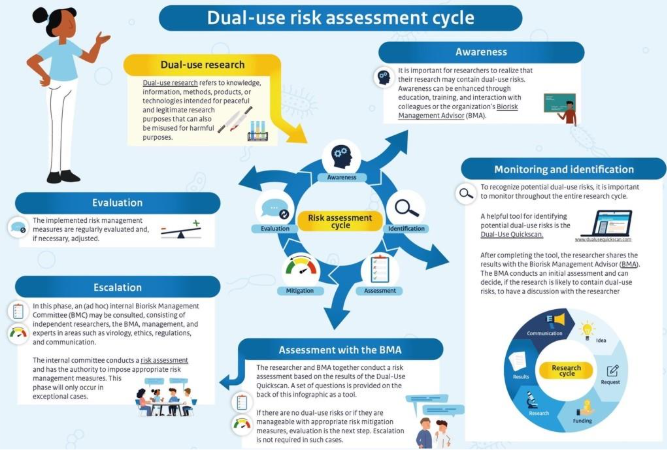
Pandora Report 8.22.2025

This week’s Pandora Report includes discussion of the twelfth anniversary of the sarin gas attack in the Ghouta district of Damascus, ODNI 2.0, avian influenza, new immunization guidance from ACOG and AAP, and more.

12th Anniversary of the Ghouta Sarin Attack

This week marks the twelfth anniversary of the Assad regime’s sarin gas attack on civilians in the Ghouta district of Damascus in 2013. The attack killed more than 1,400 people, many of whom were children. The Assad regime refused to cooperate with OPCW investigations into the attack, and it did not fully declare nor eliminate its CW program. While the interim authorities in Syria have been much more cooperative, concerns about inconsistencies and incomplete disclosures by Syria persist.

Further Reading:

NCBC, Other ODNI Centers Set to Be Restructured in “ODNI 2.0”

A recent fact sheet released by the Office of the Director of National Intelligence (ODNI) explains that the current Director of National Intelligence (DNI), Tulsi Gabbard, is “transforming” ODNI “to eliminate redundant missions, functions and personnel, and bolster areas that need resources to support the President’s national intelligence priorities.” The document explains in its introduction that, “Part of this effort includes refocusing functions within the Foreign Malign Influence Center, the National Counterproliferation and Biosecurity Center, and the Cyber Threat Intelligence Integration Center, and integrating core functions and expertise from those offices into ODNI’s Mission Integration (MI) and the National Intelligence Council (NIC).”

The section discussing the National Counterproliferation and Biosecurity Center (NCBC) states that NCBC is redundant because elements within the NIC monitor intelligence related to WMD proliferation. It also discusses NCBC’s transformation from the National Counterproliferation Center to its current form during the COVID-19 pandemic. It concludes by stating, “Since that time, it has become apparent that taking action to address global health issues falls well outside of ODNI’s core mission.” The fact sheet later states that, “Descoping NCBC will save taxpayers approximately $29 million per year.”

The first issue here is the implication that the NIC can absorb and effectively continue the work NCBC does. While the NIC does consist of National Intelligence Officers who are experts on different regional and functional issues, it is unclear how the NIC would manage coordination of WMD and global health-focused intelligence at the scale NCBC has been. Furthermore, global health threats only continue to grow, and the administration’s rollbacks on programs that help address climate change, improve public health, and provide access to medical care will only worsen these threats.

The tax dollars saved by this move are also debatable. According to a report from the The Heritage Foundation that was created under the leadership of John Ratcliffe (who served as DNI during the first Trump administration and is the current Director of the CIA), the COVID-19 pandemic cost the United States $18 trillion in economic damage. The $29 million ODNI will allegedly save per year by rescoping NCBC is a drop in the bucket compared to the cost of being caught off guard by a global health threat like that of the COVID-19 pandemic. Of course, IC agencies are also reporting on these threats, but $29 million per year to help coordinate and integrate IC activities focused on emerging threats and challenges in counterproliferation and global health security seems like a much better and cheaper option than the risk of going without.

Some other points of interest outlined in the fact sheet include transferring the National Intelligence University’s programs to the National Defense University, the claim that NIC’s Strategic Futures Group was used by “the Intelligence Community’s deep state…to push a partisan political agenda,” the statement that “DNI Gabbard directed the Intelligence Advanced Research Projects Activity (IARPA) to identify and invest in actionable solutions to address near-term gaps and problems in the IC, rather than investing in long-term concepts that may or may not be relevant to IC mission demands,” plans to close several offices, expansion of intelligence sharing between the National Counterterrorism Center and lower-level authorities, security clearance reform, and a portion boasting about firing 500 staffers from ODNI since the new administration began.

Further Reading:

Supreme Court Allows Nearly $800 Million in NIH Grant Cuts to Proceed

This week, a divided Supreme Court agreed 5-4 to pause a ruling made by a Reagan-appointed federal judge requiring the federal government to continue making payments on $783 million in NIH grants for the study of diseases in minority, gay, and transgender communities. The administration argued that the research was unscientific, did not improve health, provided little ROI, and went against President Trump’s efforts to eliminate initiatives related to DEI. Chief Justice Roberts joined Justices Kagan, Sotomayor, and Jackson in voting against the administration.

The court did also vote 5-4 to maintain the federal judge’s ruling that had thrown out internal NIH guidance documents that described the agency’s policy priorities. Justice Barrett joined the four justices listed above in voting to leave the lower court’s ruling on these documents in place.

Justice Jackson criticized her colleagues sharply, calling the ruling to terminate NIH funding “Calvinball jurisprudence with a twist,” further saying, “Calvinball has only one rule: There are no fixed rules. We seem to have two: that one, and this Administration always wins.”

The lawsuits in question were filed in April by two groups of plaintiffs. One is comprised of 16 states whose universities receive NIH funding, and the other is made up of the American Public Health Association, researchers, a union, and a reproductive health advocacy group. The plaintiffs contend in their suits that the termination of groups violated both the Constitution and the Administrative Procedure Act.

In their court filings, the plaintiffs explain that NIH cut more than 1,700 grants in just a few months, arguing that the cuts go beyond what is typically understood as relating to DEI. They point to impacted research that includes studies of cardiovascular health in the rural South, ways to reduce disparities in kidney disease, connections between traffic-related pollution and dementia-related diseases, COVID-19, vaccine hesitancy, and the health effects of climate change.

Further Reading:

Stressful Week at CDC as Shooting Aftermath Coincides with More Termination Notices, New Information on Attacker

An email sent to all CDC employees by the CDC security team this week revealed that the shooter who targeted the agency’s main campus in Atlanta on August 8 explained that he had tried to enter the campus two days prior to the shooting. This information was revealed shortly after hundreds of CDC employees received final termination notices. Employees told The Washington Post that the layoffs, new information about the shooter and his apparent motivations, and the shooting itself have all compounded the stress those working at CDC are feeling.

The shooting prompted current and former HHS employees to sign a letter this week accusing Secretary Kennedy of endangering the lives of employees and the public by dismantling public health infrastructure, sowing public mistrust by questioning the integrity and morality of CDC’s workforce (including calling CDC a “cesspool of corruption”), spreading vaccine and health misinformation, and haphazardly firing CDC employees. The letter currently has more than 3,700 signatures.

Further Reading:

Updates on Immunization Guidance

AAP Breaks from ACIP on Vaccine Recommendations

The American Academy of Pediatrics (AAP) released this week its own evidence-based immunization schedule, breaking from recent recommendations made by CDC’s Advisory Committee on Immunization Practices (ACIP). In a statement about its new guidance, AAP said, “Since its founding in 1930, the American Academy of Pediatrics has been a leading voice in vaccine recommendations, creating evidence-based guidance to support pediatricians in caring for children and families. The schedule published Tuesday continues in this tradition. It differs from recent recommendations of the Advisory Committee on Immunization Practices of the CDC, which was overhauled this year and replaced with individuals who have a history of spreading vaccine misinformation.”

Just hours after AAP published this, Secretary Kennedy attacked the group, accusing it of engaging in a “pay-to-play scheme to promote commercial ambitions of AAP’s Big Pharma benefactors.” Kennedy criticized AAP’s recommendation that children between six and 23 months receive COVID-19 vaccines, suggesting that the recommendation was made because of financial contributions from Pfizer and Moderna.

A spokesperson for HHS accused AAP of “freelancing its own recommendations, while smearing those who demand accountability,” in a statement to the press this week. AAP President Susan J. Kressly defended her organization’s guidance, saying that the recommendations were “based only in the science, the needs of children, and the care that pediatricians have for the children in every community.”

ACOG Releases Updated Maternal Immunization Guidance for COVID-19, Influenza, and RSV

The American College of Obstetricians and Gynecologists (ACOG) released today updated clinical guidance for vaccination during pregnancy for COVID-19, influenza, and RSV. The three new documents all recommend maternal immunization and “lay out the full body of current scientific evidence that underscores the safety and benefits of choosing to be vaccinated against these respiratory conditions during pregnancy.”

ACOG President Steven J. Fleischman said in a statement about the guidance, “It is well documented that respiratory conditions can cause poor outcomes during pregnancy, with pregnant women facing both severe illness and threats to the health of their pregnancy. Thanks to vaccines, severe outcomes from respiratory infections are largely preventable. ACOG’s updated respiratory guidance documents repeat what we have long known: that vaccines continue to be the best tool available for pregnant patients to protect themselves and their infants from these viruses.”

Secretary Kennedy announced in May that the CDC will no longer recommend the COVID-19 vaccine for healthy pregnant women. This prompted widespread backlash, with many professional organizations, state and local health authorities, and providers continuing to recommend the vaccine for pregnant people. Secretary Kennedy’s ACIP appointees voted to recommend both adults and children no longer receive influenza vaccines that use the preservative thimerosal. The body did vote to add RSV options to recommendations, though some members did cast doubt on the safety of coadministration of RSV vaccines to children alongside other vaccines, despite CDC data indicating the safety of doing so.

Further Reading:

Avian Influenza Updates

By Margeaux Malone, Pandora Report Associate Editor 

Preparing for Fall: H5N1 Research and Surveillance Target Multiple Species

Although we continue to see avian influenza cases lull between spring and fall waterfowl migration seasons, multiple developments this week underscore that preparedness efforts are anything but dormant. The current calm provides valuable time for research investments and policy preparations that may prove critical when viral activity inevitably increases with fall migration patterns.

Major Research Investments Announced in Swine

The Swine Health Information Center, Pork Checkoff, and Foundation for Foods & Agriculture Research announced funding for 10 new H5N1 research projects in pigs, as part of their joint H5N1 Risk to Swine Research Program. The projects, totaling $2.1 million in funding, will be conducted across various U.S. universities to address multiple areas of interest related to bird flu in swine including vaccine development and cross-protection, introduction and transmission risks, potential for mammary transmission, diagnostic surveillance, and biosecurity practices. This represents a critical knowledge gap, as pigs can serve as “mixing vessels” for influenza viruses due to their susceptibility to both avian and human strains. All of the projects were started this summer and are expected to run 12 to 18 months. The results will be shared with veterinarians and swine producers “as soon as they become available” to allow for informed decision-making and timely implementation of protective measures in swine herds.

Dairy Industry Calls for Unified Response

A comprehensive review in the Journal of Dairy Science emphasizes that controlling H5N1 will require a coordinated effort across the dairy sector using a One Health approach that considers the intersection of animal, human, and environmental health. Dr. Jason Lombard, lead author and veterinarian from Colorado State University, explains, “The H5N1 outbreak in dairy cattle is unlike anything we have seen before—it has an exceptional ability to spread between farms and among cows within a farm—and is the first time an infectious disease of this magnitude has affected the US dairy sector in nearly 100 years. It has revealed challenges we still haven’t solved in our ability to detect, report, and manage new diseases.” In the review, the authors emphasize three key policy recommendations: declare H5N1 a public health emergency with mandatory (free!) ongoing nationwide testing of representative samples in dairy and beef cattle, expand CDC’s wastewater surveillance program for H5N1, and make vaccines available to any potentially exposed workers with a plan for nationwide distribution.

CDC Looking to Connect with Backyard Flock Owners

Despite CDC’s decision in July to scale back H5N1 updates and halt reporting of animal detections on their website, the agency has not stopped its surveillance and engagement efforts related to bird flu. CDC recently opened an anonymous survey intended for backyard flock owners, seeking to better understand how bird flu impacts this community and to help strengthen prevention strategies. The 10-15 minute survey covers flock characteristics, owners’ knowledge of bird flu symptoms in both birds and humans, perceived risks to their flocks, attitudes toward protective measures like vaccination, and current biosecurity practices. Backyard flocks represent an important component of the bird flu overall surveillance picture, as human cases have occurred among those exposed to non-commercial flocks as well as in dairy and commercial poultry workers. The URL link to the survey can be found here and questions can be directed to h5flustudy@cdc.gov.

Further Reading:

Other Relevant Happenings

New Details on Unit 731

Recall Issued for Frozen Shrimp in 13 States for Potential Radioactive Contamination

32,000 Lbs of Meat Products Recalled for Falsely Using FDA Inspection Labels

21 People Infected with E. Coli After Consuming Raw Milk in Florida

“Ensuring Security Against Biological Weapons in a Changing World”

From WOAH: “In an age where global conflict is nuanced and highly complex, animals can become a target for criminal networks, terrorist groups and other non-state actors. While the connection between conflict and intentionally released biological agents is nothing new, today’s intersecting challenges demand transformative action from across sectors to prepare for an unpredictable future.”

Read more here.

“Exploring the Offense-Defense Balance of Biology”

From the RAND Corporation: “As advancements in synthetic biology and related enabling technologies lower barriers to both pathogen engineering and pharmaceutical development, it is important to understand how these advances shift the balance between attackers and defenders. This high-level qualitative assessment identifies four asymmetries likely to favor attackers (kinetic considerations, financial burden, threat surface, and consequences of failure) and one likely to favor defenders (access to knowledge and materials).”

“This paper does not include the quantitative analysis necessary to fully assess the offense-defense balance in biology but does lay essential groundwork for future research. The identification of four out of five asymmetries favoring attackers suggests that biology currently confers a distinct advantage to attackers. Although the current asymmetry in access to knowledge and materials favors defenders, this advantage may be difficult to maintain as biotechnology becomes cheaper, more accessible, and decentralized.”

“To mitigate rising risks, defenders can pursue strategic interventions that tilt the balance in their favor. These include streamlining regulatory pathways for pharmaceutical countermeasures, investing in pathogen-agnostic defenses, and applying the principle of differential technology development—intentionally accelerating innovations that disproportionately enhance defensive resilience. By understanding and addressing these asymmetries, policymakers can better navigate both safeguarding public health and sustaining scientific progress.”

“Enhancing Transparency for Bioscience Research and Development”

From NIT: “Rapid advances in modern bioscience and biotechnology are providing researchers with powerful new tools to drive breakthroughs in human health, climate resilience, and economic development. However, these advances are also accompanied by risks of deliberate misuse. The Biological Weapons Convention (BWC)—now in its 50th year—embodies the global norm against biological weapons development and use and is the main international treaty that guards against these risks. While vital, the BWC is constrained by a lack of robust mechanisms for assessing compliance. Now is the time to address this gap by taking action to enhance transparency in life science research. Transparency can build trust between nations, increase the opportunity cost of developing biological weapons, and strengthen capabilities to detect covert biological weapons programs. To enhance transparency in bioscience research and development and to build confidence in compliance with the BWC norm against developing and using biological weapons, this report puts forward six concrete and actionable recommendations.”

“This moment is marked by both the breakneck speed of life science advances and a political opening within the BWC to reopen decades-long stalled discussions on confidence-building, transparency, compliance, and verification. Governments, industry, nongovernmental organizations, and academia should work together to enhance transparency in life science research, fostering innovation and its societal benefits while also building trust that it is not being exploited to cause harm.”

“The 1925 Geneva Protocol: The League of Nations’ Only Arms Control Agreement”

Jean Pascal Zanders recently published this working paper as part of a series on the history of CBW: “On Wednesday, 17 June 1925, the Conference for the Supervision of the International Traffic in Arms successfully concluded six weeks of negotiations with three agreements. One of them was the Protocol for the Prohibition of the Use in War of Asphyxiating, Poisonous or Other Gases, and of Bacteriological Methods of Warfare. Of the forty-four participating delegations, twenty-six possessed plenipotentiary power to sign the Protocol before the closing of the Conference. Another twelve states affixed their signatures and ratified the document before its general entry into force on 8 February 1928. As of June 2025, 147 states are party to the Geneva Protocol, as the legal instrument is commonly known.”

“Despite being a mere single-page long, the agreement has limited the use of chemical weapons (CW) in armed conflicts and all but prevented the deliberate spread of disease as a method of warfare. Being part of the laws of war, it did not forbid the development, production and possession of chemical and bacteriological (biological) weapons (CBW). Still, it paved the way for the 1972 Biological and Toxin Weapons Convention (BTWC) and the 1993 Chemical Weapons Convention (CWC). In addition, it provides the legal foundation for the UN Secretary-General’s Mechanism to investigate alleged CBW use. The 1998 Rome Statute, which established the International Criminal Court, uses Protocol language to declare CW use a war crime. (A later amendment added BW use to the list of war crimes but utilised the reference to biological and bacteriological agents in the BTWC.)”

“While today nobody contests the Geneva Protocol’s contribution to the development of the norm against CBW, little is known about the factors that contributed to its emergence and negotiation. Why was the document a protocol and not a treaty? Given the supposed widespread abhorrence against CW after the massive and systematic use of gas during the First World War, why did it take almost seven years for the international community to translate this repugnance into a global ban? Why did the centuries-old customary prohibition of poison use, codified for the first time at the 1899 Hague Convention and restated at the 1907 Hague Convention, no longer suffice? How did the negotiators, seemingly out of nowhere, decide to include disease as a method of warfare in the Protocol? This issue of Historical Studies aims to answer these and many other questions.”

Read more about this paper and series on Zanders’ website, The Trench, here.

NEW: Next Gen Biosecurity Game Changers Seminar: Regional Policies for Mitigating Risks Associated with AI-enabled Biodesign

From Brown Pandemic Center: “On August 27th at 11:00 AM ET, join the fourth event in a seminar series hosted by the Pandemic Center Biosecurity Game Changers Fellows: Regional Policies for Mitigating Risks Associated with AI-enabled Biodesign.”

“Convened and moderated by and intended for early-to-mid-career professionals, the Game Changers Seminar Series shines a spotlight on major challenges that will confront the next generation of biosecurity leaders and impactful next steps that can be taken to lean forward faster to prevent biological crises.”

Learn more and register here.

Mission Critical: How One Hospital Maintained Operations and Protected Patients and Staff After Hurricane Helene

From ASPR TRACIE: “In September 2024, Hurricane Helene made landfall as a Category 4 storm, causing historic flooding, tornadoes, and widespread infrastructure damage across the Southeastern U.S. Despite total utility failures, road closures, and supply shortages, Mission Health—comprised of six acute care hospitals in the Western North Carolina region—successfully maintained critical operations, protected patients and staff, and continued providing essential services.”

“The U.S. Department of Health and Human Services’ Administration for Strategic Preparedness and Response, Technical Resources, Assistance Center, and Information Exchange (ASPR TRACIE) invite you to learn more about this webinar featuring HCA Healthcare representatives. They will share lessons learned, including how leadership made key decisions to sustain operations, secure essential resources, ensure patient and staff safety, and expand support to the surrounding community. Learn how strong leadership, planning, and adaptability enabled a comprehensive and resilient response during and after the storm.”

This event will take place on August 27, 12:30-1:45 PM ET. Register here.

Biological Threats in the Age of Emerging Biotechnology – A Workshop Series

From NASEM: “The National Academies of Sciences, Engineering, and Medicine (NASEM) will convene an ad hoc planning committee to organize a workshop series with international scientists. The series will engage early-career and established experts to: a) examine dual-use risks in biotechnology research; b) explore potential misuse of knowledge, tools, and materials; c) review existing frameworks for assessing and mitigating dual-use concerns; and d) identify steps to reduce exploitation while promoting responsible innovation. The workshops will focus on balancing scientific progress with security considerations. Key insights and recommendations will be compiled in a publicly available workshop proceedings document.”

These workshops will take place 10 am-1 pm ET on September 10, 17, and 18. Register here.

CTD–SPECTRE Symposium, “Tropical and Emerging Infectious Diseases for Clinicians and Translational Scientists” 

“The CTD-SPECTRE Symposium on Tropical and Emerging Infectious Diseases for Clinicians and Translational Scientists 2025 offers a unique opportunity to connect with global experts, gain cutting-edge insights, and collaborate with peers dedicated to infectious disease research and treatment.”

“Taking place September 16 -19, 2025, at the historic Grand Galvez in Galveston, TX, this immersive symposium will unite clinicians, translational investigators, and trainees to explore the latest breakthroughs in tropical and emerging infectious diseases.”

“Hosted by the Division of Infectious Diseases at UTMB, Center for Tropical Diseases (CTD) and Special Pathogens Excellence in Clinical Treatment, Readiness, & Education (SPECTRE) Program.”

Learn more and register here.

Mirror Image Biology: Pushing the Envelope in Designing Biological Systems – A Workshop

From NASEM: “Most biological molecules are chiral entities where their mirror images have different structures and functional characteristics. Scientists have begun synthesizing left-handed DNA and RNA and creating proteins that can write left-handed nucleic acids. This, and other related research, is described as “mirror biology” and includes research toward creating mirror-image self-replicating living systems. The National Academies will host a foundational workshop on mirror biology, focusing on the state of the science, trends in research and development, risks and benefits of this research, and considerations relating for future governance of relevant enabling technologies.”

This event will take place virtually, September 29-30. Register here.

Global Conference on Biological Threat Reduction

From the World Organisation for Animal Health: “In October 2025, WOAH is hosting its third Global Conference, with the goal of galvanising advocacy efforts to manage the rising risk of biological threats from across the world.”

“The Global Conference on Biological Threat Reduction – which will take place in Geneva on 28-30 October 2025 – will bring together top minds in the fields of
health-security, emerging technologies, and biothreat reduction policies, from the public and private sectors – to focus on the latest strategies, challenges and innovations in combating biological threats to our interconnected ecosystems.”

“The Conference will bring together approximately 400 participants from different sectors, including animal health, law enforcement and security, public health, international and regional organisations, investment and development partners, private sector and industry representatives, research, academia and regulatory authorities, youth organisations.”

“Attendees will engage in thought-provoking discussions and innovative technical presentations aimed at strengthening prevention, preparedness and response capabilities across the world.”

“The event will be guided by a narrative that traces WOAH’s commitment to biological threat reduction and the increasingly relevant role it plays at the health-security interface. Against the backdrop of an uncertain future, WOAH believes that synergies between sectors can drive positive change – making the world a safer and healthier place. ”

Learn more and register here.

New Call for Experts to Join the Second Term of the Scientific Advisory Group for the Origins of Novel Pathogens (SAGO)

“Opening call for applications from 30 July–30 August 2025”

“WHO welcomes expressions of interest for SAGO’s second term 2025-2027 from individuals with significant expertise in one or more of the technical disciplines listed below in order to ensure a multi-disciplinary One Health approach.”

“The call will open from 30 July–30 August 2025, closing at 24:00 Central European Summer Time (CEST; UTC +2) on 30 August 2025. Applications require a Curriculum Vitae, a cover letter, and signed Declaration of Interests form.”

Read more here.

Applied Biosafety Call for Papers

“The Editors of Applied Biosafety are pleased to announce a forthcoming Special Issue focused on the myriad of topics associated with global biosafety management. This special issue will showcase examples of innovative approaches, creative solutions, and best practices developed and used around the world for managing risks associated with the handling, use, and storage of infectious biological agents, toxins, and potentially infectious materials in research and clinical settings.”

Learn more and submit by November 1 here.

64th ISODARCO Course

From ISODARCO: “In recent years, the global security landscape has become increasingly volatile, shaped by a convergence of geopolitical tensions, technological advancements, and evolving nuclear doctrines. The post-Cold War order that once provided a measure of predictability in global security has eroded. Conflicts such as the wars in Ukraine and Gaza, rising tensions in the Indo-Pacific, and strategic competition between major powers have reshaped alliances and strategic postures.”

“At the same time, disruptive technologies including artificial intelligence, quantum computing, hypersonic missiles, and cyber threats – are adding new layers of complexity to both nuclear and conventional deterrence dynamics. These technologies are not only distorting the information landscape but also compressing decision-making timelines and complicating signaling mechanisms, increasing the risk of miscalculation.”

“Effectively managing nuclear escalation risks in this environment will require a combination of innovative diplomacy, technological safeguards, and renewed dialogue mechanisms to rebuild trust, reduce misperceptions, and stabilize strategic relations.”

“The ISODARCO 2026 Winter Course presents an invaluable opportunity for students and experts to discuss and examine these dynamics in depth and explore approaches to re-establishing strategic stability and reducing nuclear dangers in a volatile world.”

This course will take place January 11-18, 2026, in Andalo. Learn more and apply here.
Pandora Report 8.15.2025

This week’s Pandora Report covers updates on bird flu, discussion of the shooting at CDC’s main campus in Atlanta, and more.

Avian Influenza Updates

By Margeaux Malone, Pandora Report Associate Editor 

International Bird Flu Outbreaks Signal Ongoing Global Threat

Although only one outbreak of avian influenza has been detected in U.S. commercial poultry since early July at a game bird farm in Pennsylvania, recent international developments underscore that H5N1 bird flu remains far from contained globally.

The United Kingdom is experiencing an unusual summer surge of avian influenza cases with 10 commercial poultry outbreaks reported in two weeks, including recent detections in south west England. Just prior to the spike, the UK had lowered its threat level for farmers after five weeks without any new reported cases. While the surge may be a transient occurrence, it will continue to be monitored closely given that it represents a notable deviation from the typical summer pattern.

Multiple other countries have also noted recent H5 detections in poultry over the last few weeks including Taiwan, Botswana, and Cambodia, according to the World Organisation for Animal Health (WOAH, formerly OIE). Additionally, Chilean researchers recently described the first detection of H5N1 in Antarctica. After sampling over a hundred birds at two different Antarctic locations, eight Adelie penguins and one Atlantic cormorant tested positive via PCR for H5 highly pathogenic avian influenza. Fortunately, no clinical signs of influenza were observed in the positive birds, who continued to exhibit normal foraging behavior even two months after testing. However, this geographic expansion to the world’s most isolated continent potentially adds two more species to the long list of infected animals and highlights the virus’s remarkable ability to spread via migratory bird routes.

The outbreak’s economic ripple effects continue as well. China announced that it has pre-emptively banned Spanish poultry imports following Spain’s August 4 outbreak detection in the Basque region, though Spain notes minimal immediate impact since planned exports hadn’t yet commenced. In April, the two countries signed a protocol for export of certain poultry products from Spain to China. Spanish authorities are now working with WOAH to resolve the outbreak and allow the restrictions to be lifted.

Further Reading:

Shooter Who Blamed COVID-19 Vaccine for Depression, Suicidal Thoughts Attacks CDC Main Campus, Intensifying Scrutiny of Kennedy’s Anti-Vaccine Rhetoric, Criticism of Public Health Agencies

Last Friday, the public health crisis that is gun violence in the US claimed the nation’s premier public health agency as its latest victim. More than 500 casings have been recovered on CDC’s Roybal Campus in Atlanta, with nearly 200 fired at six buildings on the campus, breaking around 150 “blast-resistant” windows. Five firearms were recovered at the scene. The shooter was stopped by CDC security guards before he drove to a shopping area adjacent to the CDC campus and continued to fire.

Thankfully, no CDC employees were killed or physically injured in the attack, though a Georgia police officer was killed by the attacker. Authorities have praised security measures in place at the CDC campus that, in addition to those employed by CDC, had almost 100 children present at the childcare center at the time of the attack.

According to the Georgia Bureau of Investigation (GBI), a search warrant executed at the shooter’s home resulted in recovery of written documents that are currently being analyzed by GBI Certified Criminal Profilers. GBI reports that the shooter expressed beliefs that indicated his discontent with COVID-19 vaccines, which he blamed for making him depressed and suicidal. Police were called on the shooter three times in the last year in response to his suicidal thoughts. Two calls were made by the shooter’s father, who told police during one of the call’s that the shooter was in possession of a firearm. The other call was made by a crisis line worker. Officer Mark Morgan of the Emory Police Department opened fire while confronting the gunman, though GBI reporting indicates the shooter was not shot by law enforcement. The shooter died from a self-inflicted gunshot wound.

A DeKalb County policy officer, Officer David Rose, was killed in the line of duty while responding to the shooting. Rose, a Boston native who served four years in the Marine Corps, graduated from the DeKalb County Police Academy at the top of his class earlier this year before being assigned to the North Central Precinct. He leaves behind a wife, two young children, a third child expected later this year, his parents and siblings, and an extended family. He will be honored at the Atlanta’s Finest 5K this weekend, where all proceeds will go towards supporting his family.

This is part of a much broader trend of harassment and attacks targeting public health that has become substantially worse in recent years. Recent studies have documented the pervasive harassment those in public health have experienced since the start of the COVID-19 pandemic. Furthermore, little to nothing has been done to address the trauma many in public health continue to endure as a result of the COVID-19 pandemic, with those in the public health workforce more likely to report posttraumatic stress symptoms than those in the general US adult population. The shooting has sparked yet more concern that young professionals will lose interest in working for agencies like CDC or even studying public health in the first place.

Secretary Kennedy made a statement on X regarding the shooting, saying: “We are deeply saddened by the tragic shooting at CDC’s Atlanta campus that took the life of officer David Rose. We stand with his wife and three children and the entire CDC family…We know how shaken our public health colleagues feel today. No one should face violence while working to protect the health of others…We are actively supporting CDC staff on the ground and across the agency. Public health workers show up every day with purpose — even in moments of grief and uncertainty…We honor their service. We stand with them. And we remain united in our mission to protect and improve the health of every American.”

Kennedy did tour the Roybal Campus this week alongside HHS Deputy Secretary Jim O’Neil and CDC Director Susan Monarez. Kennedy also visited the DeKalb County Police Department before meeting with the widow of Officer Rose. Notably, the White House and President Trump have not commented on the shooting.

Kennedy refused to answer a direct question from Scripps News on Monday asking what message he has for CDC employees who worry about the culture of misinformation and skepticism surrounding vaccines. Kennedy insisted, despite what information has been revealed by GBI about the shooter’s motives, that not enough information is known about those motives. He then immediately went on to criticize CDC’s pandemic response, saying in part, “One of the things that we saw during COVID is that the government was overreaching in its efforts to persuade the public to get vaccinated and they were saying things that are not always true.”

Secretary Kennedy has spent years attacking the CDC. For example, in videos from 2013-2019, Kennedy compared CDC’s vaccine work to “fascism” and “child abuse,” describing the agency as a “cesspool of corruption” that he claimed is full of profiteers. Kennedy has also claimed CDC failed to address “the autism epidemic,” comparing it to the Holocaust. Throughout the COVID-19 pandemic, he repeatedly described CDC and other HHS agencies as corrupt while suggesting SARS-CoV-2 is a bioweapon and describing the COVID-19 vaccine as “the deadliest vaccine ever made.”

In July, Kennedy and his newly-appointed members of the Advisory Committee on Immunization Practices cast doubt on the hepatitis B vaccine. In an interview, Kennedy falsely claimed that the CDC conducted a study that found the hepatitis B vaccine increases the risk of autism, and that researchers at CDC hid these findings from the public. This sparked online discourse about an alleged 1,135% increased risk of developing autism as a result of receiving the hepatitis B vaccine. In reality, the study, which was published in Pediatrics in 2003, was a two-phase retrospective cohort study focused on potential links between five vaccines vaccines (including vaccines for hepatitis B, haemophilus influenzae type b, and diphtheria, tetanus, and pertussis) that used thimerosal as a preservative and neurodevelopmental disorders. No such link was found.

The study, published by Verstraeten et al., included a 1999 abstract presented at the CDC’s Epidemic Intelligence Service conference that year, in which the authors explained that Phase I raw data analysis using the Vaccine Safety Datalink appeared to show an increased risk for non-degenerative neurological disorders with thimerosal-containing vaccines. At a conference in 2000, researchers explained that, during Phase II analysis of the data (using confirmed diagnoses rather than raw data), this potential connection between these vaccines and autism shown in the raw data was not statistically significant.

The study concluded that “No consistent significant associations were found between TCVs and neurodeveloprnental outcomes.” There are, therefore, numerous issues with Kennedy’s claims. For starters, even if there was a statistically significant link between thimerosal containing vaccines and neurodevelopmental outcomes, this study alone could not specifically link that outcome to the hepatitis B vaccine because it did not only include the hepatitis B vaccine. Furthermore, the notion that the CDC covered this study up is preposterous, least of all given the fact that it was presented at multiple conferences and then published publicly. Verstraeten himself has repeatedly refuted the claim the study was watered down or hidden by CDC. This is all on top of the gross portrayal of people with autism that Kennedy and others rely on in this rhetoric, which has drawn sharp backlash from researchers and autistic people alike.

This kind of rhetoric comes with severe consequences for the health of the public and, as was made abundantly clear by last week’s tragedy, the health and safety of those working for organizations like CDC. Many CDC employees are understandably frustrated by both Kennedy’s response to the shooting and his role in stoking both anti-vaccine sentiments and distrust of the CDC and other public health organizations. One senior CDC official, speaking anonymously, told MSNBC, “The hatred RFK and his allies have spent their lives stoking puts a target on the backs of anyone in public health.”

In a statement regarding the difficulties faced by CDC employees amid the pandemic, rampant misinformation, federal layoffs, and, now, this shooting, one employee said, “It’s just too much. This year has been too much.” Another described the shooting as “the culmination of ongoing animosity toward CDC and the work that we do – not a one-off incident.”

A combined statement made by several relevant professional organizations reads in part, “People choosing public health as a profession are committed to advancing our nation’s health and recognize that good health in every community benefits everyone. It is our hope that all Americans will stand with us to support the vital role that CDC and the entire public health workforce play in supporting safety and well-being in every community. Their expertise and commitment to advancing health deserves all Americans’ unwavering support.”

Further Reading:

Other Relevant Happenings:

Sixth Session of the BWC Working Group Meets

Executive Order Requires Alignment with Administration’s Policy Priorities in Grant-Review Process

Calls for RFK Jr. Impeachment Grow

Prasad Returns to FDA

Further Discussion of HHS’ Decision to Move Away from mRNA Vaccines

Draft of “Make Our Children Healthy Again Strategy” Obtained by Media Following Delay of Report’s Release

Jellyfish Force Gravelines Nuclear Power Station to Go Offline

“No One in the White House Knows How to Stop Ebola”

Beth Cameron, Jon Finer, and Stephanie Psaki discuss the dismantling of US pandemic preparedness under the current administration in this piece for The Atlantic. They cover changes to the NSC and the White House Office of Pandemic Preparedness and Response Policy, ongoing changes at CDC and FDA, the closing of USAID and broader reductions in international aid and engagement, evolving biological threats, and how this “self-inflicted” vulnerability impacts the administration’s ability to respond to threats to global health security like Ebola. They summarize the issue pointedly, writing “Put another way: The second Trump administration inherited a playbook, and then pushed out the people who knew how to run the plays.”

“Assessing the Impacts of Technology Maturity and Diffusion on Malicious Biological Agent Development Capabilities”

Barbara Del Castello and Henry H. Willis authored this RAND Corporation Research Report: “In this report, the authors propose and demonstrate a method to measure changes in threats associated with emerging technologies in the life sciences. The method focuses on how biotechnology maturation and diffusion could lower barriers for nonstate actors to create biological agents. By evaluating the current and near-term maturity of eight disruptive technologies through expert elicitation, the authors demonstrate how to use their method to assess the impact of emerging technologies on the biological agent creation pipeline. The method can be used and extended by those seeking to understand and manage emerging biosecurity risks generated through the advancement of biotechnologies and artificial intelligence.”

“This report should be of interest to biosecurity researchers and policymakers interested in evaluating how advances in life science technologies contribute to increasing adversary bioattack capabilities.”

“Scaling Pathogen Detection with Metagenomics”

Simon Grimm published this essay as part of IFP’s The Launch Sequence series: “America is unprepared to detect new biological threats. Existing pathogen detection methods only identify known pathogens, leaving us blind to novel outbreaks. With frontier AI potentially putting virus design within the reach of more actors, biosecurity is only becoming more urgent.”

“Within 2–3 years, we could transform our pathogen detection capabilities by adopting new technologies: metagenomic sequencing, which detects both known and unknown pathogens, paired with frontier AI models capable of rapidly analyzing billions of sequencing reads a day. The cost of metagenomic sequencing has been dropping rapidly, making it possible to now collect data at the scale needed to enable AI-powered pathogen early warning. Upgrading US biosurveillance in this way would both provide detailed insights into seasonal pathogen spread in the US and ensure far earlier detection of new outbreaks.”

“The US should invest up to $100 million per year into constructing a federal metagenomic surveillance system over the next 2–3 years, as the centerpiece of the CDC’s recently announced Biothreat Radar Detection System. Just as the National Weather Service blanketed the country with radars and made its raw meteorological data public, the federal government can generate and share large amounts of metagenomic sequencing data with a turnaround time of 1–2 days, enabling early outbreak detection that could prevent hundreds of billions of dollars in economic damage.”

Read the full essay here.

What We’re Listening To 🎧

Biosecurity Changing the Game, Ep. 11: Germ-Wars, Treaties, and Global Trust: Demystifying the Biological Weapons Convention

“In this episode, Dr. Dinah Nasike is joined by: Dr. Alex Kyabarongo, a veterinarian, former Political Affairs Intern at the Biological Weapons Convention, and currently a Masters of Biodefense Candidate at the Schar School of Policy and Government at George Mason University; and Sandra Matinyi, Biosecurity Game Changers Fellow and the Executive Director of Nuo Bioscience, Uganda. Together, they discuss the Biological Weapons Convention: what is it, why was it created and for whom, and how is it holding up in today’s world of rapidly developing science and the escalating risk of epidemics?”

Listen here.

NEW: Global Conference on Biological Threat Reduction

From the World Organisation for Animal Health: “In October 2025, WOAH is hosting its third Global Conference, with the goal of galvanising advocacy efforts to manage the rising risk of biological threats from across the world.”

“The Global Conference on Biological Threat Reduction – which will take place in Geneva on 28-30 October 2025 – will bring together top minds in the fields of health-security, emerging technologies, and biothreat reduction policies, from the public and private sectors – to focus on the latest strategies, challenges and innovations in combating biological threats to our interconnected ecosystems.”

“The Conference will bring together approximately 400 participants from different sectors, including animal health, law enforcement and security, public health, international and regional organisations, investment and development partners, private sector and industry representatives, research, academia and regulatory authorities, youth organisations.”

“Attendees will engage in thought-provoking discussions and innovative technical presentations aimed at strengthening prevention, preparedness and response capabilities across the world.”

“The event will be guided by a narrative that traces WOAH’s commitment to biological threat reduction and the increasingly relevant role it plays at the health-security interface. Against the backdrop of an uncertain future, WOAH believes that synergies between sectors can drive positive change – making the world a safer and healthier place. ”

Learn more and register here.

Mission Critical: How One Hospital Maintained Operations and Protected Patients and Staff After Hurricane Helene

From ASPR TRACIE: “In September 2024, Hurricane Helene made landfall as a Category 4 storm, causing historic flooding, tornadoes, and widespread infrastructure damage across the Southeastern U.S. Despite total utility failures, road closures, and supply shortages, Mission Health—comprised of six acute care hospitals in the Western North Carolina region—successfully maintained critical operations, protected patients and staff, and continued providing essential services.”

“The U.S. Department of Health and Human Services’ Administration for Strategic Preparedness and Response, Technical Resources, Assistance Center, and Information Exchange (ASPR TRACIE) invite you to learn more about this webinar featuring HCA Healthcare representatives. They will share lessons learned, including how leadership made key decisions to sustain operations, secure essential resources, ensure patient and staff safety, and expand support to the surrounding community. Learn how strong leadership, planning, and adaptability enabled a comprehensive and resilient response during and after the storm.”

This event will take place on August 27, 12:30-1:45 PM ET. Register here.

Biological Threats in the Age of Emerging Biotechnology – A Workshop Series

From NASEM: “The National Academies of Sciences, Engineering, and Medicine (NASEM) will convene an ad hoc planning committee to organize a workshop series with international scientists. The series will engage early-career and established experts to: a) examine dual-use risks in biotechnology research; b) explore potential misuse of knowledge, tools, and materials; c) review existing frameworks for assessing and mitigating dual-use concerns; and d) identify steps to reduce exploitation while promoting responsible innovation. The workshops will focus on balancing scientific progress with security considerations. Key insights and recommendations will be compiled in a publicly available workshop proceedings document.”

These workshops will take place 10 am-1 pm ET on September 10, 17, and 18. Register here.

CTD–SPECTRE Symposium, “Tropical and Emerging Infectious Diseases for Clinicians and Translational Scientists” 

“The CTD-SPECTRE Symposium on Tropical and Emerging Infectious Diseases for Clinicians and Translational Scientists 2025 offers a unique opportunity to connect with global experts, gain cutting-edge insights, and collaborate with peers dedicated to infectious disease research and treatment.”

“Taking place September 16 -19, 2025, at the historic Grand Galvez in Galveston, TX, this immersive symposium will unite clinicians, translational investigators, and trainees to explore the latest breakthroughs in tropical and emerging infectious diseases.”

“Hosted by the Division of Infectious Diseases at UTMB, Center for Tropical Diseases (CTD) and Special Pathogens Excellence in Clinical Treatment, Readiness, & Education (SPECTRE) Program.”

Learn more and register here.

Mirror Image Biology: Pushing the Envelope in Designing Biological Systems – A Workshop

From NASEM: “Most biological molecules are chiral entities where their mirror images have different structures and functional characteristics. Scientists have begun synthesizing left-handed DNA and RNA and creating proteins that can write left-handed nucleic acids. This, and other related research, is described as “mirror biology” and includes research toward creating mirror-image self-replicating living systems. The National Academies will host a foundational workshop on mirror biology, focusing on the state of the science, trends in research and development, risks and benefits of this research, and considerations relating for future governance of relevant enabling technologies.”

This event will take place virtually, September 29-30. Register here.

Global Conference on Biological Threat Reduction

From the World Organisation for Animal Health: “In October 2025, WOAH is hosting its third Global Conference, with the goal of galvanising advocacy efforts to manage the rising risk of biological threats from across the world.”

“The Global Conference on Biological Threat Reduction – which will take place in Geneva on 28-30 October 2025 – will bring together top minds in the fields of
health-security, emerging technologies, and biothreat reduction policies, from the public and private sectors – to focus on the latest strategies, challenges and innovations in combating biological threats to our interconnected ecosystems.”

“The Conference will bring together approximately 400 participants from different sectors, including animal health, law enforcement and security, public health, international and regional organisations, investment and development partners, private sector and industry representatives, research, academia and regulatory authorities, youth organisations.”

“Attendees will engage in thought-provoking discussions and innovative technical presentations aimed at strengthening prevention, preparedness and response capabilities across the world.”

“The event will be guided by a narrative that traces WOAH’s commitment to biological threat reduction and the increasingly relevant role it plays at the health-security interface. Against the backdrop of an uncertain future, WOAH believes that synergies between sectors can drive positive change – making the world a safer and healthier place. ”

Learn more and register here.

New Call for Experts to Join the Second Term of the Scientific Advisory Group for the Origins of Novel Pathogens (SAGO)

“Opening call for applications from 30 July–30 August 2025”

“WHO welcomes expressions of interest for SAGO’s second term 2025-2027 from individuals with significant expertise in one or more of the technical disciplines listed below in order to ensure a multi-disciplinary One Health approach.”

“The call will open from 30 July–30 August 2025, closing at 24:00 Central European Summer Time (CEST; UTC +2) on 30 August 2025. Applications require a Curriculum Vitae, a cover letter, and signed Declaration of Interests form.”

Read more here.

Applied Biosafety Call for Papers

“The Editors of Applied Biosafety are pleased to announce a forthcoming Special Issue focused on the myriad of topics associated with global biosafety management. This special issue will showcase examples of innovative approaches, creative solutions, and best practices developed and used around the world for managing risks associated with the handling, use, and storage of infectious biological agents, toxins, and potentially infectious materials in research and clinical settings.”

Learn more and submit by November 1 here.

64th ISODARCO Course

From ISODARCO: “In recent years, the global security landscape has become increasingly volatile, shaped by a convergence of geopolitical tensions, technological advancements, and evolving nuclear doctrines. The post-Cold War order that once provided a measure of predictability in global security has eroded. Conflicts such as the wars in Ukraine and Gaza, rising tensions in the Indo-Pacific, and strategic competition between major powers have reshaped alliances and strategic postures.”

“At the same time, disruptive technologies including artificial intelligence, quantum computing, hypersonic missiles, and cyber threats – are adding new layers of complexity to both nuclear and conventional deterrence dynamics. These technologies are not only distorting the information landscape but also compressing decision-making timelines and complicating signaling mechanisms, increasing the risk of miscalculation.”

“Effectively managing nuclear escalation risks in this environment will require a combination of innovative diplomacy, technological safeguards, and renewed dialogue mechanisms to rebuild trust, reduce misperceptions, and stabilize strategic relations.”

“The ISODARCO 2026 Winter Course presents an invaluable opportunity for students and experts to discuss and examine these dynamics in depth and explore approaches to re-establishing strategic stability and reducing nuclear dangers in a volatile world.”

This course will take place January 11-18, 2026, in Andalo. Learn more and apply here.
Pandora Report 8.8.2025

This week’s Pandora Report covers program news, updates on avian influenza, discussion of HHS’ termination of contracts funding mRNA vaccine development research, and more.

Biodefense Alum Named CEO of Global Health Security Network

Dr Saskia Popescu, Biodefense PhD ’19 and adjunct professor in the Biodefense Graduate Program at the Schar School of Policy and Government, has been named the new Chief Executive Officer of the Global Health Security Network (GHSN). Dr Popescu is an internationally recognized infectious disease epidemiologist, biodefense expert, and leader in global health security. With a distinguished career spanning hospital outbreak response, pandemic preparedness, and biosecurity policy, she brings a wealth of expertise and leadership to GHSN. GHSN is an Australia-based non-profit that supports and disseminates independent, data-driven, policy-relevant research in global health security that results in inclusive and equitable health outcomes, fosters education and mentorship opportunities, and advocates for the adoption of policies and initiatives that enhance national, regional, and global health security.  As GHSN’s new CEO, Dr Popescu will lead the organization into its next phase of growth—expanding its global reach, deepening partnerships, and advancing bold, evidence-based solutions to today’s most pressing biological threats. GHSN’s signature event, the Global Health Security Conference, will take place in Kuala Lumpur, Malaysia in June 9-12, 2026.

Avian Influenza Updates

By Margeaux Malone, Pandora Report Associate Editor 

Scientists Monitor Dairy H5N1 Outbreak Patterns Ahead of Fall Flu Season

Recent research from two major studies has provided critical insights into the behavior of H5N1 bird flu in U.S. dairy cattle. Dairy herd cases have dropped sharply over the last few months; however, new herd infections continue to be reported every few weeks. The last reported confirmed case is from August 1, 2025, on a dairy farm in California. Since early 2024, 1,078 infected herds have been confirmed in 17 U.S. states, with the majority of detections (771) on farms in California.

Contaminated milking equipment and direct contact with contaminated milk were initially thought to play major roles in viral transmission. However, a comprehensive study from Emory University examined 14 California dairy farms and found evidence of multiple potential transmission pathways. Using three different air-sampling devices, including backpack-mounted filters to model worker exposure, researchers detected H5N1 viral RNA and infectious virus in multiple air samples during milking operations. The study also found viral RNA throughout farm wastewater systems at every point in the waste stream, including manure lagoons frequented by migratory birds. This demonstrates that airborne transmission and contaminated water sources may create additional infection vectors for both cattle and farm workers beyond direct milk contact.

While additional research is needed to ascertain how bird flu spreads within farms to improve biosecurity and mitigation protocols, research from St. Jude Children’s Research Hospital offers cautiously optimistic findings about the virus’s pandemic potential. Their analysis of H5N1 strains from dairy cattle shows that the virus is retaining primarily avian characteristics rather than adapting to better infect mammals. The bovine viruses remain more similar to bird flu strains than human influenza viruses, suggesting limited mutation pressure toward human adaptation. The overall threat to humans appears low, but the risk of direct infection for those working closely with these animals still remains high. Fortunately, the virus also does not appear to be developing immunity to commonly used antivirals; thus, these drugs would likely be effective to treat infected individuals when cases arise.

Public health experts will closely monitor dairy farms, commercial poultry, and migratory bird populations throughout the upcoming fall season, when increased avian influenza circulation typically occurs, to track whether H5N1 makes a resurgence. Although population-level pandemic risk appears low based on current evidence, continued surveillance and worker protection remain critical as the virus continues evolving in agricultural environments.

Further Reading:

First Bird Flu, Now Screwworms: The U.S. Livestock Industry Can’t Catch a Break

A major outbreak of New World screwworms, flesh-eating maggots that infest wounds of living animals, has been spreading across Central America since 2023. It reached southern Mexico in November and now a case has been reported less than 400 mile south of the Texas-Mexico border, raising concerns about invasion into the U.S. These parasitic larvae of metallic green-blue flies (Cochliomyia hominivorax) burrow into animal wounds, essentially eating the infested animals from the inside-out, and can kill livestock within 1-2 weeks if untreated. Although agricultural animals would take the biggest hit, New World screwworms can infest any living mammal, meaning pets like cats and dogs as well as humans would also be at risk.

No vaccines or effective repellents exist, so prevention currently relies on avoiding livestock procedures that create wounds during warmer months when the tropical flies are most active. The U.S. previously eradicated screwworms in the 1960s-70s using a “sterile insect technique”, creating millions of sterilized male flies and releasing them from planes to mate with wild females to prevent reproduction and gradually eliminating populations. Currently, only one facility in Panama produces sterile flies, but hundreds of millions more are needed to combat the spreading outbreak. In response, the USDA announced in June its plans to build a new “fly factory” near the border, estimated to cost $8.5 million. The USDA has also announced $25 million plans to renovate an old fly factory in Mexico by the end of 2025. Officials view this as a worthwhile investment compared to the potential $10 billion economic impact on the livestock industry if the screwworms become established in the U.S.

Further Reading:

GAO Finds Administration Violated Impoundment Law in Cancelling NIH Grants and Delaying New Awards

The Government Accountability Office (GAO) issued this week its findings that the NIH has illegally frozen 1,800 research grants. Specifically, the administration’s freeze on $8 billion of congressionally appropriated funding for the NIH was illegal as it violated the Impoundment Control Act.

In its report, GAO explains, “Congress appropriated amounts to the National Institutes of Health (NIH) to carry out various research objectives for fiscal year 2025. In accordance with several executive orders, the Department of Health and Human Services (HHS) and its agencies, including NIH, began canceling existing grants. HHS also issued a memorandum directing its agencies to cease the publication of grant review meeting notices in the Federal Register, a key step in NIH’s grant review process. As a result, NIH reduced its awarding of new grants. NIH’s actions to carry out these executive directives, coupled with publicly available data showing a decline in NIH’s obligations and expenditures, establishes that NIH intended to withhold budget authority from obligation and expenditure without regard to the process provided for by the Impoundment Control Act of 1974 (ICA).”

Between February and June, NIH released $8 billion less that it obligated in the previous two year, which GAO says is a decline of more than 1/3. The gap between 2025 spending and previous years’ spending has continued to grow, according to GAO, with NIH obligating a lower amount of grant funding month-to-month. GAO explains that, if a law is passed by Congress and signed by the president, it must be carried out by the executive branch. There are exceptions, such as under a recissions law, but GAO says there are no such exceptions in this case.

The report further explains that, “In its response to GAO, HHS indicated that it had lifted the pause relating to the publication of Federal Register notice submissions and resumed scheduling meetings. However, HHS’s response did not include information regarding current obligations of NIH funds for FY 2025. Furthermore, HHS showed no sufficient justification for the pause that it instituted…GAO is aware of ongoing litigation involving the termination of NIH grants in which HHS has taken the position that it was authorized to terminate the grants. GAO will continue to monitor this and any other litigation related to the delay in the obligation and disbursement of NIH funds. If a court makes relevant findings of fact relating to NIH funds, we will update this decision as necessary.”

Further Reading:

HHS Halts Millions in Funding for mRNA Vaccine Development

HHS announced this week that it has started a “coordinated wind-down” of its mRNA vaccine development activities under the Biomedical Advanced Research and Development Authority (BARDA). This amounts to cancellation of $500 million in government-funded research projects to create new mRNA vaccines. In the announcement of the cancellation, Secretary Kennedy said, “We reviewed the science, listened to the experts, and acted. BARDA is terminating 22 mRNA vaccine development investments because the data show these vaccines fail to protect effectively against upper respiratory infections like COVID and flu. We’re shifting that funding toward safer, broader vaccine platforms that remain effective even as viruses mutate.”

The statement further explained that this action includes termination of contracts with Emory University and Tiba Biotech; de-scoping of mRNA-related work in existing contracts with Luminary Labs, ModeX, and Seqirus; rejection or cancellation of multiple pre-award solicitations, including proposals from Pfizer, Sanofi Pasteur, CSL Seqirus, Gritstone, and others, as part of BARDA’s Rapid Response Partnership Vehicle and VITAL Hub’ and restructuring of collaborations with DoD-JPEO, affecting nucleic acid-based vaccine projects with AAHI, AstraZeneca, HDT Bio, and Moderna/UTMB.

The statement continued, explaining that, “While some final-stage contracts (e.g., Arcturus and Amplitude) will be allowed to run their course to preserve prior taxpayer investment, no new mRNA-based projects will be initiated. HHS has also instructed its partner, Global Health Investment Corporation (GHIC), which manages BARDA Ventures, to cease all mRNA-based equity investments. In total, this affects 22 projects worth nearly $500 million. Other uses of mRNA technology within the department are not impacted by this announcement.”

The rollback has also caught unrelated contracts in its crosshairs. Tiba Biotech was included in the cancellation of grants that funded mRNA vaccine development. However, Tiba Biotech’s project does not use mRNA, and it is not producing a vaccine. Rather, Tiba Biotech was awarded $749,999 by BARDA last July to develop a lung-targeted treatment for influenza infection using RNA interface. The project had just three months remaining at the time of cancellation and was successful in achieving its objectives.

Secretary Kennedy has a history of faulty criticisms of mRNA vaccines. For example, he claimed in 2021 that mRNA vaccines for COVID-19 are “the deadliest vaccine ever made.” Kennedy said later in HHS’ announcement, “Let me be absolutely clear: HHS supports safe, effective vaccines for every American who wants them. That’s why we’re moving beyond the limitations of mRNA and investing in better solutions.”

Using mRNA vaccine technology allows for faster production of vaccines than older vaccine technologies. The “plug-and-play” ability afforded by mRNA vaccines enables rapid development and lower costs, an invaluable capability in preparing for future respiratory illness outbreaks that threaten global health. Michael Osterholm of the University of Minnesota told PBS News recently that using older technology to create a vaccine targeting a pandemic flu strain would take 18 months just to “make enough vaccine to vaccinate only about one-fourth of the world.” Meanwhile, mRNA vaccines “could change that dramatically, such that by the end of the first year, we could vaccinate the world.”

Further Reading:

Most US Adults Do Not Plan to Get COVID-19 Vaccine Amid Confusion Following Changes in Vaccine Policies

With COVID-19 cases on the rise in 27 states as the Stratus variant gains traction, new polling shows relatively few adults in the US plan to be vaccinated for COVID-19 this fall. KFF polling found that 23% of US adult respondents say they will “probably not” get the vaccine, while 37% say they will “definitely not” get it. KFF also found that those who say they will “probably” or “definitely” not get the vaccine were more likely to say that they think changes to vaccine policy are “major” and will likely make people less safe. This comes after Secretary Kennedy announced earlier this year that the COVID-19 vaccine will no longer be recommended for healthy children and pregnant women.

Further Reading:

Other Relevant Happenings

Picking Up Where He Jiankui Left Off?

Radioactive Wasps

The EU Commission Announces EU Stockpiling Strategy and Medical Countermeasures Strategy

“Antimicrobial Resistance: Addressing the Risks”

This Expert Insights piece from RAND Europe was co-authored by Biodefense PhD Program alumna Saskia Popescu, along with Sarah Parkinson and Hampton Toole: “RAND Europe submitted evidence for the Public Accounts Committee’s investigation of how the UK is implementing the UK National Action Plan (NAP) to respond to risks associated with AMR. Our evidence focused primarily on infrastructure and capabilities that the UK has built that can be helpful in achieving the NAP’s aims, and what will be needed to achieve the plan’s objectives.”

“In this, we find that the UK has a strong base upon which to build when implementing the NAP. It is a world leader in several areas related to AMR, including research and science, genomic surveillance capabilities, and collaborations across One Health sectors. In addition, innovative programmes in the UK—such as PATH-SAFE and the National Biosurveillance Network—have helped build AMR-related capabilities and are generating knowledge on what works and what does not. These capabilities will be crucial in supporting the objectives of the NAP.”

“However, generating long-term benefits from the UK’s existing investments will require further investigation, prioritisation, implementation, and scale-up. Without this, the UK will not realise the full benefits of its AMR investments. Prioritising potential initiatives will require consideration early in the funding process of how programmes will achieve long-term impact, how findings will inform specific AMR responses, and what support will be needed to realise these impacts. Implementing the NAP will also require breaking down silos between sectors, addressing challenges in data sharing, and improving preparedness in emergency scenarios.”

“Defining Access to Countermeasures: Landscape Report 2024”

From WHO: “This report presents a landscape analysis of the key activities related to MCMs for pandemic response. With the adoption of the WHO Pandemic Agreement and amendments to the International Health Regulations, the global community has laid the groundwork for a more integrated and resilient health emergency architecture. These instruments represent a major shift in global health governance, placing equitable access to MCMs, including vaccines, diagnostics, therapeutics, and other essential tools, at the core of future pandemic prevention, preparedness, response to build resilient health systems.”

“Viral Outbreaks, Biosecurity, and Preparing for Mass Casualty Infectious Diseases Events, Edition 1”

“Written by authorities in infectious disease and disaster preparedness, this one-stop resource covers the relevant theoretical, historical, and pragmatic considerations of viral outbreaks and bioterrorism. It provides an expert overview of this complex area for infectious disease physicians, emergency medicine physicians, hospital administrators, and more.”

Read more about this new textbook here.

Advances in Virus Research, “Volume 121: Biosafety Level 4 (BSL4) – Virus Research at the Highest Level of Biosafety and Biosecurity”

Biosafety Level 4 (BSL4) – Virus Research at the Highest Level of Biosafety and Biosecurity, Volume 121 highlights new advances, with this new volume presenting interesting chapters on highly important topics such as Molecular virulence determinants of human-pathogenic filoviruses, Mucosal Sudan virus infection results in a lethal disease in ferrets with previous Lloviu virus infection not providing cross-protection, Transcriptional signatures of Ebola and Marburg virus infection in a Bat-Immune-System (BIS) mouse model, Divergences in the microbial inactivation pattern between vaporized hydrogen peroxide and aerosolized peracetic acid by dry fogging, and much more.”

“Other chapters cover Molecular expressions in tissues and blood following Reston and Bundibugyo virus infection in swine, De novo rescue of new BSL4 henipaviruses – from sequence to pathogen, Semi-automated diagnostic RT-PCR as a screening assay for antiviral compounds in a 96-well format against highly pathogenic RNA viruses, and Relevance of studying virus – natural reservoir interactions: SNV in deer mice and LASV in Mastomys natalensis.”

Both Part A and Part B are accessible on ScienceDirect.

“Biorisk Governance: Advancing Biosecurity Education for Life Scientists”

Sarah Ruth Opatowski recently authored this report for UNIDIR: “Educating life scientists on biosecurity and dual-use issues has been recognized as one of several approaches that can, in combination with other measures, enhance biorisk governance and biosecurity. However, the topic of biorisk is often overlooked or underemphasized in education and training, and there is a prevailing lack of awareness of how life science research could be exploited for hostile purposes.”

“This report outlines seven approaches to biosecurity related educational initiatives drawing from a wide range of past and present activities in this area. It provides a general overview of the relevance of this form of education in the work of both the Biological Weapons Convention and the World Health Organization. The report then explores a roadmap for the development of a systematic process of integrating biosecurity into life science teaching. Finally, the appendix showcases some of the biosecurity-related education initiatives undertaken by national, regional and international actors.”

“Trimming Tiers – Motivations and Means for De-Risking Select Agents”

Elizabeth Wells, Christopher Grisham, and Michael T. Parker recently published this article in Frontiers in Bioengineering and Biotechnology: “In the United States, pathogens and toxins that pose a significant threat to public health are regulated via the Select Agents and Toxins list (SATL). Of those on the list, biological select agents and toxins (BSAT) deemed especially dangerous are designated “Tier 1”, and are subject to more stringent regulations. While general criteria for the addition of BSAT to the SATL have been published, along with criteria for Tier 1 designation, there are no clearly defined, publicly available steps for de-tiering or de-listing BSAT, making it difficult to decipher paths to risk reduction. We set out to better understand how the government has historically chosen to list and tier BSAT, to create a generalized profile of Tier 1 and non-Tier 1 BSAT, and to design a methodology that the government can utilize in efforts of de-risking BSAT. To these ends, we conducted a literature review compiling key information on all BSAT, with a specific focus on development and availability of vaccines and therapeutics, as well as evidence and/or reports of prior weaponization efforts. We then performed statistical analyses to compare Tier 1 BSAT to non-Tier 1 BSAT, allowing us to develop a “prototype” that describes the characteristics that are typical of each. Finally, we used these results to design a set of “priority” experiments and threshold goals for perceived risk criteria, the results of which enable clearer avenues to de-risking, and potentially also de-tiering and de-listing, of BSAT. Our results represent a call to action to bolster biosecurity through the utilization of BSAT prototyping, key experiments, and threshold implementation, all in an effort to enable evidence-based risk reduction of select agents.”

“Assessing Dual-Use Issues at the AIxBio Convergence”

From CSR: “Emerging and disruptive technologies, including artificial intelligence and biotechnology, have the potential to influence the threat landscape and battlespace significantly. Such technologies, both individually and as they converge, simultaneously offer both new military and civilian solutions to historic problems and generate potential threats from adversarial states and non-state actors. The convergence of AI and biology has been facilitated by the digitization of biology, which has gradually brought physical experimentation with living organisms into the cyber domain. AI technologies are now enabling the faster design of effective vaccines, therapeutics, and diagnostics, thereby expediting the delivery of medical countermeasures and enhancing the detection of threats in previously intractable datasets.”

“This evolution has created specific dual-use risks and accelerated others. In response, CSR initiated a study to advance the intellectual, stakeholder, and policy foundations necessary to anticipate and address the risks that arise at this nexus. This study equips policymakers to make more informed decisions as they consider how to balance concerns related to innovation, security, and safety. Yet, as this report demonstrates, the field is highly dynamic—a feature that will persist for the foreseeable future.”

“To more effectively understand and anticipate the opportunities and risks arising at this nexus, building on in-depth research and expert interviews, CSR employed methods within the strategic foresight toolkit. This included scenario exercises, horizon scanning, and backcasting to develop a more nuanced understanding of how future uncertainties might unfold, stretch, and stress-test expert assumptions, and conceptualize global complexities that could enable or constrain alternative future pathways. Through scenario mapping with a diverse cohort of experts from academia, governments, industry, and think tanks, a preferred future scenario was articulated for the AIxBio nexus and used to identify the steps that could be taken over the next five years to achieve that preferred scenario.”

Read here.

“Opportunities to Strengthen U.S. Biosecurity from AI-Enabled Bioterrorism: What Policymakers Should Know”

This analysis from CSIS was authored by Georgia Adamson and Gregory C. Allen, and discusses specific dangers AI poses in the face of what they describe as “falling barriers to bioterrorism.” The authors discuss threats posed by LLMs and future AI BDTs, shortcomings of current US biosecurity measures, and recommendations to strengthen US biosecurity to address AI threats.

“Preliminary Taxonomy of AI-Bio Misuse Mitigations”

From Frontier Model Forum: “Frontier AI presents transformative opportunities within the biological sciences, including the potential to rapidly accelerate beneficial research discoveries and development. However, the dual-use nature of these technologies may also introduce novel risks. One potential harm involves the misuse of legitimately accessed frontier AI systems by malicious actors to create biological threats, such as a bioweapon.1 As frontier AI capabilities advance, it is crucial to develop robust risk management practices that enable society to harness the benefits of AI in biology while proactively managing its most severe potential risks.” 

“In light of this challenge, frontier model developers have committed to researching, implementing, validating, and sharing mitigation measures (also known as safeguards) to prevent the misuse of their models. This issue brief presents a preliminary taxonomy of safeguards designed to reduce the risk of biological misuse stemming from access to frontier AI models. Drawing from discussions with experts within the Frontier Model Forum (FMF) and the broader biosafety and biosecurity communities, this brief outlines the current landscape of AI-bio misuse safeguards, identifies potential future approaches to mitigations, and underscores the importance of implementing societal-level measures as a complement to technical safeguards.”

“White Paper: A Proposal for Biodesign Metadata Exchange for Use in Biosecurity”

From NTI: “Accelerating advances in biodesign offer significant potential societal benefits, including advancing public health through the development of new vaccines and treatments. However, these advances also pose growing biosecurity risks, particularly, the accidental or intentional creation of harmful biological agents.”

“Current biosecurity frameworks, such as those used by the International Gene Synthesis Consortium, rely on the ability to compare DNA synthesis orders to known sequences to determine if they may be concerning. However, as biodesign tools—especially those powered by artificial intelligence (AI)—begin exploring novel biological designs that deviate substantially from organisms found in nature, traditional screening methods are likely to struggle to interpret these novel designs.  This makes it difficult for DNA synthesis providers and other service providers, who support bioscience and biotechnology research and development, to detect potential threats, as it involves assessing the risks of entirely new designs that do not resemble known organisms or toxins.”

“To address these challenges, NTI | bio partnered with Lattice Automation to design and pilot a standard for capturing and transmitting metadata—such as design provenance, editing history, and intended use—alongside DNA or protein sequences. The additional context provided by this standard, known as the Biodesign Metadata Exchange (BMDE), can help biosecurity decision-makers assess risks more effectively by increasing their understanding of not only the sequence itself but also the design process behind it.”

Read the white paper here.

“As AI Worsens WMD Threat, Australia Must Lead Response”

Devon Whittle recently published this piece for ASPI, writing in part, “At a minimum, Australia needs to move forward with mandatory guardrails for high-risk and general-purpose AI, completing a process that was underway at the end of 2024. These guardrails need to set clear minimum standards for AI developers and deployers in Australia, ensuring we are not at the mercy of the weakest or least scrupulous link in the AI supply chain. They should also clarify legal responsibility and liability to incentivise developers and deployers to ensure their systems cannot be misused.”

Read more here.

Journal of Science Policy & Governance, “Advancing Science & Technology Policy for the Next-Generation Bioeconomy”

The Journal of Science Policy & Governance and the Engineering Biology Research Consortium have released the journal’s special topics issue for this year, on Advancing Science & Technology Policy for the Next-Generation Bioeconomy: “This issue demonstrates the extraordinary range of policy questions emerging from the modern bioeconomy. Across seven rigorously reviewed manuscripts, authors tackle the transition to climate‑smart protein sources and new opportunities for U.S. farmers, propose community‑centered governance frameworks for releasing genetically modified microbes into fragile ecosystems, and dissect the U.S. Supreme Court’s Loper‑Bright decision to show how the end of Chevron deference could reshape federal biosecurity regulation. Complementing these federal‑level analyses, contributors outline a micro‑credential strategy to close critical workforce gaps in biotechnology, detail how regional food‑focused biomanufacturing hubs can strengthen supply‑chain resilience and national security, and chart a path for safely deploying engineered microbes to clean up persistent contaminants. Together, the papers form a timely roadmap for policymakers seeking to harness life‑science innovation while safeguarding communities, ecosystems, and economic competitiveness.”

“From Tunisia to the World: A Scientist’s Bold Vision for Biosecurity”

From Brown School of Public Health: “As part of Brown’s new Biosecurity Game Changers fellowship, pharmacist and policy expert Sana Masmoudi is working to close critical biosecurity gaps—building systems, shaping policy and mentoring future leaders across the Global South.”

Read here.

“Verify, Verify, Verify: How Technological Disruption is Redefining Nuclear Risk”

Cindy Vestergaard recently published this commentary piece with the Stimson Center: “The next wave of technological evolution is disrupting nuclear stability, reshaping verification, and challenging the future of arms control and nonproliferation.”

“Potential Environmental Effects of Nuclear War”

From NASEM: “In response to the buildup of U.S. and Russian nuclear arsenals during the Cold War, a series of major scientific studies conducted in the 1980s issued warnings about the potential for a “nuclear winter” scenario – the possibility that a large-scale nuclear exchange could inject massive amounts of soot and particulates into the upper atmosphere that would block incoming solar radiation and cause major ecosystem and societal disruptions. In the decades since that concept emerged, profound military, political, and technological changes have reshaped the nuclear landscape, while scientific advances have deepened the understanding of, and ability to model, Earth system processes. It is in this context that the U.S. Congress asked for this report to re-examine the potential environmental, social, and economic effects that could unfold over the weeks to decades after a nuclear war.”

“The effects of any given nuclear exchange would depend on key processes and interactions along a causal pathway with six stages: weapon employment scenarios and effects; fire dynamics and emissions; plume rise, fate, and transport; physical Earth system impacts; ecosystem impacts; and socioeconomic impacts. Impacts of radioactive fallout were not included in the assessment. Potential Environmental Effects of Nuclear War identifies major uncertainties and data gaps at each stage of the causal pathway that currently limit researchers’ ability to understand and model the effects of a nuclear war. This report recommends that relevant U.S. agencies coordinate the development of and support for a suite of model intercomparison projects to organize and assess models to reduce uncertainties in projections of the climatic and environment effects of nuclear war.”

What We’re Watching

How Many People Were Killed by the Bombing of Hiroshima and Nagasaki?, The Bulletin of the Atomic Scientists

“The only instances of atomic weapons being used against a civilian population occurred in 1945 at the tail end of World War II. On August 6, 1945, “Little Boy” was detonated above the Japanese city of Hiroshima. Three days later, “Fat Man” was detonated above Nagasaki. The aftermath of the bombings was the complete devastation of both cities in which countless numbers of people lost their lives.”

“In 2020, nuclear historian Alex Wellerstein published original research with the Bulletin, describing the challenges of tabulating the casualties of the bomb in Hiroshima and Nagasaki. Without accurate records of the population prior to the bombings, Allied forces and the Japanese government relied on proxy figures to come up with their estimates. Decades later, those estimates were revisited to account for information that was excluded at the time. The result is a recognition that we may never be able to fully account for the devastation of one of the world’s deadliest weapons.

Watch here.

What We’re Listening To

Docology, Ep23: Biosecurity Uncovered
“What if the next war doesn’t come with bombs or bullets — but with a virus?”

“In this eye-opening episode of Docology, we’re joined by Rear Admiral Ken Bernard, one of the world’s foremost experts on pandemic preparedness and biosecurity. We break down the growing overlap between biological science, global politics, and security strategy.”

“This conversation isn’t about panic — it’s about preparedness. Because next time, we might not get a warning shot.”

“Take a look and let us know what you think. You can listen to the podcast here on Substack or anywhere you get your podcasts!”

“If you want to watch the full episode, you can watch it here on YouTube.

What Has Changed in the Biosecurity Threat Landscape?

A Moment in Health with Dr. Ashish Jha, Ep. 16
“In this episode of A Moment in Health, Dr. Ashish Jha shares a striking data point: 6.8 million veterans receive care each year through the VA Health System. He highlights a systematic review comparing the quality of care in VA versus non-VA settings, finding that VA care is generally as good or better compared to non-VA care. Senior Adviser to the Brown Pandemic Center Beth Cameron joins to discuss how the COVID-19 pandemic and rapidly advancing technologies like AI and synthetic biology have elevated the urgency of biosecurity. She warns that despite the increasing risks of large-scale biological events—whether natural, accidental, or deliberate—the U.S. still lacks a cohesive, long-term strategy to address these threats.”

NEW: Mission Critical: How One Hospital Maintained Operations and Protected Patients and Staff After Hurricane Helene

From ASPR TRACIE: “In September 2024, Hurricane Helene made landfall as a Category 4 storm, causing historic flooding, tornadoes, and widespread infrastructure damage across the Southeastern U.S. Despite total utility failures, road closures, and supply shortages, Mission Health—comprised of six acute care hospitals in the Western North Carolina region—successfully maintained critical operations, protected patients and staff, and continued providing essential services.”

“The U.S. Department of Health and Human Services’ Administration for Strategic Preparedness and Response, Technical Resources, Assistance Center, and Information Exchange (ASPR TRACIE) invite you to learn more about this webinar featuring HCA Healthcare representatives. They will share lessons learned, including how leadership made key decisions to sustain operations, secure essential resources, ensure patient and staff safety, and expand support to the surrounding community. Learn how strong leadership, planning, and adaptability enabled a comprehensive and resilient response during and after the storm.”

This event will take place on August 27, 12:30-1:45 PM ET. Register here.

NEW: Biological Threats in the Age of Emerging Biotechnology – A Workshop Series

From NASEM: “The National Academies of Sciences, Engineering, and Medicine (NASEM) will convene an ad hoc planning committee to organize a workshop series with international scientists. The series will engage early-career and established experts to: a) examine dual-use risks in biotechnology research; b) explore potential misuse of knowledge, tools, and materials; c) review existing frameworks for assessing and mitigating dual-use concerns; and d) identify steps to reduce exploitation while promoting responsible innovation. The workshops will focus on balancing scientific progress with security considerations. Key insights and recommendations will be compiled in a publicly available workshop proceedings document.”

These workshops will take place 10 am-1 pm ET on September 10, 17, and 18. Register here.

Mirror Image Biology: Pushing the Envelope in Designing Biological Systems – A Workshop

From NASEM: “Most biological molecules are chiral entities where their mirror images have different structures and functional characteristics. Scientists have begun synthesizing left-handed DNA and RNA and creating proteins that can write left-handed nucleic acids. This, and other related research, is described as “mirror biology” and includes research toward creating mirror-image self-replicating living systems. The National Academies will host a foundational workshop on mirror biology, focusing on the state of the science, trends in research and development, risks and benefits of this research, and considerations relating for future governance of relevant enabling technologies.”

This event will take place virtually, September 29-30. Register here.

CTD–SPECTRE Symposium, “Tropical and Emerging Infectious Diseases for Clinicians and Translational Scientists” 

“The CTD-SPECTRE Symposium on Tropical and Emerging Infectious Diseases for Clinicians and Translational Scientists 2025 offers a unique opportunity to connect with global experts, gain cutting-edge insights, and collaborate with peers dedicated to infectious disease research and treatment.”

“Taking place September 16 -19, 2025, at the historic Grand Galvez in Galveston, TX, this immersive symposium will unite clinicians, translational investigators, and trainees to explore the latest breakthroughs in tropical and emerging infectious diseases.”

“Hosted by the Division of Infectious Diseases at UTMB, Center for Tropical Diseases (CTD) and Special Pathogens Excellence in Clinical Treatment, Readiness, & Education (SPECTRE) Program.”

Learn more and register here.

Global Conference on Biological Threat Reduction

From the World Organisation for Animal Health: “In October 2025, WOAH is hosting its third Global Conference, with the goal of galvanising advocacy efforts to manage the rising risk of biological threats from across the world.”

“The Global Conference on Biological Threat Reduction – which will take place in Geneva on 28-30 October 2025 – will bring together top minds in the fields of
health-security, emerging technologies, and biothreat reduction policies, from the public and private sectors – to focus on the latest strategies, challenges and innovations in combating biological threats to our interconnected ecosystems.”

“The Conference will bring together approximately 400 participants from different sectors, including animal health, law enforcement and security, public health, international and regional organisations, investment and development partners, private sector and industry representatives, research, academia and regulatory authorities, youth organisations.”

“Attendees will engage in thought-provoking discussions and innovative technical presentations aimed at strengthening prevention, preparedness and response capabilities across the world.”

“The event will be guided by a narrative that traces WOAH’s commitment to biological threat reduction and the increasingly relevant role it plays at the health-security interface. Against the backdrop of an uncertain future, WOAH believes that synergies between sectors can drive positive change – making the world a safer and healthier place. ”

Learn more and register here.

NEW: New Call for Experts to Join the Second Term of the Scientific Advisory Group for the Origins of Novel Pathogens (SAGO)

“Opening call for applications from 30 July–30 August 2025”

“WHO welcomes expressions of interest for SAGO’s second term 2025-2027 from individuals with significant expertise in one or more of the technical disciplines listed below in order to ensure a multi-disciplinary One Health approach.”

“The call will open from 30 July–30 August 2025, closing at 24:00 Central European Summer Time (CEST; UTC +2) on 30 August 2025. Applications require a Curriculum Vitae, a cover letter, and signed Declaration of Interests form.”

Read more here.

Applied Biosafety Call for Papers

“The Editors of Applied Biosafety are pleased to announce a forthcoming Special Issue focused on the myriad of topics associated with global biosafety management. This special issue will showcase examples of innovative approaches, creative solutions, and best practices developed and used around the world for managing risks associated with the handling, use, and storage of infectious biological agents, toxins, and potentially infectious materials in research and clinical settings.”

Learn more and submit by November 1 here.

64th ISODARCO Course

From ISODARCO: “In recent years, the global security landscape has become increasingly volatile, shaped by a convergence of geopolitical tensions, technological advancements, and evolving nuclear doctrines. The post-Cold War order that once provided a measure of predictability in global security has eroded. Conflicts such as the wars in Ukraine and Gaza, rising tensions in the Indo-Pacific, and strategic competition between major powers have reshaped alliances and strategic postures.”

“At the same time, disruptive technologies including artificial intelligence, quantum computing, hypersonic missiles, and cyber threats – are adding new layers of complexity to both nuclear and conventional deterrence dynamics. These technologies are not only distorting the information landscape but also compressing decision-making timelines and complicating signaling mechanisms, increasing the risk of miscalculation.”

“Effectively managing nuclear escalation risks in this environment will require a combination of innovative diplomacy, technological safeguards, and renewed dialogue mechanisms to rebuild trust, reduce misperceptions, and stabilize strategic relations.”

“The ISODARCO 2026 Winter Course presents an invaluable opportunity for students and experts to discuss and examine these dynamics in depth and explore approaches to re-establishing strategic stability and reducing nuclear dangers in a volatile world.”

This course will take place January 11-18, 2026, in Andalo. Learn more and apply here.
Pandora Report 8.1.2025

Top French Court Annuls Assad Arrest Warrant

Last week, France’s Cour de Cassation ruled invalid a 2023 arrest warrant issued for former Syrian leader Bashar al-Assad for the use of CW in Ghouta in 2013 and Duma in 2018. The court declared the warrant invalid under international law as it gives heads of state personal immunity from prosecution in foreign courts while in office. The court determined there are no exceptions to this, even in cases of alleged war crimes and crimes against humanity, but that new arrest warrants may be issued for Assad now that he is no longer in office. Human rights advocates had hoped the court would rule in the opposite direction, which would have set a precedent for holding accused war criminals accountable even while in office.

Administration Updates

Prasad Resigns from FDA Post

Vinay Prasad, who was appointed in May to lead FDA’s Center for Biologics Evaluation and Research and later became the organization’s Chief Medical and Scientific Officer, resigned this week. This move reportedly came following pressure and a campaign against him led by Laura Loomer focused on statements he previously made supporting certain political figures. Secretary Kennedy and FDA Commissioner Marty Makary defended Prasad, who had already limited the use of COVID-19 vaccines, among other MAHA goals. Prasad also drew criticism for his actions targeting Sarepta Therapeutics, which included demanding the company stop shipping its drug, Elevidys, though FDA soon backed down on this.

While Prasad has not commented on his departure, an HHS spokesperson said on Tuesday, “Dr. Prasad did not want to be a distraction to the great work of the F.D.A. in the Trump administration and has decided to return to California and spend more time with his family.”

Further Reading:

USDA Unveils Plan to Relocate DC-Area Employees

Secretary of Agriculture Brooke Rollins announced last week a plan to transfer most Washington, DC-area staff to five locations across the country and close several USDA offices in the national capitol region. These locations are Salt Lake City, Utah; Fort Collins, Colorado; Indianapolis, Indiana; Kansas City, Missouri; and Raleigh, North Carolina. Staff will reportedly receive notice about their new assignments in the coming months.

While USDA leadership says this is being done to move USDA staff closer to those it serves and cut costs, the plan immediately prompted bipartisan backlash. Members of the Senate Agriculture Committee grilled Deputy Secretary of Agriculture Stephen Vaden this week, focusing much of their questioning on whether or not the administration had appropriately notified Congress of this plan. Others pointed out concerns about the accuracy of reasons provided for this plan, which have been echoed more broadly. For example, more than 90% of USDA employees are already based in county and regional offices across the country, rather than in the DC-area. Furthermore, 15,000 USDA employees will leave the organization at the end of the year, having accepted deferred resignation and early retirement authors. Furthermore, there are concerns this will weaken USDA’s ability to allow its policy-focused staff to interface with counterparts at other federal agencies due to its planned diminished presence in DC.

Further Reading:

Other Relevant Happenings:

EPA Rolling Back Key Provisions

Concerns Growing About Possible Ousting of U.S. Preventive Services Take Force Members

Marty Makary Promotes COVID-19 Conspiracy Theory

Gerald Parker Resigns as head of Office of Pandemic Preparedness and Response Policy

CDC Reports Childhood Vaccination Rates Have Declined

Statistics released by the CDC this week show that vaccination coverage for key vaccines in children entering kindergarten in the US fell once more during the 2024-2025 school year. This is continues a concerning trend that worsened with the start of the COVID-19 pandemic, and that experts fear will be further exacerbated by anti-vaccine rhetoric and actions by the administration. In this last school year, just 92.5% of kindergarteners had received both doses of the measles vaccine, down from 93.9% during the 2020-2021 school year, and below the 95% needed to help prevent spread of the disease in a community. 92.5% were vaccinated for polio, down from 95% in 2020. Nonmedical exemptions rose nationally to 3.6%, up from 3.3% nationally. Exemptions increased in 36 states and DC, with 17 states reporting exemptions exceeding 5%.

Further Reading:

Avian Influenza Updates

By Margeaux Malone, Pandora Report Associate Editor

Why Aren’t More Americans Dying from Bird Flu?

A puzzling trend has emerged in the ongoing H5N1 outbreak. While bird flu has historically killed nearly half of infected humans over the past three decades, only one of the 70 U.S. cases in the past 18 months has been fatal. New research published in Science Translational Medicine suggests swine flu may be to thank for the low mortality rate.

The study, published on July 23, hypothesizes that immunity from the 2009 H1N1 “swine flu” pandemic could be providing cross-protection against H5N1. Researchers at the University of Pittsburgh and Penn State conducted experiments using ferrets, the typical animal model for influenza research, and found that animals previously infected with seasonal flu viruses, particularly H1N1, had significant protection when later exposed to bird flu. The study could not determine the exact mechanism for this protection, but some experts theorize similarities in the neuraminidase protein shared between H1N1 and H5N1 may offer some cross-immunity. Supporting evidence comes from a study out of Hong Kong last year showing that most people infected with 2009 H1N1 developed antibodies that also recognize H5N1, while fewer than half of pre-2009 blood samples showed similar cross-reactivity.

Despite the benefit this cross-immunity may provide, other experts urge caution against giving this revelation too much weight. Yoshihiro Kawaoka, a leading influenza scientist at the University of Wisconsin-Madison, points to Cambodia’s recent H5N1 cases, which maintain the virus’s traditionally high fatality rate of almost 50%. Just this week, Cambodia’s health ministry reported another hospitalization due to H5N1, the country’s 14th of the year. The Cambodian strain differs from the one circulating in U.S. dairy cows and poultry, suggesting viral genetics matter significantly.

Other factors that could also explain the milder U.S. cases include the route of infection (often through workers’ eyes) and patient demographics of those exposed. Richard Webby, director of the World Health Organization Collaborating Centre for Studies on the Ecology of Influenza in Animals and Birds at St. Jude’s notes that seasonal flu transmits effectively despite widespread immunity, arguing, “We know that seasonal influenza viruses transmit just fine in the human population where there is a lot of pre-existing immunity. So pre-existing immunity in its own right is not enough to prevent an influenza virus from transmitting through the population.” For instance, influenza pandemics of H3N2 in 1968 and H1N1 in 2009 occurred despite prevalent circulating immunity.

The bottom line is that while H1N1 immunity might be buying us some time and creating a barrier to bird flu transmission, it may not be enough to prevent a pandemic. The virus has already shown an ability to expand its host range and cause severe disease in many animal species. It may only be a small evolution away from overcoming human immune defenses as well.

Further Reading:

“Experts React: Starvation in Gaza”

This analysis from the Center for Strategic & International Studies includes several expert perspectives, including commentary from Biodefense MS alumna Sophia Hirshfield, who co-authored the portion, “Gaza Needs More Than Food to Fix a Health Catastrophe.”

“The Trump Administration’s Foreign Aid Review: Status of Global Health Security/Pandemic Preparedness”

From KFF Global Health Policy: “Starting on the first day of his second term, President Trump issued several executive actions that have fundamentally changed foreign assistance. These included: an executive order which called for a 90-day review of foreign aid; a subsequent “stop-work order” that froze all payments and services for work already underway; the dissolution of USAID, including the reduction of most staff and contractors; and the cancellation of most foreign assistance awards. Although a waiver to allow life-saving humanitarian assistance was issued, it has been limited to certain services only and difficult for program implementers to obtain. In addition, while there have been several legal challenges to these actions, there has been limited legal remedy to date. As a result, U.S. global health programs have been disrupted and, in some cases, ended. Recent changes to the Department of Health and Human Services, including proposed cuts and reorganization, are also likely to affect these programs. This fact sheet is part of a series on the status of U.S. global health programs.”

“Potential Trade-Offs of Proposed Cuts to the US National Institutes of Health”

Jalai and Hasgul recently published this article in JAMA Health Forum: “Importance  Proposed US National Institutes of Health (NIH) funding cuts under the second Trump administration have raised concerns about their implications. As a key sponsor of foundational research and workforce training, the NIH plays a vital role in biomedical innovation. Understanding the potential impacts of these cuts is critical for policymakers. This study aimed to examine how NIH budget cuts interact with the broader economic and biomedical innovation systems, identifying trade-offs.”

“Observations  In this qualitative systems modeling analysis, a causal loop diagram was developed that centers on fiscal deficit management theories and incorporates evidence from innovation economics, organizational sciences, and science and technology policy through a structured literature synthesis. The causal loop diagram highlights 4 cycles that may amplify the effects of NIH budget cuts and potentially offset the intended fiscal savings. First, a reduction in fundamental research, which contributes to discoveries, could slow future innovations. Second, the erosion of human capital due to fewer NIH-funded training and career opportunities may shrink the future biomedical workforce. Third, health care expenditures could increase as greater reliance on private sector research and development increases the costs of medical innovations. Finally, decreased investment in public health and translational research may lead to missed opportunities for disease prevention, further increasing health care expenditures.”

“Conclusions and Relevance  Results of this qualitative analysis using systems modeling suggest that NIH budget reductions may have far-reaching implications for scientific progress, the biomedical innovation environment, and health care costs. Beyond immediate budgetary impacts, systemic interactions shaping long-term biomedical research and public health must be considered in funding policies.”

“Global Vaccine Confidence Trends Among Adults Above and Below Age 65”

Liu et al. published this article in npj Vaccines: “This study is interested in global vaccine confidence because it directly impacts vaccination rates and public health outcomes, especially during the COVID-19 pandemic. Furthermore, due to the unique vulnerabilities to vaccine-preventable diseases, misinformation, and access to health information among adults aged 65 and older, understanding vaccine confidence in this population is crucial for developing targeted interventions and improving vaccination rates. The current research is limited by single-country surveys and cross-sectional designs, providing limited insights into these issues. We compared the vaccine confidence between the population over 65 and under 65 in terms of vaccine safety, effectiveness, compatibility with religious beliefs, and importance to children. We employed a hierarchical logistic model, and compared human development index (HDI) values to investigate determinants of vaccine confidence. Vaccine confidence increased between 2015 and 2019, but decreased between 2019 and 2022 across most global regions, exhibiting an inverted U-shaped trend. Population over 65 in high-income countries was more likely to agree on the safety, effectiveness, importance to children, and compatibility of vaccines with religious beliefs than those under 65, with agreement levels exceeding 80% for most aspects. Gender, education, income, and religion influenced vaccine attitudes among adults aged 65 and older. Countries with an HDI exceeding 0.9 consistently demonstrated positive trends in vaccine confidence. This relationship between HDI and vaccine confidence underscores the importance of comprehensive societal development in shaping attitudes toward vaccination. These findings can help develop targeted interventions and policies to improve vaccination rates among older adults.”

BWC Working Group Friends of the Chair Webinar Series: Rolling Text

From UNIDIR: “The Chair of the Working Group on the Strengthening of the Biological Weapons Convention (BWC), in collaboration with UNIDIR and the United Nations Office for Disarmament Affairs, is organizing an informal webinar to stimulate reflection and discussion ahead of the sixth session of the Working Group.”

“The event will focus on the rolling text being prepared by the Chair for the sixth session, taking into account comments received on his non-paper dated 6 May. The webinar will have a particular emphasis on the proposed mechanisms for science and technology and for international cooperation, as well as measures on compliance and verification. It will feature an expert panel followed by a moderated question-and-answer session with the audience.”

This event will take place on August 5, 12:15-14:45 CEST via Zoom. Register here.

CTD–SPECTRE Symposium, “Tropical and Emerging Infectious Diseases for Clinicians and Translational Scientists” 

“The CTD-SPECTRE Symposium on Tropical and Emerging Infectious Diseases for Clinicians and Translational Scientists 2025 offers a unique opportunity to connect with global experts, gain cutting-edge insights, and collaborate with peers dedicated to infectious disease research and treatment.”

“Taking place September 16 -19, 2025, at the historic Grand Galvez in Galveston, TX, this immersive symposium will unite clinicians, translational investigators, and trainees to explore the latest breakthroughs in tropical and emerging infectious diseases.”

“Hosted by the Division of Infectious Diseases at UTMB, Center for Tropical Diseases (CTD) and Special Pathogens Excellence in Clinical Treatment, Readiness, & Education (SPECTRE) Program.”

Learn more and register here.

Global Conference on Biological Threat Reduction

From the World Organisation for Animal Health: “In October 2025, WOAH is hosting its third Global Conference, with the goal of galvanising advocacy efforts to manage the rising risk of biological threats from across the world.”

“The Global Conference on Biological Threat Reduction – which will take place in Geneva on 28-30 October 2025 – will bring together top minds in the fields of
health-security, emerging technologies, and biothreat reduction policies, from the public and private sectors – to focus on the latest strategies, challenges and innovations in combating biological threats to our interconnected ecosystems.”

“The Conference will bring together approximately 400 participants from different sectors, including animal health, law enforcement and security, public health, international and regional organisations, investment and development partners, private sector and industry representatives, research, academia and regulatory authorities, youth organisations.”

“Attendees will engage in thought-provoking discussions and innovative technical presentations aimed at strengthening prevention, preparedness and response capabilities across the world.”

“The event will be guided by a narrative that traces WOAH’s commitment to biological threat reduction and the increasingly relevant role it plays at the health-security interface. Against the backdrop of an uncertain future, WOAH believes that synergies between sectors can drive positive change – making the world a safer and healthier place. ”

Learn more and register here.

Applied Biosafety Call for Papers

“The Editors of Applied Biosafety are pleased to announce a forthcoming Special Issue focused on the myriad of topics associated with global biosafety management. This special issue will showcase examples of innovative approaches, creative solutions, and best practices developed and used around the world for managing risks associated with the handling, use, and storage of infectious biological agents, toxins, and potentially infectious materials in research and clinical settings.”

Learn more and submit by November 1 here.

64th ISODARCO Course

From ISODARCO: “In recent years, the global security landscape has become increasingly volatile, shaped by a convergence of geopolitical tensions, technological advancements, and evolving nuclear doctrines. The post-Cold War order that once provided a measure of predictability in global security has eroded. Conflicts such as the wars in Ukraine and Gaza, rising tensions in the Indo-Pacific, and strategic competition between major powers have reshaped alliances and strategic postures.”

“At the same time, disruptive technologies including artificial intelligence, quantum computing, hypersonic missiles, and cyber threats – are adding new layers of complexity to both nuclear and conventional deterrence dynamics. These technologies are not only distorting the information landscape but also compressing decision-making timelines and complicating signaling mechanisms, increasing the risk of miscalculation.”

“Effectively managing nuclear escalation risks in this environment will require a combination of innovative diplomacy, technological safeguards, and renewed dialogue mechanisms to rebuild trust, reduce misperceptions, and stabilize strategic relations.”

“The ISODARCO 2026 Winter Course presents an invaluable opportunity for students and experts to discuss and examine these dynamics in depth and explore approaches to re-establishing strategic stability and reducing nuclear dangers in a volatile world.”

This course will take place January 11-18, 2026, in Andalo. Learn more and apply here.