Upward and Onward: 2025 Preparedness Summit

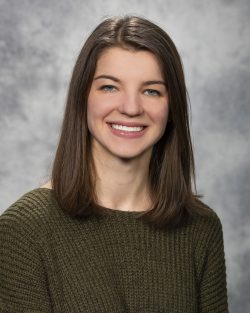
Kimberly (Kimmy) Ma is a PhD student in the Biodefense Graduate Program at George Mason’s Schar School of Policy and Government and serves as a Policy Advisor with the National Security Commission on Emerging Biotechnology.

Earlier this year, in April, I had the opportunity to attend the National Association of County and City Health Officials’ (NACCHO) 2025 Preparedness Summit. While in past years, it was consistently held in Atlanta, Georgia, in recent years it has begun to move around the country. This year, it was held in San Antonio, Texas – and for those interested, next year, it will be closer to George Mason territory, up in Baltimore, Maryland from April 13-16, 2026.

First held in 2007, NACCHO’s Preparedness Summit, also known as ‘Prep Summit,’ is an annual national conference for all professionals with equities in public health preparedness, be it from healthcare, public health, or emergency management. It has grown steadily over the years and remains a premier space for these professionals to meet, network, present research findings, and grow from each other’s experiences and lessons learned.

I myself first attended the Preparedness Summit in 2022. At the time, I was working in public health, for the Association of State and Territorial Health Officials (ASTHO), which can be considered a ‘sister’ organization to NACCHO and is regularly represented on the organizing committee. As most people may recall, the COVID-19 pandemic was still very much an ongoing crisis during the spring of 2022, and you could feel it in every single attendee that year. Attendees were still masked and closely following policies to mitigate the spread of the virus; staff from state and local public health agencies were at the end of their ropes trying to work with what resources they had; healthcare professionals were all sleep-deprived from working practically 24/7; federal employees were countering waves of mis/disinformation and verbal batterings from the public, et cetera, et cetera. In the following years, as I continued to attend for work (2023) and school (2024), I continued to also hear and palpably feel the dismay emanating from my public health colleagues.

And yet, with everything still happening in the world, this year finally felt like something had changed – perhaps, just slightly, in a more hopeful direction.

The theme of this year’s Prep Summit was “Pathways to Recovery in the Aftermath of Disasters.” Through my time at the summit, I noticed three additional sub-themes.

The first was highlighted by Dr. Tom Frieden in his remarks for one of the summit’s plenary sessions. Dr. Frieden, who is a former CDC director and also former commissioner for the New York City department of health, first vocalized his understanding that public health is facing hard times. He acknowledged that what is currently happening, be it to preparedness, public health, or public service, is not normal. And yet, he said, public health has overcome challenges before and will continue to overcome them now. Most importantly, Dr. Frieden called out public health preparedness as a “science.” He was referring to not just the field’s constant endeavor to employ evidence-based practices, which was also clear from each and every one of the sessions I attended, but also because the field always “want to be better today than yesterday.” I was particularly struck by this comment on a personal level.

Public health preparedness in the United States has always had to learn on its feet. It was abruptly brought into the spotlight by the 2001 anthrax attacks and given a national security imperative. The workforce covers a large and complex mission set, with a variety of backgrounds and cultures that have learned to work together every day with a common mission. The field has, by necessity, applied any lessons learned from each exercise and incident as quickly as it could, even when it has felt that it did not have the resources or hands that it needs.

The second theme has to do with an area that needs some extra love and care in order to recover: the bonds and trust that we have with each other. As Dr. Frieden stated plainly, “the one thing you cannot surge is trust.” He emphasized that you can only build trust by delivering on things that matter to people and letting them feel that they are heard.

This applies to everything from public health agencies’ relationships with their constituents to public health’s relationship to its emergency management and law enforcement partners to staff’s relationships with each other.

I know that public health instinctively has known this principle for years, although it has come back into focus even more acutely during the past several years as communities across the globe faced COVID-19, Mpox, RSV, and other outbreaks all at once. And from both my past work and my conversations at the summit with public health preparedness staff from everywhere from Florida to Pennsylvania to Nevada, I have heard how community-level engagements, including productive disagreements, continue to drive preparedness efforts across the country every day.

And finally, remarks by Dr. Eric McNulty from Harvard’s National Preparedness Leadership Initiative hit the nail on the head for the third theme. Dr. McNulty stated that, in past crises, not just COVID-19, “it was not just communities that needed to heal, but also all of us.”

I could not agree more. As I listened to sessions, spoke with the research poster presenters, and reconnected with my old colleagues, I felt like I heard some unspoken subtext: recovery is not just for public health’s constituents, but also for public health itself. This feels even more necessary and true given the recent attack at CDC headquarters in Atlanta, as it may often feel like the discourse in national level news pits a monolithic public against the public health workforce. Shootings like that one most likely exacerbate the feeling that the public health mission is basically Sisyphus’s rock, and I personally hope that as a nation, we can ensure that public health workers are empowered and sufficiently protected. In parallel, I also strongly believe that in the face of this adversity, we will still see public health’s superpower come into play.

This field is filled with individuals who are driven by an unshakeable commitment to their communities and their nation, regardless of the environment. It stems, often, from them being members of those communities themselves – with the same schools, the same grocery stores, the same favorite restaurants and public parks. It is a combination of their professional expertise with their personal humanity that pushes this field forward.

Furthermore, for all of the fear and negativity, I have met plenty of Americans with gratitude for public health’s work each day. I hope that the public health workforce of today, and current students who will join the workforce of tomorrow, will not forget this as they move through their journeys to recovery. Our country very much needs what public health provides; the field must continue to find ways to heal together and thrive in the future.

It will by no means be a simple or easy road, but I believe my public health preparedness colleagues’ adamant desire and mindset to serve their constituents is what brings them back to their work and keep attending Prep Summit, year after year. It seems like, deep down, they never truly give up on their belief that there is a way to reach the light at the end of the tunnel and serve their communities in the process.

I also would like to thank GMU’s Biodefense program for the opportunity to attend the summit again. I always treasure the chance to reconnect with my old colleagues and be in-person for programming that warmly highlights public health’s humanity while also calling on the workforce to think about how it can continue moving forward.

Disclaimer: This article reflects the views of the author alone and does not reflect the view or positions of any organization with which she may be affiliated.

2025 Scowcroft Institute Pandemic Policy Summit: A Year of H5N1 and How to Move Forward

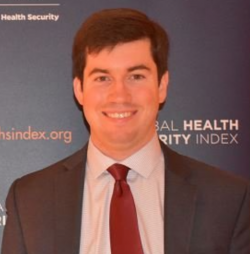
Emily McHarg is a student in the MS Biodefense program at the Schar School of Policy and Government at George Mason University.

On March 25, 2024, the first case of H5N1 was confirmed in dairy cattle in the United States. Since then, dairy cattle in 17 states have experienced H5N1 outbreaks, there have been 70 human cases of H5N1, including one death, and millions of poultry birds have been culled.  Now, a year later, government, academia and industry are reflecting on lessons learned while still being in the thick of the outbreak.

On March 18, 2025, almost a year after the first case of H5N1 was detected in dairy cattle in the United States, the 2025 Scowcroft Institute Policy Summit was convened to bring together experts from government, academia, and industry to examine the response to H5N1, discuss current challenges, and identify strategies for moving forward.  H5N1 has been a hot topic over the past year, and it has kept government, academia, industry, and the general public on the edge of their seats tracking this outbreak in real time.  Unfortunately, we don’t know how close we are to a pandemic strain of H5N1, but it’s been a fear of researchers since H5N1 was first discovered, and it feels like we are moving closer to that fear becoming realized.

The summit consisted of four different panels and a presentation on the following topics: Etiology and Epidemiology of H5N1, a Presentation from Voices of the Industry, a Student Simulation Presentation, Lessons Observed Through a Year of H5N1, and the Policy to Move Forward.  This report provides an overview, details, and comments on those sessions.

Etiology and Epidemiology of H5N1

High Path Avian Influenza (HPAI) H5N1 was discovered in waterfowl in Southern China in 1996 and began to circulate globally in the early 2000s.  The current strains of the virus have spread to more species and to regions of the world that had not previously seen outbreaks. Understanding the transmission of H5N1 is therefore important for monitoring the virus and protecting public health.

This panel consisted of Dr. Kiril Dimitrov, Assistant Director for Microbiology and Research at the Texas A&M Veterinary Medical Diagnostic Laboratory; Dr. Jeff Bender, Professor of Environmental Health and Director of the National Institutes of Occupational Safety and Health at the University of Minnesota; and Dr. James Lawler, Associate Director of the Global Center for Health Security, Deputy Medical Director for the Nebraska Biocontainment Unit, and Professor of Medicine in Infectious Disease at the University of Nebraska Medical Center.  The panelists stressed the virus’s capability to mutate and undergo recombination, and the danger of transmission either mammal-to-mammal or farm-to-farm.  Dr. Dimitrov acknowledged that 85% of poultry farms have HPAI H5N1 infections from migratory birds, but the majority of dairy farms have been infected with H5N1 from farm-to-farm transmission, which highlights the importance of implementing biosecurity measures on farms.  Dr. Bender emphasized the impact and stigma especially in rural communities of a farm having been infected by H5N1, underscoring the need for better protections for farmworkers, producers, and veterinarians.  According to the Centers for Disease Control and Prevention (CDC), the greatest concern currently is for those working on poultry and dairy farms dealing with H5N1 infections.  However, Dr. Lawler pointed out that this virus is being detected in wastewater surveillance across the country in places with neither known human infections nor dairy or poultry farm infections.

There are unanswered questions about transmission and this virus is acting in ways that no one expected, notably its ability to infect cows, which up until a year ago was not considered possible.  Dr. Dimitrov shared that the samples taken from an infected cat’s brain contained more viral load than one is able to grow in a laboratory setting, underscoring this virus’s ability to surprise the scientific community.  The way this virus has startled government, academia and industry has significant consequences for public messaging and Dr. Lawler noted that the way the H5N1 outbreak is being downplayed to the public is especially dangerous.  He also discussed how the foundation of science is to be transparent and tell the truth, even during a post-COVID era where public mistrust of science and government is high.  Most Americans have probably found out about this outbreak through rising egg prices and may not understand the significance and potential pandemic threat of the virus, which raises the question of how and what to communicate to the public.

Voices of the Industry

This presentation on perspectives from the dairy industry on H5N1was given by Miquela Hanselman, Director of Regulatory Affairs at the National Milk Producers Federation.  Ms. Hanselman emphasized that the industry has long prepared for an outbreak of Foot and Mouth Disease (FMD), not an H5N1 outbreak.  She noted the collaboration between the federal government and industry on responding to this outbreak in dairy cattle.  For example, the industry urged the Food and Drug Administration (FDA) to conduct studies on the effectiveness of pasteurization against any H5N1 virus in milk and the CDC used feedback from the industry to incorporate into their farmworkers’ surveys.  Ms. Hanselman also acknowledged that the H5N1 outbreak has affected the dairy industry differently than other livestock industries.  She noted that prior to this outbreak biosecurity on dairy farms was not as high of a priority, unlike on poultry farms.  Dairy farms are adopting biosecurity best practices now, including addressing potential pathways for introduction, such as establishing a line of separation or “moat” around the farm.  So far, there has not been a noticeable impact on the demand for dairy products, and the prices of those products have not increased as much as they have for eggs.  Ms. Hanselman also underscored the policies that the federal government has developed including required testing before moving lactating cattle across interstate lines, the optional Dairy Herd Status Program, and the National Milk Testing Strategy. However, she noted that there have been different levels of buy-in from industry and farms, depending in part on if there was a perceived need on the ground.

Student Simulation

At their College Station campus, Texas A&M hosted a student simulation focused on how to respond to an outbreak of a genetically engineered H5N1 strain with students taking on roles within federal and state governments, international health agencies, and more.  Three students, Abby Heye, Samuel Park, and Alexander Alvarado, shared their experiences in the simulation and discussed the challenges they encountered.  Notably, one of the most common problems they faced was one that government, academia and industry are facing right now: how to make decisions based on incomplete information and how aggressively to respond. 

Lessons Observed Through a Year of H5N1

This panel consisted of Janet Bailey, CEO of Kansas Dairy, Dr. Samantha Holeck, State Veterinarian of New Mexico, and Michaela Simoneau, Associate Fellow at the Center for Strategic and International Studies.  Ms. Bailey emphasized how much the dairy industry depends on consumer confidence and lauded FDA’s pasteurization studies as contributing to reassuring the public of the safety of dairy products.  She underscored that having concerns like that extinguished early in the outbreak was vital for the industry.  However, other parts of the federal government’s response have presented issues, including that this virus in dairy cattle cannot be categorized as HPAI and does not fall under the USDA framework devised for the poultry industry responding to HPAI infections on their farms.  Ms. Bailey discussed how this virus affects dairy cattle much differently than poultry. for example, many cows are recovering from this virus, while poultry are required to be culled once a farm discovers an infection due to the high mortality rate in poultry and to be eligible for indemnity payments.

While the existing regulatory framework may not have been devised with H5N1 infections among dairy cattle in mind, Dr. Holeck mentioned that the dairy industry has been training for an outbreak of FMD for years.  However, Dr. Holeck highlighted that this outbreak was such a surprise, so the training for FMD may not have prepared the industry as much as was hoped for.  Dr. Holeck also emphasized the disconnect between government and industry, and the fear that industry has of regulation, informed by their concerns not being understood.  For example, Dr. Holeck emphasized that even seemingly simple biosecurity practices, including farmworkers wearing personal protective equipment like goggles, may be harder to mandate on dairy farms, considering environmental factors like farmworkers having limited visibility and potentially being kicked by cows.  Hearing directly from those who work either in the industry or closely with industry regarding the issues they are facing is important to continue informing best practices to keep farmworkers, producers, and veterinarians safe throughout this outbreak.

There are other compounding factors to this outbreak that Ms. Simoneau brought up including the new administration’s actions that may impact the federal government’s response to H5N1 such as cuts at the CDC and the National Institutes of Health, a potential withdrawal from the World Health Organization, and ongoing reviews of current programs and funding.  She also emphasized how important an operationalized One Health approach with comprehensive testing is, especially considering that the risk of H5N1 to humans can change on a dime with additional mutations to the virus.  However, numerous problems exist including the lack of funding at the state and local level, a lag in identifying spillover events, uncertainty surrounding the efficacy of the vaccines in the Strategic National Stockpile if the virus mutates, and the number of rural hospitals that have been shuttered, thus limiting access to medical treatment.  Having representatives from industry, state government, and academia discuss the lessons learned from this year and identify problems that exist underscored how important integrating the boots on the ground, state, national, and international level responses are.

The Policy to Move Forward

Hosted by the Scowcroft Institute of International Affairs at the Bush School of Government and Public Service and the USA Center for Rural Public Health Preparedness at Texas A&M University, the goal of the summit was to identify actionable solutions and produce a white paper to guide policymakers in how to respond to this ongoing outbreak, which will be published in the future.  This panel consisted of Dr. Rebecca Katz from the Georgetown Center for Global Health Science and Security, Dr. Robert Hagevoort from New Mexico State University, Dr. Ashley Peterson from the National Chicken Council, and Miquela Hanselman from the National Milk Producers Federation to discuss how to move forward.

Dr. Hagevoort opened the discussion by talking about how public trust needs to be built before a pandemic, posing challenges during a new, unexpected outbreak.  He also questioned what the goal is with our response to H5N1 — are we aiming for eradication or can we adapt to live with this virus? Should the virus be built into the business models for these industries? Is eradication even possible at this point? These central questions dominated this panel, and there was a disconnect between the industry and public health perspectives.

Dr. Peterson represented the broiler chicken perspective, which is distinct from the perspective of the egg layer industry, especially in terms of using a vaccine in poultry.  She advocated for protecting export markets and acknowledged that the broiler industry is concerned with using a vaccine because it can mask infections in poultry, which could cause trade partners to seek another source for products.  Dr. Peterson underscored that for the broiler chicken industry, eradication is the ultimate goal, which Ms. Hanselman echoed on behalf of the dairy industry. However, Dr. Katz believed that at this point, it is not possible to eradicate the virus, but that doesn’t mean strong steps cannot be taken to limit the spread.  Considering the high number of infected species with H5N1 (currently detected in about 50 mammal species and 500 avian species), it is understandable how insurmountable eradication feels.  In addition, the virus’s presence in wild migratory birds with global migration patterns adds additional challenges.

Dr. Katz also focused on how the regulatory space has changed since the decision in Chevron U.S.A., Inc. v. Natural Resources Defense Council, Inc., and mentioned a court case to track in the U.S. District Court for the District of South Dakota.  In November 2024, the New Civil Liberties Alliance filed a complaint against the USDA and its Animal and Plant Health Inspection Service (APHIS) regarding a rule requiring electronically readable ear tags for monitoring the movement of certain cattle across state lines. Dr. Katz believed this case could have important consequences for disease surveillance. She also emphasized the importance of an operationalized One Health approach to fully understand the outbreak and be able to respond, especially if the virus mutates and becomes the next pandemic if the United States does not do enough to contain the current outbreak.  With conflicting goals and expectations, it is hard to chart a path forward for what the federal government’s response should be, but that is the challenge of this outbreak.  It is affecting industries in vastly different ways and posing unique challenges while also threatening public health.

Final Thoughts: The OODA Loop

Developed by Air Force Colonel John Boyd, the OODA loop, which stands for orient, observe, decide, act, is a decision-making model that rewards those who make timely decisions based on current and often incomplete information, but which are not necessarily the “right” decisions. This model was mentioned several times throughout the conference as a way to remind everyone to evaluate where we currently are in the “loop” and where we should be.  Over the past year, we have answered some vital questions, and while there are even more unanswered questions, this must not hinder our imperative to act.  The threat of mutation and spillover events and the potential consequences for public health are too high for inaction.  Major General Dr. Paul Friedrichs gave the closing keynote speech and emphasized that it will take at least 50 years for us to know if we made the “right” decisions, so right now we just need to act.

The Far-Reaching Impacts of Agricultural Biorisk Research: A Summary of the USDA ARS 8th International Biosafety & Biocontainment Symposium

Jay Bickell is a student in the MS Biodefense program at the Schar School of Policy and Government at George Mason University. In her current position as a Staff Scientist at MRIGlobal, Jay supports biorisk management programs for various commercial, academic, and government clients.

There is a deep interconnection between agricultural biorisks and human health. It is critical that this perspective is brought to the forefront of policy and research discussions so that agricultural biorisks are prioritized as a threat to national security and receive the necessary research funding. My attendance at the USDA Agriculture Research Services (ARS) 8th International Biosafety & Biocontainment Symposium in Baltimore, Maryland on February 11-13, 2025 couldn’t have illustrated this more clearly.

The International Biosafety & Biocontainment Symposium, offered in cooperation with the American Biosafety Association International (ABSA), brings together approximately 200 biosafety and biosecurity, pharmaceutical, biotechnology research, development, and clinical organizations every two years to address agricultural biorisks. While perhaps this event could be considered a small gathering, the breadth of topics and issues discussed were anything but.

Briefly, agricultural biorisks refer to the potential threats posed by biological agents (such as pathogens, pests, and toxins) to agricultural systems including crops, livestock, and food production. These risks can arise naturally, accidentally, or intentionally and have significant implications for food security, public health, and economic stability.

Given the broader climate of uncertainty surrounding emerging biological threats, this symposium provided a crucial platform for dialogue and collaboration. While the themes of applied biosafety, biosecurity, and highly pathogenic avian influenza (HPAI) clearly stood out in the agenda, it was the interconnectedness of agricultural biorisk and human health that served as the underlying theme. 

Applied Biosafety and Biosecurity

There is global recognition that current laboratory biological risk management and biosafety policies are not always rooted in evidence-based practices. Applied biosafety is a term used to describe the research being done to address these gaps and better inform both institutional and government-level policies. While most of the 14 sessions at the symposium included some form of call to action or contribution to this topic, I was particularly appreciative of the two sessions specifically focused on applied biosafety because of their meaningful impact on safety culture.

While at the symposium, I had the opportunity to present some of the work that my colleagues and I at MRIGlobal are doing in this space. One gap we have identified in laboratory biorisk management is the lack of guidance regarding wearing jewelry associated with body piercings in laboratories. We presented a poster of our research, “A Piercing Issue: Assessing the Ability to Decontaminate Body Piercings,” which demonstrates that this gap can be addressed through the generation of qualitative data. Our research also explored the implications of our findings for safety culture and its relationship to other gaps in understanding about fomite transmission in a laboratory setting.

One of the biggest hurdles to generating evidence-based practices is funding. In a special session of the symposium, an exciting funding opportunity for Addressing Agricultural Biorisk Evidence Base Gaps with Applied Research through the Elizabeth R. Griffin Program was announced. This came on the heels of the announcement that the Elizabeth R. Griffin Program has moved to a new home at the John Hopkins Center for Health Security.

Highly Pathogenic Avian Influenza (HPAI) and African Swine Fever Virus (ASFV)

If there is one project at the symposium that bridged the two themes of applied biosafety and HPAI, it was the work presented by Dr. John Luchansky with the U.S. Department of Agriculture looking at “If Avian Influenza Virus Were Found in Raw (Ground) Beef – Would Cooking Kill it?” This preliminary work indicated that when cooked to recommended temperatures, the virus responsible for HPAI was killed. This was just a small (but very cool!) piece of the puzzle presented throughout the week, looking at how the United States is responding to HPAI and preparing for its increasing presence.

Naturally, conversations then shifted to African Swine Fever Virus (ASFV) and the work being done to prepare if a case of this disease is identified in the United States. One of the most interesting bits of information I learned during the symposium was that more than one million swine are transported in the United States every day, and that a two-year outbreak of ASFV could cost more than $15 billion.

Final Thoughts

During this symposium, biosafety and biosecurity were described as one of the invisible waters of national security. It was highlighted throughout the event that the impacts of a biological disaster, whether in the form of a human, animal, or plant outbreak, could be far-reaching. As a result, it is crucial that biosafety and biosecurity do not remain invisible. As we face increasingly frequent, evolving, and complex biological threats, our preparedness, vigilance, and investment in these research areas is more important than ever. For this reason, agriculture biorisk mitigation must be further integrated into policy and research discussions, including national security strategies. Only by making biosafety and biosecurity visible, prioritized, and fully understood will we build the resilience needed to address the growing challenges agriculture biorisks present.

2024 ABSA Conference Summary

Lena Kropke, Biodefense MS Student

This year, I had the privilege of attending the 67th Annual Biosafety and Biosecurity Hybrid Conference of the American Biological Safety Association (ABSA International) in Phoenix, Arizona from November 4-6, 2024. The conference brought together a diverse array of speakers, posters, and abstracts from across the globe, fostering an exchange of ideas and highlighting the global nature of our work. With the U.S. presidential election occurring at the same time as the event, the importance of nonpartisan cooperation in addressing shared challenges and advancing collective goals was emphasized. During my attendance, I found four sessions on biosafety and biosecurity of particular interest.

Session 1: From a House on Fire to a World in Shutdown: The Intersection of Epidemiology and Vaccinology by Yvonne (Bonnie) Maldonado, MD, Stanford University School of Medicine

In her talk, that was awarded the Arnold G. Wedum Memorial Lecture Award, Dr. Maldonado discussed the epidemiological principles and strategies behind vaccine-mediated disease control. A key analogy she used was the “house on fire” concept, which emphasizes the importance of allocating resources to where they exercise the greatest impact rather than spreading efforts thinly. The underlying principles of disease control were outlined first to ensure appropriate distinction in terminology. While eradication, the global reduction of a disease to an incidence of zero, was achieved in the cases of smallpox and rinderpest, extinction – the total disappearance of a pathogen in both nature and laboratories – has yet to be accomplished. Success in eradication depends on factors such as effective and continuous strategies to interrupt transmission, sensitive diagnostic tools, a deep understanding of the pathogen’s lifecycle, and robust surveillance systems.

Dr. Maldonado highlighted several challenges to vaccine effectiveness. For example, antigenic mutation of pathogens such as influenza can create immunity gaps, which reduces the effectiveness of vaccines and can allow established pathogens to cause pandemics. Additionally, the success of vaccine strategies is influenced by the transmissibility of the pathogen, the durability of immunity, and the population’s behavior. Having overcome these challenges, the eradication of smallpox remains the gold standard for vaccine mediated disease control. Other diseases such as measles, mumps, rubella, malaria, and lymphatic filariasis, have the potential to be eradicated, but each faces unique obstacles. Polio eradication efforts have achieved significant progress in the control of the disease, yet challenges such as vaccine-derived polioviruses (VDPVs) and vaccine-associated paralytic poliomyelitis (VAPP), in addition to the underlying obstacles of disease control, have inhibited the successful eradication so far. In that regard, COVID-19 further underlined issues such as asymptomatic transmission, viral mutations, and the slow development of herd immunity. The pandemic also underscored the importance of addressing inequities in healthcare access, housing, and social security, as these determinants significantly influence disease prevention and control outcomes.

Overall, Dr. Maldonado’s talk emphasized that no one-size-fits-all policy exists for vaccination approaches. Instead, targeted and pathogen-specific strategies, tailored vaccination programs, and strong surveillance systems are crucial for eradication success. This comprehensive approach ensures that disease control efforts are both effective and equitable.

Session 8: Biosecurity: Complexity, Complacency, Connectivity and Commitment by George Poste, DVM, PhD, Arizona State University

Dr. Poste explored the current challenges for a global biosecurity framework and the importance of the “One Health” paradigm. He identified the underlying causes for these challenges as the rapid changes in our globalized world, where climate change, urbanization, habitat destruction, anti-vaccine campaigns, and antimicrobial resistances facilitate the spread of pathogens in an unprecedented manner. Additionally, he discussed advancements in biotechnologies and the associated risks of dual-use research of concern (DURC), as well as the intersection of biotechnology and artificial intelligence (BIOxAI). Key areas of focus included gene editing, enhanced pathogens with pandemic potential (ePPP), and gain-of-function (GOF) research that could lead to the creation of more dangerous pathogens. In comparison to chemical weapons, Dr. Poste criticized the lack of established verification or inspection processes for biological weapons. He therefore emphasized the urgent need for an enhanced regulatory framework to address these issues with a multisectoral approach that acknowledges the interconnectedness of humans, animals, and the environment.

Dr. Poste’s criticism of the current system stems from the misplaced comfort and complacency that was demonstrated by the international reaction to outbreaks of COVID-19, SARS, and Ebola. Despite the United States’ top ranking in biosecurity preparedness, the high mortality rate and economic toll of COVID-19 highlighted the urgency to move from a reactive to a proactive biosecurity framework where sustained efforts are employed to strengthen the healthcare infrastructure and improve pathogen surveillance. In Dr. Poste’s words, the system must finally move past a cycle of “neglect-panic-fund-forget” and adopt a strategy of convergence, connectivity, and commitment that brings together expertise and tools from diverse fields. In that regard, he advocated for aligning biosecurity responses with other disaster management systems, such as those for natural disasters or chemical emergencies. He also underscored the importance of sustained commitment by the international community for building such a cross-sectoral framework as continuous investment in emergency preparedness, increased diagnostic capabilities, stockpiling of medical supplies, and the development of clear response and report protocols are needed for enhancing our global biosecurity preparedness. This must be accompanied by international partnerships that ensure appropriate resource sharing and coordinated responses during global crises.

In his presentation, Dr. Poste criticized the current biosecurity frameworks while also advocating for a new path forward where interdisciplinary commitment, increased regulation and inspection, as well as proactive “whole-of-government” measures address the escalating biosecurity challenges of our time. Such changes require strong advocacy with political leaders to adopt a long-term biosecurity strategy.

Session 9.2: Using DNA-Tagged Aerosol Tracer Particles as Challenge Agents for Measurement and Verification of Engineering Controls, Nicholas Heredia, PhD, SafeTraces

Dr. Nicholas Heredia described how SafeTraces’ DNA-tagged aerosol tracer technology is used to assess the pathogen exposure risk and control efficacy of filtration and ventilation systems. The novelty of this process is demonstrated by its use of non-reactive and non-toxic DNA-tagged particles that offer a similar fluid matrix to the potential spread of pathogens. The company conducts four performance tests in the form of a survey test, aerosol clearance test, HEPA supply tests, and positive/negative pressure test. The respective results are then assessed by qPCR technology and visualized to portray air movements as well as leakage or infiltration. The technology can be used in a variety of settings, including hospitals, schools, or critical infrastructure as it offers a quantifiable and accurate assessment of the air system performance that previous testing (e.g. tracer gases) could not achieve. The talk generated high interest in the technology which will likely establish itself as a central safety feature of air system tracing.

Session 19: Biosecurity featuring Iris Magne, London Metropolitan University; Leyma P. De Haro, PhD, RBP(ABSA), Merrick & Company; and Michael Parker, PhD, Georgetown University       

This panel was comprised of three distinguished speakers discussing their recent biosecurity projects. As the first speaker of the session, Iris Magne was awarded the Robert I. Gross Student Award for presenting on “International Biosecurity Education Network: A Timely Tool For Biosecurity.” She described the International Biological Security Engagement Network (IBSEN), a new initiative created earlier this year to enhance biosecurity education across the globe. IBSEN was established to foster an environment in which academics and policymakers could discuss biological risks and raise awareness of these issues. A particular focus of the network is reducing threats from the misuse of life sciences and DURC. IBSEN publishes a quarterly newsletter on biosecurity with the goal of providing in-depth biosecurity education on a national and regional level.

In the second presentation, titled “Biosecurity Risk Assessment for the Use of Artificial Intelligence in Synthetic Biology: A Practical Approach,” Dr. Leyma P. De Haro outlined a seven-step biosecurity risk assessment that allows professionals to categorize potential dangers of AI in the realms of synthetic biology. The growing use of AI applications is facilitating advancements in areas such as de novo gene design, biological design tools (BDT), vaccine development, and automated laboratory experiments. However, these capabilities also pose significant risks when misused by malicious actors or implemented without proper safeguards as they enable unregulated individuals or those lacking sufficient safety expertise to conduct high-risk experiments. Even in regulated settings, unintended consequences could arise if AI systems inadvertently produce harmful or dangerous biological agents. Dr. De Haro emphasized the inadequacy of current oversight mechanisms, which do not yet cover unique risks associated with AI in these contexts. To mitigate these threats, she called for enhanced safeguards and comprehensive regulatory frameworks.

Lastly, Dr. Michael Parker presented “A Century of Assessment – The Collection of Biothreat Risk Assessment (COBRA).” A team of Georgetown University researchers created the COBRA (Catalog of Biothreat Risk Assessments) website to serve as the world’s first public repository of risk assessments related to biological agents. The website compiles assessments written over the course of the last century and categorizes them with specific tags for the purpose of identifying and evaluating the respective decisions and trends. Users can not only search the website, but also propose their own contributions to extend the scope of the archive. This resource was developed to centralize critical knowledge for understanding past decision-making as well as to inform current strategies.

Attending this conference not only reaffirmed that biosafety and biosecurity are vital components of international security, but also showcased the incredible dedication of professionals who work tirelessly toward this mission. Moreover, it offered an introduction to an amazing network of biosafety and security professionals. In addition to the outstanding panels and posters, the conference held a banquet at the breathtaking Desert Foothills on the outskirts of Phoenix. A major highlight for me was winning a free ABSA webinar as part of a raffle I was able to enter after visiting every participating vendor at the conference.  I can’t wait to be granted additional insight into the educational and inspiring world of ABSA. I would encourage anyone interested in reducing biological risks to attend next year’s conference in Raleigh, NC from October 24-29, 2025.

Lena Kroepke is a student in the MS Biodefense program at the Schar School of Policy and Government at George Mason University. An international student from Germany, Lena completed an MA in Peace and Conflict Research at Goethe University Frankfurt as well as a BA in European Studies at Maastricht University.

Biosafety and Biosecurity: The Role of Public Health, Law Enforcement, and Research

Omar Mukhlis, Biodefense PhD Student

Introduction:

Milwaukee, Wisconsin, the land of cheese curds and breweries, is no stranger to fermentation and pasteurization, making it the perfect location to host the 65th Annual Biosafety and Biosecurity (ABSA) Conference; the first ABSA conference with an in-person option since 2019. Held from October 17-19, 2022, the scientific program was three full days of keynote presentations and panels of biosafety and biosecurity best practices and hands-on skills.

The following are a select few synopses from the chock-full 3-day ABSA conference.

  • Session IX Biorisk Program Management
  • Session X Eagleson Lecture Award: The Growing Threat of Lyme Disease: Where Do We Stand?
  • Session XII: Public Health

Additional details about the ABSA 65th conference scientific program can be found here.

Session IX Biorisk Program Management:

This session on biorisk program management started with a talk by Robin Tobias, MPH (University of Minnesota) on ABSA International Biosafety and Biosecurity Month celebrated annually each October. Now in its 9th iteration, the month is used to spotlight ethical research, transparency, training, engagement, and stewardship of biosafety and biosecurity. Rather than embracing a specific theme for 2022, ABSA decided to return to the core components of biosafety and biosecurity. This portion of the session closed with a call to share your Biosafety and Biosecurity Month activities on social media using the hashtag #biosafety_biosecuritymonth.

Second on the session docket was Rachel Gamble, DrPH from Merrick & Company discussing the importance of operations and maintenance (O&M) personnel in facility biosafety. O&M are the heart of the facility, directly supporting lab functions, and without proper functioning of lab systems safe science cannot occur. This is especially true as the biosafety containment level increases, as the intersection between biosafety and O&M becomes increasingly more important. Currently, many O&M personnel only receive a sprinkle of biosafety training. This is an issue because O&M personnel need to understand how their job and biosafety intersect.

The key to addressing this is integrated facility training, which shows personnel how O&M operations directly tie into biosafety, allows for O&M personnel to step into researchers’ shoes, increases understanding of the regulatory compliance role that O&M plays, and facilitates the sharing of lessons learned. The benefits of this are numerous, to include greater cohesion in facility operations, better retention of personnel, and sharing of expertise between O&M and biosafety professionals. Most importantly, increased collaboration and integrated training with operations and maintenance personnel will improve facility management and operations, ultimately resulting in safer science.

The final speaker of session IX was Special Agent Scott Mahloch from the Federal Bureau of Investigation (FBI) providing an overview of the FBI weapons of mass destruction (WMD) investigation of Wyndham Lathem as an insider threat case study. An Associate Professor of Microbiology-Immunology at Northwestern University (2007-2017), Dr. Lathem was a leading researcher of Yersinia pestis, the causative agent of bubonic plague. Two of his research accolades include discovering a gene in Y. pestis that allows the bacterium to replicate quickly in air-filled areas causing pneumonia and research he conducted on the evolution of plague with Yersinia pseudotuberculosis and gut pathogens. In late July 2017 Lathem and an accomplice fatally stabbed Lathem’s boyfriend in his Chicago high-rise condominium, leading to his arrest by Chicago Police Department in late August 2017.

Not publicly known at the time was the fact there was a simultaneous but separate FBI WMD investigation into Dr. Lathem due to a confluence of factors including: 1) the withdrawal of an offer from the Pasteur Institute in France for Lathem to open a lab in March 2017; 2) a concerning email sent by Lathem to Northwestern’s University Select Agent Facility Responsible Official while on the run from authorities in August 2017; 3) the recovery of unknown substances in Lathem’s apartment during the homicide investigation; and 4) and a statement from Lathem to a jail staffer while incarcerated that he had ingested genetically modified Y. pestis and that millions of people would die due to his actions.  All of this led to a thorough investigation by the FBI to assess the credibility of the threat looking at the technical feasibility, adversarial intent, and operational practicality of the case. Specific details on the FBI’s conclusions were not shared during the course of the presentation, but Special Agent Mahloch assured the ABSA audience the FBI had taken the threat seriously, as evidenced by the three-pronged credibility test.

Special Agent Mahloch concluded his talk by highlighting the specific insider threat indicators within this Wyndham Lathem case study. Lathem exhibited noticeable behavioral changes in both his professional and personal life following his rejection from the Pasteur Institute. On a professional level, Lathem began exhibiting narcissistic tendencies, his colleagues noticed more frequent absences, and he appeared to be more checked out from his work.  In his personal endeavors, Latham’s relationship with his partner was described as “abusive and controlling,” he had increased his consumption of alcohol, and had stopped taking his antidepressant medication  These indicators, when combined with Lathem’s access to a select agent facility provide a textbook example of an insider threat.

Session X Eagleson Lecture Award: The Growing Threat of Lyme Disease: Where Do We Stand?

Richard Marconi, PhD, Virginia Commonwealth University Medical Center, Richmond, VA

Dr. Richard Marconi from Virginia Commonwealth University (VCU) Medical Center delivered the Eagleson Lecture to ABSA this year. The talk focused on the growing threat of Lyme disease and where we stand in regard to prevention and treatment. Dr. Marconi, who has spent nearly 30 years conducting research on Lyme Disease at VCU, started his lecture by providing an overview of Lyme disease, its causative agent (Borrelia burgdorferi), and the essential life cycle stages alternating between tick and reservoir host. Dr. Marconi stressed that the tick population is both increasing and spreading into parts of the country that previously have not seen ticks. This trend is not isolated to the United States, with similar reports coming from part of Europe and China. All of this suggests that we should anticipate seeing an increase in the rates of Lyme disease and other tick-borne diseases.

The second part of the lecture transitioned to look at Lyme disease prevention, specifically a deep dive into the work Dr. Marconi and VCU have done to successfully get a canine vaccine to market and the ongoing efforts to build on that to develop a human vaccine against Lyme disease. There are two formulations of vaccines for Lyme disease: 1) Lyme bacterin vaccines and 2) Lyme sub-unit vaccines. The former relies on whole cell lysates-“bacterial soups” as dubbed by Dr. Marconi. The issue with these vaccines is that most of the proteins present don’t provide protection, as only a small percentage actually elicit an immune response. The second category of vaccines, the type VCU works on, uses highly purified recombinant proteins that produce a protected antibody response. Vanguard® crLyme, the canine vaccine Dr. Marconi helped spearhead, uses two outer surface proteins (Osp) to generate immune response.

The first outer surface protein is OspA, which was used in predecessor vaccines including the short-lived Lyme Rix (1998-2001); the only Lyme disease human vaccine ever brought to market in the United States, but it was ultimately pulled from the market due to concerns about auto-immune reactions. The second protein, OspC, was far more difficult to develop as it is dissimilar to OspA in that there are around 30 variants of OspC. Through research they found that the use of OspC variant cocktails simply did not work. To get around this Dr. Marconi’s team worked to identify the epitopic regions of the OspC genome and identified two small parts of the genome (L5 & H5 fragments). Using these two identified epitopes they created a new protein, called a chimeritope. They tested to see if their approach worked, and it did. Fast forwarding through subsequent laboratory and field studies, Vanguard® crLyme was ultimately approved by the U.S. Department of Agriculture (USDA) for use in canines early 2016. Since then, Dr. Marconi has pivoted to the development of a human vaccine for Lyme disease, striving to use the same chimeritope approach he used for the canine vaccine. One major difference? He’s seeking to avoid the use of OspA due to the perceived human auto-immune issues associated with the protein as mentioned above.

Dr. Marconi’s Eagleson lecture closed with a question-and-answer session where most of the audience was interested in what to do if you find an 8-legged parasite. The best way to remove a tick? Patiently with a pair of forceps or tweezers. How long does it take to transmit the infection? If it is still crawling, you are good. It takes about 36-48 hours of feeding for transmission to occurs; simply put no engorgement, no transmission. In summary, this was an insightful and engaging lecture on the growing threat of Lyme disease and a peek into the groundbreaking vaccine work Dr. Marconi and his VCU colleagues are doing to counter this spirochete using protein sub-units.

Session XII: Public Health

This session on public health started with a presentation from Gabrielle Essix, MS from Nuclear Threat Initiative (NTI) on the 2021 Global Health Security (GHS) Index. The GHS Index is a joint effort between NTI ,Johns Hopkins Center for Health Security, and Economist Impact to assess security and related capabilities globally. The Index strives to clearly and transparently identify gaps in national-level capabilities to prevent and respond to high consequence biological events and drive accountability for filling those identified gaps. More specifically, the goals of the index are to 1) Accelerate progress in building capacity to prevent detect and respond to pandemics; 2) help national governments identify and address gaps; 3) provide data for evidence-based decision making by donors; and 4) set a standard for pandemic preparedness. The key finding of the report? All countries remain dangerously unprepared for meeting future epidemics and pandemic threats. NTI will publish the next GHS report in 2024 and is looking to improve the index through expert consultations and engagement with forums like ABSA.

Dana Krauss from Georgetown University Center for Global Health Science and Security was up next in the session with her talk looking at the intersections of personal scientific responsibility and public health through the lens of the SARS-CoV-2 pandemic.  Combining (lab) biosafety and public heath she defined public biosafety as “the application of biosafety principles, practices, and technologies by an informed individual and informed governing bodies in a community health setting to successfully reduce agent exposure to and continued release in the general public”. Examples of public biosafety principles, practices, and technologies include at-home and public testing, cleaning of contaminated personal items (e.g., computer keyboards, doorknobs), coughing into your coat sleeve, and general scientific fluency/comprehension. The key concept as presented by Ms. Krauss is that within public biosafety, there is a balance between responsibility and tools available. This was seen with the widespread “responsibility” to wear masks early in the pandemic when there were not tests available. Now we find ourselves in a situation where tests are widely available, and in turn masks are less prevalent here in the United States. The tool of self-testing is used, but there is now a decrease in responsibility to report and as such infection data is often not being shared with relevant public health authorities. Overall, Ms. Krauss provided an insightful presentation of her research conclusions looking at the  intersection of public health and personal responsibility.

The third speaker in session XII was Michael Marsico, MS from the Association of Public Health Laboratories (APHL) who presented on building biosafety across non-traditional testing site during covid-19 and beyond. APHL works in the intersection between policy, science, and practice and, in March 2021, they reached out to labs inquiring about biosafety training needs. The response received? More training for non-traditional testing sites was desperately needed. APHL addressed this by developing technical resources (e.g., COVID-19 Antigen Testing Biosafety Guidance, Potential Hazards and Recommended Mitigation Procedures for COVID-19) and providing training in the form of COVID-19 webinars and workshops. The delivery of these Biosafety Preparedness Workshop(s) for non-traditional testing sites was the focus of Mr. Marsico’s remarks. The workshop project was launched in July 2021 through APHL and the CDC, with the first workshop training being delivered in Colorado with the help of a contractor in June 2022. The second and final workshop was held in Michigan in late October. These trainings sought to provide biosafety preparedness training by describing biosafety and biosecurity concepts, explaining the fundamental principles of biological waste management, personal protective equipment and quality management related to point-of-care testing, and provide scenario-driven exercises to outline safer point-of-care testing. With the completion of the second workshop, APHL will continue to engage non-traditional testing sites, providing support and guidance as needed to foster safer practices and quality testing of patient specimens.

The final talk of the session was from Rocco Casagrande, PhD from Gryphon Scientific who presented on empirical studies in biosafety. Over the past 15 years Gryphon Scientific in conjunction with a plethora of academic and private sector partners have performed studies on biosafety and biosecurity to develop approaches to support critical decision making processess. Using findings from those studies they identified that most of the data available were dose-response data or stability data, and that data for accident causes and source terms were lacking in the life sciences. To address this identified gap, Gryphon received a grant from the Open Philanthropy Project to undertake critical research in biosafety along three lines of research: 1) conduct failure analysis to determine how laboratory accidents generate hazards; 2) conduct human reliability research to determine how/how frequently researchers create incidents; and 3) gather data on innovations in biosafety to learn from the measures that have already been implanted but are not widely known. Preliminary findings from these three lines of research were provided to the audience with official publication of the data and findings expected for the not so distant future. Dr. Casagrande closed the presentation by letting the audience know that if anyone is interested in continuing the research presented to reach out to Gryphon, and they will happily share all of their data.  

Closing Thoughts: This provides a select sampling of the of thought-provoking and insightful ABSA scientific agenda from the 65th conference. If interested, the 66th Annual Biosafety and Biosecurity Conference will be held from October 13-18, 2023 in Omaha, Nebraska.

African Swine Fever: Biosecurity Coordination and Early Detection to Mitigate the Risk

By Stevie Kiesel, Biodefense PhD Student

The 6th International Biosafety and Biocontainment Symposium, presented by the US Department of Agriculture’s Agricultural Research Service (USDA ARS), brought together experts from government, academia, and industry to discuss emerging biorisk challenges in agriculture. Speakers highlighted how the convergence of food, agricultural, and natural resource challenges require coordination and intensification of food safety, nutrition, and food security efforts to mitigate risks.

I attended this virtual conference along with my GMU Biodefense Program colleagues Ms. Rachel-Paige Casey and Ms. Michelle Grundahl. You can find their discussions of other symposium sessions here. This report provides an overview and commentary on Session I, which dealt with the biosecurity risks associated with African Swine Fever virus (ASFV). Speakers for this session were as follows:

  • Dr. Douglas Gladue, US Department of Agriculture, “African Swine Fever”
  • Dr. Vittorio Guberti, Institute for Environmental Protection and Research, “Feral Pig Population”
  • Dr. David Pyburn, National Pork Board, “Prevention and Preparation for ASF”
  • Dr. Jishu Shi, Kansas State University, “International Perspectives: Past, Present, and Future”
  • Dr. Jack Shere, US Department of Agriculture, “ASF: The US Perspective”
  • Dr. Cassie Jones, Kansas State University, “Biorisks on the Farm: Practices to Prevent Pathogen Transmission to and from Animals”
  • Lindsay Gabbert, Plum Island Animal Disease Center, “Disinfection/Decontamination for Various Surfaces Effective Against ASFV”

In the midst of the COVID-19 pandemic, much attention is on zoonotic diseases—infectious diseases caused by a pathogen that has jumped directly from an animal to a human. While zoonotic diseases clearly represent a significant risk, other diseases that do not directly infect humans can still have a substantial impact. For example, though the ASFV is not transmitted from pigs to humans, the virus’s spread has inflicted serious economic pain in multiple outbreaks. However, these consequences can be largely mitigated through prevention and early detection efforts. This report summarizes the speakers’ key takeaways and suggests areas for future research and policy development.  

ASF is a highly contagious, highly lethal disease that is rapidly transmitted among wild boar, warthogs, and domestic pigs. Though the virus cannot be transmitted to humans and does not pose a food safety issue, ASF outbreaks have the potential for devastating economic consequences. For example, as Dr. Shi points out, China lost tens of millions of pigs in the first few months of their most recent outbreak, and the social and economic impact was severe. Dr. Pyburn estimates that an ASF outbreak in the US that took 10 years to control could cause $50 billion dollars in losses and 140,000 job losses. Even in a rosier scenario where the US controlled the outbreak after 2 years, projected losses are $15 billion.

ASF is endemic in Africa, particularly in sub-Saharan Africa. Its natural hosts there are warthogs and bushpigs, with soft ticks acting as a vector. In the 1950s, outbreaks began occurring in Europe, and later in the Caribbean, likely via contaminated pork products. European countries combatted ASF with a policy of slaughtering infected animals and modernizing farming facilities, and by the 1990s Europe was declared free of ASF. However, in 2007, ASF was identified in the country of Georgia, presumably attributed to the importation of contaminated pork. This outbreak spread quickly to neighboring countries among their wild boar populations, to such an extent that ASF was declared endemic in the Russian Federation. Despite enacting slaughter policies and other measures, ASF has not been eradicated from eastern Europe. Another key event is the 2018 introduction of ASF in China. This outbreak spread rapidly across Asia, with significant economic impacts. For example, China saw a 50% reduction in its swine herd in 2019. ASF has also spread to other European countries, such as Belgium, Poland, and German, in recent years. The World Organization for Animal Health (OIE) found that as of December 2020, there are ongoing ASF outbreaks in 24 countries: 8 in Europe, 12 in Asia, and 4 in Africa.

There are several key challenges in eradicating ASF. Both wild and domestic porcine animals can spread the virus. The main challenge in addressing an outbreak among wild boar is their uncontrollable movement and the need to quickly remove infected carcasses to stem the spread. In winter temperatures, a carcass can maintain the virus for months or years. Therefore, even though ASF initially spreads in a wave with a high fatality rate (~60%), the infected carcasses as a source of infection can cause ASF cases to persist locally for years. European countries have pursued three different strategies to manage infected wild boar populations: depopulation (90% of the total wild boar population hunted), soft hunting (60% of the post-reproductive population hunted), and fencing of infected populations coupled with a hunting ban. Depopulation was the least successful, while soft hunting led to a slow but still steady spread of disease. However, banning wild boar hunting and erecting a double fence around identified infected populations has been successful in eradicating the virus in the Czech Republic and Belgium, though further research is needed to understand the conditions under which this strategy is and is not effective.

For domestic pigs, the main challenges to ASF eradication are an underreporting of symptomatic animals, the inability of smaller farms to implement adequate biosecurity measures, the contamination of feed, and illegal domestic pig movement. Dr. Jones argues that an often-overlooked weakness in the US is the feed supply chain as a potential pathogen transmission route, involving the ingredient facility, the feed mill, and individual farms. Obviously, contamination at the ingredient facility or feed mill can be spread to many farms, but more attention should be paid to delivery drivers transporting feed from the mill to farms and moving from farm to farm without adequate hygiene measures in between trips. A culture of biosecurity, as well as clear and appropriate information reporting measures, is key to mitigating the many points of entry for infectious diseases to spread rapidly on and from individual farms.

As the saying goes, “You can’t fatten the pig on market day.” To prevent a large-scale, economically devastating outbreak of African Swine Fever (ASF), stakeholders must coordinate on robust biosecurity, disease surveillance, and containment measures. Preparation is key; responding to an outbreak after it happens will lead to catastrophe. The symposium speakers had many promising ideas for future research to address current gaps. While the USDA has developed experimental live attenuated ASFV vaccines, more research is needed on protective immune mechanisms; subunit vaccines could also be explored. More development of computational models to understand the spread of ASFV, particularly in wild boars, would be a helpful tool in tracking and eradicating the virus. Focused study of eradication methods and their implications on economies and the environment would point to tailored strategies for an outbreak of a wild or domestic origin. Speakers also discussed ongoing projects to address ASFV, such as an educational initiative with Customs and Border Protection to increase biosecurity awareness as it related to passengers entering the US from foreign ports. The National Pork Board is also developing a tool called AgView, a data dashboard that provides real-time ASFV updates and pig movement data to state health officials, increasing collaboration and information sharing. The combination of industry, government, and academic stakeholders at this symposium reflected the broad portfolio of efforts currently underway to address ASFV.

Applying Biosafety Research to Lower Biorisk in the Laboratory: Building a Culture of Safety

By Michelle Grundahl, Biodefense MS Student

The 6th International Biosafety and Biocontainment Symposium, presented by the US Department of Agriculture’s Agricultural Research Service (USDA ARS), brought together experts from government, academia, and industry to discuss emerging biorisk challenges in agriculture. Speakers highlighted how the convergence of food, agricultural, and natural resource challenges require coordination and intensification of food safety, nutrition, and food security efforts to mitigate risks.

I attended this virtual conference along with my GMU Biodefense Program colleagues Ms. Stevie Kiesel and Ms. Rachel-Paige Casey. You can find their discussions of other symposium sessions here. This report provides an overview and commentary on Session II – Applied Biosafety Research: An International Effort.

Session II: “Applied Biosafety Research: An international Effort”

Applied biorisk research is the “systematic, scientific investigation into and study of materials, tools, and practices to provide for the safe handling and containment of infectious microorganisms and hazardous biological substances.” This is a bit more specific than the biorisk management practices that one might be familiar with; this type of research informs the procedures that laboratories should implement. Applied biorisk research is important because it provides assurances to researchers, and the public, that sound practices are in place. This is of domestic and international importance in universities, government laboratories, industry and diagnostic labs (all who might work with unknown risks). This focused research is relevant even to non-traditional labs, such as DIY community science spaces and in global settings that may have low resources.

Overview of 2019 US Workshop: What is Applied Biosafety Research, Who’s Doing It and How Might We Do It Better?

Applied Biosafety Research is not a new field of research. A presentation by Joseph Kozlovac, an Agency Biological Safety Engineer for the Agricultural Research Service (ARS) of the USDA, remined us that there were programs for this in the 1960s. These past programs resulted in guidance such as those published by the National Institutes of Health (NIH) in 1976. Mr. Kozlovac states that currently there are no great efforts researching the topics of facility design, personal protective equipment, bioengineering controls, and more. In October 2007, the House Committee on Energy and Commerce held a congressional hearing: “Germs, Viruses and Secrets” and determined that a task force would consider the ongoing proliferation of biolabs in the United States. Their Trans-Federal Task Force on Optimizing Biosafety and Biocontainment Oversight aimed to ensure oversight of labs involved in handling toxins and infectious agents. A 2009 report suggested the research agenda for this. The Federal Experts Security Advisory Panel provided recommendations in 2014 for biosafety and biosecurity to be improved (there had been a few incidents). The panel specifically suggested a program of applied biosafety research, one that used evidence-based information. Eventually, the 2018 National Biodefense Strategy made these directives clear, emphasized that mitigating lab risks was imperative, and asserted that conducting applied research would provide evidence.

The outcome of a September 2019 “Federal Stakeholders Applied Biosafety Research Workshop” identified five categories with gaps in need of research. One of those gaps in need of further research is the evidence based “hierarchy of controls,” which represents eliminating risks as a top effector. Substituting risks, or engineering to control the risk, is more effective than altering how workers perform, or use protective equipment. Managing the risk of preventing pathogen exposure (and infection) also requires data on the agent, including evidence of the known exposures, morbidity rates, characterization and validation of the pathogens. Potential mitigation strategies require prior information of work-related incidents (such as needle sticks and equipment failures). Identifying the errors that cause incidents in the lab is just a starting point. Another factor to explore are the actual methods used to evaluate hazard mitigation. These efforts aim to identify the appropriate risk assessment methods that should be used. The most interesting research category identified by the Federal Stakeholders Applied Biosafety Research Workshop: where intangible human factors insert into laboratory science. Creating a safety minded culture is not done via protocol. Studying the sociology of laboratory biorisk management makes attempts to tease apart issues such as non-compliance, attitudes, training, and communication.

Dr. Danielle Lohman, Foreign Affairs Officer for US Department of State, provided a review of the stakeholders. There are numerous implementations where applied biorisk research protects workers, agriculture, and the environment. The people who can benefit are funders (government, private), researchers (federal, university and private lab workers), disseminators of knowledge (institutions, journals and organizations), and the end-users (regulators, biosafety professionals).  An excellent example of coordination and collaboration of these applied research activities, Dr. Lohman explained, is the example of COVID-19. We saw rapid international scientific effort to quickly understand an unknown pathogen. The promotion of scientifically sound action is a collaborative effort. The US Department of State is promoting this idea, too. In October 2020, they hosted an invitation only G7 Expert’s meeting on Strengthening Laboratory Biorisk Management to improve the research process internationally.

Applied biorisk research is a critical discipline that can benefit from more professional attention. While some might equate safe laboratory practices with mundane tasks and added duties, others see this field as immensely important in creating standards with great impact. In fact, the Biorisk management standards and their role in BTWC implementation working paper (from the most recent Meetings of Experts of the Biological Weapons Convention) clearly shows the need for greater applied biorisk research.

Department of Defense (DOD) Biological Select Agents and Toxins (BSAT) Scientific Gaps in Biorisk Research Program (SGBRP)

Dr. Cristine Lawson, Deputy Director for Biosecurity for the Department of Defense (DOD) Biological Select Agents and Toxins (BSAT) Biorisk program Office (BBPO) and manager of the DOD BSAT Scientific Gaps in Biorisk Research Program (SGBRP), provided an enlightening overview of the program. Apparently, the DOD is very active in BSAT applied biorisk research.  They are contributing to the knowledge base of biorisk practices as applied to Biological Select Agents and Toxins. Some people might recall May 2015 when we learned that the DOD shipped residual live spores of Bacillus anthracis(Anthrax) to 88 sites and that 194 labs received these spores. DOD took this very seriously and they executed comprehensive reviews of their procedures, protocols and accountability. Among the findings revealed was that there was insufficient information to inform and develop  B. anthracis inactivation protocols. The 2016 Government Accountability Office report High Containment Laboratories: Improved Oversight of Dangerous Pathogens Needed to Mitigate Risk2018 report expands upon this. As a result, the DOD has changed its guidelines, created centralized oversight for its BSAT-registered laboratories, and updated its procedures (for more than just their Anthrax research).

The DOD’s creation of the Scientific Gaps in Biorisk Research Program (SGBRP) is intended to fund research in the pursuit of increased scientific knowledge for BSAT procedures. Their review panel assesses the risk of procedures at DOD facilities, and assesses the available scientific evidence that can be used for mitigation. As part of a proactive approach, proposals are solicited. Some proposal categories examples include viability, inactivation, decontamination, environmental sampling, monitoring, and other similar biorisk topics. These proposals are ranked, selected, and then granted funding. One issue in this initiative, Dr. Lawson explained, is the challenge of funding. Funding, of course, is always a concern, but the program focuses on ensuring that senior DOD leadership is aware of the importance of applied biorisk research in order to maintain funding for closing knowledge gaps. It would be ideal for DOD to remain as the lead agency in the efforts to close the gaps of scientific knowledge for BSAT protocols. There is room for improvement here, as noted in the Inspector General’s 2020 report, but most would agree that the DOD has had great success with their BSAT program. Another area Dr. Lawson believes the biorisk community should engage on is encouraging scientists and biorisk experts to engage on policy development. When the federal registrar asks for input, the program encourages feedback from its experts and scientists, and that should be encouraged throughout the entire regulated community. 

Biosafety and Chemical Safety Research

Do you wear your safety goggles every single time you step foot into your laboratory so that you can avoid an accident? Two safety researchers, Dr. Dana Ménard, Assistant Professor of Psychopathology at the University of Windsor, and Dr. John Trant, Assistant Professor of Bioorganic and Medicinal Chemistry at the University of Windsor, described their research, “A review and critique of academic lab safety research,” regarding academic chemical laboratory safety. It involves more than just posting safety protocols at eye wash stations. Enhancement of research laboratory safety requires collaboration from the entire laboratory community. The true number of laboratory accidents is largely unknown. The data on incidents and deaths in laboratories are sparse, in Canada and in the US. Safety practices and policies tend toward industry in regard to regulations. Academic institutions do not have the same regulatory framework as industry laboratories. A UCLA study (sample size of 2400) reported that 30% of the researchers surveyed had been involved in a laboratory accident. A 2017 study showed that 32% of 261 students had a lab accident. The presenters of this session asserted that the numbers could be higher, as they expect that under-reporting happens frequently. One major concern with surveys like these is that respondents tend answer questions in a way they think is socially acceptable. Social desirability is an issue: we know and report what we should do but we might actually act differently.

Many injuries are likely unreported, for a variety of reasons. Dr. Ménard noted that lab accidents in academia are handled quite different than in industry. Industry workers seem not to keep quiet about accidents and they are usually obligated to report accidents at work. Conversely, academic investigators tend to have low consequences after major incidents in their labs, and student researchers have little-to-no recourse. Dr. Ménard summarized a Canadian study of 104 participants that showed 56.7% were involved in at least one laboratory accident; and around half of those involved (or should have received) medical attention. Around 30% did not report the accident at all. Some of the reasons given for not reporting accidents include “not too serious” and “shame.”    

One gap in our knowledge of this area is the lack of understanding on what training is received by people who work in research labs. Dr. Trant discussed revealed one example where 70% of lab workers received training but only 25% received it before they had started experiments. Even though studies describe interventions, there is often little baseline data for these laboratory interventions, per Dr. Ménard. Some training and intervention efforts that labs can use are self-study programs, quizzes, handouts, black lights and games/scavenger hunts as part of training efforts. Training is necessary but perhaps some of our colleagues complain about losing “academic freedom”, or that there are too many rules and too much regulatory compliance. For some principal investigators (and their competing priorities), safety actions can be seen as a “hassle”. Dr. Trant warns that the lax attitude toward safety is currently normalized in academia and that good leadership is necessary.

Understanding Human Reliability in the Laboratory: Implications for Biosafety

In high consequence laboratory environments, we depend on data to support critical decisions that inform policy. Dr. Rocco Casagrande, Managing Director at Gryphon Scientific, presented his risk assessment for the National Bio and Ago Defense Facility (NBAF). This laboratory is the US’s only large animal BSL-4 facility (and will contain agents such as Foot and Mouth disease). Doing this type of research in the middle of the United States is a new endeavor. The Gryphon Scientific group has also performed a risk-benefit analysis of researching modified agents with pandemic potential (such as influenza and coronavirus). Developing standards at facilities is critical; even more critical is the prior decision making before standards are created. So, why should human behavior be a major part of this research? Containment and facility design is the usual focus, but what people are actually doing in the lab is just as important. A lab can be perfectly built, but we still depend on humans for operation.

Data are needed for this as existing data are lacking. Fatigue, motor skills, and protocol violations play a part in the points of failure in laboratory safety. Dr. Casagrande looked at other industries to inform this data gap. He examined the mistakes that pilots make, and he examined seemingly insignificant events (like dropping vials) to see how much material could escape. As the Gryphon team considered how laboratory accidents happen, they found that the workers themselves are frequently who initiate accidents. The actions of workers can mitigate or exacerbate an incident. Knowing how mistakes happen can help mitigate outcomes like lab acquired infections. These types of mistakes may inform the types of mitigation needed for high consequence laboratories.

The Open Philanthropy Project provided a grant for biosafety research in order to improve high-level decision making for critical science policies. A culture of biosafety is the goal. Since the data do not exist, Casagrande’s team is filling the gap on human reliability.  The goal is to have researchers ready to do this type of research, build a community, publish data, and build a culture of biosafety. These data can be generated by inserting dummy pathogens into the workflow of a lab. How challenging will it be to find data on large animal laboratory workers in high containment laboratories? We can only compare Plum Island (since NBAF is not yet open). Testing ‘real’ work versus an experimental environment might also be useful for low- and middle-income countries who frequently have constrained resources. They are identifying innovative practices. Some labs already have unique practices that might be useful to others, and an upcoming workshop plans to find the barriers for implementation of best practices.

This talk did not broach the subject of human reliability in an expected way. I hoped to hear about identifying potentially malicious actors, discussing dual-use research, and learning about the other risks of opening a BSL facility with many new workers. These topics will be useful to explore; it was not clear if this was already included in Gryphon Scientific’s work.  Brand new laboratories provide a unique opportunity for starting new practices, collecting data on worker training, and conducting applied safety research. This opportunity should not be wasted as NBAF becomes operational.

Challenges and Innovations in Personal Protective Equipment (PPE) Decontamination During the COVID-19 Pandemic

Dr. Antony Schwartz, the Director of the Occupational and Environmental Safety Office at Duke University, presented his experience with ensuring a recycled supply of personal protective equipment (PPE) at his institution this past year. Their innovative approach at their biosafety level 3 (BSL-3) lab used vaporized hydrogen peroxide (VHP) to decontaminate face masks and powered air-purifying respirators (PAPRs). They validated this method for multiple types of N95 masks. Other methods are possible, too, but some of them are not recommended since fit and filtration degrade after multiple decontamination cycles. Dr. Schwartz suggested that other interested researchers should review this website showing the various methods that have been considered.  Future innovations might result in sustainable PPE. Under development are textiles with filtering materials, reusable N95s, removable filters with a valve that filters in both directions. These decontamination procedures and sustainable innovations may have many applications in healthcare, emergency response, high containment research, law enforcement, and military activities. An important takeaway from this presentation was that gear can now be used more than once. In my opinion, this could have huge implications for training activities. Single use items can be a challenge to incorporate into training regimens. Reusable protective gear could support more frequent and realistic training activities for health care workers and first responders.

Lessons Learned

How do we manage biorisk? We learned what the current research has uncovered in this field, and its application to high containment laboratories as well as academic spaces. Through applied research for biosafety, we can develop robust procedures, we can decrease accidents, and we can even consider sustainable personnel protective equipment. The efforts of these professionals can make laboratory workers safer; and they will build better practices, training, equipment and data. The studies and procedures shared during this conference encourage all professionals, and students, to use (and generate) reliable biosafety data as they continue to build a culture of laboratory safety. A missing topic from this conference was the consideration of biosecurity and dual-use risks, or the potential need for oversight of the growing number of high containment laboratories around the world.


Biosafety Challenges in COVID-19 (So Far)

By Rachel-Paige Casey, Biodefense PhD Student

The 6th International Biosafety and Biocontainment Symposium, presented by the US Department of Agriculture’s Agricultural Research Service (USDA ARS), brought together experts from government, academia, and industry to discuss emerging biorisk challenges in agriculture. Speakers highlighted how the convergence of food, agricultural, and natural resource challenges require coordination and intensification of food safety, nutrition, and food security efforts to mitigate risks.

I attended this virtual conference along with my GMU Biodefense Program colleagues Ms. Stevie Kiesel and Ms. Michelle Grundahl. You can find their discussions of other symposium sessions here. This report provides an overview and commentary on Session III – Emerging Issues, which covered several of the challenges facing the agriculture sector that arose as a result of the COVID-19 pandemic.

Feeding the Nation During a Pandemic – Insights on Challenges and Triumphs from the Food Industry

Dr. Karleigh Bacon from The Kraft Heinz Company provided a summary of the observed trends in the food industry since the start of the pandemic. Overall, retail sales are up as consumers have increased the number of items in their carts and they are stocking up with each grocery run in order to make fewer trips to the store. At the grocery store, consumers are returning to the “center aisles” with packages foods, baking supplies, paper goods, and cleaning products. Indeed, sales of comfort foods are soaring and baking has become an increasingly popular hobby. On the other hand, food service sales are down for restaurants, hotel services, and schools. Online sales have surged to double or triple their pre-pandemic levels. The food industry’s response to COVID-19 aimed to maintain the stability of the food supply chain by focusing on communications management, operations management, and supply chain management. The response from the food industry, much like the health sector, had to be quick and agile, which requires clear communication. The Operational Risk Management team was assembled to conduct daily calls with the manufacturing sector to communicate new policies and operational statuses. Additionally, new lines of communication were established with the Food and Drug Administration and the USDA FSIS for response management. Turning to employee health and safety as a critical component of operations management, personal protective equipment (PPE) became required and health screenings became an automated step before entry into production facilities. Production lines were altered to maintain social distance between workers, moving from a spread of six to twelve feet. Cleaning and sanitizing schedules were ramped up to improve employee health and safety in the workplace. The compliance to health and safety protocols was critically important to maintaining production with healthy employees. To meet surges in demand in the first several months of the pandemic, production facilities ramped up to churn out as much food as possible. The surge in retail food demand fell and foodservice sales enjoyed a small increase during Summer 2020 when pandemic restrictions were relaxed. Thankfully, there is no evidence that SARS-CoV-2 is transmitted through food items. The most significant impact on food supply chains was the concurrent immediate decrease in foodservice production and increase in retail production. Unsurprisingly, factories and plants suffered from PPE and sanitizing solutions shortages, but also from shortages in meat products and packaging components.

Legal Issues—Lessons Learned on COVID-19 Response

R. Brooks Moore, Deputy General Counsel for The Texas A&M University System, discusses legal, compliance, and policy issues that arose as this public education system transitioned to a remote environment and plans to return to in-person learning and work. Prior to the pandemic, the status quo was that instruction, research, and most other forms of work were conducted primarily in-person. Transitioning to remote learning and work created external legal and compliance issues: overlapping and conflicting lines of authority in a prolonged emergency like a pandemic; details and conditions of directives and funding; waivers of statutory and regulatory requirements, and implementing requirements and documenting compliance. With federal, state, and local authorities all vying for authority in an emergency, the system struggled to determine what actions to take. This also caused confusion with lines of funding, which may require compliance with a specific entity. In a state of disaster, the governor has the power to waive laws and regulations temporarily, so the university had to learn how to operate under these new conditions. Documenting compliance was considered a top priority to maintain compliance with the moving targets of requirements as the pandemic changed over time. Of course, the university also faces internal legal and compliance issues: internal decision-making and communications authority; closure decisions; implementation of remote education and work; employment, student, and vendor concerns; and transparency. Perhaps the biggest struggle was determining who has the decision-making authority within the system to choose how to respond to the pandemic. Similarly, it was critical to determine who has the authority to speak for the university in regard to the pandemic and the system’s response decisions. Education transitioned to an online format, but other activities or facilities were unable to go remote, so decisions had to be made on what to leave open and what to close. A common thread through many of these external and internal legal and compliance issues was the confusion around what entities or personnel had authority to make decisions for the response and communicate those decisions across the system.

Biosafety Community Outreach During COVID-19

David Gillum from Arizona State University (ASU) gave an overview of biosafety community outreach during COVID-19. How do we adapt and how will we thrive? In every challenge, there is an opportunity to learn, grow, and improve. The COVID-19 pandemic put biosafety front and center of society in 2020. Biosafety was a hot topic in mass media, research, and industry. According to Gillum, disasters provide kinetic energy and foment change, and inspires many to be agents of change for the better of all. Arizona State University experienced changing priorities with the novel coronavirus: managing inventories, reviewing SARS-Co-V research, navigating travel restrictions, adjusting research levels, testing, and vaccinating. “Pivot” is now the word du jour and “building the plane as we fly it” is the favored catchphrase for ASU. Over the last several years, Gillum has helped coordinate a variety of biosecurity outreach on several topics – academic espionage, chemical security, cybersecurity, economic espionage, insider threats, and personnel reliability – with the FBI, the Arizona Biosafety Alliance, and the community. He asserts that the public should be at the table with a voice in the biosafety and biosecurity discussion. Biosafety professions should be the sources of relevant and accurate information for the public.

Lessons Learned So Far

The COVID-19 pandemic revealed a number of policy gaps related to biosecurity, especially outside the laboratory. The food industry, higher education, and community outreach came upon unexpected hurdles as a result of the novel coronavirus. Communication and clarity are the common elements needed across many of the challenges created by COVID-19. Knowing what entities – federal, state, and local – have the authority on each topic or issue is critical to a strong response and clear communication of response activities. Clarity on the protocols and chain of command in an emergency is necessary to maximize efficiency and effectiveness of the response. Clear communication also helps ensure compliance with procedures or mandates across the workforce, student body, or community. Though learning how to function in COVID-19 has been a bumpy ride, the trials that came with the pandemic have also provided opportunities to better prepare for the next biological event so that we can adapt and thrive under any conditions.

ASM Biothreats 2020

We’re the source for all things health security and the annual ASM Biothreats conference is no different. GMU’s biodefense program was fortunate to send several students to attend the 2020 ASM Biothreats conference in which topics ranged from diagnostics to technology as a source for biothreats. Held in Arlington, Virginia on January 28-30, this was an exciting event highlighting the importance of conversations surrounding high consequence pathogen research, biological threat reduction, and product development and policy. Our student attendees have reported back on some of the enlightening and captivating sessions during the biothreat event. Below you’ll find several commentaries from each student who attended:

Joseph DeFranco is a Scholar Fellow of the Defense Operational Cognitive Sciences section of the Strategic Multilayer Assessment Branch, Joint Staff, Pentagon. He is currently pursuing graduate studies in biodefense at the Schar School of Policy and Government of George Mason University, and working toward a Ph.D. in War Studies at Kings College, London, with emphasis upon biosecurity and neuroscience. His current research focuses on possible uses of novel microbiological agents, neurotechnologies, and ancillary science and technology as force-multiplying elements in non-kinetic, hybrid, and kinetic engagements; and the role of international agencies and policies in global biosecurity. At ASM, Joseph attended the Innovations in Biothreat Detection Over the past several decades, the United States and the international community have dramatically improved their abilities to identify, respond, mitigate, and manage public health emergencies. Yet, there are demands to strengthen the prevention, protection, and treatment of individuals that may be exposed to dangerous pathogens, such as high-confidence & autonomous biological sensors. These technologies must be able to scan an area or environment, identify specific agents, and quickly inform stakeholders of an event. These sessions examined the recent advancements in rapid, confident, and fieldable biological threat agent – or biothreat – detection. ” Joseph also attended Dr. Fauci’s talk Coronavirus Infections: More Than Just A Common Cold– “Dr. Anthony Fauci, the Director of the National Institute of Allergy and Infectious Disease (NIAID), spoke at the ASM Biothreats meeting about the advent of the 2019 novel coronavirus (2019-nCoV). Although scientists first characterized the human coronaviruses (CoV) in the 1960s, CoVs rarely received international attention. Then, in 2002, severe acute respiratory syndrome (SARS), a new disease, caused worldwide panic and consternation as the virus spread quickly from China to the rest of the world.”

Maddie Roty is a first-year graduate student in the Biodefense Master’s program at the Schar School of Policy and Government. She earned a Bachelor’s of Science in Nursing from the University of Michigan in 2019 and is a registered nurse in the state of Virginia. Her interests include the impact of violence on health, the role of culture on social structures and decision-making, public education, and health preparedness. At ASM, Maddie attended International Collaboration Without Complications and Confusion, noting that it “emphasized the complexity of promoting and protecting biological research and innovation in today’s society. The four speakers featured on the panel discussed what exists now and what still needs to be done to strike a balance between promoting and protecting biotechnology, with attention given specifically to export controls, synthetic biology, the select agent program, and biosecurity.” Maddie also attended The Doctors Without Borders Experience: Patients as People and not Biohazards, finding that “For its relevance, Benoit did make a point to address MSF’s response to the emerging coronavirus outbreak. Unfortunately, most of the need is in China, and China has traditionally been resistant to accepting assistance from independent actors. MSF is standing by and continuing to assess for situations in which it could help provide care or supplies.”

Michael Krug is a second-year graduate student in the Biodefense Master’s program at the Schar School of Policy and Government. He has a Bachelor of Science degree in biochemistry from Virginia Tech and worked for several years in the biotechnology industry, accruing experience in the fields of molecular biology, drug development, and emerging technologies. His research interests incorporate national security and emerging dual-use technologies, specifically, synthetic biology and genome-editing. He expects to graduate in the spring semester of 2020 and plans to pursue a career in biosafety and biosecurity. Attending From Surveillance to Bedside: Tools for the Next Outbreak, he found that “As new emerging diseases continue challenging global health response, it is imperative that these technologies continue to be developed, tested, and licensed for global use. This session, moderated by Dr. Vineet Menachery of the University of Texas Medical Branch and Dr. Kari Debbink of Bowie State University, touched on cutting edge research for the response to the next emerging infectious disease.” Michael also attended Smallpox: Development and Use of the Panoply of Countermeasures in the Armamentariumnoting that “Variola virus research can often be stigmatized since the disease was eradicated in 1980; however, the risk of potential bioterrorism, even after eradication, supports continued research, especially for the session participants mentioned above. Additionally, as viruses become cheaper and easier to synthesize from scratch, this research could be used at the frontlines against a nefarious release of synthesized variola virus.”

Biodefense Events

UPCOMING EVENTS

July 2019 – Summer Workshop on Bioterrorism, Pandemics, and Global Health Security.

Dates: TBD

PAST EVENTS

Schar School of Policy and Government – Preventing Pandemics and Bioterrorism: Past, Present, and Future

Tuesday, December 4th, 2018, 6-7pm EST

Schar School of Policy and Government, Founders Hall, Auditorium, 3351 Fairfax Drive, Arlington, VA, 22201

Join the Schar School Biodefense Program, Schar Alumni Chapter, and Dean Mark Rozell for an evening of connecting with alumni, academics, practitioners, and students!  Preventing Pandemics and Bioterrorism: Past, Present, and Future featuring Robert Kadlec, M.D., Assistant Secretary for Preparedness and Response (ASPR) Health & Human Services, Office of the Secretary. We are excited to announce this special event in celebration of the 15th anniversary of the George Mason University Biodefense Program at the Schar School of Policy and Government. We invite you to attend this exciting opportunity to hear from Dr. Kadlec about lessons learned for pandemic preparedness since the 1918-1919 influenza pandemic, plans for implementing the new National Biodefense Strategy, and the importance of education for the future of biodefense. Continue reading “Biodefense Events”