This Week in DC: Events

Happy Martin Luther King Day, everyone! Congratulations to those of you who have today off – we hope you’re out volunteering! Here’s the week’s best (free) events in DC.

Tuesday, January 21st, 2014

What Will 2014 Bring for North Korea’s Nuclear Program?
Carnegie Endowment for International Peace
9:00AM – 12:00PM

2013 witnessed new levels of threatening behavior from North Korea: a satellite launch that could portend an improved long-range ballistic missile capability; a third nuclear test; and declarations that the Korean peninsula would witness “an all-out war, a nuclear war.” Recent perturbations among the North Korean leadership also raise the possibility of greater instability and unpredictability. What will 2014 bring in terms of North Korean nuclear behavior? The Carnegie Endowment for International Peace and the Asan Institute for Policy Studies invite you to a discussion on what to expect from North Korea on nuclear matters in 2014. Five experts will discuss the status of North Korea’s nuclear activities, what negotiating tactics North Korea might attempt, and whether there are lessons to be drawn in managing North Korea’s nuclear ambitions from the Iranian and South Asian experiences.

Dr. Martin Luther King, Jr Day – Film Screening: More Than A Dream
GMU School for Conflict Analysis & Resolution
2:00PM -4:00PM

Join S-CAR in a film screening followed by a discussion of the life and work of Dr. Martin Luther King, Jr.

Technology, Policy, and National Security Series: Cybersecurity, the Much-Admired Problem
Elliot School of International Relations
3:00PM – 4:30PM

Cyberspace, the ubiquitous fusion of information and communication technologies, has transformed the way that Americans work and play, and has also markedly changed the U.S. national security landscape. Threats in and to cyberspace are causing anxiety at all levels in this country, encouraged by news of identity theft, intellectual property piracy, the Mandiant report on Chinas cyber activities against US institutions, and repeated warnings of an impending cyber Pearl Harbor. A key issue is the fact that the cybersecurity problem is not well understood; it is much admired but not resolved. This talk will review the historical technical and policy drivers that created this hydra-headed beast, and their implications for cybersecurity. It will also provide a high-level overview of current cyber threats and attack objectives. The metaphor of public health will be used to posit approaches for significant containment of cybersecurity risk through scientific understanding, public cyber hygiene, and their integration with national and international legal and policy frameworks.

Wednesday, January 22nd, 2014

Making Sense of Nuclear Negotiations with Iran: A Good Deal or a Bad Deal?
RAND Corporation
10:00AM – 11:00AM

Negotiations between Iran and the P5+1 (US, UK, France, Russia, China, and Germany) have resulted in a first step agreement of a possible comprehensive deal on the Iranian nuclear program. However, aspects of the deal have proved controversial, not only with U.S. allies such as Israel and Saudi Arabia, but with some members of the U.S. Congress as well. Please join us as we hear from a panel of experts examining the negotiations, the potential for a deal that could effectively halt Iran’s ability to develop a nuclear weapons capability, and implications for U.S. national security.

Managing China’s Rise
Carnegie Endowment for International Peace
3:00PM – 5:00PM

The United States must confront the uncomfortable reality that China’s economic and military might may eventually rival or even surpass its own. This prospect is particularly ironic because China has risen as a result of benefiting disproportionately from American investments in sustaining a liberal international economic order. Washington needs a new strategy to meet this challenge—the containment policies that helped defeat the Soviet Union are unlikely to work today given China’s deep integration into the global economy. This event will launch Balancing Without Containment: An American Strategy for Managing China, a new report by Carnegie’s Ashley J. Tellis that explains how the United States can bolster its position at home and abroad to ensure its continued prosperity and global leadership. Eric Edelman, Arvind Subramanian, and Nicholas Eberstadt will join Tellis for the discussion. Carnegie’s Michael D. Swaine will moderate.

Thursday, January 23rd, 2014

Science and Technology to Prevent and Respond to CBRN Disasters: U.S. and South Korean Perspectives
American Association for the Advancement of Science
9:00AM – 10:30AM

The workshop will focus on prevention and remediation of chemical, biological, radiological, and nuclear disasters that could occur either through accidental (caused by, for example, facility problems, personnel issues, a natural disaster, or some combination of events) or intentional means. Discussions will involve various scientific disciplines including the behavioral and environmental sciences.

Rethinking Islamist Politics: A Panel Discussion
Elliot School of International Affairs
12:00PM

Join POMEPS on January 23, 2014 to analyze the state of Islamist politics in the Middle East. The panel will examine the current directions of the Muslim Brotherhood and electoral politics, Salafism, and jihadist movements, as well as trends in the broader Islamic context.

How Osama Bin Laden Escaped Afghanistan: Lessons for Future Counter-Terrorism Missions
Brookings Institute
2:00PM

During the early hours of May 2, 2011, the elite U.S. Navy special operations unit known as SEAL Team Six famously hunted and killed Osama bin Laden at his personal three-story compound in Abbottabad, Pakistan. Less known, however, is that nearly a decade earlier, and just three months after the September 11 attack on the World Trade Center, the United States had found and cornered Osama bin Laden in the eastern mountains of Tora Bora, Afghanistan, only to then watch him and his al Qaeda and Taliban affiliates escape into Pakistan. In his new book, 102 Days of War – How Osama bin Laden, al Qaeda & the Taliban Survived 2001 (Potomac Books, 2014), U.S. Foreign Service Officer Yaniv Barzilai provides a detailed account of the failures in tactics, policy and leadership that enabled such an escape in December 2001. On January 23, the Brookings Intelligence Project will host author Yaniv Barzilai to examine how such an escape was allowed; the strategic, policy and managerial mistakes made; and what lessons can be learned for future counter-terrorism operations. Brookings Senior Fellow Bruce Riedel, director of the Intelligence Project, will provide introductory remarks and moderate the discussion. Following their remarks, Riedel and Barzilai will take questions from the audience.

March Biodefense Policy Seminar feat. Dr. Dana Perkins!

Title:  “Biological weapons non-proliferation, biosecurity and counter-terrorism: an international perspective”
Speaker: Dr. Dana Perkins
Date: Monday, March 17th, 2014
Time: 7:20PM
Location: Mason Hall, Room D003, GMU Fairfax Campus, VA

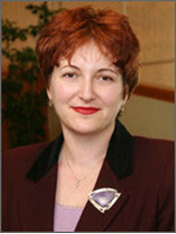
DanaOur March Biodefense Policy Seminar features Dana Perkins, Senior Science Advisor, DHHS — member of the 1540 Committee Group of Experts. Dr. Perkins earned a Master’s Degree in Biochemistry from the University of Bucharest, Romania. She also earned a PhD in Pharmacology and Experimental Therapeutics in 2002 from the University of Maryland, Baltimore, where she specialized in Microbiology/Neurovirology. In 2012-2013, Dana Perkins served in a US Government-seconded position as a member of the Group of Experts supporting a subsidiary body of the United Nations Security Council, the 1540 Committee. The 1540 Committee was established pursuant to resolution 1540 (2004) to monitor the implementation of this resolution worldwide. In her prior position with the US Department of Health and Human Services (HHS), she led the Biological Weapons Nonproliferation and Counterterrorism Branch in the Office of Policy and Planning, Office of the Assistant Secretary for Preparedness and Response (ASPR). At HHS/ASPR, some of her responsibilities and duties included providing subject matter expertise, inter-agency coordination, and senior level policy advice on the scientific (biodefense and biosecurity) and public health aspects of national and international emergency preparedness and response; directing and coordinating national and international progress on issues related to biodefense and biosecurity; developing and reviewing policies on biosecurity, biological weapons nonproliferation, and health security; and performing expert analysis and preparing implementation plans to support the US Government biodefense and biosecurity policy.

This Week in DC: Events

All the week’s free events in DC

Monday, January 13, 2014
Launch of the National Biomarker Development Alliance (NBDA)
National Press Club
10:00AM

Launch of the National Biomarker Development Alliance (nbda) The first non-profit, trans-sector, network-based organization dedicated to creating an evidence-based end-to-end biomarker development process The NBDA team* partners and special guests cordially invite you to attend the launch of the NBDA Please join us for the inaugural public discussion of the NBDA The NBDA is taking on the formidable challenge of assembling/creating the best practices, guidelines, standards, etc. needed for successful end-to-end biomarker development. NBDA will not “reinvent wheels” – so join us for this launch of NBDA – and become a partner or member– by contributing resources and/or expertise to realize the promise of personalized medicine and ultimately transform healthcare Reception immediately following.

Reassessing U.S. Responses to Terrorist Threats
New America Foundation
12:15PM

In 2001, the U.S. Congress authorized the president to use “all necessary and appropriate force against those nations, organizations, or persons he determines planned, authorized, committed, or aided the terrorist attacks that occurred on September 11, 2001, or harbored such organizations or persons.” This Authorization for Use of Military Force (AUMF) set no limits on time, location, or target. In just the last 12 months, the AUMF was invoked in support of the war in Afghanistan, but also unconventional operations in Pakistan, Yemen, Libya, Somalia and possibly elsewhere — operations such as targeted killings using drones, raids and captures by U.S. Special Forces, and, in all probability, cyber warfare. As Heather Hurlburt writes in “Battlefield Earth” in Democracy: A Journal of Ideas’ Winter 2014 issue, out this month: “public debate over the use of force in Syria and the revelations concerning National Security Agency surveillance suggest that Americans are increasingly uncomfortable with actions being undertaken in their name. President Obama appeared to acknowledge this reality in May [2013] when he said he looked forward ‘to engaging Congress and the American people in efforts to refine, and ultimately repeal, the AUMF’s mandate.’”

Book Lecture: A Citizen’s Guide to Terrorism and Counterterrorism
US Institute of Peace
4:30PM

Dr. Christopher C. Harmon has had over 20 years of teaching security studies, strategy, military theory and history, and courses on terrorism at six graduate schools, including a division of National Defense University, and the Naval War College. He currently teaches Counterterrorism and the Democracies and Terrorism at The Institute of World Politics. He also serves as the MajGen Matthew C. Horner Chair of Military Theory at Marine Corps University. Dr. Harmon is the author of Terrorism Today, co-author of Toward a Grand Strategy Against Terrorism, and co-editor of Statecraft and Power. He holds a B.A. in History and French Language from Seattle University, and an M.A. in Government and a Ph.D. in International Relations and Government from Claremont Graduate School.

Tuesday, January 14th, 2014
The Map and the Territory: Risk, Human Nature, and the Future of Forecasting
American Enterprise Institute
5:30PM

For many years, economists have made authoritative and mathematically complex predictions about where the US economy is headed. Yet as Alan Greenspan, former chairman of the Federal Reserve and head of the Council of Economic Advisers under President Gerald Ford, observes in his new book, “The Map and the Territory” (Penguin, October 2013), no one predicted the timing of the 2008 financial crisis, or its severity. What is wrong with economic forecasting that it could not foresee a cataclysm of this magnitude, even days before it happened? Greenspan’s book may portend a complete revision in the way economists forecast the future. At this AEI event, he will argue that entirely new data capturing “animal spirits” (the elements of human behavior) will be necessary if the economics profession is to improve its forecasting accuracy.

Wednesday, January 15th, 2014
The View of Defense from a Conglomerate
Atlantic Council
10:30 AM

Today’s defense industry is dominated by firms that sell a wide range of products and services with a nearly pure-play focus on military customers. It wasn’t always this way, but one distinctive thread in the post-cold-war restructuring of defense was the exit of conglomerates from the market. Not so Textron, which remains today a multi-industrial company participating in a wide range of markets, including defense. Besides its well-known brand of helicopters (Bell) and general aviation aircraft (Cessna), the company’s Textron Systems business sells unmanned aircraft, armored vehicles, marine landing craft, intelligence and surveillance systems, and precision weapons. Against the backdrop of expectation about a new wave of restructuring, the place of multi-industrial, diversified companies on the defense-industrial landscape is once again a topic of special importance to corporate strategists and public policy-makers, not to mention investors.

Thursday, January 16th, 2014
Assessing Warsaw Pact Military Forces: The Role of CIA Clandestine Reporting
Wilson Center
3:00 PM

“CIA Analysis of Warsaw Pact Military Forces: The Importance of Clandestine Reporting” examines the role of intelligence derived from clandestine human sources in the Central Intelligence Agency’s analyses of Warsaw Pact military capabilities for war in Europe from 1955 to 1985. The intelligence was provided to US policymakers and military planners and used to assess the political and military balance in Central Europe between the Warsaw Pact and NATO during the Cold War. The speakers, who were analysts of Soviet military affairs during much of the period, were selected by the CIA to mine its archives for relevant material, previously highly classified, and to provide the documents in coherent form for their study and for public release. The release features a large collection of internal Warsaw Pact classified documents obtained clandestinely during the period and translated and disseminated to senior policymakers by CIA.

This Week in DC: Events

Now that the holiday season is over, the gears in DC are starting to move again. Here’s the highlights of the week’s free international security, global health, and national defense events.

Monday, January 6
New Approaches to Trans-Atlantic Relations in the Early Cold War
Wilson Center
12:30PM – 2:00PM

In this panel, James Chappel (Duke University) and Udi Greenberg (Dartmouth College) will offer new perspectives on U.S. reconstruction efforts and anti-Communist mobilization in Europe during the early Cold War. Based on a wealth of newly uncovered archival sources, both presentations will explore how European agents utilized U.S. institutions and power in order to promote their own political agendas, which predated the Cold War. In doing so, the presentations will shed new light on the ideological and political forces that helped shape U.S. diplomacy in postwar Europe.

Tuesday, January 7
Space and Cyberspace: Enduring Missions in a Changing World
George Washington Universty
9:00AM – 10:00AM

Speaker: General William L. Shelton, Commander, Air Force Space Command, Peterson Air Force Base, Colorodo. In this lecture and discussion, General Shelton will discuss what the Air Force Space Command does for the nation, how it does it, and how the command works with others to achieve its missions in space and cyberspace.

US National Security Strategy
Aspen Institute
12:00PM – 1:30PM

On January 7, Thomas E. Donilon, distinguished fellow of the Council on Foreign Relations, and former national security adviser to President Barack Obama, will be in conversation with Walter Isaacson, president and CEO of The Aspen Institute. This event is presented in partnership with the Aspen Institute Middle East Programs. The Washington Ideas Roundtable Series is made possible with the generous support of Michelle Smith and the Robert H. Smith Family Foundation.

Thursday, January 9
Securing Peace, Promoting Prosperity: The US, Japan, and India
American Enterprise Institute
9:00AM – 12:30PM

Prime Minister Shinzō Abe’s more forward-leaning foreign and national security policies have led to renewed interest in the potential for a US-India-Japan trilateral relationship. At this public event, experts will explore the rationales behind and roadblocks to greater cooperation. Are there opportunities for enhanced trade and investment relationships? Will shared security concerns lead to greater defense collaboration? And how will stronger US-India-Japan ties influence China’s posture in the region?

Inside Iran
US Institute of Peace
9:30AM – 11:00AM

Two long-time Middle East experts have recently returned from Iran. Their discussions with cabinet members, ayatollahs, hardliners, Members of Parliament, economists, opposition figures and ordinary Iranians offer rare insights into Iran’s increasingly vibrant political scene since President Rouhani took office and the implications of the new nuclear agreement. Robin Wright and David Ignatius offer fresh perspectives on what’s next.

Friday, January 10
Roundtable on the NATO-Russian Relationship
Wilson Center
3:30PM

NATO’s Strategic Concept affirms the desire to build a “true strategic partnership” between NATO and Russia. While NATO and Russia have managed to cooperate in a number of practical security areas, significant strains remain in the relationship over the European institutional security configuration, missile defense, regional conflicts, and so on. Dr. Sharyl Cross will offer her perspective in a roundtable session on the evolution and future prospects for the NATO – Russia relationship.

(image: Dell/Flickr)

This Week in DC: Events 12.16.13

Monday, December 16th, 2013
From Incitement to Violence to Conflict Mitigation
Elliot School
9:30 AM

Please join The Elliott School’s International Development Studies Program and Internews, the international media development NGO, for a panel discussion to consider the role of media in conflict: How do we know when atrocities are imminent for a country facing conflict? Does media have the potential to provide early warning of mass violence? Are there media interventions that can work to prevent violence?

Tuesday, December 17th
The al-Shabab Threat After Westgate
Carnegie Endowment
12:00PM

The Somali terrorist group al-Shabab catapulted onto the international stage after its September attack on the Westgate shopping mall in Nairobi. The group remains a dynamic and adaptive threat that has confounded efforts to eliminate its influence. A panel of experts on al-Shabab will examine the evolving threat in Somalia and beyond, identifying policy prescriptions for African governments, the United States, and the international community.

Wednesday, December 18th
Iran, Oil, and the Geneva Agreement
Atlantic Council
9:00AM

With the signing of an interim accord providing limited sanctions relief in return for restraints on Iran’s nuclear program, attention has focused on whether Iran will be able to increase its currently depressed oil and natural gas exports and whether multinational oil companies will again be willing to invest in Iran’s energy sector. Meanwhile, the President Hassan Rouhani’s administration is altering Iran’s energy policies in an effort to attract new buyers and investment. The panel will discuss the impact of these changes on Iran’s economy and on world oil supplies and prices.

China’s Re-emergence as a Great Power and Its Role in Regional Security
Brookings
1:00PM

During his recent visit to Beijing, U.S. Vice President Joseph Biden noted that “as China’s economy grows, its stake in regional peace and stability will continue to grow,” and that “China will bear increasing responsibility to contribute positively to peace and security.” While this perspective is not new, it is moving toward the center of other countries’ considerations of China as economic stakes increase and potential sources of instability continue to simmer. On December 18, the Center for East Asia Policy Studies (CEAP) will host a panel discussion featuring Visiting Fellows from China, Japan, and Korea to examine the increasing importance of China in Northeast Asian security, and ways that it might make positive contributions to the region. The discussion will focus on the Korean Peninsula, maritime issues, and perceptions of regional security in China, Japan, Korea, and the United States. After the panel, the speakers will take audience questions.

Webcast: December Cyber Risk Wednesday – Risks and Resilience of the Electrical Sector
Atlantic Council
3:00PM

Please join the Atlantic Council’s Cyber Statecraft Initiative for the next Cyber Risk Wednesday on December 18, 2013 from 3:00 p.m. – 5:00 p.m. A moderated discussion featuring: Tom Parker, Chief Technology Officer, FusionX; Neal Pollard, Senior Fellow, Cyber Statecraft Initiative, Brent Scowcroft Center on International Security, Atlantic Council; Gib Sorebo, Chief Cybersecurity Technologist, Leidos.

Friday, December 20th
The U.S. and Saudi Arabia: Is a 70-Year Strategic Alliance on the Rocks?
Hudson Institute
10:00AM

The Obama administration’s outreach to Iran over its alleged nuclear program has Washington’s traditional Middle East allies concerned—perhaps the Kingdom of Saudi Arabia above all. An alliance that began in 1944 when President Roosevelt met with the founder of modern Saudi Arabia, King Ibn Saud, the U.S.-Saudi partnership, despite many ups and downs, has remained a cornerstone interest of both countries for nearly 70 years. Now, however, this bilateral relationship appears suddenly troubled—if if not outright endangered. The White House and the Kingdom have diverged on several key Middle East policies—Syria, Egypt, and most importantly Iran—leading Riyadh to consider other strategic options. Will the partnership survive? Or is it merely taking a new shape, long overdue?

(image: Dell/Flickr)

This Week in DC: Events

A few events scheduled for today may be postponed due to the weekend snow – be sure to check event websites before heading out!

Monday, December 9, 2013
PeaceGame
US Institute for Peace
All day Monday – Tuesday afternoon

Governments around the world regularly devote enormous resources to conducting “war games.” On December 9 and 10, the U.S. Institute of Peace (USIP) and The FP Group (FP) will conduct the inaugural PeaceGame, with a focus on “the best possible peace for Syria.” With one game in the U.S. and another in the Middle East, the semi-annual PeaceGames will bring together the leading minds in national security policy, international affairs, academia, business, and media to “game” out how we can achieve peace in Syria. USIP and FP intend for the game to redefine how leaders think about conflict resolution and the possibility of peace.

Tuesday, December 10
Strengthening National Laboratory Commercialization
Information Technology and Innovation Foundation
10:00 AM

Post-World War II era U.S. science, technology, and innovation policy has been defined by a linear approach to public investment in basic research. For many decades, this worked because the United States was one of the few countries with the technological capabilities to translate research into new products and services. But in today’s intensely competitive global economy where nations are fiercely competing for innovation advantage, this paradigm is no longer tenable. Robust public investments in basic research remain critical, but equally as important are investments and institutional reforms to commercialize new ideas from the laboratory into the marketplace. To advance the debate on potential policy reforms, the House Technology Transfer Caucus, Co-Chairs Rep. Gus Bilirakis (R-FL) and Rep. Ben Ray Luján (D-NM), the Information Technology & Innovation Foundation, and Innovation Associates are convening a series of Capitol Hill briefings featuring leading experts in innovation policy.

Hearing: The Iran Nuclear Deal: Does It Further U.S. National Security?
House Committee on Foreign Affairs
1:00PM

Chairman Royce on the hearing: “I continue to have serious concerns that the agreement the Obama Administration negotiated does not meet the standards necessary to protect the United States and our allies. The deal does not roll back Iran’s nuclear program, but instead allows Tehran to keep in place the key elements of its nuclear weapons-making capability. Under the agreement, the international community relieves the sanctions pressure on Iran while its centrifuges continue to enrich uranium. This hearing will be an opportunity for Committee Members of both parties to press Secretary Kerry to explain why the Obama Administration believes this sanctions-easing agreement is the right course.“

The Transition in Afghanistan
Senate Foreign Relations
2:30PM

Witnesses: Ambassador James Dobbins, Special Representative for Afghanistan and Pakistan, U.S. Department of State; Mr. Donald L. Sampler, Jr. Acting Assistant to the Administrator, Office of Afghanistan and Pakistan Affairs U.S. Agency for International Development (USAID)

Wednesday, December 11
Squaring the circle: General Mark Welsh III on American military strategy in a time of declining resources
American Enterprise Institute
8:00 AM

With sequestration likely to remain law throughout this year and beyond, the US Air Force finds itself in a “ready today” versus a “modern tomorrow” dilemma. How will the Air Force balance capability, capacity, and readiness in the coming years? What is the future of key modernization initiatives such as the F-35 Joint Strike Fighter, the KC-46 aerial refueling tanker, and the long-range strike bomber? Moreover, what lessons has the Air Force learned from past debates that will influence upcoming budget proposals? In the concluding session of its series with the Joint Chiefs of Staff, AEI’s Marilyn Ware Center for Security Studies will host General Mark Welsh III, Chief of Staff of the US Air Force, to address these questions and more.

World Health Organization: Global media launch of the World Malaria Report 2013
National Press Club
9:30 AM

Malaria is one of the world’s most serious diseases, causing over 200 million infections and more than 600,000 deaths each year, mainly in children under five in sub-Saharan Africa. An estimated 3.4 billion people are at risk of the disease in almost one hundred countries, and need access to life-saving prevention tools, such as mosquito nets, and effective treatment. One week after the replenishment conference for the Global Fund to Fight AIDS, Tuberculosis and Malaria, during which international donors pledged 12 billion USD for the Fund, the World Health Organization (WHO) will launch its latest comprehensive report on the global effort to control and eliminate malaria. An annual scorecard, the World Malaria Report 2013 includes an assessment of trends in the scale-up of mosquito control tools, preventive therapies, diagnostic testing and treatment. It also reviews the global funding situation, the double threat of drug and insecticide resistance, as well as progress towards global targets set for 2015. WHO’s Dr Robert Newman will be joined by leading experts to discuss key findings of the report. The event will be moderated by former CNN journalist Jeanne Meserve.

Thursday, December 12
Critical Mass: Nuclear Proliferation in the Middle East
Center for Strategic and Budgetary Assessments
10:00 AM

At the briefing, the report’s author Dr. Andrew Krepinevich will provide his assessment of key security issues that may emerge in the event Iran acquires a nuclear capability, to include: the dynamics of a bipolar regional nuclear competition between Israel and Iran; the prospects for (and potential consequences of) a Middle East proliferation “cascade” involving other states in the region; the potential for a “Nuclear Great Game;” and the overarching challenges associated with preserving crisis stability and avoiding regional nuclear conflict. Dr. Krepinevich will also address why Cold War deterrence models may not apply to the nuclear competition in the Middle East, and why missile defenses may prove both destabilizing and cost-ineffective in this environment.

Joint Subcommittee Hearing: The Resurgence of al-Qaeda in Iraq
House Committee on Foreign Affairs
1:00PM

Witnesses: Kenneth M. Pollack, Ph.D., Senior Fellow, Saban Center for Middle East Policy, The Brookings Institution; Ms. Jessica D. Lewis, Research Director, Institute for the Study of War; Michael Knights, Ph.D., Lafer Fellow, The Washington Institute for Near East Policy; Daniel L. Byman, Ph.D., Professor, Security Studies Program, Georgetown University.

Friday, December 13
New Nuclear Suppliers
CSIS
9:00AM

Nuclear power is shifting East, and so too may nuclear suppliers. Nuclear energy long has been dominated by the West and by advanced economies, but this is likely to change in the next thirty years. While Japan’s nuclear industry is still reeling from the Fukushima accident, China, India, and South Korea have ambitious plans for nuclear energy at home and abroad. All three countries face capacity, regulation and financing challenges and all three have relatively little experience in export control harmonization. CSIS, with partners in India, South Korea, and China, explored the contours of responsible nuclear supply with key technical, official, and industry experts. Please join us for a discussion of our findings, and the results of our workshops in Delhi, Seoul and Beijing, with a distinguished panel of experts.

(image courtesy of Dell)

This Week in DC: Events 12.2.13 – 12.6.13

The highlights of the free and open-to-the-public international security, terrorism, and policy events this week.

Monday, December 2
How the Global Order and the Modern State Empower Organized Violence
George Mason University School of Public Policy
7:15PM

Terrorists, human traffickers, insurgents, drug dealers, cyber criminals, pirates and other forms of organized violence, all actively exploit the separation that western societies and the international community try to maintain between what is considered “crime” and “war.” This separation, which is designed to promote stability and preserve liberty, is reflected in the very architecture, organizational and political cultures, and legal parameters assigned to law enforcement, judicial systems, and the military across western societies and within international institutions. However, insurgents conduct kidnappings by day and launch military-style raids at night as part of a holistic strategy that crosses traditional law enforcement and military boundaries. Pirates operate with impunity knowing that they are unlikely to be overtly attacked by navies on the high seas nor tried in a proper court upon capture. And drug lords, from Latin America to Los Angeles, challenge – and in some cases have virtually defeated – local law enforcement using high-end military weapons and tactics.

Tuesday, December 3
Cyber Conflict on the Korean Peninsula
Korean Economic Institute
10:30AM – 12:00PM

As the most wired place in the world, South Korea’s vulnerability to cyber threats is an important issue, especially when there are tensions with its neighbor to the north. South Korean banks, government agencies, media outlets, and businesses were all victims of cyber attacks and it is believed that North Korea was behind them. Many speculate that North Korea has units dedicated to cyber warfare and espionage. As a legitimate threat and provocation, it is important to understand the dynamics around cyber conflict on the Korean peninsula. Join KEI on Tuesday, December 3 as Dr. Steven Kim, Associate Professor at the Asia-Pacific Center for Security Studies in Honolulu, Hawaii presents his report on the cyber warfare tactics and strategies used by North Korea and the defense mechanisms employed by South Korea to prevent and deter cyber attacks.

Webinar on Environmental Security and Public Health
Elliot School of International Affairs
1:15PM – 2:15PM

Join us on the web December 3 for the third installation of a five webinar series on international environmental security, co-produced by the Security & Sustainability Forum and the National Council on Science and the Environment and led by experts from the Elliott School of International Affairs and the Stimson Center. Each webinar panel will examine a hypothetical scenario that could be a game-changer for national security, international business interests, political science theory, and our global environment. The panel on December 3 will examine the issue of the major threats to public health due to climatic and environmental change through a hypothetical scenario in which a new mosquito-borne disease emerges out of Africa or Asia. Please register for this ONLINE WEBINAR with the Security and Sustainability Forum at: go.gwu.edu/publichealth

Wednesday, December 4
FBI Agents to discuss National Security Issues
National Press Club
10:00 AM

FBI agents will discuss how sequestration’s mandated budget cuts are affecting daily FBI operations and hampering criminal and national security investigations, as well as the risks associated with additional budget cuts and furloughs expected early next year, at a National Press Club Newsmakers news conference on Wednesday, December 4. Leaders of the FBI Agents Association (FBIAA) will also update the group’s recent report Voices from the Field: FBI Agent Accounts of the Real Consequences of Budget Cuts. The report contains field reports from FBI Special Agents illustrating the impact of budget cuts on their work. Speaking at the Newsmaker news conference will be FBIAA President Reynaldo Tariche and several active duty FBI agents from around the country. This NPC Newsmaker news conference is scheduled to take place on Wednesday, December 4 at 10 a.m. in the Club’s Zenger Room, on the 13th floor of the National Press Building at 529 14th St. NW, Washington DC, 20045.

Subcommittee Hearing: Transition at a Crossroads: Tunisia Three Years After the Revolution
U.S. House Committee on Foreign Affairs
2:00PM

Chairman Ros-Lehtinen on the hearing: “Three years since the Arab Spring began, Tunisia is at a crucial crossroads in its democratic transition. The country has been enmeshed in a political stalemate, and growing internal and external security challenges further complicate the tenuous political process. A democratic Tunisia would not only be a model for other countries in this volatile region, but a failure to make this transition would have grave consequences for the security interests of the U.S. and other nations in the region. This hearing will examine the status of the transition and what the U.S. and other organizations are doing to promote democracy and civil society at this critical juncture in Tunisia’s history.”

Thursday, December 5
The Future of America’s Strategic Nuclear Deterrent
Center for Strategic & Budgetary Assessments
10:00AM

Although nuclear weapons have played a critical role in American defense strategy for more than 60 years, there is a growing debate over the number and type of nuclear forces that the United States actually needs to maintain its security and protect its allies. Over the past several years, calls for Washington to substantially reduce the size of its nuclear arsenal have become more prevalent, while the combination of declining budgets and looming recapitalization costs have made nuclear weapons a popular target for potential funding cuts. Please join us as CSBA releases its latest report, The Future of America’s Strategic Nuclear Arsenal, by Senior Fellow Evan Montgomery. At the briefing, Dr. Montgomery will address a number of issues: Can the United States implement deep reductions in strategic nuclear weapons and still deter rivals, dissuade competitors, and discourage proliferation? Should it retain the strategic triad of bombers, land-based intercontinental ballistic missiles, and nuclear-powered ballistic missile submarines? Finally, must it replace its aging nuclear forces?

Strengthening the NIST Cyber Framework Against Advanced Threats
CSIS
12:00 – 2:00 PM

The CSIS Technology and Public Policy Program invites you to attend Strengthening the NIST Cyber Framework Against Advanced Threats NIST’s Cybersecurity Framework has tremendous value for risk management and defines best practices to block known threats. This discussion will share intelligence about campaigns by sophisticated cyber threat actors that have targeted critical infrastructure companies and discuss how well the Framework stacks up against advanced and new, unknown threats. Lunch will be served.

The Effects of Funding on Scientific Productivity: The Case of Academic Chemistry, 1990-2009
GMU Technology, Science, and Innovation Policy Research Seminars
12:00 – 1:30PM

This month’s seminar will feature Joshua Rosenbloom, of the National Science Foundation. This monthly seminar series, sponsored by George Mason University’s Center for Science and Technology Policy (School of Public Policy), explores new ideas and work-in-progress with the Washington-area research community. It’s open and free to all interested researchers with a special invitation extended to graduate students. The seminars are held at the George Mason University’s School of Public Policy (Founders Hall) on the Arlington campus, a short walk from the Orange Line’s Virginia Square/GMU Metro stop. CSTP will provide coffee and cookies — participants are welcome to bring a brown bag lunch.

Can the U.S. and China Build a New Model of Major Power Relations?
Wilson Center
3:30 – 5:00PM

On December 4 and 5, the Kissinger Institute and the China Institute for International Studies will hold a groundbreaking dialog on U.S.-China relations. In an effort to build relationships between, and gain the insights of, promising young leaders from both countries, the Kissinger Institute and the China Institute for International Studies are bringing together 16 fully bilingual experts from a variety of fields for an unconstrained and uninterpreted dialog on major issues in Sino-U.S. relations. The U.S.-China Young Leaders Dialogue is developing a platform for new voices and constituencies in U.S.-China relations, with an eye toward finding new approaches to joint challenges. At this public session of the off-the-record Dialogue, four conference participants will offer their views on prospects for a new model of major power relations.

(image courtesy of Dell)

This Week in DC: Events 11.25.13 – 12.2.13

A very abridged events round-up due to the upcoming Thanksgiving holiday, which we hope you all enjoy!

Tuesday, November 26

Nuclear Talks with Iran: Potential Pitfalls and Prospects for Success
Heritage Foundation
12:00PM

The rise to power of Iranian President Hassan Rouhani has boosted expectations that the decade-long standoff over Iran’s nuclear weapons program soon will be resolved through a diplomatic agreement. How realistic are these expectations? What is the meaning of the deadlocked talks at Geneva? What negotiating pitfalls must be avoided to construct the framework of an acceptable agreement? What is the role of international sanctions in pressuring Iran and under what circumstances should Washington consider easing sanctions? Join us as the speakers address these and other questions.

Modulation of RNA structure and function using protein, ligands, and RNA
Georgetown University
12:00PM

Speaker: Nathan Baird, Postdoctoral Research Fellow, Ferre-D’Amare Lab National Heart, Lung and Blood Institute.

Foreign Policy Challenges in Obama’s Second Term
Center for a New American Security
12:15 – 1:45PM

On Tuesday, November 26, the Center for a New American Security (CNAS), the New America Foundation and the American Enterprise Institute will host an in-depth discussion on the foreign policy challenges faced by the Obama administration in its second term. With a politically turbulent Middle East, a financially teetering EU, and an increasingly technologically competitive Asia-Pacific region, Obama and his administration will face critical foreign policy decisions in the second half of his final term. Featured speakers: Ambassador Dennis Ross, Anne-Marie Slaughter, Robert Kaplan.

Foreign Policy Series: New Hope for Nuclear Negotiations with Iran, or Further Disappointment?
World Affairs Council
6:30 – 8:30PM

For the past month representatives from Iran and six world powers have been attempting to restart negotiations for an agreement related to Iran’s nuclear ambitions. While a deal has seemed imminent, with Secretary of State John Kerry traveling to Geneva during his recent trip to the Middle East, and all sides noting progress, lingering doubts exist. Will an agreement be struck, and if so, how likely are the parties involved to adhere to it?

Monday, December 2

Going the Whole Nine Yards: What Is Needed for an Africa Free of AIDS, Tuberculosis, and Malaria
Wilson Center
10:00 – 11:00AM

In conjunction with the Replenishment Conference for the Global Fund, the Africa Program is co-hosting the conference, “Going the Whole Nine Yards: What Is Needed for an Africa Free of AIDS, TB, and Malaria,” which will take place in the Wilson Center’s 6th floor Flom Auditorium. The effectiveness and benefits that have accrued to Africa since the fund was established and the continuing need to have a fully operational Global Fund will be discussed. At this tipping point in the fight against HIV/AIDS, tuberculosis, and malaria, the Wilson Center’s Africa Program and Friends Africa believe that amplifying the voices of leading advocates in the fight for an African continent free of HIV/AIDS, TB and Malaria is crucial to garner support towards meeting the replenishment target of 15 billion USD.

Dancing with the devil: Lessons from negotiating with rogues and terrorists
American Enterprise Institute
5:30 – 7:00PM

Whether wielding nuclear or chemical weapons, sponsoring truck bombs, or taking hostages, rogue regimes and terrorist groups continue to threaten the United States and its allies. How should America address the rogue threat? Highlighting research from his new book, “Dancing with the Devil” (Encounter Books, February 2014), Michael Rubin will describe not only lessons Americans have learned from decades of engaging Iran, North Korea, the Palestine Liberation Organization, the Muslim Brotherhood, and the Taliban, but also what rogue regimes and terrorists have concluded about dialogue with Americans.

(image courtesy of Dell)

Reminder: November Biodefense Policy Seminar Tonight!

Just a reminder that our Biodefense Policy Seminar is tonight! Dr. Vogel will discuss bioweapons threats and nonproliferation. There will be free pizza and soda – join us!

November Seminar Title: Project BACHUS: Forecasting Bioweapons Threats with Experiment and Demonstration
Speaker
: Kathleen Vogel
Date: Thursday, November 21, 2013, 7:20PM
Location: Meese Conference Room, Mason Hall,  GMU Fairfax Campus

20110912_Fall Scholars 2011Dr. Vogel will describe a 1990s bioweapons threat assessment that involved setting up a mock bioweapons production facility as an “experiment”. The talk will discuss the difference between a scientific experiment and scientific demonstration and why it is important to interrogate what things are labeled as “experiments” and the implications that has for bioweapons assessments. Kathleen Vogel is an associate professor at Cornell, with a joint appointment in the Department of Science and Technology Studies and the Judith Reppy Institute for Peace and Conflict Studies. Vogel holds a Ph.D. in biological chemistry from Princeton University. Prior to joining the Cornell faculty, Vogel was appointed as a William C. Foster Fellow in the U.S. Department of State’s Office of Proliferation Threat Reduction in the Bureau of Nonproliferation. Vogel has also spent time as a visiting scholar at the Cooperative Monitoring Center, Sandia National Laboratories and the Center for Nonprolif­eration Studies, Monterey Institute of International Studies. Her research focuses on studying the social and technical dimensions of bioweapons threats and the production of knowledge in intelligence assessments on WMD issues.

This Week in DC: Events 11.18.13 – 11.22.13

Our featured event this week is the November Biodefense Policy Seminar this Thursday, featuring biodefense and non-proliferation expert, Dr. Kathleen Vogel. The event is free and open to the public – stop by!

Tuesday, November 19, 2013

Emergency Preparedness Conference
Politico
8:00 AM

Join POLITICO for a conversation about how key players in emergency and disaster response allocate critical resources, plan for the unexpected and come up with innovative solutions to resolve unfinished business from 9/11 as well as prepare for the future.

New Realities: Energy Security in the 2010s and Implications for the U.S. Military
Strategic Studies Institute
All day

The rapidly changing global energy supply situation, coupled with a host of social, political, and economic challenges facing consumer states, has significant implications for the United States generally and for the U.S. military specifically. The U.S. Army War College will gather experts from the policymaking community, academia, think tanks, the private sector, and the military services at the Reserve Officers Association headquarters in Washington, DC on 19-20 November to address first the major ‘new realities’ both geographically and technologically and then the specific military implications. Following the conclusion of the conference, the U.S. Army War College will produce an edited volume consisting of contributor comments/papers, as well as a series of two-page decision-maker executive summaries that will be designed to shape U.S. national security policy and the American response to the ‘new realities.’

TRIA Triage: A Discussion of the Terrorism Risk Insurance Act
National Journal
8:00 AM – 10:00AM

Following the September 11th attacks, many insurers stopped providing terrorism risk coverage after suffering what was then the most costly disaster in the history of insurance. In the wake of the financial disruption, the government enacted the Terrorism Risk Insurance Act; a public-private cost-sharing arrangement that requires private insurance companies to provide terrorism risk coverage in exchange for federal financial backing. Without Congressional intervention, TRIA is currently scheduled to sunset on December 31, 2014. Join National Journal for a policy summit that will convene the nation’s top security, financial and insurance experts for a robust discussion concerning TRIA’s future. The discussion will explore questions such as: Is TRIA a common-sense solution that benefits insurers and policyholders alike, or do taxpayers bear the burden of unnecessary insurance bailouts? What other costly disasters might be on the horizon, and should TRIA be reauthorized at the end of next year?

Surveillance and Foreign Intelligence Gathering in the United States: The Current State of Play
Georgetown Law
9:30 AM

On Tuesday November 19, at 9:30 am (in Hart Auditorium), the Center and the National Security Law Society will co-host the second event in our three part series: Surveillance and Foreign Intelligence Gathering in the United States: Past, Present and Future.

Wednesday, November 20

New Visions for Citizen Science
Wilson Center
1:00 – 5:00 PM

Citizen science projects range from classifying galaxies and collecting environmental data to collectively solving the structure of an AIDS-related enzyme through a protein-folding game. The Commons Lab within the Science and Technology Innovation Program at the Wilson Center, in collaboration with TechChange and the Wilson Center’s Environmental Change and Security Program and Africa Program, invite you to join a conversation on open innovation and citizen science: What technologies support public participation in scientific research? How can projects ensure high-quality data collection and analysis, and support meaningful engagement with volunteers? How can federal agencies build partnerships to leverage these new approaches? What are the impacts to science, management, and policy, and how do we measure success? Opening remarks by Kumar Garg, Assistant Director for Learning and Innovation, Technology and Innovation Division, White House Office of Science and Technology Policy. Keynote by Bob Perciasepe, Deputy Administrator, U.S. Environmental Protection Agency.

Terrorist Groups in Syria
U.S. House Committee on Foreign Affairs, Subcommittee on Terrorism, Nonproliferation, and Trade
1:30 PM

Witnesses Mr. Brian Michael Jenkins, Senior Adviser to the President, RAND Corporation; Mr. Phillip Smyth, Middle East Research Analyst, University of Maryland; Mr. Barak Barfi, Research Fellow, The New America Foundation

A New Model for Defense Intelligence
Brookings Institution
3:00 – 4:00 PM

The exponential rate of change in the present global environment makes today’s security landscape particularly challenging, and projections promise that the challenges will only increase. In this complex and uncertain future, intelligence, cyber, Special Operations Forces and international partnerships will take on more prominent and critical roles in the nation’s defense and warfare for decades to come. On November 20, the Intelligence Project at Brookings and the National Intelligence University will co-host a discussion with Lieutenant General Michael T. Flynn, director of the Defense Intelligence Agency (DIA), to examine this uncertain future, DIA’s role in this complex security environment and a new model for defense intelligence that ensures preparedness to address these challenges and the crises of tomorrow. Flynn has also served as the director of intelligence at the U.S. Central Command, director of intelligence for the Joint Staff and director of intelligence for International Security Assistance Force-Afghanistan and U.S. Forces-Afghanistan. Brookings Senior Fellow Bruce Riedel, director of the Intelligence Project, and President of the National Intelligence University, David Ellison, will provide introductory remarks, and Riedel will moderate the discussion. Following his remarks, General Flynn will take questions from the audience.
Thursday, November 21

Biodefense Policy Seminar – Project BACHUS: Forecasting Bioweapons Threats with Experiment and Demonstration
Meese Conference Room, Mason Hall, GMU Fairfax Campus
7:20 PM

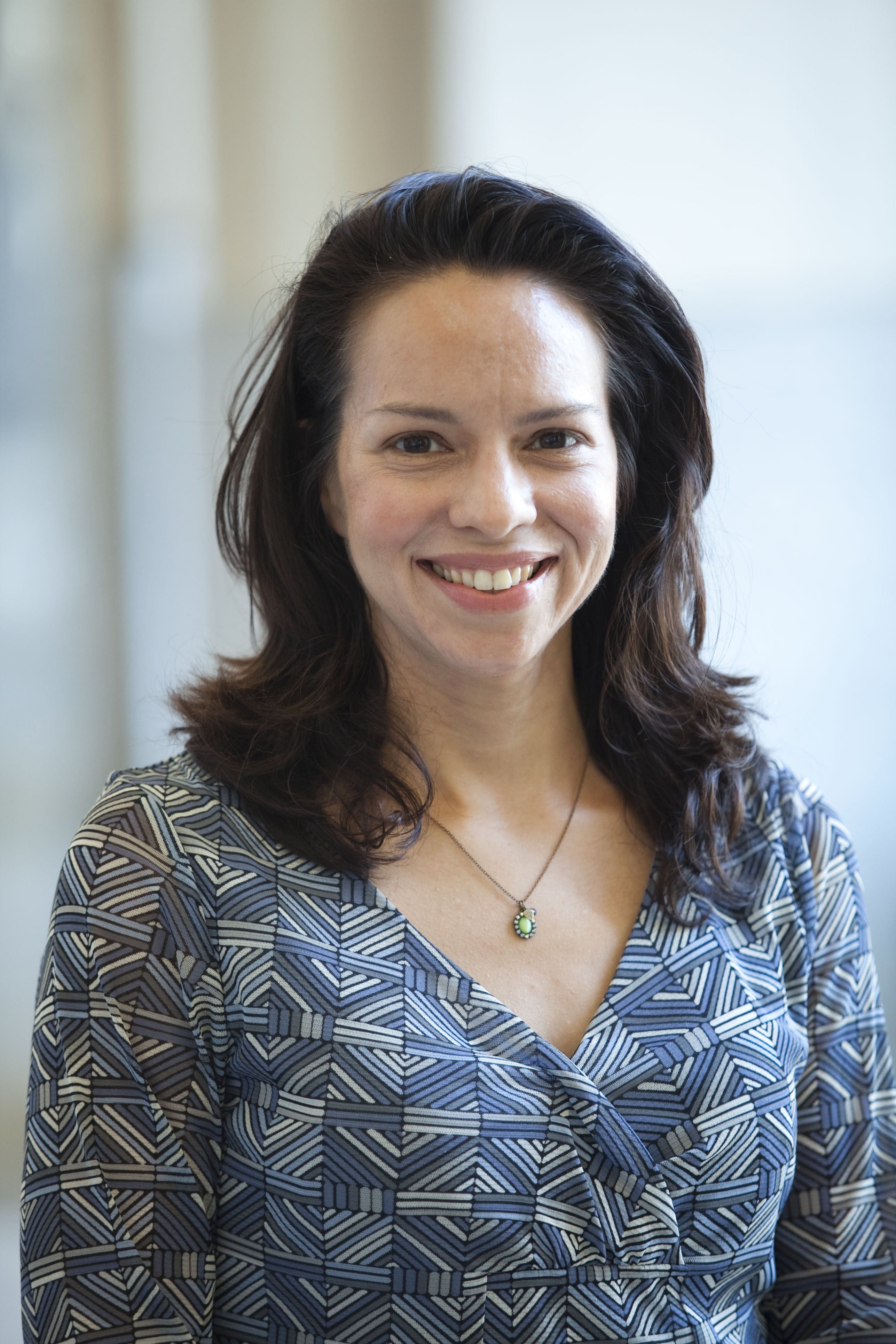
Dr. Kathleen Vogel will describe a 1990s bioweapons threat assessment that involved setting up a mock bioweapons production facility as an “experiment”. The talk will discuss the difference between a scientific experiment and scientific demonstration and why it is important to interrogate what things are labeled as “experiments” and the implications that has for bioweapons assessments. Kathleen Vogel is an associate professor at Cornell, with a joint appointment in the Department of Science and Technology Studies and the Judith Reppy Institute for Peace and Conflict Studies. Vogel holds a Ph.D. in biological chemistry from Princeton University. Prior to joining the Cornell faculty, Vogel was appointed as a William C. Foster Fellow in the U.S. Department of State’s Office of Proliferation Threat Reduction in the Bureau of Nonproliferation. Vogel has also spent time as a visiting scholar at the Cooperative Monitoring Center, Sandia National Laboratories and the Center for Nonprolif­eration Studies, Monterey Institute of International Studies. Her research focuses on studying the social and technical dimensions of bioweapons threats and the production of knowledge in intelligence assessments on WMD issues.

Nuclear Weapons in the 21st Century
Heritage Foundation
12:00 – 1:00 PM

Nuclear weapons are as relevant today as they were decades ago. In 2009, President Obama advocated for a “world without nuclear weapons,” and recently reaffirmed this pledge during his speech at the Brandenburg Gate in Berlin. The President stated that he intends to reduce U.S. deployed strategic nuclear weapons by up to one-third below the New Strategic Arms Reduction Treaty level. Meanwhile the U.S. nuclear triad continues to age. The Administration’s policy of “no new weapons,” potential unilateral reductions, and a lack of commitment to sustain U.S. nuclear weapons infrastructure are raising questions about U.S. commitment to keep the weapons safe, secure, and reliable, and maintain its commitment to provide a nuclear umbrella to its allies around the world. Join us as our guests discuss the continued importance of U.S. nuclear weapons for our national security in light of today’s diverse challenges.

The Convergence of Crime and Terrorism
Potomac Institute for Policy Studies
12:00 – 2:ooPM

The nexus between crime and terrorism challenges US law enforcement in unique ways. Since the 1980s and 1990s, evidence has linked narcotics trade to ties between terrorism and transnational organized crime. Operating without borders and in areas of government instability, Latin American gangs such as MS-13 and Mexican cartels have been financing terrorist operations through the drug trade. Narco-trafficking is a lucrative business, and terrorist organizations such as the FARC, Hezbollah, and al-Qa’ida take advantage of this revenue stream. As Hezbollah linked Los Angeles gangs and Al-Shabaab linked groups in Minnesota have demonstrated, terrorist operations via the drug trade continue to operate in the United States. The panelists will discuss important issues surrounding these tactics on the national and local level.

Friday, November 22

Talking Science: Environmental and Health Communications in a Skeptical Era
Wilson Center
1:00 – 4:30PM

How can communications professionals, policymakers, and academic experts effectively communicate environmental and health issues in a skeptical era? In the first of two panels, communications directors from US and UN agencies and environmental and health NGOs will discuss the relationships and negotiations that underlie action (or inaction) in a major policy-making capital like Washington, D.C. In the second panel, five speakers will explore the cultural and social causes and consequences of climate change skepticism (especially American climate change skepticism) and consider the implications for national and international efforts to address global climate change. This discussion is sponsored by the Environmental Communication Division of the National Communication Association.