The Pandora Report

Using bat genes to stay healthy

Merry Holiday Season to all! And stay tuned Monday for George Mason Biodefense’s “year in review”, examining the most interesting and relevant developments in biodefense over 2012.  For now, highlights include the ongoing mystery of the Spanish Flu, bats as the elixir of eternal good health, the fiscal cliff (it’s inescapable) interrupting post-Sandy aid,  the inevitably of another global flu pandemic (yes, this is news. Sort of. Read the article), and the ongoing uncertainty regarding the causes of this year’s West Nile epidemic. Happy Friday and a safe and happy New Year!

The Worst Pandemic in History

Slate has a really interesting piece on the study of the 1918 Spanish Influenza pandemic, which I’ll be the first to admit, legitimately frightens me. In just under a year, the virus infected nearly 40% of the world’s population, resulting in over 50 million deaths.

Slate – “Ninety-five years ago in the little town of Brevig Mission, Alaska, a deadly new virus called Spanish influenza struck quickly and brutally. It killed 90 percent of the town’s Inuit population, leaving scores of corpses that few survivors were willing to touch. The Alaskan territorial government hired gold miners from Nome to travel to flu-ravaged towns and bury the dead. The miners arrived in Brevig Mission shortly after the medical calamity, tossed the victims into a pit two meters deep, and covered them with permafrost. The flu victims remained untouched until 1951, when a team of scientists dug up the bodies, cracked open four cadavers’ rib cages, scooped out chunks of their lungs, and studied the tissue in a lab. But they were unable to recover the virus and threw out the specimens. Nearly 50 years later, scientists dug up another victim from the same site, this time a better preserved, mostly frozen, obese woman, and successfully extracted viral RNA. In 2005, a team of scientists finally completed the project, sequencing the full genome of the viral RNA. But they still don’t know exactly why it caused the Spanish flu pandemic.”

How Bat Genomes Could Help Make You Healthy

A group of scientists with possibly the best team name ever – the Bat Pack – have determined that it may be bats’ ability to fly that helps inure them from of the nastier zoonotic bugs (ebola, SARS, etc). Maybe Batman was on to something?

Popular Science – “A new genetic analysis shows how bats avoid disease and live exceptionally long lives–information researchers could use to design drugs for people. Though they can rapidly spread pathogens that afflict humans, bats somehow avoid getting sick from viruses like Ebola, SARS, and other deadly bugs. A new genetic analysis of two very different bat species shows how the animals avoid disease, and live exceptionally long lives. It may all be related to their ability to fly, researchers say. This research comes from the “Bat Pack,” a team of scientists at the Australian Animal Health Laboratory, and the Beijing Genome Institute. The team sequenced the genomes of a huge fruit bat and a tiny insectivorous bat and found both were missing a gene segment that can cause extreme immune reactions to infection. In most mammals, the so-called ‘cytokine storm’ that results from an invading virus is actually what kills, not the virus itself. This inflammatory response doesn’t happen in bats.”

Fiscal Cliff Discussions Get in Way of Post-Sandy Relief Measure

Homeland Security Newswire – “The post-Sandy rebuilding effort in the northeast has been stalled by the debate going on in Congress about a solution to the national debt…Lawmakers from New York, New Jersey, Connecticut, and several other states are still waiting for support for a measure which would allow speeding up of clean-up efforts construction, but with the focus on the fiscal cliff, the $60 billion White House Sandy relief request has taken a back seat. Last Thursday legislators from the affected states pleaded with their colleagues to separate the disaster relief package — which, when the states’ requests are added, could total $100 billion — from the fiscal cliff conversations”.

Global Flu Pandemic ‘Inevitable,’ Expert Warns

By “expert” they mean head of the pharmaceutical company currently attempting to manufacture a universal flu vaccine. Which isn’t to say he’s wrong! Rather, as one GMU Biodefense faculty member is fond of saying (and quite rightly),  always check your sources.

USNWR – “A new global flu pandemic within the next couple years is inevitable, one prominent flu vaccine manufacturer says. Joseph Kim, head of Inovio Pharmaceuticals, which is currently working on a “universal” flu vaccine that would protect against most strains of the virus, says the world is due for a massive bird flu outbreak that could be much deadlier than the 2009 swine flu pandemic. ”I really believe we were lucky in 2009 [with the swine flu] because the strain that won out was not particularly lethal,’ he says. ‘Bird flu kills over 60 percent of people that it infects, regardless of health or age. It is a phenomenal killing machine—our only saving grace thus far is the virus has not yet jumped to humans.'”

West Nile Virus Surge Unexplained

Although the specific causative agents have yet to be pinpointed, scientists have established that this year’s epidemic was not a result of significant viral mutation. Silver lining?

Medpage – “During the summer, the CDC realized that this year was on track to be one of the worst for West Nile virus infections, and as reported cases continue to be tallied the reason for the resurgence remains unclear. As of Dec. 11, the official case count was 5,387, the second highest total since the mosquito-borne virus first emerged in New York in 1999. There were 9,862 total cases reported in 2003, a number padded by excessive testing in one state that year. Human infections have now been identified in all 48 contiguous states and the District of Columbia, with the hardest hit being Texas (32%), California (8%), and Louisiana (6%). Current numbers of neuroinvasive disease cases (2,734) and deaths (243) rank third behind those recorded for 2002 and 2003.”
The Pandora Report

Highlights include H5N1 research for everyone, a gift all Biodefense students can get behind, finally detecting the tiniest virus, why bacteria are to blame for you eating that third piece of fruitcake, USAID’s PREDICT program, and staying away from the hand dryer. Happy Friday!

The End of Days for H5N1 Moratorium?

H5N1 research is out of the dog (ferret?) house, following a lifting of a year long ban, put in place after the controversial “Airborne Transmission of Influenza A/H5N1 Virus Between Ferrets” study. Stay tuned for the GMU Biodefense review of the decision.

The Scientist – “After a 2-day meeting in Bethesda, Maryland, this week, government officials have finally reached a consensus on a policy to review requests to research the potentially dangerous H5N1 influenza virus. The new policy could end a longstanding debate that began when two research groups published studies showing their ability to create viruses that are transmissible between mammals. The National Institutes of Health policy, which is to take effect next month, will effectively lift a 12-month ban on H5N1 research that started in January. But some countries may not wait. ‘I suspect that we will be seeing a lifting of the moratorium on the part of people who are not NIH-funded,’ Anthony Fauci, the head of the National Institute of Allergy and Infectious Diseases (NIAID), said at the meeting…”

Preparing for Bioterrorism

Unsure what to get the Biodefense student who has it all? Look no further! The Alfred P. Sloan foundation has released a book helpfully titled “Preparing for Bioterrorism”, which is about, you guessed it, bioterrorism. Download it for free from their website, pass it along to your favorite BIOD student, and then sit back and bask in your gift-giving glory.

Get it here (be sure to check out the forward by D.A. Henderson, available here).

citytechprof
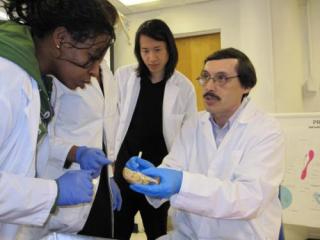
Dr. Kolchenko

Groundbreaking research leads to detection of smallest virus particle, implications for early treatment of disease

Vasily Kolchenko (great name, great mustache) and his team, by attaching a nano-antenna to a light-sensing device, have managed to detect the smallest virus particles.

Phys.org – “…Their work has made it possible, for the first time, to detect the smallest virus particle. Since even one viral particle can represent a deadly threat, the research likely will make an important contribution to ongoing research on early detection of such diseases as AIDS and cancer. Until the research team announced their discovery this year in Applied Physics Letters (July 27, 2012), no instrument or methodology had been successful in reliably and accurately detecting a single virus particle, which is in the size range of a nanoparticle. (About 80,000 nanoparticles side by side would have the same width as a human hair.) The research will potentially have an immense impact on the general public, aiding disease detection at its earliest stage when fewer pathogens are present and medical intervention can be most effective.”

Are Bacteria Making You Hungry?

I know defending against our nation’s proclivity towards baked goods isn’t necessarily an issue of biodefense, but it’s the holiday season, and as the pounds are added on, any and all scapegoats are appreciated (George Mason Biodefense is in no way condoning unhealthy eating habits. A balanced diet and frequent exercise are the best way to remain healthy).

Science Daily – “Over the last half decade, it has become increasingly clear that the normal gastrointestinal (GI) bacteria play a variety of very important roles in the biology of human and animals. Now Vic Norris of the University of Rouen, France, and coauthors propose yet another role for GI bacteria: that they exert some control over their hosts’ appetites. Their review was published online ahead of print in the Journal of Bacteriology.”

USAID Emerging Pandemic Threats Program Trains 1,500 in Infectious Disease Surveillance, Diagnostics and Outbreak Response and Identifies 200 Novel Viruses

Microbial and infectious disease experts from around the world came together earlier this month for the 20th annual meeting of the Institute of Medicine (IoM)’s Forum on Microbial Threats.

“Over the past three years, the PREDICT Project of the U.S. Agency for International Development’s (USAID) Pandemic Influenza and Other Emerging Threats (PIOET) program has trained 1,500 people in surveillance, diagnostics, and outbreak response; has discovered 200 novel viruses related to groups known to cause disease in humans; and has standardized animal sampling protocols as part of detecting and preventing pathogens of pandemic potential from spilling over from animal to human populations – and vice versa. These figures were presented by Stephen Morse, PhD, of Columbia University and Co-Director of the PREDICT Project during a panel…on “Disease Detection, Emergence and Spread: Tools and Approaches for Infectious Disease Surveillance and Detection” .

Why Paper Towels are Important

Using an air dryer in the bathroom is always better, right? Especially one of the automatic ones that you don’t have to touch? Wrong.  In doing your bit to stop the spread of flu this holiday season, consider reaching for the towel. From the Mayo Clinic:

“Hand hygiene has the potential to prevent diseases and reduce health care–associated infections. The proper drying of hands after washing should be an essential component of effective hand hygiene procedures. Most studies have found that paper towels can dry hands efficiently, remove bacteria effectively, and cause less contamination of the washroom environment. From a hygiene standpoint, paper towels are superior to air dryers; therefore, paper towels should be recommended for use in locations in which hygiene is paramount, such as hospitals and clinics. The provision of paper towels should also be considered as a means of improving hand hygiene adherence among health care workers. Our findings may have implications for health professionals and medical educators aiming to design effective programs to promote hand hygiene practices.”

Destroying Rinderpest: Former Director of Plum Island Comments

RInderpest
Rinderpest

Last week the World Organization for Animal Health (OIE) called for the destruction of remaining stocks of the eradicated cattle virus, Rinderpest. Commenting on the news is Dr. Roger Breeze, GMU Biodefense adjunct faculty, current President of the Centaur Science Group,  and former Director of the Plum Island Animal Disease Center.

Dr. Roger Breeze:

“In 2011, the developing world celebrated global eradication of Rinderpest, a lethal viral disease of cattle responsible for catastrophic outbreaks in Europe that started with the Mongol invasions, frame our emergency response to epidemics to this day, and were the direct triggers for establishment of the veterinary profession and the International Office of Epizootics (OIE, the World Organization for Animal Health). Beyond catastrophic were the consequences of the Great African Rinderpest epidemic that began when an invading Italian Army brought Rinderpest-infected cattle from India into Ethiopia in 1887. At least 90% of cattle died and the infection spread throughout Africa, depriving people of their food, transport, draft animals and family life-savings at a stroke and precipitating a severe famine, enormous mortality and wars that rippled through the continent for a decade.

Like smallpox, Rinderpest was eradicated with 20th century technologies – a live attenuated vaccine made in the developing world and simple immunological tests – backed by a surprisingly inexpensive but sustained international effort based on grass-roots capabilities and enthusiastic participation of the herdsmen most concerned. The world community that conceived, funded and sustained these efforts deserves enormous credit.

Now we face a different challenge – accidental or deliberate release of Rinderpest into a global cattle population that is totally susceptible and through much of Africa and Asia ill supported by veterinary surveillance services. Live attenuated Rinderpest vaccine strains and virulent challenge strains exist in laboratories and vaccine facilities formerly engaged in the global eradication campaign. The OIE and the United Nations Food and Agriculture Organization (FAO) are leading international efforts to destroy remaining stocks of Rinderpest virus or to transfer these to secure Biosafety level 3 laboratories so that unauthorized access to virus is prevented and any work is conducted under appropriate biological safety. Clearly this is something to be encouraged, although one wishes for a somewhat stronger verb. The OIE and FAO are also developing a contingency plan (as yet unpublished) for a vaccine bank and diagnostic support should an outbreak occur. This is also a wise investment.

But the OIE is the World Organization for Animal Health not Animal Biodefense and OIE and FAO both operate on shoestring budgets that do not allow for a global Rinderpest preparedness plan that can be sustained over decades to come. A deliberate attack on North American or European animal agriculture with native or synthetic Rinderpest virus would cause significant damage, although nothing like historic outbreaks (there is a saying that “a good barb wire fence will stop Rinderpest”). The tragedy would be a deliberate release that re-infected the developing world to reverse the major economic gains of the past 20 years and condemn the poorest of the poor to hunger, starvation and death. President Obama’s National Strategy for Biosurveillance and the National Strategy for Countering Biological Threats clearly set out what we as a nation need to work towards at home and abroad with our international partners to counter these natural and deliberate threats to people, animals and plants. Let’s finish the job with Rinderpest by ensuring a global preparedness capability that stands the test of time.”

The Pandora Report

Highlights include Russia quietly upping it’s chem/bio defense spending (*cough* Syria *cough*), the MSP discussing the BWC (breaking news: Cuba has complaints)(no offense Cuba), the bugs in your great great times 100 grandfather’s belly, a new journal article on immune escape and pandemic mortality, annnd how to win a million dollars (math. it’s always math). Happy Friday!

Credit: Al Arabiya News

Russia to Spend $183 million on Chemical, Bio Defense in 2013

Russia, possibly a little nonplussed by Assad’s suddenly revitalized interest in his WMD, is investing 5.6 billion rubles ($183 million) on bolstering their defenses against chemical and biological weapons (FYI: Syria is just over 600 miles south of Russia – for comparison, that’s less than the length of California). Make all the dual-use jokes you want, I think the Russians are on to something.

Ria Novosti –  “MOSCOW, December 11 (RIA Novosti) – Russia will spend over 5.6 billion rubles ($183 million) on improving defense against chemical and biological threats in 2013, a Defense Ministry official said on Tuesday. ‘The overall spend on measures to defend against chemical and biological threats in 2013 will be around 5.65 billion rubles,’ the head of Russia’s Nuclear, Chemical and Biological Defense (NBCD) department Maj. Gen. Yevgeny Starkov said.”

2012 Meeting of State Parties for the 1972 Biological Weapons Convention Concludes

Stay tuned for the Final Report.

“Thursday morning provided an opportunity for delegates to raise any further issues within the topics allocated to the MSP. The following countries took the floor: on cooperation and assistance: Republic of Korea, Algeria and Iran (national); on science and technology: Chile and the United Kingdom; on national implementation: Algeria, Japan and Chile; and on confidence-building measures: Japan. Most interventions followed up on themes that had been previously raised.”

Too Many Antibiotics? Bacterial Ecology That Lives On Humans Has Changed in Last 100 Years

Apparently the bugs living in our ancestors (of the ancient variety) were more similar to “non-human primates” than to your average American today. Why? Overuse of antibiotics, especially in the last century.

Science Daily – “A University of Oklahoma-led study has demonstrated that ancient DNA can be used to understand ancient human microbiomes. The microbiomes from ancient people have broad reaching implications for understanding recent changes to human health, such as what good bacteria might have been lost as a result of our current abundant use of antibiotics and aseptic practices…’The results support the hypothesis that ancient human gut microbiomes are more similar to those of non-human primates and rural non-western communities than to those of people living a modern lifestyle in the United States,’ says Lewis. ‘From these data, the team concluded that the last 100 years has been a time of major change to the human gut microbiome in cosmopolitan areas.’ ”

The age distribution of mortality due to influenza: pandemic and peri-pandemic

This study evaluates impact of “immune escape” on elderly mortality rates during pandemics, with immune escape here referring to the “stepwise increase in mortality among the oldest elderly.” It’s always interesting to see how pandemics affect specific age populations.

BMC Medicine – “In all influenza pandemics of the 20th century, emergent viruses resembled those that had circulated previously within the lifespan of then-living people. Such individuals were relatively immune to the emergent strain, but this immunity waned with mutation of the emergent virus. An immune subpopulation complicates and may invalidate vaccine trials. Pandemic influenza does not ‘shift’ mortality to younger age groups; rather, the mortality level is reset by the virulence of the emerging virus and is moderated by immunity of past experience. In this study, we found that after immune escape, older age groups showed no further mortality reduction, despite their being the principal target of conventional influenza vaccines. Vaccines incorporating variants of pandemic viruses seem to provide little benefit to those previously immune. If attack rates truly are similar across pandemics, it must be the case that immunity to the pandemic virus does not prevent infection, but only mitigates the consequences.”

Algorithms for Threat Reduction

For those of you so inclined, the Defense Threat Reduction Agency, in partnership with the National Science Foundation, has an “Algorithm for Threat Reduction” competition with a $1 million prize.

NSF – “This program solicits proposals from the mathematical sciences community in two main thrust areas: mathematical and statistical techniques for genomics, and mathematical and statistical techniques for the analysis of data from sensor systems.”

In case you missed it:

–  Why Assad Won’t Use His Chemical Weapons Foreign Policy
Syria Warns Opposition May Use WMD Al Arabiya News

The Pandora Report

Highlights include Syria’s Chemical Weapons (will they won’t they?), Ebola for breakfast, stronger regulations for H5N1 research (blame the ferrets), first responders and zombies, the bacteria are planning our overthrow, and more Syria (hey at least it’s not Ebola). Happy Friday!

Why Assad Won’t Use His Chemical Weapons (and why you should still be worried)

FAS Fellow and GMU Adjunct Faculty Charles Blair (he’s brilliant) has an excellent piece in Foreign Policy on Syria’s  chemical weapons. Check it out below!

“Since the Syrian uprising began in March 2011, concerns over the country’s chemical arsenal have largely reflected the fear that terrorists might steal them in the chaotic aftermath of Bashar al Assad’s overthrow. Military use against the Free Syrian Army seemed less likely, largely because the use of unconventional weapons would violate international law and norms. If it broke that taboo, the regime would risk losing Russian and Chinese support, legitimizing foreign military intervention, and, ultimately, hastening its own end. As one Syrian official said, ‘We would not commit suicide.'”

Health Concerns Raised as Ugandans Add Primates to the Menu

Today’s holiday special is two sausages with eggs Benedict and Ebola.  All meals come with complimentary cup of coffee (no refills).

Voice of America – “Uganda’s recent flood of Congolese refugees is having unexpected side-effects: some Ugandans are adopting the Congolese custom of eating primates, a new trend that may be linked to outbreaks of Ebola and represents a potential threat to the country’s endangered chimpanzee population. According to sanctuary director Lily Ajarova, while primate consumption is not unusual in Africa, Uganda has no history of the practice. Although her team has yet to find Ugandans eating chimpanzees in particular, they fear that Ugandans who are known eat various primates may soon go the way of their chimp-eating neighbors to the west.”

Proposed H5N1 Research Reviews Raise Concerns (Paywall)

Should experiments which may result in the generation of potentially dangerous information be published? Should they be conducted at all? As a biodefense student, I tend to say yes, absolutely – exercise caution, but stringent secrecy seems to do more harm than good. It’s a slippery slope.

Science – “Researchers are giving a mixed reception to a draft U.S. government plan to do more stringent funding reviews of certain kinds of H5N1 avian influenza research—and perhaps even require some studies to be kept secret. The proposal, presented last week at a meeting of the National Science Advisory Board for Biosecurity, is the latest fallout from the controversy surrounding two studies in which scientists engineered the H5N1 virus and led to a voluntary moratorium on such potentially risky “gain-of-function” studies. The new proposal seeks to help biosecurity experts for funding agencies identify problematic experiments before they begin.”

First responders drill response to a “Night of the Walking Dead” scenario

zombie_0

Looks like DHS is finally wising and preparing for something of which we’re all actually afraid. All I’m saying is, CDC has been on this for years.  

Homeland Security Newswire – “DHS funds were approved to pay the $1,000 fee for a week-long conference at Paradise Point Resort and Spa in San Diego; the marquee event of the summit was its highly-promoted ;zombie apocalypse’ demonstration; Strategic Operations, a tactical training firm, was hired to put on a ‘zombie-driven show’ designed to simulate a real-life terrorism event; the firm performed two shows on Halloween, which featured forty actors dressed as zombies getting gunned down by a military tactical unit”

Did Bacteria Fuel World’s Worst Extinction?

For all the germaphobes out there, we give you reason to be afraid of the little suckers. And of all the inglorious ways to wipe out a planet – methane gas, I ask you.

LiveScience – “Nickel-eating bacteria may have worsened the world’s worst mass die-off by producing huge amounts of methane, a new study suggests. The study is the latest attempt to explain how most of the world’s ocean species died off in just a few hundred thousand years at the end of the Permian era, about 250 million years ago. The researchers presented their findings Tuesday (Dec. 4) here at the annual meeting of the American Geophysical Union.

Red Cross in touch with Syrian government on biological, chemical arms

(The Syrian situation from the NGO perespective) You know things are dire when the Red Cross starts making contingency plans. Has anyone else started uneasily refreshing their knowledge on the rumored extent of Syria’s BW cache?

Reuters – “The International Committee of the Red Cross (ICRC) has been in touch with the Syrian government about both biological and chemical weapons whose use is illegal under international humanitarian law, its president said on Thursday. The humanitarian agency is making “contingency planning” in the event that any chemical weapons are used, especially to protect its nearly 100 aid workers deployed in Syria, but remains focused on the wider needs of the civilian population.”

Predicting, preventing, and controlling pandemics

(Thanks to GMU Biodefense MS student Deborah Harden for passing this along)

“About 60 percent of infectious diseases are caused by viruses, bacteria, and other pathogens that make the jump to humans from other species; this includes some of the most devastating disease outbreaks of the past thirty years, including HIV/AIDS, Ebola, and SARS; despite the huge and rising toll of such diseases, many gaps remain in our understanding of how these “zoonoses” evolve, develop, and spread — gaps that must be filled if we are to succeed in preventing or at least reducing the impact of a next pandemic

About 60 percent of infectious diseases are caused by viruses, bacteria, and other pathogens that make the jump to humans from other species. This includes some of the most devastating disease outbreaks of the past thirty years, including HIV/AIDS, Ebola, and SARS. Despite the huge and rising toll of such diseases, many gaps remain in our understanding of how these “zoonoses” evolve, develop, and spread — gaps that must be filled if we are to succeed in preventing or at least reducing the impact of a next pandemic.

A new paper published in the Lancet by Stephen S. Morse, Ph.D., professor of Epidemiology at Columbia University’s Mailman School of Public Health, and colleagues, lays out a series of research and surveillance opportunities that could help bridge these gaps and move the global pandemic strategy from response to pre-emption and prediction. The paper, ‘Predicting and Preventing the Next Pandemic Zoonosis’, is part of a special Lancet series that explores the ecology, drivers, and dynamics of zoonoses with a view toward improving prediction of the next pandemic and reducing the human and economic costs.”

Read more here.

Pandora Report

Highlights include bacteria eating your cell’s weapons, using DNA sequencing to stop superbugs dead, CRE: scary and surprisingly prevalent, Yersinia enterocolitica trying to make a name for itself, and the WHO changing the way it reports H5N1. Happy Friday!

Bacteria hijack host cell process, create their own food supply to become infectious

Bacteria that turn your cells weapons into food. Now, if there’s one thing I’ve learned as a biodefense student, it’s that bacteria are very good at turning a surprising variety of things into food.

Phys.org – “Bacteria that cause the tick-borne disease anaplasmosis in humans create their own food supply by hijacking a process in host cells that normally should help kill the pathogenic bugs, scientists have found. This bacterium, Anaplasma phagocytophilum (Ap), secretes a protein that can start this process. The protein binds with another protein produced by white blood cells, and that connection creates compartments that siphon host-cell nutrients to feed the bacteria, enabling their growth inside the white blood cells”

Real-Time Genetics Could Squash “Superbug” Outbreaks before They Spread

This iteration of the Science article was included due to their use of the words “squash” and “dastardly”.

Scientific American – “Genetic sequences of drug-resistant bacteria have helped scientists better understand how these dastardly infections evolve—and elude treatment. But these superbugs are still claiming lives of many who acquire them in hospitals, clinics and nursing homes. And recent outbreaks of these hard-to-treat infections can spread easily in healthcare settings. Researchers might soon be able to track outbreaks in real time, thanks to advances in sequencing technology. So say Mark Walker and Scott Beaston, both of the School of Chemistry and Molecular Biosciences and Australian Infectious Disease Research Center at the University of Queensland in Australia, in an essay published online November 29 in Science. ‘Genomic sequencing can provide information that gives facilities a head start in implementing preventive measures,’ they wrote.”

Deadly Bacteria that Defy Drugs of Last Resort

CRE

CRE is apparently present in 42 states, and has a case fatality of close to 40 percent (due to its extremely strong capacity for AB resistance.

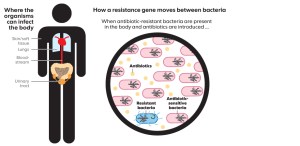
USA Today – “A new family of antibiotic-resistant bacteria, known as CRE, is raising concerns across the medical community because of its ability to cause infections that defy even the strongest antibiotics. The antibiotic resistance is spread by mobile pieces of DNA that can move between different species of bacteria, creating new, drug-defying bugs.”

Resistant Bacteria in Pork — And Problematic Pharmaceuticals Too

Yersinia enterocolitica, apparently tired of living in the shadow of its flashy cousin, Yersinia pestis is apparently taking revenge by lodging itself in approximately 69% of  pork chops and ground pork. We understand the whole family rivalry, entero, but leave the pork chops alone, eh?

Wired – “Bad news today from an investigation conducted by Consumers Union that was released on the web and will be published in the January issue of the nonprofit’s magazine, Consumer Reports. Tests on pork chops and ground pork, bought in six cities under a variety of labels, showed high rates of contamination with a range of bacteria, many of which were antibiotic-resistant — and also showed evidence of a drug so controversial that it is banned in some other countries…”

WHO alters H5N1 reporting

Like so many of us who spend a lot of time online, the WHO is apparently fed up with having to constantly update it’s webpage:

Vaccine News – “The World Health Organization recently announced that it will begin reporting human cases of H5N1 avian influenza every month on its influenza webpage. The WHO said that cases of human infection with H5N1 will now only be reported on its Disease Outbreak News webpage when they are unusual or represent an increased risk for extended infections. WHO Member States will still be required to inform the organization of every sporadic incidence of human infection by H5N1 and novel virus infection as rMaking a Flu Vaccine Without the Virusequired by WHO’s international health regulations.

In case you missed it:

– Galapagos tests new antibiotics for resistant bacteria

– Making a Flu Vaccine Without the Virus

The Pandora Report (or the “News Roundup” formerly known as “Friday”)

Name change time! We got tired of being confused with weed-killer, and besides, the Pandora Report has a certain snazz to it, don’t you think? If you hate it let us know, and we’ll brainstorm anew. Hope your respective Thanksgivings’ were appropriately filling! To the news:

Highlights include virus hunting in Cameroon, Mycoplasma zombies (for real), bacterial altruism, bacteria chatting about battle plans, Scottish honey as a potential MRSA treatment, and Ebola (of course).

What if a Deadly New Virus Jumped from Animals to Humans?

Not a lot here that you probably don’t already know, but it’s always a good idea to know how the media covers emergent diseases (if only so that you’re not completely flummoxed when someone asks about efficacy of bush meat hunters acting as viral sentinels). Also, I nominate “virus huntering” as an official choice for our degree concentration.

TIME – “In a rapidly interconnected world, the dangers and threats posed by virulent strains of terrifying infectious diseases has only multiplied. On the watch for deadly pandemics is Nathan Wolfe, acclaimed virus hunter and member of the 2011 class of the TIME 100. Wolfe spoke to the World Economic Forum, in collaboration with TIME, about future pandemics on the horizon.”

Mycoplasma “Ghosts” Can Rise From the Dead

For those of you too lazy to Google, Mycoplasma are interesting because they lack a cell wall (making them harder to kill)(antibiotics often target cell walls, as an easy way to distinguish between invading and host cells [human cells don’t have cell walls]).

The Artful Amoeba (Scientific American) – “As the titles of journal articles go, it’s hard to find one more elegant, enticing and — notably, if you’ve been in the business long — succinct than ‘Gliding Ghosts of Mycoplasma mobile’. But the substance of “Gliding Ghosts” is even better than the promise. That’s because the cellular propulsion system of Mycoplasma mobile does something extraordinary: with the addition of ATP, M. mobile‘s gutted and very much dead remains can get up and move as if they were alive.”

Engineered Bacteria Can Make the Ultimate Sacrifice for the Good of the Population

A little bacterial altruism, just in time for the holidays.

Science Daily– “Scientists have engineered bacteria that are capable of sacrificing themselves for the good of the bacterial population. These altruistically inclined bacteria, which are described online in the journal Molecular Systems Biology, can be used to demonstrate the conditions where programmed cell death becomes a distinct advantage for the survival of the bacterial population.”

Microbiology: Eavesdropping on bacterial conversations

Quorum sensing strikes again – helping bacteria coordinate their battle strategies to maximize making you sick.

Nanowerk News– “For decades, microbiologists thought that bacteria act individually, unaware of their multitudinous counterparts involved in causing the same infection. In the past two decades, however, they have discovered that many species of bacteria ‘communicate’. In fact, bacteria can signal to each other that their numbers are sufficient to launch a coordinated attack. Now, by working with Burkholderia cenocepacia, an opportunistic pathogen that infects cystic fibrosis patients, a research team led by Lian-Hui Zhang from the A*STAR Institute of Molecular and Cell Biology (IMCB) has described a previously unknown quorum-sensing system that is present in many human bacterial pathogens… ”

Sweet Medicine: Using Honey to Treat MRSA?

Those Scots. Now if only this treatment extended to other Scottish products ending in “y” [or “tch”], we would really be onto something.

The Scotsman – “Honey produced by thousands of Portobello bees may be used in the fight against killer superbugs like MRSA. Research from Queen Margaret University [Scotland] has shown that honey from the seaside is effective at killing common strains of bacteria which cause wound infections. The pilot research study – which got under way at the end of last year – found the locally produced honey was as effective at combating bugs as manuka honey from New Zealand. Funding is now being sought by the university to establish if it can fight antibiotic resistant bugs like MRSA.”

Uganda: Ebola – Why Uganda Is So Prone

Deforestation and encroachment of humans into wildlife habitats are both described as possible exacerbating factors of the Luweero Ebola outbreak.

All Africa – “In four months, the deadly viral haemorrhagic fevers have hit Uganda three times, killing at least 29 people in Uganda. An ongoing outbreak of a different strain of Ebola, following previous attacks of Ebola and Marburg, raises the question why we are becoming so vulnerable to these viral attacks. First to be hit, in July, was the western district of Kibaale, where Ebola claimed 17 lives including 12 from the same family.”

Head in the Sand

image by Antoon Foobar

This has been around for a while now, but for those of you who haven’t seen it:

Cops outraged after NYU class requires students to plot a terrorist attack” (NYP) – the article details NYU professor (and decorated  Navy veteran) Marie-Helen Maras, and her requirement that students produce a 10-15 page paper “hypothetically [planning] a terrorist attack”.

The course has been criticized in both the media ( Fox News, the Daily Mail) and anonymous sources within the NYPD – “When told of the term paper, one ranking police officer who lost coworkers on 9/11 called it ‘the most ridiculous thing I’ve ever heard.’… ‘I’m disgusted,’ said the source. ‘What is this, we have our students do the work for the terrorists?’”

I’m just going to come right out and say it – this is completely absurd. It’s absurd on multiple levels. First, it’s not as if Maras’ exercise is unprecedented. It’s a standard Red Team/Blue Team exercise – in which one simulates an attack on one’s self – which have been used by everyone from the military to the intelligence and government agencies to think tanks (check out the RAND Corp chem/bio Red Team exercise) for decades. The benefits of this type of exercise are evident and unique – as the Central Intelligence Agency Tradecraft Primer states, “…Red Team analysis is aimed at freeing the analyst from the prison of a well-developed mind-set… [it] transforms the analyst into an ‘actor’ operating within the adversary’s culture and political milieu. This form of ‘role playing’ is useful when trying to replicate the mind-set of authoritarian leaders, terrorist cells, or other nonWestern groups that operate under very different codes of behavior or motivations.” In order to understand how our enemies will attack us, we first need to understand our enemy.

Like most security studies programs, the GMU Biodefense curriculum includes similar exercises – we pick a target, choose a biological agent, and plan an attack. When asked about the exercises, Dr. Trevor Thrall, Director of the GMU Biodefense program, clarified, “Though I can certainly understand how people may feel sensitive about discussing terrorist strategies in public venues, it is ridiculous to imagine that such exercises somehow create terrorists or provide training that would-be terrorist could not get in other ways.”

“What these exercises in fact do is provide emerging counter-terrorism professionals an opportunity to hone their thinking about the threats posted by terrorist organizations. The more time we spend figuring out how and why terrorism works, the better we will do at preventing and responding to terrorism. As a result we would never ask our faculty to shy away from red team/blue team exercises and the like,” he said.

As students, yes, we were pretty sure that our Google searches were being red-flagged in a dark room somewhere (as well they should have been), and yes, there were even moments of surprisingly visceral unease (again, as well there should have been). However, completing the assignment was one of the most illuminative and useful exercises of my education to date. Echoing Dr. Thrall’s comments, Tom Kreitzer, a Biodefense MS student and federal emergency response official, said, “Red teaming exercises are incredibly important for those already in, or attempting to join, the emergency response or intelligence fields.”

The exercises taught us that there are certain things you simply cannot know – cannot even realize you don’t know – until you actually try to do them. Planning the terrorist attack helped us not only to discover the hurdles bioterrorists face – and there are many – but it  also helped us illuminate potential US weaknesses. Identifying these weaknesses enables us to correct them before they can be exploited. If they can’t be corrected, it enables us to develop strategies, allocate resources, increase security, and plan.

One of the most serious and in some ways sad admonitions of the 9/11 Commission Report was that of the “lack of imagination” on our part. If we could have imagined worse, expected worse, thought humanity capable of worse, we maybe would have been better prepared. This is what makes the condemnation of Professor’s Maras’ assignment so troubling. By penalizing those attempting to teach the value of imaginative thinking, we risk trapping ourselves again in the status quo – a mistake we cannot afford to make again.

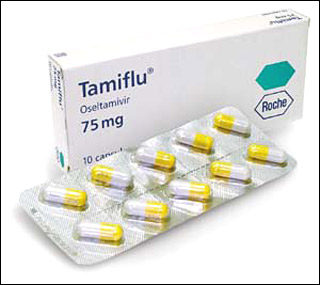
British Medical Journal Slams Roche on Tamiflu

Via the Boston Globe

LONDON — A leading British medical journal is asking the drug maker Roche to release all its data on Tamiflu, claiming there is no evidence the drug can stop the flu.

The drug has been stockpiled by dozens of governments worldwide in case of a global flu outbreak and was widely used during the 2009 swine flu pandemic.

On Monday, one of the researchers linked to the BMJ journal called for European governments to sue Roche.

‘‘I suggest we boycott Roche’s products until they publish missing Tamiflu data,’’ wrote Peter Gotzsche, leader of the Nordic Cochrane Centre in Copenhagen. He said governments should take legal action against Roche to get the money back that was ‘‘needlessly’’ spent on stockpiling Tamiflu.

World Health organization spokesman Gregory Hartl said the agency had enough proof to warrant its use for unusual influenza viruses, like bird flu.

In a statement, Roche said it had complied with all legal requirements on publishing data and provided Gotzsche and his colleagues with 3,200 pages of information.