March 26th marked the 46th anniversary of when the Biological Weapons Convention (BWC) entered into force. England just launched the UK Health Security Agency to plan for, prevent, and respond to external health threats. On 7 April, the Schar School of Policy and Government is hosting a virtual open house to showcase its graduate programs.
Event – Schar School Master’s and Certificate Virtual Open House
The Schar School of Policy and Government is hosting its last virtual open house of the spring semester! This online session will provide an overview of our master’s degree programs and graduate certificate programs, student services, and admissions requirements. The open house is scheduled or 7 April at 6:30 PM EST. Register here.
WHO Report on Pandemic’s Origins
The World Health Organization (WHO) released a report about the origins of the COVID-19 pandemic, which was written by 17 international experts selected by the WHO and approved by China. The standout conclusion of the report is that it is “extremely unlikely that SARS-CoV-2 leaked out of a Chinese laboratory that was already studying coronaviruses, the Wuhan Institute of Virology (WIV).” The report describes four likely scenarios: (1) transmission from an animal reservoir, such as a bat, to another host and then humans; (2) direct spillover into humans from an animal reservoir; (3) spillover from the frozen meat of an infected animal; and (4) a laboratory incident. These four scenarios range from “very likely” to “extremely unlikely,” respectively. Fourteen countries, including the US, have cast their doubts about the report and its veracity based on the lack of data and samples. Tedros Adhanom Ghebreyesus, Director-General of the WHO, acknowledged that the “experts found it difficult to get raw data and that the report did not gather sufficient evidence from which to garner concrete conclusions.” The report also points out the zoonotic source of SARS-CoV-2 remains unknown and that it is “not possible to determine precisely how humans in China were initially infected with SARS-CoV-2.”
Mason has 8 Graduate Programs Listed Among Top 25 Nationally
Eight graduate programs at George Mason University were listed in the top 25 nationally by the US News & World Report. At the Schar School of Policy and Government, the homeland security and international policy programs were among the top 10 nationally for public universities. Five of the Schar School’s specialties – homeland security, international policy, local government management, public management, and nonprofit management – ranked as the top program in the state and two – homeland security and international policy – ranked in the top five in the country among public institutions. GMU is the largest public research university in Virginia, spanning three campuses in Fairfax, Arlington, and Manassas.
New UK Health Security Agency
On 1 April, the UK Health Security Agency (UKHSA) was established with Dr. Jenny Harries at the helm as the Chief Executive. This new agency will plan for, prevent, and respond to external health threats, including infectious diseases. The UKHSA will be England’s “leader for health security, providing intellectual, scientific and operational leadership at national and local level, as well as on the global stage.” Dr. Harries has served on the Joint Committee for Vaccination and Immunisation (JCVI) and she played critical roles in England’s responses to COVID-19, Ebola, Zika, monkeypox, MERS, and the Novichok attacks.
BWC Newsletter from UNODA
The United Nations Office for Disarmament Affairs (UNODA) released its latest issue of the BWC newsletter. Last week, on 26 March, marked the 46th anniversary of when the Biological Weapons Convention (BWC) entered into force. There is a revised schedule for the 2021 BWC meetings: The Meetings of Experts are planned to take place from 30 August to 8 September 2021 and the Meeting of States Parties is planned to take place from 22 to 25 November 2021. All meetings will take place in Geneva, Switzerland. Upcoming BWC activities include the second series of informal webinars for informal discussions and exchanges of views to precede the Meeting of Experts, and the launch of Fiji’s National Preparedness Programme with online training for the Preparation and Submission of Confidence Building Measures under the BWC. Read the latest newsletter here.
CBRN Defence Capabilities Within the Biological Defence Domain Based on COVID-19 Lessons Learned
The COVID-19 pandemic has revealed how unprepared the world and NATO were to handle a public health emergency of this magnitude, despite improvements in civil and military biodefense as well as emergency management informed by previous pandemics. NATO’s security and resilience are contingent upon the organization and its member states being prepared for future epidemics and pandemics. The Joint CBRN Defence Centre of Excellence (JCBRND Defence COE) introduced a comprehensive report to address chemical, biological, radiological, and nuclear (CBRN) defense capabilities within the biodefense space based on observations, lessons identified, and lessons learned from the COVID-19 pandemic. The JCBRN Defence COE intends to provide CBRN expertise and experience to the benefit of the Alliance in prevention, protection, and recovery. In addition, “the JCBRN Defence COE intends to continue to provide operations support to NATO’s current and future crisis efforts; especially with its CBRN reachback, modelling and simulation, and strategic-level and operational-level planning.” See a presentation of the report here.
Syria’s Chemical Weapons: A Decade of Atrocities and the Path to a Global Zero Use Policy
More than ten years ago, the people of Syria peacefully protested the government of Bashar al-Assad, which responded with gunfire, arbitrary detentions, and torture. The atrocities continue with the regime’s most horrendous tactic, deploying chemical weapons against Syrian civilians over 300 times. To discuss the history of Syria’s chemical weapons program and the steps the US and the world can take to address the threat of chemical weapons in Syria, Joby Warrick, Washington Post national security reporter and author of the recently published book, Red Line: The Unraveling of Syria and America’s Race to Destroy the Most Dangerous Arsenal in the World, joined FDD experts Anthony Ruggiero, Andrea Stricker, and David Adesnik. The event, hosted by the Foundation for Defense of Democracies (FDD) and its International Organizations Program, provided granular detail on steps the Organisation for the Prohibition of Chemical Weapons (OPCW) has taken to hold the Syrian government to account, the obstructionist role the Russian Federation has played, and what the United States and international partners can do to achieve the goal of a global zero chemical weapons use policy in the future. Listen to the event or read the transcript here.
Schar School Students Advance to Final Rounds of Pandemic Controlling Simulation Competition
The NASPAA-Batten Student Simulation Competition is a day-long event that allows graduate students in public policy and related fields to test their skills on real-world data in simulations developed by the Center for Leadership Simulation and Gaming at the University of Virginia’s Frank Batten School of Leadership and Public Policy. This year, five graduate students from the Schar School participated with more than 400 students representing 120 universities from across 30 countries. Three of the five Schar graduate students advanced to the final round! This simulation used data from past pandemics and the current COVID-19 pandemic to paint a situation akin to what the world is experiencing now. Dr. Gregory Koblentz, Director of the Biodefense Graduate Program, described the importance of these simulations: “These crisis simulations help students think through the challenges of pandemic response and understand what we need to do today to be better prepared for tomorrow. The simulation also reinforces a key lesson from COVID-19: That pandemics pose threats not just to public health, but to the economy, political stability, and national security.”
Podcast — Episode 22: The Coronavirus as Rubik’s Cube, Part 2
The latest episode of GMU’s Access to Excellence podcast features Dr. Saskia Popescu, an assistant professor in the Biodefense Graduate Program as well as an alumna, and Dr. Gregory Washington, President of the university. Their discussion covers public health, public policy, and the false dichotomy between public health and the economy. Listen here.
New research finds fascinating new information on the Black Death. Chris Quillen, a Biodefense PhD student, shares his review of Toxic: A History of Nerve Agents, from Nazi Germany to Putin’s Russia by Dan Kaszeta. Dr. Saskia Popescu shares her insight on vaccine passports and transmission of SARS-CoV-2 without symptoms.
Book Review – Toxic: A History of Nerve Agents, from Nazi Germany to Putin’s Russia
Nerve agents are very much in the news these days. Bashar al-Assad’s government in Syria repeatedly used Sarin against its own people during that country’s civil war. The Putin regime employed Novichoks in both Russia and the United Kingdom against citizens it deemed insufficiently loyal to Moscow. North Korea’s Kim Jong Un utilized VX in the assassination of his brother at an airport in Kuala Lumpur, Malaysia. Across the globe, the use of nerve agents is challenging the international nonproliferation regime in numerous ways. Against this backdrop, Dan Kaszeta’s Toxic: A History of Nerve Agents, from Nazi Germany to Putin’s Russiaprovides welcome background and context on these specific types of chemical weapons. A former Chemical Officer in the US Army with decades of chemical weapons experience including multiple stints at the White House, Kaszeta offers much-needed technical expertise on the invention, production, and investigation into nerve agents. Chris Quillen, a Biodefense PhD student, provides an informative review of the book. Read Quillen’s review here.
Did the Black Death Rampage Across the World a Century Earlier Than Previously Thought?
Monica Green, a historian, published a landmark article, “The Four Black Deaths,” in the American Historical Review that provided an update on the story of the Black Death, which is frequently considered the largest pandemic in human history. Between 1346 and 1353 CE, the plague hit the Black Sea, the Mediterranean, the Middle East, North Africa, and western Europe. Green traced the bacterial descendants of four distinct genetic lineages of the plague’s causative agent, Yersinia pestis, finding “concrete evidence that the plague was already spreading from China to central Asia in the 1200s.” This discovery shifts the origins of the Black Death by over a century, so the disease was slowly invading populations over several decades. Like SARS-CoV-2, the plague is a zoonotic disease, a threat that we need to take seriously. When asked what she thinks this means for the present-day pandemic, Green said, “The story I have reconstructed about the Black Death is 100 percent an emerging infectious disease story…an ‘emerging’ disease lasted for 500-600 years!!!”
ICYMI: Chemical Weapons Arms Control at a Crossroads
This week, the Biodefense Graduate Program hosted a live webinar about Russia, Syria, and the future of the Chemical Weapons Convention (CWC). The repeated use of chemical weapons by Syria and Russia threatens to undermine international efforts to eliminate these weapons. How will states parties to the Chemical Weapons Convention, which bans the development and use of chemical weapons, respond to these violations of the treaty at their annual meeting in April? The panelists discussed the challenges posed by the current Russian and Syrian chemical weapons programs, the status of international efforts to strengthen accountability for use of chemical weapons, and the implications for global chemical weapons arms control.
Dr. John R Walker is a Senior Associate Fellow at the European Leadership Network and a Senior Associate Fellow at the Royal United Services Institute. Una Jakob is a research associate at the Peace Research Institute Frankfurt (PRIF) in Germany who specializes in arms control, disarmament, and non-proliferation. Hanna Notte is a Senior Non-Resident Scholar with the James Martin Center for Nonproliferation Studies (CNS), focusing on arms control and security issues involving Russia and the Middle East. This event was moderated by Gregory D Koblentz, Director of the Biodefense Graduate Program.
Homeland Security for Radiological and Nuclear Threats
Mary Sproull, a biologist in the Radiation Oncology Branch of the National Cancer Institute at the National Institutes of Health (NIH) and a Biodefense PhD candidate, discusses the current state of homeland security for radiological and nuclear threats as well as the areas in need of improvement. Sproull lists the many available guidelines for emergency response, the organizations that provide guidance on emergency management of radiation events, and other resources for radiation injury. Given that exposure comes in a variety of forms – external and internal exposure to a radioactive isotope or external exposure to ionizing radiation energy – she asserts that the “greatest operational challenge of a radiological or nuclear event is diagnosing radiation injury.” Radiation is invisible to the naked eye, so an event results in a sizeable population of “worried well,” defined as individuals who do not have other physical injuries but are concerned about whether they have received a radiation exposure, may overwhelm available medical resources. In response to this operational challenge, there has been support for the development of new radiation biodosimetry diagnostics, which “estimate the dose of radiation a person has received” and are “used both for population screening to assure the worried well and to support existing triage algorithms.” Several of these diagnostics are expected to be added to the Strategic National Stockpile (SNS). Additionally, several radiation-specific medical countermeasures have been granted Food and Drug Administration (FDA) licensure for radiation injury treatment and have already been added to the SNS. Despite these achievements in preparedness for large scale emergencies involving radiation exposure, there still exist important areas in need of improvement: “capacity to manage burn victims and the overall willingness of first responders and other medical personnel to work with patients who have been either exposed and/or contaminated with radiation or radioactive materials.”
10 Breakthrough Technologies 2021
The MIT Technology Review released its list of 10 breakthrough technologies for 2021, an annual catalog published for the last two decades. The collection names a couple technologies related to biology and health. Unsurprisingly, mRNA vaccines are the first on the list. This is the technology behind the Pfizer and Moderna COVID-19 vaccines that received emergency use authorization from the Food and Drug Administration (FDA). Digital contact tracing through smartphone apps used Bluetooth or GPS to determine which individuals came into close proximity of each other. So, if an individual tested positive for COVID-19, others could be alerted of a possible exposure. The other breakthrough technologies include: GPT-3, a natural language computer model; TikTok recommendation algorithms that power the “For You” feed; lithium-metal batteries for electric vehicles; data trusts, “a legal entity that collects and manages people’s personal data on their behalf”; green hydrogen for clean energy; hyper-accurate positioning; remote everything; and multi-skilled AI.
SARS-CoV-2 Transmission Without Symptoms
Severe acute respiratory syndrome coronavirus 2 (SARS-CoV-2) has a potentially long incubation period and spreads opportunistically among those who are unaware they are infected. Asymptomatic COVID-19 cases are those that do not develop symptoms for the duration of infection, whereas presymptomatic cases develop symptoms later in the course of infection, but both are crucial drivers of transmission. Transmission without symptoms poses specific challenges for determining the infectious timeline and potential exposures. Early in the pandemic, most transmission was from undocumented cases, suggesting that spread was driven by people who were either asymptomatic or experiencing such mild disease that it was not recognized as COVID-19. Contagious people without observable signs of illness make infection prevention efforts vulnerable to compliance with masking, distancing, hand hygiene, symptom screening, and ultimately, people staying home when possible. The lack of widespread testing in asymptomatic individuals further complicates COVID-19 mitigation and control efforts. Dr. Angela Rasmussen, a virologist at Georgetown University, and Dr. Saskia Popescu, an assistant professor in the Biodefense Graduate Program as well as an alumna, share their insights on the SARS-CoV-2 transmission without symptoms in a new perspective piece in Science.
Vaccine Passports Won’t Stop the Spread of COVID
Dr. Saskia Popescu, an assistant professor in the Biodefense Graduate Program, and Dr. Alexandra Phelan, a global health lawyer at Georgetown University, emphasize that “until coronavirus vaccines are distributed equitably and nations agree to immunization standards, vaccination passes will not end the spread of COVID-19.” Thus far, globally, almost 450 million doses of COVID-19 vaccine have been administered, but many countries lack an adequate supply of vaccines to inoculate their populations. Other nations are rolling out vaccine certificate systems that provide proof of inoculation so that immunized people can enjoy relaxed restrictions. For international travel, entities like the World Economic Forum and IBM are developing vaccine passport systems, but there are some key challenges. For example, international law does allow countries to require proof of vaccination against diseases, but vaccines against SARS-CoV-2 are new and none are yet authorized for use throughout the world. Further, a nation may decide to only accept proof provided within its own borders. From an efficacy standpoint, not every vaccine may be effective against new variants of SARS-CoV-2. Though we are all keen for the pandemic to end and for normalcy to be restored, “any moves to institute vaccine passports must be coordinated internationally and should be coupled with global and equitable access to vaccines.”
Event – Drones and the Future of Chemical, Biological, and Radiological (CBRN) Threats
This panel will explore the risks posed by the convergence of chemical, biological, radiological, and nuclear (CBRN) weapons and drones. Drones allow terrorists to collect intelligence prior to an attack, bypass ground-based physical barriers, and carry out highly effective chemical and biological weapons attacks. For state actors, the growth and proliferation of drone swarms offer new, sophisticated ways to carry out CBRN attacks, defeat traditional CBRN weapons, and respond to a successful attack. At the same time, the United States Department of Defense is working hard to combat these threats and recently issued a new strategy around countering small drones. The underlying question spanning the panel is: how well prepared is the United States and the global community to tackle the challenges drones pose for CBRN warfare? And what more can be done? This webinar will be held 26 March at Noon EST. Register here.
The GP-write consortium is building a computer-aided design (CAD) program that can design a new organism. The Schar School of Government and Policy is hosting three upcoming events, one on drones and CBRN threats, one on the Chemical Weapons Convention, and another on lessons for the next pandemic. Sally Huang, a Biodefense PhD student, provides an assessment of China’s new biosafety law.
Commentary – Assessing China’s New Biosafety Law
Sally Huang, a Biodefense PhD student, assesses China’s new biosafety law, the first of its kind, unifying numerous preexisting biosafety policies under a single framework. The COVID-19 pandemic, which was first detected in the Chinese city of Wuhan in December 2019, has turned the world upside down. While the origins of the pandemic, either a natural spillover event from animals to humans or the result of an escaped virus from the Wuhan Institute of Virology, remain contested, there is no denying that the virus has served as a focusing event for political leaders. As a rare, sudden event that has inflicted large-scale harm upon the public, the pandemic has also functioned as a powerful catalyst for policymaking. While China had been drafting new biosafety legislation since 2019, the pandemic accelerated its finalization after President Xi Jinping announced his intent to enhance biosafety measures in February 2020. The law’s approval also comes as China recently experienced one of its worst COVID flare-ups in 2021, challenging the country’s success in overcoming the virus. Read Huang’s commentary here.
Event – Policy Exchange: Pandemic Preparedness and Response – Are We Learning the Right Lessons?
The COVID-19 pandemic revealed how vulnerable the world was to the spread of a novel contagious pathogen. The United States found itself unprepared and unable to respond effectively to the pandemic. Join five Schar School faculty members – Professors Robert V. House, Lauren Quattrochi, Saskia Popescu, and Katalin Kiss – who are distinguished experts in global health security and pandemic response, for an interactive discussion about whether we are learning the right lessons and how to prepare for the next pandemic. This virtual discussion will be held on 24 March at 6 PM EST. Register here.
Ready or Not 2021: Protecting the Public’s Health Against Diseases, Disasters, and Bioterrorism
The Ready or Not report series provides an annual assessment of states’ level of readiness to respond to public health emergencies. It recommends policy actions to ensure that everyone’s health is protected during such events. This 2021 edition tiers states into three performance categories – high, middle and low – and includes action steps states should take to improve their readiness while battling COVID-19 and for the next health emergency. The primary findings of the report include: a majority of states have made preparations to expand healthcare and public health capabilities in an emergency, often through collaboration; every state and DC had public health laboratories that had plans for a large influx of testing needs; and seasonal flu vaccination rates, while still too low, have risen significantly. The recommendations include: ensure effective public health leadership, coordination, and workforce; provide stable, sufficient funding for domestic and global public health security; and strengthen the healthcare system’s ability to respond and recover during and from health emergencies. Read the report here.
Could the Bioweapons Treaty be Another Tool for Addressing Pandemics?
Dr. Daniel Gerstein, alumnus of the Biodefense PhD Program and senior policy researcher at the RAND corporation, raises the issue of how the Biological Weapons Convention (BWC) could be strengthened to improve preparedness and response against a deliberate biological incident. The World Health Organization (WHO) has been central in the COVID-19 pandemic, and it has faced substantial criticism in its handling of pandemic in the very early days and the ongoing investigation into the origins of SARS-CoV-2. Though the WHO has the spotlight, “there is a separate international agreement that is similar in some ways to the regulations that guide the health body—a treaty that has the potential to play a critical role in preventing or addressing deliberate biological attacks—which themselves could spark a pandemic: The Biological Weapons Convention (BWC).” This treaty possesses common interests with the WHO’s International Health Regulations (IHR), as they both require that all countries have the ability to “detect, assess, report, and respond to public health events.” According to Gerstein, “both depend on governments having the ability to conduct disease surveillance, provide personal protective equipment and medical countermeasures, and ensure biosafety and biosecurity in labs. And these capabilities and resources are important for responding to or mitigating either a naturally occurring event or a deliberate attack.” Underperformance in messaging, policy and guidance, and vaccine distribution compromised pandemic response, but the members of the BWC could work toward addressing these issues. Read Gerstein’s article here.
With This CAD for Genomes, You Can Design New Organisms
The GP-write consortium aims to build a computer-aided design (CAD) program that can “design a new organism as easily as you can design a new integrated circuit.” The inspiration for the consortium stems from the Human Genome Project of the 1990s and early 2000s, which coded the entire DNA sequence of a human and “catalyzed the development of DNA sequencing technologies.” It was revolutionary and led to the creation of new fields of medicine; the GP-write team imagines that the ability to “write” genomes would be similarly groundbreaking for medicine, energy, and materials. For example, if a scientist needs to add a new metabolic pathway to formulate a specific protein, the program will “make all the necessary changes in all the necessary places in the genome.” With such technology, biosafety and bioethics are a major concern. The program will meet the high biosafety standards of the International Gene Synthesis Consortium, checking any designed sequences against a database of dangerous sequences and checking that the cell or organism will not proliferate unchecked or cause harm to the environment.
Event – Drones and the Future of Chemical, Biological, and Radiological (CBRN) Threats
This panel will explore the risks posed by the convergence of chemical, biological, radiological, and nuclear (CBRN) weapons and drones. Drones allow terrorists to collect intelligence prior to an attack, bypass ground-based physical barriers, and carry out highly effective chemical and biological weapons attacks. For state actors, the growth and proliferation of drone swarms offer new, sophisticated ways to carry out CBRN attacks, defeat traditional CBRN weapons, and respond to a successful attack. At the same time, the United States Department of Defense is working hard to combat these threats and recently issued a new strategy around countering small drones. The underlying question spanning the panel is: how well prepared is the United States and the global community to tackle the challenges drones pose for CBRN warfare? And what more can be done? This webinar will be held 26 March at Noon EST. Register here.
Biden’s ‘No-Fail Mission’: Preventing the Next Pandemic
Dr. Beth Cameron, head of the National Security Council Directorate on Global Health Security and Biodefense, said, “We have a no-fail mission of monitoring and standing up a response to emerging biological threats.” On President Biden’s first days in office, he reestablished the National Security Council office on pandemic preparedness that Trump dismantled and signed an executive order to establish a national center for epidemic forecasting and outbreak analytics. These two offices “mark the beginning of an overhaul to the country’s biodefense infrastructure — an effort that experts say is long overdue.” The pandemic revealed that epidemic forecasting — the ability to quickly identify a novel virus, chart its trajectory, and possibly stop it — is critical to national security, and is key to a swift and effective response in the early days of an outbreak. Now, as COVID-19 vaccines are rolling out to finally end the pandemic, Cameron states that Biden’s goal will be to “cement the emergency offices such as hers as enduring institutions.” Already, Biden has rejoined the World Health Organization (WHO) and funneled billions of federal dollars to vaccine alliance COVAX.
CDC Identifies Public Health Guidance from the Trump Administration That Downplayed Pandemic Severity
A comprehensive review ordered by Dr. Rochelle Walensky, the new Director of the Centers for Disease Control and Prevention (CDC), was aimed at ensuring that all of CDC’s existing guidance related to COVID-19 is evidence-based and politics-free. Several issues were identified with the guidance posted under the Trump administration, including: (1) guidance was released that was not primarily authored by CDC staff; (2) less directive language was used in guidance; and (3) there was inconsistent publication of supporting evidence in a scientific brief in conjunction with every major new guidance. By early 2021, three documents were replaced or removed prior to or during the review: (1) “The Importance of Reopening of America’s Schools this Fall” was removed; (2) “Overview of Testing for SARS-COV-2” was replaced; and (3) “Opening up America Again” was removed. Walensky announced that she is “focused on moving CDC forward with science, transparency and clarity leading the way. It is imperative for the American people to trust CDC. If they don’t, preventable illness and injury can occur — and, tragically, lives can and will be lost. This agency and its critical health information cannot be vulnerable to undue influence, and this report helps outline our path to rebuilding confidence and ensuring the information that CDC shares with the American people is based on sound science that will keep us, our loved ones, and our communities healthy and safe.”
How One Firm Put an ‘Extraordinary Burden’ on the US’s Troubled Stockpile
The shortage of lifesaving medical equipment and supplies in 2020 was a clear example of the US government’s failed response to the COVID-19 pandemic. While health workers were resorting to wearing trash bags for protection, Emergent BioSolutions, a multinational biopharmaceutical company, profited from selling anthrax vaccines to the nation’s emergency reserve of vaccines and medicines. Last year, the government paid $626 million to Emergent BioSolutions to produce a vaccine for fighting anthrax while the COVID-19 pandemic metastasized without the proper resources to mitigate its spread. This left the government with fewer funds to put toward the medical and non-medical countermeasure supplies needed in a pandemic. In fact, an investigation by The New York Times found that “government purchases for the Strategic National Stockpile (SNS), the country’s emergency medical reserve where such equipment is kept, have largely been driven by the demands and financial interests of a handful of biotech firms that have specialized in products that address terrorist threats rather than infectious disease.” Over the last 10 years, the US government has used about half of the SNS’s half-billion-dollar annual budget on just the anthrax vaccines from Emergent BioSolutions.
Event – Chemical Weapons Arms Control at a Crossroads: Russia, Syria, and the Future of the Chemical Weapons Convention
The Biodefense Graduate Program is hosting a live webinar on 23 March about Russia, Syria, and the future of the Chemical Weapons Convention (CWC). The repeated use of chemical weapons by Syria and Russia threatens to undermine international efforts to eliminate these weapons. How will states parties to the Chemical Weapons Convention, which bans the development and use of chemical weapons, respond to these violations of the treaty at their annual meeting in April? The panelists will discuss the challenges posed by the current Russian and Syrian chemical weapons programs, the status of international efforts to strengthen accountability for use of chemical weapons, and the implications for global chemical weapons arms control.
Dr. John R Walker is a Senior Associate Fellow at the European Leadership Network and a Senior Associate Fellow at the Royal United Services Institute. Una Jakob is a research associate at the Peace Research Institute Frankfurt (PRIF) in Germany who specializes in arms control, disarmament, and non-proliferation. Hanna Notte is a Senior Non-Resident Scholar with the James Martin Center for Nonproliferation Studies (CNS), focusing on arms control and security issues involving Russia and the Middle East. This event is moderated by Gregory D Koblentz, Director of the Biodefense Graduate Program. Register here.
Thursday, 11 March 2021, marked one year since the WHO declared the COVID-19 pandemic. Concerns arise about Russia’s Sputnik COVID-19 vaccine. A research team from Los Alamos National Laboratory discuss the importance of cooperative engagement programs for biosurveillance and outbreak response.
Hospital Management of Chemical, Biological, Radiological, Nuclear, and Explosive Incidents Course
The Hospital Management of Chemical, Biological, Radiological, Nuclear, and Explosive Incidents (HM-CBRNE) course is an education and training opportunity for healthcare professionals to get up-to-date and hands-on instruction regarding the preparation for and management of casualties from a CBRNE event. The training is provided by the US Army Medical Research Institute of Infectious Diseases (USAMRIID), the US Army Medical Research Institute of Chemical Defense (USAMRICD), and the Armed Forces Radiobiology Research Institute (AFRRI). The course is taught by leading authorities in biological, chemical, radiation, and incident management. The content of the course focuses on facilitating mitigation of existing and potential gaps in hospital operations during a major weapons of mass destruction (WMD) event. Four students from the Biodefense Graduate Program had the opportunity to take the HM-CBRNE course: Deborah Cohen, Sally Huang, Maddie Roty, and Marisa Tuszl. Read their takeaways here.
Commentary – Systematizing the One Health Approach in Preparedness and Response Efforts for Infectious Disease Outbreaks
Michelle Grundahl, a Biodefense MS Student, attended a workshop – Systematizing the One Health Approach in Preparedness and Response Efforts for Infectious Disease Outbreaks – offered by the Forum on Microbial Threats of the National Academies of Sciences, Engineering, and Medicine. The objective of this workshop was to confront our emerging health threats through systematizing and integrating the One Health approach. One Health is a collaborative, multisectoral, and transdisciplinary approach — working at the local, regional, national, and global levels — with the goal of achieving optimal health outcomes recognizing the interconnection between people, animals, plants, and their shared environment. Topics in this workshop included integrating One Health into existing coordination mechanisms (into national action plans for health security) and integrating animal and human health surveillance systems. Essentially, this new paradigm in biodefense will create a framework across sectors and bring order among disparate expertise. The adopters of One Health are ready for the challenge. Read Grundahl’s takeaways from the workshop here.
WHO Declared Pandemic 1 Year Ago
This week, 11 March, marks one year since the World Health Organization (WHO) officially declared the COVID-19 pandemic. As of Thursday, more than 529,000 Americans have died from COVID-19, and that number continues to climb. In the US, on Thursday, the $1.9 trillion pandemic relief bill was signed by President Joe Biden. The bill aims to assist households in covering costs during the pandemic and stimulate the economy. Important components of the bill include: stimulus payments that will send money to about 90% of households; additional $300 to weekly unemployment benefits; expansion of the child tax credit; and billions of dollars for K-12 schools to reopen, for small businesses, and for vaccine research, development, and distribution.
Biological Threat Detection and Response Challenges Remain for BioWatch
A redacted report from the Office of the Inspector General (OIG) to the Department of Homeland Security (DHS) contains four recommendations aimed at improving the BioWatch Program, an early warning system designed to detect the presence of biological agents that have been intentionally released into the air. The four recommendations to the Countering Weapons of Mass Destruction (CWMD) Assistant Secretary include: (1) conducting risk assessments of BioWatch’s posture and aligning its capabilities with the program’s mission; (2) revising and updating BioWatch cooperative agreements to ensure physical security of all CWMD portable sampling unit equipment; (3) utilizing the most recent threat assessment to enhance biological agent detection capabilities; and (4) conducting routine full-scale exercises and sharing the after-action reports with all stakeholders. According to the report, the CWMD Secretary in DHS concurred with all four recommendations and these improvements to the BioWatch Program are underway. This calendar year will see several milestones reached, including a full-scale exercise, a new threat assessment, and a revision to the BioWatch Management Plan.
States Taking Action on Biosecurity
Maryland is the second state, after California, to take up consideration of legislation to regulate the sale of DNA synthesis equipment and products for biosecurity purposes. The draft legislation, House Bill 1256 introduced by Delegate Karen Lewis Young, requires the state of Maryland to develop a process to certify that gene synthesis providers and manufacturers of gene synthesis equipment are screening customers and sequence orders and that recipients of state funds may only purchase synthetic DNA and equipment from vendors certified under this process. The draft bill was discussed in a hearing of the Health and Government Operations Committee of the Maryland House of Delegates on 9 March. Dr. Gigi Gronvall, a senior scholar at the Johns Hopkins Center for Health Security and associate professor in the Department of Environmental Health and Engineering at the Johns Hopkins Bloomberg School of Public Health, testified in favor of the bill. According to Dr. Gronvall, “These restrictions would make it harder for a potential nefarious actor to access genetic material for making pathogenic viruses from synthetic DNA, such as smallpox, Ebola or influenza. This bill can help to make the field of synthetic DNA safer and ensure responsible manufacturing processes.” A similar bill is under consideration in California. That bill, AB 70 introduced by Assembly member Rudy Salas, has been endorsed by the Scientists Working Group on Chemical and Biological Security at the Center for Arms Control and Nonproliferation. Given the key roles that both Maryland and California play in the nation’s growing bioeconomy, the approval of either bill would establish a de facto national standard for biosecurity in the field of synthetic biology.
Warnings About Russia and Its Sputnik COVID-19 Vaccine
The European Union (EU) is warning member states to be cautious of the Sputnik COVID-19 vaccine, which was developed by Russia’s Gamaleya National Centre of Epidemiology and Microbiology. Christa Wirthumer-Hoche, head of the European Medicines Agency’s Management Board, said that the EU review of the Sputnik vaccine began on 4 March and data packages were arriving from the manufacturer. Due to vaccine supply shortages, Hungary, Slovakia, and the Czech Republic have moved to approve the vaccine unilaterally. US officials warn that Russia has been spreading disinformation via social media platforms regarding Western COVID-19 vaccines, in an attempt to undermine vaccination campaigns and uptake. Indeed, the Washington Post reports that Russian intelligence agencies have launched a campaign to weaken public confidence in Pfizer’s vaccine, questioning its development and safety. The Department of State’s Global Engagement Center, which monitors foreign disinformation efforts, identified four publications that he said have served as fronts for Russian intelligence. These websites makes several misleading or erroneous claims related the efficacy of US COVID-19 vaccines, side effects, and the emergency authorization process.
Land Use-Induced Spillover: A Call to Action to Safeguard Environmental, Animal, and Human Health
The rapid global spread and human health impacts of SARS-CoV-2, the virus that causes COVID-19, show humanity’s vulnerability to zoonotic disease pandemics. Although anthropogenic land use change is known to be the major driver of zoonotic pathogen spillover from wildlife to human populations, the scientific underpinnings of land use-induced zoonotic spillover have rarely been investigated from the landscape perspective. The authors of a new article in The Lancet call for interdisciplinary collaborations to advance knowledge on land use implications for zoonotic disease emergence with a view toward informing the decisions needed to protect human health. In particular, they urge a mechanistic focus on the zoonotic pathogen infect–shed–spill–spread cascade to enable protection of landscape immunity—the ecological conditions that reduce the risk of pathogen spillover from reservoir hosts—as a conservation and biosecurity priority. Results are urgently needed to formulate an integrated, holistic set of science-based policy and management measures that effectively and cost-efficiently minimize zoonotic disease risk. The article considers opportunities to better institute the necessary scientific collaboration, address primary technical challenges, and advance policy and management issues that warrant particular attention to effectively address health security from local to global scales. Read the article here.
How Cooperative Engagement Programs Strengthen Sequencing Capabilities for Biosurveillance and Outbreak Response
A research team from Los Alamos National Laboratory discusses the importance of cooperative engagement programs for biosurveillance and outbreak response in Frontiers in Public Health. The threat of emerging and re-emerging infectious diseases continues to be a challenge to public and global health security. Cooperative biological engagement programs act to build partnerships and collaborations between scientists and health professionals to strengthen capabilities in biosurveillance. Biosurveillance is the systematic process of detecting, reporting, and responding to especially dangerous pathogens and pathogens of pandemic potential before they become outbreaks, epidemics, and pandemics. One important tool in biosurveillance is next generation sequencing. Expensive sequencing machines, reagents, and supplies make it difficult for countries to adopt this technology. Cooperative engagement programs help by providing funding for technical assistance to strengthen sequencing capabilities. Through workshops and training, countries are able to learn sequencing and bioinformatics, and implement these tools in their biosurveillance programs. Cooperative programs have an important role in building and sustaining collaborations among institutions and countries. One of the most important pieces in fostering these collaborations is trust. Trust provides the confidence that a successful collaboration will benefit all parties involved. With sequencing, this enables the sharing of pathogen samples and sequences. Obtaining global sequencing data helps to identify unknown etiological agents, track pathogen evolution and infer transmission networks throughout the duration of a pandemic. Having sequencing technology in place for biosurveillance generates the capacity to provide real-time data to understand and respond to pandemics. The authors highlight the need for these programs to continue to strengthen sequencing in biosurveillance. By working together to strengthen sequencing capabilities, trust can be formed, benefitting global health in the face of biological threats. Read the article here.
WCO Strategic Chemicals List
The World Customs Organization (WCO) is “an independent intergovernmental body whose mission is to enhance the effectiveness and efficiency of Customs administrations.” The WCO maintains the Strategic Trade Control Enforcement Implementation Guide (STCE), a document drafted to provide WCO members with “practical assistance related to enforcing strategic trade controls.” The STCE provides a list of strategic chemicals that included several substances listed by the Chemical Weapons Convention (CWC) Schedules, the Australia Group (AG) Chemical Weapons Precursors List, the Wassenaar Arrangement (WA) Munition Lists, the Nuclear Suppliers Group (NSG) Dual-Use List, the Missile Technology Control Regime (MTCR) Equipment, Software, and Technology Annex, and the WCO Programme Global Shield (PGS). Annex V includes a curated and structurally annotated version of the STCE’s list of strategic chemicals. According to Dr. Stefano Costanzi, “Chemicals are better described through structures than through names.” This work was done within the scope of the Stimson Center’s Cheminformatics project, a collaborative project involving the Stimson Center’s Partnership in Proliferation Prevention’s Program and the Costanzi Research Group at American University.
The Pacific Northwest National Laboratory (PNNL) released the National Response Framework Policy Landscape Analysis Tool, the first iteration of a new tool for understanding responsibilities following a disaster or emergency. The norms against the use of chemical weapons have been eroding, adding another challenge for the international community and the new Biden administration. Chris Quillen, a Biodefense PhD student, shares his review of Red Line: The Unraveling of Syria and America’s Race to Destroy the Most Dangerous Arsenal in the World.
The “Red Line” That Wasn’t
Syrian President Bashar al-Assad’s use of chemical weapons (CWs) against his own people is the greatest challenge the Chemical Weapons Convention has ever faced. This breach of the taboo against CW use sparked numerous national and international investigations to determine the details of exactly what happened and who had done it. These investigations, in turn, were severely complicated by numerous factors. Investigators had to deal with (1) the dangers of operating during a complex civil war, (2) multiple belligerents using CWs on the battlefield (both the Syrian government and the Islamic State of Iraq and Syria or ISIS), and (3) the Syrian government’s repeated denials and counter-accusations of any CW use. Syria’s dubious position was backed by Vladimir Putin’s Russia in the public debate and, most importantly, at the United Nations Security Council, which provided Assad significant protection from international sanction. The global opposition to Syria’s use of CWs was widespread, but was led by the United States primarily under Barack Obama and also Donald Trump. The debate about what happened in Syria—and especially about how the world reacted to it—will undoubtedly rage for years to come. Joby Warrick’s Red Line: The Unraveling of Syria and America’s Race to Destroy the Most Dangerous Arsenal in the World is a useful addition to this debate, but the definitive book on the use of chemical weapons in the Syrian civil war remains to be written. Chris Quillen, a Biodefense PhD student, provides a revealing review of the book. Read ithere.
How S&T’s Past Bioagent Research Informs Current and Future Pandemic Response
The Department of Homeland Security (DHS) Science and Technology Directorate (S&T), along with many other research and development institutions, was suddenly forced to shift priorities when the COVID-19 pandemic began. Researchers at S&T’s National Biodefense Analysis and Countermeasures Center (NBACC) – the first DHS national laboratory – hit the ground running “to learn as much as possible about the coronavirus so that our nation is better armed to fight, control and defeat the deadly COVID-19 disease.” NBACC researchers were asked: When faced with the challenge of a lifetime, where do you start? NBACC was established in response to the 2001 anthrax attacks to study “bioterrorist threats that endanger our homeland security,” so these scientists went back to the basics as it did 20 years ago. For SARS-CoV-2, the group studied how stable the virus is in the air and how it can be transmitted. According to Dr. Victoria Wahl, Deputy Director of NBACC’s National Biological Threat Characterization Center, “The same unique capabilities NBACC has established for biodefense research can also be applied to a new agent like SARS-CoV-2 to help us understand it better.” S&T’s risk assessment practices “consider the risk posed by a variety of chemical, biological, radiological and nuclear agents that could potentially be used by terrorists to harm the US.” Those practices helped S&T develop a Master Question List (MQL) for Ebola, and that list informed work regarding SARS-CoV-2. In the early days of the pandemic, NBACC used the knowledge garnered from the 2003 SARS-CoV-1 outbreak to help inform its efforts to better understand SARS-CoV-2. Turning toward pandemic preparedness for the future, “NBACC is using lessons learned from all these research experiences to refine and streamline the lab’s planning and workflows, so response to future outbreaks will be swifter from day one.”
Introducing the Launch of the National Response Framework Policy Landscape Analysis Tool (NRF-PLAT)
The Pacific Northwest National Laboratory (PNNL) just released the first iteration of a new tool for understanding responsibilities following a disaster or emergency. The National Response Framework Policy Landscape Analysis Tool, NRF-PLAT, was inspired by input and questions from users of PNNL’s Biodefense Policy Landscape Analysis Tool (B-PLAT). The NRF-PLAT currently captures 474 requirements, recommendations, value statements and training opportunities excerpted verbatim from the main NRF document, fourth edition. Users can view and parse requirements, recommendations, value statements and training opportunities using facets that include Primary Partner, Specific Designee, Additional Partners/Designees, Specific Roles, Community Lifelines, Emergency Support Functions and Section of the NRF. The facets can also be displayed in visual format using icicle and sunburst charts, which allow a user to graphically display, for example, the relative number of requirements, recommendation, value statements and training opportunities assigned to the federal government versus individuals, families and households. NRF-PLAT is publicly available here.
Criminal Inquiries Loom Over al-Assad’s Use of Chemical Arms in Syria
Investigations into Bashar al-Assad’s use of chemical weapons in Syria may soon be underway in France and Germany, and could lead to prosecutions of al-Assad and his associates. Syrian President al-Assad and his accomplices should be held accountable for “some of the worst atrocities committed in the decade-old Syria conflict.” Judges in a special war crimes unit of France’s Palais de Justice received a complaint about the chemical weapons attacks in Syria, which were filed by three international human rights groups. This complaint requests a criminal investigation into al-Assad, his brother, and the senior advisers and military officials that formed the chain of command. Lawyers have stated that the judges will likely accept the complaint. The request for a criminal investigation is based, in part, on a two-year study of the Syrian chemical weapons program, and this study surpasses the work of other international inquires. The study used a variety of sources with links to or knowledge of the program: defectors, former insiders, employees, and engineers. Dr. Gregory Koblentz, Director of the Biodefense Graduate Program, reviewed the study and said, “it brings to light new information from defectors and insiders.” Dr. Koblentz called it the “most comprehensive and detailed account of the Syrian weapons program available perhaps outside the intelligence services. It maps out new details on the chain of command and shows how large and complex this program was. And it can name names.”
Chemical Weapons Norms
Over the past four years since now-President Joe Biden was in the White House, chemical weapons (CWs) attacks have continued within and beyond the borders of Syria, and new state perpetrators have emerged. Indeed, the norms against the use of chemical weapons established by the Chemical Weapons Convention (CWC) have been unashamedly violated by state and nonstate actors. Such perpetrators include North Korea, Russia, and, of course, the al-Assad regime of Syria. Any actor that uses chemical weapons must be held accountable in order to reinforce the norms and validate the notion that violations of the CWC will be punished; “consequences can deter other actors from engaging in chemical weapons programs and attacks.” The Trump administration was inconsistent and variable in its responses to chemical weapons uses. Trump mobilized a military response to CW use in Syria, but arranged to meet with North Korea’s leader Kim Jong-un – after Kim’s half-brother Kim Jong-nam was assassinated using VX nerve agent. The erosion of the global norm against chemical weapons use requires international action and cooperation to counter the degradation and restore compliance. Reinforcement of the norm against CW use will require bolstering the existing mechanisms of the CWC, while simultaneously supporting the ability of the international community to respond to the use of CWs by any actor and to hold perpetrators accountable. Additionally, states should “clarify and codify the rights and privileges a state risks losing for violating the CWC, establish a precedent for challenge inspections, and expand the mandate for the attributive Investigation and Identification Team.” Given the lack of unity within the United Nations Security Council, the Organisation for the Prohibition of Chemical Weapons (OPCW) plays a vital role in pursuing actions to reinforce the norm against chemical weapons use. As a reminder, the 96th Session of the Executive Council of the OPCW will take place on 9-12 March.
Event – Chemical Weapons Arms Control at a Crossroads: Russia, Syria, and the Future of the Chemical Weapons Convention
The Biodefense Graduate Program is hosting a live webinar on 23 March about Russia, Syria, and the future of the Chemical Weapons Convention (CWC). The repeated use of chemical weapons by Syria and Russia threatens to undermine international efforts to eliminate these weapons. How will states parties to the Chemical Weapons Convention, which bans the development and use of chemical weapons, respond to these violations of the treaty at their annual meeting in April? The panelists will discuss the challenges posed by the current Russian and Syrian chemical weapons programs, the status of international efforts to strengthen accountability for use of chemical weapons, and the implications for global chemical weapons arms control.
Dr. John R Walker is a Senior Associate Fellow at the European Leadership Network and a Senior Associate Fellow at the Royal United Services Institute. Una Jakob is a research associate at the Peace Research Institute Frankfurt (PRIF) in Germany who specializes in arms control, disarmament, and non-proliferation. Hanna Notte is a Senior Non-Resident Scholar with the James Martin Center for Nonproliferation Studies (CNS), focusing on arms control and security issues involving Russia and the Middle East. This event is moderated by Gregory D Koblentz, Director of the Biodefense Graduate Program. Register here.
Third Vaccine Gets Emergency Use Authorization
The Food and Drug Administration (FDA) granted emergency use authorization on 27 February to Johnson & Johnson’s single dose COVID-19 vaccine. This is the third vaccine designed to fight SARS-CoV-2 that has received authorization in the US. It should simplify the logistics of the vaccination campaign, because it is a single dose inoculation and it can be stored for up to three months in a refrigerator. The other two vaccines, which are based on a different technological platform, require two shots and must be stored at extremely low temperatures. The Johnson & Johnson vaccine is an adenovirus vector vaccine, a 30-year-old technology based on genetically engineered common cold viruses. The multinational corporation will provide the vaccine on a non-profit basis for emergency pandemic use, and intends to produce 100 million doses in the first half of 2021.
The Last Thing Health Workers Should Have to Worry About
Even as they were making countless sacrifices during the pandemic, healthcare workers were targeted in nearly 1,200 attacks and threats of violence last year, according to a new report by Insecurity Insight and the UC Berkeley Human Rights Center. According to the research, 824 of these attacks were related to conflicts—hospitals bombed in Yemen, doctors abducted in Nigeria, robbery and ransom in the Democratic Republic of the Congo. In a disturbing twist, 412 of these attacks were directly related to the pandemic, including: threats, beatings, and assaults with stones or hot liquids. Pandemic-triggered violence was especially pronounced in India and Mexico, but it is a “truly global crisis,” affecting 79 countries, said Insecurity Insight’s Christina Wille, who led development of a new interactive map. Additionally, there have been violent reactions to mask mandates and arson attacks on COVID-19 testing facilities. The failures of year one of the COVID-19 pandemic need to be replaced with immediate action to safeguard health workers, said Leonard Rubenstein, chair of the Safeguarding Health in Conflict Coalition. Rubenstein highlights recommendations in a research brief accompanying the interactive map: counter disinformation; end repression against healthcare workers who speak up; increase protection for healthcare workers; and hold perpetrators of violence and threats accountable.
CID Agent Sought Puffer Fish Toxin Before Poisoning His Wife, Charges Allege
The global norm against chemical weapons use is eroding and coordinated international action is needed to restore it. Scientists are racing to determine if the COVID-19 vaccines prevent people from contracting SARS-CoV-2 and spreading the virus. Three biodefense graduate students share their summaries and takeaways from the 6th International Biosafety and Biocontainment Symposium.
6th International Biosafety & Biocontainment Symposium: Emerging Biorisk Challenges in Agriculture
The US Department of Agriculture (USDA) provides leadership on food, agriculture, natural resources, rural development, nutrition, and related issues based on public policy, the best available science, and effective management. Agricultural Research Service (ARS) is the chief scientific in-house research agency of the USDA. The USDA ARS hosted the 6th International Biosafety and Biocontainment Symposium, held virtually in light of the COVID-19 pandemic, on February 2- 4, 2021. This symposium brought together experts in academia, research, government, and industry to discuss the emerging biorisk challenges in agriculture. This year, three students from the Biodefense Graduate Program attended the conference: Rachel-Paige Casey, Michelle Grundahl, and Stevie Kiesel. Their summaries and takeaways are available here.
Dual-Use Biology: Building Trust and Managing Perceptions of Intent
Dr. Filippa Lentzos, a mixed methods social scientist researching biological threats at King’s College London, considers how the international community can use the Biological and Toxin Weapons Convention framework to strengthen compliance monitoring of rapidly increasing dual-use capacities around the globe. Lentzos’ analysis in The Nonproliferation Review comes at a time of heightened concern about potential future biological-weapons threats. It presents three conceptual layers within the treaty regime which states can draw from to inform their compliance judgments: one legally binding, one politically binding, and one wholly voluntary. The article outlines how these were established and how they have been used so far, and argues for an incremental, inclusive, practical, and forward-looking approach to evolving these structures to better manage perceptions of the intent behind dual-use capacities, and to further trust between states. Read the article here.
Reinforcing the Global Norm Against Chemical Weapons Use
The global norm against the creation and deployment of chemical weapons has eroded, and continues to erode. Coordinated international action is needed to reinforce the norm against chemical weapons use, which will require “strengthening existing mechanisms in the Chemical Weapons Convention (CWC) while shoring up the international community’s ability to respond to the use of chemical weapons by any state or non-state actor and to hold them accountable.” Given the lack of unity among the United Nations Security Council, “it is vitally important that the Organisation for the Prohibition of Chemical Weapons (OPCW) and coalitions of like-minded states pursue actions to reinforce the norm against chemical weapons use.” Julia Masterson from the Arms Control Association recommends that states-parties “clarify and codify the rights and privileges a state risks losing for violating the CWC, establish a precedent for challenge inspections, and expand the mandate for the attributive Investigation and Identification Team.” Beyond clarifying and codifying, expanding the International Partnership Against Impunity for the Use of Chemical Weapons, establishing a clearinghouse for details about perpetrators of chemical weapons, and pursuing the prosecution of users as war criminals could help reinforce the norm.
Event – Chemical Weapons Arms Control at a Crossroads: Russia, Syria, and the Future of the Chemical Weapons Convention
The Biodefense Graduate Program is hosting a live webinar on 23 March about Russia, Syria, and the future of the Chemical Weapons Convention (CWC). The repeated use of chemical weapons by Syria and Russia threatens to undermine international efforts to eliminate these weapons. How will states parties to the Chemical Weapons Convention, which bans the development and use of chemical weapons, respond to these violations of the treaty at their annual meeting in April? The panelists will discuss the challenges posed by the current Russian and Syrian chemical weapons programs, the status of international efforts to strengthen accountability for use of chemical weapons, and the implications for global chemical weapons arms control.
Dr. John R Walker is a Senior Associate Fellow at the European Leadership Network and a Senior Associate Fellow at the Royal United Services Institute. Una Jakob is a research associate at the Peace Research Institute Frankfurt (PRIF) in Germany who specializes in arms control, disarmament, and non-proliferation. Hanna Notte is a Senior Non-Resident Scholar with the James Martin Center for Nonproliferation Studies (CNS), focusing on arms control and security issues involving Russia and the Middle East. This event is moderated by Gregory D Koblentz, Director of the Biodefense Graduate Program. Register here.
Feds Now Say Right-Wing Extremists Responsible for Majority of Deadly Terrorist Attacks Last Year
For the first time, the US government is acknowledging that right-wing extremists were responsible for most of the fatal domestic terrorist attacks that occurred last year. This acknowledgement is based on an internal report circulated by the Department of Homeland Security (DHS) last week. The report was drafted by the Joint Regional Intelligence Center, a fusion center funded by DHS, and shared with police and law enforcement agencies nationwide through an intelligence-sharing system established after the 9/11 attacks. The Center reviewed last year’s domestic terrorist incidents and found that “right-wing [domestic violent extremists] were responsible for the majority of fatal attacks in the Homeland in 2020.” Indeed, in October 2020, the Center for Strategic and International Studies (CSIS) released an analysis of domestic terrorist activity in the US for just the first eight months of 2020, finding that “white supremacists and other right-wing extremists conducted two-thirds of the terrorist plots and attacks in the nation during that period.”
A GDP for Nature: How Measuring the Health of the Natural World Might Prevent the Next Pandemic
SARS-CoV-2 has undeniably revealed that the world is vulnerable to infectious diseases. This is not a new revelation, but one that has long been ignored. The factors that drive zoonoses to jump to humans from animals – the wildlife trade, intensive agriculture, deforestation, urbanization – are well-known. As these factors persist, infectious disease events (epidemics and pandemics) will continue to arise. Zoonoses account for about 60% of all known human infectious disease agents, as a result of direct or indirect interaction between humans and animals. The health and well-being of a country depend on meeting the dietary needs of the population. Dr. Laura Kahn, a physician and research scholar with the Princeton School of Public and International Affairs at Princeton University, emphasizes that “to ensure that our food systems do not raise the risks of another pandemic, countries should prioritize the replenishment and protection of their natural resources and biodiverse ecosystems.” Dr. Kahn recommends formulating a One Health calculus akin to gross domestic product (GDP) – the total value of services and goods produced in one year for a nation as a measure of economic prosperity. This calculation could “measure the status of a nation’s natural resources, the purity of its environments, the biodiversity of its ecosystems, the sustainability of its agriculture, the health of its flora and fauna, the resiliency of its food security, and the life expectancies of its peoples.”
The Quest to Rid Facebook of Vaccine Misinformation
A number of creative conspiracy theories about the COVID-19 vaccines have spread across social media platforms like wildfire: it causes blindness or infertility; it contains a microchip or fetal tissue; and Bill Gates is using it to get even wealthier. An analysis of more than 14 million social-media posts mentioning vaccines or vaccination during a three-month period last year discovered the emergence of two vaccine narratives: (1) emphasis on safety concerns and (2) focus on mistrust of the individuals and institutions involved in vaccine development. Facebook (along with Instagram, its subsidiary) “drives vaccine discourse on social media” by allowing conspiracy-related content, but it has recently taken some actions to quell the spread of vaccine misinformation on the platform. Nearly one year ago, Facebook stated that it was collaborating with several fact-checking organizations to “detect false claims, hide some groups and pages from Facebook’s search function, and add warning labels with more context.” At the end of 2020, the platform banned certain COVID-19 vaccine-related content, including claims that the vaccine contains fetal tissue or carries the Antichrist’s “mark of the beast.” Now, Facebook is consulting with leading health organizations to expand its efforts to remove false claims on Facebook and Instagram about COVID-19, vaccines for the disease, and vaccines in general. Unfortunately, some experts question if these actions are sufficient to stop misinformation from invading the platform and spreading across its users. A partnership between Critica, Weill Cornell Medicine, and the Annenberg Public Policy Center of the University of Pennsylvania launched a pilot program that is “deploying infodemiologists to respond directly when misinformation about vaccines is posted by Facebook users commenting on news articles.” Infodemiologists are “health experts who fight false information in a similar way to how epidemiologists with the CDC’s Epidemic Intelligence Service fight epidemics.” These experts work on the virtual frontlines to detect any outbreak of misinformation or disinformation that threatens public health.
Coronapod: Our Future with an Ever-Present Coronavirus
What’s the endgame for the COVID-19 pandemic? Is a world without SARS-CoV-2 possible, or is the virus here to stay? The latest episode of Coronapod, a podcast from Nature that provides a weekly pandemic report, discusses what it means if the novel coronavirus becomes endemic. A recent Nature survey asked over 100 immunologists, infectious-disease researchers, and virologists working on the coronavirus whether it could be eradicated. The survey found that 90% of respondents expect SARS-CoV-2 to become endemic – remain in circulation in parts of the world for many years – but it could pose less danger over time. Listen to the Coronapodhere.
Biosecurity Risks Associated with Vaccine Platform Technologies
A new article in Vaccine, co-authored by Biodefense Graduate Program Director Dr. Gregory Koblentz, discusses the biosecurity risks surrounding vaccine platform technologies. Vaccine platforms have been critical for accelerating the timeline of COVID-19 vaccine development. Faster vaccine timelines demand further development of these technologies. Currently investigated platform approaches include virally vectored and RNA-based vaccines, as well as DNA vaccines and recombinant protein expression system platforms, each featuring different advantages and challenges. Viral vector-based and DNA vaccines in particular have received a large share of research funding to date. Platform vaccine technologies may feature dual-use potential through informing or enabling pathogen engineering, which may raise the risk for the occurrence of deliberate, anthropogenic biological events. Research on virally vectored vaccines exhibits relatively high dual-use potential for two reasons. First, development of virally vectored vaccines may generate insights of particular dual-use concern such as techniques for circumventing pre-existing anti-vector immunity. Second, while the amount of work on viral vectors for gene therapy exceeds that for vaccine research, work on virally vectored vaccines may increase the number of individuals capable of engineering viruses of particular concern, such as ones closely related to smallpox. Other platform vaccine approaches, such as RNA vaccines, feature relatively little dual-use potential. The biosecurity risk associated with platform advancement may be minimized by focusing preferentially on circumventing anti-vector immunity with non-genetic rather than genetic modifications, using vectors that are not based on viruses pathogenic to humans, or preferential investment into promising RNA-based vaccine approaches. To reduce the risk of anthropogenic pandemics, structures for the governance of biotechnology and life science research with dual-use potential need to be reworked. Scientists outside of the pathogen research community, for instance those who work on viral vectors or oncolytic viruses, need to become more aware of the dual-use risks associated with their research. Both public and private research-funding bodies need to prioritize the evaluation and reduction of biosecurity risks. Read the article here.
Can COVID Vaccines Stop Transmission? Scientists Race to Find Answers
Even as many countries are administering COVID-19 vaccines, studies are ongoing to assess whether inoculations prevent people from contracting SARS-CoV-2 and spreading the virus. If widely distributed, vaccines that prevent transmission could help to control the novel coronavirus. Preliminary studies suggest that some vaccines likely help block transmission of SARS-CoV-2; however, confirming that effect and determining its strength remains a tricky task. The trickiness is due to the other factors that may explain the decrease in infections in a given area, such as lockdowns or behavior changes. To be frank, it is possible that the vaccines will not prevent or significantly lower the chances of SARS-CoV-2 infection, but they may render individuals less infectious, which will reduce transmission. Measuring viral load – roughly defined as the amount of virus in a person – is a respectable proxy for infectiousness, and it is being studied by researchers in Israel. Scientists are also tracking the close contacts of vaccinated individuals to find out whether those contacts gain any indirect protection against infection.
Executive Summary – The 6th Global Health Security Agenda Ministerial Meeting
The 6th Global Health Security Agenda (GHSA) Ministerial Meeting was held in November of 2020. The main objectives of the meeting were to “exchange experiences on disease prevention and control among various sectors and countries, update the progress of action packages implementations, enhance the engagement of multisectoral cooperation, identify gaps in implementation and fill them with through concrete action as well as jointly address means and ways forward to improve the GHSA mechanism and collaboration on the global health concern issue.” The meeting highlighted several issues but also several recommendations. The COVID-19 pandemic revealed that the world remains ill-prepared to counter pandemic threats, despite several red flags with previous outbreaks. The negative impacts of the pandemic reverberated beyond public health – severe supply shocks, heightened food prices, widespread layoffs, and compromised education. The official report of the meeting emphasizes that security is a global issue that requires global coordination and collaboration across countries, sectors, and organizations. Another major takeaway is that the economy and health are integrated and interdependent. Also, there is a vital need for “mass compliance” with basic public health preventive measures in order to minimize the transmission of SARS-CoV-2. New policies should be tailored to support health care systems and improve the socioeconomic situation to aid the recovery of the economy. Also, “health is not a cost, but an investment.” Read the final report here.
In case you missed it, Maddie Roty, a Biodefense MS student, attended a Meeting event, “Incorporating One Health into Global Security: Educating the Public and Governments,” which addressed how to educate students about One Health and how to implement One Health initiatives in US government agencies. Read Roty’s takeaways here.
Three Biodefense Grads Set to Lead Global Health Organization
Three 2019 graduates from the Master’s in Biodefense program have been elected to top leadership positions in the Next Generation Global Health Security Network, an international organization of nearly 1,000 early- to mid-stage professionals and students who work on the full spectrum of issues related to global health, ranging from combating antibiotic resistance to preventing the next pandemic. Next Generation Global Health Security Network—NextGen, for short—is an affiliate of the Global Health Security Agenda, a collaboration founded in 2014 by representatives from 44 countries (now 69) and organizations, including the World Health Organization. The new officers are Kate Madison Kerr, who will coordinate the global network; Anthony Falzarano, who will manage the organization’s finances; and Jessica Smrekar, the newly appointed coordinator for the United States. “It is an incredible feat that three Schar School graduates are assuming leadership of an organization this large, and I’m incredibly proud of it,” said Kerr. “[NextGen] truly was my first introduction to anything on a global scale and it allowed me to begin interacting with and learning from global partners,” Smrekar said of her NextGen experience. “As a mentee in the 2018 mentorship program, I was able to create a research project that was accepted to the inaugural Global Health Security Conference in Sydney, Australia, in 2019.”
Joseph Rodgers, a Biodefense PhD student, dissects nuclear modernization challenges that the Biden administration will face. The WHO shares mixed messages about the origin of the COVID-19 pandemic. North Korea tried to steal coronavirus vaccine information from Pfizer. Many of the superspreaders behind COVID-19 conspiracy theories are exposed.
Nuclear Modernization Under Competing Pressures
Joseph Rodgers, a Biodefense PhD student, and Rebecca Hersman published an analysis, Nuclear Modernization under Competing Pressures, that dissects the decisions and challenges the Biden administration must address regarding the modernization of critical elements of the US nuclear weapons enterprise. According to the authors, the “Ground Based Strategic Deterrent (GBSD) and its corresponding W87-1 warhead is one modernization program that will face rigorous scrutiny in the early stages of the Biden administration.” The high-profile and pricey strategic delivery systems get the limelight in the modernization debate; however, the “effective modernization of the US nuclear stockpile itself” is a critically underappreciated challenge. There are a couple important steps that the Biden administration can take to enable successful US nuclear modernization: (1) ensure that modernization timelines are feasible and costs are realistic, and (2) engage Congress and international partners in discussions of nuclear modernization. Read the article here.
WHO: COVID-19 Didn’t Leak From a Lab. Also WHO: Maybe It Did
Dr. Filippa Lentzos, a mixed methods social scientist researching biological threats at King’s College London, discusses the conflicting statements made by the World Health Organization (WHO) regarding the theories about how SARS-CoV-2 came to be. The joint WHO-China investigation into the origins of the COVID-19 pandemic announced that their efforts ruled out the possibility that the novel virus escaped from a laboratory and that it most likely jumped species before infecting humans. A few days later, WHO Director-General Tedros Adhanom Ghebreyesus stated that no hypotheses have been ruled out. Lentzos points out the missing pieces of the puzzle in the joint team’s conclusion as well as the inaccuracies in their logic. For instance, the findings assume that all research is published and publicly available, but much of it is not. Indeed, the virus database of the Wuhan Institute of Virology was taken offline at the start of 2020 for “security reasons.” Also, Peter Ben Embarek, co-leader of the mission, commented that laboratory accidents are “extremely rare events.” On the contrary, such accidents are not rare, but accidents that cause documented outbreaks are rare. Lentzos points out that the “publicly-available genetic and epidemiological evidence collected so far about SARS-CoV-2 and the outbreak does not exclude the possibility of a lab leak.” Read Lentzos’ analysis here.
We Need a Global Outbreak Investigation Team—Now
The much-anticipated findings of the team investigating the origins of the COVID-19 pandemic proved anticlimactic. In fact, they have also added another layer of confusion given the conflicting statement from the WHO’s director-general that all origin hypotheses remain viable. The team ruled out the possibility of the novel virus stemming from a laboratory leak. The conflicting announcements out of WHO have left many worrying about the many constraints the international body must operate under. For instance, the WHO can “only enter member countries and engage in research there on those countries’ terms, and it has no real powers of enforcement.” Perhaps, something new is needed. Dr. Gregory Koblentz, Director of the Biodefense Graduate Program, suggests an international body, similar to the Organisation for the Prohibition of Chemical Weapons (OPCW), that could “require biosafety level 4 (BSL-4) labs to report on the activities that go on inside them.” The Biological Weapons Convention, the international treaty that bans the development of bioweapons, already has a legal structure and could, theoretically, create the enforcement authority for such an agency. Alternatively, Koblentz also suggests, the “UN Security Council could establish such a body, the same way it created commissions to inspect Iraq for possible weapons of mass destruction.” Of course, either of these entities would take time to establish and would be based on voluntary participation from states. Dr. Filippa Lentzos, a biosecurity expert at King’s College London, proposed the World Health Assembly as another option for “mandating investigations that can get boots on the ground the moment reports of an outbreak with pandemic potential emerge.” The proliferation of BSL laboratories in response to COVID-19 “should be reason enough for rethinking the status quo.” More labs mean more gain-of-function research, in which pathogens are modified to study how they might become more dangerous, and would require more lab oversight to ensure safety.
North Korea Tried to Steal Pfizer Coronavirus Vaccine Information, South Says
South Korea’s National Intelligence Service reported that North Korea attempted to hack into the servers of Pfizer, a US drugmaker, to steal COVID-19 vaccine and treatment information. This report belies dictator Kim Jong Un’s “professed view that his isolated dictatorship is untouched by the pandemic.” It is not clear when the cyberattack on Pfizer occurred or if it was successful. This is just the latest cyberattack carried out by North Korea in its “alleged ongoing campaign to obtain sensitive information through nefarious means and its growing cyber capabilities.” In November, Microsoft revealed that North Korean and Russian hackers tried to steal data from pharmaceutical companies and vaccine researchers; efforts were mostly unsuccessful. Last year, South Korea announced it had thwarted a hacking attempt by North Korea that targeted companies developing coronavirus vaccines.
Weaponized: How Rumors About COVID-19’s Origins Led to a Narrative Arms Race
A joint research project with the Digital Forensic Research Lab (DFRLab) and the Associated Pressexamined the information environments of China, the United States, Russia, and Iran during the first six months of the COVID-19 pandemic and the inaccuracies that gained traction in those states. The report emphasizes how “varying, unverified, and outright false narratives that the virus was a bioweapon or the result of a lab accident spread globally on social media and beyond, and the geopolitical consequences of those narratives.” As the country that suffered the initial outbreak, China was “central to narratives that [the novel coronavirus] was a bioweapon either developed by or, conversely, targeting the country.” Government officials in the US – including then-President Donald Trump – took a different approach, implying that the virus originated in and escaped a laboratory of the Wuhan Institute of Virology (WIV), and going one step further by postulating that its release from WIV could have been intentional. Some of the preliminary narratives arose in Russia, which were aimed at furthering its own geopolitical agenda and its anti-US sentiments. Given its fraught political situation, Iran’s messaging targeted its domestic audiences and aimed to renew the “Iranian public’s fidelity to the regime.” Read the full report here.
The Superspreaders Behind Top COVID-19 Conspiracy Theories
The rapid spread of COVID-19 conspiracy theories can be partially attributed to states – China, Iran, Russia, and even the US – touting ideas tailored to their own agendas. But certain individuals have also gained traction with the public: college professors lacking evidence or virology training are plugged as experts and anonymous social media personalities masquerading as high-level intelligence officials. The joint nine-month investigation conducted by the Associated Press and the Atlantic Council’s Digital Forensic Research Lab (DRFLab) also aimed to “identify the people and organizations behind some of the most viral misinformation about the origins of the coronavirus.” The explosive claims based on weak evidence were shared with the world by COVID-19 conspiracy theory superspreaders. For example, Francis Boyle, a Harvard-trained law professor at the University of Illinois, asserts that SARS-CoV-2 is a genetically engineered bioweapon that escaped from a high-containment laboratory in the Wuhan Institute of Virology. Boyle’s evidence is circumstantial: the existence of a BSL-4 laboratory in WIV, the previous virus escape events from other laboratories, and his belief that “governments around the world are engaged in a secret arms race over biological weapons.” Igor Nikulin, who calls himself a biologist and former weapons inspector in Iraq for the United Nations (UN), claims that the virus was engineered by the US and deployed as an attack in China. Nikulin provides no evidence to support his accusation, nor can his supposed employment history with the UN be verified.
Dr. Saskia Popescu: Hospitals’ First Line of COVID Defense
Dr. Saskia Popescu, an assistant professor in the Biodefense Graduate Program as well as an alumna, is a go-to consultant for hospitals and the World Health Organization, helping to control infections and prepare for new outbreaks. Popescu also helps educate policymakers and the public using her expertise on the novel coronavirus and the approaches to containing it. She also serves as an infection prevention consultant for larger businesses and the City of Phoenix, Arizona, in their efforts to incorporate COVID-19 safety into the workplace. Popescu has “built COVID-19 response and preparedness programs for hospitals from scratch, and is constantly looking at case counts and analyzing data locally and internationally to ensure she’s providing the most informed recommendations possible.” She explained, “It’s extremely hard to build a robust response and preparedness program and be able to keep it agile, respond to changes in the science and data, and do it in a way that is pragmatic.” Popescu said. George Mason News featured Dr. Popescu on Twitter. Watch the video here.
The CRISPR Revolution and Its Potential Impact on Global Health Security
Kyle E. Watters, Jesse Kirkpatrick, Megan J. Palmer, and Gregory D. Koblentz, Director of the Biodefense Graduate Program, published an article in Pathogens and Global Health about the potential impact of the CRISPR revolution on global health security. Global health security is constantly under threat from infectious diseases. Despite advances in biotechnology that have improved diagnosis and treatment of such diseases, delays in detecting outbreaks and the lack of countermeasures for some biological agents continue to pose severe challenges to global health security. In this review, the authors describe some of the challenges facing global health security and how genome editing technologies can help overcome them. They provide specific examples of how the genome-editing tool CRISPR is being used to develop new tools to characterize pathogenic agents, diagnose infectious disease, and develop vaccines and therapeutics to mitigate the effects of an outbreak. The article also discusses some of the challenges associated with genome-editing technologies and the efforts that scientists are undertaking to mitigate them. Overall, CRISPR and genome-editing technologies are poised to have a significant positive influence on global health security over the years to come. Read the article here.
This new article connects with the two-year multidisciplinary study, Editing Biosecurity, conducted at George Mason University to explore critical biosecurity issues related to CRISPR and related genome editing technologies. The overarching goal of the study was to present policy options and recommendations to key stakeholders, and identify broader trends in the life sciences that may alter the security landscape. Outputs of the Editing Biosecurity project can be found here.
Happy Valentine’s Day from the Pandora Report! For a safe celebration, the CDC recommends gathering virtually or with the people who live with you. Take a walk outside with your Valentine, enjoy an outdoor picnic, or prepare a special meal or dessert at home. As COVID-19 vaccines continue to be rolled out, the need for equitable distribution has never been more apparent or critical. Alumnus Dr. Daniel Gerstein shares a unique perspective on the role of DHS in economic recovery after the pandemic.
Appreciation and Report for the 6th GHSA Ministerial Meeting 2020
The 6th Global Health Security Agenda (GHSA) Ministerial Meeting was held in November of 2020. The main objectives of the meeting were to “exchange experiences on disease prevention and control among various sectors and countries, update the progress of action packages implementations, enhance the engagement of multisectoral cooperation, identify gaps in implementation and fill them with through concrete action as well as jointly address means and ways forward to improve the GHSA mechanism and collaboration on the global health concern issue.” The meeting highlighted several issues but also several recommendations. The COVID-19 pandemic revealed that the world remains ill-prepared to counter pandemic threats, despite several red flags with previous outbreaks. The negative impacts of the pandemic reverberated beyond public health – severe supply shocks, heightened food prices, widespread layoffs, and compromised education. The meeting report emphasizes that the economy and health are integrated and interdependent. New policies should be tailored to support health care systems and improve the socioeconomic situation to aid the recovery of the economy. Also, “health is not a cost, but an investment.” Given that health security is a global issue, a multi-government approach including all nations is needed. In case you missed it, Maddie Roty, a Biodefense MS student, attended one of the Ministerial Meeting events and shared her takeaways here.
Biodefense Graduate Program Alumni Join NextGen Leadership
Kate Kerr, an alumna of the Biodefense Graduate Program, was elected as the Deputy Coordinator of External Development for Global Health Security Agenda NextGen. As the Deputy Coordinator, she manages the mentorship program. The mentorship program entails pairing new and mid-career professionals with mid and late-career professionals for the purpose of career development and networking. During a nine-month long research program, individuals work with their partner and the rest of the group to perform research that promotes global health security. At the end of the iteration, pairs present their work to the network at large and may use their work to advance their careers. Kerr graduated from the Biodefense program at the Schar School of Policy and Government in 2017, and earned a powerful education while there. During that time, she also served as a graduate researcher at the Terrorism, Transnational Crime and Corruption Center. She is currently an analyst with Booz Allen Hamilton and now examines the intersection of health and transnational crime. Kerr shares her insights and plans for NextGen:
“The past several years, NextGen has grown aggressively, thanks to the support and outreach of our current Coordinator, Dr. Taylor Winkleman. Not only has participation risen exponentially, but we continue to expand our global participation. As a graduate from the Biodefense Graduate Program at the Schar School, I recognize the importance of global cooperation and will continue to build the solid foundation contributed by past leadership while ensuring that all stakeholders have a seat at the table. Promoting the next generation of scientists is important now more than ever before, especially in light of the challenges this year has exposed. During this election, we have greatly expanded the leadership structure to boost global capacity, and I will continue to build that structure. I am proud to take the helm, and feel the importance of this position now more than ever.”
Additional alumni of the Biodefense Graduate Program elected into GHSA NextGen leadership include Anthony Falzarano and Jessica Smrekar.
Equity in Vaccination
The COVID-19 pandemic has underscored inequality, with the virus having a tragic and disproportionate adverse effect on Black, Indigenous, and People of Color (BIPOC) communities across the United States. The number of cases, hospitalizations, and deaths related to SARS-CoV-2 is considerably higher in these groups. It is critical that the COVID-19 vaccination campaign deliver vaccines fairly and equitably. The Center for Health Security at Johns Hopkins University shares a plan that provides the tools to create, implement, and support a vaccination campaign that “works with BIPOC communities to remedy COVID-19 impacts, prevent even more health burdens, lay the foundation for unbiased healthcare delivery, and enable broader social change and durable community-level opportunities.” The plan comprises five key principles: iteration, involvement, information, investment, and integration. With the same goal, CommuniVax is a coalition dedicated to strengthening the community’s role in an equitable COVID-19 vaccination campaign. CommuniVax relies on efforts from three groups: local teams, a central working group, and national stakeholders. Local teams include resident researchers, grassroots leaders, and public health implementers located in Tuscaloosa, AL; San Diego, CA; Bingham and Power counties, ID; Baltimore, MD; and Prince George’s County, MD. The Central Working Group is comprised of experts in public health, public policy, medical science, anthropology, and public involvement. National stakeholders include groups with political, technical, cultural, and social justice perspectives on vaccine delivery and uptake. Together, these three groups are listening to Black, Indigenous, and Latino/Latinx individuals about how best to promote awareness of, access to, and acceptability of COVID-19 vaccines in their respective communities; and developing longstanding, local governance systems that enable underserved groups to exercise collective agency over their own health and wellness, during this pandemic and going forward.
Outreach 2.0: Emerging Technologies and Effective Outreach Practices
Drawing upon existing best practices, risk assessments, surveys, interviews, and stakeholder feedback, a new report from the Strategic Trade Research Institute (STRI) aims to empower governments with tools, in the form of good practices, with which to conduct outreach to emerging technology sectors that could be targeted by non-State actors for malicious purposes. Andrea Viski, an adjunct professor at the Schar School who teaches a course on strategic trade controls, and Scott Jones have identified an advanced outreach model, Outreach 2.0, that can be used by countries to enhance compliance with United Nations Security Council resolution 1540. Outreach 2.0 consists of a more customized, targeted, creative, real-time, and collaborative communication strategy between regulators and technology holders that builds trust, support, knowledge-sharing, and inclusion. Read the report here.
8 Tools that Helped Us Tackle the Coronavirus
Over the last year, scientists have worked diligently to understand, diagnose, treat, and prevent SARS-CoV-2 infection, and eight technologies were critical to their successes. Adenoviral vectors, derived from the adenoviruses that cause the common cold, are engineered viruses designed to transport a gene from SARS-CoV-2 into the body so that cells will make coronavirus spike proteins. The creation of these spike proteins is intended to teach the body to quickly detect and kill actual SARS-CoV-2. Another example is Johnson & Johnson’s adenoviral vaccine against Ebola virus disease, which was approved in Europe last year. Clustered regularly interspaced short palindromic repeats (CRISPR) is a powerful gene editing tool that enables impressive precision. This technology is being used to detect SARS-CoV-2. Cryogenic electron microscopy (CRYO-EM) is a technique that enables scientists to observe how biomolecules move and interact by flash-freezing solutions of proteins then bombarding them with electrons to produce microscope images of individual molecules. CRYO-EM has helped researchers visualize over 150 SARS-CoV-2-related structures. Loop-mediated isothermal amplification (LAMP) is a method of copying genetic material for diagnostics. This diagnostic technique is a key component of the first at-home product granted emergency use authorization from the FDA. Messenger RNA (mRNA) is the “universal language” in nature, because all living organisms use it as an “intermediary between the DNA code of their genomes and the amino acid sequences that compose proteins.” In December 2020, the FDA authorized the first two mRNA vaccines to fight COVID-19. Rapid monoclonal antibody development has dramatically shortened the timeline for developing antibody drugs. Indeed, two antibody drugs to treat mild cases of SARS-CoV-2 were granted emergency use authorization only nine months after the drugs were discovered. Single-cell genomics is used to “analyze which genes are active or silent under infectious conditions.” These studies helped several discoveries such as which cells SARS-CoV-2 infects. In 2020, a protein-engineering trick, the 2P mutation, keeps the coronavirus’ spike protein static in form instead of shape-shifting. The 2P mutation is used in COVID-19 vaccines made by Moderna, Pfizer and BioNTech, Johnson & Johnson, and Novavax.
Landmark Report from Security Experts Identifies Ecological Disruption as the 21st Century’s Most Underappreciated Security Threat
The Council on Strategic Risks released a landmark report, The Security Threat That Binds Us, which “identifies ecological disruption as a major and underappreciated security threat and calls on the United States to reboot its national security architecture and doctrine to better respond to this evolving threat.” The major stresses on our planet include threats to water, food, wildlife, forests, and fisheries, which amplifies the risks of pandemics, conflict, political instability, loss of social cohesion, and economic harm. The report outlines eight pillars of recommended actors by the US: (1) promote international mechanisms that aim to reverse and reduce the drivers of ecological disruption; (2) promote methods that protect and expand critical systems and services; (3) build and strengthen international alliances; (4) treat environmental crimes as serious crimes; (5) reduce pandemic risk at point of origin; (6) amplify ecological and natural security issues in the US government; (7) initiate an ecological and natural security agenda; and (8) engage the public on ecological and natural security issues. Read the report here.
The Essential Role of DHS in the Economic Recovery from COVID-19
Dr. Daniel Gerstein, alumnus of the Biodefense PhD Program and senior policy researcher at the RAND Corporation, released an op-ed about the critical role of the Department of Homeland Security (DHS) in the economic recovery from the pandemic. Gerstein emphasizes that DHS can help “set the conditions for a more rapid recovery, reduce the human suffering and stimulate the development of a more resilient and ‘built back better’ US economy.” Though indirect, DHS can aid economic recovery by exercising its “vital roles in areas such as emergency management, infrastructure protection and law enforcement that promote economic vitality and security.” In regard to infrastructure resilience and mitigating risks from disasters, the Cybersecurity and Infrastructure Security Agency (CISA) “examined the COVID-19 implications on the 55 national critical functions and sought to minimize the disruption to these functions.” Law enforcement stopped illegal activities related to COVID-19, such as the distribution of counterfeit pharmaceuticals and medical equipment. Read Gerstein’s article here.
Safety and Security Concerns Regarding Transmissible Vaccines
Transmissible viral vaccines, also known as self-disseminating vaccines, are live vaccines with the ability to transmit between hosts. Transmissible vaccines are cost-effective in the immunization of animal reservoirs to prevent zoonotic spillovers. Nuismer and Bull (2020) endorse the development of self-disseminating vaccines, but may not adequately account for the associated safety and biosecurity risks. A correspondence piece in Nature Ecology & Evolution proposes that “efforts focus on the safer and more predictable transferable vaccine approach to achieve cost-effective vaccination of reservoir populations.” Transferable vaccines, for example, can be applied as a paste to the fur of a bat, and other bats will groom the vaccinated bat and be exposed to the vaccine as well. The authors believe that the significant safety and security risks around the advancement of transmissible vaccines outweigh potential benefits. Viral mutations are unpredictable and they may increase pathogenicity or expand the host range. The development of transmissible vaccines bears dual-use potential. Transmissible vaccine development would require heritable approaches that are applicable to infectious, potentially pandemic agents. Also, research would focus on virus traits that might be directly translated to viruses capable of infecting humans.
USAMRIID’s Biodefense Tool
The United States Army Medical Research Institute for Infectious Diseases (USAMRIID) released a new mobile app! The Biodefense Tool distils key information presented in USAMRIID’s training and education courses on biological threat agents of concern and serves as a quick reference for the identification of these agents in the field. Links to additional resources and contact information for emergency response to a suspected biowarfare or bioterrorism situation are also available through the application. Download it for free here.
‘Major Stones Unturned’: COVID Origin Search Must Continue After WHO Report, Say Scientists
The World Health Organization team investigating the origins of the COVID-19 pandemic have ruled out the possibility that the novel coronavirus came from a laboratory leak. But the hunt is not over as the team’s time in China did not produce answers to how SARS-CoV-2 started infecting humans. At present, the theory that the virus passed to humans from an animal remains the primary hypothesis. The team offered two other theories, which are supported by the Chinese government and media: (1) the virus came from an animal outside of China and (2) once the virus was circulating in people, it could have spread on frozen wildlife and cold packaged goods. These findings have been met with mixed assessments from researchers. Angela Rasmussen, a virologist at Georgetown University, said, “there are still major stones that need to be unturned, because any investigation into virus origins won’t be accomplished in two weeks.”
Exhaled Aerosol Increases with COVID-19 Infection, Age, and Obesity
Superspreading events have distinguished the COVID-19 pandemic from the early outbreak of the disease. COVID-19 transmits by droplets generated from surfaces of airway mucus during processes of respiration within hosts infected by severe acute respiratory syndrome coronavirus 2 (SARS-CoV-2) virus. A new study in PNAS examined respiratory droplet generation and exhalation in human and nonhuman primate subjects with and without COVID-19 infection to explore whether SARS-CoV-2 infection, and other changes in physiological state, translate into observable evolution of numbers and sizes of exhaled respiratory droplets in healthy and diseased subjects. In an observational cohort study of the exhaled breath particles of 194 healthy human subjects, and in an experimental infection study of eight nonhuman primates infected, by aerosol, with SARS-CoV-2, researchers found that exhaled aerosol particles vary between subjects by three orders of magnitude, with exhaled respiratory droplet number increasing with degree of COVID-19 infection and elevated BMI-years. The study found that 18% of human subjects (35) accounted for 80% of the exhaled bioaerosol of the group (194), reflecting a superspreader distribution of bioaerosol analogous to a classical 20:80 superspreader of infection distribution. These findings suggest that quantitative assessment and control of exhaled aerosol may be critical to slowing the airborne spread of COVID-19 in the absence of an effective and widely disseminated vaccine. Understanding the source and variance of respiratory droplet generation, and controlling it via the stabilization of airway lining mucus surfaces, may lead to effective approaches to reducing COVID-19 infection and transmission.
Event – Red Line: The Unraveling of Syria and America’s Race to Destroy the Most Dangerous Arsenal in the World
In August 2013, a massive sarin attack in the Damascus suburbs shocked the world and confronted the Obama White House with an agonizing choice: Whether to enforce the president’s “red line” threat with a military strike, or gamble on a diplomatic solution that offered the appealing prospect of the complete elimination of Syria’s strategic chemical weapons stockpile. Ultimately a deal was struck, and within days the race was on to extract and destroy hundreds of tons of lethal chemicals stashed in military bunkers across Syria, in the middle of a civil war. In his new book Red Line, journalist and author Joby Warrick draws from new documents and hundreds of interviews to reconstruct the key decision points as well as the unprecedented international effort to remove the weapons under fire and then—when no country was willing to accept Syria’s chemicals—to destroy them at sea. Warrick argues that, despite cheating by Syria—and in spite of the larger failure to end Syria’s mammoth humanitarian crisis—the disarmament mission was an important multilateral success. The historic undertaking deprived Assad of the bulk of his nerve agents and production equipment, and prevented what might have been a catastrophic leakage of deadly nerve agents to Syrian combatants and terrorist groups.
On 26 February at 11 AM EST, the Wilson Center will be hosting a live webinar about the book. Speakers include the author, Joby Warrick, Public Policy Fellow at the National Security Correspondent for The Washington Post; James F. Jeffrey, Chair of the Middle East Program, Former ambassador to Iraq and Turkey, and Special Envoy to the Global Coalition to Defeat ISIS; and Robert S. Litwak, Senior Vice President and Director of International Security Studies at the Wilson Center. RSVP here.
A new fact sheet highlights concerns for US economic and national security from the data collection conducted by China. Join the Biodefense Graduate Program next month for a virtual event on Russia, Syria, and the future of the chemical weapons convention. Read Biodefense PhD student Stevie Kiesel’s article about conspiracy theories during pandemics, including COVID-19.
Conspiracies, Contagion, and Convergence: Troubling Trends and COVID-19
For hundreds (if not thousands) of years, disease outbreaks have been accompanied by exaggerated or downright false claims of origin, spread, and treatment. Some of these claims are misinformation—incorrect information spread without an intent to mislead. For example, shortly after COVID-19 was declared a pandemic, claims that garlic could cure COVID-19 spread across social media. The majority of posters did not appear to have malicious intent in sharing this content, making these claims misinformation. On the other hand, disinformation is deliberately misleading or biased information. Far-right Telegram users planned to weaponize disinformation when they urged followers to spread inaccurate information about COVID-19 safety precautions via flyers in certain neighborhoods. While misinformation and disinformation are both dangerous, disinformation is more insidious. Throughout history, both mis- and dis-information have spread prolifically during pandemics. Stevie Kiesel, a Biodefense PhD student, provides a brief history of conspiracy theories during pandemics, discusses some popular COVID-19 conspiracies, and examines a potential convergence of various communities spreading similar conspiracy theories. Read Kiesel’s article here.
Schar School Master’s and Certificate Virtual Open House: February 11, 2021
You’re invited to attend a virtual open house to learn more about the Schar School of Policy and Government and its academic programs. The online session will provide an overview of the master’s degree programs and graduate certificate programs, student services, and admissions requirements. The virtual event will be 11 February at 6:30 PM EST. Register here.
Event – Chemical Weapons Arms Control at a Crossroads: Russia, Syria, and the Future of the Chemical Weapons Convention
The Biodefense Graduate Program is hosting a live webinar on 23 March about Russia, Syria, and the future of the Chemical Weapons Convention (CWC). The repeated use of chemical weapons by Syria and Russia threatens to undermine international efforts to eliminate these weapons. How will states parties to the Chemical Weapons Convention, which bans the development and use of chemical weapons, respond to these violations of the treaty at their annual meeting in April? The panelists will discuss the challenges posed by the current Russian and Syrian chemical weapons programs, the status of international efforts to strengthen accountability for use of chemical weapons, and the implications for global chemical weapons arms control.
Dr. John R Walker is a Senior Associate Fellow at the European Leadership Network and a Senior Associate Fellow at the Royal United Services Institute. Una Jakob is a research associate at the Peace Research Institute Frankfurt (PRIF) in Germany who specializes in arms control, disarmament, and non-proliferation. Hanna Notte is a Senior Non-Resident Scholar with the James Martin Center for Nonproliferation Studies (CNS), focusing on arms control and security issues involving Russia and the Middle East. This event is moderated by Gregory D Koblentz, Director of the Biodefense Graduate Program. Register here.
China & Biotechnology
The National Counterintelligence and Security Center released a fact sheet outlining the risks to privacy and US economic and national security posed by China’s collection of genomic and healthcare data from the US. These data have been collected via legal and illegal means by a country that uses the mass collection of DNA domestically to help it “carry out human rights abuses against domestic minority groups and support state surveillance.” China has already obtained personal identifying information and personal health information on much of the US population. Chinese companies are compelled to share their collected data with the Chinese government, and there is no mechanism for these companies to refuse their government’s requests for data. These personal data provide China with opportunities to “precisely target individuals in foreign governments, private industries, or other sectors for potential surveillance, manipulation, or extortion.” From an economic standpoint, China’s “acquisition of US healthcare data is helping to fuel China’s Artificial Intelligence and precision medicine industries, while the PRC severely restricts US and other foreign access to such data from China, putting America’s roughly $100 billion biotech industry at a disadvantage.” This disadvantage could translate to Chinese biotechnology firms outpacing those of the US, potentially leaving the US more dependent on “Chinese innovation and drug development for its cures, leading to a transfer of wealth, co-opting of new businesses and greater job opportunities in China.” BGI Group, the world’s largest biotech firm based in China, is under suspicion of trying to collect DNA from Americans through its recent offer to assist in COVID-19 testing in the state of Washington. Supervisory Special Agent Edward You, a biochemist turned FBI investigator, highlights the Made in China 2025 national strategy in which the nation expresses its plans to be the “dominant leader in this biological age.”
A US Law Required the White House to Respond to Navalny’s Poisoning. Why Didn’t It?
Six days after the German Chancellor publicly pointed a finger at Russia for attempting to kill Aleksei Navalny with a powerful Soviet-era nerve agent, the top Democrat and top Republican of the House Foreign Affairs Committee sent a request to Trump, the US president at the time. The letter triggered a required 60-day evaluation period to assess if chemical weapons had been used by Russia against Mr. Navalny, which then spurs a sanctions process. This evaluation is part of the 1991 law informally known as the Chemical and Biological Weapons (CBW) Act. The 60-day window expired on 8 November 2020 with silence from the US government. Another letter was sent about the evaluation a month later. Speculation as to why the Trump White House stayed mum on the topic ranges from negligence to “interagency bureaucratic wrangling” to the administration’s desire to not upset the Kremlin. Two days after President Biden took office, leaders of the House Foreign Affairs Committee invoked the evaluation for a third time and accused the Trump administration of violating the law. Dr. Gregory Koblentz, Director of Biodefense Graduate Program, commented on the matter, “The failure of President Trump to impose additional sanctions on Russia for the Navalny poisoning is consistent with the past pattern of the Trump administration refusing to confront Russia on key issues ranging from chemical-weapons use to election interference to cyberattacks.” Biden, however, intends to prioritize arms control and the Navalny Novichok attacks in its policy toward Russia.
COVID Performance Index
The Lowy Institute created a COVID Performance Index that explores how almost 100 countries with publicly available and comparable data on the virus have managed the pandemic to date, following their hundredth confirmed case of COVID-19. The Index sorts countries into broad categories by region, political system, population size, and economic development. Performance was measured using 14-day rolling averages of new daily figures calculated for several indicators: confirmed cases, confirmed deaths, confirmed cases per million people, confirmed deaths per million people, confirmed cases as a proportion of tests, tests per thousand people. Despite being near the initial outbreak site, countries in the Asia–Pacific, on average, proved the most successful at containing the pandemic. On the other hand, the rapid spread of the novel coronavirus overwhelmed Europe and then the US. Europe, however, made the greatest improvement over time. The Index also found that “despite initial differences, the performance of all regime types in managing the coronavirus converged over time.” In terms of population size, countries with fewer than 10 million people consistently outperformed their larger counterparts throughout 2020. Unsurprisingly, countries with higher per capita incomes were better equipped to fight the COVID-19 pandemic and performed better, on average, than developing countries.
Global Vaccine Timeline Stretches to 2023
The Economic Intelligence Unit released a report revealing that the “road to national inoculation protection against COVID-19 might still be a long one” depending on where you live. Indeed, it may take years for many places to vaccinate a majority of the adult population. The major economies in Latin America are on track to achieve widespread coverage by mid-2022, but the timeline for much of Asia will likely be much longer. Many Asian nations are not expected to reach 60-70% of their adult population until 2023. Japan will start its vaccination campaign in late February and should reach majority immunization by mid-2022, along with South Korea and Vietnam. The US along with most of Europe should reach a majority by the end of 2021.
Strong International Relationships Enabled DTRA to Provide COVID-19 Support to Partners Abroad
The Defense Threat Reduction Agency’s (DTRA) Cooperative Threat Reduction (CTR) Program has tapped into existing partnerships and engagements to “enable partner nations to leverage CTR-provided equipment and training to combat this pandemic wreaking havoc in their countries, including assistance with identifying the first SARS-CoV-2 case outside of China.” CTR works with international and interagency partners to mitigate weapons of mass destruction-related threats to US forces, the US Homeland, US allies, and US interests. Global health security and the mitigation of biological threats are key components of national security. The COVID-19 pandemic reveals the “value in ensuring that our foreign partners are adequately trained and equipped to secure biological threats at their source.” CTR’s Biological Threat Reduction Program (BTRP) has provided training and equipment to over 130 institutions in more than 30 countries to help improve their ability to detect, diagnose, and report biological incidents and outbreaks with pandemic potential. Scientists in Thailand used diagnostic equipment and training provided by to determine the first COVID-19 case outside of China. Georgian scientists trained by CTR at the Richard Lugar Public Health Research Center (constructed by CTR) developed a COVID-19 molecular diagnostic testing capability that enabled Georgia to limit the mortality of the virus to five deaths.
How Epidemiology has Shaped the COVID-19 Pandemic
Nature’s third progress report highlights key findings from epidemiology a year into the COVID-19 pandemic. Epidemiology is the study of how diseases spread and why. Lockdowns were instituted to quell the virus early by keeping people separated. Mask-wearing also reduces the risk of transmission and infection, a practice that is now largely expected in society as we continue to battle the novel coronavirus and its variants. Though the efficacy of mask-wearing had not yet been tested with controlled trials and direct data prior to the pandemic, by summer 2020, several studies had found that “masks contribute to slowing the spread of coronavirus.” In early 2021, we are facing the emergence of new variants of SARS-CoV-2, creating a new questions and challenges for epidemiologists. The pandemic is also reshaping epidemiology, expanding it. Now, epidemiology is increasingly involving physicists, mathematicians, computer and network science experts. The US will establish an interagency National Center for Epidemic Forecasting and Outbreak Analytics. COVID-19 has forced epidemiologists and their models in the policy and media spotlight, so these experts have had to learn how to communicate their analyses and predictions to the whole population. This is especially challenging given the limitations of statistical models and probabilistic estimation, which come with a level of inherent uncertainty but are important tools.
Inequalities in COVID-19 Vaccinations
Black Americans are being administered COVID-19 vaccinations at a significantly lower rate than white Americans, and the gap is not closing as states expand eligibility. In the 23 states with available vaccination data, white residents are being vaccinated at rates double (or higher) than that of Black residents. In Pennsylvania, the black vaccination rate is 0.6% and the white vaccination rate is 2.6%, meaning that white residents are vaccinating at a rate 4.2 times higher. There are similar figures for New Jersey and Mississippi. Several more states are vaccinating white residents at rates double to triple that of black residents. Additionally, on average, the white population is being vaccinated at a rate 2.6 times higher than the Hispanic population. One of Biden’s first executive orders prioritized COVID-19 data collection, and the CDC plans to add race and ethnicity data to its dashboard; however, it is uncertain when these updates will happen.
This is How America Gets Its Vaccines
The Biden administration has pledged to administer 100 million doses in his first 100 days in office. To achieve this, the administration will face an uphill battle with the current system that gets vaccines from manufacturer to patient. Tiberius, the vaccine allocation planning system of HHS, and VTrckS, the vaccine ordering portal of the CDC, are the two central systems that sit between vaccine factories and medical clinics. Put simply. Tiberius turns data into usable information and VTrckS is how states order and distribute shots. At step one, manufacturers, like Pfizer or Moderna, produce a vaccine. In COVID-19, the two aforementioned manufactures developed messenger RNA vaccines, a nascent technology that requires very cold temperatures. This type of vaccine had never been produced at scale before, and manufacturers overestimated how quickly doses could be made and distributed, causing the first major hiccup in the rollout. In step two, the US government sets vaccine allocations based on production estimates and inventory numbers. Tiberius takes that allocation number and divvies up vaccines based on Census data; VTrckS operates as the online store that health departments visit to order vaccines. States distribute the vaccine locally in step three after learning how many doses they were allotted through Tiberius. In step four, manufacturers ship out the vaccine; for the COVID vaccines, that means shipping millions of vaccines to 64 jurisdictions in -70 degrees Celsius conditions. Finally, in step five, local clinics administer the vaccine to the population. According to experts, one of the biggest challenges with the campaign under Trump was the decision to leave administration to the states, straining local governments that are understaffed, possess limited technical capabilities, and work with outdated systems. Several experts have emphasized that the federal government must take greater initiative to supply states with better technology options.
Millions Earmarked for Public Health Emergencies Were Used to Pay for Unrelated Projects, Inspector General Says
An investigation into a whistleblower complaint found that federal officials “repeatedly raided a fund earmarked for biomedical research in the years leading up to the covid-19 pandemic, spending millions of dollars on unrelated salaries, administrative expenses and even the cost of removing office furniture.” This investigation was conducted by the inspector general of the Department of Health and Human Services (HHS) and was overseen by the Office of Special Counsel. The search focused on hundreds of millions of dollars in funding earmarked for the development of vaccines, drugs and therapies by the Biomedical Advanced Research and Development Authority (BARDA). The inspector general verified some of the claims made by the whistleblower, discovering that staff referred to the agency as the “bank of BARDA” and admitted that R&D dollars were “regularly tapped for unrelated projects.” Special Counsel Henry Kerner wrote to Biden, “I am deeply concerned about [the] apparent misuse of millions of dollars in funding meant for public health emergencies like the one our country is currently facing with the COVID-19 pandemic.” Kerner also stated that it is “equally concerning how widespread and well-known this practice appeared to be for nearly a decade.”
Former members of Trump’s COVID-19 team are defending their failures to the public in various interviews. The Bipartisan Commission on Biodefense has outlined a path forward to tackling biological threats. Biodefense faculty, students, and alumni have been busy sharing their knowledge and expertise in COVID-19, biosecurity, and nuclear security! Be sure to read Maddie Roty’s takeaways from a One Health event held as part of the GHSA Ministerial Meeting.
Incorporating One Health into Global Security: Educating the Public and Governments
Maddie Roty, a Biodefense MS student, attended an event held as part of the 2020 Global Health Security Agenda Annual Ministerial Meeting. This discussion, “Incorporating One Health into Global Security: Educating the Public and Governments,” addressed how to educate students about One Health and how to implement One Health initiatives in US government agencies. One Health is an important topic that promotes a multisectoral approach needed to address global health security issues from climate change to zoonotic spillover events, and to improve human and planetary conditions. The main lessons were that One Health is extremely interdisciplinary and requires increased commitment and funding from educators, government agencies and leaders, and the public to protect the human and planetary conditions. Read Roty’s takeaways here.
She Is Hospitals’ First Line of COVID Defense
Dr. Saskia Popescu, an assistant professor in the Biodefense Graduate Program as well as an alumna, is a go-to consultant for hospitals and the World Health Organization, helping to control infections and prepare for new outbreaks. Popescu also helps educate policymakers and the public using her expertise on the novel coronavirus and the approaches to containing it. She also serves as an infection prevention consultant for larger businesses and the City of Phoenix, Arizona, in their efforts to incorporate COVID-19 safety into the workplace. Popescu has “built COVID-19 response and preparedness programs for hospitals from scratch, and is constantly looking at case counts and analyzing data locally and internationally to ensure she’s providing the most informed recommendations possible.” She explained, “It’s extremely hard to build a robust response and preparedness program and be able to keep it agile, respond to changes in the science and data, and do it in a way that is pragmatic.” Popescu said.
CEPI Search for Scientific Advisory Committee Experts
Set up in response to the West African Ebola epidemic, CEPI launched in 2017 as a public-private partnership with the mission to stimulate and accelerate the development of vaccines against emerging infectious diseases and enable access to these vaccines for people during outbreaks. Operating as both a funder and facilitator within the vaccine R&D ecosystem, CEPI’s initial focus (2017-2021), set up prior to the COVID-19 pandemic, was to advance vaccine R&D programs against its priority diseases: Lassa fever, Middle East Respiratory Syndrome (MERS), Nipah, Ebola, Rift Valley Fever, and Chikungunya. CEPI also invested in platform technologies that can be used for rapid vaccine development against unknown pathogens (Disease X) and has supported enabling sciences activities, including within epidemiology and biological standardization efforts, to guide and ultimately accelerate our vaccine R&D efforts. In response to the COVID-19 pandemic, CEPI moved quickly and in collaboration with its partners to build the largest COVID-19 vaccine portfolio to date. The CEPI Scientific Advisory Committee is a pivotal group providing the coalition with key experiences, knowledge and understanding to help guide decisions relating to our work. It has so far played an integral part in getting the coalition started, and in its work responding to recent events including Ebola and COVID-19. CEPI is now on the lookout for innovative individuals and ideas to continue CEPI’s groundbreaking efforts, both in CEPI’s near-term response to the pandemic and as the organization implements its new strategy to accelerate the speed at which it can respond to future infectious disease threats. Interested individuals can apply here.
The Apollo Program for Biodefense – Winning the Race Against Biological Threats
The COVID-19 pandemic, which is on track to take the lives of more than 400,000 Americans and cost our economy trillions of dollars, is a stark wake-up call for the United States to take biological threats seriously. The Bipartisan Commission on Biodefense released a report, The Apollo Program for Biodefense – Winning the Race Against Biological Threats, that outlines a path forward to tackling biological threats. According to the Commission, “the existential threat that the United States faces today from pandemics is one of the most pressing challenges of our time; and ending pandemics is more achievable today than landing on the moon was in 1961.” The Apollo Program for Biodefense encompasses four main goals: (1) implement the National Blueprint for Biodefense; (2) produce a National Biodefense Science and Technology Strategy; (3) produce a cross-cutting budget; and (4) appropriate multi-year funding. The report includes input from a variety of scientists, technologists, and policy experts. Interviewed experts include Dr. Gregory Koblentz, Director of the Biodefense Graduate Program; Dr. Andrew Kilianski, an adjunct professor in the GMU Biodefense Graduate Program; and Dr. Saskia Popescu, an assistant professor in the Biodefense Graduate Program. Read the full report here.
Learn WMD
Learn WMD is a site dedicated to better understanding weapons of mass destruction (WMDs) issues to help benefit scholars, students, and policymakers in the field. It is a one-stop-shop for WMD education. The site offers resources for instructors and learners. The Learn WMD Spreadsheet provides resources on WMD information, policy information, career development, and career and educational opportunities. Visit Learn WMD here.
First Issue of Relaunched BWC Newsletter
The BWC Newsletter just relaunched and will be released on a regular basis in 2021! The BWC Newsletter reports on events, updates, and activities related to the Biological Weapons Convention (BWC). Its first issue looks back on the BWC activities in 2020, a year defined by the COVID-19 pandemic. In 2020, several informal webinars were held to keep BWC discussion going and the recordings and presentations from these events are available online. These webinars cover strengthening national implementation; cooperation; and assistance, response, and preparedness. The BWC website is migrating to the United Nations Office for Disarmament Affairs (UNODA) Headquarters website. The Convention’s 45th anniversary was 26 March 2020, and biological weapons have not been used in war since they were banned in 1975. Read the newsletter here.
Nuclear Security in Review, 2020
Rebecca Earnhardt, graduate of the Biodefense MS program and research associate at the Stimson Center, and Nickolas Roth, Senior Fellow and Director at the Stimson Center, take a look back at the events of 2020 that influenced nuclear security. The International Conference on Nuclear Security convened experts, policymakers, and government officials to discuss nuclear security progress and future directions. The Advancing Insider Threat Mitigation (INFCIRC/908) International Working Group (IWG) was launched at the conference, and was formed to “raise awareness of the significant and unique threats posed by insiders while sharing best practice guidance on how to best mitigate insider threats.” The COVID-19 pandemic forced nuclear facilities to significantly adjust their operations, which entailed remote work, postponements, and quarantines. The 64th International Atomic Energy Agency (IAEA) General Conference focused on national regulation and compliance with the Amendment to the Convention on the Physical Protection of Nuclear Material (CPPNM/A). The November 2020 US elections are expected to impact international nuclear security with hope that the Biden administration will renew US nuclear security leadership. The authors assert that 2021 “presents many opportunities for generating momentum in nuclear security cooperation while taking stock of lessons learned through the COVID-19 pandemic.”
Event – Chemical Weapons Arms Control at a Crossroads: Russia, Syria, and the Future of the Chemical Weapons Convention
The Biodefense Graduate Program is hosting a live webinar on 23 March about Russia, Syria, and the future of the Chemical Weapons Convention (CWC). The repeated use of chemical weapons by Syria and Russia threatens to undermine international efforts to eliminate these weapons. How will states parties to the Chemical Weapons Convention, which bans the development and use of chemical weapons, respond to these violations of the treaty at their annual meeting in April? The panelists will discuss the challenges posed by the current Russian and Syrian chemical weapons programs, the status of international efforts to strengthen accountability for use of chemical weapons, and the implications for global chemical weapons arms control.
Dr. John R Walker is a Senior Associate Fellow at the European Leadership Network and a Senior Associate Fellow at the Royal United Services Institute. Una Jakob is a research associate at the Peace Research Institute Frankfurt (PRIF) in Germany who specializes in arms control, disarmament, and non-proliferation. Hanna Notte is a Senior Non-Resident Scholar with the James Martin Center for Nonproliferation Studies (CNS), focusing on arms control and security issues involving Russia and the Middle East. This event is moderated by Gregory D Koblentz, Director of the Biodefense Graduate Program. Register here.
Catalysts of the COVID-19 Chaos
The big question that we all keep asking remains: How did COVID-19 take over the world for nearly a year and counting? On 1 December 2019, a man in his 70s fell ill with what became the first known case of COVID-19. By the end of December 2019, several people suffering from high fever and assumed pneumonia had been admitted to hospitals in Wuhan, China. On New Years Eve, the director general of China’s Center for Disease Control was receiving offers of help from around the world. That same day, the Wuhan Health Commission issued a press release stating that 27 cases of viral pneumonia had been identified; however, the release also stated that there was no clear evidence of human-to-human transmission. Days later on 3 January 2020, laboratories across China were scrambling to map the complete genetic sequence of the virus. Two days later, renowned virologist Zhang Yongzhen obtained a complete sequence. It was not until several days later that it was announced the new virus was a coronavirus and the sequence was released. Additionally, China did not confirm the existence of human-to-human transmission until 20 January 2020. Wang Linfa, a bat virologist at Duke-Nus Medical School in Singapore, said, “January 20th is the dividing line, before that the Chinese could have done much better.”
A BBC documentary reveals additional evidence of delayed action from China in the early days of the outbreak. A doctor from a Wuhan hospital said he and his colleagues suspected that the virus was highly transmissible in early January 2020, but they were prevented from warning anyone. Further, a Professor at Georgetown University said that China’s failure to report the existence of the virus was a violation of international health regulations. These delays and failures denied the rest of the world that time to prepare, strategize, and warn their own populations of the coming novel coronavirus.
Now, a WHO team of experts, the Independent Panel for Pandemic Preparedness and Response, are in Wuhan to investigate the origins of SARS-CoV-2. This week, the members completed the required 14-day isolation upon arrival in China. Specifically, the Independent Panel is tasked with “charting what went wrong, what lessons can be learnt from that, and what could be done better in future.” The objective of this investigation is not to specify a guilty country in the pandemic. Their latest report emphasizes an unequivocal message: course correction in pandemic response is needed immediately. The Independent Panel strongly recommends that all countries immediately and consistently adopt the public health measures which will reduce the spread and the impact of COVID-19: mask-wearing, social distancing, and contact tracing and isolation.
Exit Interviews
Former members of Trump’s COVID-19 team are now attempting to explain the failures in the pandemic response. Moncef Slaoui, an immunologist who was the science head of Operation Warp Speed (OWS), recently resigned from his post, but has agreed to help the Biden transition team into February. In an interview with Science, Slaoui stated that he reluctantly accepted the position with OWS, because he thought he could “help solve one of the world’s most urgent problems.” He asserts that most of the problems with administering OWS vaccine doses “stem from overwhelmed local public health systems, issues outside of Warp Speed’s purview.” This statement does not account for a false claim made by the Trump administration that a stockpile of millions of COVID-19 vaccine doses would be made available for immediate distribution. Dr. Deborah Birx, Trump’s COVID-19 response coordinator, claims that some members of the Trump White House believe that Covid-19 is a hoax. Birx, who promotes data-driven responses to disease outbreaks, “suggested such efforts were undermined by people working in the Trump White House.” Birx also claims that Trump presented graphs that she did not create. Dr. Robert Redfield, former director of the Centers for Disease Control and Prevention (CDC), stated that his greatest disappointment was the “lack of consistency of public health messaging and the inconsistency of civic leaders to reinforce the public health message.” Redfield also proclaims that he “stood up for the agency at every turn,” despite the current tattered state of the CDC’s reputation. Instead, he points a critical finger at federal and state level civic leaders for not echoing the public health measures and mitigation measures recommended by the CDC.
Pandemic Shows Need for Biological Readiness
The Arms Control Association released a new article, “Pandemic Shows Need for Biological Readiness,” written by Andy Weber, a senior fellow at the Council on Strategic Risks and a member of the Arms Control Association Board of Directors. Weber points out that too many Americans have suffered and perished as a result of Trump’s pandemic response failures. He poses the question, what if, instead, the pandemic was caused by the deliberate release of a sophisticated biological weapon? A bioengineered pathogen could be several times more lethal than SARS-CoV-2, which has about a 2% mortality rate. Not only is technology advancing at an unprecedented rate, but the “taboo against developing and using banned biological weapons is eroding.” Recently, Syria, Russia, and North Korea have used banned chemical weapons in attacks in Syria, the United Kingdom, and Malaysia. Last summer, a Novichok nerve agent was deployed against Russian dissident Alexei Navalny in Siberia. Weber encourages the Biden administration to “make crystal clear that preventing biological threats is a core mission of US defense and national security agencies, in addition to the traditional health agencies.” There are three existential risks to the survival of humanity – biological, climatological, and nuclear – and Biden should use all of the powers of the presidency to lead a muscular approach to reducing these dangers.
Genetic Engineering Attribution
Genetic engineering techniques are used to overcome hurdles in agriculture, manufacturing, and medicine; however, these technologies also carry the potential for dangerous misuse. Tracing the origins of a genetically engineered product, whether for due credit or accountability, is a very difficult task. A challenge critical to security is determining the instigator of a human-caused biological event – attribution. Recent scientific developments have enabled techniques that may be capable of “detecting whether an organism involved in such an event has been genetically modified and, if modified, to infer from its genetic sequence its likely lab of origin.” The authors of a new article in Nature Communications – including Dr. Gregory Koblentz, Director of the Biodefense Graduate Program – believe that these techniques could be turned into “powerful forensic tools to aid the attribution of outbreaks caused by genetically engineered pathogens, and thus protect against the potential misuse of synthetic biology.”
To help spur invention into the improved tools that are needed to progress genetic engineering attribution, altLabs sponsored the Genetic Engineering Attribution Challenge (GEAC) on the DrivenData competition platform, which offered monetary prizes for algorithms that could accurately predict the origin of genetically engineered DNA sequences. Over 300 teams participated and winning prizes were awarded to six of these teams. The best teams were able to accurately predict the source laboratory of an unfamiliar plasmid DNA sequence 95% of the time when given 10 guesses per sequence. These results of the competition reveal the potential for new machine learning approaches to improve existing tools for genetic engineering attribution.
Event – Flying in the COVID-19 Era
Join the National Academies for a two-day virtual workshop on air travel in the age of COVID-19 on February 4-5, 2021. During the workshop, experts will discuss the latest research on COVID-19 transmission, what airlines and airports are doing to keep people safe, and mitigation strategies for preventing the spread of the virus during travel. The workshop will include medical community leaders in COVID-19 research including Dr. Victor Dzau, President of the National Academy of Medicine, and Dr. Ashish Jha, Dean of the School of Public Health at Brown University. Their keynote addresses will provide the latest medical research updates on COVID-19. Also joining the event is Dr. Saskia Popescu, an assistant professor in the Biodefense Graduate Program. Workshop speakers from the aviation industry, including airline representatives, aviation support services, airport authorities, and aircraft manufacturers, will discuss their experiences and ongoing challenges. Register here.
Event – Emerging SARS-CoV-2 Variants: What You Need to Know
B.1.351 in South Africa. B.1.1.7 in the United Kingdom. These emerging coronavirus variants, some billed as more contagious forms of SARS-CoV-2, have dominated reports as they popped up across the globe within the last couple months. Genetic mutation is anticipated, especially for RNA viruses as they multiply, but at what point should clinicians and the scientific community become concerned? With a novel pathogen like SARS-CoV-2, there are still many unknowns. How did these variants emerge? Are they indeed more transmissible? Do they cause more serious disease? What does the scientific evidence support? What should the public response be? Will the developed vaccines provide coverage against these variants?
Join MJH Life Sciences for a COVID-19 Coalition webinar event, “Emerging SARS-CoV-2 Variants: What You Need to Know,” for an enlightened conversation with a panel of frontline experts, including a virologist, an epidemiologist, and an immunologist, hosted by Dr. Carlos del Rio. Register here.

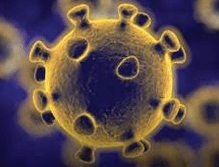
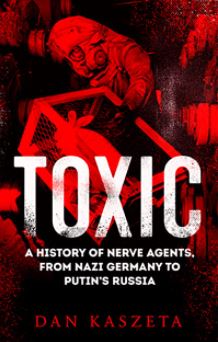
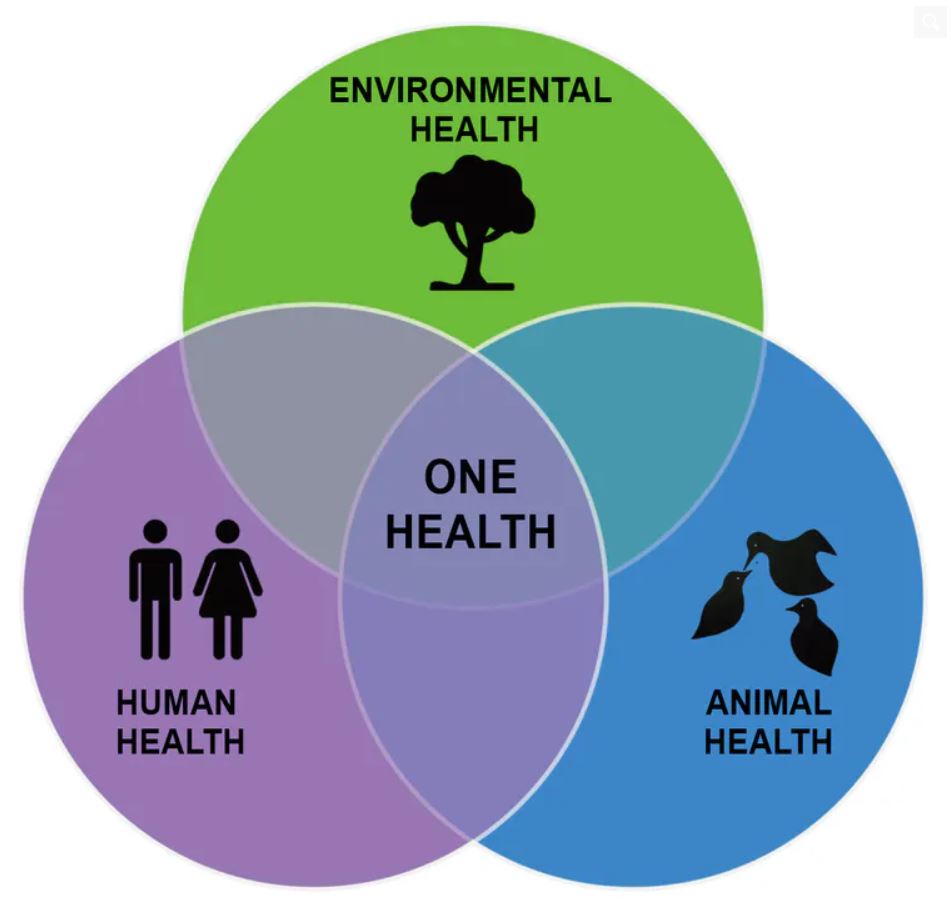











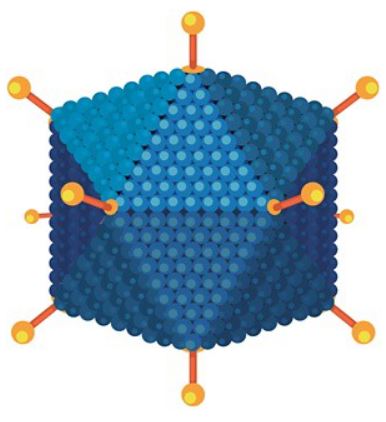



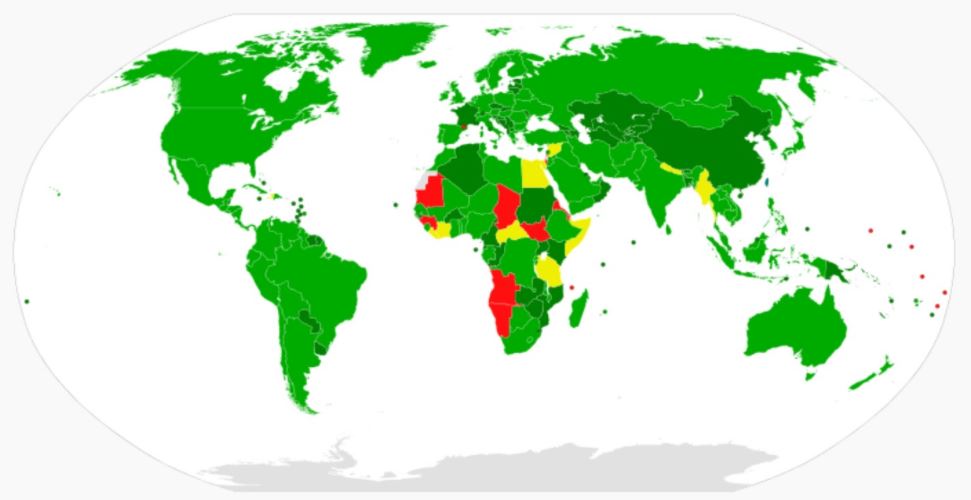
 The Pandora Report