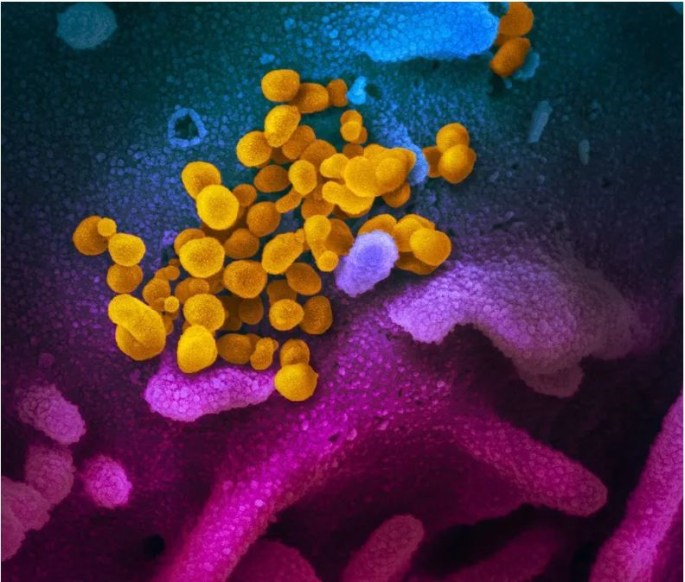
COVID-19 Reopening and Recovery: Proposed Plans for the US

By Rachel-Paige Casey

Throughout April, strategies regarding the reopening of the US economy and its associated public health factors were published by the White House with the Centers for Disease Control and Prevention (CDC), the Center for Health Security at Johns Hopkins University, the Rockefeller Foundation, and the Edmond J Safra Center for Ethics at Harvard University. The four strategies discussed here either outline phases for resuming activity or describe systems to enable and assist safe reopening. All these plans consider the importance of testing to continue slowing the spread of COVID-19 as normal life gradually resumes. Other nations, such as South Korea, have successfully built high-capacity testing and tracing infrastructures in the wake of COVID-19. Unfortunately, the US has failed to develop its own robust testing and tracing system. At present, US testing capacity has plateaued at about 150,000 tests per day, equating to a little over 1 million tests per week, a figure deemed insufficient by experts in public health and medicine. Continue reading “COVID-19 Reopening and Recovery: Proposed Plans for the US”

Groundhog Day 2020

Jomana F. Musmar, MS, PhD, Public Health Advisor in the Office of Infectious Diseases and HIV/AIDS Policy within the Office of the Assistant Secretary for Health, U.S. Department of Health and Human Services.

Disclaimer: This narrative does not represent the views of the U.S. Department of Human Health Services. They only represent Jomana Musmar’s personal perspectives and experiences.

Daniel Tiger sings about handwashing in the background while tiny hands covered in peanut butter attempt to give mommy a new hairstyle, all while I’m taking a 1-hour conference call and typing out action items to work on the following day. This is our new normal, multitasking at its finest. When chatter about a novel coronavirus in Wuhan first began in late 2019, the numbers didn’t make sense and my biodefense training immediately triggered the notion that any day now, it’s going to be in our backyard. We’ve learned about preparedness and resilience from SARS, H1N1, Amerithrax, and the tragedies of 9/11, but the transmissibility, high rate of infection, and unpredictable mortality rate for this particular pathogen make it scarier than these past experiences. While my training and expertise prepared me for the tsunami of response activities nationwide, I wasn’t prepared for the impact it would have on our daily lives, especially on my family. My husband, an ER physician who has been on the front-lines seeing COVID-19 patients in 18-hour shifts, my 81-year old mother who is in the highest risk category for COVID-19 and my fun-loving, 24-hour it’s-circus-time kids, all need my attention and all the time. We are the definition of a full-on frontline responder, high-risk of infection-type home. My mother needs frequent grocery deliveries to circumvent her urge to drive out and do her own shopping. Because of the possibility that my husband might bring home an unwanted biological ‘guest,’ my fear that one of us might get infected but be asymptomatic until the dreaded symptoms emerge keeps me up every night. Did my daughters just cough? Was it wet or dry? Is that a fever? Is my throat dry or is it allergies? Can I drop off my mother’s groceries or should I wipe down every single item I touched? The questions are endless. The juggle to sustain a daily ‘norm’ for all of us while realizing the reality of where we are and what’s to come has been a struggle, but we’re figuring it out day by day.  Continue reading “Groundhog Day 2020”

Pandora Report: 5.8.2020

Welcome to your weekly report on all things global health security – have you been wondering if a gym or coffee shop is safer to visit when things re-open? Check out this review here – but don’t forget to wash your hands!

The Coronavirus Chronicles
Last week we introduced our new series,The Coronavirus Chronicles, which is a collection of stories, based on the personal and professional experiences of the faculty, students, and alumni of the Biodefense Graduate Program, about life during the pandemic. We hope these stories help the public better understand the challenges posed by COVID-19 and how current and former members of the Biodefense Graduate Program have responded to these challenges and contributed to the pandemic response at the local, national, and international levels. This week, we’re launching three more stories – doctoral student Janet Marroquin discusses conducting analyses of various chemical, biological, radiological, and nuclear defense capabilities while also starting a PhD and parenting during the pandemic. One feature you’ll see this week is a focus on how labs are working to reopen in the midst of COVID-19. David Grimm noted this recently as “one of the biggest challenges labs face is how to keep their members physically distanced to limit any potential spread of SARS-CoV-2.” Check out our two lab-based stories in this week’s Coronavirus Chronicles for insight into how this unique, but critical work environment is trying to safely reopen. One of our graduate students delves into working in the laboratory setting and the challenges of biosafety and research, followed by Travis Swaggard who is a senior biologist and discusses what it’s like working with SARS-CoV-2 and testing different regions of the SARS-CoV-2 genome from synthetically derived sections of the virus. Read their full stories here in The Coronavirus Chronicles.

Schar School Event- Public Policy in the Pandemic Age: How COVID-19 is Reshaping our Government, Economy, and Society
Join the Schar School Faculty, Alumni, Schar Alumni Chapter, and Dean Mark Rozell for an engaging virtual panel on the future of public policy post COVID-19 – COVID-19: How the Pandemic is Reshaping our Government, Economy, and Society. This virtual event will be moderated by Biodefense Graduate Program director Dr. Gregory Koblentz, and will be held from 2-3:30pm EST on Wednesday, May 20, 2020. The COVID-19 pandemic is presenting unprecedented challenges to the United States and the rest of the world. Not since the “Spanish Flu” of 1918 have we experienced a pandemic of this scale and severity. Aside from the steep and growing human toll of the outbreak, virtually every aspect of our personal and professional lives are being affected. The sheer breadth of issues impacted by COVID-19 is overwhelming: public health, medicine, government, the economy, international trade, education, national security, politics, and technology, to name just a few. The effects of the pandemic are also magnified by existing cleavages within our society ranging from hyperpartisanship to racial disparities to socioeconomic inequalities. You can read more about our distinguished panel members and register for the event here.

Complications and Misinterpretations about COVID-19 Testing
The development and employment of rapid and reliable diagnostic tests for SARS-CoV-2 infection are a hot topic as we continue to combat the COVID-19 pandemic. In the first several weeks of the pandemic, the US failed to launch an adequate testing infrastructure that would enable sufficient testing capacity with reliable and valid testing methods. Molecular diagnostic techniques, such as polymerase chain reaction (PCR) test for COVID-19, are espoused for their sensitivity (true positive rate), specificity (true negative rate), and safety. Molecular diagnostics can be performed on inactivated samples and are capable of detecting microbial DNA and RNA that are heavily diluted. An additional advantage of the molecular tests is their ability to distinguish between strains of the same virus, bacteria, or fungus. Serologic techniques look for the antibodies that are produced by the immune system to fight off a microbe; these types of tests can also detect exposure after an infection has resolved. Serology helps identify cases that occurred with very mild or no symptoms. Within the discussions about the need for diagnostic testing for COVID-19, the focus has recently shifted from molecular to serologic tests. It is important to note that these tests do not guarantee whether an individual has developed immunity to a specific pathogen. As of 5 May, the FDA has issued Emergency Use Authorizations (EUAs) to 60 test kit manufacturers and commercial laboratories producing molecular and serological tests, but only a dozen of these are received approval for serological diagnostics. Most of these EUAs are for diagnostics to be conducted in laboratories certified under the Clinical Laboratory Improvements Amendments of 1988 (CLIA) to perform high complexity tests; some are approved for use in laboratories certified to perform moderate complexity tests. A recent survey of New York City discovered that 1 in 5 residents carried antibodies for the novel coronavirus, which indicates that they were exposed to the virus. This result confirms the fear of many experts that the lack of testing has led to an underestimation of the number of infections; for NYC, the estimated was one-tenth of the true number of infections. The fact that 20% of the NYC population may carry the antibodies does not necessitate that all those individuals developed immunity to COVID-19. Dr. Saskia Popescu, a Biodefense PhD graduate, pointed out that epidemiology for COVID-19 is leaning heavily on these imperfect tests, a dangerous move given that many individuals remain susceptible to infection. Popescu’s concerns echoes the cautions raised by other scientists that the presence of antibodies does not signify immunity, and even those who were infected but asymptomatic may be at risk of a second infection. Additional improved tests are needed to better assess the significance of antibodies in previously infected patients.

GMU Institute for Sustainable Earth – Pandemic Webinars
The disruptions caused by the COVID-19 pandemic reveal both fragilities and resiliencies in our global society. Mason’s Institute for a Sustainable Earth is hosting a webinar series to investigate some of these dimensions of the current health and economic crises through the lens of sustainability science. In moderated discussions with sustainability experts, these webinars will also explore how society could recover to a more resilient and sustainable state. Each week you can attend a new webinar regarding everything from preparedness and social resilience, ecological health, and social inequalities and the disparities of impact. Make sure you catch the Preparedness and Social Resilience event next week on Tuesday, May 12th from 2-3pm, which will include Dr. Gregory Koblentz, Associate Professor of Government and Politics and Director of the Biodefense Graduate Program.

The Conspiracy Continues: Theories Persist that COVID-19 Came from a Lab
Despite a throng of scientists and researchers debunking the theories that COVID-19 was born from a Chinese laboratory, the accusations and fears that the pandemic is the result of a laboratory release linger. On 3 May, Secretary of State Mike Pompeo said that there is “enormous evidence” that the novel coronavirus originated from the Wuhan Institute of Virology (WIV), a claim made despite the assessment of the intelligence community concluding that the virus is neither human-made nor genetically modified. The magnitude of this supposed evidence is repeatedly stated but the specifics of it are not. Actual scientific evidence supports the expectation that SARS-CoV-2 is naturally-occurring and originated from bats before spilling over into the human population. Dr. Greg Koblentz, Director of the GMU Biodefense Graduate Program, further squashed the idea that the novel coronavirus was created in a laboratory based on what is known about the biology of the virus. Koblentz points out that there is little evidence suggesting a cover-up by the Chinese government for a supposed lab breach. The WIV’s transparency regarding genomic sequencing of the virus supports the more reasonable conclusion that they are not the source. Some of these conspiracy theories use the WIV’s extensive research on deadly bat viruses as a foundation for their claims. Such research activities are not hidden and much is event detailed in over 40 published studies and academic papers. Though the source of the virus is quite unlikely to be a villainous origin, its origin may not be isolated to the Huanan Seafood Wholesale Market in Wuhan. Dr. Filippa Lentzos of King’s College London encourages carrying out a credible investigation to unveil a complete picture of the origin of the coronavirus pandemic. Further, though there is minimal hard evidence that the pandemic could have been the result of a laboratory failure, even a remote possibility brings into question the stringency and efficacy of safety in basic scientific research. A study published in March found that only 45% of the first 435 COVID-19 patients had connections to the seafood market in Wuhan, supporting the notion that the virus was present in other settings from the beginning. That said, this evidence does not indicate that the origin is the WIV or another laboratory that developed the novel coronavirus through manipulation. The pathogen is almost certainly a product of nature, but a comprehensive understanding of the factors and conditions that led to this pandemic will provide valuable insight for handling the next outbreak.

Arizona Puts Politics Above Pandemic Response
Earlier this week an infectious disease modeling team from Arizona State University, which had been providing models to the state health department and through publicly-available resources, was quietly release from their duties and told to return the data. Not long after, the rumblings of concern that this was a politically-motivated decision, became increasingly loud. The suspension of the COVID-19 modeling working group was just after President Trump visited Phoenix, AZ (where the group is based) and ultimately, their findings weren’t aligning with Gov. Ducey’s sudden push to re-open the state. In fact, the decision to disband the modeling team was made just hours after Gov. Ducey decided to rapidly accelerate the opening of the state. Originally set for May 15th, it was announced earlier this week that businesses like salons and restaurants would re-open starting on Friday, May 8th. The concerns for this as a politically motivated decision were quickly made by AZPHA in their post here, which noted that “The letter asking them to stop work didn’t provide any reason for the request except that it was at the direction of ADHS’ senior leadership. The only remaining predictive model that the state health department is now using has been developed by FEMA.  Neither that model nor the predictive modeling results from the FEMA model are publicly available. Last night’s action to disband the Arizona COVID-19 Modeling Working Group begs the question of whether the Modeling Working Group was discontinued because they had been producing results that were inconsistent with messaging and decisions being made by the executive branch.” Within a few days, it got national attention and gave rise to concern that the push to prematurely re-open states could be impeding public health efforts. “But experts said Arizona’s dismissal of academics, whose analysis seems at odds with the state’s approach, marked an alarming turn against data-informed decision-making.”

Bright, BARDA, and Whistleblowing
Ripples were sent this week as former director of BARDA, Rick Bright, filed a whistleblower complaint on Tuesday regarding his removal from office and reported pressure from Robert Kadlec, leader of ASPR, to “to buy drugs and medical products for the nation’s stockpile of emergency medical equipment from companies that were linked politically to the administration and that he resisted such efforts.” The 89-page complaint was a searing document that noted Bright’s removal due to his efforts to “prioritize science and safety over political expediency.” As biodefense expert Dr. Gregory Koblentz notes, “Rick Bright’s whisteblower complaint contains a litany of disturbing details about the failures of the Department of Health and Human Services and the White House to respond quickly and forcefully to the COVID-19 pandemic. The complaint shines a bright on the Trump Administration’s poor judgment, bureaucratic in-fighting, politically-driven decision-making, disregard for science, corruption, and incompetence.”

How Will We Know When to Reopen? Looking to South Korea Might Help
The hot topic right now in the United States is – when can we reopen? That’s not an easy question to answer though and people may not like the complicated answer. A phased approach means that people will need to slowly reopen businesses and resume normal practices, but this will rest precariously on the public’s ability to maintain infection control measures, social distancing, and businesses to establish safe processes. GMU Biodefense doctoral student HyunJung Kim discusses this and how South Korea’s reopening plan might be helpful, especially since it’s backed up by data. “The South Korean government’s approach to COVID-19, based on massive diagnostic testing, has successfully employed the so-called 3T practices–testing, tracing and treatment–to help continue decreasing the number of newly reported COVID-19 cases in South Korea. As of May 5, there have been 640,000 tests conducted in the country. Nearly 20,000 people were tested per day in the peak period (early March), and as of early May, 3,000 to 5,000 tests were still being conducted daily, even though the number of daily cases had fallen into single-digit territory.” Read more here about how South Korea is shedding light on some efficacious ways to address a pandemic and reopen society.
The Federal Research Enterprise and COVID-19 – The House Committee on Science, Space and Technology on the “Federal Research Enterprise and COVID-19
On Tuesday, this group virtually met to discuss critical research during this time and GMU Biodefense alum Dr. Daniel Gerstein remarked to the group – “There is much to be done to get through the current crisis, and it is too early to be developing a comprehensive “lessons learned” assessment. However, it is not too early to understand recent shortfalls and examine ways to steer the United States and international community through the current crisis. Even now, there are many unanswered questions about COVID-19. What percentage of the population that is exposed becomes infected? What accounts for the variations in symptoms and the vast differences in outcomes, ranging from asymptomatic infections to death? Can people become reinfected? What role did humans play in the disease spillover into humans? These, as well as many other questions surrounding COVID-19, will need to be addressed. Filling our knowledge gaps will be crucial to dealing with this pandemic and preparing for the next one.” You can read his full written remarks here.

A Day in the Life of a Molecular Biologist

By Travis Swaggard

I am a Senior Biologist working for a Repository in Manassas VA that stores and handles various microorganisms, media products, and cell lines. We also grow and culture viruses, that now include SARS-CoV-2, to develop products that can be sold to clinical laboratories, academia, and pharmaceutical companies for biomedical research and diagnostic testing.  My work since COVID-19 became a pandemic and a serious threat to global health has focused almost entirely on testing different regions of the SARS-CoV-2 genome from synthetically derived sections of the virus. This is done using the same technique used to screen clinical samples in hospitals and laboratories, known colloquially in our field as qPCR, or quantitative polymerase chain reaction. This is the same methodology used in the testing kits provided by the CDC. Most undergraduate molecular biology students (and, perhaps even high schoolers specializing in AP biology coursework) should understand this technique fairly well: using the same principles of traditional PCR, a region of DNA (or RNA, in the case of SARS-CoV-2) is targeted using specialized primers that complement the RNA sequence. From there, under specific temperatures, a polymerase enzyme will add nucleotides using the primers as a guide. A special molecular probe is also included that will emit fluorescence, but only when the enzyme has completed polymerization of the target region of RNA. Continue reading “A Day in the Life of a Molecular Biologist”

Research Labs Aren’t Ready for Social Distancing

By Current Biodefense Graduate Student (wishing to stay anonymous)

As the scientific community ramps up for more intensive research efforts in the field of COVID-19 vaccine research, the larger question of how to conduct laboratory research under social distancing conditions remains unaddressed. For example, the National Institute for Allergy and Infectious Disease has announced their strategic plans for COVID-19 research, which are heavily dependent on benchwork and animal studies.   And both basic research fields and industry are now subject to unprecedented pressure to compress established timelines for development of new medical countermeasures.  These timelines have traditionally been held as necessary for vigorous demonstration of efficacy and safety of new drugs and vaccines before licensure for use in human populations. Continue reading “Research Labs Aren’t Ready for Social Distancing”

Pandemic Pandemonium

By Janet Marroquin

When I began my doctorate studies part-time in August 2019 while working full-time, I thought long and hard about my commitment to growing the biodefense knowledge base.  I understood the demands that the program would have on my time and mental fortitude, which were already stretched thin as a single parent of a middle schooler. Nonetheless, I felt confident in my time management skills and perseverance to overcome the cognitive barriers inherent to graduate school.  The first semester was an abrupt reminder that things never go as planned.  After struggling through all sixteen weeks of the fall semester, I was ready to implement my lessons learned to spring 2020 and start off with a clean slate.  I had a set schedule that actually worked for my son and me, I was doing group exercise classes to squeeze in social interactions with fitness, and I liked my projects at work: I had it all figured out.  A little more than a month later, I was back to square one of fall semester, a reminder that things do not always go as planned. Continue reading “Pandemic Pandemonium”

A Pandemic Juggling Act

By LCDR Jen Osetek, Ph.D.

All of us have stories of how COVID-19 changed not only the world but our individual worlds.   We have had to change our personal and professional roles and adopt new ones. For me, it has had a profound adaptation of 4 different roles in my life: Contractor for the U.S. Coast Guard (USCG), a USCG Reserve Officer, a Public Health Preparedness professor, and Mom.

As a contractor with the USCG’s Office of Specialized Capabilities, I work with the Chemical, Biological, Radiological, and Nuclear Program. Decisions about personal protective equipment (PPE) are nothing new; neither are discussions of biological threats. Coronavirus PPE quickly came to dominate a good part of our time. Working with experts across the USCG, we were involved in workgroups including those focused on protecting our members in the field, decontamination procedures, taking care of those who got sick, and deciding how to safely bring people back to work after exposures.  Instead of sitting across a conference table, our job is currently done over the phone and with screen shared documents. The logistics have changed but the dedication to our people and mission has not.

In my Coast Guard Reserve capacity, we organized a virtual drill weekend for the first time. While not the same as being together, this was a way to deliver required, position-specific training while keeping all our members healthy….and ready to deploy for the COVID response if needed. Like the other branches of the military, the USCG could not stop during a national emergency. Continue reading “A Pandemic Juggling Act”

Masks Aren’t for Mental Health

By Madeline Roty

The COVID-19 pandemic has had a dramatic impact on physical health, but it is also taking a less obvious toll on our mental health. Based on my background in nursing, I know that physical and mental health are interdependent, and it is difficult to promote one without the other. For example, mental health disorders have been linked with an increased risk for cardiovascular disease. While the negative impact of COVID-19 on mental health has been acknowledged in the media and scholarly literature, the pandemic represents an opportunity to normalize conversations about mental health which has been stigmatized for far too long. But as people have rushed to buy cleaning supplies and personal protective equipment to protect their physical health and the health of others, I have also witnessed friends and family neglect their own mental well-being. Masks will not protect your mental health. In fact, masking your feelings will harm your mental health.
I have been fortunate; my family and friends have been healthy and safe. Like many people, I have had classes moved online, plans cancelled, and a job restructured. I thought that if people are experiencing far worse suffering than mine, why should my problems matter? Then I got a phone call from a friend. She said she had had a really hard month, but she didn’t tell me earlier because it didn’t seem like a big deal with everything else going on in the world. Then another friend called, overwhelmed by the little stresses that had accumulated over time because she thought they weren’t important in the grand scheme of things. That’s when it struck me. Many people I know were not taking the time to acknowledge the impact of the pandemic on their mental health. Instead they were dismissing their personal feelings because other people were suffering more or because it seemed selfish. Continue reading “Masks Aren’t for Mental Health”

Relearning Forgotten Lessons About Infection Prevention

By Saskia Popescu, PhD

I knew early on that the COVID-19 pandemic would hit the United States hard. In healthcare, it’s no longer a matter of if but rather when and for how long. Thanks to globalization, every city in America is twenty-four hours away from any outbreak in the world. My role as a senior infection prevention epidemiologist has taught me that there are warning signs before cases even reach our hospital, let alone American soil. The mask shortages that began well before cases were climbing in the United States, was one such canary in the coal mine.

These lessons were burned into the brains of infection preventionists in 2014 when Ebola was spreading across west Africa and the Dallas Ebola cluster changed the face of U.S. healthcare and biodefense forever. I still remember the daily scramble to update personal protective equipment (PPE) educational tools and get enough materials to train my frontline staff. Those were 16-hour days followed by multiple pages and calls throughout the night. And did I mention that I had a wedding scheduled in the midst of it all? Fitting for an infectious disease nerd though, right? Continue reading “Relearning Forgotten Lessons About Infection Prevention”

Pandora Report: 5.1.2020

Launching The Coronavirus Chronicles 
It has been three months since the World Health Organization declared that the novel coronavirus now known as SARS-CoV-2 posed a public health emergency of international concern. Not since the “Spanish Flu” of 1918 has the world experienced a pandemic of the scope and severity caused by the SARS-CoV-2 coronavirus. Since SARS-CoV-2 first emerged, the faculty, students, and alumni of the Biodefense Graduate Program at the Schar School of Policy and Government have been working on the front lines, behind the scenes, and on the home front to respond to this unprecedented pandemic. After we heard some amazing stories from Biodefense students and alumni about how the COVID-19 pandemic had presented new personal and professional challenges and how they had been able to contribute, in ways large and small, to the pandemic response, the editors of The Pandora Report decided that these stories needed a wider audience. The Coronavirus Chronicles is a collection of stories, based on the personal and professional experiences of the faculty, students, and alumni of the Biodefense Graduate Program, about life during the pandemic. We hope these stories help the public better understand the challenges posed by COVID-19 and how current and former members of the Biodefense Graduate Program have responded to these challenges and contributed to the pandemic response at the local, national, and international levels. The first installment of The Coronavirus Chronicles features three stories by Biodefense students and alumni. Biodefense PhD alumna Jennifer Osetek explains how she juggles multiple roles from working for the Coast Guard to teaching public health emergency preparedness to being a mom and Saskia Popescu discusses the challenges of infection prevention on the frontlines in hospitals. Finally, master’s student Madeline Roty highlights the importance of protecting your mental health as well as your physical health during the pandemic. New stories will be added to The Coronavirus Chronicles on a regular basis and new installments will be featured in future issues of The Pandora Report. If you are a student or alumni of the Biodefense Graduate Program and would like to contribute a story, please email us at biodefense@gmu.edu.

In Memoriam – Julian Robinson
The CBW world got a bit dimmer with the loss of Julian Perry Robinson on April 22. Julian was an avid researcher and contributor to the world of CBW nonproliferation, inspiring generations to study and work in biodefense. “A chemist and lawyer by training, Julian was a member of the SIPRI research staff during 1968–71 and the focal point of the work on CBW, which included the excellent six-volume series of books The Problem of Chemical and Biological Warfare (1971–76). During this period he was also responsible for groundbreaking reports on CBW issues published by the UN Secretary-General and the World Health Organization.  All of these provided essential inputs into the negotiation of the Biological Weapons Convention which was opened for signature in 1972.”

Health Security Articles by Our Editorial Team
The latest issue of Health Security includes two articles by the Pandora Report’s managing editor Saskia Popescu and associate editor Rachel-Paige Casey. Both articles can be found here. Popescu co-authored the article “Restricted and Uncontained: Health Considerations in the Event of Loss of Containment During the Restricted Earth Return of Extraterrestrial Samples” with Betsy Pugel and Syra Madad. Currently, the scope of a satisfactory public health response to the release of biological material is limited to biological vectors with known pathogenicity and virulence; however, the scope should be expanded to include the release of biological material with unknown pathogenicity and virulence. The recent return of extraterrestrial samples from Mars, a planet which may harbor life, instigates the renewed framing of a public health response, particularly for an accidental release of a such novel and mystifying material. The article poses a set of question relating to the initial public health and healthcare response in the event that extraterrestrial samples are accidentally released from failures in biological containment mechanisms. These questions ask how the public health community prepares for such an event; what can be done to confine, decontaminate, and collect the material; and how will the public be prepared. Casey co-authored the article “Conflict and Cholera: Yemen’s Man-Made Public Health Crisis and the Global Implications of Weaponizing Health” with Christine Crudo Blackburn and Paul E. Lenze, Jr. The 2016-17 cholera epidemic in Yemen was, prior to COVID-19, the largest disease outbreak in modern history. Conservative estimates found that the number of suspected cases exceeded 1 million and, within the first 8 months of the outbreak, there were over 2,000 confirmed deaths. Although cholera is an ancient disease that continues to plague many countries, Yemen’s outbreak had several unique features. The outbreak, which disseminated at an unprecedented pace, was directly linked to the country’s ongoing armed conflict. This article assesses what the cholera outbreak in Yemen reveals about the connection between infectious disease and conflict, the targeting of healthcare infrastructure as a modern warfare tactic, and the implications of a strategy of infrastructure destruction have for global health security.

Spore Wars
The COVID-19 pandemic has increased fears of both another naturally-occurring disease event and a bioweapons attack. The Trump administration released a National Biodefense Strategy in 2018, but it also dismantled directorate of the National Security Council that focused on health security and biodefense, and it proposed budget cuts to the laboratory network that tests for biological threats. between FY2015 and FY2019, funding for civilian biosecurity dropped 27% to a number $1.61 billion lower than the bill for buying Black Hawk helicopters. Dr. Gregory Koblentz, Director of the Biodefense Graduate Program, spoke to how the pandemic has, frighteningly, showcased that the US public health infrastructure is comprehensive broken or overtaxed. In other words, we have now exposed a critical vulnerability that may be provide incentive for a bioterrorist. This vulnerability extends beyond public health and the beyond the US borders; the US and global economy may now have targets on their backs.

The Saga Continues: Disinformation and Conspiracy Theories about the Origins of COVID-19
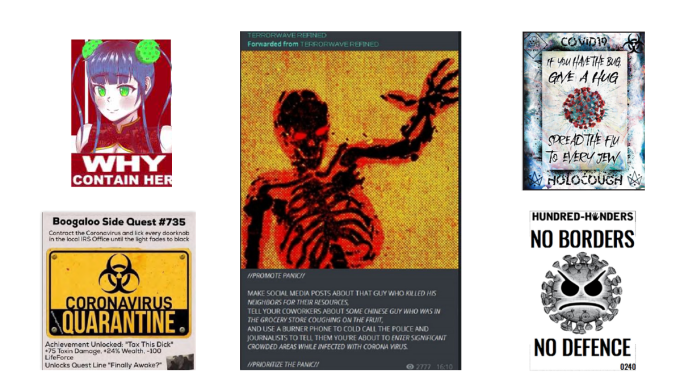
As the COVID-19 pandemic continues and the nations of the world still struggle to stop the spread and protect their people and economies, the desire for a boogie man persists. Conspiracy theories abound about the suspected surreptitious origins of the SARS-CoV-2 virus that plagues the world. Despite a bevy of experts denying the possibility that the coronavirus is the result of biological warfare and genetic analyses showing that this virus is not human-made, the shoddy hypothesis has a following of believers. In the Washington Post, Dan Kaszeta, a specialist in chemical and biological defense, provides further insight into the illegitimacy of the theories that the pandemic is the product biological warfare. Beyond the lack of evidence of human tampering, the inducement of a pandemic threatens the safety and security of the perpetrator’s own people, thereby disincentivizing the release of a pandemic-inducing bioweapon. There is no therapeutic or vaccine against this coronavirus that would engender protection of one’s own or a friendly population to the releaser. Further, the spread of disinformation relating to the pandemic is now being coined as a concurrent “infodemic.” One of the newest conspiracy theories is that the 5G network either transmits the coronavirus directly or weakens the immune system to imbue susceptibility to the virus. What will be tomorrow’s half-baked coronavirus conspiracy hoax?

Special Issue of Intelligence and National Security
The Journal of Intelligence and National Security released a Special Issue on Global Health Security, introduced with an article by Filippa Lentzos (a friend of GMU Biodefense), Michael Goodman, and James Wilson. Their article provides an overview of the health security threat spectrum: deliberate disease outbreaks, emerging infectious diseases and natural disease outbreaks at the other, and accidental disease events created by the significant scientific advances in the abilities to modify genes and microorganisms. Additionally, it traces how the perceptions about biological and health security threats have changed and expanded with outbreaks of naturally-occurring diseases, recognition of the unintended consequences of research, laboratory accidents, negligence, and emerging technologies. The authors argue that the traditional intelligence community must better engage with non-IS stakeholders and broaden its cadre to include new sources of intelligence in order to strengthen global health security and health intelligence. The Special Issue is an effort to encourage the development of a “multidisciplinary, empirically-informed, and policy-relevant approach to intelligence-academia engagement in global health security that serves both the intelligence community and scholars from a broad range of disciplines.” Read the full article here and all the articles in this Special Issue are open access.

COVID-19 MCM Update
The latest scientific study findings of potential COVID-19 therapeutics are a mixed bag of good news and bad news. Gilead’s remdesivir, an antiviral drug developed to treat hepatitis C and Ebola virus disease, shows no benefit to coronavirus patients according to a clinical trial conducted in China. This finding was accidentally revealed, but additional studies on the effects of remdesivir for coronavirus patients await their own conclusions. Conversely, Dr. Anthony Fauci, the top infectious disease expert for the US government, recently stated that data from another clinical trial is showing a positive effect from remdesivir in cutting a patient’s time to recovery. GEN’s list of front-runners for therapeutics and vaccines against COVID-19 currently includes 19 candidates; remdesivir remains on that list. In encouraging news, the COVID-19 pandemic has underscored the argument for supporting the development of a panviral drug. A panviral drug works broadly within or across viral families to incapacitate them. Such a drug is extraordinarily difficult to design because viruses hijack a host’s cellular machinery to survive and propagate; however, targeting a virus’s functions in a host cell may also negatively impact that cell’s normal function. Fortunately, researchers are starting to discover ways around that problem by refining which processes an antiviral drug targets.

The Trump Effect – International Institutions
From UNESCO to the Human Rights Council, and now the WHO, President Trump isn’t much of a fan of international institutions. “Global institutions are supposed to help facilitate cooperation during crises, but this time they’ve left nations to their own devices. That’s a departure from the past, and many experts suggest that it’s largely driven by the U.S.’s absence. ‘This makes the U.S. weaker, not stronger,‘ said Greg Koblentz, an associate professor at the Schar School of Policy and Government at George Mason University. ‘This will either lead other countries to try and use these crises to push their own agendas, or everyone will be on their own and you’re going to get a zero-sum competition among countries competing for scarce resources and hording supplies and not sharing data, because the mechanisms for facilitating cooperation and burden sharing and information sharing will have fallen apart’.” Since the news of President Trump’s plans to halt U.S. funding to the WHO, many have pointed out that his frustrations with the international institution aren’t excuses for why the U.S. has performed so poorly in responding to COVID-19. Jeremy Konyndyk noted “First off, the decision to pause funding to the organization that is coordinating the global fight against a pandemic in the middle of a pandemic is hugely damaging. If they do move forward with fully cutting off funding, that doesn’t just disrupt COVID response; it disrupts a lot of different things the U.S. government relies on WHO to do, like polio eradication, or cholera in Yemen, or extinguishing the Ebola outbreak in eastern Congo.”

The Right Way to Reopen the Economy According to GMU’s Pearlstein
Steven Pearlstein, a GMU Schar School professor and Pulitzer Prize-winning business and economics columnist, briefly outlined his recommendations on reopening the US economy. The upshot of Gerstein’s article is that getting Americans back to work after the coronavirus lockdown should not be a politicized process, but one that focuses on protecting Americans while restarting the US economy. The sooner we can safely return to normal life, the better. He outlines several general principles for reopening the economy, but points out that decisions and policies should be tailor-made to a region, industry, or institution to maximize success. For instance, regarding special funding programs, workers should be prioritized over investors and low-wage workers should be prioritized over high-wage workers. In general, lenders can afford to wait for their money, whereas workers and suppliers cannot. Given that a large chunk of white-collar workers can work from home but many blue-collar workers lack that luxury, low-wage workers should be the first to receive help as they are more likely to have lost most, if not all, of their income under the social distancing measures. No matter what decisions are made, tradeoffs are inevitable. There is no perfect solution without some hiccups or shortcomings. So, the key question is how do we reopen in a way that minimizes costs and risks to public health?

Preventing CBW Proliferation In the Age of COVID-19
How are the OPCW, BCW, and 1540 committees working to combat biological and chemical weapons during the pandemic? Richard Cupitt, Senior Fellow and Director of the Partnerships in Proliferation Prevention program at Stimson and Adjunct Faculty at GMU Biodefense, has provided a review of how each nonproliferation organization is working during this time. Cupitt notes of the BWC, “Not surprisingly, many national governments have entertained the need to adopt and implement the BWC and contribute to its strengthening.  And the requests for assistance have increased enormously according to several sources (although which requests, if any, that have gone to the BWC is confidential).” He emphasizes that for those like the OPCW, adjustments have been made to work remotely while maintaining a critical presence. Moreover, the economic recession will likely mean cuts to the budgets of many nations, which could impact the financial obligations of States parties to these international organizations.

Opportunity to support CBRN Research: The University of Maryland’s Integrated Discovery of Emerging and Novel Technologies (IDENT) Project Team Invites You to Join 
GMU Biodefense MS alum Alexandra Williams, Junior Researcher at the Unconventional Weapons Technology Division of the National Consortium for the Study of Terrorism and Responses to Terrorism (START) at UMD, is the co-research lead for the IDENT project and is inviting you to join. “This project has allowed me to apply the knowledge and experience I gained at GMU to conduct hands-on biodefense research and support US government CBRN mission space.” The IDENT Project seeks to develop a repeatable and scalable process for the discovery of emerging or disruptive technologies that may impact the Countering Weapons of Mass Destruction (CWMD) mission space. The project is sponsored by the Defense Threat Reduction Agency (DTRA) and is being designed and implemented by an interdisciplinary research team from the University of Maryland, ABS Consulting Group (ABSG), and the University at Albany (State University of New York). The IDENT Project team would like to invite rising and leading experts in the fields of biological and chemical defense to participate in the IDENT Knowledge Hub. The Knowledge Hub, a core component of the IDENT system, is a distributed, collaborative online software platform that includes broad horizon scanning and iterative-structured elicitation functionalities. The platform is also designed to incorporate additional expertise as needed through brief semi-structured probing interviews. If you would like to join the network of experts participating in the Knowledge Hub, refer a colleague, a fellow classmate, or would like more information about this effort, please reach out to Ms. Salma Bouziani at Bouziani@umd.edu and we are happy to provide you with any additional information.

Epic Fail: Why the US Wasn’t Prepared for the Coronavirus Pandemic
Daniel Gerstein, a graduate of the Biodefense PhD program and a senior policy researcher at the RAND Corporation, published an article in the Bulletin of the Atomic Scientists about why the US was not prepared for the coronavirus pandemic. The current administration largely failed to arrange a strong and timely response to COVID-19. The factors in this epic failure include, but are not limited to, inadequate biosurveillance systems, a disjointed emergency response network, and poor management of supply chain disruptions. Gerstein encourages a makeover for the emergency response system that lowers reliance on the federal government for a quick and effective response to outbreaks. In fact, certain state governments are already forming pacts to coordinate their responses to the outbreak and, perhaps, bypass the federal government. The pandemic has exposed the fissures in the national preparedness and response systems, which will require reconfiguring by relearning the lessons of crisis response and emergency management. Read Gerstein’s full article here.

Pandemic Pets?
First it was a sick tiger and now a new study from the CDC has reported that two pet cats living in separate ares of New York State have tested positive for SARS-CoV-2. “In the NY cases announced today, a veterinarian tested the first cat after it showed mild respiratory signs. No individuals in the household were confirmed to be ill with COVID-19. The virus may have been transmitted to this cat by mildly ill or asymptomatic household members or through contact with an infected person outside its home.Samples from the second cat were taken after it showed signs of respiratory illness. The owner of the cat tested positive for COVID-19 prior to the cat showing signs. Another cat in the household has shown no signs of illness.” No word on if hairballs are considered fomites…

News of the Weird
Got chickens? You’re in good shape against COVID-19 according to a Swedish city. The city of Lund is “spreading chicken manure in its central park in an effort to deter crowds gathering for a festival. Tens of thousands of people usually descend on southern city to celebrate Walpurgis Night, which is marked across Scandinavia. But officials want to keep people away because of the coronavirus outbreak. There is no lockdown in Sweden, where data show most people have taken to voluntary social distancing.” For residents of Lund, they have emphasized that with the stench of chicken manure, who would want to sit and have a beer?