Pandora Report 11.14.2025

Welcome to this week’s Pandora Report! 🍂 This issue features developments in vaccine safety and regulatory instability in the U.S., including continued leadership upheavals at the FDA and NIH and the potential public health consequences of weakening vaccination mandates. It also covers global health topics, from avian influenza outbreaks to emerging biosecurity and biosafety initiatives. 

The Vaccine Safety Net is Fraying – and Communities Will Pay the Price 

By Carmen Shaw, Co-Managing Editor of the Pandora Report 

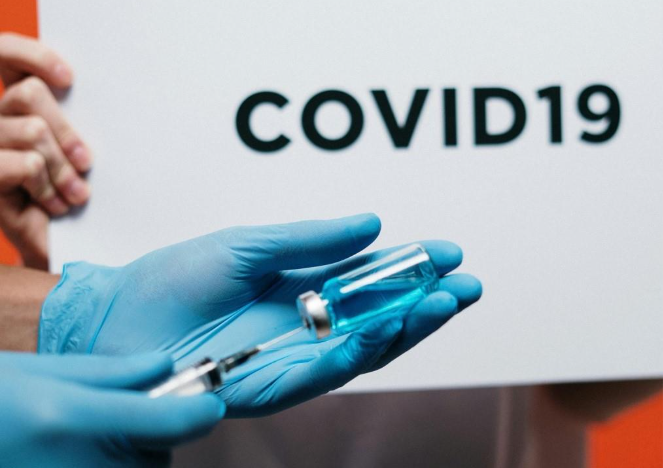
Figure 1. Preparing a vaccine dose – an essential tool in protecting communities as health agencies confront rising mis- and disinformation and shifting immunization policies. (Credit: Pexels)

Regulatory stability in the U.S. faces major shocks this week. StatNews reported that two senior FDA officials – Vinay Prasad and Tracy Beth Høeg – are quietly reshaping vaccine regulation by introducing new policies. These changes include stricter approval requirements and a narrower focus on high-risk populations for COVID-19 vaccines, raising alarms about transparency, the erosion of established norms, and potential negative impacts on public health. The turbulence continues with the abrupt replacement of the director of the NIH’s National Institute of Environmental Health Sciences (NIEHS). Kyle Walsh, PhD, a neuroepidemiologist and close ally of Vice President JD Vance, was appointed as the new director. NIH employees noted that Walsh was not selected through the standard selection process for filling a vacant position.  

At the FDA, deeper turmoil unfolded as Dr. George Tidmarsh, head of the agency’s drug center, resigned last Sunday following the launch of an HHS investigation into “serious concerns” about his personal conduct. His departure came as a drugmaker connected to Tidmarsh filed a lawsuit alleging that he made “false and defamatory statements” during his tenure at the FDA. Tidmarsh’s ousting marks the latest in a string of chaotic leadership changes at the FDA, which have been impaired for months by firings, departures, and controversial decisions on vaccines, fluoride and other issues.  

Against this backdrop, experts are working to preserve public trust in vaccines amid mounting disinformation. Michael Osterholm, an epidemiologist at the University of Minnesota, and his team at the Center for Infectious Disease Research and Policy (CIDRAP) launched the Vaccine Integrity Project (VIP) in April – an initiative designed to provide clear, science-based information on vaccine safety and efficacy in order to fill gaps left by weakened advisory bodies such as ACIP.  

Meanwhile, in Florida, Surgeon General Joseph Ladapo has announced plans to end nearly half a century of childhood vaccination mandates. Physicians warn that removing these requirements could trigger a resurgence of diseases like measles, hepatitis, meningitis, and pneumonia – disease historically kept at bay because mandates reliably boost vaccination rates. Yet many critics, including doctors, say they are afraid to publicly oppose the policy despite the well-documented evidence that mandates protect communities by increasing vaccine uptake – and in turn, strengthening the overall health and resilience of communities.  

The consequences of retreating from immunization are already visible at the regional level. Canada officially lost its measles elimination status, meaning the entire Americas region has now lost the designation due to sustained transmission. The cause is clear: “We’re seeing transmission of the measles virus in communities, essentially, that are under-vaccinated. So measles is a very contagious virus, and when it gets into a community where there’s a low vaccine rate, then we see really quick spread of that virus,” says Dr. Janice Fitzgerald, Newfoundland and Labrador’s Chief Medical Officer of Health.  

Further Reading:  

Bird Flu Outbreak Intensifies Across Two Continents  

By Margeaux Malone, Pandora Report Associate Editor 

Outbreaks of avian influenza H5N1 continue to emerge across the United States as migratory birds carry the bird flu virus south for winter. In the past 30 days alone, the U.S. Department of Agriculture’s Animal and Plant Health Inspection Service (APHIS) has reported bird flu cases in over 60 commercial and backyard poultry flocks. Indiana has become a hotspot, with Lagrange County recording six major detections since late October. Most recently, three commercial farms were affected, including facilities housing 8,400 ducks, 8,300 ducks, and 18,300 egg-laying chickens. Michigan and Minnesota have also experienced increases activity, with additional cases reported on both coasts in California, Oregon, and Virginia.   

Compounding the crisis is a scaled-back federal response. Wendy Puryear, a virologist at Tufts University acknowledged that the U.S. is not in a great position to monitor the ongoing outbreaks as much of the infrastructure to do so has been shut down or hampered by the current administration. Collaboration between researchers and federal health agencies has diminished significantly due to restrictions on communication and staffing cuts within the government. Funding cuts have also forced many to halt H5N1 studies. Even prior to the government shutdown, which further exacerbated the situation, data from federally-run labs processing genetic sequencing data from infected animals was already notably slow. Experts warn this reduced surveillance leaves the country vulnerable, particularly as farm worker testing remains inadequate despite their high-risk exposure.  

Europe is experiencing an equally severe surge, with 688 wild bird outbreaks documented this season compared to just 189 last year. Currently, 15 of 27 EU countries have recorded farm outbreaks so far this season. Germany has been hit hardest, recording 66 outbreaks between October 1 and November 5, with over 400 cases in wild birds, particularly cranes. The outbreak has prompted sweeping protective measures across the continent including confinement of poultry indoors to protect them from wild birds. Ireland implemented a nationwide housing order on November 5 after its first outbreak in three years, joining France, Britain, the Netherlands, and Belgium, all of which imposed similar lockdown measures over the past month.  

Further Reading

Special Collection: How Scandals Shape Responsible Research and Innovation 

Figure 2. The Journal of Responsible Innovation has launched a series of articles focused on how scandals shape Responsible Research and Innovation (RRI). Learn more here. 

The Journal of Responsible Innovation is releasing a new series of articles examining how scientific scandals reshape norms, governance, and public expectations of research. Drawing on historical and contemporary cases from both the Global North and South, the collection explores the relationship between scandals and Responsible Research and Innovation (RRI) through three interlinked perspectives: systemically (how scandals expose the gaps between legal frameworks and knowledge production), culturally (how scandals challenge perceptions of legitimacy and ethics), and epistemically (how scandals reveal hidden power structures and vested interests). Together, these pieces argue that scandals are not only moments of wrongdoing, but also opportunities for learning, reform, and strengthening RRI.  

Guest Editors: Joy Y. Zhang, Kathleen Yogel, and Sonia Ben Ouagrham-Gormley.  

MIHCLE: A New Standard for High-Containment Lab Safety and Transparency 

Researchers have proposed a new reporting standard called MIHCLE (Minimum Information about a High Containment Laboratory Experiment) to improve transparency and safety in work with high-risk pathogens. While it’s especially designed for BSL‑4 labs, MIHCLE could also apply to BSL‑3 research, helping standardize how experiments are documented under maximum containment conditions. This framework aims to strengthen biosafety and biosecurity by making high-risk experiments more traceable and accountable. 

Biosecurity Knowledge Day 2025: Anticipating Biorisks and Building Preparedness  

Figure 3. Introducing a new Dual-Use Infographic launched by the Biosecurity Office at the International Biosecurity Symposium 2025. It provides a practical, step-by-step guide to the phases of dual-use risk assessment cycle. 

On last Thursday, November 6, the International Biosecurity Symposium 2025 brought together an inspiring community of biosafety and biosecurity professionals to discuss emerging biorisk topics in the life sciences. Highlights included Johanna Sweere’s presentation on #mirrorlife, exploring how we can anticipate and govern risks from novel biotechnologies before they emerge. 

Participants also engaged with the new dual-use infographic developed by the Biosecurity Office, a practical tool for assessing and mitigating dual-use risks (see here: link). Afternoon workshops offered hands-on experiences, from tabletop exercises testing organizational preparedness, to sessions on knowledge security dilemmas led by experts from TUDelft and the National Contact Point for Knowledge Security. Attendees also explored integrating security into Safe & Sustainable-by-Design (or #SSbD) and tackled biosecurity challenges in an interactive escape room. Learn more here

NEW: How Can the Biological Weapons Convention Address the Dual-Use Challenges of AI-Driven Biodesign Tools?  

From UNIDIR: “In collaboration with the Biological Weapons Convention Implementation Support Unit (BWC-ISU) at the United Nations Office for Disarmament Affairs (UNODA), UNIDIR is organizing a series of online technical briefs on emerging technologies and the BWC. The upcoming session will focus on artificial intelligence (AI) enabled tools for molecular design and biological engineering – areas advancing at a rapid pace. It will examine their current capabilities, potential dual-use risks, evolving international policy responses, and implications for strengthening the BWC. The session will include a conversation-style expert panel, followed by an interactive question-and-answer segment with the audience.” 

This event will take place online on November 26, 2025. Learn more and RSVP here

 NEW: Cyberbiosecurity: Emerging Risks and Opportunities for the Biological Weapons Convention 

From UNIDIR: This session is organized as part of UNIDIR’s “Science and Technology Watchtower” project, aimed at identifying science and technology (S&T) developments and analysing their risks and opportunities for disarmament and international security. It will feature a short presentation of the main findings of UNIDIR’s new paper Cyberbiosecurity: A Matter of International Peace and Security?. The session will then feature a conversation-style panel with experts to explore the implications of cyberbiosecurity for bioscience governance, verification, and national implementation of the BWC, followed by a question-and-answer session with the audience.” 

This event will take place online on December 4, 2025. Learn more and RSVP here. 

GHS 2026

From GHS: “We’re excited to officially announce that the 4th Global Health Security Conference (GHS2026) will be held in Kuala Lumpur on the 9 – 12 June, 2026!”

“Building on the incredible momentum of GHS2024 in Sydney, we look forward to bringing together the global health security community once again – this time in one of Southeast Asia’s most vibrant and dynamic cities.”

“Registration and Call for Abstracts are now live!”

Learn more, submit abstracts, and register here.
The Human Biosafety Health Foundation – A New Hub for Biosafety in the Mediterranean

From the Human Biosafety Health Foundation: “The Human Biosafety Health Foundation has been established to promote research, training, and international cooperation in the fields of biosafety, public health, and health resilience. The Foundation aims to serve as a Mediterranean hub for the development of shared and innovative strategies in response to global challenges related to conventional and non-conventional biological threats, climate change, and health emergencies. The Scientific Committee is composed of medical officers and biosafety experts in high biocontainment transport from the Italian Air Force, ensuring a highly qualified, interdisciplinary, and operationally secure approach. By bringing together academic expertise, institutions, and civil society, the Foundation seeks to build an integrated network for health security, based on knowledge, prevention, and prediction.”

Learn more and get involved here.

Cyberbiosecurity Quarterly Call for Papers

“We are pleased to announce the launch of Cyberbiosecurity Quarterly, a new academic and trade journal dedicated to the intersection of cybersecurity and the bioeconomy. Published by Kansas State University’s New Prairie Press and sponsored by the Bioeconomy Information Sharing and Analysis Center (BIO-ISAC), this quarterly journal will serve as an important resource for professionals, researchers, and policymakers working to safeguard digital and physical biological infrastructures. Cyberbiosecurity is an emerging discipline that addresses the protection of biomanufacturing, biomedical research, synthetic biology, digital agriculture, and other life sciences sectors from digital threats. This journal will explore topics at the nexus of cybersecurity, digital biosecurity, and the bioeconomy, including but not limited to:

  • Best practices for network configuration and management in biomedical environments (ingress/egress protection, segmentation, isolation, access control, traffic protection, etc.)
  • Cybersecurity Vendor Management and Assessment
  • Cyber and Digital Biosecurity Education for the Bioeconomy’s Workforce
  • The Quality-Cybersecurity Tension in Practice and Techniques for Mitigation
  • Threat Intelligence for Cyber-Physical Biological Systems
  • Regulatory and Policy Perspectives on Cyberbiosecurity
  • Incident Response and Risk Mitigation in Biomanufacturing
  • AI and Machine Learning in Digital and Cyber Biosecurity”

Learn more and submit your papers here.

Harvard LEAD Fellowship for Promoting Women in Global Health

From Harvard’s Global Health Institute: “To equip and empower more leaders in global health, the Harvard Global Health Institute, in collaboration with the Department of Global Health and Population at Harvard T.H. Chan School of Public Health, offers a transformational 1-year fellowship specifically designed to promote leadership skills in individuals in low- and middle-income countries who will, in turn, mentor future female leaders in global health. Candidates should be currently based/working in a LMIC, and plan to return there after their fellowship.

The fellowship experience provides global health leaders time to reflect, recalibrate, and explore uncharted territories. To date, fellows have come from 18 different countries, with representation from Africa, Asia, Eastern Europe, and South America. Their areas of focus have ranged from HIV/AIDS and healthcare to health policy at the highest levels of government. Past fellows’ areas of expertise span disciplines including research, advocacy, administration, and policy.”

Learn more and submit your application by November 30 here.

Call for Presenters: International Bio Recovery Summit

The American Bio Recovery Association (ABRA) has opened its Call for Presenters for the 2026 International Bio Recovery Summit, taking place March 16-18 in Aberdeen, Maryland. As the industry’s leading event, the summit brings together bio-recovery professionals to address emerging challenges, regulatory updates, new technologies, and evolving safety standards in the field. ABRA invites experts to submit proposals aligned with conference objectives – including discussions on industry guidelines, insurance claims, hazardous substances, and business practices.

Learn more and submit your presentation by December 31 here.

64th ISODARCO Course

From ISODARCO: “In recent years, the global security landscape has become increasingly volatile, shaped by a convergence of geopolitical tensions, technological advancements, and evolving nuclear doctrines. The post-Cold War order that once provided a measure of predictability in global security has eroded. Conflicts such as the wars in Ukraine and Gaza, rising tensions in the Indo-Pacific, and strategic competition between major powers have reshaped alliances and strategic postures.”

“At the same time, disruptive technologies including artificial intelligence, quantum computing, hypersonic missiles, and cyber threats – are adding new layers of complexity to both nuclear and conventional deterrence dynamics. These technologies are not only distorting the information landscape but also compressing decision-making timelines and complicating signaling mechanisms, increasing the risk of miscalculation.”

“Effectively managing nuclear escalation risks in this environment will require a combination of innovative diplomacy, technological safeguards, and renewed dialogue mechanisms to rebuild trust, reduce misperceptions, and stabilize strategic relations.”

“The ISODARCO 2026 Winter Course presents an invaluable opportunity for students and experts to discuss and examine these dynamics in depth and explore approaches to re-establishing strategic stability and reducing nuclear dangers in a volatile world.”

This course will take place January 11-18, 2026, in Andalo. Learn more and apply here.

Pandora Report 11.7.2025

Welcome to this week’s Pandora Report! 🍂 This issue features new emerging pathogens and persistent vulnerabilities in the nation’s health system as scientists identify a new bat coronavirus in Brazil, CEPI scales up global partnerships to create the world’s largest Nipah vaccine reserve, and the U.S. biotech sector faces post-pandemic stagnation. We also cover new findings on silent avian influenza infections, and a global initiative redefining DNA screening standards for biosecurity.

Progress and Peril: New Viruses and Old Weaknesses in Global Health Preparedness

By Carmen Shaw, Co-Managing Editor of the Pandora Report

Figure 1. Bats in Latin America, such as Pteronotus parnellii, are key reservoirs for a new coronavirus, underscoring the importance of continued wildlife surveillance in pandemic prevention (Credit: Pexels)

Even as the world moves further away from the height of the COVID-19 pandemic, the global health landscape continues to reveal both progress and peril in the fight against emerging pathogens.

This week, scientists identified a new coronavirus in wild Brazilian bats carrying a key genetic feature also found in SARS-CoV-2, the pathogen responsible for COVID-19 and MERS. The virus, named BRZ batCoV, was detected in Pteronotus parnellii – a small insect-eating bat common across Latin America. Researchers collected samples from the states of Maranhão and São Paulo, and while there’s no evidence that BRZ batCoV can infect humans, its discovery underscores the importance of sustained wildlife surveillance to track and mitigate spillover risks.

At the same time, global health organizations are racing to strengthen defenses against another deadly zoonotic threat: Nipah virus. The Coalition for Epidemic Preparedness (CEPI) has partnered with the Serum Institute of India and the University of Oxford to manufacture ChAdOx1 NipahB vaccines for Phase II trials to create the world’s largest Nipah vaccine reserve – up to 100,000 investigational doses ready for emergency deployment. The collaboration aims to ensure rapid response capacity during future outbreaks, a model that could reshape how the world preemptively prepares for viral threats.

Yet while scientists work to prevent the next pandemic, the private biotech sector is grappling with waning momentum of interest. Moderna – once a pandemic-era powerhouse – has seen its market value plummet by more than 90% since 2021. Following declining COVID-19 vaccine sales and falsehoods touted by anti-vaxxers, the company faces deep layoffs and federal contract cancellations. In May, HHS Secretary RFK Jr. terminated $766 million in contracts intended for bird flu preparedness, amplifying concerns about political interference and declining investment in public health countermeasures.

Meanwhile, a new survey by Emergent BioSolutions revealed sobering perceptions among U.S. policy leaders: 65% believe a biological attack on U.S. soil is becoming more likely – and easier to execute – than a nuclear strike, while 45% say the country remains unprepared to respond. Experts like Khahlil A. Louisy highlight that the pandemic exposed major weaknesses in the nation’s health system, warning that decades of underfunding, disinformation, and gaps in local- and state-level infrastructure have left the U.S. “still unprepared for the next pandemic.” As climate change reshapes disease ecology and mis- and disinformation undermines science-based policymaking, the cracks in the U.S. biodefense system continue to widen.

Taken together, these developments highlight a troubling paradox: the world continues to make scientific strides against emerging pathogens, yet political instability, funding shortfalls, and public mistrust threaten to erode the very systems meant to protect us.

Further Reading:

Flying Under the Radar: New Research Challenges Assumptions about Bird Flu

By: Margeaux Malone, Pandora Report Associate Editor

A scoping review by U.S. Centers for Disease Control and Prevention (CDC) researchers published in JAMA Network Open last week has shown that asymptomatic human infections with highly pathogenic avian influenza A (H5N1) virus have occurred. Additionally, the research indicates person-to-person transmission may be possible in certain environments, challenging previous assumptions about the clinical presentation and transmission patterns of this pathogen.

CDC researchers identified 18 cases of asymptomatic H5N1 infection from reports published through August 25, 2025. These cases include two with both molecular and serologic confirmation and 16 with molecular confirmation alone. While asymptomatic infections represent a small fraction of the more than 1,000 human H5N1 infections reported globally since 1997, their documentation has significant implications for public health surveillance and risk assessment.

The two fully confirmed asymptomatic cases occurred in adults in Pakistan (2007) and Vietnam (2011), both identified through household contact investigations of H5N1 patients. The Pakistani case patient had no documented exposure to infected poultry and is believed to have acquired infection through human-to-human transmission from symptomatic household members. The patient in Vietnam lived in the same household as a symptomatic confirmed H5N1 patient, but both handled and slaughtered virus-infected chickens before their infections were confirmed. Neither patient reported using personal protective equipment during exposure to symptomatic, confirmed cases within their household or, in the case of the patient in Vietnam, infected poultry.

Among the 16 molecularly confirmed cases, 11 were identified through enhanced surveillance programs targeting individuals with occupational exposure to infected poultry in Bangladesh, Spain, and the United Kingdom. The remaining five cases, including the only two cases in children, were detected through household contact investigations in Vietnam and Cambodia.

In an accompanying commentary, Rick Bright, PhD, of Bright Global Health, and Nicole Lurie, MD, MSPH, of the Coalition for Epidemic Preparedness Innovations (CEPI) and Harvard Medical School, emphasized the substantial implications of this review and highlighted critical deficiencies in current surveillance systems. Since March 2024, the ongoing H5N1 clade 2.3.4.4b outbreak in U.S. dairy cattle has affected over 800 herds across at least 16 states, with 70 confirmed human cases and one death reported as of mid-2025. The findings of this review directly challenge the notion that there has been no human-to-human transmission related to these events.

Bright and Lurie stressed the need to strengthen, not curb, H5N1 surveillance reporting, noting, “the persistence of influenza A(H5N1) in wild birds, its ongoing adaptation in mammals, and its repeated incursions into human populations make it clear that the threat does not subside when immediate headlines fade.” Surveillance systems designed primarily for symptomatic case detection are insufficient for pathogens with pandemic potential. They argued that if asymptomatic infections occur undetected, transmission chains can progress unrecognized, providing opportunities for viral adaptation before an emerging pandemic is identified.

This research underscores the need for prospective surveillance studies incorporating serial molecular and serologic testing of high-risk populations, including farm workers, veterinarians, and household contacts of confirmed cases, regardless of symptom status. Furthermore, enhanced surveillance systems using a One Health approach integrating animal, human, and environmental data are essential for early detection and containment of a potential avian influenza pandemic threat.

Further Reading:

New Initiative: The Sequence Biosecurity Risk Consortium (SBRC)

Figure 2. Homepage of the Sequence Biosecurity Risk Consortium (SBRC), a new initiative to define and manage biological “sequences of concern.”

A new international partnership is advancing the frontiers of sequence-level biosecurity. The Sequence Biosecurity Risk Consortium (SBRC), founded in 2024, brings together DNA synthesis providers, screening tool developers, policymakers, and scientific experts to establish clear, science-based standards for identifying and managing biological “sequences of concern.”

By maintaining a standardized Biosecurity Flag Rubric and a large Test Sets Collection of labeled genetic sequences, the SBRC aims to harmonize risk assessments and strengthen oversight across the biotech ecosystem. Through a community-driven consensus process, the consortium defines which genetic sequences pose clear risks, which are low-risk, and where uncertainties remain – reducing confusion and regulatory risk for responsible providers. The SBRC’s work addresses a long-standing challenge: while some sequences, such as toxin genes, clearly warrant scrutiny, many others occupy a gray area where risk assessment is subjective. The consortium’s standards and test materials help align screening practices across the bioeconomy, bridging gaps between science, policy, and industry.

Learn more, access resources, or get involved at sbrc.bio or by contacting moderators@sbrc.bio.

Nexus Series: AI x Bio: Workshop 1

From AI for SynBio: “Agentic AI and Biological Design Tools reduce the required expertise for new biotech developments enabling new benefits and novel harms. To guard against these harms, technical and policy solutions leveraging these AI and biotech advances should be deployed proactively to help red-team and safeguard against misuse in an exponentially changing landscape. This workshop series will shape the safeguards necessary to prevent harm and empower the community with technical and policy resources for the changing threat landscape. The workshop seeks participation from academia, non-profits, industry, and government.”

This event will take place on November 13. Register here.

GHS 2026

From GHS: “We’re excited to officially announce that the 4th Global Health Security Conference (GHS2026) will be held in Kuala Lumpur on the 9 – 12 June, 2026!”

“Building on the incredible momentum of GHS2024 in Sydney, we look forward to bringing together the global health security community once again – this time in one of Southeast Asia’s most vibrant and dynamic cities.”

“Registration and Call for Abstracts are now live!”

Learn more, submit abstracts, and register here.

NEW: Global South Fellowship Programme: Biosecurity

From CEPI: The Global South Fellowship Programme (GSFP) at CEPI, in its second round, is offering a fifth fellowship to actively participate in Global Pandemic Preparedness, Prevention and Response (PPPR) forums while locally/nationally/regionally championing the vision for the development of vaccines in 100 days and preparation for a world free from pandemics.

The fellowship duration will be up to maximum 1 year (fixed term) and will commence most likely in January 2026. Throughout this duration, the selected fellow will remain in their country of residence/employment. The Fellow shall conduct all of their work for CEPI remotely from their normal working location. The fellow will be subject to a successful contractual agreement between CEPI and their current employer (the Host Institution), and the Host Institution agreeing to second the Fellow to CEPI for the period of the Fellowship. Please refer to the following sections on more detailed information on scope and ways of working. The fellowship is a full-time position. However, if a full-time commitment is not possible for you, please flag this in your application and we would be happy to discuss.” Learn more and submit your application by November 16 here.

NEW: Call for Presenters: International Bio Recovery Summit

The American Bio Recovery Association (ABRA) has opened its Call for Presenters for the 2026 International Bio Recovery Summit, taking place March 16-18 in Aberdeen, Maryland. As the industry’s leading event, the summit brings together bio-recovery professionals to address emerging challenges, regulatory updates, new technologies, and evolving safety standards in the field. ABRA invites experts to submit proposals aligned with conference objectives – including discussions on industry guidelines, insurance claims, hazardous substances, and business practices.

Learn more and submit your presentation by December 31 here.

The Human Biosafety Health Foundation – A New Hub for Biosafety in the Mediterranean

From the Human Biosafety Health Foundation: “The Human Biosafety Health Foundation has been established to promote research, training, and international cooperation in the fields of biosafety, public health, and health resilience. The Foundation aims to serve as a Mediterranean hub for the development of shared and innovative strategies in response to global challenges related to conventional and non-conventional biological threats, climate change, and health emergencies. The Scientific Committee is composed of medical officers and biosafety experts in high biocontainment transport from the Italian Air Force, ensuring a highly qualified, interdisciplinary, and operationally secure approach. By bringing together academic expertise, institutions, and civil society, the Foundation seeks to build an integrated network for health security, based on knowledge, prevention, and prediction.”

Learn more and get involved here.

Cyberbiosecurity Quarterly Call for Papers

“We are pleased to announce the launch of Cyberbiosecurity Quarterly, a new academic and trade journal dedicated to the intersection of cybersecurity and the bioeconomy. Published by Kansas State University’s New Prairie Press and sponsored by the Bioeconomy Information Sharing and Analysis Center (BIO-ISAC), this quarterly journal will serve as an important resource for professionals, researchers, and policymakers working to safeguard digital and physical biological infrastructures. Cyberbiosecurity is an emerging discipline that addresses the protection of biomanufacturing, biomedical research, synthetic biology, digital agriculture, and other life sciences sectors from digital threats. This journal will explore topics at the nexus of cybersecurity, digital biosecurity, and the bioeconomy, including but not limited to:

  • Best practices for network configuration and management in biomedical environments (ingress/egress protection, segmentation, isolation, access control, traffic protection, etc.)
  • Cybersecurity Vendor Management and Assessment
  • Cyber and Digital Biosecurity Education for the Bioeconomy’s Workforce
  • The Quality-Cybersecurity Tension in Practice and Techniques for Mitigation
  • Threat Intelligence for Cyber-Physical Biological Systems
  • Regulatory and Policy Perspectives on Cyberbiosecurity
  • Incident Response and Risk Mitigation in Biomanufacturing
  • AI and Machine Learning in Digital and Cyber Biosecurity”

Learn more and submit your papers here.

Harvard LEAD Fellowship for Promoting Women in Global Health

From Harvard’s Global Health Institute: “To equip and empower more leaders in global health, the Harvard Global Health Institute, in collaboration with the Department of Global Health and Population at Harvard T.H. Chan School of Public Health, offers a transformational 1-year fellowship specifically designed to promote leadership skills in individuals in low- and middle-income countries who will, in turn, mentor future female leaders in global health. Candidates should be currently based/working in a LMIC, and plan to return there after their fellowship.

The fellowship experience provides global health leaders time to reflect, recalibrate, and explore uncharted territories. To date, fellows have come from 18 different countries, with representation from Africa, Asia, Eastern Europe, and South America. Their areas of focus have ranged from HIV/AIDS and healthcare to health policy at the highest levels of government. Past fellows’ areas of expertise span disciplines including research, advocacy, administration, and policy.”

Learn more and submit your application by November 30 here.

64th ISODARCO Course

From ISODARCO: “In recent years, the global security landscape has become increasingly volatile, shaped by a convergence of geopolitical tensions, technological advancements, and evolving nuclear doctrines. The post-Cold War order that once provided a measure of predictability in global security has eroded. Conflicts such as the wars in Ukraine and Gaza, rising tensions in the Indo-Pacific, and strategic competition between major powers have reshaped alliances and strategic postures.”

“At the same time, disruptive technologies including artificial intelligence, quantum computing, hypersonic missiles, and cyber threats – are adding new layers of complexity to both nuclear and conventional deterrence dynamics. These technologies are not only distorting the information landscape but also compressing decision-making timelines and complicating signaling mechanisms, increasing the risk of miscalculation.”

“Effectively managing nuclear escalation risks in this environment will require a combination of innovative diplomacy, technological safeguards, and renewed dialogue mechanisms to rebuild trust, reduce misperceptions, and stabilize strategic relations.”

“The ISODARCO 2026 Winter Course presents an invaluable opportunity for students and experts to discuss and examine these dynamics in depth and explore approaches to re-establishing strategic stability and reducing nuclear dangers in a volatile world.”

This course will take place January 11-18, 2026, in Andalo. Learn more and apply here.

Pandora Report 10.31.2025

Welcome to this week’s Pandora Report! Happy Halloween! 🎃 This issue uncovers the real horrors haunting U.S. public health: anti-science bills eroding trust and slashed PhD admissions threatening the next generation of scientists; explores rising biosecurity and chemical threats, from U.S. biotech gaps to Kazakhstan’s global oversight initiatives; and tracks Europe’s early bird flu wave, BWC verification innovations, and must-read pandemic preparedness insights. We also spotlight upcoming events, fellowships, and calls for papers shaping the future of global health security.  

🎃 The Scariest Story This Halloween: How American Public Health is Falling Apart 😱

By Carmen Shaw, Co-Managing Editor of the Pandora Report

This Halloween, the real horrors haunting the U.S. research and public health ecosystem aren’t ghouls or ghosts – they’re policy decisions and administrative chaos. From statehouses pushing anti-science laws to universities slashing PhD admissions amid federal funding cuts, America’s public health system faces a frightening test of endurance.

An AP investigation revealed that more than 420 anti-science bills have been introduced across many U.S. statehouses this year – targeting long-standing protections like vaccines, milk safety, and fluoride. Many of these efforts have been coordinated by allies of the HHS Secretary Robert F. Kennedy Jr. and Trump administration officials, aiming to reshape laws and minds nationwide.

Experts warn that the very programs under attack have saved millions of lives: vaccination programs have prevented an estimated 154 million deaths since 1974, while fluoridation and pasteurization have dramatically reduced cavities and foodborne illness. Yet, in a political climate increasingly hostile to science, facts are losing their footing against the rapid onslaught of misinformation, disinformation and populist rhetoric.

The damage is showing. According to new poll from Axios/Ipsos, public trust in federal health agencies is plummeting. Confidence in the CDC has fallen to 54%, down from 66% in December 2024, while trust in the FDA  dropped to 52% from 60%. Support for childhood vaccinations has also slipped, with just 74% of Americans now agreeing that parents should follow the CDC’s recommended schedules – down from 81% in March 2025.

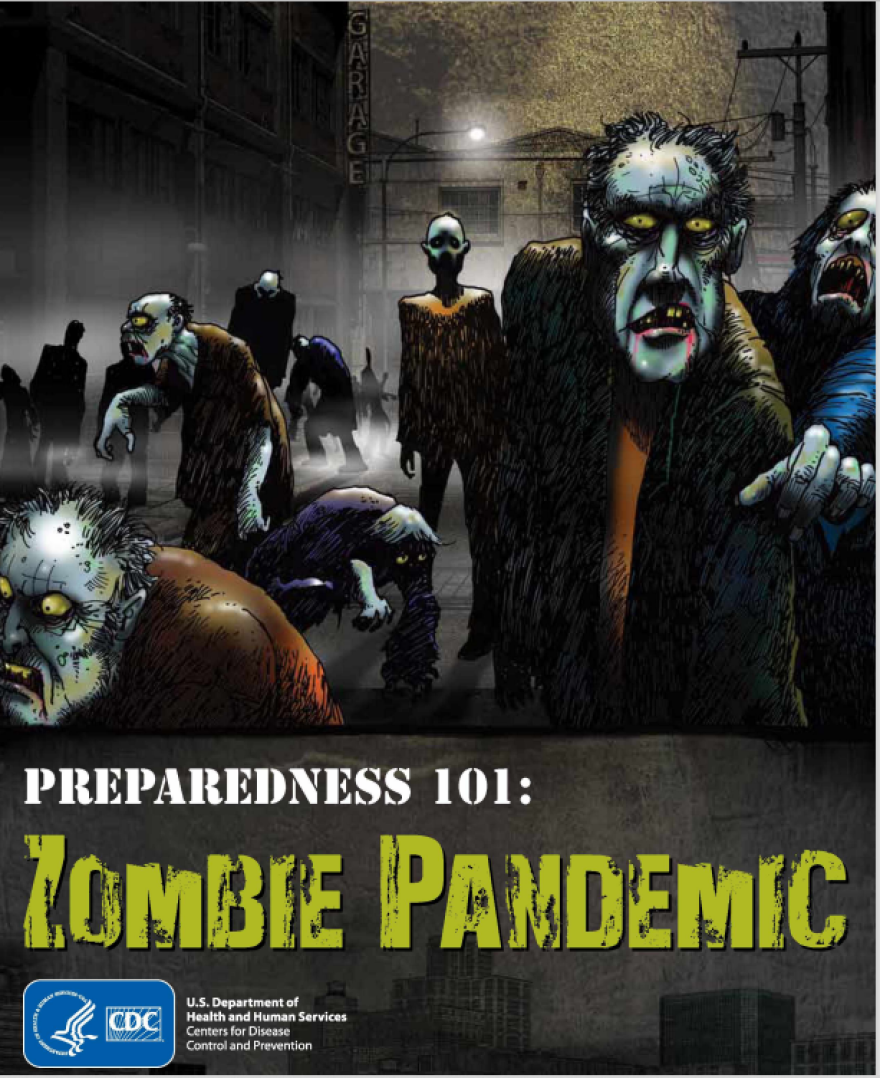
Figure 1. If you think this is scary, imagine a zombie apocalypse. Back in 2011, the CDC published a graphic novel called Preparedness 101: Zombie Pandemic to teach Americans about outbreak preparedness. In the story, CDC experts rapidly detect a pathogen that turns people into zombie, coordinate emergency operations, sequence the virus in labs, and roll out mass vaccination campaigns.

These numbers mirror the rough year the CDC has had under the Trump-Kennedy administration. Following months of upheaval, the agency has lost roughly a third of its workforce through firings, resignations, or administrative leave. Many of those caught in the purge led chronic disease programs, measured health and nutrition across the U.S., or provided mental health support for employees after the August shooting at CDC headquarters. Additionally, the fates of more than 600 workers continues to hang in the balance now that a federal judge has temporarily blocked their terminations.

The administration tied the firings to the shutdown, while other officials had offered a piteous “system glitch” as the cause for the termination notices that were sent and later rescinded, but few buy that explanation. “It seemed like intentional chaos for the sake of chaos so that nobody knew what was going on,” said one CDC employee, speaking anonymously out of fear of retribution.

Some observers believe the administration’s moves are retaliatory. “What they want to do is humiliate the CDC in the same way that they felt humiliated by it during COVID,” said Dr. Nirav Shah, who resigned in February as the CDC’s principal deputy director. The fallout has already frozen key operations: the agency’s ACIP (Advisory Committee on Immunization Practices) has indefinitely postponed its October meeting, potentially leaving the U.S. without a mechanism to update routine vaccination recommendations for 2026 and jeopardizing the pipeline for new vaccines.

The crisis extends beyond federal agencies. As Nature reports, universities nationwide are slashing PhD admissions by up to 75%, with some halting recruitment entirely. The cuts follow sweeping freezes on federal science funding, and now the administration is asking all US universities to support its priorities, really, ideological directives, including a ban on diversity programs, in exchange for better access to future federal research grants.

Experts warn this coercive use of funding power could result in a “lost generation” of scientists. Graduate students perform much of the hands-on research that drives biomedical and biodefense innovation – and without them, labs go quiet. “If this persists for a number of years,” economist Donna Ginther told Nature, “The scientific workforce will shrink,” and with it, America’s capacity for discovery.

Further Reading:

🧪Biosecurity Nightmares: Biotech, Dual-Use Risks, and Chemical Threats 👻

Preparing for a Biotech-Powered Future in the U.S.

As biotechnology advances at an unprecedented rate, so do the risks – and the stakes – for national security. The U.S. is moving to ensure its defense and security apparatus can keep pace, especially as China makes significant gains in both civilian and military biotechnology applications. House lawmakers recently passed an amendment to the fiscal 2026 National Defense Authorization Act (NDAA) requiring the Secretary of Defense to establish training programs for Pentagon personnel on biotechnology and its convergence with emerging technologies like AI and quantum computing. Led by Rep. Chrissy Houlahan (D-PA) and informed by findings from the National Security Commission on Emerging Biotechnology (NSCEB), the initiative aims to equip U.S. defense personnel to understand, evaluate, and respond to developments in biotech across research, risk assessment, testing and evaluation, and operational deployment.

The private sector is also stepping up in the bio-domain. Valthos Inc., a New York-based biodefense startup company received $30 million in funding to develop AI-driven software to detect emerging bioweapon threats and refine medical countermeasure designs. The company’s work comes at a critical time: U.S. biotechnology funding has dropped to its lowest levels in more than a decade, even as AI advancements increase both the potential and the risks of biotech misuse. Companies like Valthos are now on the frontline of preventing biotech innovations from being weaponized.

Global Moves Toward Biosecurity Oversight in Kazakhstan

Internationally, Kazakhstan continues to push the frontiers of global biosecurity. In 2020, during the COVID-19 pandemic, President Kassym-Jomart Tokayev advanced the establishment an International Agency for Biosafety (IABS) to strengthen oversight under the Biological and Toxin Weapons Convention (BTWC). Five years later, Kazakhstan held a seminar in Almaty to mark the BTWC’s 50th anniversary and explore ways to reinforce the treaty. Developed in consultation with states and experts, the draft final report outlines mechanisms for international cooperation, review of scientific and technological developments, while considering the creation of a working group to address verification and compliance. This initiative also navigates potential overlaps with existing organizations such as WHO, WOAH, and FAO. Looking forward, Kazakhstan may transform IABS into a “testbed” for technical studies, enabling scientists and civil society to develop models that inform Geneva negotiations while remaining flexible in the face of emerging biological threats.

Chemical Weapons Remain a Global Threat

The shadow of chemical weapons continues to loom over global security. France has issued a new arrest warrant for ousted Syrian president Bashar al-Assad over deadly chemical attacks in Adra, Douma, and Eastern Ghouta in August 2013, which reportedly killed or injured nearly 1,500 people. This marks France’s third arrest warrant for Assad, who is now living in Russia following his ousting in December 2024. Charges include complicity in crimes against humanity and war crimes, and a separate warrant issued for Talal Makhlouf, a former Syrian Republican Guard commander.

African Civil Society Acts Against Chemical Weapons

Meanwhile, African civil society is taking historic steps to address chemical weapons concerns closer to home. At the 85th Session of the African Commission on Human and Peoples’ Rights in Banjul, the NGO Forum passed a resolution addressing chemical weapons use in Sudan’s Khartoum, Al-Jazirah, Sennar, and Darfur states. The measure calls on Sudan to fully cooperate with the Organization for the Prohibition of Chemical Weapons, allowing independent investigations into the reported attacks. While Sudan, a party to the Chemical Weapons Convention (CWC), has previously denied using such weapons, the Forum found the government’s assurances insufficient, citing inadequate transparency and enforcement measures. Adoption of the resolution represents a milestone for African human rights advocacy in holding Sudan accountable and could influence both regional and international mechanisms for monitoring chemical weapons use.

Further Reading:

Europe Implements Emergency Measures Amid Growing Bird Flu Threat 

By: Margeaux Malone, Pandora Report Associate Editor

A concerning wave of H5N1 highly pathogenic avian influenza is sweeping across Europe, prompting urgent biosecurity measures and large-scale culling operations as authorities work to prevent viral spread. Bird flu has already triggered 56 outbreaks across ten European countries and Britain since August, marking the earliest widespread seasonal occurrence in at least a decade, although the total number of outbreaks still remains lower than in 2022 when the bird flu crisis hit its peak.  

Poland, the EU’s top poultry producer, along with Spain and Germany have been hit especially hard. German authorities recently announced the country has culled more than 400,000 poultry with detections across 30 farms housing chickens, ducks, geese, and turkeys. Experts noted the current outbreak resembles Germany’s devastating 2021 bird flu wave, which forced the country to cull over 2 million birds.  

In response to the mounting crisis, preventive action is being implemented across the EU and the United Kingdom. Great Britain and Northern Ireland are implementing an Avian Influenza Prevention Zone on November 1st, requiring all flock owners to follow strict biosecurity protocols. While birds can still go outdoors, keepers must ensure wild birds cannot access their food or water, and mandatory cleaning and disinfection rules must be followed. 

As migration season continues, veterinary and human health authorities across Europe remain on high alert, recognizing that vigilance and biosecurity compliance are critical to preventing further escalation of this agricultural and public health challenge. 

Meanwhile, the United States faces readiness challenges as migratory birds continue to drive up avian flu cases across the country, with infections detected in 62 commercial and backyard flocks across 17 states in the last month, affecting nearly 6.6 million birds. Public health officials warn that federal response has been hampered by staff cuts at both the Centers for Disease Control and Prevention (CDC) and Department of Agriculture (USDA), along with the government shutdown, which has suspended critical activities like weekly calls among animal health laboratories. The shutdown is also preventing USDA participation in a key meeting of top animal health experts next week. Concerns have been intensifying in public health circles since the administration gutted the White House Office of Pandemic Preparedness this summer and pulled funding for an mRNA vaccine for bird flu in humans. Despite a $1 billion comprehensive strategy to fight bird flu announced by the administration in February, which focused primarily on biosecurity audits and financial relief for impacted farmers, experts warn that shrinking resources and information blackouts are making it increasingly difficult to make evidence-based decisions about how to respond to this pandemic-potential threat. 

Further Reading: 

GMU Biodefense Alumni Tackles BWC Verification with Open-Source Intelligence (OSINT)  

Dr. Yong-Bee Lim, a GMU PhD Biodefense alumni and Associate Director, Global Risk at the Federation of American Scientists (FAS), recently co-authored a paper exploring how open-source intelligence (OSINT) could bolster verification of the Biological Weapons Convention (BWC).

OSINT, a type of intelligence-gathering discipline, involves information collection, analysis, and methods application, offers a “layered” approach to help fact-check, investigate suspicious activities, and examine areas of concern or interest. While the BWC established critical norms against the development of biological weapons, it continues to face deep challenges – especially in verification, interstate friction and distrust, and issues with intentional treaty violation. The authors argue that OSINT, which has already proven effective in tracking other weapons of mass destruction, could now help strengthen the BWC’s architecture and support international norms as biological data continues to proliferate.

Read the article commentary: The BWC at 50: Exploring OSINT Opportunities and Challenges in the BWC Ecosystem

Learn more about Dr. Yong-Bee Lim and his work: FAS bio page

Book Review – The Big One: How We Must Prepare for Future Deadly Pandemics

By: Shreya Rajkumar, MS Biodefense student at GMU’s Schar School of Policy and Government

“The Big One” is the stuff of nightmares, a pandemic more deadly, transmissible, and long-lasting than COVID-19, and precisely what Michael Osterholm and Mark Olshaker address in their aptly named book, The Big One: How We Must Prepare for Future Deadly Pandemics. This book is not the first to dissect US preparedness for a pandemic or offer suggestions for improvements, nor it is the first to warn the public about the ramifications of a devastating “Disease X.” However, The Big One brings a much-needed dose of humility and reality that cuts through the noise surrounding current discussions about pandemics and public health.

Combining Osterholm’s decades of public health experience with Olshaker’s storytelling and analytic writing, The Big One is a comprehensive review of US pandemic preparedness and response. The authors succeed in making the book accessible to those without a background in public health and infectious disease yet still relevant to practitioners in those fields. Whether discussing basic science, disease transmission, public health mandates, vaccines, risk communication, biosurveillance, or politics, Osterholm’s strong voice carefully explains public health concepts, addresses the failures of the past, and recommends improvements for the future.

There are many public health actions that Osterholm criticizes in The Big One, of which the most consequential may be the public health establishment’s reluctance to admit its mistakes. As the former state epidemiologist for the Minnesota Department of Health and consultant to a variety of national and international public health agencies, Osterholm is a prominent member of this establishment and concedes several instances where he was wrong and had to re-evaluate his arguments. By doing this, he reaffirms his dedication to the scientific method, accepting new data, and speaking uncomfortable truths. Osterholm holds prominent public health organizations accountable for their reluctance to do the same during the earlier days of the COVID-19 pandemic. Examples include when public health officials continued supporting contact tracing even when it was shown that asymptomatic transmission severely complicated those efforts, and when public health organizations persisted in stating that the virus was spread through droplets despite scientific evidence demonstrating aerosol-based transmission.

At the same time, The Big One pushes back against anti-science rhetoric and encourages increased funding for innovative public health programs. Vaccines and respirators are two such areas the book argues in favor of. Specifically, the authors call for a funding schedule like that of the Department of Defense, where technologies receive investments prior to the point of need, and new products are continuously funded and developed. After all, “The Big One” will be poised to take millions of lives, so these costs will be worth it.

One of the clever ways The Big One cuts through the noise of debates on pandemic preparedness and response is the use of fiction. Framed as a tabletop simulation, each chapter of The Big One feeds into an overarching plot where the world responds to a novel coronavirus outbreak. Fiction has an ability to grab the attention of the public that is hard to match. Consider Richard Preston’s The Cobra Event, which captivated then-President Bill Clinton and resulted in his administration’s efforts to counter bioterrorism. The scenarios presented in The Big One could have a similar effect as Osterholm and Olshaker expertly illustrate concepts that the chapters dive into, making it easier for the reader to imagine the public health factors that the authors analyze.

In the more technical parts of the chapters, a combination of humility and reality form the basis for Osterholm’s recommendations. As early as the prologue, the authors state, “Indeed, it [humility] is an acknowledgement of reality.” This “acknowledgement” and its role as the foundation for future improvements is something that other public health experts echo in their work. Former CDC director Tom Friedman’s newest book, Formula for Better Health: How to Save Millions of Lives-Including Your Own, impresses upon the reader the formula: “See, Believe, Create.” According to Frieden, managing public health crises begins with identifying an issue and believing it exists and can be fixed, before taking action to create solutions. Some of the issues Osterholm addresses and proposes solutions for include misinformation (which could be combatted by an independent third-party validation bureau) and lengthy school closures (which could be shortened and enacted only during periods of high disease transmission, inspired by the logic behind declaring “snow days”).

I must admit to some shortfalls in The Big One. The early chapters first touch upon basic science, disease transmission, non-pharmaceutical interventions, and vaccines before pivoting to address communication, disease reporting, and politics. This sequence implies the order of priorities in responding to a pandemic, and we see this play out in the book’s tabletop simulation, to the detriment of the fictional government. Because they neglect to combat misinformation in favor of focusing on vaccine development, the administration struggles to play catch-up in the wake of rampant disinformation in the media. I would have preferred to see communication, surveillance, and politics be addressed concurrently to the progression from pathogen identification to vaccine development to show an increased importance on those concepts. For a book that communicates so well, it is ironic that it waits until its second half to properly address the topic of communication.

Another criticism regards the fictional president’s actions and their consequences. In the scenario, the president listens to scientists and employs honest, empathetic communication in the style of World War II-era leaders like Franklin D. Roosevelt and Winston Churchill. However, in the epilogue section, it is revealed that the president’s efforts could not save their re-election campaign. It would be hypocritical for a book rooted in humility and accepting reality to present a scenario where perfect decisions result in perfect endings. However, in a world where political leaders have a vested interest in being re-elected, one must wonder how helpful this example is in convincing officials to champion science and adopt empathetic honest communication. Perhaps this dose of reality is too strong.

Despite these flaws, The Big One remains a refreshing read. In the context of biodefense and health security, the succinct nature of the book allows the authors to address an exhaustive list of factors in pandemic preparedness and response, and to propose many tailored future steps. Any of these ideas, such as the improper use of mathematical modeling, could be an interesting topic of study on their own. The willingness to hold public health agencies accountable and the discussion around politics in public health are also valuable aspects of the book.

When “The Big One” inevitably hits, we will either find ourselves in the role of the fictional officials who lament the lack of proactive pandemic preparedness programs, or we will be in a situation where we have built upon the lessons from COVID to enact a more effective response. As Osterholm and Olshaker state at the end of The Big One, “we have seen what’s coming. The choice of how we prepare for and face it is up to us.” Indeed, this is one last humble act of the book, for we have not only “seen what’s coming” in this book, but also “how to prepare for and face it.” The only question left is whether we will act on what we have learned.

NEW: Bridging Perspectives in COVID’s Wake: Science Policy, and Public Trust in Crisis Response

From AEI: “As we move beyond the acute phase of the COVID-19 pandemic, we need to thoughtfully examine the health outcomes and policy decisions that shaped our collective response to the crisis. Structured around Stephen Macedo and Frances Lee’s In COVID’s Wake: How Our Politics Failed Us, this flagship event will feature a fireside chat with the authors and panel discussions examining how scientific evidence, policy implementation, and public communication intersected during the pandemic. These conversations aim to build mutual understanding among leading public health, science, and policy experts and identify lessons that can strengthen our response to future challenges.

This event is part of a broader collaboration between Johns Hopkins University faculty and American Enterprise Institute scholars.”

This event will be from 2:00 – 5:45 PM ET in Baltimore, MD on Thursday, November 6. Register here.

DC Biosecurity Happy Hour at Blackfinn DC!

This will be an informal event for biosecurity enthusiasts and professionals in DC to get to know each other outside of email and Zoom calls and talk about new ideas in this space.

The next event will be from 5:30 – 7:30 PM ET in Washington, DC, on Monday, November 3. Register here.

Nexus Series: AI x Bio: Workshop 1

From AI for SynBio: “Agentic AI and Biological Design Tools reduce the required expertise for new biotech developments enabling new benefits and novel harms. To guard against these harms, technical and policy solutions leveraging these AI and biotech advances should be deployed proactively to help red-team and safeguard against misuse in an exponentially changing landscape. This workshop series will shape the safeguards necessary to prevent harm and empower the community with technical and policy resources for the changing threat landscape. The workshop seeks participation from academia, non-profits, industry, and government.”

This event will take place on November 13. Register here.

GHS 2026

From GHS: “We’re excited to officially announce that the 4th Global Health Security Conference (GHS2026) will be held in Kuala Lumpur on the 9 – 12 June, 2026!”

“Building on the incredible momentum of GHS2024 in Sydney, we look forward to bringing together the global health security community once again – this time in one of Southeast Asia’s most vibrant and dynamic cities.”

“Registration and Call for Abstracts are now live!”

Learn more, submit abstracts, and register here.

The Human Biosafety Health Foundation – A New Hub for Biosafety in the Mediterranean

From the Human Biosafety Health Foundation: “The Human Biosafety Health Foundation has been established to promote research, training, and international cooperation in the fields of biosafety, public health, and health resilience. The Foundation aims to serve as a Mediterranean hub for the development of shared and innovative strategies in response to global challenges related to conventional and non-conventional biological threats, climate change, and health emergencies. The Scientific Committee is composed of medical officers and biosafety experts in high biocontainment transport from the Italian Air Force, ensuring a highly qualified, interdisciplinary, and operationally secure approach. By bringing together academic expertise, institutions, and civil society, the Foundation seeks to build an integrated network for health security, based on knowledge, prevention, and prediction.”

Learn more and get involved here.

Cyberbiosecurity Quarterly Call for Papers

“We are pleased to announce the launch of Cyberbiosecurity Quarterly, a new academic and trade journal dedicated to the intersection of cybersecurity and the bioeconomy. Published by Kansas State University’s New Prairie Press and sponsored by the Bioeconomy Information Sharing and Analysis Center (BIO-ISAC), this quarterly journal will serve as an important resource for professionals, researchers, and policymakers working to safeguard digital and physical biological infrastructures. Cyberbiosecurity is an emerging discipline that addresses the protection of biomanufacturing, biomedical research, synthetic biology, digital agriculture, and other life sciences sectors from digital threats. This journal will explore topics at the nexus of cybersecurity, digital biosecurity, and the bioeconomy, including but not limited to:

  • Best practices for network configuration and management in biomedical environments (ingress/egress protection, segmentation, isolation, access control, traffic protection, etc.)
  • Cybersecurity Vendor Management and Assessment
  • Cyber and Digital Biosecurity Education for the Bioeconomy’s Workforce
  • The Quality-Cybersecurity Tension in Practice and Techniques for Mitigation
  • Threat Intelligence for Cyber-Physical Biological Systems
  • Regulatory and Policy Perspectives on Cyberbiosecurity
  • Incident Response and Risk Mitigation in Biomanufacturing
  • AI and Machine Learning in Digital and Cyber Biosecurity”

Learn more and submit your papers here.

AIxBio Research Fellowship

From ERA: “ERA, in partnership with the Cambridge Biosecurity Hub, is now accepting applications for our AIxBio Fellowship – an eight-week, fully-funded research programme focused on addressing biosecurity risks amplified by advances in frontier AI. Running from 25th January to 22nd March, 2026 in Cambridge, UK, this fellowship offers researchers the opportunity to design and execute concrete research projects at the AIxBiosecurity interface.”

Learn more and submit your application by November 5 here.

Harvard LEAD Fellowship for Promoting Women in Global Health

From Harvard’s Global Health Institute: “To equip and empower more leaders in global health, the Harvard Global Health Institute, in collaboration with the Department of Global Health and Population at Harvard T.H. Chan School of Public Health, offers a transformational 1-year fellowship specifically designed to promote leadership skills in individuals in low- and middle-income countries who will, in turn, mentor future female leaders in global health. Candidates should be currently based/working in a LMIC, and plan to return there after their fellowship.

The fellowship experience provides global health leaders time to reflect, recalibrate, and explore uncharted territories. To date, fellows have come from 18 different countries, with representation from Africa, Asia, Eastern Europe, and South America. Their areas of focus have ranged from HIV/AIDS and healthcare to health policy at the highest levels of government. Past fellows’ areas of expertise span disciplines including research, advocacy, administration, and policy.”

Learn more and submit your application by November 30 here.

64th ISODARCO Course

From ISODARCO: “In recent years, the global security landscape has become increasingly volatile, shaped by a convergence of geopolitical tensions, technological advancements, and evolving nuclear doctrines. The post-Cold War order that once provided a measure of predictability in global security has eroded. Conflicts such as the wars in Ukraine and Gaza, rising tensions in the Indo-Pacific, and strategic competition between major powers have reshaped alliances and strategic postures.”

“At the same time, disruptive technologies including artificial intelligence, quantum computing, hypersonic missiles, and cyber threats – are adding new layers of complexity to both nuclear and conventional deterrence dynamics. These technologies are not only distorting the information landscape but also compressing decision-making timelines and complicating signaling mechanisms, increasing the risk of miscalculation.”

“Effectively managing nuclear escalation risks in this environment will require a combination of innovative diplomacy, technological safeguards, and renewed dialogue mechanisms to rebuild trust, reduce misperceptions, and stabilize strategic relations.”

“The ISODARCO 2026 Winter Course presents an invaluable opportunity for students and experts to discuss and examine these dynamics in depth and explore approaches to re-establishing strategic stability and reducing nuclear dangers in a volatile world.”

This course will take place January 11-18, 2026, in Andalo. Learn more and apply here.
Pandora Report 10.24.2025

Welcome to this week’s Pandora Report! 🍂 This issue unprecedented workforce disruptions at the CDC, as mass layoffs and leadership changes raises questions about ‘America’s first’ public health readiness; a deeper dive into the global fallout of U.S. foreign health aid cuts; and a look at the new biotech and AI race, where China’s rapid rise and fragile U.S. supply chains expose risks for both national security and innovation.

Thinking About Graduate Study in Biodefense?

The Schar School of Policy and Government has several upcoming recruitment events, including one for prospective PhD students:

🔗 See all upcoming events here.

☕ Plus: Regional coffee chats with faculty and admissions staff across Maryland, Virginia, and DC. Learn more here.

💡 Tuition Benefit: Master’s and certificate students living in Maryland and DC quality for in-state tuition rates. Learn more and register here.

CDC in Crisis: Mass Layoffs, Leadership Turmoil, and Vaccine Controversy

By Carmen Shaw, Co-Managing Editor

Wired said it best: “A Quarter of the CDC Is Gone.”

Following multiple rounds of mass firings, partial reversals, and several terminations still pending legal review, the union representing the employees at the U.S. Centers for Disease Control and Prevention (CDC) estimates that roughly 3,000 of its 13,000 staff received RIF (reduction-in-force) notices this year. Many of these affected worked on chronic disease prevention, nutrition and health initiatives, or handled state requests to investigate overdose and drowning deaths. Others were mental health professionals who supported staff after the August shooting at CDC headquarters in Atlanta.

Officials warn that these layoffs have left the CDC dangerously unprepared to protect Americans’ health and safety. “The CDC cannot protect all of us in the U.S. if they continue to have staff and resource cuts,” said Debra Houry, the former Chief Medical Officer.

The leadership turmoil doesn’t end there. In recent weeks, former acting CDC Director, Richard Besser, called the cuts “absolutely heartbreaking” and criticized current acting Director Jim O’Neill’s proposal to split the measles, mumps, and rubella (MMR) vaccine into three separate shots – despite O’Neill’s lack of public health or scientific training. The proposal has raised alarms from health experts, who warn that dividing the vaccine into multiple doses would increase the number of health care visits needed; reduce access to the vaccines; and lower overall vaccination rates.

Current CDC employees also missed IDWeek, the nation’s largest infectious disease conference – amid a recent uptick in measles and whooping cough cases across the U.S. During the conference, the New England Journal of Medicine  (NEJM) and the Centers of Infectious Disease Research and Policy (CIDRAP) announced a new collaboration to fill gaps in federal public health communication. Together, they plan to publish “public health alerts” in the coming month, serving as an alternative to CDC’s paused Morbidity and Mortality Weekly Report (MMWR) – often referred to as “the voice of the CDC.”

Broader Impacts Across Health and Security Agencies in the U.S.

The CDC is not the only federal agency reeling from disruptions. The Centers for Medicare and Medicaid Services (CMS) has faced furloughs and staffing cuts – just days before the start of open enrollment. CMS later confirmed that workers would return on Oct. 27, noting that the agency would cover user operation fees as the federal government shutdown enters its fourth week.

Meanwhile, the National Nuclear Security Administration (NNSA) – responsible for overseeing the U.S. nuclear stockpile – furloughed 1,400 employees on Monday as part of the ongoing shutdown, with fewer than 400 remaining  to safeguard the stockpile. Earlier this year, the Trump administration also fired hundreds of NNSA employees, before reversing the decision following criticism of jeopardizing national security.

Further Reading:

The Fallout of U.S. Aid Cuts: Threats to Global Health

Global health leaders are sounding the alarm over a fractured aid system and declining U.S. support. At the World Health Summit in Berlin last week, executives from major institutions – including the Global Fund, Gavi, and the World Health Organization (WHO) – called to addressed the financial crisis facing global health as the abrupt withdrawal of U.S. aid under the Trump administration exposed structural problems that officials acknowledged had existed for years.

Between 2024 and 2025, global development assistance for health fell 21%, driven primarily by a 67% drop in U.S. funding – over $9 billion – according to the Institute for Health Metrics and Evaluation. Health Policy Watch notes: “Tens of millions of lives, particularly among children under five and people in the world’s poorest countries, are threatened by the cuts.”

Therefore, ongoing RIFs in the U.S. now unfortunately also include reductions-in-funding. This reflects a shift in foreign aid priorities, exemplified by the State Department’s America First Global Health Strategy. While the strategy promotes bold U.S. leadership, observers warn that it overlooks the realities faced by communities on the ground. Disregarding the needs of low- and middle-income countries (LMICs) risks worsening the very problems the strategy aims to solve.

The Swift American Exit Threatens Communities Worldwide – from Somalia to the DRC

The consequences of U.S. aid cuts to LMICs are already being felt. For years, funding from the U.S. Agency for International Development (USAID) sustained hundreds of community health clinics, food programs, and maternal health initiatives worldwide. When the Trump administration dismantled the agency and slashed foreign aid, much of this support abruptly ended – including programs run by Save the Children and the International Medical Corps.

U.S. humanitarian aid to Somalia, for example, has plummeted – from an average of $450 million per year over the past decade to just $128 million in 2025, crippling programs that once provided fortified food and basic healthcare services. The impact is devastating: in Baidoa, a city in southern Somalia, emergency feeding centers are overwhelmed with malnourished children suffering from preventable diseases like measles, diphtheria, cholera, and whooping cough. Save the Children had to close some emergency centers and other countries, including the UK, Germany, and the Netherlands, have also reduced contributions.

Global initiatives are also affected. The Global Polio Eradication Initiative (GPEI), a coalition to eradicate polio including the World Health Organization (WHO) and the Gates Foundation, will see a 30% budget reduction in 2026 and a $1.7bn funding gap through 2029, largely due to the U.S. withdrawal from WHO. To copy, GPEI plans to prioritize surveillance, vaccination in high-risk areas, and adopt strategies such as fractional dosing, which stretches limited vaccine supplies while protecting children from infection.

These funding shortfalls exacerbate ongoing health crises. In Democratic Republic of Congo (DRC), one of the worst cholera outbreaks in a decade is rapidly spreading, with 20 of 26 provinces affected. Since mid-October, more than 58,000 suspected cases and over 1,700 deaths have been reported. Doctors Without Borders warns that the country’s healthcare system is ill-equipped to contain the outbreak amid shortages of medical supplies and vaccines.

Further Reading:

The New Biotech Race: How Supply Chain Fragility and China’s Rise Threaten U.S. Health Security

From life-saving medicines to AI, U.S. leadership in critical technologies and supply chains is under pressure. The pandemic revealed how fragile global supply chains for essential drugs had become – and how quickly technological dependencies can turn into security risks. Now, these vulnerabilities are deepening, spanning from the factory to the cloud.

China is rapidly becoming a global biotech powerhouse. Over the past five years, Chinese companies producing cancer and gene therapy drugs have more than doubled licensing agreements for their intellectual property, while they’ve also invested heavily in raw material production and advanced manufacturing capacity. In contrast, the U.S. still lacks a coordinated national biotechnology strategy. Federal research funding in the U.S. has also stagnated, regulatory systems remain fragmented burdened with barriers to slow the translation of discoveries from lab to market, and private investors remain cautious to fund cutting-edge research in the face of political and economic uncertainty. As Todd Young writes in Foreign Affairs, failure for the U.S. to act decisively could mean ceding control over the technologies that define global health, economic power, and national and international security in the decades ahead.  

The consequences of this drift are already visible. Nearly 700 medicines approved in the U.S., including antibiotics and generics for heart disease, seizures, and HIV, rely on at least one chemical solely sourced from China. A new module on the USP Medicine Supply Map highlights vulnerabilities in the U.S. upstream pharmaceutical supply chains. They highlighted three key findings:

  1. Most key starting materials (KSMs) used to synthesize active pharmaceutical ingredients (APIs) are extremely concentration, with 58% sole-sourced from a single country.
  2. There are sourcing clusters in China and India, with China supplying 41% of KSMs used in US-approved APIs and India 16%.
  3. Many APIs rely on one country for key ingredients.

From USP:  “To strengthen American medicine supply chain, we should incentivize diverse manufacturing through onshoring and friend-shoring and modernize procurement practices to prioritize reliability and resilience alongside cost.”

Further Reading:

Avian Influenza Updates

By Margeaux Malone, Pandora Report Associate Editor

PAHO Reports Continued Spread of Bird Flu Across the Americas

Last week, the Pan American Health Organization (PAHO) released its latest epidemiological update on highly pathogenic avian influenza A subtype H5N1 (HPAI), documenting the ongoing expansion of the virus across the Americas. Since 2022, 19 countries and territories in the Americas Region have reported 5,063 outbreaks of HPAI to the World Organization for Animal Health (WOAH), with 115 additional outbreaks recorded since PAHO’s last update published May 2025.

Between 2022 and October 2025, 76 human infections and two deaths caused by HPAI were reported across five countries in the Americas (United States, Canada, Chile, Mexico, and Ecuador). On October 2, Mexico confirmed its second human H5 infection this year (the neuraminidase of the strain has yet to be identified). A 23-year-old female with no history of seasonal influenza vaccination or recent travel developed symptoms including fever, runny nose, and difficulty swallowing which progressed to hemoptysis (coughing up blood) and chest pains requiring hospitalization. Subsequent RT-PCR testing of the patient’s respiratory samples confirmed infection with influenza type A (H5). The patient was treated with oseltamivir (Tamiflu) and discharged on October 11. Environmental investigation revealed influenza A(H5)-positive samples from poultry and pigeons found in her apartment building’s courtyard. Fortunately, this patient recovered; however, globally, the cumulative fatality rate of H5N1 since 2003 remains alarmingly high at 48%, with 475 deaths among 990 cases across 25 countries.

The PAHO report also noted the continued unprecedented jump of avian influenza from birds to mammalian species. In the United States alone, 1,080 dairy herds across 18 states have been affected since March 2024, with 27 additional herds identified since May. The Canadian Food Inspection Agency has reported 20 detections in wild mammals in Canada this year. PAHO emphasized the concerning increase in HPAI detection in both terrestrial and marine mammals worldwide, including companion and production animals, and the need for heightened surveillance and implementation of biosecurity measures to reduce virus spread. This week, USDA’s Animal and Plant Health Inspection Service (APHIS) reported dozens of new detections in wild waterfowl across multiple states, including mallards in New Hampshire, black vultures in four states, and various species in Minnesota, Montana, and Oregon. The ease with which the virus transmits from wild birds to domestic flocks underscores ongoing surveillance challenges.

Although avian influenza outbreaks primarily affect animals, the virus still poses ongoing risks to public health. PAHO urges continued intersectoral collaboration between Member States to strengthen human-animal surveillance and improve infection prevention and control in health and agricultural settings.

Further Reading:

NEW: The Role of the Media in Investigating the Origin of the COVID-19 Pandemic

From Brookings: Free media institutions are essential for informing the public and serving as a check on those in power — uncovering corruption and other malfeasance through investigative reporting, and elevating transparency in our governing processes. The media was perhaps even more important when the COVID-19 pandemic started in 2020, as it played a key role in disseminating public health information and shaping public perception.

On October 27, the Brookings Center on Regulation and Markets will hold an event to examine the role of the media in investigating the origin of the SARS-CoV-2 virus and draw important lessons for journalistic investigations of future crises to ensure independence and accountability in reporting. This event is part of a CRM workstream on biosafety regulation and pandemic prevention, which also included a recent event on “Building resilience: Enhancing biosafety, biosecurity, and pandemic preparedness.”

This event will take place from 1:30 – 3:15 PM EDT on October 27 in Washinton, DC, and virtually. Learn more and register here.

NEW: DC Biosecurity Happy Hour at Blackfinn DC!

This will be an informal event for biosecurity enthusiasts and professionals in DC to get to know each other outside of email and Zoom calls and talk about new ideas in this space.

The next event will be from 5:30 – 7:30 PM ET in Washington, DC, on Monday, November 3. Register here.

2025 Scowcroft Institute Pandemic Policy Summit, “Bridging the Gaps: Resilient Supply Chains in the Age of Pandemics.”

From the Scowcroft Institute of International Affairs: “This summit will convene scholars, policymakers, emergency managers, international partners, and industry leaders to examine the vulnerabilities exposed by recent global health emergencies and explore innovative policy solutions to strengthen domestic and global supply chain resilience. Together, we will identify strategies to ensure the reliable flow of critical goods and services in the face of future pandemics and public health crises.”

The summit will take place on October 27-28 in College Station, TX. Learn more and register here.

Exploring Applications of AI in Genomics and Precision Health: A Workshop

From NASEM: “The National Academies’ Roundtable on Genomics and Precision Health will host a hybrid public workshop on October 28 to explore current and potential future applications for AI in genomics and precision health along the continuum from translational research to clinical applications. The workshop will:

  • Explore the current implementation of AI in genomics and precision health (e.g., variant interpretation, data integration, patient and participant identification, return of results, treatment selection).
  • Discuss potential benefits and challenges of future AI applications (e.g., data harmonization and security, workforce, and usefulness for all).
  • Consider evaluations for and impact of the accuracy of, and bias inherent to, AI technologies in genomics-related research and clinical care.
  • Examine lessons learned from applications of AI in other fields that may be transferable to genomics and precision health throughout the translational research process.”

This workshop will take place 8:30am-5:00pm ET on October 28. Register here.

Global Conference on Biological Threat Reduction

From the World Organisation for Animal Health: “In October 2025, WOAH is hosting its third Global Conference, with the goal of galvanising advocacy efforts to manage the rising risk of biological threats from across the world.”

“The Global Conference on Biological Threat Reduction – which will take place in Geneva on 28-30 October 2025 – will bring together top minds in the fields of
health-security, emerging technologies, and biothreat reduction policies, from the public and private sectors – to focus on the latest strategies, challenges and innovations in combating biological threats to our interconnected ecosystems.”

“The Conference will bring together approximately 400 participants from different sectors, including animal health, law enforcement and security, public health, international and regional organisations, investment and development partners, private sector and industry representatives, research, academia and regulatory authorities, youth organisations.”

“Attendees will engage in thought-provoking discussions and innovative technical presentations aimed at strengthening prevention, preparedness and response capabilities across the world.”

“The event will be guided by a narrative that traces WOAH’s commitment to biological threat reduction and the increasingly relevant role it plays at the health-security interface. Against the backdrop of an uncertain future, WOAH believes that synergies between sectors can drive positive change – making the world a safer and healthier place. ”

Learn more and register here.

AI-Accelerated Biological Risk: Delving into Asia’s Challenges and Emerging Solutions

From Singapore AI Safety Hub: “As AI-enabled biodesign accelerates, so do the questions around responsible development, risk mitigation, and international cooperation. This 90-minute virtual roundtable brings together experts from AI safety, biosecurity research and policy to explore:

🔬 What are the most urgent AI-bio risks we face today—and which ones aren’t getting enough attention?

🌏 How does Asia’s unique regulatory and research landscape shape these challenges and opportunities?

🛡️ What solutions and interventions show the most promise for responsible governance?

🚀 What practical steps should researchers, policymakers, and practitioners prioritize in the next 12 months?

This panel will explore the convergence of AI and biosecurity—unpacking Asia’s unique challenges, emerging solutions, and the pathways toward responsible governance. From urgent risk assessment to practical next steps for researchers and policymakers, this is a conversation you won’t want to miss.”

This virtual roundtable will take place from 9:00 AM-10:30 AM EDT on Thursday, October 30. Register here.

Nexus Series: AI x Bio: Workshop 1

From AI for SynBio: “Agentic AI and Biological Design Tools reduce the required expertise for new biotech developments enabling new benefits and novel harms. To guard against these harms, technical and policy solutions leveraging these AI and biotech advances should be deployed proactively to help red-team and safeguard against misuse in an exponentially changing landscape. This workshop series will shape the safeguards necessary to prevent harm and empower the community with technical and policy resources for the changing threat landscape. The workshop seeks participation from academia, non-profits, industry, and government.”

This event will take place on November 13. Register here.

GHS 2026

From GHS: “We’re excited to officially announce that the 4th Global Health Security Conference (GHS2026) will be held in Kuala Lumpur on the 9 – 12 June, 2026!”

“Building on the incredible momentum of GHS2024 in Sydney, we look forward to bringing together the global health security community once again – this time in one of Southeast Asia’s most vibrant and dynamic cities.”

“Registration and Call for Abstracts are now live!”

Learn more, submit abstracts, and register here.

The Human Biosafety Health Foundation – A New Hub for Biosafety in the Mediterranean

From the Human Biosafety Health Foundation: “The Human Biosafety Health Foundation has been established to promote research, training, and international cooperation in the fields of biosafety, public health, and health resilience. The Foundation aims to serve as a Mediterranean hub for the development of shared and innovative strategies in response to global challenges related to conventional and non-conventional biological threats, climate change, and health emergencies. The Scientific Committee is composed of medical officers and biosafety experts in high biocontainment transport from the Italian Air Force, ensuring a highly qualified, interdisciplinary, and operationally secure approach. By bringing together academic expertise, institutions, and civil society, the Foundation seeks to build an integrated network for health security, based on knowledge, prevention, and prediction.”

Learn more and get involved here.

Notice of Funding Opportunity (NOFO) – Addressing Agricultural Biorisk Evidence Base Gaps with Applied Research

“There is a global recognition that the current evidence base to inform laboratory and on-farm biological risk management has gaps, and that applied agricultural biosafety and biosecurity policies are not always based on evidence. This notice of funding will support the design and implementation of applied agricultural biorisk research to address evidence gaps in working with high-consequence veterinary and agricultural pathogens as identified during the RAV3N Biorisk and Biosafety Gap Assessment Workshop or similar gap analysis like the WOAH working group agent specific biorisk gap analysis. ERGP is seeking proposals that address one or more key focus area components listed below. Each proposal will go through an internal ERGP and external expert review. Successful proposals should address at least one of the key focus areas and at least one component under that area.”

Learn more and submit your proposal by October 31 here.

Cyberbiosecurity Quarterly Call for Papers

“We are pleased to announce the launch of Cyberbiosecurity Quarterly, a new academic and trade journal dedicated to the intersection of cybersecurity and the bioeconomy. Published by Kansas State University’s New Prairie Press and sponsored by the Bioeconomy Information Sharing and Analysis Center (BIO-ISAC), this quarterly journal will serve as an important resource for professionals, researchers, and policymakers working to safeguard digital and physical biological infrastructures. Cyberbiosecurity is an emerging discipline that addresses the protection of biomanufacturing, biomedical research, synthetic biology, digital agriculture, and other life sciences sectors from digital threats. This journal will explore topics at the nexus of cybersecurity, digital biosecurity, and the bioeconomy, including but not limited to:

  • Best practices for network configuration and management in biomedical environments (ingress/egress protection, segmentation, isolation, access control, traffic protection, etc.)
  • Cybersecurity Vendor Management and Assessment
  • Cyber and Digital Biosecurity Education for the Bioeconomy’s Workforce
  • The Quality-Cybersecurity Tension in Practice and Techniques for Mitigation
  • Threat Intelligence for Cyber-Physical Biological Systems
  • Regulatory and Policy Perspectives on Cyberbiosecurity
  • Incident Response and Risk Mitigation in Biomanufacturing
  • AI and Machine Learning in Digital and Cyber Biosecurity”

Learn more and submit your papers here.

Applied Biosafety Call for Papers

“The Editors of Applied Biosafety are pleased to announce a forthcoming Special Issue focused on the myriad of topics associated with global biosafety management. This special issue will showcase examples of innovative approaches, creative solutions, and best practices developed and used around the world for managing risks associated with the handling, use, and storage of infectious biological agents, toxins, and potentially infectious materials in research and clinical settings.”

Learn more and submit by November 1 here.

AIxBio Research Fellowship

From ERA: “ERA, in partnership with the Cambridge Biosecurity Hub, is now accepting applications for our AIxBio Fellowship – an eight-week, fully-funded research programme focused on addressing biosecurity risks amplified by advances in frontier AI. Running from 25th January to 22nd March, 2026 in Cambridge, UK, this fellowship offers researchers the opportunity to design and execute concrete research projects at the AIxBiosecurity interface.”

Learn more and submit your application by November 5 here.

Harvard LEAD Fellowship for Promoting Women in Global Health

From Harvard’s Global Health Institute: “To equip and empower more leaders in global health, the Harvard Global Health Institute, in collaboration with the Department of Global Health and Population at Harvard T.H. Chan School of Public Health, offers a transformational 1-year fellowship specifically designed to promote leadership skills in individuals in low- and middle-income countries who will, in turn, mentor future female leaders in global health. Candidates should be currently based/working in a LMIC, and plan to return there after their fellowship.

The fellowship experience provides global health leaders time to reflect, recalibrate, and explore uncharted territories. To date, fellows have come from 18 different countries, with representation from Africa, Asia, Eastern Europe, and South America. Their areas of focus have ranged from HIV/AIDS and healthcare to health policy at the highest levels of government. Past fellows’ areas of expertise span disciplines including research, advocacy, administration, and policy.”

Learn more and submit your application by November 30 here.

64th ISODARCO Course

From ISODARCO: “In recent years, the global security landscape has become increasingly volatile, shaped by a convergence of geopolitical tensions, technological advancements, and evolving nuclear doctrines. The post-Cold War order that once provided a measure of predictability in global security has eroded. Conflicts such as the wars in Ukraine and Gaza, rising tensions in the Indo-Pacific, and strategic competition between major powers have reshaped alliances and strategic postures.”

“At the same time, disruptive technologies including artificial intelligence, quantum computing, hypersonic missiles, and cyber threats – are adding new layers of complexity to both nuclear and conventional deterrence dynamics. These technologies are not only distorting the information landscape but also compressing decision-making timelines and complicating signaling mechanisms, increasing the risk of miscalculation.”

“Effectively managing nuclear escalation risks in this environment will require a combination of innovative diplomacy, technological safeguards, and renewed dialogue mechanisms to rebuild trust, reduce misperceptions, and stabilize strategic relations.”

“The ISODARCO 2026 Winter Course presents an invaluable opportunity for students and experts to discuss and examine these dynamics in depth and explore approaches to re-establishing strategic stability and reducing nuclear dangers in a volatile world.”

This course will take place January 11-18, 2026, in Andalo. Learn more and apply here.
Pandora Report 10.17.2025

Welcome to this week’s Pandora Report! This issue features unprecedented disruptions across U.S. federal health agencies, including mass layoffs at the CDC and HHS, emerging challenges in biotechnology governance with BIOSECURE 2.0 and AI-drive generative biology, and new global health security initiatives from WHO and GPMB to improve early detection and pandemic preparedness across governments and communities.

Thinking About Graduate Study in Biodefense?

The Schar School of Policy and Government has several upcoming recruitment events, including one for prospective PhD students:

🔗 See all upcoming events here.

☕ Plus: Regional coffee chats with faculty and admissions staff across Maryland, Virginia, and DC. Learn more here.

💡 Tuition Benefit: Master’s and certificate students living in Maryland and DC quality for in-state tuition rates. Learn more and register here.

Fragmented Foundations: The Consequences of Mass Firings, Government Shutdown, and Political Turmoil Across U.S. Federal Agencies

By Carmen Shaw, Co-Managing Editor

The U.S. public health system is reeling from an unprecedented wave of mass firings, rehirings, and leadership reshuffles across federal health agencies. The Hill reports that more than 4,100 federal employees were laidoff on Friday, Oct. 10 – what many are describing as a “workforce massacre.” More than 1,000 staff at the CDC received layoff letters, while another 1,100-1,200 were terminated from the HHS. This marks the latest blow to the CDC that was already strained by mass resignations, a shooting at its Atlanta headquarters in August, and the recent firing of its director, Dr. Susan Monarez, under pressure from the HHS Secretary Robert F. Kennedy Jr.

Many of the CDC layoffs were later rescinded following public outcry, with the Trump administration claiming the decisions were made in error. The reversals, however, only deepened the sense of confusion and unease within the agency, and were not without consequences – as critical teams in biodefense and preparedness were still gutted. Those affected included staff from the Epidemic Intelligence Service (EIS), known as “disease detectives,” experts from the Morbidity and Mortality Weekly Report (MMWR) – the CDC’s flagship alert system for emerging infectious diseases, and teams working on chronic disease, immunization, respiratory illnesses, and responses to the growing measles outbreak in the U.S.

“The effect of the on-again, off-again RIF on the psyche of a traumatized organization is not inconsequential,” said Dr. Demetre Daskalakis, one of the three senior CDC leaders who resigned in August to protest Monarez’s firing. “Americans are going to get hurt,” he warned. Daskalakis, formerly the director of the National Center for Immunization and Respiratory Diseases, saw his leadership team laid off – and then hastily brought back.

Other agencies were also affected. According to The Hill, “Friday’s RIFs also impacted approximately 466 Education Department employees, 442 Department of Housing and Urban Development employees, 315 Commerce Department employees, 187 Energy Department employees and 176 Department of Homeland Security employees.”

The cuts came during the second week of a government shutdown – a move both unusual and legally contested. Lawsuits have since been filed by the American Federal of Government Employees, the nation’s largest federal employee union, among others, which sued hours before the government funding lapsed on Oct. 1, arguing that the administration lacks the authority to permanently eliminate positions during a shutdown and may only furlough workers.

Taken together, these mass firings and policy shifts represent more than bureaucratic mismanagement; they signal a strategic and dangerous devaluation of scientific integrity and public health. Each day of the shutdown leaves federal research programs in limbo, delaying critical work in university labs that rely on federal funding. Experts warn that if the shutdown continues for even a few more weeks, the disruptions could become “devastating,” echoing challenges from the longest shutdown in 2019. Every dismissal, delayed report, and frozen study further erodes national preparedness against biological risks. Unless decisive action is taken to restore transparency, scientific independence from political motives, and stable leadership, the United States risks entering the next public health emergency with a fractured, demoralized workforce and a weakened scientific infrastructure.

Further Reading:

From BIOSECURE 2.0 to Generative Biology: Evolving Challenges in Biotechnology Governance

Lawmakers and analysts are sounding the alarm over the rapid pace of biotechnology advanced abroad – particularly in China – arguing that U.S. leadership in defense biotech is slipping at a critical moment. As Defense One reports, Sen. Todd Young (R-Ind.), Rep. Chrissy Houlaha (D-Pa.), and other members of Congress are urging greater investment in defense-oriented biotech research to counter China’s growing dominance in gene editing, biomanufacturing, and pharmaceutical innovation. RealClear World similarly warns that the American biotech ecosystem is increasingly “made in China,” with U.S. supply chains, active pharmaceutical ingredients (APIs), and chemical industries deeply dependent on Chinese firms.

In response, the House and Senate services committees have added a number of biotechnology measures into the most recent National Defense Authorization Act bill, including a new amendment named “BIOSECURE 2.0,” building on 2024’s BIOSECURE 1.0 Act. While BIOSECURE 1.0 explicitly named four Chinese firms as “biotechnology companies of concern,” the updated legislation shifts toward a process-based identification system. Instead of naming any specific companies, BIOSECURE 2.0 will identify companies of concern based on whether they meet certain statutorily defined criteria and national security risk assessments, allowing for more adaptive and transparent enforcement.

Meanwhile, the World Economic Forum highlights the urgent need to build safeguards around generative biology, which integrates AI, automation, and computational design to accelerate the creation of novel biological systems. While this convergence is transforming industries – from Google DeepMind’s AlphaFold, which has successfully predicted 3D structures of millions of proteins, to food companies like Perfect Day and Impossible Foods using engineered microbes to produce alternatives to conventional dairy and livestock –  generative biology also introduces profound security concerns. One group of risks include emerging AI threats, warning that these systems could lower barriers to misuse, are vulnerable to adversarial attacks that could compromise the model’s accuracy, and allow for the insertion of poisoned datasets that could distort results, leading to inflated false positives and negatives.  

A recent NBC News investigation found that certain versions of OpenAI’s ChatGPT and other large language models (LLMs) could be “tricked and manipulated” to provide detailed instruction on creating chemical, biological, and nuclear weapons, underscoring how AI may inadvertently expand access to dangerous expertise. These vulnerabilities illustrate the dual-use dilemma of emerging technologies, emphasizing the urgent need for pre-deployment testing, regulatory oversight, and ethical frameworks to prevent malicious applications while advancing scientific progress.

Further Reading:

Advancing Global Health Security: WHO and GPMD Launch New Preparedness Systems

The Global Preparedness Monitoring Board (GPMD) launched its 2025 report, The New Face of Pandemic Preparedness, during the World Health Summit in Berlin on Oct. 13, calling for a paradigm shift in pandemic preparedness through scaled up investment in primary healthcare, real-time risk assessment, and strengthened international cooperation to ensure local, regional and global communities are ready to prevent and respond to the next pandemic.

Complementing this, the WHO has introduced two major initiatives to bolster global health security. First, the PHSM Decision Navigator, a first-of-its-kind decision navigator framework designed to support governments in making complex, evidence-informed, and threat-agnostic public health and social measures (PHSM) decisions during global health emergencies. By offering a step-by-step guide to prioritize and adjust interventions like quarantine, masking, and mobility restrictions, the navigator aims to balance epidemiological risks, economic and social impacts, and ethical considerations.

Second, WHO launched version 2.0 of the Epidemic Intelligence from Open Sources (EIOS) system, which leverages AI and expanded data sources to provide early detection of public health threats worldwide. Together, these tools exemplify the critical need for agile, transparent, and science-driven systems in preparing governments and communities to respond effectively in health emergencies.

Further Reading:

Avian Influenza Updates

By Margeaux Malone, Pandora Report Associate Editor

Bird Flu Season Kicks into High Gear Across the United States

Fall bird flu season appears well under way as H5N1 activity surges across the United States in commercial poultry operations, backyard flocks, and wild bird populations. The U.S. Department of Agriculture confirmed multiple significant outbreaks in the last month, with 47 flocks affected, including 28 commercial operations and 19 backyard locations, totaling more than 4.4 million birds.

The geographic distribution appears concentrated in Midwest and Southern states. Three large commercial turkey farms in Minnesota experienced major losses this week, with facilities reporting 30,000, 61,000, and 92,000 infections across three counties. The Pacific Northwest also faces rising bird flu fears following detection of H5N1 in a commercial egg layer facility in Washington, housing nearly 2 million birds. Oregon and Idaho identified additional cases in both backyard flocks and, in Idaho’s case, a preliminary confirmation in a dairy herd as well.

Wild bird detections have spiked particularly among migratory waterfowl species. Hunter-harvested blue-winged teal in Kansas tested positive for H5N1, as did specimens collected in Louisiana. Black vultures, turkey vultures, Canada geese, and trumpeter swans have shown H5 positivity across multiple states including Wyoming, Ohio, Colorado, Kentucky, Virginia, New York, and Michigan.

From Farm to Table: Bird Flu May be Hiding in Artisanal Cheeses

As bird flu expands into cattle populations, emerging research has identified an unexpected food safety concern in cheese. The virus has been shown to survive the aging process in certain raw milk cheeses, potentially reaching consumers on supermarket shelves months after contaminated milk was used.

A study published in early October in Nature Medicine revealed that in cheeses with moderate pH levels between 5.8 and 6.6, infectious H5N1 persisted after 120 days of aging at a temperature of 39 Fahrenheit. The FDA requires that raw milk cheese must be aged a minimum of 60 days at or above 35 degrees Fahrenheit, meaning there is a potential health risk for consumers. However, not all raw milk cheeses appear to pose a risk. Researchers found that highly acidic cheeses like feta, which has a pH around 4.6 or lower, showed no detectable virus, suggesting acidity acts as a natural antiviral barrier.

These findings create a troubling situation for the cheese industry as the qualities that give artisanal cheeses their prized flavors and textures are the same conditions that may allow H5N1 to persist. It also puts additional strain on dairy farmers already grappling with herd infections across 17 states. A single contaminated milk batch could produce hundreds of wheels of cheese destined for distribution before any problem is detected.

Mitigation pathways exist but will require industry coordination: screening milk samples prior to cheese making to ensure only virus-free milk is used or heating milk to sub-pasteurization temperatures to preserve the desirable raw milk characteristics while rendering the pathogen harmless. The challenge lies in implementing these measures rapidly enough to protect both industry viability and public health.

H5N1 Vaccine Project Aims to Meet 100-Day Development Target

This week the Coalition for Epidemic Preparedness Innovations (CEPI) announced a significant partnership with the Serum Institute of India (SII), the world’s largest vaccine manufacturer, to develop a new H5N1 vaccine as a prototype for Disease X, an as-yet unknown pathogen with pandemic potential.

The goal of the project, which has been granted $16.4 million in financial support, is to allow rapid development of broadly protective vaccines capable of responding to multiple H5 virus strains. The vaccine will be developed on a baculovirus platform and will compare two H5 antigens for a recombinant protein vaccine: a wild-type and an artificial intelligence (AI)-optimized, broad-spectrum H5 antigen designed by scientists at Houston Methodist Research Institute. 

According to CEPI leadership, the project is a key component of the organization’s ambitious 100-day mission, which aims to compress vaccine development timelines to within 100 days of identifying a pandemic threat.

Further Reading:

“Milton Leitenberg: Pioneering Work on Weapons of Mass Destruction, Wars and Arms Control”

Kathleen M. Vogel, Nicole J. Ball, and Milton Leitenberg are pleased to announce the publication of Milton Leitenberg: Pioneering Work on Weapons of Mass Destruction, Wars and Arms Control (Springer, 2025). This nearly 900-page book is a collection of 44 representative publications and papers by Milton Leitenberg on nuclear and biological arms control, wars, conflicts, genocide and humanitarian intervention, and weapons of mass destruction. Several chapters explore aspects of disinformation, notably on the use and production of biological weapons and the origins of Covid.  In addition to publications that appeared in journals and books, this volume contains several previously unpublished reports prepared for national and international organizations. Spanning 55 years, these studies made substantial contributions to policy literature and discussions over the years and are of continued interest to security studies, political science, and policy audiences today.

This book is available in hard copy and eBook formats here

NEW: 2025 Scowcroft Institute Pandemic Policy Summit, “Bridging the Gaps: Resilient Supply Chains in the Age of Pandemics.”

From the Scowcroft Institute of International Affairs: “This summit will convene scholars, policymakers, emergency managers, international partners, and industry leaders to examine the vulnerabilities exposed by recent global health emergencies and explore innovative policy solutions to strengthen domestic and global supply chain resilience. Together, we will identify strategies to ensure the reliable flow of critical goods and services in the face of future pandemics and public health crises.”

The summit will take place on October 27-28 in College Station, TX. Learn more and register here.

AI, Health, and the Future of Scientific Cooperation: A Seminar

From Harvard Kennedy School: “This seminar explores how artificial intelligence is transforming healthcare, global health, and the scientific enterprise: accelerating discovery, strengthening biosecurity, and reshaping international collaboration. Moderated by Dr. Syra Madad, fellow and biosecurity expert, the discussion will highlight both the opportunities and risks at the intersection of AI, medicine, and scientific cooperation in a rapidly evolving world.”

This event will take place from 12:00-2:00pm ET on October 20. Register here.

Improving Resiliency in the U.S. Pharmaceutical Supply Chain Through Make-Buy-Invest Strategic Actions: A Workshop

From NASEM: “The National Academies will convene a hybrid public workshop, October 22-23, to develop a framework to inform policymakers and stakeholders on how to apply Make, Buy, or Invest strategies across the U.S. pharmaceutical supply chain. Discussions will consider variables such as national security and health; drug manufacturing practices; systemic enablers to support implementation practices; methods to assess market conditions; and the roles of key public and private stakeholders to influence the resilience of the domestic drug supply chain.”

This event will take place from 8:30am-5:30pm ET on October 22-23. Register here.

Governance of Dual-Use Risks of Synthetic Biology: Recent Efforts in China

From the Asia Centre for Health Security: “Scientific progress in cutting-edge biotechnology has enabled the development of new medical countermeasures and disease surveillance capabilities. With the increasing ease of use and accessibility, and lower cost of biotechnology, unintentional misuse or deliberate abuse of dual-use cutting edge biotechnology will result in serious economic and security consequences.

Professor Zhang will explain how the Tianjin University Center for Biosafety Research and Strategy, the first scientific think tank focusing biotechnology-related biosecurity governance in China, raises awareness of the dual-use risks of biotechnology, develops solutions and policies to address these risks, and reinforces ethical practice in the scientific community.”

This event will take place from 6:00–7:00 pm (GMT+08:00) on October 23. Register here.

Exploring Applications of AI in Genomics and Precision Health: A Workshop

From NASEM: “The National Academies’ Roundtable on Genomics and Precision Health will host a hybrid public workshop on October 28 to explore current and potential future applications for AI in genomics and precision health along the continuum from translational research to clinical applications. The workshop will:

  • Explore the current implementation of AI in genomics and precision health (e.g., variant interpretation, data integration, patient and participant identification, return of results, treatment selection).
  • Discuss potential benefits and challenges of future AI applications (e.g., data harmonization and security, workforce, and usefulness for all).
  • Consider evaluations for and impact of the accuracy of, and bias inherent to, AI technologies in genomics-related research and clinical care.
  • Examine lessons learned from applications of AI in other fields that may be transferable to genomics and precision health throughout the translational research process.”

This workshop will take place 8:30am-5:00pm ET on October 28. Register here.

Global Conference on Biological Threat Reduction

From the World Organisation for Animal Health: “In October 2025, WOAH is hosting its third Global Conference, with the goal of galvanising advocacy efforts to manage the rising risk of biological threats from across the world.”

“The Global Conference on Biological Threat Reduction – which will take place in Geneva on 28-30 October 2025 – will bring together top minds in the fields of
health-security, emerging technologies, and biothreat reduction policies, from the public and private sectors – to focus on the latest strategies, challenges and innovations in combating biological threats to our interconnected ecosystems.”

“The Conference will bring together approximately 400 participants from different sectors, including animal health, law enforcement and security, public health, international and regional organisations, investment and development partners, private sector and industry representatives, research, academia and regulatory authorities, youth organisations.”

“Attendees will engage in thought-provoking discussions and innovative technical presentations aimed at strengthening prevention, preparedness and response capabilities across the world.”

“The event will be guided by a narrative that traces WOAH’s commitment to biological threat reduction and the increasingly relevant role it plays at the health-security interface. Against the backdrop of an uncertain future, WOAH believes that synergies between sectors can drive positive change – making the world a safer and healthier place. ”

Learn more and register here.

AI-Accelerated Biological Risk: Delving into Asia’s Challenges and Emerging Solutions

From Singapore AI Safety Hub: “As AI-enabled biodesign accelerates, so do the questions around responsible development, risk mitigation, and international cooperation. This 90-minute virtual roundtable brings together experts from AI safety, biosecurity research and policy to explore:

🔬 What are the most urgent AI-bio risks we face today—and which ones aren’t getting enough attention?

🌏 How does Asia’s unique regulatory and research landscape shape these challenges and opportunities?

🛡️ What solutions and interventions show the most promise for responsible governance?

🚀 What practical steps should researchers, policymakers, and practitioners prioritize in the next 12 months?

This panel will explore the convergence of AI and biosecurity—unpacking Asia’s unique challenges, emerging solutions, and the pathways toward responsible governance. From urgent risk assessment to practical next steps for researchers and policymakers, this is a conversation you won’t want to miss.”

This virtual roundtable will take place from 9:00 AM-10:30 AM EDT on Thursday, October 30. Register here.

Nexus Series: AI x Bio: Workshop 1

From AI for SynBio: “Agentic AI and Biological Design Tools reduce the required expertise for new biotech developments enabling new benefits and novel harms. To guard against these harms, technical and policy solutions leveraging these AI and biotech advances should be deployed proactively to help red-team and safeguard against misuse in an exponentially changing landscape. This workshop series will shape the safeguards necessary to prevent harm and empower the community with technical and policy resources for the changing threat landscape. The workshop seeks participation from academia, non-profits, industry, and government.”

This event will take place on November 13. Register here.

GHS 2026

From GHS: “We’re excited to officially announce that the 4th Global Health Security Conference (GHS2026) will be held in Kuala Lumpur on the 9 – 12 June, 2026!”

“Building on the incredible momentum of GHS2024 in Sydney, we look forward to bringing together the global health security community once again – this time in one of Southeast Asia’s most vibrant and dynamic cities.”

“Registration and Call for Abstracts are now live!”

Learn more, submit abstracts, and register here.

NEW: The Human Biosafety Health Foundation – A New Hub for Biosafety in the Mediterranean

From the Human Biosafety Health Foundation: “The Human Biosafety Health Foundation has been established to promote research, training, and international cooperation in the fields of biosafety, public health, and health resilience. The Foundation aims to serve as a Mediterranean hub for the development of shared and innovative strategies in response to global challenges related to conventional and non-conventional biological threats, climate change, and health emergencies. The Scientific Committee is composed of medical officers and biosafety experts in high biocontainment transport from the Italian Air Force, ensuring a highly qualified, interdisciplinary, and operationally secure approach. By bringing together academic expertise, institutions, and civil society, the Foundation seeks to build an integrated network for health security, based on knowledge, prevention, and prediction.”

Learn more and get involved here.

Scoville Peace Fellowship

“The fellowship ensures a pipeline of the brightest, most dedicated, and diverse next-generation experts into leading think tanks and advocacy groups in order to inspire creative new approaches to the pervasive challenges to peace and security. Its goal is to bridge the gap between academia and the professional world by providing an entree for mission-driven grads eager to learn about and contribute to public-interest organizations. The fellowship was established to honor longtime nuclear arms control activist Dr. Herbert (Pete) Scoville, Jr., a Ph.D. in physical chemistry and dedicated public servant, who encouraged young people to become involved in arms control and national security.”

Learn more and submit your application by October 20 here.

Notice of Funding Opportunity (NOFO) – Addressing Agricultural Biorisk Evidence Base Gaps with Applied Research

“There is a global recognition that the current evidence base to inform laboratory and on-farm biological risk management has gaps, and that applied agricultural biosafety and biosecurity policies are not always based on evidence. This notice of funding will support the design and implementation of applied agricultural biorisk research to address evidence gaps in working with high-consequence veterinary and agricultural pathogens as identified during the RAV3N Biorisk and Biosafety Gap Assessment Workshop or similar gap analysis like the WOAH working group agent specific biorisk gap analysis. ERGP is seeking proposals that address one or more key focus area components listed below. Each proposal will go through an internal ERGP and external expert review. Successful proposals should address at least one of the key focus areas and at least one component under that area.”

Learn more and submit your proposal by October 31 here.

Cyberbiosecurity Quarterly Call for Papers

“We are pleased to announce the launch of Cyberbiosecurity Quarterly, a new academic and trade journal dedicated to the intersection of cybersecurity and the bioeconomy. Published by Kansas State University’s New Prairie Press and sponsored by the Bioeconomy Information Sharing and Analysis Center (BIO-ISAC), this quarterly journal will serve as an important resource for professionals, researchers, and policymakers working to safeguard digital and physical biological infrastructures. Cyberbiosecurity is an emerging discipline that addresses the protection of biomanufacturing, biomedical research, synthetic biology, digital agriculture, and other life sciences sectors from digital threats. This journal will explore topics at the nexus of cybersecurity, digital biosecurity, and the bioeconomy, including but not limited to:

  • Best practices for network configuration and management in biomedical environments (ingress/egress protection, segmentation, isolation, access control, traffic protection, etc.)
  • Cybersecurity Vendor Management and Assessment
  • Cyber and Digital Biosecurity Education for the Bioeconomy’s Workforce
  • The Quality-Cybersecurity Tension in Practice and Techniques for Mitigation
  • Threat Intelligence for Cyber-Physical Biological Systems
  • Regulatory and Policy Perspectives on Cyberbiosecurity
  • Incident Response and Risk Mitigation in Biomanufacturing
  • AI and Machine Learning in Digital and Cyber Biosecurity”

Learn more and submit your papers here.

Applied Biosafety Call for Papers

“The Editors of Applied Biosafety are pleased to announce a forthcoming Special Issue focused on the myriad of topics associated with global biosafety management. This special issue will showcase examples of innovative approaches, creative solutions, and best practices developed and used around the world for managing risks associated with the handling, use, and storage of infectious biological agents, toxins, and potentially infectious materials in research and clinical settings.”

Learn more and submit by November 1 here.

AIxBio Research Fellowship

From ERA: “ERA, in partnership with the Cambridge Biosecurity Hub, is now accepting applications for our AIxBio Fellowship – an eight-week, fully-funded research programme focused on addressing biosecurity risks amplified by advances in frontier AI. Running from 25th January to 22nd March, 2026 in Cambridge, UK, this fellowship offers researchers the opportunity to design and execute concrete research projects at the AIxBiosecurity interface.”

Learn more and submit your application by November 5 here.

Harvard LEAD Fellowship for Promoting Women in Global Health

From Harvard’s Global Health Institute: “To equip and empower more leaders in global health, the Harvard Global Health Institute, in collaboration with the Department of Global Health and Population at Harvard T.H. Chan School of Public Health, offers a transformational 1-year fellowship specifically designed to promote leadership skills in individuals in low- and middle-income countries who will, in turn, mentor future female leaders in global health. Candidates should be currently based/working in a LMIC, and plan to return there after their fellowship.

The fellowship experience provides global health leaders time to reflect, recalibrate, and explore uncharted territories. To date, fellows have come from 18 different countries, with representation from Africa, Asia, Eastern Europe, and South America. Their areas of focus have ranged from HIV/AIDS and healthcare to health policy at the highest levels of government. Past fellows’ areas of expertise span disciplines including research, advocacy, administration, and policy.”

Learn more and submit your application by November 30 here.

64th ISODARCO Course

From ISODARCO: “In recent years, the global security landscape has become increasingly volatile, shaped by a convergence of geopolitical tensions, technological advancements, and evolving nuclear doctrines. The post-Cold War order that once provided a measure of predictability in global security has eroded. Conflicts such as the wars in Ukraine and Gaza, rising tensions in the Indo-Pacific, and strategic competition between major powers have reshaped alliances and strategic postures.”

“At the same time, disruptive technologies including artificial intelligence, quantum computing, hypersonic missiles, and cyber threats – are adding new layers of complexity to both nuclear and conventional deterrence dynamics. These technologies are not only distorting the information landscape but also compressing decision-making timelines and complicating signaling mechanisms, increasing the risk of miscalculation.”

“Effectively managing nuclear escalation risks in this environment will require a combination of innovative diplomacy, technological safeguards, and renewed dialogue mechanisms to rebuild trust, reduce misperceptions, and stabilize strategic relations.”

“The ISODARCO 2026 Winter Course presents an invaluable opportunity for students and experts to discuss and examine these dynamics in depth and explore approaches to re-establishing strategic stability and reducing nuclear dangers in a volatile world.”

This course will take place January 11-18, 2026, in Andalo. Learn more and apply here.
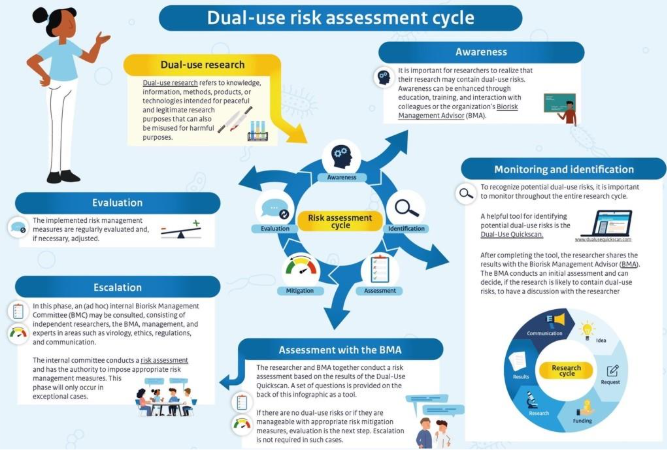
Pandora Report 10.11.2025

Welcome to this week’s Pandora Report! This issue features the latest developments in AI-driven biotechnology and its implications for biosecurity; updates on the Ebola outbreak in the DRC and international response efforts; an analysis of political interference affecting U.S. public health agencies, research, and vaccine distribution; and profiles of GMU’s experts and students tackling biological and chemical weapons risks worldwide.

Thinking About Graduate Study in Biodefense?

The Schar School of Policy and Government has several upcoming recruitment events, including one for prospective PhD students:

🔗 See all upcoming events here.

☕ Plus: Regional coffee chats with faculty and admissions staff across Maryland, Virginia, and DC. Learn more here.

💡 Tuition Benefit: Master’s and certificate students living in Maryland and DC quality for in-state tuition rates. Learn more and register here.

Preventing Future Pandemics

On October 2-3, Professor Gregory Koblentz, director of the Biodefense Graduate Program, participated in a workshop sponsored by the Institute for Futures Studies (IFFS) on ethical global governance to prevent human-made pandemics in Stockholm, Sweden. The workshop, organized by Anders Herlitz from IFFS and Nir Eyal from Rutgers University, brought together an international and multidisciplinary group of experts for two days of discussion on the risks posed by the accidental, reckless, or deliberate release of an engineered or synthetic pathogen capable of causing a pandemic and approaches to reducing these risks. Dr. Koblentz’s presentation, “Global Governance of Dual-Use Research as a Wicked Problem,” was based on his 2014 article, “Dual-Use Research as a Wicked Problem,” which explored why it has been so challenging for policy-makers to resolve the dilemmas generated by the dual-use nature of life sciences research and biotechnology.  By the end of the workshop, participants agreed that the benefits of kanelbullar and chokladbollar outweighed the risks and endorsed continued research and production of these delicious Swedish treats.

GMU Biodefense Student Heads to SIPRI to Tackle Biological and Chemical Weapons Risks

Dr. Miranda Smith, a current student in George Mason University’s Biodefense Graduate Program, has joined the Stockholm International Peace Research Institute (SIPRI) as a researcher in its Weapons of Mass Destruction Programme. At SIPRI, she focuses on the governance of biological and chemical weapons in the context of emerging technologies — including synthetic biology, artificial intelligence, automated labs, and dual-use research. Before shifting to policy research, Miranda served as a U.S. Air Force pharmacist with a specialization in CBRN medical countermeasures and held roles across multiple U.S. federal agencies, including the Department of State, Health and Humans, and most recently, USAID, shaping global health security and biodefense strategy.

Erosion of Trust, Science, and Public Health: Impacts of Political Interference on U.S. Agencies and Research

The erosion of scientific expertise, independence, and integrity across U.S. public health agencies continues with the recent firing of Dr. Jeanne Marrazzo, former director of NIAID. Dr. Marrazzo is the latest in a series of institute directors and top scientists dismissed for speaking out against unscientific policies and political interference under the Trump administration and HHS Secretary Robert F. Kennedy Jr., reflecting a broader and troubling purge of talent across the NIH and other federal agencies, specifically targeting those who are politically misaligned with the current administration’s priorities on vaccines and public health.

This comes on the heels as six former U.S. surgeons general – appointed by both Republican and Democratic presidents – issued an unprecedented joint warning about Mr. Kennedy, stating that his leadership is endangering the nation’s heatlh. From the Washington Post: “…We are compelled to speak with one voice to say that the actions of Health and Human Services Secretary Robert F. Kennedy Jr. are endangering the health of the nation. Never before have we issued a joint public warning like this. But the profound, immediate and unprecedented threat that Kennedy’s policies and positions pose to the nation’s health cannot be ignored.”

They argue that Mr. Kennedy has systematically undermined the integrity of federal health agencies like the CDC, FDA, and NIH by prioritizing ideology and misinformation over science, causing low morale, resignations, and a loss of critical expertise. According to the surgeons general, he has promoted discredited vaccine claims, spread misinformation about the HPV and COVID-19 vaccines, and de-emphasized vaccination during the recent U.S. measles outbreak, contributing to preventable deaths. Also, by replacing the CDC’s Advisory Committee on Immunization Practices (ACIP) with unqualified members, some of whom endorse vaccine conspiracy theories, Mr. Kennedy threatens decades of public health progress, such as the eradication of smallpox, elimination of polio in the U.S., and prevention of millions of childhood infections through widespread immunization.

The consequence of this political interference also extends directly into the research enterprise. Sarah Stanley, an Associate Professor of Molecular and Cell Biology at the University of California, Berkely, recounts how routine experiments in her lab on tuberculosis (TB) were abruptly flagged and later terminated by the NIH, after being mischaracterized as “dangerous gain-of-function research” under a recent executive order. ’Gain of Function’ is a broad category of research that involves genetically altering an organism to give it new abilities. These techniques have been essential in developing new therapies for cancer, vaccines, and treatments to improve both agriculture and animal health. Staney notes that her lab’s long-standing methods—such as disabling TB genes to weaken the bacterium—are standard, low-risk techniques vital for developing new treatments. She warns that conflating safe, routine research with dangerous, high-risk experimentation threatens to stall lifesaving research and underscores the dangers of overly broad, politically driven oversight on research. “My work isn’t dangerous, but stopping research that could lead to cures could be,” she says, calling for transparent, scientifically informed, effective oversight that distinguishes real risks from safe, proven methods.

These disruptions to research and agency function have cascading effects on public health policy and vaccine delivery. The CDC, for example, has yet to issue final guidelines for administering COVID-19 vaccines, leaving both children and adults unable to access updated shots. The rollout has been chaotic and delayed – highly unusual for the CDC – which typically acts within hours or days due to the urgency of making shots available before the winter surge. Last month, the CDC’s ACIP added additional hurdles to getting vaccines but made more people eligible; however, the CDC has yet to accept those recommendations; instead freezing everything in limbo. “It’s a mess. And it’s an easily avoidable mess,” says Dorit Reiss, who studies vaccine policies at the University of California, San Francisco.

At the same time, ACIP reversed or weakened several long-standing protections – including ending the use of the combined MMRV vaccine for infants, shifting COVID-19 vaccine guidance for older adults to vague “shared clinical decision-making,” and reconsidering the historically-successful hepatitis B birth dose. This is following the acting CDC director, Jim O’Neill recently calling to break up the MMR vaccine into separate shots for measles, mumps, and rubella – despite no U.S.-approved monovalent vaccines nor any scientific evidence showing a benefit. Many are calling for the CDC to restore genuine transparency, ensure balanced expertise and independence, and support evidence while ensuring diverse expertise. From MedPage Today: “ACIP was once the gold standard – rigorous, independent, and trusted across the political spectrum. That excellence has been abandoned. The rule of law demands better. So do the American people. Unless independence, transparency, and legal integrity are restored, America’s vaccine defenses will continue to unravel – and lives will be the price.”

Lastly, the long-term consequences of this mismanagement extend to the biomedical innovation ecosystem as well. Under the Trump administration, billions in NIH research funding were abruptly frozen, directly affecting universities whose foundation discoveries led to transformative drugs such as Keytruda, Lyria, and others. By disrupting the steady flow of federal support for scientific research, political interference jeopardizes not only current public health measures but also the next generation of medical breakthrough. The combination of political interference, research disruption, public health policy chaos and confusion, and funding freezes on lifesaving research illustrates a cascade of harm – showing how ill-informed political decisions at the top can ripple across the entire U.S. health security apparatus, threating scientific progress, public health and safety, and ultimately, lives.

Further Reading:

Ebola in the DRC: Lessons from Past Outbreaks and Current International Response

As of October 7, the Ebola outbreak in the Democratic Republic of Congo (DRC) has climbed to 64 cases (confirmed or probable) and 43 deaths in Kasai province, representing a case fatality rate of approximately 66%. The CDC’s Center for Forecasting and Outbreak Analytics (CFA) released an updated scenario assessment for the outbreak, analyzing with moderate confidence, that the outbreak will most likely remain under 100 cases (Scenario A in its model). However, the agency noted several uncertainties that could shift conditions toward Scenario B later, reflecting a larger and more complex outbreak.

Health authorities in the DRC are implementing case isolation, contact tracing, and active surveillance, with vaccination campaigns reaching more than 20,000 people, including healthcare and frontline workers. For now, the outbreak remains geographically contained within the Bulape Health Zone of the Kasai province. Still, key uncertainties remain – including the potential for undetected transmission chains, limited accessibility to affected but remote areas (due to impassable roads, natural barriers, and the onset of rainy season); and the potential for spread from survivors through sexual contact. While containment efforts are improving, CDC experts warn that missed cases or delayed surveillance could still alter the trajectory of the outbreak.

In parallel, the European Union has mobilized a robust humanitarian and medical response to bolster local and international efforts. Through its Emergency Response Coordination Centre (ERCC), the EU has deployed a helicopter under its Humanitarian Air Flight operation to reach remote communities and delivered temporary field accommodation in Bulape province to host healthcare experts for 3 months. The EU has also allocated €1.8 million in emergency funding to strengthen on-the-ground response capacity and dispatched two Norwegian medical evacuation specialists to join the WHO’s coordination team. Drawing on lessons from past outbreaks, these coordinated efforts highlight the importance of rapid, data-driven, and well-resourced responses to emerging infectious diseases.

Further Reading:

AI and Biotechnology at the Edge: Designing Life, Weaponizing Code, and Rethinking Biosecurity

Recent advances in artificial intelligence (AI) have pushed biotechnology into uncharted territory. In a recent preprint from Stanford University, scientists have shown that AI can now design functional viruses from scratch. Using “genomic language models” trained on bacteriophage DNA, researchers created novel viral genomes that successfully infected E. coli strains, with some even outperforming their natural counterparts. The findings demonstrate that computers can now invent viable biological agents, marking a major turning point in biotechnology. The finding raises profound security questions – what happens if these same techniques are used to generate viruses that are lethal to humans? To address this, the U.S. must evolve from a prevention mindset to one of resilience: building computational countermeasures as quickly as threats emerge; expanding government-led, rapid-response manufacturing facilities to mass-produce emergency therapeutics and medicines; and adapting FDA regulations to enable real-time, AI-assisted defense responses. Without these steps, they warn, the line between innovation and catastrophe will continue to blur — and the next AI-generated virus might not be benign.

If AI can design new viruses, it can also be weaponized to design toxins. In a new Science study, Microsoft bioengineer Bruce Wittmann and colleagues conducted a “red-team” experience to test this exact risk. Using AI tools like a would-be bioterrorist, they created blueprints for proteins that could mimic deadly poisons and toxins like botulinum and ricin. When submitting their AI-designed proteins to DNA vendors, the companies’ screening software failed to detect many of the harmful sequences – one tool missed over 75% of potential toxins. “It’s just the beginning,” cautioned Dr. Jaime Yassif, Vice President for Global Biological Policy and Programs at the Nuclear Threat Initiative (NTI). “AI capabilities are going to evolve and be able to design more and more complex living systems, and our DNA synthesis screening capabilities are going to have to continue to evolve to keep up with that,” exposing a widening gap between the pace of AI innovation and the outmoded safeguards meant to prevent its misuse.

At the international level, policymakers are beginning to grapple with these same concerns. In a speech to the UN General Assembly, U.S. President Donald Trump announced plans to pioneer an AI verification system for the Biological Weapons Convention (BWC), a 50-year-old treaty that bans the development and use of biological weapons but currently lacks a formal verification mechanism. The proposal underscores a growing interest in using AI to strengthen global biosecurity – from assessing confidence-building measures reports, to analyzing safeguards related to data and open-source materials (including publications, patents, and financial information), to finally, detecting anomalies or outliers in large datasets. However, several technical and political challenges remain. Data availability and quality vary widely across countries, and AI models are only as reliable as the data they are trained on—a major concern in an era of misinformation and disinformation.

In terms of the political challenges, it would be difficult for many countries to entrust sensitive verification of bioweapons programs to an obscure algorithm. More critically, there is still no clear definition of what modern biological weapons programs look like, making it difficult for AI to accurately identify violations. Even if AI were used just to flag anomalies, countries would still need to reach consensus on inspection procedures, triggers, and governance mechanisms. Ultimately, AI is not a silver bullet for the verification gap of the BWC. However, it could play a supportive role to enhance data analysis and transparency, but real progress will still require political will, trust-building, and significant investment in the treaty’s verification infrastructure.

Further Reading:

NEW: Governance of Dual-Use Risks of Synthetic Biology: Recent Efforts in China

From the Asia Centre for Health Security: “Scientific progress in cutting-edge biotechnology has enabled the development of new medical countermeasures and disease surveillance capabilities. With the increasing ease of use and accessibility, and lower cost of biotechnology, unintentional misuse or deliberate abuse of dual-use cutting edge biotechnology will result in serious economic and security consequences.

Professor Zhang will explain how the Tianjin University Center for Biosafety Research and Strategy, the first scientific think tank focusing biotechnology-related biosecurity governance in China, raises awareness of the dual-use risks of biotechnology, develops solutions and policies to address these risks, and reinforces ethical practice in the scientific community.”

This event will take place from 6:00–7:00 pm (GMT+08:00) on October 23. Register here.

NEW: AI-Accelerated Biological Risk: Delving into Asia’s Challenges and Emerging Solutions

From Singapore AI Safety Hub: “As AI-enabled biodesign accelerates, so do the questions around responsible development, risk mitigation, and international cooperation. This 90-minute virtual roundtable brings together experts from AI safety, biosecurity research and policy to explore:

🔬 What are the most urgent AI-bio risks we face today—and which ones aren’t getting enough attention?

🌏 How does Asia’s unique regulatory and research landscape shape these challenges and opportunities?

🛡️ What solutions and interventions show the most promise for responsible governance?

🚀 What practical steps should researchers, policymakers, and practitioners prioritize in the next 12 months?

This panel will explore the convergence of AI and biosecurity—unpacking Asia’s unique challenges, emerging solutions, and the pathways toward responsible governance. From urgent risk assessment to practical next steps for researchers and policymakers, this is a conversation you won’t want to miss.”

This virtual roundtable will take place from 9:00 AM-10:30 AM EDT on Thursday, October 30. Register here.

NEW: Nexus Series: AI x Bio: Workshop 1

From AI for SynBio: “Agentic AI and Biological Design Tools reduce the required expertise for new biotech developments enabling new benefits and novel harms. To guard against these harms, technical and policy solutions leveraging these AI and biotech advances should be deployed proactively to help red-team and safeguard against misuse in an exponentially changing landscape. This workshop series will shape the safeguards necessary to prevent harm and empower the community with technical and policy resources for the changing threat landscape. The workshop seeks participation from academia, non-profits, industry, and government.”

This event will take place on November 13. Register here.

EMBRACE 2025 – Scientific Pathways to Biotoxin Preparedness Online Event

From CMINE: “Join us at the forefront of chemical and biological security for EMBRACE 2025 – a key event dedicated to cutting-edge research on biotoxins and human biomarkers of intoxication. This international symposium will spotlight ground-breaking scientific work and host the inauguration of EMBRACE’s Biotoxin Task Force.”

“What to Expect:

A unique opportunity to shape the scientific landscape of biotoxin threat preparedness and learn more about the EU EMBRACE project and the Biotoxin Task Force

A platform for showcasing innovation in biotoxin detection and response

Networking with global experts in biological forensics and toxicology”

This event will take place on October 15, 0900-1700 CEST. Register here.

The Formula for Better Health: A Book Event

From AEI: “The COVID-19 pandemic has underlined the importance of having a trusted and effective approach to public health. In The Formula for Better Health: How to Save Millions of Lives—Including Your Own, leading expert and former Centers for Disease Control and Prevention Director Tom Frieden lays out an approach to stop the world’s deadliest diseases. Drawing lessons from history as well as his own decades of experience, Dr. Frieden’s book connects science and strategy—offering practical tools to strengthen health care systems, protect communities, and save lives. Please join us for a book discussion with AEI President Robert Doar and Dr. Frieden to learn about the path to building a healthier future.”

This event will take place from 10:00-11:00am ET on October 16. Register here.

AI, Health, and the Future of Scientific Cooperation: A Seminar

From Harvard Kennedy School: “This seminar explores how artificial intelligence is transforming healthcare, global health, and the scientific enterprise: accelerating discovery, strengthening biosecurity, and reshaping international collaboration. Moderated by Dr. Syra Madad, fellow and biosecurity expert, the discussion will highlight both the opportunities and risks at the intersection of AI, medicine, and scientific cooperation in a rapidly evolving world.”

This event will take place from 12:00-2:00pm ET on October 20. Register here.

Improving Resiliency in the U.S. Pharmaceutical Supply Chain Through Make-Buy-Invest Strategic Actions: A Workshop

From NASEM: “The National Academies will convene a hybrid public workshop, October 22-23, to develop a framework to inform policymakers and stakeholders on how to apply Make, Buy, or Invest strategies across the U.S. pharmaceutical supply chain. Discussions will consider variables such as national security and health; drug manufacturing practices; systemic enablers to support implementation practices; methods to assess market conditions; and the roles of key public and private stakeholders to influence the resilience of the domestic drug supply chain.”

This event will take place from 8:30am-5:30pm ET on October 22-23. Register here.

Exploring Applications of AI in Genomics and Precision Health: A Workshop

From NASEM: “The National Academies’ Roundtable on Genomics and Precision Health will host a hybrid public workshop on October 28 to explore current and potential future applications for AI in genomics and precision health along the continuum from translational research to clinical applications. The workshop will:

  • Explore the current implementation of AI in genomics and precision health (e.g., variant interpretation, data integration, patient and participant identification, return of results, treatment selection).
  • Discuss potential benefits and challenges of future AI applications (e.g., data harmonization and security, workforce, and usefulness for all).
  • Consider evaluations for and impact of the accuracy of, and bias inherent to, AI technologies in genomics-related research and clinical care.
  • Examine lessons learned from applications of AI in other fields that may be transferable to genomics and precision health throughout the translational research process.”

This workshop will take place 8:30am-5:00pm ET on October 28. Register here.

Global Conference on Biological Threat Reduction

From the World Organisation for Animal Health: “In October 2025, WOAH is hosting its third Global Conference, with the goal of galvanising advocacy efforts to manage the rising risk of biological threats from across the world.”

“The Global Conference on Biological Threat Reduction – which will take place in Geneva on 28-30 October 2025 – will bring together top minds in the fields of
health-security, emerging technologies, and biothreat reduction policies, from the public and private sectors – to focus on the latest strategies, challenges and innovations in combating biological threats to our interconnected ecosystems.”

“The Conference will bring together approximately 400 participants from different sectors, including animal health, law enforcement and security, public health, international and regional organisations, investment and development partners, private sector and industry representatives, research, academia and regulatory authorities, youth organisations.”

“Attendees will engage in thought-provoking discussions and innovative technical presentations aimed at strengthening prevention, preparedness and response capabilities across the world.”

“The event will be guided by a narrative that traces WOAH’s commitment to biological threat reduction and the increasingly relevant role it plays at the health-security interface. Against the backdrop of an uncertain future, WOAH believes that synergies between sectors can drive positive change – making the world a safer and healthier place. ”

Learn more and register here.

GHS 2026

From GHS: “We’re excited to officially announce that the 4th Global Health Security Conference (GHS2026) will be held in Kuala Lumpur on the 9 – 12 June, 2026!”

“Building on the incredible momentum of GHS2024 in Sydney, we look forward to bringing together the global health security community once again – this time in one of Southeast Asia’s most vibrant and dynamic cities.”

“Registration and Call for Abstracts are now live!”

Learn more, submit abstracts, and register here.

NEW: Harvard LEAD Fellowship for Promoting Women in Global Health

From Harvard’s Global Health Institute: “To equip and empower more leaders in global health, the Harvard Global Health Institute, in collaboration with the Department of Global Health and Population at Harvard T.H. Chan School of Public Health, offers a transformational 1-year fellowship specifically designed to promote leadership skills in individuals in low- and middle-income countries who will, in turn, mentor future female leaders in global health. Candidates should be currently based/working in a LMIC, and plan to return there after their fellowship.

The fellowship experience provides global health leaders time to reflect, recalibrate, and explore uncharted territories. To date, fellows have come from 18 different countries, with representation from Africa, Asia, Eastern Europe, and South America. Their areas of focus have ranged from HIV/AIDS and healthcare to health policy at the highest levels of government. Past fellows’ areas of expertise span disciplines including research, advocacy, administration, and policy.”

Learn more and submit your application by November 30 here.

Scoville Peace Fellowship

“The fellowship ensures a pipeline of the brightest, most dedicated, and diverse next-generation experts into leading think tanks and advocacy groups in order to inspire creative new approaches to the pervasive challenges to peace and security. Its goal is to bridge the gap between academia and the professional world by providing an entree for mission-driven grads eager to learn about and contribute to public-interest organizations. The fellowship was established to honor longtime nuclear arms control activist Dr. Herbert (Pete) Scoville, Jr., a Ph.D. in physical chemistry and dedicated public servant, who encouraged young people to become involved in arms control and national security.”

Learn more and submit your application by October 20 here.

Notice of Funding Opportunity (NOFO) – Addressing Agricultural Biorisk Evidence Base Gaps with Applied Research

“There is a global recognition that the current evidence base to inform laboratory and on-farm biological risk management has gaps, and that applied agricultural biosafety and biosecurity policies are not always based on evidence. This notice of funding will support the design and implementation of applied agricultural biorisk research to address evidence gaps in working with high-consequence veterinary and agricultural pathogens as identified during the RAV3N Biorisk and Biosafety Gap Assessment Workshop or similar gap analysis like the WOAH working group agent specific biorisk gap analysis. ERGP is seeking proposals that address one or more key focus area components listed below. Each proposal will go through an internal ERGP and external expert review. Successful proposals should address at least one of the key focus areas and at least one component under that area.”

Learn more and submit your proposal by October 31 here.

Cyberbiosecurity Quarterly Call for Papers

“We are pleased to announce the launch of Cyberbiosecurity Quarterly, a new academic and trade journal dedicated to the intersection of cybersecurity and the bioeconomy. Published by Kansas State University’s New Prairie Press and sponsored by the Bioeconomy Information Sharing and Analysis Center (BIO-ISAC), this quarterly journal will serve as an important resource for professionals, researchers, and policymakers working to safeguard digital and physical biological infrastructures. Cyberbiosecurity is an emerging discipline that addresses the protection of biomanufacturing, biomedical research, synthetic biology, digital agriculture, and other life sciences sectors from digital threats. This journal will explore topics at the nexus of cybersecurity, digital biosecurity, and the bioeconomy, including but not limited to:

  • Best practices for network configuration and management in biomedical environments (ingress/egress protection, segmentation, isolation, access control, traffic protection, etc.)
  • Cybersecurity Vendor Management and Assessment
  • Cyber and Digital Biosecurity Education for the Bioeconomy’s Workforce
  • The Quality-Cybersecurity Tension in Practice and Techniques for Mitigation
  • Threat Intelligence for Cyber-Physical Biological Systems
  • Regulatory and Policy Perspectives on Cyberbiosecurity
  • Incident Response and Risk Mitigation in Biomanufacturing
  • AI and Machine Learning in Digital and Cyber Biosecurity”

Learn more and submit your papers here.

Applied Biosafety Call for Papers

“The Editors of Applied Biosafety are pleased to announce a forthcoming Special Issue focused on the myriad of topics associated with global biosafety management. This special issue will showcase examples of innovative approaches, creative solutions, and best practices developed and used around the world for managing risks associated with the handling, use, and storage of infectious biological agents, toxins, and potentially infectious materials in research and clinical settings.”

Learn more and submit by November 1 here.

64th ISODARCO Course

From ISODARCO: “In recent years, the global security landscape has become increasingly volatile, shaped by a convergence of geopolitical tensions, technological advancements, and evolving nuclear doctrines. The post-Cold War order that once provided a measure of predictability in global security has eroded. Conflicts such as the wars in Ukraine and Gaza, rising tensions in the Indo-Pacific, and strategic competition between major powers have reshaped alliances and strategic postures.”

“At the same time, disruptive technologies including artificial intelligence, quantum computing, hypersonic missiles, and cyber threats – are adding new layers of complexity to both nuclear and conventional deterrence dynamics. These technologies are not only distorting the information landscape but also compressing decision-making timelines and complicating signaling mechanisms, increasing the risk of miscalculation.”

“Effectively managing nuclear escalation risks in this environment will require a combination of innovative diplomacy, technological safeguards, and renewed dialogue mechanisms to rebuild trust, reduce misperceptions, and stabilize strategic relations.”

“The ISODARCO 2026 Winter Course presents an invaluable opportunity for students and experts to discuss and examine these dynamics in depth and explore approaches to re-establishing strategic stability and reducing nuclear dangers in a volatile world.”

This course will take place January 11-18, 2026, in Andalo. Learn more and apply here.
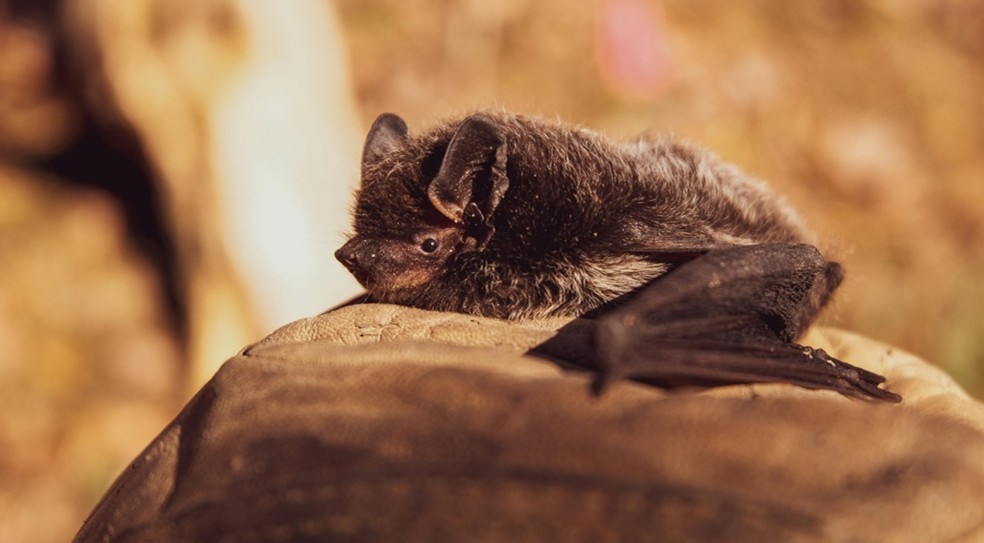
Pandora Report 10.3.2025

Welcome to this week’s Pandora Report! This issue features proposed FY 2026 budget cuts to NSF, CDC, and HHS and their impact on U.S. science and public health enterprises, the U.S. “America First Global Health Strategy” and its implications abroad for European and African health leadership, and innovative strategies to combat avian influenza in turkey farms.

Thinking About Graduate Study in Biodefense?

The Schar School of Policy and Government has several upcoming recruitment events:

For Prospective MS Students:

For Prospective PhD Students:

🔗 See all upcoming events here.

☕ Plus: Regional coffee chats with faculty and admissions staff across Maryland, Virginia, and DC. Learn more here.

💡 Tuition Benefit: Master’s and certificate students living in Maryland and DC quality for in-state tuition rates. Learn more and register here.

Redefining Global Health Leadership: U.S. Policy, European Repositioning, and African Health Sovereignty

The U.S. State Department recently released its America First Global Health Strategy, framing a vision of U.S. global health engagement while aligning with President Donald Trump’s “America First” priorities. Observers note the title itself signals a decisive shift in the U.S. toward a more isolationist approach, tying global health tightly to national security and economic interests. The strategy maintains commitments to HIV/AIDS, malaria, polio, and TB, but omits areas such as routine childhood immunization, maternal and child health, family planning (aside from abortion), and pandemic preparedness beyond surveillance and outbreak response. It also emphasizes replacing multilateralism with multi-year bilateral agreements with recipient governments, accompanied by performance benchmarks, co-investment requirements, and data sharing.

This strategy follows several months in which the Trump administration has worked to dismantle the U.S. Agency of International Development (USAID), cut annual spending on global health by nearly 70%, and renewed U.S. withdrawal from the World Health Organization (WHO). Following the U.S. retreat from global health multilateralism, many other countries have followed suit. From Think Global Health: Argentina announced a similar withdrawal from the organization in February; Hungary, Israel, and Russia also declared their intentions to explore an exit. After the U.S. cuts in its official development assistance, France, Germany, and the Netherlands have since announced cuts in their foreign assistance budgets, citing competing demands for increased defense spending amid ongoing Russian aggression in Ukraine. In May, China sent the largest assembly to the WHA to date, but the country nevertheless pushed back on increased membership dues and changes in health programs.”

This shift is surprising given that only a few years ago, during the height of the COVID-19 pandemic, multilateral cooperation was essential to addressing the transboundary health threat. The U.S. withdrawal has prompted European countries to redefine their positions in global health, transitioning from supportive actors under U.S. dominance to leaders shaping political and normative frameworks. Germany, for example, has strengthened its WHO expert hub for pandemic and epidemic intelligence and pledged to donate an additional 10 million euros ($11.4 million) to WHO in May 2025 to backfill gaps left by the U.S. exit – even as the country is now cutting its official development assistance (ODA) budget below the 0.7% of GDP target and overall pledges to multilateral health initiatives decline. Several European countries have also reduced their ODA budgets, reflecting tighter fiscal constraints. France is planning to lower its ODA to 0.38% of GNI by 2026 – the lowest level in nearly 10 years. Meanwhile Switzerland and Sweden, despite their budget reductions, have pledged additional funding to the WHO beyond their required contributions, whereas France has largely maintained existing commitments without expansion.

The America First strategy also has serious implications for African countries. While it begins by highlighting successes like the U.S. President’s Emergency Plan for AIDS Relief (PEPFAR) in saving 26 million lives since 2003, the report then pivots to criticizing aid as inefficient, costly, and blaming nongovernmental organizations for fostering dependence. Critics have remarked that this framing unfairly blames African countries, when much of the inefficiency comes from the way aid has historically been delivered. For instance, the U.S. often chose to route funding through U.S.-based NGOs and contractors rather than national systems, favoring vertical disease programs for AIDS and TB instead of integrating them into national health services, and maintained control over procurement, logistics, and data – limiting African governments’ ability to shape these programs.

Further Reading:

Funding Cuts, Policy Shifts, and the Erosion of U.S. Scientific and Public Health Capacity

The U.S. continues to face mounting threats to its health, scientific enterprise, and national security. A recent report by the Science and Community Impacts Mapping Project (SCIMaP) warns that proposed FY 2026 budget cuts to the National Science Foundation (NSF) could reduce its funding by more than half – from $9 billion in FY 2025 to under $4 billion. If passed by Congress, these cuts would result in an estimated ~$11 billion in economic losses, given findings that $1 invested in federal R&D funding returns ~$2.25 in economic activity. These proposed cuts could also eliminate up to 75,000 research jobs and limit opportunities for more than 150,000 students and educators in STEM programs nationwide. Such reductions would not only stall decades of progress in innovation, economic growth, and workforce development, but also reflect a broader trend of fiscal and administrative changes that are reshaping federal support for both scientific research and public health nationwide.

Just as federal R&D funding is at risk, public health funding and operational capacity are also under unprecedented strain. A report by Trust for America’s Health examines how the White House’s FY 2026 budget proposal could impact the CDC and HHS, noting a 25% reduction in HHS discretionary funding, and a 53% budget cut to the Centers for Disease Control and Prevention (CDC) and the Agency for Toxic Substances and Disease Registry (ATSDR). These cuts would eliminate 61 CDC programs and lay off an additional 16% of its staff, actions that public health leaders warn could severely undermine disease prevention and exacerbate chronic illness. The Prevention and Public Health Fund (PPHF) would be eliminated entirely, and HHS divisions would be consolidated into new entities such as the Administration for a Healthy America. Interviews with state and local public health leaders underscore the operational strain caused by the rapid pace of these changes. As Katherine Wells, Dr PH, Director of Public Health for the City of Lubbock, Texas, explain: “What was really difficult was the quickness of all of this. If I had been given some runway to plan, if I had been told that a grant was ending in six months, I would have had time to figure out some strategies to keep work going. … I’m going to be having a very tough conversation with our Board of Health about what our public health priorities are in this new environment—what do we keep, what do we let go?”

Similar pressures are emerging in the Trump administration’s approach to federal research funding in higher education, where policy priorities are now shaping grant eligibility and distribution. According to The Washington Post: “The White House is developing a plan that could change how universities are awarded research grants, giving a competitive advantage to schools that pledge to adhere to the values and policies of the Trump administration on admissions, hiring and other matters.” Universities may be asked to certify that admissions and hiring decisions are based solely on “merit,” rather than racial or ethnic backgrounds; that foreign student applications are reviewed under new criteria; and that tuition costs reflect educational value. Critics argue such measures represent an overreach of federal authority and a politicization of the grant process. Ted Mitchell, President of the American Council on Education, described the proposal as an “assault… on institutional autonomy, on ideological diversity, on freedom of expression and academic freedom,” warning that grants would no longer be awarded on scientific merit but on “ideological fealty.”  

These policy shifts also coincide with real-world operational challenges at the National Institutes of Health (NIH). Mass layoffs, funding freezes, and administrative constraints threatened the agency’s ability to support research, yet NIH staff worked around the clock to distribute nearly $48 billion in grant funding to labs nationwide. In an effort to maintain continuity, the agency implemented a new budgeting strategy, awarding full multiyear budgets upfront. While this approach allowed critical research to continue, it left hundreds of highly rated grants unfunded, including important studies on cancer, aging, and diabetes, highlighting the difficult trade-offs imposed by fiscal constraints and administrative pressures.

Further Reading:

Avian Influenza Updates

By Margeaux Malone, Pandora Report Associate Editor

Laser-Focused: How Turkey Farmers Are Fighting Back Against the Spread of Bird Flu

Avian influenza continues to surge in commercial poultry operations across the upper Midwest, marking a concerning return of bird flu after a brief summer reprieve. Since late August, the highly pathogenic H5N1 virus has struck 17 commercial farms, primarily turkey operations. Over the past month alone, these outbreaks have resulted in the loss of 3.75 million birds, according to the USDA Animal and Plant Health Inspection Service. The damage has been widespread: a Minnesota turkey farm in Le Sueur County lost 33,000 birds, while a Wisconsin layer operation saw more than 3 million birds affected.

Utah also confirmed cases at a commercial turkey facility in Sanpete County, extending the outbreak’s geographic reach. Utah state veterinarian Dr. Amanda Price emphasized the urgency of the situation, noting that “commercial turkey facilities in the northern U.S. and here in Utah have been the most impacted by HPAI this fall. With migratory bird season just beginning, we may see a greater impact as the season progresses.”

For farmers like Jake Vlaminck, owner of Fahlun Farms in Minnesota, the threat is personal. Just a few years ago, avian influenza forced him to eliminate tens of thousands of turkeys. Determined to prevent another catastrophe, Vlaminck has turned to innovative laser technology. He installed two laser systems designed to deter migratory ducks and geese, the primary spreaders of bird flu, from his barns during fall migration. These units, which cost in the realm of $20,000 each, emit a laser into the sky in a constantly shifting pattern to keep birds from growing accustomed to the beams. While there has been limited official data yet on their effectiveness, the anecdotal feedback has been positive. The results are impressive enough that nearly 200 laser systems have been installed on Minnesota poultry farms since 2023, with support from a state program aimed at preventing bird flu transmission.

Despite their potential, lasers alone may not provide sufficient protection against this viral foe. As president of the Minnesota Turkey Growers Association, Vlaminck recently led 15 farmers to Washington to advocate for vaccine development, a significant shift in industry sentiment. However, an effective vaccine could still be a few years away. Vlaminck says until then, farmers will continue to rely on laser technology and strict biosecurity measures to protect their flocks and Minnesota’s position as the nation’s top turkey producer.

Further Reading:

“Global Guidance on Monitoring Public Health and Social Measures Policies During Health Emergencies, Rev. Ed., 2025.”

From WHO: “This global guidance aims to facilitate systematic and harmonized data collection about, and monitoring of, public health and social measures (PHSM) policies implemented by governments during health emergencies.  The guidance is intended for policy-makers, health authorities, responders and researchers in multiple sectors and at various levels responsible for responding to public health emergencies and developing PHSM policies, and provides key actions for PHSM policy monitoring in both preparedness and response.”

“The guidance details standardized approaches and actionable steps for establishing and maintaining a robust PHSM monitoring system, a taxonomy of PHSM categories for coherent and comparable policy monitoring, and a process for consistent and transparent data collection. The guidance facilitates the availability of context-specific and real-time PHSM data alongside other key data sets drawn on during public health events for PHSM decision making. This guidance will be accompanied by flexible and customizable online tools.”

“When Biology Meets the Battlefield: An Interview with Diane DiEuliis”

From War on the Rocks: “This exclusive Cogs of War interview is with Diane DiEuliis, a distinguished research fellow at National Defense University focused on emerging biological technologies, biodefense, and preparedness for biothreats. As biotech is increasingly important to defense, we asked her to share her thoughts on the industry and its future.”

Read here.

“Verification Without a Treaty”

Tamara Patton and Pavel Podvig authored this UNIDIR publication: “In the established practice of nuclear arms control and disarmament agreements, verification provisions are negotiated as part of a treaty to provide States with a mechanism to assess compliance and to deter violations of its terms. However, it is becoming increasingly difficult to negotiate new legally binding agreements, whether bilateral or multilateral. In some areas, in the absence of a functioning treaty, States assume certain obligations that constrain their behaviour, such as moratoriums on fissile material production or explosive nuclear tests, or a commitment to constrain deployment of some weapon systems. However, without agreed verification mechanisms, it is often difficult to confirm compliance with such obligations.”

“This report suggests an approach to verifying obligations assumed by States through a mechanism of demonstrative verification, in which a State that wants to demonstrate compliance with its obligations unilaterally implements measures to positively prove its compliance to an international audience. To be effective, these measures must include a detailed verification protocol, rely on open data rather than intelligence estimates, and potentially involve independent observers. This report discusses potential applications of this approach to nuclear arms control and space security.”

“Racing Towards Risk: The Hidden Costs of Nuclear Arms Build-Up”

This report was authored by Tim Caughley: “This report examines the risks associated with a nuclear arms race. Drawing lessons from the Cold War, it warns that while past arms races have not lead to nuclear war, they carried with them a range of other risks. These include the dangers of a nuclear escalation and inadvertent use, financial and humanitarian costs, disruption of deterrence and pressures on the Treaty on the Non-Proliferation of nuclear weapons.”

“The report also surveys the current security environment, highlighting deteriorating arms control frameworks, strained dialogue among nuclear powers, and expanding arsenals as critical concerns. It emphasizes that arms races sustain or intensify hostility among protagonists, compounding the inherent risks of nuclear weapons through deliberate competitive build-ups that are likely to exacerbate existing tensions. The conclusion explores what approaches can be used to manage these risks.”

NEW: GMU’s OctoberVendorFest – Bio and Beer Style event

From GMU: “Join researchers, students, industry professionals, and vendors for an afternoon of networking and discovery. Drop in anytime to explore booths, connect with your account managers from leading scientific supply and equipment companies, and meet peers from academia, industry, government, and healthcare.”

This event will take place from 3:00-7:00pm ET on GMU’s SciTech campus, Beacon Hall (Manassas, VA) on Wednesday, October 8. Register here.

NEW: The Formula for Better Health: A Book Event

From AEI: “The COVID-19 pandemic has underlined the importance of having a trusted and effective approach to public health. In The Formula for Better Health: How to Save Millions of Lives—Including Your Own, leading expert and former Centers for Disease Control and Prevention Director Tom Frieden lays out an approach to stop the world’s deadliest diseases. Drawing lessons from history as well as his own decades of experience, Dr. Frieden’s book connects science and strategy—offering practical tools to strengthen health care systems, protect communities, and save lives. Please join us for a book discussion with AEI President Robert Doar and Dr. Frieden to learn about the path to building a healthier future.”

This event will take place from 10:00-11:00am ET on October 16. Register here.

NEW: AI, Health, and the Future of Scientific Cooperation: A Seminar

From Harvard Kennedy School: “This seminar explores how artificial intelligence is transforming healthcare, global health, and the scientific enterprise: accelerating discovery, strengthening biosecurity, and reshaping international collaboration. Moderated by Dr. Syra Madad, fellow and biosecurity expert, the discussion will highlight both the opportunities and risks at the intersection of AI, medicine, and scientific cooperation in a rapidly evolving world.”

This event will take place from 12:00-2:00pm ET on October 20. Register here.

NEW: Improving Resiliency in the U.S. Pharmaceutical Supply Chain Through Make-Buy-Invest Strategic Actions: A Workshop

From NASEM: “The National Academies will convene a hybrid public workshop, October 22-23, to develop a framework to inform policymakers and stakeholders on how to apply Make, Buy, or Invest strategies across the U.S. pharmaceutical supply chain. Discussions will consider variables such as national security and health; drug manufacturing practices; systemic enablers to support implementation practices; methods to assess market conditions; and the roles of key public and private stakeholders to influence the resilience of the domestic drug supply chain.”

This event will take place from 8:30am-5:30pm ET on October 22-23. Register here.

Feeding Resilience: Risk and Readiness in Food Security

From CSR: “This event will convene a multidisciplinary group interested in food security, agriculture, climate, security, and development in-person at KSU and virtually for other US and international audiences. Throughout the day, attendees will have opportunities to network and engage with expert speakers on food and water security challenges, agricultural trade and innovation, workforce development, and the way forward in today’s global policymaking environment. The event is part of CCS’s Feeding Resilience program, which has analyzed and developed policy recommendations on food, climate, and security risks for the United States and is now deepening analysis and policy engagements for European and global audiences.”

This event will take place 8:30am-2:35pm CDT in Manhattan, KS, on October 7. Register here.

EMBRACE 2025 – Scientific Pathways to Biotoxin Preparedness Online Event

From CMINE: “Join us at the forefront of chemical and biological security for EMBRACE 2025 – a key event dedicated to cutting-edge research on biotoxins and human biomarkers of intoxication. This international symposium will spotlight ground-breaking scientific work and host the inauguration of EMBRACE’s Biotoxin Task Force.”

“What to Expect:

A unique opportunity to shape the scientific landscape of biotoxin threat preparedness and learn more about the EU EMBRACE project and the Biotoxin Task Force

A platform for showcasing innovation in biotoxin detection and response

Networking with global experts in biological forensics and toxicology”

This event will take place on October 15, 0900-1700 CEST. Register here.

Exploring Applications of AI in Genomics and Precision Health: A Workshop

From NASEM: “The National Academies’ Roundtable on Genomics and Precision Health will host a hybrid public workshop on October 28 to explore current and potential future applications for AI in genomics and precision health along the continuum from translational research to clinical applications. The workshop will:

  • Explore the current implementation of AI in genomics and precision health (e.g., variant interpretation, data integration, patient and participant identification, return of results, treatment selection).
  • Discuss potential benefits and challenges of future AI applications (e.g., data harmonization and security, workforce, and usefulness for all).
  • Consider evaluations for and impact of the accuracy of, and bias inherent to, AI technologies in genomics-related research and clinical care.
  • Examine lessons learned from applications of AI in other fields that may be transferable to genomics and precision health throughout the translational research process.”

This workshop will take place 8:30am-5:00pm ET on October 28. Register here.

Global Conference on Biological Threat Reduction

From the World Organisation for Animal Health: “In October 2025, WOAH is hosting its third Global Conference, with the goal of galvanising advocacy efforts to manage the rising risk of biological threats from across the world.”

“The Global Conference on Biological Threat Reduction – which will take place in Geneva on 28-30 October 2025 – will bring together top minds in the fields of
health-security, emerging technologies, and biothreat reduction policies, from the public and private sectors – to focus on the latest strategies, challenges and innovations in combating biological threats to our interconnected ecosystems.”

“The Conference will bring together approximately 400 participants from different sectors, including animal health, law enforcement and security, public health, international and regional organisations, investment and development partners, private sector and industry representatives, research, academia and regulatory authorities, youth organisations.”

“Attendees will engage in thought-provoking discussions and innovative technical presentations aimed at strengthening prevention, preparedness and response capabilities across the world.”

“The event will be guided by a narrative that traces WOAH’s commitment to biological threat reduction and the increasingly relevant role it plays at the health-security interface. Against the backdrop of an uncertain future, WOAH believes that synergies between sectors can drive positive change – making the world a safer and healthier place. ”

Learn more and register here.

GHS 2026

From GHS: “We’re excited to officially announce that the 4th Global Health Security Conference (GHS2026) will be held in Kuala Lumpur on the 9 – 12 June, 2026!”

“Building on the incredible momentum of GHS2024 in Sydney, we look forward to bringing together the global health security community once again – this time in one of Southeast Asia’s most vibrant and dynamic cities.”

“Registration and Call for Abstracts are now live!”

Learn more, submit abstracts, and register here.

NEW: GMU Chapter of Next Generation for Global Health Security Network Relaunched!

From GMU Biodefense Program: “George Mason University’s Chapter of Next Generation for Global Health Security Network has been restarted by Biodefense students Emily McHarg, Aishwarya Sriraman, Annette Prieto, and Kimberly Ma, with Professor Sasika Popescu serving as the organization’s advisor. The group’s mission is to develop the next generation of global health security professionals by engaging GMU students with issues in the field through different professional and social events. In September, the GMU chapter hosted their first happy hour which boasted great turnout with master’s and PhD students from the Biodefense program and other public policy programs at the Schar School. Upcoming events include a congressional career panel in October featuring panelists from the U.S. Senate, the National Security Commission on Emerging Biotechnology, the Government Accountability Office, and the Congressional Research Service. In November, students will be joined virtually by Professor Michael T. Osterholm, PhD, MPH from the University of Minnesota’s Center for Infectious Disease Research and Policy.”

If you are a student and are interested in learning more or becoming a speaker at a future event, please reach out to Emily McHarg at emcharg@gmu.edu. 

Emerging Leaders in Biosecurity (ELBI) Fellowship

“The Emerging Leaders in Biosecurity (ELBI) Fellowship inspires and connects the next generation of biosecurity leaders and innovators. Launched in 2012, ELBI is a highly competitive, part-time program that provides an opportunity for talented graduate students and professionals to deepen their expertise, expand their network, and build their leadership skills through a series of events coordinated by the Johns Hopkins Center for Health Security. The fellowship boasts over 300 alumni with backgrounds in government, national security, private industry, science, law, public health, medicine, global health, journalism, the social sciences, and academia.”

Learn more and submit your application by October 12 here.

AI & National Security Convergence Fellowship

In this context, the Converging Risks Lab (CRL), an institute of the Council on Strategic Risks (CSR), is partnering with the Future of Life Institute (FLI) on the “AGI and National Security Convergence Project,” a new initiative endeavoring to arm decision-makers with the understanding and capabilities required to future-proof national security against the potential perils of AGI while maximizing its promise. This partnership combines CRL’s experience in training and engaging national security leaders on convergence topics through experiential learning methods with FLI’s commitment to educating policymakers on the national security implications of developing AGI.”

Learn more and submit your application by October 13 here.

Council on Foreign Relations Internships

In an ever-changing world, CFR’s work as a leading nonpartisan resource for information and ideas about foreign policy is more important than ever. At CFR, interns participate in one of the foremost paid internship programs in the foreign policy arena. They do work that matters alongside smart and dedicated staff in a diverse and inclusive environment. Interns are paid a competitive hourly wage while gaining valuable experience through exposure to leading foreign policy experts. They are also offered professional development training as a foundation for future work in the field of foreign policy and international affairs. Internship opportunities are offered through the Blavatnik Internship Program and Robina Franklin Williams Internship Program.

Learn more and submit your application by October 13 here.

Scoville Peace Fellowship

“The fellowship ensures a pipeline of the brightest, most dedicated, and diverse next-generation experts into leading think tanks and advocacy groups in order to inspire creative new approaches to the pervasive challenges to peace and security. Its goal is to bridge the gap between academia and the professional world by providing an entree for mission-driven grads eager to learn about and contribute to public-interest organizations. The fellowship was established to honor longtime nuclear arms control activist Dr. Herbert (Pete) Scoville, Jr., a Ph.D. in physical chemistry and dedicated public servant, who encouraged young people to become involved in arms control and national security.”

Learn more and submit your application by October 20 here.

Notice of Funding Opportunity (NOFO) – Addressing Agricultural Biorisk Evidence Base Gaps with Applied Research

“There is a global recognition that the current evidence base to inform laboratory and on-farm biological risk management has gaps, and that applied agricultural biosafety and biosecurity policies are not always based on evidence. This notice of funding will support the design and implementation of applied agricultural biorisk research to address evidence gaps in working with high-consequence veterinary and agricultural pathogens as identified during the RAV3N Biorisk and Biosafety Gap Assessment Workshop or similar gap analysis like the WOAH working group agent specific biorisk gap analysis. ERGP is seeking proposals that address one or more key focus area components listed below. Each proposal will go through an internal ERGP and external expert review. Successful proposals should address at least one of the key focus areas and at least one component under that area.”

Learn more and submit your proposal by October 31 here.

Cyberbiosecurity Quarterly Call for Papers

“We are pleased to announce the launch of Cyberbiosecurity Quarterly, a new academic and trade journal dedicated to the intersection of cybersecurity and the bioeconomy. Published by Kansas State University’s New Prairie Press and sponsored by the Bioeconomy Information Sharing and Analysis Center (BIO-ISAC), this quarterly journal will serve as an important resource for professionals, researchers, and policymakers working to safeguard digital and physical biological infrastructures. Cyberbiosecurity is an emerging discipline that addresses the protection of biomanufacturing, biomedical research, synthetic biology, digital agriculture, and other life sciences sectors from digital threats. This journal will explore topics at the nexus of cybersecurity, digital biosecurity, and the bioeconomy, including but not limited to:

  • Best practices for network configuration and management in biomedical environments (ingress/egress protection, segmentation, isolation, access control, traffic protection, etc.)
  • Cybersecurity Vendor Management and Assessment
  • Cyber and Digital Biosecurity Education for the Bioeconomy’s Workforce
  • The Quality-Cybersecurity Tension in Practice and Techniques for Mitigation
  • Threat Intelligence for Cyber-Physical Biological Systems
  • Regulatory and Policy Perspectives on Cyberbiosecurity
  • Incident Response and Risk Mitigation in Biomanufacturing
  • AI and Machine Learning in Digital and Cyber Biosecurity”

Learn more and submit your papers here.

Applied Biosafety Call for Papers

“The Editors of Applied Biosafety are pleased to announce a forthcoming Special Issue focused on the myriad of topics associated with global biosafety management. This special issue will showcase examples of innovative approaches, creative solutions, and best practices developed and used around the world for managing risks associated with the handling, use, and storage of infectious biological agents, toxins, and potentially infectious materials in research and clinical settings.”

Learn more and submit by November 1 here.

64th ISODARCO Course

From ISODARCO: “In recent years, the global security landscape has become increasingly volatile, shaped by a convergence of geopolitical tensions, technological advancements, and evolving nuclear doctrines. The post-Cold War order that once provided a measure of predictability in global security has eroded. Conflicts such as the wars in Ukraine and Gaza, rising tensions in the Indo-Pacific, and strategic competition between major powers have reshaped alliances and strategic postures.”

“At the same time, disruptive technologies including artificial intelligence, quantum computing, hypersonic missiles, and cyber threats – are adding new layers of complexity to both nuclear and conventional deterrence dynamics. These technologies are not only distorting the information landscape but also compressing decision-making timelines and complicating signaling mechanisms, increasing the risk of miscalculation.”

“Effectively managing nuclear escalation risks in this environment will require a combination of innovative diplomacy, technological safeguards, and renewed dialogue mechanisms to rebuild trust, reduce misperceptions, and stabilize strategic relations.”

“The ISODARCO 2026 Winter Course presents an invaluable opportunity for students and experts to discuss and examine these dynamics in depth and explore approaches to re-establishing strategic stability and reducing nuclear dangers in a volatile world.”

This course will take place January 11-18, 2026, in Andalo. Learn more and apply here.
Pandora Report 3.22.2024

Happy Friday! This week’s Pandora Report covers progress on the ninth round of negotiations on a Pandemic Accord and proposed amendments to the International Health Regulations, Murthy v. Missouri and the evolving threat of health and medical misinformation, a recently launched Senate biodefense and life science research investigation, EPA’s warnings about cyberattacks against the United States’ water infrastructure and more.

Global Leaders Call for Urgent Agreement on a Pandemic Accord

More than 100 global leaders have made a call “to press for an urgent agreement from international negotiators on a Pandemic Accord, under the Constitution of the World Health Organization, to bolster the world’s collective preparedness and response to future pandemics,” according to a recent WHO press release. It comes as member states of the WHO look to finalize an agreement that would amend the 2005 International Health Regulations (IHR), which will be considered by the World Health Assembly in May. David P. Fidler explains what is at stake during this ninth round of deliberations in a recent piece for CFR’s Think Global Health, writing in part “WHO documents on the negotiations, along with commentary parsing the talks, indicate that WHO member states have much to do in a short period to deliver final drafts of a pandemic agreement and amended IHR to the World Health Assembly. Unresolved issues include problems that have long confounded global health governance, including equitable access to pharmaceutical products, financing for public health capacity-building, and government accountability. Even if the negotiations achieve breakthroughs on those problems, the task of turning reforms on paper into reality in practice confronts a world in which solidarity is increasingly in short supply.”

The letter challenges those who argue such amendments will harm national sovereignty, reading in part, “A new pandemic threat will emerge; there is no excuse not to be ready for it. It is thus imperative to build an effective, multisectoral, and multilateral approach to pandemic prevention, preparedness, and response. Given the unpredictable nature of public-health risks, a global strategy must embody a spirit of openness and inclusiveness. There is no time to waste, which is why we are calling on all national leaders to redouble their efforts to complete the accord by the May deadline.”

“Beyond protecting countless lives and livelihoods, the timely delivery of a global pandemic accord would send a powerful message: even in our fractured and fragmented world, international cooperation can still deliver global solutions to global problems.”

SCOTUS Hears Case Concerning Social Media Platforms, Pandemic Misinformation

The Supreme Court heard arguments this week in Murthy v. Missouri, a case concerning the First Amendment and whether the Biden administration violated the right to freedom of expression in its communications with social media companies regarding COVID-19-related misinformation. The lawsuit, one of 26 filed against the administration by former Missouri Attorney General Eric Schmitt, alleges that the Biden administration was “…working with social media giants such as Meta, Twitter, and YouTube to censor and suppress free speech, including truthful information, related to COVID-19, election integrity, and other topics, under the guise of combating ‘misinformation.”

NYT‘s Dani Blum explains how this has refocused attention on misinformation and its evolving nature, writing in part “Health hacks not backed by science have spread widely on social media platformsThe same kinds of conspiracy theories that helped to fuel vaccine hesitancy during the Covid-19 pandemic are now undermining trust in vaccines against other diseases, including measles, as more people have lost confidence in public health experts and institutions. And rapid developments in artificial intelligence have made it even harder for people to tell what’s true and what’s false online.”

Blum continues, writing “Misinformation commonly includes “fake experts,” according to Sander van der Linden, a professor of social psychology in society at Cambridge who researches misinformation. These are either people making health claims who do not have any medical credentials, or doctors making statements about topics that they are not experts in. “You wouldn’t want to go to an ear and nose doctor to do a heart operation,” he said. “Is this a vaccine expert, or is this a doctor who actually does no research and has no expertise on vaccinations?”’

The effects of this are being keenly felt by healthcare providers. Amanda Johnson, a primary care physician in New York City, told USA Today about her approach to working with patients who have fallen victim to such information, saying “(Frustration) doesn’t get us anywhere. I think those conversations are more likely to go poorly if you take it as a personal affront.”

The same article explains further that “She has talked about misinformation with patients, some of whom have even asked her to review social media posts they’ve seen. The most animated responses come from patients who believe they’re losing control or having something forced on them, said Johnson, who also leads NYC Health + Hospitals’ AfterCare program for New Yorkers recovering from COVID-19 or living with long COVID.”

“Many people are disparaging or dismissive when talking about people who believe misinformation, but it can happen to anyone, said Sedona Chinn, an assistant professor in the life sciences communication department at the University of Wisconsin-Madison.”

Senate Homeland Security and Governmental Affairs Committee Announces Bipartisan Biodefense and Life Science Research Investigation

In a statement this week, the Senate Homeland Security and Governmental Affairs Committee announced, “U.S. Senators Gary Peters (D-MI) and Rand Paul (R-KY), Chairman and Ranking Member of the Homeland Security and Governmental Affairs Committee, announced a joint investigation of national security threats posed by high-risk biological research and technology in the U.S. and abroad. Peters and Paul plan to hold hearings and conduct government-wide oversight on areas including high-risk life science research, biodefense, synthetic biology, biosafety and biosecurity lapses, early warning capabilities for emerging outbreaks or possible attacks, and potential origins of the COVID-19 pandemic. This bipartisan oversight effort will assess and identify measures to mitigate longstanding and emerging risks and threats that may result in serious biological incidents – whether deliberate, accidental, or natural. The investigation will also seek to increase transparency and strengthen oversight of taxpayer-funded life sciences research, laboratories in the U.S. and abroad, and detection of biological threats.”

This is likely to add fire to efforts to impose new restrictions on contracted Chinese research firms like WuXi AppTec, as highlighted by Axios. At the same time, this will likely further reveal partisan divides on the topic, particularly given Paul’s emphasis on the Biden administration’s alleged efforts to conceal critical information about the COVID-19 pandemic.

EPA Confirms China- and Iran-Backed Hackers Are Targeting US Drinking Water Systems

“The country’s water systems are being hit with an increasing number of nation-state cyberattacks, according to the US Environmental Protection Agency (EPA),” explains a recent news article. In a recent letter to governors from EPA Administrator Michael Regan and National Security Adviser Jake Sullivan, the pair wrote ‘“We need your support to ensure that all water systems in your state comprehensively assess their current cybersecurity practices.”’ They also emphasized that, in many cases, “even basic cybersecurity precautions, are not present at water treatment facilities, urging that this “can mean the difference between business as usual and a disruptive cyberattack.”

CNN reports that “The EPA will also set up a “task force” to “identify the most significant vulnerabilities of water systems to cyberattacks,” among other pressing issues, Regan and Sullivan said in their letter. The Biden officials invited state homeland security and environmental officials to a meeting to discuss cybersecurity improvements needed in the water sector.”

This comes after industrial equipment at multiple water facilities in the US was hacked late last year, displaying an anti-Israel message, according to US officials. The administration blamed the Iranian government for these attacks. Hackers backed by the Chinese state have also recently infiltrated US water facilities, in “…a hacking campaign that the Biden administration worries Beijing could use to disrupt critical infrastructure in the event of a conflict with the US. China denies the allegations.”

US Hosts Launch for New Foreign Ministry Channel for Global Health Security

Recently, the US Department of State announced that Ambassador John Nkengasong – U.S. Global AIDS Coordinator and Senior Bureau Official for Global Health Security and Diplomacy, overseeing the Department’s Bureau for Global Health Security and Diplomacy – hosted a day-long discussion program to help plan priorities and review lines of efforts for the recently created Foreign Ministry Channel for Global Health Security.

The Department’s press statement explains that “The Channel builds on the 2022-2023 COVID-19 Pandemic Prioritized Global Action Plan for Enhanced Engagement (GAP).  The meeting is the first in a series of regular engagements between senior officials within Ministries of Foreign Affairs to focus diplomatic attention and action on critical global health security priorities.  The foreign ministries, and participants from other ministries, will build on progress in this first meeting to elevate global health security issues as a national security imperative, enhance pandemic preparedness, and advance concrete global health security deliverables.  Participants will collaborate on global efforts to:

  • Strengthen pandemic prevention and early-warning capacities
  • Address misinformation and disinformation on health issues, and leverage emerging technologies to strengthen global health security
  • Mitigate the human health impacts of climate change utilizing the One Health approach, which recognizes the interconnectedness of human, animal, and environmental health
  • Enable sustainable medical countermeasures for health emergencies
  • Enhance diplomatic workforce capacity on health security.”

“‘Lab Leak’ Proponents at Rutgers Accused of Defaming and Intimidating COVID-19 Origin Researchers”

Jocelyn Kaiser covers a recent formal complaint filed with Rutgers University regarding the conduct of molecular biologist Richard Ebright and microbiologist Bryce Nickels, both employed by the university. Kaiser explains in the news piece for Science, “But now, their targets have had enough. A dozen scientists filed a formal complaint with Rutgers yesterday alleging that the two faculty members have violated the university’s policies on free expression by posting “provably false” comments that are often defamatory, and that some of their actions could even threaten scientists’ safety.”

Read more here.

“How to Better Research the Possible Threats Posed by AI-Driven Misuse of Biology”

Matthew E. Walsh recently authored this piece for The Bulletin of the Atomic Scientists, writing in part “Nonetheless, researchers have conducted experiments that aim to evaluate sub-components of biological threats—such as the ability to develop a plan for or obtain information that could enable misuse. Two recent efforts—by RAND Corporation and OpenAI—to understand how artificial intelligence could lower barriers to the development of biological weapons concluded that access to a large language model chatbot did not give users an edge in developing plans to misuse biology. But those findings are just one part of the story and should not be considered conclusive.”

“An Action Plan to Increase the Safety and Security of Advanced AI”

This action plan from Gladstone AI was completed following the release of an October 2022 State Department assessment of proliferation and security risks posed by weaponized and misaligned AI. The plan-“Defense in Depth: An Action Plan to Increase the Safety and Security of Advanced AI“-explains in part of its introduction that “This action plan is a blueprint for that intervention. Its aim is to increase the safety and security of advanced AI by countering catastrophic national security risks from AI weaponization and loss of control. It was developed over thirteen months, and informed by conversations with over two hundred stakeholders from across the U.S., U.K., and Canadian governments; major cloud providers; AI safety organizations; security and computing experts; and formal and informal contacts at the frontier AI labs themselves. The actions we propose follow a sequence that:
● Begins by establishing interim safeguards to stabilize advanced AI development,
including export controls on the advanced AI supply chain;
● Leverages the time gained to develop basic regulatory oversight and strengthen
U.S. government capacity for later stages;
● Transitions into a domestic legal regime of responsible AI development and
adoption, safeguarded by a new U.S. regulatory agency; and
● Extends that regime to the multilateral and international domains.”

“Government Commissioned Report: AI is Creating New Categories of Weapons of Mass Destruction”

This recent article in the Claims Journal covers the aforementioned report from the State Department focused on WMD threats and AI: “A U.S. State Department-commissioned report asserts that advanced artificial intelligence is creating entirely new categories of weapons of mass destruction-like (WMD-like) and WMD-enabling catastrophic…The risks associated with these developments are global, have deeply technical origins and are quickly evolving, leaving policymakers with diminishing opportunities to introduce safeguards to balance these considerations and ensure advanced AI is developed and adopted responsibly.”

Read more here.

“Why Are Large AI Models Being Red Teamed?”

Natasha Bajema covers AI red teaming in this piece for IEEE Spectrum, writing in part “In February, OpenAI announced the arrival of Sora, a stunning “text-to-video” tool. Simply enter a prompt, and Sora generates a realistic video within seconds. But it wasn’t immediately available to the public. Some of the delay is because OpenAI reportedly has a set of experts called a red team who, the company has said, will probe the model to understand its capacity for deepfake videos, misinformation, bias, and hateful content.”

“Red teaming, while having proved useful for cybersecurity applications, is a military tool that was never intended for widespread adoption by the private sector.”

‘“Done well, red teaming can identify and help address vulnerabilities in AI,” says Brian Chen, director of policy from the New York–based think tank Data & Society. “What it does not do is address the structural gap in regulating the technology in the public interest.”’

“Biodefense in the FY25 President’s Budget Request”

Lillian Parr and Dan Regan recently published this blog post with CSR’s Nolan Center in which they compare the FY25 budget request to the FY24 Continuing Resolution. They explain “On Monday, March 11, the Biden Administration released the President’s Budget Request (PBR) for Fiscal Year 2025. While the final budget appropriations bills enacted by Congress will likely differ substantially from this request, the PBR provides useful insight into the Administration’s priorities. This blog post will highlight a few notable funding lines and trends for biodefense-focused programs…The initial tranche of the PBR documents, namely the Budget of the United States Government and the budget-in-briefs from each agency, state the priority budget items and highlight significant changes in funding. This analysis is largely based on these highlights and the topline budget numbers available. Over the next several weeks the agencies will complete the release of their budget justification books, which contain the highest level of detail on budgetary resourcing. Once all of the final justification books are released, we’ll announce our updated CSR Biodefense Budget Breakdown.”

“Public Health Emergency Medical Countermeasures Enterprise Multiyear Budget: Fiscal Years 2023-2027”

ASPR recently released the Public Health Emergency Medical Countermeasure Enterprise (PHEMCE) Multiyear Budget (MYB) for fiscal years 2023-2027. “The report assesses funding needs to support medical countermeasure priorities, which would allow the U.S. Government to prepare for the next public health threat. The MYB projects an estimated overall funding need of $79.5 billion over the five-year period, an increase of $15.5 billion over the 2022-2026 report. The MYB is not a budget request and does not replace funding levels requested in the President’s Budget or accompanying documents.”

“The MYB forecasts to Congress and external stakeholders the funding required to fully prepare the country for a range of chemical, biological, radiological, and nuclear threats, without regard to the competing priorities considered in the President’s Budget. The MYB also illustrates the support needed for other key priorities — such as supporting innovative approaches to medical countermeasure (MCM) development and fostering clear, scientifically supported regulatory pathways for MCMs.”

“Ready or Not 2024: Protecting the Public’s Health from Diseases, Disasters, and Bioterrorism”

From Trust for America’s Health: “As the nation experiences an increasing number of infectious disease outbreaks and extreme weather events, TFAH’s Ready or Not 2024: Protecting the Public’s Health from Diseases, Disasters, and Bioterrorism report identifies key gaps in national and state preparedness to protect residents’ health during emergencies and makes recommendations to strengthen the nation’s public health system and improve emergency readiness.”

“Op-Ed: Proposed LDTs Rule Threatens Outbreak Containment”

Linoj Samuel and Erin Graf, Chair and Vice Chair of the American Society for Microbiology’s Clinical and Public Health Microbiology Committee respectively, recently authored this opinion piece discussing how federal regulations currently under consideration might harm the effectiveness of of laboratory-developed tests for fast-moving outbreaks. They write in part, “The Food and Drug Administration (FDA) recently proposed a rule that would require the same premarket approval for LDTs as it does for medical devices, such as prosthetic joints or pacemakers. The potential rule could bring significant harm to patients by limiting the clinical microbiology and public health laboratories that serve them. The medical device pathway under consideration is designed for commercially developed medical devices. It’s ill-suited to regulate LDTs, and it’s especially at odds with the realities of infectious disease testing. If adopted, the FDA’s rule will disincentivize clinical and public health labs from developing and deploying essential LDTs. It will create gaps in diagnosis and care, and it could potentially impact underserved communities the most.”

“Clinical, Biomarker, and Research Tests Among US Government Personnel and Their Family Members Involved in Anomalous Health Incidents”

Chan, Hallett, and Zalewski recently published this article in JAMA: “Questions  Do US government officials and their family members involved in anomalous health incidents (AHIs) differ from control participants with respect to clinical, biomarker, and research assessments?”

Findings  In this exploratory study that included 86 participants reporting AHIs and 30 vocationally matched control participants, there were no significant differences in most tests of auditory, vestibular, cognitive, visual function, or blood biomarkers between the groups. Participants with AHIs performed significantly worse on self-reported and objective measures of balance, and had significantly increased symptoms of fatigue, posttraumatic stress disorder, and depression compared with the control participants; 24 participants (28%) with AHIs presented with functional neurological disorders.”

Meaning  In this exploratory study, there were no significant differences between individuals reporting AHIs and matched control participants with respect to most clinical, research, and biomarker measures, except for self-reported and objective measures of imbalance; symptoms of fatigue, posttraumatic stress, and depression; and the development of functional neurological disorders in some.”

“Russia Appears to Be Using Chemical Weapons in Ukraine. And Admitting It.”

Matt Field covers the debate over the validity of Ukraine’s claims that Russia is using CW in the ongoing war in Ukraine for The Bulletin of the Atomic Scientists, writing in part “For Lennie Phillips, a former inspector for the Organisation for the Prohibition of Chemical Weapons (OPCW), which implements the Chemical Weapons Convention, some of Ukraine’s claims appear credible, including a segment on Russian state-controlled TV that included an interview with a man the US embassy in The Hague reports is a Russian soldier discussing the effectiveness of chemicals as weapons. “The piece on Russia’s Channel [One] alone makes the use of tear gas by the [Russian Federation] very credible,” Phillips, now a research fellow at the UK defense think tank RUSI, said.”

“The Centre for Chemistry and Technology and the Future of the OPCW”

Ian Anthony recently published this paper with the Stockholm International Peace Research Institute: “With the destruction of the final remaining stockpiles of declared chemical weapons in 2023, the Organisation for the Prohibition of Chemical Weapons (OPCW) must adjust to a new role. The inauguration of the OPCW’s Centre for Chemistry and Technology (CCT) in 2023 provides a new resource to assist the organization and the international community in reducing and eliminating the threat from chemical weapons.”

“Now that the CCT is operational, it is important to build momentum behind a substantive programme of work. Projects for the programme could be grouped into four thematic categories: understanding technological developments; chemical forensics; broadening geographical representation; and tailored training programmes.”

“The CCT should be led by a director, who should work with a newly established Office of Science and Technology to develop the centre’s strategic direction. To provide the CCT with stable and secure financing, a trust fund for the CCT should be established.”

Report Release Webinar: Future State of Smallpox Medical Countermeasures

From National Academies of Science and Medicine: “Join the Committee on Current State of Research, Development, and Stockpiling of Smallpox Medical Countermeasures as it discusses its newly released report Future State of Smallpox Medical Countermeasures on Tuesday, March 26, 2024.”

Learn more and join the discussion here.

Artificial Intelligence and Automated Laboratories for Biotechnology: Leveraging Opportunities and Mitigating Risks

From the National Academies’ Board on Life Sciences: “Please join us April 3-4, 2024 for a hybrid workshop on the opportunities and mitigation of risks of the use of artificial intelligence and automated laboratories (i.e., self-driving labs) for biotechnology.”

“The workshop will consider opportunities to leverage AI and laboratory automation capabilities for discovery and development, explore methods and approaches to identify, track, and forecast the domestic and international development of such technologies, and convene experts across sectors to highlight recent advances and explore implications for the development and use of these technologies.”

Learn more and register here.

Launch of the 2024 National Blueprint on Biodefense

From the Bipartisan Commission on Biodefense: “On the 10th anniversary of its inception, the Bipartisan Commission on Biodefense will release its 2024 National Blueprint on Biodefense: Immediate Action Needed to Defend Against Biological Threats.”

“Please join us for this momentous event at the Congressional Auditorium, Capitol Visitor Center, on April 17th at 4:30pm.”

“The Bipartisan Commission on Biodefense (formerly the Blue Ribbon Study Panel on Biodefense) was established in 2014 to provide a comprehensive assessment of the state of United States biodefense efforts and to issue recommendations that foster change.  Subsequently, the Commission has briefed White House Administrations (including then Vice President Biden); testified before Congress; convened numerous meetings with experts; released 12 reports; produced the graphic novel Germ Warfare; and mobilized biodefense conversations and actions in the private and public sectors.”

Learn more and register here.

Addressing the Challenges Posed by Chemical and Biological Weapons: Intensive Online Introductory Course for Students of Technical Disciplines

“SIPRI and the European Union Non-Proliferation and Disarmament Consortium (EUNPDC) invite graduate and postgraduate students of the technical or natural science disciplines to apply for an intensive online introductory course on chemical and biological weapons—their proliferation, the efforts to eliminate them, the various mechanisms used to control their spread—and endeavours underway to reduce the risk of chemical or biological agents in terrorist attacks. The course will take place online, during four half-days on 2831 May 2024, 14:00 to 18:00 Central European Summer Time (CEST).”

“The course will cover the fundamentals of chemical and biological weapons as well as of missiles and other means of delivery; the history of chemical and biological warfare; the evolution of international norms against these weapons; the threats associated with potential terrorist uses of chemical and biological material; bioweapons and other related scientific advances; the current challenges posed by chemical weapons; arms control treaties; and mechanisms to curb the spread of dangerous substances, including export controls.”

“The course will also discuss the role of the EU institutions and industry to address the challenges mentioned above. The course will be instructed by renowned experts on non-proliferation, arms control, disarmament, export controls, verification and related subjects from SIPRI, other European research centres, think tanks and international organizations.”

Learn more and apply here.

Registration for GHS 2024 Now Open

Registration is now open for the Global Health Security 2024 conference in Sydney, Australia. This iteration will take place 18-21 June, 2024. The call for abstracts is also still open. “The mission of the Global Health Security conference is to provide a forum where leaders, researchers, policy-makers, and representatives from government, international organisations, civil society, and private industry from around the world can engage with each other, review the latest research and policy innovations, and agree solutions for making the world safer and healthier. To that end, our mission is to help foster a genuinely multidisciplinary community of practice that is committed to working collaboratively to enhance global health security and eliminate disease, irrespective of its origin or source.”

SBA.3 International Synthetic Biology, and Biosecurity Conference in Africa

“Join us for the SBA.3 International Synthetic Biology and Biosecurity Conference in Africa, a groundbreaking event that brings together experts, researchers, and enthusiasts in the field of synthetic biology. This in-person conference will take place at the Laico Regency Hotel from Wed, Jul 17, 2024 to Friday, Jul 19, 2024.”

“Get ready to dive into the exciting world of synthetic biology and explore its potential applications in Africa. From cutting-edge research to innovative solutions, this conference offers a unique opportunity to learn, network, and collaborate with like-minded individuals.”

“Discover the latest advancements, trends, and challenges in synthetic biology through engaging keynote speeches, interactive workshops, and thought-provoking panel discussions. Immerse yourself in a vibrant atmosphere where ideas flow freely and new connections are made.”

“Whether you’re a seasoned professional or just starting your journey in synthetic biology, this conference provides a platform to expand your knowledge, exchange ideas, and contribute to the growth of the field in Africa.”

“Don’t miss out on this extraordinary event that promises to shape the future of synthetic biology and biosecurity in Africa. Mark your calendars and join us at the SBA.3 International Synthetic Biology and Biosecurity Conference in Africa!”

Learn more and register here.

Eighth Annual Next Generation for Biosecurity Competition Open for Applications

“The Eighth Annual Next Generation for Biosecurity Competition is now open. NTI | bio hosts this competition to provide a platform for the next generation of global leaders in biosecurity to develop original concepts and share them with the wider biosecurity community. This year’s co-sponsors include 80,000 Hoursthe Global Health Security Networkthe iGEM Foundation, the International Federation of Biosafety Associations, the Next Generation Global Health Security NetworkPandemic Action NetworkSynBio Africa, and Women of Color Advancing Peace, Security, and Conflict Transformation.

This year, the competition invites innovative and creative papers focused on how investments in biosecurity can both contribute to a more equitable society and reduce biological risks. The full prompt is provided below.”

“Winners of the Biosecurity Competition will be awarded the following:

  • Online publication of their paper on the NTI website
  • The opportunity to attend a high-profile international biosecurity event, such as the Biological Weapons Convention, and present their paper at a prestigious side event.”

Learn more here.

Nonproliferation Review and CNS Announce McElvany Award Winners

“The Nonproliferation Review and the James Martin Center for Nonproliferation Studies (CNS) are pleased to announce that an article examining the George W. Bush administration’s policies toward the nuclear programs of Iran and South Korea, “A tale of two fuel cycles: defining enrichment and reprocessing in the nonproliferation regime” by Sidra Hamidi and Chantell Murphy, has won the Doreen and Jim McElvany Nonproliferation Award’s grand prize.”

“In examining the Bush administration’s policies toward two states with advanced nuclear fuel cycles, Hamidi and Murphy’s article also explores the various US and international definitions of uranium enrichment and spent-fuel reprocessing. Its analysis draws on the concept of “technopolitics,” the study of the mutually reinforcing processes by which political priorities shape technological systems while technology also limits and creates new kinds of politics.”

Read more here.

Pandora Report: 11.11.2022

This week we start by sharing some fun updates from the Biodefense Graduate Program and discussing the current situation with influenza, RSV, and COVID-19 in the United States. We also discuss new publications, including ones that discuss hypothetical BW use in Ukraine, highly pathogenic avian influenza in the US, and a new episode of the Poisons and Pestilence podcast focused on the M device. This issue concludes with details on a number of upcoming and recorded events (including a virtual open house for the Biodefense PhD Program!) and announcements, including open applications for the Biotechnology Innovation & International Security Fellowship at Stanford University’s Center for International Security and Cooperation. Happy Friday and, as always, please wash your hands.

George Mason Biodefense MS Students Tour BSL-3 Facility on Science and Technology Campus

Last month, students in the Biodefense Graduate Program made the trek from Arlington to Manassas, VA to tour George Mason’s Biomedical Research Laboratory (BRL) on our Science and Technology Campus. Check out the Schar School’s article about their tour of the 52,000-square-foot, $50 million, NIAID-funded facility here. If you would like to have this and similar opportunities in the future, check out our upcoming PhD virtual open house coming up this Wednesday at 7 pm EST.

Schar School Biodefense MS Students and Adjunct Professor Scott Wollek joined by Biodefense Graduate Program Director Dr. Gregory Koblentz (center) and Drs. Rachel Pepin and Farhang Alem of the BRL (far right)

If the Time Change Wasn’t Bad Enough…We Might Have a Triple Threat On Our Hands

As the days get shorter and colder, the United States is also experiencing upticks in influenza, RSV, and (of course) COVID-19. Children’s hospitals are already struggling with the burden this is causing and there are further concerns that hospitals across the country will become overwhelmed as we head into winter. In response, some health departments have ramped up drive-thru testing for COVID-19 while also offering drive-thru RSV and flu testing at those same sites. Some suspect this convergence and uncharacteristic spikes in respiratory illnesses may be the result of an immunity gap created by lack of exposure to other illnesses during harsher COVID-19-related restrictions.

CDC reported this week the “cumulative hospitalization rate in the FluSurv-NET system is higher than the rate observed in week 44 during every previous season since 2010-2011.” The agency also estimates that in this flu season so far, there have been at least 2.8 million cases, 23,000 hospitalizations, and 1,300 deaths associated with influenza. This year was also marked by an early increase in seasonal flu activity in the US, following earlier concerns that a rough flu season in the southern hemisphere provided warning of the same coming for the north. The US notably had historically low interseasonal influenza cases in 2020 when people were much more cautious and consistently took actions such as social distancing, masking, increased hand washing, etc.

This year has also brought an increase in cases of respiratory syncytial virus (RSV) infections, with CDC reporting its surveillance “has shown an increase in RSV detections and RSV-associated emergency department visits and hospitalizations in multiple U.S. regions, with some regions nearing seasonal peak levels. Clinicians and public health professionals should be aware of increases in respiratory viruses, including RSV.” The US saw a much higher than normal rate of RSV infections over the summer that then surged throughout September and October. RSV causes mild, cold-like symptoms that most people typically recover from in one or two weeks. However, RSV can be serious in some cases, with infants and older adults at particular risk. In the US, RSV is the most common cause of bronchiolitis and pneumonia in children under the age of one. Annually, the US averages 60,000 pediatric RSV hospitalizations, but this is likely to be exceeded this year.

RSV hospitalization rates by season for children (ages 0-17) in the United States. Source: CDC RSV-NET Interactive Dashboard

While the updated, bivalent COVID-19 vaccines have proven more effective against BA.4/5 subvariants than original offerings, new concerns loom as the so-called “Scrabble variants” spread. While the BA.5 subvariant still accounts for about 40% of US cases, others like BQ.1, BQ.11, BA.4.6, and BF.7 are rising along with XBB and B.1.1.529. If this collection of subvariants is confusing to you, you’re not alone, as Dr. Peter Hotez acknowledged in initially describing them as “Scrabble variants”.

There is debate about how much the general public needs to understand about all these different subvariants. Some argue that the granular details differentiating between these is unhelpful and communication should instead focus on risk. However, others like Dr. Hotez argue it is important that people understand the differences. He points to the updated vaccines having been formulated for the BA.4 and BA.5 subvariants, the latter of which BQ.1 and BQ.1.1 are descendants. This likely means the updated vaccines do offer protection against BQ.1 and BQ.1.1, making it important to communicate these facts to the general public. Others also argue that easier names should be offered to the public so that subvariants do not blend together and cause people to underestimate new emerging strains.

While these new subvariants are new enough that there is no available vaccine efficacy data on them yet, consensus is largely that a “booster is a booster” and that it is still worth getting one if you have not already. Both the bivalent vaccines and antivirals like Paxlovid are expected to remain effective against severe outcomes with these subvariants. However, US vaccine rates with the updated versions have remained underwhelming, with rates by age groups ranging from nearly 27% in adults over the age of 65 to under 12% for adults ages 18-65.

Total population vaccine rates with bivalent booster by state, Source: CDC COVID Data Tracker

The weather is cooling and we are all increasingly spending more time inside at a time with relaxed public health measures in place. These are each viral respiratory infections, so it is important to be vigilant on measures like covering coughs and sneezes, washing hands appropriately, staying home when sick, and so on.

Important to note is that there is currently no vaccine available for RSV, though certain children may qualify to receive preventative injections of the monoclonal antibody product palivizumab during RSV seasons. Furthermore, there is no antiviral for RSV, so treatment is supportive care. There are antivirals for COVID-19 and influenza available and, of course, it is important to be vaccinated for both of these if at all possible. You can schedule appointments to get your seasonal flu shot and updated COVID-19 booster at the same at plenty of locations, many of which can be found through Vaccines.gov’s search tool.

“Les « Frankenvirus » au cœur des débats, après l’émergence du Covid-19”

In this Le Monde article on gain of function research, Biodefense Graduate Program Director Dr. Gregory Koblentz discusses the announcements of 27 new BSL-4 laboratories since the start of the COVID-19 pandemic and what these announcements, in light of loose international standards on biosafety, might mean in terms of increased risks of accidents.

“The World is Prepared for the Unthinkable”

This recent piece in CFR’s Think Global Health discusses the likely consequences of biological weapons use in Ukraine. McCloskey, Nuzzo, and Heymann write “A biological attack in Ukraine or anywhere would have profound and far-reaching political, military, and health consequences. The immediate impact would be to exacerbate the already profound human suffering that is occurring in the country and it would place further strain on already struggling health systems. Depending on the pathogen used, a biological attack could present risks beyond Ukraine. Unlike other weapons, biological agents have the potential to spread widely. Neighboring countries could be at immediate risk, but, as the ongoing COVID-19 pandemic has shown, diseases can travel widely around the globe before they are noticed.”

“Strategic Intelligence Assessment and Data on Domestic Terrorism”

This week the FBI and Department of Homeland Security released their second Strategic Intelligence Assessment and Data on Domestic Terrorism report. Overall, it details a continued increase in domestic terrorism investigations in the US, with the government opening 1,400 investigations in 2020 versus the average of 1,000 seen in previous years. It does note that this was in part because of investigations opened as a result of the January 6 attack on the US Capitol, but also that this anomaly does not fully account for the significant increase in that number. Most of these investigations were related to “…racially or ethnically driven violent extremism, anti-government or anti-authority violent extremism, and civil unrest.”

Other interesting points in the report include the that, as Lawfare explains, “…despite the increased threat, the National Counterterrorism Center (NCTC) does not employ a single analyst focused exclusively on domestic terrorism. One could argue that the NCTC is hamstrung in some respects because its mandate, or at least a narrow reading of its statute, limits its ability to focus on terrorism not related to the international variety of groups like the Islamic State and al-Qaeda. At the same time, the assessment states Homeland Security employs only ten analysts for domestic extremism threats. However, that number represents a meteoric increase from five years earlier, when there was not a dedicated domestic terrorism analyst squad.”

“Flu: When Spillovers Spill Over”

As the authors of this Think Global Health piece explain, the US is currently in the middle of one of the largest outbreaks of highly pathogenic avian influenza (HPAI) in animals in US history. At least 49 million birds from backyard and commercial flocks have been culled so far in 43 states as this year’s outbreaks continue.

The authors write “Case counts and distributions in wild birds have been equally astounding. Department of Agriculture surveillance efforts in 2022 have detected HPAI in wild birds in almost every state in the continental United States, plus Alaska. Active surveillance has found more than 3,300 infected wild birds. This extensive transmission through wild avian species is more pronounced than in previous U.S. epizootics, or animal epidemics; in the 2014-2015 outbreak, fewer than 100 wild birds tested positive for H5, primarily along the Pacific Flyway, one of four major North American migration routes for birds, especially waterfowl. Affected species in this outbreak range from the relatively abundant Canada goose and wild turkey to the more vulnerable bald eagle and snowy owl. How many of these birds are actually symptomatic is difficult to determine, as detections often occur opportunistically through the sampling of dead birds and hunter harvests. Mortality in wild species is varied with some species like gulls, terns, geese, and raptors experiencing higher than usual rates, while songbirds are relatively unaffected, even asymptomatic. The variation in morbidity and mortality makes this virus even harder to track.”

“Atoms are Local”

In this essay Elliot Hershberg, a PhD student in genetics at Stanford and the mind behind The Century of Biology, discusses the industrialization of biotech and proposes the biologization of industry as a preferable alternative. He explains this concept, writing “Biologization of Industry — Many people default to a mindset of industrialization. But, why naively inherit a metaphor that dominated 19th century Britain? Biology is the ultimate distributed manufacturing platform. We are keen to explore and make true future biotechnologies that enable people to more directly and freely make whatever they need where-ever they are.”

“Compendium of Best Practices on the Engagement and Advancement of Women in Chemical Safety and Security”

From the UN Interregional Crime and Justice Research Institute: “The Organization for the Prohibition of Chemical Weapons (OPCW) and the United Nations Interregional Crime and Justice Research Institute (UNICRI), in close cooperation with international partners, stakeholders and practitioners, recognized the asymmetric portrayal of women and men in chemical safety and security; both in global literature and policy debates. To address this gap, amplify women’s voices and promote opportunities to increase their engagement in this field, OPCW and UNICRI, with the generous funding of the European Commission, developed the Compendium on “Engagement and Advancement of Women in Chemical Safety and Security”.”

“The Compendium aims to provide policymakers and practitioners in the field of chemistry with guidance to promote gender inclusivity in the chemical safety and security sector through the identification of best practices in recruiting, training and promoting gender-inclusive careers.”

What We’re Listening To 🎧

Poisons and Pestilence-13 Bonus Episode: The M Device with Simon Jones

Dr. Brett Edwards has released a new episode of his podcast, Poisons and Pestilence, covering the M device (a canister device used to release CW agents) with historian Simon Jones. In addition to the podcast, you can find Jones’ work on the M device here where he explains, “During the closing stages of the military intervention in North Russia in 1919, British chemical munitions were improvised as effective aerial bombs for the first time in history.”

Schar School PhD Virtual Open House Session

Come learn about the Schar School’s doctoral programs (including the Biodefense PhD!) and interact with faculty at this online open house. This event will take place Wednesday, November 16, at 7 pm EST. Register here.

Applying Lessons Learned from COVID-19 Research and Development to Future Epidemics

“The National Academies of Sciences, Engineering, and Medicine’s Forum on Microbial Threats; Forum on Drug Discovery, Development, and Translation; and the Forum on Medical and Public Health Preparedness for Disasters and Emergencies will organize and conduct a public, hybrid workshop on December 7-8, 2022 to explore how innovative approaches in research sparked by COVID-19 can enhance health systems preparedness and responses to emerging infectious diseases. This workshop will consider basic scientific infrastructure and essential capabilities to support medical and behavioral countermeasures that were deployed during the COVID-19 pandemic response. Workshop participants will reflect on critical scientific infrastructure for stakeholder coordination and innovations that can facilitate rapid and effective responses to emerging infectious disease threats.” Register here.

Strategies to Reach Zero Dose Children in Fragile States and Cross-border Contexts in Africa

“CORE Group and Gavi, the Vaccine Alliance invite you to register to attend a webinar where experts will discuss the importance of reaching Zero Dose Children and how addressing the challenges in reaching communities with immunization interventions could diminish disease outbreaks and health system disruptions. The webinar will also provide a platform for discussions on innovative ways to reach zero dose children beyond traditional government partners in fragile contexts. It will be an opportunity le learn more about the Zero-Dose Immunization Programme (ZIP) and will feature speakers from Gavi, the Vaccine Alliance, International Rescue Committee(IRC), CORE Group Polio Project (CGPP) and World Vision.” This event will be hosted virtually on November 15, at 10 am EST. Register here.

ICMYI: 8th African Conference on One Health and Biosecurity

The 8th African Conference on One Health and Biosecurity concluded recently in Lagos, Nigeria. The conference aimed to “…present a unique forum to raise National, Regional and Continental awareness and engage in deep introspection and robust interactions on existing health security measures and how to strengthen them, as the first urgent step toward mitigation of emerging biological threats in Africa.” Recordings from the conference are available on the Global Emerging Pathogens Treatment Consortium (GET) Africa YouTube Channel. You can read the conference’s “Communiqué of 8th African Conference on One Health and Biosecurity themed Strengthening Health Security and Mitigating Biological Threats in Africa”.

ICYMI: Briefings in Preparation for the Ninth BWC Review Conference

Check out the recording for this event on UNIDIR’s YouTube channel. “This virtual event brought together the authors of the latest UNIDIR publications on BWC topics to provide short outlines of the key insights and ideas in their respective reports for State Parties to consider ahead of the Review Conference. These include verification, advances in science and technology, international cooperation, and potential outcomes of the Review Conference. The presentations was followed by a moderated interactive discussion with the participants.”

Biotechnology Innovation and International Security Fellowships at Stanford University

“Stanford is seeking Biotechnology Innovation & International Security Fellows, to be appointed for one year renewable for a second.  Fellows will join a community of scholars hosted by the Center for International Security & Cooperation (CISAC), Bio.Polis, & the Department of Bioengineering, with mentoring by one or more faculty identified by each fellow.  Applications are being accepted thru 2 December 2022.”  Learn more and apply here.

START Announces Upcoming CBRN Data Suite and Portal

The National Consortium for the Study of Terrorism and Responses to Terrorism (START)’s Unconventional Weapons and Technology division recently announced the creation of their CBRN Data Suite and Portal. The data suite is set to open in December and “…includes an event-level and an actor-level dataset. The event-level dataset is based on UWT’s Profiles of Incidents Involving CBRN and Non-state Actors (POICN) database, and is scheduled to be updated through May 2022 by the time the Data Suite and Portal goes live at the end of the year.”

“The actor-level dataset is a newly created dataset modeled after the Chemical and Biological Non-State Adversaries Database (CABNSAD) and the Radiological and Nuclear Non-State Adversaries (RANNSAD) dataset, with the new CBRN Actor dataset subsuming both CABNSAD and RANNSAD. As with the event-level dataset, the actor-level dataset is scheduled to be updated through May 2022 by the time the Data Suite and Portal launch.”

NIST Soliciting Feedback on Project Proposal to Improve Cybersecurity at Water Utility Facilities

The National Institute of Standards and Technology’s National Cybersecurity Center of Excellence (NCCoE) recently released a white paper discussing ways to improve utility management, operations, and service delivery at water utility sites. The paper explains that “The NCCoE has undertaken a program to determine common scenarios for cybersecurity risks among WWS utilities. This project will profile several areas, including asset management, data integrity, remote access, and network segmentation. The NCCoE will also explore the utilization of existing commercially available products to mitigate and manage these risks. The findings can be used as a starting point by WWS utilities in mitigating cybersecurity risks for their specific production environment. This project will result in a freely available NIST Cybersecurity Practice Guide.” Read the announcement and submit feedback here.

Pandora Report 2.16.2018


 White House Budget Hits Public Health
The White House has released their new plan, “Efficient, Effective, Accountable: An American Budget”, which sees an increase in military spending, funds for a U.S.-Mexico border wall, and a 10%  increase in spending from 2017. “The plan also calls for major cuts to Medicare, Medicaid, food stamps and other social programs — reductions that conservatives have long sought. But even with these reductions, which add up to more than $3 trillion in cuts over 10 years, the proposal would not bring the budget into balance because of the lost tax revenue and higher spending on other programs.” The 2019 budget proposal also includes $9.2 billion added after Congress lifted mandatory spending caps. “But the 2019 budget might not be as steady as it seems, because the White House is calling for the creation of three new institutes within the NIH. They include a National Institute for Research on Safety and Quality, which would replace the $324-million Agency for Healthcare Research and Quality within the Department of Health and Human Services (HHS). The Trump plan would also transfer the National Institute of Disability, Independent Living, and Rehabilitation Research from the HHS’s Administration for Community Living, and the National Institute of Occupational Safety and Health (NIOSH) to the NIH from the US Centers for Disease Control and Prevention (CDC).” The plan also includes a cap for how much salary a scientist can draw from an NIH grant (90%), gives NIH an additional $750 million for research towards the opioid crisis ($400 million of which must “be spent on public-private partnerships to develop new treatments”). Unfortunately, this proposed budget significantly weakens public health preparedness and response plans with a 43% reduction in the CDC’s Public Health Preparedness and Response Program. Furthermore, it includes hitting the CDC hard with a 12% reduction and plans to move the strategic national stockpile (SNS) to ASPR. Such plans severely impact global health security as funding for the GHSA is expected to drop. You can read a further overview on the health security outlook by the Johns Hopkins Center for Health Security here. There has also been increasing concern regarding the lack of a nominee for the head of the Office of Science and Technology Policy, especially since the de facto advisor is a 31-year-old political science major from Princeton

GMU Schar School MS Open House
Don’t miss out on our information session next week. This is a great chance to chat with faculty about the GMU Biodefense MS program (both online and in person). “The session will provide an overview of our master’s degree programs, an introduction to our world-class faculty and research, and highlights of the many ways we position our students for success in the classroom and beyond. Our admissions and student services staff will be on hand to answer your questions.” FYI – GMU biodefense students are making headlines for their dedication and passion for health security, come join the nerdom!

Next Generation Global Health Security Mentorship Program
Interested in becoming a mentor  or protege in health security? The NextGen Global Health Security Mentorship Program is a great way to build partnerships and collaborations for those passionate about health security. “The NextGen Global Health Security (NGGHS) Mentorship Program is an annual program aimed at connecting early to mid-career professional and students interested in global health security with experts in the field to enhance professional development. Mentors and Protégés are free to establish a program that suits them best. Meetings can be based on current events, suggested topics and/or other common areas of interest. The pair will maintain correspondence either in person, over the phone or by email, as often as they have decided feasible.” If you’re a GMU biodefense alum, also make sure to update your information in Stay Connected so you’ll get the latest in biodefense program news and opportunities!

The Anniversary of Kim Jong Nam’s VX Assassination
February 13th marked the one-year anniversary of the assassination of Kim Jong Un’s half brother at the Kuala Lumpur airport. Kim Jong Nam was attacked by two women who smeared VX nerve agent on his face. “The women claim they were tricked into believing they were part of a reality show, but the U.S. and South Korea say the murder was orchestrated by Pyongyang. The brazen killing came as North Korea was starting to accelerate its missile tests and countries around the world came under mounting pressure to enforce ever-tightening U.N. sanctions against Pyongyang.” In the wake of the attack, Malaysia is working to distance itself from its previously close relationship with Pyongyang. The murder trial, which started in October of 2017, is set to end in March of this year, with the two women maintaining their innocence. 

Biosafety Failures in UK Lab
The Health and Safety Executive (HSE) released findings from their investigations into more than 40 “mishaps” at specialist labs from 2015-2017. The labs were run by hospitals, private companies, and Public Health England (PHE), which reveals an unfortunate trend across many sectors. “One scientist at a PHE laboratory became sick after contracting Shigella, a highly contagious bacterial infection that causes most cases of dysentery in Britain. The incident led the HSE to send the agency an enforcement letter to improve its health and safety practices.” Incidents range from failure to communicate safety requirements for mailing samples to airflow failures and lab workers acquiring illnesses from lab safety mishaps.

Antimicrobial Resistance: Forging A New Strategy Against An Old Threat
GMU Biodefense students love all things health security and that includes antimicrobial resistance. PhD student Saskia Popescu is tackling the woefully insufficient response we’ve had over the years to this growing threat. Pointing to current challenges, initiatives, and research strategies, Popescu discusses current trends and hopeful plans to combat AMR. “What is to be done? There are several initiatives, like the Combating Antibiotic Resistant Bacteria Biopharmaceutical Accelerator (CARB-X), that seek to infuse life into the research and development of new drugs. There is also a push on health care providers and agriculture to reduce the use of antimicrobials. But these are all long-term solutions that may take years or decades to implement. Although long-term plans are critical, if you were hospitalized today with a highly resistant infection, what would be the short-term plan of action your heath care providers would take?”

ABSA Risk Group Database App
Check out the latest Risk Group Database resource (and app!) from the Association for Biosafety and Biosecurity (ABSA) International. “In many countries, including the United States, infectious agents are categorized in risk groups based on their relative risk. Depending on the country and/or organization, this classification system might take the following factors into consideration: pathogenicity of the organism, mode of transmission and host range, availability of effective preventive measures (e.g., vaccines), availability of effective treatment (e.g., antibiotics), and other factors.”

Blue Ribbon Study Panel on Biodefense Receives Grant to Advance Leadership and Reduce Catastrophic Risk
“The Blue Ribbon Study Panel on Biodefense announced today a $2.5 million grant from the Open Philanthropy Project. The grant allows the Panel to continue its leadership role in assessing our nation’s biodefense, issuing recommendations and advocating for their implementation, and identifying viable avenues for needed change to policy. The grant comes amidst heightened global tensions as North Korea and other regimes seek to develop biological weapons. It also arrives on the 100th anniversary of a catastrophic influenza pandemic that took the lives of millions around the world, a stark reminder of the dangers of biological events.”

Stories You May Have Missed:

  • DHS Announces Finalists in $300k Biothreat Prize Competition –  “The Department of Homeland Security (DHS) Science and Technology Directorate (S&T), in collaboration with the Office of Health Affairs National Biosurveillance Integration Center (NBIC), today announced five finalists for Stage 1 of the Hidden Signals Challenge. The challenge calls for the design of an early warning system that uses existing data to uncover emerging biothreats. The announcement was made at the American Society for Microbiology’s 2018 ASM Biothreats meeting.”
  • Seoul Virus Transmission – Have a pet rat at home? Make sure to practice safe rodent handling and hand hygiene as physicians are seeing cases of rodent-to-human transmission of Seoul virus. “After confirming Seoul virus infection in the Wisconsin patients, the CDC and the Wisconsin Department of Health Services investigated the source of the disease. ‘The outbreak spread from sales or trade of infected pet rats between people’s homes or between ratteries’ – places where rats are bred – ‘in 11 states,’ said Kerins, who coauthored the report.”

Thank you for reading the Pandora Report. If you would like to share any biodefense news, events, or stories, please contact our Editor Saskia Popescu (biodefense@gmu.edu) or via Twitter: @PandoraReport