Pandora Report: 2.5.2021

A new fact sheet highlights concerns for US economic and national security from the data collection conducted by China. Join the Biodefense Graduate Program next month for a virtual event on Russia, Syria, and the future of the chemical weapons convention. Read Biodefense PhD student Stevie Kiesel’s article about conspiracy theories during pandemics, including COVID-19.

Conspiracies, Contagion, and Convergence: Troubling Trends and COVID-19
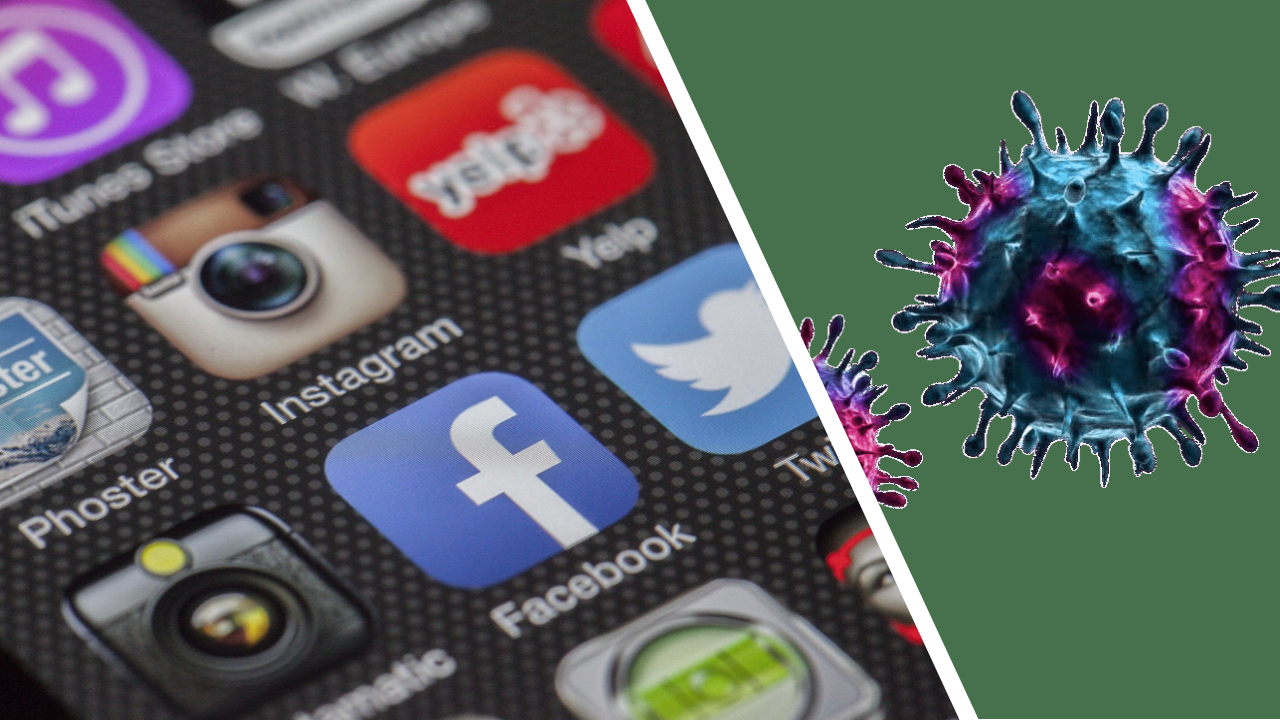
For hundreds (if not thousands) of years, disease outbreaks have been accompanied by exaggerated or downright false claims of origin, spread, and treatment. Some of these claims are misinformation—incorrect information spread without an intent to mislead. For example, shortly after COVID-19 was declared a pandemic, claims that garlic could cure COVID-19 spread across social media. The majority of posters did not appear to have malicious intent in sharing this content, making these claims misinformation. On the other hand, disinformation is deliberately misleading or biased information. Far-right Telegram users planned to weaponize disinformation when they urged followers to spread inaccurate information about COVID-19 safety precautions via flyers in certain neighborhoods. While misinformation and disinformation are both dangerous, disinformation is more insidious. Throughout history, both mis- and dis-information have spread prolifically during pandemics. Stevie Kiesel, a Biodefense PhD student, provides a brief history of conspiracy theories during pandemics, discusses some popular COVID-19 conspiracies, and examines a potential convergence of various communities spreading similar conspiracy theories. Read Kiesel’s article here.

Schar School Master’s and Certificate Virtual Open House: February 11, 2021

You’re invited to attend a virtual open house to learn more about the Schar School of Policy and Government and its academic programs. The online session will provide an overview of the master’s degree programs and graduate certificate programs, student services, and admissions requirements. The virtual event will be 11 February at 6:30 PM EST. Register here.

Event – Chemical Weapons Arms Control at a Crossroads: Russia, Syria, and the Future of the Chemical Weapons Convention
The Biodefense Graduate Program is hosting a live webinar on 23 March about Russia, Syria, and the future of the Chemical Weapons Convention (CWC). The repeated use of chemical weapons by Syria and Russia threatens to undermine international efforts to eliminate these weapons. How will states parties to the Chemical Weapons Convention, which bans the development and use of chemical weapons, respond to these violations of the treaty at their annual meeting in April? The panelists will discuss the challenges posed by the current Russian and Syrian chemical weapons programs, the status of international efforts to strengthen accountability for use of chemical weapons, and the implications for global chemical weapons arms control.

Dr. John R Walker is a Senior Associate Fellow at the European Leadership Network and a Senior Associate Fellow at the Royal United Services Institute. Una Jakob is a research associate at the Peace Research Institute Frankfurt (PRIF) in Germany who specializes in arms control, disarmament, and non-proliferation. Hanna Notte is a Senior Non-Resident Scholar with the James Martin Center for Nonproliferation Studies (CNS), focusing on arms control and security issues involving Russia and the Middle East. This event is moderated by Gregory D Koblentz, Director of the Biodefense Graduate Program. Register here.

China & Biotechnology

The National Counterintelligence and Security Center released a fact sheet outlining the risks to privacy and US economic and national security posed by China’s collection of genomic and healthcare data from the US. These data have been collected via legal and illegal means by a country that uses the mass collection of DNA domestically to help it “carry out human rights abuses against domestic minority groups and support state surveillance.” China has already obtained personal identifying information and personal health information on much of the US population. Chinese companies are compelled to share their collected data with the Chinese government, and there is no mechanism for these companies to refuse their government’s requests for data. These personal data provide China with opportunities to “precisely target individuals in foreign governments, private industries, or other sectors for potential surveillance, manipulation, or extortion.” From an economic standpoint, China’s “acquisition of US healthcare data is helping to fuel China’s Artificial Intelligence and precision medicine industries, while the PRC severely restricts US and other foreign access to such data from China, putting America’s roughly $100 billion biotech industry at a disadvantage.” This disadvantage could translate to Chinese biotechnology firms outpacing those of the US, potentially leaving the US more dependent on “Chinese innovation and drug development for its cures, leading to a transfer of wealth, co-opting of new businesses and greater job opportunities in China.” BGI Group, the world’s largest biotech firm based in China, is under suspicion of trying to collect DNA from Americans through its recent offer to assist in COVID-19 testing in the state of Washington. Supervisory Special Agent Edward You, a biochemist turned FBI investigator, highlights the Made in China 2025 national strategy in which the nation expresses its plans to be the “dominant leader in this biological age.”

A US Law Required the White House to Respond to Navalny’s Poisoning. Why Didn’t It?

Six days after the German Chancellor publicly pointed a finger at Russia for attempting to kill Aleksei Navalny with a powerful Soviet-era nerve agent, the top Democrat and top Republican of the House Foreign Affairs Committee sent a request to Trump, the US president at the time. The letter triggered a required 60-day evaluation period to assess if chemical weapons had been used by Russia against Mr. Navalny, which then spurs a sanctions process. This evaluation is part of the 1991 law informally known as the Chemical and Biological Weapons (CBW) Act. The 60-day window expired on 8 November 2020 with silence from the US government. Another letter was sent about the evaluation a month later. Speculation as to why the Trump White House stayed mum on the topic ranges from negligence to “interagency bureaucratic wrangling” to the administration’s desire to not upset the Kremlin. Two days after President Biden took office, leaders of the House Foreign Affairs Committee invoked the evaluation for a third time and accused the Trump administration of violating the law. Dr. Gregory Koblentz, Director of Biodefense Graduate Program, commented on the matter, “The failure of President Trump to impose additional sanctions on Russia for the Navalny poisoning is consistent with the past pattern of the Trump administration refusing to confront Russia on key issues ranging from chemical-weapons use to election interference to cyberattacks.” Biden, however, intends to prioritize arms control and the Navalny Novichok attacks in its policy toward Russia.

COVID Performance Index

The Lowy Institute created a COVID Performance Index that explores how almost 100 countries with publicly available and comparable data on the virus have managed the pandemic to date, following their hundredth confirmed case of COVID-19. The Index sorts countries into broad categories by region, political system, population size, and economic development. Performance was measured using 14-day rolling averages of new daily figures calculated for several indicators: confirmed cases, confirmed deaths, confirmed cases per million people, confirmed deaths per million people, confirmed cases as a proportion of tests, tests per thousand people. Despite being near the initial outbreak site, countries in the Asia–Pacific, on average, proved the most successful at containing the pandemic. On the other hand, the rapid spread of the novel coronavirus overwhelmed Europe and then the US. Europe, however, made the greatest improvement over time. The Index also found that “despite initial differences, the performance of all regime types in managing the coronavirus converged over time.” In terms of population size, countries with fewer than 10 million people consistently outperformed their larger counterparts throughout 2020. Unsurprisingly, countries with higher per capita incomes were better equipped to fight the COVID-19 pandemic and performed better, on average, than developing countries.

Global Vaccine Timeline Stretches to 2023

The Economic Intelligence Unit released a report revealing that the “road to national inoculation protection against COVID-19 might still be a long one” depending on where you live. Indeed, it may take years for many places to vaccinate a majority of the adult population. The major economies in Latin America are on track to achieve widespread coverage by mid-2022, but the timeline for much of Asia will likely be much longer. Many Asian nations are not expected to reach 60-70% of their adult population until 2023. Japan will start its vaccination campaign in late February and should reach majority immunization by mid-2022, along with South Korea and Vietnam. The US along with most of Europe should reach a majority by the end of 2021.

Strong International Relationships Enabled DTRA to Provide COVID-19 Support to Partners Abroad

The Defense Threat Reduction Agency’s (DTRA) Cooperative Threat Reduction (CTR) Program has tapped into existing partnerships and engagements to “enable partner nations to leverage CTR-provided equipment and training to combat this pandemic wreaking havoc in their countries, including assistance with identifying the first SARS-CoV-2 case outside of China.” CTR works with international and interagency partners to mitigate weapons of mass destruction-related threats to US forces, the US Homeland, US allies, and US interests. Global health security and the mitigation of biological threats are key components of national security. The COVID-19 pandemic reveals the “value in ensuring that our foreign partners are adequately trained and equipped to secure biological threats at their source.” CTR’s Biological Threat Reduction Program (BTRP) has provided training and equipment to over 130 institutions in more than 30 countries to help improve their ability to detect, diagnose, and report biological incidents and outbreaks with pandemic potential. Scientists in Thailand used diagnostic equipment and training provided by to determine the first COVID-19 case outside of China. Georgian scientists trained by CTR at the Richard Lugar Public Health Research Center (constructed by CTR) developed a COVID-19 molecular diagnostic testing capability that enabled Georgia to limit the mortality of the virus to five deaths.

How Epidemiology has Shaped the COVID-19 Pandemic

Nature’s third progress report highlights key findings from epidemiology a year into the COVID-19 pandemic. Epidemiology is the study of how diseases spread and why. Lockdowns were instituted to quell the virus early by keeping people separated. Mask-wearing also reduces the risk of transmission and infection, a practice that is now largely expected in society as we continue to battle the novel coronavirus and its variants. Though the efficacy of mask-wearing had not yet been tested with controlled trials and direct data prior to the pandemic, by summer 2020, several studies had found that “masks contribute to slowing the spread of coronavirus.” In early 2021, we are facing the emergence of new variants of SARS-CoV-2, creating a new questions and challenges for epidemiologists. The pandemic is also reshaping epidemiology, expanding it. Now, epidemiology is increasingly involving physicists, mathematicians, computer and network science experts. The US will establish an interagency National Center for Epidemic Forecasting and Outbreak Analytics. COVID-19 has forced epidemiologists and their models in the policy and media spotlight, so these experts have had to learn how to communicate their analyses and predictions to the whole population. This is especially challenging given the limitations of statistical models and probabilistic estimation, which come with a level of inherent uncertainty but are important tools.

Inequalities in COVID-19 Vaccinations

Black Americans are being administered COVID-19 vaccinations at a significantly lower rate than white Americans, and the gap is not closing as states expand eligibility. In the 23 states with available vaccination data, white residents are being vaccinated at rates double (or higher) than that of Black residents. In Pennsylvania, the black vaccination rate is 0.6% and the white vaccination rate is 2.6%, meaning that white residents are vaccinating at a rate 4.2 times higher. There are similar figures for New Jersey and Mississippi. Several more states are vaccinating white residents at rates double to triple that of black residents. Additionally, on average, the white population is being vaccinated at a rate 2.6 times higher than the Hispanic population. One of Biden’s first executive orders prioritized COVID-19 data collection, and the CDC plans to add race and ethnicity data to its dashboard; however, it is uncertain when these updates will happen.

This is How America Gets Its Vaccines

The Biden administration has pledged to administer 100 million doses in his first 100 days in office. To achieve this, the administration will face an uphill battle with the current system that gets vaccines from manufacturer to patient. Tiberius, the vaccine allocation planning system of HHS, and VTrckS, the vaccine ordering portal of the CDC, are the two central systems that sit between vaccine factories and medical clinics. Put simply. Tiberius turns data into usable information and VTrckS is how states order and distribute shots. At step one, manufacturers, like Pfizer or Moderna, produce a vaccine. In COVID-19, the two aforementioned manufactures developed messenger RNA vaccines, a nascent technology that requires very cold temperatures. This type of vaccine had never been produced at scale before, and manufacturers overestimated how quickly doses could be made and distributed, causing the first major hiccup in the rollout. In step two, the US government sets vaccine allocations based on production estimates and inventory numbers. Tiberius takes that allocation number and divvies up vaccines based on Census data; VTrckS operates as the online store that health departments visit to order vaccines. States distribute the vaccine locally in step three after learning how many doses they were allotted through Tiberius. In step four, manufacturers ship out the vaccine; for the COVID vaccines, that means shipping millions of vaccines to 64 jurisdictions in -70 degrees Celsius conditions. Finally, in step five, local clinics administer the vaccine to the population. According to experts, one of the biggest challenges with the campaign under Trump was the decision to leave administration to the states, straining local governments that are understaffed, possess limited technical capabilities, and work with outdated systems. Several experts have emphasized that the federal government must take greater initiative to supply states with better technology options.

Millions Earmarked for Public Health Emergencies Were Used to Pay for Unrelated Projects, Inspector General Says

An investigation into a whistleblower complaint found that federal officials “repeatedly raided a fund earmarked for biomedical research in the years leading up to the covid-19 pandemic, spending millions of dollars on unrelated salaries, administrative expenses and even the cost of removing office furniture.” This investigation was conducted by the inspector general of the Department of Health and Human Services (HHS) and was overseen by the Office of Special Counsel. The search focused on hundreds of millions of dollars in funding earmarked for the development of vaccines, drugs and therapies by the Biomedical Advanced Research and Development Authority (BARDA). The inspector general verified some of the claims made by the whistleblower, discovering that staff referred to the agency as the “bank of BARDA” and admitted that R&D dollars were “regularly tapped for unrelated projects.” Special Counsel Henry Kerner wrote to Biden, “I am deeply concerned about [the] apparent misuse of millions of dollars in funding meant for public health emergencies like the one our country is currently facing with the COVID-19 pandemic.” Kerner also stated that it is “equally concerning how widespread and well-known this practice appeared to be for nearly a decade.”
Conspiracies, Contagion, and Convergence: Troubling Trends and COVID-19

By Stevie Kiesel, Biodefense PhD Student

For hundreds (if not thousands) of years, disease outbreaks have been accompanied by exaggerated or downright false claims of origin, spread, and treatment. Some of these claims are misinformation—incorrect information spread without an intent to mislead. For example, shortly after COVID-19 was declared a pandemic, claims that garlic could cure COVID-19 spread across social media. The majority of posters did not appear to have malicious intent in sharing this content, making these claims misinformation. On the other hand, disinformation is deliberately misleading or biased information. Far-right Telegram users planned to weaponize disinformation when they urged followers to spread inaccurate information about COVID-19 safety precautions via flyers in certain neighborhoods. While misinformation and disinformation are both dangerous, disinformation is more insidious. Throughout history, both mis- and dis-information have spread prolifically during pandemics. This article provides a brief history of conspiracy theories during pandemics, discusses some popular COVID-19 conspiracies, and examines a potential convergence of various communities spreading similar conspiracy theories.

Fear of disease occupies a special place in the human psyche—an invisible threat that can cause physical deterioration and possibly death. Though science has come a long way in understanding pathogens and the human body, even today “much remains unknown in medicine, creating fertile ground for fear.” While this is certainly true of the novel coronavirus SARS-CoV-2, conspiracy theories have accompanied disease outbreaks for millennia. Susceptibility to conspiracism is present in every country and can gain traction at any time, though it is more common around unprecedented events. Disease outbreaks are certainly one example, but the attacks of September 11th and the 2010 Deepwater Horizon industrial accident show that conspiracies often accompany newsworthy events.

The influenza pandemic of 1918 saw its fair share of myths, often aimed at rival countries. For example, the United States and United Kingdom initially linked the outbreak to intentionally adulterated aspirin from Bayer, a German company. These accusations reflected a post-World War I mistrust of Germany. Similarly, a rumor circulated throughout Brazil that the 1918 influenza virus was intentionally spread around the world by German submarines in an act of biological warfare. Though Americans often call this pandemic the Spanish flu, many countries had other regional names for it based on their particular prejudices. Conspiracy theories commonly lay blame on specific groups in an attempt to turn public opinion, even going so far as to claim that an outbreak is the result of biological warfare. For instance, a pernicious rumor in 14th century France claimed that a Muslim prince enlisted help from France’s Jewish population to bribe lepers to contaminate public water sources and kill Christians. A few hundred years later, conspiracy theories around yellow fever eventually led to the genre American Gothic. The father of American Gothic, Charles Brockden Brown, caught the disease himself, and though he recovered, others in his life did not survive it. His writings often used disease as a “conventional vehicle of terror.” His style was also deeply paranoid, including “hidden voices, secret societies…[and] fears of the Illuminati.” These themes, as well as a fearful fascination with the Illuminati, reverberated in American popular culture and religious life as yellow fever continued to spread.

Conspiracies accompany nearly every significant outbreak of disease. Some believed that the SARS outbreak of 2002 was caused by a virus created in a Chinese weapons lab (sound familiar?). During the H1N1 (swine flu) outbreak of 2009, rumors circulated that the World Health Organization and pharmaceutical companies conspired to manufacture the outbreak so that they could profit from vaccine distribution (a theme that appears with many outbreaks). And the current outbreak of novel coronavirus is a case study in how the internet and political tensions can exacerbate conspiracism in the United States.

Because SARS-CoV-2 is a novel virus, misinformation and disinformation have provided many people with answers where science could not yet do so. The World Health Organization labeled this phenomenon an “infodemic,” where technology and social media are used on a massive scale. While technology provides new mechanisms for keeping people safe and informed, it can also result in an overabundance of information, as well as the proliferation of incorrect and potentially harmful narratives. The pandemic has spawned countless conspiracy theories, but the most widespread can be generally grouped into four buckets:

  • Virus origins and spread. There is a great deal of theories about how the virus came into existence and how it is spread. Members of the Trump administration, as well as the former POTUS himself, have claimed that the Wuhan Institute of Virology is responsible for bioengineering SARS-CoV-2. Some adherents of this theory claim the virus was then intentionally released, while others say it escaped the lab accidentally. Another popular theory is that 5G networks are acting as super-spreaders for the virus. This theory has been linked to several acts of vandalism against 5G towers and an increased propensity for violence.
  • Preventative measures. Claims that preventative measures like mask wearing and social distancing are ineffective got a lot of traction on social media and were amplified by the Trump administration’s words and actions. This is not a uniquely American phenomenon: for example, Moldova’s former President was routinely photographed violating social distancing and mask mandates in his country. And in the US as well as Germany, the United Kingdom, and other countries, these preventative measures were met with angry protests by those who believe the lockdowns were a pretense for increased government control. And unfortunately, recent studies have proven that belief in COVID-19 conspiracy theories reduces willingness to engage in these preventative measures and protect communities.
  • Vaccines. No other preventative measure has spurred quite as many conspiracy theories as the COVID-19 vaccine. The theories range from mundane (the vaccine actually gives you COVID-19) to bizarre (the vaccine will alter your DNA) to absolutely wild (the vaccine contains a microchip that will allow Bill Gates to track your every movement and implement a New World Order). Others are simply concerned about the safety and effectiveness of the vaccine because they perceive the approval process as rushed and/or they mistrust the government and pharmaceutical companies. As of December 2020, only 60% of Americans surveyed said they intended to get the vaccine, while 20% said they were fairly certain they would under no circumstances get the vaccine.
  • Treatments. At the start of the pandemic, home remedies for COVID-19 were extremely popular on social media. Other bad information about COVID-19 cures came and went throughout 2020. Some of the most popular “cures” include garlic, saline nasal wash, exposure to high temperatures or sunlight, antibiotics, and hydroxychloroquine. None of these are effective against COVID-19.

Bad actors often encourage and amplify the spread of these narratives, twisting them for their own purposes. Extremists have latched onto many of these conspiracy theories and used them to recruit and radicalize followers. Social distancing, lockdowns, and online school and work have moved many people indoors, online, and looking for answers. When scientists, doctors, and public officials cannot provide the answers people are looking for, they become incredibly susceptible to messengers that claim to have a simple answer.

Conspiracism ebbs and flows, and though it is not a uniquely American phenomenon, we are currently living through a peak in what Richard Hofstadter has called the “paranoid style in American politics.” Understanding all the factors that have led to this crescendo is beyond the scope of this article, but political turmoil, increasing inequality, and a global pandemic play a significant role, exacerbated by the rapid spread of information and a waning trust in institutions. While much of the focus is on the political right, particularly given the recent siege of the Capitol, there is evidence of a convergence of conspiratorial thinking among those on both ends of the political spectrum, as well as those with few political beliefs who find answers in these ways of thinking. COVID-19 misinformation has been rampant on the right as well as within wellness and spirituality communities that are traditionally uninterested in politics or lean left. Liberal and leftist activists have also spread similar misinformation rooted in suspicion of pharmaceutical companies, the “medical industrial complex,” and the government.

The QAnon conspiracy is another recent example of this convergence. Declared a domestic terrorism threat by the FBI in 2019, adherents of the theory have been linked to at least a dozen alleged crimes. This statistic does not take into account any crimes committed during the Capitol siege, but QAnon adherents had a sizeable presence there. While many Q followers approve of Donald Trump because they believe that he has been trying to dismantle the deep state cabal of pedophiles and Satanists that run the US government, QAnon has appealed to people across the political spectrum. Though at its core, the QAnon conspiracy is based on an old antisemitic trope of the Blood Libel, the core belief has been laundered through movements such as #SaveOurChildren (claiming to be fighting child sex trafficking) and by social media influencers that put a gentle exterior on an extreme ideology. Much like multi-level marketing schemes, this rebranding targets potential marks by constructing a façade to hide the ugly reality and consequences. The subreddit QAnonCasualties is full of stories from former Q adherents as well as their friends and family. These stories show how conspiracism can consume someone’s life, leading them down a path to extremism that often ends in ostracism and sometimes even violence against their loved ones. The subreddit also shows the many different communities that can lead to Q, from churches to the wellness community to other conspiracy communities to right-wing politics and in countries outside the US.

Conspiracy theories and extremism will remain a potent threat for years to come, and currently disparate communities may converge in ways predictable or surprising. Conspiratorial thinking is often black and white, an “us versus them” mentality that can erode a person’s aversion to violence. Terrorist groups can (and have) taken advantage of this shift in mindset and used conspiracy theories as an opening to eventually introduce more extreme ideas. The Capitol siege and subsequent crackdown on inflammatory rhetoric on the major social media platforms may be pushing people toward sources such as Gab, Telegram, and Bitchute where extreme ideas flourish. The Biden administration has suggested several actions to combat the threat of domestic extremism, including a threat assessment and capacity-building to disrupt extremist networks. These are positive steps that must include experts outside of government and from a variety of disciplines, including those experienced in successful cult deprogramming and deradicalization. While promoters of and participants in extremist violence should be held fully accountable under the law for their actions, we should not lose sight of the structural and systematic failures that have made these conspiracy theories so appealing today.

Pandora Report: 1.29.2021

Former members of Trump’s COVID-19 team are defending their failures to the public in various interviews. The Bipartisan Commission on Biodefense has outlined a path forward to tackling biological threats. Biodefense faculty, students, and alumni have been busy sharing their knowledge and expertise in COVID-19, biosecurity, and nuclear security! Be sure to read Maddie Roty’s takeaways from a One Health event held as part of the GHSA Ministerial Meeting.

Incorporating One Health into Global Security: Educating the Public and Governments

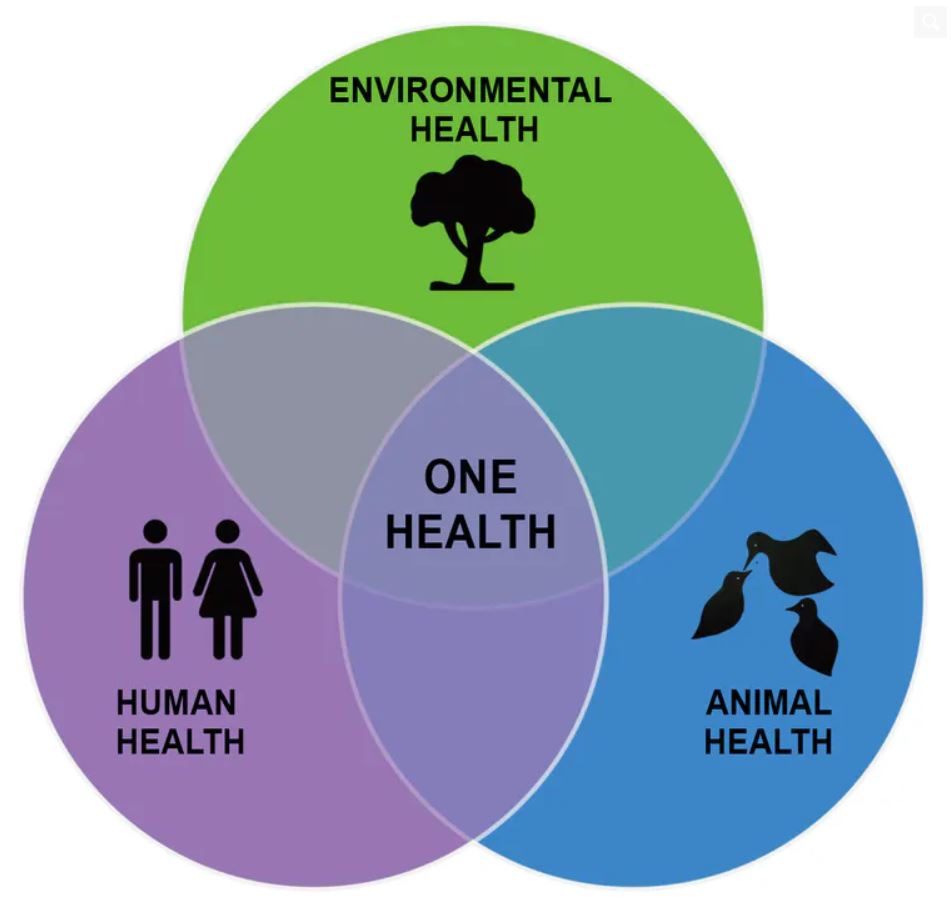
Maddie Roty, a Biodefense MS student, attended an event held as part of the 2020 Global Health Security Agenda Annual Ministerial Meeting. This discussion, “Incorporating One Health into Global Security: Educating the Public and Governments,” addressed how to educate students about One Health and how to implement One Health initiatives in US government agencies. One Health is an important topic that promotes a multisectoral approach needed to address global health security issues from climate change to zoonotic spillover events, and to improve human and planetary conditions. The main lessons were that One Health is extremely interdisciplinary and requires increased commitment and funding from educators, government agencies and leaders, and the public to protect the human and planetary conditions. Read Roty’s takeaways here.

She Is Hospitals’ First Line of COVID Defense

Dr. Saskia Popescu, an assistant professor in the Biodefense Graduate Program as well as an alumna, is a go-to consultant for hospitals and the World Health Organization, helping to control infections and prepare for new outbreaks. Popescu also helps educate policymakers and the public using her expertise on the novel coronavirus and the approaches to containing it. She also serves as an infection prevention consultant for larger businesses and the City of Phoenix, Arizona, in their efforts to incorporate COVID-19 safety into the workplace. Popescu has “built COVID-19 response and preparedness programs for hospitals from scratch, and is constantly looking at case counts and analyzing data locally and internationally to ensure she’s providing the most informed recommendations possible.” She explained, “It’s extremely hard to build a robust response and preparedness program and be able to keep it agile, respond to changes in the science and data, and do it in a way that is pragmatic.” Popescu said.

CEPI Search for Scientific Advisory Committee Experts

Set up in response to the West African Ebola epidemic, CEPI launched in 2017 as a public-private partnership with the mission to stimulate and accelerate the development of vaccines against emerging infectious diseases and enable access to these vaccines for people during outbreaks. Operating as both a funder and facilitator within the vaccine R&D ecosystem, CEPI’s initial focus (2017-2021), set up prior to the COVID-19 pandemic, was to advance vaccine R&D programs against its priority diseases: Lassa fever, Middle East Respiratory Syndrome (MERS), Nipah, Ebola, Rift Valley Fever, and Chikungunya. CEPI also invested in platform technologies that can be used for rapid vaccine development against unknown pathogens (Disease X) and has supported enabling sciences activities, including within epidemiology and biological standardization efforts, to guide and ultimately accelerate our vaccine R&D efforts. In response to the COVID-19 pandemic, CEPI moved quickly and in collaboration with its partners to build the largest COVID-19 vaccine portfolio to date. The CEPI Scientific Advisory Committee is a pivotal group providing the coalition with key experiences, knowledge and understanding to help guide decisions relating to our work. It has so far played an integral part in getting the coalition started, and in its work responding to recent events including Ebola and COVID-19. CEPI is now on the lookout for innovative individuals and ideas to continue CEPI’s groundbreaking efforts, both in CEPI’s near-term response to the pandemic and as the organization implements its new strategy to accelerate the speed at which it can respond to future infectious disease threats. Interested individuals can apply here.

The Apollo Program for Biodefense – Winning the Race Against Biological Threats

The COVID-19 pandemic, which is on track to take the lives of more than 400,000 Americans and cost our economy trillions of dollars, is a stark wake-up call for the United States to take biological threats seriously. The Bipartisan Commission on Biodefense released a report, The Apollo Program for Biodefense – Winning the Race Against Biological Threats, that outlines a path forward to tackling biological threats. According to the Commission, “the existential threat that the United States faces today from pandemics is one of the most pressing challenges of our time; and ending pandemics is more achievable today than landing on the moon was in 1961.” The Apollo Program for Biodefense encompasses four main goals: (1) implement the National Blueprint for Biodefense; (2) produce a National Biodefense Science and Technology Strategy; (3) produce a cross-cutting budget; and (4) appropriate multi-year funding. The report includes input from a variety of scientists, technologists, and policy experts. Interviewed experts include Dr. Gregory Koblentz, Director of the Biodefense Graduate Program; Dr. Andrew Kilianski, an adjunct professor in the GMU Biodefense Graduate Program; and Dr. Saskia Popescu, an assistant professor in the Biodefense Graduate Program. Read the full report here.

Learn WMD

Learn WMD is a site dedicated to better understanding weapons of mass destruction (WMDs) issues to help benefit scholars, students, and policymakers in the field. It is a one-stop-shop for WMD education. The site offers resources for instructors and learners. The Learn WMD Spreadsheet provides resources on WMD information, policy information, career development, and career and educational opportunities. Visit Learn WMD here.

First Issue of Relaunched BWC Newsletter

The BWC Newsletter just relaunched and will be released on a regular basis in 2021! The BWC Newsletter reports on events, updates, and activities related to the Biological Weapons Convention (BWC). Its first issue looks back on the BWC activities in 2020, a year defined by the COVID-19 pandemic. In 2020, several informal webinars were held to keep BWC discussion going and the recordings and presentations from these events are available online. These webinars cover strengthening national implementation; cooperation; and assistance, response, and preparedness. The BWC website is migrating to the United Nations Office for Disarmament Affairs (UNODA) Headquarters website. The Convention’s 45th anniversary was 26 March 2020, and biological weapons have not been used in war since they were banned in 1975. Read the newsletter here.  

Nuclear Security in Review, 2020

Rebecca Earnhardt, graduate of the Biodefense MS program and research associate at the Stimson Center, and Nickolas Roth, Senior Fellow and Director at the Stimson Center, take a look back at the events of 2020 that influenced nuclear security. The International Conference on Nuclear Security convened experts, policymakers, and government officials to discuss nuclear security progress and future directions. The Advancing Insider Threat Mitigation (INFCIRC/908) International Working Group (IWG) was launched at the conference, and was formed to “raise awareness of the significant and unique threats posed by insiders while sharing best practice guidance on how to best mitigate insider threats.” The COVID-19 pandemic forced nuclear facilities to significantly adjust their operations, which entailed remote work, postponements, and quarantines. The 64th International Atomic Energy Agency (IAEA) General Conference focused on national regulation and compliance with the Amendment to the Convention on the Physical Protection of Nuclear Material (CPPNM/A). The November 2020 US elections are expected to impact international nuclear security with hope that the Biden administration will renew US nuclear security leadership. The authors assert that 2021 “presents many opportunities for generating momentum in nuclear security cooperation while taking stock of lessons learned through the COVID-19 pandemic.”

Event – Chemical Weapons Arms Control at a Crossroads: Russia, Syria, and the Future of the Chemical Weapons Convention

The Biodefense Graduate Program is hosting a live webinar on 23 March about Russia, Syria, and the future of the Chemical Weapons Convention (CWC). The repeated use of chemical weapons by Syria and Russia threatens to undermine international efforts to eliminate these weapons. How will states parties to the Chemical Weapons Convention, which bans the development and use of chemical weapons, respond to these violations of the treaty at their annual meeting in April? The panelists will discuss the challenges posed by the current Russian and Syrian chemical weapons programs, the status of international efforts to strengthen accountability for use of chemical weapons, and the implications for global chemical weapons arms control.

Dr. John R Walker is a Senior Associate Fellow at the European Leadership Network and a Senior Associate Fellow at the Royal United Services Institute. Una Jakob is a research associate at the Peace Research Institute Frankfurt (PRIF) in Germany who specializes in arms control, disarmament, and non-proliferation. Hanna Notte is a Senior Non-Resident Scholar with the James Martin Center for Nonproliferation Studies (CNS), focusing on arms control and security issues involving Russia and the Middle East. This event is moderated by Gregory D Koblentz, Director of the Biodefense Graduate Program. Register here.

Catalysts of the COVID-19 Chaos

The big question that we all keep asking remains: How did COVID-19 take over the world for nearly a year and counting? On 1 December 2019, a man in his 70s fell ill with what became the first known case of COVID-19. By the end of December 2019, several people suffering from high fever and assumed pneumonia had been admitted to hospitals in Wuhan, China. On New Years Eve, the director general of China’s Center for Disease Control was receiving offers of help from around the world. That same day, the Wuhan Health Commission issued a press release stating that 27 cases of viral pneumonia had been identified; however, the release also stated that there was no clear evidence of human-to-human transmission. Days later on 3 January 2020, laboratories across China were scrambling to map the complete genetic sequence of the virus. Two days later, renowned virologist Zhang Yongzhen obtained a complete sequence. It was not until several days later that it was announced the new virus was a coronavirus and the sequence was released. Additionally, China did not confirm the existence of human-to-human transmission until 20 January 2020.  Wang Linfa, a bat virologist at Duke-Nus Medical School in Singapore, said, “January 20th is the dividing line, before that the Chinese could have done much better.”

A BBC documentary reveals additional evidence of delayed action from China in the early days of the outbreak. A doctor from a Wuhan hospital said he and his colleagues suspected that the virus was highly transmissible in early January 2020, but they were prevented from warning anyone. Further, a Professor at Georgetown University said that China’s failure to report the existence of the virus was a violation of international health regulations. These delays and failures denied the rest of the world that time to prepare, strategize, and warn their own populations of the coming novel coronavirus.

Now, a WHO team of experts, the Independent Panel for Pandemic Preparedness and Response, are in Wuhan to investigate the origins of SARS-CoV-2. This week, the members completed the required 14-day isolation upon arrival in China. Specifically, the Independent Panel is tasked with “charting what went wrong, what lessons can be learnt from that, and what could be done better in future.” The objective of this investigation is not to specify a guilty country in the pandemic. Their latest report emphasizes an unequivocal message: course correction in pandemic response is needed immediately. The Independent Panel strongly recommends that all countries immediately and consistently adopt the public health measures which will reduce the spread and the impact of COVID-19: mask-wearing, social distancing, and contact tracing and isolation.

Exit Interviews

Former members of Trump’s COVID-19 team are now attempting to explain the failures in the pandemic response. Moncef Slaoui, an immunologist who was the science head of Operation Warp Speed (OWS), recently resigned from his post, but has agreed to help the Biden transition team into February. In an interview with Science, Slaoui stated that he reluctantly accepted the position with OWS, because he thought he could “help solve one of the world’s most urgent problems.” He asserts that most of the problems with administering OWS vaccine doses “stem from overwhelmed local public health systems, issues outside of Warp Speed’s purview.” This statement does not account for a false claim made by the Trump administration that a stockpile of millions of COVID-19 vaccine doses would be made available for immediate distribution. Dr. Deborah Birx, Trump’s COVID-19 response coordinator, claims that some members of the Trump White House believe that Covid-19 is a hoax. Birx, who promotes data-driven responses to disease outbreaks, “suggested such efforts were undermined by people working in the Trump White House.” Birx also claims that Trump presented graphs that she did not create. Dr. Robert Redfield, former director of the Centers for Disease Control and Prevention (CDC), stated that his greatest disappointment was the “lack of consistency of public health messaging and the inconsistency of civic leaders to reinforce the public health message.” Redfield also proclaims that he “stood up for the agency at every turn,” despite the current tattered state of the CDC’s reputation. Instead, he points a critical finger at federal and state level civic leaders for not echoing the public health measures and mitigation measures recommended by the CDC.

Pandemic Shows Need for Biological Readiness

The Arms Control Association released a new article, “Pandemic Shows Need for Biological Readiness,” written by Andy Weber, a senior fellow at the Council on Strategic Risks and a member of the Arms Control Association Board of Directors. Weber points out that too many Americans have suffered and perished as a result of Trump’s pandemic response failures. He poses the question, what if, instead, the pandemic was caused by the deliberate release of a sophisticated biological weapon? A bioengineered pathogen could be several times more lethal than SARS-CoV-2, which has about a 2% mortality rate. Not only is technology advancing at an unprecedented rate, but the “taboo against developing and using banned biological weapons is eroding.” Recently, Syria, Russia, and North Korea have used banned chemical weapons in attacks in Syria, the United Kingdom, and Malaysia. Last summer, a Novichok nerve agent was deployed against Russian dissident Alexei Navalny in Siberia. Weber encourages the Biden administration to “make crystal clear that preventing biological threats is a core mission of US defense and national security agencies, in addition to the traditional health agencies.” There are three existential risks to the survival of humanity – biological, climatological, and nuclear – and Biden should use all of the powers of the presidency to lead a muscular approach to reducing these dangers.

Genetic Engineering Attribution

Genetic engineering techniques are used to overcome hurdles in agriculture, manufacturing, and medicine; however, these technologies also carry the potential for dangerous misuse. Tracing the origins of a genetically engineered product, whether for due credit or accountability, is a very difficult task. A challenge critical to security is determining the instigator of a human-caused biological event – attribution. Recent scientific developments have enabled techniques that may be capable of “detecting whether an organism involved in such an event has been genetically modified and, if modified, to infer from its genetic sequence its likely lab of origin.” The authors of a new article in Nature Communications – including Dr. Gregory Koblentz, Director of the Biodefense Graduate Program – believe that these techniques could be turned into “powerful forensic tools to aid the attribution of outbreaks caused by genetically engineered pathogens, and thus protect against the potential misuse of synthetic biology.”

To help spur invention into the improved tools that are needed to progress genetic engineering attribution, altLabs sponsored the Genetic Engineering Attribution Challenge (GEAC) on the DrivenData competition platform, which offered monetary prizes for algorithms that could accurately predict the origin of genetically engineered DNA sequences. Over 300 teams participated and winning prizes were awarded to six of these teams. The best teams were able to accurately predict the source laboratory of an unfamiliar plasmid DNA sequence 95% of the time when given 10 guesses per sequence. These results of the competition reveal the potential for new machine learning approaches to improve existing tools for genetic engineering attribution.

Event – Flying in the COVID-19 Era

Join the National Academies for a two-day virtual workshop on air travel in the age of COVID-19 on February 4-5, 2021. During the workshop, experts will discuss the latest research on COVID-19 transmission, what airlines and airports are doing to keep people safe, and mitigation strategies for preventing the spread of the virus during travel. The workshop will include medical community leaders in COVID-19 research including Dr. Victor Dzau, President of the National Academy of Medicine, and Dr. Ashish Jha, Dean of the School of Public Health at Brown University. Their keynote addresses will provide the latest medical research updates on COVID-19. Also joining the event is Dr. Saskia Popescu, an assistant professor in the Biodefense Graduate Program. Workshop speakers from the aviation industry, including airline representatives, aviation support services, airport authorities, and aircraft manufacturers, will discuss their experiences and ongoing challenges. Register here.

Event – Emerging SARS-CoV-2 Variants: What You Need to Know

B.1.351 in South Africa. B.1.1.7 in the United Kingdom. These emerging coronavirus variants, some billed as more contagious forms of SARS-CoV-2, have dominated reports as they popped up across the globe within the last couple months. Genetic mutation is anticipated, especially for RNA viruses as they multiply, but at what point should clinicians and the scientific community become concerned? With a novel pathogen like SARS-CoV-2, there are still many unknowns. How did these variants emerge? Are they indeed more transmissible? Do they cause more serious disease? What does the scientific evidence support? What should the public response be? Will the developed vaccines provide coverage against these variants?

Join MJH Life Sciences for a COVID-19 Coalition webinar event, “Emerging SARS-CoV-2 Variants: What You Need to Know,” for an enlightened conversation with a panel of frontline experts, including a virologist, an epidemiologist, and an immunologist, hosted by Dr. Carlos del Rio. Register here.

Commentary – Incorporating One Health into Global Security: Educating the Public and Governments

By Maddie Roty, Biodefense MS Student

The Global Health Security Agenda Annual Ministerial Meeting, held 18-20 November 2020, focused on addressing gaps in global health security by promoting international and multidisciplinary engagement, coordination, and funding. Leading up to this event, there were side meetings addressing various topics related to global health. On 27 October, the United States Department of Agriculture (USDA) hosted the side meeting “Incorporating One Health into Global Security: Educating the Public and Governments.” One Health is an important topic that promotes a multisectoral approach needed to address global health security issues from climate change to zoonotic spillover events, and to improve the human and planetary conditions. Dr. Jennifer Rowland, an AAAS Science and Technology Policy Fellow at USDA, moderated two panels, one made up of One Health educators and the other of government officials with a role in One Health. The panels addressed how to educate students about One Health and how to implement One Health initiatives in US government agencies.

The One Health education panel included: Dr. Laura Kahn from Princeton University and the Founder of One Health Initiative; Dr. Deborah Thomson, Founder of OneHealthLessons.com; and Dr. Olga Pena, Mitacs Canadian Science Policy Fellow. Dr. Rowland asked each panelist a series of questions regarding the value of teaching students about One Health, how it helps support the goals of international organizations, and the challenges we face.

The most sobering point during this panel was made by Dr. Pena, who said “One Health disrupts human-centric views.” Too often, we are blinded to the interconnectedness of the human, plant, animal, and environmental conditions. What humans do affect the health of the rest of the planet, and what happens in Mother Nature affects the health of humans. Maintaining human-centric views will not only be harmful to the planetary condition but to humanity as well.

Sustainability is a challenge for One Health. Historically, the health sector has been reactive to threats, not proactive. Once a threat subsides, so does interest and funding. Dr. Thomson emphasized the best way to sustain efforts is to talk to the people who are most curious, most interested, and most willing to learn: children. If we want to change policies in the future, we need to reach the future politicians. For efforts to be sustainable, One Health education must also be tailored to the local community, traditions, and beliefs. Partnerships at the local level must be developed, and community leaders must be taught and empowered so they can continue teaching.

Unfortunately, providing education about One Health is challenging without the appropriate funding and resources. The panelists stated frustrations with finding funding for something as interdisciplinary as One Health, and even less funding for education because “education is not a product.” Building synergistic relationships that exchange funding for expertise, such as government agencies partnering with organizations and universities, is one way around this challenge, but it is not common enough to be a sufficient solution.

The One Health government panel included: Dr. Casey Barton Behravesh from CDC; Dr. Jane Rooney from USDA; and Mr. John Haynes from NASA. They answered a series of questions about how One Health is incorporated into the agencies, how agencies can work together, and how agencies can empower One Health work.

The most important takeaway from this panel was that One Health relies on partnerships. Despite the name, One Health is a team sport and no one person or one agency can accomplish its objectives. Like the education panel, this panel was concerned about funding and resources in the government for One Health, showing that interest and investment must come from the highest levels of government. In December 2017, there was an interagency workshop with subject matter experts and high-level agency voting members to come up with priority zoonotic diseases and generate recommendations on how to move One Health forward. Coronaviruses were on the list, and the workshop included suggestions for how to prepare for coronaviruses. Unfortunately, the resources were not there to follow through with the recommendations. Two years later, the COVID-19 pandemic has obviated the consequences of this lack of commitment and resources.

Of all the panel members in this meeting, Mr. Haynes impressed me the most, perhaps because he was the most surprising participant. Prior to the meeting, I had no understanding of how NASA would be involved in One Health, let alone serve as one of the leading agencies promoting the concept. Apparently, I was not alone; Mr. Haynes elaborated on how NASA attends public health and other medical conferences to raise awareness about what NASA is doing and how it should be incorporated into the health sector. NASA has an air and health quality applications program, and it has been very active during the COVID-19 pandemic. One program, for example, is modeling how the Saharan dust plume impacts public health, and specifically if the plume is associated with greater morbidity and mortality from COVID-19. There is no public health school in the United States that includes environmental remote sensing observations like those that this program offers in its curriculum. Mr. Haynes believes, and I am convinced, that this is a problem as most public health students and professionals have no idea these data are there and how valuable they can be for disease issues.

The main lessons from both panels were that One Health is extremely interdisciplinary and requires increased commitment and funding from educators, government agencies and leaders, and the public to protect the human and planetary conditions. The COVID-19 pandemic – occurring at the same time as compounding disasters like wildfires, hurricanes, and famines – show just how interconnected all of these issues are, and, hopefully, will stimulate increased and sustained dedication to One Health principles. 

Now more than ever, it is important to be actively engaged in global health security. If you would like to watch any of the side meetings or the Ministerial Meeting, click here.

Procuring PPE through Innovation, Evaluation, and Coordination: A Strategy for True Cooperative Procurement

By Dr. Nathan Myers, Advisor to the Continuity of Supply Initiative

As this is being written, vaccines to protect against COVID-19 are being distributed all over the United States and around the world. If the vaccine proves to be the decisive tool for ending the pandemic, it will be the result of innovation, scientific research, collaboration, and coordination in regard to creating, distributing, and dispensing the vaccine. We must never lose sight of the fact, however, that vaccines have become so vital because of critical failures in other areas of the medical and public health systems. The same elements that allowed for the rapid development of vaccines in this pandemic must be applied in other areas to make vaccines less critical for the next major public health emergency. One such area is procurement of personal protective equipment (PPE).

A Forbes.com article by Jessica Gold reports on Center for Disease Control and Prevention (CDC) statistics indicating that 287,010 healthcare workers have been infected with the novel coronavirus with 953 providers succumbing to the illness. The article attributes these deaths, in large part, to inadequate protection, including a shortage of adequate PPE. The article notes that some personnel lacked access to N-95 masks and were forced to create their own makeshift protection. A BMJ study by Liu and colleagues found that 420 healthcare providers who were reassigned to work with COVID-19 positive patients in Wuhan, China did not contract the disease after being provided with proper PPE and the training to use it correctly. The article cites studies indicating that masks, gloves, eye protection, and gowns, if available and used correctly, can provide adequate protection against the virus. The article advises that national leaders must facilitate the ability of healthcare workers to abide by safety guidelines to protect themselves through ensuring a durable supply of PPE.

That is why groups, like the Continuity of Supply Initiative, are working to develop improved models for true cooperative procurement that will leverage innovation in procurement practices, evaluation research, as well as collaboration and coordination among suppliers and providers to create a more efficient, effective, and resilient system for the continued procurement of PPE during a major emergency. Access to PPE has been a major challenge to the US response to COVID-19 since the beginning. When PPE was available, the pricing could prove prohibitive for some healthcare institutions. The Continuity of Supply Initiative (CoSI) is working to create a framework for a master agreement between suppliers and healthcare providers in which PPE would remain available at reasonable prices during normal circumstances and across a range of emergency situations. To be resilient and effective, the true cooperative procurement advocated by CoSI must result in sufficient market clout to incentivize and assure a continuous supply in all circumstances. That same sufficient market clout and the willingness on the part of the group or coalition to pay reasonably higher prices in non-routine circumstances motivate competitors to craft, commit to (in their proposals and contracts), and honor creative, nontraditional supply solutions. 

Organizations like the National Association of County and City Health Officials (NACCHO) recognized in a 2013 report the benefits of cooperative purchasing for public health organizations. They noted “piggy-backing” as being the most useful in an emergency, because organizations could join existing contracts and save time by not having to negotiate their own arrangements. Through the use of true cooperative procurement, CoSI seeks to remove the need for piggy-backing by creating efficient, effective, and resilient systems during normal times that can flex to meet the challenges of emergencies. A 2014 article by Rego, Claro, and de Sousa notes that improvement of purchasing strategies in the healthcare field usually involves increased centralization facilitated by information sharing using current communication technologies. Costs are reduced through order consolidation. In their view, this makes horizontal cooperation between healthcare institutions to reduce cost and pool supply chain knowledge a reasonable approach. Rego, Claro, and de Sousa go on to cite sources regarding the advantages of cooperative purchasing at the supply chain level, which include more favorable terms with suppliers, reduced purchasing efforts, development of purchasing expertise, better informed selection and standardization, and improved ability to respond to emergency situations. The one disadvantage noted at the supply chain level was coordination costs when the size of the cooperative increases.  

Healthcare institutions as well as state and local governments found themselves in fierce competition for limited resources when the pandemic hit. Healthcare institutions had been placing themselves in a precarious situation for years by relying on “just in time” purchasing and a thinly stretched, international supply chain to meet their needs. Rather than trying to address the situation to allow for more effective and equitable distribution, the federal government sought to outbid those entities to which they should have been offering aid. Some suppliers opted to provide PPE to the highest bidder rather than honoring contracts, leaving institutions at the mercy of unscrupulous profiteers who provided substandard material at hugely inflated prices. Hospital systems, public health organizations, and governments at all levels, as well as suppliers of PPE, must recognize that it is in the interest of everyone that a stable and resilient procurement system is in place to prevent the disruption seen during COVID-19 in the future.

During the pandemic, some state governors formed procurement coalitions to leverage the combined purchasing power of their states to obtain better pricing for equipment as well as better performance in the provision of goods. States also shared unneeded resources with states more heavily impacted by COVID-19. As chair of the National Governors Association, Governor Andrew Cuomo of New York is in a position to advance the idea of creating a national procurement coalition. Such proposals speak to the need to extensively review and revise the legal framework and resourcing of healthcare procurement agencies that hindered the COVID-19 response. It should be emphasized that CoSI is not proposing a “one-size-fits-all” approach to procurement, but rather a model for a master agreement that different regions, states, and localities can modify to meet their particular needs.

Nevertheless, a true cooperative procurement agreement will require considerable work on the part of the lead procurement agency in regard to procurement planning, proposal evaluation, and contract administration. While group purchasing will be used, each individual healthcare provider must be held responsible for upholding their part of the agreement. As previously noted, innovative scientific research, as well as collaboration and coordination, will be just as vital in regard to improving procurement as it has been in developing, distributing, and dispensing a vaccine.

For one, procurement agencies can employ surveillance techniques and use data collected by a variety of stakeholders to identify signals or trends indicating that a greater supply of PPE will be needed. Additionally, program evaluation techniques can be employed to evaluate supplier performance in a range of circumstances, as well as the degree to which the procurement system works after an emergency event. Healthcare institutions must collaborate to determine the metrics by which suppliers’ performance will be evaluated, as well as coordinate to effectively administer contracts and make sure that individual institutions are meeting their commitments.

One of the many important lessons from the COVID-19 pandemic is that the American healthcare system cannot afford to rely on procurement systems that function well during routine operations, but are not designed to facilitate adequate supplies at a reasonable cost during a public health emergency. That is why the Continuity of Supply Initiative is working to design and promote procurement master agreements that will facilitate true cooperative procurement in which suppliers and purchasers will honor the terms of the agreement in routine and emergency situations, while the market leverage created by institutions banding together will allow supplies to be purchased at the best price. In order for the system to be sustainable, (1) both suppliers and healthcare providers will need to maintain consistent vigilance for emergencies, (2) supplier performance needs to be evaluated using evidence-based techniques and consistent metrics, and (3) healthcare institutions must regularly coordinate on the administration of the contract.

It is important to honor the memories of the healthcare providers lost during the COVID-19 pandemic. Part of that will be reforming the healthcare system in the US to make sure that supplies of PPE will be adequate when the next emergency occurs.  The Continuity of Supply Initiative will continue to promote the concept of true cooperative procurement as an efficient, effective, and resilient way to achieve that goal.

Pandora Report: 1.22.2021

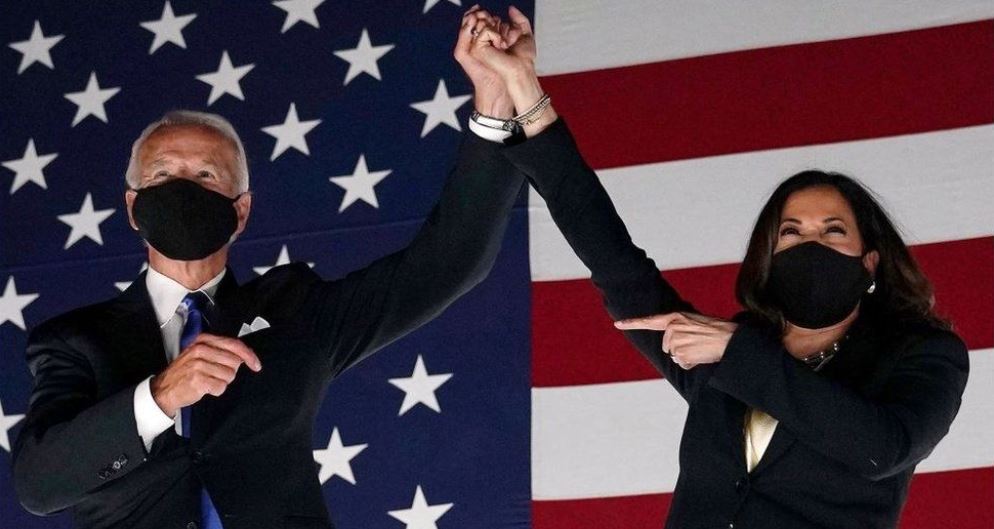
Felicitations to President Joe Biden and Vice President Kamala Harris! This week marked the inauguration of our 46th president, but also the one-year anniversary of the first SARS-CoV-2 diagnosis in the US. Biden has grand plans to kick off his tenure, not the least of which is an ambitious plan to vaccinate 100 million Americans in 100 days.

Procuring PPE through Innovation, Evaluation, and Coordination: A Strategy for True Cooperative Procurement

Dr. Nathan Myers, an associate professor of political science and public administration at Indiana State University and an advisor to Continuity of Supply Initiative (CoSI), discusses the need for a more efficient, effective, and resilient system for the continued procurement of personal protective equipment (PPE) during a major emergency. Myers proposes the creation of a framework for a master agreement between suppliers and healthcare providers in which PPE would remain available at reasonable prices during normal circumstances and across a range of emergency situations. Read Myers’ article here.

COVID-19 Update

As of 22 January 2021, one year after the first case of SARS-CoV-2 infection was detected in the US, our country has had 24.7 million total cases and 410,000 deaths. Globally, there have been 96.2 million total cases and 2.06 million deaths. The Food and Drug Administration (FDA) has granted emergency use authorization to two mRNA vaccines, and 17,546,374 doses have been administered as of 21 January.

The B1117 variant of SARS-CoV-2, shown to be highly transmissible, has now been detected in 12 states. This variant is believed to have emerged in September in the UK and is now the dominant strain circulating there. Several lines of evidence indicate that B117 transmits more efficiently than other variants of the novel coronavirus. New variants identified in the United Kingdom, South Africa and Brazil that appear to be more transmissible than previous strains are not proving to be more lethal. The modeled trajectory of B1117 in the US finds rapid growth in the early months of 2021, with the strain becoming the predominant variant in March. According to Dr. Anthony Fauci, though the COVID-19 vaccines may not be as effective against new, more contagious strains of the coronavirus, getting vaccinated remains critically important.   

That said, a coronavirus virus variant found in South Africa in late 2020, called 501Y.V2, has sparked some concern regarding immunity and vaccine efficacy. The 501Y.V2 lineage carries many mutations in the SARS-CoV-2 spike protein, which is the immune system’s prime target, including some changes linked to weakened antibody activity against the virus. According to Tulio de Oliveira, a bioinformatician at the University of KwaZulu-Natal in South Africa, there is now proof of several reinfections with 501Y.V2 in the country. Two South African teams will soon test the 501Y.V2 variant with serum from people who participated in COVID-19 vaccine trials, but similar studies are ongoing at laboratories worldwide.

The Independent Panel’s Second Report on Progress

The Independent Panel for Pandemic Preparedness and Response released its second report on progress, which was informed by the review of hundreds of documents, expert consultations across many sectors, case studies, submissions received by the Panel from Member States, academia, civil society, and citizens, and nearly 100 interviews with those at the frontlines of pandemic preparedness and response. The Independent Panel was established by the World Health Organization and is tasked with “charting what went wrong, what lessons can be learnt from that, and what could be done better in future.” Ultimately, the report emphasizes an unequivocal message: course correction in pandemic response is needed immediately. The Independent Panel strongly recommends that all countries immediately and consistently adopt the public health measures which will reduce the spread and the impact of COVID-19: mask-wearing, social distancing, and contact tracing and isolation. There were critical early failures in the global and national responses to the pandemic, and there were pre-existing failures to prepare adequately for a pandemic threat, despite years of warnings and red flags. Further, the pandemic has revealed the inequalities both within and between nations, and the response has deepened these inequalities. Despite these many issues, this crisis has created a unique opportunity to “reset the system” to correct structural inequalities in health.

The Biden-Harris Administration Pandemic Response & Vaccinations Plans

Newly inaugurated President Joe Biden and Vice President Kamala Harris released a National Strategy for COVID-19 Response and Pandemic Preparedness, which outlines seven goals: (1) restore trust with the American people; (2) mount a safe, effective, and comprehensive vaccination campaign; (3) mitigate spread through expanding masking, testing, treatment, data, workforce, and clear public health standards; (4) immediately expand emergency relief and exercise the Defense Production Act; (5) safely reopen schools, businesses, and travel, while protecting workers; (6) protect those most at risk and advance equity, including across racial, ethnic and rural/urban lines; and (7) restore US leadership globally and build better preparedness for future threats.

Biden’s COVID-19 response team consists of several notable experts. Dr. Beth Cameron, NTI’s vice president for global biological policy and programs, is leading the White House biodefense council. Dr. Rochelle Walensky is the director of the Centers for Disease Control and Prevention (CDC); she will “have her hands full rehabilitating morale and the CDC’s public image.” Economist Jeffrey Zients is the COVID-19 response coordinator. Xavier Becerra is nominated as the Secretary of Health and Human Services. David Kessler, former Commissioner of the Food and Drug Administration (FDA), will lead the new iteration of Operation Warp Speed (OWS). Dr. Anthony Fauci, a familiar and trusted public health figure, will be Biden’s chief medical adviser.

The Biden administration was also left with quite a mess created by the Trump administration’s false claim that a stockpile of millions of COVID-19 vaccine doses would be made available for immediate distribution. Unfortunately, no such stockpile exists. Biden’s $1.9 trillion stimulus plan includes an emergency vaccination and relief package that aims to administer 100 million shots during his first 100 days in office. The plan identifies priority groups, starting with adults ages 65 and older and essential frontline workers, including teachers and grocery store clerks. The Federal Emergency Management Agency (FEMA) will establish 100 federally-supported vaccination centers across the country. Of these funds, $400 billion are earmarked for combating the pandemic, including $50 billion to escalate COVID-19 testing, $20 billion to boost vaccination efforts, and funds to hire 100,000 public health workers.

Retraction of US Withdrawal from WHO

Biden, on his first day as president, wrote a letter to António Guterres, secretary-general of the United Nations, that retracts the US intention to withdraw from the World Health Organization. The US withdrawal was initiated on 6 July 2020 and would have been effective on 6 July 2021. Biden acknowledged that the “plays a crucial role in the world’s fight against the deadly COVID-19 pandemic as well as countless other threats to global health and health security.” The letter makes clear that the US will “continue to be a full participant and a global leader in confronting such threats and advancing global health and health security.”

A Threat to Confront: Far-Right Extremists and Nuclear Terrorism

A new article, co-written by Biodefense MS alumnus Rebecca Earnhardt, highlights the threats from far-right extremists and nuclear terrorism. Acts of violence by far-right extremists are on the rise in the United States, and national security experts are considering whether US far-right extremist groups that espouse violence can carry out something catastrophic. Adding fuel to this fire, recent events raise questions regarding if greater focus should be given in the United States on far-right, domestic extremist threats. These extremists create a unique danger as a result of their prevalence in federal institutions – the military – and the possibility that they might infiltrate nuclear facilities to access sensitive information and nuclear materials. The nexus of violent far-right extremist ideology and terrorism is not new; however, the adoption of accelerationism to this dangerous ideology is spurring the desire to destabilize society. The authors encourage a “robust response to violent far-right extremist threats vis-a-vis nuclear security is necessary to minimize risk.” Read the full article here.

Cyberattack on European Medicines Agency

The European Medicines Agency (EMA), an agency of the European Union that evaluates and supervises medicinal products, experienced a cyberattack targeting documents related to COVID-19 medicines and vaccines. EMA revealed that some of these unlawfully acquired documents have been leaked on the internet. The leaked materials include internal/confidential email correspondence dating from November, which relate to evaluation processes for COVID-19 vaccines. EMA also announced that some of the correspondence were “manipulated by the perpetrators prior to publication in a way which could undermine trust in vaccines.” Near the turn of the year, two EU marketing authorizations for COVID-19 vaccines were granted, pending an independent scientific assessment. Given the high SARS-CoV-2 infection rate in the EU, vaccines are urgently needed to protect citizens from the virus. Criminal efforts to undermine trust in vaccines could leave much of the country susceptible.

Laboratory Safety Manual, 4th Edition: Risk Assessment

The World Health Organization (WHO) Laboratory Biosafety Manual (LBM) has been in broad use at all levels of clinical and public health laboratories, and other biomedical sectors globally, serving as a de facto global standard that presents best practices and sets trends in biosafety. The LBM4 suite consists of one core document and seven subject-specific monographs which were developed in order to accommodate diverse interests and requests for learning more specific details, supplementing the core document. Readers are encouraged to start with the core document and learn the subject explained in each monograph accordingly. Download the LBM4 here.

Event – The Chemical and Biological Non-Proliferation Regime after COVID-19

The COVID-19 global pandemic and recent cases of chemical weapon use – in Syria and against the Skripals and Alexey Navalny – have demonstrated the multifaceted nature of biological and chemical threats that States face in the twenty-first century. These threats have also underscored the importance of strengthening the international norms against the hostile misuse of chemical and biological sciences enshrined in the 1975 Biological and Toxin Weapons Convention (BTWC) and the 1997 Chemical Weapons Convention (CWC). But the centerpiece of international efforts to prevent the misuse of modern chemistry and biology – The Chemical Weapons Convention and the Biological and Toxin Weapons Convention – rarely come to the attention of Parliament and public. A recent report from the Parliament Joint Committee on National Security Strategy stated that “future biological risks to the UK will evolve rapidly, originating within or beyond its borders.” These risks include serious disease outbreaks but also the “slow burn” threat of antimicrobial resistance as well as misuse of harmful biological substances.

This webinar will discuss the difficulties of integrating the various means of governance related to biosecurity and national security. The event will also review the state of the BTWC and CWC and identify practical opportunities to strengthen these critical Conventions and guarantee their relevance against the backdrop of rapid scientific and technological advancement and growing international instability. Register here.

Event – Emerging SARS-CoV-2 Variants: What You Need to Know

B.1.351 in South Africa. B.1.1.7 in the United Kingdom. These emerging coronavirus variants, some billed as more contagious forms of SARS-CoV-2, have dominated reports as they popped up across the globe within the last couple months. Genetic mutation is anticipated, especially for RNA viruses as they multiply, but at what point should clinicians and the scientific community become concerned? With a novel pathogen like SARS-CoV-2, there are still many unknowns. How did these variants emerge? Are they indeed more transmissible? Do they cause more serious disease? What does the scientific evidence support? What should the public response be? Will the developed vaccines provide coverage against these variants? Join MJH Life Sciences for a COVID-19 Coalition webinar event, “Emerging SARS-CoV-2 Variants: What You Need to Know,” for an enlightened conversation with a panel of frontline experts, including a virologist, an epidemiologist, and an immunologist, hosted by Dr. Carlos del Rio. Register here.

Pandora Report: 1.15.2021

We are days away from a transition of power, welcoming the Biden-Harris administration. A large study in the UK found that those who have had COVID-19 may be immune to reinfection for several months. The Sentinel from the Combating Terrorism Center at West Point features commentary on the terrorism and counterterrorism challenges that the new administration will face.

Limitations of Quarantine

HyunJung Kim, a Biodefense PhD candidate, recently published an article in Monthly Chosun, an influential news media outlet in South Korea, explaining the different origins of emergency use authorization (EUA) policies between the US and South Korea. After the 2001 Amerithrax attacks, the US developed its EUA policy with a focus on homeland security, enabling the use of MCMs, while Korea’s EUA policy was developed with a focus on disease containment, only issuing approvals for diagnostic kits. The public health authority of South Korea has hesitated to use COVID-19 vaccines, comparing them to the efficacy and comprehensive use of diagnostic kits in the early days of COVID-19. Political leaders have praised themselves and emphasized their achievements, but they have neglected what the next steps should be. Kim recommends revising the EUA laws in Korea to allow for emergency use of vaccines and therapeutic drugs.

Memo to the President: Reimagining Public Health Preparedness and Response

Dr. Daniel Gerstein, alumnus of the Biodefense PhD Program and senior policy researcher at the RAND corporation, highlights the unevenness of the US response to the pandemic that has challenged the United States politically, economically, and societally as never before in our nation’s history. In fact, the pandemic and the faltering response is upending 200 years of emergency management doctrine. Adding insult to injury, many Americans are losing trust and confidence in their government. Gerstein points out that as we near a transition of power in the US, the death toll for the first year of the pandemic is approaching the number of all Americans killed in World War II. He believes that a reimagining of US public health preparedness and response is needed to heal the national psyche and restore American confidence in itself and around the world.

Ambassador Bonnie Jenkins and Women of Color Advancing Peace and Security Voted 2020 Arms Control Persons of the Year

Ambassador Bonnie Jenkins, the Founder and Executive Director of Women of Color Advancing Peace and Security (WCAPS), and WCAPS itself have been voted the 2020 Arms Control Persons of the Year! Ambassador Jenkins and WCAPS were nominated for catalyzing support and action from leaders and practitioners in the national security and foreign policy communities to increase diversity into their ranks and boards of directors and pursue concrete steps to “root out institutional racism” in the governmental and non-governmental sectors in the field. WCAPS is a platform devoted to women of color that cultivates a strong voice and network for its members while encouraging dialogue and strategies for engaging in policy discussions on an international scale. Their vision is to advance the leadership and professional development of women of color in the fields of international peace, security, and conflict transformation. After the protests in 2020 against the police killings of George Floyd and other Black people, WCAPS organized a solidarity statement endorsed by leaders and individuals from 150 organizations and launched working groups to develop concrete strategies and tools to attack the problem.

COVID-19 Update

The B117 variant of SARS-CoV-2 is a new enemy that we are better equipped to fight than we were when the novel coronavirus first hit the world. We understand how this virus spreads, the health strategies that can help contain it, and how to effectively treat those infected with it. The “old” virus is helping us battle the new one, because people who have already had COVID-19 are highly resistant to B117. We must keep in mind that the new variant has two key advantages: pandemic fatigue throughout the population and the variant’s faster spread.

A large study in the United Kingdom of 20,000 healthcare workers suggests that most people are immune for several months after infection with SARS-CoV-2 for the first time. In fact, this research – called SARS-CoV-2 Immunity and Reinfection Evaluation (SIREN) – found that immune responses from past infection reduce the risk of catching the virus again by 83% for at least 5 months. Throughout COVID-19, reports of reinfections of with SARS-CoV-2 have been rare, but the cause of much concern. In the study, less than 1% of the approximately 6,600 participants who had already had COVID-19 suffered a repeat infection. According to SIREN lead investigator Susan Hopkins, the study data suggest that natural immunity might be as effective as vaccination, at least over the five-month period the study has covered so far.

The World Health Organization (WHO) sent a team of international experts to China to investigate the origins of the COVID-19 pandemic. The team was initially denied entry, but will be allowed into the country this week. WHO chief Tedros Adhanom Ghebreyesus stated that studies would begin in the city of Wuhan where the first human cases of SARS-CoV-2 were identified.

To be better prepared for future biological threats, the WHO released guidance for laboratories on maximizing the impact of SARS-CoV-2 sequencing now and other emerging pathogens in the future. Sequencing supports the monitoring of a disease’s spread and the evolution of a virus. Indeed, genomic sequencing of SARS-CoV-2 enabled the world to develop diagnostic tests and other tools for outbreak management.

How COVID Unlocked the Power of RNA Vaccines

In 2013, Andy Geall’s team at Novartis’s US research hub in Cambridge, Massachusetts was asked if their new vaccine technology could be used against a novel strain of avian influenza. Within a couple weeks, the team had synthesized the RNA, assembled the vaccine, and tested the vaccine in cells and mice. At the time, however, the ability to manufacture clinical-grade RNA was limited and Novartis sold its vaccine business a couple years later. Today, as we battle SARS-CoV-2, two RNA vaccines have won emergency approval from public health authorities in several countries, including the US. In short, the era of RNA vaccines is here and all of the major pharmaceutical companies are testing the technology. As a more streamlined technology, RNA vaccine development allows researchers to fast-track many stages of vaccine research and development. RNA vaccines carry the directions for producing the proteins of invaders, aiming to “slip into a person’s cells and get them to produce the antigens, essentially turning the body into its own inoculation factory.” Additionally, this technology is “build for speed.” Using the genetic sequence of a pathogen, scientists can swiftly extract a potential antigen-encoding segment, insert that sequence into a DNA template, and synthesize the corresponding RNA before packaging the vaccine for delivery into the body. This technology may finally enable the creation of a universal flu vaccine, one of the holy grails of vaccine development. Despite its many advantages, there are some kinks to unravel. The need for cold storage of these vaccines can be a major hurdle for distribution. Also, a double dose tends to be needed for efficacy against a disease, a requirement that could lower immunization uptake and adherence. Finally, there is the concern of side effects, namely severe reactions characterized by fatigue or muscle pain. Though these effects are temporary, they may disincentive vaccination.

Biden’s Foci

Biden and his team plan to restructure and expand the operations of the White House National Security Council (NSC) with new senior positions on global health, democracy and human rights, and cyber and emerging technology. This planned expansion signals a significant shift in priorities. Additionally, a “stronger position on China than has been the case in past Democratic administrations” is expected. Also, Russia will again have its own NSC senior director. So far, most of Biden’s top national security picks are veterans of the Obama administration. These include Jake Sullivan as national security adviser, Antony Blinken as secretary of state, and Yohannes Abraham as NSC chief of staff. Dr. Elizabeth Cameron, a biologist and biodefense expert, wrote the Obama “pandemic playbook” as NSC director for global health security and she will return as the senior director for global health security and biodefense.

The incoming Biden administration announced its COVID-19 plan. The Biden-Harris administration is committed to: (1) listening to science; (2) ensuring that public health decisions are informed by public health professionals; and (3) promoting trust, transparency, common purpose, and accountability in our government. The plan consists of seven key points: (1) ensure all Americans have access to regular, reliable, and free testing; (2) fix personal protective equipment (PPE) problems for good; (3) provide clear, consistent, evidence-based guidance for how communities should navigate the pandemic and the to make it through; (4) effective, equitable distribution of treatments and vaccines; (5) protect older Americans and others at high risk; (6) rebuild and expand defenses to predict, prevent, and mitigate pandemic threats, including those coming from China; and (7) implement mask mandates nationwide.

National Security Challenges in 2021

Bruce Hoffman and Jacob Ware discuss the challenges that the Biden administration will face in regard to terrorism and counterterrorism. The administration will be forced to grapple with old threats, including the Islamic State and al-Qa`ida, but also the ever-changing and deteriorating domestic terrorism landscape. Hoffman and Ware assert that the battle for the safety of the American homeland remains fraught with challenges and risks that will require enduring vigilance and energy, as well as a new set of counterterrorism policies, to more effectively address the totality of the new terrorism threat. Read the full analysis here.

David Lasseter, Deputy Assistant Secretary of Defense for Countering Weapons of Mass Destruction, supports the Under Secretary of Defense for Policy and Assistant Secretary of Defense for Homeland Defense & Global Security by developing and overseeing the implementation of strategies and policies of all Countering Weapons of Mass Destruction policy issues. These policy issues include preventing the proliferation of WMD-related materials; the DoD Cooperative Threat Reduction (CTR) Program; and Chemical, Biological, Radiological and Nuclear (CBRN) defense; and overseas Oceans Policy for the Department, which includes advancing global mobility through freedom of navigation policy. In a recent interview with the Combating Terrorism Center at West Point, Lasseter addresses the security implications of the COVID-19 pandemic, the biological threat landscape, the changes in perspective about the likelihood or impact of bio-threats, emerging biotechnologies, and the types of terrorist threat actors or groups are the most cause for concern when it comes to weaponizing biology. He mentions several threats across the chemical, biological, radiological, and nuclear (CBRN) threat spectrum. For instance, the lack of transparency on nuclear modernization in China is a concern. Russia continues to violate international arms control treaties and repeatedly use banned weapons, like Novichoks. North Korea comes with a mountain of baggage: WMD development, proliferation, and use; nuclear, chemical, biological capabilities and delivery systems; a history of proliferation and aggressive rhetoric against the United States. Beyond specific country concerns, the threat of dual-use technology and science is always a worry.

Upcoming Event – Combating Wildlife Crime and Reducing the Transmission of Zoonotic Diseases

The Stimson Center is hosting a discussion, “Combating Wildlife Crime and Reducing the Transmission of Zoonotic Diseases,” that will include representatives from Congress, the US Government, Ambassadors, and scientific experts on combating wildlife crime. Wildlife crime is transnational, organized, and often fueled by corruption. It devastates the security of communities, while destroying ecosystems and wildlife. In addition, evidence that COVID-19 jumped from a zoonotic-host has led to renewed calls to further regulate the wildlife trade. In response, the Global Initiative to End Wildlife Crime is encouraging States to amend international law by adding a fourth Protocol on wildlife crime to the UN Convention Against Transnational Organised Crime; and incorporating public and animal health criteria into the Convention on International Trade in Endangered Species. The discussion is scheduled for 25 January at 10 am EST. Register here.

Upcoming Event – COVID-19: UV-C Devices & Methods for Surface Disinfection

The US Environmental Protection Agency’s (EPA) Office of Research and Development hosts a free Homeland Security Research Webinar Series. The next webinar is “COVID-19: UV-C Devices and Methods for Surface Disinfection.” EPA researchers are evaluating ways to disinfect large spaces (schools, businesses, mass transit), including the use of alternative methods to kill viruses, such as ultraviolet light (UV-C), that claim to reduce or eliminate virus transmission via surfaces. Because these disinfection devices can be considered pesticide devices, they are regulated by the EPA. Researchers are assessing UV-C methods and technologies on multiple materials against SARS-CoV-2 and potential surrogate viruses. This webinar will be held on 21 January from 2-3 EST. Register here.

Pandora Report: 1.8.2021

Happy New Year! 2020 was a tumultuous year and 2021 is off to a rocky start; however, the COVID-19 vaccines give us hope for a healthier and safer year. January is One Health Awareness Month! For Biodefense graduate students looking for a fascinating course to round out your spring semester, Dr. Robert House is offering a course on the development of vaccines and therapeutics.

2020 Recap

SARS-CoV-2, the causative agent of COVID-19 that emerged in China, took over the world in 2020. The United States suffered 21,299,340 total cases and 361,123 total deaths from COVID-19. The world suffered 87,186,540 total cases and 1,883,761 total deaths. The first case in the US was identified on 20 January 2020, the same day the Chinese posted the genetic sequence of SARS-CoV-2. The start of 2020 also saw the impeachment trial of President Donald Trump.

February was the month of the COVID-19 testing fiasco in which test kit availability was severely limited and some available kits were found to be contaminated. Also, in February, phase one of the Economic and Trade Agreement Between the United States of America and the People’s Republic of China went into effect. This agreement commits China to undertake structural changes to open up its economy and improve its trade regime, benefitting the United States in the process by increasing China’s importation of US goods.

On 10 March, Italy entered lockdown and on 11 March, the World Health Organization (WHO) finally declared the COVID-19 pandemic. By mid-March, areas of the US began lockdown and Americans were urged to stay at home as much as possible.

Studies showed that mask-wearing substantially reduced transmission, and on 3 April, the Centers for Disease Control and Prevention (CDC) announced that masks were vital weapons against SARS-CoV-2. This declaration was met with confusion given the previous opposing statements by various US leaders that masks were ineffective.

Amidst the pandemic, in May, George Floyd was killed in Minneapolis, Minnesota by a white police officer, sparking nationwide protests supporting the Black Lives Matter movement. Additionally, this tragic event spurred important discussions about racial health disparities in the US, an issue seen in the COVID-19 data. For every 10,000 Americans, there were 38 coronavirus cases: 23 for whites, 62 for Blacks, and 73 for Hispanics.

When fall arrived, the big debate about sending children back to school in-person arose, with many districts opting to remain virtual. Sadly, on 18 September, Supreme Court Justice Ruth Bader Ginsburg passed away at the age of 87. A mere eight days later, Amy Coney Barrett was nominated as Ginsburg’s successor.

The presidential election held last November resulted in a new incoming president and vice president: Joe Biden and Kamala Harris. They will be sworn into office on 20 January 2021. By the tail end of 2020, two newly developed COVID-19 vaccines were granted emergency use authorization by the Food and Drug Administration (FDA) and the first shot was administered on 14 December.

Now, let us all bid adieu to 2020! Although 2021 is off to a rough start, the imminent change in US leadership and the continued administration of COVID-19 vaccines may, finally, turn our luck around.

Looking Ahead in 2021

After nearly a year into the COVID-19 pandemic, vaccinations are underway, diagnostic testing has increased, and some therapeutic treatments are showing promise, giving experts a clearer picture of what the future holds. In a prediction that we all hope comes to fruition, Dr. Anthony Fauci stated that by the end of 2021, the US could “approach some level of normality.”  Unsurprisingly, this forecast depends on the vaccination of 75-85% of the population as well as the continuation of mask-wearing and social distancing. Experts expect that an “overwhelming majority of the population” will be able to get vaccinated by the second quarter of 2021. Hopefully, in summer 2021, we will be able to have large outdoor gatherings without masks. In the latter half of the year, workers may be able to return to their offices. Sometime in mid- or late-2021, we may be able to enjoy indoor dining and a movie without a mask. Safe travel may resume, but gradually.

On 20 January, of course, president-elect Joe Biden will assume office; however, the events on 6 January at the Capitol Building have added concern to an amicable transition-of-power. Last Wednesday, a throng of Trump supporters stormed the Capitol Building in DC in a raucous attempt to prevent Congress from certifying Biden as the election winner. On Thursday, Congress certified president-elect Joe Biden and vice president-elect Kamala Harris’ victory. On 23 July, the Olympics are scheduled to begin in Japan, over a year after the original start date. What will it look like – a bubble with virtual streaming?

A Farewell to Arms Control

Dr. John R Walker, former Head of the Arms Control and Disarmament Research Unit in the Foreign and Commonwealth Office, shares his insights from a 40-year career in arms control. Science and technology (S&T) will always offer risks and benefits to society. Walker states that we cannot ban technologies or lines of scientific inquiry, though many are inarguably dual-use, because such restrictions could inhibit advances in medicine, neuroscience, plant health, and several other disciplines. Instead, he encourages understanding the possible implications of S&T to ensure their safe and acceptable applications. Patience and persistence of purpose are the keys to establishing arms control and disarmament agreements. In recent years, multilateral negotiations have grown more “ill-tempered and polarized,” requiring “inexhaustible supplies of patience and persistence in the face of multiple challenges and frustrations.” Understanding the long and complex history of arms control treaties can lead to better decisions. According to Walker, we are in a never-ending process when it comes to arms control and disarmament: “Events are but one chapter, one closes and we move on to the next one.” Finally, diplomacy matters, as do the personalities at the negotiation table.

Spring Course with Dr. Robert House: Development of Vaccines and Therapeutics

As the world waits anxiously for a COVID-19 vaccine and various therapies against this virus move through the drug development pipeline, BIOD students have an opportunity to learn from a world-class expert with decades of experience developing MCMs against a range of biological threats. Dr. Robert House holds a PhD in medical parasitology and is Senior Vice President of Government Contracts at Ology Bioservices. Ology Bioservices was recently awarded $37 million from the Department of Defense to support the advanced development of a monoclonal antibody cocktail against COVID-19. The Department of Defense has also awarded Ology Bioservices with a contract valued at $11.9 million to work with Inovio on DNA technology transfer to rapidly manufacture DNA vaccines. Previously, Dr. House worked for over a decade at DynPort Vaccine Company, where he held the positions of Vice President of Science and Technology, Chief Scientific Officer, and President. During this time, he earned extensive experience in winning and managing large USG-funded programs for developing medical countermeasures. This Spring, Dr. House will be teaching the Development of Vaccines and Therapeutics course (BIOD 766), which will explore how the US Government is developing MCM against these threats. Students will learn about the various threat agents, the context of regulatory considerations, and the specifics of how MCMs are developed.

Taking Back Control: A Resetting of America’s Response to COVID-19

The Rockefeller Foundation released a report outlining a plan to reset the US response to the COVID-19 pandemic. The report considers schools to be a critical component, because prolonged closures can negatively impact the success of students throughout their careers and functioning schools are central economic players. To safely teach our youth in schools, an estimated $42.5 billion in federal funding is needed for testing in schools, students should be tested at least weekly, and teachers and staff should be tested at least twice weekly. The plan recommends that the first wave of reopening schools should prioritize all of the nation’s 56,000 public elementary schools by 1 February, requiring about 85 million tests per month. Several weeks later, the 18,000 middle schools could reopen with 70 million tests per month. By 1 March, the nation’s 25,000 high schools could reopen. The report lists several executive actions for achieving its outlined goals, ranging from an executive order that clarifies liability protections for those who make good faith efforts to provide reliable testing to investments in the expansion of PCR laboratory throughput to prioritizing teachers for vaccines. Read the full report here.

A ‘Come as You Are’ Vaccination Plan

Dr. Daniel Gerstein, alumnus of the Biodefense PhD Program and senior policy researcher at the RAND corporation, describes the poorly coordinated and slow-moving distribution of COVID-19 vaccines as another part of the “come as you are” pandemic response of the US. By 29 December, 2.13 million doses of the Pfizer-BioNTech vaccine were administered, which is a mere fraction of the year-end goal. The sluggish rollout of vaccines could undermine the advantages of their exceptionally speedy development. Operation Warp Speed (OWS) is a partnership between the Department of Health and Human Services (HHS) and the Department of Defense (DoD) established to accelerate the development of vaccines and therapeutics for COVID-19. Once vaccines were manufactured and moved to distribution points, state, local, territorial, and tribal authorities assumed responsibility for further distribution and administering the vaccine through public and private industry vendors. The lack of a centralized federal system to provide real-time vaccine availability information is causing severe delays and disruptions in distribution beyond first priority health workers. Several governors have already shared their worries about delays, shorting of deliveries, and a lack of accurate information on the status of anticipated deliveries. Additionally, there has been a communication failure regarding when and how Americans will get vaccinated.

New Websites for the BWC & UNODA

The Biological Weapons Convention (BWC) has a new website! The BWC is a multilateral disarmament treaty that effectively prohibits the development, production, acquisition, transfer, stockpiling and use of biological and toxin weapons. Read the latest related to the BWC at its new website, www.un.org/disarmament/biological-weapons. Information – official documents, statements, presentations – pertaining to all official meetings and conferences of the United Nations Office for Disarmament Affairs (UNODA) can be found at: https://meetings.unoda.org/.

One Health Awareness Month 2021

January 2021 is One Health Awareness Month! US Senate Resolution 462 declared January 2020 as the first US One Health Awareness Month, which occurred just before the COVID-19 pandemic. In support, the One Health Commission and Louisiana One Health in Action created the One Health Awareness Month 2020 Social Media Campaign to urge collaborations between animal, environmental, plant, human, and public health scientists. For instance, today’s (8 January) topic is antimicrobial resistance (AMR) and One Health. To help spread the word, you can use the hashtags #OneHealth and #OneHealthAwarenessMonth!

SARS-CoV-2 Variant B117

A new variant strain of SARS-CoV-2 – dubbed SARS-CoV-2 VOC 202012/01, or B117 – contains a series of mutations that became highly prevalent in London and southeast England in December 2020. Earlier this week, the United Kingdom issued another lockdown to quell a third surge in cases, driven in part by the spread of B117. The variant has now been detected in 40 countries, including the United States. The first identified case of the B1117 variant in the US occurred in Colorado on 28 December. As of 7 January 2021, there have been 52 B117 lineage cases in the US across California, Colorado, New York, Georgia, and Florida. According to the Centers for Disease Control and Prevention (CDC), there is no evidence that this new variant causes more severe illness or increased risk of death; however, it does spread easier and quicker than other strains. Dr. Anthony Fauci stated that the mutations of this variant allow the virus to better bind to the receptors of cells, aiding its transmission. At present, researchers think that the existing COVID-19 vaccines will likely protect against B117, but more data are needed to confirm.

COVID-19 Open Data

On 18 December, the US Department of Health and Human Services (HHS) and the Centers for Disease Control and Prevention (CDC) started publishing the COVID-19 Community Profile Report publicly on their websites, which provides the American people with the same community level information that is available to federal personnel. The Community Profile Report (CPR) is generated by the Data Strategy and Execution Workgroup in the Joint Coordination Cell of the White House COVID-19 Task Force, and it provides aggregate information on the overall status of areas across the country. The CPR is managed by an interagency team with representatives from multiple agencies and offices within HHS (including CDC, the Assistant Secretary for Preparedness and Response, and the Indian Health Service). Access the CPR here.

Genetic Data and Marketing: Challenges, Opportunities, and Ethics

A new study in the Journal of Marketing is the first to systematically assess the implications of individual-level genetic data owned by private firms and government in the field of marketing. The direct-to-consumer genetic testing (DTC-GT) industry has exploded over the last 20 years with over 30 million customers already. Concurrently, many countries have launched large-scale, publicly-funded genetic data collection efforts, creating vast datasets that are increasingly used by companies such as AirBnB and Spotify for marketing purposes. This study reviews current research in behavioral and social genetics to develop a framework that features the genome as a source of consumers’ profiles and actions. The researchers then survey the range of potential uses of genetic data for marketing strategies and research, noting serious ethical challenges. Such applications include the use of “genetic measures as bases for segmentation and targeting” as well as the use of genetic data for “creative strategies that leverage consumers’ fascination for their genomes.” The authors outline four unique features of genetic data that create ethical challenges: (1) individuals can easily be identified by a small fraction of their genetic data; (2) these data are informative about one’s relatives; (3) these data are predictive, to some degree, of almost every human trait; and (4) these data are immutable. These four features present a serious threat to consumer autonomy and privacy.

Pandora Report: 12.18.2020

As the holidays approach, we encourage mask-wearing, social distancing, and the holiday gathering guidelines of the CDC. 2020 has been the year of zoombombing, social distancing, and doomscrolling. On a happy note, 2020 is also the year that wild polio was eradicated in Africa and a major leap in HIV treatment research was made. To end the year on an interesting note, Filippa Lentzos shares her expertise about bioweapons.

The Pandora Report wishes everyone a happy holiday and New Year! We will see y’all in 2021!

Good Riddance, 2020!

In just two weeks, we will be bidding adieu to 2020 as the New Year begins. In 2021, Joe Biden will take office as president and the rollout of COVID-19 vaccines will expand, hopefully turning the tide of the pandemic. TIME released a list of terms that embodies 2020, which includes antiracist, blursday, covidiot, defund, doomscroll, Karen, on mute, quarantini, social distancing, superspreader, and zoombombing.

The Johns Hopkins Bloomberg School of Health highlighted 2020’s top global health moments, many of which, but not all, have been unfavorable. The WHO-UNICEF-Lancet Commission produced a report that emphasized the dangers ahead for children – climate change, migrating populations, conflict, inequality, and predatory commercial practices – that threaten their health and their futures. Of course, in March, the COVID-19 pandemic was declared by the World Health Organization, and a subsequent severe health worker shortage – including 5.9 million nurses – was revealed. Adding insult to injury, the Trump Administration announced that the US will withdraw from the WHO, a move that many global health leaders deem reckless. During the pandemic, the murder of George Floyd in Minneapolis, Minnesota, “sparked outrage, anguish, and a newfound urgency among Americans and American organizations to face the generations of systemic oppression and trauma Black Americans have endured.” The pandemic’s disproportionate effects on people of color and women helped put race and gender in the international spotlight.

Switching gears, in 2020, the Democratic Republic of the Congo (DRC) is better managing Ebola, even enjoying a temporary end to cases. Despite a reappearance of Ebola cases in the DRC, as of November, the country is again case-free. After four years without a case, Africa was certified as wild polio-free as a result of vaccination campaigns, pressure from the international community, and determined health workers. A welcome announcement in September shared that the HIV Prevention Trials Network study stopped their trial early because results were so effective. The trials include over 3,000 women at risk for acquiring HIV across seven countries in sub-Saharan Africa and have found that a single shot given every two months could be more effective at preventing HIV in women than a daily pill.

Despite the achievements of 2020, this year has been largely defined by SARS-CoV-2, the lackluster pandemic response of the US, and systemic prejudice. In short, 2020 has accurately been dubbed a dumpster fire.

Playing Politics in a Pandemic

Speaking of dumpster fires, more information has emerged regarding President Trump’s mishandling of the response to the pandemic. This week, Representative James E. Clyburn, Chairman of the Select Subcommittee on the Coronavirus Crisis, sent a memorandum to Members of the Select Subcommittee referring to new documents acquired in the investigation of political interference by senior Trump Administration appointees in the work of career officials at the Centers for Disease Control and Prevention (CDC). These documents revealed that officials at the Department of Health and Human Services (HHS) “repeatedly discussed pursuing a ‘herd immunity’ strategy and were aware that Administration policies were causing an increase in virus cases—but tried to hide the true danger of the virus and blame career scientists for the Administration’s failures.” Specifically, the memorandum explains evidence that Senior Advisor Paul Alexander, a Trump Administration appointee at HHS, privately planned with other Administration officials to follow a “herd immunity” strategy that advocated infecting “infants, kids, teens, young people, young adults, middle aged with no conditions etc. have zero to little risk….so we use them to develop herd…we want them infected.”

Accelerated Advances in Biotech and the Bioweapons Threat

Yong-Bee Lim, a Biodefense PhD candidate, published a short piece, “Accelerated Advances in Biotech and the Bioweapons Threat,” with the Council on Strategic Risks (CSR). In 2018, the National Academies of Sciences, Engineering, and Medicine (NASEM) released a report highlighting how “nefarious actors may use technical advances in delivering genetic information like messenger RNA (mRNA) to generate a new class of biological weapons: weapons that modify human cell protein expression.” Given that two of the leading COVID-19 vaccines – one by Pfizer with BioNTech and another by Moderna – are mRNA-based, it is no surprise that mRNA has recently received heightened attention. Lim notes that these two vaccine candidates speak to the remarkable advances in biotechnology and the life sciences since 2018, a mere two years ago. National security experts must realize that biotechnology moves quickly and we must readily adapt to the swiftly-changing circumstances around us, or we will miss critical opportunities to avert the emergence and use of novel bioweapons.

Lim will soon be a Fellow for the Nolan Center on Strategic Weapons at the Council on Strategic Risks, working on the Making Biological Weapons Obsolete project. This program emerges as countries such as North Korea, Syria, and Russia are weakening norms against WMDs by increasing the use and testing of chemical weapons and nuclear weapon capabilities. Given the current and emerging technological advances as well as the current geopolitical climate, biological weapons are a ripe target for a new WMD. As a Fellow, Lim will conduct research, help develop an actionable vision of a world where bioweapons are obsolete, and build bridges and engage with stakeholders.

Moderna’s COVID-19 Vaccine Gets the Thumbs Up for VRBPAC

On 17 December, the Vaccines and Related Biological Products Advisory Committee (VRBPAC) convened to discuss and provide recommendations on whether the benefits of the mRNA-1273 COVID-19 Vaccine outweigh its risks for use in individuals 18 years of age and older. The VRBPAC voted 20-0 with one abstention to support mRNA-1273. This endorsement all but guarantees that the vaccine will receive emergency use authorization from the Food and Drug Administration. The Moderna vaccine will be approved for use in adults only.

MedicalCountermeasures.Gov

The Biomedical Advanced Research and Development Authority (BARDA) hosts a helpful website, MedicalCountermeasures.Gov, which facilitates communication between federal government agencies and public stakeholders to enhance the Nation’s public health preparedness. The site offers information and resources on the coronavirus response, federal initiatives, approvals from the Food and Drug Administration (FDA), emergency use authorizations (EUAs) from the FDA, stockpiles, and more.

The Strategic and Geo-Economic Implications of the COVID-19 Pandemic

The International Institute for Strategic Studies (IISS) published the Manama Dialogue 2020 Special Publication, which explores the regional and global implications of the pandemic, including essays on Gulf defense economics, global and great-power politics, the Gulf states’ development models, strategy and geo-economics. The pandemic will have enduring effects on geopolitics as international suspicion rises and trust wanes. The pandemic hit at a time when US-China relations were deteriorating during a trade war. Additionally, the US and China are battling for dominance in the technological space. The report asserts that economic power, sanctions and regulatory innovations will “evolve to be part of the strategic arsenal of other states.” At the same time, violent transnational actors are increasingly at work outside the scope of modern international law. These actors have exploited the “spaces between the law, and the state system has not responded by rendering their activities illegal.” Many elements of international law are also in need of review, including cyberspace, space, agreements governing asylum and refugees, and the regulation of private military companies and their activities. Read the report here.

The Coronavirus at 1: A Year into the Pandemic, What Scientists Know About How It Spreads, Infects, and Sickens

STAT outlined a portrait of SARS-CoV-2 based on what scientists learned about the virus as it infected the world and sabotaged economies, societies, and health systems. SARS-CoV-2 is an RNA virus with spike proteins that latch onto a receptor, called ACE2, on human cells. This latching allows the virus to enter the cell, take over the host’s cellular machinery, and churn out copies of itself that can burst out of the cell and seek out new cells to infect. SARS-CoV-2 can interrupt the desired immune response and cloak itself in ways that generate a harmful immune response. COVID-19 is the illness created by a SARS-CoV-2 infection. COVID-19 is characterized by respiratory issues, fever, headache, fatigue, and body aches as well as other, stranger symptoms such as a loss of smell and taste. Viruses evolve, and SARS-CoV-2 is no exception. One mutation of the spike protein, referred to as D614G, seems to have rendered the virus more transmissible, but it does not seem to have had an impact on the severity of illness. Learn more about the novel coronavirus here.

The Latest from Lentzos

Dr. Filippa Lentzos, a mixed methods social scientist researching biological threats, recently published two articles about bioweapons: “How to Protect the World from Ultra-Targeted Biological Weapons” and “How Russia Worked to Undermine UN Bioweapons Investigations.” The former article points out that as genomic technologies develop and converge with artificial intelligence, machine learning, automation, affective computing, and robotics, increasingly refined records of biometrics, emotions, and behaviors will be captured and analyzed. These data will enable game-changing developments that will significantly impact how we view health and treat disease, but also how we consider our place on the biological continuum. Further, these developments will radically transform the dual-use nature of biological research, medicine, and healthcare, producing the possibility of novel bioweapons that target specific groups of people or individuals. New governance structures that draw on individuals and groups with cross-sectoral expertise are required to manage the fast and broad technological advances already underway. The latter article focuses on Russia’s efforts to thwart investigations into allegations of chemical or biological weapons use. In fact, Russia has managed to garner aligning votes from China, India, Iran, Syria and Venezuela, who all voted against investigations into the sarin attacks in Ghouta, Syria. In October, Russia introduced a resolution to the General Assembly for updating procedures related to the secretary-general’s investigative mandate; however, beneath the surface of the resolution, it was apparent that the motive was to weaken the ability of the secretary-general to investigative chemical and biological weapons use. Russia’s underhanded proposal to give more power to the Security Council over chemical and biological weapons investigations is a signal that Russia, and the nations that supported the Russian resolution, fear the possibility that an independent impartial process might be beyond their control and veto.

Five Questions on New Data from China-WHO Showing 124 Confirmed Coronavirus Patients in December 2019

Dr. Daniel Lucey poses five key questions regarding the 124 COVID-19 cases from December 2019:

  1. Who are these 124 cases, and how many were linked to the Seafood Market and other specific locations in Wuhan?
  2. Where were the 5/124 cases who were not from Wuhan?
  3. What is the timeline for the day-by-day illness onset for each patient?
  4. How many “isolated” cases are known from before December even if no “unusual clusters” were reported?
  5. How many, if any, additional cases (more than 124) are known in December, and before December (back at least to Nov. 17, 2019 as reported by Josephine Ma, in the South China Morning Post March 13, based on “Government records”)?

On 24 January, there were 40 reported confirmed cases in December 2019, but days later, on 29 January, that number increased to 46. By 17 February, the reports claimed 100 cases. Finally, the count is now up to 124 confirmed cases. Why does this figure keep rising?

US Nuclear Warhead Modernization and “New” Nuclear Weapons

Rebecca Hersman, director of the Project on Nuclear Issues (PONI) at the Center for Strategic and International Studies (CSIS), and Joseph Rodgers, program manager of PONI, published a CSIS brief about US nuclear warhead modernization.  These briefs are based on a series of “deep dive” workshops convened by PONI that bring together next generation technical, operational, and policy experts from across the nuclear community to debate and discuss these nuclear challenges. The majority of workshop participants recognized the need for modernization programs for US and UK nuclear-warheads. Most also agreed that these modernization projects pose considerable fiscal and geopolitical challenges. Such challenges include how to maintain political support, fund modernization work with lengthy acquisition time horizons, compete with the nuclear modernization programs of adversaries, and adequately address nonproliferation challenges. Additionally, participants agreed that the tight coupling of the US and UK nuclear programs demands “greater consistency among policy statements regarding these programs and greater appreciation of the required timeframes for modernization in both countries.” To tackle these obstacles, the nuclear community must develop effective and informed expertise on warhead modernization and cultivate a common understanding of the benefits and risks associated with various warhead modernization approaches.

Crisis Standards of Care: Lessons from NYC Hospitals’ COVID-19 Experience

Last month, the Center for Health Security at Johns Hopkins University released a report, Crisis Standards of Care: Lessons from New York City Hospitals’ COVID-19 Experience. New York City experienced an unprecedented surge of COVID-19 patients from April to June 2020, which was characterized by the extraordinary use of critical care resources and high case fatality ratios. During this surge period, hospitals were overwhelmed and conventional standards of care could not be maintained, forcing hospitals and healthcare workers to adjust their methods of care in order to help the greatest number of patients. The report is the output of a forum convened to allow critical care physicians from a number of hospitals across New York City to frankly discuss their experiences with implementation of crisis standards of care (CSC). The following six major themes arose from the forum:

  • Pre-pandemic CSC planning did not necessarily align with the realities and clinical needs of the pandemic as it unfolded
  • The COVID-19 surge response was effective, but often chaotic
  • Interhospital collaboration was an effective adaptive response
  • Situational awareness, especially related to information about patient load and resource availability, was a challenge for many clinicians
  • Multiple CSC challenges had to be overcome, especially around decision-making for triage or allocation of life-sustaining care
  • Healthcare workers were profoundly psychologically affected by dealing with CSC issues amid the surge

Read the report here.

Pandora Report: 12.11.2020

7 December marked the 79th anniversary of the attack on Pearl Harbor by the Imperial Japanese Navy Air Service. Biden is building a health team that will put science at the forefront and focus on equity. Three PhD students in the Biodefense Graduate Program attended the ABSA Annual Biosafety and Biosecurity Virtual Conference and are sharing what they learned!

63rd American Biological Safety Association (ABSA) Annual Biosafety and Biosecurity Virtual Conference

ABSA International (ABSA) is an organization that promotes biosafety as a scientific discipline and serves the growing needs of biosafety professionals throughout the world. Its goals are to provide a professional association that represents the interests and needs of practitioners of biological safety, and to provide a forum for the continued and timely exchange of biosafety information. The 63rd American Biological Safety Association (ABSA) Annual Biosafety and Biosecurity Virtual Conference convened the global community of biosafety and biosecurity practitioners and experts from November 4 – 6, 2020. This conference focused on a broad variety of topics dealing with biosafety, biosecurity, and bioethics with an emphasis on activities and challenges related to COVID-19. This year, three students from the Biodefense Graduate Program attended the conference: Rachel-Paige Casey, Sally Huang, and Yong-Bee Lim. Read their reports here.  

Spring Course with Dr. Robert House: Development of Vaccines and Therapeutics

As the world waits anxiously for a COVID-19 vaccine and various therapies against this virus move through the drug development pipeline, BIOD students have an opportunity to learn from a world-class expert with decades of experience developing medical countermeasures (MCMs) against range of biological threats. Dr. Robert House holds a PhD in medical parasitology and is Senior Vice President of Government Contracts at Ology Bioservices. Ology Bioservices was recently awarded $37 million from the Department of Defense to support the advanced development of a monoclonal antibody cocktail against COVID-19. The Department of Defense has also awarded Ology Bioservices with a contract valued at $11.9 million to work with Inovio on DNA technology transfer to rapidly manufacture DNA vaccines. Previously, Dr. House worked for over a decade at DynPort Vaccine Company, where he held the positions of Vice President of Science and Technology, Chief Scientific Officer, and President. During this time, he earned extensive experience in winning and managing large USG-funded programs for developing medical countermeasures. This spring, Dr. House will be teaching the Development of Vaccines and Therapeutics course (BIOD 766), which will explore how the US Government is developing MCMs against these threats. Students will learn about the various threat agents, the context of regulatory considerations, and the specifics of how MCMs are developed.

The Stunning Pace of Progress: One Year In, Covid-19 Treatments and Vaccines Are Close at Hand

SynBioBeta – an innovation network for biological engineers, investors, innovators and entrepreneurs – released a clever infographic summarizing the pace of progress in COVID-19 treatments and vaccines.

COVID-19 Vaccine Update

On Thursday, a panel of outside experts, the Vaccines and Related Biological Products Advisory Committee (VRBPAC), recommended that the Food and Drug Administration (FDA) issue an emergency use authorization for the COVID-19 mRNA vaccine developed by Pfizer and BioNTech (BNT162b2). The recommendation was based on a 17-4 vote. According to VRBPAC, the “efficacy, safety, and immunogenicity data in this EUA application support a positive assessment of risk and benefit for the Pfizer-BioNTech COVID-19 vaccine and fulfill the data requirements outlined in the Food and Drug Administration (FDA) EUA guidance.”

The mRNA vaccine was administered as part of an ongoing multinational, placebo-controlled, observer-blinded, pivotal efficacy trial using a total of 43,548 participants aged 16 years or older. Under randomization, 43,448 received injections: 21,720 with the vaccine and 21,728 with placebo. Among participants assigned to receive BNT162b2, eight cases of COVID-19 were found with onset of symptoms at least seven days after the second dose, and 162 cases were found among those assigned to placebo. was 95% effective in preventing COVID-19, and vaccine efficacy proved similar across subgroups defined by age, sex, race, ethnicity, baseline body-mass index, and the presence of coexisting conditions.

The COVID-19 vaccine candidate (mRNA-1273) from Moderna will soon undergo the same approval process when its EUA application goes to the FDA committee on 17 December. Moderna’s vaccine is based on the same messenger RNA technology and its similar effectiveness findings bode well for approval. Moderna’s latest release of trial performance shows an effectiveness rate over 94%. Also similar to BNT162b2, the Moderna vaccine shows consistent efficacy across age, race, and ethnic groups.

AstraZeneca and Oxford University are working on the third COVID-19 vaccine, which uses DNA instead of RNA. The first peer-reviewed results of phase 3 trials of this vaccine demonstrate that it is safe and up to 90% effective in preventing infection. The interim analysis identified no severe COVID-19 disease or hospitalizations in the 11,636 adults vaccinated in the United Kingdom and Brazil.

Dr. Saskia Popescu in This Podcast Will Kill You

Dr. Saskia Popescu, an assistant professor in the Biodefense Graduate Program, was featured in the Anatomy of a Pandemic series of This Podcast Will Kill You. The Anatomy of a Pandemic series covers various aspects of the COVID-19 pandemic: the SARS-CoV-2 virus, the disease it causes, patterns in its transmission, and how we can best control it. Listen to Chapter 12 with Dr. Popescu here.

Special COVID Issue from Homeland Security Affairs

Homeland Security Affairs, the peer-reviewed online journal of the Naval Postgraduate School Center for Homeland Defense and Security (CHDS), debuted a Special COVID Issue that features 11 essays chronicling agency and jurisdictional responses to the COVID-19 pandemic and the lessons learned thus far. The essays focus on how agencies or jurisdictions changed their operations to more effectively handle the pandemic, as well as how the conditions of the pandemic constrained normal agency operations. Specific pieces include “Pandemic Policy and the Logistics of COVID-19 Mass Vaccination;” “COVID-19 Effects and Russian Disinformation Campaigns;” and “How Should The National Guard Be Employed for The Next National Disaster?” Read the special issue here.  

Biological Risks in India: Perspectives and Analysis

India is a nation that is especially vulnerable to infectious diseases due to its geographic location, large population, low healthcare spending, minimal spending on research that benefits public health, weak coordination between central and state health authorities, limited involvement of private actors, poor awareness of biosecurity, and the unsteady state of public health infrastructure. A new working paper by Shruti Sharma from the Carnegie Endowment for International Peace addresses the various biological risks faced by India. The paper, Biological Risks in India: Perspectives and Analysis, considers threats and risks related to naturally-occurring infections, safety concerns, and security concerns; safety and security regulations and policies; and implementation. It further provides a brief assessment of how these policies are being implemented today along with the scope of enhanced implementation in the future. Sharma encourages the establishment of an agency specifically responsible for preventing and managing biological threats. Such an office should focus on naturally occurring diseases, threats emerging from laboratory accidents, and deliberate weaponization of diseases. Read the working paper here.

COVID-19 and Healthcare Professional Stress and Resilience

The Assistant Secretary for Preparedness and Response (ASPR) published an issue of its Technical Resources, Assistance Center, and Information Exchange (TRACIE) that focuses on the stress and resilience of healthcare professionals in COVID-19. This output offers resources regarding acute and chronic stressors, strategies for recognizing and managing the negative behaviors and mental health issues associated with stress, and ways to care for staff to bolster their own resilience. Read the issue here.

Biden’s Health Team Offers Glimpse of His COVID-19 Strategy

President-elect Joe Biden is building a healthcare team that is expected to strengthen the federal role in the nation’s COVID-19 strategy, restore the standing of science, and emphasize equitable distribution of vaccines and treatments. For instance, California Attorney General Xavier Becerra will be Biden’s health secretary, who has experience managing California’s large attorney general’s office. Jeff Zients was selected as Biden’s White House coronavirus coordinator, and he is known for “rescuing government programs that went off course,” like the healthcare.gov website for Obamacare. Dr. Rochelle Walensky is an infectious disease expert who will head the Centers for Disease Control and Prevention (CDC). Dr. Walensky now has firsthand coronavirus experience as the chief of infectious diseases at Massachusetts General Hospital in Boston. Finally, Biden has selected Dr. Marcella Nunez-Smith from Yale University, a sign that the incoming administration will aim for equitable distribution of vaccines and treatments among racial and ethnic minorities, who have suffered a disproportionately high toll of COVID-19 deaths.

Biosecurity and Genetic Engineering

Genetic engineering is the process of modifying an organism’s genome to introduce new, desirable traits. The potential boons from genetic engineering, and biotechnology in general, are diminished by the potential for accidental or intentional misuse of these tools and techniques. A new paper published in Nature Communications, “The biosecurity benefits of genetic engineering attribution,” discusses the importance of attribution in biology as recent scientific developments have demonstrated a capability for detecting whether an organism involved in such an event has been genetically modified. Attribution has three main security benefits: (1) knowledge of who was responsible can inform response efforts; (2) attribution can identify the responsible parties for appropriate civil, criminal, or diplomatic penalty; and (3) successful attribution followed by meaningful actions to hold perpetrators accountable can deter those inclined to reckless or malicious practice in the first place. Information for attribution can be roughly divided into three categories: (1) non-technical indicators that provide contextual clues to intent; (2) intelligence from human sources, intercepted communications, and surveillance; and (3) technical forensics that unveil the properties and characteristics of the agent. Better attribution tools for ascertaining such information will deter reckless actors as well as malicious actors. The authors believe it is the responsibility of the scientific and policy communities to identify opportunities to create these tools, like genetic engineering attribution, which reduce the risk of misuse. Another article in Nature Communications, “A machine learning toolkit for genetic engineering attribution to facilitate biosecurity,” suggests that a practical and accurate toolkit for genetic engineering forensics is within reach. The authors used recurrent neural networks (RNN) on a model attribution scenario with data from the world’s largest plasmid repository, which achieved 70% accuracy on lab-of-origin prediction.

Koblentz Featured in “Death by DNA” Episode of Apocalypse How Podcast

On 7 December, Dr. Gregory Koblentz, Director of the Biodefense Graduate Program, was featured on the final episode of a BBC radio documentary talking about synthetic biology and smallpox. The documentary, Apocalypse How, explores the threats beyond COVID-19 that the world may soon face. Such existential threats to humanity include an electromagnetic pulse bomb, a worldwide decline in pollinating insects, and an engineered deadly pathogen. This episode focused on the question, “Has DNA technology advanced so far that a rogue scientist, or even a competent terrorist, could assemble a deadly pathogen from genetic sequences bought by mail order?” Dr. Koblentz shared his insights on the resurrection of the horsepox virus by a group led by virologist David Evans at the University of Alberta. This team was able to recreate the entire genome of horsepox virus and reactivate live infectious virus from its genome. In short, they reconstructed horsepox virus from scratch, which had been extinct for 30 years. For Koblentz, the concern with horsepox virus is that it is a close relative to variola virus (smallpox) and the demonstrated ability to resurrect an orthopoxvirus is also a demonstration of how to synthesize smallpox. Koblentz argues that this research has created a new pathway for a bad actor to synthesize smallpox and reintroduce this scourge into the world. Viruses spread much more rapidly today than ever before as a result of globalization. The existing stockpiles of smallpox vaccine are not sufficient to protect the whole world. Dr. David Evans, the archvillain according to critics for synthesizing the virus, asserts that there is enough of an understanding about the dangers of using smallpox as a weapon that no one would dare risk it. Resurrecting this virus is not an easy task; it requires sizable funding and requires specialized research infrastructure, likely precluding many bad non-state actors. Listen to the episode here.