Delving Deeper: Synthetic Biology and National Security Policy

By Yong-Bee Lim

Synthetic Biology and National Security Policy: Balancing Risk and Innovation to Address the Dual-use Dilemma

Mankind’s knowledge of technology, and the building blocks of life, has rushed forward in leaps and bounds over the past 50 years. Using various techniques and databases stored with genome data, analyses are now available to health practitioners and researchers to, among other things:

  1. Spot differences between virulent (capable of causing a disease) and avirulent (incapable of causing disease) strains of a pathogen
  2. Apply epidemiological information to estimate mortality/morbidity rates of pathogens
  3. Help create innovative new preventative and prophylactic measures to deal with pathogens ranging from naturally-occurring diseases to potential biological weapons

One new biological technology that has roused interest in the science and security fields is called synthetic biology (synbio). This multi-disciplinary science (which combines elements of scientific and engineering fields) seeks to create new biological systems, or recreate older systems with novel/ enhanced characteristics by using chemically-synthesized DNA as building blocks; in essence, this is a field that seeks to build living things (biology) from the ground up (engineering).

Although synbio has only been around for a decade, it potentially offers tremendous benefits for the world, including:

  1. Diminishing World Hunger: Scientists are looking to develop plants that produce more food per harvest by findings ways to increase photosynthesis (the ability of plants to convert sunlight and nutrients into energy).
  2. Producing Energy without Fossil Fuels: Synbio scientists are researching ways to use types of algae to secrete biodiesel and other fuels.
  3. Cleaning Environmental Damage: While microbes are already used at oil spill sites to clean up petroleum, synbio scientists are looking for ways to help these microbes do a faster job.
  4. Promoting Health: Synbio scientists are finding novel ways to approach issues with drug and treatment development. Synbio has actually been used to artificially engineer the rare chemical precursor to the antimalarial drug artemisinin, which has allowed larger quantities of artemisinin to be produced than ever before.

While synthetic biology comes with many potential benefits, it also comes with a number of risks. Like many technologies, synbio suffers from the “dual use dilemma” – a phrase that refers to how scientific procedures, materials, and knowledge may be used for both beneficial and harmful purposes. The same synbio technology that produces better medicines and environmental cleaning mechanisms may also contribute to the intentional modification of an existing disease or the creation of a novel, highly pathogenic biological agent by states or terrorist organizations.

Gaps and concerns in policies have already been highlighted in regards to synbio. In 2006, journalists from The Guardian were able to order a segment of the smallpox genome from a DNA synthesis company without offering any legitimate reason for the purchase. In 2010, the National Science Advisory Board for Biosecurity (NSABB) noted that the interdisciplinary nature of synbio may mean that practitioners are not biologists that are aligned with a university or institutional setting; therefore, individual practitioners of synbio such as engineering, materials sciences, or chemistry may not follow commonly accepted principles and practices of biological risk assessment and biocontainment. The fact that synbio has been used to recreate the Spanish Flu of 1918, as well as the SARS virus for research purposes highlights the potential danger of this technology in the wrong hands.

So what should be done about synthetic biology? It is clear that the potentials for misuse of synthetic biology constitute both a national threat. However, the potentials for positive good to come from synbio highlights a need to balance security with innovation in policy. While this is not a comprehensive list, U.S. policymakers should focus on addressing the following issues related to synbio:

  1. Dealing with access to genomic data: Synbio is a field that is primarily driven by genomic knowledge and information. The first step in recreating/producing a particular pathogen involves knowing the genomic code of a particular pathogen. Crafting policies that balance the restriction of this information while providing access to researchers is a key to foster both security and innovation.
  2. Dealing with regulatory policies related to the ordering of synthetic biology materials and products: Currently, places that receive federal funding must follow certain reporting requirements to the type and purpose of their research (including why they would purchase particular materials and products). Furthermore, HHS adopted codes of conduct that issued some customer and screening guidelines for the sale of synthetic genes in 2010. While this has proven successful so far, future policies that are crafted must continue to balance the restriction of the materials and products while providing access to researchers to foster both security and innovation.
  3. Enhancing and expanding good laboratory practices (including ethical training) for all practitioners of synbio: Raising awareness and good practices for practitioners of synbio would help contribute to a culture of responsible conduct of research that mitigates the risks of synbio misuse.
  4. Increasing funding and resources for biosurveillance and response capabilities: While preventative measures would be all that is necessary in an ideal world, mitigating the effects of the misuse of synbio is a necessity in modern times. Resources should be poured into state and federal entities (such as the CDC and the USDA) to both enhance epidemiological surveillance capabilities, as well as enhance response capabilities in the event of a biological incident.

———————————————————————————————————————
Yong-Bee Lim is a PhD student in Biodefense at George Mason University. He holds a B.S. in Psychology and an M.S. in Biodefense from George Mason University as well. Contact him at ylim3@masonlive.gmu.edu or on Twitter @yblim3.

(image: Martin Hieslmair/Ars Electronica/Flickr)

This Week in DC: Events 11.4.13

Be sure to check out the Wilson Center’s synthetic biology event this Friday!

Monday, November 4, 2013

Women, Terrorism, and Counterterrorism
McCain Institute
3:30 PM

Cohosted by the Georgetown Institute for Women, Peace and Security and the McCain Institute for International Leadership, this panel will examine the roles that women play in both the perpetuation and alleviation of conflict. The event aims to highlight the tangible advantages of considering both women’s roles within terrorist organizations and women’s potential in countering terrorism, in the hopes of contributing to more comprehensive security policies and programs.

Tuesday, November 5, 2013

Roadblocks to US-Iran Rapprochement
Marine Corps Base, Quantico
1:00PM – 4:00PM

Speaking will be Ambassador Seyed Houssein Mousavian, Karim Sadjadpour, and Amin Tarzi for a discussion on Roadblocks to US-Iran Rapporochement. Where: Gray Research Center, 2040 Broadway Street, Marine Corps Base Quantico. For more information email Adam Seitz at seitzac@grc.usmcu.edu

Upcoming Event: Preventing Terrorist Abuse of the Nonprofit Sector
Center for Global Counterterrorism Cooperation
8:30AM

The nonprofit sector is a vital means of harnessing voluntary resources in the provision of assistance to those most in need and fulfills a range of positive social, cultural, religious, and educational purposes, including in helping to address so-called conditions conducive to the spread of terrorism. Its growth derives from fundamental human rights, such as the right to freedom of association. Yet the sector itself has become an object of concern, perceived as being at risk of misappropriation and abuse. A number of governmental and intergovernmental assessments have warned that nonprofit organizations are vulnerable to exploitation by terrorists, who may use them to raise, transfer, and divert funds, or as a vehicle for the mobilization and movement of personnel. Governments have responded with a variety of regulatory approaches and the nonprofit sector has implemented due diligence and self-regulatory strategies.

Lessons Learned? The U.S. Withdrawal from Iraq and What It May Mean for Afghanistan
RAND
12:00PM – 1:20PM

Can the impending transition of major combat forces out of Afghanistan be informed by lessons learned during the U.S. military-diplomatic transition in Iraq? Ending the U.S. war in Iraq was a massive, complex undertaking that posed daunting challenges for U.S. government policymakers, as the military not only was involved with security-related activities but also assisted in political and economic functions across Iraq. A new RAND study being released at this joint Woodrow Wilson Center/RAND Corporation event, Ending the U.S. War in Iraq: The Final Transition, Operational Maneuver, and Disestablishment of United States Forces–Iraq (by Richard R. Brennan, Jr., Charles P. Ries, et al.), examines the planning and execution of the U.S. military’s exit from Iraq, and the transition of responsibilities to the Iraqi government and other U.S. departments and agencies.

Wednesday, November 6, 2013

Air-Sea Battle, China, and the U.S. Rebalance to Asia
Center for National Policy
12:30 – 1:30PM

In order to overcome “anti-access” challenges to its ability to project power, the U.S. military is developing the Air-Sea Battle concept. As a concept of operations, Air-Sea Battle posits the value of attacking and destroying—preemptively if possible—an opponent’s targeting, command, and weapons systems wherever they are located in order to disrupt the opponent’s ability to hinder U.S. military operations. However, while Air-Sea Battle agnostically seeks to defeat anti-access challenges around the globe, with no particular country or region in mind, it may be undermining U.S. foreign policy objectives in Asia. In particular, despite repeated official U.S. denials to the contrary, the concept continues to be seen as a military strategy to attack China. Should this belief solidify among the Chinese leadership, it could complicate U.S. efforts to improve relations with China—a key pillar of the U.S. rebalance to Asia. In addition, it could result in an unnecessary and costly arms race between the United States and China.

Drone Wars: Challenges and Solutions
GMU School of Law
6:30PM – 8:00PM

You are invited to attend an upcoming panel discussion sponsored by the National Security Law Journal, Drone Wars: Challenges and Solutions, to be held at the School of Law on Wednesday, November 6. A 6:00 p.m. reception will be followed by the panel discussion from 6:30 to 8:00 p.m. The event is presented in partnership with the Federalist Society and the Military Law Society at the School of Law. The evening’s program will feature a discussion on a framework for the use of unmanned aerial vehicles under the law of armed conflict with panelists from the Heritage Foundation, The New York Times, Newsweek, and George Mason University School of Law.

Thursday, November 7, 2013

Preventing another Great War: Lessons from 1914
Brookings Institution
2:00Pm – 3:00PM

As the 100th anniversary of World War I approaches, historians continue to be haunted by the question of cause, examining the confluence of ideologies, ambitions and circumstances which led to one of the 20th century’s most brutal conflicts. On November 7, the Brookings Institution will host noted historian Margaret MacMillan, author of The War that Ended Peace: The Road to 1914 (Random House, 2013) for a discussion to compare current tensions around the globe – rising tides of nationalism, economic pressures of globalization, sectarian strife, and the fading role of the United States as the world’s policeman – to the period preceding the Great War. Brookings Senior Fellow Robert Kagan will join MacMillan in conversation about modern conflict points and how world leaders must learn the lessons of 1914 and work together to build a more stable international order. Ted Piccone, acting vice president and director of Foreign Policy at Brookings, will provide introductory remarks.

National Security vs. Privacy
Institute of World Politics
4:30PM – 6:00PM

Much has been written in the press recently about government programs that track and record an individual’s electronic communications, both here and abroad. The intelligence community defends these programs as necessary for national security; others assert they violate the individual’s right to privacy. This presentation will briefly examine the historical tensions which have ever been present between the rights of the group vs the rights of the individual and how various forms of government have sought to address this tension with an eye toward self-preservation. We will examine the “operative factors” affecting how these systems have (or have not) changed to adapt to this tension, including how our system of Democracy is structured to handle this issue. We will then discuss how the present situation could be addressed and evaluate the path US democracy offers to resolve this tension.

Friday, November 8, 2013

The Nagoya Protocol and Synthetic Biology Research: A Look at the Potential Impacts
Wilson Center
12:00PM – 2:00PM

The United Nations (UN) is working to ensure that the benefits of genetic resources are shared in a fair and equitable way via the Nagoya Protocol to the Convention on Biological Diversity. The Nagoya Protocol was adopted in 2010 to provide a transparent legal framework for sharing genetic resources. “Its objective is the fair and equitable sharing of benefits arising from the utilization of genetic resources, thereby contributing to the conservation and sustainable use of biodiversity,” according to the UN. A new report from the Synthetic Biology Project at the Woodrow Wilson International Center for Scholars looks at how the protocol may affect U.S. researchers working in the field of synthetic biology.

(image: Dell)

The Pandora Report 11.1.13

Highlights include polio in Syria (really not a highlight), bats and SARS (surprise, bats carry everything!), rabies in a French kitten, MERS in Oman, and cholera in Mexico. Happy Friday!

Polio outbreak in Syria threatens whole region, WHO says
For the first time since 1999, a polio outbreak has occurred in Northern Syria. This is not a spontaneous re-emergence of the otherwise eradicated disease. This is the same strain found in the recent Iraqi outbreak, as well as that found in sewage in Egypt, Israel, the West Bank, and Gaza, a strain which originates in Pakistan. Pakistan is one of just three countries globally in which polio remains endemic. Pakistan is also a country in which the Taliban has banned administration of the vaccine, and routinely kills the poor, often women, workers who administer the vaccine anyway. As a result of this tremendous bit of stupidity, polio is re-emerging in Syria, a country in the middle of a civil war, and therefore a ripe breeding ground for the crippling virus’ spread.

Reuters – “‘This virus has come over land which means the virus is not just in that corner of Syria but in a broad area,’ Bruce Aylward, WHO assistant director-general for polio, emergencies and country collaboration, told Reuters in an interview.’We know a polio virus from Pakistan was found in the sewage of Cairo in December. The same virus was found in Israel in April, also in the West Bank and Gaza. It… is putting the whole Middle East at risk quite frankly,’ he said by telephone from Oman.”

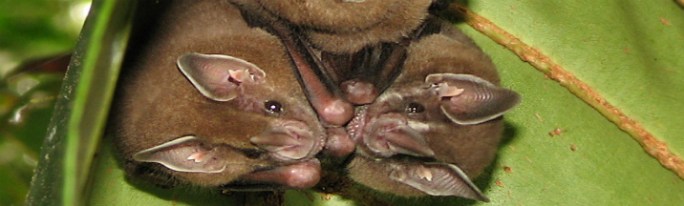
Bat virus clues to origins of SARS
Researchers at the Commonwealth Scientific and Industrial Research Organisation have discovered two viruses closely related to SARS in the Chinese horseshoe bats. The viruses both bind to the same receptor in humans as SARS does, the ACE2 receptor, which is primarily expressed in endothelial cells of the kidney and heart. The use of the same receptor in both species suggests that coronaviruses may be able to jump directly from bats to humans without a vector species. Our first thought here is MERS?

BBC – “According to Gary Crameri, virologist at CSIRO and an author on the paper, this research ‘is the key to resolving the continued speculation around bats as the origin of the Sars outbreaks’. This Sars-like coronavirus is around 95% genetically similar to the Sars virus in humans, the research shows. And they say it could be used to develop new vaccines and drugs to combat the pathogen.

WHO: Middle East respiratory syndrome Coronavirus (MERS-CoV) – update

The WHO has confirmed another four cases of the Middle Eastern Respiratory Virus, including the first case in Oman. The three other cases, including one fatality, were all located in Saudi Arabia. While none of the three had recent contact with animals, one of the Saudi cases had been in recent contact with an infected patient. All three however were immunocompromised. The Omani case had no recent contact with animals or travel to Saudi Arabia.

WHO – “The patient in Oman is a 68-year-old man from Al Dahkliya region who became ill on 26 October 2013 and was hospitalized on 28 October 2013…Globally, from September 2012 to date, WHO has been informed of a total of 149 laboratory-confirmed cases of infection with MERS-CoV, including 63 deaths. Based on the current situation and available information, WHO encourages all Member States to continue their surveillance for severe acute respiratory infections (SARI) and to carefully review any unusual patterns.”

France issues rabies warning after kitten’s death
It is no secret that rabies is scary. We’ve all joked at one point or the other about what a zombie apocalypse would look like, which is all fun and games until someone mentions rabies.  While our vaccine is very good, in order for it to be effective, you have to know you’ve caught rabies. The virus itself usually has an incubation period of a few weeks, although cases have occurred in which the virus lay dormant for years.  At that point it’s of course too late. So we definitely understand Paris health authorities preemptively vaccinating five people, setting up a public hotline, and imploring anyone who may have handled or come near the kitten to contact authorities to be vaccinated.

BBC – “France was first declared a rabies-free zone for non-flying terrestrial mammals 12 years ago following the elimination of fox rabies. The 2008 canine rabies outbreak led to that status being suspended for two years. The BBC’s Christian Fraser in Paris said that the urgent appeal seeking anyone who came into contact with the infected animal is likely to be fuelled by fears of a repeat of the 2008 outbreak. The rabies virus is present in the saliva of an infected animal and is usually transmitted to humans by a bite.”

Haitian Cholera in Mexico
The cholera strain introduced to Haiti three years ago has spread to Mexico, which has seen 171 cases of the disease since September 9th of this year. The Haitian epidemic has infected as many as 600,000 people and caused nearly 8,500 deaths in Haiti, before spreading to the Dominican Republic and causing a further 31,000 cases there.

IBT – “Mexico has reported 171 cases of the disease, which has been identified as the same strain that arrived in Haiti, Dominican Republic and Cuba and one that is different from the strain that circulated in Mexico during a 1991-2001 epidemic. The Pan American Health Organization (PAHO) is warning that the illness could spread worldwide. Mexican health authorities reported the 171 cases in Mexico City and in the states of Mexico, Hidalgo, Veracruz and San Luis Potosí between Sept. 9 and Oct. 18. According to the Mexican Ministry of Health, there has been only one fatality, while 39 other cases have required hospitalization. The recent devastation caused by hurricanes Ingrid and Manuel contributed to the spread of the disease, which had not been reported in Mexico since the previous epidemic.”

(image: CDC Global Health/Flickr)

Deadly Pig Virus from China

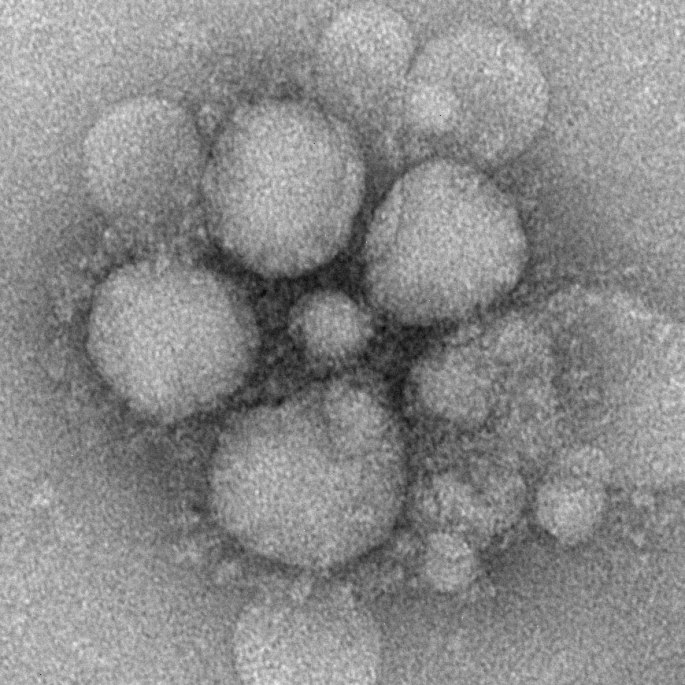
According to a new study research, porcine epidemic diarrhea virus (PEDV) striking piglets across farms in the US may have originated in China. After comparing strains from an outbreak in China and the recent US strains, research from Virginia Tech indicates the virus’ source is in the Anhui province.

Fox News – “The report should help diagnostic researchers and federal officials, who have been trying to trace the origin of the porcine epidemic diarrhea virus (PEDv) since it was first identified in the United States this past spring. Previously, investigators and veterinary researchers tracking the outbreak said that there was some indication that the PEDv strain seen in the U.S. was 99.5 percent similar in genetic make-up to that identified in China. But exactly where it came from and how it arrived in the United States were mysteries. According to the report published last week in the American Academy of Microbiology journal mBio, the researchers extracted strains of PEDv virus from infected animals in Minnesota and Iowa.”

Image of the Week: Bacterial Growth!

This week’s image is brought to us via the Nikon Small World Photomicrography Competition. It wasn’t first place, but we thought it was a vivid depiction of bacterial life. Taken by Neil James Egan of PPG Industries, the image depicts two distinctive nodes during bacterial separation. Head over to Nikon’s website to see many more entries!

Entry_24604_Entry_21667_Entry_19975_bacteria-seperate-forms-and-nodules--mag-20x--3-17-06

New MERS Case in France

French health officials have reported a new case of the Middle Eastern Respiratory Virus in an individual returning from a trip to Saudi Arabia. The individual is in stable condition, and has been in isolation since October 28th.

Globally, there have been 144 cases of the respiratory virus to date, with 62 fatalities. In the last few weeks, transmission of the virus seemed to have slowed, before Saudi Arabia experienced a further five cases in a three day period.  The virus usually presents with respiratory symptoms, although more severe cases can result in rapid kidney failure. MERS’ primary host, reservoir, vector, and mode of transmission are all uncertain.

Read more.

This Week in DC: Events

Tuesday, October 29

Hearing: Next Steps on Egypt Policy
US House Committee on Foreign Affairs
10:00AM

Witnesses: The Honorable A. Elizabeth Jones, Acting Assistant Secretary Bureau of Near East Affairs, U.S. Department of State; The Honorable Derek Chollet, Assistant Secretary of Defense for International Security Affairs, U.S. Department of Defense; Ms. Alina Romanowski, Deputy Assistant Administrator Bureau for the Middle East, U.S. Agency for International Development.

Amodiaquine an Antimalarial Drug Inhibits Dengue Virus Type 2 Replication and Infectivity
Georgetown University
12:00PM

Speaker: Siwaporn Boonyasuppayakorn, PhD Candidate, GUMC Department of Microbiology & Immunology

The Prospect of Peace in Sudan
Institute of World Politics
4:30 PM

About the lecture: Prof. Hashem Mekki will give a brief history of the conflict in the Sudan, and will review the consequences and impact it has had on the civilian population. He will discuss the Comprehensive Peace Agreement that led to the separation between the two countries, and the issues these countries will face moving forward, including modern political and economic tensions and the implications of international community involvement in trying to resolve the conflict. About the speaker: Born and raised in Sudan, Prof. Mekki gives public speeches on the region and advocates to raise awareness of the plight of the Sudan. He has been an Arabic language instructor at The Institute of World Politics since August 2012. He also teaches Arabic language to professionals at the U.S. Department of Energy’s National Nuclear Security Administration (NNSA). Prior to moving to the United States in 2005, Prof. Mekki lived in Egypt for five years, where he worked as an Arabic-English translator and interpreter. Prof. Mekki graduated from the City College of New York in May 2010 with a double major in Political Science and International Studies, and also served there as a Colin Powell Fellow from 2008-2010.

Wednesday, October 30

The Innovation Economy: Information Revolution – A Policy Forum on the Use of Big Data in Homeland Security
Bipartisan Policy Center
9:00AM

The Bipartisan Policy Center and Intel Corporation will host a forum exploring the potential for big data innovation to improve homeland security, current and future challenges to overcome, and policy principles that will encourage innovation while safeguarding privacy and security in our increasingly connected society. This event is part of the ongoing Innovation Economy conversation convened by Intel in 2009, focused on the vital role of innovation in sustaining and building upon U.S. competitiveness in the global economy.

Subcommittee Hearing: China’s Maritime and other Geographic Threats
U.S. House Committee on Foreign Affairs
10:00AM

Chairman Rohrabacher on the hearing:  “The Subcommittee on Europe, Eurasia, and Emerging Threats will hold an open hearing with outside witnesses to assess Communist China’s maritime and other territorial claims that threaten regional and global stability. China’s greatly expanded offensive naval, air, and missile forces, coupled with its commercial fleet, numerous paramilitary organizations, and conventional military forces have projected power and asserted sovereignty far beyond Chinese self-defense, risking rapid and unpredictable escalation towards war between several of the largest economies in the world. We intend to highlight this situation and address solutions.”

Careers, Jobs, and Opportunities in International Health and Nutrition: Who, What, When, Where and How
Society for International Development
12:30PM

This panel will provide SID members with insights and practical advice on how to get started and have a successful international development career in the field international health and nutrition. Presenters will include Sharon Rudy who will talk about the “Global Health Fellows Program”. Vina HuLamm, Global Health Manager at the American Public Health Association, will talk about the importance of getting involved in professional organizations as well as opportunities for students in leadership, policy advocacy, professional development, and networking will be highlighted. Sharon Rudy will share the role of the Global Health Fellows Program in getting new professionals started in their international careers; Kathryn Goldman will present the opportunities to make a big impact by becoming a Peace Corps Volunteer; Kate Warren, Director of Global Recruitment Services at Devex, will talk about trends in the industry and their impact on career opportunities as well as practical tips to break in or advance your career in global health; and Dr. Barry Karlin will share advice from his five decades in international health from his latest book “Choosing a Career in Development: My Five Decades in International Public Health.” Copies will be available for sale.

Thursday, October 31

The Way Forward in Afghanistan: Embracing Opportunity in the Midst of Transition
New America Foundation
12:15 PM

Since 2001, the United States has been heavily engaged in Afghanistan. The failures of this effort have been well documented, but what has often been overlooked are the immense gains that have been achieved. As Afghanistan enters a turbulent transition period,including presidential elections in April 2014, the ongoing transition from U.S.-led to Afghan-led security operations, and the draw down of U.S. troops, it is important that U.S. policymakers keep the full picture in mind. Calls for the United States to walk away from Afghanistan ignore the progress that has been made, and such a result would be catastrophic for the people of Afghanistan. It would also call into question the last 12 years of U.S.efforts in the country. The New America Foundation and the Alliance in Support of the Afghan People are pleased to invite you to a discussion about the prospects for Afghanistan’s future, in light of past progress and upcoming challenges.


The Pandora Report 10.25.13

Highlights include a new dengue serotype, bird flu in Australia, Peruvian bats and influenza A, mutating viruses, and HHS bolstering international pandemic preparedness. Happy Friday, and Happy Halloween!

First New Dengue Virus Type in 50 Years

For the first time in half a century, a new serotype of dengue has been discovered. The strain, found in Malaysia, is phylogenetically distinct from the existing four serotypes. The discovery will complicate existing vaccine efforts, which are already quite complex – prior to this discovery, dengue possessed four distinct serotypes. To date, this newest serotype has only been identified in one outbreak.

Science – “Scientists have discovered a new type of the virus that causes a centuries-old pestilence, dengue. The surprising find, announced at a major dengue conference here today, is bound to complicate efforts to develop a vaccine against a tropical disease that is becoming a more pervasive global menace. But it could shed light on where the pathogen came from and whether it is evolving into a greater threat. The finding “may change the way we think about dengue virus evolution and emergence,” says Duane Gubler, a dengue expert at the Duke-NUS Graduate Medical School in Singapore.”

Second bird flu outbreak in Australia

New South Wales has experienced its second outbreak of avian influenza. For some reason, none of the press is including the nueraminidase type, refering to the virus simply as “H7” or as HPAI (highly pathogenic avian influenza). This is misleading – the strain is actually H7N2, which has a low pathogenicity. While a serious threat to poultry farmers – 18,000 birds have died from the virus already and a further 400,000 have been culled – it isn’t a serious threat to humans at this point.

ABC Australia – “Initial testing at the Elizabeth Macarthur Agricultural Institute confirmed the virus earlier today and the infected property has been placed under strict quarantine. The department says tests are being carried out to try to confirm the origin of the latest incidence, but it’s the H7 strain, not the H5N1 strain that’s dangerous to humans. It says all eggs and poultry in NSW remain safe to eat. NSW DPI chief vet, Ian Roth, says he can’t yet confirm how the virus spread.”

New flu virus found in Peruvian bats

If there’s one thing we’ve learned here at the Pandora Report it’s never touch a bat. Just don’t do it. Halloween is great, bats can be cute, but as carriers of everything from rabies (scary) to Ebola (very scary), we’re keeping our distance.  In further confirmation of this truism, a new influenza virus has been discovered in Peruvian bats. The Influenza A virus, appropriately named A/bat/Peru/10, and contains hemagglutinin (H) and neuraminidase (N) surface proteins entirely distinct from any seen before, prompting researchers to classify them as novel – H18N11. While the virus is thought to be capable of infecting humans.  thus far researchers have been unable to culture it in human cells. Hopefully, it will stick to bats – H18N11 is just too hard to say.

LiveScience – “The researchers found the new virus after testing samples from 114 bats in Peru. One sample, from a flat-faced fruit bat known as Artibeus planirostris, was found to have H18N11. Blood testing of other bats suggested that they may have been infected with H18N11 in the past. The researchers still do not know how H18N11 attaches to cells to enter them…So far, flu viruses from bats are not known to infect people. But bats are known reservoirs for other types of pathogens that have found their way to humans, such as Severe Acute Respiratory Syndrome. Bats are also are suspected to be the original source of the virus causing the current outbreak of MERS.”

Single mutation gives virus new target

By changing a single amino acid in the BK polyomavirus, researchers were able to completely alter its preferential binding site. Understanding this mechanism is a small step towards understanding things like why a virus switches to infect different cells (potentially increasing pathogenicity) or, in the case of viruses like MERS and H7N9, different hosts. Understanding this mechanism can help us predict which viruses may switch hosts  to eventually infect us.

R&D Mag – “Different cells have different bindings targets on their surfaces. A change in a virus’s binding target preference can be a key step in changing how that virus would affect different cells in a victim—or move on to a different species…Brown postdoctoral researcher Stacy-ann Allen, one of two lead authors on the paper, said the team learned of the single amino acid difference by comparing high-resolution structural models of the two polyomaviruses bound to their favorite sugars. Collaborators, including co-lead author Ursula Neu and co-corresponding author Thilo Stehle at the Univ. of Tübingen in Germany, produced those models using nuclear magnetic resonance spectroscopy.”

HHS Boosts Global Ability to Respond to Pandemics

HHS through BARDA has awarded four interrelated grants, to the WHO, PATH, Utah and North Carolina States universities respectively to boost funding for pandemic preparedness in developing countries. The WHO is receiving approximately $10 million in grants to support H7N9 preparedness in developing countries, while the university grants are each supporting onsite training programs in the same countries. This makes a lot of sense – helping other states by providing them the tools to develop their own pandemic preparedness efforts makes us all  healthier.

PharmPro – “The program provides cost-sharing to build vaccine manufacturing facilities that can produce influenza and other vaccines in developing countries and trains personnel from developing countries at U.S.-based universities in advanced vaccine production. The program also supports technical assistance for foreign countries to operate and regulate their facilities and to conduct clinical trials with influenza vaccines produced in the facilities.”

And because everyone needs a little good news occasionally: Baby born with HIV is still showing no sign of the infection after treatment stopped 18 months ago

(image via Leyo/Wikimedia)

Image of the Week: Coxiella burnetti

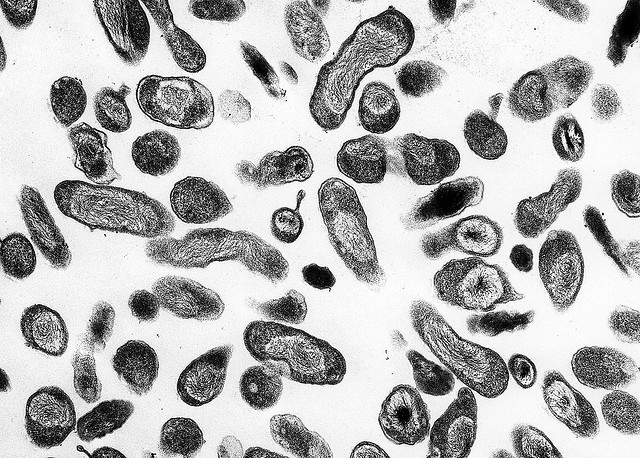
This week’s image is of Coxiella burnetti, a HHS select agent and the causative bacteria of Q fever. The bacteria is primarily found in farm animals, and can be passed along through infected milk and in waste products, although the greatest number of bacteria are shed during birthing. Q fever has an incubation period of 2-3 weeks, with 50% of cases remaining asymptomatic. The disease presents with fever, myalgia, as well as broad GI symptoms. Acute forms of the disease can be much more severe, including symptoms affecting the central nervous system.

coxiella burnetti(image: Kat Masback/NIAID)

Frankenstein Bug

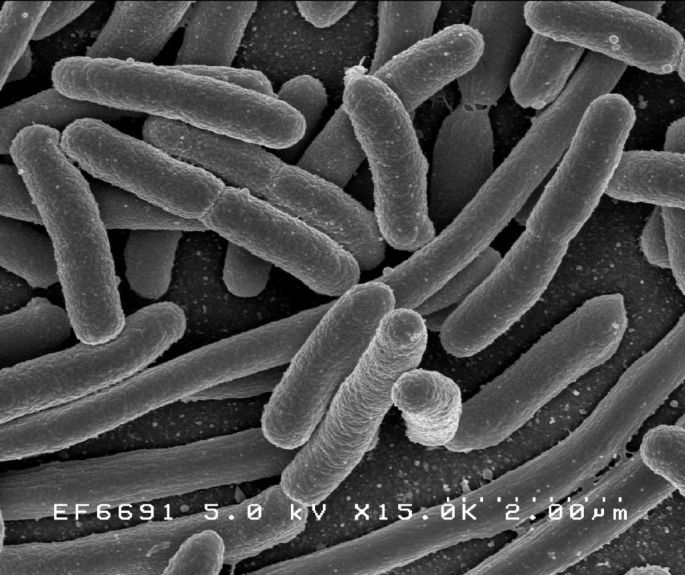
Scientists at the Universities of Yale and Harvard have rewritten the entire genome of E.coli bacteria, re-engineering the bug to be resistant to viral infection. Their successful rewriting of E.coli is the first instance in which a genome was completely altered through human agency.

“‘This is the first time the genetic code has been fundamentally changed,’ said Farren Isaacs, assistant professor of molecular, cellular, and developmental biology at Yale. ‘Creating an organism with a new genetic code has allowed us to expand the scope of biological function in a number of powerful ways.’ Isaacs co-authored the study published in the Science journal this month with George Church of Harvard Medical School and the research is based out of the field of synthetic biology, which seeks to re-design natural biological systems for useful purposes. To change the bacteria, Isaacs worked with other researchers to substitute different codons or letters (that make up the nucleic acids of DNA) to create amino acids not found in nature. ”

Read more here.

(Image of E.coli courtesy of NIAID)