Pandora Report: 10.8.2021

Michelle Grundahl, a Biodefense MS student, presented a talk at the One Welfare World Conference! Dr. Yong-Bee Lim, Biodefense PhD ’21, published his first article as an Editorial Fellow: “Do-it-yourself vaccines in a pandemic: democratized science or home-brewed pipe dream?” The WHO announced its support of the widespread use of the RTS,S/AS01 (RTS,S) malaria vaccine! The Schar School will be hosting virtual open houses for the Master’s and Certificate Programs on 21 October and 16 November at 6:30 PM EST.

Animal Disaster Response Using One Health Solutions – Case Studies of Responding to Animal Disasters: Hurricane Sandy, Joplin Tornado and COVID-19

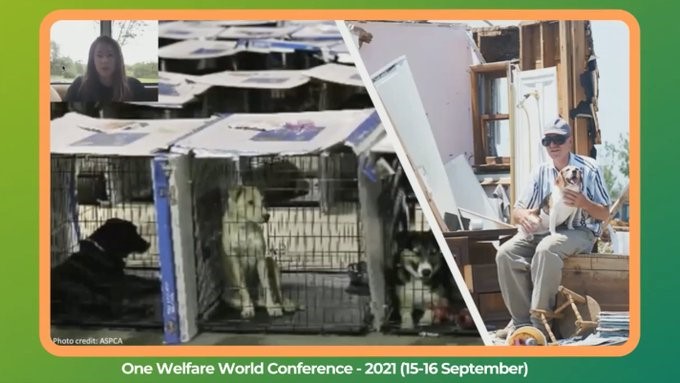
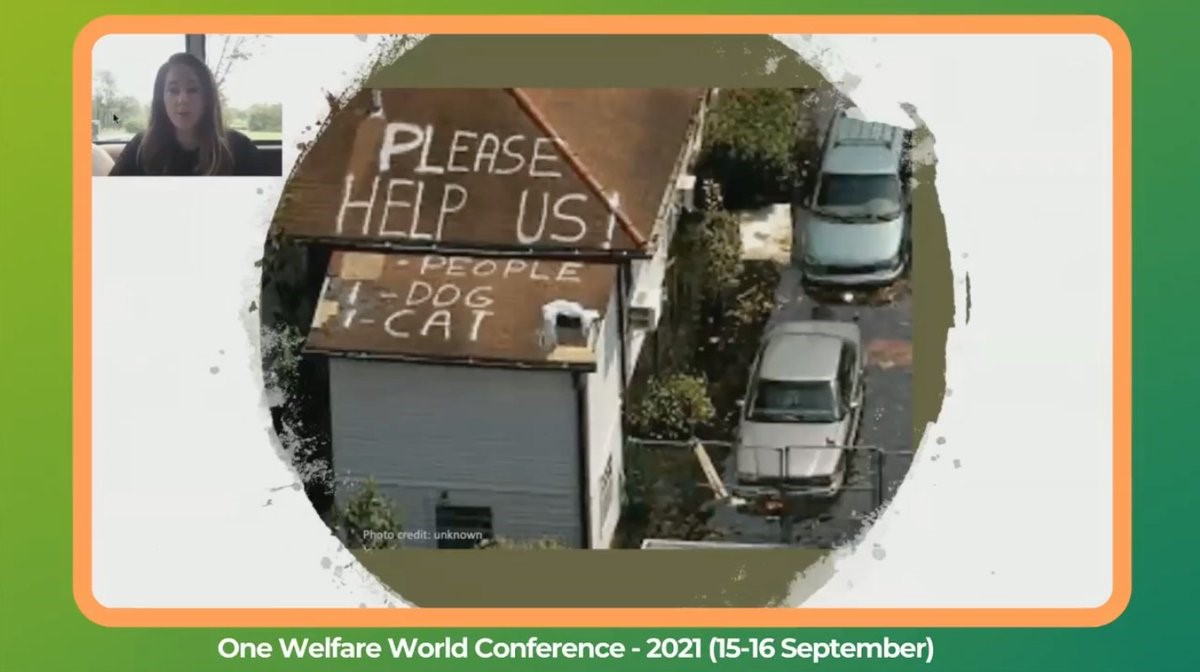
At the One Welfare World Conference on 15-16 September 2021, Michelle Grundahl, student in the Biodefense MS program, presented a short talk, “Animal Disaster Response using One Health Solutions – Case studies of responding to animal disasters: Hurricane Sandy, Joplin Tornado and COVID-19.” Grundahl’s talk and the One Welfare World Conference took place during National Preparedness Month (September).

The presentation discussed the lived experiences of implementing One Health and Welfare during emergency responses involving companion animals. The three cases used were Hurricane Sandy, the Joplin Tornado, and the COVID-19 pandemic, the response of which all included a One Health approach. One Health is the recognition of the inextricable link between human health, animal health, and environmental health. Highlighted in the presentation were practical solutions that achieved optimal human and animal well-being during times of disaster. The human-animal bond can affect compliance with official emergency orders. When people cannot take their whole family (including pets) out of disaster zones, they might choose to stay in the danger zone. Read Grundahl’s article here.

Do-It-Yourself Vaccines in a Pandemic: Democratized Science or Home-Brewed Pipe Dream?

Dr. Yong-Bee Lim, Biodefense PhD ’21, was recently named to the inaugural class of Editorial Fellows at the Bulletin of the Atomic Scientists, where he will be writing a regular column on disruptive technology. He is a fellow at the Council on Strategic Risks, focusing on biosecurity, biodefense strategy, and emerging and converging technologies. Dr. Lim is one of seven fellows who will “publish articles regularly on nuclear risk, climate change, and disruptive technologies—key areas in the Bulletin’s mission to inform the public, policymakers, and scientists about man-made threats to human existence.”

This week, Lim published his first article as an Editorial Fellow: “Do-it-yourself vaccines in a pandemic: democratized science or home-brewed pipe dream?” Experts predict that more pandemics are coming. Climate change will drive migrations and other ecological disruptions that put species into greater contact with one another. Continued human encroachment on nature will increase the risks that a pathogen will jump from animals to people. For the next pandemic, instead of waiting a year for scientists, governments, and companies to produce and distribute life-saving vaccines, wouldn’t it be nice to whip something up … in your own kitchen? Read Lim’s article here.  

WHO Approves the First Malaria Vaccine

The World Health Organization (WHO) announced its support of the widespread use of the RTS,S/AS01 (RTS,S) malaria vaccine among children in sub-Saharan Africa and in other regions with moderate to high P. falciparum malaria transmission. The recommendation is based on results from an ongoing pilot program in Ghana, Kenya and Malawi that has reached more than 800,000 children since 2019. “This is a historic moment. The long-awaited malaria vaccine for children is a breakthrough for science, child health and malaria control,” said WHO Director-General Dr. Tedros Adhanom Ghebreyesus. “Using this vaccine on top of existing tools to prevent malaria could save tens of thousands of young lives each year.” Malaria remains a primary cause of childhood illness and death in sub-Saharan Africa. More than 260,000 African children under the age of five die from malaria annually. Key findings of the pilot studies include that the vaccine is feasible to deliver, it has a strong safety profile, and it was highly cost effective.

Applying Arms Control Frameworks to Autonomous Weapons

Zachary Kallenborn, a research affiliate with the Unconventional Weapons and Technology Division of the National Consortium for the Study of Terrorism and Responses to Terrorism and a policy fellow at the Schar School, shares his insights on the application of arms control frameworks to autonomous weapons. Mankind’s earliest weapons date back 400,000 years—simple wooden spears discovered in Schöningen, Germany. By 48,000 years ago, humans were making bows and arrows, then graduating to swords of bronze and iron. The age of gunpowder brought flintlock muskets, cannons, and Gatling guns. In modern times, humans built Panzer tanks, the F-16 Fighting Falcon, and nuclear weapons capable of vaporizing cities. Today, humanity is entering a new era of weaponry, one of autonomous weapons and robotics.

The development of such technology is rapidly advancing and poses hard questions about how their use and proliferation should be governed. In early 2020, a drone may have been used to attack humans autonomously for the first time, a milestone underscoring that robots capable of killing may be widely fielded sooner rather than later. Existing arms-control regimes may offer a model for how to govern autonomous weapons, and it is essential that the international community promptly addresses a critical question: Should we be more afraid of killer robots run amok or the insecurity of giving them up? Read the article here.

20 Years After the Anthrax Attacks, We’re Still Unprepared

October marks 20 years since the anthrax letter attacks, which “launched the most complex and concentrated public health response in US history to that point, rivaled only today by the effort to respond to COVID.” Those who played a role in the response to the anthrax attacks say that the attacks “presented hard lessons that could have helped the COVID response if they had been remembered.” The response quickly engulfed public health as tens of thousands of potentially exposed persons had to be evaluated. Across the nation, panic ensued with spills of anything powdery. The Laboratory Response Network, supported by the CDC, analyzed over 125,000 samples, and the National Pharmaceutical Stockpile delivered 3.75 million doses of antibiotics across Florida, New York, New Jersey, Connecticut, and DC. Despite this tragedy and several other health crises, the US was woefully unprepared for the COVID-19 pandemic. Dr. Thomas Frieden, former Director of the CDC, highlighted that “public health funding has always followed the pattern of, ‘Out of sight, out of mind. You get big infusions of money, but you really can’t build capacity effectively with one-time dollars.” It is the effort between crises that builds capacity. Throughout the pandemic, but especially in the early days of it, public health professionals struggled to access critically important data, making it evident to investigators “how much remains to be done to create rapid, sensitive systems for gathering information.” The echoing lesson from the anthrax attacks to now is that “looking back—something that is built into public health systems, which tend to analyze outbreaks and trends after they occur—is insufficient for future protection.”

Insidious Scourge – Critical Infrastructure at Biological Risk

The Bipartisan Commission on Biodefense released a report, Insidious Scourge – Critical Infrastructure at Biological Risk, developed to help each of the critical infrastructure sectors defend against biological threats. Critical infrastructure and national critical functions are threatened by, vulnerable to, and experience the consequences of biological attacks, accidents, and naturally occurring diseases—in other words, they are at biological risk. Biological events could destroy, incapacitate, and disrupt critical infrastructure and prevent our society from both functioning properly and protecting itself. Illness and death, physical compromise of sectors, data theft and compromise, just-in-time inventories, mass gatherings, unprotected transit and other distribution systems, and poor awareness of where and how diseases spread are all of concern. When biological events overwhelm critical infrastructure, effects on society cascade, further weakening our country. The report emphasizes that every critical infrastructure sector must maintain awareness of biological threats; prepare for biological events; and respond to biological events efficiently and effectively. The report makes several new recommendations, including:  Congress should mandate federal defense of critical infrastructure against biological threats; the Administration should establish a critical infrastructure biodefense program at the Department of Homeland Security; and sectors and sector specific federal agencies should identify and eliminate vulnerabilities in critical infrastructure to biological threats. Read the report here.

Francis Collins to Step Down as NIH Director by Year’s End

Dr. Francis Collins, Director of the National Institutes of Health (NIH), announced his resignation earlier this week after nearly 30 years of service. Collins plans to step down at the end of this calendar year, stating that he thinks it is time for a “new scientist to lead the NIH into the future.” Throughout COVID-19, Collins has “been on the front lines urging Americans to wear masks and get vaccinated.” During his 12 year stent as Director, the Institute’s budget increased by 38%, and Collins proposed a number of initiatives for Alzheimer’s disease, cancer, opioid use disorder, rare diseases and, the coronavirus pandemic.

Havana Syndrome

Havana Syndrome is series of unexplained medical symptoms – migraines, fatigue, vertigo, anxiety, dizziness, cognitive difficulties, memory loss – first experienced by State Department personnel stationed in Cuba in 2016. A leading theory behind the cause of Havana Syndrome is that a mysterious weapon is being deployed by a malign actor. In Cube, noises were linked to the syndrome, but these sounds were most likely caused by crickets and not microwave weapons. A declassified scientific review commissioned by the US State Department concluded that the “sounds accompanying at least eight of the original 21 Havana syndrome incidents were most likely caused by insects.” This report also concluded that it is “highly unlikely” that the symptoms are caused by microwaves or ultrasound beams. Specifically, the report stated, “no plausible single source of energy (neither radio/microwaves nor sonic) can produce both the recorded audio/video signals and the reported medical effects.”

Synthetic Virology: The Experts Speak

Synthetic virology—the re-creation and manipulation of viruses to study their properties—provides a powerful way of investigating how viruses cause infections and how to combat pathogenic subtypes. This is particularly true for hard-to-culture viruses. However, this approach also raises the prospect that bad actors could create more deadly viruses. Over a decade ago, the World Health Organization (WHO) issued a warning that “advances in genome sequencing and gene synthesis would render substantial portions of [variola] accessible to anyone with an internet connection and access to a DNA synthesizer,” leading to concerns about future attempts to engineer viruses from the smallpox family. In a new article, Nature Biotechnology convenes a group of experts and a biohacker to discuss the current state of synthetic virology. How far has the technology has advanced, what is currently possible, and what might the future hold in terms of best practices for advancing scientific knowledge and promoting biosecurity? Read the article here.

SYNTHETIC BIOLOGY

Built With Biology: Q2 2021 Report

SynBioBeta released its latest assessment of the synthetic biology industry. The report’s key takeaway is that the industry is on track to raise more money in 2021 than in the previous 11 years combined. One of the most impactful applications of synthetic biology is saving lives, ending disease, and reducing pain – driving continuous and high levels of investment in the space. The median funding for Health and medicine startups so far this year is $73 million, a change of 62% over last year, and 211% of the median of all deals (“Grand Total” in the chart above) since 2009. Food and beverage production has a huge impact on the health of humans and the environment – and synthetic biology startups are addressing all of those needs. Through 2Q 2021, the median investment in synbio Food and Nutrition startups is $27.9 million, down to 39% of last year’s sudden boom, but still 278% of the median since 2009. The median investment in synbio Agriculture startups so far in 2021 is $11.35 million, up 252% versus last year. Read the report here.

California Governor Vetoed AB 70

On 5 October, California Governor Gavin Newsom returned Assembly Bill 70 without his signature. This bill, also called Gene Synthesis Security bill, which would have created the first biosecurity regulations for the field of synthetic biology. Governor Newsom cited a lack of funding and lack of a national approach to the issue as the grounds for his veto. According to the announcement, the bill would require the California Department of Public Health (CDPH) to “establish a new state regulatory program to provide oversight over gene synthesis providers and manufacturers of gene synthesis operating equipment,” and it would also “require gene synthesis businesses to demonstrate membership in a voluntary industry consortium or be verified by CDPH to use customer and sequence screening protocols that meet or exceed the protocols established by that consortium.” Funding the program would “authorize CDPH to begin charging fees from the entities to be regulated before the program is established and before businesses are required to be in compliance.” The Governor asserts that “this structure is not implementable.” While the scope and sophistication of the synthetic biology industry continues to grow, biosecurity policy falls further behind.

ALL THINGS COVID-19

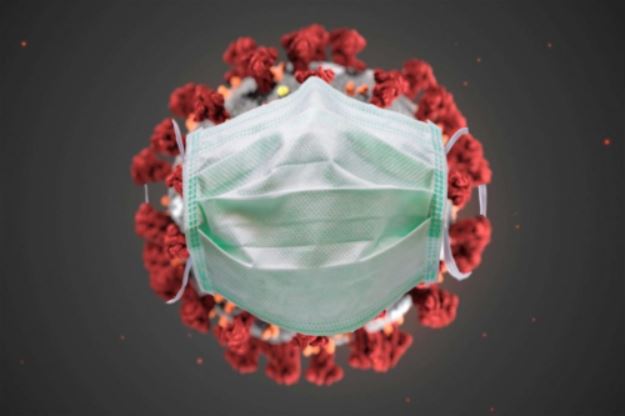
Masks and Respirators for the 21st Century: Policy Changes Needed to Save Lives and Prevent Societal Disruption

Masks and respirators have played an essential role in the response to the COVID-19 pandemic for both healthcare workers and the public. However, the masks and respirators that both healthcare workers and the public have needed to rely upon leave much to be desired. Despite drawbacks in terms of comfort and fit, the ubiquitous disposable masks and disposable N95 respirators used by the vast majority of healthcare workers have not appreciably improved since the mid-1990s. During the COVID-19 pandemic, the public has been advised to wear masks as well. Masks have long been known to be effective means of “source control” (i.e., reducing transmission of respiratory droplets from the wearer to others). More recently evidence has accumulated that properly constructed and worn masks as well as respirators afford a limited but not inconsequential degree of protection to the wearer as well. Existing masks and respirators run the gamut in terms of effectiveness and wearability. In a future large-scale outbreak or pandemic, it is possible to increase the protection of healthcare workers and the public from infection through more efficient, well-fitting, and comfortable masks. The design and manufacture of better masks and respirators are possible by harnessing emerging technologies, the innovative research and development spirit evidenced since the early days of the COVID-19 pandemic, and the availability of resources to support technological innovation.

A new report from the Center for Health Security provides an overview of the history and types of masks and respirators that exist and consider the development, manufacture, approval, and stockpiling of better respiratory protection for healthcare workers, the nonhealthcare workforce, and the public in the United States. The report addresses issues related to acceptance and willingness to wear face coverings, masks, or respirators. It also discusses ways to foster ingenuity in designs of new devices, promote advanced development, obtain regulatory approval, and stockpile a reasonable number of devices.

The authors found that better medical masks and respirators (collectively referred to as devices) than the ones we have been using for decades are possible, but progress in their development and manufacture is blocked by a confluence of factors including industrial inertia, lack of competition, complacent consumers (health systems prior to COVID-19), regulatory barriers, an uncertain market, and lack of US government policy. Widespread public use of effective, commercially available masks and respirators could help save many thousands of lives during the next severe pandemic of a respiratory pathogen and reduce the resulting economic damage. It is important to have a ready supply and surge manufacturing capacity of high-quality devices when severe or catastrophic respiratory epidemics emerge. Widespread public use of effective, commercially available masks during periods of other respiratory disease would reduce transmission of common respiratory pathogens such as influenza that kills on average more than 15,000 Americans per year.

Read the report here.

WSU to Lead $125 Million USAID Project to Detect Emerging Viruses

Washington State University (WSU) will lead a new five-year, $125 million global project with the US Agency for International Development (USAID) that is aimed at better identifying and preventing future pandemics. The USAID Discovery & Exploration of Emerging Pathogens – Viral Zoonoses (DEEP VZN) project will “build scientific capacity in partner countries to safely detect and characterize unknown viruses which have the potential to spill over from wildlife and domestic animals to human populations.” DEEP VZN plans to partner with 12 countries in Africa, Asia, and Latin America to conduct large-scale animal surveillance using those nation’s laboratory facilities. The project will focus on uncovering previously unknown pathogens from three viral families: coronaviruses, which includes SARS-CoV-2; filoviruses, which includes the Ebola virus; and paramyxoviruses, which includes Nipah virus. These three families have a large potential for viral spillover from animals to humans. One of the first tasks is to select the partner countries for DEEP-VZN based on their “high risk for emerging infectious disease, capacity to safely conduct viral discovery work and commitment to share data with global partners.”

This project aligns with the work of Dr. Filippa Lentzos of King’s College London & Dr. Greg Koblentz of George Mason University, who launched GlobalBioLabs.org, an interactive web-based map of global Biosafety Level-4 facilities and biorisk management policies. Their work calls for stronger international biorisk management policies for laboratories that engage in high-risk research, including gain of function research.

FDA Center Directors on Lessons from the EUA Pathway: Flexibility Serves Us Well

In a workshop at the National Academies of Sciences, Engineering and Medicine, Food and Drug Administration (FDA) center directors emphasized that the “flexibility of emergency use authorizations (EUAs), and allowing the FDA to accept more uncertainty during the pandemic so far, has ultimately aided its response to COVID-19.” Dr. Patrizia Cavazzoni, Director of the FDA’s Center for Drug Evaluation and Research, points out that the agility of the EUAs, which gave FDA the ability to quickly revoke, was critically important. Dr. Jeffrey Shuren, Director of Center for Devices and Radiological Health, wishes that this level of flexibility was offered during times outside of crises.

Before The Pandemic, The United States Had Begun Building a Special Pathogen System. What Can We Learn from Its COVID-19 Response?

A new Health Affairs Blog post is part of a set of posts about a National Special Pathogen System of Care that will be published over the next few months. Health Affairs received support for the series from the National Emerging Special Pathogens Training and Education Center. This blog series will describe how the National Emerging Special Pathogens Training and Education Center (NETEC)—a consortium comprising faculty and staff from Emory University, the University of Nebraska Medical Center/Nebraska Medicine, and the New York Health and Hospitals Corporation, Bellevue Hospital Center—assessed aspects of the US health care system’s COVID-19 response to date. This assessment resulted in the development of a coordinated national strategy for a systematic response to special pathogens: the National Special Pathogen System (NSPS) of Care. The NETEC developed the strategy with support from the Department of Health and Human Services Office of the Assistant Secretary for Preparedness and Response (ASPR). Successful implementation of the strategy will engage health care leaders, public health, and government at all levels. The series will describe current capacity of our system to identify and safely manage such pathogens and then address: (1) how to leverage the existing care delivery system to prepare for and respond to various outbreak scenarios; (2) the critical need for a public-private partnership to coordinate the response; (3) how a national special pathogens system of care would function in a pandemic; and (4) the steps that must be taken to make the strategy a reality. Read the blog here.

We’re Already Barreling Toward the Next Pandemic

If the US had learned from its mishandling of the original SARS-CoV-2 virus, it would have been better prepared for the variant that was already ravaging India.” In the spring and early summer of this year, President Biden had “all but declared victory against SARS-CoV-2,” and the CDC announced that vaccinated people could be unmasked indoors. Then, the Delta variant hit the US, again overburdening hospitals and healthcare workers. “Delta was an audition for the next pandemic, and one that America flubbed.” Despite the impressive and rapid authorization of COVID-19 vaccines, the rate of uptake has plateaued, and the death toll continues to climb despite these vaccines being widely available. Though Biden has called for a new council of national leaders and a new fund focused on infectious disease threats, many worry that COVID-19 might leave the US weaker against the next disease, as the temporary surge in investments are funneled improperly. This is not a new trend. The US has repeatedly “failed to sustain progress in any coherent manner in its capacity to handle infectious diseases.” This pattern shows a “Sisyphean cycle of panic and neglect that is now spinning in its third century. Progress is always undone; promise, always unfulfilled.”

EVENTS & ANNOUNCEMENTS

Schar School Open Houses

The Schar School will be hosting virtual open houses for the Master’s and Certificate Programs! These sessions will take place on 21 October and 16 November at 6:30 PM EST. This online session will provide an overview of our master’s degree programs – such as the Biodefense Program – and our Graduate Admissions team will be available to answer questions about admissions requirements, application deadlines, and materials to prepare. By working closely with faculty who draw on world-class research and practical experience, the Schar School prepares students for a high-powered career in the public, private, and non-profit sectors. Register here.

The Schar School Is Hiring!

The Schar School is hiring! Positions available include the Don E. Kash Postdoctoral Fellowship in Science and Technology Policy; a Full, Associate, or Advanced Assistant Professor; and a Full or Associate Professor.

The George Mason University Schar School of Policy and Government invites applications for the Don E. Kash Postdoctoral Fellowship in Science and Technology Policy. The Schar School is seeking talented recent graduates with the potential to contribute to the School’s research and teaching capacity at the intersection of technology and policy. For this cycle, the School is looking for postdoctoral applicants focusing on emerging technology, society, and public policy. Areas of interest in relation to public policy include, but are not limited to, big data surveillance and privacy; algorithmic bias and discrimination; legal and human rights issues relating to AI and big data; digital innovation and the digital divides; and regulation and oversight of emerging technology. Apply here.

The Schar School also invites applications for three tenure-line hires. Rank and field are open. The School encourages applications from talented scholars with diverse backgrounds who are committed to being part of and contributing to a nationally and internationally recognized school of policy and government. Apply here.

The Terrorism, Transnational Crime and Corruption Center (TraCCC) at the Schar School invites applications for a faculty position at the level of Professor or Associate Professor. TraCC seeks an imaginative and entrepreneurial colleague with an international reputation among both scholars and practitioners to assume a senior role, and as a faculty member within the school, teaching in TraCCC-related areas. TraCCC is the first center in the United States devoted to researching and shaping the policy discussion around transnational, corruption and terrorism.  The center addresses such diverse concerns as new and emerging security challenges, environmental crime and corruption, human trafficking, illicit trade, counterfeits, and antiquities smuggling. It uses advanced data analytics in much of its research. TraCCC’s research is global, diverse and multidisciplinary, focusing on problems of crime and corruption stemming from post-Soviet countries, the Middle East, and China, as well as Central and South America. Apply here.

Policy Exchange: The Future of Global Health Security

The COVID-19 pandemic revealed unexpected weaknesses in our preparedness for pandemic threats, and it continues to pose serious challenges around the world. How are health authorities in the United States and around the world trying to reduce these vulnerabilities so we are better equipped for the next pandemic?

Join faculty members from the Schar School’s Biodefense master’s program as we discuss the future of global health security considering lessons learned from the COVID-19 pandemic. The panel will feature Adjunct Professors Ashley Grant and Andrew Kilianski, and Term Assistant Professor Saskia Popescu. The discussion will be moderated by Associate Professor Gregory Koblentz, director of the Master’s in Biodefense Program. Register here.

Saving Sisyphus: Course Corrections for National Biodetection

In its 2015 report, A National Blueprint for Biodefense: Leadership and Major Reform Needed to Optimize Efforts, the Bipartisan Commission on Biodefense addressed inadequacies of BioWatch, the Department of Homeland Security environmental biodetection program. Established in 2003, the federal government intended for BioWatch to provide early warning of biological attacks on major metropolitan areas. However, after nearly two decades of operation, the system is ineffective. There is little evidence that the system effectively detects pathogens of interest, and even if it did, pathogen detection turnaround time is too slow for the government to effectively respond to any actual biological attack. If the federal government continues to spend more taxpayer money on next generation biodetection systems, a reassessment of current efforts is necessary.

Join in on 2 November at 10 AM EST for an in-person meeting of the Commission, Saving Sisyphus: Course Corrections for National Biodetection, to provide a better understanding of challenges facing federal biodetection programs, public and private advancements in environmental biodetection technology, and mission requirements for 21st Century biodetection capabilities. More details will be available here.

Animal Disaster Response Using One Health Solutions – Case Studies of Responding to Animal Disasters: Hurricane Sandy, Joplin Tornado and COVID-19

By Michelle Grundahl, Biodefense MS Student

At the One Welfare World Conference on 15-16 September 2021, Michelle Grundahl, a student in the Biodefense MS program, presented a short talk, “Animal Disaster Response using One Health Solutions – Case studies of responding to animal disasters: Hurricane Sandy, Joplin Tornado and COVID-19.” Grundahl’s talk and the One Welfare World Conference took place during National Preparedness Month (September). Also, October is National Animal Safety and Prevention Month.

The presentation discussed the lived experiences of implementing One Health and Welfare during emergency responses involving companion animals. The three cases used were Hurricane Sandy, the Joplin Tornado, and the COVID-19 pandemic, the response of which all included a One Health approach. One Health is the recognition of the inextricable link between human health, animal health, and environmental health. Highlighted in the presentation were practical solutions that achieved optimal human and animal well-being during times of disaster. The human-animal bond can affect compliance with official emergency orders. When people cannot take their whole family (including pets) out of disaster zones, they might choose to stay in the danger zone.

A key consideration for emergency management involving animals is the human-animal bond. An ideal goal is to maintain human-animal safety (and well-being) during disasters. Physical safety and mental comfort for people (and their pets) result in optimal welfare. The tactics implemented in these responses, namely mass sheltering or mass feeding efforts, resulted in positive outcomes for people and their pets. What will future disasters entail? Will they be natural or man-made? Could climate change exacerbate these disasters? Will Disease X be pandemic influenza that is virulent and zoonotic? Could the future of disasters in America involve biological terrorism?

Why do we prepare for disasters involving animals? The statistics are fuzzy, but, about 68% of American households have at least one pet.  Including animals in mass care plans can decrease the health and safety threats to humans as well as animals if the environment becomes hazardous. Safety risks for humans (and pets) can be minimized by using pet evacuation plans. We can mitigate the economic impact of emergencies. We can also prevent, or decrease, the spread of disease. Minimizing animal and human suffering during emergencies is a One Health solution.

Hurricane Katrina is an unfortunate baseline of America’s animal disaster planning. In 2005, Hurricane Katrinaled to historic flooding in New Orleans. This tragedy cost the lives of many humans, but also many pets died or were presumed dead and lost forever. Authorities would not allow petson rescue boats and busses nor in emergency shelters. Since then, the Pets Evacuation and Transportation Standards Act of 2006 (PETS Act) ensures that “State and local emergency preparedness operational plans address the needs of individuals with household pets and service animals following a major disaster or emergency.” The lesson learned by government officials (and others) was that emergency management plans only work if people can – and want- to follow them.

On 29 October 2012, unprecedented power outages and flooding in New York, New Jersey, and Pennsylvania accompanied Superstorm (hurricane) Sandy. Many emergency shelters opened, and some of them accepted pets. In Southeastern Pennsylvania, co-located pet shelters opened with the Red Cross because of previous pet sheltering mass care planning efforts. People that needed shelter could bring petsto some of these human shelters. This option helped community members avoid physical danger while taking their animals out of the danger zone. The Bucks County Animal Response Team (of which the author is a member) managed the largest shelter in the region, which operated for seven days and accepted pets. One Health disaster response solutions realize that we must maintain the physical and emotional connections between victims and their pets during an extremely stressful time.

In 2011, an F-5 tornado hit Joplin, Missouri. The American Society for the Prevention of Cruelty to Animals (ASPCA) and the Joplin Humane Society managed a massive emergency pet shelter. Three warehouses contained around 1,000 cats and dogs. Maintaining the health of the workers and the animals required serious collaborative effort. People arrived from near and far to adopt approximately 800 animals. The approach of this response leveraged a large scale-up of an emergency animal shelter, and was located in the same community as the incident. This One Health approach used the social sciences to carefully craft its public relations to communicate to the public about how to find their animals and adopt remaining animals.

In February of 2020, we became concerned about a new pneumonia of unknown etiology. Will this be a zoonotic disaster? Will pets get sick? Will the hospitalization or death of people lead to homeless animals who have been exposed to COVID-19 and require sheltering? What infection control procedures, emergency protocols, and kennel plans do we need? The response in Southeastern Pennsylvania was coordinated with local emergency management and included thoughtful messaging to the public. We identified kennel partners, created kennel worker protocols, and considered potential personal protection equipment (PPE) resource challenges to keep both people and animals healthy. As the pandemic unfolded, SARS-CoV-2 instead became an economic disaster for many pet owners. The human economic disruption caused vulnerability and food insecurity for people…and their animals. The One Health response became the creation of pet food donation and outreach. New relationships were forged using human food distribution channels. Drive-through food events and food pantries embraced the new paradigm of including the whole family by allowing pet food to be distributed, too.

A common thread of these disasters is thatthe human-animal bond is a significant factor factored in the decision-making of pet owners during disasters. Emergency management plans can keep all humans safe when pet-owning humans follow the requests of emergency managers. Outcomes for pets and people are improved when community emergency management involves mass care plans for the whole family. When pets and people are safe together during and after a disaster, we see optimal well-being for all.

Plan in advance for your family – and your pets! Never leave your animals behind. When it is not safe for you to stay in a disaster area, it is not safe for them either. Tag or microchip your pets and find pet-friendly hotels as part of your household emergency plan. Reach out to local emergency managers in your community and ask them how to best plan for animals in disasters.

Pandora Report: 10.1.2021

October marks the 20th anniversary of the anthrax letter attacks, which killed five people and sickened 17. A new article in Nature examines the resurgence of Ebola virus in Guinea this year, suggesting a new paradigm for outbreaks. In COVID-19, the health system is seeing widespread overwork and discontent among healthcare workers, causing an acceleration in the preexisting downward trend.

20th Anniversary of the Anthrax Attacks

This month marks the 20th anniversary of the anthrax letter attacks, which targeted major media outlets and members of Congress. Anthrax spores were sent in letters, killing five people and sickened several more. Bacillus anthracis causes anthrax, and its spores can “remain inactive for decades until they find a favorable environment to germinate, such as blood or tissue.” Infection can occur via inhalation, ingestion, and skin contact. Anthrax can be treated by certain antibiotics; however, inhalational anthrax is usually lethal if not diagnosed and treated very early. In 2001, before the attacks, the Armed Forces Radiobiology Research Institute (AFRRI) was studying “how to render anthrax spores harmless through irradiation.” AFRRI’s work confirmed that electron beams and X-rays, both forms of ionizing radiation, could sanitize mail. An electron beam “passes through an electromagnetic lens, which focuses the beam on the target,” but due to limited penetration, e-beams could only be used on letters and flat envelopes. X-rays penetrate deeper, making them a better option for parcels and boxes. Since the Postal Service needed to process about 1.8 million pieces of contaminated mail, e-beam and X-ray machines needed to be scaled up. Scaling up became a logistical nightmare as the processing facility could only push through about 2,000 kilograms per hour. Though it took weeks to process all the mail items and up to a few months to get the items to their intended destination, irradiation was the key to decontaminating nearly 2 million pieces of mail after Amerithrax.

Scientific Risk Assessment of Genetic Weapons Systems

For any emerging technology, defense and homeland security analysts strive to understand (1) its dual-use potential, meaning whether the same research and technology applied for peaceful purposes may be diverted to illicit ends, for example to develop a weapon; (2) the State and sub-State actors with access to that dual-use potential, whether peacefully or illicitly directed; and (3) motivational factors and indicators of intent that might suggest these actors would divert the emerging technology to illicit ends. Precision medicine represents one such emerging technical space. Precision medicine is defined as medical care designed to optimize benefit for particular groups, especially based on genetic (or molecular) profiling. A long-speculated but incompletely understood dual-use consideration of precision medicine is the possible development of a genetic weapon system, defined as a weapon system designed to optimize effect on particular groups based on genetic profiling.

This Occasional Paper assesses the potential for precision medicine to be diverted to develop a population-specific genetic weapon system, examines relevant state capabilities and motivations to pursue such an effort, and offers policy recommendations to manage the dual-use implications of this emerging biomedical field while still preserving its potential benefit for human welfare. Read the paper here.

Identifying and Prioritizing Potential Human-Infecting Viruses from Their Genome Sequences

Determining which animal viruses may be capable of infecting humans is currently intractable at the time of their discovery, precluding prioritization of high-risk viruses for early investigation and outbreak preparedness. Given the increasing use of genomics in virus discovery and the otherwise sparse knowledge of the biology of newly discovered viruses, a team of researchers developed machine learning models that identify candidate zoonoses solely using signatures of host range encoded in viral genomes. Within a dataset of 861 viral species with known zoonotic status, their approach outperformed models based on the phylogenetic relatedness of viruses to known human-infecting viruses (area under the receiver operating characteristic curve [AUC] = 0.773), distinguishing high-risk viruses within families that contain a minority of human-infecting species and identifying putatively undetected or so far unrealized zoonoses. Analyses of the underpinnings of model predictions suggested the existence of generalizable features of viral genomes that are independent of virus taxonomic relationships and that may preadapt viruses to infect humans. Their model reduced a second set of 645 animal-associated viruses that were excluded from training to 272 high and 41 very high-risk candidate zoonoses and showed significantly elevated predicted zoonotic risk in viruses from nonhuman primates, but not other mammalian or avian host groups. A second application showed that the models could have identified Severe Acute Respiratory Syndrome Coronavirus 2 (SARS-CoV-2) as a relatively high-risk coronavirus strain and that this prediction required no prior knowledge of zoonotic Severe Acute Respiratory Syndrome (SARS)-related coronaviruses. Genome-based zoonotic risk assessment provides a rapid, low-cost approach to enable evidence-driven virus surveillance and increases the feasibility of downstream biological and ecological characterization of viruses. Read the article here.

Resurgence of Ebola Virus in 2021 in Guinea Suggests a New Paradigm for Outbreaks

A new article in Nature examines the resurgence of Ebola virus in Guinea this year, suggesting a new paradigm for outbreaks. Seven years after the declaration of the first epidemic of Ebola virus disease in Guinea, the country faced a new outbreak—between 14 February and 19 June 2021—near the epicentre of the previous epidemic. The researchers use next-generation sequencing to generate complete or near-complete genomes of Zaire ebolavirus from samples obtained from 12 different patients. These genomes form a well-supported phylogenetic cluster with genomes from the previous outbreak, which indicates that the new outbreak was not the result of a new spillover event from an animal reservoir. The 2021 lineage shows considerably lower divergence than would be expected during sustained human-to-human transmission, which suggests a persistent infection with reduced replication or a period of latency. The resurgence of Zaire ebolavirus from humans five years after the end of the previous outbreak of Ebola virus disease reinforces the need for long-term medical and social care for patients who survive the disease, to reduce the risk of re-emergence and to prevent further stigmatization. Read the article here.

New Book – The Role of Law Enforcement in Emergency Management and Homeland Security

Keith Ludwick, Biodefense PhD alum and former FBI Special Agent, recently published a book chapter, “Terrorism Prevention: Structures and Processes,” that explains how federal, state, and local law enforcement and intelligence agencies are responsible for different aspects of counterterrorism in the United States.  The book, Role of Law Enforcement in Emergency Management and Homeland Security, is edited by Mark Landhal and Tonya Thornton, formerly of the Schar School of Policy and Government. This book is part of the Community, Environment and Disaster Risk Management series, which deals with a wide range of issues relating to global environmental hazards, natural and man-made disasters, and approaches to disaster risk reduction. As people and communities are the first and the most important responders to disasters and environment-related problems, this series aims to analyze critical field-based mechanisms which link community, policy and governance systems. This book examines the role and involvement of law enforcement agencies across the spectrum of homeland security and emergency management. The chapters, developed by expert practitioners and academics in the field, focus on the mission areas of mitigation and protection, prevention, preparedness, response and recovery. The introductory chapter sets the stage and the following content targets structures and activities specific to each mission area of homeland security and emergency management. Find the book here.

ALL THINGS COVID-19

Select Subcommittee to Hold Hearing on Challenges Facing Public Health Departments Amid Pandemic Response

This week. Rep. James E. Clyburn, Chairman of the Select Subcommittee on the Coronavirus Crisis, held a hybrid remote/in-person hearing examining challenges facing the nation’s state and local public health departments as they respond to the coronavirus pandemic. The hearing also addresses the dangerous politicization of public health and identify ways to rebuild and strengthen the country’s public health infrastructure.

For decades, state and local public health departments have been chronically underfunded and understaffed.  These challenges have impaired the government’s ability to improve the health of the US population and respond effectively when crises arise.  Compounding matters, throughout the coronavirus pandemic, the reckless politicization of public health has contributed to unprecedented levels of personal attacks against public health workers, high burnout rates and rapid turnover in the public health workforce, and recruitment challenges for many departments—all of which have threatened the success of the nation’s coronavirus response.

With the American Rescue Plan, Congress and the Biden Administration are making strong investments in the US public health infrastructure—but more must be done to ensure that state and local public health departments receive the funding and resources they need over the long term.  During the hearing, experts discussed potential solutions to these challenges, and ways local, state, and federal officials can work together to strengthen the public health system. Watch the hearing here.

Functioning of the International Health Regulations During the COVID-19 Pandemic

When the International Health Regulations (IHR) came into force in 2007, WHO announced that “the global community has a new legal framework to better manage its collective defenses to detect disease events and to respond to public health risks and emergencies.” The IHR aim to enable the prevention, detection, and containment of health risks and threats, the strengthening of national capacities for that purpose, and the coordination of a global alert and response system. In the prolonged and unprecedented COVID-19 pandemic, some have stated that the IHR “are a conservative instrument that constrain rather than facilitate rapid action.” The Review Committee on the Functioning of the IHR (2005) during the COVID-19 Response, found instead was that much of what is in the IHR is well considered, appropriate, and meaningful in any public health emergency. However, many countries only applied the IHR in part, were not sufficiently aware of these regulations, or deliberately ignored them, and that WHO did not make full use of the powers given to it through the wording and spirit of the IHR. Thus, the IHR are not deficient, but their implementation by member states and by WHO was inadequate. Recognizing the limited mandate of the IHR Review Committee on COVID-19, which was focused solely on the IHR-related aspects of the COVID-19 response, the Review Committee proposes that there was a collective failure in three areas: compliance and empowerment; early alert, notification, and response; and financial and political commitment. Read the article here.

COVID-19 Panel of Scientists Investigating Origins of Virus Is Disbanded

Jeffrey Sachs, a professor at Columbia University, announced that he has disbanded a task force comprised of scientists that was investigating the “origins of COVID-19 in favor of wider biosafety research.” Sachs, who is the chairman of a COVID-19 commission affiliated with the Lancet, explained that he ended the task force over concerns about its links to EcoHealth Alliance. EcoHealth Alliance is a nonprofit under scrutiny from scientists, members of Congress, along with other officials for “using US funds for studies on bat coronaviruses with the Wuhan Institute of Virology (WIV)” in Wuhan, China, where the pandemic first emerged. Peter Daszak, the president of EcoHealth Alliance, led the task force, but has recused himself from that role. Dr. Sachs said, “I just didn’t want a task force that was so clearly involved with one of the main issues of this whole search for the origins, which was EcoHealth Alliance.” Sachs also said that the “Lancet COVID-19 Commission would continue studying the origins for a report to be published in mid-2022 but broaden its scope to include input from other experts on biosafety concerns including government oversight and transparency regarding risky laboratory research.”

MENTAL HEALTH OF HEALTHCARE WORKERS

Symptoms of Depression, Anxiety, Post-Traumatic Stress Disorder, and Suicidal Ideation Among State, Tribal, Local, and Territorial Public Health Workers During the COVID-19 Pandemic

Increases in mental health conditions have been documented among the general population and health care workers since the start of the COVID-19 pandemic. Public health workers might be at similar risk for negative mental health consequences because of the prolonged demand for responding to the pandemic and for implementing an unprecedented vaccination campaign. The extent of mental health conditions among public health workers during the COVID-19 pandemic, however, is uncertain. A 2014 survey estimated that there were nearly 250,000 state and local public health workers in the United States. To evaluate mental health conditions among these workers, a nonprobability–based online survey was conducted during March 29–April 16, 2021, to assess symptoms of depression, anxiety, post-traumatic stress disorder (PTSD), and suicidal ideation among public health workers in state, tribal, local, and territorial public health departments. Among 26,174 respondents, 53% reported symptoms of at least one mental health condition in the preceding 2 weeks, including depression (32.0%), anxiety (30.3%), PTSD (36.8%), or suicidal ideation (8.4%). The highest prevalence of symptoms of a mental health condition was among respondents aged ≤29 years (range = 13.6%–47.4%) and transgender or nonbinary persons (i.e., those who identified as neither male nor female) of all ages (range = 30.4%–65.5%). Public health workers who reported being unable to take time off from work were more likely to report adverse mental health symptoms. Severity of symptoms increased with increasing weekly work hours and percentage of work time dedicated to COVID-19 response activities. Implementing prevention and control practices that eliminate, reduce, and manage factors that cause or contribute to public health workers’ poor mental health might improve mental health outcomes during emergencies. Read the article here.

US Public Health Workers Leaving ‘In Droves’ Amid Pandemic Burnout

Prior to the pandemic, the public health workforce was shrinking. In COVID-19, the health system is seeing widespread overwork and discontent among healthcare workers, causing an acceleration in the preexisting downward trend. By the end of last year, more than 180 public health officials were fired or resigned from their posts in 38 states, and the current number of resignations is likely much higher. Adding insult to injury, public health departments are facing significant budget cuts and challenges to their power. There is rising fear in public health that the “toll of the pandemic poses an existential threat to their line of work.”

Building Resilience and Well-Being: Keys to Avoiding the Worst of a Looming Shortage of Healthcare Workers

Nurses and other healthcare workers are facing “unprecedented levels of work stress as the world approaches two years of this global pandemic.” This is pushing our health system toward a “potentially disastrous retention crisis among nurses that will hit hard in the next five years.” The Maslach Burnout Inventory identifies several components that influence burnout, such as emotional exhaustion and low personal accomplishment. A review assessing the risk of burnout associated with the COVID-19 pandemic found that 34% of nurses reported high emotional exhaustion and 15% reported low personal accomplishment. The high rate of burnout can “directly affect nurses’ health, increase turnover, and lead to compromises in the quality of patient care.” The Department of Health and Human Services recognizes the critical levels of burnout and just announced $103 million in grant funding for reducing burnout and promoting resilience, and $29 million of this funding will go toward hospital grants for programs that enhance evidence-informed resilience. A recent analysis by Perceptyx shows that increased workload is the leading concern for healthcare workers. Along with easing workloads, resilience needs a boost. Responses from healthcare workers highlight six recommendations to boost resilience: (1) think past today to build more optimism; (2) act on employee feedback to improve feelings of control; (3) reward accomplishments, even small ones; (4) build community; (5) create a sense of fairness; and (6) live your values, increase safety.

BIOECONOMY

National Threats to the Bio-Economy with SSA Edward You

America’s hospitals and health systems are at risks of attacks that threaten the bio-economy. How do these threats affect patients and citizens and what we can do about it to help reduce risks? FBI supervisory special agent Edward You is a former colleague of John Riggi, the senior advisor for cybersecurity and risk at the American Hospital Assocation. You is a highly accomplished 17-year veteran of the FBI and one of the nation’s leading experts on threats to the bio-economy. In a new podcast, You and Riggi discuss their work defending hospitals and health systems against high impact ransomware attacks and cyber espionage campaigns. Listen here.

Another Voice: California Biosecurity Bill Safeguards Bioeconomy and Public Health

Dr. Gregory Koblentz, Director of the Biodefense Graduate Program at the Schar School of Policy and Government at George Mason University and member of the Scientists Working Group on Biological and Chemical Security of the Center for Arms Control and Non-Proliferation, recently wrote an article on the California biosecurity bill. According to Koblentz, “California Gov. Gavin Newsom now has the opportunity to reduce the risk posed by synthetic smallpox — and other novel biological threats —and keep California’s bioeconomy innovative and strong.” The California Assembly recently approved the Gene Synthesis Security bill (AB 70), which would “close this vulnerability by requiring companies that produce or sell synthetic DNA in California to have screening standards that meet or exceed those used by members of the International Gene Synthesis Consortium (IGSC).” The Scientists Working Group on Biological and Chemical Security urges the governor to sign this important legislation. If this bill is adopted, California would “establish the first legally binding biosecurity measure for the synthetic biology industry in the US – and in the world.” Koblentz emphasizes that “California has the potential to set a de facto national standard for biosecurity.” This bill will make Californians safer and “boost the state’s bioeconomy by creating a level playing field that enables companies to compete on the affordability and quality of their products without making trade-offs on security.”

NAVALNY

New Book – Navalny: Putin’s Nemesis, Russia’s Future?

Who is Alexei Navalny? Poisoned in August 2020 and transported to Germany for treatment, the politician returned to Russia in January 2021 in the full glare of the world media. His immediate detention at passport control set the stage for an explosive showdown with Vladimir Putin.

But Navalny means very different things to different people. To some, he is a democratic hero. To others, he is betraying the Motherland. To others still, he is a dangerous nationalist. This book explores the many dimensions of Navalny’s political life, from his pioneering anti-corruption investigations to his ideas and leadership of a political movement. It also looks at how his activities and the Kremlin’s strategies have shaped one another.

The book – Navalny: Putin’s Nemesis, Russia’s Future? – makes sense of this divisive character, revealing the contradictions of a man who is the second most important political figure in Russia—even when behind bars. In order to understand modern Russia, you need to understand Alexei Navalny. Find Navalny here.

MIT is hosting a virtual forum about the book on 7 October at Noon EST. Register here.
CNN’s Emmys for Navalny Coverage

At the 42nd Annual News and Documentary Emmy Awards, CNN won eight Emmys honoring news programming. CNN’s recognitions include breaking news coverage, investigative reporting, and news discussion and analysis. Two of the awards were for “Outstanding Investigative Report in a Newscast” and “Outstanding Research: News,” both in regard to CNN’s work on the poisoning of Russian opposition leader Alexei Navalny.

EVENTS

Webinar – Disinformation and the Evolving Threats of Chemical Weapon Proliferation

CRDF Global is offering a webinar, “Disinformation and the Evolving Threats of Chemical Weapon Proliferation,” on 4 October at 10 AM EST. As the chemical weapons threat evolves to include new types of chemicals used in new ways, one element of this proliferation challenge has more to do with technology and society than it does with chemical compounds and delivery systems. Proliferator states, Russia chief among them, have employed information operations to evade attribution and accountability for actions that violate global non-proliferation norms. While addressing proliferation challenges has traditionally been relegated to government professionals and academic experts, mitigating the proliferation risks posed by disinformation campaigns must be a whole-of-society effort.  

This panel will bring together leading experts Sarah Jacobs Gamberini from the National Defense University Center for the Study of Weapons of Mass Destruction and former head of the Organization for the Prohibition of Chemical Weapons laboratory, Dr. Marc-Michael Blum, to discuss how and why Russia employs disinformation campaigns that threaten non-proliferation norms. Register here.

11th Annual Global Summit on Regulatory Science

The 11th Annual Global Summit on Regulatory Science will be held virtually on 4 – 6 October from 7 – 10 AM CT. The summit is organized by the National Center for Toxicological Research (NCTR), a research campus of the Food and Drug Administration located in Arkansas. This year’s theme is “Regulatory Sciences for Food/Drug Safety with Real-World Data & Artificial Intelligence (AI).” Opening remarks will be made by FDA Acting Commissioner, Janet Woodcock. The two keynote speakers are Frank Yiannas, Deputy Commissioner for Food Policy and Response at FDA, and Stephen Quest, General Director at Joint Research Center of the European Commission. The summit will include platform presentations from scientists representing Brazil, Canada, the EU, India, Italy, Japan, Singapore, Switzerland, and the US. There will be a live debate on the topic, “Is Regulatory Science Ready for AI?” Further, there will be a workshop to showcase data-science tools currently in regulatory use by FDA, European Medicines Agency (EMA), and Swissmedic. Register here.

GET Africa Global Emerging Pathogens Treatment Consortium

The 7th African Conference on One Health and Biosecurity will take place 27 – 29 October in Lagos, Nigeria. The theme is a “Universal Approach to Addressing Biosecurity Threats: Genomic Intelligence and Vaccines.” Speakers include Sir Hilary Beckles, Vice Chancellor of the University of the West Indies; Professor akin Abayomi, Honourable Commissioner for Health of Lagos State; Professor Charles Wiysonge, Epidemiologist and Vaccinologist for the South African Cochrane Center; Dr. Valierie Oriol Matthieu, Global Medical Affairs Lead for Vaccines at Janssen Vaccines & Prevention; Dr. Sam Ujewe, Senior Research Ethics Advisor at the Canadian Institutes for Health Research; Professor Mayowa Owolabi, Dean of Faculty of Clinical Sciences at University of Ibadan; Dr. Mutiu Bamidele, Director of Lagos State Biobank; Pasquela De Blaiso, Managing Director of Integrated Systems Engineering SRL; Professor Abiodun Denloya, Professor of Applied Epidemiology at Lagos State University; Dr. Michaela Mayrhofer, Head of ELSI Services and Research; Dr. Tom Rausch, Communication Expert at Ministry of Health Luxembourg; Dr. Ayodotun Bobadoya, COO at Global Emerging Pathogens Treatment Consortium; and Professor Christian Happi, Professor of Molecular Biology and Genomics at Redeemers’ University. Register here.

2021 EPA International Decontamination Research and Development Conference

The EPA International Decontamination Research and Development Conference will be held virtually 1 – 5 November 2021. Characterization and cleanup of a site are critical challenges that the United States and EPA would face in rapidly recovering from a major chemical, biological, or radiological (CBR) hazard incident. This conference is designed to facilitate presentation, discussion, and further collaboration of EPA’s Homeland Security Research Program (HSRP), which focuses on an all-hazards approach to cleaning up contaminated buildings (both interior and exterior) and infrastructure. The conference continues to focus strongly on matters involving CBR threat agents but also include “all hazards” elements.

The virtual conference speakers and group leaders will be experts in their fields from EPA and other federal agencies, state and local agencies, tribes, academia, and NGOs and associations. This year’s conference will be a mix of pre-recorded and live sessions, including oral, poster, and Technology Café presentations. Register here.

BARDA Industry Day 2021 Virtual Event

This BARDA Industry Day 2021 Virtual Event will be held 3-4 November 2021. BARDA Industry Day is our annual conference, held to increase awareness of US government medical countermeasure priorities, interact with BARDA and ASPR staff, and network with public and private sector colleagues working in the health security space.  This annual gathering of more than 1300 stakeholders from the public and private sector provides an opportunity to increase understanding of the US government medical countermeasure priorities and funding goals; interact with BARDA and ASPR staff; and showcase innovations. Innovators may apply for limited openings to present during Lightning Talks sessions. Lightning Talks are for individuals, academic institutions, pharmaceutical companies, biotech, and other industry innovators to showcase their innovative technologies. More information is available here. Registration opening soon!

One Health: Integrating Human, Animal and Environmental Health

A virtual science conference on One Health: Integrating Human, Animal and Environmental Health will be held 3 December 2021. The One Health movement, which has come to prominence in the last decade, advocates greater cross-sectoral collaboration and communication across the human-animal-environment interface. There has been a long-standing recognition that population health is intrinsically linked to both animal and environmental health, and that issues such as population growth, changes in climate and land use, and the movement of animals and people, have a huge impact on the collective health of our world today. The Conference will examine the potential societal benefits of the multifaceted One Health methodology, analyze how successful it has been to-date, determine whether One Health could be the key to future pandemic prevention, and ascertain what steps are needed to accelerate implementation. It will explore whether the interpretation of One Health has been biased towards an anthropocentric view of “health,” and it will also seek to answer the question: will something as far-reaching as the COVID-19 pandemic be the catalyst needed to finally make the aspirational goals of One Health a reality? Register here.

Schar School Open Houses

The Schar School PhD Virtual Open House will be held 6 October 2021 at 6 PM EST. This online session will provide an overview of our doctoral degree programs – such as the Biodefense Program – and our Graduate Admissions team will be available to answer questions about admissions requirements, application deadlines, and materials to prepare. By working closely with faculty who draw on world-class research and practical experience, the Schar School prepares students for a high-powered career in the public, private, and non-profit sectors. Register here.

The Schar School will also be hosting virtual open houses for the Master’s and Certificate Programs! These sessions will take place on 21 October and 16 November at 6:30 PM EST. The online session will provide an overview of our master’s degree programs and graduate certificate programs, student services, and admissions requirements. Register here.

Pandora Report: 9.24.2021

This week we have a new student writer, Lauren Eichberger (Reynolds), a Biodefense Certificate student, shares her summary and takeaways a virtual event held by from the Association of State and Territorial Health Officials (ASTHO). Progress has been made over the last several days toward bringing justice to victims of the Kremlin’s campaign of assassination on British soil. A former US ambassador to the OPCW explains how the body is the “epicenter of a global chemical weapons crisis and a front line in a broader confrontation between the West and Russia.”

Commentary – Two Decades After 9/11: What We’ve Learned About Public Health Preparedness and Leadership

September 11th, 2001 is a date the United States will never forget. Following this tragedy, there were calls to improve our national security against “physical” attacks and amend preparedness plans. Now, in 2021, two years into the COVID-19 pandemic, the nation finds itself in a comparable situation with a call for greater biosecurity and health care preparedness. The Association of State and Territorial Health Officials (ASTHO) held a virtual event, “Two Decades After 9/11: What We’ve Learned About Public Health Preparedness and Leadership” that discussed these two calls-to-action. Lauren Eichberger (Reynolds), a Biodefense Certificate student, shares her summary and takeaways from the event. Read Lauren’s commentary here.

Worldwide Threats to the Homeland: 20 Years After 9/11

Christopher Wray, Director of the Federal Bureau of Investigation (FBI), made a statement before the House Homeland Security Committee about the threats facing the US. Director Wray shared that the FBI is currently investigating over 100 types of ransomware, has recently arrested over 600 gang members in a single month, and that the Bureau is opening a new China counterintelligence investigation every 12 hours. According to Wray, the greatest terrorist threats to the US are lone actors, largely because they move quickly from radicalization to action. In the wake of 9/11, 20 years ago, the FBI underwent a transformation that dramatically expanded national security operations, and changed the focus to “disrupting attacks before they occur and on working with and through our partners around the world and at every level of government here at home.” His testimony covers the violence and destruction of property at the US Capitol building on 6 January, top terrorism threats, cyber attacks, foreign malign influence, and lawful access. Read Wray’s testimony here.

New Book – Denying the Obvious: Chemical Weapons and the Information War Over Syria

Brian Whitaker, a former Middle East Editor of the Guardian newspaper, wrote a new book, Denying the Obvious: Chemical Weapons and the Information War Over Syria. In 2011 mass demonstrations broke out in Syria calling for an end to the regime of President Bashar al-Assad. The regime responded brutally and within months what had begun as political unrest turned into a full-scale war between government forces and a variety of armed groups. In the midst of that turmoil, the regime began using chemical weapons – banned under international law. The regime’s guilt was beyond reasonable doubt though it denied responsibility and Russia, as its chief ally, weighed in with vigorous support. So, too, did a number of small groups and individuals in the west – apparently sincere people who convinced themselves that one of the Middle East’s most oppressive regimes was the innocent victim of a plot to discredit it. Among them were an assortment of university professors, retired spies, “independent” journalists, “anti-imperialists” and more than a few habitual conspiracy theorists. They accused rebel groups of faking the chemical attacks – a claim that became the starting point for a disinformation campaign stretching far beyond Syria. This is the story of that campaign: how it originated, the ideas that drove it, and how it was choreographed with assistance from Russia. Read the new book here.

Progress Towards Accountability for Putin’s Use of Poison

On 21 September, two announcements brought justice a little bit closer to victims of the Kremlin’s campaign of assassination on British soil. The first announcement, from the European Court of Human Rights (ECHR), dealt with the case of Alexsandr Litvinenko, the former Russian spy, who was poisoned in London with the radioactive substance polonium-210 in 2006. The British government has accused two Russian citizens, Andrey Lugovoy and Dmitriy Kovtun, of being responsible for the poisoning. The ECHR ruled 6-1 that “there was a strong prima facie case that, in poisoning Mr. Litvinenko, Mr. Lugovoy and Mr. Kovtun had been acting as agents of the Russian State.”  Furthermore, the court noted that the Russian government had “failed to provide any other satisfactory and convincing explanation of the events or counter the findings of the UK inquiry” and that “the Russian authorities had not carried out an effective domestic investigation capable of leading to the establishment of the facts and, where appropriate, the identification and punishment of those responsible for the murder.” The court granted the plaintiff, Maria Anna Carter aka Marina Litvinenko, payment from Russia – 122,500 euros in non-pecuniary damages and costs – but rejected her claim for punitive damages. The same day, the BBC reported that the British authorities were ready to charge a third person, Denis Sergeev, in the use of Novichok nerve agent in the attempted murder of Sergei Skripal, another former Russian spy, and his daughter Yulia. This botched attack led to the poisoning of two police officers and two civilians, one of whom, Dawn Sturgess, died. Sergeev had been previously identified by Bellingcat as a high-ranking GRU officer who oversaw the Skripal operation. According to the Crown Prosecution Service, there was “sufficient evidence to provide a realistic prospect of conviction” and that it was in the public interest to charge Sergeev even though Sergeev is in Russia and Russia refuses to extradite its citizens. Also, this week, a third man known as ‘Sergey Fedotov’ was identified and prosecutors from the Crown Prosecution Service (CPS) concluded that available evidence is sufficient “to provide a realistic prospect of conviction and that it is clearly in the public interest to charge Sergey Fedotov.” Authorized charges against Fedotov include: conspiracy to murder Sergei Skripal; attempted murder of Sergei Skripal, Yulia Skripal and Nick Bailey; causing grievous bodily harm with intent to Yulia Skripal and Nick Bailey; and possession and use of a chemical weapon, contrary to the Chemical Weapons Act 1996.

Syria, Russia, and the Global Chemical Weapons Crisis

Kenneth D. Ward, former US ambassador to the Organisation for the Prohibition of Chemical Weapons (OPCW), explains how the OPCW is the “epicenter of a global chemical weapons crisis and a front line in a broader confrontation between the West and Russia.” Indeed, he emphasizes that the “world is now precariously perched on the knife’s edge of a new era of chemical weapons use.” In August 2013, the Syrian military launched sarin attacks against the opposition-controlled town of Ghouta, killing 1,400 people. By the end of the next month, “the international community had legally anchored the US-Russian joint framework in a decision of the OPCW Executive Council and in a UN Security Council resolution, which included measures to address any Syrian failure to comply with the resolution’s provisions or with the prohibitions of the CWC.” In 2014, Syria’s declared stocks of chemical weapons were being removed for destruction, but signs emerged that the regime would not “comply fully with its commitments under the CWC and the UN resolution.” It was around this time that the joint framework began to unravel. In the following years, attacks with chemical weapons continued, both by the Assad regime against the Syrian people and by other nations, such as Russia’s use of nerve agents in attempted assassinations. After Russia used a chemical weapon in the United Kingdom, the UK initiated a special session of CWC states-parties to forge an international response, which resulted in the adoption of the decision, “Addressing the Threat from Chemical Weapons Use.” This decision “dealt with Syria’s continued possession and use of chemical weapons,” “clarified the mandate of the OPCW Technical Secretariat in the context of the CWC,” and “authorized the release of OPCW information to any entities established under the auspices of the UN investigating chemical weapons use in Syria.” Ward states that the “United States must accord high priority to defending the CWC and lead an international effort to hold perpetrators accountable in all relevant forums.” He also emphasizes that “to successfully weather the assault on the convention and the norm, diplomacy must be paired with concerted international investment in the OPCW.” Read Ward’s full article here.

Terrorist Attacks Against Vaccinators: A Review

Vaccinators fulfill an important role in a nation’s public health by reducing the burden of disease on the population. Understanding patterns of attack employed against vaccinators is important to determine how to protect them. A new study conducted a search of the Global Terrorism Database for terrorist attacks against vaccinators that occurred between the years 1970 and 2018. Using the search terms “hospital,” “healthcare,” “clinic,” “doctor,” “nurses,” “vaccinators,” and “vaccinations,” 2,322 healthcare-related entries were identified. The researchers then manually searched the dataset for incidents related to attacks on vaccinators, which resulted in the identification of 133 attacks against vaccinators. The majority (128 out of 133) of attacks occurred during or after 2010. Every attack except one has occurred in the Middle East, South Asia, or sub-Saharan Africa. Pakistan has seen the most attacks against vaccinators, with 112 incidents recorded. Vaccinators continue to be vulnerable to terrorist attacks. Protection of healthcare personnel during mass vaccination efforts is critical so that they can continue their life saving mission. Read the article in Health Security here.

The Future of Zoonotic Risk Prediction

In the light of the urgency raised by the COVID-19 pandemic, global investment in wildlife virology is likely to increase, and new surveillance programmes will identify hundreds of novel viruses that might someday pose a threat to humans. To support the extensive task of laboratory characterization, scientists may increasingly rely on data-driven rubrics or machine learning models that learn from known zoonoses to identify which animal pathogens could someday pose a threat to global health. A new article synthesizes the findings of an interdisciplinary workshop on zoonotic risk technologies to answer the following questions. What are the prerequisites, in terms of open data, equity and interdisciplinary collaboration, to the development and application of those tools? What effect could the technology have on global health? Who would control that technology, who would have access to it and who would benefit from it? Would it improve pandemic prevention? Could it create new challenges? Read the article here.

Here’s What We’ve Learned About COVID-19—An Update

The Science and Technology Directorate (S&T)’s Master Question List (MQL) is a resource that consolidates recent and accurate COVID-19 information, and is regularly updated with the latest results and data relevant to the pandemic. The latest MQL update includes answers to some new questions covering the efficacy of the COVID-19 vaccines, the Delta variant of SARS-CoV-2, and the long-term symptoms of COVID-19 infection. According to the Centers for Disease Control and Prevention (CDC), the vast majority of US COVID-19 hospitalizations and deaths are occurring in unvaccinated individuals, at 95-99.9% and 94-99.8%, respectively. The Pfizer/BioNTech and Moderna vaccines were found to be 88% effective overall in a study published by the US National Library of Medicine. Long-term infections persist for more than four weeks, and affects 5-10% of patients. The most common chronic symptoms include fatigue, loss of taste or smell, shortness of breath, and headache. Find the current MQL here.

Leader of WHO’s New Pandemic Hub: Improve Data Flow to Extinguish Outbreaks

Chikwe Ihekweazu, an epidemiologist and former leader of the Nigeria Centre for Disease Control (NCDC), talks about his exit from NCDC and shares his hopes and fears for the new Hub for Pandemic and Epidemic Intelligence in Berlin. Upon his departure, the NCDC staffed about 700 people, included two emergency operation centers, and maintained surveillance teams to detect and respond to infectious disease incidents. In his new leadership role at the Hub, Ihekweazu says that he wants to “make the mechanics of reporting disease-related information easier, and also demonstrate that the World Health Organization can use that data to help countries that share it.” His main source of anxiety is that “expectations are so high that people will expect us to demonstrate results immediately — to, you know, identify a single case of a new virus anywhere in the world and stop it.” The aim of the Hub is to “offer [its] leadership, knowledge, systems for data sharing and analytics to help countries be more confident in the decisions they have to make.” Though Ihekweazu has physically left Nigeria, the country is always in his heart, and he is “always thinking about how to make Nigeria better, and how to make the continent work better.”

The Latest COVID-19 Figures

As of 23 September, worldwide, there have been 230,351,063 COVID-19 cases; 4,723,172 deaths; and 6,012,794,821 vaccine doses administered. According to STAT’s COVID-19 Tracker, COVID-19 deaths have now exceeded 675,400 in the US. To put that figure in perspective, in 1918, the Spanish flu caused a pandemic that claimed the lives of an estimated 675,000 Americans across about two years. At present, deaths in the US account for about 14% of the 4.7 million losses worldwide from the pandemic; the US population accounts for only 4.2% of the global population. In the US, 99% of new COVID-19 cases are of the Delta variant. Dr. Saskia Popescu, an assistant professor in the Biodefense Graduate Program as well as an alumna, said the fact that new cases are overwhelmingly caused by the Delta variant is “not unexpected, because it’s more transmissible, but it is also a strong reminder that we need to have continuous vigilance.” Popescu emphasizes, “don’t let your guard down,” because we still need “continuous surveillance, genomic sequencing, access to testing and public health interventions.” For everyone, this includes wearing a mask to curb transmission.

COVID-19 Cited in Significant Increase in Healthcare-Associated Infections in 2020

New data from the Centers for Disease Control and Prevention (CDC) show that there were significant increases in healthcare-associated infections (HAIs) during 2020, the first year of the COVID-19 pandemic. This surge is “quite troubling and must serve as a call to action.” Ann Marie Pettis, President of the Association for Professionals in Infection Control and Epidemiology (APIC), emphasizes that “as a nation we must take significant efforts to bolster our infection prevention and control programs throughout the healthcare continuum.” A new report from the CDC, COVID-19 Cited in Significant Increase in Healthcare-Associated Infections in 2020, analyzes data collected through the National Healthcare Safety Network (NHSN), the country’s largest healthcare-associated infection surveillance system. According to the report, “major increases were found in 2020 compared to 2019 in four serious infection types: central line-associated bloodstream infections, catheter-associated urinary tract infections, ventilator-associated events, and antibiotic resistant staph infections.” This analysis “highlights the need for healthcare facilities to strengthen their infection prevention programs and support them with adequate resources so that they can handle emerging threats to public health, while at the same time ensuring that gains made in combatting HAIs are not lost.”

Mental Health and Social Support for Healthcare and Hospital Workers During the COVID-19 Pandemic

The Johns Hopkins Center for Health Security recently published a new study, “Mental Health and Social Support for Healthcare and Hospital Workers During the COVID-19 Pandemic,” that aims to identify the issues most critical to healthcare workers’ mental health, wellbeing, and motivation during the COVID-19 pandemic. Healthcare and hospital workers providing care and support to infected patients during a pandemic are at increased risk for mental distress. Factors impacting their mental health include high risk of exposure and infection, financial insecurity due to furloughs, separation from and worries about loved ones, a stressful work environment due to surge conditions with scarce supplies, traumatic experiences due to witnessing the deaths of patients and colleagues, and other acute stressors. Finding ways for institutions to support the mental wellbeing of healthcare and hospital workers in an acute pandemic-related crisis situation is of critical importance. The factors affecting mental health are deeply connected to work-related motivation and attendance. Willingness to come to work is multifactorial and is dependent upon an individual’s self-perception of risk, as well as having the skills and resources necessary to perform work tasks given the nature of the public health emergency. Social and material support for healthcare workers in a variety of high-stress and high-risk settings is important for supporting workers’ mental health and in maintaining their commitment in challenging conditions. The impact of the COVID-19 pandemic on healthcare workers has been profound, characterized by death, disability, and an untenable burden on mental health and well-being.

The study was conducted using a cross-sectional survey (1,189 responses) and 73 semi-structured interviews with individuals currently employed at the Johns Hopkins Health System (JHHS) and Johns Hopkins Medicine (JHM) hospitals located in Maryland and the District of Columbia. The study population included healthcare providers and direct support services staff, including workers in frontline environmental services, food services, and security. The responses from the survey and interviews revealed that the trauma of witnessing COVID-19 death was exacerbated by the general stress of working during the pandemic and that the significant mental health burden created by the pandemic/infectious disease environment itself was characterized by the ongoing uncertainty and ambiguity about the scientific understanding of the virus. Additionally, stressors negatively impacting employee mental health stemmed from the workplace, resulting in reduced trust of and increased perceptions of betrayal in the institution. Read the full study here.

In 2020, Maddie Roty, recent graduate of the Biodefense MS program, discussed the psychological effects of the pandemic on healthcare workers in her piece, “Heroes are Human Too: The Toll of COVID-19 on the Mental Health of Healthcare Workers.” Read Maddie’s article here.

Charting a Strategic Path Forward for DHS in an Evolved Threat Landscape

Dr. Daniel Gerstein, alumnus of the Biodefense PhD Program and an adjunct professor at the Schar School, discusses why the upcoming Quadrennial Homeland Security Review (QHSR) and Department of Homeland Security (DHS) strategic plan should take on new importance given the challenges the nation and DHS are facing. The QHSR is due to Congress by the end of calendar year 2021 and the Strategic Plan by February 2022. Together, they will articulate DHS’ missions and goals, the strategies to achieve each goal, and long-term performance measures to evaluate the progress. There are two possible paths for DHS with these documents. The first approach is to “dust off and update the 2014 QHSR and the DHS Strategic Plan for Fiscal Years 2020-2024. The core values and guiding principles could be revalidated and minor changes made to the five operational missions and enterprise support functions.” Gerstein offers a second approach for developing the QHSR report and DHS Strategic Plan: “recognize that fundamental and profound changes have occurred in the threats and risks confronting our nation and are continuing to stretch the department in its key mission areas.” The second approach recognizes the “need for charting, or at least considering, a new operational and organizational path forward.” Gerstein argues that the latter approach is most prudent to follow given the length of time that has passed since the establishment of the Department and the changing threats and risks. Read the article here.

After-Action Findings and COVID-19 Response Revealed Opportunities to Strengthen Preparedness

The COVID-19 pandemic shows how catastrophic biological incidents can cause substantial loss of life, economic damage, and require a whole-of-nation response involving multiple federal and nonfederal entities. The 2018 National Biodefense Strategy outlines specific goals and objectives to help prepare for and respond to such incidents. The CARES Act includes a provision for GAO to conduct monitoring and oversight of federal efforts to prepare for, respond to, and recover from COVID-19. GAO’s report, After-Action Findings and COVID-19 Response Revealed Opportunities to Strengthen Preparedness, addresses: (1) interagency plans key federal agencies developed, and exercises they conducted, to help prepare for biological incidents; and (2) the extent to which exercises and real-world incidents revealed opportunities to better achieve National Biodefense Strategy objectives. GAO reviewed biological incident plans and after-action reports from exercises and real-world incidents from calendar years 2009 through 2019, including a non-generalizable sample of 19 reports selected based on threat scenario and other factors. GAO interviewed federal and state officials to obtain their perspectives on plans, exercises, and the COVID-19 response. GAO outlines 16 recommendations to the Secretaries of Homeland Security, Defense, Health and Human Services, and Agriculture. These recommendations center largely around the secretaries working through the Biodefense Steering Committee to define the set of capabilities that each agency needs to prepare for and respond to nationally significant biological incidents, and to periodically assess and communicate exercise priorities among the capabilities they identify. Read the report here.

European Health Emergency Preparedness and Response Authority (HERA): Getting Ready for Future Health Emergencies

On 16 September, the European Commission launched the European Health Emergency preparedness and Response Authority (HERA) to prevent, detect, and rapidly respond to health emergencies. HERA will anticipate threats and potential health crises, through intelligence gathering and building the necessary response capacities. When an emergency hits, HERA will ensure the development, production and distribution of medicines, vaccines and other medical countermeasures – such as gloves and masks – that were often lacking during the first phase of the coronavirus response. It will be fully operational early 2022. Its functioning will be reviewed and adapted on an annual basis until 2025, when a full review will be carried out. HERA is a key pillar of the European Health Union announced by President von der Leyen in her 2020 State of the Union address and will fill a gap in the EU’s health emergency response and preparedness.

Event – The US Food and Drug Administration’s Emergency Use Authorization: Lessons Learned from the Past to Guide the Future

The National Academies of Science, Engineering, and Medicine is offering a workshop on 5-6 October that will look at the past, present, and possible future of the FDA’s Emergency Use Authorization. The workshop will examine the US Food and Drug Administration’s historic and recent use of the Emergency Use Authorizations (EUAs) for diagnostics, therapeutics, and vaccines. It will also provide an overview of the current regulatory framework for EUAs and discuss whether any possible revisions would help to ensure that EUAs are based upon the best and most reliable scientific evidence or enhance public confidence and trust in the EUA process and products.  The workshop will also examine EUAs and similar mechanisms used by other entities within the global health regulatory system, lessons that US and global regulatory and public health partners can learn from one another, and ways to enhance international cooperation between the FDA and its global partners. Register here.

Event – 2021 BSL4ZNet International Conference

The Biosafety Level 4 Zoonotic Laboratory Network (BSL4ZNet) invites you to attend the 2021 BSL4ZNet International Conference, a four-day, online event that will be held virtually on 23 and 29 September as well as 7 and 14 October. 
The conference will convene under the overarching theme of Preparing and Responding to New Post-Pandemic Challenges. The conference aims to enhance knowledge and best practices, and promote collaboration and cooperation with participants from around the world.

The 2021 BSL4ZNet International Conference will be organized into four thematic sessions focused on the post-pandemic era and driving science forward.

  1. Emerging and re-emerging pathogens, on September 23, 2021
  2. BSL3 and BSL4 biosafety and biosecurity: international perspectives, on September 29, 2021
  3. One Health perspectives, on October 7, 2021
  4. Zoonotic outbreaks and pandemics: science policy and science diplomacy perspectives, on October 14, 2021 

The diverse line-up of international keynote speakers and panelists include scientific experts and leading science professionals from government, academia, industry, and non-profit organizations, working in the areas of research, emerging and re-emerging bio-threats laboratory management, biosafety and biosecurity, science diplomacy and policy. Dr. Gregory Koblentz, Director of the Biodefense Graduate Program, will be speaking on the “Science policy perspectives in the future of biodefense and biosecurity” panel on 14 October. Expect to hear and engage in discussions on how to leverage the experience of the COVID-19 pandemic, and other zoonotic outbreaks, through reflections and lessons learned to navigate a post-pandemic era.

Register here.

Upcoming Meeting of the National Biodefense Science Board

The National Biodefense Science Board (NBSB or the Board) is authorized under Section 319M of the Public Health Service (PHS) Act, as added by Section 402 of the Pandemic and All-Hazards Preparedness Act of 2006 and amended by Section 404 of the Pandemic and All-Hazards Preparedness Reauthorization Act. The Board is governed by the Federal Advisory Committee Act, which sets forth standards for the formation and use of advisory committees. The NBSB provides expert advice and guidance on scientific, technical, and other matters of special interest to the Department regarding current and future chemical, biological, nuclear, and radiological agents, whether naturally occurring, accidental, or deliberate.

The NBSB will meet in public (virtually) on September 28, 2021, to discuss high priority issues related to national public health emergency preparedness and response. A more detailed agenda will be available on the NBSB meeting website.

Event – Africa CDC Inaugural One Health Conference

The Africa CDC, a specialized technical agency of the African Union (AU), is working to strengthen Africa’s public health institutions to detect and respond quickly and effectively to disease threats and outbreaks on the continent. Africa CDC recognizes that a One Health approach is critical to this mission and for the accelerated implementation of the International Health Regulations (IHR 2005) and to achieve the AU Agenda 2063: The Africa We Want.

Increasing globalization, urban density, ease of travel, animal movement, environmental changes and habitat overlap between humans and animals, all provide opportunities for the emergence and spread of diseases that adversely impact both human and animal health, prosperity, and food security. COVID-19 and Ebola virus disease are two recent examples of how these various factors have directly impacted Africa. To combat these current outbreaks and get ahead of the next, a One Health approach must be taken.

One Health is a collaborative, multisectoral and transdisciplinary approach used to attain optimal health outcomes for people, animals, plants, and their shared environment. Practically, One Health involves the collaboration between human, animal, and environmental health sectors as well as other relevant stakeholders, in the design and implementation of programs, policies, legislation, and research intended to achieve better health outcomes for all.

To celebrate and share the various One Health work taking place on the continent, the Africa Centres for Disease Control and Prevention (Africa CDC) is hosting a 3-day virtual One Health Conference from 1-3 November 2021. Presenters will include representatives from Africa Union Member States, RECs, Africa Union technical agencies, Africa CDC RCCs, research institutions and technical partners. Register here.

Commentary – Two Decades After 9/11: What We’ve Learned About Public Health Preparedness and Leadership

By Lauren Eichberger (Reynolds), Biodefense Certificate Student

September 11th, 2001 is a date the United States will never forget. Following this tragedy, there were calls to improve our national security against “physical” attacks and amend preparedness plans. Now, in 2021, two years into the COVID-19 pandemic, the nation finds itself in a comparable situation with a call for greater biosecurity and health care preparedness. The Association of State and Territorial Health Officials (ASTHO) held a virtual event, “Two Decades After 9/11: What We’ve Learned About Public Health Preparedness and Leadership” that discussed these two calls-to-action.

The first session was a keynote address by Dr. Philip Zelikow, former Executive Director of the 9/11 Commission, who provided his unique insight on the preparedness of the United States for both 9/11 and COVID-19. Dr. Zelikow recalled the events of 9/11 and his role as the director of the 9/11 Commission. He stated, “[the] best learning comes from rigorous investigation.” He envisions a COVID-19 commission tasked with assessing how the United States responded, and identifying what can be improved in future responses.

As a nation, this is not our first pandemic. In the United States alone, 743,452 “excess” (potentially preventable) deaths occurred from COVID-19 between February 2020 and September 4th, 2021, according to the CDC National Center for Health Statistics. Dr. Zelikow stated this figure exceeds the number of excess deaths that occurred during the 1918-19 influenza pandemic, which was caused by an even deadlier virus. Amid our medical and technological advancements, Dr. Zelikow noted that, “our net outcomes are comparable to 100+ years ago!” He also notes that this may be, in part, due to the science being ahead of our ability to apply it in practice. Even so, our science was able to produce a vaccine faster than ever before, yet we are still “losing” to this virus.

The bones of our current health care system, which is employer sponsored, can be dated as far back as the late 1800s and early 1900s when employers of lumberjacks and those who lived in rural settings hired doctors to be on-site (Emanuel, 2020). In the 1930s and 1940s, states began offering health care via Blue Cross Blue Shield with no change in policy until the 1950s when Medicare and Medicaid were introduced at the federal level (Emanuel, 2020). Since then, the healthcare system has not made the sweeping changes needed to best care for the population, which has changed over the last several decades. As Dr. Zelikow stated, we need to redesign our health care system by focusing on “What worked, what is needed, and how do we make the US stronger and safer, besides just terrorist attacks?” A rigorous investigation of the choices the United States made is needed. As Dr. Zelikow put it, “without hindsight; it blinds!”

After 9/11, the nation came together and painfully learned what they could do to prevent a major terrorist attack on the homeland from happening again. Now, scientists, politicians, and the public have a “generational opportunity” to come together and learn from our mistakes with COVID-19.

A Q&A session moderated by ASTHO President Dr. Nirav Shah focused on the preparedness of the Department of Human and Health Services (HHS), which houses the Assistant Secretary for Preparedness Response (ASPR). Answers were provided by two former ASPRs, Dr. Craig Vanderwagen and Dr. Nicole Lurie. Dr. Vanderwagen started the session by addressing the challenges that ASPR faces today, such as adding emerging infectious diseases to the ASPR Health Care Preparedness and Response Capabilities document, which guides hospitals and health care providers on how to properly train and respond to emergencies that stress their systems, such as a mass casualty shooting or infectious disease outbreak. Dr. Vanderwagen also noted that requiring more responsiveness from HHS would improve preparedness by health care providers. Indeed, the ASPR document is updated every few years, with the current document covering 2017-2022. Dr. Lurie agreed, stating that the COVID-19 pandemic was predicted and that, as a nation, we can learn from this pandemic to better prepare for the next.

“Where did we go wrong?” Dr. Shah asked. Answers ranged from policy to science to public opinion. Dr. Lurie first explained how many scientists and leaders forgot that Mother Nature could produce such a horrific virus, even one that could be worse than a biological weapon. For that reason, the world did not take the virus as seriously as it should have. Secondly, she called out scientists for their own pride and ownership of data. In general, science is not published unless every fact has been substantiated. Also, scientists are often prone to competitiveness rather than collaboration. Dr. Lurie opposed this mindset and explained how in dire emergencies, such as a global pandemic, scientists need to work collaboratively with the information available, even if the information is not deemed perfect. However, she also noted that scientists have been under extreme pressure from politicians, leaders, and the public, and may fear backlash. As a trained immunologist and research scientist herself, Dr. Lurie highlighted her concern that science is being silenced.

Where can our nation go from here? Dr. Lurie and Dr. Vanderwagen agreed that our nation’s healthcare system needs to be redesigned with preparedness in mind, starting with an Emergent Infectious Disease Fund. In case of a future pandemic or infectious disease outbreak, this fund could immediately be used when a disease strikes. Perhaps such a fund could have decreased the excess deaths Dr. Zelikow mentioned.

Another Q& A session, moderated by Dr. Leonard J. Marcus, focused on what the 9/11 attacks taught us about preparedness. Panelists Sherry Adams, a registered nurse and Director of the Office of Preparedness and Response for the Maryland Department of Health; Dr. Georges Benjamin, Executive Director of the American Public Health Association; and Dr. Howard Zucker, the Commissioner of Public Health for New York state, provided their unique perspectives on the topic.

The discussion started with a focus on whether or not there was a failure of imagination in the public health system. As Dr. Benjamin pointed out, there is a complacency born of the belief that “the feds [Federal Government] have our back.” Ms. Adams added that she believes the problem stems from the lack of knowledge the current generation has in how the government operates, a lack of acceptance of science, and emotional responses to the pandemic that overwhelmed thoughtful responses.

The panel also addressed the importance of public communication. The 9/11 attacks taught us how important communication is without the “noise” of misinformation and disinformation. Fast forward 20 years and the information overload in this country means there is even more noise that clutters the facts. This led to another important point: tell the truth to educate the public and be coherent. According to Dr. Zucker, in order to tell the truth, we need to start with better education (and the funding to do so) to rebuild the public health workforce. With a solid foundation and understanding across all healthcare workers, the truth can be told.

When asked what will become of public health preparedness, Dr. Zucker recalled that after 9/11, the nation became more focused on security but failed to update our public health system accordingly. Ms. Adams pointed out that strengthening public health is a long-term strategy, but “society is used to a magic bullet, magic pill, etcetera.” Dr. Georges agreed, reminding everyone that, “Prevention works! We can get ahead of these things.” He also asserted that “we must normalize health security.” In order to do so, the panel stressed that the public must take interest in public health to improve our nation’s preparedness.

This ASTHO event highlighted the common challenges faced after 9/11 and during the current pandemic to identify the right lessons to be learned. While this conference featured the perspectives of health policy experts and former public health officials, the issue of improving health security needs to become an everyday conversation if we are going to put in place the right policies to implement these lessons. Just as our nation became stronger after 9/11, the United States can emerge stronger and more resilient after this pandemic.

Pandora Report: 9.17.2021

Dr. Yong-Bee Lim, Biodefense PhD ’21, was just named to the inaugural class of Editorial Fellows at the Bulletin of the Atomic Scientists! The COVID-19 pandemic has spurred calls to “revamp” the Biological Weapons Convention. Dr. Gregory Koblentz, Director of the Biodefense Graduate Program, will be speaking on the “Science policy perspectives in the future of biodefense and biosecurity” panel of the 2021 BSL4ZNet International Conference on 14 October.

Dr. Yong-Bee Lim: Inaugural Editorial Fellow at the Bulletin of the Atomic Scientists

Yong-Bee Lim, Biodefense PhD ’21, was just named to the inaugural class of Editorial Fellows at the Bulletin of the Atomic Scientists, where he will be writing a regular column on disruptive technology. He is a fellow at the Council on Strategic Risks, focusing on biosecurity, biodefense strategy, and emerging and converging technologies. Dr. Lim is one of seven fellows who will “publish articles regularly on nuclear risk, climate change, and disruptive technologies—key areas in the Bulletin’s mission to inform the public, policymakers, and scientists about man-made threats to human existence.”

HDIAC Webinar: Critical Infrastructure Protection: Assessing the Risk in the Post Pandemic

The Homeland Defense and Security Information Analysis Center (HDIAC) hosted a webinar, “Critical Infrastructure Protection: Assessing the Risk in the Post Pandemic,” earlier this week. The pandemic has posed new challenges for critical infrastructure protection (CIP), including identifying decision-makers and executing organizations’ responses to incidents. Additionally, many institutions are facing emerging threats and hazards as they return to regular operations. This session reviewed emerging and traditional risks and discuss the steps needed to safely manage the overall change in risk paradigm. Further topics include the changes in asset management, risk trends, and tools to support the new normal of CIP risk resilience. The webinar’s slides are available here, and the recording is available here.

New Book: Emerging Threats of Synthetic Biology and Biotechnology

Synthetic biology is a field of biotechnology that is rapidly growing in various applications, such as in medicine, environmental sustainability, and energy production. However, these technologies also have unforeseen risks and applications to humans and the environment. Emerging Threats of Synthetic Biology and Biotechnology is an open access book that presents discussions on risks and mitigation strategies for these technologies including biosecurity, or the potential of synthetic biology technologies and processes to be deliberately misused for nefarious purposes. The book presents strategies to prevent, mitigate, and recover from ‘dual-use concern’ biosecurity challenges that may be raised by individuals, rogue states, or non-state actors. Several key topics are explored including opportunities to develop more coherent and scalable approaches to govern biosecurity from a laboratory perspective up to the international scale and strategies to prevent potential health and environmental hazards posed by deliberate misuse of synthetic biology without stifling innovation. The book brings together the expertise of top scholars in synthetic biology and biotechnology risk assessment, management, and communication to discuss potential biosecurity governing strategies and offer perspectives for collaboration in oversight and future regulatory guidance. Download a copy here.

COVID Heats Up Debate Over Biological Weapons Convention

The COVID-19 pandemic has spurred calls to “revamp” the Biological Weapons Convention (BWC). Negotiations for the BWC concluded 50 years ago, but experts are currently “grappling with how to make the convention fit for the future – a need that COVID-19 has thrown into sharp relief.” There is an institutional deficit between the BWC and the Chemical Weapons Convention (CWC), treaties both aimed at banning their respective category of weapons; however, the CWC is “much stronger.” The BWC critically lacks a “strong implementation support unit, clear investigative powers, and frequent reviews of the convention and scientific developments.” Another major issue with the BWC is the lack of transparency, evidenced by the fact that less than half of its member states submit confidence building measures. Though the BWC grants investigatory powers, the details are “blurry,” especially regarding how an investigation should be conducted. Additionally, the BWC’s review conference is held every five years, making it difficult to keep up with the pace of scientific developments. The threat of terrorism is likely growing as technology and access to it grow.

Rise of AMR During COVID-19

A physician treating hospitalized COVID-19 patients is seeing how resistant secondary infections are complicating care and the pandemic response. Antimicrobial resistance (AMR) is the characteristic in which microorganisms – viruses, bacteria, and fungi – change over time and exposure in ways that that render antimicrobial medicines futile against them. Globally, about 700,000 people die from these types of infections annually. According to Dr. John B. Lynch, an infectious diseases doctor at Harborview Medical Center and professor of medicine at the University of Washington in Seattle, “the simultaneous COVID-19 and antibiotic-resistant bacteria pandemics weaken our ability to prepare for and respond to the next public health threat.” A recent study examined 148 hospitals across 17 states from March through September 2020 and found increases across several types of healthcare-associated infections (HAIs). Additionally, there were 24% more cases of hospital-acquired multidrug-resistant infections than expected without SARS-CoV-2, including a 30% increase in hospital-acquired methicillin-resistant Staphylococcus aureus (MRSA) infections. These infections are especially difficult to treat and require an “arsenal of safe and effective antibiotics.” Unfortunately, this arsenal is currently lacking. The antibiotic pipeline is waning as many large drug companies have moved away from R&D into antibiotics, which are not a good financial return on investment. The overuse and misuse of antimicrobials is contributing to growing resistance. Lynch strongly recommends that the US “prioritize its response to antibiotic resistance to ensure we are better prepared for future threats.” The bipartisan Pioneering Antibiotic Subscriptions to End Upsurging Resistance (PASTEUR) Act, Lynch asserts, is a “strong step forward.” The PASTEUR Act “would fundamentally change the way the federal government pays for the most critically needed new antibiotics — a shift from paying for volume to paying for value.”

A Strategy to Assess Spillover Risk of Bat SARS-Related Coronaviruses in Southeast Asia

Emerging diseases caused by coronaviruses of likely bat origin (e.g., SARS, MERS, SADS and COVID-19) have disrupted global health and economies for two decades. Evidence suggests that some bat SARS-related coronaviruses (SARSr-CoVs) could infect people directly, and that their spillover is more frequent than previously recognized. Each zoonotic spillover of a novel virus represents an opportunity for evolutionary adaptation and further spread; therefore, quantifying the extent of this “hidden” spillover may help target prevention programs. The authors derived biologically realistic range distributions for known bat SARSr-CoV hosts and quantify their overlap with human populations. This research then used probabilistic risk assessment and data on human-bat contact, human SARSr-CoV seroprevalence, and antibody duration to estimate that ∼400,000 people (median: ∼50,000) are infected with SARSr-CoVs annually in South and Southeast Asia. These data on the geography and scale of spillover can be used to target surveillance and prevention programs for potential future bat-CoV emergence. Read the article here.

1 in Every 500 US Residents have Died of COVID-19

As of 14 September, 663,913 people in the US have died of COVID-19. This toll equates to 1 in 500 Americans having died from the novel coronavirus. The Pfizer COVID-19 vaccine was granted approval by the Food and Drug Administration on 23 August, and two other vaccines – one from Moderna and another from Jansen – are available to the public under emergency use authorizations. Despite these shot options, little more than half of the population is fully vaccinated. Though vaccinations are the “best source of protection against the virus,” the rate of vaccination is slowing. With Pfizer approved, mandates are underway that require certain workers to get the COVID-19 shot, but many are against these measures. For example, in August, New York issued an order that required all health care workers be vaccinated against the virus by 27 September, but several Catholic and Baptist medical professionals filed a federal complaint in hopes of preventing enforcement of the mandate for religious reasons.

A Science in the Shadows

The Washington Post investigated the US support for gain-of-function experiments with potentially dangerous pathogens and the secrecy around it. Gain-of-function experiments are used to enhance certain aspects of a pathogen, often conducted using a combination of gene editing and serial passage of the pathogen between animal hosts. The controversy surrounding this realm of research stems from the concern that this work could cause a terrible outbreak. This concern has been a major topic of discussion as the origin of the COVID-19 pandemic remains a mystery. There are suspicions that SARS-CoV-2 was an escaped virus from a high-containment laboratory in Wuhan, China. This theory has shone a light on gain-of-function research, and its risks and benefits. View the interactive here.

The Grave Risk of Lab-Created Potentially Pandemic Pathogens

In 2012, the research work of Ron Fouchier and Yoshihiro Kawaoka “renewed the debate over whether potential pandemic virus research is too dangerous to conduct.” These researchers published “studies on making avian influenza contagious through the air among mammals.” At the time of publication, highly pathogenic avian influenza, or H5N1, was already known to transmit human-to-human, if only rarely. This debate on developing pathogenic threats for research purposes led the US government to implement a moratorium on funding gain-of-function research. Dr. Lynn Klotz, PhD, a Senior Science Fellow at the Center for Arms Control and Non-Proliferation, shares his “grave concern that the probability of a pandemic caused by a lab incident or accident is much too high.” Klotz’s calculation demonstrated the “high likelihood of release into the community from at least one of the 14 facilities that now create airborne-transmissible potential pandemic viruses and made estimates of the probability that a release will seed a pandemic with potentially millions of fatalities.” These 14 facilities conduct research with avian and human pandemic influenza viruses. This calculation supports his “grave concern that the probability of a pandemic caused by a lab incident or accident is much too high.” Klotz estimates that the chance of a release from a laboratory for an estimated five years of research producing and studying mammalian airborne transmissible H5N1 avian influenza and human flu viruses is 15.8%. Human error can cause accidents that result in the release of a dangerous pathogen into the surrounding community. Given the risks, Klotz recommends a strong level of precaution, specifically a moratorium on this mammalian airborne transmissible avian influenza research.

On the China COVID Investigation, Take the Virus-Hunter Approach

The high-profile publication of the US intelligence community’s investigation into the origins of the COVID-19 pandemic highlighted how little progress has been made on that front. The report reiterated two leading theories: the virus emerged in nature or the virus escaped from a laboratory. Much of the continued uncertainty is the result of the Chinese government obscuring the events around the early days of the SARS-CoV-2 outbreak and withholding important information to outside investigators. The World Health Organization (WHO) is initiating a second global investigation into the origins of COVID-19, which is to be led by more qualified investigators, but China continues to reject further inquiries. Pressure is mounting on the White House to “play hardball with China,” as in to compel cooperation via new penalties like sanctions on China’s laboratories. Dr. Michael Callahan, an infectious disease doctor, is the former biosafety physician for the US Department of State’s BioIndustry Initiative in the former Soviet Union and Bio-Engagement Program in Asia. Dr. Callahan offers a more promising method than force, one based on a “little-known 30-year US government effort to root out bioweapons in dangerous parts of the world, and to secure dangerous pathogens in foreign laboratories.” After the fall of the Soviet Union, Congress supported the idea of a “special forces” for laboratory biosecurity, and the Cooperative Threat Reduction (CTR) program was created. Under CTR, US biosecurity experts – infectious disease doctors, veterinarians, and microbiologists – were deployed in a “dispersed, field-based approach.” These field scientists “built partnerships in each country not just with governments, but with vaccine companies, local physicians and public health officials.” The CTR model was based on building trust through collaboration and doctor-to-doctor contacts. Callahan emphasized that “biosafety is built on collaboration, positive incentives and strong scientific and public health alliances.” Focusing on collaboration instead of “hardball tactics” could better open a line of communication with China regarding the origins of COVID-19.

Poisons & Pestilence Podcast: Shoot that Poison Arrow

A new podcast, Poisons and Pestilence, is debuting with an episode that covers the pre-history of poison arrows. Poisons and Pestilence is produced by Dr. Brett Edwards, an expert on chemical and biological weapons at the University of Bath. Listen to the podcast here.

Frontiers of Computing in Health and Society Symposium

George Mason University is organizing a two-day virtual symposium as part of the kick-off of a new thematic initiative to enhance diverse multidisciplinary research in computing, society, and healthcare, aligned with GMU’s new School of Computing. The two-day virtual “Frontiers of Computing in Health and Society” symposium will feature keynote talks, moderated panels, and lightning talk sessions organized around the broad themes of “AI, Social Justice, and Public Policy” (September 20) and “Computational Systems Biomedicine” (September 21). The conference is open to students, faculty, and the general public. The symposium will also be putting together “lightning talk” sessions on each of the two themes. Participants are encouraged to submit a short abstract on the registration page describing their research area for consideration for inclusion in one of these sessions. More information can be found here. Register here.  

Towards a Post-Pandemic World: Lessons from COVID-19 for Now and the Future

This public workshop is the second of a two-part series about what we’ve learned from a year and a half of living through a pandemic. Presentations will broadly examine responses to COVID-19 in the US and abroad and will host discussions on the long-term impacts of the pandemic on human health and society. The workshop will also examine the role of social sciences in pandemic response, including efforts to reinforce social capital through community engagement and partnerships, and the implications on improving health equity. Each session will highlight successes, missed opportunities, and emerging data in order to extract key understandings that leaders in government, public health systems, the private sector, and communities can incorporate into their ongoing pandemic responses right now – with a view towards enhancing resilience and preparedness for the future. The workshop will be held 21 – 24 September from 10:00 AM – 2:30 PM ET.

Each day of the workshop will take on a different genre of critical understandings from the pandemic to date:

  • September 21 (Day 1): Anticipated Long-Term Effects of COVID-19 – Impacts on Health Equity
  • September 22 (Day 2): Addressing Uncertainties during a Pandemic – Establishing Trust and Engagement, Managing Misinformation
  • September 23 (Day 3): Systematizing Recovery Efforts to Mitigate the Next Pandemic
  • September 24 (Day 4): Potentials for a Post-COVID World – Scenario Planning Exercise

Register here.

2021 BSL4ZNet International Conference

The Biosafety Level 4 Zoonotic Laboratory Network (BSL4ZNet) invites you to attend the 2021 BSL4ZNet International Conference, a four-day, online event that will be held virtually on 23 and 29 September as well as 7 and 14 October. The conference will convene under the overarching theme of Preparing and Responding to New Post-Pandemic Challenges. The conference aims to enhance knowledge and best practices, and promote collaboration and cooperation with participants from around the world.

The 2021 BSL4ZNet International Conference will be organized into four thematic sessions focused on the post-pandemic era and driving science forward.

  1. Emerging and re-emerging pathogens, on September 23, 2021
  2. BSL3 and BSL4 biosafety and biosecurity: international perspectives, on September 29, 2021
  3. One Health perspectives, on October 7, 2021
  4. Zoonotic outbreaks and pandemics: science policy and science diplomacy perspectives, on October 14, 2021 

The diverse line-up of international keynote speakers and panelists include scientific experts and leading science professionals from government, academia, industry, and non-profit organizations, working in the areas of research, emerging and re-emerging bio-threats laboratory management, biosafety and biosecurity, science diplomacy and policy. Dr. Gregory Koblentz, Director of the Biodefense Graduate Program, will be speaking on the “Science policy perspectives in the future of biodefense and biosecurity” panel on 14 October. Expect to hear and engage in discussions on how to leverage the experience of the COVID-19 pandemic, and other zoonotic outbreaks, through reflections and lessons learned to navigate a post-pandemic era.

Register here.

Preparing for the Next Pandemic: A Preview of Bipartisan Congressional Action

On 22 September at 1 PM ET, join the Capitol Hill Steering Committee on Pandemic Preparedness and Health Security webinar: Preparing for the Next Pandemic: A Preview of Bipartisan Congressional Action.

Congressional leaders on the Senate HELP Committee and House Energy & Commerce Committee have long supported bipartisan legislation to improve and sustain domestic pandemic preparedness. This session will feature senior health policy staff representing Senator Patty Murray (D-WA) and Senator Richard Burr (R-NC), Chair and Ranking Member of the Committee, and Representatives Frank Pallone (D-NJ) and Kathy McMorris Rodgers (R-WA), Chair and Ranking Member of the House E&C Committee.

The Health Policy Directors will discuss their plans and policy priorities for working together on bipartisan legislation to improve the nation’s public health and medical preparedness and response, by implementing lessons learned from COVID-19.

Register here.

US Chemical Weapons Stockpile Elimination: Progress Update

As part of its treaty obligations to the Chemical Weapons Convention (CWC), the United States must finish destroying all of its declared chemical weapons stockpiles by September 2023. With two years remaining before the stockpile elimination deadline, the CWC Coalition seeks to discuss what has been accomplished, what still lies ahead, and the importance of meeting the 2023 deadline. Since becoming a signatory to the Chemical Weapons Convention in 1997, the United States has worked steadily to destroy its declared chemical weapons stockpiles. As of May 2021, the United States has destroyed 96.52% of its Category 1 chemical weapons stockpile and all of its Category 2 and Category 3 chemical weapons. The United States is the last of eight declared stockpile possessor states to complete its safe and permanent demilitarization of chemical weapons. Catch up with progress updates on 23 September at 10 AM EST.  

Speakers include Dr. Brandi Vann, Deputy Assistant Secretary of Defense for Chemical and Biological Defense; Irene Kornelly, Chair of the Colorado Citizens’ Advisory Commission; and the moderator, Paul Walker, Coordinator, CWC Coalition. Register here.

Upcoming Meeting of the National Biodefense Science Board

The National Biodefense Science Board (NBSB or the Board) is authorized under Section 319M of the Public Health Service (PHS) Act, as added by Section 402 of the Pandemic and All-Hazards Preparedness Act of 2006 and amended by Section 404 of the Pandemic and All-Hazards Preparedness Reauthorization Act. The Board is governed by the Federal Advisory Committee Act, which sets forth standards for the formation and use of advisory committees. The NBSB provides expert advice and guidance on scientific, technical, and other matters of special interest to the Department regarding current and future chemical, biological, nuclear, and radiological agents, whether naturally occurring, accidental, or deliberate.

The NBSB will meet in public (virtually) on September 28, 2021, to discuss high priority issues related to national public health emergency preparedness and response. A more detailed agenda will be available on the NBSB meeting website.

Africa CDC Inaugural One Health Conference

The Africa CDC, a specialized technical agency of the African Union (AU), is working to strengthen Africa’s public health institutions to detect and respond quickly and effectively to disease threats and outbreaks on the continent. Africa CDC recognizes that a One Health approach is critical to this mission and for the accelerated implementation of the International Health Regulations (IHR 2005) and to achieve the AU Agenda 2063: The Africa We Want.

Increasing globalization, urban density, ease of travel, animal movement, environmental changes and habitat overlap between humans and animals, all provide opportunities for the emergence and spread of diseases that adversely impact both human and animal health, prosperity, and food security. COVID-19 and Ebola virus disease are two recent examples of how these various factors have directly impacted Africa. To combat these current outbreaks and get ahead of the next, a One Health approach must be taken.

One Health is a collaborative, multisectoral and transdisciplinary approach used to attain optimal health outcomes for people, animals, plants, and their shared environment. Practically, One Health involves the collaboration between human, animal, and environmental health sectors as well as other relevant stakeholders, in the design and implementation of programs, policies, legislation, and research intended to achieve better health outcomes for all.

To celebrate and share the various One Health work taking place on the continent, the Africa Centres for Disease Control and Prevention (Africa CDC) is hosting a 3-day virtual One Health Conference from 1-3 November 2021. Presenters will include representatives from Africa Union Member States, RECs, Africa Union technical agencies, Africa CDC RCCs, research institutions and technical partners.

Register here.

Pandora Report: 9.10.2021

Tomorrow is the 20th anniversary of the 9/11 attacks on the World Trade Center in New York City and the Pentagon in Arlington, Virginia. The Biden administration proposed a sweeping pandemic preparedness plan. US-Russian cooperation on nuclear nonproliferation has come to an inflection point, and each state must decide whether the challenges in their bilateral relationship make it impossible to collaborate.

20th Anniversary of 9/11 & Amerithrax

Tomorrow, 11 September 2021, marks the 20th anniversary of the attacks on the World Trade Center and the Pentagon, which cost the lives of nearly 3,000 people and injured 6,000 more. The following weeks in 2001 were plagued by the anthrax letter attacks that killed five people and sickened another 17.

Michael Morrell, former Acting Director and Deputy Director of the Central Intelligence Agency (CIA) and current Distinguished Visiting Professor at the Schar School of Policy and Government, served as President Bush’s CIA briefer during the 9/11 attacks. It was during that morning’s briefing that the attacks began, which were initially suspected as accidental due to severe weather conditions. Morrell remembers realizing that al-Qa`ida and bin Laden were behind these acts of terrorism once the second plane hit the Twin Towers. Morrell’s 9/11 story continued until the death of bin Laden under the Obama administration. Returning to the present, Morrell shared that his greatest worry remains weapons of mass destruction (WMDs), which could be deployed by a nation or non-state group, such as a terrorist organization. Biological weapons are among the WMDs for which Morrell fears could wreak terrible havoc.

Trust for America’s Health (TFAH) released an analysis on the response and limitations of the public health system, Public Health Preparedness: Progress and Challenges Since September 11, 2001. A component of this report “highlights the urgent need for federal, state, and local policymakers to prioritize the nation’s health security as we work toward ending the COVID-19 pandemic and preparing for extreme weather, the health impacts of climate change, future pandemics, and other emerging threats.” The President and CEO of TFAH stated, “The 20th anniversary of September 11th is an important milestone to mark the progress we have made in the past two decades: we have built a public health preparedness enterprise from the ground up, including a dedicated public health emergency workforce. But we must make additional and sustained investments in public health infrastructure and workforce, and we must ensure equity is at the center of preparedness, response, and recovery efforts.” TFAH recommends several policy actions, such as investment in modernizing public health data systems and equipping public health and government leaders to deliver effective public communications and counter misinformation.

Moving On & Up

Congratulations to Diandra Coleman and Minh Ly for starting new jobs in the areas of global health security and biosecurity. Diandra, a student in the Biodefense MS program, is starting a new job as a program coordinator with Health Security Partners, a nonprofit international development organization that is dedicated to building local capacity to improve health security around the world. As program coordinator, Diandra will report to the Executive Director and be responsible for supporting HSP’s education, collaboration and stewardship projects in Asia and the Middle East. Minh Ly, Biodefense MS ’21, has joined the DC office of the James Martin Center for Nonproliferation Studies. CNS is the largest nongovernmental organization in the United States devoted exclusively to research and training on nonproliferation issues. In his new role as a Research Associate, Minh will be focusing on the implications of advanced biotechnologies for national and international security. 

HyunJung Kim (Henry Kim), Biodefense PhD ’21, has been appointed a research fellow at the Center for Security Policy Studies Korea (CSPS-K). CSPS-K is the South Korean branch of Center for Security Policy Studies (CSPS) at the Schar School of Policy and Government at George Mason University. His work at CSPS-K will focus on the use of unapproved medical countermeasures in response to public health emergencies and the history of biological warfare.

A Weapons of Mass Destruction Strategy for the 21st Century

An article co-authored by Zachary Kallenborn, a Policy Fellow at George Mason University’s Schar School of Policy and Government, highlights the threat of weapons of mass destruction (WMDs) to the US, and points out the limited interagency collaboration and lack of a common approach across the US government to countering the development and use of WMDs. Over time, the concept of WMDs, in general, has evolved to include not only lethal chemical, biological, radiological, nuclear, and explosive weapons (CBRNE), but also non-lethal chemical and biological weapons. Today, the debate continues regarding the inclusion of nerve agents and emerging infectious diseases. Yet, the US government has yet to develop a standardized definition of WMDs, let alone a meaning that adequately accounts for 21st century challenges that do not fit into the traditional CBRNE model. For example, “the public health and WMD communities clash over the extent to which bioterrorism and natural pandemics should fall under the scope of WMD response.” Additionally, the norms against the use of WMDs are under threat in recent years with certain states deploying banned weapons, like Russia’s use of Novichok nerve agents in attempted assassinations. Technological leaps are changing the game, “making it easier for state and non-state actors to acquire, enhance, and use WMD.” Synthetic biology enables the development of bioweapons, drones offer a novel delivery system, and 3D printing makes components easier to manufacture. Today, the US government has three strategies to counter WMDs that do not adequately account for the dynamic threat landscape. The authors urge the US to develop a “guiding strategy to integrate activities aimed at ensuring non- and counter-proliferation of WMD across national security agencies.” This strategy should “recognize the common challenges WMD pose as a class — the need to reinforce international norms, identify and close off proliferation pathways, and punish egregious use of such weapons — but also appreciate the challenges unique to particular classes of weapons, such as the use of chemical weapons in assassination attacks.” Read the article here.

Progress on Biorisk Management in Iraq

On September 3, Mahdi Al-Jewari, senior chief biologist of the Iraqi National Monitoring Authority for Non-Proliferation (INMA), presented a working paper on Iraq’s National Biorisk Management Committee (NBMC) as part of a Meeting of Experts session on national implementation of the Biological Weapons Convention (BWC). The working paper describes the role, objectives and structure of the NBMC, its international partnerships, achievements so far, and remaining challenges. Mr. Al-Jewari and Gregory Koblentz, director of the Biodefense Graduate Program, described the origin and evolution of biorisk management in Iraq in this 2016 article

Call for Emergency Action to Limit Global Temperature Increases, Restore Biodiversity, and Protect Health

The United Nations General Assembly in September 2021 will bring countries together at a critical time for marshalling collective action to tackle the global environmental crisis. They will meet again at the biodiversity summit in Kunming, China, and at the climate conference (COP26) in Glasgow, United Kingdom. Ahead of these pivotal meetings, the editors of health journals worldwide call for urgent action to keep average global temperature increases below 1.5°C, halt the destruction of nature, and protect health. Health is already being harmed by global temperature increases and the destruction of the natural world, a state of affairs health professionals have been bringing attention to for decades. The science is unequivocal: a global increase of 1.5°C above the pre-industrial average and the continued loss of biodiversity risk catastrophic harm to health that will be impossible to reverse. Despite the world’s necessary preoccupation with Covid-19, we cannot wait for the pandemic to pass to rapidly reduce emissions. Urgent, society-wide changes must be made and will lead to a fairer and healthier world. The editors of health journals call for governments and other leaders to act, marking 2021 as the year that the world finally changes course. Read the article here.

End of an Era: The United States, Russia, and Nuclear Nonproliferation

US-Russian cooperation on nuclear nonproliferation has reached an inflection point. Policy makers in both capitals must now decide whether the risks posed by the spread of nuclear weapons are great enough to merit their renewed engagement—or whether the challenges in their bilateral relationship make it impossible to collaborate in this vital sphere. The election of President Joseph R. Biden offers the potential for a more pragmatic US approach to nuclear cooperation with Russia—one aimed at reducing the mutual threats perceived by both countries. At the same time, however, both the Biden and Putin administrations will face significant domestic political opposition should they choose to revive their joint work in the nuclear sector and attempt to isolate it from other contentious issues that have plagued their relationship.

Recognizing these challenges, End of an Era: The United States, Russia, and Nuclear Nonproliferation identifies nonproliferation challenges that merit US-Russian cooperation and provides suggestions about specific measures that might usefully be pursued. These suggestions are drawn from the seven case studies, which describe instances in which the United States and Russia previously have been able to find common ground, even during periods of considerable tension in their bilateral relationship. Building upon the editors’ 2018 publication, Once and Future Partners: The United States, Russia, and Nuclear Non-proliferation, the present volume distills this history into lessons for contemporary policy makers, scholars, and students of US-Russia nuclear policy. While not a panacea, the recommendations offer practical opportunities to adopt more constructive US-Russia nuclear relations. Read End of an Era here.  

Russia’s Novel Weapons Systems: Military Innovation in the Post-Soviet Period

This article identifies the principal drivers of Russian military innovation involving five novel nuclear, conventional, or dual-capable delivery systems—Avangard, Burevestnik, Poseidon, Kinzhal, and Tsirkon—and analyzes the interplay between these drivers over the course of the innovation process. It does so by means of a structured, focused comparison of the five systems and their progression to date, distinguishing “innovation” from concepts like “invention” and “diffusion,” and defining the stages of an innovation life cycle. The article also distills prior research on Soviet weapons innovation and investigates its continued validity. The analysis finds external factors to be central in driving innovation, specifically Russian threat perceptions around (1) US missile-defense development and (2) the development of Western conventional warfighting capabilities. It also discusses the roles of a range of internal factors, including industry and high-level political support for specific systems, the availability of Soviet-legacy research and engineering initiatives, and the appeal of anticipated industrial and ancillary benefits from the development of specific systems. Cooperation between design bureaus and other industry players is also examined, as is the role of status considerations in driving innovation. Finally, the relative importance of individual factors in explaining innovation is shown to differ across the systems. The structured comparison identifies the continued validity of certain aspects of past studies on Soviet military innovation, while also bringing to light new insights about contemporary Russian weapons innovation. Read the article here.

Strengthening Global Health Security and Reforming the International Health Regulations

Since the SARS-CoV-2 outbreak emerged in late 2019, more than 623,000 people in the US and 4.4 million people worldwide are known to have died from COVID-19. The true death count is probably many times higher. More than 200 million more people around the world have been infected. The rapid spread of highly contagious variants is a grim signal that those numbers will continue to rise. Behind the daily reports are the momentous health, economic, and security challenges this crisis poses for the US and the rest of the world. The pandemic has revealed significant weaknesses in global health security. While working to end the COVID-19 pandemic as quickly as possible, leaders around the world must also marshal the resources and commitment to look beyond this pandemic and build much stronger global health security for the future. There are 4 critical components of an effective global health security system in a post-COVID world, which US government and global leaders must come together to pursue. First, global leaders must modernize essential global institutions, starting with the World Health Organization (WHO). Second, countries and institutions must strengthen international laws and norms, and agreements written at an earlier time may need to be revised. Third, the international community must mobilize sustained financing. Fourth, global leaders must strengthen global governance, with an emphasis on transparency and accountability. The authors offer several recommendations regarding amendments to the International Health Regulations (IHR), such as establishing early warning triggers for action. Read the article here.

Apollo-Style Pandemic Preparedness Plan

Last week, the Biden administration announced a new biosecurity plan that is likened to the Apollo program of the late 1960s. This $65 billion proposal would be one of the largest investments in public health in American history and would “remake the nation’s pandemic preparedness infrastructure in the wake of Covid-19.” About $12 billion would be used to develop treatments for any known virus family and $5 billion would be for developing “diagnostics that the government would aim to make available within weeks of identifying a new biosecurity threat.” Dr. Beth Cameron describes this plan as a way to ensure that the US “has the capabilities it needs to operationalize [its response] when we see the first signs of an emerging outbreak that could have epidemic or pandemic potential.” The plan focuses on overhauling pandemic preparedness in the United States in five main areas: (1) transforming medical defenses, (2) ensuring situational awareness, (3) strengthening public health systems, (4) building core capabilities, and (5) managing the mission. Dr. Yong-Bee Lim, an alumnus of the Biodefense PhD program, and Christine Parthemore assert that a “bold and innovative re-envisioning of how the United States and the global community address pandemic threats is long overdue.”

Early this year, the Bipartisan Commission on Biodefense released a report, The Apollo Program for Biodefense – Winning the Race Against Biological Threats, that outlines a path forward to tackle biological threats. According to the Commission, “the existential threat that the United States faces today from pandemics is one of the most pressing challenges of our time; and ending pandemics is more achievable today than landing on the moon was in 1961.” The Apollo Program for Biodefense encompasses four main goals: (1) implement the National Blueprint for Biodefense; (2) produce a National Biodefense Science and Technology Strategy; (3) produce a cross-cutting budget; and (4) appropriate multi-year funding. Interviewed experts for the Apollo Program report by the Bipartisan Commission on Biodefense include Dr. Gregory Koblentz, Director of the Biodefense Graduate Program; Dr. Andrew Kilianski, an adjunct professor in the GMU Biodefense Graduate Program; and Dr. Saskia Popescu, an assistant professor in the Biodefense Graduate Program. Read the full report here.

Schar School Master’s and Certificate Virtual Open House

Prospective students are invited to attend a virtual open house to learn more about the Schar School of Policy and Government and our academic programs, including the Biodefense Graduate Program. The online session will provide an overview of the master’s degree programs and graduate certificate programs, student services, and admissions requirements. The open house will be on 14 September from 6:30-8 PM EDT. Register here.

Frontiers of Computing in Health and Society Symposium

George Mason University is organizing a two-day virtual symposium as part of the kick-off of a new thematic initiative to enhance diverse multidisciplinary research in computing, society, and healthcare, aligned with GMU’s new School of Computing. The two-day virtual “Frontiers of Computing in Health and Society” symposium will feature keynote talks, moderated panels, and lightning talk sessions organized around the broad themes of “AI, Social Justice, and Public Policy” (September 20) and “Computational Systems Biomedicine” (September 21). The conference is open to students, faculty, and the general public. The symposium will also be putting together “lightning talk” sessions on each of the two themes. Participants are encouraged to submit a short abstract on the registration page describing their research area for consideration for inclusion in one of these sessions. More information can be found here. Register here.  

Dual-Use Research Workshops

Identify biosecurity and biosafety risks in two real-world case studies! Many life sciences students graduate without ever learning the term “dual-use”. In this interactive workshop, led by iGEM alumni and members of the Safety and Security Committee, you will learn how to evaluate Dual Use Research of Concern and bring your biosecurity considerations to the next level.

Register here for 1 of 3 workshop sessions:

Wednesday September 15, 6:00-8:00 pm CEST

Thursday September 16, 12:00-2:00 pm CEST

Friday September 17, 7:00-9:00 am CEST

Pandora Report: 9.3.2021

The last couple weeks marked two important anniversaries: the first anniversary of the Novichok poisoning of Alexei Navalny and the eighth anniversary of the sarin attack on Ghouta. Dr. HyunJung Kim, a newly minted graduate of the Biodefense PhD program, published an article urging the Food and Drug Administration to authorize COVID-19 for children. Ivermectin, an anti-parasitic medication, has become a dangerous false treatment for COVID-19.

State Department & Biosecurity

Dr. Yong- Bee Lim, an alumnus of the Biodefense PhD Program, and Jackson duPont discuss the unintended consequences of the “reemerging conversation about lab safety in China.” These unintended consequences include rising violence against Asians and heightened geopolitical tensions. The authors also encourage augmenting the global infrastructure that mitigates biological threats by “entering into new partnerships with the international community to pioneer a cultural shift towards stronger biosafety and biosecurity, increased disease detection, and new pathways of communication and cooperation that can be activated when—not if—the next threat arises.” These goals will require collaboration with local health authorities, transparency, and an executable implementation plan. Read the article here.

Why the FDA Should Quickly Authorize Kids’ COVID-19 Vaccines

Dr. HyunJung Kim, a newly minted graduate of the Biodefense PhD program, published an article in the Bulletin of the Atomic Scientists urging the Food and Drug Administration (FDA) to authorize COVID-19 for children. People want the safest product possible for their children, but as the FDA seeks expanded safety data for pediatric COVID-19 vaccines, experts and parents alike are asking how much data is enough, especially in the face of a highly transmissible strain of the coronavirus.

The FDA has cited concerns that the Pfizer and Moderna trials of pediatric COVID-19 vaccines were not large enough to detect rare side effects such as myocarditis, an inflammation of the heart. But should the government be paying such close attention to a rare condition at the possible expense of quicker access to pediatric vaccines at a time when the number of cases among children is shooting up? The FDA determined that the benefits of COVID-19 vaccines exceed the risks when it issued the authorizations for adolescent use as well as for adult use.

Careful and cautious approaches to pediatric vaccine development are very important because children can respond differently to vaccines than adults. Since the delta variant has caused a surge of pediatric COVID-19 cases, however, the government’s request for bigger trials and a longer period of follow-up means the United States may miss a critical time for protecting children from the pandemic. The pediatrics group wrote a letter to the FDA asking for more urgency in approving pediatric vaccines. Read Kim’s article here.

The Bioeconomy: A Primer

The Congressional Research Service recently released a primer on the bioeconomy that delves into policy considerations for the US. The term bioeconomy refers to the share of the economy based on products, services, and processes derived from biological resources (e.g., plants and microorganisms). The bioeconomy is crosscutting, encompassing multiple sectors, in whole or in part (e.g., agriculture, textiles, chemicals, and energy). Many predict that the bioeconomy will be a key component of the future economy. Specifically, many view the development of and transition to predominantly a bioeconomy as a means to address grand challenges such as climate change, food security, energy independence, and environmental sustainability. Advancing the bioeconomy is also viewed as an opportunity to create new jobs and industries, improve human health through the development of new drugs and diagnostics, and boost rural development. Some experts estimate the direct economic impact of bio-based products, services, and processes at up to $4 trillion per year globally over the next 10 years.

US competitiveness and leadership in the future global bioeconomy is uncertain. Other countries are adopting comprehensive policies and strategies to advance their bioeconomies. Such efforts have the potential to challenge US leadership in biotechnology and other bioeconomy-related sectors that many view as critical to national security and economic competitiveness. Congress may consider a number of issues regarding advancement of the US bioeconomy, including the development and implementation of a national bioeconomy strategy, federal investments in bioeconomy-related research and development, expanding the bioeconomy workforce, promoting and furthering the development of regional bioeconomies, increasing both the market for bio-based products and services, as well as public awareness and acceptance of bio-based products and services. Conversely, Congress may decide there is no need to restructure federal activities and policies, including some long-standing efforts (e.g., bio-based fuels or agricultural biotechnology), under a bioeconomy framework. Congress may decide to pursue bioeconomy-related policies through new or existing sector-specific efforts, or it may decide current policies and activities are sufficient. Read the report here.

Ivermectin

Ivermectin is an anti-parasitic medication used to treat certain parasitic worms in humans and livestock. The drug is now the latest false cure for COVID-19. The Food and Drug Administration (FDA) has highlighted that ivermectin is not approved for use in treating or preventing COVID-19 in humans, and that taking this medication in large doses is dangerous. The Centers for Disease Control and Prevention (CDC) posted an official health advisory warning the public away from using ivermectin in any form to treat COVID-19. The forms used for humans versus animals differ in the concentrations of active ingredients and the types of inactive ingredients added to the drug. Yet, some are even taking the ivermectin paste formulated for horses. Overdoses of the medication can lead to vomiting, allergic reactions, seizures, coma, and death. America’s Frontline Doctors (AFLD) is the primary promoter of using ivermectin against COVID-19, inaccurately claiming that it is a safe and effective treatment for the viral disease. The founder of this group stormed the US Capitol on 6 January. Research Square removed a non-peer-reviewed study about the medication’s potential as a COVID-19 treatment; the research was deemed to be flawed. In effort to combat the misinformation about the anti-parasitic, Facebook is removing “any content that attempts to buy, sell, donate or ask for Ivermectin.” Reddit is reviewing the ivermectin communities on its platform for misinformation as well. Unfortunately, warnings from the FDA and CDC have yet to curtail interest for the drug on Facebook and Reddit.

Beyond the Lab-Leak Question: Focusing on Global Efforts to Address Biological Threats

Dr. Yong-Bee Lim, a recent graduate of the Biodefense PhD program, co-authored a brief about the capabilities and gaps of the Department of State for addressing biological threats. This is the fourth briefer in the Key US Initiatives for Addressing Biological Threats series. State’s critical activities regarding biological threats include: (1) leading US engagement in fora like the Biological Weapons Convention (BWC) and promoting norms against biological weapons; (2) building capacity with partner nations via the Biosecurity Engagement Program; and (3) working through more than 270 embassies, consulates, and missions worldwide to lead and support arms control and counterproliferation efforts around the world. The authors offer several recommendations to maximize the capabilities of State for addressing biological threats: (1) leverage existing and emerging technologies to assist in detection, attribution, and verification of treaty compliance; (2) expand diplomacy and programs for pathogen early warning; and (3) appoint a special envoy and increasing biorisk expertise across the US diplomatic corps. Read the briefer here.

US Intelligence Community’s Investigation into the Origin of COVID-19

Following the 90-day investigation order by President Biden, the US intelligence community was unable to reach a consensus regarding the origin of the COVID-19 pandemic. In sum, the investigation was inconclusive. The investigation’s single robust conclusion is that the novel coronavirus was not a biological weapon. Dr. Robert Garry, a virologist at Tulane University, stated that the investigation’s report exceeded his expectations. This report also highlights that the “intelligence and scientific communities lack the clinical samples and other data from the earliest COVID-19 cases needed to make a conclusive assessment of the origins of COVID-19.” The granular details of the intelligence community’s investigation are not available to the public. After the results of the investigation were released, Biden made a statement that the US will continue to search for the origins of the pandemic, and he “condemned China for its lack of cooperation, and pressed Chinese officials to cooperate fully with the WHO’s phase-two investigation.”  China is not expected to cooperate with US intelligence agencies, whose goals will be perceived as political. The “Unclassified Summary of Assessment on COVID-19 Origins” published by the Office of the Director of National Intelligence is available here.

China’s Disinformation Response to COVID-19 Origin

China has launched a disinformation campaign claiming that SARS-CoV-2 originated from Fort Detrick, a US military base in Maryland that houses biomedical laboratories. This campaign is seen as a reaction to the recent investigation into the pandemic’s origin conducted by the US intelligence community. The investigation was inconclusive, leaving two leading possibilities: (1) the virus emerged naturally or (2) the virus escaped from a high-containment laboratory in Wuhan, China. The groundless accusations that the US is the source of the novel coronavirus flip the blame for the latter theory onto the US. Despite the absurdity of the claim, it will further strain relations between the US and China. A number of Chinese policy research institutes have pointed fingers at the US for “manipulating global public opinion by practicing ‘origin tracing terrorism.’” The claims are circulating widely across Chinese platforms and media. A rap song performed by a Chinese nationalist group is further spreading this false narrative to the Chinese public. Adding insult to injury, Chinese leadership aims to spread their campaign to international audiences. A Facebook post by a “Wilson Edward,” a supposed scientist from Switzerland, criticized the US for being “so obsessed with attacking China on the origin-tracing issue that it is reluctant to open its eyes to the data and findings.” The Swiss embassy in China revealed that there is no record of a Swiss citizen named Wilson Edwards.

USDA Proposed Framework for Advancing Surveillance for SARS-CoV-2

The US Department of Agriculture (USDA) is dedicating $300 million in American Rescue Plan Act funding to conduct surveillance for SARS-CoV-2 and other emerging and zoonotic diseases in susceptible animals and build an early warning system to alert public health partners to potential threats so they can take steps sooner to prevent or limit the next global pandemic. USDA’s Animal and Plant Health Inspection Service (APHIS) is the lead agency responsible for implementing the early warning system and is inviting public comment on a Strategic Framework that outlines how the Agency will focus its efforts to prevent, detect, investigate and respond to SARS-CoV-2, the virus that causes COVID-19, as well as other emerging and zoonotic diseases that could pose a threat to both people and animals. APHIS’ Strategic Framework uses the One Health approach, which embraces the idea that complex problems that affect the health of humans, animals, and the environment are best solved through improved communication, cooperation, and collaboration across disciplines and sectors. APHIS’ immediate focus will be on expanding surveillance for SARS-CoV-2 to a wider range of animal species (including domestic species and wild animals), increasing diagnostic testing capability and capacity and conducting multisectoral investigations of new animal detections and exposures. The proposed Strategic Framework is available here.

8th Anniversary of Syrian Sarin Attack on Ghouta

On 21 August 2013, the Assad regime deployed sarin on its own citizens in the Ghouta district of Damascus, killing more than 1,400 Syrians and injuring 11,000 more. The attack on Ghouta was the largest chemical weapons attack by the regime against its own people. The US continues to call upon the Assad regime to fully declare and destroy its chemical weapons program in accordance with its international obligations. The United States condemns in the strongest possible terms the use of chemical weapons anywhere, by anyone, under any circumstances.

On this anniversary of the atrocity, the Syrian Network for Human Rights released a report that “identifies some of the most notable Syrian regime individuals involved in the use of chemical weapons in preparation for exposing their crimes and placing them on international sanctions lists.” The report details the attack on Ghouta, which occurred in the early morning when most people are asleep, lessening the victims’ chances of survival. The death toll from this attack accounted for about three-quarters of the total victims killed as a result of chemical attacks carried out by the Syrian regime since December 2012. The report counts 222 chemical attacks between 23 December 2012 and 21 August 2021. Further, the document calls on the United Nations and the UN Security Council to impose economic, political and military sanctions on the Syrian regime for its use of chemical weapons.

1 Year Anniversary of Navalny Poisoning

Alexei Navalny, a Russian opposition leader, was poisoned on 20 August 2020 by a Novichok nerve agent. The US and UK issued a joint statement on the anniversary, which called on Russia to comply fully with the Chemical Weapons Convention (CWC). The statement also shares the nations’ support for sanctions, but reiterate their shared “interest in stable and predictable relations with Russia.”
On the anniversary, the US Department of the Treasury’s Office of Foreign Assets Control (OFAC) and the US Department of State joined the UK in imposing additional sanctions on Russia in response to the state-sponsored poisoning. Additionally, the US Department of State is designating two Russian Ministry of Defense scientific laboratories that have engaged in activities to develop Russia’s chemical weapons capabilities. In prior months, the Treasury Department sanctioned seven Russian government officials for their involvement in the poisoning of Navalny. The new sanctions from the US include restrictions on the permanent imports of certain Russian firearms, and additional Department of Commerce export restrictions on nuclear and missile-related goods and technology pursuant to the Export Control Reform Act of 2018.

Closing the Gaps in Chemical Weapons Nonproliferation

Dr. Stefano Costanzi is a Professor of Chemistry at American University, and he works at the “intersection of science and policy.” Costanzi analyzes the efforts related to chemical weapons nonproliferation, seeking solutions to their gaps and weaknesses. Over the last decade, there have been several violations of the Chemical Weapons Convention (CWC), including attacks against civilians and political figures. The Assad regime of Syria has released sarin on its own people. Russia has attempted assassinations using nerve agents. The half-brother of North Korea’s ruler was assassinated using a nerve agent. Costanzi monitors such events and is working with the Stimson Center’s Partnerships in Proliferation Prevention program to develop a software tool that will help export and border control agents identify controlled chemicals. Dr. Gregory Koblentz, Director of the Biodefense Graduate Program, is working with Costanzi to make this tool a reality. Costanzi’s chemistry expertise, computational skills, and international affairs knowledge give him unique and critical insight into helping nonproliferation efforts.  

BWC Meetings of Experts

The 2020 Meetings of Experts for the Biological Weapons Convention (BWC) was postponed, but commenced this week. The Meetings of Experts began on 30 August and runs through 8 September 2021. It is broadcast live in all six official UN languages via UN WebTV or the ListenLive platform. Official documents, presentations, and statements can be found here.

The Meeting of Experts on Assistance, Response, and Preparedness released a working paper, “Lessons Learned in International Cooperation and Assistance from an Agricultural Incident,” based on the several incidents in which US citizens received unsolicited seed shipments that were not compliant with import requirements. These surprise seed deliveries “demonstrated the vulnerability of agriculture and the environment, a critical economic sector, to naturally occurring or deliberate threats.” Fortunately, these events were merely a strange scam.

Enhancing International Biorisk Management

The International Federation of Biosafety Associations (IFBA) announced the launch of their new Professional Certification (PC) in Biological Risk Assessment which identifies individuals with demonstrated competencies in conducting structured and systematic biosafety and biosecurity risk assessments. The IFBA’s (PC) in Biological Risk Assessment identifies individuals with demonstrated competencies in conducting structured and systematic biosafety and biosecurity risk assessments. Individuals holding this certification possess advanced knowledge and skills in sufficient degree to implement a risk-based decision-making approach in mitigating biological risks in the clinical laboratory, public and animal health laboratory, research laboratory and healthcare setting. Candidates applying for this certification must first successfully complete the prerequisite PC in Biorisk Management before they are eligible for examination. The PC in Biological Risk Assessment is suited to a wide range of professionals working with and around biological materials in functions such as biorisk management & biosafety officers, laboratory scientists, technicians, researchers, disease outbreak response personnel, facility operations & maintenance personnel, biocontainment design engineers & architects, educators, consultants, and policy makers.

WHO Scientific Advisory Group for the Origins of Novel Pathogens

On 20 August, the World Health Organization (WHO) issued an open call for experts to serve as members of the new WHO Scientific Advisory Group for the Origins of Novel Pathogens (SAGO). The SAGO will advise WHO on technical and scientific considerations regarding the origins of emerging and re-emerging pathogens of epidemic and pandemic potential, and will be composed of a wide range of experts acting in their personal capacity. SAGO will also guide WHO on next steps for understanding the SARS-CoV-2 origins. The WHO is seeking experts in several areas, including biosecurity, ethics, social sciences, infectious disease epidemiology, medicine, veterinary medicine, environmental science, and more. The deadline to submit an application is 10 September.

Schar School Master’s and Certificate Virtual Open House

Prospective students are invited to attend a virtual open house to learn more about the Schar School of Policy and Government and our academic programs, including the Biodefense Graduate Program. The online session will provide an overview of the master’s degree programs and graduate certificate programs, student services, and admissions requirements. The open house will be on 14 September from 6:30-8 PM EDT. Register here.

Pandora Report: 08.20.2021

In this week’s Pandora Report, we examine the debate over COVID-19 booster shots and global vaccine equity, and we bring you more updates on the origins of SARS-CoV-2. Feeling the pandemic fatigue? Then check out the stories on KGB AIDS disinformation, the new National Terrorism Advisory System bulletin, the Alexey Navalny poisoning, and radioactive Japanese snakes.

COVID-19 Booster Shots and Global Vaccine Equity

U.S. health officials just announced that an additional “booster” shot for COVID-19 mRNA vaccines will be available starting September 20, pending approval from the Food and Drug Administration. Anyone 18 and older who received a Moderna or Pfizer vaccine will be eligible for a booster dose 8 months after their second dose. People who received the single-dose Johnson & Johnson vaccine will also likely need a booster shot to prolong the vaccine’s effectiveness and reduce severity of COVID-19 symptoms, but more research is needed before any recommendations are made. These boosters are necessary because the latest data seems to show that COVID-19 vaccines become less effective over time—check out three new studies in this week’s Morbidity and Mortality Weekly Report from the CDC. However, Eleanor Murray, an epidemiologist and assistant professor at Boston University’s School of Public Health, argues that the data doesn’t necessarily support the conclusion that boosters for the entire U.S. population should be implemented quickly; instead, she argues that “it’s possible the changes in vaccine efficacy may have to do with the changes in behaviors of people.” For example, infection rates began increasing over the summer among vaccinated Americans as mask mandates and other restrictions were lifted and people began resuming their normal routines. Dr. Murray argues that a better strategy is to get as many people fully vaccinated (without boosters) as possible to reduce the virus’s ability to mutate as it spreads quickly through large numbers of unvaccinated people.

While countries like Israel and the U.S. make additional doses of the vaccine available to their populations, others are questioning the morality of this move. Dr. Michael Ryan, the World Health Organization emergencies chief, likened the situation to “planning to hand out extra life jackets to people who already have life jackets, while…leaving other people to drown without a single life jacket.” Poorer nations will be unprepared for new and potentially deadlier variants of SARS-CoV-2. CDC Director Rochelle Walensky pushed back, saying that the U.S. has the capacity to help other nations while providing boosters to its own citizens. Walensky says the U.S. anticipates giving 100 million booster shots by the end of next year while distributing 200 million vaccine doses worldwide.

Google Developing Vaccine Access Tools

Google is developing a series of new tools to support COVID-19 vaccine access and distribution. For example, the COVID-19 Vaccination Access Dataset “quantifies access to vaccination sites, taking into account travel time via different modes of transportation” using the Google Maps Platform Directions API. This data can help identify areas with insufficient access to vaccines and deploy interventions. This dataset is the source for Ariadne Labs & Boston Children’s Hospital’s new Vaccine Equity Planner dashboard, which “integrates and visualizes the data with other data from relevant COVID-19 sources.” This tool can help identify vaccine deserts, where people have little to no convenient access to vaccines. Google also plans to introduce a COVID-19 Vaccination Search Insights tool to help explore the needs and trends of local communities.

COVID-19: Data Dereliction and the Summer Surge

Booster shots were the big COVID-19 story of the week, but a few other important stories made this news this week as well. Hospitals in the U.S. are in “crisis mode” amidst a summer surge in COVID-19 hospitalizations. Last week, all but four states experienced double-digit growth in COVID-19 hospitalizations. And eight states saw more than 400 new inpatients in a single week. The CDC is under fire for its slow pace collecting and sharing information, particularly on the delta variant: while data from May and June indicated that the delta variant would likely slow progress against COVID-19, the CDC’s failure to use and share real-time data led the Biden administration to paint an “overly rosy assessment of vaccine effectiveness.” A 6-month Politico investigation gets into the data details, finding delays in reporting COVID test results, arcane computer programs that impeded data collection, and severely understaffed contact tracing programs. To attempt to fill these data gaps, the CDC is developing the Center for Forecasting and Outbreak Analytics to focus on real-time information sharing to trigger governmental, private sector, and public actions in anticipation of domestic and global health threats.

Several recent articles shine a light on second-order effects of the pandemic. For example, a Washington Post-Schar School poll found that 1 in 7 residents of the D.C. area moved during the pandemic, either temporarily or permanently. Just under half said they moved because of COVID-19 or reasons related to the pandemic. Another 23% of residents said they have seriously considered moving because of the pandemic (and the ability to work remotely). Similarly, U.S. Census Bureau data shows a migration out of the nation’s largest metropolitan areas into smaller regions during the pandemic. Nearly a third of workers under 40 considered changing careers during the pandemic. Reportedly, “the pandemic altered how they think about what is important in life and their careers.” And a new article from PLOS One conducts a systematic review of mental health among healthcare workers and other vulnerable groups during the pandemic, finding that there is currently a research gap on mental health interventions and impacts during COVID-19.

Updates on the Origins of SARS-CoV-2

Continuing to wade through the murky waters of SARS-CoV-2’s origins, the World Health Organization put out a statement on August 12 on advancing the next series of studies to find the virus’s origins. The WHO statement calls for countries to work together without pointing fingers or using the investigation to settle political scores. (For more on origin obfuscation with a political motive, check out this article from Nicholas Wade.) They anticipate that the upcoming studies would “include a further examination of the raw data from the earliest cases and sera from potential early cases in 2019.” The WHO also stood up the International Scientific Advisory Group for Origins of Novel Pathogens (SAGO) to advise the WHO on the development of a global framework to systematically study future emerging pathogens with pandemic potential.

A new study by Chinese researchers examines gaps and weaknesses in biosafety in provincial CDC laboratories. Specifically, researchers randomly selected 208 laboratory staff from 7 provincial CDCs to complete a self-administered survey to test biosafety awareness. While several characteristics (such as years of laboratory experience and laboratory funding) influenced respondents’ scores, overall “the biosafety knowledge, education, and training of CDC laboratory staff involved in pathogen detection need to improve by paying attention to the content and coverage of biosafety training, exploring new training modalities, and increasing funding for activities related to biosafety in CDC.” You can read the article pre-print here.

This research highlights potential lab safety gaps that could have contributed to a laboratory leak of SARS-CoV-2—though this article does not provide any direct evidence for the lab leak theory. However, Dr. Gregory Koblentz and Dr. Filippa Lentzos recently argued that “whether COVID came from a leak or not, it’s time to talk about lab safety.” Even if a lab leak isn’t determined to be the cause of our current pandemic, global lab safety gaps must be addressed to ensure inadequate biosafety isn’t the cause of a future pandemic.

Taking Stock of the Strategic National Stockpile

Although SARS-CoV-2 was a novel virus and the world had no immunity against it, we were not entirely unprepared for a pandemic, even from an emerging infectious disease. For decades, the U.S. has conducted exercises, invested in research and development for relevant technologies, and stockpiled medical supplies to prepare for a pandemic. However, a new article from the Institute for National Strategic Studies argues that the U.S.’s approach to preparing for a pandemic is outdated, from its biotechnology tools and platforms to its approach to the medical supply system. The authors examine the Strategic National Stockpile (SNS) as an example of this antiquated approach. The SNS was created in 1998 as a surge capacity to provide a “stop-gap, short-term back up to individual states’ stockpiles” and house specialized medicines to protect against biological and chemical attacks (countermeasures that pharmaceutical companies wouldn’t produce otherwise). The authors argue that the U.S. needs a “modernized biotechnology construct for the SNS…that features agility and flexibility, that could meet a broader range of threats…and [that] takes advantage of the biotechnology revolution.” You can read the article here.

Planning for Pandemic Prevention

Although COVID has been called a “once in a generation” pandemic, many claim that pandemics caused by emerging infectious diseases will become all too common as globalization, international travel, and climate change create new conditions that allow these diseases to find a human host and rapidly spread. Though there is widespread consensus on the importance of preparing for future pandemics, the proposed approaches vary. Rear Admiral Kenneth Bernard (USPHS, Ret.) has argued that “battling a pandemic is a special kind of war” and should be treated (and defeated) as such.  This means developing a national command, control, and operational structure and capabilities to deal with biothreats (natural, accidental, or intentional), applying a military blueprint to a civilian command structure. Bernard praises Biden’s appointment of a Senior Director for Global Health Security and Biodefense at the National Security Council but believes this approach needs to be taken further.

A public health oriented approach is the more traditional method for pandemic preparedness. Along these lines, a new report from Harvard’s Scientific Task Force argues that research and investment should be focused on stopping the spillover of animal pathogens to humans—preventing human pandemics at the animal source. An estimated 50% of emerging infectious diseases over the past 50 years originated in wildlife (including HIV, H1N1, SARS, and Zika). Additionally, the rate at which new diseases have emerged is increasing, mainly driven by deforestation, wild animal trade, and industrial animal farms. Yet the world currently spends less than $4 billion per year addressing these drivers of spillover. Investments in conservation, biosecurity, and intergovernmental partnerships around spillover risk could help stop the spread of a virus before it reaches pandemic proportions.

Was the 1889-1891 “Russian Flu” Actually an Early Coronavirus Pandemic?

A recent study in Microbial Biotechnology uses contemporary medical reports from Britain and Germany on patients suffering from a pandemic infection in 1889-1891 to assess whether this pandemic—historically attributed to influenza—was actually an early coronavirus pandemic. The patients experienced many symptoms characteristic of coronavirus infection, including “multisystem affections comprising respiratory, gastrointestinal and neurological symptoms including loss of taste and smell perception; a protracted recovery resembling long covid and pathology observations of thrombosis in multiple organs, inflammation and rheumatic affections.” Additionally, mortality rates were high among elderly patients while children experienced much less severe infections—a pattern common to COVID infections but not to influenza. Finally, “contemporary reports noted trans-species infection between pet animals or horses and humans, which would concur with a cross-infection by a broad host range bovine coronavirus dated by molecular clock arguments to an about 1890 cross-species infection event.” You can read the article here.

New National Terrorism Advisory System (NTAS) Bulletin

The Department of Homeland Security released an updated NTAS Bulletin on August 13 regarding the “current heightened threat environment” in the U.S. The bulletin outlines threats from “domestic terrorists, individuals and groups engaged in grievance-based violence, and those inspired or motivated by foreign terrorists and other malign foreign influences.” Several upcoming dates could be exploited by extremist actors for their symbolism, including the anniversary of the September 11th attacks and several religious holidays. The bulletin also emphasizes that extremist actors are “increasingly exploiting online forums to influence and spread violent extremist narratives and promote violent activity.” Additionally, these threats have been exacerbated by conditions associated with the COVID-19 pandemic, including “grievances over public health safety measures and perceived government restrictions.” You can read the bulletin here.

Operation Denver and the KGB’s AIDS Disinformation Campaign

A new article from Douglas Selvage in the Journal of Cold War Studies shows “how the East German Ministry for State Security (Stasi) came to play a key role in the disinformation campaign launched by the Soviet State Security Committee (KGB) in 1983 regarding the origins of the Human Immunodeficiency Virus (HIV) and the Acquired Immune Deficiency Syndrome (AIDS).” From the abstract: “The KGB launched the campaign itself, but in the mid-1980s it sought to widen the effort by enlisting the cooperation of intelligence services in other Warsaw Pact countries, especially the Stasi. From the autumn of 1986 until November 1989, the Stasi played a central role in the disinformation campaign. Despite pressure from the U.S. government and a general inclination of Soviet leader Mikhail Gorbachev to curtail the campaign by the end of 1987, both the KGB and the USSR’s official Novosti press agency continued until 1989 to spread false allegations that HIV was a U.S. biological weapon. Even after the KGB curtailed its disinformation in 1989, the Stasi continued to disseminate falsehoods, not least because it had successfully maintained plausible deniability regarding its role in the campaign. The Stasi worked behind the scenes to support the work of Soviet–East German scientists Jakob Segal and Lilli Segal and to facilitate dissemination of the Segals’ views in West Germany and Great Britain, especially through the leftwing media, and to purvey broader disinformation about HIV/AIDS by attacking U.S. biological and chemical weapons in general.”

The article takes a deep dive into one example of disinformation in the form of allegations of biological weapons development, but history certainly has other examples, including during the COVID-19 pandemic. This article is the second part of a series. You can read part I here and part II here.

Biological Threat Advisory Board for Heat Biologics Welcomes New Board Members

Heat Biologics, a clinical-stage biopharmaceutical company focused on developing first-in-class therapies to modulate the immune system, has announced two new additions to its newly formed Biothreat Advisory Board: Biodefense Program Director Dr. Gregory Koblentz and Andrew C. Weber, Former Assistance Secretary of Defense for Nuclear, Chemical & Biological Defense Programs. They join David Lasseter, Former Deputy Assistance Secretary of Defense for Countering Weapons of Mass Destruction, and Former Representative Jack Kingston on the board. You can read more about the board and its members here.

European Union Statement on the Anniversary of Navalny’s Poisoning

The European Union Lead Spokesperson for Foreign Affairs and Security Policy released a statement in advance of the one year anniversary of Alexey Navalny’s poisoning with a military chemical nerve agent. Navalny, a Russian opposition leader, was poisoned with Novichok, which was “developed by the Soviet Union and presumably accessible only to Russian state authorities.” The statement calls for the Russian Federation to “investigate this assassination attempt in full transparency and without further delay, and to fully cooperate with the Organisation for the Prohibition of Chemical Weapons to ensure an impartial international investigation.”

Scientist Really Thought Job Would Be Less Grant Writing and More Glow-in-the-Dark Lizard Making

A lighthearted take for your Friday from The Onion: “As she settled in Friday for another long night of onerous paperwork, local scientist Dr. Rudha Zarah told reporters that when she accepted her research position, she had envisioned herself spending a lot less time on grant writing and a lot more time on glow-in-the-dark lizard making. ‘I realize every academic job involves some administrative work, but come on—I’ve been here eight months now, and I haven’t created a single lizard with bright neon pink, blue, or purple skin,’ said the 34-year-old postdoctoral fellow, lamenting the fact that the state-of-the-art genetics laboratory she worked in had ‘a perfectly good CRISPR machine collecting dust’ while she filled out page after page of funding requests that had nothing to do with glow-in-the-dark lizards. ‘Look at all these forms! This is ridiculous. I didn’t get a PhD in bioengineering just to sit behind a desk all day. I got it to pursue my dreams of tinkering with DNA until I gave life to a phosphorescent iguana with a few extra legs and eyebrows and maybe even wings. Unfortunately, it could be a decade or more before I make tenure and am able to spend my time dunking reptiles in uranium until they start to pulsate in otherworldly colors.’ At press time, Zarah confirmed she had been pleasantly surprised to learn Stanford’s institutional review board had signed off on her proposal to genetically engineer a 16-eyed, hyperintelligent human-koala hybrid.”

Radioactive Snakes May Monitor Fukushima Fallout

The article above may be satirical, but the fictional Dr. Zarah would love to work on a project recently reported in Ichthyology and Herpetology. Fukushima’s native rat snakes seem able to act as living monitors of radiation levels in the region where, a decade ago, the Fukushima Daiichi Nuclear Power Plant experienced a catastrophic meltdown. There is a high correlation between levels of radiocesium (a radioactive isotope of cesium) in the snakes and environmental radiation levels. The rat snakes have relatively small home ranges and don’t travel far outside their neighborhood; they are also susceptible to accumulating radionuclides. These features make them excellent bioindicators—animals whose health provides insight into environmental health. You can read more about this work here.

Webinar: The New IPCC Climate Report, August 25

Global warming due to human use of fossil fuel is now undeniable, as affirmed in the latest Assessment Report from the Intergovernmental Panel on Climate Change (IPCC). Virginians are not exempt from the ongoing changes – there will be a new normal, and we all need to prepare for it. Knowing where, when, and by how much our accustomed climate will change is critically important to plan for the coming decades. An upcoming seminar will explain why and how climate is changing, the impacts on our Commonwealth and the world, and possible responses. People alive today may include the last generation that can take action to avoid the most dire consequences – it’s time to learn more about the climate crisis and what we can do about it. You can register for the webinar, being held August 25 at 1pm, here.

Webinar: Red Teaming the Post-COVID-19 Biological Weapon Threat, August 26

The COVID-19 pandemic has created unprecedented global disruption, including loss of life, economic crises, and political disagreements. Beyond these short- and medium-term challenges, the pandemic may have shifted the strategic dynamics surrounding biological weapons (BW). Will some leaders be more likely to put their countries on the path to pursuing biological weapons? Will the pandemic make other countries even less interested in having anything to do with biological weapons? To examine these questions, the National Defense University Center for the Study of Weapons of Mass Destruction is hosting a webinar on August 26. Speakers include Gary Ackerman and Ted Plasse. They will describe a project that utilized Asynchronous Strategic Dynamics Red Teaming (ASDyRT) to investigate the extent to which COVID-19 might impact the strategic decision making of 30 states that currently do not possess an offensive BW program, to examine the decision elements that might precipitate changes in current strategic BW decisions by state leaders, and to explore the operational characteristics of any new programs. Results and the implications for BW monitoring, defense, and nonproliferation will be discussed. You can register for the webinar here.

Virtual Workshop: Towards a Post-Pandemic World, September 21-24

The National Academies of Sciences, Engineering, and Medicine are hosting the second of a two-part series about what we’ve learned since COVID-19 was declared a pandemic in March 2020. Presentations will examine responses to COVID-19 in the U.S. and abroad, featuring retrospective and prospective discussions on the impacts of the pandemic on human health and society and with a view towards enhancing resilience and preparedness for the future. The workshop will take place over four days and focus on a broad range of topics:

  • Sept 21: Anticipated Long-Term Effects of COVID-19
  • Sept 22: Addressing Uncertainties During a Pandemic
  • Sept 23: Mitigating the Next Pandemic through Current Recovery
  • Sept 24: Potentials for a Post-COVID World (Scenario Planning Exercise)

Each day’s session runs from 10:00 a.m. – 1:30 p.m. EDT. You can register here.

Virtual Conference: Preparing and Responding to New Post-Pandemic Challenges

The Biosafety Level 4 Zoonotic Laboratory Network (BSL4ZNet) invites you to attend the 2021 BSL4ZNet International Conference, taking place virtually from September 23 to October 14. The conference will convene international scientific experts from government, academia, and industry under the overarching theme of Preparing and Responding to New Post-Pandemic Challenges. The conference aims to enhance knowledge and expertise, disseminate findings from ongoing research, and promote collaboration and cooperation with participants from around the world. The conference will consist of presentations and panel discussions in four sessions:

  • September 23: Emerging and Re-emerging Pathogens
  • September 30: BSL3 and BSL4 Biosafety and Biosecurity: International Perspectives
  • October 7: One Health Perspectives
  • October 14: Zoonotic Outbreaks and Pandemics: Science Policy and Science Diplomacy

Registration opens August 16. Get more information here

Pandora Report: 08.13.2021

This week’s Pandora Report covers the full CBRN spectrum, from Syrian chemical weapons to the National Biodefense Strategy, and from Russian radiation combat skills training to North Korean nuclear provocation. We also look at other catastrophic risks, including a recent report on climate change. And if you’re looking to fill up your calendar for fall, don’t miss the list of upcoming events.

The Debate Continues: Origins of COVID-19

We have been covering developments in the investigation into the origins of SARS-CoV-2 for weeks. Two recent articles take up this ongoing debate. Dr. Nicholas G. Evans and Anna Muldoon reject the idea that a lab accident associated with gain-of-function research experiments caused the COVID-19 pandemic. “Gain-of-function research” refers to research that modifies a biological agent so that it confers new or enhanced activity to that agent. While the U.S. government did fund experiments that manipulated coronaviruses at the Wuhan Institute of Virology, those experiments don’t qualify as gain-of-function research, and there is no evidence that the manipulated pathogens caused the pandemic. Evans and Muldoon break down the origins of the theory, its many permutations, and why it is an unlikely explanation for COVID-19; you can read more here.

Dr. Andrew Lakoff also tackles whether COVID-19 was the result of a lab leak, rather than a natural spillover event where a virus jumps from animals to humans. The lab leak hypothesis has been able to gain ground in part because scientists have so far been unable to identify the intermediary host animal that could confirm the spillover hypothesis. This uncertainty leads to “a situation of diagnostic uncertainty, both about how to attribute blame and about the horizon of future reform.” Lakoff frames this uncertainty as part of a larger question about laboratory safety and the trade-offs between advancing knowledge to protect from future pandemics and the risks associated with intentional or unintentional spillage of dangerous pathogens from research labs. You can read Lakoff’s piece here.

On Thursday, remarks from a WHO official added a twist to this ongoing conversation. For context, in 2020, the World Health Organization (WHO) conducted a joint investigation with China into the virus’s origins. The team’s report, released in February 2021, concluded that a leak of the virus from a laboratory at the Wuhan Institute of Virology was “extremely unlikely” to be the cause of the COVID-19 pandemic. However, the WHO chief has recently commented that a lab leak cannot yet be entirely ruled out as a source of the pandemic because of China’s lack of transparency on the issue. Now, new commentary from Ben Embarek, the head of this joint investigation, is raising even more questions about COVID-19’s origin story. In an interview for a Danish TV station’s documentary, Embarek expressed concerns about safety standards at a laboratory close to the seafood market where the first human cases of COVID-19 were detected. Embarek claims that the Wuhan branch of the Chinese Center for Disease Control and Prevention was handling coronaviruses “without potentially having the [appropriate] level of expertise or safety.” Embarek also said that the possibility of a lab staffer being infected with the coronavirus while collecting bat samples was “likely.”

Schar School Polling on COVID-19 Behaviors Featured in the Washington Post

The latest Schar School-Washington Post polling results are out, examining attitudes toward daily activities in light of the latest COVID-19 developments. Persistent coronavirus concerns and growth in remote work among D.C.-area residents during the pandemic may work against the comeback of downtown D.C. and other commercial districts in the region. And some residents “express hesitancy in returning to their pre-pandemic work and commuting lives when the pandemic eventually ends, likely fueling a disruption in the rhythm of traffic and mass transit.” Some interesting poll findings include:

  • About 4 in 10 area residents expressed virus-related concerns about attending crowded indoor gatherings
  • About 2 in 10 residents said they are concerned about dining indoors
  • About 2 in 10 residents also say they will ride metro often (including roughly 3 in 10 of those who rode at least weekly before the pandemic)
  • Workers are mixed on whether they want to return to their workplaces (and how often)

Want to learn more? You can check out the poll crosstabs here.

This Week in COVID-19

A new story in the Washington Post highlights the rise of the more contagious delta variant of SARS-CoV-2, which now accounts for over 93% of new COVID-19 infections in the U.S. Whereas outbreaks of the delta variant used to be concentrated in poorly vaccinated pockets, two-thirds of Americans in highly vaccinated counties now live in COVID-19 hot spots. The delta variant has changed calculations for what is needed to end the pandemic: “Epidemiologists had hoped getting 70 or 80 percent of the population vaccinated, in combination with immunity from natural infections, would bring the virus under control. But a more contagious virus means the vaccination target has to be much higher, perhaps in the range of 90 percent.” Given the current state of vaccine inequities, vaccine hesitancy, and blatant mis- and disinformation, such a target could take years to achieve.

Employers are revisiting their policies on vaccination, masking, and other requirements. D.C. Mayor Muriel Bowser has mandated that all District government employees must get vaccinated against COVID-19 by September 19. Anyone with a religious or medical exemption will be required to submit a weekly COVID test. Similarly, Defense Secretary Lloyd Austin is seeking a mandate to require that all service members get the COVID-19 vaccine by mid-September—a date that could be moved up sooner if a vaccine receives full approval from the FDA.

As students prepare to return to school, only about 4 in 10 adolescents (age 12-17) have been vaccinated. Therefore, safety measures like masks, social distancing, and sanitation will be key. The Johns Hopkins Center for Health Security published guidance to improve indoor ventilation in schools to help reduce COVID-19 transmission. Tips include upgrading air filtration so that HVAC systems can bring in as much outdoor air as possible and adding HEPA air filtration units. The guidance also warns against unproven technologies such as ozone generators, ionization, and air disinfection with chemical foggers and sprays. You can check out the full report here or a graphic summary here.

Hospitals in some U.S. states with low vaccination rates are reaching capacity with COVID-19 patients infected with the delta variant. Hospitalizations tend to be significantly higher in U.S. states with large numbers of unvaccinated people. The graphic from Statista below shows this trend. Out of the five least vaccinated states, four (Louisiana, Alabama, Mississippi, and Arkansas) are experiencing elevated levels of hospitalizations. Wyoming also has a high level of unvaccinated people, but the state’s relatively sparse population density may afford it some natural level of protection against viral spread. States with vaccination rates of 60% or higher are not experiencing these dangerous surges of COVID-19 hospitalizations.

U.S. Scientist Settles Whistleblower Complaint Over COVID Treatments

Last April, Dr. Rick Bright was removed from his position as the head of the Biomedical Advanced Research and Development Agency (BARDA) after he pressed for rigorous vetting of hydroxychloroquine, an anti-malaria drug that Trump had wrongly touted as a treatment for COVID-19. Dr. Bright filed a whistleblower complaint against the federal government for his termination; that complaint was recently settled, and Dr. Bright will receive back pay and compensation for “emotional stress and reputational damage.” The Biden administration confirmed the settlement and praised Dr. Bright, who had advised President Biden during his transition.

The National Biodefense Strategy and Opportunities to Strengthen Preparedness

In 2018, the Trump Administration released the National Biodefense Strategy. The National Association of County and City Health Officials (NACCHO) just published a review of the key accomplishments and future priorities under this strategy, which “aims to advance the U.S. health security enterprise through prevention, preparedness, response, recovery, and mitigation efforts to combat infectious disease and biological threats.” Key accomplishments include a clinical trial for a universal flu vaccine, improvements to biosafety and biosecurity communications and guidance, launching of the Antimicrobial Resistance Challenge, and a range of activities in response to COVID-19. You can read more here.

Under the CARES Act, the Government Accountability Office (GAO) was charged with conducting monitoring and oversight of federal efforts to prepare for, respond to, and recover from COVID-19. A new GAO study reviewed biological incident plans and after-action reports from exercises and real-world incidents from 2009-2019 to assess (1) interagency plans key federal agencies developed, and exercises they conducted, to help prepare for biological incidents and (2) the extent to which exercises and real-world incidents revealed opportunities to better achieve National Biodefense Strategy objectives. Based on this analysis, GAO made four recommendations each to the Department of Homeland Security, Department of Defense, Department of Health and Human Services, and U.S. Department of Agriculture. These recommendations center on agencies working with the Biodefense Steering Committee to communicate exercise priorities and conduct monitoring. You can read the report here.

Coming in Hot: Bad News from the IPCC Report on Climate Change 2021

Recent findings from the Intergovernmental Panel on Climate Change are a “code red for humanity,” according to U.N. Secretary General António Guterres. The report provides climate projections for the 21st century, and things aren’t looking good. Climate change has already caused significant damage via droughts, heat waves, extreme rainfall, fires, and other extreme weather events. Now, the world is currently on track to surpass the warming limit of 1.5 degrees Celsius (2.7 degrees Fahrenheit) in the next 15 years. Once this threshold is crossed, extreme weather events will become more severe and rising sea levels and increasing glacial melt will have catastrophic effects. A dedicated, global effort is needed to stave off the worst effects. Greenhouse gas emissions must be sharply slashed. If global emissions can hit net zero by 2050, then we should be able to limit global warming to 1.5 degrees Celsius above pre-industrial levels. You can read the report here and check out a discussion of the science behind the report here. This report is sure to surface again at the U.N. Climate Change Conference scheduled for November 2021.

Can Parasitic Worms Protect against Chemical and Biological Weapons?

Researchers at the Australian Institute of Tropical Health and Medicine are capitalizing on recent advances in genetic modification using CRISPR-Cas9 and studying whether the helminth genome can produce therapeutic molecules to protect humans against chemical and biological agents. Helminths are parasitic worms that live inside the human body. The intent of this project is to “reduce the burden of soldiers and medical responders who have to wear personal protective equipment when at risk of chemical or biological attack.” You can read more about the research here.

North Korea Conducting Tests at Nuclear Reactor Site

A draft U.N. report states that North Korea has conducted tests at the Yongbyon nuclear complex between December 2020 and February 2021. North Korea has continued to develop its nuclear and ballistic missile programs despite the economic struggles it has faced during the pandemic. The report notes that “the external construction of a light water reactor seems to be complete” and “installation of machinery is likely to be in progress.” However, the 5 MW reactor at Yongbyon has shown no signs of operating since 2018. The report also describes how rampant smuggling and other illicit activities allow North Korea to skirt the U.N. economic embargo. You can read Nikkei’s summary of the draft report here; the final report will be released in September 2021.

The United States and South Korea will hold military exercises on August 16-26 this year. Kim Yo Jong, Kim Jong Un’s sister, called these exercises an “invasion rehearsal” and warned that this will motivate North Korea to work faster to strengthen its preemptive strike capabilities. These developments don’t bode well for the Biden administration’s desire to resume nuclear disarmament talks with North Korea.

Russian Soldiers Conduct Exercises in a Simulated Radioactive Contaminated Warzone

Russian troops recently conducted an exercise simulating an enemy attack using weapons of mass destruction that resulted in radiological contamination. The exercise was based in the Pechenga Valley, near the Russia-Norway border. Troops practiced detecting, measuring, treating, and decontaminating personnel and military vehicles. Read more about this exercise, and watch a YouTube video of the exercise released by the Russian military, here.

WHO Seeking Experts for Advisory Committee on Variola Virus Research

The WHO is seeking experts to serve as members of the WHO Advisory Committee on Variola Virus Research (ACCVR). The ACCVR was established in 1999 to advise the WHO on the research needed to reach global consensus on the destruction of existing variola stocks and develop a research plan for priority work on the virus. The ACCVR meets annually to provide oversight of this research agenda. The WHO is seeking experts to fill gaps in knowledge about new biotechnologies and public health preparedness measures that would apply to a potential re-emergence of smallpox. You can read more about the committee here.

UN: Work Still Remains on Destruction of Syria’s Chemical Weapons

Last week, the United Nations Office for Disarmament Affairs updated ambassadors on the latest developments under Resolution 2118, which calls for Syria to cooperate with the OPCW [Organization for the Prohibition of Chemical Weapons] to dismantle Syria’s chemical weapons program. Resolution 2118 was adopted in 2013, and 8 years later, “there is still work to be done” before the resolution can be considered fully implemented. The briefing included discussions on re-establishing the norm against chemical weapons, the postponement of an OPCW Declaration Assessment Team visit to Syria, the incomplete nature of Syria’s chemical weapons declaration, and the June 8 attack on a Syrian military installation that housed a declared former chemical weapons production facility. You can read more about these issues here.

Medicine Manufacturing Limits Puts U.S. Health Security at Risk

A new study from the Center for Analytics and Business Insights has found that in the United States, no manufacturing source exists for more than 80% of the active ingredients in medicines that the U.S. Food and Drug Administration deems essential for public health (such as antibiotics, antivirals, blood pressure pills, and steroids). The U.S. is incredibly reliant on foreign production of active pharmaceutical ingredients (APIs); the pandemic has highlighted this reliance on long, complex supply chains. The majority of large-scale API manufacturing sites are in India and China (less than 5% of sites are in the U.S.). The graphic below summarizes the dearth of U.S. sources for several key medicines, and you can read more on this study here.

Veterinary Intelligence: Integrating Zoonotic Threats into Global Health Security

A new article in the Journal of the Royal Society of Medicine argues that a One Health approach to zoonotic disease threats is an integral element of the global health security architecture. Recent experiences with COVID-19, Ebola, and other emerging infectious diseases highlights the “systematic disregard of zoonotic disease within what still remains a predominantly human-centric public health approach.” The authors argue that medical and veterinarian communities should be “synergistic collaborators” in outbreak response; veterinary intelligence is a critical but neglected component of health security intelligence. The goal end state is a “systematized health security intelligence framework [that] opens up horizons for a more holistic disease preparedness system, able to detect and respond to an array of infectious disease threats…whether they emerge in animals or humans.” You can read more here.

Webinar: Reviewing the Public Health Emergency Medical Countermeasures Enterprise, August 13

An ad hoc committee of the National Academies of Sciences, Engineering, and Medicine is conducting a study to evaluate existing Public Health Emergency Medical Countermeasure Enterprise (PHEMCE) policy and practices and make recommendations for a re-envisioned PHEMCE, particularly after COVID-19. This review will provide high-level strategic guidance to the HHS Office of the Assistant Secretary for Preparedness and Response (ASPR) on emerging issues, research, and activities relevant to the PHEMCE programs, goal, and activities. The committee will review key materials from ASPR and provide recommendations on business practices, medical countermeasure preparedness, and conduct an enterprise-wide review of programs, priorities, and harmonization across agencies.

The first event was held on August 6, but on August 13, from 2:00 to 4:30 p.m., the committee will have an opportunity to engage in discussions with ASPR regarding key public documents, as well as hear from different former members of the Enterprise Senior Council, the body that provides strategic direction and policy oversight for HHS in Medical Countermeasure preparedness activities, and other key PHEMCE partners and stakeholders. Register for the August 13 session here.

Webinar: Red Teaming the Post-COVID-19 Biological Weapon Threat, August 26

The COVID-19 pandemic has created unprecedented global disruption, including loss of life, economic crises, and political disagreements. Beyond these short- and medium-term challenges, the pandemic may have shifted the strategic dynamics surrounding biological weapons (BW). Will some leaders be more likely to put their countries on the path to pursuing biological weapons? Will the pandemic make other countries even less interested in having anything to do with biological weapons? To examine these questions, the National Defense University Center for the Study of Weapons of Mass Destruction is hosting a webinar on August 26. Speakers include Gary Ackerman and Ted Plasse. They will describe a project that utilized Asynchronous Strategic Dynamics Red Teaming (ASDyRT) to investigate the extent to which COVID-19 might impact the strategic decision making of 30 states that currently do not possess an offensive BW program, to examine the decision elements that might precipitate changes in current strategic BW decisions by state leaders, and to explore the operational characteristics of any new programs. Results and the implications for BW monitoring, defense, and nonproliferation will be discussed. You can register for the webinar here.

Virtual Workshop: Towards a Post-Pandemic World, September 21-24

The National Academies of Sciences, Engineering, and Medicine are hosting the second of a two-part series about what we’ve learned since COVID-19 was declared a pandemic in March 2020. Presentations will examine responses to COVID-19 in the U.S. and abroad, featuring retrospective and prospective discussions on the impacts of the pandemic on human health and society and with a view towards enhancing resilience and preparedness for the future. The workshop will take place over four days and focus on a broad range of topics:

  • Sept 21: Anticipated Long-Term Effects of COVID-19
  • Sept 22: Addressing Uncertainties During a Pandemic
  • Sept 23: Mitigating the Next Pandemic through Current Recovery
  • Sept 24: Potentials for a Post-COVID World (Scenario Planning Exercise)

Each day’s session runs from 10:00 a.m. – 1:30 p.m. EDT. You can register here.

Virtual Conference: Preparing and Responding to New Post-Pandemic Challenges, September 23-October 14

The Biosafety Level 4 Zoonotic Laboratory Network (BSL4ZNet) invites you to attend the 2021 BSL4ZNet International Conference, taking place virtually from September 23 to October 14. The conference will convene international scientific experts from government, academia, and industry under the overarching theme of Preparing and Responding to New Post-Pandemic Challenges. The conference aims to enhance knowledge and expertise, disseminate findings from ongoing research, and promote collaboration and cooperation with participants from around the world. The conference will consist of presentations and panel discussions in four sessions:

  • September 23: Emerging and Re-emerging Pathogens
  • September 30: BSL3 and BSL4 Biosafety and Biosecurity: International Perspectives
  • October 7: One Health Perspectives
  • October 14: Zoonotic Outbreaks and Pandemics: Science Policy and Science Diplomacy

Registration opens August 16. Get more information here