Book Review – Toxic: A History of Nerve Agents, from Nazi Germany to Putin’s Russia

By Chris Quillen, Biodefense PhD student

Nerve agents are very much in the news these days. Bashar al-Assad’s government in Syria repeatedly used Sarin against its own people during that country’s civil war. The Putin regime employed Novichoks in both Russia and the United Kingdom against citizens it deemed insufficiently loyal to Moscow. North Korea’s Kim Jong Un utilized VX in the assassination of his brother at an airport in Kuala Lumpur, Malaysia. Across the globe, the use of nerve agents is challenging the international nonproliferation regime in numerous ways.     

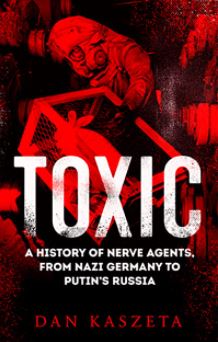
Against this backdrop, Dan Kaszeta’s Toxic: A History of Nerve Agents, from Nazi Germany to Putin’s Russia provides welcome background and context on these specific types of chemical weapons. A former Chemical Officer in the US Army with decades of chemical weapons experience including multiple stints at the White House, Kaszeta offers much-needed technical expertise on the invention, production, and investigation into nerve agents. The focus specifically on nerve agents is a welcome change from many other histories that tend to lump all chemical (and sometimes biological) weapons into one amorphous “poison gas” threat with little differentiation between them. While older chemical weapons such as sulfur mustard or phosgene are sometimes mentioned in comparison with nerve agents, the author never loses his focus on his primary subject. This focus also enables Kaszeta to bypass the introduction and extensive use of chemical weapons in World War I that tends to dominate many other similar histories. Instead, Toxic begins with the Nazi discovery of Tabun, Sarin, and Soman in the context of World War II and follows the history of the dissemination of this technology to the present day.

The in-depth discussion of Nazi nerve agents is one of the real strengths of this book.  Kaszeta conducted extensive archival research and revealed numerous interesting new details including insights into why nerve agents were not employed during the war, either on the battlefield or in the gas chambers. Similarly, his discussion of nerve agent development by the US, UK, and USSR during the Cold War is impressive even if it tends to focus heavily on weapon systems (likely reflecting Kaszeta’s military background). The sections on the Syrian Civil War and the Skripal poisoning in the UK are also notable for their impressive detail and valuable discussions into those investigations.

Kaszeta’s best analysis appears in recent events that he investigated as part of his work with the open-source research organization Bellingcat. He directly confronts the disinformation campaigns trying to deny Syria’s use of Sarin. The author correctly points out that much of the effort is not designed to disprove Syria’s actions, but simply muddy the waters enough to make investigators throw up their hands in defeat. Kaszeta similarly attacks Russian disinformation about the Skripal poisoning and uses a combination of technical knowledge and common-sense logic to demonstrate the weakness of Moscow’s denials. One would not expect to find much humor in a history of nerve agents, but Kaszeta’s devilish sense of humor makes several appearances, especially when disproving the lies of the Russian and Syrian governments about their nerve agent use.

That said, the book is inconsistent overall. The sections on the Aum Shinrikyo Sarin project and the VX assassination of Kim Jong Nam, in particular, lack the same level of attention as most of the others. The basics are all there, but the minimal amount of detail and the lack of insights are sometimes striking compared to other chapters. Relatedly, Kaszeta sometimes provides copious details on nerve agent production facilities and weapons systems and then fails to provide sufficient analysis of what it all means. This is nowhere more evident than in his too brief final chapter where he brings the entire history together. He, undoubtedly, has more insight to give and the book would likely be much improved if he shared more of it.

Kaszeta remains focused on nerve agents throughout his book, but he sometimes diverges from the broader historical narrative in distracting ways. The chapter on the psychological effects of nerve agents is a key example of this tendency. Kaszeta raises interesting questions about possible linkages between nerve agents and mental illness, but the topic seems out of place and his argument is underdeveloped. Perhaps lacking the appropriate medical knowledge to pursue on his own, the author simply wanted to raise the issue for others to investigate, but this story seemed a speculative diversion away from the main story.    

While most of Kaszeta’s conclusions are well-reasoned, one in particular stood out as questionable. He argues correctly that nerve agents were brought into being through the ingenuity and hard work of people working for the Nazi regime and every other related discovery builds upon that breakthrough. He then makes somewhat of a leap that without this important contribution, nerve agents never would have been invented at all. This conclusion seems debatable at best. Both sides in the Cold War would have continued their chemical weapons research even without discovering the Nazi nerve agents. The science of chemistry also would have continued to advance even without the military impetus. Investigations into the organophosphate compounds that form the basis of nerve agents would have continued regardless. After all, many nerve agent discoveries were originally based on research of pesticides. While the Nazi contribution cannot be denied, the idea that nerve agents would have remained undiscovered without it seems highly unlikely.      

The greatest contribution of Kaszeta’s Toxic is as a historical and technical reference on nerve agents, an important issue. The appendices, in particular, offer solid scientific descriptions of nerve agent issues and background information on several countries rarely discussed in the literature, such as the former nerve agent programs in France and Yugoslavia. Written in accessible language, the book uses Kaszeta’s scientific knowledge to shed light on important questions. For example, he argues that while Soman is more effective than either Tabun or Sarin, few countries have pursued Soman production because it involves the expensive precursor pinacolyl alcohol. He also uses this knowledge to debunk conspiracy theories. Specifically, some have argued that Sarin was only detected in Syria after a warehouse with the binary precursors of methylphosphonyl difluoride (DF) and isopropyl alcohol was bombed. As Kaszeta rightly argues, the bombing of such a building would create a massive fireball from the two flammable chemicals, which would not magically mix together to create a nerve agent. The author’s ability to apply his knowledge and experience to contemporary issues is invaluable. For anyone interested in the historical impact of chemistry or the role of chemical weapons in world affairs, this book is a worthy addition to their reading list.

Pandora Report: 3.19.2021

The GP-write consortium is building a computer-aided design (CAD) program that can design a new organism. The Schar School of Government and Policy is hosting three upcoming events, one on drones and CBRN threats, one on the Chemical Weapons Convention, and another on lessons for the next pandemic. Sally Huang, a Biodefense PhD student, provides an assessment of China’s new biosafety law.

Commentary – Assessing China’s New Biosafety Law

Sally Huang, a Biodefense PhD student, assesses China’s new biosafety law, the first of its kind, unifying numerous preexisting biosafety policies under a single framework. The COVID-19 pandemic, which was first detected in the Chinese city of Wuhan in December 2019, has turned the world upside down. While the origins of the pandemic, either a natural spillover event from animals to humans or the result of an escaped virus from the Wuhan Institute of Virology, remain contested, there is no denying that the virus has served as a focusing event for political leaders. As a rare, sudden event that has inflicted large-scale harm upon the public, the pandemic has also functioned as a powerful catalyst for policymaking.  While China had been drafting new biosafety legislation since 2019, the pandemic accelerated its finalization after President Xi Jinping announced his intent to enhance biosafety measures in February 2020. The law’s approval also comes as China recently experienced one of its worst COVID flare-ups in 2021, challenging the country’s success in overcoming the virus. Read Huang’s commentary here.

Event – Policy Exchange: Pandemic Preparedness and Response – Are We Learning the Right Lessons?

The COVID-19 pandemic revealed how vulnerable the world was to the spread of a novel contagious pathogen. The United States found itself unprepared and unable to respond effectively to the pandemic. Join five Schar School faculty members – Professors Robert V. House, Lauren Quattrochi, Saskia Popescu, and Katalin Kiss – who are distinguished experts in global health security and pandemic response, for an interactive discussion about whether we are learning the right lessons and how to prepare for the next pandemic. This virtual discussion will be held on 24 March at 6 PM EST. Register here.

Ready or Not 2021: Protecting the Public’s Health Against Diseases, Disasters, and Bioterrorism

The Ready or Not report series provides an annual assessment of states’ level of readiness to respond to public health emergencies. It recommends policy actions to ensure that everyone’s health is protected during such events. This 2021 edition tiers states into three performance categories – high, middle and low – and includes action steps states should take to improve their readiness while battling COVID-19 and for the next health emergency. The primary findings of the report include: a majority of states have made preparations to expand healthcare and public health capabilities in an emergency, often through collaboration; every state and DC had public health laboratories that had plans for a large influx of testing needs; and seasonal flu vaccination rates, while still too low, have risen significantly. The recommendations include: ensure effective public health leadership, coordination, and workforce; provide stable, sufficient funding for domestic and global public health security; and strengthen the healthcare system’s ability to respond and recover during and from health emergencies. Read the report here.

Could the Bioweapons Treaty be Another Tool for Addressing Pandemics?

Dr. Daniel Gerstein, alumnus of the Biodefense PhD Program and senior policy researcher at the RAND corporation, raises the issue of how the Biological Weapons Convention (BWC) could be strengthened to improve preparedness and response against a deliberate biological incident. The World Health Organization (WHO) has been central in the COVID-19 pandemic, and it has faced substantial criticism in its handling of pandemic in the very early days and the ongoing investigation into the origins of SARS-CoV-2. Though the WHO has the spotlight, “there is a separate international agreement that is similar in some ways to the regulations that guide the health body—a treaty that has the potential to play a critical role in preventing or addressing deliberate biological attacks—which themselves could spark a pandemic: The Biological Weapons Convention (BWC).” This treaty possesses common interests with the WHO’s International Health Regulations (IHR), as they both require that all countries have the ability to “detect, assess, report, and respond to public health events.” According to Gerstein, “both depend on governments having the ability to conduct disease surveillance, provide personal protective equipment and medical countermeasures, and ensure biosafety and biosecurity in labs. And these capabilities and resources are important for responding to or mitigating either a naturally occurring event or a deliberate attack.” Underperformance in messaging, policy and guidance, and vaccine distribution compromised pandemic response, but the members of the BWC could work toward addressing these issues. Read Gerstein’s article here.

With This CAD for Genomes, You Can Design New Organisms

The GP-write consortium aims to build a computer-aided design (CAD) program that can “design a new organism as easily as you can design a new integrated circuit.” The inspiration for the consortium stems from the Human Genome Project of the 1990s and early 2000s, which coded the entire DNA sequence of a human and “catalyzed the development of DNA sequencing technologies.” It was revolutionary and led to the creation of new fields of medicine; the GP-write team imagines that the ability to “write” genomes would be similarly groundbreaking for medicine, energy, and materials. For example, if a scientist needs to add a new metabolic pathway to formulate a specific protein, the program will “make all the necessary changes in all the necessary places in the genome.” With such technology, biosafety and bioethics are a major concern. The program will meet the high biosafety standards of the International Gene Synthesis Consortium, checking any designed sequences against a database of dangerous sequences and checking that the cell or organism will not proliferate unchecked or cause harm to the environment.

Event – Drones and the Future of Chemical, Biological, and Radiological (CBRN) Threats

This panel will explore the risks posed by the convergence of chemical, biological, radiological, and nuclear (CBRN) weapons and drones. Drones allow terrorists to collect intelligence prior to an attack, bypass ground-based physical barriers, and carry out highly effective chemical and biological weapons attacks. For state actors, the growth and proliferation of drone swarms offer new, sophisticated ways to carry out CBRN attacks, defeat traditional CBRN weapons, and respond to a successful attack. At the same time, the United States Department of Defense is working hard to combat these threats and recently issued a new strategy around countering small drones. The underlying question spanning the panel is: how well prepared is the United States and the global community to tackle the challenges drones pose for CBRN warfare? And what more can be done? This webinar will be held 26 March at Noon EST. Register here.

Biden’s ‘No-Fail Mission’: Preventing the Next Pandemic

Dr. Beth Cameron, head of the National Security Council Directorate on Global Health Security and Biodefense, said, “We have a no-fail mission of monitoring and standing up a response to emerging biological threats.” On President Biden’s first days in office, he reestablished the National Security Council office on pandemic preparedness that Trump dismantled and signed an executive order to establish a national center for epidemic forecasting and outbreak analytics. These two offices “mark the beginning of an overhaul to the country’s biodefense infrastructure — an effort that experts say is long overdue.” The pandemic revealed that epidemic forecasting — the ability to quickly identify a novel virus, chart its trajectory, and possibly stop it — is critical to national security, and is key to a swift and effective response in the early days of an outbreak. Now, as COVID-19 vaccines are rolling out to finally end the pandemic, Cameron states that Biden’s goal will be to “cement the emergency offices such as hers as enduring institutions.” Already, Biden has rejoined the World Health Organization (WHO) and funneled billions of federal dollars to vaccine alliance COVAX.

CDC Identifies Public Health Guidance from the Trump Administration That Downplayed Pandemic Severity

A comprehensive review ordered by Dr. Rochelle Walensky, the new Director of the Centers for Disease Control and Prevention (CDC), was aimed at ensuring that all of CDC’s existing guidance related to COVID-19 is evidence-based and politics-free. Several issues were identified with the guidance posted under the Trump administration, including: (1) guidance was released that was not primarily authored by CDC staff; (2) less directive language was used in guidance; and (3) there was inconsistent publication of supporting evidence in a scientific brief in conjunction with every major new guidance. By early 2021, three documents were replaced or removed prior to or during the review: (1) “The Importance of Reopening of America’s Schools this Fall” was removed; (2) “Overview of Testing for SARS-COV-2” was replaced; and (3) “Opening up America Again” was removed. Walensky announced that she is “focused on moving CDC forward with science, transparency and clarity leading the way. It is imperative for the American people to trust CDC. If they don’t, preventable illness and injury can occur — and, tragically, lives can and will be lost. This agency and its critical health information cannot be vulnerable to undue influence, and this report helps outline our path to rebuilding confidence and ensuring the information that CDC shares with the American people is based on sound science that will keep us, our loved ones, and our communities healthy and safe.”

How One Firm Put an ‘Extraordinary Burden’ on the US’s Troubled Stockpile

The shortage of lifesaving medical equipment and supplies in 2020 was a clear example of the US government’s failed response to the COVID-19 pandemic. While health workers were resorting to wearing trash bags for protection, Emergent BioSolutions, a multinational biopharmaceutical company, profited from selling anthrax vaccines to the nation’s emergency reserve of vaccines and medicines. Last year, the government paid $626 million to Emergent BioSolutions to produce a vaccine for fighting anthrax while the COVID-19 pandemic metastasized without the proper resources to mitigate its spread. This left the government with fewer funds to put toward the medical and non-medical countermeasure supplies needed in a pandemic. In fact, an investigation by The New York Times found that “government purchases for the Strategic National Stockpile (SNS), the country’s emergency medical reserve where such equipment is kept, have largely been driven by the demands and financial interests of a handful of biotech firms that have specialized in products that address terrorist threats rather than infectious disease.” Over the last 10 years, the US government has used about half of the SNS’s half-billion-dollar annual budget on just the anthrax vaccines from Emergent BioSolutions.

Event – Chemical Weapons Arms Control at a Crossroads: Russia, Syria, and the Future of the Chemical Weapons Convention

The Biodefense Graduate Program is hosting a live webinar on 23 March about Russia, Syria, and the future of the Chemical Weapons Convention (CWC). The repeated use of chemical weapons by Syria and Russia threatens to undermine international efforts to eliminate these weapons. How will states parties to the Chemical Weapons Convention, which bans the development and use of chemical weapons, respond to these violations of the treaty at their annual meeting in April? The panelists will discuss the challenges posed by the current Russian and Syrian chemical weapons programs, the status of international efforts to strengthen accountability for use of chemical weapons, and the implications for global chemical weapons arms control.

Dr. John R Walker is a Senior Associate Fellow at the European Leadership Network and a Senior Associate Fellow at the Royal United Services Institute. Una Jakob is a research associate at the Peace Research Institute Frankfurt (PRIF) in Germany who specializes in arms control, disarmament, and non-proliferation. Hanna Notte is a Senior Non-Resident Scholar with the James Martin Center for Nonproliferation Studies (CNS), focusing on arms control and security issues involving Russia and the Middle East. This event is moderated by Gregory D Koblentz, Director of the Biodefense Graduate Program. Register here.

Commentary – Assessing China’s New Biosafety Law

By Sally Huang, Biodefense PhD Student

Introduction

The COVID-19 pandemic, which was first detected in the Chinese city of Wuhan in December 2019, has turned the world upside down. While the origins of the pandemic, either a natural spillover event from animals to humans or the result of an escaped virus from the Wuhan Institute of Virology, remain contested, there is no denying that the virus has served as a focusing event for political leaders. As a rare, sudden event that has inflicted large-scale harm upon the public, the pandemic has also functioned as a powerful catalyst for policymaking [i]. While China had been drafting new biosafety legislation since 2019, the pandemic accelerated its finalization after President Xi Jinping announced his intent to enhance biosafety measures in February 2020. The law’s approval also comes as China recently experienced one of its worst COVID flare-ups in 2021, challenging the country’s success in overcoming the virus.

On October 17, 2020, China’s Standing Committee of the 13th National People’s Congress approved the Biosafety Law of the People’s Republic of China [ii]. This law is the first of its kind, unifying numerous preexisting biosafety policies under a single framework [iii]. Yet, one may be wary of the law’s credibility in effectively addressing biosafety gaps in China’s infectious disease framework given the political drama surrounding China’s response to the pandemic. China is under heightened scrutiny as the international community questions the origin of the pandemic, China’s initial handling of the COVID-19 outbreaks in Wuhan, and whether Chinese institutions and facilities are prepared to counter future infectious disease threats. Thus, even though China proactively initiated the Biosafety Law to address biosafety concerns, its rapid completion could be seen as a reflexive action to ameliorate the international community’s skepticism. The Biosafety Law’s broad and sometimes vague approach to addressing pathogen management, biohazardous agent accountability, capacity-building, and preparedness also highlight that there is much work to be done beyond approval of the law.

China’s Biosafety Law is unlike a highly detailed US law. Rather, it is analogous to a US government-issued strategy, a high-level document setting forth broad principles for subsequent legislative actions and policies. Thus, Chinese ministries will have to subsequently provide additional details to build upon the Biosafety Law. While strategy documents retain a certain amount of ambiguity to set the stage for more prescriptive, future policies, China’s Biosafety Law exhibits a noticeable lack of clarity. An analysis of the Biosafety Law’s key elements will therefore help inform outside parties about how China plans to navigate the infectious disease and biotechnology landscape moving forward.

Prior to diving into China’s Biosafety Law, it is worth taking a few moments to describe the linguistic differences between how Western and Chinese scientific communities use the terms, biosafety and biosecurity. When using these terms, the Western scientific community references two separate, but interrelated disciplines. The Chinese scientific community commonly uses the term shengwu anquan (biosafety) while also presently developing familiarity with shengwu anbao (biosecurity). Due to the widely varying opinions on what biosecurity means depending on where one works, Chinese scientists characterize shengwu anbao (biosecurity)as a subcategory of shengwu anquan (biosafety) as opposed to an independent field of study. An unintended consequence of this is the Chinese scientific community’s tendency to use these terms interchangeably [iv]. This may be a result of China’s intent to grow their biosecurity sector under the aegis of their biosafety policies, which were made more comprehensive following the country’s 2003 SARS outbreak [v]. On the other hand, this may cause confusion to the unbeknownst reader. In an effort to best maintain the Biosafety Law’s context in this article, the evaluation below adopts China’s interpretation of biosafety and biosecurity. Therefore, readers should keep in mind that as biosecurity (as described below) encompasses the security of biotechnologies, it is applied in the context of biosafety.

China’s Biosafety Law: Why Now?

COVID-19 highlighted the absence of a central agency and legal framework in China to provide direction for policies related to the management of threats posed by infectious diseases and biotechnology. Even with nearly a hundred existing biosafety laws and regulations, China has struggled with communicating, coordinating, and enforcing biosafety regulations. This demonstrates that a variety of policies can foster inconsistencies and poor policy oversight [vi]. As a result, China’s regulations are problematically left open to interpretation by all levels of government [vii]. Left unattended, these issues could balloon into long-term complications that could disrupt or contradict efforts to combat infectious diseases. Thus, China’s new Biosafety Law is meant to unify preexisting biosafety policies under one single framework to promote national biosafety standards and regulations, and demonstrate to the world their commitment to improving biosafety practices and infectious disease preparedness.

What Does the Biosafety Law Aim to Do?

Comprised of 88 articles, China’s Biosafety Law aims to bolster prevention and response to the threat of biological agents, nurture responsible laboratory conduct, and promote stable development of biotechnology to ensure the well-being of the ecosystem and population. As a basic, all-encompassing law, it takes a broad approach to formulating supervisory parameters for various issues of concern beyond biosafety and biosecurity. It bestows the Chinese State Council—the executive body of state power in charge of carrying out policy—with the authority to enforce, oversee, and lead investigations for all activities addressed under the law [viii]. With the Biosafety Law serving as the chief blueprint, it will work towards integrating various areas to fortify national and economic security, and social stability as well as set a precedent for future policies. The main components of China’s Biosafety Law include biosafety, biosecurity, public health preparedness, ethics, and biodefense.

Biosafety Prevention and Standards

China defines biosafety as the effective prevention and response to threats of biological agents and related factors to peoples’ lives and the ecosystem, and the stable development of biotechnologies [ix]. Although the law lists various areas in which biosafety would apply, it does not clearly define laboratory safety procedures or implementation of containment principles in the event that accidental outbreaks were to take place. This is interesting as the Western definition of biosafety more clearly lists criterion and values for protecting lab personnel and the public from the threat of biological agents [x]. However, it is worth noting that biosafety is explicitly written as “an important part of national security” within the Law as numerous articles describe the boundaries of biosafety activities and appropriate behavior in China [xi]. Article 6, for example, emphasizes the need to strengthen international cooperation and fulfill biosafety obligations under international treaties. This is especially pertinent to China’s compliance to the Cartagena Protocol on Biosafety in order to improve governance over the movement of pathogens and modified organisms [xii].

Article 8 empowers individuals to report activities endangering biosafety with the goal of preventing government authorities from ignoring early warning signs and valuable information provided by experts. This is a significant provision that could provide protection for whistleblowers. During the earliest stage of the COVID-19 outbreak in Wuhan, for example, Dr. Li Wenliang, a doctor treating patients with the novel coronavirus was detained and reprimanded by Chinese authorities for raising alarms about the hazards of the virus via social media. After his death from contracting COVID-19, he was hailed as the “hero who told the truth” as the Chinese public became outraged over the initial cover-up and number of lives that could have been saved if authorities had heeded the warnings [xiii]. The inclusion of this provision should pose a sanguine outlook for whistleblower protections, but specific assurances are not described. Only time will tell how Chinese government officials will act in the future.

The biosafety-focused articles also promote joint agency collaboration to enhance biosafety capacity-building. Article 42 stipulates that China should formulate a unified biosafety standard for pathogenic microorganisms in laboratories. Article 45 establishes hierarchical management for biosafety laboratories (BSLs) to ensure that research on pathogens is carried out responsibly in appropriate BSLs as categorized by risk level. Expanding upon responsible operation of pathogens, Article 68 calls for construction of a national biosafety infrastructure to accommodate high-grade pathogens and bolster national preparedness and response. As of now, China has only two BSL-4 labs [xiv]. The Biosafety Law does not dictate which types of biocontainment labs will be built. However, China is reportedly planning on building thirty additional BSL-3 labs and at least one BSL-4 lab over the next five years [xv].

Most reflective of the COVID-19 environment is Article 70 which details the State Council’s role in ensuring “the production, supply and deployment of medical rescue equipment, treatment drugs, medical devices and other materials needed for emergency response to biosafety incidents” [xvi]. Like any other country combatting COVID-19, healthcare workers and first responders in China are on the frontlines and require proper protective gear and medical countermeasures to help those in need.

Public Health and One Health

With the pandemic sparking additional concerns about novel infectious disease outbreaks, multiple provisions of the law address public health concerns. Article 18 dictates China will establish a biosafety inventory system to catalogue important biological data, including animal and plant, and other invasive species. Article 15’s biosafety risk investigation and evaluation system, combined with Article 16’s unified national biosafety information sharing system, will then help identify animal and plant epidemic risks that endanger China’s biosafety. China is also poised to streamline communication between government departments to efficiently classify and manage potential outbreaks. Article 47 aims for more controlled management of experimental animal research in laboratories to better protect the public. These articles reflect China’s efforts to amend loopholes in its public health and biosafety systems after SARS escaped Beijing labs twice in 2004. Continued speculation of the origin of COVID-19 also places pressure upon China to straighten their public health systems.

Articles 22, 23, and 27 through 30 have a One Health focus—an interdisciplinary approach that recognizes the intersection between human, plant, and animal health [xvii]—and dedicate attention to the development of monitoring systems to trace and manage epidemics among plants and animals. Article 31 stresses the importance of strengthening capacity building measures for prevention and control of animal and plant agents at borders and ports. Article 32 expresses China’s aim to protect wildlife and prevent the spread of infectious diseases of animal origin. This will be vital for countering infectious diseases that are approximately 60-75% zoonotic [xviii]. To further champion animal and plant epidemic protections, Article 60 sets out to formulate lists of invasive alien species as guides for creating relevant management measures. By taking a One Health approach to recognizing and reducing infectious disease threats, these articles demonstrate China’s hope in preserving biodiversity, ecosystems, and the natural environment.

Security of Biotechnology Research and Applications

The Biosafety Law does not include a definition for biosecurity. Instead, biosecurity is considered a part of biotechnology dual-use research of concern (DURC). China’s singular attention to biosafety after the 2003 SARS outbreak meant that the Chinese scientific and legislative community did not become familiar with biosecurity until later on [xix]. According to Michael Barr, there are widely varying opinions on biosecurity in China and there is a “divergence of awareness” [xx] depending on where one works, but biosecurity is generally considered a subcategory of biosafety. This differs from the Western scientific community’s interpretation of biosecurity, in which biosafety and biosecurity are separate, but complementary, disciplines.

Recognizing the role of DURC in biotechnologies and how it influences pathogen management, Article 34 strengthens the safety management of biotechnology research while prohibiting research activities that endanger public health and damage ecosystems or biodiversity. Article 36 seeks to formulate biotechnology R&D standards and classifies biotechnology R&D activities as high-risk, medium-risk, and low-risk “according to the degree of risk of harm to public health, industrial agriculture, ecological environment, etc” [xxi]. Article 39 emphasizes the importance of regulating the purchase and introduction of biotechnologies and related biological factors in accordance with a control list and prohibits individuals from purchasing or possessing items on this list. The law does not provide any details on the contents of this control list.

Ethics

The Biosafety Law also covers ethical issues such as how China should improve supervision of Human Genetic Resources (HGRs). The ethical handling of HGRs has become an important issue in China after Dr. He Jiankui used CRISPR technology to produce gene-edited babies in an attempt to reduce their susceptibility to HIV [xxii]. This controversial experiment raised a number of red flags for the international scientific community—not only was it a flagrant flouting of medical and research ethics, but it also evinced China’s ineffective regulations and scientists’ lack of compliance. Therefore, Article 53 calls for strengthened supervision of the collection, preservation, and utilization of HGRs and related biological resources. Article 54, which empowers the State Council to carry out necessary investigations, provides a means of verifying compliance with these new provisions. Details on how the State Council would conduct these investigations, however, are not provided. Nonetheless, the universally negative response to Dr. He’s experiment provided a strong incentive for China to redefine its HGR regulations and reshape its bioethics standards.

Promoting Biodefense

Through Article 61 of the Biosafety Law, China hopes to “take all necessary measures to prevent biological terrorism and the threat of biological weapons”[xxiii]—echoing the Biological Weapons Convention’s (BWC) objective of prohibiting the development, manufacture, acquisition, stockpiling, possession, and utilization of biological weapons [xxiv]. China has already passed legislation for domestic implementation of the BWC and reported its biosecurity policies and enforcement measures to the United Nations Security Council’s 1540 Committee. In 2019, however, the US State Department reported that China was engaged in “biological activities with potential dual-use applications, which raises concerns regarding its compliance with the BWC” [xxv].

Article 62 tasks the State Council with creating China’s own version of the US’s Select Agent and Toxins List which is used to regulate access to dangerous pathogens that could be used by terrorists. Though criteria for this list are not described, a biological agent control list would provide China with a more formal method for managing, monitoring, and investigating suspicious purchases or activities with biological agents at risk of being misused to cause harm. Meanwhile, Article 65 calls for investigations of remnants of biological weapons found within China and the construction of facilities for their storage and disposal. The discovery and disposal of abandoned biological weapons holds historical significance for China as the country was subjected to multiple biological attacks by Japan during the Sino-Japanese War, and Chinese prisoners of war and captured civilians were victims of Japanese BW experiments conducted by Unit 731 in Manchuria during this time [xxvi]. At the end of the war, Japanese abandoned the site and destroyed records. However, recent discoveries of new records and an incubator used for the production of Yersinia pestis (the causative agent for plague) at sites in China indicates that the destruction of Unit 731’s equipment and materials was not completely thorough [xxvii]. Thus, other experimental equipment and biological munitions have the potential to be unearthed. These efforts to clean up the legacy of Japan’s biological weapons program in China complements China’s long-standing effort to safely destroy abandoned Japanese chemical weapons [xxviii].

Penalties for Violating the Biosafety Law

The Biosafety Law concludes with a final chapter on penalties for individuals who violate the law through the abuse of power, neglect of duties, engagement in malpractice for personal gain, fabrication of false information, and/or criminal acts. Penalties for such violations are financial fines that range between thousands to millions of yuan depending on the scope of the violation committed. The law does not delineate any prison time or any other form of penalties distinct from financial fines. With these current penalties, China hopes to influence scientific institutions and personnel to comply with the Biosafety Law. Yet, these articles do not describe pertinent criminal laws that would apply nor does it address whether novel criminal laws will be created to enforce the Biosafety Law—leaving the parameters for legal responsibility and investigations ambiguous.

Conclusion

Even as the Biosafety Law reflects China’s strategic positioning to incorporate biosafety, biosecurity, and biotechnology into its national security system, this ambitious set of laws needs to be accompanied by verification and accountability measures to ensure its proper implementation. What’s more, it will be interesting to see how China’s new expansive benchmarks will hold up, especially as the wording of key articles may be too broad and vague to be interpreted clearly. Nevertheless, countering infectious disease threats will be a balancing act requiring steadfast commitment and investment. COVID-19 has served as a long-awaited wake-up call for China to re-center their policy efforts and develop purposeful strategies to reduce the threats posed by natural and man-made biological threats. As the world continues to face infectious disease threats, the Biosafety Law serves as a preliminary touchstone for Chinese scientists and institutions to elaborate upon. This new law is the beginning of a long process of heightening biosafety from a local concern to a national one and developing the policies, processes, and institutions necessary to implement the law. Only then can the Biosafety Law begin to be the comprehensive and effect


[i] Thomas A. Birkland, Lessons of Disaster: Policy Change after Catastrophic Events, American Governance and Public Policy Series (Georgetown University Press, 2006), https://www.jstor.org/stable/j.ctt2tt2sn.

[ii] Biosafety Law of the People’s Republic of China, October 17, 2020, http://www.npc.gov.cn/npc/c30834/202010/bb3bee5122854893a69acf4005a66059.shtml

[iii] Shihui Qiu and Ming Hu, “Legislative Moves on Biosecurity in China,” Biotechnology Law Report 40, no. 1 (January 21, 2021): 27–34, https://doi.org/10.1089/blr.2020.29217.mh.

[iv] Michael Barr, “Cures That Kill,” China Security 4, no. 4 (2008): 33–42.

[v] Gigi Kwik Gronvall, Matthew Shearer, and Hannah Collins, National Biosafety Systems: Case studies to analyze current biosafety approaches and regulations for Brazil, China, India, Israel, Pakistan, Kenya, Russia, Singapore, the United Kingdom, and the United States (Baltimore, MD: UPMC Center for Health Security, July 2016), 8.

[vi] Jia Li and Yunfeng Jing, “Biosecurity Law — A Landmark Law to Be Released Soon,” China Law Insight, October 20, 2020, https://www.chinalawinsight.com/2020/10/articles/biolaw/biosecurity-law-a-landmark-law-to-be-released-soon/.

[vii] Barr, “Cures That Kill.”

[viii] “The State Council,” accessed February 6, 2021, http://en.people.cn/data/organs/statecouncil.shtml.

[ix] “Biosafety Law of the People’s Republic of China” (China National People’s Congress, October 17, 2020).

[x] Judi Sture, Simon Whitby, and Dana Perkins, “Biosafety, Biosecurity and Internationally Mandated Regulatory Regimes: Compliance Mechanisms for Education and Global Health Security,” Medicine, Conflict, and Survival 29, no. 4 (2013): 289–321, https://doi.org/10.1080/13623699.2013.841355.

[xi] “Biosafety Law of the People’s Republic of China.”

[xii] Biosafety Unit, “Parties to the Cartagena Protocol and Its Supplementary Protocol on Liability and Redress,” The Biosafety Clearing-House (BCH) (Secretariat of the Convention on Biological Diversity, March 5, 2018), https://bch.cbd.int/protocol/parties/.

[xiii] Verna Yu, “‘Hero Who Told the Truth’: Chinese Rage over Coronavirus Death of Whistleblower Doctor,” The Guardian, February 7, 2020, http://www.theguardian.com/global-development/2020/feb/07/coronavirus-chinese-rage-death-whistleblower-doctor-li-wenliang.

[xiv] World Health Organization, WHO Consultative Meeting on High/Maximum Containment (Biosafety Level 4) Laboratories Networking: Meeting Report (World Health Organization, 2018), http://www.who.int/ihr/publications/WHO-WHE-CPI-2018.40/en/.

[xv] Frank Chen, “China Goes on Biosafety Lab Building Spree,” Asia Times, July 7, 2020, https://asiatimes.com/2020/07/china-goes-on-biosafety-lab-building-spree/.

[xvi] “Biosafety Law of the People’s Republic of China.”

[xvii] “One Health Basics,” Centers for Disease Control and Prevention, November 5, 2018, https://www.cdc.gov/onehealth/basics/index.html.

[xviii] Stephanie J. Salyer et al., “Prioritizing Zoonoses for Global Health Capacity Building—Themes from One Health Zoonotic Disease Workshops in 7 Countries, 2014–2016,” Emerging Infectious Diseases 23, no. Suppl 1 (December 2017): S55–64, https://doi.org/10.3201/eid2313.170418.

[xix] Amy E Smithson, Monterey Institute of International Studies, and James Martin Center for Nonproliferation Studies, Beijing on Biohazards: Chinese Experts on Bioweapons Nonproliferation Issues (Monterey, Calif.: James Martin Center for Nonproliferation Studies (CNS). Monterey Institute of International Studies, 2007), 47, http://cns.miis.edu/reports/pdfs/beijing_on_biohazards.pdf.

[xx] Barr, “Cures That Kill.”

[xxi] “Biosafety Law of the People’s Republic of China.”

[xxii] David Cyranoski, “What CRISPR-Baby Prison Sentences Mean for Research,” Nature 577, no. 7789 (January 3, 2020): 154–55, https://doi.org/10.1038/d41586-020-00001-y.

[xxiii] “Biosafety Law of the People’s Republic of China.”

[xxiv] “The Biological Weapons Convention (BWC) At A Glance | Arms Control Association,” Arms Control Association, accessed January 20, 2021, https://www.armscontrol.org/factsheets/bwc.

[xxv] Richard Pilch, “Engaging China on Bioweapons and Beyond,” James Martin Center for Nonproliferation Studies, May 28, 2020, https://nonproliferation.org/engaging-china-on-bioweapons-and-beyond/.

[xxvi] Sheldon H. Harris, Factories of Death: Japanese Biological Warfare, 1932-45 and the American Cover-Up, 2nd edition (New York: Routledge, 2002).

[xxvii] “China Reveals New Evidence of Japan’s Germ War Atrocities,” Xinhua Net, August 18, 2017, http://www.xinhuanet.com//english/2017-08/18/c_136536353.htm.

[xxviii] Wanglai Gao, “Unearthing Poison: Disposal of Abandoned Chemical Weapons in China,” Bulletin of the Atomic Scientists 73, no. 6 (November 2, 2017): 404–10, https://doi.org/10.1080/00963402.2017.1388678.

Pandora Report: 3.12.2021

Thursday, 11 March 2021, marked one year since the WHO declared the COVID-19 pandemic. Concerns arise about Russia’s Sputnik COVID-19 vaccine. A research team from Los Alamos National Laboratory discuss the importance of cooperative engagement programs for biosurveillance and outbreak response.

Hospital Management of Chemical, Biological, Radiological, Nuclear, and Explosive Incidents Course

The Hospital Management of Chemical, Biological, Radiological, Nuclear, and Explosive Incidents (HM-CBRNE) course is an education and training opportunity for healthcare professionals to get up-to-date and hands-on instruction regarding the preparation for and management of casualties from a CBRNE event. The training is provided by the US Army Medical Research Institute of Infectious Diseases (USAMRIID), the US Army Medical Research Institute of Chemical Defense (USAMRICD), and the Armed Forces Radiobiology Research Institute (AFRRI). The course is taught by leading authorities in biological, chemical, radiation, and incident management. The content of the course focuses on facilitating mitigation of existing and potential gaps in hospital operations during a major weapons of mass destruction (WMD) event. Four students from the Biodefense Graduate Program had the opportunity to take the HM-CBRNE course: Deborah Cohen, Sally Huang, Maddie Roty, and Marisa Tuszl. Read their takeaways here.

Commentary – Systematizing the One Health Approach in Preparedness and Response Efforts for Infectious Disease Outbreaks

Michelle Grundahl, a Biodefense MS Student, attended a workshop – Systematizing the One Health Approach in Preparedness and Response Efforts for Infectious Disease Outbreaks – offered by the Forum on Microbial Threats of the National Academies of Sciences, Engineering, and Medicine. The objective of this workshop was to confront our emerging health threats through systematizing and integrating the One Health approach.  One Health is a collaborative, multisectoral, and transdisciplinary approach — working at the local, regional, national, and global levels — with the goal of achieving optimal health outcomes recognizing the interconnection between people, animals, plants, and their shared environment. Topics in this workshop included integrating One Health into existing coordination mechanisms (into national action plans for health security) and integrating animal and human health surveillance systems.  Essentially, this new paradigm in biodefense will create a framework across sectors and bring order among disparate expertise. The adopters of One Health are ready for the challenge. Read Grundahl’s takeaways from the workshop here.

WHO Declared Pandemic 1 Year Ago

This week, 11 March, marks one year since the World Health Organization (WHO) officially declared the COVID-19 pandemic. As of Thursday, more than 529,000 Americans have died from COVID-19, and that number continues to climb. In the US, on Thursday, the $1.9 trillion pandemic relief bill was signed by President Joe Biden. The bill aims to assist households in covering costs during the pandemic and stimulate the economy. Important components of the bill include: stimulus payments that will send money to about 90% of households; additional $300 to weekly unemployment benefits; expansion of the child tax credit; and billions of dollars for K-12 schools to reopen, for small businesses, and for vaccine research, development, and distribution.

Biological Threat Detection and Response Challenges Remain for BioWatch

A redacted report from the Office of the Inspector General (OIG) to the Department of Homeland Security (DHS) contains four recommendations aimed at improving the BioWatch Program, an early warning system designed to detect the presence of biological agents that have been intentionally released into the air. The four recommendations to the Countering Weapons of Mass Destruction (CWMD) Assistant Secretary include: (1) conducting risk assessments of BioWatch’s posture and aligning its capabilities with the program’s mission; (2) revising and updating BioWatch cooperative agreements to ensure physical security of all CWMD portable sampling unit equipment; (3) utilizing the most recent threat assessment to enhance biological agent detection capabilities; and (4) conducting routine full-scale exercises and sharing the after-action reports with all stakeholders. According to the report, the CWMD Secretary in DHS concurred with all four recommendations and these improvements to the BioWatch Program are underway. This calendar year will see several milestones reached, including a full-scale exercise, a new threat assessment, and a revision to the BioWatch Management Plan.

States Taking Action on Biosecurity

Maryland is the second state, after California, to take up consideration of legislation to regulate the sale of DNA synthesis equipment and products for biosecurity purposes. The draft legislation, House Bill 1256 introduced by Delegate Karen Lewis Young, requires the state of Maryland to develop a process to certify that gene synthesis providers and manufacturers of gene synthesis equipment are screening customers and sequence orders and that recipients of state funds may only purchase synthetic DNA and equipment from vendors certified under this process. The draft bill was discussed in a hearing of the Health and Government Operations Committee of the Maryland House of Delegates on 9 March. Dr. Gigi Gronvall, a senior scholar at the Johns Hopkins Center for Health Security and associate professor in the Department of Environmental Health and Engineering at the Johns Hopkins Bloomberg School of Public Health, testified in favor of the bill. According to Dr. Gronvall, “These restrictions would make it harder for a potential nefarious actor to access genetic material for making pathogenic viruses from synthetic DNA, such as smallpox, Ebola or influenza. This bill can help to make the field of synthetic DNA safer and ensure responsible manufacturing processes.” A similar bill is under consideration in California. That bill, AB 70 introduced by Assembly member Rudy Salas, has been endorsed by the Scientists Working Group on Chemical and Biological Security at the Center for Arms Control and Nonproliferation. Given the key roles that both Maryland and California play in the nation’s growing bioeconomy, the approval of either bill would establish a de facto national standard for biosecurity in the field of synthetic biology. 

Warnings About Russia and Its Sputnik COVID-19 Vaccine

The European Union (EU) is warning member states to be cautious of the Sputnik COVID-19 vaccine, which was developed by Russia’s Gamaleya National Centre of Epidemiology and Microbiology. Christa Wirthumer-Hoche, head of the European Medicines Agency’s Management Board, said that the EU review of the Sputnik vaccine began on 4 March and data packages were arriving from the manufacturer. Due to vaccine supply shortages, Hungary, Slovakia, and the Czech Republic have moved to approve the vaccine unilaterally. US officials warn that Russia has been spreading disinformation via social media platforms regarding Western COVID-19 vaccines, in an attempt to undermine vaccination campaigns and uptake. Indeed, the Washington Post reports that Russian intelligence agencies have launched a campaign to weaken public confidence in Pfizer’s vaccine, questioning its development and safety. The Department of State’s Global Engagement Center, which monitors foreign disinformation efforts, identified four publications that he said have served as fronts for Russian intelligence. These websites makes several misleading or erroneous claims related the efficacy of US COVID-19 vaccines, side effects, and the emergency authorization process.

Land Use-Induced Spillover: A Call to Action to Safeguard Environmental, Animal, and Human Health

The rapid global spread and human health impacts of SARS-CoV-2, the virus that causes COVID-19, show humanity’s vulnerability to zoonotic disease pandemics. Although anthropogenic land use change is known to be the major driver of zoonotic pathogen spillover from wildlife to human populations, the scientific underpinnings of land use-induced zoonotic spillover have rarely been investigated from the landscape perspective. The authors of a new article in The Lancet call for interdisciplinary collaborations to advance knowledge on land use implications for zoonotic disease emergence with a view toward informing the decisions needed to protect human health. In particular, they urge a mechanistic focus on the zoonotic pathogen infect–shed–spill–spread cascade to enable protection of landscape immunity—the ecological conditions that reduce the risk of pathogen spillover from reservoir hosts—as a conservation and biosecurity priority. Results are urgently needed to formulate an integrated, holistic set of science-based policy and management measures that effectively and cost-efficiently minimize zoonotic disease risk. The article considers opportunities to better institute the necessary scientific collaboration, address primary technical challenges, and advance policy and management issues that warrant particular attention to effectively address health security from local to global scales. Read the article here.

How Cooperative Engagement Programs Strengthen Sequencing Capabilities for Biosurveillance and Outbreak Response

A research team from Los Alamos National Laboratory discusses the importance of cooperative engagement programs for biosurveillance and outbreak response in Frontiers in Public Health. The threat of emerging and re-emerging infectious diseases continues to be a challenge to public and global health security. Cooperative biological engagement programs act to build partnerships and collaborations between scientists and health professionals to strengthen capabilities in biosurveillance. Biosurveillance is the systematic process of detecting, reporting, and responding to especially dangerous pathogens and pathogens of pandemic potential before they become outbreaks, epidemics, and pandemics. One important tool in biosurveillance is next generation sequencing. Expensive sequencing machines, reagents, and supplies make it difficult for countries to adopt this technology. Cooperative engagement programs help by providing funding for technical assistance to strengthen sequencing capabilities. Through workshops and training, countries are able to learn sequencing and bioinformatics, and implement these tools in their biosurveillance programs. Cooperative programs have an important role in building and sustaining collaborations among institutions and countries. One of the most important pieces in fostering these collaborations is trust. Trust provides the confidence that a successful collaboration will benefit all parties involved. With sequencing, this enables the sharing of pathogen samples and sequences. Obtaining global sequencing data helps to identify unknown etiological agents, track pathogen evolution and infer transmission networks throughout the duration of a pandemic. Having sequencing technology in place for biosurveillance generates the capacity to provide real-time data to understand and respond to pandemics. The authors highlight the need for these programs to continue to strengthen sequencing in biosurveillance. By working together to strengthen sequencing capabilities, trust can be formed, benefitting global health in the face of biological threats. Read the article here.

WCO Strategic Chemicals List

The World Customs Organization (WCO) is “an independent intergovernmental body whose mission is to enhance the effectiveness and efficiency of Customs administrations.” The WCO maintains the Strategic Trade Control Enforcement Implementation Guide (STCE), a document drafted to provide WCO members with “practical assistance related to enforcing strategic trade controls.” The STCE provides a list of strategic chemicals that included several substances listed by the Chemical Weapons Convention (CWC) Schedules, the Australia Group (AG) Chemical Weapons Precursors List, the Wassenaar Arrangement (WA) Munition Lists, the Nuclear Suppliers Group (NSG) Dual-Use List, the Missile Technology Control Regime (MTCR) Equipment, Software, and Technology Annex, and the WCO Programme Global Shield (PGS). Annex V includes a curated and structurally annotated version of the STCE’s list of strategic chemicals. According to Dr. Stefano Costanzi, “Chemicals are better described through structures than through names.” This work was done within the scope of the Stimson Center’s Cheminformatics project, a collaborative project involving the Stimson Center’s Partnership in Proliferation Prevention’s Program and the Costanzi Research Group at American University.

Hospital Management of Blast Event Casualties: We Aren’t Prepared

By Maddie Roty, Biodefense MS Student

At the end of January 2021, I attended a virtual session of the Hospital Management of Chemical, Biological, Radiological, Nuclear, and Explosive (CBRNE) Incidents course offered by United States Army Medical Research Institute of Chemical Defense (USAMRICD), the United States Army Medical Research Institute of Infectious Disease (USAMRIID), and the Armed Forces Radiobiology Research Institute (AFRRI). This five-day course expanded on the Medical Management of Chemical and Biological Casualties Course, which I attended in October 2020, to include a wider array of casualties from weapons of mass destruction (WMD). This course was also of greater relevance to me as a registered nurse because it focused not on military field management, but also on civilian hospital preparedness for managing mass casualties. The course consisted of a series of lectures regarding incident command, assessment, triage, and treatment of WMD casualties. Each day focused on a different threat, with the final day featuring a tabletop exercise to apply our new knowledge. The chemical and biological sessions were largely a review from MCBC and covered material I was already familiar with through my coursework as a master’s student in the Biodefense program at the Schar School of Policy and Government, so while the review was appreciated, the most captivating sessions for me were about conventional bombings and blast effects.

Blast events, meaning explosions caused by bombs, are a surprisingly common occurrence in the United States. In 2019 alone, there were 715 explosion events, including 251 bombings, not including failed or foiled incidents. It was unnerving to learn that a survey of seven U.S. cities conducted after the 2004 Madrid train bombings, which caused 191 deaths and 1,800 injuries, found that none of these cities had the capacity to respond to a mass casualty event of this magnitude. As we progressed through the lectures, gaps in preparedness for treatment of casualties from an explosive event became obvious to me compared to what I had learned in nursing school.

A blast creates three blast zones – the epicenter, the secondary perimeter, and the periphery. These zones are important for hospital management because different injuries can be anticipated depending on which zone the patient was in at the time of the event. There are the expected trauma injuries that are obvious to even an untrained eye. Of particular interest for me were primary blast injuries, which are caused by blast waves and affect air and fluid-filled organs such as the lungs, ears, and parts of the gastrointestinal tract. These types of injuries are internal and can have a delayed onset or non-obvious symptoms. I did not learn about these types of injuries in nursing school. We also did not learn that ruptured eardrums (tympanic membrane ruptures) and bruising in the pharynx (pharyngeal petechiae) are associated with greater morbidity in bomb victims or that we should assess for blocked blood vessels (air embolisms) or collapsed lungs (pneumothoraces), even in the absence of symptoms, as these are common consequences of blast waves.

I thought this knowledge gap might be remedied during on-the-job training, so I contacted a friend who works in an emergency department as a nurse. She told me they did not receive specific training for blast events, but they were taught to assess for trauma in mass casualty events. It was stressed repeatedly during this course that blast events are not like other mass casualty events, as they may or may not result in obvious signs of trauma. I would anticipate that if a significant blast event occurred in the United States, many critically ill patients would not receive timely or appropriate care simply due to lack of knowledge about the effects of these events.

I am very grateful to have had the opportunity to receive this education from some of the world’s leading experts in the field. The COVID-19 pandemic has, hopefully, elucidated the necessity of hospital preparedness, even for CBRNE events that seem unlikely but could happen anywhere at any time. Increasing training, education, planning, collaboration, and funding for management of casualties caused by bombings and other blast events should be a priority for health care systems. This is not just a health issue; it is a matter of national security. 

Understanding the Challenges of Hospital Preparedness for CBRNE Incidents

By Marisa Tuszl, Biodefense MS Student

My interest in how well prepared hospitals are to respond to a chemical, biological, radiological, nuclear, or explosive (CBRNE) attack was sparked last fall after I took two different, but equally fascinating courses, on the topic. In October, I attended the US Army’s Medical Management of Chemical and Biological Casualties (MCBC) course and during the fall semester I took a course on building healthcare system resilience with Dr. Saskia Popescu who teaches in the Biodefense program at the Schar School of Policy and Government at George Mason University. While the Army course focused on the threats posed by chemical and biological weapons and managing military casualties in the field caused by these weapons, Dr. Popescu’s course focused on the readiness of civilian hospitals to respond to a range of hazards. My curiosity about the intersection of CBRN weapons and hospital preparedness led me to take Hospital Management of Chemical, Biological, Radiological, Nuclear, or Explosive (HM-CBRNE) Incidents course offered by the United States Army Medical Research Institute of Chemical Defense (USAMRICD) and United States Army Medical Research Institute of Infectious Diseases (USAMRIID). The week-long, virtual HM-CBRNE course presented an opportunity to improve my understanding of how hospitals can manage these types of incidents, the Federal programs and protocols that are in place to provide assistance, and the most common challenges confronting hospital preparedness.

The first day of the course provided a foundation regarding the Federal guidelines for responding to a CBRN incident, such as the National Response Framework (NRF) and National Incident Management System (NIMS), and the response systems in place within healthcare facilities, such as the Hospital Incident Command System (HICS). The subsequent days were focused on the different types of CBRNE threats covered by the course, how the nature of these different threats affected planning, decontamination, triage, and response efforts, and the overall role of the different incident command and management systems in planning and response. Altogether, the buildup of information was designed to prepare us for a capstone exercise at the end of the week in which we utilized a traditional HICS to handle an unknown event in real-time.

The capstone exercise was my favorite part of this course because everyone in our group held a specific role in the HICS organizational chart and we had to work together to triage incoming patients to determine whether they were routine patients, required emergency care, or were victims of the incident and required special medical attention. In addition, the proctors threw curveballs at us during the exercise which required each team to work together to come up with solutions to these new problems. In my role as the Situation Unit Leader, I had to keep track of the patients and available beds in the emergency department to ensure a smooth distribution of patients throughout the hospital and mitigate any surge capacities, if possible, during the incident. Though this was a virtual exercise, it revealed several real issues that hospitals can face as they attempt to handle an unknown public health emergency, such as communicating with other hospitals to ensure that each has adequate resources, making sure that memorandums of understanding (MOUs) are in place before an incident, having a location for families to be directed to avoid confusion and traffic at the hospital, having capabilities to decontaminate patients, and turning over beds in an efficient manner to prevent overfilled emergency departments. The capstone exercise displayed how important it is for localities to have emergency planning committees and perform hazard vulnerability analyses to determine what threats are the most probable for them. The after-action session also allowed the two teams that participated in the capstone exercise to discuss the similarities and differences in their planning and response techniques to the same event. Thus, we were able to learn how others handled the event and gained insight into additional complicating factors such as the possibility of multiple threats or emergencies occurring concurrently and the difficulties in utilizing volunteers and external partners during a major incident.

All in all, the HM-CBRNE program supplied me with an invaluable educational experience for learning about the “ins-and-outs” of hospital emergency management. This course was beneficial in providing myself and the other participants with the tools to identify potential CBRNE incidents and the protocols to respond accordingly. As with the MCBC course, USAMRIID and USAMRICD did a great job in utilizing a virtual platform to provide practical information on hospital preparedness to an array of participants.

The Challenge of Triage for CBRNE and Mass Casualty Incidents

By Deborah W Cohen, Biodefense Graduate Certificate Program

Imagine you have travelled across the country to attend a professional conference. While attending a presentation, the session is suddenly interrupted by news that other attendees are falling ill from a chlorine leak at the conference center’s pool. There are sounds of sirens and chaos outside. The presenter asks everyone to stay calm. They resume their presentation, but about an hour later a handful of individuals in the room begin to fall ill. As you being to wonder if this is connected to the incident outside at the pool, you suddenly become incapacitated and fall off your chair. The last thing you see is first responders wearing hazmat gear entering the room. 

This was the initial stage of the scenario for the Tabletop Capstone Exercise on the last day of the U.S. Army’s Hospital Management (HM) – Chemical, Biological, Radiological, Nuclear, and Explosives (CBRNE) Incidents training course held in late January 2021. I was assigned to the RED HOSPITAL response team which was comprised of military and civilian members. As the scenario unfolded, we organized a response utilizing the doctrine, tools, and planning concepts of the Hospital Incident Management System (HIMS) taught during the first four days of the course. 

Many kinds of emergency incidents happen in our communities. The scenario to which we responded could have been caused by a “conventional” emergency or a terrorist attack involving a chemical agent and a biological agent. The nature of the attack would be determined through an investigation using evidence collected during and after the response. The disaster response, however, must start immediately and be premised on the National Incident Management System (NIMS) guided by the National Response Framework (NRF). The NRF is the national emergency management doctrine formulated by the Office of the Assistant Secretary of Preparedness and Response (ASPR) in the Department of Health and Human Services. The NIMS provides federal support to state and local incident managers and is designed to be scalable, flexible, and adaptable to all types of incidents. 

This emergency management system was put in place by Homeland Security Presidential Directive 5 in 2003 which sought to “enhance the ability of the United States to manage domestic incidents by establishing a single, comprehensive national incident management system.” The guiding principles of the NIMS are the template for local Incident Command Systems (ICS). By way of background on nomenclature, Incident Management Systems (IMS) are more comprehensive in scope than Incident Command Systems (ICS).  IMS also deal with the longer term direct and indirect effects of an event in a community. ICS can be thought of as aa component of IMS dealing more narrowly with specific urgent actions of getting an incident under control.  However, ICS and IMS are designed to be compatible with each other. The ICS operates on the principle of “unity of effort” which provides the multiple organizations responding to an incident a way to coordinate and focus their efforts efficiently by setting aside overlaps and competition across authorities and jurisdictions.Local hospitals are required to prepare for and respond to disasters using the Hospital Incident Command System (HICS) in compliance with NIMS. One of the ways that HICS improves emergency planning, response and recovery is by clearly designating who is responsible for different roles across the response command organization such as incident command, security, medical technology, personnel, finance, supply, logistics, public information, liaison services, and transport.  Since compliance with NIMS is a condition for any healthcare facility to receive Federal assistance, the adoption of ICS by first responders and HICS by healthcare organizations enables government and non-government entities to respond cooperatively to an incident.

The week of training provided by the HM-CBRNE course covered the properties of each of the CBRNE threats and their respective hospital management protocols. These threat-response relationships were further illustrated by incident scenarios. In these scenarios, triage was, for me, the main component that best characterized the realities of emergencies.  In contrast to the Medical Management of Chemical and Biological Casualties (MCBC) Course that I attended last year, which focused on battlefield triage, this course also included lessons on triage in a  civilian community setting.

We learned about three types of triage systems that hospitals use for trauma casualties that are not specifically designed for CBRNE incidents: (1) field triage conducted at the scene of an incident to match available resources with patients; (2) inter-hospital sorting for the transfer of more seriously injured patients to higher level care facilities; and (3) mass-casualty sorting and prioritizing during a disaster. There is also a reverse triage system to sort hospital patients for discharge. These triage systems support the creation and utilization of surge capacity by hospitals to deal with mass casualty incidents, which resonates today with the challenges posed by the COVID-19 pandemic.  Triage of casualties caused by a CBRNE incident can be complicated by the unique effects of these weapons as well as by pre-existing conditions among patients and the impact of psychological trauma. 

The U.S. Army uses three types of “sorting” systems for triage: medical treatment, decontamination, and evacuation. For medical treatment, there are four categories of triage: Immediate, Delayed, Minimal, and Expectant (IDME). In medical triage, Immediate cases require intervention within a few minutes using the ABCDDs: Airway, Breathing, Circulation, Decontamination, and Drugs. In CBRNE events, immediate intervention can also use the (MARs)2 system:  Mask, attention to issues of Massive hemorrhage, Airway, Antidotes,Respirations, and Rapid removal of contaminants. Delayed cases can tolerate a short postponement of medical attention. Minimal patients are those with minor, stable, or resolving injuries that can tolerate a longer delay in treatment.  Expectant patients will not survive without the use of scarce resources that could otherwise be used for possible survivors.  For a civilian community setting, triage of CBRNE casualties will be handled differently.  Four different triage systems for CBRNE casualties, each with their own advantages and limitations, have been developed: (1) Rapid Assessment of Mentation and Pulse (RAMP); (2) Sort Assess Life-saving Treatments Treatment and/or Transport (SALT); (3) Simple Triage and Rapid Treatment (SMART); and (4) Simple Triage and Rapid Treatment (START).

A second triage system developed by the military is for decontamination and it depends on the type of agent and exposure involved. It is typically conducted concurrent with medical triage. For decontamination, the sorting categories are Immediate, Operational, and Thorough. The Assistant Secretary for Preparedness and Response (ASPR) and its partners have developed a protocol for decontamination triage based on a tool called the Primary Response Incident Scene Management (PRISM).

The third triage system is for evacuation which includes Urgent, Priority, and Routine (UPR) sorting categories.  Triage for evacuation is based on the determinations of medical triage and time factors. Patients who can be matched with available treatment and are most likely to survive and recover will be evacuated. Patients in the Urgent category are those who need treatment within two hours. Priority triage is for those who need treatment within four hours. Routine triage patients can wait for up to 24 hours for treatment. The Routine group of evacuees will also include terminal patients.

Col. (ret.) James M. Madsen, MD, the Army presenter, explained that while all triage methods are based on on-the-scene determinations of urgency, survivability, and resource availability, mass-casualty and CBRNE triage is different from other kinds of triage in several ways. For triage of victims of a CBRNE incident, the speed of operation is even more critical, personal protective equipment (PPE) is always needed due to the risk of contamination, verbal communication is difficult, hands-on exams may not be possible, and first responders are sorting simultaneously for medical treatment, decontamination, and evacuation. CBRNE triage schemes are very challenging as they must quickly account for the clinical implications of the specific CBRNE agent to which the victims have been exposed. For instance, the length of the latent period before symptoms manifest, the risk of secondary contamination, and the existence of specific antidotes varies among different chemical warfare agents. The most important message about triage for mass casualties and CBRNE incidents is that while there are many methods under development, there is no consensus about the best option to employ in every case. It was sobering to learn that current triage methods are not adequate for the complex situations, conditions, and circumstances that characterize the evolving landscape of CBRNE and terrorism events.

Intersection of Mental Health and Hospital Management for CBRNE Incident Response

By Sally Huang, Biodefense PhD Student

In January 2021, I attended the Hospital Management—Chemical, Biological, Radiological, Nuclear, Explosives (HM-CBRNE) course organized by the United States Army Medical Research Institute of Chemical Defense (USAMRICD), the United States Army Medical Research Institute of Infectious Diseases (USAMRIID), and Armed Forces Radiobiology Research Institute (AFRRI). Seeing how the COVID-19 pandemic has overwhelmed hospitals nationwide, I was interested in learning how healthcare workers and first responders respond to CBRNE scenarios. With the Army offering the course virtually to substitute for what would normally be an in-person course, the HM-CBRNE course was a great opportunity for me to gain a first-hand look at hospital management operations and protocols as well as improve my understanding of CBRNE casualty symptoms. The course covered a variety of topics through informative lectures by subject matter experts, interactive seminar discussions, and a tabletop exercise and it provided a very useful complement to my education in the Biodefense Graduate Program at the Schar School of Policy and Government.

Though it was unfortunate that we could not be in the classroom to interact with the seasoned professionals who served as instructors, their vivid descriptions of various facilities and CBRNE equipment helped us learn how to navigate the frenzied scene at a hospital in the wake of a mass casualty incident. The virtual setting also did not inhibit our ability to communicate with the instructors or cooperate with other students. Setting aside reticent mannerisms that would have been apparent in the classroom, the virtual platform instead allowed us to more freely type or vocally express our opinions and questions. After the first day of acquainting ourselves with the platform and with each other, the following four days consisted of constant dialogue in the chat hub. It was particularly heartening to be part of a cohort who openly shared their personal and professional experiences with the rest of the class to create a more dynamic and memorable learning experience.

As hospital management is not regularly part of mainstream academic curriculum, the opportunity to familiarize myself with hospital protocols was a valuable experience. The course introduced me to essential federal disaster response frameworks, such as the National Incident Management System (NIMS), National Response Framework (NRF), and Occupational Safety and Health Administration (OSHA) best practices that help ensure that CBRNE response and recovery operations are carried out safely and effectively. Without knowing that these protocols exist, one may be forgiven for thinking that federal responses to such events are spur-of-the-moment occurrences. Through the HM-CBRNE course, I learned about the six critical areas vital to guiding interagency coordination for an all-hazards response effort: communication strategies, resources and assets, safety and security, staff responsibilities, utility management, and patient support activities. As important as it is to actively respond, learning the fundamentals in hospital logistics, planning, finances, and operations is equally important in order to optimize mass casualty CBRNE response.

I was especially glad to see the incorporation of mental health in the HM-CBRNE course. While healthcare providers may first scan for physical symptoms to indicate what kind of CBRNE agent is involved, it is equally important to recognize the telltale psychological signs that affect mental and behavioral health, increase mass panic, and cause the “worried-well” phenomenon. There is historical evidence of psychological effects from battlefield experience and, although mental health awareness has increased over recent years, we cannot dismiss the occurrence of psychological impacts during CBRNE events. Scorn and stigma remain highly correlated with mental health conditions, which can negatively impact the way that hospitals receive and treat patients. As a result, the HM-CBRNE course effectively highlighted how considerations of psychological symptoms can be integrated into casualty management to pave the way for more holistic, well-informed medical decisions.

This importance of mental health is particularly relevant as the COVID-19 lockdown and quarantine dominates our daily lives. From overworked and overstressed healthcare workers, individuals whose feelings of isolation compound preexisting mental health issues, and family members who have to simultaneously juggle professional and personal responsibilities, it is clear that the extent of a person’s limits is being tested like never before. Thus, it is important that we continue efforts to improve mental health awareness and actions beyond a case-by-case approach.

The HM-CBRNE course was an informative and distinct experience that any individual interested in mass casualty and CBRNE management would benefit from. The instructors and staff worked diligently to help make a challenging and complex area seem less scary. This week-long course, filled with high-quality lectures and interactive activities, demonstrated the Army’s deep commitment to providing civilian and military participants with functional hospital management knowledge about how to address CBRNE incidents. This was an amazing and instructive experience that provided me with an inside look at how the United States prepares for and responds to unconventional weapons and incidents.

Commentary – Systematizing the One Health Approach in Preparedness and Response Efforts for Infectious Disease Outbreaks


By Michelle Grundahl, Biodefense MS Student

We can use a One Health approach to improve our next pandemic response to actually strengthen global health security – and we can choose to systemize and globalize right now.  One Health is a collaborative, multisectoral, and transdisciplinary approach — working at the local, regional, national, and global levels — with the goal of achieving optimal health outcomes recognizing the interconnection between people, animals, plants, and their shared environment. The objective of this workshop – offered by The Forum on Microbial Threats of the National Academies of Sciences, Engineering, and Medicine – was to confront our emerging health threats through systematizing and integrating the One Health approach. Systematizing is defined as arranging an organized system; to make systematic. Living through the current pandemic required us to perform outbreak detection and response to SARS-CoV-2, but prevention and preparedness is actually what we should be doing prior to outbreaks. Topics in this workshop included integrating One Health into existing coordination mechanisms (into national action plans for health security) and integrating animal and human health surveillance systems.  Essentially, this new paradigm in biodefense will create a framework across sectors and bring order among disparate expertise. The adopters of One Health are ready for the challenge.

Should we create a National Pathogen Surveillance and Forecasting Center for biological threats? Pandemic prediction, prevention, and policies are our next step in responding to the current SARS-CoV-2 pandemic. Medical countermeasures are useful during outbreaks but perhaps it would be better to truly mitigate global health threats, and even prevent them. We can achieve global health security through relationship building and lateral leadership. Two themes were repeated during the workshop: (1) future public-private collaboration must happen and (2) strong health systems are needed (globally and locally).

Day one of the workshop focused on the practices of existing programs and how these could improve the current model for global public health responses. The Africa CDC provided their lessons from COVID-19 and they stressed the continued importance of using a holistic approach to health threats. Specifically, the creation of a new framework for the African continent – Framework for One Health Practice in National Public Health Institutes – recognizes that other countries are frequently hampered by siloed health systems. The African Framework explains that the World Health Organization (WHO), the Food and Agriculture Organization of the United Nations (FAO), the World Organisation for Animal Health (OIE), and Sustainable Development Goals (SDGs) call for a One Health approach in order to comply with the 2005 International Health Regulations (IHR).

Back in the United States, we learned about the activities at Harris County (Texas) Public Health office. They explained their operational approach using One Health practices. An example given was the removal of old tires (mosquito breeding grounds) to combat Zika. Another was their response to Hurricane Harvey when they sheltered people and their pets together. Most recently, Harris County did surveillance of SARS-CoV-2 in pets.

On day two, the sessions tackled the urgency of a One Health approach and how it can be applied immediately. The development of a One Health workforce is one path forward. Dr. Lonnie King suggests that we should value a “T-shaped worker who has a deep understanding and high proficiency in one area with the skills to work collaboratively and respectfully across disciplinary lines for synergistic problem-solving.” In fact, USAID has a workforce project to do just this. An example, Africa One Health University Network (the latest effort in this USAID project) is creating a competent future workforce by developing multi-skilled students, who can work outside of silos. Universities can integrate systems thinking and encourage collaboration across disciplines. Woutrina Smith reminded the audience that social context is important, too; we cannot forget to incorporate the social sciences into traditional science to effectively create solutions using the data that we generate. Transdisciplinary thinking is essential.

Day three looked at the future of One Health with the experience of SARS-CoV-2 in mind. Biosurveillance using shared international data would create the ability to better forecast outbreaks. This will require cooperation through public-private partnerships, along with policy changes. The workshop suggested the goal of building a “broad, threat-agnostic global health system.”  This includes learning from the past to determine future capabilities. Collaboration across disciplines, sectors, and communities can enhance the detection of threats. Surveillance is key here. Realistically, it is unfeasible to collect and monitor all global health data.  Local, national, and international epidemiological surveillance systems are still needed though. They should be designed (and refined) with One Health in mind. The session on “Precision Epidemiology, Human Behavior, and the Future of One Health” (led by Jonathan Quick) discussed machine learning, which can sort through the massive amounts of data that we may begin to collect. Intelligence and national security applications of this surveillance data were not obviously addressed in this three-day event. Future conversations to address this sort of data will need to include scientists and intelligence professionals. Regardless, most agree now that global health security is national security.

Many of the topics of this workshop focused on current and future actions; which were reminiscent of the challenges listed in 2016’s Pandemic Prediction and Forecasting Science and Technology Working Group of the National Science and Technology Council. The major theme for this workshop was that collaboration is a must if we want to improve resilience to global health threats. Other groups (outside of this workshop) are collaborating and systemizing at the state level. On March 1st, New Jersey passed a bill (A-1992/S-347) for the ‘New Jersey One Health Task Force’ to operationalize One Health in the state. Looking forward, will we excel in our reaction to the next pandemic? Will we also create multisectoral preparedness that allows us to forecast, or prevent, the next pandemic?

There were many heavy hitters speaking at this NASEM workshop, including: Peter Daszak from EcoHealth Alliance; Laura Kahn from Princeton University; Casey Barton Behravesh, Director of the One Health Office at the US Centers for Disease Control and Prevention; John Nkengasong from the Africa Centres for Disease Control and Prevention; Jonna Mazet, Professor of Epidemiology and Disease Ecology and Executive Director of the One Health Institute School of Veterinary Medicine at University of California, Davis; Tracey McNamara from Western University of Health Sciences; Peter Rabinowitz from University of Washington; Lonnie King, Dean Emeritus for the College of Veterinary Medicine at The Ohio State University; and Jonathan Quick, Managing Director of the Pandemic Response, Preparedness, and Prevention Health Initiative at The Rockefeller Foundation.

Pandora Report: 3.5.2021

The Pacific Northwest National Laboratory (PNNL) released the National Response Framework Policy Landscape Analysis Tool, the first iteration of a new tool for understanding responsibilities following a disaster or emergency. The norms against the use of chemical weapons have been eroding, adding another challenge for the international community and the new Biden administration. Chris Quillen, a Biodefense PhD student, shares his review of Red Line: The Unraveling of Syria and America’s Race to Destroy the Most Dangerous Arsenal in the World.

The “Red Line” That Wasn’t

Syrian President Bashar al-Assad’s use of chemical weapons (CWs) against his own people is the greatest challenge the Chemical Weapons Convention has ever faced. This breach of the taboo against CW use sparked numerous national and international investigations to determine the details of exactly what happened and who had done it. These investigations, in turn, were severely complicated by numerous factors. Investigators had to deal with (1) the dangers of operating during a complex civil war, (2) multiple belligerents using CWs on the battlefield (both the Syrian government and the Islamic State of Iraq and Syria or ISIS), and (3) the Syrian government’s repeated denials and counter-accusations of any CW use. Syria’s dubious position was backed by Vladimir Putin’s Russia in the public debate and, most importantly, at the United Nations Security Council, which provided Assad significant protection from international sanction. The global opposition to Syria’s use of CWs was widespread, but was led by the United States primarily under Barack Obama and also Donald Trump. The debate about what happened in Syria—and especially about how the world reacted to it—will undoubtedly rage for years to come. Joby Warrick’s Red Line: The Unraveling of Syria and America’s Race to Destroy the Most Dangerous Arsenal in the World is a useful addition to this debate, but the definitive book on the use of chemical weapons in the Syrian civil war remains to be written. Chris Quillen, a Biodefense PhD student, provides a revealing review of the book. Read it here.

How S&T’s Past Bioagent Research Informs Current and Future Pandemic Response

The Department of Homeland Security (DHS) Science and Technology Directorate (S&T), along with many other research and development institutions, was suddenly forced to shift priorities when the COVID-19 pandemic began. Researchers at S&T’s National Biodefense Analysis and Countermeasures Center (NBACC) – the first DHS national laboratory – hit the ground running “to learn as much as possible about the coronavirus so that our nation is better armed to fight, control and defeat the deadly COVID-19 disease.” NBACC researchers were asked: When faced with the challenge of a lifetime, where do you start? NBACC was established in response to the 2001 anthrax attacks to study “bioterrorist threats that endanger our homeland security,” so these scientists went back to the basics as it did 20 years ago. For SARS-CoV-2, the group studied how stable the virus is in the air and how it can be transmitted. According to Dr. Victoria Wahl, Deputy Director of NBACC’s National Biological Threat Characterization Center, “The same unique capabilities NBACC has established for biodefense research can also be applied to a new agent like SARS-CoV-2 to help us understand it better.” S&T’s risk assessment practices “consider the risk posed by a variety of chemical, biological, radiological and nuclear agents that could potentially be used by terrorists to harm the US.” Those practices helped S&T develop a Master Question List (MQL) for Ebola, and that list informed work regarding SARS-CoV-2. In the early days of the pandemic, NBACC used the knowledge garnered from the 2003 SARS-CoV-1 outbreak to help inform its efforts to better understand SARS-CoV-2. Turning toward pandemic preparedness for the future, “NBACC is using lessons learned from all these research experiences to refine and streamline the lab’s planning and workflows, so response to future outbreaks will be swifter from day one.”

Introducing the Launch of the National Response Framework Policy Landscape Analysis Tool (NRF-PLAT)

The Pacific Northwest National Laboratory (PNNL) just released the first iteration of a new tool for understanding responsibilities following a disaster or emergency. The National Response Framework Policy Landscape Analysis Tool, NRF-PLAT, was inspired by input and questions from users of PNNL’s Biodefense Policy Landscape Analysis Tool (B-PLAT). The NRF-PLAT currently captures 474 requirements, recommendations, value statements and training opportunities excerpted verbatim from the main NRF document, fourth edition. Users can view and parse requirements, recommendations, value statements and training opportunities using facets that include Primary Partner, Specific Designee, Additional Partners/Designees, Specific Roles, Community Lifelines, Emergency Support Functions and Section of the NRF. The facets can also be displayed in visual format using icicle and sunburst charts, which allow a user to graphically display, for example, the relative number of requirements, recommendation, value statements and training opportunities assigned to the federal government versus individuals, families and households. NRF-PLAT is publicly available here.  

Criminal Inquiries Loom Over al-Assad’s Use of Chemical Arms in Syria

Investigations into Bashar al-Assad’s use of chemical weapons in Syria may soon be underway in France and Germany, and could lead to prosecutions of al-Assad and his associates. Syrian President al-Assad and his accomplices should be held accountable for “some of the worst atrocities committed in the decade-old Syria conflict.” Judges in a special war crimes unit of France’s Palais de Justice received a complaint about the chemical weapons attacks in Syria, which were filed by three international human rights groups. This complaint requests a criminal investigation into al-Assad, his brother, and the senior advisers and military officials that formed the chain of command. Lawyers have stated that the judges will likely accept the complaint. The request for a criminal investigation is based, in part, on a two-year study of the Syrian chemical weapons program, and this study surpasses the work of other international inquires. The study used a variety of sources with links to or knowledge of the program: defectors, former insiders, employees, and engineers. Dr. Gregory Koblentz, Director of the Biodefense Graduate Program, reviewed the study and said, “it brings to light new information from defectors and insiders.” Dr. Koblentz called it the “most comprehensive and detailed account of the Syrian weapons program available perhaps outside the intelligence services. It maps out new details on the chain of command and shows how large and complex this program was. And it can name names.”

Chemical Weapons Norms

Over the past four years since now-President Joe Biden was in the White House, chemical weapons (CWs) attacks have continued within and beyond the borders of Syria, and new state perpetrators have emerged. Indeed, the norms against the use of chemical weapons established by the Chemical Weapons Convention (CWC) have been unashamedly violated by state and nonstate actors. Such perpetrators include North Korea, Russia, and, of course, the al-Assad regime of Syria. Any actor that uses chemical weapons must be held accountable in order to reinforce the norms and validate the notion that violations of the CWC will be punished; “consequences can deter other actors from engaging in chemical weapons programs and attacks.” The Trump administration was inconsistent and variable in its responses to chemical weapons uses. Trump mobilized a military response to CW use in Syria, but arranged to meet with North Korea’s leader Kim Jong-un – after Kim’s half-brother Kim Jong-nam was assassinated using VX nerve agent. The erosion of the global norm against chemical weapons use requires international action and cooperation to counter the degradation and restore compliance. Reinforcement of the norm against CW use will require bolstering the existing mechanisms of the CWC, while simultaneously supporting the ability of the international community to respond to the use of CWs by any actor and to hold perpetrators accountable. Additionally, states should “clarify and codify the rights and privileges a state risks losing for violating the CWC, establish a precedent for challenge inspections, and expand the mandate for the attributive Investigation and Identification Team.” Given the lack of unity within the United Nations Security Council, the Organisation for the Prohibition of Chemical Weapons (OPCW) plays a vital role in pursuing actions to reinforce the norm against chemical weapons use. As a reminder, the 96th Session of the Executive Council of the OPCW will take place on 9-12 March.

Event – Chemical Weapons Arms Control at a Crossroads: Russia, Syria, and the Future of the Chemical Weapons Convention

The Biodefense Graduate Program is hosting a live webinar on 23 March about Russia, Syria, and the future of the Chemical Weapons Convention (CWC). The repeated use of chemical weapons by Syria and Russia threatens to undermine international efforts to eliminate these weapons. How will states parties to the Chemical Weapons Convention, which bans the development and use of chemical weapons, respond to these violations of the treaty at their annual meeting in April? The panelists will discuss the challenges posed by the current Russian and Syrian chemical weapons programs, the status of international efforts to strengthen accountability for use of chemical weapons, and the implications for global chemical weapons arms control.

Dr. John R Walker is a Senior Associate Fellow at the European Leadership Network and a Senior Associate Fellow at the Royal United Services Institute. Una Jakob is a research associate at the Peace Research Institute Frankfurt (PRIF) in Germany who specializes in arms control, disarmament, and non-proliferation. Hanna Notte is a Senior Non-Resident Scholar with the James Martin Center for Nonproliferation Studies (CNS), focusing on arms control and security issues involving Russia and the Middle East. This event is moderated by Gregory D Koblentz, Director of the Biodefense Graduate Program. Register here.

Third Vaccine Gets Emergency Use Authorization

The Food and Drug Administration (FDA) granted emergency use authorization on 27 February to Johnson & Johnson’s single dose COVID-19 vaccine. This is the third vaccine designed to fight SARS-CoV-2 that has received authorization in the US. It should simplify the logistics of the vaccination campaign, because it is a single dose inoculation and it can be stored for up to three months in a refrigerator. The other two vaccines, which are based on a different technological platform, require two shots and must be stored at extremely low temperatures. The Johnson & Johnson vaccine is an adenovirus vector vaccine, a 30-year-old technology based on genetically engineered common cold viruses. The multinational corporation will provide the vaccine on a non-profit basis for emergency pandemic use, and intends to produce 100 million doses in the first half of 2021.

The Last Thing Health Workers Should Have to Worry About

Even as they were making countless sacrifices during the pandemic, healthcare workers were targeted in nearly 1,200 attacks and threats of violence last year, according to a new report by Insecurity Insight and the UC Berkeley Human Rights Center. According to the research, 824 of these attacks were related to conflicts—hospitals bombed in Yemen, doctors abducted in Nigeria, robbery and ransom in the Democratic Republic of the Congo. In a disturbing twist, 412 of these attacks were directly related to the pandemic, including: threats, beatings, and assaults with stones or hot liquids. Pandemic-triggered violence was especially pronounced in India and Mexico, but it is a “truly global crisis,” affecting 79 countries, said Insecurity Insight’s Christina Wille, who led development of a new interactive map. Additionally, there have been violent reactions to mask mandates and arson attacks on COVID-19 testing facilities. The failures of year one of the COVID-19 pandemic need to be replaced with immediate action to safeguard health workers, said Leonard Rubenstein, chair of the Safeguarding Health in Conflict Coalition. Rubenstein highlights recommendations in a research brief accompanying the interactive map: counter disinformation; end repression against healthcare workers who speak up; increase protection for healthcare workers; and hold perpetrators of violence and threats accountable.

CID Agent Sought Puffer Fish Toxin Before Poisoning His Wife, Charges Allege

A special agent with the Army’s Criminal Investigation Command (CID) is “suspected of poisoning his wife two years ago and allegedly tried to acquire a toxin derived from puffer fish.” This week, Staff Sergeant Lesly J. Lindor was formally charged with the 3 September 2018 murder of Rachelle Lindor, his wife. The couple lived near Fort Hood in Harker Heights, Texas. According to records acquired by Army Times, in the months leading up to his wife’s death, Lindor “attempted to acquire tetrodotoxin for use as a weapon.” Tetrodotoxin is a potent neurotoxin found in puffer fish, globefish, and toadfish. In addition to the murder, Lindor is charged with attempting to violate the Federal Biological Weapons statute.