The 6th International Biosafety and Biocontainment Symposium, presented by the US Department of Agriculture’s Agricultural Research Service (USDA ARS), brought together experts from government, academia, and industry to discuss emerging biorisk challenges in agriculture. Speakers highlighted how the convergence of food, agricultural, and natural resource challenges require coordination and intensification of food safety, nutrition, and food security efforts to mitigate risks.
I attended this virtual conference along with my GMU Biodefense Program colleagues Ms. Rachel-Paige Casey and Ms. Michelle Grundahl. You can find their discussions of other symposium sessions here. This report provides an overview and commentary on Session I, which dealt with the biosecurity risks associated with African Swine Fever virus (ASFV). Speakers for this session were as follows:
Dr. Douglas Gladue, US Department of Agriculture, “African Swine Fever”
Dr. Vittorio Guberti, Institute for Environmental Protection and Research, “Feral Pig Population”
Dr. David Pyburn, National Pork Board, “Prevention and Preparation for ASF”
Dr. Jishu Shi, Kansas State University, “International Perspectives: Past, Present, and Future”
Dr. Jack Shere, US Department of Agriculture, “ASF: The US Perspective”
Dr. Cassie Jones, Kansas State University, “Biorisks on the Farm: Practices to Prevent Pathogen Transmission to and from Animals”
Lindsay Gabbert, Plum Island Animal Disease Center, “Disinfection/Decontamination for Various Surfaces Effective Against ASFV”
In the midst of the COVID-19 pandemic, much attention is on zoonotic diseases—infectious diseases caused by a pathogen that has jumped directly from an animal to a human. While zoonotic diseases clearly represent a significant risk, other diseases that do not directly infect humans can still have a substantial impact. For example, though the ASFV is not transmitted from pigs to humans, the virus’s spread has inflicted serious economic pain in multiple outbreaks. However, these consequences can be largely mitigated through prevention and early detection efforts. This report summarizes the speakers’ key takeaways and suggests areas for future research and policy development.
ASF is a highly contagious, highly lethal disease that is rapidly transmitted among wild boar, warthogs, and domestic pigs. Though the virus cannot be transmitted to humans and does not pose a food safety issue, ASF outbreaks have the potential for devastating economic consequences. For example, as Dr. Shi points out, China lost tens of millions of pigs in the first few months of their most recent outbreak, and the social and economic impact was severe. Dr. Pyburn estimates that an ASF outbreak in the US that took 10 years to control could cause $50 billion dollars in losses and 140,000 job losses. Even in a rosier scenario where the US controlled the outbreak after 2 years, projected losses are $15 billion.
ASF is endemic in Africa, particularly in sub-Saharan Africa. Its natural hosts there are warthogs and bushpigs, with soft ticks acting as a vector. In the 1950s, outbreaks began occurring in Europe, and later in the Caribbean, likely via contaminated pork products. European countries combatted ASF with a policy of slaughtering infected animals and modernizing farming facilities, and by the 1990s Europe was declared free of ASF. However, in 2007, ASF was identified in the country of Georgia, presumably attributed to the importation of contaminated pork. This outbreak spread quickly to neighboring countries among their wild boar populations, to such an extent that ASF was declared endemic in the Russian Federation. Despite enacting slaughter policies and other measures, ASF has not been eradicated from eastern Europe. Another key event is the 2018 introduction of ASF in China. This outbreak spread rapidly across Asia, with significant economic impacts. For example, China saw a 50% reduction in its swine herd in 2019. ASF has also spread to other European countries, such as Belgium, Poland, and German, in recent years. The World Organization for Animal Health (OIE) found that as of December 2020, there are ongoing ASF outbreaks in 24 countries: 8 in Europe, 12 in Asia, and 4 in Africa.
There are several key challenges in eradicating ASF. Both wild and domestic porcine animals can spread the virus. The main challenge in addressing an outbreak among wild boar is their uncontrollable movement and the need to quickly remove infected carcasses to stem the spread. In winter temperatures, a carcass can maintain the virus for months or years. Therefore, even though ASF initially spreads in a wave with a high fatality rate (~60%), the infected carcasses as a source of infection can cause ASF cases to persist locally for years. European countries have pursued three different strategies to manage infected wild boar populations: depopulation (90% of the total wild boar population hunted), soft hunting (60% of the post-reproductive population hunted), and fencing of infected populations coupled with a hunting ban. Depopulation was the least successful, while soft hunting led to a slow but still steady spread of disease. However, banning wild boar hunting and erecting a double fence around identified infected populations has been successful in eradicating the virus in the Czech Republic and Belgium, though further research is needed to understand the conditions under which this strategy is and is not effective.
For domestic pigs, the main challenges to ASF eradication are an underreporting of symptomatic animals, the inability of smaller farms to implement adequate biosecurity measures, the contamination of feed, and illegal domestic pig movement. Dr. Jones argues that an often-overlooked weakness in the US is the feed supply chain as a potential pathogen transmission route, involving the ingredient facility, the feed mill, and individual farms. Obviously, contamination at the ingredient facility or feed mill can be spread to many farms, but more attention should be paid to delivery drivers transporting feed from the mill to farms and moving from farm to farm without adequate hygiene measures in between trips. A culture of biosecurity, as well as clear and appropriate information reporting measures, is key to mitigating the many points of entry for infectious diseases to spread rapidly on and from individual farms.
As the saying goes, “You can’t fatten the pig on market day.” To prevent a large-scale, economically devastating outbreak of African Swine Fever (ASF), stakeholders must coordinate on robust biosecurity, disease surveillance, and containment measures. Preparation is key; responding to an outbreak after it happens will lead to catastrophe. The symposium speakers had many promising ideas for future research to address current gaps. While the USDA has developed experimental live attenuated ASFV vaccines, more research is needed on protective immune mechanisms; subunit vaccines could also be explored. More development of computational models to understand the spread of ASFV, particularly in wild boars, would be a helpful tool in tracking and eradicating the virus. Focused study of eradication methods and their implications on economies and the environment would point to tailored strategies for an outbreak of a wild or domestic origin. Speakers also discussed ongoing projects to address ASFV, such as an educational initiative with Customs and Border Protection to increase biosecurity awareness as it related to passengers entering the US from foreign ports. The National Pork Board is also developing a tool called AgView, a data dashboard that provides real-time ASFV updates and pig movement data to state health officials, increasing collaboration and information sharing. The combination of industry, government, and academic stakeholders at this symposium reflected the broad portfolio of efforts currently underway to address ASFV.
The 6th International Biosafety and Biocontainment Symposium, presented by the US Department of Agriculture’s Agricultural Research Service (USDA ARS), brought together experts from government, academia, and industry to discuss emerging biorisk challenges in agriculture. Speakers highlighted how the convergence of food, agricultural, and natural resource challenges require coordination and intensification of food safety, nutrition, and food security efforts to mitigate risks.
I attended this virtual conference along with my GMU Biodefense Program colleagues Ms. Stevie Kiesel and Ms. Rachel-Paige Casey. You can find their discussions of other symposium sessions here. This report provides an overview and commentary on Session II – Applied Biosafety Research: An International Effort.
Session II: “Applied Biosafety Research: An international Effort”
Applied biorisk research is the “systematic, scientific investigation into and study of materials, tools, and practices to provide for the safe handling and containment of infectious microorganisms and hazardous biological substances.” This is a bit more specific than the biorisk management practices that one might be familiar with; this type of research informs the procedures that laboratories should implement. Applied biorisk research is important because it provides assurances to researchers, and the public, that sound practices are in place. This is of domestic and international importance in universities, government laboratories, industry and diagnostic labs (all who might work with unknown risks). This focused research is relevant even to non-traditional labs, such as DIY community science spaces and in global settings that may have low resources.
Overview of 2019 US Workshop: What is Applied Biosafety Research, Who’s Doing It and How Might We Do It Better?
Applied Biosafety Research is not a new field of research. A presentation by Joseph Kozlovac, an Agency Biological Safety Engineer for the Agricultural Research Service (ARS) of the USDA, remined us that there were programs for this in the 1960s. These past programs resulted in guidance such as those published by the National Institutes of Health (NIH) in 1976. Mr. Kozlovac states that currently there are no great efforts researching the topics of facility design, personal protective equipment, bioengineering controls, and more. In October 2007, the House Committee on Energy and Commerce held a congressional hearing: “Germs, Viruses and Secrets” and determined that a task force would consider the ongoing proliferation of biolabs in the United States. Their Trans-Federal Task Force on Optimizing Biosafety and Biocontainment Oversight aimed to ensure oversight of labs involved in handling toxins and infectious agents. A 2009 report suggested the research agenda for this. The Federal Experts Security Advisory Panel provided recommendations in 2014 for biosafety and biosecurity to be improved (there had been a few incidents). The panel specifically suggested a program of applied biosafety research, one that used evidence-based information. Eventually, the 2018 National Biodefense Strategy made these directives clear, emphasized that mitigating lab risks was imperative, and asserted that conducting applied research would provide evidence.
The outcome of a September 2019 “Federal Stakeholders Applied Biosafety Research Workshop” identified five categories with gaps in need of research. One of those gaps in need of further research is the evidence based “hierarchy of controls,” which represents eliminating risks as a top effector. Substituting risks, or engineering to control the risk, is more effective than altering how workers perform, or use protective equipment. Managing the risk of preventing pathogen exposure (and infection) also requires data on the agent, including evidence of the known exposures, morbidity rates, characterization and validation of the pathogens. Potential mitigation strategies require prior information of work-related incidents (such as needle sticks and equipment failures). Identifying the errors that cause incidents in the lab is just a starting point. Another factor to explore are the actual methods used to evaluate hazard mitigation. These efforts aim to identify the appropriate risk assessment methods that should be used. The most interesting research category identified by the Federal Stakeholders Applied Biosafety Research Workshop: where intangible human factors insert into laboratory science. Creating a safety minded culture is not done via protocol. Studying the sociology of laboratory biorisk management makes attempts to tease apart issues such as non-compliance, attitudes, training, and communication.
Dr. Danielle Lohman, Foreign Affairs Officer for US Department of State, provided a review of the stakeholders. There are numerous implementations where applied biorisk research protects workers, agriculture, and the environment. The people who can benefit are funders (government, private), researchers (federal, university and private lab workers), disseminators of knowledge (institutions, journals and organizations), and the end-users (regulators, biosafety professionals). An excellent example of coordination and collaboration of these applied research activities, Dr. Lohman explained, is the example of COVID-19. We saw rapid international scientific effort to quickly understand an unknown pathogen. The promotion of scientifically sound action is a collaborative effort. The US Department of State is promoting this idea, too. In October 2020, they hosted an invitation only G7 Expert’s meeting on Strengthening Laboratory BioriskManagement to improve the research process internationally.
Applied biorisk research is a critical discipline that can benefit from more professional attention. While some might equate safe laboratory practices with mundane tasks and added duties, others see this field as immensely important in creating standards with great impact. In fact, the Biorisk management standards and their role in BTWC implementationworking paper (from the most recent Meetings of Experts of the Biological Weapons Convention) clearly shows the need for greater applied biorisk research.
Department of Defense (DOD) Biological Select Agents and Toxins (BSAT) Scientific Gaps in Biorisk Research Program (SGBRP)
Dr. Cristine Lawson, Deputy Director for Biosecurity for the Department of Defense (DOD) Biological Select Agents and Toxins (BSAT) Biorisk program Office (BBPO) and manager of the DOD BSAT Scientific Gaps in Biorisk Research Program (SGBRP), provided an enlightening overview of the program. Apparently, the DOD is very active in BSAT applied biorisk research. They are contributing to the knowledge base of biorisk practices as applied to Biological Select Agents and Toxins. Some people might recall May 2015 when we learned that the DOD shipped residual live spores of Bacillus anthracis(Anthrax) to 88 sites and that 194 labs received these spores. DOD took this very seriously and they executed comprehensive reviews of their procedures, protocols and accountability. Among the findings revealed was that there was insufficient information to inform and develop B. anthracis inactivation protocols. The 2016 Government Accountability Office report High Containment Laboratories: Improved Oversight of Dangerous Pathogens Needed to Mitigate Risk; a 2018 report expands upon this. As a result, the DOD has changed its guidelines, created centralized oversight for its BSAT-registered laboratories, and updated its procedures (for more than just their Anthrax research).
The DOD’s creation of the Scientific Gaps in Biorisk Research Program (SGBRP) is intended to fund research in the pursuit of increased scientific knowledge for BSAT procedures. Their review panel assesses the risk of procedures at DOD facilities, and assesses the available scientific evidence that can be used for mitigation. As part of a proactive approach, proposals are solicited. Some proposal categories examples include viability, inactivation, decontamination, environmental sampling, monitoring, and other similar biorisk topics. These proposals are ranked, selected, and then granted funding. One issue in this initiative, Dr. Lawson explained, is the challenge of funding. Funding, of course, is always a concern, but the program focuses on ensuring that senior DOD leadership is aware of the importance of applied biorisk research in order to maintain funding for closing knowledge gaps. It would be ideal for DOD to remain as the lead agency in the efforts to close the gaps of scientific knowledge for BSAT protocols. There is room for improvement here, as noted in the Inspector General’s 2020 report, but most would agree that the DOD has had great success with their BSAT program. Another area Dr. Lawson believes the biorisk community should engage on is encouraging scientists and biorisk experts to engage on policy development. When the federal registrar asks for input, the program encourages feedback from its experts and scientists, and that should be encouraged throughout the entire regulated community.
Biosafety and Chemical Safety Research
Do you wear your safety goggles every single time you step foot into your laboratory so that you can avoid an accident? Two safety researchers, Dr. Dana Ménard, Assistant Professor of Psychopathology at the University of Windsor, and Dr. John Trant, Assistant Professor of Bioorganic and Medicinal Chemistry at the University of Windsor, described their research, “A review and critique of academic lab safety research,” regarding academic chemical laboratory safety. It involves more than just posting safety protocols at eye wash stations. Enhancement of research laboratory safety requires collaboration from the entire laboratory community. The true number of laboratory accidents is largely unknown. The data on incidents and deaths in laboratories are sparse, in Canada and in the US. Safety practices and policies tend toward industry in regard to regulations. Academic institutions do not have the same regulatory framework as industry laboratories. A UCLA study (sample size of 2400) reported that 30% of the researchers surveyed had been involved in a laboratory accident. A 2017 study showed that 32% of 261 students had a lab accident. The presenters of this session asserted that the numbers could be higher, as they expect that under-reporting happens frequently. One major concern with surveys like these is that respondents tend answer questions in a way they think is socially acceptable. Social desirability is an issue: we know and report what we should do but we might actually act differently.
Many injuries are likely unreported, for a variety of reasons. Dr. Ménard noted that lab accidents in academia are handled quite different than in industry. Industry workers seem not to keep quiet about accidents and they are usually obligated to report accidents at work. Conversely, academic investigators tend to have low consequences after major incidents in their labs, and student researchers have little-to-no recourse. Dr. Ménard summarized a Canadian study of 104 participants that showed 56.7% were involved in at least one laboratory accident; and around half of those involved (or should have received) medical attention. Around 30% did not report the accident at all. Some of the reasons given for not reporting accidents include “not too serious” and “shame.”
One gap in our knowledge of this area is the lack of understanding on what training is received by people who work in research labs. Dr. Trant discussed revealed one example where 70% of lab workers received training but only 25% received it before they had started experiments. Even though studies describe interventions, there is often little baseline data for these laboratory interventions, per Dr. Ménard. Some training and intervention efforts that labs can use are self-study programs, quizzes, handouts, black lights and games/scavenger hunts as part of training efforts. Training is necessary but perhaps some of our colleagues complain about losing “academic freedom”, or that there are too many rules and too much regulatory compliance. For some principal investigators (and their competing priorities), safety actions can be seen as a “hassle”. Dr. Trant warns that the lax attitude toward safety is currently normalized in academia and that good leadership is necessary.
Understanding Human Reliability in the Laboratory: Implications for Biosafety
In high consequence laboratory environments, we depend on data to support critical decisions that inform policy. Dr. Rocco Casagrande, Managing Director at Gryphon Scientific, presented his risk assessment for the National Bio and Ago Defense Facility (NBAF). This laboratory is the US’s only large animal BSL-4 facility (and will contain agents such as Foot and Mouth disease). Doing this type of research in the middle of the United States is a new endeavor. The Gryphon Scientific group has also performed a risk-benefit analysis of researching modified agents with pandemic potential (such as influenza and coronavirus). Developing standards at facilities is critical; even more critical is the prior decision making before standards are created. So, why should human behavior be a major part of this research? Containment and facility design is the usual focus, but what people are actually doing in the lab is just as important. A lab can be perfectly built, but we still depend on humans for operation.
Data are needed for this as existing data are lacking. Fatigue, motor skills, and protocol violations play a part in the points of failure in laboratory safety. Dr. Casagrande looked at other industries to inform this data gap. He examined the mistakes that pilots make, and he examined seemingly insignificant events (like dropping vials) to see how much material could escape. As the Gryphon team considered how laboratory accidents happen, they found that the workers themselves are frequently who initiate accidents. The actions of workers can mitigate or exacerbate an incident. Knowing how mistakes happen can help mitigate outcomes like lab acquired infections. These types of mistakes may inform the types of mitigation needed for high consequence laboratories.
The Open Philanthropy Project provided a grant for biosafety research in order to improve high-level decision making for critical science policies. A culture of biosafety is the goal. Since the data do not exist, Casagrande’s team is filling the gap on human reliability. The goal is to have researchers ready to do this type of research, build a community, publish data, and build a culture of biosafety. These data can be generated by inserting dummy pathogens into the workflow of a lab. How challenging will it be to find data on large animal laboratory workers in high containment laboratories? We can only compare Plum Island (since NBAF is not yet open). Testing ‘real’ work versus an experimental environment might also be useful for low- and middle-income countries who frequently have constrained resources. They are identifying innovative practices. Some labs already have unique practices that might be useful to others, and an upcoming workshop plans to find the barriers for implementation of best practices.
This talk did not broach the subject of human reliability in an expected way. I hoped to hear about identifying potentially malicious actors, discussing dual-use research, and learning about the other risks of opening a BSL facility with many new workers. These topics will be useful to explore; it was not clear if this was already included in Gryphon Scientific’s work. Brand new laboratories provide a unique opportunity for starting new practices, collecting data on worker training, and conducting applied safety research. This opportunity should not be wasted as NBAF becomes operational.
Challenges and Innovations in Personal Protective Equipment (PPE) Decontamination During the COVID-19 Pandemic
Dr. Antony Schwartz, the Director of the Occupational and Environmental Safety Office at Duke University, presented his experience with ensuring a recycled supply of personal protective equipment (PPE) at his institution this past year. Their innovative approach at their biosafety level 3 (BSL-3) lab used vaporized hydrogen peroxide (VHP) to decontaminate face masks and powered air-purifying respirators (PAPRs). They validated this method for multiple types of N95 masks. Other methods are possible, too, but some of them are not recommended since fit and filtration degrade after multiple decontamination cycles. Dr. Schwartz suggested that other interested researchers should review this website showing the various methods that have been considered.Future innovations might result in sustainable PPE. Under development are textiles with filtering materials, reusable N95s, removable filters with a valve that filters in both directions. These decontamination procedures and sustainable innovations may have many applications in healthcare, emergency response, high containment research, law enforcement, and military activities. An important takeaway from this presentation was that gear can now be used more than once. In my opinion, this could have huge implications for training activities. Single use items can be a challenge to incorporate into training regimens. Reusable protective gear could support more frequent and realistic training activities for health care workers and first responders.
Lessons Learned
How do we manage biorisk? We learned what the current research has uncovered in this field, and its application to high containment laboratories as well as academic spaces. Through applied research for biosafety, we can develop robust procedures, we can decrease accidents, and we can even consider sustainable personnel protective equipment. The efforts of these professionals can make laboratory workers safer; and they will build better practices, training, equipment and data. The studies and procedures shared during this conference encourage all professionals, and students, to use (and generate) reliable biosafety data as they continue to build a culture of laboratory safety. A missing topic from this conference was the consideration of biosecurity and dual-use risks, or the potential need for oversight of the growing number of high containment laboratories around the world.
The 6th International Biosafety and Biocontainment Symposium, presented by the US Department of Agriculture’s Agricultural Research Service (USDA ARS), brought together experts from government, academia, and industry to discuss emerging biorisk challenges in agriculture. Speakers highlighted how the convergence of food, agricultural, and natural resource challenges require coordination and intensification of food safety, nutrition, and food security efforts to mitigate risks.
I attended this virtual conference along with my GMU Biodefense Program colleagues Ms. Stevie Kiesel and Ms. Michelle Grundahl. You can find their discussions of other symposium sessions here. This report provides an overview and commentary on Session III – Emerging Issues, which covered several of the challenges facing the agriculture sector that arose as a result of the COVID-19 pandemic.
Feeding the Nation During a Pandemic – Insights on Challenges and Triumphs from the Food Industry
Dr. Karleigh Bacon from The Kraft Heinz Company provided a summary of the observed trends in the food industry since the start of the pandemic. Overall, retail sales are up as consumers have increased the number of items in their carts and they are stocking up with each grocery run in order to make fewer trips to the store. At the grocery store, consumers are returning to the “center aisles” with packages foods, baking supplies, paper goods, and cleaning products. Indeed, sales of comfort foods are soaring and baking has become an increasingly popular hobby. On the other hand, food service sales are down for restaurants, hotel services, and schools. Online sales have surged to double or triple their pre-pandemic levels. The food industry’s response to COVID-19 aimed to maintain the stability of the food supply chain by focusing on communications management, operations management, and supply chain management. The response from the food industry, much like the health sector, had to be quick and agile, which requires clear communication. The Operational Risk Management team was assembled to conduct daily calls with the manufacturing sector to communicate new policies and operational statuses. Additionally, new lines of communication were established with the Food and Drug Administration and the USDA FSIS for response management. Turning to employee health and safety as a critical component of operations management, personal protective equipment (PPE) became required and health screenings became an automated step before entry into production facilities. Production lines were altered to maintain social distance between workers, moving from a spread of six to twelve feet. Cleaning and sanitizing schedules were ramped up to improve employee health and safety in the workplace. The compliance to health and safety protocols was critically important to maintaining production with healthy employees. To meet surges in demand in the first several months of the pandemic, production facilities ramped up to churn out as much food as possible. The surge in retail food demand fell and foodservice sales enjoyed a small increase during Summer 2020 when pandemic restrictions were relaxed. Thankfully, there is no evidence that SARS-CoV-2 is transmitted through food items. The most significant impact on food supply chains was the concurrent immediate decrease in foodservice production and increase in retail production. Unsurprisingly, factories and plants suffered from PPE and sanitizing solutions shortages, but also from shortages in meat products and packaging components.
Legal Issues—Lessons Learned on COVID-19 Response
R. Brooks Moore, Deputy General Counsel for The Texas A&M University System, discusses legal, compliance, and policy issues that arose as this public education system transitioned to a remote environment and plans to return to in-person learning and work. Prior to the pandemic, the status quo was that instruction, research, and most other forms of work were conducted primarily in-person. Transitioning to remote learning and work created external legal and compliance issues: overlapping and conflicting lines of authority in a prolonged emergency like a pandemic; details and conditions of directives and funding; waivers of statutory and regulatory requirements, and implementing requirements and documenting compliance. With federal, state, and local authorities all vying for authority in an emergency, the system struggled to determine what actions to take. This also caused confusion with lines of funding, which may require compliance with a specific entity. In a state of disaster, the governor has the power to waive laws and regulations temporarily, so the university had to learn how to operate under these new conditions. Documenting compliance was considered a top priority to maintain compliance with the moving targets of requirements as the pandemic changed over time. Of course, the university also faces internal legal and compliance issues: internal decision-making and communications authority; closure decisions; implementation of remote education and work; employment, student, and vendor concerns; and transparency. Perhaps the biggest struggle was determining who has the decision-making authority within the system to choose how to respond to the pandemic. Similarly, it was critical to determine who has the authority to speak for the university in regard to the pandemic and the system’s response decisions. Education transitioned to an online format, but other activities or facilities were unable to go remote, so decisions had to be made on what to leave open and what to close. A common thread through many of these external and internal legal and compliance issues was the confusion around what entities or personnel had authority to make decisions for the response and communicate those decisions across the system.
Biosafety Community Outreach During COVID-19
David Gillum from Arizona State University (ASU) gave an overview of biosafety community outreach during COVID-19. How do we adapt and how will we thrive? In every challenge, there is an opportunity to learn, grow, and improve. The COVID-19 pandemic put biosafety front and center of society in 2020. Biosafety was a hot topic in mass media, research, and industry. According to Gillum, disasters provide kinetic energy and foment change, and inspires many to be agents of change for the better of all. Arizona State University experienced changing priorities with the novel coronavirus: managing inventories, reviewing SARS-Co-V research, navigating travel restrictions, adjusting research levels, testing, and vaccinating. “Pivot” is now the word du jour and “building the plane as we fly it” is the favored catchphrase for ASU. Over the last several years, Gillum has helped coordinate a variety of biosecurity outreach on several topics – academic espionage, chemical security, cybersecurity, economic espionage, insider threats, and personnel reliability – with the FBI, the Arizona Biosafety Alliance, and the community. He asserts that the public should be at the table with a voice in the biosafety and biosecurity discussion. Biosafety professions should be the sources of relevant and accurate information for the public.
Lessons Learned So Far
The COVID-19 pandemic revealed a number of policy gaps related to biosecurity, especially outside the laboratory. The food industry, higher education, and community outreach came upon unexpected hurdles as a result of the novel coronavirus. Communication and clarity are the common elements needed across many of the challenges created by COVID-19. Knowing what entities – federal, state, and local – have the authority on each topic or issue is critical to a strong response and clear communication of response activities. Clarity on the protocols and chain of command in an emergency is necessary to maximize efficiency and effectiveness of the response. Clear communication also helps ensure compliance with procedures or mandates across the workforce, student body, or community. Though learning how to function in COVID-19 has been a bumpy ride, the trials that came with the pandemic have also provided opportunities to better prepare for the next biological event so that we can adapt and thrive under any conditions.
Joseph Rodgers, a Biodefense PhD student, dissects nuclear modernization challenges that the Biden administration will face. The WHO shares mixed messages about the origin of the COVID-19 pandemic. North Korea tried to steal coronavirus vaccine information from Pfizer. Many of the superspreaders behind COVID-19 conspiracy theories are exposed.
Nuclear Modernization Under Competing Pressures
Joseph Rodgers, a Biodefense PhD student, and Rebecca Hersman published an analysis, Nuclear Modernization under Competing Pressures, that dissects the decisions and challenges the Biden administration must address regarding the modernization of critical elements of the US nuclear weapons enterprise. According to the authors, the “Ground Based Strategic Deterrent (GBSD) and its corresponding W87-1 warhead is one modernization program that will face rigorous scrutiny in the early stages of the Biden administration.” The high-profile and pricey strategic delivery systems get the limelight in the modernization debate; however, the “effective modernization of the US nuclear stockpile itself” is a critically underappreciated challenge. There are a couple important steps that the Biden administration can take to enable successful US nuclear modernization: (1) ensure that modernization timelines are feasible and costs are realistic, and (2) engage Congress and international partners in discussions of nuclear modernization. Read the article here.
WHO: COVID-19 Didn’t Leak From a Lab. Also WHO: Maybe It Did
Dr. Filippa Lentzos, a mixed methods social scientist researching biological threats at King’s College London, discusses the conflicting statements made by the World Health Organization (WHO) regarding the theories about how SARS-CoV-2 came to be. The joint WHO-China investigation into the origins of the COVID-19 pandemic announced that their efforts ruled out the possibility that the novel virus escaped from a laboratory and that it most likely jumped species before infecting humans. A few days later, WHO Director-General Tedros Adhanom Ghebreyesus stated that no hypotheses have been ruled out. Lentzos points out the missing pieces of the puzzle in the joint team’s conclusion as well as the inaccuracies in their logic. For instance, the findings assume that all research is published and publicly available, but much of it is not. Indeed, the virus database of the Wuhan Institute of Virology was taken offline at the start of 2020 for “security reasons.” Also, Peter Ben Embarek, co-leader of the mission, commented that laboratory accidents are “extremely rare events.” On the contrary, such accidents are not rare, but accidents that cause documented outbreaks are rare. Lentzos points out that the “publicly-available genetic and epidemiological evidence collected so far about SARS-CoV-2 and the outbreak does not exclude the possibility of a lab leak.” Read Lentzos’ analysis here.
We Need a Global Outbreak Investigation Team—Now
The much-anticipated findings of the team investigating the origins of the COVID-19 pandemic proved anticlimactic. In fact, they have also added another layer of confusion given the conflicting statement from the WHO’s director-general that all origin hypotheses remain viable. The team ruled out the possibility of the novel virus stemming from a laboratory leak. The conflicting announcements out of WHO have left many worrying about the many constraints the international body must operate under. For instance, the WHO can “only enter member countries and engage in research there on those countries’ terms, and it has no real powers of enforcement.” Perhaps, something new is needed. Dr. Gregory Koblentz, Director of the Biodefense Graduate Program, suggests an international body, similar to the Organisation for the Prohibition of Chemical Weapons (OPCW), that could “require biosafety level 4 (BSL-4) labs to report on the activities that go on inside them.” The Biological Weapons Convention, the international treaty that bans the development of bioweapons, already has a legal structure and could, theoretically, create the enforcement authority for such an agency. Alternatively, Koblentz also suggests, the “UN Security Council could establish such a body, the same way it created commissions to inspect Iraq for possible weapons of mass destruction.” Of course, either of these entities would take time to establish and would be based on voluntary participation from states. Dr. Filippa Lentzos, a biosecurity expert at King’s College London, proposed the World Health Assembly as another option for “mandating investigations that can get boots on the ground the moment reports of an outbreak with pandemic potential emerge.” The proliferation of BSL laboratories in response to COVID-19 “should be reason enough for rethinking the status quo.” More labs mean more gain-of-function research, in which pathogens are modified to study how they might become more dangerous, and would require more lab oversight to ensure safety.
North Korea Tried to Steal Pfizer Coronavirus Vaccine Information, South Says
South Korea’s National Intelligence Service reported that North Korea attempted to hack into the servers of Pfizer, a US drugmaker, to steal COVID-19 vaccine and treatment information. This report belies dictator Kim Jong Un’s “professed view that his isolated dictatorship is untouched by the pandemic.” It is not clear when the cyberattack on Pfizer occurred or if it was successful. This is just the latest cyberattack carried out by North Korea in its “alleged ongoing campaign to obtain sensitive information through nefarious means and its growing cyber capabilities.” In November, Microsoft revealed that North Korean and Russian hackers tried to steal data from pharmaceutical companies and vaccine researchers; efforts were mostly unsuccessful. Last year, South Korea announced it had thwarted a hacking attempt by North Korea that targeted companies developing coronavirus vaccines.
Weaponized: How Rumors About COVID-19’s Origins Led to a Narrative Arms Race
A joint research project with the Digital Forensic Research Lab (DFRLab) and the Associated Pressexamined the information environments of China, the United States, Russia, and Iran during the first six months of the COVID-19 pandemic and the inaccuracies that gained traction in those states. The report emphasizes how “varying, unverified, and outright false narratives that the virus was a bioweapon or the result of a lab accident spread globally on social media and beyond, and the geopolitical consequences of those narratives.” As the country that suffered the initial outbreak, China was “central to narratives that [the novel coronavirus] was a bioweapon either developed by or, conversely, targeting the country.” Government officials in the US – including then-President Donald Trump – took a different approach, implying that the virus originated in and escaped a laboratory of the Wuhan Institute of Virology (WIV), and going one step further by postulating that its release from WIV could have been intentional. Some of the preliminary narratives arose in Russia, which were aimed at furthering its own geopolitical agenda and its anti-US sentiments. Given its fraught political situation, Iran’s messaging targeted its domestic audiences and aimed to renew the “Iranian public’s fidelity to the regime.” Read the full report here.
The Superspreaders Behind Top COVID-19 Conspiracy Theories
The rapid spread of COVID-19 conspiracy theories can be partially attributed to states – China, Iran, Russia, and even the US – touting ideas tailored to their own agendas. But certain individuals have also gained traction with the public: college professors lacking evidence or virology training are plugged as experts and anonymous social media personalities masquerading as high-level intelligence officials. The joint nine-month investigation conducted by the Associated Press and the Atlantic Council’s Digital Forensic Research Lab (DRFLab) also aimed to “identify the people and organizations behind some of the most viral misinformation about the origins of the coronavirus.” The explosive claims based on weak evidence were shared with the world by COVID-19 conspiracy theory superspreaders. For example, Francis Boyle, a Harvard-trained law professor at the University of Illinois, asserts that SARS-CoV-2 is a genetically engineered bioweapon that escaped from a high-containment laboratory in the Wuhan Institute of Virology. Boyle’s evidence is circumstantial: the existence of a BSL-4 laboratory in WIV, the previous virus escape events from other laboratories, and his belief that “governments around the world are engaged in a secret arms race over biological weapons.” Igor Nikulin, who calls himself a biologist and former weapons inspector in Iraq for the United Nations (UN), claims that the virus was engineered by the US and deployed as an attack in China. Nikulin provides no evidence to support his accusation, nor can his supposed employment history with the UN be verified.
Dr. Saskia Popescu: Hospitals’ First Line of COVID Defense
Dr. Saskia Popescu, an assistant professor in the Biodefense Graduate Program as well as an alumna, is a go-to consultant for hospitals and the World Health Organization, helping to control infections and prepare for new outbreaks. Popescu also helps educate policymakers and the public using her expertise on the novel coronavirus and the approaches to containing it. She also serves as an infection prevention consultant for larger businesses and the City of Phoenix, Arizona, in their efforts to incorporate COVID-19 safety into the workplace. Popescu has “built COVID-19 response and preparedness programs for hospitals from scratch, and is constantly looking at case counts and analyzing data locally and internationally to ensure she’s providing the most informed recommendations possible.” She explained, “It’s extremely hard to build a robust response and preparedness program and be able to keep it agile, respond to changes in the science and data, and do it in a way that is pragmatic.” Popescu said. George Mason News featured Dr. Popescu on Twitter. Watch the video here.
The CRISPR Revolution and Its Potential Impact on Global Health Security
Kyle E. Watters, Jesse Kirkpatrick, Megan J. Palmer, and Gregory D. Koblentz, Director of the Biodefense Graduate Program, published an article in Pathogens and Global Health about the potential impact of the CRISPR revolution on global health security. Global health security is constantly under threat from infectious diseases. Despite advances in biotechnology that have improved diagnosis and treatment of such diseases, delays in detecting outbreaks and the lack of countermeasures for some biological agents continue to pose severe challenges to global health security. In this review, the authors describe some of the challenges facing global health security and how genome editing technologies can help overcome them. They provide specific examples of how the genome-editing tool CRISPR is being used to develop new tools to characterize pathogenic agents, diagnose infectious disease, and develop vaccines and therapeutics to mitigate the effects of an outbreak. The article also discusses some of the challenges associated with genome-editing technologies and the efforts that scientists are undertaking to mitigate them. Overall, CRISPR and genome-editing technologies are poised to have a significant positive influence on global health security over the years to come. Read the article here.
This new article connects with the two-year multidisciplinary study, Editing Biosecurity, conducted at George Mason University to explore critical biosecurity issues related to CRISPR and related genome editing technologies. The overarching goal of the study was to present policy options and recommendations to key stakeholders, and identify broader trends in the life sciences that may alter the security landscape. Outputs of the Editing Biosecurity project can be found here.
Happy Valentine’s Day from the Pandora Report! For a safe celebration, the CDC recommends gathering virtually or with the people who live with you. Take a walk outside with your Valentine, enjoy an outdoor picnic, or prepare a special meal or dessert at home. As COVID-19 vaccines continue to be rolled out, the need for equitable distribution has never been more apparent or critical. Alumnus Dr. Daniel Gerstein shares a unique perspective on the role of DHS in economic recovery after the pandemic.
Appreciation and Report for the 6th GHSA Ministerial Meeting 2020
The 6th Global Health Security Agenda (GHSA) Ministerial Meeting was held in November of 2020. The main objectives of the meeting were to “exchange experiences on disease prevention and control among various sectors and countries, update the progress of action packages implementations, enhance the engagement of multisectoral cooperation, identify gaps in implementation and fill them with through concrete action as well as jointly address means and ways forward to improve the GHSA mechanism and collaboration on the global health concern issue.” The meeting highlighted several issues but also several recommendations. The COVID-19 pandemic revealed that the world remains ill-prepared to counter pandemic threats, despite several red flags with previous outbreaks. The negative impacts of the pandemic reverberated beyond public health – severe supply shocks, heightened food prices, widespread layoffs, and compromised education. The meeting report emphasizes that the economy and health are integrated and interdependent. New policies should be tailored to support health care systems and improve the socioeconomic situation to aid the recovery of the economy. Also, “health is not a cost, but an investment.” Given that health security is a global issue, a multi-government approach including all nations is needed. In case you missed it, Maddie Roty, a Biodefense MS student, attended one of the Ministerial Meeting events and shared her takeaways here.
Biodefense Graduate Program Alumni Join NextGen Leadership
Kate Kerr, an alumna of the Biodefense Graduate Program, was elected as the Deputy Coordinator of External Development for Global Health Security Agenda NextGen. As the Deputy Coordinator, she manages the mentorship program. The mentorship program entails pairing new and mid-career professionals with mid and late-career professionals for the purpose of career development and networking. During a nine-month long research program, individuals work with their partner and the rest of the group to perform research that promotes global health security. At the end of the iteration, pairs present their work to the network at large and may use their work to advance their careers. Kerr graduated from the Biodefense program at the Schar School of Policy and Government in 2017, and earned a powerful education while there. During that time, she also served as a graduate researcher at the Terrorism, Transnational Crime and Corruption Center. She is currently an analyst with Booz Allen Hamilton and now examines the intersection of health and transnational crime. Kerr shares her insights and plans for NextGen:
“The past several years, NextGen has grown aggressively, thanks to the support and outreach of our current Coordinator, Dr. Taylor Winkleman. Not only has participation risen exponentially, but we continue to expand our global participation. As a graduate from the Biodefense Graduate Program at the Schar School, I recognize the importance of global cooperation and will continue to build the solid foundation contributed by past leadership while ensuring that all stakeholders have a seat at the table. Promoting the next generation of scientists is important now more than ever before, especially in light of the challenges this year has exposed. During this election, we have greatly expanded the leadership structure to boost global capacity, and I will continue to build that structure. I am proud to take the helm, and feel the importance of this position now more than ever.”
Additional alumni of the Biodefense Graduate Program elected into GHSA NextGen leadership include Anthony Falzarano and Jessica Smrekar.
Equity in Vaccination
The COVID-19 pandemic has underscored inequality, with the virus having a tragic and disproportionate adverse effect on Black, Indigenous, and People of Color (BIPOC) communities across the United States. The number of cases, hospitalizations, and deaths related to SARS-CoV-2 is considerably higher in these groups. It is critical that the COVID-19 vaccination campaign deliver vaccines fairly and equitably. The Center for Health Security at Johns Hopkins University shares a plan that provides the tools to create, implement, and support a vaccination campaign that “works with BIPOC communities to remedy COVID-19 impacts, prevent even more health burdens, lay the foundation for unbiased healthcare delivery, and enable broader social change and durable community-level opportunities.” The plan comprises five key principles: iteration, involvement, information, investment, and integration. With the same goal, CommuniVax is a coalition dedicated to strengthening the community’s role in an equitable COVID-19 vaccination campaign. CommuniVax relies on efforts from three groups: local teams, a central working group, and national stakeholders. Local teams include resident researchers, grassroots leaders, and public health implementers located in Tuscaloosa, AL; San Diego, CA; Bingham and Power counties, ID; Baltimore, MD; and Prince George’s County, MD. The Central Working Group is comprised of experts in public health, public policy, medical science, anthropology, and public involvement. National stakeholders include groups with political, technical, cultural, and social justice perspectives on vaccine delivery and uptake. Together, these three groups are listening to Black, Indigenous, and Latino/Latinx individuals about how best to promote awareness of, access to, and acceptability of COVID-19 vaccines in their respective communities; and developing longstanding, local governance systems that enable underserved groups to exercise collective agency over their own health and wellness, during this pandemic and going forward.
Outreach 2.0: Emerging Technologies and Effective Outreach Practices
Drawing upon existing best practices, risk assessments, surveys, interviews, and stakeholder feedback, a new report from the Strategic Trade Research Institute (STRI) aims to empower governments with tools, in the form of good practices, with which to conduct outreach to emerging technology sectors that could be targeted by non-State actors for malicious purposes. Andrea Viski, an adjunct professor at the Schar School who teaches a course on strategic trade controls, and Scott Jones have identified an advanced outreach model, Outreach 2.0, that can be used by countries to enhance compliance with United Nations Security Council resolution 1540. Outreach 2.0 consists of a more customized, targeted, creative, real-time, and collaborative communication strategy between regulators and technology holders that builds trust, support, knowledge-sharing, and inclusion. Read the report here.
8 Tools that Helped Us Tackle the Coronavirus
Over the last year, scientists have worked diligently to understand, diagnose, treat, and prevent SARS-CoV-2 infection, and eight technologies were critical to their successes. Adenoviral vectors, derived from the adenoviruses that cause the common cold, are engineered viruses designed to transport a gene from SARS-CoV-2 into the body so that cells will make coronavirus spike proteins. The creation of these spike proteins is intended to teach the body to quickly detect and kill actual SARS-CoV-2. Another example is Johnson & Johnson’s adenoviral vaccine against Ebola virus disease, which was approved in Europe last year. Clustered regularly interspaced short palindromic repeats (CRISPR) is a powerful gene editing tool that enables impressive precision. This technology is being used to detect SARS-CoV-2. Cryogenic electron microscopy (CRYO-EM) is a technique that enables scientists to observe how biomolecules move and interact by flash-freezing solutions of proteins then bombarding them with electrons to produce microscope images of individual molecules. CRYO-EM has helped researchers visualize over 150 SARS-CoV-2-related structures. Loop-mediated isothermal amplification (LAMP) is a method of copying genetic material for diagnostics. This diagnostic technique is a key component of the first at-home product granted emergency use authorization from the FDA. Messenger RNA (mRNA) is the “universal language” in nature, because all living organisms use it as an “intermediary between the DNA code of their genomes and the amino acid sequences that compose proteins.” In December 2020, the FDA authorized the first two mRNA vaccines to fight COVID-19. Rapid monoclonal antibody development has dramatically shortened the timeline for developing antibody drugs. Indeed, two antibody drugs to treat mild cases of SARS-CoV-2 were granted emergency use authorization only nine months after the drugs were discovered. Single-cell genomics is used to “analyze which genes are active or silent under infectious conditions.” These studies helped several discoveries such as which cells SARS-CoV-2 infects. In 2020, a protein-engineering trick, the 2P mutation, keeps the coronavirus’ spike protein static in form instead of shape-shifting. The 2P mutation is used in COVID-19 vaccines made by Moderna, Pfizer and BioNTech, Johnson & Johnson, and Novavax.
Landmark Report from Security Experts Identifies Ecological Disruption as the 21st Century’s Most Underappreciated Security Threat
The Council on Strategic Risks released a landmark report, The Security Threat That Binds Us, which “identifies ecological disruption as a major and underappreciated security threat and calls on the United States to reboot its national security architecture and doctrine to better respond to this evolving threat.” The major stresses on our planet include threats to water, food, wildlife, forests, and fisheries, which amplifies the risks of pandemics, conflict, political instability, loss of social cohesion, and economic harm. The report outlines eight pillars of recommended actors by the US: (1) promote international mechanisms that aim to reverse and reduce the drivers of ecological disruption; (2) promote methods that protect and expand critical systems and services; (3) build and strengthen international alliances; (4) treat environmental crimes as serious crimes; (5) reduce pandemic risk at point of origin; (6) amplify ecological and natural security issues in the US government; (7) initiate an ecological and natural security agenda; and (8) engage the public on ecological and natural security issues. Read the report here.
The Essential Role of DHS in the Economic Recovery from COVID-19
Dr. Daniel Gerstein, alumnus of the Biodefense PhD Program and senior policy researcher at the RAND Corporation, released an op-ed about the critical role of the Department of Homeland Security (DHS) in the economic recovery from the pandemic. Gerstein emphasizes that DHS can help “set the conditions for a more rapid recovery, reduce the human suffering and stimulate the development of a more resilient and ‘built back better’ US economy.” Though indirect, DHS can aid economic recovery by exercising its “vital roles in areas such as emergency management, infrastructure protection and law enforcement that promote economic vitality and security.” In regard to infrastructure resilience and mitigating risks from disasters, the Cybersecurity and Infrastructure Security Agency (CISA) “examined the COVID-19 implications on the 55 national critical functions and sought to minimize the disruption to these functions.” Law enforcement stopped illegal activities related to COVID-19, such as the distribution of counterfeit pharmaceuticals and medical equipment. Read Gerstein’s article here.
Safety and Security Concerns Regarding Transmissible Vaccines
Transmissible viral vaccines, also known as self-disseminating vaccines, are live vaccines with the ability to transmit between hosts. Transmissible vaccines are cost-effective in the immunization of animal reservoirs to prevent zoonotic spillovers. Nuismer and Bull (2020) endorse the development of self-disseminating vaccines, but may not adequately account for the associated safety and biosecurity risks. A correspondence piece in Nature Ecology & Evolution proposes that “efforts focus on the safer and more predictable transferable vaccine approach to achieve cost-effective vaccination of reservoir populations.” Transferable vaccines, for example, can be applied as a paste to the fur of a bat, and other bats will groom the vaccinated bat and be exposed to the vaccine as well. The authors believe that the significant safety and security risks around the advancement of transmissible vaccines outweigh potential benefits. Viral mutations are unpredictable and they may increase pathogenicity or expand the host range. The development of transmissible vaccines bears dual-use potential. Transmissible vaccine development would require heritable approaches that are applicable to infectious, potentially pandemic agents. Also, research would focus on virus traits that might be directly translated to viruses capable of infecting humans.
USAMRIID’s Biodefense Tool
The United States Army Medical Research Institute for Infectious Diseases (USAMRIID) released a new mobile app! The Biodefense Tool distils key information presented in USAMRIID’s training and education courses on biological threat agents of concern and serves as a quick reference for the identification of these agents in the field. Links to additional resources and contact information for emergency response to a suspected biowarfare or bioterrorism situation are also available through the application. Download it for free here.
‘Major Stones Unturned’: COVID Origin Search Must Continue After WHO Report, Say Scientists
The World Health Organization team investigating the origins of the COVID-19 pandemic have ruled out the possibility that the novel coronavirus came from a laboratory leak. But the hunt is not over as the team’s time in China did not produce answers to how SARS-CoV-2 started infecting humans. At present, the theory that the virus passed to humans from an animal remains the primary hypothesis. The team offered two other theories, which are supported by the Chinese government and media: (1) the virus came from an animal outside of China and (2) once the virus was circulating in people, it could have spread on frozen wildlife and cold packaged goods. These findings have been met with mixed assessments from researchers. Angela Rasmussen, a virologist at Georgetown University, said, “there are still major stones that need to be unturned, because any investigation into virus origins won’t be accomplished in two weeks.”
Exhaled Aerosol Increases with COVID-19 Infection, Age, and Obesity
Superspreading events have distinguished the COVID-19 pandemic from the early outbreak of the disease. COVID-19 transmits by droplets generated from surfaces of airway mucus during processes of respiration within hosts infected by severe acute respiratory syndrome coronavirus 2 (SARS-CoV-2) virus. A new study in PNAS examined respiratory droplet generation and exhalation in human and nonhuman primate subjects with and without COVID-19 infection to explore whether SARS-CoV-2 infection, and other changes in physiological state, translate into observable evolution of numbers and sizes of exhaled respiratory droplets in healthy and diseased subjects. In an observational cohort study of the exhaled breath particles of 194 healthy human subjects, and in an experimental infection study of eight nonhuman primates infected, by aerosol, with SARS-CoV-2, researchers found that exhaled aerosol particles vary between subjects by three orders of magnitude, with exhaled respiratory droplet number increasing with degree of COVID-19 infection and elevated BMI-years. The study found that 18% of human subjects (35) accounted for 80% of the exhaled bioaerosol of the group (194), reflecting a superspreader distribution of bioaerosol analogous to a classical 20:80 superspreader of infection distribution. These findings suggest that quantitative assessment and control of exhaled aerosol may be critical to slowing the airborne spread of COVID-19 in the absence of an effective and widely disseminated vaccine. Understanding the source and variance of respiratory droplet generation, and controlling it via the stabilization of airway lining mucus surfaces, may lead to effective approaches to reducing COVID-19 infection and transmission.
Event – Red Line: The Unraveling of Syria and America’s Race to Destroy the Most Dangerous Arsenal in the World
In August 2013, a massive sarin attack in the Damascus suburbs shocked the world and confronted the Obama White House with an agonizing choice: Whether to enforce the president’s “red line” threat with a military strike, or gamble on a diplomatic solution that offered the appealing prospect of the complete elimination of Syria’s strategic chemical weapons stockpile. Ultimately a deal was struck, and within days the race was on to extract and destroy hundreds of tons of lethal chemicals stashed in military bunkers across Syria, in the middle of a civil war. In his new book Red Line, journalist and author Joby Warrick draws from new documents and hundreds of interviews to reconstruct the key decision points as well as the unprecedented international effort to remove the weapons under fire and then—when no country was willing to accept Syria’s chemicals—to destroy them at sea. Warrick argues that, despite cheating by Syria—and in spite of the larger failure to end Syria’s mammoth humanitarian crisis—the disarmament mission was an important multilateral success. The historic undertaking deprived Assad of the bulk of his nerve agents and production equipment, and prevented what might have been a catastrophic leakage of deadly nerve agents to Syrian combatants and terrorist groups.
On 26 February at 11 AM EST, the Wilson Center will be hosting a live webinar about the book. Speakers include the author, Joby Warrick, Public Policy Fellow at the National Security Correspondent for The Washington Post; James F. Jeffrey, Chair of the Middle East Program, Former ambassador to Iraq and Turkey, and Special Envoy to the Global Coalition to Defeat ISIS; and Robert S. Litwak, Senior Vice President and Director of International Security Studies at the Wilson Center. RSVP here.
A new fact sheet highlights concerns for US economic and national security from the data collection conducted by China. Join the Biodefense Graduate Program next month for a virtual event on Russia, Syria, and the future of the chemical weapons convention. Read Biodefense PhD student Stevie Kiesel’s article about conspiracy theories during pandemics, including COVID-19.
Conspiracies, Contagion, and Convergence: Troubling Trends and COVID-19
For hundreds (if not thousands) of years, disease outbreaks have been accompanied by exaggerated or downright false claims of origin, spread, and treatment. Some of these claims are misinformation—incorrect information spread without an intent to mislead. For example, shortly after COVID-19 was declared a pandemic, claims that garlic could cure COVID-19 spread across social media. The majority of posters did not appear to have malicious intent in sharing this content, making these claims misinformation. On the other hand, disinformation is deliberately misleading or biased information. Far-right Telegram users planned to weaponize disinformation when they urged followers to spread inaccurate information about COVID-19 safety precautions via flyers in certain neighborhoods. While misinformation and disinformation are both dangerous, disinformation is more insidious. Throughout history, both mis- and dis-information have spread prolifically during pandemics. Stevie Kiesel, a Biodefense PhD student, provides a brief history of conspiracy theories during pandemics, discusses some popular COVID-19 conspiracies, and examines a potential convergence of various communities spreading similar conspiracy theories. Read Kiesel’s article here.
Schar School Master’s and Certificate Virtual Open House: February 11, 2021
You’re invited to attend a virtual open house to learn more about the Schar School of Policy and Government and its academic programs. The online session will provide an overview of the master’s degree programs and graduate certificate programs, student services, and admissions requirements. The virtual event will be 11 February at 6:30 PM EST. Register here.
Event – Chemical Weapons Arms Control at a Crossroads: Russia, Syria, and the Future of the Chemical Weapons Convention
The Biodefense Graduate Program is hosting a live webinar on 23 March about Russia, Syria, and the future of the Chemical Weapons Convention (CWC). The repeated use of chemical weapons by Syria and Russia threatens to undermine international efforts to eliminate these weapons. How will states parties to the Chemical Weapons Convention, which bans the development and use of chemical weapons, respond to these violations of the treaty at their annual meeting in April? The panelists will discuss the challenges posed by the current Russian and Syrian chemical weapons programs, the status of international efforts to strengthen accountability for use of chemical weapons, and the implications for global chemical weapons arms control.
Dr. John R Walker is a Senior Associate Fellow at the European Leadership Network and a Senior Associate Fellow at the Royal United Services Institute. Una Jakob is a research associate at the Peace Research Institute Frankfurt (PRIF) in Germany who specializes in arms control, disarmament, and non-proliferation. Hanna Notte is a Senior Non-Resident Scholar with the James Martin Center for Nonproliferation Studies (CNS), focusing on arms control and security issues involving Russia and the Middle East. This event is moderated by Gregory D Koblentz, Director of the Biodefense Graduate Program. Register here.
China & Biotechnology
The National Counterintelligence and Security Center released a fact sheet outlining the risks to privacy and US economic and national security posed by China’s collection of genomic and healthcare data from the US. These data have been collected via legal and illegal means by a country that uses the mass collection of DNA domestically to help it “carry out human rights abuses against domestic minority groups and support state surveillance.” China has already obtained personal identifying information and personal health information on much of the US population. Chinese companies are compelled to share their collected data with the Chinese government, and there is no mechanism for these companies to refuse their government’s requests for data. These personal data provide China with opportunities to “precisely target individuals in foreign governments, private industries, or other sectors for potential surveillance, manipulation, or extortion.” From an economic standpoint, China’s “acquisition of US healthcare data is helping to fuel China’s Artificial Intelligence and precision medicine industries, while the PRC severely restricts US and other foreign access to such data from China, putting America’s roughly $100 billion biotech industry at a disadvantage.” This disadvantage could translate to Chinese biotechnology firms outpacing those of the US, potentially leaving the US more dependent on “Chinese innovation and drug development for its cures, leading to a transfer of wealth, co-opting of new businesses and greater job opportunities in China.” BGI Group, the world’s largest biotech firm based in China, is under suspicion of trying to collect DNA from Americans through its recent offer to assist in COVID-19 testing in the state of Washington. Supervisory Special Agent Edward You, a biochemist turned FBI investigator, highlights the Made in China 2025 national strategy in which the nation expresses its plans to be the “dominant leader in this biological age.”
A US Law Required the White House to Respond to Navalny’s Poisoning. Why Didn’t It?
Six days after the German Chancellor publicly pointed a finger at Russia for attempting to kill Aleksei Navalny with a powerful Soviet-era nerve agent, the top Democrat and top Republican of the House Foreign Affairs Committee sent a request to Trump, the US president at the time. The letter triggered a required 60-day evaluation period to assess if chemical weapons had been used by Russia against Mr. Navalny, which then spurs a sanctions process. This evaluation is part of the 1991 law informally known as the Chemical and Biological Weapons (CBW) Act. The 60-day window expired on 8 November 2020 with silence from the US government. Another letter was sent about the evaluation a month later. Speculation as to why the Trump White House stayed mum on the topic ranges from negligence to “interagency bureaucratic wrangling” to the administration’s desire to not upset the Kremlin. Two days after President Biden took office, leaders of the House Foreign Affairs Committee invoked the evaluation for a third time and accused the Trump administration of violating the law. Dr. Gregory Koblentz, Director of Biodefense Graduate Program, commented on the matter, “The failure of President Trump to impose additional sanctions on Russia for the Navalny poisoning is consistent with the past pattern of the Trump administration refusing to confront Russia on key issues ranging from chemical-weapons use to election interference to cyberattacks.” Biden, however, intends to prioritize arms control and the Navalny Novichok attacks in its policy toward Russia.
COVID Performance Index
The Lowy Institute created a COVID Performance Index that explores how almost 100 countries with publicly available and comparable data on the virus have managed the pandemic to date, following their hundredth confirmed case of COVID-19. The Index sorts countries into broad categories by region, political system, population size, and economic development. Performance was measured using 14-day rolling averages of new daily figures calculated for several indicators: confirmed cases, confirmed deaths, confirmed cases per million people, confirmed deaths per million people, confirmed cases as a proportion of tests, tests per thousand people. Despite being near the initial outbreak site, countries in the Asia–Pacific, on average, proved the most successful at containing the pandemic. On the other hand, the rapid spread of the novel coronavirus overwhelmed Europe and then the US. Europe, however, made the greatest improvement over time. The Index also found that “despite initial differences, the performance of all regime types in managing the coronavirus converged over time.” In terms of population size, countries with fewer than 10 million people consistently outperformed their larger counterparts throughout 2020. Unsurprisingly, countries with higher per capita incomes were better equipped to fight the COVID-19 pandemic and performed better, on average, than developing countries.
Global Vaccine Timeline Stretches to 2023
The Economic Intelligence Unit released a report revealing that the “road to national inoculation protection against COVID-19 might still be a long one” depending on where you live. Indeed, it may take years for many places to vaccinate a majority of the adult population. The major economies in Latin America are on track to achieve widespread coverage by mid-2022, but the timeline for much of Asia will likely be much longer. Many Asian nations are not expected to reach 60-70% of their adult population until 2023. Japan will start its vaccination campaign in late February and should reach majority immunization by mid-2022, along with South Korea and Vietnam. The US along with most of Europe should reach a majority by the end of 2021.
Strong International Relationships Enabled DTRA to Provide COVID-19 Support to Partners Abroad
The Defense Threat Reduction Agency’s (DTRA) Cooperative Threat Reduction (CTR) Program has tapped into existing partnerships and engagements to “enable partner nations to leverage CTR-provided equipment and training to combat this pandemic wreaking havoc in their countries, including assistance with identifying the first SARS-CoV-2 case outside of China.” CTR works with international and interagency partners to mitigate weapons of mass destruction-related threats to US forces, the US Homeland, US allies, and US interests. Global health security and the mitigation of biological threats are key components of national security. The COVID-19 pandemic reveals the “value in ensuring that our foreign partners are adequately trained and equipped to secure biological threats at their source.” CTR’s Biological Threat Reduction Program (BTRP) has provided training and equipment to over 130 institutions in more than 30 countries to help improve their ability to detect, diagnose, and report biological incidents and outbreaks with pandemic potential. Scientists in Thailand used diagnostic equipment and training provided by to determine the first COVID-19 case outside of China. Georgian scientists trained by CTR at the Richard Lugar Public Health Research Center (constructed by CTR) developed a COVID-19 molecular diagnostic testing capability that enabled Georgia to limit the mortality of the virus to five deaths.
How Epidemiology has Shaped the COVID-19 Pandemic
Nature’s third progress report highlights key findings from epidemiology a year into the COVID-19 pandemic. Epidemiology is the study of how diseases spread and why. Lockdowns were instituted to quell the virus early by keeping people separated. Mask-wearing also reduces the risk of transmission and infection, a practice that is now largely expected in society as we continue to battle the novel coronavirus and its variants. Though the efficacy of mask-wearing had not yet been tested with controlled trials and direct data prior to the pandemic, by summer 2020, several studies had found that “masks contribute to slowing the spread of coronavirus.” In early 2021, we are facing the emergence of new variants of SARS-CoV-2, creating a new questions and challenges for epidemiologists. The pandemic is also reshaping epidemiology, expanding it. Now, epidemiology is increasingly involving physicists, mathematicians, computer and network science experts. The US will establish an interagency National Center for Epidemic Forecasting and Outbreak Analytics. COVID-19 has forced epidemiologists and their models in the policy and media spotlight, so these experts have had to learn how to communicate their analyses and predictions to the whole population. This is especially challenging given the limitations of statistical models and probabilistic estimation, which come with a level of inherent uncertainty but are important tools.
Inequalities in COVID-19 Vaccinations
Black Americans are being administered COVID-19 vaccinations at a significantly lower rate than white Americans, and the gap is not closing as states expand eligibility. In the 23 states with available vaccination data, white residents are being vaccinated at rates double (or higher) than that of Black residents. In Pennsylvania, the black vaccination rate is 0.6% and the white vaccination rate is 2.6%, meaning that white residents are vaccinating at a rate 4.2 times higher. There are similar figures for New Jersey and Mississippi. Several more states are vaccinating white residents at rates double to triple that of black residents. Additionally, on average, the white population is being vaccinated at a rate 2.6 times higher than the Hispanic population. One of Biden’s first executive orders prioritized COVID-19 data collection, and the CDC plans to add race and ethnicity data to its dashboard; however, it is uncertain when these updates will happen.
This is How America Gets Its Vaccines
The Biden administration has pledged to administer 100 million doses in his first 100 days in office. To achieve this, the administration will face an uphill battle with the current system that gets vaccines from manufacturer to patient. Tiberius, the vaccine allocation planning system of HHS, and VTrckS, the vaccine ordering portal of the CDC, are the two central systems that sit between vaccine factories and medical clinics. Put simply. Tiberius turns data into usable information and VTrckS is how states order and distribute shots. At step one, manufacturers, like Pfizer or Moderna, produce a vaccine. In COVID-19, the two aforementioned manufactures developed messenger RNA vaccines, a nascent technology that requires very cold temperatures. This type of vaccine had never been produced at scale before, and manufacturers overestimated how quickly doses could be made and distributed, causing the first major hiccup in the rollout. In step two, the US government sets vaccine allocations based on production estimates and inventory numbers. Tiberius takes that allocation number and divvies up vaccines based on Census data; VTrckS operates as the online store that health departments visit to order vaccines. States distribute the vaccine locally in step three after learning how many doses they were allotted through Tiberius. In step four, manufacturers ship out the vaccine; for the COVID vaccines, that means shipping millions of vaccines to 64 jurisdictions in -70 degrees Celsius conditions. Finally, in step five, local clinics administer the vaccine to the population. According to experts, one of the biggest challenges with the campaign under Trump was the decision to leave administration to the states, straining local governments that are understaffed, possess limited technical capabilities, and work with outdated systems. Several experts have emphasized that the federal government must take greater initiative to supply states with better technology options.
Millions Earmarked for Public Health Emergencies Were Used to Pay for Unrelated Projects, Inspector General Says
An investigation into a whistleblower complaint found that federal officials “repeatedly raided a fund earmarked for biomedical research in the years leading up to the covid-19 pandemic, spending millions of dollars on unrelated salaries, administrative expenses and even the cost of removing office furniture.” This investigation was conducted by the inspector general of the Department of Health and Human Services (HHS) and was overseen by the Office of Special Counsel. The search focused on hundreds of millions of dollars in funding earmarked for the development of vaccines, drugs and therapies by the Biomedical Advanced Research and Development Authority (BARDA). The inspector general verified some of the claims made by the whistleblower, discovering that staff referred to the agency as the “bank of BARDA” and admitted that R&D dollars were “regularly tapped for unrelated projects.” Special Counsel Henry Kerner wrote to Biden, “I am deeply concerned about [the] apparent misuse of millions of dollars in funding meant for public health emergencies like the one our country is currently facing with the COVID-19 pandemic.” Kerner also stated that it is “equally concerning how widespread and well-known this practice appeared to be for nearly a decade.”
For hundreds (if not thousands) of years, disease outbreaks have been accompanied by exaggerated or downright false claims of origin, spread, and treatment. Some of these claims are misinformation—incorrect information spread without an intent to mislead. For example, shortly after COVID-19 was declared a pandemic, claims that garlic could cure COVID-19 spread across social media. The majority of posters did not appear to have malicious intent in sharing this content, making these claims misinformation. On the other hand, disinformation is deliberately misleading or biased information. Far-right Telegram users planned to weaponize disinformation when they urged followers to spread inaccurate information about COVID-19 safety precautions via flyers in certain neighborhoods. While misinformation and disinformation are both dangerous, disinformation is more insidious. Throughout history, both mis- and dis-information have spread prolifically during pandemics. This article provides a brief history of conspiracy theories during pandemics, discusses some popular COVID-19 conspiracies, and examines a potential convergence of various communities spreading similar conspiracy theories.
Fear of disease occupies a special place in the human psyche—an invisible threat that can cause physical deterioration and possibly death. Though science has come a long way in understanding pathogens and the human body, even today “much remains unknown in medicine, creating fertile ground for fear.” While this is certainly true of the novel coronavirus SARS-CoV-2, conspiracy theories have accompanied disease outbreaks for millennia. Susceptibility to conspiracism is present in every country and can gain traction at any time, though it is more common around unprecedented events. Disease outbreaks are certainly one example, but the attacks of September 11th and the 2010 Deepwater Horizon industrial accident show that conspiracies often accompany newsworthy events.
The influenza pandemic of 1918 saw its fair share of myths, often aimed at rival countries. For example, the United States and United Kingdom initially linked the outbreak to intentionally adulterated aspirin from Bayer, a German company. These accusations reflected a post-World War I mistrust of Germany. Similarly, a rumor circulated throughout Brazil that the 1918 influenza virus was intentionally spread around the world by German submarines in an act of biological warfare. Though Americans often call this pandemic the Spanish flu, many countries had other regional names for it based on their particular prejudices. Conspiracy theories commonly lay blame on specific groups in an attempt to turn public opinion, even going so far as to claim that an outbreak is the result of biological warfare. For instance, a pernicious rumor in 14th century France claimed that a Muslim prince enlisted help from France’s Jewish population to bribe lepers to contaminate public water sources and kill Christians. A few hundred years later, conspiracy theories around yellow fever eventually led to the genre American Gothic. The father of American Gothic, Charles Brockden Brown, caught the disease himself, and though he recovered, others in his life did not survive it. His writings often used disease as a “conventional vehicle of terror.” His style was also deeply paranoid, including “hidden voices, secret societies…[and] fears of the Illuminati.” These themes, as well as a fearful fascination with the Illuminati, reverberated in American popular culture and religious life as yellow fever continued to spread.
Conspiracies accompany nearly every significant outbreak of disease. Some believed that the SARS outbreak of 2002 was caused by a virus created in a Chinese weapons lab (sound familiar?). During the H1N1 (swine flu) outbreak of 2009, rumors circulated that the World Health Organization and pharmaceutical companies conspired to manufacture the outbreak so that they could profit from vaccine distribution (a theme that appears with many outbreaks). And the current outbreak of novel coronavirus is a case study in how the internet and political tensions can exacerbate conspiracism in the United States.
Because SARS-CoV-2 is a novel virus, misinformation and disinformation have provided many people with answers where science could not yet do so. The World Health Organization labeled this phenomenon an “infodemic,” where technology and social media are used on a massive scale. While technology provides new mechanisms for keeping people safe and informed, it can also result in an overabundance of information, as well as the proliferation of incorrect and potentially harmful narratives. The pandemic has spawned countless conspiracy theories, but the most widespread can be generally grouped into four buckets:
Virus origins and spread. There is a great deal of theories about how the virus came into existence and how it is spread. Members of the Trump administration, as well as the former POTUS himself, have claimed that the Wuhan Institute of Virology is responsible for bioengineering SARS-CoV-2. Some adherents of this theory claim the virus was then intentionally released, while others say it escaped the lab accidentally. Another popular theory is that 5G networks are acting as super-spreaders for the virus. This theory has been linked to several acts of vandalism against 5G towers and an increased propensity for violence.
Preventative measures. Claims that preventative measures like mask wearing and social distancing are ineffective got a lot of traction on social media and were amplified by the Trump administration’s words and actions. This is not a uniquely American phenomenon: for example, Moldova’s former President was routinely photographed violating social distancing and mask mandates in his country. And in the US as well as Germany, the United Kingdom, and other countries, these preventative measures were met with angry protests by those who believe the lockdowns were a pretense for increased government control. And unfortunately, recent studies have proven that belief in COVID-19 conspiracy theories reduces willingness to engage in these preventative measures and protect communities.
Vaccines. No other preventative measure has spurred quite as many conspiracy theories as the COVID-19 vaccine. The theories range from mundane (the vaccine actually gives you COVID-19) to bizarre (the vaccine will alter your DNA) to absolutely wild (the vaccine contains a microchip that will allow Bill Gates to track your every movement and implement a New World Order). Others are simply concerned about the safety and effectiveness of the vaccine because they perceive the approval process as rushed and/or they mistrust the government and pharmaceutical companies. As of December 2020, only 60% of Americans surveyed said they intended to get the vaccine, while 20% said they were fairly certain they would under no circumstances get the vaccine.
Treatments. At the start of the pandemic, home remedies for COVID-19 were extremely popular on social media. Other bad information about COVID-19 cures came and went throughout 2020. Some of the most popular “cures” include garlic, saline nasal wash, exposure to high temperatures or sunlight, antibiotics, and hydroxychloroquine. None of these are effective against COVID-19.
Bad actors often encourage and amplify the spread of these narratives, twisting them for their own purposes. Extremists have latched onto many of these conspiracy theories and used them to recruit and radicalize followers. Social distancing, lockdowns, and online school and work have moved many people indoors, online, and looking for answers. When scientists, doctors, and public officials cannot provide the answers people are looking for, they become incredibly susceptible to messengers that claim to have a simple answer.
Conspiracism ebbs and flows, and though it is not a uniquely American phenomenon, we are currently living through a peak in what Richard Hofstadter has called the “paranoid style in American politics.” Understanding all the factors that have led to this crescendo is beyond the scope of this article, but political turmoil, increasing inequality, and a global pandemic play a significant role, exacerbated by the rapid spread of information and a waning trust in institutions. While much of the focus is on the political right, particularly given the recent siege of the Capitol, there is evidence of a convergence of conspiratorial thinking among those on both ends of the political spectrum, as well as those with few political beliefs who find answers in these ways of thinking. COVID-19 misinformation has been rampant on the right as well as within wellness and spirituality communities that are traditionally uninterested in politics or lean left. Liberal and leftist activists have also spread similar misinformation rooted in suspicion of pharmaceutical companies, the “medical industrial complex,” and the government.
The QAnon conspiracy is another recent example of this convergence. Declared a domestic terrorism threat by the FBI in 2019, adherents of the theory have been linked to at least a dozen alleged crimes. This statistic does not take into account any crimes committed during the Capitol siege, but QAnon adherents had a sizeable presence there. While many Q followers approve of Donald Trump because they believe that he has been trying to dismantle the deep state cabal of pedophiles and Satanists that run the US government, QAnon has appealed to people across the political spectrum. Though at its core, the QAnon conspiracy is based on an old antisemitic trope of the Blood Libel, the core belief has been laundered through movements such as #SaveOurChildren (claiming to be fighting child sex trafficking) and by social media influencers that put a gentle exterior on an extreme ideology. Much like multi-level marketing schemes, this rebranding targets potential marks by constructing a façade to hide the ugly reality and consequences. The subreddit QAnonCasualties is full of stories from former Q adherents as well as their friends and family. These stories show how conspiracism can consume someone’s life, leading them down a path to extremism that often ends in ostracism and sometimes even violence against their loved ones. The subreddit also shows the many different communities that can lead to Q, from churches to the wellness community to other conspiracy communities to right-wing politics and in countriesoutsidethe US.
Conspiracy theories and extremism will remain a potent threat for years to come, and currently disparate communities may converge in ways predictable or surprising. Conspiratorial thinking is often black and white, an “us versus them” mentality that can erode a person’s aversion to violence. Terrorist groups can (and have) taken advantage of this shift in mindset and used conspiracy theories as an opening to eventually introduce more extreme ideas. The Capitol siege and subsequent crackdown on inflammatory rhetoric on the major social media platforms may be pushing people toward sources such as Gab, Telegram, and Bitchute where extreme ideas flourish. The Biden administration has suggested several actions to combat the threat of domestic extremism, including a threat assessment and capacity-building to disrupt extremist networks. These are positive steps that must include experts outside of government and from a variety of disciplines, including those experienced in successful cult deprogramming and deradicalization. While promoters of and participants in extremist violence should be held fully accountable under the law for their actions, we should not lose sight of the structural and systematic failures that have made these conspiracy theories so appealing today.
Former members of Trump’s COVID-19 team are defending their failures to the public in various interviews. The Bipartisan Commission on Biodefense has outlined a path forward to tackling biological threats. Biodefense faculty, students, and alumni have been busy sharing their knowledge and expertise in COVID-19, biosecurity, and nuclear security! Be sure to read Maddie Roty’s takeaways from a One Health event held as part of the GHSA Ministerial Meeting.
Incorporating One Health into Global Security: Educating the Public and Governments
Maddie Roty, a Biodefense MS student, attended an event held as part of the 2020 Global Health Security Agenda Annual Ministerial Meeting. This discussion, “Incorporating One Health into Global Security: Educating the Public and Governments,” addressed how to educate students about One Health and how to implement One Health initiatives in US government agencies. One Health is an important topic that promotes a multisectoral approach needed to address global health security issues from climate change to zoonotic spillover events, and to improve human and planetary conditions. The main lessons were that One Health is extremely interdisciplinary and requires increased commitment and funding from educators, government agencies and leaders, and the public to protect the human and planetary conditions. Read Roty’s takeaways here.
She Is Hospitals’ First Line of COVID Defense
Dr. Saskia Popescu, an assistant professor in the Biodefense Graduate Program as well as an alumna, is a go-to consultant for hospitals and the World Health Organization, helping to control infections and prepare for new outbreaks. Popescu also helps educate policymakers and the public using her expertise on the novel coronavirus and the approaches to containing it. She also serves as an infection prevention consultant for larger businesses and the City of Phoenix, Arizona, in their efforts to incorporate COVID-19 safety into the workplace. Popescu has “built COVID-19 response and preparedness programs for hospitals from scratch, and is constantly looking at case counts and analyzing data locally and internationally to ensure she’s providing the most informed recommendations possible.” She explained, “It’s extremely hard to build a robust response and preparedness program and be able to keep it agile, respond to changes in the science and data, and do it in a way that is pragmatic.” Popescu said.
CEPI Search for Scientific Advisory Committee Experts
Set up in response to the West African Ebola epidemic, CEPI launched in 2017 as a public-private partnership with the mission to stimulate and accelerate the development of vaccines against emerging infectious diseases and enable access to these vaccines for people during outbreaks. Operating as both a funder and facilitator within the vaccine R&D ecosystem, CEPI’s initial focus (2017-2021), set up prior to the COVID-19 pandemic, was to advance vaccine R&D programs against its priority diseases: Lassa fever, Middle East Respiratory Syndrome (MERS), Nipah, Ebola, Rift Valley Fever, and Chikungunya. CEPI also invested in platform technologies that can be used for rapid vaccine development against unknown pathogens (Disease X) and has supported enabling sciences activities, including within epidemiology and biological standardization efforts, to guide and ultimately accelerate our vaccine R&D efforts. In response to the COVID-19 pandemic, CEPI moved quickly and in collaboration with its partners to build the largest COVID-19 vaccine portfolio to date. The CEPI Scientific Advisory Committee is a pivotal group providing the coalition with key experiences, knowledge and understanding to help guide decisions relating to our work. It has so far played an integral part in getting the coalition started, and in its work responding to recent events including Ebola and COVID-19. CEPI is now on the lookout for innovative individuals and ideas to continue CEPI’s groundbreaking efforts, both in CEPI’s near-term response to the pandemic and as the organization implements its new strategy to accelerate the speed at which it can respond to future infectious disease threats. Interested individuals can apply here.
The Apollo Program for Biodefense – Winning the Race Against Biological Threats
The COVID-19 pandemic, which is on track to take the lives of more than 400,000 Americans and cost our economy trillions of dollars, is a stark wake-up call for the United States to take biological threats seriously. The Bipartisan Commission on Biodefense released a report, The Apollo Program for Biodefense – Winning the Race Against Biological Threats, that outlines a path forward to tackling biological threats. According to the Commission, “the existential threat that the United States faces today from pandemics is one of the most pressing challenges of our time; and ending pandemics is more achievable today than landing on the moon was in 1961.” The Apollo Program for Biodefense encompasses four main goals: (1) implement the National Blueprint for Biodefense; (2) produce a National Biodefense Science and Technology Strategy; (3) produce a cross-cutting budget; and (4) appropriate multi-year funding. The report includes input from a variety of scientists, technologists, and policy experts. Interviewed experts include Dr. Gregory Koblentz, Director of the Biodefense Graduate Program; Dr. Andrew Kilianski, an adjunct professor in the GMU Biodefense Graduate Program; and Dr. Saskia Popescu, an assistant professor in the Biodefense Graduate Program. Read the full report here.
Learn WMD
Learn WMD is a site dedicated to better understanding weapons of mass destruction (WMDs) issues to help benefit scholars, students, and policymakers in the field. It is a one-stop-shop for WMD education. The site offers resources for instructors and learners. The Learn WMD Spreadsheet provides resources on WMD information, policy information, career development, and career and educational opportunities. Visit Learn WMD here.
First Issue of Relaunched BWC Newsletter
The BWC Newsletter just relaunched and will be released on a regular basis in 2021! The BWC Newsletter reports on events, updates, and activities related to the Biological Weapons Convention (BWC). Its first issue looks back on the BWC activities in 2020, a year defined by the COVID-19 pandemic. In 2020, several informal webinars were held to keep BWC discussion going and the recordings and presentations from these events are available online. These webinars cover strengthening national implementation; cooperation; and assistance, response, and preparedness. The BWC website is migrating to the United Nations Office for Disarmament Affairs (UNODA) Headquarters website. The Convention’s 45th anniversary was 26 March 2020, and biological weapons have not been used in war since they were banned in 1975. Read the newsletter here.
Nuclear Security in Review, 2020
Rebecca Earnhardt, graduate of the Biodefense MS program and research associate at the Stimson Center, and Nickolas Roth, Senior Fellow and Director at the Stimson Center, take a look back at the events of 2020 that influenced nuclear security. The International Conference on Nuclear Security convened experts, policymakers, and government officials to discuss nuclear security progress and future directions. The Advancing Insider Threat Mitigation (INFCIRC/908) International Working Group (IWG) was launched at the conference, and was formed to “raise awareness of the significant and unique threats posed by insiders while sharing best practice guidance on how to best mitigate insider threats.” The COVID-19 pandemic forced nuclear facilities to significantly adjust their operations, which entailed remote work, postponements, and quarantines. The 64th International Atomic Energy Agency (IAEA) General Conference focused on national regulation and compliance with the Amendment to the Convention on the Physical Protection of Nuclear Material (CPPNM/A). The November 2020 US elections are expected to impact international nuclear security with hope that the Biden administration will renew US nuclear security leadership. The authors assert that 2021 “presents many opportunities for generating momentum in nuclear security cooperation while taking stock of lessons learned through the COVID-19 pandemic.”
Event – Chemical Weapons Arms Control at a Crossroads: Russia, Syria, and the Future of the Chemical Weapons Convention
The Biodefense Graduate Program is hosting a live webinar on 23 March about Russia, Syria, and the future of the Chemical Weapons Convention (CWC). The repeated use of chemical weapons by Syria and Russia threatens to undermine international efforts to eliminate these weapons. How will states parties to the Chemical Weapons Convention, which bans the development and use of chemical weapons, respond to these violations of the treaty at their annual meeting in April? The panelists will discuss the challenges posed by the current Russian and Syrian chemical weapons programs, the status of international efforts to strengthen accountability for use of chemical weapons, and the implications for global chemical weapons arms control.
Dr. John R Walker is a Senior Associate Fellow at the European Leadership Network and a Senior Associate Fellow at the Royal United Services Institute. Una Jakob is a research associate at the Peace Research Institute Frankfurt (PRIF) in Germany who specializes in arms control, disarmament, and non-proliferation. Hanna Notte is a Senior Non-Resident Scholar with the James Martin Center for Nonproliferation Studies (CNS), focusing on arms control and security issues involving Russia and the Middle East. This event is moderated by Gregory D Koblentz, Director of the Biodefense Graduate Program. Register here.
Catalysts of the COVID-19 Chaos
The big question that we all keep asking remains: How did COVID-19 take over the world for nearly a year and counting? On 1 December 2019, a man in his 70s fell ill with what became the first known case of COVID-19. By the end of December 2019, several people suffering from high fever and assumed pneumonia had been admitted to hospitals in Wuhan, China. On New Years Eve, the director general of China’s Center for Disease Control was receiving offers of help from around the world. That same day, the Wuhan Health Commission issued a press release stating that 27 cases of viral pneumonia had been identified; however, the release also stated that there was no clear evidence of human-to-human transmission. Days later on 3 January 2020, laboratories across China were scrambling to map the complete genetic sequence of the virus. Two days later, renowned virologist Zhang Yongzhen obtained a complete sequence. It was not until several days later that it was announced the new virus was a coronavirus and the sequence was released. Additionally, China did not confirm the existence of human-to-human transmission until 20 January 2020. Wang Linfa, a bat virologist at Duke-Nus Medical School in Singapore, said, “January 20th is the dividing line, before that the Chinese could have done much better.”
A BBC documentary reveals additional evidence of delayed action from China in the early days of the outbreak. A doctor from a Wuhan hospital said he and his colleagues suspected that the virus was highly transmissible in early January 2020, but they were prevented from warning anyone. Further, a Professor at Georgetown University said that China’s failure to report the existence of the virus was a violation of international health regulations. These delays and failures denied the rest of the world that time to prepare, strategize, and warn their own populations of the coming novel coronavirus.
Now, a WHO team of experts, the Independent Panel for Pandemic Preparedness and Response, are in Wuhan to investigate the origins of SARS-CoV-2. This week, the members completed the required 14-day isolation upon arrival in China. Specifically, the Independent Panel is tasked with “charting what went wrong, what lessons can be learnt from that, and what could be done better in future.” The objective of this investigation is not to specify a guilty country in the pandemic. Their latest report emphasizes an unequivocal message: course correction in pandemic response is needed immediately. The Independent Panel strongly recommends that all countries immediately and consistently adopt the public health measures which will reduce the spread and the impact of COVID-19: mask-wearing, social distancing, and contact tracing and isolation.
Exit Interviews
Former members of Trump’s COVID-19 team are now attempting to explain the failures in the pandemic response. Moncef Slaoui, an immunologist who was the science head of Operation Warp Speed (OWS), recently resigned from his post, but has agreed to help the Biden transition team into February. In an interview with Science, Slaoui stated that he reluctantly accepted the position with OWS, because he thought he could “help solve one of the world’s most urgent problems.” He asserts that most of the problems with administering OWS vaccine doses “stem from overwhelmed local public health systems, issues outside of Warp Speed’s purview.” This statement does not account for a false claim made by the Trump administration that a stockpile of millions of COVID-19 vaccine doses would be made available for immediate distribution. Dr. Deborah Birx, Trump’s COVID-19 response coordinator, claims that some members of the Trump White House believe that Covid-19 is a hoax. Birx, who promotes data-driven responses to disease outbreaks, “suggested such efforts were undermined by people working in the Trump White House.” Birx also claims that Trump presented graphs that she did not create. Dr. Robert Redfield, former director of the Centers for Disease Control and Prevention (CDC), stated that his greatest disappointment was the “lack of consistency of public health messaging and the inconsistency of civic leaders to reinforce the public health message.” Redfield also proclaims that he “stood up for the agency at every turn,” despite the current tattered state of the CDC’s reputation. Instead, he points a critical finger at federal and state level civic leaders for not echoing the public health measures and mitigation measures recommended by the CDC.
Pandemic Shows Need for Biological Readiness
The Arms Control Association released a new article, “Pandemic Shows Need for Biological Readiness,” written by Andy Weber, a senior fellow at the Council on Strategic Risks and a member of the Arms Control Association Board of Directors. Weber points out that too many Americans have suffered and perished as a result of Trump’s pandemic response failures. He poses the question, what if, instead, the pandemic was caused by the deliberate release of a sophisticated biological weapon? A bioengineered pathogen could be several times more lethal than SARS-CoV-2, which has about a 2% mortality rate. Not only is technology advancing at an unprecedented rate, but the “taboo against developing and using banned biological weapons is eroding.” Recently, Syria, Russia, and North Korea have used banned chemical weapons in attacks in Syria, the United Kingdom, and Malaysia. Last summer, a Novichok nerve agent was deployed against Russian dissident Alexei Navalny in Siberia. Weber encourages the Biden administration to “make crystal clear that preventing biological threats is a core mission of US defense and national security agencies, in addition to the traditional health agencies.” There are three existential risks to the survival of humanity – biological, climatological, and nuclear – and Biden should use all of the powers of the presidency to lead a muscular approach to reducing these dangers.
Genetic Engineering Attribution
Genetic engineering techniques are used to overcome hurdles in agriculture, manufacturing, and medicine; however, these technologies also carry the potential for dangerous misuse. Tracing the origins of a genetically engineered product, whether for due credit or accountability, is a very difficult task. A challenge critical to security is determining the instigator of a human-caused biological event – attribution. Recent scientific developments have enabled techniques that may be capable of “detecting whether an organism involved in such an event has been genetically modified and, if modified, to infer from its genetic sequence its likely lab of origin.” The authors of a new article in Nature Communications – including Dr. Gregory Koblentz, Director of the Biodefense Graduate Program – believe that these techniques could be turned into “powerful forensic tools to aid the attribution of outbreaks caused by genetically engineered pathogens, and thus protect against the potential misuse of synthetic biology.”
To help spur invention into the improved tools that are needed to progress genetic engineering attribution, altLabs sponsored the Genetic Engineering Attribution Challenge (GEAC) on the DrivenData competition platform, which offered monetary prizes for algorithms that could accurately predict the origin of genetically engineered DNA sequences. Over 300 teams participated and winning prizes were awarded to six of these teams. The best teams were able to accurately predict the source laboratory of an unfamiliar plasmid DNA sequence 95% of the time when given 10 guesses per sequence. These results of the competition reveal the potential for new machine learning approaches to improve existing tools for genetic engineering attribution.
Event – Flying in the COVID-19 Era
Join the National Academies for a two-day virtual workshop on air travel in the age of COVID-19 on February 4-5, 2021. During the workshop, experts will discuss the latest research on COVID-19 transmission, what airlines and airports are doing to keep people safe, and mitigation strategies for preventing the spread of the virus during travel. The workshop will include medical community leaders in COVID-19 research including Dr. Victor Dzau, President of the National Academy of Medicine, and Dr. Ashish Jha, Dean of the School of Public Health at Brown University. Their keynote addresses will provide the latest medical research updates on COVID-19. Also joining the event is Dr. Saskia Popescu, an assistant professor in the Biodefense Graduate Program. Workshop speakers from the aviation industry, including airline representatives, aviation support services, airport authorities, and aircraft manufacturers, will discuss their experiences and ongoing challenges. Register here.
Event – Emerging SARS-CoV-2 Variants: What You Need to Know
B.1.351 in South Africa. B.1.1.7 in the United Kingdom. These emerging coronavirus variants, some billed as more contagious forms of SARS-CoV-2, have dominated reports as they popped up across the globe within the last couple months. Genetic mutation is anticipated, especially for RNA viruses as they multiply, but at what point should clinicians and the scientific community become concerned? With a novel pathogen like SARS-CoV-2, there are still many unknowns. How did these variants emerge? Are they indeed more transmissible? Do they cause more serious disease? What does the scientific evidence support? What should the public response be? Will the developed vaccines provide coverage against these variants?
Join MJH Life Sciences for a COVID-19 Coalition webinar event, “Emerging SARS-CoV-2 Variants: What You Need to Know,” for an enlightened conversation with a panel of frontline experts, including a virologist, an epidemiologist, and an immunologist, hosted by Dr. Carlos del Rio. Register here.
The One Health education panel included: Dr. Laura Kahn from Princeton University and the Founder of One Health Initiative; Dr. Deborah Thomson, Founder of OneHealthLessons.com; and Dr. Olga Pena, Mitacs Canadian Science Policy Fellow. Dr. Rowland asked each panelist a series of questions regarding the value of teaching students about One Health, how it helps support the goals of international organizations, and the challenges we face.
The most sobering point during this panel was made by Dr. Pena, who said “One Health disrupts human-centric views.” Too often, we are blinded to the interconnectedness of the human, plant, animal, and environmental conditions. What humans do affect the health of the rest of the planet, and what happens in Mother Nature affects the health of humans. Maintaining human-centric views will not only be harmful to the planetary condition but to humanity as well.
Sustainability is a challenge for One Health. Historically, the health sector has been reactive to threats, not proactive. Once a threat subsides, so does interest and funding. Dr. Thomson emphasized the best way to sustain efforts is to talk to the people who are most curious, most interested, and most willing to learn: children. If we want to change policies in the future, we need to reach the future politicians. For efforts to be sustainable, One Health education must also be tailored to the local community, traditions, and beliefs. Partnerships at the local level must be developed, and community leaders must be taught and empowered so they can continue teaching.
Unfortunately, providing education about One Health is challenging without the appropriate funding and resources. The panelists stated frustrations with finding funding for something as interdisciplinary as One Health, and even less funding for education because “education is not a product.” Building synergistic relationships that exchange funding for expertise, such as government agencies partnering with organizations and universities, is one way around this challenge, but it is not common enough to be a sufficient solution.
The One Health government panel included: Dr. Casey Barton Behravesh from CDC; Dr. Jane Rooney from USDA; and Mr. John Haynes from NASA. They answered a series of questions about how One Health is incorporated into the agencies, how agencies can work together, and how agencies can empower One Health work.
The most important takeaway from this panel was that One Health relies on partnerships. Despite the name, One Health is a team sport and no one person or one agency can accomplish its objectives. Like the education panel, this panel was concerned about funding and resources in the government for One Health, showing that interest and investment must come from the highest levels of government. In December 2017, there was an interagency workshop with subject matter experts and high-level agency voting members to come up with priority zoonotic diseases and generate recommendations on how to move One Health forward. Coronaviruses were on the list, and the workshop included suggestions for how to prepare for coronaviruses. Unfortunately, the resources were not there to follow through with the recommendations. Two years later, the COVID-19 pandemic has obviated the consequences of this lack of commitment and resources.
Of all the panel members in this meeting, Mr. Haynes impressed me the most, perhaps because he was the most surprising participant. Prior to the meeting, I had no understanding of how NASA would be involved in One Health, let alone serve as one of the leading agencies promoting the concept. Apparently, I was not alone; Mr. Haynes elaborated on how NASA attends public health and other medical conferences to raise awareness about what NASA is doing and how it should be incorporated into the health sector. NASA has an air and health quality applications program, and it has been very active during the COVID-19 pandemic. One program, for example, is modeling how the Saharan dust plume impacts public health, and specifically if the plume is associated with greater morbidity and mortality from COVID-19. There is no public health school in the United States that includes environmental remote sensing observations like those that this program offers in its curriculum. Mr. Haynes believes, and I am convinced, that this is a problem as most public health students and professionals have no idea these data are there and how valuable they can be for disease issues.
Now more than ever, it is important to be actively engaged in global health security. If you would like to watch any of the side meetings or the Ministerial Meeting, click here.
By Dr. Nathan Myers, Advisor to the Continuity of Supply Initiative
As this is being written, vaccines to protect against COVID-19 are being distributed all over the United States and around the world. If the vaccine proves to be the decisive tool for ending the pandemic, it will be the result of innovation, scientific research, collaboration, and coordination in regard to creating, distributing, and dispensing the vaccine. We must never lose sight of the fact, however, that vaccines have become so vital because of critical failures in other areas of the medical and public health systems. The same elements that allowed for the rapid development of vaccines in this pandemic must be applied in other areas to make vaccines less critical for the next major public health emergency. One such area is procurement of personal protective equipment (PPE).
A Forbes.com article by Jessica Gold reports on Center for Disease Control and Prevention (CDC) statistics indicating that 287,010 healthcare workers have been infected with the novel coronavirus with 953 providers succumbing to the illness. The article attributes these deaths, in large part, to inadequate protection, including a shortage of adequate PPE. The article notes that some personnel lacked access to N-95 masks and were forced to create their own makeshift protection. A BMJ study by Liu and colleagues found that 420 healthcare providers who were reassigned to work with COVID-19 positive patients in Wuhan, China did not contract the disease after being provided with proper PPE and the training to use it correctly. The article cites studies indicating that masks, gloves, eye protection, and gowns, if available and used correctly, can provide adequate protection against the virus. The article advises that national leaders must facilitate the ability of healthcare workers to abide by safety guidelines to protect themselves through ensuring a durable supply of PPE.
Organizations like the National Association of County and City Health Officials (NACCHO) recognized in a 2013 report the benefits of cooperative purchasing for public health organizations. They noted “piggy-backing” as being the most useful in an emergency, because organizations could join existing contracts and save time by not having to negotiate their own arrangements. Through the use of true cooperative procurement, CoSI seeks to remove the need for piggy-backing by creating efficient, effective, and resilient systems during normal times that can flex to meet the challenges of emergencies. A 2014 article by Rego, Claro, and de Sousa notes that improvement of purchasing strategies in the healthcare field usually involves increased centralization facilitated by information sharing using current communication technologies. Costs are reduced through order consolidation. In their view, this makes horizontal cooperation between healthcare institutions to reduce cost and pool supply chain knowledge a reasonable approach. Rego, Claro, and de Sousa go on to cite sources regarding the advantages of cooperative purchasing at the supply chain level, which include more favorable terms with suppliers, reduced purchasing efforts, development of purchasing expertise, better informed selection and standardization, and improved ability to respond to emergency situations. The one disadvantage noted at the supply chain level was coordination costs when the size of the cooperative increases.
Healthcare institutions as well as state and local governments found themselves in fierce competition for limited resources when the pandemic hit. Healthcare institutions had been placing themselves in a precarious situation for years by relying on “just in time” purchasing and a thinly stretched, international supply chain to meet their needs. Rather than trying to address the situation to allow for more effective and equitable distribution, the federal government sought to outbid those entities to which they should have been offering aid. Some suppliers opted to provide PPE to the highest bidder rather than honoring contracts, leaving institutions at the mercy of unscrupulous profiteers who provided substandard material at hugely inflated prices. Hospital systems, public health organizations, and governments at all levels, as well as suppliers of PPE, must recognize that it is in the interest of everyone that a stable and resilient procurement system is in place to prevent the disruption seen during COVID-19 in the future.
During the pandemic, some state governors formed procurement coalitions to leverage the combined purchasing power of their states to obtain better pricing for equipment as well as better performance in the provision of goods. States also shared unneeded resources with states more heavily impacted by COVID-19. As chair of the National Governors Association, Governor Andrew Cuomo of New York is in a position to advance the idea of creating a national procurement coalition. Such proposals speak to the need to extensively review and revise the legal framework and resourcing of healthcare procurement agencies that hindered the COVID-19 response. It should be emphasized that CoSI is not proposing a “one-size-fits-all” approach to procurement, but rather a model for a master agreement that different regions, states, and localities can modify to meet their particular needs.
Nevertheless, a true cooperative procurement agreement will require considerable work on the part of the lead procurement agency in regard to procurement planning, proposal evaluation, and contract administration. While group purchasing will be used, each individual healthcare provider must be held responsible for upholding their part of the agreement. As previously noted, innovative scientific research, as well as collaboration and coordination, will be just as vital in regard to improving procurement as it has been in developing, distributing, and dispensing a vaccine.
For one, procurement agencies can employ surveillance techniques and use data collected by a variety of stakeholders to identify signals or trends indicating that a greater supply of PPE will be needed. Additionally, program evaluation techniques can be employed to evaluate supplier performance in a range of circumstances, as well as the degree to which the procurement system works after an emergency event. Healthcare institutions must collaborate to determine the metrics by which suppliers’ performance will be evaluated, as well as coordinate to effectively administer contracts and make sure that individual institutions are meeting their commitments.
One of the many important lessons from the COVID-19 pandemic is that the American healthcare system cannot afford to rely on procurement systems that function well during routine operations, but are not designed to facilitate adequate supplies at a reasonable cost during a public health emergency. That is why the Continuity of Supply Initiative is working to design and promote procurement master agreements that will facilitate true cooperative procurement in which suppliers and purchasers will honor the terms of the agreement in routine and emergency situations, while the market leverage created by institutions banding together will allow supplies to be purchased at the best price. In order for the system to be sustainable, (1) both suppliers and healthcare providers will need to maintain consistent vigilance for emergencies, (2) supplier performance needs to be evaluated using evidence-based techniques and consistent metrics, and (3) healthcare institutions must regularly coordinate on the administration of the contract.
It is important to honor the memories of the healthcare providers lost during the COVID-19 pandemic. Part of that will be reforming the healthcare system in the US to make sure that supplies of PPE will be adequate when the next emergency occurs. The Continuity of Supply Initiative will continue to promote the concept of true cooperative procurement as an efficient, effective, and resilient way to achieve that goal.







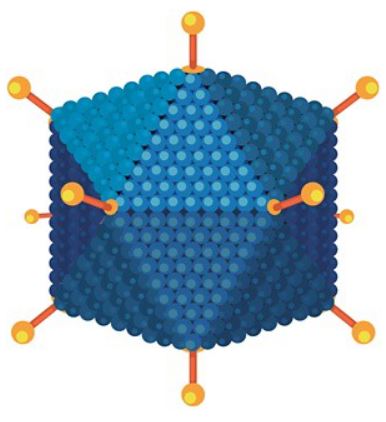
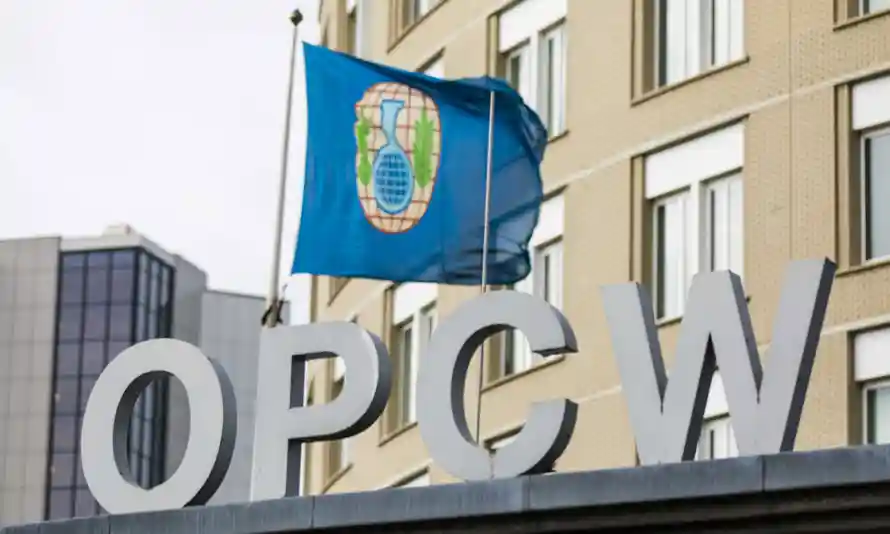



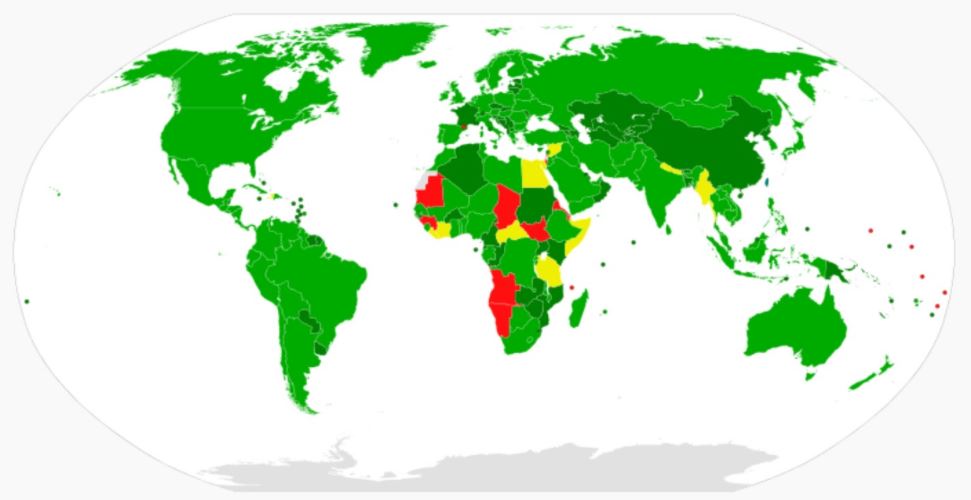
 The Pandora Report