Pandora Report: 1.22.2021

Felicitations to President Joe Biden and Vice President Kamala Harris! This week marked the inauguration of our 46th president, but also the one-year anniversary of the first SARS-CoV-2 diagnosis in the US. Biden has grand plans to kick off his tenure, not the least of which is an ambitious plan to vaccinate 100 million Americans in 100 days.

Procuring PPE through Innovation, Evaluation, and Coordination: A Strategy for True Cooperative Procurement

Dr. Nathan Myers, an associate professor of political science and public administration at Indiana State University and an advisor to Continuity of Supply Initiative (CoSI), discusses the need for a more efficient, effective, and resilient system for the continued procurement of personal protective equipment (PPE) during a major emergency. Myers proposes the creation of a framework for a master agreement between suppliers and healthcare providers in which PPE would remain available at reasonable prices during normal circumstances and across a range of emergency situations. Read Myers’ article here.

COVID-19 Update

As of 22 January 2021, one year after the first case of SARS-CoV-2 infection was detected in the US, our country has had 24.7 million total cases and 410,000 deaths. Globally, there have been 96.2 million total cases and 2.06 million deaths. The Food and Drug Administration (FDA) has granted emergency use authorization to two mRNA vaccines, and 17,546,374 doses have been administered as of 21 January.

The B1117 variant of SARS-CoV-2, shown to be highly transmissible, has now been detected in 12 states. This variant is believed to have emerged in September in the UK and is now the dominant strain circulating there. Several lines of evidence indicate that B117 transmits more efficiently than other variants of the novel coronavirus. New variants identified in the United Kingdom, South Africa and Brazil that appear to be more transmissible than previous strains are not proving to be more lethal. The modeled trajectory of B1117 in the US finds rapid growth in the early months of 2021, with the strain becoming the predominant variant in March. According to Dr. Anthony Fauci, though the COVID-19 vaccines may not be as effective against new, more contagious strains of the coronavirus, getting vaccinated remains critically important.   

That said, a coronavirus virus variant found in South Africa in late 2020, called 501Y.V2, has sparked some concern regarding immunity and vaccine efficacy. The 501Y.V2 lineage carries many mutations in the SARS-CoV-2 spike protein, which is the immune system’s prime target, including some changes linked to weakened antibody activity against the virus. According to Tulio de Oliveira, a bioinformatician at the University of KwaZulu-Natal in South Africa, there is now proof of several reinfections with 501Y.V2 in the country. Two South African teams will soon test the 501Y.V2 variant with serum from people who participated in COVID-19 vaccine trials, but similar studies are ongoing at laboratories worldwide.

The Independent Panel’s Second Report on Progress

The Independent Panel for Pandemic Preparedness and Response released its second report on progress, which was informed by the review of hundreds of documents, expert consultations across many sectors, case studies, submissions received by the Panel from Member States, academia, civil society, and citizens, and nearly 100 interviews with those at the frontlines of pandemic preparedness and response. The Independent Panel was established by the World Health Organization and is tasked with “charting what went wrong, what lessons can be learnt from that, and what could be done better in future.” Ultimately, the report emphasizes an unequivocal message: course correction in pandemic response is needed immediately. The Independent Panel strongly recommends that all countries immediately and consistently adopt the public health measures which will reduce the spread and the impact of COVID-19: mask-wearing, social distancing, and contact tracing and isolation. There were critical early failures in the global and national responses to the pandemic, and there were pre-existing failures to prepare adequately for a pandemic threat, despite years of warnings and red flags. Further, the pandemic has revealed the inequalities both within and between nations, and the response has deepened these inequalities. Despite these many issues, this crisis has created a unique opportunity to “reset the system” to correct structural inequalities in health.

The Biden-Harris Administration Pandemic Response & Vaccinations Plans
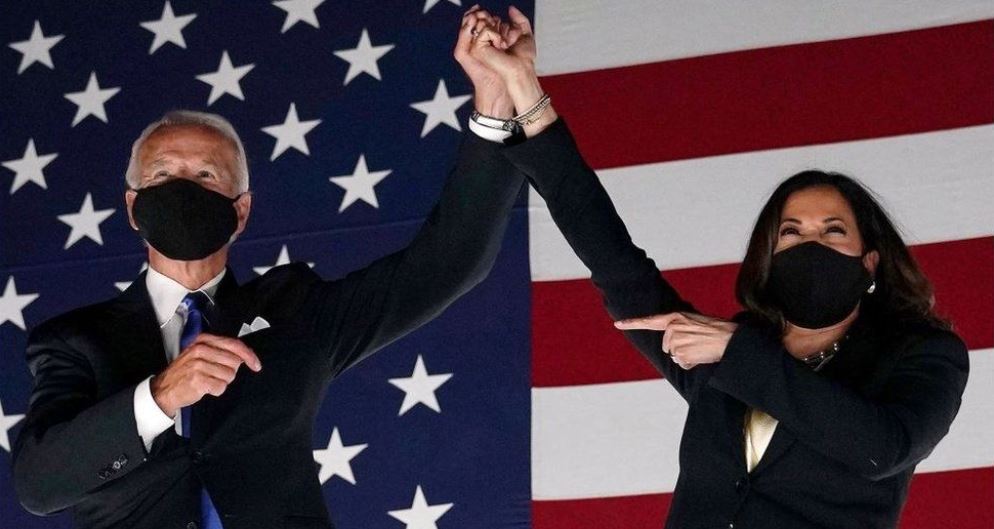
Newly inaugurated President Joe Biden and Vice President Kamala Harris released a National Strategy for COVID-19 Response and Pandemic Preparedness, which outlines seven goals: (1) restore trust with the American people; (2) mount a safe, effective, and comprehensive vaccination campaign; (3) mitigate spread through expanding masking, testing, treatment, data, workforce, and clear public health standards; (4) immediately expand emergency relief and exercise the Defense Production Act; (5) safely reopen schools, businesses, and travel, while protecting workers; (6) protect those most at risk and advance equity, including across racial, ethnic and rural/urban lines; and (7) restore US leadership globally and build better preparedness for future threats.

Biden’s COVID-19 response team consists of several notable experts. Dr. Beth Cameron, NTI’s vice president for global biological policy and programs, is leading the White House biodefense council. Dr. Rochelle Walensky is the director of the Centers for Disease Control and Prevention (CDC); she will “have her hands full rehabilitating morale and the CDC’s public image.” Economist Jeffrey Zients is the COVID-19 response coordinator. Xavier Becerra is nominated as the Secretary of Health and Human Services. David Kessler, former Commissioner of the Food and Drug Administration (FDA), will lead the new iteration of Operation Warp Speed (OWS). Dr. Anthony Fauci, a familiar and trusted public health figure, will be Biden’s chief medical adviser.

The Biden administration was also left with quite a mess created by the Trump administration’s false claim that a stockpile of millions of COVID-19 vaccine doses would be made available for immediate distribution. Unfortunately, no such stockpile exists. Biden’s $1.9 trillion stimulus plan includes an emergency vaccination and relief package that aims to administer 100 million shots during his first 100 days in office. The plan identifies priority groups, starting with adults ages 65 and older and essential frontline workers, including teachers and grocery store clerks. The Federal Emergency Management Agency (FEMA) will establish 100 federally-supported vaccination centers across the country. Of these funds, $400 billion are earmarked for combating the pandemic, including $50 billion to escalate COVID-19 testing, $20 billion to boost vaccination efforts, and funds to hire 100,000 public health workers.

Retraction of US Withdrawal from WHO

Biden, on his first day as president, wrote a letter to António Guterres, secretary-general of the United Nations, that retracts the US intention to withdraw from the World Health Organization. The US withdrawal was initiated on 6 July 2020 and would have been effective on 6 July 2021. Biden acknowledged that the “plays a crucial role in the world’s fight against the deadly COVID-19 pandemic as well as countless other threats to global health and health security.” The letter makes clear that the US will “continue to be a full participant and a global leader in confronting such threats and advancing global health and health security.”

A Threat to Confront: Far-Right Extremists and Nuclear Terrorism

A new article, co-written by Biodefense MS alumnus Rebecca Earnhardt, highlights the threats from far-right extremists and nuclear terrorism. Acts of violence by far-right extremists are on the rise in the United States, and national security experts are considering whether US far-right extremist groups that espouse violence can carry out something catastrophic. Adding fuel to this fire, recent events raise questions regarding if greater focus should be given in the United States on far-right, domestic extremist threats. These extremists create a unique danger as a result of their prevalence in federal institutions – the military – and the possibility that they might infiltrate nuclear facilities to access sensitive information and nuclear materials. The nexus of violent far-right extremist ideology and terrorism is not new; however, the adoption of accelerationism to this dangerous ideology is spurring the desire to destabilize society. The authors encourage a “robust response to violent far-right extremist threats vis-a-vis nuclear security is necessary to minimize risk.” Read the full article here.

Cyberattack on European Medicines Agency

The European Medicines Agency (EMA), an agency of the European Union that evaluates and supervises medicinal products, experienced a cyberattack targeting documents related to COVID-19 medicines and vaccines. EMA revealed that some of these unlawfully acquired documents have been leaked on the internet. The leaked materials include internal/confidential email correspondence dating from November, which relate to evaluation processes for COVID-19 vaccines. EMA also announced that some of the correspondence were “manipulated by the perpetrators prior to publication in a way which could undermine trust in vaccines.” Near the turn of the year, two EU marketing authorizations for COVID-19 vaccines were granted, pending an independent scientific assessment. Given the high SARS-CoV-2 infection rate in the EU, vaccines are urgently needed to protect citizens from the virus. Criminal efforts to undermine trust in vaccines could leave much of the country susceptible.

Laboratory Safety Manual, 4th Edition: Risk Assessment

The World Health Organization (WHO) Laboratory Biosafety Manual (LBM) has been in broad use at all levels of clinical and public health laboratories, and other biomedical sectors globally, serving as a de facto global standard that presents best practices and sets trends in biosafety. The LBM4 suite consists of one core document and seven subject-specific monographs which were developed in order to accommodate diverse interests and requests for learning more specific details, supplementing the core document. Readers are encouraged to start with the core document and learn the subject explained in each monograph accordingly. Download the LBM4 here.

Event – The Chemical and Biological Non-Proliferation Regime after COVID-19

The COVID-19 global pandemic and recent cases of chemical weapon use – in Syria and against the Skripals and Alexey Navalny – have demonstrated the multifaceted nature of biological and chemical threats that States face in the twenty-first century. These threats have also underscored the importance of strengthening the international norms against the hostile misuse of chemical and biological sciences enshrined in the 1975 Biological and Toxin Weapons Convention (BTWC) and the 1997 Chemical Weapons Convention (CWC). But the centerpiece of international efforts to prevent the misuse of modern chemistry and biology – The Chemical Weapons Convention and the Biological and Toxin Weapons Convention – rarely come to the attention of Parliament and public. A recent report from the Parliament Joint Committee on National Security Strategy stated that “future biological risks to the UK will evolve rapidly, originating within or beyond its borders.” These risks include serious disease outbreaks but also the “slow burn” threat of antimicrobial resistance as well as misuse of harmful biological substances.

This webinar will discuss the difficulties of integrating the various means of governance related to biosecurity and national security. The event will also review the state of the BTWC and CWC and identify practical opportunities to strengthen these critical Conventions and guarantee their relevance against the backdrop of rapid scientific and technological advancement and growing international instability. Register here.

Event – Emerging SARS-CoV-2 Variants: What You Need to Know

B.1.351 in South Africa. B.1.1.7 in the United Kingdom. These emerging coronavirus variants, some billed as more contagious forms of SARS-CoV-2, have dominated reports as they popped up across the globe within the last couple months. Genetic mutation is anticipated, especially for RNA viruses as they multiply, but at what point should clinicians and the scientific community become concerned? With a novel pathogen like SARS-CoV-2, there are still many unknowns. How did these variants emerge? Are they indeed more transmissible? Do they cause more serious disease? What does the scientific evidence support? What should the public response be? Will the developed vaccines provide coverage against these variants? Join MJH Life Sciences for a COVID-19 Coalition webinar event, “Emerging SARS-CoV-2 Variants: What You Need to Know,” for an enlightened conversation with a panel of frontline experts, including a virologist, an epidemiologist, and an immunologist, hosted by Dr. Carlos del Rio. Register here.


Pandora Report: 1.15.2021

We are days away from a transition of power, welcoming the Biden-Harris administration. A large study in the UK found that those who have had COVID-19 may be immune to reinfection for several months. The Sentinel from the Combating Terrorism Center at West Point features commentary on the terrorism and counterterrorism challenges that the new administration will face.

Limitations of Quarantine

HyunJung Kim, a Biodefense PhD candidate, recently published an article in Monthly Chosun, an influential news media outlet in South Korea, explaining the different origins of emergency use authorization (EUA) policies between the US and South Korea. After the 2001 Amerithrax attacks, the US developed its EUA policy with a focus on homeland security, enabling the use of MCMs, while Korea’s EUA policy was developed with a focus on disease containment, only issuing approvals for diagnostic kits. The public health authority of South Korea has hesitated to use COVID-19 vaccines, comparing them to the efficacy and comprehensive use of diagnostic kits in the early days of COVID-19. Political leaders have praised themselves and emphasized their achievements, but they have neglected what the next steps should be. Kim recommends revising the EUA laws in Korea to allow for emergency use of vaccines and therapeutic drugs.

Memo to the President: Reimagining Public Health Preparedness and Response

Dr. Daniel Gerstein, alumnus of the Biodefense PhD Program and senior policy researcher at the RAND corporation, highlights the unevenness of the US response to the pandemic that has challenged the United States politically, economically, and societally as never before in our nation’s history. In fact, the pandemic and the faltering response is upending 200 years of emergency management doctrine. Adding insult to injury, many Americans are losing trust and confidence in their government. Gerstein points out that as we near a transition of power in the US, the death toll for the first year of the pandemic is approaching the number of all Americans killed in World War II. He believes that a reimagining of US public health preparedness and response is needed to heal the national psyche and restore American confidence in itself and around the world.

Ambassador Bonnie Jenkins and Women of Color Advancing Peace and Security Voted 2020 Arms Control Persons of the Year

Ambassador Bonnie Jenkins, the Founder and Executive Director of Women of Color Advancing Peace and Security (WCAPS), and WCAPS itself have been voted the 2020 Arms Control Persons of the Year! Ambassador Jenkins and WCAPS were nominated for catalyzing support and action from leaders and practitioners in the national security and foreign policy communities to increase diversity into their ranks and boards of directors and pursue concrete steps to “root out institutional racism” in the governmental and non-governmental sectors in the field. WCAPS is a platform devoted to women of color that cultivates a strong voice and network for its members while encouraging dialogue and strategies for engaging in policy discussions on an international scale. Their vision is to advance the leadership and professional development of women of color in the fields of international peace, security, and conflict transformation. After the protests in 2020 against the police killings of George Floyd and other Black people, WCAPS organized a solidarity statement endorsed by leaders and individuals from 150 organizations and launched working groups to develop concrete strategies and tools to attack the problem.

COVID-19 Update

The B117 variant of SARS-CoV-2 is a new enemy that we are better equipped to fight than we were when the novel coronavirus first hit the world. We understand how this virus spreads, the health strategies that can help contain it, and how to effectively treat those infected with it. The “old” virus is helping us battle the new one, because people who have already had COVID-19 are highly resistant to B117. We must keep in mind that the new variant has two key advantages: pandemic fatigue throughout the population and the variant’s faster spread.

A large study in the United Kingdom of 20,000 healthcare workers suggests that most people are immune for several months after infection with SARS-CoV-2 for the first time. In fact, this research – called SARS-CoV-2 Immunity and Reinfection Evaluation (SIREN) – found that immune responses from past infection reduce the risk of catching the virus again by 83% for at least 5 months. Throughout COVID-19, reports of reinfections of with SARS-CoV-2 have been rare, but the cause of much concern. In the study, less than 1% of the approximately 6,600 participants who had already had COVID-19 suffered a repeat infection. According to SIREN lead investigator Susan Hopkins, the study data suggest that natural immunity might be as effective as vaccination, at least over the five-month period the study has covered so far.

The World Health Organization (WHO) sent a team of international experts to China to investigate the origins of the COVID-19 pandemic. The team was initially denied entry, but will be allowed into the country this week. WHO chief Tedros Adhanom Ghebreyesus stated that studies would begin in the city of Wuhan where the first human cases of SARS-CoV-2 were identified.

To be better prepared for future biological threats, the WHO released guidance for laboratories on maximizing the impact of SARS-CoV-2 sequencing now and other emerging pathogens in the future. Sequencing supports the monitoring of a disease’s spread and the evolution of a virus. Indeed, genomic sequencing of SARS-CoV-2 enabled the world to develop diagnostic tests and other tools for outbreak management.

How COVID Unlocked the Power of RNA Vaccines

In 2013, Andy Geall’s team at Novartis’s US research hub in Cambridge, Massachusetts was asked if their new vaccine technology could be used against a novel strain of avian influenza. Within a couple weeks, the team had synthesized the RNA, assembled the vaccine, and tested the vaccine in cells and mice. At the time, however, the ability to manufacture clinical-grade RNA was limited and Novartis sold its vaccine business a couple years later. Today, as we battle SARS-CoV-2, two RNA vaccines have won emergency approval from public health authorities in several countries, including the US. In short, the era of RNA vaccines is here and all of the major pharmaceutical companies are testing the technology. As a more streamlined technology, RNA vaccine development allows researchers to fast-track many stages of vaccine research and development. RNA vaccines carry the directions for producing the proteins of invaders, aiming to “slip into a person’s cells and get them to produce the antigens, essentially turning the body into its own inoculation factory.” Additionally, this technology is “build for speed.” Using the genetic sequence of a pathogen, scientists can swiftly extract a potential antigen-encoding segment, insert that sequence into a DNA template, and synthesize the corresponding RNA before packaging the vaccine for delivery into the body. This technology may finally enable the creation of a universal flu vaccine, one of the holy grails of vaccine development. Despite its many advantages, there are some kinks to unravel. The need for cold storage of these vaccines can be a major hurdle for distribution. Also, a double dose tends to be needed for efficacy against a disease, a requirement that could lower immunization uptake and adherence. Finally, there is the concern of side effects, namely severe reactions characterized by fatigue or muscle pain. Though these effects are temporary, they may disincentive vaccination.

Biden’s Foci

Biden and his team plan to restructure and expand the operations of the White House National Security Council (NSC) with new senior positions on global health, democracy and human rights, and cyber and emerging technology. This planned expansion signals a significant shift in priorities. Additionally, a “stronger position on China than has been the case in past Democratic administrations” is expected. Also, Russia will again have its own NSC senior director. So far, most of Biden’s top national security picks are veterans of the Obama administration. These include Jake Sullivan as national security adviser, Antony Blinken as secretary of state, and Yohannes Abraham as NSC chief of staff. Dr. Elizabeth Cameron, a biologist and biodefense expert, wrote the Obama “pandemic playbook” as NSC director for global health security and she will return as the senior director for global health security and biodefense.

The incoming Biden administration announced its COVID-19 plan. The Biden-Harris administration is committed to: (1) listening to science; (2) ensuring that public health decisions are informed by public health professionals; and (3) promoting trust, transparency, common purpose, and accountability in our government. The plan consists of seven key points: (1) ensure all Americans have access to regular, reliable, and free testing; (2) fix personal protective equipment (PPE) problems for good; (3) provide clear, consistent, evidence-based guidance for how communities should navigate the pandemic and the to make it through; (4) effective, equitable distribution of treatments and vaccines; (5) protect older Americans and others at high risk; (6) rebuild and expand defenses to predict, prevent, and mitigate pandemic threats, including those coming from China; and (7) implement mask mandates nationwide.

National Security Challenges in 2021

Bruce Hoffman and Jacob Ware discuss the challenges that the Biden administration will face in regard to terrorism and counterterrorism. The administration will be forced to grapple with old threats, including the Islamic State and al-Qa`ida, but also the ever-changing and deteriorating domestic terrorism landscape. Hoffman and Ware assert that the battle for the safety of the American homeland remains fraught with challenges and risks that will require enduring vigilance and energy, as well as a new set of counterterrorism policies, to more effectively address the totality of the new terrorism threat. Read the full analysis here.

David Lasseter, Deputy Assistant Secretary of Defense for Countering Weapons of Mass Destruction, supports the Under Secretary of Defense for Policy and Assistant Secretary of Defense for Homeland Defense & Global Security by developing and overseeing the implementation of strategies and policies of all Countering Weapons of Mass Destruction policy issues. These policy issues include preventing the proliferation of WMD-related materials; the DoD Cooperative Threat Reduction (CTR) Program; and Chemical, Biological, Radiological and Nuclear (CBRN) defense; and overseas Oceans Policy for the Department, which includes advancing global mobility through freedom of navigation policy. In a recent interview with the Combating Terrorism Center at West Point, Lasseter addresses the security implications of the COVID-19 pandemic, the biological threat landscape, the changes in perspective about the likelihood or impact of bio-threats, emerging biotechnologies, and the types of terrorist threat actors or groups are the most cause for concern when it comes to weaponizing biology. He mentions several threats across the chemical, biological, radiological, and nuclear (CBRN) threat spectrum. For instance, the lack of transparency on nuclear modernization in China is a concern. Russia continues to violate international arms control treaties and repeatedly use banned weapons, like Novichoks. North Korea comes with a mountain of baggage: WMD development, proliferation, and use; nuclear, chemical, biological capabilities and delivery systems; a history of proliferation and aggressive rhetoric against the United States. Beyond specific country concerns, the threat of dual-use technology and science is always a worry.

Upcoming Event – Combating Wildlife Crime and Reducing the Transmission of Zoonotic Diseases

The Stimson Center is hosting a discussion, “Combating Wildlife Crime and Reducing the Transmission of Zoonotic Diseases,” that will include representatives from Congress, the US Government, Ambassadors, and scientific experts on combating wildlife crime. Wildlife crime is transnational, organized, and often fueled by corruption. It devastates the security of communities, while destroying ecosystems and wildlife. In addition, evidence that COVID-19 jumped from a zoonotic-host has led to renewed calls to further regulate the wildlife trade. In response, the Global Initiative to End Wildlife Crime is encouraging States to amend international law by adding a fourth Protocol on wildlife crime to the UN Convention Against Transnational Organised Crime; and incorporating public and animal health criteria into the Convention on International Trade in Endangered Species. The discussion is scheduled for 25 January at 10 am EST. Register here.

Upcoming Event – COVID-19: UV-C Devices & Methods for Surface Disinfection

The US Environmental Protection Agency’s (EPA) Office of Research and Development hosts a free Homeland Security Research Webinar Series. The next webinar is “COVID-19: UV-C Devices and Methods for Surface Disinfection.” EPA researchers are evaluating ways to disinfect large spaces (schools, businesses, mass transit), including the use of alternative methods to kill viruses, such as ultraviolet light (UV-C), that claim to reduce or eliminate virus transmission via surfaces. Because these disinfection devices can be considered pesticide devices, they are regulated by the EPA. Researchers are assessing UV-C methods and technologies on multiple materials against SARS-CoV-2 and potential surrogate viruses. This webinar will be held on 21 January from 2-3 EST. Register here.

Pandora Report: 1.8.2021

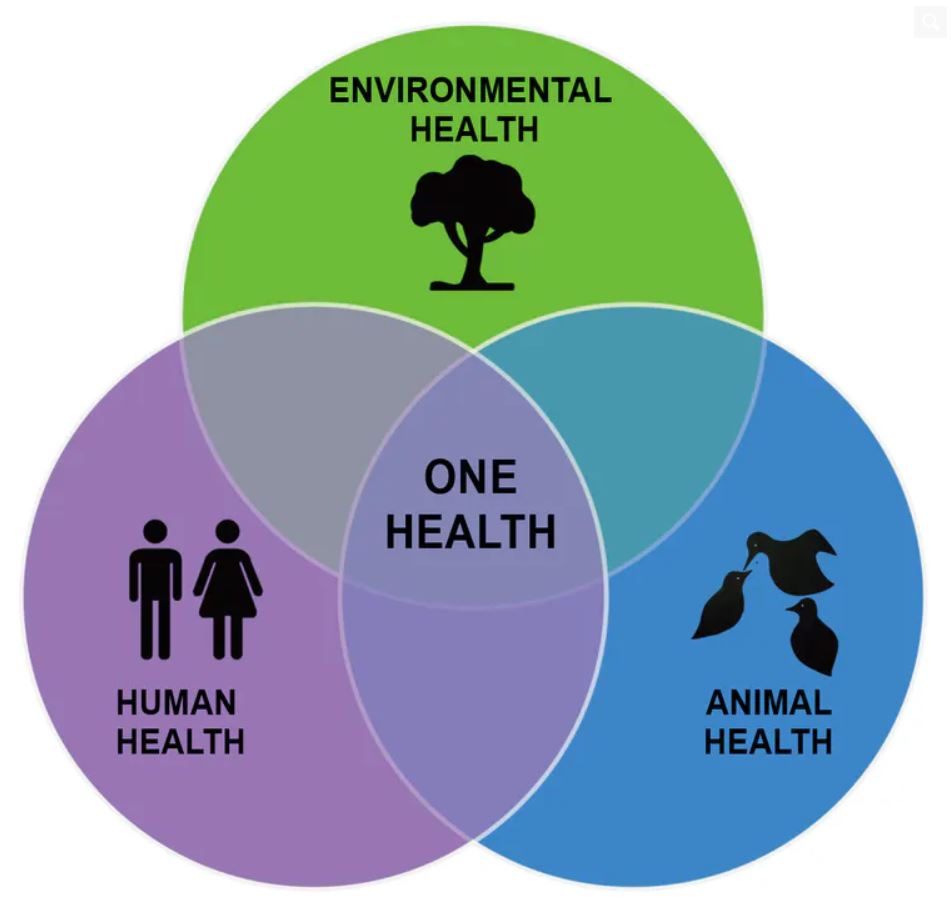
Happy New Year! 2020 was a tumultuous year and 2021 is off to a rocky start; however, the COVID-19 vaccines give us hope for a healthier and safer year. January is One Health Awareness Month! For Biodefense graduate students looking for a fascinating course to round out your spring semester, Dr. Robert House is offering a course on the development of vaccines and therapeutics.

2020 Recap

SARS-CoV-2, the causative agent of COVID-19 that emerged in China, took over the world in 2020. The United States suffered 21,299,340 total cases and 361,123 total deaths from COVID-19. The world suffered 87,186,540 total cases and 1,883,761 total deaths. The first case in the US was identified on 20 January 2020, the same day the Chinese posted the genetic sequence of SARS-CoV-2. The start of 2020 also saw the impeachment trial of President Donald Trump.

February was the month of the COVID-19 testing fiasco in which test kit availability was severely limited and some available kits were found to be contaminated. Also, in February, phase one of the Economic and Trade Agreement Between the United States of America and the People’s Republic of China went into effect. This agreement commits China to undertake structural changes to open up its economy and improve its trade regime, benefitting the United States in the process by increasing China’s importation of US goods.

On 10 March, Italy entered lockdown and on 11 March, the World Health Organization (WHO) finally declared the COVID-19 pandemic. By mid-March, areas of the US began lockdown and Americans were urged to stay at home as much as possible.

Studies showed that mask-wearing substantially reduced transmission, and on 3 April, the Centers for Disease Control and Prevention (CDC) announced that masks were vital weapons against SARS-CoV-2. This declaration was met with confusion given the previous opposing statements by various US leaders that masks were ineffective.

Amidst the pandemic, in May, George Floyd was killed in Minneapolis, Minnesota by a white police officer, sparking nationwide protests supporting the Black Lives Matter movement. Additionally, this tragic event spurred important discussions about racial health disparities in the US, an issue seen in the COVID-19 data. For every 10,000 Americans, there were 38 coronavirus cases: 23 for whites, 62 for Blacks, and 73 for Hispanics.

When fall arrived, the big debate about sending children back to school in-person arose, with many districts opting to remain virtual. Sadly, on 18 September, Supreme Court Justice Ruth Bader Ginsburg passed away at the age of 87. A mere eight days later, Amy Coney Barrett was nominated as Ginsburg’s successor.

The presidential election held last November resulted in a new incoming president and vice president: Joe Biden and Kamala Harris. They will be sworn into office on 20 January 2021. By the tail end of 2020, two newly developed COVID-19 vaccines were granted emergency use authorization by the Food and Drug Administration (FDA) and the first shot was administered on 14 December.

Now, let us all bid adieu to 2020! Although 2021 is off to a rough start, the imminent change in US leadership and the continued administration of COVID-19 vaccines may, finally, turn our luck around.

Looking Ahead in 2021

After nearly a year into the COVID-19 pandemic, vaccinations are underway, diagnostic testing has increased, and some therapeutic treatments are showing promise, giving experts a clearer picture of what the future holds. In a prediction that we all hope comes to fruition, Dr. Anthony Fauci stated that by the end of 2021, the US could “approach some level of normality.”  Unsurprisingly, this forecast depends on the vaccination of 75-85% of the population as well as the continuation of mask-wearing and social distancing. Experts expect that an “overwhelming majority of the population” will be able to get vaccinated by the second quarter of 2021. Hopefully, in summer 2021, we will be able to have large outdoor gatherings without masks. In the latter half of the year, workers may be able to return to their offices. Sometime in mid- or late-2021, we may be able to enjoy indoor dining and a movie without a mask. Safe travel may resume, but gradually.

On 20 January, of course, president-elect Joe Biden will assume office; however, the events on 6 January at the Capitol Building have added concern to an amicable transition-of-power. Last Wednesday, a throng of Trump supporters stormed the Capitol Building in DC in a raucous attempt to prevent Congress from certifying Biden as the election winner. On Thursday, Congress certified president-elect Joe Biden and vice president-elect Kamala Harris’ victory. On 23 July, the Olympics are scheduled to begin in Japan, over a year after the original start date. What will it look like – a bubble with virtual streaming?

A Farewell to Arms Control

Dr. John R Walker, former Head of the Arms Control and Disarmament Research Unit in the Foreign and Commonwealth Office, shares his insights from a 40-year career in arms control. Science and technology (S&T) will always offer risks and benefits to society. Walker states that we cannot ban technologies or lines of scientific inquiry, though many are inarguably dual-use, because such restrictions could inhibit advances in medicine, neuroscience, plant health, and several other disciplines. Instead, he encourages understanding the possible implications of S&T to ensure their safe and acceptable applications. Patience and persistence of purpose are the keys to establishing arms control and disarmament agreements. In recent years, multilateral negotiations have grown more “ill-tempered and polarized,” requiring “inexhaustible supplies of patience and persistence in the face of multiple challenges and frustrations.” Understanding the long and complex history of arms control treaties can lead to better decisions. According to Walker, we are in a never-ending process when it comes to arms control and disarmament: “Events are but one chapter, one closes and we move on to the next one.” Finally, diplomacy matters, as do the personalities at the negotiation table.

Spring Course with Dr. Robert House: Development of Vaccines and Therapeutics

As the world waits anxiously for a COVID-19 vaccine and various therapies against this virus move through the drug development pipeline, BIOD students have an opportunity to learn from a world-class expert with decades of experience developing MCMs against a range of biological threats. Dr. Robert House holds a PhD in medical parasitology and is Senior Vice President of Government Contracts at Ology Bioservices. Ology Bioservices was recently awarded $37 million from the Department of Defense to support the advanced development of a monoclonal antibody cocktail against COVID-19. The Department of Defense has also awarded Ology Bioservices with a contract valued at $11.9 million to work with Inovio on DNA technology transfer to rapidly manufacture DNA vaccines. Previously, Dr. House worked for over a decade at DynPort Vaccine Company, where he held the positions of Vice President of Science and Technology, Chief Scientific Officer, and President. During this time, he earned extensive experience in winning and managing large USG-funded programs for developing medical countermeasures. This Spring, Dr. House will be teaching the Development of Vaccines and Therapeutics course (BIOD 766), which will explore how the US Government is developing MCM against these threats. Students will learn about the various threat agents, the context of regulatory considerations, and the specifics of how MCMs are developed.

Taking Back Control: A Resetting of America’s Response to COVID-19

The Rockefeller Foundation released a report outlining a plan to reset the US response to the COVID-19 pandemic. The report considers schools to be a critical component, because prolonged closures can negatively impact the success of students throughout their careers and functioning schools are central economic players. To safely teach our youth in schools, an estimated $42.5 billion in federal funding is needed for testing in schools, students should be tested at least weekly, and teachers and staff should be tested at least twice weekly. The plan recommends that the first wave of reopening schools should prioritize all of the nation’s 56,000 public elementary schools by 1 February, requiring about 85 million tests per month. Several weeks later, the 18,000 middle schools could reopen with 70 million tests per month. By 1 March, the nation’s 25,000 high schools could reopen. The report lists several executive actions for achieving its outlined goals, ranging from an executive order that clarifies liability protections for those who make good faith efforts to provide reliable testing to investments in the expansion of PCR laboratory throughput to prioritizing teachers for vaccines. Read the full report here.

A ‘Come as You Are’ Vaccination Plan

Dr. Daniel Gerstein, alumnus of the Biodefense PhD Program and senior policy researcher at the RAND corporation, describes the poorly coordinated and slow-moving distribution of COVID-19 vaccines as another part of the “come as you are” pandemic response of the US. By 29 December, 2.13 million doses of the Pfizer-BioNTech vaccine were administered, which is a mere fraction of the year-end goal. The sluggish rollout of vaccines could undermine the advantages of their exceptionally speedy development. Operation Warp Speed (OWS) is a partnership between the Department of Health and Human Services (HHS) and the Department of Defense (DoD) established to accelerate the development of vaccines and therapeutics for COVID-19. Once vaccines were manufactured and moved to distribution points, state, local, territorial, and tribal authorities assumed responsibility for further distribution and administering the vaccine through public and private industry vendors. The lack of a centralized federal system to provide real-time vaccine availability information is causing severe delays and disruptions in distribution beyond first priority health workers. Several governors have already shared their worries about delays, shorting of deliveries, and a lack of accurate information on the status of anticipated deliveries. Additionally, there has been a communication failure regarding when and how Americans will get vaccinated.

New Websites for the BWC & UNODA

The Biological Weapons Convention (BWC) has a new website! The BWC is a multilateral disarmament treaty that effectively prohibits the development, production, acquisition, transfer, stockpiling and use of biological and toxin weapons. Read the latest related to the BWC at its new website, www.un.org/disarmament/biological-weapons. Information – official documents, statements, presentations – pertaining to all official meetings and conferences of the United Nations Office for Disarmament Affairs (UNODA) can be found at: https://meetings.unoda.org/.

One Health Awareness Month 2021

January 2021 is One Health Awareness Month! US Senate Resolution 462 declared January 2020 as the first US One Health Awareness Month, which occurred just before the COVID-19 pandemic. In support, the One Health Commission and Louisiana One Health in Action created the One Health Awareness Month 2020 Social Media Campaign to urge collaborations between animal, environmental, plant, human, and public health scientists. For instance, today’s (8 January) topic is antimicrobial resistance (AMR) and One Health. To help spread the word, you can use the hashtags #OneHealth and #OneHealthAwarenessMonth!

SARS-CoV-2 Variant B117

A new variant strain of SARS-CoV-2 – dubbed SARS-CoV-2 VOC 202012/01, or B117 – contains a series of mutations that became highly prevalent in London and southeast England in December 2020. Earlier this week, the United Kingdom issued another lockdown to quell a third surge in cases, driven in part by the spread of B117. The variant has now been detected in 40 countries, including the United States. The first identified case of the B1117 variant in the US occurred in Colorado on 28 December. As of 7 January 2021, there have been 52 B117 lineage cases in the US across California, Colorado, New York, Georgia, and Florida. According to the Centers for Disease Control and Prevention (CDC), there is no evidence that this new variant causes more severe illness or increased risk of death; however, it does spread easier and quicker than other strains. Dr. Anthony Fauci stated that the mutations of this variant allow the virus to better bind to the receptors of cells, aiding its transmission. At present, researchers think that the existing COVID-19 vaccines will likely protect against B117, but more data are needed to confirm.

COVID-19 Open Data

On 18 December, the US Department of Health and Human Services (HHS) and the Centers for Disease Control and Prevention (CDC) started publishing the COVID-19 Community Profile Report publicly on their websites, which provides the American people with the same community level information that is available to federal personnel. The Community Profile Report (CPR) is generated by the Data Strategy and Execution Workgroup in the Joint Coordination Cell of the White House COVID-19 Task Force, and it provides aggregate information on the overall status of areas across the country. The CPR is managed by an interagency team with representatives from multiple agencies and offices within HHS (including CDC, the Assistant Secretary for Preparedness and Response, and the Indian Health Service). Access the CPR here.

Genetic Data and Marketing: Challenges, Opportunities, and Ethics

A new study in the Journal of Marketing is the first to systematically assess the implications of individual-level genetic data owned by private firms and government in the field of marketing. The direct-to-consumer genetic testing (DTC-GT) industry has exploded over the last 20 years with over 30 million customers already. Concurrently, many countries have launched large-scale, publicly-funded genetic data collection efforts, creating vast datasets that are increasingly used by companies such as AirBnB and Spotify for marketing purposes. This study reviews current research in behavioral and social genetics to develop a framework that features the genome as a source of consumers’ profiles and actions. The researchers then survey the range of potential uses of genetic data for marketing strategies and research, noting serious ethical challenges. Such applications include the use of “genetic measures as bases for segmentation and targeting” as well as the use of genetic data for “creative strategies that leverage consumers’ fascination for their genomes.” The authors outline four unique features of genetic data that create ethical challenges: (1) individuals can easily be identified by a small fraction of their genetic data; (2) these data are informative about one’s relatives; (3) these data are predictive, to some degree, of almost every human trait; and (4) these data are immutable. These four features present a serious threat to consumer autonomy and privacy.

Pandora Report: 12.18.2020

As the holidays approach, we encourage mask-wearing, social distancing, and the holiday gathering guidelines of the CDC. 2020 has been the year of zoombombing, social distancing, and doomscrolling. On a happy note, 2020 is also the year that wild polio was eradicated in Africa and a major leap in HIV treatment research was made. To end the year on an interesting note, Filippa Lentzos shares her expertise about bioweapons.

The Pandora Report wishes everyone a happy holiday and New Year! We will see y’all in 2021!

Good Riddance, 2020!

In just two weeks, we will be bidding adieu to 2020 as the New Year begins. In 2021, Joe Biden will take office as president and the rollout of COVID-19 vaccines will expand, hopefully turning the tide of the pandemic. TIME released a list of terms that embodies 2020, which includes antiracist, blursday, covidiot, defund, doomscroll, Karen, on mute, quarantini, social distancing, superspreader, and zoombombing.

The Johns Hopkins Bloomberg School of Health highlighted 2020’s top global health moments, many of which, but not all, have been unfavorable. The WHO-UNICEF-Lancet Commission produced a report that emphasized the dangers ahead for children – climate change, migrating populations, conflict, inequality, and predatory commercial practices – that threaten their health and their futures. Of course, in March, the COVID-19 pandemic was declared by the World Health Organization, and a subsequent severe health worker shortage – including 5.9 million nurses – was revealed. Adding insult to injury, the Trump Administration announced that the US will withdraw from the WHO, a move that many global health leaders deem reckless. During the pandemic, the murder of George Floyd in Minneapolis, Minnesota, “sparked outrage, anguish, and a newfound urgency among Americans and American organizations to face the generations of systemic oppression and trauma Black Americans have endured.” The pandemic’s disproportionate effects on people of color and women helped put race and gender in the international spotlight.

Switching gears, in 2020, the Democratic Republic of the Congo (DRC) is better managing Ebola, even enjoying a temporary end to cases. Despite a reappearance of Ebola cases in the DRC, as of November, the country is again case-free. After four years without a case, Africa was certified as wild polio-free as a result of vaccination campaigns, pressure from the international community, and determined health workers. A welcome announcement in September shared that the HIV Prevention Trials Network study stopped their trial early because results were so effective. The trials include over 3,000 women at risk for acquiring HIV across seven countries in sub-Saharan Africa and have found that a single shot given every two months could be more effective at preventing HIV in women than a daily pill.

Despite the achievements of 2020, this year has been largely defined by SARS-CoV-2, the lackluster pandemic response of the US, and systemic prejudice. In short, 2020 has accurately been dubbed a dumpster fire.

Playing Politics in a Pandemic

Speaking of dumpster fires, more information has emerged regarding President Trump’s mishandling of the response to the pandemic. This week, Representative James E. Clyburn, Chairman of the Select Subcommittee on the Coronavirus Crisis, sent a memorandum to Members of the Select Subcommittee referring to new documents acquired in the investigation of political interference by senior Trump Administration appointees in the work of career officials at the Centers for Disease Control and Prevention (CDC). These documents revealed that officials at the Department of Health and Human Services (HHS) “repeatedly discussed pursuing a ‘herd immunity’ strategy and were aware that Administration policies were causing an increase in virus cases—but tried to hide the true danger of the virus and blame career scientists for the Administration’s failures.” Specifically, the memorandum explains evidence that Senior Advisor Paul Alexander, a Trump Administration appointee at HHS, privately planned with other Administration officials to follow a “herd immunity” strategy that advocated infecting “infants, kids, teens, young people, young adults, middle aged with no conditions etc. have zero to little risk….so we use them to develop herd…we want them infected.”

Accelerated Advances in Biotech and the Bioweapons Threat

Yong-Bee Lim, a Biodefense PhD candidate, published a short piece, “Accelerated Advances in Biotech and the Bioweapons Threat,” with the Council on Strategic Risks (CSR). In 2018, the National Academies of Sciences, Engineering, and Medicine (NASEM) released a report highlighting how “nefarious actors may use technical advances in delivering genetic information like messenger RNA (mRNA) to generate a new class of biological weapons: weapons that modify human cell protein expression.” Given that two of the leading COVID-19 vaccines – one by Pfizer with BioNTech and another by Moderna – are mRNA-based, it is no surprise that mRNA has recently received heightened attention. Lim notes that these two vaccine candidates speak to the remarkable advances in biotechnology and the life sciences since 2018, a mere two years ago. National security experts must realize that biotechnology moves quickly and we must readily adapt to the swiftly-changing circumstances around us, or we will miss critical opportunities to avert the emergence and use of novel bioweapons.

Lim will soon be a Fellow for the Nolan Center on Strategic Weapons at the Council on Strategic Risks, working on the Making Biological Weapons Obsolete project. This program emerges as countries such as North Korea, Syria, and Russia are weakening norms against WMDs by increasing the use and testing of chemical weapons and nuclear weapon capabilities. Given the current and emerging technological advances as well as the current geopolitical climate, biological weapons are a ripe target for a new WMD. As a Fellow, Lim will conduct research, help develop an actionable vision of a world where bioweapons are obsolete, and build bridges and engage with stakeholders.

Moderna’s COVID-19 Vaccine Gets the Thumbs Up for VRBPAC

On 17 December, the Vaccines and Related Biological Products Advisory Committee (VRBPAC) convened to discuss and provide recommendations on whether the benefits of the mRNA-1273 COVID-19 Vaccine outweigh its risks for use in individuals 18 years of age and older. The VRBPAC voted 20-0 with one abstention to support mRNA-1273. This endorsement all but guarantees that the vaccine will receive emergency use authorization from the Food and Drug Administration. The Moderna vaccine will be approved for use in adults only.

MedicalCountermeasures.Gov

The Biomedical Advanced Research and Development Authority (BARDA) hosts a helpful website, MedicalCountermeasures.Gov, which facilitates communication between federal government agencies and public stakeholders to enhance the Nation’s public health preparedness. The site offers information and resources on the coronavirus response, federal initiatives, approvals from the Food and Drug Administration (FDA), emergency use authorizations (EUAs) from the FDA, stockpiles, and more.

The Strategic and Geo-Economic Implications of the COVID-19 Pandemic

The International Institute for Strategic Studies (IISS) published the Manama Dialogue 2020 Special Publication, which explores the regional and global implications of the pandemic, including essays on Gulf defense economics, global and great-power politics, the Gulf states’ development models, strategy and geo-economics. The pandemic will have enduring effects on geopolitics as international suspicion rises and trust wanes. The pandemic hit at a time when US-China relations were deteriorating during a trade war. Additionally, the US and China are battling for dominance in the technological space. The report asserts that economic power, sanctions and regulatory innovations will “evolve to be part of the strategic arsenal of other states.” At the same time, violent transnational actors are increasingly at work outside the scope of modern international law. These actors have exploited the “spaces between the law, and the state system has not responded by rendering their activities illegal.” Many elements of international law are also in need of review, including cyberspace, space, agreements governing asylum and refugees, and the regulation of private military companies and their activities. Read the report here.

The Coronavirus at 1: A Year into the Pandemic, What Scientists Know About How It Spreads, Infects, and Sickens

STAT outlined a portrait of SARS-CoV-2 based on what scientists learned about the virus as it infected the world and sabotaged economies, societies, and health systems. SARS-CoV-2 is an RNA virus with spike proteins that latch onto a receptor, called ACE2, on human cells. This latching allows the virus to enter the cell, take over the host’s cellular machinery, and churn out copies of itself that can burst out of the cell and seek out new cells to infect. SARS-CoV-2 can interrupt the desired immune response and cloak itself in ways that generate a harmful immune response. COVID-19 is the illness created by a SARS-CoV-2 infection. COVID-19 is characterized by respiratory issues, fever, headache, fatigue, and body aches as well as other, stranger symptoms such as a loss of smell and taste. Viruses evolve, and SARS-CoV-2 is no exception. One mutation of the spike protein, referred to as D614G, seems to have rendered the virus more transmissible, but it does not seem to have had an impact on the severity of illness. Learn more about the novel coronavirus here.

The Latest from Lentzos

Dr. Filippa Lentzos, a mixed methods social scientist researching biological threats, recently published two articles about bioweapons: “How to Protect the World from Ultra-Targeted Biological Weapons” and “How Russia Worked to Undermine UN Bioweapons Investigations.” The former article points out that as genomic technologies develop and converge with artificial intelligence, machine learning, automation, affective computing, and robotics, increasingly refined records of biometrics, emotions, and behaviors will be captured and analyzed. These data will enable game-changing developments that will significantly impact how we view health and treat disease, but also how we consider our place on the biological continuum. Further, these developments will radically transform the dual-use nature of biological research, medicine, and healthcare, producing the possibility of novel bioweapons that target specific groups of people or individuals. New governance structures that draw on individuals and groups with cross-sectoral expertise are required to manage the fast and broad technological advances already underway. The latter article focuses on Russia’s efforts to thwart investigations into allegations of chemical or biological weapons use. In fact, Russia has managed to garner aligning votes from China, India, Iran, Syria and Venezuela, who all voted against investigations into the sarin attacks in Ghouta, Syria. In October, Russia introduced a resolution to the General Assembly for updating procedures related to the secretary-general’s investigative mandate; however, beneath the surface of the resolution, it was apparent that the motive was to weaken the ability of the secretary-general to investigative chemical and biological weapons use. Russia’s underhanded proposal to give more power to the Security Council over chemical and biological weapons investigations is a signal that Russia, and the nations that supported the Russian resolution, fear the possibility that an independent impartial process might be beyond their control and veto.

Five Questions on New Data from China-WHO Showing 124 Confirmed Coronavirus Patients in December 2019

Dr. Daniel Lucey poses five key questions regarding the 124 COVID-19 cases from December 2019:

  1. Who are these 124 cases, and how many were linked to the Seafood Market and other specific locations in Wuhan?
  2. Where were the 5/124 cases who were not from Wuhan?
  3. What is the timeline for the day-by-day illness onset for each patient?
  4. How many “isolated” cases are known from before December even if no “unusual clusters” were reported?
  5. How many, if any, additional cases (more than 124) are known in December, and before December (back at least to Nov. 17, 2019 as reported by Josephine Ma, in the South China Morning Post March 13, based on “Government records”)?

On 24 January, there were 40 reported confirmed cases in December 2019, but days later, on 29 January, that number increased to 46. By 17 February, the reports claimed 100 cases. Finally, the count is now up to 124 confirmed cases. Why does this figure keep rising?

US Nuclear Warhead Modernization and “New” Nuclear Weapons

Rebecca Hersman, director of the Project on Nuclear Issues (PONI) at the Center for Strategic and International Studies (CSIS), and Joseph Rodgers, program manager of PONI, published a CSIS brief about US nuclear warhead modernization.  These briefs are based on a series of “deep dive” workshops convened by PONI that bring together next generation technical, operational, and policy experts from across the nuclear community to debate and discuss these nuclear challenges. The majority of workshop participants recognized the need for modernization programs for US and UK nuclear-warheads. Most also agreed that these modernization projects pose considerable fiscal and geopolitical challenges. Such challenges include how to maintain political support, fund modernization work with lengthy acquisition time horizons, compete with the nuclear modernization programs of adversaries, and adequately address nonproliferation challenges. Additionally, participants agreed that the tight coupling of the US and UK nuclear programs demands “greater consistency among policy statements regarding these programs and greater appreciation of the required timeframes for modernization in both countries.” To tackle these obstacles, the nuclear community must develop effective and informed expertise on warhead modernization and cultivate a common understanding of the benefits and risks associated with various warhead modernization approaches.

Crisis Standards of Care: Lessons from NYC Hospitals’ COVID-19 Experience

Last month, the Center for Health Security at Johns Hopkins University released a report, Crisis Standards of Care: Lessons from New York City Hospitals’ COVID-19 Experience. New York City experienced an unprecedented surge of COVID-19 patients from April to June 2020, which was characterized by the extraordinary use of critical care resources and high case fatality ratios. During this surge period, hospitals were overwhelmed and conventional standards of care could not be maintained, forcing hospitals and healthcare workers to adjust their methods of care in order to help the greatest number of patients. The report is the output of a forum convened to allow critical care physicians from a number of hospitals across New York City to frankly discuss their experiences with implementation of crisis standards of care (CSC). The following six major themes arose from the forum:

  • Pre-pandemic CSC planning did not necessarily align with the realities and clinical needs of the pandemic as it unfolded
  • The COVID-19 surge response was effective, but often chaotic
  • Interhospital collaboration was an effective adaptive response
  • Situational awareness, especially related to information about patient load and resource availability, was a challenge for many clinicians
  • Multiple CSC challenges had to be overcome, especially around decision-making for triage or allocation of life-sustaining care
  • Healthcare workers were profoundly psychologically affected by dealing with CSC issues amid the surge

Read the report here.

Pandora Report: 12.11.2020

7 December marked the 79th anniversary of the attack on Pearl Harbor by the Imperial Japanese Navy Air Service. Biden is building a health team that will put science at the forefront and focus on equity. Three PhD students in the Biodefense Graduate Program attended the ABSA Annual Biosafety and Biosecurity Virtual Conference and are sharing what they learned!

63rd American Biological Safety Association (ABSA) Annual Biosafety and Biosecurity Virtual Conference

ABSA International (ABSA) is an organization that promotes biosafety as a scientific discipline and serves the growing needs of biosafety professionals throughout the world. Its goals are to provide a professional association that represents the interests and needs of practitioners of biological safety, and to provide a forum for the continued and timely exchange of biosafety information. The 63rd American Biological Safety Association (ABSA) Annual Biosafety and Biosecurity Virtual Conference convened the global community of biosafety and biosecurity practitioners and experts from November 4 – 6, 2020. This conference focused on a broad variety of topics dealing with biosafety, biosecurity, and bioethics with an emphasis on activities and challenges related to COVID-19. This year, three students from the Biodefense Graduate Program attended the conference: Rachel-Paige Casey, Sally Huang, and Yong-Bee Lim. Read their reports here.  

Spring Course with Dr. Robert House: Development of Vaccines and Therapeutics

As the world waits anxiously for a COVID-19 vaccine and various therapies against this virus move through the drug development pipeline, BIOD students have an opportunity to learn from a world-class expert with decades of experience developing medical countermeasures (MCMs) against range of biological threats. Dr. Robert House holds a PhD in medical parasitology and is Senior Vice President of Government Contracts at Ology Bioservices. Ology Bioservices was recently awarded $37 million from the Department of Defense to support the advanced development of a monoclonal antibody cocktail against COVID-19. The Department of Defense has also awarded Ology Bioservices with a contract valued at $11.9 million to work with Inovio on DNA technology transfer to rapidly manufacture DNA vaccines. Previously, Dr. House worked for over a decade at DynPort Vaccine Company, where he held the positions of Vice President of Science and Technology, Chief Scientific Officer, and President. During this time, he earned extensive experience in winning and managing large USG-funded programs for developing medical countermeasures. This spring, Dr. House will be teaching the Development of Vaccines and Therapeutics course (BIOD 766), which will explore how the US Government is developing MCMs against these threats. Students will learn about the various threat agents, the context of regulatory considerations, and the specifics of how MCMs are developed.

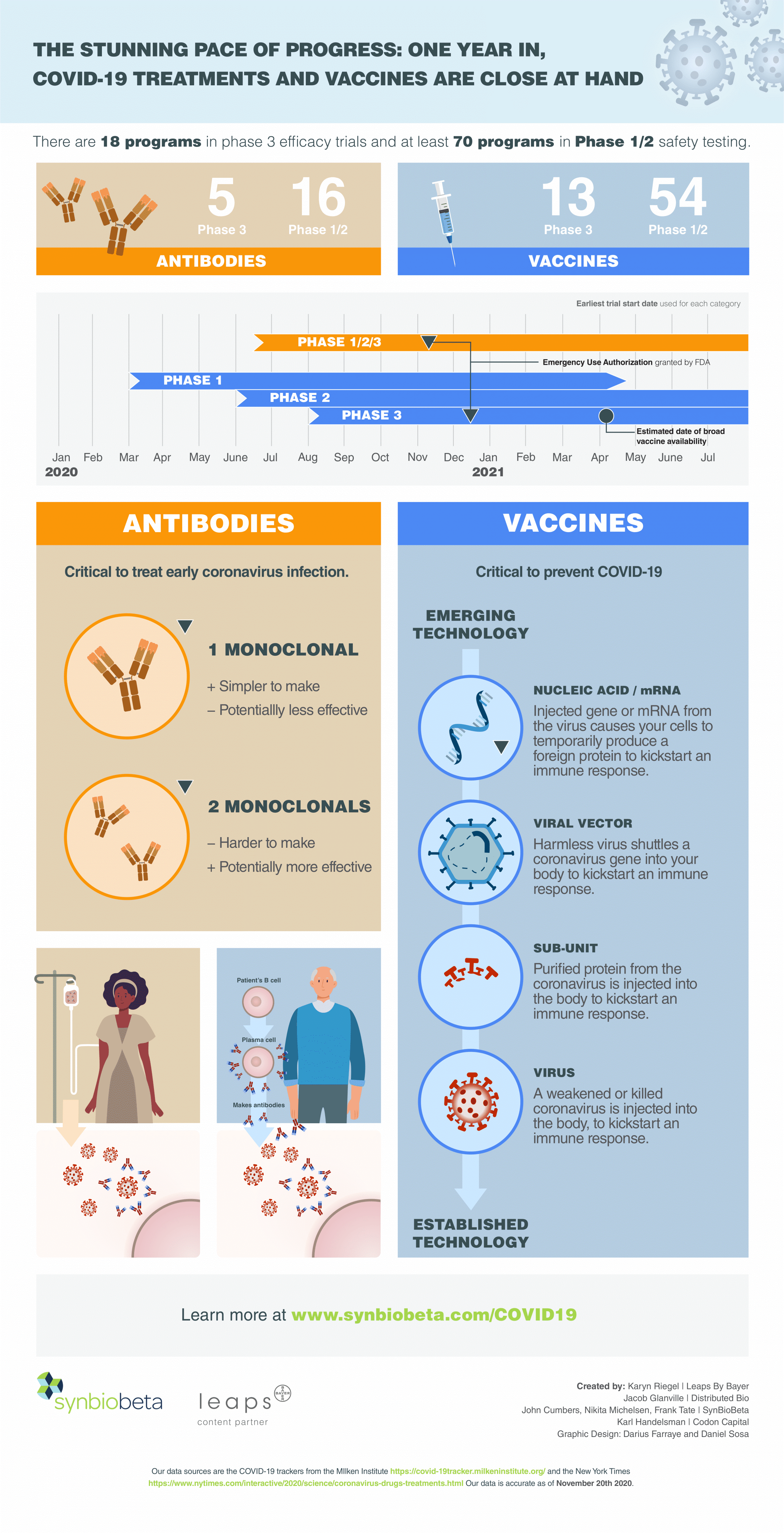
The Stunning Pace of Progress: One Year In, Covid-19 Treatments and Vaccines Are Close at Hand

SynBioBeta – an innovation network for biological engineers, investors, innovators and entrepreneurs – released a clever infographic summarizing the pace of progress in COVID-19 treatments and vaccines.

COVID-19 Vaccine Update

On Thursday, a panel of outside experts, the Vaccines and Related Biological Products Advisory Committee (VRBPAC), recommended that the Food and Drug Administration (FDA) issue an emergency use authorization for the COVID-19 mRNA vaccine developed by Pfizer and BioNTech (BNT162b2). The recommendation was based on a 17-4 vote. According to VRBPAC, the “efficacy, safety, and immunogenicity data in this EUA application support a positive assessment of risk and benefit for the Pfizer-BioNTech COVID-19 vaccine and fulfill the data requirements outlined in the Food and Drug Administration (FDA) EUA guidance.”

The mRNA vaccine was administered as part of an ongoing multinational, placebo-controlled, observer-blinded, pivotal efficacy trial using a total of 43,548 participants aged 16 years or older. Under randomization, 43,448 received injections: 21,720 with the vaccine and 21,728 with placebo. Among participants assigned to receive BNT162b2, eight cases of COVID-19 were found with onset of symptoms at least seven days after the second dose, and 162 cases were found among those assigned to placebo. was 95% effective in preventing COVID-19, and vaccine efficacy proved similar across subgroups defined by age, sex, race, ethnicity, baseline body-mass index, and the presence of coexisting conditions.

The COVID-19 vaccine candidate (mRNA-1273) from Moderna will soon undergo the same approval process when its EUA application goes to the FDA committee on 17 December. Moderna’s vaccine is based on the same messenger RNA technology and its similar effectiveness findings bode well for approval. Moderna’s latest release of trial performance shows an effectiveness rate over 94%. Also similar to BNT162b2, the Moderna vaccine shows consistent efficacy across age, race, and ethnic groups.

AstraZeneca and Oxford University are working on the third COVID-19 vaccine, which uses DNA instead of RNA. The first peer-reviewed results of phase 3 trials of this vaccine demonstrate that it is safe and up to 90% effective in preventing infection. The interim analysis identified no severe COVID-19 disease or hospitalizations in the 11,636 adults vaccinated in the United Kingdom and Brazil.

Dr. Saskia Popescu in This Podcast Will Kill You

Dr. Saskia Popescu, an assistant professor in the Biodefense Graduate Program, was featured in the Anatomy of a Pandemic series of This Podcast Will Kill You. The Anatomy of a Pandemic series covers various aspects of the COVID-19 pandemic: the SARS-CoV-2 virus, the disease it causes, patterns in its transmission, and how we can best control it. Listen to Chapter 12 with Dr. Popescu here.

Special COVID Issue from Homeland Security Affairs

Homeland Security Affairs, the peer-reviewed online journal of the Naval Postgraduate School Center for Homeland Defense and Security (CHDS), debuted a Special COVID Issue that features 11 essays chronicling agency and jurisdictional responses to the COVID-19 pandemic and the lessons learned thus far. The essays focus on how agencies or jurisdictions changed their operations to more effectively handle the pandemic, as well as how the conditions of the pandemic constrained normal agency operations. Specific pieces include “Pandemic Policy and the Logistics of COVID-19 Mass Vaccination;” “COVID-19 Effects and Russian Disinformation Campaigns;” and “How Should The National Guard Be Employed for The Next National Disaster?” Read the special issue here.  

Biological Risks in India: Perspectives and Analysis

India is a nation that is especially vulnerable to infectious diseases due to its geographic location, large population, low healthcare spending, minimal spending on research that benefits public health, weak coordination between central and state health authorities, limited involvement of private actors, poor awareness of biosecurity, and the unsteady state of public health infrastructure. A new working paper by Shruti Sharma from the Carnegie Endowment for International Peace addresses the various biological risks faced by India. The paper, Biological Risks in India: Perspectives and Analysis, considers threats and risks related to naturally-occurring infections, safety concerns, and security concerns; safety and security regulations and policies; and implementation. It further provides a brief assessment of how these policies are being implemented today along with the scope of enhanced implementation in the future. Sharma encourages the establishment of an agency specifically responsible for preventing and managing biological threats. Such an office should focus on naturally occurring diseases, threats emerging from laboratory accidents, and deliberate weaponization of diseases. Read the working paper here.

COVID-19 and Healthcare Professional Stress and Resilience

The Assistant Secretary for Preparedness and Response (ASPR) published an issue of its Technical Resources, Assistance Center, and Information Exchange (TRACIE) that focuses on the stress and resilience of healthcare professionals in COVID-19. This output offers resources regarding acute and chronic stressors, strategies for recognizing and managing the negative behaviors and mental health issues associated with stress, and ways to care for staff to bolster their own resilience. Read the issue here.

Biden’s Health Team Offers Glimpse of His COVID-19 Strategy

President-elect Joe Biden is building a healthcare team that is expected to strengthen the federal role in the nation’s COVID-19 strategy, restore the standing of science, and emphasize equitable distribution of vaccines and treatments. For instance, California Attorney General Xavier Becerra will be Biden’s health secretary, who has experience managing California’s large attorney general’s office. Jeff Zients was selected as Biden’s White House coronavirus coordinator, and he is known for “rescuing government programs that went off course,” like the healthcare.gov website for Obamacare. Dr. Rochelle Walensky is an infectious disease expert who will head the Centers for Disease Control and Prevention (CDC). Dr. Walensky now has firsthand coronavirus experience as the chief of infectious diseases at Massachusetts General Hospital in Boston. Finally, Biden has selected Dr. Marcella Nunez-Smith from Yale University, a sign that the incoming administration will aim for equitable distribution of vaccines and treatments among racial and ethnic minorities, who have suffered a disproportionately high toll of COVID-19 deaths.

Biosecurity and Genetic Engineering

Genetic engineering is the process of modifying an organism’s genome to introduce new, desirable traits. The potential boons from genetic engineering, and biotechnology in general, are diminished by the potential for accidental or intentional misuse of these tools and techniques. A new paper published in Nature Communications, “The biosecurity benefits of genetic engineering attribution,” discusses the importance of attribution in biology as recent scientific developments have demonstrated a capability for detecting whether an organism involved in such an event has been genetically modified. Attribution has three main security benefits: (1) knowledge of who was responsible can inform response efforts; (2) attribution can identify the responsible parties for appropriate civil, criminal, or diplomatic penalty; and (3) successful attribution followed by meaningful actions to hold perpetrators accountable can deter those inclined to reckless or malicious practice in the first place. Information for attribution can be roughly divided into three categories: (1) non-technical indicators that provide contextual clues to intent; (2) intelligence from human sources, intercepted communications, and surveillance; and (3) technical forensics that unveil the properties and characteristics of the agent. Better attribution tools for ascertaining such information will deter reckless actors as well as malicious actors. The authors believe it is the responsibility of the scientific and policy communities to identify opportunities to create these tools, like genetic engineering attribution, which reduce the risk of misuse. Another article in Nature Communications, “A machine learning toolkit for genetic engineering attribution to facilitate biosecurity,” suggests that a practical and accurate toolkit for genetic engineering forensics is within reach. The authors used recurrent neural networks (RNN) on a model attribution scenario with data from the world’s largest plasmid repository, which achieved 70% accuracy on lab-of-origin prediction.

Koblentz Featured in “Death by DNA” Episode of Apocalypse How Podcast

On 7 December, Dr. Gregory Koblentz, Director of the Biodefense Graduate Program, was featured on the final episode of a BBC radio documentary talking about synthetic biology and smallpox. The documentary, Apocalypse How, explores the threats beyond COVID-19 that the world may soon face. Such existential threats to humanity include an electromagnetic pulse bomb, a worldwide decline in pollinating insects, and an engineered deadly pathogen. This episode focused on the question, “Has DNA technology advanced so far that a rogue scientist, or even a competent terrorist, could assemble a deadly pathogen from genetic sequences bought by mail order?” Dr. Koblentz shared his insights on the resurrection of the horsepox virus by a group led by virologist David Evans at the University of Alberta. This team was able to recreate the entire genome of horsepox virus and reactivate live infectious virus from its genome. In short, they reconstructed horsepox virus from scratch, which had been extinct for 30 years. For Koblentz, the concern with horsepox virus is that it is a close relative to variola virus (smallpox) and the demonstrated ability to resurrect an orthopoxvirus is also a demonstration of how to synthesize smallpox. Koblentz argues that this research has created a new pathway for a bad actor to synthesize smallpox and reintroduce this scourge into the world. Viruses spread much more rapidly today than ever before as a result of globalization. The existing stockpiles of smallpox vaccine are not sufficient to protect the whole world. Dr. David Evans, the archvillain according to critics for synthesizing the virus, asserts that there is enough of an understanding about the dangers of using smallpox as a weapon that no one would dare risk it. Resurrecting this virus is not an easy task; it requires sizable funding and requires specialized research infrastructure, likely precluding many bad non-state actors. Listen to the episode here.

From Autoclaving to Zoonoses: How the Biosafety and Biosecurity Community Embraces Improvement

By Rachel-Paige Casey, Biodefense PhD Student

Introduction

As we near the one-year mark into the COVID-19 pandemic, the world has suffered over 67 million cases and over 1.5 million deaths from the novel coronavirus. In the United States, total cases exceed 15 million and the death toll is climbing toward 300,000. COVID-19 has exposed critical gaps in preparedness, but also global health security in general. Beyond the severe health impacts of SARS-CoV-2, the economic and social impacts from the pandemic have proven nightmarish. As declared by the 2019 Global Health Security Index, which is the first comprehensive assessment of global health security capabilities in 195 countries, no country is adequately prepared for outbreaks, and every country has important deficiencies to address. The 63rd Annual ABSA Biosafety and Biosecurity Virtual Conference addressed several such gaps. 

As microbial challenges develop and diversify, the biosafety and biosecurity community has to continually adapt and evolve to address issues in effective, efficient, and often imaginative ways. Antimicrobial resistance is a hot topic, as the list of resistant microbes continues to grow while the list of effective antimicrobials dwindles. There is a critical need for novel therapeutics to fight various drug-resistant infections. Recently, there has been much effort toward improving best practices in biosafety, tackling zoonotic challenges in the laboratory, and creating a flexible biosafety risk assessment framework for commercial scale cell and gene therapy manufacturing.

The 63rd American Biological Safety Association (ABSA) Annual Biosafety and Biosecurity Virtual Conference convened the global community of biosafety and biosecurity practitioners and experts from November 4 –6, 2020. This conference focused on a broad variety of topics dealing with biosafety, biosecurity, and bioethics with an emphasis on activities and challenges related to COVID-19.

Overview of ABSA Virtual Conference Report

I attended this virtual conference along with my GMU Biodefense Program colleagues Mr. Yong-Bee Lim and Ms. Sally Huang. To provide our readership with a comprehensive report on the ABSA conference, we self-assigned sessions that we would write about. This report provides an overview, details, and comments on the following sessions:

  1. Session III: Pathogen Genomics from Antibiotic Resistance to COVID-19
  2. Session XI: Regulatory Updates
  3. Session XIII: Biosafety Assortment – Emerging Fields of Drug Therapies & Commercial Scale Production Challenges 
  4. Session XVI: High-Containment

Session III: Pathogen Genomics from Antibiotic Resistance to COVID-19

Dave Engelthaler, director of the Pathogen and Microbiome Division at the Translational Genomics Research Institute (TGen), was the invited speaker for this year’s conference, and he presented on pathogen genomics. Improvements in rapid and inexpensive genome sequencing technologies have enabled improved diagnostics and microbial surveillance, which is critical to combating the spread of antimicrobial resistance (AMR). AMR is the characteristic in which microorganisms – viruses, bacteria, and fungi – change over time and in ways that that render antimicrobial medicines futile against them. Dr. Engelthaler shared a few shocking statistics:

  • Methicillin-resistant Staphylococcus aureus (MRSA) causes 80,461 severe infections and 11,285 deaths annually
  • Carbapenem-resistant Enterobacteriaceae causes 9,000 drug-resistant infections and 600 deaths annually
  • Drug-resistant non-typhoidal salmonella causes 100,000 drug-resistant infections and $365,000,000 in medical costs annually

These are merely a few examples of the drug-resistant diseases plaguing the human population. Antibiotic resistance proliferates as a result of selective pressure in which a population of bacteria contains a subset of antibiotic-resistant organisms that survive treatment and are able to cause new infections. Dr. Engelthaler discussed the concepts of pre-resistance, in which a minor component of a population of treated patients presents with drug resistance, and, hopefully, revealing an opportunity to detect resistance early. Quelling the spread of antimicrobial resistance requires not only complex tools for pathogen genomics, but also a One Health approach that appreciates the interconnection between humans, animals, plants, and their shared environment.

Switching gears toward COVID-19, Dr. Engelthaler described the tracking and findings of the novel coronavirus’ genomics. He explained the genomic tracking of SARS-CoV-2 as building a viral family tree, akin to using “ancestry.com for COVID.” The goal of genomic tracking is to discover where the virus came from and predict where it is going as well as identify and understand its mutations. The spike-protein D614G mutation is suspected of being the mutation that made the pandemic. The D614G mutation was first found in strains that took over Europe, but came from Asia, before hitting the United States. In January, in Arizona, a student at ASU returned home from a visit to Wuhan. This one of the first four cases in the United States; however, the viral lineage died with that case. Interestingly, there was a substantial outbreak from a strain out of Tucson and this specific regional population has this one mutation that has not been found elsewhere. Dr. Engelthaler pointed out that the popular strains of SARS-CoV-2 tend to be highly transmissible, but with low lethality.

Session XI: Regulatory Updates

Dr. Kathryn L. Harris from the National Institutes of Health (NIH) provided a briefing on the latest updates from the Office of Science Policy, including NIH guidelines with COVID-19 research and development and activities of the Novel and Exceptional Technology and Research Advisory Committee (NExTRAC). The NIH Guidelines for Research Involving Recombinant or Synthetic Nucleic Acid Molecules was amended in April 2019. The Guidelines set minimum biosafety requirements regarding physical containment and biosafety levels for research with recombinantly or synthetically modified SARS-CoV-2 in whole or portions of the virus. There are four risk groups for human etiologic agents defined by their relative pathogenicity for health human adults, where Risk Group 1 agents are not associated with disease in health adults and Risk Group 4 agents are likely to cause serious or lethal disease for which preventative or therapeutic intervention is not usually available. Under the Guidelines, appropriate biosafety level for conducting research with SARS-CoV-2 depends on the modifications to and manipulation of the agent: recombinantly or synthetically modified SARS-CoV-2 (whole virus) would generally require a minimum of biosafety level 3 containment, whereas experiments using only a fragment of the virus may be able to be safely conducted at a lower level. SARS-CoV-2 clinical trials involving the administration of recombinant or synthetic vaccines that are subject to the NIH Guidelines require review and approval by the Institutional Biosafety Committee (IBC).

NExTRAC focuses on the scientific, safety, and ethical issues associated with emerging biotechnologies, such as gene editing, gene drives, synthetic biology, and neurotechnology. Additionally, NExTRAC serves as a public forum for transparent discourse on challenging issues, a source of advice to the NIH Director, and a resource for the scientific community and general public. The Working Group on Biosafety Guidance and Conditions for Field Release of Gene Drive Modified Organisms provides advice on the diverse applications and species that may be used in gene drive research with different risks as well as the knowledge and conditions should be in place to help ensure that field release research of gene drive-modified organisms could be conducted safely and ethically.  

Dr. Thomas J. Cremer from the Centers for Disease Control and Prevention (CDC) discussed the response of the Import Permit Program (IPP) to the COVID-19 pandemic. The program regulates the importation of infectious biological materials that could cause disease in humans in order to prevent their introduction and spread into the US. In 2012, the Severe Acute Respiratory Syndrome Coronavirus (SARS-CoV) became a Select Agent and the Middle East Respiratory Syndrome Coronavirus (MERS-CoV) requires additional permits for distribution. Given that all coronaviruses have a positive-stranded RNA genome, the complete RNA genome is regulated by the CDC and subsequent distribution requires additional permits. As a novel coronavirus, SARS-CoV-2 is not currently a Select Agent; however, it is subject to an additional permit for subsequent transfers. Isolates or cultures of SARS-CoV-2 and materials known or suspected to contain the virus require a different IPP application than unembalmed human known or reasonably expected to be infected with SARS-CoV-2. In response to the pandemic, inspections by the Division of Select Agents and Toxins were made virtual until September. IPP is working to expedite all requests for SARS-CoV-2 for research and development.

Dr. Aufra C. Araujo, also from the CDC, highlighted the biosafety contributions of the Division of Laboratory Systems (DSL) to the COVID-19 response. As of 26 October, 7,478 CDC personnel are supporting the pandemic response, 131 COVID-19 studies have been published in the Morbidity and Mortality Weekly Report (MMWR), 141 million COVID-19 tests have been conducted in US laboratories, and 34.4 million uses of the Coronavirus Self-Checker have occurred. The DSL’s role in the response includes laboratory biosafety guidance, addressing biosafety inquiries, and supporting development of training and educational materials. Since the start of the pandemic, DLS has received many inquiries regarding data and reporting, situational awareness, sample collection and handling, logistics, testing, and biosafety. As the pandemic persists, and cases surge, the DLS continues to provide laboratory guidance and training.  

Finally, Dr. Daniel Tuten from the CDC described the Federal Select Agent Program (FSAP) Laboratory Examination Tool (LET). The FSAP regulates the possession, use, and transfer of biological select agents and toxins and it is jointly managed by the Division of Select Agents and Toxins (DSAT) at the Centers for Disease Control and Prevention (CDC) and the Agriculture Select Agent Services (AgSAS) under the Animal and Plant Health Inspection Service’s Agriculture Select Agent Services (APHIS) at the US Department of Agriculture (USDA). The primary purpose of the FASP-LET is to aid FSAP-regulated entities to conduct annual, internal inspections. Section 9(a)(6) of the select agent regulations requires a Responsible Official (RO) to certify that an annual inspection is performed for each registered space where select agents and toxins are stored or used in order to assess compliance with the requirements of the select agent regulations. The tool is available online and all data in the system – including deficiencies, comments, and corrective actions – are encrypted. The FSAP-LET is intended to help laboratories comply with the select agent and toxin regulations, but it is not exhaustive and does not address all regulatory requirements, thus, regulated entities are responsible for ensuring they are compliant. In late 2019, the tool was moved to the electronic FSAP information system, which improves efficiency and the exchange of information for collaboration.

Session XIII: Biosafety Assortment – Emerging Fields of Drug Therapies & Commercial Scale Production Challenges 

Dr. Susan E. Vleck from Stanford University covered zoonotic challenges in biosafety, including a case study of a possible laboratory acquired infection (LAI), and how Stanford’s Animal Research Occupational Health and Safety Program has facilitated collaborative improvements between environmental health and safety (EH&S) and the Veterinary Services Center. The Animal Research Occupational Health and Safety Program is a central resource for Stanford researchers and staff who are working with animals, and particularly for those working with hazards overseen by EH&S. The program was created to address animal-related EH&S queries, trainings or assessments, and assist Occupational Health by advising on the medical surveillance program. In biosafety, moving from in vitro to in vivo creates additional issues in which the biological agent must be considered along with its tropism, replication and spread, but also issues such as animal housing and potential shedding of the agent. Dr. Vleck pointed out that zoonoses can occur within a research colony in three situations: (1) infected animals are introduced into the colony; (2) a human transmits a disease to the animals; or (3) research is conducted with agents that can cause zoonoses and the necessary safety protocols are not followed. Such safety failures are especially concerning for laboratories that work with the “big three” zoonotic diseases: Coxiella burnetii in sheep, Herpes B virus in non-human primates, and tuberculosis or MMR in humans. In order to protect personnel and research subjects, Stanford employs a three-pronged approach: (1) animals are tested before arrival, quarantined upon arrival, and then tested again; (2) any staff who has routine contact with animals may undergo medical surveillance; and (3) all personnel are educated on zoonotic risks associated with the big three diseases.

In 2018, a potential exposure was reported, which involved a person working male sheep that had oral and nasal lesions upon arrival. These sheep were suspected to be infected with Orf, a viral sin disease caused by a parapoxvirus, and classified as a Risk Group 2 agent. Transmission can occur should a human come in direct contact with a lesion or fomite, and the individual in question did present with a rash that spread from the upper right extremity to the upper left extremity and torso. Given that this event created a concern over disseminated disease, a collaborative investigation into the case was carried out, and the exposure route was likely a floor drain. As a result of this incident, several practices were updated, to include a more thorough cleaning of rooms and tools, requiring arm covers as part of minimum PPE, establishing formal training on PPE and zoonoses, and designed door and pen signage for when any animal in the colony had lesions or a positive test. This incident also highlighted the need for improved communication between departments; however, the after-action efforts enabled an improved understanding on the roles and responsibilities of each group, and the clear need to communicate.

Kim DiGiandomenico from AstraZeneca presented on an environmental health and biosafety risk assessment framework for commercial scale cell and gene therapy manufacturing, developed by the Biophorum or Cell and Gene Therapy (CGT). Cell and gene therapies aim to treat diseases by altering genes in specific cells and insert those cells back into the body. The Biophorum is a global collaboration comprised of industry leaders and experts throughout the biopharma value chain. The CGT was formed in 2018 as the first environmental health and safety and biosafety (EHS&B) Biophorum. The goals of the CGT are to develop best practices and standards, improve risk controls, increase the speed of learning, and help regulatory agencies in drafting guidance or policies around CGT development and manufacturing. The existing industry risk assessment methodologies lacked guidance related to the CGT-associated risks and commercial scale CGT manufacturing as they were created for monoclonal antibody and biologic production. To fill in this gap, a framework for EHS&B professionals includes a Risk Assessment Template that alerts the reader to the “complexity of commercial scale manufacturing, areas to assess, potential questions to ask and other pertinent parties who may input to the risk assessment.” The resulting safety profile devised by a cross-functional team helps mitigate risks related to product biological contamination, failures or breaches of the system, spills, material and waste flows, and surface cleanability. Ms. DiGiandomenico emphasized that risk assessments are a shared responsibility by multiple disciplines at all levels of an organization and that there does not exist a one-size-fits-all risk assessment scheme, because risk varies based on infrastructure, scale, and personal competencies.

Session XVI: High-Containment

Fahim Manzur from the Plum Island Animal Disease Center in New York detailed the four lessons learned from bringing a new high-containment effluent decontamination system (EDS) online, which resulted in some costly mistakes. Leaks were observed from newly installed stainless steel piping sections placed below storage tanks after several months of testing with clean water, causing microbiologically induced corrosion of the piping. The existing piping was replaced with carbon steel, the diameter was decreased to increase flow rate, and the thermal and liquid decontamination of all storage tanks and piping was conducted. There was a potential Select Agent release event when hose lines suffering mechanical wear failed on multiple cook tanks during the decontamination cycle. To mitigate the issue, piping was rearranged to reduce turbulence on the hoses and floating sleeves were added. A third lesson from the buildup of solids in the system required a rework of the force main (a pressurized pipe that transports sewage flows under pressure) and the installation of a redundant force main. The final lesson revolved around the failure of components in a seawater-based secondary cooling system after 18 months of use, which was repaired by reinstalling all secondary cooling heat exchanger bundles and developing a future plan to implement a different type of system. Each of these lessons cost $13,000 to $560,000 for a total of $1,064,000. Manzur’s example of pricey lessons learned emphasizes the importance of learning from other facilities, conducting root cause analyses to mitigate failures, and understanding the cost of up-front redundancies versus the cost in terms of money, time, and work to operations to handle failures.

Sheryl Major, a Biosafety and High-Containment Officer at the University of California (UC), discussed the management of high-containment facilities for the future. There are several High-Containment Lab Initiatives at UC spanning biosafety level 3 (BSL3) laboratories, COVID-19 research, and governance and structure. A BSL-3 laboratory requires biological safety cabinets, containment equipment, powered air purifying respirators, Tyvek suits, sleeves, and disposable gowns. After several laboratory incidents at the CDC and FDA involving anthrax and smallpox became high publicized, UC decided to evaluate its BSL-3 program with a focus on safety and consistency and established the Biosafety/Biosecurity Task Force. The goals of the Task Force included establishing a system-wide high-containment laboratory oversight committee and groups, designating high-containment laboratory directors, offering training courses, performing site surveys at BSL-3 laboratories, and conducting biohazardous materials inventories. These initiatives successfully led to the development of minimum standardized training requirements, annual budget models for BSL-3 laboratories on campus, decommissioning checklists, annual facility verification recommendations, and a design standard for BSL-3 laboratories.

Andrea Smida, a Biosafety Officer at the University of Saskatchewan in Canada, told the Cinderella story of Blastomyces dermatitidis, a Risk Group 3 fungus, requiring a Containment Level (CL) 3 facility for any in vitro and in vivo work, that is the causal agent of blastomycosis. A local risk assessment of the fungus was conducted in a CL-2 laboratory and small animal facilities at the University of Saskatchewan in Canada for a research group in the College of Pharmacy and Nutrition. The team wanted to conduct an in vitro evaluation of the efficacy of a monoclonal antibody in killing B. dermatitidis and an in vivo evaluation of the efficacy and long-term toxicity of the radioimmunotherapy. In short, the team wanted to find out if this Risk Group 3 fungus could be used in an enhanced CL-2 or CL-2+ facility. A pathogen risk assessment determined B. dermatitidis as a human and animal RG3 organism that can be worked on in a CL-2 facility adhering to CL-3 operational processes. This determination was based on the thermal dimorphic nature of the fungus, which means that the yeast form is not as pathogenic and communicable in comparison to the spore form, and the fact that the yeast form can be easily maintained when the temperature is 37°C or lower. The “happily ever after” of this story is that the B. dermatitidis research was initiated in April 2019 when the samples were supplied to the team. Currently, there is no Blastomyces work being conducted and the fungus is sitting in storage at -80°C; however, future work is planned for early 2021. Future implications of this Cinderella story include a new Public Health Agency of Canada-Canadian Food Inspection Agency biosafety directive for Risk Group 3 fungi at CL-2 laboratories.

Heather Blair, an Associate Biosafety Office at Colorado State University, trains principal investigators, visiting scientists, post-docs, and graduate and undergraduate students on how to work safely in BSL-2 and BSL-3 laboratories. Her first point is about the difference between disinfecting and autoclaving biological liquid for disposal. Disinfection is a process that removes many or all microorganisms, except bacterial spores, on inanimate objects by applying antimicrobial pesticides. Disinfectants include acids, alcohols, aldehydes, alkalis, biguanides, oxidizing agents, halogens (hypochlorite and iodine), phenolics, and quaternary ammoniums. Sterilization is a process that removes or eliminates all forms of microbial life using physical or chemical methods. Sterilization destroys all microorganisms on the surface of an article or in a fluid to prevent disease transmission. Autoclaving is used to sterilize liquids as well as inanimate objects and surfaces. In order to maintain safety and protect samples, Blare recommends spraying a surface that is clean, such as a towel or cloth, instead of the contaminated surface and then wiping down the contaminated area. Proper gloves must be donned when disinfecting and sterilizing to protect staff and samples. Biological safety cabinets (BSCs) require undisrupted airflow and, for staff safety, a researcher would work at least 4 inches from the front air vent in the middle. Additionally, work should be done horizontally such that there is a clean to dirty flow while working in the BSC.

Embracing Improvement  

The biosafety and biosecurity community faces constant challenges from microbial dangers, but also from the maintenance of safe laboratory environments in order for research to continue. Dr. Kathryn L. Harris highlighted the regulatory updates made to address minimum biosafety requirements regarding physical containment and biosafety levels for research with recombinantly or synthetically modified SARS-CoV-2. Dr. Daniel Tuten described the Federal Select Agent Program Laboratory Examination Tool (FSAP-LET), which debuted a new system to increase efficiency by greatly enhancing information exchange with FSAP and collaboration. Kim DiGiandomenico emphasized the importance of risk assessments in order to mitigate risks arising in the laboratory. Fahim Manzur detailed how lessons were learned and improvements were made from a series of failures at a facility with a new high-containment effluent decontamination system. Heather Blare trains researchers and students on how to work safely in BSL-2 and BSL-3 laboratories. These examples show the dedication of laboratory scientists and researchers to improvements in safety and best practices.  

Necessity as the Mother of Invention – The Theme of Innovation in the Face of Adversity at the 63rd Annual ABSA Virtual Conference

By Yong-Bee Lim, Biodefense PhD Candidate

Introduction

With events like the COVID-19 pandemic, it is easy to focus solely on the numbers and the devastating impact it has had on the economy and politics. As of November 4th, the World Health Organization (WHO) reported over 48 million cases of COVID-19, resulting in over 1.2 million deaths globally. At over 9.5 million confirmed cases and upwards of 234,000 deaths, the US accounts for nearly 20% of all COVID-19 cases and deaths.

This pandemic also highlighted vulnerabilities in the medical product supply chain. It has significantly hampered the transportation of supplies as some nations have closed their borders in an attempt to get a handle on the spread of COVID-19. In addition, a global dynamic has emerged where demand for personal protective equipment (PPE) has far exceeded domestic and international supplies.  

This incident has highlighted clear tensions that exist between the need to cooperate on an international scale and the fundamental need for individual states to prioritize the health and well-being of their citizens. This has had significant impact in areas like pharmaceutical research, development, and distribution – in particular, the issue of distribution raises ethical questions about equitable access to treatment during a global pandemic.

During the 63rd American Biological Safety Association (ABSA) Annual Biosafety and Biosecurity Virtual Conference, a global community of biosafety and biosecurity practitioners and experts convened from November 4 –6, 2020. This conference focused on a broad variety of topics dealing with biosafety, biosecurity, and bioethics with an emphasis on activities related to COVID-19.

Overview of ABSA Virtual Conference Report

I attended this virtual conference along with my GMU Biodefense Program colleagues Ms. Rachel-Paige Casey and Ms. Sally Huang. To provide our readership with a comprehensive report on the ABSA conference, we self-assigned sessions that we would write about. This report provides an overview, details, and comments on the following sessions:

  1. Session IV: Decontamination Panel
  2. Session V: Bioethics and Biosafety Panel
  3. Session VII: Outreach and Training
  4. Session X: Coronavirus Inactivation and Challenges in Coronavirus Vaccine R&D

Session IV: Decontamination Panel

As COVID-19 continues to rage throughout the United States, healthcare facilities need solutions to supply chain issues. One option it to try and acquire new supplies of PPE gear. Unfortunately, global supply chain issues and the rise of counterfeit and mis-advertised products pose significant challenges to this option.

The other option is to find ways to repurpose used PPE. For healthcare facilities, this option offers the advantages of availability and minimal transport compared to procuring new PPE. However, the major obstacle for this option is researching, developing, and testing PPE decontamination protocols in real time.

The decontamination panel consisted of Drs. Antony Schwartz (Duke University), Andrea Vogel (National Institutes of Health [NIH]), and Brian O’Shea (Battelle). These experts discussed three different PPE decontamination efforts during the on-going COVID-19 pandemic – the research and development of two different protocols using hydrogen peroxide vapor to decontaminate and reuse N95 respirators and powered air-purifying respirators (PAPRs), as well as Battelle’s development of a vapor phase hydrogen peroxide technology to accomplish the same goals.

Each panelist described the research, development, and protocol calibration of decontaminating and reusing PPE as difficult. Unexpected challenges arose as groups tried to develop successful protocols for reusing PPE. A common thread across the three presentations included dealing with PPE soiled with makeup – in all three decontamination efforts, masks soiled with makeup were taken out of the decontamination and reuse rotation to err on the side of caution. In addition, each panelist described logistical obstacles they had to overcome to scale their decontamination efforts to meet the demand of reusable PPE – this meant finding and using large, dedicated spaces with temperature, environmental, and vaporized hydrogen peroxide release controls, as well as developing special racks and hangers to allow for proper PPE decontamination and drying. A third major challenge to overcome was efficacy – proving that the masks had both been decontaminated and had not degraded in performance.

Despite these obstacles, each panelist pointed towards clear evidence of success. Dr. Vogel noted in her section that over 38,000 N95 masks had successfully been reprocessed, Dr. Schwartz discussed how his project’s protocol have repurposed over 10,000 N95 masks and a significant quantity of PAPRs, and Dr. O’Shea pointed to how Battelle’s overcame logistical obstacles to help address PPE shortages through its network of over 60 Critical Care Decontamination System sites across the United States.

Session V: Bioethics and Biosafety Panel

ABSA traditionally considers itself as an organization that focuses on biosafety and biosecurity, which is apparent in the title of this conference: 63rd Annual Biosafety and Biosecurity Virtual Conference. However, with this year’s heavy emphasis on COVID-19 issues, it is impossible to talk about addressing COVID-19-related issues without having a conversation about incorporating at least one session on bioethics – the study of ethical issues, framing paradigms, and implications due to advances in areas like medicine and the life sciences.

The bioethics panel consisted of Drs. Stefen Wagner (Biorisk International) and Brynn Welch (University of Alabama, Birmingham). Dr. Wagner provided a brief overview of the foundations of bioethics a field whose guiding principles consist of four main considerations, or “pillars”: nonmaleficence, justice, beneficence, and autonomy.

Dr. Wagner described two examples of bioethics that were salient to both the ABSA audience and modern dilemmas. The first example involved popular commercial genetic testing kits and databases like those of 23andMe and Ancestry.com. While people have used these commercial tests to discover their potential historic ancestry based off their DNA, Dr. Wagner noted that there are implications to companies having such unique, personalized data at their disposal. His second example involved a recent COVID-19-related hot topic: the efficacy and desirability of so-called “immunity passports.” Immunity passports are a framework that would allow those previously infected with COVID (and thus, hopefully, immune) to travel, work, and interact with others as they had before the pandemic. In regard to immunity, he noted that exposure to COVID-19 results in higher IgG and IgM antibodies against the virus, which means it is quite likely that the body is primed to address COVID-19 and provide at least some degree of immunity. The caveat he offers is that the efficacy and longevity of immunity remain in question, and scientists can only find that out with more research over the years to come. Dr. Wagner raised a number of points about how effective such a framework would be, as well as raising the question of unintended consequences – given the desirability of immunity passports, what is the extent to which people may deliberately infect themselves, commit fraud and theft, and even use immunity passports as a way to discriminate against others?

Dr. Welch then presented on a hot topic at the intersection of bioethics and COVID-19: the bioethics of COVID-19 vaccine trials. During her presentation, she reiterated that she understood both the need and the desirability of finding a vaccine for COVID-19. However, she also wanted to raise points about how an accelerated COVID-19 vaccine may not be in the best interest of the rights of individuals, communities, and society.

Dr. Welch discussed four main issues that she saw regarding the bioethics of COVID-19 vaccine research and development. First, she expressed concern that individuals may be feeling social and biological coercion to participate in vaccine trials, which can meaningfully undermine a person’s autonomy. Second, she discussed the difficulties of truly communicating risks to test subjects, which raises questions about how informed participants can be when giving consent. Third, she noted that test participants may not be getting adequate compensation in drug trials, or that attractive compensations may skew the pool of participants to those with greater financial needs. Finally, she brought all her former considerations together to ask how practitioners can balance the welfare of research subjects against life-saving and economy-saving scientific research.

Session VII: Outreach and Training

Even prior to the pandemic, ABSA members were engaging in outreach and training to new audiences participating in the life sciences. This partially has to do with the expansion of the life sciences research and practices outside of academia, industry, and government as highlighted by groups such as the Do-It-Yourself Biology (DIYBio) movement. In addition, biosafety experts have realized that students, faculty, and staff may have to deal with potentially infectious materials during their work and everyday lives.

The outreach and training panel consisted of Ms. Irene Mendoza (Arizona State University, Tempe), Ms. Janelle Runberg (Northern Arizona University, Flagstaff), and Dr. Muhammed Karahan (Pendik Veterinary Control Institute, Istanbul, Turkey). Each of the panelists discussed unique outreach and training initiatives to make their respective communities and institutions a safer space from a biosafety perspective.

Ms. Mendoza presented on three main activities she helped organize and facilitate to promote outreach and training. First, she discussed an initiative called the “Eye Promise Campaign” – an effort to promote a culture of safety at ASU by setting expectations for those doing work that require safety glasses. This “Eye Promise Campaign” included flyers, presentations, and hands-on activities like “Blinging for Safety,” where prescription safety glasses were provided at no cost for individuals to decorate and use during their lab work. The second initiative she discussed was the Arizona State University (ASU) Open Door event, where ASU invites local community members to visit and explore any of the 5 ASU campus locations. Free and open to the public, the ASU Open Door event also includes hands-on biosafety and biosecurity activities at booths and labs in conjunction with FBI partners, including “Ask an FBI Agent,” “Bio Bistro,” “Lab Made Foods,” and “A Biosecurity Investigation.” She then discussed a STEM initiative for students in grades 6 – 12 called the “Chief Science Officers” program, where students participate in leadership training sessions, attend meetings with local business and civic leaders, and receive direct mentorship.

Ms. Runberg’s work in outreach and training was driven by both her passion for biosafety and a desire to ensure that safety is an integral part of the learning and working environment at Northern Arizona University (NAU). To this end, she helped improve biosafety pre-COVID by rolling out an online training and hazard management system called “BioRAFT,” expanding the aperture of biosafety messaging and training to students and faculty that may have interactions with sharps (which include items like needles, scalpels, and other sharp objects), and increasing in-person training frequency and direct outreach to different departments at NAU. While COVID presented significant challenges to the direct availability of a biosafety person for training, Ms. Runberg generated training videos and presentations that she self-created to continue educating others in a socially distanced fashion.

Dr. Karahan’s presentation focused on finding ways to minimize biosafety risk for individuals that visited Pendik Veterinary Control Institute – a veterinary research institute in Istanbul, Turkey, which includes one BSL-3 laboratory out of 21 labs total. This government laboratory operates with 188 trained employees, but also has a guesthouse on campus where visitors can stay. Dr. Karahan discussed how those that often stayed in the guesthouse were typically unaware of the potential risk from the institute. To fill this gap, the institute obtained permissions from the government to develop and provide a set of emergency procedures for guesthouse visitors. Guesthouse visitors were given pre- and post-survey evaluations to test the efficacy of knowledge transfer and retention during their visit, with Dr. Karahan reporting that the surveys indicated that guests gained awareness and retained emergency procedures over the course of their stay.

Session X: Coronavirus Inactivation and Challenges in Coronavirus Vaccine R&D

Many countries around the world have experienced varying success with the different ways they have approached COVID-19 in terms of preparedness, response, and mitigation. One key element that exists across all countries is the importance of developing an effective vaccine. To this end, it is important to understand how viruses like COVID-19 can be inactivated and studied for the research and development of vaccines.

This panel consisted of Mr. Cary Retterer (ABL, Inc.) and Dr. Daniel Eisenman (Advarra). Mr. Retterer’s talk focused on developing and confirming protocols for viral inactivation in different conditions – from cell monolayers and tissue samples to concentrated virus stock and sera. After a detailed description of the protocol and results, Mr. Retterer discussed the challenges associated with consistent and effective viral inactivation. He noted that inactivation testing is resource intensive. In addition, he stated that filters tended to clog and interrupt the process, particularly for larger samples like tissue samples. Third, he noted that in vivo samples were particularly challenging to accommodate for viral inactivation. And finally, he provided a recommendation for a harmonized, pan-institute repository of inactivation methods that could leverage industry-wide experience and expertise, as well as minimizing the number of animal specimens that may then be required for inactivation testing.

Dr. Eisenman then presented on the major trends in scientific advances in clinical trials involving gene therapy and gene-modified cellular therapy. Dr. Eisenman has a unique vantagepoint on this topic as he has participated in providing institutional review board (IRB) oversight for 100% of Operation Warp Speed’s (OWS) COVID-19 vaccine trials as an employee of Advarra. In his discussion of Coronavirus vaccine R&D, he explained the basics of how vaccines work, as well as how all the vaccine research groups are utilizing some form of recombinant or synthetic nucleic molecules. While he noted the promise of these types of gene therapy approaches to future vaccine and treatment development, he also highlighted how these approaches can pose unique challenges in conducting future risk assessments in this area. A few issues practitioners will need to consider with gene therapeutic approaches are the genetic modifications that are occurring (to the vector, to the antigen, and the potential risk of recombination), the implications of viral shedding with gene-modified products, and the unique risks that may be involved with at-risk populations that may interact with study participants.

Necessity is the Mother of Invention – A Woven Thread

Each panel incorporated presentations and discussions about the challenges that COVID-19 has presented to operating safely, securely, and ethically in the life sciences. The pandemic has made resources scarce, in-person collaboration and outreach virtually impossible, and raised many questions on what the best approach is to bring about the end of the pandemic.

What this conference has shown is that necessity is the mother of invention. Each of these panels highlighted how innovation can happen in the face of adversity. Supply chain failures helped generate robust and sustainable PPE decontamination and reuse models in different settings. Incorporating bioethics in a time of great societal instability and erosion of trust in the institution of science is the first step in building a collective vision of what is and is not acceptable as we try to move to a post-COVID era. The inability to convene did not stop biosafety outreach efforts to teach other safety professionals and the broader community about how to handle and dispose of sharp objects, as well as how to properly don and doff PPE. Finally, while OWS was not the funder of the most promising therapeutic researched and developed by Pfizer, it has served as a demonstration of a moonshot challenge that may enable vaccines to be researched, developed, and deployed significantly more quickly than the typical 10 – 15-year timeline.

Integrating Biosafety and Biosecurity Practices for Robust Infectious Disease Preparedness and Response – The 2020 63rd Annual ABSA Virtual Conference

By Sally Huang, Biodefense PhD Student

Introduction

With the United States amid its third wave of the COVID-19 pandemic, trepidations regarding the safety and well-being of the population continue to weigh upon the country. These worries also translate to the healthcare, public health, and scientific communities, highlighting risks with improper or poor biosafety and biosecurity measures. The 63rd Annual Biosafety and Biosecurity (ABSA) Conference kicked off its 2020 schedule by addressing these COVID-19-associated implications. Even as the conference was held virtually in light of the pandemic to prevent large gatherings and subsequent spread of disease, ABSA did not disappoint; the event operated via an interactive virtual lobby platform featuring experienced panelists, live virtual presentations, and exhibits showcasing the latest biosafety and biosecurity experiments, products, and services. Panelists displayed an assured attitude of commitment to utilizing lessons learned so far from the COVID-19 pandemic to foster a shared sense of responsibility, present biosafety and biosecurity best practices as well as forecast its potential for restructuring infectious disease preparedness and response.  

Overview of ABSA Virtual Conference Report

I attended this virtual conference along with my GMU Biodefense Program colleagues Ms. Rachel-Paige Casey and Mr. Yong-Bee Lim. To provide our readership with a comprehensive report on the ABSA conference, we self-assigned sessions that we would write about. This report provides an overview, details, and comments on the following sessions:

  1. Session II: Spotlight on COVID-19
  2. Session IX: Biosafety Program Management
  3. Session XIII: Biosafety Assortment
  4. Session XV: Ag COVID Research and Response

Full session line-ups from the virtual 2020 ABSA Conference can be found here.

Session II: Spotlight on COVID-19

Notable panelists discussed the importance of enhancing and promoting biosafety in laboratories as the COVID-19 pandemic presented numerous challenges to the global community, but also allowed for novel areas of research. Concomitant to COVID-19 research and development (R&D) is the issue to prioritize biosafety and biosecurity to protect scientists and researchers as well as prevent laboratory accidents that may further proliferate the disease. Dr. Aderemi Dosunmu (Columbia University) addressed how university laboratories are ramping up BSL-2 labs to ensure a safe and secure research environment. This included personnel training, increasing knowledge about personal protective equipment (PPE), increase accessibility and availability of biosafety resources, and also highlighted the role of oversight committees to support institutional biosafety practices. By committing to these steps, scientists and biosafety officers alike will feel more empowered and at ease in conducting their work in research environments.

Luis Alberto Ochoa Carrera (Mexican Institute for Social Security) provided a noteworthy look into how Mexico juggled biosafety and biosecurity in the face of various infectious disease outbreaks. In discussing Mexico’s propensity to infectious diseases, Carrera lays out a candid reflection of Mexico’s experiences with the H1N1 influenza pandemic (2009), cholera (2013), chikungunya (2014), preparedness and response measures taken against Ebola (2014), Zika and measles (2016), and Dengue fever (2019). Mexico utilized lessons learned from each outbreak to generate specific actions to improve their biosafety and biosecurity measures, as well as raise awareness on how other laboratories and hospitals should prepare and respond to infectious diseases. An earthquake in Mexico City compounded the difficulties already presented by COVID-19. This complicated public health matters, biosafety, and biosecurity; however, Mexico displayed resolve and was able to handle the challenges in COVID-19 by implementing risk assessments, strengthening technical and administrative exchange of information, and improving laboratory and public health infrastructure over the years. Thus, Carrera reveals the value of learning and using past experiences as a basis to improve biosafety and biosecurity practices so that countries may be poised to handle future critical emergencies.

We also got an inside look into how biosafety training strengthened COVID-19 responses in Pakistan through The Pakistan Biological Safety Association’s (PBSA) biosafety and risk management (BRM) training program, which began in 2014. Mashaal Chaudri (Pakistan Biological Safety Association) revealed how participants not only learned proper biosafety etiquette, but also successfully integrated the knowledge and skills they have acquired during COVID-19 response efforts. Hence, this is one of the many cases presented in the 2020 ABSA Conference exhibiting the significance of interactive biosafety and biosecurity experiences to incorporate interdisciplinary approaches to affect meaningful change and response when needed. Biosafety and biosecurity programs have also shown how they can act as galvanizing tools to strengthen communication and cooperation between the public and scientific communities in order to build sustainable and strong infectious disease responses.

Channing Sheets (Division of Occupational Safety & Health, San Francisco, CA) recognizes that some guidelines may not be applicable to certain circumstances. In which case, it is important to take initiative and help establish new guidelines that better reflect the scenario in question. This was the case when Sheets discussed preferring the California Aerosol Transmissible Disease (ATD) guidelines over that of the Center of Disease Control and Prevention (CDC) as CDC’s version lacked non-mandatory language to adequately enforce their guidelines. Yet, COVID-19 posed queries and challenges in interpreting the California ATD standard. To confront this, Sheets helped establish standards, such as California’s own airborne infection isolation guidelines, and recommendations to better inform the scientific community on how to encounter novel pathogens. These standards should be applied when encountering novel pathogens. This further comes to show the ability of lessons learned from past disease outbreaks to be translated to current events helps ramp up preparedness, readiness, and response.

Session IX: Biosafety Program Management

ABSA has been a strong advocate for inspiring institutions to establish cultures of responsibility in the life sciences to ensure that biosafety and biosecurity practices are upheld in laboratory and hospital settings. This is especially pertinent to rising dual-use concerns of advancing biotechnologies. Dr. Daniel Green (Stanford University) presented the need to foster a shared sense of responsibility among all employees by setting overall goals or objectives that allow employees to coalesce. This would promote biosafety and biosecurity efforts and achievements as a collective experience for all. Dr. Green also demonstrates how the International Genetically Engineered Medicine (iGEM) competition – a unique opportunity in which students push the boundaries of synthetic biology – serves as an example in which an interactive scientific experience can be molded with a culture of responsibility to produce exciting innovations. Further studies on how scientists perceive and mitigate risk, as well as scientists’ attitudes toward biosafety and biosecurity will help empower social responsibility. Even though institutions may have their own particular biosafety and biosecurity goals, encouraging engagement and providing training and skills will help reinforce the applicability and pertinence of these fields.

Alongside promoting biosafety and biosecurity practices, Dr. Meghan J. Seltzer (ABSA) addressed how the significance of outlining benchmarking guidelines should not be overlooked. Benchmarking, a method of capturing performance metrics, maintains its benefits as it allows for efficient use of resources, stimulates creativity, and identifies areas for improvement, but also possesses its own hazards by leading researchers to ignore context or letting confirmation or availability biases take over. To ensure best practices in benchmarking, researchers need to invest in proper preparation in anticipation of various scientific scenarios, devote time in understanding the full context of the issue at hand, keep open minds, and foster critical thinking mindsets to tackle the challenges ahead. These steps do not reflect any rigid formula or strategy, but do encompass essential elements in assuring that researchers learn the proper applications of benchmarking.

Dr. Richard G. Baumann (National Institutes of Health) concomitantly presented the need to keep research registrations relevant and organize committee reviews to inform Institutional Biosafety Committees (IBC) in order to compensate for the unpredictability of change. As research evolves, newly added procedural details may increase risk, thus IBCs should be updated to reassess projects as necessary. Dr. Baumann presents electronic registration practices as a helpful solution enabling periodic reviews of projects and building strong communication ties with entities, like the Institutional Review Board (IRB). Moreover, it would help bring novel research practices to the attention of the IBC for integration into modern scientific protocols. These developments would have to be sustained for the long-haul as Dr. Baumann notes that biosafety is an endeavor requiring effort and coordination and is not an issue that can be mastered within a singular event. Biosafety is rooted in communication and relies on a shared sense of responsibility to promote institutional unity and support. Therefore, by engaging employees, researchers, and communities in lively interactions and discussions, Dr. Baumann is confident that employees and institutions would be more willing to embrace necessary changes for upholding biosafety.

Dr. Kara Held (Baker) presented the results of her experiment conducted with Baker biosafety cabinets (BSC), which tested the myth of whether overcrowding a BSC can lead to a loss of BSC protection. In a two-part experiment, it was revealed that the BSC can handle up to 75% coverage (with no items covering the grille of the BSC) while still being compliant with Standards Organization (ISO) Class 5 before losing air cleanliness. Then, aerosol microbiological testing revealed that more than 50% coverage within the BSC can lead to a loss of personnel protection. Proving the myth that BSC overcrowding can, indeed, lead to loss of personnel protection shows the importance of proper management and use of equipment to supplement conventional biosafety rules.

Session XIII: Biosafety Assortment

This panel emphasized the role of zoonotic challenges and environmental health in biosafety. Dr. Susan E. Vleck (ABSA) described potential biosafety issues associated with zoonotic disease research that involve animal interactions. Whether an expert or a novice, laboratory personnel and husbandry staff should be informed on best practices for how to study and interact with animals while protecting their own well-being as well as the animals. Ignorance of the relevant knowledge and skills can potentially cause further spread of disease. Methods reducing these risks will rely on a combination of veterinary, occupational health, and biosafety perspectives. More importantly, communication strategies are key to improving PPE and training updates, such as those that were solidified with the creation of the Animal Research Occupational Health and Safety Program. With this program streamlining incident investigations, risk assessments, and implementation of programmatic changes, communication and safety for researchers and staff were improved, demonstrating how a top-down integrative approach underpins biosafety for personnel and animals alike.

Kim DiGiandomenico (ABSA) similarly addressed the importance of discussing and enforcing occupational health and safety risk considerations to clinical trials and patient safety when conducting commercial scale cell and gene therapy. In order to do so, partnerships must be created across industry and supply chains to foster industry sharing, learning, and development of best solutions for implementation. By highlighting the nexus of environmental health, biosafety, and risk assessment as a shared responsibility affecting multiple disciplines at all organizational levels, commercial scale manufacturing can become a more streamlined process with tailored handling and management controls.

Session XV: Ag COVID Research and Response

As the current COVID-19 pandemic continues to wreak havoc upon the international community, scientists are conducting animal research to assess susceptibility of various species to SARS-CoV-2 (COVID-19) as well as associated biosafety implications. Angela Birnbaum (ABSA) reflected upon the need to establish robust biosafety and biosecurity infrastructure for animal research to safeguard personnel and animal safety when she and her laboratory received their first samples of SARS-CoV-2. This includes implementing proper training/teaching, safe sample movement out of BSL-3 laboratories, and quality assurance. Not only do these steps promote a safer and more secure work environment, but it also enables personnel to more effectively mobilize resources when handling extra workloads brought on by the pandemic.

Dr. Tony Schountz (Colorado State University) then presented his unique findings on whether certain species of bats and rodents were susceptible to SARS-CoV-2 and also discussed best practices in handling animal research. One of the biosafety concerns when studying Jamaican fruit bats during their investigation was preventing bats’ teeth from breaking vital PPE equipment, which could have caused significant consequences for the researcher. Subsequent studies of the Cricetidae species (i.e., Syrian hamsters) illuminated overlap with human ACE-2 receptors, signifying possibilities of future spillover events. No matter the animal subject, Dr. Schountz makes the point of promoting biosafety protections for the animals so as to not endanger or agitate them. Promoting an environment based on sound biosafety and biosecurity will not only soothe the animals, but will also help scientists conduct research safely and securely.

Dr. Steve Higgs (Kansas State University) also conducted transmission and susceptibility experiments at the Kansas State University Biosecurity Research Institute (BRI), which assessed whether SARS-CoV-2-infected mosquitoes can cause vector-borne transmission. This notion is indeed daunting as it alludes to rapid infections of people of all ages and would be particularly burdensome for countries with abundant mosquito populations. Fortunately, results showed that SARS-CoV-2 is not infectious in mosquitoes. This has prompted additional research in animals including swine, cats, and hamsters. Further, BRI has also shown its propensity to initiate scientific experiments in response to current events as they currently study SARS-CoV-2 survivability on different surfaces within meat packing plants after news of COVID-19 outbreaks in such facilities.

Biosafety and Biosecurity as the Avatar for Infectious Disease Preparedness and Response

Each session featured panelists presenting the newest biosafety and biosecurity insights in response to COVID-19-derived challenges in the life sciences. In a time when the pandemic presses on, more strongly in some parts of the world compared to others, the adversities faced so far also served as catalysts for further COVID-19 research and development (R&D), providing opportunities for biosafety and biosecurity to take the reins on guiding institutional change and laboratory operational improvements. What the 2020 ABSA Conference has shown is the mettle, commitment, and initiative necessary to overcome obstacles posed by infectious diseases. As daunting and burdensome as infectious disease are, the scientific community strives to make impactful and positive changes so that we can adapt to an increasing infectious disease threat landscape aggravated by pressures such as globalization, urbanization, and climate change. Developments come at a time when the world can no longer ignore the benefits of promoting biosafety and biosecurity. These disciplines have proven their merit in increasing human and animal protection, and are also presented as lifelines for the healthcare, public health, and scientific communities to change and adapt to a new infectious disease-fused reality that will be essential in enduring and navigating a post-COVID-19 environment.

Pandora Report: 12.4.2020

The ball is rolling for COVID-19 vaccines with two very promising candidates in the pipeline. The pandemic continues to surge, bringing with it continued opportunities for exploitation by malign actors – extremists and hackers. A recently released research paper explores the ethical and legal implications related to the use of performance-enhancing drugs by the military. This fall, four students from the Biodefense Graduate Program attended a virtual version of the Medical Management of Chemical and Biological Casualties Course held by US Army Medical Research Institute of Infectious Diseases and the US Army Medical Research Institute of Chemical Defense. Read about their experiences and takeaways!  

Medical Management of Chemical and Biological Casualties Course

The Medical Management of Chemical and Biological Casualties (MMCBC) Course is the premier chemical and biological defense training offered by the US Army. It is a six-day, two-part course offered jointly by the US Army Medical Research Institute of Infectious Diseases (USAMRIID) at Fort Detrick and the US Army Medical Research Institute of Chemical Defense (USAMRICD) at Aberdeen Proving Ground, both in Maryland. MMCBC covers topics such as the history and current threat of chemical and biological weapons, the characteristics of chemical and biological threat agents, the pathophysiology and treatment of agent exposure, and the principles of field management of chemical and biological casualties. On October 18-23, 2020, four students from the Biodefense Graduate Program at the Schar School of Policy and Government at George Mason University attended a virtual version of the course: Deborah Cohen, Madeline Roty, Marisa Tuszl, and Ishaan Sandhu. You can read about their experiences and takeaways from the MMCBC course here.

COVID-19 Vaccine Update

This week, the United Kingdom granted emergency approval to a COVID-19 mRNA vaccine developed by Pfizer and BioNTech, a German biotechnology company. In the US, the Food and Drug Administration (FDA) will consider granting the same vaccine candidate regulatory approval next week. Pfizer and BioNTech applied for emergency authorization of their coronavirus vaccine in mid-November, following the release of data showing it to be “remarkably effective.” Shortly after, Moderna announced that its candidate was showing “similarly spectacular results.”

HyungJung Kim, a PhD candidate in Biodefense, recently published a new article with the Bulletin of the Atomic Scientists about emergency use authorizations (EUA) for new vaccines. The Food and Drug Administration (FDA) is responsible for issuing such authorizations for medical countermeasures, including vaccines, therapeutic drugs, diagnostic tests, and other medical devices. Initially, the emergency use policy was exclusively aimed at the threat posed by weapons of mass destruction (chemical, biological, radiological, and nuclear weapons), but the scope was expanded to include all hazards to public health. Since the start of the COVID-19 pandemic, the FDA has issued more than 250 emergency use authorizations for antiviral drugs, diagnostic kits, ventilators, and other medical equipment. Though the EUA could provide a vaccine relatively quickly, there are also significant disadvantages to using the emergency use authorization as the legal basis for approving a COVID-19 vaccine for widespread use. Read Kim’s analysis of the pros and cons of an EUA for COVID-19 vaccines here.

AMR Awareness

World Antimicrobial Awareness Week was 18-24 November, and it was celebrated with the slogan, “Antimicrobials: handle with care.” Antimicrobial resistance (AMR) is the characteristic in which microorganisms – viruses, bacteria, and fungi – change over time and exposure in ways that that render antimicrobial medicines futile against them. Globally, about 700,000 people die from these infections annually. The combination of growing resistance across microbes to multiple therapeutics with the lagging creation of new drugs has made AMR a global issue. In the US, there are over 2.8 million antibiotic-resistant infections and 35,000 deaths each year. PEW interviewed Erin Duffy, a chemist with more than 20 years of experience in drug discovery and current Chief of R&D at CARB-X, about the urgent need for innovations to combat superbugs. Duffy pointed out that there is a critical need for economic incentives to “slow the exodus of companies from antibiotic development and stimulate development of urgently needed drugs.” She warns that we are taking antimicrobials for granted and that we may end up in a situation without safe and effective drugs.

The American Society for Microbiology (ASM) shared some good news in regard to AMR. Researchers in Montréal, Canada found that 28% of 324 unique methicillin-susceptible S. aureus (MSSA) isolates from bloodstream infections were also susceptible to penicillin, a marked occurrence given that penicillin resistant strains have persisted for several decades. There have been improvements in antibiotic subscribing: a group of epidemiologists, physicians, and public health experts from the Centers for Disease Control and Prevention (CDC) reported that fluoroquinolone (ciprofloxacin and levofloxacin) prescription rates decreased by 30% between 2011 and 2018.

Cyberattacks Targeting Health Care Must Stop

Tom Burt, Corporate Vice President of Microsoft’s Customer Security and Trust (CST) team, asserts that COVID-19 and the growing use of the internet by malign actors to disrupt society are the two issues that will shape the history of our era. This year, three nation-state actors have carried out cyberattacks targeting seven companies directly involved in vaccine and treatment research for COVID-19. The targets included premier pharmaceutical companies and vaccine researchers in Canada, France, India, South Korea, and the United States, and the attackers originated from Russia and North Korea. Sadly, these are not the first occurrences of cyberattacks targeting the health care sector. In COVID-19, there have been ransomware attacks on hospitals and healthcare organizations across the United States. The Paris Call for Trust and Security in Cyberspace is an invitation to all cyberspace actors to work together and encourage States to cooperate with the private sector, the research world, and civil society. The Paris Call includes organizations like Merck working on vaccines, top hospitals like Hospital Metropolitano in Ecuador, and government health institutes like Poland’s National Institute of Public Health. The Oxford Process, a 136-strong group of the world’s top international law experts, issued a statement emphasizing that international law protects medical facilities at all times. Microsoft announced in April that it would make AccountGuard, a threat notification service, available to health care and human rights organizations working on COVID-19. Burt implores world leaders to “unite around the security of our healthcare institutions and enforce the law against cyberattacks targeting those who endeavor to help us all.”

Stopping the Spread: Pandemics, Warning, and the IC

The National Security Institute at George Mason University’s Antonin Scalia Law School released a new law and policy paper, Stopping the Spread: Pandemics, Warning, and the IC. The paper summarizes the Intelligence Community’s (IC) focus on the national security threat posed by infectious diseases; argues that the IC, with its unique collection and analytic capabilities, can help the public health community with threat monitoring and containment efforts; and proposes actionable recommendations to enhance the US ability to detect global pathogenic outbreaks in order to implement effective mitigation measures. The recommendations include enhancing IC intelligence collection to improve early detection and forewarning of pathogenic outbreaks, increasing information sharing between the IC and Centers for Disease Control and Prevention (CDC), and improving warning mechanisms to assist pandemic preparedness and response. Read the paper here.

‘It will change everything’: DeepMind’s AI Makes Gigantic Leap in Solving Protein Structures

An artificial intelligence (AI) network developed by Google AI offshoot DeepMind is able to accurately determine the 3D shape of some proteins based on their amino-acid sequences, a giant step toward solving one of biology’s biggest challenges. The specific program, AlphaFold, outperformed 100 other teams in the Critical Assessment of Structure Prediction (CASP), a biennial protein-structure prediction challenge. Proteins are the building blocks of life, and their functions are largely determined by the 3D shape. For proteins, “structure is function.” Unraveling a protein’s structure enables a better understanding of how it works, thereby allowing better understanding of how to affect it, control it, or modify it. AlphaFold may enable the use of lower quality and easier-to-collect experimental data to determine a structure. Janet Thornton, a structural biologist at the European Molecular Biology Laboratory-European Bioinformatics Institute, hopes that the approach could “help to illuminate the function of the thousands of unsolved proteins in the human genome, and make sense of disease-causing gene variations that differ between people.”

COVID Outbreaks in the World’s Largest Office Building

The Pentagon moved to a higher health protection level last week (now at Bravo Plus), cutting its maximum occupancy to 40% and bumping up the number of temperature checks on personnel. The building has been below 50% occupancy for the last several months and meetings are regularly conducted by phone or virtually. Brig. Gen. Anthony Tata, the temporary Pentagon policy chief, tested positive for the coronavirus last week as well, though the decision to heighten the protection level was made beforehand. The Pentagon is struggling to contain the virus as new daily cases reach a record 1,300 and another outbreak occurs aboard a Navy ship. The expected surge associated with Thanksgiving celebrations contributed to the decision to up the protection level. A DOD dashboard shows that more than 73,000 coronavirus cases have been confirmed among members of the military with tens of thousands more recorded among DOD family members, contractors, and civilian personnel.

Exploiting the Pandemic

The United Nations Interregional Crime and Justice Research Institute (UNICRI) found that criminals and violent extremists are exploiting the pandemic to expand their networks, undermine trust in government, and weaponize the virus. UNICRI detected an exponential increase in the malicious use of social media to reinforce extremist narratives, ramp up recruitment, and expand territorial control. Social media incitement is a common method of exploitation to “inspire terrorism.” The European External Action Service (EEAS) report provides a snapshot overview of the current trends and insights into disinformation activities related to the coronavirus pandemic. According to the latest analysis, online misinformation and disinformation related to COVID-19 decreased and shifted focus towards vaccines; however, their spread and reach remain troublingly high. EEAS expects the pandemic to continue providing plenty of opportunities for the spread of misinformation and disinformation, especially for actors like China and Russia, who are maximizing on the effect of “vaccine diplomacy” in their campaigns. Sarah Jacobs Gamberini, a Policy Fellow in the Center for the Study of Weapons of Mass Destruction at the National Defense University, expounds on Russia’s weaponization of social media through disinformation campaigns. According to Gamberini, Russia is “drilling deeper into the preexisting fault lines of American society,” especially in regard to the pandemic and recent election. Specifically, Russia is turning the best features of the US – diversity, pluralism, and democracy – into weaknesses ripe for exploitation. Russia is using social media as its weapon by identifying a contentious issue and employing bots and trolls on various platforms to spread divisive rhetoric and amplify debates falsities. Then, it takes advantage of the divisions created by disinformation to augment discord in the US and undermine its institutions.

Pharmacological Performance Enhancement and the Military

Chatham House, a world-leading policy institute based in London, published a research paper, Pharmacological Performance Enhancement and the Military: Exploring an Ethical and Legal Framework for Supersoldiers, which explores the ethical and legal implications related to the use of performance-enhancing drugs (PEDs) by the military. This topic is often overshadowed by concerns regarding side effects and safety. In the armed forces, PEDs could be employed to improve soldier strength, mental capacity, recovery, and resistance to fatigue and trauma; however, the effects of these drugs on the human nature of soldiers remains largely undetermined. This paper avows that administering such drugs in a conflict scenario requires a different cost-to-benefit calibration and it identifies three scenarios in which pharmacological interventions would be ethically permissible: (1) in life or death situations; (2) in situations with strategically exceptional mission requirements; and (3) within restorative limits. Beyond these scenarios, the output does not support the routine use of performance-enhancing drugs in the armed forces. Further, given that the military does not exist in isolation from civil society, attitudes regarding such use of drugs will ultimately be determined by societal opinion. Read the research paper here.

Apocalypse How with Dr. Koblentz

On 7 December, Dr. Gregory Koblentz, Director of the Biodefense Graduate Program, will be featured on the final episode of a BBC radio documentary talking about synthetic biology and smallpox. The documentary series, Apocalypse How, explores the threats beyond COVID-19 that the world may soon face. Such existential threats to humanity include an electromagnetic pulse bomb, a worldwide decline in pollinating insects, and an engineered deadly pathogen. Tune in here.

The Wuhan Files

Leaked documents from the Hubei Provincial Center for Disease Control and Prevention show that China mishandled the early days of the COVID-19 pandemic. Among the 117 leaked pages, an internal and confidential document states a total of 5,918 newly detected cases on 10 February, which is more than double the official public number of confirmed cases. These files belie the Chinese government’s resolute rejection of accusations it deliberately concealed information related to the novel coronavirus. The documents span the period October 2019 to April 2020 and reveal the inflexibility of the Chinese healthcare system and the critical gaps in their preparedness. An October audit states that a “huge gap in staff and operating funds at the [Hubei] provincial CDC has seriously affected the normal performance of public health functions.” Another page says, “the rapid identification and detection of unexplained pathogens is obviously insufficient…the information infrastructure is poor, [Provincial] CDC and medical institution data are still not open to each other, infectious disease surveillance and early warning capacity is not sensitive and accurate.” In December 2019, there were reports of surges in influenzas cases. A spike in influenza and the emergence of SARS-CoV-2 are not linked to the documents, but the data about flu-like outbreaks in several cities in Hubei province will likely be of interest to those researching the origins of the disease. Speaking of the origins of the virus, there are two efforts to determine how it hopped into humans. The World Health Organization (WHO) published the rules of engagement for a multinational team of researchers to investigate the origins of SARS-CoV-2. Recently, a commission created by The Lancet and headed by Jeffrey Sachs, announced the formation of a task force of 12 experts from nine countries who will also look into the how the novel coronavirus leaped species. The goal is not to uncover patient zero, but to “elucidate the ecosystem—physical, but also viral—in which the spillover happened and ask what could make it likely to happen again.” Both teams are faced with solving a very complex problem, compounded by the possibility that the trail to the pandemic’s origin may have gone cold.     

Who Votes with Russia at the OPCW?

Russian has attempted to prevent the Organization for the Prohibition of Chemical Weapons (OPCW) from holding it and other states accountable for their use of chemical weapons prohibited under the 1993 Chemical Weapons Convention (CWC). Specifically, Russia seeks to prevent the OPCW from investigating its use of a military-grade chemical nerve agent, Novichok, to poison enemies of the state, along with the al-Assad regime’s use of chemical weapons against civilians in Syria. The OPCW’s voting process, which uses open ballots and requires a two-thirds majority, has allowed the organization to function more effectively than a number of other international bodies. To counter Russia’s obstruction, the US will have to preserve and widen the coalition of OPCW member states committed to holding violators accountable. Andrea Stricker, a research fellow at the Foundation for Defense of Democracies, recommends that the United States leverage its positive relations with many countries that frequently abstain to broaden the coalition of member states committed to upholding the integrity of the CWC and the OPCW.

COVID-19 Interferes with CWC and BTWC Meeting Schedules

Dr. Jean Pascal Zanders, an independent researcher/consultant on disarmament and security based in France, highlighted the interference of COVID-19 on the meeting schedules for the Chemical Weapons Convention (CWC) and Biological and Toxin Weapons Convention (BTWC). The Organisation for the Prohibition of Chemical Weapons (OPCW) just held the 25th session of the Conference of the States Parties (CSP) on 30 November and 1 December and will reconvene for the remainder of its work by the end of April 2021. The 2021 programme and budget is the most significant agenda item for the first part of the CSP, and the programme and budget proposal are expected to be voted against by Russia and Syria, among others. These nations object to the financing of the Investigation and Identification Team, which was established in 2018 to determine the culprits of the chemical weapon attacks in Syria. For the BTWC, the Meetings of Experts (MXs) have been rescheduled for April 2021, the latest postponement among many. This may result in further delay of the Review Conference.

Army Chemical and Biodefense Training Keeping It Real Despite Being Virtual

By Marisa Tuszl, Biodefense MS Student

As a second-year Biodefense Master’s student at George Mason University (GMU), I was initially interested in taking the Medical Management of Chemical and Biological Casualties (MMCBC) course to broaden my knowledge of chemical and biological agents as well as learn about the processes for properly treating patients in a contaminated environment. The MMCBC course presented an opportunity to improve my understanding of what procedures are in place to assist the United States military during biological or chemical emergency situations as well as to learn about current and future medical countermeasures. Since I have an undergraduate degree in Forensic Chemistry, I found the lectures about various chemical agents and the different antidotes and decontamination procedures during field examinations fascinating.

Amidst the COVID-19 pandemic, the United States Army Medical Research Institute of Infectious Diseases (USAMRIID) and the United States Army Medical Research Institute of Chemical Defense (USAMRICD) hosted a virtual version of MMCBC. The week-long program covered a variety of topics from the principles of decontamination and field management to infection control procedures and emerging medical countermeasures. The Army’s video capabilities allowed the live audience to be a part of the demonstrations in the USAMRICD facility and observe the process of casualty assessment and decontamination flow from the hot zone to the cold zone. Another highlight of the training was a triage assessment exercise that gave the participants the opportunity to virtually diagnose and manage the care of a patient infected with an unknown biological agent in real-time. While I was initially concerned that I would be missing out by being limited to a virtual course, MMCBC was a remarkable experience that allowed me to learn from the military’s top experts in the fields of chemical and biological defense.

My favorite part of the course was during day two of the chemical section. Dr. James Madsen (COL, Ret.) opened the day with a chipper demeanor that had the audience eager for his lecture on nerve agents and pretreatment. While Dr. Madsen explained that this was an in-depth presentation on the subject matter, he used helpful symbols, such as orange Pacman, green dots, blue diamonds, pink diamonds, and crowbars, to visually represent how the peripheral nervous system reacts to nerve agents, what ensues in the body during the exposure to these chemicals, and how the antidotes can combat the effects of nerve agents. Thanks to his presentation style, the intense subject matter of the processes going on throughout the human body following exposure to a nerve agent were easily understood. Furthermore, his lecture helped convey more clearly what consequences occur to various parts of the body from these organophosphorus compounds. Beyond the physical signs and symptoms that can be assessed and treated, Dr. Madsen explained how one can intervene before exposure with prophylaxis or pretreatments and after exposure with reactive skin decontamination lotion (RSDL) and thorough decontamination procedures. The information provided by this presentation was insightful and highlighted how observant medical professionals and military personnel must be to identify the correct chemical agent in order to deploy the appropriate countermeasure and prevent additional exposures.

All in all, the MMCBC program supplied me with an outstanding educational experience to learn about chemical and biological defenses and how military and civilian personnel should be prepared to handle chemical and biological incidents. This course was beneficial in providing myself and the other participants with the tools and guidance on how to identify the symptoms of different chemical and biological agents, provide the appropriate decontamination and medical care, and evaluate the available treatments or antidotes. In addition to this course, individuals can take other courses by USAMRIID and USAMRICD such as Field Management of Chemical and Biological Casualties (FCBC) and Hospital Management of Chemical, Biological, Radiological/Nuclear & Explosive (HM-CBRNE) Incidents.  I look forward to learning even more from USAMRIID and USAMRICD experts during the virtual HM-CBRNE course in January and eventually FCBC once in-person courses resume.

Marisa Tuszl is working towards her Master’s in Biodefense at George Mason University. She was a forensic chemist for three years after graduating from Pennsylvania State University in 2016. Her interests include weapons of mass destruction, counterterrorism, and healthcare response/resilience.