Monday, February 29, 2016 Humanity In War: Adapting To The Urban Theater-American Red Cross IHL Time: 9:30-11am Location: American National Red Cross430 17th Street NW Washington, DC 20006(map) Room: Board of Governors
An estimated ten civilians die for every one fighter killed in battle. Cities are frequently becoming combat zones and with an expected 6.3 billion people living in cities by 2050 it is important to consider how IHL adapts to the rising prevalence of urban warfare. Join us for an in-depth discussion on distinction, proportionality, and other challenges in this changing realm of armed conflict. RSVP HERE
Better Together? Exploring The Proposal For A Pooled Fund For Global Health Research And Development– O’Neill Institute for National and Global Health Law Time: 11am-12:30pm Location: Georgetown Law Center600 New Jersey Ave NW, Washington, DC(map)
Room: 600 New Jersey Ave., N.W. Washington, DC 20001
On January 1, 2016, the Sustainable Development Goals (SDGs) entered into force, setting an ambitious new global agenda to end all forms of poverty, fight inequality, and tackle climate change. In order to reach such ambitious goals, it is clear that new tools and techniques are sorely needed. Achieving the health-related SDGs will depend on new R&D to combat emerging infectious diseases, turn the tide against existing epidemics, and stay ahead of the rise of drug resistance.
Join GHTC and the O’Neill Institute for a webinar/panel discussion to learn more about proposals for a pooled fund for global health R&D. Panelists will explain current proposals and discuss the ways in which such a fund could be a vital resource in achieving the SDGs. To RSVP to attend the panel discussion or to watch the webinar, click here.
Wednesday, March 2, 2016 GMU Biodefense Course Sampler- “Biosecurity as a Wicked Problem” Time: 7pm Location: George Mason Arlington Campus, Founders Hall, room 502
If you’re on the fence about going back to school, curious about our program, or just want to hear what a class in biodefense would be like, check out our course sampler on Wednesday, March 2nd, at 7pm, in our Arlington Campus in Founders Hall, Room 502. “The United States and the world face unprecedented threats to global biosecurity, including emerging infectious diseases, pandemics, natural disasters, bioterrorism, and laboratory accidents. Find out about the challenges posed by these threats and strategies for enhancing global health security.” How many times can you sample a course from not only an expert in the field, but also the director of the program? Dr. Koblentz will be your host for this evening lecture on biodefense, dual-use research, CRISPR-Cas9, biosecurity, and much more. Can’t attend in person? Don’t worry – we’re also live-streaming here. Come join us for a look behind the curtain of not only our GMU graduate programs, but also the world of global health security. Continue reading “Week in DC: Events 2.29-3.4.2016”→
GMU Biodefense Students Awarded UPMC Biosecurity Fellowship
We’re happy to announce that two GMU Biodefense students have been selected as Fellows for the UPMC Emerging Leaders in Biosecurity Initiative (ELBI)! Congrats to biodefense MS alum Francisco Cruz, and PhD candidate Siddha Hover! “The Emerging Leaders in Biosecurity Initiative is a competitive fellowship program designed to create and sustain an energetic, multidisciplinary, and intergenerational biosecurity community made up of motivated young professionals as well as current leaders. UPMC has selected 28 US and international emerging leaders in biosecurity from a wide array of backgrounds, including biological science, medicine, policy, the military, law, public health and the private sector.” Siddha Hover works for BAI, Inc. as an embedded contractor with the Department of Homeland Security, where she serves as DHS’s sole treaty analyst. In her role, she is responsible for reviewing all relevant DHS-sponsored research and activites for compliance with applicable arms control agreements. Siddha is currently pursuing her PhD in Biodefense. She holds a MSc in Biodefense from George Mason University and a MSc in International Relations from the London School of Economics. Siddha notes that, “the GMU Biodefense program provided me with the foundational knowledge necessary to confidently begin a career in biodefense and enabled me to successfully apply for the ELBI Fellowship.” Francisco is a biologist in the Field Operations Branch of the U.S. Environmental Protection Agency’s (EPA) Chemical, Biological, Radiological, and Nuclear Consequence Management Advisory Division (CBRN CMAD). As CBRN CMAD’s Biologist, Francisco provides operational guidance to federal, state, and local responders in the areas of decontamination and emergency response related to biological incidents. Francisco holds a B.A. in Biological Sciences from the University of Delaware. During his time at GMU, Francisco earned a Graduate Certificate in Critical Analysis and Strategic Responses to Terrorism, and earned his M.S. in Biodefense in December 2015. Congrats to Siddha and Francisco in their work furthering the field of global health security and representing GMU Biodefense in the ELBI program!
GMU Biodefense Course Sampler- “Biosecurity as a Wicked Problem”
If you’re on the fence about going back to school, curious about our program, or just want to hear what a class in biodefense would be like, check out our course sampler on Wednesday, March 2nd, at 7pm, in our Arlington Campus in Founders Hall, Room 502. “The United States and the world face unprecedented threats to global biosecurity, including emerging infectious diseases, pandemics, natural disasters, bioterrorism, and laboratory accidents. Find out about the challenges posed by these threats and strategies for enhancing global health security.” How many times can you sample a course from not only an expert in the field, but also the director of the program? Dr. Koblentz will be your host for this evening lecture on biodefense, dual-use research, CRISPR-Cas9, biosecurity, and much more. Can’t attend in person? Don’t worry – we’re also live-streaming here. Come join us for a look behind the curtain of not only our GMU graduate programs, but also the world of global health security.
CRISPR and The Battle of Genetically Modified Mosquitoes
CRISPR-Cas9 technology has been a hot topic since it was discovered and things have only ramped up since a Chinese research team announced last Spring that they successfully edited human embryo genes. While many raised concerns over “designer babies” and genetically modified livestock, the case for genetically modified mosquitoes has also been discussed. What if science could modify mosquito capabilities to carry disease? CRISPR-Cas9 research is getting much closer to making this a reality with the help of two research teams. “The first group, led by Valentino Gantz and Ethan Bier at the University of California–San Diego, and Anthony James at the University of California–Irvine, engineered a gene drive carrying a pair of genes designed to kill the malaria parasite inside the mosquito.The second group, led by Nikolai Windbichler, Andrea Cristanti, and Tony Nolan at the Imperial College London, developed a more brute force approach, building a gene drive that breaks an important mosquito gene and renders the females sterile—a strategy designed to decimate a mosquito population. Both groups reported that, when the genetically modified insects were crossed with wild ones, as much as 99 percent of the offspring carried the modified genes, a clear sign that the gene drives were working.” While field tests are still necessary to establish efficacy, it’s important to note the researchers are taking great strides to ensure public buy-in given the sensitivity of such work. Gene drive is becoming more accessible and the applications appear limitless however, ethical use of this pioneering innovation is crucial for future work.
Climate Change & Zika Virus – What’s the Link?
Somewhere between reporting on CRISPR-Cas9 mosquitoes and Zika updates, it seems like a perfect place to discuss what kind of impact climate change is having on infectious diseases…especially Zika virus. GMU Biodefense MS student and one of our contributors, Greg Mercer elaborates on the role climate change may have on the growing geographical distribution of mosquitoes that pose some of the biggest threats. Greg points out that “exactly how climate change drives the spread of Zika and other diseases is hard to define. In 2013, researchers at the University of Arizona published a paper examining the effect of climate factors on dengue and its Aedes vectors. Their conclusion highlighted just how far scientists still have to go in understanding the climate-disease link: ‘Climate influences dengue ecology by affecting vector dynamics, agent development, and mosquito/human interactions,’ they wrote, but ‘although these relationships are known, the impact climate change will have on transmission is unclear.’ Climate change introduces additional complications into an already complex system, the study authors explained: It’s difficult enough to understand how weather, climate, human interaction, or mosquito behavior contribute to the spread of a virus.” Researchers are now comparing the global distribution of Aedes mosquitoes and the spread of Zika, which leaves many to wonder if the threat of global disease will evolve with that of global climate change.
BARDA Seeks Advanced Public Health Consequence Modeling
The Biomedical Advanced Research and Development Authority (BARDA) is currently working to find partners that can aid in the development of a modeling system that would support federal decision makers in their planning and response to CBRN events. “The tools developed under this acquisition will assist Federal decision makers with medical and public health decision making for the advanced development and implementation of an integrated National medical countermeasures infrastructure (e.g., vaccines, therapeutics, diagnostics, and medical devices).” They’re hoping to build partnerships to establish a network for medical consequence modeling, simulation, visualization, and decision support. BARDA plans to include two functional areas within the network, 1- decision support, reach back, analysis, and modeling (DREAM), and 2- professional services and systems integration (PSSI). “These activities include assisting government decisions makers during the development of preparedness plans, the implementation of response strategies, and communications with a wide variety of stakeholders, both during day to day operations and in the course of declared public health emergencies as part of the BARDA Modeling Coordination Group.” Each functional area will have multiple Indefinite Delivery/Indefinite Quantity (IDIQ) awards that can be earned and they are encouraging interested stakeholders to submit proposals.
To Zika and Back
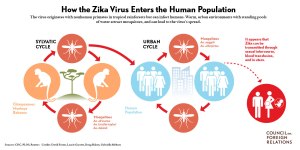
Courtesy of the Council on Foreign Relations
As Zika virus continues to spread and South Africa reports the first of their cases, many are wondering how these outbreaks tend to go from 0-60 in a hot minute. NIAID director, Anthony Fauci, discusses the reality of disease surveillance and revealed this slide during an interview, of which you can see the global examples of emerging and re-emerging infectious diseases. Dr. Fauci points to the unpredictable nature that is public health and global health security. Global public health is still reeling from the effects and imperfect response of Ebola 2014, coupled with the scrutiny of a response to H1N1 that was considered too zealous. I’ve always considered public health and disease prevention to be the kind of work where few realize when you’ve done your job correctly but when you fail, it’s something you’ll be hearing about for decades. Global health security is challenging on a good day and public health tends to get little funding, especially in the countries that need it most. After the devastation of Ebola and all the after-action reports, many are wondering how did we miss the rise of Zika virus? Dr. Ken Stuart, director of the Center for Infectious Disease Research in Seattle, says, “We were unaware of the severity of the disease … [and] were unaware this virus had the capability for getting distributed so rapidly.” Regarding the funding issues that often plague infectious disease efforts, he noted that “this really goes back to funding priorities. Much of the funding devoted to infectious disease today is in reaction to outbreaks. Therefore, we’re not generally prepared to respond quickly. In other cases there are diseases that are very rare but they have an advocacy group that generates research activities. In the case of diseases like Zika, which were isolated in remote areas of the world where that population had no resources or advocacy group, there was no push to do research.We’re not stuck with what we’ve got. There are conversations between federal funding agencies and private organizations to try to prioritize the utilization of their resources, and I would say the NIH has been a leader in supporting the fundamental research that actually, probably positions us best to be prepared to respond to these disease outbreaks.” In other Zika news, a CDC team just arrived in Brazil to study the associated birth defects and the White House is urging Congress to provide emergency funds to support Zika response efforts, rather than just re-directing funds from Ebola-related projects. You can also see a map tracing the spread of Zika and some background here. As of February 24, the CDC has reported 107 travel-associated cases in the U.S.
The Rise of Chikungunya
I always thought it sounded like the name of a monster and in some ways, that’s pretty spot on. The Pan American Health Organization (PAHO) reported 16,668 confirmed and suspected cases of Chikungunya in 2016 so far. Colombia shouldered the majority of 2016 disease burden, with a spike of 1,189 new cases added to their previous count of 5,752. The PAHO is still playing catch-up on their year-end reporting for 2015, but it looks like 28,722 additional infections were added to their 2015 data. These updates mean that this region experienced 726,478 cases in 2015, and with the the new cases reported as of February 19, this current outbreak has been responsible for 1.89 million infections. Starting in 2013, this outbreak began on St. Martin and has been gaining traction ever since. Hopefully with the mosquito-control efforts related to Zika virus, the mosquito population also responsible for Chikungunya will begin to decline.
Stories You May Have Missed:
Breaking Down the Barriers of MDRO’s: Scientists in the UK have discovered how drug-resistant bacteria create and maintain their defensive wall. Using the Diamond Light Source machine to “investigate in tiny detail a class of bugs known as Gram-negative bacteria”, they were able to find a defensive wall and it’s assembly beta-barrel machinery (BAM). This new research means that future treatments can aim at preventing bacteria from building these defense measures versus just attempting to attack the bacteria itself.
Melbourne Measles Outbreak – 14 cases have already been confirmed in the suburb of Brunswick, of which 2 were children from a primary school. Students that attend the same school and are not fully immunized were instructed to stay home to avoid exposure.
E. coli Outbreak in Raw Milk – Not surprisingly, a recall has been issued related to unpasteurized raw milk from a local dairy farm in Fresno, CA. 10 people have been confirmed with Shiga-toxin producing E. coli 0157:H7. Thankfully the shelf-life of the product has passed and public health officials, while stating that the investigation is on going, have confirmed that no health alert was issued since the product is believed to no longer be within the marketplace. Moral of the story – avoid raw, unpasteurized milk.
Enjoying your weekly dose of the Pandora Report? Sign up to receive it every week so the fun never ends!
Monday, February 22nd, 2016 Will The Syria War Ever End?– Project for the Study of the 21st Century Time: 2-3:30pm Location: Thomson Reuters1333 H St NW #410E, Washington, DC 20005(map)
Five years after the start of the “Arab Spring”, Syria’s civil war is as brutal as ever — and dragging in ever more outside powers. As Russian-backed government forces close on Aleppo, has Bashar al-Assad finally regained the upper hand? What compromises might Syrians be willing to accept as the price of peace — and given the increasing involvement of foreign states, does that even matter? How will a new American president handle what increasingly looks like one of the defining regional wars of the era?
Human Security In The Face Of Violent Extremism– Georgetown University Time: 4-5:30pm Location: Georgetown University37 St NW and O St NW, Washington, DC(map)
The Office of the President, the Georgetown Institute for Women, Peace and Security, the Georgetown Global Futures Initiative, and the Berkley Center for Religion, Peace and World Affairs will cohost a lecture and discussion featuring H.E. Zainab Bangura, United Nations Special Representative of the Secretary General on Sexual Violence in Conflict and Alissa Rubin, Paris Bureau Chief, New York Times.
Tuesday, February 23rd, 2016 Engineering Away Disease-New America Foundation Time: 12:15-1:45pm Location: New America740 15th Street NW Suite 900 Washington, DC 20005(map)
In a matter of weeks, the Zika virus has gone from being a virtually unknown phenomenon to a “Public Health Emergency of International Concern.” And for good reason: The virus – for which there is no treatment – is spreading quickly through the Americas, carried by the Aedes aegypti mosquito. Human development, climate change, and droughts will only make mosquitos more widespread, allowing them to carry diseases like dengue and malaria to new places. Around the world, researchers are trying to genetically engineer mosquitoes so that they can’t transmit dangerous viruses. But anyone who has seen Jurassic Park knows that a little change to the ecosystem can have serious effects. What might be the consequences of messing with the world’s deadliest animal? Are there other diseases that we may want to engineer away? If so, how should we proceed? On Tuesday, Feb. 23, join Future Tense for a lunchtime conversation on Zika as a case study in potential technical solutions to deadly diseases. Continue reading “Week in DC: Events 2.22-2.6.2016”→
Upcoming Events: SPGIA Master’s Open House and Biodefense Seminar!
Interested in furthering your education and getting to study topics like bioweapons, disease outbreaks, and terrorism? Check out the GMU Master’s Open House on Thursday, February 25th, 6:30pm at our Arlington Campus in Founder’s Hall, Room 126. Dr. Koblentz, GMU biodefense program director and one of our amazing professors, will also be holding an informational session at 7pm. You can even virtually attend if you’re looking to get more details on the biodefense graduate program and what kinds of adventures it entails. Once you’ve gotten your feet wet by attending one of the Open Houses, try our Biodefense Course Sampler on Wednesday, March 2nd, at 7pm in Founders Hall (GMU Arlington Campus), room 502. Dr. Koblentz will be hosting the event to discuss the unique challenges the US faces when it comes to global health security. Ranging from biosafety to natural disasters, and even zombies, this is a great way to get a taste of the GMU Biodefense program! Make sure to RSVP though, since space is limited.
Workshop on Women’s Health in Global Perspective
GMU’s School of Policy, Government, and International Affairs will be hosting this engaging and informational workshop on March 3, 2016 (8:45am-4:45pm), at our Arlington campus, in Founders Hall 111 and 1113. The keynote address will be from Dr. Nancy Lee, director of the Office of Women’s Health in the Department of Health and Human Services. Panels will discuss contraception and prenatal care, violence against women, dealing with disease, cross border concerns, and the role of gender disparities in women’s health outcomes. Lunch will be provided and while this event is free and open to the public, you’ll need to register here.
ISIS Use of Chemical Weapons
On Friday, CIA director John Brennan, confirmed that ISIS fighters have not only utilized chemical weapons, but also have the means and capabilities to make them. Reports indicate that ISIS is capable of making small quantities of chlorine and mustard gas. Brennan also pointed to potential exportation of chemical weapon to the West for financial incentives, noting that “there’s always a potential for that. This is why it’s so important to cut off the various transportation routes and smuggling routes they have used.” Confirmatory lab results from the Organization for the Prohibition of Chemical Weapons (OPCW) established the definitive presence of mustard gas in the attacks on Kurdish forces last year. “The OPCW will not identify who used the chemical agent. But the diplomat, speaking on condition of anonymity because the findings have not yet been released, said the result confirmed that chemical weapons had been used by Islamic State fighters. The samples were taken after the soldiers became ill during fighting against Islamic State militants southwest of Erbil, capital of Iraq’s autonomous Kurdish region.” Given their successful use of mustard gas and growing concerns over development capabilities, Brennan noted that “US intelligence is actively involved in being part of the efforts to destroy ISIS and to get as much insight into what they have on the ground inside Syria and Iraq.”
Ongoing Challenges and Future Considerations for DHS Biosurveillance Efforts
The US Government Accountability Office (GAO) recently published their findings regarding the Department of Homeland Security’s (DHS) biosurveillance efforts, specifically the National Biosurveillance Integration Center (NBIC) and the BioWatch program. Initial findings in 2009 found that NBIC wasn’t “fully equipped to carry out its mission because it lacked key resources—data and personnel—from its partner agencies, which may have been at least partially the result of collaboration challenges it faced.” Recommendations were made and then in August 2012, NBIC released its Strategic Plan in response to the deficiencies, of which focal points included clarification of its mission and efforts to fulfill its roles of analyzer, coordinator, and innovator. Since 2012 though, GAO has noted several challenges DHS has faced in attempts to justify the BioWatch program. In 2015, “GAO found that DHS lacks reliable information about the current system’s technical capabilities to detect a biological attack, in part because in the 12 years since BioWatch’s initial deployment, DHS has not developed technical performance requirements for the system. GAO reported in September 2015 that DHS commissioned tests of the current system’s technical performance characteristics, but without performance requirements, DHS cannot interpret the test results and draw conclusions about the system’s ability to detect attacks.” Based off their findings, GAO recommended DHS not pursue the upgrades it was considering to the program. Some of the changes NBIC will be pursuing include its modification to the Daily Monitoring List and better integration of projections and forecasts. You can find the report here, which also includes a table regarding benefits and challenges for structural changes within NBIC. Coincidentally, there was a webinar this week on “Defending Against Bioterror with Improved BioWatch Standards”. During the webinar, the presenters (Dr. Georges Benjamin and Dr. Bruce Budowle) emphasized that BioWatch is an integrated system that “needs to be used with care and caution, but it’s really a marvelous piece of technology.” They also spent time discussing how PCR results may pose problematic for end users and how BioWatch “is a good investment that should continue”.
Mental Health Challenges in Ebola Fighters
The 2014 outbreak left untold damages upon the affected countries. Unfortunately, mental health is one that may have gone unnoticed. While doctors and nurses raced to respond to the outbreak, the response to mental health was given little thought. Fighters in the Ebola battle are now fighting personal struggles with alcoholism, depression, and drug addiction. In countries that have even fewer mental health professionals than medical doctors, many are in desperate need. Some of these include young men that signed up to bury the bodies of Ebola patients in the grassy mud within Liberia. Drew Hinshaw discusses how these “burial boys” found themselves digging graves for their own children and are now left struggling to find work and are suffering from severe PTSD and the emotional effects of such an ordeal. “Liberia has just one psychiatrist for a population of four million, according to the health ministry. Sierra Leone, home to seven million, also has only one. The mental-health wing of the Liberian health ministry has just two staffers on payroll.” The truth is simple- the impact of an outbreak of this magnitude, especially within impoverished countries, has rippling effects that go on for years. Perhaps future outbreak response and preparedness models should include mental health support during and following the outbreak?
Stories You May Have Missed:
Future of CRISPR– CRISPR technology has been making headlines since it’s initial discovery, especially with Science naming it the Breakthrough of the Year. Its ease of use has raised many red flags for those within the science and biosecurity community. One of its discoverers, Jennifer Doudna, worked to answer questions and dispel concerns regarding mis-use, stating that “she considers it one of her responsibilities as a researcher to ensure that she educates people about the technology and listens to their questions and concerns about its use. She says one of her biggest fears is “waking up one morning and reading about the first CRISPR baby, and having that create a public backlash where people ban or regulators shut this down, and I think that could be very detrimental to the progress of the field.”
UK Parliament Report – Lesson Learned from Ebola – The UK Parliament has released their findings on the 2014 Ebola outbreak and the UK’s response efforts. Pointing to the necessity of strong and reliable communication, they emphasized that research must be started swiftly during such events. “The willingness of Government agencies, third sector organisations, health and aid workers, universities, and pharmaceutical companies to go above and beyond to help tackle the outbreak was phenomenal. The swift pace at which clinical trials were approved and conducted particularly stood out.” For updates on the outbreak, you can see the WHO sitrep here.
Monday, February 15th, 2016
Happy President’s Day!
Tuesday, February 16th, 2016 Reassurance And Deterrence In The Baltics: Ensuring The U.S. And NATO Get It Right– Heritage Foundation Time: 12-1pm Location: Heritage Foundation214 Massachusetts Ave NE, Washington, D.C. 20002(map)
Russia continues to pose an existential threat to the Baltic States. What steps must the United States and NATO take to reassure the Baltics and deter Russian aggression? How prepared is the alliance to defend against non-conventional threats, including cyber-attacks, irregular troops, propaganda, and cuts in energy supplies? What’s the view from the Baltic States themselves? How would our Nordic partners Finland and Sweden react to a Russian aggression against the Baltics? Join us for a panel discussion of this vitally important topic.More About the Speakers Jorge Benitez, Ph.D.Senior Fellow, Brent Scowcroft Center on International Security, Atlantic CouncilLuke CoffeyDirector, Douglas and Sarah Allison Center for Foreign Policy Studies,The Heritage FoundationAnn-Sofie Dahl, Ph.D.Adjunct Fellow, Europe, Center for Strategic and International StudiesMarius LaurinavičiusSecurity Research Scholar, Baltic-American Freedom Foundation,Center for European Policy Analysis
Defeating AIDS, TB And Malaria: Designing Next Generation Financing Models-Center for Global Development Time: 4-5:30pm Location: Center for Global Development2055 L Street NW(map)
The global health community has made great strides in addressing AIDS, tuberculosis and malaria: fewer people are contracting these diseases, fewer people are dying from them, and far more people are enrolled in life-saving treatments. Yet to sustain this progress and defeat these three diseases, the global community must find more efficient ways to allocate and structure funding. How can this be done? A new CGD report, Aligning Incentives, Aligning Impact: Next Generation Financing Models for Global Health, provides practical recommendations to help global health funders design and rollout new ways to finance programs and mechanisms to combat the three major diseases. At this launch event, CGD is delighted to welcome keynote speaker Ambassador Deborah Birx and several of the report Working Group members (panelists to be announced) to discuss the report recommendations and share their perspectives, focusing on the importance of good incentives and the opportunities to use next generation financing models at the Global Fund and elsewhere.
Wednesday, February 17th, 2016 Building The Effectiveness Of National Security In Conflict And Post-Conflict Transitions To Promote Accountability And Protect Civilians From Harm– American University Washington College of Law Time: 9am-5pm Location: AU Washington College of Law4801 Massachusetts Avenue, NW, Washington, D.C. 20016(map)
As stated in the United States’ National Security Strategy, efforts to advance security and prosperity are enhanced when governments support certain values that are universal. Nations that respect human rights and democratic values are more successful and stronger partners, and individuals who enjoy such respect are more able to achieve their full potential. It is problematic to place the security of the state entirely above the interests of individual citizens because both security and human rights are inextricably intertwined. When it comes to security partnerships, security forces that incorporate human rights and international humanitarian law standards promote accountability, create a safer environment for civilians and make more effective partners in the long run, especially considering the growing interest in countering transnational threats. The accountability, professionalism and effectiveness of national security, particularly in conflict settings and post-conflict transitions, are crucial to protecting civilians from violence and crime and promoting effective counterterrorism. Continue reading “Week in DC: Events 2.15-2.19.2016”→
This week we saw a lot of movement on the Zika response front – from increased funding to research teams prepping for field work, the outbreak hype is picking up traction as the horrors of Ebola are still fresh. Natural outbreaks aren’t the only thing drawing concern this week, as James Clapper, Director of US National Intelligence, added gene editing to the list of dangers posed by “weapons of mass destruction and proliferation.” The annual worldwide threat assessment report stated that, “research in genome editing conducted by countries with different regulatory or ethical standards than those of Western countries probably increases the risk of the creation of potentially harmful biological agents or products,”. Good news for hospital preparedness, the US Department of Health and Human Services Office of the Assistant Secretary for Preparedness and Response and the CDC have announced continued funding for the Hospital Preparedness Program (HPP). The HPP supports critical healthcare preparedness efforts in order to reduce the “supplemental state and federal resources during emergencies, and enables rapid recovery.” If you’re trying to work some biodefense into your Valentine’s Day, you’ve got a few options via Jane Austen-inspired zombie adventures in Pride and Prejudice and Zombies or episodes of The Walking Dead. Whichever zombie adventure you choose, just remember to avoid cuddling with any armadillos (read on to find out why). Happy Friday!
ASM-Biodefense
The 2016 American Society for Microbiology Biodefense and Emerging Diseases Research Meeting took place this week in Arlington, VA. For a biodefense fan, this was a pretty amazing three-day experience. Conference attendees were treated to presentations on antimicrobial resistance, applied biodefense, medical countermeasure developments, agroterrorism, and much more. Did I mention the keynote speaker was Dr. Tom Frieden, director of the CDC? I’m not even a little ashamed to admit how great it was to see Dr. Frieden emphasize that “nature is unpredictable but what is predictable is that we can be better prepared.” He also noted that “Zika is a rapidly changing situation” and the CDC would be sending a team within the next week to start a case-control study related to infection and microcephaly. Some highlights included getting to listen to Dr. Raymond Zilinskas discuss Russian biodefense efforts and how CBR training exercises increased in 2015. Dr. Jens Kuhn from the NIH wins the award for most humor during his fascinating presentation on Marburg and Ebola research within the Soviet bioweapons program. The infection preventionist in me greatly appreciated the session on antibiotic resistance and the role of medical tourism as an exposure for patients to CRE, not to mention how travel assists global clonal expansion. The Mayo Clinic’s Dr Tosh pointed out the short term (isolation of patients, hand hygiene, etc.), medium term (new microbial therapeutics, new diagnostics, etc.), and long term (specific pathogen therapy, decolonization, and immunologic therapy) response and control mechanisms for drug resistance. Last but not least, one of the biggest objectives from the applied biodefense presentations was the need for scientists to help inform policymakers about their work to drive the best policies. I would highly encourage anyone interested in the biodefense field to attend future conferences, as it was a wonderful learning experience and the poster/exhibitor sessions were an excellent way to learn about new research and network.
Lessons Learned: Using North Korea’s History to Better Understand Iran’s Nuclear Program
GMU biodefense professors, Dr. Thrall and Dr. Koblentz, discuss the use of North Korean nuclear history as a teaching tool regarding Iran’s nuclear program. By comparing and contrasting these two countries and their propensity for nuclear weapons, they look to similarities like the fact that both countries “are located in historically dangerous neighborhoods and face militarily superior adversaries. In North Korea’s case, South Korea and the United States; in Iran’s case, a Middle East full of Sunni Arabs and a nuclear-armed Israel. From a national security perspective, both countries have obvious reasons for pursuing a nuclear capability.” Given that both countries tend to be immune towards coercion, continued engagement and confrontation is vital. Using North Korea as a model for behavior, vigilant deterrence will be necessary to prevent Iran from cheating on the nuclear deal.
Managing Emerging Health Security Threats Since 9/11: The Role of Intelligence Dr. Patrick F. Walsh, Associate Professor of Intelligence and Security Studies at Charles Sturt University in Australia, discusses the role of intelligence throughout the evolution of biosecurity since the 9/11 attacks. Dr. Walsh calls attention to the difficulties in defining biosecurity and that “cross-disciplinary focus is both a strength and weakness to understanding biosecurity threats. It is a weakness in that the presence of multiple players in the biosecurity field can result in a more fragmented understanding and operational response to various biosecurity threats. But it is also a strength in that, if intelligence systems are optimal, a multi-disciplinary approach allows a combination of expertise to assess and manage the bio-threat or risk.” Dr. Walsh presents the role of dual-use research, stolen biological agents, and the growing concern among biosecurity regulators and national security intelligence groups regarding the dwindling role of tacit knowledge and availability of equipment and technology. Dr. Walsh points out that the character of intelligence varies depending on the issue and one must account for the role of decision making. Lastly, he reminds us that “to conceptualize the role of intelligence in improving early warning of biosecurity threats is to examine how it can provide warning through various stages of the intelligence cycle, which includes the following stages—direction, collection, analysis, and dissemination.” While the role of intelligence will continue to evolve with biosecurity threats, Dr. Walsh emphasizes that strategic early warning capabilities are dependent upon the efficacy of intelligence framework. Improving these two facets of biodefense will allow critical infrastructure to not only respond to threats of bioterrorism and emerging infectious diseases, but also the growing threats of microbial resistance and dual-use research. You can also find the article here (2016 Walsh Health Security and Intelligence Jan).
Biosecurity in the Age of Big Data: A Conversation with the FBI
Advances in life science and technology can solve many health issues, but they can also pose a threat if used within the wrong context. Dual-use research of concern, CRISPR, and biotechnologies have led to some remarkable revolutionary advances, however, where do these fit within the FBI’s security concerns for bioweapons? Keith Kozminski of Molecular Biology of the Cell met with FBI Supervisory Special Agent (SSA) and head of the Biological Countermeasures Unit at their Washington, DC headquarters, Edward You, to discuss the security implications of Big Data. SSA You detailed his work with the American Association for the Advancement of Science and the United Nations Interregional Crime and Justice Research Institute to identify the security issues associated with Big Data when it comes to biology. Whether collaborating with companies like Amazon and IBM or government agencies like the CDC, SSA You has worked to identify potential vulnerabilities and how they can be addressed without halting innovation. SSA You states that “Over the last two years, we have had the issues with regard to the Centers for Disease Control and Prevention (CDC) and Department of Defense (DoD). A lot of discussion also came when the J. Craig Venter Institute synthesized that bacterial genome. There were a lot of calls and discussions about the scientific community needing more ethics training and the need to develop a greater culture of responsibility. From a law enforcement perspective those are necessary but not sufficient. What has been lacking is the scientific community being provided security awareness—something that augments how they approach the life sciences.” While there are vulnerabilities across the board, SSA You emphasized the need for partnership between biologists and WMD coordinators to not only safeguard science, but reduce threats.
UN- Protecting Humanity from Future Health Crises: Report of the High-level on the Global Response to Health Crises
The UN has released an advanced copy of their report regarding global health safety. Highlighting the efforts and failures within the Ebola outbreak, this report emphasizes the global burden of communicable diseases and how better response and preparedness is needed. The report points out that only a third of the 196 State Parties have fully implemented the International Health Regulations (IHR, 2005) and there has been little global investment in R&D for emerging infectious diseases. 27 recommendations were made to address issues at the national, regional, and international levels, of which one of the first was for the WHO to build a new Centre for Emergency Preparedness and Response. The report also states that “all countries must meet the full obligations of the IHR” and “appropriate financing is required. Assistance should be provided to countries requiring additional support for IHR compliance, while WHO and the new Centre for Emergency Preparedness and Response must be resourced to meet global needs.” Overall, the use of the 2014 Ebola outbreak as a case study for health security recommendations echoes the sentiment that Dr. Frieden once noted– “a disease outbreak somewhere is a risk anywhere”
Stories You May Have Missed:
Vaccines & Therapeutic Conference– Mark your calendars for the 14th annual conference from May 17-19, 2016, in Washington DC, that covers biodefense, antimicrobial resistance, and emerging infectious diseases. Given the recent push for emergency funding for Zika virus research, this conference will be a great resource for up and coming research.
Quality Training for BSL-4 Biocontainment Laboratories– Interested in BSL-4 lab training? The FDA and University of Texas Medical Branch, Galveston National Medical Branch, will host training April 25-29, 2016. Held in Bethesda, MD, the course will include faculty and subject matter experts from the FDA, academia, and more.
Leprosy Spike in Florida– Florida has seen an increase in leprosy cases this year. Five cases have been reported in 2016 so far and 27 were reported in 2015. The spike in cases is suspected to be a result of armadillo transmission. If you find yourself traveling in Florida, you may want to avoid armadillo cuddling.
Monday, February 8th, 2016 Paul Goble On The Future Of Post-Soviet Countries– Johns Hopkins School of Advanced International Studies Time: 5-7:30pm Location: Johns Hopkins School of Advanced International Studies (SAIS)1740 Massachusetts Ave NW, Washington, DC 20036(map)
Room: Kenney-Herter Auditorium – The Nitze Building
This special forum, organized jointly with The Jamestown Foundation, will honor Paul Goble, eminent scholar and expert on the post-Soviet world. Paul will share with us his view on prospects of the states and people in this important strategic region, which includes the Caucasus and Central Asia, as well as the Baltic countries and Ukraine. Several of Paul’s long-time friends, colleagues and professional associates will comment on his intellectual contribution to the study of these post-Soviet countries.
Tuesday, February 9th, 2016 ISIS’ Hunt For WMDs: Navigating The Nuclear Underworld With C.J. Chivers-Center for Strategic and International Studies Time: 3:30-5pm Location: Center for Strategic and International Studies1616 Rhode Island Ave NW, Washington, DC 20036(map)
The Project on Nuclear Issues (PONI) is pleased to invite you to a discussion with C.J. Chivers on nuclear smuggling in the Middle East. Chivers, a former marine and Pulitzer Prize-winning investigator with the New York Times, has reported from the front lines of Iraq, Afghanistan, Libya, Syria, and more, analyzing conflicts and the weapons that fuel them. One of Chivers’ recent features, ‘The Doomsday Scam,’ revealed how ISIS and other terrorist groups have pursued a fictional weapon-making substance known as red mercury. Chivers, who has been called ‘the greatest war reporter in a generation,’ will share his unique insight about the possibilitiy of terrorist groups obtaining nuclear materials, where they could be bought, and how the international community should respond if a terrorist group were to acquire nuclear material, or some other weapon of mass destruction. The discussion will be moderated by Rebecca Hersman, Director, Project on Nuclear Issues, and Senior Adviser, International Security Program, CSIS.
Cross-Straits Series: Conflict In The Taiwan Strait?– Atlantic Council Time: 12:30pm Location: Atlantic Council1030 15th St NW, Washington, DC 20005(map)
Room: 12th Floor (West Tower)
Taiwan’s elections on January 16 resulted in both its new president and, for the first time, a majority of legislators being from pro-independence parties. This has raised concerns about how Beijing will react. The official China Daily stated after the election that if president-elect Tsai Ing-wen does not accept that Taiwan is part of China, she will be leading Taiwan in the direction of “conflicts and tension.” Underscoring the point, the mainland military recently conducted amphibious landing exercises along its coast opposite Taiwan. Would China actually use force against Taiwan? And under what circumstances? What are the current capabilities of China’s military? Does it have the ability to force Taiwan to unify with the mainland?
Wednesday, February 10th, 2016 Chemical Safety and Security:Dealing with Global and National Threats Time: 1:30-3:30pm Location: Green Cross International, 1101 15th St. NW, Suite 1100 (Friends of the Earth), Washington DC
Threats and challenges linked to the globalization and spread of chemical, biological, radiological, and nuclear (CBRN) industries and materials require global responses that move beyond politics and internationalize best existing practices and innovative solutions.
Efforts to develop a global approach to chemical safety and security are quickly becoming a reality. High standards of security and safety must be promoted in the whole chain of chemical activities as an important barrier against chemical weapons proliferation and terrorism. Amb. Paturej will also address the forthcoming global conference, April 18-20, 2016, in Kielce, Poland (see www.chemss2016.org) on chemical safety and security.RSVP to Anna Tserelova, atserelo@gmu.edu, by COB, Tuesday, February 9th.
Fear of mosquitoes continues to grow as Zika virus joins the list of burdening arbovirus infections. Perhaps the biggest surprise this week wasn’t that imported Zika cases continue to spring up across the US, but rather that the first sexually transmitted case occurred in Dallas, Texas. I’m starting to think Dallas, TX, could use a break from emerging infectious diseases… As influenza season picks up in the US, Avian influenza outbreaks are popping up in Taiwan, South Africa, and Macao. Good news- it’s safe to go back to your favorite burrito bowl! The CDC declared the Chipotle-associated E. coli outbreak over, however, their co-CEO has voiced frustration over delayed reporting. In the interview, he felt that it gave the “mistaken impression that people were still getting sick” and news was “fueled by the sort of unusual and even unorthodox way the CDC has chosen to announce cases.” Before we venture down the biodefense rabbit hole, don’t forget to stay healthy and safe this Super Bowl Sunday. Spikes in cases and flu-related deaths (in those >65 years of age) can jump by 18% in the home regions of the two teams. Take care to avoid respiratory viruses and food-borne issues while cheering on your favorite team this weekend!
Medical Counter Measures for Children
Having worked in pediatrics, I was thrilled to see the American Academy of Pediatrics publish the updated guidelines. Throughout my work in infection prevention and collaborations with hospital emergency preparedness and local county health departments, it became increasingly evident that in many ways, this is a patient population that is easily forgotten. There is a woefully apparent gap in preparedness methodology to recognize and modify practices to meet the unique needs of children. While many may laugh at the notion that “children aren’t just little adults”, those who have worked in pediatrics can attest to these common misconceptions. Children are not only more susceptible to the devastation of disasters and CBRN attacks, the medical counter measures often do not account for pediatric dosages. The published report discussed their work over the past five years to better address and fill major gaps in preparedness efforts when it comes to medical counter measures (MCM) for children. “Moreover, until recently, there has been a relative lack of pediatric MCM development and procurement; many MCMs were initially developed for use by the military and have been evaluated and tested only in adults.” Some of the recommendations that were made from this report include: “the SNS and other federal, state, and local caches should contain MCMs appropriate for children in quantities at least in proportion to the number of children in he intended population for protection by the cache” and “federal agencies collaborating with industry, academia, and other BARDA partners, should research, develop, and procure pediatric MCMs for all public health emergency, disaster, and terrorism scenarios and report on progress made.” Perhaps one of the most interesting recommendations was that “the federal government should proactively identify anticipated uses of MCMs in children during a public health emergency and, where pediatric FDA-approved indications do not exist, establish a plan to collect sufficient data to support the issuance of a pre-event EUA that includes information such as safety and dosing information and the federal government should use existing entities with pediatric SMEs, such as the PHEMCE, PedsOB IPT, and the DHHS National Advisory Committee on Children and Disasters, and continue to collaborate with private sector partners offering pediatric expertise to provide advice and consultation on pediatric MCMs and MCM distribution planning.” Overall, these recommendations and the push for data collection and clear progress reporting are definitely a step in the right direction.
GMU Open House
Interested in a master’s degree that allows you to focus on bioweapons, global health security, and WMD’s? Check out GMU’s School of Policy, Government, and International Affairs (SPGIA) Open House on Thursday, February 25th at 6:30pm, at our Arlington Campus in Founders Hall, room 126. Representatives from our Biodefense program will be there to answer all your questions. Better yet, check out our Biodefense Course Sampler on Wednesday, March 2nd, at 7pm (Arlington Campus, Founders Hall, room 502). Dr. Gregory Koblentz, director of the Biodefense graduate program, will be presenting “Biosecurity as a Wicked Problem”. Come check out our curriculum and get a taste of the amazing topics we get to research!
From Anthrax to Zika
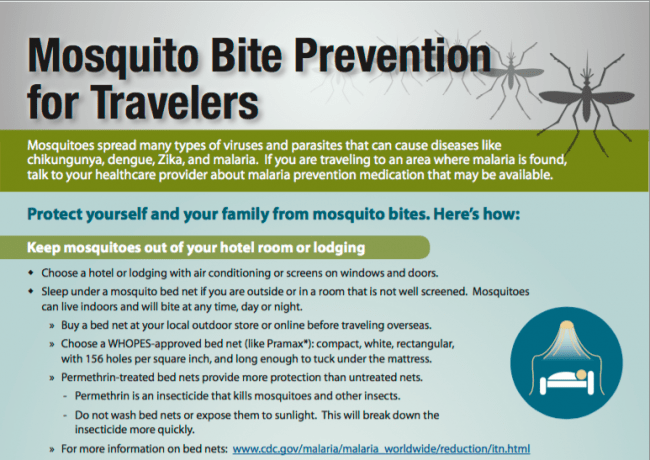
Researchers at the University of Greenwich are finding a potential cancer-fighting strategy using the anthrax toxin. Lead scientist, Dr. Simon Richardson, is working with his team to convert the anthrax toxin into a delivery tool for medications.“This is the first time a disarmed toxin has been used to deliver gene-modulating drugs directly to a specific compartment within the cell. We’ve achieved this without the use of so called helper molecules, such as large positively charged molecules like poly(L-lysine). This is important as while these positively charged molecules, known as polycations, can condense DNA and protect it from attack by enzymes before it reaches the target, they are also known to be toxic, break cell membranes and are sent quickly to the liver to be removed from the body. In this study we demonstrate that using disarmed toxins without a polycation is effective, at a cellular level.” In the world of Zika virus….On Monday, the WHO Zika virus team met and announced that the outbreak should now be considered a public health emergency of international concern. Dr. Margaret Chan, WHO director general, stated, “I am now declaring that the recent cluster of microcephaly and other neurological abnormalities reported in Latin America following a similar cluster in French Polynesia in 2014 constitutes a public health emergency of international concern.” Given the level of uncertainty regarding the disease, many feel this was a justified classification of the outbreak. The first case of sexual transmission within the US also occurred in Dallas, Texas. The patient became sick after having sexual contact with an individual who became symptomatic upon return from Venezuela. Chile and Washington DC have just confirmed their first three cases this week. Mexico’s Health Ministry is trying to downplay the Zika impact on tourism, however as the outbreak unfolds, it will be interesting to see long-term tourism repercussions within the affected countries. The state of Florida is ramping up their mosquito elimination, control, and education efforts to combat the growing epidemic, as it is one of the mosquito-heavy states within the US. Governor Rick Scott recently declared a health emergency in four Florida counties. If you’re on the lookout for educational tools, there are several helpful CDC informational posters regarding mosquito bite prevention.
US Military and the Global Health Security Agenda
In effort to protect military members and support global public health, the DoD (specifically, the Military Health System in coordination with the Defense Health Agency’s Armed Forces Health Surveillance Branch) developed the 2014 Global Health Security Agenda (GHSA). The GHSA established a five-year plan with specific agenda items, targets, and milestones that would incorporate its 31 partner countries. The DoD’s Global Emerging Infections Surveillance and Response System (GEIS) will also support these efforts through their biosurveillance practices in over 70 countries. The international work is as varied as the challenges one might see in global biosurveillance. The Armed Forces Health Surveillance Branch (AFHSB) “leveraged existing febrile and vector-borne infection control efforts in Liberia to support the recent Ebola outbreak response. The Liberian Institute for Biomedical Research served as a central hub for Ebola diagnostic testing with the help of the Naval Medical Research Unit-3 in Cairo, Egypt and two Maryland-based facilities, the Naval Medical Research Center in Silver Spring and the U.S. Army Medical Research Institute of Infectious Diseases in Frederick.” Surveillance efforts will also look at antimicrobial resistance and the development of additional research laboratories to work in coordination with host-nations and certain regional networks. You can also read Cheryl Pellerin’s work on DoD Biosurveillance and the role it plays in maintaining global public health efforts. Pellerin reports on the duties of the GEIS and the US Army Medical Research Institute of Infectious Disease (USAMRIID) in not only global health security, but also protecting US military personnel from infections while abroad.
Norovirus Outbreak in Kansas
There are few things that will make a food-borne disease epidemiologist (or infection preventionist for that matter) as frustrated as a norovirus outbreak. It hits quickly, is highly infectious, and tends to leave you with stories from case-control interviews that will make you either laugh, cry, or need some fresh air. A Kansas City suburb is currently experiencing a 400 person outbreak of gastroenteritis associated with the New Theatre Restaurant. Initial lab reports have confirmed norovirus as the culprit. The Vice President of the restaurant said that three employees have also been confirmed as norovirus cases. To date, the almost 400 people who reported symptoms are said to have eaten at the restaurant between January 15 to present. Norovirus is a pretty unpleasant gastroenteritis (you’ve probably heard it called the “cruise ship bug”) as it has a low infectious dose (estimates put it as low as 18 viral particles, while 5 billion can be shed in each gram of feces during peak shedding). Norovirus outbreaks tend to spring up quickly and infect high volumes of people, making it difficult for public health officials to jump ahead of the outbreak. Perhaps one of the biggest components to stopping the spread of infection is good hand hygiene, environmental cleaning, and staying home when sick.
TB Transmission on Airplanes
We’ve all been there – you’re seated next to someone with a nasty cough or cold and you just know you’re going to get sick. But what happens if you’re on a plane and there’s a person a few rows away that has tuberculosis (TB)? The European Centre for Disease Prevention and Control (ECDC) reviewed evidence of TB transmission on airplanes to update their Risk Assessment Guidelines. Of all the records/studies reviewed, 7/21 showed some evidence for potential in-flight (all flights lasted more than 8 hours) TB transmission, while only one presented evidence for transmission in this environment. The interesting component is that this low transmission risk is considered only for in-flight, as they excluded transmission on the ground since the before and after flight ventilation system is not in full-function mode. The one study that did show transmission risk involved six passengers that were in the same section as the index case, of which, four were seated within two rows. After their review, they found that the risk for TB transmission on airplanes is “very low”. They noted that “the updated ECDC guidelines for TB transmission on aircraft have global implications due to inevitable need for international collaboration in contact tracing and risk assessment.”
Stories You May Have Missed:
Resistant HIV – A recent study published in The Lancet discusses drug resistance after virological failure with the first-line HIV medication, tenofovir-containing ART (antiretroviral therapy). This treatment is used as both a prevention and pre-exposure prophylaxis (PrEP). Researchers found “drug resistance in a high proportion of patients after virological failure on a tenofovir-containing first-line regimen across low-income and middle-income regions”. This study highlights the growing need for surveillance of microbial drug resistance.
Active Monitoring of Returning Travelers – Ebola Surveillance – The CDC’s MMWR for the week of January 29, 2016, discussed NYC monitoring of returned travelers from October 2014-April 2015. Monitoring of returned travelers from Ebola-affected countries was one strategy the US employed to prevent imported cases. This report reviews the 2,407 travelers that returned from affected countries, of which no cases were detected. The NYC Department of Health and Mental Hygiene (DOHMH)’s active monitoring system proved successful, however it was very taxing on resources and reinforces the need to minimize duplication and enhanced cooperation. Speaking of Ebola, investigators from the University of Texas Medical Branch at Galveston, Vanderbilt University, the Scripps Research Institutem and Integral Molecular Inc., have performed research to establish that “antibodies in the blood of people who have survived a strain of the Ebola virus can kill various types of Ebola.” Further work will now seek to understand immune response to the virus and how we can modify treatments and potential vaccines to be more effective.
DoD BioChem Defense – take a glimpse into the global biosurveillance and defense efforts within the DoD Chemical and Biological Defense Program (CBDP). Working within several joint programs and striving to get ahead of outbreaks and attacks with early warning systems, this program faces the challenges of monitoring biochem threats on an international scale.
Enjoying your weekly dose of the Pandora Report? Sign up to receive it every week so the fun never ends!







 The Pandora Report