Week in DC: Events 8.1-8.5.2016

Monday, August 1, 2016
The World According To Star Wars– Cato Institute
Time: noon-1:30pm
Location: Cato Institute1000 Massachusetts Avenue, N.W., Washington, D.C. 20001 (map)
Featuring the author Cass R. Sunstein, Robert Walmsley University Professor, Harvard Law School; with comments by Ilya Somin, Professor, George Mason University Law School; and Michael F. Cannon Director of Health Policy Studies, Cato Institute; moderated by Aaron Ross Powell, Editor, Libertarianism.org and Research Fellow, Cato Institute.
The mythology at the heart of the Star Wars motion pictures has become a powerful common language for talking about not just good versus evil, fathers and sons, and destiny and choice, but also foundational political ideas like the role of government, the nature of power, the decay of institutions, and the need for and permissibility of rebellion and revolution. In The World According to Star Wars, legal scholar Cass R. Sunstein offers insights on theses topics and more, showing how and why Star Wars resonates so deeply with so many and what it has to teach us about the most important questions we face today. If you can’t make it to the event, you can watch it live online at www.cato.org/live and join the conversation on Twitter using #CatoEvents. Follow @CatoEvents on Twitter to get future event updates, live streams, and videos from the Cato Institute. Online registration for this event is now closed. If you are interested in registering for this event, please email events [at] cato.org.

Tuesday , August 2, 2016
Environmental Open House– Johns Hopkins School of Advanced International Studies
Time: 4-6pm
Location: John Hopkins1740 Massachusetts Ave., N.W. Washington, D.C. 20036 (map)
Room: Kenney-Herter Auditorium – The Nitze Building
The Energy, Resources and Environment (ERE) Program at Johns Hopkins SAIS is hosting an environmental recruting event on August 2 to present ERE program information to prospective students and environmental employers and interns. Continue reading “Week in DC: Events 8.1-8.5.2016”

Pandora Report: 7.29.2016

Happy Friday! With the Olympics right around the corner, there’s a lot of buzz surrounding the games (not just Aedes mosquitoes) and the athlete living quarters. Make sure to watch the PBS special, “Spillover- Zika, Ebola & Beyond“, on August 3rd at 10/9c. The special will look at the rise of spillover diseases like Nipah and the impact of human behavior on the spread of zoonotic diseases. The Society for Healthcare Epidemiology of America (SHEA) reported a new study that finds three key factors increase the risk for patient-to-patient transmission of the extremely resistant CP-CRE. The Democratic National Convention closed last night and Hilary Clinton made it a point to say, “I believe in science”, which highlights  the stark differences between the candidates on topics like climate change and stem cell research. 

What Damage Could CRISPR Do To The BWC?
Daniel Gerstein points to the approaching Eighth Review Conference of the Biological Weapons Convention and the assessment of new technologies, like CRISPR. Since James R. Clapper, Director of National Intelligence, stated that genome editing is a global danger, many are waiting to see what the convention will say about the future threats of technologies like CRISPR. Gerstein notes that, “if the seven previous review conferences are any indication, the gathering in November will recognize Crispr’s contribution to the biotech field, then enthusiastically declare the convention fit to address any problems it might create. But will that be enough?” The flexible nature of the convention is meant to support the ever-changing world of science and technology, however this also means that any potential bans on experiments are that much more challenging. In his article, Gerstein discusses the assessment of CRISPR as a nonproliferation threat and the risks associated with limiting technological innovation. Despite the challenges of banning certain biotechnologies, there are things that can still be done within the conference. Surveillance and training are imperative, especially in terms of “spotting the development of new pathogens or the modification of existing ones”, and national responsibility needs to be part of this equation. Gerstein’s points on not just national implementation, but also national responsibility emphasizes the transition from a traditional method into an emphasis on people and activities. Practices need to match the pace of biotech development, which means expanding the Implementation Support Unit, strengthening surveillance capabilities, and reinforcing institutional structures. “Those gathering at the review conference in November must seriously consider whether advances in biotechnology have made the existing bioweapons convention obsolete, but they must also ask what more the convention can do, as the reigning body for regulating biological weapons, to ensure that new biotechnologies continue to be used for peaceful purposes only.”

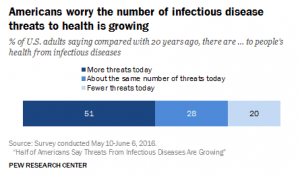
Half of Americans Say Infectious Disease Threats Are Growing  

Courtesy of Pew Research Center

The Pew Research Center conducted a recent survey in the wake of the very public Zika virus outbreak. While some may have noted that Americans aren’t as worried about Zika, the survey found that 51% of U.S. adults feel that, compared to 20 years ago, there are more infectious diseases threats to health today. 82% of Americans polled stated that they pay at least some attention to the news regarding infectious disease outbreaks and 58% believe that Zika is a major threat to the health of women who are pregnant. 31% believe that Zika is a major threat to the U.S. population as a whole, while 58% felt it was a minor threat. The poll also found that more people had heard of Ebola at the time of the 2014 outbreak than Zika as a problem right now. Broken down by demographics, those most worried about Zika include older adults, especially women.

Containment: Lessons Learned and Cringe-Worthy Moments2015_0326_Biohazard_Suits
Tuesday nights won’t be the same since Containment ended – what will we do without the asymptomatic super-spreaders like Thomas, the overly gory hemorrhaging, or the suspension of infection prevention practices? Like any science-based show, there are moments of accuracy and moments of pure dramatic exaggeration. Check out our list of the things we enjoyed about the show and some of the more eye-rolling moments. While it’s rare to have a prime-time show involving an outbreak, we’re hoping that the future will hold more scientifically accurate series that will dismantle the hysteria we too often see during public health emergencies.

Australia Utilizes Bioterrorism Algorithm to Predict Flu Outbreaks
Victoria’s health department is currently using a tool, EpiDefend, that can “accurately predict flu outbreaks up to eight weeks in advance.” Combining environmental data, lab results, and more, the tool is funded by the US Department of Defense and designed by the Australian Department of Science and Technology (DST) to aid in Australian disease prediction practices and strengthen global bio-surveillance. ”Our team’s goal is dual-purpose, we want to fulfil our defence charter, protecting our forces against intentionally released biological agents; but disease forecasting will also support the national security and public health areas,” said Tony Lau, defence scientist. EpiDefend incorporates electronic health records (EHR) via the healthcare sector, which means it can be especially powerful, but also requires the presence and reliability of EHR. The system uses an algorithm that is still being refined. “Particle filtering is a technique which helps us close in on the degree of uncertainty by the help of information gathered from particular situation. In other words, it helps the algorithm churn out more precise readings.”

Zika Virus
The Department of Health and Human Services (HHS) has published a webpage on what you need to know about Zika virus. A recent study is estimating that as many as 1.65 million women in Latin American could be infected while pregnant. Researchers, from another study published in the Annals of Internal Medicine, are pointing to a low risk for international Zika spread from the 2016 Olympics in Brazil.  Researchers calculated “the worst-case estimates of travel-associated Zika virus by assuming visitors encounter the same infections exposures as local residents. This is highly unlikely, as visitors would be staying in screened and air-conditioned accommodations, as well as taking personal preventive measures. But under the authors’ pessimistic conditions, they estimate an individual traveler’s probability to acquire infection in Rio de Janeiro is quite low. Specifically, they estimate anywhere from 6 to 80 total infections with between and one and 16 of those infected experiencing any symptoms.” Florida officials announced the investigation of another two potential cases of local-transmission. These new cases have pushed the FDA to curb blood collection in Florida. A new study performed a real-time Zika risk assessment in the U.S, suggesting that 21 Texas counties along the Texas-Mexico border, the Houston Metro area, and throughout the I-35 corridor (San Antonio to Waco) have the greatest risk for sustained transmission. As of July 27th, the CDC has reported 1,658 cases of Zika in the U.S. 

Stories You May Have Missed: 

  • CSIS Curated Conversations on Pandemic Preparedness & the World Bank – The Center for Strategic & International Studies has made its Curated Conversations podcast available on iTunes, which means you can check out the June 3rd episode, “the World Bank President on Preventing the Next Pandemic”. The World Bank Group president, Jim long Kim, discusses funding to help prevent the next pandemic and lessons learned from Ebola.
  • Joint West Africa Biopreparedness Efforts – The DOD is investing in the Joint West Africa Research Group to help improve and sustain biopreparedness within the region. Following the Ebola outbreak, this new program will build upon existing programs and strengthen lab and clinical resources, as well as biosurveillance efforts.
  • Yellow Fever in the Americas? The Pan American Health Organization is currently investigating a case of yellow fever in a man who traveled to Angola. Genetic testing is underway, but there is concern that the virus could ramp up in the Americas during a vaccine shortage.

Containment: the Good, the Bad, and the Contagious

Last week saw the series finale of the CW show, Containment. The show’s plot revolves around a mysterious and dangerous outbreak that we follow through the lives of several characters. “When a mysterious epidemic breaks out in Atlanta, an urban quarantine is enforced, leaving those inside to fight for their lives as local and federal officials search for a cure. Police officer Lex Carnahan works to keep the peace, but the situation becomes personal when he learns his girlfriend Jana and his best friend Jake are both stuck in the cordoned area. Also trapped with the infected are 17-year-old Teresa, who is very pregnant and separated from her boyfriend, elementary teacher Katie Frank, who is on lockdown with her entire class, and CDC researcher Dr. Victor Cannerts. Public trust deteriorates as a journalist, Leo, begins chasing down a conspiracy that unravels the official story.” 

While we love a show involving outbreaks, quarantines, and the politics of disease, it’s rare that the producers actually get the science correct. Like Neil deGrasse Tyson did for astrophysics in films, we’re looking at some of the issues with Containment. Here are some of the lessons learned (pro’s) and cringe-worthy (cons) moments throughout the show:

Scientific Lessons Learned

  • Quarantine/Isolation is vital
  • PPE goes a long way – avoid those bodily fluids
  • Fear and hysteria follow outbreaks like a mosquito loves BBQ’s
  • Biology and epidemiology started off strong….
  • Social distancing is a good practice
  • Genetically engineered viruses are a concern with GoF research
  • Lack of cure – thankfully, it showed the reality that not all diseases get a miracle cure
  • Tensions between Federal versus local and law enforcement versus public health (which is especially prudent with the current situation of San Juan suing the CDC over pesticide spraying). Consider these tensions during Amerithrax, when the FBI wanted to treat the AMI building as a crime scene, while the CDC wanted to go in and do testing, etc. In fact, these lessons have fueled the support for forensic epidemiology, which seeks to combine public health and law enforcement in order to facilitate a better working relationship.
  • Hospitals are woefully unprepared for emerging or unknown diseases, which makes them the perfect transmission tool for diseases (remember Ebola and MERS?).

Cringe-Worth Moments

  • Using the same PPE over and over again
  • Who has jurisdiction for the whole Cordon? State of emergency? Chain of command?
  • Is it really possible a rogue CDC scientist would be able to secretly get away with illegal experiments and work?
  • Why is there such massive hemorrhaging for some and not others?
  • GoF justification due to concerns for bioweapons? Creating chimeric viruses as a biodefense strategy is wrong on so many levels.
  • Do police and tactical people not need PPE?
  • Body disposal and then photo-taking (post-mortem identification) without changing gloves or cleaning hands – apparently not a source of transmission…
  • Never seems to be a consistent route of transmission or isolation practice.
  • People are worried about being touched, but don’t seem to spend much time on environmental decontamination
  • Sadly, science behind the series started to wane as time progressed….

Pandora Report: 7.22.2016

Those antibiotic-resistant bugs just won’t quit – researchers in Florida found drug-resistant organisms in the water and sediment from a sewer-line spill in 2014.  If you’ve got live poultry in your backyard, make sure to check out the advice from the CDC as there’s been a large outbreak associated with poultry. The recent Salmonella outbreak across 45 states has resulted in 611 cases, 138 hospitalizations, and 1 death. With the news of the first CRISPR human trials starting next month, many are wondering if the pro-CRISPR team has their heads in the sand regarding gene-editing safety.

The Soviet Biological Weapons Program in Today’s Russia
The Center for the Study of Weapons of Mass Destruction (CSWMD) at the National Defense University has published their first WMD case study, focussing on the driving factors for Russia’s offensive program following the termination of the U.S. program in 1969. Raymond Zilinskas discusses President Nixon’s decision to end the U.S. offensive biological weapons program and why the Soviet decision was in such a sharp contrast. Through a review of the generations of Soviet bioweapons programs, “the two authors of an extensive history of the Soviet BW program, one of whom is the author of this paper, were able to collect sufficient information from their interviews with Biopreparat employees, autobiographies written by weapons scientists, and articles written by investigative Russian reporters to describe and discuss important aspects of Soviet decisionmaking concerning BW.” In the second part of the paper, Zilinskas focuses on the driving force behind the massive Soviet push for an offensive program in the 1970s and Vladimir Putin’s historical comments on the development of “high technologies including genetics”. Zilinskas notes that given the secrecy, it’s possible that Putin may be instituting a third generation BW program.

The Rise of HIV Cases
HIV data over the past 10 years has revealed an increased rate of infection in 74 countries. While AIDS deaths have fallen, the rate of new infections is growing. Researchers reported countries like Egypt, Pakistan, Kenya, the Philippines, Cambodia, Mexico, and Russia, have all seen increased HIV infections since 2005. “The new research, released at the International AIDS Conference in Durban, South Africa, also found that while the global number of new cases continues to decline, the pace has greatly slowed. New infections of HIV fell by an average of only 0.7% per year between 2005 and 2015, compared to the 2.7% drop per year between 1997 and 2005.” The data raises concerns about meeting the UN’s Sustainable Development Goal to see the end of AIDS in less than 15 years, not to mention the startling reality that we’re still a ways off from ending the HIV/AIDS epidemic. The study also found that women tend to die at younger ages from HIV/AIDS, which matches the age-disparate relationships that are prevalent. A recent BBC article on cultural practices in Malawi may give some insight as to why younger women may be at risk for HIV infections and subsequent AIDS deaths. 

2016 Presidential Candidates on Nuclear Weapons
You can’t get much more on the agenda than a norovirus among GOP convention staffers, so here’s hoping global health security will make it to the agenda in this year’s presidential election. GMU Biodefense MS student Greg Mercer provides us with a recap of where the candidates stand on nonproliferation. Following the GOP convention, it’ll be interesting to see how the Democratic convention addresses WMD’s. “Working off draft copies of the two parties’ respective platforms, here’s a look at what the two-party system has to say about non-proliferation for the next four years. These are dramatic, confrontational texts, each calling out the opposing party’s leadership and policies.”

Zika Virus Outbreak – Weekly Status Updates
A study published in Science addresses the need for new control strategies with the most recent outbreak. “The rise of Zika after its long persistence as a disease of apparently little importance highlights how little we truly understand about the global spread of mosquito-borne viruses and other lesser known diseases,” says Justin Lessler, an associate professor of epidemiology at the Bloomberg School who led the study along with Lelia Chaisson, a student in the department. “Over the past decades, dengue, chikungunya, West Nile virus and now Zika have emerged or re-emerged across the globe. Yet why these viruses have expanded their range and others have failed to invade areas potentially ripe for their spread remains a mystery.” Within the paper, researchers touch on the two main theories as to why Zika is currently causing so many problems- the virus has mutated and become more infectious or pathogenic, or previous outbreaks were in small populations and produced little understanding of health effects. Senior Fellows with Results for America, Michael Gerson and Raj Shah, are discussing what the U.S. needs to do to fight Zika.  Aside from resources (financial and trained personnel), they’re pointing to the need for the U.S. to take on global leadership to help coordinate a strategy, especially in the wake of the post-Ebola reviews that have been released. Florida health officials are currently investigating two potential cases of local transmission. As of July 20, 2016, the CDC reported 1,404 cases of Zika virus in the U.S. 

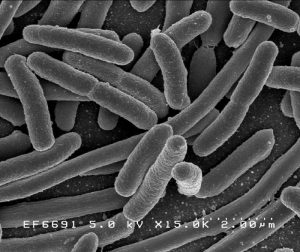
E. coli Outbreaks Galore 18160_lores
Summer is the time for picnics and, sadly, food-borne illness. Twenty people have been hospitalized in Chicago as a result of an E. coli outbreak traced to the Carbón Live Fire Mexican Grill. Two customers who became ill have filed civil lawsuits against the company for compensation. There have been a total of 65 sickened from this particular outbreak. England has reported 151 cases of E. coli o157, including the deaths of two people.PHE (Public Health England) has been working to establish the cause of the outbreak and has identified that several of the affected individuals ate mixed salad leaves including rocket leaves prior to becoming unwell. Currently, the source of the outbreak is not confirmed and remains under investigation; we are not ruling out other food items as a potential source.” As you previously read, Salmonella has also been quite present this summer via the 45-state outbreak involving backyard poultry.

Walmart Chemical Weapon?
Video footage was recently released that shows a man, police say, who has been accused of building a chemical weapon inside an Oxnard Walmart. Reports are saying that following his research online, the suspect, Martin Reyes, went into the store and began assembling a weapon from ingredients on the shelves and an electronic appliance. He used a store socket to plug in the appliance, which was designed to set off the weapon. Following his arrest, Reyes admitted the entire thing and told police how he had been planning to build the device. As more information is released regarding the event, we’ll keep you posted.

Stories You May Have Missed:

  • Agent X Concerns– Engineering of botulinum toxin during the height of bioweapon development was a major concern as the toxin is extremely lethal. Known as Agent X, researchers at the Defense Threat Reduction Agency’s Joint Science and Technology Office (JSTO) have been addressing the potential for weaponization. “Using tenants of Better Buying Power 3.0, a DoD initiative to achieve dominant capabilities through innovation, JSTO collaborated with the U.S. Army Medical Research Institute of Chemical Defense (USAMRICD), the Israel Institute for Biological Research (IIBR) and Hawaii Biotech, Inc., to tackle this complex issue. By pooling resources, JSTO incentivizes productivity in industry and government, while creating a consortium aimed to develop the first novel small organic molecules BoNT inhibitors (SMIs) as well as provide proof-of-concept for regenerative medicine using insulin-like growth factor 1 (IGF -1)”
  • Yellow Fever Outbreak Situation Report: The WHO released their sit-rep on the yellow fever outbreak that started in Angola in December 2015. As of July 8th, there have been 3,625 cases in Angola and 1,798 cases in the DRC. Kenya and the People’s Republic of China have confirmed imported cases as a result of travel. There is currently a push for mass vaccination campaigns to help control the spread to the disease.
  • Headway in Ebola Vaccine– Soligenix, Inc. announced their positive preliminary proof-of-concept results in efforts to produce a heat stable subunit Ebola vaccine. “These studies identified a formulation that maintained the physical state of the Ebola subunit protein despite incubation at 40 degrees Celsius (104 degrees Fahrenheit) for 12 weeks.”
  • Silk Road Disease Transmission– Researchers found some of the first solid evidence of disease transmission along the Silk Road. Bamboo sticks used (by travelers) as “bottom wipers” from a 2,000-year-old Chinese latrine pit were analyzed. Fecal matter samples from these bottom wipers were positive for eggs from four species of parasites. The parasites, including the Chinese liver fluke, “needs marshy conditions to complete its life cycle, so could not have come from the desert area around the ancient Xuanquanzhi relay station.”


The 2016 Democratic and Republican Platforms Have Things to Say About Nuclear Weapons

By Greg Mercer

This week, the Republican Convention and the Trump campaign brought spectacle and controversy to Cleveland. The Democratic Convention is set for next week in Philadelphia and will presumably be a tamer affair. Working off draft copies of the two parties’ respective platforms, here’s a look at what the two-party system has to say about non-proliferation for the next four years. These are dramatic, confrontational texts, each calling out the opposing party’s leadership and policies.

The Republican Platform starts off the strategic weapons discussion with a Reagan-era throwback, calling for “the development and deployment of ballistic missile defenses.” The platform argues that reduction in interceptor ground sites in Poland, the Czech Republic, and Alaska have made the U.S. vulnerable to nuclear attack. It characterizes the New START (Strategic Arms Reduction Treaty) as weak on verifications and an enabler of a Russian nuclear buildup. Meanwhile, it argues that Russia has violated the Intermediate Range Nuclear Forces Treaty (INF). While not explicitly stated in the platform, this controversy has some history: some have accused Russia of possessing cruise missiles that violate the INF—Russia has argued that American drone strikes violate the same. The platform presents two treaties: one too weak to identify violations, and another flagrantly violated.

Rather than trigger these treaties’ enforcement mechanisms, the platform insists that (if you’ll forgive the block quote):

“We should abandon arms control treaties that benefit our adversaries without improving our national security. We must fund, develop, and deploy a multi-layered missile defense system. We must modernize nuclear weapons and their delivery platforms, end the policy of Mutually Assured Destruction, and rebuild relationships with our allies, who understand that as long as the U.S. nuclear arsenal is their shield, they do not need to engage in nuclear proliferation.” Continue reading “The 2016 Democratic and Republican Platforms Have Things to Say About Nuclear Weapons”

Week in DC: 7.18-22.2016

Monday, July 18, 2016
Naval Warfare: The Strategic Influence Of Sea Power- Institute of World Politics
Time: 4pm
Location: Institute of World Politics1521 16th Street NW Washington, DC (map)
Register
The historical significance of sea power has been long since established. In 1890, naval expert Alfred Thayer Mahan authored a well-regarded and timeless book, ‘The Influence of Sea Power upon History’ which outlined the influential history and perpetual importance of naval warfare. The concepts in Mahan’s book have largely become a foundation for how experts currently regard naval strategy. Building off of these concepts, today’s lecture will explain the impact of naval thought on the current geo-political system and the modern implications of naval supremacy.

Tuesday, July 19, 2016
Iraqi Foreign Minister On Aid, ISIS And Reconciliation– United States Institute of Peace
Time: 1:30-2:30pm
Location: US Institute of Peace2301 Constitution Avenue NW, Washington, D.C. (map)
As the government of Iraq fights a war against the extremist group, engagement with regional and international partners is essential in shaping the country’s future. Dr. Al-Jaafari, who has served as foreign minister since 2014, has worked with counterparts abroad to secure the military, humanitarian and development aid as well as the political support that Iraq needs to resolve the conflict, end political stagnation and assist the millions of citizens driven from their homes by the fighting. His address at USIP also will touch on the imperative for reconciliation to resolve underlying conflicts and stabilize areas after they are liberated from ISIS control. Continue reading “Week in DC: 7.18-22.2016”

Pandora Report: 7.15.2016

Happy Friday! Don’t forget to read that Federal Select Agent Program report we revealed last week, as many are shocked to find the 199 lab mishaps that occurred. Check out these One Health researchers who are trying to predict and prevent the next disease that will run rampant like Ebola. You can also listen to Anthony Fauci, the head of the National Institute of Allergy and Infectious Diseases, talk about how superbugs are beating us. Have we reached the end of the Golden Age of antibiotics? 

International Security & Foreign Policy Implications of Overseas Disease Outbreaks Screen Shot 2016-07-12 at 8.40.13 AM
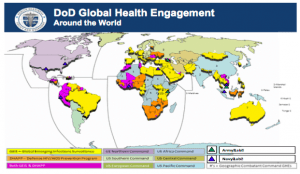
A recent report by the International Security Advisory Board (a Federal  Advisory Committee) has been released regarding the security implications of infectious disease outbreaks and the efforts of the WHO, the Biological and Toxin Weapons Convention (BWC), international academies, etc. Within the report there is a heavy focus on how the Department of State should prepare for such global health challenges and a series of structural solutions, capacity issues, and opportunities that can be taken. The National Bureau of Economic Research recently found that a global pandemic would cost $570 billion per year. “The links between disease and security have become clearer as more disease threats have emerged and global interconnectedness makes a threat anywhere, a threat everywhere. There are few threats to the United States and its global interests that match the potential scale and scope of the threat to life and security and economic interests than those from infectious disease outbreaks, whether naturally occurring or intentionally caused.” Some of the recommendations emphasized the strengthening of U.S. government coordination through the development of plans for responding to such public health emergencies in areas out of control of a central government and/or hostile to U.S. government involvement. Additional recommendations included strengthening by fully integrating public health emergencies and the associated challenges into the national security agenda by “providing resources, developing organizational leadership within the U.S. and internationally, and developing and exercising appropriate plans for preparing for, preventing, and responding to threats.” Whether they are natural, deliberate, or accidental, globalization makes the threat of these outbreaks that much more dangerous.”Public health is now a national security challenge and must be treated as such in terms of planning, resources, and organizational support. It is essential to refocus the U.S. approach to this threat, and to invest in the appropriate level of ‘insurance’ just as we do for traditional defense related needs.”

The National Biodefense Strategy Act of 2016
Introduced in May by Sen. Ron Johnson, the bill amends the Homeland Security Act of 2002 “to require the President to establish a Biodefense Coordination Council to develop a national strategy to help the federal government prevent and respond to major biological incidents.” The bill defines biodefense as “any involvement in mitigating the risks of major biological incidents and public health emergencies to the United States, including with respect to- threat awareness, prevention and protection, surveillance and detection, response and recovery, and attribution of an intentional biological incident.” Within the bill, the President must establish a Biodefense Coordination Council and develop a National Biodefense Strategy in which there must be status updates to Congress every 180 days. The strategy must be updated at least every five years and the bill also requires that an annual report with detailed expenditures and their relevance to the strategy is submitted. The Congressional Budget Office (CBO) recently released its summary on the costs of S. 2967 – “CBO estimates that enacting S. 2967 would cost less than $500,000 annually and about $2 million over the 2017-2021 period; any such spending would be subject to the availability of appropriated funds.”

The Growing Cost of the Next Flu Pandemic
A recent study from researchers at the Society for Risk Analysis (SRA) utilized advanced methodology to calculate the total cost of an influenza outbreak. SRA’s work concluded that if the public used flu vaccines during the pandemic, the U.S. GDP loss would be $34.4 billion. In the event that flu vaccines weren’t used, the cost would rise to $45.3 billion. This particular study is unique in that it addresses public, government, and business responses to an epidemic. Conducted as part of a project by the the Department of Homeland Security’s National Biosurveillance Integration Center (NBIC), the study estimates “the relative prominence of the various economic consequence types,’ as well as complicating factors, many of them not addressed in any prior study. These complicating factors include different types of avoidance behavior, such as the already noted avoidance of public events and facilities.”

A New Case of Super Resistant E. Coli 
A second patient in the U.S. has been found to carry the colistin-resistant E. coli that raised concern in late May when it was also found in Pennsylvanian woman. Colistin resistance means that the antibiotic of last resort, colistin, is no longer effective at killing the organism. The most recent was reported to have had surgery in a New York hospital last year, which begs the question – is this where it was acquired? Were post-operative antibiotics not discontinued properly? The second case is fueling public health fear over the spread of this resistant gene, especially in regards to bacteria that are currently only susceptible to colistin. In the wake of these findings, many are pushing for increased surveillance and focus on antibiotic resistance. “The CDC is planning to establish seven regional laboratories this fall that will have the capacity to do better and faster testing for a broad range of antimicrobial resistance.”

One Health & Antimicrobial Resistance 
On Wednesday, the One Health Commission held a webinar on antimicrobial resistance in the environment. Led by Dr. Laura Kahn, the presentation focussed on the challenges of feeding billions, the growth of antibiotic use in meat, and the reality that antibiotic resistance is an integral part of 21st century challenges. In general, people are eating more meat, with China shouldering a 147% growth in meat consumption, while the U.S. has remained unchanged. Antibiotic usage in meat is not the only concerning source as sewage sludge can easily be a source of antibiotic exposure for animals. Dr. Kahn also discussed that from 2000-2010, global human antibiotic consumption has grown 37% and the top antibiotic consumers are India, China, and the U.S. Interestingly, India and Pakistan have some of the most resistance microbes in the world. A Dutch study looking at archived soil from 1942-2008 found that there were increasing concentrations of resistant genes as time progressed. Expanding human population and demand for animal proteins, rising human and animal waste production, poor sanitation, indiscriminate antibiotic usage, and land/water contamination are all fueling the rise of antibiotic resistance and altering the “global resistome”. So what can be done? Dr. Kahn noted the potential role of bacteriophages as a means of fighting bacteria and the growing threat of microbial resistance. Overall, we need to understand the microbial world better, decrease antimicrobial usage, and tap into the bacteriophage resource.

Weekly Zika News
As more Zika cases are found within the U.S., many are wondering why Congress is holding up funding. Here’s a map of California and where you can expect to find mosquitoes that have the potential to transmit Zika. The CDC has a national map you can also reference with estimated range of the Aedes mosquitoes. Infectious disease and mosquito control expert, Duane Gubler, notes that spraying may not be successful against the Aedes mosquito.  The difficultly lies in that the Aedes mosquitoes tend to live in harder-to-reach areas (garbage, closets, indoors, etc.) and spraying is most effective against mosquitoes living in floodwater. Olympic risk for Zika is considered low following a CDC analysis, which concluded that the visitors expected at the games represent less than 0.25% of the total travel volume to Zika-affected countries. “Estimated travel to the U.S. from Rio for the Games is 0.11% of all 2015 U.S. travel from countries where Zika is now spreading, the CDC said.” You can read the official MMWR release here. Colombia’s low volume of microcephaly and birth defects following Zika infection during pregnancy offer some home that the outbreak may not be as bad as early estimates suggested. A new study published in the Lancet looks to women as possible modes of sexual transmission for Zika. “Our findings raise the threat of a woman potentially becoming a chronic Zika virus carrier, with the female genital tract persistently expressing the virus RNA. Additional studies are underway to answer those essential questions and to assess what would then be the consequences for women of child-bearing age”. CDC Director, Dr. Tom Frieden, writes about the lessons we can learn from the fading Ebola epidemic and how we can apply these to Zika.  Researchers have also recently written that the epidemic in Latin America is “likely to run its course within the next 18 months” – you can read their article in Science here. The CDC has reported 1,306 cases of Zika virus in the U.S as of July 13, 2016. 

Stories You May Have Missed:

  • Malaria and the Duration of Civil War The Journal of Conflict Resolution recently published an article regarding the prolonging of civil war in relation to malaria. Just as geographical factors can impact the duration of civil war, researchers note that malaria can inflict costs and can “indirectly prolong civil war by helping to maintain a socio-geographic environment that is conducive to insurgency”. The rotation of government forces also means they’re likely to have exposures to malaria.
  • The Current State of Our Immunity – Infectious disease physician Dr. Amesh Adalja discusses 21st century immunity to disease. Drawing from points made in Taylor Antrim’s Immunity (set in a post-pandemic world following the 4% loss of global life due to a genetic recombinant of influenza and Lassa Fever), Dr. Adalja relates many of the lessons from his experiences during the West Africa Ebola outbreak and the impact of poverty on resilience. “Today, worldwide extreme poverty — in real terms — is at its lowest. Smallpox has been vanquished with polio and guinea worm about to follow suit. Even Ebola, because of major advances that have occurred in the basic understanding of the clinical illness as well as in vaccine technology since the last outbreak, has been substantially defanged.”
  • The Growing Misuse of Toxic Weapons: Attend the seminar on Monday, July 18th (3:30-5pm) at the James Martin Center for Nonproliferation Studies (1400 K St. NW, Suite 1225, Washington, DC). “We are witnessing today a global threat of toxic chemicals as a means of warfare or terror.  The recent use of chemical weapons and dual-use toxic chemicals in both Syria and Iraq, and possible terrorist attacks against chemical infrastructure, are visible confirmations of a growing threat of misuse of chemicals. This seminar, organized by Green Cross International and the Center for Nonproliferation Studies, will present the results of Chemss2016, an April conference in Poland, including its Summit Declaration which addressed challenges, goals, guidelines, and principles of global cooperation against chemical threats today.”


Week in DC: Events July 11-15, 2016

Monday, July 11, 2016
How To Defeat Terrorism In Iraq– Institute of World Politics
Time: 1-2:30pm
Location: The Institute of World Politics1521 16th St NW, Washington, DC 20036, USA (map)
Sheikh Jamal al-Dhari will share his vision for his country: a political re-crafting of the existing government structure away from sectarianism and towards a new consitution based on Iraqi national citizenship and inclusive of participation from all sectarian communities. HE Sheikh Jamal al-Dhari is the Chairman of the Iraq National Project and President of Peace Ambassadors for Iraq (PAFI). One of the leaders of the al-Zoba tribe in Iraq, he is the nephew of the late Islamic scholar and religious leader Sheikh Harith al-Dhari. Jamal was born in the Abu Ghraib district of Iraq on July 16, 1965. He grew up within the al-Zoba tribe and in the 1970s he attended the Hafsa School. In the 1980s, Jamal was conscripted into the Iraqi Army to fight in the Iran- Iraq War.  During his time on the frontline, he fought alongside both Sunni and Shia officers and friends, in the Iraqi Republican Guard. Following the 2003 invasion of Iraq by coalition forces, Jamal was a strong proponent of Iraqi nationalism and self-rule.  In 2005, he and his family fought against al-Qaeda’s occupation of Iraqi territory and, as a consequence, Jamal lost 70 members of his family in the struggle. In 2014, Jamal helped to establish the nonprofit think tank Peace Ambassadors for Iraq, whose purpose is to advocate for a renewed system of government in Iraq, to determine the best policies to fully eliminate ISIS/Daesh and other terrorist forces from Iraq, and to build international support for an all-inclusive Iraq. Presently, Jamal is working for a renewal in Iraq by forging a non-sectarian and inclusive settlement for all Iraqis.

Tuesday, July 12, 2016
Opportunities And Challenges In Implementing The Iran Nuclear Deal– Bipartisan Policy Center
Time: 10am-noon
Location: Bipartisan Policy Center1225 I Street, NW Suite 1000, Washington, D.C. 20005 (map)
On July 14, 2015, President Obama announced that international negotiators had reached agreement on the Joint Comprehensive Plan of Action (JCPOA), “a comprehensive, long-term deal with Iran that will prevent it from obtaining a nuclear weapon.” Robust debate followed, with supporters of the deal arguing that it would put in place verifiable restrictions on Iran’s nuclear program and critics worried that it would do too little to prevent Iranian cheating while leaving other issues—Iran’s ballistic missiles and its support for terrorism, for example—off the table. As the first anniversary of the JCPOA approaches, it is possible to assess how the deal has fared thus far and what challenges or opportunities its implementation might present going forward. Please join the Bipartisan Policy Center for a keynote address by Ambassador Stephen Mull, the State Department’s lead coordinator for Iran nuclear implementation, and an expert panel discussion. The event will be streamed live on this page. Join the discussion on Twitter: @BPC_Bipartisan#BPClive

Wednesday, July 13, 2016
Russia’s AIDS Epidemic: Truths, Policies, And Future Outlook– Center on Global Interests
Time: 10:30-noon
Location: Human Rights Council 1640 Rhode Island Ave NW, Washington DC, 20036 (map)
Russia is home to one of Europe’s largest and fastest growing HIV/AIDS infected populations. As of 2016, more than 1 million people are registered on the country’s official HIV-positive list. What factors led to Russia’s AIDS epidemic, and will it continue to grow? How have policymakers responded to the crisis? And what do these responses say about Russia’s current political, social, and economic environment? As the world’s public health leaders prepare to meet in South Africa for the AIDS 2016 summit, the Center on Global Interests is pleased to invite you to this timely discussion with Robert Heimer, Professor of Epidemiology and Pharmacology at the Yale School of Public Health and Olga Levina, Development Director at Stellit, a St. Petersburg-based public health NGO. Judyth Twigg, Professor of Political Science and senior fellow (non-resident) at the Center for Strategic and International Studies will moderate the conversation. Continue reading “Week in DC: Events July 11-15, 2016”

Pandora Report 7.8.2016

We hope you had a lovely Fourth of July holiday and are ready to get your feet wet with the latest news in global health security! Global health advocates are pointing to the impending reality of blurring between national security interests and global health agendas. Researchers in Belgium have discovered E. coli samples from cows and pigs that contain a novel gene, MCR-2, that is colistin-resistant. Colistin-resistant bacteria are particularly concerning as colistin is the antibiotic of last resort. This week has been busy with three major reports on lessons learned from the 2014 Ebola outbreak.

Panel Urges Reform After HHS Ebola Response Failures 
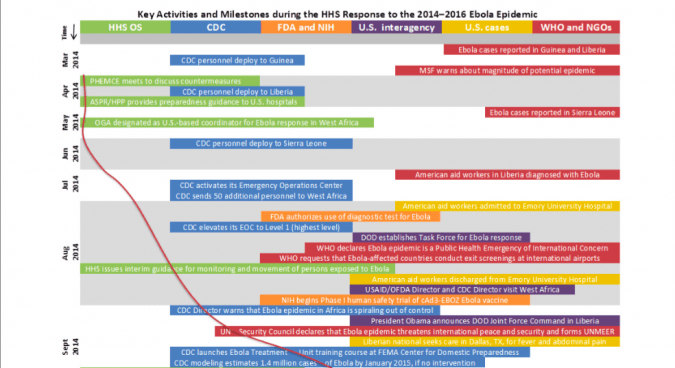
The plain and simple truth of the 2014/2015 West Africa Ebola outbreak is that the U.S. was not prepared to handle it – we struggled internationally and seriously failed domestically. In the wake of this sobering reality, an independent review of the Department of Health and Human Services (HHS) efforts found serious flaws within their response to the outbreak. You can read the report here, which stresses that the lessons from HHS’s response to Ebola can be applied to future outbreaks, including Zika virus. There were thirteen findings from the panel ranging from “lack of strong leadership and response coordination from WHO hindering HHS and international response efforts” to “HHS did not apply existing pandemic plans and coordination mechanisms during the Ebola response” and “HHS is not configured or funded to respond to a prolonged public health or medical emergency overseas or at home”. Key recommendations focussed on coordination with the National Security Council and federal partners to finalize a government framework for multi-agency response, clarification on strategy for communicating risk-related information to the public, Congress, and other key stakeholders during public health crises, etc. Communication and consistent messaging was definitely a huge issue during this outbreak and just from my experience in healthcare during the outbreak, the dissemination of information was muddy at best and only served to add fuel to an already chaotic fire. “Four thousand HHS personnel were unable to travel to West Africa, the panel said, because of untested regulations outlined in the Affordable Care Act (ACA). Additionally, US government workers who wanted to work more than 30 days overseas had to complete a training course before traveling to an outbreak country. The course had only limited availability, making it difficult to deploy staff quickly”. The report is definitely worth the read and includes some great explanations for each finding and excellent timelines throughout the outbreak.

U.S. Department of Health and Human Services Ebola Response Improvement PlanScreen Shot 2016-07-05 at 6.53.46 PM
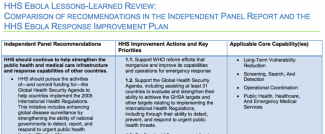
Following the aforementioned report and lessons learned, HHS released their Ebola Response Improvement Plan. The plan breaks down priorities and actions into six main categories: global health security and coordination with international partners, incident management and operation coordination, public health and healthcare response, risk communication, medical countermeasures, and response funding. Aside from supporting the Global Health Security Agenda (GHSA), the improvement plan discusses codifying infectious disease emergency management under the National Response Framework (NRF) via the Biological Incident Annex and better defining roles during such events. I found the healthcare side particularly interesting as plans included the pre-identifiction of healthcare facilities that can be used for quarantine, isolation, and treatment, strengthening waste management interagency concept of operations, refining personal protective equipment (PPE) guidance and developing a mechanism to coordinate the purchase of PPE by federal partners, etc. Regarding risk communication, HHS will “Identify and train a cadre of personnel from across HHS that have public health expertise and a thorough understanding of, and fluency in, health crisis and risk communications to serve as spokespersons during domestic or international public health and medical emergencies. This training can draw upon a body of work developed since the 9/11 terrorist attacks”. Overall, the report addresses several key categories, vulnerabilities, and makes correlations to the independent panel report.

Safeguarding Deadly Pathogens and Poisons and U.S. Progress on Global Health Security Screen Shot 2016-07-05 at 7.07.37 PM
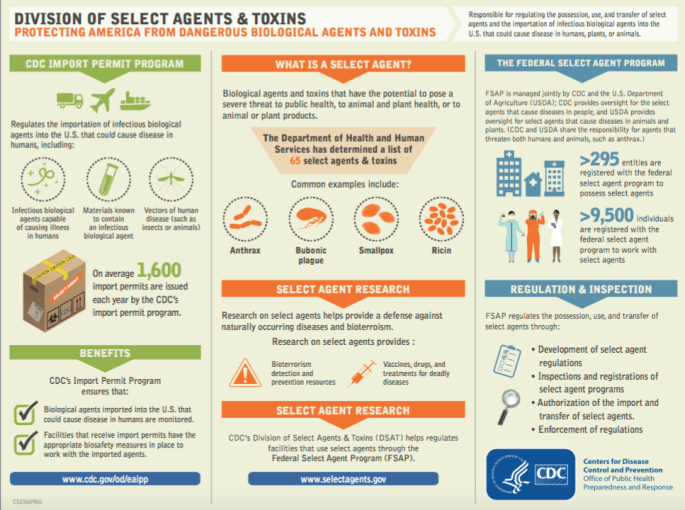
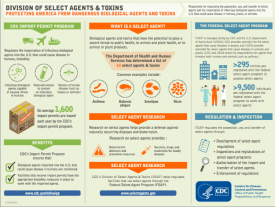
The term “select agents” gets thrown around a lot, but what really does it mean and why is it so important? The CDC recently published two new segments in their “Public Health Matters Blog” that gives the basics on select agents, why work involving them is so important, and how the U.S. is doing in terms of global health security. “While it might be easier to avoid handling deadly pathogens and poisons in the first place, scientists have to work with them in order to better understand how to protect people from their effects. Research leads to discoveries that save lives – for example, when we create vaccines to protect from exposure to smallpox or when we’re able to track mutations of killer diseases like Ebola.” The blog discusses the role of the Federal Select Agent Program and lab safety, specifically the response practices in the event of a “whoops” moment. They also reference the findings from the recently published 2015 Annual Report of the Federal Select Agent Program and the continuous commitment to both safety and increased transparency. While this may seem like the tourist’s brochure to select agents and concerns over lab safety, it’s a nice strategy to better educate the public on the work surrounding these agents and the safety mechanisms in place. They also have a pretty fantastic infographic accompanying the post. The next Public Health Matters blog talks about how the U.S. is handling global health security. Centering around a photo that includes colleagues from the HHS and USDA, the blog discusses the Joint External Evaluation Team. The team, which is part of GHSA, works to assess how well the U.S. is prepared to prevent, detect, and respond to major public health threats. The best part about this team is that its work is independent and unbiased. The group spent five days in May assessing federal response capabilities, the CDC’s work and technical practices, etc. Aside from finding excellent reporting mechanisms within the CDC and other federal agencies, they also found that we could improve in a few areas: “communicating risks quickly and consistently with communities across the country, combining and utilizing data from multiple surveillance systems, including systems that monitor human, animal, environmental, and plant heart, and conducting triage and long-term medical follow-up during major radiological disasters”.

Drug Resistant Bacteria in Rio Waters
Jaws made you wonder if it was safe to go back into the water, but multi-drug resistant organisms (MDRO’s) are the growing threat for aquatic events at the approaching Rio de Janeiro Olympic Games. Researcher Renata Picao believes that the resistant bacteria made their way into the waters from sewage that local hospitals have been dumping. The research team tested water samples from 2013 to 2014 for MDRO’s and found carbapenem-resistant Enterobacteriaceae, or CRE. Sadly, the team doesn’t believe these levels have changed and with reports of athlete infections and irritations due to water contact, that’s likely an accurate prognosis. CRE is easily one of the nastiest MDRO’s and is extremely difficult to treat, with a report citing 50% mortality rates. The concerns over Zika and drug-resistant organisms are just two in a laundry list of trouble that has followed Brazil’s Olympic bid – athlete mugging, financial issues, and unfinished buildings. While the acting governor of Rio has expressed concerns, he says that the city will be ready for the games, but also encouraged visitors to moderate their expectations. While some athletes have quit the games due to concerns over Zika, it’s interesting that the concern for drug resistant organisms in the water haven’t raised the same fears.

Is the Biological Weapons Convention Falling Behind?
While the Eighth Review Conference of the Biological Weapons Convention (BWC) won’t be until November, the Preparatory Committee for the Review Conference is next month. One can only imagine the scientific and technological advancements since the BWC was initiated in 1972. Despite some countries struggling to develop effective national biosecurity programs, the growing capabilities of CRISPR and other biotech breakthroughs have moved full-steam ahead. Many are pointing to the U.S. challenges to merely agree on an oversight system for gain of function research. “The discussions of science at the experts’ meetings should be split off into a separate dedicated parallel track. This is the best way to create the necessary time. Even then, it will be impractical to cover all relevant ground across the sciences, so each year a specific topic — CRISPR editing, say — should be considered. Researchers and scientific bodies should present the facts, and then discuss the implications with government officials at the experts’ meeting.” Between dual-use technologies of concern and CRISPR-Cas9, the BWC must adapt to the rapid pace of the biotech industry and the growth of biosecurity developments.

What Direction is the Zika Storm Blowing?
The ECDC has released their sixth Zika update, which discusses several uncertainties that prove difficult when developing response options. Some of these uncertainties include: “all the currently reported sexual transmission events are linked to symptomatic index cases. There is no evidence of transmission by asymptomatic sexual partners” and “there is growing evidence that Zika virus infection during the first and second trimester is associated with increased risk for central nervous system malformation of the foetus. The risk associated with infection during the third trimester is unknown. Therefore, Zika virus infection should be considered as a risk throughout the entire duration of pregnancy.” Fort Benning is trapping and freezing mosquitoes in effort to help the military combat the virus and quickly identify any positive Aedes mosquitos. National Institute of Health supported researchers will be monitoring Zika virus exposure in a group of U.S. athletes, coaches, and Olympic Committee staff attending the games in Brazil. A recent news poll found that most Americans aren’t worried about Zika, in fact they were more worried about Ebola than they currently are about Zika. When asked what they’re doing to limit exposure to Zika, 67% of respondents said they’re waiting to see if it is necessary. The CDC has reported 1,133 cases of Zika virus in the U.S. as of July 6th, 2016. You can also find the full transcript of President Obama’s remarks on Zika on July 1st, following an update from his public health team.

Zika Funding – The Disease Slush Fund
GMU Biodefense MS student Greg Mercer talks about the funding issues related to Zika virus in this week’s commentary. Greg’s overview of the funding struggles reveals a deeper issue when it comes to public health funding and emergency outbreaks. While the U.S. likes to paint itself as a global force for epidemic response, the truth is that we’ve struggled to combat government dysfunction and partisanship. “Government agencies might be funded by the fiscal year, but there’s no telling what the CDC, NIH, and others will have to fight next, not how big that fight will be.”

National Biosafety Systems – Case Studies 
Researchers from the UPMC Center for Health Security released their report on case studies to analyze current biosafety approaches and regulations for Brazil, China, India, Israel, Pakistan, Kenya, Russia, Singapore, the United Kingdom, and the U.S. “In previous research, we found that there is a lack of international norms governing biosafety precautions for dangerous or especially contagious; by describing a variety of biosafety governance approaches in these nations, we hoped to find areas of commonality which could be further developed into international norms.” Five trends were identified during comparison of the ten nations – biosafety regulation exists in all ten nations, information availability was extremely variable, making comparisons difficult, the incentives behind biosafety regulation are varied, ranging from agricultural development to infectious disease control to biotechnology investments, advanced or synthetic biology is not consistently addressed by national-level biosafety policy, and funding information for biosafety was generally available. Aside from evaluating each nation, the case studies will aid in future evaluations by establishing nation-level biosafety norms.

Stories You May Have Missed: