Welcome to this week’s Pandora Report! This issue highlights renewed calls for stronger global pandemic preparedness commitments ahead of September’s UN High-Level Meeting, the reemergence of New World Screwworm in the United States and its implications for animal health and food security, and new research examining governance challenges surrounding high-risk biological research.
Global Leaders and Health Experts Call for Stronger Pandemic Preparedness Commitments Ahead of UN High-Level Meeting
More than 100 global leaders, scientists, clinicians, and public health advocates have signed an open letter urging all heads of state and governments to take more decisive action on pandemic prevention, preparedness, and response ahead of the September 2026 United Nations General Assembly High-Level Meeting. The letter argues that lessons from COVID-19 remain largely unheeded despite subsequent public health emergencies, including multiple mpox outbreaks, a multinational Andes hantavirus event, and the ongoing Bundibugyo Ebola outbreak. The signatories call on political leaders to move beyond a cycle of “panic and neglect” by adopting measurable commitments, sustained investments, and stronger international cooperation to address future pandemic threats. Read more here.
Bugs, Beef, and Blame: New World Screwworm is Back
By Margeaux Malone, Pandora Report Associate Editor
American cattle can’t catch a break. For the first time this year, highly pathogenic avian influenza has been detected in Texas dairy cows; meanwhile14 dairies in Idaho have also confirmed cases in the last 30 days. However, bird flu will have to take a back seat as the biggest story this week is the confirmed re-introduction of New World Screwworm (NWS) into the United States.
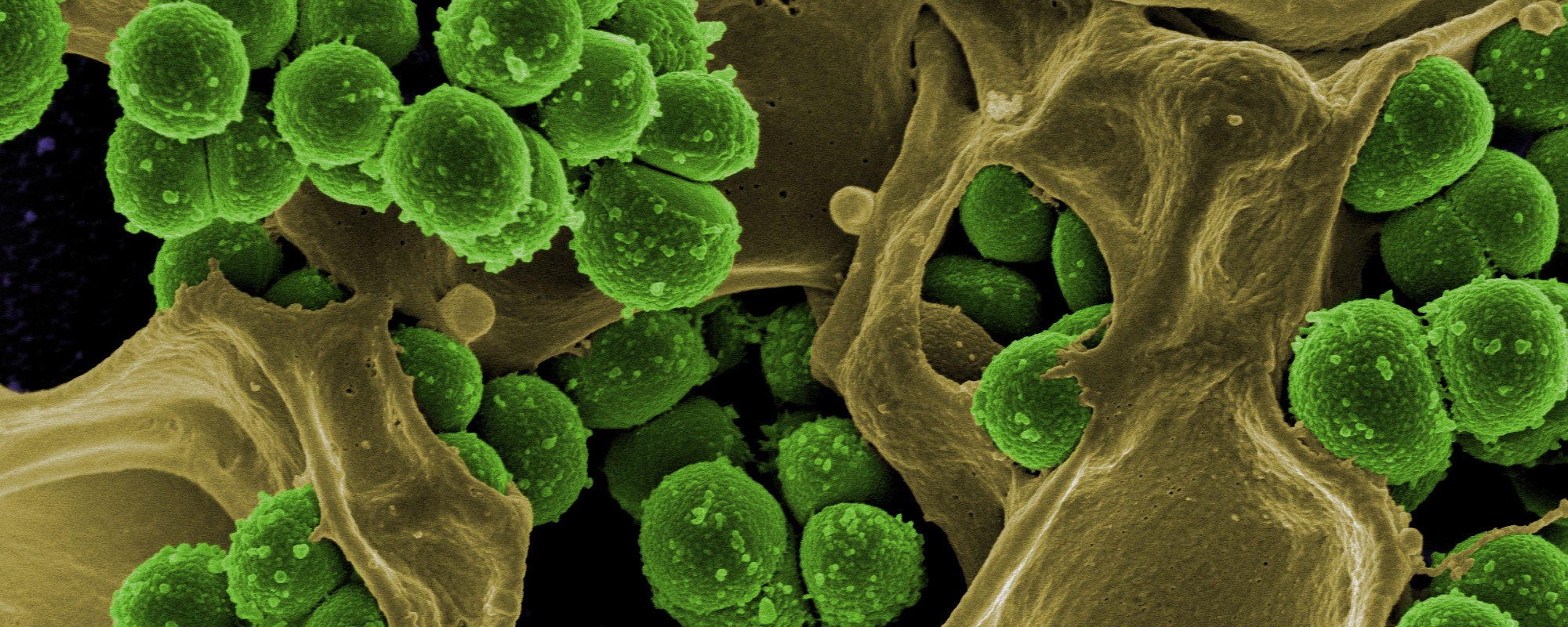
Six confirmed NWS cases have been reported in the last week: four calves and a goat in Texas and a dog in New Mexico. Unlike many types of maggots that feed on dead tissue, larvae of Cochliomyia hominivorax, a parasitic fly, burrow into and consume the living flesh of warm-blooded animals, causing severe wounds that can be fatal if untreated. NWS was eradicated from the U.S. in the 1960s but has been creeping north through Central America and Mexico, where over 27,000 animal cases have been confirmed since November 2024.
Beef at a Breaking Point
Many fear the impact NWS may have on the US cattle industry, as herd numbers are already at their lowest point in 75 years and beef prices have risen roughly 75% since 2020. A broad NWS outbreak could cause calf deaths, weight loss in adult cattle, and widespread movement restrictions, pushing prices even higher. Such restrictions are already underway both internationally and domestically, with Canada implementing import restrictions on livestock from Texas and US states like Louisiana restricting interstate animal travel. Mexico has also blocked import of almost all animal species from the U.S. following confirmation of the NWS cases in Texas. More restrictions are expected in the coming weeks if additional cases are detected.
Playing the Blame Game
Unsurprisingly, the NWS outbreak has already turned political, with Democrats and Republicans clashing over who is to blame. USDA Secretary Brooke Rollins and some Republican lawmakers are pointing fingers at Joe Biden, arguing the parasite’s northward migration is the result of border security failures of the previous administration.
Democrats, meanwhile, have highlighted that the Musk-led Department of Government Efficiency (DOGE) cut USAID funding for a Central American screwworm monitoring program early last year, just days before the US temporarily lifted a suspension on Mexican cattle imports. Whether those funding cuts directly contributed to the current outbreak remains unclear. The USDA maintains there were “no cuts to any staff used on the response to this issue”, though many have pointed out that the department saw one of the largest workforce reductions under this administration. Nearly 27% of USDA employees separated between September 2024 and December 2025, with nearly three-quarters taking the “deferred resignation” option pushed by DOGE. Additionally, the staffing shortage is expected to worsen soon as the USDA continues forward with its plan to significantly reorganize the department, including moving its headquarters from Washington D.C. to Salt Lake City and closing dozens of research facilities, a plan Senate Democrats argue will only weaken the department’s ability to combat the NWS threat.
What’s Being Done?
In response to the outbreaks, the USDA has established 12-mile quarantine zones around each confirmed case and is releasing millions of sterile male flies weekly in affected areas. The sterile insect technique, in which sterile males are released to mate with wild females to prevent offspring, was the cornerstone of the original eradication effort and remains the primary containment strategy. More than 8,000 traps have been set along the US-Mexico border, and tens of thousands of fly samples are under analysis.
Texas Agriculture Commissioner Sid Miller has urged faster action, pushing for a combined approach using sterile flies alongside broader insecticide use. USDA officials have pushed back, calling the suggestion “dangerous.”
Anticipating a potential US arrival, the FDA’s Center for Veterinary Medicine spent the past year working to authorize treatments for NWS myiasis across species. Currently, there are 3 conditionally approved products, two for cattle and one for dogs, and nine emergency use authorizations (EUAs) covering dogs, cats, cattle, horses, sheep, goats, swine, deer, and exotic and zoo animals.
The situation is still evolving, and officials are urging livestock owners to inspect animals frequently and report suspicious wounds to their veterinarian immediately. NWS myiasis can be treated with authorized products, but prompt veterinary or medical intervention is critical.
Further Reading:
- New World Screwworm Confirmed Detections Tracker: USDA Animal and Plant Health Inspection Service
- “What to know about the New World screwworm fly and its reappearance in the US,” John Hanna and Russ Bynum, AP News
- “What screwworm means for your beef prices,” Ramishah Maruf, CNN
- “US plans to fight flesh-eating screwworm outbreak with flies and dogs,” Max Matza, BBC
GMU Biodefense PhD Alum Coauthors Paper on Addressing Biosecurity Barriers in High-Risk Biological Research
Yong-Bee Lim, a 2021 graduate of George Mason University’s Biodefense PhD program, coauthored a new paper in Health Security examining challenges associated with governing high-risk biological research, including dual-use research of concern and pathogens with enhanced pandemic potential. Drawing on discussions from a 2024 deliberate workshop in Reno, Nevada, the article brings together perspectives from biosafety professionals, biosecurity experts, and life sciences researchers to identify potential barriers to effective oversight and governance. The authors highlight concerns surrounding ambiguous regulatory definitions, disparities in institutional resources, and fragmented oversight frameworks that may increase administrative burdens without meaningfully improving safety or security outcomes. The paper argues for greater integration of biosafety expertise into policymaking, integration of biosafety expertise into policymaking, sustained investment in biosecurity programs, and collaborative approaches to governance that prioritizes dialogue and consistency over punitive enforcement. Read more here.
IN OTHER NEWS
Infectious Disease and Outbreak Response
- “Will the World Cup kick off disease outbreaks?” Kai Kupferschmidt, Science
- “World Cup creates perfect conditions for infectious diseases to spread – here are the biggest threats health experts are watching for,” The Conversation
- “‘We Live With Fear’: In Congo, Doctors Face Ebola With Little Protection,” Amy Maxmen, KFF Health News
- “CDC report: Ebola outbreak could rival the worst on record unless world acts,” Rob Stein and Maria Godoy, NPR
- “As Ebola Spreads in East Africa, Will China Step Up?” Lily Kuo and Stephanie Nolen, NY Times
- “In his book, self-described USAID ‘whistleblower’ talks about the agency and Ebola,” Fatma Tanis, NPR
- “No boots, masks running out: why Congo’s Ebola medics are exposed,” Emma Farge, Jennifer Rigby, Olivia Le Poidevin and Aaron Ross, Reuters
- “Congo says number of confirmed Ebola cases rises to nearly 600,” Reuters
- “Dutch Scientist Charged With Conspiring to Smuggle Mpox Virus Into U.S.,” Ephrat Livni, NY Times
AI, Biotechnology and Emerging Biosecurity Risks
- “Top AI CEOs Call for Law Protecting Against Biological Weapons,” Amrith Ramkumar, The Wall Street Journal
- “How to Secure the DNA Supply Chain: A field guide for policymakers, founders, and funders,” Janika Schmitt and Joshua Monrad, IFP
- “Strengthening biosecurity in the era of AI,” Eric Horvitz, Microsoft
- “The New Bioeconomic Battleground: How AI, Data, and Biotechnology Are Rewriting Global Strategy,” Skytop Strategies
- “Biotech Further Cemented as Top Tech Priority for Defense,” National Security Commission on Emerging Biotechnology
- “U.S. Bioweapon Deterrence Lacks Holistic Strategy,” William King, National Defense
Chemical Weapons and Security
- “Sunchon Area DPRK’s Chemical Facilities: Site Profile 7,” Hailey Wingo, Sean Corbett, David Crouch, Lennie Phillips, and Grant Christopher, RUSI, VERTIC and 38 North
- “‘Momentous Discovery’ Marks ‘Major Leap Forward’ in Accountability for Syria’s Chemical Weapons, Security Council Told,” United Nations
- “How Did Assad Deceive the Organisation for the Prohibition of Chemical Weapons?” SNHR
- “OPCW examines how drone technology changes global chemical security landscape,” Organisation for the Prohibition of Chemical Weapons (OPCW)
- “Global Terrorism Threat Assessment 2026,” Alexander Palmer, Daniel Byman, Alexander Margolis, Riley McCabe, and Erin Oppel, CSIS
Public Health Policy and Institutions
- “Kennedy Shows Minimal Engagement With Vast Health Portfolio,” Sheryl Gay Stolberg, NY Times
- “NIAID appoints new acting director after weekslong questions over leadership,” Anil Oza and Helen Branswell, StatNews
- “NIH staffers published a letter of dissent a year ago. They feel it’s been ignored,” Anil Oza, StatNews
- “Poll: Trust in CDC Falls, Support for Childhood Vaccines and Food Pyramid Changes,” de Beaumont
- “One Year In: Public Views of a Changing Public Health Landscape,” Harvard T.H. Chan School of Public Health and the de Beaumont Foundation’s Public Health Listening Lab.
Federal Science Workforce and Research Funding
- “White House reclassifies federal epidemiologists and other scientists from civil servants to ‘at-will’ hires,” Dan Vergano, Scientific American
- “White House proposes vast overhaul of US science funding: what you need to know,” Dan Garisto and Mariana Lenharo, Nature
- “This Proposed Rule Could Change American Science Forever. We Read It So You Don’t Have To.” Loren Dejonge Schulman and Kate Kohn, FAS
- “Plan to overhaul grantmaking shakes researchers,” Adriel Bettelheim, Axios
- “The Trump Administration Has Launched Its Biggest Threat Yet to Scientific Research. We Can Stop Them.” Alexa S. Dietrich, Union of Concerned Scientists
- “Analysis of U.S. and Global Fund Funding Reductions in MOU Countries,” Jennifer Kates, Stephanie Oum, and Adam Wexler, KFF
NEW: BioSafe Advocacy Network High-Level Virtual Workshop 2026: Dual-Use Research of Concern (DURC) and the Responsible Use of Life Sciences
From the BioSafe Advocacy Network: “Looking to strengthen your understanding of the responsible use of life sciences? Join us for an engaging workshop featuring practical case studies, interactive sessions, and expert-led discussions on responsible conduct in the life sciences.
Participants will gain valuable insights into:
• Responsible research and innovation practices
• Risk-informed approaches to biosafety and biosecurity
• Real-world case studies and scenario-based learning
• Frameworks aligned with World Health Organization (WHO) guidance.
As a mandatory prerequisite, all applicants must complete the WHO Academy course, “Dual-Use Research and the Responsible Use of the Life Sciences.”
This virtual workshop will take place from July 22-23, 2026. The application deadline is June 30. Learn more and apply here.
Wildlife Preparedness, Response, and Recovery – A Webinar Series
From the National Academies of Sciences, Engineering, and Medicine (NASEM): “Recent wildfire events have highlighted persistent gaps in how health systems and public health agencies prepare for, respond to, and recover from these incidents. The Forum on Medical and Public Health Preparedness for Disasters and Emergencies is hosting a webinar series to explore the health impacts of wildfires across the disaster cycle; and foster cross-sector dialogue to raise awareness, share lessons learned, and identify opportunities to strengthen health-focused preparedness, response, and recovery.”
Upcoming sessions include:
- Webinar 3 – Recovery: Wildfire Recovery, Adaptation, and Long-Term Health Impacts on June 15 from 2:00 PM – 5:00 PM EDT.
Learn more and register here.
Disaster Medicine Lecture Series
From the University of Massachusetts: “The University of Massachusetts’ Disaster Medicine and Emergency Management Fellowship Program, in partnership with The National Center for Disaster Medicine and Public Health (NCDMPH), and American College of Emergency Physicians (ACEP), will host the next installment of the Disaster Medicine Lecture Series. Featured presentations include: “Disaster Exercise Design and Facilitation: Pearls, Pitfalls, and Strategies for Success” presented by Dr. Ryan Hata, Director of Operational and Disaster Medicine, Atrium Health and “Mass Gathering Medicine” presented by Dr. Mick Molloy, Consultant in Emergency Medicine at Health Service Executive, Wexford General Hospital.
This event will take place on June 16 from 1:00 PM to 3:00 PM EDT. Learn more and register here.
Ninth Session of the Working Group on the Strengthening of the Biological Weapons Convention
From the United Nations Office for Disarmament Affairs (UNODA): “We will convene the Ninth Session of the Working Group on the Strengthening of the Biological Weapons Convention (BWC). Chaired by Ambassador Frederico S. Duque Estrada Meyer of Brazil, the meeting will bring together State Parties, international organizations, academic institutions, and civil society representatives to continue discussions on strengthening the Convention and advancing efforts to address biological threats. Public sessions will be webcast through UN Web TV, and side events are expected throughout the week.
This event will take place from August 17-21 at the Palais des Nations in Geneva, Switzerland. Learn more and register by July 31 here.
Biosecurity Simulation Exercise (BSX 2026): Laboratory Incidents & Deliberate Biothreats
From the Asia Centre for Health Security: “This table-top simulation exercise aims to enhance inter-sectoral and inter-disciplinary preparedness for laboratory biosafety and biosecurity (LBB) and deliberate biothreat events (DBE). Through lectures, discussions, and structured, scenario-driven exercises, participants will explore decision-making to detect, risk-assess, and manage high-consequence biological incidents under conditions of incomplete information and unfolding events. Participants will collaborate in teams, building on expert perspectives to address issues in surveillance, diagnostics, public health response, security assessment, and risk communication.”
This in-person event will be held from August 27-28. Learn more and register here.
Training Course on ‘Biotechnology Innovation and Biosecurity’
From the International Centre for Genetic Engineering and Biotechnology (ICGEB) and the Biological Weapons Convention Implementation Support Unit: “This training focuses on strengthening capacities in biosecurity, biosafety, and biological risk management in the context of rapid advances in biotechnology with an integrated, interdisciplinary approach to manage biothreats at the intersection of humans, animals, plants and the environment. It addresses the governance, technical, and operational dimensions of preventing, detecting, and responding to biological threats, while promoting responsible and peaceful scientific research and innovation in accordance with article X of the Biological Weapons Convention (BWC).”
This in-person event will be held from October 12 – 16 in New Delhi, India. Learn more and apply here.
Bio-attribution Challenge
From DARPA: “Translate your bio-attribution research into national security impact. In an era of unprecedented biological data generation, the ability to rapidly determine the origin of a biological event — whether natural, accidental, or intentional — is a critical component of national security and public health. To meet the challenge of finding the “needle in a haystack” within this data deluge, the Defense Advanced Research Projects Agency (DARPA) has launched the Bio-Attribution Challenge.
This virtual competition calls on innovators to develop a new generation of tools capable of analyzing petabyte-scale datasets in near real-time, far exceeding the capacity of current systems. The goal is to revolutionize how we identify and trace the source of biological sequences, ensuring a faster, more effective response to potential threats. Register for virtual competition to win a share of $180,000 in Prizes.”
The deadline to register is June 15. Learn more and register here.

