Image of the Week: Nanoparticles for drug delivery

“Nanoparticles ranging in size from 100nm to 500nm. The nanoparticles are used as a drug delivery carrier providing an inert support that stabilises the drugs and allows them to be released in a sustained manner once inside the body. They are made of polylactic-co-glycolic acid (PLGA) and can be introduced either orally or by injection.”

Scanning electron micrograph 2006

(image courtesy of Wellcome Images)

Dengue’s powers of cross protection

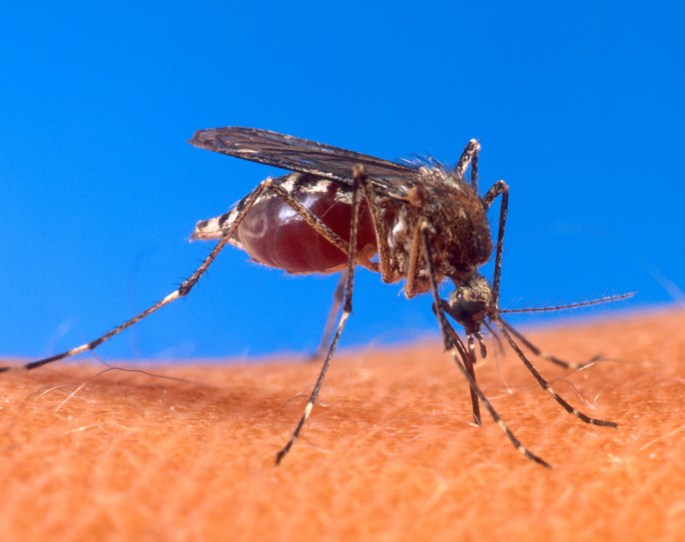
Check out this NY Times piece clarifying dengue’s capacity for cross protection. Dengue is a mostquito-born virus which often causes flu-like symptoms in humans. While it is known that infection with one strain of the virus results in a brief period of protection from the three other strains, the duration of this protective period has remained unclear until now. Researchers have determined that infection provides a two-year window of cross protection. However, a secondary infection with a different strain which occurs after the two year window increases the risk of extremely virulent symptoms, including dengue hemorrhagic fever.

Dengue is considered one of the WHO’s “neglected tropical diseases“, due to its endemic nature in over 100, primarily poorer, countries and its comparative neglect in terms of vaccine and antiviral research.

Excerpt: “Infection with one strain of the dengue virus gives people protection against the other three strains for about two years, a new biostatistics study has found. The study, by Thai and American researchers, was based on 38 years’ worth of laboratory records from one children’s hospital in Bangkok. By measuring how long each strain predominated and then faded in importance, researchers could calculate how long protection lasted against alternate strains.”

Read the full article here.

This Week in DC: Events 7.8.13

Tuesday, July 9th, 2013

U.S.-Russia Plutonium Disposition: Adventures With MOX
Carnegie Endowment for International Peace
2:00PM – 3:30PM

The Carnegie Endowment’s Nuclear Policy Program will convene a special briefing and discussion on this controversial effort to reduce plutonium stockpiles. Panelists will discuss the program’s objectives and its difficulties, as well as options for minimizing plutonium that are now being explored. Speakers include Douglas Birch and R. Jeffrey Smith from the Center for Public Integrity, who have recently published four articles on this topic, and Frank von Hippel of Princeton University.

10th Anniversary of the Proliferation Security Initiative
Center for Strategic and International Studies
3:30PM – 5:00PM

The Bush administration created the Proliferation Security Initiative (PSI) ten years ago to improve global efforts to interdict shipments of weapons of mass destruction (WMD) and their dual-use components. This voluntary arrangement has primarily relied on bilateral shipboarding agreements and exercises to help improve responses to suspect shipments. Beginning with 11 ‘core’ states, PSI now has 102 member states. Despite this, there are still gaps in the system. Recently, the Obama administration has declared its intention to turn PSI into a ‘durable international effort.’ Please join our distinguished panel of speakers as we discuss how PSI has developed, and how it might move forward into the future.

Wednesday, July 10th, 2013

Senator Carl Levin on the Conflict in Syria and America’s Role
Carnegie Endowment for International  Peace
9:00AM – 10:00AM

The conflict in Syria continues unabated and despite President Obama’s recent decision to send small arms and ammunition to the rebels, there remains significant pressure on the United States to do more. Following his return from a visit to Turkey and Jordan, Senate Armed Services Committee Chairman Carl Levin will discuss the impact the situation in Syria is having on the region and the implications for U.S. national security interests. Jessica T. Mathews will moderate.

Joint Subcommittee Hearing: The Terrorist Threat in North Africa: Before and After Benghazi
House Committee on Foreign Affairs
10:00AM

Witnesses: Mr. Daveed Gartenstein-Ross, Director, Center for the Study of Terrorist Radicalization, Foundation for Defense of Democracies; Mr. Aaron Zelin, Richard Borow Fellow, The Washington Institute for Near East Policy; Daniel L. Byman, Ph.D., Professor, Security Studies Program, Georgetown University; Mr. Mike Lovelady, Brother of Algerian gas plant terrorist attack victim, Victor Lovelady

Thursday, July 11th, 2013

AAAS Science and Human Rights Coalition
American Association for the Advancement of Science
8:30am – 5:00PM Thursday, 9:00AM – 5:00PM Friday

This meeting of the AAAS Science and Human Rights Coalition will focus on Article 15 of the International Covenant on Economic, Social and Cultural Rights, which guarantees everyone the right to enjoy the benefits of scientific progress and its applications. Since the launch of the AAAS Science and Human Rights Coalition in 2009, its core activities have focused on engaging scientists and engineers in an international process to define this right and create opportunities to integrate the right into the activities of scientists, engineers and their professional organizations. The aim of this meeting is to enrich the Coalition’s contributions to ongoing discussions about the right to enjoy the benefits of scientific progress in regional human rights bodies and at the United Nations by exploring challenging conceptual questions about the meaning of the right and its application in practice.

(image courtesy of Dell)

WHO to Convene Emergency MERS Committee

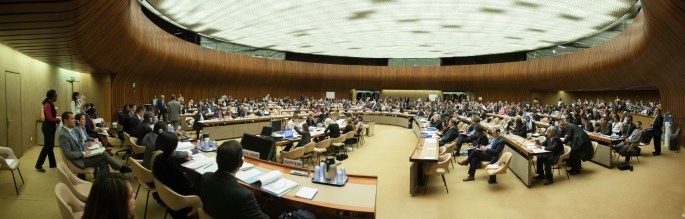
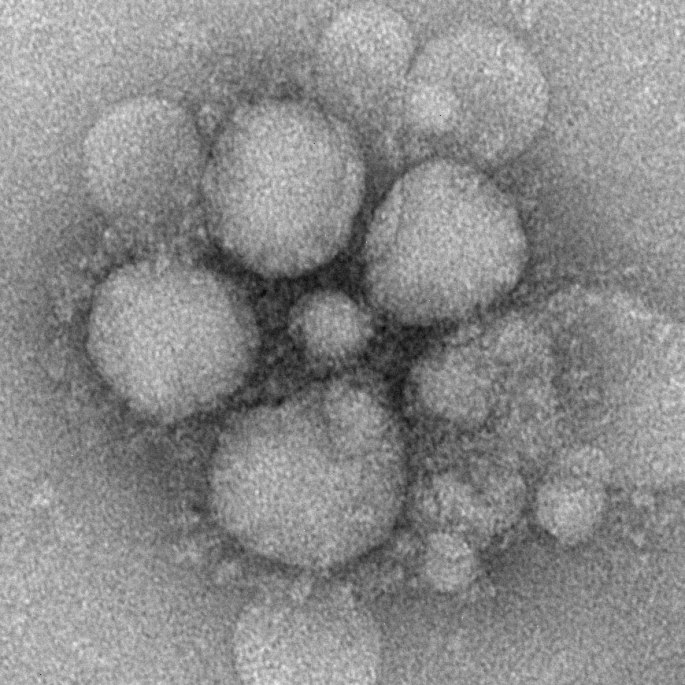
For those of you (like us) caught up in the fourth festivities, the World Health Organization (WHO) laid out plans late last week to convene an emergency committee  to address the growing threat of  Middle Eastern Respiratory Syndrome (MERS). The committee will pull together experts from across the public health fields for a telephone meeting tomorrow. The primary purpose of the committee at this point is as an information exchange. Key details of the virus’ mechanism of action, including the primary host, remain unknown. Once established, the committee would have the power to provide recommended travel restrictions and take other preparatory actions to prevent the virus’ spread.

Although the person-to-person spread of the virus remains limited, it is critical than a strategy for containment is established before Hajj, the annual Islamic pilgrimage which will bring millions to Saudi Arabia this October. Discussing  the WHO’s concerns over the upcoming influx of international travelers, WHO Assistant Director-General for Health Security and Environment Dr. Keiji Fukuda stated,  “we’re always worried in a globalized world that infection can travel quickly from one country to another,” but that given the sporadic pattern of infection, restricting travel is not yet recommended.

For the full transcript of the Friday press conference, see here.

(image courtesy of WHO)

The Pandora Report 7.5.2013

Hope everyone’s fourth was happy and safe! Highlights this week include MERS,  lifting BW sanctions against China, H7N9 in the lungs, and personnel security questions at Aberdeen Proving Ground.

Study finds MERS virus has not yet reached pandemic potential

A recent study by France’s Institut Pasteur has found that the likelihood of the recent outbreak of Middle Eastern Respiratory Syndrome (MERS) developing into a pandemic is “low”. The researchers compared MERS to SARS extensively, and determined that a number of factors, including which cell receptors each virus affect, rendered MERS less likely to spread.  Arnaud Fontanet, lead scientist on the study, also pointed out that it took SARS just months to adapt to humans as hosts, whereas MERS still struggles after almost a year in humans. The virus’ high fatality rate and limited person-to-person transmission nonetheless makes it a threat to hospitals caring for  infected patients.

Reuters – “Ian Jones, a professor of virology at Britain’s University of Reading, said the findings confirmed what appeared to be happening on the ground – ‘that the current MERS coronavirus transmits poorly, below the threshold required to become widely spread. Benjamin Neuman of Reading University’s microbiology research group, said it appeared from the research that the MERS virus is ‘slowly dying out’. But he cautioned that other studies into the biology of the virus suggest it is changing. ‘That change makes it difficult to predict the future of MERS,’ he said.”

Lifting of Chemical and Biological Weapons (CBW) Proliferation Sanctions Against Chinese Entities

The State Department has lifted its chemical and biological weapons proliferation sanctions against China first imposed in July of 2002. That’s it really, no press release, just a blurb in the Federal Register.

Federal Register – “Pursuant to Section 81(e) of the Arms Export Control Act (22 U.S.C. 2798(d)) and Section 11C(e) of the Export Administration Act of 1979, as amended (50 U.S.C. app. 2410c(d)), the Under Secretary of State for Arms Control and International Security determined and certified to Congress that lifting sanctions on the following Chinese entities, their sub-units and successors is important to the national security interests of the United States: 1. China Machinery and Equipment Import Export Corporation; 2. China National Machinery and Equipment Import Export Corporation; 3. CMEC Machinery and Electric Equipment Import and Export Company Ltd.; 4. CMEC Machinery and Electrical Import Export Company, Ltd.; 5. China Machinery and Electric Equipment Import and Export Company’

H7N9 flu infiltrates victims’ lungs

Everyone remember H7N9? A new study confirms that H7N9 replicates primarily within the lower respiratory tract, where it often triggers a cytokine storm, damaging tissue and causing inflammation and fluid in the lungs. The virus’ poor adaptation to the trachea is thought to explain in part its lack of effective transmission through coughing and sneezing.

Bangkok Post – “The H7N9 bird flu virus is a peril for humans because it replicates deep in the lungs where it can trigger a dangerous response from the immune system, a study said Wednesday. In addition, no one is likely to have pre-existing immunity to H7N9 and so-called seasonal vaccines cannot protect against it, the study said, confirming suspicions among many virologists. And while lab tests show that leading anti-flu drugs are effective, there are concerns the virus may acquire gene mutations to blunt these weapons, it added.”

Army engineer put on leave for alleged white supremacist ties

News for a couple reasons. First, he has a security clearance. Second, he has a security clearance at Aberdeen Proving Ground’s Edgewood Chemical Biological Center, a BSL-3 lab which works on everything from synthetic biology to synthesis of chemical agents to  toxicology of chem/bio agents. It’s worth noting that the final suspect in the nation’s most deadly biological terrorist attack was a security-cleared USAMRIID scientist. However, while allegations have been made by the Southern Poverty Law Center and the investigation in this case is ongoing, the engineer in question has not yet commented.  The case raises the question, how free is free speech when you work in a security-cleared or very sensitive US government job?

Baltimore Sun – “The Southern Poverty Law Center, a national non-profit organization that tracks hate groups, wrote on May 23 that mechanical engineer John Stortstrom was one of ‘150 white nationalists’ who attended an April conference for the American Renaissance Journal, a magazine focused on studying a biological basis for race. Stortstrom, who is the vice president of the Route 40 Republican Club in Harford County, is also a member of the former Youth for Western Civilization student group, the SPLC wrote.’There’s no question that Stortstrom is very much a part of the racist white nationalist scene, as well as an up-and-coming young GOP operative,’ the SPLC wrote. ‘But it is Stortstrom’s top-security clearance job at the U.S. Army research facility on the Aberdeen Proving Grounds [sic] in Maryland that is really raising eyebrows.’ The allegations against Stortstrom appear to have come to light after he arranged for the Route 40 Republican Club to host Matthew Heimbach, the controversial founder of a White Student Union at Towson University.”

Piglet Virus Spreads to North Carolina

The deadly Porcine Epidemic Diarrhea virus (PEDv) currently making it’s way across the United States has reached North Carolina, which possesses one of the largest hog industries in the country. The virus has a fatality rate of approximately 50% amongst piglets, with susceptibility exacerbated by the immunological naivety of the US hog population.

Read more here.

(image via Stephen & Claire Farnsworth)

image via CDC/Dr. David Berd (PHIL #2983), 1972.

Fighting Anthrax with the Ocean

Phys.org has a new piece out discussing the hitherto unknown capacity of one species of Streptomyces to effective counter infections caused by Bacillus anthracis, the bacteria which produces anthrax spores. The molecule, appropriately named  anthracimycin, is equally effective in fighting other Gram-positive bacteria. Read more here.

Excerpt: “By using a variety of methods of analysis, the researchers were able to determine the structure of this molecule, which they named anthracimycin. Anthracimycin contains an unusual system of rings, one with fourteen carbon atoms and two with six each. This is a macrolide whose biosynthesis very likely occurs by the polyketide pathway. X-ray crystallographic studies allowed the researchers to determine the absolute configurations of the seven asymmetric carbon centers in this compound, identifying the complete 3-dimensional structure.”

This Week in DC: Events

This week is unsurprisingly very sparse in terms of events. Enjoy the Fourth everyone!

Tuesday, July 2nd, 2013

The American Economic Recovery and the Defense Industry
Brookings Institution
10:00AM – 12:00PM

On July 2, Brookings will host a discussion on defense spending, military strategy and sequestration in the context of the broader American economic recovery. With many parts of the U.S. defense industry located in major urban centers, the fate of America’s metropolitan economies is tightly linked to the defense spending debate. While the economic health of those urban centers helps guide business strategy, the domestic discretionary accounts that help metropolitan regions build infrastructure, educate workforces, form public-private partnerships, and otherwise catalyze growth face similar indiscriminate cuts to those of defense.

Occupational Health and Safety Training
George Mason University
8:00AM – 2:00PM

For those of you working in Occupational Health and Safety who need to renew your training, George Mason University is offering a series of training workshops on Tuesday, including Safety Refresher, Hazard Communication, Bloodbourne Pathogens, and others. For more information and to register, visit their website here.

Monday July 8th, 2013

Sagebrush Rebel: Reagan’s Battle with Environmental Extremists and Why It Matters Today
Heritage Foundation
12:00PM – 1:00PM

Author William Perry Pendley, a former member of the Reagan Administration and author of some of Reagan’s most sensible energy and environmental policies, provides an insider’s view of how Reagan fought the new wave of anti-human environmentalists and managed to enact laws that protected nature while promoting the prosperity and freedom of man – saving the American economy in the process.

Tuesday, July 9th, 2013

U.S.-Russia Plutonium Disposition: Adventures With MOX
Carnegie Endowment for International Peace
2:00PM – 3:30PM

The Carnegie Endowment’s Nuclear Policy Program will convene a special briefing and discussion on this controversial effort to reduce plutonium stockpiles. Panelists will discuss the program’s objectives and its difficulties, as well as options for minimizing plutonium that are now being explored. Speakers include Douglas Birch and R. Jeffrey Smith from the Center for Public Integrity, who have recently published four articles on this topic, and Frank von Hippel of Princeton University.

10th Anniversary of the Proliferation Security Initiative
Center for Strategic and International Studies
3:30PM – 5:00PM

The Bush administration created the Proliferation Security Initiative (PSI) ten years ago to improve global efforts to interdict shipments of weapons of mass destruction (WMD) and their dual-use components. This voluntary arrangement has primarily relied on bilateral shipboarding agreements and exercises to help improve responses to suspect shipments. Beginning with 11 ‘core’ states, PSI now has 102 member states. Despite this, there are still gaps in the system. Recently, the Obama administration has declared its intention to turn PSI into a ‘durable international effort.’ Please join our distinguished panel of speakers as we discuss how PSI has developed, and how it might move forward into the future.

LA Times Piece on Battling MERS

The LA Times piece on the Middle Eastern Respiratory Virus gives a good behind-the-scenes look at how the CDC prepares for potential pandemics.

Excerpt: “In a war room of sorts in a neatly appointed government building, U.S. officers dressed in crisp uniforms arranged themselves around a U-shaped table and kept their eyes trained on a giant screen. PowerPoint slides ticked through the latest movements of an enemy that recently emerged in Saudi Arabia — a mysterious virus that has killed more than half of the people known to have been infected.Here at the Centers for Disease Control and Prevention, experts from the U.S. Public Health Service and their civilian counterparts have been meeting twice a week since the beginning of June to keep tabs on the Middle East respiratory syndrome coronavirus. MERS-CoV, as the pathogen is known, attacks the lungs and causes fevers, severe coughs and rapid renal failure.”

Read the full piece here.