Putin: Spotlight Seeker, Peace Keeper, Russian Defender

By Alena James

For the past several months, Russia, it seems, has been unable to avoid the spotlight.

In June 2013, we watched Russian President Vladimir Putin pass legislation prohibiting the portrayal of homosexuality—or “propaganda”—in the media.  The action sparked a backlash among LGBT Rights protesters.

In August, we witnessed Putin serve as a liaison between Syrian President, Bashar al-Assad, and the rest of the international community by encouraging Assad to concede his country’s chemical weapons stock piles after the use of chemical weapons in Damascus. This action led to increased tensions between the US and Russia.

In February 2014, we saw Russia in all of its glory as they hosted the Winter Olympics in Sochi, even despite rumors that the games would be the target of a Chechen terrorist attack.  Now this March, we see Russia back in the spotlight for its gutsiest move of the year.

Last weekend, Russian troops (bearing no Russian insignia) invaded Ukraine’s Crimean Peninsula.  The invasion came at a time when the ousting of Ukrainian President Viktor Yanukovych, created a leadership vaccum and left pro-Russian and pro-Ukrainian factions to fight against each other to determine the fate of the new Ukrainian government. Until last week, Putin had remained silent on the issue, but has now announced the mobilization of troops into the region to be at the request of PresidentYanukovych; who is wanted by the interim Ukrainian government for the mass murder of at least 75 protesters. Ukrainians protesting the mobilization in Crimea are appealing to western countries for support and a NATO meeting was scheduled for Wednesday to discuss the Crimean Crisis.

In an interview, Putin announced his unwillingness to consider the intermediate leaders controlling the Ukrainian government legitimate, and said Yanukoych is still Ukraine’s president. The Russian President further declared that the mobilization of troops into the peninsula was done at the request of the Yanukoych and within his scope as Russian President in order to protect all Russians residing in Ukraine.

So, what is Putin thinking? Could his negotiations with the ousted president be another display of his own political pageantry and expression of dominance in the region? Or are his intentions genuinely within the interests of the Russian people residing in Ukraine? Is it possible that Putin really just wants to test the US to see hard it can push? Or is Putin dreaming of a newly reconstructed Soviet Union envisioning himself as the supreme leader? Perhaps, he is just tired of western powers engaging in the region?  Let us know what you think by leaving your comments below.

For a transcript of Vladimir Putin’s interview can be found from the Washington Post.

Image Credit: http://www.kremlin.ru.

Measles making a comeback through unvaccinated individuals

By Chris Healey

Unvaccinated individuals are promoting the spread of measles in the United States.

In a public statement on February 21, health officials said seven of fifteen confirmed measles cases in a 2014 California outbreak were reported in individuals who never received a measles vaccine. Health officials have not determined the vaccination status of 6 cases in the outbreak but it is known that in two cases the patients received the vaccine. Over 39,000 cases of measles were reported in California before the measles vaccine was licensed in 1963. In 2005, a record low of four cases were reported.

This outbreak in California is part of a measles resurgence facilitated by rising numbers of unvaccinated individuals. Similar measles trends have been reported across the U.S. According to the CDC, the average number of U.S. measles cases from 2001 to 2010 was 69.  In 2013, there were 189 cases.

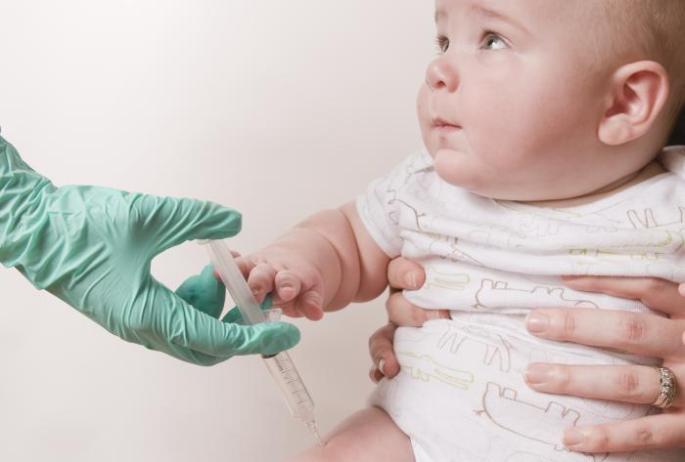
Measles vaccines are delivered in one of two products produced by Merck– M-M-R II and ProQuad. Both are live-attenuated vaccines, which uses viruses incapable of replication as the pharmacologically-active ingredient. Health experts consider live-attenuated vaccines the most effective of all vaccine types. The measles vaccine schedule recommended by the CDC is 99% effective in conferring immunity.

Vaccination of children after measles vaccine licensure was credited with the elimination of measles in the U.S. in 2000. Measles occurs in the U.S. when individuals are exposed abroad and return to the country.  Health officials said three cases in the California outbreak recently traveled to the Philippines. Two traveled to India. Other cases had contact with individuals who traveled abroad.

A growing number of individuals are choosing not to vaccinate their children. Vaccination avoidance has been fueled by unsubstantiated claims of vaccines causing autism in children. The CDC maintains there is no evidence to support a relationship between vaccination and autism. In fact, a recent study published in The Journal of Pediatrics showed no causal link between vaccination and autism.

The CDC’s website states symptoms of measles include fever, cough, inflammation of the mucous membrane, conjunctivitis and a characteristic maculopapular rash. Symptomatic individuals have a chance of developing acute encephalitis and subacute sclerosing panencephalitis, or SSPE, a degenerative disease of the central nervous system. SSPE causes seizures, behavioral problems and intellectual deterioration.

Measles has a fatality rate ranging from one to three deaths for every 1000 cases in the U.S.

Unvaccinated individuals should consult their doctor about receiving a measles vaccine.


Photo Credit: CDC/ Amanda Mills

Nepal Moves To Ratify BWC

by Alena M. James

Last week the Nepalese Government, working with the United Nations Office for Disarmament Affairs, made efforts to develop strategies for the national implementation of the Biological Weapons Convention during the Workshop on National Implementation of the Biological Weapons Convention (BWC). With assistance from the United Nations Regional Centre for Peace and Disarmament in Asia and the Pacific, the BWC Implementation Support Unit, and with financial support from the European Union, the workshop on implementing the BWC was held in Katmandu February 20-21.

During the workshop individuals representing 12 agencies of the Nepalese Government, officials from the UNRCPD, members from the EU, and subject matter experts gathered to discuss topics which must be considered for Nepal to start the ratification process of the BWC.  Several topics discussed during the workshop included methods to enhance confidence-building measures by the state, treaty enforcement measures, the development of codes of conduct, and the establishment of biosafety and biosecurity standards. Dr. Jean Pascal Zanders, an international expert on CBRNs nonproliferation, and Yasmin Balci, a legal officer from VERTIC, a non-profit organization dedicated to advising states on the national implementation of BWC, provided their insight and expertise in helping Nepal’s agency representatives to initiate an effective trajectory towards ratification of the treaty.

Currently, there are 110 Signatory States to the BWC and 168 State Parties. However, ten signatory states have yet to ratify the treaty including Syria; which some allege as possibly having a BW program. Opening for signature in 1972, the BWC was the first treaty to outlaw a specific type of WMD. The treaty was enforced in 1975 and bans the production, stockpiling, and use of biological weapons. Its purpose is to prevent the proliferation and use of such weapons by members of the international community.

Since its inception, the BWC has faced a plethora of challenges especially with regards to its verification process. Unlike the NPT and the CWC, the BWC does not have a verification regime to ensure state compliance.  As a result, the BWC holds review conferences every five years to discuss challenges facing the BWC and mechanisms for improving verification protocol.  So far, the use of confidence building measures have been the primary tools used by the treaty to prohibit these weapons. There are six measures that BWC member states must adhere to which includes the declaration of past offensive and defensive programs, the declaration of vaccine production facilities, and the active exchange of scientific information between states.  The primary goal of the measures is to encourage all states to be both open and transparent regarding state supported scientific research and development operations.

The reliance on states voluntarily complying with the confidence building measures and the work-in-progress verification system of the BWC have been attacked by many critics as the BWC’s most fundamental weakness.  Despite this criticism, one aspect of the BWC that deserves applause is the collaborative efforts of the UN, the BWC Implementation Support Unit, and the EU aiding countries to move towards national implementation of the BWC. In the absence of an authorized verification regime, this collaborative group of intergovernmental organizations has stepped up by taking an active approach in getting countries to uphold their commitments to the BWC. The collaborative group has done so by making workshops such as those held in Kathmandu possible.

The workshop held in Nepal is one of several workshops hosted by the UNODA, the Support Unit, and the EU in the past few months to generate BWC compliance. These workshops are a part of the EU’s BWC Action project which sets out to provide human resources, logistical resources, financial resources, and equipment to states in order to reach universal compliance of the BWC.  On September 3, 2013, the collaborative group orchestrated the Regional Workshop on the National Implementation of the Biological Weapons Convention in South and South-East Asia.  Like the workshop held in Kathmandu, this workshop brought together a number of key individuals to discuss BWC implementation strategies.  In early December 2013, the UNODA  worked with United Nations Regional Centre for Peace and Disarmament in Africa (UNREC) to host two national workshops in the countries of Benin and Burkina Faso facilitating open dialogue regarding the implementation of the BWC.

While critics of the BWC point to the lack of a verification body as a weakness, it seems this appears to be promoting active participation by intergovernmental organizations like the EU to encourage states who have not ratified the BWT to do so.  Such active participation and international collaboration is exactly what the global community needs in order to promote international security against the threats of such WMDs.

In August 2013, the international community witnessed the alleged use of another type of WMD prohibited by the CWC. Syria, a then non-party member of the CWC, was accused of deploying chemical weapons on its own civilians.  The use of chemical weapons by the Syrian government has not yet been confirmed and speculations on the deployment of the chemical weapons by rebel forces continue to circulate. An analytical study executed by MIT professor Theodore Postol and former UN weapons inspector Richard Lloyd, suggests plausibility in the idea that the rebel forces fighting against the Bashar Al Assad regime may be responsible for using chemical weapons against civilians. Such a suggestion, if confirmed true, would exculpate the Syrian government.

As the international community’s investigation of chemical weapons deployment in Syria continues, there is already an important lesson that the Syrian case portrays. This lesson lies in the inability of the UN and the CWC’s verification regime, Organisation for the Prohibition of Chemical Weapons (OPWC), in identifying the perpetrators of the attacks. This ambiguity of the origin of the chemical weapons demonstrates a futuristic challenge that the international community could experience if a state not party to the BWC (or who has not yet ratified the treaty) faced alleged uses of biological weapons.  It is for this reason that the collaborative efforts of intergovernmental organizations like UNODA and the EU, must continue to facilitate open dialogue regarding universal compliance of the BWC. The workshops held by the UNODA in states that have not yet ratified the Biological Weapons Treaty provide an active approach that pushes to make universal compliance of this 42 year old treaty a reality.

The initial coverage on the Workshop on National Implementation of the Biological Weapons Convention (BWC) in Nepal can be found at unrcpd.org.

Photo credit.

H1N1 Deaths on the Rise

From the Washington Post – “The H1N1 virus responsible for the 2009 global pandemic is back. State health officials from across the country say the resurgence is resulting in a dramatic rise in flu deaths in young and middle-aged adults and in children this season. While the reported death tolls so far are only a fraction of what they were four years ago, they are significantly higher than last year. The Centers for Disease Control and Prevention said the flu has been killing at epidemic levels since mid-January. Graphic Since October, 6,655 Americans were hospitalized with the flu. Click Here to View Full Graphic Story Since October, 6,655 Americans were hospitalized with the flu. With one month to six weeks to go in the flu season, which typically ends in March or April, the CDC said the number of people visiting doctors and hospitals for flu-like symptoms is declining overall, but some states are continuing to see high levels of flu activity or even increases in activity. Although the flu usually disproportionately affects the very old and the very young, this season 60 percent of those hospitalized for influenza have been age 18 to 64.”

Read more here.

First H7N9 Case Outside of China

The first case of H7N9 detected outside of China has been detected in Malaysia. A Chinese tourist in the country fell ill and has subsequently been stabilized in a local hospital.

From The Star (Malaysia) – “The Health Ministry has confirmed the first Influenza A (H7N9) case in the country, involving a female tourist from China. The import case involves a 67-year-old Chinese woman, who had travelled from Guangdong, China, to Kuala Lumpur on Feb 4. The woman went to Sandakan, Sabah the next day before going on to Kota Kinabalu on Feb 6. ‘The woman was referred to a private hospital in Kota Kinabalu on Feb 7, and (after two screenings) on Feb 11, the sample tested positive for the Influenza A (H7N9) virus. She is currently receiving treatment in the ICU, put on ventilator and is in a stable condition,’ Health Minister Datuk Seri Dr S Subramaniam said in a press conference, here, Wednesday. Dr Subramaniam stressed that there was no cause for panic over the matter as the risk for human transmission of H7N9 is ‘very low’.”


The Pandora Report 2.6.14

Highlights include H10N8, H7N9’s second wave, MERS-CoV update, and a Burholderia antrimicrobial. Happy Friday!

New China bird flu a reminder of mutant virus risk

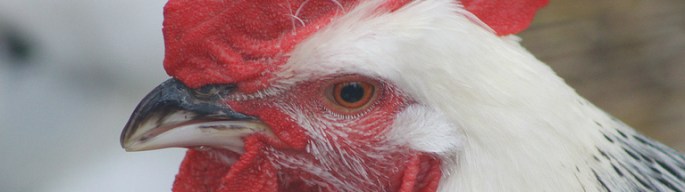
We covered this story when it first came out, but the emergence of a novel strain of highly pathogenic avian influenza (HPAI) is noteworthy enough to mention twice.  It’s H10N8 everyone and it’s in humans. There have been just two cases since the virus jumped from birds to humans in December of 2013, including one fatality. There are a couple things about H10N8 which is troubling scientists. The first is that it’s jumped host, and in the process, opened up a completely naive population (us) to infection. The second is that it’s thought to be reassorted – a mix of a couple other strains of avian flu. Reassortment scares everyone – if it can mutate once to be able to infect humans, it can mutate twice to become readily transmissible person-t0-person. Still, we’re novel hosts, which means the virus isn’t yet well-adapted to us. It’s also worth mentioning here that H7N9 also made the jump from poultry to person, and it remains poorly suited to human hosts.

Reuters – “The death of a woman in China from a strain of bird flu previously unknown in humans is a reminder of the ever-present potential pandemic threat from mutating animal viruses, scientists said on Wednesday. The new strain, called H10N8, has so far infected only two people – a fatal case in a 73-year-old and another in a woman who is critically ill in hospital. But the fact it has jumped from birds to humans is an important warning, they said. ‘We should always be worried when viruses cross the species barrier from birds or animals to humans, as it is very unlikely that we will have prior immunity to protect us’, said Jeremy Farrar, director of Wellcome Trust and an expert on flu.”

China reports 11 new H7N9 human cases

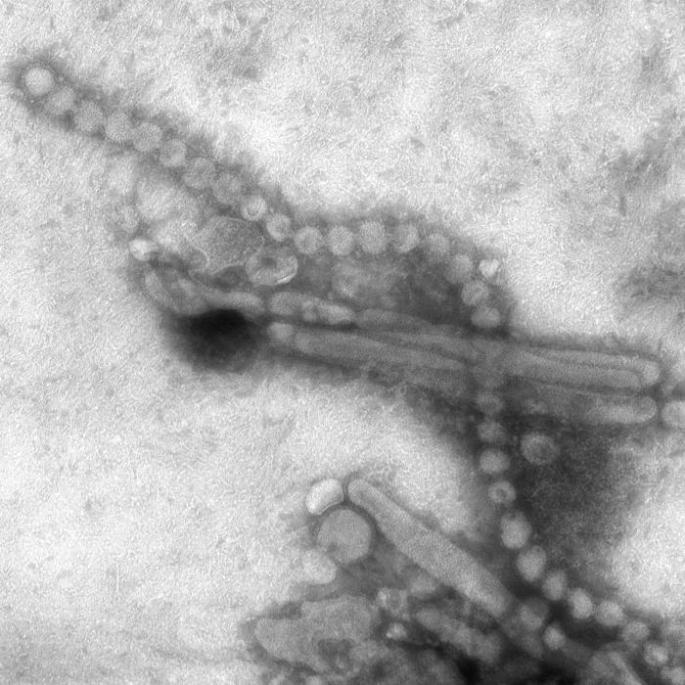
Chinese health authorities have reported a further 11 laboratory-confirmed cases of H7N9, bringing the number of second wave infections up to 181, and the total number of cases up to 317. The majority of the cases are coming from just two Chinese provinces, Guandong and Zhejiang. While the influx of cases in Hong Kong are all thought to originate from poultry imports, there has been no evidence to indicate the virus has been transmitted internationally. Also, aside from one cluster, there has been no evidence of sustained person-to-person transmission.

Xinhua – “Eleven Chinese people were confirmed to be infected with the H7N9 bird flu on Wednesday in four regions, with 8 in critical condition, according to local health authorities. The southern province of Guangdong reported 4 new cases, including a 5-year-old girl and a 42-year-old man in Zhaoqing City, a 49-year-old man in Foshan City and a 56-year-old man in Shenzhen City, said the provincial health and family planning commission. The girl and the man from Foshan are in stable condition while the other two remain in critical condition, according to the commission. The eastern province of Zhejiang, the region hit hardest by the H7N9 virus, confirmed four new human cases on Wednesday, bringing the total number of affected cases to 69 in the province so far this year, said the provincial health and family planning commission.”

Middle East respiratory syndrome coronavirus (MERS-CoV) – update

With H7N9 picking up and H10N8 emerging, MERS-CoV has been flying under the comparative radar. Speaking anecdotally, the number of cases seems to be declining, with just one new case in the last two weeks. Globally, there have been 181 cases to date. While camels remain the likely culprit, no vector or reservoir has been confirmed.

WHO – “The case is a 60-year-old man from Riyadh who became ill on 19 January and who had underlying medical conditions. He was hospitalized on 24 January and died on 28 January. Respiratory specimens were collected and sent to the central laboratory in Riyadh and confirmed positive for MERS-CoV on 28 January. Details of his possible contact with animals are unknown, and he has no history of contact with a laboratory-confirmed case. WHO has also been informed by the United Arab Emirates of the death on 16 January of a previously reported case of a 33 year-old male healthcare worker from Dubai (see Disease Outbreak News update from 3 January 2014).”

U.S. Eyes $90 Million Contract for Bioterror Treatments

The Department of Health and Human Services (HHS) awarded a $19.8 million dollar contract to a company working on  antimicrobials against the agents Burkholderia mallei, the causative agent of glanders,  and B. pseudomallei, the causative agent of melioidosis, respectively.  B. mallei, it should be noted, may have been used during WWI by the Germans, in an ill-fated attempt to use infected horses to spread the disease across the Russian front lines. While B. mallei does cause serious disease in horses and donkeys, cases of human infection are rare.

NTI – “The contract award marked a new investment in ‘broad-spectrum antimicrobials’ by the federal agency’s Biomedical Advanced Research and Development Authority. Such treatments are designed to be of use in responding to a potential biological strike, as well as for handling other health threats. ‘Antibiotic resistance adversely impacts our nation’s ability to respond effectively to a bioterrorism attack and to everyday public health threats,’ BARDA Director Robin Robinson said in a statement. ‘By partnering with industry to develop novel antimicrobial drugs against biothreats that also treat drug-resistant bacteria, we can address health security and public health needs efficiently.’

(image: James Jin/Flickr)

First H10N8 Fatality in Humans due to reassortment?

Nobody panic! There have been only two cases and it’s not yet documented as being readily transmissible person-to-person (yes we understand that’s a lot of caveats). Unsurprisingly, live poultry is thought to be the source of the infection. It remains unclear why or how the virus has jumped to humans. Chinese health authorities are, as always, very closely monitoring the situation. Can we have a moment of silent appreciation for Chinese epidemiologists and biosurveillance professionals? Just as H7N9 starts to pick up again (301st case this week),  a brand new, potentially-pandemic strain never before seen in humans pops up. Same for the Saudi epidemiologists trying to work out MERS and the health authorities in any country in which Ebola is endemic (good grief).

From the Lancet: “Human infections with different avian influenza viruses—eg, H5N1, H9N2, and H7N9—have raised concerns about pandemic potential worldwide. We report the first human infection with a novel reassortant avian influenza A H10N8 virus. A woman aged 73 years presented with fever and was admitted to hospital on Nov 30, 2013. She developed multiple organ failure and died 9 days after illness onset. A novel reassortant avian influenza A H10N8 virus was isolated from the tracheal aspirate specimen obtained from the patient 7 days after onset of illness. Sequence analyses revealed that all the genes of the virus were of avian origin, with six internal genes from avian influenza A H9N2 viruses. The aminoacid motif GlnSerGly at residues 226—228 of the haemagglutinin protein indicated avian-like receptor binding preference. A mixture of glutamic acid and lysine at residue 627 in PB2 protein—which is associated with mammalian adaptation—was detected in the original tracheal aspirate samples. The virus was sensitive to neuraminidase inhibitors. Sputum and blood cultures and deep sequencing analysis indicated no co-infection with bacteria or fungi. Epidemiological investigation established that the patient had visited a live poultry market 4 days before illness onset. The novel reassortant H10N8 virus obtained is distinct from previously reported H10N8 viruses. The virus caused human infection and could have been associated with the death of a patient.”

The full article is available behind their paywall, or summarized on the BBC.

Delving Deeper: Everything You Want to Know about PHSBPRA (Part One!)

By GMU PhD Student, Yong-Bee Lim

“Bioterrorism is a real threat to our country. It’s a threat to very nation that loves freedom. Terrorist groups seek biological weapons; we know some rogue states already have them…It’s important that we confront these real threats to our country and prepare for future emergencies.” – George W. Bush, 06/12/2002

I.  Introduction: Biosecurity or Bio-insecurity

Following the back-to-back tragedies of 9/11 and the Amerithrax Letter attacks, the United States (U.S) government realized how ill-prepared it was to handle the challenges associated with preparing for, and responding to, acts of terrorism. The Amerithrax Letter attacks, which successfully managed to infiltrate targeted congressional buildings, highlighted the inadequacies of security, preparedness, and response policies relating to bioterrorism events.[1] Thus, introduced in the immediate wake of the attacks and signed into law six short months later, the Public Health Security and Bioterrorism Preparedness and Response Act of 2002 (PHSBPRA) promised to be a major tool in the federal government’s fight against bioterrorism.

However, like many bills proposed and ratified in the wake of 9/11, unintended consequences arose from the PHSBPRA that have ultimately undermined U.S. national security against bioterrorism. In conjunction with the Uniting (and) Strengthening America (by) Providing Appropriate Tools Required (to) Intercept and Obstruct Terrorism of 2001 (USA PATRIOT Act), the PHSBPRA has not only undermined domestic national security, but has also contributed to the tarnishing of U.S. prestige in the international arena. Domestically, a combination of increased funding for biodefense research on select agents and insufficient measures in certain security areas have compromised laboratory security by increasing risks for laboratory incidents and insider threats;[2] however, other security areas were overly regulated, which prompted the loss of foreign technical workers as well as creating great impediments in the free dissemination of scientific information.[3] These hurdles continue to impede basic scientific research, which ultimately inhibit the creation of new therapeutics and medical countermeasures (MCMs) to deal with pathogens in the event of a bioterrorist attack.[4]

Internationally, the U.S. had already faced great criticism for rejecting the ratification of generous redrafting of the Biological Weapons Convention. This redraft, commonly referred to as “The Chairman’s Text” sought to accommodate the U.S.’s concerns in regards to verification protocols within the BWC. The international perception following this rejection was that the “U.S. is…taking a position that can only be read as an insistence that other nations should lay themselves open to intrusive inspection, which the U.S. accepts no obligations.”[5] This post seeks to highlight relevant details in the events leading up to 9/11 and Amerithrax, provide an overview of the PHSBPRA, and highlight the consequences following its enactment.

II.  Historical Climate: How Bioterrorism and Bio-preparedness were Perceived Before 9/11 and Amerithrax

While Amerithrax was the major bioterrorism event that launched biodefense considerations to the forefront of American consciousness, bioterrorism attempts and acts have been implemented at various points throughout history and all over the globe. Internationally, both World Wars ultimately contributed to the use of unconventional weapons, which are commonly referred to as “weapons of mass destruction” (WMDs) in the modern day.[6] In regards to biological weapons, glanders was used by German undercover agents to infect the livestock of Allied countries with the highly contagious Burkholderia mallei during World War I.[7] During World War II, the infamous Japanese Unit 731 investigated biological weapons in occupied Manchuria; these investigations included the use of plague and other biological agents on prisoners and Chinese nationals.[8]

In an age of asymmetric warfare, focus of potential biological weapons production and use has shifted from nation-states to violent non-state actors (VNSAs).[9] In the modern day, a Japanese terrorist cult, called Aum Shinrikyo, attempted to manufacture and disseminate biological weapons (including aerosolized anthrax) to bring about an apocalypse.[10] Other groups labeled as terrorist organizations, such as Al-Qaeda, have expressed considerable interest in obtaining biological weapons.[11]

Despite the case studies mentioned previously, the realm of bioterrorism and offensive bioweapon attacks is filled with far more failures than successes. The only successful modern-day bioterrorism attack that tends to be unchallenged was the act of a cult which used Salmonella typhimurium at a salad bar in Oregon to get over 700 individuals sick with severe food poisoning.[12] The cult’s motivation for this attack was to try to get enough individuals sick to take over the local county government.

The paucity of successes in the use of biological weapons was reflected in the paucity of biopreparedness actions and policies in the U.S. pre-9/11. Two biodefense policies followed, but did not result from, the cult’s attack. In 1989, the Biological Weapons Anti-Terrorism Act was passed to pave the way for the implementation of the Biological Weapons Convention (BWC) in the United States.[13] This act sought to implement the BWC by imposing criminal penalties for violating the articles of the Convention, defining biowarfare terms, and limited possession of biological agents.[14] In 1996, the Antiterrorism and Effective Death Penalty Act of 1996 was created and passed to curb domestic actions of terrorism, as well as limiting the access to materials with WMD implications.[15],[16]

Following the Amerithrax Letter Attacks, the USA Patriot Act of 2001 went further in biodefense policy by both establishing certain controls over select agents to ensure that no “restricted person” transports, ships, or possess select agents, as well as imposing strict criminal penalties for the possession of certain biological agents or toxins; the only way to avoid criminal penalties is if the reason for the possession of the agent or toxin was for justified prophylactic, protective, bona fide research, or other peaceful purposes.[17]

Pt. 2 Next Week: Public Health Security and Bioterrorism Preparedness Response Act of 2002: Purpose and Implementation


Yong-Bee Lim is a PhD student in Biodefense at George Mason University. He holds a B.S. in Psychology and an M.S. in Biodefense from George Mason University as well. Contact him at ylim3@masonlive.gmu.edu or on Twitter @yblim3.

[1] “Biodefense for the 21st Century,” The White House: Office of the Press Secretary, accessed on 02/01/2013, http://www.fas.org/irp/offdocs/nspd/biodef.html

[2] Sonia Ben Ouagrham-Gormley, “History of US Biodefense Strategy and Policy” (lecture, Biodefense 609 at GMU, Fairfax, VA, September 5, 2012)

[3] GJ Knezo, “Possible Impacts of Major Counter-Terrorism Security Actions on Research, Development, and Higher Education,” Washington, DC: Congressional Research Service Report to Congress, Library of Congress; 2002

[4] Kendall Hoyt, Long Shot: Vaccines for National Defense (Cambridge, MA: Harvard University Press, 2012), Loc 118

[5] “US Policy and the BWC Protocol,” The Journal of the Federation of American Scientists: FAS Public Interest Report, accessed on 01/15/2014, http://www.fas.org/faspir/2001/v54n3-4/bwc.htm

[6] Joseph Cirincione, Jon B. Wolfsthal, and Miriam Rajkumar, Deadly Arsenals: Nuclear, Biological, and Chemical Threats (Washington, DC: The Brooking Institution Press, 2005): Loc 228

[7] Robert J. Hawley and Edward M. Eitzen, Jr. “Biological Weapons – A Primer for Microbiologists,” Annual Review of Microbiology, Vol. 55 (2001): pp. 235 – 253

[8] Ibid.

[9] Cirincione et al., Deadly Arsenals: Loc 268

[10] Richard Danzig, Marc Sageman, Terrance Leighton, Lloyd Hough, Hidemi Yuki, Rui Kotani, & Zachary M. Hosford. Aum Shinrikyo: Insights Into how Terrorists Develop Biological and Chemical Weapons, (Washington DC: Center for a New American Security, 2011): p. 8

[11] Milton Leitenberg, Assessing the Biological Weapons and Bioterrorism Threat (Carlisle, PA: Strategic Studies Institute, U.S. army War College, 2005): p. 26

[12] Jonathan B. Tucker, ed., Toxic Terror: Assessing Terrorist Use of Chemical and Biological Weapons, (Cambridge, MA: MIT Press, 2000): pp. 115 – 138

[13] “Bill Text: 101st Congress (1989 – 1990): S 993.ENR,” The Library of Congress (Thomas), accessed 01/16/2014, http://thomas.loc.gov/cgi-bin/query/z?c101:S.993.ENR:

[14] Ibid.

[15] “Bill Text: 104th Congress (1995 – 1996): S 735.ENR,” The Library of Congress (Thomas), accessed 01/16/2014, http://thomas.loc.gov/cgi-bin/query/z?c104:S.735.ENR:

[16] Ibid.

[17] “Bill Summary and Status: 107th Congress (2001 – 2001), H R.3162, CRS Summary,” The Library of Congress (Thomas), accessed 03/16/2013, http://thomas.loc.gov/cgi-bin/bdquery/z?d107:HR03162:@@@D&summ2=m&

Koblentz on Nazi Scientists and Malaria bombs

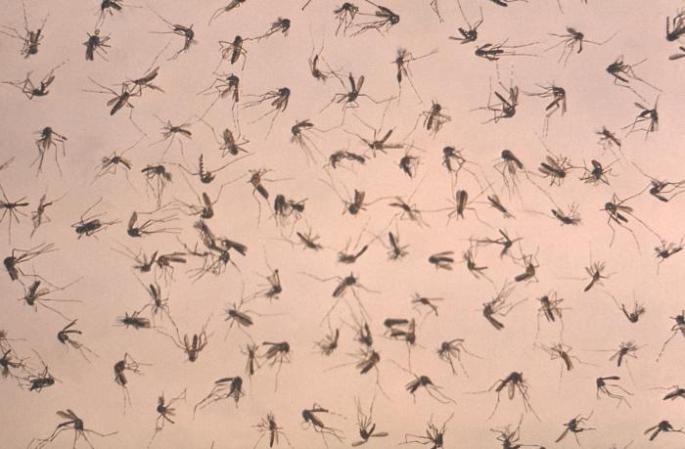
Dr. Gregory Koblentz was interviewed in a National Geographic article discussing recent research potentially indicating an offensive German biological weapons program during WWII.  Read the full article at the link below.

From National Geographic: “Gregory Koblentz of George Mason University’s biodefense graduate program remains unconvinced of the offensive nature of the Dachau work. ‘Research to assess the threat posed by different biological agents and vectors, such as May’s research on mosquitoes and malaria, is especially hard to categorize as offensive or defensive,” Koblentz says. “Even if May’s intent was offensive, it was very preliminary-many steps away from actually producing a viable insect-borne biological weapon.’

(image: CDC)

Gobble Gobble, A New Test for Toxins?

By GMU Biodefense graduate student, Blain Johnson

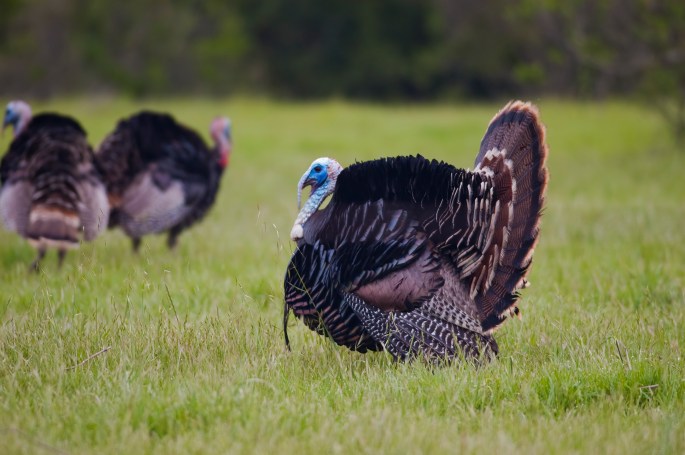
Do you find yourself reminiscing about the holidays, back when the bitter cold was mitigated by winter cheer? Cast your mind back to November. Every Thanksgiving millions of families sit down and eat a pleasant turkey dinner, after all, what would the holiday be without the signature dish in the center of the table? But what if you were told that turkeys are good for something other than eating?

A recent University of California Berkeley study has found that it is possible to create a sort of ‘plastic card’ that can be sample air to detect the presence of dangerous toxins or chemicals. The finding was inspired by the turkey, a bird whose skin color changes based on the level of stress around it. Inspired by this unique ability, researchers constructed a molecule, similar in shape to collagen, which contains a specific bacteriophage capable of self assembling into colorful, readable patterns if it detect a given toxin or chemical.

The Berkeley bioengineers tailored their virus to bind to specific sites on particles of TNT explosive. The result was that their new sensor could detect trace amounts of airborne TNT particles. Their development is the newest biosensor that, ironically, contains a living virus. Their bacteriophage can be genetically engineered to change color in the presence of any number of toxins, chemicals, and other viruses. While the discovery is an enormous breakthrough, the lead scientist, Dr. Seung-Wuk Lee, says she hopes to develop more sensitivity for the test in the coming months capable of producing even smaller measurements, such as  sugar levels in diabetic patients.

This new innovation goes beyond medicine; the ability to detect harmful toxins and chemicals is a major breakthrough in our ability to prepare for emergency situations and warn citizens of a possible disease outbreak or terrorist attack before it reaches a critical juncture. Imagine testing a room by waving a plastic card in the air and being able to definitively say the area is safe. This is an important discovery for the Emergency Management field and will hopefully lead to safer and more prepared communities.

So the next time you decide to eat a turkey sandwich, tell your nearest neighbor that you are eating a bird which inspired a  biosensor capable of detecting TNT at 300 parts per billion and see what they say.