According to CNN, “an envelope that tested positive for the deadly poison ricin was intercepted Tuesday afternoon at the U.S. Capitol’s off-site mail facility in Washington, congressional and law enforcement sources tell CNN”.
Politico has reported through anonymous sources that the letter was addressed to the office of Senator Roger Wicker, R-Miss. More news to come.
Highlights include the H7N9 update, funding for the NBAF, using flight patterns to stop pandemics, North Korean biosurveillance, and why biotech companies matter. Happy Friday!
North Korean bioweapons are coming for us all (Credit: Karl Baron)
H7N9 continues apace in China, with the total number of cases up to 43. The virus is especially difficult to track because birds are asymptomatic carriers. While the number of laboratory-confirmed cases is closely monitored, it’s possible there are many more human cases going unnoticed due to a milder disease presentation. Still, there have been no confirmed cases of person-to-person transmission, and scientists in the US have just received the first batch of the virus, and are working on developing a diagnostic.
New York Times – “A report on three of the first patients in China to contract a new strain of bird flu paints a grim portrait of severe pneumonia, septic shock and other complications that damaged the brain, kidney and other organs. All three died…During a telephone news briefing on Thursday, Nancy J. Cox, of the influenza division at the Centers for Disease Control and Prevention, said that several features of H7N9 were particularly troubling: it causes severe disease, it has genetic traits that help it infect mammals and humans probably have no resistance to it.”
The National Bio- and Agro-Defense Facility has received the strongest funding endorsement to date from the Obama Administration, with $714 million included for the lab in the President’s FY2014 budget. The lab is slated to replace Plum Island as the nation’s premier research center on agricultural pathogens.
Wall Street Journal – “Republican Sen. Pat Roberts of Kansas said the recommendation signals the administration’s support for building the $1.15 billion lab, which will study large animal diseases and develop measures to protect the nation’s food supply…Roberts said the proposal will require additional financial commitments from Kansas, which will be worked out by Republican Gov. Sam Brownback and legislators…Kansas agreed when it was awarded the project to contribute 20 percent of the cost of construction. Thus far, the state has issued $105 million in bonds and $35 million from the Kansas Bioscience Authority.”
Researchers in Toronto, after studying the 2009 H1N1 pandemic, developed basic guidelines for passenger screenings during a pandemic. The results are relatively intuitive – screening passengers as they leave a region in which the pathogen is spreading is more useful than screening them upon arrival at their final destination.
Medical News – “Dr. Khan used his experience analyzing air traffic patterns to review the flights of the nearly 600,000 people who flew out of Mexico in May 2009, the start of the H1N1 pandemic. He found that exit screening would have caused the least disruption to international air traffic. In fact, all air travelers at risk of H1N1 infection could have been assessed as they left one of Mexico’s 36 international airports. Exit screening at just six airports in Mexico coupled with entry screening at two airports in Asia (Shanghai and Tokyo) would have allowed for screening of about 90 per cent of the at-risk travelers worldwide.”
Anything that is related to biological warfare and is also called the Kracken is automatically included in the Pandora Report. Here, the Kracken is a 15ft high thermal, acoustic, and infrared sensor.
Baltimore Sun – “While the danger of missiles is more pressing, Army officials said developing better capabilities to detect biological warfare threats has also been a priority for the past six years. The Joint Program Executive Office for Chemical and Biological Defense is working with APG’s Edgewood Chemical Biological Center on the program, which is called the Joint United States Forces Korea Portal and Integrated Threat Recognition, or JUPITR. The program will also serve to detect naturally occurring biological threats. A key part of the program is the Kraken, which Army officials described as ‘a massive, multifunctional, all-seeing sensor suite designed to rapidly establish a defensive perimeter.'”
Collaboration between the biotech industry and the US government has been notoriously difficult, starting with the threat of breaking Bayer’s patent on Cipro during the Amerithrax attacks and continuing into today. While relations have improved, and the hurdles to a successful working relationship are significant, we can’t afford to not work on this.
Genetic Engingeering and Biotechnology News – “Despite product success Acambis has had a bumpy ride with its funding. ‘Any biotech that believes developing products to serve public health emergencies is access to easy money needs to think again,’ Dr. Lewin cautioned. ‘Collaborating with the U.S. government is different from working in the biotech world. You have to produce a proposal for the government to digest, a cost of around $400,000, and if you don’t get the contract that’s all money down the drain.'”
Highlights include H5N1: to mutate or not to mutate, the Galveston Lab we’ve all shaken our heads at this week (we all lose a vial of virus sometimes), the UK stepping-up its bioterror prevention, the new foot-and-mouth vaccine (cloven-hoofed animals matter too – a lot, actually), antibiotic-resistant jumping from farm animals to us, and what may soon be a mumps outbreak in Richmond. Happy Friday!
Technically we tweeted this story on Wednesday, but it presented such a nice summation against the gain-of-function research that we wanted to include it here. Not because we agree, but because the points are coherent and well-argued.
Nature – “Rather than use the avian flu moratorium to seek advice, listen and foster debate, many influenza scientists engaged in an academic exercise of self-justification. There was a single large open meeting, at the Royal Society in London, which engaged a wider audience, including bioethicists. The recent calling off of the moratorium by 40 flu researchers alone — not funders, governments or international bodies — says it all. The flu community simply hasn’t understood that this is a hot-button issue that will not go away.”
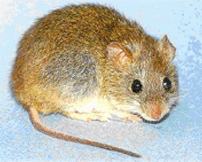
Before everyone freaks out, it’s only Guanarito virus – yes, losing a vial of any virus from a BSL-4 lab is not great, and yes, if you’re going to lose a vial of something, it would be better if it didn’t cause hemorrhagic fever, but 1) Guanarito virus’ natural host is thought to be Venezuelan “short-tailed cane” mice, 2) it doesn’t replicate in US rodents, and 3) it’s not transmissible person-to-person. And before we start a heated discussion about the disturbingly impressive ability of viruses to evolve and adapt to new hosts, 4) the vial in question is thought to have been destroyed internally.
ABC News – “The Galveston National Laboratory lost one of five vials containing a deadly Venezuelan virus, according to the University of Texas Medical Branch, which owns the $174 million facility designed with the strictest security measures to hold the deadliest viruses in the country. Like Ebola, the missing Guanarito virus causes hemorrhagic fever, an illness named for “bleeding under the skin, in internal organs or from body orifices like the mouth, eyes, or ears,” according to the Centers for Disease Control and Prevention.”
Intelligence officials in the United Kingdom have prioritized the fight against bioterrorism, using lessons from the 2012 London Olympics to inform their revamped strategy.
The Telegraph – “Charles Farr, the Director of the Office for Security and Counter-Terrorism [in the United Kingdom], said that extremists have ever greater access to the information and technology required to create and spread germ agents or other biological weapons…Factors facilitating such attacks include the availability of formulae and other information on the internet; increasing teaching of biological sciences at universities, and ‘greater availability of technology,’ he said. Mr Farr, a former MI6 officer, declined to give further details of the threat, but the Home Office report hints at a range of new precautions.
Foot-and-mouth disease is like the be-all-end-all of animal diseases – it’s tremendously infectious, has a high mortality rate, and because we don’t vaccinate (for trade reasons – when you vaccinate an animal, when that animal is later tested for FMD it’s impossible to tell whether it has the antibodies because it was vaccinated or because it actually had the disease – if the latter, no one wants to eat it), the disease would spread like wildfire. Also, current policy dictates “containment” (read: mass culling) rather than “treatment”, which means mountains of burning carcasses. Very scary and very possible.
The Guardian – “Scientists have developed a new kind of vaccine that could prevent devastating outbreaks of foot and mouth disease among livestock. The “synthetic” vaccine was created by taking protein shells that encase the virus and strengthening them, so the vaccine can be used in warm countries without refrigeration. The technique overcomes major shortcomings of existing foot and mouth vaccines, which are made with live virus. The infectious risk means the conventional vaccine must be produced in high containment facilities, which are costly to build and maintain. Vaccines made from the live virus are also fragile, and degrade unless they are kept cool.”
Bessie the cow might just be another weapon in the arsenal of the superbug. This possibility is especially disturbing given our ongoing difficulties countering antibiotic-resistant bacteria we make ourselves.
The New York Times – “A new study used genetic sequencing to establish that a strain of antibiotic-resistant bacteria has been transmitted from farm animals to people, a connection that the food industry has long disputed. Representative Louise M. Slaughter, Democrat of New York, said the study by researchers in Britain and Denmark, which drew on data from two small farms in Denmark, ‘ends any debate’ about whether giving antibiotics to livestock is a risk to humans”
Before this launches a debate about the importance of vaccination, all but just six students on the Richmond campus have had the MMR vaccine. What this illustrates instead is that no vaccine is 100% efficacious in every instance (MMR is approximately 95%).
The Collegian – “As of Tuesday, 15 cases of mumps have been confirmed on campus, said Dr. Lynne Deane, the director of the Student Health Center. Mumps is a communicable viral illness and typically carries symptoms like fever, head and body aches, tiredness and swollen or tender glands in the jaw, according to the Virginia Department of Health (VDH) Web site.Tests administered to other students are still being processed, she said. In total, 39 students have been tested for the virus since January, Deane said…The cluster of mumps outbreaks has not been limited to Richmond. Loyola University, Maryland, has seen at least 12 cases of mumps arise in the past month, according to CBS news Baltimore.”
Congratulations to GMU PIA Faculty Member Allison Macfarlane on her nomination to a second term as Nuclear Regulatory Commission Chairwoman!
“President Barack Obama has nominated Nuclear Regulatory Commission Chairman Allison Macfarlane to a new five-year term. Macfarlane, a geologist, took over the agency last summer after its former chairman, Gregory Jaczko, resigned amid complaints about an unyielding management style that fellow commissioners and agency employees described as bullying. Macfarlane was initially named to a one-year term that expires in June. Obama named her Thursday to a new five-year term. The appointment requires approval by the Senate.”
Good opinion piece on the need for greater animal health monitoring (most of the scariest pandemic threats are, in fact, zoonotic):
“Animal health gets just a fraction of the resources that human health does, which is why we are rarely able to detect new viruses before it’s too late and they’ve already crossed the species barrier. In the wake of SARS and the avian flu flare-ups over the past decade, however, that is beginning to change. I’ve written before about the virologist Nathan Wolfe and his Global Viral Forecasting group, which tries to use on-the-ground surveillance and computer modeling to predict when and where new viruses will emerge to threaten the human race. But there other groups working to police the boundaries between human and animal health, and one of them — the New York City–based EcoHealth Alliance — has a new paper out that demonstrates just how many unknown coronaviruses are out there, competing to be the next SARS.”
Highlights include NCov’s mechanism of action, Dengue in Key West (Spring Breakbone?)(sorry, very sorry), the ongoing debate around stocking up on vaccines we may never use, will Assad use biological weapons?, Zithromax and irregular heartbeats, and using bacteria to deliver vaccines for us. Happy Friday!
On the heels of the WHO confirming the 15th case of NCov, it’s now known that the virus utilizes the DPP4 host cell protein for entry.
The Scientist – “Dutch researchers have identified the host cell protein that allows a recently discovered coronavirus to enter its target cells, according to a study published today (March 13) in Nature. The structure of the protein, called DPP4, appears to be conserved between bats and humans, suggesting that the new findings will help shed light on zoonotic transmission of the virus, as well as provide a target for potential vaccines.”
Dengue, also known as “breakbone fever”, continues to be one of the most significant “neglected” tropical diseases, with its occurence seeing a 30-fold increase over the last five decades. It’s re-emergence in the US, therefore, is disturbing but unfortunately not especially surprising.
LA Times – Although the mosquito-borne dengue virus was thought to be fully eradicated in the continental United States, the Centers for Disease Control and Prevention confirmed Wednesday that the tropical disease had indeed returned…after reviewing 93 dengue cases diagnosed in Florida in 2009 and 2010, study authors identified a specific strain of the virus in patients who had not recently traveled outside the country. The strain differed from those cases in which the patient had recently traveled.”
This debate strikes at the heart of preparedness – do we invest in the smallpox vaccine now, in the off chance a bioterrorist attack with the pathogen occurs, or spend the money elsewhere and risk catastrophic casualties? While those of you born before 1980 (the year we stopped vaccinating) may be shrugging internally, there is some debate about the potency of the vaccine 20 years on. There’s not an easy answer.
New York Times -“The United States government is buying enough of a new smallpox medicine to treat two million people in the event of a bioterrorism attack, and took delivery of the first shipment of it last week. But the purchase has set off a debate about the lucrative contract, with some experts saying the government is buying too much of the drug at too high a price.”
Meanwhile, in Syria, (unverfiable) reports continue that Assad has already begun using chemical weapons on the rebels. Once again, it’s a poorly-kept secret that Syria had (has?) a clandestine BW program.
Radio Free Russia – “The erosion of the Syrian regime’s authority is accelerating and the ‘increasingly beleaguered’ government, which has been unable to defeat insurgents with conventional weapons, might be prepared to use chemical weapons, according to James R. Clapper, the director of national intelligence.”
Zithromax, an anti-biotic used to treat everything from respiratory infections to STDs, is now known to cause “potentially fatal” tachycardia.
Reuters – “Last May, a study in the New England Journal of Medicine compared the risk of cardiovascular death in patients who took Zithromax with those who took several other antibiotics, including amoxicillin. It found that patients who took Zithromax, made by Pfizer Inc, had higher rates of fatal heart rhythms.”
Ha! Stupid bacteria. No, we’re kidding – any step towards development of elderly-, child-, and immunocompromised-friendly vaccines is good news.
R&D Magazine – “Vaccines that employ weakened but live pathogens to trigger immune responses have inherent safety issues, but Yale University researchers have developed a new trick to circumvent the problem—using bacteria’s own cellular mistakes to deliver a safe vaccine. The findings, published online in Nature Communications, suggest new ways to create novel vaccines that effectively combat disease but can be tolerated by children, the elderly, and the immune-compromised who might be harmed by live vaccines.”
Highlights include our CRE soapbox (it’s only 4%!), NCov updates, the surprising news about flu droplets (oh it’s surprising), Hong Kong and the risks of high population density, the resilience of viruses, and an overview of pandemics. Happy Friday!
The Gesundheit II machine collects the breath exhaled from flu sufferers. (Credit: Donald Milton)
Drug-resistant CRE (carbapenem-resistant Enterobacteriaceae) has been in the news often this week, following the CDC’s warning about the bacteria. Now, clearly this is a concern, but before we freak out let’s look at some of the figures behind this story. First, the statistic regarding CRE’s case fatality- almost every news source we’ve seen has indicated it’s 50% – aren’t what they seem. What the sources don’t say is that it’s 50% if, and only if, the infection becomes septicemic. Septicemia as a result of almost any bacterial infection is very dangerous. Second, CRE is really only of concern amongst the immunocompromised and those in long-term treatment for prior conditions. If you’re a healthy adult in possession of an active immune system, you’re chances of becoming infected are minuscule. Third, yes the rate of infection from CRE has increased in the last decade, but again let’s keep the actual number in mind – four percent.
Antibiotic-resistant pathogenic bacteria are a real concern, and steps should absolutely be taken to mitigate their growth and prevent their spread. However, disproportionately scaring the public is not the way to do that, and can be detrimental in the long run – the “boy who cried wolf” anyone? But our soapbox aside, check out the CDC’s review if you haven’t already.
CDC – “Untreatable and hard-to-treat infections from CRE germs are on the rise among patients in medical facilities. CRE germs have become resistant to all or nearly all the antibiotics we have today. Types of CRE include KPC and NDM. By following CDC guidelines, we can halt CRE infections before they become widespread in hospitals and other medical facilities and potentially spread to otherwise healthy people outside of medical facilities.”
Yesterday the WHO reported another fatality from the novel coronavirus, bringing the total number of cases up to 14 and the fatalities to eight. This case is of special concern because it remains unclear how the man became infected.
WHO – “The Ministry of Health in Saudi Arabia has informed WHO of a new confirmed case of infection with the novel coronavirus (NCoV). The patient, a 69-year-old male, was hospitalized on 10 February 2013 and died on 19 February 2013. Preliminary investigation indicated that the patient had no contact with previously reported cases of NCoV infection and did not have recent history of travel.”
According to this study, the tiny aerosol droplets of flu we exhale when sick contain nine-times the amount of virus than the larger cough/sneeze generated droplets. So the next time an infected colleague/friend/loved one walks toward you, make them stop four feet away and calmly explain that their breath is infectious. (GMU Biodefense is not responsible for the implications of you calling the breath of a colleague/friend/loved one infectious).
Medical Express – “People may more likely be exposed to the flu through airborne virus than previously thought, according to new research from the University of Maryland School of Public Health. The study also found that when flu patients wear a surgical mask, the release of virus in even the smallest airborne droplets can be significantly reduced. ‘People are generally surprised to learn that scientists don’t know for sure how flu spreads,’ says Donald Milton, M.D., Dr.P.H., who directs the Maryland Institute for Applied Environmental Health and led the study of influenza virus aerosols published in the journal PLoS Pathogens…”
Population density remains an important factor in understanding pandemic potential, and Hong Kong is close to the top of the list in terms of people-per-square-mile. As housing prices continue to increase, many of the city’s 7.2 million residents are settling for smaller and more cramped living quarters.
Bloomberg – “Hong Kong electrician Chan, who shares a mold-stained toilet with his neighbors, says he’d move out if it weren’t for the rising cost of accommodation. Last year, residents were forced to bathe using a shared kitchen sink for six months when a plastic shower hose in the communal bathroom broke, Chan said…Chan Sung-ming says the coughs and sneezes echoing through the plywood walls of his windowless, 60- square foot Hong Kong apartment get him thinking: is there a bug going around and could it be deadly?”
Wonderful. As if viruses aren’t good enough at surviving against all possible odds in the first place. For things that technically aren’t alive (I know, I know, I read the piece about viral immune systems as well – they’re still undead in my book), they are disturbingly resilient.
Futurity – “Researchers have uncovered a virus inside a host with a non-standard nuclear genetic code—one that differs from the standard genetic code that almost all living things use to produce proteins.’The finding is significant because it shows that these viruses can overcome what appears to be an insurmountable change in the host genome,’ says researcher Derek J. Taylor, professor of biological sciences at the University at Buffalo.’So the fact that we haven’t previously seen any viruses in these species with a modified genetic code may not be because the viruses can’t adapt to that shift. It may be that we haven’t looked hard enough.'”
A good overview of the basics of pandemics (I tend to disagree with their bioterror assessment, but to each their own!)
STRATFOR – “”The potential for a disease to spread is measured by its effective reproduction number, or R-value, a numerical score that indicates whether a disease will propagate or die out. When the disease first occurs and no preventive measures are in place, the reproductive potential of the disease is referred to as R0, the basic reproduction rate. The numerical value is the number of cases a single case can cause on average during its infectious period. An R0 above 1 means the disease will likely spread (many influenza viruses have an R0 between 2 and 3, while measles had an R0 value of between 12 and 18), while an R-value of less than 1 indicates a disease will likely die out. Factors contributing to the spread of the disease include the length of time people are contagious, how mobile they are when they are contagious, how the disease spreads (through the air or bodily fluids) and how susceptible the population is. The initial R0, which assumes no inherent immunity, can be decreased through control measures that bring the value either near or below 1, stopping the further spread of the disease.”
[Technically a video, but there you have it] – Insect wings lacerating bacteria. Yes, lacerating.
From Nature – “The veined wing of the clanger cicada kills bacteria without any chemical action — one of the first natural surfaces found to do so. An international team of biophysicists now has now come up with a detailed model (and some cool CGI) of how this defence works on the nanoscale.”
Highlights include secondary transmission of vaccinia through sex, humidity – good for something?!, two new cases of H1N1 in Taiwan, another H5N1 fatality in Cambodia, viruses with immune systems, and avian influenza (no, not that one- it’s H7N3) in Mexico. Happy Friday!
This is one of the ongoing problems with the ACAM2000 vaccine – it sheds. More specifically, you shed for a couple days after receiving the vaccine. Which means you can pass it on, in a number of different ways.
MMWR – “On June 24, 2012, CDC notified Public Health Services, County of San Diego Health and Human Services Agency, of a suspected case of vaccinia virus infection transmitted by sexual contact. The case had been reported to CDC by an infectious disease specialist who had requested vaccinia immune globulin intravenous (VIGIV) (Cangene Corporation, Berwyn, Pennsylvania) for a patient with lesions suspicious for vaccinia. The patient reported two recent sexual contacts: one with a partner who recently had been vaccinated against smallpox and a later encounter with an unvaccinated partner. Infections resulting from secondary transmission of vaccinia virus from the smallpox vaccinee to the patient and subsequent tertiary transmission of the virus from the patient to the unvaccinated partner were confirmed by the County of San Diego Public Health Laboratory.”
High levels of humidity – the bane of DC metro riders, women who straighten their hair, and people who don’t like being able to drink their air – are apparently very good for keeping the flu at bay:
Science Daily – “Higher humidity levels indoors can significantly reduce the infectivity of influenza virus particles released by coughing, according to research published February 27 in the open access journal PLOS ONE by John Noti and colleagues from the National Institute for Occupational Safety and Health, Centers for Disease Control and Prevention. The researchers tested the effect of relative humidity on the capacity of flu virus released in a simulated ‘cough’ to re-infect cells. They found that an hour after being released in a room at a relative humidity of 23% or less, 70-77% of viral particles retained their infectious capacity, but when humidity was increased to about 43%, only 14% of the virus particles were capable of infecting cells.”
Full credit to Taiwan and China: during the Chinese New Year a huge swath of the population travels, creating a really tremendous logistical challenge in terms of disease surveillance. Both states have nonetheless managed to keep a sharp eye on new cases of influenza:
The China Post – “The H1N1 flu strain claimed two lives this month, as the number of diagnosed influenza cases surged due to increased travel over Chinese New Year, the Centers for Disease Control (CDC, 疾病管制局) said yesterday. During the recent flu season, 365 cases of influenza were reported, resulting in 29 deaths, according to the CDC, which has attributed 26 of the deaths to the H3N2 virus strain and three deaths to H1N1. The first victim to be claimed by H1N1 earlier this month, a 48-year-old man, had reported flu-like symptoms of fever, soreness and pain on Jan. 19, but did not seek medical attention until Jan. 24. The man died on Feb. 5 despite the efforts of doctors. The second victim, a 38-year-old woman, became feverish and felt discomfort on Feb. 14, but did not receive medical attention until Feb. 18 when she was rushed to the ER. She was resuscitated but died on Feb. 21.”
The man was known to have come in contact with infected poultry in his village. Cambodia is having difficulty halting the disease incidence due to the ongoing practice of slaughtering poultry within residences. This practice is also thought to explain the disproportionately high incidence of the disease amongst children – approximately 20 of the 30 cases of H5N1 in Cambodia have occurred in children under the age of 14.
WHO – “The ninth case, a 35-year-old man from Kbal Ou village, Me Sar Chrey commune, Stueng Trang district in Kampong Cham province, was confirmed positive for influenza H5N1 on 23 February 2013 by Institut Pasteur du Cambodge. He developed fever on 8 February 2013 and his condition worsened on 10 February 2013 with fever, frequent cough, and dyspnea….The man is the ninth person this year and the 30th person to become infected with the H5N1 virus, and the 27th person to die from complications of the disease in Cambodia.”
What do you think? Should viruses be classified as “living”?
Discovery News – “Viruses can acquire fully functional immune systems, according to new research that bolsters the controversial theory that viruses are living creatures. Until now, scientists thought that viruses existed only as primitive particles of DNA or RNA, and therefore lacked the sophistication of an immune system. The study, published in the journal Nature, is the first to show that a virus can indeed possess an immune system, not to mention other qualities commonly associated with complex life forms.”
Just as a FYI – stick it in the back of your mind for the time being.
The Poultry Site – “The dreaded avian influenza has returned to central Mexico again this year, this time causing significant poultry deaths in Guanajuato state, writes Carlos Navarro, Editor of SourceMex. The outbreak of the H7N3 virus—which had forced poultry farmers in the state of Guanajuato to destroy more than 2 million birds as of the end of February — affects municipalities in northern Guanajuato as well as in Jalisco state.”
By Jomana Musmar Ms. Musmar is a PhD student in the Biodefense program at George Mason.
In a letter published on January 23, 2013, in Nature and Science, forty scientists announced an end to the self-imposed moratorium on research involving highly pathogenic avian influenza transmission. The moratorium was first triggered by the controversial publication of two H5N1 experiments in 2011. In their letter, the scientists provide two major conclusions: that the aims of the moratorium have been reached, and that the benefits of conducting research on H5N1 outweigh the risks. They emphasize that scientists have a public health responsibility to conduct life-saving research, and that they are fully aware of the high risks involved in its potential misuse. They also highlight that the moratorium helped foster robust global dialogue on the benefits and existing efforts to secure this research, in addition to the formal review of international policies.
Two such policies have been recently released by the US government (both available at http://www.phe.gov/s3/dualuse/Pages/default.aspx). The first is a White House proposed policy-update aimed at maximizing the benefits of life sciences research. The other is a US Department of Health and Human Services draft framework guiding funding decisions for conducting H5N1 research. The first of seven criteria in the draft framework to determine funding is that “the virus anticipated to be generated could be produced through a natural evolutionary process.” This criterion echoes the final key point in the scientist’s letter in support of their conclusion–that the risks of an emerging H5N1 capable of mammalian transmission already exist in nature.
Although some may argue that the year-long moratorium has impeded the advancement of science and research related to influenza, I believe it has provided several benefits: (1) An opportunity for scientists to publicly voice their opinions and debate the topic on a global scale; (2) a chance for decision-makers to renew efforts at globally standardizing frameworks and guidelines related to research that present international security concerns; and (3) an increase in awareness on the public health benefits and security concerns of research in the life sciences.
In conclusion, the debate on the risks versus the benefits of controversial life science research is necessary to ensure that all stakeholders are participating in open dialogue, and that the frameworks drafted to help guide this sort of research are nimble enough to keep up with the pace of scientific advancements.


 Highlights include NCov’s mechanism of action, Dengue in Key West (Spring Breakbone?)(sorry, very sorry), the ongoing debate around stocking up on vaccines we may never use, will Assad use biological weapons?, Zithromax and irregular heartbeats, and using bacteria to deliver vaccines for us. Happy Friday!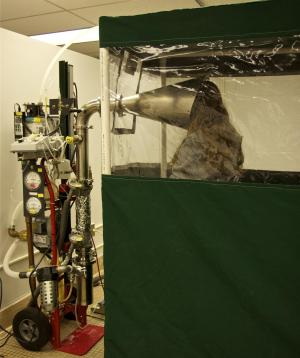

 The Pandora Report