Pandora Report 5.6.2016

May has arrived, summer is upon us, and we’ve got your weekly biodefense scoop..Thursday was Hand Hygiene Day – don’t forget that clean hands save lives! Check out these wonderful infographics on the impact of vaccines on battling infectious diseases in the 20th century. A recent study published in the Journal of the American Medical Association (JAMA) found that 30% of oral antibiotics prescribed in U.S. outpatient healthcare facilities (urgent cares, etc.) are unnecessary. Hocking a loogie may now be a diagnostic method as researchers have found that people have saliva fingerprints. The study revealed that this new analysis could lead to non-invasive methods of disease detection. Think you know your chem-bio weapons? Take a quiz to see if your knowledge is expert level or if you need a review from anthrax to Zika. 

Potential Anthrax Attack Foiled in Kenya 
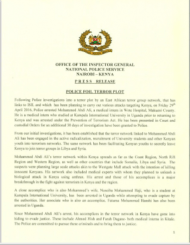
Screen Shot 2016-05-04 at 7.07.53 AM Kenyan police are claiming to have foiled a “large-scale” bioterrorism attack using anthrax. Three individuals associated with a terrorist group with links to ISIS were arrested. The terrorist group was not named but was noted to have a presence in Kenya, Somalia, Libya, and Syria. Police stated that “Mohammed Abdi Ali, a medical intern at a Kenyan hospital, was in charge of a ‘terror network… planning large-scale attacks akin to the Westgate Mall attack‘ in which 67 people were killed in 2013 in Kenya’s capital, Nairobi.” Mr. Ali is said to have a network that includes medical professionals who would have the tacit knowledge to develop anthrax bioweapons. The Kenyan police chief, Joseph Boinnet, posted the official documents on his Twitter. While there has been no additional information on the terrorist group or the details of their planned bioweapons attack, we’ll continue to keep you updated as more information is released.

Let Loose Your Inner Epi With EpiCore
Ramp up your epidemiology game with the EpiCore community. EpiCore is a joint effort from Skoll Global Threats Fund, HealthMap, ProMED, and TEPHINET. EpiCore is a virtual community that brings together epidemiologists using new surveillance methods. It’s “a new system that is finding and reporting outbreaks faster than traditional disease surveillance methods alone. EpiCore enables faster global outbreak detection and reporting by linking a worldwide member network of health experts through a secure online reporting platform.”

Whole Foods Salad Bar Attack
The FBI has recently arrested a man in Ann Arbor, Michigan, who poured a liquid onto items in the prepared foods bars. Reminiscent of the Rajneeshee attack in 1984, investigators are taking the situation very seriously. Authorities found that the man was spraying mouse poison in fresh foods at three Ann Arbor grocery stores. “According to the FBI, an investigation points to the man spraying a mixture of what is believed to be mouse poison, hand cleaner, and water on open food bars in three stores in the town over the last couple of weeks.” The FBI has also noted that the suspect had visited other grocery stores in recent months and they are currently investigating if those other stores were involved in the poisoning. Would you consider him a bioterrorist or prankster?

Is Texas A New Hot Zone?
Between Ebola and Zika, Texas hasn’t been able to catch a break from emerging infectious diseases (EID’s). The Center for  Strategic & International Studies (CSIS) discusses that the EID attraction to the Lone Star State really began back in 2003 with the first urban dengue fever epidemic in decades. Texas is also “now an epicenter of Chagas disease and leishmaniasis transmission in the United States (parasitic infections transmitted by kissing bugs and sandflies, respectively), as well as murine typhus (transmitted by fleas) and West Nile virus infection.” Many are wondering, why Texas? What makes Texas such a nexus for infectious diseases? CSIS points to several factors – poverty (large population + poverty rate around 16% = ranking one or two in terms of having the largest volume of people below the poverty line), urbanization (when combined with poverty, this rapid growth means the crowded poor neighborhoods are perfect for opportunistic disease), being a global commercial and migration hub (coastal gateway ports), and climate change. These four qualities have created the perfect blend for both emerging and neglected infectious disease presence in Texas. Fortunately, Texas has a strong emergency management system and heightened public health department investment and resources. While Ebola and Zika have surely reinforced preparedness practices in Texas, are they enough? You may remember in December, we recounted the Trust for America’s Health report on state specific preparedness for preventing, detecting, diagnosing, and responding to outbreaks. States were graded on a scale of 1-10 (10 being the best score). Interestingly, Texas was ranked right in the middle with a score of 5. Despite all their recent EID events, I’m surprised Texas is not ranked higher (Delaware, Kentucky, Maine, New York, and Virginia ranked highest with a score of 8). If Texas is the new epicenter of emerging and neglected infectious diseases, let’s hope their capabilities and capacity to respond to such diseases improves in the future.

Lessons Learned from TV/Movie Outbreaks
The CW recently began their new miniseries, Containment. While any show or movie on an outbreak instantly captures my interest, this one is particularly captivating for the same reasons as Outbreak – it’s so bad, it’s good. A recent ranking of the most plausible pathogen and zombie virus outbreaks in movies points to our affinity for outbreak movies with poor scientific backing. I’m a fan of watching these movies, and now Containment on Tuesday evenings, to see not just how wrong people can get outbreak response, but what they think the general public wants to see when it comes to a dramatic epidemic depiction. Did I mention the plethora of epidemiology/infection control faux pas? We’ve all watched a movie or show with a disease outbreak and picked out some ridiculous (and usually hilarious) blunders. The Pandora Report is now starting a list of ways the show demonstrates how NOT to stop/prevent an outbreak. We’re hoping to publish the list after the season ends and would love to include anything YOU find while watching it. Whether it’s the ridiculous infection prevention habits, over-the-top quarantine practices, or SWAT house calls, we want to know what you find while watching the show. Please email (spopesc2@gmu.edu) or tweet with #GMUBiodefense and we’ll incorporate them into our overall list.

Zika Updates
The WHO has released a one-year overview of the outbreak, pointing to the reasons why “an obscure disease became a global health emergency.” They emphasized the potential staying power of the virus and the challenges of diagnostic testing in the field. Many experts are predicting that once there is local transmission in the U.S., Zika virus will become endemic and a “constant low-level threat” requiring annual vaccination. The FDA has issued Emergency Use Authorization to approve the first commercial U.S. Zika virus test. “The Zika Virus RNA Qualitative Real-Time RT-PCR test from Focus Diagnostics, a Quest Diagnostics wholly-owned subsidiary, is a proprietary molecular test is intended for the qualitative detection of RNA from the Zika virus in human serum specimens.” Prior to this, all testing was done at specific laborites designated by the CDC and had limited availability to physicians. The availability of a rapid test will allow for more accurate and timely surveillance and diagnoses. Brazil has reported roughly 1,300 Zika-linked microcephaly cases.  Researchers are finding that mosquitoes infected with the bacterium, Wolbachia, may help stop the spread of Zika. “We are pretty sure that mosquitoes carrying Wolbachia will have a great impact on Zika transmission in the field,” said Luciano A. Moreira, a biologist at the Oswaldo Cruz Foundation in Belo Horizonte, Brazil, and the lead author of a new report on the researchers’ findings, published on Wednesday in the journal Cell Host & Microbe. There is also a growing concern about the potential impact the virus may have in the U.S. as researchers have found Zika in Asian tiger (Aedes albopictus) mosquitoes. This particular mosquito has a larger range within the U.S. and travels farther north. As of May 4, 2016, the CDC has reported 472 travel-associated cases in the U.S.

Stories You May Have Missed:

  • Ebola Survivor Household Contacts At Higher Risk – a recent study in Sierra Leone found that nearly half of household contacts of Ebola survivors contracted the illness. The risk of infection was correlated with level of exposure, but researchers also found that it varied by age. “The adjusted risk also varied by age: 43% for children under 2 years, 30% for those 5 to 14 years; 41% for those 15 to 19, 51% for adults 20 to 29 years, and more than 60% for adults over 30.”
  • Ebola Re-Emergence Involves Virus With Reduced Evolutionary Rate – A recent study found that the mutational rate has waned a bit in the Ebola virus that re-emerged in Liberia. Performing genomic comparisons of the virus in flare-ups, the research “team saw declining genetic divergence in the flare-up strains, perhaps due to diminished evolutionary rates in individuals with persistent infection. Still, the sequence data supported the notion that the flare-ups involved strains related to those in the main outbreak, ruling out re-introduction from a reservoir animal or transmission of distinct strains from active infections elsewhere”.
  • Chinese Espionage and Traded Nuclear Information –  a former Florida Power & Light manager is accused of trading nuclear information for cash to aid a Chinese nuclear power company. He was “recruited by Szuhsiung Ho, also known as Allen Ho, to help China General Nuclear Power Co. develop special nuclear material in China, according to the grand jury indictment.”


Enjoying your weekly dose of the Pandora Report? Sign up to receive it every week so the fun never ends! 

Week in DC: Events 5.2-5.6.2016

Monday, May 2nd, 2016
A Forgotten Conflict– Center for Strategic and International Studies
Time: 11am-12:30pm
Location: Center for Strategic and International Studies1616 Rhode Island Ave NW, Washington, DC 20036 (map)
Nagorno-Karabakh is the oldest of all post-Soviet conflicts, frozen and otherwise.  Unresolved, yet only sporadically violent for over twenty years, the ceasefire has mostly held—even without the sort of international peacekeeping presence often required to quiet wars like this one.  At the same time, the most recent outbreak of fighting a month ago underlines the fragility of the situation, and illustrates how tenuous any hopes of peace are. Leila Alieva will discuss the structural and instrumental factors that have kept this conflict unresolved and assess what has led to the most recent violence. She will also present her views of how Russia’s role in this conflict has developed and whether that evolution has made the prospects for peace better or worse. Finally, she will outline possible ways ahead towards a more resilient peace in the region. Dr. Leila Alieva is currently an Academic Visitor at St. Antony’s College at the University of Oxford. She is a prolific author on topics related to Caucasus and post-Soviet economic and security issues. She has been affiliated with Harvard University, University of California, Berkeley, The Kennan Institute, The National Endowment for Democracy, the NATO Defense College, and Uppsala University. In Azerbaijan, she was founder and chair of the Center for National and International Studies and directed an independent Center for Strategic and International Studies.

Political And Security Crises In Afghanistan: The Future Of The Unity Government Middle East Institute
Time: noon-1:30pm
Location: Carnegie Endowment- Choate Room1779 Massachusetts Ave NW Washington District of Columbia 20036 (map)
The Middle East Institute’s (MEI) Louis R. Hughes Lecture Series is pleased to host Ali JalaliMichael KugelmanOmar Samad, and Scott Smith for an examination of the political and security challenges facing Afghanistan’s government and how they are likely to play out over the next several months. Public confidence in Afghanistan has been shaken by deteriorating security, a stagnant economy, and factionalism. Many question if parliamentary elections can be organized on schedule, or be seen as legitimate if they happen. If milestones on the constitutional roadmap – electing a parliament, convening a Loya Jirga, establishing the office of prime minister – are not met, what consequences could follow? Can the government and army reverse Taliban gains and reduce the violence plaguing the country? And what more can the U.S. and international partners do to promote security and stability?

Tuesday, May 3rd, 2016
Environmental Security: A Crucible In The South China Sea East-West Center
Time: 12:30-2pm
Location: East-West Center1819 L St NW #600, Washington, DC 20036 (map)
Sixth Floor Conference RoomThe growing use of the ocean as a laboratory has global scientific, environmental, legal and policy implications. The panelists will explain relationships between marine scientific research and the marine environmental provisions of the United Nations Conventions on the Law of the Sea on the following panels: James Borton – “The Convergence of Science and Geopolitics in the South China Sea;” Dr. John McManus – ” Damage to the Coral Reefs of the Spratly Islands: Regional Consequences and a Peace Park Solution;” and Dr. Nong Hong – ” Environmental Security as a Driving Force of Cooperation in the South China Sea.” Continue reading “Week in DC: Events 5.2-5.6.2016”

Pandora Report 4.29.2016

TGIF- We’ve got your weekly dose of biodefense and much more in this edition of the Pandora Report! Kurdish Peshmerga soldiers are saying that recent ISIS attacks have involved chemical weapons. Heads up- you may want to avoid a spiced herbal tea commonly sold at CVS due to a potential contamination with Salmonella. Check out a new study on biodiversity in swine flu and the potential for spillover.  Monday, April 25, 2016 was World Malaria Day! Lastly, here’s a chuckle to help start your weekend.

2016 Survey on U.S. Role in Global Health
A recent survey of Americans performed by the Kaiser Family Foundation addressed the public perception, knowledge, and attitude regarding the role of the U.S. in global health. The survey addressed topics like American awareness of Zika virus and the health issues that are most urgently facing developing countries. The survey found that a “majority of the public wants the U.S. to take either the leading role or a major role in trying to solve international problems generally, as well as in improving health for people in developing countries specifically.” Interestingly, the importance of improving health for developing countries was not ranked as a top priority like protecting human rights, etc. “Seven in ten Americans believe that the current level of U.S. spending on health in developing countries is too little or about right, yet the public is somewhat skeptical about the ability of more spending to lead to progress, with more than half saying that spending more money will not lead to meaningful progress. Republicans and independents are more skeptical than Democrats, and these partisan differences have increased over time. Another notable trend is the decreasing visibility of U.S. efforts to improve health in developing countries; just over a third of the public says they have heard “a lot” or “some” about these efforts in the past 12 months, a decrease of 21 percentage points since 2010.” The survey also found that while Americans believe the U.S. should help women in Zika-affected countries, there was a divide regarding involvement in their family planning and preventative health measures.

GMU Biodefense Alum Awarded Mirzayan Science & Technology Fellowship
Congrats to GMU Biodefense alum, Dr. David Bolduc, on being named a Christine Mirzayan Science and Technology Policy Graduate Fellow! David graduated from GMU with a PhD in Biodefense in 2011 and doctoral work focused on the threats and mechanisms of chemical, biological, radiological and nuclear (CBRN) agents and CBRN proliferation issues such as treaties, histories and the managing of related mass casualty incidences. David is currently a Principal Investigator at the Armed Forces Radiobiology Research Institute. The Mirzayan Fellowship is a very prestigious award – as a program of the National Academies, it is designed to provide mentorship and professional development opportunities to early-career leaders in the field of science and technology policymaking.

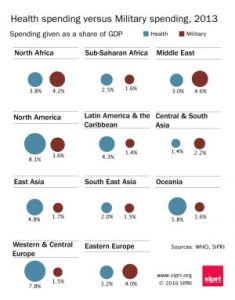
Global Health & Military Expenditure 2013_numbers_subregions_2
Last week we discussed the financing of global health versus military.  There was a recent publication by Sipri (Stockholm International Peace Research Institute) that looked at global military expenditure versus health expenditure (in 2015, it was $1676 billion or about 2.3% of the world’s Gross Domestic Product). They utilized the WHO’s recent estimates of government health expenditure as a share of GDP. They reviewed 2013 data and found that “governments worldwide spent just over two and a half times as much on health than on the military in 2013: 5.9% of global GDP went to public health spending, compared with 2.3% for the military.” Here’s the interesting part – it varied regionally. While the U.S. spends a lot on military, healthcare expenditure is still very high. Western and Central Europe spent 7.8% of their GDP on health and 1.5% on military. The Middle East spent 4.6% of their GDP on military versus 3.0% on health expenditures. The study also looks at reallocation of military spending and what that may translate to regarding the UN’s Sustainable Development Goals (SDGs). “Reallocating only around 10% of world military spending would thus be enough to achieve major progress on some key SDGs, supposing that such funds could be effectively channelled towards these goals and that major obstacles, such as corruption and conflict, could be overcome.”

Did Newcastle Disease Virus Sneak Out of the Lab?
Newcastle disease virus (NDV) is a highly infectious disease that impacts domestic poultry and other birds. Virulent NDV strains have been endemic in poultry throughout Asia, Africa, and some countries within South America. Current outbreaks continue to cause food safety and agricultural issue. In the 1940s, the first NDV panzootic occurred, specifically genotypes II, III, and IV. Other genotypes have continued to circulate and cause outbreaks. A recent study performed a complete genomic sequence of contemporary isolates from China, Egypt, and India. Researchers performed genetic analysis to distinguish historical isolates (the outbreak from the 1940s) from currently circulating genotypes (V, VI, VII, and XII through XVIII). Through their work, they found that isolates of genotypes II and IX (which are not normally circulating viruses in the environment) were found to be identical to the historical viruses that were isolated in the 1940s. “The low rates of change for these virulent viruses (7.05 × 10⁻⁵ and 2.05 × 10⁻⁵ per year, respectively) and the minimal genetic distances existing between these and historical viruses (0.3 to 1.2%) of the same genotypes indicate an unnatural origin.” The virulent strains isolated during the 1940s have been used in labs and research studies. Researchers noted that it is highly unlikely these viruses remained viable in the environment for over sixty years, which means its very possible (and scary…) that the source of these viral samples, taken from poultry and wild birds, may in fact be from a laboratory. So now we have to wonder…how did these specific virulent viral isolates find their way out of laboratories and into nature?

Is Open Science the Secret Weapon Against Zika and Future Pandemics?
Gene editing tools like CRISPR-Cas9 have the potential to combat diseases like HIV and malaria, but there’s also a potential dual-use for these technologies that is much more sinister. The price of laboratory equipment for some synthetic biology experiments is dwindling and many are becoming concerned about potential for misuse. Should science be left open and researchers ultimately allowed to make the call about potential dual-use or should scientific work/publications be regulated to avoid publications of research that could be used to build a biological weapon? Some are saying that the best way to combat global issues is through global cooperation and communication and thus, open-source information. Should Zika be the first in the test subjects of open science and its application in the global health security toolbox? Many have argued that if a research project is receiving public funding, it should be open sourced (including the data). Would this have helped the Ebola outbreak? “When Ebola was raging through West Africa in the summer of 2014, a group at the Broad Institute in Cambridge, Mass. published open repository sequence data for 99 Ebola genomes taken from patients in Sierra Leone’s Kenema government hospital. This open sourcing of critical scientific data was the second instance in the outbreak. A team of international researchers had initially published three genomes from patients in Guinea in April. For the next three months, no more genomic data was released to the public data repositories that had become the go-to source for scientists studying Ebola. The silence puzzled many prominent scientists. A formidable array of genomic sequencing technology was aimed squarely at the virus. Yet the data was not shared.” Since this outbreak, many have pushed more for open science, especially in the wake of a global outbreak like Zika.

The Other Side of the Spectrum – How Genetic Editing Became a National Security Threat
You may recall in February, Director of National Intelligence, James R. Clapper, stated in his World Wide Threat Assessment testimony that gene editing had become a global danger and should be considered a weapon of mass destruction. The history of genetic research has seen a burst of developments since the discovery of the double helix in 1953. CRISPR-Cas9 is the newest in the genetic engineering arsenal…and at at a fraction of the historical price. If it were only so simple as to do away with malaria by genetically modifying mosquitoes to avoid carrying the parasite. Alas, the realities are a bit darker. The truth is that genome editing of wildlife can alter entire ecosystems, not to mention the risk for accidents and negligence, which is a very real possibility. Those concerns aren’t even touching on the frightening potential for biological weapons. “Gene editing techniques could produce forms of diseases that barely resemble their naturally occurring counterparts. Such engineered pathogens could sicken or even kill hundreds of thousands of people. Armed with the proper genetic sequences, states or bioterrorists could employ genome editing to create highly virulent pathogens for use in such attacks. They could, for example, change a less dangerous, non-pathogenic strain of anthrax into a highly virulent form by altering the genome, or recreate pathogens such as the deadly smallpox virus, which was eradicated in the wild in 1980. Or they could develop specific weapons that target either individuals or even entire races: With the right manipulations, a pathogen could be made to have greater invasiveness or virulence in a target population.” So where do we go from here? With no governance of do-it-yourself facilitates, no training for the at-home gene editing experimenters, and endless debate about the dangers of gain-of-function research, what is being done? Many are saying UN Resolution 1540 should be strengthened to consider this technology and the Dual-Use Research of Concern (DURC) policy shouldn’t just apply to research funded by the government, but also small labs and individuals. With the notion of open science and DURC still up for debate, the stakes will only get higher as global outbreaks, like Zika, continue to burn through countries.

Why We Should Be Afraid of Yellow Fever
Angola is getting hit hard by yellow fever and the vaccine shortages only amplified the outbreak. With all eyes on Zika and a century since Rio saw its last case of yellow fever, where’s the link? Global supplies of yellow fever vaccines are pretty much depleted and BioManguinhos/FioCruz in Rio (one of four…yes four… yellow fever vaccine producers in the world) is having production problems. All available vaccines are being rushed to Angola and cases are spilling over into the DRC, Mauritania, and Kenya. Here’s more – “What most people don’t know is that there are a lot of Angolans coming every year to Brazil, and the more who arrive here unvaccinated, but have been exposed to yellow fever in Africa and may be carrying the virus, the greater the risk that they will infect Rio mosquitoes, allowing them to transmit yellow fever to residents and tourists.” Brazil is already waging a massive war against Zika. Add in yellow fever and it’ll be like adding a gallon of gasoline to a house fire. Mosquito control is imperative and now we’re paying the costs of historically lackadaisical efforts.

Zika Updates
The WHO announced that the number of Zika virus cases is dropping in Brazil. A recent study reports that dengue virus antibodies enhance Zika virus infection. Researchers suggest that pre-existing dengue immunity will enhance a Zika infection in vivo and can increase the severity of disease. Many are calling for more research to be done regarding the relationships between Zika and dengue infections. You can also find a timeline of Zika virus here. There are growing concerns regarding blood donations as Zika spreads internationally. The Canadian Blood service noted that new rules to protect against Zika transmission are putting stress on the blood supply. A new study looks at the impact of Zika and the challenges we many face due to the increasing frequency of viral outbreaks. As of April 27, 2016, there were 426 travel-associated cases in the U.S.

Rewiring Outbreak Preparedness and Response
Let’s take more of a deep-dive into why we should apply U.S. biodefense practices to managing and preparing for outbreaks. Hoyt and Hatchett emphasized why we should learn from American biodefense strategies to better fight infectious disease outbreak. “SARS was responsible for 800 deaths but cost $40 billion globally and Ebola has cost West African economies $6 billion plus an additional $4.3 billion in international contributions. Now, consider the cost of developing a vaccine. Hoyt and Hatchett point out that at the most expensive point, it can cost $1.8 billion to develop a vaccine (others argue that is it much closer to $500 million).”

Stories You May Have Missed:

  • Neurological Problems in Ebola Survivors – a recent NIH study found that nearly all Liberian Ebola survivors reported neurological symptoms following their recovery. Symptoms were noted to have persisted for over a year, including headaches, difficulty walking, overall muscle weakness, loss of memory, and depression. Hallucinations during treatment in Ebola treatment units was prevalent in 25% of patients, with 4% having persistent hallucinations at follow up.
  • Ebola in America: Epidemic of Fear – The Center for Strategic & International Studies has put together a video on the fear and U.S. response to Ebola cases in the U.S. and in West Africa. The video discusses stigma and how Ebola was experienced in the Fall of 2014.
  • Biodefense World Summit – The 2016 event will be hosted in Baltimore, MD on June 27-30, 2016. The Knowledge Foundation’s Second Annual Biodefense World Summit brings together leaders from government, academia, and industry for compelling discussions and comprehensive coverage on pathogen detection, sample prep technologies, point-of-care, and biosurveillance. Across the four-track event, attendees can expect exceptional networking opportunities in the exhibit hall, across panel discussions, and shared case studies with members of the biodefense community from technology providers to policy makers


Week in DC: Events: 4.25-29.2016

Monday, April 25th, 2016
Defeating Jihad: The Winnable WarHeritage Foundation
Time: noon-1pm
Location: Heritage Foundation214 Massachusetts Ave NE, Washington, D.C. 20002(map)
Since September 11, 2001, America has been at war. And that’s about all anyone can say with certainty about a conflict that has cost 7,000 American lives and almost $2 trillion. As long as the most basic strategic questions – Who is the enemy? Why are we fighting? – remain unanswered, victory is impossible. In Defeating Jihad, Dr. Sebastian Gorka argues that this war is eminently winnable if we remove our ideological blinders and apply basic strategic principles. That means accurately naming the enemy, understanding his plan, and drawing up a strategy to defeat him. Our enemy is not “terror” or “violent extremism.” Our enemy is the global jihadi movement, a modern totalitarian ideology rooted in the doctrines and martial history of Islam. America has defeated totalitarian enemies before. Dr. Gorka examines how a toxic political agenda has corrupted our national security practices, precluding the kind of clear-eyed threat analysis and strategic response that led to victory in the Cold War. Taking his cue from the formerly top- secret analyses that shaped the U.S. response to the communist threat, he provides a profile of the mind and motivation of the jihadi movement and a plan to defeat it. Sebastian Gorka, Ph.D., an internationally recognized authority on strategy, counterterrorism, and national security, holds the Major General Matthew C. Horner Distinguished Chair of Military Theory at the Marine Corps University. He is a regular lecturer for the U.S. Special Operations Command, the FBI’s Counterterrorism Division, and the Green Berets, and has briefed the CIA, the Defense Intelligence Agency, and the National Intelligence Council. Dr. Gorka is the Chairman of the Threat Knowledge Group and a recipient of the Joint Civilian Service Commendation, awarded by U.S. Special Operations Command.

The Security Situation In Ethiopia And How It Relates To The Broader Region– Brookings Institution
Time: 10-11:30am
Location: Brookings Institution1775 Massachusetts Ave, NW, Washington, D.C. 20036(map)
As Africa’s oldest independent country, Ethiopia has a history that is unique in the continent. The country has faced its share of conflict, including a protracted civil war from 1974 through 1991. A land-locked location in Eastern Africa, the country has also been witness to climate catastrophes, — including the drought that killed a half a million people in the 1980s and the threat of a new drought today. Despite being one of Africa’s poorest countries, Ethiopia has experienced significant economic growth since the end of the civil war, and a majority of its population is literate. In addition, Ethiopia is a crucial U.S. security partner, particularly when it comes to counterterrorism, in a region plagued by threats. On April 25, the Africa Security Initiative at Brookings will host a discussion examining the security situation in Ethiopia, in broader political, economic, and regional context. Panelists will include Abye Assefa of St. Lawrence University and Terrence Lyons of George Mason University. Michael O’Hanlon, co-director of the Center for 21st Century Security and Intelligence, will moderate.Following discussion, the panelists will take audience questions.

Tuesday, April 26th, 2016
Humans Versus Thinking Machines In National Security Processes– The Center for Security Studies
Time: noon-2pm
Location: Georgetown University3700 O St NW, Washington, DC 20057, United States(map)
Intercultural Center Executive Conference Room (7th Floor)
This panel of experts in security, policy, and technology will explore the age old debate of “humans vs machines” as it relates to mational security and foreign policy decision-making processes.
The fields of national security and intelligence have periodically experienced cycles of investment in personnel and in technology. Today, major advancements in autonomous systems, artificial intelligence, cognitive computing, remote sensors, cyber capabilities, and an ever-increasing volume of big data create new opportunities for technological innovation for intelligence collection and analysis. Do these technologies also reduce the importance of, or demand for, humans in analytical, defense, and policy roles?

Pandemics In A Changing Climate: Evolving Risk And The Global Response– Johns Hopkins School of Advanced International Studies
Time: 5:30-7:30pm
Location: Johns Hopkins SAIS1740 Massachusetts Ave NW Washington, DC 20036(map)
Room: Kenney-Herter Auditorium – The Nitze Building
Ebola, Zika and MERS are among the most recent outbreaks that have demonstrated insufficient global capacity to predict and respond to large-scale public health emergencies. Meanwhile, climate change effects reduce returns to outbreak preparedness by increasing the unpredictability of an outbreak’s location, type, and severity. At this timely event, the Johns Hopkins SAIS Energy, Resources, and Environment / Swiss Re practicum team will present their preliminary research findings on pandemic risk in a changing climate, followed by an expert panel discussion on how innovative financial response mechanisms can be leveraged to more effectively mitigate evolving global threats.

Continue reading “Week in DC: Events: 4.25-29.2016”

Pandora Report 4.22.2016

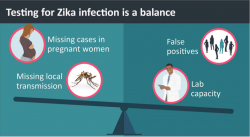
Happy Friday from your friends at GMU Biodefense! We’ve got some great updates in your weekly dose of global health security. First, check out this wonderful infographic on the hurdles ahead for Zika virus response. France, Myanmar, and Taiwan have all recently reported avian influenza outbreaks. Good news- researchers have found that a new technique of low-energy nuclear reaction imaging is able to detect concealed nuclear materials (weapons-grade uranium and plutonium).

Findings of Investigations into 2014 NIH Smallpox Discovery
Following the recent GAO report on security of U.S. bioresearch labs, the House Energy and Commerce Subcommittee on Oversight and Investigations released its own memo ahead of the hearing on Wednesday, April 20, 2016 (you can watch it here). The hearing addressed the investigations that surrounded the finding of potentially live smallpox in cardboard boxes in cold storage rooms within the NIH.  Some of the issues that were identified and discussed were: failure to account for regulated select agents, failure to conduct comprehensive inventory of all select agent material, and failure to restrict unauthorized access to select agents. “There’s a problem when the government somehow loses track of smallpox and other deadly agents, only to have them turn up in a soggy cardboard box. What’s worse, the urgency that should accompany such a discovery has failed to spur absolutely necessary changes,” said full committee Chairman Fred Upton (R-MI) and Oversight and Investigations Subcommittee Chairman Tim Murphy (R-PA). “Today serves as an important opportunity to ask some of the agencies in question about their next steps to ensure safety for those working in the labs, as well as the general public.”

Re-Wiring the Funding of Pandemic Response 
Jeremy Farrar, head of biomedical research charity, the Wellcome Trust, believes that governments should invest in fighting and defending against pandemics the same way they invest in the military. “We spend gazillions to defend ourselves from military attacks, but from the beginning of the twentieth century far more people have died from infection. We are hugely vulnerable from a public health perspective,”. He emphasizes that public health funding shouldn’t be left to private companies, as they will ultimately make decisions based upon commercial return. Globalization means that a disease can jump from one country to the next through a single flight and we need to be able to respond just as quickly. “We’ve had Ebola for the last two to three years, now Zika. Since 1998 I’ve been involved in about eight major epidemics including SARS and bird flu. This is the new world. These are not rare events,”. If nothing else, it’s important to consider the economics of an outbreak. The financial cost of an epidemic is staggering – cited at $60 billion annually. He notes that now is the time to share information and work towards quicker vaccine and diagnostic interventions.

Neglected Dimensions of Global Security
Researchers are discussing the Global Health Risk Framework Commission’s strategy to defend human and economic security from pandemic threats. Global health threats, like that of SARS and Ebola, have forced leaders to consider not just response, but also preparedness. “In each case, governments and international organizations seemed unable to react quickly and decisively. Health crises have unmasked critical vulnerabilities—weak health systems, failures of leadership, and political overreaction and underreaction.” Global coordination in the event of a health crisis is extremely challenging, as we saw with Ebola, and these authors are pointing to the need for “international norms and well-functioning institutions”. The recommendations also include public accountability for timely reporting and multilateral financing for pandemic preparedness and response resources.

GMU Biodefense Students Earn Prestigious Fellowship
We’re excited to provide an official announcement and interview with GMU Biodefense students, Fracisco Cruz and Siddha Hover, regarding their acceptance into the Emerging Leaders in Biosecurity (ELBI) Fellowship. Francisco earned his MS in 2015 and Siddha is a current PhD student in GMU’s Biodefense program. Check out their comments on both the ELBI Fellowship and their experiences within GMU’s Biodefense graduate programs. “For two George Mason Biodefense students to be selected for this prestigious fellowship is a great recognition of the contribution that our students and alums are already making to biodefense and global health security and the potential they have to play even stronger roles in the future,” said Associate Professor Gregory D. Koblentz, director of the Biodefense program in Mason’s School of Policy, Government, and International Affairs.

Federal Research Database on Genomic Data 
The new GenPort database will allow researchers to access enormous amounts of genomic data from research studies. The benefit of the new system is that it will allow people to review several studies at the same time and track individuals within different trials, creating “synthetic cohorts”. “The Health and Human Services Department is currently looking for small businesses who can help build that hub, so even researchers without informatics or genomics training can make ‘practical use’ of data from cohort studies other scientists have already conducted.” The plan is for GenPort to be open source, transportable, and freely shared via a cloud. Let’s just hope genomic data from certain deadly pathogens doesn’t make its way onto the cloud!

Drug-Resistant Gonorrhea Sparks Concern
While Zika virus and Ebola are quick to grab the headlines, there is another global health security threat we should be worried about. Antibiotic resistance may not have the hype that emerging infectious disease outbreaks do, but the realities of a world without effective antibiotics are pretty terrifying. Consider the re-emergence of diseases we had long eradicated and now have no effective treatment methods. With the rising incidence of multi-drug resistant organisms, the threat of a drug-resistant sexually transmitted infection is pretty terrifying. Public health officials in England are urging the public to practice safe sex with the growing rates of Azithromycin-resistant gonorrhea. Cases initially started in November 2014 however, they have been increasing. The CDC has also issued information about the threats of antibiotic-resistant gonorrhea.

The Fight Against Zika VirusScreen Shot 2016-04-19 at 8.59.38 AM
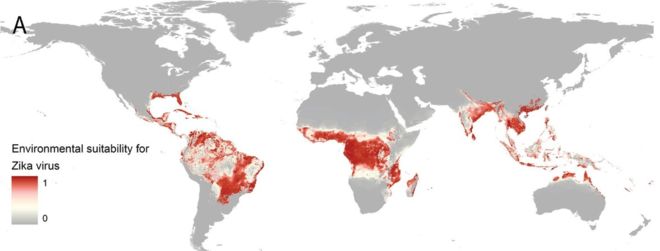
Where are we with Zika? What does the future hold for this ever-changing  outbreak? Some are saying that it is a delayed epidemic. The long-term effects of the disease means we’re all trailing behind it. The lack of a vaccine or commercially available test makes it even more challenging. “Human Zika virus infection appears to have changed in character while expanding its geographical range,” the WHO paper concludes. “The change is from an endemic, mosquito-borne infection causing mild illness across equatorial Africa and Asia, to an infection causing, from 2007 onwards, large outbreaks, and from 2013 onwards, outbreaks linked with neurological disorders.” With Zika, it seems like we’re constantly rushing to catch up. Shifting U.S. funds from Ebola to Zika is just another example of the reactive approach public health tends to take. Why are we constantly rushing from fire to fire? The recent cuts to public health funding are also being highlighted since the Zika outbreak began. Many are pointing to the inability to truly prepare or respond with limited public health resources. In the mean time, many cities, like New Orleans, are organizing preparedness plans as the rainy season approaches. There are also concerns regarding the growing threat of Zika as new maps reveal 2.2 billion people reside in “at risk” areas. The Senate may also be closer to an agreement regarding emergency funding for Zika virus response. 

Americans Want More Biosecurity Preparedness Investment
A survey performed by the Alliance for Biosecurity, the Blue Ribbon Study Panel on Biodefense and Trust for America’s Health, looked at the general public’s perception of preparedness and where they think we should be. Findings noted that eight out of ten Americans are concerned about naturally-occurring diseases like Ebola and Zika, and nine out of ten are concerned about the use of chemical or biological weapons by terrorists against the U.S. The survey found that only half of Americans have confidence that the U.S. government is prepared to address the next biosecurity threat. The survey also found that 88% of Americans support increasing the budget for preventative measures for biological threats.

Stories You May Have Missed:

  • Health Security Special Issue on Climate Change – Check out the special edition of Health Security that includes articles on adapting to health impacts of climate change and the potential for Zika and microcephaly epidemics in post-Ebola West Africa. 
  • Science Perfects the Art of Hand-Sanitizing Techniques – infection prevention researchers at Glasgow Caledonian University recently released a report on the most effective way to use alcohol-based hand sanitizer. Reviewing bacterial count, they published in hopes of reducing the spread of disease in healthcare through better hand hygiene.
  • MERS Contamination – MERS-CoV has caused considerable concern regarding transmission in healthcare settings since the large 2015 outbreak in South Korea. Researchers have found that MERS-CoV contamination occurred in the air and surrounding environment within the MERS outbreak units. MERS-CoV was found in 4/7 air samples from two patient rooms, one patient’s restroom, and one common corridor. “In addition, MERS-CoV was detected in 15 of 68 surface swabs by viral cultures. IFA on the cultures of the air and swab samples revealed the presence of MERS-CoV. EM images also revealed intact particles of MERS-CoV in viral cultures of the air and swab samples.”
  • California Salmonella Outbreak– California continues to investigate a five-month long Salmonella outbreak. Public health officials are considering a Mexican-style soft cheese and are currently testing samples from a woman’s home. These specific samples are being considered as the woman imported cheese from Mexico (via family members) and was selling it online.

Week in DC: Events 4.18-22.2016

Monday, April 18th, 2016
Security In Asia: The UK’s Approach– Center for Strategic and International Studies
Time: 2:30-3:15pm
Location: Center for Strategic and International Studies1616 Rhode Island Ave NW, Washington, DC 20036(map)
CSIS will host the United Kingdom’s Minister of State the Rt Hon Hugo Swire MP for a speech on strategic security issues and the UK’s all-of-Asia approach. From the Korean peninsula to Southeast Asia, the UK has made significant diplomatic and security investments in the region as part of its all-of-Asia approach. For example, as the only western P5 member with an embassy in Pyongyang, the UK brings unique insight to international security efforts to counter the North Korean nuclear threat. Minister Swire will outline the UK’s role as a security actor in the region and the ways in which transatlantic dialogue and cooperation on Asia can ensure a more secure and prosperous world. Appointed September 2012, Minister Swire is responsible for UK policy toward Asia, the Pacific and the Americas, as well as public and commercial diplomacy.  This event is made possible by general support to CSIS.

Tuesday, April 19th, 2016
How To Face Global Security Challenges In A Connected World?—US And Japanese Perspectives- The Stimson Center
Time: 2-4pm
Location: Stimson Center1211 Connecticut Ave NW, 8th floor, Washington, DC 20036 (map)
RSVP HERE The 9-11 terrorist attack in 2001 was a rude awakening to the entire world that the nature of the global security challenges are fundamentally shifting.  Now, in a world that has become increasingly interconnected, developments in one region has a rippling effect in other parts of the world.  In today’s world, we see security challenges on multiple fronts—quagmire in the Middle East, Russia’s adventurism in Europe, and an emergence of China that may potentially challenge the existing order and norms that have kept peace in the Asia-Pacific region for the last several decades.  How should the US and Japan respond to such challenges in an increasingly inter-connected world?

Private Sector Solutions For The Worldwide Refugee Crisis- Niskanen Center
Time: 12pm
Location: Dirksen Senate BuildingFirst St NE, Washington, DC 20002 (map)
Room: 562
The world is facing the largest refugee crisis since World War II. The United States government has promised to increase refugee resettlement but so far has not delivered. One innovative solution would allow private individuals to fund or sponsor refugees for admission. The United States has a long history of private refugee resettlement that should act as inspiration for new private sector-driven refugee admissions. Come join us for a discussion on privately funded refugee resettlement and possible designs for such a program with a panel of refugee scholars. Continue reading “Week in DC: Events 4.18-22.2016”

Pandora Report 4.15.2016

It’s been a big week in the world of biodefense – today is International Biomedical Laboratory Science Day! Biomedical Laboratory Scientists work hard to ensure procedures and patient care happens in a safe environment and that patient safety comes first! April 10th marked the anniversary of the Biological Weapons Convention opening for signature in London, Moscow, and Washington in 1972. The U.S. Geological Society also just released evidence that Alaska remains a “hot spot” for avian influenza to enter North America.

GMU Participation in UNSCR 1540 Civil Society Forum
IMG_3260This week our GMU Biodefense Professor and Graduate Program Director, Dr. Koblentz, participated in the UN’s 1540 Civil Society Forum – A Dialogue with Academia and Civil Society. Dr. Koblentz presented a paper on the role of academia in implementing and strengthening Resolution 1540, as well as moderating a panel regarding academic outreach. Resolution 1540 (2004) “imposes binding obligations on all States to adopt legislation to prevent the proliferation of nuclear, chemical and biological weapons, and their means of delivery, and  establish appropriate domestic controls over related materials to prevent their illicit trafficking. It also encourages enhanced international cooperation on such efforts.” Dr. Koblentz’s  work with the UNSCR 1540 Civil Society Forum addresses the evolution of WMD proliferation threats related to non-state actors, 1540 obligations that pertain to the academic community, and the importance of academia in these efforts. The forum also focussed on how to enhance review and analysis of 1540 implementation via communication between civil society, national governments, and the 1540 Committee.

Written Testimony for April 14 Senate Committee on Homeland Security & Governmental Affairs Hearing – “The Federal Perspective on the State of Our Nation’s Biodefense”
You can now catch up on the written testimony from this hearing on biodefense within the U.S. Pointing to the evolution of threats to include more emerging infectious diseases and the role of DHS in biodefense, this overview gives insight into the current biodefense situation within the U.S. The hearing addressed the National Biosurveillance Integration Center (NBIC), BioWatch Program, Public Health Emergency Medical Countermeasures Enterprise, and state and local responder engagement. “In the wake of these growing threats, the Department of Homeland Security (DHS) remains fully engaged and proactive in attempting to characterize the threat, providing warning of emerging and imminent threats, and coordinating whole of government response. During the most recent Ebola Virus Disease outbreak in West Africa, DHS provided intelligence analysis to the interagency, state and local governments, and first responders, and it directed research to better characterize the threat and fill gaps in public health and operational responses.” You can read the testimony before the Committee on Homeland Security and Governmental Affairs, “The Nation Faces Multiple Challenges Building and Maintaining Biodefense and Biosurveillance” here.

Preparing for the Next Zika
Kendall Hoyt and Richard Hatchett are tackling the struggle of U.S. preparedness efforts for future infectious disease outbreaks. “The development of new biomedical countermeasures—vaccines, therapies and diagnostic—requires the coordination of a wide number of institutional and industry actors to succeed. We argue here that international efforts to develop countermeasures for emerging infectious diseases should build on lessons learned from US programs to develop closely related biodefense products.” While the WHO declaration of Zika virus as a public health emergency has pushed for the rapid development of a vaccine, Hoyt and Hatchett highlight the empirical delay that comes with vaccine development. Overall, they emphasize that lessons from the U.S. biodefense program should inform international efforts to build and strengthen medical countermeasures for emerging infectious diseases. If you enjoyed their article, you can also hear from the experts, in person, at GMU’s Pandemics, Bioterrorism, and Global Health Security summer program. Dr. Hoyt will be one of the instructors for our professional education course this summer (information will be made available shortly), so don’t miss out on getting to chat with experts in the field about all things biodefense.

GMU SPGIA PhD Information Session
Considering a PhD? Check out GMU’S School of Policy, Government, and International Affairs PhD Informational Session on Thursday, April 21, 7-8:30pm at our Arlington Campus, Founders Hall, Room 126. Dr. Koblentz will be discussing the Biodefense program and available to answer questions!

Lab Safety Tracking Website – Improving Select Agent Lab Oversight
In response to ongoing scrutiny and biosafety failures, federal regulators have launched a new website that will allow them to track their progress “improving oversight of safety and security at facilities working with bioterror pathogens such as anthrax and Ebola.” While still a work in progress, many are pointing to this site being a step in the right direction towards transparency. The CDC released their Federal Select Agent Program (FSAP) report card to look more closely at biosafety and security issues surrounding this work. Unfortunately, some note that the report card still fails to meet the requested details on labs violations and incidents at specific labs. The increased scrutiny and attention to lab safety failures has brought attention from the White House, initiating a push for more transparency regarding the research and incidents in labs working with bioterror agents.

HIV Fights Off CRISPR
Just when you thought CRISPR-Cas9 could do just about anything, HIV brings its A-game. Since its creation, many researchers have attempted to use CRISPR to combat HIV. Unfortunately, the virus has been skilled at fending off these efforts. “The very act of editing—involving snipping at the virus’s genome—may introduce mutations that help it to resist attack.” There are a handful of strategies for using CRISPR gene editing technologies against HIV – editing the T helper cells to avoid the virus from getting in or aiding the T cells with the capabilities to seek out and destroy any HIV that infects them. “When HIV infects a T cell, its genome is inserted into the cell’s DNA and hijacks its DNA-replicating machinery to churn out more copies of the virus. But a T cell equipped with a DNA-shearing enzyme called Cas9, together with customized pieces of RNA that guide the enzyme to a particular sequence in the HIV genome, could find, cut and cripple the invader’s genome.” Sounds like a good plan, right? Unfortunately, a team from McGill University found that the newly equipped T cells were, within two weeks, churning out virus particle copies that had avoided the CRISPR attack. The team performed DNA sequencing to get a closer look at what exactly what going on – they found that the virus had actually “developed mutations near the sequence that the CRISPR-Cas9 enzyme that been programmed to cut.” The team believes that it’s not actually the copying error-caused mutations that helped beat CRISPR, but rather that things went wrong when Cas9 cut the viral DNA. A team at the University of Amsterdam experienced similar results and both groups agree that this problem can be overcome and there is still a possibility for a CRISPR-Cas9-based HIV treatment.

All Things Zika
On 4/13, the CDC formally concluded that Zika virus causes microcephaly and other birth defects. Zika virus may now also be tied to another brain disease. The American Academy of Neurology published a report regarding a study that was released on April 10th, in which “Zika virus may be associated with an autoimmune disorder that attacks the brain’s myelin similar to multiple sclerosis”. While it’s a small study, these findings point to the neurological effects Zika virus is capable of causing and the need for further research. Experts are warning governments in Latin American to “fill a shortfall of investment to prevent further human tragedies” despite economists denying that there will be major impact from the virus. These experts are pointing to the already weakened economies that are plagued with “chronic underinvestment in water and sanitation”, which can aid in the spread of such diseases. On Monday, April 11th, the White House said that the released funds for Zika virus won’t be enough to combat the growing threat. Dr. Fauci of the National Institute of Allergy and Infectious Diseases highlighted that the more information that is gathered on Zika virus, the more worrisome it becomes. “One big problem, Fauci said, is that pharmaceutical companies could be reluctant to work with the federal government if they don’t have confidence that there will be a stable source of money.” A recent study published in PLOS Neglected Tropical Diseases, suggests that the virus may have been brought to Latin America via the 6th World Sprint Championship Canoe Race in August 2014.  USAID has put out a call for problem solvers to share groundbreaking ideas to help combat Zika virus. The Combating Zika and Future Threats Grand Challenge will invest up to $30 million in solutions. As of April 13th, the CDC has reported 358 travel-associated and 7 sexually transmitted cases of Zika in the U.S. You can also get the full WHO Zika situation report here.

Predicting and Evaluating the Epidemic Trend of Ebola in the 2014/2015 Outbreak and the Effects of Intervention Measures Screen Shot 2016-04-11 at 9.41.51 AM
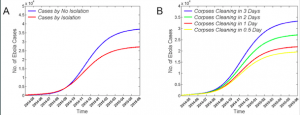
Researchers developed several transmission models for Ebola to predict epidemic trends and evaluate just how efficient and effective the intervention methods were following the 2014 outbreak. Accounting for effective vaccination rates, a basic reproductive number as an intermediate variable, and fluctuations of diseases transmission based on a SIR model, this study evaluates the effects of control and prevention measures. “Measures that reduced the spread of EVD included: early diagnosis, treatment in isolation, isolating/monitoring close contacts, timely corpse removal, post-recovery condom use, and preventing or quarantining imported cases. EVD may re-emerge within two decades without control and prevention measures.”

Stories You May Have Missed:

  • National Science Advisory Board for Biosecurity (NSAAB) Meeting – Don’t miss out on the NSAAB meeting on May 24, 2016! Agenda items include: (1) Finalization of NSABB findings and recommendations on a conceptual approach to evaluating proposed gain-of-function (GOF) studies; (2) discussion of next steps for U.S. government policy development regarding GOF studies; and (3) other business of the Board. The meeting will also be webcast here at the time of the event!
  • BMBL Virtual Town Hall and Workshop – The National Academies of Science, Engineering, and Medicine presents an opportunity for stakeholders to provide input for a revision of “Biosafety in Microbiological and Biomedical Laboratories”. This is a virtual town hall that is open for comments from April 4-May 13th. There will also be a workshop on May 12th in Washington, DC that you can register for here.
  • DARPA INTERCEPT Program for Biodefense Countermeasures – The Defense Advanced Research Project Agency (DARPA)’s Biological Technologies Office (BTO) is hosting a Proposers Day for the INTERfering and Co-Evolving Prevention and Therapy (INTERCEPT) program. “The goal of the INTERCEPT program is to explore and develop a new therapeutic platform to outpace fast-evolving viral pathogens, based upon virus-based therapeutic particles that interfere with viral infection and co-evolve with viral targets.”
  • Angola Yellow Fever Outbreak – The WHO has reported that as of April 10th, there have been 1,751 suspected cases and 242 deaths associated with the yellow fever outbreak. 582 of the cases were laboratory confirmed, of which 406 were from the Luanda province.

Enjoying your weekly dose of the Pandora Report? Sign up to receive it every week so the fun never ends! 
Week in DC: Events 4.11-15.2016

Monday, April 11th, 2016
Russian Foreign Policy In The Putin Era– Foreign Policy Research Institute
Time: 9:30am
Location: International House Philadelphia3701 Chestnut St, Philadelphia, PA 19104, United States (map)
This year’s Penn Slavic Symposium is a public event bringing together leading policy scholars on Russian foreign policy for a day-long discussion of key issues and challenges. Please register here for lunch by April 6 or bring your own.

The Future Of Kurdistan In Iraq– Johns Hopkins School of Advanced International Studies
Time: 2pm
Location: Johns Hopkins SAIS – Bernstein-Offit Building1717 Massachusetts Ave., N.W., Washington, D.C. (map)
A discussion with the Minister of Foreign Relations of the Kurdistan Regional Government Opening remarks and introduction: Sasha Toperich, Senior Fellow and Director of the Mediterranean Basin Initiative at the Center for Transatlantic Relations, SAIS Keynote Address: Falah Mustafa, Minister of Foreign Relations, Kurdistan Regional Government Commentator: Daniel Serwer, Professor and Director, Conflict Management Program, and Senior Fellow, Center for Transatlantic Relations, SAIS Moderator: Rebeen Pasha, WYLN Senior Fellow, Mediterranean Basin Initiative at the Center for Transatlantic Relations SAIS, and co-founder and President, American Friends of Kurdistan For More Information and to RSVP

Tuesday, April 12th, 2016
The US Navy & Cutting Edge Energy Innovation In The Defense Sector– Atlantic Council
Time: 9-10:30am
Location: Atlantic Council1030 15th Street NW, 12th Floor (West Tower Elevator) Washington, DC (map)
Please join the Atlantic Council and The Fuse on Tuesday, April 12 from 9:00 am – 10:30 am for a panel discussion on energy technology and innovation in the US defense sector. The demand for energy security and evolving geopolitical risks have already impacted the strategic approach of defense institutions, which are actively developing technology and policy alternatives to respond to these challenges. By integrating expertise in both security and energy issues, institutions such as the United States Navy provide a critical perspective in efforts to secure a reliable and sustainable energy supply. Continue reading “Week in DC: Events 4.11-15.2016”

Pandora Report: 4.8.2016

Happy National Public Health Week! The American Public Health Association is celebrating the importance of public health partnerships with a full week dedicated to increasing awareness and participation. Enjoy some vaccine history by taking a trip down memory lane with this great infographic. Before we get started, researchers have found a possible pathway for the emergence of zoonotic malaria.

GMU Master’s and PhD Open Houses!
Whether you’re looking to get a Master’s Degree (we have both online or in-person programs!) or a PhD in Biodefense, we’ve got you covered. Come check out the GMU’s School of Policy, Government, and International Affairs (SPGIA) open houses. The Master’s Open House is on Thursday, April 14, 2016 at 6:30pm in our Arlington Campus, Founders Hall, room 126. GMU Biodefense professor and graduate program director, Dr. Koblentz, will be there to answer questions and then lead a biodefense break-out (or should I say outbreak?) session afterwards. If you can’t attend in person, we’re offering the biodefense info session virtually around 7pm (give or take a few minutes) that night. The PhD informational session will be Thursday, April 21, 7-8pm in our Arlington Campus, Founders Hall, room 126. 

MSF Ebola Research
Medecins Sans Frontières (MSF) has released their report on the research they undertook throughout the Ebola outbreak in 2014. MSF was perhaps the strongest and most well coordinated response team on the ground during this outbreak. While their work heavily focused on medical care, they also performed a wide variety of research that ranges from public health to anthropology, and much more. “MSF carried out research in a number of areas including epidemiology (describing the disease and its spread), vulnerable patient groups, clinical trials for new treatments, community views of Ebola, operational issues and effects of the outbreak on general healthcare.” Their report ties together their research with the six pillars of Ebola control – isolation of cases and supportive medical and mental health care in dedicated ETC’s, contact tracing, awareness raising in the community, a functioning surveillance and alert system, safe burials and house spraying, and maintaining healthcare for non-Ebola patients. MSF research on vulnerable groups and community response to returned survivors is both fascinating and important for better response in future outbreaks.

Islamic State Hijacks Mosul University Chemistry Lab to Make Bombs
Having gained control of the “well-stocked university chemistry lab” in Mosul, Iraq, ISIS has been working for the past year to build “a new generation of explosive devices and train militants to make them”. General Hatem Magsosi, Iraq’s top explosives officers, notes that gaining control of this lab has highly strengthened the Islamic State’s capabilities. “They have found ‘peroxide-based chemical bombs and suicide bomb vests like the ones used in the Brussels attacks and by at least some of the Paris attackers.’ The lab also contained ‘nitrate-based explosives and chemical weapons.”

GMU Biodefense Student Awarded ASIS Scholarship
Congrats to Biodefense MS student, Rebecca Earnhardt for receiving the ASIS National Capital Chapter Scholarship! The ASIS scholarship helps support and encourage students to follow a career in the security field. We love getting to celebrate the awesome work and achievements of our biodefense students, and between her dedication to the global health security field, scholarship, and work at START, we’re so happy to have her apart of the GMU Biodefense program!

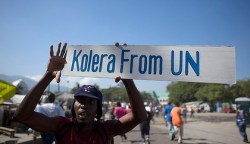
Leaked UN Report Highlights Poor Sanitation at Haiti Bases

Courtesy of The Haitian Times
Courtesy of Haitian Times

Despite consistent denial regarding their role in the cholera outbreak during the 2010 recovery efforts in Haiti, recent documents have supported the UN’s responsibility. “The report, which was commissioned a month into the cholera crisis in November 2010, found a series of alarming problems in several UN peacekeeping bases including sewage being dumped in the open as well as a lack of toilets and soap.” The authors of the report also alerted UN leadership regarding the ramifications of the sewage disposal failures and “and the poor oversight of contractors carrying out this work has left the mission vulnerable to allegations of disease propagation and environmental contamination.” The recently released report will not only add pressure upon the UN to admit internal failures, but also support the recent lawsuit that was brought forth from 1,500 Haitians. Sadly, the UN has maintained a steadfast refusal to accept liability, despite growing data to support their responsibility for the outbreak. The lawsuit focusses on UN failure to screen the peacekeepers from Nepal for cholera and how a UN-hired contractor neglected to ensure “sanitary conditions and adequate infrastructure” for the UN camps.

Your Weekly Dose of Zika
On Wednesday, it was announced that federal funds left over from Ebola response will be moved to fight Zika virus. $589 million will be provided to aid in research and help limit the spread of the disease. The use of unspent funds was planned for helping to implement the GHSA, however now the focus will now be on Zika virus R&D. For many, the greatest concern is reaching women in their child-bearing years. The WHO is highlighting a case study in Martinique, specifically their first case of Zika-related microcephaly.  You can read the letter here, but the goals of such case-studies are to help researchers better understand the infection, especially the high-risks associated with infection during pregnancy. Following the CDC Zika Summit, some are wondering if the U.S. can coordinate response efforts and cope with the impending advance of mosquitoes.  The Aedes aegypti mosquitoes require a unique approach to vector elimination due to their propensity to live in and around homes.  “CDC Director Dr. Thomas Frieden said health departments need to take a ‘four corners approach,’ targeting the Aedes aegypti mosquitoes indoors and outdoors as well as focusing on killing both larvae and adult insects.” As of March 7, there have been 346 travel-associated cases in the U.S.

Ebola vs. Zika- Why Did the WHO Respond So Differently?
Many have wondered, why was the WHO so quick with Zika, but so slow with Ebola? Interestingly, political science and the workings of international organizations are helping Amy Patterson from The Washington Post, ask these very questions. Firstly, it starts with an outbreak being declared a Public Health Emergency of International Concern (PHEIC). The WHO was slow to call Ebola a PHEIC, especially since it had only used the designation twice before. While the WHO blames the delayed response on budget cuts and poor communication between the ground teams and the WHO headquarters, it has also said that the quick response for Zika was due to a “need for greater scientific knowledge”, not to mention trying to repair their reputation from the slow Ebola response. “Political scientists would argue that the story is still more complicated. In ‘Rules for the World,’ Michael Barnett and Martha Finnemore show that international organizations’ internal workings and technical expertise influence their actions in ways that are sometimes at odds with the goals of the countries that set up these organizations to work on their behalf.” Patterson notes several factors – the WHO has six autonomous regional offices that behave differently, the WHO cares about its reputation among powerful countries, and the message matters. This last point drives home the role of health issue framing and the way messages are conveyed for audiences and policymakers. “What’s more, Ebola aligned with what Priscilla Wald terms the “outbreak narrative.” That’s the conventional view that poor countries have disease outbreaks, and that powerful states only care about those outbreaks when their spread threatens those states. Zika hit far closer to powerful countries — and hit “threat perception” level before Ebola.”

Stories You May Have Missed:

  • Global Health Impacts of Vector-Borne Diseases – The resurgence of vector-borne diseases in new locations and with new organisms has shown devastating global impacts. “Domestic and international capabilities to detect, identify, and effectively respond to vector-borne diseases are limited. Few vaccines have been developed against vector-borne pathogens.”
  • Angola Battles Yellow Fever – Over 450 people have been infected in the worst yellow fever outbreak Angola has seen in 30 years. There have been 178 deaths and the global shortage of yellow fever vaccine is alarming many in the world health community. There have also been imported, travel-associated cases in China and Kenya.
  • FDA Releases Final Rule to Ensure Food Safety During Transport- a new food safety rule was finalized by the FDA under the Food Safety Modernization Act (FSMA). The new rule “will help to prevent food contamination during transportation. The rule will require those involved in transporting human and animal food by motor or rail vehicle to follow recognized best practices for sanitary transportation, such as properly refrigerating food, adequately cleaning vehicles between loads and properly protecting food during transportation.”

Enjoying your weekly dose of the Pandora Report? Sign up to receive it every week so the fun never ends! 
Week in DC: Events 4.4-4.9.2016

Monday, April 4th, 2016
Chasing Ghosts: The Policing Of Terrorism– Cato Institute
Time: noon-1pm
Location: Cato Institute1000 Massachusetts Avenue, N.W., Washington, D.C. 20001 (map)
Since 2001 the United States has created or restructured more than two counterterrorism organizations for every apprehension it has made of Islamists apparently planning to commit terrorism within the country. Central to this massive enterprise are the efforts of police and intelligence agencies to follow up on over ten million tips, the vast majority of which lead nowhere. In their new book, Chasing Ghosts, John Mueller and Mark G. Stewart try to answer a few simple, yet rarely asked questions: Is the chase worth the effort? Or is it excessive given the danger that terrorism actually presents? The authors will present their findings followed by questions and discussion related to the U.S. fight against terrorism. Please join us for what is sure to be a lively event. If you can’t make it to the event, you can watch it live online at www.cato.org/live and join the conversation on Twitter using #CatoEvents. Follow @CatoEvents on Twitter to get future event updates, live streams, and videos from the Cato Institute. Attend in Person-Online registration for this event is now closed. If you are interested in registering for this event, please email events [at] cato.org.

What Is The Appropriate Way To Respond To And Ultimately Defeat Terrorism?– Johns Hopkins School of Advanced International Studies
Time: 4-6pm
Location: Johns Hopkins SAIS – Bernstein-Offit Building1717 Massachusetts Ave., N.W., Washington, D.C. (map)
Room: 500
The purpose of this panel is to have a discussion between two Conflict Management Professors and Strategic Studies Professors in order to determine what are the best ways to respond to and ultimately defeat terrorism. This panel with compare and contrast hard power approaches with state-building and other “softer” approaches. Given the recent invasions of Afghanistan, Iraq, and the Global War on Terror, such a panel should challenge people’s assumptions and generate new ideas.

Tuesday, April 5th, 2016
The Dark Web And Human Trafficking- Terrorism, Transnational Crime and Corruption Center (TraCCC)
Time: noon-1:30pm
Location: George Mason University3351 Fairfax Dr, Arlington, VA 22201 (map)
Room: Founder’s Hall 111
Mr. Bringle will lead a presentation on the role of the dark web in human trafficking and new technological methods for finding and combatting it. Discussion will be based on his work with the Defense Advanced Research Projects Agency (DARPA). He will discuss the dark web, challenges for conducting research in that space, and cutting edge efforts to make the dark web more transparent to law enforcement working to combat human trafficking. Continue reading “Week in DC: Events 4.4-4.9.2016”