Week in DC: Events 11.9-11.13

Monday, November 9, 2015
The Strategic Lessons of the Campaigns in Afghanistan and IraqInstitute of World Politics
Time: 4:30pm
Location: Institute of World Politics1521 16th Street NW Washington, DC (map)
Dr. Joseph J. Collins, the Director of the Center for Complex Operations at National Defense University will speak on the new NDU book, Lessons Encountered:  Learning from the Long War. The book began as two questions from then-Chairman of the Joint Chiefs, General Martin Dempsey: what have been the costs and benefits of our operations in Iraq and Afghanistan; and what are the strategic lessons that one can draw from these two campaigns in the Long War.  The speaker will summarize the 500-page book with an emphasis on the strategic lessons that were identified, and hopefully one day, learned.

Tuesday, November 10, 2015
Responding to Looming Cyber Threats – The New RealityInformation Technology and Innovation Foundation
Time: 8-11:15am
Location: Information Technology and Innovation Foundation1101 K Street, N.W. Suite 610, Washington, D.C. 20005(map)
Please join Arent Fox LLP, the Information Technology and Innovation Foundation (ITIF), and George Washington University’s Center for Cyber and Homeland Security (CCHS) on Tuesday, November 10, for an engaging policy forum where cyber security leaders from industry, government, and academia will discuss the ever-changing landscape of cyber security threats, the role that policymakers can play in reducing risk to the enterprise, and best practices for responding to cyber incidents in a global economy.
Companies today face an unprecedented level of cyber security threats as a result of increases in the number of attacks and the sophistication of the attackers. Each week brings new headlines about data breaches and computer system failures that hurt the customers, profits, and reputations of US businesses. In addition, many companies are confronted with rising compliance costs as government regulators take enforcement actions against those who fail to provide sufficient security safeguards for customer data. And the security threat will be even greater in the future as companies expand their digital footprints with new investments in technologies like cloud computing, mobile devices, and the Internet of Things. The current state of cyber security is not sustainable, but changing it will require thoughtful leadership from both the public and private sector.
Registration and networking will begin at 8:00 am with coffee and light breakfast. The speaking program will begin at 8:30 am.

Climate Change & Food Security: Challenges And Options At Global And National ScalesInternational Food Policy Research Institute
Time: 12:15-1:45pm
Location: International Food Policy Research Institute2033 K St NW, Washington, DC 20006 (map)
Room: 4th Floor Conference Center
As we become increasingly aware of the impacts of heat, drought and other extreme weather events, climate challenges that once seemed a concern for the distant future are becoming more immediate. The impacts of climate change on agricultural commodities and trade need to be analyzed in the context of implications for agricultural production, food security, and resource use. In addition, climate change raises very real and important timescale and planning horizon issues not normally at the forefront of the more traditional economic development research agenda.
As scientists, advocates, researchers, and political leaders prepare to head to Paris for Conference of Parties (COP21) a panel of experts lays out some of the most urgent aspects of climate change and agriculture. Join IFPRI as new results on the impact of climate change on agriculture and food security from the International Model for Policy Analysis of Agricultural Commodities and Trade (IMPACT) are presented, along with a modeling framework and results designed to assist national decision- and policy-makers address climate change and mitigation goals in a politically and economically sustainable way. Following presentations by senior IFPRI researchers Alex de Pinto and Keith Wiebe, a panel of experts will share their views and recommendations. Continue reading “Week in DC: Events 11.9-11.13”

Pandora Report 11.6.2015

Happy Friday! The world of biodefense and global health security has been busy this week – between a growing outbreak of E. coli associated with Chipotle restaurants, to a review of Select Agent lab practices, and a recap of the Ebola outbreak in West Africa, there’s more than enough to keep you busy! Fun history fact Friday (it’s our version of “flashback Friday”), did you know that on November 6, 1971, the US Atomic Energy Commission tested the largest US underground hydrogen bomb (code name Cannikin) on Amchitka Island?

CDC/Select Agent List- 90 Day Internal Review
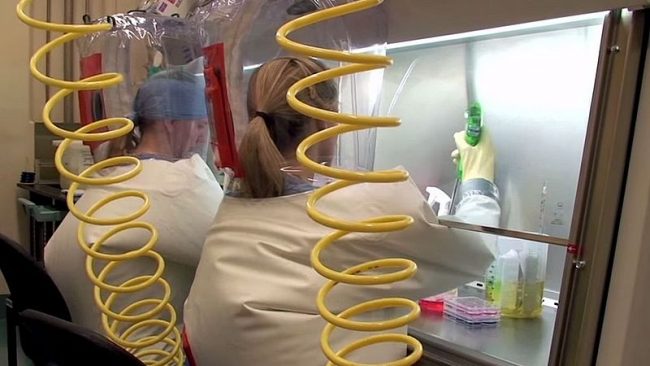
We’ve seen a lot of news lately regarding lab safety and biodefense reform/recommendations. With so much scrutiny regarding biosafety practices, it’s not surprising the CDC would do a deep dive into “how the agency inspects select agent labs” with a 90 day review. The review notes that while it didn’t duplicate the recommendations from Presidential Order 13546, it did find several areas for improvement, leading to nine observations and ten actionable recommendations. The categories for recommendations are inspections, incident reporting, and transparency. The findings point to several areas for improvement, ranging from the standardization of risk assessments to identify high risk activities, to the sharing of inspection data to better encourage public understanding of the work practices performed with these agents. The report highlights several areas for improvement that will hopefully lead to more stable biosecurity and public understanding of how we handle select agents. You can also check out the Federal Select Agent Program for a list of the agents and regulations involved.

2016 Presidential Candidates on Nonproliferation
GMU’s Greg Mercer is at it again with round three of his review on 2016 presidential candidates and their comments on nonproliferation. As of now, he’s reviewed the Republican candidates, but now he’s delving into the Democratic candidates. Greg reviews Hillary Clinton, Bernie Sanders, and Martin O’Malley, noting that ” in contrast to Republicans, most Democrats support the Iran deal, and generally tend to favor international arms control regimes.” With the race only heating up, stay tuned  for more of Greg’s candidate-by-candidate reviews on nonproliferation in the 2016 election.

GMU Master’s Open House and Application Deadlines!
Considering a master’s degree? Come check out the GMU School of Policy, Government, and International Affairs (SGPIA) Open House on Wednesday, November 18th, 6:30pm at our Arlington Campus in Founders Hall (Room 126). There’s even a pre-session for veterans and active duty military at 5:45pm! The Open House is a great way to learn about our different Master’s programs (Biodefense, International Security, Political Science, etc.) and ask real-time questions with faculty. Our Biodefense Program Director, Dr. Koblentz, will be there to discuss global health security and tell you about the pretty amazing things we get to do at GMU! If you’ve already attended or are planning to apply, just a friendly reminder that PhD program applications are due December 1st, and Biodefense Master’s Spring applications are due December 1st as well.

Zika Virus Outbreak in Colombia
Nine new cases have been identified in Sincelejo, Colombia, with an additional three being investigated in Barranquilla. Zika virus is a vectorborne disease that is transmitted through Aedes mosquitos. The CDC notes that vertical transmission (from mother to child) can occur if the mother is infected near her delivery and Zika can be spread through blood transfusion (although no cases have occurred this way) and sexual contact (one case of sexually transmitted Zika virus has occurred to date). Common signs and symptoms are fever, rash, joint pain, and red eyes that last several days to a week. In the past, transmission has occurred in tropical Africa, Southeast Asia, and the Pacific Islands, however, there have been cases in 2015 in Brazil and Colombia. We’ll keep you updated if transmission continues in South America!

There have also been cases of Chikungunya springing up throughout the Caribbean and Americas. The Pan American Health Organization (PAHO) initially reported just over 2,400 cases a few weeks ago, however a new report is showing 13,476 new cases. Initially starting in December 2013, this epidemic began with a single locally acquired case on St. Martin island, and is now totaling 1, 760,798 cases.

Chipotle E.coli Outbreak 
Just when you thought it was safe to go back to Chipotle (we reported that Minnesota  Chipotle customers experienced a Salmonella outbreak in August), an E. coli outbreak is making headlines in Washington and Oregon. Public health officials updated the case total to 41 people as of 11/4, with 6 patients requiring hospitalization. The source of the outbreak hasn’t been identified yet but as a precautionary measure, they’ve closed 14 restaurants. So far, the identified cases have been tied to five restaurants across six counties.

10759_lores

Stories you May Have Missed

  • CRISPR-Cas9 Utility Broadens – researchers at Massachusetts General Hospital have improved on the utility of CRISPR-Cas9 through application via bacterial sources. The team “reports evolving a variant of SaCas9 – the Cas9 enzyme from Streptococcus aureus bacteria – that recognizes a broader range of nucleotide sequences, allowing targeting of the genomic sites previously inaccessible to CRISPR-Cas9 technology.” The new application allows a more precise targeting within the genomic sequence, which may translate to therapeutic applications. CRISPR-Cas9 has been a hot topic within the science and biodefense community in relation to its potential labeling as dual use research of concern (DURC) and certain ethical debates.
  • Unvaccinated Babies Refused By Some Physicians– Vaccination status is something I’ve grappled with working in pediatrics and is one of the rare things that can turn a calm physician (or infection preventionist for that matter) red-faced and needing a breather. The Boston Globe reported on a recent survey from the American Academy of Pediatrics that touched on pediatricians dismissing families that refused vaccines. The study found that all pediatricians surveyed had encountered at least one parent refusing vaccination for their child and 20% of pediatricians “often” or “always” dismissed families who refuse one or more vaccine. Interestingly, researchers found that “doctors in private practice, those located in the South, and those in states without philosophical exemption laws were the most likely to dismiss families refusing to vaccinate their infant”.
  • Guinea Ebola Tranmission – Guinea continues to experience new cases. As we mentioned last week, the cluster of four patients from the Kondeyah village is being monitored by public health officials. An infected newborn, whose mother died from Ebola recently, is also under observation and care. The infant’s mother was a confirmed case prior to her delivery and died after giving birth. The WHO is currently monitoring 382 contacts in Guinea during this time.

Enjoying your weekly dose of the Pandora Report? Sign up to receive it every week so the fun never ends! 

The Candidates on Nonproliferation Part III

The Candidates on Nonproliferation – Part 3
By Greg Mercer

I initially set out to write this as a candidate-by-candidate look at what the 2016 crop had to say about an issue near and dear to Biodefense students’ hearts: nonproliferation. As it turns out, though, not many candidates have well-developed stances on highly specific policy issues (or any issues, depending on how serious a candidate we’re talking about) more than a year from the general election. Lucky for us though, there’s been a major nonproliferation news event to drive the foreign policy debate: the Iran nuclear deal. So this is a rundown of what’s been said and is being said about nonproliferation and WMD policy in the 2016 election.

See part 1 here
And part 2 here

I’m spending even more time on campaign sites to see what the 2016 election looks like for nonproliferation.

This time, I’ll take a look at top Democrat contenders. In contrast to the Republicans, most Democrats support the Iran deal, and generally tend to favor international arms control regimes.

Hillary Clinton:
In the Democratic debate, Hillary Clinton named loose nukes among the paramount threats to the US.  This issue is commonly understood to hinge on loose radiological material from the former Soviet Union (which is notoriously poorly controlled) and other states maintaining poor control of their nuclear weapons.  The Associated Press recently released an investigation into the Moldovan nuclear black market and Islamic extremists.  She has also strongly endorsed the Iran deal, and has a unique role in the debate, having helped to implement sanctions and launch negotiations with Iran as former Secretary of State.  The Politico story linked notes that she was more hawkish than Obama on Iran in the past.  (Her support of the Iraq War in Congress has been a recurring talking point for opponents).  Now, though, their views seem to be pretty closely aligned.  Hillary’s national security issues page also leans heavily on her experience at the State Department (in addition to being pretty relentlessly on-brand).  Among the usual issues- ISIS, Russia, Israel, the Iran deal- is a very interesting one: “Highly contagious diseases are a constant threat. Warmer and drier conditions caused by global climate change, along with our increasingly interconnected world, enable germs to spread more quickly across the globe. America must remain vigilant and do more to prevent and contain outbreaks.”   This is an uncommonly specific stance, and is placed alongside cyberattacks and climate change to make up an emerging threats triumvirate.  So far, though, there hasn’t been much elaboration on actual policy options to combat this threat, or what makes it a defense issue versus, say, an international development one.

Bernie Sanders:
In 2009, Bernie Sanders echoed President Obama’s call for “a world without nuclear weapons.”  While this obviously hasn’t happened, Sanders released a statement calling for an end to the production of weapons-grade uranium and stopping the spread of nuclear weapons.  In March of 2015, Sanders cosponsored a bill to reduce American spending on nuclear weapons by $100 billion over 10 years (in grand Congressional naming convention, the Smarter Approach to Nuclear Expenditures Act, aka SANE).  A House and Senate version have been introduced, but are part of a much larger budget fight.  Sanders’ issues page supports the Iran deal, though it interestingly says the “agreement is not perfect,” but ultimately concludes that it is a far superior option to military action. As usual, Sanders officially gives his support to Obama and Secretary of State Kerry’s negotiations.  This page also does the thing where a first-person snippet introduces a long set of third-person position statements, but the personal statement highlights Sanders’ votes against the first and second Gulf Wars.  This casts him pretty clearly as anti-military intervention to prevent proliferation, but with the caveat that it remains an option.  There is also a separate, editorial-style section on just the Iran Deal, which offers more detail about uranium and centrifuge reductions.  Once again, it calls war “the last option.”  Much of Sanders’ campaign so far has hinged on economic and social issues, however, and he even said in the most recent debate that climate change is the most pressing national security threat.  When looking for threats to security, Sanders mostly looks beyond weapons of mass destruction.

Continue reading “The Candidates on Nonproliferation Part III”

Week in DC: Events 11.2-11.6

Monday, November 2, 2015
Nuclear Policy Talk: Argonne National Lab And National & Global Security Elliott School of International Affairs
Time: 12:30pm-2pm
Location: Elliott School of International Affairs1957 E St NW, Washington, DC 20052, United States (map)
Since it was established as the nation’s first National Laboratory, Argonne has conducted world class research and development for the Department of Energy. Within weeks after Enrico Fermi and his team produced the first man-made, self-sustaining nuclear chain reaction (in other words, nuclear reactor) at the University of Chicago, Argonne was created just down the road to pursue peaceful uses of the atom, notably a full decade prior to Eisenhower’s famous “Atoms for Peace” speech. Flash forward 7 decades and Argonne is now globally recognized as a leader in many scientific disciplines including nuclear energy, materials science, high performance computing, national security and additional disciplines. This presentation will provide a brief description of what Argonne represents today, where it is heading in the future, and areas of opportunity for collaborations with universities and academic laboratories. While the focus of the presentation will be on national and global security, a broad array of opportunities will be addressed.

NCIS: Current and future operations in investigating and defeating terrorists, foreign intelligence, and criminal threats Institute of World Politics
Time: 5:30-6:30pm
Location: Institute of World Politics1521 16th Street NW Washington, DC (map)
This event is sponsored by IWP Career Services. Andrew L. Traver, Director of the Naval Criminal Investigative Service, will be speaking at The Institute of World Politics on Monday, November 2, 2015 to discuss current and future operations in investigating and defeating terrorists, foreign intelligence, and criminal threats. As the Director of NCIS, Mr. Traver leads the agency as it investigates and defeats terrorist, foreign intelligence, and criminal threats to the United States Navy and Marine Corps wherever they operate: ashore, afloat, or in cyberspace. Mr. Traver’s areas of special emphasis include developing and expanding strong partnerships and liaison with law enforcement organizations, security services, and intelligence agencies worldwide, as well as ensuring agile, adaptive, and responsive NCIS support to the Navy and Marine Corps’ enhanced security posture and global engagements. The Naval Criminal Investigative Service serves to protect the people, equipment, technology and infrastructure of the U.S. Navy and Marine Corps by deploying a unique, highly-trained, and effective team of Special Agents, investigators, forensic experts, security specialists, analysts, and support personnel. Predominantly a civilian federal agency, NCIS brings an investigator’s perspective to every mission. NCIS personnel are deployed around the world to support the Navy and Marine Corps wherever needed. Director Traver will also discuss NCIS careers and the future needs of the agency. Join us for this interesting session and learn about the important mission and work of the Naval Criminal Investigative Service (NCIS). Register

Tuesday, November 3, 2015
Korean Unification: What Would It Take?RAND Corporation
Time: 8:30am-12:30pm
Location: RAND1200 South Hayes Street, Arlington, VA 22202 (map)
Join us for a half-day conference organized by the RAND Center for Asia Pacific Policy on possible paths toward unification of the Korean peninsula and the longer-term economic, geopolitical, and human security implications of unification. Co-hosted by the Republic of Korea’s Sejong Institute and sponsored by the Korean Consulate General in Los Angeles, top experts on Korea will join RAND analysts to consider how the Republic of Korea, the U.S., and other countries in the region might facilitate unification, as well as address the challenges of working with the current North Korean government. Continue reading “Week in DC: Events 11.2-11.6”

Pandora Report 10.30.2015

The witching hour is upon us! Halloween is tomorrow and with that we must ask, how good are your zombie fighting skills? Good news if you’re in Arlington, VA, as it’s considered one of the top ten cities to survive the zombie apocalypse – good thing GMU has a campus there (we biodefense folks are the ultimate planners!). This week was busy with the release of the Blue Ribbon Study Panel on Biodefense’s National Report. I was able to attend the panel event, so read on for my comments and your weekly dose of biodefense news!

DSC_3586GMU Biodefense Program News & Alumni 
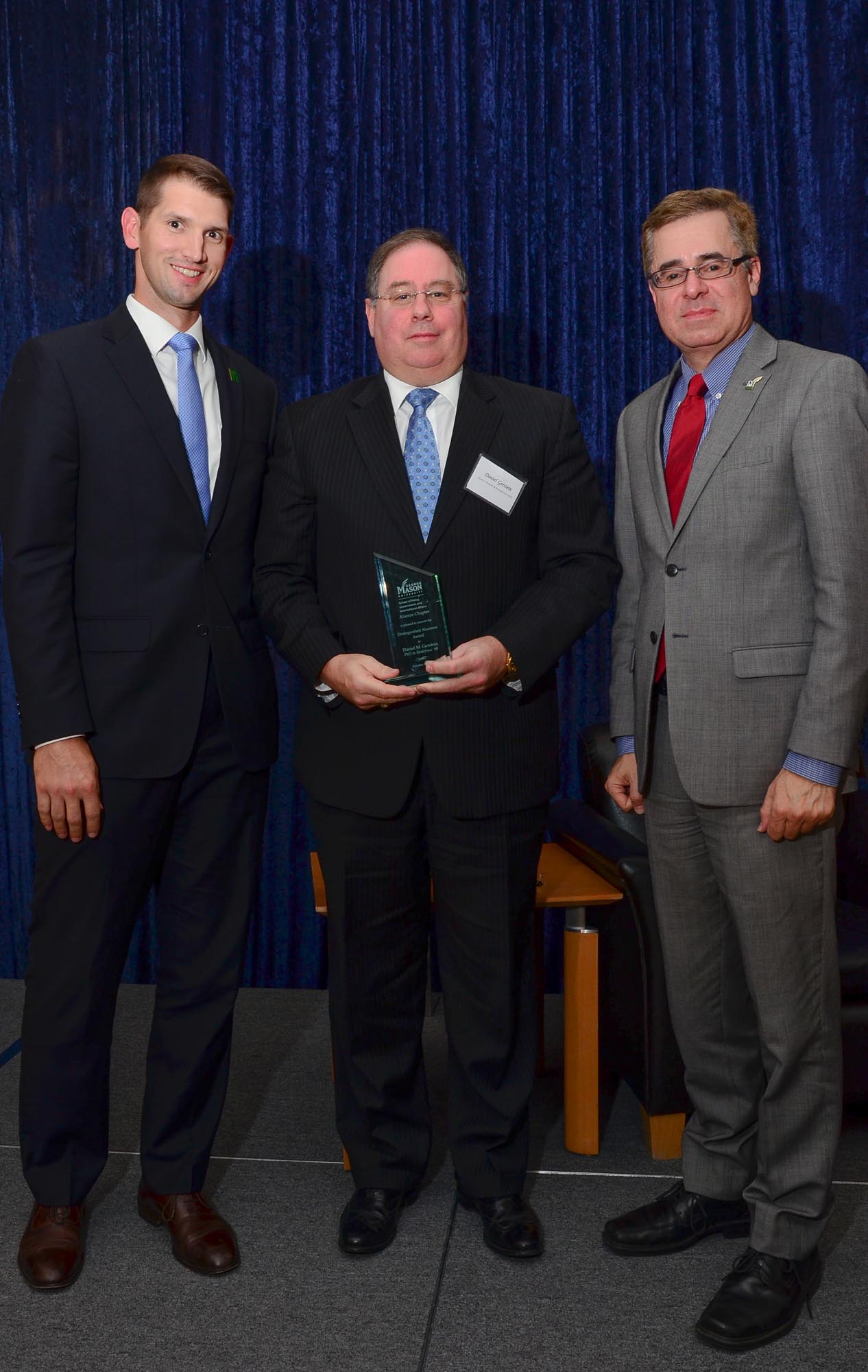
We’ve added a new page to salute our biodefense alumni and all that they do with their GMU education. GMU Biodefense students have a diverse background in their education, experiences, and interests, and we absolutely love getting to brag about all the amazing things they accomplish after their studies. Whether it’s a new publication or an award, we hope to pass along their accolades, so please check out our new page to see how GMU Biodefense alumni are contributing to the world of global health security!

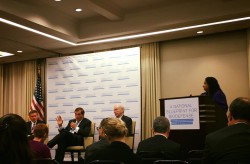
12111966_10104338304988922_3051154411712634566_n-1Blue Ribbon Study Panel on Biodefense Releases Report– I had the pleasure of attending the Blue Ribbon panel on Wednesday, in which they reviewed their report, “A National Blueprint for Biodefense: Leadership and Major Reform Needed to Optimize Efforts”. The panel event saw Senator Joe Lieberman, former Governor Tom Ridge, and former Homeland Security Advisor, Kenneth L. Wainstein, discuss the challenges of biodefense, the report, and answer several questions regarding their findings. The report is comprised of 33 recommendations that range from unification of biodefense budgeting to optimizing the National Biosurveillance Integration System and to improving surveillance and planning for animal and zoonotic outbreaks. Along with these 33 recommendations, there are 100 action items. Perhaps one of the biggest take-aways from the report is the recommendation that the Office of the Vice President of the US assume authority over biodefense efforts. There is heavy emphasis on a unified budget and centralization to combat the redundancy and current siloing we see in existing programs.  Senator Lieberman discussed the role of the research and private sector’s involvement, with former Gov. Ridge noting that “we need to start thinking differently about how we incentivize the private sector.” The panel discussed that despite our past efforts, the Ebola outbreak in 2014 showed that the “threat is real, lets not wait for it to occur” and as former Gov. Ridge noted, “we don’t give bioweapon threats the attention they need. The threat is ahead of us.” Senator Lieberman commented on the Ebola situation,  noting that our response was dismal and despite 10 months of warning, basic human errors led to a failure in providing hospitals with general guidelines. Whether it is an intentional bioweapons attack, outbreak of an emerging infectious disease, or unintentional, accidental release due to lab safety errors, the panel’s goal of having centralized leadership reveals the complex nature of these challenges. Also, did I mention that they included infection control in their guidelines (#18)?! Overall, I found the event highly engaging and was pleased to hear the panel members approach these topics with not only a sense of urgency, but a holistic manner to meet the challenges of biodefense.

Jump Start – Accelerating Government Response to A National Biological Crisis
UPMC Center for Health Security has released their July 2015 report that “examines a scenario in which the US is suddenly faced with a newly emerged intentional biological threat that could produce catastrophic public health consequences and threaten our economy, government, and social structure.” The report reviews governance, public health response, medical countermeasures, healthcare system response, decontamination and remediation, and environmental detection, while making recommendations. Utilizing published literature and subject matter expert interviews, the Jump Start report scenario occurs in central Moscow subway stations and Red Square. It discusses responses in a post-Amerithrax world and highlights the need to stop the spread of infectious diseases while emphasizing that in a similar scenario, the US government should push out table-top exercises at a national level to test readiness to biothreats. The role of healthcare infrastructure and capacity comes into play, highlighting the limitations that diagnostic testing plays – even if the solutions aren’t available. I’d be curious to see a more detailed analysis of how we approach novel agents and the time-lag this can often cause in diagnosis. Also – what would be the ethical dilemmas regarding invasive medical treatments for a novel agent? Medical ethics became a very real issue during Ebola preparedness (perhaps not as well discussed in media circuits) as the invasive care capabilities of healthcare professionals in the US correlates with increasing risk for disease transmission.

White House Calls for Better Biosafety –  As fallout from several lab safety breaches, the White House issued recommendations that focus on labs that are registered to work with pathogens from the Select Agents list. Ranging from increased training to assessing the number of high containment labs we have in the US, this memo, with a deadline for the recommendations, sets the tone for change when it comes to biosafety.

Saudi Arabi MERS Cluster – reports from Saudi Arabi’s Ministry of Health have confirmed a healthcare-associated cluster of MERS-CoV cases that involved seven individuals. The initial patient was seen in the emergency department of Almana General Hospital, with five other patients exposed in the hospital, and an additional case that is believed to not have had a healthcare exposure. All patients are under observation in the King Fahad Hospital. One of the patients is reported to be a nurse. In previous weeks, there was a cluster of cases related to janitors living together in Riyadh.

Stories You May Have Missed:

  • The African Development Bank Group (AfDB) has approved a $33.3 million grant towards a Post Ebola Recovery Social Investment Fund (PERSIF) for efforts in Guinea, Liberia, and Sierra Leone. The US State Department is contributing a $5 million grant towards this to help support livelihood development for women, girls, and orphans from the affected countries. The goal is to build resilience in the affected countries and strengthen the economic systems while improving governance and communication.
  • Nigeria was just removed from the WHO’s list of polio-endemic countries! After halting the spread of wild poliovirus transmission during a 15 month period, Nigeria was declared free of the disease! The WHO is continuing to work on the remaining two polio-endemic countries; Afghanistan and Pakistan.
  • Three more cases of Ebola in Guinea were reported this week. The three patients are all family members, with one being a pregnant woman. Guinea experienced several cases last week while Liberia has been EVD-free since September 3rd and Sierra Leone just passed their six week mark without a new case.
  • The WHO announces that TB surpassed HIV as the leading cause of death from infectious disease in 2014. Better surveillance enabled global public health teams to identify new cases. In Indonesia alone, there were one million new cases reported this year. The WHO notes that while surveillance efforts are revealing new cases, progress is still insufficient, especially in regards to drug resistance.


Week in DC: Events 10.26.15-10.30.15

Monday, October 26, 2015
20th Anniversary of Dayton Peace Accords Series – The Balkan Wars of the 1990s: Reflection and Reconciliation Johns Hopkins School of Advanced International Studies
Time: 10am
Location: Johns Hopkins SAIS – Nitze Building1740 Massachusetts Ave., N.W., Washington, D.C. 20036(map)
20th Anniversary of Dayton Peace Accords Series – The Balkan Wars of the 1990s: Reflection and Reconciliation Panelists: Thomas J. Miller Former U.S. Ambassador to Bosnia and Herzegovina Robert E. Hunter Former U.S. Ambassador to NATO Robert M. Beecroft Former OSCE Ambassador to Bosnia and Herzegovina Moderator: Sasha Toperich CTR SAIS Senior Fellow and Director, Mediterranean Basin Initiative

Putin’s Crimean gamble: Russia, Ukraine, and the new Cold War Brookings Institution
Time: 10:30am-noon
Location: Brookings Institution1775 Massachusetts Ave, NW, Washington, D.C. 20036(map)
Since the time of Catherine the Great, Crimea has been a global tinderbox. Most recently, the world was stunned when the forces of Russian President Vladimir Putin invaded and seized Crimea in March 2014. In the months since, Putin’s actions in Crimea, eastern Ukraine and, more recently, in Syria have provoked a sharp deterioration in East-West relations. Basic questions have been raised about Putin’s provocative policies, his motivations, and the future of U.S.-Russian relations—and whether the world has now entered a new Cold War.On October 26, the Foreign Policy program at Brookings will host Nonresident Senior Fellow Marvin Kalb for the launch of his new book, “Imperial Gamble: Putin, Ukraine, and the New Cold War” (Brookings Institution Press, 2015). In “Imperial Gamble,” Kalb examines Putin’s actions in Ukraine, the impact on East-West relations, and how the future of the post-Cold War world hangs on the controversial decisions of one reckless autocrat, Vladimir Putin.Joining the discussion are Thomas Friedman, The New York Times columnist, and Nina Khrushcheva, professor of international relations at The New School. Brookings President Strobe Talbott will provide introductory remarks, and Martin Indyk, Brookings executive vice president, will moderate the discussion.After the program, Kalb and the panelists will take audience questions.

Tuesday, October 27, 2015
How Data Can Fight Foodborne DiseasesCenter for Data Innovation
Time: 9:30-11am
Location: Goethe-Institut Washington812 7th St NW, Washington, DC 20001 (map)
Every year, one in six Americans—48 million individuals—get sick from contaminated food. Over the past few years, public health officials have worked diligently to use data to quickly identify and track outbreaks of foodborne disease and alert consumers. In particular, with many instances of food poisoning originating in restaurants, cities around the country have begun publishing restaurant health inspection scores as open data so local business review websites like Yelp can integrate this data into their apps and get the information into the hands of users. Public health officials also are beginning to use data culled from social media to identify likely hotspots of foodborne illness and prioritize inspections accordingly. Join the Center for Data Innovation for a panel discussion about how technology experts and government leaders are marshaling open data to improve food safety and how civic tech applications can help address more of these types of public health concerns in the future.

U.S. Policy Toward North Korea: The Case for Instituting a More Effective, Human Rights-Centric Approach Johns Hopkins School of Advanced International Studies
Time: 9:30am
Location: Johns Hopkins SAIS – Nitze Building1740 Massachusetts Ave., N.W., Washington, D.C. 20036(map)
The International Bar Association (North America), Robert F. Kennedy Human Rights, Defense Forum Foundation, North Korea Freedom Coalition, The Committee for Human Rights in North Korea, US-Korea Institute at SAIS, Yonsei Center for Human Liberty and Freedom House are convening this conference to bring together decision-makers on Capitol Hill and in the Administration, as well as civil society, to discuss the importance of making human rights a central pillar of U.S. policy toward North Korea.  A keynote speech will be delivered by Justice Michael Kirby, who was appointed by UN Secretary General Ban-Ki Moon to chair the UN Commission of Inquiry on Human Rights in North Korea. The event is hosted by The International Bar Association (North America), Robert F. Kennedy Human Rights, Defense Forum Foundation, North Korea Freedom Coalition, The Committee for Human Rights in North Korea, US-Korea Institute at SAIS, and Yonsei Center for Human Liberty and Free

Wednesday, October 28, 2015
International Forum for Women’s Food Leadership -Global Gender Program (GGP), Women’s Food Leadership Initiative (WFL)
Time: Tuesday and Wednesday, 8:30am-6pm
Location: Elliott School of International Affairs1957 E St NW, Washington, DC 20052 (map)
Room: 602
This two-day public event brings together women entrepreneurs, CEOs, scientists, and industry leaders from Latin America and Africa, food policy professionals, and academics to discuss what works in promoting women’s agricultural entrepreneurship. Panelists will address successful strategies for starting, growing, and managing agribusinesses in the Global South. Keynote speakers will offer perspectives based on grounded experience and point the way forward.

Thursday, October 29, 2015

HDIAC Webinar Series: Biosurveillance – Homeland Defense & Security Information Analysis Center 
Time: 2pm EST
The Homeland Defense & Security Information Analysis Center is proud to present the ninth webinar in our 2015 series on October 29, 2015 at 2 p.m. EST. Registration is required for this event.
Webinar Description: This webinar will focus on available biosurveillance data and data sources, preparation and attributes. The recent Ebola outbreak in West Africa is one example of using biosurveillance data and the limitations of consequence acceptance and management in resource-limited locations. While early warning and situational awareness are important, that importance is lost without rapid, decisive and appropriate actions. Further, the One World Health paradigm and the key role of animals in certain human disease outbreaks is stressed. Which data streams or, more likely which combination of data streams, will best serve various biosurveillance goals is largely unknown. Cloud computing, High Performance Computing and Advanced Predictive Analytics/Machine Learning are being applied to streaming biosurveillance data to clarify the practical significance of multiple data stream analysis in identifying and predicting disease outbreaks. Tactical biosurveillance is also considered in terms of data generation by a number of sensors to provide warfighters immediate situational awareness.

The Costs of the Israeli-Palestinian Conflict– RAND Corporation
Time: 9:15am
Location: RAND1200 South Hayes Street, Arlington, VA 22202 (map)
After decades of failed efforts to resolve the Israeli-Palestinian conflict, hopes for ending the standoff are dim. But could putting a price on the impasse lead to meaningful policy discussion? Join us to learn about a RAND study that examined the potential net costs and benefits over the next 10 years of five alternatives to the status quo: a two-state solution, coordinated unilateral withdrawal by Israel from most of the West Bank, uncoordinated unilateral withdrawal by Israel from some of the West Bank, nonviolent resistance by Palestinians, a violent Palestinian uprising.

Governing Climate-Induced Migration and DisplacementElliott School of International Affairs
Time: 6-7pm
Location: Elliott School of International Affairs1957 E Street, NW, Washington, D.C. 20052 (map)
Ahead of the upcoming Climate Negotiations in Paris (CoP21) this December, Dr. Andrea Simonelli will discuss the global implications of climate change for displacement and refugees, as well as the role of international organizations and the United Nations Framework Convention on Climate Change’s (UNFCC). Dr. Simonelli will also discuss her newly released book Governing Climate Change Induced Migration: IGO Expansion and Global Policy Implications, which evaluates climate displacement from a political science perspective. This presentation will delve into the potential expansion and the structural constraints faced by intergovernmental organizations to tackle climate induced migration and displacement. Join us for an in-depth evaluation of how this urgent global issue relates to the current climate governance gap, including human and traditional security concerns.

Friday, October 30, 2015
Dialogue on Defense 2015 Association of Government Relations Professionals
Time: noon-1:30pm
Location: Hall of States444 North Capitol Street, NW, Washington, DC (map)
On Friday, October 30th at 12:00 noon, AGRP will be hosting a panel of professional staffers from the four key Congressional defense oversight committees – the House Defense Appropriations Subcommittee (HAC-D), House Armed Services Committee (HASC), the Senate Defense Appropriations Subcommittee (SAC-D), and the Senate Armed Services Committee (SASC).

Preparing for Paris: What to Expect from the U.N.’s 2015 Climate Change Conference- Cato Institute
Time: 10am-4:30pm
Location: Cato Institute 1000 Massachusetts Avenue, N.W., Washington, D.C. 20001 (map)
In late November world leaders will gather in Paris at the United Nations Climate Change Conference for what is viewed as the last great chance for a sweeping international agreement to limit carbon dioxide emissions. The consequences of this gathering may be enormous. Please join us to hear distinguished climate scientists and legal experts assess the issues sure to drive the debate before, during, and after the Paris meeting. Conference attendees will receive a free print edition of the new ebook Lukewarming: The New Climate Science That Changes Everything, by Patrick Michaels and Paul Knappenberger, being released in the next several weeks.

Pandora Report 10.23.2015

Happy Infection Prevention Week! Make sure to give any infection preventionists you know a big hug or at least a hearty handshake (only clean hands though!). Not only do we get to celebrate National Infection Prevention week, but it’s also National Biosafety Stewardship Month, so get your party hand sanitizer ready to go and let the frivolity begin! Foodborne illness is the name of the game this week and we’ll be discussing outbreaks. Friendly reminder – the influenza vaccine is available in most offices/clinics now, so get your flu shot as there have already been cases springing up across the US. Fun fact – did you know that a report published this week identified Yersinia pestis in the tooth of a Bronze Age individual, which means there were plague infected humans 3,300 years earlier than we thought!

National Biosafety Stewardship Month – October is National Biosafety Stewardship Month (thanks NIH!) to celebrate and encourage people to focus on biosafety policies, practices, and procedures. Given the lab biosafety issues we’ve seen recently, I think we can all safely (or should I say, “biosafely”?) agree that a little extra attention to these issues and the promotion of better practices is a great thing. Institutions are encouraged to use more of a just culture approach to incident reporting and to promote public transparency. Happy National Biosafety Stewardship Month!

Water Quality for the Olympic Games in Rio De Janeiro, 2016
The 2016 Summer Olympics are fast approaching and with any large event, health issues become a main concern. The WHO is providing technical advice to the Brazilian national authorities regarding public health concerns, as well as to the International Olympic Committee and the Local Organizing Committee. Clean drinking water, sewage pollution, and a host of other health issues can become a nightmare during such a large-scale event. While there aren’t recommendations for specific viral testing of the water, the WHO does encourage additional testing in the event of an outbreak. Sanitary inspections and other preventative procedures are being recommended to avoid outbreaks and public health issues. As we get closer to the 2016 Olympics, it is very likely concerns over vector-borne diseases will be addressed through vector control and public health education.

CDC Launches Redesigned FOOD Tool for Foodborne Outbreaks 

Courtesy of CDC FOOD Tool

The CDC has updated their online foodborne illness outbreak investigation tool! The Foodborne Outbreak Online Database Tool (FOOD Tool) allows the user to search the outbreak database by state, food, ingredient, year, location of food preparation, and organism. The FOOD Tool also provides the case information related to the outbreak, so users can see the number of affected persons, hospitalizations, deaths and laboratory-confirmed organisms. This database pulls from CDC’s Foodborne Disease Outbreak Surveillance System (FDOSS) and allows users to not only look at data and trends over time, but also compare their cases to other outbreaks.

Syrian Refugee Resettlement and Why We Should Be Letting Them All In 
Dr. Trevor Thrall, one of our amazing GMU Biodefense professors, has written a piece for The Atlantic on the importance and benefits of taking in all Syrian refugees. Dr. Thrall discusses the limitations of addressing the root cause of the Syrian conflict and how the US and its European allies should take in refugees. Discussing the military alternatives to the Syrian crisis, he states, “going in militarily is not the answer, then. Instead, those civilians under threat should get out. Refugees typically receive support in the countries to which they flee, but the vast numbers involved in this case threaten to overwhelm Turkey, Jordan, and Lebanon, which have so far accommodated the vast majority of the outflow.” Dr. Thrall points out that while resettlement would cost a substantial amount of money, it would cost far less than military intervention and you simply can not ignore the moral superiority in aiding refugees.

Chipotle’s Bad Tomatoes Came From Nation’s Largest Field Producer
To our readers in Minnesota, did you happen to eat at a Chipotle in August? If so, we hope you weren’t one of the affected individuals that contracted Salmonella Newport as a result of contaminated tomatoes. The Minnesota Department of Health investigated the 64 cases resulting from this outbreak, however it was just released that the contaminated tomatoes were actually supplied by Six L’s Packing Co (doing business as Lipman Produce), which is actually one of the largest tomato suppliers in the US. Packing 15 million boxes of tomatoes this past year, Lipman was later dropped as a supplier by Chipotle after learning of the source of contaminated produce. The tomatoes were removed but it’s estimated that during the window of exposure, roughly 560,000 people consumed Chipotle. The good news is that we’re out of the incubation period, so if you happened to eat at a Minnesota Chipotle, you’re in the clear.

Stories You May Have Missed:

  • 80 Illnesses Linked to Shigella Outbreak; CA Seafood Restaurant Closed –  Mariscos San Juan in San Jose, CA is currently closed after the Santa Clara County Health Department connected a recent outbreak of Shigella to their food. While the exact source hasn’t been identified, over 93 people were sickened in relation to contaminated food at the restaurant.
  • Subway to Phase Out Poultry Products Raised With Antibiotics–  On Tuesday, Subway Restaurants announced that they will be transitioning to only serve poultry products that have been raised without antibiotics by early next year. Other chain restaurants, like Chick-fil-A and Chipotle, are jumping on the train to phase out chicken and turkey products that were raised with antibiotics.
  • Scottish Nurse and Ebola Complications – Pauline Cafferkey continues to battle post-Ebola complications. Reports last week noted neurological issues and it was recently reported that she has meningitis after the virus persisted in her brain and CSF after her initial recovery. Ongoing research is looking into the long-term effects of the disease as the West African outbreak was the largest in history and researchers have never had the opportunity to look at chronic issues associated with disease recovery.

Week in DC: Events 10.19-10.23

Monday, October 19, 2015
The Syrian Refugee Crisis: Balancing Humanitarian and Security Challenges – Bipartisan Policy Center
Time: 11am-noon
Location: Bipartisan Policy Center1225 I Street, NW Suite 1000, Washington, D.C. 20005(map)
The civil war in Syria has caused one of the largest displacements of persons in recent history, creating humanitarian, political, and security challenges that the United States and its allies now confront. More than half of Syrians—some 12 million—are displaced. Of that number, more than 4 million have fled Syria’s borders, with millions living in neighboring countries in the region. Hundreds of thousands more are trying to make their way to European countries in order to claim asylum and approximately 1,500 Syrians have received asylum in the United States. Meanwhile, as EU and U.S. leaders work to address this flow of refugees, the Islamic State extremist group has boasted of disguising thousands of terrorists as refugees in order to infiltrate them into Western countries, and a recently released report by the House Homeland Security Committee’s bipartisan task force found that international efforts to secure borders and stem the flow of foreign fighters have been woefully ineffective. Join the Bipartisan Policy Center for a discussion on the humanitarian and security dimensions of the refugee crisis and how the two can be balanced and should be reconciled to create a coherent U.S. and global policy response.

The Growth of Isis and The Deterioration of Women’s Rights in the Middle EastWomen’s Foreign Policy Group
Time: 1pm
Location: The Wilderness Society1615 M Street, NW Washington, DC (map)
Luncheon and ProgramGeorge Washington University  Dr. Haleh Esfandiari, the former and founding director of the Middle East Program at the Woodrow Wilson International Center for Scholars, is a public policy fellow at the Wilson Center. She has had a rich and varied career. In her native Iran, she was a journalist, served as deputy secretary general of the Women’s Organization of Iran, and was the deputy director of a cultural foundation where she was responsible for the activities of several museums and art and cultural centers. Esfandiari taught Persian at Oxford and, prior to joining the Wilson Center, she taught Persian, Persian literature, and courses on the women’s movement in Iran at Princeton. She was also a fellow at the Wilson Center from 1995 to 1996. Esfandiari has authored and edited several books including, My Prison, My Home: One Woman’s Story of Captivity in Iran (2009). She has also written numerous articles and op-eds including ISIS’s Cruelty toward Women Gets Scant Attention and ISIS Says the Quran Allows Enslaving Women. Will Clerical Leaders Respond? Esfandiari has received numerous awards for her work, is a member of the Council on Foreign Relations, and serves on the boards of the Peace Research Endowment and the Project on Middle East Democracy. Tara Sonenshine (Moderator), coordinator for global partnerships at Planet Forward, is a former fellow at George Washington University’s School of Media and Public Affairs. Previously, she served as Under Secretary of State for Public Diplomacy and Public Affairs and before that, as the executive vice president of USIP. Prior to joining USIP, she was a strategic communications adviser to many international organizations including USIP, the International Crisis Group, CARE, and the IWMF. Sonenshine served in various capacities at the White House during the Clinton administration, including transition director and director of foreign policy planning for the NSC. She was an editorial producer of ABC News’ Nightline, where she worked for more than a decade. She was also an off-air reporter at the Pentagon for ABC’s World News Tonight and is the recipient of 10 News Emmy Awards for coverage of international affairs.
Click here to register

Tuesday, October 20, 2015
Accelerating Defense Innovation: Lessons from Silicon Wadi Atlantic Council
Time: 10:30-11:45am
Location: Atlantic Council1030 15th St NW, Washington, DC 20005 (map) Room: 12th Floor (West Tower)
Please join the Atlantic Council’s Brent Scowcroft Center on International Security for a Captains of Industry event with Elbit Systems of America President and CEO Raanan Horowitz, which will take place at the Atlantic Council headquarters on October 20, 2015 from 10:30 a.m. – 11:45 a.m. Secretary of Defense Ashton Carter has called for the defense establishment to engage the hub of commercial innovation, Silicon Valley, to fuel a third offset strategy. As befits the “start-up nation,” Israel has been comingling its defense and commercial technologies over many years. Elbit Systems has played an important part in this approach to leveraging commercial technology for military innovation. Raanan Horowitz will share his company’s experience of accelerating innovation in partnership with Israel’s Silicon Wadi in front of an Atlantic Council audience.

Perilous Partners: The Benefits and Pitfalls of America’s Alliances with Authoritarian Regimes – Cato Institute
Time: noon-1:30pm
Location: Cato Institute1000 Massachusetts Avenue, N.W., Washington, D.C. 20001 (map)
Featuring the authors Ted Galen Carpenter, Senior Fellow, Cato Institute; and Malou Innocent, Adjunct Scholar, Cato Institute; with comments by Andrew J. Bacevich, Professor Emeritus of History and International Relations, Boston University; and Jacob Heilbrunn, Editor, The National Interest; moderated by Christopher Preble, Vice President for Defense and Foreign Policy Studies, Cato Institute. Liberal democracies such as the United States face an acute dilemma in the conduct of foreign relations. American national interests sometimes require cooperation with repressive, corrupt, or otherwise odious regimes. But close working relationships with autocratic regimes should not be undertaken lightly. Such partnerships risk compromising, or even making a mockery of, America’s values of democratic governance, civil liberties, and free markets. In their new book, Perilous Partners: The Benefits and Pitfalls of America’s Alliances with Authoritarian Regimes, Cato Institute senior fellow Ted Galen Carpenter and Cato adjunct scholar Malou Innocent contend that U.S. officials have amassed a less-than-stellar record of grappling with ethical dilemmas. When are alliances with “friendly dictators” necessary for America’s security? When are such alliances a gratuitous betrayal of fundamental American values? And when is the situation a close call? Please join the authors and two distinguished commentators for a spirited discussion of these and other relevant questions.

Wednesday, October 21, 2015
Master’s Open House
Learn more about the GMU School of Policy, Government, and International Affairs Masters’ programs on Wednesday, October 21, 2015 at 6:30pm at our Arlington Campus, Founders Hall, Room 126. This informational sessional will discuss our Master’s programs ranging from Public Administration, Biodefense, Political Science, Health and Medical Policy, etc.

Thursday, October 22, 2015
Cyber Intelligence and Security after the OPM BreachInstitute of World Politics
Time: 11:30am
Location: Institute of World Politics1521 16th Street NW Washington, DC (map)
The data breach of the U.S. Office of Personnel Management that exposed millions of records about current, former and aspiring national security clearance holders has underscored the value of an effective cyber intelligence program. As the federal government and its industry partners act to remediate the short- and long-term consequences, panelists will discuss the importance of cyber intelligence and other security measures to address vulnerabilities potentially exploited by the breach, such as social engineering, and mitigate the considerable post-breach risks that remain.
Register here

Friday, October 23, 2015
Grand Strategy: National Security Doctrines and National Security Strategy, past, present and futureInstitute of World Politics
Time: 4:30pm
Location: Institute of World Politics1521 16th Street NW Washington, DC (map)
Dr. Lamont Colucci has experience as a diplomat with the U.S. Dept. of State and is today an Associate Professor and Chairman of Politics and Government at Ripon College. His primary area of expertise is U.S. national security and U.S. foreign policy. At Ripon, he is the coordinator for the National Security Studies program and teaches courses on national security, foreign policy, intelligence, terrorism, and international relations. He has published a book entitled Crusading Realism: The Bush Doctrine and American Core Values After 9/11, and was contributing author of another book entitled The Day That Changed Everything: Looking at the Impact of 9/11 at the End of the Decade. In 2012, he finished a two volume series entitled The National Security Doctrines of the American Presidency: How they Shape our Present and Future. In 2012, he became the Fulbright Scholar in Residence at the Diplomatic Academy in Vienna, Austria. He has undergraduate and graduate degrees from the University of Wisconsin-Madison and a doctorate in politics from the University of London, England. In 2007 he was the recipient of Ripon’s Severy Excellence in Teaching award and in 2010 the Underkofler Outstanding Teaching Award. In 2015 he received the national Significant Sig award of the Sigma Chi Fraternity. Dr. Colucci is also an occasional columnist for the Washington TimesNational ReviewWeekly Standard, and Defense News. He is a weekly columnist for U.S. News and World Report. He is also Senior Fellow in National Security Affairs for the American Foreign Policy Council and is Advisor in National Security and Foreign Affairs, to the NATO-based Conference of Defence Associations Institute. He served as founding interim Director for the Center for Politics at Ripon College. You can find out more at lamontcolucci.com.
Register here 

Leading at the Nexus of Development and DefenseCenter for Strategic and International Studies
Time: 10-11:30am
Location: Center for Strategic and International Studies 1616 Rhode Island Ave NW, Washington, DC 20036(map)
Please save the date for an armchair conversation with General John F. Kelly. General Kelly will discuss his career serving in the United States Marine Corps and the defining challenges he faced in maintaining U.S. and regional security. He will share his experience working in areas of conflict and supporting U.S. defense policy through effective development efforts. General Kelly is currently commander of U.S. Southern Command. A four star general, Kelly presided over much of the U.S. involvement in Iraq in 2003 and 2004, later returning to command Multi-National Force-West. He is a veteran of Operation Desert Storm and holds numerous military awards and honors, including the Defense Distinguished Service Medal. Following his service in the Persian Gulf War, he served as the Commandant’s Liaison Officer to the U.S. House of Representatives. Kelly received his B.A. from the University of Massachusetts in Boston and graduated from the National War College in 1995.
This event is part of CSIS’ s ongoing ‘Chevron Forum on Development’ series, which seeks to highlight innovative approaches to global development.
Please RSVP to ChevronForum@csis.org .

Pandora Report 10.16.2015

What a busy week in the world of biodefense! First, let’s give a round of applause for Global Handwashing Day (and now, go wash your hands!). This week we saw a nurse from the UK experience Ebola-associated complications months after her recovery. The CDC released a report stating that 17 states exceeded their recommendations for Ebola screening/monitoring and a recent study discussed vaccination rates and herd immunity. Let’s not forget that we’ve got another segment on 2016 Presidential candidate chatter on nonproliferation, a call for papers, and an open house on GMU’s Master’s program. Grab your morning coffee/tea and let’s explore this week’s biodefense news!

Global Handwashing Day 
Global Handwashing Day was Thursday, October 15th, but really we should be celebrating it every day! It may seem like a simple thing but the truth is that hand hygiene is one of the most important things you can do to prevent the spread of infection. Whether it’s a hospital-acquired infection or avoiding illness in the workplace, hand hygiene is the first line of defense. The WHO estimates that hand hygiene, just in healthcare, saved millions of lives in the last years. The CDC even calls it the “do-it-yourself” vaccine – five simple steps (wet, lather, scrub, rinse, dry) to help prevent the spread of infections. Many people think it’s a small or “easy” thing, but coming from an infection preventionist, it’s the small things that make the biggest difference. You’d be surprised how many organisms we carry around on our hands and on fomites, so using alcohol-based hand sanitizer or washing with soap and water is the only way to get rid of those. University of Arizona professor, Dr. Gerba, (we lovingly referred to him as Dr. Germ – funny enough, he even gave one of his children the middle name of Escherichia!) has focussed much of his research on the household and public objects we may not realize are covered in germs. Perhaps the most important take-away from Global Handwashing Day isn’t just its importance in healthcare, but its role as an important part of disease prevention everywhere. In the U.S.  we’re fortunate to have access to the resources that allow us to have phenomenal hand hygiene practices however, it’s the behavior we tend to fall short on. From today forward, I encourage you to make a personal decision to be vigilant in hand hygiene.

Last Call for Papers – Women’s Health in Global Perspective!
Papers sought for a special issue and workshop of World Medical & Health Policy on “Women’s Health in Global Perspective,” to contribute to understanding and improve policy related to women’s health and wellbeing.  Forces ranging from the economic to the climactic have human repercussions whose genesis and solutions demand consideration of their global context.  A wealth of recent research and inquiry has considered the particular plight of women, who often suffer disproportionately from lack of education, compromised nutrition, poverty, violence and lack of job opportunities and personal freedom.  The Workshop on Women’s Health in Global Perspective will consider the broad ranging social determinants of health on a global scale that importantly influence health outcomes for women everywhere, which in turn has implications for economic, political and social development.
Abstract submission deadline (250 words): October 16, 2015 Contact: Bonnie Stabile, Deputy Editor, bstabile@gmu.edu
Notification of selected abstracts: November 13, 2015

Presidential Candidates on Nonproliferation Part II
GMU’s Greg Mercer has put together a wonderful second part to his series on one of our favorite topics (nonproliferation) and what the 2016 presidential candidates are saying about it. Check out Greg’s review of these candidates’ stance so we can track how they might change over the course of the election.

west-africa-distribution-map
Source: CDC

Updates and Mapping Ebola
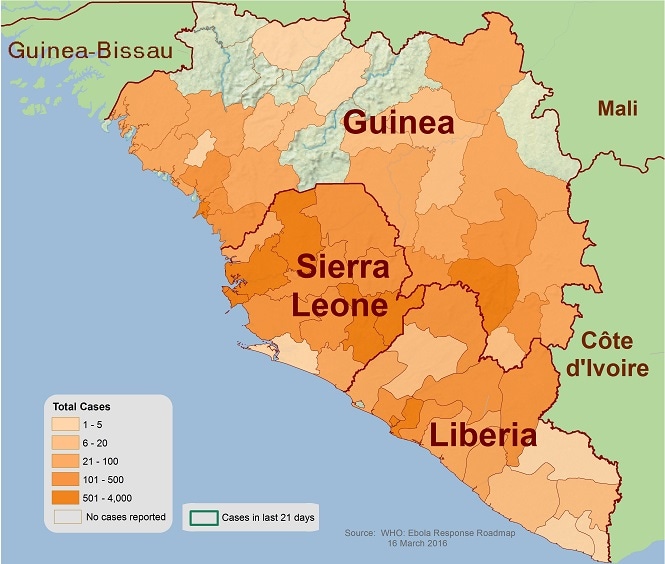
BBC recently published a nice overview of the Ebola outbreak in West Africa. Since the first case 18 months ago, it has been a whirlwind, in more ways than one, for those of us in the public health/global health security world. Cheerfully, the outbreak region has officially gone two weeks without a new case! Unfortunately, Pauline Cafferkey, the Scottish nurse who was treated and recovered from Ebola in December of 2014, is in critical condition due to a late Ebola-related complication. It was just released that her complications are neurological, including severe central nervous system (CNS) disorder and that the virus was detected in her spinal fluid. Scottish public health officials did identify 58 close contacts and offered them the SV-EBOV vaccine.

Master’s Open House
Learn more about the GMU School of Policy, Government, and International Affairs Masters’ programs on Wednesday, October 21, 2015 at 6:30pm at our Arlington Campus, Founders Hall, Room 126. This informational sessional will discuss our Master’s programs ranging from Public Administration, Biodefense, Political Science, Health and Medical Policy, etc.

Imported Measles and Need for Vaccination –This past week at the IDWeek 2015 meeting, scientists reported on a study reviewing measles vaccination rates in the US and susceptible children in relation to the number of measles cases that have occurred. They noted, “this analysis highlights the need for high measles vaccination coverage to support population-level immunity and prevent reestablishment of indigenous measles transmission in the United States.” The Daily Beast also incorporated this into an article on diminishing herd immunity and anti-vaxxers.

Avian Influenza Vaccine Added to National Veterinary Stockpile
APHIS (United States Department of Agriculture’s Animal and Plant Health Inspection Services) awarded contracts to two companies to ensure manufacturing of the vaccine for avian influenza. The goal is to strengthen the Agency National Veterinary Stockpile. “This action is being taken to develop the Agency’s National Veterinary Stockpile., and does not signal a decision to vaccinate for highly pathogenic avian influenza (HPAI). While APHIS has not approved the use of vaccine to respond to HPAI, the Agency is preparing to ensure that vaccine is available should the decision be made to use it during a future outbreak.”

Stories You May Have Missed:

  • International Infection Prevention Week is next week! October 18-24, 2015 will celebrate the importance of infection prevention and control in healthcare. Let’s celebrate by not just washing our hands, but also considering all the small ways we can prevent the spread of germs in our homes and workplaces!
  • Salmonella Cucumber Outbreak – The CDC has released new data on the Salmonella Poona outbreak related to imported Mexican cucumbers. As of October 14th, there have been 757 people infected across 36 states and 4 deaths related to the outbreak.
  • DHS Wants to Revive Terrorism Alert System – In wake of the attacks in Chattanooga, President Obama’s security officials are initiating a review of the nation’s terrorism alert system to support what many consider a growing threat of domestic attacks. DHS wishes to revise and restart the National Terrorism Alert System to better respond to these evolving attacks.