Pandora Report: 12.6.2019

Are We Making Progress on the Antibiotic Resistance Front?
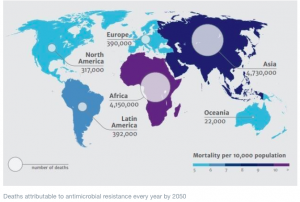
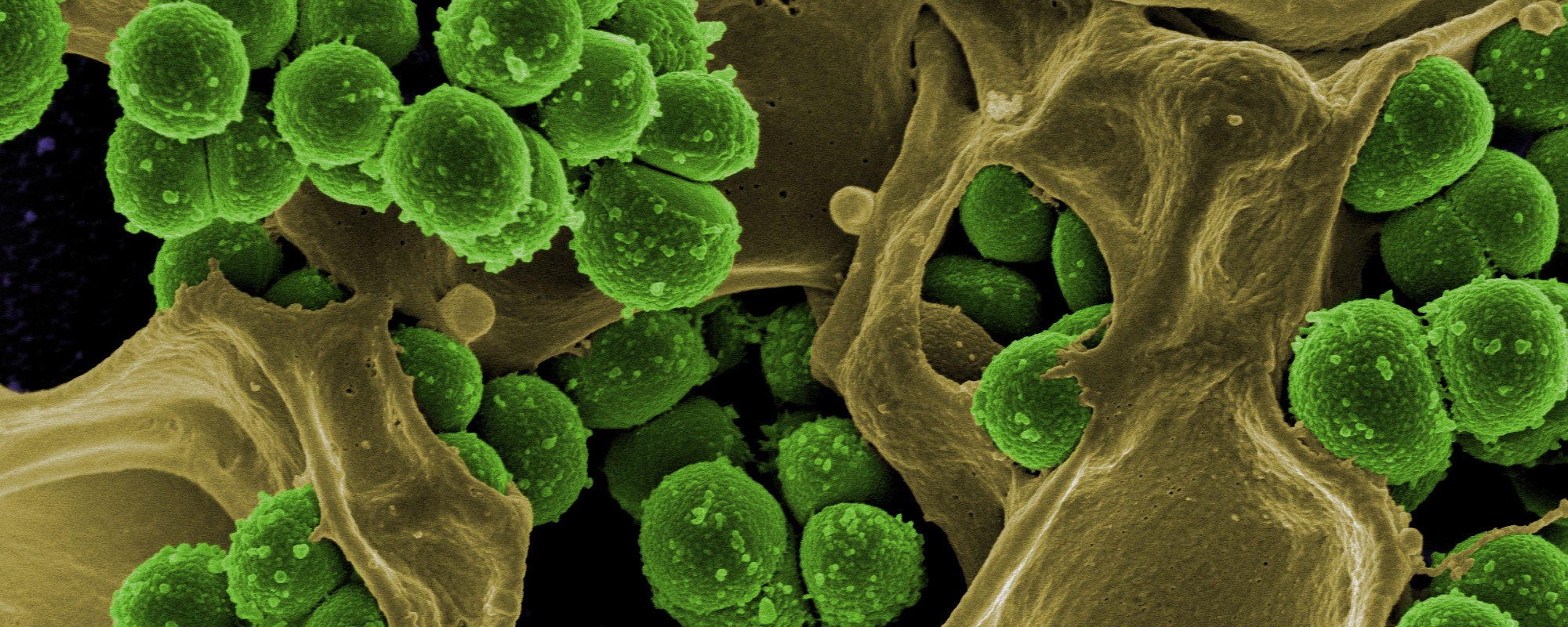
Antibiotic resistance is a problem that crosses sectors, industries, species, and frankly, requires a widespread effort to make a dent in the problem. Whether it be stewardship among medical providers, surveillance and rapid isolation, or use within agriculture, this is a global issue that we’re just not doing that well in. While the latest CDC report shows that annual deaths due to drug-resistant infections is decreasing since their last analysis, the number of infections occurring is still quite high. In 2013 it was reported that 2.6 million infections occur annually and in this latest report, they found that each year there are 2.8 million antibiotic-resistant infections resulting in 35,000 deaths. Moreover, the 2019 report shows 5 new urgent threats and 2 new threats, which emphasizes the role of stewardship initiatives and One Health. “But there is plenty to worry about. Though hospitals are making headway, the agency found some of the greatest increases in infections are acquired outside hospitals. Also, the threat of antibiotic resistance is remarkably fluid; new threats arise even as old ones are mitigated. For example, the CDC has raised the alert level to ‘urgent” for Candida auris, a multi-drug-resistant yeast that can cause invasive infection and death’.” At a global level, the World Health Organization (WHO) has worked to guide national action plans, which countries can employ and modify to their specified needs. Hint: we’ll be doing a spotlight on resistant fungal infections within this newsletter so make sure to keep reading.
The Mystery and the Truth Surrounding the Explosion at Vektor
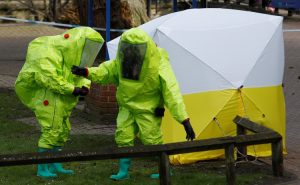
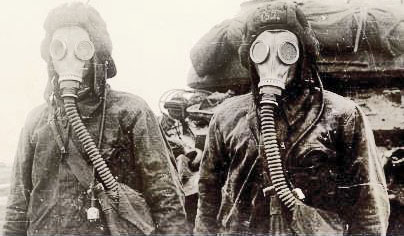
Since the explosion in September, there’s been  growing conversation around what really happened at Vektor, but also the immediate media coverage that was often over-hyped and opportunistic. Dr. Filippa Lentzos has broken down the facts and ultimately, the implications of those rapid reports. Citing inspections from the WHO-led team, she notes that previously, the site had met international biosecurity and biosafety standards as a smallpox repository. While Vektor’s history includes being an offensive weapons site during the era prior to the Biological Weapons Convention (BCW) and some time after, it has been transformed to a site for research and biodefense. Truly, the biggest issue, Lentzos notes, is the biosafety issues that frequent such research. “Jens Kuhn, a German virologist who was part of a Pentagon-sponsored program that sent young scientists to work in former bioweapons labs, was the first Western scientist through the door at VECTOR in July 2001. Getting in was anything but easy, but once inside he found that contrary to fears he had heard expressed in the West, the high-containment units operated both safely and securely. ‘The Russians don’t want to kill themselves any more than Western scientists,’ Kuhn is quoted as saying in a Nature news story.” While the facility has been upgraded and repaired in recent decades, the Russian government declares biodefense activities and confidence-building measures through the BWC regularly. Sure, they’re doing research with deadly disease like Ebola and Marburg, not to mention storing smallpox, but it’s important to remember that not only is Russia following the International Health Regulations (IHR), which would require them to report risky public health events, but they also did communicate the explosion (although, mostly through the media) and that it happened in the decontamination room – an incident that did not warrant such IHR reporting. As Lentzos underscores, some of the reactions to the event were overblown but this is a prime example of why transparency during such events is critical to avoid misinformation and opportunistic reporting.

Synopsis of the Crimson Contagion 2019 Functional Exercise After-Action Review
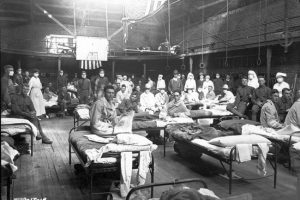
This week, the National Biodefense Science Board convened a meeting focusing on the after-action review of the Crimson Contagion 2019 Functional Exercise, a national level exercise series conducted to detect gaps in mechanisms, capabilities, plans, policies, and procedures in the event of a pandemic influenza.  Current strategies include the Biological Incident Annex to the Response and Recovery Federal Interagency Operational Plans (2018), Pandemic Influenza Plan (2017 Update), Pandemic Crisis Action Plan Version 2.0, and CDC’s Pandemic Influenza Appendix to the Biological Incident Annex of the CDC All-Hazard Plan (December 2017). These plans, updated over the last few years, were tested by the functional exercise with emphasis on the examination of strategic priorities set by the NSC. Specifically, examined priorities include operational coordination and communications, stabilization and restoration of critical lifelines, national security emergencies, public health emergencies, and continuity. The Crimson Contagion 2019 Functional Exercise included participation of almost 300 entities – 19 federal departments and agencies, 12 states, 15 tribal nations and pueblos, 74 local health departments and coalition regions, 87 hospitals, 40 private sector organizations, and 35 active operations centers. The scenario was a large-scale outbreak of H7N9 avian influenza, originating in China but swiftly spreading to the contiguous US with the first case detected in Chicago, Illinois. Continuous human-to-human transmission of the H7N9 virus encourages its spread across the country and, unfortunately, the stockpiles of H7N9 vaccines are not a match for the outbreak’s strain; however, those vaccines are serviceable as a priming dose. Also, the strain of virus is susceptible to Relenza and Tamiflu antiviral medications. The exercise was intended to deal with a virus outbreak that starts overseas and migrates to the US with scant allocated resources for outbreak response and management, thereby forcing the Department of Health and Human Services (HHS) to include other agencies in the response. To do so, the exercise began 47 days after the identification of the first US case of H7N9 in Chicago, otherwise known as STARTEX conditions. Then, the HHS declared the outbreak as a Public Health Emergency (PHE), the World Health Organization (WHO) declared a pandemic, and the President of the United States declared a National Emergency under the National Emergencies Act. As was the case in the 1918 Great Influenza, transmissibility is high and cases are severe. At STARTEX, there are 2.1 million illnesses and 100 million forecasted illnesses as well as over half a million forecasted deaths. As the pandemic progresses along the epidemiological curve, the overarching foci of the federal-level response adjusts across four phases:

  1. Operational coordination with public messaging and risk communication
  2. Situational awareness, information sharing, and reporting
  3. Financing
  4. Continuity of operations

The outcome of the Crimson Contagion is that vaccine development is the silver bullet to such an outbreak, but there are complications beyond its formulation. Namely, the minimization of outbreak impact prior to vaccine development and dispersal, strategy for efficient dissemination of the vaccine across the country, allocation of personal protective equipment (PPE), and high expense of vaccine development and PPE acquisitions. The exercise concluded that HHS requires about $10 billion in additional funding immediately following the identification of a novel strain of pandemic influenza. The low inventory levels of PPE and other countermeasures are a result of insufficient domestic manufacturing in the US and a lack of raw materials maintained within US borders.  Additionally, the exercise revealed six key findings:

  1. Existing statutory authorities, policies, and funding of HHS are insufficient for a federal response to an influenza pandemic
  2. Current planning fails to outline the organizational structure of the federal government response when HHS is the designated lead agency; planning also varies across local, state, territorial, tribal, and federal entities
  3. There is a lack of clarity in operational coordination regarding the roles and responsibility of agencies as well as in the coordination of information, guidance, and actions of federal agencies, state agencies, and the health sector
  4. Situation assessment is inefficient and incomplete due to the lack of clear guidance on the information required and confusion in the distribution of recommended protocols and products
  5. The medical countermeasures supply chain and production capacity are currently insufficient to meet the needs of the country in the event of pandemic influenza
  6. There is clear dissemination of public health and responder information from the CDC, but confusion about school closures remains

A final report with greater detail of the after-action review of the Crimson Contagion 2019 Functional Exercise is forthcoming. Stay tuned.

Biosecurity Insight
The latest Biosecurity Insight is out, which is a great source for information from the Centre for Biosecurity and Biopreparedness (CBB) established by the Danish Parliament. In this new volume, you can read about the control of CRISPR, fake news and biological weapons (“Pathogens are impossible to see and their effects difficult to understand. This makes the fear of them a dangerous device to be exploited through fake news. In a world where more than half of the population is online, social media can become a device to spread panic and mistrust, and hamper responses to natural disease outbreaks.”), and how the internet enables bioterrorism. You can read more here.

The Nuclear Balancing Act – Energy and Security
On November 14th, the GMU Schar School of Policy and Government hosted a panel conversation on the intersection of nuclear energy and security. “Students and faculty members from the Schar School of Policy and Government, as well as representatives from government agencies and nongovernmental organizations, joined Brent Park, Deputy Administrator for Defense Nuclear Nonproliferation at the U.S. Department of Energy’s National Nuclear Security Administration, and Mikhail Chudakov, Deputy Director General for Nuclear Energy at the International Atomic Energy Agency (IAEA)” to have frank conversations about the future state of nuclear energy and how to address “energy poverty”. Moderated by GMU biodefense professor and graduate program director Dr. Gregory Koblentz, the group discussed the marriage between these two nuclear components and that we ultimately need to continue having these conversations. As Dr. Koblentz noted, “Given the growing demand for carbon-free energy and the dynamic geopolitical situation, it was very informative to hear about how the IAEA and the United States work together to promote safe and secure nuclear energy.”

Biological Weapons Convention Meeting of States Parties (MSP)
This week the MSP began, bringing together states parties engaged in the prohibition of biological weapons. You can read Richard Guthrie’s daily summaries of the meetings here or even watch the livestream on UN Web TV. Hot topics will likely include funding and the current financial state, national implementation, verification, etc. The United Nations Institute for Disarmament Research (UNIDIR) has provided a 30-page overview of compliance and enforcement in the BWC, which you can access here. Written by Filippa Lentzos “this paper takes stock of the mechanisms that are currently available for attempting to determine and ensure compliance with the Biological Weapons Convention (BWC). It presents three conceptual layers of BWC compliance: one legally binding, one politically binding, and one wholly voluntary. The paper also describes a fourth, elusive layer—the verification layer—which remains one of the fundamental challenges of biological disarmament and non-proliferation.” On day 5 of the MSP, Guthrie noted that during the science and technology meeting of experts  “there was broad agreement of a need for some form of review arrangement, but with very little detail in the discussion. In the past, for example, some delegations have favoured a small committee of experts while others have favoured some form of arrangement that would allow all states parties to contribute to it. The lack of expressions of support for specific models may be a positive sign as many delegates would seem to prefer achieving consensus on some form of review mechanism rather than pressing for their ideal.”
Missing Links – Understanding Sex- and Gender-Related Impacts of Chemical and Biological Weapons
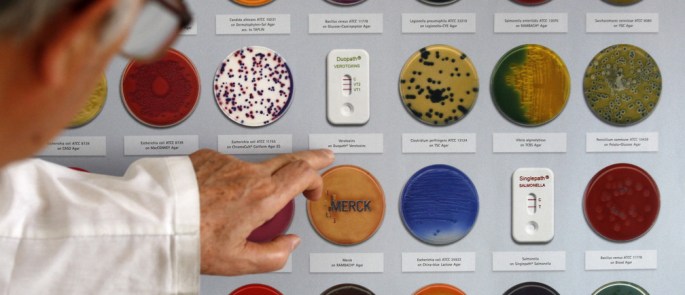
A new report released via UNIDIR is also addressing the interest that “has grown in gender as a useful analytical perspective to examine the impact of particular means and methods of warfare. Multilateral debates on chemical and biological weapons, however, have not systematically considered the relevance of sex- and age-disaggregated data on the effects of these weapons, nor knowledge of gender dynamics, in the implementation of the Biological and Chemical Weapons Conventions (BWC and CWC, respectively).” Written by Renata Hessmann Dalaqua, James Revill, Alastair Hay, and Nancy D. Connell, this is an extremely detailed and thorough look into the sex and gender dynamics that we often fail to address when it comes to CBW. The report is broken down into several sections – like sex and gender specific effects of chemical and biological weapons, which delves into the social roles and exposure as women are often the primary caregivers, as well as the social stigma and discrimination associated with exposure. Perhaps one of the most interesting sections was on health-seeking behaviors, noting that in some areas, the potential for stigma often impacts if medical care is sought. “Evidence from South Asia, Africa, and Vietnam suggests that the potential for stigmatization affects women’s help-seeking more than men”. Overall, this report was extremely informative and helpful in understanding those roadblocks for not only accurate reporting, but also building the most effective response in the event of an attack.

Using Genome Sequencing to Combat Healthcare Outbreaks 
GMU Biodefense doctoral alum Saskia Popescu discusses how genome sequencing can change response to outbreaks in healthcare settings. Infection prevention epidemiologists work hard to identify spikes in usual case counts or rapidly respond to single cases of unusual organisms. Unfortunately, identifying a source or transmission mechanism isn’t always that easy and we often don’t find the proverbial “smoking gun”.  However, a study assessed the use of genome sequencing in real-time as a tool to help give hospital epidemiologists and infection control an advantage against microorganisms. Investigators across several universities discussed how they employed the rapid and cost-efficient tool during an outbreak of Acinetobacter baumannii at the Queen Elizabeth Hospital Birmingham in 2011. The source of the outbreak was found to be a military patient from Afghanistan who was being treated for a blast injury. This specific case is unique in that the outbreak lasted an incredibly long time—80 weeks, which is the longest ever studied for Acinetobacter baumannii. 

Antimicrobial Resistant Fungal Infections
Fungi are eukaryotic organisms like molds, yeasts, and mushrooms that can be pathogenic in humans. Antifungal medications treat dangerous fungal infections, but antifungal resistant microbes are on the rise, just like antibiotic resistant bacteria. For example, antifungal resistance is increasingly common in severe Candida (a yeast) infections, which often causes nosocomial bloodstream infections. The Centers for Disease Control and Prevention (CDC) released a report on antibiotic resistance threats in the US, which includes a warning about drug-resistant fungi as a serious public health issue. According to the report, 18 microorganisms cause three million antibiotic resistant infections and 35,000 deaths each year. This is the first CDC report to include antibiotic-resistant fungi to include Candida auris along with other resistant Candida species and azole-resistant Aspergillus fumigatus, a mold. Resistance is inherent to certain fungi but can also develop through the misuse and overuse of antifungal and antibiotic drugs in human medicine and agriculture. As with antimicrobial resistance at large, the ubiquitous use of stronger and stronger antimicrobial medications is contributing to the spread of resistance while struggling to combat ongoing infections. The CDC is taking several steps and actions to prevent and reduce resistance:

  • Tracking trends in antifungal resistance through the Emerging Infections Program (EIP)
  • Supporting a network of regional public health laboratories through the Antibiotic Resistance Laboratory Network (ARLN) to perform antifungal susceptibility testing for Candida
  • Using genetic sequencing and developing new laboratory tests to identify and study specific mutations associated with antifungal resistance in Candida
  • Summarizing antifungal prescribing patterns across different healthcare facilities to promote appropriate use of antifungals

The CDC’s warning also includes suggestions about what can be done to curb the threat of antifungal resistance:

  • Healthcare facility executives and infection control staff can:
    • Assess antifungal use as part of their antibiotic stewardship programs
    • Ensure adherence to guidelines for hand hygiene, prevention of catheter-associated infections, and environmental infection control
  • Doctors and other hospital staff can:
    • Prescribe antifungal medications appropriately
    • Test for antifungal resistance for patients with invasive disease who are not improving with first-line antifungal medications
    • Stay aware of resistance patterns, including antifungal resistance, in your facility and community
    • Document the dose, duration, and indication for every antifungal prescription
    • Participate in and lead efforts within your hospital to improve antifungal prescribing practices
    • Follow hand hygiene and other infection prevention and control guidelines with every patient

Outbreak Dashboard
More attacks have plagued Ebola outbreak response efforts in the DRC, as case counts reach 3,313. Flu activity is also continuing to grow, as B/Victoria viruses are the most common and the CDC reported 8% of respiratory specimens tested by clinical labs were positive for influenza. The CDC is continuing to advise people not to consume romaine lettuce from the Salinas, CA, growing region due to an E. coli O157:H7 outbreak.

News of the Weird
A controversial fence, African swine fever, and Danish critics. In the realm of ASF outbreak response, some are calling the latest efforts in Denmark a waste of money. “On Monday, Denmark completed the fence along the border with Germany to protect its nearly 5,000 pig farms that export 28 million pigs annually, according to the Danish Agriculture and Food Council in a DW.com article. The 1.5-meter tall and half-meter deep fence runs from the Wadden Sea in the west to the Flensburg Fjord in the east. The fence construction cost Denmark around $12 million.” From potentially disrupting migration and an impact on the ecosystem, critics are saying the real threat is the importation of contaminated swine.

Stories You May Have Missed:

Pandora Report: 11.22.2019

Happy Antibiotic Awareness Week! Are you being a good steward of antimicrobials during this respiratory virus season?

When A Lab Explosion Ruins Your Day – Stories of Vector 
A few months back, an explosion at the Russian laboratory complex known as the State Research Centre of Virology and Biotechnology (Vector), raised a red flag regarding the stockpiling of smallpox and realistically, biosafety/biosecurity. Not surprisingly, stories about where the explosion occurred, what was kept in that area, and all manner of horror movie-esque plots began to swirl. Gwyn Winfield though, has broken down the rumors, the realities, and the challenges of understanding what exactly happened when well, there’s not a lot of trust in Russian explanations. Gwyn takes care to highlight how fast speculation occurred though, and that while it may not have been easy to get answers right away, the theatrics of lab-to-bioweapon speculation does little good. Noting that the blast occurred on the 5th floor of building one – “The floor had been under repair since July, and since there was no research in progress there, and the area was not secure, there were no pathogens on that floor to be released.” As Winfield notes, the lack of information makes things challenging and while experts might make guesses, “the individuals that need to take the most lessons from this are exercise planners, globally but especially in Russia”. You can read the full article here.

The Microbiome and AMR
Microbiota bear effects on a variety of chronic diseases such as gastrointestinal, autoimmune, respiratory, neurological, and cardiovascular conditions; however, the microbiome also plays a role with infectious diseases. The growing body of research on the importance of the microbiome to human health links natural flora and the immune system, which are in a largely symbiotic relationship. More specifically, a healthy microbiome aids in the induction, training, and function of the immune system and, in return, the immune system maintains a happy balance between natural flora and the host human. Unfortunately, that relationship is under great threat as the persistent overuse of antibiotics destroys not only the invasive bacteria but also the healthy bacteria that help maintain immune function. Antimicrobial resistance (AMR) is ability of microbes – bacteria, viruses, fungi – to circumvent the mediating effects of antibiotic, antiviral, and antifungal therapeutics. The overuse of antibiotics enables strong, resistant bacteria to survive in the host, so your gut ultimately populates with mostly resistant bacteria, even bacteria resistant to multiple drugs. Disruptions to the microbiome by antibiotic use adds to the spread and strength of antimicrobial resistance in harmful microbes. Our overreliance on the prescription of antibiotics to alleviate bacterial infections, even minor ones that the immune system may be able to overcome, and a lack of medication compliance resulting in misuse are chipping away at the clinical efficacy of these drugs. This is of considerable concern as microbes become cleverer and less susceptible to multiple medications, resulting in infections that are less and less treatable. According to the CDC, there are over 2.8 million antibiotic-resistant infections in the US each year and more than 35,000 people die from those infections. The critical task at hand is to develop alternative therapeutics that can treat infections while, at least, not contributing to further microbial resistance. As a mediator for colonization resistance and a symbiote of the immune system, the microbiome possesses potential as a therapeutic gateway to subvert resistance.

Biodosimetry Biomarkers and Serum Proteomic Signatures – GMU Biodefense Alum Tackles It All 
GMU Biodefense doctoral student Mary Sproull is our resident guru on radiation – she’s a biologist in the Radiation Oncology Branch of the National Cancer Institute at NIH. Here are just two more reasons why Sproull is the go-to person for things like biodosimetry: she has two new publications that you’ll want to check out. The first, Comparisons of Proteomic Biodosimetry Biomarkets Across Five Different Murine Strains (try saying that five times fast) “seeks to compare the expression levels of five previously established proteomic biodosimetry biomarkers of radiation exposure, i.e., Flt3 ligand (FL), matrix metalloproteinase 9 (MMP9), serum amyloid A (SAA), pentraxin 3 (PTX3) and fibrinogen (FGB), across multiple murine strains and to test a multivariate dose prediction model based on a single C57BL6 strain against other murine strains.” Make sure to read this study as it discusses why these strain specific differences exist between expression levels. In the second article A Serum Proteomic Signature Predicting Survival in Patients with Glioblastoma, Sproull and the research team discuss this common brain tumor and how developing adequate biomarkers can help drive stronger patient outcomes. “Analysis of potentially relevant gene targets using The Cancer Genome Atlas database was done using the Glioblastoma Bio Discovery Portal (GBM-BioDP). A ten-biomarker subgroup of clinically relevant molecules was selected using a functional grouping analysis of the 40 plex genes with two genes selected from each group on the basis of degree of variance, lack of co-linearity with other biomarkers and clinical interest. A Multivariate Cox proportional hazard approach was used to analyze the relationship between overall survival (OS), gene expression, and resection status as covariates.”

Gene Editing
Advancements in biotechnology pose potentials and perils as such technology becomes easier to access and use by a wide array of bio-users, not just formally trained scientists at professional laboratories. Gene editing, the alteration of an organism’s DNA, is one such biotechnology. A number of research and government entities are working diligently to maximize the potential benefits of gene editing while simultaneously minimizing its perils. Two such entities are the National Academies of Sciences, Engineering, and Medicine and the Defense Advanced Research Projects Agency (DARPA). The former is concerned with perils of synthetic biology while the latter is trying to unlock its potential. The National Academies of Sciences, Engineering, and Medicine just released Strategies for Identifying and Addressing Vulnerabilities Posed by Synthetic Biology: Proceedings of a Workshop in Brief, which summarizes the key discussions in an October 2018 meeting of experts and policymakers following a report for the DOD, Biodefense in the Age of Synthetic Biology. The meeting’s purpose was to assemble federal personnel and the committee for the DOD report to consider the implications for actions DOD might take to quell potential misuse of synthetic biology capabilities. The committee evaluated 12 capabilities associated with (1) the synthesis and modification of pathogens; (2) production of chemicals, biochemicals, and toxins; and (3) modulation of human physiology. Each of the three capability areas were assigned relative levels of concern in terms of the usability of a technology, its usability as a weapon, its requirements of actors, and the potential for its mitigation. Additional workshop discussions included the potential of delivery mechanisms to serve as a barrier to the misuse of synthetic biology to produce weapons, the possibility to use synthetic biology to modify human physiology in new ways, and opportunities in computational biology to alleviate fears about synthetic biology capabilities through the prevention, detection, and attribution of its misuse. DARPA’s latest biotechnology project is the “Detect It with Gene Editing Technologies” program, more lovingly called DIGET. The primary objective of DIGET is “to provide comprehensive, specific, and trusted information about health threats to medical decision-makers within minutes, even in far-flung regions of the globe, to prevent the spread of disease, enable timely deployment of countermeasures, and improve the standard of care after diagnosis.” The DIGET dream deliverables are two devices: (1) a handheld and disposable point-of-need tool that simultaneously screens 10 or more pathogens or host biomarkers and (2) a multiplexed detection platform that simultaneously screens at least 1,000 clinical and environmental samples. DIGET seeks to incorporate gene editors and detectors biosurveillance as well as swift point-of-need diagnostics for endemic, emerging, and engineered pathogens. DARPA is hosting a Proposer’s Day meeting about the DIGET program on 11 December 2019.

Biological Threats to U.S. National Security – Subcommittee on Emerging Threats and Capabilities 
On Wednesday, Dr. Thomas V. Inglesby, Dr. Tara J. O’Toole, and Dr. Julie Gerberding gave testimony to this subcommittee within the U.S. Senate Committee on Armed Services. During the testimony, Dr. Inglesby “noted the growing threat of biological events that can emerge from nature, deliberate attack, or accidental release and reviewed current US government efforts in this arena. He presented recommendations to improve the government’s response to and preparedness for a major biological event.” You can read his full testimony here.

Revisiting the Biological Weapons Convention Protocol
Lynn Klotz recently wrote on the gaps within the BWC in relation to compliance monitoring. Despite efforts to change this in the past, those pushing for a protocol to randomly select site visits as means to do quality checks, have been disappointed over the years as administrations cite that such additions would not truly verify or provide greater security. As Klotz underscores – this sentiment fundamentally misses the goal of the protocol…which is transparency. “But recent events serve to underscore that a protocol to the convention to address the treaty’s shortcomings is an idea that should be revisited. Unfounded Russian allegations about biological weapons development in former Soviet countries are threatening the effectiveness of the convention. This concern along with strong arguments for the high importance of transparency in international treaties calls for revisiting the protocol, which had provisions for both transparency and for dealing with allegations like Russia’s.” Citing the 2019 meeting in which Russia alleged that several former Soviet states had active bioweapons programs, distrust soon grew and disruption rippled throughout the BWC. Klotz emphasizes that this exact situation is a prime reason why a protocol should be revisited – to help build confidence through increasing transparency. Not a free-for-all, but rather through managed-access rules, such as random visits by inspection teams would help verify the absence of bioweapons. Klotz takes care to discuss why protocol efforts were abandoned in 2001 and the role of transparency in multilateral arms control regimes, which you can read more about here.

Health Security Career Panel (Left to Right): Ashley Grant, Stuart Evenhaugen, Syra Madad, Sapana Vora, Halley Smith, Justin Hurt, and Malaya Fletcher.

GMU Hosts Health Security Career Panel 
Last week, adjunct professor Ashley Grant, a lead biotechnologist at the MITRE Corporation, held a career panel at the Schar School of Policy and Government at George Mason University as part of her course on Global Health Security Policy. To highlight the different paths that graduate students in the Biodefense program can take in the health security field, Professor Grant convened a diverse panel of health security practitioners to discuss their jobs and the skills they have needed to succeed. The panel included professionals from a variety of different backgrounds ranging from local health providers to Federal employees. Students in the Schar School’s Biodefense Graduate Program were able to ask the panelists about the challenges of moving from a technical career path into science policy and opportunities for internships. The panel included Stuart Evenhaugen of the Assistant Secretary for Preparedness and Response (ASPR)’s Strategy Division in the Department of Health and Human Services (HHS); Syra Madad, the Senior Director of System-Wide Special Pathogens Program at NYC Health + Hospitals; Halley Smith, a program lead with the U.S. Department of State Cooperative Threat Reduction Program, on detail from Sandia National Laboratories Global Chemical and Biological Security Program; Sapana Vora, the Deputy Team Chief for the U.S. Department of State’s Biosecurity Engagement Program (BEP) and Iraq Program in the Office of Cooperative Threat Reduction (CTR); and Malaya Fletcher, a Lead Scientist at Booz Allen Hamilton in Washington, DC.  The panel also included LTC Justin Hurt a CBRN/WMD Organizational Integration Officer in the Army G-3/5/7 Office who is currently enrolled in the Biodefense PhD program. As biodefense graduate student Michael Krug noted, “The panel was immensely valuable in providing detailed insights and experiences into each of the panelist’s unique career paths. Emphasizing the demand for multi-disciplined approaches, as well as active communication to answer the many health security questions facing the world.”

A Little Bit of Plague and A Whole Lot of Panic  
Plague – a word that still sparks fear after hundreds of years. Two cases were recently reported in China’s Inner Mongolia and of course, it involved a hunter and butchering/eating a wild animal. Diagnosed on November 5th, there were two additional cases reported in Beijing but from the Inner Mongolia area. “In both cases, the two patients from Inner Mongolia were quarantined at a facility in the capital after being diagnosed with pneumonic plague, health authorities said at the time. The Inner Mongolia health commission said it found no evidence so far to link the most recent case to the earlier two cases in Beijing.” As many have pointed out, the fear around this news has been more damaging to response efforts. Pneumonic plague is not as highly contagious as many news outlets have let on – only requiring Droplet + Standard isolation precautions and plague is easily treatable with antibiotics or prophylaxis.

Should We Be Celebrating CRISPR’s Anniversary?
It’s not many times an expert and innovator writes an article entitled “CRISPR’s unwanted anniversary” about a tech they were instrumental in developing. Dr. Jennifer Doudna recently wrote on those moments that can make or break a disruptive technology and in the case of CRISPR, it was last year, when Hong Kong-based scientist He Jiankui started the CRISPR baby drama. This was a pivotal moment in not only biotech, but also genome editing and its future. As Doudna notes, it’s comforting that scientists around the world reacted with conversations about the need for safeguards and transparency as CRISPR technology grows. In the face of this anniversary though, what has been done? Are there consequences for going against widely accepted norms? Doudna leaves us with the notion that “The ‘CRISPR babies’ saga should motivate active discussion and debate about human germline editing. With a new such study under consideration in Russia, appropriate regulation is urgently needed. Consequences for defying established restrictions should include, at a minimum, loss of funding and publication privileges. Ensuring responsible use of genome editing will enable CRISPR technology to improve the well-being of millions of people and fulfill its revolutionary potential.”

Outbreak Dashboard
In keeping up with the latest outbreaks, here are some quick updates on a handful of the infectious disease events that are going on  – The outbreak of Ebola virus disease in the DRC may be slowing as there were no new cases reported on November 19th but over 400 suspected cases were still being assessed (total case count is 3,296). With the recent approval of the Ebola vaccine by the European Medicines Agency (EMA), the distribution of the vaccine will increase and could impact the outbreak as well. Nigeria is facing a Yellow Fever outbreak, which it has struggled against since 2017. In the past 4 weeks, 839 new cases have been reported. Flu activity is increasing in the United States and the predominant strains are B/Victoria, A(H3N2) and A(H1N1)pdm09. 2.3% of healthcare provider visits in outpatient settings were for influenza-like illnesses. There is also a new E. coli outbreak linked to pre-packaged chicken Caesar salads impacting 17+ people across 8 states.

Hot Spots and Inadequate Monitoring for Bioterrorism – An American Story
Law professor Ana Santos Rutschman of Saint Louis University recently wrote on the usual and unusual biological suspects and how organisms like Salmonella can easily be overlooked as cases of bioterrorism (case in point the 1984 Oregon attack). Rutschman delves into preparedness efforts, like BioWatch, and how “there is a profound lack of coordination between federal agencies and local communities. When asked about what happens after notifications of a possible bioterrorism attack, Dr. Asha George, executive director of the Bipartisan Commission on Biodefense, answered: “They go off but nobody knows what to do.

Stories You May Have Missed:

  • Ongoing Outbreaks Trigger Laws to Limit Vaccine Exemptions – in the middle of measles outbreaks and pertussis cases occurring frequently, there is a desperate need for reducing vaccine exemptions that protect the anti-vaccine instead of the public’s health. “In 2018, the same research group published a study showing that, despite rising numbers of proposed antivaccine laws, pro-vaccine bills were more likely to become law. For the current study, the team looked at how health data might affect laws. The new findings come following a surge of measles activity in the United States this year, mostly fueled by a few large outbreaks that nearly cost the nation the measles elimination status that it achieved in 2000.”
  • Acinetobacter Baumannii Risk Factors– “After assessing 290 isolates, they found that 169 were endemic (96 of REP-1) and the most common site for isolation was the respiratory tract. In total, 109 patients (37%) had only Acinetobacter baumannii isolated, while some had up to 5 other organisms also identified. In those colonized, 69 were REP-1, and 64 with REP-2-5, the research team found that for those patients with REP-1, there was a 70% increase in carriage per increase in Schmid score (statistically significant), and a 50% increase in REP-2-5. Interestingly, prior colonization, longer lengths of stay, and immunosuppression did now have a statistically significant relationship with Acinetobacter baumannii colonization. “


Pandora Report: 11.15.2019

We’re back and we’ve got quite a packed newsletter for you, so grab a beverage and get ready for the warm fuzzies of biodefense news.

Failing to PREDICT the Next Pandemic
A few weeks back, it was announced that funding for the PREDICT program would cease after $207 million was sunk into the initiative. GMU biodefense MS student Michael Krug has provided a deep-dive into what PREDICT worked towards, the debated success, and what its cancellation means. “However, even with the billions of dollars spent on ensuring a robust global biosurveillance network, it remains unknown if this network can predict what the next disease will be or where the next outbreak will occur.” Read more here.

An Antibiotic Eclipse – Scenario or Future?
GMU Biodefense doctoral alum and infection preventionist Saskia Popescu discusses the looming threat of antibiotic resistance and what a future with little to no treatment options would look like. From dwindling options for secondary infections related to influenza to declining surgeries, a future without antibiotics is dim. Popescu highlights what this looks like and how we’re quickly approaching it through both the drying antibiotic pipeline, but also limited surveillance, and challenges in changing both stewardship and infection control measures. The existential threat of antimicrobial resistance is very real and Popescu provides a scenario portraying the economic and human costs that antimicrobial resistance could impose on society 30 years from now, if it is not addressed soon. You can read the full article here. This is an especially relevant topic as the CDC just released new data, finding that annually, 2.8 million resistant infections and 35,000 related deaths occur in the United States. The CDC report notes that “However, deaths decreased by 18 percent since the 2013 report. This suggests that prevention efforts in hospitals are working. Yet the number of people facing antibiotic resistance in the United States is still too high.”

Event Recap – People, Pigs, Plants, and Planetary Pandemic Possibilities 
If you happened to miss this November 5th event, no worries – GMU biodefense doctoral student Stevie Kiesel has provided an in-depth summary of the panel and discussions. Kiesel notes that the panel had insightful discussions on the need to understand local context and empower people and local public health communities. Local context is important for combating misinformation and getting a more accurate understanding of conditions on the ground. For example, the public health community must understand why a country may be disincentivized to report a disease outbreak in its early stages, when it is more easily controlled. Authoritarian governments who maintain tight messaging control may not want to admit to an active outbreak, or the economic drawbacks of announcing an outbreak may be so severe that leaders try to hide what’s going on. You can read more here.

Pandemic Policy: Time To Take A Page Out Of The Arms Control Book
Rebecca Katz is holding back no punches in her latest article on the broken policy approaches we have to international outbreak accountability, and frankly, it’s long overdue. Full disclosure, the first line is one of my favorites – “Last month, the World Health Organization (WHO) was reduced to the equivalent of playground pleading: ‘But you promised!’” Katz highlights that in the face of countries failing to meet their obligations within the International Health Regulations (IHR), the WHO has little recourse to act and frankly, the path to accountability isn’t particularly clear. Ultimately, this problem could be solved though, if instead of rewriting the IHR, we modeled such treaties in the image of the Biological Weapons Convention (BWC) to help convene regular review conferences, discuss developments, and establish a regulatory response that could help drive accountability. “As the former US representative to the BWC, Charles Flowerree, wrote, treaties ‘cannot be left simply to fend for themselves’.”

The 5th Annual Pandemic Policy Summit at Texas A&M University
GMU Biodefense doctoral student Rachel-Paige Casey has provided an in-depth review of this important summit earlier this week. The objective of each Summit is to convene researchers, medical professionals, practitioners, private sector experts, NGO representatives, and political leaders to examine issues in pandemic preparedness and response, health security, and biodefense. The foci of this year’s Summit were the promises and perils of technology; BARDA leadership through its history and today; the effect of the anti-vaccine movement on pandemic preparedness and response; and ongoing outbreaks. Key discussions included the inadequacy of biopreparedness, worries regarding emerging biotechnologies, the modern vaccine hesitancy movement in the US, and the leadership and future of BARDA. You can read more about the summit here.

Catalyst- A Collaborate Biosecurity Summit 
Don’t miss this February 22, 2020 event in San Francisco. “Catalyst will be a day of collaborative problem-solving for a broad range of people invested in the future of biotechnology, including synthetic biologists, policymakers, academics, and biohackers. We aim to catalyze a community of forward-looking individuals who will work together to engineer a future enhanced by biology and not endangered by it.The summit is free to attend for everyone accepted, and the application only takes a few minutes. We expect participants to come from diverse backgrounds, and welcome applicants who do not work professionally in biosecurity or biotechnology, who are early in their careers, and who are skeptical of how biosecurity discussions are typically framed. You can apply to attend here.

Firehosing – the Antivaxxer Strategy for the Transmission of Misinformation
Researchers Christopher Paul and Miriam Matthews of Rand introduced this idea in 2016 and it’s proving to be pretty accurate for how anti-vaccine advocates are pushing out their opinions. Lucky Tran of The Guardian recently made the link between antivaxxers and the strategy of firehosing, which entails a massive flow of disinformation to overwhelm the audience. Just like it sounds, firehosing involves pushing out as many lies as frequently as possible to overwhelm people with information and making it nearly impossible for a logical response to combat that much disinformation. Tran stumbled across this application by seeing it on a television show with anti-vaccine influencers like Jay Gordon and he employed this strategy. “Anti-vax influencers such as Jay Gordon and Andrew Wakefield can keep repeating disproved claims – and in the case of Wakefield, doing so despite having had his medical license revoked – because their lying effectively debases reality and gains them followers and fame in the process.” The Rand study can be found here, which originally discussed firehosing in the context of Russian propaganda – as it has two “distinctive features: high numbers of channels and messages and a shameless willingness to disseminate partial truths or outright fictions. In the words of one observer, ‘[N]ew Russian propaganda entertains, confuses and overwhelms the audience’.” In the face of this relatively new tactic, there is a desperate need to remove false anti-vaccine content from social media and websites, and to put more pressure on media and news platforms to not provide support for such guests/conversations.

Crowd-Control Weapons – Are They Really Non-Lethal?
The term “non-lethal” or “less-than-lethal” gets thrown around a lot when it comes to crowd/riot-control weapons but just how non-lethal are these methods if they’re overused? Physicians for Human Rights (PHR) dug into this very issue because frankly, the use of these weapons is quite common and if they’re not used properly, or with the proper training, they can be devastating. Routine use or misuse of agents like tear gas can be deadly. The PHR conducted several investigations into their use by governments in Bahrain, Georgia, Kashmir, Turkey, and other countries and ultimately, what they found was some pretty startling misuse that can result in long-term health outcomes or even death. They put together a report and factsheets on specific “non-lethals” like acoustic weapons, rubber bullets, stun grenades, tear gas, and even water cannons. Within each factsheet, you can read about the history, how they work, device types, health effects, legality of use, and considerations and policy recommendations. Within the report, they reviewed usage of the weapons including things like people who suffered injuries or even death. As protests occur in China, the use of sonic weapons for crowd control are a very real reminder of the fine line we walk when using “non-lethals”.

Ebola Outbreak Updates and Vaccine Approval 
This week, the European Medicines Agency (EMA) approved the V920 vaccine for Ebola Virus Disease (EVD) and it is already being administered in the Democratic Republic of the Congo. The ongoing EVD outbreak in the Democratic Republic of the Congo (DRC) started in August 2018 and has now exceeded 3,000 cases and 2,000 deaths. Since the 2014-15 outbreak in West Africa, advances in medical research produced new vaccination and therapeutic options. The V920 vaccine, developed and produced by Merck, was tested during the outbreak and showed a 97% efficacy rate and protects against the Zaire species, which is the strain responsible for the current outbreak. Johnson-and-Johnson is also beginning trials for its investigational EVD vaccine. Johnson-and-Johnson’s vaccine requires two doses, a barrier for patient compliance, and does not contain any antigens from the Ebola Bundibugyo species of the virus. Dr. Dan Lucey, professor of medicine at Georgetown University, wrote an editorial in the British Medical Journal about the new treatments for EVD. Dr. Lucey’s article reviews the findings and shortcomings of the four-arm randomized controlled trial (RCT) evaluating the efficacy of four potential EVD treatments: ZMapp, remdesivir, mAb114, and REGN-EB3. The RCT was discontinued when a strict statistical threshold for decreased mortality was reached REGN-EB3, a monoclonal antibody drug. The punchline for the efficacy of REGN-EB3 is that it is efficacious if administered during the early stage of the disease but not as the diseases progresses. Lucey recommends continuing research on EVD treatments that are successful at later stages of the diseases. Last but not least, the article applauds the rigor and difficulty of this randomized-controlled trial given it was conducted during the outbreak, making it a precedent-setting achievement.

GMU Biodefense Alum Changing the Face of Aerospace Physiology 
We’re excited to share some of the achievements of one of GMU’s biodefense alum – Nereyda Sevilla, a May 2017 doctoral graduate in Biodefense, who is a civilian aerospace physiologist for the Defense Health Agency working as Acting Director of the Military Health System Clinical Investigations Program. She was also recently awarded the Air Force Medical Service Biomedical Specialist Civilian of the Year Award and the Air Force Meritorious Service Medal. If you’d like to see more of Nereyda’s hard work in action, check out the article she and the Spatiotemporal Epidemiologic Modeler (STEM) Team published in the Sept 2019 edition of Health Security,  “STEM: An Open Source Tool for Disease Modeling.” (Volume 17, Number 4, 2019).

Phase 3 Trial of Modified Vaccinia Ankara Against Smallpox
In the last Pandora Report, we discussed the FDA approval of the new smallpox vaccine JYNNEOS, that was tested by USAMRIID. The vaccine, developed by biotechnology company Bavarian Nordic, will enter the market under the name JYNNEOS. You can read about the Phase 3 efficacy trial of JYNNEOS (a modified vaccinia Ankara, MVA) as a possible vaccine against smallpox in the latest New England Journal of Medicine. GMU Biodefense professor and director of the graduate program, Dr. Gregory Koblentz noted that one of the key findings of this Phase 3 efficacy trial is that even though the FDA has approved a two-dose regimen for MVA (since it is a non-replicating vaccine that uses an ), a single dose of MVA provided the same level of protection as a single dose of the replicating vaccinia vaccine ACAM 2000. “At day 14, the geometric mean titer of neutralizing antibodies induced by a single MVA vaccination (16.2) was equal to that induced by ACAM2000 (16.2), and the percentages of participants with seroconversion were similar (90.8% and 91.8%, respectively).” An additional advantage of MVA over ACAM 2000 is that the former can be administered by a subcutaneous injection while the latter requires scarification through the use of a bifurcated needle. The article concludes that “No safety concerns associated with the MVA vaccine were identified. Immune responses and attenuation of the major cutaneous reaction suggest that this MVA vaccine protected against variola infection.”

Key Global Health Positions – A Who’s Who in the U.S. Government
Have you ever wondered who helps support global health within the U.S. government?  The Kaiser Family Foundation (KFF) has created a substantial list on not only the positions, but also who (if anyone) is occupying them. From the Department of Health and Human Services to the Department of the Treasury, you’ll want to utilize this list to not only realize the scope of global health efforts within the USG, but also who you might need to get in touch with.

Stories You May Have Missed:

  • African Swine Fever Continues to Spread in Asia – Unfortunately, this outbreak isn’t showing signs of letting up… “The update shows new outbreaks in Vietnam, Cambodia, Laos, the Philippines, South Korea and on the Russian side of the Chinese border reported during the first week of November. Meanwhile, formal confirmation is awaited of ASF outbreaks in Indonesia. The FAO reports that more than 4,500 pigs are said to have died in 11 regencies/cities in North Sumatra. Dead pigs were also found in a river. FAO is liaising with the Indonesian authorities to ‘confirm the cause and explore needs’.”

Pandora Report: 10.11.2019


GMU Biodefense Graduate Program Open House
Have you considered expanding your education and experiences through a graduate degree in biodefense? Learn more about our MS (online and in-person) and PhD programs in our upcoming Open Houses! The Master’s Open House will be held on Thursday, October 17th at 6:30pm at our Arlington campus, and the PhD Open House will be on Thursday, November 7th, at 7pm at the Fairfax campus. We invite you to learn more about our programs by attending an open house. You will have the opportunity to discuss our graduate programs with program directors, faculty, admissions staff, current students, and alumni. The current schedule is reflected below, but be sure to sign up for emails from the Schar School’s Graduate Admissions Office to be notified of future admissions events!

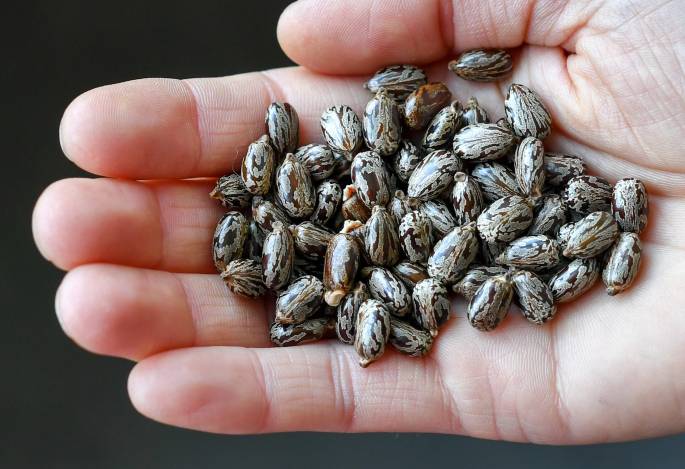
What Can We Glean from a Bean: Ricin’s Appeal to Domestic Terrorists
GMU biodefense doctoral student Stevie Kiesel breaks down the use of ricin and its application as an agent of domestic terror. “Just as policymakers have been slow to acknowledge and act upon the threat of domestic CBRN terrorism, timely extant research on the issue is scarce as well. In this article, I focus on ricin as an agent of domestic terror. As government agencies acknowledge the threat domestic terrorism poses, policymakers and law enforcement should take ricin seriously as a potential weapon. To understand the plausibility of ricin’s use as a weapon, I reviewed a number of journal articles, news articles, and court records from 1978 through 2019 and compiled data on 46 incidents of ricin acquisition and/or use. Of these 46 incidents, 19 could be credibly tied to terrorism, 19 were not related to terrorism, and 8 were unclear. The most common motivation after terrorism was murder (10 instances). Of the 19 terrorist incidents, 58% were committed by extreme right-wing terrorists, a term that here encompasses the following ideologies: neo-Nazi/neo-fascist, white nationalist/supremacist/separatist, religious nationalist, anti-abortion, anti-taxation, anti-government, and sovereign citizen.”

GMU One Health Day Panel Discussion                                          Save the date for this November 5th event sponsored by the GMU Next Gen Global Health Security Network and the GMU Biodefense Discussion Group. “One Health Day is November 3 – Connecting Human, Animal, and Environmental Health. One Health is the idea that the health of people is connected to the health of animals and our shared environment. Learn why One Health is important and how, by working together, we can achieve the best health for everyone. [CDC} Did you know that animals and humans often can be affected by many of the same diseases and environmental issues? Some diseases, called zoonotic diseases, can be spread between animals and people. More than half of all infections people can get can be spread by animals – a few examples include rabies, Salmonella, and West Nile virus.” On November 5th, you can listen to the panel from 5-7:10pm in Van Metre Hall at the GMU Arlington Campus. Panel members include Michael E. von Fricken,  PhD, MPH   GMU Global Health and Community Health Security, Dr Jason Hanson,   DVM, PhD, DACVPM,  Associate Editor at Program for Monitoring Emerging Diseases, Willy A. Valdivia-Granda, CEO, ORION INTEGRATED BIOSCIENCES, INC., and Dr Taylor Winkleman,  DVM, CEO, Winkleman Consulting, LLC. “This panel will discuss emerging ONE HEALTH approaches through the various lens of their real world experiences in the world of Global and Community Health, national security arenas, and the international biodefense security domain. Discussions and interactions with the audience will address insightful views of innovation and emerging technology developments for biodefense leveraging data mining, genomics of infectious diseases, implementation of algorithms for the development of medical countermeasures against known and unknown biothreats, one health biosurveillance challenges in detecting infectious diseases, and strategies for integrating the efforts of health security professionals and biotech experts working together to improve the health of people, animals — including pets, livestock, and wildlife —as well as the environment. Common types of professionals involved in One Health work include disease detectives, human healthcare providers, veterinarians, physicians, nurses, scientists, ecologists, as well as policy makers.”

Ebola Outbreak Updates
After two weeks of halted response efforts due to security concerns, things are resuming in the DRC. “The WHO said though the decline in cases is encouraging and gains have been made in the response, several challenges remain and that the current trends should be interpreted with caution.” On Wednesday, case counts reached 3,207 with 2,144 deaths and 441 suspected cases being investigated. There was concern over a Swedish patient admitted for Ebola testing, but results have come back negative.

Biosafety Levels in Laboratories – Whats the Difference?
We throw around the term “BSL-4” around a lot, but how well do you actually know the different biosafety levels? “The United States is home to several types of laboratories that conduct medical research on a variety of infectious biological agents to promote the development of new diagnostic tests, medical countermeasures, and treatments. To promote safe medical research practices in laboratories studying infectious agents, the Centers for Disease Control and Prevention (CDC) and the National Institutes of Health have established four BSLs. The levels consist of requirements that have identified as protective measures needed in the laboratory setting to ensure the proper management of infectious agents to avoid accidental exposure or release into the environment. The BSL designations, ranked from lowest to the highest level of containment, are BSL-1, BSL-2, BSL-3, and BSL-4. The BSL designations outline specific safety and facility requirements to achieve the appropriate biosafety and biocontainment. The BSL is assigned based on the type of infectious agent on which the research is being conducted. The CDC has designed an infographicto help visualize the differences between each level. Each level builds on the previous level, adding additional requirements.”

African Swine Fever: An Unexpected Threat to Global Supply of Heparin
In a conversation I never thought I’d have in healthcare…the outbreak of African swine fever (ASF) is hitting heparin supplies at a global level – what a prime example of One Health! “Since August 2018, China has culled more than one million pigs in efforts to contain the spread of ASF within the country. Widespread culling of pigs consequently affects the supply of raw materials needed to produce heparin, which is derived from mucosal tissues in pig intestines. Heparin is a critical anticoagulant drug used to treat and prevent the formation of blood clots in blood vessels in healthcare. As pig herds continue to become infected and culled, should the United States form contingency plans in the event of a heparin shortage?”

Getting Ahead of Candida auris 
“As IDWeek 2019 continued into the weekend, there was no shortage of information for those seeking to prevent and control infectious diseases. For many of us, the threat of antimicrobial resistance has been a major challenge and one for which guidance is desperately needed. Challenging organisms, like Candida auris, make infection prevention efforts in health care that much more difficult and patient care intrinsically more dangerous. In a presentation at the meeting, the presenting author and medical epidemiologist, Snigdha Vallabhaneni, represented the US Centers for Disease Control and Prevention (CDC), while co-authors included experts from health care and public health from California, Connecticut, and CDC.  Researchers emphasized that over 1600 patients have been identified in the United States to have C auris infections or colonization. Of those confirmed cases, risk factors were identified, which include high-acuity post-acute care admissions – like long-term acute care hospitalizations, colonization with carbapenemase-producing organisms (CPOs), or hospitalization abroad.”
 
2019 White House Summit on America’s Bioeconomy
“On October 7, 2019, The White House hosted the Summit on America’s Bioeconomy. The Summit marked the first gathering at The White House of our Nation’s foremost bioeconomy experts, Federal officials, and industry leaders to discuss U.S. bioeconomy leadership, challenges, and opportunities. The bioeconomy represents the infrastructure, innovation, products, technology, and data derived from biologically-related processes and science that drive economic growth, improve public health, agricultural, and security benefits. Bioeconomy outputs are incredibly diverse, and future applications limitless in terms of both application and value, including new ways to treat cancer; enable novel manufacturing methodologies for medicines, plastics, materials, and consumer products; create pest and disease resistant crops; and support DNA-based information systems that can store exponentially more data than ever before. Advances realized over the past two decades have resulted from the unique U.S. innovation ecosystem and the convergence between biology and other disciplines and sectors, such as nanotechnology and computer science. The U.S. bioeconomy – spanning health care, information systems, agriculture, manufacturing, national defense, and beyond – is growing rapidly with increasing impact on our Nation’s vitality and our citizens’ lives. Biotechnology represents 2% of the U.S. GDP, or $388 billion. To remain a world leader in the bioeconomy, the U.S. must foster an ecosystem that puts innovative research first in addition to promoting a strong infrastructure, workforce, and data access framework.”

Social Media and Vaccine Hesitancy                                                    As of this year, vaccine hesitancy is listed one of the WHO’s 10 big threats to global health. Vaccine hesitancy is the foot-dragging or refusal to vaccinate yourself or your children, when vaccines are available. Social media are platforms for the dissemination of both accurate and inaccurate information regarding vaccine safety and benefits. Unfortunately, vaccine content shared on social media is overwhelmingly anti-vaccine material and often lacking scientific or medical evidence. According to Ana Santos Rutschman at Saint Louis University, malicious bots are being used to more efficiently disseminate vaccine misinformation on these platforms. Fortunately, major platforms are instituting policies to curb the spread of vaccine misinformation and support the spread of accurate information from credible sources. Though misinformation remains abundant online, these new policies are promising steps toward eliminating erroneous data. Santos Rutschman “believe[s] social media can and should be redesigned to facilitate the promotion of accurate vaccine information.”

Stories You Might Have Missed:

  • UK Report Cites Lack of AMR Progress-“A paper issued yesterday by policy institute Chatham House concludes that not enough progress has been made on recommendations from a series of reports that alerted the world to the rising threat of antimicrobial resistance (AMR). The AMR Review, commissioned in 2014 by former UK Prime Minister David Cameron and chaired by British economist Lord Jim O’Neill, outlined the threat of AMR to global public health and highlighted the potential costs of inaction in eight separate reports issued over 2 years. Among the highlights from the first AMR Review paper were two startling figures—that drug-resistant infections could cause the deaths of 10 million people by 2050 and could cost the global economy up to $100 trillion if the problem was not addressed in the coming years.”


What Can We Glean from a Bean: Ricin’s Appeal to Domestic Terrorists

By Stevie Kiesel

Stevie is a part-time PhD student in the GMU Biodefense program, and a full-time transportation security analyst. Her area of study is extreme right wing terrorism and WMD.

In June 2019, FBI leadership testified to the House Oversight and Reform Committee that “individuals adhering to racially motivated violent extremism ideology have been responsible for the most lethal incidents among domestic terrorists in recent years, and the FBI assesses the threat of violence and lethality posed by racially motivated violent extremists will continue.” In September 2019, the Department of Homeland Security published a Strategic Framework for Combating Terrorism and Targeted Violence, which acknowledges that “white supremacist violent extremism…is one of the most potent forces driving domestic terrorism” and “another significant motivating force behind domestic terrorism has been anti-government/anti-authority violent extremism.” A few weeks later, William Braniff, director of START at the University of Maryland, testified to the Senate Homeland Security and Governmental Affairs Committee that “among domestic terrorists, violent far-right terrorists…are responsible for more…pursuits of chemical or biological weapons…than international terrorists.” Just as policymakers have been slow to acknowledge and act upon the threat of domestic CBRN terrorism, timely extant research on the issue is scarce as well. In this article, I focus on ricin as an agent of domestic terror. As government agencies acknowledge the threat domestic terrorism poses, policymakers and law enforcement should take ricin seriously as a potential weapon.

To understand the plausibility of ricin’s use as a weapon, I reviewed a number of journal articles, news articles, and court records from 1978 through 2019 and compiled data on 46 incidents of ricin acquisition and/or use. Of these 46 incidents, 19 could be credibly tied to terrorism, 19 were not related to terrorism, and 8 were unclear. The most common motivation after terrorism was murder (10 instances). Of the 19 terrorist incidents, 58% were committed by extreme right-wing terrorists, a term that here encompasses the following ideologies: neo-Nazi/neo-fascist, white nationalist/supremacist/separatist, religious nationalist, anti-abortion, anti-taxation, anti-government, and sovereign citizen. The remaining incidents were committed by Islamist terrorists (16%), Chechen nationalists (10%), or their exact ideology was unclear (16%). Continue reading “What Can We Glean from a Bean: Ricin’s Appeal to Domestic Terrorists”

Pandora Report: 10.4.2019

What’s New with Novichoks?
Gregory Koblentz, Director of the Biodefense Program, and Stefano Costanzi, a chemistry professor at American University, have published an article in The Nonproliferation Review about recent efforts to add Novichok nerve agents to the Chemical Weapons Convention’s list of Schedule 1 chemicals which are subject to the highest level of verification. Novichok become a household word after Russian agents used this new type of chemical weapon in the attempted assassination of Sergei and Julia Skripal in Salisbury, United Kingdom in March 2018, but there is still a good deal of public confusion about this family of nerve agents. In “Controlling Novichoks After Salisbury: Revising the Chemical Weapons Convention Schedules,” Koblentz and Costanzi clarify the identity of the nerve agent  used in the Salisbury incident and evaluate two proposals regarding Novichoks that will be considered by the Organization for the Prohibition of Chemical Weapons (OPCW) in November. This will be the first time the CWC’s Schedules have been revised since the  treaty was opened for signature in 1993.

Bipartisan Commission on Biodefense Cyberbio Convergence Recap & The Germy Paradox
GMU Biodefense graduate student Georgia Ray has provided us with a detailed summary of this Commission event. We’d also like to show off her blog, Eukaryote Writes, which just so happens to delve into bioweapons and how close we’ve gotten to actual use. Georgia notes “I’ve heard a lot about ‘nuclear close calls.’  Stanislav Petrov was, at one point, one human and one uncomfortable decision away from initiating an all-out nuclear exchange between the US and the USSR. Then that happened several dozen more times. As described in Part 1, there were quite a few large state biological weapons programs after WWII. Was a similar situation unfolding there, behind the scenes like the nuclear near-misses?” In Georgia’s in-depth review of the Cyberbio Convergence event, she notes that “Tom Dashchle described biosecurity as a cause area with ‘broad support but few champions’ and agreed with the importance of creating career paths and pipelines into the field. (Great news for optimistic current Biodefense program students like myself.) The panel also agreed on the importance of education starting earlier, through STEM education and basic numeracy skills.”

1918/1919 Pandemic Museum Exhibit
Check out the Mutter Museum for a permanent exhibit on the influenza pandemic that hit Philadelphia, PA. “On Sept. 28, 1918, in the waning days of World War I, over 200,000 people gathered along Broad Street in Philadelphia for a parade meant to raise funds for the war effort. Among the patriotic throngs cheering for troops and floats was an invisible threat, which would be more dangerous to soldiers and civilians than any foreign enemy: the influenza virus. Officials went ahead with the parade despite the discouragement of the city health department about the ever-spreading virus. Within 72 hours of the parade, all the hospital beds in Philadelphia were full of flu patients. Within six weeks, more than 12,000 people died — a death every five minutes — and 20,000 had died within six months.” Named “Spit Spreads Death”, the exhibit opens on October 17th and will include interactive maps, artifacts, and images. Personal stories and accounts from historians brings this exhibit to life and drives home the message.

The Story of Technology
GMU biodefense doctoral alum Dr. Daniel Gerstein has the latest book for you to add to the reading list – The Story of Technology.  “Technology–always a key driver of historical change–is transforming society as never before and at a far more rapid pace. This book takes the reader on a journey into what the author identifies as the central organizing construct for the future of civilization, the continued proliferation of technology. And he challenges us to consider how to think about technology to ensure that we humans, and not the products of our invention, remain in control of our destinies? In this informative and insightful examination, Dr. Daniel M. Gerstein–who brings vast operational, research, and academic experience to the subject–proposes a method for gaining a better understanding of how technology is likely to evolve in the future. He identifies the attributes that a future successful technology will seek to emulate and the pitfalls that a technology developer should try to avoid. The aim is to bring greater clarity to the impact of technology on individuals and society.” As General David Petraeus (former commander of the troop surge in Iraq, US Central Command, and Coalition Forces in Afghanistan, and former director of the CIA), noted “Gerstein brings a unique perspective to The Story of Technology, as both a national security expert and a technologist. He examines, in a compelling fashion, the inextricable link between humans and technological advancement—and specifically how the latter has granted America security, economic, and societal advantages. But he also cautions, rightly, that many of the foundations on which these advantages have been built are eroding, threatening our interests and perhaps even redefining what it means to be human. This book is a must-read for our national leaders, technology specialists, and general readers alike.”

Starting with the focus on food safety that we saw within the FDA Food Safety Modernization Act (FSMA), the FDA is launching a new tool to help ensure food safety and security occurs in the U.S. “The new Food Safety Dashboard launched today is part of FDA-TRACK, which is one tool the FDA uses to monitor certain FDA programs through key performance measures and projects, and regularly updates to ensure transparency to the public. While we expect that it will take several years to establish trends in the data, the initial data show that since 2016, the majority of companies inspected are in compliance with the new requirements of the preventive control rules. Additional FDA data also show that overall, industry has improved the time it takes to move from identifying a recall event to initiating a voluntary recall, from an average of four days in 2016 to approximately two days in 2019. In fact, comparing the FSMA data with our recall data shows the bigger picture, demonstrating the effectiveness of preventive measures as food recalls once again have reached a five-year low.”
Ebola Outbreak Update
As cases continue to be identified, albeit slowly (total is now 3,198),  much focus has been on community resistance as new research is being released. Researchers “explored community resistance using focus group discussions and assessed the prevalence of resistant views using standardized questionnaires. Despite being generally cooperative and appreciative of the EVD response (led by the government of DRC with support from the international community), focus group participants provided eyewitness accounts of aggressive resistance to control efforts, consistent with recent media reports. Mistrust of EVD response teams was fueled by perceived inadequacies of the response effort (“herd medicine”), suspicion of mercenary motives, and violation of cultural burial mores (“makeshift plastic morgue”). Survey questionnaires found that the majority of respondents had compliant attitudes with respect to EVD control. Nonetheless, 78/630 (12%) respondents believed that EVD was fabricated and did not exist in the area, 482/630 (72%) were dissatisfied with or mistrustful of the EVD response, and 60/630 (9%) sympathized with perpetrators of overt hostility. Furthermore, 102/630 (15%) expressed non-compliant intentions in the case of EVD illness or death in a family member, including hiding from the health authorities, touching the body, or refusing to welcome an official burial team.” GMU Biodefense doctoral alum Saskia Popescu notes that “This research shed light on many of the suspected social dynamics that challenge response efforts but also delved into detail of what is needed to refine education and community outreach to truly be effective.” The U.K. has issued Tanzania travel warnings over a probable Ebola death. “The U.K. advised travelers to Tanzania to be aware of a ‘probable’ Ebola-related death in the East African nation, its Foreign and Commonwealth Office said Tuesday in a statement on its website. About 75,000 British nationals visit Tanzania every year, it said.”
James F. McDonnell, a presidential appointee who over the last two years downsized the Department of Homeland Security’s efforts to prevent terrorism involving weapons of mass destruction, has agreed to resign. McDonnell’s resignation, department sources said, comes at the request of acting Homeland Security Secretary Kevin McAleenan and would become effective at noon on Thursday, according to an email McDonnell sent his staff at 12:57 p.m. EDT on Wednesday. McDonnell’s seven-sentence memo did not provide a reason for his resignation, saying only it was ‘time for a new leadership team to take things to the next level’.”
“Perhaps one of the increasingly more apparent challenges of battling antimicrobial resistance is that of surveillance. This presentation by Michael Y. Lin, MD, MPH, of Rush University Medical Center, discussed the Illinois XDRO Registry. Created in 2013, this data source for XDROs focuses on carbapenem-resistant Enterobacteriaceae (CRE), carbapenemase-producing Pseudomonas aeruginosa, and Candida auris. The registry essentially allows health care facilities to access data to identify if patients being admitted have a history of colonization or infection with the aforementioned organisms.  Data is submitted through hospitals and allows for alerts to be created, automatically, which are sent via email, page, or even a text to the hospital’s infection preventionist when the patient is admitted. Perhaps one of the increasingly more apparent challenges of battling antimicrobial resistance is that of surveillance. This presentation by Michael Y. Lin, MD, MPH, of Rush University Medical Center, discussed the Illinois XDRO Registry. Of those patients who were unknown to the facilities, 33% were not in contact precautions when the alert occurred, indicating that it is highly beneficial for reducing disease transmission.”

Stories You May Have Missed:

  • EEE Cases Continue in Michigan – “The threat from Eastern Equine Encephalitis is continuing to grow, especially in Michigan where state health officials now say 12 counties have confirmed having human or animal cases of EEE. The mosquito-borne virus usually infects only about seven people annually, but there have been 28 human cases reported so far this year across the country. Nine people have died.”


Pandora Report: 9.19.2019

This week your dose of biodefense news is arriving a bit early – what a way to kick off the weekend! Flipper fans will be sad to hear that dolphins are a new source for antibiotic resistance.

Russian Virology Research Center Hit By Blast/Fire
In perhaps not the best of places to have a gas-cylinder explosion, the Russian Virology Center, Vektor, is causing a bit of concern around the world. Cue the conversations regarding the destruction of smallpox stockpiles…”Russia’s consumer-safety watchdog Rospotrebnadzor said on September 16 that one worker was sent to hospital for third-degree burns suffered in the incident at the State Research Center of Virology and Biotechnology (Vector) near the Russian city of Novosibirsk. It added that no biohazardous substances were present in the sanitary inspection room at the time of the fire. The city’s mayor, Nikolai Krasnikov, said the laboratory, on the fifth floor of a six-story building in the city of Koltsovo, was undergoing renovation and repair work at the time of the incident. All glass in the building was said to have been broken in the blast. A fire covering about 30 square meters was extinguished after the explosion. In the 1970-1980s, the research center developed biological and bacteriological weapons, as well as means of protection against them.”

Preparedness for a High-Impact Respiratory Pathogen Pandemic
The Johns Hopkins Center for Health Security has just released their report, which “examines the current state of preparedness for pandemics caused by ‘high-impact respiratory pathogens’—that is, pathogens with the potential for wide- spread transmission and high observed mortality. Were a high-impact respiratory pathogen to emerge, either naturally or as the result of accidental or deliberate release, it would likely have significant public health, economic, social, and political consequences. Novel high-impact respiratory pathogens have a combination of qualities that contribute to their potential to initiate a pandemic. The combined possibilities of short incubation periods and asymptomatic spread can result in very small windows for interrupting transmission, making such an outbreak difficult to contain. The potential for high-impact respiratory pathogens to affect many countries at once will likely require international approaches different from those that have typically occurred in geographically limited events, such as the ongoing Ebola crisis in Democratic Republic of the Congo (DRC).”

UK Vaccine Network – Mapping Pathogens of Pandemic Potential
Do you know what the United Kingdom is doing to develop vaccines against pandemic pathogens? “During the 2013–2016 Ebola outbreak in West Africa an expert panel was established on the instructions of the UK Prime Minister to identify priority pathogens for outbreak diseases that had the potential to cause future epidemics. A total of 13 priority pathogens were identified, which led to the prioritisation of spending in emerging diseases vaccine research and development from the UK. This meeting report summarises the process used to develop the UK pathogen priority list, compares it to lists generated by other organisations (World Health Organisation, National Institutes of Allergy and Infectious Diseases) and summarises clinical progress towards the development of vaccines against priority diseases. There is clear technical progress towards the development of vaccines. However, the availability of these vaccines will be dependent on sustained funding for clinical trials and the preparation of clinically acceptable manufactured material during inter-epidemic periods.”

Global Preparedness Monitoring Board
In their very first report, the GPMB “reviewed recommendations from previous high-level panels and commissions following the 2009 H1N1 influenza pandemic and the 2014-2016 Ebola outbreak, along with its own commissioned reports and other data. The result is a snapshot of where the world stands in its ability to prevent and contain a global health threat.” The report includes actions for leaders to take, like commitment and investment from heads of government, building strong systems, and preparing for the worst. For example, they note that “Donors, international financing institutions, global funds and philanthropies must increase funding for the poorest and most vulnerable countries through development assistance for health and greater/earlier access to the United Nations Central Emergency Response Fund to close financing gaps for their national actions plans for health security as a joint responsibility and a global public good. Member states need to agree to an increase in WHO contributions for the financing of preparedness and response activities and must sustainably fund the WHO Contingency Fund for Emergencies, including the establishment of a replenishment scheme using funding from the revised World Bank Pandemic Emergency Financing Facility.”

Blue Ribbon Study Panel Becomes Bipartisan Commission on Biodefense
At their latest event, the Blue Ribbon Study Panel announced it would be “taking on a new name to more accurately reflect its work and the urgency of its mission. Effective immediately, the organization now will be known as the Bipartisan Commission on Biodefense. ‘We do not simply study the problem,’ said Executive Director Dr. Asha M. George. ‘We conduct our activities with a self-imposed mandate and the same sort of urgency that congressional commissions demonstrate. Moving forward, we will be the Bipartisan Commission on Biodefense. Our leadership team and unyielding focus remain unchanged.’ The organization was established in 2014 to comprehensively assess the state of U.S. biodefense, and to issue recommendations to foster change. The Commission will continue to be co-chaired by former Senator Joe Lieberman and former Governor Tom Ridge, the first Secretary of Homeland Security.”

NAS Workshop – Public-Private Partnerships for Global Health at the National, Municipal, and Community Levels
Don’t miss this National Academies event on October 23rd and 24th in Washington, D.C. “The National Academies’ Forum on Public-Private Partnerships for Global Health and Safety is convening a 1.5 day workshop to examine the enabling environments for public-private partnerships (PPP’s) at the national, municipal, and community levels. Panelists will provide case studies that focus on the mechanics of building a partnership in a region, the conditions the private sector needs to establish itself in a region, and how a country becomes PPP-ready to accept private partners. The panelists will include: the private sector actors who established a business in a region; the government representative who worked with the private sector actors to create the conditions for private sector involvement; and the intermediary who helped to facilitate the partnership. Additionally, local business owners who distribute the products from larger businesses, or that develop their own businesses within a region, will be brought in to discuss the conditions they need at the local level to form sustainable business models. Intermediaries that work to facilitate global partnerships will also give a broader view of how partnerships are enabled.”

Efforts to Reduce Nosocomial Ebola Transmission
Today there were 15 new cases of Ebola virus reported in the DRC, bringing the case counts to 3,145. Ongoing violence has been a concern, but the growing number of nosocomial infections is also worrisome. “In the wake of this outbreak, the threat of health care-associated infections has grown and thus far 18% of the outbreak cases are nosocomial. The ability for hospitals and treatment centers to act as amplifiers in the middle of an outbreak is not a novel concept. Unfortunately, this number is deeply concerning and represents critical breakdowns in infection control measures. In addition to the avoidable cases, the high number of nosocomial cases is also a driving factor for many to avoid care within the treatment centers. Consider an already skeptical community, and now include the fact that nearly 1 out of 5 cases occur as a result of exposure within a medical setting. Not only can this fuel fear and apprehension to seek care within the community, but it also can put health care workers in danger. In response to this trend, the WHO is partnering up with agencies like the United Nations Children’s Fund, and the US Centers for Disease Control and Prevention (CDC) to help boost health care response and infection prevention in the 3000 nurses, physicians, and health care workers responding to the outbreak.”

Big Pharma Drops New Drugs Despite Drying Antibiotic Pipeline
Despite the continued warnings of the drying antibiotic pipeline and the growing threat of antimicrobial resistance, the pharmaceutical world has shown little interest in investing in the production of new antimicrobials. These costly efforts are a considerable hurdle for companies as a new class of antibiotics is desperately in need. “According to an in-depth report from German public broadcaster NDR this week, the reason for this lack of preparation for the impending crisis is simple: Antibiotics simply aren’t profitable. Antibiotics are only used for a few days once in a while, and are being prescribed less as doctors become more aware of the dangers of overprescription. Instead, drug companies are focusing on lucrative medications for chronic conditions such as high cholesterol, arthritis, epilepsy and cancer. Johnson & Johnson, Sanofi, Pfizer, AstraZeneca, Novartis, Otsuka and many others have all gutted their antibiotic development teams and moved those budgets elsewhere. This is despite a 2016 pledge signed by over 100 companies, including Johnson & Johnson and Novartis, saying they would help prevent the next epidemic by investing in ways to combat the rise of antibiotic-resistant superbugs.”

Stories You May Have Missed:

  • Rising Cases of EEE in Massachusetts – “Eastern equine encephalitis (EEE) virus—a rare but often fatal mosquito-borne virus—has been found in Massachusetts for the first time since 2013. Since the beginning of August, seven people in the state have tested positive for the virus, and one woman from Bristol County has died from the illness. State officials have additionally found the virus in 400 mosquito samples.”
  • The Future of Duodenoscopes – “Over the years, these scopes have shown a propensity for making the transmission of multidrug-resistant organisms easier than we anticipated. There continues to be a strong infection control and regulatory focus on reprocessing to ensure patient safety. The flexible medical devices are used to help visualize and assess not only the small intestine, but also the pancreas and bile ducts. Since they products are reusable, the complex, error-prone process of reprocessing becomes critical to avoid disease transmission between patients. Unsurprisingly, there has been increased pressure to move to avenues that reduce the risk for patient exposure and promote safety during these procedures. On August 29, 2019, the US Food and Drug Administration (FDA) put forth a recommendation that both duodenoscope manufacturers and health care facilities alike, should move towards those scopes with disposable components, specifically the endcaps.”


Pandora Report: 9.13.2019

CSPS Annual Symposium on International Security
Don’t miss this event on navigating the nuclear future – “Join CSPS for their 2nd Annual Symposium on International Security on September 27, 2019. This year’s topic is Navigating the Nuclear Future and will discuss the issues of nuclear energy, nuclear weapons, and the nonproliferation regime. Speakers will include General Frank Klotz, Suzanne DiMaggio, Brian Mazanec, Laura Holgate, Ketian Zhang, and others. Lunch will be provided.”

DoD Inspector General to Reevaluate Select Agent Facilities
“The Department of Defense Office of the Inspector General (DoD OIG) is conducting a Follow-Up Evaluation of DoD Biological Select Agents and Toxins (BSAT) Biorisk Program Office implementation of recommendations from the April 2016 ‘Evaluation of DoD Biological Safety and Security Implementation’. The OIG assessment was announced in a 12 Aug 2019 memorandum distributed to the Secretary of the Army; Surgeon General of the Army; Office of the Secretary of the Army; U.S. Army Medical Research and Material Command; Director, DoD Biological Select Agents and Toxins Biorisk Program Office; Under Secretary of Defense for Acquisition and Sustainment; Assistant Secretary of Defense for Nuclear, Chemical and Biological Defense Programs; Deputy Assistant Secretary of Defense for Chemical and Biological Defense; and the Director, Defense Health Agency. The memo noted the OIG objective is to validate implementation of recommendations from the April 2016 report (available below), and assess the development of the oversight capabilities of the Biological Select Agents and Toxins (BSAT) Biorisk Program Office.”

GMU Master’s & PhD Open Houses
Curious about what it takes to get a biodefense graduate degree? Check out our Open Houses to learn about the MS program (online and in-person) or our PhD program. The PhD Open House is next Thursday, September 19th at 7pm at our Arlington campus. The  next Master’s Open House will be on Thursday, October 17th, at 6:30pm at the Arlington campus as well.

Cyberbiosecurity in Advanced Manufacturing Models
A new article published in Frontiers in Bioengineering and Biotechnology identifies weaknesses in biomanufacturing standards relating to cybersecurity attacks and failures. The healthcare industry, especially hospitals, is often the victim of cyberattacks. In fact, the Department of Health and Human Services found that the occurrence of healthcare cyberattack reports increased by 10% since 2010. The authors purport that the biomanufacturing sector is an attractive and vulnerable target to cyberattacks due to its reliance on intellectual property, cyber-physical systems, and government-mandated production regulations. The article details considerations for emerging biologic products, specifically regarding the flow of information in various biomanufacturing operations. Recommendations to increase the resiliency of the biomanufacturing sector include heightened investment in training employees, boosting attention to cybersecurity, and improved collaboration between industry and regulators to design and implement safeguard policies.

Antibiotic Alerts: Building Better Processes to Encourage Stewardship
In the battle against resistant infections, response efforts have been focused on developing and deploying new tools to help reduce antimicrobial use. It is estimated that roughly 50% of antibiotic prescriptions in hospital and outpatient settings in the United States are unnecessary or inappropriate. Therefore, any tool that can enhance antimicrobial stewardship is a welcome addition to the toolkit. Given these startling numbers, it’s not surprising that many hospitals are looking to more automatic hard-stops to prevent the misuse of antibiotics. Mercy Hospital in St. Louis, Missouri, sought to make this a reality by developing and implementing an automatic antibiotic time-out alert that would de-escalate broad-spectrum antibiotics. A new study published in Infection Control & Hospital Epidemiology details the program. The 1252-bed community hospital worked to develop this automatic approach because, like so many of us working in infection prevention, they saw that despite education, efforts to de-escalate broad-spectrum antibiotics were rolled out inconsistently. The research team defined the outcome as the proportion of patients who had their broad-spectrum antibiotics de-escalated at 72 hours in the year prior to the initiation of the antibiotic time-out alert that was developed in 2016. Furthermore, they assessed the total antibiotic days, cost per day, hospital length of stay, antibiotic-related adverse events, and in-hospital mortality of patients whose antibiotics were de-escalated versus those who continued treatment with broad-spectrum antibiotics.

DRC Ebola Outbreak Updates and Behind the Frontlines of the Ebola Wars
On Tuesday it was announced that HHS Secretary Alex Azar will be visiting the DRC with other US health officials to help gauge the situation and address concerns. “Azar will lead a delegation that includes Anthony Fauci, MD, director of the National Institute of Allergy and Infectious Diseases, and Robert Redfield, MD, director of the Centers for Disease Control and Prevention (CDC). Redfield has traveled previously to the outbreak region, but this will be the first trip for Azar. Joining the US delegation will be director-general of the World Health Organization, Tedros Adhanom Ghebreyesus, PhD, who has made nearly monthly trips to the DRC since August 2018, when the outbreak began in North Kivu and Ituri provinces. ‘President Trump and Secretary Azar are committed to ending the outbreak as quickly as possible,’ HHS said in a news release. ‘That is why responding to the outbreak, coordinating with and assisting the governments responding, and providing the necessary assistance has been the top global health priority for the Trump administration since August of 2018’.” The Ebola virus disease outbreak in the northeastern region of the Democratic Republic of the Congo has claimed over 2,000 lives despite the round-the-clock efforts by health and aid workers to prevent its spread. A recent exclusive featured in Nature provides insight regarding the struggles of the outbreak response from WHO Director-General Tedros Adhanom Ghebreyesus. Such struggles spur from militia violence in the region and the general suspicion of outsiders, namely the health and aid workers. Most unfortunately, the conflict and distrust further fuel the outbreak by inhibiting the dispersal of the new Ebola vaccine and other drugs to treat the ill. The militias terrorize the noncombatant inhabitants of the region and the disease responders – killings, arson, rapes, abductions, explosions. Ebola treatment centers are targets for attacks, jeopardizing both patients and healthcare providers. As Ghebreyesus summarizes, “the outbreak of Ebola is a symptom, the root cause is political instability.” Beyond the domestic issues, the response faces other hardships: limited funds, media scrutiny, and additional severe public health concerns. Altogether, these obstacles create an environment for Ebola to return after this outbreak is squelched.

Rising Risk of Global WMD
Is the risk of weapons of mass destruction (WMD) growing? Many are saying it’s time we get proactive and do something. “WMD-related arms control and disarmament measures are important components of the rules-based international order. They make an underappreciated contribution to stability and strategic predictability. They underpin efforts toward a more peaceful, nuclear weapon free world in the longer run. Allowing the WMD treaty regimes to crumble could usher in a destabilizing scramble towards the development of weapons that most hoped to be rid of. It would erode longstanding norms, weaken transparency and undermine efforts to prevent terrorists from gaining access to WMD-related technology. It could ultimately lead to WMD use becoming commonplace. This erosion is not in the long-term interests of any state. Unilateral actions to tackle WMD-related concerns are occasionally an option. But they are risky, politically challenging, expensive and arduous even for the most powerful states. And when they have occurred, such actions have sometimes broken down, tragically in some cases. The lesson here is two-fold: WMD treaties matter on normative and practical levels, and states need to deal with WMD-related compliance issues cooperatively.”

Is the US Ready if Ebola Returns?
From the viewpoint of this infection preventionzist…nope. Here are the thoughts from Blue Ribbon Study Panel’s Joe Lieberman and Tom Ridge. “Today, the threat from Ebola is more serious. The World Health Organization has declared it to be a global public health emergency because Ebola has again defied controls and spread to the city of Goma in the Democratic Republic of Congo, where it could in turn spread throughout more densely populated urban areas and gain access to the global transportation system. We support this declaration and the additional resources and attention it should bring to the situation, but the WHO should have made it earlier. Ebola was an emergency long before it spread to Goma. There are encouraging signs that some experimental Ebola drugs are working, and the CDC and U.S. Department of Health and Human Services seem to be more effectively tracking the disease. On the other hand, changes made previously to help local hospitals in the U.S. better prepare to treat those infected are not being implemented as designed. And that will have real human consequences the next time Ebola or another highly infectious disease — including a new highly pathogenic strain of influenza — reaches America.”

Mapping the Cyberbiosecurity Enterprise– Upcoming
A newly-accepted editorial piece written by Randall S. Murch and Diane DiEuliis and published in Frontiers in Bioengineering and Biotechnology provides an overview and insights on cyberbiosecurity. Cyberbiolosecurity is defined as the “understanding the vulnerabilities to unwanted surveillance, intrusions, and malicious and harmful activities which can occur within or at the interfaces of comingled life and medical sciences, cyber, cyber-physical, supply chain and infrastructure systems, and developing and instituting measures to prevent, protect against, mitigate, investigate and attribute such threats as it pertains to security, competitiveness and resilience.”

Stories You May Have Missed:

  • C-diff Sniffing Dogs – “Linked to rising use of broad-spectrum antibiotics, which can wipe out a patient’s normal gut bacteria and allow the bacterium to multiply and produce toxins that inflame the colon, C difficile infections are the leading cause of hospital-acquired diarrhea in the world. The Centers for Disease Control and Prevention estimates that each year C difficile causes more than 450,000 infections in US hospitals, is associated with more than 29,000 deaths, and costs the US healthcare system nearly $5 billion. One of the main reasons C difficile has become such a burden for hospitals is that it spreads easily—typically through contact between sick patients and healthcare workers—and it’s very hard to get rid of.”

Pandora Report: 9.6.2019

Happy Friday! We hope you had a lovely week as the summer winds down. If you’re considering reading the latest Richard Preston book, you might want to check out this review.

Journal of Biosecurity, Biosafety and Biodefense Law 
Volume 10 is now available, which “offers both a legal and scientific perspective on current issues concerning bioterrorism, public health and safety, and national security. Edited by an international board of leading scholars from all the continents, our journal is aware that bioterrorism related issues are global problems. Our goal is to develop a unique international community of legal scholars, scientists and policy experts who will address current issues in these fields.” Within this latest volume, you can find articles on vaccine exemptions, the looming threat of agroterrorism, the history of tuberculosis quarantine, and much more.

The Oversecuritization of Global Health: Changing the Terms of Debate
“Linking health and security has become a mainstream approach to health policy issues over the past two decades. So much so that the discourse of global health security has become close to synonymous with global health, their meanings being considered almost interchangeable. While the debates surrounding the health–security nexus vary in levels of analysis from the global to the national to the individual, this article argues that the consideration of health as a security issue, and the ensuing path dependencies, have shifted in three ways. First, the concept has been broadened to the extent that a multitude of health issues (and others) are constructed as threats to health security. Second, securitizing health has moved beyond a rhetorical device to include the direct involvement of the security sector. Third, the performance of health security has become a security threat in itself. These considerations, the article argues, alter the remit of the global health security narrative; the global health community needs to recognize this shift and adapt its use of security-focused policies accordingly.”

The Soldiers Who Took On Yellow Fever
Battling Aedes aegypti to help combat Yellow Fever isn’t for the faint of heart and here’s insight into how it went down. “The Yellow Fever Board, led by then-Major Walter Reed and Jesse Lazear, had convened at the Army’s Columbia Barracks in Cuba, at the height of a deadly yellow fever epidemic ravaging Cuba in 1900. Today, we know that yellow fever spreads when Aedes aegypti mosquitoes bite infected people, then carry the virus to the next person they bite. But in 1900, American doctors weren’t sure if the virus spread through infected blood, or through traces of infected material on bedding. Volunteer soldiers subjected themselves to living in yellow fever survivor filth, and later to mosquito bite tests, to advance understanding of disease transmission.”

Lyme Disease – It’s Not A Bioweapon… 
In case you missed the several other times we mentioned how Lyme disease isn’t an escaped bioweapon….here’s another breakdown. “One of the most important characteristics of a biowarfare agent is its ability to quickly disable target soldiers. The bacteria that cause Lyme disease are not in this category. Many of the agents that biowarfare research has focused on are transmitted by ticks, mosquitoes, or other arthropods: plague, tularemia, Q fever, Crimean Congo hemorrhagic fever, Eastern equine encephalitis or Russian spring summer encephalitis. In all of them, the early disease is very debilitating, and the fatality rate can be great; 30 percent of Eastern equine encephalitis cases die. Epidemic typhus killed 3 million people during World War I. Lyme disease does make some people very sick but many have just a flu-like illness that their immune system fends off. Untreated cases may subsequently develop arthritis or neurological issues. The disease is rarely lethal. Lyme has a weeklong incubation period – too slow for an effective bioweapon. And, even though European physicians had described cases of Lyme disease in the first half of the 20th century, the cause had not been identified. There was no way the military could have manipulated it because they did not know what ‘it’ was.”

Why We Need More Open-Source Epidemiological Tools 
“A newer tool, though, is changing the game in outbreak response and modeling. The Spatiotemporal Epidemiologic Modeler (STEM) is an open-source software that is available to the global health community. This is not just a rigid instrument against disease, in that it is not pre-set to a specific disease or environment and has the flexibility for hundreds of variations. ‘STEM has been used to study variations in transmission of seasonal influenza in Israel by strains; evaluate social distancing measures taken to curb the H1N1 epidemic in Mexico City; study measles outbreaks in part of London and inform local policy on immunization; and gain insights into H7N9 avian influenza transmission in China. A multi-strain dengue fever model explored the roles of the mosquito vector, cross-strain immunity, and antibody response in the frequency of dengue outbreaks,’ the authors of a briefing in Health Security wrote.
The latest version was just released this year and allows users to really refine it based on their needs. From Ebola in West Africa to Salmonella in Germany, it has been used by agencies and universities alike. In fact, one of the authors, Nereyda Sevilla, PhD, used it for her doctoral dissertation work to model SARS, H1N1, and pneumonic plague in air travel in order to assess its role as a vector in the transmission of infectious diseases. What makes STEM so helpful to users is not only that it’s open access, but also its wide application and historical usage in tracking multi-strain vector-borne diseases, human behavioral responses, earth science data, pathogens from farm to fork, and so much more.”

Ebola Outbreak Updates
This week, cases of Ebola virus disease continued to rise in the DRC, as 6 were reported over 4 days, bringing to the outbreak to 3,043 cases and 2,035 deaths. The epidemiological investigation into the 9-year-old girl who died from Ebola in Uganda last week is also pointing to a potential nosocomial source for her infection. “The cases were confirmed during a weekend of unrest throughout the outbreak region, including Kalunguta, where a motorcycle was burned and several people clashed with local Ebola response agents who were attempting to perform a safe and dignified burial for a patient. According to translated media reports, the conflict began when family members protested the declaration of the deceased as an Ebola patient. In the latest update from the World Health Organization’s (WHO’s) African regional office, the WHO says the new ‘hot spot’ status of Kalunguta is of highly worrisome. ‘A review of key performance indicators at week 34 (19-25 August 2019) shows, in comparison with the previous week, an increase in the number of new confirmed cases, a decrease in the proportion of deaths on notification, persistence of the low proportion of new confirmed cases listed as contacts and an extension of affected health areas,’ the WHO said. ‘All these, along with the addition of Kalunguta as a hot spot area, are of grave concern’.”

Restricting the Use of Riot-Control Chemicals 
Mounting discussions to restrict the use of riot-control chemicals have come in the face of use in Hong Kong and the US-Mexico border. “Police forces use these riot-control chemicals to clear crowds or to stop fighting. In theory, exposure should be minimal — a group should disperse within minutes to avoid the gas. The line between civilian and military applications of these chemical agents is a fine one. Rules governing their use are confused. Reference books and training materials continue to cite toxicology studies from the 1950s. And those were done on animals and soldiers, not the public. The chemicals involved are mainly CS (2-chlorobenzalmalononitrile, the primary component of tear gas) and OC (oleoresin capsicum, a chilli-pepper extract used in pepper spray). Tear gases were developed to harass the enemy or to clear bunkers and tunnels in conflicts such as the Vietnam War, as alternatives to deadly force. Pepper sprays came into use in the 1980s for police and self-defence use after being developed as an animal repellent in the 1960s.”

Identifying and Responding to Newly Resistant Infections
Infection preventionist and GMU biodefense doctoral alum Saskia Popescu discusses the frontlines of antimicrobial resistance surveillance and response. “In the world of growing antimicrobial resistance, the identification of patients with highly resistant (or newly resistant) infections is critical. Because this is an emerging challenge, national and international surveillance efforts are still being strengthened to tackle all the avenues that contribute to antimicrobial resistance. The frontline identification of these newly resistant infections is critical though and surveillance is not only the first step in identifying and understanding the problem, but it also allows us to properly isolate the patient to avoid further transmission. Bacteria like Klebsiella pneumoniae are increasingly developing resistance to antimicrobials and can easily be spread through health care facilities. Klebsiella bacteria are also showing a relatively new resistance to the carbapenem class of antibiotics. Typically, these bacteria cause infections like pneumonia, bloodstream infections, wound or surgical site infections, and even urinary tract. A recent publication in the US Centers for Disease Control and Prevention’s (CDC) Morbidity and Mortality Weekly Report (MMWR) described experiences surrounding the identification of a Klebsiella pneumoniae isolate that had 3 carbapenem-resistant genes (CR-Kp) and was related to urinary procedures.”

Surgical Masks vs. N95s
In the battle against influenza, there can only be one..”In outpatient settings, surgical masks and more expensive respirator masks appear to be equally effective for protecting health workers against flu and other respiratory viruses, according to a new study based on data over four flu seasons. Earlier studies comparing the two forms of respiratory protection have shown mixed results. Uncertainty over which is better has been a sticking point in forming recommendations on how best to protect healthcare workers, especially during the 2009 H1N1 pandemic. And the new findings come in the wake of 2018 research that showed that flu likely also spreads by small aerosol particles, not just by respiratory droplets. Tighter-fitting N95 masks are designed to filter at least 95% of airborne particles, but some healthcare workers find them less comfortable than surgical masks, leading to problems with adherence. During the 2009 H1N1 flu pandemic, some hospitals and clinics had problems restocking their N95 supplies.”

GMU Research Team Sequence Komodo Dragon Genome
“George Mason University researchers Monique van Hoek and Barney Bishop and their collaborators have released their findings on sequencing the Komodo dragon genome, revealing multiple clusters of antimicrobial peptide genes that could prove instrumental in the fight against multi-drug resistant bacteria. Their work, which was published in the latest issue of BMC Genomics, identified key clusters of Komodo dragon antimicrobial peptide genes, which are protein-like molecules that contribute to the front line defense of its immune system. Komodo dragons are resilient reptiles with robust immune systems that regularly dine on dead and decaying flesh and whose saliva is known to be rich in bacteria.”

Stories You May Have Missed:

  • Brooklyn Measles Outbreak Over – “Today the Centers for Disease Control and Prevention (CDC) confirmed 19 new measles infections, raising the 2019 total to 1,234 cases in 31 states. One additional state has been affected since the CDC’s last update, but the number of active outbreaks has been reduced to four, down from six noted last week. As of Aug 29, 125 of measles case-patients had been hospitalized, and 65 reported having complications, including pneumonia and encephalitis, the CDC said. More than 75% of measles cases recorded in 2019 have come from two outbreaks among New York State’s Orthodox Jewish communities—one in Williamsburg, Brooklyn, and one in Rockland County.”

Pandora Report: 8.30.2019

Alumna Spotlight: Biodefense Grad Tam Dang, Dallas County Epidemiologist
“Tam Dang started in the biology world, earning her Bachelor’s of Science degree from George Mason University in 2008. But it was her course of study in the Master’s in Biodefense program at the Schar School that put her on her present career path. The degree, she said, ‘introduced me to the public health field, and offered a unique perspective from a biosecurity and bioterrorism standpoint.’ Today, Dang is an epidemiologist for the Dallas County Department of Health and Human Services in Dallas, Texas. She works in the Acute Communicable Disease Epidemiology Division, helping to lead epidemiological investigations for infectious disease outbreaks or potential bioterrorism events. She monitors local, regional, and state data sources related to infectious diseases, and helps develop outbreak and bioterrorism plans to help support public health preparedness. Her work is at the intersection of public health and health security, an important field in the modern era.”

BioWatch Data Stored on Vulnerable Contractor Website for Years
Well that’s a big oops… “For more than a decade, the Department of Homeland Security failed to properly secure sensitive information on the primary BioWatch information portal, which contained bioterrorism surveillance testing information and response plans that would be put in place in the event of an attack. In August 2016, Harry Jackson, who worked for a branch of Homeland Security that deals with information security, was assigned to the BioWatch program. Three months later, he learned about biowatchportal.org and demanded the agency stop using it, arguing that it housed classified information and that the portal’s security measures were inadequate. A security audit completed in January 2017 found ‘critical’ and ‘high risk’ vulnerabilities, including weak encryption that made the website ‘extremely prone’ to online attacks. Internal Homeland Security emails and other documents reviewed by the Los Angeles Times show the security issue set off a bitter clash within the department over whether keeping the information on the dot-org website run by Logistics Management Institute posed a threat to national security.”

Oversight of Lab-Created Potential Pandemic Pathogens and the BWC
Lynn C. Klotz discusses accidental releases and research with pathogens of pandemic potential in relation to the Biological Weapons Convention. “Seeding a pandemic is not a problem for future consideration; the possibility is upon us now. There is an urgent need for international oversight and regulation of this research. The countries that are party to the Biological Weapons Convention  (BWC) may not believe it to be within the BWC mandate to oversee academic research whose goal is public health. But if the parties decide this kind of oversight is within the BWC mandate (under Article XII), guidelines and regulations could be enacted fairly quickly. At the very least, the parties could act as a catalyst, launching discussions toward a new international treaty on oversight and regulation of this dangerous research. In the meantime, since enacting new treaties is an uncertain and long process, the BWC parties should work to pass legislation in their nations.” Klotz breaks down if such a release could result in a pandemic and if those pathogens could be classified as a biological weapon. “For lab-created potentially pandemic pathogens, any quantity, however small, could seed an outbreak or pandemic. In this circumstance, development also implies production and stockpiling, since a single vial of infectious agent and one to a few infected individuals are all that is necessary to launch an attack. From a military tactical point of view, however, lab-created pandemic pathogens would not be good biological weapons; they would boomerang back on the attackers since they are highly transmissible. Nonetheless, a suicidal terrorist group or a desperate country might employ them as a last resort, or threaten to employ them as a means of extortion.” Klotz ultimately notes that there is a need for action from the parties of the BWC – “Hopefully, the states that are party to the BWC will set in motion a process for overseeing relevant new research and technologies. If they decide that lab-created potentially pandemic pathogens are within the BWC mandate under Article XII, they could speed up the enactment of guidelines and regulations.”

Data Collection Gaps Are Damning the Ebola Outbreak
The outbreak in the DRC is continuing to spread as 14 new cases were reported on Wednesday and the South Kivu cluster has grown by 5, bringing the outbreak closer to 3,000. GMU Biodefense PhD alum Saskia Popescu discusses the implications of the data gaps within the current Ebola outbreak in the DRC. “Late last week 2 Ebola virus disease (EVD) cases were confirmed in the South Kivu region of the Democratic Republic of the Congo (DRC), some 400 miles away from where the outbreak first began. The cases were reported in a woman, who had been vaccinated, and her child who had traveled from Beni. The government is currently working to vaccinate and monitor 120 contacts of these 2 individuals. In the face of this expanding outbreak that has surpassed 2700 confirmed cases, there has been much attention on the drug and vaccine trials that are ongoing. Unfortunately, in the fervor of excitement surrounding the promise of treatment, few have paid attention to the quality of data that is made available. Pierre Rollin, MD, a veteran Ebola fighter, recently drew attention to some deeply concerning issues in the outbreak response in an article in The Lancet Infectious Diseases. Rollin underscored that although there was initial confidence in the response to the outbreak, mostly due to therapeutics and experienced personnel, leadership and coordination failures amid a conflict zone and community mistrust all helped the outbreak spiral. One component of Rollin’s review is deeply concerning—the ‘ineffectiveness of the collection, analysis, and diffusion of epidemiological data, the centerpiece of any response, is predictive of the situation worsening.’ Similar to what was felt by many on the ground during the 2014-2016 West African Ebola outbreak, the various databases between agencies, groups, etc., all made situational awareness and response that much more challenging.”

How Does USAMRIID’s Shutdown Impact US Biodefense and Bioterrorism Laboratory Response Network?
“The Laboratory Response Network (LRN) is a collaborative federal effort run by the U.S. Centers for Disease Control and Prevention in cooperation with other federal agency and public health partners. Most state public health laboratories participate as reference laboratories of the LRN. These facilities support hundreds of sentinel laboratories in local communities throughout the U.S. and its territories, providing confirmatory diagnosis and typing of biological threats used in a bioterrorist attack or causing a public health emergency. The U.S. Army Research Institute of Infectious Diseases (USAMRIID) Special Pathogens Laboratory at Fort Detrick is one of only three National Laboratories at the top of the protective umbrella of the LRN structure, along with those operated by the CDC and the Naval Medical Research Center (NMRC), responsible for specialized characterization of organisms, bioforensics, select agent activity, and handling highly infectious biological agents. It begs the question then, what happens when an important component of the nation’s biopreparedness infrastructure fails to meet CDC biosafety requirements and has its Federal Select Agent certification pulledGlobal Biodefense submitted requests to USAMRIID and the CDC on Aug. 6 for information on the status of the Institute in the LRN structure and whether another Biosafety Level-4 laboratory will be designated as an interim substitute National Laboratory.”

Identifying and Responding to Newly Resistant Infections
“In the world of growing antimicrobial resistance, the identification of patients with highly resistant (or newly resistant) infections is critical. Because this is an emerging challenge, national and international surveillance efforts are still being strengthened to tackle all the avenues that contribute to antimicrobial resistance. The frontline identification of these newly resistant infections is critical though and surveillance is not only the first step in identifying and understanding the problem, but it also allows us to properly isolate the patient to avoid further transmission. Bacteria like Klebsiella pneumoniae are increasingly developing resistance to antimicrobials and can easily be spread through health care facilities. Klebsiella bacteria are also showing a relatively new resistance to the carbapenem class of antibiotics. Typically, these bacteria cause infections like pneumonia, bloodstream infections, wound or surgical site infections, and even urinary tract. A recent publication in the US Centers for Disease Control and Prevention’s (CDC) Morbidity and Mortality Weekly Report (MMWR) described experiences surrounding the identification of a Klebsiella pneumoniae isolate that had 3 carbapenem-resistant genes (CR-Kp) and was related to urinary procedures.”

NTI’s Educational Resources
Whether you’re a student or an educator, you’ll love these resources from NTI’s Education Center. “You’ll find teaching tools, such as the new Building Security Through Cooperation report about working with North Korea on denuclearization and Middle East Missile Mania, our new comprehensive interactive map and analysis detailing the history of missile programs in 12 countries across the Middle East. Do you want to know more about what’s making headlines but only have a few minutes to catch up? We have a new U.S.-Russian arms control infographic and a one-page fact sheet on the INF Treaty. You may also want to watch our 3-minute video about the importance of the New START treaty. Those wanting a deeper dive for their advanced classes might want to check out our updated Global Incidents and Trafficking database, which tracks global incidents involving nuclear or other radioactive material, or the North Korea Missile Test Database.”

Stories You May Have Missed:

  • Outbreak of Resistant Salmonella Newport Tied to Soft Cheese-“The Centers for Disease Control and Prevention (CDC) today detailed an unusual 255-case outbreak of Salmonella Newport infections in 32 states tied to both beef and soft cheese and showing resistance to multiple antibiotics. ‘Infections were linked to beef obtained in the United States and soft cheese obtained in Mexico, suggesting that this strain could be present in cattle in both countries,’ the CDC said in an overview emailed to physicians as part of its Clinician Outreach and Communication Activity (COCA) efforts.