Pandora Report 12.25.2015

Happy Holidays fellow biodefense gurus! We at the Pandora Report would like to wish you and yours a lovely holiday season, filled with happiness, health, and a side of relaxation. Your favorite weekly dose of biodefense news be taking a few weeks off from reporting while I venture to the land of Oz. Rest assure, should there be a zombie outbreak, I’ll report it first hand! Since we’ll be radio silent for a couple of weeks, we’ve compiled a pretty swanky “I love biodefense and need more of it” reading list to keep you busy. Before you venture down the biodefense rabbit hole, here is fun history fact Friday: on December 24th, 1814, the war of 1812 ended and on December 24, 1936, the first radioactive isotope medicine was administered by Dr. John Lawrence

The Revolving Door of Biosafety7898_lores
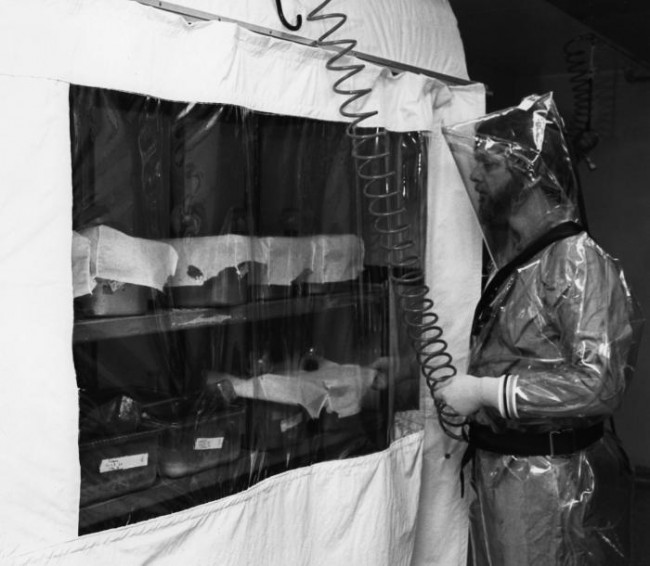
GMU Biodefense Master’s student and lab guru, Scott McAlister discusses the importance of biosafety in the changing world of global health. Through his review of the 2009 report by the Trans-Federal Task Force on Optimizing Biosafety and Biocontainment Oversight and a 2015 memorandum released by the White House to enhance biosafety, he discusses the ever changing components of US biosafety. Scott breaks down and compares each report’s recommendations, language, and what these translate to within US laboratories. Moreover, given the recent failures, have US biosecurity practices and recommendations evolved over the past 6 years? Take a look into this review to see where we hope to be and if we’ve progressed since 2009.

National Action Plan for Combating Multidrug-Resistant TB
This week the White House released its national plan for combating the growing threat of multidrug resistant tuberculosis. While US rates of TB cases have dropped, the growing threat of multidrug resistant TB (MDR-TB) and extensively resistant TB (XDR-TB) requires action. This new plan is set to span over 3-5 years and has three goals that will focus on strengthening domestic capacity, improving international capacity and collaboration, and accelerating basic and applied research and development. Extensive collaboration within US agencies and international partners will be necessary to combat the evolving threat of drug resistant tuberculosis.

We’re Not Prepared for a Biological Attack
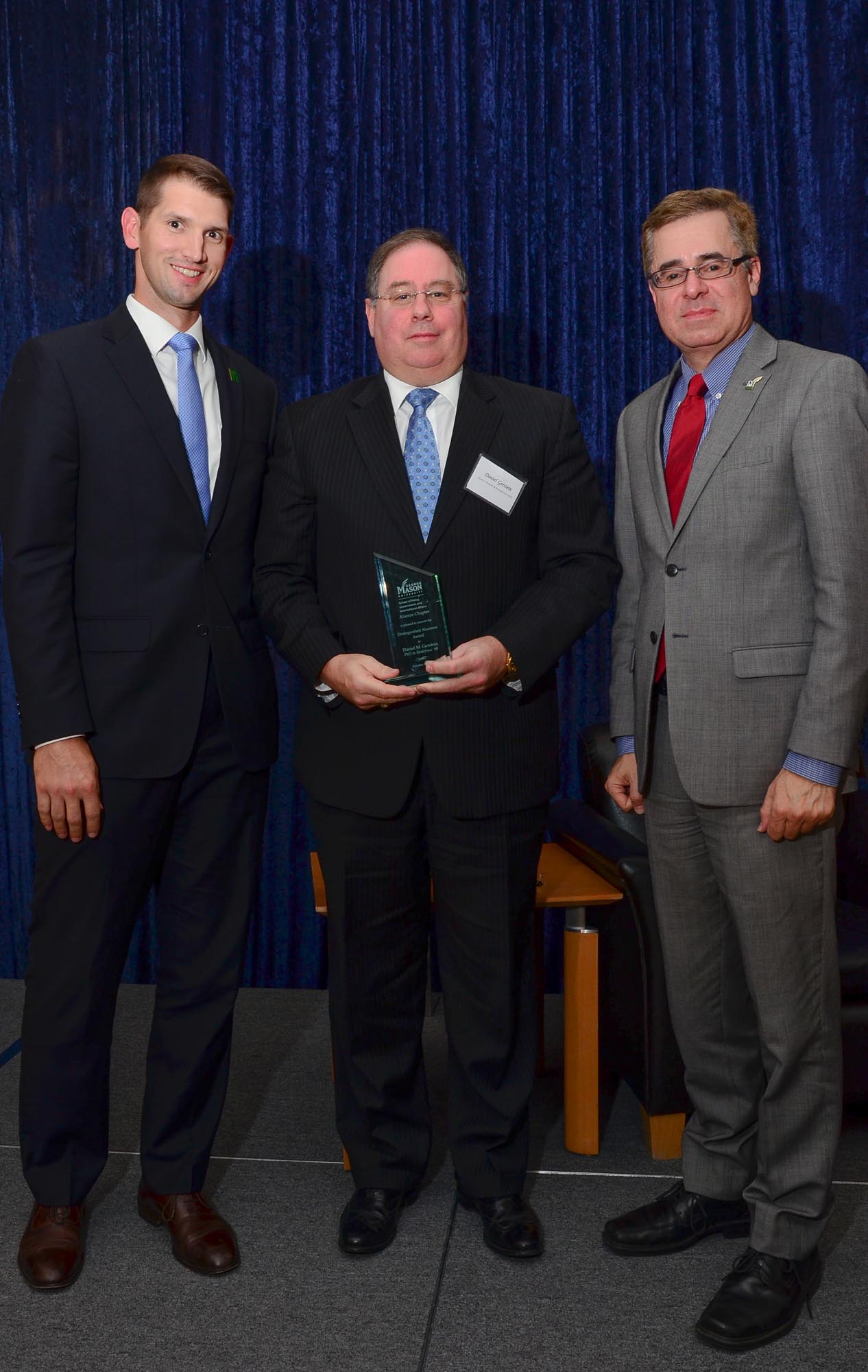
GMU Biodefense PhD alum, Dr. Daniel M. Gersteindiscusses biopreparedness and where the US stands in his work for US News  & World Report. Throughout his in-depth analysis, Dr. Gerstein emphasizes the importance of US leadership within the Biological Weapons Convention (BWC). Pointing to the disappointing Seventh and Eighth Review Conferences, Dr. Gerstein notes, “biological warfare can no longer be considered the purview of only state actors. And this democratization of biotechnology means that the world is literally one rogue microbiologist away from a potentially devastating biological attack.” Dr. Gerstein emphasizes that authorities often fail to realize that biological weapons may not act like naturally occurring diseases or outbreaks.

Holiday Biodefense Book Club
During the cold winter months it’s always nice to curl up by the fire with a good book and relax. GMU Biodefense Master’s student, Rebecca Earnhardt, and I have picked a handful of books to spark your interest. If we could have a book club with our awesome readers, we would love it, but in the mean time, here are our recommendations for a few literary works that you might enjoy!

  • Phantom Menace or Looming Danger?: A New Framework for Assessing Bioweapons Threats By Kathleen M. Vogel — Johns Hopkins Press, 2012. The military has gathered reconnaissance of a possible biological research facility, evidence of a paper trail indicating procurement of weapons delivery systems, and collection of specialized personnel to manufacture biological agents.  Do all of these pieces point to an imminent biological weapons danger?  Kathleen M. Vogel, in Phantom Menace, argues that there is more to the picture of biological weapons development than the technical and physical aspects of manufacturing.  Through examination of three case studies, Vogel highlights the shortcomings of the dominant biotech revolution frame within biological weapons assessments.  The biotech revolution frame, as described by Vogel, misses the important social and contextual factors that affect biological weapons innovation.  The alternative offered by Vogel is termed the biosocial frame.  Vogel highlights in her biosocial frame how tacit knowledge and hands-on experience is vital to biological weapons assessments.  While Vogel does not particularly focus on political influences, I enjoyed the book because of her explanation of the importance in incorporating sociological aspects into biological weapons assessments.  I think this makes Vogel’s work a key book in the field of biodefense.
  • Innovation, Dual Use, and Security: Managing the Risks of Emerging Biological and Chemical Technologies. Editor: Jonathan B. Tucker — MIT Press, 2012. The hotly debated concept of ‘dual-use’ is explored extensively through this multipart work edited by the late chemical and biological weapons expert, Jonathan B. Tucker.  This book takes on the conceptual nuances of dual-use with four parts focused on emerging technologies within the areas of directed design, acquisition of novel molecular parts, modification of biological systems, and enhanced production and packaging capabilities.  Each section, authored by leading experts in the field of biodefense research, including Filippa Lentzos and Gerald Epstein, applied Tucker’s framework of risk assessment for dual-use potential and governability.  This framework incorporates key aspects of assessing dual-use potential, including technological monitoring, technology assessments, and governability of the technology.  The strength of this framework lies in its applicability to emerging technologies, which may enable policy makers to continuously review a particular technology or an emerging area of research.  In the concluding chapter, Kirk Bansak and Jonathan Tucker redirect attention to the intervening social processes that construct relationships between the technology and its users, and how these social processes may create an environment ripe for misuse.  To me, this book is a highly valuable and informative work on the range of dual-use issues and conceptual applications.  I think this book is an important read not only because it covers a variety of dual-use issues, but also in its wide-ranging review of relatively recent biotechnology and life science innovations.  The variety of case studies makes this book an enjoyable read!
  • Spillover: Animal Infections and the next Human Pandemic by David Quammen. New York: W.W. Norton, 2012. Not only is David Quammen one of my favorites, but his overview of zoonotic diseases and the concept of spillover will both captivate and inform you. Ranging from West Nile Virus to Ebola, Quammen presents several of the zoonotic diseases you may have heard of and others that may cause you to reconsider kissing a horse anytime soon. Each chapter presents a new disease, it’s history, and a new outbreak that should raise our attention to global health security. While he doesn’t touch much on avian influenza or multi-drug resistant organisms, his points on humans infringing upon animal ecosystems and the resulting disease spillovers are harrowing. Quammen’s adventures remind me of a microbial Indiana Jones (hint hint Hollywood, that would make an excellent movie!), even with the cheeky wit. I would recommend Spillover as a gateway to understanding the role of zoonotic diseases and the emphasis we’re seeing on One Health. While his parts on Ebola aren’t as dramatic as Richard Preston, you’ll be sure to enjoy his approach to epidemiology and the impact of spillover on global health. Quammen did extend his sections on Ebola into another book that includes information related to the 2014/2015 outbreak. If you enjoy on-the-ground reporting, you’ll find this within Quammen’s book.
  • Greek Fire, Poison Arrows, and Scorpion Bombs: Biological and Chemical Warfare in the Ancient World by Adrienne Mayor. Woodstock: Overlook Duckworth, 2003. As a lover of all things biodefense and classical, I was excited when I cam across Adrienne Mayor’s book. Combining ancient history and bioweapons? Sold! Mayor’s breakdown throughout the book reveals the mythical and historical accounts of chemical and biological weapons in the ancient world. While a bit dramatic and sometimes repetitive, I found her book to be enjoyable in that few people have combined ancient history and chem/bioweapons to such an extent. Mayor makes sure to include references to mythology that heavily impact these ancient societies. While the lines of chemical and biological weapons were sometimes muddied and some generalizations related to classical history did occur, I would recommend her book to anyone who enjoys history (especially ancient history), mythology, and CBW. Realistically, with such a catchy title, how could you resist?

Stories You May Have Missed:

Pandora Report 12.11.2015

If you’re in Boston and enjoying a Chipotle burrito bowl, you may want to put the fork down. As many as 80 cases of norovirus were reported in association with a Boston Chipotle. The norovirus surge occurs just months after the multi-state Chipotle-linked E. coli 026 outbreak. This week we’re discussing superbugs Star Wars style, the decline of infectious disease specialists, Ebola lab stories from the field, and much more. Fun history fact Friday: on December 7, 1941, Pearl Harbor was bombed and on December 10, 1901, the first Nobel Prizes were awarded in Stockholm, Sweden 

“Phantom Menace” Superbug?
In a lab far, far away… How could we resist a Star Wars reference to antibiotic resistance? A recent CDC MMWR reported a growing incidence of a particularly concerning antibiotic-resistant organism. Carbapenem-resistant Enterobacteriaceae (CRE) are continuing to raise concerns due to cases related to endoscopic retrograde cholangiopancreatography (ERCP) scopes. Since it’s discovery, global health experts (including the CDC) have been keeping a close eye on CRE transmission and cases. A variant of CRE, called OXA-48-type carbapenemase, was seen in Enterobacteriaceae in Turkey in 2001. 52 isolates of CRE producing OXA-48-like carbapenemases were found in 43 patients in the US from June 2010-August 2015. A study in 2012 first referenced OXA-48-like carbapenemases as the phantom menace. The concerning issue with this particular CRE strain, aside from its known-resistance, is the growing emergence in the US. The difficulty in treatment and extreme care for isolation precautions makes patient care challenging. Interestingly, for those patients who provided a travel history, the majority (66%) had traveled internationally within the year before specimen collection and 55% were actually hospitalized outside the US for at least one night. The US cases involved several clusters and were spread across 19 states. Even more worrying, the laboratory diagnosis is tricky as “most U.S. clinical laboratories that test for CRE organisms wouldn’t identify this particular type of bacteria because it’s not part of standard testing.” The increase in cases and ease of hospital transmission are just a few more reasons why antimicrobial stewardship is so vital. May the force be with you!

Ebola Surveillance & Lab Response SeminarIMG_4700
In case you missed GMU’s seminar on global health security on Monday, 12/7, here’s a recap! Speakers included Dr. Matthew Lim (Senior Policy Advisor for Global Health Security, HHS, fmr Civil-Military Liaison Officer to WHO), Jeanette Coffin (Section Manager, Biosurveillance Division, MRIGlobal), and Phil Davis (Associate Scientist with MRIGlobal). Ms. Coffin and Mr. Davis discussed the operations, supported by the Defense Threat Reduction Agency’s (DTRA) Cooperative Biological Engagement Program (CBEP). The mobile lab was launched in December 2014. With only six weeks to train, prepare staff, acquire equipment, deliver, assemble, and much more, it’s a pretty impressive feat that this team pulled off. Ms. Coffin and Mr. Davis discussed how they were able to reduce much of the travel delay and time lag for Ebola testing results. Using equipment to perform RNA extraction and PCR’s, lab technicians were working in tight quarters in Moyamba and Lakka, Sierra Leone. To date, the DTRA-CBEP mobile lab operations tested 7,242 samples for Ebola. While they discussed many of the strengths like flexibility, relationship with vendors, and self-containment, there were also several challenges. Difficulties ranged from inadequate power and internet, to road reliability, food/water safety, haggling, and security issues related to petty theft and missing supply containers. Sustainability was heavily discussed as their expected withdrawal is June 2016 and the team hopes to provide education for ongoing surveillance. Next, Dr. Matthew Lim spoke of the history and impact this outbreak had on global health security. He emphasized “how much this has overturned the paradigm we have about health and security”. Dr. Lim’s discussion was fascinating in that he speaks from experience at both the WHO and HHS, pointing to the role of member states and how WHO funding cutbacks impacted outbreak response. He noted that the Global Health Security Agenda heavily emphasizes partnership of it’s 50 state members, NGO’s, and within the 11 action packages. He explained that global health affairs, in many ways, join foreign policy and health policy, highlighting the need for less siloing and more partnership to help encourage capacity measures. Overall, the standing-room-only seminar touched on both the operational struggles and the overarching role of global health security in both the Ebola outbreak, but also future preparedness efforts.

Daesh and Chem/Bioweapons?
The UK and France have moved to call ISIS, “Daesh”, to remove the association with Islam. Given Daesh’s use of mustard gas, is bioterrorism a stretch? Sandra Maksimovic-Sara of Outbreak News Today discusses their attempts to obtain biological and chemical weapons as a means of using non-conventional weapons to change their modus operandi. While she doesn’t mention tacit knowledge, Maksimovic-Sara notes that “for a biological and chemical terrorist attack, there must be some know-how and background and a professional approach, which is so far away from impatient aggressive Islamic terrorists gathered in Daesh. They want fast track acts and fast track results.” While preparedness efforts must account for a variety of attacks, it’s vital to remember technical limitations. As Dr. Sonia Ben Ouagrham-Gormley noted, tacit knowledge is a significant hurdle for non-state actors to overcome in their quest for bioweapons.

To Quarantine or Not To Quarantine? 
The fallout of the 2014 West Africa Ebola outbreak is still ongoing and while many US hospitals feel they are better prepared to handle cases, there are many that experienced negative treatment related to preparedness efforts. There have been several returned travelers from the affected countries that were put into quarantine upon arrival in their home country. While many were involved in patient care, there are several that had no interaction with patients and experienced what many would call, “fearbola“. While quarantine efforts are important for those that may have had patient interaction, risk assessments are vital. Sheri Fink of The New York Times notes that several states “have the legal authority to impose quarantines, often exceeded those guidelines, restricting the movements of returning health workers and others.” Many who were quarantined experienced public harassment, media scrutiny, and some have filed lawsuits for civil rights violations.

France’s Bioterrorism Preparedness
Given the November terrorist attacks in Paris, it’s not surprising that France is looking to ramp up their biodefense efforts. Following the arrival of a third generation vaccine, France has decided to revise its smallpox preparedness and response plans. Last revisited in 2006, the plan is to vaccinate first responders and healthcare professionals that are most likely to identify and care for smallpox cases. Smallpox has long been an organism of concern for bioweapon applications. In coordination with the Secrétariat Général de la Défense et la Security Nationale, (SGDSN- General Secretariat for Defense and National Security) these plans will include the new vaccine, Imvanex, that was developed by the Danish biotech company, Bavarian Nordic, “on behalf of the US under Bioshield”. While the new plan involves “circles” of people, the new transgenic vaccine has vastly decreased the side effects that were commonly associated with first and second generational variola vaccines. In the past, smallpox vaccines were associated with high volumes of side effects, which was a roadblock to previous mass-vaccination efforts as a biodefense strategy. France has several biopreparedness strategies that include a syndromic surveillance program, SurSaUD, a White Plan, and many other efforts to prevent, identify, and respond to health security threats. The updated French plans hope to “frustrate and deter terrorists” as well as respond to concerns of re-emerging infectious diseases. Elisande Nexon presents an overview of France’s biopreparedness efforts and the public health threats they may encounter. While the November attacks in Paris will most likely initiate additional changes to France’s biopreparedness, their existing methods are extensive and reveal national support for biodefense.

Stories You May Have Missed:

  • Infectious Disease Specialists on the Decline – The National Resident Matching Program (responsible for matching medical students with specialty training programs) announced that of the 335 infectious disease fellowship positions available, only 218 were filled. This is especially concerning as it follows several years of low matching for infectious disease positions. The Infectious Disease Society of America has even begun brainstorming recruiting tactics for what many consider a “thinking specialty” that may not have the glamor or pay that draws students into the field. Speaking from experience as an infection preventionist, the infectious disease physicians I have worked with were by far the most dedicated, intelligent, and passionate people. I think we can all safely agree that the world needs more infectious disease specialists, especially following outbreaks like those of Ebola and Zika virus.
  • USAMRIID Supported Study Traces Ebola Outbreak – a recent study lead by USAMRIID found that a majority of the Liberian Ebola cases “can be traced back to a form of the virus transmitted from Sierra Leone”. The sequencing of hundreds of isolates also supports the role of high-density neighborhoods as an accelerant for the outbreak. Interestingly, researchers found that the Ebola strain diversified in Liberia prior to being transmitted to cases in Guinea and Mali.
  • Yamuna River Harbors High Volume of Antibiotic-Resistant Organisms – Researchers found that the Yamuna river in Dehli, India, had an alarmingly high amount of resistant organisms. There were large quantities of several organisms found that showed resistance to many common antibiotics like ampicillin, streptomycin, etc.
  • MERS Was the Most 2015 Googled Word in Korea – also considered Korea’s “hottest” Twitter issue, MERS became the most searched topic after the first patient was confirmed on May 20th.

Pandora Report 12.4.2015

This week, Washington, DC hosted the Summit on Human Gene Editing, where the ethical and legal implications of gene editing technologies, like CRISPR-Cas9, were heavily discussed. In this week’s report, Greg Mercer works his magic, revealing the internet and social media trends following the shootdown of a Russian SU-24 on November 24th. We’re also reporting updates in the Zika virus and dengue fever outbreaks as well as the Harvard-LSHTM Panel Report on Global Response to Ebola. France is currently experiencing an increase of highly pathogenic avian influenza cases while a Black Angus beef cow in Alberta was discovered to have bovine spongiform encephalopathy (BSE). Fun history fact Friday – on December 3, 1967, the first human heart transplant was performed in Cape Town, South Africa and on December 4, 1945, the Senate approved US participation in the UN. Before we start our weekly roundup, make sure to mark your calendars to attend GMU’s seminar on Ebola surveillance and laboratory response this Monday, December 7th from 4:30-6pm at our Fairfax campus (details below!).

Zika Virus Outbreak – Updates
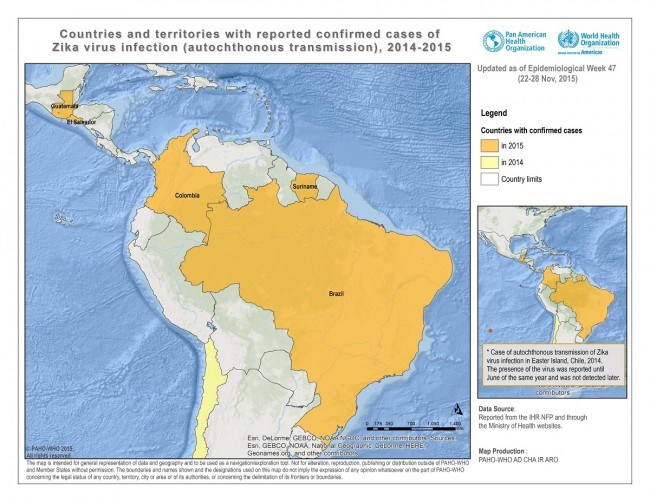
The growing outbreak of Zika virus has now seen locally acquired cases reach ten countries, causing the Pan American Health Organization (PAHO) to issue an alert, “urging countries in the region to be on the lookout for the disease and to watch for unusual patterns in newborn.” Brazil has been hit hard with a rise from 739 on November 27th, to 1,248 cases reported on November 30th. Six of the ten countries saw cases occur in November, hinting that the outbreak could just be starting. The growing concerns regarding the outbreak are also related to the newest evidence linking microcephaly and maternal cases. Zika virus genome was found in the amniotic fluid of two pregnant women and fetal diagnosis of microcephaly was performed via ultrasound. Even more so, French Polynesian health officials reported an unusual spike in nervous system malformations in babies that were born during a Zika virus outbreak in the region from 2014 to 2015. The concern regarding neurological conditions raises red flags as Brazilian health officials are reporting neurological complications, like that of Guillain-Barre syndrome, in Zika virus patients. The WHO reported 739 Brazilian microcephaly cases in newborns and while there is only ecological evidence linking the virus and microcephaly, investigations are ongoing. The outbreak first started in February 2014, on Easter Island (Chile) and has seen been identified in Colombia, Guatemala, Brazil, El Salvador, Mexico, Paraguay, Panama (confirmed cases as of December 4, 2015), Suriname, and Venezuela. Spread by Aedes mosquitoes, this vector-borne organism has similar symptoms to dengue fever and illness tends to last between four and seven days.

Event: Ebola Surveillance & Laboratory Response – Lessons for Global Health SecurityScreen Shot 2015-12-03 at 9.34.57 AM
Time/Location: Monday, December 7, 2015 from 4:30pm-6pm in Robinson A-203 at George Mason University.
As the recently released Harvard-London School of Hygiene and Tropical Medicine Independent panel on the Global Response to Ebola indicates, the West African Ebola epidemic highlighted
many gaps in national and international health and response systems that are critical for protecting global health security.  Join leaders and experts who helped to lead the U.S. response for Ebola to discuss the international response to the epidemic, the importance of robust biosurveillance systems, and how the experience with Ebola influences our approach to Global Health Security. Speakers:

  • Dr. Matthew Lim, Senior Policy Advisor for Global Health Security, HHS, fmr Civil-Military Liaison Officer to WHO
  • May Chu, Ph.D. fmr Assistant Director for Public Health, Office of Science Technology and Policy, White House; Senior Science Advisor, CDC
  • Jeanette Coffin, Manager U.S. mobile laboratory deployment, MRIGlobal

It’s Definitely Maybe World War 3
GMU’s Greg Mercer breaks down the November 24th Turkish shootdown of a Russian SU-24. Greg reviews the media attention following the event and the “immediate buzz about declarations of war, what exactly NATO owes Turkey vis-à-vis Russia, and the possibility of military confrontation between Russia and the West.” Through his use of google trends and Twitter, Greg shows just how much hype and concern the notion of WWIII got during this time. Take a look at his recap and debunking of the WWIII buzz and how quickly it caught like wild fire.

Reporting from the Panel on the Final Report of the Harvard-LSHTM Independent Review of the Global Response to Ebola
If you missed the Center for Strategic & International Studies (CSIS) Global Health Policy Center’s Launch of the final report of the Harvard-LSHTM Independent Panel on the Global Response to Ebola, don’t worry! I was fortunate to attend and a great deal of the report (we reported on last week) heavily emphasized “on the ground” capacity. Dr. Peter Piot, Director and Handa Professor of Global Health, London School of Hygiene and Tropical Medicine (LSHTM), joined via video link and started by saying that this would not be a WHO-bashing event. As one of the original researchers on Ebola during its 1976 discovery, he mentioned that the Democratic Republic of Congo (DRC) is a great example of local capacity in their success of ridding themselves of the disease within a few months of the outbreak starting. Dr. Piot heavily emphasized the work of several countries and how the WHO brought together multiple ethicists to review research during such a terrible outbreak. Lastly, Dr. Piot noted that “we risk focussing too much on global and not enough on local” in our future efforts. Dr. Suerie Moon, Research Director and Co-Chair of the Forum on Global Governance for Health at Harvard Global Health Institute, then spoke on the “weak coordination of global response” and how it severely aided the spread of Ebola. Dr. Moon highlighted the need for a global strategy to ensure adequate funding (external financing for the poorer countries and transparent tracking of financing) and the necessity for external assessment of country capacity. She pointed to the need for political and economic incentives and disincentives to not only report cases but also discourage the hiding of outbreaks. Reviewing each recommendation, the panel noted that “human health is a vital part of human security”. In one of her closing comments, Dr. Moon stated that “there are many unanswered questions regarding ebola response and we need to address a number of aspects that went wrong” and “a major theme is accountability at all levels, across all types of players.” Dr. Moon pointed out that the necessity of so many reforms shows just how much work is needed and that now is the time to see political support occur. Muhammad Pate, former Nigerian Minister of State for Health, expressed that “one of the lessons, at the national level, in terms of surveillance and accountability to respond, was missing and something that national leaders need to own up to is building their own public health systems.” Dr. Sophie Delaunay, Doctors Without Borders/MSF, then discussed the role of medical innovations and how the outbreak provided us with a unique opportunity to collect data. Dr. Delaunay said it will “be a complete nightmare to connect all the dots” in this outbreak and there is a desperate need for better R&D regarding disease outbreaks and response. “We ask for governments and policy makers to support collaboration on R&D to demonstrate their willingness to be more effective in the next outbreak” noted Dr. Delaunay. She heavily pushed for global financing efforts to facilitate investment in R&D and response. After the initial panel, there was a secondary group that shared their thoughts on the report, including Dr. Tom Frieden (CDC Director), Julie Gerberding (Exec. VP for Strategic Communications, Global Public Policy and Population Health, Merck) and Ron Klain (Former US Ebola Response Coordinator, White House and General Counsel, Revolution LLC). Ron Klain pointed to the failure of the WHO and “if institutions failed us, individuals shined. We did see extraordinary compassion from the rest of the world and tremendous outpouring of support. ” Mr. Klain mentioned that “the scariest thing about Ebola is the warning signs of how badly we failed this when the threat could’ve been worse and the epidemic we face could be much much more dangerous in the future.” Dr. Frieden emphasized the need of human resources management improvement at the WHO and how global outbreak response could work to support each other better. Lastly, Dr. Frieden emphasized a topic near and dear to my heart; infection control and it’s necessity in global disease prevention. Overall, the panel touched on several key points to the outbreak, emphasizing the need for the biggest players (including MSF) to lead by example via data sharing, etc. The push for political support on incentives and local capacity/accountability was perhaps one of the biggest recommendations and points emphasized from this event.

Gene Editing and CRISPR!
This was a busy week in the biotech world. The International Gene Editing Summit kicked off in Washington, DC. Bringing together experts from around the world, the summit touched on the newest technical innovations, ethical and legal concerns, and even social implications of genome editing advances. Genome Web has provided a great overview of the summit. Nature also published their Four Big Questions related to genome editing, touching on points related to editing the human germline and the ethical implications for technology that “researchers are still grappling with the known unknowns”. Recently, biologist, Emmanuelle Charpentier, discussed CRISPR-Cas9 and that it’s simply too early to begin gene editing as “the tools are not ready” and “as of today, I’m in favor of not having the manipulation of the human germlines. As long as they’re not perfect and ready, I think it’s good to have this ban against editing the germline.” Buzzfeed noted that over the course of the conference, there was a substantial push for a delay in the use of genetic engineering in fertility clinics due to the risk of making “designer babies”. Given the heavily debated nature of this topic it’s not surprising that the US National Academy of Sciences, Engineering and Medicine, the UK’s Royal Society, and the Chinese Academy of Science, all agreed that it “would be irresponsible to proceed with any clinical use of germline editing.” While the future is left open to gene editing on humans, there was heavy accentuation throughout the conference on the ethics and societal views of these scientific breakthroughs and the necessity to revisit their applications on a regular basis.

Dengue Fever Outbreak in Hawaii 
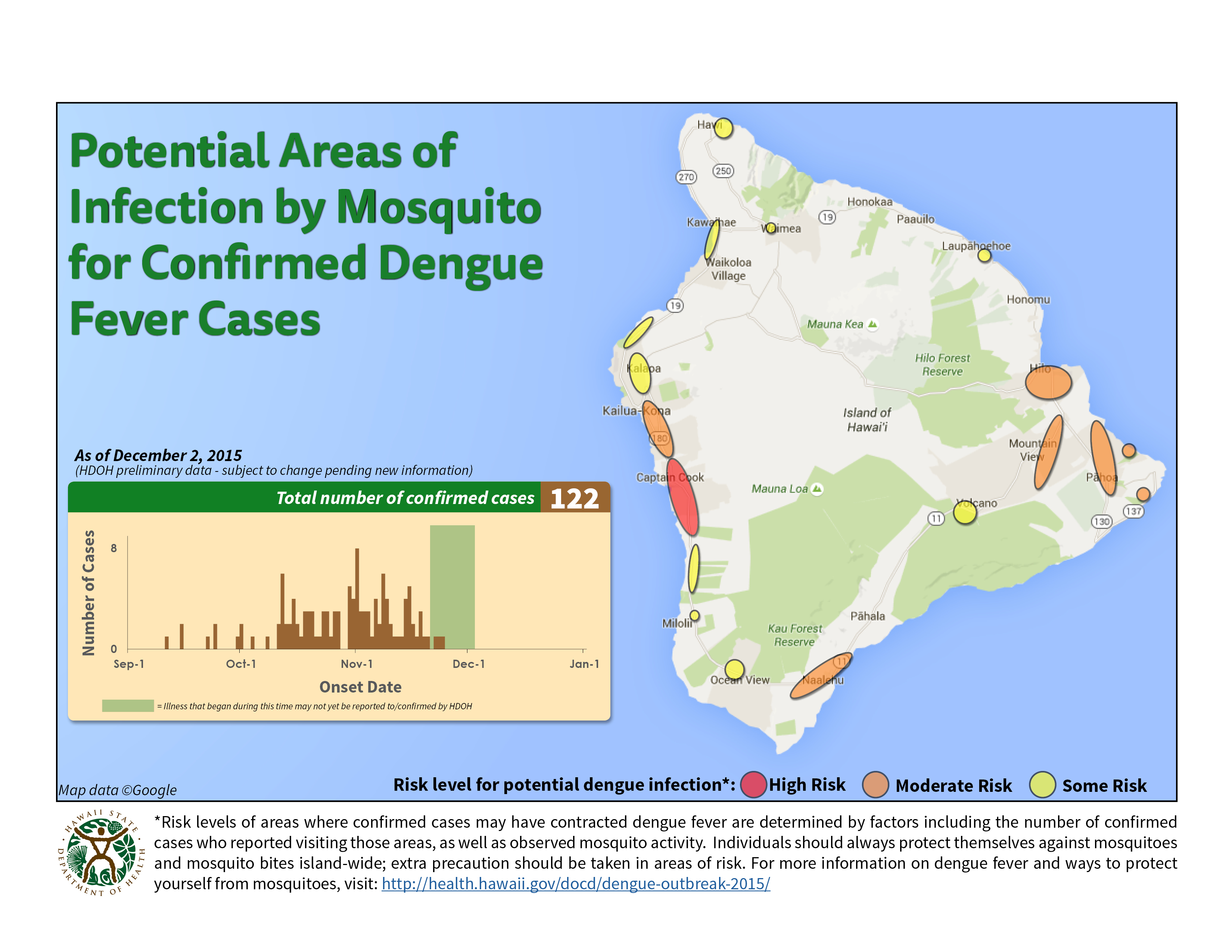
The Dengue fever outbreak on Hawaii Island is still growing. Now at 122 confirmed cases, this is one of the biggest outbreaks they’ve seen with local transmission. As of 12/2, the confirmed cases involved 106 Hawaii Island residents and 16 visitors. The Hawaii Department of Health (HDOH) has published information, hoping to aid prevention efforts, regarding the Aedes aegypti and Aedes albopictus mosquitos that are responsible for spreading the disease. There have been 313 reported potential cases and you can even find a map of the case distribution here!

Stories You May Have Missed:

  • 2015/2016 Flu Season- Where Are We?– The CDC 2015/2016 influenza activity showed a bit of a spike during the November 15-21 week. Influenza A (H3) is still the predominant species in laboratory confirmed cases. If you’re looking to keep an eye on seasonal flu, Google Flu Trends may no longer be operational, but you can still keep an eye on Flu Near You or the CDC’s page.
  • MERS-CoV Severity and Incubation Period– The CDC & Emerging Infectious Diseases published a report regarding the association of severe MERS-CoV illness and a shorter incubation period. Analyses of 170 patents in South Korea revealed a longer incubation period associated with a decreased risk for death while “patients who died had a shorter incubation period.” This mirrors the results of a previous study that had similar results with SARS coronavirus.
  • Salmonella Outbreak Associated With Recalled Nut Butters – The CDC is currently investigating 11 illnesses across nine states that may be linked to recalled nut butters. The Salmonella serotype is Paratyphoid B variant L (+) tatrate (+) (previously called Salmonella Java) and has caused illness in California, Colorado, Georgia, Hawaii, Idaho, Illinois, North Carolina, and New Jersey.
  • Taiwan CDC Holds Bioterrorism Drill – Involving 70 participants, the course utilized a subway union station to allow people to simulate first responders and real-life operations. “CDC bioterrorism teams are tasked with the investigation and identification of biological threats and attacks. Members take on containment and mitigation of damage for any individuals that are harmed during and as a result of an attack.” Go Taiwan!

Enjoying your weekly dose of the Pandora Report? Sign up to receive it every week so the fun never ends! 

Pandora Report: 11.13.2015

Given the auspicious nature of Friday, the 13th, how about we start the Easy-Bake Oven version of bioreactors? (insert evil genius laugh). Our report this week is rich in biosafety, GMU Open Houses, and updates on global outbreaks. Fun History Fact Friday – this week in 1989, the Berlin Wall came down! Before we venture down the rabbit hole, don’t forget to get your flu shot before the 2015/2016 influenza season hits too hard!

DIY Bioengineering 
If you’re in search of the perfect holiday gift for your favorite biodefense/bioengineer, you can thank the creators of Amino (personally, I think calling it the Easy-Bake Oven Bioreactor is just so much more fun). The kit starts at $700 and comes with all the essentials for your “recipe” (main bacterial culture, DNA, pipettes, incubators, agar plates and various sensors for monitoring microbial growth). Did I mention it comes in a nice color-coded, pleasing-to-the-eye plywood dashboard? MIT graduate, Julie Legault, is the master genius behind Amino, and uses the “apps” (step-by-step guides) to help make even the most science adverse individual capable of making DNA products. Liz Stinson points out that “they walk users through how to insert the DNA into untransformed bacteria cells, and how to incubate, grow, and maintain the altered microorganisms”. Just make sure your new gift comes with some information on dual-use research of concern and avoids any select agents…

Master’s Open House 
Make sure to swing by our GMU Master’s Open House on Wednesday, November 18th at 6:30pm to learn about all our different programs! Good news – you can virtually attend via this link and even ask questions live! We’ll be talking biodefense and all the ways you can use our MS degree (online or in person!). Whether its fighting food safety issues, pandemic influenza, or zombies, we’re passionately trying to make the world of global health security stronger and more diverse!

Biological Research: Rethink Biosafety 
“Biology must move forward on safety and security. Let’s not reinvent the wheel, but learn from those doing safety better.” Tim Trevan’s comments echo the sentiments of many within the biosecurity field. The anthrax mishaps at Dugway and the CDC BSL-3 lab in Atlanta compound a growing concern over the handling of select agents and the lab safety practices and processes that seem to be failing. Trevan poses the question, “what are the prospects for managing the more intractable risks globally if measures to ensure the safe handling of dangerous pathogens are failing at the best-equipped facilities in the country with the most advanced biotechnology in the world?” In his words, Trevan has hit the nail on the head and summarized the realities of lab safety culture. So what’s to be done? Trevan makes the unexpected recommendation of  using nuclear security experts to advise on biosafety and biosecurity. This strategy utilizes a practice that is also common in healthcare – a culture of safety. By focussing on the prevention of failure, instead of maximizing output, safety becomes an engrained practice in all levels of an organization, transforming it into a “high-reliability organization” (HRO). By using examples within industries like offshore oil drilling, airlines, etc., Trevan points to the growing biotech capabilities that make biosecurity that much more imperative. In healthcare, I’ve seen organizations truly transform their practices by moving to a culture of safety (and utilizing “just culture” when it comes to patient safety) and while it’s not a wholly easy process, the foundations are already present in the existing teachings of patient care. Labs have the training and knowledge for safety, but as Trevan points out, it’s time to bring in those with the expertise to help move towards a culture of safety.

Screen Shot 2015-11-12 at 9.56.04 AM
Courtesy of HDOH

Dengue Fever Outbreak in Hawaii 
If you’re considering a winter retreat to Hawaii, make sure to grab some bug spray. Hawaii Island is currently experiencing a Dengue outbreak that has just reached 33 cases. Dengue is not endemic to Hawaii and while travelers have imported cases from time to time, this is marks the first big cluster of locally-acquired cases since 2011. The Hawaii Department of Health (HDOH) continues investigations and reports (as of 11/11)  25 Hawaii Island residents and 8 visitors have been laboratory confirmed with dengue fever. The HDOH has provided maps related to exposure areas to help people avoid high-risk locations or at least use preventative measures. If you’re traveling to Hawaii Island or an area where dengue is endemic, make sure to take steps to reduce the risk of mosquito bites and the potential for transmission!

Ebola Update
Guinea has reported no new cases in the last week. While they’re still on high alert after the cases surrounding a family, they are hopeful. Liberia and Sierra Leone have hit their 90-day enhanced surveillance period, meaning they have no new cases and are now working towards the WHO’s second objective (managing and responding to residual risks). Pauline Cafferkey has made a full recovery after her hospitalizations due to post-Ebola recovery complications. Researchers at Columbia University’s Mailman School of Public Health used a new statistical model to map the outbreak. Results will be published in the Journal of Royal Society Interface, which shows the development of the outbreak and role early detection and response plays.

Stories You May Have Missed: 

  • Joint Services Mask Leakage Tester (JSMLT) Contract – the DoD has announced that Air Techniques International, Inc. has been awarded a contract regarding the maintenance of the JSMLT. The JSMLT does quality control and ensures proper fitting (portably) on CBRN protective masks.
  • H7N9 Cases in China Rise– China has confirmed two more cases that occurred in October, bringing the total case count to four. Many in public health are noting that these cases bring about a fourth wave of infections (starting in October). The two new cases were a a 62-year-old woman from Shengzhou and a 51-year-old farmer from Hangzhou.
  • Boosting Biosecurity in Nigeria & Kenya– The Institute of Human Virology at the University of Maryland have announced two grants to help build biosecurity in Nigeria and Kenya. The first grant of $13 million will go to strengthen laboratory infrastructure in Kenya, and the second of $10 million will help those in Nigeria quickly detect and respond to emerging infectious diseases.

Enjoying your weekly dose of the Pandora Report? Sign up to receive it every week so the fun never ends! 

Pandora Report 10.30.2015

The witching hour is upon us! Halloween is tomorrow and with that we must ask, how good are your zombie fighting skills? Good news if you’re in Arlington, VA, as it’s considered one of the top ten cities to survive the zombie apocalypse – good thing GMU has a campus there (we biodefense folks are the ultimate planners!). This week was busy with the release of the Blue Ribbon Study Panel on Biodefense’s National Report. I was able to attend the panel event, so read on for my comments and your weekly dose of biodefense news!

DSC_3586GMU Biodefense Program News & Alumni 
We’ve added a new page to salute our biodefense alumni and all that they do with their GMU education. GMU Biodefense students have a diverse background in their education, experiences, and interests, and we absolutely love getting to brag about all the amazing things they accomplish after their studies. Whether it’s a new publication or an award, we hope to pass along their accolades, so please check out our new page to see how GMU Biodefense alumni are contributing to the world of global health security!

12111966_10104338304988922_3051154411712634566_n-1Blue Ribbon Study Panel on Biodefense Releases Report– I had the pleasure of attending the Blue Ribbon panel on Wednesday, in which they reviewed their report, “A National Blueprint for Biodefense: Leadership and Major Reform Needed to Optimize Efforts”. The panel event saw Senator Joe Lieberman, former Governor Tom Ridge, and former Homeland Security Advisor, Kenneth L. Wainstein, discuss the challenges of biodefense, the report, and answer several questions regarding their findings. The report is comprised of 33 recommendations that range from unification of biodefense budgeting to optimizing the National Biosurveillance Integration System and to improving surveillance and planning for animal and zoonotic outbreaks. Along with these 33 recommendations, there are 100 action items. Perhaps one of the biggest take-aways from the report is the recommendation that the Office of the Vice President of the US assume authority over biodefense efforts. There is heavy emphasis on a unified budget and centralization to combat the redundancy and current siloing we see in existing programs.  Senator Lieberman discussed the role of the research and private sector’s involvement, with former Gov. Ridge noting that “we need to start thinking differently about how we incentivize the private sector.” The panel discussed that despite our past efforts, the Ebola outbreak in 2014 showed that the “threat is real, lets not wait for it to occur” and as former Gov. Ridge noted, “we don’t give bioweapon threats the attention they need. The threat is ahead of us.” Senator Lieberman commented on the Ebola situation,  noting that our response was dismal and despite 10 months of warning, basic human errors led to a failure in providing hospitals with general guidelines. Whether it is an intentional bioweapons attack, outbreak of an emerging infectious disease, or unintentional, accidental release due to lab safety errors, the panel’s goal of having centralized leadership reveals the complex nature of these challenges. Also, did I mention that they included infection control in their guidelines (#18)?! Overall, I found the event highly engaging and was pleased to hear the panel members approach these topics with not only a sense of urgency, but a holistic manner to meet the challenges of biodefense.

Jump Start – Accelerating Government Response to A National Biological Crisis
UPMC Center for Health Security has released their July 2015 report that “examines a scenario in which the US is suddenly faced with a newly emerged intentional biological threat that could produce catastrophic public health consequences and threaten our economy, government, and social structure.” The report reviews governance, public health response, medical countermeasures, healthcare system response, decontamination and remediation, and environmental detection, while making recommendations. Utilizing published literature and subject matter expert interviews, the Jump Start report scenario occurs in central Moscow subway stations and Red Square. It discusses responses in a post-Amerithrax world and highlights the need to stop the spread of infectious diseases while emphasizing that in a similar scenario, the US government should push out table-top exercises at a national level to test readiness to biothreats. The role of healthcare infrastructure and capacity comes into play, highlighting the limitations that diagnostic testing plays – even if the solutions aren’t available. I’d be curious to see a more detailed analysis of how we approach novel agents and the time-lag this can often cause in diagnosis. Also – what would be the ethical dilemmas regarding invasive medical treatments for a novel agent? Medical ethics became a very real issue during Ebola preparedness (perhaps not as well discussed in media circuits) as the invasive care capabilities of healthcare professionals in the US correlates with increasing risk for disease transmission.

White House Calls for Better Biosafety –  As fallout from several lab safety breaches, the White House issued recommendations that focus on labs that are registered to work with pathogens from the Select Agents list. Ranging from increased training to assessing the number of high containment labs we have in the US, this memo, with a deadline for the recommendations, sets the tone for change when it comes to biosafety.

Saudi Arabi MERS Cluster – reports from Saudi Arabi’s Ministry of Health have confirmed a healthcare-associated cluster of MERS-CoV cases that involved seven individuals. The initial patient was seen in the emergency department of Almana General Hospital, with five other patients exposed in the hospital, and an additional case that is believed to not have had a healthcare exposure. All patients are under observation in the King Fahad Hospital. One of the patients is reported to be a nurse. In previous weeks, there was a cluster of cases related to janitors living together in Riyadh.

Stories You May Have Missed:

  • The African Development Bank Group (AfDB) has approved a $33.3 million grant towards a Post Ebola Recovery Social Investment Fund (PERSIF) for efforts in Guinea, Liberia, and Sierra Leone. The US State Department is contributing a $5 million grant towards this to help support livelihood development for women, girls, and orphans from the affected countries. The goal is to build resilience in the affected countries and strengthen the economic systems while improving governance and communication.
  • Nigeria was just removed from the WHO’s list of polio-endemic countries! After halting the spread of wild poliovirus transmission during a 15 month period, Nigeria was declared free of the disease! The WHO is continuing to work on the remaining two polio-endemic countries; Afghanistan and Pakistan.
  • Three more cases of Ebola in Guinea were reported this week. The three patients are all family members, with one being a pregnant woman. Guinea experienced several cases last week while Liberia has been EVD-free since September 3rd and Sierra Leone just passed their six week mark without a new case.
  • The WHO announces that TB surpassed HIV as the leading cause of death from infectious disease in 2014. Better surveillance enabled global public health teams to identify new cases. In Indonesia alone, there were one million new cases reported this year. The WHO notes that while surveillance efforts are revealing new cases, progress is still insufficient, especially in regards to drug resistance.


The Pandora Report 12.6.13

Highlights this week include the second case of H7N9 in Hong Kong, WHO ramping up calls for increased surveillance for MERS, EEE in Vermont, why that one friend never gets sick, and the Philippines ramping up its biosecurity. Happy Friday!

Hong Kong sees second case of H7N9 bird flu in a week

Hong Kong has seen its second case of H7N9 in the last week. An 80-year old man with diabetes sought medical attention after experiencing minor heart failure, and within a couple days of hospitalization developed symptoms consistent with the flu virus strain. He has subsequently been isolated for further treatment – it remains unclear if he came into contact with poultry prior to his hospitalization. However, don’t freak out yet –  the two cases are consistent with expected resurgent flu numbers following the onset of winter. According to all literature and available case evidence,  the virus still cannot effectively transmit person-to-person.

South China Morning Post – “It was unclear whether the man had come into contact with birds and live poultry and which district in Shenzhen he lived in. The three family members coming with him to the city had been back in Shenzhen and the city had contacted the Shenzhen health authority for subsequent medical monitoring…Border checks have been stepped up after the first confirmed case, and three people, who stayed in the same ward as the helper but had had no symptoms, are being isolated at the Lady MacLehose Holiday Village in Sai Kung.”

WHO calls for action on Mers following death in Abu Dhabi

Earlier this week, a Jordanian woman infected with MERS died from the virus shortly after giving birth to her second child. Her eight-year old son and husband are both also infected, and are still under surveillance in Jordan. It is unclear if the newborn is also infected with the  virus. None of the family had any travel history, any prior contact with animals, or any contact with infected persons, further confounding public health officials trying to determine the virus’ vector. In response to the mother’s death, the WHO has strongly encouraged countries to ramp up their surveillance and monitoring efforts. To date, there have been 163 cases of the virus worldwide, with a case fatality rate of approximately 42% causing 70 deaths.

The National – “More must be done to stop the spread of the deadly Mers coronavirus, the World Health Organisation has warned. Countries must strengthen their surveillance, increase awareness and try to find out how people are infected, the WHO’s emergency committee said on Wednesday…But Mers-CoV is not yet considered an international public health emergency. ‘After discussion and deliberation on the information provided, the committee concluded that it saw no reason to change its previous advice to the director general,’ the WHO said. The 15-member committee, which includes the deputy health minister of Saudi Arabia, Ziad Memish, said the situation continued to be of concern, in view of new cases and of information about the presence of the virus in camels in Qatar last month. It called for more support for countries that are particularly vulnerable, such as Saudi Arabia – where most of the cases have been confirmed – and urged for more studies to investigate exactly how people become infected with Mers-CoV.”

Vt. testing deer samples to test for EEE virus

Biologists in Vermont have begun testing over 700 blood samples collected from local moose and deer in order to track the spread of Eastern Equine Encephalitis (EEE). The virus was first introduced to Vermont in 2011, following the importation of an emu flock. EEE is a zoonotic alphavirus virus which primarily affects horses. The virus’ natural reservoir is wading birds, and it is spread, like so many horrible diseases, by mosquitoes. Although in the US there are usually less than 15 human cases of EEE, the virus’ fatality rate can approach 60%. As an encephalitic virus, symptoms are typically nasty – first fever, splitting headaches, photophobia (aversion to light),  then irritability, coma, and death. Among those lucky enough to survive, the virus often causes permanent sequelae, including severe brain damage.

Seattle PI – “Biologists say that mapping where the virus is found will help broaden the state’s understanding of the spread of the virus — which killed two people in Vermont in 2012 and two horses this year. EEE antibodies detected in deer and moose have been found in every Vermont country. Biologists hope that by looking for antibodies in the deer and moose, they’ll be able to determine if infected animals are more commonly found near certain bodies of water or wetlands.”

A genetic defect protects mice from infection with Influenza viruses

Everyone has that one friend/relative/colleague who not only never gets sick, but also thinks the best time to discuss their fabulous immune system is when you’re knee deep in tissues and throat lozenges. It turns out there may be a genetic reason for their immunological smugness. According to a new study from researchers at the Helmholtz Centre for Infection Research (HZI) in Braunschweig, mice who possess a mutation in the gene which encodes for the Tmprss2 protease (a catalytic enzyme) are resistant to infection from the H1 influenza A viruses. While the virus still infects the mice, it is unable to produce mature, infectious virus particles, and the infection is quickly cleared from their symptoms. This opens up a potential new field for drug development, and by targeting the host system rather than the virus, concerns over drug-resistance fade.

Medical Express – “The virus uses haemagglutinin as a key to enter the host cell which is then captured to build new virus particles. To reach its final shape, the coating protein has to be cleaved by a molecular scissor. This is done by an enzyme of the infected host. Otherwise, the protein is not functional and the virus particles are not infectious. A variety of host enzymes, so-called proteases, that process the haemagglutinin have been identified using cell cultures. Scientists from the HZI have now been able to show how important those enzymes are for the progression of the infection. Mice with a mutation in the gene for the protease Tmprss2 do not become infected by flu viruses containing haemagglutinin type H1. They are resistant against H1N1, the pathogen responsible for seasonal influenza epidemics, the ‘swine flu’ and the ‘Spanish flu’, which caused an epidemic in 1918. ‘These mice do not lose weight and their lungs are almost not impacted,’ says Professor Klaus Schughart, head of the Department ‘Infection Genetics’ at the HZI.”

Philippine airports on alert for bird flu

The Philippines is on high alert for the H7N9 strain of avian influenza found in Hong Kong for the first time last week. Manilla has  banned the import of all Chinese poultry products, and  airports across the island nation already screen inbound travelers to prevent the virus’ spread. This is an interesting form of biosecurity, which is something we don’t often talk about on the PR, mostly because it’s not as much of a concern for us as our colleagues in say, Australia.In this instance, the human body itself is seen as the vector for pathogen movement, rather than a kiwi or tomato plant.

Xinhua – “The Philippine government has alerted airport authorities to ensure that the deadly bird flu H7N9 could not enter the country following the recent discovery of first case in Hong Kong, the Philippines’ Department of Health ( DOH) said Wednesday. To date there are 141 cases of bird flu and 47 deaths worldwide. Deaths were due to severe pneumonia with multi-organ failure. So far, two-thirds of bird flu H7N9 cases were males and two-thirds were more than 50 years old.”

(image via Hagerty Ryan, U.S. Fish and Wildlife Service)