
Pandora Report 8.16.2024

This week’s Pandora Report discusses the recent mpox PHEIC declaration, updates on H5N1, and more.

World Health Organization Declares Mpox PHEIC

Mpox (formerly known as monkeypox) is a viral illness caused by the monkeypox virus, which is part of the genus Orthopoxvirus. Two clades exist (clade I and clade II). Clade IIb caused a global outbreak of mpox in 2022-23 that also resulted in a PHEIC (public health emergency of international concern) declaration. Now, the WHO has declared an outbreak of clade I mpox a PHEIC as case counts in the Democratic Republic of the Congo (DRC) and neighboring countries swell. 548 people have been killed by the disease in 2024, according to the DRC government.

WHO Director-General Tedros Adhanom Ghebreyesus made the declaration “on the advice of an IHR Emergency Committee of independent experts who met earlier in the day to review data presented by experts from WHO and affected countries. The Committee informed the Director-General that it considers the upsurge of mpox to be a PHEIC, with potential to spread further across countries in Africa and possibly outside the continent.”

Tedros said in a statement, “The emergence of a new clade of mpox, its rapid spread in eastern DRC, and the reporting of cases in several neighbouring countries are very worrying. On top of outbreaks of other mpox clades in DRC and other countries in Africa, it’s clear that a coordinated international response is needed to stop these outbreaks and save lives.”

According to WHO “The monkeypox virus was discovered in Denmark (1958) in monkeys kept for research and the first reported human case of mpox was a nine-month-old boy in the Democratic Republic of the Congo (DRC, 1970). Mpox can spread from person to person or occasionally from animals to people. Following eradication of smallpox in 1980 and the end of smallpox vaccination worldwide, mpox steadily emerged in central, east and west Africa.”
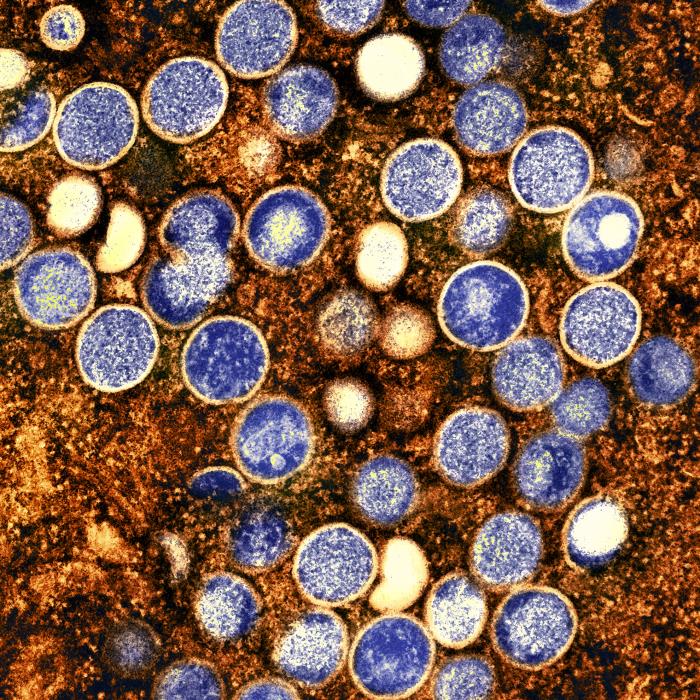
Image Credit: CDC PHIL| “This is a colorized transmission electron microscopic image of mpox virus particles (purple), which were found within an infected cell (brown), having been cultured in the laboratory. The image was captured and color-enhanced at the National Institute of Allergy and Infectious Diseases (NIAID), Integrated Research Facility (IRF), located in Fort Detrick, Maryland.”

Sweden Reports First Clade I Case Outside Africa, ECDC Raises Risk Alert Level

The Public Health Agency of Sweden reported on Thursday that the country has recorded the first case of mpox caused by clade I outside of Africa. Health and Social Affairs Minister Jakob Forssmed said in a news conference, “We have now also during the afternoon had confirmation that we have one case in Sweden of the more grave type of mpox, the one called clade 1.” State Epidemiologist Masnus Gisslen said in an official statement that the patient was infected while visiting “the part of Africa where there is a major outbreak of mpox clade 1.”

Following Sweden’s announcement, the European Centre for Disease Prevention and Control (ECDC) raised its risk level for mpox from ‘low’ to ‘moderate,’ for sporadic cases appearing in the EU. The agency also asked countries to maintain high levels of awareness regarding those traveling from affected areas. The ECDC says the overall risk to the EU population has gone up from “very low” to “low” and that it expects there will be more imported cases in the coming weeks.

United States Announces Further $424 Million in Assistance for the DRC

This week the US, through the United States Agency for International Development, announced “…nearly $424 million in humanitarian and health assistance to address the ongoing catastrophe in the Democratic Republic of the Congo (DRC). This includes $414 million in humanitarian assistance to support people experiencing persistent humanitarian needs resulting from conflict and displacement. This announcement, made in Kinshasa by the U.S. Ambassador to the DRC Lucy Tamlyn and U.S. Representative to the United Nations Agencies for Food and Agriculture Jeffrey Prescott, also includes an additional $10 million in health assistance to respond to the current mpox outbreak in the DRC and in other affected countries in the region. USAID is also donating 50,000 mpox vaccines to the DRC, which is the country most impacted by this outbreak.”

The statement later explained that “The United States is the largest provider of humanitarian assistance to the DRC and the largest bilateral donor to DRC’s health sector. This Fiscal Year, the U.S. provided more than $256 million in health assistance through bilateral programs including the President’s Emergency Plan for AIDS Relief (PEPFAR), the President’s Malaria Initiative (PMI), and the Global Health Security program, which enabled more than seven million people to receive lifesaving treatment for diseases including TB, HIV, and malaria.”

European Commission Coordinates Procurement and Donation of 215,000 Bavarian Nordic Doses to Africa CDC

The European Commission’s Health Emergency Preparedness and Respons Authority (HERA) announced on Wednesday that it “will procure and donate 175,420 doses of the MVA-BN® vaccine, the only FDA and EMA-approved mpox vaccine, as an immediate response to the mpox outbreak in Africa. In addition, the pharmaceutical company Bavarian Nordic will donate 40,000 doses to HERA. The Africa CDC will distribute the vaccines according to regional needs.”

The announcement came in response to Africa CDC’s call for the international community to assist in mobilizing two million vaccines to stop this outbreak. The Commission said in its statement that “Through the Africa CDC, these vaccines will be distributed to affected countries. Furthermore, HERA is in collaboration with the Africa CDC with the aim to expand access to mpox diagnostics and sequencing in the region, with a €3.5 million grant foreseen for early autumn.”

Bavarian Nordic Wins $157 Million Contract to Replenish US JYNNEOS Vaccine Supply

The Biomedical Advanced Research and Development Authority (BARDA) has reached an agreement with the Danish company Bavarian Nordic to “partly replenish” its stockpile of JYNNEOS vaccine following the 2022 mpox outbreak. This $156.8 million deal follows a similar one made last year by the US government totaling $120 million.

Further Reading

H5N1 Threat Persists but Remains Low

Despite the renewed focus on mpox, concern still remains about the spread of avian influenza globally, particularly H5N1, which has infected thirteen farmworkers in the United States so far this year. Despite the relatively low risk, Seqirus has begun producing and storing doses of its new vaccine targeting H5N1 in its facility outside of Raleigh, NC. In total, the company has agreed to produce 4.8 million doses in exchange for $22 million from the federal government. The government has also given Moderna $176 million to develop mRNA vaccines for influenza, including H5N1.

The CDC explained in a recent summary about its Influenza Risk Assessment Tool that “The current overall individual and population health risk to the general public posed by the avian influenza A(H5N1) virus presently spreading in cows, poultry, and other mammals remains low. Systematic comparisons of data related to this avian influenza A(H5N1) virus using the Influenza Risk Assessment Tool (IRAT) to data from other influenza A viruses has scored this virus’s future pandemic potential as “moderate risk” based on information through June 26, 2024. This is similar to previous assessments of earlier avian influenza A(H5N1) viruses.”

Furthermore, the WHO released an updated assessment on recent H5N1 events in collaboration with the Food and Agriculture Organization of the United Nations and the World Organisation for Animal Health. The assessment found that “At the present time, based on available information, FAO-WHO-WOAH assess the global public health risk of influenza A(H5N1) viruses to be low, while the risk of infection for occupationally exposed persons is low to moderate depending on the risk mitigation measures in place. Transmission between animals continues to occur and, to date, a limited number of human infections have been reported. Although additional human infections associated with exposure to infected animals or contaminated environments are likely to continue to occur, the overall public health impact of such infections at a global level is minor.”

DOD, NNSA Inaugurate New Supercomputing System Dedicated to Biological Defense

Earlier this month, the Department of Defense (DOD) and the National Nuclear Security Administration (NNSA) announced a new supercomputing system that is dedicated to biological defense at Lawrence Livermore National Laboratory. According to DOD, the Department “…is working with NNSA to significantly increase the computing capability available to our national biodefense programs. The collaboration has enabled expanding systems of the same system architecture as LLNL’s upcoming exascale supercomputer, El Capitan, which is projected to be the world’s most powerful supercomputer when it becomes operational later this year.”

“The biodefense-focused system will provide unique capabilities for large-scale simulation and AI-based modeling for a variety of defensive activities, including bio surveillance, threat characterization, advanced materials development, and accelerated medical countermeasures. DoD and NNSA intend to allow the U.S. Government interagency, International Allies and partners, and academia and industry to access the supercomputing capability.”

Learn more here.

Schumer Pledges to Block Any Senate Effort to Significantly Cut CDC Budget

Senate Majority Leader Chuck Schumer (D-NY) told The Associated Press this week that he would block any legislation from passing the Senate that proposes significant cuts to the budget of the Centers for Disease Control and Prevention (CDC). Schumer further said that such cuts “would wreak havoc and chaos on food safety funding mechanisms and tracking operations at a core level.” As the AP explains, “Democrats said the proposal in a House bill includes a reduction of the CDC’s proposed budget by $1.8 billion, or about 22%, that would harm public health. The Republican-led effort also would mean a major cut in programs designed to address firearm injuries and opioid overdose prevention.”

The House Appropriations Committee passed the measure on a party-line vote last month.
“AIxBio: Opportunities to Strengthen Health Security”

Aurelia Attal-Juncqua, Anita Cicero, Alex Zhu, and Thomas Inglesby recently authored this published this preprint on SSRN: “Artificial Intelligence (AI) has the potential to revolutionize biosecurity, health security, biodefense, and pandemic preparedness by offering groundbreaking solutions for managing biological threats. This landscape review explores recent advancements in AI across these fields, drawing from both grey literature and peer-reviewed studies published between January 2019 and February 2024. AI has demonstrated potential in predicting viral mutations, which could enable earlier detection of outbreaks, and streamlining resource allocation by analyzing diverse data sources. It could also play a crucial role in accelerating the development and deployment of medical countermeasures, such as vaccines and therapeutics. Additionally, use of AI may enhance laboratory automation, reducing human error and increasing biosafety. Despite these promising advancements, significant challenges and risks related to the potential misuse of AI, data security, and privacy concerns necessitate careful implementation and robust governance. This paper highlights the rapid progress and vast potential of AI in biosecurity, and provides key recommendations for U.S. policymakers to effectively harness AI’s capabilities while ensuring safety and security. These recommendations include expanding access to advanced computing resources, fostering collaboration across sectors, and establishing clear regulatory frameworks to support the safe and ethical deployment of AI technologies.”

“Emerging Biosecurity Threats in the Age of AI”

Suryesh K Namdeo and Pawan Dhar recently published this piece with IndiaBioscience: “As artificial intelligence (AI) enables the transformation of biology into an engineering discipline, an effective governance model that uses threat forecasting, real-time evaluation, and response strategies is urgently needed to address accidental or deliberate misuse. This article talks about the risks at the interface of AI and biosecurity and what could India do to better prepare for potential AI-biorisks.”

“2023 Biorisks, Biosecurity and Biological Disarmament Conference Report”

From UNIDIR: “To facilitate multi-stakeholder engagement around biological risks, biological security and biological disarmament, the United Nations Institute for Disarmament Research (UNIDIR), the United Nations Office for Disarmament Affairs (UNODA) and the World Health Organization (WHO) co-organized a stakeholder conference designed to bring together actors from civil society, academia and industry, as well as diplomats, to stimulate the exchange of ideas and thinking around how to build biosecurity and bolster biological disarmament.”

“The Biorisks, Biosecurity and Biological Disarmament Conference took place in Geneva, Switzerland, on 4–5 July 2023. The event provided an opportunity to discuss ongoing diplomatic processes and current and upcoming issues in the areas of biorisk, biosecurity and biological disarmament.”

“More than 80 individuals from 30 countries, representing 60 institutions, participated in the discussion in person, and a further 334 individuals joined the discussion virtually from around the world. The participants included diplomats, public health professionals, security experts and scientists from a wide range of organizations.”

“The Conference consisted of seven substantive panels, which explored a range of topics, centred on advances in science and technology and their related risks and benefits, biosecurity implementation, dual-use governance, disease response, international cooperation, and verification technologies. The discussions that took place during all seven panels are summarized in this conference report.”

“Launching the Global Biosecurity Accelerator at the Helsinki Biosecurity Dialogue”

Christopher East covers the launch of the Global Biosecurity Accelerator in this post from the Council on Strategic Risks, writing in part “This is a core driver of why CSR launched the Global Biosecurity Accelerator, of which the Helsinki Biosecurity Dialogue was the first multinational convening. The Global Biosecurity Accelerator’s mission is to accelerate global resilience to the full spectrum of biological threats— natural, accidental, or deliberate. In addition to promoting strong biosecurity strategies across nations, Accelerator events will raise insights from the range of actions that nations take—from enhancing biodefense, to embedding biosecurity in a whole-of-society approach, to One Health initiatives. Designed with interoperability and depth of defense in mind, CSR aims for the Global Biosecurity Accelerator to help jumpstart a ‘whole-of-globe’ approach to resilience against biological threats.”

“Russian Influence in Eastern Europe is Aggravating HIV Epidemic, Say Experts”

The Guardian‘s Kat Lay discusses the role of Russian propaganda in deterring people in eastern Europe from accessing necessary healthcare as AIDS deaths are up 34% compared to 2010. Lay writes in part, “Efforts to improve treatment and prevent infections are being hampered by Russian-linked propaganda against targets including opioid replacement therapy services, which reduce the risk of HIV infection among people using drugs, and the LGBTQ+ community…Meanwhile, “foreign agent” laws in a number of countries, following a pattern established in Russia, require charities and organisations receiving overseas funding to register and impose onerous reporting requirements. This has forced some charities to withdraw, a media briefing at the 25th international Aids conference was told.”

“Ebola: Ten Years Later – Lessons Learned and Future Pandemic Preparedness”

Krutika Kuppalli recently authored this post for PLOS Global Public Health‘s Speaking of Medicine and Health blog, writing in part “In early December 2013, a 2-year-old boy in the remote village of Meliandou, Guinea fell ill with a mysterious disease and succumbed to the illness a few days later.1 The disease spread rapidly, resulting in 49 cases and 29 deaths before being identified as the Zaire strain of the Ebola virus and officially declared an outbreak on March 23, 2014.2 Over the ensuing months, the outbreak spread to neighboring Liberia and Sierra Leone, with cases also emerging in Senegal, Nigeria, Mali, the United States and Europe.3 On August 8, 2014, the World Health Organization (WHO) Director-General declared the outbreak a Public Health Emergency of International Concern (PHEIC), the highest global health alert, signifying the outbreak posed a public health risk to other Member States and necessitated a coordinated international response.4 Despite global efforts to control the outbreak, it lasted for over two years, resulting in over 28,000 cases and more than 11,000 deaths by the time it was declared over on June 9, 2016.3 This crisis exposed significant weaknesses in global health systems, prompting a re-evaluation of pandemic preparedness and response strategies. A decade later, it is essential to reflect on the lessons learned from the West Africa Ebola crisis and their impact on current and future pandemic preparedness efforts. These lessons are outlined using the Health Emergency Preparedness and Response (HEPR) architecture developed by WHO, focusing on strengthening five core health emergency components: collaborative surveillance, safe and scalable care, community protection, access to countermeasures, and emergency coordination.”

“Déjà Vu All Over Again — Refusing to Learn the Lessons of Covid-19”

Michael S. Sinha, Wendy E. Parmet, and Gregg S. Gonsalves recently published this perspective piece in the New England Journal of Medicine, in which they explain “The spread of H5N1 avian influenza among cattle and other farm animals as well as to agricultural workers in the United States has raised concerns about the potential for an influenza pandemic. Although the threat of pandemic H5N1 doesn’t appear to be imminent — this variant has yet to show the potential to be transmitted from human to human — the federal government’s initial response suggests that, rather than heeding the lessons from Covid-19, elected officials and other key decision makers may be relying on a dangerous type of revisionism that could lead to more deaths, should H5N1 cause a pandemic.”

“The World Is Not Ready for the Next Pandemic”

Michael Osterholm and Mark Olshaker call for greater government investment in new and better vaccines in this Foreign Affairs article: “It is impossible to know when a new pandemic will arise, or which specific pathogen will be its cause. H5N1 is just one of the viruses that could mutate into something that will start a pandemic. But eventually, one will happen. It is therefore time to move away from vague recommendations and best practices to a far larger-scale program aimed at producing new and better vaccines, antiviral drugs and other countermeasures, and building the infrastructure at the scale needed to protect entire populations. Although such efforts will be costly, failing to take these steps could be catastrophic.”

NEW: AI and the Evolution of Biological National Security Risks

“In the wake of a global pandemic and rapidly advancing AI technologies, scientists and government leaders from around the world have sounded alarms about a changing biothreat landscape. Between dire warnings of more widely accessible bioterrorism capabilities, novel superviruses, and next generation bioweapons, how should policymakers and weigh the impacts of AI on biosecurity? Where are risks really changing, and where have they been overblown? What actions need to be taken now, and what emerging capabilities need to be monitored for future threats?”

“Please join the Center for a New American Security on Wednesday, August 21, from 10:30–11:30 a.m. ET for a panel discussion on these questions and more. Bill Drexel, Fellow in CNAS’s Technology and National Security Team, will be joined by leading biosecurity experts inside and outside government grappling with the nexus of AI and emerging biotechnologies.”

“This panel is part of CNAS’s AI Safety and Stability project, which aims to better understand AI risks and identify specific steps to improve AI safety and stability in national security applications. The event will build upon the project’s new report, AI and the Evolution of Biological National Security Risks: Capabilities, Thresholds, and Interventions in which Bill Drexel and Caleb Withers provide a clear-eyed overview of the emerging effects of AI on the biothreat landscape and propose actionable solutions to avoid the worst outcomes.”

This panel will feature Sonia Ben Ouagrham-Gormley, Associate Professor and Deputy Director of George Mason’s Biodefense Graduate Program, who reviewed and provided interviews to the report’s authors.

NEW-Safeguarding the Food Supply: Integrating Diverse Risks, Connecting with Consumers, and Protecting Vulnerable Populations – A Workshop

From the National Academies: “On September 4-5, the Food Forum will host a workshop that explores the state of the science around hazard- and risk-based approaches to safeguarding both domestic and global food systems. Workshop presenters will examine nutrition, economic, and equity implications in food safety decision-making, and considerations and strategies for communicating hazard and risk across sectors. The workshop will also include national and international perspectives on risk assessment and tools to mitigate risk, as well as opportunities for the future of risk management and assessment, food safety, and public health.”

Learn more and register for this virtual event here.

Assessing and Navigating Biosecurity Concerns and Benefits of Artificial Intelligence Use in the Life Sciences – August Information Gathering Meeting
From the National Academies: “This is the first in-person meeting of the consensus study, Assessing and Navigating Biosecurity Concerns and Benefits of Artificial Intelligence Use in the Life Sciences. The open session of this information gathering meeting will include initial briefings containing information relevant to study issues. The committee will also meet in closed session for project planning and review of topics and speakers for remaining meetings.”

This event will take place on August 13 and 14. Learn more and register here.

Call for Experts-Enhancing the Resilience of Healthcare and Public Health Critical Infrastructure

From the National Academies: The National Academies Forum on Medical and Public Health Preparedness for Disasters and Emergencies is seeking experts to participate in an upcoming workshop that will examine strategies, policies, and innovative actions to improve the resilience of health care and public health critical infrastructure to impacts from disasters and other emergencies.

Approximately 8-10 volunteer experts are needed to serve on the workshop planning committee. Expertise in the following areas is desired:

  • Healthcare operations and management
  • Public health, emergency management, and environmental health
  • IT, data science, and cybersecurity
  • Infrastructure systems, engineering, and supply chain
  • Risk assessment and mitigation
  • Insurances, cost management, and health economics
  • Community resilience and lived experience
  • Public policy

We are also collecting information for potential speakers, participants, and peer reviewers for any publications resulting from the activity.

Please submit nominations by August 23, 2024. For any additional questions regarding the workshop, please view the project page or email Shalini Singaravelu at SSingaravelu@nas.edu.

Learn more and submit nominations here.

Call for Experts-Potential Research Priorities to Inform Readiness and Response to Highly Pathogenic Avian Influenza A (H5N1): A Workshop

From the National Academies: The National Academies is seeking suggestions for experts to participate in a new workshop exploring research priorities to inform readiness and response to the ongoing Highly Pathogenic Avian Influenza (HPAI) A (H5N1) outbreak in the United States. Recognizing the interconnection between people, animals, and their shared environment, the workshop will take a One Health approach to bring together federal government agencies, the academic community, and the private sector, as well as other relevant stakeholders across the health, agriculture, and food safety sectors and will focus primarily on basic science and research questions of specific concern. 

Approximately 8-10 volunteer experts are needed to build a committee for a future workshop and any publications resulting from this activity. Expertise in the following areas is desired:

  • One Health and emerging infectious diseases
  • National, state, and/or local public health and medical readiness and response
  • Epidemiology and surveillance
  • Medical countermeasures (diagnostics, vaccines, therapeutics)
  • Agricultural and veterinary health and sciences
  • Food safety
  • Social sciences, risk communication, and community engagement
  • Modeling, risk assessment, and strategic foresight
  • Regulatory issues

Please submit nominations by August 30, 2024. For any additional questions regarding the forum, please view the project page or email Shalini Singaravelu at SSingaravelu@nas.edu.

Learn more and submit nominations here.

Pandora Report 8.9.2024

This week’s Pandora Report covers the recently updated priority pathogens list from the World Health Organization (WHO) and insights from the process of its development, the WHO’s plan to distribute polio vaccines in Gaza, recent research that suggests H5N1 is more widespread than previously thought, and more.

WHO Updates List of Most Dangerous Viruses and Bacteria

The WHO recently published a report outlining the findings of its global pathogen prioritization process that involved more than 200 scientists who evaluated evidence related to 28 viral families and one core group of bacteria, covering 1,652 pathogens. This updated priority pathogens list has grown to more than 30 pathogens, now including influenza A virus, monkeypox virus, and dengue virus. The pathogens were selected due to their potential to cause a global public health emergency in humans. According to the WHO report, the process emphasized “the imperative nature of collaborative efforts to attain global resilience against epidemics and pandemics.”

Furthermore, “…the approach used advocates for a scientific framework to enhance preparedness for forthcoming outbreaks, Public Health Emergencies of International Concern (PHEICs), and pandemics by focusing on research of Viral and Bacterial Families, rather than isolated pathogens deemed to present global risks.”

Previous efforts by WHO in 2017 and 2018 identified about a dozen priority pathogens, but it is important to frequently revisit and revise these lists to account for “major global changes in climate change, deforestation, urbanization, international travel, and more,” Neelika Malavige, an immunologist at the University of Sri Jayewardenepura in Colombo, Sri Lanka told Nature.

Furthermore, as Smriti Mallapaty explains in the same Nature news article, the researchers involved with this process also created a list of “prototype pathogens,” “which could act as model species for basic-science studies and the development of therapies and vaccines.” The goal of these is to help encourage more research into under- and less-studied pathogens. Mallapaty writes, “For example, before the COVID-19 pandemic, there were no available human vaccines for any of the coronaviruses, says Malik Peiris, a virologist at the University of Hong Kong, who was part of the Coronaviridae research group. Developing vaccines for one member of the family will bring confidence to the scientific community that it is better placed to address a major public-health emergency for those viruses, he says. This applies to treatments, too, he says, because “many antivirals work across a whole group of viruses”.’

WHO Plans to Send 1.2 Million Polio Vaccines to Gaza

The WHO recently announced it plans to send more than one million polio vaccines to Gaza following the detection of poliovirus in wastewater samples. WHO Director-General Tedros Adhanom Ghebreyesus explained the situation and his agency’s plan in a piece published by The Guardian, writing in part “Across Gaza, more than 39 000 people have been killed, 89 000 wounded, and more than 10 000 are estimated to be missing. Most hospitals are no longer able to function. Already, diarrhoeal diseases, respiratory infections and hepatitis A, among others, are raging through Gaza. Nearly everyone in Gaza is facing acute food insecurity and catastrophic hunger. Thousands of children are malnourished, making them even more susceptible to disease.”

“About 2.3 million people live in the 365 sq km (141 sq mile) Gaza Strip, which has become even more concentrated amid limited access to clean and safe water, and deteriorating sanitary conditions.”

He continued later, writing “While no cases of polio have been recorded yet, without immediate action, it is just a matter of time before it reaches the thousands of children who have been left unprotected. Children under five years are at risk, and especially infants under two because many have not been vaccinated over the nine months of conflict.”

“The World Health Organization (WHO) is sending more than 1m polio vaccines to Gaza, which will be administered in the coming weeks to prevent children being struck down by the disease. However, without an immediate ceasefire and a vast acceleration of humanitarian aid, including a targeted vaccination campaign focused on young children, people will continue to die from preventable diseases and injuries that are treatable.”

The Director-General later discussed other recent examples of polio thriving in places ravaged by conflict and instability: “In 2017, in wartorn Syria,  an outbreak of variant poliovirus – a mutated form of the wild virus that can spread in under-immunised populations – left 74 children paralysed. In Somalia today, a decade-long civil war has resulted in the longest unbroken chain of variant poliovirus transmission globally, circulating since 2017. In Afghanistan and Pakistan, the last two countries  where children are paralysed by wild polio, humanitarian crises and insecurity have prevented the world from stomping out the virus for good.”

Notably, an outbreak of polio in Ukraine that was detected in October 2021 was declared over in September 2023, again highlighting both the dangerous relationship between conflict and infectious disease as well as the global threat diseases like polio continue to pose.

New Study Suggests H5N1 Cases Are Going Undetected in Humans

A team at the University of Texas Medical Branch (UTMB) recently published research that “…revealed evidence of highly pathogenic H5N1 avian flu infections in two Texas farmworkers not previously confirmed to have the disease, and the investigators also cultured infectious H5N1 virus from milk and cattle samples taken from two Texas dairy farms that previously had H5N1 outbreaks.” Their article-“A One Health Investigation into H5N1 Avian Influenza Virus Epizootics on Two Dairy Farms”-is currently available as a preprint.

The team “detected signs of prior bird flu infections in workers from two dairy farms that had outbreaks in Texas earlier this year. They analyzed blood samples from 14 farmworkers who had not been tested for the virus and found antibodies against it in two. This is a nearly 15% hit rate from only two dairy farms out of more than 170 with bird flu outbreaks in 13 states this year,” explains KFF Health News’ Amy Maxmen.

Maxmen further explains, “As bird flu cases go underreported, health officials risk being slow to notice if the virus were to become more contagious. A large surge of infections outside of farmworker communities would trigger the government’s flu surveillance system, but by then it might be too late to contain.”

In a statement to NPR, Gregory Gray (senior author on the paper) said “I am very confident there are more people being infected than we know about…Largely, that’s because our surveillance has been so poor.”

“COVID-19: Lessons Can Help Agencies Better Prepare for Future Emergencies”

This recent report from the Government Accountability Office draws several important lessons learned from the US government’s response to the COVID-19 pandemic: “The nation continues to recover from the public health and economic effects of the COVID-19 pandemic. For example, COVID-19 was the tenth leading cause of death in 2023, as compared to being the third leading cause of death in 2020 and 2021. Available data also show that inflation declined between March 2023 and March 2024, but remained higher than pre-pandemic levels.”

“GAO identified lessons from the COVID-19 pandemic that could help federal agencies better prepare for, respond to, and recover from future emergencies. These lessons draw on GAO’s COVID-19 oversight work, which includes 428 recommendations to federal agencies and 24 matters for congressional consideration as of April 2024. Of these recommendations, 220 remain open. Moreover, these recommendations include those related to the three areas GAO added to its High Risk List during the COVID-19 public health emergency:

  1. the Department of Health and Human Services’ leadership and coordination of public health emergencies,
  2. the Department of Labor’s Unemployment Insurance system, and
  3. the Small Business Administration’s emergency loans to small businesses.”

“Agencies across the government could improve their preparedness for future emergencies by fully implementing GAO’s recommendations.”

“Lessons that could help federal agencies better prepare for future emergencies fall into seven topic areas. These lessons highlight instances where government agencies did well in responding to the pandemic, as well as instances where the government response could have been much better.”

“Yemen: Houthis Obstructing Aid, Exacerbating Cholera”

This piece from Human Rights Watch reports on Houthi obstruction of aid work and information access in Yemen amid a widespread cholera outbreak in the country. It explains that “Yemen’s authorities are obstructing aid work and exacerbating a deadly cholera outbreak that is spreading across the country, Human Rights Watch said today. Parties to the conflict, including the Houthis, the Yemeni government, and the Southern Transitional Council (STC), have obstructed aid and access to information and have failed to take adequate preventative measures to mitigate the spread of cholera. Houthi security forces also have detained and threatened civil society staff, including humanitarian aid workers, in their recent arrest campaign.”

“Data collected by aid agencies indicate that between January 1 and July 19 there have been about 95,000 suspected cholera cases, resulting in at least 258 deaths, according to an individual working with the Yemen Health Cluster, a group of aid organizations, authorities, and donors led by the World Health Organization (WHO). All parties to the conflict should end their violations and abuses of Yemenis’ right to health, and the Houthis should end their arbitrary detentions of civil society and humanitarian aid workers.”

“The Influence of Synthetic Biology on National Bioeconomy Strategies”

Konstantinos Vavitsas discusses policymakers’ perceptions of synthetic biology and the intersection of this with national bioeconomy strategies, writing in part “Perhaps the most highlighted policy actions around synthetic biology revolve around biosecurity. The US Congress appointed the National Security Commission on Emerging Biotechnology (NSCEB), chaired by Ginkgo’s CEO Jason Kelly, with the mission to examine the national security implications of emerging biotechnology. “When people think “biotech” plus “national security,” they usually think “biosecurity.” That’s a deeply important topic, but it’s not the core of our mission,” Caitlin Frazer, Executive Director of NSCEB, told me. “We’re looking at issues like how the military could use emerging biotechnology to fuel, feed, and heal our servicemembers, how we can use biotech to shore up vulnerable supply chains. How can we create economic opportunity in the U.S. through biomanufacturing? And, of course, how we protect against misuse of these powerful technologies by countries that don’t share our values.”’

“Software Tools for Strategic Chemical Trade Control Enforcement: Workshops Spotlight Challenges and Tools”

Christina McAllister and Braden Holt discuss a series of workshops hosted by the Stimson Center’s Partnerships in Proliferation Prevention Program in this piece, explaining in part “Several themes emerged across discussions in both workshops that provided important feedback for the development of tools to support strategic trade controls for chemical weapons nonproliferation. Cost was one – many agreed that national customs offices would benefit from tools, but said they needed to be affordable and accessible. Short timelines available to border and customs officials when performing checks on chemical imports and exports also reinforced the need to utilize systems when shippers submit documents, allowing for early detection of controlled chemicals. Emphasis was also placed on the need for tools to work in a variety of environments, including instances where internet or Wi-Fi is unavailable. There was broad agreement that, taking these concerns under consideration, better access to these tools would strengthen strategic chemical trade control enforcement.”

ICYMI: The Global Pandemic Preparedness Summit 2024

The 2024 Global Pandemic Preparedness Summit was held July 29-30 in Rio de Janeiro. Watch recordings of the proceedings (available in both English and Portuguese) here.

Assessing and Navigating Biosecurity Concerns and Benefits of Artificial Intelligence Use in the Life Sciences – August Information Gathering Meeting
From the National Academies: “This is the first in-person meeting of the consensus study, Assessing and Navigating Biosecurity Concerns and Benefits of Artificial Intelligence Use in the Life Sciences. The open session of this information gathering meeting will include initial briefings containing information relevant to study issues. The committee will also meet in closed session for project planning and review of topics and speakers for remaining meetings.”

This event will take place on August 13 and 14. Learn more and register here.

H5N1: Protecting High Risk Communities

From the Pandemic Center at Brown: “On August 16th at 12:00PM ET the Pandemic Center will host a webinar titled H5N1: Protecting High Risk Communities.”

“As H5N1 has spread among livestock, farm workers have been at increased risk of infection. Though H5N1 cases in the US have so far largely been mild, severe illness is still a possibility. There is an urgent need to protect farm workers from the worst this virus has to offer, but there has been little discussion about how to increase farm workers’ access to lifesaving tools, such as vaccines, tests and treatments. This webinar will discuss H5N1 severity and what strategies we should be using to protect the health and safety of high-risk groups.”

“This event will convene a panel of experts to discuss the current H5N1 vaccine landscape. It will be hosted by Jennifer Nuzzo, Director of the Pandemic Center and Professor of Epidemiology at the Brown University School of Public Health. The panel will include:

Nahid Bhadelia, Founding Director, Boston University Center on Emerging Infectious Diseases (CEID)

Rick Bright, CEO & Founder of Bright Global Health and Former Director of BARDA”

“This webinar is part of the Pandemics & Society series, which focuses on current pandemic threats and response systems as well as how to build preparedness for the future.”

“Please contact pandemic_center@brown.edu with any questions.”

Register here.

Pandora Report 6.14.2024

This week’s edition of the Pandora Report covers updates on avian influenza, a recent interim Congressional report on the NIH’s handling of mpox research, a recent report alleging the Department of Defense created an anti-vax misinformation campaign aimed at undermining China’s vaccine diplomacy in the Philippines, and more.

Avian Influenza Updates

USDA: Twenty-Four Companies Are Working to Create Avian Flu Vaccine for Cattle

Secretary of Agriculture Tom Vilsack told Reuters this week that twenty-four companies are currently working to develop an avian flu vaccine for cattle among continued spread among US dairy herds. Furthermore, Vilsack explained that the USDA is also conducting its own preliminary vaccine research at its laboratory in Ames, Iowa. In addition to looking for a vaccine candidate to test for efficacy, the Department is also researching potential respiratory spread of the virus between cows and working to provide support to farmers to improve biosecurity in their facilities.

Vilsack also promised that a pilot program for bulk milk testing will be rolled out “in the very near future.” The program will hopefully expand testing for H5N1 while enabling healthy herds to move across state lines without needing negative tests from every animal. Vilsack says Michigan and Idaho are among the states that have expressed interest in the program.

First Fatal Human Case of H5N2 Confirmed in Mexico

The WHO confirmed last week that a 59-year-old Mexican man died in April a week after developing fever, shortness of breath, and diarrhea. The Mexican Ministry of Health reports that the man had several comorbidities, including chronic kidney disease, type 2 diabetes, and long-standing systemic arterial hypertension. While the National Institute of Respiratory Diseases in Ciudad de México initially said they found a non-subtypeable influenza A virus in respiratory samples from the patient, the Mexico National Influenza Centre confirmed on May 22 that its subtype was H5N2. While Mexico did report an H5N2 outbreak on a backyard poultry farm in the state bordering the man’s state (Michoacan), it is not yet clear how he contracted the virus.

While this case is unrelated to the ongoing spread of H5N1 in the United States, this is the first case of H5N2 confirmed in a human. Furthermore, H5N2 was the primary culprit in a wave of US outbreaks on poultry farms in the mid-2010s. This was just one decade after an outbreak in Texas in 2004 in a chicken flock in Texas marked the first time in two decades that a dangerous-to-poultry avian flu appeared in the United States.

“Highly Pathogenic Avian Influenza H5N1 Genotype B3.13 in Dairy Cattle: National Epidemiologic Brief”

The USDA recently published this national epidemiologic brief: “On March 25, 2024, USDA announced unpasteurized, clinical samples of milk from sick cattle collected from two dairy farms in Kansas and one in Texas, as well as an oropharyngeal swab from another dairy in Texas, have tested positive for highly pathogenic avian influenza (HPAI). USDA’s National Veterinary Services Laboratories confirmed the detection as HPAI H5N1 clade 2.3.4.4b, genotype B3.13. Phylogenetic analysis and epidemiology support a single introduction into this novel host followed by onward transmission.”

“This report provides field epidemiologic summaries using data collected from epidemiologic questionnaires for H5N1 affected dairy herds.”

Further Reading

CDC: “CDC Reports A(H5N1) Ferret Study Results”

Amy Maxmen and Arthur Allen: “Bird Flu Tests Are Hard To Get. So How Will We Know When To Sound the Pandemic Alarm?” KFF Health News

Samuel V. Scarpino: “Timeline: H5N1 Bird Flu Outbreak in the U.S.,” Think Global Health

Maggie Fox: “H5N1 Bird Flu Isn’t a Human Pandemic–Yet. American Contrariness Could Turn It into One,” Scientific American

Helen Branswell: “In Dribs and Drabs, USDA Reports Suggest Containing Bird Flu Outbreak in Dairy Cows Will Be Challenging,” STAT

BlueDot: ILI Pulse: A(H5N1) Outbreaks in the USA

Katherine J. Wu: “How Much Worse Would a Bird-Flu Pandemic Be?” The Atlantic

Brenda Goodman: “Bird Flu is Rampant in Animals. Humans Ignore it at Our Own Peril,” CNN

Congressional Republicans Target NIH Mpox Research in New Report

Republicans on the House Energy and Commerce Committee released this week a report titled “Interim Staff Report on Investigation into Risky MPXV Experiment at the National Institute of Allergy and Infectious Diseases.” In it, members accuse the NIH of obstructing the investigation of proposed research on MPXV at the National Institute of Allergy and Infectious Diseases (NIAID), in addition to failing to properly regulate this controversial work. The report explains that, “The primary conclusion drawn at this point in the investigation is that NIAID cannot be trusted to oversee its own research of pathogens responsibly. It cannot be trusted to determine whether an experiment on a potential pandemic pathogen or enhanced potential pandemic pathogen poses unacceptable biosafety risk or a serious public health threat. Lastly, NIAID cannot be trusted to honestly communicate with Congress and the public about controversial GOFROC experiments.”

Science reports that “A spokesperson for the Department of Health and Human Services (HHS), NIH’s parent agency, dismissed the report’s conclusions. “The committee is looking for an issue where there isn’t one. HHS and its divisions, including NIH, follow strict biosafety measures as our scientists work to better understand and protect the public from infectious diseases—like mpox,” the spokesperson said.”

The investigation is one of many Congressional efforts to probe concerns about biosafety in laboratories and other concerns raised by the pandemic. This investigation was launched in late 2022 after Bernard Moss, a well-known poxvirus researcher at NIAID, described research he was planning to conduct in a Science news article.

Science explains that “Moss was trying to understand the difference between the virulent clade I monkeypox virus strain causing outbreaks mostly in the Democratic Republic of the Congo and the milder clade II virus, which spread from West Africa around the world in 2022. In a first effort, Moss said he had inserted genes from milder clade II into a clade I virus, without seeing it become less dangerous in mice. He told Science he was next planning to explore the reverse transfer: whether inserting genes from clade I into clade II viruses made these usually milder viruses more lethal to mice.”

“Some researchers raised the alarm, worried the study qualified as risky GOF research because the resulting virus could be much more dangerous and even touch off a pandemic. Committee members say that when they sought more information from NIH and NIAID on the experiments, they were initially told the transfer of genes from clade I to clade II was never approved…Then in March, NIAID revealed that its biosafety committee had signed off on a project that included such gene transfers in 2015, but that researchers never followed through; they only moved genes from clade II to clade I. The HHS spokesperson says, “The experiment referenced by the committee was never conducted, which the committee knows.”’

“This is a colorized transmission electron microscopic image of mpox virus particles (red), found within an infected cell (blue), that had been cultured in the laboratory. The image was captured and color-enhanced at the National Institute of Allergy and Infectious Diseases (NIAID), Integrated Research Facility (IRF), located in Fort Detrick, Maryland.”| Credit: CDC PHIL

The Committee’s press release explains that “For nearly a year and a half, the Department of Health and Human Services (HHS), the NIH, and NIAID misrepresented and deceived the Committee by repeatedly denying that the potentially dangerous experiment was proposed and approved. However, after being pressed repeatedly by Committee Leaders, HHS ultimately admitted Dr. Moss’s research team had been granted approval to conduct a bidirectional MPVX gene-transfer experiment (i.e., inserting the more lethal strain into the more transmissible strain and vice versa). Documents made available for review to Committee staff confirmed the 2015 approval of the experiment and raised additional concerns.”

It continues with “HHS, the NIH, and NIAID still maintain the riskier research project was never conducted. However, no documentation or any other evidence has been produced to substantiate the claim. NIAID has also failed to offer any explanation of the circumstances and rationale that supposedly led the Moss research team to drop the bidirectional mpox gene-transfer experiment after receiving approval for the project. “

The report also raises concerns about existing federal rules covering gain-of-function research, suggesting that they currently do not do enough because they allow researchers, their institutions, and NIAID to decide which projects fit the definition of GOF work. The report argues this is an “inescapable conflict of interest,” and that screening should be conducted by a panel at HHS or a new “wholly independent” entity.

The Committee also expressed disagreement with how GOF is defined in the new federal rules and made several more conclusions, including “NIAID has a culture of secrecy and obfuscation regarding experiments involving pandemic and potential pandemic pathogens. HHS and the NIH are complicit in enabling NIAID’s culture of secrecy and obfuscation. This is incompatible with accountable, democratic governance and further erodes the public’s trust in government health agencies,” and “: Principal investigators, research institutes, and funding agencies are poorly positioned to, and perhaps incapable of, conducting adequate risk/benefit analysis and oversight of experiments that—by virtue of having proposed them and approved their funding—they want to see conducted. This is an inescapable conflict of interest and misalignment of incentives that results in experiments being approved and conducted without sufficient scrutiny or ongoing oversight.”

Report Alleges US Department of Defense Ran “Secret Anti-Vax Campaign to Undermine China During Pandemic”

A recent report from Reuters claims that, “At the height of the COVID-19 pandemic, the U.S. military launched a secret campaign to counter what it perceived as China’s growing influence in the Philippines, a nation hit especially hard by the deadly virus.”

The report’s authors, Chris Bing and Joel Schectman, continue, writing “The clandestine operation has not been previously reported. It aimed to sow doubt about the safety and efficacy of vaccines and other life-saving aid that was being supplied by China, a Reuters investigation found. Through phony internet accounts meant to impersonate Filipinos, the military’s propaganda efforts morphed into an anti-vax campaign. Social media posts decried the quality of face masks, test kits and the first vaccine that would become available in the Philippines – China’s Sinovac inoculation.”

The report later explains that “The U.S. military’s anti-vax effort began in the spring of 2020 and expanded beyond Southeast Asia before it was terminated in mid-2021, Reuters determined. Tailoring the propaganda campaign to local audiences across Central Asia and the Middle East, the Pentagon used a combination of fake social media accounts on multiple platforms to spread fear of China’s vaccines among Muslims at a time when the virus was killing tens of thousands of people each day. A key part of the strategy: amplify the disputed contention that, because vaccines sometimes contain pork gelatin, China’s shots could be considered forbidden under Islamic law.”

“The military program started under former President Donald Trump and continued months into Joe Biden’s presidency, Reuters found – even after alarmed social media executives warned the new administration that the Pentagon had been trafficking in COVID misinformation. The Biden White House issued an edict in spring 2021 banning the anti-vax effort, which also disparaged vaccines produced by other rivals, and the Pentagon initiated an internal review, Reuters found.”

Read more here.

OPCW Fact-Finding Mission Concludes Latest Investigations into Reports in Syria

The Organisation for the Prohibition of Chemical Weapons recently announced its Fact-Finding Mission (FFM) in Syria concluded “…that the information obtained and analysed is not sufficient to provide reasonable grounds to determine that toxic chemicals were used as a weapon in the reported incidents that occurred on 9 August 2017 in Qalib al-Thawr and 8 November 2017 al-Balil, Hama Governorate, the Syrian Arab Republic.”

Read more about the FFM, these two reports from the Syrian Arab Republic, and the FFM’s conclusions here.

“Russia Spreads Disinformation to Cover Up Its Use of Chemical Weapons in Ukraine”

The Department of State’s Global Engagement Center recently published this report in several languages discussing Russia’s use of chemical weapons and its efforts to conceal that use in Ukraine. It explains in part, “Russia’s use of such chemicals is not an isolated incident, and is probably driven by Russian forces’ desire to dislodge Ukrainian forces from fortified positions and drive them into the line of fire, the exact reason the CWC prohibits the use of RCA as method of warfare, and achieve tactical gains on the battlefield. Russia retains an undeclared chemical weapons program and has used chemical weapons, such as the Novichok nerve agents, at least twice in recent years in assassination attempts.”

“Catalyzing Crisis: A Primer on Artificial Intelligence, Catastrophes, and National Security”

Bill Drexel and Caleb Withers authored this report for CNAS: “The arrival of ChatGPT in November 2022 initiated both great excitement and fear around the world about the potential and risks of artificial intelligence (AI). In response, several AI labs, national governments, and international bodies have launched new research and policy efforts to mitigate large-scale AI risks. However, growing efforts to mitigate these risks have also produced a divisive and often confusing debate about how to define, distinguish, and prioritize severe AI hazards. This categorical confusion could complicate policymakers’ efforts to discern the unique features and national security implications of the threats AI poses—and hinder efforts to address them. Specifically, emerging catastrophic risks with weighty national security implications are often overlooked between the two dominant discussions about AI concern in public discourse: present-day systemic harms from AI related to bias and discrimination on the one hand, and cantankerous, future-oriented debates about existential risks from AI on the other.”

“This report aims to: Demonstrate the growing importance of mitigating AI’s catastrophic risks for national security practitioners, Clarify what AI’s catastrophic risks are (and are not), Introduce the dimensions of AI safety that will most shape catastrophic risks.”

“Driving AIxBio Innovation Through Data and Standardization”

The National Security Commission on Emerging Biotechnology recently published this paper: “If the United States wants to remain a leader in artificial intelligence (AI) and biotechnology (AIxBio), it must treat biological data as a strategic asset to support the next phase of AIxBio models. These models will rely on biological data sets of unprecedented scale, likely generated through high-throughput lab automation and new experimental methods. Biological data enable the use of AIxBio models, but advances in AIxBio are limited by the availability of appropriate and usable data.1 Additionally, data standardization would enable the United States to combine data from across its robust and diverse life science ecosystem to further advance AIxBio and maximize its potential benefits. This white paper describes considerations for generating and standardizing biological data to support continued AIxBio research, development, and application.”

“APP3 Statement on the Importance of Biosafety and Biosecurity in the Age of Artificial Intelligence and Emerging Technologies”

This statement was recently released by the  GHSA Action Package Prevent-3 on Biosafety and Biosecurity, Emerging Biological Risks Working Group: “As advances in AI and emerging technologies continue to increase worldwide quickly, there are growing concerns that AI tools and other emerging technologies could act synergistically with synthetic biotechnologies to cause significant harm. The APP3 believes it is imperative to understand further and mitigate the biological risks of AI and emerging biotechnologies, reduce the risk of technology misuse, and protect economic and global health security. Efforts to raise awareness within the GHSA community, cultivate responsible scientific work, strengthen biosecurity controls, and mitigate biological risks associated with new technologies globally are critical.”

Read more here.

“Why the Global Bioeconomy Urgently Needs Technical Standards and Metrics”

Paul Freemont, India Hook-Barnard, and Matthew Chang published this piece with the World Economic Forum, in which they write “The global bioeconomy is estimated to be worth about $4 trillion, and more than 50 nations now have published bioeconomy strategies or have policies steering towards a sustainable bioeconomy. With the development of new technologies in engineering and synthetic biology, the bioeconomy is growing rapidly…Growth of the sector will bring increased commercialization, scale-up and distributed manufacturing, and promote manufacturing resilience by diversifying production streams beyond traditional chemical manufacturing.”

“However, the current lack of standards and metrics that apply directly to such a large global industry could result in chaos, with failed interoperability and an inability to share data or allow for technology transfer internationally…The International Organization for Standardization (ISO) has published only 35 standards directly related to biotechnology; in comparison, there are 79 published standards relating specifically to dental instruments…As such, there is a call from industry representatives and academics alike to develop technical standards and metrics that can be applied across the innovation pipeline to support the growth of the bioeconomy.”

“The Viral Most Wanted: The Orthomyxoviruses”

Kate Kelland continues CEPI’s “The Viral Most Wanted” with this latest installment: “It’s considered the most deadly single contagious disease event in all of human history and infected 500 million people worldwide—a third of the planet’s population.”

“It struck in three merciless waves—the first, relatively mild, in March 1918; the second, more brutal, in August 1918; and the third and deadliest of all in late 1918, running through the first few months of 1919.”

“It is estimated to have killed almost five times as many people as were killed during World War One.”

“More than half of the people it killed were fit, strong, healthy young adults in the prime of life—including millions of World War One soldiers.”

“Its victims often died within hours or days of developing symptoms. Their skin would turn blue and their lungs would fill with fluid, causing them to suffocate from within.” 

“This was the Spanish Flu—the Great Influenza pandemic of 1918-1919—caused by a virus called influenza type A subtype H1N1. It and its many life-threatening relatives are part of the Orthomyxovirus family—one of The Viral Most Wanted.”

“Countering Disinformation and Misinformation in Animal Health Emergencies”

The World Organisation for Animal Health and INTERPOL recently released this set of guidelines: “To orient Veterinary Services, Aquatic Animal Health Services and Law Enforcement to these issues and introduce some key strategies to manage disinformation and misinformation, these guidelines have been prepared by the World Organisation for Animal Health (WOAH) and the International Criminal Police Organisation (INTERPOL). They draw from a June 2022 virtual workshop convened as part of the WOAH, Food and Agriculture Organization of the United Nations and INTERPOL Project on ‘building resilience against agro-crime and agro-terrorism’, which was funded by Global Affairs Canada’s Weapons Threat Reduction Program [1].”

“The guidelines provide a starting point for these services and agencies, as well as organisations working in animal health emergencies, to prepare for, detect and respond to disinformation and misinformation. Since this is a fast-moving area with much information and guidance already available, this document includes links to further resources that offer more detail on specific strategies and actions.”

“WHO Bacterial Priority Pathogens List, 2024: Bacterial Pathogens of Public Health Importance to Guide Research, Development and Strategies to Prevent and Control Antimicrobial Resistance”

From WHO: “The 2024 WHO Bacterial Priority Pathogens List (WHO BPPL) is an important tool in the global fight against antimicrobial resistance. Building on the 2017 edition, the 2024 WHO BPPL updates and refines the prioritization of antibiotic-resistant bacterial pathogens to address the evolving challenges of antibiotic resistance. The list categorizes these pathogens into critical, high, and medium priority groups to inform research and development (R&D) and public health interventions.”

“The 2024 WHO BPPL covers 24 pathogens, spanning 15 families of antibiotic-resistant bacterial pathogens. Notable among these are Gram-negative bacteria resistant to last-resort antibiotics, drug-resistant mycobacterium tuberculosis, and other high-burden resistant pathogens such as SalmonellaShigellaNeisseria gonorrhoeaePseudomonas aeruginosa, and Staphylococcus aureus. The inclusion of these pathogens in the list underscores their global impact in terms of burden, as well as issues related to transmissibility, treatability, and prevention options. It also reflects the R&D pipeline of new treatments and emerging resistance trends.”

“The WHO BPPL acts as a guide for prioritizing R&D and investments in AMR, emphasizing the need for regionally tailored strategies to effectively combat resistance. It targets developers of antibacterial medicines, academic and public research institutions, research funders, and public–private partnerships investing in AMR R&D, as well as policy-makers responsible for developing and implementing AMR policies and programs.”

“Further details on the rationale behind the list, the methodologies used to develop the list and the key findings, can be found in the accompanying report.”

“A Long COVID Definition: A Chronic, Systemic Disease State with Profound Consequences”

From NASEM: “The lack of a clear and consistent definition for Long COVID presents challenges for policymakers, researchers, public health professionals, clinicians, support services, and patients. As such, the Administration for Strategic Preparedness and Response and the Office of the Assistant Secretary for Health asked the National Academies to assemble a committee of experts to produce a consensus definition for Long COVID. The resulting report, A Long COVID Definition: A Chronic, Systemic Disease State with Profound Consequences, presents the 2024 NASEM Long COVID Definition, developed based on findings reported in existing literature, as well as stakeholder and patient input.”

Read here.

“Pentagon Playing Catch Up After Years Neglecting Nuclear Protection”

Stew Magnuson recently published this piece in National Defense discussing the Army’s recent report, “An Independent Assessment of the Army’s Ability to Fight and Win on a Nuclear Battlefield.” He writes in part, “The Army Science Board in September completed work on a report, “An Independent Assessment of the Army’s Ability to Fight and Win on a Nuclear Battlefield.”

“Its conclusions were not revealed to the public and are available to read only on classified networks. But listening to a handful of government experts at a recent presentation who did have access to the report, its overall conclusions must be alarming.”

What We’re Listening to 🎧

Voices from DARPA Podcast Episode 79: Integrating ELSI
“In this episode, we’ll be taking a deeper dive into ELSI – ethical, legal, and societal implications of new technologies and capabilities – and specific examples of how DARPA programs have incorporated those considerations into their structure.”

“We’re highlighting three examples of how DARPA integrated ELSI throughout the program lifecycle via the counsel of experts from the medical, scientific, legal, and ethics communities to assist program managers and performers in identifying and mitigating any potential issues.”

“The first program, out of our Biological Technologies Office, is Safe Genes, which supported force protection and military health and readiness by developing tools and methodologies to control, counter, and even reverse the effects of genome editing—including gene drives—in biological systems across scales.”

“The second program, Urban Reconnaissance through Supervised Autonomy (URSA) from our Tactical Technology Office (TTO) aimed to enable improved techniques for rapidly discriminating hostile intent and filtering out threats in complex urban environments.”

“And, finally, the current In the Moment program in our Information Innovation Office (I2O) seeks to identify key attributes underlying trusted human decision-making in dynamic settings and computationally representing those attributes, to generate a quantitative alignment framework for a trusted human decision-maker and an algorithm.”

Listen here.

NEW: Upcoming Hearing on COVID-19 Origins

“Biodefense Program Director, Dr. Gregory Koblentz, will be testifying at the upcoming Senate Homeland Security and Government Affairs hearing on “Origins of COVID-19: An Examination of Available Evidence,” which will be held on Tuesday, June 19 at 10 AM. Also testifying will be Dr. Robert Garry from Tulane University, Dr. Stephen C. Quay from Atossa Therapeutics, and Dr. Richard H. Ebright from Rutgers University.”

NEW: Why Isn’t the World Ready for the Next Pandemic? How Can It Be?

From the Independent Panel for Pandemic Preparedness and Response: “The Right Honourable Helen Clark and Her Excellency Ellen Johnson Sirleaf explore these questions and provide answers in their new report: No Time to Gamble: Leaders Must Unite to Prevent Pandemics.”

This virtual event will take place on June 18 at 1 pm CET. Learn more and register here.

NEW: IRF Book Launch: Essentials of Biological Security: A Global Perspective

The Interdisciplinary Research Forum is hosting this book launch for Essentials of Biological Security: A Global Perspective by Lijun Shang, Weiwen Zhang, and Malcolm Dando: “Improving biosecurity education appears to be a key means to address the need for awareness raising and education about the dangers of the dual use research for life scientists within a culture of responsible research under BTWC or CBW. Although it has been advocated for a long time, it still presents a challenging task for all stakeholders, especially for life science communities.”

“In this launching workshop, the leading editor Professor Lijun Shang will explain the background of initiation of this book, including the purpose and strategy plan of using the book to implement biosecurity education. Professor Malcolm Dando will give an overview of the book with brief introduction of each chapter, and Professor Weiwen Zhang will talk about our promotion plan for this book, including translation, workshops, and future publication plans.”

“We will also have chapter authors to briefly introduce their individual chapters either in person or through a video recording. Finally, we will have Iris Magne to talk about our plans of using this book as a first stepping stone in the current project of Building up An International Security Education Network to include the book.”

This event will take place on June 14 at 2 pm BST. Learn more and register here.

NEW: DARPA B-SAFE Industry Day

From DARPA: “The rapidly evolving field of advanced genome editing tools has enabled the ability to modify genetic material in a manner that is precise, rapid, cost-effective, and broadly accessible. Clustered Regularly Interspaced Short Palindromic Repeats (CRISPR) and CRISPR-associated protein (Cas) or CRISPR-Cas technologies represent one of the most widely adopted tools in the genome engineering toolkit, and its advancement has revolutionized the field of biotechnology and genetic engineering. However, concerns regarding the precision, specificity, and control of CRISPR-Cas systems remain. The DARPA Broad-Spectrum Antagonists For Editors, or B-SAFE, program aims to develop platform technologies for highly potent inhibitors for multiple classes, types, and species of editors with enhanced activity, utility, and breadth of coverage. The B-SAFE program will also address the challenge of inhibitor molecules keeping pace with the discovery of novel editing systems by developing a platform for rapid discovery and development of inhibitors of novel, emergent gene editor technologies. The B-SAFE program will produce tools capable of complete inhibition of CRISPR-Cas systems with minimal off-target effects. Platforms must be capable of inhibiting DNA editors (Cas9 and Cas12 species) but approaches that also include RNA editors, other DNA editors, and emerging technologies are encouraged. The ideal solution would be capable of inhibiting all Cas9 and Cas12 species.”

This event will take place virtually and in-person on June 28. Learn more and register here.

The Advancing Threat Agnostic Biodefense Webinar Series-Computational and Systems Biology Advances to Enable Bioagent Agnostic Signatures

From PNNL: “Join us as we welcome Andy Lin, Computational Biologist at Pacific Northwest National Laboratory. His talk, titled “Computational and Systems Biology Advances to Enable Bioagent Agnostic Signatures” will be Tuesday, June 18, at noon PT.”

“Enumerated threat agent lists have long driven biodefense priorities. The global SARS-CoV-2 pandemic demonstrated the limitations of searching for known threat agents as compared to a more agnostic approach. Recent technological advances are enabling agent-agnostic biodefense, especially through the integration of multi-modal observations of host-pathogen interactions directed by a human immunological model.”

“Although well-developed technical assays exist for many aspects of human-pathogen interaction, the analytic methods and pipelines to combine and holistically interpret the results of such assays are immature and require further investments to exploit new technologies.”

“In this talk, we discuss potential immunologically based bioagent-agnostic approaches and the computational tool gaps the community should prioritize filling.”

Register here.

Registration for GHS 2024 Now Open

Registration is now open for the Global Health Security 2024 conference in Sydney, Australia. This iteration will take place 18-21 June, 2024. The call for abstracts is also still open. “The mission of the Global Health Security conference is to provide a forum where leaders, researchers, policy-makers, and representatives from government, international organisations, civil society, and private industry from around the world can engage with each other, review the latest research and policy innovations, and agree solutions for making the world safer and healthier. To that end, our mission is to help foster a genuinely multidisciplinary community of practice that is committed to working collaboratively to enhance global health security and eliminate disease, irrespective of its origin or source.”

SBA.3 International Synthetic Biology, and Biosecurity Conference in Africa

“Join us for the SBA.3 International Synthetic Biology and Biosecurity Conference in Africa, a groundbreaking event that brings together experts, researchers, and enthusiasts in the field of synthetic biology. This in-person conference will take place at the Laico Regency Hotel from Wed, Jul 17, 2024 to Friday, Jul 19, 2024.”

“Get ready to dive into the exciting world of synthetic biology and explore its potential applications in Africa. From cutting-edge research to innovative solutions, this conference offers a unique opportunity to learn, network, and collaborate with like-minded individuals.”

“Discover the latest advancements, trends, and challenges in synthetic biology through engaging keynote speeches, interactive workshops, and thought-provoking panel discussions. Immerse yourself in a vibrant atmosphere where ideas flow freely and new connections are made.”

“Whether you’re a seasoned professional or just starting your journey in synthetic biology, this conference provides a platform to expand your knowledge, exchange ideas, and contribute to the growth of the field in Africa.”

“Don’t miss out on this extraordinary event that promises to shape the future of synthetic biology and biosecurity in Africa. Mark your calendars and join us at the SBA.3 International Synthetic Biology and Biosecurity Conference in Africa!”

Learn more and register here.

Jobs Postings: Detailee (Current Federal Employee), Policy Analyst, Policy Advisor

The National Security Commission on Emerging Biotechnology (NSCEB) currently has multiple job openings for those who are current federal employees or those who already hold a TS clearance with TS/SCI preferred. Learn more and apply here.

Job Posting: Research Associate (Global Health Law & Governance)

The National University of Singapore is currently hiring a research associate focused on global health law and governance: “The Global Health Law and Governance Program at the NUS Centre for international Law is recruiting a one-year Research Associate position. The Program focuses on the international legal, regulatory and governance aspects of pandemic prevention and response, as well as international public health emergencies. Topics of interest include the World Health Organization’s negotiations on a new pandemic accord, the revision of the International Health Regulations, improving fair and equitable access to medicines, access and benefit sharing of pathogen samples/genetic sequencing data, intellectual property and technology transfer, global health innovation and technologies, and more. The program conducts research, offers education and training, and organizes events. The Research Associate will support the work of the Program and will also undertake a personal research project.”

Learn more and apply here.