Arthropods, Pathogens, and Bioterrorism

By Chris Healey

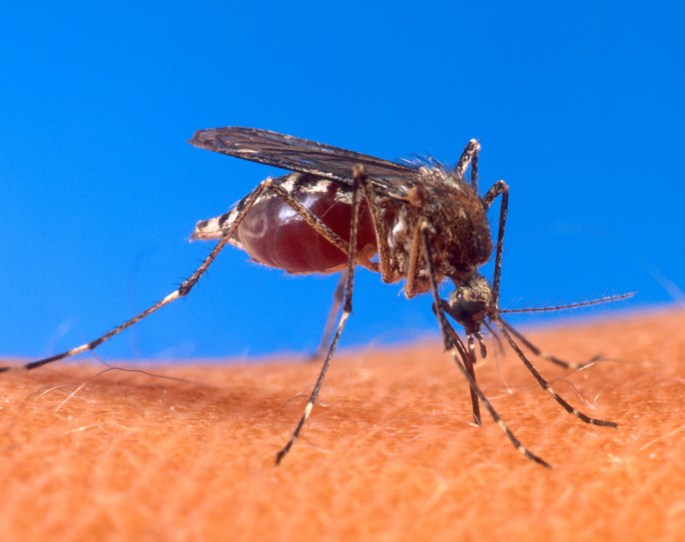
Mosquitos are responsible for a chickungunya fever outbreak in the Caribbean several hundred miles off the United States coastline. That outbreak is an addition to the expanding role arthropods play in the spread of illness.

Many arthropods are erroneously classified as insects. While mosquitos, lice, and fleas are indeed insects with six legs, ticks have eight legs and are technically arachnids. The term arthropod is an overarching classification encompassing mosquitos, fleas, and ticks – all common disease vectors. Insects are arthropods, but not all arthropods are insects.

Arthropods spread several of the world’s most significant diseases. Notable among them are Lyme disease, typhus, yellow fever, Japanese encephalitis, West Nile virus, and, most significantly, malaria. Of the 45 select agents designated by the U.S. Department of Health and Human Services, 12 are transmitted by arthropods.

Diseases spread by arthropods have influenced some of the greatest conflicts in history. More French soldiers are suspected to have died from louse-borne typhus than actual combat during Napoleon’s ill-fated 1812 invasion of Russia. Staggering mortality among the French army forced Napoleon to renounce Moscow and retreat back to France. During WWII, mosquito-borne malaria was a serious health threat to U.S troops throughout campaigns in the South Pacific.

Several tick-borne bacterial illnesses have been endemic to North America since antiquity, including Lyme disease and Rocky Mountain spotted fever. In recent years, mosquito-borne viruses have made their way across U.S. borders. The introduction of West Nile virus in 1999 and a 2005 dengue hemorrhagic fever outbreak in Texas have solidified emerging and foreign arthropod-borne diseases as threats to U.S. public health.

Arthropods can also serve to carry out bioterrorism. Terrorists could utilize arthropods to execute clandestine bioterror attacks through exploitation of feeding behavior. Inoculation of arthropods with the desired agent and subsequent release into unsuspecting populations could spread illness during, or shortly after, blood meals. Although possible, that scenario is unlikely due to the difficulty associated with production and maintenance of pathogen-inoculated arthropods.

A more likely bioterrorism scenario involves malevolent forces utilizing more passive means of compromising U.S. health. North America has many indigenous mosquito species – several of which can spread pathogens found in other parts of the world, such as Rift Valley Fever in Africa. Introduction of any disease capable of spread and maintenance by indigenous arthropods is a significant public health threat. Some unsubstantiated theories suggest West Nile virus was intentionally introduced to the U.S. in this way. Possibilities of an arthropod-facilitated attack has placed a heavy burden on keeping undesirable pathogens out of the country.

There are steps everyone can take to reduce their risk of arthropod-borne diseases. Mosquito control methods, such as elimination of outdoor untreated stagnant water sources, should be practiced regularly. Also, mosquito repellent, in addition to long-sleeved shirts and pants covering the ankles, should be worn whenever going outdoors.

Similar measures can be taken to prevent tick bites – wear repellent, tuck pants into socks or boots, shower after returning indoors, and perform tick checks daily.

Finding Its Niche in Biodefense: Bioprinting

By Alena M. James

Three-Dimensional printing has become a major controversial topic in the new age technology sector for the past few years now. Earlier this month, Yoshitomo Imura was arrested in Kawaski, Japan after using his 3-D printer to build five guns; two of which held the capability to fire bullets. This is an example of the potential dangers of 3-D printing. In April, a private company working in Shanghai used 3-D printers to print 10 full-sized houses in approximately 24 hours. This demonstrates the technology’s potential utility in building development. The benefits and risks of 3-D printing continue to be illustrated via innovators, but there has not yet been a clear consensus on the accepted utility of this advancing technology.

However, on the medical front these machines have proved incredibly advantageous. 3-D printers have advanced the medical field by allowing the creation of artificial limbs for patients, skin grafs for burn victims, and even noses for patients requiring facial reconstruction.  Despite the ambiguity of whether or not 3-D printing induces more harm than good or more good than harm for society, the Defense Threat Reduction Agency (DTRA) has found a significant utility for this rising technology in the biodefense world.

Last week, DTRA announced the new role for 3-D printers in biodefense research. According to DTRA, using 3-D printers in countermeasures research against chemical and biological weapons would allow for scientists to rapidly produce human tissue on which treatments against chemical and biological agents can be tested.

The technique is known as bioprinting—the use of 3-D printers to develop human tissues and organs.  In bioprinting, a specialized 3-D printer is designed to disseminate viable cells that can strategically lay the framework to biofabricate organoids—smaller version of organs. Ears and skin have been the two most common organs that have been developed via this technology.

Studies at Harvard University have helped to pique DTRA’s interest in bioprinting. So far, the Harvard Scientists have successfully developed 3-D organoids that can survive for at least eight days. The length of viability is significant, because it allows more time for testing to be performed on sensitive organisms like bacteria.

If DTRA scientists can test the effectiveness of treatments against biological or chemical weapons on bioprinted human tissue, they maintain the capacity to evaluate these treatments in more accurate human models without harming actual patients. Using biofrabricated systems will also enable DTRA scientists to determine the best countermeasures against these types of weapons without solely relying on animal modeling systems. These types of studies are traditionally condemned due to ethical concerns for the animals and are limited in producing side effects that are associated within the human model.  By using human tissue fabricated from 3-D printers, scientists reduce animal testing trials and gain a more accurate understanding of the effectiveness of the treatments being investigated. The fabrication of organoids may also allow drug testing to occur at a faster pace saving time and money in the research field.

One of the leading companies of this technology is Organovo. The company focuses on developing structurally and functionally accurate human tissue models used in medical research. The process of bioprinting requires several steps to produce the intended tissue or organ type. First, a design of the target tissue must be created. Second, the key architectural and compositional elements of the tissue must be identified. Third, the software must be used to develop a printing protocol.  Fourth, a bioprocess is required to develop the bio-ink for the project. Bio-ink comes from cells involved in the development of the tissue copy. Fifth, the ink gets dispensed from the bioprinter layer-by-layer building the tissue in 3-D.

Although the process outlined above appears simple, bioprinting still requires more investigative studies to truly evaluate its advantages and disadvantages.  However, it is quite exciting to know that the technique is finding a significant role in to the Biodefense realm.


(Image Credit. Image Caption: The scaffolding for two replacement ears printed is shown above. Prior to bioprinting replacement ears were developed from rib cartilage.)

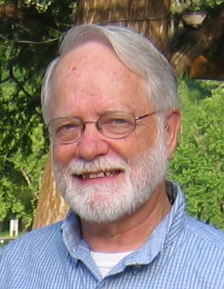
Introducing: Keith Ward

I’m delighted to introduce new Affiliate Faculty Member of the Departments of Molecular and Microbiology and Bioinformatics and Computational Biology at George Mason University, Keith B. Ward, Ph.D.

Keith will be contributing to the Pandora Report, so check here for his articles!


Keith

Keith retired as Senior Science Advisor, FBI Laboratory, in 2011. There he coordinated basic and applied Science and Technology (S&T) efforts between the FBI and other government agencies and provided technical expertise to the Head of the FBI Laboratory and the Director of the FBI S&T Branch.

Prior to joining the FBI, Keith was Chief of the Research and Development Branch and Science Advisor to the Director, Chemical and Biological Division, of the DHS S&T Directorate. This Branch develops novel basic and applied technology to counter chemical and biological threats within the US. He represented S&T on several Homeland Security Council Inter-agency Policy Coordination work groups.

After receiving a BS in physics (Texas A&M) and a PhD in biophysics (Johns Hopkins), Dr. Ward became a professor of chemistry at the University of Wisconsin. In 1984 he joined the Naval Research Laboratory, as team leader of the macromolecular crystallography and molecular modeling group. His research focused on understanding the structure and function of proteins involved with marine bioluminescence, chemical agent-degrading enzymes, and phospholipase A2 snake venom toxins. In 1993, he became a NASA flight principal investigator, and his group developed remote-controlled protein crystallization systems for both Space Shuttle and Space Station experiments.

In 1995 Dr. Ward joined the Office of Naval Research and served as chair of the Biomolecular and Biosystems group within the Cognitive, Neural, and Biomolecular Science and Technology Division. He served as the Navy’s representative to the Joint Services Technical Panel for Decontamination and to the Joint Warfighting Science and Technology Plan Chapter on Combating Terrorism.

He received the Navy Meritorious Civilian Service Award in 2003 and the Presidential Rank Award of Meritorious Senior Professional in 2008. Keith was inducted into the Academy of Distinguished Former Students by the College of Science, Texas A&M University in 2013.

Since retiring, Keith serves on the Steering Group of the AAAS STEM Volunteers supporting Fairfax County Public Schools:  http://www.seniorscientist.org . He serves as pro-bono technical advisor on chemical warfare to both Human Rights Watch and Amnesty International. To pursue a new avocation, Keith became a docent in the Hall of Human Origins at the Smithsonian National Museum of Natural History in 2013.

This Week in DC: Events

May 28, 2014

The United States and Global Missile Defense
Date: May 28, 8:30 am
Location: Atlantic Council, 1030 15th Street NW, 12th Floor (West Tower) Washington DC

Please join the Atlantic Council’s Brent Scowcroft Center on International Security for our annual Global Missile Defense conference, which will take place on May 28, 2014 at the Atlantic Council headquarters.

Our annual conferences have enabled the Atlantic Council to take an active, leading role in discussions and debate concerning the role of missile defense in US security policy. Building upon last year’s conversations, this year’s event will focus on the recent developments concerning the emerging regional missile defense architectures in Europe, the Middle East, and Asia and, it will feature a panel addressing how missile defense operations are likely to evolve out to 2030.

Full schedule of events available here; Register here.

Statesman Forum on Cybersecurity Policy and Diplomacy
Date: May 28, 11:00 am
Location: School of Media and Public Affairs, Jack Morton Auditorium, 805 21st Street NW, Washington DC 20052

On Wednesday, May 28, 2014, the George Washington University Cybersecurity Initiative will host Toomas Hendrik Ilves, President of the Republic of Estonia, for a wide-ranging discussion on the state of play of the current cyber threat; policies and actions that Estonia has taken to address the challenge; the significance of U.S.-Estonia cooperation on cybersecurity; the role of other international alliances and organizations, including NATO; and recent political and military events in the region.

Following President Ilves’ opening remarks, the Chairman and Ranking Member of the House Permanent Select Committee on Intelligence, Mike Rogers and Dutch Ruppersberger, and Ambassador Paula Dobriansky, will join in a moderated Q&A session on cybersecurity, as well as U.S. perspectives on the geopolitical implications of the conflict in Ukraine.

Register here.

Fighting to the End: The Pakistan Army’s Way of War” Book Talk
Date: May 28, 12:00 pm
Location: Hudson Institute, 1015 15th Street NW, 6th Floor, Washington DC 20005

What was said of the Prussian state and its military is true of Pakistan: It is an army with a state. Pakistan’s army has dominated the state ever since its independence in 1947. Pakistan’s security-intelligence establishment has locked the country in an enduring rivalry with India that has included four full-scale wars, none of them a clear-cut Pakistani victory, and one of them (in 1971) resulting in the loss of Pakistan’s most populous province, modern Bangladesh, to independent statehood. Unable to compete with India using conventional military forces, Pakistan’s army has employed non-state actors and continued to build its nuclear arsenal.

In Fighting to the End, Dr. C. Christine Fair answers the critical question: “Why does Pakistan’s army persist in pursuing revisionist policies that have come to imperil the very viability of the state itself?” After analyzing decades’ worth of the army’s own defense publications, Fair concludes that “from the army’s distorted view of history, it is victorious as long as it can resist India’s purported drive for regional hegemony as well as the territorial status quo. Simply put, acquiescence means defeat.”

To discuss Fighting to the End in the context of Pakistan, its army, and the U.S.-Pakistan relationship, Hudson Institute will host a book talk with Dr. Fair, assistant professor in the Peace and Securities Studies program at Georgetown University’s Edmund A. Walsh School of Foreign Service. Hudson Senior Fellow and former Ambassador of Pakistan to the United States Husain Haqqani will moderate the event.

Books will be available for purchase and signing by the author. Register here.

From Dayton to Europe: A New Beginning for Post-war Bosnia and Herzegovina?
Date: May 28, 2:00 pm
Location: U.S. Institute of Peace, 2301 Constitution Ave NW, Washington DC

After several failed attempts to move Bosnia-Herzegovina beyond political and economic stalemate, last month’s joint commitment by top leaders to European values and identity, a social market economy and the rule of law might mark an opportunity for change.  Five major political parties from Bosnia’s two entities reached agreement to sign the joint declaration amid the deepest institutional crisis since the end of the war in 1995. It remains to be seen whether the parties will be able to generate support for their united stance in the run-up to the October 2014 elections.

Please join us on May 28, 2014, for a conversation with Martin Raguž, a Member of the Parliament of Bosnia-Herzegovina and President of the HDZ 1990 Party, and Edward P. Joseph, Senior Fellow at Johns Hopkins SAIS Center for Transatlantic Relations who has worked for a dozen years in the Balkans most recently as Deputy Head of the Organization for Security and Cooperation in Europe (OSCE) Mission in Kosovo. They’ll discuss the recent turmoil in Bosnia, the significance of the joint declaration by the five parties, the upcoming elections and how to move the country forward. USIP’s Renata Stuebner will moderate the discussion, which will include presentations by the two speakers and a question-and-answer period. This event follows an April 2 discussion at USIP with a Bosnian civic activist and two other panelists on the ramifications of protests for the October elections.

RSVP here.


May 29, 2014

What Good is Grand Strategy? Power and Purpose in American Statecraft from Harry S. Truman to George W. Bush
Date: May 29, 12:00 pm
Location: Heritage Foundation, Lehrman Auditorium, 214 Massachusetts Ave NE, Washington DC

Grand strategy is one of the most widely used and abused concepts in the foreign policy lexicon. In his new book, Hal Brands explains why grand strategy is a concept that is so alluring – and so elusive – to those who make American statecraft. He explores what grand strategy is, why it is so essential, and why it is so hard to get right amid the turbulence of global affairs and the chaos of domestic politics. At a time when “grand strategy” is very much in vogue, Brands critically appraises just how feasible that endeavor really is.

Brands takes a historical approach to this subject, examining how four Presidents – Harry S. Truman, Richard Nixon, Ronald Reagan and George W. Bush – and their administrations sought to “do” grand strategy at key inflection points in the history of modern U.S. foreign policy. As examples from the early Cold War to the Reagan years to the War on Terror demonstrate, grand strategy can be an immensely rewarding undertaking – but also one that is full of potential pitfalls on the long road between conception and implementation.

Hal Brands, Ph.D. is an Assistant Professor of Public Policy and History at Duke University’s Sanford School of Public Policy. He is an affiliate of the Duke Program in American Grand Strategy and serves on the Executive Board of the Triangle Institute for Security Studies. Previously, he worked at the Institute for Defense Analyses outside of Washington, D.C. and has served as a member of the RAND Corporation Grand Strategy Advisory Board.

RSVP here or watch online.

Sting of the Drone: A Book Event featuring Richard A. Clarke
Date: May 29, 6:00 pm
Location: Middle East Institute, 1761 N Street NW, Washington DC 20036

The Middle East Institute is pleased to host Richard A. Clarke, chairman of MEI’s board of governors, for a discussion of his latest book, Sting of the Drone (Thomas Dunne Books, 2014). Drawing upon over 30 years of experience in U.S. government agencies, including the Pentagon, the State Department, and the White House National Security Council, Clarke will discuss his fictional account of military and defense personnel working in the U.S. drone program. Afterwards, Clarke will sign copies of his book.

Register here.


May 30, 2014

Al-Qaeda and its Regional Affiliates: A Movement in Transformation
Date: May 30, 8:30 am
Location: Carnegie Endowment for International Peace, 1779 Massachusetts Ave NW, Washington DC 20036

This conference will bring together leading scholars and practitioners from the United States, Europe, and the Arab world to examine the complex dynamics underway within al-Qaeda. This will include its role in Syria, Iraq, Yemen, and North Africa, as well as European influence on the movement, and the broader political and social context within which al-Qaeda operates today.

Full conference schedule available here; Register here.

Russian Military Modernization and Military Operations in the Crimea, North Caucasus and Georgia
Date: May 30, 12:00 pm
Location: Heritage Foundation, Lehrman Auditorium, 214 Massachusetts Ave NE, Washington DC

Russia’s military actions in the Crimea and Eastern Ukraine have shattered two decades of relative peace in post-Cold War Europe. Twenty-two years after the collapse of the Soviet Union, Russia is rebuilding its military strength and once again rising in regional influence.

President Vladimir Putin has committed a considerable portion of the Russian GDP toward modernizing its military over the next 10 years. Russia’s aggression in the Crimea clearly demonstrates that its military has come a long way from the defeats in Chechnya in the 1994-1996 war and its lackluster performance in Georgia in 2008. The Russian military has also learned lessons from its prolonged counterinsurgency operations in the North Caucasus. If successful, the Putin military modernization will allow Russia to increase its power relative to its former Soviet and NATO neighbors and expand influence along its periphery – in the former Soviet republics, in Central and Eastern Europe, and in the Middle East – presenting further challenges for the United States and its Western allies and their decision makers.

This discussion will be based on the recent monograph, “Russia’s Counterinsurgency in North Caucasus: Performance and Consequences,” published by the U.S. Army War College in March and on a new Heritage Foundation Backgrounder, “A U.S. Response to Russia’s Military Modernization,” both authored by Ariel Cohen.

RSVP here.


MARK YOUR CALENDARS!

June 5, 2014

Pakistan’s Polio Fight
Date: June 5, 9:30 am
Location: Atlantic Council, 1030 15th Street NW, 12th Floor (West Tower,) Washington DC

Pakistan is one of just three countries where polio remains endemic. With sixty-six cases reported in the country this year and a grave warning issued by the World Health Organization (WHO) of a resurgence, the disease threatens not just Pakistan but countries across the world that have waged successful polio-eradication campaigns.  Pakistan’s health system faces challenges in addressing this threat, including limited access to remote areas and violence against polio campaign workers. Yet, increasing amounts of funding, steadily developing science, and modified organizational plans have consistently failed to surpass these challenges. Pakistan is reportedly ramping up efforts after an international travel ban issued by the WHO will prevent individuals from leaving Pakistan without proof of vaccination as of June 1. Dr. Samia Altaf will talk about measures Pakistan is taking to tackle the polio threat in Pakistan, reactions to the WHO travel ban, and the role of foreign aid.

The US-Pakistan Program is a comprehensive approach to US-Pakistan relations, focusing on the key areas of security, economic development, and public policy. The program explores these issues and their relevance, in order to develop a long-term, continuous dialogue between the United States and Pakistan. This project is generously supported by the Carnegie Corporation of New York.

Register here.

Pandora Report 05.24.14

Highlights include the CIA and their “Immunization Campaigns,” Ricin Sentencing, Dengue Warning for the World Cup, and Bacteria and E-Cigarettes. Have a safe and wonderful Memorial Day weekend!!

CIA Drops Vaccination Cover Story in the Wake of Polio Outbreak

Shakil Afridi, a Pakistani doctor, provided polio vaccinations in the city of Abbottabad as a cover for the CIA-backed effort to obtain DNA samples from children at a compound where Osama bin Laden was later found and killed in 2011. This week, however, the White House assured the deans of prominent U.S. Public Health Schools that the CIA will no longer use vaccination programs as a cover for spy operations. The agency also agreed not to use genetic materials obtained through such programs.  This announcement comes at a time when Polio cases are growing and spreading in Pakistan—in 2013 cases in Pakistan accounted for more than 20% of all new polio cases worldwide.

CBC—“The CIA’s use of a polio vaccine program to spy on bin Laden’s compound undercut Obama’s own high-profile speech to the Muslim world in 2009, in which he touted U.S. efforts to slash the growth of polio in Pakistan, Afghanistan and Nigeria. With Obama administration assurances, Muslim scholars in two international groups issued religious decrees urging parents to vaccinate their children.”

Mississippi Man Sentenced in Ricin Letter Investigation

This week, James Dutschke was sentenced to 25 years in prison for developing and possessing Ricin. Dutschke mailed the ricin-laced letters to the President, U.S. Senator Roger Wicker, and a Lee County Mississippi Judge.

FBI—“Following an investigation, Dutschke was arrested on April 27, 2013, and indicted by a federal grand jury on June 3, 2013. A superseding indictment was filed on November 20, 2013. Dutschke pled guilty on January 17, 2014, to one count of developing and possessing ricin and three subsequent counts of mailing threatening letters laced with the substance. According to the plea agreement between Dutschke and the U.S. Attorney’s Office that was filed in U.S. District Court in Oxford, Dutschke had agreed to serve a 300-month prison sentence and had waived his right to appeal.”

Scientists Warn of Dengue Fever Risk during Brazil’s World Cup

This topic has been circulating for weeks, if not months, but with the beginning of the World Cup a few weeks away, this story has been popping up in the news on a daily basis. Of the 12 World Cup host cities, the risk of Dengue fever has prompted a high alert in three—Natal, Fortaleza, and Recife—and an increased risk in four—Rio, Belo Horizonte, Salvador, and Manaus.

Dengue fever, sometimes called “breakbone fever,” is a viral infection transmitted by the Aedes aegypti mosquito. It can range from a mild, flu-like illness to a potentially deadly one, which occurs in approximately 5% of patients. There are no vaccines or effective treatments for Dengue Fever. Brazil has had more cases of the disease than anywhere in the world—more than seven million infections between 2000 and 2013.

Chicago Tribune—“Rachel Lowe, from the Catalan Institute of Climate Sciences in Barcelona, who helped develop the warning system, said the possibility of an outbreak during the World Cup large enough to infect visitors and spread back to their home countries will depend on a combination of factors. This include having large numbers of mosquitoes, a susceptible population and a high rate of mosquito-human contact, she said.”

Here’s Why Bacteria Like E-Cigs

Many, including everyone’s favorite anti-vaxxer Jenny McCarthy, claim that e-cigs are safer for their health than traditional cigarettes. However, it addition to the harm cigarettes inflict on the immune cell, it turns out that either type of cigarette may be just as bad for the body’s natural bacteria.

Time—“Dr. Laura Crotty Alexander, from the University of California at San Diego and the VA San Diego Healthcare System, found that the vapor from e-cigs prompts bacteria to become more resistant to antibiotics. In the presence of e-cig vapor, for example, methicillin resistant staphylococcus aureus (MRSA) became more resistant to the natural anti-microbial agents that the body makes. Cigarette smoke also produces the same effect, but Crotty Alexander was surprised that the e-cig vapors did as well, given that they were not supposed to contain the health-harming carcinogens that tobacco smoke does.”


Image Credit: Wikimedia Commons

The Epidemiologist: Dark Horse of Public Health

By Chris Healey

Many identify physicians as the preeminent professional in the health field – followed by dentists, physical therapists, pharmacists, and nurses – to name a few. However, one of the most important cogs in the health infrastructure mechanization is publicly obscure, yet works almost exclusively with the public. The epidemiologist is the most important health professional you may never meet.

An epidemiologist is not intentionally obscure. The occupation simply does not require as much face-to-face interaction as other health professionals. Instead, epidemiologists analyze data collected by healthcare providers to discern patterns overlooked on a patient-by-patient basis. That data is often analyzed offsite, away from patients. While physicians are treating the individual, epidemiologists are looking at the big picture.

State and federal regulations require physicians and other health professionals to report pertinent diagnosis and patient information to local health departments. That data is collected and analyzed by regional and district epidemiologists to detect unusual disease instances or patterns in their respective regions and districts. Data from local health departments is collected and further consolidated on the state and federal level by state health departments and the Centers for Disease Control respectively.

Epidemiologists serve as the vanguard in outbreak and bioterrorism detection. A clandestine bioterrorism event will likely be detected first by epidemiologists. For example, while several physicians may treat several different E. coli casesin the same day, they are unlikely to communicate mutual diagnoses among themselves. However, an epidemiologist whom analyzes all E. coli diagnoses that day may be able to discern unusual incidence. A physician can identify a single illness, but epidemiologists identify outbreaks and epidemics.

Incidence and pattern detection is only one function of the typical epidemiologist. Once pathogens of interest are detected, epidemiologists investigate patients to determine how they became infected with the respective agent. While physicians can serve in an investigative capacity, diagnosis and treatment of the patient at hand is often their focus. Epidemiologic investigations typically include patient interviews and environmental sample collection. In instances of foodborne illnesses, those investigations are critical to identify the tainted food and water sources. Product recalls and water treatment advisories are often the result of epidemiologic investigations.

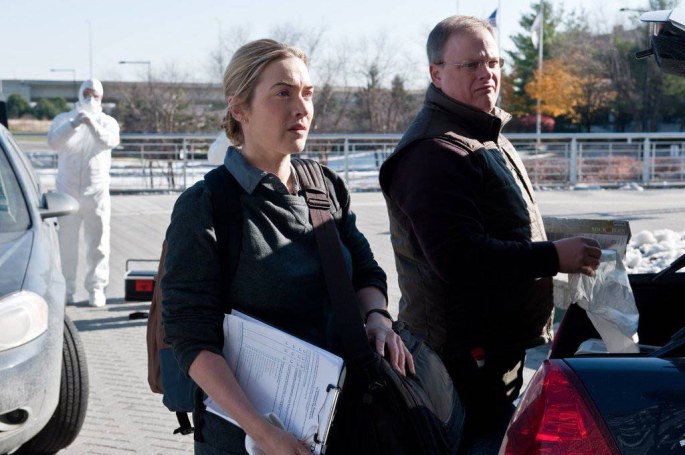
Epidemiologists are often marginalized in popular culture and cinema. They are conflated, and often completely replaced, with physicians. However, the 2011 film Contagion portrayed epidemiologists as discrete health professionals with accurate—though dramatized—job functions.

Epidemiology is a growing field. According to the Bureau of Labor Statistics, epidemiologist employment is projected to grow 10 percent from 2012 to 2022, which is about as fast as the average for all occupations.


(Image Credit: Contagion)

Congrats to GMU Biodefense 2014 Graduates!!

If the words CBRN, Deterrence, Terrorism, Tacit Knowledge, Anthrax, Vaccination, Public Health, International Security, The Rajneesh’s Cult, Aum Shinrikyo, Iraqi WMD, Biopreparat, The Pandora Report, Bruce Ivans, Small Pox, Intelligence, Arms Control, Measles, The Biological Weapons Convention, Biosurveillance, BioSense, BioWatch, and Zombie have any meaning to you, you might just FINALLY be one of George Mason University’s few and proud Biodefense graduates.

This year our program is very proud to have graduated 3 Doctoral Candidates and 20 Masters Candidates well equipped to fight the good fight against the Zombie Apocalypse!

CONGRATULATIONS to GMU’s Biodefense Doctoral and Masters Class of 2014!!

Doctoral Candidates
Jenna Frost
Brian M. Mazanec
William E. Sumner

Master’s Candidates
Amy Armitage
Kellie Bolling
Ashley Eilers-Lupton
Courtney Gavitt
Deborah Harden
Christopher Healey
Michael Herman
Alena James
Blain Johnson
Quyen Kim
David Kimble
Annabel Lang
Katherine Montwill
Nicole Morgan Starks
Ashley Negrin
Cathleen Nguyen
Erika Olsen
Laura Sears
Saranga Senaratna
Brian Wilber

ALERT: MEASLES EXPOSURE IN FAIRFAX COUNTY

Potential Measles Exposures May 11-15

The Virginia Department of Health reports that “out of an abundance of caution, health officials are investigating potential exposures to a second person with measles in the National Capital Region.”

New potential exposure sites and times have been identified that occurred between May 11-15. The locations in Fairfax County include McLean, Herndon, Fairfax, Reston and more. Visit the VDH website for more details.

This new investigation expands the recent one of a measles case in late April in Loudoun and Fairfax Counties. The second case of measles was confirmed in a person who was a close contact of the first case. Regional health officials are mounting a coordinated effort to identify people who may have been exposed to this second case.

After you check the list, please share this information with your family, friends, co-workers and more.


From the Fairfax County Emergency Information blog

(Image Credit: Wikimedia Commons)

Deborah Harden Receives GMU Biodefense Departmental Award

By Alena M. James

HardenJust a few years ago, Deborah Harden made the decision to continue her education.  After earning her undergraduate degree in engineering and serving in the U.S. Air Force as an Aerospace engineer, Harden began working at Battelle, a nonprofit that plays a major role in managing the world’s leading national laboratories. The company offers expertise and resources helping government agencies and multi-national corporations in several projects. In her employment at Battelle, Harden very quickly recognized that an understanding of biodefense would help her acquire financial resources to fund projects for the company.  In order to gain this knowledge, she enrolled in GMU’s Biodefense Program. “When I began working at Battelle, I needed to understand biodefense so I could better articulate what our scientists were researching so I could find funding for them,” Harden said.

This year Harden completed her Master’s Project on a very interesting topic examining what happens to bioengagagment programs once donor funds stop being made available. “I studied sustainability of U.S. bioengagement programs.  After the fall of the Soviet Union, several agencies in the U.S. worked with the newly independent states to secure pathogen collections, institute disease surveillance systems, and work with former weapons scientists to learn to conduct peaceful research programs.  Money from donor countries like the U.S. won’t continue forever, so what happens to these biologists and programs after the donors leave?  I found some great literature about sustainment and found that we’re mostly on the right track, but more can be done,” explained Harden.  Dr. Gregory Koblentz served as Harden’s advisor and provided her with numerous resources and feedback to help her with the project.

Harden’s project coincided nicely with her current profession. As a program manager for Battelle, she developed and worked on bioengagment programs in Iraq and Afghanistan. “My job is to determine the state of biological research, safety, and security in these countries, and find ways to improve them so they meet WHO and international standards.  I also lead some tasks in the Republic of Georgia trying to make their BSL-3 public health laboratory sustainable,” she explained.

Not only has Deborah completed her project and continues to evaluate programs overseas, but she was also selected as this year’s Departmental Award Recipient of the Master’s Program for her work and scholarly achievements.

Harden’s experience in the Biodefense program has been pretty great for her. She explains that she learned just as much from her smart fellow-students as she did from the courses she was taking. “It was an eye-opener for me because I expected to go to GMU to learn and found that contributing was just as important. That wasn’t my experience as an undergrad.” The retired Aerospace Engineer enjoyed taking several classes in the program that helped her to gain a better understanding of her own field in bioengagment. She also really enjoyed her classes on policy and treaties, arms control, disease surveillance, and the Examining Terrorist Groups course.

With her Master’s Project now behind her, Harden is already contemplating how to spend her time.  “I’m thinking of re-learning French or maybe beginning Russian. Or I might reapply for a PhD in Biodefense. There is a lot more I could do with the research I began.”

“People always ask me if it’s frightening studying something like bioterrorism.  I tell them that the most comforting thing I learned was how hard it is to actually make a bioweapon that is capable of killing a large number of people.  And that Mother Nature is probably the scariest bioterrorist.”

Harden also had a few words of advice for the future graduates and prospective students of GMU’s Biodefense Program.

“Keep an open mind about things you read.  Academia and the ‘real world’ are often two different animals.  Also, please read at least half of what you are supposed to read before a class!”


(Banner Image Credit: George Mason University)

This Week in DC: Events

May 19, 2014

PONI Live Debate: The Role of Tactical Nuclear Weapons in Responding to the Crisis in Crimea
Date: May 19, 6:00 – 8:00 pm
Location: Center for Strategic and International Studies, 2nd Floor, Hess Room, 1616 Rhode Island Ave NW, Washington DC 20036

The Project on Nuclear Issues (PONI) is pleased to invite you to a live debate about U.S. and NATO nuclear strategy in Central and Eastern Europe.

In the NATO-Russia Founding Act of 1997, NATO attested that it had “no intention, no plan and no reason” to locate nuclear weapons on the territory of Central and Eastern European states. But today, as tensions over the Crimea crisis continue to escalate, many have begun to call for a reexamination of this policy. Would the presence of tactical nuclear weapons provide stability and assurance to NATO’s Eastern European members, or would such a move spark more skirmishes with an antagonized Russia? Mr. Peter B. Doran, Director of Research at the Center for European Policy Analysis, and Mr. Kingston Reif, Director of Nuclear Non-Proliferation at the Center for Arms Control and Non-Proliferation, will debate these questions at the next PONI Live Debate.

The live, in-person, debate will be also be webcast live. Viewers can ask questions of the debaters in real-time by emailing PONI@csis.org. Tune in here for the livestream. To attend in person, register here.


May 20, 2014

Revelations About the NSA: A Talk with James Bamford
Date: May 20, 12:00 – 2:00 pm
Location: Institute for Policy Studies, 1112 16th Street NW, Suite 600, Washington DC

Join us in our conference room for a conversation with James Bamford about the Edward Snowden revelations and what they mean for the country.

Bamford is an American bestselling author and journalist noted for his writing about United States intelligence agencies, especially the National Security Agency (NSA).

Al-Qaeda in Afghanistan and Pakistan: An Enduring Threat
Date: May 20, 2:00 pm
Location: U.S. House Committee on Foreign Affairs, 2200 Rayburn House Office Building, Washington DC 20515

The Subcommittee on Terrorism, Nonproliferation, and Trade welcomes the following witnesses to dicsuss Al-Qaeda in Afghanistan and Pakistan: Mr. Thomas Joscelyn, Senior Fellow at the Foundation for Defense of Democracies and Mr. David Sedney, the Former Deputy Assistant Secretary for Afghanistan, Pakistan, and Central Asia at the U.S. Department of Defense.

Watch the hearing online here.


May 21, 2014

Boko Haram: The Growing Threat to Schoolgirls, Nigeria, and Beyond
Date: May 21, 9:45 am
Location: U.S. House Committee on Foreign Affairs, 2172 Rayburn House Office Building, Washington DC 20515

Witnesses Honorable Sarah Sewall, Under Secretary for Civilian Security, Democracy, and Human Rights at the U.S. Department of State and Ms. Amanda J. Dory, Deputy Assistant Secretary of Defense for African Affairs at the U.S. Department of Defense discuss Boko Haram.

Watch the hearing online here.

The Humanitarian Crisis in Syria: Views from the Ground
Date: May 21, 2:00 pm
Location: U.S. House Committee on Foreign Affairs, 2172 Rayburn House Office Building, Washington DC 20515

The Subcommittee on the Middle East and North Africa welcomes the following witnesses to Syria: Ms. Andrea Koppel, Vice President of Global Engagement and Policy at Mercy Corps; Ms. Holly Solberg, Director of Emergency and Humanitarian Assistance at CARE; Ms. Pia Wanek, Director in the Office of Humanitarian Assistance at Global Communities; Mr. Zaher Sahloul, M.D., President of the Syrian American Medical Society; Ms. Bernice Romero, Senior Director of Policy and Advocacy at Save the Children.

Watch the hearing online here.

NATO’s Balancing Act
Date: May 21, 3:00 pm
Location: U.S. Institute of Peace, 2301 Constitution Ave NW, Washington DC 20037

Russia’s invasion of Crimea poses an urgent and serious challenge for the venerable Atlantic Alliance. Some argue that in response NATO needs to prioritize collective defense, its original mission, and deemphasize the crisis management and cooperative security roles that have involved the Alliance in conflicts from Afghanistan to Libya.

The impact of the Ukraine crisis on NATO’s balancing among these three tasks remains to be seen. Will the 28 NATO member countries agree on a common analysis of the threat? What is the role of individual NATO members, and to what extent are they willing to invest in new capabilities? These questions will be at the forefront of September’s NATO Summit in South Wales, the first since the 2012 Chicago meeting.

Join us for a discussion exploring the Alliance’s future with four world-renowned NATO experts, including David S. Yost, author of NATO’s Balancing Act.

RSVP here.


May 22, 2014

The Good Spy: The Life and Death of CIA Legend Robert Ames
Date: May 22, 9:00 – 10:30am
Location: Brookings Institution, Falk Auditorium, 1775 Massachusetts Ave NW, Washington DC 20036

On April 18, 1983, the Hezbollah-led bombing of the United States embassy in Beirut, Lebanon killed 63 individuals, including eight Central Intelligence Agency officers, one of whom was the agency’s Director of the Office of Near East and South Asia Analysis Robert C. Ames. A CIA legend, Ames was known for having established remarkable back-channel connections with Yasir Arafat’s Palestine Liberation Organization when it was still banned as a terrorist organization by the U.S. government.

In a new book, The Good Spy: The Life and Death of Robert Ames, Pulitzer Prize-winning historian and biographer Kai Bird explains how Ames was able to make these contacts, focusing in particular on Ames’ unique ability to develop friendships and ascertain shared values with a wide array of interlocutors. Bird chronicles also Ames’ rise within the CIA, his passion for the Middle East and the details of the fateful Beirut embassy bombing.

On May 22, the Brookings Intelligence Project will host author Kai Bird to examine the life and death of Robert Ames, how relations between the Arab world and West might have been different had he lived and the lessons that can be learned from Ames’ personable, human approach toward intelligence and enduring foreign policy challenges. Brookings Senior Fellow Bruce Riedel, director of the Intelligence Project, will provide introductory remarks and moderate the discussion. Following their remarks, Riedel and Bird will take questions from the audience.

Register here.


May 23, 2014

The Perils of Responsibility: Germany’s New Foreign Policy and the Ukraine Crisis
Date: May 23, 10:00 – 11:30 am
Location: Brookings Institution, Falk Auditorium, 1775 Massachusetts Ave NW, Washington DC 20036

In an orchestrated series of speeches earlier this year, Germany’s President Joachim Gauck, Defense Minister Ursula von der Leyen and Foreign Minister Frank-Walter Steinmeier called upon their nation to reconsider its reticence to confront geopolitical challenges. Touted as a paradigm shift in Germany’s foreign policy, the coordinated addresses urged Germany to adopt a more assertive voice and assume greater responsibility on global issues. At the same time, the architects of Germany’s “New Foreign Policy” reaffirmed the country’s long-standing culture of multilateralism and military restraint. The intent of the coordinated messages appeared to be two-fold: to assure Germany’s allies that it would take on a greater share of the burden of promoting global stability, and to provoke a domestic debate on Germany’s use of traditionally unpopular foreign policy tools.

On May 23, the Center on the United States and Europe (CUSE) at Brookings with the Heinrich Böll Foundation North America and the Friedrich-Ebert-Stiftung in Washington will host a panel discussion to assess Germany’s new foreign policy and the challenges posed by the crisis in Ukraine. The panelists will be Brookings Senior Fellow and CUSE Director Fiona Hill, President of the Heinrich Böll Foundation Ralf Fücks and Olaf Böhnke, head of the Berlin office of the European Council on Foreign Relations (ECFR). Brookings Visiting Fellow Jutta Falke-Ischinger will moderate the discussion.

Register here.