Author: dkellogg97
Roadmap for Biosecurity and Biodefense Policy in the United States: Opportunity Cost Analysis Framework
China’s Biotechnology Development: The Role of US and Other Foreign Engagement (2019)
A report prepared for the U.S.-China Economic and Security Review Commission
In the past decade, China’s biotechnology industry has grown tremendously, fueled by Chinese government policies promoting the biotechnology sector as a driver of economic growth and increased foreign interaction with the U.S. and other countries. Gryphon Scientific, in partnership with Rhodium Group, performed an extensive investigation of China’s biotechnology industry and the role of U.S. companies in its development to assess the economic and security implications for the U.S. Our report provides a comprehensive look at a growing power in the global biotechnology industry and includes recommendations for specific steps to ensure continued vitality of the U.S. biotechnology industry and the security of our country.
Pandora Report 11.15.2024
This week’s Pandora Report includes program news, updates on H5N1 and the pandemic agreement negotiations, and coverage of Africa CDC’s new mpox clinical trial and Ukrainian reporting on alleged Russian chemical weapons use.
All-BIOD Panel at the Tucker Symposium on Chemical and Biological Weapons
On November 13-14, the Center for Nonproliferation Studies (CNS) at the Middlebury Institute for International Studies hosted the 13th Annual Jonathan B. Tucker Symposium. The symposium is held in honor of Jonathan Tucker who dedicated his career to fighting the scourge of chemical and biological weapons. The first panel of the symposium was composed of two alumni of the Biodefense Graduate Program at the Schar School of Policy and Government: Yong-Bee Lim, Biodefense PhD ’21, and Minh Ly, MS Biodefense ’21. Dr. Lim, who is the Deputy Director of the Converging Risks Lab at the Council for Strategic Risks, gave a presentation on “Technology Democratization and its Implications for CBW Safety and Security: Lessons Learned from Engagement with Non-Traditional Communities.” Ly, who is a Research Fellow at CNS, served as the moderator. In his talk, Dr. Lim discussed his research on the Do-It-Yourself Biology community: a grassroots, decentralized community drawn together by a shared passion for biological experimentation, fostering innovation, and a desire to democratize access and use of life sciences materials, equipment, knowledge, and tools. While often discussed as a potential biosecurity threat in policy circles, Dr. Lim’s research found that much of the conventional wisdom on this community is oversimplified or incorrect. Dr. Lim’s talk concluded with three key lessons learned from his engagement with the community: 1) there is often a gap between perception and reality about biorisks that can lead to improper metrics and incorrect assessments that complicate policy formulation and implementation; 2) as the life sciences are practiced by more people, it is imperative to positively engage and receive buy-in from these communities on addressing biorisk issues; and 3) preventing and countering CBW will be increasingly difficult in a world where definitions for key terms such as biosecurity, democratization, and terrorism are either changing or have no global consensus.

Biodefense Program Bowling Party at the White House
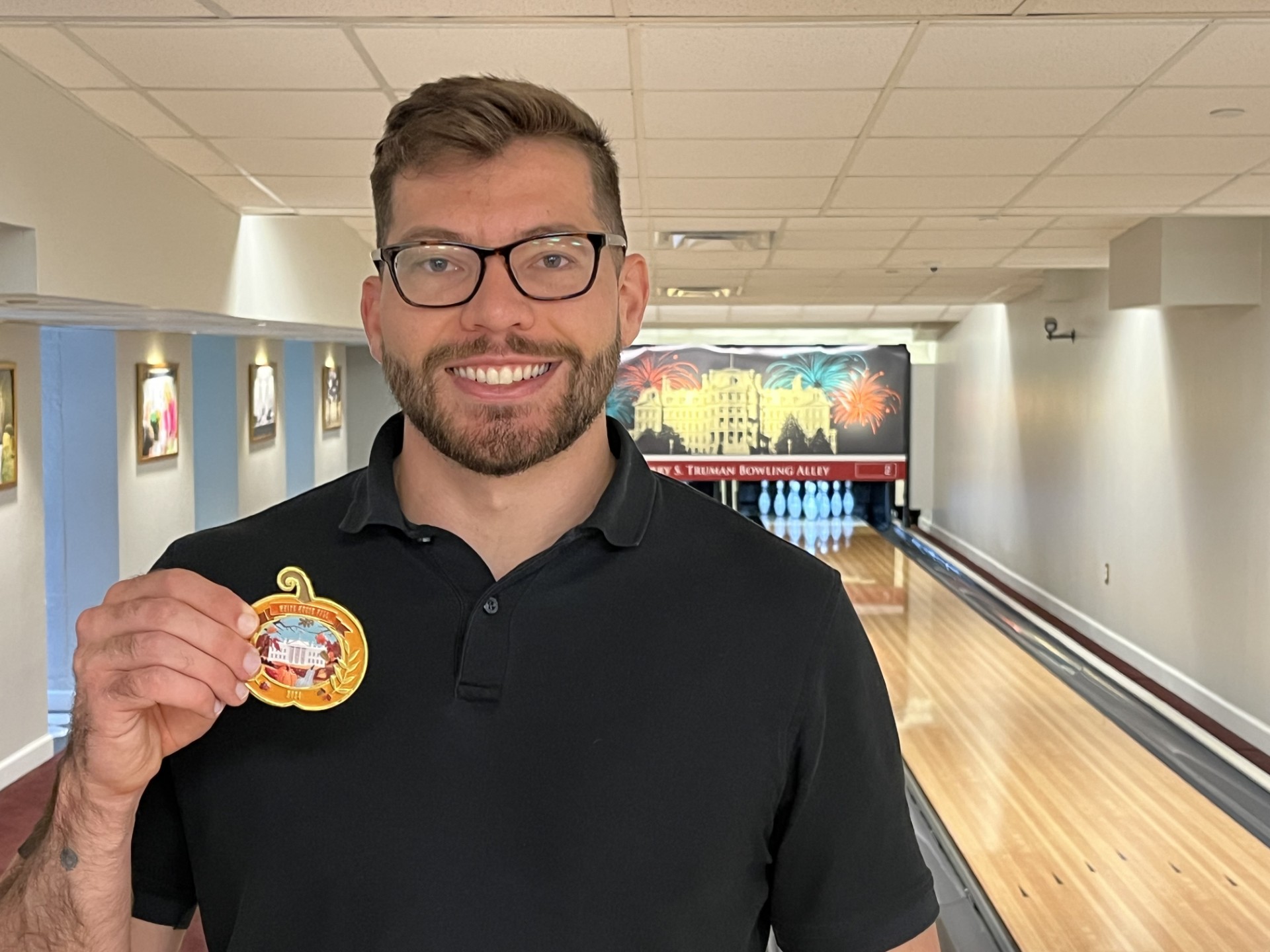
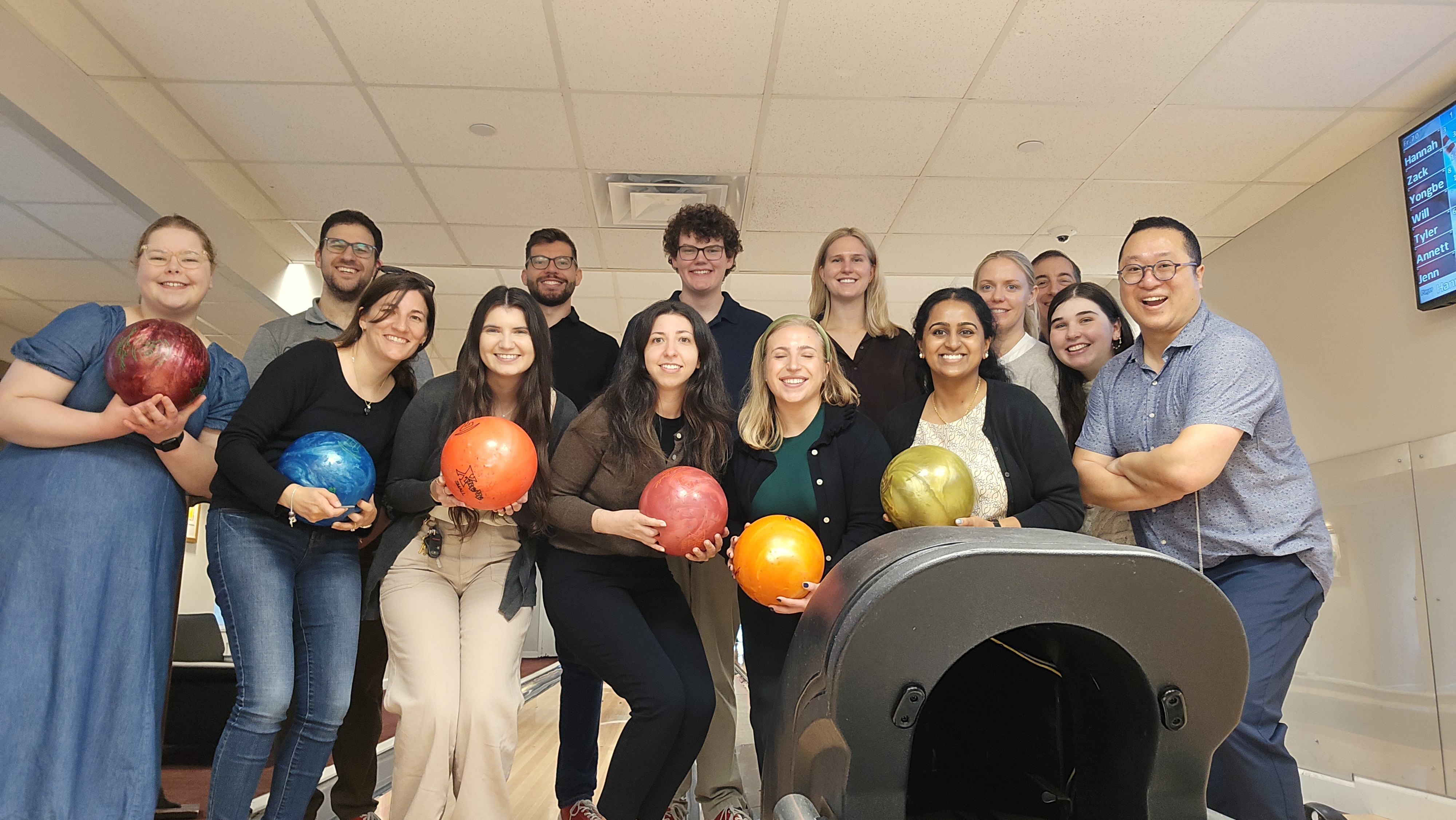
On November 7, a group of students, faculty, and alumni from the Biodefense Graduate Program at the Schar School of Policy and Government went bowling at the Harry S. Truman Bowling Alley in the Eisenhower Executive Office Building. Competition was fierce, but friendly, between Team Smallpox, Team Anthrax, Team Plague, and Team Ebola. In between strikes, spares, and gutter balls, the group enjoyed coffee, pastries, and lively conversations. Biodefense master’s student Tyler Smith won a fall-themed White House challenge coin for achieving the highest score. Team Smallpox, composed of MS Biodefense students Will MacDonald and Tyler Smith, Biodefense PhD student Annette Prieto, and Biodefense PhD alum Jen Osetek, emerged victorious and walked away with more White House merch. “This was an amazing experience,” said Annette, who works as a Technical Analyst at RAND, “The fun and friendly competition we shared in such an iconic setting made for an unforgettable day and helped build bonds that will extend beyond the lanes.” Program director Gregory Koblentz was rusty but managed to throw one strike and two spares after a healthy infusion of caffeine. The bowling party was graciously hosted by Biodefense PhD student Katherine Dammer who is Special Assistant for Global Health Security and Biodefense at the National Security Council.


Avian Influenza Updates
Canada Reports First Domestically Acquired Human H5N1 Case
The Public Health Agency of Canada (PHAC) confirmed the country’s first domestically acquired human case of avian influenza (caused by H5N1) earlier this week. On November 9, the Office of the Provincial Health Officer for British Columbia reported that a BC teenager was hospitalized and tested presumptive positive for H5N1. On November 13, PHAC’s National Microbiology Laboratory in Winnipeg confirmed the test result and that genomic sequencing indicated that the virus is related to the H5N1 viruses circulating in poultry in British Columbia. Provincial officials are conducting an investigation and are taking actions like contact tracing, testing, and offering antiviral medication to contacts. No further cases have been identified at this time, and it is not clear how the teenager was infected.
PHAC says that the risk to the general public remains low at this time, but the risk is higher for those with unprotected exposure to infected animals. Importantly, the genotype of H5N1 avian influenza in US dairy cattle is not the same as the one confirmed in the domestically acquired human case in BC. No cases of avian influenza have been reported in Canadian dairy cattle, and there is no evidence of its presence in Canadian milk samples.
CDC Calls for Expanding Testing
Federal health officials called for more testing of farmworkers after a CDC study showed that 7% of those tested in Michigan and Colorado had antibodies indicative of a previous H5N1 infection. Only one of the eight workers reported working with infected cows, despite all eight of them doing so. CDC explained in a statement that “…there are two primary ways that workers in the United States have been infected with H5N1 virus: via exposure to infected poultry during culling activities, and through exposure to infected dairy cows, including while caring for sick cows, or when working in a milking parlor, the area on the farm where cows are milked.”
Based on this, the agency has updated its existing recommendation on actions to prevent exposures to H5N1 infected animals, including:
- “Decreasing human exposure through One Health control strategies and biosecurity to limit H5N1 virus infections in animals.”
- “Enhancing personal protective equipment (PPE) guidance to more clearly detail what PPE is appropriate for exposure risk levels (high, medium, and low) in farming and poultry culling operations, alongside more robust worker training on proper use of PPE.”
- “Identifying exposed workers and providing appropriate testing as well as post-exposure prophylaxis (i.e., efforts to limit spread of disease), and treatment (e.g., antivirals).”
- “Offering testing to asymptomatic workers with a high-risk exposure who reported not wearing relevant PPE or who experienced a PPE breach or failure.”
- “Increasing outreach and education with farm workers, employers, and advocacy groups to stress and ensure understanding of these messages and strategies.”
The CDC has also updated recommendations for testing and offering oral antiviral medications. This includes the recommendation that asymptomatic workers with a PPE-unprotected, high-risk exposure to sick animals be offered oseltamivir. The statement explains that a high-risk exposure “could include an unprotected splash in the face with raw cow milk from an infected or potentially infected cow, or not using recommended PPE during activities to depopulate poultry at a poultry farm with known H5N1.” The recommendations also include offering influenza A(H5) testing to asymptomatic workers who have had a high-risk exposure to animals infected with H5N1, whether or not that worker chooses to begin PEP.
The Pandemic Agreement Will Not Be Ready by December
Co-chairs of the World Health Organization’s (WHO) Intergovernmental Negotiating Body (INB), Ambassador Anne-Claire Amprou and Precious Matsoso, explained at a media briefing earlier this week that the pandemic agreement will not be adopted at a special World Health Assembly next month as initially thought. They indicated that this was because countries need “more time,” though the INB is already in its 12th meeting following 32 months of negotiations. Ambassador Amprou said at the briefing, “Today, member states agreed we need to conclude the agreement as soon as possible and continue negotiations into 2025 with the goal of concluding the agreement by the next WHA scheduled in May 2025, so we are moving in the right direction with a strong political commitment by member states.”’
Africa CDC Launches Mpox Drug Trial
The Africa CDC recently announced the launch of a trial of the antiviral drug brincidofovir as a treatment for mpox. Brincidofovir, sold under the brand name Tembexa, is a prodrug of cidofovir and is currently approved in the United States to treat smallpox. The trial, “The MpOx Study in Africa (MOSA),” will evaluate the safety and efficacy of brincidofovir with the drug’s developer, Emergent BioSolutions, announcing that it will be conducted and sponsored by PANTHER-the pandemic preparedness platform for health and emerging infectious response.
The trial was announced shortly after the total number of cases of mpox in this outbreak surpassed 50,000. Jean Kaseya, MD, Director General of Africa CDC, said in a statement “Africa is not just responding to the Mpox outbreak; we are leading the charge by spearheading research and development for Mpox therapeutics…The MpOx Study in Africa is a groundbreaking step toward developing an effective treatment that will save lives. This goes beyond research—it’s about African ownership and leadership in tackling our continent’s health challenges through essential research.”
Ukrainian General Staff Reports 323 Uses of Russian CW Use in October
Ukraine’s General Staff reported on November 8 that it had detected 323 Russian uses of CW on the battlefield in October. This brings the total to 4,613 uses reported by Ukraine since Russia’s full-scale invasion in 2022. An August investigation from the Kyiv Independent showed that Russia’s use of CW is growing, with some Ukrainian soldiers reporting dealing with up to six attacks daily. The United Kingdom announced sanctions against relevant Russian units last month, and the US Department of State cited Russian use of chloropicrin against Ukrainian troops in its announcement of more than 280 sanctions against individuals and entities tied to Russia earlier this year.

Emerging Infectious Diseases-“Vol 30, No. 14 Supplement – Reports from the US Department of Defense Global Emerging Infections Surveillance Program”
David M. Brett-Major writes in this issue of CDC’s Emerging Infectious Diseases‘ introduction, “This supplement contains new technical outputs and perspectives from the Global Emerging Infections Surveillance (GEIS) program within the Department of Defense (DoD). GEIS develops, invests in, disseminates, and integrates information from health surveillance activities conducted by military, academic, public health, and other partners. GEIS-funded researchers from around the world provide novel surveillance data that are used to update the military and civilian outputs from this long-standing initiative.”
“Trump Administration’s Chance to Lead on Pandemic Preparedness”
Syra Madad discusses the incoming administration’s opportunity to leverage lessons learned from the COVID-19 pandemic in this piece from the Belfer Center, writing in part “As the Trump administration prepares to take office, it faces a pivotal moment to leverage hard-earned lessons from the COVID-19 pandemic and build a more resilient, pandemic-prepared nation. The challenges of managing the first year of COVID-19 exposed critical vulnerabilities in our fragmented public health infrastructure and decentralized healthcare system. The administration is now uniquely positioned to prioritize pandemic preparedness as a matter of national security. This proactive approach is more important than ever, particularly given the current threat posed by H5N1 avian influenza, which is spreading rapidly among wild birds – among other species and causing outbreaks in U.S. poultry and dairy herds. Recent human cases among farmworkers exposed to infected livestock further underscore the urgency of this threat.”
“Cyberattacks on Healthcare: A Global Threat That Can’t Be Ignored”
Vibhu Mishra wrote this piece discussing UNSC’s interest in protecting healthcare infrastructure against cyberattacks for UN News: “An alarming surge in ransomware attacks is putting the world’s healthcare infrastructure at critical risk, endangering patient safety and destabilising health systems, the head of the UN World Health Organization (WHO) warned on Friday, as the Security Council convened to discuss strategies to counter the growing threat.”
Read more here and read the WHO Director-General’s remarks from the meeting here.
“Robust Biosecurity Measures Should Be Standardized at Scientific Cloud Labs”
Jeffrey Lee and Barbara Del Castello recently authored this commentary piece for the RAND Corporation. In it, they discuss clous labs and argue that “By adopting comprehensive security measures, including routine evaluations and monitoring via artificial intelligence (AI), the scientific community, ideally through a consortium, can harness the full potential of cloud labs while ensuring safe and secure research environments.”
“The U.S. Could Soon Face a Threat ‘More Powerful’ Than Nuclear Weapons”
Ashish K. Jha, Matt Pottinger and Matthew McKnight discuss the implications of rapid advancement in synthetic biology and how to achieve bioweapons deterrence in this Washington Post opinion piece. They point to the importance of superior intelligence gathering and analysis, writing that “For deterrence to work, Washington and its allies must have a robust, pervasive system for tracking and, where possible, eliminating highly dangerous research around the world.” However, they explain that the primary challenge to expanding and improving US BIOINT efforts is not technology, but resolve, with Congress having recently watered down the Biden administration’s budget request for pandemic prevention and biosurveillance efforts outlined in the 2023 Biodefense Posture Review remaining underfunded. They conclude that BIOINT alone won’t deter adversaries, but that all necessary elements of bioweapons deterrence depend on world-class BIOINT.
“Developing Guardrails for AI Biodesign Tools”
From NTI: “The integration of artificial intelligence (AI) with the life sciences offers tremendous potential benefits to society, but advances in AI biodesign tools also pose significant risks of misuse, with the potential for global consequences.”
“AI biodesign tools (BDTs) are technologies that enable the engineering of biological systems. These tools are trained on biological data and are developed to provide insights, predictions, and designs related to biological systems. BDTs have the potential to drive progress in the development of new therapeutics and are likely to have a significant impact across the broader bioeconomy, including in agriculture, health, and materials science. However, there are risks BDTs could be misused to design dangerous pathogens, and few safeguards exist to ensure that the benefits of these technologies can be realized safely and securely.”
“Innovative strategies are needed to reduce the risks associated with potential misuse of biological design tools without significantly hindering beneficial uses. This report identifies a number of strategies, referred to as guardrails, that could be developed to safeguard BDTs against misuse.”
Read the report here.
What We’re Listening To🎧
Build the Base Podcast-Tracy Frost and Dr. Kate Sixt, DoD Research and Engineering OUSD
“In this episode of Building the Base, Lauren Bedula and Hondo Geurts sit down with Tracy Frost, Director of Technology Industrial Innovation Base, and Dr. Kate Sixt, Principal Director for Biotechnology at the Department of Defense. The conversation explores the revolutionary intersection of biotechnology and national security, diving into how the DoD is leveraging bio-manufacturing to strengthen domestic supply chains and innovate defense capabilities. From converting waste products into valuable materials to creating new pathways for manufacturing critical components, the discussion reveals how public-private partnerships are reshaping America’s industrial base.”

One Health and the Politics of COVID-19 Book Launch
The Writer’s Center is hosting a book launch for Dr. Laura Kahn’s new book, One Health and the Politics of COVID-19 (blurb below) on November 23 at 2 pm EST in Bethesda, MD. Learn more and RSVP here.
“One Health and the Politics of COVID-19 unpacks the mysteries of COVID-19’s origins to impart important lessons for future outbreaks. The One Health concept recognizes the interconnected links among the health of humans, animals, plants, and the environment. By comparing the history, science, and clinical presentations of three different coronaviruses—SARS-CoV-1, MERS, and SARS-CoV-2 (COVID-19)—Kahn uncovers insights with important repercussions for how to prepare and avoid future pandemics. The One Health approach provides a useful framework for examining the COVID-19 pandemic. Understanding the origins of this zoonotic disease requires investigating the environmental and molecular biological factors that allowed the virus to spread to humans. The book explores the many ways in which the wild animal trade, wet markets, and the camel industry contributed to the spread of the earlier SARS-CoV-1 and MERS coronaviruses. For SARS-CoV-2 (COVID-19), Kahn examines the biosafety, biosecurity, and bioethics implications of gain-of-function research on pandemic potential pathogens. This book is a must read to understand the geopolitics of the COVID-19 pandemic.”
Enhancing the Resilience of Healthcare and Public Health Critical Infrastructure
From NASEM: “Healthcare and public health infrastructure, technology, and operations are rapidly changing and are increasingly interdependent and interconnected. Threats to the nation’s critical social and physical infrastructure systems are also rapidly evolving and highly complex—posing potentially new or growing risks of disruption and challenging the assumptions used to design and protect these systems.”
“The National Academies Forum on Medical and Public Health Preparedness for Disasters and Emergencies will host a hybrid public workshop to explore strategies, policies, and innovative actions to improve the resilience of healthcare and public health (HPH) critical infrastructure to impacts from disasters and other emergencies.”
This event will take place in DC on December 9 and 10. Register here.
Resilience in the Face of Global Risks
From CSR: “The Council on Strategic Risks (CSR) cordially invites you to our first annual CSR symposium, Resilience in the Face of Global Risks, scheduled for Tuesday, December 10, 2024. This is the first event bringing together all three of CSR’s institutions—the Center for Climate & Security, the Converging Risks Lab, and the Janne E. Nolan Center on Strategic Weapons—to engage with leaders across our mission sets.”
“The United States and its allies face a complex global security landscape where systemic risks like climate and ecological crisis, nuclear proliferation, and biological threats are blending with war, geopolitical competition, and human insecurity in new and profound ways. While there has been tremendous leadership—and meaningful progress—across these overlapping risk areas, they require persistent innovation in community building to meet the modern risk landscape.”
“The symposium will dive into the progress our communities have made—and how our passionate communities can better work together to help shape the future.”
“In addition to a keynote address, guests will hear from panels, take part in breakout sessions showcasing important issues and new ideas, plus engage with thought leaders between sessions. It will be a widely attended gathering, free to attendees.”
“As we enter a new year with an exceptionally dynamic security environment, we hope CSR’s December event will inspire and build a stronger community across professionals dedicated to anticipating and addressing the world’s greatest risks. We appreciate your consideration and hope you will be able to join us on the 10th of December.”
RSVP here.
2024 CBD S&T Conference
From DTRA: “The CBD S&T Conference brings together the most innovative and influential chemical and biological defense community members from around the globe to share insights and collaborate on the emerging chem-bio threats of tomorrow.”
“Join the Defense Threat Reduction Agency’s (DTRA) Chemical and Biological Technologies Department in its role as the Joint Science and Technology Office (JSTO) for Chemical and Biological Defense, an integral component of the Chemical and Biological Defense Program, as we Focus Forward to uncover novel concepts and examine groundbreaking discoveries within the chem-bio defense landscape.”
“The 2024 CBD S&T Conference will be held at the Broward County Convention Center, December 2–5, 2024.”
Learn more and register here.
Health Security Intelligence: Managing Threats Risks and Hazards Post-Covid 19
“As the acute impact of the COVID-19 pandemic recedes, many unaddressed questions remain for Australia about how to better prepare for the next likely health threat, risk or hazard.”
“In addition to how we enhance national public health capacity, what are the important lessons we can learn from the pandemic from national security and biosecurity perspectives?”
“Given the likelihood of another pandemic at some point, an increasingly uncertain geo-political order and the potential exploitation of biotechnology by bad actors how does Australia and its allies better prepare for a future of increasingly complex health security and biological security threats, risks and hazards?”
“This event is for all health security intelligence stakeholders (policy-makers, national security staff, scientists, researchers and clinicians) who work across the one health continuum and national security agencies.”
“It will introduce participants to Charles Sturt’s extensive research agenda across the one health biosecurity, health and biological security and discuss both their national security and scientific implications. You will hear briefings from key researchers across both STEM and social sciences disciplines working on assessing key health security threats, risks and hazards relevant to your work.”
This event will take place in-person and over livestream on December 4 from 2-4 pm AEDT. Learn more and register here.

NEW: “New Public Health Cybersecurity Readiness Survey Set to Boost Preparedness Against Cyber Threats”
“The co-chairs of the Joint Public Health Cybersecurity Task Group of the Healthcare and Public Health Sector Coordinating Council (HSCC) published a special announcement letter announcing the launch of the Public Health Cybersecurity Readiness Survey. The move aims to enhance the cybersecurity preparedness of state, local, tribal, and territorial (SLTT) public health agencies. Participants can expect the anonymous survey to take about 15 minutes to complete, and it will be open until Monday, Dec. 2, 2024.”
Read more and access the survey here.
The Schar School is Hiring!
The Schar School of Policy and Government at George Mason University is hiring a tenure-track assistant professor. Expertise in international security, national security, homeland security, emergency management, artificial intelligence, cybersecurity, the defense industrial base, or transnational crime and corruption will be regarded positively. Candidates whose work focuses on climate security, technological change, and the future of warfare, or domestic extremism are also encouraged to apply, as are candidates with regional expertise. Details can be found here: https://listings.jobs.gmu.edu/jobs/assistant-professor-fairfax-va-virginia-united-states-other.
US AI Safety Institute Issues RFI on Responsible Development of Chem-Bio Models
From AISI: “The U.S. Artificial Intelligence Safety Institute (U.S. AISI), housed within the U.S. Department of Commerce’s National Institute of Standards and Technology (NIST), released a Request for Information seeking insight from stakeholders regarding the responsible development and use of chemical and biological (chem-bio) AI models.”
“Input from a broad range of experts in this field will help the U.S. AISI to develop well-informed approaches to assess and mitigate the potential risks of chem-bio AI models, while enabling safe and responsible innovation.”
“Respondents are encouraged to provide concrete examples, best practices, case studies, and actionable recommendations where possible. The full RFI can be found here.”
“The comment period is now open and will close on December 3, 2024, at 11:59PM Eastern Time. Comments can be submitted online at www.regulations.gov, under docket no. 240920-0247.”
Pandora Report 11.8.2024
This week’s Pandora Report discusses one Biodefense MS student’s research on malaria, the UK’s recently-announced sanctions against 56 people and entities linked to Russia, the CDC’s call for more avian influenza testing, and what a second Trump administration likely means for US public health and global health security.
Biodefense MS Student Presents at Malaria Research Symposium
Zachary Berliner, a Biodefense MS student, is presenting a poster at the 10th Annual Future of Malaria Research Symposium in Baltimore, MD, on November 8. This conference, jointly run by the Johns Hopkins Malaria Research Institute and the University of Maryland School of Medicine, provides “a platform for early-career scientists to share their research with peers, emerging leaders, and established investigators.” In 2023, nine cases of locally acquired malaria occurred in the United States, the first such cases in twenty years. Zak’s project, Public Opinions Toward Malaria Control Interventions in the National Capital Region, featured a survey of adults in the National Capital Region about their opinions toward various malaria control interventions. His study serves as an indicator of preliminary opinions among a small group of Americans to better inform politicians. His poster can be found here, and the full paper can be found here. The poster is based on the capstone paper that Zak wrote as a culmination of his experience in the Biodefense program. Zak is graduating with his MS in Biodefense in December and is looking for policy and analysis opportunities focused on biodefense and health security.
United Kingdom Announces Sanctions on 56 People and Entities Linked to Russia
The UK announced its largest sanctions package against Russia since May of last year this week, in a series of actions the government hopes “disrupts the supply of vital equipment for Putin’s war machine and bears down on Russian malign activity globally, exposing the corrupt activities of Russian proxy military groups in Africa.” Those sanctioned include Denis Sergeev (who was charged by the Met Police in the attempted murder of Sergei Skripal), entities in China, Turkey, and Central Asia, Africa Corps and other private mercenary groups linked to the Kremlin, and others. The UK is the first G7 country to directly sanction Africa Corps, which has directly threatened peace and security in Libya, Mali, and the Central African Republic.
CDC Calls for Expanded Bird Flu Testing as California and Washington Report More Cases
Officials at the CDC called for more testing on farms with avian influenza cases after a recent study found some dairy workers have shown signs of infection even though they did not report feeling sick. The study that 7% of the 115 farmworkers whose blood was tested (eight) had antibodies consistent with previous H5N1 infection, pointing to more infections than the 46 identified so far. More cases in farmworkers have also been reported in recent days, including at least four in California and three in Washington. The California Department of Public Health also recently reported one other probable case in a dairy worker who met the case definition, though CDC’s confirmation test was negative.
What Lies Ahead in Trump’s Second Term
President-Elect Trump’s recent victory likely will have severe implications for both domestic health policy and global health security. The first Trump administration largely failed in its response to the COVID-19 pandemic, despite the US ranking very well in pre-pandemic preparedness assessments like the Global Health Security Index and the Trump administration being handed a pandemic playbook by the preceding Obama administration that specifically flagged novel coronaviruses as a potential pandemic threat. The upcoming second Trump administration looks ready to fair just as poorly in terms of not just pandemic preparedness, but in general public health and global health engagement as well.
The president-elect, who has repeatedly and falsely claimed that climate change is a hoax, has promised to rollback federal regulations on the oil and gas industry that are aimed at slowing climate change. Trump pulled the United States out of the 2015 Paris Climate Accord in 2017, and his campaign has indicated it intends to do the same again once he is back in office. Trump is also expected to target the EPA during his second term. Changes like this are especially concerning as the effects of climate change, such as increased extreme weather and easier spread of infectious diseases, pose a growing threat globally.
Trump does plan to involve at least one environmental lawyer in his administration-Robert F. Kennedy Jr., an environmental lawyer who Trump has suggested may play a large role in public health in his administration. Unfortunately, Kennedy has no training in public health or medicine, and he has repeatedly peddled anti-vaccine conspiracy theories over the years. Kennedy also faced backlash for comments suggesting COVID-19 was “ethnically targeted,” saying “COVID-19 is targeted to attack Caucasians and Black people. The people who are most immune are Ashkenazi Jews and Chinese…We don’t know whether it was deliberately targeted or not but there are papers out there that show the racial or ethnic differential and impact.” Kennedy has also voiced criticism of the childhood vaccine schedule and public water fluoridation, claiming the latter is “lowering IQ in our children,” in contrast to what numerous studies over multiple decades show about its safety and efficacy.
Trump has promised to allow Kennedy to “go wild on” health, medicines, and food policy, with Kennedy saying he believes entire departments at the FDA “have to go.” Kennedy has also said he wants an eight-year-long “break” in NIH funding for infectious disease research, and that he would move that money to chronic disease research. Congressional Republicans have targeted the NIH in recent years, including efforts to strip its authority over gain of function research and repeatedly attacking former NIAID Director, Anthony Fauci.
Trump’s second term also may pose threats to global health security more directly. For example, in 2020, the Trump administration formally notified the United Nations that it intended to withdraw the country from the World Health Organization. This move would have cut off one of the largest funding sources to the WHO in the middle of the COVID-19 pandemic. Furthermore, some experts argue the attempt was unlawful, in addition to the threat it posed to domestic and global health and security. While the Trump campaign mentioned few specifics about foreign policy for a second term, the United Nations is bracing itself for this incoming administration.
This week’s election results have many experts deeply concerned about what this administration will bring. Saskia Popescu, an alumna of the Schar School’s Biodefense PhD Program and current adjunct professor at the school made this statement to The Bulletin of the Atomic Scientists about the election result’s implications for public health: Right now, I think you’d be hard-pressed to find many in public health, healthcare, and pandemic preparedness/response, who are not deeply concerned. The recent notion that Robert F. Kennedy Jr. could be in charge of public health for the United States poses a real danger. From his claims that vaccines are harmful or unnecessary to his proposed efforts to remove fluoride from public water systems, Kennedy continuously pushes anti-science rhetoric and dis/misinformation.
History has shown us what might happen under another Trump administration during times of crises, from extreme weather events to a pandemic. We have seen how an administration that pits itself against science and dedicated public service officials reacts. As we face an ongoing H5N1 outbreak, persistent outbreaks of emerging infectious diseases, an erosion of trust in public health, a rise in dis/misinformation, and widening social disparities, we need leadership that will unite rather than divide.
We are at a critical time in forming effective and pragmatic policies to address complex issues such as the ways in which developments in artificial intelligence (AI) will affect biosecurity, the safety and security around critical research of dangerous pathogens, the effects of climate change on infectious diseases, and the need to strengthen global health through equity and partnership.
Developing policies in these areas will require strategies based on collaboration and evidence-based measures–not inflammatory, inaccurate, and harmful rhetoric that furthers partisan divides and enflames social discourse. It’s our responsibility to find a path that ensures the protection of public health and global health security. We’ve got a lot of work to do, and I fear a hard road ahead of us.
Others have voiced concerns about a return to US isolationism in global health, Trump not seeking out quality scientific advice, policies regarding vaccines, and more that can be read in this piece from The Bulletin of the Atomic Scientists.

“HHS’ ASPR Playing ‘Quarterback’ for Cyber Response, Resilience”
Jason Miller discusses ASPR’s cyber efforts with Biodefense PhD Program alumnus, Schar School adjunct professor, and current Deputy Director of ASPR’s Office of Preparedness in this piece for Federal News Network: “Just a little over a year ago, that coordination was occurring, but not as smooth as it needed to be. We took some steps, and actually now have a Public Health Service, captain, or an 06 officer, permanently embedded within the National Cyber Investigative Joint Task Force, that the FBI leads. We have a HHS ASPR person embedded full time with the FBI agents and other law enforcement folks who work in that task force and really are dealing with very sensitive information and responding to cyber incidents in the healthcare sector every day,” said Mazanec on Ask the CIO. “That’s just another example where we’ve really tightened up and continue to mature our partnership with the FBI. We do work with the other health focused entities like the Veterans Affairs Department, the Defense Health Agency, certainly within HHS, with the Indian Health Service and with the Centers for Medicaid and Medicare Services.”
Read more here.
“GHSD Five-year Strategy 2024-2028 (October 2024)”
The State Department’s Bureau of Global Health Security and Diplomacy recently released its strategic plan for 2024-2028: “The COVID-19 pandemic underscored the importance of preventing, detecting, and responding to health crises to safeguard American lives and the global economy. Building on the successes of the U.S. President’s Emergency Plan for AIDS Relief (PEPFAR), which has saved more than 25 million lives from HIV/AIDS, and to address the growing challenges posed by health threats, the State Department established the Bureau of Global Health Security and Diplomacy in August 2023.”
“Building on decades of leadership on global health within the State Department, the Bureau of Global Health Security and Diplomacy’s mission is to lead U.S. diplomatic engagement, help coordinate foreign assistance, and promote international cooperation against health threats, integrating global health security as a core component of national security and foreign policy. The bureau’s first ever five-year Strategy for 2024-2028 outlines the State Department’s role in ending HIV/AIDS as a public health threat and advancing global health security and pandemic prevention, preparedness, and response efforts for the U.S. government.”
“The goals of the Strategy are to:
- End HIV/AIDS as a public health threat by 2030
- Catalyze the political will, financing, and leadership necessary to achieve heath security and address public health threats, including HIV/AIDS
- Improve global multisectoral preparedness and response through diplomacy to protect against health security threats
- Empower the diplomatic workforce to prioritize and integrate global health security as a key pillar of U.S. foreign policy.”
Read the strategy here.
“Chemical Weapons Policymakers Must Act to Balance the Prospects and Perils of AI”
Patrick Norén recently published this CBNW article covering a conference organized by the OPCW and Kingdom of Morocco focused on the role of AI in advancing implementation of the CWC. Norén covers general trends in speakers’ comments, the dual use nature of AI, challenges in legislation, regulation, and cooperation, and issues with misinformation and disinformation.
“MATCH 2.0 Enters Demonstration and Live Testing Phase”
From Stimson: “Behind every chemical transfer is a story, and too often, that story includes discrepancies in reported data. The Stimson Center’s MATCH project team has completed development of an updated DLT prototype and is demonstrating to CWC National Authorities and other stakeholders how it traces these narratives and creates a clear, immutable record of each transaction, aligning records of national authorities and industry while maintaining data confidentiality, reducing risks of misreporting, and enhancing nonproliferation by enabling faster reconciliation of discrepancies in the annual reporting of chemicals covered by the Chemical Weapons Convention (CWC).”
Read more here.
“THE NEXUS BETWEEN SCIENCE AND NATIONAL SECURITY IN CANADA: THE CASE OF THE NATIONAL MICROBIOLOGY LABORATORY IN WINNIPEG”
The Canadian House of Commons’ Special Committee on the Canada-People’s Republic of China Relationship recently released this interim report. Among other things, the report reveals that CSIS “issued a direct and unheeded warning to senior health officials in August 2018, raising concerns about “insider threat activities” linked to Dr. Xiangguo Qiu and her husband, Keding Cheng.” The report explains in its conclusion “The events at the Winnipeg NML facility revealed, as outlined in this report, the fundamentally open and collaborative nature of Canadian scientific research as a means of contributing to the common good, on the one hand, and, on the other, the need for a cultural shift within the scientific field in terms of its vigilance over national security risks and the need to reconsider how we collaborate with entities or states that may not share the same interests as Canada. For example, with regard to the PRC, Mr. Vigneault said that “[i]t is sometimes in our own national interest to collaborate with Chinese entities, but we need to do it with our eyes wide open and make sure that we protect our own base.”’
Read Sam Cooper’s coverage of this report in The Bureau here.

NEW: Developing Guardrails for AI Biodesign Tools
From NTI: “Join us for a virtual webinar releasing the findings of NTI | bio’s new report, Developing Guardrails for AI Biodesign Tools, followed by a moderated discussion and Q+A with distinguished guest Claire Quereshi.”
“Artificial intelligence (AI) promises to revolutionize not only aspects of daily life but cutting-edge scientific research and development. Within the life sciences, AI biodesign tools (BDTs) have improved significantly in their ability to design biological molecules and make predictions about living systems, displaying potential for beneficial applications and posing significant potential risks if misused.”
“Authors Sarah R. Carter, Ph.D., Nicole E. Wheeler, Ph.D., Christopher R. Isaac, M.Sc., and Jaime M. Yassif, Ph.D. conducted interviews with experts with deep experience creating bioinformatic tools, developing BDTs, and crafting biosecurity policies. The report outlines several proposed measures that could be deployed to design governance approaches to reduce biological risks without unduly hindering scientific advances.”
This event will take place virtually on November 14 at 11 am ET. Learn more and register here.
NEW: A Year-End Review, Recapping Global AI Governance Efforts
From CSET: “This time last year seemed to herald a landmark period in establishing AI governance regimes around the world. After ChatGPT and other AI tools burst onto the scene, U.S. policymakers issued new executive orders, hosted hearings and high-profile learning sessions, and developed new frameworks and standards to support the safe and secure development of AI. Elsewhere, the European Union worked to finalize its AI Act, and China announced its Global AI Governance Initiative. One year later, where do the promises and commitments to govern AI stand?”
“Join us on November 14, as we look back on the last year of global AI governance efforts and evaluate what progress has been made, what work remains to be done, and what the actions of global partners and competitors alike mean for U.S. strategy going forward. CSET Associate Director of Analysis Owen J. Daniels will moderate a conversation with CSET researchers Mia Hoffmann, Mina Narayanan, and Cole McFaul as we survey governance developments around the world over the past year. The moderated discussion will be followed by audience Q&A.”
This event will take place at 1 pm ET on November 14. Learn more and RSVP here.
NEW: Enhancing the Resilience of Healthcare and Public Health Critical Infrastructure
From NASEM: “Healthcare and public health infrastructure, technology, and operations are rapidly changing and are increasingly interdependent and interconnected. Threats to the nation’s critical social and physical infrastructure systems are also rapidly evolving and highly complex—posing potentially new or growing risks of disruption and challenging the assumptions used to design and protect these systems.”
“The National Academies Forum on Medical and Public Health Preparedness for Disasters and Emergencies will host a hybrid public workshop to explore strategies, policies, and innovative actions to improve the resilience of healthcare and public health (HPH) critical infrastructure to impacts from disasters and other emergencies.”
This event will take place in DC on December 9 and 10. Register here.
NEW: Resilience in the Face of Global Risks
From CSR: “The Council on Strategic Risks (CSR) cordially invites you to our first annual CSR symposium, Resilience in the Face of Global Risks, scheduled for Tuesday, December 10, 2024. This is the first event bringing together all three of CSR’s institutions—the Center for Climate & Security, the Converging Risks Lab, and the Janne E. Nolan Center on Strategic Weapons—to engage with leaders across our mission sets.”
“The United States and its allies face a complex global security landscape where systemic risks like climate and ecological crisis, nuclear proliferation, and biological threats are blending with war, geopolitical competition, and human insecurity in new and profound ways. While there has been tremendous leadership—and meaningful progress—across these overlapping risk areas, they require persistent innovation in community building to meet the modern risk landscape.”
“The symposium will dive into the progress our communities have made—and how our passionate communities can better work together to help shape the future.”
“In addition to a keynote address, guests will hear from panels, take part in breakout sessions showcasing important issues and new ideas, plus engage with thought leaders between sessions. It will be a widely attended gathering, free to attendees.”
“As we enter a new year with an exceptionally dynamic security environment, we hope CSR’s December event will inspire and build a stronger community across professionals dedicated to anticipating and addressing the world’s greatest risks. We appreciate your consideration and hope you will be able to join us on the 10th of December.”
RSVP here.
Preparing for the Next Outbreak: Designing Closer Collaboration between Healthcare and Public Health to Deploy Pathogen-Agnostic Testing as an Early Warning System
From PNNL: “Please join us in welcoming Dr. Adi V. Gundlapalli, Senior Advisor for Data Readiness and Response in the Office of Public Health Data, Surveillance, and Technology at the CDC for his talk titled “Preparing for the Next Outbreak: Designing Closer Collaboration between Healthcare and Public Health to Deploy Pathogen-Agnostic Testing as an Early Warning System”. This webinar will take place Wednesday, November 13th, at noon PT.”
Learn more and register here.
Developing Guardrails for AI Biodesign Tools
From NTI: “Join us for a virtual webinar releasing the findings of NTI | bio’s new report, Developing Guardrails for AI Biodesign Tools, followed by a moderated discussion and Q+A with distinguished guest Claire Quereshi.”
“Artificial intelligence (AI) promises to revolutionize not only aspects of daily life but cutting-edge scientific research and development. Within the life sciences, AI biodesign tools (BDTs) have improved significantly in their ability to design biological molecules and make predictions about living systems, displaying potential for beneficial applications and posing significant potential risks if misused.”
This virtual event will take place on November 14 at 11 am EST. Learn more and register here.
13th Annual Jonathan Tucker Symposium
“The James Martin Center for Nonproliferation Studies cordially invites you to the 13th annual Jonathan Tucker Symposium on chemical and biological weapons issues on November 13th and 14th, 2024.”
Among this year’s speakers are Dr. Yong-Bee Lim, an alumnus of the Biodefense PhD Program and Deputy Director of the Converging Risks Lab and Biosecurity Projects Manager at the Council on Strategic Risks, who will give a talk titled “Technology Democratization and its Implications for CBW Safety and Security: Lessons Learned from Engagement with Non-Traditional Communities.”
Learn more and register here.
One Health and the Politics of COVID-19 Book Launch
The Writer’s Center is hosting a book launch for Dr. Laura Kahn’s new book, One Health and the Politics of COVID-19 (blurb below) on November 23 at 2 pm EST in Bethesda, MD. Learn more and RSVP here.
“One Health and the Politics of COVID-19 unpacks the mysteries of COVID-19’s origins to impart important lessons for future outbreaks. The One Health concept recognizes the interconnected links among the health of humans, animals, plants, and the environment. By comparing the history, science, and clinical presentations of three different coronaviruses—SARS-CoV-1, MERS, and SARS-CoV-2 (COVID-19)—Kahn uncovers insights with important repercussions for how to prepare and avoid future pandemics. The One Health approach provides a useful framework for examining the COVID-19 pandemic. Understanding the origins of this zoonotic disease requires investigating the environmental and molecular biological factors that allowed the virus to spread to humans. The book explores the many ways in which the wild animal trade, wet markets, and the camel industry contributed to the spread of the earlier SARS-CoV-1 and MERS coronaviruses. For SARS-CoV-2 (COVID-19), Kahn examines the biosafety, biosecurity, and bioethics implications of gain-of-function research on pandemic potential pathogens. This book is a must read to understand the geopolitics of the COVID-19 pandemic.”
2024 CBD S&T Conference
From DTRA: “The CBD S&T Conference brings together the most innovative and influential chemical and biological defense community members from around the globe to share insights and collaborate on the emerging chem-bio threats of tomorrow.”
“Join the Defense Threat Reduction Agency’s (DTRA) Chemical and Biological Technologies Department in its role as the Joint Science and Technology Office (JSTO) for Chemical and Biological Defense, an integral component of the Chemical and Biological Defense Program, as we Focus Forward to uncover novel concepts and examine groundbreaking discoveries within the chem-bio defense landscape.”
“The 2024 CBD S&T Conference will be held at the Broward County Convention Center, December 2–5, 2024.”
Learn more and register here.
Health Security Intelligence: Managing Threats Risks and Hazards Post-Covid 19
“As the acute impact of the COVID-19 pandemic recedes, many unaddressed questions remain for Australia about how to better prepare for the next likely health threat, risk or hazard.”
“In addition to how we enhance national public health capacity, what are the important lessons we can learn from the pandemic from national security and biosecurity perspectives?”
“Given the likelihood of another pandemic at some point, an increasingly uncertain geo-political order and the potential exploitation of biotechnology by bad actors how does Australia and its allies better prepare for a future of increasingly complex health security and biological security threats, risks and hazards?”
“This event is for all health security intelligence stakeholders (policy-makers, national security staff, scientists, researchers and clinicians) who work across the one health continuum and national security agencies.”
“It will introduce participants to Charles Sturt’s extensive research agenda across the one health biosecurity, health and biological security and discuss both their national security and scientific implications. You will hear briefings from key researchers across both STEM and social sciences disciplines working on assessing key health security threats, risks and hazards relevant to your work.”
This event will take place in-person and over livestream on December 4 from 2-4 pm AEDT. Learn more and register here.

US AI Safety Institute Issues RFI on Responsible Development of Chem-Bio Models
From AISI: “The U.S. Artificial Intelligence Safety Institute (U.S. AISI), housed within the U.S. Department of Commerce’s National Institute of Standards and Technology (NIST), released a Request for Information seeking insight from stakeholders regarding the responsible development and use of chemical and biological (chem-bio) AI models.”
“Input from a broad range of experts in this field will help the U.S. AISI to develop well-informed approaches to assess and mitigate the potential risks of chem-bio AI models, while enabling safe and responsible innovation.”
“Respondents are encouraged to provide concrete examples, best practices, case studies, and actionable recommendations where possible. The full RFI can be found here.”
“The comment period is now open and will close on December 3, 2024, at 11:59PM Eastern Time. Comments can be submitted online at www.regulations.gov, under docket no. 240920-0247.”
Roadmap for Biosecurity and Biodefense Policy in the United States (2018)
The U.S. policy landscape for countering biological threats is split into two main groups: 1) biosecurity, which specifically focuses on preventing theft, diversion, or deliberate malicious use of biological sciences knowledge, skills, materials, and technologies to cause harm; and 2) biodefense, which involves the development of capabilities and knowledge to assess, detect, monitor, respond to, and attribute biological threats. This project involved the first ever systems-based analysis of the entire U.S. biosecurity and biodefense policy landscape, which enabled greater understanding of the functional relationships between policies as of 2017. These analyses, along with reviews of methodologies for measuring policy implementation and historical case studies to better understand factors that lead to opportunity costs, informed the development of a roadmap for implementing biosecurity and biodefense policies that leverages science and technology advances and minimizes security risks. In addition to the roadmap, this study presents two analytic frameworks for evaluating policy implementation and analyzing opportunity costs.
Supplements:
Opportunity Cost Analysis Framework
Historical Case Studies for Opportunity Cost Analysis
Policy Case Study: Synthesis of the Horsepox Virus
Roadmap for Biosecurity and Biodefense Policy in the United States: Executive Summary
Pandora Report 11.1.2024
This week’s Pandora Report discusses the WHO’s activation of the Global Health Emergency Corps, updates on H5N1 in the United States, a reported Lassa fever death in Iowa, and USAID’s recently-launched Strengthening Infectious Disease Detection Systems project.
WHO, Partners Activate Global Health Emergency Corps in Response to Mpox Outbreaks
The WHO and partners, in collaboration with Member States, announced this week the activation of the Global Health Emergency Corps (GHEC) for the first time in response to mpox outbreaks in several countries. The GHEC is a group of professionals whose goal is to strengthen response to health emergencies. It also functions as a collaboration platform for countries and emergency health networks. The WHO explained in a press release that, “In collaboration with the International Association of National Public Health Institutes, GHEC is assessing the emergency workforce capacities in 8 countries affected by the mpox outbreak, including the Democratic Republic of the Congo and Burundi, the two most affected countries. The assessment has so far identified 22 areas that need strengthening, including epidemiology and surveillance, laboratory capacities, infection prevention and control, risk communication and community engagement. In the Democratic Republic of the Congo, the Health Cluster partners have joined in strengthening the coordination set up by the Ministry of Health under the leadership of the public health emergency operations centre.”
H5N1 Updates
US Detects H5N1 in Backyard Swine
H5N1 infection in a pig on an Oregon backyard farm was confirmed this week, the US Department of Agriculture announced on Wednesday. The farm does have a mix of poultry and livestock, so the infected pig did share an environment with poultry, including water sources, housing, and equipment. Because the detection was found on a small farm, the USDA says risk to the nation’s pork supply and to the general public is low.
In addition to concerns about impact on farming and the food supply, this is concerning because pigs can be a mixing vessel for zoonotic and human influenza viruses as they are susceptible to avian, swine, and human influenza A viruses (IAV). Notably, the novel IAV that caused the 2009 H1N1 pandemic included two separate segments from the H1N1 swine virus lineage. However, it is unknown whether the animal had a systemic infection or if contamination caused positive nasal swab results.
NIAID: “Bovine H5N1 Influenza from Infected Worker Transmissible and Lethal in Animal Models”
“A highly pathogenic avian influenza (HPAI) H5N1 virus, isolated from the eye of a farm worker who became infected through contact with dairy cows, was lethal in mice and ferrets infected in a high-containment laboratory environment, according to a new study in Nature. The study investigators also found that the virus isolated from the worker, who experienced mild inflammation of the cornea (conjunctivitis), could be transmitted through the air between separated ferrets and might be capable of binding to and replicating in human respiratory tract cells.”
Read more here.
Further Reading:
- California announces 16th human case: “November 1, 2024: H5N1 Bird Flu Confirmed in 203 Dairies in California”
- KFF reports on struggles to track cases: “Exclusive: Emails Reveal How Health Departments Struggle To Track Human Cases of Bird Flu”
Lassa Fever Death Reported in Iowa
This week, the Iowa Department of Health and Human Services announced a fatal imported case of Lassa fever. The deceased woman, a middle-aged resident of eastern Iowa, had recently returned from a trip to West Africa, where she is thought to have contracted the disease. There have been just eight travel-associated cases of Lassa fever in the United States in the last 55 years, and about 80% of those that contract this illness will have mild or no symptoms. Cases most often are reported in Nigeria, Liberia, Sierra Leone, Guinea, and Ghana, where there are up to 500,000 cases and 5,000 deaths annually.
USAID Announces Strengthening Infectious Disease Detection Systems Project
The United States Agency for International Development announced this week a new project aimed at strengthening the capacity of the United States’ and partner countries to “prevent, detect, and respond to the increasing occurrence and severity of epidemics, pandemics, and novel infectious disease threats.” The new project, Strengthening Infectious Disease Detection Systems (STRIDES), will allow USAID to work with partner countries to build more reliable, safe, and secure laboratory and disease surveillance systems. It will also help provide more effective data management and reporting platforms. Read more about STRIDES here.

Responding to Radiological Threats
The risks to nuclear power plants in Ukraine posed by Russia’s military actions has raised the salience of radiological threats. In the most recent issue of CBNW, Mary Sproull (Biodefense PhD ’22), a research scientist in the Radiation Oncology Branch of the National Cancer Institute at the National Institutes of Health. explores the potential of biodosimetry as an essential medical countermeasure in the management of radiation injuries. As the initial step in medical management of any exposure is to determine whether radiation exposure has occurred and subsequently differentiate the degree of exposure, particular attention has been focused on research and development of biodosimetry diagnostics, to firstly alleviate the logistical problem of the worried well, and secondly to enable more efficient radiation-specific medical triage. Her article, “MCMs for Radiation Exposure: The Importance of Biodosimetry Diagnostics,” can be accessed here.
“Schar School’s Mahmut Cengiz: On the Frontlines of Global Security and Terrorism”
“Mahmut Cengiz’s first exposure to the brutal realities of transnational organized crime, terrorism, and illicit economies was in films he saw as a young man growing up in Türkiye. But these were not abstract horrors: They were living nightmares, unfolding in real time. The images of suffering and devastation seared themselves into his mind, igniting a fire in him to fight back.”
Read more in The George.
“100 Days to Save Eight Million Lives”
In this piece, CEPI discusses the implications of modelling research recently published in The Lancet Global Health which found that “…a successful 100 Days Mission in response to COVID-19’s emergence would have had by far its greatest impact on the lives and livelihoods of people in the Global South – preventing 800 million COVID-19 infections, averting 15.7 million COVID-19 hospitalisations and saving 4.8 million lives in lower middle-income countries.”
The researchers estimate that the 8.3 million lives saved would represent monetary savings as high as $14.3 trillion. They further estimate that productivity losses due to illness totaling nearly $1.4 trillion and $63 billion in hospitalization costs could have been averted globally. CEPI CEO Dr. Richard Hatchett says the findings should supercharge global commitments to the 100 Days Mission of his organization.
“Animal-to-Human Viral Leap Sparked Deadly Marburg Outbreak”
Max Kozlov breaks down yet-to-be-published research on Rwanda’s Marburg outbreak that indicates it was caused by a single jump of the virus from an animal to humans in this Nature News article, explaining it part “To help inform outbreak control, researchers at the Rwanda Biomedical Centre in Kigali sequenced the Marburg virus genome of several infected people. They found that all samples closely resembled one another, suggesting that the virus spread rapidly in a short period of time and that they shared a common origin. They also found that the virus strain is closely related to one detected in Uganda in 2014 and to one found in bats in 2009, Yvan Butera, Rwanda’s minister of state for health, who co-led the research, tells Nature.”
“Optimizing Federal, State, and Local Responses to Public Health Emergencies: Lessons from COVID, Proceedings of a Workshop–in Brief”
From NASEM: “The COVID-19 pandemic raised challenging legal and policy issues – as reflected in numerous, often inconsistent, health-related decisions made in the United States at the national, state, and local level and in COVID-related judicial opinions issued after the onset of the pandemic. The response to the pandemic provides an opportunity to consider whether federal, state, and local governments had the necessary authority to deal with the crisis, how authority was applied, whether there was sufficient clarity as to responsibility, and what should be changed for the future.”
“On May 30-31, 2024, an ad hoc committee under the auspices of the National Academies of Sciences, Engineering, and Medicine’s Committee on Science, Technology, and Law convened a virtual workshop to examine the allocation of responsibility among levels of government when dealing with a public health crisis; the extent to which federal, state, and local governments have the necessary authority to act; whether there is sufficient clarity as to which levels of government are responsible for particular actions; and lessons that can be learned from the pandemic to inform government responses to pandemics in the future.”
Read the proceedings here.
“Global Catastrophic Risk Assessment”
From the RAND Corporation: “Global catastrophic and existential risks hold the potential to threaten human civilization. Addressing these risks is crucial for ensuring humans’ long-term survival and flourishing. Motivated by the gravity of these risks, Congress passed the Global Catastrophic Risk Management Act in 2022, which requires that the Secretary of Homeland Security and the administrator of the Federal Emergency Management Agency coordinate an assessment of global catastrophic risk related to a set of threats and hazards. The U.S. Department of Homeland Security Science and Technology Directorate and the Federal Emergency Management Agency requested the Homeland Security Operational Analysis Center’s support in meeting this requirement. The authors of this report document findings from the resulting analysis.”
“This report summarizes what is known about the risks associated with six threats and hazards: artificial intelligence; asteroid and comet impacts; sudden and severe changes to Earth’s climate; nuclear war; severe pandemics, whether resulting from naturally occurring events or from synthetic biology; and supervolcanoes.”
“The risk summaries cover the following aspects: where feasible, estimates of the likelihood and potential consequences of each risk; factors causing the risk and associated uncertainties; and whether the risk is likely to change in the next decade.”
“Because the broader goal of the Global Catastrophic Risk Management Act is to reduce risk to human civilization, the authors also identified known and potential mitigation strategies for the six threats and hazards and drew insights from the assessment relevant to managing the risks they pose to society.”
“Global Health Security Lessons from the U.S. Biodefense Response”
Sunny Jha and Robert Carter III discuss USAMRIID’s response to the COVID-19 pandemic and how it demonstrates the important of collaboration between the military, public health, and private-sector during such situations in this Think Global Health piece. They write in part, “One of the most striking aspects of the U.S. Department of Defense’s (DOD) response to COVID-19 was the rapid mobilization of scientific expertise and infrastructure across various military research institutions, including USAMRIID. In early 2020, as the SARS-CoV-2 virus spread globally, DOD laboratories, including USAMRIID, quickly adapted their existing facilities and research protocols to focus on understanding the novel coronavirus. High-containment laboratories, such as Biosafety Level 3 (BSL-3) and Biosafety Level 4 (BSL-4) facilities, were repurposed across the DOD to analyze the structure and behavior of SARS-CoV-2. This rapid pivot was made possible by the combined readiness of military and defense assets, ensuring a coordinated and efficient response to the emerging crisis.”
“Assessing the DoD’s Chemical and Biological Defense Program”
Al Mauroni discusses DOD’s CBD program’s evolution and challenges in this post on his Substack, Nuclear Weapons (and other WMD). He writes in part, “Things have changed radically over the past four years, and the rhetoric about COVID as a “biological threat” was a big factor in that change. The ASD office has increasingly used the claim of “other national security priorities” and “global health security” to move funds from service-validated programs to pet projects that they feel are justified as addressing “chemical and biological threats.” You can see this outlined in the OSD comptroller budget materials. They’re not hiding it at all.”
“Russia’s Upgraded Military Biological Research Facility and the Link to Bioweapons Disinformation in Ukraine”
This policy brief from GP WMD Counter Disinfo discusses recent reporting on Sergiev Posad-6: “Using satellite images from 2022 to the present day, Washington Post journalists recently documented evidence of what appears to be significant upgrades to Russia’s military biological facility at Sergiev Posad-6 near Moscow, with enhancements and enlargements to its high-containment facility, used to work on dangerous pathogens, and the expansion of the linked civilian site where scientists are housed.”
“The construction of this facility appeared to begin in May 2022 and coincided with an increase in biological weapons-related disinformation from Russia focused on Ukraine and its Western Allies, including false narratives around legitimate public health and biological research facilities. This briefing note explores this connection in more detail.”
“That 800-Year-Old Corpse in the Well? Early Biological Warfare”
Franz Lidz discusses the Well Man and how recent research has shed light on how he wound up in the well at Norway’s Sverresborg Castle: “In the dying days of the 12th century, with Norway in the grip of civil wars, the Baglers, a faction aligned with the archbishop, laid siege to Sverresborg, the castle stronghold of King Sverre Sigurdsson. The monarch was away, so the besiegers pillaged the castle, burned down houses and poisoned the water supply by heaving the corpse of one of the king’s men headfirst down the well and filling the shaft with stones.”
“This early biological warfare is recorded in “Sverris Saga,” a contemporaneous biography of the king, who reigned over much of Norway from 1184 to 1202. Scholars have long debated the chronicle’s reliability as a historical document, but a study published Friday in the journal iScience recounts how researchers unearthed the body of the “Well Man” and, with the help of ancient DNA, have provided fresh details about who he was.”
Read more here.
“Was Stone Age Scandinavia Struck by Plague?”
In this New York Times article, Franz Lidz discusses recent genetics research that points to a plague outbreak in Scandinavia more than 5,000 years ago, driving the Neolithic decline. Lidz explains in part, “A new genomic study published in July in the journal Nature makes the case for another candidate, which had been found in people living at the time but was never thought to have been widespread: the plague…Until now, it was unclear how virulent the Neolithic plague was within a human population. “There is a hypothesis that the oldest plague bacterium lacked epidemic potential,” said Dr. Seersholm, the lead author of the paper. “That hypothesis no longer holds.”’

ICYMI-“Lessons from History: A Conversation with Author John M. Barry”
“On Monday, October 28, a public seminar at the Brown University School of Public Health explored the history of pandemics and the lessons that apply to us today. The event featured a discussion with Brown alumnus John M. Barry ’68, author of The Great Influenza: The Story of the Deadliest Pandemic in History, which received the Outstanding Book on Science and Medicine for 2004 by the National Academies of Sciences.”
Read more about this seminar here.
NEW: “Preparing for the Next Outbreak: Designing Closer Collaboration between Healthcare and Public Health to Deploy Pathogen-Agnostic Testing as an Early Warning System”
From PNNL: “Please join us in welcoming Dr. Adi V. Gundlapalli, Senior Advisor for Data Readiness and Response in the Office of Public Health Data, Surveillance, and Technology at the CDC for his talk titled “Preparing for the Next Outbreak: Designing Closer Collaboration between Healthcare and Public Health to Deploy Pathogen-Agnostic Testing as an Early Warning System”. This webinar will take place Wednesday, November 13th, at noon PT.”
Learn more and register here.
NEW: Developing Guardrails for AI Biodesign Tools
From NTI: “Join us for a virtual webinar releasing the findings of NTI | bio’s new report, Developing Guardrails for AI Biodesign Tools, followed by a moderated discussion and Q+A with distinguished guest Claire Quereshi.”
“Artificial intelligence (AI) promises to revolutionize not only aspects of daily life but cutting-edge scientific research and development. Within the life sciences, AI biodesign tools (BDTs) have improved significantly in their ability to design biological molecules and make predictions about living systems, displaying potential for beneficial applications and posing significant potential risks if misused.”
This virtual event will take place on November 14 at 11 am EST. Learn more and register here.
NEW: Health Security Intelligence: Managing Threats Risks and Hazards Post-Covid 19
“As the acute impact of the COVID-19 pandemic recedes, many unaddressed questions remain for Australia about how to better prepare for the next likely health threat, risk or hazard.”
“In addition to how we enhance national public health capacity, what are the important lessons we can learn from the pandemic from national security and biosecurity perspectives?”
“Given the likelihood of another pandemic at some point, an increasingly uncertain geo-political order and the potential exploitation of biotechnology by bad actors how does Australia and its allies better prepare for a future of increasingly complex health security and biological security threats, risks and hazards?”
“This event is for all health security intelligence stakeholders (policy-makers, national security staff, scientists, researchers and clinicians) who work across the one health continuum and national security agencies.”
“It will introduce participants to Charles Sturt’s extensive research agenda across the one health biosecurity, health and biological security and discuss both their national security and scientific implications. You will hear briefings from key researchers across both STEM and social sciences disciplines working on assessing key health security threats, risks and hazards relevant to your work.”
This event will take place in-person and over livestream on December 4 from 2-4 pm AEDT. Learn more and register here.
Vision for Health Forum
From Johns Hopkins: We hope you can join us in November for the Vision for Health Forum with collaboration between Johns Hopkins Howard County Medical Center and Johns Hopkins Applied Physics Laboratory.
Panel Discussion
Moderator:
M. Shafeeq Ahmed, M.D., MBA, F.A.C.O.G
President, Johns Hopkins Howard County Medical Center
Topic: Partnership between JHHCMC and APL
Jeanette Nazarian, M.D., Vice President, Medical Affairs and Chief Medical Officer- Johns Hopkins Howard County Medical Center
Topic: Revolutionizing Health through Science and Engineering
Sheri Lewis, MPH, Deputy Mission Area Executive, Global Health -Johns Hopkins Applied Physics Lab
Topic: APL-HCMC Partnership for Project Firstline: Safeguarding Our Nation’s Frontline Healthcare Workers
Lucy Carruth, Ph.D, Assistant Program Manager- Johns Hopkins Applied Physics Lab
Brian Damit, Ph.D, Project Manager- Johns Hopkins Applied Physic Lab
This event will take place at the Johns Hopkins Applied Physics Laboratory on November 4 at 4:30 pm EST. Learn more here.
13th Annual Jonathan Tucker Symposium
“The James Martin Center for Nonproliferation Studies cordially invites you to the 13th annual Jonathan Tucker Symposium on chemical and biological weapons issues on November 13th and 14th, 2024.”
Among this year’s speakers are Dr. Yong-Bee Lim, an alumnus of the Biodefense PhD Program and Deputy Director of the Converging Risks Lab and Biosecurity Projects Manager at the Council on Strategic Risks, who will give a talk titled “Technology Democratization and its Implications for CBW Safety and Security: Lessons Learned from Engagement with Non-Traditional Communities.”
Learn more and register here.
One Health and the Politics of COVID-19 Book Launch
The Writer’s Center is hosting a book launch for Dr. Laura Kahn’s new book, One Health and the Politics of COVID-19 (blurb below) on November 23 at 2 pm EST in Bethesda, MD. Learn more and RSVP here.
“One Health and the Politics of COVID-19 unpacks the mysteries of COVID-19’s origins to impart important lessons for future outbreaks. The One Health concept recognizes the interconnected links among the health of humans, animals, plants, and the environment. By comparing the history, science, and clinical presentations of three different coronaviruses—SARS-CoV-1, MERS, and SARS-CoV-2 (COVID-19)—Kahn uncovers insights with important repercussions for how to prepare and avoid future pandemics. The One Health approach provides a useful framework for examining the COVID-19 pandemic. Understanding the origins of this zoonotic disease requires investigating the environmental and molecular biological factors that allowed the virus to spread to humans. The book explores the many ways in which the wild animal trade, wet markets, and the camel industry contributed to the spread of the earlier SARS-CoV-1 and MERS coronaviruses. For SARS-CoV-2 (COVID-19), Kahn examines the biosafety, biosecurity, and bioethics implications of gain-of-function research on pandemic potential pathogens. This book is a must read to understand the geopolitics of the COVID-19 pandemic.”
2024 CBD S&T Conference
From DTRA: “The CBD S&T Conference brings together the most innovative and influential chemical and biological defense community members from around the globe to share insights and collaborate on the emerging chem-bio threats of tomorrow.”
“Join the Defense Threat Reduction Agency’s (DTRA) Chemical and Biological Technologies Department in its role as the Joint Science and Technology Office (JSTO) for Chemical and Biological Defense, an integral component of the Chemical and Biological Defense Program, as we Focus Forward to uncover novel concepts and examine groundbreaking discoveries within the chem-bio defense landscape.”
“The 2024 CBD S&T Conference will be held at the Broward County Convention Center, December 2–5, 2024.”
Learn more and register here.

US AI Safety Institute Issues RFI on Responsible Development of Chem-Bio Models
From AISI: “The U.S. Artificial Intelligence Safety Institute (U.S. AISI), housed within the U.S. Department of Commerce’s National Institute of Standards and Technology (NIST), released a Request for Information seeking insight from stakeholders regarding the responsible development and use of chemical and biological (chem-bio) AI models.”
“Input from a broad range of experts in this field will help the U.S. AISI to develop well-informed approaches to assess and mitigate the potential risks of chem-bio AI models, while enabling safe and responsible innovation.”
“Respondents are encouraged to provide concrete examples, best practices, case studies, and actionable recommendations where possible. The full RFI can be found here.”
“The comment period is now open and will close on December 3, 2024, at 11:59PM Eastern Time. Comments can be submitted online at www.regulations.gov, under docket no. 240920-0247.”
Pandora Report 10.25.2024
Happy almost Halloween! This week’s Pandora Report includes news from the Biodefense Graduate Program and discussion of the Biden administration’s latest National Security Memorandum, a new multilateral effort from the US, Canada, and Mexico to improve regional health security, the WHO’s praise for Rwanda’s swift and effective Marburg response, and more.
Upcoming Virtual Information Sessions on the Biodefense Graduate Program
If you are interested in a career in biodefense or global health security or want to develop the knowledge and skills necessary to work at the nexus of health, science, and security, find out what the Schar School of Policy and Government has to offer.
The Schar School PhD programs will be holding a virtual open house on Wednesday, October 30 from 6-7:30 PM. Please join Dr. Gregory Koblentz, director of the Biodefense Graduate Program, to learn more about the Biodefense PhD program and ask any questions you may have. Register here.
GMU Biodefense Students Tour Mason’s Biomedical Research Laboratory
Last week twelve Biodefense students had the opportunity to visit George Mason’s 52,000 square-foot Biomedical Research Laboratory (BRL) located on the SciTech campus in Manassas, Virginia. The BRL was inactive after being decontaminated for annual maintenance . The tour, led by the BRL’s Director of Research Operations, Rachel Pepin, provided students with a firsthand look at Mason’s Biosafety Level 3 (BSL-3) and supporting Biosafety Level 2 (BSL-2) labs. Among the many highlights was the BRL’s autoclaves and gloveboxes, which left students impressed.


The BRL is one of 12 Regional Biocontainment Labs in the United States funded by the National Institute of Allergy and Infectious Diseases NIAID. Constructed in 2010, it became an active “hot” lab in 2012. Fifteen Mason faculty members and thirty students at any time work within the facility on research pertaining to a variety of infectious diseases, new vaccines, diagnostics, and therapeutics. The stated mission of Mason’s BRL is to 1) advance pathogen biology, 2) train the future workforce to safely handle infectious agents and conduct innovative research in BSL-3 environments, 3) evaluate diagnostics, therapeutics and vaccines, and 4) serve as a resource in the event of a bioterrorism or infectious disease emergency. Overall, students gained an appreciation for the critical work and numerous safety controls in George Mason’s BSL-3 laboratory.
This write up was written by Biodefense MS Student Will MacDonald.
OPCW Workshop on Legislative and Regulatory Frameworks for Chemical Security
On October 21-22, 2024, Dr. Gregory Koblentz, director of the Biodefense Graduate Program, attended a meeting of chemical security experts sponsored by the Organization for the Prohibition of Chemical Weapons (OPCW) to discuss best practices for establishing legislative frameworks for chemical security. According to INTERPOL, from the records of 4,100 captured ISIS members, 109 of them have a background related to chemistry, science, technology, engineering, and mathematics. Meanwhile, across the word, the chemical industry and trade are rapidly growing, increasing the risk of toxic chemicals being misused, especially by non-state actors. Many countries are therefore seeking to strengthen their legal and regulatory regimes to address risks such as attacks on chemical facilities, the theft of toxic chemicals, or their release with malicious intent. Initial take-aways from the meeting included a recognition that there is an urgent need for robust national legislative frameworks for chemical security in many countries, that national threat assessments and risk analyses should be the basis for identifying legislative needs, and best practices are most useful if they can be adapted to country-specific contexts and resource setting. This meeting of an international group of chemical security experts kicks off a longer-term discussion on best practices for establishing legislative frameworks for chemical security sponsored by the Implementation Support Branch of the International Cooperation and Assistance Division at OPCW.
A Risky Review of Research
On September 25, 2024, Senator Rand Paul introduced a revised version of the Risky Research Review Act (S. 4667) which was voted out of the Senate Homeland Security and Government Affairs Committee by a vote of 8-1. In a recent OpEd in StatNews, Gregory Koblentz, director of the Biodefense Graduate Program, and David Gillum and Rebecca Moritz, past presidents of the American Biosafety Association (ABSA) wrote of the original bill: “this legislation threatens to cast a shadow over the future of life sciences research and slow it down.” While this revised bill contains some positive changes, it remains deeply flawed and does not represent a viable solution to the challenges posed by dual-use research. You can read their analysis of the good, the bad, and the ugly of the revised Risky Research Review Act here.
Russia Expanding Secret BSL-4 Lab at Sergiev Posad
The Washington Post has identified new construction activity at Sergiev Posad-6, part of the former Soviet and current Russian biological weapons program, consistent with the building of additional high containment laboratories, including BSL-4 lab suites. The construction started in 2022, shortly after Russia’s invasion of Ukraine which was accompanied by unfounded allegations that Ukraine was developing biological weapons with the help of the United States and other NATO countries. Dr. Gregory Koblentz, director of the Biodefense Graduate Program, is quoted in the article as saying, “I would not be surprised if some influential segment of the Russian national security community has drunk the Kool-Aid and really believes that the United States really is developing biological weapons.” Satellite imagery obtained and analyzed by the Washington Post has identified the construction of “10 new buildings, totaling more than 250,000 square feet, with several of them bearing hallmarks of biological labs designed to handle extremely dangerous pathogens.” The Global BioLabs Initiative identified Sergiev Posad-6 as having a BSL-4 lab in 2021. The existence of a BSL-4 lab at this site was confirmed by a 2017 scientific article co-authored by a researcher at the 48th Central Research Institute of the Ministry of Defense at Sergiev Posad. Russia has not declared the existence of a BSL-4 lab at this site on Form A of the confidence building measures that it submits to the Biological Weapons Convention.
White House Releases New National Security Memorandum on Advancing AI Leadership
The Biden administration issued this week the first-ever National Security Memorandum (MSM) on AI. The NSM direct the federal government to take steps to 1) “ensure that the United States leads the world’s development of safe, secure, and trustworthy AI,” 2) “harness cutting-edge AI technologies to advance the U.S. Government’s national security mission,” and 3) “advance international consensus and governance around AI.”
The NSM directives are focused on actions to improve chip supply chain security and diversity, making collection on competitors’ operations against the US AI sector a top-tier intelligence priority, formally designating the AI Safety Institute, doubling down on the National AI Research Resource, directing “the National Economic Council to coordinate an economic assessment of the relative competitive advantage of the United States private sector AI ecosystem,” and more.
Among its other measures, the NSM also directs the creation of a Framework to Advance AI Governance and Risk Management in National Security, which was published alongside the NSM. This framework and any successor document will specify that each covered agency has a chief AI officer and guidance boards, offer guidance on AI activities that pose “unacceptable levels of risk and that shall be prohibited,” and more.
A fact sheet for the new NSM is available here.
US, Canada, and Mexico Announce Efforts to Improve Regional Health Security
This week, the US Departments of Health and Human Services, State, Agriculture, and Homeland Security, along with their counterparts in Canada and Mexico made good on commitments made at the 2021 and 2023 North American Leaders’ Summits in releasing the North American Preparedness for Animal and Human Pandemics Initiative (NAPAHPI). NAPAHPI is “…a flexible, scalable, and cross-sectoral platform to strengthen regional capacities for prevention, preparedness, and response to a broad range of health security threats that builds on lessons learned from COVID-19 and other health security events in the last decade. It is based on a long-standing trilateral collaboration under the 2007 North American Plan for Avian and Pandemic Influenza and the 2012 North American Plan for Animal and Pandemic Influenza. This initiative recognizes that the high degree of interconnectedness among our three countries of our critical infrastructure, supply chains, and societies means that disruptions affecting one country often impact the others. Only by working together can we protect the health security of our region.”
Learn more here.
Egypt Declared Malaria Free
Egypt was officially certified malaria-free by the World Health Organization this week. Following Morocco and the UAE, Egypt is just the third country in the WHO’s Eastern Mediterranean region to receive this certification. Globally, 44 countries and one territory currently have this designation.
“This certification of Egypt as malaria-free is truly historic, and a testament to the commitment of the people and government of Egypt to rid themselves of this ancient scourge,” said WHO Director-General Tedros Adhanom Ghebreyesus in a statement. “I congratulate Egypt on this achievement, which is an inspiration to other countries in the region, and shows what’s possible with the right resources and the right tools.”
WHO Praises Rwanda’s Marburg Response
WHO Director-General Tedros Adhanom Ghebreyesus praised Rwanda’s response to its Marburg virus outbreak, noting their success in treating patients infected with this especially deadly disease. As of earlier this week, Rwanda has made it a full week with no new cases, and its total number of patients still in treatment is down to just one. “Leadership from the highest levels of government is essential in any outbreak response, and that’s what we see here in Rwanda,” Tedros said during the press briefing. The Director-General also noted that multiple patients experiencing multiple organ failure were put on life support, intubated, and eventually extubated. “We believe this is the first time patients with Marburg virus have been extubated in Africa. These patients would have died in previous outbreaks,” Tedros explained.
Burgers, Deli Meat, and Waffles-Oh My! US Responding to E. Coli and Listeria Outbreaks
It has been a rough couple of weeks for many major food suppliers in the United States amid headlines about recalls and reports of multiple cases of E. coli and listeria across the country. McDonald’s, KFC, Burger King, and other restaurant chains have pulled onions from their menus following an outbreak of E. coli traced back to McDonald’s Quarter Pounders. The CDC announced this week it is investigating 49 cases linked to “slivered onions used in the Quarter Pounder and sourced by a single supplier than serves three distribution centers.” One person is dead and ten more have been hospitalized. The supplier, Taylor Farms, has issued a recall on all of its peeled, diced, and whole peeled yellow onion packs due to potential contamination.
This comes amid multiple listeria outbreaks affecting several kinds of products, including deli meat, frozen waffles and pancakes, and even salmon. While these recalls are certainly nothing to ignore, they might not necessarily be happening more frequently than before as some have suggested. Dr. Céline Gounder, CBS News medical contributor and editor-at-large for public health at KFF Health News, told CBS this week that “Every step of food processing, there’s the opportunity for contamination. That’s number one. Consumers want ready-to-eat food, so of course, they’re more processed as a result.” She continued, saying “We have better tests. So it used to be we might not have been aware or known what made you sick. Now we can actually test, detect and tell you what made you sick.”

“Assessing the Burden of and Potential Strategies to Address Antimicrobial Resistance”
From NASEM: “Antimicrobial resistance (AMR) is linked to millions of deaths globally each year. As an evolving public health threat, there is a need to further develop methods to quantify AMR’s burden within medical practice and other sectors like food production. The National Academies Forum on Microbial Threats hosted a public workshop in March 2024 to explore the burden of AMR and discuss clinical, scientific, and policy strategies for addressing the growing AMR health threat across sectors.”
“This proceedings highlights the presentations and discussions that occurred at the workshop.”
“The Changing Face of Pandemic Risk: 2024 Report”
From GPMB: “The 21st century has seen a significant rise in global health threats. Epidemics and pandemics are now a constant danger rather than rare events. The 2024 GPMB report, The changing face of pandemic risk, is a call to action for global leaders, policy-makers, health professionals, and communities to build a safer, more resilient future. It outlines the key drivers of pandemic risk and provides a roadmap for strengthening our defences.”
“Mpox: Neglect Has Led to a More Dangerous Virus Now Spreading Across Borders, Harming and Killing People. Leaders Must Take Action to Stop Mpox Now”
McNab et al. recently published this opinion article in PLOS Global Public Health, writing in part “In other words, mpox is an ever-growing regional health crisis in Africa, and without urgent action to stop the epidemics when and where they occur, it will continue to spread across borders and continents. The few tools we have that could help to stop the outbreaks have yet to become adequately available in the most affected low-income countries where they are urgently required, as is financing to support the public health response. Mpox cannot be allowed to continue spreading widely across the African continent or anywhere. The world cannot continue to simply ‘learn’, but not apply the costly lessons of neglecting disease outbreaks.”
“Are We Ready For A Bird Flu Vaccination Campaign?”
Ram Koppaka and Richard Hughes IV discuss the possibility of H5N1 human transmission and a hypothetical mass vaccination program against this virus in this piece for Health Affairs. They write in their conclusion, “The most recent pandemic clearly demonstrated the inadequacy of our existing level of vaccine preparedness. So far, we have failed to seize this moment and put in place the infrastructure to support immunization of both children and adults. Worse still, it indicates a failure to learn some of the pandemic’s hardest lessons. As a result, we are destined to once again endure the consequences, knowing that they had been largely avoidable…Or we can do it differently this time. We can act now to be truly ready and prepared to mount a mass vaccination campaign against the next pandemic threat—whenever it comes. We have risen to the occasion before, and we can do it again.”
“COVID, Mpox, Cholera: Is the World Prepared for Another Pandemic?”
Faras Ghani discusses recent outbreaks and infectious disease developments, alongside analysis of global lack of adequate access to essential healthcare services and an interview with Dr. Ahmed Ogwell, Vice President of Global Health Strategy at the UN Foundation, in this piece for Al Jazeera.
“Inside the Bungled Bird Flu Response, Where Profits Collide With Public Health”
Katherine Eban discusses the USDA’s action or lack thereof in responding to H5N1 cases in Texas dairy cattle in this Vanity Fair article, writing in her summary “When dairy cows in Texas began falling ill with H5N1, alarmed veterinarians expected a fierce response to contain an outbreak with pandemic-sparking potential. Then politics—and, critics say, a key agency’s mandate to protect dairy-industry revenues—intervened.”
“Combining AI Breakthroughs and Better Policy to Defeat Superbugs”
Akhila Kosaraju discusses the transformative opportunity AI poses in addressing AMR in this piece for the Stanford Social Innovation Review: “Superbugs may have met their match in generative AI, but to fully tackle the crisis of antimicrobial resistance, policy makers need to find new ways to help scientists and researchers overcome long-standing obstacles and revitalize a broken antibiotic market.”
“NTI | Bio Champions Effort to Enhance Transparency to Strengthen the Biological Weapons Convention”
From NTI: “From September 30 to October 2, 2024, NTI | bio convened more than 30 experts for a workshop on enhancing transparency for bioscience research and development and bolstering confidence in compliance with the Biological Weapons Convention (BWC). Held in Amsterdam, The Netherlands, the workshop gathered an international group of participants from 15 countries spread across five continents with expertise in biosecurity and biotechnology governance and international security, as well as previous experience working to establish a verification mechanism for the BWC and involvement in ongoing discussions to strengthen the Convention.”
“The meeting updated existing concepts and generated new ideas about options to enhance transparency in regard to BWC compliance. NTI helped frame these discussions by tabling a concept paper on this topic, and the group discussed approaches to advance these goals, including through scientific and technical measures for data collection and analysis, procedural approaches, and institutional structures to house such efforts. Dozens of approaches were discussed during the meeting which will inform NTI’s continued efforts to highlight and explore promising opportunities to further advance this work.”
Read more here.
“Preparing for Ecological Disruption: A Strategic Foresight Approach to Ecological Security”
Lily Boland recently authored this report for the Council on Strategic Risks: “This report leverages insights gained from the use of strategic foresight as an approach for better anticipating how risks to global security are heightened by ecological disruption. It offers a range of use-cases for applying the foresight toolkit to the field of ecological security and to establish a knowledge base to assist practitioners, governments, and institutions in enhancing their anticipatory decision-making and planning processes for addressing the security ramifications of large-scale destabilization and decline of the biosphere and ecosystems.”
“How Zombies and Vampires Help Me Grapple with Disaster”
Neil Vora, a physician who has served in the Epidemic Intelligence Service and now treats TB patients and works with Conservation International, discusses what many in this field know all too well-an obsession with works of horror, especially those about contagions and disasters. Vora explains in part, “To help manage my anxieties about the fate of the world, I often turn to scary stories about contagions and other doomsday scenarios. This may seem counterintuitive, but I find the horror genre to be a perfect sandbox to explore pressing societal problems without real-world repercussions. Horror allows me to navigate my fears to their extremes from the comforts of my living room.”
However, the author also cautions, “But while fictionalized catastrophes help me grapple with my worst fears, I’ve also come to realize that consuming them without a critical eye can lead to a paralyzing level of despair—a luxury we can’t afford at this pivotal moment in history.”
While you’re at it, check out this episode of the Poisons and Pestilence podcast guest starring Biodefense PhD Program alumna and faculty member Saskia Popescu reviewing the films, Contagion and Outbreak, and read about her intro to the field at just 9-years-old via Richard Preston’s book, The Hot Zone.

NEW: Vision for Health Forum
From Johns Hopkins: We hope you can join us in November for the Vision for Health Forum with collaboration between Johns Hopkins Howard County Medical Center and Johns Hopkins Applied Physics Laboratory.
Panel Discussion
Moderator:
M. Shafeeq Ahmed, M.D., MBA, F.A.C.O.G
President, Johns Hopkins Howard County Medical Center
Topic: Partnership between JHHCMC and APL
Jeanette Nazarian, M.D., Vice President, Medical Affairs and Chief Medical Officer- Johns Hopkins Howard County Medical Center
Topic: Revolutionizing Health through Science and Engineering
Sheri Lewis, MPH, Deputy Mission Area Executive, Global Health -Johns Hopkins Applied Physics Lab
Topic: APL-HCMC Partnership for Project Firstline: Safeguarding Our Nation’s Frontline Healthcare Workers
Lucy Carruth, Ph.D, Assistant Program Manager- Johns Hopkins Applied Physics Lab
Brian Damit, Ph.D, Project Manager- Johns Hopkins Applied Physic Lab
This event will take place at the Johns Hopkins Applied Physics Laboratory on November 4 at 4:30 pm EST. Learn more here.
The Advancing Threat Agnostic Biodefense Webinar Series
From PNNL: “Please join us in welcoming Drs. Matthew Kasper and Lindsay Morton from the Department of Defense (DoD) Global Emerging Infections Surveillance (GEIS) program for their talk titled “Challenges and Opportunities in Pathogen Agnostic Sequencing for Public Health Surveillance: Lessons Learned From the Global Emerging Infections Surveillance Program.” This webinar will take place Tuesday, October 29th, at noon PT.”
Learn more and register here.
13th Annual Jonathan Tucker Symposium
“The James Martin Center for Nonproliferation Studies cordially invites you to the 13th annual Jonathan Tucker Symposium on chemical and biological weapons issues on November 13th and 14th, 2024.”
Among this year’s speakers are Dr. Yong-Bee Lim, an alumnus of the Biodefense PhD Program and Deputy Director of the Converging Risks Lab and Biosecurity Projects Manager at the Council on Strategic Risks, who will give a talk titled “Technology Democratization and its Implications for CBW Safety and Security: Lessons Learned from Engagement with Non-Traditional Communities.”
Learn more and register here.
One Health and the Politics of COVID-19 Book Launch
The Writer’s Center is hosting a book launch for Dr. Laura Kahn’s new book, One Health and the Politics of COVID-19 (blurb below) on November 23 at 2 pm EST in Bethesda, MD. Learn more and RSVP here.
“One Health and the Politics of COVID-19 unpacks the mysteries of COVID-19’s origins to impart important lessons for future outbreaks. The One Health concept recognizes the interconnected links among the health of humans, animals, plants, and the environment. By comparing the history, science, and clinical presentations of three different coronaviruses—SARS-CoV-1, MERS, and SARS-CoV-2 (COVID-19)—Kahn uncovers insights with important repercussions for how to prepare and avoid future pandemics. The One Health approach provides a useful framework for examining the COVID-19 pandemic. Understanding the origins of this zoonotic disease requires investigating the environmental and molecular biological factors that allowed the virus to spread to humans. The book explores the many ways in which the wild animal trade, wet markets, and the camel industry contributed to the spread of the earlier SARS-CoV-1 and MERS coronaviruses. For SARS-CoV-2 (COVID-19), Kahn examines the biosafety, biosecurity, and bioethics implications of gain-of-function research on pandemic potential pathogens. This book is a must read to understand the geopolitics of the COVID-19 pandemic.”
2024 CBD S&T Conference
From DTRA: “The CBD S&T Conference brings together the most innovative and influential chemical and biological defense community members from around the globe to share insights and collaborate on the emerging chem-bio threats of tomorrow.”
“Join the Defense Threat Reduction Agency’s (DTRA) Chemical and Biological Technologies Department in its role as the Joint Science and Technology Office (JSTO) for Chemical and Biological Defense, an integral component of the Chemical and Biological Defense Program, as we Focus Forward to uncover novel concepts and examine groundbreaking discoveries within the chem-bio defense landscape.”
“The 2024 CBD S&T Conference will be held at the Broward County Convention Center, December 2–5, 2024.”
Learn more and register here.

BID2025 Stakeholder Input Request
“From BARDA: We are excited to host our next BARDA Industry Day (BID) conference on June 30 – July 1, 2025, in Washington, D.C.! BID2025 will delve into the critical intersection of health security and sustainability with experts from various sectors to discuss cutting-edge medical countermeasure (MCM) innovations and strategies.”
“We want to make sure that the event reflects the interests of our attendees. Your feedback will help us curate sessions, speakers, and topics that are relevant and engaging for you. This short questionnaire should take no more than three minutes to complete. Please share your thoughts on what you would like to see at the conference by October 30, 2024.“
Share thoughts here.
US AI Safety Institute Issues RFI on Responsible Development of Chem-Bio Models
From AISI: “The U.S. Artificial Intelligence Safety Institute (U.S. AISI), housed within the U.S. Department of Commerce’s National Institute of Standards and Technology (NIST), released a Request for Information seeking insight from stakeholders regarding the responsible development and use of chemical and biological (chem-bio) AI models.”
“Input from a broad range of experts in this field will help the U.S. AISI to develop well-informed approaches to assess and mitigate the potential risks of chem-bio AI models, while enabling safe and responsible innovation.”
“Respondents are encouraged to provide concrete examples, best practices, case studies, and actionable recommendations where possible. The full RFI can be found here.”
“The comment period is now open and will close on December 3, 2024, at 11:59PM Eastern Time. Comments can be submitted online at www.regulations.gov, under docket no. 240920-0247.”
A Risky Review of Research
Gregory D. Koblentz, David Gillum, and Rebecca Moritz
October 15, 2024
On September 25, 2024, Senator Rand Paul introduced a revised version of the Risky Research Review Act (S. 4667) which was voted out of the Senate Homeland Security and Government Affairs Committee by a vote of 8-1. In a recent OpEd in STATNews, we wrote of the original bill: “this legislation threatens to cast a shadow over the future of life sciences research and slow it down.” While this revised bill contains some positive changes, it remains deeply flawed and does not represent a viable solution to the challenges posed by dual-use research. This article analyzes the good, the bad, and the ugly of the revised Risky Research Review Act and finds that the negative features outweigh the positive ones.
The Good
The revised bill contains three positive additions compared to the original: the inclusion of a biosafety expert on the Life Sciences Research Security Board, the provision for expedited review of high-risk life sciences during an emergency, and a clearer definition of high-risk research that is more closely aligned with current U.S. government policy.
The composition of the Life Sciences Research Security Board has improved slightly. In our OpEd, we wrote, “The composition of the proposed board also raises serious concerns about its ability to effectively oversee high-risk research. The board would consist of political appointees, including life scientists and national security experts, but lacks a requirement for members to have expertise in biosafety and biosecurity. This omission is critical, as effective oversight of high-risk research requires nuanced understanding and practical, hands-on experience in these areas.” The revised bill now includes one biosafety expert on the Board, in addition to the executive director, five non-governmental life scientists, and two non-governmental experts in national security. Ideally, this expert should have practical hands-on biosafety experience both implementing research policy on a daily basis as well as reviewing life science research for potential misuse and developing risk mitigation measures. The new composition of the Board is one step closer to the long-recognized and widely supported need for a multidisciplinary approach to oversight of dual-use research. For example, current guidance from Office of Science and Technology Policy is that committees at Federal funding agencies conducting reviews of dual-use research should include representatives with experience in scientific research, biosafety, biosecurity, national security, and ethics, and other relevant areas.
The revised bill, however, does not address a problem we raised regarding how the bill’s conflict of interest provisions could affect the composition of the board: “The bill’s provisions regarding conflicts of interest defined too broadly could also disqualify many well-qualified individuals from serving on the board. It would exclude scientists with experience conducting high-risk research, which could result in a board lacking the necessary knowledge, expertise, and skills to make informed decisions about the risks and benefits of life sciences research, thereby undermining its effectiveness and credibility.”
Another good addition to the bill is a provision, in section 7906(d), for expedited review of high-risk life sciences research during a public health emergency or to address a specific national security concern. This was a necessary addition given the legislation’s 120-day timeline for reviewing and approving research proposals involving high risk life sciences research.
The revised bill also more clearly defines the scope of what it considers “high risk life sciences research” and this definition is in closer alignment with the 2024 United States Government Policy for Oversight of Dual Use Research of Concern and Pathogens with Enhanced Pandemic Potential (also known as the 2024 DURC/PEPP Policy), but the scope of high-risk research still has important ambiguities. The definition of high-risk life science research includes “gain of function” research and dual-use research of concern (DURC) involving a high-consequence pathogen (HCP), a new term of art introduced by this bill. However, the overall scope of the Risky Research Review Act is actually narrower than the 2024 DURC/PEPP Policy.
The definition of dual-use research of concern in section 7901(4) is mostly aligned with the definition of Category 1 Research in the 2024 DURC/PEPP Policy, with a few minor exceptions. The bill adds two additional experiments of concern to what constitutes DURC under the 2024 Policy: enhancing the transmissibility of a pathogen in humans (7901(4)(B)(i)(X)) and enhancing the virulence of a pathogen in humans (7901(4)(B)(i)(XI)). Since enhancing the transmissibility and virulence of pathogens are already covered under 7901(4)(B)(i)(I) and (7901(4)(B)(i)(II), respectively, it is not clear what the purpose of including these additional experiments are.
In addition, the bill includes “generate, use, reconstitute, or transfer an eradicated or extinct high-consequence pathogen” which is broader than the 2024 DURC/PEPP Policy which specifies such research with a pathogen with pandemic potential (PPP) or a previously identified pathogen with enhanced pandemic potential (PEPP). There are only three eradicated or extinct pathogens of concern—variola major, variola minor, and rinderpest. Since the generation, use, reconstitution, or transfer of variola major and variola minor are already covered by 18 US Code 175c, the 2024 DURC/PEPP Policy, and the Select Agent Regulations, the only impact of this provision is to apply the same restrictions to rinderpest, which is not considered a PPP since it does not affect humans.
The bill defines gain of function under section 7901(7) as “a research experiment that may enhance the transmissibility or virulence of a high-consequence pathogen.” The inclusion of gain of function as a separate category is redundant since the revised bill’s definition of dual-use research of concern also includes research involving the enhancement of transmissibility under 7901(4)(B)(i)(I) and 7901(4)(B)(i)(X) and enhancement of virulence in 7901(4)(B)(i)(II) and 7901(4)(B)(i)(XI).
This bill, like the 2024 DURC/PEPP Policy, covers these specified research activities when conducted in conjunction with certain pathogens. Like the 2024 DURC/PEPP Policy, the bill uses list-based and risk-based approaches to define what it considers to be a high consequence pathogen. The risk-based approach is identical to that used by the 2024 DURC/PEPP Policy to identify a PPP, namely a “pathogen that is likely capable of wide and uncontrollable spread in a human population and would likely cause moderate to severe disease and/or mortality in humans.” The list-based approach used by the bill (which is shorter than the original bill) yields a narrower list of agents subject to oversight compared to the 2024 DURC/PEPP Policy.
The list used by the revised bill includes wild-type or synthetic versions of influenza A viruses (excluding seasonal strains); sarbecoviruses, a subgenus comprised of 1 species; merbecoviruses, a subgenus comprised of four species; 11 other specific viruses; Yersinia pestis; and “a select agent or toxin, work with which poses a significant risk of deliberate misuse.” There are currently 68 agents and toxins under the Federal Select Agent Program. It is unclear what the bill means by “work with which poses a significant risk of deliberate misuse,” under what conditions research with a select agent and toxin would be trigger this provision and be considered a high-consequence pathogen, and how this definition relates to how the bill defines dual-use research of concern. If this provision is intended to subject all research with select agents, even with unmodified wild-type strains, to approval by the Board, then it belongs in the category of bad features of the bill.
Overall, the revised bill is an improvement over the original. However, the improvement is marginal and the bill is still plagued with definitional ambiguities. Overall, these positive changes are outweighed by the continued negative aspects that are retained from the original bill and are detailed in the next section.
The Bad
At its heart, this bill contains the same flawed process for reviewing high-risk life sciences research and the same excessive overreach we criticized in the original bill. As we wrote in STAT News,
“The proposed Life Sciences Research Security Board would have the unprecedented authority to veto funding for life sciences research, regardless of whether it is deemed high risk. This authority would effectively place the entire federally funded life sciences research enterprise under the board’s jurisdiction. This provision is particularly worrisome because it would allow the board to overrule agency decisions on a wide range of life sciences research, potentially including projects with minimal, or even no significant risk. Such extensive veto power could disrupt the research funding process, causing extensive delays that hamper scientific progress. This broad oversight could lead to a significant increase in the volume of research proposals subject to review by the board, further slowing down the funding process and creating bottlenecks that impede timely scientific advancements.”
Under the original and revised bills, entities that apply for Federal life sciences research funding must attest to whether their research falls into the category of “high-risk life sciences research” or not (section 7905(b)). The Federal funding agency receiving the proposal must then review these attestations and forward positive attestations to the Board for review. However, the funding agencies must also review negative attestations and “certify” that these attestations are valid. While the enforcement provisions in section 7905(g) of the revised bill are less draconian than those in the original bill, they are stiff enough that they will create a strong incentive for agencies to scrutinize every life sciences research proposal submitted to ensure that the offered attestation, positive or negative, is correct. In addition, the need to review and certify life science research proposals that are not deemed to be high risk will absorb additional resources within funding agencies. This will inevitably slow down the review and approval of all proposed life sciences research, even if it is declared not to pose a high risk.
The Board can take up to 150 days (an agency submits notification 30 days before award and the Board has 120 days to review) to render their determination on proposed high-risk research. Therefore, proposed high-risk life sciences research could be delayed for up to five months beyond the current process, assuming this new review process runs smoothly. If proposers or funding agencies categorize a broad range of life sciences research as high-risk to avoid being accused of not following the legislation, then this lengthy review process could affect a much larger volume of research beyond that which is genuinely high-risk, and it will be more difficult for the Board to review proposals based on this timeline.
The bill also gives the Board the ability to expand its jurisdiction unilaterally by changing the definition of dual-use research of concern (under section 7901(4)(B)(ii)) and expand the list of HCPs (under section 7901(8)(A)(ii)(XVII). Coupled with the lack of provisions requiring the Board to solicit public comment on proposed procedures for the high-risk life sciences proposal review process (under section 7904(c)), there is a significant risk that the Board could engage in regulatory overkill that fails to balance the risks and benefits of the dual-use research it is charged with overseeing.
A highly problematic provision of the original bill retained in the revised bill extends the jurisdiction of the Board to all life sciences research, even if it is not considered high-risk. Under section 7906(a)(2), the Board will have the authority to review all proposed research in the field of the life sciences, even if it is not designated as high-risk and determine if it should be funded or not. In section 7901(10), the revised bill defines life sciences research as the study or use of a living organism, virus, or product of a living organism, and “each discipline, methodology, and application of biology, including biotechnology, genomics, proteomics, bioinformatics, and pharmaceutical and biomedical research and techniques.” While this is a narrower definition than found the original version, it is still broad enough to provide the Board with unfettered control over the entire Federally funded life sciences research enterprise. Federal agencies spent $42.5 billion on life sciences research in 2020. In 2022, Federal agencies awarded approximately $30 billion to academic institutions for life sciences research.
The Ugly
Several features of the bill make the Board vulnerable to abuse which could have a chilling effect on a wide swathe of life sciences research that includes work on infectious diseases and the development of medical countermeasures.
Under section 7906(a)(3), the Board will have the authority to audit previously funded life sciences research that was determined not to be high-risk. The bill, under section 7905(e), also gives the Board the power to demand “any information relating to Federal funding awards for life sciences research determined necessary by the Board to provide oversight of the agency.” In addition, under 7905(h)(3), the Board may request additional information directly from an entity that has proposed or is receiving Federal funding and uses subawards or subcontractors to conduct its research. These provisions appear designed specifically to empower the Board to investigate the National Institutes of Health’s (NIH) previous decision to fund research on chimeric coronaviruses by EcoHealth Alliance at the Wuhan Institute of Virology, which was deemed by NIH not to fall within the scope of the Office of Science and Technology Policy’s Recommended Policy Guidance for Departmental Development of Review Mechanisms for Potential Pandemic Pathogen Care and Oversight (or P3CO Policy). Senator Paul has been one of the leading voices linking this research to the origin of SARS-CoV-2 and the COVID-19 pandemic.
The partisan nature of the bill is reinforced by several provisions that grant Congressional members and committees’ extensive access to the inner workings of the Board, Federal funding agencies, and research institutions that conduct life sciences research. Under section 7902(g), the Senate Homeland Security and Government Affairs Committee and the House Committee on Oversight and Accountability shall “have access to any records provided to or created by the Board.” The Board must respond to requests for information from a member of Congress within 30 days and the Board must brief the appropriate Congressional committees at least quarterly. While congressional oversight of executive agencies is both proper and necessary, the degree of congressional access and influence hardwired into the Board makes it more vulnerable to political pressure. The perception that the Board is being used as a stalking horse by political actors will undermine its legitimacy, credibility, and effectiveness.
Conclusion
Although this legislation is touted as focusing on the review of high-risk life sciences research, the Board’s authority to review all life sciences research, regardless of risk level, and veto funding agency decisions, will result in the close scrutiny of a much wider swathe of life sciences research which will likely lead to significant delays in the funding of this research. In addition, the ambiguities in its definition of high-risk life sciences research, the additional scrutiny of life sciences research that is not deemed high-risk, and the broad authority to investigate how funding agencies and institutions conduct research has the potential to have a chilling effect on the willingness of U.S. scientists to seek Federal funding for research with dangerous pathogens and for Federal agencies to fund such research. This could, paradoxically, incentivize researchers to seek funding from the private sector or foreign sources, which will exercise little to no oversight for biosafety or biosecurity. The end result could be a less dynamic, innovative, and competitive life sciences research enterprise in the United States and riskier research being conducted with less oversight.
Gregory D. Koblentz is director of the Biodefense Graduate Program at George Mason’s Schar School of Policy and Government and co-director of the Global BioLabs Initiative. David Gillum is associate vice president of compliance and research administration at the University of Nevada, Reno, an associate editor of Applied Biosafety, and co-founder of Tutela Strategies. Rebecca Moritz is co-founder of Tutela Strategies and is the immediate past president of ABSA International.