This week’s image is of negative staining! Here’s the caption from NIAID – “Clockwise from bottom left: ADV capsid particles (3 images); Borrelia burgorferi; Heliobactor pylori; filament elongation of prion protein. ”

Credit: NIAID
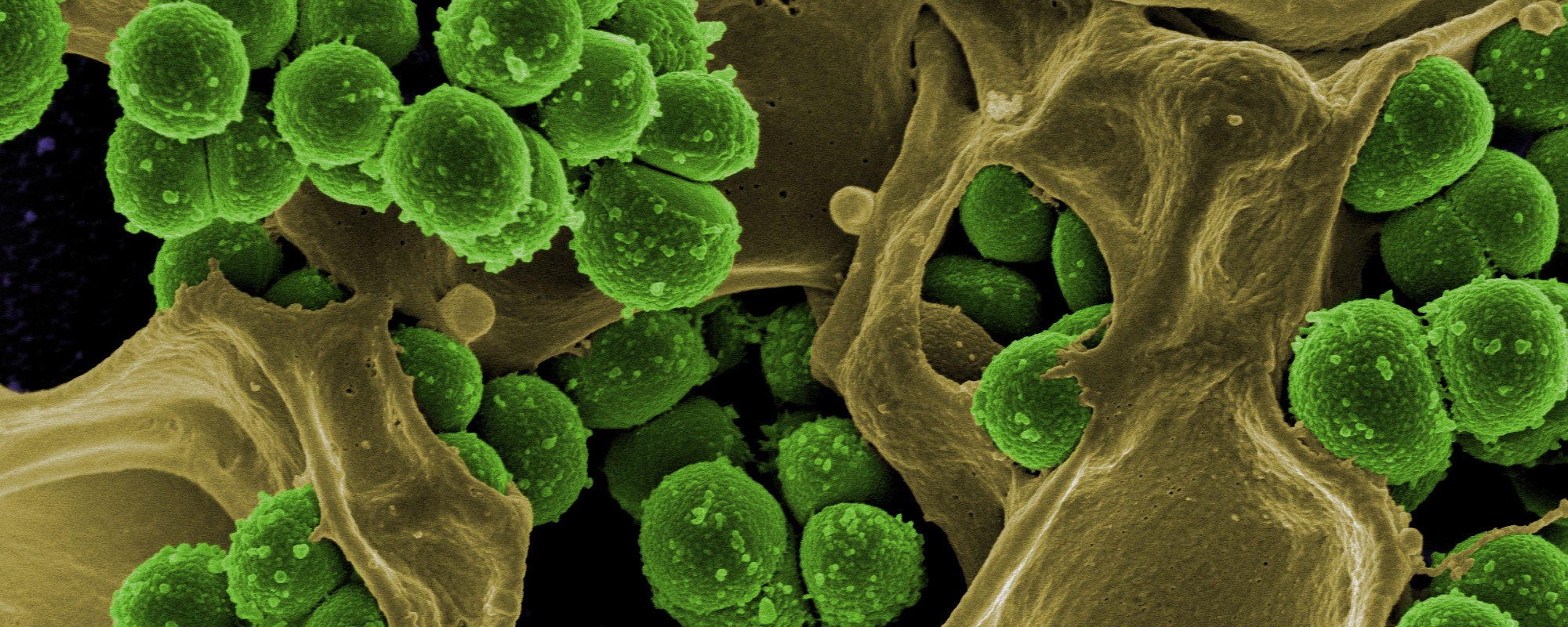
This week’s image is of negative staining! Here’s the caption from NIAID – “Clockwise from bottom left: ADV capsid particles (3 images); Borrelia burgorferi; Heliobactor pylori; filament elongation of prion protein. ”
Credit: NIAID

All the week’s free events in DC
Monday, January 13, 2014
Launch of the National Biomarker Development Alliance (NBDA)
National Press Club
10:00AM
Launch of the National Biomarker Development Alliance (nbda) The first non-profit, trans-sector, network-based organization dedicated to creating an evidence-based end-to-end biomarker development process The NBDA team* partners and special guests cordially invite you to attend the launch of the NBDA Please join us for the inaugural public discussion of the NBDA The NBDA is taking on the formidable challenge of assembling/creating the best practices, guidelines, standards, etc. needed for successful end-to-end biomarker development. NBDA will not “reinvent wheels” – so join us for this launch of NBDA – and become a partner or member– by contributing resources and/or expertise to realize the promise of personalized medicine and ultimately transform healthcare Reception immediately following.
Reassessing U.S. Responses to Terrorist Threats
New America Foundation
12:15PM
In 2001, the U.S. Congress authorized the president to use “all necessary and appropriate force against those nations, organizations, or persons he determines planned, authorized, committed, or aided the terrorist attacks that occurred on September 11, 2001, or harbored such organizations or persons.” This Authorization for Use of Military Force (AUMF) set no limits on time, location, or target. In just the last 12 months, the AUMF was invoked in support of the war in Afghanistan, but also unconventional operations in Pakistan, Yemen, Libya, Somalia and possibly elsewhere — operations such as targeted killings using drones, raids and captures by U.S. Special Forces, and, in all probability, cyber warfare. As Heather Hurlburt writes in “Battlefield Earth” in Democracy: A Journal of Ideas’ Winter 2014 issue, out this month: “public debate over the use of force in Syria and the revelations concerning National Security Agency surveillance suggest that Americans are increasingly uncomfortable with actions being undertaken in their name. President Obama appeared to acknowledge this reality in May [2013] when he said he looked forward ‘to engaging Congress and the American people in efforts to refine, and ultimately repeal, the AUMF’s mandate.’”
Book Lecture: A Citizen’s Guide to Terrorism and Counterterrorism
US Institute of Peace
4:30PM
Dr. Christopher C. Harmon has had over 20 years of teaching security studies, strategy, military theory and history, and courses on terrorism at six graduate schools, including a division of National Defense University, and the Naval War College. He currently teaches Counterterrorism and the Democracies and Terrorism at The Institute of World Politics. He also serves as the MajGen Matthew C. Horner Chair of Military Theory at Marine Corps University. Dr. Harmon is the author of Terrorism Today, co-author of Toward a Grand Strategy Against Terrorism, and co-editor of Statecraft and Power. He holds a B.A. in History and French Language from Seattle University, and an M.A. in Government and a Ph.D. in International Relations and Government from Claremont Graduate School.
Tuesday, January 14th, 2014
The Map and the Territory: Risk, Human Nature, and the Future of Forecasting
American Enterprise Institute
5:30PM
For many years, economists have made authoritative and mathematically complex predictions about where the US economy is headed. Yet as Alan Greenspan, former chairman of the Federal Reserve and head of the Council of Economic Advisers under President Gerald Ford, observes in his new book, “The Map and the Territory” (Penguin, October 2013), no one predicted the timing of the 2008 financial crisis, or its severity. What is wrong with economic forecasting that it could not foresee a cataclysm of this magnitude, even days before it happened? Greenspan’s book may portend a complete revision in the way economists forecast the future. At this AEI event, he will argue that entirely new data capturing “animal spirits” (the elements of human behavior) will be necessary if the economics profession is to improve its forecasting accuracy.
Wednesday, January 15th, 2014
The View of Defense from a Conglomerate
Atlantic Council
10:30 AM
Today’s defense industry is dominated by firms that sell a wide range of products and services with a nearly pure-play focus on military customers. It wasn’t always this way, but one distinctive thread in the post-cold-war restructuring of defense was the exit of conglomerates from the market. Not so Textron, which remains today a multi-industrial company participating in a wide range of markets, including defense. Besides its well-known brand of helicopters (Bell) and general aviation aircraft (Cessna), the company’s Textron Systems business sells unmanned aircraft, armored vehicles, marine landing craft, intelligence and surveillance systems, and precision weapons. Against the backdrop of expectation about a new wave of restructuring, the place of multi-industrial, diversified companies on the defense-industrial landscape is once again a topic of special importance to corporate strategists and public policy-makers, not to mention investors.
Thursday, January 16th, 2014
Assessing Warsaw Pact Military Forces: The Role of CIA Clandestine Reporting
Wilson Center
3:00 PM
“CIA Analysis of Warsaw Pact Military Forces: The Importance of Clandestine Reporting” examines the role of intelligence derived from clandestine human sources in the Central Intelligence Agency’s analyses of Warsaw Pact military capabilities for war in Europe from 1955 to 1985. The intelligence was provided to US policymakers and military planners and used to assess the political and military balance in Central Europe between the Warsaw Pact and NATO during the Cold War. The speakers, who were analysts of Soviet military affairs during much of the period, were selected by the CIA to mine its archives for relevant material, previously highly classified, and to provide the documents in coherent form for their study and for public release. The release features a large collection of internal Warsaw Pact classified documents obtained clandestinely during the period and translated and disseminated to senior policymakers by CIA.
Highlights include PEDv thriving in the polar vortex, H5N1 in Canada, archaeological epidemiology, H7N9 in China, and MERS in Oman. Happy Friday!
Cold, wet weather may help spread deadly pig virus: USDA
Porcine Epidemic Diarrhea virus (PEDv) has officially spread to 22 states, helped in part by the colder weather, and affecting over 2,000 hogs. The virus, which causes diarrhea, vomiting, dehydration, and death in piglets, reaches as far west as California. The cooler weather enables the hardy virus freezes on clothes and on the bottom of shoes, enabling spread.
Baltimore Sun – “‘The virus likes cold, wet and cloudy days,’ said Rodney Baker, a swine veterinarian at Iowa State University at Ames, Iowa, the top pork producing state in the United States.Earlier this week several hog producing states experienced double digit sub zero temperatures, and forecasters now are calling for warmer temperatures as highs climb toward 30 degrees Fahrenheit by the weekend. Baker told Reuters the virus can remain viable after a single, maybe even a couple of freeze-thaw cycles. Cold weather and cloudy conditions protect the virus, but heat and sunlight will deactivate it, Baker said. The spread of the disease has heightened scrutiny of the U.S. trucking industry as livestock transport trailers are seen as a means of transmission.”
H5N1 bird flu death confirmed in Alberta, 1st in North America
The first H5N1 fatality in North America occurred in Canada last week. A Canadian woman returning from China became symptomatic on December 27th, was hospitalized January 1st, and died January 3rd. The woman had not visited any live farms, not had she come in contact with poultry – the method of transmission remains unclear. Remember, while H5N1 has a fatality rate of 60%, there is currently no indication the virus is readily transmissible person-to-person. It’s just not well adapted to our immune system – for now at least, it prefers the birds.
CBC – “Dr. Gregory Taylor, deputy chief public health officer, said the avian form of influenza has been found in birds, mainly poultry, in Asia, Europe, Africa and the Middle East….The officials added that the woman was otherwise healthy and it’s not yet clear how the person contracted H5N1. Speaking to Evan Solomon, host of CBC News Network’s Power & Politics, Taylor said the patient was relatively young. ‘This was a relatively young — well, a young person compared to me, with no underlying health conditions,’ he said. Taylor is 58 [reports have listed the girl as 20 years old]. Officials emphasized that this is not a disease transmitted between humans.”
Scientists unlock evolution of cholera, identify strain responsible for early pandemics
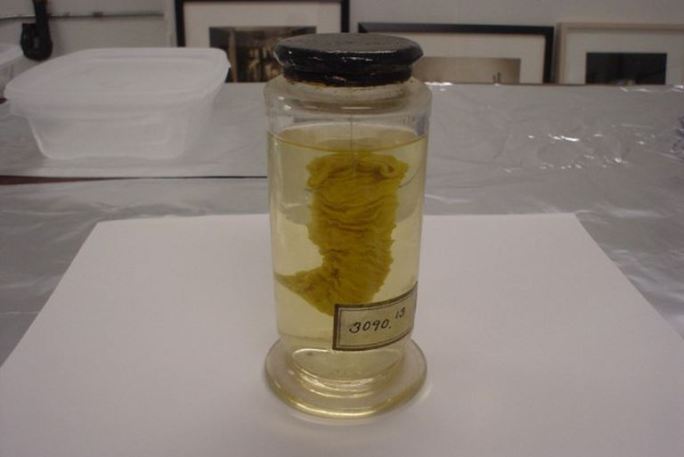
The next time you’re in Philadelphia, instead of visiting the well-trod landmarks, consider visiting the Mütter museum, home to the 200-year old intestinal samples. Those samples, taken during a cholera epidemic at the turn of the 18th century, has helped scientists characterize the classical biotype of cholera, thought to be responsible for seven outbreaks during the 19th century. Scientists had thus far been unable to study the classical biotype, due to its preference for the intestines – unlike bones which can linger for millennia, the transience of intestines makes collecting DNA samples over time challenging.
Medical Express – “Researchers carefully sampled a preserved intestine from a male victim of the 1849 pandemic and extracted information from tiny DNA fragments to reconstruct the Vibrio cholera genome. The results, currently published in The New England Journal of Medicine, could lead to a better understanding of cholera and its modern-day strain known as El Tor, which replaced the classical strain in the 1960s for unknown reasons and is responsible for recent epidemics, including the devastating post-earthquake outbreak in Haiti. ‘Understanding the evolution of an infectious disease has tremendous potential for understanding its epidemiology, how it changes over time, and what events play a role in its jump into humans,’ explains Poinar, associate professor and director of the McMaster Ancient DNA Centre and an investigator with the Michael G. DeGroote Institute of Infectious Disease Research, also at McMaster University.”
WHO: China Reports Eight New Cases of H7N9
China reported eight new cases of H7N9 in the last five days, including three cases in which exposure to live poultry could not be confirmed. Again, a slight increase in case numbers was expected with the cooler weather, and as of yet, there remains no confirmed, ongoing transmission person-to-person. For a full breakdown of the seven cases (the eighth case was announced by health authorities in Hong Kong), see the GAR above.
WHO – “The National Health and Family Planning Commission of China has notified WHO of seven additional laboratory-confirmed cases of human infection with avian influenza A(H7N9) virus. On 4 January 2014, WHO was notified of an 86-year-old man from Shanghai City became ill on 26 December and was admitted to hospital on 30 December. He is currently in critical condition. He has a history of exposure to live poultry. On 5 January 2014, WHO was notified of 34 year old woman from Shaoxing City, Zhejiang Province became ill on 29 December and was admitted to hospital on 2 January. She is currently in critical condition.”
New Case of MERS in Oman
A 59-year-old man has died of MERS in Oman, bringing the total number of cases globally up to 178. The patient became symptomatic on December 24th, was hospitalized on December 28th, and died on December 30th. The patient had extensive exposure to camels, including participation in camel racing events. It looks more and more like camels, everyone.
WHO – “Globally, from September 2012 to date, WHO has been informed of a total of 178 laboratory-confirmed cases of infection with MERS-CoV, including 75 deaths. Based on the current situation and available information, WHO encourages all Member States to continue their surveillance for severe acute respiratory infections (SARI) and to carefully review any unusual patterns.”
(Image depicting jar of intestine, credit: McMaster University)
We shared this a couple years ago, but it’s making the internet rounds again, so we don’t feel bad re-posting it. Our image is:
Glass sculptures of pathogens!
Pictured below is H5N1, the strain of HPAI currently appearing in birds across China’s Guizhou province. The sculpture is done by artist Luc Jerram. Check out the rest of his gallery here.

Now that the holiday season is over, the gears in DC are starting to move again. Here’s the highlights of the week’s free international security, global health, and national defense events.
Monday, January 6
New Approaches to Trans-Atlantic Relations in the Early Cold War
Wilson Center
12:30PM – 2:00PM
In this panel, James Chappel (Duke University) and Udi Greenberg (Dartmouth College) will offer new perspectives on U.S. reconstruction efforts and anti-Communist mobilization in Europe during the early Cold War. Based on a wealth of newly uncovered archival sources, both presentations will explore how European agents utilized U.S. institutions and power in order to promote their own political agendas, which predated the Cold War. In doing so, the presentations will shed new light on the ideological and political forces that helped shape U.S. diplomacy in postwar Europe.
Tuesday, January 7
Space and Cyberspace: Enduring Missions in a Changing World
George Washington Universty
9:00AM – 10:00AM
Speaker: General William L. Shelton, Commander, Air Force Space Command, Peterson Air Force Base, Colorodo. In this lecture and discussion, General Shelton will discuss what the Air Force Space Command does for the nation, how it does it, and how the command works with others to achieve its missions in space and cyberspace.
US National Security Strategy
Aspen Institute
12:00PM – 1:30PM
On January 7, Thomas E. Donilon, distinguished fellow of the Council on Foreign Relations, and former national security adviser to President Barack Obama, will be in conversation with Walter Isaacson, president and CEO of The Aspen Institute. This event is presented in partnership with the Aspen Institute Middle East Programs. The Washington Ideas Roundtable Series is made possible with the generous support of Michelle Smith and the Robert H. Smith Family Foundation.
Thursday, January 9
Securing Peace, Promoting Prosperity: The US, Japan, and India
American Enterprise Institute
9:00AM – 12:30PM
Prime Minister Shinzō Abe’s more forward-leaning foreign and national security policies have led to renewed interest in the potential for a US-India-Japan trilateral relationship. At this public event, experts will explore the rationales behind and roadblocks to greater cooperation. Are there opportunities for enhanced trade and investment relationships? Will shared security concerns lead to greater defense collaboration? And how will stronger US-India-Japan ties influence China’s posture in the region?
Inside Iran
US Institute of Peace
9:30AM – 11:00AM
Two long-time Middle East experts have recently returned from Iran. Their discussions with cabinet members, ayatollahs, hardliners, Members of Parliament, economists, opposition figures and ordinary Iranians offer rare insights into Iran’s increasingly vibrant political scene since President Rouhani took office and the implications of the new nuclear agreement. Robin Wright and David Ignatius offer fresh perspectives on what’s next.
Friday, January 10
Roundtable on the NATO-Russian Relationship
Wilson Center
3:30PM
NATO’s Strategic Concept affirms the desire to build a “true strategic partnership” between NATO and Russia. While NATO and Russia have managed to cooperate in a number of practical security areas, significant strains remain in the relationship over the European institutional security configuration, missile defense, regional conflicts, and so on. Dr. Sharyl Cross will offer her perspective in a roundtable session on the evolution and future prospects for the NATO – Russia relationship.
(image: Dell/Flickr)

The first Pandora Report of the new year, and it’s (unsurprisingly) flu heavy. Highlights include H1N1 attacking the young, new MERS-CoV cases, H7N9 in Taiwan, H5N1 in China, and the gain-of-function debate (so more H5N1). Happy Friday!
Notice to Clinicians: Early Reports of pH1N1-Associated Illnesses for the 2013-14 Influenza Season
The CDC has a health alert out, detailing the tendency of this season’s predominant flu strain (which, as we’ve said before, looks like its going to be H1N1) to disproportionately affect the young. This is possibly because the elder amongst us are more resilient, due to cross-reactive immunity – they’ve been around longer, which means there’s a greater chance they have been exposed to similar viruses. The upshot is if you’re young and healthy, get a flu shot.
CDC – “From November through December 2013, CDC has received a number of reports of severe respiratory illness among young and middle-aged adults, many of whom were infected with influenza A (H1N1) pdm09 (pH1N1) virus. Multiple pH1N1-associated hospitalizations, including many requiring intensive care unit (ICU) admission, and some fatalities have been reported. The pH1N1 virus that emerged in 2009 caused more illness in children and young adults, compared to older adults, although severe illness was seen in all age groups. While it is not possible to predict which influenza viruses will predominate during the entire 2013-14 influenza season, pH1N1 has been the predominant circulating virus so far. For the 2013-14 season, if pH1N1 virus continues to circulate widely, illness that disproportionately affects young and middle-aged adults may occur.”
Six new cases of MERS virus hit Saudi Arabia, UAE
The WHO has reported six new cases of MERS-CoV. Of the six, five are Saudi nationals, with one case in the United Arab Emirates. Three of the cases, including one involving a wife tending to an ill husband, are reportedly asymptomatic. Ages of the new patients range from 59 to 73 years old, with the latter succumbing to the virus. The new cases bring the global total to 176, with 74 deaths. There is still no substantive information on the virus’ source, transmission, or vector. Sadly, “it might be camels” remains our most conclusive evidence to date – which is not to impugn the work of the scientists involved, which has been fastidious, but rather to bemoan the complexity of the virus itself.
Reuters – “MERS emerged in the Middle East in 2012 and is from the same family as the SARS virus. It can cause coughing, fever and pneumonia. Although the worldwide number of MERS infections is fairly small, the more than 40 percent death rate among confirmed cases and the spread of the virus beyond the Middle East is keeping scientists and public health officials on alert. Cases have been reported in Saudi Arabia, Qatar, Kuwait, Jordan, United Arab Emirates, Oman and Tunisia as well as in several countries in Europe, and scientists are increasingly focused on a link between the human infections and camels as a possible ‘animal reservoir’ of the virus.”
Hundreds monitored in Taiwan after H7N9 strain of bird flu after infected tourist discovered
A tourist infected with H7N9 spent over a week travelling through Taiwan from mainland China before being hospitalized. Health authorities in Taiwan are scrambling to reach all people he potentially came in contact with during his tour. Three medical personal who had dealings with the infected patient have subsequently developed symptoms of upper respiratory infections themselves. However, it should be emphasized that there remains no conclusive evidence of sustained person-to-person transmission of the virus.
Channel Asia – ” As many as 500 people may have had contact with him, all of whom are being asked to report to doctors should they develop possible symptoms, the statement added. The 149 people who may have had close contact include two family members accompanying him on the tour, the tour guide, bus driver, medical personnel and patients sharing the same hospital ward, it said.”
China confirms H5N1 bird flu outbreak in Guizhou
Following the death of approximately 8,500 birds on a farm in Southwest China, health authorities have confirmed an outbreak of H5N1 amongst poultry in the area. The area has subsequently been sealed off, with a further 23,000 birds culled for safety. As of yet, no human cases have been reported in the area.
Xinhua – “The southwest China province of Guizhou has reported an outbreak of H5N1 in poultry, the Ministry of Agriculture (MOA) announced Thursday. Some chickens at a farm in a village of Libo County in the prefecture of Qiannan in Guizhou showed symptoms of suspected avian flu and 8,500 chickens died on Dec. 27, 2013. The National Avian Influenza Reference Laboratory confirmed the epidemic was H5N1 bird flu after testing samples collected at the farm, according to the MOA.”
European Researchers Urge H5N1 Caution
The debate over gain-of-function (GOF) research continues to rage in the scientific community – in the most recent move, fifty scientists have drafted an open letter to the head of the European Commission, urging him to hold a press conference to discuss the merits of GOF research. For those of you not interested in macropolitics within the scientific community, gain-of-function research involves experiments in which viruses are carefully but deliberately mutated to increase pathogenicity in some way – in this case, by increasing transmissiblility between mammals. The research which launched the current maelstrom was Ron Fouchier’s mutation of H5N1 to make it more transmissible between ferrets (and therefore, also, humans). We’ll leave the polemic arguments to those who are better informed, but in the meantime, the letter is available here.
Science – “Fouchier’s struggles, which included the Dutch government using export regulations to bar him from publishing his results, compelled the European Society for Virology (ESV) to write its own letter to the EC in October. That letter expressed concern that the Dutch government’s tactics were inappropriate and threatened to set a precedent that could stymie the dissemination of research findings elsewhere. On the scientific side of the debate, some have argued that gain-of-function research, especially those studies that engineer deadly strains of the bird flu virus, can potentially result in inadvertent escapes from the lab and widespread infection. Proponents of the work argue that studying how mutations confer the ability to infect new individuals via novel routes can yield key insights into how the pathogens spread.”
(image of H1N1 via CDC/ Doug Jordan, M.A.)
By Yong-Bee Lim
As the past two years of disaster events have displayed, it is more important than ever for individuals, families, and organizations to prepare for self-sufficiency for extended periods of time.[1] However, there is a universal human tendency to avoid thinking about negative events such as possible emergencies.[2] This deliberate lack of attention to local emergency plans and personal emergency preparedness can be vividly seen in a 2006 study by “The Council for Excellence Government Report”. This report, composed post-Katrina, displayed that only a 1/3 of the population lacked knowledge of local government plans, roughly half did not have an alert emergency situation in their community, and only 8% of the public has done everything required to fully prepare supplies and plans for an emergency incident.[3]
This lack of preparedness in the U.S. population is a large problem for a number of reasons. In emergency situations, a majority (52%) of Americans have reported the loss of electricity for 3 or more days. This, among other issues, creates a number of negative implications, which include:
1) Potential lack of potable water[4] and other nutritional media (breast milk)[5]
2) Lack of food, whether in the household or the local grocery store[6]
3) Diminished visual, security, and communication capability[7]
These types of disruptions are likely to negatively impact populations as natural routines are disrupted. Furthermore, different types of disasters will occur in different areas of the United States; while earthquakes may occur more often in California, tornadoes may more likely affect the Midwestern regions. While parents are likely to be negatively affected by the effects of disaster incidents, children are likely to be affected more severely; due to their psychological, social and physical development differences, children are particularly vulnerable to feelings of powerlessness[8]. The fact that children are exponentially impacted represents a problem as children comprise 25% of the U.S. population.[9]
Emergency Preparedness: Child “Ambassadors”
While events such as natural and man-made disasters cannot be completely eliminated, there are ways to bolster emergency preparedness awareness and implementation. Furthermore, there are not only means to not only empower children by including them in the emergency planning and preparedness process, but means to actively engage children in the emergency planning and preparedness process. This not only provides children with the confidence to deal with unexpected situations, but also helps in mitigating feelings of anxiety and powerlessness in an actual emergency.
To this end, several interactive resources have been made available (both online and in educational settings) to impress, educate, and promote the importance of emergency preparedness in the youth population. Furthermore, as youth “ambassadors” of emergency preparedness, these youths can spark discussions, spur action, and educate their parents and communities about the importance and need to address all aspects of emergency planning and preparedness.
Government Resources
FEMA: The Federal Emergency Management Agency has a number of sources to educate children in the importance and practices of emergency preparedness. Some of these include:
Private Resources
1) Sesame Street [Let’s Get Together!]: This series of videos, documents and worksheets, all of which includes fun visuals and Sesame Street character cameos, engages both parents and children in the purpose of, efficacy, creation, and basic planning for emergencies: http://www.sesamestreet.org/parents/topicsandactivities/toolkits/ready
2) American Red Cross’ [Master of Disaster]: This series of programs (numbering over 200), which are specifically tailored to lower elementary (K – 2), middle elementary (3 – 5), and middle school (6 – 8) are meant to educate children through a series of ready-to-go lesson plans that help students not only prepare for emergency events, but to also be able to adapt in the fact of unexpected events: http://www.redcross.org/prepare/location/school/preparedness-education
Regional Sources
1) Virginia’s Emergency Preparedness: This document provides a step-by-step process for children and families to go through the emergency preparedness process, as well as offer resources in the State of Virginia for emergency issues: http://www.chkd.org/documents/CareConnections/EmergencyPreparednessforFamilies.pdf
2) Texas’ Project SECURE Gulf Coast [through CIDRAP]: This project developed a disaster curriculum for Houston schools intended to promote preparedness education for children, and between children and families. An ambassador (known as the Disaster Ambassador Preparedness Program [DAPP]) was created to educate schoolchildren who, in turn, educated their parents. Learned skilled included how to make a family emergency plan, items to store in a family emergency supply kit, ways to receive up-to-date information during a disaster, and how to sign up for transportation assistance: http://www.publichealthpractices.org/practice/curriculum-trains-children-act-disaster-preparedness-ambassadors-their-families
Conclusion
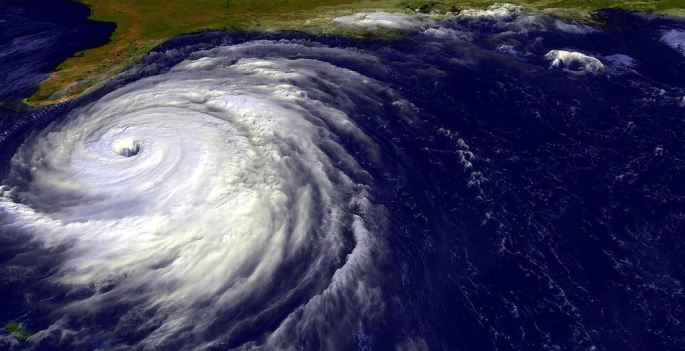
While these programs have yet to display true efficacy data (through the use of a longitudinal study), the results of projects (like Project SECURE) appear to display significant improvements in both emergency planning and preparedness. Following the 2-year Project SECURE program, many families have followed recommended guidelines for emergency planning and preparedness for hurricanes, and the program is to be continued at the schools it was implemented at.
While man-made and natural disaster incidents are difficult to speak of due to a number of emotional and ethical reasons, it is clear that properly advanced preparation and planning is the key to mitigating the harm that might arise from any form of incident. It is, therefore, important to instill the concepts of emergency planning and preparedness early in our nations’ youth. These youth, who will end up being our future, will also be empowered to aid their families and communities with the knowledge they have been given.
(image: Kakela/Flickr)
[1] FEMA, Ready.Gov Online. Accessed 12/13/12. http://www.ready.gov/make-a-plan
[2] RCPEM Online. http://www.rcpcem.com/assets/docs/Disaster%20Denial.pdf
[3] The Council for Excellence in Government Online. Accessed 12/12/12. http://www.citizencorps.gov/downloads/pdf/ready/pri_report.pdf
[4] CDC Online. Accessed 12/19/12. http://www.bt.cdc.gov/disasters/poweroutage/needtoknow.asp
[5] AAP Online. Accessed 12/19/12. http://www2.aap.org/breastfeeding/files/pdf/InfantNutritionDisaster.pdf
[6] Columbus Community Hospital Online. Accessed 12/19/12. http://www.preped.org/Resources/20Wkstockpiling.pdf
[7] Pacific Disaster Center Online. Accessed 12/18/12. http://www.pdc.org/iweb/hazard_info_checklist.jsp
[8] APA Online. Accessed 12/12/12. http://www.apa.org/pi/families/resources/children-trauma-tips.aspx
[9] ChildStats Online. Accessed 12/20/12. http://www.childstats.gov/americaschildren/tables/pop1.asp

Hong Kong has confirmed its first case of H9N2 in four years, with an 86-yearold man testing positive for the low-pathogenic avian influenza. According to Hong Kong health authorities, the patient has had no recent contact with poultry. He was admitted with a chest infection, and is currently in stable condition.
Read (slightly) more here.
(image credit: James Jin/Flickr)
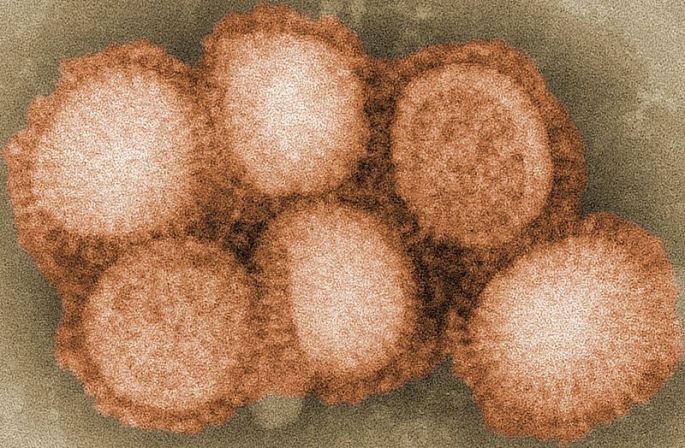
The flu is officially here in 10 states, with the dominant strain this season being the H1N1 strain. Alabama, Alaska, Kansas, Louisiana, Massachusetts, New York, Pennsylvania, Texas, Virginia and Wyoming are all reporting widespread activity. The flu season normally peaks in January or early February.
CNN – “The previous week, only Alabama, Louisiana, New York and Texas reported widespread flu. “Widespread” means that more than 50% of geographic regions in a state — counties, for example — are reporting flu activity. It addresses the spread of the flu, not its severity. However, six states — Alabama, Louisiana, Mississippi, Missouri, Oklahoma and Texas — reported a high proportion of outpatient visits to health care providers for flu-like illnesses. So far, ‘it’s a typical influenza season, if I can use that word,’ said Dr. Michael Jhung, a medical officer in the CDC’s flu division.”
Read more here.
(image via CDC)

Highlights include H1N1 in Texas, 59 people with TB, a H7N9 fatality, H5N2 in ostriches, and vaccines coming to a mountain train near you. Happy Friday, and as our last Pandora Report from 2013, Happy New Year!
H1N1 Causes Early Spikes in Flu Cases
The flu season is in full swing, a couple weeks earlier than expected, with five deaths in Texas already. Luckily, the vaccine for this year’s flu contains the H1N1 strain currently predominant. Everyone please get vaccinated!
KUT – “‘[H1N1] is actually in the vaccines this year. So we’re finding that people who have been vaccinated, even if they come down with the illness, have a less severe course of it,’ Hydari said. He added that vaccine shortages that complicated flu season in the past is not an issue this year. Hydari also said that flu vaccines take about two weeks to take affect, and because the flu season typically peaks in January it’s not too late to get a shot this year.”
Dozens Test Positive For Tuberculosis After Exposure at Hospital Neonatal Unit
Fifty-nine people have tested positive for TB following exposure at a hospital in Nevada. A mother and her newborn twins are thought to have brought the bacteria to the hospital over the summer. All three died in the hospital, and were not discovered to have TB until after an autopsy was performed on the mother. Following hospital staff falling ill, and 977 people potentially exposed and subsequently tested, just two had active infections – the 59 mentioned above are latent cases. TB is still very real, and very scary – as this case illustrates, as few as three people can potentially infect dozens.
ABC – “‘Unfortunately, this situation is a hospital epidemiologist’s worst nightmare as neonates are highly susceptible to contracting TB and their infections can progress quite rapidly,’ he said. A mother and her newborn twins died of tuberculosis at Summerlin Hospital over the summer, prompting an investigation by the Southern Nevada Health District. Hospital staff didn’t realize the infected woman had tuberculosis until after she and one of the twins died and they performed an autopsy, according to KTNV, ABC’s Las Vegas affiliate. The other twin was in the NICU being treated without being under quarantine. The second twin also tested positive for tuberculosis and died in August, health department spokeswoman Stephanie Bethel told ABCNews.com.”
Hong Kong confirms first death from H7N9 bird flu
An eighty-year old male has died from H7N9 in Hong Kong. Still, no confirmed, sustained person-to-person transmission yet.
Reuters – “The man, the second person in Hong Kong to be diagnosed with the virus strain, lived in the southern Chinese city of Shenzhen and had eaten poultry there, media reported. The H7N9 strain was first reported in humans in February in mainland China, and has infected at least 139 people in China, Taiwan and Hong Kong, killing more than 40. Experts say there is no evidence of any easy or sustained human-to-human transmission of H7N9, and so far all people who came into contact with the man had tested negative for the strain, authorities said.”
Low Pathogenic Bird Flu in Western Cape Ostriches
Small outbreaks of H5N2 have been reported in South African ostriches. The low pathogenic influenza strain has been reported in seven farms and roughly 2,000 birds. Authorities remain uncertain as to the source of the outbreaks.
Poultry Site – “The World Organisation for Animal Health (OIE) received follow-up report no. 4 on 23 December. The report states that the affected population comprises commercial ostriches. A total of 10,171 birds were involved, out of which 2,230 tested positive for the virus. None died or been destroyed. According to the OIE’s Animal Health Information Department, H5 and H7 avian influenza in its low pathogenic form in poultry is a notifiable disease as per Chapter 10.4. on avian influenza of the Terrestrial Animal Health Code (2013).”
Keeping Vaccines Fresh
Apparently silicon packets can keep more than your new shoes fresh – scientists at the University of Portland have managed to preserve virus pathogenicity over time by coating the little zombies in a layer of silica. Some viruses subsequently cleansed of the silica coating retained infectivity. While this apparently means viruses may actually be able to survive inside volcanoes (we definitely feel there’s a movie in this somewhere), it also is good news for developing vaccines for use in places lacking widespread refrigeration.
New York Times – “Most vaccines are made of weakened virus or viral bits, and many need refrigeration. Keeping them cold is a major challenge when it comes to protecting children living in villages without electricity.’It’s hard to put a fridge on the back of a donkey,’ said Kenneth M. Stedman, a biologist at Portland State and the lead author of the study. By recreating the chemical-laden hot-spring environment, Dr. Stedman’s team coated four types of virus with silica, stored them, then washed off the silica and tried to infect cells. One heavily studied virus, phage T4, which infects the cells of E. coli bacteria, retained 90 percent of its infectivity for almost a month. The virus used in smallpox vaccines also did well, but it is naturally able to be stored dry.”
(Image: Afrikanischer/Strauss/Wikicommons)
 The Pandora Report