PEDv in Canada

From the AP: “The piglet-killing Porcine Epidemic Diarrhea virus (PEDv) has spread to a second Canadian farm, government officials said on Monday. A laboratory test confirmed the virus in a barn near Chatham-Kent, Ontario, and another possible case is under investigation in the same area, said Greg Douglas, the Canadian province’s chief veterinary officer.

“We still are under the impression that there are strategies to help mitigate, slow the spread of this virus in Ontario,’ he said. ‘However, the confirmed case, the second case, and the third under suspicion, does change the situation, the reality.’

The two Chatham-Kent farms involve finishing barns handling older pigs that generally get sick and recover from the virus. Last week, the Ontario government said the virus, which has killed at least 1 million pigs in the United States, was found on a hog farm in southern Ontario’s Middlesex County, marking the first confirmed case of the virus on a Canadian farm.”

Read more here.

The Pandora Report 1.23.14

Highlights include dengue in Texas, H7N9 spiking ahead of the Chinese New Year, renaming the 1918 influenza, and a man selling abrin on the black market. Happy Friday (stay warm)!

Rare Disease Linked to Dengue Virus Caused Texas Woman’s Death
A Texan woman thought to have been infected and died with West Nile Virus has been discovered to have actually succumbed to   dengue. The woman’s case was recently published by the CDC, which warned of the need for effective surveillance. Dengue thankfully remains relatively rare in the US – the woman represented just the third case in nearly a decade.

LiveScience – “The woman died after her dengue infection brought on another condition called hemophagocytic lymphohistiocytosis (HLH), in which white blood cells build up in the skin, spleen and liver, and destroy other blood cells. HLH is most frequently associated with Epstein Barr virus infection, but also has been linked to dengue, according to the researchers, from the Centers for Disease Control and Prevention.”

H7N9: Bird flu cases surge ahead of Chinese New Year
As the Chinese New Year approaches, the number of H7N9 cases has steadily increased, with  73 cases in the last three weeks alone. This is making people very nervous  – Chinese New Year often means millions of people travelling in very close quarters, over long periods of times. However, health officials are careful to point out that influenza case numbers, across strains, increase in the colder months. As long as the virus remains poorly transmitted person-to-person, things are fine.

BBC – “Proffesor John McCauley, the director of a WHO collaborating centre on influenza in London, said: ‘I’ve been worried all the time about H7N9; it’s highly virulent and the case fatality is about one in three, so it poses a threat.’ The range of the virus had also spread, he added, with cases in Guangdong province, further south and east than previously. He said the winter might not be the whole explanation, particularly in southern provinces closer to the equator. ‘It may be seasonal, or an alternative is more poultry exposure in the build-up to Chinese New Year, and more poultry going through the markets. They might need to reconsider closure of the markets’.”

1918 Flu Pandemic That Killed 50 Million Originated in China, Historians Say
The 1918 Spanish influenza, like so many strains of the virus, has apparently suffered for decades under an egregious misnomer. According to a new hypothesis, proposed by historian Mark Humphries, the grandfather of modern H1N1 strains may have originated in China. Humphries published his research in the journal War in History, in it arguing that the importation of almost 100,000 Chinese laborers to support the British and French lines may have introduced the virus to Europe. For those of you wondering, the pandemic strain was dubbed the Spanish flu apparently because Spain was one of the only countries to report on its heavy case numbers during the otherwise heavily censored WWI.

National Geographic – “In the new report, Humphries finds archival evidence that a respiratory illness that struck northern China in November 1917 was identified a year later by Chinese health officials as identical to the Spanish flu. He also found medical records indicating that more than 3,000 of the 25,000 Chinese Labor Corps workers who were transported across Canada en route to Europe starting in 1917 ended up in medical quarantine, many with flu-like symptoms…Writing in the January issue of the journal War in History, Humphries acknowledges that his hypothesis awaits confirmation by viral samples from flu victims. Such evidence would tie the disease’s origin to one location.”

Feds: Fla. man sold deadly toxin to NJ agent
A 19 year old in Florida has been apprehended after selling to toxin abrin to an undercover FBI agent. The deal was agreed upon online, with the FBI agent posing as a buyer on an intermediary cyber black market. The suspect was arrested after directing the FBI agent to two candles filled with the toxin, left in a fast food bag at a rest stop in Florida. A McDonalds bag, for those of you wondering about the culinary preferences of illicit toxin sellers. On a less flippant note, abrin is tremendously potent – while it presents similarly to ricin, it is 75 times more toxic.

The Grand Island Independent – “Prosecutors said Korff negotiated over the Internet with the undercover agent in New Jersey.’He allegedly peddled the poison on a virtual black market of illegal and dangerous good, hidden in the shadow of a secretive computer network favored by cybercriminals,’ said New Jersey U.S. Attorney Paul J. Fishman. Korff received $1,500 over the Internet from the agent and left the toxin hidden in two candles at a rest stop near Fort Myers, Fla., authorities said. Korff was arrested after the candles were found to contain abrin.”

(image:Calvin Teo)

3 new H7N9 cases in China

The weekend saw another three cases of H7N9 in China, bringing the total since the October re-start to 65. An 86 year-old-man was released following a month of quarantine, having consistently tested negative for the virus.

“Commenting on the three new confirmed cases imported from Guandong a day earlier, Chou said Sunday that there is no evidence to exclude human-to-human transmission. Two of the confirmed cases involved a father, who was selling tofu at a local market, and his five-year-old daughter, according to Chou. Pending investigation, it is uncertain whether the girl contracted the virus from her father or from live poultry at the market, Chou said.”

Read more here.

Image of the Week

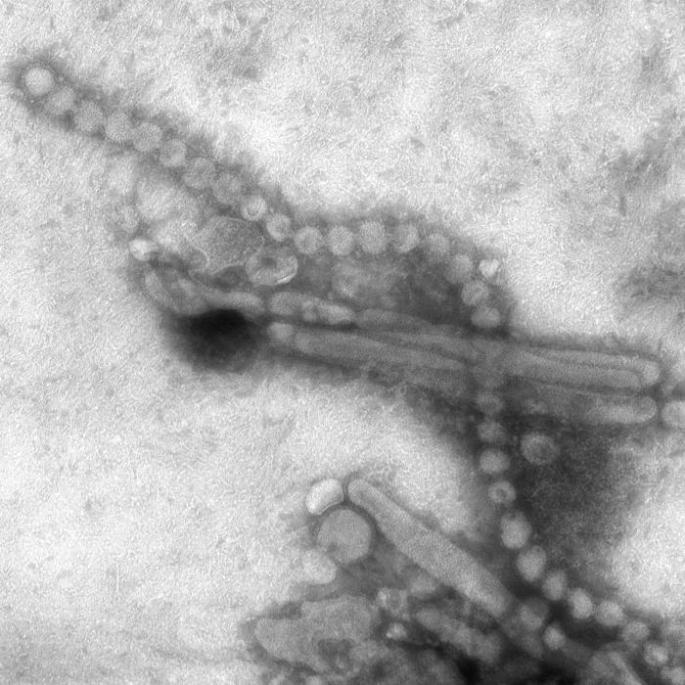
This week’s image is of negative staining! Here’s the caption from NIAID – “Clockwise from bottom left: ADV capsid particles (3 images); Borrelia burgorferi; Heliobactor pylori; filament elongation of prion protein. ”

negaative


Credit: NIAID

The Pandora Report 1.10.14

Highlights include PEDv thriving in the polar vortex, H5N1 in Canada, archaeological epidemiology,  H7N9 in China, and MERS in Oman. Happy Friday!

Cold, wet weather may help spread deadly pig virus: USDA
Porcine Epidemic Diarrhea virus (PEDv) has officially spread to 22 states, helped in part by the colder weather, and affecting over 2,000 hogs. The virus, which causes diarrhea, vomiting, dehydration, and death in piglets, reaches as far west as California. The cooler weather enables the hardy virus freezes on clothes and on the bottom of shoes, enabling spread.

Baltimore Sun – “‘The virus likes cold, wet and cloudy days,’ said Rodney Baker, a swine veterinarian at Iowa State University at Ames, Iowa, the top pork producing state in the United States.Earlier this week several hog producing states experienced double digit sub zero temperatures, and forecasters now are calling for warmer temperatures as highs climb toward 30 degrees Fahrenheit by the weekend. Baker told Reuters the virus can remain viable after a single, maybe even a couple of freeze-thaw cycles. Cold weather and cloudy conditions protect the virus, but heat and sunlight will deactivate it, Baker said. The spread of the disease has heightened scrutiny of the U.S. trucking industry as livestock transport trailers are seen as a means of transmission.”

H5N1 bird flu death confirmed in Alberta, 1st in North America
The first H5N1 fatality in North America occurred in Canada last week. A Canadian woman returning from China became symptomatic on December 27th, was hospitalized January 1st, and died January 3rd. The woman had not visited any live farms, not had she come in contact with poultry – the method of transmission remains unclear. Remember, while H5N1 has a fatality rate of 60%,  there is currently no indication the virus is readily transmissible person-to-person. It’s just not well adapted to our immune system – for now at least, it prefers the birds.

CBC – “Dr. Gregory Taylor, deputy chief public health officer, said the avian form of influenza has been found in birds, mainly poultry, in Asia, Europe, Africa and the Middle East….The officials added that the woman was otherwise healthy and it’s not yet clear how the person contracted H5N1. Speaking to Evan Solomon, host of CBC News Network’s Power & Politics, Taylor said the patient was relatively young. ‘This was a relatively young — well, a young person compared to me, with no underlying health conditions,’ he said. Taylor is 58 [reports have listed the girl as 20 years old]. Officials emphasized that this is not a disease transmitted between humans.”

Scientists unlock evolution of cholera, identify strain responsible for early pandemics
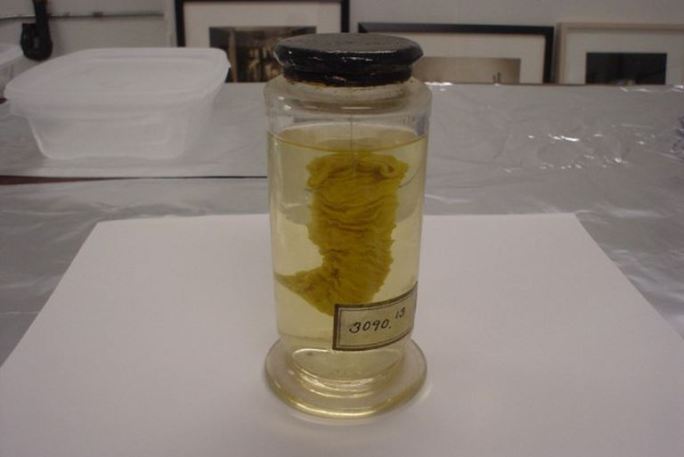
The next time you’re in Philadelphia, instead of visiting the well-trod landmarks, consider visiting the Mütter museum, home to the 200-year old intestinal samples. Those samples, taken during a cholera epidemic at the turn of the 18th century, has helped scientists characterize the classical biotype of cholera, thought to be responsible for seven outbreaks during the 19th century. Scientists had thus far been unable to study the classical biotype, due to its preference for the intestines – unlike bones which can linger for millennia, the transience of intestines makes collecting DNA samples over time challenging.

Medical Express – “Researchers carefully sampled a preserved intestine from a male victim of the 1849 pandemic and extracted information from tiny DNA fragments to reconstruct the Vibrio cholera genome. The results, currently published in The New England Journal of Medicine, could lead to a better understanding of cholera and its modern-day strain known as El Tor, which replaced the classical strain in the 1960s for unknown reasons and is responsible for recent epidemics, including the devastating post-earthquake outbreak in Haiti. ‘Understanding the evolution of an infectious disease has tremendous potential for understanding its epidemiology, how it changes over time, and what events play a role in its jump into humans,’ explains Poinar, associate professor and director of the McMaster Ancient DNA Centre and an investigator with the Michael G. DeGroote Institute of Infectious Disease Research, also at McMaster University.”

WHO: China Reports Eight New Cases of H7N9
China reported eight new cases of H7N9 in the last five days, including three cases in which exposure to live poultry could not be confirmed. Again, a slight increase in case numbers was expected with the cooler weather, and as of yet, there remains no confirmed, ongoing transmission person-to-person.  For a full breakdown of the seven cases (the eighth case was announced by health authorities in Hong Kong), see the GAR above.

WHO – “The National Health and Family Planning Commission of China has notified WHO of seven additional laboratory-confirmed cases of human infection with avian influenza A(H7N9) virus. On 4 January 2014, WHO was notified of an 86-year-old man from Shanghai City became ill on 26 December and was admitted to hospital on 30 December. He is currently in critical condition. He has a history of exposure to live poultry. On 5 January 2014, WHO was notified of 34 year old woman from Shaoxing City, Zhejiang Province became ill on 29 December and was admitted to hospital on 2 January. She is currently in critical condition.”

New Case of MERS in Oman
A 59-year-old man has died of MERS in Oman, bringing the total number of cases globally up to 178. The patient became symptomatic on December 24th, was hospitalized on December 28th, and died on December 30th. The patient had extensive exposure to camels, including participation in camel racing events.  It looks more and more like camels, everyone.

WHO – “Globally, from September 2012 to date, WHO has been informed of a total of 178 laboratory-confirmed cases of infection with MERS-CoV, including 75 deaths. Based on the current situation and available information, WHO encourages all Member States to continue their surveillance for severe acute respiratory infections (SARI) and to carefully review any unusual patterns.”

(Image depicting jar of intestine, credit: McMaster University)

Delving Deeper: Emergency Preparedness

By Yong-Bee Lim

As the past two years of disaster events have displayed, it is more important than ever for individuals, families, and organizations to prepare for self-sufficiency for extended periods of time.[1] However, there is a universal human tendency to avoid thinking about negative events such as possible emergencies.[2] This deliberate lack of attention to local emergency plans and personal emergency preparedness can be vividly seen in a 2006 study by “The Council for Excellence Government Report”. This report, composed post-Katrina, displayed that only a 1/3 of the population lacked knowledge of local government plans, roughly half did not have an alert emergency situation in their community, and only 8% of the public has done everything required to fully prepare supplies and plans for an emergency incident.[3]

This lack of preparedness in the U.S. population is a large problem for a number of reasons. In emergency situations, a majority (52%) of Americans have reported the loss of electricity for 3 or more days. This, among other issues, creates a number of negative implications, which include:

1)       Potential lack of potable water[4] and other nutritional media (breast milk)[5]

2)       Lack of food, whether in the household or the local grocery store[6]

3)       Diminished visual, security, and communication capability[7]

These types of disruptions are likely to negatively impact populations as natural routines are disrupted. Furthermore, different types of disasters will occur in different areas of the United States; while earthquakes may occur more often in California, tornadoes may more likely affect the Midwestern regions. While parents are likely to be negatively affected by the effects of disaster incidents, children are likely to be affected more severely; due to their psychological, social and physical development differences, children are particularly vulnerable to feelings of powerlessness[8]. The fact that children are exponentially impacted represents a problem as children comprise 25% of the U.S. population.[9]

Emergency Preparedness: Child “Ambassadors”

While events such as natural and man-made disasters cannot be completely eliminated, there are ways to bolster emergency preparedness awareness and implementation. Furthermore, there are not only means to not only empower children by including them in the emergency planning and preparedness process, but means to actively engage children in the emergency planning and preparedness process. This not only provides children with the confidence to deal with unexpected situations, but also helps in mitigating feelings of anxiety and powerlessness in an actual emergency.

To this end, several interactive resources have been made available (both online and in educational settings) to impress, educate, and promote the importance of emergency preparedness in the youth population. Furthermore, as youth “ambassadors” of emergency preparedness, these youths can spark discussions, spur action, and educate their parents and communities about the importance and need to address all aspects of emergency planning and preparedness.

Government Resources

FEMA: The Federal Emergency Management Agency has a number of sources to educate children in the importance and practices of emergency preparedness. Some of these include:

  1. Flat Stanley and Flat Stella: These two characters, crafted as ambassadors for children to teach emergency preparedness, promote students to be child ambassadors by provide information such as the necessary facts, plans, and instructions to build a kit for emergency purposes: http://www.ready.gov/flatstanley
  2. Teen CERT: The Teen Community Response Team is a 20-hour program that provides teenagers with both tacit and experiential learning in regards to readiness and response skills; beyond just relaying the information of their learning to others, these students gain techniques in controlling a variety of emergency-related situations: https://www.citizencorps.gov/cert/teencert/images/Teen_CERT_Brochure.pdf

Private Resources

1)       Sesame Street [Let’s Get Together!]: This series of videos, documents and worksheets, all of which includes fun visuals and Sesame Street character cameos, engages both parents and children in the purpose of, efficacy, creation, and basic planning for emergencies: http://www.sesamestreet.org/parents/topicsandactivities/toolkits/ready

2)       American Red Cross’ [Master of Disaster]: This series of programs (numbering over 200), which are specifically tailored to lower elementary (K – 2), middle elementary (3 – 5), and middle school (6 – 8) are meant to educate children through a series of ready-to-go lesson plans that help students not only prepare for emergency events, but to also be able to adapt in the fact of unexpected events: http://www.redcross.org/prepare/location/school/preparedness-education

Regional Sources

1)       Virginia’s Emergency Preparedness: This document provides a step-by-step process for children and families to go through the emergency preparedness process, as well as offer resources in the State of Virginia for emergency issues: http://www.chkd.org/documents/CareConnections/EmergencyPreparednessforFamilies.pdf

2)       Texas’ Project SECURE Gulf Coast [through CIDRAP]: This project developed a disaster curriculum for Houston schools intended to promote preparedness education for children, and between children and families. An ambassador (known as the Disaster Ambassador Preparedness Program [DAPP]) was created to educate schoolchildren who, in turn, educated their parents. Learned skilled included how to make a family emergency plan, items to store in a family emergency supply kit, ways to receive up-to-date information during a disaster, and how to sign up for transportation assistance: http://www.publichealthpractices.org/practice/curriculum-trains-children-act-disaster-preparedness-ambassadors-their-families

Conclusion

While these programs have yet to display true efficacy data (through the use of a longitudinal study), the results of projects (like Project SECURE) appear to display significant improvements in both emergency planning and preparedness. Following the 2-year Project SECURE program, many families have followed recommended guidelines for emergency planning and preparedness for hurricanes, and the program is to be continued at the schools it was implemented at.

While man-made and natural disaster incidents are difficult to speak of due to a number of emotional and ethical reasons, it is clear that properly advanced preparation and planning is the key to mitigating the harm that might arise from any form of incident. It is, therefore, important to instill the concepts of emergency planning and preparedness early in our nations’ youth.  These youth, who will end up being our future, will also be empowered to aid their families and communities with the knowledge they have been given.

(image: Kakela/Flickr)


[1] FEMA, Ready.Gov Online. Accessed 12/13/12. http://www.ready.gov/make-a-plan

[3] The Council for Excellence in Government Online. Accessed 12/12/12. http://www.citizencorps.gov/downloads/pdf/ready/pri_report.pdf

[6] Columbus Community Hospital Online. Accessed 12/19/12. http://www.preped.org/Resources/20Wkstockpiling.pdf

[7] Pacific Disaster Center Online. Accessed 12/18/12. http://www.pdc.org/iweb/hazard_info_checklist.jsp

[9] ChildStats Online. Accessed 12/20/12. http://www.childstats.gov/americaschildren/tables/pop1.asp

Hong Kong Confirms First Case H9N2 in Four Years

Hong Kong has confirmed its first case of H9N2 in four years, with an 86-yearold man testing positive for the low-pathogenic avian influenza. According to Hong Kong health authorities, the patient has had no recent contact with poultry. He was admitted with a chest infection, and is currently in stable condition.

Read (slightly) more here.

(image credit: James Jin/Flickr)


Flu Season Approaching Peak

The flu is officially here in 10 states, with the dominant strain this season being the H1N1 strain. Alabama, Alaska, Kansas, Louisiana, Massachusetts, New York, Pennsylvania, Texas, Virginia and Wyoming are all reporting widespread activity. The flu season normally peaks in January or early February.

CNN  – “The previous week, only Alabama, Louisiana, New York and Texas reported widespread flu. “Widespread” means that more than 50% of geographic regions in a state — counties, for example — are reporting flu activity. It addresses the spread of the flu, not its severity. However, six states — Alabama, Louisiana, Mississippi, Missouri, Oklahoma and Texas — reported a high proportion of outpatient visits to health care providers for flu-like illnesses. So far, ‘it’s a typical influenza season, if I can use that word,’ said Dr. Michael Jhung, a medical officer in the CDC’s flu division.”

Read more here.

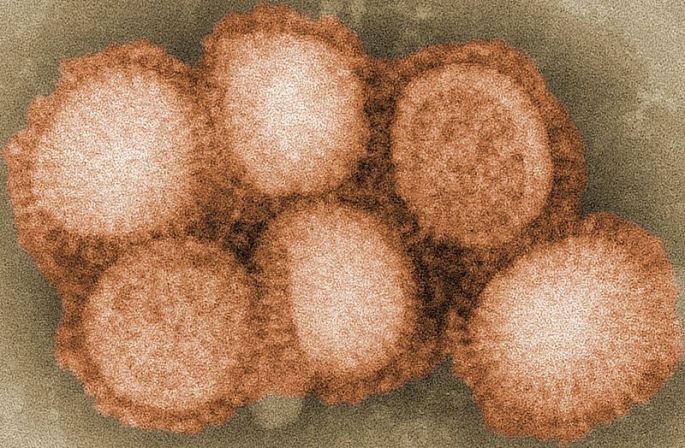
(image via CDC)

How a Pandemic Would Spread Through Air Routes

We’ve all heard that pathogens “don’t respect boundaries” and are “international”, both of which are absolutely true. However, if you’ve every wondered how, and how fast, researchers at Humboldt University in Berlin may have some answers. Check out their interesting model simulation below:

From io9 “Dirk Brockmann, a Professor at the Institute for Theoretical Biology at Humboldt University Berlin, and Dirk Helbing, Chair of Sociology, in particular of Modeling and Simulation, at ETH Zürich, published their paper “The Hidden Geometry of Complex, Network-Driven Contagion Phenomena” in the 13 December 2013 issue of Science. Considering the spread of H1N1 in 2009 and SARS in 2003, Brockmann and Helbing modeled how epidemics might spread through highly connected networks, notably air transit networks. Their models rely on a concept they term “effective distance,” which uses how locations are connected rather than their geographic distance to predict the spread of disease. The Brockmann Lab website explains:

‘It turns out that based on this principle we can define an effective distance related to the traffic that connects places for every pair of nodes in the network. This way we extract all nodes from their geographic embedding and represent them based on effective distance.'”

(thanks to GMU Biodefense’s Adjunct Professor Michael Dennis for passing this along)

Koblentz on Syrian Chemical Weapons Destruction

Dr. Koblentz was quoted in a Voice of America article on the destruction of Syrian chemical weapons.

From Voice of America, OPCW Plan for Destroying Syrian Chemical Weapons Complex, Chancy –  “Gregory Koblentz, Deputy Director of the Biodefense Program at Virginia’s George Mason University, says the initial phase of the plan involves transporting the chemicals overland across Syria. ‘The chemicals are going to be packaged in Syria and then shipped overland to the city of Latakia, which is a major port on the Mediterranean,’ Koblentz said. ‘And then the chemicals will be picked up by Norwegian and Danish ships, which will then transport them to Italy.’ There, the chemicals will be loaded on an American ship which has been outfitted with equipment to neutralize the chemicals. Koblentz says that while the first stage of the plan is risky because it involves transporting chemicals across a country at war, he is optimistic the chemicals will make it to Latakia securely. ‘Up until now, there’ve not been any significant reports that the conflict has interfered with the consolidation of the chemicals and the OPCW’s actions on the ground,’ Koblentz said. ‘So while the route from Damascus to Latakia might be somewhat troublesome, the rebels so far have cooperated with the OPCW, and it’s in their interest to have these chemicals to get out of the country.'”

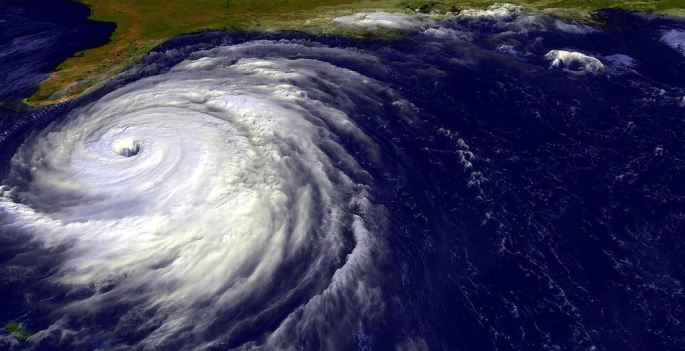
(image: DoD photo by Navy Photographer’s Mate 3rd Class Kristopher Wilson)