Terrorist Attacks in a Democracy

By Erik Goepner

Terrorists executed nearly 690 attacks in India last year. For the second year in a row India ranked fourth in total number of terrorist attacks, behind only Iraq, Afghanistan and Pakistan. In fact, in each of the past six years, over 500 attacks per year have taken place in India.

Beyond the high volume of attacks, lies another story—the interesting hodgepodge of terrorist groups within India’s borders. To the north—where the world’s highest altitude conflict continues over Kashmir—Islamic extremist groups such as Lashkar-e-Taiba operate. As noted in the graphic below, these  groups have launched successful attacks in more populous and central areas of India, as well. To the west, Socialist and/or Communist groups like the United A’chik Liberation Army conduct attacks with the goal of seceding from India. Located more in the interior of the country, Communist organizations commit their atrocities in an effort to overthrow the Indian government.

Last year, seventeen of these terrorist events killed six or more people. As the graphic below shows, the Communist terrorists caused the most high-fatality events and also committed the two most destructive attacks, killing 17 and 15 people respectively.

India Picindia index


Perhaps even more disturbing than the terrorism numbers, the Center for Systemic Peace ranks India as the nation with the highest “interstate, societal, and communal warfare magnitude score” in the world. The score reflects the “total summed magnitude” of major episodes of political violence within a country’s borders and consists of civil violence and war, ethnic violence, and international violence and war. Based on the research conducted by the Center, India has had the highest magnitude score since 2002 (see Major Episodes of Political Violence, 1946-2013 dataset and accompanying Codebook at http://www.systemicpeace.org/inscrdata. html).


Map Credit; Image Credit

Just in Time for Thanksgiving: Fowl Cholera

By Jonathon Marioneaux

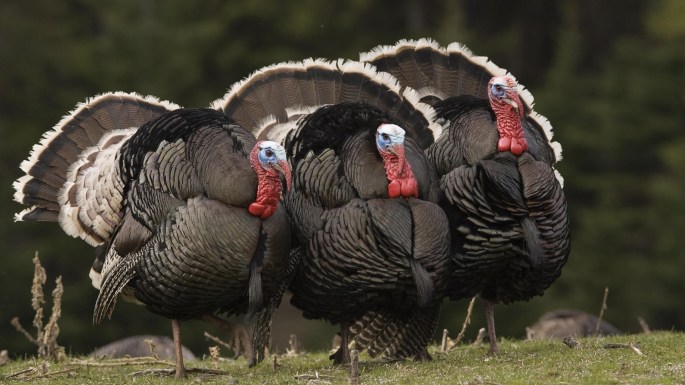
Let’s finish the series on birds this week with one of the most ubiquitous diseases that affect our distinguished guests on Thanksgiving: fowl cholera.  First, we will look at what cholera is including a general overview of its structure and transmission.  We will then explore the clinical symptoms and if there are any treatments to protect birds.  We will then conclude with a farewell to our series on turkeys and introduce our next topic: plant diseases.

Pasteurella multocia was first characterized in the 1880’s by Louis Pasture as the causative agent of fowl cholera.  It was soon recognized that P. multocia had three distinct subspecies multocida, spetica, and gallicida with gallicida being the most common.  All birds are susceptible to cholera to varying degrees with waterfowl and turkeys being more susceptible than chickens or other land birds.  P. multocia is a gram negative coccobacillus that stains with Wright stain on its variable carbohydrate surface.  It resists phagocytosis by macrophages and neutrophils with a lipopolysaccraccharide capsule covering a highly hydrated polysaccharides cell wall (Chung et al. 2001). No single virulence toxin has been shown to cause virulence, however several proteins are suspected: capsule endotoxin, outer membrane proteins, iron binding systems, heat shock proteins, neuraminidase, antibody cleaving enzymes, and P. multocida exotoxin (Chung et al. 2001).  The bacterium is highly motile in water and can transfer hosts without direct contact when in close proximity.

The disease is spread primarily by feces or nasal fluids, however it can also be spread by contaminated water, food, bedding, humans (shoes and clothes), and other animals, primarily pigs.  P. multocia causes explosive greenish diarrhea and nasal and oral discharges that can directly infect new hosts (Overview, 2014).  Infected birds can also pass the bacterium by touching feed with open lesions, distended wattles and combs, and contaminated feathers.  Introducing new or wild birds that have not been properly quarantined can introduce the infection to otherwise healthy flocks.  Reservoirs such as pigs and dogs are known to harbor the pathogen as asymptomatic carriers and can spread it to flocks if allowed to mingle with the birds.  Transmission is also a problem with humans when moving between flocks because contaminated feces can stick to boots or other clothing and then be picked up by birds through open cuts or mucus membranes.  Finally, transmission is very common with asymptomatic carriers in large flocks such as factory farms and is less of a problem in free range birds because the bacterium is susceptible to heat and drying out (PM-Onveax,).

Cholera is known for its high morbidity and sudden mortality in large numbers of birds.  Symptoms of infection anorexia, ruffled feathers, oral and nasal discharge, and depression, so careful observation of animals should be carried out routinely.  Other signs might include fibrous contents in distended waddles and excessive red blood cells in livers in post mortem autopsies.  Treatments with penicillin and proactive bacteria can be effective against P. multocia, however caution should be used because antibiotic resistance has been shown to occur rapidly (Fowl cholera, 2014).  A new cholera vaccine is being developed using a highly pathogenic attenuated isolate while an established vaccine uses a mild variant administered under the wing (Hertman et al. 1979).

In conclusion, turkeys are susceptible to bacterial infections primarily by fecal-oral transfer and open lesions.  The most common treatment is oral penicillin or live attenuated vaccination injected under the wing.  With Thanksgiving tomorrow, remember to take extra care of our feathered friends—they can get sick just like us, but with the proper treatment we can take care of them.

This concludes our session on diseases that affect birds; birds are all around us and their diseases deserve to be studied more in-depth because they can teach us a lot about diseases that affect mammals.

Our next series will cover fungal plant diseases in preparation for the winter festivities.


Image Credit: Plainville Farms


Chung, J. (2001, January 1). Role of Capsule in the Pathogenesis of Fowl Cholera Caused by Pasteurella multocida Serogroup A. Retrieved November 22, 2014.

FOWL CHOLERA – Diseases of Poultry. (n.d.). Retrieved November 22, 2014, from http://www.thepoultrysite.com/publications/6/diseases-of-poultry/181/fowl-cholera

Hertman, I., Markenson, J., Michael, A., & Geier, E. (1979). Attenuated Live Fowl Cholera Vaccine I. Development of Vaccine Strain M3G of Pasteurella multocida. Avian Diseases, 24(4), 863-863. Retrieved November 22, 2014.

PM-ONEVAX-C®. (n.d.). Retrieved November 22, 2014, from http://www.merck-animal-health-usa.com/products/130_163369/productdetails_130_163757.aspx

Overview of Fowl Cholera. (n.d.). Retrieved November 22, 2014, from http://www.merckmanuals.com/vet/poultry/fowl_cholera/overview_of_fowl_cholera.html

Terrorism in 2013

By Erik Goepner

An estimated 61% more people perished from terrorist attacks in 2013[1] than did in 2012. As the Global Terrorism Index Report authors note, those 18,000 deaths far surpassed the 3,361 deaths from terrorist attacks in 2000. Drawing on data from the National Consortium for the Study of Terrorism and Responses to Terrorism’s Global Terrorism Database, the report and the data it contains have much to offer.

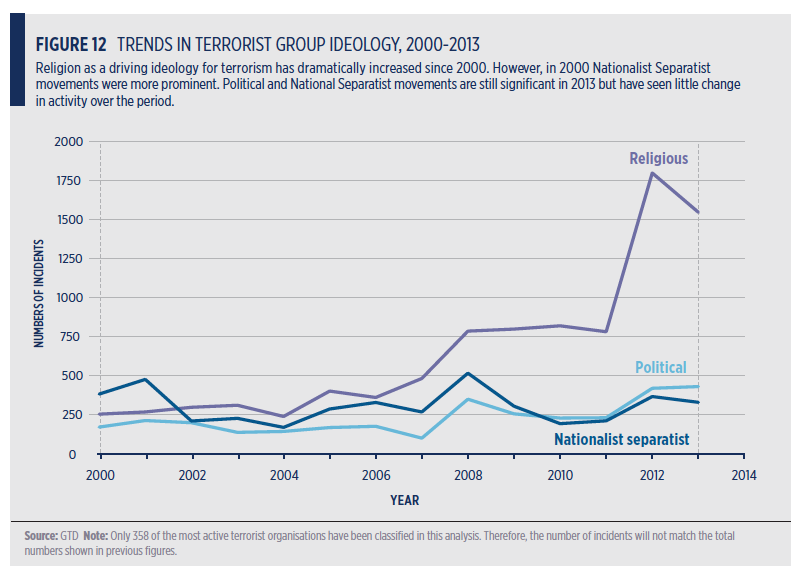
Interested in how terrorist group ideology has morphed over the past decade and a half? Check out the following graphic and observe how the religious-based groups have come to dominate terrorist activity.

Terrorism 2013(Source: Global Terrorism Index 2014, p. 31)

Who conducted the attacks? Two-thirds of the fatalities were caused by four groups: the Islamic State, Boko Haram, the Taliban, and al-Qaeda and its affiliates. As the report noted, “extreme interpretations of Wahhabi Islam” were the key commonality among the groups.

Unsurprisingly, more than 50% of the fatalities occurred in Iraq and Afghanistan. Pakistan, Nigeria and Syria accounted for another 30% of the fatalities.  In total, those five countries bore the brunt for 82% of terrorist-caused fatalities last year.

Looking at the details of the attacks, half of them resulted in no fatalities. Approximately 40% killed between one and five people, while 10% took the lives of six or more human beings. The most lethal form of attack was suicide bomber. While suicide attacks had the highest failure rate (56%), they caused an average of 11 fatalities per attack as compared to two fatalities for all other forms of terrorist attack.

Last year, suicide attacks only accounted for five percent of all terrorist attacks. Of concern, though, the Islamic State conducted 58 of the suicide attacks. By comparison, the two most prolific suicide attack groups over the past decade—al-Qaeda in Iraq and Tehrik-I-Taliban in Pakistan—have averaged 13 and 14 suicide attacks per year, respectively.

As a final note—perhaps for balance, perhaps to recognize the role of fear in terrorism—how might we understand the tragic loss of 18,000 lives to terrorism last year as compared to the 430,000[2] who were killed in homicides?


Image Credit: United Nations Office on Drugs and Crime and Terrorism Prevention


[1] The authors of the report note that the manner of data collection for the Global Terrorism Database became more automated in 2011. As a result, some events that may have been missed in prior years would now be collected, possibly inflating numbers for 2011 and following years. In response, they modeled three approaches. For example, their conservative model indicated the number of terrorist events rose by 475% since 2000, as compared to a 689% increase for the upper bounded model.

[2] See the Global Study on Homicide 2013 available at http://www.unodc.org/unodc/en/publications-by-date.html

Turkey Brooder Pneumonia

By Jonathon Marioneaux

This week we continue our series on bird diseases by diving into a fungal bird disease: Aspergillus fumigatus. We will begin by characterizing the physical and genetic qualities of Aspergillus fumigatus and move into a more detailed analysis of how it is spread. Finally we will wrap up by discussing what precautions you can take to keep our favorite holiday bird safe and healthy for the days to come.

Aspergillus fumigatus is a type of fungus that is commonly found in decaying matter and produces spores from the conidiophores during asexual reproduction that are 2-3 microns in size. Its optimal growth range is 37-50 degrees Celsius which is critical for the carbon and nitrogen cycle for breaking down plant and animal matter. It has a filamentous structure under the microscope and its fruiting bodies appear grey during spore release. A study in Nature found 29.4 million base pairs and 5,000 noncoding regions in its genome (Galagan et al., 2010).

A. fumigatus is an opportunistic pathogen that typically attacks immunocompromised individuals, such as those suffering from previous infections, or the very young. The most typical route of infection is pulmonary where the spores germinate in the warm moist areas of the lungs. The fungi evade immune systems attack through macrophages and lactoferrin (iron scavenger molecule) by overwhelming macrophages and lactoferrin production (Ben-Ami et. al., 2005). After successful germination, the fungi penetrate the pulmonary cell walls and in severe cases spread in the blood system for nutrient acquisition. The nutrients include iron, nitrogen, polypeptides, and byproducts, including gliotoxin, that suppress neutrophil activation through superoxide and apoptosis (Ben-Ami et. al., 2005).

In birds, A. fumigatus is spread principally through contaminated feed products or in unsanitary bedding conditions, however, it has been documented that spores can come through improperly cleaned air vents. Air sampling techniques have found seasonal variation among the types of Aspergillus with variations being significantly higher in the winter than the summer (Ben-Ami et. al., 2005). This may be a result of more spore production in drier conditions—there is an inverse relationship between humidity and spore production. Additionally, poults can be exposed to asymptomatic adult carriers and contract it through mechanical interaction. It typically attacks poults 5 days to 8 weeks of age, however, it has been found in birds with underlying genetic or other disease related conditions. Because the fungus mainly attacks the lungs, symptoms can include heavy or rapid breathing and yellow or grey nodular lesions in the respiratory tract, especially lungs and air sacs.

Currently there are no vaccinations or cost effective cure for A. fumigatus infections, therefore once an infection has been identified the bird must be isolated and culled. Vaccine trials have shown no immunity and in some cases a second exposure has proven fatal. The best protection against A. fumigatus infection is delivered through the preparation of clean bedding, food, and air and the prompt culling of infected animals (Ben-Ami et. al., 2005). In addition, increasing the humidity levels and a light spraying of germicide when the poluts are of sufficient size will also keep the risk of contracting the spores lower (Larson et al., 2007).

In summary, there is a lot of work that goes into creating healthy turkeys but with some simple steps and proactive work flocks will not be overrun by pathogenic A. fumigatus. The fungus is very necessary in the carbon and nitrogen cycle and only causes opportunistic disease in immunocompromised birds. So, enjoy your holiday turkey and next week we will continue our series and investigate more illnesses that plague our avian friends.


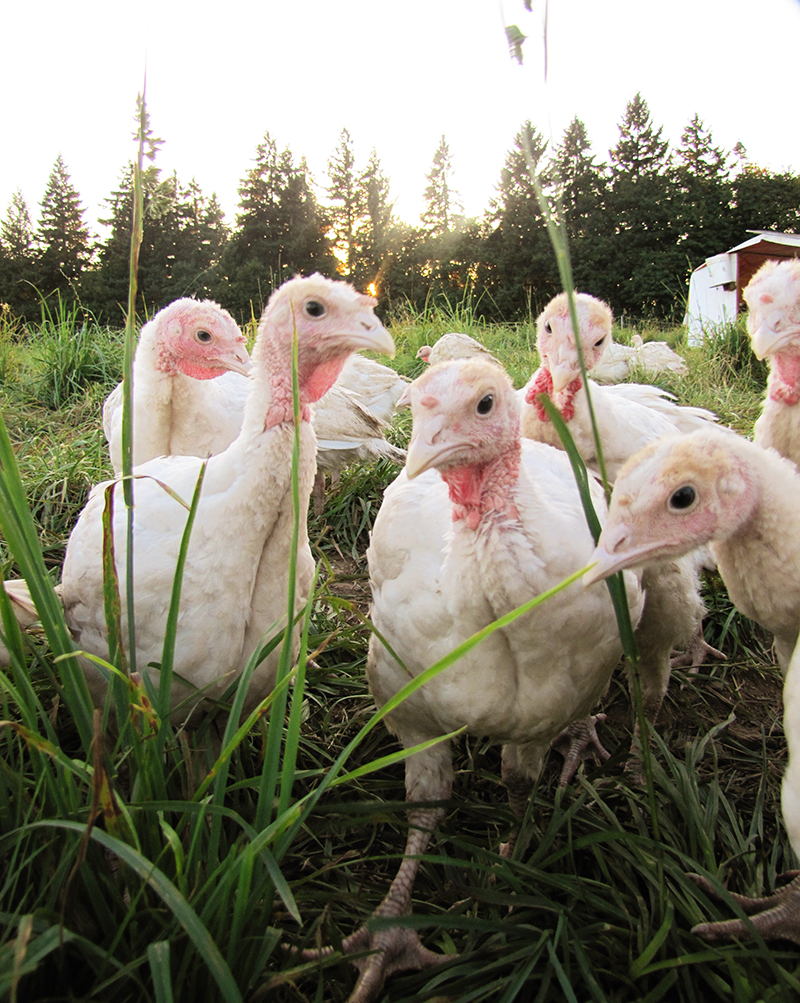
Image Credit: Champoeg Farm


Ben-Ami, R., Lewis, R. E. and Kontoyiannis, D. P. (2010), Enemy of the (immunosuppressed) state: an update on the pathogenesis of Aspergillus fumigatus infection. British Journal of Haematology, 150: 406–417. doi: 10.1111/j.1365-2141.2010.08283.x

Galagan, J. (2005, October 5). Sequencing of Aspergillus nidulans and comparative analysis with A. fumigatus and A. oryzae. Retrieved November 16, 2014, from http://www.nature.com/nature/journal/v438/n7071/full/nature04341.html

Larson, C., Beranger, J., Bender, M., & Schrider, D. (2007). Common Diseases and Ailments of Turkeys and Their Management. In How to Raise Heritage Turkeys on Pasture (pp. 35-52). American Livestock Breeds Conservancy.

Congrats to GMU Biodefense student Craig Wiener!

Craig-WienerGeorge Mason Biodefense PhD candidate Craig J. Wiener, Principal Consultant for Strategic Planning and Analysis at the National Nuclear Security Administration (NNSA), was recently honored as the recipient of the Sidney D. Drell Academic Award by the Intelligence and National Security Alliance (INSA).

Washington Exec caught up with Craig and interviewed him about his work, his award, and his favorite books.

An excerpt follows and you can read the entire interview here.

WashingtonExec: What more do you think organizations in the intelligence community should be doing to engage the millennial workforce?

Craig Wiener: This is an important question – I am going to speak about this from my perspective as a TA over the last three years in the most sought after national security courses at GMU SPGIA. I have worked closely with approximately 150 masters and PhD students, many of whom are younger than I am, and many of whom you could describe as “millennials.”  They have specifically enrolled in the courses because of their desire to enter the intelligence community. These students are clearly talented, ambitious and are ready, willing, and able to work in areas of national security and intelligence activities, although for many, there are structural hiring impediments. Many of the students routinely discuss the difficulty of entering direct government service and ask for advice. The predominant issues I run across when speaking with them fall into basic two categories- the lack of an existing security clearance or lack of military service- both impediments are predominantly present in younger students, many of whom went from high school to college to graduate school.

I believe it is absolutely essential to provide an enhanced, simplified hiring authority to bring these types of students, and quite honestly their talent, energy and perspective into the government directly from graduate school. It is my understanding that some previously available pathways were discontinued due to legal challenges to previous parent programs. Therefore, I would specifically recommend a legally sound, phased direct hire process that is merit based regardless of prior military experience for graduate students with national security applicable academic training. This pathway would include the authority for universities who support the government in national security research to sponsor qualifying students for security clearances while they are still in school. I believe this future state program should include accommodations for qualified, actively cleared contract support staff who are concurrently in graduate school at the masters, JD or PhD levels, many of whom also cannot overcome the currently well-intentioned yet predominant hiring authorities. Members of this hybrid hiring track should have their prior work experience taken into account for appropriate grade in service appointments.


Image Credit: Washington Exec

Pledging Allegiance to the Islamic State?

By Erik Goepner

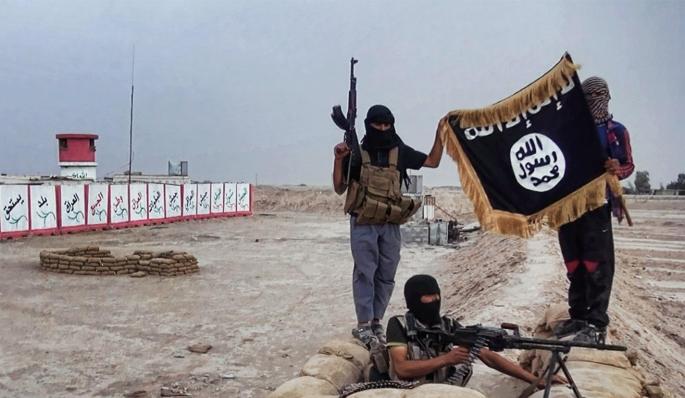
Jihadist groups from Saudi Arabia, Egypt, Yemen, Algeria and Libya allegedly pledged their allegiance to IS over the past few days. The Terrorism Research and Analysis Consortium estimates 60 distinct groups from 30 separate regions now ally themselves with IS.

Some of these groups are long in the tooth, pre-dating the attacks of 9/11. Take, for example, the Abu Sayyaf Group that is fighting for an independent Muslim state in the southern Philippines. Comprised of approximately 400 fighters, they began operations more than 20 years ago. A bit further to the south and west, Jemaah Islamiyah has been conducting operations since 1993. With between 500 and several thousand members, they seek to establish an Islamic caliphate in Indonesia and all or parts of five neighboring countries. Another veteran group, the Islamic Movement of Uzbekistan, wants to overthrow the Uzbek government and establish an Islamic state. They had their start in 1991.

Then, there are the notable post-9/11 creations who have allied themselves with IS. These include Al Qaeda in the Arabian Peninsula, estimated to be the “most lethal Qaeda franchise” (not to be confused with the AQ affiliate, al-Nusra Front, in Syria, with whom IS potentially forged a very recent peace accord). Additionally, Egypt’s “most active militant group”, Ansar Beit al-Maqd and its estimated 2,000 fighters, have also pledged allegiance to IS.

Finally, in a blur of frenzied change that gives new meaning to creative destruction and bandwagoning, a number of militant groups are simultaneously breaking old alliances, reinventing themselves, and forging new partnerships in the hopes of improving their return on investment. Inadvertent homage to western concepts notwithstanding, examples include Soldiers of the Caliphate in the Land of Egypt, Soldiers of the Caliphate in Algeria, and Soldiers of the Caliphate (in Libya). Experts estimate the “Soldiers of the Caliphate…” moniker might itself be an attempt to create a franchise, one that speaks to both local and global audiences. Moreover, it is a number of the smaller groups populating the “Soldiers of the Caliphate…” umbrellas that are thought to have splintered off from Al Qaeda in the Islamic Maghreb and other organizations. They seem to think a switch to IS offers better odds.

Libyan Town in the Hands of IS?

By Erik Goepner

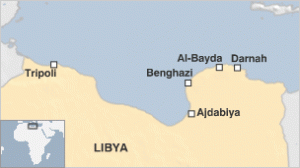
In early October, the Islamic Youth Shura Council announced that Darnah, Libya, had joined the Islamic State’s caliphate.  Alternatively referred to as Derna or Darna, 80,000 call the city home.  Sitting along the Mediterranean, Darnah has a “notorious” reputation as a center for the recruitment of fighters for the wars in Afghanistan, Iraq and Syria.  Two hundred miles to its east lies the Libyan border with Egypt, while Benghazi sits 180 miles to Darnah’s west.

Darnah, Libya

Relatively unknown, the Islamic Youth Shura Council (aka MSSI) is thought to have begun operations in March of this year under the banner of al-Qaeda.  The current rift between al-Qaeda and IS notwithstanding, the Islamic Youth Shura Council is now one of 20+ jihadi groups which have pledged their allegiance to IS.  With things moving so quickly and on-the-ground access for journalists often too risky, the affiliation between the two groups remains uncertain.

At the same time, Tripoli and Benghazi are purportedly under the control of Islamist groups as well, though those groups have no known affiliation with the Islamic Youth Shura Council.  In Tripoli, a federation of dubious unity, known as Fajr Libya, appears to be nominally in control, while in Benghazi multiple groups have also loosely aligned themselves, the largest of which is Ansar al-Shariah.  Against this backdrop of insecurity, Khalifa Haftara, an ex-Libyan general, now leads an interesting array of forces attempting to reassert government control.  He oversees Libyan military units, ostensibly under government control, along with assorted militiamen; loyal, it would seem, only to him.


Map Credit

Characterization of Turkey Pox

By Jonathon Marioneaux

This week we start a new series of articles about the diseases of birds. We will start with viruses and then progress to bacterial and fungal later in the month.   In celebration of the next major holiday, we will cover turkeys and the threats to both our feathered friends and to their handlers.  To begin our series will look at fowl pox, more specifically turkey pox.  We begin with a short characterization of the virus, how it works in hosts, and the general routes of transmission.  Then we progress to a short case study of turkey pox in Europe where it is becoming an endemic problem among breeders.  Finally, we wrap up with a discussion of how our feathered friends help us in the wild (and on the plate.)


Pox viruses belong to two major families—Chordopoxvirinae, which infects vertebrates including mammals and birds, and Entomopoxvirinae, which infects invertebrates including beetles, butterflies, and flies.   Both of these families share similar characteristics including large genomes, early RNA’s made in the virion core, and an internal envelope formed de novo, not during budding.  Mature particles of Chordopoxvirinae attach to the target cell membrane glycosaminoglycans during the first uncoating stage and release enzymes ready to begin DNA replication (Acheson, 2011).

Pox viruses are unlike many other viruses because they replicate solely in the cytoplasm and therefore they must carry all of the genes coding for DNA replication proteins with them.  These early genes code for proteins that break down the viral core and expose intermediate genes that code for DNA replication.  As theses intermediate genes are activated by compound promoters they produce intermediate mRNA which code for intermediate proteins.  These intermediate RNA’s are unique because they have 5’ terminal poly(A)heads added, facilitated by a TAAA sequence, which allows for a slippage mechanism adding the AAA head (Acheson, 2011).  These proteins are created in viral factories and set the stage for late gene activation.  The late genes code for structural proteins used in the encapsulation process.  The process includes the packaging of completed DNA (incomplete viruses) and enzymes (mature viruses); the final step is dependent on the infection route of the virus.

If the host cell ruptures before the virus escapes then it is left with an extra protein layer and is called an extracellular virus, which can infect cells easier.  If the virus is able to escape the cell then it sheds its protein shell during the budding process and is left with only its envelope. One difference between these viruses is their stability in the external host environment.  These enveloped viruses are extremely stable in the environment and are found in the scabs and mucus of infected individuals (Acheson, 2011).  Poxviruses have several means to evade host immune systems including TNF-binding proteins and soluble IFN-γ proteins which diminish inflammatory cytokine activity.  Finally, the general routes of transmission include contact with abraded epithelium of mucosal membranes or skin and physical inoculation of epithelial tissues either by pecking or blood feeding arthropods (Kindt et al, 2007).


In 2010 a turkey farm in Austria experienced an outbreak of fowl pox in the cutaneous form (Hess et al, 2011).  The farm had 11,680 birds spread over six flocks in stages ranging from polts to mature birds.  The effect on the birds included “nodular red-brown wart-like growth” and encrusted lesions on the head and neck region.  Samples were taken a plated on Columbia agar, McConkey agar, Schaedler agar, and Sabouraud-gentamicinchloramphenicol agar and included at 37 ͦC in aerobic conditions. Other tissue samples were used to isolate the virus using pathogen-free-Gallus gallus domesticus embryos.  PCR DNA replication was performed by using tissue samples and fowl pox base pairs were isolated by gel electrophoresis.  These isolates were reconstituted and sequenced with the original fragments and compared to the GenBank database using BlastN algorithm.

The results included antibiotic Staphylococcus aureus which is common on most skin surfaces but can become problematic when entered into the blood stream.  The tissue isolates showed hyperplasia and hypertrophy as well as distended eosinophilic inclusion suggestive of excessive dissolved lipids.  The GenBank search yielded 100% matches to avipox-AY530304 and turkeypox-DQ873808.  Interestingly no lesions were reported on internal organs, however, no septicemia test was done so a blood infection could not be excluded.

In contrast to other outbreaks the morbidity rate was very low due to a lack of perceived aggressiveness among the birds.  It was noted that a large number of flies were observed in heavy litter suggesting an initial route of exposure and a persistent route of infection to other individuals (Hess et al, 2011.)  Both flies and mosquitoes are known transmitters of fowlpox (Larson et al, 2007).

In conclusion, there are many types of fowl pox ranging from pigeons and turkeys to ducks and chickens however it is generally assumed that the pox viruses that effect each are unique to that species.  These pox viruses have commonalities among birds and generally affect the non-feathered regions of the neck, feet, and head.   In many cases the disease is spread by pecking/scratching or by blood feeding arthropods and covers most of the southeastern part of the USA. In general, wild turkeys are less affected by the virus than domesticated turkeys, however that could be in part due to a lack of recorded data and the predation of sick individuals (Davidson and Doster).

No need to worry, though, as all farm raised stocks are vetted by the USDA and are disease free so the risk of contracting fowl pox by eating a farm raised turkey is very slim. So this Thanksgiving eat lots of turkey and remember the complex interactions that happened to get it to your plate.


Image Credit


Acheson, N. (2011). Poxviruses. In Fundamentals of Molecular Virology (2nd ed., pp. 312-323). Hoboken: John Wiley & Sons.

Davidson, W., & Doster, G. (n.d.). Avian Pox – A disease that can affect any bird. NWTF Wildlife Bulletin, 24:1-24:4.

Hess, C., Maegdefrau-Pollan, B., Bilic, I., Liebhart, D., Richter, S., Mitsch, P., & Hess, M. (2011). Outbreak of Cutaneous Form of Poxvirus on a Commercial Turkey Farm Caused by the Species Fowlpox. Avian Diseases, 714-718.

Kindt, T., Goldsby, R., & Osborne, B. (2007). Immune Effector Mechanisms. In Kuby Immunology (6th ed., p. 314). New York: W. H. Freeman and Company.

Larson, C., Beranger, J., Bender, M., & Schrider, D. (2007). Common Diseases and Ailments of Turkeys and Their Management. In How to Riase Hertigae Turkeys on Pasture (pp. 35-52). American Livestoock Breeds Conservancy.


 

Islamic State Goes Old School

By Erik Goepner

Recent reports suggest that IS has employed chlorine as a weapon.  Though currently unconfirmed, these reports suggest that IS is looking to bolster its inventory of tactics, techniques and procedures. In so doing, they’ve gone old school.

IS’ first use of chlorine as a weapon may have been in September against Iraqi security forces and Shiite militias north of Baghdad.  Reports indicate the chlorine was delivered via bombs.  No one died, but approximately 40 reported difficulty breathing and heavy coughing.  One source said IS had taken the chlorine from purification plants overtaken during their advance.

Additional reports suggest that IS employed toxic gas in Kobani on October 21. Patients reportedly sought medical care for trouble breathing, burning eyes, and blisters.  A doctor on-scene ruled out chlorine as the cause, while assessing the injuries as consistent with exposure to an as-of-yet unidentified chemical.  The Guardian noted, however, there was no consensus or confidence from experts regarding potential causes of these injuries.

Five days later, an Iraqi military commander said seven chlorine filled projectiles were fired into a residential area of Anbar province, though no casualties were reported.

According to the Organization for the Prohibition of Chemical Weapons (OPCW), though, this is not new.  The implementing body of the Chemical Weapons Convention reported chlorine was already used “systematically and repeatedly” in northern Syrian villages earlier this year.  Western government officials assert Assad’s forces had employed the chlorine, though it is unclear if other groups may also have been responsible.

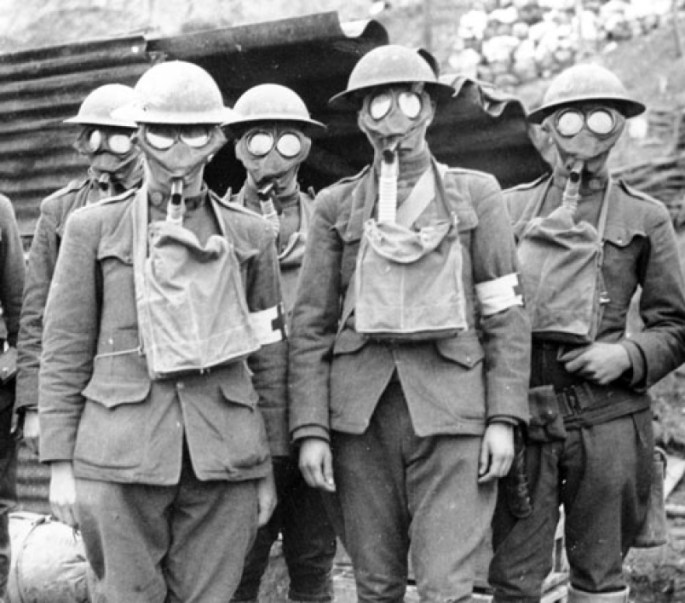
Historically, perhaps the most heinous and deadly precedent for chlorine-as-weapon comes from World War I, when the Germans dispersed 168 tons of chlorine during the Second Battle of Ypres in Belgium.   Approximately half of the 10,000 allied soldiers in the affected area died.  Two days later, chlorine was again used, killing an additional 1,000 Allied service members.

What might the future hold?  The Nuclear Threat Initiative, writing in 2007 about chemical weapon fears in Iraq, noted that the worst industrial accident in history was the release of 40 metric tons of methyl isocyanate at a pesticide plant in Bhopal, India.  3,000 were killed and more than 100,000 were injured.  The author concluded that a “sufficiently large release of elemental chlorine may be capable of exacting a comparable toll, particularly if discharged in a highly populated civilian area.”  However, the author also noted chlorine is typically ineffective against a “prepared adversary” because its visible color and potent odor announce its arrival and the effects of chlorine can be mitigated with “simple countermeasures,” such as gas masks or wet cloths placed across the nose and mouth.

Image Credit: Stripes

Aerosolized Fungal Infection from Bats

By Jonathon Marioneaux

As promised, we will be continue our coverage of bats and their diseases this week.  Over the last several postings we have covered different diseases bats can carry and their place in folklore.  In many horror stories and movies the main antagonist resides in a cave which makes you wonder, what else is in that cave? One of the main diseases that can be contracted in caves is histoplasmosis, which as it turns out is a relatively common disease.  Researchers from Heliopolis Hospital in Brazil documented a case of oral manifestation in a patient in 2013 that provided clinical details to the history and progression of the disease.

Histoplasmosis is a fungal infection caused by Histoplasma capsulatum and has two variants—capsulatum and duboisii. The fungus is found in caves worldwide, however most clinical cases occur on the American continent.  H. capsulatum requires moderate temperatures and constant humidity to grow and does best in bird or bat guano.  The fungus is found in its hyphae form primarily in caves and reverts to its yeast form in human lungs due to the higher temperature.  The fungus is primarily transferred to humans in its aerosolized form during cave diving, giving it the nickname “Caver’s disease” and “Spelunker’s disease.” However, it can also be transferred any time soil aerosolizes, for example, during digging.

The disease has a relatively low mortality rate in immunocompetent people and may go undetected as mild flu symptoms. Yet in people with compromised immune systems, such as AIDS patients, it can reach mortality rates as high as 80% and can be a tool for AIDS diagnosis.  In some cases the disease can become chronic in the presence of underlying disease and become severe to life threatening.  Diagnosis of H. capsulatum can be difficult due to its mimicking of other diseases, such as tuberculosis, and limitations of diagnostic exams.  The gold standard for diagnosis is culturing of the fungi on dextrose slats which will show white or brown filamentous colonies.

The Brazil patient was initially admitted on complaints of oral lesions and shortness of breath to the Heliopolis hospital.  The initial diagnosis was tuberculosis, however radiography diffuse infiltrate of both lungs and negative acid-fast staining discounted this.  Subsequent tests showed CD4/CD8 lymphocyte count was normal, discounting HIV, and culture tests indicated fungi presence.  A biopsy of lung tissue showed Langhas-type multinucleated giant cells with variable amounts of lymphocytes consistent with histoplasmosis. The patient was treated with Itraconazol for six months and showed marked improvement.

The above example explains why the conversation between patient-doctor and doctor-doctor is very important.  Without knowledge of the patient’s history and the referral by the dentist it is possible that a positive diagnosis could never have been made. This is especially true with organisms which are hard to grow or mimic symptoms of other disease.  In addition, knowing the immunocompetent state of a patient can give clues to what type of pathogen might be present.

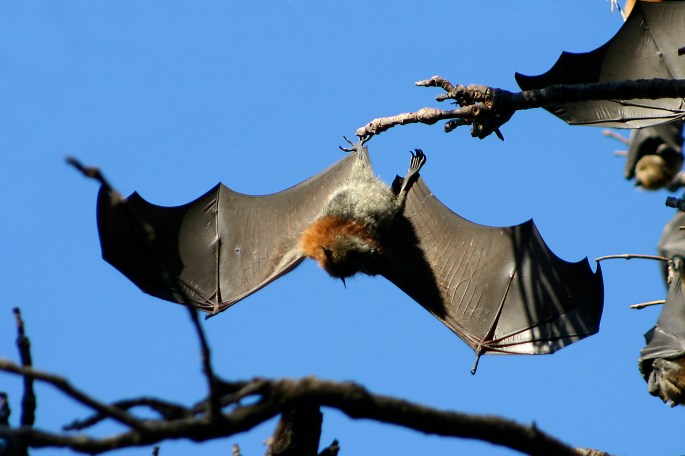
So, when going spelunking or anywhere near animal feces wear a mask or other protective covering to prevent infection from various diseases including H. cacsulatum. Bats are our friends and serve a much needed role in pollenating plants and keeping insects under control during the warm parts of the year.  Let’s not forget their contributions when discussing their role in disease transmission and the Hollywood spin put on them for Halloween. It is always advisable to take caution when handling bats of any species or geographic location to prevent the spread of numerous viral, bacterial, and fungal agents that they carry.

With Halloween upon us, this concludes our series on bats and their diseases. Next week, we will pick up coverage of birds (if you have a specific bird you would like me to cover send me an email) to get into the Thanksgiving spirit.

As always remember to wave at the next bat and thank them for their invaluable service to our ecosystem!