GMU Biodefense Alumni at Work: Tackling Antimicrobial Resistance at Wilton Park

Jay Bickell is a student in the MS Biodefense program at the Schar School of Policy and Government at George Mason University. In her current position as a Staff Scientist at MRIGlobal, Jay supports biorisk management programs for various commercial, academic, and government clients.

In August 2024, three alumni of the George Mason University (GMU) Biodefense PhD program— Dr. Jomana Musmar, Dr. Yong-Bee Lim, and Dr. Saskia Popescu —could be found in the United Kingdom at the Wilton Park workshop Through the Kaleidoscope: Antimicrobial Resistance, Conflict and Security. This workshop convened leading experts to assess the growing biosecurity threats posed by antimicrobial resistance (AMR).

Wilton Park, for some background, is an Executive Agency of the UK Foreign, Commonwealth & Development Office that was established after World War II as a hub for international policy discussions. Today, it serves as a discreet space where experts come together and roll up their sleeves to address some of the most complex global challenges. For many individuals, being invited to attend a Wilton Park event can be considered one of the greatest honors and highlights of a career, and receiving an invitation is no easy feat. Attendance at Wilton Park events requires deep subject matter expertise, background checks, and a strong professional network. Housed in a beautiful 16th century mansion in the English countryside, Wilton Park looks and feels more like Downton Abbey than a traditional think tank.

The Kaleidoscope dialogue brought together approximately 40 high-level experts from the United States and the United Kingdom. The workshop report, published in March 2025, highlights that “AMR increases the risks of public health system collapse, accelerates biosecurity concerns, and heightens societal vulnerabilities.” In particular, the report underscored the growing threat of multidrug resistance to both military and civilian operations particularly in conflict zones. The presence of three GMU Biodefense alumni at such an important gathering is a testament to both their individual achievements and the strength of the GMU Biodefense program.

Dr. Jomana Musmar (PhD Biodefense, 2017)

Since earning her doctorate, Dr. Musmar has played a key role in U.S. health security policy within the Office of the Assistant Secretary for Health. She manages the Presidential Advisory Council on Combating Antibiotic-Resistant Bacteria (PACCARB). Established under an executive order in 2014, PACCARB provides advice and recommendations to the Secretary of Health and Human Services on programs and policies to combat antibiotic resistance in human, animal, and environmental health. Dr. Musmar recently expanded her role to Deputy Director of Strategic Initiatives, overseeing national strategies on vaccines, STIs, HIV/AIDS, and viral hepatitis. At Wilton Park, she contributed her expertise on antimicrobial resistance and emphasized how environmental and agricultural factors can act as force multipliers in the security implications of AMR.

Dr. Yong-Bee Lim (PhD Biodefense, 2021)

Since earning his doctorate Dr. Lim has been with the Council on Strategic Risks where his work has focused on the intersection of biosecurity, health security, emerging technologies, and the ways risks can converge, interact with, and exacerbate each other. However recent congratulations are in order as Dr. Lim just started a new position as an Associate Director of the Global Risks team at the Federation of American Scientists. His extensive national and international biosecurity network helped secure him a seat at the Wilton Park Kaleidoscope dialogue, where he not only contributed his expertise but also facilitated a guided discussion session and helped review the final event report. Reflecting on the experience, he emphasized that while there is a lot of work to be done to address AMR, there are actionable solutions and dedicated professionals working toward them.

Dr. Saskia Popescu (PhD Biodefense, 2019)

Earning her doctorate just before the COVID-19 pandemic began, Dr. Popescu’s expertise in clinical infection prevention and biodefense landed her in a role developing a hospital bio-preparedness program. She then transitioned to an infection prevention role at Netflix, supporting continuity of operations during a global health crisis. She currently works as a policy researcher for RAND while also serving as an adjunct professor at GMU and an assistant professor at the University of Maryland. Her unique blend of infection prevention, AMR, and biosecurity expertise made her an invaluable contributor at Wilton Park, where she provided a frontline public health perspective. Dr. Popescu also helped review the final event report, and her briefing, AMR and Public Health, is featured in the report’s expert contributions section.

A Kaleidoscope of Perspectives

At the Wilton Park AMR event, these three exceptional GMU alumni engaged with experts across diverse fields including philosophy, national security, veterinary medicine, cultural anthropology, and synthetic biology. A common reflection from all three alumni was the remarkable collaboration and kindness among attendees — a sentiment that clearly extends to Dr. Musmar, Dr. Lim, and Dr. Popescu themselves. Interestingly, the final Kaleidoscope report does not explicitly define the connection between its title and AMR, leaving room for interpretation. In a kaleidoscope, mirrors angled towards each other reflect objects within them, creating shifting patterns. Two people will never see the exact same pattern in a kaleidoscope because of slight differences in their viewing angles and the way the mirrors and objects are arranged. Similarly, AMR is an evolving challenge, with new complexities and solutions emerging as it is examined from the perspectives of different disciplines. The diverse expertise of Dr. Musmar, Dr. Lim, and Dr. Popescu, spanning policy, biosecurity, public health, and more, reflects the creativity needed to tackle AMR, and how interdisciplinary collaboration is shaping the evolving landscape of health security.

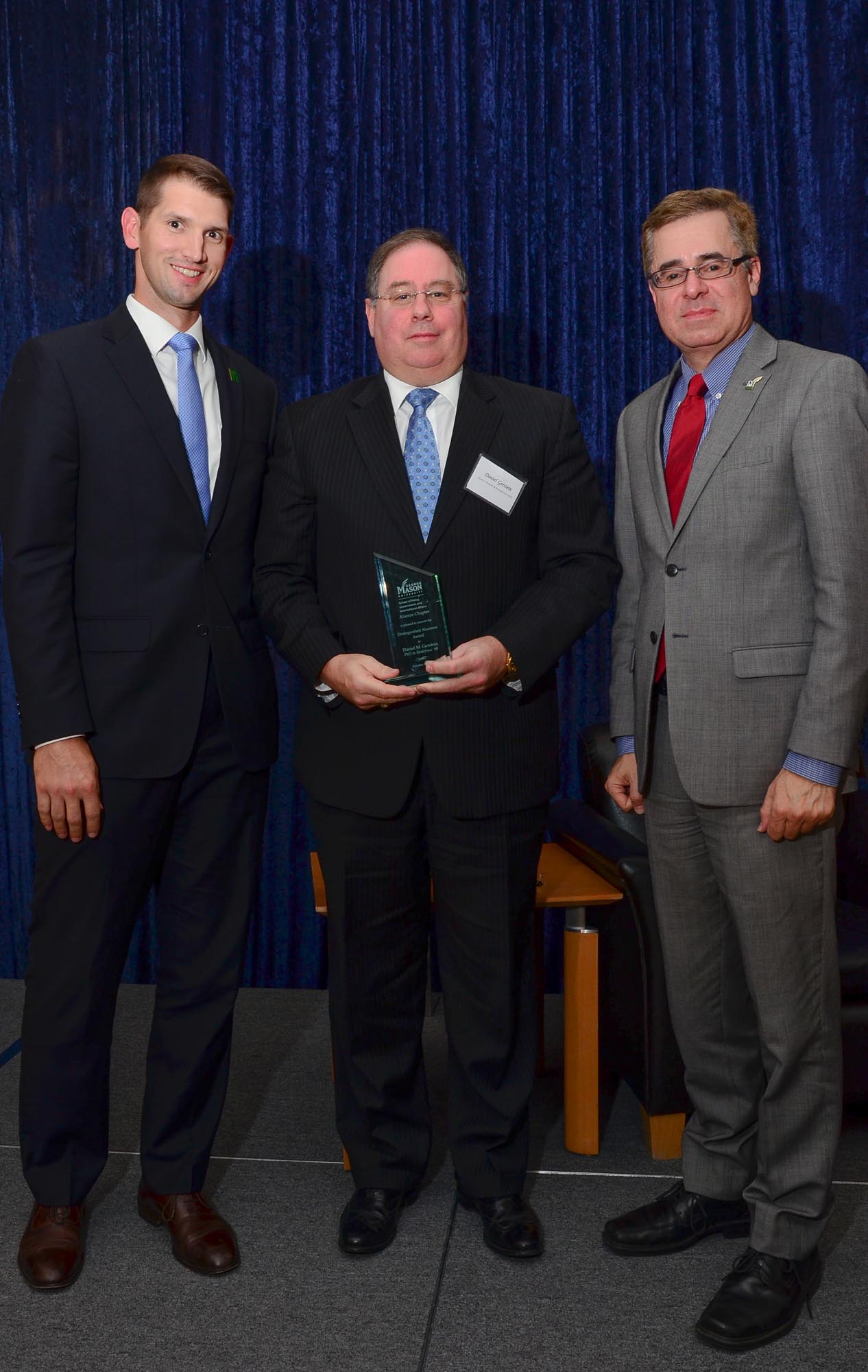
Left to right: Dr. Jomana Musmar, Dr. Saskia Popescu, and Dr. Yong-Bee Lim at Wilton Park
TWO BIODEFENSE STUDENTS EARN DISTINGUISED FELLOWSHIP

Meredith Fletcher is a first-year student in the Biodefense MS program with a special interest in terrorism and the use of pathogens as weapons.

The Emerging Leaders in Biosecurity (ELBI) fellowship, offered by the Center for Health Security at the Johns Hopkins Bloomberg School of Public Health, is the most distinguished and prestigious fellowship available to those in the biosecurity profession. Two students in the Schar School of Policy and Government’s Biodefense PhD program, Janet Marroquin and Katie Dammer, were chosen for this honor and will be joining 29 other young professionals in the fellowship’s 2025 cohort. During their fellowship, participants will participate in biosecurity workshops, networking events, and research symposiums, both in Washington DC and abroad. Dr. Gregory Koblentz, director of the Biodefense Graduate Program, congratulated both students on this impressive accomplishment, “Janet and Katie are rising stars in biosecurity so it’s very gratifying to see their potential recognized by the leading think tank in the field.”

Janet graduated in 2019 with her M.S. in Biodefense and is currently pursuing a PhD in Biodefense. Her dissertation examines Russia’s motivation and strategy for using vaccine-related narratives in its disinformation operations. She currently works as a full-time research analyst for a federally funded research and development center. Her work focuses on analyzing national security challenges related to emerging biotechnologies and CBRNE weapons.  Janet says, “I’m most excited to engage with international perspectives on common problems, especially science communication and public trust in state institutions.” Her time at George Mason helped prepare her for both her career and the fellowship because of the nature of the program, the diverse student backgrounds and its comprehensive approach to biosecurity. According to Janet, “The biodefense courses exposed me to the vulnerabilities that we as a global society have to the spread of disease due, in no small part, to inadequate preparedness.” Her favorite classes were Dr. Koblentz’s course on biodefense strategy and Dr. Estela Blaisten’s challenging, but rewarding, course on numerical methods.

Katie is a first-year student in the Biodefense PhD program. The ELBI program and those who speak highly of it have surrounded her since her undergraduate studies, so she jumped at the chance to learn more about this ever-changing field. She says, “I am so grateful to the Center for Health Security for the acceptance and to colleagues and ELBI alumni for all of the kind words I have received since this year’s cohort was announced. Every year brings changes, but it is exciting to know that this will be a key piece of my professional development throughout 2025.” Her focus is on the intersection of national security and science policy, and her current role covers a variety of natural, accidental, and deliberate threats. Katie is most excited to build a biosecurity community and take time away from her career to “nerd out” over the many topics presented during the fellowship. Katie hopes that her time as a fellow will both complement and enhance her research and discussion skills, and she looks forward to engaging with pioneers across the public health and policy fields. Katie feels she owes a special thanks to her dad, who as a career academic has been an inspiration as she started her PhD journey and the fellowship ahead of her.

Janet and Katie join a number of other Biodefense students and alum who have served as ELBI fellows including Siddha Hover MS ’14 (ELBI Class of 2016), Francisco Cruz MS ’15 (ELBI Class of 2016), Saskia Popescu PhD ’19 (ELBI Class of 2017), Yong-Bee Lim MS ‘13 PhD ’21 (ELBI Class of 2018), Justin Hurt PhD ’23 (ELBI Class of 2019), and Matthew Ferreira MS ’22 (ELBI Class of 2023).

Janet Marroquin:

Katie Dammer:

Biodefense Representation at the 2022 NACCHO Preparedness Summit

Emily Lu, Biodefense MS Graduate

COVID-19 has had an enormous negative impact on healthcare systems. The 2022 Preparedness Summit, hosted by the National Association of County and City Health Officials (NACCHO) in Atlanta, Georgia, took place April 4-7 and aimed to cover the entire scope of issues and solutions discussed during these two years. The main purpose of this summit was to collaborate and share information as well as collaboration on what actions have been taken.

This conference covered a variety of topics, including biodefense, biosecurity, public health awareness, and biotechnologies and their role in the response to the COVID-19 pandemic. The conference’s slogan-“Reimagining Preparedness in the Era of COVID-19”- is evidence of that. The conference was organized into several sessions. Track 5, Strengthening Global Health Security, is one that I chose to focus on, specifically biosecurity and public health emergency preparedness and management. One of the key highlights of Track 5: Strengthening Global Health Security was Ryan Houser’s presentation, “The Security Threat of Infectious Disease: Applying a Public Health Emergency Management Approach to Biodefense”. Houser, an emergency preparedness professional and Biodefense PhD student, defines biodefense as “any actions designed to counter biological threats, reduce risks, and prepare for, respond to, and recover from bio incidents.” Houser’s definition of biosecurity is the “strategic and integrated approach to analyzing and managing relevant risks to human, animal, and plant life.” He explained that, in examining the COVID-19 pandemic from a biodefense and biosecurity viewpoint, shortcomings are most obvious in the inadequate amount of funding that the government gives out via routine congressional appropriations.  

Funding

Houser highlighted that “public health emergency preparedness grants decreased from $939 million in 2003 to $675 million in 2020.”  These grants, funded by the Federal Emergency Management Agency (FEMA), are designed to prevent and respond to terrorism and future natural disasters. This number is similar to the Public Health Emergency Preparedness  budget in 2020, which totaled $622,850,000 and increased to $637,850,603 in 2021. Regarding the argument that $675 million may not be enough funding for the United States, it would be difficult to assess partially because the amount and how this money is distributed within each state can have an impact on their response.

During the COVID-19 pandemic, FEMA conducted a study in New Jersey that found the pandemic response was successful in providing support and coordination efforts, improving relationships between the urban area security initiative members, and enhancing communications with the public and other stakeholders. However, the success of this 2020 study may have to do with the total amount of funding available to New Jersey, which, in 2020, was $15,144,167. However, this is not the case for all states, which have different amounts of funding.

Funding for each state is calculated by adding a base amount to an amount relative to the state’s population, which is then added to that amount set aside by each state. Chemical laboratory funding is also included if there is a chemical laboratory available within the state. Therefore, money may impact response efforts, but there is not enough evidence to determine if it is the main factor in response success. However, what can be said is that the amount of financial support given towards hospital preparedness as well as public preparedness has increased slightly for each state.  It’s more likely that how this money is spent and where it is being distributed within the state impacts the situation even more.

Healthcare Response

The lack of cohesion between government funding and healthcare was a recurring theme at the conference. Healthcare management during the COVID-19 pandemic has tended to fare better in some areas over others. For example, around 95% of hospitals passed a compliance check conducted by the Unified Hospital Data Surveillance System with scores between 90 and 100% that was conducted  by the Unified Hospital Data Surveillance System (UHDSS) during its enforcement period in 2020.

However, the COVID-19 pandemic has also created many challenges for healthcare institutions. For example, hospitals can quickly near maximum capacity based on the circumstances in their state and local area. An example of this was when, due to Arizona re-opening early, ICU units in the state’s hospitals rapidly came close to 80% capacity as new cases were admitted in 2020. In some states, circumstances make it difficult for individuals to follow protocols. Again, using Arizona as an example, the state re-opened due to many different factors, including high temperatures motivating individuals to violate regulations and seek indoor shelter, and a general avoidance of hospital environments.

Other issues in the healthcare system include shortages of personal protective equipment (PPE), including the shortage of N95 respirators, surgical/procedure masks, eye protection (including face shields and goggles), single-use gowns, and exam gloves. This could be attributed to a lack of funding, though this may not necessarily be the case.

Lastly, there may have been difficulties regarding the coordination of staff within large hospital systems. In larger systems, changes can become difficult to execute during a short amount of time. Throughout the COVID-19 response, hospital staffing has been inconsistent and limited.  For example, at the start of the pandemic, according to ECRI (formerly the Emergency Care Research Institute), a nonprofit patient safety organization, “staffing shortages are the nation’s top safety concern”, especially in 2022.  Ways to compensate for this have come in the form of adding staff and bringing more interest to keep medical students within the field.

Highlights

Despite the issues discussed above, there are some examples of successes in the United States’ COVID-19 response. An example of this is the successes of fusion centers in assisting institutions and the public with accessing quality resources during this crisis. Fusion centers, according to the Department of Homeland Security, “are state-owned and operated centers that serve as focal points in states, and major urban areas for the receipt, analysis, gathering, and sharing of threat-related information…”. Individuals can report certain concerns, which then allows the fusion center to connect them to the right resources.

One example of this was offered by Jarad Modaber of the Maryland Coordination and Analysis Center, in which there was a case of counterfeit N95s being stored and distributed from a warehouse. These were seized by the Department of Homeland Security with this news reported on Feb 18, 2021. Later, it was revealed that China was the source of the fake masks with around 6,000 victims of the massive scam. This demonstrates that during the pandemic, attention towards biosecurity measures and reporting them was helpful in the long run. For biosecurity and biodefense, there is a sense of coordination between law enforcement and healthcare backers that exists within the fusion center. Individuals from different backgrounds are grouped to help with calls regarding healthcare and suspicious activity.

For the 2022 Preparedness Summit, biodefense representation and its impact on decisions was only a small part of the entire picture. Funding, hospital management and coordination within organizations also plays a part in response efforts for the COVID-19 pandemic. However, despite its small role, biodefense, and biosecurity play an important role in being part of the solution in improving healthcare funding and communication between organizations. As shown by this summary, every part plays a critical role in successful response.

NACCHO Summit Highlights a Need for Preparedness Innovation in a Post COVID-19 World

Sophia Hirshfield, Biodefense MS Student

In April 2022, I had the opportunity to attend the National Association of County and City Health Officials (NACCHO) 2022 Preparedness Summit in Atlanta, Georgia. The Preparedness Summit is an annual national conference where experts from the healthcare and emergency management industries meet to discuss current gaps in emergency preparedness. This year, the conference was dedicated to “Reimagining Preparedness in the Era of COVID-19,” and was the first in-person Preparedness Summit since the beginning of the pandemic. I listened to leaders from across the country share the challenges they have faced over the past two years, and I heard stories of incredible resilience and strength within the preparedness field. As an aspiring preparedness professional who will enter the field following the most catastrophic public health emergency in recent memory, the opportunity to learn about the future of preparedness practices directly from leaders in the field was unparalleled.

We cannot say we are prepared for an emergency unless even the most vulnerable among us have preparedness resources available to them. Several speakers at the Preparedness Summit amplified this theme, highlighting the importance of equity and inclusion in preparedness. I had the opportunity to learn about the role of disability inclusion specialists in emergency preparedness, an upcoming plan to address gaps in tribal access to the Strategic National Stockpile, and vaccination plans designed to address the needs of those experiencing homelessness. Although in my courses I have learned a great deal about how the COVID-19 pandemic exacerbated many of the already existing inequities in our healthcare system, it was enlightening to hear about the actions experts in the field are taking every day to enhance equitable preparedness. As we move forward beyond the pandemic, it is pivotal that preparedness leaders design programs and systems that equitably enhance health security and preparedness for everyone.

We cannot say we are prepared for an emergency unless even the most vulnerable among us have preparedness resources available to them.

I have often thought of preparedness for intentional and natural biological threats as separate challenges, yet leaders at the Preparedness Summit demonstrated a need for implementing mechanisms that simultaneously enhance preparedness for each of these threats. Improving laboratory testing capabilities can help improve the ability to identify what strain of influenza is most prevalent each year while also improving our ability to detect an intentional anthrax attack. Likewise, funding research for antimicrobials development can help strengthen preparedness for human-made and naturally occurring, drug-resistant pathogens. At the summit I was excited to learn about the work leaders around the country are doing to prepare for intentional and natural biological threats simultaneously and look forward to applying these learnings in my future work.

Though many of the summit attendees did not work directly in biodefense or health security, many of the speakers emphasized the importance of public health and emergency management in biodefense. I think many people have a perception that biodefense is solely associated with protecting the nation from bioterrorist attacks, yet in reality biodefense can encompass any action aimed at countering and preparing for biological threats. Speakers at the summit demonstrated that public health measures such as stockpiling PPE and creating vaccination campaigns fit within the biodefense umbrella, and it is thus critical for these sectors to collaborate in order to create comprehensive and effective preparedness mechanisms moving forward. Although I have learned about the crossover between biodefense, emergency management, and public health in my coursework, it was enlightening to hear leaders from each of these sectors discuss how to strengthen their partnerships with one another in order to bolster preparedness for the next biological threat.

Throughout the summit, I valued the opportunity to hear firsthand testimonies from healthcare and public health professionals who have been on the front lines of the COVID-19 pandemic. The Preparedness Summit featured multiple COVID-19 listening sessions, which afforded attendees the opportunity to share their experiences in the preparedness sector throughout the pandemic. Many of those who spoke at these sessions described how isolating it has been to combat the pandemic in a virtual environment, and how the in-person summit afforded them a cathartic opportunity to finally hear from others who shared similar experiences. I am humbled by the resiliency of public health practitioners who have spent over two years dedicating countless hours to make the country a safer place for everyone. I felt extraordinarily inspired by the meaningful and lifesaving work of public health and healthcare leaders at the conference and know that as I enter the preparedness field I will truly be standing on the shoulders of giants.

When I first began my master’s program a few months ago, I did not imagine I would so soon have the opportunity to engage with preparedness leaders and learn from such experienced practitioners about the ways the industry has adapted and grown since the onset of the COVID-19 pandemic. My generation, Generation Z, does not know what it was like to work in the preparedness sector prior to the pandemic. But as we now begin to enter the preparedness workforce, I am hopeful we will utilize our fresh perspectives in the post-COVID era to reimagine preparedness mechanisms and create a safer society for everyone. The Preparedness Summit was an incredible opportunity to learn about existing gaps in preparedness and innovative strategies for combatting them, and I am excited to apply these insights in my future career.

Sophia is a second semester Biodefense M.S. student from Marlton, New Jersey. She recently graduated from The George Washington University with her B.A. in International Affairs and Global Public Health. Sophia’s research interests include enhancing emergency health services, medical countermeasure stockpiling and deployment, and improving health equity.

GMU Biodefense Graduate Student Awards – 2020

OUTSTANDING BIODEFENSE MS STUDENT AWARD

This year’s Outstanding Biodefense Master’s student is Michael Krug. Michael entered the program with a background in biochemistry but he quickly mastered the policy aspects of biodefense as well and graduated with an impressive GPA of 3.97. Michael also took an active leadership role in the Biodefense program and co-founded the George Mason chapter of the Next Generation Global Health Security Network which is composed of students and young professionals around the world who work on issues at the next of health and security. This group brought in outside speakers, including former Senate Majority leader Thomas Daschle, and held several social events for students. Michael was also busy off-campus with internships in the U.S. Department of Health and Human Services and with the Nuclear Threat Initiative think tank where he worked on their comprehensive survey of how well countries are prepared for pandemics and other threats to global health security. Michael is now working as a global health officer in the Office of Pandemics and Emerging Threats in the U.S. Department of Health and Human Services. Michael’s passion for bridging the gap between science and policy and strengthening global health security makes him an outstanding choice for this award.

OUTSTANDING BIODEFENSE PHD STUDENT

Saskia Popescu is this year’s outstanding Biodefense PhD student. Saskia has long been fascinated by the intersection of health and security. She entered the program with an MPH and Master’s in International Security. Saskia’s dissertation, “How Cost Containment Undermines Disease Containment: Political and Economic Obstacles to Investing in Infection Prevention and Control,” used concepts from political economy to explain why hospitals don’t spend enough on infection prevention and control programs despite their huge value to public health. Saskia also has extensive experience working in a hospital as an infection preventionist so her dissertation was able to combine both theory and practice. Unfortunately, her work was prescient in predicting the types of shortages and infection control failures we’ve seen throughout the country during the current pandemic. Saskia has also been busy with extracurricular activities. In 2017, Saskia was chosen for the prestigious Emerging Leaders in Biosecurity Initiative at the Center for Health Security at Johns Hopkins University. In 2018, she was selected to be a George Mason Global Health Security Student Ambassador and attend the 5th Global Health Security Agenda Summit in Bali, Indonesia. Saskia has also made a huge contribution to the Biodefense Program as the managing editor of The Pandora Report, our weekly newsletter which provides news and analysis on global health security issues to thousands of readers every week. Saskia has a knack for discussing complex issues in a jargon-free way and throwing in a little snark on the side. Saskia exemplifies the type of scholar the Biodefense PhD program is designed to produce: data-driven, science-based, theoretically-informed, analytically-rigorous, policy-relevant, and passionate about changing the world for the better.

FRANCES HARBOUR AWARD

The Frances Harbour Award is given to a biodefense student in recognition of his or her community leadership. Frances Harbour was an associate professor of government in the School, and a founding member and past president of the International Ethics Section of the International Studies Association. She was also a Social Science Research Council/John D. and Catherine T. MacArthur Fellow in International Peace and Security Studies

This year’s award goes to Yong-Bee Lim, who is (hopefully) in the final year of his dissertation on the do-it-yourself biology movement. Yong-Bee has been a visible and vocal part of the Biodefense program since he started as a Master’s student. Yong-Bee earned a Presidential Fellowship when he entered the PhD program and worked closely with several faculty members in the Biodefense program. Yong-Bee was a pleasure to work with and has consistently impressed the faculty with his work ethic and creativity. Along the way, Yong-Bee has worked at prestigious institutions such as the Center for Global Security Research at Lawrence Livermore National Lab and the Center for the Study of Weapons of Mass Destruction at National Defense University. In 2018, Yong-Bee was chosen for the prestigious Emerging Leaders in Biosecurity Initiative at the Center for Health Security at Johns Hopkins University. Yong-Bee has also been a fantastic ambassador for the program and was always willing to volunteer his time to help recruit new students and mentor existing ones. We can’t wait for him to finish his dissertation and graduate—but we’ll also be very sad to see him go.

GMU Biodefense Graduate Student Awards – 2019

We’re so proud to announce two recipients of awards within the biodefense program this year. Below, you can read more about Stephen Taylor (recipient of the Outstanding Biodefense Student Award) and Jennifer Osetek (recipient of the Outstanding Doctoral Student in Biodefense award).

This year’s outstanding biodefense student aware goes to Stephen Taylor – Stephen’s passion for biodefense and global health security was shaped by his experience as a Peace Corps volunteer in Mozambique. He not only observed first-hand the impact of infectious diseases on the local community, he even suffered a bout of malaria himself. Thankfully he made a full recovery and went on to enroll in our program. Stephen has been an outstanding student both inside and outside the classroom. He achieved an impressive 3.97 GPA while working full time for the animal parasitic diseases laboratory at the USDA. Outside the classroom, Stephen took advantage of opportunities offered by the Schar School to pursue his passion for global health security. He was a regular contribute to the Biodefense program’s blog and weekly newsletter, The Pandora Report, where he wrote about range of health security issues. In 2017, he was selected to be a Mason Global Health Security Student Ambassador, to attend the 4th Global Health Security Agenda Ministerial Summit in Kampala, Uganda, which was attended by heads of state and senior health officials from 50 countries. Following the conference, Stephen led an effort to establish a chapter of the Next Generation Global Health Security Network at Mason, to engage more students and young professionals in this important field. Stephen’s commitment to global health security and his leadership abilities make him well-deserving of this award.

This year’s outstanding doctoral student in biodefense goes to Jennifer Osetek – Jen’s dissertation, The Last Mile: Removing Non-Medical Obstacles in the Pursuit of Global Health Security asks the question, “Does the current approach to public health response planning and execution adequately incorporate all known obstacles to delivery of care and resources?” Drawing on evidence from multiple disease outbreaks over the last thirty years, her answer is an emphatic no. To fill this important void in the literature on global health security, Jen introduced the concept of non-medical obstacles, which are material and intangible factors that slow or prevent the timely delivery of available critical healthcare resources to populations in need during a public health emergency. She then applied this framework to the eradication of smallpox in West Africa and India, and modern Ebola outbreaks in Africa, in order to derive valuable lessons for how to reduce the impact of these non-medical obstacles on current outbreak responses. For her persistence in completing the last mile of her dissertation, and providing a new conceptual approach to strengthening global health security, the faculty recognize her achievement.

Pandora Report 10.30.2015

The witching hour is upon us! Halloween is tomorrow and with that we must ask, how good are your zombie fighting skills? Good news if you’re in Arlington, VA, as it’s considered one of the top ten cities to survive the zombie apocalypse – good thing GMU has a campus there (we biodefense folks are the ultimate planners!). This week was busy with the release of the Blue Ribbon Study Panel on Biodefense’s National Report. I was able to attend the panel event, so read on for my comments and your weekly dose of biodefense news!

DSC_3586GMU Biodefense Program News & Alumni 
We’ve added a new page to salute our biodefense alumni and all that they do with their GMU education. GMU Biodefense students have a diverse background in their education, experiences, and interests, and we absolutely love getting to brag about all the amazing things they accomplish after their studies. Whether it’s a new publication or an award, we hope to pass along their accolades, so please check out our new page to see how GMU Biodefense alumni are contributing to the world of global health security!

12111966_10104338304988922_3051154411712634566_n-1Blue Ribbon Study Panel on Biodefense Releases Report– I had the pleasure of attending the Blue Ribbon panel on Wednesday, in which they reviewed their report, “A National Blueprint for Biodefense: Leadership and Major Reform Needed to Optimize Efforts”. The panel event saw Senator Joe Lieberman, former Governor Tom Ridge, and former Homeland Security Advisor, Kenneth L. Wainstein, discuss the challenges of biodefense, the report, and answer several questions regarding their findings. The report is comprised of 33 recommendations that range from unification of biodefense budgeting to optimizing the National Biosurveillance Integration System and to improving surveillance and planning for animal and zoonotic outbreaks. Along with these 33 recommendations, there are 100 action items. Perhaps one of the biggest take-aways from the report is the recommendation that the Office of the Vice President of the US assume authority over biodefense efforts. There is heavy emphasis on a unified budget and centralization to combat the redundancy and current siloing we see in existing programs.  Senator Lieberman discussed the role of the research and private sector’s involvement, with former Gov. Ridge noting that “we need to start thinking differently about how we incentivize the private sector.” The panel discussed that despite our past efforts, the Ebola outbreak in 2014 showed that the “threat is real, lets not wait for it to occur” and as former Gov. Ridge noted, “we don’t give bioweapon threats the attention they need. The threat is ahead of us.” Senator Lieberman commented on the Ebola situation,  noting that our response was dismal and despite 10 months of warning, basic human errors led to a failure in providing hospitals with general guidelines. Whether it is an intentional bioweapons attack, outbreak of an emerging infectious disease, or unintentional, accidental release due to lab safety errors, the panel’s goal of having centralized leadership reveals the complex nature of these challenges. Also, did I mention that they included infection control in their guidelines (#18)?! Overall, I found the event highly engaging and was pleased to hear the panel members approach these topics with not only a sense of urgency, but a holistic manner to meet the challenges of biodefense.

Jump Start – Accelerating Government Response to A National Biological Crisis
UPMC Center for Health Security has released their July 2015 report that “examines a scenario in which the US is suddenly faced with a newly emerged intentional biological threat that could produce catastrophic public health consequences and threaten our economy, government, and social structure.” The report reviews governance, public health response, medical countermeasures, healthcare system response, decontamination and remediation, and environmental detection, while making recommendations. Utilizing published literature and subject matter expert interviews, the Jump Start report scenario occurs in central Moscow subway stations and Red Square. It discusses responses in a post-Amerithrax world and highlights the need to stop the spread of infectious diseases while emphasizing that in a similar scenario, the US government should push out table-top exercises at a national level to test readiness to biothreats. The role of healthcare infrastructure and capacity comes into play, highlighting the limitations that diagnostic testing plays – even if the solutions aren’t available. I’d be curious to see a more detailed analysis of how we approach novel agents and the time-lag this can often cause in diagnosis. Also – what would be the ethical dilemmas regarding invasive medical treatments for a novel agent? Medical ethics became a very real issue during Ebola preparedness (perhaps not as well discussed in media circuits) as the invasive care capabilities of healthcare professionals in the US correlates with increasing risk for disease transmission.

White House Calls for Better Biosafety –  As fallout from several lab safety breaches, the White House issued recommendations that focus on labs that are registered to work with pathogens from the Select Agents list. Ranging from increased training to assessing the number of high containment labs we have in the US, this memo, with a deadline for the recommendations, sets the tone for change when it comes to biosafety.

Saudi Arabi MERS Cluster – reports from Saudi Arabi’s Ministry of Health have confirmed a healthcare-associated cluster of MERS-CoV cases that involved seven individuals. The initial patient was seen in the emergency department of Almana General Hospital, with five other patients exposed in the hospital, and an additional case that is believed to not have had a healthcare exposure. All patients are under observation in the King Fahad Hospital. One of the patients is reported to be a nurse. In previous weeks, there was a cluster of cases related to janitors living together in Riyadh.

Stories You May Have Missed:

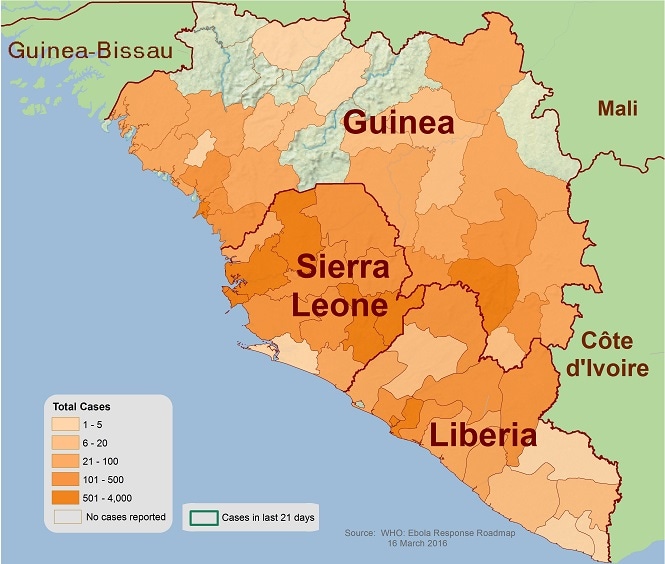
  • The African Development Bank Group (AfDB) has approved a $33.3 million grant towards a Post Ebola Recovery Social Investment Fund (PERSIF) for efforts in Guinea, Liberia, and Sierra Leone. The US State Department is contributing a $5 million grant towards this to help support livelihood development for women, girls, and orphans from the affected countries. The goal is to build resilience in the affected countries and strengthen the economic systems while improving governance and communication.
  • Nigeria was just removed from the WHO’s list of polio-endemic countries! After halting the spread of wild poliovirus transmission during a 15 month period, Nigeria was declared free of the disease! The WHO is continuing to work on the remaining two polio-endemic countries; Afghanistan and Pakistan.
  • Three more cases of Ebola in Guinea were reported this week. The three patients are all family members, with one being a pregnant woman. Guinea experienced several cases last week while Liberia has been EVD-free since September 3rd and Sierra Leone just passed their six week mark without a new case.
  • The WHO announces that TB surpassed HIV as the leading cause of death from infectious disease in 2014. Better surveillance enabled global public health teams to identify new cases. In Indonesia alone, there were one million new cases reported this year. The WHO notes that while surveillance efforts are revealing new cases, progress is still insufficient, especially in regards to drug resistance.


Pandora Report 10.16.2015

What a busy week in the world of biodefense! First, let’s give a round of applause for Global Handwashing Day (and now, go wash your hands!). This week we saw a nurse from the UK experience Ebola-associated complications months after her recovery. The CDC released a report stating that 17 states exceeded their recommendations for Ebola screening/monitoring and a recent study discussed vaccination rates and herd immunity. Let’s not forget that we’ve got another segment on 2016 Presidential candidate chatter on nonproliferation, a call for papers, and an open house on GMU’s Master’s program. Grab your morning coffee/tea and let’s explore this week’s biodefense news!

Global Handwashing Day 
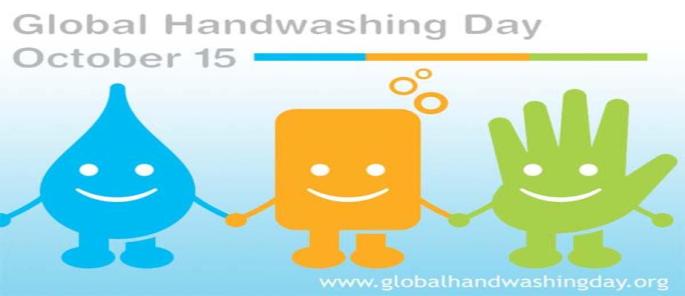
Global Handwashing Day was Thursday, October 15th, but really we should be celebrating it every day! It may seem like a simple thing but the truth is that hand hygiene is one of the most important things you can do to prevent the spread of infection. Whether it’s a hospital-acquired infection or avoiding illness in the workplace, hand hygiene is the first line of defense. The WHO estimates that hand hygiene, just in healthcare, saved millions of lives in the last years. The CDC even calls it the “do-it-yourself” vaccine – five simple steps (wet, lather, scrub, rinse, dry) to help prevent the spread of infections. Many people think it’s a small or “easy” thing, but coming from an infection preventionist, it’s the small things that make the biggest difference. You’d be surprised how many organisms we carry around on our hands and on fomites, so using alcohol-based hand sanitizer or washing with soap and water is the only way to get rid of those. University of Arizona professor, Dr. Gerba, (we lovingly referred to him as Dr. Germ – funny enough, he even gave one of his children the middle name of Escherichia!) has focussed much of his research on the household and public objects we may not realize are covered in germs. Perhaps the most important take-away from Global Handwashing Day isn’t just its importance in healthcare, but its role as an important part of disease prevention everywhere. In the U.S.  we’re fortunate to have access to the resources that allow us to have phenomenal hand hygiene practices however, it’s the behavior we tend to fall short on. From today forward, I encourage you to make a personal decision to be vigilant in hand hygiene.

Last Call for Papers – Women’s Health in Global Perspective!
Papers sought for a special issue and workshop of World Medical & Health Policy on “Women’s Health in Global Perspective,” to contribute to understanding and improve policy related to women’s health and wellbeing.  Forces ranging from the economic to the climactic have human repercussions whose genesis and solutions demand consideration of their global context.  A wealth of recent research and inquiry has considered the particular plight of women, who often suffer disproportionately from lack of education, compromised nutrition, poverty, violence and lack of job opportunities and personal freedom.  The Workshop on Women’s Health in Global Perspective will consider the broad ranging social determinants of health on a global scale that importantly influence health outcomes for women everywhere, which in turn has implications for economic, political and social development.
Abstract submission deadline (250 words): October 16, 2015 Contact: Bonnie Stabile, Deputy Editor, bstabile@gmu.edu
Notification of selected abstracts: November 13, 2015

Presidential Candidates on Nonproliferation Part II
GMU’s Greg Mercer has put together a wonderful second part to his series on one of our favorite topics (nonproliferation) and what the 2016 presidential candidates are saying about it. Check out Greg’s review of these candidates’ stance so we can track how they might change over the course of the election.

west-africa-distribution-map
Source: CDC

Updates and Mapping Ebola
BBC recently published a nice overview of the Ebola outbreak in West Africa. Since the first case 18 months ago, it has been a whirlwind, in more ways than one, for those of us in the public health/global health security world. Cheerfully, the outbreak region has officially gone two weeks without a new case! Unfortunately, Pauline Cafferkey, the Scottish nurse who was treated and recovered from Ebola in December of 2014, is in critical condition due to a late Ebola-related complication. It was just released that her complications are neurological, including severe central nervous system (CNS) disorder and that the virus was detected in her spinal fluid. Scottish public health officials did identify 58 close contacts and offered them the SV-EBOV vaccine.

Master’s Open House
Learn more about the GMU School of Policy, Government, and International Affairs Masters’ programs on Wednesday, October 21, 2015 at 6:30pm at our Arlington Campus, Founders Hall, Room 126. This informational sessional will discuss our Master’s programs ranging from Public Administration, Biodefense, Political Science, Health and Medical Policy, etc.

Imported Measles and Need for Vaccination –This past week at the IDWeek 2015 meeting, scientists reported on a study reviewing measles vaccination rates in the US and susceptible children in relation to the number of measles cases that have occurred. They noted, “this analysis highlights the need for high measles vaccination coverage to support population-level immunity and prevent reestablishment of indigenous measles transmission in the United States.” The Daily Beast also incorporated this into an article on diminishing herd immunity and anti-vaxxers.

Avian Influenza Vaccine Added to National Veterinary Stockpile
APHIS (United States Department of Agriculture’s Animal and Plant Health Inspection Services) awarded contracts to two companies to ensure manufacturing of the vaccine for avian influenza. The goal is to strengthen the Agency National Veterinary Stockpile. “This action is being taken to develop the Agency’s National Veterinary Stockpile., and does not signal a decision to vaccinate for highly pathogenic avian influenza (HPAI). While APHIS has not approved the use of vaccine to respond to HPAI, the Agency is preparing to ensure that vaccine is available should the decision be made to use it during a future outbreak.”

Stories You May Have Missed:

  • International Infection Prevention Week is next week! October 18-24, 2015 will celebrate the importance of infection prevention and control in healthcare. Let’s celebrate by not just washing our hands, but also considering all the small ways we can prevent the spread of germs in our homes and workplaces!
  • Salmonella Cucumber Outbreak – The CDC has released new data on the Salmonella Poona outbreak related to imported Mexican cucumbers. As of October 14th, there have been 757 people infected across 36 states and 4 deaths related to the outbreak.
  • DHS Wants to Revive Terrorism Alert System – In wake of the attacks in Chattanooga, President Obama’s security officials are initiating a review of the nation’s terrorism alert system to support what many consider a growing threat of domestic attacks. DHS wishes to revise and restart the National Terrorism Alert System to better respond to these evolving attacks.

Pandora Report 9.11.15

Miss us? Good news – the Pandora Report weekly update is back! With a new school year comes new faces and some organizational change-up. Dr. Gregory Koblentz is now the Senior Editor of Pandora Report and Saskia Popescu (yours truly) will be taking over from Julia Homstad as the Managing Editor. I come from the world of epidemiology, public health, and infection control. Having just started in the GMU Biodefense PhD program, I look forward to venturing down the rabbit hole that is the Pandora Report!

There’s been some pretty fascinating news over the past few weeks, so let’s try and catch up…

Lab Safety Concerns Grow 

Our very own Dr. Gregory Koblentz, director of the GMU Biodefense program, was interviewed by USA Today regarding the lab security issues that now involve mislabeled samples of plague. “Since there are now concerns about the biosafety practices at multiple DoD labs there needs to be an independent review of the military’s biosafety policies and practices,” Koblentz said Thursday. He said the Critical Reagents Program is an important biodefense resource. “It’s crucial that all problems with handling and shipping inactivated samples be resolved quickly so the program can resume its important role in strengthening U.S. biopreparedness.”

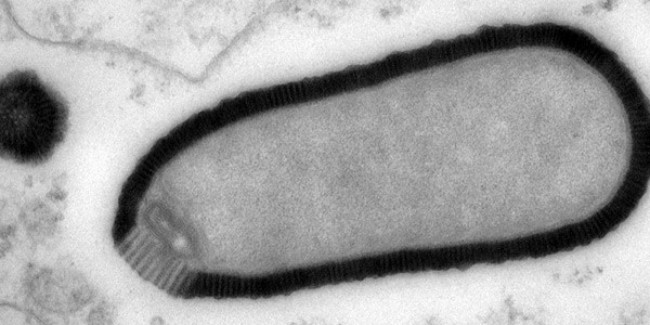
Reviving a 30,000-Year-Old Virus…Isn’t This How the Zombie Apocalypse Starts?

You may recall last year that French scientists stumbled across a 30,000-year-old virus frozen in the Siberian permafrost. Considered to be a “giant virus” (doesn’t that give you a warm, fuzzy feeling inside?), this is actually the fourth ancient, giant viral discovery since 2003. The new plan is to try to revive the virus in order to better study it.

Dr. Claverie told Agency France-Presse, “If we are not careful, and we industrialise these areas without putting safeguards in place, we run the risk of one day waking up viruses such as smallpox that we though were eradicated.” Given the recent concerns over biosafety lab specimen transport, we’re all curious to see how this new organism, coined “Frankenvirus”, turns out!

Cucumbers and A Multi-State Salmonella Outbreak

CDC updates regarding the Salmonella Poona outbreak reveal the brevity of the potentially contaminated product. As of September 9th, there have been two deaths, 70 hospitalizations, and 341 confirmed cases across 30 states. Perhaps the most worrisome is that 53% of affected individuals are children under the age of 18. While the produce company, Andrew & Williamson, issued a voluntary recall of their “slicer” or “American cucumber on September 4th, there have been 56 additional cases reported since then. Isolated samples from cucumbers in question were found in Arizona, California, Montana, and Nevada. The California Department of Public Health issued a warning and pictures of the affected cucumbers. 

Stories You May Have Missed: