Decoding Nipah, One Protein at a Time

Researchers at the Scripps Research Institute have used X-ray crystallography to solve the structure of a key protein in Nipah’s pathogenicity. The decoding of the protein’s structure has provided researchers with further information on Nipah’s mechanism of replication. Nipah, which many of you may recognize as the basis for the virus in the film Contagion, is a zoonotic virus capable of causing symptoms ranging from respiratory distress and comas to  severe, fatal encephalitis. Currently, there is no vaccine or effective theraputic against the virus, which has an average case fatality rate of 75%.

From Science Daily – “When the scientists solved the crystal structure of the P protein, they found that it forms a tetramer, with four proteins that join to form a single unit. ‘It was surprising to us that this structure is so similar to those from measles and mumps viruses, even though they are only 5 to 26% identical in sequence,’ [first author and researcher Jessica] Bruhn said. ‘If two proteins have high sequence identity then you would expect that they would have similar 3D structures, but to see such similarity in proteins with such low identity was surprising.’ She said this speaks to the importance of structural conservation over sequence conservation — meaning that regardless of whether a protein has an identical sequence of amino acids or not, the structure could still be similar, especially when that structure has the important function of replicating the virus’s RNA genome. ”

Read more here.

(image: Mike Lehmann/Wikimedia)

This Week in DC: Events 11.18.13 – 11.22.13

Our featured event this week is the November Biodefense Policy Seminar this Thursday, featuring biodefense and non-proliferation expert, Dr. Kathleen Vogel. The event is free and open to the public – stop by!

Tuesday, November 19, 2013

Emergency Preparedness Conference
Politico
8:00 AM

Join POLITICO for a conversation about how key players in emergency and disaster response allocate critical resources, plan for the unexpected and come up with innovative solutions to resolve unfinished business from 9/11 as well as prepare for the future.

New Realities: Energy Security in the 2010s and Implications for the U.S. Military
Strategic Studies Institute
All day

The rapidly changing global energy supply situation, coupled with a host of social, political, and economic challenges facing consumer states, has significant implications for the United States generally and for the U.S. military specifically. The U.S. Army War College will gather experts from the policymaking community, academia, think tanks, the private sector, and the military services at the Reserve Officers Association headquarters in Washington, DC on 19-20 November to address first the major ‘new realities’ both geographically and technologically and then the specific military implications. Following the conclusion of the conference, the U.S. Army War College will produce an edited volume consisting of contributor comments/papers, as well as a series of two-page decision-maker executive summaries that will be designed to shape U.S. national security policy and the American response to the ‘new realities.’

TRIA Triage: A Discussion of the Terrorism Risk Insurance Act
National Journal
8:00 AM – 10:00AM

Following the September 11th attacks, many insurers stopped providing terrorism risk coverage after suffering what was then the most costly disaster in the history of insurance. In the wake of the financial disruption, the government enacted the Terrorism Risk Insurance Act; a public-private cost-sharing arrangement that requires private insurance companies to provide terrorism risk coverage in exchange for federal financial backing. Without Congressional intervention, TRIA is currently scheduled to sunset on December 31, 2014. Join National Journal for a policy summit that will convene the nation’s top security, financial and insurance experts for a robust discussion concerning TRIA’s future. The discussion will explore questions such as: Is TRIA a common-sense solution that benefits insurers and policyholders alike, or do taxpayers bear the burden of unnecessary insurance bailouts? What other costly disasters might be on the horizon, and should TRIA be reauthorized at the end of next year?

Surveillance and Foreign Intelligence Gathering in the United States: The Current State of Play
Georgetown Law
9:30 AM

On Tuesday November 19, at 9:30 am (in Hart Auditorium), the Center and the National Security Law Society will co-host the second event in our three part series: Surveillance and Foreign Intelligence Gathering in the United States: Past, Present and Future.

Wednesday, November 20

New Visions for Citizen Science
Wilson Center
1:00 – 5:00 PM

Citizen science projects range from classifying galaxies and collecting environmental data to collectively solving the structure of an AIDS-related enzyme through a protein-folding game. The Commons Lab within the Science and Technology Innovation Program at the Wilson Center, in collaboration with TechChange and the Wilson Center’s Environmental Change and Security Program and Africa Program, invite you to join a conversation on open innovation and citizen science: What technologies support public participation in scientific research? How can projects ensure high-quality data collection and analysis, and support meaningful engagement with volunteers? How can federal agencies build partnerships to leverage these new approaches? What are the impacts to science, management, and policy, and how do we measure success? Opening remarks by Kumar Garg, Assistant Director for Learning and Innovation, Technology and Innovation Division, White House Office of Science and Technology Policy. Keynote by Bob Perciasepe, Deputy Administrator, U.S. Environmental Protection Agency.

Terrorist Groups in Syria
U.S. House Committee on Foreign Affairs, Subcommittee on Terrorism, Nonproliferation, and Trade
1:30 PM

Witnesses Mr. Brian Michael Jenkins, Senior Adviser to the President, RAND Corporation; Mr. Phillip Smyth, Middle East Research Analyst, University of Maryland; Mr. Barak Barfi, Research Fellow, The New America Foundation

A New Model for Defense Intelligence
Brookings Institution
3:00 – 4:00 PM

The exponential rate of change in the present global environment makes today’s security landscape particularly challenging, and projections promise that the challenges will only increase. In this complex and uncertain future, intelligence, cyber, Special Operations Forces and international partnerships will take on more prominent and critical roles in the nation’s defense and warfare for decades to come. On November 20, the Intelligence Project at Brookings and the National Intelligence University will co-host a discussion with Lieutenant General Michael T. Flynn, director of the Defense Intelligence Agency (DIA), to examine this uncertain future, DIA’s role in this complex security environment and a new model for defense intelligence that ensures preparedness to address these challenges and the crises of tomorrow. Flynn has also served as the director of intelligence at the U.S. Central Command, director of intelligence for the Joint Staff and director of intelligence for International Security Assistance Force-Afghanistan and U.S. Forces-Afghanistan. Brookings Senior Fellow Bruce Riedel, director of the Intelligence Project, and President of the National Intelligence University, David Ellison, will provide introductory remarks, and Riedel will moderate the discussion. Following his remarks, General Flynn will take questions from the audience.

Thursday, November 21

Biodefense Policy Seminar – Project BACHUS: Forecasting Bioweapons Threats with Experiment and Demonstration
Meese Conference Room, Mason Hall, GMU Fairfax Campus
7:20 PM

Dr. Kathleen Vogel will describe a 1990s bioweapons threat assessment that involved setting up a mock bioweapons production facility as an “experiment”. The talk will discuss the difference between a scientific experiment and scientific demonstration and why it is important to interrogate what things are labeled as “experiments” and the implications that has for bioweapons assessments. Kathleen Vogel is an associate professor at Cornell, with a joint appointment in the Department of Science and Technology Studies and the Judith Reppy Institute for Peace and Conflict Studies. Vogel holds a Ph.D. in biological chemistry from Princeton University. Prior to joining the Cornell faculty, Vogel was appointed as a William C. Foster Fellow in the U.S. Department of State’s Office of Proliferation Threat Reduction in the Bureau of Nonproliferation. Vogel has also spent time as a visiting scholar at the Cooperative Monitoring Center, Sandia National Laboratories and the Center for Nonprolif­eration Studies, Monterey Institute of International Studies. Her research focuses on studying the social and technical dimensions of bioweapons threats and the production of knowledge in intelligence assessments on WMD issues.

Nuclear Weapons in the 21st Century
Heritage Foundation
12:00 – 1:00 PM

Nuclear weapons are as relevant today as they were decades ago. In 2009, President Obama advocated for a “world without nuclear weapons,” and recently reaffirmed this pledge during his speech at the Brandenburg Gate in Berlin. The President stated that he intends to reduce U.S. deployed strategic nuclear weapons by up to one-third below the New Strategic Arms Reduction Treaty level. Meanwhile the U.S. nuclear triad continues to age. The Administration’s policy of “no new weapons,” potential unilateral reductions, and a lack of commitment to sustain U.S. nuclear weapons infrastructure are raising questions about U.S. commitment to keep the weapons safe, secure, and reliable, and maintain its commitment to provide a nuclear umbrella to its allies around the world. Join us as our guests discuss the continued importance of U.S. nuclear weapons for our national security in light of today’s diverse challenges.

The Convergence of Crime and Terrorism
Potomac Institute for Policy Studies
12:00 – 2:ooPM

The nexus between crime and terrorism challenges US law enforcement in unique ways. Since the 1980s and 1990s, evidence has linked narcotics trade to ties between terrorism and transnational organized crime. Operating without borders and in areas of government instability, Latin American gangs such as MS-13 and Mexican cartels have been financing terrorist operations through the drug trade. Narco-trafficking is a lucrative business, and terrorist organizations such as the FARC, Hezbollah, and al-Qa’ida take advantage of this revenue stream. As Hezbollah linked Los Angeles gangs and Al-Shabaab linked groups in Minnesota have demonstrated, terrorist operations via the drug trade continue to operate in the United States. The panelists will discuss important issues surrounding these tactics on the national and local level.

Friday, November 22

Talking Science: Environmental and Health Communications in a Skeptical Era
Wilson Center
1:00 – 4:30PM

How can communications professionals, policymakers, and academic experts effectively communicate environmental and health issues in a skeptical era? In the first of two panels, communications directors from US and UN agencies and environmental and health NGOs will discuss the relationships and negotiations that underlie action (or inaction) in a major policy-making capital like Washington, D.C. In the second panel, five speakers will explore the cultural and social causes and consequences of climate change skepticism (especially American climate change skepticism) and consider the implications for national and international efforts to address global climate change. This discussion is sponsored by the Environmental Communication Division of the National Communication Association.

The Pandora Report 11.15.13

Highlights include H7N9 vaccines, using bacterial toxins as antibiotics, updated numbers for the Mexican cholera outbreak, the dolphin morbillivirus, Albania refusing to host the Syrian CW arsenal, H6N1, and MERS in camels. Happy Friday!

Vaccines for H7N9 Ahead of Pandemic Fears
As the Northern Hemisphere braces for winter, fears of a resurgence of H7N9 cases are rising. Although the cooler weather has brought a few new cases, it’s still to early to tell whether another large-scale outbreak is imminent. Luckily, both Novartis and Novavax have developed vaccines capable of eliciting strong immune responses to H7N9. The Novavax vaccine generated a significant immune response in 81% of study participants, while the Novartis vaccine generated an 85% response. The real story is the time frame – it took both companies just a few months to have a viable vaccine in clinical trials, which is both impressive and encouraging should an outbreak occur.

Fierce Biotech – “Novartis and partners at the Craig Venter Institute in San Diego were able to launch a clinical trial in August after the virus was identified in March. The project was funded by BARDA. The H1N1 scare back in 2009 spurred a global, multibillion-dollar effort to stockpile vaccines. The campaign highlighted just how long it took to develop and manufacture new vaccines and then spurred a backlash after governments around the globe rushed to buy stockpiles only to see the threat evaporate. In Europe some health officials accused pharma companies of capitalizing on the fear of a lethal pandemic, and memories of the controversy will likely influence any new moves to guard against a new outbreak. This winter’s alarm may also fizzle, but these companies have demonstrated that new vaccines can be developed in record time.”

Bacterial Toxins Suggest New Antibiotic Targets
A group of researchers at MIT have found a bacterial toxin which may result in the development of novel antibiotics. The toxin, SocB, is used as a part of the toxin/antitoxin interplay by Caulobacter crescentu to check bacterial growth if necessary. It binds to a highly conserved protein, DnaN, suggesting the possibility of developing new, broad-spectrum antibiotics.

Bio-IT World – “To regulate their own growth and proliferation, bacteria maintain an intricate network of toxin-antitoxin (TA) systems, in which they produce a mix of toxins and targeted antitoxins that can skew toward a disruptive level of toxins in poor environmental conditions to limit growth. Some bacteria have been found to contain as many as 50 of these TA systems, all prepared to check bacterial growth should anything trigger a reduction in antitoxins…[SocB] inhibits replication in Caulobacter crescentus by binding to a protein that participates in numerous crucial reactions in the replisome, playing roles in mismatch repair, translesion synthesis, and especially DNA replication itself.”

WHO: Update on Cholera Outbreak in Mexico
The cholera outbreak which began in September is continuing apace in Mexico, with four cases in the last week bringing the total laboratory-confirmed case count to 180. The majority of the cases are concentrated within the state of Hidalgo, just north of Mexico City. This is the first outbreak of cholera in Mexico in over a decade. The strain is 95% identical to that of the Haitain outbreak, which was caused by an influx of infected UN aid workers following the 2010 Haitian earthquake. The Haitian outbreak, described as the “worst in recent history” by the CDC, is ongoing, with 684,085 cases to date.

WHO – “The health authorities of Mexico continue to strengthen outbreak investigation and surveillance at the national level and continue to ensure the availability and quality of care in medical units. Health professionals at different levels of the health care system are being trained in prevention and treatment of the disease. Measures are being implemented to ensure access to drinking water and basic sanitation at the community level. Awareness campaigns, particularly around safe water and food consumption are being carried out in Spanish and indigenous languages. An antimicrobial susceptibility test for Vibrio cholerae O1 Ogawa was conducted by the Institute of Epidemiological Diagnostics and Reference (InDRE) which demonstrated that the bacterium was susceptible to doxycycline and chloramphenicol, with reduced susceptibility to ciprofloxacin and resistance to trimethoprim/sulfamethoxazole.”

Dolphin-Killing Virus Spreads South, May Be Infecting Whales Too
There’s been a lot of coverage recently of the morbillivirus infecting dolphins, killing 753 of the animals since July.  The virus has subsequently spread to two species of whales, humpback and pygmy respectively. In humans, measles belongs to the genus Morbillivirus, but to date there have been no documented cases of strains of morbillivirus jumping from a dolphin or other marine mammal to a human, and the likelihood of it doing so remains very low. However, the virus may be able to infect dogs, so if you see a stranded dolphin, keep Fido away as you’re calling animal control.

Wired – “The outbreak began along the coast between New York and Virginia this summer. Now, carcasses are washing ashore in the Carolinas and Florida. Researchers have identified the cause as dolphin morbillivirus, a pathogen that’s related to human measles and canine distemper…The die-off has already been classified as an Unusual Mortality Event by the federal government – a designation that frees up resources and sends investigators and responders to the hardest-hit areas. It’s already exceeded the pace set by the last major morbillivirus outbreak on the East Coast, an event that lasted for 11 months, between June 1987 and May 1988, and ultimately claimed 742 dolphins.”

Albania shuns Syria chemical weapons destruction
How does one destroy a chemical weapon? It’s a question we’ve asked before here on the Pandora Report, and one which our October Biodefense Policy Seminar Speaker, Dr. Paul Walker, answered pretty clearly – very carefully (for a slightly more detailed answer, his full talk is available on our YouTube channel). According to the BBC, there has been a slight hiccup in the destruction of the Syrian arsenal. Following mass protests, the Albanians, who were supposed to host and destroy the materials, have flat out refused to do so. This has left the poor OPCW investigators scrambling to find a different destination for the weapons before the Friday deadline for submission of final plans lapses. Someone get these people (another) medal!

BBC – “The Balkan nation recently destroyed its own chemical stockpile, and the US had requested that it host the dismantling of Syria’s arsenal. Under the deal brokered by Russia to remove Syria’s chemical weapons, it was agreed that they should be destroyed outside the country if possible. Mr Rama attacked the Albanian opposition for having criticised the government’s willingness to consider the idea. A key meeting of the Organisation for the Prohibition of Chemical Weapons (OPCW) – the international watchdog supervising the destruction – had adjourned for several hours, awaiting Albania’s decision.”

In case you missed it:

First Human Infection with H6N1
MERS Confirmed Live in Camel

(image: Docklands Tony/Flickr)

First Human Infection with H6N1 Bird Flu virus

For the first time, the H6N1 Influenza A virus has successfully infected a human. A study published today in The Lancet Respiratory Medicine details the case, which occurred in May of this year. The patient, a 20-year-old woman living in Taiwan, had no prior contact with poultry, nor were any infected poultry detected in the farms near her home – the method of infection therefore remains unknown. The patient presented primarily with mild pneumonia, and successfully recovered  following a routine course of Tamiflu.

According to the Center for Disease Control in Taiwan, sequencing of the virus discovered  a mutation enabling a “G228S substitution in the haemagglutinin (HA) protein that might increase its ability to infect human cells”. After a thorough epidemiological investigation, no further cases of the virus were detected. H6N1 is a relatively low pathogenic strain of influenza.

For the Taiwanese CDC press release, see here.

(Image: Robert Sharp/Flickr)

Slideshow: MERS

In light of the recent discovery of live MERS in a Saudi Arabian camel, we thought we’d revisit the emergent pathogen. For this week’s image gallery then, the Middle Eastern Respiratory Syndrome virus, in false color.

This slideshow requires JavaScript.

MERS Confirmed in Camel

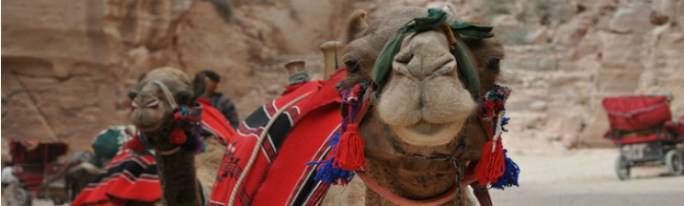
For the first time since the virus’ emergence earlier this year, the Middle East Respiratory Syndrome (MERS) has been confirmed in an animal host. The virus itself, rather than the antibodies against it, has been found in a camel belonging to a man also infected with MERS. Tests are currently underway to isolate the virus strains in the man and camel respectively. The Saudi Health Ministry is quoted as saying that if the strains are identical,  it “would be a first scientific discovery worldwide, and a door to identify the source of the virus.”  In three prior outbreak clusters, the first patient to become ill had prior contact with camels.

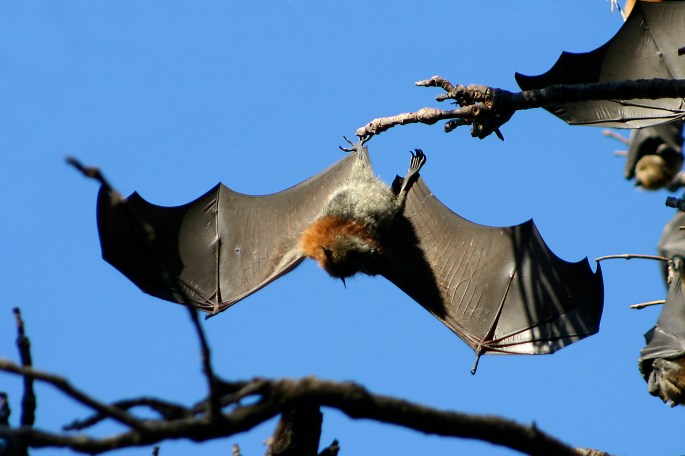
The presence of the virus in camels seems to support the most popular theory of the virus’ transmission, involving bats as the primary reservoir and camels as the main vector. However, it is still unclear what contributes to the virus’ selective infection within camels, as previous studies sampling the animals have returned negative for presence of the virus or its antibodies.

According to the most recent WHO numbers, there have been 153 laboratory-confirmed cases of MERS, including 64 deaths. The virus most commonly causes symptoms associated with severe respiratory illness (fever, cough, shortness of breath), but can also cause diarrhea, renal failure, and shock.

This Week in DC: Events 11.11.13

Our (slightly biased) pick for this week is “Blinking Red: Crisis and Compromise in American Intelligence After 9/11” featuring author Michael Allen, General Michael Hayden, and Chuck Alsup.

Tuesday, November 12

U.S. Health Partnerships in the Mekong
CSIS
8:00AM – 2:45PM

We wish to invite you to a day-long conference on November 12 on U.S. Health Partnerships in the Mekong, organized by the Global Health Policy Center at the Center for Strategic and International Studies (CSIS) and the CSIS Sumitro Chair for Southeast Asia Studies. Registration will begin at 8:00am, with the opening of the conference at 8:30am. The conference will be held in CSIS’ new building at 1616 Rhode Island Avenue, NW (a short walk from Dupont or Farragut North metro stops.) The conference is an important opportunity to hear from several high-level U.S. officials on how the Mekong’s health challenges increasingly matter to U.S. national interests, and how accelerating U.S. engagement in the region reflects this shift. It is also an unusual opportunity to hear from diverse Mekong leaders, in government, university, non-governmental bodies and international organizations, on how they view both the region’s priority health challenges and the expanding opportunities for partnerships with U.S. agencies. Priority attention will be given to how investments in health address equity and broad developmental challenges. There will also be considerable discussion of health security, including artemisinin-resistant malaria and emerging infectious diseases.

NATO’s Deterrence and Collective Defense
Atlantic Council
9:00AM

Please plan to join the Atlantic Council’s Brent Scowcroft Center on International Security and the Norwegian Institute for Defence Studies (IFS) for a conference on NATO’s Deterrence and Collective Defense. This event is part of the Atlantic Council and IFS project on NATO in an Era of Global Competition. This eighteen-month project examines new ways of thinking strategically about NATO’s future role in the context of emerging security challenges, global power shifts, and disruptive technologies. The first conference in this series, NATO in a New Security Landscape, which took place in June, covered emerging trends in the global security environment and identified key challenges that NATO must confront to maintain strategic relevance in the future.

Public Health in the Philippines: Progress and Challenges
CSIS
2:00PM – 5:00PM

The Sumitro Chair for Southeast Asia Studies is pleased to cohost a half-day conference focusing on public health in the Philippines. The conference will present an overview of the status of public health in the Philippines, the challenges of reproductive health, and will explore strategies in which the private sector, local leadership, and policy makers can respond. The forum will be followed by a reception at the Romulo Hall, Embassy of the Philippines. For more information please contact The U.S. Philippines Society.

Blinking Red: Crisis and Compromise in American Intelligence After 9/11
Date:  6:00 – 8:00 PM
Location: Founders Hall,  Arlington Campus of George Mason University

The National Security Law Journal in partnership with the Homeland and National Security Law Program at George Mason University School of Law, the Biodefense Program at George Mason University, and George Mason University School of Public Policy presents a conversation with author Michael Allen on his new book with a panel discussion and critique featuring General Michael V. Hayden (Ret.) former director of the Central Intelligence Agency and National Security Agency and Mr. Chuck Alsup former Associate Deputy Director of National Intelligence for Policy, Plans and Requirements. Registration is complimentary, but attendance is limited and advance registration is required. Please register online at www.nslj.org.

Wednesday, November 13

New Strategies for Countering Homegrown Violent Extremism
The Washington Institute
(Webcast)

Countering violent extremism abroad and at home remains one of the most challenging and important priorities facing policymakers, law enforcement officers, and intelligence personnel. Since the September 11 attacks, hundreds of individuals have been implicated in more than fifty homegrown plots, and authorities continue to work tirelessly in thwarting such plans. Yet events such as the Fort Hood shooting and Boston Marathon bombing underscore the urgency of developing a preventive strategy for reducing homegrown violent extremism. To discuss how policymakers and law enforcement are addressing these difficult issues, The Washington Institute is pleased to host a Policy Forum luncheon with George Selim, J. Thomas Manger, Hedieh Mirahmadi, and Matthew Levitt.

Hearing: Examining Nuclear Negotiations: Iran After Rouhani’s First 100 Days
U.S. House Committee on Foreign Affairs
10:00AM

Chairman Royce on the Hearing: “Instead of toughening sanctions to get meaningful and lasting concessions, the Obama Administration looks to be settling for interim and reversible steps. A partial freeze of enrichment, as we’re hearing, is not a freeze. As called for in U.N. Security Council resolutions, all of Iran’s enrichment – the key bomb-making technology – should be ceased. We now run the risk of seriously weakening the sanctions structure painstakingly built-up against Iran over years. Once weakened, it will be harder to ratchet up the economic pressure on Iran than it will be for the Iranians to ratchet up their nuclear program.”

Joint Subcommittee Hearing: The Continuing Threat of Boko Haram
U.S. House Committee on Foreign Affairs, Subcommittees on on Africa, Global Health, Global Human Rights, and International Organizations;on Terrorism, Nonproliferation, and Trade
1:00PM

Chairman Smith on the hearing: “Boko Haram, even given the breakaway group known as Ansaru, clearly is an organization dedicated to terrorizing Nigerians and now even foreigners. The group should be declared a Foreign Terrorist organization as they fit the entire definition, and our hearing is intended to demonstrate why this declaration has become imperative for our government to confirm.” Chairman Poe on the hearing: “Boko Haram has become more violent and radical in recent years. Spectacular attacks against international targets in Nigeria suggest they may take on a terrorist agenda outside the region. This should be of grave concern to the U.S. and our allies in the region.”

Thursday, November 14

Doomsday Clock Symposium
Bulletin of Atomic Scientists
Time: 9:00AM – 7:00PM

The Bulletin of the Atomic Scientists will convene its 5th Annual Doomsday Clock Symposium on Thursday, November 14, 2013, at the American Association for the Advancement of Science in Washington, D.C. The daylong program, this year titled “Communicating Catastrophe,” is free and open to the public. Panelists will include scientists, artists, authors, and a psychiatrist. Following the Symposium at the AAAS, the Bulletin is co­hosting a “Meet the Artist” event at the Hirshhorn Museum and Sculpture Garden featuring Japanese artist Yoshimoto Nara; Nara’s work is included in the Hirshhorn’s current exhibit, “Damage Control: Art and Destruction Since 1950.” Students and faculty are welcome to the Symposium and Hirshhorn events; please see the Symposium program on the Bulletin websiteAttendance is free but registration is required – please register here.  For more information about the symposium, including an agenda, please visit the website.

Armed Actors and Governance in Latin America and the Caribbean 
GMU Terrorism, Transnational Crime, and Corruption Center; SPP
12:00 – 1:30PM

The Terrorism, Transnational Crime and Corruption Center (TraCCC) will host Professor Desmond Arias for a discussion of the role of different types of armed actors in policy making and governance processes in Rio de Janeiro, Brazil; Medellin, Colombia; and Kingston, Jamaica. His talk will show the varying effects of different types of armed dominance on local political and social life in each of these places. Professor Arias has recently joined the faculty of the School of Public Policy at George Mason University, and this will be his introductory lecture to the community.

(image: Dell/Flickr)

November Biodefense Policy Seminar: Dr. Kathleen Vogel

November Seminar Title: Project BACHUS: Forecasting Bioweapons Threats with Experiment and Demonstration

Speaker
: Kathleen Vogel
Date: Thursday, November 21, 2013, 7:20PM
Location: Meese Conference Room, Mason Hall,  GMU Fairfax Campus

20110912_Fall Scholars 2011Dr. Vogel will describe a 1990s bioweapons threat assessment that involved setting up a mock bioweapons production facility as an “experiment”. The talk will discuss the difference between a scientific experiment and scientific demonstration and why it is important to interrogate what things are labeled as “experiments” and the implications that has for bioweapons assessments. Kathleen Vogel is an associate professor at Cornell, with a joint appointment in the Department of Science and Technology Studies and the Judith Reppy Institute for Peace and Conflict Studies. Vogel holds a Ph.D. in biological chemistry from Princeton University. Prior to joining the Cornell faculty, Vogel was appointed as a William C. Foster Fellow in the U.S. Department of State’s Office of Proliferation Threat Reduction in the Bureau of Nonproliferation. Vogel has also spent time as a visiting scholar at the Cooperative Monitoring Center, Sandia National Laboratories and the Center for Nonprolif­eration Studies, Monterey Institute of International Studies. Her research focuses on studying the social and technical dimensions of bioweapons threats and the production of knowledge in intelligence assessments on WMD issues.

The Pandora Report 11.8.13

Highlights include MERS in Spain and Abu Dhabi, a possible H1N1 fatality in Alaska, polio potentially spreading to Europe, and differing containment strategies for H5N1 outbreaks in Cambodia and Vietnam. Be sure to check out this week’s “Delving Deeper”, in which GMU Biodefense’s Yong-Bee Lim explores the threats and challenges of synthetic biology. Happy Friday!

MERS in Spain; Abu Dhabi

Both Spain and Abu Dhabi have identified their first cases of the Middle Eastern Respiratory Virus (MERS). The Spanish case involved a Moroccan citizen who lives in Spain and recently returned from hajj-related travel to Saudi Arabia. Health officials with Spain and the WHO are attempting to determine if the patient was treated in Saudi Arabia, whether she had contact with animals, and whether she flew commercially or by private plane (hopefully the latter). In Abu Dhabi, a 75-year-old Omani man has contracted the virus – it remains unclear where or how he became infected. In both cases, concerns over infection stemming from contact during the Muslim pilgrimage of hajj remain. If the two cases do involve hajj-related transmission, we may start to see similar cases popping up in regions with no prior incidence of the virus (North America, anyone?)

Spain reports its first MERS case; woman travelled to Saudi Arabia for Hajj

Vancouver Sun – “In its press release, the ministry said it is following up with people who were in contact with [the patient] to determine if others have contracted the sickness. That will likely involve tracking people who travelled on the same plane or planes with the ill woman, who journeyed back to Spain shortly before being hospitalized. The woman was already sick before she left the Kingdom of Saudi Arabia, a World Health Organization expert said Wednesday. ‘She became symptomatic while she was in KSA,’ said Dr. Anthony Mounts, the WHO’s point person for the new virus, a cousin of the coronavirus that caused the 2003 SARS outbreak.

Mers coronavirus diagnosed in patient in Abu Dhabi hospital

The National (UAE) – “The victim, who was visiting the UAE, began to suffer from respiratory symptoms last month and is now in intensive care. The diagnosis of Middle East respiratory syndrome was revealed by the Health Authority Abu Dhabi today, reported the state news agency Wam. The health authority is coordinating with the Ministry of Health and other organisations as it treats the patient. The authority said it had taken the necessary precautionary measures in line with international standards and recommendations set out by the World Health Organisation (WHO).”

H1N1 Fatality in Alaska?

A young adult patient in Anchorage has died from what is thought to be the 2009 strain of H1N1. According to Alaskan health officials, it is still too early to tell if H1N1 will be the dominant strain for their flu season – however, the majority of flu cases reported to health officials in the area involved the H1N1 strain. People, even sometimes young, healthy people, die of flu – get vaccinated.

Alaska Dispatch – “The hospital sent out an email Wednesday informing employees of the death of a young adult who had tested positive for what in-depth results could reveal as H1N1. The email also noted that some of the patients admitted to the medical center during the past week who tested positive for flu are ‘seriously ill’…It’s the time of year when flu cases increase, although flu is difficult to predict, said Donna Fearey, a nurse epidemiologist in the infectious disease program with the state of Alaska. There’s no way to know how severe the flu will be or how long it will last, she said.”

Polio emergence in Syria and Israel endangers Europe

In an article published in the Lancet today, two German scientists argue that the outbreak of wildtype poliovirus 1 (WPV1) in Syria, as well as the discovery of the virus in Israeli sewage, may pose a serious threat to nearby Europe. The vast majority of polio infections are asymptomatic – only one in 200 cases results in acute flaccid paralysis. Therefore, the flood of refugees streaming out of Syria and seeking asylum in European countries may serve as a large pool of asymptomatic carriers, resulting in the virus’ silent spread. Following polio’s eradication in Europe in 2002, many states limited their vaccination campaigns, resulting in large, unprotected populations, and a recipe for reintroduction of the crippling disease. This is why we should all care about eliminating polio from Afghanistan, Pakistan, and Nigeria – because the one thing an asymptomatic virus can do well is spread

The Lancet – “It might take more than 30 generations of 10 days (5) —nearly 1 year of silent transmission—before one acute flaccid paralysis case is identified and an outbreak is detected, although hundreds of individuals would carry the infection. Vaccinating only Syrian refugees—as has been recommended by the European Centre for Disease Prevention and Control (6)—must be judged as insufficient; more comprehensive measures should be taken into consideration. Oral polio vaccination provides high protection against acquisition and spreading of the infection, but this vaccine was discontinued in Europe because of rare cases of vaccination-related acute flaccid paralysis. Only some of the European Union member states still allow its use and none has a stockpile of oral polio vaccines.2 Routine screening of sewage for poliovirus has not been done in most European countries, (2) but this intensified surveillance measure should be considered for settlements with large numbers of Syrian refugees.”

H5N1 Epidemics in Cambodia; Vietnam

Both Cambodia and Vietnam are experiencing small outbreaks of H5N1, with the Cambodian outbreak infecting over 23 humans and the Vietnamese outbreak concentrated mainly within farm animals in two regions. To date, twelve of the 23 Cambodian cases have resulted in fatalities, compared with just two cases of human H5N1 in Vietnam. Vietnamese containment of the virus is attributed to the prevalence of larger, commercial farms, in which culling can occur quickly and effectively. This is unfortunately not the case in Cambodia, in which farming is largely sustenance-driven.  The differing methods of spread and containment in two otherwise similar countries help shed light on what practices can be undertaken to limit the virus’ reach.

Cambodia Daily – “But managing [the virus] in backyards, we are dealing with free-range poultry who run around villages and transmit it from one poultry to another,” he said, adding that 80 percent of Cambodian poultry are kept in people’s backyards. In all 23 avian influenza cases reported this year, the victims had contact with dead or sick animals. The Cambodian government also does not provide compensation for farmers whose poultry needs to be killed, which many experts say provides a disincentive to report sick birds.”

Tuoitre News (Vietnam) -“The southern Tien Giang Province People’s Committee on Wednesday declared an epidemic of the H5N1 avian flu in two communes, where the disease spread widely with most of the 557 affected ducks having died. The declaration was issued by deputy chairwoman of the Committee, Tran Thi Kim Mai, who asked the local Veterinary Sub-Department and other concerned agencies to take measures to control and drive back the epidemic in accordance with the Ordinance on Veterinary. All concerned agencies are required to tighten control over poultry-related activities and absolutely ban transporting of poultry into or out of epidemic areas, the authorities said.”

In case you missed it:
Delving Deeper: Synthetic Biology and National Security Policy
Fourth Case of H7N9 in China

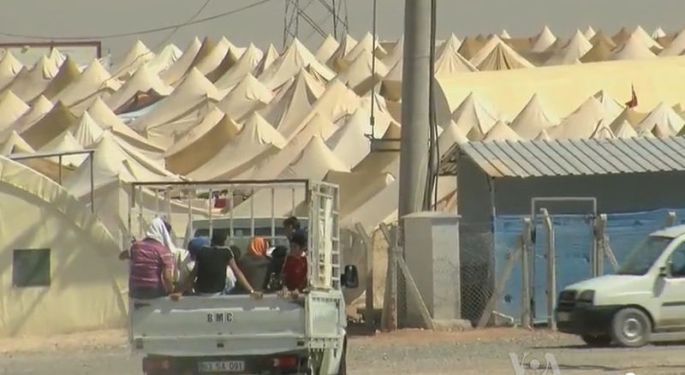
(Image: Syrian refugees on the Turkish border, via Henry Ridgwell/VOA/Wikimedia Commons)

Event: Doomsday Clock Symposium

The Bulletin of the Atomic Scientists will convene its 5th Annual Doomsday Clock Symposium on Thursday, November 14, 2013, at the American Association for the Advancement of Science in Washington, D.C.

The daylong program, this year titled “Communicating Catastrophe,” is free and open to the public. Panelists will include scientists, artists, authors, and a psychiatrist. Following the Symposium at the AAAS, the Bulletin is co­hosting a “Meet the Artist” event at the Hirshhorn Museum and Sculpture Garden featuring Japanese artist Yoshimoto Nara; Nara’s work is included in the Hirshhorn’s current exhibit, “Damage Control: Art and Destruction Since 1950.” Students and faculty are welcome to the Symposium and Hirshhorn events; please see the Symposium program on the Bulletin website.

Attendance is free but registration is required – please register here.  For more information about the symposium, including an agenda, please visit the website.

The day’s events will be streamed live through the Bulletin website. Students may also be interested in submission requrements for the Bulletin’s “Voices of Tomorrow,” a monthly essay, op­ed article, or multimedia presentation written or produced by a high school student, college undergraduate, or graduate student. For more information, please visit the website here.