Pandora Report 9.30.2016

Welcome to the last day of September! Brazil has reported 46,446 new cases of Chikungunya in the 5 weeks since it last reported cases to PAHO, which brings its total to 216,102 cases. Love photography and biodefense? Check out the Air Force patient decontamination exercise as told through photography. Japan is seeing a surge of measles with 100 cases reported in the past five weeks. On the other hand, the region of the Americas has been declared measles free.  Amnesty International has accused Sudan’s government of carrying out over 30 chemical weapons attacks in the Darfur area since January.

GMU Biodefense PhD Open House – October 12th! Screen Shot 2016-03-04 at 11.00.29 AM
Don’t forget to mark your calendars for an upcoming PhD information session at our Fairfax Campus (Johnson Center, Room 334) on Wednesday, October 12th, from 7-8:30pm. We’ll be  discussing the nuts and bolts of the program, classes offered, and student perspectives on their PhD in biodefense!

GAO Recommendations on Select Agent Program Improvements  screen-shot-2016-09-29-at-4-28-00-pm
A recent GAO report reviewed practices within HHS and USDA to improve the Select Agent Program’s oversight regarding inactivation of agents. The report draws attention to the uncertain number of incidents involving incomplete agent inactivation that occurred from 2003-2015. “One key reason is that the Select Agent Program—operated by the Departments of Health and Human Services (HHS) and Agriculture (USDA) to oversee certain dangerous pathogens, known as select agents—does not require laboratories to identify such incidents on reporting forms. According to the program, 10 incidents occurred from 2003 through 2015. However, GAO identified an additional 11 incidents that the program did not initially identify. Because the program cannot easily identify incidents involving incomplete inactivation, it does not know the frequency or reason they occur, making it difficult to develop guidance to help mitigate future incidents.” Many are pointing to limited federal guidance for researchers and validation of the inactivation protocols. GAO recommendations focused on revising reporting forms and practices, guidance for protocols, and establishing a more consistent process for incidents. Specific recommendations included: “HHS should direct the CDC and NIH to develop clear definitions of inactivation for use within their respective guidance documents that are consistent across the Select Agent Program, NIH’s oversight of recombinant pathogens, and the Biosafety in Microbiological and Biomedical Laboratories manual. USDA should direct APHIS to revise reporting forms to help identify when incidents involving incomplete inactivation occur and analyze the information reported to help identify the causes of incomplete inactivation to mitigate the risk of future incidents.”

GMU Biodefense Student Awarded Center for Global Security Research Internship
We’re very proud to announce that GMU Biodefense PhD student and Presidential Scholar, Yong-Bee Lim, will be starting a six-month internship with the Center for Global Security Research (CGSR) at Lawrence Livermore National Laboratory. CGSR  focuses on the nexus of science and technology (S&T) and policy to provide fresh insights for understanding and addressing important national security issues. They work to identify whether and how technically-based approaches can address new challenges to national and international security. Congrats Yong-Bee!

Global Health Security Threats: Are We Prepared?
Catch this Abt Associates hosted event on Thursday, October 27th, from 9am-noon at the Newseum! Speakers will discuss the causes and consequences of infectious disease pandemics. There will be two panels of experts – Panel 1: Causes, will include Peter Hotez, John Brownstein, and Irene Koek, and Panel 2: Consequences, will include Thomas Inglesby, Ambassador Bonnie Jenkins, and Jose Cordero.

The Post-Amerithrax World of Biodefense 17097_lores
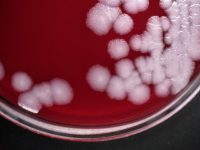
How much did we really learn from Amerithrax and has our biodefense game gotten any stronger? Matt Davenport looks into what biodefense was like during the harrowing days of the Amerithrax attacks and how American efforts have evolved (or not…). He first points to the “biodetection divide” noting that there is a marked contrast between not only the tools and training but more importantly, the oversight and scrutiny that first responders and public health labs are subject to. “Biotechnology used by public health labs and first responders has evolved tremendously since 2001. PCR assays are faster. Immunoassay performance has improved thanks to nanotechnology. High-throughput genetic sequencing now exists. But no single technology is perfect. The rates of false negatives and false positives can still be reduced. Analysis time can be driven down. Sensitivity can be ramped up. And so the biotechnology that can aid in biodefense continues to evolve.” Many in the field will tell you that there’s no end zone in global health security – biodefense and biodetection will always have an evolving horizon that requires the technology, training, oversight, and funding to match. The microarray and technologies (PCR and immunoassays) require a targeted approach, however many like Livermore Lab’s Tom Slezak point out that the practice of thinking agent specific is limiting and our potential lists just get longer. Aside from the challenges of agent identification (which are improving thanks to next-generation sequencing), many first responders and public health professionals are pushing for national standards for the equipment that’s used on site during a suspected bioattack. Unfortunately, standards take the commitment of time, money, and legislation, which means that we need to really dedicate ourselves to strengthening US biodefense efforts.

Zika Virus – What’s New This Week?
Thailand health officials are investigating reports of four microcephaly cases associated with Zika infections. Sanofi was recently awarded $43 million in funding by the DHHS to help push vaccine development. The CDC has issued a travel warning for St. Kitts and Nevis, so you may want to reconsider travel plans if you’re concerned for local transmission in the Caribbean. The flip-flopping regarding the competency of Culex mosquitoes to transmit Zika is still ongoing, but a recent study predicts that 35 species may be able to transmit the disease (7 of which are found in the U.S.). The speculation of Culex capabilities points to a growing need to better understand the vectors of Zika and potentially expand control measures. Finally, after hotly debating for the better part of seven months, Congress has agreed to allocate $1.1 billion to help fight Zika. A CDC whistleblower claims that the agency is using the wrong Zika test. “Robert Lanciotti is chief of the CDC lab responsible for developing tests to diagnose viral diseases such as Zika that are transmitted by mosquitoes, ticks and fleas. Lanciotti was demoted in May after he raised concerns inside and outside the agency about the CDC’s decision in the spring to recommend a new test for Zika. That test is substantially less effective than another established test, he said, and misses nearly 40 percent of Zika infections. He also said the agency withheld information about testing differences from state and local public health laboratories.” The CDC has reported 3,625 cases of Zika in the U.S. as of September 28, 2016.

Latest Analysis of Anthrax From the Era of Soviet Bioweapons
Sverdlovsk is a notorious event in bioweapons history – over sixty people were killed when wind blew deadly anthrax south through the town in 1979. “A Soviet industrial production facility in Sverdlovsk, USSR, proved deficient in 1979 when a plume of spores was accidentally released and resulted in one of the largest known human anthrax outbreaks.” In their analysis, researchers performed genomic sequencing on the autopsy specimens from the event as many have speculated that aside from mass production of the spores, Soviet bioweapon researchers were also manipulating the genes. The good news is that this recent report shows no genetic manipulation. This new analysis is a result of samples (lung and other tissues) brought back from a research investigation in 1992. The genetic analysis revealed that the strain responsible for the deaths in Sverdlovsk is genetically identical to a wild strain found in farms earlier that year. While this brings a sigh of relief, it also supports the reality that anthrax is deadly enough in its natural state and will most likely be the biological weapon of choice among terrorists.

Stories You May Have Missed:

  • Handshake Stewardship and Battling Microbial Resistance – A recent study published in the Pediatric Infectious Disease Journal described the implementation of an antimicrobial stewardship program at Children’s Hospital Colorado. The program initiated a “rounding-based strategy, handshake stewardship. Handshake stewardship is distinguished by: (1) lack of restriction and preauthorization, (2) review of all prescribed antimicrobials and (3) a rounding-based, in-person approach to feedback by a pharmacist–physician team.” They found that overall antimicrobial use decreased by 10.9% during the 4 years of analysis, which also included a 25.7% decrease in the use of vancomycin. Decreased usage of antimicrobials was seen in both the hospital-wide analysis as well as individual units.
  • Legionnaires’ Disease Hits Seattle and Memphis – the waterborne disease is popping up in a Seattle hospital and Memphis hotel. The UW Medical Center has diagnosed five patients with Legionnaires’ disease, two of whom died. Six cases of a respiratory disease were recently investigated in Memphis, with the local health department confirming that the first of the cases have been confirmed as Legionnaires’ disease. The Memphis cases are linked to a La Quinta Inn, which has been closed upon public health order.
  • International Conference for Post Ebola Capacity Building for the Mano River Union – Check out the October 6, 2016 conference from 9am-3pm in Silver Spring, Maryland! The conference will look at healthcare infrastructure and capacity, environmental management and disaster/emergency management, maritime and ports, agriculture, and much more! “The International Conference for the Post Ebola Capacity Building Initiatives (ICPECBI) was borne out of an assessment conducted by the State of Maryland and Liberia Sister State Committee (MLSS) and Africa Environmental Watch (AEW) experts’ team. The team carried out an assessment within some immediate environs and the outskirts of Monrovia, Liberia, in November through December of 2015. The goal was to examine and understand the current state of post Ebola conditions from lessons learned throughout the entire ordeal, and how residents and communities were coping.”
 

Pandora Report 9.23.2016

Welcome to the first few days of Fall 2016! We need to really ramp up our investment in vaccines – an ounce of prevention is worth a pound of cure. Doctors in Saskatchewan are imploring the province to declare a medical state of emergency over a surge of HIV/AIDS cases. Johns Hopkins University is currently working on a study to assess why healthcare workers catch the flu – what’re your thoughts? Poor PPE use, isolation precautions, and/or hand hygiene is my guess. New research from the World Bank shows that antibiotic resistance is likely to increase poverty and by 2050, could cause global economic damage on par with the 2008 financial crisis. The Blue Ribbon Study Panel on Biodefense has received a $1.3 million grant to continue work on assessing American biodefense systems, informing policymakers, etc. Before we start with the latest in global health security, you can now access (for free!) the Global Health Impacts of Vector-Borne Diseases workshop summary here.

The Uncertain Future of Plum Island 
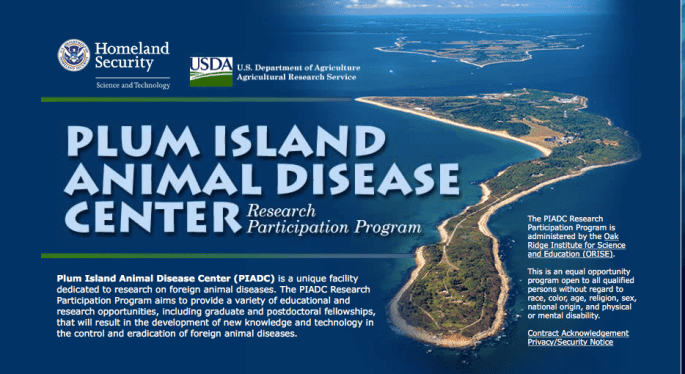
Established in 1945, Plum Island Animal Disease Center (PIADC) (Orient Point, NY), “has served as the nation’s premier defense against accidental or intentional introduction of transboundary animal diseases (a.k.a. foreign animal diseases) including foot-and-mouth disease (FMD). PIADC is the only laboratory in the nation that can work on live FMD virus (FMDV). The lab and its staff of nearly 400 employees provide a host of high-impact, indispensable preparedness and response capabilities, including vaccine R&D, diagnostics, training, and bioforensics among others.” Not immune to controversy or a theme in horror movies, Plum Island is a research facility that hosts BSL-2, BSL-3 Enhanced, and Animal Biosafety Level 3 and Biosafety Level 3 Agriculture laboratories and animal research facilities that maintain highly restricted access and trained security professionals. The nostalgia of Plum Island is fast approaching as the research center is set to be closed within the next decade. The research campus will move to Kansas and the 840-acre island is up for sale. “Located 100 miles east of New York City, with sweeping water views, the island has already drawn unsurprising interest from local real estate agents and developers, including, yes, Donald J. Trump. Many people in the area, however, want the island preserved as a nature sanctuary or perhaps a park. In July, a coalition of environmental groups and activists filed a federal lawsuit to stop the sale, and there is a similar legislative push in Congress.” Since its inception and through its new ownership in 2003, (when DHS took it over) the biggest concern of Plum Island has always been containment as the infectious livestock samples and animals could introduce diseases, like food-and-mouth disease, to a susceptible population. The facility takes great care to mitigate any risk through “stringent security clearances and background checks, the boiling of all water discarded from the lab and the requirement that anyone who works within the biocontainment lab must shower twice before leaving. As for the cattle, pigs and other animals used for vaccine and other kinds of testing, they are kept in indoor, secured living quarters, said Dr. Luis L. Rodriguez, who leads research at the center’s laboratories.” In the event a deer should swim onto the island, it’s killed and immolated. Aside from the “Island of Dr. Moreau” vibe that is often felt when discussing the island, it has water views and sandy beaches that are met with a green terrain. While the future of the island is up in the air, the zoning stipulates that it must be reconstructed for similar use (i.e. research). Any takers?

Don’t Miss the Biological Threats in the 21st Century Book Launch!
screen-shot-2016-09-12-at-8-00-42-pm
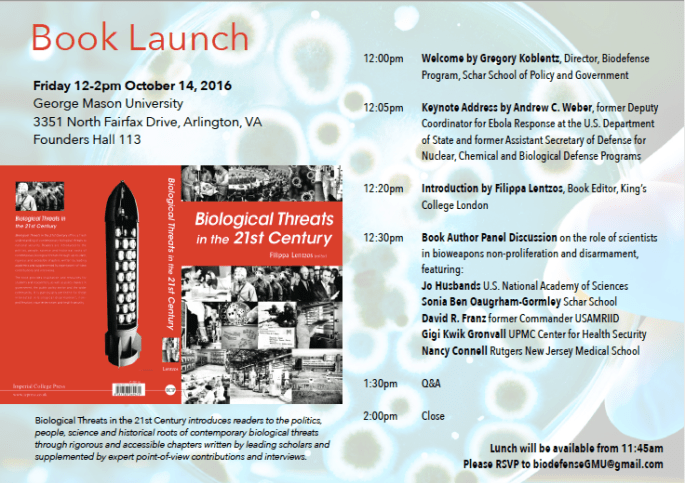
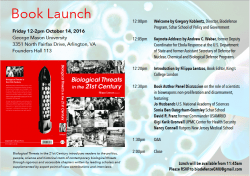
On October 14th, join us in celebrating the book launch of Biological Threats in the 21st Century! Biological Threats in the 21st Century introduces readers to the politics, people, science and historical roots of contemporary biological threats through rigorous and accessible chapters written by leading scholars and supplemented by expert point-of-view contributions and interviews. The book launch will feature a panel discussion on the threat of biological weapons and the role of scientists in bioweapons non-proliferation and disarmament. The event is free and open to the public. Lunch will be available beginning at 11:45 AM so please RSVP. Attendants will also be able to pick up the book at a 15% discount.

Screen Shot 2016-04-21 at 1.28.57 PMGMU Biodefense Graduate Program Informational Videos

Curious about a graduate degree in biodefense but unable to attend an information session? We’re happy to show off our new informational videos on both our MS and PhD biodefense programs at GMU. Check out what students are saying about our MS programs (we have both an online and an in-person tract) and our PhD program. You’ll also get to hear from biodefense guru and graduate program director, Dr. Koblentz, throughout the videos!

Bioresearch Labs and Inactivation of Dangerous Pathogens Hearing                                   

The Committee on Energy and Commerce, Subcommittee on Oversight and Investigations will be holding a hearing today at 9am regarding bioresearch labs and the inactivation of dangerous pathogens. While witnesses are by invitation only, the hearing webcast will be available here – don’t miss it! You can also read a recent GAO report on high-containment laboratories: improved oversight of dangerous pathogens needed to mitigate risk. 

The Global Implications of Antibiotic Resistance
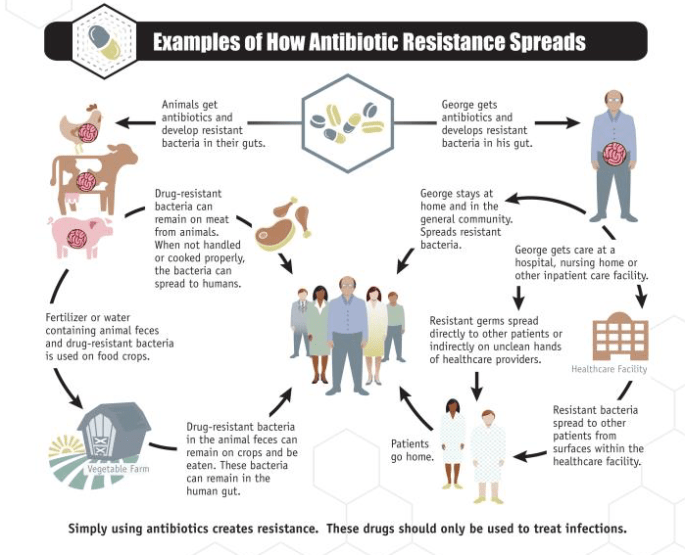
I love a good zombie movie like the next person, but where are the horror movies about antibiotic resistance? Show me a film that depicts the global threat of losing all effective antibiotics – that is a real horror movie. The UN General Assembly held a high level meeting on Wednesday about the growing threat of antimicrobial resistance (AMR). Despite increasing surveillance and high-level attention to the rise of the resistant bugs, it will take more than the efforts of a few countries. We’ve passed the golden age of antibiotic development and the “pipeline of new antibiotics has been running dry”. Colistin-resistant bacteria continue to sporadically pop up, highlighting that once again, germs know no borders and are skilled in the art of travel. Hopefully, with the recent UN General Assembly meeting, it will send a clear message that the threat of antibiotic resistance is being taken seriously and for more world leaders to really hone in their efforts for surveillance and prevention through the GHSA. Sadly, a recent study found that antibiotic usage hasn’t changed in hospitals, despite the growing threat of AMR. Researchers looked at patient discharge records in over 300 US hospitals between 2006 and 2012 and “found that 55.1% of patients discharged received at least one antibiotic during their stay, with little change in that proportion between 2006 and 2012. The overall rate of antibiotic use for all study years was 755 days of therapy per 1,000 patient-days, a rate that also saw little change over the period of the study. But the study also showed significant increases in the use of carbapenem antibiotics, third- and fourth-generation cephalosporins, beta-lactam/beta-lactamase inhibitor combination antibiotics, tetracyclines, and vancomycin.”

Next Generation Global Health Security Network Webinar – Our Antimicrobial Anthropocene: UNiting against Pan-Epidemic AMR
As you know, a key component of responding to (and preparing for) outbreaks is the ability to treat them. But how can we make sure that the drugs we have to treat diseases will work? How can we combat the growing trend of antimicrobial resistance? In line with the recent high-level meetings by the Presidential Advisory Committee (see here) and the UN, the Next Generation Global Health Security Network is pleased to present the first of an ongoing series of webinars, this one focused on Antimicrobial Resistance (AMR). These webinars are intended to provide unique learning opportunities for global health security professionals through educational sessions about important GHS topics and situate emerging issues for a global health audience.  Please join the event on Tuesday, September 27 from 6:00-7:00pm EST as the Next Generation Global Health Security Leaders Network and CRDF Global host a webinar by Dr. Dan Lucey titled “Our Antimicrobial Anthropocene: UNiting against Pan-Epidemic AMR”.  There will also be limited in-person space for those in the DC metro area who wish to attend.  If you wish to attend in person, please RSVP by email (nextgenghsa@gmail.com)

Your Weekly Dose of Zika News
The Zika virus outbreak has pointed out several international challenges when it comes to infectious disease outbreaks – funding, vector control, long-term health effects, and international events. Sandro Galea points to the poet John Keats as a potential role model for how we should approach such events. Trained as a surgeon, Keats had a solid background in the scientific method, however the quality he “emphasized was not the scientist’s finely tuned analytic instrument, but the ability to exist comfortably amidst uncertainty and doubt.” Galea notes that the Zika outbreak is a prime example of how scientists should start thinking more like poets, living in the space of inevitable ambiguity and the new norm of the grey area. Here is the ECDC’s epidemiological update on Zika. The CDC is ramping up testing support in Florida to aid in rapid diagnostics. A recent study published in the Lancet points to a low risk of sexual transmission and questions the sustainability of Zika transmission without the presence of a vector. The CDC is reporting 3,358 cases of Zika virus in the US as of September 21st. Of these cases, 43 are locally acquired related to mosquitoes.

Stories You May Have Missed:

  • Are We Prepared For Another Ebola Outbreak? In response to last week’s Ebola and Zika: Cautionary Tales article, John LaMattina is digging into the realities of R&D. “Actually, a check of clinicaltrials.gov lists 71 studies ongoing in Ebola, the majority of which involve studying novel vaccines or drugs in humans. Furthest along appears to be Merck with planned regulatory filings for its vaccine in 2017.” He notes that while Ebola may not be making headlines, that shouldn’t be translated into a total lack of preparedness for another outbreak. You can also read the latest article in NaturePublic Health: Beating Ebola.
  • Glory in the Guts- If you’re a fan of Mary Roach’s books (Stiff, Spook, etc.), you’ll love hearing what GMU Biodefense MS student, Greg Mercer, thinks of her latest book, Grunt. Roach’s latest book looks at the life of soldiers and how the military keeps them alive. “The only gun that interests her is the one that fires chicken carcasses at military aircraft to test their birdstrike resilience. Roach isn’t squeamish, though. She participated in a training simulation as a victim of smoke inhalation burns, experienced a live-fire demonstration of the importance of hearing protection, and endured a treadmill trip in the 104-degree “cook box” to witness just how easy it is to become dehydrated while lugging 80 pounds of gear.”
  • Global Capacity for EID Detection – In the most recent CDC Emerging Infectious Disease online report, researchers are evaluating the global improvements of disease detection and communication during 1996-2014. “Improvement since 1996 was greatest in the Eastern Mediterranean and Western Pacific regions and in countries in the middle HDI quartiles. However, little progress has occurred since 2010. Further improvements in surveillance will likely require additional international collaboration with a focus on regions of low or unstable HDI.”

Week in DC: Events 9.19-9.23.2016

Monday, September 19th, 2016
Nuclear Security Summit & Workshop 2016– Georgetown University
Time: 8:55am-6pm
Location: Georgetown University37 St NW and O St NW, Washington, DC (map)
The Georgetown University School of Medicine and Edmund A. Walsh School of Foreign Service ‘s Science, Technology & International Affairs (STIA) are proud to invite you to the 2016 Nuclear Security Summit. This event will take place over two days (September 19th and 20th, 2016) at Georgetown. The summit focuses on four topics: (1) Nuclear policy & international collaborations; (2) Nuclear security (weapons control); (3) Nuclear security (nuclear power plant safeties); (4) Tools to assess ionizing radiation and its impacts. Ambassador Robert Gallucci, who served as the Dean of the School of Foreign Service for 13 years until 2009, kindly agreed to present a keynote address for this year’s summit.

Reception For Ebola Through The Lens– Open Society Foundations
Time: 6-8pm
Location: Open Society Foundations 224 W 57th St, New York, NY 10019, USA (map)
Join us at the Open Society Foundations office for a reception for the photography exhibit Ebola Through the Lens in advance of its New York debut at Photoville. The exhibition was originally conceived and installed at the Open Society Initiative for West Africa regional headquarters in Dakar, Senegal, and is currently on view at its satellite office in Conakry, Guinea. The reception will feature short presentations from three contributing photojournalists—Jane Hahn, Jonathan Bundu, and Morgana Wingard—and the screening of a short documentary film.

Tuesday, September 20th, 2016
Weapons Of Math Destruction: How Big Data Increases Inequality And Threatens Democracy– Politics and Prose
Time: 6:30pm
Location: Politics & Prose1025 5th St NW, Washington, DC 20001, USA (map)
O’Neil, the author of Doing Data Science and a regular commentator on the Slate Money podcast, specializes in demystifying Big Data. Following an average person from college to retirement, she homes in on decisive moments—winning a scholarship, landing a job, getting a loan—when algorithms can determine the outcome. Based on statistics, algorithms seem to level the playing field, holding everyone to the same rules. In fact, O’Neil shows, these models often reinforce bias and discrimination. They’re complicated, hard to argue with, and, most seriously, unregulated. O’Neil will be in conversation with Jen Golbeck, a computer scientist and professor at the University of Maryland.

Continue reading “Week in DC: Events 9.19-9.23.2016”

Pandora Report 9.16.2016

Is it time to outsource key tasks out of the WHO and into more capable agencies? On Monday, the U.S. carried out a massive airstrike on a suspected ISIS chemical weapons facility in Mosul, Iraq. Sri Lanka has made history by being declared malaria-free after three years since its last case. Sri Lanka had previously tried to eradicate malaria over fifty years ago, but the effort was met with failure and is frequently cited by malaria experts. Do you subscribe to the “five-second rule” when it comes to your food? You may want to give it a second thought as Rutgers researchers have recently disproven the notion – sadly, cross-contamination can’t be avoided in most cases. The CDC has added Bacillus cereus Biovar anthraces to the list of Tier 1 Select Agents.

GMU Biodefense Graduate Info Sessions
In case you missed last night’s MS Open House in Arlington, we’ve got plenty more graduate program information sessions. GMU will be hosting several more events this Fall, so make sure not to miss one! The next MS information session (for both in-person and online programs) is on Wednesday October 19th, 6:30pm in Founders Hall, room 126. If you’re looking at a PhD in biodefense, come to our information session on Wednesday, October 12th, from 7-8:30pm, at the Johnson Center in the Fairfax Campus, room 334. From Anthrax to Zika, we cover all the biodefense topics and applications in our information sessions.

Biological Threats in the 21st Century Book Launch!  
On October 14th, join us in celebrating the book launch of Biological Threats in the 21st Century! Biological Threats in the 21st Century introduces readers to the politics, people, science and historical roots of contemporary biological threats through rigorous and accessible chapters written by leading scholars and supplemented by expert point-of-view contributions and interviews. The book launch will feature a panel discussion on the threat of biological weapons and the role of scientists in bioweapons non-proliferation and disarmament. The event is free and open to the public. Lunch will be available beginning at 11:45 AM so please RSVP. Attendants will also be able to pick up the book at a 15% discount.

Identifying Future Disease Hot Spots
Check out the latest RAND report in which researchers are asking which countries might be particularly vulnerable to infectious disease outbreaks and how the U.S. can help support these countries to better prepare and respond to public health events. Pulling from a wide variety of literature and data, “authors created an index for identifying potentially vulnerable countries and then ranked countries by overall vulnerability score.” Researchers looked at the 25 most-vulnerable countries, which include the “disease belt” in the Sahel region of Africa. Of the 25 noted countries, 22 are in Africa, and the remaining are Afghanistan, Yemen, and Haiti. “Conflict or recent conflict is present among more-vulnerable countries. Seven of the ten most-vulnerable countries are current conflict zones. Of the 30 most-vulnerable countries, 24 form a solid, near-contiguous belt from the edge of West Africa to the Horn of Africa in Somalia — a disease hot spot belt. Were a communicable disease to emerge within this chain of countries, it could easily spread across borders in all directions.” The 25 least-vulnerable countries were found to be in Europe, North America, and Asia-Pacific. The least-vulnerable countries were found to have larger medical systems and expenditures, better health indicators, less corrupt and more stable governments, better human rights, and often technological sophistication.

Presidential Advisory Council on Combating Antibiotic-Resistant Bacteria (PACCARB) 
You can join (in listen-only) this teleconference and webcast on Monday, September 19th, to gain further insight into the battle of microbial stewardship. “With participation of Member States, non-governmental organizations, civil society, the private sector and academic institutions, the primary objective of this pubic meeting is to summon and maintain strong national, regional and international political commitment in addressing antimicrobial resistance comprehensively and multi-sectorally, and to increase and improve awareness of antimicrobial resistance.”

Ebola & Zika: Cautionary Tales 20988_lores
In the latest issue of Science, Michael T. Osterholm discusses the challenges of combating infectious disease outbreaks and the struggles to respond with vaccine development. Osterholm points to the need to drive development and funding mechanisms in coordination with surveillance of emerging infectious diseases (EID). Upon the indication that an EID is bubbling up, it would be prudent to have vaccines (even if they’re not licensed yet), ready for large trials. Moreover, the looming threat of EID’s should be the best motivator for developing candidate vaccines. “The handwriting is on the wall regarding the current Zika outbreak in the Americas. High human infection rates in the major impact regions, caused by virus-carrying mosquitoes and human sexual transmission, will continue for several more years. Eventually, the number of cases will drop as more of the community develops immunity. Zika vaccine trials in the Americas may be too late to be tested on the current high number of cases.” Pointing to the Coalition for Epidemic Preparedness Innovations (CEPI), he emphasizes the need to fill the vaccine preparedness hole. Current practices are slow and on an “as-needed” basis, but the truth is that we already have the incentives and EID presence to make the push towards correcting the insufficient process.

Weapons of Mass Destruction: A Dialogue with Students
The UN Security Council 1540 Committee and the UN Office of Disarmament Affairs collaborated with the Stimson Center to create an international essay contest for students. On September 30th, from 10:30am-4pm, they will be hosting an on-the-record discussion regarding the proliferation of WMD’s and honoring the winners of the essay contest.  The winners will be announced and some will even be presenting their ideas at this event. “The goals of the competition were to involve the younger generation in understanding and addressing the important issue of proliferation of Weapons of Mass Destruction (WMDs), i.e., chemical, biological and nuclear weapons, and to solicit innovative student approaches to implementing U.N. Security Council Resolution 1540 (2004) to support the Council’s Comprehensive Review of the resolution this year.” Panel discussions will include speakers such as Dana Perkins (Senior Science Advisor, U.S. Department of Health and Human Services, former 1540 Expert), Will Tobey (Senior Fellow, Belfer Center for Science and International Affairs, Harvard University), Craig Finkelstein (Coordinator for the Working Group of the 1540 Committee on Transparency and Outreach), and more! The event will be at Harvard University’s Tubman Building in Cambridge, MA. You can RSVP for all or part of the event here.

Latest Zika News
As more outbreaks occur, the question is quickly becoming – should government officials “allocate resources to support the advancement of traditional drugs and vaccines or emerging broad-spectrum therapies?” If you’re a Miami Beach resident, free Zika testing is now being offered at the Miami Beach Police Department. Utah is keeping public health investigators on their toes with a mystery Zika case.  CDC officials are investigating a man who contracted Zika but was not exposed via a mosquito or sexual contact. Recently published in the CDC’s MMWR, “Patient A was known to have had close contact (i.e., kissing and hugging) with the index patient while the index patient’s viral load was found to be very high,” CDC researchers said in the report. “Although it is not certain that these types of close contact were the source of transmission, family contacts should be aware that blood and body fluids of severely ill patients might be infectious.” If you need a laugh, the Daily Show’s Trevor Noah addressed Zika in a recent episode. Singapore is quickly becoming a Zika hot spot, leaving many researchers stumped about the strain. Experts are suspecting a significant mutation that ramped up the virus’s capability to spread. “What is most intriguing is the question as to whether some mutation has occurred in the Zika virus to make it more transmissible by the Aedes albopictus mosquito—this would be analogous to what happened with chikungunya,” said Paul Anantharajah Tambyah, the secretary-general of the Asia Pacific Society of Clinical Microbiology and Infection. The CDC has reported, as of September 14th, 3,176 cases of Zika virus in the U.S.

Stories You May Have Missed:

  • Biodefense in the Age of Synthetic Biology – the National Academy of Sciences (NAS) has a new contract with the U.S. DoD’s Office of the Deputy Assistant Security of Defense, Chemical, and Biological Defense (NCB/CBD) to assess the nature of biothreats given the innovations within synthetic biology. “NAS will appoint an ad hoc committee to study the manipulation of biological functions, systems, or microorganisms resulting in the production of a disease-causing agents or toxins. The study will start with development of a strategic framework to guide an assessment of the potential security vulnerabilities related to advances in biology and biotechnology, with a particular emphasis on synthetic biology.”
  • Evidence of Airborne H5N2 Found in Distant Barns – a recent study found H5N2 highly pathogenic avian influenza in air samples collected “inside, immediately outside, and up to 70 meters from affected barns during the 2015 outbreak in the Midwest”. The researchers also found H5N2 RNA in air samples collected 1 kilometer from the infected barns. “A total of 26 of 37 (67%) sampling events collected inside and 18 of 40 (45%) collected at 5 meters were positive for H5N2. Sampling at distances from 70 meters to 1 kilometer resulted in about 2% positives and 58% suspected findings. The researchers found HPAI H5N2 viruses in particles up to 2.1 micrometer in diameter.”
  • History of the War on Superbugs – The war on antibiotic resistance may seem new, but it’s actually been waging on for over 60 years. Even Alexander Flemming knew the potential for antibiotic misuse and resistance, noting that “There is the danger that the ignorant man may easily undergoes himself and by exposing his microbes to non-lethal quantities of the drug make them resistant.” Sadly, even the identification of penicillin-resistant germs didn’t scare people, simply because it was a time of antibiotic renaissance – developments were happening all around us and that calmed the fear that should have been brewing.

Biological Threats in the 21st Century Book Launch

Join us in celebrating the book launch of Biological Threats in the 21st Century! 

Biological Threats in the 21st Century introduces readers to the politics, people, science and historical roots of contemporary biological threats through rigorous and accessible chapters written by leading scholars and supplemented by expert point-of-view contributions and interviews. The book launch will feature a panel discussion on the threat of biological weapons and the role of scientists in bioweapons non-proliferation and disarmament. The event is free and open to the public. Lunch will be available beginning at 11:45 AM so please RSVP.

Schedule:

11:45am-Lunch available

12pm- Welcome by Gregory Koblentz, Director, Biodefense Graduate Program, Schar School of Policy and Government

12:05pm – Keynote Address by Andrew C. Weber, former Deputy Coordinator for Ebola Response at the U.S. Department of State and former Assistant Secretary of Defense for Nuclear, Chemical and Biological Defense Programs

12:20pm – Introduction by Filippa Lentzos, book editor and Senior Research Fellow, Department of Global Health and Social Medicine, King’s College London,

12:30pm – Book Author Panel Discussion

  • Jo Husbands, a Senior Project Director with the Board on Life Sciences of the U.S. National Academy of Sciences
  • Sonia Ben Oaugrham-Gormley, Associate Professor, Schar School
  • Gigi Kwik Gronvall, Senior Associate at the UPMC Center for Health Security
  • David R. Franz, former Commander, United States Army Medical Research Institute for Infectious Diseases (USAMRIID)
  • Nancy Connell, Professor and Vice-Chair for Research in the Division of Infectious Disease in the Department of Medicine at Rutgers New Jersey Medical School

1:30pm – Q&A

2pm- Close

WHEN: Friday, October 14, 2016 from 12:00 PM to 2:00 PM (EDT) – Add to Calendar

WHERE: Founders Hall – 3351 N Fairfax Drive Room 113, Arlington, VA 22201 – View Map

Pandora Report 9.9.2016

Happy Friday! Spain has reported two cases of Crimean-Congo hemorrhagic fever – the first patient had a tick bite and died in the hospital, and the other is an ICU nurse who cared for the initial patient. A researcher at the Umeå University just got to enjoy the first CRISPR meal- yum!  Check out this video to see bacteria invade antibiotics and transform into resistant superbugs! If you’re interested in attending the Advancing Global Health Security: Driving Innovation through Partnership (where they’ll be talking about everything from Ebola to Zika, lessons learned, and what we still need to improve) on September 19th, make sure to RSVP here.

Aleppo Chemical Weapons Attack  799px-155mmMustardGasShells
On Tuesday, the Syrian city of Aleppo experienced a chemical attack as regime warplanes are said to have dropped barrels with “poisonous gas”. Syrian activists are pointing to the incident involving government warplanes as just another attack in a long stream of chemical attacks.  More than 100 people are being treated for respiratory symptoms, with rescuers rushing children to the makeshift Basel Aslan hospital. “Rebel-held Aleppo has been pounded by the forces of President Bashar al-Assad’s regime, backed by Russian air power. Several cases of chlorine gas bomb attacks also have been reported there.”

FDA Wages War on Antibacterial Soap
The U.S. Food and Drug Administration (FDA) has issued a final rule regarding over-the-counter (OTC) antiseptic wash products containing 19 specific ingredients. This list of ingredients non grata includes the most commonly used ones – triclosan and triclocarban, and will effectively impact 40% of soaps. The FDA is also continuing to study the efficacy and safety of hand sanitizers and wipes. The ruling comes after health officials have been urging for restrictions on the ingredients due to concerns regarding pediatric hormonal functions and aiding the rise of resistant microorganisms. The irony is that research has shown that using the antibacterial soaps is no more effective than using regular soap and water. “It has boggled my mind why we were clinging to these compounds, and now that they are gone I feel liberated,” said Rolf Halden, a scientist at the Biodesign Institute at Arizona State University, who has been tracking the issue for years. “They had absolutely no benefit but we kept them buzzing around us everywhere. They are in breast milk, in urine, in blood, in babies just born, in dust, in water.” From an environmental standpoint, triclocarban takes a while to effectively disappear, with some researchers pointing out that it’s member of the older chemical family of organochlorines (like DDT).

Terror Suspects and Bioterrorism in Kenya
Last week, two terror suspects were arrested in Kenya as part of an extremist cell of medics who are loyal to ISIS. The Kenyan Anti-Terror Police Unit were tipped off that the suspects were planning a large-scale biological attack involving anthrax. Dr. Lawrence Roberge noted that, “I would be very concerned. This is an example of how developing countries with limited detection resources- and certainly less robust biodefense budgets-would become vulnerable to bioweapon attacks.” While information is still limited as to the extent and status of their plan, the growing rate of terrorist attacks in Kenya has many concerned that this may be the first of many indicators pointing to ISIS’ “scramble for Africa”.

Viral Genomes Unlock Secrets Behind Ebola’s Spread
Researchers investigating the 2013-2016 Ebola outbreak in West Africa have used a collaborative sequencing project to look at over 1600 Ebola virus genomes. Encompassing 5% of known cases, this analysis was able to reconstruct the “migration, proliferation and decline of Ebola virus throughout the region”. Their work looked at the association of various factors like geography, climate, demography, and more among 56 administrative regions. “Our results show that during the outbreak viral lineages moved according to a classic ‘gravity’ model, with more intense migration between larger and more proximate population centers. Notably, we find that despite a strong attenuation of international dispersal after border closures, localized cross-border transmission beforehand had already set the seeds for an international epidemic, rendering these measures relatively ineffective in curbing the epidemic.” Through their genomic sequencing they established that the outbreak was a spatially dissociated collection of transmission clusters that varied in size, duration, and connectivity.

Weekly Zika News
Funding issues aren’t the only thing plaguing U.S. Zika efforts, but rather an overall issue of a limited arsenal.  Pesticide issues and resistance have been challenging mosquito control efforts. Only two classes of pesticides against mature mosquitoes are approved, of which one has strict control limits and the other has become relatively ineffective due to mosquito resistance. “The outbreak highlighted gaps in the mosquito control arsenal that remain, according to pesticide makers, abatement officials and entomologists. Few companies make pesticides for use in public health outbreaks, a niche market that is expensive to get into, has a limited upside and varies season to season. Safety testing a new pesticide can cost up to $250 million and take 10 years, said Karen Larson, vice president of regulatory affairs at privately held Clarke Mosquito.” In attempts to spray for mosquitoes, millions of bees have been killed in a South Carolina county. “The apparently inadvertent extermination, the county administrator said, happened after a county employee failed to notify Ms. Stanley’s business, which the administrator said should have been alerted about the spraying strategy. Some hobbyists were also caught by surprise.” Will there be a Generation Zika? Many are wondering if there will be an increased associated with mental illness and long-term health effects due to congenital Zika infections. What does this mean for healthcare and the estimated cost of caring for children with these health issues though? As of September 7th, the CDC has reported 2,964 cases of Zika in the U.S. You can also read PAHO’s epidemiological update here.

Stories You May Have Missed:

  • Small Changes, Big Dividends: A Global Look at Preparedness– Dr. Stephen Redd, Director of the Office of Public Health Preparedness and Response, is talking about the interconnectedness of preparedness and public health in this week’s Public Health Matters Blog. Dr. Redd notes that the U.S. recently invited a team of international experts to evaluate our ability to prevent, detect, and respond to public health threats in 19 different areas. The goal is to not only gain knowledge, but also be able to disseminate it across the globe as other countries work to strengthen their own capabilities.
  • U.S. Failures at Tracking Antibiotic Resistant Bugs– It’s not just enough to know we have MDRO’s (multi-drug resistant organisms), but also the capacity to identify the individuals and perform proper infection control practices. ICU’s are a hot spot ICU’s are a hot spot but many patients are also unaware of this reality and many officials don’t inform them of what they can do to help prevent the spread of infection. On top of these stark realities, the presence of a MDRO not always communicated in the event of a patient’s death.”Drug-resistant infections are left off death certificates for several reasons. Doctors and other clinicians get little training in how to fill out the forms. Some don’t want to wait the several days it can take for laboratory confirmation of an infection. And an infection’s role in a patient’s death may be obscured by other serious medical conditions.”

GMU Biodefense Fall 2016 Graduate Information Sessions

Biodefense Master’s Open Houses
We invite you to attend an open house to learn more about the Schar School of Policy and Government. The session will provide an overview of our master’s degree programs, an introduction to our world-class faculty and research, and highlights of the many ways we position our students for success in the classroom and beyond. Our admissions and student services staff will be on hand to answer your questions.

  • Thursday, September 15: 6:30pm-8:30pm—Master’s Open House, Founders Hall, Room 126
  • Wednesday, October 19: 6:30pm-8:30pm—Master’s Open House, Founders Hall, Room 126
  • Thursday, November 10: 6:30pm-8:30pm—Master’s Open House, Founders Hall, Room 126

PhD Information Sessions 
Drawing on world-class original research and high-level practical experience, our faculty prepare students to be creative and effective participants in policy-making and political discourse.  By working closely with these faculty to conduct research that influences decisions at the local, national and international levels, our PhD graduates emerge prepared for high-powered careers in the public, private, and nonprofit sectors.

  • Wednesday, September 7, 2016: 7:00pm-8:30pm – Arlington Campus, Founders Hall, Room 134
  • Wednesday, October 12, 2016: 7:00pm-8:30pm – Fairfax Campus, Johnson Center, Room 334


Pandora Report 9.2.2016

Welcome to September! Let’s start the month off with a yellow fever timeline and the history of this misunderstood disease. If a gin and tonic is your go-to drink, you’ll be pleased to hear it was actually born to combat malaria. Many are questioning if Syria has retained a stockpile of chemical weapons, pointing to continued contradictions and discrepancies regarding inventories and more. While the topic of sanctions is being debated, findings from recent international reports determined that both the Syrian government and ISIS were responsible for chemical attacks in 2014 and 2015.  On Tuesday, the French ambassador to the UN pushed for unified action at the Security Council, emphasizing that within the report, the Assad regime and the Daesh terrorist group have been responsible for several attacks.

Next Gen Global Health Security Agenda (GHSA) Happy Hour
Please join the newly elected Coordinator, Jamechia Hoyle, for a happy hour and networking event. Come engage with a network of talented Global Health Security professionals. Share ideas, connect, and learn how to join the world of global health security! You can RSVP to nextgenghsa@gmail.com by September 5th – the event is Friday, September 9th, from 5-7pm, at District Commons DC, 2200 Pennsylvania Avenue Northwest, Washington, DC 20037.

Is Accessible Synthetic Biology Making DIY Bioweapons More Likely?
The biotech industrial revolution and advances with CRISPR-Cas9 have raised many red flags about the risk for do-it-yourself (DIY) bioweapons. Dr. Koblentz and several others discussed the role of gene-editing technologies in the UN Security Council meeting last week, with General-Secretary Ban noting that these advances have made the production and application of WMD’s easier. These advances have the potential to move the playing field away from solely state-sponsored or university-level programs, to lower levels of necessary tacit knowledge. The dilemma surrounding dual-use technologies of concern and biosafety failures compound these concerns – are we becoming more and more vulnerable to intentional or accidental events? Antibiotic resistance is also a growing dilemma, and not just what we’re facing now, but also the risk that synthetic biotechnology could make the development of a highly resistant organism possible for malicious persons. The tricky part is combating the risk for mis-use while not stifling innovation – any takers? The growing threat potential of synthetic biology has many commenting that “Zika is just the first front in the 21st century biowar”. We so easily think nuclear or cyber warfare when it comes to large-scale threats, but the truth is that biological threats have been looming in front of us for years. James Stavridis notes that there three key components to preparing for the biological revolution. “First, we need an international approach that seeks to limit the proliferation of highly dangerous technologies (much as we try to accomplish with nuclear weapons) and fosters cooperation in the case of contagion or a transnational biological threat.” Second, U.S. government interagency practices need to strengthen their capacity to address both scientific advances and security threats from the biological research sector. Lastly, there must be private-public cooperation. He points to the need for a stronger marriage between government and academia, but in such a manner that doesn’t deter innovation. In the end, there is a imperative need for more frequent and frank discussions about the impending realities of biological threats.

GMU Biodefense Graduate Program Open Houses! Screen Shot 2016-04-21 at 1.28.57 PM
If you enjoyed reading about Dr. Koblentz and his work in biodefense, consider joining GMU’s Biodefense graduate program as a MS or PhD student! We’ve got some great Open Houses coming up- there is a PhD Information Session next Wednesday, September 7th at 7pm at our Arlington Campus in Founders Hall in room 134. If you’re interested in a MS in Biodefense (we offer both online and in-person!), come to our next Open House on Thursday, September 15th, at 6:30pm in our Arlington Campus Founder’s Hall, Room 126. Dr. Koblentz will be leading the information sessions, which will give you both some insight into the program, but also the range of student research and careers.

Disease Detection and the Outbreak Hunters
Venturing through the caves of South Africa, virus hunting researchers take us through the journey that is zoonotic disease tracking. The CDC has ten global disease detection centers and programs, like PREDICT, are all working to study the early signs of outbreaks and how we can prevent them from happening. “We were tracking almost 300 infectious disease outbreaks of concern in 145 countries,” says Dr. Jordan Tappero, director of the Global Health Protection Center at CDC. This was during a 2-year period. “Only about 30% of countries even self-report [and] are able to prevent, detect, and respond to infectious disease outbreaks,” Tappero says. “We are working around the world to try and improve capacity so that we have partners everywhere to respond quickly.” Bats are one of the primary animals studied, as they tend to be a reservoir for many diseases. Much of the research looks to test animals to identify what diseases are circulating within them, which acts as an early warning system for potential outbreaks. Outbreaks like MERS-CoV and Ebola have taught us the importance of early warning systems within the germ world. Cheers to those brave researchers who are crawling through caves and bat guano – we applaud and thank you!

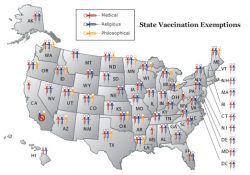
The Growing Vaccine Refusal in Pediatrics Usmap
After the measles outbreak in California and Arizona related to Disneyland in 2015, there was a surge of national attention to pediatric vaccination exemptions. While California is taking strides to reduce non-medically indicated exemptions, many doctors are still reporting that parents are refusing to vaccinate their children. A recent study was published using data from the American Academy of Pediatrics Periodic Surveys from 2006 and 2013, looking at parental noncompliance and the frequency of requests for vaccine delays and refusals. Researchers also looked at the impact on US pediatrician behavior as a result of parental refusal or requests to delay. The study found that the proportion of pediatricians reporting parental vaccine refusal increased from 74.5% in 2006 to 87.0% in 2013. “Pediatricians perceive that parents are increasingly refusing vaccinations because parents believe they are unnecessary (63.4% in 2006 vs 73.1% in 2013; P = .002). A total of 75.0% of pediatricians reported that parents delay vaccines because of concern about discomfort, and 72.5% indicated that they delay because of concern for immune system burden. In 2006, 6.1% of pediatricians reported “always” dismissing patients for continued vaccine refusal, and by 2013 that percentage increased to 11.7% (P = .004).” Sadly, these findings indicate that pediatricians are reporting more vaccine-refusing parents and while they provide vaccine education, they’re dismissing patients at a higher rate.

Get the Scoop on Zika Virus
The FDA has announced that all U.S. blood banks will test blood, regardless of the presence of Zika in the state, for the virus. Here’s a guide to help pregnant women reduce their Zika risk. A new report found that Zika was linked to congenital hearing loss in infants with microcephaly. This week, CDC Director, Dr. Tom Frieden, commented that the agency is almost out of funds for Zika. “Basically, we are out of money and we need Congress to act,” Frieden told reporters. “The cupboard is bare.”  Florida may be the perfect place for Zika transmission, but where else should we consider within the U.S.? Singapore is quickly becoming a Zika hot spot, with it being the only Asian country to have active transmission. The growing volume of cases is signaling that Singapore could easily be a new epicenter for Zika, triggering surrounding countries to ramp up their preparedness efforts. Many are wondering if Zika is a sleeping giant in Haiti. The country has all the ingredients for rapid and sustained transmission but hasn’t seen many cases yet, leaving many to wonder if it’ll hit. The CDC has reported, as of August 31st, 2,722 cases of Zika virus in the U.S. Yesterday, the Florida Department of Agriculture and Consumer Services officially announced that, for the first time, mosquitoes trapped in the continental U.S. were positive for Zika virus.

Event: The Elimination of Weapons of Mass Destruction: Lessons Learned from the Recent Past 
Attend the Nonproliferation Review’s Monday, September 12th event to discuss nonproliferation! The event will be held at the James Martin Center for Nonproliferation Studies CNS Washington office at 1400 K Street, NW, Suite 1225, on Monday, 9/12,  from 1-3 pm. Speakers include Rebecca Hersman, director of the Project on Nuclear Issues at the Center for Strategic and International Studies; Robert Peters, senior research fellow at the Center for the Study of Weapons of Mass Destruction at National Defense University; and Dr. Philipp Bleek, assistant professor at the Middlebury Institute for International Studies at Monterey and a fellow at CNS. Dr. Chen Kane, director of CNS’s Middle East nonproliferation program, will chair the event, with NPR Editor Joshua H. Pollack providing welcoming remarks.

Stories You May Have Missed:

  • ABSA Risk Group Database App! Biosecurity – there’s an app for it! The American Biological Safety Association has created an app for the ABSA Risk Group Database. You can find it in Apple or Android app stores under “Risk Group Database app” and it’ll allow you to access the database on your mobile devise. “The ABSA Risk Group Database consists of international risk group classifications for Bacteria, Viruses, Fungi, and Parasites. In many countries, including the United States, infectious agents are categorized in risk groups based on their relative risk. Depending on the country and/or organization, this classification system might take the following factors into consideration: pathogenicity of the organism; mode of transmission and host range; availability of effective preventive measures (e.g., vaccines); availability of effective treatment (e.g., antibiotics); and other factors.”
  • Possible Transmission of mcr-1–Harboring Escherichia coli between Companion Animals and Human– The growing reports of colistin-resistant E. coli findings have been raising the stakes in the fight against antibiotic resistance. A recent report found mcr-1 (the gene harboring the colistin-resistant mechanism) E. coli isolates in three separate patients admitting to a urology ward in China. One of the patients was found to work in a pet shop, so researchers collected fecal samples from 39 dogs and 14 cats where he worked. Six were positive for the mcr-1 gene by PCR (4 from dogs and 2 from cats). “These findings suggest that mcr-1–producing E. coli can colonize companion animals and be transferred between companion animals and humans. The findings also suggest that, in addition to food animals and humans, companion animals can serve as a reservoir of colistin-resistant E. coli, adding another layer of complexity to the rapidly evolving epidemiology of plasmid-mediated colistin resistance in the community.”
  • Frozen Strawberry & Hepatitis A Outbreak – Virginia is currently experiencing a Hepatitis A outbreak related to frozen strawberries used in Tropical Smoothie Cafe locations. There have been 40 reported cases, of which 55% have been hospitalized. “There are more than 500 of the smoothie franchises across the country, and Virginia is not the only state affected. All the potentially contaminated Egyptian-sourced berries were pulled from the 96 Tropical Smoothie Cafe locations in Virginia no later than Aug. 8 or Aug. 9.”
  • Foreign Policy Classroom – U.S. Efforts to Combat Zika – Catch the series featuring Gwen Tobert, Foreign Affairs Officer, Office of International Health and Biodefense. You must be a student enrolled in a U.S. academic institution or faculty to attend the September 8th (2-3pm) event at the U.S. Department of State.

Pandora Report 8.26.2016

A new report by the Organization for the Prohibition of Chemical Weapons (OPCW) is pointing to a harsh reality that despite incomplete and inaccurate Syrian disclosures, there are traces of nerve agents in their laboratories. While they promised to destroy their entire arsenal, there is a growing concern that Damascus has not followed through on commitments to destroy all of its armaments.   Feel like a biodefense arts and crafts project?  You can learn to make a plague doctor’s mask here. Chem-Bio warfare suits may be getting a fashionable upgrade as companies like Lululemon and Under Armor are competing to revolutionize the protective equipment. 

UN Security Council – Calls for Eradicating WMD’s  689139
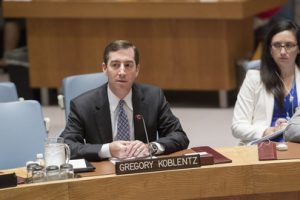
On Tuesday, GMU Biodefense Graduate Program Director and Professor, Dr. Gregory Koblentz, briefed the UN Security Council on how terrorists could exploit advances in science and technology to acquire weapons of mass destruction. He delivered the briefing as part of a Security Council open debate on WMD nonproliferation that is part of the comprehensive review currently being conducted of Resolution 1540. You can read the summary of the meeting here, but the focus was on the evolving threat of WMD’s falling into the hands of non-state terrorists and actors. Emphasizing the threat of biological weapons, Secretary-General Ban Ki-Moon “questioned the international community’s ability to prevent or respond to a biological attack.  He also suggested giving a closer look at the nexus between emerging technologies — such as information and communication technologies, artificial intelligence, 3-D printing and synthetic biology — and weapons of mass destruction.” Dr. Koblentz (27 minutes into the broadcast of the meeting here) pointed to the Fourth Industrial Revolution as a source for huge gains in both productivity and prosperity, but also a darker potential for mis-use by non-state actors. Within his talk, Dr. Koblentz noted the five advances in science and technology that “increase the risk of CBRN weapons proliferation to non-state actors”. The advances include unmanned aerial vehicles (UAVs), 3D printing, accessibility of illicit items on the Dark Web, malicious software and cyber attacks, and genetic engineering tools like CRISPR-Cas9. While these advances reveal the diverse technology, there are also seven deadly traits within these emerging technologies – dual-use, disruptive, diffusion, reliance on a digital component, decentralization, deskilling, and the DIY (do-it-yourself) movement. Simply put, these seven characteristics make emerging technologies that much more challenging to prevent mis-use. “The international community faces a continuous challenge of encouraging innovation and maximizing the benefits of such innovation with the need to mitigate the security risks posed by these new technologies. I hope the Security Council will take advantage of the Comprehensive Review of Resolution 1540, which this open debate is an important contribution to, to update the resolution to take into account the impact of scientific discoveries and technological breakthroughs on the proliferation of weapons of mass destruction to non-state actors.” There was substantial discussion regarding the strengthening of Resolution 1540, especially to consider the implications of a biological attack in light of recent outbreaks like Ebola, MERS, and SARS.  During her remarks, Ambassador Michele J. Sison, U.S. Deputy Representative to the United Nations, described Dr. Koblentz’s briefing as, “a very interesting, but also very sobering intervention.” Hopefully, with the focus on these evolving threats, the current review of Resolution 1540 can be further strengthened and focused to reduce the risk of terrorists acquiring WMD’s.

A Tribute to D.A. Henderson
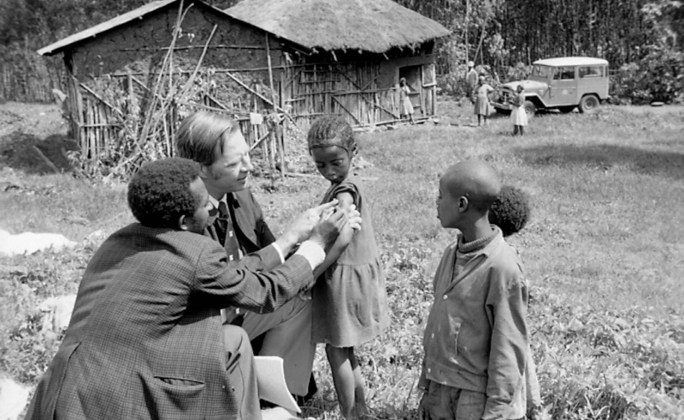
There are few times in the history of public health that we can say we’ve eradicated a disease. D.A. Henderson, smallpox guru and disease detective, led such efforts within the WHO and his absence has been felt throughout the health community. A legend among public health and biodefense students, his dedication to the field inspired generations. As an epidemiologist, his work in both infectious diseases and bioterrorism gave me hope that such a career was not only possible, but also filled with the kind of adventure that many only dreamed about. Having just read Scourge (and I would highly encourage you to read it), the dedication to the smallpox eradication efforts is still an inspiration. After conquering what many considered impossible, Henderson worked as Dean of the Johns Hopkins School of Public Health, founding director of the Johns Hopkins Center for Civilian Biodefense Strategies (now UPMC Center for Health Security), and following 9/11, led the Office of Public Health Preparedness. Described as a “Sherman tank of a human being- he simply rolled over bureaucrats who got in his way”, Henderson’s death is truly felt throughout the international community. In the wake of his death, we take a moment to truly applaud and appreciate all he’s given and inspired within global health security.

How Far Will the U.S. Luck Run?
With the anticipation and preparations for Zika having started months before it reached U.S. soil, many are wondering if our luck with infectious disease is running out. We were lucky with Ebola- a handful of cases and once we hit the panic button, we were able to overcome the crisis. Despite insufficient funds and battling diseases we had little to no experience in handling, U.S. efforts have been fortunate in their successes. Zika may be a different kind of ball game though – mosquito control efforts are flawed at best and with a disease that is often asymptomatic, we may have finally hit a wall. Did we really learn from Ebola? Have we strengthened our surveillance and response practices? Dr. Johnathan Fielding notes that “HHS must play a greater role in coordinating the global public health response through implementation of the Global Health Security Agenda, a cooperative arrangement launched in 2014 by over 50 nations, nongovernmental organizations and other stakeholders; better coordination with other government agencies, and state, local and private sector partners; and clear delineation of roles and responsibilities within and among HHS offices.” We need both the monetary and personnel support to properly address the failures from Ebola, but also implement the recommendations that so many have made following the crisis. The contingency funding that has been pushed recently is an indication of our potentially faltering luck – have we reached such an impasse in which our politics will override our disease response capacity or capabilities?

A Lot of Zika Goes a Long Ways 
Palm Beach is seeing its second case of Zika virus, with active transmission continuing in Florida. Florida Governor, Rick Scott, has expressed frustration that the promised federal support of antibody tests and lab support has not been delivered. “In a teleconference on Wednesday, Scott made a plea for more support in fighting Zika, complaining that ‘Congress and the White House have not been good partners.’ Scott said he asked the U.S. Centers for Disease Control and Prevention for 5,000 Zika antibody tests last week, but so far had only received less than 1,200.” Johns Hopkins is opening the first multidisciplinary Zika center, the Johns Hopkins Wilmer Zika Center, which is dedicated to caring for affected patients. As of August 24, the CDC has reported 2,517 cases of Zika virus in the U.S. The CDC has also awarded $6.8 million to partners to help support Zika response. “This funding will help enhance surge capacity for Zika case identification and mosquito surveillance. It will also help improve communications to key populations, by developing focused educational materials, sharing mosquito control guidance, and refining community public awareness campaigns.”

Human Mobility and Epidemics
Tracking infectious disease cases is never an easy task – whether it be an asymptomatic patient, mosquito-spread disease, or global travel, epidemiology and case tracking is not for the faint of heart. An increasingly mobile population is only adding to this difficulty. The first few days of an infection with Dengue or Zika are often so mild that many don’t even seek medical care. How many times have you had a fever and it didn’t stop you from traveling or going about your day? Disease ecologists are now looking at the impact of a fever on human mobility and the shock this may have during an outbreak of a vector-borne disease. “We’ve found that people with a fever visit 30 percent fewer locations on average than those who do not have a fever, and that they spend more time closer to home. It may sound like stating the obvious, but such data have practical applications to understand how human behavior shapes epidemics,” says Gonzalo Vazquez-Prokopec, an assistant professor in Emory University’s Department of Environmental Sciences, and senior author of the study. “No one had previously quantified how a symptom such as fever changes mobility patterns, individually and across a population, in a tropical urban setting like Iquitos.” Not surprisingly, human mobility is a huge driver for spreading these diseases in urban settings. With the ongoing spread of Zika, researchers are continuing to learn about the impact of human behavior and mobility on the spread of these mosquito-spread diseases.

Stories You May Have Missed: 

  • Global Reaches of Antibiotic Resistance – Check out my latest comments on the global implications of antibiotic resistance for first responders and security personnel. It’s a topic we’ve so frequently cited as an international health emergency, and yet it gets so little attention. In this article, I point to the obvious implications, but also the worries that dual-use technologies of concern and genetic modification could allow for increased resistance for a more sinister reason.
  • South Sudan Crisis Calls for Additional WHO Surveillance  – the continued chaos and violence in South Sudan has translated into the WHO ramping up disease surveillance efforts. More than 1.6 million internally displaced persons (IDP) have been caught in the conflict, leaving the region more susceptible to malaria and diarrheal illnesses. “The conflict has exacerbated existing challenges with the health system and disease surveillance,” Dr Usman says. “With so many health workers and partners moving to safety, data is more difficult to collect and challenges have emerged as humanitarian access remains limited.” The WHO is coordinating with the Ministry of Health to strengthen surveillance efforts to help detect and respond to outbreaks.
  • FBI WMD Directorate Marks 10 Years – A program we’d rather have and not need than need and not have, the WMD Directorate within the FBI has been imagining worst-case scenarios for over a decade to better prepare and protect the U.S. “The Directorate has three sections: countermeasures, investigations and operations, and intelligence. In its first five years, the Directorate established itself as a central hub for WMD subject-matter expertise.” Assistant Director, John Perren, notes that while they’re intelligence driven, the things that keep him up at night aren’t what he knows, but what he doesn’t know.

Week in DC 8.22-8.26.2016

Monday, August 22, 2016
The Challenges Of Addressing New Immigration Flows In Costa Rica– Woodrow Wilson International Center for Scholars
Time: 3:30-5pm
Location: Woodrow Wilson Center1300 Pennsylvania Ave., NW, Washington, D.C. 20004 (map)
As a nation of relative prosperity, safety and stability in Central America, Costa Rica has long attracted large numbers of migrants from the region. In recent years, it has drawn a growing influx from several Caribbean countries as well as from Africa and Asia, including some 22,000 Cubans seeking a route to the United States in 2015. The more than 400,000 immigrants residing in Costa Rica make up nearly ten percent of the country’s population. It should not be surprising that immigration issues are taking on increasing political and economic importance and posing new foreign policy challenges for Costa Rica within Central America and with the United States, Mexico, Cuba, and other nations. Join us for a wide-ranging discussion with President Solis on the multiple immigration challenges confronting Costa Rica, their impact on the country’s politics, economy, and international relations, and how the current administration is proposing to deal with them.

Tuesday, August 23, 2016
American Umpire– Cato Institute
Time: 4-6pm
Location: Cato Institute1000 Massachusetts Avenue, N.W., Washington, D.C. 20001 (map)
Since the end of World War II, the United States has played a unique role in the world. It defended war-ravaged nations, enabling them to rebuild, and led a global coalition during the Cold War. Today it continues to provide security for other nations against a number of threats, from a rising China to non-state actors such as ISIS and al Qaeda. Washington also tries to adjudicate disputes, much as a baseball umpire ensures that the players obey the rules of the game. The United States and the rest of the world have benefited, but it has come at a cost. The wars in Iraq and Afghanistan have caused millions of Americans to question the nation’s global role. A new documentary, American Umpire, explores how the United States assumed these responsibilities in the first place. Then, through a series of interviews with prominent policymakers, scholars, military leaders, and journalists, it considers possible options for the future. Writer and producer Elizabeth Cobbs will join us for a special screening of the film, followed by a discussion, with a distinguished panel of experts, of its implications for U.S. foreign policy. Please join us. Continue reading “Week in DC 8.22-8.26.2016”