Pandora Report: 2.19.2016

TGIF! We hope you had a lovely week while avoiding RAW Meal Organic Shake and Meal Replacement products. The FDA recently reported an outbreak of Salmonella Virchow linked to the moringa powder within these products. 11 people across nine states were impacted by the outbreak, leading to an expanded recall due to the contamination. In this week’s Pandora Report, we’re covering Zika virus, CRISPR, GMU’s Biodefense Open House, ISIS use of chemical weapons, and much more. Before we begin, you’ll be happy to hear that as of today, airline passengers flying from Guinea to the US will no longer have to fly through designated airports and undergo screening for Ebola.

Zika Response Plans 
The WHO just released their Zika Strategic Response Framework & Joint Operations Plan for January-June 2016. Within the report, readers can find a timeline of the outbreak, a current situation report (sitrep) and the three objectives, which include surveillance, response, and research. Response strategies include community engagement, control efforts for the Aedes mosquito, and efforts to support and guide “the potential impact on women of childbearing age and those who are pregnant, as well as families with children affected by Zika virus.” The WHO estimates that the community engagement components requires $15.4 million, 10 partners, and will involve public health risk communication, community engagement, and health care personnel. Overall, the WHO estimates that to “kickstart” the international response, it will take $56 million. Fortunately, the World Bank announced it’s commitment of $150 million to combat the growing epidemic. The FDA just released blood donation recommendations related to the outbreak to mitigate risk of contamination. They are recommending that “those at risk of having been infected with the Zika virus should not donate blood for four weeks. These include those who have had Zika virus symptoms or sexual contact with people who have traveled to countries known to have ongoing transmissions.” According to the CDC, as of February 10th, there have been 52 travel-associated Zika virus associated cases in the US. On Thursday, Pope Francis suggested that women could justifiably use contraception to avoid pregnancy in Zika affected countries.

Upcoming Events: SPGIA Master’s Open House and Biodefense Seminar!Biodefense_320x180
Interested in furthering your education and getting to study topics like bioweapons, disease outbreaks, and terrorism? Check out the GMU Master’s Open House on Thursday, February 25th, 6:30pm at our Arlington Campus in Founder’s Hall, Room 126. Dr. Koblentz, GMU biodefense program director and one of our amazing professors, will also be holding an informational session at 7pm. You can even virtually attend if you’re looking to get more details on the biodefense graduate program and what kinds of adventures it entails. Once you’ve gotten your feet wet by attending one of the Open Houses, try our Biodefense Course Sampler on Wednesday, March 2nd, at 7pm in Founders Hall (GMU Arlington Campus), room 502. Dr. Koblentz will be hosting the event to discuss the unique challenges the US faces when it comes to global health security. Ranging from biosafety to natural disasters, and even zombies, this is a great way to get a taste of the GMU Biodefense program! Make sure to RSVP though, since space is limited.

Workshop on Women’s Health in Global Perspective
GMU’s School of Policy, Government, and International Affairs will be hosting this engaging and informational workshop on March 3, 2016 (8:45am-4:45pm), at our Arlington campus, in Founders Hall 111 and 1113. The keynote address will be from Dr. Nancy Lee, director of the Office of Women’s Health in the Department of Health and Human Services. Panels will discuss contraception and prenatal care, violence against women, dealing with disease, cross border concerns, and the role of gender disparities in women’s health outcomes. Lunch will be provided and while this event is free and open to the public, you’ll need to register here.

ISIS Use of Chemical Weapons
On Friday, CIA director John Brennan, confirmed that ISIS fighters have not only utilized chemical weapons, but also have the means and capabilities to make them. Reports indicate that ISIS is capable of making small quantities of chlorine and mustard gas. Brennan also pointed to potential exportation of chemical weapon to the West for financial incentives, noting that “there’s always a potential for that. This is why it’s so important to cut off the various transportation routes and smuggling routes they have used.” Confirmatory lab results from the Organization for the Prohibition of Chemical Weapons (OPCW) established the definitive presence of mustard gas in the attacks on Kurdish forces last year. “The OPCW will not identify who used the chemical agent. But the diplomat, speaking on condition of anonymity because the findings have not yet been released, said the result confirmed that chemical weapons had been used by Islamic State fighters. The samples were taken after the soldiers became ill during fighting against Islamic State militants southwest of Erbil, capital of Iraq’s autonomous Kurdish region.” Given their successful use of mustard gas and growing concerns over development capabilities, Brennan noted that “US intelligence is actively involved in being part of the efforts to destroy ISIS and to get as much insight into what they have on the ground inside Syria and Iraq.”

Ongoing Challenges and Future Considerations for DHS Biosurveillance Efforts 
The US Government Accountability Office (GAO) recently published their findings regarding the Department of Homeland Security’s (DHS) biosurveillance efforts, specifically the National Biosurveillance Integration Center (NBIC) and the BioWatch program. Initial findings in 2009 found that NBIC wasn’t “fully equipped to carry out its mission because it lacked key resources—data and personnel—from its partner agencies, which may have been at least partially the result of collaboration challenges it faced.” Recommendations were made and then in August 2012, NBIC released its Strategic Plan in response to the deficiencies, of which focal points included clarification of its mission and efforts to fulfill its roles of analyzer, coordinator, and innovator. Since 2012 though, GAO has noted several challenges DHS has faced in attempts to justify the BioWatch program. In 2015, “GAO found that DHS lacks reliable information about the current system’s technical capabilities to detect a biological attack, in part because in the 12 years since BioWatch’s initial deployment, DHS has not developed technical performance requirements for the system. GAO reported in September 2015 that DHS commissioned tests of the current system’s technical performance characteristics, but without performance requirements, DHS cannot interpret the test results and draw conclusions about the system’s ability to detect attacks.” Based off their findings, GAO recommended DHS not pursue the upgrades it was considering to the program. Some of the changes NBIC will be pursuing include its modification to the Daily Monitoring List  and better integration of projections and forecasts. You can find the report here, which also includes a table regarding benefits and challenges for structural changes within NBIC. Coincidentally, there was a webinar this week on “Defending Against Bioterror with Improved BioWatch Standards”. During the webinar, the presenters (Dr. Georges Benjamin and Dr. Bruce Budowle) emphasized that BioWatch is an integrated system that “needs to be used with care and caution, but it’s really a marvelous piece of technology.” They also spent time discussing how PCR results may pose problematic for end users and how BioWatch “is a good investment that should continue”.

Mental Health Challenges in Ebola Fighters
The 2014 outbreak left untold damages upon the affected countries. Unfortunately, mental health is one that may have gone unnoticed. While doctors and nurses raced to respond to the outbreak, the response to mental health was given little thought. Fighters in the Ebola battle are now fighting personal struggles with alcoholism, depression, and drug addiction. In countries that have even fewer mental health professionals than medical doctors, many are in desperate need. Some of these include young men that signed up to bury the bodies of Ebola patients in the grassy mud within Liberia. Drew Hinshaw discusses how these “burial boys” found themselves digging graves for their own children and are now left struggling to find work and are suffering from severe PTSD and the emotional effects of such an ordeal. “Liberia has just one psychiatrist for a population of four million, according to the health ministry. Sierra Leone, home to seven million, also has only one. The mental-health wing of the Liberian health ministry has just two staffers on payroll.” The truth is simple- the impact of an outbreak of this magnitude, especially within impoverished countries, has rippling effects that go on for years. Perhaps future outbreak response and preparedness models should include mental health support during and following the outbreak?

Stories You May Have Missed:

  • Future of CRISPR– CRISPR technology has been making headlines since it’s initial discovery, especially with Science naming it the Breakthrough of the Year. Its ease of use has raised many red flags for those within the science and biosecurity community. One of its discoverers, Jennifer Doudna, worked to answer questions and dispel concerns regarding mis-use, stating that “she considers it one of her responsibilities as a researcher to ensure that she educates people about the technology and listens to their questions and concerns about its use. She says one of her biggest fears is “waking up one morning and reading about the first CRISPR baby, and having that create a public backlash where people ban or regulators shut this down, and I think that could be very detrimental to the progress of the field.”
  • UK Parliament Report – Lesson Learned from Ebola – The UK Parliament has released their findings on the 2014 Ebola outbreak and the UK’s response efforts. Pointing to the necessity of strong and reliable communication, they emphasized that research must be started swiftly during such events. “The willingness of Government agencies, third sector organisations, health and aid workers, universities, and pharmaceutical companies to go above and beyond to help tackle the outbreak was phenomenal. The swift pace at which clinical trials were approved and conducted particularly stood out.” For updates on the outbreak, you can see the WHO sitrep here.
  • MERS-CoV Updates – A new report from Emerging Infectious Diseases discusses the infection of alpacas in a region where MERS-CoV is endemic. Given the susceptibility of alpacas, this could broaden the geographical distribution of potential cases. Walter Reed Army Institute of Research (WRAIR) has started a Phase 1 clinical trial (the first to be tested in humans) for a MERS-CoV vaccine.

Enjoying your weekly dose of the Pandora Report? Sign up to receive it every week so the fun never ends! 

Week in DC: Events 2.15-2.19.2016

Monday, February 15th, 2016
Happy President’s Day!

Tuesday, February 16th, 2016
Reassurance And Deterrence In The Baltics: Ensuring The U.S. And NATO Get It Right– Heritage Foundation
Time: 12-1pm
Location: Heritage Foundation214 Massachusetts Ave NE, Washington, D.C. 20002 (map)
Russia continues to pose an existential threat to the Baltic States. What steps must the United States and NATO take to reassure the Baltics and deter Russian aggression? How prepared is the alliance to defend against non-conventional threats, including cyber-attacks, irregular troops, propaganda, and cuts in energy supplies? What’s the view from the Baltic States themselves? How would our Nordic partners Finland and Sweden react to a Russian aggression against the Baltics? Join us for a panel discussion of this vitally important topic.More About the Speakers Jorge Benitez, Ph.D.Senior Fellow, Brent Scowcroft Center on International Security, Atlantic CouncilLuke CoffeyDirector, Douglas and Sarah Allison Center for Foreign Policy Studies,The Heritage FoundationAnn-Sofie Dahl, Ph.D.Adjunct Fellow, Europe, Center for Strategic and International StudiesMarius LaurinavičiusSecurity Research Scholar, Baltic-American Freedom Foundation,Center for European Policy Analysis

Defeating AIDS, TB And Malaria: Designing Next Generation Financing Models- Center for Global Development
Time: 4-5:30pm
Location: Center for Global Development2055 L Street NW (map)
The global health community has made great strides in addressing AIDS, tuberculosis and malaria: fewer people are contracting these diseases, fewer people are dying from them, and far more people are enrolled in life-saving treatments. Yet to sustain this progress and defeat these three diseases, the global community must find more efficient ways to allocate and structure funding. How can this be done? A new CGD report, Aligning Incentives, Aligning Impact: Next Generation Financing Models for Global Health, provides practical recommendations to help global health funders design and rollout new ways to finance programs and mechanisms to combat the three major diseases. At this launch event, CGD is delighted to welcome keynote speaker Ambassador Deborah Birx and several of the report Working Group members (panelists to be announced) to discuss the report recommendations and share their perspectives, focusing on the importance of good incentives and the opportunities to use next generation financing models at the Global Fund and elsewhere.

Wednesday, February 17th, 2016
Building The Effectiveness Of National Security In Conflict And Post-Conflict Transitions To Promote Accountability And Protect Civilians From Harm– American University Washington College of Law
Time: 9am-5pm
Location: AU Washington College of Law4801 Massachusetts Avenue, NW, Washington, D.C. 20016 (map)
As stated in the United States’ National Security Strategy, efforts to advance security and prosperity are enhanced when governments support certain values that are universal. Nations that respect human rights and democratic values are more successful and stronger partners, and individuals who enjoy such respect are more able to achieve their full potential. It is problematic to place the security of the state entirely above the interests of individual citizens because both security and human rights are inextricably intertwined. When it comes to security partnerships, security forces that incorporate human rights and international humanitarian law standards promote accountability, create a safer environment for civilians and make more effective partners in the long run, especially considering the growing interest in countering transnational threats. The accountability, professionalism and effectiveness of national security, particularly in conflict settings and post-conflict transitions, are crucial to protecting civilians from violence and crime and promoting effective counterterrorism. Continue reading “Week in DC: Events 2.15-2.19.2016”

Pandora Report 2.12.2016

This week we saw a lot of movement on the Zika response front – from increased funding to research teams prepping for field work, the outbreak hype is picking up traction as the horrors of Ebola are still fresh. Natural outbreaks aren’t the only thing drawing concern this week, as James Clapper, Director of US National Intelligence, added gene editing to the list of dangers posed by “weapons of mass destruction and proliferation.” The annual worldwide threat assessment report stated that, “research in genome editing conducted by countries with different regulatory or ethical standards than those of Western countries probably increases the risk of the creation of potentially harmful biological agents or products,”. Good news for hospital preparedness, the US Department of Health and Human Services Office of the Assistant Secretary for Preparedness and Response and the CDC have announced continued funding for the Hospital Preparedness Program (HPP). The HPP supports critical healthcare preparedness efforts in order to reduce the “supplemental state and federal resources during emergencies, and enables rapid recovery.” If you’re trying to work some biodefense into your Valentine’s Day, you’ve got a few options via Jane Austen-inspired zombie adventures in Pride and Prejudice and Zombies or episodes of The Walking Dead. Whichever zombie adventure you choose, just remember to avoid cuddling with any armadillos (read on to find out why). Happy Friday!

Lassa Fever Outbreak Grows
The Lassa fever outbreak that began hitting Nigeria in August 2015 has continued to spread, worrying many health officials. 101 people have already died from the infection and roughly 175 people have become infected. The Nigeria Centre for Disease Control (NCDC) stated, “As of today, 19 [including Abuja] states are currently following up contacts, or have suspected cases with laboratory results pending or laboratory confirmed cases.” Annually, Lassa fever causes 100,000-300,000 infections and 5,000 deaths in west Africa. Nigeria’s neighbor, Benin, is also seeing an increase in cases, in which seventeen have died and fifty have been infected.

Back Down the Zika Rabbit Hole
In response to the growing threat of Zika virus, the Obama administration announced on Monday that it would formally be requesting an emergency funding of $1.8 billion to combat the outbreak. The Department of Health and Human Services (including the CDC) would obtain the majority of the funds ($1.48 billion). CDC efforts will be ramped up as its emergency operations center was moved to a level 1 (the highest level) and teams are being coordinated to study the microcephaly-infection links. You can also check out the White House press release here. The WHO will be working to prioritize and fast-track research and development projects, of which Zika virus will be included. You can also find a great timeline here. According to the CDC, as of February 3, 2016, there were 35 travel-associated cases in the US. The Lancet also just released this piece discussing the labeling of Zika virus as a public health issue of concern.  On February 16, 2016, The National Academies of Sciences, Engineering, and Medicine are holding a workshop on research priorities to inform public health and medical practice for domestic Zika virus cases.

ASM-BiodefenseScreen Shot 2016-02-10 at 11.49.22 PM 
The 2016 American Society for Microbiology Biodefense and Emerging Diseases Research Meeting took place this week in Arlington, VA. For a biodefense fan, this was a pretty amazing three-day experience. Conference attendees were treated to presentations on antimicrobial resistance, applied biodefense, medical countermeasure developments, agroterrorism, and much more. Did I mention the keynote speaker was Dr. Tom Frieden, director of the CDC? I’m not even a little ashamed to admit how great it was to see Dr. Frieden emphasize that “nature is unpredictable but what is predictable is that we can be better prepared.” He also noted that “Zika is a rapidly changing situation” and the CDC would be sending a team within the next week to start a case-control study related to infection and microcephaly. Some highlights included getting to listen to Dr. Raymond Zilinskas discuss Russian biodefense efforts and how CBR training exercises increased in 2015. Dr. Jens Kuhn from the NIH wins the award for most humor during his fascinating presentation on Marburg and Ebola research within the Soviet bioweapons program. The infection preventionist in me greatly appreciated the session on antibiotic resistance and the role of medical tourism as an exposure for patients to CRE, not to mention how travel assists global clonal expansion. The Mayo Clinic’s Dr Tosh pointed out the short term (isolation of patients, hand hygiene, etc.), medium term (new microbial therapeutics, new diagnostics, etc.), and long term (specific pathogen therapy, decolonization, and immunologic therapy) response and control mechanisms for drug resistance. Last but not least, one of the biggest objectives from the applied biodefense presentations was the need for scientists to help inform policymakers about their work to drive the best policies. I would highly encourage anyone interested in the biodefense field to attend future conferences, as it was a wonderful learning experience and the poster/exhibitor sessions were an excellent way to learn about new research and network.

Lessons Learned: Using North Korea’s History to Better Understand Iran’s Nuclear Program
GMU biodefense professors, Dr. Thrall and Dr. Koblentz, discuss the use of North Korean nuclear history as a teaching tool regarding Iran’s nuclear program. By comparing and contrasting these two countries and their propensity for nuclear weapons, they look to similarities like the fact that both countries “are located in historically dangerous neighborhoods and face militarily superior adversaries. In North Korea’s case, South Korea and the United States; in Iran’s case, a Middle East full of Sunni Arabs and a nuclear-armed Israel. From a national security perspective, both countries have obvious reasons for pursuing a nuclear capability.” Given that both countries tend to be immune towards coercion, continued engagement and confrontation is vital. Using North Korea as a model for behavior, vigilant deterrence will be necessary to prevent Iran from cheating on the nuclear deal.

Managing Emerging Health Security Threats Since 9/11: The Role of Intelligence
Dr. Patrick F. Walsh, Associate Professor of Intelligence and Security Studies at Charles Sturt University in Australia, discusses the role of intelligence throughout the evolution of biosecurity since the 9/11 attacks. Dr. Walsh calls attention to the difficulties in defining biosecurity and that “cross-disciplinary focus is both a strength and weakness to understanding biosecurity threats. It is a weakness in that the presence of multiple players in the biosecurity field can result in a more fragmented understanding and operational response to various biosecurity threats. But it is also a strength in that, if intelligence systems are optimal, a multi-disciplinary approach allows a combination of expertise to assess and manage the bio-threat or risk.” Dr. Walsh presents the role of dual-use research, stolen biological agents, and the growing concern among biosecurity regulators and national security intelligence groups regarding the dwindling role of tacit knowledge and availability of equipment and technology. Dr. Walsh points out that the character of intelligence varies depending on the issue and one must account for the role of decision making. Lastly, he reminds us that “to conceptualize the role of intelligence in improving early warning of biosecurity threats is to examine how it can provide warning through various stages of the intelligence cycle, which includes the following stages—direction, collection, analysis, and dissemination.” While the role of intelligence will continue to evolve with biosecurity threats, Dr. Walsh emphasizes that strategic early warning capabilities are dependent upon the efficacy of intelligence framework. Improving these two facets of biodefense will allow critical infrastructure to not only respond to threats of bioterrorism and emerging infectious diseases, but also the growing threats of microbial resistance and dual-use research. You can also find the article here (2016 Walsh Health Security and Intelligence Jan).

Biosecurity in the Age of Big Data: A Conversation with the FBI
Advances in life science and technology can solve many health issues, but they can also pose a threat if used within the wrong context. Dual-use research of concern, CRISPR, and biotechnologies have led to some remarkable revolutionary advances, however, where do these fit within the FBI’s security concerns for bioweapons? Keith Kozminski of Molecular Biology of the Cell met with FBI Supervisory Special Agent (SSA) and head of the Biological Countermeasures Unit at their Washington, DC headquarters, Edward You, to discuss the security implications of Big Data. SSA You detailed his work with the American Association for the Advancement of Science and the United Nations Interregional Crime and Justice Research Institute to identify the security issues associated with Big Data when it comes to biology. Whether collaborating with companies like Amazon and IBM or government agencies like the CDC, SSA You has worked to identify potential vulnerabilities and how they can be addressed without halting innovation. SSA You states that “Over the last two years, we have had the issues with regard to the Centers for Disease Control and Prevention (CDC) and Department of Defense (DoD). A lot of discussion also came when the J. Craig Venter Institute synthesized that bacterial genome. There were a lot of calls and discussions about the scientific community needing more ethics training and the need to develop a greater culture of responsibility. From a law enforcement perspective those are necessary but not sufficient. What has been lacking is the scientific community being provided security awareness—something that augments how they approach the life sciences.” While there are vulnerabilities across the board, SSA You emphasized the need for partnership between biologists and WMD coordinators to not only safeguard science, but reduce threats.

UN- Protecting Humanity from Future Health Crises: Report of the High-level on the Global Response to Health Crises 
The UN has released an advanced copy of their report regarding global health safety. Highlighting the efforts and failures within the Ebola outbreak, this report emphasizes the global burden of communicable diseases and how better response and preparedness is needed. The report points out that only a third of the 196 State Parties have fully implemented the International Health Regulations (IHR, 2005) and there has been little global investment in R&D for emerging infectious diseases. 27 recommendations were made to address issues at the national, regional, and international levels, of which one of the first was for the WHO to build a new Centre for Emergency Preparedness and Response. The report also states that “all countries must meet the full obligations of the IHR” and “appropriate financing is required. Assistance should be provided to countries requiring additional support for IHR compliance, while WHO and the new Centre for Emergency Preparedness and Response must be resourced to meet global needs.” Overall, the use of the 2014 Ebola outbreak as a case study for health security recommendations echoes the sentiment that Dr. Frieden once noted– “a disease outbreak somewhere is a risk anywhere”

Stories You May Have Missed:

  • Vaccines & Therapeutic Conference– Mark your calendars for the 14th annual conference from May 17-19, 2016, in Washington DC, that covers biodefense, antimicrobial resistance, and emerging infectious diseases. Given the recent push for emergency funding for Zika virus research, this conference will be a great resource for up and coming research.
  • Quality Training for BSL-4 Biocontainment Laboratories– Interested in BSL-4 lab training? The FDA and University of Texas Medical Branch, Galveston National Medical Branch, will host training April 25-29, 2016. Held in Bethesda, MD, the course will include faculty and subject matter experts from the FDA, academia, and more.
  • Leprosy Spike in Florida– Florida has seen an increase in leprosy cases this year. Five cases have been reported in 2016 so far and 27 were reported in 2015. The spike in cases is suspected to be a result of armadillo transmission. If you find yourself traveling in Florida, you may want to avoid armadillo cuddling.


Week in DC: Events 2.8-2.12.2016

Monday, February 8th, 2016
Paul Goble On The Future Of Post-Soviet Countries– Johns Hopkins School of Advanced International Studies
Time: 5-7:30pm
Location: Johns Hopkins School of Advanced International Studies (SAIS)1740 Massachusetts Ave NW, Washington, DC 20036 (map)
Room: Kenney-Herter Auditorium – The Nitze Building
This special forum, organized jointly with The Jamestown Foundation, will honor Paul Goble, eminent scholar and expert on the post-Soviet world. Paul will share with us his view on prospects of the states and people in this important strategic region, which includes the Caucasus and Central Asia, as well as the Baltic countries and Ukraine. Several of Paul’s long-time friends, colleagues and professional associates will comment on his intellectual contribution to the study of these post-Soviet countries.

Tuesday, February 9th, 2016
ISIS’ Hunt For WMDs: Navigating The Nuclear Underworld With C.J. Chivers-Center for Strategic and International Studies
Time: 3:30-5pm
Location: Center for Strategic and International Studies1616 Rhode Island Ave NW, Washington, DC 20036 (map)
The Project on Nuclear Issues (PONI) is pleased to invite you to a discussion with C.J. Chivers on nuclear smuggling in the Middle East. Chivers, a former marine and Pulitzer Prize-winning investigator with the New York Times, has reported from the front lines of Iraq, Afghanistan, Libya, Syria, and more, analyzing conflicts and the weapons that fuel them. One of Chivers’ recent features, ‘The Doomsday Scam,’ revealed how ISIS and other terrorist groups have pursued a fictional weapon-making substance known as red mercury. Chivers, who has been called ‘the greatest war reporter in a generation,’ will share his unique insight about the possibilitiy of terrorist groups obtaining nuclear materials, where they could be bought, and how the international community should respond if a terrorist group were to acquire nuclear material, or some other weapon of mass destruction. The discussion will be moderated by Rebecca Hersman, Director, Project on Nuclear Issues, and Senior Adviser, International Security Program, CSIS.

Cross-Straits Series: Conflict In The Taiwan Strait?– Atlantic Council
Time: 12:30pm
Location: Atlantic Council1030 15th St NW, Washington, DC 20005 (map)
Room: 12th Floor (West Tower)
Taiwan’s elections on January 16 resulted in both its new president and, for the first time, a majority of legislators being from pro-independence parties. This has raised concerns about how Beijing will react. The official China Daily stated after the election that if president-elect Tsai Ing-wen does not accept that Taiwan is part of China, she will be leading Taiwan in the direction of “conflicts and tension.” Underscoring the point, the mainland military recently conducted amphibious landing exercises along its coast opposite Taiwan. Would China actually use force against Taiwan? And under what circumstances? What are the current capabilities of China’s military? Does it have the ability to force Taiwan to unify with the mainland?

Wednesday, February 10th, 2016
Chemical Safety and Security:Dealing with Global and National Threats
Time: 1:30-3:30pm
Location: Green Cross International, 1101 15th St. NW, Suite 1100 (Friends of the Earth), Washington DC
Threats and challenges linked to the globalization and spread of chemical, biological, radiological, and nuclear (CBRN) industries and materials require global responses that move beyond politics and internationalize best existing practices and innovative solutions.

Efforts to develop a global approach to chemical safety and security are quickly becoming a reality.  High standards of security and safety must be promoted in the whole chain of chemical activities as an important barrier against chemical weapons proliferation and terrorism.   Amb. Paturej will also address the forthcoming global conference, April 18-20, 2016, in Kielce, Poland (see www.chemss2016.org) on chemical safety and security.RSVP to Anna Tserelova, atserelo@gmu.edu, by COB, Tuesday, February 9th.

Continue reading “Week in DC: Events 2.8-2.12.2016”

Pandora Report 2.5.2016

Fear of mosquitoes continues to grow as Zika virus joins the list of burdening arbovirus infections. Perhaps the biggest surprise this week wasn’t that imported Zika cases continue to spring up across the US, but rather that the first sexually transmitted case occurred in Dallas, Texas. I’m starting to think Dallas, TX, could use a break from emerging infectious diseases… As influenza season picks up in the US, Avian influenza outbreaks are popping up in Taiwan, South Africa, and Macao. Good news- it’s safe to go back to your favorite burrito bowl! The CDC declared the Chipotle-associated E. coli outbreak over, however, their co-CEO has voiced frustration over delayed reporting. In the interview, he felt that it gave the “mistaken impression that people were still getting sick” and news was “fueled by the sort of unusual and even unorthodox way the CDC has chosen to announce cases.” Before we venture down the biodefense rabbit hole, don’t forget to stay healthy and safe this Super Bowl Sunday. Spikes in cases and flu-related deaths (in those >65 years of age) can jump by 18%  in the home regions of the two teams. Take care to avoid respiratory viruses and food-borne issues while cheering on your favorite team this weekend!

Medical Counter Measures for Children
Having worked in pediatrics, I was thrilled to see the American Academy of Pediatrics publish the updated guidelines. Throughout my work in infection prevention and collaborations with hospital emergency preparedness and local county health departments, it became increasingly evident that in many ways, this is a patient population that is easily forgotten. There is a woefully apparent gap in preparedness methodology to recognize and modify practices to meet the unique needs of children. While many may laugh at the notion that “children aren’t just little adults”, those who have worked in pediatrics can attest to these common misconceptions. Children are not only more susceptible to the devastation of disasters and CBRN attacks, the medical counter measures often do not account for pediatric dosages. The published report discussed their work over the past five years to better address and fill major gaps in preparedness efforts when it comes to medical counter measures (MCM) for children. “Moreover, until recently, there has been a relative lack of pediatric MCM development and procurement; many MCMs were initially developed for use by the military and have been evaluated and tested only in adults.” Some of the recommendations that were made from this report include: “the SNS and other federal, state, and local caches should contain MCMs appropriate for children in quantities at least in proportion to the number of children in he intended population for protection by the cache” and “federal agencies collaborating with industry, academia, and other BARDA partners, should research, develop, and procure pediatric MCMs for all public health emergency, disaster, and terrorism scenarios and report on progress made.” Perhaps one of the most interesting recommendations was that “the federal government should proactively identify anticipated uses of MCMs in children during a public health emergency and, where pediatric FDA-approved indications do not exist, establish a plan to collect sufficient data to support the issuance of a pre-event EUA that includes information such as safety and dosing information and the federal government should use existing entities with pediatric SMEs, such as the PHEMCE, PedsOB IPT, and the DHHS National Advisory Committee on Children and Disasters, and continue to collaborate with private sector partners offering pediatric expertise to provide advice and consultation on pediatric MCMs and MCM distribution planning.” Overall, these recommendations and the push for data collection and clear progress reporting are definitely a step in the right direction.

GMU Open House
Interested in a master’s degree that allows you to focus on bioweapons, global health security, and WMD’s? Check out GMU’s School of Policy, Government, and International Affairs (SPGIA) Open House on Thursday, February 25th at 6:30pm, at our Arlington Campus in Founders Hall, room 126. Representatives from our Biodefense program will be there to answer all your questions. Better yet, check out our Biodefense Course Sampler on Wednesday, March 2nd, at 7pm (Arlington Campus, Founders Hall, room 502). Dr. Gregory Koblentz,  director of the Biodefense graduate program, will be presenting “Biosecurity as a Wicked Problem”. Come check out our curriculum and get a taste of the amazing topics we get to research!

From Anthrax to Zikam6502e1f
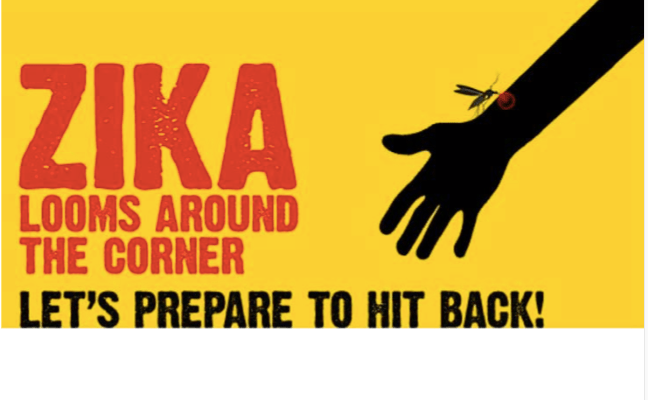
Researchers at the University of Greenwich are finding a potential cancer-fighting strategy using the anthrax toxin. Lead scientist, Dr. Simon Richardson, is working with his team to convert the anthrax toxin into a delivery tool for medications.“This is the first time a disarmed toxin has been used to deliver gene-modulating drugs directly to a specific compartment within the cell. We’ve achieved this without the use of so called helper molecules, such as large positively charged molecules like poly(L-lysine). This is important as while these positively charged molecules, known as polycations, can condense DNA and protect it from attack by enzymes before it reaches the target, they are also known to be toxic, break cell membranes and are sent quickly to the liver to be removed from the body. In this study we demonstrate that using disarmed toxins without a polycation is effective, at a cellular level.” In the world of Zika virus….On Monday, the WHO Zika virus team met and announced that the outbreak should now be considered a public health emergency of international concern. Dr. Margaret Chan, WHO director general, stated, “I am now declaring that the recent cluster of microcephaly and other neurological abnormalities reported in Latin America following a similar cluster in French Polynesia in 2014 constitutes a public health emergency of international concern.” Given the level of uncertainty regarding the disease, many feel this was a justified classification of the outbreak. The first case of sexual transmission within the US also occurred in Dallas, Texas. The patient became sick after having sexual contact with an individual who became symptomatic upon return from Venezuela. Chile and Washington DC have just confirmed their first three cases this week. Mexico’s Health Ministry is trying to downplay the Zika impact on tourism, however as the outbreak unfolds, it will be interesting to see long-term tourism repercussions within the affected countries. The state of Florida is ramping up their mosquito elimination, control, and education efforts to combat the growing epidemic, as it is one of the mosquito-heavy states within the US. Governor Rick Scott recently declared a health emergency in four Florida counties. If you’re on the lookout for educational tools, there are several helpful CDC informational posters regarding mosquito bite prevention.

US Military and the Global Health Security Agenda
In effort to protect military members and support global public health, the DoD (specifically, the Military Health System in coordination with the Defense Health Agency’s Armed Forces Health Surveillance Branch) developed the 2014 Global Health Security Agenda (GHSA). The GHSA established a five-year plan with specific agenda items, targets, and milestones that would incorporate its 31 partner countries. The DoD’s Global Emerging Infections Surveillance and Response System (GEIS) will also support these efforts through their biosurveillance practices in over 70 countries. The international work is as varied as the challenges one might see in global biosurveillance. The Armed Forces Health Surveillance Branch (AFHSB) “leveraged existing febrile and vector-borne infection control efforts in Liberia to support the recent Ebola outbreak response. The Liberian Institute for Biomedical Research served as a central hub for Ebola diagnostic testing with the help of the Naval Medical Research Unit-3 in Cairo, Egypt and two Maryland-based facilities, the Naval Medical Research Center in Silver Spring and the U.S. Army Medical Research Institute of Infectious Diseases in Frederick.” Surveillance efforts will also look at antimicrobial resistance and the development of additional research laboratories to work in coordination with host-nations and certain regional networks. You can also read Cheryl Pellerin’s work on DoD Biosurveillance and the role it plays in maintaining global public health efforts. Pellerin reports on the duties of the GEIS and the US Army Medical Research Institute of Infectious Disease (USAMRIID) in not only global health security, but also protecting US military personnel from infections while abroad.

Norovirus Outbreak in Kansas
There are few things that will make a food-borne disease epidemiologist (or infection preventionist for that matter) as frustrated as a norovirus outbreak. It hits quickly, is highly infectious, and tends to leave you with stories from case-control interviews that will make you either laugh, cry, or need some fresh air. A Kansas City suburb is currently experiencing a 400 person outbreak of gastroenteritis associated with the New Theatre Restaurant. Initial lab reports have confirmed norovirus as the culprit. The Vice President of the restaurant said that three employees have also been confirmed as norovirus cases. To date, the almost 400 people who reported symptoms are said to have eaten at the restaurant between January 15 to present. Norovirus is a pretty unpleasant gastroenteritis (you’ve probably heard it called the “cruise ship bug”) as it has a low infectious dose (estimates put it as low as 18 viral particles, while 5 billion can be shed in each gram of feces during peak shedding). Norovirus outbreaks tend to spring up quickly and infect high volumes of people, making it difficult for public health officials to jump ahead of the outbreak. Perhaps one of the biggest components to stopping the spread of infection is good hand hygiene, environmental cleaning, and staying home when sick.

TB Transmission on Airplanes
We’ve all been there – you’re seated next to someone with a nasty cough or cold and you just know you’re going to get sick. But what happens if you’re on a plane and there’s a person a few rows away that has tuberculosis (TB)? The European Centre for Disease Prevention and Control (ECDC) reviewed evidence of TB transmission on airplanes to update their Risk Assessment Guidelines. Of all the records/studies reviewed, 7/21 showed some evidence for potential in-flight (all flights lasted more than 8 hours) TB transmission, while only one presented evidence for transmission in this environment. The interesting component is that this low transmission risk is considered only for in-flight, as they excluded transmission on the ground since the before and after flight ventilation system is not in full-function mode. The one study that did show transmission risk involved six passengers that were in the same section as the index case, of which, four were seated within two rows. After their review, they found that the risk for TB transmission on airplanes is “very low”. They noted that “the updated ECDC guidelines for TB transmission on aircraft have global implications due to inevitable need for international collaboration in contact tracing and risk assessment.”

Stories You May Have Missed:

  • Resistant HIV – A recent study published in The Lancet discusses drug resistance after virological failure with the first-line HIV medication, tenofovir-containing ART (antiretroviral  therapy). This treatment is used as both a prevention and pre-exposure prophylaxis (PrEP). Researchers found “drug resistance in a high proportion of patients after virological failure on a tenofovir-containing first-line regimen across low-income and middle-income regions”. This study highlights the growing need for surveillance of microbial drug resistance.
  • Active Monitoring of Returning Travelers – Ebola Surveillance – The CDC’s MMWR for the week of January 29, 2016, discussed NYC monitoring of returned travelers from October 2014-April 2015. Monitoring of returned travelers from Ebola-affected countries was one strategy the US employed to prevent imported cases. This report reviews the 2,407 travelers that returned from affected countries, of which no cases were detected. The NYC Department of Health and Mental Hygiene (DOHMH)’s active monitoring system proved successful, however it was very taxing on resources and reinforces the need to minimize duplication and enhanced cooperation. Speaking of Ebola, investigators from the University of Texas Medical Branch at Galveston, Vanderbilt University, the Scripps Research Institutem and Integral Molecular Inc., have performed research to establish that “antibodies in the blood of people who have survived a strain of the Ebola virus can kill various types of Ebola.” Further work will now seek to understand immune response to the virus and how we can modify treatments and potential vaccines to be more effective.
  • DoD BioChem Defense take a glimpse into the global biosurveillance and defense efforts within the DoD Chemical and Biological Defense Program (CBDP). Working within several joint programs and striving to get ahead of outbreaks and attacks with early warning systems, this program faces the challenges of monitoring biochem threats on an international scale.

Enjoying your weekly dose of the Pandora Report? Sign up to receive it every week so the fun never ends! 
Week in DC: Events 2.1-2.5.2016

Monday, February 1st, 2016
Defense Strategy For The Next PresidentBrookings Institution
Time: 10-11:30am
Location: Brookings Institution1775 Massachusetts Ave, NW, Washington, D.C. 20036(map)
As President Obama’s second term winds down and the 2016 presidential election draws ever closer, the United States finds itself involved in two wars and other global hotspots continue to flare. As is often the case, defense and national security will be critical topics for the next president. Questions remain about which defense issues are likely to dominate the campaigns over the coming months and how should the next president handle these issues once in office. In addition, with the defense budget continuing to contract, what does the future hold for U.S. military and national security readiness, and will those constraints cause the next president to alter U.S. strategy overseas?On February 1, the Center for 21st Century Security and Intelligence at Brookings will host an event examining defense and security options for the next president. Panelists will include Mackenzie Eaglen of the American Enterprise Institute, Robert Kagan of Brookings, and James Miller, former undersecretary for policy at the Department of Defense. Brookings Senior Fellow Michael O’Hanlon, author of “The Future of Land Warfare” (Brookings Institution Press, 2015), will moderate the discussion.Panelists will take audience questions, following the discussion.

The Billion Dollar Spy: A True Story Of Cold War Espionage And Betrayal- Woodrow Wilson International Center for Scholars
Time: 4-5:30pm
Location: Woodrow Wilson Center1300 Pennsylvania Ave., NW, Washington, D.C. 20004(map)
From 1979 until 1985, the CIA ran an immensely productive spy in the heart of the Soviet military-industrial complex in Moscow. Author David E. Hoffman will describe this singularly-important operation, based on declassified CIA cables and his new book, The Billion Dollar Spy, and argue that despite the many achievements of technology in espionage, human sources are still vital. David E. Hoffman is a contributing editor at the Washington Post. He was pre­viously foreign editor, bureau chief in Jerusalem and Moscow, and White House correspon­dent. He is the author of The Billion Dollar Spy: A True Story of Cold War Espionage and Beytrayal (2015), The Dead Hand: The Untold Story of the Cold War Arms Race and Its Dangerous Legacy (2009) which won the Pulitzer Prize, and The Oligarchs: Wealth and Power in the New Russia (2002).

Tuesday, February 2nd, 2016
Why Food Security Matters– Johns Hopkins School of Advanced International Studies
Time: 12:30pm
Location: Johns Hopkins SAIS – Rome Building1619 Massachusetts Ave., N.W., Washington, D.C. (map)
Kimberly Flowers is director of the CSIS Global Food Security Project, which examines and highlights the impact of food security on U.S. strategic global interests. The project evaluates current efforts and provides long-term, strategic guidance to policymakers to ensure that U.S. foreign assistance programs are efficient, effective, and sustainable. Prior to joining CSIS in 2015, Ms. Flowers was the communications director for Fintrac, an international development company focusing on hunger eradication and poverty alleviation through agricultural solutions. From 2005 to 2011, she worked for the U.S. Agency for International Development, serving overseas as a development, outreach, and communications officer in Ethiopia and Jamaica, supporting public affairs in Haiti directly after the 2010 earthquake, and leading strategic communications for the U.S. government’s global hunger and nutrition initiative, Feed the Future. Ms. Flowers began her international development career in 1999 as a Peace Corps volunteer in Bulgaria, where she founded a young women’s leadership camp that continues today. She also served as a Peace Corps volunteer in Jamaica where she worked in youth development. She is a magna cum laude graduate of William Jewell College, studied at Oxford University, and is an alumna of the Pryor Center for Leadership Development.
RSVP Here

Australia’s Global Security And Defense Challenges– Heritage Foundation
Time: 11am-noon
Location: Heritage Foundation214 Massachusetts Ave NE, Washington, D.C. 20002(map)
Join us to hear The Honorable Kevin Andrews, former Minister for Defense, discuss Australia’s path forward in an increasingly complex Asia-Pacific security environment.More About the Speakers The Honorable Kevin Andrews, MPFormer Minister for Defense, Australia Continue reading “Week in DC: Events 2.1-2.5.2016”

Pandora Report 1.29.2016

Happy Friday! Now that winter storm Jonas is behind us, we can get back to tackling biodefense updates. Unless you’ve been avoiding the news, you’ve undoubtedly seen the surge in reports on Zika virus. Imported cases are popping up throughout the US, raising concerns about vulnerability and response. We’ll be covering the latest in Zika news, not to mention a pretty amazing disease modeling system, plague history, and how Brazil is prepping for the 2016 Olympics. Fun History Fact Friday: on January 28th, 2000, a US government study finally conceded that the cancer and premature deaths of several workers from a nuclear weapons plant (in service since WWII) were caused by radiation and chemicals and sticking with the nuclear weapon theme, on January 29th, 1964, Dr. Strangelove or: How I Learned to Stop Worrying and Love the Atomic Bomb premiered.

Open Source Disease Modeling: to Combat the Next Pandemic
GMU Biodefense PhD student, Nereyda Sevilla, has teamed up with Global Biodefense to discuss how transportation advances of the 21st century make outbreak preparedness and response extremely difficult. In most cases, health alerts and travel restrictions are reactionary to an outbreak that has already reached epic proportions. In response to this, scientists are working to predict disease spread and potential interventions through disease modeling. Spatiotemporal Epidemiological Modeler (STEM)  is one of these modeling systems that looks at several variables and parameters within the spread of an infectious disease and then models the efficacy of interventions. “The unique nature of STEM is that it is a multi-disciplinary, collaborative modeling platform.  The open-source characteristics of the system allow researchers and programmers to add, compare, refine, and validate different scenarios as well as add denominator data based on specialty.  For example, an infectious disease specialist in dengue working in South America may have unique disease characteristics and population data that could be tailored into STEM.” The best part? STEM is already pre-loaded with country data regarding national borders, transportation networks, air travel, and environmental conditions. Utilizing customized graphs and spatial maps, it can even be used to “create a spatial map of animal pens on a farm and to import that graph into the model to study the spread of a veterinary disease.” STEM can easily be downloaded and even has sample projects that many researchers from around the world have shared, like the 2014 Ebola outbreak, dengue fever, H1N1, etc. STEM is undoubtedly a significant weapon in the global health security arsenal to combat future pandemics.

Zika Virus Outbreak Updates
While 200,000 Brazilian troops are being mobilized to battle mosquitoes in a house-to-house strategy, Zika virus has reached 23 countries. As of January 28th, 2016, the WHO has set up an emergency team to respond to the growing epidemic. Meeting on Monday, the WHO team will decide if the Zika virus outbreak should be treated as a global emergency, as they are predicting “three to four million cases” in the Americas. Fear continues to grow in the US as cases are popping up in Los Angeles Country, CA Virginia, New York, and Arkansas, in a returned travelers. President Obama just called for a speeding up of Zika virus research to battle the growing outbreak. Sydney has also confirmed imported cases. While many worry that returning travelers are bringing the mosquito-borne disease back home, it’s important to note that it’s during the first week of infection that the virus is found in the blood and can be transmitted via mosquitoes.  Vertical transmission (from mother to child) is possible if the maternal infection is near the time of delivery, but there haven’t been cases of Zika virus in breast milk. To date, there has been one case of transmission through blood transfusions and one possibly spread through semen and sexual contact. Researchers are working to piece together the origins of this particular outbreak, but one hypothesis is that it came to Brazil from a major sporting event, specifically the 2014 World Cup. At this point, cases have been seen in 23 countries and the WHO has warned that it’s likely to “spread across nearly all of the Americas”. While no local transmission has occurred in the US, locally acquired cases are occurring in the Commonwealth of Puerto Rico. The CDC has also released interim guidance on the evaluation and testing of infants with possible congenital Zika virus.

Brazil’s Olympic Woes

Courtesy of The Guardian & EPA

The growing outbreak of Zika virus and subsequent concerns over fetal microcephaly are just another public health issue on the laundry list of concerns for Brazil in their Olympic preparations. Building the infrastructure to support such a massive event is taxing on even the most industrialized country. Despite Brazil’s initial dismissal of water quality issues, there have been flourishing concerns over water safety for Olympians (the linked BBC pictures alone would have me rowing the boat back to land at record speed). 13 of the 40-member US rowing team experienced gastroenteritis after a trial run in a lake. While the exact culprit of the GI illness was never identified, it amplified the already increasing fears regarding water quality. It’s never a good sign when rowers are warned not to splash water or jump in at the end of a race, or when a sailor has to be hospitalized due to a severe MRSA infection after field tests. As we mentioned a few months back, an Associated Press investigation found dangerous viral and bacterial levels in the Olympic and Paralympic water venues. “Extreme water pollution is common in Brazil, where the majority of sewage is not treated. Raw waste runs through open-air ditches to streams and rivers that feed the Olympic water sites. As a result, Olympic athletes are almost certain to come into contact with disease-causing viruses that in some tests measured up to 1.7m times the level of what would be considered hazardous on a Southern California beach.” Water issues aside, vector-borne diseases like Zika virus, dengue, malaria, and even yellow fever, can pose a threat to those attending and participating in the events. The Brazilian health ministry has announced response plans in wake of the growing Zika virus outbreak. These large-scale events also raise security concerns, especially after the Paris attacks. Brazilian officials have promised “to guarantee absolute peace”  during the Olympics.

Congrats to 2015 GMU Biodefense MS alum, Francisco Cruz, on his acceptance as a fellow in UPMC’s 2016 Class of Emerging Leaders in Biosecurity Initiative (ELBI) The UPMC ELBI is a highly selective program that brings together and fosters partnerships within the biosecurity field. Biodefense MS alum, Francisco Cruz, will accompany several other prominent members of the biosecurity community in meetings, conferences, and networking. Congrats Francisco!

DNA Investigations from the Great Plague of Marseille
Always a sucker for a mixture of history and epidemiology, I was excited to come across this archaeological gem. Despite its initial devastation in the fourteenth century, the bubonic plague resurged and hit Europe with another destructive wave, “leading to continued high mortality and social unrest over the next three centuries.” Considered to be the last outbreak of medieval plague in Europe, the Great Plague of Marseille (1720-1722) has provided archaeologists with samples that allowed them to reconstruct the complete pathogen genome. Harnessing DNA from the teeth of victims within the Marseille plague pits, their results point to the disease hiding within the shadows of Europe for hundreds of years. Computational analyst Alexander Herbig notes, “we faced a significant challenge in reconstructing these ancient genomes. To our surprise, the 18th century plague seems to be a form that is no longer circulating, and it descends directly from the disease that entered Europe during the Black Death, several centuries earlier”. While they continue their work on tracing the origins of the disease and its mysterious disappearance, I’m hopeful that archaeogenetics is the new inspiration for future Indiana Jones films…

Stories You May Have Missed: 

  • Listeria Outbreak Associated With Dole Salads- A Dole production plan in Springfield, OH, is being linked to an outbreak of Listeria throughout the US and Canada. Twelve cases were identified in the US and another seven were found across five provinces in Canada. All twelve cases involved hospitalization and there has been one associated death. The CDC is continuing updates here.
  • USDA Updates on Highly Pathogenic Avian Influenza Fall Plan- The USDA has updated their plans to combat the highly pathogenic avian influenza with more details regarding reimbursement on virus elimination activities and additional information on the August 2015 industry survey on preparedness.
  • British Government and Bill & Melinda Gates Foundation Roll Out New Plan to Combat Malaria –  The British government has teamed up with the Bill and Melinda Gates Foundation to pledge three billion pounds to help stop malaria in the next fifteen years. Bill Gates and British Chancellor George Osborne stated, “We both believe that a malaria-free world has to be one of the highest global health priorities.” Britain will invest 500 million pounds a year over the next five years and the Bill and Melinda Gates Foundation have put up $200 million this year and will continue with annual donations.
  • Tales from the Front Lines in the Ebola Fight-  Confusion, disorganization, fear, and communication gaps fill the notes from the ground in this interview with VICE correspondent, Danny Gold, during his time in West Africa during the outbreak.

Enjoying your weekly dose of the Pandora Report? Sign up to receive it every week so the fun never ends! 
Week in DC: Events 1.25-1.29.2016

Monday, January 25, 2016
Is Russia Punching Above Its Weight?Center for Strategic and International Studies
Time: 10-11:30am
Location: Center for Strategic and International Studies1616 Rhode Island Ave NW, Washington, DC 20036(map)
The past year has seen Russia deploying military forces to Syria to bolster the Assad regime, continuing a robust series of exercises on its western borders, and continuing to face accusations of military involvement in East Ukraine. Ruslan Pukhov, Director of the Centre for Analysis of Strategies and Technologies in Moscow, will discuss Russia’s goal and its activities, the extent to which these are commensurate with its real military capabilities, and the technological, economic, and demographic foundations on which those capabilities rest.

Islam, Gender, And Extremism : Muslim Women In The Fight Against ISIS And Beyond– New America Foundation
Time: 12:15-1:45pm
Location: New America740 15th Street NW Suite 900 Washington, DC 20005(map)
ISIS has attracted an unprecedented number of women to jihadist extremism while simultaneously carrying out a brutal campaign of sexual violence against women under its control. Yet much of the discussion of community responses remains the province of men. As calls for counter-narratives to ISIS proliferate and theological arguments against ISIS are mobilized – what role will Muslim women play in contesting ISIS’ interpretation and in shaping today’s Muslim communities more broadly? Asra Nomani is an investigative journalist who worked for fifteen years at the Wall Street Journal and conducted an in-depth investigation into the murder of her friend and colleague Daniel Pearl. She is the author of Standing Alone: An American Woman’s Struggle for the Soul of Islam (2006) and co-founder of the Muslim Reform Movement, an organization that advocates for secular governance, gender parity, and social justice. Nadia Oweidat is a Senior Non-Residential Fellow at New America. She holds a D.Phil. in Oriental Studies from the University of Oxford and teaches Islamic Thought and Extremism at Georgetown University. Prior to her doctoral studies, Dr. Oweidat worked as a Research Associate at the RAND Corporation where she led several research projects. Her expertise spans a wide range of contemporary issues such as the Arab Spring, countering violent extremism, the relationship between Iran and the Arab world, the radicalization of Muslim youth, and Internet trends among Arabic speakers. Ani Zonneveld is the founder and president of Muslims for Progressive Values and, through its #ImamforShe initiative, campaigns to empower Imams and religious leaders across the world to stand up for the rights of women and girls in their community as an inoculation against extremism. A full bio of Ms. Zonneveld can be found here. New America is pleased to welcome Ms. Nomani, Dr. Oweidat, and Ms. Zonneveld for a discussion of gender, Muslim communities, and the fight against ISIS.

Tuesday, January 26, 2016
Navigating Against Cyber Attacks: Nonprofits & Data Security– Forum One
Time: 12:30-2pm
Location: OpenGov Hub1110 Vermont Ave NW #500, Washington, DC 20005(map)
Large Event Room
In 2015 alone, hackers gained access to more than one hundred million personal records stored by organizations from Anthem Health Insurance to the U.S. Office of Personnel Management. With cyber criminals relentlessly targeting organizations of all sizes in the private and public sectors, it is clear that nonprofits are also not safe from the threat of data breaches. While many nonprofits have implemented firewalls and https protocols for sensitive digital information, paper-based forms or processes for encrypting and anonymizing personally-identifiable data remains a huge challenge. In other cases, nonprofits may find themselves altogether ill-prepared, with inadequate data security policies and practices in place to safeguard against digital attacks. Join Forum One on January 26th for a panel discussion with data security experts to share anecdotes, best practices, and approaches to addressing this critical challenge.

Iraqi Youth: Agents Of Change Or Soldiers Of Conflict?– United States Institute of Peace
Time: 1-2:30pm
Location: US Institute of Peace2301 Constitution Avenue NW, Washington, D.C. (map)
Please join USIP and IREX for a webcast event with two Iraqi university leaders who work closely with youth on issues of employment and opportunity. These representatives provide unique insight on the perspectives of young Iraqis and their involvement in civil society, the public sector and attitudes toward violent extremism. The two speakers will be joined by USIP’s Linda Bishai, who works to engage youth in civil society and political dialogue and who will discuss effective options for constructive alternatives to violent extremism. Join the conversation on Twitter, and pose questions for the panel, with #IraqiYouth.

Continue reading “Week in DC: Events 1.25-1.29.2016”

Pandora Report 1.22.2016

In anticipation of the impending snow apocalypse (that may be a tad dramatic, but coming from this Arizona import, this snow business is quite harrowing), we’re serving up a warm cup of global health security news. While you’re staying inside, check out the upcoming book from Sonia ShawPandemic: Tracking Contagions from Cholera to Ebola and Beyond, which travels through time to investigate the impact of emerging diseases. Dreaming of warmer temperatures? You may want to avoid some tropic locations as imported cases of Zika virus are cropping up in the US, and the CDC issued warnings for pregnant women to postpone travel to Mexico, Puerto Rico, and other affected countries. Fun History Fact Friday: as we learned last week, on January 19, 1900 the bubonic plague reached Australia’s shores and on January 20, 1981, the Iran hostage crisis ended.

Dugway Insights Raise New(-ish?) Biosafety Concerns
Dugway Proving Ground is one of the largest Army biodefense labs and while lab biosafety issues are becoming a more prevalent headline, new findings point to the severity of these failures. GMU Biodefense professor and graduate program director (and all around biodefense-guru), Dr. Gregory Koblentz, noted that “the systemic disregard for biosafety at Dugway as revealed by the investigative report is appalling and alarming. Without strong leadership, an organizational culture that prizes safety and security, a well-trained staff, and a robust oversight mechanism, we can expect more such accidents to occur in the future.” Lacking accountability and oversight, Dugway is another in the laundry list of labs that became complacent (or as Dr. Richard Ebright stated, their actions are that of “criminal negligence”). It seems that the time of calling these biosafety failures, “serious mistakes”, has passed and we’re sadly moving more into an era of habitual practice. Dugway is a hotspot (pun intended) for chemical and biological defense work however, findings within the report note improper qualification of certain employees, erroneous environmental sampling of labs, etc. Brigadier General William E. King IV oversaw Dugway from 2009-2011 and was directly called out in the report – “Colonel King repeatedly deflected blame and minimized the severity of incidents – even now, Brigadier General King lacks introspection and fails to recognize the scope and severity of the incidents that occurred during his command at (Dugway).” If you have around 26 minutes to spare, you can also watch the Army media brief on the investigations here.

food-production-chain-650pxFarmers Markets and Food Safety
Farmers markets are often a great place to find local, organic vegetables and fruits. Growing in popularity, it’s not surprising that concerns over food-borne illness and safety issues would be raised. Researchers (applied economists in this case) are reporting preliminary data regarding the potential association between farmers markets and food-borne illness. Reviewing data from 2004-2011, they found “a positive relationship between the number of farmers markets per capita on the one hand, and on the other hand, the number of reported outbreaks of food borne-illness, cases of food borne-illness, outbreaks and cases of Campylobacter jejuni. Our estimates indicate that a 1% increase in the number of farmers is associated with a 0.7% (3.9%) increase in the total number of reported outbreaks of food-borne illness (Campylobacter jejuni), and a 3.9% (2.1%) increase in the total number of reported cases of food-borne illness (Campylobacter jejuni) in the average state-year.” While these correlations were found, there wasn’t a statistically significant relationship between farmers markets and reported outbreaks or cases of salmonella, E. coli, or staph. Given the recent Chipotle outbreaks, there has been increasing attention to the concerns over farm-to-table food safety. While some illness can be related to farm safety practices, a lot of food-borne illness is related to improper handling or cooking of food.

Retaking Ramadi and the “Afghan Model”
GMU Biodefense student, Greg Mercer, has mined through the internet to provide some commentary on the recapturing of Ramadi from ISIS control. In his recap, Greg points to works in the New York Times, via authors Phil Ewing and Stephen Biddle, and several other security studies gurus. Greg notes, “many questions remain about the conflict- where it will go, how it will resolve, the political effort it will require from intervening forces, and ultimately what kind of conflict this is.”

Ebola Updates- Quarantines After Sierra Leone Death 
The day after the WHO declared the three hardest-hit countries Ebola free, a death in Sierra Leone hit the panic button for public health officials. As of January 21, 2016, a second case was reported in an individual that cared for this initial case. Over 100 people archive been quarantined after coming into contact with the woman who died of Ebola last week. During the course of her illness, she is reported to have stayed in a house with 22 other people. Five people later helped to wash and prepare her body for burial. Many homes of those high-risk patients under quarantine were attacked, pointing to increasing frustration. Close observation is being maintained on the 100+ people involved in this exposure.

Stories You May Have Missed:

  • The Neglected Dimension of Global Security – The National Academies Press will soon be releasing this hard-copy publication as a Framework to Counter Infectious Disease Crises, but the good news is that you can download it today for free! Authored by the Commission on a Global Health Risk Framework for the Future; National Academy of Medicine, Secretariat, it discusses the Ebola outbreak’s far-reaching consequences that range from human rights to transportation and commerce disruption.
  • CBRN Crimes & The Sordid History of Litvinenko – GMU Biodefense PhD alum, Dr. Daniel Gerstein, discusses the recently released Owen Report and the details surrounding the finding of radioactive polonium-210 in Russian agent, Alexander Litvinenko’s body following his death. The troubling details surrounding the report “highlights the links between Litvinenko and the Russian government, even pointing the finger at President Vladimir Putin himself as likely having approved the alleged murder.” While CBRN weapons are not a new concept, these new details may shine light on the realistic applications and threats they pose.
  • ISIS Tularemia Plans – Recent Turkish intelligence reports revealed that that the group had plans to use biological weapons. Aimed at Turkish water supplies, the report noted that the main bioweapon discussed was Francisella tularensis, which causes tularemia.
  • Lassa Fever Hits Nigeria – 30 confirmed, 140 suspected, and 53 deaths have been reported in the outbreak of Lassa viral hemorrhagic fever hitting 14 states within Nigeria. The case fatality rate is being reported at 37.9%.
  • Online Drama in the CRISPR Universe – a recent perspective article by Eric Lander (president of the Broad Institute) in Cell noted the heroes in CRISPR but failed to account for a potential conflict of interest. Needless to say, the Twitterverse erupted in a scientific outcry with many also calling out Lander’s failure to include several key contributors to the biotechnology.

Enjoying your weekly dose of the Pandora Report? Sign up to receive it every week so the fun never ends! 

Retaking Ramadi and the “Afghan Model”: Stephen Biddle, Air Power, and Maneuver Warfare

By Greg Mercer
On December 29, 2015, Iraqi forces recaptured the city of Ramadi, which was controlled by ISIS. While there remains resistance (in up to 25% of Ramadi), the victory is being hailed by some as a sign that ISIS is in retreat and losing momentum. An editorial in the New York Times lays out the situation and addresses where the US stands in the fight.

Many questions remain about the conflict- where it will go, how it will resolve, the political effort it will require from intervening forces, and ultimately what kind of conflict this is.

Twitter speculation is prescient, as always:

Screen Shot 2016-01-13 at 9.07.17 PM


That’s NPR’s defense writer Phil Ewing.

To assess this question of COIN-or-conventional, consider the theories of security studies hero and frequent commentator Stephen Biddle.

I have no interest in (mis)representing Biddle’s own opinions on ISIS, which have appeared in the Washington Post’s excellent Monkey Cage blogthe Atlantic, and the Council on Foreign Relations. Instead, I’m interested in two of his works addressing recent US conflicts- his seminal Military Power: Explaining Victory and Defeat in Modern Battle and his paper, Afghanistan and the Future of Warfare: Implications for Army and Defense Policy, wherein he spent a great deal of effort arguing against the idea of a Revolution in Military Affairs (RMA in Pentagonese).[1]

Military Power sees Biddle arguing that war hasn’t really changed all that much since artillery-aided maneuver warfare (Biddle calls this the “Modern System”) emerged in the First World War. This style of combat sees offenses where entrenched enemies are softened up with artillery barrages[2] and then overrun by infantry, using fire-and-maneuver tactics. Biddle supports this claim with a combination of case studies, statistical analysis of conflicts, and computer simulations. It’s something of a methodological cornerstone.

Afghanistan and the Future of Warfare takes on the dueling ideas that early American involvement in Northern Afghanistan, characterized by a Special Forces-Air Power-local allies triumvirate, is either so revolutionary as to herald a new “Afghan Model” of warfare or that it’s a complete topographical fluke unlikely to be repeated elsewhere. Biddle argues it was neither of these, but rather a fairly conventional war between two land forces characterized by its use of Special Forces to target precision guided munitions.

The Afghan Model, if it existed, would allow American air power dominance to “make conquerors” of local allies. Biddle’s test for whether Afghanistan represents a new model (the way some have said that it does) consists of three features:

  • Special Operations Forces and standoff sensors must have been able to find key targets for precision engagement;
  • PGMs must have been able to kill the targets found, at standoff ranges; and,
  • The indigenous allies’ role must have been undemanding.[3]

Basically, the aggregate of these features is a war wherein the US can take care of all of the actual finding and killing of targets with precision munitions targeted from the air, from orbit, or by small Special Forces teams, causing the enemy force structure to collapse, thus allowing local allies to take care of a few remnants and capture the territory. Biddle finds that initial operations in Afghanistan didn’t meet this standard.

These features are also a useful test for the war against ISIS. Again, the best-case-scenario is one where the 630 air strikes conducted by the US and its allies pave the way for local forces (in this case, the Iraqi Army[4]) to retake ISIS-held territory. This has been partially successful, and the Iraqis probably wouldn’t have been nearly as successful if not for friendly skies. But by Biddle’s conditions above, it would be premature to call this a new way of war. The US certainly hasn’t been able to conduct an entirely removed air war, opting to place forces on the ground. Identifying targets hasn’t been easy—ISIS occupies cities and villages populated by the civilians that the US and Iraqis seek to protect. Further complications arise from the proliferation of independent groups and actors on the ground (just look at the debate over what constitutes a Western-friendly moderate worth arming). The role of the allies on the ground has been anything but undemanding. So when we apply Biddle’s reasoning on the 2003 Iraq War and the 2002 Afghanistan War, the war against ISIS begins to look much more like a technologically advanced shade of good old maneuver warfare than a new type of conflict.

The idea of conducting an entire war from the air is compelling, though. What would it take to identify every enemy target and deliver precise munitions? The US already possesses some of the best[5] remote sensing equipment and military hardware out there, but it still requires targeting from allies on the ground or American Special Forces (as we saw in the case of the bombing of the Doctors Without Borders Hospital in Afghanistan, this is not a perfect system). To advance the art of air power to the point where it displaces land war requires near-omniscience and the ability to strike targets anywhere in the world in real time. Technologically or doctrinally, this just doesn’t exist.

Russia is simultaneously conducting airstrikes against ISIS and providing military assistance to allies on the ground. We’ve seen Russian airstrikes kill US-backed rebels and more recently, the leader of an insurgent group resisting Syrian President Bashar al-Assad’s control in Damascus. This begs the question of whether the Russian military sees itself following a conventional model of warfare, an Afghan Model, or some other model entirely. Following this, what happens when two powers try to “make conquerors” of their own local forces?

Finally, what of political solutions? The Times editorial notes that defeating ISIS militarily can’t alone solve the power vacuum and sense of Sunni disenfranchisement in Iraq that ISIS uses to build power. It’s widely understood that this requires a stable political solution, whether from within or without. Carl von Clausewitz tells us that war is an extension of politics, and in this case too we’ll have to see a military resolution and a political one.

[1] More explicitly in the former, but the latter certainly has shades of this.

[2] Biddle says that in WWI, this could mean firepower in the magnitude of nuclear weapons, dispelling the notion of boring-old-conventional-weapons.

[3] Biddle, Afghanistan and the Future of Warfare, 24

[4] And with regards to Ramadi, just the Iraqi Army. The Kurds and Iran-backed Shiites were excluded in favor of US-trained local Sunnis.

[5] Ok, the best.