Week in DC: Events 12.7-12.11.2015

Monday, December 7, 2015
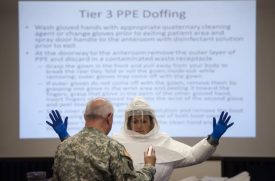
Ebola Surveillance & Laboratory Response – Lessons for Global Health SecurityScreen Shot 2015-12-03 at 9.34.57 AM
Time/Location:
Time: 4:30pm-6pm
Location: Robinson A-203 at George Mason University.
As the recently released Harvard-London School of Hygiene and Tropical Medicine Independent panel on the Global Response to Ebola indicates, the West African Ebola epidemic highlighted
many gaps in national and international health and response systems that are critical for protecting global health security.  Join leaders and experts who helped to lead the U.S. response for Ebola to discuss the international response to the epidemic, the importance of robust biosurveillance systems, and how the experience with Ebola influences our approach to Global Health Security. Speakers:

  • Dr. Matthew Lim, Senior Policy Advisor for Global Health Security, HHS, fmr Civil-Military Liaison Officer to WHO
  • May Chu, Ph.D. fmr Assistant Director for Public Health, Office of Science Technology and Policy, White House; Senior Science Advisor, CDC
  • Jeanette Coffin, Manager U.S. mobile laboratory deployment, MRIGlobal

Feeding Our Cities: Challenges To Urban Food SecuritySociety for International Development
Time: noon-1pm
Location: PwC1730 Pennsylvania Avenue NW, Suite 600 Washington, DC (map)
Thousands of people move into developing cities each day. Given the rapid urban expansion, cities must adapt to accommodate new urbanites, which often draws attention to the increased pressure on existing infrastructure, city services, housing, and other fundamental services. Perhaps the most fundamental of these services is the expectation for a city to facilitate access to food for its residents. As cities experience increasingly complex logistics due to infrastructure not built to accommodate rapid population growth, food security presents a significant challenge in many urban areas. The discussion aims to provide an overview of the urban food security challenges that developing cities face, focusing the role that strengthening urban supply chains play in creating more food secure cities.

Tuesday, December 8, 2015
Conflict Prevention And Resolution Forum: The Future Of Goal 16: Peace And Inclusion In The Sustainable Development Goals– Johns Hopkins School of Advanced International Studies
Time: 9:30-11am
Location: Johns Hopkins SAIS – Nitze Building1740 Massachusetts Ave., N.W., Washington, D.C. 20036 (map)
Room: Kenney-Herter Auditorium
The Sustainable Development Goals (SDGs) make a clear link between conflict and development, thanks to the powerful language about peace in the preamble to the along with the inclusion of Goal 16 on “peaceful and inclusive societies.” This emphasis recognizes that protracted conflict undermined the Millennium Development Goals (MDGs) in many countries, and it creates a new international focus on peacebuilding as one of the solutions to development challenges. How did the international community shift its thinking toward peace and inclusion in the SDGs, and where do we go from here? The inclusion of peace as a goal in the SDGs was not a foregone conclusion, and panelists will discuss both how advocacy helped ensure a role for peacebuilding in the SDGs and what that means for the next 15 years. They will also discuss the challenge that remains for governments, organizations, and individuals to implement and evaluate these global goals. Continue reading “Week in DC: Events 12.7-12.11.2015”

Pandora Report 12.4.2015

This week, Washington, DC hosted the Summit on Human Gene Editing, where the ethical and legal implications of gene editing technologies, like CRISPR-Cas9, were heavily discussed. In this week’s report, Greg Mercer works his magic, revealing the internet and social media trends following the shootdown of a Russian SU-24 on November 24th. We’re also reporting updates in the Zika virus and dengue fever outbreaks as well as the Harvard-LSHTM Panel Report on Global Response to Ebola. France is currently experiencing an increase of highly pathogenic avian influenza cases while a Black Angus beef cow in Alberta was discovered to have bovine spongiform encephalopathy (BSE). Fun history fact Friday – on December 3, 1967, the first human heart transplant was performed in Cape Town, South Africa and on December 4, 1945, the Senate approved US participation in the UN. Before we start our weekly roundup, make sure to mark your calendars to attend GMU’s seminar on Ebola surveillance and laboratory response this Monday, December 7th from 4:30-6pm at our Fairfax campus (details below!).

Zika Virus Outbreak – Updates
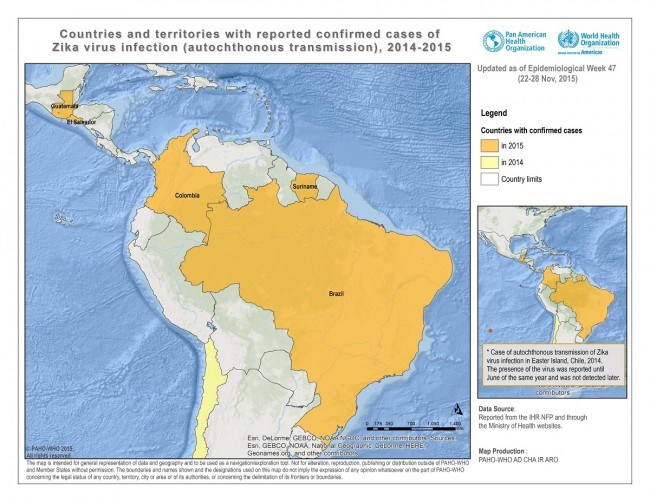
The growing outbreak of Zika virus has now seen locally acquired cases reach ten countries, causing the Pan American Health Organization (PAHO) to issue an alert, “urging countries in the region to be on the lookout for the disease and to watch for unusual patterns in newborn.” Brazil has been hit hard with a rise from 739 on November 27th, to 1,248 cases reported on November 30th. Six of the ten countries saw cases occur in November, hinting that the outbreak could just be starting. The growing concerns regarding the outbreak are also related to the newest evidence linking microcephaly and maternal cases. Zika virus genome was found in the amniotic fluid of two pregnant women and fetal diagnosis of microcephaly was performed via ultrasound. Even more so, French Polynesian health officials reported an unusual spike in nervous system malformations in babies that were born during a Zika virus outbreak in the region from 2014 to 2015. The concern regarding neurological conditions raises red flags as Brazilian health officials are reporting neurological complications, like that of Guillain-Barre syndrome, in Zika virus patients. The WHO reported 739 Brazilian microcephaly cases in newborns and while there is only ecological evidence linking the virus and microcephaly, investigations are ongoing. The outbreak first started in February 2014, on Easter Island (Chile) and has seen been identified in Colombia, Guatemala, Brazil, El Salvador, Mexico, Paraguay, Panama (confirmed cases as of December 4, 2015), Suriname, and Venezuela. Spread by Aedes mosquitoes, this vector-borne organism has similar symptoms to dengue fever and illness tends to last between four and seven days.

Event: Ebola Surveillance & Laboratory Response – Lessons for Global Health SecurityScreen Shot 2015-12-03 at 9.34.57 AM
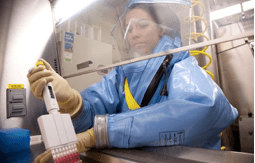
Time/Location: Monday, December 7, 2015 from 4:30pm-6pm in Robinson A-203 at George Mason University.
As the recently released Harvard-London School of Hygiene and Tropical Medicine Independent panel on the Global Response to Ebola indicates, the West African Ebola epidemic highlighted
many gaps in national and international health and response systems that are critical for protecting global health security.  Join leaders and experts who helped to lead the U.S. response for Ebola to discuss the international response to the epidemic, the importance of robust biosurveillance systems, and how the experience with Ebola influences our approach to Global Health Security. Speakers:

  • Dr. Matthew Lim, Senior Policy Advisor for Global Health Security, HHS, fmr Civil-Military Liaison Officer to WHO
  • May Chu, Ph.D. fmr Assistant Director for Public Health, Office of Science Technology and Policy, White House; Senior Science Advisor, CDC
  • Jeanette Coffin, Manager U.S. mobile laboratory deployment, MRIGlobal

It’s Definitely Maybe World War 3
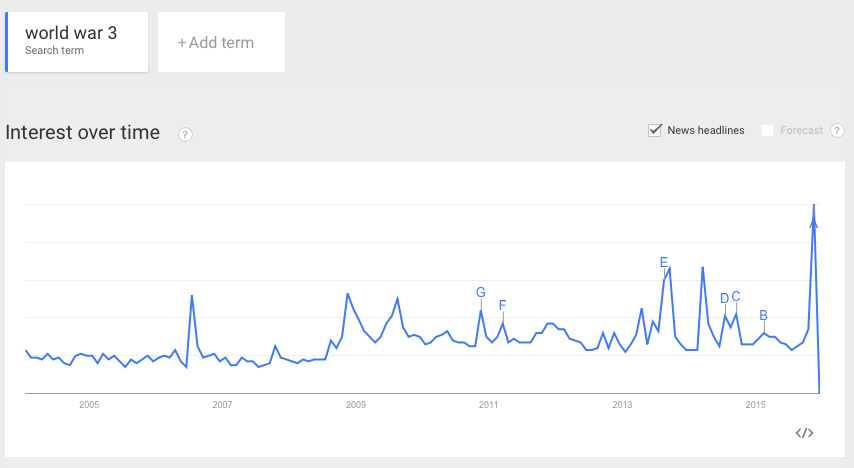
GMU’s Greg Mercer breaks down the November 24th Turkish shootdown of a Russian SU-24. Greg reviews the media attention following the event and the “immediate buzz about declarations of war, what exactly NATO owes Turkey vis-à-vis Russia, and the possibility of military confrontation between Russia and the West.” Through his use of google trends and Twitter, Greg shows just how much hype and concern the notion of WWIII got during this time. Take a look at his recap and debunking of the WWIII buzz and how quickly it caught like wild fire.

Reporting from the Panel on the Final Report of the Harvard-LSHTM Independent Review of the Global Response to Ebola
If you missed the Center for Strategic & International Studies (CSIS) Global Health Policy Center’s Launch of the final report of the Harvard-LSHTM Independent Panel on the Global Response to Ebola, don’t worry! I was fortunate to attend and a great deal of the report (we reported on last week) heavily emphasized “on the ground” capacity. Dr. Peter Piot, Director and Handa Professor of Global Health, London School of Hygiene and Tropical Medicine (LSHTM), joined via video link and started by saying that this would not be a WHO-bashing event. As one of the original researchers on Ebola during its 1976 discovery, he mentioned that the Democratic Republic of Congo (DRC) is a great example of local capacity in their success of ridding themselves of the disease within a few months of the outbreak starting. Dr. Piot heavily emphasized the work of several countries and how the WHO brought together multiple ethicists to review research during such a terrible outbreak. Lastly, Dr. Piot noted that “we risk focussing too much on global and not enough on local” in our future efforts. Dr. Suerie Moon, Research Director and Co-Chair of the Forum on Global Governance for Health at Harvard Global Health Institute, then spoke on the “weak coordination of global response” and how it severely aided the spread of Ebola. Dr. Moon highlighted the need for a global strategy to ensure adequate funding (external financing for the poorer countries and transparent tracking of financing) and the necessity for external assessment of country capacity. She pointed to the need for political and economic incentives and disincentives to not only report cases but also discourage the hiding of outbreaks. Reviewing each recommendation, the panel noted that “human health is a vital part of human security”. In one of her closing comments, Dr. Moon stated that “there are many unanswered questions regarding ebola response and we need to address a number of aspects that went wrong” and “a major theme is accountability at all levels, across all types of players.” Dr. Moon pointed out that the necessity of so many reforms shows just how much work is needed and that now is the time to see political support occur. Muhammad Pate, former Nigerian Minister of State for Health, expressed that “one of the lessons, at the national level, in terms of surveillance and accountability to respond, was missing and something that national leaders need to own up to is building their own public health systems.” Dr. Sophie Delaunay, Doctors Without Borders/MSF, then discussed the role of medical innovations and how the outbreak provided us with a unique opportunity to collect data. Dr. Delaunay said it will “be a complete nightmare to connect all the dots” in this outbreak and there is a desperate need for better R&D regarding disease outbreaks and response. “We ask for governments and policy makers to support collaboration on R&D to demonstrate their willingness to be more effective in the next outbreak” noted Dr. Delaunay. She heavily pushed for global financing efforts to facilitate investment in R&D and response. After the initial panel, there was a secondary group that shared their thoughts on the report, including Dr. Tom Frieden (CDC Director), Julie Gerberding (Exec. VP for Strategic Communications, Global Public Policy and Population Health, Merck) and Ron Klain (Former US Ebola Response Coordinator, White House and General Counsel, Revolution LLC). Ron Klain pointed to the failure of the WHO and “if institutions failed us, individuals shined. We did see extraordinary compassion from the rest of the world and tremendous outpouring of support. ” Mr. Klain mentioned that “the scariest thing about Ebola is the warning signs of how badly we failed this when the threat could’ve been worse and the epidemic we face could be much much more dangerous in the future.” Dr. Frieden emphasized the need of human resources management improvement at the WHO and how global outbreak response could work to support each other better. Lastly, Dr. Frieden emphasized a topic near and dear to my heart; infection control and it’s necessity in global disease prevention. Overall, the panel touched on several key points to the outbreak, emphasizing the need for the biggest players (including MSF) to lead by example via data sharing, etc. The push for political support on incentives and local capacity/accountability was perhaps one of the biggest recommendations and points emphasized from this event.

Gene Editing and CRISPR!
This was a busy week in the biotech world. The International Gene Editing Summit kicked off in Washington, DC. Bringing together experts from around the world, the summit touched on the newest technical innovations, ethical and legal concerns, and even social implications of genome editing advances. Genome Web has provided a great overview of the summit. Nature also published their Four Big Questions related to genome editing, touching on points related to editing the human germline and the ethical implications for technology that “researchers are still grappling with the known unknowns”. Recently, biologist, Emmanuelle Charpentier, discussed CRISPR-Cas9 and that it’s simply too early to begin gene editing as “the tools are not ready” and “as of today, I’m in favor of not having the manipulation of the human germlines. As long as they’re not perfect and ready, I think it’s good to have this ban against editing the germline.” Buzzfeed noted that over the course of the conference, there was a substantial push for a delay in the use of genetic engineering in fertility clinics due to the risk of making “designer babies”. Given the heavily debated nature of this topic it’s not surprising that the US National Academy of Sciences, Engineering and Medicine, the UK’s Royal Society, and the Chinese Academy of Science, all agreed that it “would be irresponsible to proceed with any clinical use of germline editing.” While the future is left open to gene editing on humans, there was heavy accentuation throughout the conference on the ethics and societal views of these scientific breakthroughs and the necessity to revisit their applications on a regular basis.

Dengue Fever Outbreak in Hawaii 
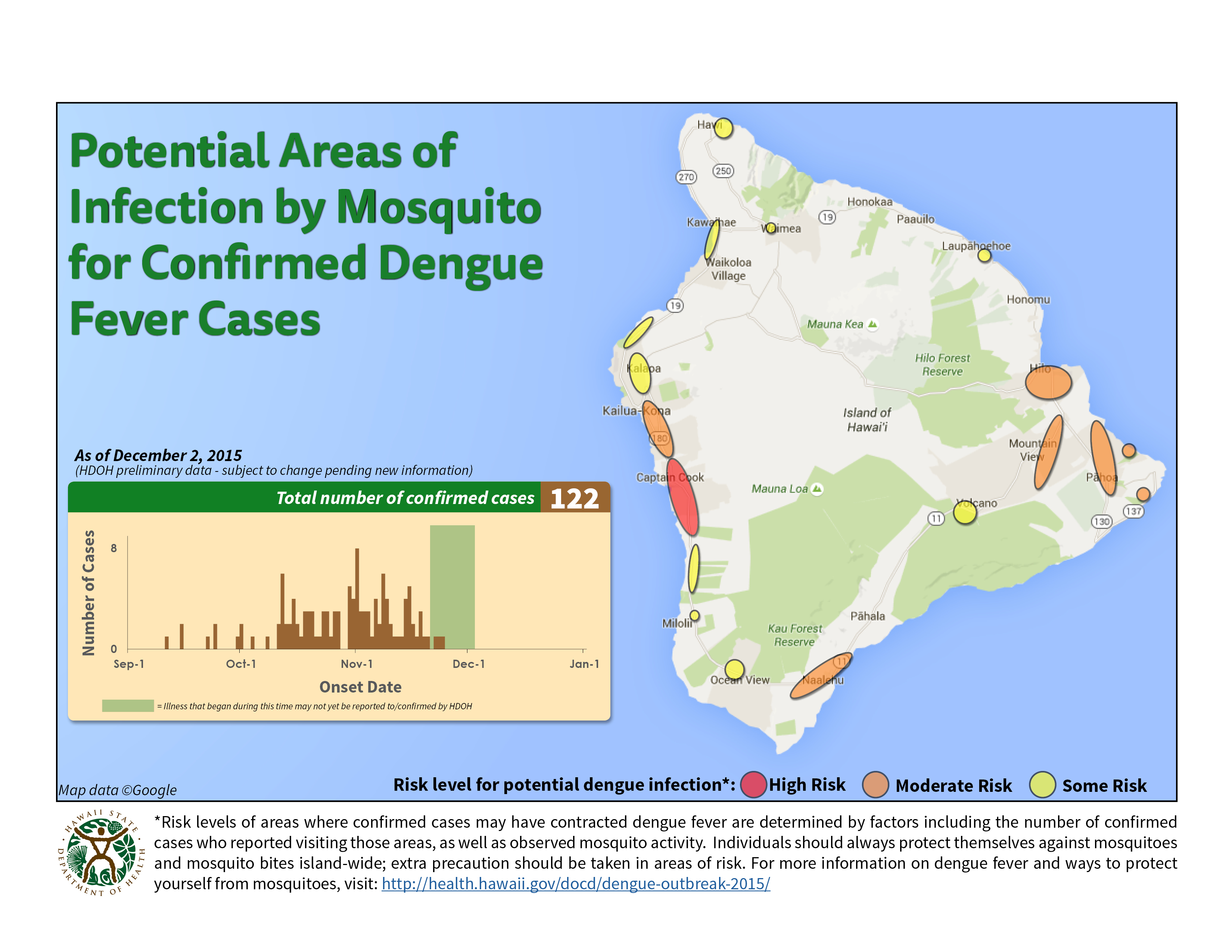
The Dengue fever outbreak on Hawaii Island is still growing. Now at 122 confirmed cases, this is one of the biggest outbreaks they’ve seen with local transmission. As of 12/2, the confirmed cases involved 106 Hawaii Island residents and 16 visitors. The Hawaii Department of Health (HDOH) has published information, hoping to aid prevention efforts, regarding the Aedes aegypti and Aedes albopictus mosquitos that are responsible for spreading the disease. There have been 313 reported potential cases and you can even find a map of the case distribution here!

Stories You May Have Missed:

  • 2015/2016 Flu Season- Where Are We?– The CDC 2015/2016 influenza activity showed a bit of a spike during the November 15-21 week. Influenza A (H3) is still the predominant species in laboratory confirmed cases. If you’re looking to keep an eye on seasonal flu, Google Flu Trends may no longer be operational, but you can still keep an eye on Flu Near You or the CDC’s page.
  • MERS-CoV Severity and Incubation Period– The CDC & Emerging Infectious Diseases published a report regarding the association of severe MERS-CoV illness and a shorter incubation period. Analyses of 170 patents in South Korea revealed a longer incubation period associated with a decreased risk for death while “patients who died had a shorter incubation period.” This mirrors the results of a previous study that had similar results with SARS coronavirus.
  • Salmonella Outbreak Associated With Recalled Nut Butters – The CDC is currently investigating 11 illnesses across nine states that may be linked to recalled nut butters. The Salmonella serotype is Paratyphoid B variant L (+) tatrate (+) (previously called Salmonella Java) and has caused illness in California, Colorado, Georgia, Hawaii, Idaho, Illinois, North Carolina, and New Jersey.
  • Taiwan CDC Holds Bioterrorism Drill – Involving 70 participants, the course utilized a subway union station to allow people to simulate first responders and real-life operations. “CDC bioterrorism teams are tasked with the investigation and identification of biological threats and attacks. Members take on containment and mitigation of damage for any individuals that are harmed during and as a result of an attack.” Go Taiwan!

Enjoying your weekly dose of the Pandora Report? Sign up to receive it every week so the fun never ends! 

It’s Definitely Maybe World War 3

It’s Definitely Maybe World War 3
By Greg Mercer

The Washington Post
The Washington Post

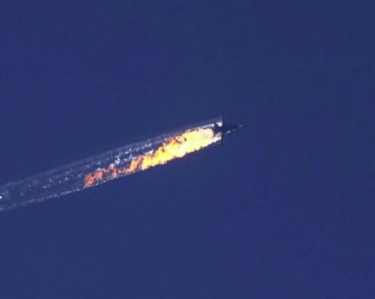
On November 24, Turkish F-16s shot down a Russian SU-24 bomber which had been flying over Syria, after an alleged violation of Turkish airspace.[1] Needless to say, the details are still emerging and the facts are still highly contested. The New York Times has an excellent comparison of claims made by Turkish and Russian officials, including the radar maps released by each country showing the airspace violation (or lack thereof).[2] Russian President Vladimir Putin called the shootdown a “stab in the back” and promised harsh consequences. Turkey called for an emergency meeting of NATO.

This incident and its bellicose rhetoric sparked immediate buzz about declarations of war, what exactly NATO owes Turkey vis-à-vis Russia[3], and the possibility of military confrontation between Russia and the West.  One particular phrase was cautioned against by reputable folks and seriously considered by less-than-stellar[4] sources: World War 3. I think this is really interesting, so I turned to good old search analytics to see how the internet reacted:
Screen Shot 2015-12-03 at 9.59.08 AM


Continue reading “It’s Definitely Maybe World War 3”

Week in DC: Events 11.30-12.4.2015

Monday, November 30, 2015
Renewed Violence In The Central African Republic: The Roots Of A Political CrisisUnited States Institute of Peace
Time: 12:30-2pm
Location: US Institute of Peace2301 Constitution Avenue NW, Washington, D.C. (map)
Leaders and citizens of the Central African Republic, with the support of the international community, are currently focusing resources and energy on laying the groundwork for a peaceful constitutional referendum and elections in the coming months. But sustained peace in in the country will require longer-term efforts as well, because the recent crisis is rooted in decades of poor governance and persistent insecurity. After the elections, Central African Republic policymakers and the international community will be challenged to lay the groundwork for the new government by addressing the longstanding grievances that contribute to the cyclical nature of the violence in CAR. The panel will bring together some of the foremost experts on the Central African Republic’s recent history of rebellion and instability, including the two most recent coups, international intervention efforts, the country’s political economy, and the ongoing series of United Nations and regional peacekeeping efforts. The experts will draw on their contributions to Making Sense of the Central African Republic, published by Zed Books, to make policy recommendations for the crucial remaining steps in CAR’s political transition and beyond. Pose questions for the panel on Twitter with #CARUSIP.

Tuesday, December 1, 2015
3-D Printing The Bomb? The Challenge For Nuclear NonproliferationCarnegie Endowment for International Peace
Time: 10:30am-12pm
Location: Carnegie Endowment for International Peace1779 Massachusetts Ave. NW, Washington, D.C. 20036 (map)
3-D printing has opened the world to a revolution in manufacturing. But this new technology may enable the most sensitive pieces of a nuclear weapons program to be more easily produced and transferred undetected around the globe. The United States should‬ ‪lead an international effort to prevent a 3-D printing-enabled cascade of nuclear weapons proliferation before it is too late.
Tristan Volpe and Matthew Kroenig will launch their new article, “3-D Printing the Bomb? The Nuclear Nonproliferation Challenge,” and explore how the United States can adopt both top-down and bottom-up strategies to combat this threat to international security‪. ‬Bruce Goodwin will moderate. Continue reading “Week in DC: Events 11.30-12.4.2015”

Pandora Report: 11.27.2015

We hope you’re having a lovely holiday week and recovering from a day of full of tryptophan overload! This week we’re starting off with a look at the Government Accountability Office’s review of the BioWatch program. We’re discussing another panel review of the WHO Ebola response efforts, the role of tacit knowledge in bioweapons development, and how the Beagle Brigade is fighting bioterrorism one belly-rub at a time. Fun history fact Friday: on November 26, 1940, President Franklin Roosevelt declared the government would bar strikes “at plants under government contract to provide war materials for the US military and its allies” and on November 25, 1915, Albert Einstein published his equations on the Theory of General Relativity!

Government Accountability Office Finds BioWatch Unreliable
The BioWatch program was introduced in 2003 to perform active environmental surveillance for potential bioweapon use. The struggle has been to accurately discern between organisms that are naturally occurring and those that are being intentionally released. With several false alarms, the program has been under heavy scrutiny. Timothy M. Persons, chief scientist of the Government Accountability Office (GAO), states that authorities “need to have assurance that when the system indicates a possible attack, it’s not crying wolf. You can’t claim it works”. DHS official Jim H. Crumpacker, points out that the system is used as an early warning and there is an inherent level of uncertainty and limitation. The report (published in October but not publicly released until November 23, 2015), which you can read here, states that from 2003-2014, BioWatch made 149 mistaken detections that were “false positives”. The report says that “GAO recommends DHS not pursue upgrades or enhancements for Gen-2 until it reliably establishes the system’s current capabilities.”

Expert Review of Ebola Outbreak Response
A 19 member review panel, convened by the Harvard Global Health Institute and the London School of Hygiene and Tropical Medicine, reviewed the Ebola outbreak response as a gateway to “public debates alongside reports on outbreak response and preparedness”. Led by Dr. Peter Piot, one of the scientists to discover Ebola in 1976, the group pointed to several issues needing attention on a global scale. Findings pushed for the WHO to reorganize their disease outbreak functions and streamline processes to “avoid political pressure, build country core capacities, and ensure adequate funding”. The ten suggested reforms heavily emphasize the importance of core capacities within countries to be able to detect and respond to outbreaks. Strengthening a country’s capacity to do surveillance, response, and prevention is crucial in reducing the risk of multi-national outbreaks that spread like wildfire. The report also suggests incentives for early outbreak reporting and more science-based justifications for economic impacts like travel restrictions, etc.

Tacit Knowledge and the Bioweapons Convention
GMU Biodefense Professor, Dr. Sonia Ben Ouagrham-Gormley, takes on the August 2015 Biological Weapons Convention and the exciting inclusion of tacit knowledge in bioweapons development. Dr. Ben Ouagrham-Gormley has contributed heavily to the field of biodefense, specifically on the role that tacit knowledge plays as a key determinant of bioweapons development. In past nonproliferation efforts, tacit knowledge has been widely neglected. Tacit knowledge “consists of unarticulated skills, know-how, or practices that cannot be easily translated into words, but are essential in the success of scientific endeavors.” Simply put, it takes more than a manual or YouTube video to truly perform a scientific experiment, etc. Tacit knowledge is seen in scientists that have spent years not only learning, but experiencing the quirks and challenges of performing experiments. The lessons of failed endeavors, teachings of fellow scientists, and instincts built by years of experience, are all components in tacit knowledge. Dr. Ben Ouagrham-Gormley points to the role tacit knowledge has played in the history of failed bioweapons programs (state and non-state). While some analysts believe the advancing biotechnologies will “de-skill” the field and lower the bar for bioweapons development, Dr. Ben Ouagrham-Gormley highlights that tacit knowledge is a massive roadblock. Pointing towards the new focus on tacit knowledge, she notes that this will only help “advance key mandates of the bioweapons convention, naming the assessment of new technologies, the improvement of national implementation, and the strengthening of cooperation among member states.”

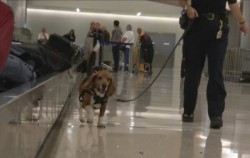
The New Line of Biodefense: Adorable Dogs

Courtesy of BarkPost

There are few times when I get to combine a love of rescue dogs and biodefense nerdom and fortunately, today is that day! The Beagle Brigade is a group of rescue beagles that have been specially trained “to sense for items used for bioterror which include contraband money, pests, and unlawful wildlife”. Even more, the Beagle Brigade is part of the USDA’s Animal and Plant Health Inspection Service (APHIS). They work in baggage-claim areas at international airports, wearing green jackets, to help identify any meat, animal byproducts, fruit, or vegetables that could be carrying any diseases or pests that have the potential to cause a devastating outbreak in the US. They’ve been specially trained to pick up “restricted” (fruit, vegetable, etc.) versus non-restricted items and have a 90% success rate! I think we can safely say the Beagle Brigade wins the award for “most adorable biodefense strategy”.

Genetically Engineered Mosquitoes Battle Malaria 
Recently published work shows how researchers used “a controversial method called ‘gene drive’ to ensure that an engineered mosquito would pass on its new resistance genes to nearly all of its offspring – not just half, as would normally be the case.” These “mutant mosquitoes” are engineered to resist the parasite that causes malaria infections. This particular work solves the issue that many were facing when it came to passing down resistant genes through a species. While this may mark the end of a long battle against malaria, many are pointing to the ethical and dual-use concerns of such work. The growing concern surrounds the high speed of such technological innovation and the lagging of regulatory and policy guidelines, especially regarding work in wild populations. The potential to alter an entire ecosystem has many concerned over the ramifications of such work. The research team is currently working to prepare mosquitoes for field tests, however they are non-native mosquitoes.

Stories You May Have Missed:

  • Stories From A Biodefense PhD Student- GMU Biodefense PhD student, Craig Wiener, discusses his journey from master’s student to PhD candidate. Craig explains what sparked his interest in not only biodefense, but GMU’s program, and how that’s translated into real-world experiences. “Mason has provided me the depth and breadth of knowledge that I needed to converse with senior policymakers, technologists, and scientists,” he says. “It bridged the gap between science and policy so I could be respected in both worlds because I knew what I was talking about.”
  • East Bronx Legionnaires’ Outbreak Traced to Psychiatric Center–  The New York City Health Department announced that the cooling tower at  the Bronx Psychiatric Centre was the likely source of the break that hit East Bronx earlier this fall. Samples from four cases matched those taken from the water tower. Remediation and disinfection is being performed on the water tower.
  • Liberia Reports Death of Boy – A boy who was part of the family cluster of Ebola cases in Liberia, has died of the disease. The 15-year-old boy was one of the three confirmed cases reported on November 20th, which marked the end of the Ebola-free period for Liberia since September 3rd. There are currently 153 contacts and 25 healthcare workers being monitored.

Week in DC: Events 11.23-11.27.2015

It’s a slow week in events – Enjoy your Thanksgiving!

Monday, November 23, 2015
The “Pitiless” War: A Strategy After The Paris Attacks– German Marshall Fund
Time: 10-11:15am
Location: The German Marshall Fund of the United States1744 R st. NW Washington, DC 20009 United States(map)
In the aftermath of the November 13 terrorist attacks in Paris committed by the self-proclaimed Islamic State group (ISIS), French President François Hollande declared that “….we are going to lead a war which will be pitiless.” What is the proper military, intelligence, and diplomatic response to counter to these recent brutal attacks against Western targets? What role will the United States play going forward? What does Europe need to do differently to meet this threat? What should the transatlantic alliance do about Syria and Iraq? With Hollande scheduled to meet U.S. President Barack Obama in Washington on November 24, and with these questions in mind, The German Marshall Fund of the Unites States (GMF) is pleased to invite you to an on-the-record discussion with three distinguished experts who all recently served in senior U.S. government positions and shaped current policies to address the ISIS threat.

Webinar: Understanding ISIS: Paris, Beirut, And U.S. Policy– Institute for Policy Studies
Time: 4-5pm
IPS Middle East expert Phyllis Bennis will discuss the new developments in Paris and Beirut, in the refugee crisis in Europe and the U.S., and discuss solutions that promote true diplomacy over military action. Terrorism survives wars, people don’t. Last week’s attacks in Paris left over 100 people dead. In Beirut, car bombs killed 43 people. Shortly before these attacks, President Obama defended his “war on terror” and said that ISIS was contained. As the civilian death toll rises and the refugee crisis grows, the U.S. global war on terror continues — and continues to fail, ultimately because you can’t bomb terrorism out of existence. In this 1-hour webinar, IPS Middle East expert Phyllis Bennis will discuss the new developments in Paris and Beirut, in the refugee crisis in Europe and the U.S., and discuss solutions that promote true diplomacy over military action.


Pandora Report: 11.20.2015

Much has happened since we reported last week, and with so many tragedies that have occurred, we look towards future preparedness efforts to prevent such misfortunes. The French Prime Minister warned on Thursday, “we must not rule anything out, there is also the risk from chemical or biological weapons.” French emergency medical services are also being supplied with sarin gas antidotes. Check out the CBRN Policy Brief by Dr. Garza, GMU Biodefense Affiliate Research Scientist and former Assistant Secretary for Health Affairs and Chief Medical Officer at the Department of Homeland Security. Dr. Garza provides an extensive look into US federal preparedness, which will be increasingly relevant given the Paris attacks and ISIS interest in chemical weapons. In looking towards the future, we’re celebrating World Antibiotic Awareness/Get Smart About Antibiotics Week to better appreciate the importance of microbial stewardship. Do you ever find yourself reading the Pandora Report and wondering, “all this biodefense stuff is so fascinating, I wonder how I could go more of it?” Good news, GMU has an entire Master’s program (and PhD if you really want to venture down the rabbit hole) in Biodefense! Fun History Fact Friday: On November 19, 1863, President Abraham Lincoln gave the Gettysburg Address at the dedication of the military cemetery in Gettysburg, Pennsylvania.

World Antibiotic Awareness Week 2015
Whether you want to call it the World Antibiotic Awareness Week (via WHO) or Get Smart About Antibiotics Week (via CDC), the importance of antimicrobial stewardship can’t go unnoticed. The threat of antibiotic resistance is growing and we can all play a vital role in stopping it. Did you know in the US alone, 2 million people a year become infected with an antibiotic resistant organism? At least 23,000 people a year will die as a result of resistant organisms. There is a growing list of infections that are becoming harder to treat, like tuberculosis, pneumonia, gonorrhea, etc. The CRE outbreak earlier this year is just one example of a highly resistant and deadly multi-drug resistant organism (MDRO). While many think global health security issues are acts of bioterrorism and lab safety failures (which they are!), the threat of MDRO’s is also a looming danger. Imagine a world where we have no effective antibiotics. Pretty scary, isn’t it? The WHO provided recommendations for healthcare workers and policymakers, but here are a few things you can do:

  • always take the full prescription (don’t just stop when you feel better!)
  • Have left-over antibiotics? Don’t take them.
  • Don’t share antibiotics.
  • Prevent infections before they happen – wash your hands, use safe food practices, avoid close contact with sick individuals, and keep your vaccinations up to date!

GMU Master’s in Biodefense
Have a passion for biodefense and global health security? Hoping to take your education and experience to the next level? GMU’s MS in Biodefense can help bridge those gaps. Did I mention we also have an online biodefense MS? Our program connects the worlds of science and policy, furthering students’ understanding of the complexities within global health security through classes on homeland security, biodefense strategy, specific threat agents, etc. One of our graduates, Kathleen Danskin, is actually working with GAP Solutions Inc., supporting the US Department of Health and Human Services (HHS) Office of the Assistant Secretary of Preparedness and Response (ASPR). Kathleen’s experience is a perfect example of GMU’s multifaceted approach to biodefense and support for work experience. The MS in Biodefense requires the completion of 36 credits (18 credits of core classes like those listed above, 9-15 credits in a field of specialization, electives, and 3 credits in a Capstone Course). Perhaps one of the program’s greatest strengths is its faculty. They’re not only subject matter experts with an amazing range of experiences and knowledge, but also extremely supportive and encouraging of their students. If you happened to miss our Open House on Wednesday, check out our recorded webcast that specifically discusses the Biodefense MS program. If you plan to apply, make sure to get your Spring 2016 application in by December 1st!

Putting the Global in Global Health Security
Dr. Stephen Redd, Director of the CDC’s Office of Public Health Preparedness and Response, writes about a holistic approach to global health security. Dr. Redd discusses the challenges of improving both domestic and global health security “by preventing avoidable epidemics, detecting threats early, and responding rapidly and effectively to any public health event.” The 2014 Ebola outbreak brought the realities of emerging infectious diseases and global outbreaks to the frontline of US concerns. This particular outbreak emphasized the importance of surveillance and response on a global scale. A disease outbreak in one country can quickly stretch beyond the borders of another. Dr. Redd points out that epidemics know no boundaries and we must stop thinking of outbreaks in terms of individual country responsibilities. Mirroring these sentiments, I believe the concept of One Health plays a growing role in global health security and our future practices. Dr. Redd notes that the US must continuously adapt to prepare for these threats. As emerging infectious disease outbreak occur, the role of spillover between the human, animal, and environmental sources makes prevention, surveillance, and response that much more vital.

Officials: IS Is Determined to Develop Chemical Weapons
Iraqi and US intelligence officials are reporting that the Islamic State group is on the quest to develop chemical weapons. Sources state that they are setting up branches specifically for chemical weapon efforts and experimentation. This wouldn’t be a far reach considering IS was reported to use mustard gas in Syria against Kurdish fighters. Intelligence officials are also pointing to IS efforts of finding and employing chemical weapons experts from a range of international venues. “Still, U.S. intelligence officials say they don’t believe IS has the technological capability to produce nerve gas or biological agents, and that the militants were more likely to harm themselves trying to make them. A European official privy to intelligence on the extremist group’s programs agreed, saying so far even IS production of mustard gas was in small quantities and of low quality.”

Public Health Emergency Medical Countermeasures Enterprise (PHEMCE) 2016 Stakeholders Workshop
PHEMCE helps coordinate Federal efforts to better prepare the US with medical countermeasures to combat CBRN and EID threats. Attend their January 6-7, 2016 workshop at the NIH Natcher Conference Center to address where we’re at and how we can work to be better prepared in the future.

Stories You May Have Missed:

  • Paris Attacks Point to Preparedness Needs GMU Biodefense alum, Dr. Daniel M. Gerstein, discusses the preparedness fallout of the 11/13 Paris attacks. While many news outlets are reporting on the attacks, Dr. Gerstein addresses the collective roles for homeland security and how strategies like “DHS’s ‘see something, say something’ campaign provides recognition of the importance of individual vigilance and reporting of suspicious behavior.”17779_lores
  • CDC Lowers Initial Chipotle E coli Case Count– Public health officials working on the outbreak associated with Chipotle restaurants in Washington and Oregon have dropped the case count from 50 to 37. Officials stated that “the CDC is now only reporting ill people that have been confirmed by PulseNet as being infected with the outbreak strain of E coli 026.” Of the 37 cases, 13 have been hospitalized.
  • Ebola Drug Protects Mice- FDA-approved Gamma interferon is showing promise in studies by University of Iowa researchers. When given 24 hours before or after exposure to the virus, it was able to fully protect mice from death from Ebola. While the team is still working to see how late the gamma interferon can be given after exposure, the success so far as a prophylaxis and post-exposure treatment is a huge breakthrough. With reports of a new case in Liberia, an effective ebola drug will be necessary to help stop the outbreak.
  • Cameroon is Experiencing a Measles and Cholera Outbreak There have been 858 documented measles cases, with a surge in the past six weeks. The Mokolo health district has experienced the greatest number of cases (587). 36 cases of cholera have also been reported over the last four weeks. Public health officials are working to contain both outbreaks.
  • Hawaii Dengue Fever Update- The National Guard has been called in to assist with the Dengue fever outbreak as case numbers hit 79 infections.


Week in DC: Events 11.16-11.20.2015

Monday, November 16, 2015
Global Security Forum 2015: Russia’s Strategic Vision– Center for Strategic and International Studies
Time: 9:30-10:45am
Location: Center for Strategic and International Studies1616 Rhode Island Ave NW, Washington, DC 20036(map)
Featuring: Ambassador Thomas Pickering Former Ambassador to the United Nations, the Russian Federation, India, Israel, and Jordan.
Michael Vickers Former Under Secretary of Defense for Intelligence
Moderator:  Olga Oliker Senior Adviser and Director, Russia and Eurasia Program, CSIS

Countering Terrorism In Tunisia: Prospects For Security Sector ReformProject on Middle East Democracy
Time: noon-1:30pm
Location: Open Society Foundations1730 Pennsylvania Ave NW #700, Washington, DC 20006 (map)
This event is co-sponsored by the Project on Middle East Democracy and the Legatum Institute.
A light lunch will be served at the beginning of the event.
Despite the immense progress Tunisia has made in its transition since the Jasmine Revolution, significant challenges—both internal and external—threaten the future of Tunisia’s democracy. As major terrorist attacks have negatively affected the country’s security and economic stability, Tunisia’s government has struggled to find an appropriate and effective response to counter the threat of terrorism. The Legatum Institute’s upcoming publication The Ministry Strikes Back: Could Counterterrorism Undermine the Revolution in Tunisia? analyzes successive Tunisian governments’ responses to terrorism and considers the relation between these responses and the future of the country’s democratic transition. How can governments effectively counter terrorism without threatening civil liberties? What reforms are needed to make Tunisia’s security sector effective, accountable, and in line with international human rights standards? And how can the United States and the international community play a productive role in encouraging and facilitating these reform efforts?

Tuesday, November 17, 2015
Lessons Encountered: Learning From The Long War Institute for National Strategic Studies
Date: 3:30-5:30pm
Location: National Defense University, Abraham Lincoln Hall
Room: Abraham Lincoln Hall Auditorium
Lessons Encountered is an edited volume which began as an effort to answer two questions from General Martin E. Dempsey, 18th Chairman of the Joint Chiefs of Staff: What were the costs and benefits of the campaigns in Iraq and Afghanistan, and what were the strategic lessons of these campaigns?
Please join us on 17 November as editors Drs. Collins and Hooker and the book’s contributing authors unpack the major findings and takeaways from this extensive examination. The event will be followed by a reception in the Lincoln Hall South Atrium.
R.S.V.P. by 15 November 2015

Wednesday, November 18, 2015
George Mason University SGPIA Master’s Open House
Time: 6:30pm
Location: Arlington Campus, Founders Hall, Room 126 or attend virtually!
We invite you to attend an open house to learn more about the School of Policy, Government, and International Affairs. We will be discussing the different master’s degrees within SPGIA, including our Biodefense master’s and online master’s program. The session will provide an overview of our master’s degree programs, an introduction to our world-class faculty and research, and highlights of the many ways we position our students for success in the classroom and beyond. Our admissions and student services staff will be on hand to answer your questions. Continue reading “Week in DC: Events 11.16-11.20.2015”

Pandora Report: 11.13.2015

Given the auspicious nature of Friday, the 13th, how about we start the Easy-Bake Oven version of bioreactors? (insert evil genius laugh). Our report this week is rich in biosafety, GMU Open Houses, and updates on global outbreaks. Fun History Fact Friday – this week in 1989, the Berlin Wall came down! Before we venture down the rabbit hole, don’t forget to get your flu shot before the 2015/2016 influenza season hits too hard!

DIY Bioengineering 
If you’re in search of the perfect holiday gift for your favorite biodefense/bioengineer, you can thank the creators of Amino (personally, I think calling it the Easy-Bake Oven Bioreactor is just so much more fun). The kit starts at $700 and comes with all the essentials for your “recipe” (main bacterial culture, DNA, pipettes, incubators, agar plates and various sensors for monitoring microbial growth). Did I mention it comes in a nice color-coded, pleasing-to-the-eye plywood dashboard? MIT graduate, Julie Legault, is the master genius behind Amino, and uses the “apps” (step-by-step guides) to help make even the most science adverse individual capable of making DNA products. Liz Stinson points out that “they walk users through how to insert the DNA into untransformed bacteria cells, and how to incubate, grow, and maintain the altered microorganisms”. Just make sure your new gift comes with some information on dual-use research of concern and avoids any select agents…

Master’s Open House 
Make sure to swing by our GMU Master’s Open House on Wednesday, November 18th at 6:30pm to learn about all our different programs! Good news – you can virtually attend via this link and even ask questions live! We’ll be talking biodefense and all the ways you can use our MS degree (online or in person!). Whether its fighting food safety issues, pandemic influenza, or zombies, we’re passionately trying to make the world of global health security stronger and more diverse!

Biological Research: Rethink Biosafety 
“Biology must move forward on safety and security. Let’s not reinvent the wheel, but learn from those doing safety better.” Tim Trevan’s comments echo the sentiments of many within the biosecurity field. The anthrax mishaps at Dugway and the CDC BSL-3 lab in Atlanta compound a growing concern over the handling of select agents and the lab safety practices and processes that seem to be failing. Trevan poses the question, “what are the prospects for managing the more intractable risks globally if measures to ensure the safe handling of dangerous pathogens are failing at the best-equipped facilities in the country with the most advanced biotechnology in the world?” In his words, Trevan has hit the nail on the head and summarized the realities of lab safety culture. So what’s to be done? Trevan makes the unexpected recommendation of  using nuclear security experts to advise on biosafety and biosecurity. This strategy utilizes a practice that is also common in healthcare – a culture of safety. By focussing on the prevention of failure, instead of maximizing output, safety becomes an engrained practice in all levels of an organization, transforming it into a “high-reliability organization” (HRO). By using examples within industries like offshore oil drilling, airlines, etc., Trevan points to the growing biotech capabilities that make biosecurity that much more imperative. In healthcare, I’ve seen organizations truly transform their practices by moving to a culture of safety (and utilizing “just culture” when it comes to patient safety) and while it’s not a wholly easy process, the foundations are already present in the existing teachings of patient care. Labs have the training and knowledge for safety, but as Trevan points out, it’s time to bring in those with the expertise to help move towards a culture of safety.

Screen Shot 2015-11-12 at 9.56.04 AM
Courtesy of HDOH

Dengue Fever Outbreak in Hawaii 
If you’re considering a winter retreat to Hawaii, make sure to grab some bug spray. Hawaii Island is currently experiencing a Dengue outbreak that has just reached 33 cases. Dengue is not endemic to Hawaii and while travelers have imported cases from time to time, this is marks the first big cluster of locally-acquired cases since 2011. The Hawaii Department of Health (HDOH) continues investigations and reports (as of 11/11)  25 Hawaii Island residents and 8 visitors have been laboratory confirmed with dengue fever. The HDOH has provided maps related to exposure areas to help people avoid high-risk locations or at least use preventative measures. If you’re traveling to Hawaii Island or an area where dengue is endemic, make sure to take steps to reduce the risk of mosquito bites and the potential for transmission!

Ebola Update
Guinea has reported no new cases in the last week. While they’re still on high alert after the cases surrounding a family, they are hopeful. Liberia and Sierra Leone have hit their 90-day enhanced surveillance period, meaning they have no new cases and are now working towards the WHO’s second objective (managing and responding to residual risks). Pauline Cafferkey has made a full recovery after her hospitalizations due to post-Ebola recovery complications. Researchers at Columbia University’s Mailman School of Public Health used a new statistical model to map the outbreak. Results will be published in the Journal of Royal Society Interface, which shows the development of the outbreak and role early detection and response plays.

Stories You May Have Missed: 

  • Joint Services Mask Leakage Tester (JSMLT) Contract – the DoD has announced that Air Techniques International, Inc. has been awarded a contract regarding the maintenance of the JSMLT. The JSMLT does quality control and ensures proper fitting (portably) on CBRN protective masks.
  • H7N9 Cases in China Rise– China has confirmed two more cases that occurred in October, bringing the total case count to four. Many in public health are noting that these cases bring about a fourth wave of infections (starting in October). The two new cases were a a 62-year-old woman from Shengzhou and a 51-year-old farmer from Hangzhou.
  • Boosting Biosecurity in Nigeria & Kenya– The Institute of Human Virology at the University of Maryland have announced two grants to help build biosecurity in Nigeria and Kenya. The first grant of $13 million will go to strengthen laboratory infrastructure in Kenya, and the second of $10 million will help those in Nigeria quickly detect and respond to emerging infectious diseases.

Enjoying your weekly dose of the Pandora Report? Sign up to receive it every week so the fun never ends! 

Week in DC: Events 11.9-11.13

Monday, November 9, 2015
The Strategic Lessons of the Campaigns in Afghanistan and IraqInstitute of World Politics
Time: 4:30pm
Location: Institute of World Politics1521 16th Street NW Washington, DC (map)
Dr. Joseph J. Collins, the Director of the Center for Complex Operations at National Defense University will speak on the new NDU book, Lessons Encountered:  Learning from the Long War. The book began as two questions from then-Chairman of the Joint Chiefs, General Martin Dempsey: what have been the costs and benefits of our operations in Iraq and Afghanistan; and what are the strategic lessons that one can draw from these two campaigns in the Long War.  The speaker will summarize the 500-page book with an emphasis on the strategic lessons that were identified, and hopefully one day, learned.

Tuesday, November 10, 2015
Responding to Looming Cyber Threats – The New RealityInformation Technology and Innovation Foundation
Time: 8-11:15am
Location: Information Technology and Innovation Foundation1101 K Street, N.W. Suite 610, Washington, D.C. 20005(map)
Please join Arent Fox LLP, the Information Technology and Innovation Foundation (ITIF), and George Washington University’s Center for Cyber and Homeland Security (CCHS) on Tuesday, November 10, for an engaging policy forum where cyber security leaders from industry, government, and academia will discuss the ever-changing landscape of cyber security threats, the role that policymakers can play in reducing risk to the enterprise, and best practices for responding to cyber incidents in a global economy.
Companies today face an unprecedented level of cyber security threats as a result of increases in the number of attacks and the sophistication of the attackers. Each week brings new headlines about data breaches and computer system failures that hurt the customers, profits, and reputations of US businesses. In addition, many companies are confronted with rising compliance costs as government regulators take enforcement actions against those who fail to provide sufficient security safeguards for customer data. And the security threat will be even greater in the future as companies expand their digital footprints with new investments in technologies like cloud computing, mobile devices, and the Internet of Things. The current state of cyber security is not sustainable, but changing it will require thoughtful leadership from both the public and private sector.
Registration and networking will begin at 8:00 am with coffee and light breakfast. The speaking program will begin at 8:30 am.

Climate Change & Food Security: Challenges And Options At Global And National ScalesInternational Food Policy Research Institute
Time: 12:15-1:45pm
Location: International Food Policy Research Institute2033 K St NW, Washington, DC 20006 (map)
Room: 4th Floor Conference Center
As we become increasingly aware of the impacts of heat, drought and other extreme weather events, climate challenges that once seemed a concern for the distant future are becoming more immediate. The impacts of climate change on agricultural commodities and trade need to be analyzed in the context of implications for agricultural production, food security, and resource use. In addition, climate change raises very real and important timescale and planning horizon issues not normally at the forefront of the more traditional economic development research agenda.
As scientists, advocates, researchers, and political leaders prepare to head to Paris for Conference of Parties (COP21) a panel of experts lays out some of the most urgent aspects of climate change and agriculture. Join IFPRI as new results on the impact of climate change on agriculture and food security from the International Model for Policy Analysis of Agricultural Commodities and Trade (IMPACT) are presented, along with a modeling framework and results designed to assist national decision- and policy-makers address climate change and mitigation goals in a politically and economically sustainable way. Following presentations by senior IFPRI researchers Alex de Pinto and Keith Wiebe, a panel of experts will share their views and recommendations. Continue reading “Week in DC: Events 11.9-11.13”