Pandora Report: 11.20.2015

Much has happened since we reported last week, and with so many tragedies that have occurred, we look towards future preparedness efforts to prevent such misfortunes. The French Prime Minister warned on Thursday, “we must not rule anything out, there is also the risk from chemical or biological weapons.” French emergency medical services are also being supplied with sarin gas antidotes. Check out the CBRN Policy Brief by Dr. Garza, GMU Biodefense Affiliate Research Scientist and former Assistant Secretary for Health Affairs and Chief Medical Officer at the Department of Homeland Security. Dr. Garza provides an extensive look into US federal preparedness, which will be increasingly relevant given the Paris attacks and ISIS interest in chemical weapons. In looking towards the future, we’re celebrating World Antibiotic Awareness/Get Smart About Antibiotics Week to better appreciate the importance of microbial stewardship. Do you ever find yourself reading the Pandora Report and wondering, “all this biodefense stuff is so fascinating, I wonder how I could go more of it?” Good news, GMU has an entire Master’s program (and PhD if you really want to venture down the rabbit hole) in Biodefense! Fun History Fact Friday: On November 19, 1863, President Abraham Lincoln gave the Gettysburg Address at the dedication of the military cemetery in Gettysburg, Pennsylvania.

World Antibiotic Awareness Week 2015
Whether you want to call it the World Antibiotic Awareness Week (via WHO) or Get Smart About Antibiotics Week (via CDC), the importance of antimicrobial stewardship can’t go unnoticed. The threat of antibiotic resistance is growing and we can all play a vital role in stopping it. Did you know in the US alone, 2 million people a year become infected with an antibiotic resistant organism? At least 23,000 people a year will die as a result of resistant organisms. There is a growing list of infections that are becoming harder to treat, like tuberculosis, pneumonia, gonorrhea, etc. The CRE outbreak earlier this year is just one example of a highly resistant and deadly multi-drug resistant organism (MDRO). While many think global health security issues are acts of bioterrorism and lab safety failures (which they are!), the threat of MDRO’s is also a looming danger. Imagine a world where we have no effective antibiotics. Pretty scary, isn’t it? The WHO provided recommendations for healthcare workers and policymakers, but here are a few things you can do:

  • always take the full prescription (don’t just stop when you feel better!)
  • Have left-over antibiotics? Don’t take them.
  • Don’t share antibiotics.
  • Prevent infections before they happen – wash your hands, use safe food practices, avoid close contact with sick individuals, and keep your vaccinations up to date!

GMU Master’s in Biodefense
Have a passion for biodefense and global health security? Hoping to take your education and experience to the next level? GMU’s MS in Biodefense can help bridge those gaps. Did I mention we also have an online biodefense MS? Our program connects the worlds of science and policy, furthering students’ understanding of the complexities within global health security through classes on homeland security, biodefense strategy, specific threat agents, etc. One of our graduates, Kathleen Danskin, is actually working with GAP Solutions Inc., supporting the US Department of Health and Human Services (HHS) Office of the Assistant Secretary of Preparedness and Response (ASPR). Kathleen’s experience is a perfect example of GMU’s multifaceted approach to biodefense and support for work experience. The MS in Biodefense requires the completion of 36 credits (18 credits of core classes like those listed above, 9-15 credits in a field of specialization, electives, and 3 credits in a Capstone Course). Perhaps one of the program’s greatest strengths is its faculty. They’re not only subject matter experts with an amazing range of experiences and knowledge, but also extremely supportive and encouraging of their students. If you happened to miss our Open House on Wednesday, check out our recorded webcast that specifically discusses the Biodefense MS program. If you plan to apply, make sure to get your Spring 2016 application in by December 1st!

Putting the Global in Global Health Security
Dr. Stephen Redd, Director of the CDC’s Office of Public Health Preparedness and Response, writes about a holistic approach to global health security. Dr. Redd discusses the challenges of improving both domestic and global health security “by preventing avoidable epidemics, detecting threats early, and responding rapidly and effectively to any public health event.” The 2014 Ebola outbreak brought the realities of emerging infectious diseases and global outbreaks to the frontline of US concerns. This particular outbreak emphasized the importance of surveillance and response on a global scale. A disease outbreak in one country can quickly stretch beyond the borders of another. Dr. Redd points out that epidemics know no boundaries and we must stop thinking of outbreaks in terms of individual country responsibilities. Mirroring these sentiments, I believe the concept of One Health plays a growing role in global health security and our future practices. Dr. Redd notes that the US must continuously adapt to prepare for these threats. As emerging infectious disease outbreak occur, the role of spillover between the human, animal, and environmental sources makes prevention, surveillance, and response that much more vital.

Officials: IS Is Determined to Develop Chemical Weapons
Iraqi and US intelligence officials are reporting that the Islamic State group is on the quest to develop chemical weapons. Sources state that they are setting up branches specifically for chemical weapon efforts and experimentation. This wouldn’t be a far reach considering IS was reported to use mustard gas in Syria against Kurdish fighters. Intelligence officials are also pointing to IS efforts of finding and employing chemical weapons experts from a range of international venues. “Still, U.S. intelligence officials say they don’t believe IS has the technological capability to produce nerve gas or biological agents, and that the militants were more likely to harm themselves trying to make them. A European official privy to intelligence on the extremist group’s programs agreed, saying so far even IS production of mustard gas was in small quantities and of low quality.”

Public Health Emergency Medical Countermeasures Enterprise (PHEMCE) 2016 Stakeholders Workshop
PHEMCE helps coordinate Federal efforts to better prepare the US with medical countermeasures to combat CBRN and EID threats. Attend their January 6-7, 2016 workshop at the NIH Natcher Conference Center to address where we’re at and how we can work to be better prepared in the future.

Stories You May Have Missed:

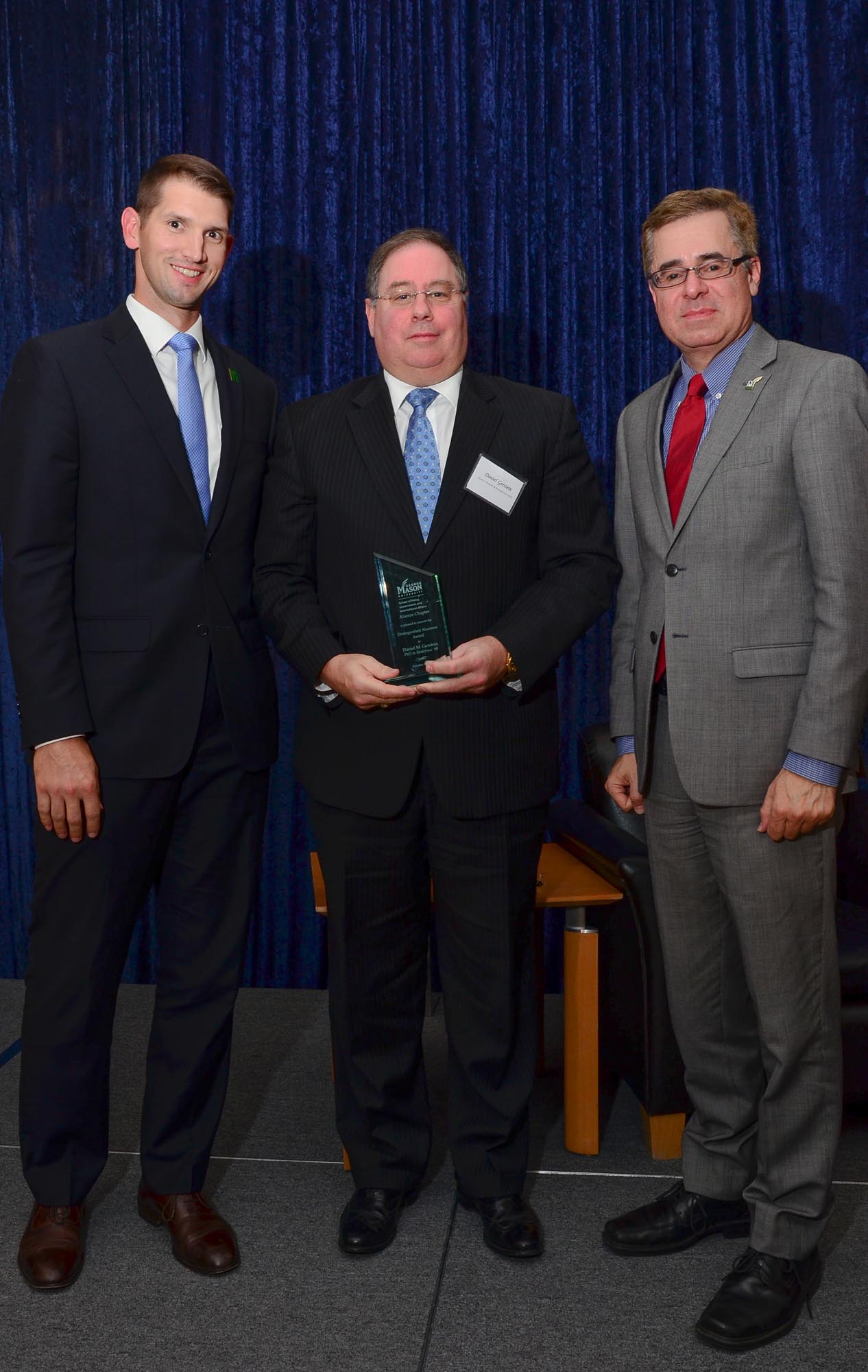
  • Paris Attacks Point to Preparedness Needs GMU Biodefense alum, Dr. Daniel M. Gerstein, discusses the preparedness fallout of the 11/13 Paris attacks. While many news outlets are reporting on the attacks, Dr. Gerstein addresses the collective roles for homeland security and how strategies like “DHS’s ‘see something, say something’ campaign provides recognition of the importance of individual vigilance and reporting of suspicious behavior.”17779_lores
  • CDC Lowers Initial Chipotle E coli Case Count– Public health officials working on the outbreak associated with Chipotle restaurants in Washington and Oregon have dropped the case count from 50 to 37. Officials stated that “the CDC is now only reporting ill people that have been confirmed by PulseNet as being infected with the outbreak strain of E coli 026.” Of the 37 cases, 13 have been hospitalized.
  • Ebola Drug Protects Mice- FDA-approved Gamma interferon is showing promise in studies by University of Iowa researchers. When given 24 hours before or after exposure to the virus, it was able to fully protect mice from death from Ebola. While the team is still working to see how late the gamma interferon can be given after exposure, the success so far as a prophylaxis and post-exposure treatment is a huge breakthrough. With reports of a new case in Liberia, an effective ebola drug will be necessary to help stop the outbreak.
  • Cameroon is Experiencing a Measles and Cholera Outbreak There have been 858 documented measles cases, with a surge in the past six weeks. The Mokolo health district has experienced the greatest number of cases (587). 36 cases of cholera have also been reported over the last four weeks. Public health officials are working to contain both outbreaks.
  • Hawaii Dengue Fever Update- The National Guard has been called in to assist with the Dengue fever outbreak as case numbers hit 79 infections.

 

Week in DC: Events 11.16-11.20.2015

Monday, November 16, 2015
Global Security Forum 2015: Russia’s Strategic Vision– Center for Strategic and International Studies
Time: 9:30-10:45am
Location: Center for Strategic and International Studies1616 Rhode Island Ave NW, Washington, DC 20036(map)
Featuring: Ambassador Thomas Pickering Former Ambassador to the United Nations, the Russian Federation, India, Israel, and Jordan.
Michael Vickers Former Under Secretary of Defense for Intelligence
Moderator:  Olga Oliker Senior Adviser and Director, Russia and Eurasia Program, CSIS

Countering Terrorism In Tunisia: Prospects For Security Sector ReformProject on Middle East Democracy
Time: noon-1:30pm
Location: Open Society Foundations1730 Pennsylvania Ave NW #700, Washington, DC 20006 (map)
This event is co-sponsored by the Project on Middle East Democracy and the Legatum Institute.
A light lunch will be served at the beginning of the event.
Despite the immense progress Tunisia has made in its transition since the Jasmine Revolution, significant challenges—both internal and external—threaten the future of Tunisia’s democracy. As major terrorist attacks have negatively affected the country’s security and economic stability, Tunisia’s government has struggled to find an appropriate and effective response to counter the threat of terrorism. The Legatum Institute’s upcoming publication The Ministry Strikes Back: Could Counterterrorism Undermine the Revolution in Tunisia? analyzes successive Tunisian governments’ responses to terrorism and considers the relation between these responses and the future of the country’s democratic transition. How can governments effectively counter terrorism without threatening civil liberties? What reforms are needed to make Tunisia’s security sector effective, accountable, and in line with international human rights standards? And how can the United States and the international community play a productive role in encouraging and facilitating these reform efforts?

Tuesday, November 17, 2015
Lessons Encountered: Learning From The Long War Institute for National Strategic Studies
Date: 3:30-5:30pm
Location: National Defense University, Abraham Lincoln Hall
Room: Abraham Lincoln Hall Auditorium
Lessons Encountered is an edited volume which began as an effort to answer two questions from General Martin E. Dempsey, 18th Chairman of the Joint Chiefs of Staff: What were the costs and benefits of the campaigns in Iraq and Afghanistan, and what were the strategic lessons of these campaigns?
Please join us on 17 November as editors Drs. Collins and Hooker and the book’s contributing authors unpack the major findings and takeaways from this extensive examination. The event will be followed by a reception in the Lincoln Hall South Atrium.
R.S.V.P. by 15 November 2015

Wednesday, November 18, 2015
George Mason University SGPIA Master’s Open House
Time: 6:30pm
Location: Arlington Campus, Founders Hall, Room 126 or attend virtually!
We invite you to attend an open house to learn more about the School of Policy, Government, and International Affairs. We will be discussing the different master’s degrees within SPGIA, including our Biodefense master’s and online master’s program. The session will provide an overview of our master’s degree programs, an introduction to our world-class faculty and research, and highlights of the many ways we position our students for success in the classroom and beyond. Our admissions and student services staff will be on hand to answer your questions. Continue reading “Week in DC: Events 11.16-11.20.2015”

Pandora Report: 11.13.2015

Given the auspicious nature of Friday, the 13th, how about we start the Easy-Bake Oven version of bioreactors? (insert evil genius laugh). Our report this week is rich in biosafety, GMU Open Houses, and updates on global outbreaks. Fun History Fact Friday – this week in 1989, the Berlin Wall came down! Before we venture down the rabbit hole, don’t forget to get your flu shot before the 2015/2016 influenza season hits too hard!

DIY Bioengineering 
If you’re in search of the perfect holiday gift for your favorite biodefense/bioengineer, you can thank the creators of Amino (personally, I think calling it the Easy-Bake Oven Bioreactor is just so much more fun). The kit starts at $700 and comes with all the essentials for your “recipe” (main bacterial culture, DNA, pipettes, incubators, agar plates and various sensors for monitoring microbial growth). Did I mention it comes in a nice color-coded, pleasing-to-the-eye plywood dashboard? MIT graduate, Julie Legault, is the master genius behind Amino, and uses the “apps” (step-by-step guides) to help make even the most science adverse individual capable of making DNA products. Liz Stinson points out that “they walk users through how to insert the DNA into untransformed bacteria cells, and how to incubate, grow, and maintain the altered microorganisms”. Just make sure your new gift comes with some information on dual-use research of concern and avoids any select agents…

Master’s Open House 
Make sure to swing by our GMU Master’s Open House on Wednesday, November 18th at 6:30pm to learn about all our different programs! Good news – you can virtually attend via this link and even ask questions live! We’ll be talking biodefense and all the ways you can use our MS degree (online or in person!). Whether its fighting food safety issues, pandemic influenza, or zombies, we’re passionately trying to make the world of global health security stronger and more diverse!

Biological Research: Rethink Biosafety 
“Biology must move forward on safety and security. Let’s not reinvent the wheel, but learn from those doing safety better.” Tim Trevan’s comments echo the sentiments of many within the biosecurity field. The anthrax mishaps at Dugway and the CDC BSL-3 lab in Atlanta compound a growing concern over the handling of select agents and the lab safety practices and processes that seem to be failing. Trevan poses the question, “what are the prospects for managing the more intractable risks globally if measures to ensure the safe handling of dangerous pathogens are failing at the best-equipped facilities in the country with the most advanced biotechnology in the world?” In his words, Trevan has hit the nail on the head and summarized the realities of lab safety culture. So what’s to be done? Trevan makes the unexpected recommendation of  using nuclear security experts to advise on biosafety and biosecurity. This strategy utilizes a practice that is also common in healthcare – a culture of safety. By focussing on the prevention of failure, instead of maximizing output, safety becomes an engrained practice in all levels of an organization, transforming it into a “high-reliability organization” (HRO). By using examples within industries like offshore oil drilling, airlines, etc., Trevan points to the growing biotech capabilities that make biosecurity that much more imperative. In healthcare, I’ve seen organizations truly transform their practices by moving to a culture of safety (and utilizing “just culture” when it comes to patient safety) and while it’s not a wholly easy process, the foundations are already present in the existing teachings of patient care. Labs have the training and knowledge for safety, but as Trevan points out, it’s time to bring in those with the expertise to help move towards a culture of safety.

Screen Shot 2015-11-12 at 9.56.04 AM
Courtesy of HDOH

Dengue Fever Outbreak in Hawaii 
If you’re considering a winter retreat to Hawaii, make sure to grab some bug spray. Hawaii Island is currently experiencing a Dengue outbreak that has just reached 33 cases. Dengue is not endemic to Hawaii and while travelers have imported cases from time to time, this is marks the first big cluster of locally-acquired cases since 2011. The Hawaii Department of Health (HDOH) continues investigations and reports (as of 11/11)  25 Hawaii Island residents and 8 visitors have been laboratory confirmed with dengue fever. The HDOH has provided maps related to exposure areas to help people avoid high-risk locations or at least use preventative measures. If you’re traveling to Hawaii Island or an area where dengue is endemic, make sure to take steps to reduce the risk of mosquito bites and the potential for transmission!

Ebola Update
Guinea has reported no new cases in the last week. While they’re still on high alert after the cases surrounding a family, they are hopeful. Liberia and Sierra Leone have hit their 90-day enhanced surveillance period, meaning they have no new cases and are now working towards the WHO’s second objective (managing and responding to residual risks). Pauline Cafferkey has made a full recovery after her hospitalizations due to post-Ebola recovery complications. Researchers at Columbia University’s Mailman School of Public Health used a new statistical model to map the outbreak. Results will be published in the Journal of Royal Society Interface, which shows the development of the outbreak and role early detection and response plays.

Stories You May Have Missed: 

  • Joint Services Mask Leakage Tester (JSMLT) Contract – the DoD has announced that Air Techniques International, Inc. has been awarded a contract regarding the maintenance of the JSMLT. The JSMLT does quality control and ensures proper fitting (portably) on CBRN protective masks.
  • H7N9 Cases in China Rise– China has confirmed two more cases that occurred in October, bringing the total case count to four. Many in public health are noting that these cases bring about a fourth wave of infections (starting in October). The two new cases were a a 62-year-old woman from Shengzhou and a 51-year-old farmer from Hangzhou.
  • Boosting Biosecurity in Nigeria & Kenya– The Institute of Human Virology at the University of Maryland have announced two grants to help build biosecurity in Nigeria and Kenya. The first grant of $13 million will go to strengthen laboratory infrastructure in Kenya, and the second of $10 million will help those in Nigeria quickly detect and respond to emerging infectious diseases.

Enjoying your weekly dose of the Pandora Report? Sign up to receive it every week so the fun never ends! 

Week in DC: Events 11.9-11.13

Monday, November 9, 2015
The Strategic Lessons of the Campaigns in Afghanistan and IraqInstitute of World Politics
Time: 4:30pm
Location: Institute of World Politics1521 16th Street NW Washington, DC (map)
Dr. Joseph J. Collins, the Director of the Center for Complex Operations at National Defense University will speak on the new NDU book, Lessons Encountered:  Learning from the Long War. The book began as two questions from then-Chairman of the Joint Chiefs, General Martin Dempsey: what have been the costs and benefits of our operations in Iraq and Afghanistan; and what are the strategic lessons that one can draw from these two campaigns in the Long War.  The speaker will summarize the 500-page book with an emphasis on the strategic lessons that were identified, and hopefully one day, learned.

Tuesday, November 10, 2015
Responding to Looming Cyber Threats – The New RealityInformation Technology and Innovation Foundation
Time: 8-11:15am
Location: Information Technology and Innovation Foundation1101 K Street, N.W. Suite 610, Washington, D.C. 20005(map)
Please join Arent Fox LLP, the Information Technology and Innovation Foundation (ITIF), and George Washington University’s Center for Cyber and Homeland Security (CCHS) on Tuesday, November 10, for an engaging policy forum where cyber security leaders from industry, government, and academia will discuss the ever-changing landscape of cyber security threats, the role that policymakers can play in reducing risk to the enterprise, and best practices for responding to cyber incidents in a global economy.
Companies today face an unprecedented level of cyber security threats as a result of increases in the number of attacks and the sophistication of the attackers. Each week brings new headlines about data breaches and computer system failures that hurt the customers, profits, and reputations of US businesses. In addition, many companies are confronted with rising compliance costs as government regulators take enforcement actions against those who fail to provide sufficient security safeguards for customer data. And the security threat will be even greater in the future as companies expand their digital footprints with new investments in technologies like cloud computing, mobile devices, and the Internet of Things. The current state of cyber security is not sustainable, but changing it will require thoughtful leadership from both the public and private sector.
Registration and networking will begin at 8:00 am with coffee and light breakfast. The speaking program will begin at 8:30 am.

Climate Change & Food Security: Challenges And Options At Global And National ScalesInternational Food Policy Research Institute
Time: 12:15-1:45pm
Location: International Food Policy Research Institute2033 K St NW, Washington, DC 20006 (map)
Room: 4th Floor Conference Center
As we become increasingly aware of the impacts of heat, drought and other extreme weather events, climate challenges that once seemed a concern for the distant future are becoming more immediate. The impacts of climate change on agricultural commodities and trade need to be analyzed in the context of implications for agricultural production, food security, and resource use. In addition, climate change raises very real and important timescale and planning horizon issues not normally at the forefront of the more traditional economic development research agenda.
As scientists, advocates, researchers, and political leaders prepare to head to Paris for Conference of Parties (COP21) a panel of experts lays out some of the most urgent aspects of climate change and agriculture. Join IFPRI as new results on the impact of climate change on agriculture and food security from the International Model for Policy Analysis of Agricultural Commodities and Trade (IMPACT) are presented, along with a modeling framework and results designed to assist national decision- and policy-makers address climate change and mitigation goals in a politically and economically sustainable way. Following presentations by senior IFPRI researchers Alex de Pinto and Keith Wiebe, a panel of experts will share their views and recommendations. Continue reading “Week in DC: Events 11.9-11.13”

Pandora Report 11.6.2015

Happy Friday! The world of biodefense and global health security has been busy this week – between a growing outbreak of E. coli associated with Chipotle restaurants, to a review of Select Agent lab practices, and a recap of the Ebola outbreak in West Africa, there’s more than enough to keep you busy! Fun history fact Friday (it’s our version of “flashback Friday”), did you know that on November 6, 1971, the US Atomic Energy Commission tested the largest US underground hydrogen bomb (code name Cannikin) on Amchitka Island?

CDC/Select Agent List- 90 Day Internal Review
We’ve seen a lot of news lately regarding lab safety and biodefense reform/recommendations. With so much scrutiny regarding biosafety practices, it’s not surprising the CDC would do a deep dive into “how the agency inspects select agent labs” with a 90 day review. The review notes that while it didn’t duplicate the recommendations from Presidential Order 13546, it did find several areas for improvement, leading to nine observations and ten actionable recommendations. The categories for recommendations are inspections, incident reporting, and transparency. The findings point to several areas for improvement, ranging from the standardization of risk assessments to identify high risk activities, to the sharing of inspection data to better encourage public understanding of the work practices performed with these agents. The report highlights several areas for improvement that will hopefully lead to more stable biosecurity and public understanding of how we handle select agents. You can also check out the Federal Select Agent Program for a list of the agents and regulations involved.

2016 Presidential Candidates on Nonproliferation
GMU’s Greg Mercer is at it again with round three of his review on 2016 presidential candidates and their comments on nonproliferation. As of now, he’s reviewed the Republican candidates, but now he’s delving into the Democratic candidates. Greg reviews Hillary Clinton, Bernie Sanders, and Martin O’Malley, noting that ” in contrast to Republicans, most Democrats support the Iran deal, and generally tend to favor international arms control regimes.” With the race only heating up, stay tuned  for more of Greg’s candidate-by-candidate reviews on nonproliferation in the 2016 election.

GMU Master’s Open House and Application Deadlines!
Considering a master’s degree? Come check out the GMU School of Policy, Government, and International Affairs (SGPIA) Open House on Wednesday, November 18th, 6:30pm at our Arlington Campus in Founders Hall (Room 126). There’s even a pre-session for veterans and active duty military at 5:45pm! The Open House is a great way to learn about our different Master’s programs (Biodefense, International Security, Political Science, etc.) and ask real-time questions with faculty. Our Biodefense Program Director, Dr. Koblentz, will be there to discuss global health security and tell you about the pretty amazing things we get to do at GMU! If you’ve already attended or are planning to apply, just a friendly reminder that PhD program applications are due December 1st, and Biodefense Master’s Spring applications are due December 1st as well.

Zika Virus Outbreak in Colombia
Nine new cases have been identified in Sincelejo, Colombia, with an additional three being investigated in Barranquilla. Zika virus is a vectorborne disease that is transmitted through Aedes mosquitos. The CDC notes that vertical transmission (from mother to child) can occur if the mother is infected near her delivery and Zika can be spread through blood transfusion (although no cases have occurred this way) and sexual contact (one case of sexually transmitted Zika virus has occurred to date). Common signs and symptoms are fever, rash, joint pain, and red eyes that last several days to a week. In the past, transmission has occurred in tropical Africa, Southeast Asia, and the Pacific Islands, however, there have been cases in 2015 in Brazil and Colombia. We’ll keep you updated if transmission continues in South America!

There have also been cases of Chikungunya springing up throughout the Caribbean and Americas. The Pan American Health Organization (PAHO) initially reported just over 2,400 cases a few weeks ago, however a new report is showing 13,476 new cases. Initially starting in December 2013, this epidemic began with a single locally acquired case on St. Martin island, and is now totaling 1, 760,798 cases.

Chipotle E.coli Outbreak 
Just when you thought it was safe to go back to Chipotle (we reported that Minnesota  Chipotle customers experienced a Salmonella outbreak in August), an E. coli outbreak is making headlines in Washington and Oregon. Public health officials updated the case total to 41 people as of 11/4, with 6 patients requiring hospitalization. The source of the outbreak hasn’t been identified yet but as a precautionary measure, they’ve closed 14 restaurants. So far, the identified cases have been tied to five restaurants across six counties.

10759_lores

Stories you May Have Missed

  • CRISPR-Cas9 Utility Broadens – researchers at Massachusetts General Hospital have improved on the utility of CRISPR-Cas9 through application via bacterial sources. The team “reports evolving a variant of SaCas9 – the Cas9 enzyme from Streptococcus aureus bacteria – that recognizes a broader range of nucleotide sequences, allowing targeting of the genomic sites previously inaccessible to CRISPR-Cas9 technology.” The new application allows a more precise targeting within the genomic sequence, which may translate to therapeutic applications. CRISPR-Cas9 has been a hot topic within the science and biodefense community in relation to its potential labeling as dual use research of concern (DURC) and certain ethical debates.
  • Unvaccinated Babies Refused By Some Physicians– Vaccination status is something I’ve grappled with working in pediatrics and is one of the rare things that can turn a calm physician (or infection preventionist for that matter) red-faced and needing a breather. The Boston Globe reported on a recent survey from the American Academy of Pediatrics that touched on pediatricians dismissing families that refused vaccines. The study found that all pediatricians surveyed had encountered at least one parent refusing vaccination for their child and 20% of pediatricians “often” or “always” dismissed families who refuse one or more vaccine. Interestingly, researchers found that “doctors in private practice, those located in the South, and those in states without philosophical exemption laws were the most likely to dismiss families refusing to vaccinate their infant”.
  • Guinea Ebola Tranmission – Guinea continues to experience new cases. As we mentioned last week, the cluster of four patients from the Kondeyah village is being monitored by public health officials. An infected newborn, whose mother died from Ebola recently, is also under observation and care. The infant’s mother was a confirmed case prior to her delivery and died after giving birth. The WHO is currently monitoring 382 contacts in Guinea during this time.

Enjoying your weekly dose of the Pandora Report? Sign up to receive it every week so the fun never ends! 

The Candidates on Nonproliferation Part III

The Candidates on Nonproliferation – Part 3
By Greg Mercer

I initially set out to write this as a candidate-by-candidate look at what the 2016 crop had to say about an issue near and dear to Biodefense students’ hearts: nonproliferation. As it turns out, though, not many candidates have well-developed stances on highly specific policy issues (or any issues, depending on how serious a candidate we’re talking about) more than a year from the general election. Lucky for us though, there’s been a major nonproliferation news event to drive the foreign policy debate: the Iran nuclear deal. So this is a rundown of what’s been said and is being said about nonproliferation and WMD policy in the 2016 election.

See part 1 here
And part 2 here

I’m spending even more time on campaign sites to see what the 2016 election looks like for nonproliferation.

This time, I’ll take a look at top Democrat contenders. In contrast to the Republicans, most Democrats support the Iran deal, and generally tend to favor international arms control regimes.

Hillary Clinton:
In the Democratic debate, Hillary Clinton named loose nukes among the paramount threats to the US.  This issue is commonly understood to hinge on loose radiological material from the former Soviet Union (which is notoriously poorly controlled) and other states maintaining poor control of their nuclear weapons.  The Associated Press recently released an investigation into the Moldovan nuclear black market and Islamic extremists.  She has also strongly endorsed the Iran deal, and has a unique role in the debate, having helped to implement sanctions and launch negotiations with Iran as former Secretary of State.  The Politico story linked notes that she was more hawkish than Obama on Iran in the past.  (Her support of the Iraq War in Congress has been a recurring talking point for opponents).  Now, though, their views seem to be pretty closely aligned.  Hillary’s national security issues page also leans heavily on her experience at the State Department (in addition to being pretty relentlessly on-brand).  Among the usual issues- ISIS, Russia, Israel, the Iran deal- is a very interesting one: “Highly contagious diseases are a constant threat. Warmer and drier conditions caused by global climate change, along with our increasingly interconnected world, enable germs to spread more quickly across the globe. America must remain vigilant and do more to prevent and contain outbreaks.”   This is an uncommonly specific stance, and is placed alongside cyberattacks and climate change to make up an emerging threats triumvirate.  So far, though, there hasn’t been much elaboration on actual policy options to combat this threat, or what makes it a defense issue versus, say, an international development one.

Bernie Sanders:
In 2009, Bernie Sanders echoed President Obama’s call for “a world without nuclear weapons.”  While this obviously hasn’t happened, Sanders released a statement calling for an end to the production of weapons-grade uranium and stopping the spread of nuclear weapons.  In March of 2015, Sanders cosponsored a bill to reduce American spending on nuclear weapons by $100 billion over 10 years (in grand Congressional naming convention, the Smarter Approach to Nuclear Expenditures Act, aka SANE).  A House and Senate version have been introduced, but are part of a much larger budget fight.  Sanders’ issues page supports the Iran deal, though it interestingly says the “agreement is not perfect,” but ultimately concludes that it is a far superior option to military action. As usual, Sanders officially gives his support to Obama and Secretary of State Kerry’s negotiations.  This page also does the thing where a first-person snippet introduces a long set of third-person position statements, but the personal statement highlights Sanders’ votes against the first and second Gulf Wars.  This casts him pretty clearly as anti-military intervention to prevent proliferation, but with the caveat that it remains an option.  There is also a separate, editorial-style section on just the Iran Deal, which offers more detail about uranium and centrifuge reductions.  Once again, it calls war “the last option.”  Much of Sanders’ campaign so far has hinged on economic and social issues, however, and he even said in the most recent debate that climate change is the most pressing national security threat.  When looking for threats to security, Sanders mostly looks beyond weapons of mass destruction.

Continue reading “The Candidates on Nonproliferation Part III”

Week in DC: Events 11.2-11.6

Monday, November 2, 2015
Nuclear Policy Talk: Argonne National Lab And National & Global Security Elliott School of International Affairs
Time: 12:30pm-2pm
Location: Elliott School of International Affairs1957 E St NW, Washington, DC 20052, United States (map)
Since it was established as the nation’s first National Laboratory, Argonne has conducted world class research and development for the Department of Energy. Within weeks after Enrico Fermi and his team produced the first man-made, self-sustaining nuclear chain reaction (in other words, nuclear reactor) at the University of Chicago, Argonne was created just down the road to pursue peaceful uses of the atom, notably a full decade prior to Eisenhower’s famous “Atoms for Peace” speech. Flash forward 7 decades and Argonne is now globally recognized as a leader in many scientific disciplines including nuclear energy, materials science, high performance computing, national security and additional disciplines. This presentation will provide a brief description of what Argonne represents today, where it is heading in the future, and areas of opportunity for collaborations with universities and academic laboratories. While the focus of the presentation will be on national and global security, a broad array of opportunities will be addressed.

NCIS: Current and future operations in investigating and defeating terrorists, foreign intelligence, and criminal threats Institute of World Politics
Time: 5:30-6:30pm
Location: Institute of World Politics1521 16th Street NW Washington, DC (map)
This event is sponsored by IWP Career Services. Andrew L. Traver, Director of the Naval Criminal Investigative Service, will be speaking at The Institute of World Politics on Monday, November 2, 2015 to discuss current and future operations in investigating and defeating terrorists, foreign intelligence, and criminal threats. As the Director of NCIS, Mr. Traver leads the agency as it investigates and defeats terrorist, foreign intelligence, and criminal threats to the United States Navy and Marine Corps wherever they operate: ashore, afloat, or in cyberspace. Mr. Traver’s areas of special emphasis include developing and expanding strong partnerships and liaison with law enforcement organizations, security services, and intelligence agencies worldwide, as well as ensuring agile, adaptive, and responsive NCIS support to the Navy and Marine Corps’ enhanced security posture and global engagements. The Naval Criminal Investigative Service serves to protect the people, equipment, technology and infrastructure of the U.S. Navy and Marine Corps by deploying a unique, highly-trained, and effective team of Special Agents, investigators, forensic experts, security specialists, analysts, and support personnel. Predominantly a civilian federal agency, NCIS brings an investigator’s perspective to every mission. NCIS personnel are deployed around the world to support the Navy and Marine Corps wherever needed. Director Traver will also discuss NCIS careers and the future needs of the agency. Join us for this interesting session and learn about the important mission and work of the Naval Criminal Investigative Service (NCIS). Register

Tuesday, November 3, 2015
Korean Unification: What Would It Take?RAND Corporation
Time: 8:30am-12:30pm
Location: RAND1200 South Hayes Street, Arlington, VA 22202 (map)
Join us for a half-day conference organized by the RAND Center for Asia Pacific Policy on possible paths toward unification of the Korean peninsula and the longer-term economic, geopolitical, and human security implications of unification. Co-hosted by the Republic of Korea’s Sejong Institute and sponsored by the Korean Consulate General in Los Angeles, top experts on Korea will join RAND analysts to consider how the Republic of Korea, the U.S., and other countries in the region might facilitate unification, as well as address the challenges of working with the current North Korean government. Continue reading “Week in DC: Events 11.2-11.6”

Pandora Report 10.30.2015

The witching hour is upon us! Halloween is tomorrow and with that we must ask, how good are your zombie fighting skills? Good news if you’re in Arlington, VA, as it’s considered one of the top ten cities to survive the zombie apocalypse – good thing GMU has a campus there (we biodefense folks are the ultimate planners!). This week was busy with the release of the Blue Ribbon Study Panel on Biodefense’s National Report. I was able to attend the panel event, so read on for my comments and your weekly dose of biodefense news!

DSC_3586GMU Biodefense Program News & Alumni 
We’ve added a new page to salute our biodefense alumni and all that they do with their GMU education. GMU Biodefense students have a diverse background in their education, experiences, and interests, and we absolutely love getting to brag about all the amazing things they accomplish after their studies. Whether it’s a new publication or an award, we hope to pass along their accolades, so please check out our new page to see how GMU Biodefense alumni are contributing to the world of global health security!

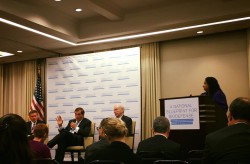
12111966_10104338304988922_3051154411712634566_n-1Blue Ribbon Study Panel on Biodefense Releases Report– I had the pleasure of attending the Blue Ribbon panel on Wednesday, in which they reviewed their report, “A National Blueprint for Biodefense: Leadership and Major Reform Needed to Optimize Efforts”. The panel event saw Senator Joe Lieberman, former Governor Tom Ridge, and former Homeland Security Advisor, Kenneth L. Wainstein, discuss the challenges of biodefense, the report, and answer several questions regarding their findings. The report is comprised of 33 recommendations that range from unification of biodefense budgeting to optimizing the National Biosurveillance Integration System and to improving surveillance and planning for animal and zoonotic outbreaks. Along with these 33 recommendations, there are 100 action items. Perhaps one of the biggest take-aways from the report is the recommendation that the Office of the Vice President of the US assume authority over biodefense efforts. There is heavy emphasis on a unified budget and centralization to combat the redundancy and current siloing we see in existing programs.  Senator Lieberman discussed the role of the research and private sector’s involvement, with former Gov. Ridge noting that “we need to start thinking differently about how we incentivize the private sector.” The panel discussed that despite our past efforts, the Ebola outbreak in 2014 showed that the “threat is real, lets not wait for it to occur” and as former Gov. Ridge noted, “we don’t give bioweapon threats the attention they need. The threat is ahead of us.” Senator Lieberman commented on the Ebola situation,  noting that our response was dismal and despite 10 months of warning, basic human errors led to a failure in providing hospitals with general guidelines. Whether it is an intentional bioweapons attack, outbreak of an emerging infectious disease, or unintentional, accidental release due to lab safety errors, the panel’s goal of having centralized leadership reveals the complex nature of these challenges. Also, did I mention that they included infection control in their guidelines (#18)?! Overall, I found the event highly engaging and was pleased to hear the panel members approach these topics with not only a sense of urgency, but a holistic manner to meet the challenges of biodefense.

Jump Start – Accelerating Government Response to A National Biological Crisis
UPMC Center for Health Security has released their July 2015 report that “examines a scenario in which the US is suddenly faced with a newly emerged intentional biological threat that could produce catastrophic public health consequences and threaten our economy, government, and social structure.” The report reviews governance, public health response, medical countermeasures, healthcare system response, decontamination and remediation, and environmental detection, while making recommendations. Utilizing published literature and subject matter expert interviews, the Jump Start report scenario occurs in central Moscow subway stations and Red Square. It discusses responses in a post-Amerithrax world and highlights the need to stop the spread of infectious diseases while emphasizing that in a similar scenario, the US government should push out table-top exercises at a national level to test readiness to biothreats. The role of healthcare infrastructure and capacity comes into play, highlighting the limitations that diagnostic testing plays – even if the solutions aren’t available. I’d be curious to see a more detailed analysis of how we approach novel agents and the time-lag this can often cause in diagnosis. Also – what would be the ethical dilemmas regarding invasive medical treatments for a novel agent? Medical ethics became a very real issue during Ebola preparedness (perhaps not as well discussed in media circuits) as the invasive care capabilities of healthcare professionals in the US correlates with increasing risk for disease transmission.

White House Calls for Better Biosafety –  As fallout from several lab safety breaches, the White House issued recommendations that focus on labs that are registered to work with pathogens from the Select Agents list. Ranging from increased training to assessing the number of high containment labs we have in the US, this memo, with a deadline for the recommendations, sets the tone for change when it comes to biosafety.

Saudi Arabi MERS Cluster – reports from Saudi Arabi’s Ministry of Health have confirmed a healthcare-associated cluster of MERS-CoV cases that involved seven individuals. The initial patient was seen in the emergency department of Almana General Hospital, with five other patients exposed in the hospital, and an additional case that is believed to not have had a healthcare exposure. All patients are under observation in the King Fahad Hospital. One of the patients is reported to be a nurse. In previous weeks, there was a cluster of cases related to janitors living together in Riyadh.

Stories You May Have Missed:

  • The African Development Bank Group (AfDB) has approved a $33.3 million grant towards a Post Ebola Recovery Social Investment Fund (PERSIF) for efforts in Guinea, Liberia, and Sierra Leone. The US State Department is contributing a $5 million grant towards this to help support livelihood development for women, girls, and orphans from the affected countries. The goal is to build resilience in the affected countries and strengthen the economic systems while improving governance and communication.
  • Nigeria was just removed from the WHO’s list of polio-endemic countries! After halting the spread of wild poliovirus transmission during a 15 month period, Nigeria was declared free of the disease! The WHO is continuing to work on the remaining two polio-endemic countries; Afghanistan and Pakistan.
  • Three more cases of Ebola in Guinea were reported this week. The three patients are all family members, with one being a pregnant woman. Guinea experienced several cases last week while Liberia has been EVD-free since September 3rd and Sierra Leone just passed their six week mark without a new case.
  • The WHO announces that TB surpassed HIV as the leading cause of death from infectious disease in 2014. Better surveillance enabled global public health teams to identify new cases. In Indonesia alone, there were one million new cases reported this year. The WHO notes that while surveillance efforts are revealing new cases, progress is still insufficient, especially in regards to drug resistance.


Week in DC: Events 10.26.15-10.30.15

Monday, October 26, 2015
20th Anniversary of Dayton Peace Accords Series – The Balkan Wars of the 1990s: Reflection and Reconciliation Johns Hopkins School of Advanced International Studies
Time: 10am
Location: Johns Hopkins SAIS – Nitze Building1740 Massachusetts Ave., N.W., Washington, D.C. 20036(map)
20th Anniversary of Dayton Peace Accords Series – The Balkan Wars of the 1990s: Reflection and Reconciliation Panelists: Thomas J. Miller Former U.S. Ambassador to Bosnia and Herzegovina Robert E. Hunter Former U.S. Ambassador to NATO Robert M. Beecroft Former OSCE Ambassador to Bosnia and Herzegovina Moderator: Sasha Toperich CTR SAIS Senior Fellow and Director, Mediterranean Basin Initiative

Putin’s Crimean gamble: Russia, Ukraine, and the new Cold War Brookings Institution
Time: 10:30am-noon
Location: Brookings Institution1775 Massachusetts Ave, NW, Washington, D.C. 20036(map)
Since the time of Catherine the Great, Crimea has been a global tinderbox. Most recently, the world was stunned when the forces of Russian President Vladimir Putin invaded and seized Crimea in March 2014. In the months since, Putin’s actions in Crimea, eastern Ukraine and, more recently, in Syria have provoked a sharp deterioration in East-West relations. Basic questions have been raised about Putin’s provocative policies, his motivations, and the future of U.S.-Russian relations—and whether the world has now entered a new Cold War.On October 26, the Foreign Policy program at Brookings will host Nonresident Senior Fellow Marvin Kalb for the launch of his new book, “Imperial Gamble: Putin, Ukraine, and the New Cold War” (Brookings Institution Press, 2015). In “Imperial Gamble,” Kalb examines Putin’s actions in Ukraine, the impact on East-West relations, and how the future of the post-Cold War world hangs on the controversial decisions of one reckless autocrat, Vladimir Putin.Joining the discussion are Thomas Friedman, The New York Times columnist, and Nina Khrushcheva, professor of international relations at The New School. Brookings President Strobe Talbott will provide introductory remarks, and Martin Indyk, Brookings executive vice president, will moderate the discussion.After the program, Kalb and the panelists will take audience questions.

Tuesday, October 27, 2015
How Data Can Fight Foodborne DiseasesCenter for Data Innovation
Time: 9:30-11am
Location: Goethe-Institut Washington812 7th St NW, Washington, DC 20001 (map)
Every year, one in six Americans—48 million individuals—get sick from contaminated food. Over the past few years, public health officials have worked diligently to use data to quickly identify and track outbreaks of foodborne disease and alert consumers. In particular, with many instances of food poisoning originating in restaurants, cities around the country have begun publishing restaurant health inspection scores as open data so local business review websites like Yelp can integrate this data into their apps and get the information into the hands of users. Public health officials also are beginning to use data culled from social media to identify likely hotspots of foodborne illness and prioritize inspections accordingly. Join the Center for Data Innovation for a panel discussion about how technology experts and government leaders are marshaling open data to improve food safety and how civic tech applications can help address more of these types of public health concerns in the future.

U.S. Policy Toward North Korea: The Case for Instituting a More Effective, Human Rights-Centric Approach Johns Hopkins School of Advanced International Studies
Time: 9:30am
Location: Johns Hopkins SAIS – Nitze Building1740 Massachusetts Ave., N.W., Washington, D.C. 20036(map)
The International Bar Association (North America), Robert F. Kennedy Human Rights, Defense Forum Foundation, North Korea Freedom Coalition, The Committee for Human Rights in North Korea, US-Korea Institute at SAIS, Yonsei Center for Human Liberty and Freedom House are convening this conference to bring together decision-makers on Capitol Hill and in the Administration, as well as civil society, to discuss the importance of making human rights a central pillar of U.S. policy toward North Korea.  A keynote speech will be delivered by Justice Michael Kirby, who was appointed by UN Secretary General Ban-Ki Moon to chair the UN Commission of Inquiry on Human Rights in North Korea. The event is hosted by The International Bar Association (North America), Robert F. Kennedy Human Rights, Defense Forum Foundation, North Korea Freedom Coalition, The Committee for Human Rights in North Korea, US-Korea Institute at SAIS, and Yonsei Center for Human Liberty and Free

Wednesday, October 28, 2015
International Forum for Women’s Food Leadership -Global Gender Program (GGP), Women’s Food Leadership Initiative (WFL)
Time: Tuesday and Wednesday, 8:30am-6pm
Location: Elliott School of International Affairs1957 E St NW, Washington, DC 20052 (map)
Room: 602
This two-day public event brings together women entrepreneurs, CEOs, scientists, and industry leaders from Latin America and Africa, food policy professionals, and academics to discuss what works in promoting women’s agricultural entrepreneurship. Panelists will address successful strategies for starting, growing, and managing agribusinesses in the Global South. Keynote speakers will offer perspectives based on grounded experience and point the way forward.

Thursday, October 29, 2015

HDIAC Webinar Series: Biosurveillance – Homeland Defense & Security Information Analysis Center 
Time: 2pm EST
The Homeland Defense & Security Information Analysis Center is proud to present the ninth webinar in our 2015 series on October 29, 2015 at 2 p.m. EST. Registration is required for this event.
Webinar Description: This webinar will focus on available biosurveillance data and data sources, preparation and attributes. The recent Ebola outbreak in West Africa is one example of using biosurveillance data and the limitations of consequence acceptance and management in resource-limited locations. While early warning and situational awareness are important, that importance is lost without rapid, decisive and appropriate actions. Further, the One World Health paradigm and the key role of animals in certain human disease outbreaks is stressed. Which data streams or, more likely which combination of data streams, will best serve various biosurveillance goals is largely unknown. Cloud computing, High Performance Computing and Advanced Predictive Analytics/Machine Learning are being applied to streaming biosurveillance data to clarify the practical significance of multiple data stream analysis in identifying and predicting disease outbreaks. Tactical biosurveillance is also considered in terms of data generation by a number of sensors to provide warfighters immediate situational awareness.

The Costs of the Israeli-Palestinian Conflict– RAND Corporation
Time: 9:15am
Location: RAND1200 South Hayes Street, Arlington, VA 22202 (map)
After decades of failed efforts to resolve the Israeli-Palestinian conflict, hopes for ending the standoff are dim. But could putting a price on the impasse lead to meaningful policy discussion? Join us to learn about a RAND study that examined the potential net costs and benefits over the next 10 years of five alternatives to the status quo: a two-state solution, coordinated unilateral withdrawal by Israel from most of the West Bank, uncoordinated unilateral withdrawal by Israel from some of the West Bank, nonviolent resistance by Palestinians, a violent Palestinian uprising.

Governing Climate-Induced Migration and DisplacementElliott School of International Affairs
Time: 6-7pm
Location: Elliott School of International Affairs1957 E Street, NW, Washington, D.C. 20052 (map)
Ahead of the upcoming Climate Negotiations in Paris (CoP21) this December, Dr. Andrea Simonelli will discuss the global implications of climate change for displacement and refugees, as well as the role of international organizations and the United Nations Framework Convention on Climate Change’s (UNFCC). Dr. Simonelli will also discuss her newly released book Governing Climate Change Induced Migration: IGO Expansion and Global Policy Implications, which evaluates climate displacement from a political science perspective. This presentation will delve into the potential expansion and the structural constraints faced by intergovernmental organizations to tackle climate induced migration and displacement. Join us for an in-depth evaluation of how this urgent global issue relates to the current climate governance gap, including human and traditional security concerns.

Friday, October 30, 2015
Dialogue on Defense 2015 Association of Government Relations Professionals
Time: noon-1:30pm
Location: Hall of States444 North Capitol Street, NW, Washington, DC (map)
On Friday, October 30th at 12:00 noon, AGRP will be hosting a panel of professional staffers from the four key Congressional defense oversight committees – the House Defense Appropriations Subcommittee (HAC-D), House Armed Services Committee (HASC), the Senate Defense Appropriations Subcommittee (SAC-D), and the Senate Armed Services Committee (SASC).

Preparing for Paris: What to Expect from the U.N.’s 2015 Climate Change Conference- Cato Institute
Time: 10am-4:30pm
Location: Cato Institute 1000 Massachusetts Avenue, N.W., Washington, D.C. 20001 (map)
In late November world leaders will gather in Paris at the United Nations Climate Change Conference for what is viewed as the last great chance for a sweeping international agreement to limit carbon dioxide emissions. The consequences of this gathering may be enormous. Please join us to hear distinguished climate scientists and legal experts assess the issues sure to drive the debate before, during, and after the Paris meeting. Conference attendees will receive a free print edition of the new ebook Lukewarming: The New Climate Science That Changes Everything, by Patrick Michaels and Paul Knappenberger, being released in the next several weeks.