This Week in DC: Events

August 11, 2014

Teleconference: Gaza Conflict Resumes After Ceasefire Ends
Date: August 11, 10:00am
Location: Woodrow Wilson International Center for Scholars

The breakdown in the 72-hour Egyptian-brokered ceasefire and the resumption of the conflict between Israel and Hamas threatens to take the Gaza crisis to a new level. What are the prospects for escalation and/or for negotiations to de-escalate the situation? Can the requirements of the parties somehow be reconciled? What is the role of the Palestinian Authority and Egypt going forward? And what is the American role?

Join us BY PHONE as two veteran analysts of Israeli-Palestinian politics and security strategy discuss these and other issues.

Toll-Free Conference Line: 888-947-9018
Conference Line: 517-308-9006
Passcode: 13304

August 14, 2014

Preventing Violence in the Name of God: The Role of Religion in Diplomacy
Date: August 14, 10:00am
Location: Carnegie Endowment for International Peace, 1779 Massachusetts Ave NW, Washington DC 20036

In his remarks at the launch of the State Department’s Office of Faith-Based Community Initiatives, Secretary of State John Kerry admonished, “We ignore the global impact of religion…at our peril,” and told Foreign Service officers “to go out and engage religious leaders and faith-based communities in our day-to-day work.” At a time when religious violence inflames much of the Middle East, the question of how diplomacy and religion can interact takes on high operational importance. What is the Department of State doing to fulfill Secretary Kerry’s instructions? What are the scope and limits of cooperation?

These are among the questions to be addressed in presentations by Jerry White (Conflict and Stability Operations, Department of State) and Arsalan Suleman (Organization for the Islamic Conference, Department of State), followed by comments from Ambassador Thomas R. Pickering (former Undersecretary of State). MEI Scholar and retired Foreign Service officer Allen Keiswetter will moderate the panel.

Register here.

Which Poses the Bigger Threat to U.S. National Security—Iran or Non-State Sunni Extremism?
Date: August 14, 12:00pm
Location: Hudson Institute, 1015 15th Street NW, 6th Floor, Washington DC 20005

With the belief that Iran’s nuclear weapons program constituted the greatest threat to U.S. interests in the Middle East, Barack Obama entered the White House hoping to achieve a historic reconciliation with the Islamic Republic. But the administration’s current policies throughout the region suggest that the White House no longer sees Iran as the key problem. Rather, it views the clerical regime as a potential partner, particularly when it comes to combating Sunni extremists like al Qaeda and ISIS. As Obama has explained in several interviews, the Iranian regime, while problematic, represents a real nation-state and rational actor that looks out for its interests and responds to incentives—which is not the case for non-state actors.

The White House has re-prioritized American strategy in the Middle East. Its policies in Syria and Iraq demonstrate that it now sees groups like al Qaeda and ISIS—rather than Iran—as the key threat to American interests. The question is whether the Obama administration has got it right. And if it’s wrong, what are the likely consequences?

On August 14th, Hudson Institute Senior Fellow Lee Smith will moderate an expert panel featuring Michael Doran, Hillel Fradkin, and Brian Katulis to discuss whether non-state Sunni extremism or Iran constitutes the major strategic threat to American interests in the region.

Register here.

Pandora Report 08.09.14

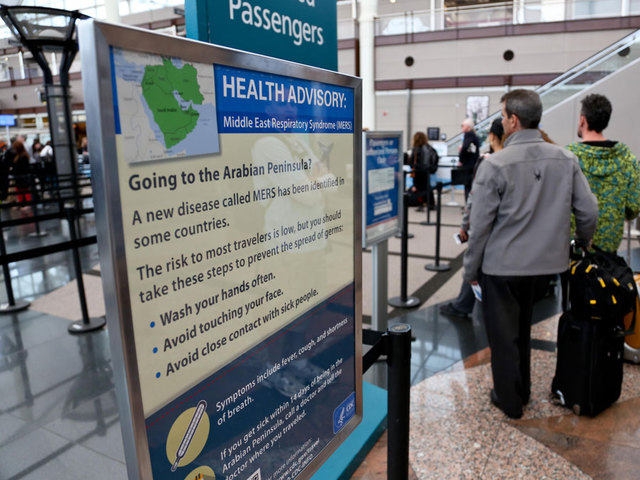
I spent about 12 hours at Dulles Airport yesterday. I didn’t fly anywhere, but I was ensuring that 120 international students were able to get from Washington DC to their host families all over the country. You may have noticed that in the security areas of Dulles Airport they have televisions that go over proper security screening procedures. On these same screens, they also show CDC travel alerts.

In June (when I was ensuring that 450 students were able to get back to their home countries), the alerts were for MERS and mosquito borne diseases like dengue and Chikungunya. Yesterday, Ebola was on alert for travelers to West Africa.

Last week we looked at the fever pitch of Ebola, today, lets look at the diseases designated by the CDCs travel alerts at Dulles.


Zika Virus: Another Threat from the Asian Tiger Mosquito

Travel alerts from the CDC often include Chickungunya and Dengue fever, but another disease from the same vector—the tiger mosquit0—is receiving alerts as well. Zika Fever, was isolated in humans in the 1970s, but has relatively few documented cases. In 2007, the virus demonstrated epidemic capacity with 5,000 cases in Micronesia. In 2013 there were 55,000 cases in Polynesia. Today the CDC has issued Watch Level 1 alerts for Zika in Easter Island, French Polynesia, and the Cook Islands and urges travelers to practice usual precautions.

Entomology Today—“Originally from Asia, the tiger mosquito was introduced to Africa in 1991 and detected in Gabon in 2007, where its arrival undoubtedly contributed to the emergence of dengue, chikungunya, and as shown by this new study, zika. The rapid geographic expansion of this invasive species in Africa, Europe, and America allows for a risk of propagation of zika fever around the world.”


Ramadan pilgrimage season in Saudi Arabia mostly free from MERS

Saudi Arabia reported only ten new cases of MERS from June 28- July 28 during the month of Ramadan. In April and May of 2014, hundreds of people were infected by MERS, which raised concerns about infection rates during Ramadan and during the Hajj, which will take place in October, when millions of pilgrims will travel to Mecca. Since 2012, Saudi Arabia has confirmed over 700 cases of infection resulting in nearly 300 deaths. The CDC designates the Hajj as an Alert Level 2, and urges U.S. residents to practice enhanced precautions.

Al Arabiya—“Saudi Arabia and the World Health Organization have said they are imposing no travel or other restrictions due to MERS during the Hajj, but have encouraged very young or old pilgrims, and those suffering from chronic disease, not to come this year.”


WHO: Ebola ‘an international emergency’

This week, the World Health Organization declared that the spread of Ebola in West Africa is an international health emergency. They urged coordinated response in order to keep the spread of the virus under control. Though no travel or trade bans have been enacted, the WHO recommends that Ebola cases or contacts should not travel internationally. This comes at a time when states of emergency have been declared in Liberia, Guinea, and Sierra Leone and the number of total cases has reached nearly 1,800 with over 950 deaths. The CDC designates outbreaks in these countries as a Warning Level 3, and urges U.S. residents to avoid non-essential travel.

BBC—“WHO director-general Dr. Margaret Chan appealed for help for the countries hit by the ‘most complex outbreak in the four decades of this disease.’

The decision by the WHO to declare Ebola a public health emergency is, by its own definition, an ‘extraordinary event’ which marks ‘a public health risk to other states through the international spread of disease’.”


Image Credit: The Denver Channel

Biocrime: Lessons Learned Contribute to Future Cases

By Chris Healey

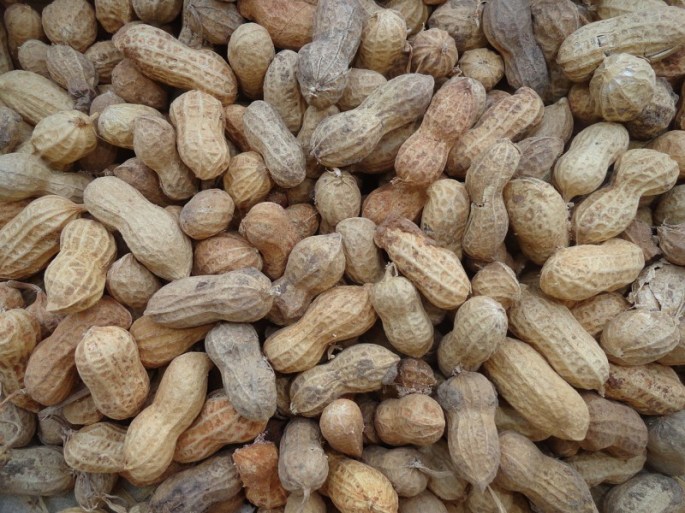
Three individuals associated with Peanut Corp. of America are going to court over charges  related to intentionally shipping tainted peanuts. Those charges come after nine people died and 714 people were infected with Salmonella typhimurium after consuming peanut products shipped from the company.

Most cases of food contamination are not prosecuted, but the Justice Department alleges the individuals involved knew the peanuts were tainted and shipped their product anyway to avoid lost revenue.

Their case is considered a biocrime, a distinct offense unrelated to a more common term – bioterrorism. Biocrime involves the use of a biological agent to kill or sicken one or more individuals for revenge or monetary gain. Bioterrorism, however, is the use of biological agents to create casualties, terror, societal disruption, or economic loss inspired by ideological, religious or political beliefs. Biocrime is personal; bioterrorism is theater.


A notable, unsolved biocrime took place October 1996 at a large medical center in Texas. 12 laboratory workers became ill after eating muffins and doughnuts tainted with Shigella dysenteriae, which has been anonymously left in a break room between the night and morning shift. All 12 had consumed muffins, and stool isolates from nine of the victims were identical to Shigella dysenteriae retrieved from an uneaten muffin in the break room. Bacterial isolates from stool samples and the uneaten muffin were identical to a partially-missing laboratory stockpile of the same pathogen.

Biocrime is an attractive avenue for criminals with biological agent knowhow. Toxins and pathogens are indirect and stealthy. Pathogens must pass an incubation period—the time between introduction of the pathogen into the body and the onset of symptoms. During that time, criminals can escape and distance themselves from victims to avoid discovery.

Determining if an infection is the result of biocrime is extremely difficult. Many agents which can be used criminally, can also occur naturally. Biocrime identification depends on astute epidemiologic investigation and successful communication between scientific and law enforcement officials.

The advent of molecular biology in the late 20th century birthed the field of microbial forensics—assisting criminal investigations involving microbial organisms. However, it wasn’t until the anthrax letter attacks of 2001 that investigative short comings, such as inadequate methods of identifying agent sources based on genetic mutations, were addressed.

The anthrax letter attack investigation was a turning point in microbial forensics. It served as a proverbial rough draft that established a template for future biocrime and bioterrorism investigations. The justice system demonstrated it could wield biological science as an investigative tool and apply that knowledge toward identifying and prosecuting perpetrators.


Image Credit: Bhaskaranaidu

Category A Bioterrorism Agent Lands in the U.S.

By Alena James

It has been one seriously scary and depressing summer with the multitude of cataclysmic events taking place all around the globe.  Much like the thousands of immigrant children whose futures are still being debated by the U.S. and Mexico, many of these crises have remained outside of U.S. soil. However, one potential crisis has been willingly brought to the U.S.

A few days ago a protocol was established to send medical evacuation planes to Liberia to bring back two missionary American health care workers suffering from the Ebola virus.  The decision to bring the patients back to the U.S. raised great alarm among many Americans that there is a chance of a major outbreak occurring with a disease that the U.S. is not prepared to fight

This past week, the Director of the CDC, Dr. Thomas Frieden, continually claimed that the necessary precautions were being taken to ensure the safety of the public from being exposed to the virus. According to Frieden, the chances of an outbreak taking place in the U.S. are minimal. Ebola is a virus that is not airborne and is not acquired through casual contact with an infected patient. For individuals to be infected they must have direct contact with bodily fluids septic (contaminated) with the virus.

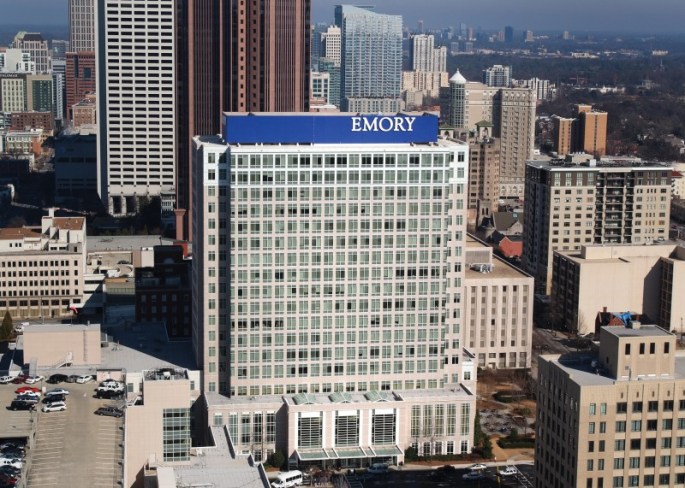
During a CNN interview, Frieden explained that the decision to bring the Americans back to the U.S. was made by Samaritan’s Purse, the organization to which the two infected Americans, Dr. Kent Brantly and Nancy Writebol, belong. The role of the CDC will be to help assist in the transport and supportive care of the patients upon arrival at Emory University Hospital in Atlanta, Georgia.

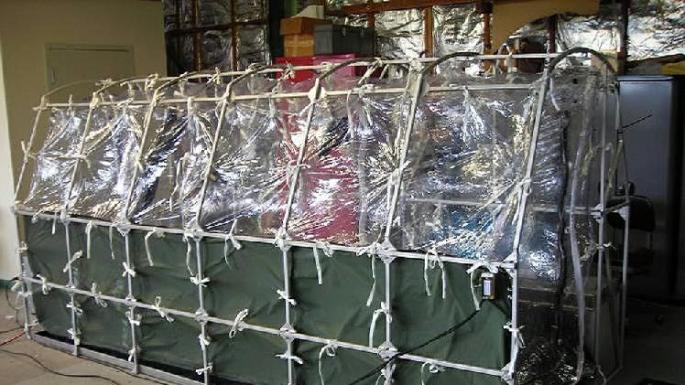
The plane that transported Dr. Kent Brantly on Saturday was fitted with an Aeromedical Biological Containment System. In this system, a tent like structure was set up on board a modified Gulfstream III aircraft and used to isolate Brantly from the rest of the people onboard.

During an aeromedical evacuation, a patient undergoes medical assessment and evaluation before transport. This is to ensure the patient’s survival during the course of the trip. According to a study conducted by the U.S. Army Medical Research Institute of Infectious Diseases in Fort Detrick, Maryland, the physiologic effects of altitude, effect of confinement on patient-care delivery, and psychological effect of confinement within the containment system must be taken into consideration before transport.

Dr. Brantly arrived safely in the United States on Saturday at Dobbins Air Force Base in Marietta, Georgia. He was then transported to Emory University Hospital in Atlanta.

So, why exactly was the decision made to bring back to the Americans infected with a viral agent; which the CDC has classified as a Category A Bioterrorism Agent and to which there is no cure?

In his interview with CNN, Dr. Frieden, gave credit for the medical evacuation operation to Samaritan’s Purse. However, without the assistance of the State Department, the U.S. military, and the CDC it seems likely that the operation would not have come to fruition at all.

The reasoning for this evacuation, made by many advocates, seems to lie with the high level of confidence among those at the CDC and Emory University in their ability to control and contain the infected patients.  Despite the unprecedented nature of an Ebola patient returning to the U.S., infectious disease experts maintain the appropriate precautions are being made and the virus will remain contained.

The medical evacuation operations for Dr. Brantly and Nancy Writebol do not offer only an increased chance of recovery from Ebola and the chance to be reunited with their loved ones—if only through a glass partition. These operations also provide an opportunity for America’s best infectious disease experts and healthcare workers to gain firsthand experience with actual cases of a virus not available for study at clinical levels in the U.S. The medical evacuation operation is also beneficial to emergency response personnel who have been training on how to deal with these types of medical cases for years.

Over the summer, Americans watched intently as the creditability of the CDC took a hit when many of its laboratory staff failed to abide by proper laboratory safety techniques upon dealing with samples of Bacillus anthracis and H5N1.  The CDC and NIH’s credibility took another hit when the CDC discovered more than 200 vials of smallpox in a refrigerator in an NIH lab in Bethesda, Maryland.

Hopefully the fouls ups of the past have provided important lessons for all fields working with infectious diseases to take safety protocols very seriously…especially while working with patients suffering from a virus that has no cure.


Image Credit: Yahoo

This Week in DC: Events

August 5, 2014

Tunisia’s Democratic Successes: A Conversation with the President of Tunisia
Date: August 5, 11:00am
Location: Atlantic Council, 1030 15th Street NW, 12th Floor, West Tower, Washington DC

Please join us for a conversation with Tunisian President, Moncef Marzouki to discuss successes to date and the how the country can address pressing economic and security challenges as its democratic transition continues.

With both presidential and parliamentary elections due late this year, Tunisia once again faces imminent milestones in its political history. Although many challenges remain, Tunisia has made significant progress since 2011 in the development of democratic institutions and a culture of pluralism. Tunisian President Moncef Marzouki will join the Atlantic Council for an exclusive engagement to discuss successes to date and the how the country can address pressing economic and security challenges as its democratic transition continues. In 2012, the Atlantic Council awarded President Marzouki its Freedom Award in recognition of his unique role and the achievements of the Tunisian people.

Watch this event online.

The Gaza Crisis: No Way Out? Policy Options and Regional Implications
Date: August 5, 2:00pm
Location: Carnegie Endowment for International Peace, Root Room, 1779 Massachusetts Ave NW, Washington DC 20036

The war between Israel and Hamas in Gaza has lasted less than a month, but has already surpassed the 2008 war in physical destruction and human cost. While U.S. Secretary of State John Kerry works intensely to achieve an immediate cease-fire, both Israelis and Palestinians appear prepared for a protracted conflict, and regional players jockey for advantage. Many question whether the United States still has enough clout and influence to bring about a cease-fire, never mind a negotiated peace agreement that would resolve the tensions underlying this crisis.

On Tuesday, August 5, the Center for Middle East Policy at Brookings will host a panel discussion examining the dynamics of the Israeli-Palestinian conflict, the U.S. handling of the crisis, and the regional implications and influences. Brookings Vice President for Foreign Policy and former U.S. Special Envoy to the Israeli-Palestinian Negotiations Martin Indyk will share his observations and insights. He will be joined by fellows Natan Sachs and Khaled Elgindy, a former adviser to the Palestinian negotiating team. Tamara Wittes, director of Brookings’s Center of Middle East Policy, will moderate the discussion.

After the program, the panelists will take audience questions.

Register here.

Putting the South Caucasus in Perspective
Date: August 5, 3:00pm
Location: Woodrow Wilson International Center for Scholars, 1300 Pennsylvania Ave NW, 6th Floor Conference Room, Washington DC

Armenia, Azerbaijan, and Georgia have been independent states for more than 23 years. Although geographically contiguous, they differ in language, religion, and political and security orientation. How is each country faring in state-building, developing democracy, and improving economic performance? What are their relationships with Russia and the West, and with each other? How does their historical experience influence current developments, and what are their long term prospects? Join us for a town hall discussion of these and other issues with two of the most prominent academic experts of the South Caucasus, Professors Ronald Suny and Stephen Jones. The discussion will be moderated by Wilson Center Global Fellow, Ambassador (ret.) Kenneth Yalowitz.

RSVP here.


August 6, 2014

Privacy vs. Democracy: The Challenge for Japan and Australia
Date: August 6, 4:00pm
Location: Woodrow Wilson International Center for Scholars, 1300 Pennsylvania Ave NW, 4th Floor, Washington DC

Protecting privacy is as critical as information sharing. In a democracy, protecting information goes hand-in-hand with ensuring individual liberty, and the rapid development of digital technology has made the protection of privacy even more important.  One key challenge for democratic governance is formulating policies to ensure information privacy protection.  In contrast to the United States and Western Europe, where privacy regulation started in the early 1970s, privacy regulation began to develop in Japan and Australia only in the 1980s, but each country has slowly developed comprehensive privacy regulation since then.  Japan scholar and Minnesota State University professor Eiji Kawabata will examine the development of privacy policy in Japan and Australia, and assess policies that would be effective in balancing privacy protection and ensuring national security.

RSVP here.

Loved? Liked? Respected? The Success and Failure of U.S. Public Diplomacy
Date: August 6, 6:00pm
Location: Washington Institute for Near East Policy, 1828 L Street NW, Suite 1050, Washington DC

Public diplomacy – the art of one government influencing the public opinion of another country – is complicated and controversial, particularly in an age when social media can spark a revolution. In this special program for interns, LINK, on behalf of the Washington Institute for Near East Policy, will host a debate on the value of U.S. public diplomacy. To analyze the role of public diplomacy in the Middle East – with particular attention to the crisis in Gaze, the ISIS campaign in Iraq, the ongoing conflict in Syria, and escalating terrorist threats in the region – Institute’s Executive Director Robert Satloff will stand off against the former U.S. ambassador to Turkey and Iraq, James Jeffrey in a debate moderated by Viola Gienger of the United States Institute of Peace.


August 7, 2014

Elections Worth Dying For? A Selection of Case Studies from Africa
Date: August 7, 12:00pm
Location: International Foundation for Electoral Systems, 1850 K Street NW, Suite 500, Washington DC

The book Elections Worth Dying For? A Selection of Case Studies from Africaexamines the roots of violence within election processes in Africa from a variety of perspectives. Using recent case studies written by leading specialists in electoral processes in Africa, the International Foundation for Electoral Systems (IFES) shows how electoral violence and prevention efforts fit within the context of the entire electoral cycle.

The forthcoming series of case studies examines how violence and its rate of incidence are affected by electoral management bodies, election technology, political finance, the media, women, youth and, importantly, political parties, among others. IFES believes the lessons taken from this study can support the prevention of electoral violence and encourage free and fair elections in Africa, and around the world.

Join IFES for a special book launch event. IFES’ event, taking place during the week of the U.S.-Africa Leaders Summit, underlines the importance of engaging in questions of potential election violence and how to best mitigate it through a series of broad-ranging case studies.

RSVP here. 

AIDS 2014: What Happened and What’s Next?
Date: August 7, 2:00pm
Location: Kaiser Family Foundation Offices, 1330 G Street NW, Washington DC

The Kaiser Family Foundation and the Center for Strategic and International Studies (CSIS) will hold a briefing to assess the major outcomes of the 2014 International AIDS Conference (AIDS 2014), held from July 20-25 in Melbourne, Australia. The discussion will touch on the latest scientific developments; the current funding climate for the AIDS response; the impact of anti-LGBT laws on efforts to address HIV/AIDS around the world; and other major contributions to the field emerging from the conference.

Panelists will include Chris Beyrer, President of the International AIDS Society; Ambassador Deborah L. Birx, the U.S. Global AIDS Coordinator; and Stephen Morrison, Senior Vice President and Director, Global Health Policy Center at CSIS. Jen Kates, Kaiser Family Foundation Vice President and Director of Global Health and HIV Policy, will moderate the panel discussion.


August 8, 2014

Beyond North Waziristan
Date: July 28, 10:30am
Location: Atlantic Council, 1030 15th Street NW, 12th Floor, West Tower, Washington DC

As the Pakistani army wages a long-awaited operation, Zarb-e-Azb, against militant sanctuaries in North Waziristan, there are questions about how effectively it confronts the long-term challenge of terrorism in the region. This offensive has disrupted the former main operational base for Pakistani militants, Afghan insurgents, al Qaeda, and central Asian militants. Although the Army has seized control of main towns and put militants on the defensive, there are concerns that a significant part of the militant nexus fled the area for safer havens prior to the operation. The Army and government must now contend with the formidable challenges of sheltering and rehabilitating nearly a million displaced persons, stemming new threats from militants who fled to other parts of the country or Afghanistan, and responding to charges from the United States and Afghanistan of not taking sufficient military action against the Haqqani Network. How is the Nor th Waziristan operation impacting militant groups operating in the region, and the overall stability of Pakistan? Can the United States, Afghanistan, and Pakistan work together to address sanctuaries for insurgents on both sides of the border? Ikram Sehgal and Hassan Abbas will highlight the progress, pitfalls, and implications of Pakistan’s strategy in North Waziristan.

Register here.

Pandora Report 8.2.14

What a mess, right? While we here at the Pandora Report have been watching the Ebola outbreak in West Africa since March, it seems coverage in the news media has reached a fever pitch as the effects of the virus reach further and further.

This week we cover Ebola—a case in Nigeria, the evacuation of Peace Corps, the transfer of patients to the U.S. and treating the disease.

Nigeria Isolates Hospital in Lagos as Obama Briefed on Ebola Outbreak

Early in the week we learned of the first case of Ebola in Nigeria. It is important to note in this case, that the virus was imported from an American man, Patrick Sawyer, who travelled from Liberia. Fears rose over the importation to Africa’s most populous capital city—Lagos—and the hospital he was in was evacuated and is going through the process of decontamination.

Reuters UK—“Authorities were monitoring 59 people who were in contact with Sawyer, including airport contacts, the Lagos state health ministry said, but it said the airline had yet to provide a passenger list for the flights Sawyer used.

Derek Gatherer, a virologist at Britain’s University of Lancaster, said anyone on the plane near Sawyer could be in “pretty serious danger,” but that Nigeria was better placed to tackle the outbreak than its neighbors.”

Peace Corps Evacuates Ebola-Affected Region, With Two Volunteers in Isolation 

On Wednesday, the Peace Corps announced the evacuation of 340 volunteers from Guinea, Liberia, and Sierra Leone. Two volunteers from Liberia, however, were unable to leave. It is reported that the volunteers had contact with an individual who died from Ebola; they have to remain in an isolation ward for 21 days before leaving.

The Peace Corps—“The Peace Corps has enjoyed long partnerships with the government and people of Liberia, Sierra Leone and Guinea and is committed to continuing volunteers’ work there. A determination on when volunteers can return will be made at a later date.”

First Ebola Patient Arrives in U.S.

News came this week that two Americans infected with Ebola would be transferred to the U.S. for treatment at Emory University Hospital in Atlanta, GA.  Dr. Kent Brantly, who had been working at a treatment center in Liberia, was flown on a jet with a special containment area for patients with infectious diseases. He walked into Emory Hospital on Saturday unaided and is the first case of Ebola to arrive in the U.S.

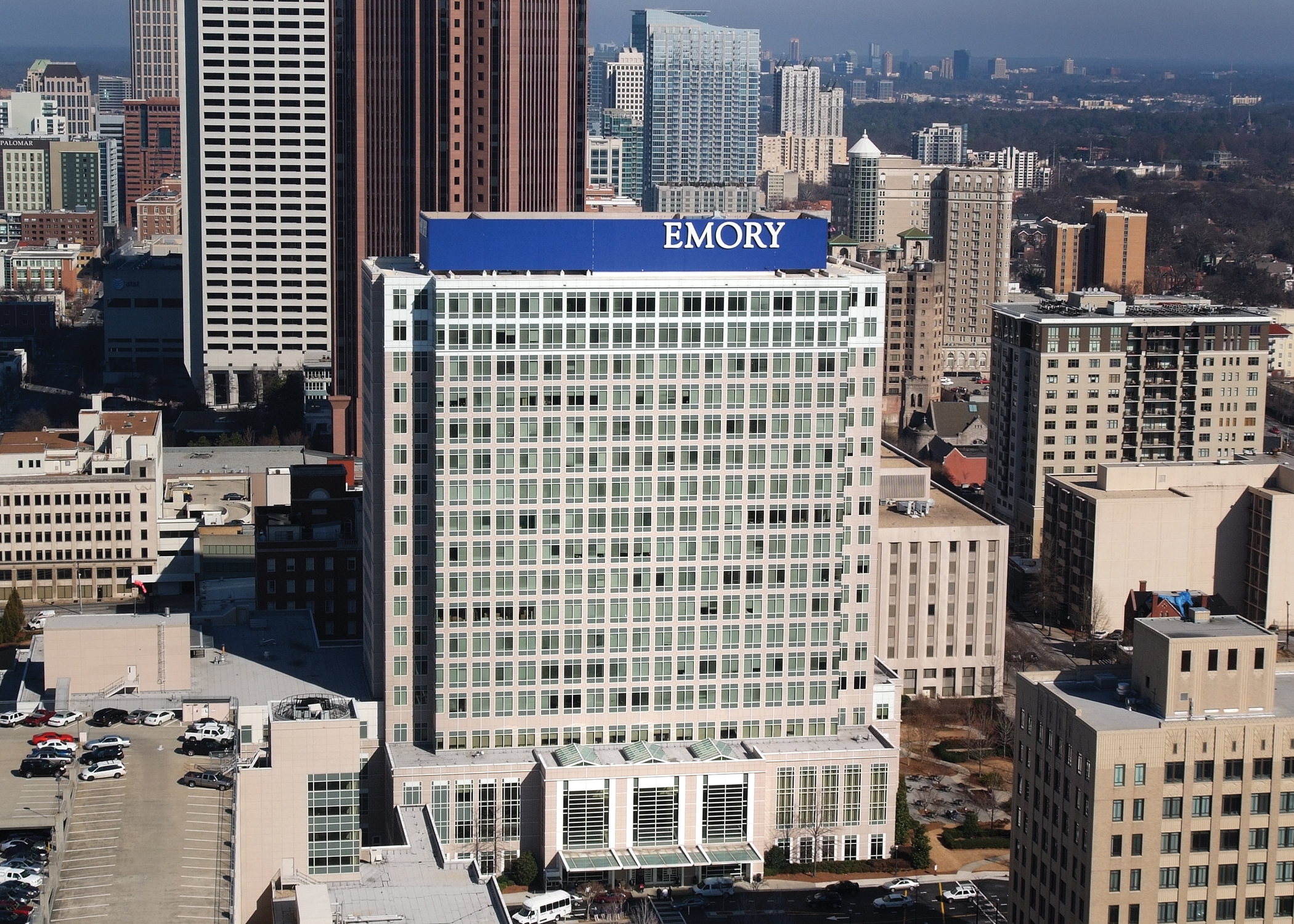
Emory has an isolation unit built 12 years ago to treat patients exposed to highly infectious diseases.

Wall Street Journal—“Bruce Ribner, an infectious-diseases doctor and head of a special isolation unit at Emory University Hospital, said Friday there were good reasons to airlift the two to Emory. “We can deliver a substantially higher level of care, a substantially higher level of support, to optimize the likelihood that those patients will survive this episode,” he said.

Dr. Ribner added that he was “cautiously optimistic” the two have a good chance of recovery once they reach Emory, and that the transfer would be safe.”

Ebola Vaccine Possible, but Many Doubts Persist 

Vaccine development for Ebola has been being worked on for years, but with the increasing severity of this outbreak in West Africa, there has been discussion in the U.S. about fast-tracking vaccine trials for this virus. Even with this option—once approval is received from the FDA—many doubts persist and scientists who study the virus warn that the success is hardly guaranteed. Even if the vaccine proves to be effective in tests, questions remain as to who would receive it and how to figure out optimal dosages.

In short, even the development of vaccine candidates does not ensure success or virus eradication.

The New York Times—“The vaccine to be tested in humans relies on a benign virus that carries two proteins from the surface of the Ebola virus. The proteins help the virus penetrate human cells. If successful, the immune system will be trained to recognize the proteins and to mount a strong response should it encounter the virus.”


Image Credit: Atlanta Better Buildings Challenge

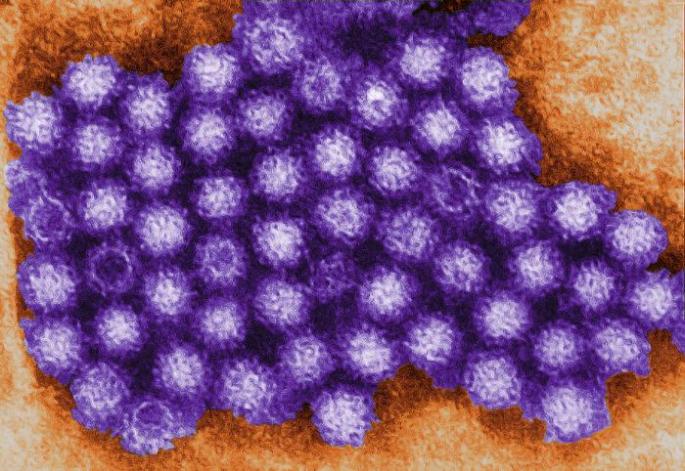
Image of the Week: Norovirus

10708_lores

This transmission electron micrograph (TEM) revealed some of the ultrastructural morphology displayed by norovirus virions, or virus particles.

Noroviruses belong to the genus Norovirus, and the family Caliciviridae. They are a group of related, single-stranded RNA, nonenveloped viruses that cause acute gastroenteritis in humans. Norovirus was recently approved as the official genus name for the group of viruses provisionally described as “Norwalk-like viruses” (NLV). See PHIL 10704 for a black and white version of this image.

What are noroviruses?

Noroviruses are a group of viruses that cause the “stomach flu,” or gastroenteritis (GAS-tro-en-ter-I-tis), in people. The term norovirus was recently approved as the official name for this group of viruses. Several other names have been used for noroviruses, including:

– Norwalk-like viruses (NLVs)

– caliciviruses (because they belong to the virus family Caliciviridae

– small round structured viruses.

Viruses are very different from bacteria and parasites, some of which can cause illnesses similar to norovirus infection. Like all viral infections, noroviruses are not affected by treatment with antibiotics, and cannot grow outside of a person’s body.


(Image Credit/Caption: CDC)

This Week in DC: Events

July 28, 2014

The Elusive Final Deal with Iran: Developments and Options Going Forward
Date: July 28, 12:00 – 1:30pm
Location: JINSA, Large Conference Hall, 1st Floor, 1307 New York Ave NW, Washington DC 20005

JINSA’s Gemunder Center for Defense and Strategy will hold a lunch panel discussion with its Iran Task Force on the outcome of negotiations for a comprehensive deal on Iran’s nuclear program. The panel will also discuss steps going forward for U.S. policy to prevent a nuclear Iran.

Register here.

Changing Security Environment and Geopolitical Dynamics of East Asia
Date: July 28, 1:15 – 2:45pm
Location: Johns Hopkins School of Advanced International Studies, Kenney Auditorium, 1717 Massachusetts Ave NW, Washington DC 20036

Jung Hoon Kim, member of the National Assembly for South Korea, will discuss this topic.

RSVP here.

Nuclear Politics on the Korean Peninsula
Date: July 28, 3:00 – 5:15pm
Location: Carnegie Endowment for International Peace, 1779 Massachusetts Ave NW, Washington DC 20036

The evolving security environment around the Korean Peninsula presents new challenges and opportunities for addressing the North Korean nuclear threat. What do South Koreans expect from Beijing after Chinese President Xi Jinping’s recent visit to Seoul? What do South Korean aspirations for full nuclear fuel cycle capabilities mean for dealing with North Korea and for the balance of power in the region? What do these trends mean for the U.S.-ROK alliance?

This event is co-sponsored by the Korea Economic Institute.

Register here.

July 29, 2014

National Security and Climate Change: What Do We Need to Know?
Date: July 29, 2:00 – 4:00pm
Location: Woodrow Wilson International Center for Scholars, 1300 Pennsylvania Ave NW, Washington DC 20004

What do a White House senior advisor, a member of Congress, scientists, military planners, and business people have in common? At a June 4 symposium in Seattle organized by the Jackson Foundation and PNNL, they all agreed that climate change is having an impact on national security that will only increase with time. Thirty-six leaders from federal agencies, state and local government, research organizations, business, and academia participated in the symposium titled “The Intersection of National Security and Climate Change – What do Decision-makers Need to be Prepared?”

This briefing will focus on the key recommendations and consensus points that emerged from the June discussion and highlight the next steps for action.

RSVP here.

Hearing: Iran Nuclear Negotiations: From Extension to Final Agreement?
Date: July 29, 2:00pm
Location: U.S. House Committee on Foreign Affairs, 2172 Rayburn House Office Building, Washington DC 20515

House Committee on Foreign Affairs Chairman Ed Royce, in response to the four month extension in the nuclear talks, said:  “I don’t see an extension of funding to Iran as progress.  It looks like the Iranians won extra time with a good cop-bad cop routine, backing off the Supreme Leader’s absurd claim for 190,000 centrifuges. This tells me Iran, with centrifuges spinning, thinks time is on its side.  Increased economic pressure would strengthen our hand, but the Administration opposes it.  It should welcome congressional efforts to ratchet up the economic pressure on Iran.  Any deal should be graded on its technical merits, not in the hopes of a partnership with Iran on Iraq and other issues, as some have argued.  Iran’s terrorist-backing activities, including illicitly shipping missiles to Hamas, demands even higher standards of verification for any deal.  Everything about Iran’s nuclear program signals ‘nuclear bomb,’ yesterday, today, and I worry tomorrow.”

The following witnesses are scheduled to testify: The Honorable Wendy R. Sherman, Under Secretary for Political Affairs, U.S. Department of State, and The Honorable David S. Cohen, Under Secretary for Terrorism and Financial Intelligence, U.S. Department of the Treasury.

The Health Consequences of Aerial Spraying of Illicit Crops: The Case of Columbia
Date: July 29, 3:00pm
Location: Center for Global Development, 2055 L Street NW, Fifth Floor, Washington DC 20036

What are the unintended health consequences of the drug war? Adriana Camacho will present a recent paper exploiting the variation in aerial spraying on illicit crops across time and space in Colombia. The paper employs a panel of individual health records in order to study the causal effects of aerial spraying of herbicides (Glyphosate) on health-related outcomes.

Camacho and coauthor Daniel Mejia Londono find that an increase in the amount of aerial spraying in a municipality increases the number of medical consultations related to the exposure of Glyphosate for the municipality’s inhabitants. Moreover, while there is no evidence of effects on respiratory diseases, the paper finds strong negative effects on dermatological problems and miscarriages.

Register here.

July 30, 2014

The Iraq Meltdown: What Next?
Date: July 30, 12:00pm
Location: Heritage Foundation, Lehrman Auditorium, 214 Massachusetts Ave NE, Washington DC

The swift collapse of Iraqi security forces in northern Iraq in the face of an al-Qaeda-spearheaded Sunni insurgency is a disastrous setback for U.S. counterterrorism and Middle East policies that will have dangerous regional spillover effects. The Islamic State, formerly known the Islamic State of Iraq and Syria, and before that as Al-Qaeda in Iraq, now poses a rising threat to the United States and U.S. allies. Congressman Jim Bridenstine (R-OK) will discuss Iraq and the broader implications for the American foreign policy. Following his remarks, a panel of experts will discuss the current trends in Iraq.

RSVP here.

Subcommittee Hearings: Twenty-Years of U.S. Policy on North Korea: From Agreed Framework to Strategic Patience
Date: July 30, 3:00pm
Location: U.S. House Committee on Foreign Affairs, 2172 Rayburn House Office Building, Washington DC 20515

In the Subcommittee on Asia and the Pacific, Chairman Chabot says of this hearing, “In 1994, the Clinton Administration announced to the world the signing of the Agreed Framework that was supposed to result in a nuclear weapons-free North Korea.  Twenty-years later, the goal of denuclearization in North Korea is no closer to reality.  Rather, Pyongyang’s nuclear and missile weapons programs continue to make progress, threatening the stability of the entire Asia region. After 20 years of failed policies, it is time for a new approach to North Korea. The regime’s efforts to proliferate, counterfeit, and undermine are well-known and documented—as are North Korea’s systematic and horrific human rights abuses. This hearing will examine whether the Administration intends to cripple the North Korean regime by considering more targeted sanctions or whether the failed policy of “strategic patience” will continue. 

Scheduled witnesses include, The Honorable Glyn Davies, Special Representative for North Korea Policy in the Bureau of East Asian and Pacific Affairs at the U.S. Department of State, and The Honorable Robert King, Special Envoy for North Korean Human Rights in the Office of the Special Envoy for Human Rights in North Korea, at the U.S. Department of State.

July 31, 2014

The North Korean  Economy: Challenges and Opportunities for Reform
Date: July 31, 9:00am
Location: Korean Economic Institute, 1800 K Street NW, Suite 1010, Washington DC 20006

In an era of globalization, North Korea remains one of the most isolated economies in the world. While normally still functioning as a planned economy, Pyongyang has pledged in recent years that no North Korean will “have to tighten their belts again.”

However, to truly fulfill that pledge, North Korea will need to engage in the types of reform that China, South Korea, and others have been advocating.  What steps has North Korea taken under Kim Jong-un to reform the economy and how successful have they been? What challenges are posed by the remnants of a failing state system trying to continue to function alongside emergent markets? How could international financial institutions help North Korea undertake economic reform?  What obstacles does North Korea face in developing a normal functioning economy?

Please join the Korea Economic Institute of America and the Korea Institute for International Economic Policy for a discussion on these and other issues that face the North Korea economy today.

RSVP here.

Gaza: Breaking the Viscous Cycle, A Conversation with Dr. Salam Fayyad, Former Prime Minister of the Palestinian Authority
Date: July 31, 3:30pm
Location: Atlantic Council, 1030 15th Street NW, 12th Floor, West Tower, Washington DC

Renewed conflict between Israel and Hamas and other Palestinian militant groups in the past two weeks has resulted in over 700 casualties, more than 4,500 wounded, and the displacement of tens of thousands. Secretary of State John Kerry continues rounds of meetings in the region in an attempt to forge another ceasefire agreement to end the crisis and to lay the foundation for longer-term negotiations on the future of Israeli-Palestinian relations. Amid fierce fighting, Hamas political leader Khaled Mashal continues to reject a ceasefire until all of Hamas’s conditions are met in full. Acknowledging that there has been some progress toward cementing a deal, Secretary Kerry remarked on Wednesday that there is still work to be done.

Please join the Atlantic Council on Thursday, July 31, 2014 from 3:30 p.m. to 5:00 p.m. to welcome Dr. Salam Fayyad, former prime minister of the Palestinian Authority and new Atlantic Council distinguished statesman, as he discusses the current state of affairs in Gaza and the future of Israeli-Palestinian relations.

Register here.


MARK YOUR CALENDARS

Colin Powell: In Life and Leadership
Date: August 4, 7:00pm
Location: George Washington University, Lisner Auditorium, 730 21st Street NW, Washington DC 20052

Few American leaders know better than Colin Powell the axiom that war is a continuation of politics by other means. He is that rare leader who has seen the issue of war and peace from all sides, as a soldier on the ground in Vietnam, as a four-star general, as national security adviser, chairman of the Joint Chiefs of Staff, and as the country’s first black secretary of state. Along the way, Powell has picked up a few thoughts on reaching goals and turning dreams into reality.

This evening, Powell, one of America’s most admired public figures, talks about what he has learned along the way to now. The interviewer is Frank Sesno, director of the School of Media and Public Affairs at George Washington University.

Copies of Powell’s book, It Worked for Me: In Life and Leadership (Harper), are available for sale and signing.

Member Tickets, $35; General Admission Tickets, $45. Tickets are available for purchase here.

Pandora Report 7.26.14

Highlights this week include, Dr. Frieden goes to Washington, top Ebola doc comes down with the virus, a TB patient on the loose in California, and a plague based shut-down in China. Have a great weekend!

CDC Director to Tackle MERS, Measles, Global Health Threats

It was my absolute pleasure to be able to attend a talk given by Dr. Tom Frieden, Director of the Centers for Disease Control and Prevention, at the National Press Club on Tuesday.  Though Dr. Frieden briefly covered the stated topics, he spoke primarily about the dangers of growning antibiotic resistance and hospital acquired infections. He urged everyone, including the CDC, to work hard(er) to combat these issues that may usher us into a “post-antibiotic era.” The entire speech is available here. (You may even notice me in the lower left corner chowing down on a CDC cupcake!)

USA Today—“‘Anti-microbial resistance has the potential to harm or kill anyone in the country, undermine modern medicine, to devastate our economy and to make our health care system less stable,” Frieden said.

To combat the spread of resistant bacteria, Frieden said the CDC plans to isolate their existence in hospitals and shrink the numbers through tracking and stricter prevention methods.”


Sierra Leone’s Top Ebola Doctor Infected as the Worst Outbreak in History Continues

You may have seen this story pop up earlier this week in our facebook or twitter, but it certainly bears repeating. Dr. Sheik Umar Khan, who has been credited with treating more than 100 Ebola victims, has come down with the virus too. He is now one of hundreds who have been affected by the virus in West Africa, which has killed over 600.

The Washington Post-“In late June, Khan seemed keenly aware of the risk he faced. “I am afraid for my life, I must say, because I cherish my life,” he told Reuters. “Health workers are prone to the disease because we are the first port of call for somebody who is sickened by disease. Even with the full protective clothing you put on, you are at risk.’”


California Police Seek Man Who Refused Tuberculosis Treatment

Prosecutors in Northern California have obtained an arrest warrant for Eduardo Rosas Cruz, a 25 year old transient, who was diagnosed with TB and disappeared before he started treatment. Rosas Cruz needed to complete a nine-month course of treatment. Tuberculosis spreads through the air when an infected person coughs or sneezes. It is not known if Rosas Cruz is currently contagious. By law, health officials cannot force a patient to be treated but courts can be used to isolate an infectious individual from the public at large.

FOX News—“County health officials asked prosecutors to seek the warrant, in part, because Rosas Cruz comes from a part of Mexico known for its drug-resistant strain of tuberculosis. County health officials are searching for Rosas Cruz, and his name is in a statewide law enforcement system, San Joaquin County Deputy District Attorney Stephen Taylor said.”


In China, A Single Plague Death Means an Entire City Quarantined

Parts of Yumen City, in Gansu Province, were quarantined after a farmer died from bubonic plague. The man developed the disease after coming in contact with a dead marmot on a plain where his animals were grazing. According to experts, Chinese authorities categorize plague as a Class 1 disease, which enables them to label certain zones as “infection areas” and seal them off. 151 people were affected by the quarantine, which was lifted after none developed symptoms.

The Guardian—“The World Health Organization’s China office praised the Chinese government’s handling of the case. “The Chinese authorities notified WHO of the case of plague in Gansu province, as per their requirements under the International Health Regulations,” it said in a statement to the Guardian. “The national health authorities have advised us that they have determined this to be an isolated case, though they are continuing to monitor the patient’s close contacts.’”


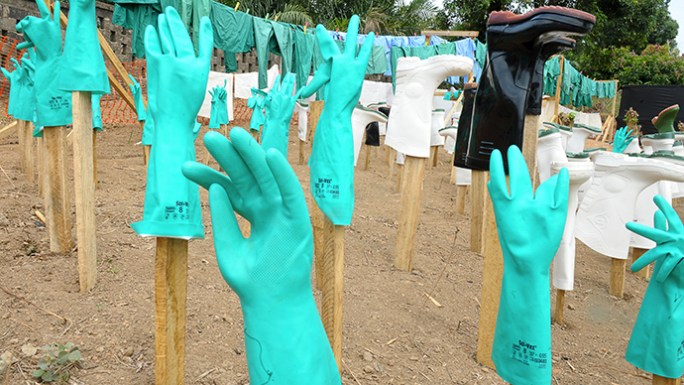
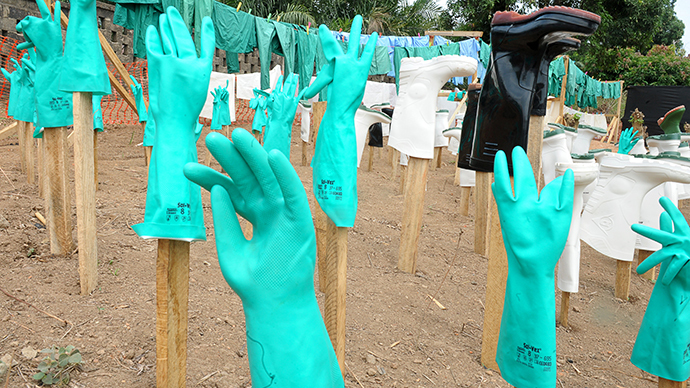
Image Credit: RT

Listeria: Deadly Foodborne Threat to Vulnerable Populations

By Chris Healey

A listeria contamination scare has prompted a fruit packing company to issue a voluntary recall of peaches, nectarines, plums, and pluots shipped to Costco, Trader Joe’s, Kroger, Walmart, Sam’s Club, Ralphs, and Food 4 Less. The company—Wawona Packing Co.—issued the recall after an internal bacterial test found listeria on two nectarines. So far, no one has been sickened from affected fruit.


Listeria monocytogenes, the causative agent of listeriosis, is a common foodborne bacterial pathogen. With the ability to thrive in refrigerated foods, it can quickly multiply and spread on foods which have been properly stored and otherwise deemed safe for consumption. It is unique among foodborne illnesses for its tendency to cause miscarriages and encephalitis in sickened individuals.

Although listeria infection is uncommon, fatality rates reach as high as 30%. Several groups are prone to infection – pregnant women, infants, the elderly, organ transplant recipients, leukemia patients, and those with AIDS. The highest infection rates occur in infants younger than one month and adults older than 60 years.

Once ingested, listeria crosses the mucosal barrier of the intestines to the bloodstream. From there, listeria tends to target neuronal and placental tissue. Defenses associated with those tissues, such as the blood brain barrier of the central nervous system, are not effective because infected host cells can slip by unaffected and release bacteria.

CDC surveillance studies in the 1980s brought listeria to the attention of health professionals in the United States. Those studies determined L. monocytogenes was the causative agent of approximately 1850 cases of food poisoning and 425 deaths annually. Since identification, listeriosis incidence and associated death has decreased. Today, the CDC estimates 1600 cases of listeriosis with 260 fatalities yearly.

In 2002, Listeria was responsible for the largest meat recall in U.S. history. An epidemiologic investigation conducted after a listeriosis outbreak determined 54 case patients had consumed sliced deli-style turkey meat tainted with listeria. As a result, over 30 million pounds of food products were recalled.

The largest listeria outbreak occurred in 2011 due to contaminated cantaloupe from Jensen Farms in Colorado. During that outbreak, 147 people from 28 states became ill. Of those cases, 33 died. The CDC website reports a listeriosis outbreak occurrence every year since 2011.


To prevent listeriosis, the CDC recommends consumers rinse raw produce thoroughly before eating. Full recommendations from the CDC can be accessed here.


(Image Credit: Ximeg)