Pandora Report: 1.31.2020

ASM Biothreats
Missed the 2020 ASM Biothreats conference? Next week we’ll have you updated with our coverage across multiple talks, panels, and the highlights of this top conference on all things biological. GMU biodefense graduate students will be providing detailed accounts of these discussions at a pivotal time in international health. “ASM Biothreats is a one-of-a-kind meeting offering professionals in biodefense, biosecurity and biological threats the opportunity to exchange knowledge and ideas that will shape the future of this emerging field. ASM Biothreats offers a unique program that explores the latest developments and emerging technologies in the industry.”

Update: 2019-nCoV
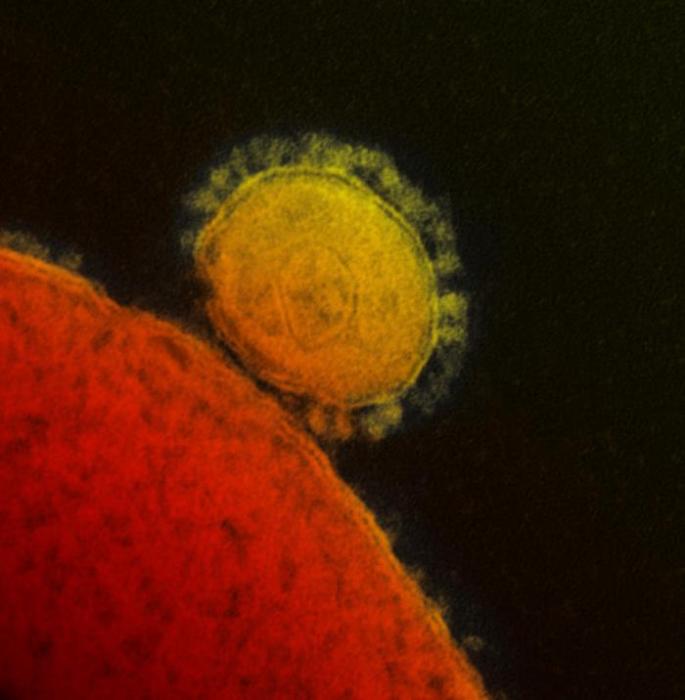
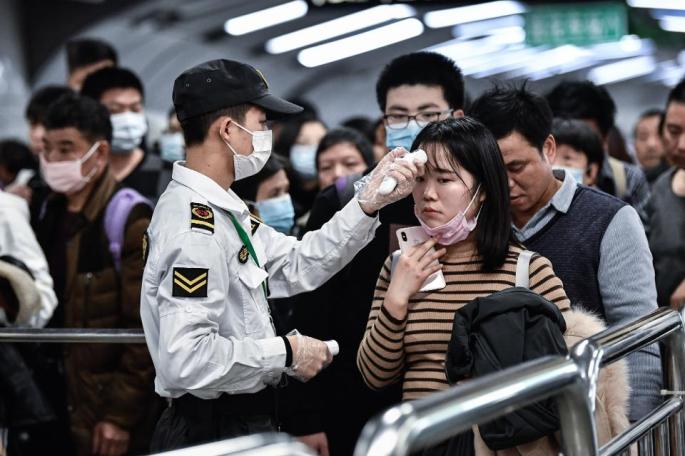
If you have turned on any news channel or navigated to news website, you most certainly encountered a number of discussions about the ongoing coronavirus outbreak originating in Wuhan, China. The WHO was alerted on New Years Eve of this novel pathogen causing pneumonia-like illness and chaos increasingly ensued over the continuing weeks. This mysterious pathogen was identified as a coronavirus (think SARS and MERS) and is currently dubbed “2019-nCoV.” As the disease spreads globally, the WHO is launching a Global 2019-nCoV Clinical Data Platform for Member States to contribute anonymized clinical data that can inform the public health clinical response. On 30 January, the Emergency Committee on the 2019-nCoV under the International Health Regulations (IHR 2005) reconvened to determine if the outbreak constitutes a Public Health Emergency of International Concern (PHEIC), and, if so, what recommendations and actions should be made to manage it. Thursday evening, the Committee announced declaration of a PHEIC for the 2019-nCov outbreak. As of 28 January, there are confirmed cases in China, Nepal, the Republic of Korea, Japan, Sri Lanka, Viet Nam, Thailand, Cambodia, Malaysia, Singapore, United Arab Emirates, Australia, France, Germany, Finland, Canada, and the United States. Within the United States, there are 5 confirmed cases in Washington, California, Arizona, and Illinois as well as an additional 92 suspected cases awaiting diagnostic results. Currently, there are 165 persons located in the US under investigation for 2019-nCoV infection. On Thursday, public health officials reported that the husband of the case identified in Chicago, had tested positive for the disease. This marks a second-generation of cases, or transmission, within the U.S. There are also reports of people running to buy face masks in the U.S., leaving concern for shortages. Experts have been quick though to note that these are not needed as transmission is not widespread within the United States and that hand hygiene is most effective this time of year. GMU Biodefense doctoral alum Saskia Popescu recently spoke to CNN on this, noting that “Wearing a surgical mask helps you prevent sharing your germs if you’re sick,” Saskia Popescu, a hospital epidemiologist and infection prevention expert, told CNN. “Surgical masks do not seal around the face, so while they offer some protection, it’s the N95 mask that offers the most protection.” The CDC released an updated travel warning to its most severe yet – Warning Level 3 – urging travelers to avoid all nonessential travel to China. According to the WHO, the latest figures (30 January) for the outbreak are:

  • 7,818 confirmed cases worldwide
  • 7,736 confirmed cases in China
  • 170 deaths worldwide
  • Global Risk Assessment: High

Experts from the University of Hong Kong estimate the true total number of cases in Wuhan to be about 44,000, and they predict this figure could double by the start of February. The city is already under an unprecedented quarantine and hospitals are overrun as the epidemic intensifies. GMU biodefense graduate program director Dr. Gregory Koblentz recently spoke about the importance of promoting education, not travel bans as coronavirus concerns spread. “Widespread travel bans are ineffective and even counterproductive,” said Koblentz, a professor at George Mason University’s Schar School of Policy and Government and an expert on biodefense and biosecurity. “The idea that you can quarantine the entire population of large cities is just not feasible.” If people want to travel, they will find a way to travel, but they will be secretive about it, said Koblentz. “Then when they do get sick, they will avoid seeking medical attention because they don’t want to get in trouble,” said Koblentz. “A travel ban basically means that people will avoid getting help and notifying public health authorities, and the spread of the virus will continue, undetected.” Instead, Koblentz recommended that health officials work to get the public on their side by communicating with them about the symptoms and when to seek medical care.

Speculation abounds about the zoonotic origin of the virus, but the prevailing theory (at the moment) points toward bats as the culprit. The source location of the outbreak is the Huanan seafood market in Wuhan, which did not sell bat meat, so speculation continues. It is possible that another animal provided the channel to human infection. Previous conjecture that snakes are the origin is under criticism as it remains unclear if coronaviruses can infect snakes. Additionally, experts reject the fringe theory that the outbreak is a consequence of accidental release of biological weapons research samples housed in the Wuhan Institute of Virology. Richard Ebright, a professor of chemical biology at Rutgers University, stated the virus’s genome and properties do not indicate that it is the product of engineering. Stay tuned to the Pandora Report for updates on the progression of the 2019-nCov outbreak.

Of Quarantine and robots: How China and the U.S. Are Working to Combat Coronavirus
GMU Biodefense PhD alum Saskia Popescu recently wrote on the efforts by both the Chinese and the U.S. in responding to and preventing transmission of the 2019-nCoV. From quarantine to travel screenings, Popescu discusses the pros and cons, but also breaks down the opportunities within U.S. response. “The first case of the coronavirus in the United States received wide news coverage, and rightly so. But the Providence Regional Medical Center in Everett, Wash., used some extreme techniques to treat the patient, a man in his 30s who’d travelled to Wuhan. He was taken from an urgent care to the hospital in a negative-pressure transportation device called an ISOPOD that’s more often associated with Ebola care and put into an isolation room, where the hospital used a robot to treat him to reduce health care worker exposure. At this point, though, these extra precautions aren’t required. The Centers for Disease Control and Prevention notes that health care workers caring for patients with coronavirus should protect themselves with a gown, gloves, eye protection, and an N95 mask, which can filter out most airborne particles. If the Everett hospital wanted to use its robot and ISPOD to test its capabilities and protocols, it should have communicated this more clearly–to keep from confusing other health care providers about the advice of federal officials.”

ABSA International – Risk Group Database App
The Association for Biosafety and Biosecurity (ABSA) just released their new International Risk Group Database app, which allows users to work offline and access the ABSA database via their mobile device. The ABSA International Risk Group Database consists of international risk group classifications for bacteria, viruses, fungi, and parasites. In many countries, including the United States, infectious agents are categorized in risk groups based on their relative risk. Depending on the country and/or organization, this classification system might take the following factors into consideration: pathogenicity of the organism; mode of transmission and host range; availability of effective preventive measures (e.g., vaccines); availability of effective treatment (e.g., antibiotics); and other factors.

Doomsday Clock
The Bulletin of the Atomic Scientists released their 2020 Doomsday Clock statement and revealed that the clock is now closer than ever at 100 seconds to midnight. The Doomsday Clock is “universally recognized indicator of the world’s vulnerability to catastrophe from nuclear weapons, climate change, and disruptive technologies in other domains.” This year’s statement highlights two coexisting existential threats to humanity: nuclear war and climate change. Adding insult to injury, these threats are exacerbated by cyber-enabled information warfare, which continues to advance in efficiency and capability. The last year saw the dissolution or undermining of several key arms control treaties aimed at quelling the risk of nuclear war – the Joint Comprehensive Plan of Action (JCPOA) and Intermediate-Range Nuclear Forces (INF) Treaty, for example. Iran, the DPRK, and Russia remain major dangerous players in the nuclear game. On a more positive note, awareness of the adverse effects of climate change swelled over 2019; however, governmental action to counter climate change left much to be desired. The Bulletin implores leaders and citizens to take thoughtful and actionable steps to lessen these threats:

  • US and Russian leaders can return to the negotiating table to reach an agreement on nuclear arms and other arsenals
  • The nations of the world should publicly rededicate themselves to the temperature goal of the Paris climate agreement (limiting warming below 2 degrees Celsius higher than the preindustrial level)
  • US citizens should demand climate action from their government
  • The United States and other signatories of the JCPOA cooperate to curb nuclear proliferation in the Middle East
  • The international community should commence multilateral discussions to create norms of domestic and international behavior that discourage and punish the misuse of science

Alumni Spotlight – NextGen GHSA
A new piece published on the Next Generation Global Health Security Network was co-authored by Anthony Falzarano, Stephen Taylor, Kate Kerr and Jessica Smrekar, graduates of GMU’s MS in Biodefense program (Taylor Winkenfeld is also an author). This Op-Ed, “We Preach Prevention, WHO Practices Response,” chastises the sluggish response of the WHO to the ongoing 2019-nCov outbreak originating in Wuhan, China. China’s President Xi Jinping instituted a mass quarantine of 50 million people, yet the WHO has yet to declare this outbreak a Public Health Emergency of International Concern (PHEIC), which helps mobilize funding and political will toward outbreak response efforts. In fact, the committee that makes such a declaration met on 30 January, weeks after the start of the outbreak. The WHO possesses a history of delayed action, such as with the current Ebola outbreak in the Democratic Republic of Congo. The authors suggest that the delay in PHEIC declaration for the 2019-nCov outbreak is founded in fear of political and economic impacts, especially given the “reach of the Chinese global engine.” This outbreak is yet another example and, hopefully, lesson waiting and watching cannot be the default response to tragic events, especially ones that harm public health, regardless of the political, economic, and social issues that complicate decision-making and action.

The Ethics of Acquiring Disruptive Military Technologies
Technological innovation – especially in human enhancement, artificial intelligence, and cyber tools – continues at an accelerating rate and yield a significant effect on combat by reducing risk to soldiers and civilians, but also broadening the spectrum of actors capable of chasing policy goals through military methods. An article by C. Anthony Pfaff published in the Texas National Security Review expands the discussion about emerging and advancing technologies to include the ethics of disruptive military technologies. Disruptive technologies in a military context are defined as “technologies or sets of technologies applied to a relevant problem in a manner that radically alters the symmetry of military power between competitors, which then immediately outdates the policies, doctrines and organization of all actors.” These technologies necessitate changes in soldier training and identity as well as the relationship between society and soldiers. A technology is considered disruptive based on its attributes’ interactions with a specific community of users in a specific environment. The author outlines a framework to evaluate the moral effect, necessity, and proportionality of technologies to determine if and how they should be developed and deployed. This framework includes consideration for moral autonomy, justice, well-being, transfer of technology, and, of course, the civilian-military relationship. The author recommends eight measures and policies to maintain ethical conditions for developing disruptive technologies ranging from managing the transfer of technologies to greater society to accounting for soldier well-being.  Pfaff’s full article detailing his analysis, framework, and recommendations is available here.
Considering Pediatrics During CBW Preparedness and Response
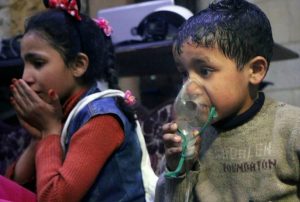
Often during measures to prepare for a chemical or biological weapons attack, it can be easy to forget about the unique care that children and neonates require. A new article in Physicians New Digest discussed this very critical nuance to CBW preparedness, highlighting the CW attacks in Syria by the Assad regime against civilians, included children, underscoring the need for pediatricians. Often, medical countermeasures require very specific dosages or are contraindicated in children, which poses a very unique challenge for responders. “In chemical attacks, for example, children may be disproportionately affected because they would take in more contaminated air, food and fluids relative to their body weight than adults, said co-author Carl Baum, MD, FACMT, FAAP, a former AAP Council on Environmental Health executive committee member who now serves on the Council on Disaster Preparedness and Recovery executive committee. ‘Children also spend more time closer to the ground, where toxic substances can settle. And they have a relatively larger body-surface area, which makes chemicals that touch the skin more dangerous for them,’ Dr. Baum said.” Children might also have high respiratory rates or present differently, which puts them at an increased risk for both inhalation of a CB agent, but also delays in medical care or diagnostics. The authors highlighted the importance of including pediatricians in preparedness efforts to ensure children have triage and treatment protocols in the event of a CBW attack.

News of the Weird
Sure, the novel coronavirus is in the news a lot right now, but where does beer come into the picture? Unfortunately the whole “corona” portion of the name has been throwing people off. “In the United States, Google Trends calculated that 57% of the people that searched one of those terms searched for “beer virus,’ and the remaining 43% searched for ‘corona beer virus.’ States like Hawaii, New Mexico and Kansas are searching ‘beer virus’ more, whereas states like South Carolina, Colorado and Arizona are searching ‘corona beer virus’ more”
Pandora Report: 1.24.2020

ASM Biothreats Coverage
With this three-day conference just around the corner, you’ll want to make sure not to miss our coverage in the coming weeks. GMU Biodefense has been sending graduate students to attend ASM Biothreats since 2016 and we’re always excited to share their insights into the presentations and discussions. Check out our previous coverage here, which will provide you with detailed accounts of this conference and the timely conversations that will likely take place surrounding the 2019-nCoV outbreak.

The Novel Coronavirus Bubbles Out of China 
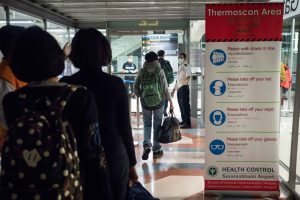
As the first case of 2019-nCoV was identified in the United States this week, questions continued to bubble up regarding the transmission mechanisms and if human-to-human transmission will be sustained. On Wednesday, the WHO met to discuss a declaration of a PHEIC (public health emergency of international concern) as cases spilled into Japan, Thailand, and South Korea, and case counts surpassed 830 infections and 17deaths. Interestingly, as the emergency committee was split on the decision, it was pushed to review again on Thursday and just before, China decided that the city of Wuhan would effectively have a cordon sanitaire, or quarantine. Ezhou and Huanggang have bene added to this list as of Thursday. Mid-day on Thursday, the WHO announced that they would not be declaring the outbreak a PHEIC. WHO situation reports can be found here. Moreover, as news of infection in 14 healthcare workers, it’s a reminder of previous coronavirus outbreaks. With the news of the Wuhan closure, it draws similarities to the quarantine efforts tried by Toronto in the SARS-CoV outbreak, which were considered widely ineffective and frustrating to the community. While each outbreak requires unique control measures, it is important to also note that it is challenging to truly know the case facility rate at this point in the outbreak, and that sudden bursts of identified cases are likely a result of surveillance efforts. As this outbreak has evolved in recent days though, the initial statements of “there has not been sustained human-to-human transmission” have been questioned. Beyond the initial worries about information sharing from the Chinese that were reminiscent of SARS-CoV, the role of healthcare and super-spreaders has been re-established. Chinese media has been quick though, to deny superspreading events. In 2003, the spread of SARS-CoV throughout Toronto taught us several lessons about not only importation of cases due to international travel, but also how super-spreaders in the right environments, like a hospital, can cause devastating outcomes. A lesson learned from Toronto too, is that of the importance of enhanced infection prevention measures and the questionable efficacy of quarantine efforts..not to mention the importance of communication, both between healthcare/public health, but also to the public. Flash forward nearly 10 years and a novel coronavirus was again causing problems…this time, beginning in Saudi Arabia. Spreading across 27 countries since it was first identified in 2012, MERS-CoV is another lesson in novel diseases and the role of One Health. MERS-CoV gave us new insights in not only why the WHO won’t declare an outbreak a PHEIC, but also a hard lesson in how hospitals can amplify an outbreak. In particular, the 2015 outbreak in South Korea, where it is estimated that 91-99% of cases were related to healthcare transmission and 83% of transmission events were tied to five superspreaders. Health system components like multiple patients per hospital room, family involvement in care, and hospital shopping, encouraged the spread of disease. In Saudi Arabia, small outbreaks have consistently happened since 2012, with links to not only camels, but also hospitals in which busy emergency departments and delays in isolation helped spread the disease. In fact, since 2013, most of the cases have been in Saudi Arabia and 19.1% have been in healthcare workers. There are many lessons to be learned from these previous outbreaks of novel coronaviruses, but as of now there are several discussions that need to happen – with a lower case fatality rate (CFR), will emergency measures need to be taken? How effective is airport screening, especially for international flights in the middle of respiratory virus season? As this outbreak is quickly unfolding and we learn new components to the virus daily, a few things are certain though – efforts have been swift (sequencing of the virus took only a matter of weeks), and the Chinese have worked to maintain diligent information sharing and outbreak investigations..not to mention to amazing and rapid efforts of international public health workers. Also, when we provide people with information, these efforts might prove to be just as effective as screening measures as the first case of 2019-nCoV within the U.S. was not identified through this route, but rather by some one who alerted to the outbreak and sought medical care, informing their healthcare provider of relevant travel history. Here are some valuable sources – regarding what we know and don’t know,  the implications of the quarantine for people in Wuhan, and fatality details.

Vulnerable Hospitals and Federal Funding Cuts for Biopreparedness
GMU Biodefense doctoral alum and infection preventionist Saskia Popescu discusses the tiered hospital approach to special pathogens and how despite its imperfections, the cut to funding should be taken seriously. Despite the flaws with the existing tiered system for dealing with special pathogens, it’s a more comprehensive and better resourced approach than what was in place before the 2014-2016 Ebola epidemic. As it stands, Congress has funded the 10 advanced treatment facilities and the National Ebola Training and Education Center but not the 60 treatment centers included in the tiered network. (The nearly 5,000 frontline hospitals never got much federal funding for their special pathogen-related efforts.) Trump signed the bill into law in December.

Redefining Neuroweapons: Emerging Capabilities in Neuroscience and Neurotechnology
Joseph DeFranco, a graduate of the GMU Biodefense MS program, recently co-authored an article about the emerging capabilities in neuroscience and neurotechnology that may enable new types of neuroweapons. Neuroscience and neurotechnology – lovingly nicknamed neuroS/T – are interwoven fields with research and development spanning medicine and military uses. Neuroscience is the study of the developmental processes, structures, functions, and of the brain and nervous system. The field is often referred to in the plural as neurosciences because of its cross-disciplinary nature encompassing molecular biology, developmental biology, physiology, anatomy, cytology, chemistry, mathematics, engineering, linguistics, computer science, medicine, and psychology. Neurotechnology produces a variety of tools, outputs, and substances that affect or probe the nervous system. DeFranco, DiEuliis, and Giordano consider the swift timeline for advancement in neuroS/T and the dual-use potential of such advancements in warfare, intelligence, and national security (WINS) applications. Certain neuroS/T advancements such as gene editing methods and nanoparticles can modify the central nervous system, providing significant utility and application for WINS. Existing pitfalls in international biological and chemical weapons conventions include the lack of consideration for existing and emerging neuroS/T outputs. Frankly, the inventions of neuroS/T are the redheaded step-child of these treaties, as none claim to cover it. The growth of “neurodata” is another important issue as biology becomes increasingly digitized. Though these data can prove immensely helpful in medicine and performance, they also have the potential to be used to target or alter specific individuals or groups. These data, as with all data, are vulnerable to cyberattacks or nefarious surveillance. Based on these benefits and risks of emerging neuroS/T, the authors outline a series of recommendations to either rectify existing insufficient oversight and governance or develop strong oversight and governance for the future.

Update: Ebola in the DRC
The current Ebola outbreak in the Democratic Republic of the Congo (DRC) is the second largest of its kind with over 1,600 cases from 2018 to mid-2019. This outbreak is mired in the exacerbating effects of conflict. Beyond the almost natural increase in disease transmission in a warzone, the DRC sees targeted attacks against medical workers there to quell the outbreak. Recent research focuses on the effects of violence on Ebola disease incidence. Mueller and Rebmann assessed the relationship between attacks targeting aid workers and the incidence of Ebola during the 2018-19 DRC outbreak in the North Kivu and Ituri provinces, regions characterized by violence. Findings from the analysis showed that the relationship between targeted violence against aid workers and disease incidence may be explained etiologically and logistically given the harmful impact on operations from the targeting of facilities, supply lines, and personnel. Wannier et al. quantified the effects of conflict on disease transmission using transmission rates between health zones that have versus have not experienced recent conflict events during the EVD outbreak. The mean overall R (reproduction number) of the total outbreak was 1.11, the average R for regions unaffected by recent violence was 0.61-0.86, and the average R for regions affected by recent violence was 1.01-1.07. These results indicate conflict contributes to increased transmission of Ebola in this outbreak. Wells et al. provides a timeline and ethnographic appraisal of the violence and disease in eastern DRC using data and information regarding the period from 30 April 2018 to 23 June 2019. Additionally, the authors constructed a model to quantify the strife prior to a conflict event and its ensuing impact on disease control activities in order to reveal the influence of war on the persistence of an epidemic. The gist of this trio of studies is that the Ebola outbreak is being exacerbated by the ongoing violence in eastern DRC as well as the attacks on the personnel in the field to respond to the outbreak.

Epidemics in Movies and Social Response
Need a break from the constant stream of coronavirus news? In perhaps one of our more favorite articles, a research team looked to the way films illustrate epidemics to the public. The authors note that there are two ways these films affect society – ” fear leading to a breakdown in sociability and fear stimulating preservation of tightly held social norms. The first response is often informed by concern over perceived moral failings within society, the second response by the application of arbitrary or excessive controls from outside the community.” If you’re a fan of outbreak or infectious disease themes in films, this is a great article to read on everything from Dallas Buyers Club to Contagion.

How much Should the Public Be Told About Risky Virus Research?
This is definitely a great way to start a fun dinner discussion with your favorite biodefense folks! Nell Greenfieldboyce recently discussed the NSABB meeting that started on Thursday and will conclude today. The news of a new coronavirus outbreak surely will add to this conversation and the future research that will study this novel disease. The argument regarding research on potential pandemic pathogens and gain-of-function experiments is one that has been going on for years. The conversations don’t just stop at if these experiments should exist and what they look like, but also about the publication of such information and just how much should be shared publicly. A new framework for evaluating potential experiments has already had three proposals – two made it and one is currently under review. “There’s a lot of interest out there in how these reviews get done, notes Wolinetz, but “it’s a little bit tricky, because all of these discussions are happening before funding decisions are made. Under current rules and regulations in the government, those conversations, pre-award conversations, are protected.” That’s to ensure, for example, that someone’s idea for a novel experiment doesn’t get stolen by another researcher. It also lets reviewers be candid in their critiques. What’s more, if a proposed study was deemed too alarming to fund, it might not make sense to make that idea available to all. On the other hand, some biosecurity experts argue that the public needs to know who is evaluating the risks and benefits and exactly what their reasoning is.” Confidence-building measures, like including a range of voices and disciplines into this decision-making process, are all ideas that have been raised during this process. Inclusion of risk-mitigation efforts and communication strategies are also measures that several researchers have emphasized. As Dr. Tom Inglesby noted though, “once we publish the mechanisms for making pathogens more dangerous —potentially ‘pandemic dangerous’ — we can’t take that information back. That information will be out there online for good.”

Patient Proximity to Farms and Increased Risk for C-diff Colonization
Talk about a One Health relationship – imagine living close to a livestock farm and having an increased risk for a diarrheal illness? That’s exactly what a new study is showing. The authors found that “the independent effect of residential distance to livestock farms was substantial; regardless of health care exposure, the probability of colonization more than doubled for those living 1 mile from a livestock farm compared with those living 50 miles from a livestock farm. Specifically, the probability of colonization increased from 6.5% among those living 50 miles from a livestock farm to 15.7% among those with previous hospitalization and from 4% to 10.6% among those without a recent hospitalization.”  Comorbidities played a factor in those patients admitted to a non-hematology/oncology unit, increasing the odds of colonization by more than 4 times.

Genetic Modification Could Protect Soldiers from Chemical Weapons
Despite bans on the development and deployment of chemical weapons, their use in conflict continues. Current treatment options are picky as they must be administered immediately and may not be satisfactorily efficacious; however, US Army researchers recently made a breakthrough in toxicant protection for soldiers. Specifically, the researchers developed a type of gene therapy that allows mice to create their own “nerve agent–busting proteins,” which provide protection against the agents, possibly for months. Though this therapy bears the potential for human use, it is risky. Such risks include the development of an adverse immune response to the introduced protein. Lead biochemist Nageswararao Chilukuri called the experiment of a “proof of principle” study. The long-short of the experiment is the livers of mice were reprogrammed as factories pushing out a “bioscavenger” enzyme that quickly incapacitate nerve agents. The team recently reported that the mice survived nine customarily lethal injections for six weeks, a promising but preliminary result.

USAMRIID 2019 Lab Protocol Failures and Findings 
Last year it was announced that the USAMRIID lab at Fort Detrick was temporarily shut following CDC inspections that found failures in their practices. “The lab itself reported that the shutdown order was due to ongoing infrastructure issues with wastewater decontamination, and the CDC declined to provide the reason for the shutdown due to national security concerns.” Documents that were recently obtained found that those violations initially reported were only a handful, but many were labeled as “serious” including – “The CDC reported that an individual partially entered a room multiple times without the required respiratory protection while other people in that room were performing procedures with a non-human primate on a necropsy table. ‘This deviation from entity procedures resulted in a respiratory occupational exposure to select agent aerosols,’ the CDC wrote.” You can read more here on these findings and the serious observations that were identified, triggering the lab’s temporary closure.


Pandora Report: 1.17.2020

Happy Friday! We’re glad to start the weekend with a healthy dose of all things biodefense. Before we get too far down the nCoV-2019 rabbit hole…Senator Dianne Feinstein recently wrote a letter to DHHS regarding steps the department is taking to protect the U.S. against pandemics.

ASM Biothreats 
It’s almost that time of year and if you can’t make the January 28-30 ASM Biothreats conference, don’t worry – we’ll have great coverage. GMU Schar School Biodefense is sending graduate students to the conference to report out on these three days of all things biothreats. Check out previous years of our coverage here, where we provide detailed overviews of the talks and events. “ASM Biothreats is a one-of-a-kind meeting offering professionals in biodefense, biosecurity and biological threats the opportunity to exchange knowledge and ideas that will shape the future of this emerging field. ASM Biothreats offers a unique program that explores the latest developments and emerging technologies in the industry.”

AI Weapons
The end of 2019 and the start of 2020 sees an uptick in discussion regarding artificial intelligence-driven weapons. Three of the world’s biggest plays – the United States, Russia, and China – are all strongly indicating that artificial intelligence (AI), considered a transformative technology, will be dominant in their respective national security strategies. Recent headlines on the topic include terms like “killer robots” and “Terminator-style war.” Indubitably, we are in an era of rapid and momentous technological advancement and discovery; however, the true application of these technologies is fairly narrow and now necessarily nefarious. Larry Lewis, a senior advisor for the State Department in the Obama administration and a member of the US delegation in the UN deliberations on lethal autonomous weapons systems, recently published an article in the Bulletin of the Atomic Scientists about the utility of AI in reducing the collateral damage of war. Lewis spent the last decade working to reduce the civilian casualties in war, and he found that such casualties were largely the result of inaccurate indicators regarding civilian presence or the misclassification of civilians as combatants. Though military applications of AI include autonomous weapons, this technology can also be employed to optimize automated processing to detection and as a decision aid to helping personnel interpret complex or vast sets of data. Though discussion tends toward the risks of AI technology, especially its military applications, Lewis endorses adding a new facet to the discussion that focuses on the benefits of AI technology in minimizing civilian casualties in warfare.

nCOV-2019 and the Wuhan Outbreak
The past few weeks have been busy with the news of this novel coronavirus cluster in Wuhan, China. Following the identification of it as a novel strain and the temporary name of nCoV-2019, public health authorities have been working to better understand the epidemiological aspects of the virus and how we can prevent further transmission. News of a case in Thailand, following travel to the affected region in China, quickly spread as it meant that cases were no longer contained in China. Interestingly, the Chinese woman whose infection was detected after her arrival in Thailand, had no exposure to the market that is considered to be the epicenter of the outbreak. “A new statement from the World Health Organization (WHO) today had several new details, including that the woman had not visited the Wuhan seafood market, which also sold live animals such as chickens, bats, and marmots, where most patients are thought to have been exposed. However, she reported regularly visiting a local fresh market before her symptoms began on Jan 5. That illness onset is later than that of the others infected in the outbreak, which ranged from Dec 8 to Jan 2, according to a Jan 12 update from the WHO. The incubation period for nCoV-2019 isn’t known, and authorities closed the seafood market on Jan 1.” 182 contacts are being monitored related to this case and eight febrile travelers at the Suvarnabhumi Airport have been isolated and tested (all were negative). Japan also confirmed their first case in a 30-year-old man who tested positive following a visit to Wuhan. On Thursday, officials released more information regarding a second family cluster in Wuhan (likely exposed via the same source), as well as findings from environmental testing at the market in Wuhan.

Antibiotic Tolerance Can Affect Combo Treatments, Study Finds
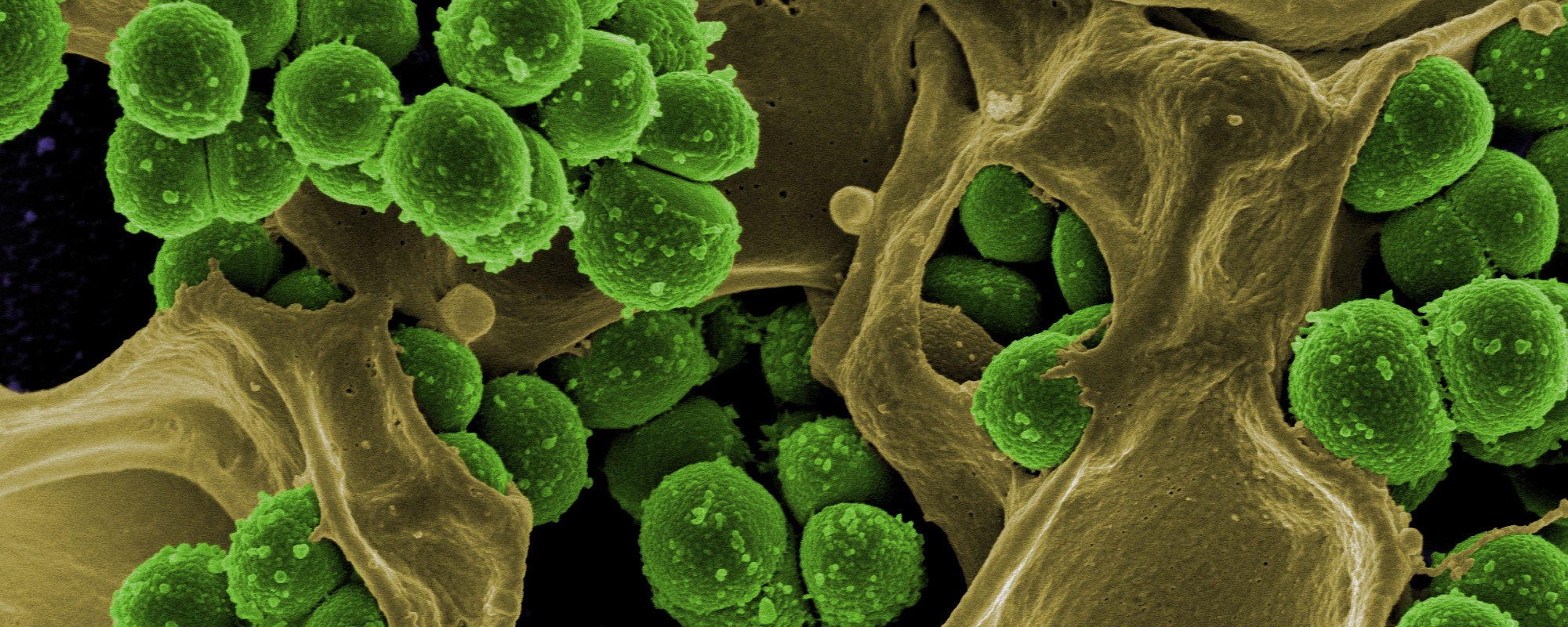
A team of scientists in Israel found evidence that antibiotic resistance in microbes may render combination therapies ineffective, a long-held fear that may now be reality. Combination drug therapy is a commonly used clinical method for treating infections caused by resistant microbes and to prevent the progression of resistance. This team monitored the evolution of Staphylococcus aureus strains in patients undergoing combination treatment and exposed the swift emergence of tolerance mutations trailed by the emergence of resistance. Tolerance mutation in antibiotics is a general term “used to describe the ability, whether inherited or not, of microorganisms to survive transient exposure to high concentrations of an antibiotic without a change in the MIC, which is often achieved by slowing down an essential bacterial process,” whereas antibiotic resistance is “the inherited ability of microorganisms to grow at high concentrations of an antibiotic, irrespective of the duration of treatment, and is quantified by the minimum inhibitory concentration (MIC).” After the discovery of tolerance to combination treatments in the S. aureus case, the scientists were able to expand the finding by measuring bacterial growth in Escherichia coli after drug combinations from four different antibiotic classes. Isolates with tolerance to norfloxacin and ampicillin promoted resistance in some of the combinations for treating E. coli. Therefore, the authors conclude that “rescue of resistance mutations by tolerance is a general phenomenon that may have crucial implications for the evolution of resistance in patients treated with combinations of antimicrobials.” A short article summarizing the study can be found here and the original publication can be found here.

WHO- Urgent Health Challenges for the Next Decade
The World Health Organization has released their list for the new decade – which was “developed with input from our experts around the world, reflects a deep concern that leaders are failing to invest enough resources in core health priorities and systems.” The list does not place challenges by priority, as they are all urgent and includes elevating health in the climate debate, delivering health in conflict and crisis, making healthcare fairer, expanding access to medicines, stopping infectious diseases, and more. Within each challenge, the WHO discusses what it is and what they are doing to help correct it.

Outbreak Dashboard 
While much attention has been to the novel coronavirus outbreak, more Ebola cases have been identified in the DRC. The latest situation report from The Who reports 8 new cases, including 3 in Beni.

Pandora Report: 1.3.2020

Welcome to 2020! We’re excited to start the new year with a short newsletter to keep you up to date on all things biodefense.

 Alcatraz of Viruses
The Island of Riems in the Baltic Sea, once inhabited by the Nazis for biological weapon research, is now a heavily restricted site for German scientists to develop vaccines against viruses. The island hosts the Friedrich Loeffler Institute, Germany’s National Institute for Animal Health, which is a hub for the study of pathogens like rabies, African swine fever, and Ebola, and maintains the primary objective of preparing for future infectious disease outbreaks. The deputy head of the Friedrich Loeffler Institute, Franz Conraths, dubbed the island to be the “Alcatraz of Viruses.” Given its nickname-sake, the island is subject to stringent security protocols in order to safely contain all pathogenic samples and protect researchers and visitors. Since 2008, the German government has invested over $300 million in the Institute for infrastructural upgrades; there are now 89 laboratories and 163 stables for the research animals within the facility. Animal welfare is an important pillar for the Institute, hence their efforts to minimize animal research and minimizing the suffering of any tested animal. That said, the potential for their vaccine research to save millions of human and animal lives, protect the livelihoods of farmers, and alleviate global hunger, according to the head of the diagnostics department, outweighs the desire to eliminate animal testing.

NAS Workshop Proceedings: Improving International Resilience and Response to Chemical, Biological, Radiological, and Nuclear Events
In October 2017, the National Academies of Sciences, Engineering, and Medicine (NAS) coordinated an international, science-based workshop in Tokyo regarding resilience to Chemical, Biological, Radiological, and Nuclear (CBRN) events. The CBRN resilience workshop, in collaboration with Niigata University and the Japan National Research Institute for Earth Sciences and Disaster Resilience (NIED), aimed to “increase understanding of the communication, interoperability, and coordination issues that arise among various international stakeholders who are responsible for responding to CBRN event.” Partakers included experts and representatives from the government/public sector, private sector and industry, international organizations, academia, and NGOs. The event included a simulation as well as various plenaries covering topics such as lessons from past CBRN events and strengthening collaborative capacity. The workshop included a Resilience Exercise that used an explosion created by the collision of a large Liquid Natural Gas Tanker into a chemical depot on the shore near the Tokyo Motor Show as its base scenario. The explosion was compounded when the adjacent industrial complex ignited and debris oil was launched into Tokyo Bay. The flames and smoke of the chemical fire travelled inland toward Tokyo, home to about 14 million people, and smoke is further spreading toward the Tokyo Big Sight complex. Additional simulation components include the challenges of responding to a cascading CBRN event and the difficulty stimulating multi-party discussion for rapid response and international cooperation. Examples of some of the issues recognized during the workshop include delayed information sharing, incongruent definitions and terminologies across organizations, and the lack of defined roles and responsibilities for response.

Antimicrobial Resistance – A New Plan For A New Year?
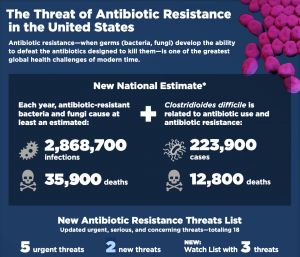
Since the CDC announced their latest report and findings that each year 2.8 million Americans are infected with a drug-resistant organism, 35,000 of whom later die, we can safely say we’ve got a big problem. Antimicrobial resistance (AMR) isn’t new though and the problem has been boiling up for decades however it seems that we’re starting to truly take it seriously. From rivers to traveling patients, it’s hard to escape resistant microbes. New efforts to invigorate surveillance/reporting, as well as stewardship initiatives and even addressing the drying pipeline of antibiotics, are all tactics that have been employed. In fact, this latest piece is the one that is perhaps the most damning – big pharma has all but fled the antibiotic R&D field and those start-ups courageous enough to try, are increasingly falling upon financial ruin. “Antibiotic start-ups like Achaogen and Aradigm have gone belly up in recent months, pharmaceutical behemoths like Novartis and Allergan have abandoned the sector and many of the remaining American antibiotic companies are teetering toward insolvency.” Sadly, this is only adding to the issue as it paints a grim image for those considering any investment in antibiotic R&D. Many are calling for government intervention to help address the push-pull dynamics of antibiotic development – noting that “If this doesn’t get fixed in the next six to 12 months, the last of the Mohicans will go broke and investors won’t return to the market for another decade or two,” said Chen Yu, a health care venture capitalist who has invested in the field. Another component though is the heavy push on stewardship and prescribing practices, which often makes hospitals and providers weary against using new antimicrobials. Adding to this sentiment, Dr. Rick Bright, BARDA Director and Deputy Assistant Secretary for Preparedness and Response, wrote on the need for better diagnostics for resistant infections. Dr. Bright shares his own experiences with a simple-turned-complex infection that required several antibiotics. From delays in diagnostics/treatment, to being on six antibiotics, this is a great personal account of what it’s like to have a resistant infection and the inherent limits of existing diagnostics. “The gardening incident gave me personal insight into the many challenges that confront medical professionals and every patient fighting a resistant infection. I am more committed than ever to overcoming this challenge, to identifying solutions, and to partnering with private sector to get ahead of antimicrobial resistant infections and protect our nation’s health security. I hope more potential industry partners will look closely at the problem and join me by partnering through programs like CARB-X, BARDA DRIVe and other BARDA-supported initiatives.”

Senate Passes Bipartisan One Health Awareness Month Resolution
On December 20th, the Senate unanimously passed a bipartisan resolution to promote January as “National One Health Awareness Month”. Since more than 74% of emerging infectious diseases are zoonotic, the awareness to One Health and the role we all play is critical in addressing current and future biological threats.The One Health Commission is working to promote this new resolution, including a guide to help raise awareness for this critical initiative. You can read the full resolution here.  Happy National One Health Awareness Month!

Outbreak Dashboard
Flu activity continues to rise in the United States, as the CDC reported 4.6 million flu illnesses, 39,000 hospitalizations, and 2,100 deaths in this season. The Ebola outbreak in the DRC has also been growing, as 4 new cases were recently reported in Kalunguta, which is frustrating as the area had previously gone 63 days without a new case.

Pandora Report: 12.20.2019

Happy Friday fellow health security friends! We will be on holiday next week, but rest assured, your favorite source for all things biodefense will be back right after the New Year. We hope you have a lovely holiday – remember, wash your hands!

Speeding Ahead- the Pace of Biotech Democratization
Gryphon Scientific researchers recent discussed in Nature the fast pace of biotech development and the challenges of establishing regulatory oversight and policies. They underscored that to set about such a course would require considerable dedication and resources – both in terms of financial and personnel. But what really does the investment into democratizing biotech look like? In this novel approach, researchers analyzed the exact pace of biotech and what those timeframes for democratization of novel techs look like. “Our assessment provides evidence that novel technologies currently can complete this transition in less than 4.5 years from their discovery and may do so in less than 3.5 years by the end of the next decade.” Investigating 22 biotechnologies, they highlighted milestones that point to the spread of such tech from lab to easily accessible. This is a highly enlightening article and includes data on reproduction of biotechnology trends and regression analysis that helps predict current and future trends in both the development and spread of these biotechnologies. “These results underpin the necessity for constant review of the security implications of the democratization of powerful biotechnologies, and the proactive development of policies, oversight and guidance systems, to ensure that they are leveraged responsibly by those outside the established scientific community.” You can find the article here.

GMU Class on Medical Countermeasures
Spring semester is fast approaching and if you’re a GMU biodefense student, don’t miss out on the chance to take BIOD766: Development of Vaccines and Therapeutics with Dr. Robert House. The course analyzes the process of developing new medical countermeasures against biological weapons and emerging infectious diseases such as SARS and pandemic influenza. Special attention is paid to the scientific, technical, political, regulatory, and economic obstacles to developing new vaccines and therapeutics. Examines the causes and potential solutions of public and private sector failures. Dr. House is an expert in the field of MCMs and worked for more than 11 years at DynPort Vaccine Company in Frederick, Md., where he held the positions of VP of Science and Technology, Chief Scientific Officer and President. During this time he developed extensive experience in winning and managing large USG-funded programs for developing medical countermeasures. He previously worked at Covance Laboratories in Madison, Wis. and IIT Research Institute in Chicago, Ill., where he managed highly successful programs in immunotoxicology assessment. Don’t miss out on your chance to take this engaging class with one of the top minds in the field.

Smallpox Virus Stocks
9 December 1979 was the historic day on which smallpox was confirmed as eradicated. A few months later, the World Health Assembly (WHA) officially declared that “the world and all its peoples have won freedom from smallpox.” Yet, four decades later, two nations maintain a stockpile of the variola virus that causes smallpox: The United States and the Russian Federation. Smallpox is an infectious and disfiguring viral disease that plagued humans for thousands of years, so its eradication is, arguably, one of the greatest achievements of our species and the greatest achievement of modern medicine. These specimens are stored under high-security conditions at the US Centers for Disease Control and Prevention (CDC) laboratory in Atlanta and at Russia’s State Research Centre of Virology and Biotechnology (Vector) in Novosibirsk, a town in Siberian. The decision to maintain a store of the virus is based on the completion of five fundamental goals goals: (1) further research in case of disease reemerge, (2) vaccine improvement, (3)creation of new treatments, (4) development of antivirals, and (5) improvements in diagnostics methods. According to guidance by the WHO, the stocks will be maintained until those goals are realized; however, disagreement exists on the status of their completion. Last year, the US Food and Drug Administration (FDA) approved a new drug for smallpox treatment; however, the WHO’s Advisory Committee on Variola Virus Research concluded that another antiviral treatment is needed. Arguments against keeping these stockpiles include the risk of variola being used as a weapon of bioterrorism and the risk that an accident could spur an accidental release of the pathogen. Additionally, there exist fears of undeclared stocks and the intentions with those potential samples. David Relman, professor of microbiology and immunology at Stanford University, asserts that the arguments in favor of maintaining the stockpiles outweighs those of destroying them. Another expert, Grant McFadden, director of the Biodesign Center for Immunotherapy, Vaccines, and Virotherapy at Arizona State University, who remains on the fence about retaining or destroying stockpiles, states “A great deal has been achieved on the original research goals, but the argument that more remains to be done is hard to refute…It is important to have these debates about whether mankind should deliberately eliminate feared pathogens, or study them.” As the debate continues, the future of the US and Russian variola virus stockpiles remains to be seen.

Biodefense Books 
Tis the season of giving and here are some great books to buy as a gift for others or keep for yourself. Mark Kortepeter’s Inside the Hot Zone: A Soldier on the Front Lines of Biological Warfare is being released soon – “During Kortepeter’s seven and a half years in leadership at USAMRIID, the United States experienced some of the most serious threats in modern germ warfare, including the specter of biological weapons during the Iraq War, the anthrax letters sent after 9/11, and a little-known crisis involving a presumed botulism attack on the president of the United States. Inside the Hot Zone is a shocking, frightening eye-opener as Kortepeter describes in gripping detail how he and his USAMRIID colleagues navigated threats related to anthrax, botulism, smallpox, Lassa, and Ebola.” Nathan Myers’ Pandemics and Polarization – Implications of Partisan Budgeting for Responding to Public Health Emergencies is also out, “Partisan divisions over policy in the U.S. Congress and rising disease threats put millions of Americans at risk. The Zika public health emergency is used to illustrate the key functions of coordination, providing countermeasures, and engaging in disease surveillance which the government must engage in during such an emergency. The author looks at how the standoff over Zika funding negatively affected the government’s response within federal agencies, as well as at the state and local level. Also examined in the book are serious threats still on the horizon that are expected to require strong government action in the future. Possible policies to avoid future gridlock are considered.”

PhD graduate Katherine Paris and her dissertation chair, Dr. James Conant

GMU Biodefense December Graduates
We’re so excited to celebrate the graduation of several students from the Schar School biodefense graduate and certificate programs. PhD graduates include Margaret D.M. Barber           (Dissertation Title: Call of Duty? How Insurgent Organizations Choose to Provide Social Services) and Katherine V. Paris (Dissertation Title: An Assessment of the Risk of Misuse of Genome Editing Technologies). Congrats to Rubi Izquierdo on graduating with a MS in biodefense. We’re also happy to announce several students who completed their graduate certificates in Biodefense: Global Health Security and Terrorism and Homeland Security – Kelly Choic, Dianna Del Valle, Hiwot Yohannes, Joe Bob Merriman, and Gula Tang. Congrats! Read more about our biodefense graduate programs here.

Chinese Gangs Spreading African Swine Fever
African Swine Fever (ASF) is a viral infectious disease that is fatal for pigs, domestic and wild, and it is obliterating the Chinese pork industry, which is the largest in the world. To put the severity into perspective, certain estimates indicate that the number of pigs in China that have died from ASF exceeds the number of pigs in the entire US pork industry. Recent reports by PRC state media claim that Chinese criminals are intentionally propagating the ASF outbreak in an effort to drive down domestic pork prices so that these criminals can smuggle the meat and sell it as safe product. These criminal efforts range from spreading rumors about ASF to using drones that drop fomites into healthy farms. ASF-related losses plummeted China’s herd stock by over 40% to date, both as a result of infections and mass culling to contain the disease. Shortages in pork products, a cultural and nutritional protein staple in China, surged prices to over double the pre-outbreak prices. The price drops provided opportunities for the criminals to exploit the situation. Gang members traffic pigs or meat, regardless of its health and safety, to regions with especially high prices and sell it. The profit margin can reach 1,000 yuan (US$143) per pig for smugglers, and estimates fear a further rise of ¥65-75 per kilogram in the near future. Further price surges are expected as the Lunar New Year approaches, further incentivizing criminal meddling in China’s already suffering pork industry.

Investigations into Chinese Lab Outbreaks
A painful truth: biosafety failures do occur…it’s the name of the game when working with dangerous pathogens. While we have the proper practices and safety processes to avoid exposures, human mistakes do happen. Currently, two Chinese agriculture research facilities are assessing how over 100 staff and students were not only exposed, but ultimately infected with Brucella. One institute, the Lanzhou Veterinary Research Institute reported 96 asymptomatic infections. Despite their forthcomings about the numbers, the institute has not released where the source of the exposure occurred. In the Harbin Veterinary Research Institute, it was reported last week that 13 students were infected with the zoonotic disease. “The outbreak at the Lanzhou Veterinary Research Institute was first uncovered in November when some students in the institute‘s foot and mouth disease research unit noticed that large numbers of their lab mice were infertile, according to The Beijing News. The mice tested positive for Brucella, as did four students. The institute then tested 317 people, and found that 96 had been infected.” Lab-associated infections with Brucella do occur frequently, as it is the most commonly reported bacterial infection in labs and the ease of aerosol transmission facilitates such cases. Sadly, this is not the first exposure and it will likely not be last, but it does give insight into the risks of such work and a clear need for heightened biosafety measures. You can read more here.

Mobile Lab Created Out of Ebola Frustrations
Often the greatest developments are created out of sheer frustration during situations – vaccines, biocontainment units, etc. In this case, a lab-on-wheels was developed to help combat outbreaks in countries that have limited laboratory resources. “A prototype was recently displayed at the annual American Society of Tropical Medicine and Hygiene (ASTMH) conference. The company that developed it, Greensboro, North Carolina–based Integrum Scientific, says the first vehicle may soon be tested in Uganda. Integrum Scientific’s lab units can be configured to provide on-site diagnostic capabilities for known pathogens or experimental diagnostics. This configuration also supports standard care during an outbreak or attack, providing routine chemistry, hematology, and blood products.” Check out the mobile lab here.

Outbreak Dashboard
Samoa has extended its state of emergency during the measles outbreak that has impacted a considerable amount of the island’s population. “In its update on cases today, officials said on Twitter that 57 more cases were reported over the last day, boosting the outbreak total to 5,267 cases. The number of related deaths has risen to 73, and as of Dec 15, 93% of the population has been vaccinated.” Ebola outbreak response efforts in Beni continue to be challenged with violence as 43 people were killed in attacks by the rebel terrorist organization Allied Democratic Forces. The outbreak has now reached 3,348 cases with 2,210 deaths.

A Deep-Dive Into Samoa’s Measles Outbreak
Recent estimates put the outbreak on the small island at over 5267 cases with 73 associated deaths. Vaccination rates had dropped dramatically over the years, and were recently estimated at 31% prior to response efforts. The herd immunity threshold for measles is 93-95%, which means that the low rates of vaccination in Samoa were essentially a ticking time bomb. Thankfully, response efforts have gotten the islands vaccination rate up to 93%, which will hopefully slow the deadly outbreak. Currently, the island continues to be in a state of emergency, which was first declared in mid-November. The government has barred children 0-14 years of age from attending public gatherings and requires children of that age to also show proof of immunization prior to boarding inter-island ferries. “The government has also closed its offices (with the exception of public utilities) so that civil servants can aid in the response efforts. Response efforts have continued to pour in to help halt this devastating outbreak. The population of Samoa is just over 196,000 individuals and when there are more than 5000 cases, more than 2.6% of the population have been infected.” Read more here.

Pandora Report: 11.22.2019

Happy Antibiotic Awareness Week! Are you being a good steward of antimicrobials during this respiratory virus season?

When A Lab Explosion Ruins Your Day – Stories of Vector 
A few months back, an explosion at the Russian laboratory complex known as the State Research Centre of Virology and Biotechnology (Vector), raised a red flag regarding the stockpiling of smallpox and realistically, biosafety/biosecurity. Not surprisingly, stories about where the explosion occurred, what was kept in that area, and all manner of horror movie-esque plots began to swirl. Gwyn Winfield though, has broken down the rumors, the realities, and the challenges of understanding what exactly happened when well, there’s not a lot of trust in Russian explanations. Gwyn takes care to highlight how fast speculation occurred though, and that while it may not have been easy to get answers right away, the theatrics of lab-to-bioweapon speculation does little good. Noting that the blast occurred on the 5th floor of building one – “The floor had been under repair since July, and since there was no research in progress there, and the area was not secure, there were no pathogens on that floor to be released.” As Winfield notes, the lack of information makes things challenging and while experts might make guesses, “the individuals that need to take the most lessons from this are exercise planners, globally but especially in Russia”. You can read the full article here.

The Microbiome and AMR
Microbiota bear effects on a variety of chronic diseases such as gastrointestinal, autoimmune, respiratory, neurological, and cardiovascular conditions; however, the microbiome also plays a role with infectious diseases. The growing body of research on the importance of the microbiome to human health links natural flora and the immune system, which are in a largely symbiotic relationship. More specifically, a healthy microbiome aids in the induction, training, and function of the immune system and, in return, the immune system maintains a happy balance between natural flora and the host human. Unfortunately, that relationship is under great threat as the persistent overuse of antibiotics destroys not only the invasive bacteria but also the healthy bacteria that help maintain immune function. Antimicrobial resistance (AMR) is ability of microbes – bacteria, viruses, fungi – to circumvent the mediating effects of antibiotic, antiviral, and antifungal therapeutics. The overuse of antibiotics enables strong, resistant bacteria to survive in the host, so your gut ultimately populates with mostly resistant bacteria, even bacteria resistant to multiple drugs. Disruptions to the microbiome by antibiotic use adds to the spread and strength of antimicrobial resistance in harmful microbes. Our overreliance on the prescription of antibiotics to alleviate bacterial infections, even minor ones that the immune system may be able to overcome, and a lack of medication compliance resulting in misuse are chipping away at the clinical efficacy of these drugs. This is of considerable concern as microbes become cleverer and less susceptible to multiple medications, resulting in infections that are less and less treatable. According to the CDC, there are over 2.8 million antibiotic-resistant infections in the US each year and more than 35,000 people die from those infections. The critical task at hand is to develop alternative therapeutics that can treat infections while, at least, not contributing to further microbial resistance. As a mediator for colonization resistance and a symbiote of the immune system, the microbiome possesses potential as a therapeutic gateway to subvert resistance.

Biodosimetry Biomarkers and Serum Proteomic Signatures – GMU Biodefense Alum Tackles It All 
GMU Biodefense doctoral student Mary Sproull is our resident guru on radiation – she’s a biologist in the Radiation Oncology Branch of the National Cancer Institute at NIH. Here are just two more reasons why Sproull is the go-to person for things like biodosimetry: she has two new publications that you’ll want to check out. The first, Comparisons of Proteomic Biodosimetry Biomarkets Across Five Different Murine Strains (try saying that five times fast) “seeks to compare the expression levels of five previously established proteomic biodosimetry biomarkers of radiation exposure, i.e., Flt3 ligand (FL), matrix metalloproteinase 9 (MMP9), serum amyloid A (SAA), pentraxin 3 (PTX3) and fibrinogen (FGB), across multiple murine strains and to test a multivariate dose prediction model based on a single C57BL6 strain against other murine strains.” Make sure to read this study as it discusses why these strain specific differences exist between expression levels. In the second article A Serum Proteomic Signature Predicting Survival in Patients with Glioblastoma, Sproull and the research team discuss this common brain tumor and how developing adequate biomarkers can help drive stronger patient outcomes. “Analysis of potentially relevant gene targets using The Cancer Genome Atlas database was done using the Glioblastoma Bio Discovery Portal (GBM-BioDP). A ten-biomarker subgroup of clinically relevant molecules was selected using a functional grouping analysis of the 40 plex genes with two genes selected from each group on the basis of degree of variance, lack of co-linearity with other biomarkers and clinical interest. A Multivariate Cox proportional hazard approach was used to analyze the relationship between overall survival (OS), gene expression, and resection status as covariates.”

Gene Editing
Advancements in biotechnology pose potentials and perils as such technology becomes easier to access and use by a wide array of bio-users, not just formally trained scientists at professional laboratories. Gene editing, the alteration of an organism’s DNA, is one such biotechnology. A number of research and government entities are working diligently to maximize the potential benefits of gene editing while simultaneously minimizing its perils. Two such entities are the National Academies of Sciences, Engineering, and Medicine and the Defense Advanced Research Projects Agency (DARPA). The former is concerned with perils of synthetic biology while the latter is trying to unlock its potential. The National Academies of Sciences, Engineering, and Medicine just released Strategies for Identifying and Addressing Vulnerabilities Posed by Synthetic Biology: Proceedings of a Workshop in Brief, which summarizes the key discussions in an October 2018 meeting of experts and policymakers following a report for the DOD, Biodefense in the Age of Synthetic Biology. The meeting’s purpose was to assemble federal personnel and the committee for the DOD report to consider the implications for actions DOD might take to quell potential misuse of synthetic biology capabilities. The committee evaluated 12 capabilities associated with (1) the synthesis and modification of pathogens; (2) production of chemicals, biochemicals, and toxins; and (3) modulation of human physiology. Each of the three capability areas were assigned relative levels of concern in terms of the usability of a technology, its usability as a weapon, its requirements of actors, and the potential for its mitigation. Additional workshop discussions included the potential of delivery mechanisms to serve as a barrier to the misuse of synthetic biology to produce weapons, the possibility to use synthetic biology to modify human physiology in new ways, and opportunities in computational biology to alleviate fears about synthetic biology capabilities through the prevention, detection, and attribution of its misuse. DARPA’s latest biotechnology project is the “Detect It with Gene Editing Technologies” program, more lovingly called DIGET. The primary objective of DIGET is “to provide comprehensive, specific, and trusted information about health threats to medical decision-makers within minutes, even in far-flung regions of the globe, to prevent the spread of disease, enable timely deployment of countermeasures, and improve the standard of care after diagnosis.” The DIGET dream deliverables are two devices: (1) a handheld and disposable point-of-need tool that simultaneously screens 10 or more pathogens or host biomarkers and (2) a multiplexed detection platform that simultaneously screens at least 1,000 clinical and environmental samples. DIGET seeks to incorporate gene editors and detectors biosurveillance as well as swift point-of-need diagnostics for endemic, emerging, and engineered pathogens. DARPA is hosting a Proposer’s Day meeting about the DIGET program on 11 December 2019.

Biological Threats to U.S. National Security – Subcommittee on Emerging Threats and Capabilities 
On Wednesday, Dr. Thomas V. Inglesby, Dr. Tara J. O’Toole, and Dr. Julie Gerberding gave testimony to this subcommittee within the U.S. Senate Committee on Armed Services. During the testimony, Dr. Inglesby “noted the growing threat of biological events that can emerge from nature, deliberate attack, or accidental release and reviewed current US government efforts in this arena. He presented recommendations to improve the government’s response to and preparedness for a major biological event.” You can read his full testimony here.

Revisiting the Biological Weapons Convention Protocol
Lynn Klotz recently wrote on the gaps within the BWC in relation to compliance monitoring. Despite efforts to change this in the past, those pushing for a protocol to randomly select site visits as means to do quality checks, have been disappointed over the years as administrations cite that such additions would not truly verify or provide greater security. As Klotz underscores – this sentiment fundamentally misses the goal of the protocol…which is transparency. “But recent events serve to underscore that a protocol to the convention to address the treaty’s shortcomings is an idea that should be revisited. Unfounded Russian allegations about biological weapons development in former Soviet countries are threatening the effectiveness of the convention. This concern along with strong arguments for the high importance of transparency in international treaties calls for revisiting the protocol, which had provisions for both transparency and for dealing with allegations like Russia’s.” Citing the 2019 meeting in which Russia alleged that several former Soviet states had active bioweapons programs, distrust soon grew and disruption rippled throughout the BWC. Klotz emphasizes that this exact situation is a prime reason why a protocol should be revisited – to help build confidence through increasing transparency. Not a free-for-all, but rather through managed-access rules, such as random visits by inspection teams would help verify the absence of bioweapons. Klotz takes care to discuss why protocol efforts were abandoned in 2001 and the role of transparency in multilateral arms control regimes, which you can read more about here.

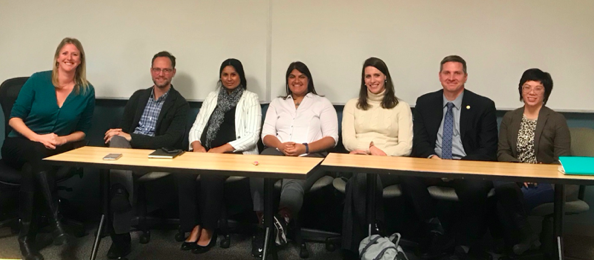
Health Security Career Panel (Left to Right): Ashley Grant, Stuart Evenhaugen, Syra Madad, Sapana Vora, Halley Smith, Justin Hurt, and Malaya Fletcher.

GMU Hosts Health Security Career Panel 
Last week, adjunct professor Ashley Grant, a lead biotechnologist at the MITRE Corporation, held a career panel at the Schar School of Policy and Government at George Mason University as part of her course on Global Health Security Policy. To highlight the different paths that graduate students in the Biodefense program can take in the health security field, Professor Grant convened a diverse panel of health security practitioners to discuss their jobs and the skills they have needed to succeed. The panel included professionals from a variety of different backgrounds ranging from local health providers to Federal employees. Students in the Schar School’s Biodefense Graduate Program were able to ask the panelists about the challenges of moving from a technical career path into science policy and opportunities for internships. The panel included Stuart Evenhaugen of the Assistant Secretary for Preparedness and Response (ASPR)’s Strategy Division in the Department of Health and Human Services (HHS); Syra Madad, the Senior Director of System-Wide Special Pathogens Program at NYC Health + Hospitals; Halley Smith, a program lead with the U.S. Department of State Cooperative Threat Reduction Program, on detail from Sandia National Laboratories Global Chemical and Biological Security Program; Sapana Vora, the Deputy Team Chief for the U.S. Department of State’s Biosecurity Engagement Program (BEP) and Iraq Program in the Office of Cooperative Threat Reduction (CTR); and Malaya Fletcher, a Lead Scientist at Booz Allen Hamilton in Washington, DC.  The panel also included LTC Justin Hurt a CBRN/WMD Organizational Integration Officer in the Army G-3/5/7 Office who is currently enrolled in the Biodefense PhD program. As biodefense graduate student Michael Krug noted, “The panel was immensely valuable in providing detailed insights and experiences into each of the panelist’s unique career paths. Emphasizing the demand for multi-disciplined approaches, as well as active communication to answer the many health security questions facing the world.”

A Little Bit of Plague and A Whole Lot of Panic  
Plague – a word that still sparks fear after hundreds of years. Two cases were recently reported in China’s Inner Mongolia and of course, it involved a hunter and butchering/eating a wild animal. Diagnosed on November 5th, there were two additional cases reported in Beijing but from the Inner Mongolia area. “In both cases, the two patients from Inner Mongolia were quarantined at a facility in the capital after being diagnosed with pneumonic plague, health authorities said at the time. The Inner Mongolia health commission said it found no evidence so far to link the most recent case to the earlier two cases in Beijing.” As many have pointed out, the fear around this news has been more damaging to response efforts. Pneumonic plague is not as highly contagious as many news outlets have let on – only requiring Droplet + Standard isolation precautions and plague is easily treatable with antibiotics or prophylaxis.

Should We Be Celebrating CRISPR’s Anniversary?
It’s not many times an expert and innovator writes an article entitled “CRISPR’s unwanted anniversary” about a tech they were instrumental in developing. Dr. Jennifer Doudna recently wrote on those moments that can make or break a disruptive technology and in the case of CRISPR, it was last year, when Hong Kong-based scientist He Jiankui started the CRISPR baby drama. This was a pivotal moment in not only biotech, but also genome editing and its future. As Doudna notes, it’s comforting that scientists around the world reacted with conversations about the need for safeguards and transparency as CRISPR technology grows. In the face of this anniversary though, what has been done? Are there consequences for going against widely accepted norms? Doudna leaves us with the notion that “The ‘CRISPR babies’ saga should motivate active discussion and debate about human germline editing. With a new such study under consideration in Russia, appropriate regulation is urgently needed. Consequences for defying established restrictions should include, at a minimum, loss of funding and publication privileges. Ensuring responsible use of genome editing will enable CRISPR technology to improve the well-being of millions of people and fulfill its revolutionary potential.”

Outbreak Dashboard
In keeping up with the latest outbreaks, here are some quick updates on a handful of the infectious disease events that are going on  – The outbreak of Ebola virus disease in the DRC may be slowing as there were no new cases reported on November 19th but over 400 suspected cases were still being assessed (total case count is 3,296). With the recent approval of the Ebola vaccine by the European Medicines Agency (EMA), the distribution of the vaccine will increase and could impact the outbreak as well. Nigeria is facing a Yellow Fever outbreak, which it has struggled against since 2017. In the past 4 weeks, 839 new cases have been reported. Flu activity is increasing in the United States and the predominant strains are B/Victoria, A(H3N2) and A(H1N1)pdm09. 2.3% of healthcare provider visits in outpatient settings were for influenza-like illnesses. There is also a new E. coli outbreak linked to pre-packaged chicken Caesar salads impacting 17+ people across 8 states.

Hot Spots and Inadequate Monitoring for Bioterrorism – An American Story
Law professor Ana Santos Rutschman of Saint Louis University recently wrote on the usual and unusual biological suspects and how organisms like Salmonella can easily be overlooked as cases of bioterrorism (case in point the 1984 Oregon attack). Rutschman delves into preparedness efforts, like BioWatch, and how “there is a profound lack of coordination between federal agencies and local communities. When asked about what happens after notifications of a possible bioterrorism attack, Dr. Asha George, executive director of the Bipartisan Commission on Biodefense, answered: “They go off but nobody knows what to do.

Stories You May Have Missed:

  • Ongoing Outbreaks Trigger Laws to Limit Vaccine Exemptions – in the middle of measles outbreaks and pertussis cases occurring frequently, there is a desperate need for reducing vaccine exemptions that protect the anti-vaccine instead of the public’s health. “In 2018, the same research group published a study showing that, despite rising numbers of proposed antivaccine laws, pro-vaccine bills were more likely to become law. For the current study, the team looked at how health data might affect laws. The new findings come following a surge of measles activity in the United States this year, mostly fueled by a few large outbreaks that nearly cost the nation the measles elimination status that it achieved in 2000.”
  • Acinetobacter Baumannii Risk Factors– “After assessing 290 isolates, they found that 169 were endemic (96 of REP-1) and the most common site for isolation was the respiratory tract. In total, 109 patients (37%) had only Acinetobacter baumannii isolated, while some had up to 5 other organisms also identified. In those colonized, 69 were REP-1, and 64 with REP-2-5, the research team found that for those patients with REP-1, there was a 70% increase in carriage per increase in Schmid score (statistically significant), and a 50% increase in REP-2-5. Interestingly, prior colonization, longer lengths of stay, and immunosuppression did now have a statistically significant relationship with Acinetobacter baumannii colonization. “


What Can We Glean from a Bean: Ricin’s Appeal to Domestic Terrorists

By Stevie Kiesel

Stevie is a part-time PhD student in the GMU Biodefense program, and a full-time transportation security analyst. Her area of study is extreme right wing terrorism and WMD.

In June 2019, FBI leadership testified to the House Oversight and Reform Committee that “individuals adhering to racially motivated violent extremism ideology have been responsible for the most lethal incidents among domestic terrorists in recent years, and the FBI assesses the threat of violence and lethality posed by racially motivated violent extremists will continue.” In September 2019, the Department of Homeland Security published a Strategic Framework for Combating Terrorism and Targeted Violence, which acknowledges that “white supremacist violent extremism…is one of the most potent forces driving domestic terrorism” and “another significant motivating force behind domestic terrorism has been anti-government/anti-authority violent extremism.” A few weeks later, William Braniff, director of START at the University of Maryland, testified to the Senate Homeland Security and Governmental Affairs Committee that “among domestic terrorists, violent far-right terrorists…are responsible for more…pursuits of chemical or biological weapons…than international terrorists.” Just as policymakers have been slow to acknowledge and act upon the threat of domestic CBRN terrorism, timely extant research on the issue is scarce as well. In this article, I focus on ricin as an agent of domestic terror. As government agencies acknowledge the threat domestic terrorism poses, policymakers and law enforcement should take ricin seriously as a potential weapon.

To understand the plausibility of ricin’s use as a weapon, I reviewed a number of journal articles, news articles, and court records from 1978 through 2019 and compiled data on 46 incidents of ricin acquisition and/or use. Of these 46 incidents, 19 could be credibly tied to terrorism, 19 were not related to terrorism, and 8 were unclear. The most common motivation after terrorism was murder (10 instances). Of the 19 terrorist incidents, 58% were committed by extreme right-wing terrorists, a term that here encompasses the following ideologies: neo-Nazi/neo-fascist, white nationalist/supremacist/separatist, religious nationalist, anti-abortion, anti-taxation, anti-government, and sovereign citizen. The remaining incidents were committed by Islamist terrorists (16%), Chechen nationalists (10%), or their exact ideology was unclear (16%). Continue reading “What Can We Glean from a Bean: Ricin’s Appeal to Domestic Terrorists”

Pandora Report: 9.19.2019

This week your dose of biodefense news is arriving a bit early – what a way to kick off the weekend! Flipper fans will be sad to hear that dolphins are a new source for antibiotic resistance.

Russian Virology Research Center Hit By Blast/Fire
In perhaps not the best of places to have a gas-cylinder explosion, the Russian Virology Center, Vektor, is causing a bit of concern around the world. Cue the conversations regarding the destruction of smallpox stockpiles…”Russia’s consumer-safety watchdog Rospotrebnadzor said on September 16 that one worker was sent to hospital for third-degree burns suffered in the incident at the State Research Center of Virology and Biotechnology (Vector) near the Russian city of Novosibirsk. It added that no biohazardous substances were present in the sanitary inspection room at the time of the fire. The city’s mayor, Nikolai Krasnikov, said the laboratory, on the fifth floor of a six-story building in the city of Koltsovo, was undergoing renovation and repair work at the time of the incident. All glass in the building was said to have been broken in the blast. A fire covering about 30 square meters was extinguished after the explosion. In the 1970-1980s, the research center developed biological and bacteriological weapons, as well as means of protection against them.”

Preparedness for a High-Impact Respiratory Pathogen Pandemic
The Johns Hopkins Center for Health Security has just released their report, which “examines the current state of preparedness for pandemics caused by ‘high-impact respiratory pathogens’—that is, pathogens with the potential for wide- spread transmission and high observed mortality. Were a high-impact respiratory pathogen to emerge, either naturally or as the result of accidental or deliberate release, it would likely have significant public health, economic, social, and political consequences. Novel high-impact respiratory pathogens have a combination of qualities that contribute to their potential to initiate a pandemic. The combined possibilities of short incubation periods and asymptomatic spread can result in very small windows for interrupting transmission, making such an outbreak difficult to contain. The potential for high-impact respiratory pathogens to affect many countries at once will likely require international approaches different from those that have typically occurred in geographically limited events, such as the ongoing Ebola crisis in Democratic Republic of the Congo (DRC).”

UK Vaccine Network – Mapping Pathogens of Pandemic Potential
Do you know what the United Kingdom is doing to develop vaccines against pandemic pathogens? “During the 2013–2016 Ebola outbreak in West Africa an expert panel was established on the instructions of the UK Prime Minister to identify priority pathogens for outbreak diseases that had the potential to cause future epidemics. A total of 13 priority pathogens were identified, which led to the prioritisation of spending in emerging diseases vaccine research and development from the UK. This meeting report summarises the process used to develop the UK pathogen priority list, compares it to lists generated by other organisations (World Health Organisation, National Institutes of Allergy and Infectious Diseases) and summarises clinical progress towards the development of vaccines against priority diseases. There is clear technical progress towards the development of vaccines. However, the availability of these vaccines will be dependent on sustained funding for clinical trials and the preparation of clinically acceptable manufactured material during inter-epidemic periods.”

Global Preparedness Monitoring Board
In their very first report, the GPMB “reviewed recommendations from previous high-level panels and commissions following the 2009 H1N1 influenza pandemic and the 2014-2016 Ebola outbreak, along with its own commissioned reports and other data. The result is a snapshot of where the world stands in its ability to prevent and contain a global health threat.” The report includes actions for leaders to take, like commitment and investment from heads of government, building strong systems, and preparing for the worst. For example, they note that “Donors, international financing institutions, global funds and philanthropies must increase funding for the poorest and most vulnerable countries through development assistance for health and greater/earlier access to the United Nations Central Emergency Response Fund to close financing gaps for their national actions plans for health security as a joint responsibility and a global public good. Member states need to agree to an increase in WHO contributions for the financing of preparedness and response activities and must sustainably fund the WHO Contingency Fund for Emergencies, including the establishment of a replenishment scheme using funding from the revised World Bank Pandemic Emergency Financing Facility.”

Blue Ribbon Study Panel Becomes Bipartisan Commission on Biodefense
At their latest event, the Blue Ribbon Study Panel announced it would be “taking on a new name to more accurately reflect its work and the urgency of its mission. Effective immediately, the organization now will be known as the Bipartisan Commission on Biodefense. ‘We do not simply study the problem,’ said Executive Director Dr. Asha M. George. ‘We conduct our activities with a self-imposed mandate and the same sort of urgency that congressional commissions demonstrate. Moving forward, we will be the Bipartisan Commission on Biodefense. Our leadership team and unyielding focus remain unchanged.’ The organization was established in 2014 to comprehensively assess the state of U.S. biodefense, and to issue recommendations to foster change. The Commission will continue to be co-chaired by former Senator Joe Lieberman and former Governor Tom Ridge, the first Secretary of Homeland Security.”

NAS Workshop – Public-Private Partnerships for Global Health at the National, Municipal, and Community Levels
Don’t miss this National Academies event on October 23rd and 24th in Washington, D.C. “The National Academies’ Forum on Public-Private Partnerships for Global Health and Safety is convening a 1.5 day workshop to examine the enabling environments for public-private partnerships (PPP’s) at the national, municipal, and community levels. Panelists will provide case studies that focus on the mechanics of building a partnership in a region, the conditions the private sector needs to establish itself in a region, and how a country becomes PPP-ready to accept private partners. The panelists will include: the private sector actors who established a business in a region; the government representative who worked with the private sector actors to create the conditions for private sector involvement; and the intermediary who helped to facilitate the partnership. Additionally, local business owners who distribute the products from larger businesses, or that develop their own businesses within a region, will be brought in to discuss the conditions they need at the local level to form sustainable business models. Intermediaries that work to facilitate global partnerships will also give a broader view of how partnerships are enabled.”

Efforts to Reduce Nosocomial Ebola Transmission
Today there were 15 new cases of Ebola virus reported in the DRC, bringing the case counts to 3,145. Ongoing violence has been a concern, but the growing number of nosocomial infections is also worrisome. “In the wake of this outbreak, the threat of health care-associated infections has grown and thus far 18% of the outbreak cases are nosocomial. The ability for hospitals and treatment centers to act as amplifiers in the middle of an outbreak is not a novel concept. Unfortunately, this number is deeply concerning and represents critical breakdowns in infection control measures. In addition to the avoidable cases, the high number of nosocomial cases is also a driving factor for many to avoid care within the treatment centers. Consider an already skeptical community, and now include the fact that nearly 1 out of 5 cases occur as a result of exposure within a medical setting. Not only can this fuel fear and apprehension to seek care within the community, but it also can put health care workers in danger. In response to this trend, the WHO is partnering up with agencies like the United Nations Children’s Fund, and the US Centers for Disease Control and Prevention (CDC) to help boost health care response and infection prevention in the 3000 nurses, physicians, and health care workers responding to the outbreak.”

Big Pharma Drops New Drugs Despite Drying Antibiotic Pipeline
Despite the continued warnings of the drying antibiotic pipeline and the growing threat of antimicrobial resistance, the pharmaceutical world has shown little interest in investing in the production of new antimicrobials. These costly efforts are a considerable hurdle for companies as a new class of antibiotics is desperately in need. “According to an in-depth report from German public broadcaster NDR this week, the reason for this lack of preparation for the impending crisis is simple: Antibiotics simply aren’t profitable. Antibiotics are only used for a few days once in a while, and are being prescribed less as doctors become more aware of the dangers of overprescription. Instead, drug companies are focusing on lucrative medications for chronic conditions such as high cholesterol, arthritis, epilepsy and cancer. Johnson & Johnson, Sanofi, Pfizer, AstraZeneca, Novartis, Otsuka and many others have all gutted their antibiotic development teams and moved those budgets elsewhere. This is despite a 2016 pledge signed by over 100 companies, including Johnson & Johnson and Novartis, saying they would help prevent the next epidemic by investing in ways to combat the rise of antibiotic-resistant superbugs.”

Stories You May Have Missed:

  • Rising Cases of EEE in Massachusetts – “Eastern equine encephalitis (EEE) virus—a rare but often fatal mosquito-borne virus—has been found in Massachusetts for the first time since 2013. Since the beginning of August, seven people in the state have tested positive for the virus, and one woman from Bristol County has died from the illness. State officials have additionally found the virus in 400 mosquito samples.”
  • The Future of Duodenoscopes – “Over the years, these scopes have shown a propensity for making the transmission of multidrug-resistant organisms easier than we anticipated. There continues to be a strong infection control and regulatory focus on reprocessing to ensure patient safety. The flexible medical devices are used to help visualize and assess not only the small intestine, but also the pancreas and bile ducts. Since they products are reusable, the complex, error-prone process of reprocessing becomes critical to avoid disease transmission between patients. Unsurprisingly, there has been increased pressure to move to avenues that reduce the risk for patient exposure and promote safety during these procedures. On August 29, 2019, the US Food and Drug Administration (FDA) put forth a recommendation that both duodenoscope manufacturers and health care facilities alike, should move towards those scopes with disposable components, specifically the endcaps.”


Pandora Report: 8.30.2019

Alumna Spotlight: Biodefense Grad Tam Dang, Dallas County Epidemiologist
“Tam Dang started in the biology world, earning her Bachelor’s of Science degree from George Mason University in 2008. But it was her course of study in the Master’s in Biodefense program at the Schar School that put her on her present career path. The degree, she said, ‘introduced me to the public health field, and offered a unique perspective from a biosecurity and bioterrorism standpoint.’ Today, Dang is an epidemiologist for the Dallas County Department of Health and Human Services in Dallas, Texas. She works in the Acute Communicable Disease Epidemiology Division, helping to lead epidemiological investigations for infectious disease outbreaks or potential bioterrorism events. She monitors local, regional, and state data sources related to infectious diseases, and helps develop outbreak and bioterrorism plans to help support public health preparedness. Her work is at the intersection of public health and health security, an important field in the modern era.”

BioWatch Data Stored on Vulnerable Contractor Website for Years
Well that’s a big oops… “For more than a decade, the Department of Homeland Security failed to properly secure sensitive information on the primary BioWatch information portal, which contained bioterrorism surveillance testing information and response plans that would be put in place in the event of an attack. In August 2016, Harry Jackson, who worked for a branch of Homeland Security that deals with information security, was assigned to the BioWatch program. Three months later, he learned about biowatchportal.org and demanded the agency stop using it, arguing that it housed classified information and that the portal’s security measures were inadequate. A security audit completed in January 2017 found ‘critical’ and ‘high risk’ vulnerabilities, including weak encryption that made the website ‘extremely prone’ to online attacks. Internal Homeland Security emails and other documents reviewed by the Los Angeles Times show the security issue set off a bitter clash within the department over whether keeping the information on the dot-org website run by Logistics Management Institute posed a threat to national security.”

Oversight of Lab-Created Potential Pandemic Pathogens and the BWC
Lynn C. Klotz discusses accidental releases and research with pathogens of pandemic potential in relation to the Biological Weapons Convention. “Seeding a pandemic is not a problem for future consideration; the possibility is upon us now. There is an urgent need for international oversight and regulation of this research. The countries that are party to the Biological Weapons Convention  (BWC) may not believe it to be within the BWC mandate to oversee academic research whose goal is public health. But if the parties decide this kind of oversight is within the BWC mandate (under Article XII), guidelines and regulations could be enacted fairly quickly. At the very least, the parties could act as a catalyst, launching discussions toward a new international treaty on oversight and regulation of this dangerous research. In the meantime, since enacting new treaties is an uncertain and long process, the BWC parties should work to pass legislation in their nations.” Klotz breaks down if such a release could result in a pandemic and if those pathogens could be classified as a biological weapon. “For lab-created potentially pandemic pathogens, any quantity, however small, could seed an outbreak or pandemic. In this circumstance, development also implies production and stockpiling, since a single vial of infectious agent and one to a few infected individuals are all that is necessary to launch an attack. From a military tactical point of view, however, lab-created pandemic pathogens would not be good biological weapons; they would boomerang back on the attackers since they are highly transmissible. Nonetheless, a suicidal terrorist group or a desperate country might employ them as a last resort, or threaten to employ them as a means of extortion.” Klotz ultimately notes that there is a need for action from the parties of the BWC – “Hopefully, the states that are party to the BWC will set in motion a process for overseeing relevant new research and technologies. If they decide that lab-created potentially pandemic pathogens are within the BWC mandate under Article XII, they could speed up the enactment of guidelines and regulations.”

Data Collection Gaps Are Damning the Ebola Outbreak
The outbreak in the DRC is continuing to spread as 14 new cases were reported on Wednesday and the South Kivu cluster has grown by 5, bringing the outbreak closer to 3,000. GMU Biodefense PhD alum Saskia Popescu discusses the implications of the data gaps within the current Ebola outbreak in the DRC. “Late last week 2 Ebola virus disease (EVD) cases were confirmed in the South Kivu region of the Democratic Republic of the Congo (DRC), some 400 miles away from where the outbreak first began. The cases were reported in a woman, who had been vaccinated, and her child who had traveled from Beni. The government is currently working to vaccinate and monitor 120 contacts of these 2 individuals. In the face of this expanding outbreak that has surpassed 2700 confirmed cases, there has been much attention on the drug and vaccine trials that are ongoing. Unfortunately, in the fervor of excitement surrounding the promise of treatment, few have paid attention to the quality of data that is made available. Pierre Rollin, MD, a veteran Ebola fighter, recently drew attention to some deeply concerning issues in the outbreak response in an article in The Lancet Infectious Diseases. Rollin underscored that although there was initial confidence in the response to the outbreak, mostly due to therapeutics and experienced personnel, leadership and coordination failures amid a conflict zone and community mistrust all helped the outbreak spiral. One component of Rollin’s review is deeply concerning—the ‘ineffectiveness of the collection, analysis, and diffusion of epidemiological data, the centerpiece of any response, is predictive of the situation worsening.’ Similar to what was felt by many on the ground during the 2014-2016 West African Ebola outbreak, the various databases between agencies, groups, etc., all made situational awareness and response that much more challenging.”

How Does USAMRIID’s Shutdown Impact US Biodefense and Bioterrorism Laboratory Response Network?
“The Laboratory Response Network (LRN) is a collaborative federal effort run by the U.S. Centers for Disease Control and Prevention in cooperation with other federal agency and public health partners. Most state public health laboratories participate as reference laboratories of the LRN. These facilities support hundreds of sentinel laboratories in local communities throughout the U.S. and its territories, providing confirmatory diagnosis and typing of biological threats used in a bioterrorist attack or causing a public health emergency. The U.S. Army Research Institute of Infectious Diseases (USAMRIID) Special Pathogens Laboratory at Fort Detrick is one of only three National Laboratories at the top of the protective umbrella of the LRN structure, along with those operated by the CDC and the Naval Medical Research Center (NMRC), responsible for specialized characterization of organisms, bioforensics, select agent activity, and handling highly infectious biological agents. It begs the question then, what happens when an important component of the nation’s biopreparedness infrastructure fails to meet CDC biosafety requirements and has its Federal Select Agent certification pulledGlobal Biodefense submitted requests to USAMRIID and the CDC on Aug. 6 for information on the status of the Institute in the LRN structure and whether another Biosafety Level-4 laboratory will be designated as an interim substitute National Laboratory.”

Identifying and Responding to Newly Resistant Infections
“In the world of growing antimicrobial resistance, the identification of patients with highly resistant (or newly resistant) infections is critical. Because this is an emerging challenge, national and international surveillance efforts are still being strengthened to tackle all the avenues that contribute to antimicrobial resistance. The frontline identification of these newly resistant infections is critical though and surveillance is not only the first step in identifying and understanding the problem, but it also allows us to properly isolate the patient to avoid further transmission. Bacteria like Klebsiella pneumoniae are increasingly developing resistance to antimicrobials and can easily be spread through health care facilities. Klebsiella bacteria are also showing a relatively new resistance to the carbapenem class of antibiotics. Typically, these bacteria cause infections like pneumonia, bloodstream infections, wound or surgical site infections, and even urinary tract. A recent publication in the US Centers for Disease Control and Prevention’s (CDC) Morbidity and Mortality Weekly Report (MMWR) described experiences surrounding the identification of a Klebsiella pneumoniae isolate that had 3 carbapenem-resistant genes (CR-Kp) and was related to urinary procedures.”

NTI’s Educational Resources
Whether you’re a student or an educator, you’ll love these resources from NTI’s Education Center. “You’ll find teaching tools, such as the new Building Security Through Cooperation report about working with North Korea on denuclearization and Middle East Missile Mania, our new comprehensive interactive map and analysis detailing the history of missile programs in 12 countries across the Middle East. Do you want to know more about what’s making headlines but only have a few minutes to catch up? We have a new U.S.-Russian arms control infographic and a one-page fact sheet on the INF Treaty. You may also want to watch our 3-minute video about the importance of the New START treaty. Those wanting a deeper dive for their advanced classes might want to check out our updated Global Incidents and Trafficking database, which tracks global incidents involving nuclear or other radioactive material, or the North Korea Missile Test Database.”

Stories You May Have Missed:

  • Outbreak of Resistant Salmonella Newport Tied to Soft Cheese-“The Centers for Disease Control and Prevention (CDC) today detailed an unusual 255-case outbreak of Salmonella Newport infections in 32 states tied to both beef and soft cheese and showing resistance to multiple antibiotics. ‘Infections were linked to beef obtained in the United States and soft cheese obtained in Mexico, suggesting that this strain could be present in cattle in both countries,’ the CDC said in an overview emailed to physicians as part of its Clinician Outreach and Communication Activity (COCA) efforts.

Pandora Report: 8.23.2019

Welcome to your favorite source for biodefense nerdom! We hope your week was wonderful and you’re ready for a dose of health security news…

STEM: An Open Source Tool for Disease Modeling
Have you been looking for a good epidemiological modeling software? Lucky for you, there’s STEM (Spatiotemporal Epidemiologic Modeler) and one of GMU’s very own biodefense doctoral alums, Nereyda Sevilla, was part of a team who published on how great this software is. “The Spatiotemporal Epidemiologic Modeler (STEM) is an open source software project supported by the Eclipse Foundation and used by a global community of researchers and public health officials working to track and, when possible, control outbreaks of infectious disease in human and animal populations. STEM is not a model or a tool designed for a specific disease; it is a flexible, modular framework supporting exchange and integration of community models, reusable plug-in components, and denominator data, available to researchers worldwide at www.eclipse.org/stem. A review of multiple projects illustrates its capabilities. STEM has been used to study variations in transmission of seasonal influenza in Israel by strains; evaluate social distancing measures taken to curb the H1N1 epidemic in Mexico City; study measles outbreaks in part of London and inform local policy on immunization; and gain insights into H7N9 avian influenza transmission in China. A multistrain dengue fever model explored the roles of the mosquito vector, cross-strain immunity, and antibody response in the frequency of dengue outbreaks. STEM has also been used to study the impact of variations in climate on malaria incidence. During the Ebola epidemic, a weekly conference call supported the global modeling community; subsequent work modeled the impact of behavioral change and tested disease reintroduction via animal reservoirs. Work in Germany tracked salmonella in pork from farm to fork; and a recent doctoral dissertation used the air travel feature to compare the potential threats posed by weaponizing infectious diseases. Current projects include work in Great Britain to evaluate control strategies for parasitic disease in sheep, and in Germany and Hungary, to validate the model and inform policy decisions for African swine fever. STEM Version 4.0.0, released in early 2019, includes tools used in these projects and updates technical aspects of the framework to ease its use and re-use.”

GMU Biodefense Fall Courses – Are You Registered?
The start of the Fall semester is just around the corner and if you’re a GMU biodefense graduate student, you’ve got a great menu of courses this term. There are still open spots in three courses – Global Health Security Policy taught by Ashley Grant (lead biotechnologist at the MITRE Corporation and previously the Senior Biological Scientist at the Government Accountability Office where she led government-wide technical performance audits focused on biosafety and biosecurity issues), Nonproliferation and Arms Control with Richard Cupitt (Senior Associate and Director of the Partnerships in Proliferation Prevention program at Stimson and prior to joining Stimson, he served as the Special Coordinator for U.N. Security Council resolution 1540 in the Office of Counterproliferation Initiatives at the U.S. State Department from 2012 through 2016.), and Biosurveillance with Andrew Kilianski (GMU professor and CINO for the Joint Program Executive Office for Chemical, Biological, Radiological, and Nuclear Defense JPEO-CBRND). These are just a handful of the classes but since there are a few spots left in each, now is your change to grab a seat!

GMU Biodefense MS and PhD Open Houses
Have you been considering investing in your education and career through a graduate degree in biodefense? Check out one of our Schar School Open Houses to get a feel for what the MS and PhD programs are like – you can chat with faculty, students, and learn more about the coursework and application process. The Master’s Open House will be at 6:30pm on Thursday, September 12th, and the PhD Open House will be at 7pm on Thursday, September 19th – both will be held at our Arlington campus in Van Metre Hall.

Ebola Outbreak – New Cases in Remote Areas 
Late last week two remote regions in the DRC reported cases of Ebola virus disease – North and South Kivu, of which there hadn’t been cases for several incubation periods. Moreover, there were 27 cases reported over 3 days, bringing the outbreak closer to 2,900. “According to Reuters, DRC officials today confirmed a new case of Ebola in the remote, militia-controlled territory of Walikale, which is 95 miles northwest of Goma. Goma recorded four cases of Ebola in the last 6 weeks, and it is unclear if the case in Walikale had any contact with other Ebola patients. Reuters also reported the DRC confirmed a third case in South Kivu region, which reported its first case late last week. South Kivu is more than 430 miles from the outbreak’s epicenter. The first cases in South Kivu were a mother and child who were likely exposed in Beni. For almost a year, the DRC’s Ebola outbreak—the second largest in history—was contained to North Kivu and Ituri provinces along the country’s eastern border.” Unfortunately, there has also been transmission within healthcare facilities where patients are being treated, as infection control is increasingly a challenge. “The World Health Organization (WHO) said today the third case of Ebola identified in South Kivu province was in a patient who contracted the virus at a health center where other Ebola patients had been treated. The details on the nosocomial transmission emerged in the WHO’s latest situation report on the ongoing Ebola outbreak in the Democratic Republic of the Congo (DRC). In the past week, two more DRC regions far from outbreak hot spots have reported cases: South Kivu province and Pinga health zone, which is in North Kivu province. The WHO is still investigating how the case-patient in Pinga contracted the virus, but investigations have shown a mother and child in Mwenga, South Kivu, became infected after contact with a patient from Beni, the city most hard hit by the outbreak this summer. The two towns are about 473 miles apart, and South Kivu province shares a border with Rwanda and Burundi.” The Department of Health and Human Services (HHS) is helping via $23 million funding towards Merck’s Ebola vaccine production. The WHO also just released their list of eight lessons being applied to the DRC outbreak in a “Ebola then and now” segment. This list includes things like putting research at the heart of response and supporting survivors.

Syria: Anniversary of the Ghouta Chemical Weapons Attack
The U.S. State Department recently released a statement on the attack that occurred six years ago. “On August 21, 2013, the Assad regime launched a horrific chemical attack with the nerve agent sarin on the Ghouta district in Damascus – killing more than 1,400 Syrians, many of them children. On this solemn anniversary we remember the numerous lives lost to the Assad regime’s use of chemical weapons.  We reiterate our resolve to prevent further use of these deadly weapons and to hold the Assad regime accountable for these heinous crimes. The regime’s barbaric history of using chemical weapons against its own people cannot and will not be forgotten or tolerated. Assad and others in his regime who believe they can continue using chemical weapons with impunity are mistaken.  The United States remains determined to hold the Assad regime accountable for these heinous acts and will continue to pursue all efforts alongside partner countries to ensure that those involved in chemical attacks face serious consequences.  We will continue to leverage all of the tools available to us to prevent any future use. We condemn in the strongest possible terms the use of chemical weapons anywhere, by anyone, under any circumstances.”

Stories You May Have Missed:

  • Packed Dorms Help MERS Transmission – Crowded living spaces and a high stress environment encouraged the transmission of a respiratory virus? Shocker… “New findings from an investigation into a large MERS-CoV cluster in a women’s dormitory revealed that crowded living conditions can lead to higher attack rates and hints that even healthcare workers who don’t directly care for patients can play a role in disease spread. In other developments, Saudi Arabia reported one new MERS-CoV (Middle East respiratory syndrome coronavirus) case.”
  • NIH Study to Offer Genetic Counseling – “A US government study that aims to sequence the genomes of one million volunteers will partner with a genetic-counselling company to help participants understand their results. It will be the largest US government study to provide such a service. The National Institutes of Health (NIH) is leading the project, called All of Us. And on 21 August, the agency announced the award of a US$4.6-million, 5-year grant to Color. The firm, in Burlingame, California, will counsel every study participant with a genetic variant that could have serious health implications — such as BRCA mutations associated with breast cancer — when they receive their results. Color will also develop educational materials for all study participants, and will offer telephone consultations to anyone who wishes to discuss their results with a counsellor.”