Pandora Report 12.13.2024

This week’s Pandora Report covers the rush to find the former Assad regime’s hidden chemical weapons, a recent study on H5N1’s potential to become an efficient human pathogen, Nobel laureates’ call for the Senate to block RFK Jr. from becoming HHS Secretary, and more.

Assad Regime Falls

On Sunday, Syrian rebels continued their advance, taking the capital city of Damascus and forcing the country’s long-time leader, President Bashar al-Assad, to flee to Moscow. This ended the country’s 13-year-long civil war and toppled a brutal dictatorship known to have, among other things, used chemical weapons against its own civilians. Now, the country is strapped for cash and being led by opposition forces with limited experience in governance.

Adding to the chaos is the mad dash to locate the former Assad regime’s chemical weapons it hid from inspectors. Among the list of missing weapons are more than 360 tons of mustard gas that the Assad regime admitted to making, but never fully accounted for. There are also five missing tons of precursors for sarin that the Assad regime claimed were “Lost during transportation, due to traffic accidents.”

The OPCW said it is monitoring the situation, reaffirming its commitment to “clarifying gaps, discrepancies, and inconsistencies in Syrian chemical weapons declaration amidst political transition.” Rebels in the south of the country have reached out to the OPCW for support in safely disposing of a cache of CW they found. One US official told the press the US is working with other countries in the Middle East to prevent these weapons from falling into the wrong hands. Meanwhile, Israel reported that it has destroyed CW and other weapons caches while seizing areas along its shared border with the country it claims are part of a demilitarized buffer zone.

Further Reading and Listening:

New Study Finds Single Mutation in Bovine Influenza H5N1 Hemagglutinin Switches Specificity to Human Receptors

A recent study in Science found that a single glutamine to leucine mutation in clade 2.3.4.4b-an H5N1 virus widespread in US dairy cattle that has caused a few mild human cases-at residue 226 of the virus hemagglutinin “was sufficient to enact the change from avian to human specificity.” This means that this virus that currently cannot infect humans very easily could be just one mutation away from being able to do so much more effectively. This finding alone does not mean that this mutation in nature would be guaranteed to make this virus an efficient human pathogen, but it might mean that this version of the virus has a higher zoonotic potential than other H5N1 viruses.

Further Reading:

Investigation Launched into Queensland Lab Incident

An investigation has been launched by Australian authorities into the “major breach” of biosafety protocols that occurred at a state-run laboratory in Queensland in 2021. It was revealed that 323 virus samples-nearly 100 of which were live samples of Hendra virus-were missing. According to Health Minister Tim Nicholls, the incident was only discovered in August of 2023, and the lab is unable to confirm whether the materials were removed or destroyed, though there is no suggestion that they were taken or stolen from the lab.

Top Wuhan Virologist Says WIV Holds No Close Relatives to SARS-CoV-2

Shi Zhengli, the virologist leading coronavirus research at the Wuhan Institute of Virology (WIV) when the COVID-19 pandemic began, presented data on dozens of new coronaviruses collected from bats in southern China at a conference in Japan last week. Shi has said repeatedly that SARS-CoV-2 was never seen nor studied in her lab, but some have continued to insist that one of the bat coronaviruses collected by her team was closely related to it. As a result, Shi promised to sequence the genomes of the viruses stored in her freezers and release the resulting data.

The analysis presented at the conference has not been peer reviewed and includes data from the whole genomes of 56 new betacoronaviruses in addition to some partial sequences. All of these viruses were collected between 2004 and 2021. Shi explained at the conference that none of the viruses she has sequenced are the most recent ancestors of SARS-CoV-2 and that “We didn’t find any new sequences which are more closely related to SARS-CoV-1 and SARS-CoV-2.”

The known viruses that are closest to SARS-CoV-2 were found in bats in Laos and southern China. However, years (or decades) have passed since these viruses split from their common ancestor with SARS-CoV-2. Shi has long since collaborated with EcoHealth Alliance, which previously received US federal funding that was suspended because of inadequate oversight of research activities at the WIV. This collaboration has produced a larger analysis of more than 230 sequences that EcoHealth Alliance’s Peter Daszak says will be submitted for peer review and publication in the coming weeks.

Further Reading: “PLA Looks into China-US Collaboration in Biosecurity Research,” Stephen Chen, SCMP

75+ Nobel Laureates Urge Senate Not to Confirm RFK Jr.

77 winners of the Nobel Prize in Medicine, Chemistry, Physics, and Economics have signed a letter (below) urging the Senate not to confirm President-Elect Trump’s pick to lead HHS-Robert F. Kennedy Jr.. This is a rare example of Nobel laureates coming together against a US Cabinet choice, according to Sir Richard Roberts, winner of the 1993 Nobel Prize in Medicine and a drafter of the letter. The letter criticizes Kennedy’s lack of experience in public health in addition to his widely criticized opinions on topics like drinking water fluoridation and vaccines for measles and polio. The letter reads in part, “In view of his record, placing Mr. Kennedy in charge of DHHS would put the public’s health in jeopardy and undermine America’s global leadership in the health sciences, in both the public and commercial sectors…We strongly urge you to vote against the confirmation of his appointment as Secretary of the DHHS.”

Further Reading:

“2024 ABSA Conference Summary”

Biodefense MS Student Lena Kropke discusses her experience at the 67th Annual Biosafety and Biosecurity Conference in this Pandora Report event summary, writing in part “Attending this conference not only reaffirmed that biosafety and biosecurity are vital components of international security, but also showcased the incredible dedication of professionals who work tirelessly toward this mission. Moreover, it offered an introduction to an amazing network of biosafety and security professionals.”

Read more about Lena’s time attending the conference in Phoenix here.

“Disincentivizing Bioweapons: Theory and Policy Approaches”

This NTI essay collection is “…designed to encourage the exploration and identification of potential solutions to disincentivize states from developing or using biological weapons,” and aims to “bridge theory and practical policy-relevant approaches to develop new approaches to invigorate international efforts to reduce biological threats.” Its fifth essay, “Two Competing Bioweapons Nonproliferation Policies: Deterrence by Denial and Discussion,” was authored by Sonia Ben Ouagrham-Gormley, Associate Professor at the Schar School.

Mitigating Arboviral Threat and Strengthening Public Health Preparedness: Proceedings of a Workshop

From NASEM: “Arboviruses, or viruses carried by arthropods like mosquitoes or ticks, are responsible for hundreds of thousands of deaths worldwide each year. As the climate changes globally, the geographic distribution of these diseases, including Zika, dengue, chikungunya, West Nile, and yellow fever, are steadily expanding. The National Academies Forum on Microbial Threats hosted a public workshop in December 2023 to explore avenues of threat reduction from known and emerging arboviral diseases in the context of public health preparedness and capacity building. The workshop featured talks from experts in entomology, public health, ecology, virology, immunology, disease modeling, and urban planning.”

Read this Proceedings of a Workshop for free here.

“The Current Pathogenicity and Potential Risk Assessment of Nipah Virus as Potential Cause of “Disease X”: A Narrative Review”

Mehnaz et al. recently published this article in Health Science Reports: “Background and Aims…The World Health Organization (WHO) recognized the potential for a severe international epidemic and introduced the term “Disease X” to classify pathogens that not yet identified. The Nipah virus (NiV) is highly dangerous due to its zoonotic nature, high mortality rate, and ability to cause severe clinical symptoms in humans. In this review, we gather the latest information on the NiV and its potential to become a significant candidate for Disease X.”

“Methods…We performed a thorough review of articles published in PubMed, Scopus, and Google Scholar using appropriate MeSH terms and keywords. Studies reported NiV infection were considered for this review.”

“Results…The NiV exhibits different epidemiological patterns in different countries that calls for customized prevention and control strategies. Genetic analysis highlights NiV’s ability to mutate that alters possible treatment options. Transmission typically involves bats as the primary reservoir, with humans becoming infected either through intermediate hosts or food. This shows NiV’s complex nature, including its ability to reach the central nervous system through the olfactory nerve. Promising treatment options, such as monoclonal antibodies, antivirals, and ongoing vaccine research, provide hope. However, the virus’s adaptability, human-to-human transmission, and the lack of specific antiviral therapy raise concerns about its potential to cause a global pandemic. The interconnection between animals, humans, and the environment stresses the need for a One Health approach to tackle emerging infectious disease by NiV.”

“Conclusion…Global collaboration, surveillance, and research investments are imperative for the preparation of future pandemics. The ongoing COVID-19 challenges underscoring the critical need for sustained scientific endeavors, global leadership, and recognition of the prominence of NiV as a candidate for the potential Disease X.”

“Engineering Biology Public Trust Survey Findings”

From the UK’s Department for Science, Innovation and Technology, these findings are the result of a survey on public perceptions of engineering biology in relation to five application areas: health, agriculture and food, low carbon fuels, chemicals and materials, and waste and environment. Key findings from this survey include “The majority of respondents felt comfortable with using new and emerging technologies on a day-to-day basis, but relatively few could explain what engineering biology is,” “There was a strong belief amongst respondents that applications of engineering biology could be useful. Similarly, the majority were comfortable with each of the specific applications and believe that they will be positive for society,” “There was broad agreement that the government is well placed to make decisions about the use of engineering biology but the public should also be involved in decision making,” and more.

“CSR Biodefense Scorecard: Winter 2024 Update”

From the Council on Strategic Risks: “In the fall of 2023, we kicked off our Biodefense Scorecard series to help inform the public on the progress and implementation status of past CSR recommendations on reducing biological risks. This update captures several areas of sustained positive action across pathogen early warning, diplomacy, and biomanufacturing.”

“Ignoring the Real Biowarfare Threat”

David Heslop and Joel Keep discuss the potential implications of recent renovations at Sergiev Posad-6 in this piece from the Lowy Institute, writing in part “While much attention has been paid to nuclear arms, Washington and Moscow must also address biological weapons, which both nations claimed to renounce many years ago. The fate of such programs is not only a matter for Russia and the United States, but for global health security at large.”

“Instrumentalising Biological Weapons-Related Allegations: Russia’s Compliance Politics and the Norms Against Biological Weapons”

Una Jakob recently published this working paper with CBWNet discussing Russia’s use of BWC compliance procedures and their effect on norms against BW. Jakob explains in part of the paper’s executive summary, “Seen in this light, the Russian activities may counterintuitively have contributed to strengthening the norms against biological weapons at the discursive level, as no actor has called them into question and as their validity has been reaffirmed repeatedly in the process, including by Russia itself. This stands in contrast, however, to Russia’s policy which may contest biological weapons norms at the action level. This discrepancy between the discursive and practical level and its implications for norm strength merit further theoretical attention. On a policy level, it will be important to increase transparency, counter disinformation, and strengthen the means to demonstrate, verify and enhance confidence in compliance with the BWC. This would also strengthen the possibilities to address biological weapons-related allegations, including those made in bad faith, and help sustain the norms against biological weapons comprehensively and in the long term.”

“Workshop on S&T Developments with Relevance for the CWC and BWC”

Anna Krin and Gunnar Jeremias edited this CBWNet working paper detailing a workshop hosted in June at Hamburg University focused on challenges and opportunities facing biological and chemical arms control. Jeremias explains in the introduction, “Throughout the workshop, four panels delved into key topics: the general concept and application of scientific and technological advice in arms control in general and particularly in chemical and biological arms control; current developments in science and technology that may necessitate attention; potential frameworks for organizing verification under the CWC and the prospects for institution building for S&T advice and verification within the BWC; and the technologies and governance methods that could be employed to enhance the efficacy of arms control measures…The insights gathered during these discussions aim to contribute to the ongoing discourse on arms control, ensuring that both the BWC and CWC remain vital in a landscape marked by rapid scientific change. This compendium encapsulates the collaborative efforts and perspectives of workshop participants, reflecting a shared commitment to advancing arms control in an increasingly complex world.”

“High-Impact, Low-Probability: NATO-EUROPOL Cooperation in Countering the CBRN Terrorist Threat to Europe”

This JCBRN Defence COE report by Mathias Katsuya “…draws on secondary-source research and insights provided by JCBRN Defence COE personnel as well as Europol’s CBRN-E Team Leader. An initial threat assessment is followed by a review of Europol’s CBRN capabilities, centring on the role of its European Counter-Terrorism Centre and inhouse CBRN-E Team as key nodes in law enforcement information-sharing, capacity-building, and operational coordination. Having identified key doctrinal and capability overlaps with NATO in addition to a stated commitment by Europol’s CBRN-E Team to enhance its civil-military relations, the report outlines a three-pillar approach to deepening connections between NATO and Europol: short-term measures to foster staff-level contacts in both organisations, a formalised relationship between Europol’s CBRN-E Team and NATO’s JCBRN Defence COE, and deeper institutional linkages to effectively confront current and emerging CBRN threats.”

“Hybrid Threats in the CBRN Environment: Challenges and Implications”

This JCBRN Defence COE paper by Paulina Frederike Gogacz discusses hybrid CBRN threats and their use by actors like Russia. Gogacz explains in the paper’s summary that “An analysis of the six strategic enablers outlined in NATO’s Chemical, Biological, Radiological and Nuclear (CBRN) Defence Policy (2022) indicates important steps to ameliorate current defences and prepare NATO and its member states for future hybrid CBRN threats, thereby increasing overall resilience. They include important aspects: robust intelligence-sharing mechanisms to ensure timely and accurate threat information; comprehensive exercises to simulate and prepare for various CBRN scenarios; strong partnerships both within the alliance and with external entities to foster cooperation and resource sharing; effective strategic communication to manage information and public perception; collaborative scientific research to advance technological capabilities and countermeasures; and the resilience of medical infrastructure to ensure a rapid and effective response to CBRN incidents. These steps collectively aim to bolster NATO’s preparedness and adaptability in the face of evolving hybrid CBRN threats.”

“Securing a Strategic Advantage in Biosecurity for NATO”

Max Breet and Lauren Ross recently authored this commentary for RUSI, writing in their summary “NATO should recognise the importance of biosecurity by understanding it as a new domain. This would allow the Alliance to more effectively leverage existing structures to defend itself against hybrid biological threats.”

“The Rise of Mpox in a Post-Smallpox World”

McQuiston et al. recently published this article in Emerging Infectious Diseases: “Reports of mpox are rising in Africa where the disease is endemic and in new countries where the disease has not been previously seen. The 2022 global outbreak of clade II mpox and an ongoing outbreak of the more lethal clade I mpox highlight the pandemic potential for monkeypox virus. Waning population immunity after the cessation of routine immunization for smallpox plays a key role in the changing epidemiologic patterns of mpox. Sustained human-to-human transmission of mpox is occurring widely in the context of insufficient population immunity, fueling genetic mutations that affect the accuracy of some diagnostic tests and that could lead to changing virulence. Additional research should address complex challenges for control of mpox, including improved diagnostics and medical countermeasures. The availability of vaccines should be expanded not only for outbreak response but also for broader routine use for persons in mpox-endemic countries.”

“Confronting Risks of Mirror Life”

Adamala et al. recently published this Science Policy Forum piece, writing in part, “All known life is homochiral. DNA and RNA are made from “right-handed” nucleotides, and proteins are made from “left-handed” amino acids. Driven by curiosity and plausible applications, some researchers had begun work toward creating lifeforms composed entirely of mirror-image biological molecules. Such mirror organisms would constitute a radical departure from known life, and their creation warrants careful consideration. The capability to create mirror life is likely at least a decade away and would require large investments and major technical advances; we thus have an opportunity to consider and preempt risks before they are realized. Here, we draw on an in-depth analysis of current technical barriers, how they might be eroded by technological progress, and what we deem to be unprecedented and largely overlooked risks (1). We call for broader discussion among the global research community, policy-makers, research funders, industry, civil society, and the public to chart an appropriate path forward.”

Bonus: Read Carl Zimmer’s discussion of this warning in The New York Times here.

NEW: OneLab Network Webinar

“Clinical laboratories must be alert for unusual and potentially infectious agents and immediately notify their Laboratory Response Network (LRN) reference laboratory if routine diagnostic testing results in the potential identification of rare and unusual infectious agents that may be used in a bioterrorist attack or other bio-agent incident. This webinar will describe the LRN and highlight the clinical laboratory’s role and responsibilities in initiating contact with their LRN. Join us as we share an example of a response, new tools, and valuable resources to aid in the clinical laboratory’s response.”

This event will take place on December 17 at 12 pm ET. Register for this event here.

NEW: Understanding the Introduction of Pathogens into Humans- Preventing Patient Zero: A Workshop

“The past few decades have seen the emergence of several diseases with drastic public health and economic consequences. Understanding routes of pathogen emergence and transmission is critical to preventing and mitigating disease spillover and amplification. The National Academies Forum on Microbial Threats will host a hybrid public workshop to address gaps in understanding of disease emergence, with a focus on human-animal interaction and laboratory biosafety. The workshop will explore how applications of existing policy structures, emerging technologies, and actionable research can improve biosecurity measures and prevention of future disease emergence.”

This event will take place on January 15 and 16. Learn more and register here.

NEW: Rise of the Zombie Bugs: The Surprising Science of Parasitic Mind-Control

Johns Hopkins APL’s colloquium will feature Mindy Weisberger, author of the upcoming book Rise of the Zombie Bugs: The Surprising Science of Parasitic Mind-Control: “Zombies are all around us—insect zombies, that is. In Rise of the Zombie Bugs, Mindy Weisberger explores the eerie yet fascinating phenomenon of real-life zombification in the insect class and among other invertebrates. Zombifying parasites reproduce by rewriting their victims’ neurochemistry, transforming them into the “walking dead”: armies of cicadas, spiders, and other hosts that helplessly follow a zombifier’s commands, living only to serve the parasite’s needs until death’s sweet release (and often beyond).”

Learn more about this January 31 event here.

How to Avoid Human-Made Pandemics

From the Asia Centre for Health Security: “Studying viruses that could potentially cause outbreaks is one of the most effective ways to reduce the risk of pandemics. However, this type of research—especially when it involves collecting samples from the field and manipulating pathogens—can unintentionally lead to a pandemic if not managed carefully. Dr Lentzos will discuss her findings from the Pathogen Project, which brought together an international taskforce of scientists, biosecurity and public health experts, ethicists, and civil society leaders to seek consensus on this question: Can we agree on ways to manage research that carries pandemic risk as safely, securely and responsibly as possible?”

This event will take place on January 23 at 8 pm (GMT +8:00) via Zoom. RSVP here.

Preparedness in Rural Communities: National and State/Local Perspectives and Plans

From Penn State: “The COVID-19 pandemic and recent hurricanes have thrust the preparedness of rural communities into the national spotlight. At the federal level, the Administration for Strategic Preparedness and Response and the Centers for Disease Control and Prevention have recently released national goals and plans for preparedness of rural communities. The overall objective of this virtual, 2-day mini-symposium is to identify opportunities in public health and agricultural preparedness and response in rural communities. The mini-symposium will focus upon national perspectives on Thursday, January 30 and the state/local perspectives on Friday, January 31. Speakers include representatives of the Administration for Strategic Preparedness and Response, the Department of Homeland Security, US Department of Agriculture, the USA Center for Rural Public Health Preparedness, and state/local leaders.”

This event will take place on January 30 and 31, from 11 am to 2 pm ET each day. Learn more and register here.

Cyberbiosecurity Summit

From Johns Hopkins APL and Bio-ISAC: “Advancements in biomanufacturing and biotechnology drive the science we need to thrive, everything from apples to vaccines. The Cyberbiosecurity Summit 2025 convenes leading experts in biotechnology, biosecurity, and cybersecurity to explore the intersection of these fields and discuss the strategies to create a safe, secure future for us all.”
This event will take place February 25-26 in Laurel, MD. Register here and review the call for sessions here (closes 12/12).

NEW: The Independent Panel Solicits Views and Insights on Pandemic Prevention, and Response Efforts

The Independent Panel for Pandemic Preparedness and Response, co-chaired by HE Ellen Johnson Sirleaf and RH Helen Clark, welcomes you to share your insights and expertise on the status of international and regional pandemic-related reform processes and initiatives, and how progress can be continued and accelerated in the months and years ahead.”

Learn more about this survey and submit by December 20 here.
Pandora Report 4.21.2023

This week is another mixed bag highlighting recent alumni achievements and program happenings, discussing the release of annual State Department reports on global compliance with the NPT, CWC, and BWC, and Senate Republicans’ latest report on the origins of SARS-CoV-2. Several new publications and upcoming events are included, as well as open calls for experts and fellowship opportunities.

Fairfax County Health Department Recognizes Mason for Pandemic Response

Recently, “George Mason University was recognized by the Fairfax County Health Department (FCHD) for being an outstanding system partner in managing and operationalizing the university’s pandemic planning, response, and recovery. The partnership, which began long before the COVID-19 pandemic, has been vital in enhancing the health and well-being of the shared communities.”

The same piece announcing this interviewed a Biodefense PhD alumna, Julie Zobel, who is currently associate vice president of Safety, Emergency, and Enterprise Risk Management and Mason’s COVID director-“Julie Zobel…expressed her gratitude for the partnership between Mason and FCHD. “We are honored to have worked alongside the Fairfax County Health Department to serve our community during these challenging times,” said Zobel. “The success of our pandemic response would not have been possible without this partnership. We look forward to continuing our collaboration and commitment to public health”’

Pathogens Project Convenes Meeting in Geneva

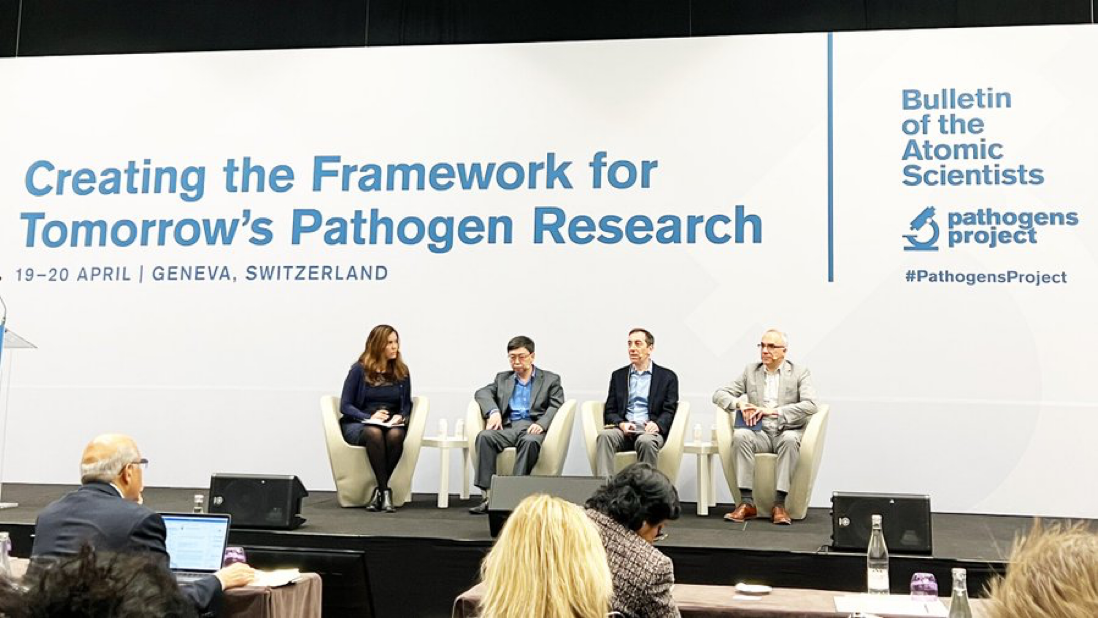
The initiative on “Creating the Framework for Tomorrow’s Pathogen Research” hosted a public meeting in Geneva, Switzerland this week. This conference included Pathogens Project taskforce members, policy leaders, journalists, scientists, and civic leaders, among others.

The conference featured both private and public (recorded) workshops. Furthermore, according to the Project’s site, “It will produce a final summary report with recommendations, along with individually prepared papers focused on risk assessment and mitigation of high-risk pathogen research. Conference papers will be published in a special edition of the Bulletin of the Atomic Scientists and made available on the Bulletin’s website.”

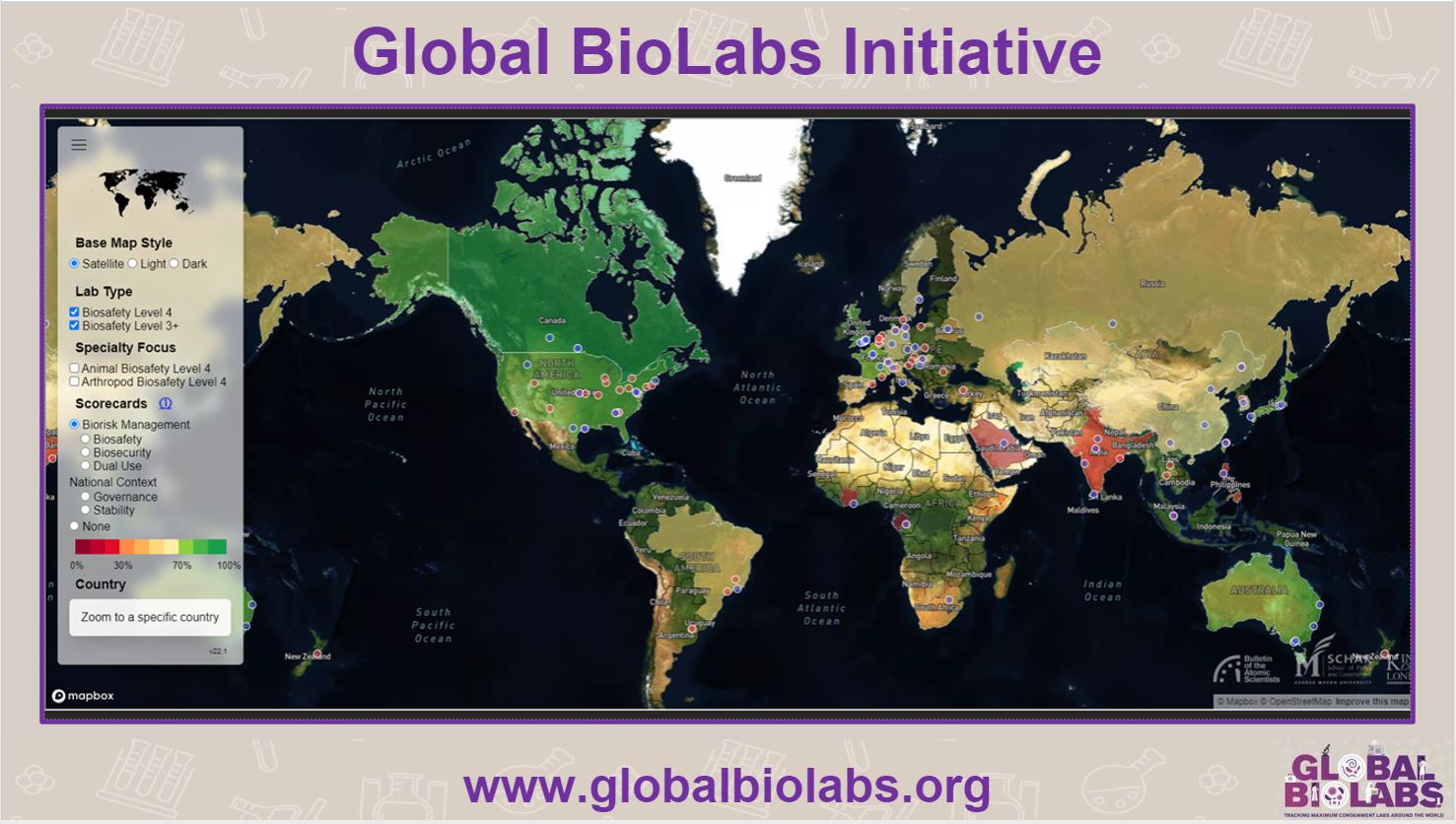
Biodefense Graduate Program Director Dr. Gregory Koblentz was on a panel at the event, “Empirical studies tracking risks”, alongside Dr. Rocco Casagrande (Founder and Chair of the Board, Gryphon Scientific), Dr. Weiwen Zhang (Distinguished Professor of Synthetic Biology and Biochemical Engineering, Tianjin University of China), and Dr. Sandra López-Vergès (Senior Health Researcher and Chief, Gorgas Memorial Institute of Health Sciences). Koblentz discussed ongoing work from the Global BioLabs project, which he co-leads with Dr. Filippa Lentzos of King’s College London. Global BioLabs offers an interactive map of BSL-4 and BSL-3+ facilities globally and recently released Global BioLabs Report 2023.

Biodfense Graduate Program Director Dr. Gregory Koblentz on the “Empirical studies tracking risks” panel
Visit https://www.globalbiolabs.org/ to access this interactive map feature

State Department Releases Arms Control, Nonproliferation, and Disarmament Compliance Reports

The State Department’s Bureau of Arms Control, Verification, and Compliance recently released the 2023 Annual Report on Compliance with the Chemical Weapons Convention (CWC) and the 2023 Adherence to and Compliance with Arms Control, Nonproliferation, and Disarmament Agreements and Commitments Report. The latter notes BWC compliance issues in the People’s Republic of China, Islamic Republic of Iran, Democratic People’s Republic of Korea, and the Russian Federation. This includes discussion of the lack of information needed to assess if China has eliminated its BW program, concerns about Iran’s ability to produce lethal BW agents, knowledge of North Korea’s BW program, and Russia’s violations of Articles I and II of the BWC.

The report also notes concerns about lack of transparency in Myanmar’s nuclear work (though evidence does not indicate that the country violated the NPT). The appended report on CWC compliance discusses further concerns with Myanmar and other countries’ compliance with the treaty. The report explains that “Four States Parties – Burma, Iran, Russia, and Syria – are certified in non-compliance with the CWC. Russia and Syria were first certified in non-compliance in April 2018. Iran was first certified in non-compliance in November 2018. Burma was first certified in non-compliance in 2019. Additional information is available in the 2023 classified Condition (10)(C) Reports. The United States also cannot certify the People’s Republic of China’s compliance, which was first reported in 2021.”

Dr. Gregory Koblentz and Madeline Roty (Biodefense MS ’21) authored a piece in the Bulletin of the Atomic Scientists in 2020 discussing Myanmar’s past with CW and US efforts to get the country to reconcile and come into compliance with the CWC. Following the 2021 coup d’état and the ouster of Aung San Suu Kyi, Myanmar is unlikely to meet the requirements needed to be in compliance, despite the progress outlined by Koblentz and Roty.

Senate Republicans Release COVID Origins Report

Senate Republicans have released their report exploring the origins of the COVID-19 pandemic, building on the short interim report released in October 2022. Two documents titled “Muddy Waters: The Origins of COVID-19” were released; one by the Muddy Waters Group and another prepared by Senator Roger Marshall alongside Dr. Bob Kadlec, Bob Foster, and members of the 117th GOP Health, Education, Labor & Pensions (HELP) Committee’s staff. The report was a product of the work of former Senator Richard Burr of North Carolina, who commissioned the report and oversaw the release of the October HELP committee interim report. Readers may recall the controversy that accompanied the release of that interim report, which coincided with the release of articles by Vanity Fair and ProPublica that were widely criticized for poor quality translations and other inaccuracies we discussed in November.

That troubled trend seems to continue in this new report, with admitted circumstantial evidence used to find that “The preponderance of information affirms the plausibility of a research-related incident that was likely unintentional resulting from failures of biosafety containment during vaccine-related research.”

Axios explains that the report “…argues that scientists haven’t found any naturally occurring viruses with the same composition of the coronavirus, and that there’s evidence the virus was circulating in Wuhan before the first known cases connected to the wet market were reported…It also argues that it appears Chinese researchers began development of at least two COVID vaccines in November 2019, including at the WIV, which “means SARS-CoV-2 would have been present at the WIV before the known outbreak of the pandemic,” and “It also documents numerous instances of lab safety concerns throughout 2019, including around the time when the virus may have first appeared.”

Much of this, however, relies on the same previously disputed points made in the interim report and the accompanying ProPublica and Vanity Fair pieces. Furthermore, as Caitlin Owens highlights in another piece for Axios, the reports rely on circumstantial evidence which means “The absence of evidence pointing, for example, to a precise transmission route from animals to humans will lead to very different interpretations of the same information.”

Dr. Angela Rasmussen, a virologist who has worked on high-profile studies supporting the idea of a natural origin of SARS-CoV-2 told Owens that the report “…demonstrates, in my view, a political agenda that’s meant to bolster the idea that the lab leak hypothesis is more supported than it is. But also it is so full of just factual errors.” Rasmussen also counters a number of key assertions made in the new report, including those such as the presence of a furin cleavage site on SARS-CoV-2’s spike protein is in itself suspicious and that the Wuhan Institute of Virology was dealing with substantial biosafety problems that Party leadership was concerned about.

All told, this report seems unlikely to change much or anything in this ongoing public debate.

Understanding Cyber-Warfare: Politics, Policy and Strategy

Chris Whyte and Brian Mazanec (a Biodefense PhD alumnus) are pleased to announce the publication of the second edition of their textbook Understanding Cyber-Warfare: Politics, Policy and Strategy (Routledge, 2023).  This second edition of their popular textbook offers an accessible introduction to the historical, technical, and strategic context of global cyber conflict. The second edition has been revised and updated throughout, with three new chapters, to include coverage of the role of cyber in the war in Ukraine as well as a discussion of the role of emerging information technologies like artificial intelligence and quantum computing in shaping the dynamics of global cyber conflict.  The second edition has recieved positive reviews. For example James R. Clapper, the former Director of National Intelligence, called it “an authoritative tutorial on the arcane complexities of cyber warfare” and said this edition “updates a previous version and makes the book more contemporary. It is a must-read for those who are serious about mastering this unique medium of combat, in all its dimensions.”  More details can be found here.

“Artificial Intelligence and Machine Learning for Bioenergy Research: Opportunities and Challenge”

New from the US Department of Energy’s Genomic Science Program: “The integration of artificial intelligence and machine learning (AI/ML) with automated experimentation, genomics, biosystems design, and bioprocessing represents a new data-driven research paradigm poised to revolutionize scientific investigation and, particularly, bioenergy research. To identify the opportunities and challenges in this emerging research area, the U.S. Department of Energy’s (DOE) Biological and Environmental Research program (BER) and Bioenergy Technologies Office (BETO) held a joint virtual workshop on AI/ML for Bioenergy Research (AMBER) on August 23–25, 2022.”

“Approximately 50 scientists with various expertise from academia, industry, and DOE national laboratories met to assess the current and future potential for AI/ML and laboratory automation to advance biological understanding and engineering. They particularly examined how integrating AI/ML tools with laboratory automation could accelerate biosystems design and optimize biomanufacturing for a variety of DOE mission needs in energy and the environment.”

The report describing the workshop findings is now available here.

“The Making of a Biosafety Officer”

David Gillum discusses the roles of biosafety professionals in this piece for Issues in Science and Technology, writing in part “The question of how the biosafety community generates and transmits knowledge is interesting in itself, but it is also an urgent issue. The need for biosafety workers is growing just as current professionals are skewing older: an estimated 54% are over 50 and one of the few surveys of the field suggests there are six times as many biosafety officers over 70 as there are under 30. Preparing more of us—and keeping the public safe as the complexity of biological research, health, and manufacturing projects burgeons—is made more difficult by the importance of tacit knowledge in our education. Methods for understanding, communicating, and mitigating risk are difficult to transfer to others. To enhance public health and safety, people in my line of work should ease this transfer by considering how the profession might be standardized and formalized.”

“Viral Families and Disease X: A Framework for U.S. Pandemic Preparedness Policy”

In this policy brief for the Center for Security and Emerging Technology, Schuerger et al. explain that “Pandemic threats are increasing as globalization, urbanization, and encroachment on animal habitats cause infectious outbreaks to become more frequent and severe. It is imperative that the United States build a pipeline of medical countermeasure development, beginning with basic scientific research and culminating in approved therapies. This report assesses preparedness for families of viral pathogens of pandemic potential and offers recommendations for steps the U.S. government can take to prepare for future pandemics.”

“Integrating Public and Ecosystem Health to Foster Resilience: Proceedings of a Workshop”

“Ecosystems form the foundation upon which society can survive and thrive, providing food, water, air, materials, and recreation. The connections between people and their environments are under stress from human-driven climate change, pollution, resource exploitation, and other actions that may have implications for public health. Existing intellectual frameworks including One Health, Planetary Health, ecosystem services, and nature-based solutions help to connect different elements related to the resilience of public health and ecological health systems. However, because of the breadth of this issue, many implications regarding public health are not well characterized, leading to gaps in understanding the interconnections between public health and ecosystem health systems and how ecosystem resiliency may affect public health.”

“The National Academies of Sciences, Engineering, and Medicine held a workshop in September 2022 focused on the integration of public and ecosystem health to foster resilience. This workshop was designed to inform the development of a research agenda aimed at bridging the knowledge-to-action gap and spur a move from research to policy and practice. Participants included a broad range of interdisciplinary researchers and practitioners from the public health, natural resource management, and environmental protection communities. The workshop provided a forum for the exchange of knowledge, discussion of critical gaps in understanding and practice, and identification of promising research that could support the development of domestic and international policy and practice.”

“The proceedings summarizing the workshop is now available for free download, and a public webinar exploring the workshop topics will take place virtually in early May. Click below to download the proceedings, register for the webinar, and visit the project page to more about this publication.”

“The Right People and the Right Question: Getting Chemical Weapons Out of Syria”

In this recent video story for the Stanley Center for Peace and Security, Tom Countryman discusses his tenure as the Assistant Secretary of State for Non-Proliferation as the Department navigated concerns about Syria’s chemical weapons. He highlights key lessons learned in doing this, including the need to mind the political context one is operating in, the importance of knowing who the right people are and being able to motivate and mobilize them, appropriately identifying goals and what is needed to achieve them, and, finally, not allowing the difficulties of political relationships to overshadow common interests.

“Reducing the Problem: Eliminating Syria’s Chemical Weapons”

Andy Weber discusses elimination of the Syrian CW stockpile in this video story for the Stanley Center. He covers how he came to be the Assistant Secretary of Defense for Nuclear, Chemical, and Biological Defense Programs and more, saying in part “Sometimes, whether it’s Gaddafi in Libya, or Assad in Syria, it’s unsavory characters, who have these horrific weapons. And you have to work with them sometimes, and it’s hard, and it’s challenging, and you have to keep your eyes open. You need to make sure you’re not indirectly helping them in another area. But that’s where good oversight comes in, and you have to think about the objective of all these programs. The objective is to save lives, to prevent mass casualties in any country, anywhere in the world. These are global programs that improve global security.”

“Armed Conflict and Nuclear Security: Implications for Europe”
Muhammed Ali Alkiş discusses the efficacy of the traditional approach to nuclear security in this recent publication for SIPRI: “The traditional approach to nuclear security is unlikely to be effective against the full spectrum of current threats, including those posed by state actors. The lessons learned from the Russian occupation of Ukrainian nuclear power plants, the potential radiological consequences of armed attacks against nuclear facilities and the potential increase in the number of nuclear power states in the future underscore the need for a strong international framework to address nuclear security challenges.”

“The European Union (EU) is committed to implementing the highest international standards for nuclear security and may therefore be in a position to lead efforts to address threats of armed attacks against nuclear installations. This paper provides a range of potential policy recommendations and actionable steps that the EU and its member states could take at legal, institutional and operational levels to minimize the nuclear security threats posed by armed conflict in the future. While they may appear politically challenging or even unrealistic at present, the conflict in Ukraine highlights the very real need for the types of actions recommended by this paper.”

“Technology Primer: Artificial Intelligence & Machine Learning”

Checkout this new report from the Harvard Belfer Center: “Artificial Intelligence (AI), can be defined as the theory and application of machines—especially computer programs—to perform tasks that typically require human intelligence, such as image captioning and generation, speech recognition and synthesis, natural language understanding and production, tool assembly and utilization, as well as various other perception-action based engagements. AI, in its current technological state, is being applied in various industries and domains, such as online advertising, financial trading, healthcare, pharmaceutical, and robotics. The lucrative market opportunities offered by AI applications have attracted investments from tech giants like Alphabet, Apple, Meta, Amazon, and Microsoft, as well as research universities and startups.”

“Machine Learning (ML), commonly categorized as a subfield of AI, is a field of study concerning the automatic discovery of historical patterns in data using statistical algorithms. ML’s driving principle is that historical patterns are likely to reappear in the future. The discovered historical patterns can therefore be leveraged to make accurate predictions on data that has not been seen before. Once an algorithm is trained, it can be applied to new, larger streams of data. ML is already an integral component of many deployed commercial applications, such as content generation (e.g., text, image, audio, video generation), virtual assistants, social media feed ranking, content recommendation systems, financial market prediction, and healthcare screening and diagnostic tools, as well as administrative applications. In addition, ML is foundational in various other emerging technologies, such as autonomous vehicles and next-generation cybersecurity.”

“Currently, United States policy with regards to AI often derives from interpretations of various pre-existing legislations and legal precedents. However, with the increased awareness of AI-related risks (e.g., bias, accountability, misuse, etc.), and the potential size of their impact, over the last decade, the number of proposed bills containing AI provisions significantly increased at both the state and federal levels (i.e., from two bills in 2012 to 131 in 2021), with 2% of them becoming law at the federal level and 20% of them becoming law at the state level. Similarly, policies and regulatory frameworks are being crafted to guide the development and application of AI in other continents too, with Europe and Asia leading the process. Acknowledging the potential impact of this technology on human life and societal dynamics, there is a pressing need for U.S. legislators and policymakers to remain engaged in the ethical and practical development of artificial intelligence.”

Lessons From the COVID War: An Investigative Report

The independent, nonpartisan Covid Crisis Group has spent two years investigating the causes and consequences of the COVID-19 pandemic. The Schar School of Policy and Government and Biodefense Graduate Program are proud to host two members of the group, Andrew Kilianski and Melissa Harvey, for an in-depth discussion of the group’s long-awaited report on what went wrong—and right—with America’s response to the pandemic: Lessons from the Covid War: An Investigative Report (Public Affairs, 2023).

The Covid Crisis Group is a remarkable group of 34 distinguished practitioners and scholars from a variety of backgrounds who came together determined to learn and share the most valuable lessons from the worst peacetime catastrophe of modern times. Lessons from the Covid War is plain-spoken and clear-sighted. It cuts through the jumble of information to make some sense of it all and answer: What just happened to us, and why? And crucially, how, next time, could we do better? Because there will be a next time.

Register here: https://gmu.universitytickets.com/w/event.aspx?id=1471 

Book Event: Open Source Investigations in the Age of Google 

From the Center for Strategic and International Studies: “How did a journalist find out who was responsible for bombing hospitals in Syria without leaving his desk in New York? How can South Sudanese activists safely track and detail the weapons in their communities, and make sure that global audiences take notice? What are policy makers, lawyers, and intelligence agencies doing to keep up with and make use of these activities? A team of authors tackle these questions in their new book “Open Source Investigations in the Age of Google.”‘ 

“This new interdisciplinary book seeks to answer these questions and more, with contributions by prize-winning practitioners, experts, and rising stars from across the open source investigation community. Painting a comprehensive picture of the digital information space today, it explores the manner and methods in which current open source investigations are conducted, as well as examines the opportunities and challenges they present to salient issues to the information environment such as trust and transparency, accountability, justice, amongst others.”‘

“Please join CSIS virtually on April 24, 1-2 pm EDT for a panel discussion on open-source investigations moderated by Diane Cooke, visiting fellow with the International Security Program. The conversation will include Hans Kristensen, Director of the Nuclear Information Project, Federation of American Scientists; Christiaan Triebert, journalist on the New York Times Visual Investigation Team; and Henrietta Wilson, Senior Analyst for the Strategic Concept for the Removal of Arms and Proliferation, SOAS University of London & King’s College London.”

Register here.

Online Event: Civil Society at the 5th CWC Review Conference

From the CWC Coalition: “The Fifth Five-Year Review Conference (RC-5) for the 1997 Chemical Weapons Convention will be held in the Hague from May 15-19, 2023.”

“At the CWC RevCon, member states and the broader chemical weapons disarmament community will gather to assess past achievements, treaty implementation and compliance, and discuss plans to strengthen the CWC in the years ahead.”

“You are invited to join a virtual discussion on the upcoming Fifth Five-Year CWC Review Conference (RC-5), major issues to be addressed, and the role of civil society and non-governmental organizations.”

“We will be joined by Elisabeth Waechter, Head of Public Affairs at the OPCW. Paul Walker, the Chair of the CWC Coalition, will moderate.”

This event will take place on April 26 at 10 am EST. Register here.

National Biodefense Science Board Public Meeting

The NBSB will meet virtually on May 4 at 2 pm EST to discuss lessons from COVID-19 and will present recommendations on several topics, including collection, analysis, and sharing of operational health data, uses of virtual healthcare during disaster response, and disaster response challenges specific to rural and underserved communities. Register here.

Virtual Workshop: Prioritizing Actions for Epidemic and Pandemic Preparedness

From the National Academies: “Please join us May 4 & 18, 2023 from 8 a.m. to 12 p.m. ET for a virtual symposium examining how to strengthen the evidence-based prioritization of epidemic and pandemic preparedness and response capabilities.

The symposium will convene global health planning stakeholders, including those in government and academia, and across health- and non-health sectors to:

  • Review assessment tools and how, independently and together, they relate to national action planning.
  • Gain insight into how countries and organizations currently select priorities in funding for epidemic prevention, detection, and response.
  • Assess evidence for effective prioritization approaches to building disease surveillance and risk communication capabilities.
  • Identify governance structures that can support robust and reliable systems for epidemic and pandemic preparedness and response investments.

This symposium is in collaboration with the Division on Earth and Life Studies. Learn more about this workshop by visiting the event webpage.”

Nobel Prize Summit-Truth, Trust and Hope

Taking place May 24-26 this year in DC and virtually, this Nobel Prize Summit asks “How can we build trust in truth, facts and scientific evidence so that we can create a hopeful future for all?”

“Misinformation is eroding our trust in science and runs the risk of becoming one of the greatest threats to our society today.”

“Join us at this years’ Nobel Prize Summit which brings together laureates, leading experts and you in a conversation on how we can combat misinformation, restore trust in science and create a hopeful future.”

Learn more and register here.

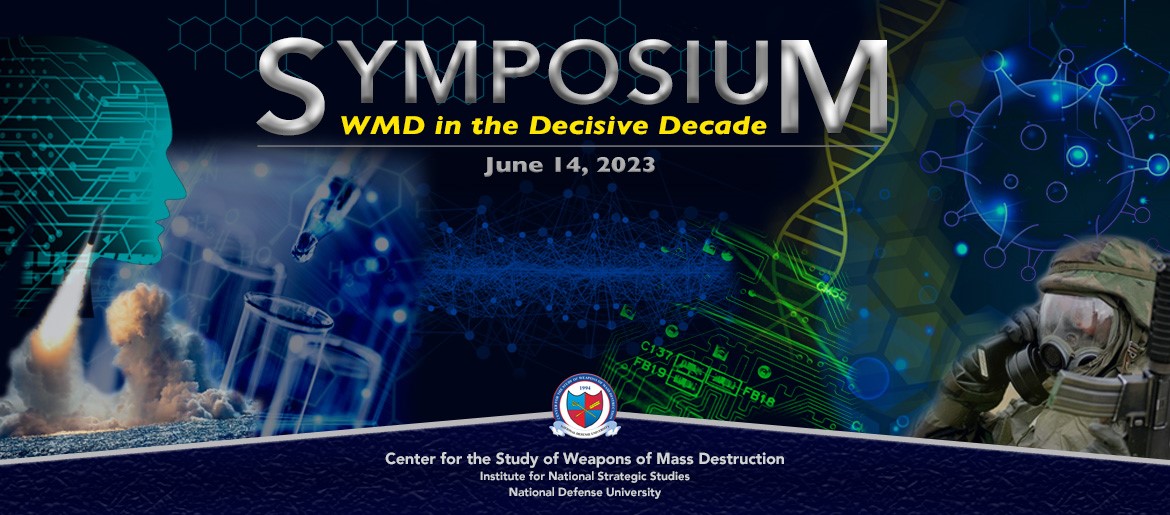
CSWMD 2023 Annual Symposium: WMD in the Decisive Decade

“The National Defense University’s Center for the Study of Weapons of Mass Destruction (CSWMD) invites you to join us on 14 June 2023 for the virtual Annual CSWMD Symposium, titled WMD in the Decisive Decade.”

“This year’s symposium will explore the cognitive impacts WMD has on strategic decision making and the challenges associated with operating in an environment where WMD has been employed. It will be an opportunity for the WMD community to engage with officials and thought leaders on current WMD challenges at the unclassified level, including keynote addresses by Richard Johnson, Deputy Assistant Secretary of Defense for Nuclear and CWMD Policy and Rebecca Hersman, Director of the Defense Threat Reduction Agency.”

“For more information and to register for this event click here. Please RSVP by 9 JUNE 2023.”

“We look forward to hosting you for the event. For more information about the WMD Center and reference our research, please visit our website at https://wmdcenter.ndu.edu/ and follow us on Twitter and on LinkedIn.”

Gordon Research Conference: Cross-Cutting Science Facilitating Collaboration Across the Threat-Science Research Community

“The Nonproliferation, Counterproliferation and Disarmament Science GRC is a premier, international scientific conference focused on advancing the frontiers of science through the presentation of cutting-edge and unpublished research, prioritizing time for discussion after each talk and fostering informal interactions among scientists of all career stages. The conference program includes a diverse range of speakers and discussion leaders from institutions and organizations worldwide, concentrating on the latest developments in the field. The conference is five days long and held in a remote location to increase the sense of camaraderie and create scientific communities, with lasting collaborations and friendships. In addition to premier talks, the conference has designated time for poster sessions from individuals of all career stages, and afternoon free time and communal meals allow for informal networking opportunities with leaders in the field.”

This conference will take place July 9-14 in Ventura, CA. Learn more and register here.

Call for Applications: Early-Career Fellowship for Reducing Nuclear Weapons Risks

The Council on Strategic Risks “is announcing a continuation of its Early-Career Fellowship for Reducing Nuclear Weapons Risks. Through this six-month program, early-career professionals will work with leading experts from CSR’s team and network to develop a better understanding of practical risk reduction concepts and to generate new ideas regarding:

  • Nuclear strategic stability
  • Strengthening norms against nuclear weapons threats and use
  • Avoiding miscalculations and preventing accidents/incidents
  • Preventing and addressing nuclear proliferation
  • Responsibilities of nuclear weapons-capable states”

Learn more and apply here.

Seeking Subject Matter Expert(s) (SMEs) with Experience Educating Global Audiences on the Importance of Securing Emerging Technologies

“CRDF Global is seeking subject matter expert(s) (SMEs) to engage and educate global audiences. The expert(s) will work on deliverables relating to building a culture of security in the private sector. These deliverables will include the development of an online asynchronous course and four hybrid hackathons, which will take place at local incubator hubs in several countries.”

“The expert(s) will design and develop an asynchronous course to counter misuse and raise awareness of emerging technologies with potential weapons of mass destruction (WMD)-related applications by state and non-state actors. The audience for this course will be individuals in the private sector (particularly in start-ups, innovation hubs, and incubator spaces) in various countries globally. This asynchronous course should train key stakeholders on how to develop and foster a culture of security.”

Learn more here.

Weekly Trivia Question

You read the Pandora Report every week and now it’s time for you to show off what you know! The first person to send the correct answer to biodefense@gmu.edu will get a shout out in the following issue (first name last initial). Our question this week is: “In 1984, what group spread Salmonella enterica at restaurants and shops in Dulles, Oregon in an attempt to influence local elections?”

Last week, our question was: “In the 2011 film Contagion, Dr. Erin Mears (played by Kate Winslet) is an officer in which CDC program?” The answer is the Epidemic Intelligence Service.

Pandora Report: 11.11.2022

This week we start by sharing some fun updates from the Biodefense Graduate Program and discussing the current situation with influenza, RSV, and COVID-19 in the United States. We also discuss new publications, including ones that discuss hypothetical BW use in Ukraine, highly pathogenic avian influenza in the US, and a new episode of the Poisons and Pestilence podcast focused on the M device. This issue concludes with details on a number of upcoming and recorded events (including a virtual open house for the Biodefense PhD Program!) and announcements, including open applications for the Biotechnology Innovation & International Security Fellowship at Stanford University’s Center for International Security and Cooperation. Happy Friday and, as always, please wash your hands.

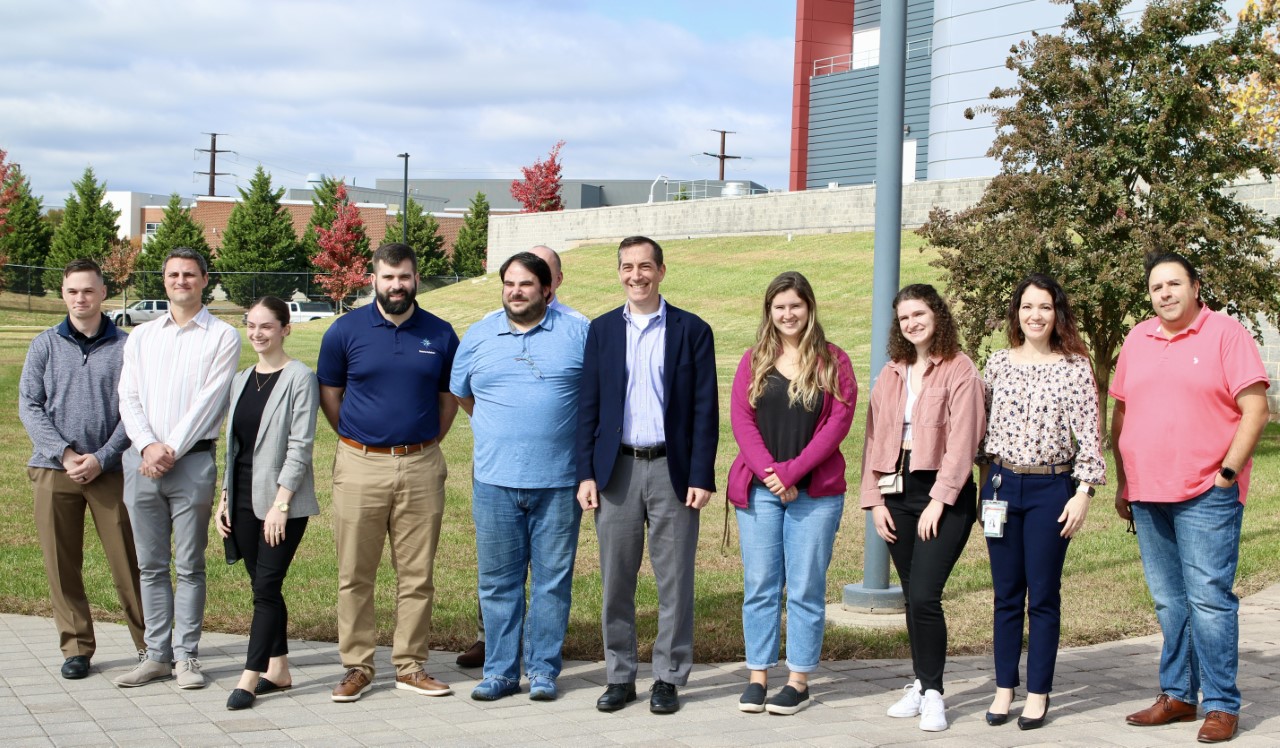
George Mason Biodefense MS Students Tour BSL-3 Facility on Science and Technology Campus

Last month, students in the Biodefense Graduate Program made the trek from Arlington to Manassas, VA to tour George Mason’s Biomedical Research Laboratory (BRL) on our Science and Technology Campus. Check out the Schar School’s article about their tour of the 52,000-square-foot, $50 million, NIAID-funded facility here. If you would like to have this and similar opportunities in the future, check out our upcoming PhD virtual open house coming up this Wednesday at 7 pm EST.

Schar School Biodefense MS Students and Adjunct Professor Scott Wollek joined by Biodefense Graduate Program Director Dr. Gregory Koblentz (center) and Drs. Rachel Pepin and Farhang Alem of the BRL (far right)

If the Time Change Wasn’t Bad Enough…We Might Have a Triple Threat On Our Hands

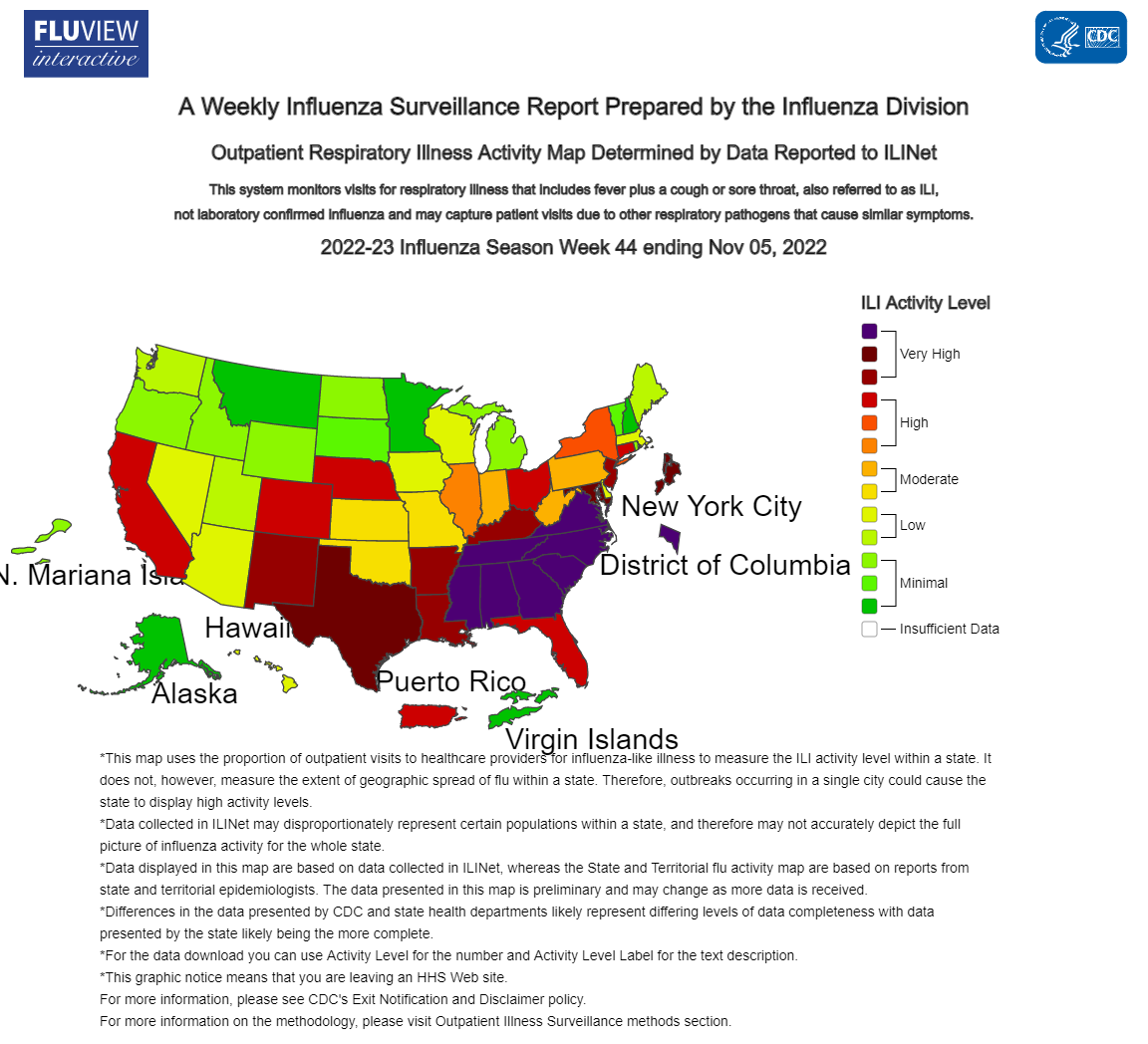
As the days get shorter and colder, the United States is also experiencing upticks in influenza, RSV, and (of course) COVID-19. Children’s hospitals are already struggling with the burden this is causing and there are further concerns that hospitals across the country will become overwhelmed as we head into winter. In response, some health departments have ramped up drive-thru testing for COVID-19 while also offering drive-thru RSV and flu testing at those same sites. Some suspect this convergence and uncharacteristic spikes in respiratory illnesses may be the result of an immunity gap created by lack of exposure to other illnesses during harsher COVID-19-related restrictions.

CDC reported this week the “cumulative hospitalization rate in the FluSurv-NET system is higher than the rate observed in week 44 during every previous season since 2010-2011.” The agency also estimates that in this flu season so far, there have been at least 2.8 million cases, 23,000 hospitalizations, and 1,300 deaths associated with influenza. This year was also marked by an early increase in seasonal flu activity in the US, following earlier concerns that a rough flu season in the southern hemisphere provided warning of the same coming for the north. The US notably had historically low interseasonal influenza cases in 2020 when people were much more cautious and consistently took actions such as social distancing, masking, increased hand washing, etc.

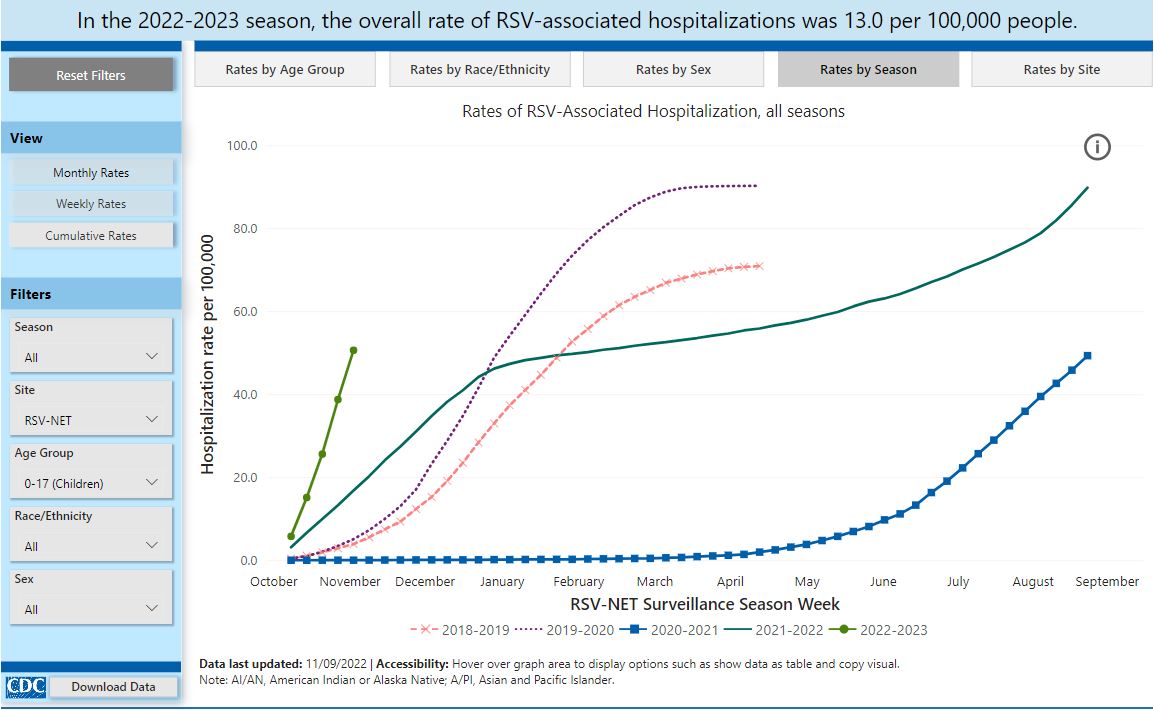
This year has also brought an increase in cases of respiratory syncytial virus (RSV) infections, with CDC reporting its surveillance “has shown an increase in RSV detections and RSV-associated emergency department visits and hospitalizations in multiple U.S. regions, with some regions nearing seasonal peak levels. Clinicians and public health professionals should be aware of increases in respiratory viruses, including RSV.” The US saw a much higher than normal rate of RSV infections over the summer that then surged throughout September and October. RSV causes mild, cold-like symptoms that most people typically recover from in one or two weeks. However, RSV can be serious in some cases, with infants and older adults at particular risk. In the US, RSV is the most common cause of bronchiolitis and pneumonia in children under the age of one. Annually, the US averages 60,000 pediatric RSV hospitalizations, but this is likely to be exceeded this year.

RSV hospitalization rates by season for children (ages 0-17) in the United States. Source: CDC RSV-NET Interactive Dashboard

While the updated, bivalent COVID-19 vaccines have proven more effective against BA.4/5 subvariants than original offerings, new concerns loom as the so-called “Scrabble variants” spread. While the BA.5 subvariant still accounts for about 40% of US cases, others like BQ.1, BQ.11, BA.4.6, and BF.7 are rising along with XBB and B.1.1.529. If this collection of subvariants is confusing to you, you’re not alone, as Dr. Peter Hotez acknowledged in initially describing them as “Scrabble variants”.

There is debate about how much the general public needs to understand about all these different subvariants. Some argue that the granular details differentiating between these is unhelpful and communication should instead focus on risk. However, others like Dr. Hotez argue it is important that people understand the differences. He points to the updated vaccines having been formulated for the BA.4 and BA.5 subvariants, the latter of which BQ.1 and BQ.1.1 are descendants. This likely means the updated vaccines do offer protection against BQ.1 and BQ.1.1, making it important to communicate these facts to the general public. Others also argue that easier names should be offered to the public so that subvariants do not blend together and cause people to underestimate new emerging strains.

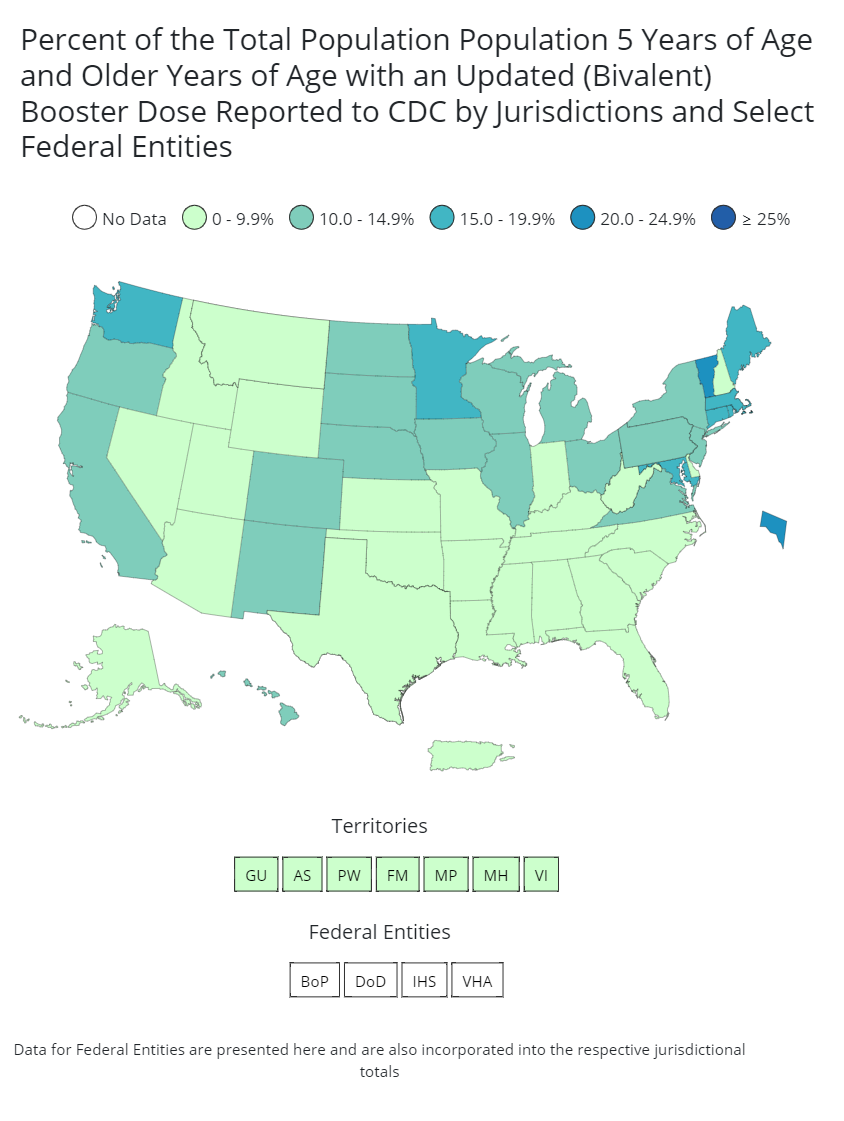
While these new subvariants are new enough that there is no available vaccine efficacy data on them yet, consensus is largely that a “booster is a booster” and that it is still worth getting one if you have not already. Both the bivalent vaccines and antivirals like Paxlovid are expected to remain effective against severe outcomes with these subvariants. However, US vaccine rates with the updated versions have remained underwhelming, with rates by age groups ranging from nearly 27% in adults over the age of 65 to under 12% for adults ages 18-65.

Total population vaccine rates with bivalent booster by state, Source: CDC COVID Data Tracker

The weather is cooling and we are all increasingly spending more time inside at a time with relaxed public health measures in place. These are each viral respiratory infections, so it is important to be vigilant on measures like covering coughs and sneezes, washing hands appropriately, staying home when sick, and so on.

Important to note is that there is currently no vaccine available for RSV, though certain children may qualify to receive preventative injections of the monoclonal antibody product palivizumab during RSV seasons. Furthermore, there is no antiviral for RSV, so treatment is supportive care. There are antivirals for COVID-19 and influenza available and, of course, it is important to be vaccinated for both of these if at all possible. You can schedule appointments to get your seasonal flu shot and updated COVID-19 booster at the same at plenty of locations, many of which can be found through Vaccines.gov’s search tool.

“Les « Frankenvirus » au cœur des débats, après l’émergence du Covid-19”

In this Le Monde article on gain of function research, Biodefense Graduate Program Director Dr. Gregory Koblentz discusses the announcements of 27 new BSL-4 laboratories since the start of the COVID-19 pandemic and what these announcements, in light of loose international standards on biosafety, might mean in terms of increased risks of accidents.

“The World is Prepared for the Unthinkable”

This recent piece in CFR’s Think Global Health discusses the likely consequences of biological weapons use in Ukraine. McCloskey, Nuzzo, and Heymann write “A biological attack in Ukraine or anywhere would have profound and far-reaching political, military, and health consequences. The immediate impact would be to exacerbate the already profound human suffering that is occurring in the country and it would place further strain on already struggling health systems. Depending on the pathogen used, a biological attack could present risks beyond Ukraine. Unlike other weapons, biological agents have the potential to spread widely. Neighboring countries could be at immediate risk, but, as the ongoing COVID-19 pandemic has shown, diseases can travel widely around the globe before they are noticed.”

“Strategic Intelligence Assessment and Data on Domestic Terrorism”

This week the FBI and Department of Homeland Security released their second Strategic Intelligence Assessment and Data on Domestic Terrorism report. Overall, it details a continued increase in domestic terrorism investigations in the US, with the government opening 1,400 investigations in 2020 versus the average of 1,000 seen in previous years. It does note that this was in part because of investigations opened as a result of the January 6 attack on the US Capitol, but also that this anomaly does not fully account for the significant increase in that number. Most of these investigations were related to “…racially or ethnically driven violent extremism, anti-government or anti-authority violent extremism, and civil unrest.”

Other interesting points in the report include the that, as Lawfare explains, “…despite the increased threat, the National Counterterrorism Center (NCTC) does not employ a single analyst focused exclusively on domestic terrorism. One could argue that the NCTC is hamstrung in some respects because its mandate, or at least a narrow reading of its statute, limits its ability to focus on terrorism not related to the international variety of groups like the Islamic State and al-Qaeda. At the same time, the assessment states Homeland Security employs only ten analysts for domestic extremism threats. However, that number represents a meteoric increase from five years earlier, when there was not a dedicated domestic terrorism analyst squad.”

“Flu: When Spillovers Spill Over”

As the authors of this Think Global Health piece explain, the US is currently in the middle of one of the largest outbreaks of highly pathogenic avian influenza (HPAI) in animals in US history. At least 49 million birds from backyard and commercial flocks have been culled so far in 43 states as this year’s outbreaks continue.

The authors write “Case counts and distributions in wild birds have been equally astounding. Department of Agriculture surveillance efforts in 2022 have detected HPAI in wild birds in almost every state in the continental United States, plus Alaska. Active surveillance has found more than 3,300 infected wild birds. This extensive transmission through wild avian species is more pronounced than in previous U.S. epizootics, or animal epidemics; in the 2014-2015 outbreak, fewer than 100 wild birds tested positive for H5, primarily along the Pacific Flyway, one of four major North American migration routes for birds, especially waterfowl. Affected species in this outbreak range from the relatively abundant Canada goose and wild turkey to the more vulnerable bald eagle and snowy owl. How many of these birds are actually symptomatic is difficult to determine, as detections often occur opportunistically through the sampling of dead birds and hunter harvests. Mortality in wild species is varied with some species like gulls, terns, geese, and raptors experiencing higher than usual rates, while songbirds are relatively unaffected, even asymptomatic. The variation in morbidity and mortality makes this virus even harder to track.”

“Atoms are Local”

In this essay Elliot Hershberg, a PhD student in genetics at Stanford and the mind behind The Century of Biology, discusses the industrialization of biotech and proposes the biologization of industry as a preferable alternative. He explains this concept, writing “Biologization of Industry — Many people default to a mindset of industrialization. But, why naively inherit a metaphor that dominated 19th century Britain? Biology is the ultimate distributed manufacturing platform. We are keen to explore and make true future biotechnologies that enable people to more directly and freely make whatever they need where-ever they are.”

“Compendium of Best Practices on the Engagement and Advancement of Women in Chemical Safety and Security”

From the UN Interregional Crime and Justice Research Institute: “The Organization for the Prohibition of Chemical Weapons (OPCW) and the United Nations Interregional Crime and Justice Research Institute (UNICRI), in close cooperation with international partners, stakeholders and practitioners, recognized the asymmetric portrayal of women and men in chemical safety and security; both in global literature and policy debates. To address this gap, amplify women’s voices and promote opportunities to increase their engagement in this field, OPCW and UNICRI, with the generous funding of the European Commission, developed the Compendium on “Engagement and Advancement of Women in Chemical Safety and Security”.”

“The Compendium aims to provide policymakers and practitioners in the field of chemistry with guidance to promote gender inclusivity in the chemical safety and security sector through the identification of best practices in recruiting, training and promoting gender-inclusive careers.”

What We’re Listening To 🎧

Poisons and Pestilence-13 Bonus Episode: The M Device with Simon Jones

Dr. Brett Edwards has released a new episode of his podcast, Poisons and Pestilence, covering the M device (a canister device used to release CW agents) with historian Simon Jones. In addition to the podcast, you can find Jones’ work on the M device here where he explains, “During the closing stages of the military intervention in North Russia in 1919, British chemical munitions were improvised as effective aerial bombs for the first time in history.”

Schar School PhD Virtual Open House Session

Come learn about the Schar School’s doctoral programs (including the Biodefense PhD!) and interact with faculty at this online open house. This event will take place Wednesday, November 16, at 7 pm EST. Register here.

Applying Lessons Learned from COVID-19 Research and Development to Future Epidemics

“The National Academies of Sciences, Engineering, and Medicine’s Forum on Microbial Threats; Forum on Drug Discovery, Development, and Translation; and the Forum on Medical and Public Health Preparedness for Disasters and Emergencies will organize and conduct a public, hybrid workshop on December 7-8, 2022 to explore how innovative approaches in research sparked by COVID-19 can enhance health systems preparedness and responses to emerging infectious diseases. This workshop will consider basic scientific infrastructure and essential capabilities to support medical and behavioral countermeasures that were deployed during the COVID-19 pandemic response. Workshop participants will reflect on critical scientific infrastructure for stakeholder coordination and innovations that can facilitate rapid and effective responses to emerging infectious disease threats.” Register here.

Strategies to Reach Zero Dose Children in Fragile States and Cross-border Contexts in Africa

“CORE Group and Gavi, the Vaccine Alliance invite you to register to attend a webinar where experts will discuss the importance of reaching Zero Dose Children and how addressing the challenges in reaching communities with immunization interventions could diminish disease outbreaks and health system disruptions. The webinar will also provide a platform for discussions on innovative ways to reach zero dose children beyond traditional government partners in fragile contexts. It will be an opportunity le learn more about the Zero-Dose Immunization Programme (ZIP) and will feature speakers from Gavi, the Vaccine Alliance, International Rescue Committee(IRC), CORE Group Polio Project (CGPP) and World Vision.” This event will be hosted virtually on November 15, at 10 am EST. Register here.

ICMYI: 8th African Conference on One Health and Biosecurity

The 8th African Conference on One Health and Biosecurity concluded recently in Lagos, Nigeria. The conference aimed to “…present a unique forum to raise National, Regional and Continental awareness and engage in deep introspection and robust interactions on existing health security measures and how to strengthen them, as the first urgent step toward mitigation of emerging biological threats in Africa.” Recordings from the conference are available on the Global Emerging Pathogens Treatment Consortium (GET) Africa YouTube Channel. You can read the conference’s “Communiqué of 8th African Conference on One Health and Biosecurity themed Strengthening Health Security and Mitigating Biological Threats in Africa”.

ICYMI: Briefings in Preparation for the Ninth BWC Review Conference

Check out the recording for this event on UNIDIR’s YouTube channel. “This virtual event brought together the authors of the latest UNIDIR publications on BWC topics to provide short outlines of the key insights and ideas in their respective reports for State Parties to consider ahead of the Review Conference. These include verification, advances in science and technology, international cooperation, and potential outcomes of the Review Conference. The presentations was followed by a moderated interactive discussion with the participants.”

Biotechnology Innovation and International Security Fellowships at Stanford University

“Stanford is seeking Biotechnology Innovation & International Security Fellows, to be appointed for one year renewable for a second.  Fellows will join a community of scholars hosted by the Center for International Security & Cooperation (CISAC), Bio.Polis, & the Department of Bioengineering, with mentoring by one or more faculty identified by each fellow.  Applications are being accepted thru 2 December 2022.”  Learn more and apply here.

START Announces Upcoming CBRN Data Suite and Portal

The National Consortium for the Study of Terrorism and Responses to Terrorism (START)’s Unconventional Weapons and Technology division recently announced the creation of their CBRN Data Suite and Portal. The data suite is set to open in December and “…includes an event-level and an actor-level dataset. The event-level dataset is based on UWT’s Profiles of Incidents Involving CBRN and Non-state Actors (POICN) database, and is scheduled to be updated through May 2022 by the time the Data Suite and Portal goes live at the end of the year.”

“The actor-level dataset is a newly created dataset modeled after the Chemical and Biological Non-State Adversaries Database (CABNSAD) and the Radiological and Nuclear Non-State Adversaries (RANNSAD) dataset, with the new CBRN Actor dataset subsuming both CABNSAD and RANNSAD. As with the event-level dataset, the actor-level dataset is scheduled to be updated through May 2022 by the time the Data Suite and Portal launch.”

NIST Soliciting Feedback on Project Proposal to Improve Cybersecurity at Water Utility Facilities

The National Institute of Standards and Technology’s National Cybersecurity Center of Excellence (NCCoE) recently released a white paper discussing ways to improve utility management, operations, and service delivery at water utility sites. The paper explains that “The NCCoE has undertaken a program to determine common scenarios for cybersecurity risks among WWS utilities. This project will profile several areas, including asset management, data integrity, remote access, and network segmentation. The NCCoE will also explore the utilization of existing commercially available products to mitigate and manage these risks. The findings can be used as a starting point by WWS utilities in mitigating cybersecurity risks for their specific production environment. This project will result in a freely available NIST Cybersecurity Practice Guide.” Read the announcement and submit feedback here.