Pandora Report 3.15.2024

Happy Friday! This week’s edition of the Pandora Report covers HHS’ launch of a probe into the cyber attack on Change Healthcare, the IC’s annual threat assessment, new publications and professional opportunities, and more.

Biodefense PhD Student Lands Fellowship With National Security Commission on Emerging Biotechnology

“Aishwarya Sriraman, Biodefense PhD student, is starting a fellowship with the National Security Commission on Emerging Biotechnology, a legislative branch advisory entity charged with conducting a review of how emerging biotechnologies will shape current and future activities of the Department of Defense. The fellowship will provide an exciting opportunity to gain firsthand policy and research experience working at the intersection of national security and emerging biotechnology. She will specifically be working with the Policy and Research team focused on partnerships and bioliteracy.”

HHS Opens Probe Into UnitedHealth Cyber Attack

The US Department of Health and Human Services announced Wednesday that it has opened an investigation into the February 21 cyber attack targeting a subsidiary of United Health-Change Healthcare. The aim of the investigation is to determine if there was any breach of protected health data and to see if UnitedHealth Group abided by the Health Insurance Portability and Accountability Act. ‘”Given the unprecedented magnitude of this cyberattack and in the best interest of patients and health care providers” the HHS Office for Civil Rights is initiating an investigation into the incident, the health department said.”

Secretary of HHS Xavier Becerra and Acting Secretary of the Department of Labor Julie A. Su said in a letter regarding the issue “In a situation such as this, the government and private sector must work together to help providers make payroll and deliver timely care to the American people. The Biden-Harris Administration has taken action by removing challenges for health care providers and addressing this cyberattack head on. Now, we are asking private sector leaders across the health care industry – especially other payers – to meet the moment.”

“The Biden-Harris Administration remains committed to ensuring that all Americans can access needed care in spite of this cyberattack. We urge the private sector to quickly identify and carry out solutions. Specifically, we call on UHG, other insurance companies, clearinghouses, and health care entities to take additional actions to mitigate the harms this attack places on patients and providers, particularly our safety net providers.”

Reuters explained in its reporting that Change Healthcare “processes about 50% of medical claims in the U.S. for around 900,000 physicians, 33,000 pharmacies, 5,500 hospitals and 600 laboratories.”

UnitedHealth has indicated it will cooperate with the investigation. It has yet to comment on what patient data may have been exposed by the attack.

Annual IC Threat Assessment Includes Warnings About Biotechnology, CBW

The Intelligence Community’s recently-released annual threat assessment included several sections dedicated to threats and challenges posed by advancing biotechnology and WMD proliferation. On biological weapons, the assessment explains “Russia, China, Iran, and North Korea probably maintain the capability to produce and use pathogens and toxins, and China and Russia have proven adept at manipulating the information space to reduce trust and confidence in countermeasures and U.S. biotechnology and research.”

It also outlines the potential for CW use to grow, explaining “The use of chemical weapons, particularly in situations other than state-on-state military operations, could increase in the near future. During the past decade, state and non-state actors have used chemical warfare agents in a range of scenarios, including the Syrian military’s use of chlorine and sarin against opposition groups and civilians, and North Korea’s and Russia’s use of chemical agents in targeted killings. More state actors could use chemicals in operations against dissidents, defectors, and other perceived enemies of the state; protestors under the guise of quelling domestic unrest; or against their own civilian or refugee populations.”

Finally, it identifies biotechnology and related biosecurity issues as key challenges (alongside AI) requiring cooperative global solutions. However, it notes such cooperation is harmed by authoritarian governments like those in China and Russia: “This competition also exploits technological advancements— such as AI, biotechnologies and related biosecurity, the development and production of microelectronics, and potential quantum developments—to gain stronger sway over worldwide narratives affecting the global geopolitical balance, including influence within it. The fields of AI and biotechnology, in particular, are rapidly advancing, and convergences among various fields of science and technology probably will result in further significant breakthroughs. The accelerating effects of climate change are placing more of the world’s population, particularly in low- and middleincome countries, at greater risk from extreme weather, food and water insecurity, and humanitarian disasters, fueling migration flows and increasing the risks of future pandemics as pathogens exploit the changing environment.”

More Than 90 Prominent Biologists, Other Scientists Sign Agreement Aiming to Mitigate AI Bioweapon Risk

The New York Times recently reported that “…over 90 biologists and other scientists who specialize in A.I. technologies used to design new proteins — the microscopic mechanisms that drive all creations in biology — have signed an agreement that seeks to ensure that their A.I.-aided research will move forward without exposing the world to serious harm.”

In their agreement, they explain “Advances in artificial intelligence (AI) are creating unprecedented opportunities for life science research, including by enabling the design of functional biological molecules, especially proteins. This application of AI for protein design holds immense potential to enhance our understanding of the world and help address some of humanity’s most pressing challenges by enabling rapid responses to infectious disease outbreaks, curing numerous diseases, unlocking sustainable sources of energy, helping to mitigate climate change, and more.”

“As scientists engaged in this work, we believe the benefits of current AI technologies for protein design far outweigh the potential for harm and we would like to ensure our research remains beneficial for all going forward. Given anticipated advances in this field, a new proactive risk management approach may be required to mitigate the potential of developing AI technologies that could be misused, intentionally or otherwise, to cause harm. We are therefore motivated as a community to articulate a set of values and principles to guide the responsible development of AI technologies in the field of protein design. These values include safety, security, equity, international collaboration, openness, responsibility, and pursuing research for the benefit of society. Furthermore, we as signatories voluntarily agree to a set of specific, actionable commitments informed by these values and principles and outlined here. We will work together with global stakeholders across academia, governments, civil society, and the private sector to ensure that this technology develops in a responsible and trustworthy manner and that it is safe, secure, and beneficial for all.”‘

Read more here.
“Hidden in Plain Sight: the Next Biosecurity Threat”

This commentary piece was co-authored by Biodefense PhD Program alumnus Daniel M Gerstein. In it, Gerstein and his co-authors tackle key challenges in enforcing the International Health Regulations, comparing global responses to China’s delayed notification of the emergence of COVID-19 to the WHO with South Africa’s prompt notification of the emergence of the Omicron variant. They write in part, “The message is now clear: Keep quiet as long as possible to keep your hotels and beaches full, trade going and air travel open. There will be no penalty if you delay reporting. There will be no penalty if you refuse or delay access to the WHO or other specialists….In Geneva, Switzerland, negotiations on a global pandemic preparedness treaty stalled where they were predicted to stall: who gives what to whom and for how much?”

“If an international agreement does progress, to be effective it must “have teeth, but they rarely do,” commented the executive director of the American Public Health Association. If Geneva produced any agreement, the United States could be a party only with Senate ratification. The likelihood of that level of bipartisan cooperation is (charitably) remote.”‘

“Learnings from COVID-19 for Future Respiratory Pathogen Pandemic Preparedness: A Summary of the Literature”

From WHO: “A scoping literature review of learnings from the coronavirus disease 2019 (COVID-19) pandemic was commissioned by WHO to inform operational priorities for future respiratory pathogen pandemic preparedness. The learnings are grouped according to WHO’s subsystems for health emergency preparedness, response and resilience. Key takeaway messages include: 1) Preparedness works; 2) Health is everyone’s business; 3) No one is safe until everyone is safe; and 4) Response must be agile and adaptive. The review will support pandemic planners at all levels to develop and update preparedness and response plans.

“The COVID-19 Pandemic at Year Four: The Imperative for Global Health Solidarity”

Syra Madad recently authored this blog post for the New York Academy of Sciences, writing in part “This month marks a solemn milestone: the four-year anniversary of the COVID-19 pandemic declaration by the World Health Organization. During this period, the virus has caused the deaths of over seven million individuals globally—a figure that is vastly undercounted, with actual losses likely two to three times higher. This number also includes over one million COVID-19 deaths in the United States alone. A recent analysis of excess mortality in the U.S., which provides an estimation of deaths that likely would not have occurred under normal, non-pandemic conditions, has found that in the first two years of the pandemic many of the excess deaths that were attributed to natural causes were actually uncounted COVID-19 deaths. This points to a significant underestimation of the pandemic’s true death toll, let alone the impact on livelihoods and disability caused by this virus.”

“Mixed Thoughts on Chances of a New Pandemic”

Statista’s Anna Fleck recently authored this piece rocused on public perceptions of the chances of a new pandemic emerging. It covers the results of a survey, with the results displayed in this chart:

“Banning Gain-of-Function Research Would Do Far More Harm Than Good”

Judy Minkoff tackles the debate over a recently-passed House bill that aims to halt federal funding for all research involving gain of function work in this piece for MedPage Today. She writes in her introduction “The Republican-controlled House of Representatives recently approved an amendmentopens in a new tab or window to the 2024 House spending billopens in a new tab or window that prohibits federal funding for all gain-of-function (GoF) research — that which endows a pathogen with a new or enhanced property. Many scientists are hopeful that the bill will fail in the Democratic-controlled Senate, but if this vaguely-worded provision becomes law, it could halt research pertaining to a wide variety of public concerns, including gene therapy, cancer treatment, and pandemic preparedness.”

“Congressional attacks on science extend beyond this amendment. House Republicans, holding a majority in the Select Subcommittee on the Coronavirus Pandemicopens in a new tab or window, have skewed the narrative on COVID-19 toward an unsupported link with GoF research, citing communications between government officials and the authors of a controversial scientific publicationopens in a new tab or window as proof of a conspiracyopens in a new tab or window to suppress the lab origin theory. Rather than leveraging their authority to foster balanced discussion among experts in an effort to learn from the pandemic, the subcommittee has engaged in months of hearings on this single topic.”

“The Joint Assessment Mechanism: Discerning the Source of High-Consequence Biological Events of Unknown Origin”

A new white paper from NTI: “The white paper, which reflects several rounds of consultations with an international group of technical and policy experts, diplomats, and other key stakeholders in the field of pandemic preparedness, provides an in-depth argument for establishing the JAM to fill the critical gap among existing UN mechanisms and entities. The paper suggests that the JAM should be based within the Office of the UN Secretary General—serving as an interface between the World Health Organization (WHO), the UN Secretary-General’s Mechanism, and other key stakeholders—where it can provide an ongoing baseline assessment of current biological risks.”

“Bioliteracy for the Age of Biology”

From the National Security Commission on Emerging Biotechnology: ‘“Bioliteracy” is the concept of imbuing people, personnel, or teams with an understanding of — and ability to engage with — biology and biotechnology. The Commission believes that all Americans—including policymakers in the U.S. Government, students at all levels of education, current and future biotechnology workers, and the broader public—should one day be as comfortable using and engaging with biotechnology in the same way that they do with computers and software in their daily lives and within society.”

“Increased bioliteracy across all segments of the population will help Americans realize the potential of a robust U.S. biotechnology ecosystem that maximizes the promises of biotechnology for the benefit of all citizens.”

Read more here.

“The Viral Most Wanted-The Filoviruses”

CEPI’s latest installment of the Viral Most Wanted tackles the filoviruses. Its exciting introduction explains: “Dr Jean-Jacques Muyembe was a newly-qualified microbiologist working as a field epidemiologist when he got a call in 1976 to help investigate an outbreak. A pernicious disease had taken hold in the village of Yambuku in central Zaire, now the Democratic Republic of Congo. People were dying in large numbers of the infection – one that appeared at first to be like malaria or typhoid or yellow fever, but was clearly something even worse.”

“Muyembe knew that some of the Belgian nuns working in the village had been vaccinated against yellow fever and typhoid, yet this infection was easily flooring those defences. It was a swift and gruesome new killer.”

“Reflecting on his experience with these first few patients, Muyembe said the most striking thing was when he drew blood from them. Removing the syringe and needle, he found that the tiny puncture hole would continue to gush blood. It was the first time he’d seen such a thing, he recalled, and he knew it was an ominous sign.” 

“After asking one of the infected nuns to fly back with him to Kinshasa, Muyembe took blood samples from her and sent them to Belgium for testing. The analysis that followed produced a shocking result. The blood of the nun, who by now had been killed by the disease, was infected with a virus that caused an acute haemorrhagic fever – one that scientists now describe as “one of the most lethal infections you can think of”.”  

“The pathogen swiftly became known as Ebolavirus after the river that runs near Yambuku where it infected the villagers and the nuns. It was also swiftly recognised as a member of the Filovirus family – one of The Viral Most Wanted.

“Response is Failure in the Primary Mission of Preventing CBW”

JP Zanders recently published this piece on The Trench: “The Global Partnership against the Spread of Materials and Weapons of Mass Destruction has now been around for over two decades. In the wake of the terrorist attacks against the US in September 2001, it started out as an effort to mobilise the resources of the G8 members to prevent terrorist acquisition of nuclear, biological and chemical weapons, and related materials. The weapons, technologies and skills available from the former Soviet Union presented a significant proliferation risk, which the US was already addressing through the Cooperative Threat Reduction (CTR) programme.”

“Now comprising 31 members, the Global Partnership (GP) played a key role in assisting Russia with the destruction of its chemical weapons (CW) and dismantling the biological weapons (BW) infrastructure in other former Soviet states. Since then, it has expanded its mission of preventing the re-emergence of BW and CW to different parts of the world and tackles multiple types of proliferation threats. Among the latest is Russia’s massive disinformation campaign against the collective threat reduction activities in former Soviet republics to justify the invasion of Ukraine and interference in other countries.”

“To discuss the GP’s past and present work and the response to the latest challenges, I interviewed Trevor Smith, Senior Program Manager of the Biological and Chemical Security Weapons Threat Reduction Program run by Global Affairs Canada. The interview took place on 31 January 2024.”

“Flashback: When Nerve Gas Testing Killed 7,000 Sheep Near Dugway in Utah”

This Axios SLC Old News piece discusses the deaths of more than 7,000 sheep thirty miles away from the US Army’s Dugway Proving Grounds in 1968. “The Army confirmed in a 1978 report — which wasn’t publicly released until the Salt Lake Tribune obtained it 20 years later — that “incontrovertible” evidence showed VX was to blame.”

In 2018, Al Mauroni published this article with the Modern War Institute discussing this incident and its implications, writing in part “Politics and perception had essentially overwhelmed science and reason. This probably wasn’t the first time that this had happened, nor would it be the last. The point of this narrative, other than as a historical observation, is to reflect on what this has done to the preparedness of US military forces today. Yes, the United States no longer has a chemical weapons program. Yes, there is a Chemical Weapons Convention that nearly all nations of the world have signed, effectively eliminating chemical weapons as a future tool of warfare—we hope. North Korea is a particular exception to that treaty, and most assumptions are that, if North Korea goes to war against South Korea, it will use thousands of tons of chemical warfare agents against US forces. Are we confident that our forces have the necessary gear to protect themselves and sustain combat operations in such an environment? And do we have plans for how US military bases and ports will recover after being attacked with chemical weapons?”

“COLUMN: Which Terrorist Organization Suffers More Casualties in Its Attacks? Al Qaeda, ISIS, Hamas, or Iran-backed Militia Groups?”

Schar School associate professor Mahmut Cengiz recently published this commentary piece with Homeland Security Today, explaining in his introduction “Despite being a top priority on government agendas for the past few decades, it appears that no counterterrorism policies have been successful in combatting terrorist groups. Thousands of terrorist attacks and fatalities are still being recorded each year by terrorism databases. For instance, in 2023, the Global Terrorism and Trends Analysis Center (GTTAC) Records of Incidents Database (GRID) documented 7,480 terrorist attacks that led to the death of 23,119 individuals.”

What We’re Listening To 🎧

Poisons and Pestilence, 24 Movie Special: Outbreak and Contagion with Saskia Popescu

“In our first ever movie review special, Dr Saskia Popescu reviews the classics Contagion (2011) and Outbreak (1995)…”

NEW: Addressing the Challenges Posed by Chemical and Biological Weapons: Intensive Online Introductory Course for Students of Technical Disciplines

“SIPRI and the European Union Non-Proliferation and Disarmament Consortium (EUNPDC) invite graduate and postgraduate students of the technical or natural science disciplines to apply for an intensive online introductory course on chemical and biological weapons—their proliferation, the efforts to eliminate them, the various mechanisms used to control their spread—and endeavours underway to reduce the risk of chemical or biological agents in terrorist attacks. The course will take place online, during four half-days on 2831 May 2024, 14:00 to 18:00 Central European Summer Time (CEST).”

“The course will cover the fundamentals of chemical and biological weapons as well as of missiles and other means of delivery; the history of chemical and biological warfare; the evolution of international norms against these weapons; the threats associated with potential terrorist uses of chemical and biological material; bioweapons and other related scientific advances; the current challenges posed by chemical weapons; arms control treaties; and mechanisms to curb the spread of dangerous substances, including export controls.”

“The course will also discuss the role of the EU institutions and industry to address the challenges mentioned above. The course will be instructed by renowned experts on non-proliferation, arms control, disarmament, export controls, verification and related subjects from SIPRI, other European research centres, think tanks and international organizations.”

Learn more and apply here.

Artificial Intelligence and Automated Laboratories for Biotechnology: Leveraging Opportunities and Mitigating Risks

From the National Academies’ Board on Life Sciences: “Please join us April 3-4, 2024 for a hybrid workshop on the opportunities and mitigation of risks of the use of artificial intelligence and automated laboratories (i.e., self-driving labs) for biotechnology.”

“The workshop will consider opportunities to leverage AI and laboratory automation capabilities for discovery and development, explore methods and approaches to identify, track, and forecast the domestic and international development of such technologies, and convene experts across sectors to highlight recent advances and explore implications for the development and use of these technologies.”

Learn more and register here.

Launch of the 2024 National Blueprint on Biodefense

From the Bipartisan Commission on Biodefense: “On the 10th anniversary of its inception, the Bipartisan Commission on Biodefense will release its 2024 National Blueprint on Biodefense: Immediate Action Needed to Defend Against Biological Threats.”

“Please join us for this momentous event at the Congressional Auditorium, Capitol Visitor Center, on April 17th at 4:30pm.”

“The Bipartisan Commission on Biodefense (formerly the Blue Ribbon Study Panel on Biodefense) was established in 2014 to provide a comprehensive assessment of the state of United States biodefense efforts and to issue recommendations that foster change.  Subsequently, the Commission has briefed White House Administrations (including then Vice President Biden); testified before Congress; convened numerous meetings with experts; released 12 reports; produced the graphic novel Germ Warfare; and mobilized biodefense conversations and actions in the private and public sectors.”

Learn more and register here.

Registration for GHS 2024 Now Open

Registration is now open for the Global Health Security 2024 conference in Sydney, Australia. This iteration will take place 18-21 June, 2024. The call for abstracts is also still open. “The mission of the Global Health Security conference is to provide a forum where leaders, researchers, policy-makers, and representatives from government, international organisations, civil society, and private industry from around the world can engage with each other, review the latest research and policy innovations, and agree solutions for making the world safer and healthier. To that end, our mission is to help foster a genuinely multidisciplinary community of practice that is committed to working collaboratively to enhance global health security and eliminate disease, irrespective of its origin or source.”

SBA.3 International Synthetic Biology, and Biosecurity Conference in Africa

“Join us for the SBA.3 International Synthetic Biology and Biosecurity Conference in Africa, a groundbreaking event that brings together experts, researchers, and enthusiasts in the field of synthetic biology. This in-person conference will take place at the Laico Regency Hotel from Wed, Jul 17, 2024 to Friday, Jul 19, 2024.”

“Get ready to dive into the exciting world of synthetic biology and explore its potential applications in Africa. From cutting-edge research to innovative solutions, this conference offers a unique opportunity to learn, network, and collaborate with like-minded individuals.”

“Discover the latest advancements, trends, and challenges in synthetic biology through engaging keynote speeches, interactive workshops, and thought-provoking panel discussions. Immerse yourself in a vibrant atmosphere where ideas flow freely and new connections are made.”

“Whether you’re a seasoned professional or just starting your journey in synthetic biology, this conference provides a platform to expand your knowledge, exchange ideas, and contribute to the growth of the field in Africa.”

“Don’t miss out on this extraordinary event that promises to shape the future of synthetic biology and biosecurity in Africa. Mark your calendars and join us at the SBA.3 International Synthetic Biology and Biosecurity Conference in Africa!”

Learn more and register here.

Eighth Annual Next Generation for Biosecurity Competition Open for Applications

“The Eighth Annual Next Generation for Biosecurity Competition is now open. NTI | bio hosts this competition to provide a platform for the next generation of global leaders in biosecurity to develop original concepts and share them with the wider biosecurity community. This year’s co-sponsors include 80,000 Hoursthe Global Health Security Networkthe iGEM Foundation, the International Federation of Biosafety Associations, the Next Generation Global Health Security NetworkPandemic Action NetworkSynBio Africa, and Women of Color Advancing Peace, Security, and Conflict Transformation.

This year, the competition invites innovative and creative papers focused on how investments in biosecurity can both contribute to a more equitable society and reduce biological risks. The full prompt is provided below.”

“Winners of the Biosecurity Competition will be awarded the following:

  • Online publication of their paper on the NTI website
  • The opportunity to attend a high-profile international biosecurity event, such as the Biological Weapons Convention, and present their paper at a prestigious side event.”

Learn more here.

Apply for the 2024 Youth for Biosecurity Fellowship

“The global norm against biological weapons cannot be maintained without youth voices  being  included  in the multilateral discussions taking place in the framework of the Biological Weapons Convention (BWC). Youth perspectives are key to create innovative solutions and generate long-term engagement. There are particular benefits to including the perspectives of young people from developing countries, where most of the world’s youth is concentrated.”

“Organized by the United Nations Office for Disarmament Affairs in Geneva in partnership with key international actors empowering youth in science diplomacy and global biosecurity, the Youth for Biosecurity Fellowship provides a unique learning and networking experience into multilateral discussions taking place in the framework of the Biological Weapons Convention in Geneva.”

“Launched in 2019 as a Biosecurity Diplomacy Workshop, the Youth for Biosecurity Initiative organized its first fellowship in 2023. For the second edition, the fellowship will provide the opportunity for 20 young scientists from the Global South to join an online interactive training programme prior to a field visit during the meeting of the BWC Working Group on the Strengthening of the Convention in Geneva.”

Learn more here.

WHO Launches a Mobile App for Biosafety Risk Assessment

“WHO has launched the Risk Assessment Tool (RAST) for Biosafety and Laboratory Biosecurity, developed to help with laboratory risk assessment. Laboratory workers are reported to be up to 1000 times more vulnerable to infections compared to the general population.”

“RAST is designed to complement the WHO Laboratory biosafety manual’s (LBM4) risk- and evidence-based approach. It reflects the first two steps of the risk assessment framework outlined in the LBM4: gather information and evaluate the risks. The app aims to increase understanding of hazards and risks, and to promote thorough assessment and adherence to biological safety practices for laboratory staff.”

Learn more here.
Pandora Report 1.26.2024

This week covers the updated Doomsday Clock time, new HHS cybersecurity performance goals for the health sector, a podcast episode with our own Sonia Ben Ouagrham-Gormley covering her work on barriers to biological weapons, new publications, and more!

Bulletin of the Atomic Scientists Science and Security Board Leaves Doomsday Clock at 90 Seconds to Midnight

The Bulletin of the Atomic Scientists Science and Security Board recently announced that it left the Doomsday Clock at 90 seconds to midnight this year, based on threats like nuclear risk, climate change, biological threats, and disruptive technologies. In its statement, the board said in part “Ominous trends continue to point the world toward global catastrophe. The war in Ukraine and the widespread and growing reliance on nuclear weapons increase the risk of nuclear escalation. China, Russia, and the United States are all spending huge sums to expand or modernize their nuclear arsenals, adding to the ever-present danger of nuclear war through mistake or miscalculation.”

“In 2023, Earth experienced its hottest year on record, and massive floods, wildfires, and other climate-related disasters affected millions of people around the world. Meanwhile, rapid and worrisome developments in the life sciences and other disruptive technologies accelerated, while governments made only feeble efforts to control them.”

In its in-depth explanation of biological risks that factored into this decision, the board explains that “The revolution in the life sciences and associated technologies continues to accelerate and expand in scope, enabling an increasing number of individuals, in groups and alone, to pose threats arising from both accidental and deliberate misuse. During the past six months, the potential for artificial intelligence tools to empower individuals to misuse biology has become far more apparent.”

The same sidebar also explains that “Two other types of biological risks remain causes for concern: accidental release of organisms from laboratories and naturally occurring infectious diseases, especially those with pandemic potential. Deforestation, urbanization, and climate change continue to destabilize microbe-host relationships and facilitate the emergence of infectious diseases. Meanwhile, high-biosafety-level laboratories have proliferated around the world, as has risky research motivated by interests in controlling these diseases. Despite the importance of understanding and countering naturally occurring biological threats, it isn’t clear that all of these high-biosafety-level laboratories or high-risk experiments are needed for achieving these goals. As the number of laboratories and amount of risky research increases, and the failure to standardize safe laboratory practices and to institute adequate research oversight persists, the risk of accidental release of dangerous pathogens worsens.”

HHS Announces New Voluntary Performance Goals, Resources for Health Sector Cybersecurity

This week, the Department of Health and Human Services announced via the Administration for Strategic Preparedness and Response (ASPR) that it is releasing “voluntary health care specific cybersecurity performance goals (CPGs) and a new gateway website to help Health Care and Public Health (HPH) sector organizations implement these high-impact cybersecurity practices and ease access to the plethora of cybersecurity resources HHS and other federal partners offer.”

The statement further explained “As outlined in the recent HHS Health Care Sector Cybersecurity concept paper, HHS is publishing the CPGs to help health care organizations, and health care delivery organizations in particular, prioritize implementation of high-impact cybersecurity practices. The HPH CPGs are designed to better protect the healthcare sector from cyberattacks, improve response when events occur, and minimize residual risk. HPH CPGs include both essential goals to outline minimum foundational practices for cybersecurity performance and enhanced goals to encourage adoption of more advanced practices.”

Read more here.

“Sonia Ben Ouagrham-Gormley on Barriers to Bioweapons”

From Hear This Idea: “Sonia Ben Ouagrham-Gormley is an associate professor at George Mason University and the deputy director of their biodefense program. Sonia has written extensively on the proliferation and non-proliferation of bioweapons, being one of the key voices to have emphasized the challenges that organizations, tacit knowledge, and other factors have caused for states and terrorists that have attempted to acquire weapons of mass destruction.”

“In this episode we talk about:

  • Misconceptions around the ease of bioweapon production — how and why bioweapons programs face unique challenges compared to nuclear weapons programs
  • The crucial role of tacit knowledge in bioweapons production
  • Will AI make bioweapons much easier to develop, or will human expertise remain a major bottleneck?
  • Case studies of bioweapons programs, illustrating the practical difficulties and failures encountered even by well-resourced state actors.
  • (How) has Biological Weapons Convention prevented bioweapon proliferation?
  • Do global political trends point towards proliferation, even without AI?”

“How Reliable is ISIS’s Claiming Responsibility for Deadly Attacks in Iran?”

Schar School associate professor Mahmut Cengiz recently authored this piece for Homeland Security Today, in which he writes in part “These discrepancies related to the twin blasts bring up a question of how reliable ISIS is when the group claims responsibility for terrorist attacks. Terrorist groups aim to take credit when a group spokesperson, on behalf of the organization,  states that the group is the perpetrator of the attack. They tend to claim responsibility for attacks—targeting state institutions and the military rather than civilians— when they aim to gain publicity and when the backlash from the government is not likely. As opposed to terrorist attacks that claimed most responsibility in the 1980s and 1990s, every one of seven attacks has been recorded claiming responsibility since 2018. According to the Global Terrorism and Trends Analysis Center (GTTAC) Records of Incidents Database (GRID), the attacks by ISIS and its affiliated organizations steadily increased from 2018 to 2022. They conducted 873 attacks in the first ten months of 2023. Contrary to increasing attacks, its attacks of claiming responsibility slightly increased between 2018 and 2020 and dropped in 2021 and 2022. ISIS groups claimed responsibility in its 161 attacks. “

“Beyond Borders, Beyond Biases: Building a Biosecure Future with Diverse Voices”

Aparupa Sengupta, Senior Program Officer for Global Biological Policy and Programs at NTI, discusses the importance of diversity and inclusion in biosafety and biosecurity governance in this piece for NTI. She writes in part “At NTI, we believe the greatest risk of these catastrophic effects is from the accidental or intentional misuse of a bio-engineered agent. Therefore, we focus on developing stronger biosafety and biosecurity policies and practices to protect against these manmade risks. This work requires global cooperation and shared responsibility, and an understanding that diverse perspectives and experiences are essential. Without them, we will face widening knowledge gaps and international resentment, ultimately sabotaging our ability to collectively address bio threats.”

“Recently, the Center for Security and International Studies (CSIS) published a report recommending actions to strengthen global biosafety and biosecurity. As someone with more than 15 years of experience working in the interface of science, technology, and biosafety/security, I endorse all eight recommendations in the report but suggest adding a ninth one to the list: “Prioritize diversity and inclusion for effective global biosafety and biosecurity governance.”’

“Did China Keep the COVID Virus Sequence Secret for Weeks?”

Matt Field breaks down questions surrounding China’s sharing of the SARS-CoV-2 genetic sequence in the early days of COVID-19 in this piece for the Bulletin of the Atomic Scientists: “In outbreak response, speed is critical as authorities seek to quickly determine the cause of a disease and prevent it from spreading. A new report is now raising fresh questions about China’s early response to COVID-19. The Wall Street Journal revealed Wednesday that a researcher in Beijing attempted to upload the genetic sequence SARS-CoV-2, the virus that causes COVID, to a US-based public database about two weeks before the Chinese government publicized the pathogen’s sequence, a lag that potentially robbed scientists and health officials of valuable time.”

“Investigating the Potential Strategic Implications of COVID-19 for Biological Weapons Pursuit: A New Expert Simulation”

Ackerman et al. recently published this article in Health Security: “To investigate the impact of the COVID-19 pandemic on the strategic decisionmaking of leaders with respect to biological weapons, this study employed a prospective simulation technique called Asynchronous Strategic Dynamics Red Teaming. Using an immersive, multimedia simulation conducted remotely and asynchronously, the effort engaged 240 carefully selected and curated expert participants in either biological weapons or the countries of interest (as well as 60 naïve participants). Across our sample of 30 countries, simulated interest in pursuing some type of biological weapons program (defensive or offensive) remained low to moderate. While such interest increased after the simulated onset of the COVID-19 pandemic, it was limited overall, with only a handful of states showing salient increases in offensive biological weapon interest. When directly referencing why their countries might have changed their post-COVID-19 interest in biological weapons, the most commonly cited reasons were: (1) COVID-19 demonstrated the power of biological weapons to disrupt societies and cause large-scale economic harm, and (2) the pandemic revealed either the state’s own or its rivals’ vulnerability to diseases like COVID-19, as well as an inability to efficiently respond and contain such diseases. In sum, despite a global pandemic with massive consequences, the simulation revealed that most states are not likely to dramatically change their strategic posture regarding pursuit of offensive biological weapons.”

“Catalogue of Civil Society Assistance for BWC States Parties”

From the Stimson Center: “The Catalogue of Civil Society Assistance to States Parties annually highlights the contributions of civil society to the BWC and States Parties and to the enhancement of biological safety and security. From Ottawa to Hamburg, there are civil society assistance programs across the world that are available to support the implementation of the BWC. The catalogue includes organization and project descriptions and points of contact for each program, which aims to facilitate stronger connections between civil society and State Parties in need of assistance.”

“The Operational Risks of AI in Large-Scale Biological Attacks”

New from RAND: “The rapid advancement of artificial intelligence (AI) has far-reaching implications across multiple domains, including concern regarding the potential development of biological weapons. This potential application of AI raises particular concerns because it is accessible to nonstate actors and individuals. The speed at which AI technologies are evolving often surpasses the capacity of government regulatory oversight, leading to a potential gap in existing policies and regulations.”

“In this report, the authors share final results of a study of the potential risks of using large language models (LLMs) in the context of biological weapon attacks. They conducted an expert exercise in which teams of researchers role-playing as malign nonstate actors were assigned to realistic scenarios and tasked with planning a biological attack; some teams had access to an LLM along with the internet, and others were provided only access to the internet. The authors sought to identify potential risks posed by LLM misuse, generate policy insights to mitigate any risks, and contribute to responsible LLM development. The findings indicate that using the existing generation of LLMs did not measurably change the operational risk of such an attack.”

“Implementing The Bioeconomy Executive Order: Lessons Learned And Future Considerations”

Nazish Jeffrey breaks down the Federations of American Scientists’ Bioeconomy EO Tracker in this piece, writing “With the U.S. bioeconomy valued at over $950 billion and predicted to steadily increase, the potential for significant economic impact is unmistakable. To leverage this economic opportunity, the 2022 Bioeconomy Executive Order (EO) took a significant step towards addressing the complexities of the bioeconomy and creating a whole-of-government approach. The scope of the EO was vast, assigning around 40 tasks to many different federal agencies, in order to create a national framework to leverage bio-based innovations for sustainable economic growth.”

“To track the numerous tasks assigned by the EO, the Federation of American Scientists have put together a living Bioeconomy EO tracker to monitor the progress of these tasks, enhance accountability and to allow stakeholders to stay informed on the state of the U.S. bioeconomy as it evolves. This FAS tracker was inspired by the initial tracker created by Stanford University when the EO was first published.”

“Public Health Preparedness: HHS Emergency Agency Needs to Strengthen Workforce Planning”

In this new Government Accountability Office report, GAO recommends that “ASPR (1) establish specific goals and performance measures to use for its new hiring office once it is fully operational, (2) develop tailored strategies for recruiting and hiring human capital staff for the new office, (3) identify the critical areas that need workforce assessments and develop plans to implement them, and (4) conduct an agency-wide workforce assessment. HHS neither agreed nor disagreed with the first two recommendations and agreed with the last two recommendations. GAO believes actions are needed to address all of the recommendations.”

Read more here.

“Dissecting Pandemic-Prone Viral Families Volume 2: The Paramyxoviridae”

Amesh A. Adalja covers the Paramyxoviridae family in this volume of Johns Hopkins Center for Health Security’s Dissecting Pandemic-Prone Viral Families,” writing in part “Paramyxoviridae is a large viral family that contains many once common and wellknown human pathogens, such as measles and mumps, as well as other pathogens that pose concerns for their potential to cause epidemic or pandemic disease.1″

“This family of viruses infects a wide variety of species, ranging from reptiles to rodents and fish to birds. While diseases such as measles and mumps cause little morbidity and mortality in advanced societies today—because of high levels of vaccine-induced immunity—other members of this viral family have considerable burdens of infection with attendant morbidity and mortality risks. Also, within this family, there is one genus of consequence – Henipavirus – that has already been responsible for a number of serious emerging infectious diseases. The table below summarizes key genera and viruses of this family.1”

“The Overlooked Bacterial Pandemic”

Moriel et al. recently published this work in Seminars in Immunopathology: “The COVID-19 pandemic had a significant economic and health impact worldwide. It also reinforced the misperception that only viruses can pose a threat to human existence, overlooking that bacteria (e.g., plague and cholera) have severely haunted and shaped the course of human civilization. While the world is preparing for the next viral pandemic, it is again overlooking a silent one: antimicrobial resistance (AMR). This review proposes to show the impact of bacterial infections on civilization to remind the pandemic potential. The work will also discuss a few examples of how bacteria can mutate risking global spread and devastating outcomes, the effect on the global burden, and the prophylactic and therapeutic measures. Indeed, AMR is dramatically increasing and if the trend is not reversed, it has the potential to quickly turn into the most important health problem worldwide.”

“Etymologia: Ring Vaccination”

Sharma et al. recently published this short piece covering ring vaccination’s etymology in Emerging Infectious Diseases: “Ring Vaccination [rɪŋ-væk-sɪ′-neɪ-ʃn] Ring vaccination (expanding ring, surveillance and containment) is a public health measure designed to prevent spread of disease from infected persons to others. This approach targets persons who have had close contact with confirmed or suspected cases and are at a higher risk of infection by vaccinating them first (Figure).”

Read more here.

“Russian Military Thought and Doctrine Related to Non-strategic Nuclear Weapons: Change and Continuity”

William Alberque tackles Russian nuclear doctrine in this report for the International Institute for Strategic Studies: “Russian nuclear doctrine, especially regarding its large stockpile of non-strategic nuclear weapons, has become one of the most pressing issues in Euro-Atlantic security. This report aims to build an understanding of Russia’s strategic nuclear weapons doctrine through empirical research, including by examining the continuities and discontinuities in doctrine across time, through the Cold War, to the collapse of the Soviet Union, to Russia’s annexation of Crimea, and in Russia’s ongoing war on Ukraine.”

Global Partnership Against the Spread of Weapons and Materials of Mass Destruction Newsletter

The Global Partnership Against the Spread of Weapons and Materials of Mass Destruction’s newsletter is published quarterly and is available for subscription here. This quarter’s edition focuses on Italy’s upcoming Global Partnership presidency, the Partnership’s 2023 Programming Annex, featured articles, community updates, and more.

“UNITAD – Key Investigations as UN Mechanism Reaches Its Final Reporting Year”

Sam Biden covers the work of the UN Investigate Team to Promote Accountability  Crimes Committed by Da’esh/ISIL (UNITAD), providing an overview of its key investigations in the last two years in this piece for the Human Security Centre. This includes UNITAD’s work on biological and chemical weapons, under which Biden explains in part, “2023 marked a significant stride in the relentless pursuit of accountability for ISIL’s chemical and biological weapons program. The investigation during this reporting period yielded substantial evidence from earlier inquiries strategies regarding the production and delivery of the weapons themselves. These key lines of inquiry harnessed new collaborations with technical experts, including those from the Mine Action Service, provided essential insights into a wide array of attacks. UNITADs work extended to collecting and preserving evidence linked to 12 attacks yet continued to focus on gathering further evidence from the 2016 attack on Tazah Khurmatu. This ultimately led to the collection of new battlefield evidence and files, shedding light on ISIL’s operations in Kirkuk and implicating specific persons of interest. A comprehensive report focused on the 2016 attack on Tazah Khurmatu was shared with the Iraqi judiciary, encapsulating critical findings from the ongoing investigation.”

ICYMI-“Event Summary: U.S.–UK Strategic Dialogue on Biosecurity”

“On January 16, the Council on Strategic Risks (CSR) hosted senior government leaders for the launch of the U.S.–UK Strategic Dialogue on Biosecurity at the historic National Academy of Sciences Building in Washington, D.C.”

“Building upon decades of partnership between the two countries, the Strategic Dialogue is a core component of the Atlantic Declaration—the new bilateral economic partnership established in 2023 to adapt, reinforce, and reimagine the U.S.-UK alliance for the challenges of the twenty-first century. Following the event, the U.S. National Security Council and the UK Cabinet Office released a joint statement outlining the Strategic Dialogue’s intent, including coordination to uphold global norms and commitments to lead on innovation in biotechnology and biosecurity.”

Read more here.

NEW: AI Rewards, Risks, and the Future of Biosecurity by Design (Pandemic Center Webinar)

From the Brown School of Public Health: “On January 24th at 1:00 PM EST the Pandemic Center will host a webinar titled AI Rewards, Risks, and the Future of Biosecurity by Design.”

“This event will bring together experts in biosecurity, global health, and pandemic prevention and response. Together, they will discuss the relationship between AI and biosecurity, with a focus on benefits, risks, and pragmatic solutions.”

“This event will be hosted and moderated by Beth Cameron, PhD, Professor of the Practice and Senior Advisor to the Pandemic Center.”

Learn more and register here.

NEW: Kazakhstan’s Actions to Address Nuclear and Biological Risks

From the Cargenie Endowment for International Peace: “Upon the 1991 collapse of the Soviet Union, Kazakhstan found itself in possession of the world’s fourth-largest nuclear weapons stockpile and the former union’s most significant biological weapons factory. Kazakhstan’s subsequent decision to return and dismantle these weapons has solidified its position as a leader in nuclear and biological risk reduction. For the last thirty years, Kazakhstan’s actions have served as a core model for regional and international security.”

“Please join the Carnegie Endowment and the Council on Strategic Risks for a hybrid panel on Kazakhstan’s increasingly global role in the changing threat landscape of weapons of mass destruction. The discussion will feature Kazakhstan’s Ambassador to the United States of America Yerzhan Ashikbayev, the Honorable Andrew Weber, and Dr. Toghzan Kassenova. It will be moderated by Shannon Green, senior fellow at the Council on Strategic Risks.”

This event will take place on January 30 at 1:30 pm EST. Learn more and RSVP here.

NEW: WEBINAR: State Department 2023 Global Terrorism Data: Trends & Warnings

From Homeland Security Today: “Join HSToday for a Law Enforcement-only analysis of global terrorism trends from 2023 and threat forecasts for 2024. The Department of State’s yearly Annex of Statistical Information Reports uses The Global Terrorism Trends and Analysis Center (GTTAC) database.”

“Dr. Mahmut Cengiz, a senior data analyst at GTTAC since 2018, will discuss terrorism trends from 2023 and areas of concern for law enforcement in the United States (US). More specifically, his analyses will focus on HAMAS and Iran-backed terror groups targeting American facilities in the Middle East, Al Qaeda- and ISIS-affiliated organizations actively involved in terrorist attacks worldwide, increasing far-right terrorism and emerging lone actor threats in the US and Europe. The Terrorism, Transnational Crime and Corruption Center (TraCCC) is the first center in the United States devoted to understanding the links among terrorism, transnational crime and corruption, and to teach, research, train and help formulate policy on these critical issues. TraCCC is a research center within the Schar School of Policy and Government at George Mason University. TraCCC also houses the innovative and highly-respected Anti-Illicit Trade Institute (AITI).”

This event will take place on February 8 at 2 pm EST. Learn more and register here.

AI Executive Order Report Card Reviewing the First 90 Days

“On October 30, 2023, the Biden Administration issued a call to action outlining a host of requirements and deliverables for U.S. government agencies on artificial intelligence. The executive order touched on a range of AI-relevant issues, including testing and evaluation of new AI systems, developing a healthy and capable U.S. AI workforce, and ensuring U.S. competitiveness in the years to come.”

“Join CSET researchers on January 31, 2024, for a discussion of what the U.S. Government has accomplished so far, what have we learned, and what’s left to do to complete the EO’s ambitious goals.”

This online event will begin at 12 pm EST. Learn more and register here.

GP Nonproliferation and Strategic Trade Hub Virtual Launch & Demo  

“The Strategic Trade Research Institute (STRI) invites you to participate in the Global Partnership Nonproliferation and Strategic Trade Hub Virtual Launch and Demo event taking place on February 27, 2024, from 9:00-10:00 am EST.”

“Please join us to learn about the main features of the Hub, how to use it, and how it can be useful and impactful for nonproliferation and export control professionals. The event will feature Andrea Viski, Director of STRI, as well as introductory remarks from the Hub’s sponsor, the United Kingdom’s Counter-proliferation and Arms Control Center (CPACC).”

Learn more and register here.

International Conference, CBRNE Research & Innovation

“The last 40 years have demonstrated that both military and civilian populations could be exposed to highly hazardous CBRNE agents following conflicts, natural outbreaks and disasters, industrial incidents or terrorist attacks.”

“Worldwide, researchers, responders and industrial capacities have been commited to provide adapted response to these challenges.”

“Building on the success of the first 5 International Conferences « CBRNE Research and Innovation » which took place in Antibes (2015), Lyon (2017), Nantes (2019), on line (2021) and Lille (2022), we want to give you a new opportunity to build up or strengthen collaborative networks in Strabourg (March 19th – 21rst 2024).”

“The CBRNE R&I Conference is specifically devoted to scientific updates, responders’ feedbacks and expression of needs. It also includes workshops and demonstrations of innovative materials, technologies and procedures, according to the following themes: DETECTION – IDENTIFICATION, PROTECTION – DECONTAMINATION, MEDICAL COUNTERMEASURES, RISKS & CRISIS MANAGEMENT.”

“Looking forward to your proposals for communication and to welcoming you at Strasbourg in March 2024!”

Learn more here.

Registration for GHS 2024 Now Open

Registration is now open for the Global Health Security 2024 conference in Sydney, Australia. This iteration will take place 18-21 June, 2024. The call for abstracts is also still open. “The mission of the Global Health Security conference is to provide a forum where leaders, researchers, policy-makers, and representatives from government, international organisations, civil society, and private industry from around the world can engage with each other, review the latest research and policy innovations, and agree solutions for making the world safer and healthier. To that end, our mission is to help foster a genuinely multidisciplinary community of practice that is committed to working collaboratively to enhance global health security and eliminate disease, irrespective of its origin or source.”

Pandora Report 4.21.2023

This week is another mixed bag highlighting recent alumni achievements and program happenings, discussing the release of annual State Department reports on global compliance with the NPT, CWC, and BWC, and Senate Republicans’ latest report on the origins of SARS-CoV-2. Several new publications and upcoming events are included, as well as open calls for experts and fellowship opportunities.

Fairfax County Health Department Recognizes Mason for Pandemic Response

Recently, “George Mason University was recognized by the Fairfax County Health Department (FCHD) for being an outstanding system partner in managing and operationalizing the university’s pandemic planning, response, and recovery. The partnership, which began long before the COVID-19 pandemic, has been vital in enhancing the health and well-being of the shared communities.”

The same piece announcing this interviewed a Biodefense PhD alumna, Julie Zobel, who is currently associate vice president of Safety, Emergency, and Enterprise Risk Management and Mason’s COVID director-“Julie Zobel…expressed her gratitude for the partnership between Mason and FCHD. “We are honored to have worked alongside the Fairfax County Health Department to serve our community during these challenging times,” said Zobel. “The success of our pandemic response would not have been possible without this partnership. We look forward to continuing our collaboration and commitment to public health”’

Pathogens Project Convenes Meeting in Geneva

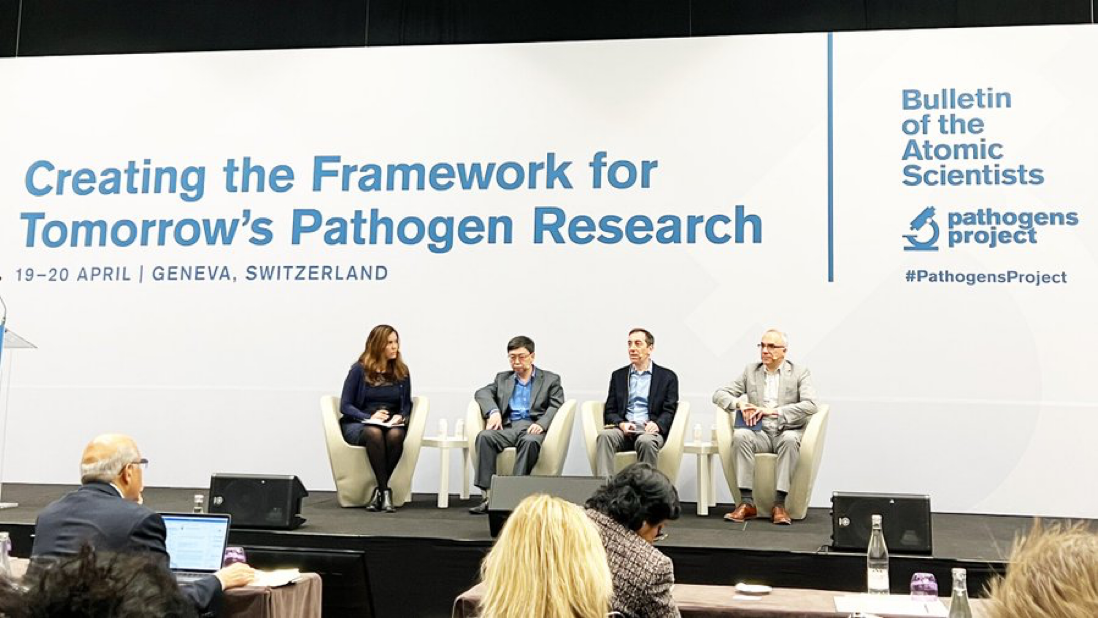
The initiative on “Creating the Framework for Tomorrow’s Pathogen Research” hosted a public meeting in Geneva, Switzerland this week. This conference included Pathogens Project taskforce members, policy leaders, journalists, scientists, and civic leaders, among others.

The conference featured both private and public (recorded) workshops. Furthermore, according to the Project’s site, “It will produce a final summary report with recommendations, along with individually prepared papers focused on risk assessment and mitigation of high-risk pathogen research. Conference papers will be published in a special edition of the Bulletin of the Atomic Scientists and made available on the Bulletin’s website.”

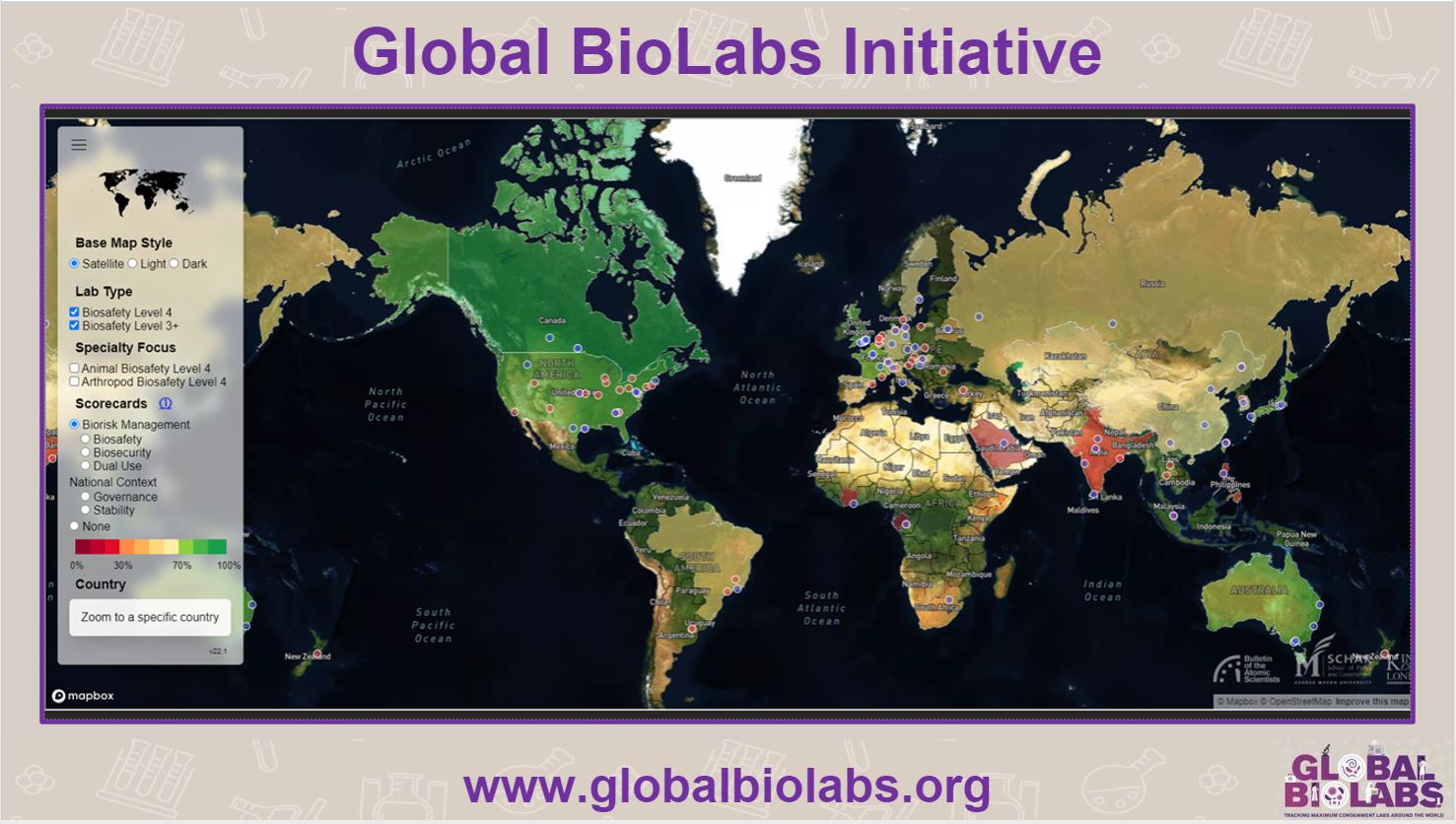
Biodefense Graduate Program Director Dr. Gregory Koblentz was on a panel at the event, “Empirical studies tracking risks”, alongside Dr. Rocco Casagrande (Founder and Chair of the Board, Gryphon Scientific), Dr. Weiwen Zhang (Distinguished Professor of Synthetic Biology and Biochemical Engineering, Tianjin University of China), and Dr. Sandra López-Vergès (Senior Health Researcher and Chief, Gorgas Memorial Institute of Health Sciences). Koblentz discussed ongoing work from the Global BioLabs project, which he co-leads with Dr. Filippa Lentzos of King’s College London. Global BioLabs offers an interactive map of BSL-4 and BSL-3+ facilities globally and recently released Global BioLabs Report 2023.

Biodfense Graduate Program Director Dr. Gregory Koblentz on the “Empirical studies tracking risks” panel
Visit https://www.globalbiolabs.org/ to access this interactive map feature

State Department Releases Arms Control, Nonproliferation, and Disarmament Compliance Reports

The State Department’s Bureau of Arms Control, Verification, and Compliance recently released the 2023 Annual Report on Compliance with the Chemical Weapons Convention (CWC) and the 2023 Adherence to and Compliance with Arms Control, Nonproliferation, and Disarmament Agreements and Commitments Report. The latter notes BWC compliance issues in the People’s Republic of China, Islamic Republic of Iran, Democratic People’s Republic of Korea, and the Russian Federation. This includes discussion of the lack of information needed to assess if China has eliminated its BW program, concerns about Iran’s ability to produce lethal BW agents, knowledge of North Korea’s BW program, and Russia’s violations of Articles I and II of the BWC.

The report also notes concerns about lack of transparency in Myanmar’s nuclear work (though evidence does not indicate that the country violated the NPT). The appended report on CWC compliance discusses further concerns with Myanmar and other countries’ compliance with the treaty. The report explains that “Four States Parties – Burma, Iran, Russia, and Syria – are certified in non-compliance with the CWC. Russia and Syria were first certified in non-compliance in April 2018. Iran was first certified in non-compliance in November 2018. Burma was first certified in non-compliance in 2019. Additional information is available in the 2023 classified Condition (10)(C) Reports. The United States also cannot certify the People’s Republic of China’s compliance, which was first reported in 2021.”

Dr. Gregory Koblentz and Madeline Roty (Biodefense MS ’21) authored a piece in the Bulletin of the Atomic Scientists in 2020 discussing Myanmar’s past with CW and US efforts to get the country to reconcile and come into compliance with the CWC. Following the 2021 coup d’état and the ouster of Aung San Suu Kyi, Myanmar is unlikely to meet the requirements needed to be in compliance, despite the progress outlined by Koblentz and Roty.

Senate Republicans Release COVID Origins Report

Senate Republicans have released their report exploring the origins of the COVID-19 pandemic, building on the short interim report released in October 2022. Two documents titled “Muddy Waters: The Origins of COVID-19” were released; one by the Muddy Waters Group and another prepared by Senator Roger Marshall alongside Dr. Bob Kadlec, Bob Foster, and members of the 117th GOP Health, Education, Labor & Pensions (HELP) Committee’s staff. The report was a product of the work of former Senator Richard Burr of North Carolina, who commissioned the report and oversaw the release of the October HELP committee interim report. Readers may recall the controversy that accompanied the release of that interim report, which coincided with the release of articles by Vanity Fair and ProPublica that were widely criticized for poor quality translations and other inaccuracies we discussed in November.

That troubled trend seems to continue in this new report, with admitted circumstantial evidence used to find that “The preponderance of information affirms the plausibility of a research-related incident that was likely unintentional resulting from failures of biosafety containment during vaccine-related research.”

Axios explains that the report “…argues that scientists haven’t found any naturally occurring viruses with the same composition of the coronavirus, and that there’s evidence the virus was circulating in Wuhan before the first known cases connected to the wet market were reported…It also argues that it appears Chinese researchers began development of at least two COVID vaccines in November 2019, including at the WIV, which “means SARS-CoV-2 would have been present at the WIV before the known outbreak of the pandemic,” and “It also documents numerous instances of lab safety concerns throughout 2019, including around the time when the virus may have first appeared.”

Much of this, however, relies on the same previously disputed points made in the interim report and the accompanying ProPublica and Vanity Fair pieces. Furthermore, as Caitlin Owens highlights in another piece for Axios, the reports rely on circumstantial evidence which means “The absence of evidence pointing, for example, to a precise transmission route from animals to humans will lead to very different interpretations of the same information.”

Dr. Angela Rasmussen, a virologist who has worked on high-profile studies supporting the idea of a natural origin of SARS-CoV-2 told Owens that the report “…demonstrates, in my view, a political agenda that’s meant to bolster the idea that the lab leak hypothesis is more supported than it is. But also it is so full of just factual errors.” Rasmussen also counters a number of key assertions made in the new report, including those such as the presence of a furin cleavage site on SARS-CoV-2’s spike protein is in itself suspicious and that the Wuhan Institute of Virology was dealing with substantial biosafety problems that Party leadership was concerned about.

All told, this report seems unlikely to change much or anything in this ongoing public debate.

Understanding Cyber-Warfare: Politics, Policy and Strategy

Chris Whyte and Brian Mazanec (a Biodefense PhD alumnus) are pleased to announce the publication of the second edition of their textbook Understanding Cyber-Warfare: Politics, Policy and Strategy (Routledge, 2023).  This second edition of their popular textbook offers an accessible introduction to the historical, technical, and strategic context of global cyber conflict. The second edition has been revised and updated throughout, with three new chapters, to include coverage of the role of cyber in the war in Ukraine as well as a discussion of the role of emerging information technologies like artificial intelligence and quantum computing in shaping the dynamics of global cyber conflict.  The second edition has recieved positive reviews. For example James R. Clapper, the former Director of National Intelligence, called it “an authoritative tutorial on the arcane complexities of cyber warfare” and said this edition “updates a previous version and makes the book more contemporary. It is a must-read for those who are serious about mastering this unique medium of combat, in all its dimensions.”  More details can be found here.

“Artificial Intelligence and Machine Learning for Bioenergy Research: Opportunities and Challenge”

New from the US Department of Energy’s Genomic Science Program: “The integration of artificial intelligence and machine learning (AI/ML) with automated experimentation, genomics, biosystems design, and bioprocessing represents a new data-driven research paradigm poised to revolutionize scientific investigation and, particularly, bioenergy research. To identify the opportunities and challenges in this emerging research area, the U.S. Department of Energy’s (DOE) Biological and Environmental Research program (BER) and Bioenergy Technologies Office (BETO) held a joint virtual workshop on AI/ML for Bioenergy Research (AMBER) on August 23–25, 2022.”

“Approximately 50 scientists with various expertise from academia, industry, and DOE national laboratories met to assess the current and future potential for AI/ML and laboratory automation to advance biological understanding and engineering. They particularly examined how integrating AI/ML tools with laboratory automation could accelerate biosystems design and optimize biomanufacturing for a variety of DOE mission needs in energy and the environment.”

The report describing the workshop findings is now available here.

“The Making of a Biosafety Officer”

David Gillum discusses the roles of biosafety professionals in this piece for Issues in Science and Technology, writing in part “The question of how the biosafety community generates and transmits knowledge is interesting in itself, but it is also an urgent issue. The need for biosafety workers is growing just as current professionals are skewing older: an estimated 54% are over 50 and one of the few surveys of the field suggests there are six times as many biosafety officers over 70 as there are under 30. Preparing more of us—and keeping the public safe as the complexity of biological research, health, and manufacturing projects burgeons—is made more difficult by the importance of tacit knowledge in our education. Methods for understanding, communicating, and mitigating risk are difficult to transfer to others. To enhance public health and safety, people in my line of work should ease this transfer by considering how the profession might be standardized and formalized.”

“Viral Families and Disease X: A Framework for U.S. Pandemic Preparedness Policy”

In this policy brief for the Center for Security and Emerging Technology, Schuerger et al. explain that “Pandemic threats are increasing as globalization, urbanization, and encroachment on animal habitats cause infectious outbreaks to become more frequent and severe. It is imperative that the United States build a pipeline of medical countermeasure development, beginning with basic scientific research and culminating in approved therapies. This report assesses preparedness for families of viral pathogens of pandemic potential and offers recommendations for steps the U.S. government can take to prepare for future pandemics.”

“Integrating Public and Ecosystem Health to Foster Resilience: Proceedings of a Workshop”

“Ecosystems form the foundation upon which society can survive and thrive, providing food, water, air, materials, and recreation. The connections between people and their environments are under stress from human-driven climate change, pollution, resource exploitation, and other actions that may have implications for public health. Existing intellectual frameworks including One Health, Planetary Health, ecosystem services, and nature-based solutions help to connect different elements related to the resilience of public health and ecological health systems. However, because of the breadth of this issue, many implications regarding public health are not well characterized, leading to gaps in understanding the interconnections between public health and ecosystem health systems and how ecosystem resiliency may affect public health.”

“The National Academies of Sciences, Engineering, and Medicine held a workshop in September 2022 focused on the integration of public and ecosystem health to foster resilience. This workshop was designed to inform the development of a research agenda aimed at bridging the knowledge-to-action gap and spur a move from research to policy and practice. Participants included a broad range of interdisciplinary researchers and practitioners from the public health, natural resource management, and environmental protection communities. The workshop provided a forum for the exchange of knowledge, discussion of critical gaps in understanding and practice, and identification of promising research that could support the development of domestic and international policy and practice.”

“The proceedings summarizing the workshop is now available for free download, and a public webinar exploring the workshop topics will take place virtually in early May. Click below to download the proceedings, register for the webinar, and visit the project page to more about this publication.”

“The Right People and the Right Question: Getting Chemical Weapons Out of Syria”

In this recent video story for the Stanley Center for Peace and Security, Tom Countryman discusses his tenure as the Assistant Secretary of State for Non-Proliferation as the Department navigated concerns about Syria’s chemical weapons. He highlights key lessons learned in doing this, including the need to mind the political context one is operating in, the importance of knowing who the right people are and being able to motivate and mobilize them, appropriately identifying goals and what is needed to achieve them, and, finally, not allowing the difficulties of political relationships to overshadow common interests.

“Reducing the Problem: Eliminating Syria’s Chemical Weapons”

Andy Weber discusses elimination of the Syrian CW stockpile in this video story for the Stanley Center. He covers how he came to be the Assistant Secretary of Defense for Nuclear, Chemical, and Biological Defense Programs and more, saying in part “Sometimes, whether it’s Gaddafi in Libya, or Assad in Syria, it’s unsavory characters, who have these horrific weapons. And you have to work with them sometimes, and it’s hard, and it’s challenging, and you have to keep your eyes open. You need to make sure you’re not indirectly helping them in another area. But that’s where good oversight comes in, and you have to think about the objective of all these programs. The objective is to save lives, to prevent mass casualties in any country, anywhere in the world. These are global programs that improve global security.”

“Armed Conflict and Nuclear Security: Implications for Europe”
Muhammed Ali Alkiş discusses the efficacy of the traditional approach to nuclear security in this recent publication for SIPRI: “The traditional approach to nuclear security is unlikely to be effective against the full spectrum of current threats, including those posed by state actors. The lessons learned from the Russian occupation of Ukrainian nuclear power plants, the potential radiological consequences of armed attacks against nuclear facilities and the potential increase in the number of nuclear power states in the future underscore the need for a strong international framework to address nuclear security challenges.”

“The European Union (EU) is committed to implementing the highest international standards for nuclear security and may therefore be in a position to lead efforts to address threats of armed attacks against nuclear installations. This paper provides a range of potential policy recommendations and actionable steps that the EU and its member states could take at legal, institutional and operational levels to minimize the nuclear security threats posed by armed conflict in the future. While they may appear politically challenging or even unrealistic at present, the conflict in Ukraine highlights the very real need for the types of actions recommended by this paper.”

“Technology Primer: Artificial Intelligence & Machine Learning”

Checkout this new report from the Harvard Belfer Center: “Artificial Intelligence (AI), can be defined as the theory and application of machines—especially computer programs—to perform tasks that typically require human intelligence, such as image captioning and generation, speech recognition and synthesis, natural language understanding and production, tool assembly and utilization, as well as various other perception-action based engagements. AI, in its current technological state, is being applied in various industries and domains, such as online advertising, financial trading, healthcare, pharmaceutical, and robotics. The lucrative market opportunities offered by AI applications have attracted investments from tech giants like Alphabet, Apple, Meta, Amazon, and Microsoft, as well as research universities and startups.”

“Machine Learning (ML), commonly categorized as a subfield of AI, is a field of study concerning the automatic discovery of historical patterns in data using statistical algorithms. ML’s driving principle is that historical patterns are likely to reappear in the future. The discovered historical patterns can therefore be leveraged to make accurate predictions on data that has not been seen before. Once an algorithm is trained, it can be applied to new, larger streams of data. ML is already an integral component of many deployed commercial applications, such as content generation (e.g., text, image, audio, video generation), virtual assistants, social media feed ranking, content recommendation systems, financial market prediction, and healthcare screening and diagnostic tools, as well as administrative applications. In addition, ML is foundational in various other emerging technologies, such as autonomous vehicles and next-generation cybersecurity.”

“Currently, United States policy with regards to AI often derives from interpretations of various pre-existing legislations and legal precedents. However, with the increased awareness of AI-related risks (e.g., bias, accountability, misuse, etc.), and the potential size of their impact, over the last decade, the number of proposed bills containing AI provisions significantly increased at both the state and federal levels (i.e., from two bills in 2012 to 131 in 2021), with 2% of them becoming law at the federal level and 20% of them becoming law at the state level. Similarly, policies and regulatory frameworks are being crafted to guide the development and application of AI in other continents too, with Europe and Asia leading the process. Acknowledging the potential impact of this technology on human life and societal dynamics, there is a pressing need for U.S. legislators and policymakers to remain engaged in the ethical and practical development of artificial intelligence.”

Lessons From the COVID War: An Investigative Report

The independent, nonpartisan Covid Crisis Group has spent two years investigating the causes and consequences of the COVID-19 pandemic. The Schar School of Policy and Government and Biodefense Graduate Program are proud to host two members of the group, Andrew Kilianski and Melissa Harvey, for an in-depth discussion of the group’s long-awaited report on what went wrong—and right—with America’s response to the pandemic: Lessons from the Covid War: An Investigative Report (Public Affairs, 2023).

The Covid Crisis Group is a remarkable group of 34 distinguished practitioners and scholars from a variety of backgrounds who came together determined to learn and share the most valuable lessons from the worst peacetime catastrophe of modern times. Lessons from the Covid War is plain-spoken and clear-sighted. It cuts through the jumble of information to make some sense of it all and answer: What just happened to us, and why? And crucially, how, next time, could we do better? Because there will be a next time.

Register here: https://gmu.universitytickets.com/w/event.aspx?id=1471 

Book Event: Open Source Investigations in the Age of Google 

From the Center for Strategic and International Studies: “How did a journalist find out who was responsible for bombing hospitals in Syria without leaving his desk in New York? How can South Sudanese activists safely track and detail the weapons in their communities, and make sure that global audiences take notice? What are policy makers, lawyers, and intelligence agencies doing to keep up with and make use of these activities? A team of authors tackle these questions in their new book “Open Source Investigations in the Age of Google.”‘ 

“This new interdisciplinary book seeks to answer these questions and more, with contributions by prize-winning practitioners, experts, and rising stars from across the open source investigation community. Painting a comprehensive picture of the digital information space today, it explores the manner and methods in which current open source investigations are conducted, as well as examines the opportunities and challenges they present to salient issues to the information environment such as trust and transparency, accountability, justice, amongst others.”‘

“Please join CSIS virtually on April 24, 1-2 pm EDT for a panel discussion on open-source investigations moderated by Diane Cooke, visiting fellow with the International Security Program. The conversation will include Hans Kristensen, Director of the Nuclear Information Project, Federation of American Scientists; Christiaan Triebert, journalist on the New York Times Visual Investigation Team; and Henrietta Wilson, Senior Analyst for the Strategic Concept for the Removal of Arms and Proliferation, SOAS University of London & King’s College London.”

Register here.

Online Event: Civil Society at the 5th CWC Review Conference

From the CWC Coalition: “The Fifth Five-Year Review Conference (RC-5) for the 1997 Chemical Weapons Convention will be held in the Hague from May 15-19, 2023.”

“At the CWC RevCon, member states and the broader chemical weapons disarmament community will gather to assess past achievements, treaty implementation and compliance, and discuss plans to strengthen the CWC in the years ahead.”

“You are invited to join a virtual discussion on the upcoming Fifth Five-Year CWC Review Conference (RC-5), major issues to be addressed, and the role of civil society and non-governmental organizations.”

“We will be joined by Elisabeth Waechter, Head of Public Affairs at the OPCW. Paul Walker, the Chair of the CWC Coalition, will moderate.”

This event will take place on April 26 at 10 am EST. Register here.

National Biodefense Science Board Public Meeting

The NBSB will meet virtually on May 4 at 2 pm EST to discuss lessons from COVID-19 and will present recommendations on several topics, including collection, analysis, and sharing of operational health data, uses of virtual healthcare during disaster response, and disaster response challenges specific to rural and underserved communities. Register here.

Virtual Workshop: Prioritizing Actions for Epidemic and Pandemic Preparedness

From the National Academies: “Please join us May 4 & 18, 2023 from 8 a.m. to 12 p.m. ET for a virtual symposium examining how to strengthen the evidence-based prioritization of epidemic and pandemic preparedness and response capabilities.

The symposium will convene global health planning stakeholders, including those in government and academia, and across health- and non-health sectors to:

  • Review assessment tools and how, independently and together, they relate to national action planning.
  • Gain insight into how countries and organizations currently select priorities in funding for epidemic prevention, detection, and response.
  • Assess evidence for effective prioritization approaches to building disease surveillance and risk communication capabilities.
  • Identify governance structures that can support robust and reliable systems for epidemic and pandemic preparedness and response investments.

This symposium is in collaboration with the Division on Earth and Life Studies. Learn more about this workshop by visiting the event webpage.”

Nobel Prize Summit-Truth, Trust and Hope

Taking place May 24-26 this year in DC and virtually, this Nobel Prize Summit asks “How can we build trust in truth, facts and scientific evidence so that we can create a hopeful future for all?”

“Misinformation is eroding our trust in science and runs the risk of becoming one of the greatest threats to our society today.”

“Join us at this years’ Nobel Prize Summit which brings together laureates, leading experts and you in a conversation on how we can combat misinformation, restore trust in science and create a hopeful future.”

Learn more and register here.

CSWMD 2023 Annual Symposium: WMD in the Decisive Decade

“The National Defense University’s Center for the Study of Weapons of Mass Destruction (CSWMD) invites you to join us on 14 June 2023 for the virtual Annual CSWMD Symposium, titled WMD in the Decisive Decade.”

“This year’s symposium will explore the cognitive impacts WMD has on strategic decision making and the challenges associated with operating in an environment where WMD has been employed. It will be an opportunity for the WMD community to engage with officials and thought leaders on current WMD challenges at the unclassified level, including keynote addresses by Richard Johnson, Deputy Assistant Secretary of Defense for Nuclear and CWMD Policy and Rebecca Hersman, Director of the Defense Threat Reduction Agency.”

“For more information and to register for this event click here. Please RSVP by 9 JUNE 2023.”

“We look forward to hosting you for the event. For more information about the WMD Center and reference our research, please visit our website at https://wmdcenter.ndu.edu/ and follow us on Twitter and on LinkedIn.”

Gordon Research Conference: Cross-Cutting Science Facilitating Collaboration Across the Threat-Science Research Community

“The Nonproliferation, Counterproliferation and Disarmament Science GRC is a premier, international scientific conference focused on advancing the frontiers of science through the presentation of cutting-edge and unpublished research, prioritizing time for discussion after each talk and fostering informal interactions among scientists of all career stages. The conference program includes a diverse range of speakers and discussion leaders from institutions and organizations worldwide, concentrating on the latest developments in the field. The conference is five days long and held in a remote location to increase the sense of camaraderie and create scientific communities, with lasting collaborations and friendships. In addition to premier talks, the conference has designated time for poster sessions from individuals of all career stages, and afternoon free time and communal meals allow for informal networking opportunities with leaders in the field.”

This conference will take place July 9-14 in Ventura, CA. Learn more and register here.

Call for Applications: Early-Career Fellowship for Reducing Nuclear Weapons Risks

The Council on Strategic Risks “is announcing a continuation of its Early-Career Fellowship for Reducing Nuclear Weapons Risks. Through this six-month program, early-career professionals will work with leading experts from CSR’s team and network to develop a better understanding of practical risk reduction concepts and to generate new ideas regarding:

  • Nuclear strategic stability
  • Strengthening norms against nuclear weapons threats and use
  • Avoiding miscalculations and preventing accidents/incidents
  • Preventing and addressing nuclear proliferation
  • Responsibilities of nuclear weapons-capable states”

Learn more and apply here.

Seeking Subject Matter Expert(s) (SMEs) with Experience Educating Global Audiences on the Importance of Securing Emerging Technologies

“CRDF Global is seeking subject matter expert(s) (SMEs) to engage and educate global audiences. The expert(s) will work on deliverables relating to building a culture of security in the private sector. These deliverables will include the development of an online asynchronous course and four hybrid hackathons, which will take place at local incubator hubs in several countries.”

“The expert(s) will design and develop an asynchronous course to counter misuse and raise awareness of emerging technologies with potential weapons of mass destruction (WMD)-related applications by state and non-state actors. The audience for this course will be individuals in the private sector (particularly in start-ups, innovation hubs, and incubator spaces) in various countries globally. This asynchronous course should train key stakeholders on how to develop and foster a culture of security.”

Learn more here.

Weekly Trivia Question

You read the Pandora Report every week and now it’s time for you to show off what you know! The first person to send the correct answer to biodefense@gmu.edu will get a shout out in the following issue (first name last initial). Our question this week is: “In 1984, what group spread Salmonella enterica at restaurants and shops in Dulles, Oregon in an attempt to influence local elections?”

Last week, our question was: “In the 2011 film Contagion, Dr. Erin Mears (played by Kate Winslet) is an officer in which CDC program?” The answer is the Epidemic Intelligence Service.