Pandora Report 5.20.2016

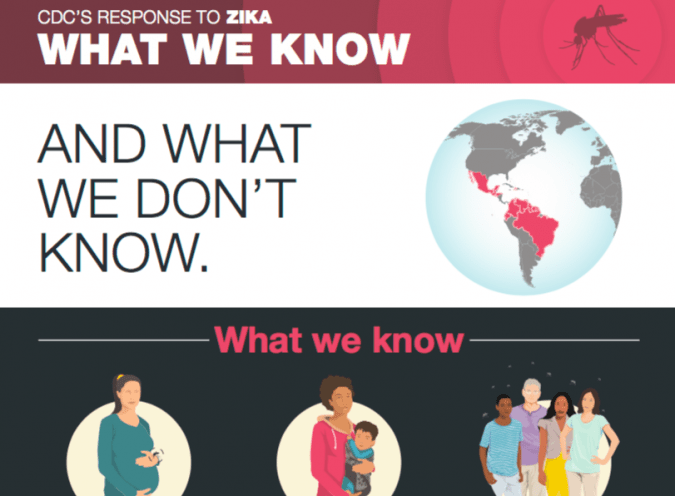
The biodefense world was pretty busy this week – between Zika funding, cloning, and debates over dual-use technologies, we’ve got a lot to recap! Check out this great infographic on mosquitoes and the diseases they spread. The “State of Innovation” report revealed a decrease in biotech patents in 2015, with many pointing to the correlation between three U.S. Supreme Court decisions that limited patentability of some biotechnologies. If you were wondering how the sale of Plum Island is going, the House has actually temporarily halted any transactions.

Congrats GMU Biodefense Graduates!IMG_3491
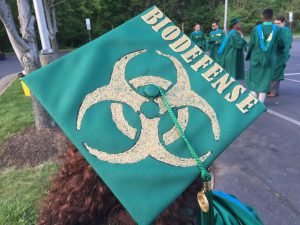
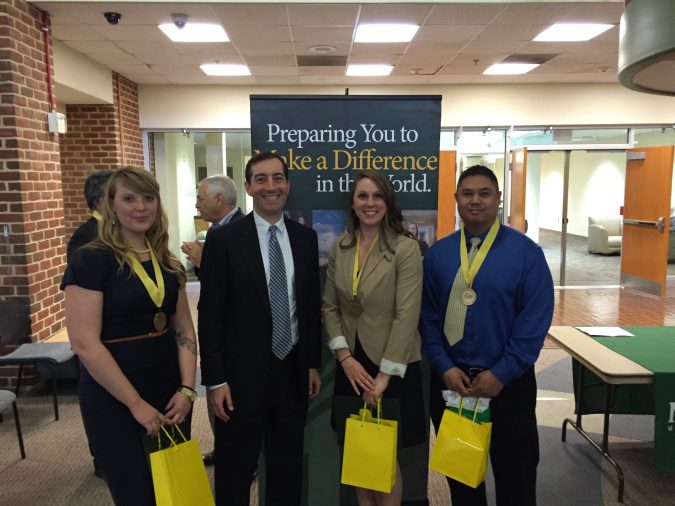
We’re so happy to announce the convocation of some of our phenomenal graduate students. Earning a MS in Biodefense- Julia Homstad (also awarded the Frances Harbour Award for Community Leadership), Brittany Linkous (earning the Outstanding Biodefense MS Student Award), Francisco Cruz, Mary Dougherty, Moneka Jani, Sadaf Khan, Brittany Ferris, Michael Smith, and Robert Smith. Graduating with their PhD’s – Jonathan Gines (also the recipient of the Outstanding Biodefense PhD Student award and his dissertation was: Designing Biorisk Oversight: Applying Design Science Research to Biosafety and Biosecurity, Patricia Kehn (Flu News You Can Use? An Analysis of Flu News Quality 2008-2010), and Mittie Wallace (Emergency Preparedness in Virginia, Maryland and DC: Using Exchange Theory to Identify Government-Nonprofit Incentives and Barriers to Collaboration). Congrats to all our Biodefense graduates in the hard work and dedication they’ve put forth to contribute to such a diverse and exciting field!

Evaluation of DoD Biological Safety & Security Implementation
The Inspector General of the Department of Defense (DoD) has released their report regarding the biosafety and biosecurity policies and practices within DoD laboratories working with select agents. The report also evaluated DoD oversight of these laboratories and compliance with Federal, DoD, and Service Policy, with careful consideration to recent GAO (among others) recommendations. Several findings were reported, which include: “DoD has not maintained biosafety and biosecurity program management, oversight, and inspections of its BSAT laboratories according to applicable Federal regulations. BSAT laboratories in Military Services were inspected according to different guidance, standards, and procedures, risking dangerous lapses in biosafety practices. Lack of coordinated oversight of DoD laboratories led to multiple, missing, and duplicative inspections, and, therefore, an excessive administrative burden that could interfere with scientific research performance.” The report also noted that public health and safety was put at risk due to the poor protection of these agents. Recommendations pushed for better internal and external tracking of inspections, coordination of external technical and scientific peer reviews, standardized training for inspectors, the creation of site-specific laboratory security vulnerability assessments, etc. Overall, the report addresses several key failures within select agent laboratories that have been gaining increasing attention. While these recommendations are a necessary first step, there is definitely an up-hill battle to better secure and work with select agents.

Public Health & Emerging Disease Outbreaks – The Importance of Communication 
Outbreak prevention and response isn’t a new concept…in fact it’s something we’ve been perfecting since John Snow took off the Broad Street pump handle. Sometimes, the fastest spreader isn’t the disease, but rather poor communication and fear. In every after-action report, communication tends to be the biggest failure. Not only do people fail to talk to each other enough, but information dissemination and comprehension tends to be poorly emphasized, when in fact it could save lives. “In particular, healthcare workers may benefit from knowing about newly found transmission risks or disease findings from a novel case under intensive care. Knowledge drives behavioural change that can save lives. We live in a global community. Even if the lives saved are not citizens of our country, withholding information because it is unlikely to benefit our own countrymen, or even delaying dissemination of important information until it is published in a scientific journal is a poor choice.” Dr. Ian Mackay and Katherine Arden point to communication failures regarding the zoonotic transmission of MERS-CoV and the illness of a nurse from the UK who recovered from Ebola and was later hospitalized for meningitis. Both instances involved poor communication, especially to healthcare workers. “Good communicators and reliable communications are vital. Create a dialogue with the public now to build a partnership for later, to reduce distrust when an outbreak, epidemic or pandemic occurs. In this way, communities know which voices to trust and where to turn for their information. Leaving an information void invites others to fill it and more often than not, it is those who delight in titillation, invention, make-believe and fear-mongering.”

Weekly Dose of Zika Virus
H.R. 5243 – Zika Response Appropriations Act of 2016 is the hot topic of discussion this week, as President Obama’s Administration is opposing the act. “While the Administration appreciates that the Congress is finally taking action to address the Zika virus, the funding provided in H.R. 5243 is woefully inadequate to support the response our public health experts say is needed.  Specifically, the Administration’s full request of $1.9 billion is needed to:  reduce the risk of the Zika virus, particularly in pregnant women, by better controlling the mosquitoes that spread Zika; develop new tools, including vaccines and better diagnostics to protect the Nation from the Zika virus; and conduct crucial research projects needed to better understand the impacts of the Zika virus on infants and children.On May 17th, the Senate voted to provide $1.2 billion to fight the growing outbreak. A team from the University of Texas Medical Branch at Galveston has traveled into uncharted territory – they are the first to genetically engineer a clone of the Zika virus strain.  Their work could help speed up vaccine development and research of the virus. As the Zika outbreak rages onwards, many are pointing to the need to understand how and why it mutated from Africa to Asia and then to the Americas.  “‘Like many arboviral agents, given the appropriate environmental and human conditions, new pathogens can be easily moved around the globe,’ Ann Powers said. And that’s what Zika did. The virus began to ripple across the Pacific—and as it traveled, it seemed to change.” The Olympic Games are fast approaching and the debate about the safety of the games has been spreading (see what I did there?). Last week you read about how some are saying the games should be cancelled, while others say it poses a minimal threat. You can also find a snapshot of Zika virus here. The WHO reported that the overall risk of Zika virus moving across the WHO European region is low to moderate during late spring and early summer. Rutgers is taking the lead on an IBM-sponsored project that will utilize supercomputing resources to identify “potential drug candidates to cure the Zika virus.” The Wilson Center is hosting an event, “Zika in the U.S: Can We Manage the Risk?” on Tuesday, May 24th, at 11am. Many are also wondering why humans and not mice are susceptible to the virus. Lastly, as of May 18th, the CDC has reported 544 travel-associated cases and 10 sexually transmitted cases within the U.S.

Governance Structures for Reducing Dual-Use Technology Risks
The American Academy of Arts & Sciences has published an examination of dual-use technology governance and the state of current efforts to control the spread of potentially dangerous technologies. “Governance of Dual-Use Technologies examines the similarities and differences between the strategies used for the control of nuclear technologies and those proposed for biotechnology and information technology. The publication makes clear the challenges concomitant with dual-use governance.” The report looks at the potential objectives of these measures, what they translate to in a technical format, and if these measures are even feasible.

Global Avian Influenza A H5N1 Trends
Researchers recently looked at the epidemiology of human H5N1 cases from 1997-2015. This was the first comprehensive analysis of human cases on a global scale. The number of affected countries rose between 2003 and 2008, traveling from east Asia into west Asia and Africa. “Most cases (67·2%) occurred from December to March, and the overall case-fatality risk was 483 (53·5%) of 903 cases which varied across geographical regions. Although the incidence in Egypt has increased dramatically since November, 2014, compared with the cases beforehand, there were no significant differences in the fatality risk, history of exposure to poultry, history of patient contact, and time from onset to hospital admission in the recent cases.”

Stories You May Have Missed:

  • Health Security Available – The newest volume of Health Security is now available online. The recent issue includes pieces on Zika and microcephaly, preparing for climate disruption, adapting to health impacts of climate change in the DoD, and more!
  • Secret Genome Meeting – Last week saw a meeting hosted by Harvard Medical School’s George Church, to discuss “feasibility and implementation of a project to synthesize entire large genomes in vitro.” Initially the meeting was open to the public and media however, the decision was made to keep it private (from the media) so that researchers, lawyers, entrepreneurs, and government officials could speak freely without fear of being misquoted. “Our ability to understand what to build is so far behind what we can build,” said Jeremy Minshull, chief executive of DNA synthesis company DNA2.0, told The New York Times. “I just don’t think that being able to make more and more and more and cheaper and cheaper and cheaper is going to get us the understanding we need.”
  • Four Countries Fend Off Avian Influenza- Cambodia, Ghana, and Indonesia have been battling H5N1 and Italy has just reported its second H7N7 occurrence this month. Ghana and Cambodia have reported significant bird mortalities, with the virus killing 155 of 505 susceptible birds. “In Ghana, the H5N1 virus turned up in four commercial layer and breeding farms in three of the country’s regions: two in Greater Accra and one each in Eastern and Central regions.”
  • Bavarian Nordic Smallpox Vaccine Contract – the pharmaceutical company announced that BARDA has ordered a bulk supply of their new IMVAMUNE smallpox vaccine. The $100 million supply of the non-replicating vaccine requires Bavarian Nordic to manufacture and store the bulk supply. “The freeze-dried version of IMVAMUNE is expected to reduce the life cycle management costs based on a longer shelf life and will replace the liquid-frozen version that is currently stockpiled in the U.S. Strategic National Stockpile (SNS).”
  • Early Detection Lyme Disease Test Successful – GMU researchers have proven that their early-detection urine test works to rapidly identify Lyme diseases. “The National Institutes of Health funded the research that led to Mason’s patented technology, which traps tell-tale clues (such as the Lyme bacteria protein) that a disease is present. The Mason technology, which is licensed to Ceres, works during the earliest stages of disease and finds the tiniest traces missed by most diagnostic tests.”

Pandora Report: 3.18.2016

Spring is upon us! Whether you’re suffering from allergies or enjoying the bloom of the cherry blossoms, we’ve got you covered from the biodefense side. Don’t forget to add our GMU SPGIA Master’s Open House to your calendar next week (Wednesday, March 23rd at 6:30pm at our Arlington Campus). We’ll also be hosting a biodefense breakout session at 7pm with Dr. Koblentz (bonus: you can attend virtually! Extra bonus: our MS program is offered online, so you can learn to be a biodefense guru from anywhere in the world!). Bioarchaeologists are at it again in their quest to determine the fall of ancient Rome (hint: Yersinia pestis may have played a larger role than you’d think). Here’s hoping that with the announcement of the new Indiana Jones movie we’ll see Indy doing some bioarchaeology on ancient biowarfare!

The Real Lessons of Ebola and Zika 
Emerging infectious diseases are not a new concept for global public health, so why did Zika and Ebola catch us so off guard? Where was prevention – the backbone of public health- in this fight? After the pledging of billions of dollars and deployment of countless health professionals, the reality of reaction versus proactive prevention was never more apparent than during the Ebola outbreak. As the old saying goes, “an ounce of prevention is worth a pound of cure”. Now, as we trudge our way through the Zika virus outbreak, many wonder why the Aedes mosquitoes are continuing to cause devastation when their role in outbreaks is so well known. “Controlling this mosquito would by itself ameliorate all these disease threats. Ironically, in South America, control of Aedes aegypti was largely successful earlier in the 20th century (with great expenditure of effort), only to be abandoned once the immediate threat receded.” So again, we must ask ourselves, why public health prevention measures are so frequently ignored. Inexpensive in comparison to the cost of an outbreak, these tools (surveillance, diagnostics, worldwide communication, etc.) are increasingly becoming stronger and more available. Zika and Ebola have proven the efficacy of these strategies and the damage of failing to use them, so what more will it take to get global public health measures a seat at the cool kids’ table? A recent study addressed the biosocial approaches to the Ebola outbreak, concluding that “biomedical and culturalist claims of causality have helped obscure the role of human rights failings (colonial legacies, structural adjustment, exploitative mining companies, enabled civil war, rural poverty, and the near absence of quality health care to name but a few) in the genesis of the 2013-16 pandemic.” Globally, we’re still struggling to recover from the outbreak – whether you’re on the the ground in the affected countries or in the public health agencies that attempted to help. In many ways, the lessons from this pandemic will continue to be identified and understood for years to come. The CDC has also just released an article regarding the perspectives on the outbreak here, where they discuss the factors that delayed disease detection, the role of civil instability, and the impact of historically limited ebola experience.

GMU Biodefense Alumni Career Services
Are you a GMU Biodefense alum? Don’t forget to sign up for the SPGIA CareersNow so you can get updates on job postings that are right up your alley! GMU has close ties within the biodefense industry and we love joining students with employers, so please make sure to sign up and utilize this great resource!

ISIS Chemical Weapons Attack
Officials are reporting on that on Saturday, terrorists linked to ISIS fired rockets into a residential part of Taza, a northern Iraqi town. These rockets are reported to have contained unspecified chemical substances that caused numerous deaths and injuries related to burns, dehydration, and suffocation. An American special forces team previously captured the lead ISIS chemical weapons engineer, however, “his capture has not stopped alleged chemical attacks by ISIS or other terrorists associated with the Islamist militant group. Earlier this week, for instance, officials in Iraq’s Kirkuk province claimed that around 100 people were injured in suspected chemical attack, also in Taza.” The attacks are recently reported to have injured 600 people and killed a 3-year-old girl. Many are now asking, where is ISIS getting their chemical weapons from?

Preventing “A Virological Hiroshima”: Cold War Press Coverage of Biological Weapons Disarmament
Since we’re in the middle of an election year, it has become even more apparent the massive role media plays in not just politics, but also security. A recent analysis was published utilizing written pieces from the US New York Times, UK Times, and the Guardian, during the period of the Biological Weapons Convention negotiation in 1972. Representations of biological weapons during this time not only reflect the societal ideologies, but the the high-stakes environment that the journalists were experiencing. “We argue that a conventional discourse can be found wherein biological weapons are portrayed as morally offensive, yet highly effective and militarily attractive. Interwoven with this discourse, however, is a secondary register which depicts biological weapons as ineffective, unpredictable and of questionable value for the military.” Interestingly, at the time of these news reports, journalists only knew of WMD’s via nuclear and chemical weapons. According to the authors, no biological attacks had been documented and the state sponsored programs were still buried in the depths of secrecy. Biological weapons could only be considered in terms of historical pandemics like the Black Death and the 1918 Influenza pandemic. The authors note that “this negative portrayal of biological weapons as unpredictable and ineffective was certainly flagged in the context of downplaying the significance or value of the BWC. But where it was put to more nuanced use, exemplified in the interview with Matthew Meselson in the wake of the Nixon decision to abandon the US offensive programme, biological weapons were indeed portrayed as useless, not because they were innocuous but because they were redundant: the USA already had access to the horrific, indiscriminate means to annihilate entire cities.”

A Little Bit of Zika Goes A Long Way
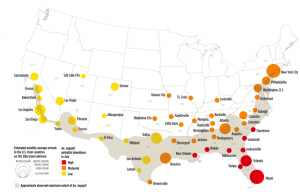
Recent CDC data reports 258 travel-associated cases within the US. Laura Beil with the New York Times describes the worry that pregnant women are now facing after they traveled to affected regions and later were found to have Zika. You can also find a timeline and map of the outbreak here. Here’s a spot of good news though – the European Commission announced on Tuesday that the European Union released $11.1 million for Zika virus research. Rob Stein from NPR discusses the unique cry of babies with Zika-associated birth defects and the stories from the pediatricians and health professionals that are working to help the affected families. “It’s not just that they cry more easily, and longer — which they do. There’s also something strange — harsher and more pained — about the cries of many of these babies.Screen Shot 2016-03-17 at 1.02.48 PM The realization that they even cry differently than normal babies drove home how many mysteries the world is facing because of the Zika virus.” Not surprisingly, ticket sales for the 2016 Summer Olympics have dropped since the announcement of the outbreak. Olympic-related event ticket revenues dropped 56.4% since mid-January. A new research article was just published regarding the seasonal occurrence and abundance of the Aedes mosquito and it’s role in potential Zika transmission within the US – specifically in regards to local transmission. Here’s a great map regarding the estimated risk of transmission within the US. 

Stories You May Have Missed:

  • Use of Microbial Forensics in the Middle East/North Africa Region – The Federation of American Scientists (FSA) prepared a report for the Department of State Bureau of Arms Control and Verification regarding the use of microbial forensics as a means of combating biosecurity challenges. Whether naturally occurring or man-made, biological threats can pose a major challenge. Source recognition is “the key pre-condition that determines how a country will respond to a biological event, or take action in order to interrupt a potential emerging threat, ultimately centers around the ability to properly attribute the culpable sources (pathogens); in other words, governments need to determine the return address of the culpable microbe(s), be they from countries, individuals, or nature itself.”
  • Rice Krispies Food Safety Attack? An employee was recorded urinating on the production line for the cereal manufacturing company in 2014. Kellogg is now under investigation regarding the criminal activity and potential impact of the employee’s actions. I wonder, would you consider this a small-time biological attack?
  • Determinants and Drivers of Infectious Disease Threat Events in Europe – Researchers identified 17 drivers of infectious diseases threat events (IDTEs), categorizing them into 3 groups: globalization and environment, sociodemographic, and public health systems. They found that a combination of two or more drivers was responsible for most of the IDTEs and the driver “category of globalization and environment contributed to 61% of individual IDTEs, and the top 5 individual drivers of of all IDTEs were travel and tourism, food and water quality, natural environment, global trade, and climate.”

Enjoying your weekly dose of the Pandora Report? Sign up to receive it every week so the fun never ends! 

Pandora Report: 3.4.2016

Dirty bombs, Zika virus, and biosecurity in Iraq? That’s just a taste of the biodefense news we’ve got in store for you this week. While norovirus hits the East Coast (thanks, oysters!) and an additional three cases were confirmed in the seven-month-long Listeria outbreak associated with Dole salads, it’s no wonder there’s been work to build a new US food safety system. Next month the CDC will be working with state and local officials to establish plans in the most hard-hit Zika areas.

Assessing America’s Soft Underbelly and The Threat of Agroterrorism
The House Committee on Homeland Security’s Emergency Preparedness, Response, and Communications Subcommittee held a hearing on Friday in which they discussed and reviewed the risk of agroterrorism or natural agro-disasters. Disruption to the agriculture infrastructure and economy could be devastating to the US. Regardless if it’s private or public sectors, preparedness is vital to reduce calamitous damage. “US food and agriculture accounts for roughly one-fifth of the nation’s economic activity, contributed $835 billion to the US gross domestic product in 2014, and is responsible for one out of every 12 US jobs, according to Subcommittee Chairman Martha McSally (R-AZ).” Consider the impact of bovine spongiform encephalopathy (BSE) or Highly Pathogenic Avian Influenza (HPAI) on their respective sectors and country economies. Some of the highlighted vulnerabilities and challenges were insufficient quantity of Foot and Mouth Disease (FMD) vaccine, gaps in US biosecurity, traceability, gaps in detection, data sharing for regulated disease, and more.

Strengthening Biosecurity in Iraq: Development of a National Biorisk Management SystemScreen Shot 2016-03-04 at 10.02.47 AM
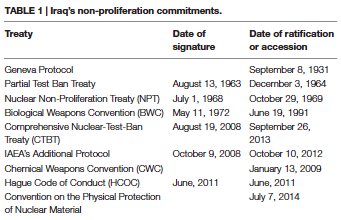
GMU Biodefense director and professor, Dr. Gregory Koblentz, and Mahdi al-Jewari, director of the biology department for the Iraqi National Monitoring Authority in the Iraq Ministry of Science of Technology, have joined together to discuss the furthering of Iraqi biosecurity. Mahdi al-Jewari visited GMU in early 2015 to speak on global biorisk management, hosted by the GMU School of Policy, Government, and International Affairs. In their research, Dr. Koblentz and Mr. al-Jewari discuss Iraq’s implementation of its non-proliferation commitments, highlighting that since 2004 “Iraq has taken a series of practical steps to implement its obligations under international non-proliferation treaties to prevent the proliferation of weapons of mass destruction and their means of delivery to states and non-state actors.” The Iraqi National Monitoring Authority, established in 2012, strives to strengthen their biosecurity program through three primary functions: compliance, monitoring of dual-use materials, and capacity building. The National Biorisk Management System has also highlighted four priorities to “counter biological threats: establishing a national pathogen list, building laboratory capacity, developing the capability to conduct joint law enforcement–public health investigations, and establishing a biorisk management law. The NBMC has established sub-committees charged with developing new policies and programs to achieve these four objectives.” While sustainability will be the most challenging hurdle for Iraq, commitment to investments  in infrastructure, IT, biosecurity, and biosurveillance systems can help them overcome these difficulties.

Just How Far Down the Zika Rabbit Hole Are We So Far?
It seems like every week we’re learning new things about Zika virus and how much work needs to be done. I wonder, how far have we made it down the rabbit hole for Zika and how much more do we have to go? While the Aedes mosquito is the reigning king of Zika virus infections, what about animals? The CDC recently released information regarding the concerns over zoonotic cases. Originally discovered in a monkey in the Zika Forest in 1940’s Uganda , the CDC maintains that “at this time, animals do not appear to be involved in the spread” and that there is no evidence of zoonotic transmission. “Nonhuman primates (apes and monkeys) have shown the ability to become infected with Zika virus; but, only a few naturally and experimentally infected monkeys and apes have had any signs of illness at all, and then it was only a mild, transient fever without any other symptoms.” As international public health teams descend upon the outbreak regions, we will surely be learning more about this outbreak. Perhaps the most challenging issue is the dissemination of information, especially in regions of high transmission. University of Arizona Mel & Enid Zuckerman College of Public Health infectious disease professor, Dr. Kacey Ernst, is one of the top vector-borne researchers and she recently explained: “The Zika virus pandemic, thought to be primarily caused by transmission of the virus through Ae. aegypti requires urgent action to determine the role of the virus in neurological sequalea, including microcephaly as well as the relative transmission potential of Ae. albopictus. Given the important role of communities in preventing the proliferation of the peridomestic, anthropophilic Ae. aegypti, communication between the scientific communities and the public must be heightened to ensure timely dissemination of surveillance information. While much of the United States is currently too cold to allow high densities of the primary vector of Zika virus, Ae. aegypti, the growing evidence surrounding the role of sexual transmission in the spread of Zika could imply that outbreaks of disease are possible even when transmission by the mosquito is not. More research is needed to delineate the two modes of transmission and the role that sexual transmission may be playing in the explosive spread of Zika across Latin America and the Caribbean.” In more Zika updates, blood samples from French Polynesia patients with Guillain-Barré syndrome (GBS) during their Zika virus outbreak are revealing the first look into the reality that Zika may actually cause GBS. The CDC is also urging pregnant women to avoid the summer Olympics in Brazil due to the outbreak. The FDA also just issued their Emergency Use Authorization for a Zika diagnostic tool for qualified countries. As of March 2nd, the CDC has reported 153 travel-associated Zika virus cases within the US.

Education Gaps on Dirty Bombs
David Ropeik from Scientific American discusses the impact that poor education and fear regarding dirty bombs can pose during an emergency. “The prospect of such a bomb seems terrifying, but anyone who knows the basic science of radiation biology knows that it wouldn’t cause much health damage, because the dose of radioactivity to which most people might be exposed would be very low. And experts know, based on the 65 year Life Span Study of the survivors of atomic bomb explosions in Japan, that even at extraordinarily high doses, ionizing radiation only raises lifetime cancer mortality rates a little bit—just two thirds of one percent for survivors who were within three kilometers of ground zero.” Few people know that low doses from a dirty bomb exposure pose little (not zero, but minimal) health risks, but rather people tend to hear “radioactive” or “nuclear radiation” and run screaming to the hills like a zombie hoard is approaching. While Ropeik points out that there will of course be devastation and economic damage, the resulting stress, fear, and public outcry for retaliation can be just as damaging. So what can we do? He points to the US Nuclear Regulatory Commission (NRC) and CDC educational sites, but emphasizes that in the end, a communication campaign to combat fear would “take at least some power of a dirty bomb to terrorize us out of the hands of the terrorists”.

Stories You May Have Missed:

  • Biosurviellance Ecosystem- The DoD and DHS are currently working on a new system that would allow epidemiologists to “scan the planet for anomalies in human and animal disease prevalence, warn of coming pandemics, and protect warfighters and others worldwide.” The Biosurveillance Ecosystem (BSVE) is a brain child that would allow epidemiologists to customize and collaborate – better yet, it’s being developed using open-source software and works “as a dashboard-like service from the cloud, accessible through an Internet browser”.
  • Select Agent Guidance– The Federal Select Agent Program (FSAP) is asking for community members to submit comments regarding the Guidance for Nonviable Select Agents and Nonfunctional Select Toxins. If you’re a member of the regulated community, help the FSAP become more transparent and strengthen biosecurity efforts! Comments will be accepted through March 14, 2016.
  • Giant Virus Secret Weapon: An Immune System – Whether it’s Frankenvirus or one of the other hundreds of giant viruses researchers have been finding, they’re teaching us a lot about secret weapons within the virus arsenal. Researchers working with a few of the giant viruses reported on Monday that some of the genes actually provide an immune system. Even crazier? The immune system “works a lot like the CRISPR system in bacteria that scientists have co-opted as a powerful gene editing tool.”

Pandora Report: 2.26.2016

It’s been quite a week for global health security. Even the X-Files covered worldwide pandemics (that’s right, multiple diseases), CRISPR-Cas9, and military vaccination programs. Measles is hitting Nigeria hard as Lagos state officials announced the deaths of 20 children related to the outbreak. A recent study released by the University of Pennsylvania’s Annenberg Public Policy Center found that more than one third of participants believed Zika virus was a conspiracy theory related to genetically modified mosquitoes. Maybe they were also watching the X-Files? Before we begin, meningitis vaccine efforts were celebrated at the Meningitis Vaccine Project (MVP) conference, due to success within Africa’s meningitis belt.

GMU Biodefense Students Awarded UPMC Biosecurity Fellowship
We’re happy to announce that two GMU Biodefense students have been selected as Fellows for the UPMC Emerging Leaders in Biosecurity Initiative (ELBI)! Congrats to biodefense MS alum Francisco Cruz, and PhD candidate Siddha Hover! “The Emerging Leaders in Biosecurity Initiative is a competitive fellowship program designed to create and sustain an energetic, multidisciplinary, and intergenerational biosecurity community made up of motivated young professionals as well as current leaders. UPMC has selected 28 US and international emerging leaders in biosecurity from a wide array of backgrounds, including biological science, medicine, policy, the military, law, public health and the private sector.” Siddha Hover works for BAI, Inc. as an embedded contractor with the Department of Homeland Security, where she serves as DHS’s sole treaty analyst. In her role, she is responsible for reviewing all relevant DHS-sponsored research and activites for compliance with applicable arms control agreements. Siddha is currently pursuing her PhD in Biodefense. She holds a MSc in Biodefense from George Mason University and a MSc in International Relations from the London School of Economics. Siddha notes that, “the GMU Biodefense program provided me with the foundational knowledge necessary to confidently begin a career in biodefense and enabled me to successfully apply for the ELBI Fellowship.” Francisco is a biologist in the Field Operations Branch of the U.S. Environmental Protection Agency’s (EPA) Chemical, Biological, Radiological, and Nuclear Consequence Management Advisory Division (CBRN CMAD). As CBRN CMAD’s Biologist, Francisco provides operational guidance to federal, state, and local responders in the areas of decontamination and emergency response related to biological incidents. Francisco holds a B.A. in Biological Sciences from the University of Delaware. During his time at GMU, Francisco earned a Graduate Certificate in Critical Analysis and Strategic Responses to Terrorism, and earned his M.S. in Biodefense in December 2015. Congrats to Siddha and Francisco in their work furthering the field of global health security and representing GMU Biodefense in the ELBI program!

GMU Biodefense Course Sampler- “Biosecurity as a Wicked Problem”
If you’re on the fence about going back to school, curious about our program, or just want to hear what a class in biodefense would be like, check out our course sampler on Wednesday, March 2nd, at 7pm, in our Arlington Campus in Founders Hall, Room 502. “The United States and the world face unprecedented threats to global biosecurity, including emerging infectious diseases, pandemics, natural disasters, bioterrorism, and laboratory accidents. Find out about the challenges posed by these threats and strategies for enhancing global health security.” How many times can you sample a course from not only an expert in the field, but also the director of the program? Dr. Koblentz will be your host for this evening lecture on biodefense, dual-use research, CRISPR-Cas9, biosecurity, and much more. Can’t attend in person? Don’t worry – we’re also live-streaming here. Come join us for a look behind the curtain of not only our GMU graduate programs, but also the world of global health security.

CRISPR and The Battle of Genetically Modified Mosquitoes 
CRISPR-Cas9 technology has been a hot topic since it was discovered and things have only ramped up since a Chinese research team announced last Spring that they successfully edited human embryo genes. While many raised concerns over “designer babies” and genetically modified livestock, the case for genetically modified mosquitoes has also been discussed. What if science could modify mosquito capabilities to carry disease? CRISPR-Cas9 research is getting much closer to making this a reality with the help of two research teams. “The first group, led by Valentino Gantz and Ethan Bier at the University of California–San Diego, and Anthony James at the University of California–Irvine, engineered a gene drive carrying a pair of genes designed to kill the malaria parasite inside the mosquito.The second group, led by Nikolai Windbichler, Andrea Cristanti, and Tony Nolan at the Imperial College London, developed a more brute force approach, building a gene drive that breaks an important mosquito gene and renders the females sterile—a strategy designed to decimate a mosquito population. Both groups reported that, when the genetically modified insects were crossed with wild ones, as much as 99 percent of the offspring carried the modified genes, a clear sign that the gene drives were working.” While field tests are still necessary to establish efficacy, it’s important to note the researchers are taking great strides to ensure public buy-in given the sensitivity of such work. Gene drive is becoming more accessible and the applications appear limitless however, ethical use of this pioneering innovation is crucial for future work.

Climate Change & Zika Virus – What’s the Link?
Somewhere between reporting on CRISPR-Cas9 mosquitoes and Zika updates, it seems like a perfect place to discuss what kind of impact climate change is having on infectious diseases…especially Zika virus. GMU Biodefense MS student and one of our contributors, Greg Mercer elaborates on the role climate change may have on the growing geographical distribution of mosquitoes that pose some of the biggest threats. Greg points out that “exactly how climate change drives the spread of Zika and other diseases is hard to define. In 2013, researchers at the University of Arizona published a paper examining the effect of climate factors on dengue and its Aedes vectors. Their conclusion highlighted just how far scientists still have to go in understanding the climate-disease link: ‘Climate influences dengue ecology by affecting vector dynamics, agent development, and mosquito/human interactions,’ they wrote, but ‘although these relationships are known, the impact climate change will have on transmission is unclear.’ Climate change introduces additional complications into an already complex system, the study authors explained: It’s difficult enough to understand how weather, climate, human interaction, or mosquito behavior contribute to the spread of a virus.” Researchers are now comparing the global distribution of Aedes mosquitoes and the spread of Zika, which leaves many to wonder if the threat of global disease will evolve with that of global climate change.

BARDA Seeks Advanced Public Health Consequence Modeling
The Biomedical Advanced Research and Development Authority (BARDA) is currently working to find partners that can aid in the development of a modeling system that would support federal decision makers in their planning and response to CBRN events. “The tools developed under this acquisition will assist Federal decision makers with medical and public health decision making for the advanced development and implementation of an integrated National medical countermeasures infrastructure (e.g., vaccines, therapeutics, diagnostics, and medical devices).” They’re hoping to build partnerships to establish a network for medical consequence modeling, simulation, visualization, and decision support. BARDA plans to include two functional areas within the network, 1- decision support, reach back, analysis, and modeling (DREAM), and 2- professional services and systems integration (PSSI). “These activities include assisting government decisions makers during the development of preparedness plans, the implementation of response strategies, and communications with a wide variety of stakeholders, both during day to day operations and in the course of declared public health emergencies as part of the BARDA Modeling Coordination Group.” Each functional area will have multiple Indefinite Delivery/Indefinite Quantity (IDIQ) awards that can be earned and they are encouraging interested stakeholders to submit proposals.

To Zika and Back 

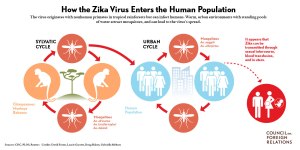
Courtesy of the Council on Foreign Relations

As Zika virus continues to spread and South Africa reports the first of their cases, many are wondering how these outbreaks tend to go from 0-60 in a hot minute. NIAID director, Anthony Fauci, discusses the reality of disease surveillance and revealed this slide during an interview, of which you can see the global examples of emerging and re-emerging infectious diseases. Dr. Fauci points to the unpredictable nature that is public health and global health security. Global public health is still reeling from the effects and imperfect response of Ebola 2014, coupled with the scrutiny of a response to H1N1 that was considered too zealous. I’ve always considered public health and disease prevention to be the kind of work where few realize when you’ve done your job correctly but when you fail, it’s something you’ll be hearing about for decades. Global health security is challenging on a good day and public health tends to get little funding, especially in the countries that need it most. After the devastation of Ebola and all the after-action reports, many are wondering how did we miss the rise of Zika virus? Dr. Ken Stuart, director of the Center for Infectious Disease Research in Seattle, says, “We were unaware of the severity of the disease … [and] were unaware this virus had the capability for getting distributed so rapidly.” Regarding the funding issues that often plague infectious disease efforts, he noted that “this really goes back to funding priorities. Much of the funding devoted to infectious disease today is in reaction to outbreaks. Therefore, we’re not generally prepared to respond quickly. In other cases there are diseases that are very rare but they have an advocacy group that generates research activities. In the case of diseases like Zika, which were isolated in remote areas of the world where that population had no resources or advocacy group, there was no push to do research.We’re not stuck with what we’ve got. There are conversations between federal funding agencies and private organizations to try to prioritize the utilization of their resources, and I would say the NIH has been a leader in supporting the fundamental research that actually, probably positions us best to be prepared to respond to these disease outbreaks.” In other Zika news, a CDC team just arrived in Brazil to study the associated birth defects and the White House is urging Congress to provide emergency funds to support Zika response efforts, rather than just re-directing funds from Ebola-related projects. You can also see a map tracing the spread of Zika and some background here. As of February 24, the CDC has reported 107 travel-associated cases in the U.S.

The Rise of Chikungunya
I always thought it sounded like the name of a monster and in some ways, that’s pretty spot on. The Pan American Health Organization (PAHO) reported 16,668 confirmed and suspected cases of Chikungunya in 2016 so far. Colombia shouldered the majority of 2016 disease burden, with a spike of 1,189 new cases added to their previous count of 5,752. The PAHO is still playing catch-up on their year-end reporting for 2015, but it looks like 28,722 additional infections were added to their 2015 data. These updates mean that this region experienced 726,478 cases in 2015, and with the the new cases reported as of February 19, this current outbreak has been responsible for 1.89 million infections. Starting in 2013, this outbreak began on St. Martin and has been gaining traction ever since. Hopefully with the mosquito-control efforts related to Zika virus, the mosquito population also responsible for Chikungunya will begin to decline.

Stories You May Have Missed:

  • Breaking Down the Barriers of MDRO’s:  Scientists in the UK have discovered how drug-resistant bacteria create and maintain their defensive wall. Using the Diamond Light Source machine to “investigate in tiny detail a class of bugs known as Gram-negative bacteria”, they were able to find a defensive wall and it’s assembly beta-barrel machinery (BAM). This new research means that future treatments can aim at preventing bacteria from building these defense measures versus just attempting to attack the bacteria itself.
  • Melbourne Measles Outbreak – 14 cases have already been confirmed in the suburb of Brunswick, of which 2 were children from a primary school. Students that attend the same school and are not fully immunized were instructed to stay home to avoid exposure.
  • E. coli Outbreak in Raw Milk – Not surprisingly, a recall has been issued related to unpasteurized raw milk from a local dairy farm in Fresno, CA. 10 people have been confirmed with Shiga-toxin producing E. coli 0157:H7. Thankfully the shelf-life of the product has passed and public health officials, while stating that the investigation is on going, have confirmed that no health alert was issued since the product is believed to no longer be within the marketplace. Moral of the story – avoid raw, unpasteurized milk.

Enjoying your weekly dose of the Pandora Report? Sign up to receive it every week so the fun never ends! 

Pandora Report 1.22.2016

In anticipation of the impending snow apocalypse (that may be a tad dramatic, but coming from this Arizona import, this snow business is quite harrowing), we’re serving up a warm cup of global health security news. While you’re staying inside, check out the upcoming book from Sonia ShawPandemic: Tracking Contagions from Cholera to Ebola and Beyond, which travels through time to investigate the impact of emerging diseases. Dreaming of warmer temperatures? You may want to avoid some tropic locations as imported cases of Zika virus are cropping up in the US, and the CDC issued warnings for pregnant women to postpone travel to Mexico, Puerto Rico, and other affected countries. Fun History Fact Friday: as we learned last week, on January 19, 1900 the bubonic plague reached Australia’s shores and on January 20, 1981, the Iran hostage crisis ended.

Dugway Insights Raise New(-ish?) Biosafety Concerns
Dugway Proving Ground is one of the largest Army biodefense labs and while lab biosafety issues are becoming a more prevalent headline, new findings point to the severity of these failures. GMU Biodefense professor and graduate program director (and all around biodefense-guru), Dr. Gregory Koblentz, noted that “the systemic disregard for biosafety at Dugway as revealed by the investigative report is appalling and alarming. Without strong leadership, an organizational culture that prizes safety and security, a well-trained staff, and a robust oversight mechanism, we can expect more such accidents to occur in the future.” Lacking accountability and oversight, Dugway is another in the laundry list of labs that became complacent (or as Dr. Richard Ebright stated, their actions are that of “criminal negligence”). It seems that the time of calling these biosafety failures, “serious mistakes”, has passed and we’re sadly moving more into an era of habitual practice. Dugway is a hotspot (pun intended) for chemical and biological defense work however, findings within the report note improper qualification of certain employees, erroneous environmental sampling of labs, etc. Brigadier General William E. King IV oversaw Dugway from 2009-2011 and was directly called out in the report – “Colonel King repeatedly deflected blame and minimized the severity of incidents – even now, Brigadier General King lacks introspection and fails to recognize the scope and severity of the incidents that occurred during his command at (Dugway).” If you have around 26 minutes to spare, you can also watch the Army media brief on the investigations here.

food-production-chain-650pxFarmers Markets and Food Safety
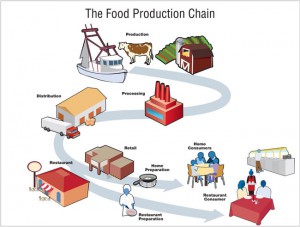
Farmers markets are often a great place to find local, organic vegetables and fruits. Growing in popularity, it’s not surprising that concerns over food-borne illness and safety issues would be raised. Researchers (applied economists in this case) are reporting preliminary data regarding the potential association between farmers markets and food-borne illness. Reviewing data from 2004-2011, they found “a positive relationship between the number of farmers markets per capita on the one hand, and on the other hand, the number of reported outbreaks of food borne-illness, cases of food borne-illness, outbreaks and cases of Campylobacter jejuni. Our estimates indicate that a 1% increase in the number of farmers is associated with a 0.7% (3.9%) increase in the total number of reported outbreaks of food-borne illness (Campylobacter jejuni), and a 3.9% (2.1%) increase in the total number of reported cases of food-borne illness (Campylobacter jejuni) in the average state-year.” While these correlations were found, there wasn’t a statistically significant relationship between farmers markets and reported outbreaks or cases of salmonella, E. coli, or staph. Given the recent Chipotle outbreaks, there has been increasing attention to the concerns over farm-to-table food safety. While some illness can be related to farm safety practices, a lot of food-borne illness is related to improper handling or cooking of food.

Retaking Ramadi and the “Afghan Model”
GMU Biodefense student, Greg Mercer, has mined through the internet to provide some commentary on the recapturing of Ramadi from ISIS control. In his recap, Greg points to works in the New York Times, via authors Phil Ewing and Stephen Biddle, and several other security studies gurus. Greg notes, “many questions remain about the conflict- where it will go, how it will resolve, the political effort it will require from intervening forces, and ultimately what kind of conflict this is.”

Ebola Updates- Quarantines After Sierra Leone Death 
The day after the WHO declared the three hardest-hit countries Ebola free, a death in Sierra Leone hit the panic button for public health officials. As of January 21, 2016, a second case was reported in an individual that cared for this initial case. Over 100 people archive been quarantined after coming into contact with the woman who died of Ebola last week. During the course of her illness, she is reported to have stayed in a house with 22 other people. Five people later helped to wash and prepare her body for burial. Many homes of those high-risk patients under quarantine were attacked, pointing to increasing frustration. Close observation is being maintained on the 100+ people involved in this exposure.

Stories You May Have Missed:

  • The Neglected Dimension of Global Security – The National Academies Press will soon be releasing this hard-copy publication as a Framework to Counter Infectious Disease Crises, but the good news is that you can download it today for free! Authored by the Commission on a Global Health Risk Framework for the Future; National Academy of Medicine, Secretariat, it discusses the Ebola outbreak’s far-reaching consequences that range from human rights to transportation and commerce disruption.
  • CBRN Crimes & The Sordid History of Litvinenko – GMU Biodefense PhD alum, Dr. Daniel Gerstein, discusses the recently released Owen Report and the details surrounding the finding of radioactive polonium-210 in Russian agent, Alexander Litvinenko’s body following his death. The troubling details surrounding the report “highlights the links between Litvinenko and the Russian government, even pointing the finger at President Vladimir Putin himself as likely having approved the alleged murder.” While CBRN weapons are not a new concept, these new details may shine light on the realistic applications and threats they pose.
  • ISIS Tularemia Plans – Recent Turkish intelligence reports revealed that that the group had plans to use biological weapons. Aimed at Turkish water supplies, the report noted that the main bioweapon discussed was Francisella tularensis, which causes tularemia.
  • Lassa Fever Hits Nigeria – 30 confirmed, 140 suspected, and 53 deaths have been reported in the outbreak of Lassa viral hemorrhagic fever hitting 14 states within Nigeria. The case fatality rate is being reported at 37.9%.
  • Online Drama in the CRISPR Universe – a recent perspective article by Eric Lander (president of the Broad Institute) in Cell noted the heroes in CRISPR but failed to account for a potential conflict of interest. Needless to say, the Twitterverse erupted in a scientific outcry with many also calling out Lander’s failure to include several key contributors to the biotechnology.

Enjoying your weekly dose of the Pandora Report? Sign up to receive it every week so the fun never ends! 

Pandora Report 11.6.2015

Happy Friday! The world of biodefense and global health security has been busy this week – between a growing outbreak of E. coli associated with Chipotle restaurants, to a review of Select Agent lab practices, and a recap of the Ebola outbreak in West Africa, there’s more than enough to keep you busy! Fun history fact Friday (it’s our version of “flashback Friday”), did you know that on November 6, 1971, the US Atomic Energy Commission tested the largest US underground hydrogen bomb (code name Cannikin) on Amchitka Island?

CDC/Select Agent List- 90 Day Internal Review
We’ve seen a lot of news lately regarding lab safety and biodefense reform/recommendations. With so much scrutiny regarding biosafety practices, it’s not surprising the CDC would do a deep dive into “how the agency inspects select agent labs” with a 90 day review. The review notes that while it didn’t duplicate the recommendations from Presidential Order 13546, it did find several areas for improvement, leading to nine observations and ten actionable recommendations. The categories for recommendations are inspections, incident reporting, and transparency. The findings point to several areas for improvement, ranging from the standardization of risk assessments to identify high risk activities, to the sharing of inspection data to better encourage public understanding of the work practices performed with these agents. The report highlights several areas for improvement that will hopefully lead to more stable biosecurity and public understanding of how we handle select agents. You can also check out the Federal Select Agent Program for a list of the agents and regulations involved.

2016 Presidential Candidates on Nonproliferation
GMU’s Greg Mercer is at it again with round three of his review on 2016 presidential candidates and their comments on nonproliferation. As of now, he’s reviewed the Republican candidates, but now he’s delving into the Democratic candidates. Greg reviews Hillary Clinton, Bernie Sanders, and Martin O’Malley, noting that ” in contrast to Republicans, most Democrats support the Iran deal, and generally tend to favor international arms control regimes.” With the race only heating up, stay tuned  for more of Greg’s candidate-by-candidate reviews on nonproliferation in the 2016 election.

GMU Master’s Open House and Application Deadlines!
Considering a master’s degree? Come check out the GMU School of Policy, Government, and International Affairs (SGPIA) Open House on Wednesday, November 18th, 6:30pm at our Arlington Campus in Founders Hall (Room 126). There’s even a pre-session for veterans and active duty military at 5:45pm! The Open House is a great way to learn about our different Master’s programs (Biodefense, International Security, Political Science, etc.) and ask real-time questions with faculty. Our Biodefense Program Director, Dr. Koblentz, will be there to discuss global health security and tell you about the pretty amazing things we get to do at GMU! If you’ve already attended or are planning to apply, just a friendly reminder that PhD program applications are due December 1st, and Biodefense Master’s Spring applications are due December 1st as well.

Zika Virus Outbreak in Colombia
Nine new cases have been identified in Sincelejo, Colombia, with an additional three being investigated in Barranquilla. Zika virus is a vectorborne disease that is transmitted through Aedes mosquitos. The CDC notes that vertical transmission (from mother to child) can occur if the mother is infected near her delivery and Zika can be spread through blood transfusion (although no cases have occurred this way) and sexual contact (one case of sexually transmitted Zika virus has occurred to date). Common signs and symptoms are fever, rash, joint pain, and red eyes that last several days to a week. In the past, transmission has occurred in tropical Africa, Southeast Asia, and the Pacific Islands, however, there have been cases in 2015 in Brazil and Colombia. We’ll keep you updated if transmission continues in South America!

There have also been cases of Chikungunya springing up throughout the Caribbean and Americas. The Pan American Health Organization (PAHO) initially reported just over 2,400 cases a few weeks ago, however a new report is showing 13,476 new cases. Initially starting in December 2013, this epidemic began with a single locally acquired case on St. Martin island, and is now totaling 1, 760,798 cases.

Chipotle E.coli Outbreak 
Just when you thought it was safe to go back to Chipotle (we reported that Minnesota  Chipotle customers experienced a Salmonella outbreak in August), an E. coli outbreak is making headlines in Washington and Oregon. Public health officials updated the case total to 41 people as of 11/4, with 6 patients requiring hospitalization. The source of the outbreak hasn’t been identified yet but as a precautionary measure, they’ve closed 14 restaurants. So far, the identified cases have been tied to five restaurants across six counties.

10759_lores

Stories you May Have Missed

  • CRISPR-Cas9 Utility Broadens – researchers at Massachusetts General Hospital have improved on the utility of CRISPR-Cas9 through application via bacterial sources. The team “reports evolving a variant of SaCas9 – the Cas9 enzyme from Streptococcus aureus bacteria – that recognizes a broader range of nucleotide sequences, allowing targeting of the genomic sites previously inaccessible to CRISPR-Cas9 technology.” The new application allows a more precise targeting within the genomic sequence, which may translate to therapeutic applications. CRISPR-Cas9 has been a hot topic within the science and biodefense community in relation to its potential labeling as dual use research of concern (DURC) and certain ethical debates.
  • Unvaccinated Babies Refused By Some Physicians– Vaccination status is something I’ve grappled with working in pediatrics and is one of the rare things that can turn a calm physician (or infection preventionist for that matter) red-faced and needing a breather. The Boston Globe reported on a recent survey from the American Academy of Pediatrics that touched on pediatricians dismissing families that refused vaccines. The study found that all pediatricians surveyed had encountered at least one parent refusing vaccination for their child and 20% of pediatricians “often” or “always” dismissed families who refuse one or more vaccine. Interestingly, researchers found that “doctors in private practice, those located in the South, and those in states without philosophical exemption laws were the most likely to dismiss families refusing to vaccinate their infant”.
  • Guinea Ebola Tranmission – Guinea continues to experience new cases. As we mentioned last week, the cluster of four patients from the Kondeyah village is being monitored by public health officials. An infected newborn, whose mother died from Ebola recently, is also under observation and care. The infant’s mother was a confirmed case prior to her delivery and died after giving birth. The WHO is currently monitoring 382 contacts in Guinea during this time.

Enjoying your weekly dose of the Pandora Report? Sign up to receive it every week so the fun never ends!