This week’s edition of the Pandora Report focuses primarily on the recent release of Senator Marco Rubio’s COVID-19 origins report. Updates on the ongoing 76th World Health Assembly, new publications, and upcoming events are also included. Have a safe Memorial Day weekend!
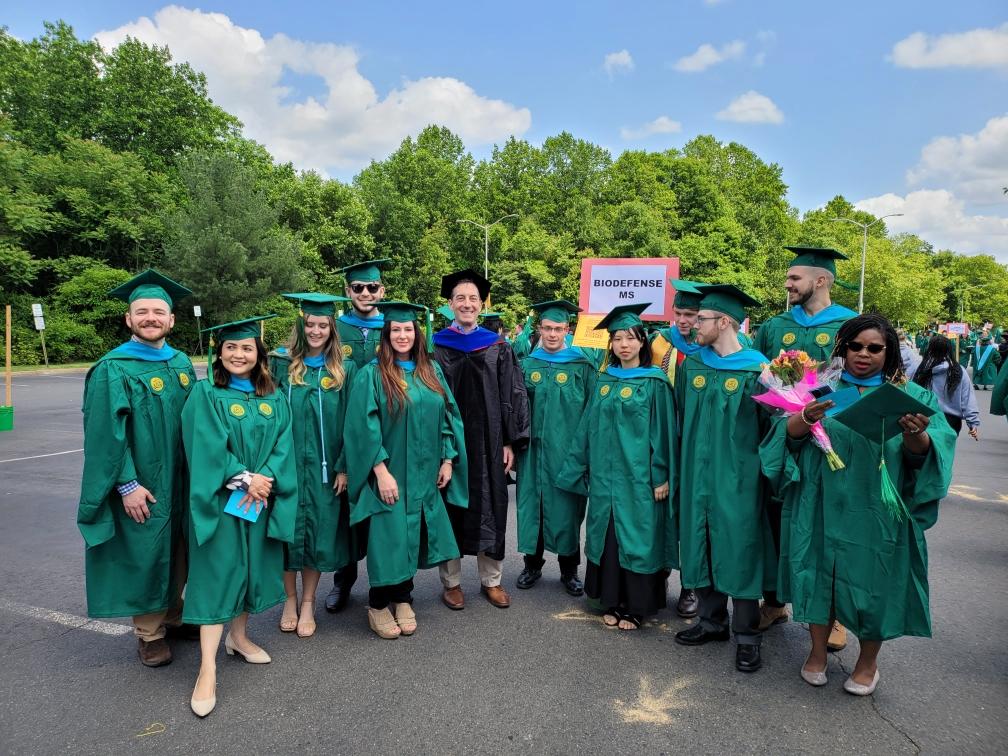
Congratulations Again to Our Biodefense MS Graduates!
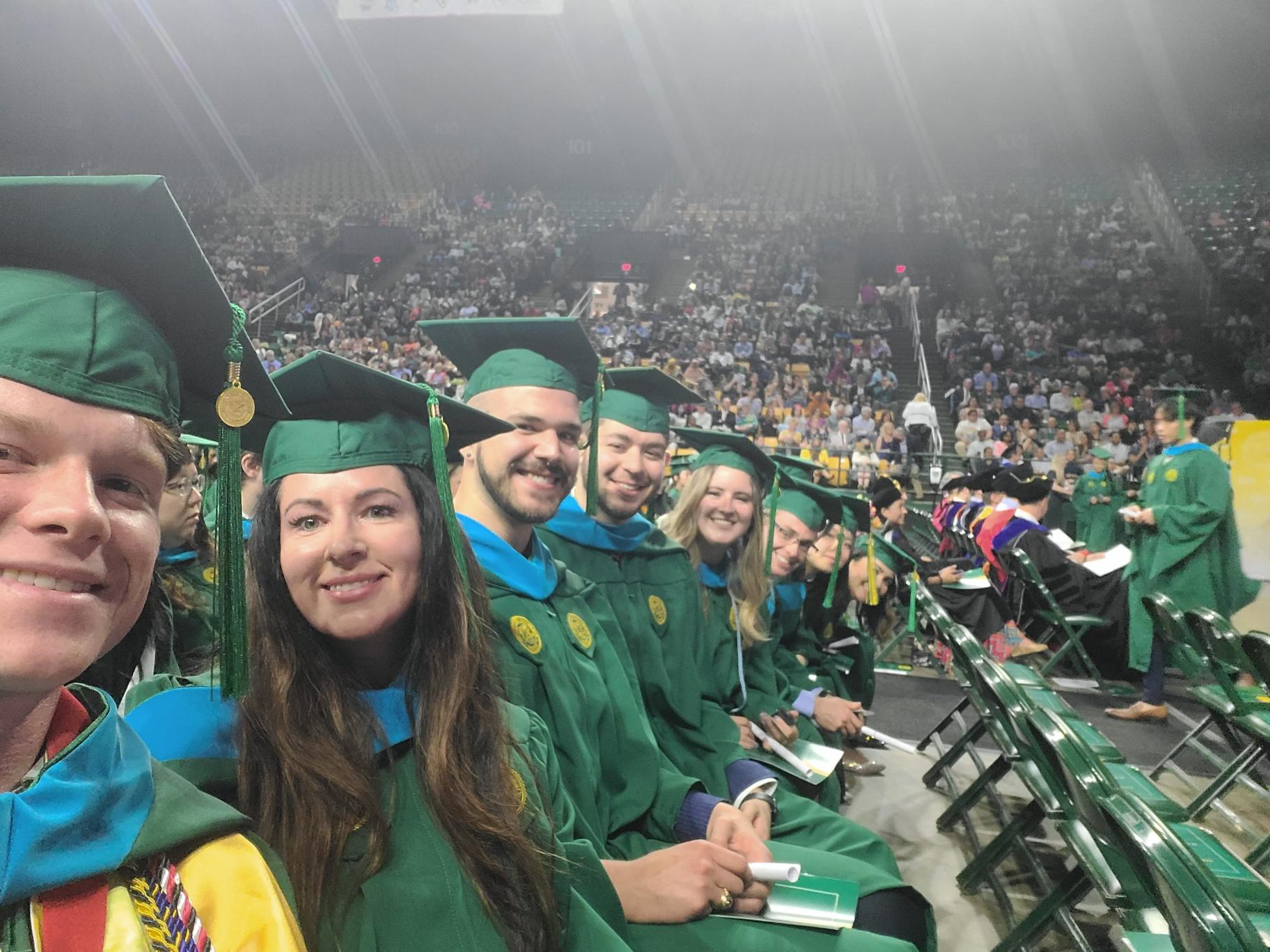
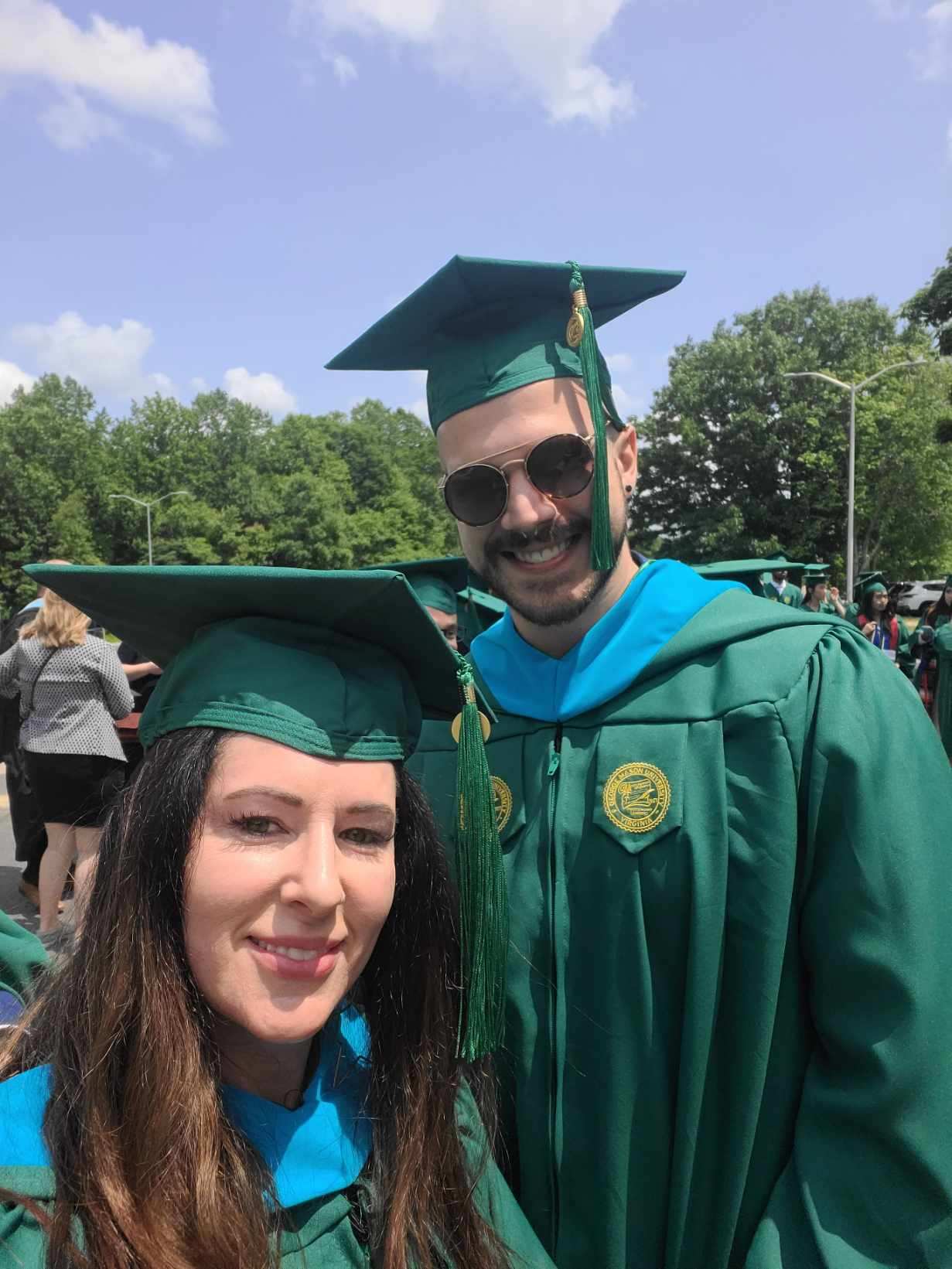
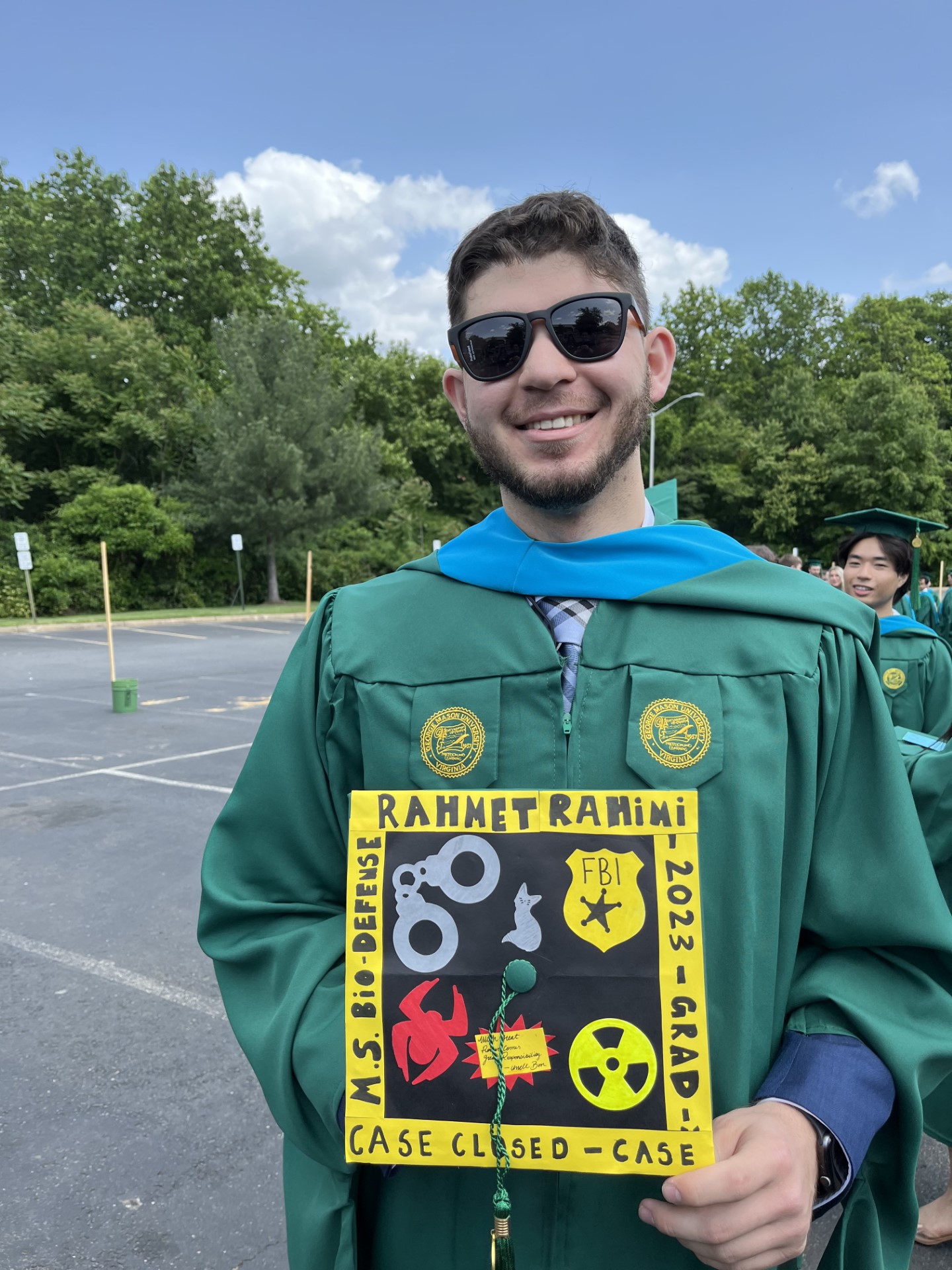
We would like to give one more round of congratulations to our incredible Biodefense MS students, who walked the stage last week. Check out some pictures from graduation below!
Senator Marco Rubio’s COVID-19 Origins Report: Circumstantial Evidence or Just a Lack of Context?
Last week, Senator Marco Rubio’s office released a 328-page report titled “A Complex and Grave Situation: A Political Chronology of the SARS-CoV-2 Outbreak.” This write-up aims to address some reoccurring issues in the report as well as broader implications of these problems. The report, which the office self-describes as “groundbreaking,” claims to present “…a mountain of circumstantial evidence that the Covid-19 pandemic came from a lab accident in Wuhan, China.” Furthermore, according to the report’s executive summary, “This study draws on English and Chinese sources to examine the origins of COVID-19. It indicates that a serious biosafety incident occurred at the state-run Wuhan Institute of Virology (WIV) of the Chinese Academy of Sciences (CAS) during the second half of 2019.”
The report’s summary explains that the authors borrowed the legal standard of the preponderance of the evidence in their analysis. This is a type of evidentiary standard that can be used in burden of proof analysis. Under this standard, the burden of proof is met if the party that is burdened convinces the fact finder that there is a greater than 50% chance the claim is true. In other words, the party that has the burden of proof has to convince the court that it is more probable than not that their argument is correct. The utility of this standard in a report that admits it relies on circumstantial evidence and lacks a “smoking gun” is questionable given that the report focuses on a hotly contested question about a virus’s origin, rather than a known and agreed upon event.
The report also quickly runs into factual trouble, such as in its Summary of Findings where it reads in part:
“The inconsistency between Beijing’s urgent and aggressive reaction to the outbreak itself and its lackluster efforts to ascertain the virus’s origin – alas, its policy has been to actively frustrate international efforts to identify the origin and to punish PRC citizens who try to investigate on their own – suggests that Beijing already knows the origin, and fears that public confirmation of the origin could precipitate an existential crisis for the CCP and therefore must be avoided at all costs. The failure of local authorities to regulate the trade of wildlife at wet markets giving rise to the zoonotic spillover of a novel human pathogen is a crisis that the CCP has weathered before. There is no reason to believe that they could not survive it again.“
This last bit appears to reference the 2002-2004 SARS outbreak and outbreaks of H7N9 avian influenza (which were much smaller than those of SARS and COVID-19) in China in the last decade. While China was praised internationally for its response to the latter, its management of the former is a notorious failure that every subsequent Chinese outbreak response has been compared to-including its response to H7N9. Given the Party’s failure to stage good responses to HIV/AIDS in Henan province and SARS in recent decades, this statement implying the Party is good to go on handling something like a zoonotic origin of COVID-19 is nonsensical, let alone the idea that this is good evidence that such an origin is unlikely.
This apparently poor understanding of the gravity of SARS and the impact it had on the field of global health security is demonstrated throughout the piece as the authors appear perplexed at the frequent mention of SARS and SARS-like diseases. However, this is just the start of the report’s problems.
The document also dives into lengthy discussion of China’s background in BW disarmament and increasing strategic interests in biotechnology. This section, which borrows substantially from Elsa B. Kania’s work for the National Defense University and Defense One (in which she does a great job contextualizing what is being said and analyzing what it means in terms of long-term Chinese interests), aims to “…aid the reader in understanding the political, economic, and security backdrop against which the initial outbreak occurred in China.”
While there are sub-sections dedicated to topics like China’s embrace of Military-Civil Fusion, which is relevant in discussing Chinese life sciences research, it also devotes a lot of space to discussing assessments of China’s compliance with international disarmament treaties. To be clear, the State Department has concerns about China engaging in activities with potential BW applications and concerns that China has not eliminated its assessed historical BW program, but what does this have to do with a lab leak at the WIV? This is especially troubling given ongoing problems in the US and globally with BW-related disinformation.
The early portion of the report devotes space to explaining how shengwu anquan (生物安全) is used in Chinese, noting that it is commonly translated to biosecurity and biosafety in English. The authors point to a definition provided to Xinhua by Wu Guizhen of the Chinese Center for Disease Control and Prevention: “Shengwu anquan is classified as non-traditional security. It includes emerging and sudden outbreaks of infectious disease, erroneous use and deliberate misuse of new biotechnology, biosafety in laboratories, and the loss of national important hereditary materials and genetic data, etc.”4
This is worth highlighting now, particularly as the video released by Senator Rubio’s office emphasizes a statement from Gao Hucheng in which he said “…the biosecurity situation in our country is grim.” However, as the report does actually include, this was part of a larger statement that reads:
“At the same time that biotechnology has brought progress and benefits to humanity, it has also brought new biosecurity problems and threats. Currently the biosecurity situation in our country is grim. Bio-warfare and traditional biological threats from major emerging and sudden outbreaks of infectious diseases represented by SARS, Ebola, and African Swine Fever, as well as animal and plant epidemics, are occurring as frequently as ever before. Non-traditional biological threats, [such as] bioterrorist attacks, the erroneous use and deliberate misuse of biotechnology, and laboratories that leak biological agents, are clear and obvious.702“
From the start, this report seems to confuse biosecurity and biosafety in its efforts to present “circumstantial evidence” to prove a pre-determined conclusion.
A Big Ball of Wibbly-Wobbly, Timey-Wimey Stuff (Emphasis on Wibbly-Wobbly)
The big promise of this report is its chronicling of events, actions, statements, etc. “…in the PRC that pertain to biosecurity, biosafety, and public health – both as general matters and specifically in response to the outbreak of SARS-CoV-2.” The authors note they likely missed important events. They also seem to have predicted the criticism that several of their entries are irrelevant to the focus of this report, as they explain:
“Not every entry that follows should be seen as somehow directly related to the outbreak of SARS-CoV-2, because no such implication was intended by its inclusion in the chronology. Some entries beginning in 2019 are clearly related to the outbreak. Others could very well be related, but it is hard to draw a clear conclusion based on the information currently available. Some entries are most likely unrelated, or only tangentially related, but they nevertheless captured the prevailing pressures of the day and preexisting concerns about biosafety and biosecurity that may have influenced the authorities’ response. To be clear, many entries appear simply for the purpose of providing broader context to the reader. The result is a report that is far from concise, and some might even call cumbersome, but there is no glide path to clarity on the origin of this virus. We could only plod patiently through the confusing morass that surrounded the initial outbreak in China in the hope that clues would be gathered along the way”
However, as this is a report published by a US Senator promising to give the American people answers about the origins of this pandemic, this is not a helpful explanation. The political back-and-forth over where this virus came from has harmed public discourse on the troubled state of public health in this country, and Senator Rubio has directly involved himself in this, which is highlighted on his official Senate website and is evident in his repeated efforts to downplay the severity of COVID-19. Sen. Rubio said himself of this report, “After years of censorship, there is growing evidence that some type of lab accident is responsible for the Covid-19 pandemic. This report, which took two years to compile, edit, and refine, is a groundbreaking look at what was happening in China during the years and months leading up to the known outbreak of the pandemic.”
As such, inclusion of events on this timeline either implies to the public that the event is considered relevant to the start of the pandemic, or is admittedly inclusion of irrelevant information (which the general public is still likely to interpret as being relevant to the start of the pandemic). The video released in conjunction with the report also does not make this distinction, though it references several seemingly irrelevant events. An example of this is the dramatically presented response exercise hosted in China in late 2019 that focused on a novel coronavirus which, again, makes sense given the severity of the outbreak of SARS in 2002. The report even mentions an exercise hosted by Johns Hopkins in 2019 that also focused on a novel coronavirus, which only further highlights how important SARS and, later, MERS were/are to the field. The fact is there are implied connections throughout this document and its accompanying materials that warrant substantial criticism, particularly given the flawed information provided in this section.
For example, on page 44, the timeline includes a description for January 2018, titled “U.S. Diplomats Visit WIV and Report Safety Issues to Washington.” The description reads:
“After visiting the WIV and speaking with its researchers, U.S. diplomats conveyed concerns about the training of personnel and biosafety conditions at the newly constructed BSL-4 laboratory complex located on the WIV’s Zhengdian Research Industrial Park campus in Jiangxia District283 in an internal cable transmitted to Foggy Bottom on January 19, according to the Washington Post.284 “During interactions with scientists at the WIV laboratory, they noted the new lab has a serious shortage of appropriately trained technicians and investigators needed to safely operate this high containment laboratory,” the January 19 cable stated, relaying comments from WIV researchers. The cable further cautioned that the WIV’s work with bat coronaviruses potentially posed a risk of new SARS-like pandemic.285“
The Washington Post opinion piece referenced was widely criticized at the time of its release for its misrepresentation of this cable. The Post itself later acknowledged that the piece “…sparked unproven speculation from senior U.S. officials beginning in April that the outbreak occurred as a result of an accident at the Wuhan Institute of Virology.” In short, the cable is talking about how the state-of-the art WIV facility was limited in its productivity because of a “…shortage of the highly trained technicians and investigators required to safely operate a BSL-4 laboratory and a lack of clarity in related Chinese government policies and guidelines.”
The cable later says “Thus, while the BSL-4 lab is ostensibly fully accredited, its utilization is limited by lack of access to specific organisms and by opaque government review and approval processes. As long as this situation continues, Beijing’s commitment to prioritizing infectious disease control – on the regional and international level, especially in relation to highly pathogenic viruses, remains in doubt.”
It continues with, “REDACTED noted that the new lab has a serious shortage of appropriately trained technicians and investigators needed to safely operate this high-containment laboratory. University of Texas Medical Branch in Galveston (UTMB), which has one of several well-established BSL-4 labs in the United States (supported by the National Institute of Allergy and Infectious Diseases (NIAID of NIH)), has scientific collaborations with WIV, which may help alleviate this talent gap over time. Reportedly, researchers from GTMB are helping train technicians who work in the WIV BSL-4 lab. Despite this REDACTED they would welcome more help from U.S. and international organizations as they establish “gold standard” operating procedures and training courses for the first time in China. As China is building more BSL-4 labs, including one in Harbin Veterinary Research Institute subordinated to the Chinese Academy of Agricultural Sciences (CAAS) for veterinary research use REDACTED the training for technicians and investigators working on dangerous pathogens will certainly be in demand.”
While the Rubio report indicates this cable “…further cautioned that the WIV’s work with bat coronaviruses potentially posed a risk of new SARS-like pandemic…”, that kind of warning does not appear in the cable. Rather, the cable positively discusses WIV scientists’ efforts to undertake productive research related to the origin of SARS despite the limitations on the new BSL-4 facility which the researchers were frustrated by and working to address. So, to summarize, the cable was about the WIV opening a state-of-the-art BSL-4 laboratory that it could not fully use because of the Chinese government’s concerns about the need for more trained personnel at the WIV.
There are other points of ambiguity and concern throughout the chronology portion, such as poorly contextualized references to “SARS-like” diseases and more quotes seemingly taken out of context. For example, the Rubio report discusses an event in September 2018 on page 54, stating:
“On September 10 and 14, the WIV held political study sessions at which a number of its strategic goals and challenges were discussed.344 Brief reports of the meetings posted on the WIV’s website brought into clear focus the state-run nature of the WIV, including its obligations to meet goals set by the central CCP authorities in Beijing. It further suggested that the WIV leadership was already aware of problems that could later have implications for biosafety and biosecurity – problems that would be discussed with greater frequency and urgency in 2019.”
“Chen Xinwen, director of the WIV from 2008 to late 2018, was described as having brought attention to unspecified “shortcomings and inadequacies in the current work at the CAS,” 345 and having “highlighted the imperative to tightly grasp the critical [technological] fields and the ‘stranglehold’ problem that affects the overall situation of the nation and its long-term development.”346 The “stranglehold problem” is a recurring theme of concern at the WIV and among other state-run research entities charged with meeting the science and technology goals set by Beijing. It refers to the “direct [deleterious] effects created by cutting off the supply of foreign key and core technologies” to China,347 which means technologies that China “must import because it is unable to produce them domestically in sufficient quality or quantity.”348“
However, the section of the WIV’s post the authors quoted in English as “shortcoming and inadequacies in the current work at the CAS, (“陈新文从中科院当前工作的短板和不足…”)” is part of a much larger paragraph that provides helpful context to what Chen actually said. Chen’s speech, which the post’s author says conveyed the spirit of Xi Jinping’s previous speeches on the matter, began with discussion and praise of the country’s scientific and technological achievements. He then made a statement about improving the work of CAS (from its shortcoming and deficiencies) so that the organization can better support strategic goals and address the stranglehold issues referenced throughout. He then concluded with some goals the WIV should strive towards meeting, such as clarifying its work priorities, strengthening its party building work, and providing a strong political and organizational guarantee for the scientific and technological advancement of the WIV. So, in context, this is a much more general statement of how the WIV should try to continuously improve, rather than some statement about specific problems at the Institute. This makes sense given the public-facing nature of the website.
Another particularly troublesome section begins on page 197, where the report discusses a COVID-19 patent application made in February 2020. The report says:
“On February 24, Zhou Yusen, a virologist at the PLA AMMS Institute of Microbiology and Epidemiology, led a team of 11 researchers that filed a patent application with the PRC National Intellectual Property Administration for a COVID-19 vaccine, becoming the first in China to do so.1262 The application indicated that the patent rights would belong to two organizations, the PLA AMMS Institute of Microbiology and Epidemiology where Zhou worked and a biopharmaceutical firm in Beijing called JOINN Biologics.1263 The vaccine was developed under the auspices of an “emergency project” authorized by the MOST, according to JOINN Biologics.1264“
“Zhou’s filing came only 35 days after the PRC authorities admitted to the public that human-to-human transmission was occurring, only 46 days after they had confirmed that the causative agent of the pneumonia outbreak was a novel coronavirus, and only 55 days since their first public acknowledgment that a pneumonia outbreak had been detected. The genomic sequence used in the patent, which remains unexploited insofar as can be determined through the available literature, may represent the earliest available sequence of SARS-CoV-2.”
“Based on the methodology that Zhou’s team used to develop the vaccine and the three experiments conducted to complete the underlying study, U.S. experts in vaccinology and immunology consulted during this study estimated that a minimum of 12-16 weeks lead time (three to four months) would have been required to conduct the necessary technical and animal experimentation to prepare this patent application for submission by February 24. This estimated timeline places the beginning of Zhou’s research in early November 2019 at the latest, perhaps as early as mid-October.”‘
While the names of the US experts in vaccinology and immunology are not included in the report, the overarching claim in this section is reminiscent of that made in the ProPublica piece last year and the recent report from the Senate HELP Committee. Unfortunately, these arguments about these patent filings’ timelines have still struggled to find acceptance-including among those who are prominent proponents of the lab leak hypothesis.
That Pandora’s Box Line Strikes Again
The myth of Pandora and the theodicy that branched from her story has influenced theologies, stories, and other works for centuries…including a certain global health security newsletter you know and love. The same appears to be true for the WIV, as they referenced Pandora’s mythical box in a November 2019 post on their website. That reference is, again, at the center of the debate over COVID-19’s origin. On pages 115 and 116, the Rubio report references the post dated November 12, 2019, just as ProPublica and Vanity Fair did last year, as evidence that there were significant concerns about the WIV’s day-to-day operations. We discussed the problems with this in our post about the ProPublica piece last year, but we will go over this a bit more now too.
The Rubio report says in this section:
“The second issue of particular significance that featured in this November 12 report was its surprisingly frank description of the routine dangers of the work at the WIV’s BSL-4 lab, including its insinuation that a biosafety incident involving a dangerous pathogen had occurred:”
“Owing to [the fact] that the subject of research at the P4 lab is highly pathogenic microorganisms, inside the laboratory, once you have opened the stored test tubes, it is just as if having opened Pandora’s Box. These viruses come without a shadow and leave without a trace. Although [we have] various preventive and protective measures, it is nevertheless necessary for lab personnel to operate very cautiously to avoid operational errors that give rise to dangers. Every time this has happened, the members of the Zhengdian Lab Party Branch have always run to the frontline, and they have taken real action to mobilize and motivate other research personnel.736“
“Third, this WIV report described a high-pressure work environment and other disadvantageous conditions that could create biosafety risk factors. “In the laboratory, they often need to work for four consecutive hours, even extending to six hours,” the report revealed: “During this time, they cannot eat, drink, or relieve themselves. This is an extreme test of a person’s will and physical endurance. This not only demands that research personnel possess proficient operational skills, but they also…possess the ability to respond to various unexpected situations.”737 U.S. biosafety experts who have managed BSL-4 labs told Senator Rubio’s staff that exceeding two consecutive hours of work in a BSL-4 environment is likely to lead to fatigue, and that they would not recommend going beyond three hours. The report noted that the lab’s political leadership, specifically Tong Xiao, was constantly pushing the researchers at the BSL-4 lab to do more: “Don’t look at your work duties as pressure. Every task is an opportunity and a ladder for continuous self-improvement. Our team’s belief is that suffering losses is good fortune….”738“
“Fourth, the WIV report referenced problems with the construction of the BSL-4 lab, inadequate standards, and a lack of experience with relevant technologies. The party branch reported:”
“From the outset of construction, the Wuhan P4 Lab had been facing a predicament [caused by] the “three nos”: no equipment and technology standards, no design and construction teams, and no experience operating or maintaining [a lab of this caliber]. Through the party members of the Zhengdian Lab Party Branch taking the lead to attack and conquer these difficulties, [and] bravely pressing forward, in the end, [we] brought into reality the “three haves” of a complete system of standards, a superior team that operates and maintains [the lab], and valuable experience with construction.739“
This is also cited in the report’s two-page executive summary, which reads in part:
“In November 2019, the Chinese government documented several cases of COVID-19, but kept the matter hidden. CCP officials at the WIV published a report that said: “Once you have opened the stores test tubes, it is just as if having opened Pandora’s Box. These viruses come without a shadow and leave without a trace.” Seven days later, a Chinese official traveled from Beijing to the WIV to deliver “important oral and written instructions” from Xi Jinping in response to “the complex and grave situation currently facing safety work.”
Viruses slipping out of Pandora’s test tube and vanishing without a trace is pretty scary…until you consider that this was written in a post on the WIV’s general news page as part of a peppy update on the facility’s work. It will likely come as a shock to nobody that it is in fact dangerous to work in a BSL-4 facility. According to the CDC’s very quick and openly accessible Recognizing the Biosafety Levels training, “The microbes in a BSL-4 lab are dangerous and exotic, posing a high risk of aerosol-transmitted infections. Infections caused by these microbes are frequently fatal and without treatment or vaccines. Two examples of microbes worked with in a BSL-4 laboratory include Ebola and Marburg viruses.”
This is helpful context for a news post bragging about the progress the WIV has made and how dedicated its staff is, which is what this “report” actually is. This post talks about how researchers have to wear space suit-like protective gear, work in a physically challenging environment, and go through multiple layers of decontamination, including a chemical shower. The dramatic language of this post makes sense in context. This is the cool kind of cool work that makes for great scenes in Hollywood outbreak movies, so of course a Party-run page would want to brag about it on its public site.
The piece about the “three nos” has also been addressed at length, including by Brendan O’Kane, a career translator, in an interview with James Fallows. O’Kane explained in that interview that his translation of the portion in question would be “At the outset of construction, the Wuhan P4 lab faced the dilemma of the “three ‘nos’”: no equipment or technical standards, no design and construction teams, and no operations or maintenance experience — but with Party members from the Zhengdian Lab [BSL4]’s Party branch leading the charge and bravely pushing forward, [the lab] achieved the ‘Three ‘Yes’es’: a well-developed set of standards, a seasoned operations and maintenance team, and invaluable construction experience.”
More simply, as Fallows explained and O’Kane agreed, “…this would be like a sentence in English saying “we used to be so terrible, but now we’re great.”’ So, rather than discussing an ongoing problem with a lack of equipment, the section about the “three nos” was actually yet another example of Party members bragging about their progress at the facility, something that is, again, expected on a publicly-facing WIV webpage.
As we argued previously, there is a major logical flaw here in relying so heavily on the WIV’s webpage (even if ProPublica, Vanity Fair, and multiple Senate committees want to call them reports, dispatches, etc. or any other cooler sounding term). If the overarching argument is that the CCP is so deeply secretive and worried about the international community knowing the truth about how the pandemic started, why would a state-owned facility (particularly one as high-profile as the WIV) be allowed to post publicly about its supposed biosafety failures? Why would those posts remain up for years after the supposed event at the lab that led to the COVID-19 pandemic?
These are just some of the flaws of this report, which are particularly troubling because the document admittedly relies on circumstantial evidence to lend credence to the lab leak hypothesis. The next sections discuss recent assessments of China’s biosecurity and biosafety, the problems of these kinds of flawed reports on the pandemic’s start, and concluding thoughts.
How Does China Actually Fare in Biosecurity?
Though China, like any country, could stand to improve its regulations and enforcement of biosafety and security rules, the country scores fairly well on measurements of both its biosafety and biosecurity governance. However, this report, in including several examples of concerns and challenges and different Chinese facilities, paints a picture contrary to this.
In this year’s Global BioLabs Report (a report produced by a project led by George Mason’s Dr. Gregory Koblentz, King’s College London’s Dr. Filippa Lentzos, and supported by The Bulletin of the Atomic Scientists), China scored high in both biosafety governance (18/20) and biosecurity governance (15/18), outscoring countries like South Korea and Sweden. When combined with poor use of other materials like the State Department cable obtained by The Washington Post, this report from Sen. Rubio paints a picture of a country completely incompetent in these areas, when it is clear the situation is much more nuanced.
Don’t Throw the Baby Out With the Bathwater
Furthermore, on multiple occasions, this report from Senator Rubio’s office highlights an important issue that is generally agreed upon, but the authors take it in a direction not supported by their sourcing and critical analysis. For example, the report’s summary reads in part:
“Awareness of a laboratory incident seemed to have shaped the CCP leadership’s response to SARS-CoV-2: a response characterized by strict controls of information, obfuscation, misdirection, punishment of whistleblowers, and the destruction of key clinical evidence. A closer look at the early days of the pandemic revealed that even when Beijing shared information with the international community – such as the initial notice of a pneumonia outbreak, the later admission that a novel coronavirus was its causal agent, and the publishing of its genomic sequence – it did so belatedly. In all three cases, Beijing possessed the relevant information for some time before sharing it, and disclosed it only when compelled to do so by circumstances beyond its control.”
The CCP undeniably mounted “…a response characterized by strict controls of information, obfuscation, misdirection, punishment of whistleblowers, and the destruction of key clinical evidence [albeit from unauthorized labs].” However, this doesn’t mean the virus began to spread in Wuhan because of a lab incident, as evidenced by the Party’s historical outbreak response failures that progressed in similar manners following natural origins. Why is more emphasis not placed on doing something about what we do know happened, both in China and at home?
As we explained earlier this year, “…it is important to address the question of to what extent we can know this [how SARS-CoV-2 came to be] and what it would change at this point. China is clearly not going to cooperate on any kind of investigation into COVID-19’s origin. That has been clear since the early days of the pandemic and is part of a pattern of behavior on the part of the CCP. Irrespective of where this virus actually came from, it is clear that China did cover up its initial spread in the population, censoring netizens and healthcare professionals until it was impossible to conceal further. While an in-depth investigation into the start of this pandemic has always been needed, hyper focusing on this runs the risk of diverting attention from other critical issues we have much more information readily available on. China did cover up the initial spread of this virus and has been disingenuous in its reporting and handling of it ever since. The United States failed to adequately respond to this pandemic for a variety of reasons, a fact that does not depend on how the virus initially spread. It is vital to balance desires to find the truth of COVID-19’s origins, something that is indisputably important, with using the information that is available and can reasonably be acquired to address these problems before the next pandemic. This information could inform debates on laboratory safety and oversight, though, as Biodefense Graduate Program Director Dr. Gregory Koblentz demonstrated in his interview with the New York Times…there is a wealth of information available already driving these discussions.”
Concluding Thoughts
Like we said during the publication of the ProPublica piece, Vanity Fair article, and Senate HELP Committee reports, bad faith takes on China, COVID-19, and biosafety hurt us all. This report is correct in that it highlights that scientific analysis alone cannot tell us what all went wrong with China’s response to COVID-19. Political and social analysis is absolutely needed, but that has to be based in linguistic and area expertise in addition to an agnostic approach to the facts. Trying to gather circumstantial evidence, specifically poorly contextualized quotations, to support a pre-determined conclusion is not going to cut it.
The report’s reliance on circumstantial evidence to meet a borrowed legal standard for burden of proof analysis is also flawed. If this were a debate about how an outbreak originated from the WIV, then perhaps that legal standard would be more useful, but this is a debate about how an event with an uncertain timeline began-and one with substantial evidence for a zoonotic origin at that.
This flawed reporting appears to be symptomatic of hawkish attitudes in Washington that employ poor translation and analysis in order to reach a politically convenient conclusion about China. The Chinese Communist Party is not innocent in this matter by any stretch of the imagination, but throwing the same flawed materials at the wall repeatedly in hopes something will stick does nothing but arm the Party with potential propaganda and talking points. At a time where the US-China relationship is on shaky ground and scientific collaborations are suffering as a result, it is vital that US leadership addresses the established issues and helps the nation and world prepare for future global health crises. It is clear that the PRC is not interested in handling outbreaks appropriately, irrespective of where this pandemic started. Acknowledging this and working to address it and prepare for the likelihood it will happen again is a more productive way to move forward than rehashing these same points over and over again.
Seventy-Sixth World Health Assembly Convenes
The 76th World Health Assembly (WHA) is currently being held in Geneva under the theme “WHO at 75: Saving lives, driving health for all.” Livestreams and interpretations are available here in Arabic, Chinese, English, French, Russian, and Spanish. So far, the meeting has seen 80 WHO member states vote to move the Moscow-based European Office for the Prevention and Control of Noncommunicable Diseases to Copenhagen, while also urging Russia to stop attacking hospitals and other healthcare facilities in Ukraine. 52 states abstained while eight, including North Korea, China, and Belarus, voted against the draft decision.
‘“Far from politicising the situation, [the draft decision] focuses specifically on lingering health impacts of the war,” said Ukraine’s delegate, addressing the assembly before Wednesday’s vote.”
‘“The full-scale aggression launched by Russia against Ukraine … has triggered one of the largest health and humanitarian crises,” she said. “More than 1,256 health facilities have been damaged and 177 reduced to rubble leaving about 237 health workers and patients dead or injured.”’
While not part of the WHA meeting, the WHO is also currently working on negotiations for a new pandemic accord. Reuters explains, “A new pact is a priority for WHO chief Tedros Adhanom Ghebreyesus who called it a “generational commitment that we will not go back to the old cycle of panic and neglect” at the U.N. agency’s annual assembly. It seeks to shore up the world’s defences against new pathogens following the COVID-19 pandemic that has killed nearly 7 million people.”
Elaine Ruth Fletcher explains in Health Policy Watch “A new “Zero+” version of a proposed World Health Organization pandemic accord being negotiated by member states has dropped previously strong language that conditioned use of public R&D funds to private sector commitments to price transparency and tech transfer of end products, among other measures.”
“However, the updated draft text, obtained by Health Policy Watch, still contains ‘optional’ language linking developing countries’ sharing of pathogen information to a guaranteed supply of drugs, vaccines and other health tools that they would access a WHO distribution scheme.”
“While not a formal part of this week’s World Health Assembly (WHA) proceedings, the text drafted by the “Bureau” of six member states guiding the talks is being circulated this week as they prepare for another round of negotiations over the new accord, scheduled by the Intergovernmental Negotiating Body (INB) 12-16 June.“
“The latest draft of the “WHO Convention, Agreement or other International Instrument”, dubbed WHO CA+, offers a range of “options” where there are diverging opinions between member states with consensus yet to be reached.”
“Russia Must Stop Its Attacks on Food Security”
This new bulletin from the State Department’s Global Engagement Center covers a wide-range of food security issues stemming from Russia’s invasion of Ukraine, including Kremlin officials’ calls to weaponize hunger. The document explains in part “The Kremlin’s unprovoked and unjustifiable war against Ukraine has severely damaged Ukraine’s economy and exacerbated global food insecurity, especially in developing countries. Ukraine has long been the “breadbasket of Europe,” feeding millions across the globe. It was a top grain supplier to dozens of African and Middle Eastern countries in 2021, but after Russia’s 2022 full-scale invasion, Russia blockaded Ukrainian trade routes through the Black Sea, mined Ukrainian agricultural fields, burned crops, destroyed Ukraine’s food storage supplies, created labor shortages, and attacked merchant shipping vessels and ports. Russia is also stealing Ukraine’s grain for its own profit, according to Ukrainian authorities, media reports, and the Kremlin’s own proxies in the occupied areas of Ukraine. According to the Food and Agricultural Organization of the United Nations (FAO), the Kremlin’s war against Ukraine has “disrupted agricultural production and trade in the Black Sea region, triggering an unprecedented peak in international food prices in the first half of 2022.”’
New Digital Report Warns That World Not Prepared for the Next Pandemic
A new interactive, digital report from the Nuclear Threat Initiative and Munich Security Conference finds that the world is underprepared for biological catastrophes. The report relies on a table top exercise of an outbreak of AKMV in cattle in the fictional country of Andoriban. The outbreak quickly spills over into the human population, first causing a local epidemic that soon becomes a global pandemic. The scenario incorporates response challenges and flawed intelligence that fails to attribute the attack to the fictional country’s adversary. The exercise ended in 2.2 billion AKMV cases and 120 million deaths in just 20 months. In the end, “Tabletop exercise participants agreed that, despite some improvements following the global response to COVID-19, the international system of pandemic prevention, detection, and response is woefully inadequate to address current and anticipated future biological threats.”
“Biosafety Needs to Redefine Itself as a Science”
In this piece for Issues in Science and Technology, Antony Schwartz, Andrea Vogel, and Mary Brock discuss the growing demand for biosafety workers and issues with the field being viewed more as a compliance problem than a science. They write in part, “Risk assessment is already at the core of most biosafety professionals’ daily work. Some hazards can indeed be mitigated with standardized practices and procedures. However, most circumstances require careful study of the biohazards, the procedures performed, the equipment used, and the mitigation measures available (facilities, containment devices, or personal protective equipment, for instance). Establishing biosafety as an innovative research discipline will enable the field to keep pace with a sector that is going through momentous changes.”
“A Shot of Resilience: A Critical Analysis of Manufacturing Vulnerabilities in Vaccine Production”
Steph Batalis and Anna Puglisi explain in this policy brief for the Center for Security and Emerging Technology, “Vaccines are a key aspect of national security and underpin U.S. strategies for public health, biosecurity, and pandemic preparedness. Routine vaccinations keep the American public healthy, decrease healthcare spending, and increase workforce productivity. In a public health emergency, vaccines are an important line of defense against new and emerging threats…Despite the importance of a secure vaccine supply, our analysis finds two major vulnerabilities in the biomanufacturing landscape for U.S. vaccines: a reliance on foreign manufacturers and a lack of manufacturing redundancy. Together, these two factors limit the country’s ability to respond to emerging health threats.”
“Deaths From Drug-Resistant Infections Set To Skyrocket”
Statista’s Anna Fleck discusses the growing threat of antimicrobial resistance in this analysis. She explains in part, “Deaths from drug-resistant infections are set to skyrocket by 2050, according to the UN 2023 report ‘Bracing for Superbugs: Strengthening environmental action in the One Health response to antimicrobial resistance.’ Unless drastic action is taken to tackle the problem, it could also lead to a GDP shortfall of $3.4 trillion annually in the next decade and push 24 more people into extreme poverty.”
“Although the risks of AMR will impact people worldwide, Low-Income Countries (LICs) and Lower-Middle-Income Countries (LMICs) are expected to see the highest death tolls. By region, Asia is predicted to see the highest number of AMR-related deaths per 10,000 population in 2050 (4,730,000), followed by Africa (4,150,000), Latin America (392,000), Europe (390,000), North America (317,000) and Oceania (22,000).”

“Up To 500,000 Killed by Fake Medicines in Sub-Saharan Africa”
Anna Fleck also recently published this work for Statista covering the challenges of counterfeit medications in sub-Saharan Africa. She explains “Nearly half a million people are estimated to be killed by counterfeit medicines in sub-Saharan Africa every year, according to data from the United Nations Office on Drugs and Crime. Of these, 267,000 deaths are believed to be linked to falsified or substandard antimalarial medicines, while a further 169,271 are linked to falsified or substandard antibiotics for severe pneumonia in children.”

Fast Updates
“The World’s Top Chemical-Weapons Detectives Just Opened a Brand-New Lab”
From Nature News: “The international body that banned chemical weapons is due to celebrate its first major milestone sometime this year — the completed destruction of the world’s declared stockpiles of banned substances. But at the organization’s brand-new facility in the Netherlands, scientists from around the world will continue its work to prevent, spot and respond to chemical warfare.”
“On 12 May, the Organisation for the Prohibition of Chemical Weapons (OPCW) officially inaugurated its new Centre for Chemistry and Technology near The Hague, where the international body will bring together its existing laboratories and add new monitoring and training programmes.”
“IARPA Pursuing Breakthrough Biointelligence and Biosecurity Innovations”
From Homeland Security Today: “The Intelligence Advanced Research Projects Activity (IARPA) — the advanced research and development arm of the Office of the Director of National Intelligence — recently launched a program to develop new innovations for tackling threats and advances inherent within the rapidly changing biointelligence and biosecurity landscapes.”
“The Biointelligence and Biosecurity for the Intelligence Community (B24IC) program represents the Intelligence Community’s (IC) latest investment in research that pushes the boundaries of our biointelligence and biosecurity understanding and technologies. The resulting innovations could have far-reaching impacts, with the potential to develop new ways to collect, detect, analyze, and prevent traditional biothreats, while addressing possibilities and dangers associated with biotechnology. To address these challenges, the IC seeks to advance research across multiple biology sub-disciplines.”
“Plan for UK ‘Genomic Transformation’ Aims to Act on Lessons of COVID”
From The Guardian: “Health officials in the UK have drawn up plans for a “genomics transformation” that aims to detect and deal with outbreaks of infectious diseases faster and more effectively in the light of the Covid pandemic.”
“Information gleaned from the genetics of Covid proved crucial as the virus swept around the globe, revealing how the pathogen spread, evolved, and responded to a succession of vaccines and medicines developed to protect people.”
“The UK Health Security Agency (UKHSA) now aims to build on the lessons of the pandemic by embedding genomics into routine public health practice. The move intends to bolster surveillance for outbreaks, drive down cases of infections such as TB, measles, hepatitis C and HIV/Aids, and predict the course of future threats, such as avian flu and diseases borne by mosquitoes and ticks as they gain ground in a warming climate.”

NEW: Fighting Antimicrobial Resistance with Vaccine Innovation: Obstacles & Insights
“The discovery of antibiotics was one of the biggest medical breakthroughs in the 20th century and has since become a key part of modern medicine. However, with the overuse and misuse of antibiotics, officials have cited the threat of antimicrobial resistance (AMR) as a major public health concern. According to recent studies, resistant bacterial infections cause almost 5 million deaths a year, with over 1.2 million deaths being correlated to AMR”
“To address AMR, the biotech industry needs to put more focus on vaccine innovation. Vaccines have the potential to not only prevent infection, but also to reduce the need for antibiotics; a key driver of AMR. Out of the top bacterial pathogens that are most responsible for AMR related deaths, there is only one – pneumococcal disease – that has vaccines available.”
“What are some of the challenges being faced in vaccine innovation and development? How can the biotech industry come together to bring innovative AMR-relevant vaccines to the market?”
This event will be moderated by Dr. Jomana Musmar, a Biodefense PhD Program alumna and a senior advisor and DFO and the US Department of Health and Human Services. It will take place on June 7 at 1:45 pm. Learn more and register here.
NEW: Biorisks, Biosecurity And Biological Disarmament Conference
“Advances in science and technology are taking place at an unprecedented rate, making vital contributions to addressing major societal challenges. Yet, transformative developments in a wide range of fields can also pose risks to society. As such, it has become more important than ever to monitor opportunities and risks posed by advances in science and technology for the biosecurity regime. This cannot be done by any one actor alone, rather it will require collaborative efforts by states and stakeholders from civil society, academia and industry, along with other actors.”
“In order to facilitate multi-stakeholder engagement around biological security and biological disarmament, the United Nations Institute for Disarmament Research (UNIDIR) with the United Nations Office for Disarmament Affairs (UNODA) and the World Health Organization (WHO) are co-organizing a stakeholder conference designed to bring together actors from civil society, academia and industry, along with diplomats, to stimulate the exchange of ideas and thinking around how to build biosecurity and bolster biological disarmament. The event will provide an opportunity to discuss ongoing diplomatic processes and current and upcoming issues in the areas of biorisk, biosecurity and biological disarmament.”
This hybrid event will take place July 4-5. Learn more and register here.
Building Capacity for Dual-Use Oversight in the Life Sciences through the IEGBBR
Join the International Experts Group of Biosafety and Biosecurity Regulators for this virtual event on May 30 at 7 am EDT. This event will discuss “how to identify, assess, and mitigate dual-use concerns in the life sciences – two examples of oversight measures in a national oversight system”. Register here.
Soft Launch of the Biological Weapons Convention Implementation Measures Database
From UNIDIR: “The Biological Weapons Convention (BWC) National Implementation Measures Database is a searchable, publicly accessible database containing information about the national implementation measures undertaken by BWC States Parties. The database is designed to strengthen the implementation of the BWC, allowing States Parties, Signatories, and other stakeholders to better understand different approaches to national implementation from around the world and identify possible gaps and limitations in BWC implementation.”
“As part of the development of the database, UNIDIR’s Weapons of Mass Destruction Programme and VERTIC’s National Implementation Measures Programme are organising an online event to introduce the tool and showcase its structure and functions.”
This event will take place on May 31, at 1 pm CEST. Learn more and register here.
CSWMD 2023 Annual Symposium: WMD in the Decisive Decade
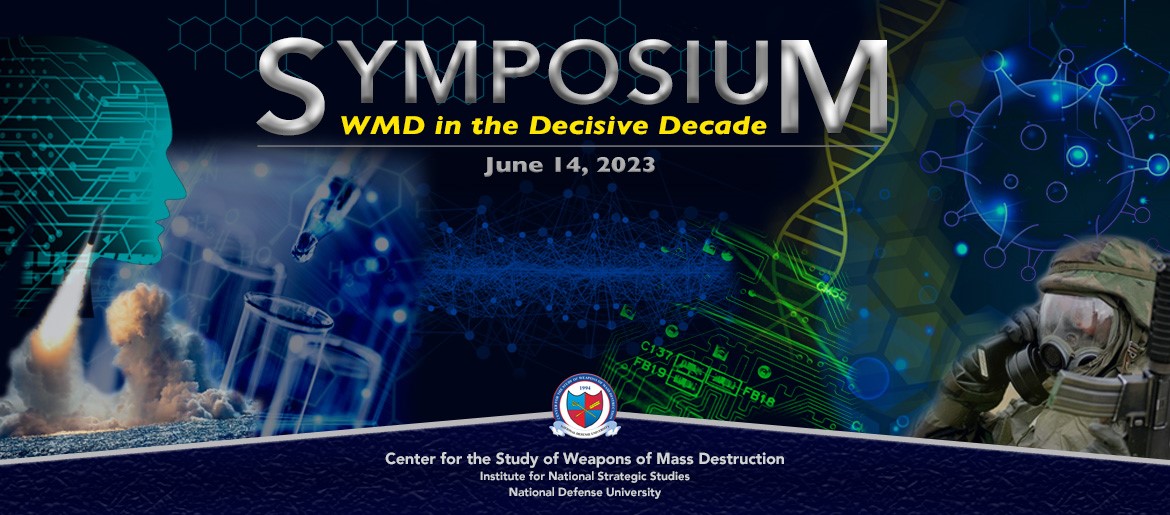
“The National Defense University’s Center for the Study of Weapons of Mass Destruction (CSWMD) invites you to join us on 14 June 2023 for the virtual Annual CSWMD Symposium, titled WMD in the Decisive Decade.”
“This year’s symposium will explore the cognitive impacts WMD has on strategic decision making and the challenges associated with operating in an environment where WMD has been employed. It will be an opportunity for the WMD community to engage with officials and thought leaders on current WMD challenges at the unclassified level, including keynote addresses by Richard Johnson, Deputy Assistant Secretary of Defense for Nuclear and CWMD Policy and Rebecca Hersman, Director of the Defense Threat Reduction Agency.”
“For more information and to register for this event click here. Please RSVP by 9 JUNE 2023.”
“We look forward to hosting you for the event. For more information about the WMD Center and reference our research, please visit our website at https://wmdcenter.ndu.edu/ and follow us on Twitter and on LinkedIn.”
Gordon Research Conference: Cross-Cutting Science Facilitating Collaboration Across the Threat-Science Research Community
“The Nonproliferation, Counterproliferation and Disarmament Science GRC is a premier, international scientific conference focused on advancing the frontiers of science through the presentation of cutting-edge and unpublished research, prioritizing time for discussion after each talk and fostering informal interactions among scientists of all career stages. The conference program includes a diverse range of speakers and discussion leaders from institutions and organizations worldwide, concentrating on the latest developments in the field. The conference is five days long and held in a remote location to increase the sense of camaraderie and create scientific communities, with lasting collaborations and friendships. In addition to premier talks, the conference has designated time for poster sessions from individuals of all career stages, and afternoon free time and communal meals allow for informal networking opportunities with leaders in the field.”
This conference will take place July 9-14 in Ventura, CA. Learn more and register here.

Weekly Trivia Question
You read the Pandora Report every week and now it’s time for you to show off what you know! The first person to send the correct answer to biodefense@gmu.edu will get a shout out in the following issue (first name last initial). Our question this week is: In 1968, the so-called “Hong Kong flu” killed an estimated one million people globally. What strain of Influenza A caused this pandemic?
Our question last week was: “In late 2019, what two nerve agents were added to the CWC’s Schedule 1?” Many on Twitter recognized it was a trick question and did correctly note that two families of nerve agents-Novichoks and carbamates-were added to Schedule 1. You can read more about this in “Updating the CWC,” an article published in Arms Control Today by Drs. Stefano Costanzi and Greg Koblentz.
 The Pandora Report