This Week in DC: Events

Monday, March 17

U.S. Global Health Diplomacy and the Role of Ambassadors
Date: March 17, 9:30 – 11:00am
Location: The Kaiser Family Foundation, 1330 G Street NW, Washington DC 20005

In recent years, the U.S. government has increasingly made global health issues a key element of its diplomatic efforts – most notably in the creation of a new Office of Global Health Diplomacy at the State Department in 2013, which includes a goal of supporting U.S. Ambassadors and embassies to enhance the focus on global health as part of their diplomatic engagement. How does diplomacy intersect with global health, and how is the new focus on global health diplomacy reshaping the work of U.S. Ambassadors with partner countries? How does this new office relate to and coordinate with other parts of the U.S. government’s global health architecture and foreign policy?

To provide insight into these questions, the Kaiser Family Foundation is hosting a panel discussion of U.S. Ambassadors, featuring Ambassador to Malawi Jeanine Jackson, Ambassador to Haiti Pamela White, and Ambassador to Papua New Guinea, Solomon Islands, and Vanuatu Walter North at 9:30 a.m. ET on Monday, March 17. The event will also feature remarks from Ambassador Leslie Rowe, acting special representative in the Secretary’s Office of Global Health Diplomacy and former U.S. Ambassador to Mozambique and to Papua New Guinea, on the role of the new office. Jen Kates, Kaiser Family Foundation’s vice president and director of global health and HIV policy, will provide opening remarks and moderate the panel discussion.

RSVP required.

Ground Truth Briefing: Crimea at a Crossroads?
Date: March 17, 11:00am – 12:00pm
Location: Woodrow Wilson International Center for Scholars

Miscommunication, misinterpretation, and misinformation have abounded in the last weeks as Ukraine’s crisis has careened from violence in the capital and mass protests throughout the country, perilously close to the brink of war in Crimea. What are Russia’s intentions? What can Ukraine do to maintain its territorial integrity and prevent further bloodshed? Now more than ever, a clear picture of what is going on in Crimea, Ukraine and the region is vitally important. Join us by phone to discuss the situation with key experts.

RSVP here.

CANCELLED
Beyond the Arab Spring: U.S. Engagement in a Changing Middle East Date: March 17, 11:30am – 1:00pm
Location: Woodrow Wilson International Center for Scholars, 1300 Pennsylvania Ave NW, Washington DC 20004, 5th Floor

The panelists will consider how a range of domestic and regional changes in the Middle East have generated new challenges for U.S. diplomacy. This event is co-sponsored with the United States Institute of Peace and is the 6th and final in a series of presentations on “Reshaping the Strategic Culture of the Middle East.”

RSVP here.

Bioethics TED-style talks
Date: March 17, 7:00 – 8:30pm
Location: Georgetown University, 37th and O Streets NW, Washington DC 20057, Gaston Hall

March 17th focuses on bioethics in the clinic, at the bedside, and beyond, exploring enduring issues in medical ethics like informed consent, physician obligation, and disability ethics, all the way to cutting-edge technologies like genetic and cognitive enhancement that challenge our conception of what it means to be ill, or to be well, or even to be human.

Each talk will be followed by audience Q&A. Ask a compelling question, and that thought might reach a global audience.

CANCELLED
Biodefense Policy Seminar
Date: March 17, 7:20pm
Location: George Mason University, 4400 University Drive, Fairfax VA 22030, Mason Hall D003

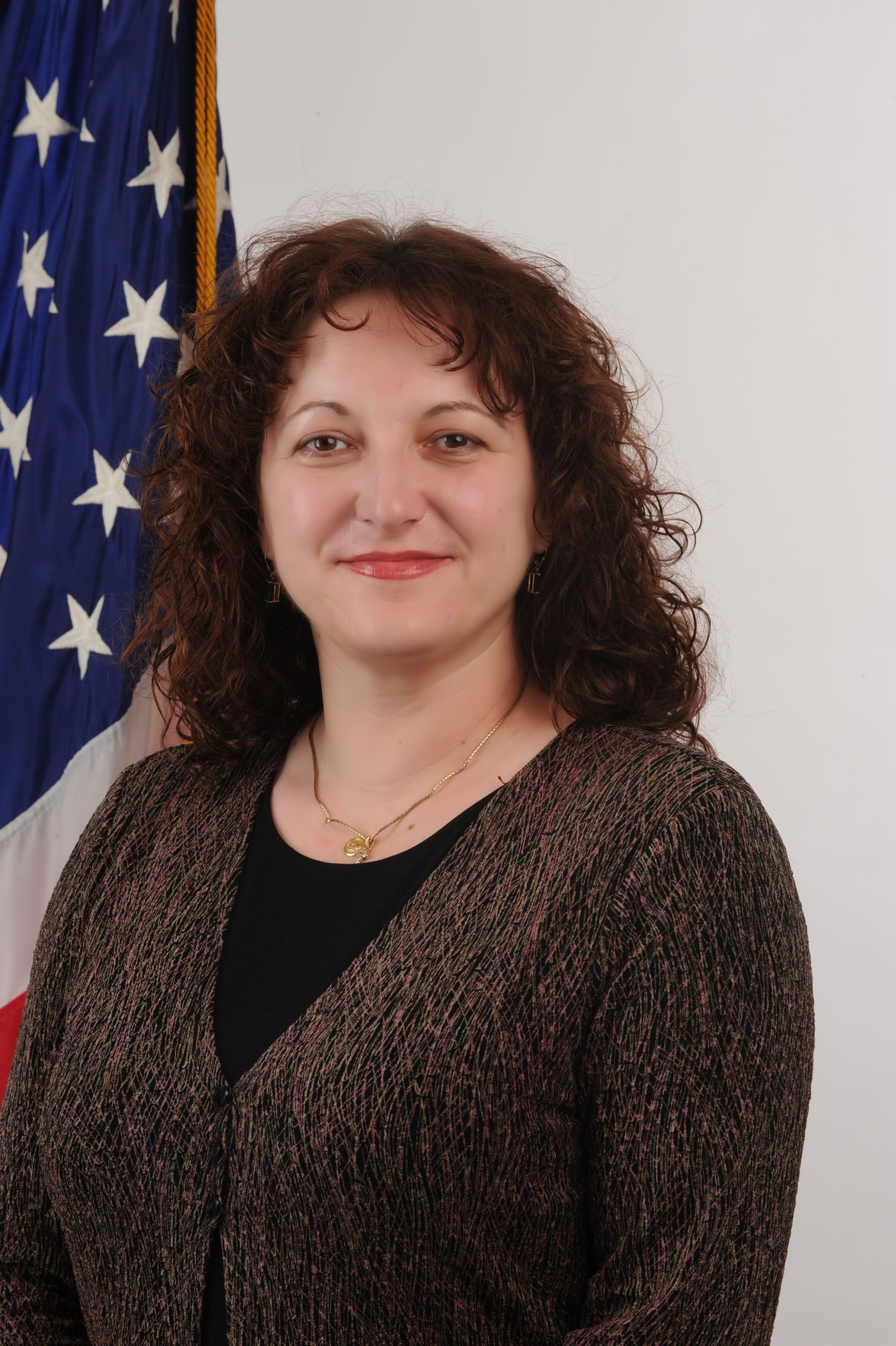
Our March Biodefense Policy Seminar features Dana Perkins, Senior Science Advisor, DHHS — member of the 1540 Committee Group of Experts. Dr. Perkins earned a Master’s Degree in Biochemistry from the University of Bucharest, Romania. She also earned a PhD in Pharmacology and Experimental Therapeutics in 2002 from the University of Maryland, Baltimore, where she specialized in Microbiology/Neurovirology. In 2012-2013, Dana Perkins served in a US Government-seconded position as a member of the Group of Experts supporting a subsidiary body of the United Nations Security Council, the 1540 Committee. The 1540 Committee was established pursuant to resolution 1540 (2004) to monitor the implementation of this resolution worldwide. In her prior position with the US Department of Health and Human Services (HHS), she led the Biological Weapons Nonproliferation and Counterterrorism Branch in the Office of Policy and Planning, Office of the Assistant Secretary for Preparedness and Response (ASPR). At HHS/ASPR, some of her responsibilities and duties included providing subject matter expertise, inter-agency coordination, and senior level policy advice on the scientific (biodefense and biosecurity) and public health aspects of national and international emergency preparedness and response; directing and coordinating national and international progress on issues related to biodefense and biosecurity; developing and reviewing policies on biosecurity, biological weapons nonproliferation, and health security; and performing expert analysis and preparing implementation plans to support the US Government biodefense and biosecurity policy.

Tuesday, March 18

 Should the United States Give Up on Arab Democracy?
Date: March 18, 12:00pm
Location: Georgetown University, 37th and O Streets NW, Washington DC 20057, Copley Hall, Formal Lounge

The unhappy results of what was once known optimistically as the “Arab Spring” have led many analysts to suggest that the United States should stop supporting democracy in the Arab world. It doesn’t work, the argument goes, and things end up worse rather than better. In this view, President Obama was right to dump the Bush “Freedom Agenda” because the end of the regimes in Libya, Syria, Egypt, and Tunisia has resulted only in violence and instability. Moreover, our policies have offended many of our friends in the region.

But are these arguments correct? Can the United States be indifferent to the effort to build democracy in the Arab world? Are there ways for the United States to help those struggling for democracy, more effectively and at lower cost? The topic of the lecture is the current condition and future prospects of democracy in the Arab world, and the challenge this presents to American foreign policy.

Wednesday, March 19

Did the Military Intervention in Libya Succeed?
Date: March 19, 11:00am
Location: Cato Institute, 1000 Massachusetts Ave NW, Washington DC 20001,  Hayek Auditorium

On March 19, 2011, the United States and nineteen allied states launched an air assault against the Libyan military. President Obama and other leaders argued that military action would protect Libyan civilians, aid the progress of democracy there and across the region, and buttress the credibility of the U.N. Security Council, which had passed a resolution demanding a cease fire. By October, local rebel militias had killed Libya’s long-time ruler, Muammar el-Qaddafi, and overthrown his government. Three years later, it is time to ask whether the intervention worked. Did it protect Libyans or, by prolonging the civil war and creating political chaos, heighten their suffering? Is Libya becoming a stable democracy, a failed state, or something else? Did the intervention help other revolutions in the region, heighten repression of them, or was it simply irrelevant? Should the United States help overthrow other Middle Eastern dictators?

Registration required.

The Future of the Alliance: Revitalizing NATO for a Changing World
Date: March 19, 2:30 – 3:30pm
Location: Brookings Institution

On March 19, the Center on the United States and Europe (CUSE) will host NATO Secretary-General Anders Fogh Rasmussen for a Statesman’s Forum address on the importance of the transatlantic alliance and how the North Atlantic Treaty Organization (NATO) is evolving to address new common security challenges. As the crisis in Ukraine shows that security in the Euro-Atlantic area cannot be taken for granted, the secretary-general will discuss NATO’s essential role in an unpredictable world. He will outline the agenda for the September NATO summit in Wales as a critical opportunity to ensure that the alliance has the military capabilities necessary to deal with the threats it now faces, to consider how NATO members can better share the collective burden of defense and to engage constructively with partners around the world.

Anders Fogh Rasmussen took office as North Atlantic Treaty Organization’s 12th secretary-general in August 2009. Previously, he served in numerous positions in the Danish government and opposition throughout his political career, including as prime minister of Denmark from November 2001 to April 2009.

Brookings Senior Fellow and CUSE Director Fiona Hill will provide introductory remarks and moderate the discussion. After the program, Secretary-General Rasmussen will take questions from the audience.

This event will be live webcastRegister here.

Russian Missile Modernization: Developments and Implications for U.S. Security
Date: March 19, 3:00 – 4:30pm
Location: Rayburn House Office Building, Capitol Hill

As the Ukrainian crisis intensified, Russia launched an Intercontinental Ballistic Missile (ICBM) as part of a regularly scheduled test.  While Russia’s planned test was known in advance by the U.S., the test was a symbolic demonstration of Russian military prowess during a time of acute international tension.

Russian efforts to improve its ballistic missile arsenal long predate the Ukrainian crisis.  In 2012, Madelyn Creedon, Assistant Secretary of Defense for Global Strategic Affairs, in her statement before the Senate Foreign Relations Committee warned that:

“Like the United States, Russia will have to limit the number of strategic warheads it deploys to comply with the 1,550 limit of the Treaty. This limit will constrain Russia as it modernizes its strategic nuclear delivery systems with the deployments of several substantially MIRVed new strategic missiles, including the MIRVed Yars ICBM, new Borey-class missile submarines carrying 16 MIRVed Bulava SLBMs, and, in the event it is deployed during the life of the Treaty, a planned new ‘heavy’ ICBM to replace the SS-18 that will almost certainly carry several MIRVs.”

On March 19, 2014, the George C. Marshall Institute will host a discussion to review Russian missile modernization efforts, the implications for U.S. security, and responses to this growing threat.

As the principal nuclear threat to the United States, Russia’s activities to improve the quality of its arsenal have significant implications for our own nuclear modernization and missile defense plans, while also raising concerns about treaty violations.

The event will feature presentations from:

  • Dr. Mark Schneider, Senior Analyst at the National Institute for Public Policy; and
  • The Honorable Paula DeSutter, formerly Assistant Secretary of State for Verification, Compliance, and Implementation

Bioethics TED-style talks
Date: March 19, 7:00 – 8:30pm
Location: Georgetown University, 37th and O Streets NW, Washington DC 20057, Gaston Hall

March 19th focuses on bioethics at the beginning and end of life, diving deep into the issues that confront us all: the ethics of creating and destroying early human life, the issues around retaining dignity at the end of life, the morality of physician-assisted suicide, and more.

Each talk will be followed by audience Q&A. Ask a compelling question, and that thought might reach a global audience.

Thursday, March 20

Cybersecurity: The Much Admired Problem
Date: March 20, 9:00am
Location: Elliott School of International Affairs, 1957 E Street NW, City View Room, 7th Floor, Washington DC

Cyberspace, the ubiquitous fusion of information and communication technologies, has transformed the way that Americans work and play and has also markedly changed the U.S. national security landscape. Threats in and to cyberspace are causing anxiety at all levels in this country, encouraged by news of identity theft, intellectual property piracy, the Mandiant report on China’s cyber activities against US institutions, and repeated warnings of an impending “cyber Pearl Harbor.” A key issue is the fact that the cybersecurity problem is not well understood; it is much admired but not resolved. This talk will review the historical technical and policy drivers that created this hydra-headed beast, and their implications for cybersecurity. It will also provide a high-level overview of current cyber threats and attack objectives. The metaphor of public health will be used to posit approaches for significant containment of cybersecurity risk through scientific understanding, public “cyber hygiene,” and their integration with national and international legal and policy frameworks.

RSVP here.

Global Health Insecurity? New Pneumonia Viruses in China and the Middle East
Date: March 20, 1:30 – 2:30pm
Location: Georgetown University Law Center, 600 New Jersey Ave NW, McDonough Hall 205,  Washington DC 20001

Dr. Daniel Lucey is an infectious disease and public health physician who teaches on global emerging infectious disease outbreaks and public health countermeasures in the Department of Microbiology and Immunology at Georgetown University Medical Center (GUMC). His Infectious Disease training and MPH were at Harvard 1985-1988, after medical residency at UCSF, and medical school and college at Dartmouth. After working at the NIH and Washington Hospital Center until 2002, he co-founded a graduate program on emerging infectious diseases and biohazardous threat agents at GUMC. He has traveled widely in Asia, Africa, and the Middle East to exchange information regarding infectious diseases such as SARS, influenza, Nipah, HIV, anthrax, and MERS. He is an author on over 100 papers and book chapters.

The Future of Syria: A Conversation with Robert Ford
Date: March 20, 4:00pm
Location: Woodrow Wilson International Center for Scholars

The crisis in Syria shows no signs of abating. Prospects for an internal political agreement or an external intervention to defuse let alone end the civil war seem improbable at best. Meanwhile the humanitarian, political, and strategic costs for Syria and the region mount daily. Please join us for a conversation with Ambassador Robert Ford on the current situation in Syria and prospects for the future.

RSVP here.

Friday, March 21

Is the Indian Nuclear Tiger Changing Its Stripes? Data, Interpretation, and Fact
Date: March 21, 9:30am
Location: Atlantic Council, 1030 15th Street NW, 12th Floor, West Tower Washington DC

India’s nuclear posture and some of its operational practices are beginning to mimic those of the nuclear P-5. Prominent arms controllers contend that India’s national security managers are poised to repeat the worst mistakes of the superpowers nuclear competition from the Cold War years, with negative consequences for deterrence, crisis, and arms race stability in South Asia and the Asia-Pacific. Gaurav Kampani of the Norwegian Institute of Defense Studies and Toby Dalton of the Carnegie Endowment for International Peace will discuss the existing data to determine if the case for nuclear alarmism is justified.

Register here.

Pan American Health Organization Commemoration of World Tuberculosis Day 2014
Date: March 21, 2:00 – 4:00pm
Location: Pan American Health Organization, 525 23rd Street NW Washington DC 20037

The commemoration of World Tuberculosis Day seeks to raise and/or reactivate awareness on the persistence of the burden of TB in the world, as well as of the efforts made for its prevention and control. Throughout the years, this commemoration has offered the opportunity to mobilize the political, economic and social commitment for prevention and control of TB in PAHO countries.

For the 2014 campaign, PAHO embraces the same concept proposed at a global level by the World Health Organisation and the Stop TB Partnership to adequately search for, diagnose and treat TB patients, using the slogan:

Tuberculosis is still undiagnosed in many places, especially in large cities
Diagnosis and Treatment for All

We hope you can join us for this exciting event which will include; opening remarks from PAHO Director Dr. Carissa Etienne, video presentations on good practices in TB case detection in vulnerable populations in the Americas, patient testimony, two panel discussions with various international speakers and the opportunity for questions and answers.

The event will be followed by a drinks reception in the lobby.

If you are unable to join us there will be a live stream of the event accessible at:www.livestream.com/opsenvivo. Register here.

Make it Count: Evaluating Population, Health, and Environment (PHE) Programming
Date: March 21, 3:00  – 4:30pm
Location: Woodrow Wilson International Center for Scholars, 1300 Pennsylvania Ave, NW Washington DC 20004

Evaluation is a critical part of any development programming. Rigorous evaluations identify the successes, failures, and gaps in a given project, accumulating lessons learned that hopefully lead to more effective programming. Breaking new ground through their small-scale, community-based, and multi-sectoral approach, population, health, and environment (PHE) programs require a rethinking of traditional evaluation methods. Join us in a discussion about the history of PHE program evaluations and the path forward with John Pielemeier, an independent consultant focused on design, evaluation, and management of international development programs and projects, Vik Mohan, medical director of Blue Ventures, and Roger-Mark De Souza, director of population, environmental security, and resilience at the Wilson Center.

Register here.

Pandora Report 3.14.14

Editor’s note: As Managing Editor, I know my job is never done because the news never stops. As a social scientist, I know there is always more than one side to any story. As such, before we get into the news roundup for March 14, here are two follow up articles from our report last week.

Mount Sinai Scientists Discover How Marburg Virus Grows in Cells

Last week we learned about BCX4430, a drug that could possibly treat Marburg virus. This week, news coming out of Mount Sinai in New York outlines further research findings on the virus that can lead to greater understanding or possible development of virus inhibitors. The full findings of this research are available at Cell Reports.

Newswise — “A protein that normally protects cells from environmental stresses has been shown to interact Marburg virus VP24, allowing the deadly Marburg virus to live longer and replicate better, according to a cell culture study led by scientists at the Icahn School of Medicine at Mount Sinai. The investigators say that deciphering the molecular details of how Marburg virus and the host protein interact may help in developing inhibitors of the virus.”

Nazi Scientists May Have Plotted Malaria Mosquito Warfare (Redux)

As was pointed out by our eagle-eyed reader Jean Pascal Zanders, there, of course, is disagreement about the supposed Nazi insect weapons program. Jean writes about it on his blog, and GMU Biodefense’s own, Dr. Gregory Koblentz, is incredulous.

National Geographic – “‘Research to assess the threat posed by different biological agents and vectors, such as May’s research on mosquitoes and malaria, is especially hard to categorize as offensive or defensive,’ Koblentz says. ‘Even if May’s intent was offensive, it was very preliminary-many steps away from actually producing a viable insect-borne biological weapon.’”


And now for our regularly scheduled Friday news…

Highlights include Project BioShield, Destruction of Syrian chemical weapons, and  Clostridium difficile with antibiotics. Happy Friday!

The Only Thing Scarier Than Bio-Warfare is the Antidote

Should we be afraid of bio-terror or bio-error? In this massive, front-page Newsweek story, the author looks at the creation of the Project BioShield Act and its resulting effects including the Public Readiness and Emergency Preparedness Act and increased availability of biological threat agents used for scientific research. The Soviet bioweapons program, BSL-4 labs, and the intersection of science and government are also addressed.

Newsweek – “Though BioShield’s initial goals made sense when the threat of biological warfare seemed imminent, the act may have permanently undermined some of the essential protections against unsafe practices in at least one area of science research: the regulations that keep untested drugs off the market, and labs from leaking deadly biological agents into the environment.”

Greeks protest against Syria chemical weapon destruction at sea

Under the UN Security Council backed deal to deal to destroy Syria’s chemical weapon arsenal, provisions are included for this to happen aboard a U.S. cargo ship in the eastern Mediterranean Sea.  Under the plan, hydrolysis systems aboard the ship are to mix heated water and other chemicals to break down the lethal agents, resulting in a sludge equivalent to industrial toxic waste. This plan has prompted protests in Italy, Malta, and Greece despite assurances there will be no negative impact on the surrounding environments.

Agence France-Presse – “‘If this happens it will obliterate the island’s economy, will pollute the sea and will lead the people of the Mediterranean to a grim future.’ Pavlos Polakis, mayor of the city of Sfakia told AFP.”

Severe diarrheal illness in children linked to antibiotics prescribed in doctor’s offices

According to the CDC, an overwhelming percentage of cases of pediatric Clostridium difficileinfection occur in children who were prescribed antibiotics during the 12 weeks prior to illness for unrelated conditions—such as ear, sinus, or upper respiratory infections.  C. difficile is a bacteria that causes severe diarrhea and is potentially life threatening.

CDC – “Taking antibiotics is the most important risk factor for developing C. difficile infections for both adults and children.  When a person takes antibiotics, beneficial bacteria that protect against infection can be altered or even eliminated for several weeks to months. During this time, patients can get sick from C. difficile picked up from contaminated surfaces or spread from a health care provider’s hands.”


(image courtesy of CDC/James Gathany)

Bacteria that cause Legionnaires’ disease are not uncommon

By Chris Healey

Legionellosis is on the rise in the United States.

A recent study published in Environmental Science & Technology described the presence of Legionella pneumophila in nearly half of the 272 water samples collected across the United States. The presence of L. pneumophila in well water is alarming because it can infect humans if the water becomes aerosolized.

Widespread detection of L. pneumophila in well water coincides with increasing cases of the illness. Health departments across the U.S. have reported rising rates of legionellosis.

L. pneumophila causes Legionellosis—an overarching term given to two clinically and epidemiologically distinct illnesses. Legionnaires’ disease is characterized by fever, myalgia, cough, and clinical or radiographic pneumonia. Pontiac fever is characterized by milder versions of same symptoms of Legionnaires’ disease with no pneumonia. Infection occurs after inhalation of bacteria or bacterial antigen aerosolize in a mist or spray. The disease is noncommunicable; it cannot be spread from person to person.

Symptoms of Legionnaire’s disease begin 2 to 10 days after exposure, but symptoms often appear in 5 to 6 days. Most cases of Legionnaires’ disease can be treated with antibiotics, specifically fluoroquinolones or macrolides. Hospitalization is often required, with a case fatality rate as high as 15%. Most individuals exposed to Legionella will show no symptoms of infection, or only experience a mild illness.

Those at greatest risk of developing symptoms include the elderly, current or former smokers, those with chronic lung disease, immunocompromised individuals, and those taking immunosuppression drugs.

Pontiac fever is a self-limited, non-lethal febrile illness that does not progress to pneumonia. Symptoms of appear 5 to 72, but most often 24 to 48, hours after antigen exposure and usually lasts 2 to 5 days. Antibiotics do nothing to alleviate Pontiac fever. Patients recover spontaneously without treatment.

According to the CDC, L. pneumophila colonizes the lungs and is difficult to diagnose. Bacterial isolation, direct fluorescent antibody testing, urine antigen, and serology can all be used to test for infection.

L. pneumophila gets its name from its manner of discovery. The bacterium was isolated and identified among members of the Pennsylvania American Legion who were attending a conference in Philadelphia in 1976. Of the 182 members who developed acute illness, 29 died.

Although it was discovered and named in 1976, the bacterium was isolated about 25 years earlier. L. pneumophila has been confirmed as the causative agent of outbreaks dating back to 1959.

Since there is no vaccine for legionellosis, prevention stems from maintaining warm water sources. Commercial cooling towers should be drained and scale and sediment removed when not in use. Hot water tanks should be maintained at a temperature greater than 122 degrees Fahrenheit. Hot tub and whirlpool maintenance should follow manufacturer recommendations. Hot tubs, for example, should have bromide levels between 4 and 6 parts per million, while pH should be kept slightly basic – between 7.2 and 7.8.

The natural presence of L. pneumophila also poses a security concern. Soviet scientists working on the Soviet bioweapons program reported they had genetically modified L. pneumophila to be more lethal. The possibility exists that modern state or non-state actors could modify the bacteria in a similar way for malicious purposes.


Image Credit: Wikimedia Commons/ JJ Harrison

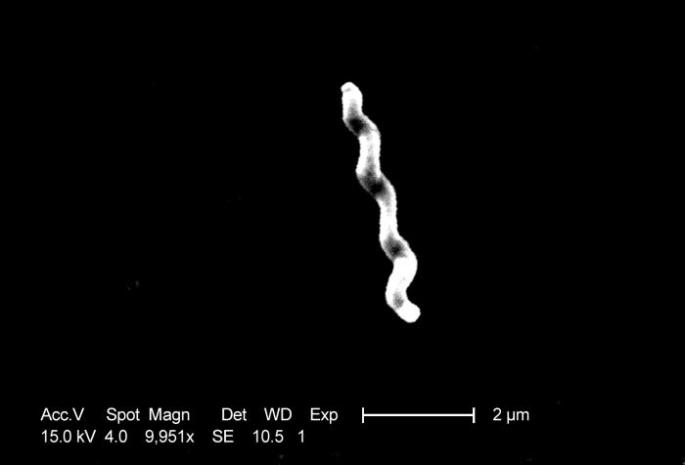
Image of the Week: Campylobacter jejuni!

Image of the Week: Campylobacter jejuni!

From the CDC: This scanning electron micrograph depicts a number of Gram-negative Campylobacter jejuni bacteria, magnified 9,951x.

Campylobacter is one of the most common bacterial causes of diarrheal illness in the United States. Virtually all cases occur as isolated, sporadic events, not as a part of large outbreaks with about 15 cases diagnosed each year for each 100,000 persons.

Image Credit: Janice Carr

Putin: Spotlight Seeker, Peace Keeper, Russian Defender

By Alena James

For the past several months, Russia, it seems, has been unable to avoid the spotlight.

In June 2013, we watched Russian President Vladimir Putin pass legislation prohibiting the portrayal of homosexuality—or “propaganda”—in the media.  The action sparked a backlash among LGBT Rights protesters.

In August, we witnessed Putin serve as a liaison between Syrian President, Bashar al-Assad, and the rest of the international community by encouraging Assad to concede his country’s chemical weapons stock piles after the use of chemical weapons in Damascus. This action led to increased tensions between the US and Russia.

In February 2014, we saw Russia in all of its glory as they hosted the Winter Olympics in Sochi, even despite rumors that the games would be the target of a Chechen terrorist attack.  Now this March, we see Russia back in the spotlight for its gutsiest move of the year.

Last weekend, Russian troops (bearing no Russian insignia) invaded Ukraine’s Crimean Peninsula.  The invasion came at a time when the ousting of Ukrainian President Viktor Yanukovych, created a leadership vaccum and left pro-Russian and pro-Ukrainian factions to fight against each other to determine the fate of the new Ukrainian government. Until last week, Putin had remained silent on the issue, but has now announced the mobilization of troops into the region to be at the request of PresidentYanukovych; who is wanted by the interim Ukrainian government for the mass murder of at least 75 protesters. Ukrainians protesting the mobilization in Crimea are appealing to western countries for support and a NATO meeting was scheduled for Wednesday to discuss the Crimean Crisis.

In an interview, Putin announced his unwillingness to consider the intermediate leaders controlling the Ukrainian government legitimate, and said Yanukoych is still Ukraine’s president. The Russian President further declared that the mobilization of troops into the peninsula was done at the request of the Yanukoych and within his scope as Russian President in order to protect all Russians residing in Ukraine.

So, what is Putin thinking? Could his negotiations with the ousted president be another display of his own political pageantry and expression of dominance in the region? Or are his intentions genuinely within the interests of the Russian people residing in Ukraine? Is it possible that Putin really just wants to test the US to see hard it can push? Or is Putin dreaming of a newly reconstructed Soviet Union envisioning himself as the supreme leader? Perhaps, he is just tired of western powers engaging in the region?  Let us know what you think by leaving your comments below.

For a transcript of Vladimir Putin’s interview can be found from the Washington Post.

Image Credit: http://www.kremlin.ru.

This Week in DC: Events

Monday, March 10

Ukraine on the Brink: A Conversation with Yevgeny Kiselyev
Date: March 10, 2:15-4:00pm
Location: Carnegie Endowment for International Peace

The situation in Ukraine remains extremely tense. Each day brings dramatic developments from the region and a marked deterioration in Russia’s relations with the United States and other Western governments.

Renowned television journalist and political analyst Yevgeny Kiselyev will discuss the ongoing crisis in Ukraine. Kiselyev has been a preeminent voice in Russian and Ukrainian media and political circles for more than two decades. Carnegie’s Andrew S. Weiss will moderate the discussion.

Registration required.

Tuesday, March 11

Advancing the Kerry Peace Process
Date: March 11, 12:00- 1:30pm
Location: Human Rights Campaign, 1640 Rhode Island Avenue, NW, Washington DC 20036

The Middle East Institute’s George and Rhonda Salem Family Foundation Lecture Series presents a discussion about the current status of the peace process and the challenges faced by Secretary of State John Kerry as he seeks to forge a historic agreement. The talk will feature three veteran peace process experts – Daniel Levy, Aaron David Miller, and Shibley Telhami – who will analyze the obstacles and opportunities and assess the next steps key actors and international players must take to ensure the success of the negotiations.

Registration required.

Toppling Qaddafi: Libya and the Limits of International Intervention
Date: March 11, 5:00-6:00pm
Location: Johns Hopkins School of Advanced International Studies, The Rome Building, Room 806

Christopher Chivvis, adjunct professor in the European and Eurasian Studies Program and senior political scientist at the RAND Corporation, will discuss his new book Toppling Qaddafi: Libya and the Limits of International Intervention. Karim Mezran, adjunct professor of Middle East Studies at SAIS, will join the discussion.

Iran Nuclear Deal: Breakthrough or Failure?
Date: March 11, 5:00pm
Location: Jack Morton Auditorium at GW, 805 21st St NW, Washington DC

The interim nuclear agreement with Iran has been hailed by proponents as a major step forward:  delaying Iran’s progress toward a nuclear weapon capacity, and giving time for further negotiations aimed at ratcheting back the program.  These advocates see a new kind of leader in President Rouhani, and want to show moderates in Iran that cooperation with the rest of the world yields benefits — such as sanctions relief.   However, skeptics argue that the nuclear deal steps back from five UN Security Council Resolutions demanding that Iran stop nuclear enrichment, and starts to unwind sanctions on Iran, without Iran being obliged to unwind its nuclear program.  They see Rouhani buying time for Iran’s program while giving up nothing.  What comes next?   Is the interim agreement a diplomatic success on the road to further progress, or will it serve only to cement Iran’s nuclear program?  Hear leading American experts debate “The Iran Nuclear Deal:  Breakthrough or Failure” — the latest in our debate and decision series at the McCain Institute.

Panelists include: Robert Einhorn, Senior Fellow, The Brookings Institution; Karim Sadjadpour, Senior Associate, Carnegie Endowment for International Peace; Bret Stephens, Deputy Editor, The Wall Street Journal; and Reuel Gerecht, Senior Fellow, Foundation for Defense of Democracies. Award-winning journalist and former CNN Chief White House Correspondent Jessica Yellin will serve as the debate moderator.

To register for the debate, click here.

Wednesday, March 12

The Future of Global Nuclear Security Policy Summit
Date: March 12, 8:00-10:00am
Location: The Knight Broadcast Studio at the Newseum, Third Floor, 555 Pennsylvania Ave NW, Washington DC 20001

Early in his first term in office, President Obama identified nuclear terrorism as “the most immediate and extreme threat to global security” and hosted the first Nuclear Security Summit in Washington, DC, with a goal to secure all vulnerable nuclear materials. Years later, supporters and critics of the Obama administration alike continue to underscore the importance of this task as focus turns now to the third Nuclear Security Summit, this time in The Hague in late March.

The 2014 Summit is being held at a time of both progress and peril in the international effort to secure the materials that could be used to build a nuclear bomb. Since 2012, seven countries have removed all or most of these dangerous materials from their territories, bringing the number of countries now storing weapons-usable materials down to 25, according to a new report out by the Nuclear Threat Initiative. Despite this progress, there is much work to be done. Terrorist organizations continue to seek weapons of mass destruction, materials are still stored at hundreds of sites with varying levels of security, and the International Atomic Energy Agency each year receives reports of more than a hundred incidents of theft and other unauthorized activity involving nuclear and radiological material.

What tangible results should we expect out of The Hague summit in two weeks? What work remains to be tackled by leaders over the next two years on the road to 2016? Is Congress a support or a hindrance? And as we approach the 5th anniversary of President Obama’s Prague speech, laying the foundation for his broad nuclear agenda and addressing nuclear weapons in the 21st century, how is his legacy on nuclear issues taking shape?

RSVP required.

Securing America’s Future in the New “Interwar Years”
Date: March 12, 9:00am-4:00pm
Location: Brookings Institution, Falk Auditorium, 1775 Massachusetts Ave, NW, Washington DC 20036

The fifth annual Military and Federal Fellow Research Symposium, hosted by the Center for 21st Century Security and Intelligence at Brookings, will feature the independent research produced by the members of each military service and federal agencies who have spent the last year serving at think-tanks and universities across the nation. Organized by the fellows themselves, it is intended to provide a platform for building greater awareness of the cutting-edge work that America’s military and governmental leaders are producing on key policy issues.

The theme of this symposium will be “Securing America’s Future in the New Interwar Years,” reflecting post-Afghanistan security priorities, fiscal austerity and burgeoning challenges. Panel discussions will focus on fellows’ independent research findings in the areas of emerging grand strategy, enduring regional issues, opportunities and challenges for unmanned systems and developing the force for the future. Dr. David Kilcullen, author and president of Caerus Associates, a global strategic design consulting firm, will deliver opening remarks, and Lieutenant General Edward C. Cardon, commander U.S. Army Cyber Command, will give a keynote address.

After each panel, participants will take audience questions. Dress is business attire or working uniform. Lunch is provided.

Registration required.

Cold Peace: China-India Rivalry in the Twenty-First Century
Date: March 12, 11:00am-12:00pm
Location: Heritage Foundation, Lehrman Auditorium

The 21st Century is likely to witness Asia’s two largest civilizations – China and India – join the United States in an elite club of global superpowers. By some economic indicators, the two Asian giants are already the second and third largest economies in the world, and they are developing world-class militaries to complement that economic clout. While Beijing and Delhi have spent the past 50 years free from armed conflict, elements of rivalry have shadowed the relationship since the two countries went to war in 1962 over their disputed Himalayan border. In the 21st Century, the rivalry has evolved in unpredictable ways, as India has moved toward a strategic partnership with the U.S. and has expressed growing concerns about Chinese aggression and militarism.

In Cold Peace: China–India Rivalry in the Twenty-First Century, Jeff M. Smith examines the complex layers of the contemporary China–India rivalry. He draws from over 100 interviews with subject-matter experts, government officials, and military officers in India, China, and the United States between November 2011 and July 2013. Additionally, he brings the special benefit of his rare and unique field research at the disputed China–India border in Ladakh and Arunachal Pradesh; at the contested town of Tawang in the Himalayas; at Dharamsala, the seat of the Tibetan Government in Exile; at the Andaman and Nicobar Islands; and on Hainan Island, which administers China’s South China Sea territories.

Registration required for in person attendance or watch online.

Understanding Brazil’s Nuclear Policy
Date: March 12, 12:00-2:00pm
Location: Carnegie Endowment for International Peace, 1779 Massachusetts Ave NW, Washington DC 20036

For a country whose importance in the global nuclear order is of potentially great significance, remarkably little is understood about the domestic drivers behind Brazil’s nuclear policy decision making. Brazil is moving toward industrializing a full nuclear fuel cycle. It operates nuclear power plants and plans to build more. It is the only non-nuclear-weapon state to work on a nuclear-powered submarine. And it does not shy away from being a confident voice on the matters of global nuclear politics.

Based on numerous conversations over two years with Brazilian policy experts, academics, former and current officials, and representatives of the nuclear industry, Togzhan Kassenova will reflect on how Brazilians think about and explain their country’s nuclear policy. The discussion will mark the release of Kassenova’s new report Brazil’s Nuclear Kaleidoscope: An Evolving Identity. Copies of the report will be available. George Perkovich will moderate.

Lunch will be served beginning at 12:00 p.m. The event will begin at 12:30 p.m. Join the conversation on Twitter @carnegienpp with #NuclearBrazil.

Registration required.

Crisis in the Horn: How Can the U.S. Support a More Stable and Secure Somalia?
Date: March 12, 12:30- 2:00pm
Location: Johns Hopkins School of Advanced International Studies, The Bernstein-Offit Building, Room 500

J. Peter Pham, director of the Atlantic Council’s Africa Center; Harun Maruf, senior editor and international broadcaster at Voice of America’s Somalia Service; and Peter Lewis, associate professor and director of the African Studies Program, will discuss this topic.

Thursday, March 13

Do Defense Plans and Budgets Add Up? The Quadrennial Defense Review in Context
Date: March 13, 12:15-1:30pm
Location: Rayburn House Office Building, Room 2226 Washington DC

The Quadrennial Defense Review (QDR) was intended to determine the size and cost of the armed forces America needs to fulfill its strategic obligations. However, since its creation, the effort has largely failed to meet expectations. With the latest strategy just released, did the Pentagon get it right this time?

Please join Represenative Randy Forbes (R-VA), AEI, the Heratige Foundation, and the Foreign Policy Initiative for a timely discussion on the 2014 QDR and the future of American defense strategy in an era of constrained budgets.

RSVP required.

Hearing: Advancing U.S. Interests Abroad: The FY 2015 Foreign Affairs Budget
Date: March 13, 1:30pm
Location: 2172 Rayburn House Office Building, Washington DC 20515

Scheduled Witness, Secretary of State John F. Kerry.

The Future of Energy: North American Energy Security
Date, March 13, 5:30pm
Location: The Embassy of Canada, 501 Pennsylvania Ave NW, Washington DC

Young Professionals in Foreign Policy (YPFP) and Young Professionals in Energy (YPE) are pleased to invite you to the second event in the ongoing seriesThe Future of Energy.  Please join us on Thursday, March 13th from 5:30-7:30 pm at the Canadian Embassy for an in depth discussion of Canadian federal and provincial level energy and climate change policy and the U.S.-Canada relationship that underpins these vital issues.

We will hear from Ms. Sheila Reirdon, Minister of Political Affairs at the Embassy, as well as a panel of provincial representatives from the provincial governments of Alberta, Manitoba, Ontario, and Quebec.

RSVP required.

Friday, March 14

QDR 2014: A Post-War Defense Strategy?
Date, March 14, 10:00-11:30am
Location: Reserve Officer Association Building, 1 Constitution Ave NE, Washington DC

The United States Army War College’s Strategic Studies Institute, in partnership with the Reserve Officers Association Defense Education Forum, is proud to sponsor a 90 minute panel discussion “QDR 2014: A Post-War Defense Strategy?” Panelists will offer an assessment of QDR 2014 and its recommended strategic course from a variety of angles ranging from threats, challenges, and major trends; force shape and size; foreign partnerships; technology and innovation; and budget.

Panel members include Dr. John R. Deni, Strategic Studies Institute; Mr. Ben Fitzgerald, Center for a New American Security; Mr. Nathan Freier, Strategic Studies Institute; Dr. Maren Leed, Center for Strategic and International Studies; and Mr. Russell Rumbaugh, The Stimson Center.

Registration required.

Lebanon’s Neutrality Toward the Syrian Conflict: Hot Air or Realistic Promise?
Date: March 14, 10:30am-12:00pm
Location: Atlantic Council, 1030 15th Street NW, 12th floor-West Tower, Washington DC

To prevent the Syrian conflict from completely destabilizing Lebanon, its government has maintained an official policy of disassociation. Yet even if rival factions can agree to maintain this policy of neutrality in the new cabinet formed on February 15, its relevance to reality on the ground would be unclear. In truth, Hezbollah, its domestic rivals, and Lebanon’s security forces have been involved in the Syrian conflict to varying degrees since it began. It is now increasingly clear that the longer the war goes on, the harder it will be for Lebanon’s political factions to keep up the pretense of neutrality. Without an agreement to limit infighting over and involvement in Syria, Lebanon’s government is unlikely to make progress on reforms, economic development, or addressing the country’s other serious challenges.

Please join us for a discussion on the prospects of Lebanese neutrality towards Syria’s civil war, and the critical implications for security and stability in Lebanon. Bilal Saab is a senior fellow at the Atlantic Council’s Brent Scowcroft Center, specializing in the politics, security, and defense-industrial affairs of the Gulf and the Levant. Dr. Paul Salem is vice president for policy and research at the Middle East Institute. Faysal Itani, who focuses on the Levant at the Atlantic Council will moderate the discussion.

Registration required.

Explaining the Latest Developments in Ukraine
Date: March 14, 12:00-1:00pm
Location: Elliot School of International Affairs, 1957 E Street, NW, Room 505, Washington DC

After three months of protests kicked off by former President Viktor Yanukovych’s refusal to sign an Association Agreement with the European Union, Ukraine’s parliament removed him from office and set new presidential elections for May. Shortly afterwards, Russia invaded Crimea, pouring thousands of troops across the international border to gain decisive control of the region. Please join us for a discussion of these issues and their subsequent developments, as well as the economic situation in Ukraine, and an analysis of the international response.

Sergiy Kudelia is an assistant professor of political science at Baylor University in Texas. Anders Aslund is a senior fellow at the Peterson Institute for International Economics. Matthew Rojansky is the director of the Kennan Institute.

RSVP required.

Nuclear Security and Japan’s Plutonium Path
Date: March 14, 1:30-3:30pm
Location: The Brookings Institution, Falk Auditorium, 1775 Massachusetts Ave, NW Washington DC

At the third Nuclear Security Summit in The Hague, beginning March 24, world leaders will announce new initiatives to secure or eliminate stocks of plutonium and highly-enriched uranium, key building blocks of nuclear weapons that could be stolen by terrorists. But some nations are still producing these materials or plan to begin doing so on an industrial scale.

Japan’s government has just announced a Basic Energy Plan that renews the country’s commitment to plutonium as a fuel for nuclear reactors. The centerpiece of that effort, the Rokkasho Nuclear Fuel Reprocessing Facility, is set to open as early as October 2014 as one of the world’s largest plutonium production installations. The size and suitability of the facility have raised concerns, not only within Japan but in the region and in Washington. What is the status of the policy debate over Japan’s nuclear energy policy, including the Rokkasho plant? Why has Japan’s government chosen to proceed with the plant’s construction and operation? How does the Japanese government plan to deal with the plutonium produced in the plant? And how will Japan’s nuclear energy policy, and especially the operation of Rokkasho, impact efforts to secure and eliminate nuclear materials?

On March 14, the Brookings Institution, the Stanley Foundation and the Center for Public Integrity will host a panel to discuss these issues. Brookings Senior Fellow Robert Einhorn, former special advisor to Secretary of State Hillary Clinton, will serve as moderator. Panelists include Douglas Birch, senior national security reporter for the Center for Public Integrity; R. Jeffrey Smith, managing editor for national security at the Center for Public Integrity; Matthew Bunn, a principal investigator at the Kennedy School’s Project on Managing the Atom, Harvard University; and Ambassador Nobuyasu Abe, director for the Center for the Promotion of Disarmament and Non-Proliferation and former U.N. undersecretary-general for disarmament affairs.

Following the discussion, panelists will take questions from the audience.

Registration required.

UPDATED: Biodefense Policy Seminar: March 31, 2014, 7:20pm

Seminar Title:  ”Biological weapons non-proliferation, biosecurity and counter-terrorism: an international perspective”
Speaker: Dr. Dana Perkins
Date: Monday, March 31st, 2014
Time: 7:20PM
Location: Mason Hall, Room D003

danaOur March Biodefense Policy Seminar features Dana Perkins, Senior Science Advisor, DHHS — member of the 1540 Committee Group of Experts. Dr. Perkins earned a Master’s Degree in Biochemistry from the University of Bucharest, Romania. She also earned a PhD in Pharmacology and Experimental Therapeutics in 2002 from the University of Maryland, Baltimore, where she specialized in Microbiology/Neurovirology. In 2012-2013, Dana Perkins served in a US Government-seconded position as a member of the Group of Experts supporting a subsidiary body of the United Nations Security Council, the 1540 Committee. The 1540 Committee was established pursuant to resolution 1540 (2004) to monitor the implementation of this resolution worldwide. In her prior position with the US Department of Health and Human Services (HHS), she led the Biological Weapons Nonproliferation and Counterterrorism Branch in the Office of Policy and Planning, Office of the Assistant Secretary for Preparedness and Response (ASPR). At HHS/ASPR, some of her responsibilities and duties included providing subject matter expertise, inter-agency coordination, and senior level policy advice on the scientific (biodefense and biosecurity) and public health aspects of national and international emergency preparedness and response; directing and coordinating national and international progress on issues related to biodefense and biosecurity; developing and reviewing policies on biosecurity, biological weapons nonproliferation, and health security; and performing expert analysis and preparing implementation plans to support the US Government biodefense and biosecurity policy.

Charles Duelfer at GMU

From the February 2014 Biodefense Policy Seminar, Charles Duelfer spoke to attendees about his role as Special Advisor for the Director of Central Intelligence for Iraq WMD and as a member of the ISG who investigated Iraq’s WMD program. An insightful conversation on chemical weapons around the world is also included.

Pandora Report 3.7.14

Editor’s note: Greetings Pandora Report subscribers! I hope you enjoyed that goofy video last week. For my first official Pandora Report, I rounded up some great stories (including a look back at history. As a social scientist, I really couldn’t help myself!)

Highlights include Botulism research and development, CDC antibiotic warning, the Nazi insect weapons program, and Marburg. Happy Friday!

Hawaii Biotech awarded $5.5M contract to develop anti-botulism drugs

Hawaii Biotech Inc. received a $5.5 million contract from the Department of Defense to continue development of drugs to treat botulinum toxin—a life threatening disease which currently has no known treatment. This grant was in addition to an existing $7.4 million grant held by Hawaii Biotech to develop anti-anthrax drugs.

Pacific Business News – “Under the contract, Hawaii Biotech will be working to improve its current anti-botulinum toxin inhibitor drug candidates that have demonstrated activity in pre-clinical testing with the goal of enhancing the stability, bioavailability and safety of these drug candidates so they can be used in humans.”

CDC: Antibiotic Overuse Can Be Lethal

The Centers for Disease Control and Prevention released a report Tuesday criticizing the overuse of antibiotics in hospitals and the consequences of these actions. Though prescribing practices vary between hospitals and doctors, the report highlights discrepancies across patients with similar symptoms and illnesses and urges caution in use of powerful antibiotics.

The Wall Street Journal – “Overprescribing antibiotics is making many of these drugs less effective because superbugs resistant to them are developing so fast. The practice also can sicken patients, by making them vulnerable to other types of infections such as Clostridium difficile, a bacterial infection.”

Nazi scientists planned to use mosquitoes as biological weapon

In 1942, Heinrich Himmler, head of the SS, ordered the creation of an entomological institute at the Dachau concentration camp. But why? Supposedly it was to study lice, fleas, and similar pests that were causing problems for German soldiers. However, a recent report offers an additional answer.

The Guardian – “In 1944, scientists examined different types of mosquitoes for their life spans in order to establish whether they could be kept alive long enough to be transported from a breeding lab to a drop-off point. At the end of the trials, the director of the institute recommended a particular type of anopheles mosquito, a genus well-known for its capacity to transmit malaria to humans.

With Germany having signed up to the 1925 Geneva protocol, Adolf Hitler had officially ruled out the use of biological and chemical weapons during the Second World War, as had allied forces. Research into the mosquito project had to be carried out in secret.”

Army one step closer to treatment against deadly Marburg virus

Exciting news, this week, regarding the development of a drug which may be able to prevent Marburg hemorrhagic fever virus from replicating in animals. The drug, BCX4430, was developed in partnership with BioCryst Pharmaceuticals Inc. through a grant from the National Institute of Allergy and Infectious Diseases (NIAID).

The Frederick News-Post – “‘The drug works by using a compound that “tricks” the virus during the RNA replication process by mimicking it,’ said Travis Warren, [a principal researcher at the U.S. Army Medical Research Institute of Infectious Diseases at Fort Detrick.] ‘Once the virus incorporates BCX4430 into its RNA, the virus is forced to end further replication. If the virus can’t effectively replicate its RNA genome, it can’t produce more infectious virus. It has no other options than to end that replication cycle.’”

(image courtesy of CDC/ James Gathany)

Measles making a comeback through unvaccinated individuals

By Chris Healey

Unvaccinated individuals are promoting the spread of measles in the United States.

In a public statement on February 21, health officials said seven of fifteen confirmed measles cases in a 2014 California outbreak were reported in individuals who never received a measles vaccine. Health officials have not determined the vaccination status of 6 cases in the outbreak but it is known that in two cases the patients received the vaccine. Over 39,000 cases of measles were reported in California before the measles vaccine was licensed in 1963. In 2005, a record low of four cases were reported.

This outbreak in California is part of a measles resurgence facilitated by rising numbers of unvaccinated individuals. Similar measles trends have been reported across the U.S. According to the CDC, the average number of U.S. measles cases from 2001 to 2010 was 69.  In 2013, there were 189 cases.

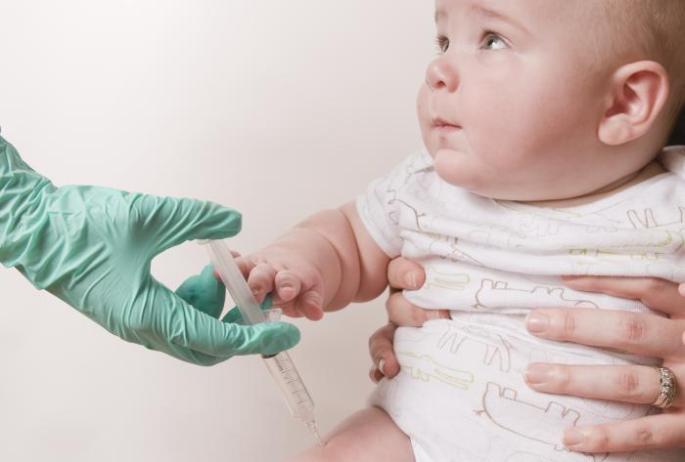
Measles vaccines are delivered in one of two products produced by Merck– M-M-R II and ProQuad. Both are live-attenuated vaccines, which uses viruses incapable of replication as the pharmacologically-active ingredient. Health experts consider live-attenuated vaccines the most effective of all vaccine types. The measles vaccine schedule recommended by the CDC is 99% effective in conferring immunity.

Vaccination of children after measles vaccine licensure was credited with the elimination of measles in the U.S. in 2000. Measles occurs in the U.S. when individuals are exposed abroad and return to the country.  Health officials said three cases in the California outbreak recently traveled to the Philippines. Two traveled to India. Other cases had contact with individuals who traveled abroad.

A growing number of individuals are choosing not to vaccinate their children. Vaccination avoidance has been fueled by unsubstantiated claims of vaccines causing autism in children. The CDC maintains there is no evidence to support a relationship between vaccination and autism. In fact, a recent study published in The Journal of Pediatrics showed no causal link between vaccination and autism.

The CDC’s website states symptoms of measles include fever, cough, inflammation of the mucous membrane, conjunctivitis and a characteristic maculopapular rash. Symptomatic individuals have a chance of developing acute encephalitis and subacute sclerosing panencephalitis, or SSPE, a degenerative disease of the central nervous system. SSPE causes seizures, behavioral problems and intellectual deterioration.

Measles has a fatality rate ranging from one to three deaths for every 1000 cases in the U.S.

Unvaccinated individuals should consult their doctor about receiving a measles vaccine.


Photo Credit: CDC/ Amanda Mills