Meredith Fletcher is a first-year student in the Biodefense MS program with a special interest in terrorism and the use of pathogens as weapons.
The Emerging Leaders in Biosecurity (ELBI) fellowship, offered by the Center for Health Security at the Johns Hopkins Bloomberg School of Public Health, is the most distinguished and prestigious fellowship available to those in the biosecurity profession. Two students in the Schar School of Policy and Government’s Biodefense PhD program, Janet Marroquin and Katie Dammer, were chosen for this honor and will be joining 29 other young professionals in the fellowship’s 2025 cohort. During their fellowship, participants will participate in biosecurity workshops, networking events, and research symposiums, both in Washington DC and abroad. Dr. Gregory Koblentz, director of the Biodefense Graduate Program, congratulated both students on this impressive accomplishment, “Janet and Katie are rising stars in biosecurity so it’s very gratifying to see their potential recognized by the leading think tank in the field.”
Janet graduated in 2019 with her M.S. in Biodefense and is currently pursuing a PhD in Biodefense. Her dissertation examines Russia’s motivation and strategy for using vaccine-related narratives in its disinformation operations. She currently works as a full-time research analyst for a federally funded research and development center. Her work focuses on analyzing national security challenges related to emerging biotechnologies and CBRNE weapons. Janet says, “I’m most excited to engage with international perspectives on common problems, especially science communication and public trust in state institutions.” Her time at George Mason helped prepare her for both her career and the fellowship because of the nature of the program, the diverse student backgrounds and its comprehensive approach to biosecurity. According to Janet, “The biodefense courses exposed me to the vulnerabilities that we as a global society have to the spread of disease due, in no small part, to inadequate preparedness.” Her favorite classes were Dr. Koblentz’s course on biodefense strategy and Dr. Estela Blaisten’s challenging, but rewarding, course on numerical methods.
Katie is a first-year student in the Biodefense PhD program. The ELBI program and those who speak highly of it have surrounded her since her undergraduate studies, so she jumped at the chance to learn more about this ever-changing field. She says, “I am so grateful to the Center for Health Security for the acceptance and to colleagues and ELBI alumni for all of the kind words I have received since this year’s cohort was announced. Every year brings changes, but it is exciting to know that this will be a key piece of my professional development throughout 2025.” Her focus is on the intersection of national security and science policy, and her current role covers a variety of natural, accidental, and deliberate threats. Katie is most excited to build a biosecurity community and take time away from her career to “nerd out” over the many topics presented during the fellowship. Katie hopes that her time as a fellow will both complement and enhance her research and discussion skills, and she looks forward to engaging with pioneers across the public health and policy fields. Katie feels she owes a special thanks to her dad, who as a career academic has been an inspiration as she started her PhD journey and the fellowship ahead of her.
Janet and Katie join a number of other Biodefense students and alum who have served as ELBI fellows including Siddha Hover MS ’14 (ELBI Class of 2016), Francisco Cruz MS ’15 (ELBI Class of 2016), Saskia Popescu PhD ’19 (ELBI Class of 2017), Yong-Bee Lim MS ‘13 PhD ’21 (ELBI Class of 2018), Justin Hurt PhD ’23 (ELBI Class of 2019), and Matthew Ferreira MS ’22 (ELBI Class of 2023).
Happy New Year! This week’s Pandora Report covers late former President Jimmy Carter’s decades of global health work, updates on H5N1 in the United States, the launch of the Biosafety and Biosecurity Innovation Initiative, and more.
Former President Carter’s Global Health Legacy
The passing of former US President Jimmy Carter marks the end of an incredible life dedicated to serving others. Carter leaves behind a beautiful legacy that stems from much more than his time in the White House. In the decades after his presidency, Carter oversaw many initiatives focused on improving global health through the Carter Center. One example is his work to eradicate Guinea worm disease of which, as the WHO explained in a statement, “Under his championship cases dropped from 3.5 million in the mid-1980s to just 11 so far in 2024.”
Carter also supported WHO’s African Programme for Onchocerciasis Control, trachoma elimination programs across sub-Saharan Africa, mass drug administration campaigns for schistosomiasis, and the International Task Force for Disease Eradication, helping set the global agenda for eliminating multiple NTDs. In addition to this, Carter spent his life post-presidency doing everything from negotiating with the likes of Kim Il-sung to building homes as a Habitat for Humanity volunteer, continuously demonstrating his dedication to helping others.
A person has died in Louisiana after being admitted to the hospital with a severe case of avian influenza. This marks the first death in the US as a result of an H5 infection. The person fell ill after exposure to a backyard flock and wild birds. They were over the age of 65 and had multiple underlying medical conditions. There is no sign yet that the virus is spreading from person-to-person in the United States. As of January 6, 2025, there have been 66 confirmed human cases of H5N1 bird flu in the United States since 2024 and 67 since 2022.
Biden Administration Ramps Up Preparedness Efforts
The Biden administration is making a final effort to improve the country’s pandemic preparedness ahead of President-elect Trump’s inauguration by announcing it will nearly double the amount of money committed to addressing bird flu in humans. The administration announced this week that it is committing $306 million to improving hospital preparedness, early stage research on therapeutics, diagnostics, and vaccines. Furthermore, $103 million of this will be aimed at helping state and local efforts to track cases and test people exposed to infected animals, in addition to worker outreach for those handling livestock and others at higher risk.
The BBII is designed to coordinate and prioritize support for biorisk research and incentivize biosafety and biosecurity innovation across all sectors that support the bioeconomy. The BBII Plan for the Bioeconomy serves as a framework for U.S. government coordination of BBII, led by NIH, and recommends investment in strengthening opportunities for biosafety and biosecurity research and innovation; incentivizing development and implementation of evidence-based best biological risk management practices, carried out by a competent workforce; and fostering a culture of biosafety and biosecurity to encourage trust and norms.
United Nations Human Rights Office Says Israeli Attacks on Gaza Push Healthcare in Enclave “to Brink of Collapse”
The United Nations Human Rights Office (OHCHR) issued a report late last month documenting attacks carried out by Israel in Gaza between October 12, 2023, and June 30, 2024, and their impact on healthcare facilities and personnel. The report raises serious concerns about Israel’s compliance with international law, under which medical personnel and hospitals are specifically protected. In a statement, the UN High Commissioner for Human Rights said, “As if the relentless bombing and the dire humanitarian situation in Gaza were not enough, the one sanctuary where Palestinians should have felt safe in fact became a death trap…The protection of hospitals during warfare is paramount and must be respected by all sides, at all times.”
“Development of Effective Medical Countermeasures Against the Main Biowarfare Agents: The Importance of Antibodies”
Arnaud Avril, Sophie Guillier, and Christine Rasetti-Escargueil recently published this article in Microorganisms: “The COVID-19 and mpox crisis has reminded the world of the potentially catastrophic consequences of biological agents. Aside from the natural risk, biological agents can also be weaponized or used for bioterrorism. Dissemination in a population or among livestock could be used to destabilize a nation by creating a climate of terror, by negatively impacting the economy and undermining institutions. The Centers for Disease Control and Prevention (CDC) classify biological agents into three categories (A or Tier 1, B and C) according to the risk they pose to the public and national security. Category A or Tier 1 consists of the six pathogens with the highest risk to the population (Bacillus anthracis, Yersinia pestis, Francisella tularensis, botulinum neurotoxins, smallpox and viral hemorrhagic fevers). Several medical countermeasures, such as vaccines, antibodies and chemical drugs, have been developed to prevent or cure the diseases induced by these pathogens. This review presents an overview of the primary medical countermeasures, and in particular, of the antibodies available against the six pathogens on the CDC’s Tier 1 agents list, as well as against ricin.”
“Research and Development of Medical Countermeasures for Emerging Infectious Diseases, China, 1990–2022”
Jiyan Ma, Yang Yang, and Yangmu Huang published this article in Emerging Infectious Diseases: “Since the severe acute respiratory syndrome outbreak in 2003, China has invested substantial efforts in promoting scientific and technological advances for medical countermeasures against high-threat pathogens. The examination of China’s landscape identifies progress and gaps in research and development (R&D) and also highlights management and regulatory issues that should be of concern to other countries. Our study examined the current state of R&D of medical countermeasures in China during 1990–2022. The findings showed a robust and diversified pipeline responding quickly to disease outbreaks and policy changes. However, proactive and highly innovative candidates are limited, and a large proportion of vaccines and drugs stagnate at the early development stage. A paradigm shift involving a preemptive R&D agenda and persistent investment, innovative technology development, and accelerated research translation is urgently needed to prepare for the next pandemic.”
“Strategic Report on Research and Development in Biotechnology for Defense Innovation”
From NASEM: “At the request of the National Security Commission on Emerging Biotechnology, Strategic Report on Research and Development in Biotechnology for Defense Innovation provides an overview of the current landscape of artificial intelligence and machine learning (AI/ML)-enabled biotechnology, the opportunities it presents, and the challenges it poses. This report offers a strategic vision for connecting scientists and technologists to build on, leverage, and tailor advances at the intersection of AI/ML, automated experimentation, and biotechnology to drive innovation in defense-related biotechnologies. Strategic Report on Research and Development in Biotechnology for Defense Innovation makes recommendations to address long-standing challenges that have limited research, development, prototyping, testing and evaluation, and eventual use of biotechnologies. Addressing these challenges will help to advance U.S. national security and defense by improving the performance of existing capabilities, enabling the creation of domestic supply chains of valuable products, reducing reliance on processes and chemicals that are harmful to the environment, and/or adding new capabilities not currently possible with established technologies.”
“COVID 5 Years Later: Learning from a Pandemic Many Are Forgetting”
Jon Cohen discusses reflections on the COVID-19 pandemic in the scientific community in this piece from Science, writing in part “Yet 5 years after a coronavirus dubbed SARS-CoV-2 first surfaced in Wuhan, China, scientists are still intensively trying to make sense of COVID-19. “We would each have to read over 240 papers every single day to actually keep up with all of the [COVID-19] literature that’s come out” in 2024, Cherilyn Sirois, an editor at Cell, noted…Despite the flood of insights into the behavior of the virus and how to prevent it from causing harm, many at the meeting worried the world has turned a blind eye to the lessons learned from the pandemic. “I feel this massive gravitational pull to go back to what we were doing before,” Van Kerkhove said. “There’s no way we should be going back.”’
“The SARS-CoV-2 Test Scale-Up in the USA: An Analysis of the Number of Tests Produced and Used Over Time and Their Modelled Impact on the COVID-19 Pandemic”
Santos et al. recently published this article in The Lancet Public Health: “Background: Rapid, accessible, and accurate testing was paramount to an effective US COVID-19 response. Federal partners supported SARS-CoV-2 testing scale-up through an interagency-coordinated approach that focused on expanding supply chains, research and development, validation, and improving patient access. We aimed to provide an overview of the federal efforts to scale up the testing response and study the impact of scale-up.”
“Methods: In this descriptive analysis, we mapped federal partner activities and milestones using the US Government Testing and Diagnostics Working Group (TDWG) and participating agency and department data from Jan 1, 2020, to Dec 31, 2022. Tests produced (TDWG), reported test positivity (US Centers for Disease Control and Prevention [CDC]’s COVID-19 Electronic Laboratory Reporting system and the Federal Direct Report testing data), reported COVID-19 case counts (CDC), hospitalisations (Department of Health and Human Services Unified Hospital Data Surveillance System and the CDC’s National Healthcare Safety Network), and deaths (CDC) were analysed over time. We then developed an agent-based model to evaluate the impact testing had on COVID-19 outcomes using different scenarios. The scenarios were (1) if efforts led to substantially fewer tests produced, (2) if scale-up was delayed, affecting test access, and (3) if efforts led to substantially more tests produced.”
“Findings: Approximately 6·7 billion SARS-CoV-2 tests, including over 1·5 billion laboratory-based, 1·9 billion point-of-care (POC), and 3·2 billion over-the-counter (OTC) tests, were produced, and approximately 2·7 billion tests were performed between Jan 1, 2020, and Dec 31, 2022. Testing capacity exhibited various expansion phases, with laboratory-based capacity growing from approximately 6 million tests per month in March, 2020 to approximately 34 million tests per month in July, 2020; POC increased to approximately 126 million tests per month by December, 2020, and OTC increased to approximately 986 million tests per month by February, 2022. Comparison between the baseline (actual) and delay-in-testing scenario suggests the increased testing capacity potentially saved upwards of 1·4 million lives and averted 7 million hospitalisations.”
“Interpretation: Our study suggests that early development, manufacturing, and distribution of tests had a great impact on reducing severe COVID-19 outcomes. These results highlight the importance of robust and rapid test development, production, and distribution when addressing future public health threats.”
“Global Health’s Evolution and Search for Identity”
Kevin M. De Cock recently published this article in Emerging Infectious Diseases: “Despite earlier attempts to define global health, the discipline’s boundaries are unclear, its priorities defined more by funding from high-income countries from the Global North than by global health trends. Governance and resource allocation are challenged by movements such as decolonizing global health. Inherent contradictions within global health derive from its historical evolution from tropical medicine and international health, as well as recent trends in infectious diseases. Demographic, socioeconomic, and epidemiologic transitions, including the rise in noncommunicable diseases, have eroded the concept of a binary world of developed and developing countries. Competitive tension has emerged between aspirations for global health security and health equity. Dominant principles should focus on vulnerable populations, transnational challenges such as migration and climate change, appropriate prevention and care, and epidemic preparedness and response capacity. As the 2030 target date for the United Nations Sustainable Development Goals approaches, reconceptualization of global health is required, or the discipline risks losing identity and relevance.”
“The Elusive Payoff of Gain-of-Function Research”
Charles Schmidt discusses the potential risks of GOF research in this piece for Undark, writing in part “But that’s not necessarily true of studies that alter dangerous pathogens to assess how they might become more virulent or transmissible. Public controversies have erupted over this sort of research, but in fact few such studies have been performed so far. The research might reveal mutations that turn pathogens into bigger human health problems. Armed with that knowledge, scientists could look for those genetic changes during disease surveillance, with an aim to identify and prepare for looming outbreaks.”
“Interview: Overseeing the Research That Might Start a Pandemic”
“Biosecurity expert Gerald Epstein discusses how certain high-risk science should be regulated,” in this Undark piece by Sara Talpos: “The risks of this research “do not disappear merely because no government funds are involved,” wrote Epstein in an article published last year in the Bulletin of the Atomic Scientists. Epstein isn’t sure if this type of work is happening in the private sector, but if it is, it is largely unregulated. Epstein would like to see oversight broadened, possibly through new legislation, expansion of certain government regulations, or increased scrutiny from companies that provide liability insurance.”
“For Science That Comes With Risks, a Key Question: Who Decides?”
Michael Schulson and Peter Andrey Smith discuss research oversight in this piece for Undark, explaining in part “The extent of oversight also varies across disciplines, both domestically and across the globe, with pathogen research being much more regulated than the more emergent fields of AI and geoengineering. For AI and pathogen research, our focus is limited to the United States — reflecting both a need to limit the scope of our reporting, and the degree to which American science currently leads the world in both fields, even as it faces stiff competition on AI from China.”
“With those caveats in mind, we offer a sampling — illustrative but by no means comprehensive — of people who are part of the decision-making chain in each category as of late 2024. Taken as a whole, they appear to be a deeply unrepresentative group — one disproportionately White, male, and drawn from the professional class. In some cases, they occupy the top tiers of business or government. In others, they are members of lesser-known organizational structures — and in still others, the identities of key players remain entirely unknown.”
Pathogenesis: How Germs Made History
In this revelatory book, Dr Jonathan Kennedy argues that germs have shaped humanity at every stage, from the first success of Homo sapiens over the equally intelligent Neanderthals to the fall of Rome and the rise of Islam.
How did an Indonesian volcano help cause the Black Death, setting Europe on the road to capitalism? How could 168 men extract the largest ransom in history from an opposing army of eighty thousand? And why did the Industrial Revolution lead to the birth of the modern welfare state?
The latest science reveals that infectious diseases are not just something that happens to us, but a fundamental part of who we are. Indeed, the only reason humans don’t lay eggs is that a virus long ago inserted itself into our DNA, and there are as many bacteria in your body as there are human cells. We have been thinking about the survival of the fittest all wrong: evolution is not simply about human strength and intelligence, but about how we live and thrive in a world dominated by microbes.
By exploring the startling intimacy of our relationship with infectious diseases, Kennedy shows how they have been responsible for some of the seismic revolutions of the past 50,000 years. Provocative and brimming with insight, Pathogenesis transforms our understanding of the human story.
Matt Field highlights last year’s biosecurity coverage in this piece for The Bulletin of the Atomic Scientists, explaining in his intro “A through line in much of the Bulletin’s biosecurity coverage of 2024 was a focus on infectious diseases—the toll they can exact (did one fell the mighty Roman empire?), the role climate change is playing in their spread, and even the non-natural routes by which they may jump into humans.”
“Richard Hatchett Reflects on a “Banner Year for Viruses” and Looks Ahead to 2025″
CEPI’s CEO Dr Richard Hatchett shares his personal reflections on the year and looks ahead to 2025 in this post, writing in part “One can always choose to be discouraged. The context in which we are working to prevent epidemics and pandemics is shaped by the polarization of our societies and pathologies of our geopolitics. And these are genuinely discouraging. Some of the governments that have done most to support this work are in transition, with the uncertainty that all democratic change brings. Others are in disarray due to the splintering of governing coalitions or loss of public confidence. Others face elections in the coming year, at a moment when anti-incumbent sentiment is high. All are grappling with serious fiscal constraints and security challenges that demand attention and resources. Global health institutions are struggling to secure funding, and major initiatives are in jeopardy. Just one example are the intractable differences between the negotiating parties on certain key issues that have stymied progress and paralyzed negotiations on the Pandemic Accord for months. The prospects for a successful conclusion to this critical process seem increasingly dim.”
“All these facts acknowledged and notwithstanding, I have arrived at the end of this complicated year feeling upbeat. Progress, particularly in areas driven by the evolution of science and technology, seldom follows a neat and linear course (think, for example, of the creative destruction that has characterized the growth of the internet and our digital economy over the last several decades). Progress is organic. It grows. Its roots extend continuously and often out of sight, even in the cold and bleak times. Progress materializes – emerges – in ways that can be surprising and sudden, like the spring after winter’s dreariness. In my effort to describe the year that has been, I will point repeatedly at signs and signifiers of this global organic development. It is these, rather than the foam of political processes, that give cause for optimism.”
Written in DNA
“Asimov Press’ latest anthology features nine essays and three works of science fiction. Embracing the book’s technology theme, we did something very special: With the help of three companies — CATALOG, Imagene, and Plasmidsaurus — we’ve encoded a complete copy of the book into DNA, thus merging bits with atoms.”
“This is the first commercially-available book to be written in DNA and sold in both mediums; as physical books and nucleic acids. We are deeply grateful to those who helped make it possible.”
“Trump Should Get Tough Again on Chemical Weapons States”
FDD’s Andrea Stricker discusses her thoughts on US foreign policy towards CW states in this piece, writing in part of the incoming Trump administration, “The team should announce a new policy to enact targeted financial sanctions against states that develop and use chemical weapons. In practice, this means the U.S. would freeze assets held by financial institutions that transact with foreign chemical weapons-related entities and individuals and would restrict those institutions from accessing the U.S. financial system. Executive Order 13382, already on the books since 2005, authorizes the president to sanction weapons of mass destruction proliferators and supporters and block related property and transactions, but a new executive order specific to chemical weapons could help.”
“Future for Syria and the Chemical Weapons Convention: The Legislative Implications”
From VERTIC: “This article, by Eliza Walsh, Thomas Brown and Larry MacFaul, identifies priorities and actions addressing chemical weapons and Syria, from the perspective of implementing the Chemical Weapons Convention and reviewing national legislation both in Syria itself and other countries.”
“Syrian Medics Say Were Coerced Into False Chemical Attack Testimony”
Layal Abou Rahal reports in this piece from AFP, explaining in part “Two Syrian doctors and a nurse told AFP in a series of interviews over the weekend that Bashar al-Assad’s government coerced them into providing false testimony to international investigators after a deadly 2018 chlorine attack…The three, who treated the wounded at a field hospital in the rebel-held town of Douma near Damascus after the April 7, 2018 attack, said they were summoned to national security headquarters in the capital.”
“‘Nobody Was Spared’: Damascus Suburbs Still Haunted by Assad Regime’s Chemical Attacks”
Johan Bodin’s reporting for FRANCE 24: “The Ghouta area east of Damascus witnessed some of the most vicious and sustained fighting of the Syrian civil war, including deadly chemical weapons attacks launched by ousted strongman Bashar al-Assad’s regime. FRANCE 24 reporters visited Ghouta’s bombed-out ruins and spoke to residents haunted by the horror they endured.”
“If Syrian Chemical Weapons Were Found, the U.S. Army Could Safely Destroy Them”
John Ismay discuss the US’s ability to destroy chemical weapons and how it may apply to Syria’s remaining stock in this piece for The New York Times: “For decades chemical weapons were usually destroyed by incinerating them, but the United States largely abandoned the practice because of safety concerns near disposal sites raised by the public.”
“A process called hydrolysis became the preferred technique. That involves chemically breaking apart the lethal properties of liquid agents by combining them with hot water and a substance akin to commercially available drain cleaner.”
The third issue of Compass, UN Interregional Crime and Justice Research Institute’s journal dedicated to the objectives of UNSCR 1540, is available now here. This issue includes articles like “Ensuring Compliance with UNSCR 1540 through Kenya’s Nuclear Regulatory Framework,” “Japan’s Practice to Secure Nuclear Facilities: Evolving Implementation of OP 3 (a) and (b),” and “Supporting Resolution 1540 with CISA Chemical Security’s ChemLock Programme.”
NEW: Sustainable Manufacturing: Building and Preserving a Resilient Medical Industrial Base
“Join industry and government partners for our second annual industry summit! During this event, leaders from IBMSC will share our strategic vision and organizational priorities. Speakers will also share potential opportunities for building and preserving the medical industrial base. This event will be in-person only and space is limited!”
This event will take place March 11-12 in Washington, DC. Learn more and register here.
Understanding the Introduction of Pathogens into Humans- Preventing Patient Zero: A Workshop
“The past few decades have seen the emergence of several diseases with drastic public health and economic consequences. Understanding routes of pathogen emergence and transmission is critical to preventing and mitigating disease spillover and amplification. The National Academies Forum on Microbial Threats will host a hybrid public workshop to address gaps in understanding of disease emergence, with a focus on human-animal interaction and laboratory biosafety. The workshop will explore how applications of existing policy structures, emerging technologies, and actionable research can improve biosecurity measures and prevention of future disease emergence.”
This event will take place on January 15 and 16. Learn more and register here.
How to Avoid Human-Made Pandemics
From the Asia Centre for Health Security: “Studying viruses that could potentially cause outbreaks is one of the most effective ways to reduce the risk of pandemics. However, this type of research—especially when it involves collecting samples from the field and manipulating pathogens—can unintentionally lead to a pandemic if not managed carefully. Dr Lentzos will discuss her findings from the Pathogen Project, which brought together an international taskforce of scientists, biosecurity and public health experts, ethicists, and civil society leaders to seek consensus on this question: Can we agree on ways to manage research that carries pandemic risk as safely, securely and responsibly as possible?”
This event will take place on January 23 at 8 pm (GMT +8:00) via Zoom. RSVP here.
Preparedness in Rural Communities: National and State/Local Perspectives and Plans
From Penn State: “The COVID-19 pandemic and recent hurricanes have thrust the preparedness of rural communities into the national spotlight. At the federal level, the Administration for Strategic Preparedness and Response and the Centers for Disease Control and Prevention have recently released national goals and plans for preparedness of rural communities. The overall objective of this virtual, 2-day mini-symposium is to identify opportunities in public health and agricultural preparedness and response in rural communities. The mini-symposium will focus upon national perspectives on Thursday, January 30 and the state/local perspectives on Friday, January 31. Speakers include representatives of the Administration for Strategic Preparedness and Response, the Department of Homeland Security, US Department of Agriculture, the USA Center for Rural Public Health Preparedness, and state/local leaders.”
This event will take place on January 30 and 31, from 11 am to 2 pm ET each day. Learn more and register here.
Rise of the Zombie Bugs: The Surprising Science of Parasitic Mind-Control
Johns Hopkins APL’s colloquium will feature Mindy Weisberger, author of the upcoming book Rise of the Zombie Bugs: The Surprising Science of Parasitic Mind-Control: “Zombies are all around us—insect zombies, that is. In Rise of the Zombie Bugs, Mindy Weisberger explores the eerie yet fascinating phenomenon of real-life zombification in the insect class and among other invertebrates. Zombifying parasites reproduce by rewriting their victims’ neurochemistry, transforming them into the “walking dead”: armies of cicadas, spiders, and other hosts that helplessly follow a zombifier’s commands, living only to serve the parasite’s needs until death’s sweet release (and often beyond).”
From Johns Hopkins APL and Bio-ISAC: “Advancements in biomanufacturing and biotechnology drive the science we need to thrive, everything from apples to vaccines. The Cyberbiosecurity Summit 2025 convenes leading experts in biotechnology, biosecurity, and cybersecurity to explore the intersection of these fields and discuss the strategies to create a safe, secure future for us all.” This event will take place February 25-26 in Laurel, MD. Register here and review the call for sessions here (closes 12/12).
Exciting Update: The BWC NIM Database Is Complete!
UNIDIR is glad to announce that the BWC National Implementation Measures Database, developed in partnership with VERTIC, has reached a significant milestone: profiles for all 187 States Parties to the Biological Weapons Convention are now live! This comprehensive online tool provides detailed insights into each country’s national implementation measures under the BWC, supporting transparency, trust, and international cooperation.
All profiles are available in English, and the team is committed to translating them into all official UN languages throughout 2025. Updates to the profiles will also be made regularly to ensure they remain accurate and relevant.
Enhancing UK Biosecurity: DASA Launches Microbial Forensics Competition
“On behalf of the Defence Science and Technology Laboratory(Dstl), the Defence and Security Accelerator (DASA) is pleased to launch a new Themed Competition called Future-proofing Biosecurity by Strengthening the UK’s Microbial Forensic Capability. The competition is being run in response to the 2023 UK Biological Security Strategy which aims to implement a UK-wide approach to biosecurity that will strengthen deterrence and resilience to a spectrum of biological threats.”
“Dstl is leading the creation of the United Kingdom Microbial Forensics Consortium (UKMFC) which is being developed in support of the Detect Pillar of the Biological Security Strategy. It will comprise a network of biosurveillance laboratories from all four nations of the UK, operating under a One Health doctrine. This competition seeks novel technology options or technical approaches that can directly support the UKMFC initiative.”
Connecting and Building Collaborations between AI and Synthetic Biology Communities
From AI for SynBio: “Our primary goal for this symposia is to begin to connect and build mutually beneficial collaborations between the AI and the synthetic biology communities.”
“Synthetic biology is the systematic design and engineering of biological systems. Synthetic biology holds the potential for revolutionary advances in medicine, environmental remediation, and many more. For example, some synthetic biologists are trying to develop cellular programs that will identify and kill cancer cells, while others are trying to design plants that will extract harmful pollutants like arsenic from the ground.”
“A new fellowship at the Pandemic Center at the Brown University School of Public Health launches with the announcement of the inaugural class of Biosecurity Game Changers, eight individuals who represent the next generation of leaders responsible for preventing and preparing for the worst case health security challenges.”
“The year-long fellowship kicks off in September with an in-person meeting in Addis Ababa, Ethiopia and a policymaking workshop for early-to-mid-career public health champions, including the fellows. During the year, fellows will collaborate on an operational project with either the Pandemic Center or one of the partner organizations focused on a specific aspect of improving biosecurity, biosafety and/or pandemic preparedness and response. Each fellow will also receive a Brown faculty appointment for the duration of their fellowship.”
This week’s Pandora Report covers the first severe H5N1 case in the US, growing numbers of mpox cases in the DRC, updates to the BSAT list, the killing of Russian Lieutenant General Igor Kirillov, and more. The Pandora Report will return from the holiday break on January 10.
Congrats to Our December Biodefense MS Grads!
Mpox Cases Rise Steadily
Mpox cases in Africa rose steadily in the last week with 3,095 more cases reported, 2,632 of which were in the Democratic Republic of Congo (DRC). Africa CDC reports that 31 more people have died, 29 of which were in the DRC. Nearly 70,000 cases have been reported in 20 countries is the region this year. Guinea has also moved recently from the controlled stage to active transmission. Read more about mpox’s spread in Africa here.
CDC Confirms First Severe H5N1 Case in the United States
The CDC announced yesterday that a patient has been hospitalized with a severe case of avian influenza A(H5N1) virus infection in Louisiana, marking the first instance of severe illness linked to the virus in the United States. The case was confirmed by CDC on December 13. The CDC’s press release on this matter explains that, “Partial viral genome data of the H5N1 avian influenza virus that infected the patient in Louisiana indicates that the virus belongs to the D1.1 genotype related to other D1.1 viruses recently detected in wild birds and poultry in the United States and in recent human cases in British Columbia, Canada, and Washington state. This H5N1 bird flu genotype is different than the B3.13 genotype detected in dairy cows, sporadic human cases in multiple states, and some poultry outbreaks in the United States. Additional genomic sequencing and efforts to isolate virus from clinical specimens from the patient in Louisiana are underway at CDC.”
An investigation is ongoing, but it has already been determined that the patient was exposed to sick and dead birds in backyard flocks. No person to person spread of H5 bird flu has been detected at this time. This is the first case of H5N1 avian influenza in the US that has been linked to exposure to a backyard flock. The agency explains that, “A sporadic case of severe H5N1 bird flu illness in a person is not unexpected; avian influenza A(H5N1) virus infection has previously been associated with severe human illness in other countries during 2024 and prior years, including illness resulting in death.”
APHIS Updates Select Agents and Toxins Registration List
The US Animal and Plant Health Inspection Service (APHIS) recently completed it biennial review of the Biological Select Agents and Toxins (BSAT) list. As a result of this review, the agency is removing five select agents from the BSAT list, including Brucella abortus, Brucella suis, and Brucella melitensis, African horse sickness virus, and Peronosclerospora philippinensis. The agency explained in a press release that, “Removing regulatory barriers will greatly advance research on vaccines and diagnostics, which will improve our efforts to control these diseases in animal populations.” Furthermore, it explained that the delisting of the Brucella spp. does not change the already recommended biosafety levels for work with this species of bacteria.
Russian Lieutenant General Igor Kirillov Assassinated by Ukrainian Security Forces
LTG Igor Kirillov, head of Russia’s Chemical, Biological, and Nuclear Defense Troops, was killed this week just one day after Ukraine accused him of criminal activity in the “massive use of banned chemical weapons” in Ukraine. Kirillov and an aide died after an explosive device that was planted in a scooter by an entryway detonated as they passed by. According to the Security Service of Ukraine (SBU, chemical weapons have been used by Russia more than 4,800 times since the beginning of the full-scale invasion in 2022.
Washington Post Does Deep Dive on Dave Weldon’s Anti-Vaccine Past
The Washington Post recently published a piece on President-elect Trump’s pick to lead the CDC, Dave Weldon, and his longstanding history with anti-vaccination rhetoric and beliefs. The piece explains how Trump came to select the 71-year-old former Army physician to lead CDC on the advice of Robert F. Kennedy Jr., Trump’s equally troubling pick to lead HHS. The piece explains in part, “A Washington Post review of Weldon’s public comments, media appearances and congressional letters along with accounts of those who worked with him reveal a portrait of a politician and physician who emphasized the experiences of individuals while dismissing dozens of studies based on data from hundreds of thousands of patients that showed no link between vaccines and autism.”
Furthermore, “In Congress, Weldon was “absolutely and completely dismissive” of data showing vaccines were not associated with autism, recalled Josh Sharfstein, a former Democratic staff member on the House Government Reform Committee in the early 2000s when the Republicans who were in charge held regular hearings questioning vaccine safety.”
Despite this, Weldon has previously expressed support for coronavirus and influenza vaccines, offering them to patients who want them. Sharfstein, who is now Vice Dean for Public Health Practices and Johns Hopkins University and a former top FDA official, explained further that Weldon “…appeared to have a closed mind on the issue…He didn’t seem to understand that the core tool of population data analysis is one of the pivotal aspects of the work of CDC.”
Musk Shares False ‘Bioweapons Lab’ Tweet
This Wednesday, the infamous anti-LGBTQIA+ X account, Libs of TikTok, posted a screenshot of a portion of the resolution introduced by Speaker Mike Johnson aimed at averting a government shutdown on December 21. The bill would fund the government through March 14, but both President-elect Donald Trump and X owner Elon Musk have spoken out against the bill. The portion of the bill shared by Libs of TikTok reads:
SEC. 629. REGIONAL BIOCONTAINMENT RESEARCH LAB-ORATORIES.
(a) IN GENERAL—The Secretary of Health and Human Services (referred to in this section as the “Secretary”) shall make awards to establish or maintain, as applicable, not fewer than 12 regional biocontainment lab-oratories, for purposes of—
(1) conducting biomedical research to support public health and medical preparedness for, and rapid response to, biological agents, including emerging infectious diseases;
The Libs of TikTok account captioned the photo, “BREAKING: New Congressional Resolution bill includes funding for at least 12 new biolabs.” Must quote-tweeted it, adding “We’re funding bioweapon labs in this bill!” Musk’s post has been re-tweeted at least 60,000 times, yet the bill text says nothing about biological weapons. Furthermore, as noted by Politico, “The provision is part of a long-sought reauthorization of the Pandemic and All Hazards Preparedness and Response Act.”
Musk, who was recently denied a clearance and has done his best to insert himself into the Trump team, was named co-chair of the “Department of Government Efficiency” (DOGE) by Donald Trump. DOGE, which is a nod to the meme coin-Doge Coin-promoted by Musk, is a proposed presidential advisory commission that would be tasked with restructuring the federal government and removing regulations. Despite Musk’s only involvement with the government so far being receiving at least $15.4 billion in federal contracts in the last decade, he seems poised to play a prominent role in the incoming administration. That being the case, Musk should brush up on the United States’ role as a State Party to the Biological Weapons Convention, which prohibits states from developing, producing, acquiring, transferring, stockpiling, or using biological and toxin weapons.
“The United States Needs to Step Up Its Response to Bird Flu”
Biodefense MS alumna Sophia Hirshfield recently co-authored this feature from the Center for Strategic and International Studies. The authors write in part, “Since the turn of the century, every presidential administration has highlighted gaps in U.S. public health capabilities, and every Congress has left them underfunded. The H5N1 outbreak has revealed the resulting and dangerous shortcomings in U.S. pandemic preparedness: lagging data, incomplete surveillance, sluggish coordination, considerable mistrust, and insufficient planning and stockpiling of vaccines and therapies. That poor performance cuts across political parties, the federal interagency, and state leadership. Multiple players have sought to downplay the threat: the dairy industry fears further economic setbacks, state leaders are wary of federal intervention, and the Biden administration did not want to aggravate relations during the 2024 election cycle.”
They continue, “It is not too late to change course. Strong interagency, interstate, and global coordination; better protections for farm workers; accelerated planning and investment in surveillance; and the development and promotion of better vaccines and therapies remain the essential elements to prevent the sustained spread of H5N1.”
“Syria Still Has Chemical Weapons: How to Get the Country’s New Rulers to Help Eliminate Assad’s Deadly Arsenal”
Biodefense Graduate Program Director Gregory Koblentz recently co-authored this article in Foreign Affairs. The article describes the threat posed by Syria’s remaining chemical weapons, calls up on the new Syrian government to eliminate these weapons, and provides policy recommendations to the United States and its allies and partners for how they can assist in the process of destroying these weapons and holding accountable members of the former regime who conducting chemical attacks.
Koblentz was also quoted in these articles about Syria’s CW:
“Researcher Daniel Gerstein on Security Threats Posed by Drones”
RAND Corporation Senior Policy Researcher and Biodefense PhD Program alumnus Daniel Gerstein discusses threats posed by unmanned aerial systems in this interview with C-SPAN.
“Chemical and Biological Defense Program Enterprise Strategy”
The Department of Defense released the 2024 Chemical and Biological Defense Program (2024 CBDP) Enterprise Strategy. “It replaces the 2020 CBDP strategy and positions the Department to ensure the total force to carry out its missions in the face of advanced chemical and biological threats…Taking its lead from the 2022 National Defense Strategy, this strategy prioritizes delivery of operationally relevant chemical and biological defense (CBD) capabilities at speed and scale, to sustain and strengthen U.S. deterrence against the People’s Republic of China as the pacing challenge and Russia as the acute threat. The new strategy reinforces other strategic guidance including the 2023 Strategy for Countering Weapons of Mass Destruction, inaugural National Defense Industrial Strategy, and the Biodefense Posture Review. It also calls for tighter integration of CBD capabilities with international Allies and partners to ensure our combined armed forces can deter or prevail against advanced chemical and biological threats.”
“The 2024 Seoul and Tokyo Biosecurity Dialogues”
Christopher East discusses dialogues held by the Council on Strategic Risks in November in this blog post, writing in part “On 18th and 20th November 2024 in Seoul and Tokyo respectively, the Council on Strategic Risks (CSR) convened dialogues with biosecurity experts from the Republic of Korea, Japan, the United States, the United Kingdom, and NATO, concluding with a series of practicable recommendations for the governments of the Republic of Korea and Japan.”
“Securing Benchtop DNA Synthesizers”
Max Langenkamp recently published this report with IFP: “This report examines the present and future of benchtop synthesizers and provides quantitative forecasts. The concrete threat model in the report helps characterize the threat of attack and leads to certain technical mitigations. Modern cryptographic methods can enable secure and centralized screening, even for air-gapped devices…The current benchtop policy would benefit from a security certification system, as well as standardized processes for benchtop and reagent screening. Such safeguards manage to mitigate risk while enabling innovation.”
“DNA Sequencing, Synthesis and Screening in Biosecurity”
From the Cluster for National and Technical Science Arms Control Research: “The second CNTR Fact Sheet by Liska Suckau (CNTR/PRIF) provides an overview of the characteristics of DNA sequencing, synthesis and screening in biosecurity. It compares different sequencing methods and gives a basic overview of DNA synthesis. In addition, it highlights the technologies’ potentials and risks and outlines various application possibilities.”
CNTR Monitor 2024 Perspectives on Dual Use
From CNTR: “The CNTR Monitor is an annual open-access publication and the core product of CNTR’s research. It highlights technological innovations and developments in the natural sciences that are relevant to peace and security. In addition to analyses of individual technologies and reports on research and development (R&D) activities, the Monitor also explores opportunities for arms control and outlines options for political regulation.”
This year’s edition includes articles like “Technological Implications of AI in Biorisk,” “Implications of Technological Advancements for Biosecurity,” and more.
“Toward a Safer and More Secure US Bioeconomy”
Watson et al. recently published this comment in Nature Biotechnology, writing in part “To enhance the safety and security of the US bioeconomy, a new public–private partnership should be established to facilitate information sharing and threat analysis among industry, government and academia, and to develop and deploy safeguards.”
“Scientists Urge Halt to Research on Creating Synthetic “Mirror” Bacteria That Could Evade Human Immunity, Disrupt Ecosystems”
Matt Field breaks down concerns about research using mirror molecules in this piece for The Bulletin of the Atomic Scientists, writing in part “Although the capability to create organisms or bacteria that utilize mirror molecules remains at least a decade away by many estimations, 38 authors of an article published in Science Thursday said that investigation into creating such “mirror life” should not be pursued. The authors said they “were initially skeptical that mirror bacteria could pose major risks,” but have since grown “deeply concerned.”’
“A Framework for Effective Risk Assessment of AI-Biotechnology Convergence”
Lakshmy Ramakrishnan recently authored this issue brief for the Observer Research Foundation: “Advances in disruptive technologies have enabled scientists to engineer biological systems and create more efficient and sustainable products for a range of purposes. The convergence of artificial intelligence (AI) with biotechnology has contributed to the development of therapeutics and vaccines, helped address food security, aided in generating innovative processes to mitigate the effects of climate change, and expanded the bioeconomy. However, there are concerns that AI-biotechnology tools can be misused to create harm, with catastrophic global consequences. This brief advocates for a nuanced approach to assess the risks associated with the convergence of AI with biotechnology and its potential for misuse and recommends a coordinated strategy.”
“U.S. Government Support for Global Health Security – Protecting Lives and Safeguarding Economies”
The Biden administration recently released its final annual global health security report-“U.S. Government Support for Global Health Security – Protecting Lives and Safeguarding Economies”. The report highlights progress in global health security and identifies remaining challenges in this area. A White House press release on the document’s announcement explains, “The Biden-Harris Administration has advanced a bold agenda to prevent the devastating toll of outbreaks and pandemics, including investing more than $3 billion in strengthening global health security (GHS) since 2020. These investments have helped to: prepare countries around the world to more effectively prevent, detect and respond to biological threats; build stronger and more effective regional and global institutions to support health emergency preparedness and response; and respond rapidly to numerous outbreaks – from Ebola to mpox – to limit the health and economic impacts on the American people, as well as people living around the world. U.S. leadership in global health security is built on decades of investments in global health and research and development, as well as strong partnerships with other countries, regional and multilateral institutions, civil society, and the private sector.”
ICYMI: In Conversation with Jon Finer: Recent Developments in the Biden Administration’s WMD Policies
Watch the recording of the Carnegie Endowment for International Peace’s December 19 event here: “As the United States approaches the expiration of the New Strategic Arms Reduction Treaty (New START) in February 2026, there are critical questions about the future of nuclear arms control, strategic stability, and global nonproliferation efforts.”
“Join the Arms Control Association and the Carnegie Endowment for International Peace for remarks from U.S. Principal Deputy National Security Advisor Jon Finer on the Biden administration’s efforts to reduce nuclear dangers and adapt U.S. nuclear weapons and nonproliferation policy to an uncertain world, as evidenced by the rapid changes occurring in Syria. Finer will take questions from the Arms Control Association’s Executive Director Daryl Kimball.”
“Following Finer’s address, a distinguished panel will examine the implications of the looming expiration of New START. Madelyn Creedon, chair of the 2023 Congressional Commission on the Strategic Posture of the United States, Adam Mount, senior fellow and director of the Defense Posture Project at the Federation of American Scientists, and James Acton, co-director of Carnegie’s Nuclear Policy program, will explore key considerations surrounding U.S. nuclear forces and requirements, arms control, and nonproliferation policy.”
ICYMI: “NTI | bio Proposes New Solutions to Prevent Bioweapons Development and Use”
“The dual-use nature of modern bioscience and biotechnology, combined with the significant resources available to many states, makes it challenging to prevent the development of biological weapons using traditional arms control measures and policy approaches. During the fifth session of the Biological Weapons Convention (BWC) Working Group meetings from December 2-13 in Geneva, Switzerland, NTI | bio presented solutions that could effectively reduce the risk of bioweapons development and use by states and other powerful actors.”
Understanding the Introduction of Pathogens into Humans- Preventing Patient Zero: A Workshop
“The past few decades have seen the emergence of several diseases with drastic public health and economic consequences. Understanding routes of pathogen emergence and transmission is critical to preventing and mitigating disease spillover and amplification. The National Academies Forum on Microbial Threats will host a hybrid public workshop to address gaps in understanding of disease emergence, with a focus on human-animal interaction and laboratory biosafety. The workshop will explore how applications of existing policy structures, emerging technologies, and actionable research can improve biosecurity measures and prevention of future disease emergence.”
This event will take place on January 15 and 16. Learn more and register here.
How to Avoid Human-Made Pandemics
From the Asia Centre for Health Security: “Studying viruses that could potentially cause outbreaks is one of the most effective ways to reduce the risk of pandemics. However, this type of research—especially when it involves collecting samples from the field and manipulating pathogens—can unintentionally lead to a pandemic if not managed carefully. Dr Lentzos will discuss her findings from the Pathogen Project, which brought together an international taskforce of scientists, biosecurity and public health experts, ethicists, and civil society leaders to seek consensus on this question: Can we agree on ways to manage research that carries pandemic risk as safely, securely and responsibly as possible?”
This event will take place on January 23 at 8 pm (GMT +8:00) via Zoom. RSVP here.
Preparedness in Rural Communities: National and State/Local Perspectives and Plans
From Penn State: “The COVID-19 pandemic and recent hurricanes have thrust the preparedness of rural communities into the national spotlight. At the federal level, the Administration for Strategic Preparedness and Response and the Centers for Disease Control and Prevention have recently released national goals and plans for preparedness of rural communities. The overall objective of this virtual, 2-day mini-symposium is to identify opportunities in public health and agricultural preparedness and response in rural communities. The mini-symposium will focus upon national perspectives on Thursday, January 30 and the state/local perspectives on Friday, January 31. Speakers include representatives of the Administration for Strategic Preparedness and Response, the Department of Homeland Security, US Department of Agriculture, the USA Center for Rural Public Health Preparedness, and state/local leaders.”
This event will take place on January 30 and 31, from 11 am to 2 pm ET each day. Learn more and register here.
Rise of the Zombie Bugs: The Surprising Science of Parasitic Mind-Control
Johns Hopkins APL’s colloquium will feature Mindy Weisberger, author of the upcoming book Rise of the Zombie Bugs: The Surprising Science of Parasitic Mind-Control: “Zombies are all around us—insect zombies, that is. In Rise of the Zombie Bugs, Mindy Weisberger explores the eerie yet fascinating phenomenon of real-life zombification in the insect class and among other invertebrates. Zombifying parasites reproduce by rewriting their victims’ neurochemistry, transforming them into the “walking dead”: armies of cicadas, spiders, and other hosts that helplessly follow a zombifier’s commands, living only to serve the parasite’s needs until death’s sweet release (and often beyond).”
From Johns Hopkins APL and Bio-ISAC: “Advancements in biomanufacturing and biotechnology drive the science we need to thrive, everything from apples to vaccines. The Cyberbiosecurity Summit 2025 convenes leading experts in biotechnology, biosecurity, and cybersecurity to explore the intersection of these fields and discuss the strategies to create a safe, secure future for us all.” This event will take place February 25-26 in Laurel, MD. Register here and review the call for sessions here (closes 12/12).
NEW: The Independent Panel Solicits Views and Insights on Pandemic Prevention, and Response Efforts
“The Independent Panel for Pandemic Preparedness and Response, co-chaired by HE Ellen Johnson Sirleaf and RH Helen Clark, welcomes you to share your insights and expertise on the status of international and regional pandemic-related reform processes and initiatives, and how progress can be continued and accelerated in the months and years ahead.”
Learn more about this survey and submit by December 20here.
This week’s Pandora Report covers the rush to find the former Assad regime’s hidden chemical weapons, a recent study on H5N1’s potential to become an efficient human pathogen, Nobel laureates’ call for the Senate to block RFK Jr. from becoming HHS Secretary, and more.
Assad Regime Falls
On Sunday, Syrian rebels continued their advance, taking the capital city of Damascus and forcing the country’s long-time leader, President Bashar al-Assad, to flee to Moscow. This ended the country’s 13-year-long civil war and toppled a brutal dictatorship known to have, among other things, used chemical weapons against its own civilians. Now, the country is strapped for cash and being led by opposition forces with limited experience in governance.
Adding to the chaos is the mad dash to locate the former Assad regime’s chemical weapons it hid from inspectors. Among the list of missing weapons are more than 360 tons of mustard gas that the Assad regime admitted to making, but never fully accounted for. There are also five missing tons of precursors for sarin that the Assad regime claimed were “Lost during transportation, due to traffic accidents.”
The OPCW said it is monitoring the situation, reaffirming its commitment to “clarifying gaps, discrepancies, and inconsistencies in Syrian chemical weapons declaration amidst political transition.” Rebels in the south of the country have reached out to the OPCW for support in safely disposing of a cache of CW they found. One US official told the press the US is working with other countries in the Middle East to prevent these weapons from falling into the wrong hands. Meanwhile, Israel reported that it has destroyed CW and other weapons caches while seizing areas along its shared border with the country it claims are part of a demilitarized buffer zone.
New Study Finds Single Mutation in Bovine Influenza H5N1 Hemagglutinin Switches Specificity to Human Receptors
A recent study in Science found that a single glutamine to leucine mutation in clade 2.3.4.4b-an H5N1 virus widespread in US dairy cattle that has caused a few mild human cases-at residue 226 of the virus hemagglutinin “was sufficient to enact the change from avian to human specificity.” This means that this virus that currently cannot infect humans very easily could be just one mutation away from being able to do so much more effectively. This finding alone does not mean that this mutation in nature would be guaranteed to make this virus an efficient human pathogen, but it might mean that this version of the virus has a higher zoonotic potential than other H5N1 viruses.
Investigation Launched into Queensland Lab Incident
An investigation has been launched by Australian authorities into the “major breach” of biosafety protocols that occurred at a state-run laboratory in Queensland in 2021. It was revealed that 323 virus samples-nearly 100 of which were live samples of Hendra virus-were missing. According to Health Minister Tim Nicholls, the incident was only discovered in August of 2023, and the lab is unable to confirm whether the materials were removed or destroyed, though there is no suggestion that they were taken or stolen from the lab.
Top Wuhan Virologist Says WIV Holds No Close Relatives to SARS-CoV-2
Shi Zhengli, the virologist leading coronavirus research at the Wuhan Institute of Virology (WIV) when the COVID-19 pandemic began, presented data on dozens of new coronaviruses collected from bats in southern China at a conference in Japan last week. Shi has said repeatedly that SARS-CoV-2 was never seen nor studied in her lab, but some have continued to insist that one of the bat coronaviruses collected by her team was closely related to it. As a result, Shi promised to sequence the genomes of the viruses stored in her freezers and release the resulting data.
The analysis presented at the conference has not been peer reviewed and includes data from the whole genomes of 56 new betacoronaviruses in addition to some partial sequences. All of these viruses were collected between 2004 and 2021. Shi explained at the conference that none of the viruses she has sequenced are the most recent ancestors of SARS-CoV-2 and that “We didn’t find any new sequences which are more closely related to SARS-CoV-1 and SARS-CoV-2.”
The known viruses that are closest to SARS-CoV-2 were found in bats in Laos and southern China. However, years (or decades) have passed since these viruses split from their common ancestor with SARS-CoV-2. Shi has long since collaborated with EcoHealth Alliance, which previously received US federal funding that was suspended because of inadequate oversight of research activities at the WIV. This collaboration has produced a larger analysis of more than 230 sequences that EcoHealth Alliance’s Peter Daszak says will be submitted for peer review and publication in the coming weeks.
75+ Nobel Laureates Urge Senate Not to Confirm RFK Jr.
77 winners of the Nobel Prize in Medicine, Chemistry, Physics, and Economics have signed a letter (below) urging the Senate not to confirm President-Elect Trump’s pick to lead HHS-Robert F. Kennedy Jr.. This is a rare example of Nobel laureates coming together against a US Cabinet choice, according to Sir Richard Roberts, winner of the 1993 Nobel Prize in Medicine and a drafter of the letter. The letter criticizes Kennedy’s lack of experience in public health in addition to his widely criticized opinions on topics like drinking water fluoridation and vaccines for measles and polio. The letter reads in part, “In view of his record, placing Mr. Kennedy in charge of DHHS would put the public’s health in jeopardy and undermine America’s global leadership in the health sciences, in both the public and commercial sectors…We strongly urge you to vote against the confirmation of his appointment as Secretary of the DHHS.”
Biodefense MS Student Lena Kropke discusses her experience at the 67th Annual Biosafety and Biosecurity Conference in this Pandora Report event summary, writing in part “Attending this conference not only reaffirmed that biosafety and biosecurity are vital components of international security, but also showcased the incredible dedication of professionals who work tirelessly toward this mission. Moreover, it offered an introduction to an amazing network of biosafety and security professionals.”
Read more about Lena’s time attending the conference in Phoenix here.
“Disincentivizing Bioweapons: Theory and Policy Approaches”
This NTI essay collection is “…designed to encourage the exploration and identification of potential solutions to disincentivize states from developing or using biological weapons,” and aims to “bridge theory and practical policy-relevant approaches to develop new approaches to invigorate international efforts to reduce biological threats.” Its fifth essay, “Two Competing Bioweapons Nonproliferation Policies: Deterrence by Denial and Discussion,” was authored by Sonia Ben Ouagrham-Gormley, Associate Professor at the Schar School.
Mitigating Arboviral Threat and Strengthening Public Health Preparedness: Proceedings of a Workshop
From NASEM: “Arboviruses, or viruses carried by arthropods like mosquitoes or ticks, are responsible for hundreds of thousands of deaths worldwide each year. As the climate changes globally, the geographic distribution of these diseases, including Zika, dengue, chikungunya, West Nile, and yellow fever, are steadily expanding. The National Academies Forum on Microbial Threats hosted a public workshop in December 2023 to explore avenues of threat reduction from known and emerging arboviral diseases in the context of public health preparedness and capacity building. The workshop featured talks from experts in entomology, public health, ecology, virology, immunology, disease modeling, and urban planning.”
Read this Proceedings of a Workshop for free here.
“The Current Pathogenicity and Potential Risk Assessment of Nipah Virus as Potential Cause of “Disease X”: A Narrative Review”
Mehnaz et al. recently published this article in Health Science Reports: “Background and Aims…The World Health Organization (WHO) recognized the potential for a severe international epidemic and introduced the term “Disease X” to classify pathogens that not yet identified. The Nipah virus (NiV) is highly dangerous due to its zoonotic nature, high mortality rate, and ability to cause severe clinical symptoms in humans. In this review, we gather the latest information on the NiV and its potential to become a significant candidate for Disease X.”
“Methods…We performed a thorough review of articles published in PubMed, Scopus, and Google Scholar using appropriate MeSH terms and keywords. Studies reported NiV infection were considered for this review.”
“Results…The NiV exhibits different epidemiological patterns in different countries that calls for customized prevention and control strategies. Genetic analysis highlights NiV’s ability to mutate that alters possible treatment options. Transmission typically involves bats as the primary reservoir, with humans becoming infected either through intermediate hosts or food. This shows NiV’s complex nature, including its ability to reach the central nervous system through the olfactory nerve. Promising treatment options, such as monoclonal antibodies, antivirals, and ongoing vaccine research, provide hope. However, the virus’s adaptability, human-to-human transmission, and the lack of specific antiviral therapy raise concerns about its potential to cause a global pandemic. The interconnection between animals, humans, and the environment stresses the need for a One Health approach to tackle emerging infectious disease by NiV.”
“Conclusion…Global collaboration, surveillance, and research investments are imperative for the preparation of future pandemics. The ongoing COVID-19 challenges underscoring the critical need for sustained scientific endeavors, global leadership, and recognition of the prominence of NiV as a candidate for the potential Disease X.”
“Engineering Biology Public Trust Survey Findings”
From the UK’s Department for Science, Innovation and Technology, these findings are the result of a survey on public perceptions of engineering biology in relation to five application areas: health, agriculture and food, low carbon fuels, chemicals and materials, and waste and environment. Key findings from this survey include “The majority of respondents felt comfortable with using new and emerging technologies on a day-to-day basis, but relatively few could explain what engineering biology is,” “There was a strong belief amongst respondents that applications of engineering biology could be useful. Similarly, the majority were comfortable with each of the specific applications and believe that they will be positive for society,” “There was broad agreement that the government is well placed to make decisions about the use of engineering biology but the public should also be involved in decision making,” and more.
“CSR Biodefense Scorecard: Winter 2024 Update”
From the Council on Strategic Risks: “In the fall of 2023, we kicked off our Biodefense Scorecard series to help inform the public on the progress and implementation status of past CSR recommendations on reducing biological risks. This update captures several areas of sustained positive action across pathogen early warning, diplomacy, and biomanufacturing.”
“Ignoring the Real Biowarfare Threat”
David Heslop and Joel Keep discuss the potential implications of recent renovations at Sergiev Posad-6 in this piece from the Lowy Institute, writing in part “While much attention has been paid to nuclear arms, Washington and Moscow must also address biological weapons, which both nations claimed to renounce many years ago. The fate of such programs is not only a matter for Russia and the United States, but for global health security at large.”
“Instrumentalising Biological Weapons-Related Allegations: Russia’s Compliance Politics and the Norms Against Biological Weapons”
Una Jakob recently published this working paper with CBWNet discussing Russia’s use of BWC compliance procedures and their effect on norms against BW. Jakob explains in part of the paper’s executive summary, “Seen in this light, the Russian activities may counterintuitively have contributed to strengthening the norms against biological weapons at the discursive level, as no actor has called them into question and as their validity has been reaffirmed repeatedly in the process, including by Russia itself. This stands in contrast, however, to Russia’s policy which may contest biological weapons norms at the action level. This discrepancy between the discursive and practical level and its implications for norm strength merit further theoretical attention. On a policy level, it will be important to increase transparency, counter disinformation, and strengthen the means to demonstrate, verify and enhance confidence in compliance with the BWC. This would also strengthen the possibilities to address biological weapons-related allegations, including those made in bad faith, and help sustain the norms against biological weapons comprehensively and in the long term.”
“Workshop on S&T Developments with Relevance for the CWC and BWC”
Anna Krin and Gunnar Jeremias edited this CBWNet working paper detailing a workshop hosted in June at Hamburg University focused on challenges and opportunities facing biological and chemical arms control. Jeremias explains in the introduction, “Throughout the workshop, four panels delved into key topics: the general concept and application of scientific and technological advice in arms control in general and particularly in chemical and biological arms control; current developments in science and technology that may necessitate attention; potential frameworks for organizing verification under the CWC and the prospects for institution building for S&T advice and verification within the BWC; and the technologies and governance methods that could be employed to enhance the efficacy of arms control measures…The insights gathered during these discussions aim to contribute to the ongoing discourse on arms control, ensuring that both the BWC and CWC remain vital in a landscape marked by rapid scientific change. This compendium encapsulates the collaborative efforts and perspectives of workshop participants, reflecting a shared commitment to advancing arms control in an increasingly complex world.”
“High-Impact, Low-Probability: NATO-EUROPOL Cooperation in Countering the CBRN Terrorist Threat to Europe”
This JCBRN Defence COE report by Mathias Katsuya “…draws on secondary-source research and insights provided by JCBRN Defence COE personnel as well as Europol’s CBRN-E Team Leader. An initial threat assessment is followed by a review of Europol’s CBRN capabilities, centring on the role of its European Counter-Terrorism Centre and inhouse CBRN-E Team as key nodes in law enforcement information-sharing, capacity-building, and operational coordination. Having identified key doctrinal and capability overlaps with NATO in addition to a stated commitment by Europol’s CBRN-E Team to enhance its civil-military relations, the report outlines a three-pillar approach to deepening connections between NATO and Europol: short-term measures to foster staff-level contacts in both organisations, a formalised relationship between Europol’s CBRN-E Team and NATO’s JCBRN Defence COE, and deeper institutional linkages to effectively confront current and emerging CBRN threats.”
“Hybrid Threats in the CBRN Environment: Challenges and Implications”
This JCBRN Defence COE paper by Paulina Frederike Gogacz discusses hybrid CBRN threats and their use by actors like Russia. Gogacz explains in the paper’s summary that “An analysis of the six strategic enablers outlined in NATO’s Chemical, Biological, Radiological and Nuclear (CBRN) Defence Policy (2022) indicates important steps to ameliorate current defences and prepare NATO and its member states for future hybrid CBRN threats, thereby increasing overall resilience. They include important aspects: robust intelligence-sharing mechanisms to ensure timely and accurate threat information; comprehensive exercises to simulate and prepare for various CBRN scenarios; strong partnerships both within the alliance and with external entities to foster cooperation and resource sharing; effective strategic communication to manage information and public perception; collaborative scientific research to advance technological capabilities and countermeasures; and the resilience of medical infrastructure to ensure a rapid and effective response to CBRN incidents. These steps collectively aim to bolster NATO’s preparedness and adaptability in the face of evolving hybrid CBRN threats.”
“Securing a Strategic Advantage in Biosecurity for NATO”
Max Breet and Lauren Ross recently authored this commentary for RUSI, writing in their summary “NATO should recognise the importance of biosecurity by understanding it as a new domain. This would allow the Alliance to more effectively leverage existing structures to defend itself against hybrid biological threats.”
“The Rise of Mpox in a Post-Smallpox World”
McQuiston et al. recently published this article in Emerging Infectious Diseases: “Reports of mpox are rising in Africa where the disease is endemic and in new countries where the disease has not been previously seen. The 2022 global outbreak of clade II mpox and an ongoing outbreak of the more lethal clade I mpox highlight the pandemic potential for monkeypox virus. Waning population immunity after the cessation of routine immunization for smallpox plays a key role in the changing epidemiologic patterns of mpox. Sustained human-to-human transmission of mpox is occurring widely in the context of insufficient population immunity, fueling genetic mutations that affect the accuracy of some diagnostic tests and that could lead to changing virulence. Additional research should address complex challenges for control of mpox, including improved diagnostics and medical countermeasures. The availability of vaccines should be expanded not only for outbreak response but also for broader routine use for persons in mpox-endemic countries.”
“Confronting Risks of Mirror Life”
Adamala et al. recently published this Science Policy Forum piece, writing in part, “All known life is homochiral. DNA and RNA are made from “right-handed” nucleotides, and proteins are made from “left-handed” amino acids. Driven by curiosity and plausible applications, some researchers had begun work toward creating lifeforms composed entirely of mirror-image biological molecules. Such mirror organisms would constitute a radical departure from known life, and their creation warrants careful consideration. The capability to create mirror life is likely at least a decade away and would require large investments and major technical advances; we thus have an opportunity to consider and preempt risks before they are realized. Here, we draw on an in-depth analysis of current technical barriers, how they might be eroded by technological progress, and what we deem to be unprecedented and largely overlooked risks (1). We call for broader discussion among the global research community, policy-makers, research funders, industry, civil society, and the public to chart an appropriate path forward.”
Bonus: Read Carl Zimmer’s discussion of this warning in The New York Times here.
NEW: OneLab Network Webinar
“Clinical laboratories must be alert for unusual and potentially infectious agents and immediately notify their Laboratory Response Network (LRN) reference laboratory if routine diagnostic testing results in the potential identification of rare and unusual infectious agents that may be used in a bioterrorist attack or other bio-agent incident. This webinar will describe the LRN and highlight the clinical laboratory’s role and responsibilities in initiating contact with their LRN. Join us as we share an example of a response, new tools, and valuable resources to aid in the clinical laboratory’s response.”
This event will take place on December 17 at 12 pm ET. Register for this event here.
NEW:Understanding the Introduction of Pathogens into Humans- Preventing Patient Zero: A Workshop
“The past few decades have seen the emergence of several diseases with drastic public health and economic consequences. Understanding routes of pathogen emergence and transmission is critical to preventing and mitigating disease spillover and amplification. The National Academies Forum on Microbial Threats will host a hybrid public workshop to address gaps in understanding of disease emergence, with a focus on human-animal interaction and laboratory biosafety. The workshop will explore how applications of existing policy structures, emerging technologies, and actionable research can improve biosecurity measures and prevention of future disease emergence.”
This event will take place on January 15 and 16. Learn more and register here.
NEW: Rise of the Zombie Bugs: The Surprising Science of Parasitic Mind-Control
Johns Hopkins APL’s colloquium will feature Mindy Weisberger, author of the upcoming book Rise of the Zombie Bugs: The Surprising Science of Parasitic Mind-Control: “Zombies are all around us—insect zombies, that is. In Rise of the Zombie Bugs, Mindy Weisberger explores the eerie yet fascinating phenomenon of real-life zombification in the insect class and among other invertebrates. Zombifying parasites reproduce by rewriting their victims’ neurochemistry, transforming them into the “walking dead”: armies of cicadas, spiders, and other hosts that helplessly follow a zombifier’s commands, living only to serve the parasite’s needs until death’s sweet release (and often beyond).”
From the Asia Centre for Health Security: “Studying viruses that could potentially cause outbreaks is one of the most effective ways to reduce the risk of pandemics. However, this type of research—especially when it involves collecting samples from the field and manipulating pathogens—can unintentionally lead to a pandemic if not managed carefully. Dr Lentzos will discuss her findings from the Pathogen Project, which brought together an international taskforce of scientists, biosecurity and public health experts, ethicists, and civil society leaders to seek consensus on this question: Can we agree on ways to manage research that carries pandemic risk as safely, securely and responsibly as possible?”
This event will take place on January 23 at 8 pm (GMT +8:00) via Zoom. RSVP here.
Preparedness in Rural Communities: National and State/Local Perspectives and Plans
From Penn State: “The COVID-19 pandemic and recent hurricanes have thrust the preparedness of rural communities into the national spotlight. At the federal level, the Administration for Strategic Preparedness and Response and the Centers for Disease Control and Prevention have recently released national goals and plans for preparedness of rural communities. The overall objective of this virtual, 2-day mini-symposium is to identify opportunities in public health and agricultural preparedness and response in rural communities. The mini-symposium will focus upon national perspectives on Thursday, January 30 and the state/local perspectives on Friday, January 31. Speakers include representatives of the Administration for Strategic Preparedness and Response, the Department of Homeland Security, US Department of Agriculture, the USA Center for Rural Public Health Preparedness, and state/local leaders.”
This event will take place on January 30 and 31, from 11 am to 2 pm ET each day. Learn more and register here.
Cyberbiosecurity Summit
From Johns Hopkins APL and Bio-ISAC: “Advancements in biomanufacturing and biotechnology drive the science we need to thrive, everything from apples to vaccines. The Cyberbiosecurity Summit 2025 convenes leading experts in biotechnology, biosecurity, and cybersecurity to explore the intersection of these fields and discuss the strategies to create a safe, secure future for us all.” This event will take place February 25-26 in Laurel, MD. Register here and review the call for sessions here (closes 12/12).
NEW: The Independent Panel Solicits Views and Insights on Pandemic Prevention, and Response Efforts
“The Independent Panel for Pandemic Preparedness and Response, co-chaired by HE Ellen Johnson Sirleaf and RH Helen Clark, welcomes you to share your insights and expertise on the status of international and regional pandemic-related reform processes and initiatives, and how progress can be continued and accelerated in the months and years ahead.”
Learn more about this survey and submit by December 20here.
This year, I had the privilege of attending the 67th Annual Biosafety and Biosecurity Hybrid Conference of the American Biological Safety Association (ABSA International) in Phoenix, Arizona from November 4-6, 2024. The conference brought together a diverse array of speakers, posters, and abstracts from across the globe, fostering an exchange of ideas and highlighting the global nature of our work. With the U.S. presidential election occurring at the same time as the event, the importance of nonpartisan cooperation in addressing shared challenges and advancing collective goals was emphasized. During my attendance, I found four sessions on biosafety and biosecurity of particular interest.
Session 1: From a House on Fire to a World in Shutdown: The Intersection of Epidemiology and Vaccinology by Yvonne (Bonnie) Maldonado, MD, Stanford University School of Medicine
In her talk, that was awarded the Arnold G. Wedum Memorial Lecture Award, Dr. Maldonado discussed the epidemiological principles and strategies behind vaccine-mediated disease control. A key analogy she used was the “house on fire” concept, which emphasizes the importance of allocating resources to where they exercise the greatest impact rather than spreading efforts thinly. The underlying principles of disease control were outlined first to ensure appropriate distinction in terminology. While eradication, the global reduction of a disease to an incidence of zero, was achieved in the cases of smallpox and rinderpest, extinction – the total disappearance of a pathogen in both nature and laboratories – has yet to be accomplished. Success in eradication depends on factors such as effective and continuous strategies to interrupt transmission, sensitive diagnostic tools, a deep understanding of the pathogen’s lifecycle, and robust surveillance systems.
Dr. Maldonado highlighted several challenges to vaccine effectiveness. For example, antigenic mutation of pathogens such as influenza can create immunity gaps, which reduces the effectiveness of vaccines and can allow established pathogens to cause pandemics. Additionally, the success of vaccine strategies is influenced by the transmissibility of the pathogen, the durability of immunity, and the population’s behavior. Having overcome these challenges, the eradication of smallpox remains the gold standard for vaccine mediated disease control. Other diseases such as measles, mumps, rubella, malaria, and lymphatic filariasis, have the potential to be eradicated, but each faces unique obstacles. Polio eradication efforts have achieved significant progress in the control of the disease, yet challenges such as vaccine-derived polioviruses (VDPVs) and vaccine-associated paralytic poliomyelitis (VAPP), in addition to the underlying obstacles of disease control, have inhibited the successful eradication so far. In that regard, COVID-19 further underlined issues such as asymptomatic transmission, viral mutations, and the slow development of herd immunity. The pandemic also underscored the importance of addressing inequities in healthcare access, housing, and social security, as these determinants significantly influence disease prevention and control outcomes.
Overall, Dr. Maldonado’s talk emphasized that no one-size-fits-all policy exists for vaccination approaches. Instead, targeted and pathogen-specific strategies, tailored vaccination programs, and strong surveillance systems are crucial for eradication success. This comprehensive approach ensures that disease control efforts are both effective and equitable.
Session 8: Biosecurity: Complexity, Complacency, Connectivity and Commitment by George Poste, DVM, PhD, Arizona State University
Dr. Poste explored the current challenges for a global biosecurity framework and the importance of the “One Health” paradigm. He identified the underlying causes for these challenges as the rapid changes in our globalized world, where climate change, urbanization, habitat destruction, anti-vaccine campaigns, and antimicrobial resistances facilitate the spread of pathogens in an unprecedented manner. Additionally, he discussed advancements in biotechnologies and the associated risks of dual-use research of concern (DURC), as well as the intersection of biotechnology and artificial intelligence (BIOxAI). Key areas of focus included gene editing, enhanced pathogens with pandemic potential (ePPP), and gain-of-function (GOF) research that could lead to the creation of more dangerous pathogens. In comparison to chemical weapons, Dr. Poste criticized the lack of established verification or inspection processes for biological weapons. He therefore emphasized the urgent need for an enhanced regulatory framework to address these issues with a multisectoral approach that acknowledges the interconnectedness of humans, animals, and the environment.
Dr. Poste’s criticism of the current system stems from the misplaced comfort and complacency that was demonstrated by the international reaction to outbreaks of COVID-19, SARS, and Ebola. Despite the United States’ top ranking in biosecurity preparedness, the high mortality rate and economic toll of COVID-19 highlighted the urgency to move from a reactive to a proactive biosecurity framework where sustained efforts are employed to strengthen the healthcare infrastructure and improve pathogen surveillance. In Dr. Poste’s words, the system must finally move past a cycle of “neglect-panic-fund-forget” and adopt a strategy of convergence, connectivity, and commitment that brings together expertise and tools from diverse fields. In that regard, he advocated for aligning biosecurity responses with other disaster management systems, such as those for natural disasters or chemical emergencies. He also underscored the importance of sustained commitment by the international community for building such a cross-sectoral framework as continuous investment in emergency preparedness, increased diagnostic capabilities, stockpiling of medical supplies, and the development of clear response and report protocols are needed for enhancing our global biosecurity preparedness. This must be accompanied by international partnerships that ensure appropriate resource sharing and coordinated responses during global crises.
In his presentation, Dr. Poste criticized the current biosecurity frameworks while also advocating for a new path forward where interdisciplinary commitment, increased regulation and inspection, as well as proactive “whole-of-government” measures address the escalating biosecurity challenges of our time. Such changes require strong advocacy with political leaders to adopt a long-term biosecurity strategy.
Session 9.2: Using DNA-Tagged Aerosol Tracer Particles as Challenge Agents for Measurement and Verification of Engineering Controls, Nicholas Heredia, PhD, SafeTraces
Dr. Nicholas Heredia described how SafeTraces’ DNA-tagged aerosol tracer technology is used to assess the pathogen exposure risk and control efficacy of filtration and ventilation systems. The novelty of this process is demonstrated by its use of non-reactive and non-toxic DNA-tagged particles that offer a similar fluid matrix to the potential spread of pathogens. The company conducts four performance tests in the form of a survey test, aerosol clearance test, HEPA supply tests, and positive/negative pressure test. The respective results are then assessed by qPCR technology and visualized to portray air movements as well as leakage or infiltration. The technology can be used in a variety of settings, including hospitals, schools, or critical infrastructure as it offers a quantifiable and accurate assessment of the air system performance that previous testing (e.g. tracer gases) could not achieve. The talk generated high interest in the technology which will likely establish itself as a central safety feature of air system tracing.
Session 19: Biosecurity featuring Iris Magne, London Metropolitan University; Leyma P. De Haro, PhD, RBP(ABSA), Merrick & Company; and Michael Parker, PhD, Georgetown University
This panel was comprised of three distinguished speakers discussing their recent biosecurity projects. As the first speaker of the session, Iris Magne was awarded the Robert I. Gross Student Award for presenting on “International Biosecurity Education Network: A Timely Tool For Biosecurity.” She described the International Biological Security Engagement Network (IBSEN), a new initiative created earlier this year to enhance biosecurity education across the globe. IBSEN was established to foster an environment in which academics and policymakers could discuss biological risks and raise awareness of these issues. A particular focus of the network is reducing threats from the misuse of life sciences and DURC. IBSEN publishes a quarterly newsletter on biosecurity with the goal of providing in-depth biosecurity education on a national and regional level.
In the second presentation, titled “Biosecurity Risk Assessment for the Use of Artificial Intelligence in Synthetic Biology: A Practical Approach,” Dr. Leyma P. De Haro outlined a seven-step biosecurity risk assessment that allows professionals to categorize potential dangers of AI in the realms of synthetic biology. The growing use of AI applications is facilitating advancements in areas such as de novo gene design, biological design tools (BDT), vaccine development, and automated laboratory experiments. However, these capabilities also pose significant risks when misused by malicious actors or implemented without proper safeguards as they enable unregulated individuals or those lacking sufficient safety expertise to conduct high-risk experiments. Even in regulated settings, unintended consequences could arise if AI systems inadvertently produce harmful or dangerous biological agents. Dr. De Haro emphasized the inadequacy of current oversight mechanisms, which do not yet cover unique risks associated with AI in these contexts. To mitigate these threats, she called for enhanced safeguards and comprehensive regulatory frameworks.
Lastly, Dr. Michael Parker presented “A Century of Assessment – The Collection of Biothreat Risk Assessment (COBRA).” A team of Georgetown University researchers created the COBRA (Catalog of Biothreat Risk Assessments) website to serve as the world’s first public repository of risk assessments related to biological agents. The website compiles assessments written over the course of the last century and categorizes them with specific tags for the purpose of identifying and evaluating the respective decisions and trends. Users can not only search the website, but also propose their own contributions to extend the scope of the archive. This resource was developed to centralize critical knowledge for understanding past decision-making as well as to inform current strategies.
Attending this conference not only reaffirmed that biosafety and biosecurity are vital components of international security, but also showcased the incredible dedication of professionals who work tirelessly toward this mission. Moreover, it offered an introduction to an amazing network of biosafety and security professionals. In addition to the outstanding panels and posters, the conference held a banquet at the breathtaking Desert Foothills on the outskirts of Phoenix. A major highlight for me was winning a free ABSA webinar as part of a raffle I was able to enter after visiting every participating vendor at the conference. I can’t wait to be granted additional insight into the educational and inspiring world of ABSA. I would encourage anyone interested in reducing biological risks to attend next year’s conference in Raleigh, NC from October 24-29, 2025.
Lena Kroepke is a student in the MS Biodefense program at the Schar School of Policy and Government at George Mason University. An international student from Germany, Lena completed an MA in Peace and Conflict Research at Goethe University Frankfurt as well as a BA in European Studies at Maastricht University.
This week’s Pandora Report covers news from the Biodefense Graduate Program, the winners of the 2024 OPCW-The Hague Award, reports of a mysterious illness in the DRC, and much more.
Biodefense Doctoral Student Selected for Next Generation Leader Program
First-year Biodefense PhD student Katie Dammer was recently selected for the Next Generation Leaders program as part of the Spirit of Asilomar conference that will be held in February 2025. “The Spirit of Asilomar and the Future of Biotechnology” summit will occur on the 50th anniversary of the 1975 international meeting on recombinant DNA, where scientists discussed the hazards and benefits of emerging biotechnology and voluntarily agreed to set new standards for the regulation of biohazards. The 2025 iteration of this summit will focus on artificial intelligence, synthetic biology, pathogen research, and other related topics. Dammer currently is a Biosecurity Fellow at the Horizon Institute for Public Service working as the Special Assistant for Global Health Security & Biodefense at the National Security Council.
2024 OPCW-The Hague Award Recipients Announced
Last month, OPCW Director-General Amb. Fernando Arias and The Hague Mayor Jan van Zanen announced the winners of this year’s OPCW-The Hague award: Alegeria’s National Institute of Criminalistics and Criminology of the National Gendarmerie (NICC/NG) and the Indian Chemical Council (ICC). NICC/NG is “a forensic science institute focused on advancing crime-fighting capabilities by integrating scientific methods into judicial and criminal processes.” The ICC “is a chemical industry body recognized for its role in promoting chemical safety, compliance with the Convention, and enhancing industry-wide security practices in India.” Read more about the recipients and this year’s award selection here.
DRC Reports Outbreak of Unknown Flu-Like Illness
The Democratic Republic of Congo (DRC), Africa CDC, and WHO are investigating an outbreak of an unknown, influenza-like disease in Kwango province that has infected at least 376 people and killed at least 67 (though some outlets report 143 deaths) since late October. Africa CDC reports that symptoms include fever, headache, cough, difficulties breathing, and anemia. Children under five are the most affected group, accounting for more than half of all cases and the majority of deaths. The outbreak started in the Panzi Health Zone, a remote part of the province. Officials report that they did not learn of the outbreak until six weeks after it began. In better news, the WHO has confirmed that the DRC’s mpox outbreak appears to be “plateauing”.
Raw Milk Recalled in California Following Bird Flu Detection
In a predictable turn of events, a farm in California has made a voluntary recall of its products and halted production after samples of its products tested positive for avian influenza. The recall has expanded since the initial recall of two lots of product on November 21. The California Department of Food and Agriculture has quarantined the farm and suspended the distribution of raw milk, cream, kefir, butter, and cheese products produced on or after November 27. The farm in question, Raw Farm of Fresno, has gained popularity with fans of social media “health influencers” and HHS Secretary nominee RFK Jr.. It frequently sells its products in natural supermarket chains like Sprouts Farmers Market.
The brand fell under FDA and CDC scrutiny earlier this year amid E. coli concerns, though the company insists it was the victim of “severe bias” from the agencies. Mark McAfee, CEO of Raw Farm, is insisting now that the actions taken by the state are politically-driven, despite samples of his company’s products testing positive for the virus. McAfee appears to have been encouraged by RFK Jr. to apply for a position at the FDA as the “FDA advisor on raw milk policy and standards development.”
House Select Subcommittee on the Coronavirus Pandemic Releases Final Report
The House Select Subcommittee on the Coronavirus Pandemic recently published its final report, “AFTER ACTION REVIEW OF THE COVID-19 PANDEMIC: The Lessons Learned and a Path Forward”. The more than 500-page document covers a variety of topics, including vaccines, use of pandemic relief funds, and public health guidance. The report begins with the claim that SARS-CoV-2 “likely emerged because of a laboratory or research related accident,” despite the Intelligence Community remaining split on the consensus and many in the scientific community disagreeing. The report is also critical of mitigation efforts like face masking and social distancing, though it praises travel restrictions. The report also focuses its attention heavily on the EcoHealth Alliance.
The Select Subcommittee’s minority released its own final report. A spokesperson for the minority said in a statement, “Select Subcommittee Republicans’ final report reflects two years wasted on political stunts instead of preventing and preparing for the next pandemic…Instead of coming together with Democrats to get ahead of future viruses or fortify America’s public health infrastructure and workforce, Select Subcommittee Republicans prioritized extreme probes that vilified our nation’s scientists and public health officials in an effort to whitewash former President Trump’s disastrous COVID-19 response.”
The minority report blasts the majority’s criticism and targeting of former NIAID Director Anthony Fauci as “baseless and frivolous” and explains that “Today, a zoonotic origin and lab accident are both plausible, as is a ‘hybrid’ scenario reflecting a mixture of the two…It was repeatedly explained to the Select Subcommittee that all prior epidemics and pandemics, as well as almost all prior outbreaks, have zoonotic origins. At the same time, a lab origin for SARS-CoV-2 also remains plausible.”
Trump Continues to Make Controversial Administration Selections
Trump Picks Jay Bhattacharya to Lead NIH
Late last month, President-Elect Trump announced Jay Bhattacharya, a Stanford-trained physician and economist, as his pick to lead the NIH. Bhattacharya gained national attention for co-authoring the October 2020 letter known as the Great Barrington Declaration, which called for the rollback of pandemic-related shutdowns, drawing rebuke from then NIH director Francis S. Collins. Bhattacharya also was among several academics who met with Trump in August of 2020, claiming that the pandemic was not as severe as public health officials had warned. The letter gained broader criticism for its focus on herd immunity, especially as COVID-19 vaccines were not available at that point, so relying on herd immunity would lead to even more unnecessary illnesses and deaths.
Trump Picks Jim O’Neill for HHS Deputy Secretary
Trump also announced in late November that he will select Jim O’Neill, a Silicon Valley investor and former federal health official, as his selection to be Deputy Secretary at HHS. O’Neill joined HHS in 2002, holding several roles throughout his tenure, including serving as a top aide to the then-deputy secretary of the department. He then moved on to Silicon Valley, becoming a close ally of Peter Thiel, a close adviser to Trump during his first term who has also long championed VP-Elect JD Vance.
Trump Announces Dave Weldon as CDC Director Pick
In an unforeseen move, Trump picked former Congressman Dave Weldon as his nominee to lead the Centers for Disease Control and Prevention. Weldon has been out of politics for the last fifteen years, running a private medical practice in Florida. During his tenure in Congress, he made controversial statements about the safety of MMR and and HPV vaccines. His views have often aligned with those of RFK Jr., whom he has been friends with for more than two decades. Weldon has said of his time in Congress that he worked with Kennedy “to get the mercury out of the childhood vaccines.”
White Helmets Urge International Community to Take Action to Protect Syrian Civilians from Chemical Warfare
The Director of the White Helmets, Raed Al-Saleh, warned recently that Syria’s authoritarian president, Bashar Al-Assad, could very soon use CW against civilians in an effort to stop rebels advancing in the northwest of the country. In a statement, Al-Saleh said “”For six days now, as the map of military control has changed, brutal attacks launched by the Syrian regime, Russia, and Iranian cross-border militias on Syrians have escalated especially in areas outside their control in northwest Syria…I am gravely concerned about the lives of every Syrian because of the real threat of chemical attacks.”
“Strategic Report on Research and Development in Biotechnology for Defense Innovation”
From NASEM: “At the request of the National Security Commission on Emerging Biotechnology, Strategic Report on Research and Development in Biotechnology for Defense Innovation provides an overview of the current landscape of artificial intelligence and machine learning (AI/ML)-enabled biotechnology, the opportunities it presents, and the challenges it poses. This report offers a strategic vision for connecting scientists and technologists to build on, leverage, and tailor advances at the intersection of AI/ML, automated experimentation, and biotechnology to drive innovation in defense-related biotechnologies. Strategic Report on Research and Development in Biotechnology for Defense Innovation makes recommendations to address long-standing challenges that have limited research, development, prototyping, testing and evaluation, and eventual use of biotechnologies. Addressing these challenges will help to advance U.S. national security and defense by improving the performance of existing capabilities, enabling the creation of domestic supply chains of valuable products, reducing reliance on processes and chemicals that are harmful to the environment, and/or adding new capabilities not currently possible with established technologies.”
“Anticipating Biological Risk: A Toolkit for Strategic Biosecurity Policy”
Stephen Batalis for CSET: “Artificial intelligence (AI) tools pose exciting possibilities to advance scientific, biomedical, and public health research. At the same time, these tools have raised concerns about their potential to contribute to biological threats, like those from pathogens and toxins. This report describes pathways that result in biological harm, with or without AI, and a range of governance tools and mitigation measures to address them.”
“Strengthening the Biological Weapons Convention”
Jez Littlewood and Filippa Lentzos recently published this piece with the Arms Control Association discussing the BWC working group and its efforts to improve the BWC. They write in part, “Substantial progress has been made in some areas, but beneath the surface is a broader conflict about the shape of arms control agreements generally. This raises a question about whether strengthening the BWC needs to follow the traditional model of legally binding multilateral agreements with declarations, inspections, investigations, and an international organization where consensus rules or whether states-parties can agree to a new model that allows states to opt in to the mechanisms with which they agree and opt out of any processes or new commitments they are unable to support.”
“BWC at 50: Taking Bold Steps to Secure the Future”
Gabrielle Essix recently authored this rundown on the BWC’s successes, shortcomings, and future for NTI| bio. She writes in part, “As we look ahead to the future of the BWC, the role of civil society will become increasingly critical. Organizations like NTI provide a bridge between governments, scientists, and the public, ensuring that biosecurity remains a global priority. By advocating for stronger international norms and pushing for innovative solutions to new challenges, NTI can help make the BWC an effective tool in the fight against the development and use of biological weapons.”
“Possible Models of BWC Verification”
James Revill authored this brief for UNIDIR: “This briefing serves as a primer for consideration of possible models of verification. Past discussions of verification in the Biological Weapons Conference (BWC) have largely focused on the development of a more traditional disarmament verification regime, akin to the model established in the Chemical Weapons Convention (CWC) and envisaged in the BWC Protocol Negotiations. Such a model is often considered the standard model for verification and could provide greater confidence in compliance with the BWC.”
“However, the traditional model of verification is not the only model available to BWC States Parties. Depending on the function(s) and focus of any verification mechanism, other options could be developed for BWC verification that might more effectively address the concerns of BWC States Parties and potentially reduce costs of verification while still increasing confidence in compliance.”
BioWeapons Prevention Project: “The Closure of the Fourth Sessions Preparations for the Fifth”
From BWPP: “The Working Group (WG) on the strengthening of the 1972 Biological and Toxin Weapons Convention (BWC/BTWC), will convene for its Fifth Session on 2 December having finished the Fourth Session on 23 August. The topics for discussion in the WG were decided at Ninth BWC Review Conference, held in 2022. The two-week Fifth Session will be followed by the annual Meeting of States Parties (MSP) which is scheduled for 16-18 December…This report focuses on some overarching issues. Individual topics up for discussion during the Fifth Session have been examined in earlier reports in this series, and in particular in the ‘setting the scene’ reports.”
“Biocrimes: Safeguarding Clinical and Public Health Microbiology Labs Against Insider Threats”
Casey Shroeder authored this piece for Lab Manager, writing in part “Within clinical and public health microbiology laboratories where scientists work to diagnose infections and/or protect public health, the potential for biocrimes and insider threats is a serious risk that is often overlooked. These laboratories, which handle not only routine human pathogens but also antimicrobial resistant strains, emerging pathogens, and potential biothreat pathogens, must remain vigilant against those who might exploit their access for malicious purposes.”
“Bacteriologic and Genomic Investigation of Bacillus anthracis Isolated from World War II Site, China”
Wu et al. recently published this article in Emerging Infectious Diseases: “Records suggest Bacillus anthracis was used in biowarfare during World War II, but evidence remains limited. We isolated B. anthracis from soil at the remains of a World War II–era laboratory in China. Phenotypic and genomic analyses confirmed the finding, highlighting the value of microbial forensics in biothreat investigation.”
“Modern Warfare is Breeding Deadly Superbugs. Why?”
Francesca Mari recently published this piece in The New York Times Magazine, explaining in part “By 2050, The Lancet predicts that antimicrobial resistance will kill 8.22 million people per year, more than the number currently killed by cancer. (For context, Covid claimed an estimated three million lives during all of 2020.) And a growing body of research suggests that the 21st-century way of warfare has become a major driver of that spread. Nations of the Middle East, like Iraq, Syria, Yemen and Afghanistan, now suffer from particularly high rates of multidrug-resistant pathogens, and some of the world’s most fearsome superbugs have incubated in the region — Klebsiella pneumoniae, Pseudomonas aeruginosa, E. coli, MRSA and perhaps most notably A. baumannii, a strain of Acinetobacter that traveled home with U.S. soldiers, where it became nicknamed “Iraqibacter.”’
“Global Report on Infection Prevention and Control 2024”
From WHO: “Health care-associated infections (HAIs) affect patients and health systems every day, causing immense suffering, driving higher health-care costs and hampering efforts to achieve high-quality care for all. HAIs are often difficult to treat, are the major driver of antimicrobial resistance (AMR) and cause premature deaths and disability. The COVID-19 pandemic, as well as outbreaks of Ebola, Marburg and mpox are the most dramatic demonstrations of how pathogens can spread rapidly and be amplified in health care settings. But HAIs are a daily threat in every hospital and clinic, not only during epidemics and pandemics. Lack of water, sanitation and hygiene (WASH) in health care settings not only affects the application of infection prevention and control (IPC) best practices but also equity and dignity among both those providing and receiving care. However, there is strong evidence that a large proportion of these infections could be prevented with IPC measures and basic WASH services, with a high return on investment. This second global report on IPC provides updated evidence on the harm caused to patients and health workers by HAIs and AMR, and presents an updated global analysis of the implementation of IPC programmes at the national and health care facility levels across all WHO regions. “
Bloomberg FOIA Files: Kremlin Targeting Putin’s Political Adversaries, Has Ability to Assassinate Targets with Chemical and Biological Weapons
In this edition of Bloomberg News’ FOIA Files, Jason Leopold discusses a recently-released memo from ODNI discussing targeting killings of Vladimir Putin’s political adversaries, and the means by which the Russian state is able to accomplish this. In the memo, intelligence officials assessed that “Russia has the capability to assassinate individuals using chemical and biological agents,” and that they have the means to track dissidents and defectors. The memo also explains that “The development of chemical or biological agents with lower risk of attribution might tempt the Kremlin to consider assassinating individuals,” in addition to discussing the death of Russian businessman Alexander Perepilichnyy, who was “reportedly assassinated with a biological toxin in the UK in 2012 shortly before he was scheduled to testify about a Kremlin tax fraud network.”
“Reviving Chemical Weapons Accountability in a Multipolar World”
The Center for Strategic and Strategic & International Studies published this commentary by Natasha Hall and Doreen Horschig ahead of the 29th Session of the Conference of States Parties of the Organization for the Prohibition of Chemical Weapons. In it, they discuss the strain the CWC has faced in the last decade and how its strength might be restored. They write in part, “Next week’s conference presents an opportunity to revitalize efforts toward accountability and global cooperation. The United States, in particular, is in a position to reverse course on the dangerous erosion of the chemical weapons norm and maintain the integrity of the CWC. But to do so, it will need to engage friend and foe alike.”
“The Islamic Republic’s Work on Pharmaceutical Based Agents”
This report was authored by Mohammadreza Giveh and the Good ISIS Team for the Institute for Science and International Security. “This report discusses multiple Iranian security complexes that have been preparing production of fentanyl and medetomidine based incapacitating and lethal agents. These complexes have been working on pillars of producing those weapons: large-scale cost-efficient synthesis of the compounds with maximum potency, evaluating a stable chemical mixture based on those agents that can be aerosolized using a propellant, and developing the delivery of the agents through grenades, bullets, or drones.”
“Chemical Weapons Disinformation in Ukraine”
From GP WMD Counter Disinfo, this series includes three briefs: “Understanding Russia’s Chemical Weapons Allegations in Ukraine,” “Selected Examples of CW Allegations and Related Disinformation Campaigns from the Russian Federation,” and “Strategy and Impacts of CW Disinformation”.
“Chemical Weapons Use in Ukraine Testa Global Norms to Breaking Point”
Lennie Phillips OBE and Gareth Williams discuss Russia’s use of CW in Ukraine and how it affects the CWC and OPCW in this RUSI piece, writing in part “A riot control agent found in samples collected from the confrontation lines in Ukraine by the Organisation for the Prohibition of Chemical Weapons implicates Russia in yet another breach of the Chemical Weapons Convention. But what steps can states parties to the convention take next?”
“Russia Fails to Make OPCW Executive Council for Second Year Running”
Patrick Norén discusses Russia’s failure to be elected to the OPCW’s Executive Council for the second year in a row in this piece for CBNW.
“How Might Large Language Models Aid Actors in Reaching the Competency Threshold Required to Carry Out a Chemical Attack?”
Stendall et al. recently published this article in The Nonproliferation Review: “Artificial intelligence is a rapidly growing field, increasingly driving innovation in the sciences. This is a double-edged sword, with the benefits of scientific discovery tempered by potential opportunities for weaponization and misuse. Specifically, the implications for chemical security and chemical weapons are becoming increasingly clear. This article analyzes how large language models (LLMs)—particularly chatbots and chemical LLM assistants—might enable actors to better reach the competency threshold for a chemical attack, via enhanced methods for the identification, production, and use of chemical weapons. This would be particularly relevant for those at the lower end of the capability spectrum, such as terrorist groups and rogue individuals. An important historical context is provided throughout the article, with chemical attacks of the past illuminating the dangerous consequences of an easier-to-achieve competency threshold. A counterargument is also provided, analyzing the factors that might still limit malicious actors, as well as a description of how LLMs might be used to combat chemical terrorism. The article then concludes with a short list of key policy and governance suggestions for mitigating the risks.”
Read or listen to CNS’ interview with Stendall on this article here.
“Chemical Terrorism: Assessment of U.S. Strategies in the Era of Great Power Competition”
From NASEM: “Domestic and foreign violent extremist organizations, or terrorist groups, have caused a greater amount of harm with chemical agents than with biological or radiological weapons. The United States capacity and capability to identify, prevent, counter, and respond adequately to chemical threats is established by the strategies, policies, and laws enacted across multiple levels of government. While the number of chemical terrorism incidents has risen and fallen over time, there is no empirical or analytical indication that the threat is disappearing. This report comes at a time when the nation’s highest-level strategies have shifted from focusing primarily on violent extremist organizations to focusing more on Great Power Competition. This shift in relative perceived threat and consequent prioritization will impact efforts against chemical terrorism, and in turn, affect funding priorities. Revised risk assessments are needed to reprioritize risks guided by new strategies, so that strategy-aligned budgets can be created. The report recommends weapons of mass destruction budgets be aligned with evolving priorities and incentivize activities that transition promising research to operations.”
“Nuclear Terrorism: Assessment of U.S. Strategies to Prevent, Counter, and Respond to Weapons of Mass Destruction”
From NASEM: “For nearly eight decades, the world has been navigating the dangers of the nuclear age. Despite Cold War tensions and the rise of global terrorism, nuclear weapons have not been used in conflict since Hiroshima and Nagasaki in 1945. Efforts such as strategic deterrence, arms control and non-proliferation agreements, and the U.S.-led global counterterrorism have helped to keep nuclear incidents at bay. However, the nation’s success to date in countering nuclear terrorism does not come with a guarantee, success often carries the risk that other challenges will siphon away attention and resources and can lead to the perception that the threat no longer exists.”
“This report found that U.S. efforts to counter nuclear or radiological terrorism are not keeping pace with the evolving threat landscape. The U.S. government should maintain a strategic focus and effort on combatting terrorism across the national security community in coordination with international partners, State, Local, Tribal and Territorial authorities, the National Laboratories, universities and colleges, and civil society. Developing and sustaining adequate nuclear incident response and recovery capabilities at the local and state levels will likely require significant new investments in resources and empowerment of local response from Federal Emergency Management Agency (FEMA), working with the Centers for Disease Control and Prevention, Environmental Protection Agency, Department of Energy, and National Institutes of Health.”
“Ecological Threat Report”
The Institute for Economics & Peace recently released the fifth edition of its Ecological Threat Report, ” which analyses ecological threats in 207 independent states and territories. The report covers 3,518 sub-national areas which account for 99.99 per cent of the world’s population. The ETR assesses threats relating to food insecurity, water risk, natural disasters, and demographic pressure…The research takes a multi-faceted approach by analysing ecological threats at the national, subnational, and city level, while also assessing the threats against societal resilience and levels of peace. Comparing ecological threats against societal resilience enables IEP to identify the global regions, countries, and subnational areas most at risk of an ecological disaster, both now and into the future.”
“Healthcare Cybersecurity: HHS Continues to Have Challenges as Lead Agency”
This snapshot from the Government Accountability Office discusses previous GAO findings about HHS’ performance in healthcare cybersecurity, explaining that HHS has yet to implement all of GAO’s recommendations to address its challenges in this area. It concludes that “Until HHS implements our prior recommendations related to improving cybersecurity, the department risks not being able to effectively carry out its lead agency responsibilities, resulting in potential adverse impact on healthcare providers and patient care.”
“Lebanon: A Conflict Particularly Destructive to Health Care”
The WHO recently released this news post explaining that more health workers and patients have been killed proportionally in Lebanon than in Ukraine and Gaza, with 47% of attacks on health care in the country proving fatal as of November 21-a higher percentage than in any active conflict today globally. Read more here.
What We’re Listening To 🎧
Grow Everything Biotech Podcast, 103. DNA of Defense: Alexander Titus on How NSCEB is Advancing Biotech for National Security Challenges
“Karl and Erum bring on Dr. Alexander Titus, a commissioner on the National Security Commission on Emerging Biotechnology, to explore the exciting and challenging intersections of biotechnology and policy. Alexander shares his experiences from his unique journey across academia, government, and industry, diving into the role of biosecurity, the potential of synthetic biology, and the emerging convergence of tech and bio. They discuss ambitious projects like de-extincting the woolly mammoth, advances in biodefense, and the impacts of AI on biotech innovation. It’s a conversation that sheds light on how cutting-edge biotech could shape the future and the necessary balance between innovation and ethical responsibility.”
From the Asia Centre for Health Security: “Studying viruses that could potentially cause outbreaks is one of the most effective ways to reduce the risk of pandemics. However, this type of research—especially when it involves collecting samples from the field and manipulating pathogens—can unintentionally lead to a pandemic if not managed carefully. Dr Lentzos will discuss her findings from the Pathogen Project, which brought together an international taskforce of scientists, biosecurity and public health experts, ethicists, and civil society leaders to seek consensus on this question: Can we agree on ways to manage research that carries pandemic risk as safely, securely and responsibly as possible?”
This event will take place on January 23 at 8 pm (GMT +8:00) via Zoom. RSVP here.
NEW: Preparedness in Rural Communities: National and State/Local Perspectives and Plans
From Penn State: “The COVID-19 pandemic and recent hurricanes have thrust the preparedness of rural communities into the national spotlight. At the federal level, the Administration for Strategic Preparedness and Response and the Centers for Disease Control and Prevention have recently released national goals and plans for preparedness of rural communities. The overall objective of this virtual, 2-day mini-symposium is to identify opportunities in public health and agricultural preparedness and response in rural communities. The mini-symposium will focus upon national perspectives on Thursday, January 30 and the state/local perspectives on Friday, January 31. Speakers include representatives of the Administration for Strategic Preparedness and Response, the Department of Homeland Security, US Department of Agriculture, the USA Center for Rural Public Health Preparedness, and state/local leaders.”
This event will take place on January 30 and 31, from 11 am to 2 pm ET each day. Learn more and register here.
Enhancing the Resilience of Healthcare and Public Health Critical Infrastructure: A Workshop
From NASEM: “Healthcare and public health infrastructure, technology, and operations are rapidly changing and are increasingly interdependent and interconnected. Threats to the nation’s critical social and physical infrastructure systems are also rapidly evolving and highly complex—posing potentially new or growing risks of disruption and challenging the assumptions used to design and protect these systems.”
“The National Academies Forum on Medical and Public Health Preparedness for Disasters and Emergencies will host a hybrid public workshop to explore strategies, policies, and innovative actions to improve the resilience of healthcare and public health (HPH) critical infrastructure to impacts from disasters and other emergencies.”
This event will take place in DC on December 9 and 10. Register here.
A New Paradigm for Threat Agnostic Biodetection: Biological Intelligence (BIOINT)
From PNNL: “Please join us in welcoming Swati Sureka, Strategy and Policy Analyst at Arctic Slope Regional Corporation (ASRC) Federal, where she supports the Office of the Deputy Assistant Secretary of Defense for Health Readiness Policy and Oversight. Her talk, titled “A New Paradigm for Threat Agnostic Biodetection: Biological Intelligence (BIOINT),” will take place on Tuesday, December 10th, at noon PT.”
From CSR: “The Council on Strategic Risks (CSR) cordially invites you to our first annual CSR symposium, Resilience in the Face of Global Risks, scheduled for Tuesday, December 10, 2024. This is the first event bringing together all three of CSR’s institutions—the Center for Climate & Security, the Converging Risks Lab, and the Janne E. Nolan Center on Strategic Weapons—to engage with leaders across our mission sets.”
“The United States and its allies face a complex global security landscape where systemic risks like climate and ecological crisis, nuclear proliferation, and biological threats are blending with war, geopolitical competition, and human insecurity in new and profound ways. While there has been tremendous leadership—and meaningful progress—across these overlapping risk areas, they require persistent innovation in community building to meet the modern risk landscape.”
“The symposium will dive into the progress our communities have made—and how our passionate communities can better work together to help shape the future.”
“In addition to a keynote address, guests will hear from panels, take part in breakout sessions showcasing important issues and new ideas, plus engage with thought leaders between sessions. It will be a widely attended gathering, free to attendees.”
“As we enter a new year with an exceptionally dynamic security environment, we hope CSR’s December event will inspire and build a stronger community across professionals dedicated to anticipating and addressing the world’s greatest risks. We appreciate your consideration and hope you will be able to join us on the 10th of December.”
From Johns Hopkins APL and Bio-ISAC: “Advancements in biomanufacturing and biotechnology drive the science we need to thrive, everything from apples to vaccines. The Cyberbiosecurity Summit 2025 convenes leading experts in biotechnology, biosecurity, and cybersecurity to explore the intersection of these fields and discuss the strategies to create a safe, secure future for us all.” This event will take place February 25-26 in Laurel, MD. Register here and review the call for sessions here (closes 12/12).
NEW: Call for Experts, Standing Committee on Emerging Infectious Diseases and 21st Century Health Threats
“The National Academies is seeking suggestions for experts to be considered for the membership rotation or other engagement with the Standing Committee on Emerging Infectious Diseases and 21st Century Health Threats. The group will help inform the U.S. Department of Health and Human Services (HHS) Administration for Strategic Preparedness and Response (ASPR) on critical science and policy issues related to emerging infectious diseases and other health threats.”
“Since March 2020, the standing committee has consistently generated real-time policy recommendations and produced an unprecedented amount of timely, evidence-based guidance in response to the COVID-19 pandemic and other emerging public health threats. Looking ahead, the standing committee will continue to ensure that ASPR and decision-makers have access to the latest high-quality, evidence-based insights to inform medical and public health preparedness for, response to, and recovery from disasters and public health emergencies.”
“Approximately 12-15 volunteer experts are needed to serve on the standing committee of approximately 25 members.”
Learn more and submit nominations by December 13here.
This week’s edition of the Pandora Report includes updates from the Biodefense Graduate Program, information on the upcoming BWC Working Group meeting, updates on mpox and avian influenza in California, and much more.
Mazanec Moving Up at ASPR
Brian Mazanec, Biodefense PhD ’14 and adjunct professor at the Schar School, has started a new role as Deputy Assistant Secretary and Director of the U.S. Department of Health and Human Services (HHS) Coordination Operations and Response Element (H-CORE) within the Administration for Strategic Preparedness and Response (ASPR). H-CORE was born out of Operation Warp Speed– the COVID-19 medical countermeasures response led by HHS and the Department of Defense which transitioned to ASPR in 2021. H-CORE’s mission today is to lead and enable agile, data-driven operational coordination, logistics readiness, and scalable response for public health emergencies and disasters, including infectious disease outbreaks and cyber attacks. H-CORE also now includes the Office of Cybersecurity and Infrastructure Protection, Secretary’s Operation Center, and Office of Data, Analytics, and Information Advantage.
Pandora Report Hosting the Gryphon Scientific Biosecurity Collection
The Pandora Report is now hosting a collection of papers published by Gryphon Scientific. This page serves as a repository for a selection of reports and publications from Gryphon Scientific, a research and policy consultancy that performed cutting-edge work in biosafety, biosecurity, and all-hazards preparedness and response. Over the past two decades, Gryphon supported senior decision makers within government and the commercial sector in evaluating emerging technologies and understanding how to enable their rapid development while safeguarding against their associated risks. Notably, Gryphon was commissioned by the NIH in 2016 to conduct an extensive risk-benefit analysis of gain-of-function research with potential pandemic pathogens. Gryphon was also at the forefront of AI safety, with a particular focus on the intersection of AI and biological and chemical threats. Gryphon is now continuing and expanding its work as part of Deloitte Consulting LLP.
Transforming Defense with Biotechnology: Insights From DARPA’s Dr. Michael Koeris
Biotechnology is playing an increasingly pivotal role in strengthening national defense, with the potential to enhance military capabilities and address emerging security challenges. On November 13, the Biodefense Graduate Program at the Schar School of Policy and Government at George Mason University hosted a lecture by Dr. Michael Koeris, the recently appointed director of DARPA’s Biological Technologies Office (BTO). Dr. Koeris’ talk offered attendees a look into the cutting-edge research being done at BTO to revolutionize U.S. military capabilities through biotechnology. With a focus on warfighter readiness and operational biotechnology, Dr. Koeris shared how DARPA is developing next-generation solutions to enhance military personnel’s health and performance in increasingly complex environments. The discussion provided a unique opportunity to delve into the innovative technologies that DARPA is developing, from optimizing warfighter stamina in their AWARE (Alert Warfighter Enablement) program to their GOLDEVAC (Golden Hour Extended Evacuation) program, which is designed to provide wounded warfighters with expert-level care in austere environments when medical evacuation is delayed.
Dr. Michael Koeris
DARPA, created after the Sputnik crisis in 1957, was designed to prevent technological surprise by pushing the United States to the forefront of military innovation. DARPA focuses on strategic, high-yield programs that align with the latest technological realities, especially in fields like AI and biotechnology. DARPA intentionally pursues extremely risky programs, seeking transformational change over incremental progress, and often learns just as much from their failures. When projects do succeed—such as the development of self-driving vehicles, drones, and mRNA vaccines—they have had worldwide impacts. The agency aims to develop breakthrough technologies by maintaining agility and leveraging short program timelines to stay ahead of global technological developments. These technologies strengthen military readiness, enhance medical responses to biosecurity threats, and ensure peak performance under combat conditions. One of the main challenges discussed by Dr. Koeris was the global “data race,” especially in the field of biological data. While the United States is making progress, China’s aggressive collection of genetic and biological data has put it ahead in developing foundational biological models. This data gap poses risks to U.S. national security, as high-quality biological data is essential for AI and biotechnology advancements. To remain competitive, the United States must focus on generating diverse, original biological data to feed AI models and drive further innovation in biotechnology. As Dr. Koeris emphasized in his lecture, DARPA is committed to ensuring that the United States remains a global leader in biotechnology and national security. By strengthening its position in both data collection and its application in biotechnology, the United States can ensure it stays ahead in the race to shape the future of national defense. The lecture by Dr. Koeris shed light on the challenges and opportunities that lie ahead, leaving us better informed about the potential contributions that advances in biotechnology can make to national security.
This event summary was authored by Biodefense MS Student Katie Groves.
BWC Update The fifth session of the Working Group on the Strengthening of the Biological Weapons Convention will take place from 2 to 13 December 2024 in Geneva, Switzerland. The agenda of the Working Group, as adopted at its first session, is available onlineas document BWC/WG/1/1. Details about the meeting, official documents, and side events can be found here.
Bonus: Check out NTI | bio’s two December 2024 BWC Meetings here (one of these is a hybrid event).
California Announces Suspected Avian Flu Case in Child
The California Department of Public Health (CDPH) announced this week that testing has identified a suspected avian influenza infection in a child in Alameda County. The child had mild upper respiratory symptoms and no known contact with any infected animals. The child is recovering at home, and CDPH says that the positive test “showed a low-level detection of the virus, indicating the child was not likely infectious to others.” Repeat testing four days later was negative. Furthermore, the child was found to also be positive for other respiratory viruses that may have caused the mild symptoms. No person-to-person spread has been detected nor is it suspected.
California Confirms First Known US Clade I Mpox Case
CDPH also reported this week that it detected the first known US case of Clade I mpox. The case was identified in a person who recently traveled from Africa and it is related to the ongoing outbreak in Central and East Africa. The case has been reported to the Centers for Disease Control and Prevention. The person received care in San Mateo County and is now isolating and recovering at home. Those who had close contact with this person are being contacted by public health workers, but there is currently no concern nor evidence that clade I mpox is spreading between people in California or the US in general.
Jay Bhattacharya Reportedly Top Candidate to Lead NIH
Jay Bhattacharya, a Stanford University physician and economist who drew sharp criticism from the likes of Francis S. Collins for his “fringe” ideas about COVID-19 in the letter known as the Great Barrington Declaration, appears poised to be nominated to a top government health role. Bhattacharya is reportedly on the shortlist of contenders to lead the NIH compiled by RFK Jr., President-Elect Trump’s nominee for HHS Secretary. According to the The Washington Post, “Bhattacharya, who has said he was a victim of what felt like a “propaganda attack” led by public health experts after the Great Barrington Declaration, has testified in Congress, met with lawmakers in both parties, and offered advice to Florida Gov. Ron DeSantis (R) and other leaders navigating the pandemic. Republicans have hailed him as a truth-teller, contrasting the Stanford physician with government officials whom they blame for an overly stringent response to the health crisis.”
Bhattacharya has no experience in a senior government role nor in a role overseeing a large bureaucratic organization. This position requires Senate confirmation. Read more about Bhattacharya’s previous experience and comments about the organization he may soon lead here.
Survey of Biosafety and Biosecurity Laws in G20 Nations The Library of Congress has published a comprehensive overview of biosafety and biosecurity laws for the member of the Group of 20 (G20) as well as a comparative analysis of these laws. According to the report, “Among the G20 nations’ laws discussed in this report, the methods for defining the terms “biosafety” and “biosecurity” generally fall into one of four categories. In the first category, “biosafety” and “biosecurity” are clearly defined in legislation or regulations, with specific distinctions. In the second set of jurisdictions, the term “biosecurity” is applied generally to topics such as laboratory safety, protecting the environment, and guarding against criminal activity involving biological agents that may harm people, plants, animals, and the environment. In other nations, laws may include one identified term, but government strategy statements or publications by government-related scientific organizations supplement the available legal definitions with more detailed descriptions of “biosafety” and “biosecurity.” The remaining nations addressed in this report have enacted laws addressing biosecurity matters, but these laws contain no legal definitions for “biosafety,” “biosecurity,” or similar terminology.”
ISAB Report on PRC, MCF, and Biotechnology The Secretary of State’s International Security Advisory Board (ISAB) has released a new reporton the biotechnology components of the People’s Republic of China’s (PRC) Military-Civil Fusion (MCF) Strategy, with a focus on biotechnology development objectives, implementation, and implications for international biosecurity. ISAB provides the Department with a continuing source of independent insight, advice, and innovation on all aspects of arms control, disarmament, nonproliferation, outer space, critical infrastructure, cybersecurity, the national security aspects of emerging technologies, international security, and related aspects of public diplomacy. The ISAB’s goal is to advise the State Department and other federal agencies on how the United States can adapt to the changing global biotech landscape, particularly in the context of strategic competition with PRC. The report proposes that the Department of State and other U.S. government agencies take steps to develop a global biotech system in which a broad range of partners cooperates on scientific research and trade. This requires a long-term strategic approach, and the leadership of the Department of State, to build this global environment that aligns with U.S. interests.
“WHO Technical Advisory Group on the Responsible Use of the Life Sciences and Dual-Use Research: Report of the Meeting, 25 June 2024”
From WHO: “The World Health Organization (WHO) Technical Advisory Group on the Responsible Use of the Life Sciences and Dual-Use Research (TAG-RULS DUR) (1) was established to provide independent advice to WHO on the monitoring and mitigation of biorisks, the advances in the life sciences and related technologies, the governance of dual-use research and the responsible use of the life sciences.””
“This meeting was the second virtual meeting and third overall meeting of 2024. Over the course of the meeting, participants discussed and provided feedback on the first draft of the BioRisk Implementation and Evaluation Framework (BRIEF) Tool, were briefed on the draft WHO course on Dual-Use Research and the Responsible Use of the Life Sciences and delivered updates on activities of the TAG’s four working groups.”
“The TAG-RULS DUR and its working groups will continue to undertake activities on the key topics identified. The group agreed that its next meeting will be held in October 2024.”
Sen. Todd Young, Chair of the National Security Commission on Emerging Biotechnology, recently authored this opinion piece for Roll Call in which he discusses a forthcoming report from the Commission discussing actions needed to “maintain and strengthen America’s global leadership position” in biotechnology. He explains in this piece that “Congress must enact policies that accelerate innovations at home, onshore our supply chains, create data-sharing agreements with our allies, and support our military’s use of novel biotechnologies. Broadly, this will be the focus of the NSCEB’s forthcoming Final Report in 2025. Policymakers must protect and promote American biotechnology to ensure the United States leads the Age of Biology, and I am confident the NSCEB will contribute to these efforts.”
“Guidance for Human Genome Data Collection, Access, Use and Sharing”
From WHO: “The ethical, legal, and equitable sharing of human genomic data is critical to advancing global health research and ensuring fair access to the benefits of genomics. The WHO’s new document outlines a comprehensive set of globally applicable principles designed to guide stakeholders in the responsible collection, use, and sharing of human genome data. This document serves as a key resource to navigate complex issues surrounding data governance, with the aim of fostering transparency, promoting equity, and safeguarding individual and collective rights. These principles are intended to support the implementation of best practices across diverse settings, thereby enhancing the global capacity for genomic research and its translation into health benefits for all.”
“The Superbug Fight Needs a Better Business Model”
Annalies Winny published this piece in Global Health Now discussing the dearth of antibiotic research, writing in part “Researchers say that the current business model for developing antibiotics—and getting them to where they’re needed most—isn’t fit for purpose. Countries are starting to get behind incentives that absorb some of the risk, and offer a significant return on investment. But funding for these programs still lags far behind what’s needed to save millions of lives, and billions of dollars in health care costs, and there are doubts about whether incentives led by wealthy nations will satisfy needs in low- and middle-income countries.”
“Gaza Bombardment Worsens Superbug Outbreaks”
Misbah Khan published this piece for The Bureau of Investigative Journalism describing the growing public health crisis in Gaza. She writes in part, “There is a growing and dire public health crisis taking place in Gaza. Israeli blockades and hospital bombings are fuelling a superbug emergency, with civilians who survive starvation and injury later facing untreatable, life-threatening infections…Doctors on the ground told the Bureau of Investigative Journalism (TBIJ) they were treating wounds infested with maggots and using vinegar to fight infections.”
“Potential Research Priorities to Inform U.S. Readiness and Response to Avian Influenza A (H5N1)”
From NASEM: “Avian Influenza A (H5) viruses have circulated globally for decades among migratory bird populations. The recent emergence of Avian Influenza A (H5N1) in U.S. dairy cattle has led to challenges in managing and controlling the spread of H5 viruses between livestock, wildlife, and companion animals, as well as to humans from infected animals. The National Academies hosted a public workshop in October 2024 to explore potential research priorities that could inform readiness and response to the outbreak. Discussions followed an interdisciplinary One Health approach, bringing together experts from across human, veterinary, plant, and environmental health disciplines, and builds on published federal research priorities for H5N1 to include perspectives beyond basic translational clinical sciences, to social sciences, veterinary health, agricultural economics, and occupational health, among others.”
“Diagnosis in the Era of Digital Health and Artificial Intelligence: Proceedings of a Workshop-in Brief”
From NASEM: “To explore the opportunities and challenges of using artificial intelligence (AI) and digital health technologies to improve diagnostic processes and outcomes, the National Academies Forum on Advancing Diagnostic Excellence hosted a public workshop in July 2024. Speakers highlighted the role of these technologies throughout the diagnostic process and their impact on the patient experience, including to gain understanding of a patient’s onset of symptoms, to improve information gathering and patient-clinician communication, and to support clinical decision making. Discussions also emphasized the importance of ensuring these technologies do not perpetuate existing health disparities.”
“OPCW Investigation Confirms Russia’s Likely Use of Chemical Weapons Against Ukraine”
Andrea Stricker authored this analysis of recent OPCW findings regarding Russia’s likely use of CW in Ukraine. She explains that “Russia’s consistent denials that its military forces have deployed illegal chemical weapons in Ukraine were dealt a serious blow on November 18, when the Organization for the Prohibition of Chemical Weapons (OPCW) announced that it had recently conducted a Technical Assistance Visit to Ukraine and established evidence of chemical weapons use. While the OPCW stopped short of attributing responsibility to Russia, a growing body of evidence points to numerous Russian chemical weapon attacks against Ukrainian front-line troops in violation of the 1997 Chemical Weapons Convention, to which Moscow is a party.”
“Research and Development Areas to the North of Hamhung”
Read the latest installment of RUSI’s Project Anthracite analysis of the DPRK’s chemical industry and CW program: “The area to the north of the city of Hamhung is home to academic institutions and research and development (R&D) facilities. Furthermore, there are access tunnels to likely underground areas in the vicinity, and the wider region is home to significant chemical industry. Although literature on these facilities is limited, satellite imagery has been analysed to determine whether it is possible to discern any linkages with or provide insight on North Korea’s chemical industry or chemical weapons (CW) programme. Although evidence was circumstantial and no direct linkages could be identified on imagery, the analysis was able to confirm the location of several academic and R&D facilities and contribute to baselining potential academic and R&D facilities in the area.”
“While the location of at least part of a CW programme in or around these facilities cannot be ruled out, there were no features that would indicate the likely presence of a CW programme in these facilities.”
“NNSA celebrating 50 years of the Nuclear Emergency Support Team – NEST”
“This month, NNSA is observing the 50th anniversary of what is now called the Nuclear Emergency Support Team – or NEST. During a recent ceremony at Joint Base Andrews in Maryland, leaders from around the government gathered to celebrate the birthday of one its most diverse and capable assets…NEST, created by President Ford in 1974, has a mission to provide federal emergency response in case of a radiological or nuclear threat, incident or accident.”
Read more about NEST, its formation, and its future here.
NEW: DC Biosecurity Happy Hour
From DC Biosecurity Professionals Across Academia, Industry, and Think Tanks: “Please join us for the Biosecurity Happy Hour, an informal event for biosecurity professionals in DC to get to know each other outside of Zoom calls and talk about new ideas in this space. Please note that drinks will be at attendee’s own expense!”
This event will take place on December 5 from 6:30-8 pm EST at Dacha Beer Garden in Washington, DC. Learn more and reserve a spot here.
NEW: A New Paradigm for Threat Agnostic Biodetection: Biological Intelligence (BIOINT)
From PNNL: “Please join us in welcoming Swati Sureka, Strategy and Policy Analyst at Arctic Slope Regional Corporation (ASRC) Federal, where she supports the Office of the Deputy Assistant Secretary of Defense for Health Readiness Policy and Oversight. Her talk, titled “A New Paradigm for Threat Agnostic Biodetection: Biological Intelligence (BIOINT),” will take place on Tuesday, December 10th, at noon PT.”
From Johns Hopkins APL and Bio-ISAC: “Advancements in biomanufacturing and biotechnology drive the science we need to thrive, everything from apples to vaccines. The Cyberbiosecurity Summit 2025 convenes leading experts in biotechnology, biosecurity, and cybersecurity to explore the intersection of these fields and discuss the strategies to create a safe, secure future for us all.” This event will take place February 25-26 in Laurel, MD. Register here and review the call for sessions here.
One Health and the Politics of COVID-19 Book Launch
The Writer’s Center is hosting a book launch for Dr. Laura Kahn’s new book, One Health and the Politics of COVID-19 (blurb below) on November 23 at 2 pm EST in Bethesda, MD. Learn more and RSVP here.
“One Health and the Politics of COVID-19 unpacks the mysteries of COVID-19’s origins to impart important lessons for future outbreaks. The One Health concept recognizes the interconnected links among the health of humans, animals, plants, and the environment. By comparing the history, science, and clinical presentations of three different coronaviruses—SARS-CoV-1, MERS, and SARS-CoV-2 (COVID-19)—Kahn uncovers insights with important repercussions for how to prepare and avoid future pandemics. The One Health approach provides a useful framework for examining the COVID-19 pandemic. Understanding the origins of this zoonotic disease requires investigating the environmental and molecular biological factors that allowed the virus to spread to humans. The book explores the many ways in which the wild animal trade, wet markets, and the camel industry contributed to the spread of the earlier SARS-CoV-1 and MERS coronaviruses. For SARS-CoV-2 (COVID-19), Kahn examines the biosafety, biosecurity, and bioethics implications of gain-of-function research on pandemic potential pathogens. This book is a must read to understand the geopolitics of the COVID-19 pandemic.”
2024 CBD S&T Conference
From DTRA: “The CBD S&T Conference brings together the most innovative and influential chemical and biological defense community members from around the globe to share insights and collaborate on the emerging chem-bio threats of tomorrow.”
“Join the Defense Threat Reduction Agency’s (DTRA) Chemical and Biological Technologies Department in its role as the Joint Science and Technology Office (JSTO) for Chemical and Biological Defense, an integral component of the Chemical and Biological Defense Program, as we Focus Forward to uncover novel concepts and examine groundbreaking discoveries within the chem-bio defense landscape.”
“The 2024 CBD S&T Conference will be held at the Broward County Convention Center, December 2–5, 2024.”
Health Security Intelligence: Managing Threats Risks and Hazards Post-Covid 19 “As the acute impact of the COVID-19 pandemic recedes, many unaddressed questions remain for Australia about how to better prepare for the next likely health threat, risk or hazard.”
“In addition to how we enhance national public health capacity, what are the important lessons we can learn from the pandemic from national security and biosecurity perspectives?”
“Given the likelihood of another pandemic at some point, an increasingly uncertain geo-political order and the potential exploitation of biotechnology by bad actors how does Australia and its allies better prepare for a future of increasingly complex health security and biological security threats, risks and hazards?”
“This event is for all health security intelligence stakeholders (policy-makers, national security staff, scientists, researchers and clinicians) who work across the one health continuum and national security agencies.”
“It will introduce participants to Charles Sturt’s extensive research agenda across the one health biosecurity, health and biological security and discuss both their national security and scientific implications. You will hear briefings from key researchers across both STEM and social sciences disciplines working on assessing key health security threats, risks and hazards relevant to your work.”
This event will take place in-person and over livestream on December 4 from 2-4 pm AEDT. Learn more and register here.
Enhancing the Resilience of Healthcare and Public Health Critical Infrastructure: A Workshop
From NASEM: “Healthcare and public health infrastructure, technology, and operations are rapidly changing and are increasingly interdependent and interconnected. Threats to the nation’s critical social and physical infrastructure systems are also rapidly evolving and highly complex—posing potentially new or growing risks of disruption and challenging the assumptions used to design and protect these systems.”
“The National Academies Forum on Medical and Public Health Preparedness for Disasters and Emergencies will host a hybrid public workshop to explore strategies, policies, and innovative actions to improve the resilience of healthcare and public health (HPH) critical infrastructure to impacts from disasters and other emergencies.”
This event will take place in DC on December 9 and 10. Register here.
Resilience in the Face of Global Risks
From CSR: “The Council on Strategic Risks (CSR) cordially invites you to our first annual CSR symposium, Resilience in the Face of Global Risks, scheduled for Tuesday, December 10, 2024. This is the first event bringing together all three of CSR’s institutions—the Center for Climate & Security, the Converging Risks Lab, and the Janne E. Nolan Center on Strategic Weapons—to engage with leaders across our mission sets.”
“The United States and its allies face a complex global security landscape where systemic risks like climate and ecological crisis, nuclear proliferation, and biological threats are blending with war, geopolitical competition, and human insecurity in new and profound ways. While there has been tremendous leadership—and meaningful progress—across these overlapping risk areas, they require persistent innovation in community building to meet the modern risk landscape.”
“The symposium will dive into the progress our communities have made—and how our passionate communities can better work together to help shape the future.”
“In addition to a keynote address, guests will hear from panels, take part in breakout sessions showcasing important issues and new ideas, plus engage with thought leaders between sessions. It will be a widely attended gathering, free to attendees.”
“As we enter a new year with an exceptionally dynamic security environment, we hope CSR’s December event will inspire and build a stronger community across professionals dedicated to anticipating and addressing the world’s greatest risks. We appreciate your consideration and hope you will be able to join us on the 10th of December.”
NEW: Call for Nominees: National Biodefense Science Board From Global Biodefense: “The Administration for Strategic Preparedness and Response (ASPR), part of the U.S. Department of Health and Human Services (HHS), is currently seeking applications from qualified individuals to fill 7 vacancies on the National Biodefense Science Board (NBSB).”
“The NBSB advises the HHS Secretary or the ASPR on current and future trends, challenges, and opportunities presented by advances in biological and life sciences, biotechnology, and genetic engineering with respect to threats posed by naturally occurring infectious diseases and chemical, biological, radiological, and nuclear agents.”
Read more and access ASPR’s call for nominees here.
“New Public Health Cybersecurity Readiness Survey Set to Boost Preparedness Against Cyber Threats”
“The co-chairs of the Joint Public Health Cybersecurity Task Group of the Healthcare and Public Health Sector Coordinating Council (HSCC) published a special announcement letter announcing the launch of the Public Health Cybersecurity Readiness Survey. The move aims to enhance the cybersecurity preparedness of state, local, tribal, and territorial (SLTT) public health agencies. Participants can expect the anonymous survey to take about 15 minutes to complete, and it will be open until Monday, Dec. 2, 2024.”
The Schar School of Policy and Government at George Mason University is hiring a tenure-track assistant professor. Expertise in international security, national security, homeland security, emergency management, artificial intelligence, cybersecurity, the defense industrial base, or transnational crime and corruption will be regarded positively. Candidates whose work focuses on climate security, technological change, and the future of warfare, or domestic extremism are also encouraged to apply, as are candidates with regional expertise. Details can be found here: https://listings.jobs.gmu.edu/jobs/assistant-professor-fairfax-va-virginia-united-states-other.
US AI Safety Institute Issues RFI on Responsible Development of Chem-Bio Models
From AISI: “The U.S. Artificial Intelligence Safety Institute (U.S. AISI), housed within the U.S. Department of Commerce’s National Institute of Standards and Technology (NIST), released a Request for Information seeking insight from stakeholders regarding the responsible development and use of chemical and biological (chem-bio) AI models.”
“Input from a broad range of experts in this field will help the U.S. AISI to develop well-informed approaches to assess and mitigate the potential risks of chem-bio AI models, while enabling safe and responsible innovation.”
“Respondents are encouraged to provide concrete examples, best practices, case studies, and actionable recommendations where possible. The full RFI can be found here.”
“The comment period is now open and will close on December 3, 2024, at 11:59PM Eastern Time. Comments can be submitted online at www.regulations.gov, under docket no. 240920-0247.”
The rapid increase in the power of the life sciences has not been accompanied by a proportionate increase in the sophistication of biorisk management. Through conversations with thought leaders in biosafety and biosecurity, we have identified 19 concepts that are critical for biorisk management to continue to ensure the responsible and safe conduct of the life sciences in the future. Our work is not meant to be a comprehensive list, but rather a collection of topics that we hope will spark dialogue in the policy, research, and biorisk management communities.
Current oversight of biorisk management in the United States is determined by a patchwork of federal, state, and local regulations, resulting in major gaps. Infectious diseases do not respect state and local borders, and a national agency for biorisk management could coordinate relevant regulations.













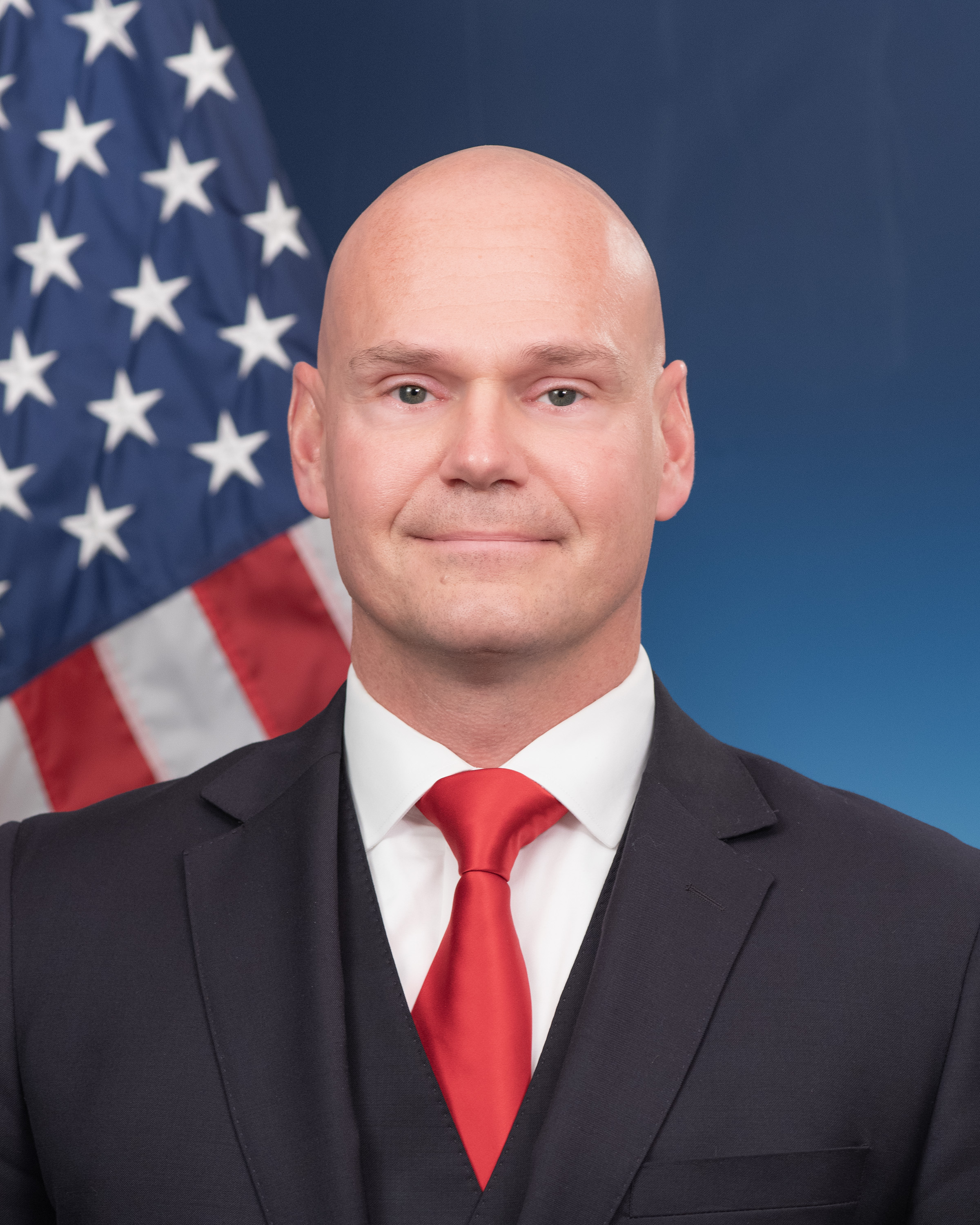
 The Pandora Report