Week in DC: Events

October 8, 2014

NATO in the Face of a Rising Russia
Date: October 8, 2:00pm
Location: Center on Global Interests, 1050 Connecticut Ave NW, 10th Floor, Washington DC

As a result of the Ukraine crisis, Russia-NATO relations have reached their lowest point since the Cold War, with Russia’s annexation of Crimea awakening many in the alliance to the fact that Russia is prepared to use force to defend its interests in Eastern Europe.

Please join us for a discussion with former NATO consultant John Wallace as part of CGI’s new program exploring the long-term consequences of the conflict in Ukraine. Wallace will address, among other topics, NATO cohesion in the face of a reemerging Russia, the appointment of new Secretary-General Jens Stoltenberg, and the long-term prospects for Russia-NATO relations.

The Ukraine Crisis: Is Nuclear Conflict Likely?
Date: October 8, 3:00pm
Location: National Press Club, 529 14th Street, 13th Floor, Zenger Room, Washington DC 20045

Australia’s Dr. Helen Caldicott – a longtime advocate of citizen action to address nuclear and environmental crisis, founding President of Physicians for Social Responsibility and a 1985 Nobel Peace Prize nominee – believes the current crisis in Ukraine is evidence that the Cold War has not only returned and could well morph into a nuclear exchange between Russia and the U.S.

For the first time in recent history, Russia and the U.S. are in a state of confrontation. Both nations have recently conducted nuclear war games, and some reports suggest that the state of alert of their nuclear arsenals has been raised.

At a National Press Club Newsmakers news conference on Wednesday, October 8, Caldicott will argue that the Cold War has not only returned, but is heating up. The nuclear exchange she fears would result in ozone depletion, radioactive contamination, massive fire storms and a nuclear winter. Even without a nuclear confrontation, Ukraine hosts 15 nuclear power plants. Conventional warfare could cause several of them to melt down.

Like all Newsmakers events, the news conference is open to credentialed media and club members, free of charge. No advance registration is required.

Handwashing Inovations & Inspirations: A Discussion & Reception
Date: October 8, 4:30pm
Location: FHI 360, 1825 Connecticut Ave NW, Washington DC

Handwashing. It’s a simple behavior with a big impact. But, it is oftentimes overlooked. Given the role that hygiene can play in public health–from preventing the common cold to slowing the spread of infections like Ebola—embracing innovations in design, behavior change, and programming is becoming increasingly important.

Just one week before Global Handwashing Day, you are invited to join the Global Public-Private Partnership for Handwashing, FHI 360, Devex, & WASH Advocates to talk about what’s new in hygiene.

From hygiene integration to innovations in handwashing to insights into behavioral drivers, this year has been an exciting one for handwashing. Hear fast-paced talks from a diverse range of handwashing innovators to inform, inspire, and make us think. Then join us for a pre-Global Handwashing Day reception immediately after the presentations, to mingle and discuss how we can bring handwashing innovation into our programs to improve health around the world. This is a must-attend Global Handwashing Day event for anyone with an interest in the promotion of hygiene and health around the world.

Register here. 

October 9, 2014

Building a Cybersecurity Roadmap: Developing America’s Edge
Date: October 9, 9:30am
Location: Center for National Policy, 1250 I Street NW, Suite 500, Washington DC

The Center for National Policy and The Christian Science Monitor invite you to join us for the second in a series of cybersecurity events convening and promoting the most original thought leaders and cutting-edge practitioners in the field.

From Target to Transportation Command, 2014 has been characterized by a steady stream of reports of high profile cyber intrusions. This event will explore how the U.S. can develop the workforce, education and policy frameworks to slow the trend of cyber events.

Register here.

ISIS and the End of the Middle East as We Know It
Date: October 9, 12:30pm
Location: Woodrow Wilson International Center for Scholars, 1300 Pennsylvania Ave NW, 5th Floor Conference Room, Washington DC

While Western attention is caught by the rise of the so-called “Islamic State”, the real story may be the dissolution of order in the Middle East. How do we understand ongoing political and geopolitical shifts in the region and the rise of new types of actors such as the “Islamic State”? And what, if anything, can and should Western powers do?

Volker Perthes is the executive chairman and director of Stiftung Wissenschaft und Politik (SWP), German Institute for International and Security Affairs, Berlin. He received his doctorate from the University of Duisburg in 1990 and his habilitation in 1999. From 1991 to 1993, Perthes was an assistant professor at the American University of Beirut; he joined SWP in 1992 and headed the Research Group “Middle East and Africa” for several years. His previous teaching positions include the universities of Duisburg, Münster, and Munich; currently, Perthes is a professor at Humboldt University Berlin and Free University of Berlin. In addition, Perthes serves on various national and international bodies such as the Advisory Research Council of the Finnish Institute of International Affairs (FIIA) (as chairman), the International Advisory Council of the Shanghai Institute for International Studies (SIIS), the Hellenic Foundation for European & Foreign Policy (ELIAMEP), the TCCI Advisory Board of the Turkish Industry & Business Association (TÜSIAD), and the TTIP Advisory Council of the Federal Ministry for Economic Affairs and Energy. Perthes is a frequent commentator in German and international media.

Live webcast available here.

Yemen: Rethinking Fragile States and Counterterrorism
Date: October 9, 2:30pm
Location: Atlantic Council, 1030 15th Street NW, 12th Floor, West Tower, Washington DC

Please join the Rafik Hariri Center for the Middle East for an off-the-record discussion with Admiral Dennis Blair, former Director of National Intelligence, to discuss the US counterterrorism approach in Yemen and the need to develop a more effective operational model for the United States to address security threats emanating from fragile states with weak institutions.

Despite the importance of stability in the Arabian Peninsula for core US interests, there is scant evidence of innovative, ambitious thinking in Washington about how to effectively address the factors driving the growth of extremist networks and potential state failure. The discussion will explore the need for the United States to develop a longer-term, more integrated approach to mitigate such dangers beyond the current short-term tactical responses of drone strikes and investing in elite counterterrorism units.

This event will also mark the release of two Atlantic Council reports: “A Blueprint for US Policy in Yemen,” by former US Ambassador to Yemen Barbara K. Bodine and Deputy Director Danya Greenfield and; “Are Drone Strikes Undermining US Security Objectives in Yemen,” by Danya Greenfield and Assistant Director Stefanie A. Hausheer.

Register here.

Statesmen’s Forum: Secretary Jeh Johnson of the U.S. Department of Homeland Security: Border Security in the 21st Century
Date: October 9, 3:00pm
Location: Center for Strategic and International Studies, 1616 Rhode Island Ave NW, 2nd Floor Conference Center, Washington DC

CSIS is pleased to host Secretary Jeh Johnson for a public address on border security in the 21st century. He will address the state of security on the southwest border, the status of unaccompanied migrant children, and national immigration reform. Secretary Johnson was sworn in on December 23, 2013 as the fourth Secretary of Homeland Security. Previously, Secretary Johnson served as general counsel for the Pentagon and the Air Force, as well as being a private practice attorney.

RSVP here.

Russia and Ukraine: Hybrid War in the Donbas
Date: October 9, 3:30pm
Location: Woodrow Wilson International Center for Scholars, 1300 Pennsylvania Ave NW, 5th Floor Conference Room, Washington DC

Much discussion has taken place about the political implications and outcomes of the conflict in Ukraine, but these have been shaped by military realities on the ground. Michael Kofman will discuss the current military balance and the actual state of Ukraine’s military and defense industry. The tactics employed in this summer’s fighting by all sides will have implications that reverberate throughout the process of ceasefire and political settlement. It is important to understand the military nuances in order to gain perspective on Ukraine’s options in the future.  

RSVP here.

Don’t Wait for the Next War: A Discussion on Strategy with General Wesley K. Clark, USA (Ret.)
Date: October 5, 9:30am
Location: Atlantic Council, 1030 15th Street NW, 12th Floor, West Tower, Washington DC

Please join the Atlantic Council’s Brent Scowcroft Center on International Security to hear from General Wesley K. Clark (Ret.) as he outlines a strategy for American growth and global leadership. As a former supreme allied commander Europe and renowned military leader, General Clark is widely noted for being an exceptional strategic thinker. As the United States winds down from a decade of war and finds itself once again at the precipice of a new prolonged conflict, the country must chart a new strategic course to achieve success. Beyond those issues, terrorism, cybersecurity, financial instability, the rise of China, and global climate change will pose challenges and opportunities for the United States which, without a defined and robust strategy, would prove very difficult to effectively manage.

To meet these challenges, General Clark will outline what the United States should do to remain the global leader and prosper in this new global environment. He also will provide his rationale for why the United States should relearn the art of strategy to succeed now and into the future.

General Clark is a retired four-star general in the United States Army, and served as supreme allied commander Europe, where he led NATO forces to victory in Operation Allied Force, the war in Kosovo. He is chairman and CEO of Wesley K. Clark & Associates, a strategic consulting firm, and is the author of Winning Modern Wars and Waging Modern War. He serves as a board director of the Atlantic Council.

Register here.

Pandora Report 10.4.14

This week the round up includes Russian bird flu, pregnancy and flu, ISIS threats to British troops, and of course, an Ebola update.

Have a great weekend, don’t forget your flu shot, and keep smart about your news!

Russia Reports First Cases of Deadly Bird Flu in Two Years

Domestic chicken, geese, and ducks in the Altai Krai region of Russia, near the border of Kazakhstan, were found to be infected with the H5N1 serotype of bird flu. These are the first cases of the highly pathogenic flu in this area in nearly two years.

Reuters—“The latest outbreaks in Russia, which led to the death or culling of 344 birds, were thought to have come from wild birds. “Probably, hunted ducks and geese trophies had been placed in backyards where mortality occurred later in domestic birds,” the farm ministry said in its report.”

Why is Flu Virus Higher Risk for Pregnant Women? 

While HHS continues to prepare for pandemic flu, which could kill 60 million people, researchers at Stanford University have looked at the effects flu has on pregnant women. A pregnant woman’s immune system is strongly suppressed, but researchers say this alone cannot explain vulnerability to influenza. Researchers looked at the proportion and behavior of natural killer cells and T cells, which in the presence of flu increased and changed in function. These findings offer a possible treatment path—changing inflammatory response rather than just fighting replication of the virus.

Star Tribune—“Women who get the flu while pregnant have a much higher risk of hospitalization and death and are four times more likely to deliver a premature baby. During the 1918 epidemic, in fact, the death rate among pregnant women was at least 28 times that of the general population.”

ISIS Threatens to Gas British Troops in Iraq: Soldiers Ordered to Carry Chemical Suits

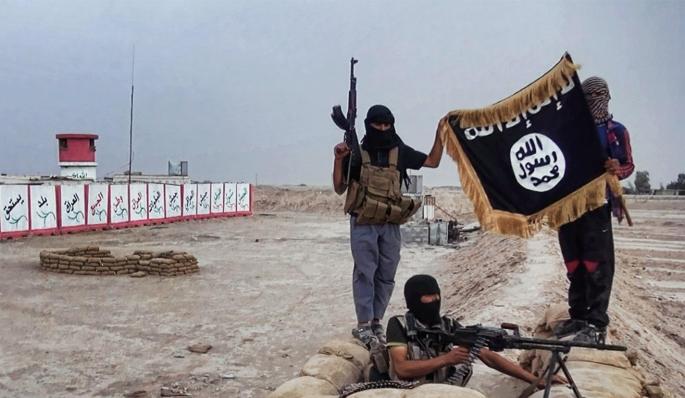
British Special Forces training Kurdish Peshmerga fighters and identifying RAF bombing targets in Northern Iraq have started carrying chemical protection suits. Intelligence sources warned that ISIS fighters may have stolen poison gas from Syrian forces who withheld the agents from destruction. ISIS is thought to have stolen sarin and chlorine gases when they raided a Syrian Air Force base two months ago.

The Mirror—“The [British] soldiers now carry nuclear and biological warfare protection and respirators. All vehicles are being fitted with gas detectors and an RAF Regiment trained in chemical warfare is on standby to fly to the region.”

This Week in Ebola

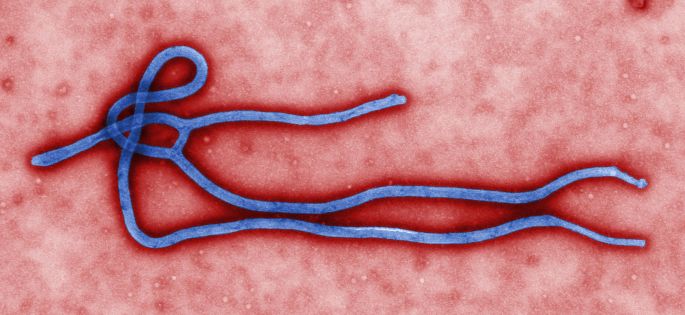
Oh, Ebola. The big story this week is that the virus arrived on American shores, with the first confirmed case in Dallas and potential cases of Ebola in the DC area being ruled out, the CDC is using contact modeling to help track potential cases in Texas. Arrival in the U.S. has caused an absolute avalanche of news stories and opinion pieces throughout the media. They have ranged from fear mongering about an epidemic in the U.S. and how quarantines would be ineffective, to why you shouldn’t worry about Ebola as a bioweapon. We saw the White House urging calm (and making awesome infographics) and medical facilities saying the average American citizen has nothing to worry about. Meanwhile, there were reports that Ebola poses a greater risk than SARS and AIDS and Louis Farrakhan tweeted that Ebola is a bioweapon against Africans. Use of hyperbole and misinformation do a disservice to those trying to responsibly inform Americans. We saw a case of a doctor in Liberia who quarantined herself in order to keep others safe and another Liberian doctor who seems to have effectively treated Ebola using HIV drugs. And, of course, the biggest problem was that Ebola could affect the cocoa trade. Oh wait, no, that’s what we in “the biz” call a #champagneproblem.

Stories You May Have Missed


Image Credit: Pregnant In The City

Why Obama’s War on ISIL Won’t Hold Its Popularity

Biodefense Program Director and Associate Professor Dr. Trevor Thrall, of the George Mason School of Policy, Government and International Affairs, has published an article which appears in The National Interest. An excerpt of the article is available below with a link to the full article.

With the prime-time announcement of his campaign to destroy ISIL, President Obama is staking his presidency in a place he certainly never intended. Obama launches his campaign with what appears to be a reasonable level of public support. A September CNN/ORC poll found that roughly 75 percent of the public supports airstrikes against ISIL, a figure that may climb a bit higher in the wake of Obama’s address to the nation on September 10. This support compares relatively favorably with most U.S. military interventions of the past (see Gallup’s list of public support by major intervention here), closer to initial levels of support for Iraq and Afghanistan, for example, than to the invasion of Panama or the Kosovo air war.

Read the entire article here.

Restricted Science

Biodefense Associate Professor Dr. Sonia Ben Ouagrham-Gormley, of the George Mason School of Policy, Government and International Affairs, has published an article which appears in a special edition of Frontiers in Public Health. An excerpt of the article is available below with a link to the full article.

In 2004, the National Science Advisory Board for Biosecurity (NSABB) was created as an independent federal advisory body. Its role was to advise the U.S. government on strategies to prevent the misuse of dual-use research. Since its inception, the NSABB has ruled on two cases: the 1918 flu-virus synthesis conducted by government scientists in 2005 and the H5N1 experiment conducted in 2011 by two separate university teams in the Netherlands and the United States. While in the first case, without much public debate, the NSABB quickly decided to support publication of the experiment’s findings, in the second case, it initially requested a halt on publication and the removal of methodological details from the proposed articles for fear that they could be used by malevolent actors to create a pandemic among humans. The decision was reversed 6 months later, but it sparked a worldwide firestorm, engaging the scientific and security communities in a heated debate about whether the dissemination of scientific data should be regulated, and what types of research should be conducted. Yet, the key question that triggered the overall controversy remains largely ignored: under what conditions could the H5N1 experiment be reproduced, if at all, by malevolent actors using only published data?

Read the entire article here.

The Islamic State: Past is Prologue

By Erik Goepner

Current estimates of IS’ fighting strength range from 20,000-31,500—up significantly from previous estimates of 10,000. They control a swath of Syria and Iraq that roughly equates to the size of Great Britain.   And now, they are putting together a governance structure to facilitate the running of their nascent “caliphate.” Potentially, their goals may be as grand(iose) as enveloping the world within their so-called caliphate.

The United States’ strategy to counter the Islamic State, as well as the strategies of other nations and international organizations (e.g., the United Nations), continues to evolve. For America’s part, President Obama recently stated that America’s goal is to “degrade and ultimately destroy ISIL.” The strategy to achieve this goal will include a “comprehensive and sustained counterterrorism” component, ostensibly led by America and involving a broad coalition.

This goal, and the strategy to achieve it, sounds eerily familiar. In 2009, President Obama’s goal in Afghanistan and Pakistan was to disrupt, dismantle and defeat al Qaeda. In 2003, President Bush’s goal was to succeed in Iraq—“the central front” in the war on terror—by “destroying the terrorists” (as the first of three objectives he had in Iraq). And, shortly after the attacks of 9/11, President Bush’s stated objective was to destroy and defeat the global terror network.

As for strategy, is it possible that the recently announced “comprehensive and sustained counterterrorism strategy” is not that new? For the past thirteen years, America has been executing what seemed to be a comprehensive counterterrorism strategy, at least in terms of where it was employed (e.g., Iraq, the Horn of Africa, Afghanistan, the Philippines, Pakistan), how it was employed (i.e., all elements of national power, such as diplomatic, economic & military), and with whom it was employed (40+ nations in the “coalition of the willing”). And after thirteen years, the strategy is nothing if not “sustained.”

While the strength of the individual terrorist groups ebb and flow, a primitive measurement of IS’ current power suggests the aggregate Islamist terror potential may be higher now than at any time since 9/11. Al Qaeda’s 500-1,000 “A-list operatives” around the time of 9/11 seem to pale in comparison to IS’ 20,000+ fighters.

The post-9/11 “coalition of the willing” has evolved into today’s broad coalition. Speeches from America’s political leaders suggest this cannot be, primarily, a U.S. effort. Yet for the past thirteen years it has been just that: America’s young men and women going into harm’s way and bearing the costs. It is difficult to see how that will change now.

The past thirteen years suggest we may have set our sights on the wrong goal. On the one hand, chances are high we will fall short in achieving this objective, just as we have in defeating the “global terror network.” On the other hand, we might achieve the tactical victory at a particular space and time (i.e., defeat IS in Iraq and Syria in the near-term), but at the expense of unwittingly creating the conditions that usher forth a more severe future threat. Then, again, now could be different, and the past is simply the past.

Image Credit: NBC News

Week in DC: Events

September 29, 2014

An Assessment of President Rouhani’s Visit to the United States
Date: September 29, 12:00pm
Location: Woodrow Wilson International Center for Scholars, 1300 Pennsylvania Ave NW, 5th Floor, Washington DC

During his U.S. trip to attend the UN General Assembly meeting last year when hopes were high for some kind of Iran-U.S. reconciliation, Iran’s newly-elected president, Hassan Rouhani, even had a friendly telephone conversation with President Obama. The frostier environment created by Iran’s leader, Ayatollah Khamenei, makes a repeat of that exchange or negotiations between Iranian and American officials highly unlikely. Still, U.S. officials and the international community will be eager to hear what Mr. Rouhani has to say in his UN speech and in his media appearances regarding Iranian policy on Syria and Iraq, ISIS, the current negotiations on Iran’s nuclear program, Russia’s incursions on Ukraine, and his promise to revive the economy and ease political controls at home. Please join us for an assessment of Mr. Rouhani’s 2014 trip to UNGA.

RSVP here.

Cybersecurity for Government Contractors
Date: September 29, 3:00pm
Location: Homeland Security Policy Institute, The Elliott School for International Affairs, 1957 E Street NW, 7th Floor, City View Room, Washington DC

This symposium will present a case study of a hypothetical government contractor as it suffers a cyber attack, navigates the real-world legal fallout, and considers an integrated approach to cyber risk management. The discussion will be based on the Briefing Paper, Cybersecurity for Government Contractors, available here.

Featured speakers include: The Honorable Michael Chertoff, Former Secretary, U.S. Department of Homeland Security, Chairman of The Chertoff Group, and Chairman, George Washington University Cybersecurity Initiative; Robert Nichols, David Fagan, and Other Experts from Covington & Burling LLP and The Chertoff Group

Register here.

September 30, 2014

Security and Justice in Post-Revolution Libya: Dignity, Dawn, and Deadlock
Date: September 30, 10:00am
Location: U.S. Institute of Peace, 2301 Constitution Ave NW, Washington DC

Following the 2011 Libyan revolution that removed Muammar Qaddafi from power, state security and justice institutions have struggled to reemerge to meet the needs of the people. In the resulting security vacuum, armed groups have assumed a role in security provision, many as quasi-state actors and yet outside of state command and control. Formal security and justice actors have been threatened, attacked, and assassinated.

With state security and justice institutions largely nonfunctioning, some communities have turned to vigilante justice, tribal leaders and elders, or resorted to self-help when faced with conflicts and disputes. As levels of violence intensify, many are left wondering: How did we get here, and what could be done to change the situation? To address these questions, on September 30 the U.S. Institute of Peace (USIP) will host a discussion on Libya’s security and justice landscape and the country’s current crisis. It will feature findings from new research by USIP and Altai Consulting on the landscape, perceptions and experience of security and justice in Libya.

RSVP here.

Understanding Islamism
Date: September 30, 12:00pm
Location: Heritage Foundation, 214 Massachusetts Ave NE, Lehrman Auditorium, Washington DC

The rapidly shifting political terrain in parts of the Middle East and North Africa over the last four years has been marked by the rise of Islamist parties. Religious-based political parties have long played an important role in the politics and democratic evolution of countries throughout the greater Middle East. However, the ideological underpinnings and anti-democratic practices of the Islamist elements among them pose risks to U.S. counterterrorism objectives and threaten religious freedom and other fundamental rights of the citizens in the countries in which they operate. In this context, how can the United States develop consistent policy approaches that simultaneously bolster liberal democratic development, help counter terrorist movements, and support American strategic interests? Join us as our panel discusses these important questions and offers their recommendations for U.S. policy moving forward.

RSVP here.

Meet Syria’s Rescue Workers: Saving Lives, Building Peace
Date: September 30, 2:00pm
Location: U.S. Institute of Peace, 2301 Constitution Ave NW, Washington DC

Syria is the world’s most dangerous place to be a civilian. But there is another side to the conflict: those focused on caring for civilians in the conflict are also seeking to build peace. Volunteers are coming to the rescue with no regard for sect or creed. Join the U.S. Institute of Peace, The Syria Campaign and the Syrian American Medical Society on September 30 as they bring together two of these courageous rescuers to discuss the future of peacebuilding in Syria.

Some 600 Syrians known as “White Helmets” or Syrian Civil Defense units, are organized volunteers who act as rescue workers in areas like Aleppo and Idlib provinces in the country’s northwest. They are unarmed and impartial, and operate on principles on “solidarity, humanity and impartiality,” as laid out in the Geneva Convention. In the last six months, they have recorded more than 2,500 lives saved. They run out after barrel bombs have dropped and dig through the rubble, often with their bare hands, in search of life.

The United States Institute of Peace, The Syria Campaign and the Syrian American Medical Society bring together two of these courageous rescuers to discuss the future of peacebuilding in Syria.

RSVP here.

Effective Multilateralism: The Experience of Chemical Weapons Elimination in Syria
Date: September 30, 5:00pm
Location: Georgetown University, Healy Hall 301, Riggs Library, 37th and O Streets NW, Washington DC

United Nations Secretary-General Ban Ki-moon announced the appointment of Sigrid Kaag of the Netherlands as Special Coordinator of the Organisation for the Prohibition of Chemical Weapons (OPCW)-United Nations Joint Mission to eliminate the chemical weapons programme of the Syrian Arab Republic on 16 October 2013.

Ms. Kaag will speak on her experiences in dealing with the extreme challenges she and her team encountered in eliminating the Syrian chemical weapons arsenal in the unpredictable storm of the Syrian Civil War.  She will address the problems, challenges, and potential opportunities that lie in constructive multilateral approaches to addressing chemical weapons in the Syrian Arab Republic.

Ms. Kaag brings a wealth of experience in international organizations and the diplomatic service, combined with country experience, notably in the Middle East. Prior, Ms. Kaag was Assistant Secretary-General of the Bureau of External Relations and Advocacy of the United Nations Development Programme (UNDP). She was Regional Director for the Middle East and North Africa of the United Nations Children’s Fund (UNICEF) in Amman, Jordan (2007-2010), and earlier as Chief of Staff to the Executive Director and Deputy Director of Programmes in New York.

RSVP here.

Putin’s Grand Strategy: The Eurasian Union and Its Discontents
Date: September 30, 5:30pm
Location: Johns Hopkins School of Advanced International Studies, Kenney Auditorium, 1740 Massachusetts Ave NW, Washington DC

Svante Cornell, director of the Central Asia-Caucasus Institute and adjunct professor of European and Eurasian Studies; S. Frederick Starr, founding Chairman of the Central Asia-Caucasus Institute and adjunct professor of European and Eurasian Studies; James Sherr, associate fellow and at Chatham House, The Royal Institute of International Affairs; Stephen Blank, senior fellow at the American Foreign Policy Council; Richard Weitz, senior fellow and director of the Center for Political-Military Analysis at the Hudson Institute, Johan Engvall, research fellow at the Central Asia-Caucasus Institute; and Mamuka Tsereteli, research director at the Central Asia-Caucasus Institute, will discuss the launch of the Central Asia-Caucasus Institute and Silk Road Studies Program’s new book Putin’s Grand Strategy: The Eurasian Union and Its Discontents.

A reception will precede this event at 5:00 p.m. Register here.

The Iranian Nuclear Talks: A View from London
Date: September 30, 6:00pm
Location: Johns Hopkins School of Advanced International Studies, The Rome Building, Room 806, 1740 Massachusetts Ave NW, Washington DC

Mark Fitzpatrick, Director of the Non-proliferation and Disarmament Program at the International Institute for Strategic Studies, will discuss this topic.

RSVP here.

Exploring ISIL: Context and Repercussions
Date: September 30, 6:30pm
Location: World Affairs Council, MAA Carriage House, 1781 Church St NW, Washington DC

Join World Affairs Council – Washington, DC for a discussion about ISIL; one of the most momentous and imposing insurgent groups facing America today. What is it? What is the United States’ response, and how will this impact the security of the region?

Our speaker panel includes the knowledgeable and versed voices of Dr. Shadi Hamid, fellow at the Brookings Institution and author of  Temptations of Power: Islamists and Illiberal Democracy in a New Middle East; Thomas Sanderson, the co-director and senior fellow in the Center for Strategic International Studies Transnational Threats Project, and Kate Brannen; a senior reporter at Foreign Policy covering the defense industry and influence on Capitol Hill who will be moderating the event.

Register here.

October 1, 2014

The Cost and Value of Biomedical Innovation: Implications for Health Policy
Date: October 1, 9:00am
Location: Brookings Institution

High-cost drugs and devices that address significant unmet medical needs have generated much attention lately. New treatments for many cancers and for infections like Hepatitis C have the potential to increase life expectancy and quality of life for affected patients. Many more such treatments are in development. While a number of important breakthroughs have occurred in the past several decades, the increasing ability to target treatments based on a better understanding of genomics, systems biology, and other biomedical sciences could lead to more technologies with broader effects for targeted populations. Thus, biomedical innovation may have substantial future implications for population health and health care costs.

On Wednesday, October 1, the Engelberg Center for Health Care Reform and theUSC Schaeffer Center for Health Policy and Economics will host a half-day forum to discuss the serious coverage challenges that accompany breakthrough treatments, such as the much-discussed new treatment for Hepatitis C, Sovaldi. Researchers will present economic modeling simulations that illustrate the value and long-term effects of such treatments; and explore potential policy solutions for financing  biomedical innovations.

Please note that this event is currently at capacity and in-person attendance is no longer available, but you may view the event via webcast by registering here.

Vladimir Putin and Russia’s Increasingly Aggressive Nuclear Threat
Date: October 1, 9:00am
Location: Hudson Institute, 1015 15th Street NW, 6th Floor, Washington DC

Over the past few weeks, President Vladimir Putin—already seeking to modernize his nuclear forces in violation of the 1987 Intermediate Nuclear Forces Reduction Treaty—has moved Russia into an increasingly visible and aggressive nuclear posture. In late August, Putin implicitly threatened to use nuclear weapons against non-nuclear nations including Ukraine and the Baltic States. Moreover, while Russian strategic bombers repeatedly violate U.S. and Canadian air defense space, Putin is in the midst of establishing a naval base on the New Siberian Islands.

What are Putin’s aims? What do these actions portend for the state of U.S. nuclear deterrence, arms control treaties, and the nuclear-free movement which President Barack Obama, among others, has championed? How should the U.S., NATO and Ukraine respond?

To explore these questions and others, please join us on Wednesday, October 1st at 9:00 am as noted experts Andrei Piontkovsky and William Schneider, Jr., both Hudson Institute fellows, and Roland Freudenstein, Deputy Director and Head of Research at the Wilfred Martens Centre for European Studies, as they discuss the ominous implications of Putin’s actions. Hudson Institute President and CEO Kenneth Weinstein will moderate the panel.

Register here.

Russia’s Stake in Ukraine
Date: October 1, 2:00pm
Location: Institute of World Politics, 1521 16th Street NW, Washington DC

David Satter, a former Moscow correspondent of the Financial Times of London, will discuss Russia’s Stake in Ukraine. He is the author of three books on Russia and the director of a documentary film and has followed Russian events for almost four decades. In May, 2013, he became an adviser to Radio Liberty and in September, 2013, he was accredited as a Radio Liberty correspondent in Moscow. Three months later, he was expelled from Russia becoming the first U.S. correspondent to be expelled since the Cold War.

David Satter is a fellow of the Foreign Policy Institute at the Johns Hopkins University School of Advanced International Studies (SAIS), a senior fellow of the Hudson Institute and a senior fellow of the Foreign Policy Research Institute in Philadelphia. He has also been a research fellow at the Hoover Institution at Stanford University. He teaches a course on Russian politics and history at the Johns Hopkins University School of Advanced Academic Programs and has been a visiting professor at the University of Illinois in Urbana-Champaign.

Register here.

Putin’s Kleptocracy—Who Owns Russia?
Date: October 1, 3:30pm
Location: Woodrow Wilson International Center for Scholars, 1300 Pennsylvania Ave NW, 6th Floor, Washington DC

Former Wilson Center Public Policy Scholar, Karen Dawisha, will present her new book “Putin’s Kleptocracy: Who Owns Russia?” with Elizabeth A. Wood joining her as a discussant. The book traces Putin’s sudden rise to power and examines the network of individuals who rose to power and riches along with him. Dawisha’s provocative new study further addresses the nature of Putin’s power vertical and the endemic corruption that accompanies his system.

RSVP here.

October 2, 2014

Book Talk: A Time to Attack: The Looming Iranian Nuclear Threat
Date: October 2, 5:00pm
Location: AU School of International Service, Beacon Conference Room (SIS 300), 4400 Massachusetts Ave NW, Washington DC

Georgetown University professor Matthew Kroenig will discuss his new book, A Time to Attack: The Looming Iranian Nuclear Threat. This event will be moderated by SIS professor Neil Shenai.

October 3, 2014

The UK Strategic Nuclear Deterrent and the Chevaline Program: An Overview
Date: October 3, 12:00pm
Location: Woodrow Wilson International Center for Scholars, 1300 Pennsylvania Ave NW, 5th Floor, Washington, DC

Chevaline was the codename given to a highly-secret program begun in 1970 to improve the penetration performance of the UK’s force of Polaris submarine-launched ballistic missiles in order to give them the capability to overcome Soviet ABM defenses deployed around Moscow. After much delay and cost escalation the new system was finally introduced in 1982, but it had already attracted major criticism for the expenditure involved, claims of project mismanagement, the rationale that underpinned its development, and its concealment from proper parliamentary scrutiny.

In this presentation Matthew Jones, UK Official Historian of the Chevaline program, will explore the program’s background, why it ran into so many problems, and how it became one of the most controversial episodes in post-war British defense policy.

A light lunch will be served at the event. RSVP here.

Pandora Report 9.27.14

This week the round up includes concern of growing antibiotic resistance, MERS CoV transmission, and of course, an Ebola update.

Have a great weekend (and don’t forget to get your flu shot)!

White House Orders Plan for Antibiotic Resistance

On Thursday, President Obama signed an executive order to form a government task force and presidential advisory council to address antibiotic-resistant germs. The order calls for new regulations of antibiotic use in hospitals and urges the development of new antibiotics. Scientists at MIT are looking at creating a new class of antibiotic that targets and destroys resistance genes within bacteria.

WTOP—“According to the Centers for Disease Control and Prevention, antibiotic-resistant infections are linked to 23,000 deaths and 2 million illnesses in the United States annually. The impact to the U.S. economy is as high as $20 billion, the White House said, or more, if you count lost productivity from those who are sickened. And the problem is worsening.”

Camels are Primary Source of MERS-CoV Transmission 

A study designed by scientists from Colorado State University and NIH’s National Institute of Allergy and Infectious Disease has transmitted a strain of MERS CoV from human patient to camels. The camels developed a respiratory infection and showed high levels of virus in nasal secretions for up to a week after the infection. Though the camels recovered quickly, the nasal secretions could be the source of transmission to people who handle these animals.

Business Standard—“The researchers theorized that vaccinating camels could reduce the risk of MERS-CoV transmission to people and other camels; NIAID and others are supporting research to develop candidate vaccines for potential use in people and camels.”

This Week in Ebola

This week, the CDC estimated that there could be 500,000 to 1.4 million cases of Ebola by January if the outbreak continues unchecked. Meanwhile, a professor teaching at Delaware State University is telling Liberians that the U.S. Department of Defense, among others, has manufactured Ebola and warns them that doctors are not actually trying to treat them. Claims like this make it even more difficult for those on the ground to relay accurate information about the virus. However, a reverend in Monrovia is working to spread awareness of proper hand washing and social distancing within his congregation and alumni from a State Department funded exchange program help to spread news of the virus throughout neighborhoods. Unsurprisingly, the Ebola outbreak has essentially crippled the fragile Liberian health system which means people are dying from routine medical problems.

Stories You May Have Missed


Image Credit: Wikimedia

Dr. Gregory Koblentz on Background Briefing with Ian Masters

KoblentzLast week, Dr. Gregory Koblentz, Deputy Directory of the GMU Biodefense Program was interviewed on Background Briefing with Ian Masters to discuss the ongoing Ebola outbreak in West Africa. He covers the role of the Pentagon in combating the disease in Liberia and the virulence of Ebola that was weaponized as a biological weapon in the former Soviet Union.

You can listen to the interview here.

Week in DC: Events

September 22, 2014

Defeating ISIS: From Strategy to Implementation
Date: September 22, 12:00pm
Location: Washington Institute for Near East Policy

As the Obama administration formulates a strategy for confronting and defeating ISIS, its reluctance to deepen American involvement in Syria and Iraq raises questions about what form U.S. intervention will take going forward. The recent airstrikes near Mosul, Irbil, and elsewhere have been effective in achieving several limited objectives, but broader goals — such as rolling back the group’s large territorial gains and ultimately “destroying” ISIS — will likely require broader action. To discuss what the administration and its allies should do and how to do it, The Washington Institute is pleased to host a Policy Forum with Jean-Pierre Filiu, James Jeffrey, and Michael Eisenstadt.

Watch the livestream here.

The Rise of Lashkar-e-Taiba: A Look at One of South Asia’s Largest Terrorist Organizations
Date: September 22, 12:15pm
Location: New America Foundation , 1899 L Street NW, Suite 400, Washington DC

Although they are some of the world’s foremost terrorist groups, not much is widely known about Lashkar-e-Taiba (LeT), one of the largest terrorist organizations in South Asia that operates out of Pakistan and was responsible for the three day siege of the Taj Hotel in Mumbai in 2008 that killed 165 people. But now, former New York Times contributor Arif Jamal has documented the history, ideology, and global operations of LET and other groups in South Asia, bringing little-known facts about the dangers they pose to global security to light. In his book, Call for a Transnational Jihad: Lashkar-e-Taiba 1985-2014, Jamal shows through primary sources the links between the terrorist organizations in South Asia and those operating in other regions, demonstrating that the groups have a presence in more than 100 countries and are more inter-connected than many first believed.

By examining the rise of Lashkar-e-Taiba over the past three decades, Jamal makes it clear that the United States has treated the groups as a regional threat — not a global one. But as they have grown and become more deadly over the years, that policy is becoming more and more questionable.

New America is pleased to welcome Jamal for a discussion about his book, his thoughts on the future of LeT, and what the terrorist organizations history can tell us about their future.

RSVP here.

The Ukraine Crisis: The View from Odessa
Date: September 22, 1:00pm
Location: Woodrow Wilson International Center for Scholars, 6th floor, 1300 Pennsylvania Ave NW, Washington DC

Odessa has seen some of the worst violence and clashes outside of the war-torn eastern provinces of Ukraine but has received relatively little coverage. Join us for a discussion of Odessa’s perspective on the ongoing crisis with Volodymyr Dubovyk, Director, Center for International Studies, I. Mechnikov National University in Odessa.

RSVP here.

Schieffer Series: Jihad 3.0
Date: September 22, 4:45pm
Location: Center for Strategic and International Studies, 1616 Rhode Island Ave NW, Washington DC

The TCU Bob Schieffer College of Communication and CSIS cosponsor a monthly series of dialogues hosted by award-winning journalist Bob Schieffer to discuss the most pressing foreign and domestic issues of the day.

Panelists for Jihad 3.0 include The Honorable Juan C. Zarate, Former Deputy National Security Adviser for Combating Terrorism, Senior Adviser for CSIS, and Author, “Treasury’s War”; Dr. Jon Alterman, Senior Vice President, Zbigniew Brzezinski Chair in Global Security and Geostrategy and Director, Middle East Program, CSIS; and Julianna Goldman, Washington Correspondent for CBS News.

Register here.

September 23, 2014

A Symposium on The Ebola Crisis
Date: September 23, 8:00am
Location: Georgetown University, ICC Auditorum, 2nd Floor, 37th and O Streets NW, Washington DC

This half-day symposium features experts from government and academia and includes special remarks from Her Excellency Ellen Johnson Sirleaf, President of Liberia. RSVP and see the full schedule of speakers here.

Eastern Europe’s Most Difficult Transition: Public Health and Demographic Policy, Two Decades after the Cold War
Date: September 23, 9:00am
Location: Woodrow Wilson International Center for Scholars, 5th Floor, 1300 Pennsylvania Ave NW, Washington DC

Dr. Murray Feshbach was one of the first scholars to point out the devastating political and socio-economic effects of state communism’s failure to seriously address decaying public health and environmental conditions. His pioneering work remains relevant. More than two decades after the close of the Cold War, many health and demographic indicators in the former Warsaw-Pact states (including Russia) remain surprisingly inferior to those of the neighboring states of Western and Southern Europe.

In honor of Dr. Feshbach, this panel presents recent research that revisits the region’s health and demographic challenges and opportunities, in the context of today’s Europe. Richard Cincotta will present an analysis of mortality risk in the former Warsaw Pact states. Jack Goldstone will discuss the effects of Russian fertility policies. Ligia Paina will discuss Romania’s policy approach to ensure access to medical services for rural and underserved populations, in the context of ongoing migration of health professionals.

This event is being co-hosted by the Environmental Change and Security Program and the Kennan Institute.
RSVP here.

Jihadist Terrorism: A New Threat Assessment Report Release
Date: September 23, 10:00am
Location: Bipartisan Policy Center, 1225 I Street NW, Suite 1000, Washington DC 20005

With ISIS and international extremists dominating the international news coverage, the threat of terrorism is at the forefront of Americans’ minds. In light of these developments, the Bipartisan Policy Center will release a new threat assessment on September 23, authored by Peter Bergen, a member of BPC’s Homeland Security Project.

The report will examine threats from ISIS, Al-Qaeda and other jihadist groups, cybersecurity concerns, and drone strikes and drone proliferation. It is the second report in an annual series by BPC’s Homeland Security Project, which is led by former 9/11 Commission co-chairs Tom Kean and Lee Hamilton.

The event will feature a discussion about the contents of the new assessment with the authors and terrorism experts.

Register here.

Antiviral Targets for Human Noroviruses
Date: September 23, 12:00pm
Location: Georgetown University, 37th and O Streets NW, Washington DC

Featuring speaker Brent Korba, Ph.D., Research Professor at GUMC in the Department of Microbiology & Immunology.

September 24, 2014

Pakistan’s Long March: Reflections on the Anti-Government Protests in Islamabad
Date: September 24, 9:30am
Location: Woodrow Wilson International Center for Scholars, 5th Floor, 1300 Pennsylvania Ave NW, Washington DC

This summer, Pakistan was plunged into crisis as anti-government protestors converged on the capital city of Islamabad to demand the resignation of Prime Minister Nawaz Sharif. This protest movement marks the latest in a series of “Long Marches” Pakistan has experienced in recent decades. Anjum Altaf will discuss the primary drivers of this summer’s Long March, and consider whether it should be considered a success or a failure. He will also place the event in the broader context of the politics of agitation, with examples from countries including India, Ukraine, and the United States.

RSVP here.

Energy Security and the Ukraine Crisis
Date: September 24, 10:00am
Location: International Institute for Strategic Studies—US, 2121 K Street NW, Suite 801, Washington DC

The Ukraine crisis has intensified the debate about the energy relationship between Kiev and Moscow and, more widely, the political implications of the natural gas trade between Europe and Russia and Ukraine’s role as the key transit state. The prevailing narrative is that of an energy weapon used by Russia to blackmail Ukraine into submission and Europe into inaction. This discussion will show that it is Kiev that has blackmailed Moscow for twenty years to extract economic rents, and distorted Ukraine’s political economy in the process; that the security of supply issue in Europe is small, geographically limited, and remains unsolved because of EU rules and government inaction, not Russia’s might; and that the current crisis could have profound energy implications, especially if the Russia-Europe gas relationship is damaged beyond repair.

RSVP here.

Libya’s Civil War
Date: September 24, 12:00pm
Location: Carnegie Endowment for International Peace, 1779 Massachusetts Ave NW, Washington DC

Nearly three years after the fall of Muammar Qaddafi, Libya is in the throes of a bitter civil war. Its political and security institutions are split along complex fault lines that defy easy categorization. Further complicating the matter, Libya has become a flashpoint for a larger, regional proxy conflict between supporters of Islamist-oriented factions and the patrons of their opponents.

Frederic Wehrey will present the findings of a new Carnegie paper on the institutional roots of Libya’s violence and present options for how the United States and the international community can assist. Wolfram Lacher, Faraj Najem, and Dirk Vandewalle will act as discussants and share their own insights. Michele Dunne will moderate.

Register here.

Turkey: ISIS and the Middle East
Date: September 24, 1:30pm
Location: Georgetown University, McCarthy Hall, McShain Lounge, 37th and O Streets NW, Washington DC

Opening remarks by Dr. Gonul Tol, Executive Director of the Center for Turkish Studies at the Middle East Institute. The talk will be moderated by Dr. Sinan Ciddi, Executive Director of the Institute of Turkish Studies, and panelists include Dr. Denise Natali of the National Defense University, Dr. Kadir Ustun of the SETA Foundation at Washington, D.C., and Mutlu Civiroglu, Journalist and Kurdish affairs analyst.

Register here.

September 25, 2014

Pakistan: Importing America’s Federalism?
Date: September 25, 9:30am
Location: Atlantic Council, 1030 15th Street NW, 12th Floor (West Tower), Washington DC

Pakistan’s state policymaking space is in flux. Between the transition back to democracy in 2008, the devolution of a number of federal powers to the provinces in 2010, the increasing use of social media and connectivity, and a more active judiciary and civil society—the old images of slow-moving bureaucratic structure are no longer valid. However, what is replacing it is unclear. Recent populist social policy initiatives suggests that there is a growing appetite for social policy making which is visible and popular with voters. In this context, the current Pakistani administration has announced the creation of a national health insurance scheme. What level of data-based evidence is being used to both inform the policymaking and implementation process and to measure and evaluate the success of the project? The creation and implementation of the Affordable Care Act (ACA) presents an interesting and instructive American example for the use of data and evidence in policymaking and policy analysis.

Asif Memon will share his perspective gleaned from his work in Pakistan and his United States visit, part of the South Asia Center’s US-Pakistan Program Exchange Fellowship, to conduct research on this issue.

Register here.

September 26, 2014

Is There a Role for Religious Actors in Countering Radicalization and Violent Extremism?
Date: September 26, 10:30am
Location: U.S. Institute of Peace, 2301 Constitution Ave NW, Washington DC

Recent events in Iraq and Syria underscore the devastating impact of violent extremism. In fact, it is one of the most pressing issues facing the world today, affecting many regions and threatening to destabilize the global community. Efforts to counter violent extremism require strategic and sensitive approaches that take into account its myriad drivers and encourage collaboration across many sectors.  While civil society has an important role to play in countering violent extremism, religious actors are particularly well positioned to address some of its root causes, particularly in areas in which extremism is couched in religious terms.

At the end of September 2014, the Network of Religious and Traditional Peacemakers, Finn Church Aid, the Ministry of Foreign Affairs of Finland, and the U.S. Institute of Peace (USIP) will host the “Religious Actors Combatting Radicalization and Violent Extremism Symposium,” in Washington, DC and New York City. This symposium is bringing together nearly two dozen selected religious leaders, scholars and actors from around the world, including Nigeria, Sri Lanka, Syria and Libya who have been very involved in combatting violent extremism in their own communities.

On September 26th, 2014, USIP will host a public event featuring three panelists from the Symposium, who will present key insights drawn from the workshop and their own experiences.

RSVP here.

Pandora Report 9.20.14

We are introducing a new feature for the news round up—“Stories You May Have Missed.” This final section consists of fascinating articles I’ve found throughout the week that couldn’t fit in the report. This week the round up includes the UN Security Council’s resolution about Ebola, ISIS using chemical weapons in Iraq, a surprising source to combat antibiotic resistance, and of course, an Ebola update.

Lastly, you know what time of year it is, flu season is starting…don’t forget to get your flu shot!

Have a great weekend!

With Spread of Ebola Outpacing Response, Security Council Adopts Resolution 2177

On Thursday, the United Nations Security Council met to discuss the Ebola outbreak in West Africa and unanimously adopted resolution 2177 (2014). 2177 established the United Nations Mission for Ebola Emergency Response (UNMEER) and calls on Liberia, Sierra Leone, and Guinea to speed up establishment of national mechanisms to deal with this outbreak and to coordinate efficient utilization of international assistance, including health workers and relief supplies. The resolution also calls on other countries to lift their border and travel restrictions saying that isolation of the affected countries could undermine efforts to respond to the outbreak.

The United Nations—“United Nations Secretary-General Ban Ki-Moon said that the Ebola crisis had evolved into a complex emergency, with significant political, social, economic, humanitarian and security dimensions.  The number of cases was doubling every three weeks, and the suffering and spillover effects in the region and beyond demanded the attention of the entire world.  “Ebola matters to us all,” he said.”

ISIS Uses Chemical Weapons Against Army in Iraq

There were reports this week that the IS terrorist group has used chemical weapons in an attack on the Iraqi army in Saladin province. The reported attack took place Wednesday and Thursday in Dhuluiya, which has been under control of the group for more than two months. The attack affected approximately a dozen people.

One India—“Iraq’s Ambassador to the UN, Mohamed Ali Alhakim said in a letter that remnants of 2,500 chemical rockets filled with the deadly nerve agent sarin were kept along with other chemical warfare agents in a facility 55 km northwest of Baghdad. He added that the site’s surveillance system showed that some equipment had been looted after “armed terrorist groups” penetrated the site June 11.”

Vaginas May be the Answer to the Fight Against Drug-Resistant Bacteria

A naturally occurring bacterium found by scientists from the University of California, San Francisco, School of Pharmacy might be the key to addressing the threat of a post antibiotic future. Found in the female vagina, Lactobacillus gasseri is the basis for Lactocilin, a possible antibiotic alternative. This discovery comes at a time where the WHO has declared antimicrobial resistance as “an increasingly serious threat to global public health.”

Medical Daily—“This isn’t the only implication for the L. gasseri bacteria. Researchers are also hopeful to find similar-acting bacteria in different parts of the human body. “We think they still have bacteria producing the same drug, but it’s just a different bacterial species that lives in the mouth and has not yet been isolated,” lead researcher Micheal Fischbach told HuffPost. Even though the bacteria were harvested in females, researchers are confident it will have equal results when used in men.”

This Week in Ebola

It was a terrible week for Ebola, absolutely terrible. Above, we already learned that the UN Security Council declared the virus a threat to international peace and security, but that wasn’t all that happened. President Obama pledged 3,000 troops to fight Ebola in West Africa. The WHO said that the number of Ebola cases could begin doubling every three weeks and expressed concern about the black market trade of Ebola survivors’ blood. Eight aid workers and journalists were murdered in Guinea leaving many to fear that violence could stymy relief efforts and in Sierra Leone, the government instituted a three-day lockdown in order to help health care workers find and isolate patients.

Stories You May Have Missed


Image Credit: Wikimedia